Unrest
- P a l o m a P o l o
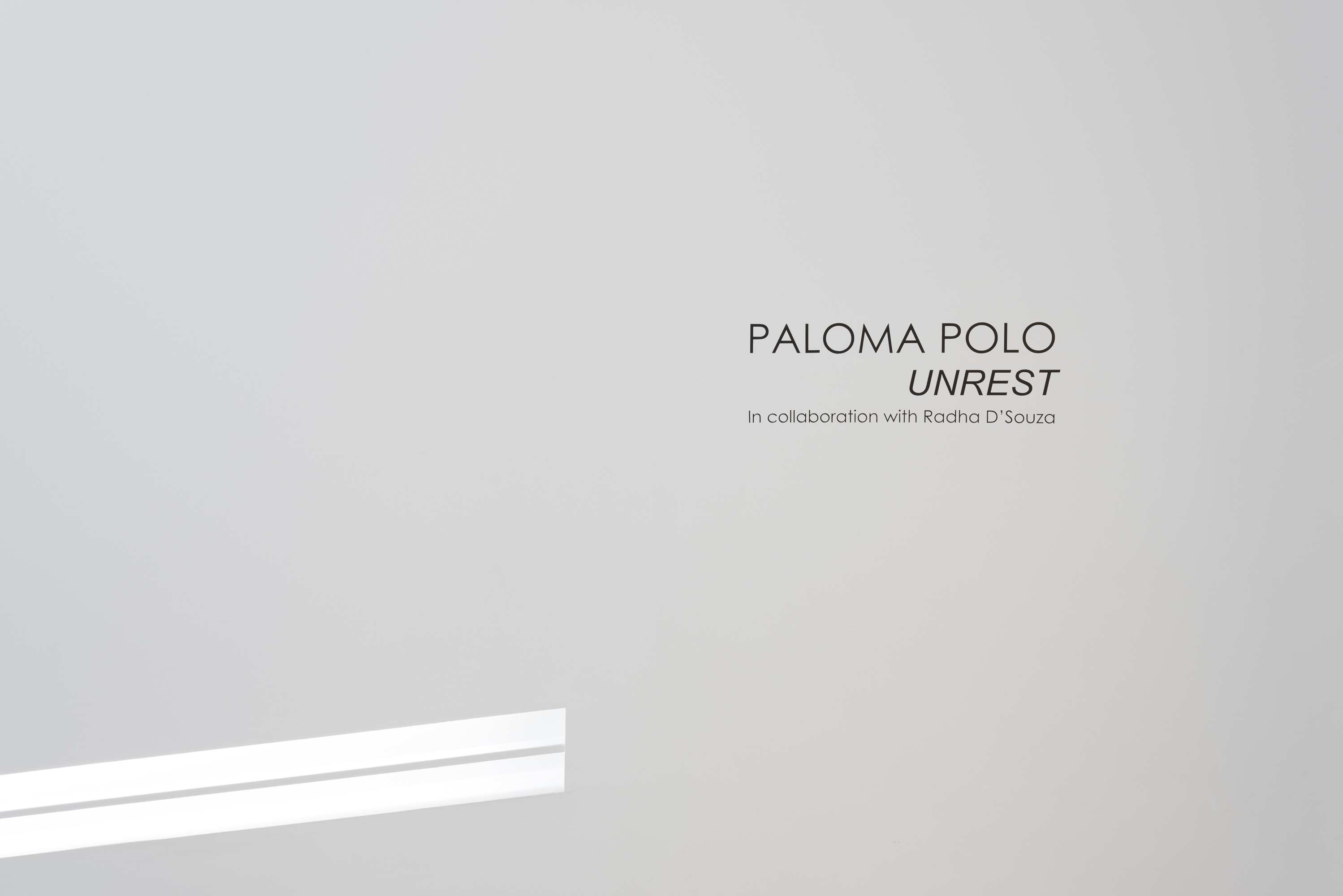
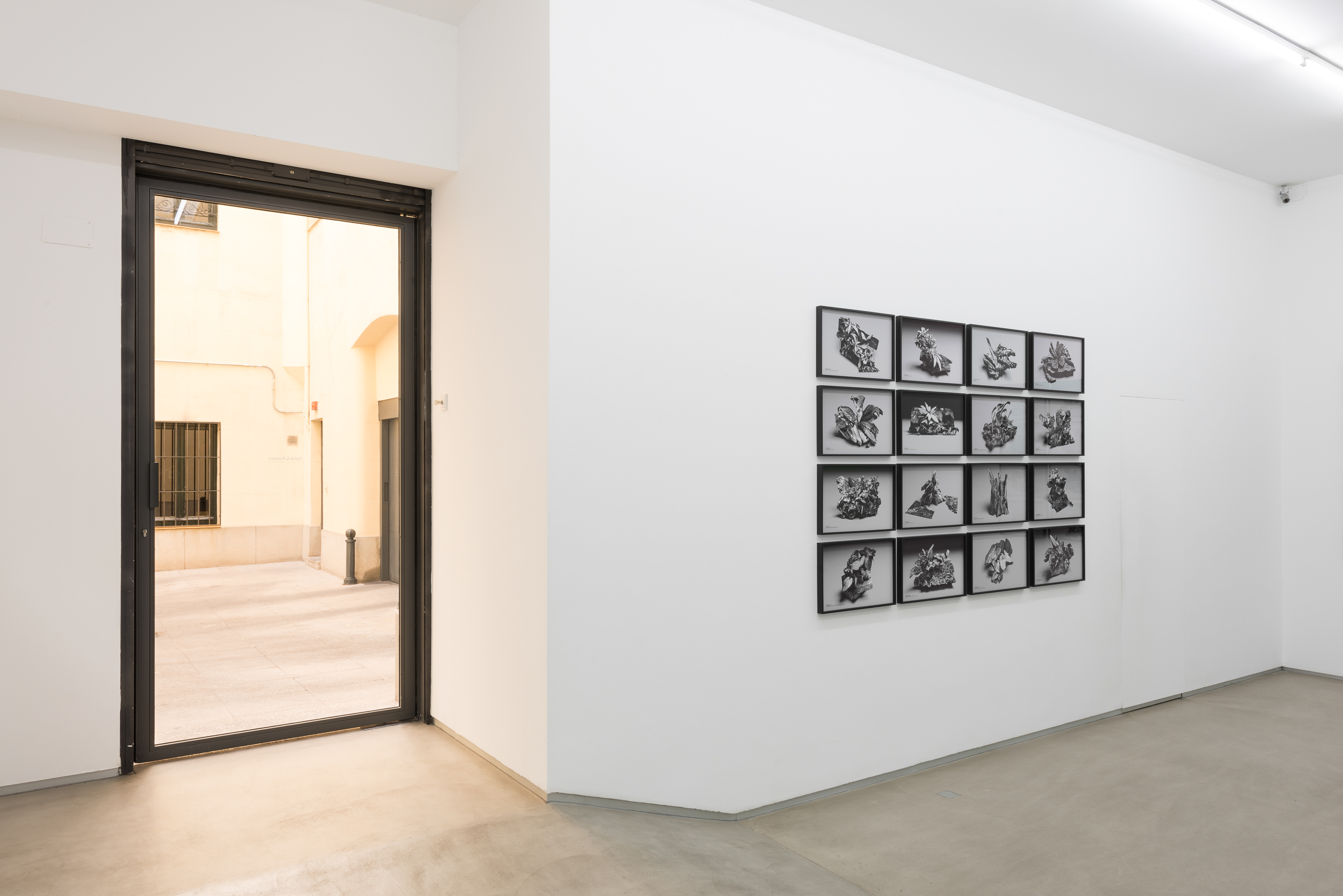

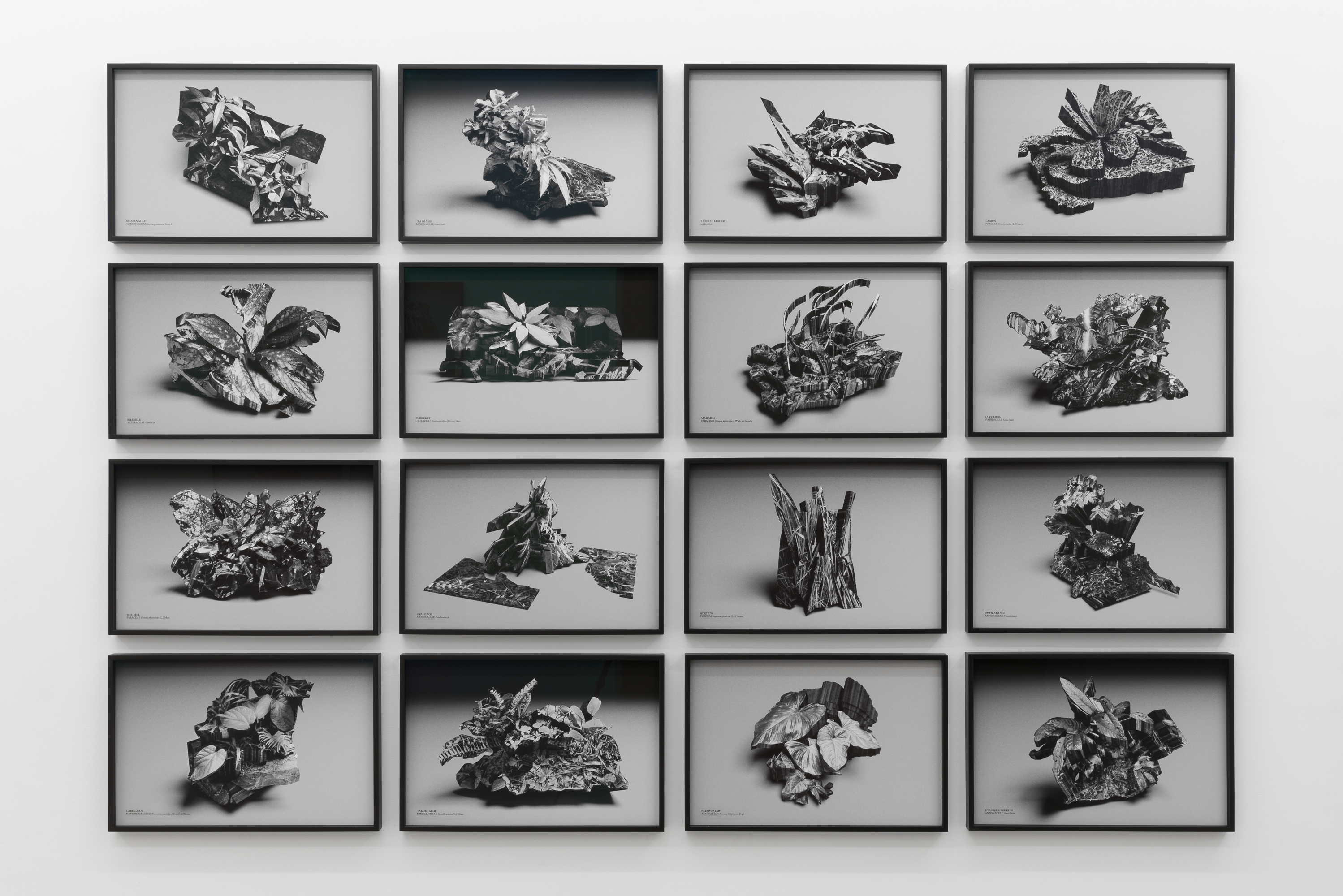
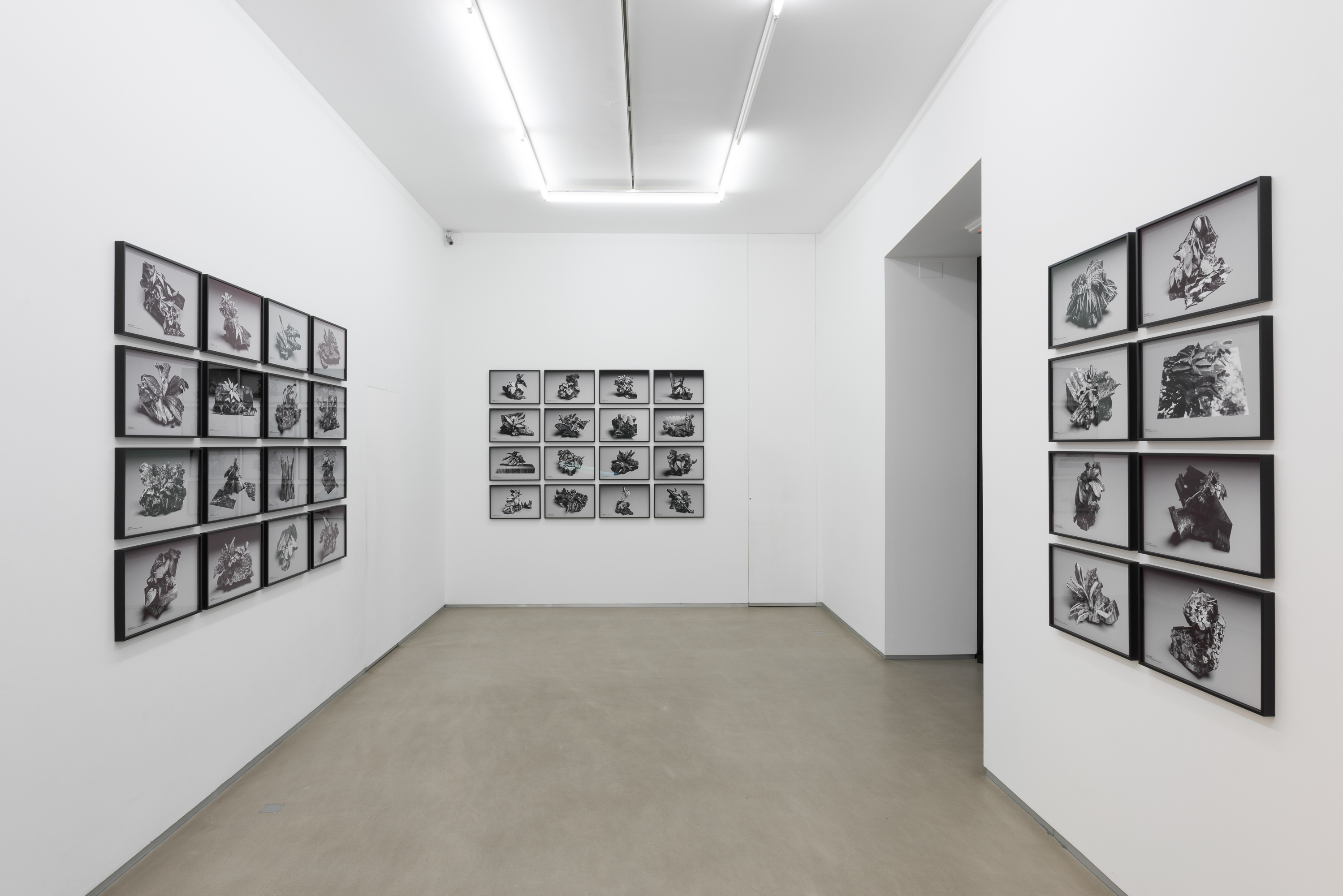
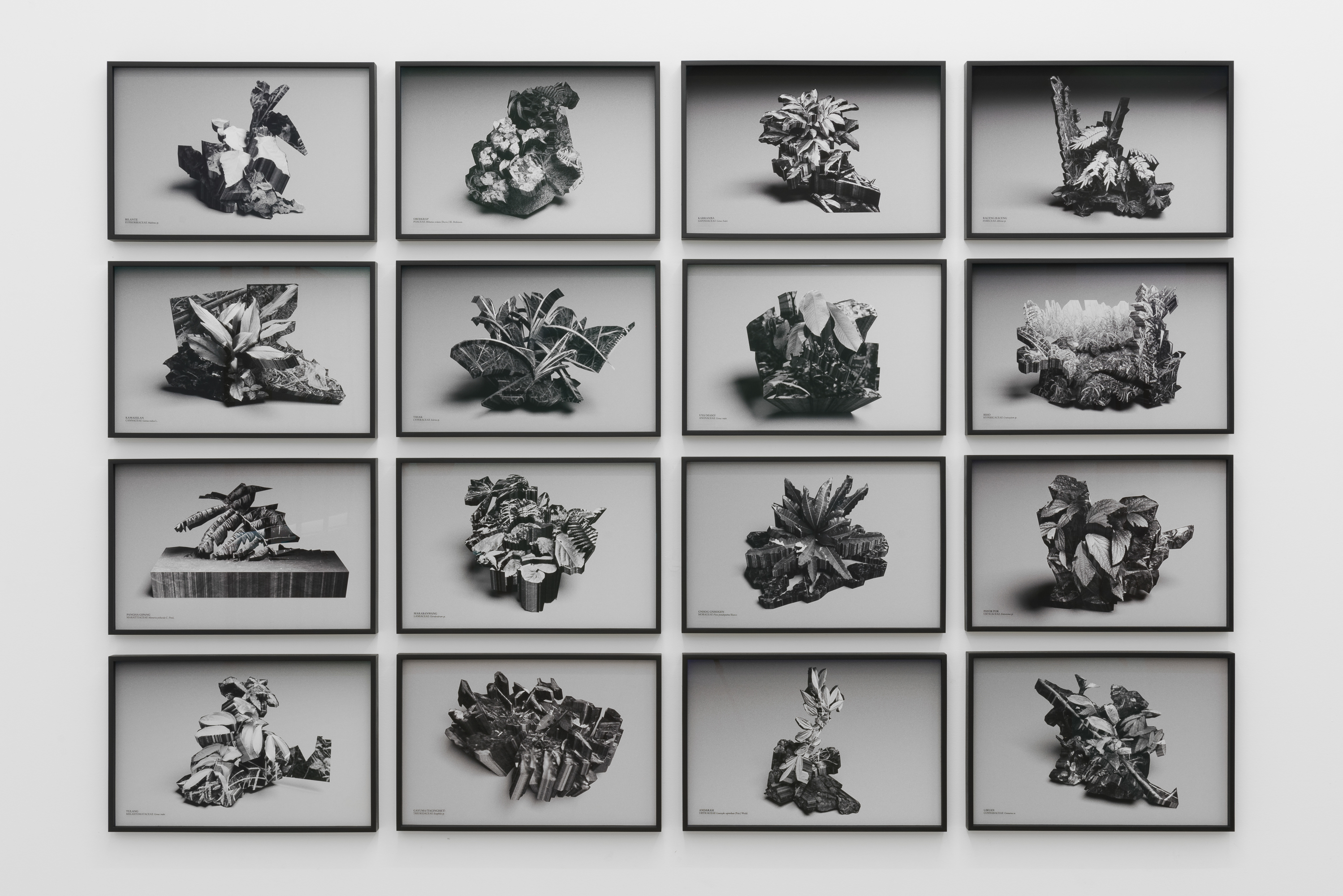
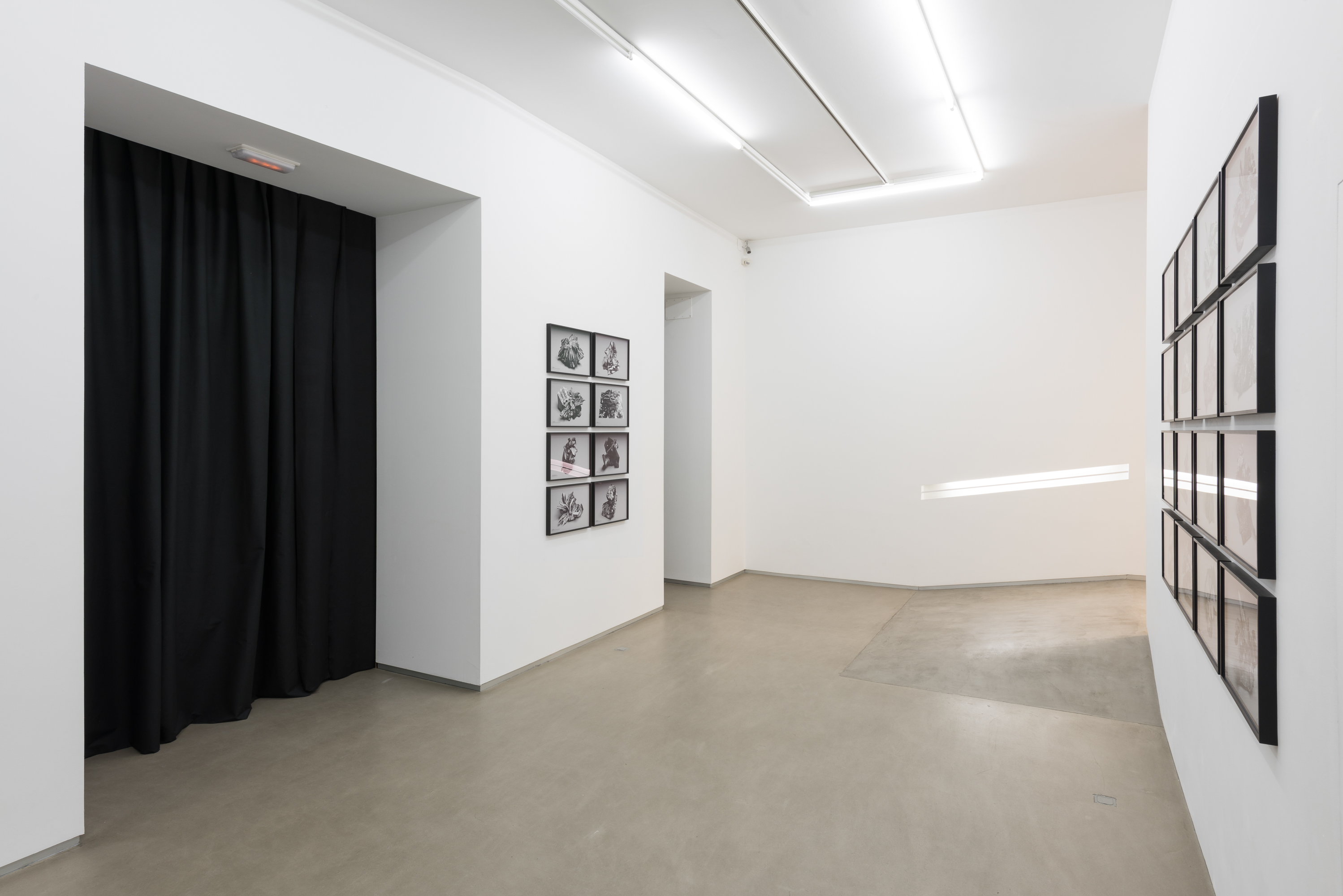
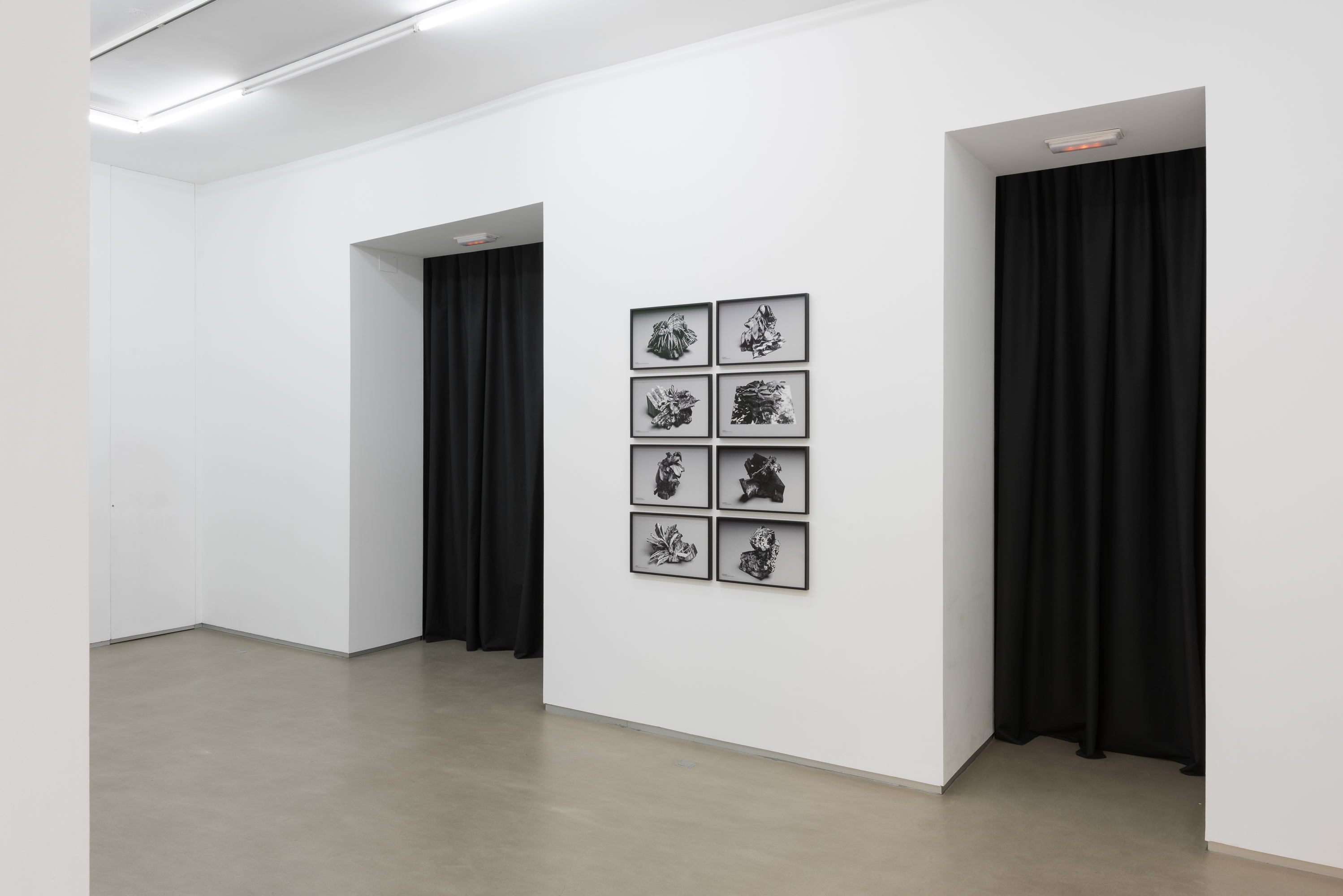
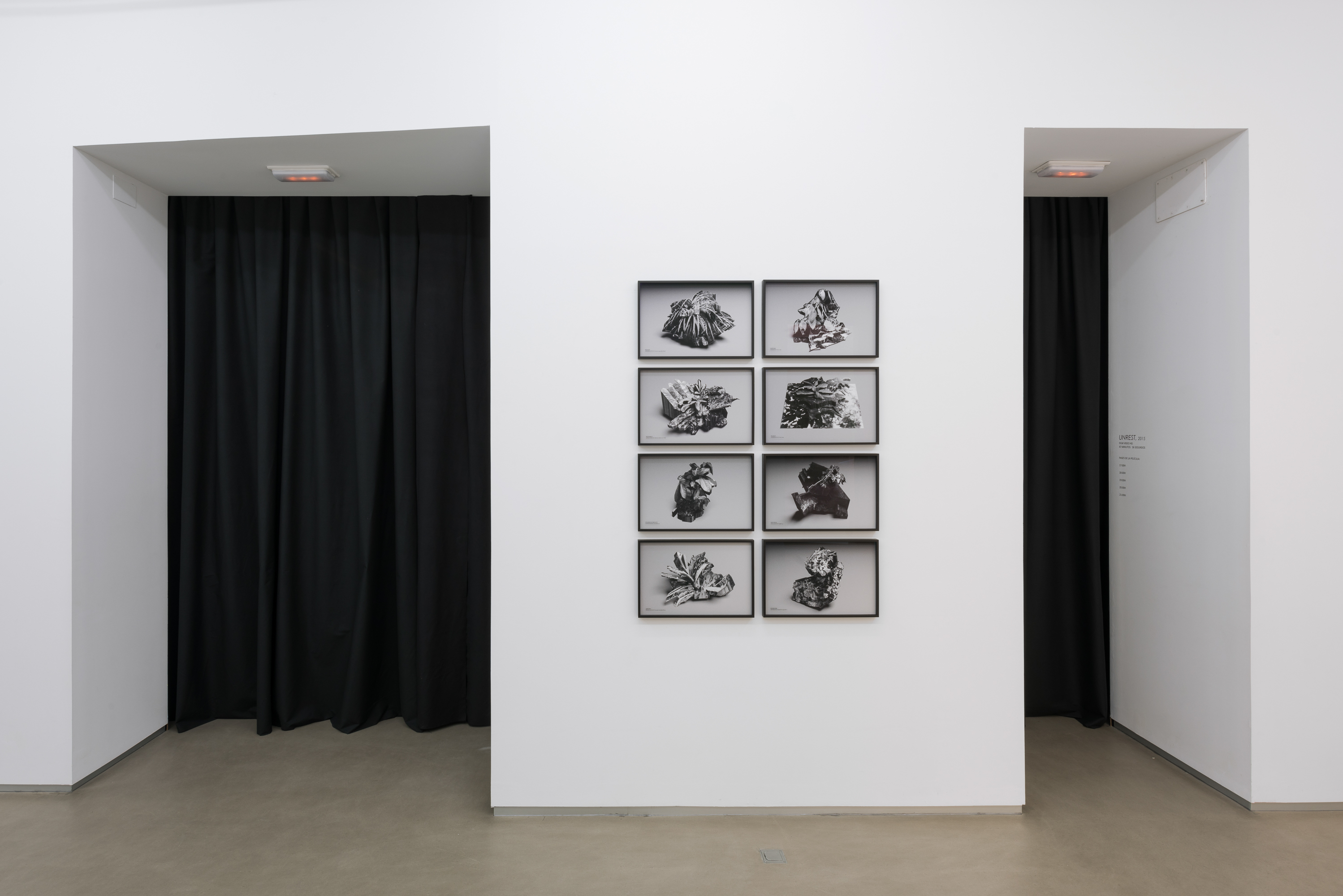


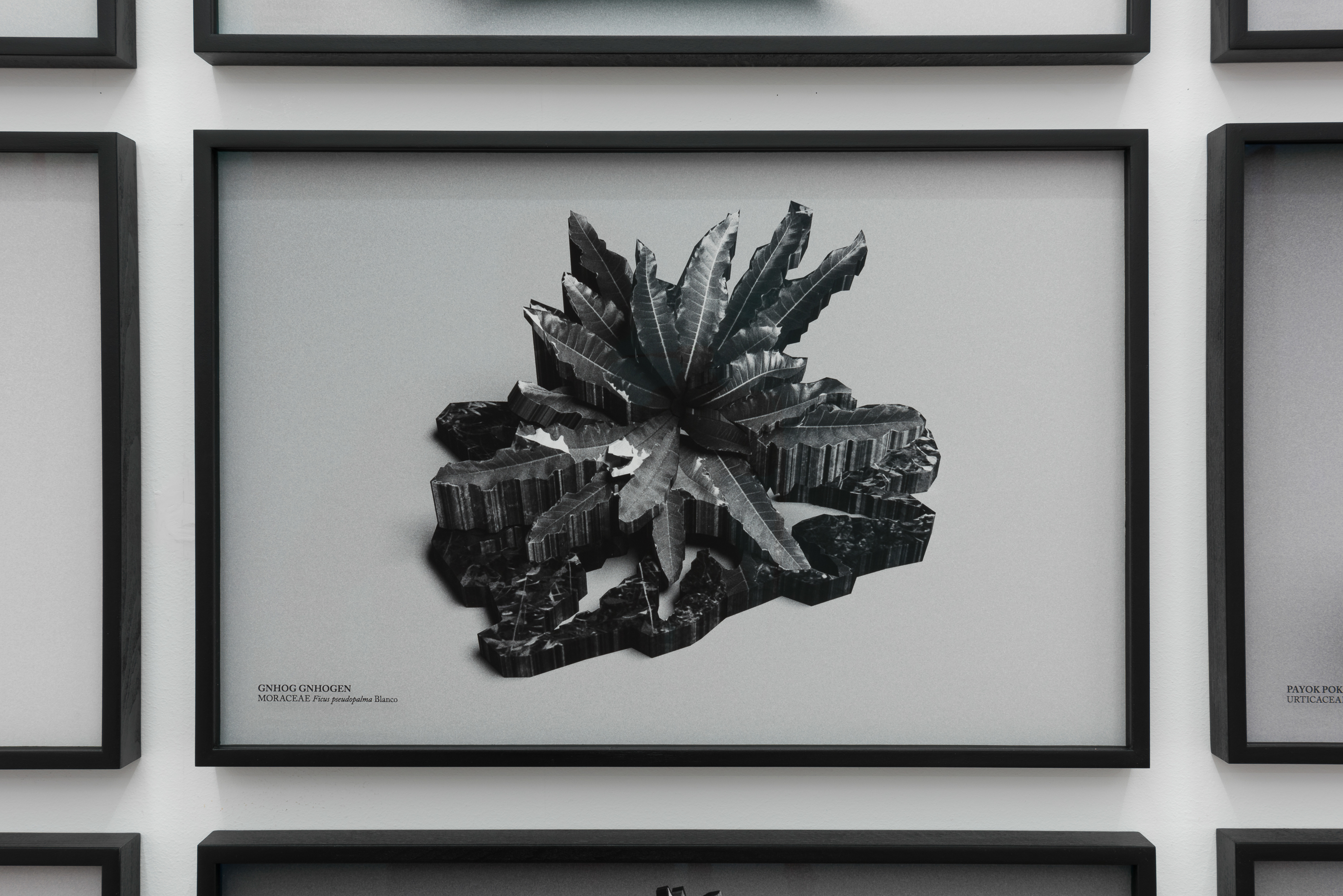
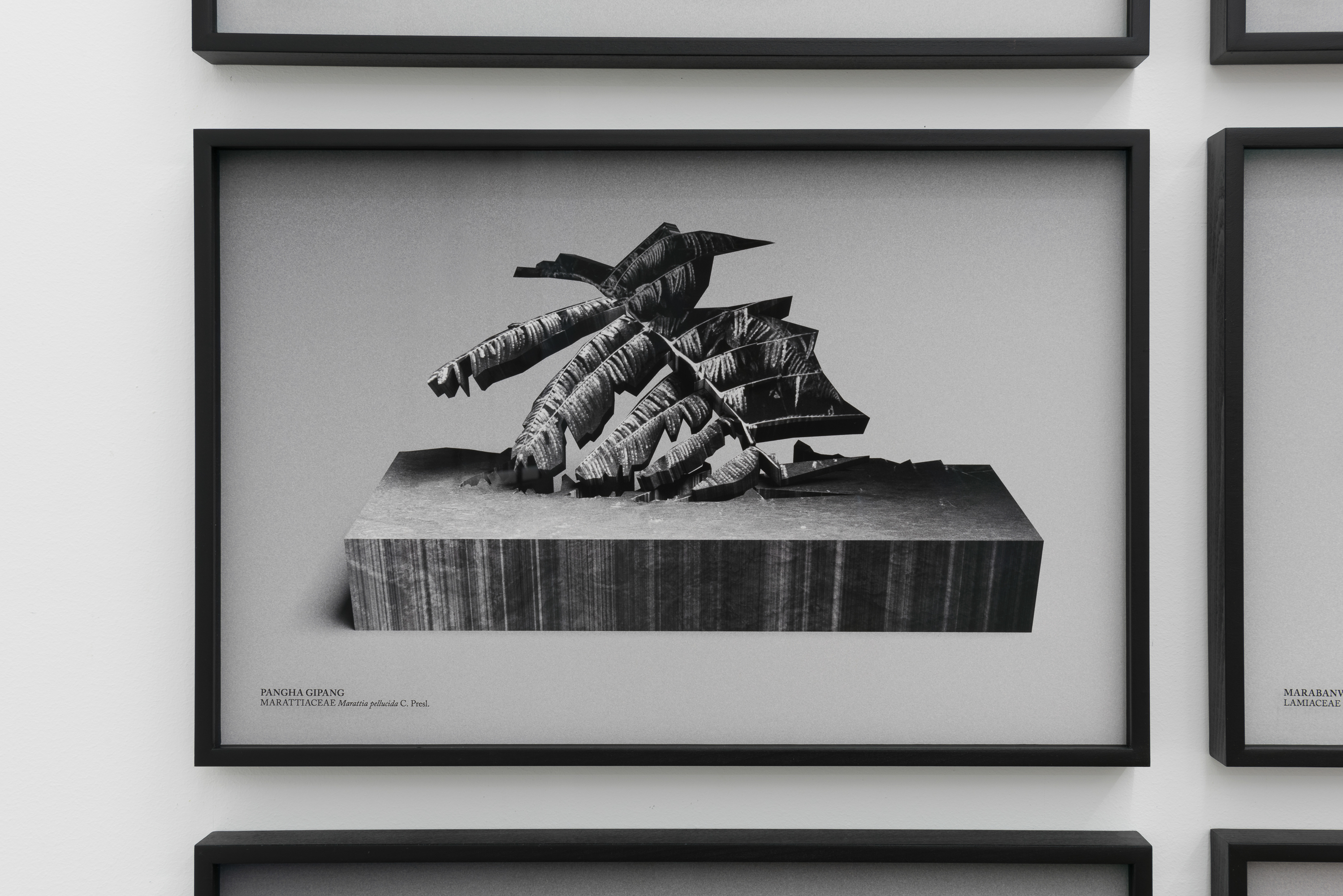

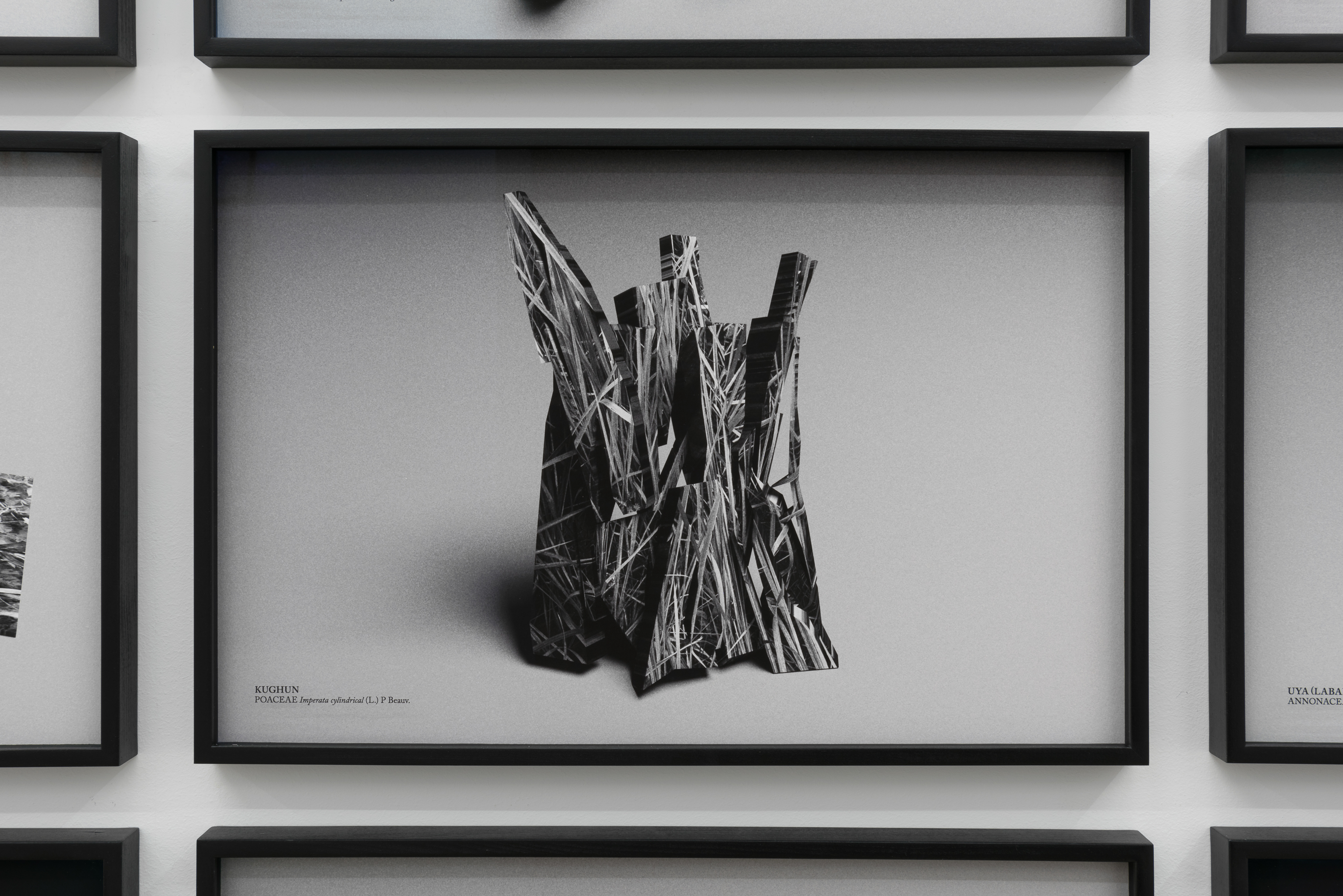
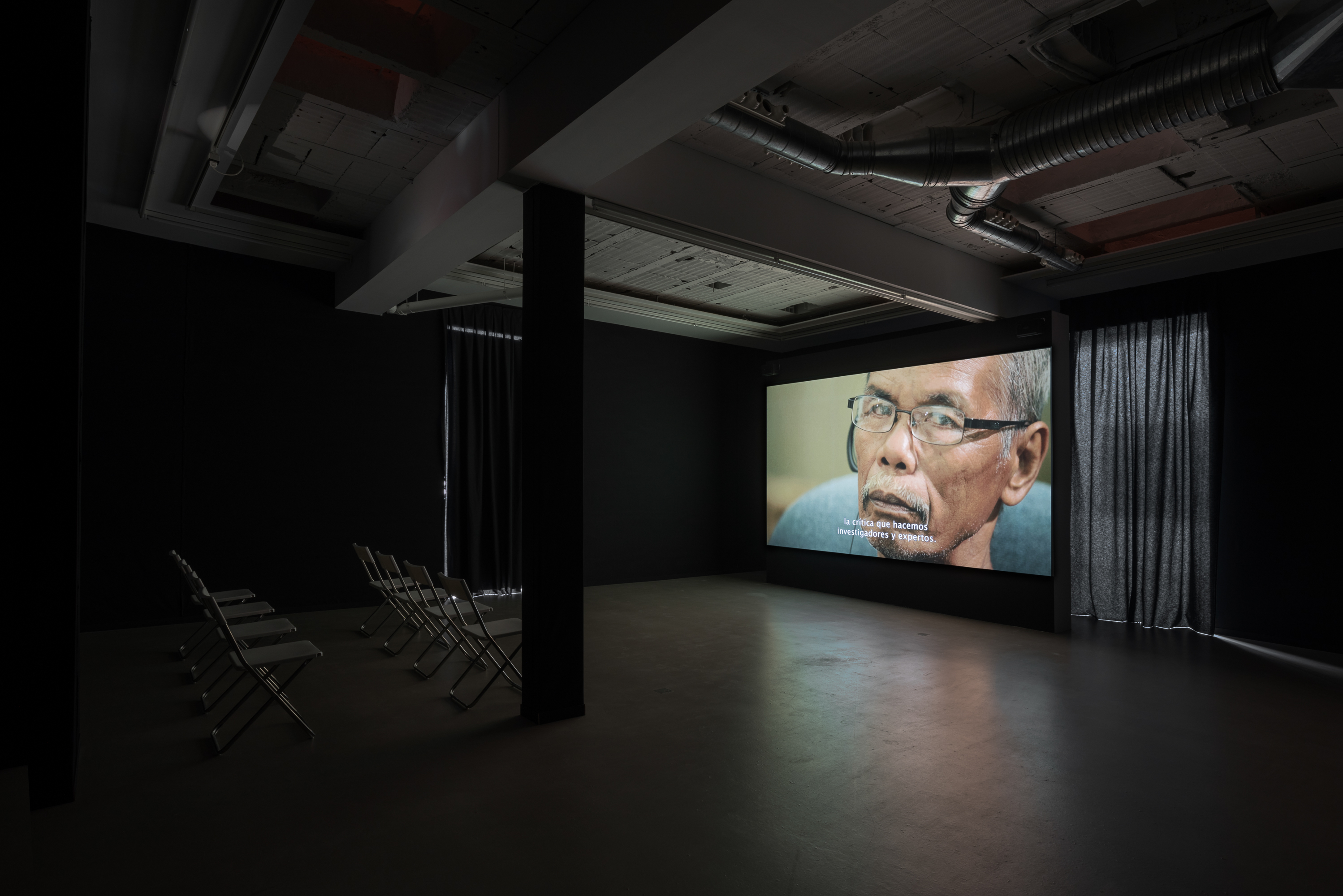
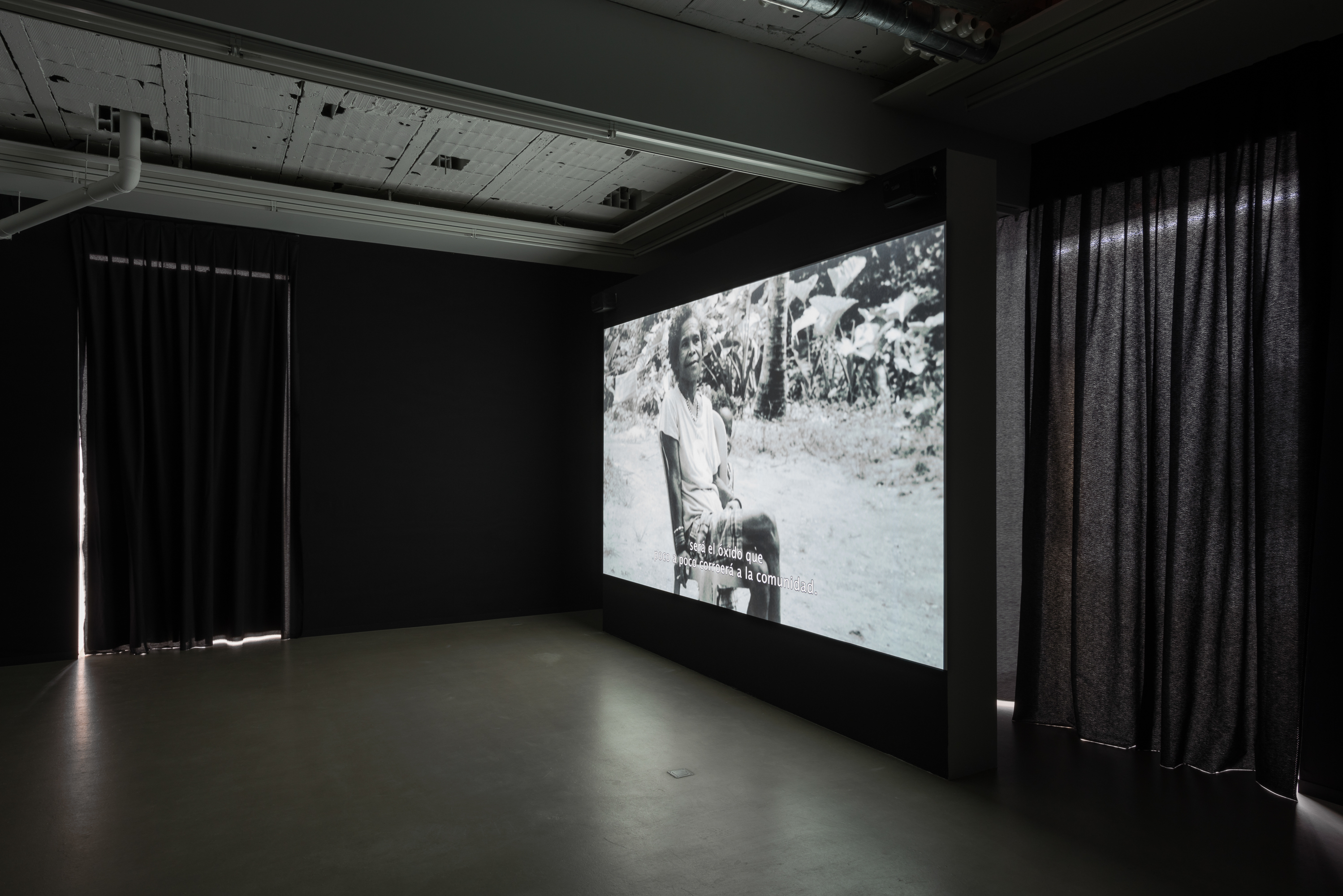
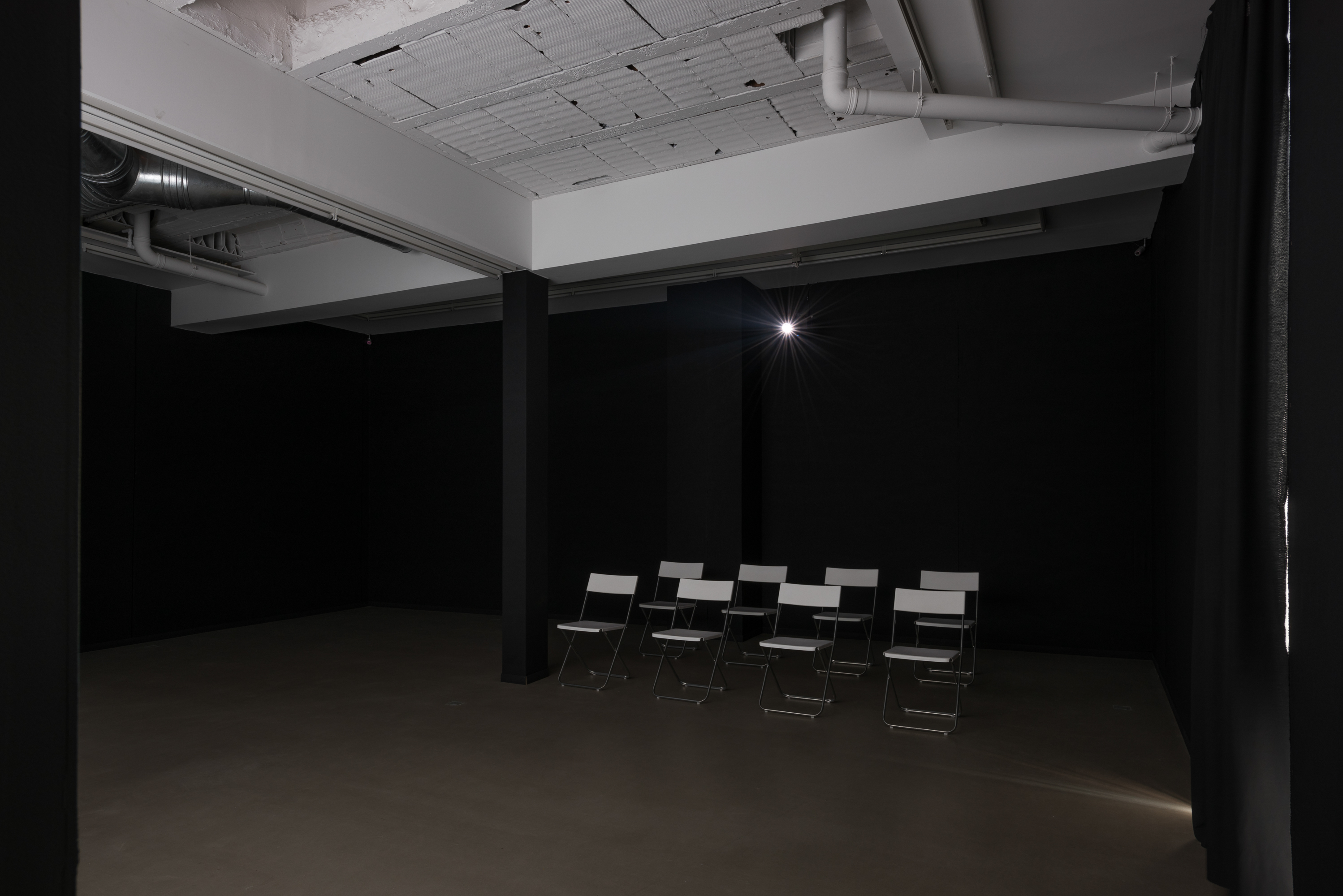


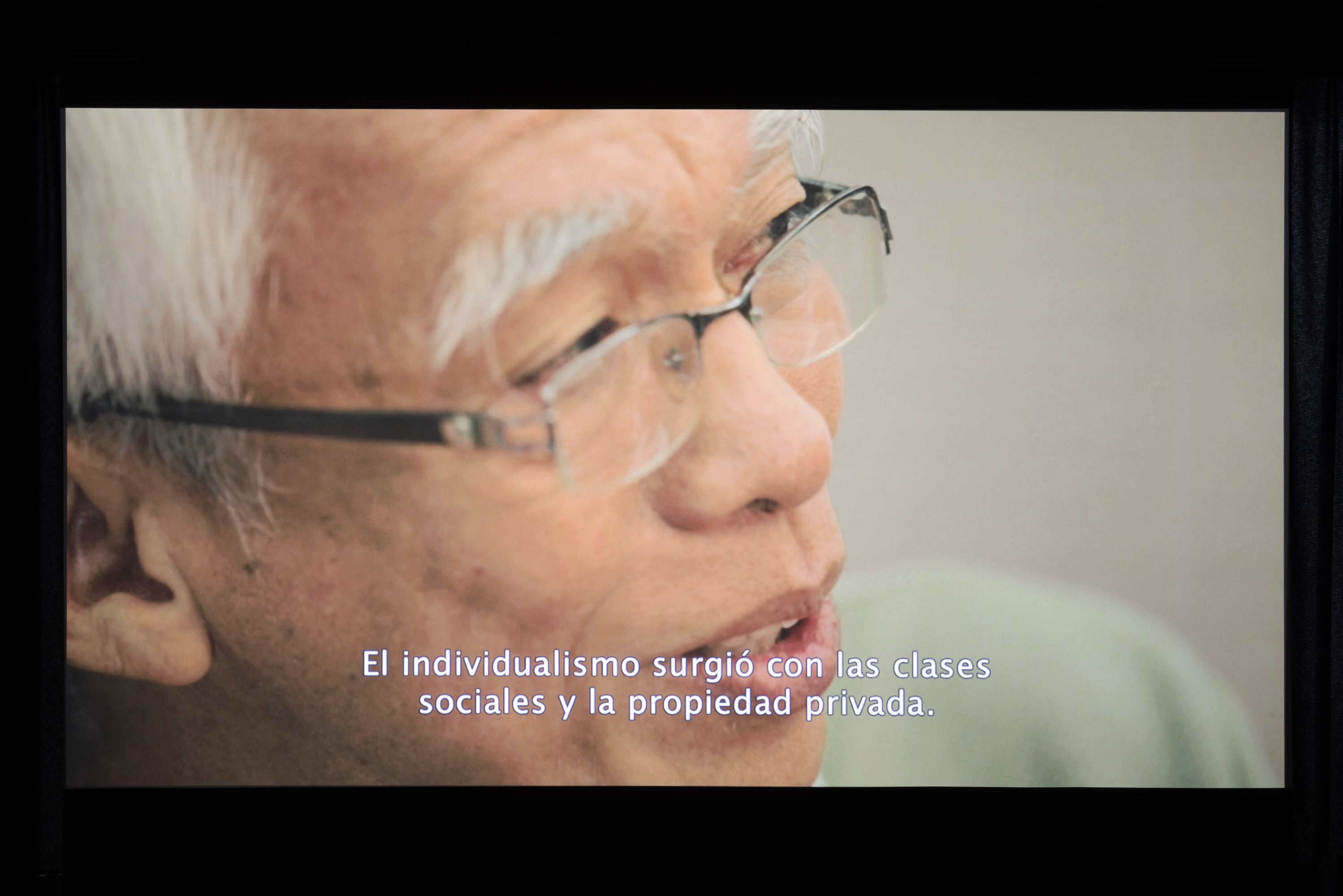


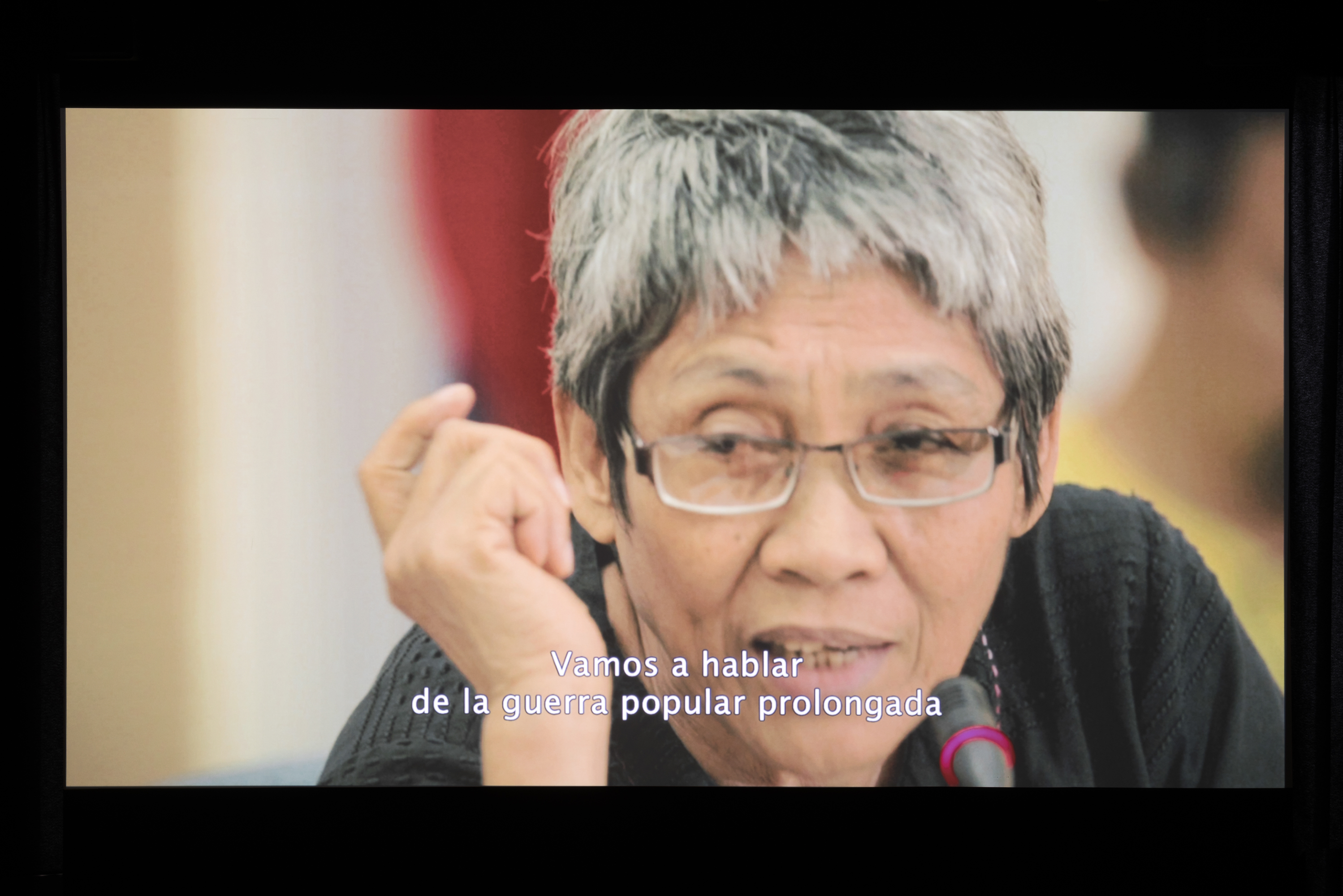


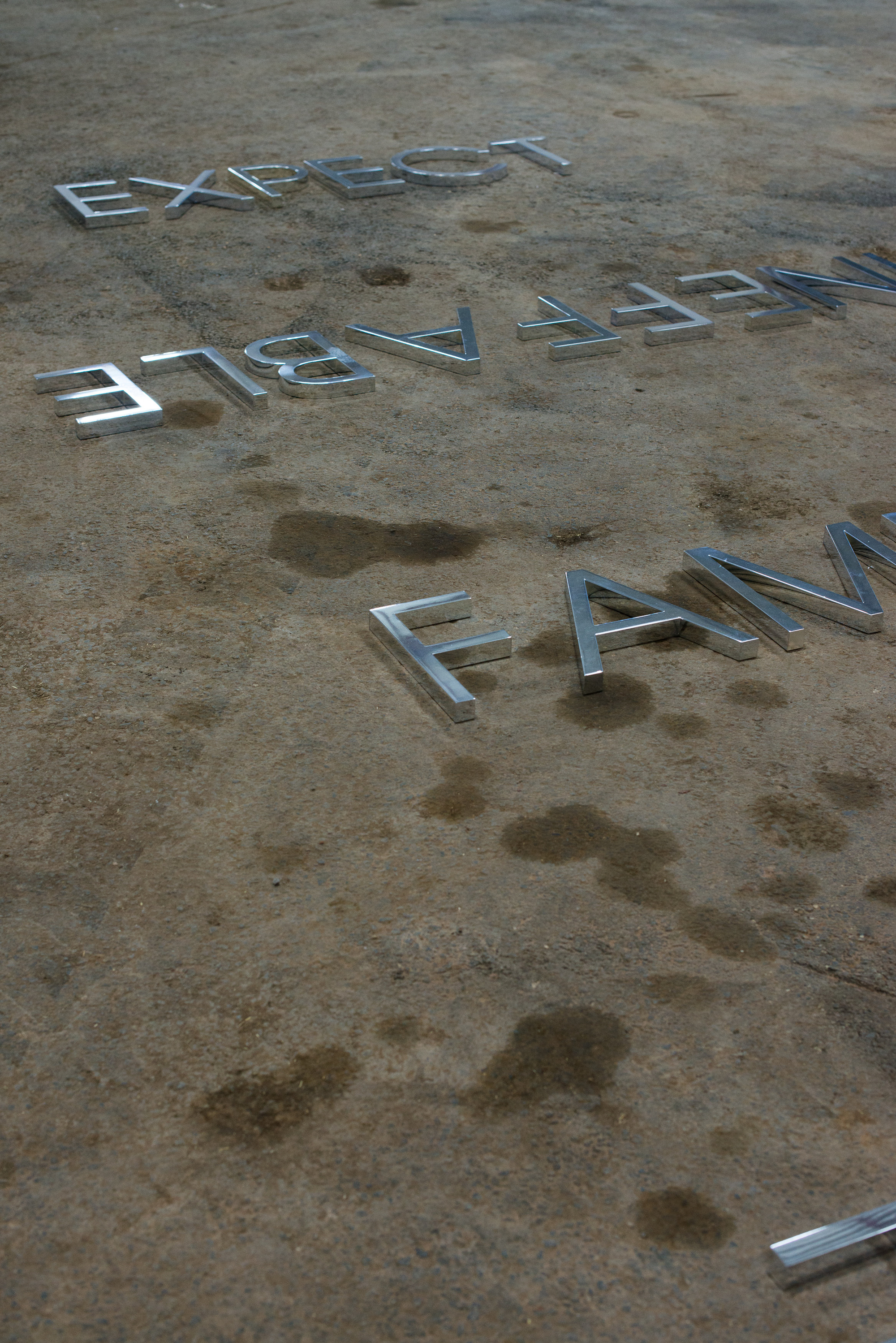
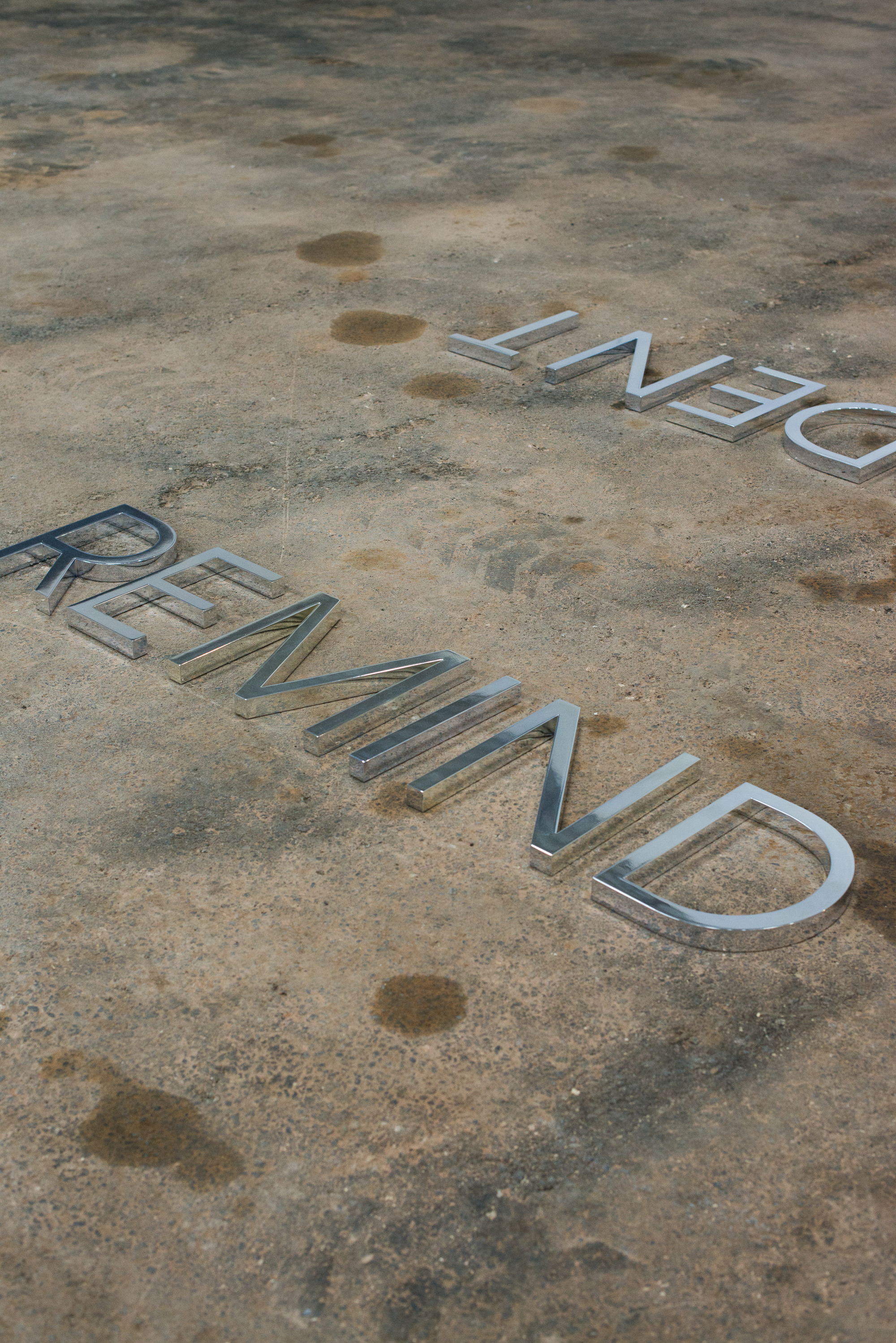
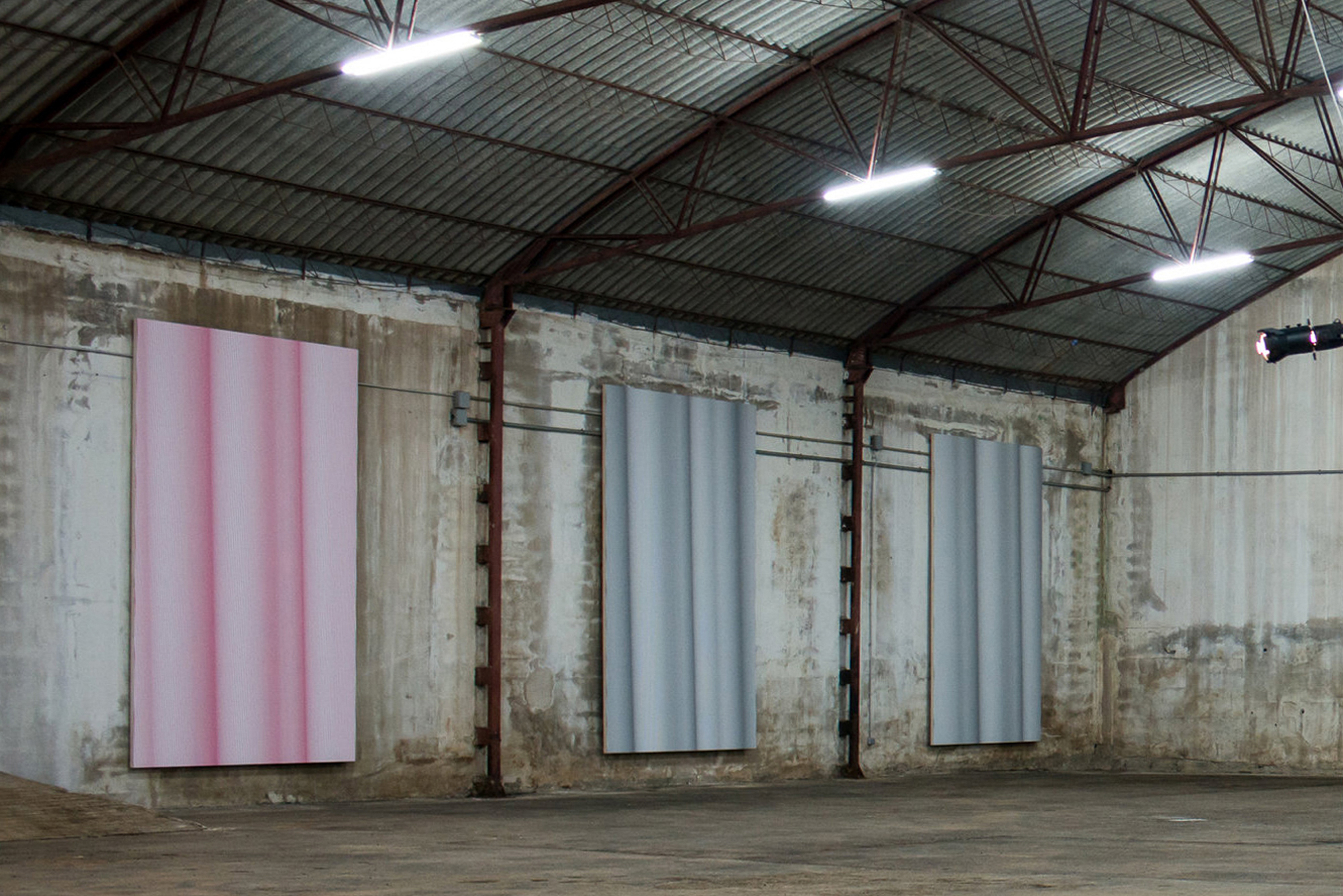
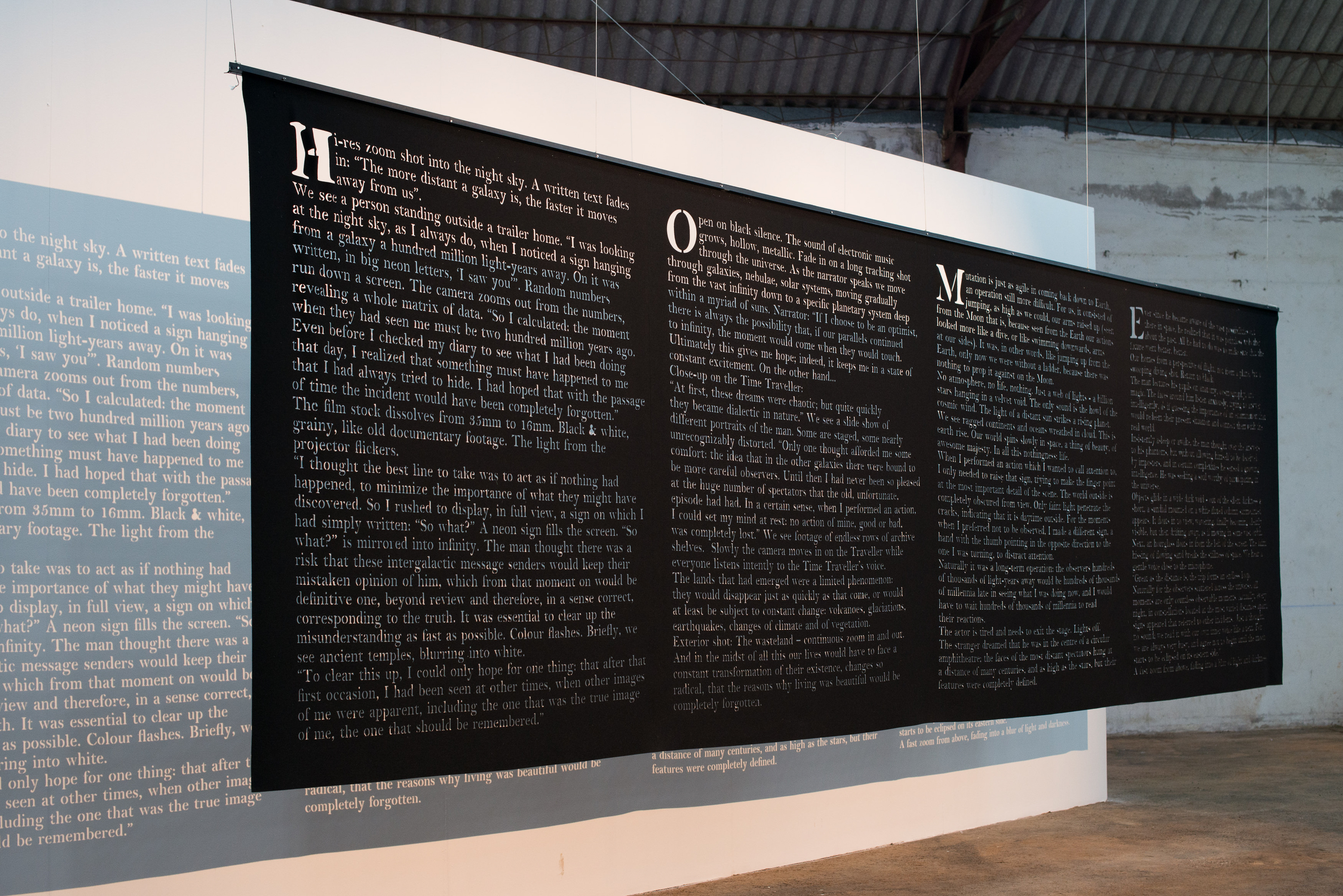
Parra & Romero is pleased to present the first solo exhibition at the gallery of Paloma Polo (Madrid, 1983). Entitled Unrest, it presents a collaborative research project that the artist has developed in the Philippines, where she has been working for the last two years. The exhibition includes a film and a photographic project made during her activity in the Philippines. The exhibition is completed by a publication in which Polo and her collaborator Radha D’Souza discuss the capacity of art as a tool for social transformation. One of the central issues to the critical reflexivity that the artist develops in her current practice.
In November 2012, Paloma Polo made a prospective trip to the Philippines in response, in first instance, to an invitation from Theo Tegelaers, director of SKOR (Foundation for Art and Public Domain) and in the framework of The Ultraperipheric program. The idea of this platform is to generate artistic projects in peripheral areas from a geographical, political or social perspective, investigating the socio-political, legal, economic or psychological conditions of a given region, with the aim of revealing and counteracting the mechanisms responsible for its precarious condition and, potentially, to arrive at different interpretations and ideas for the use of the land.
For Polo, this trip is also an opportunity to distance herself from the demands and conditioning factors of the art system, but also from the strategies and ways of doing her own practice as an artist. And beyond that, with the clear determination to carry out a profound reflection on the role of art and artists in the present. This responsible gesture also has something uncertain and intuitive about it, and what was initially a study trip is soon transformed into a definitive, reflective and critical life experience, in which, two years later, Polo is still immersed.
It is not surprising that the Philippines, a country with a long history plagued by the scourges of nature and political upheavals, and with a colonial and imperialist past that is still strongly present in its society and in the country’s political and economic guidelines, has claimed Polo’s attention. Some of her earlier projects focused precisely on the relationship between the development of scientific knowledge and the colonial and imperialist expansion of the European powers over the previous two centuries. However, direct knowledge of the Philippines, a paradigmatic emblem of mechanisms that continue to be perpetuated today, perhaps even more violently, provokes and reaffirms even more in Polo an awareness and need for effective action.
The drama experienced by the indigenous population of the province of Aurora, violently stripped of their historical rights over the land in order to reconvert it into one of the many political and economic enclaves that are strategically imposed in Southeast Asia and the rest of the Third World countries, constitutes the starting point for the artist’s actions. The research that characterized her previous projects is now transformed into active participation in the present, and the methodology and strategies she had been applying to her work are amplified in other directions that will necessarily generate new artistic gestures. Indeed, the images now presented in this exhibition are the result of a new way of doing based on collaborative processes and with the aim of establishing a dialogue, first of all, with the indigenous populations who are seeing how their fundamental rights are being brutally crushed. But also with the groups of activists who from different instances of the country are denouncing, through one of the longest and most consolidated emancipatory struggles but at the same time less internationally recognized, the neoliberal policies of the Philippine government in favor of the private sector and the imperialist interests of the world capitalist system.
The publication that accompanies this exhibition also introduces, from a conversation between the artist and Radha D’Souza, the idea that philosophy and art are the basis and essential requirement to promote the transformation of humanly progressive policies.
It is from this set of voices, and from the precise actions that over the course of more than two years have taken place in the form of private conversations, testimonies, public debates, filming and travel, that Paloma Polo has built a solid body of work that is responsible to the present. -Juan de Nieves.
Paloma Polo lives and works between Amsterdam and Manila. Her work has been presented individually at the Museo Nacional Reina Sofia or collectively at the International Exhibition of the 55th Venice Biennale, among other institutions. Between 2007 and 2009 she participated in the artistic residency De Ateliers, Amsterdam and in 20 10 at Gasworks, London. In 2013 she was awarded a position as Visiting Research Fellow at the Centre for International Studies, University of the Philippines Diliman. Since then she has been based primarily in Manila but usually resides in Amsterdam, where she works in collaboration with social movements.