Tabique
- F l o r i a n P u m h ö s l


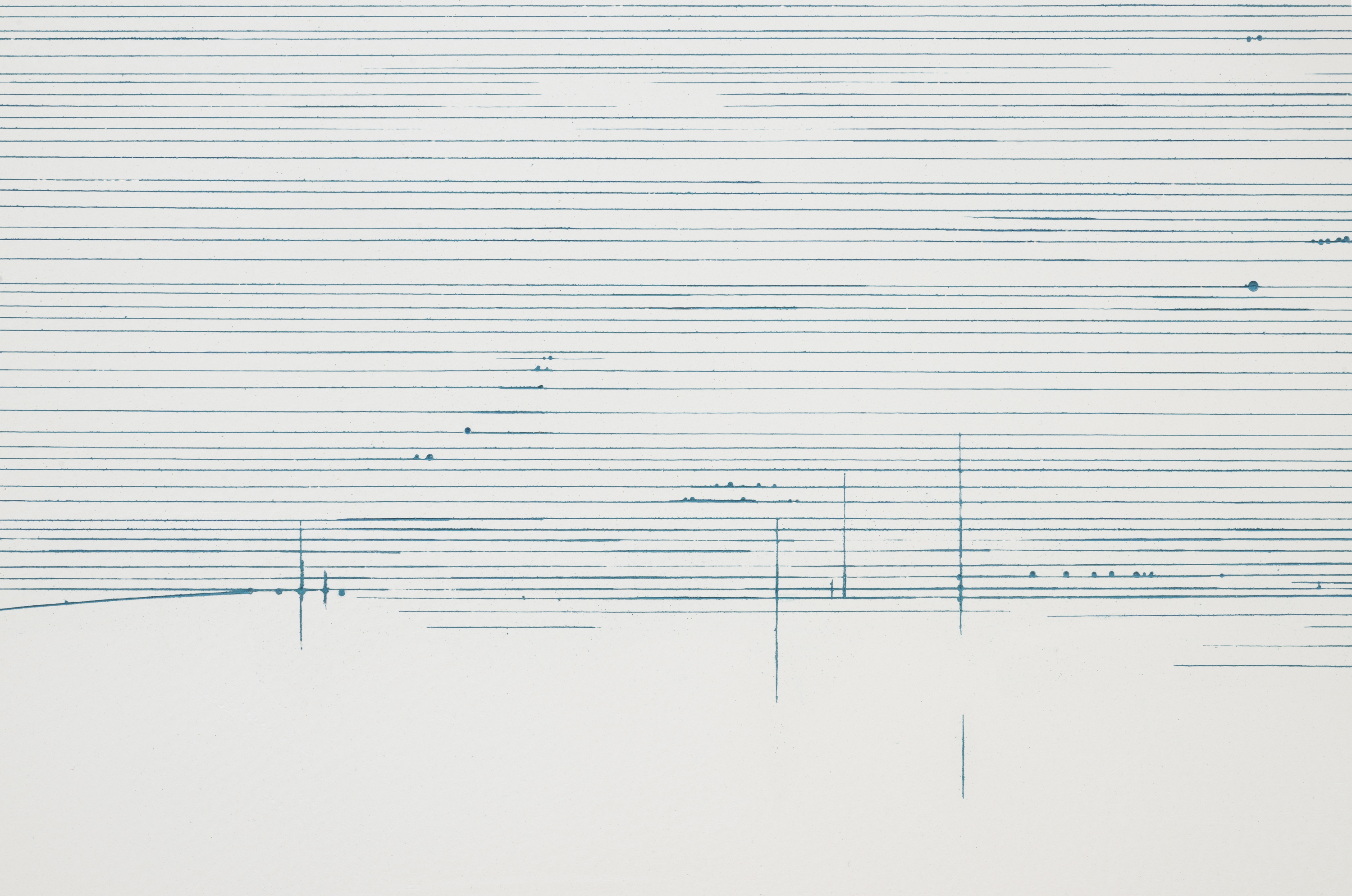

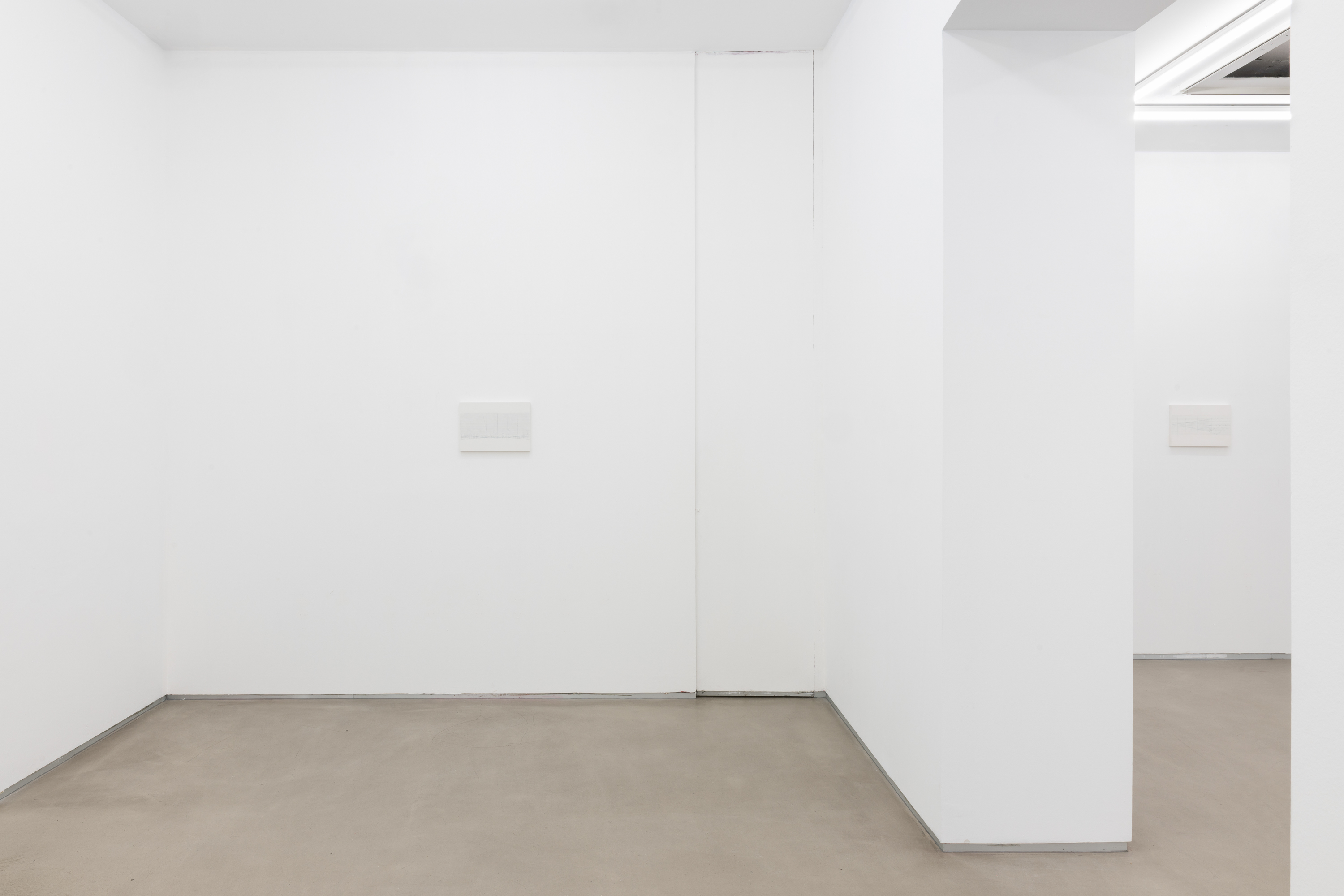
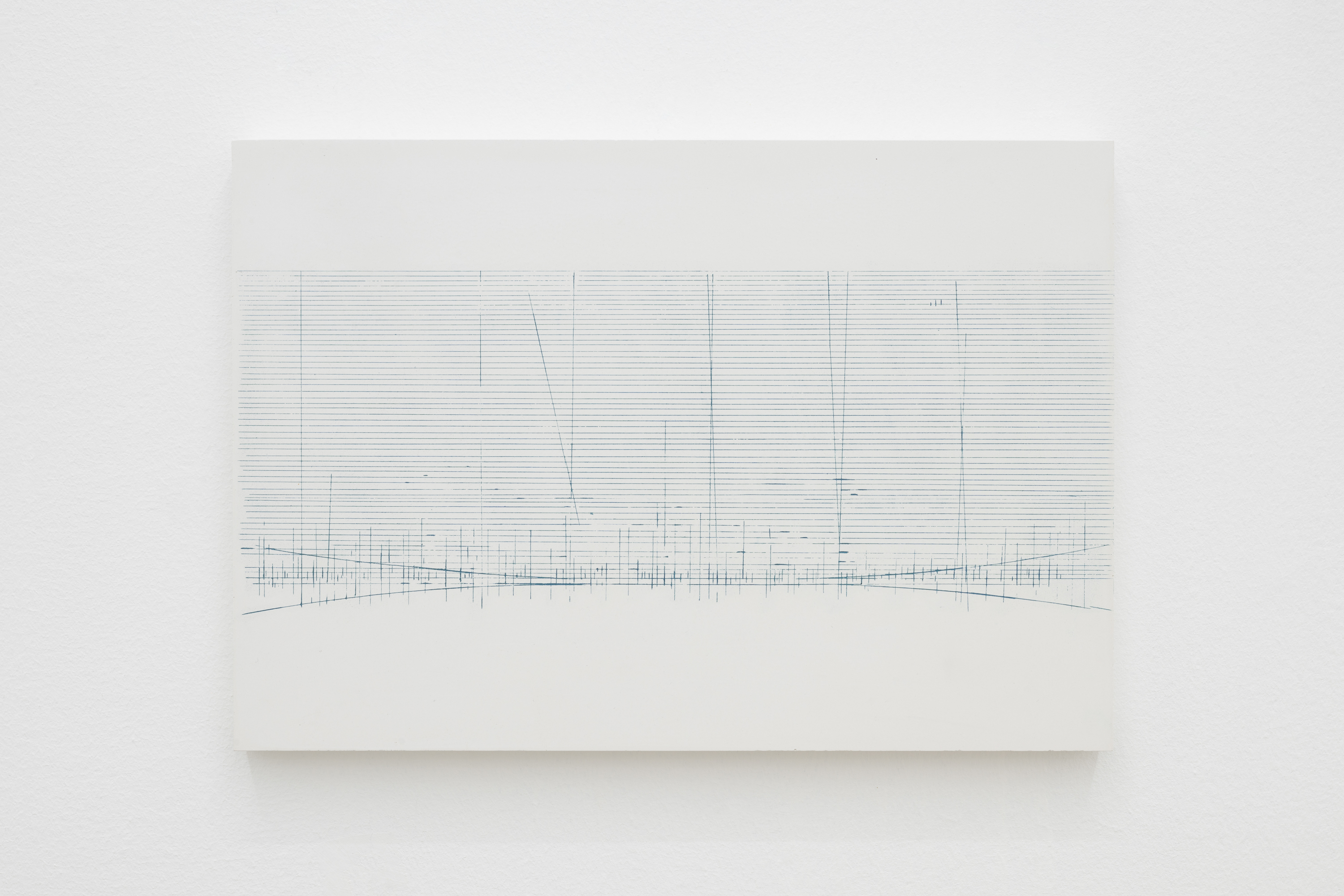
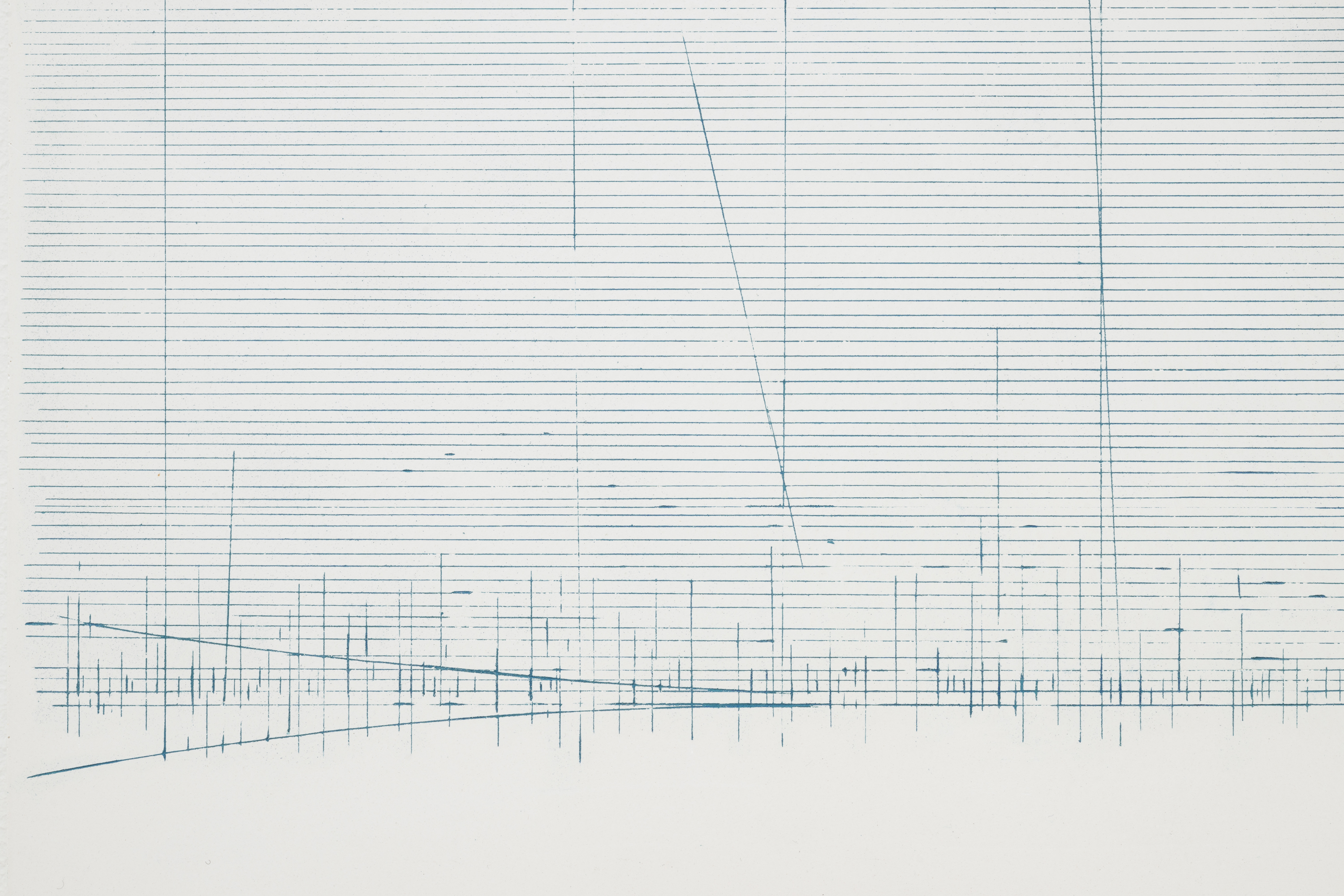
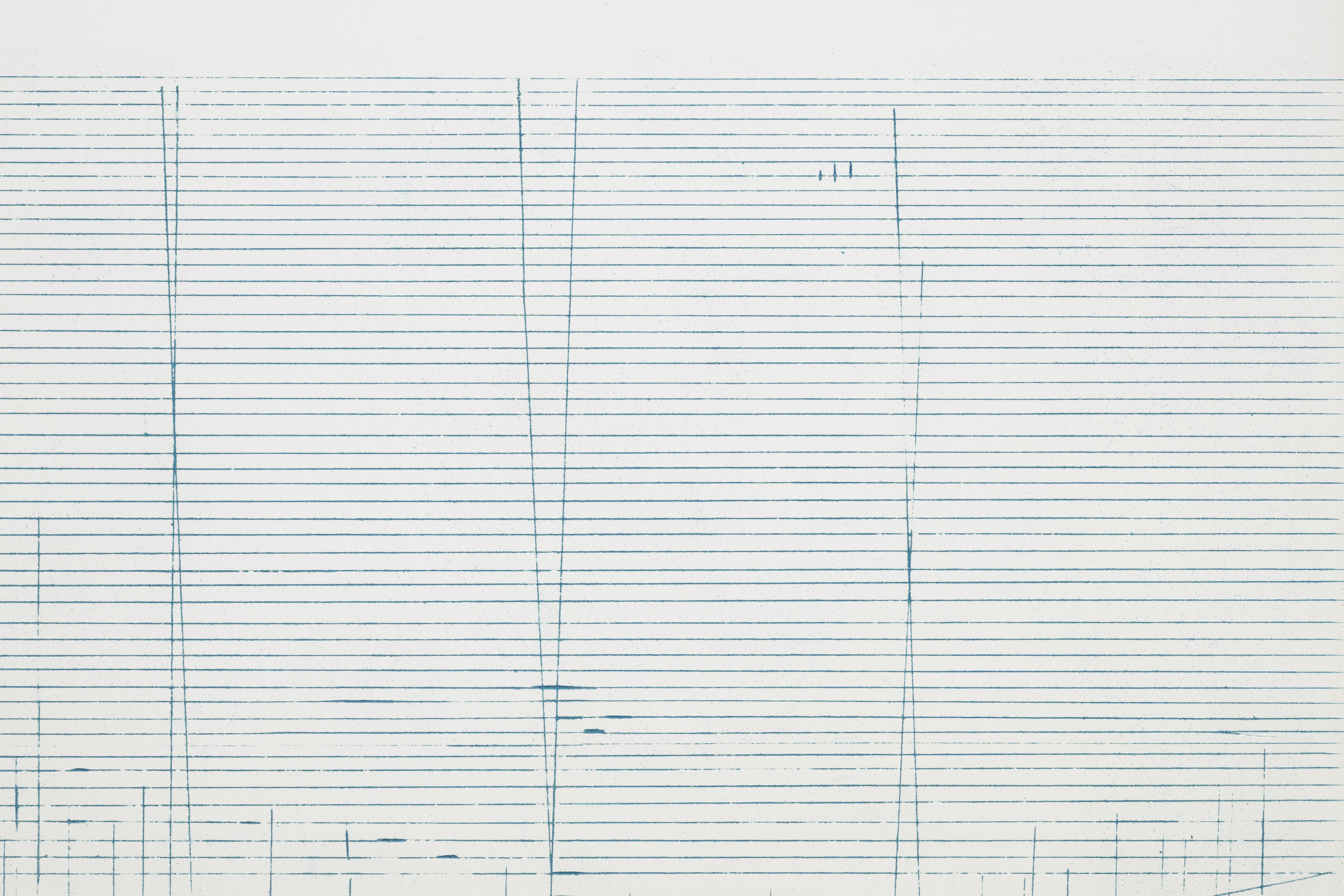


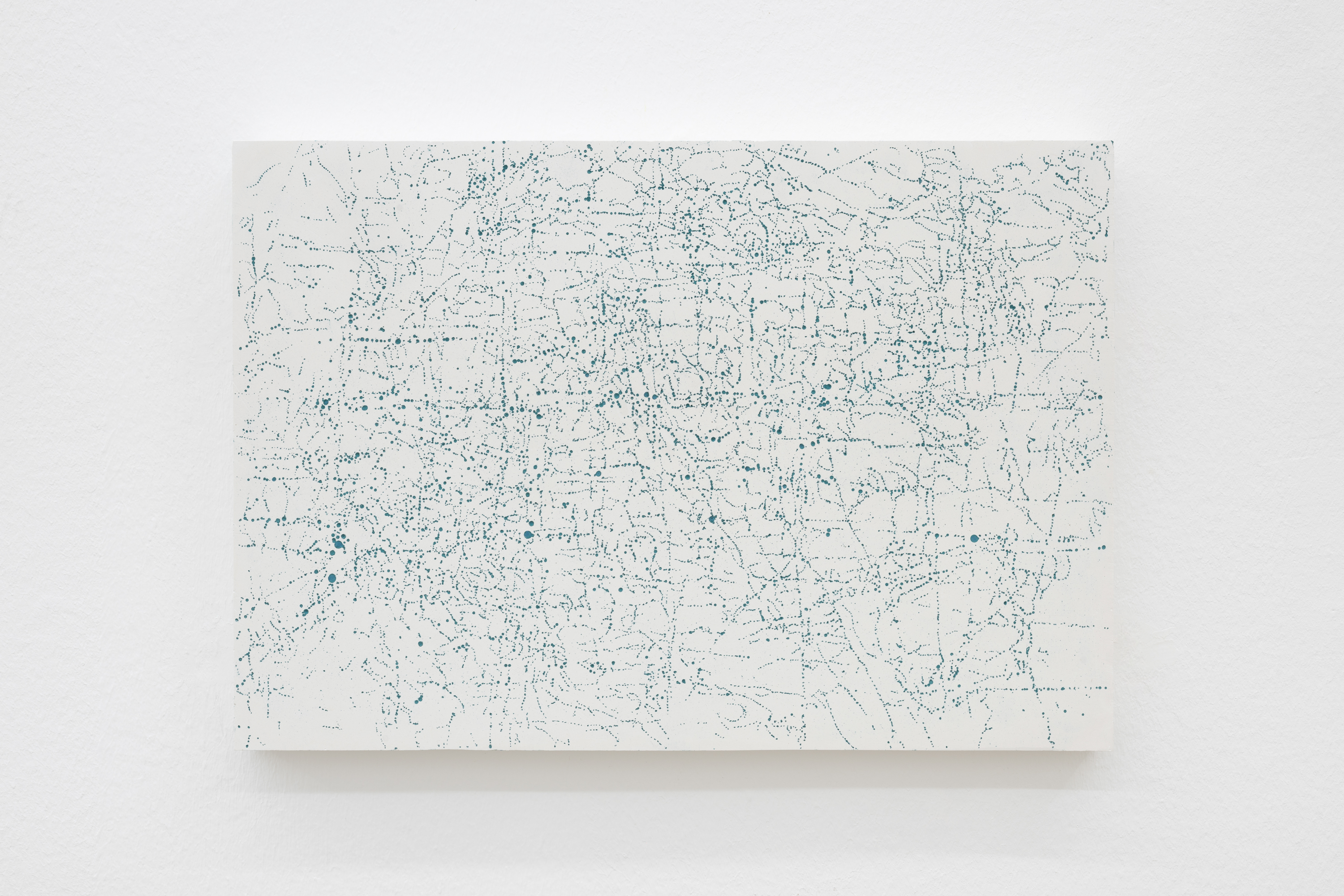


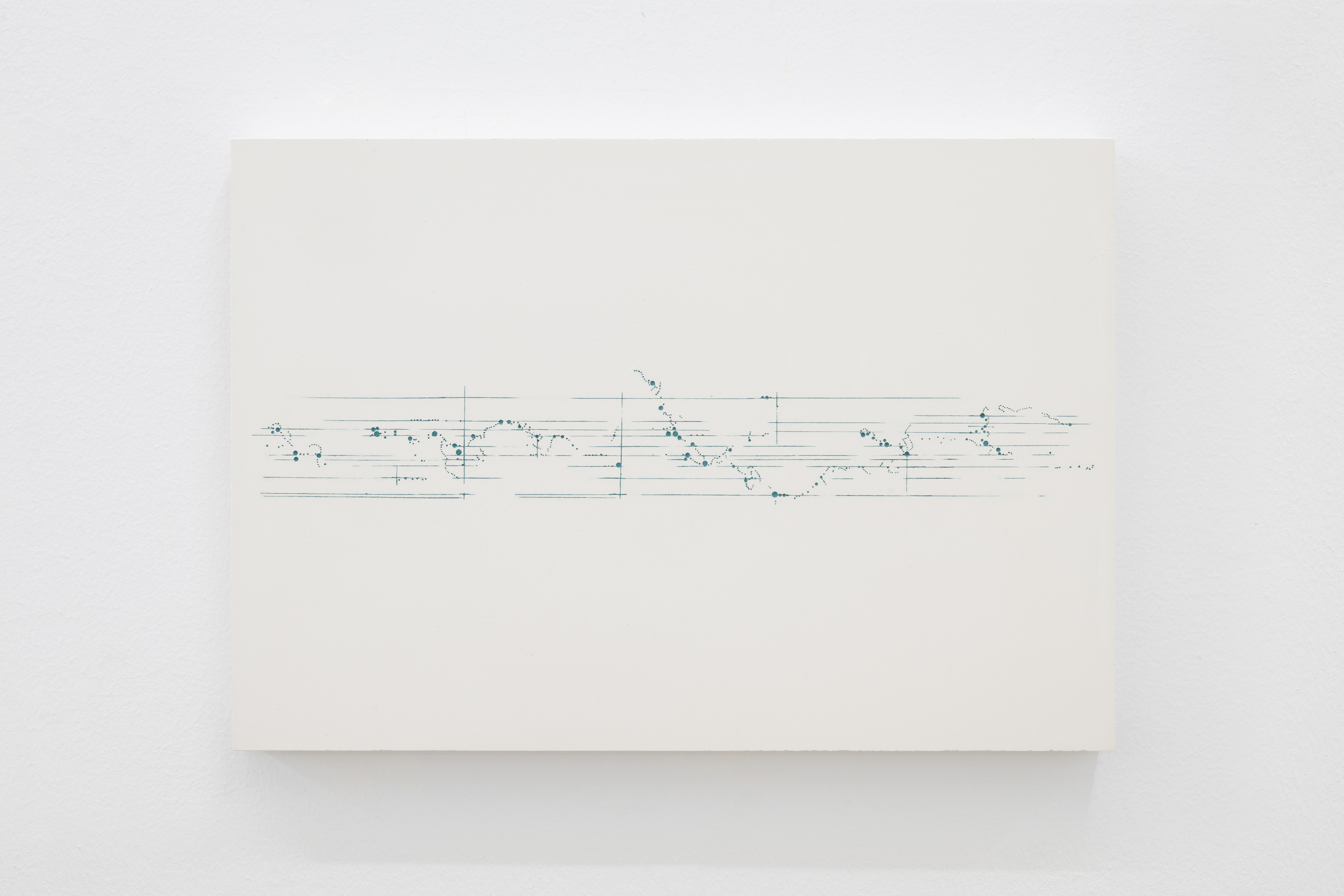

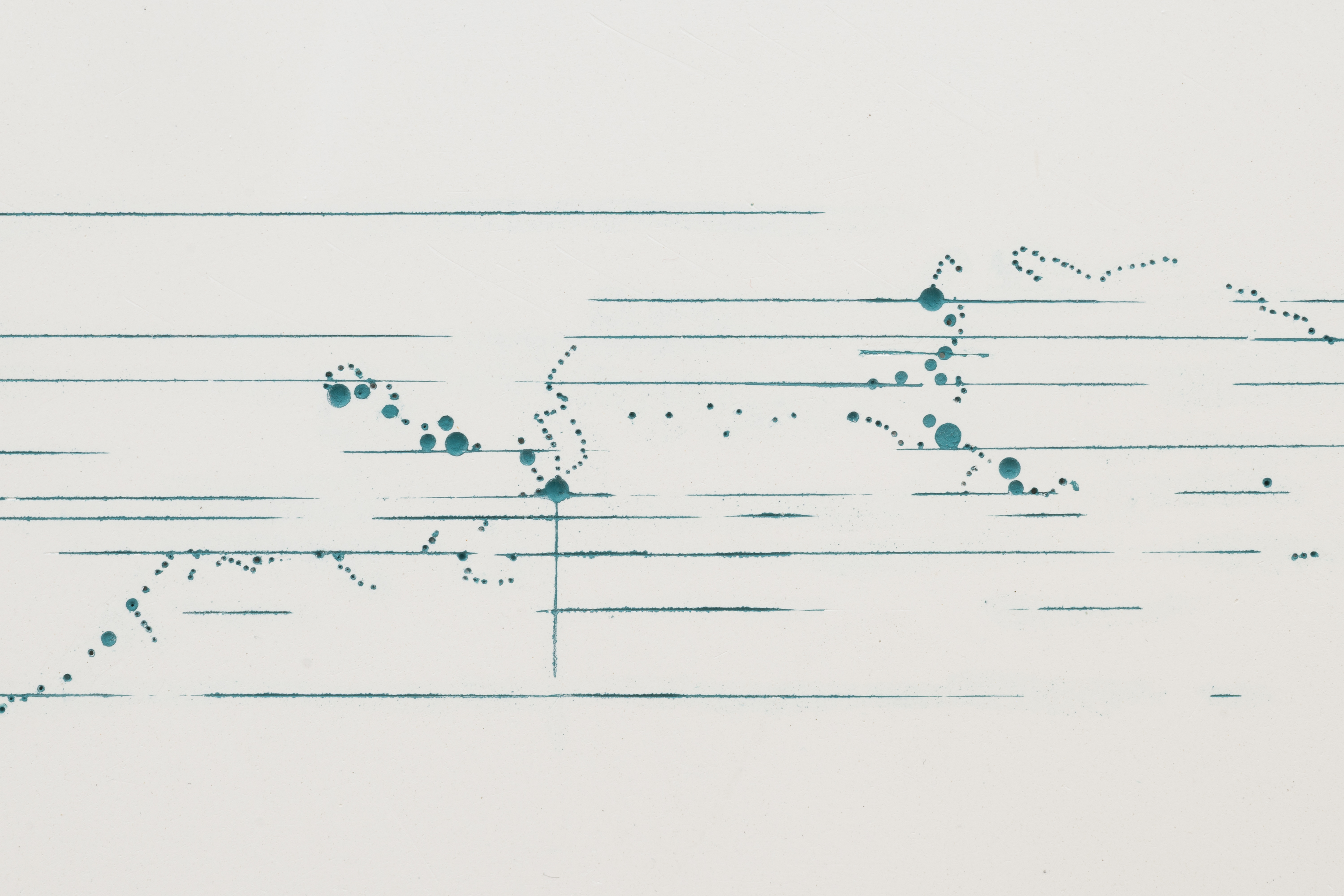

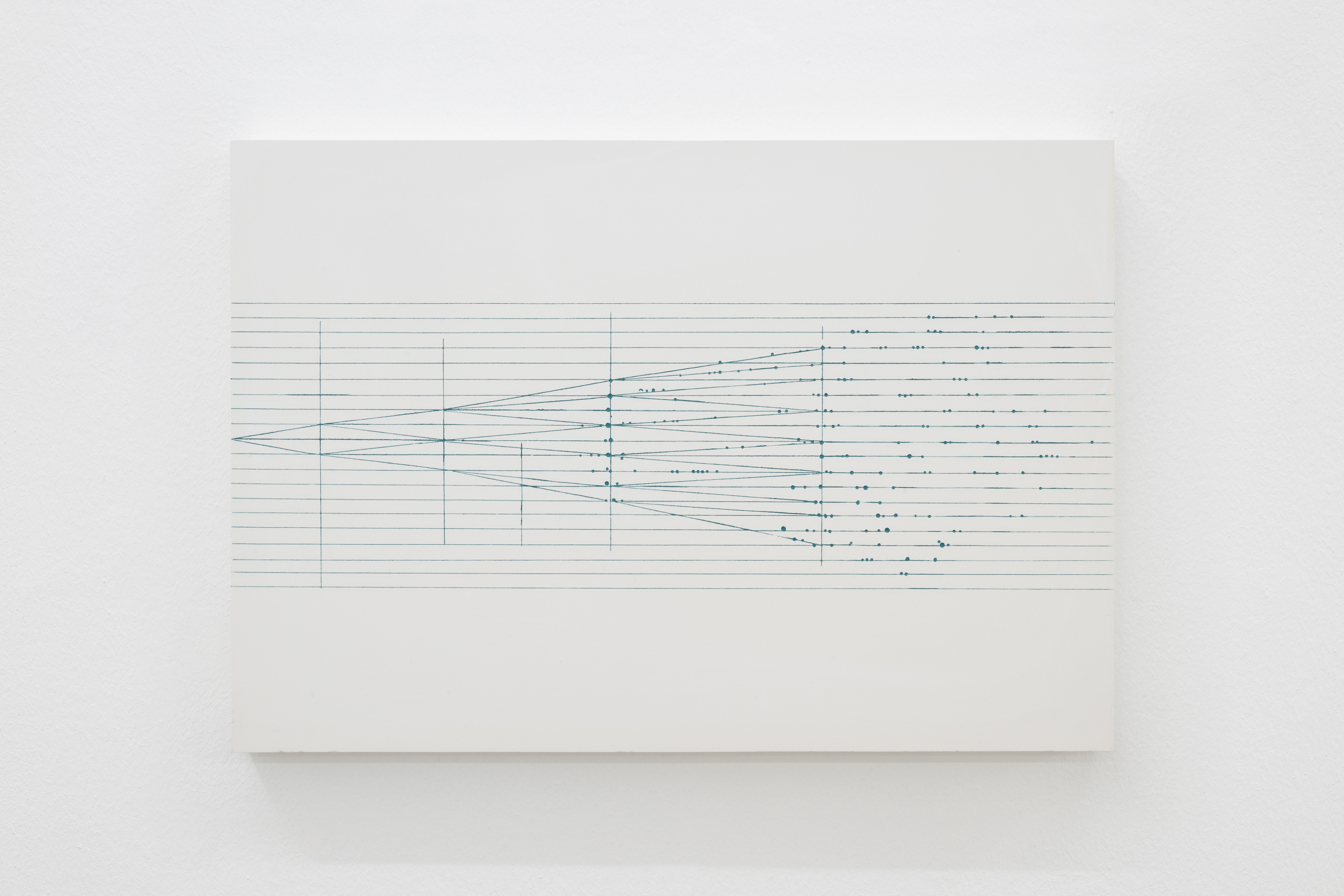

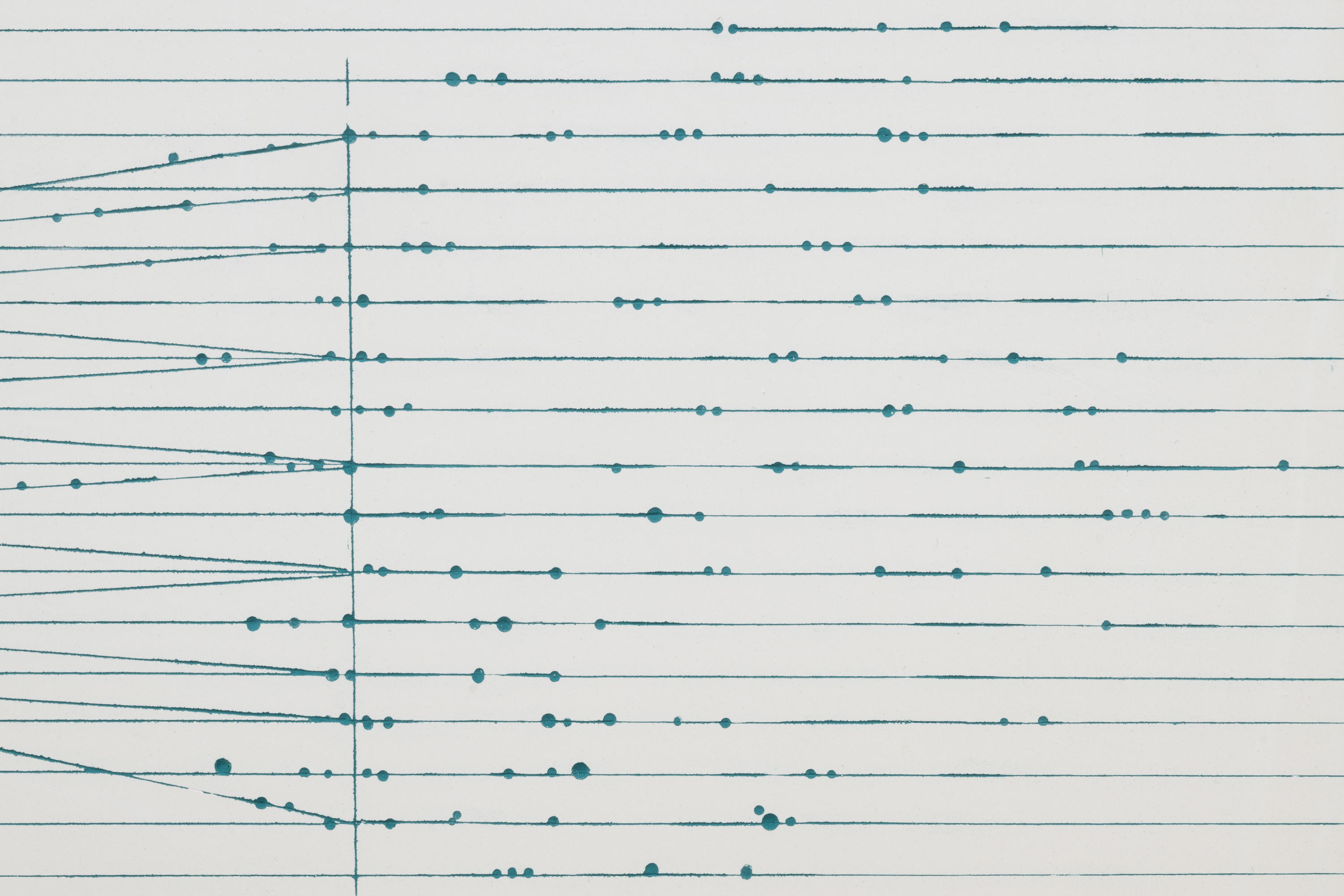
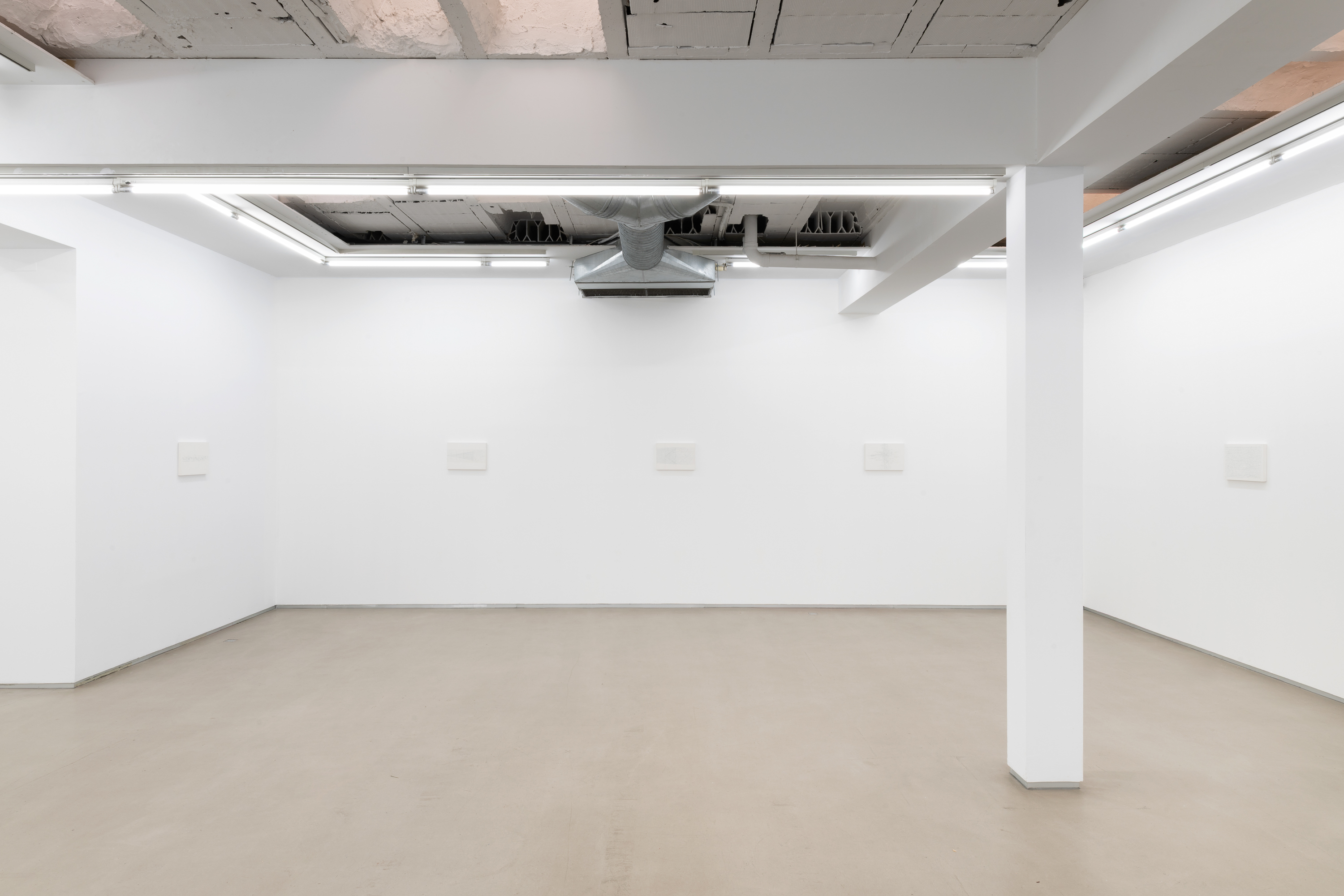


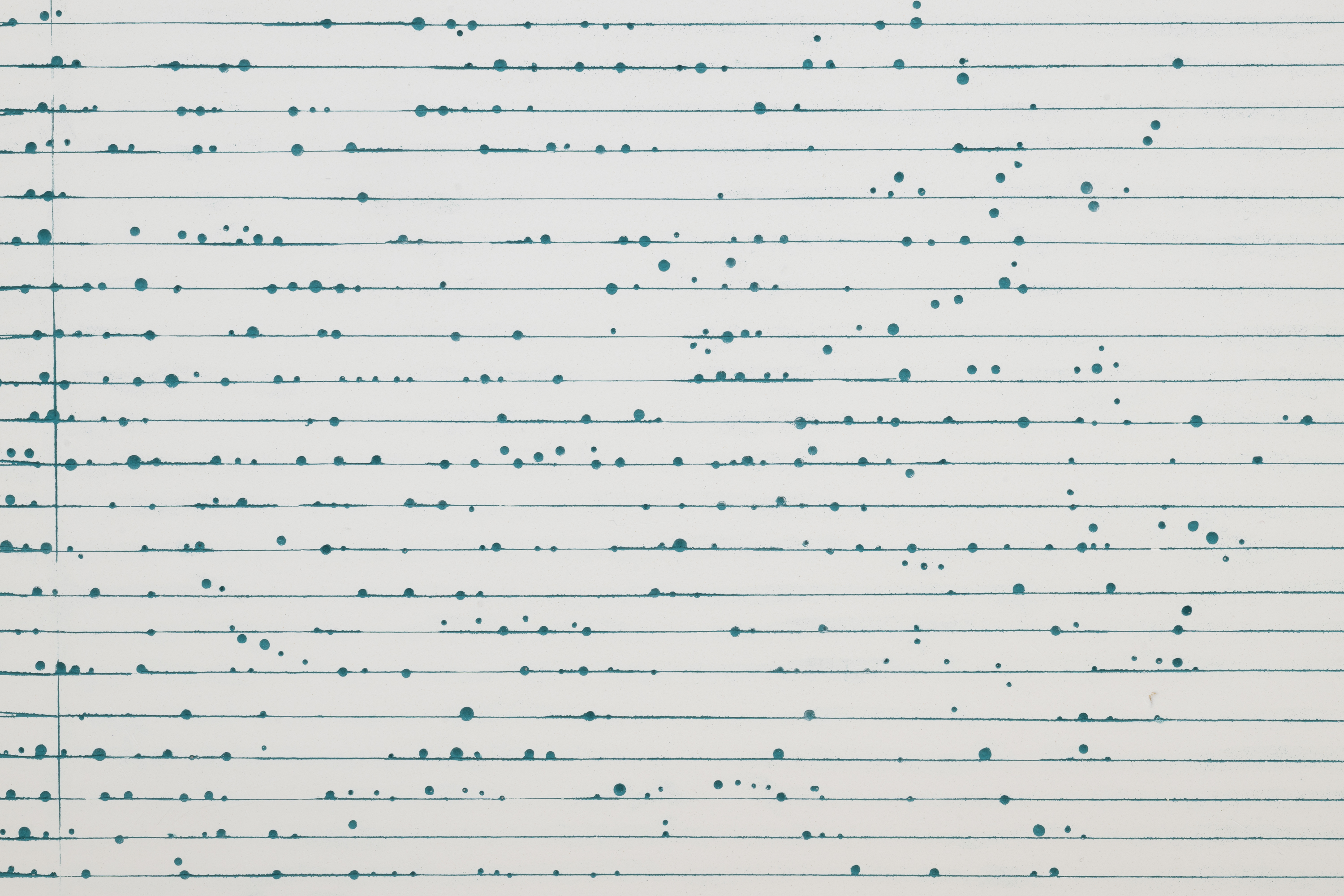
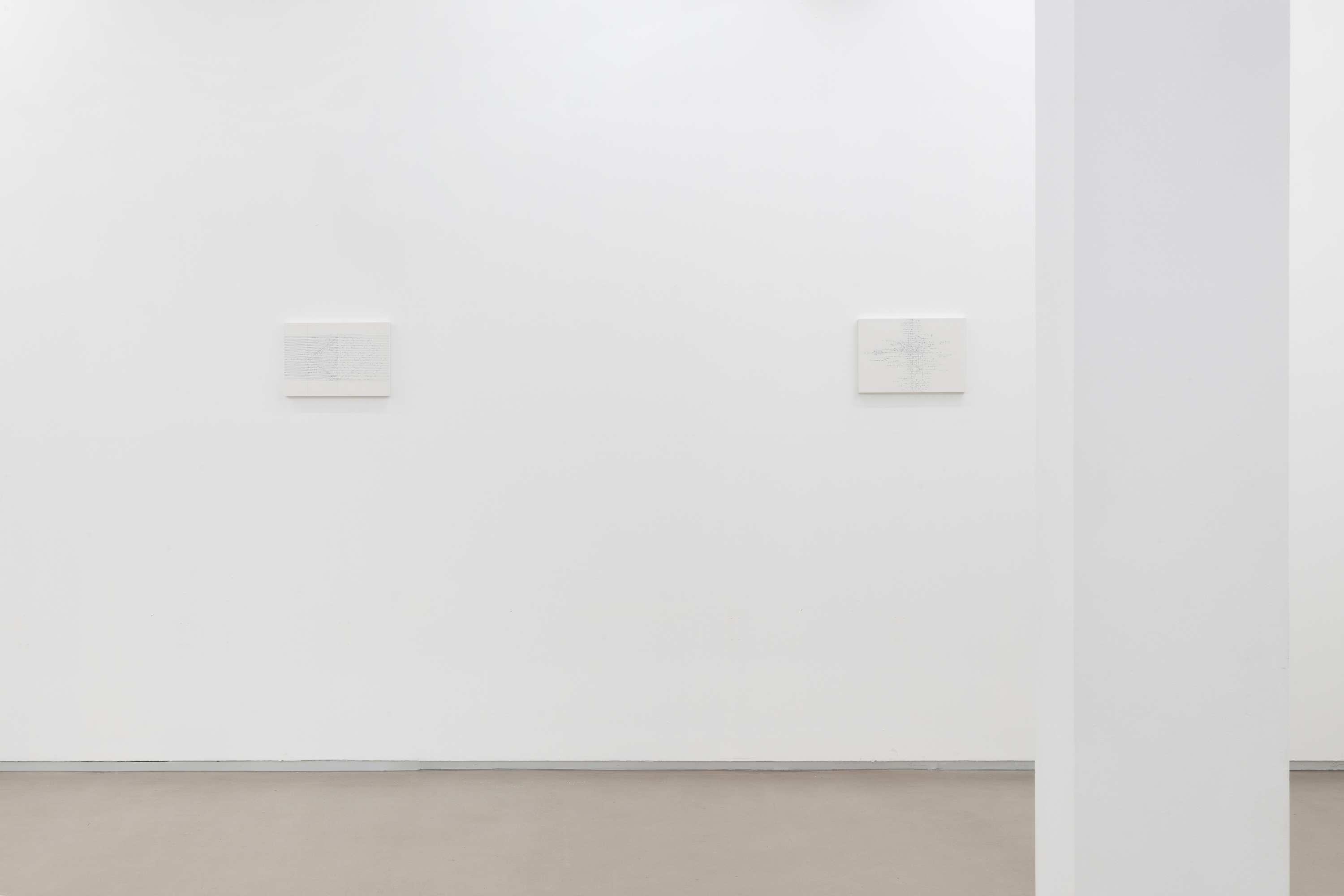

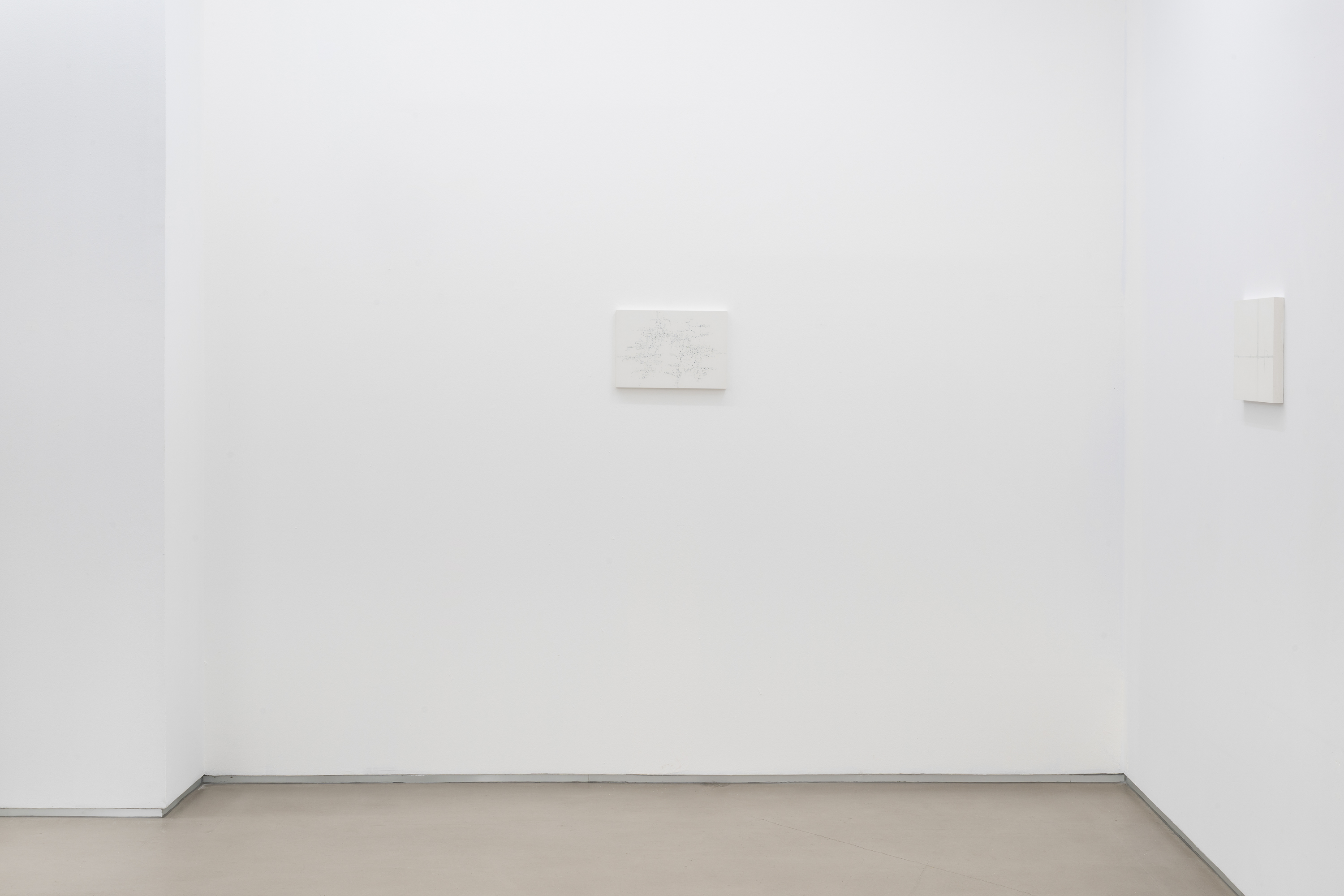


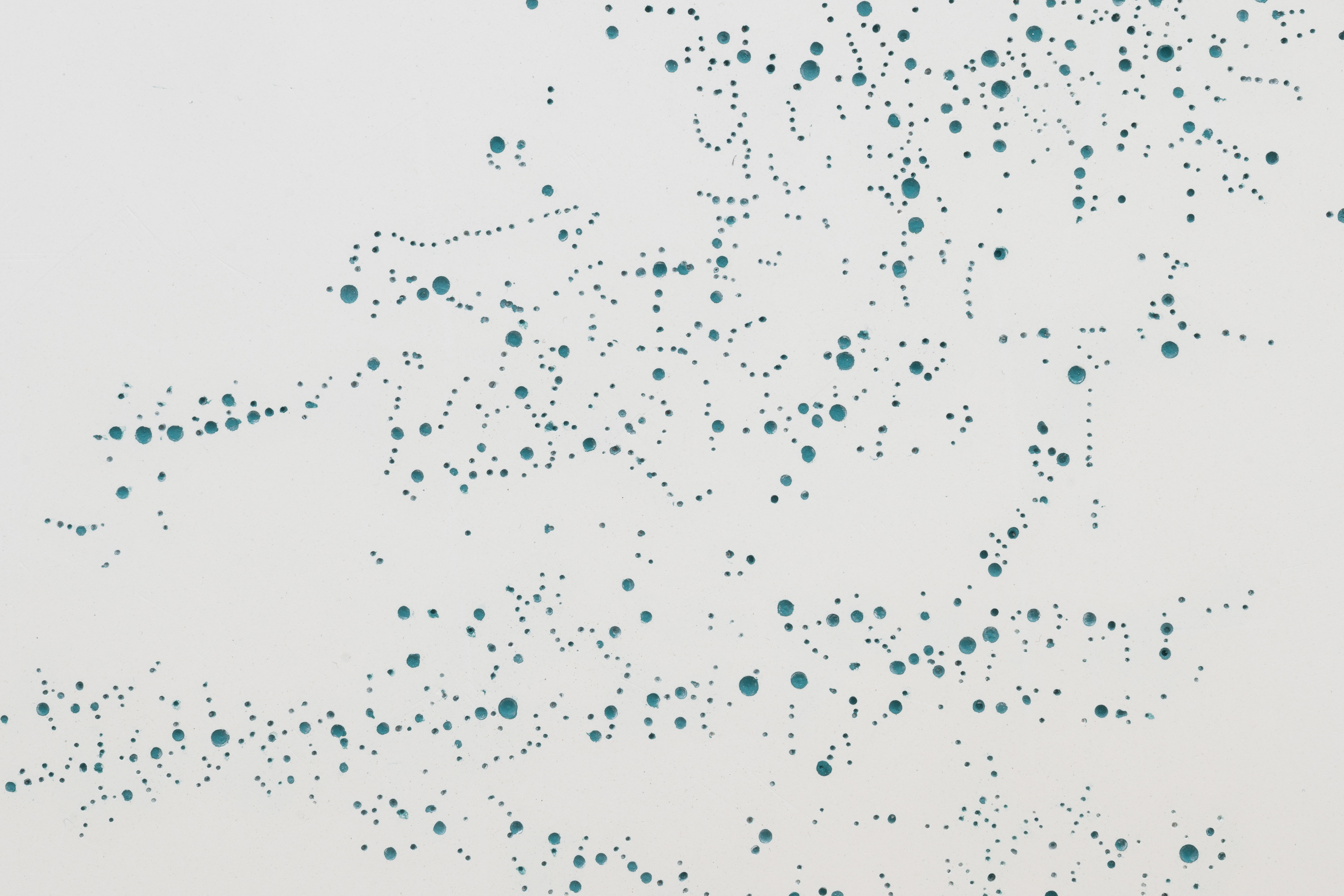
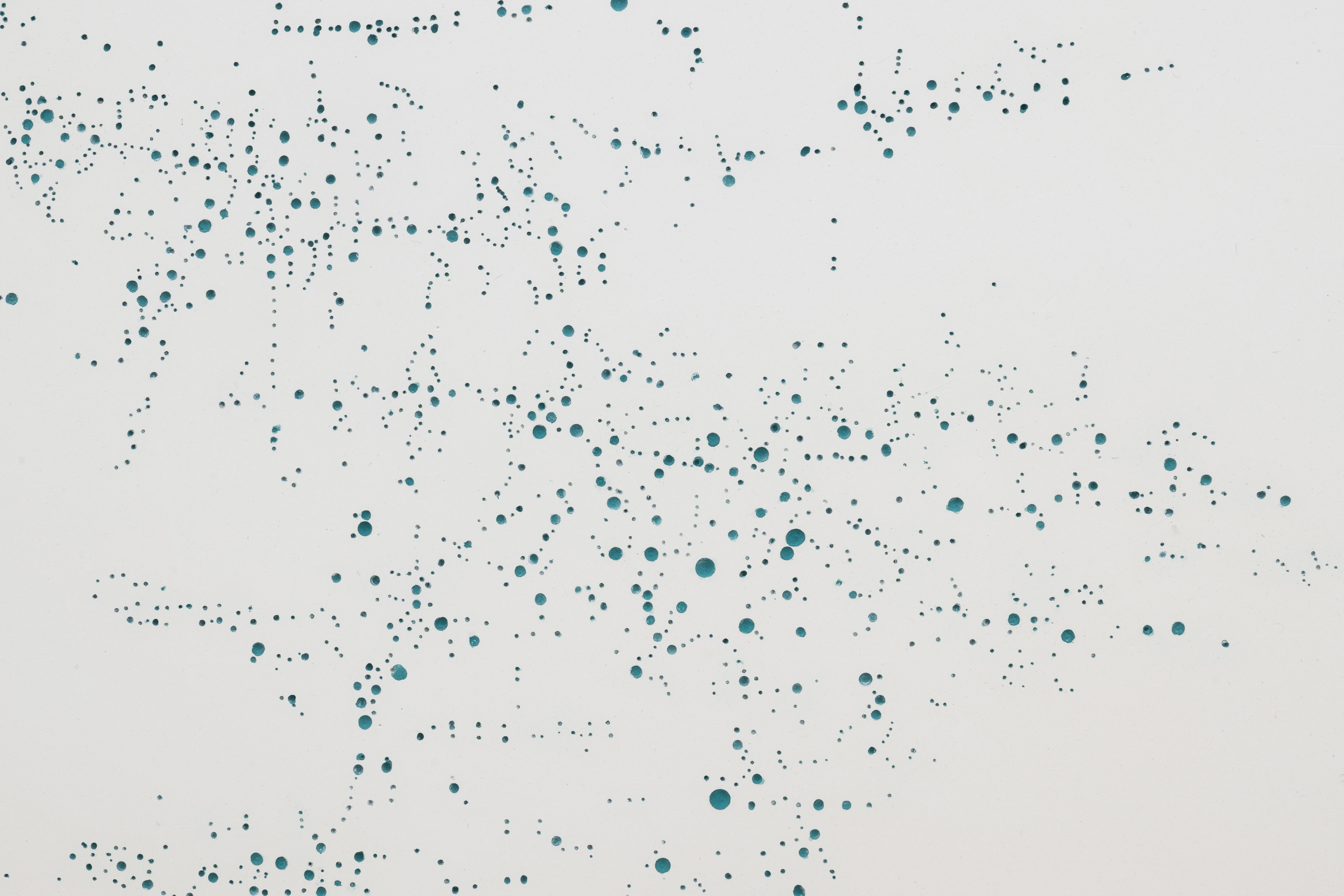


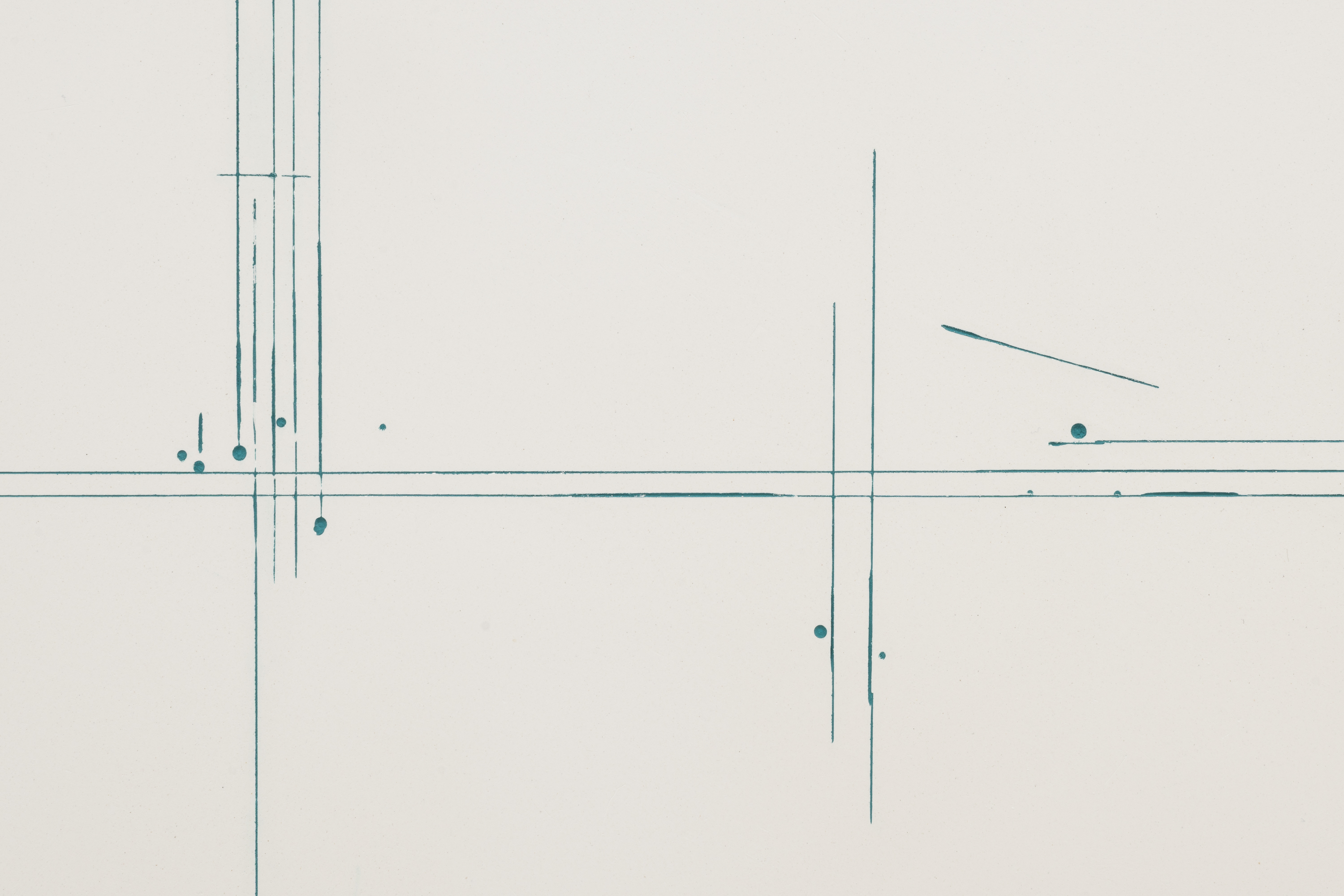


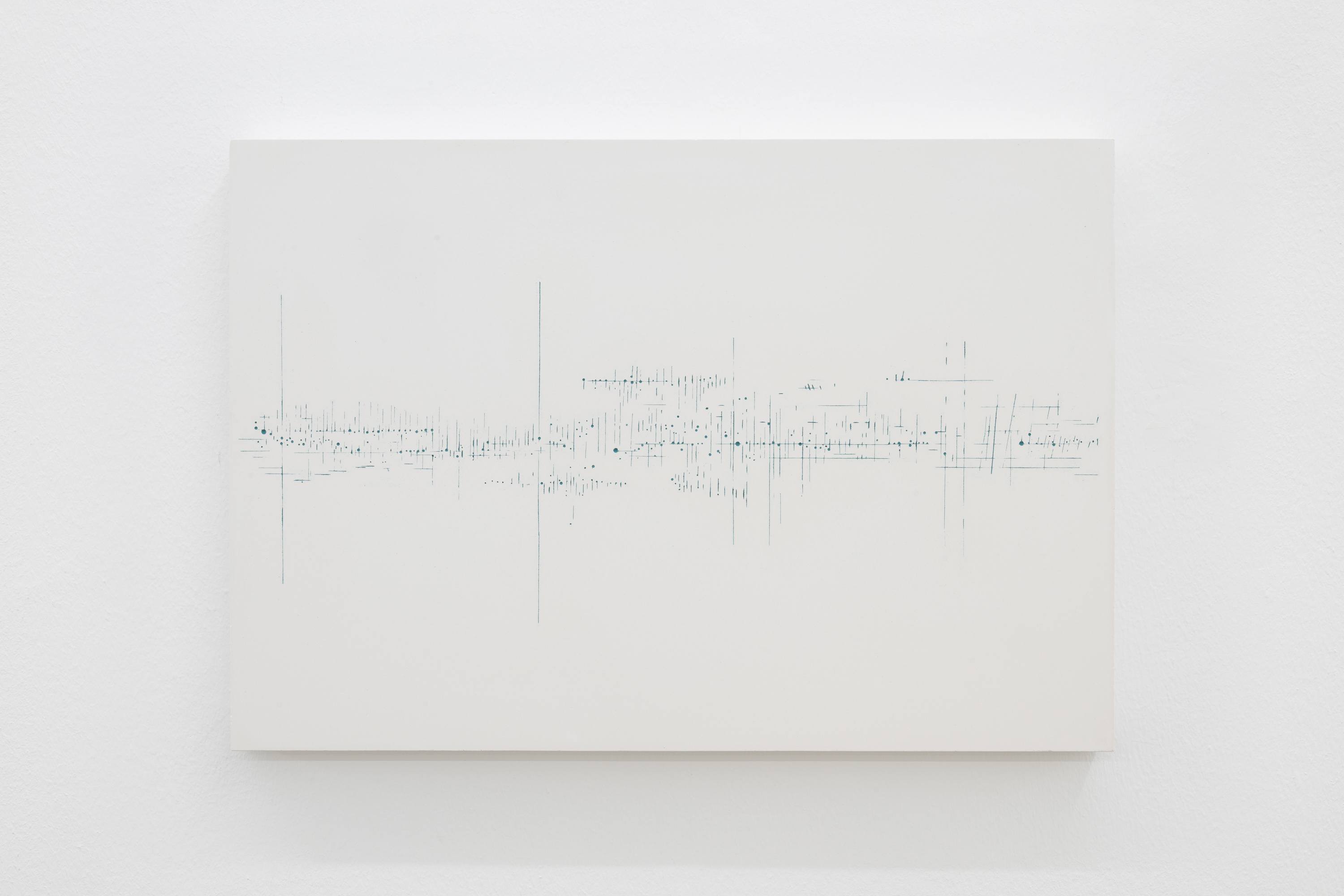


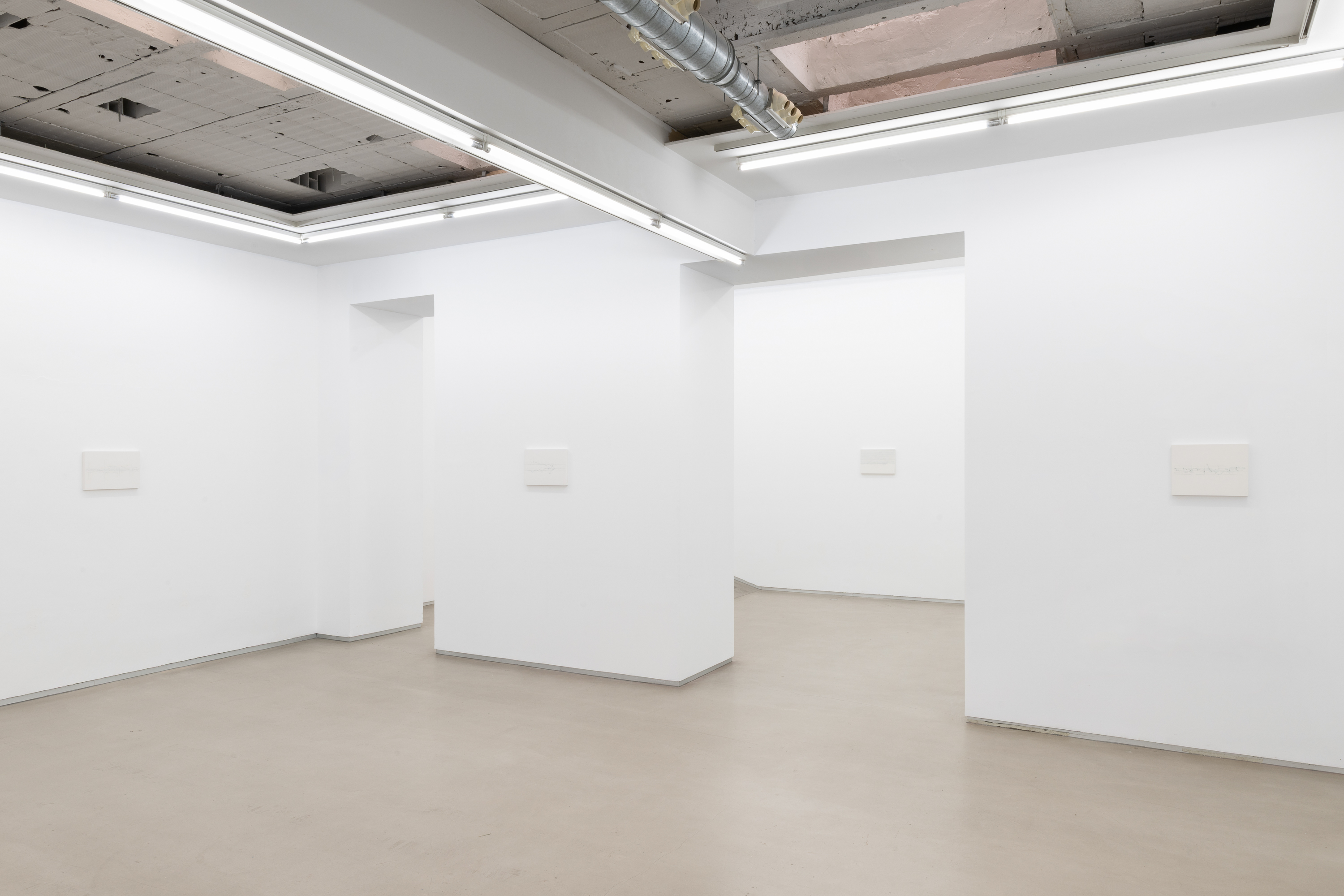

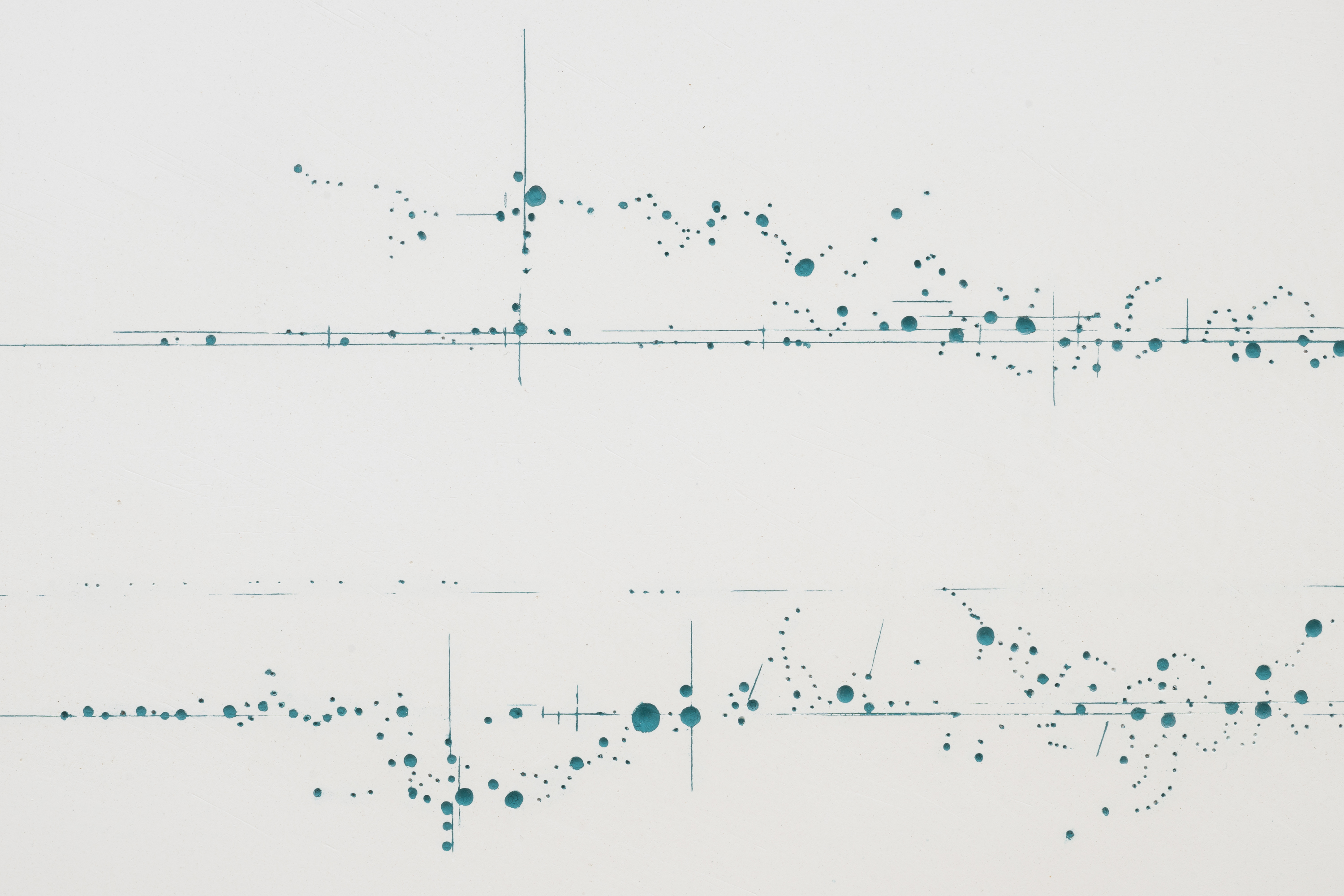

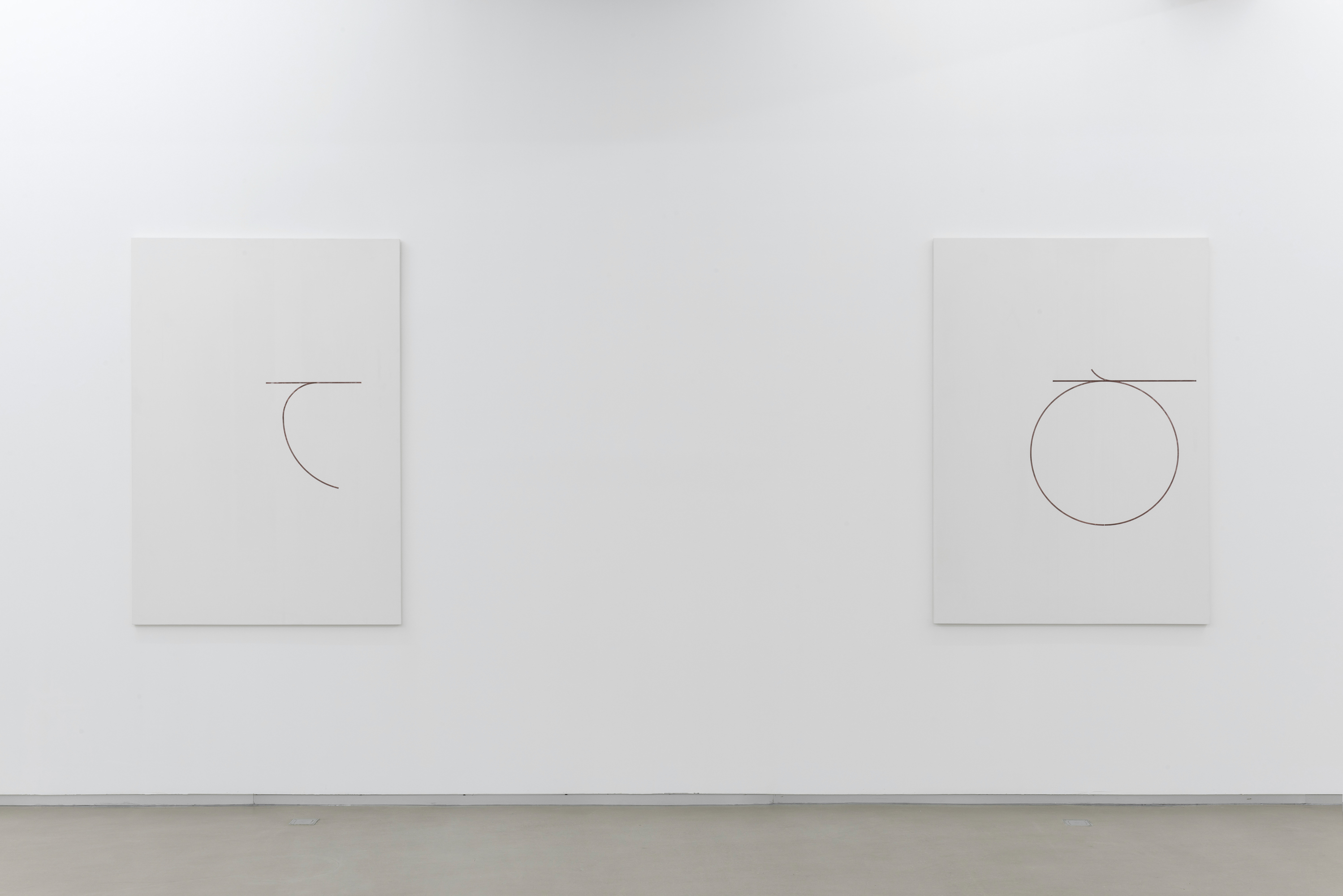
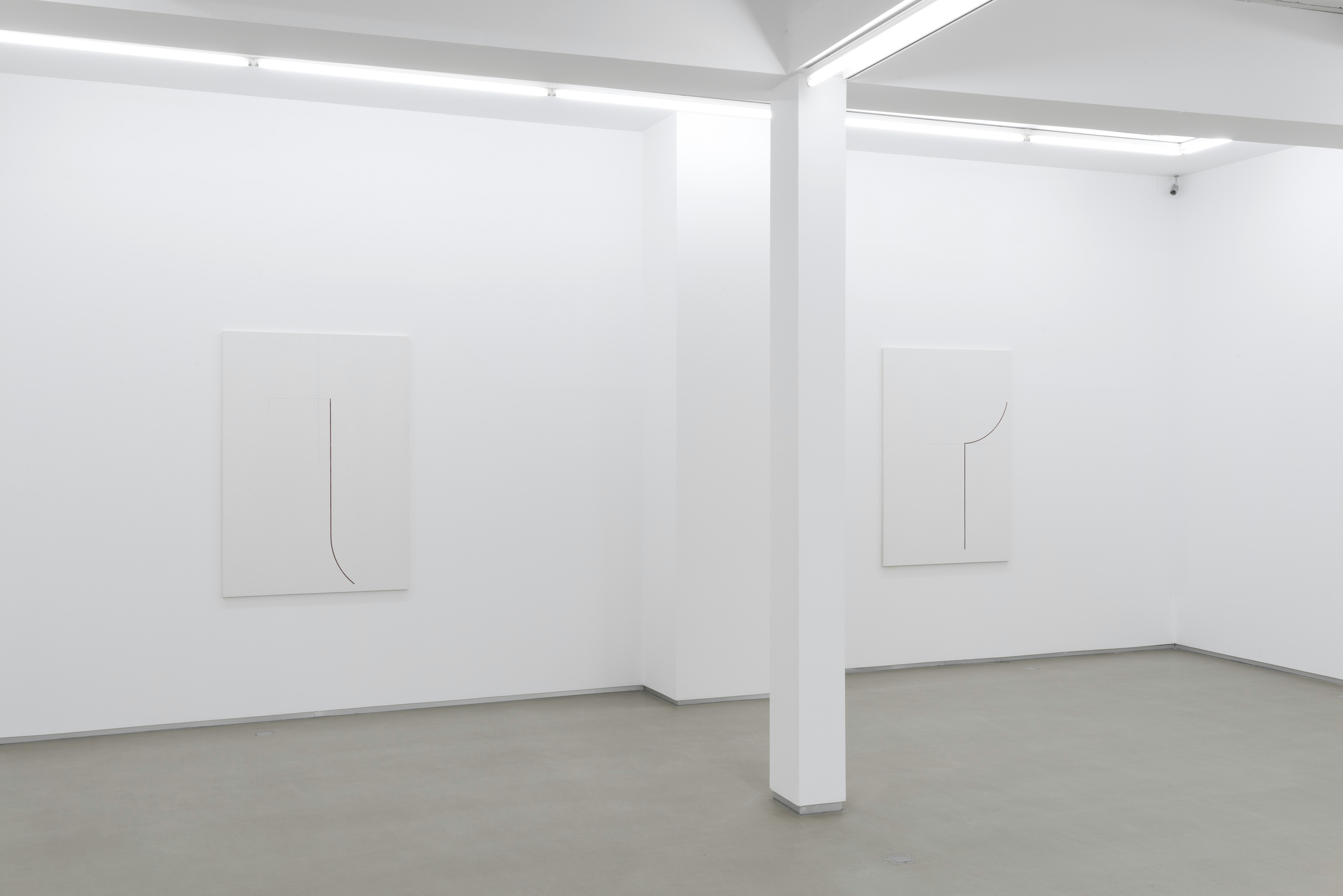
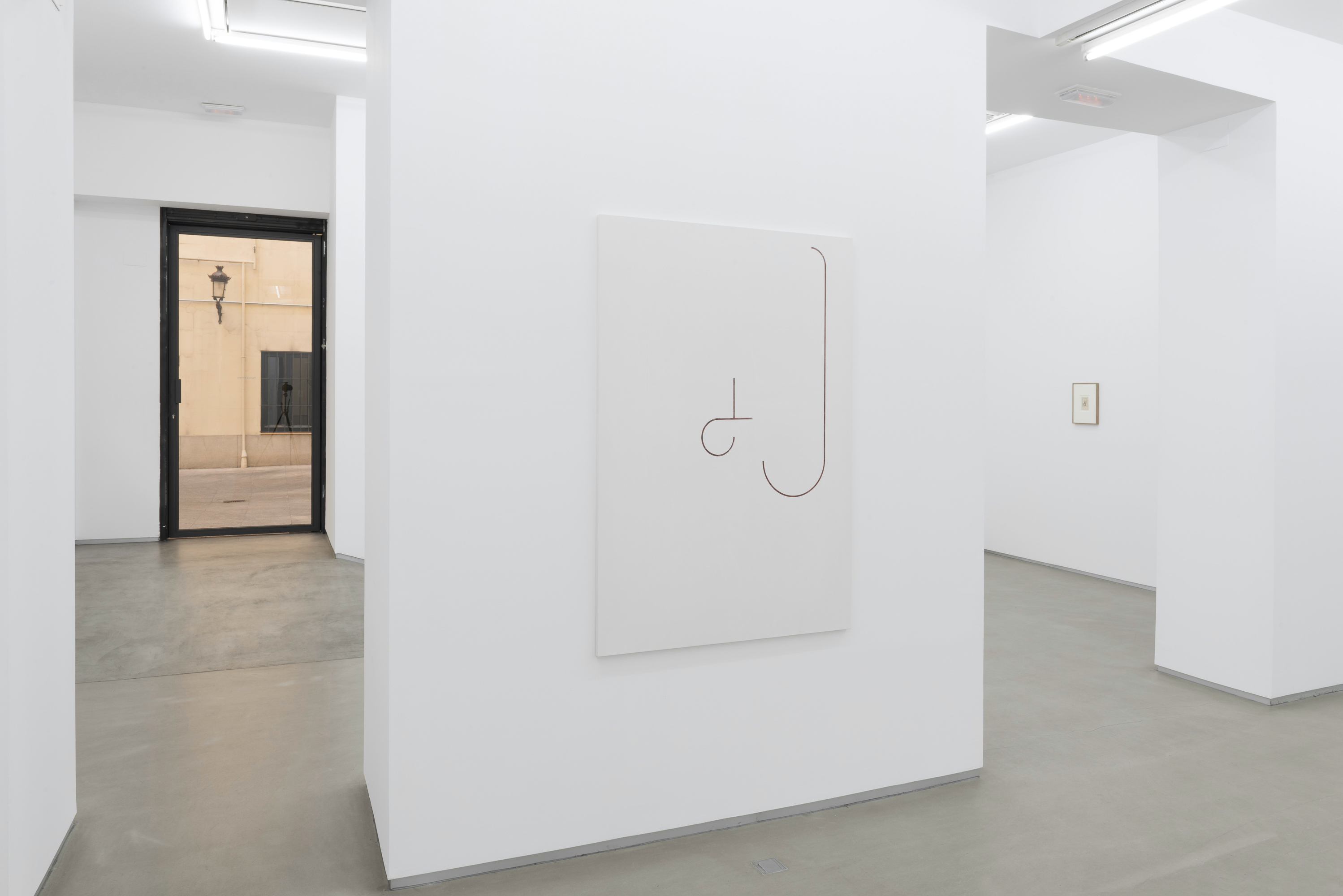
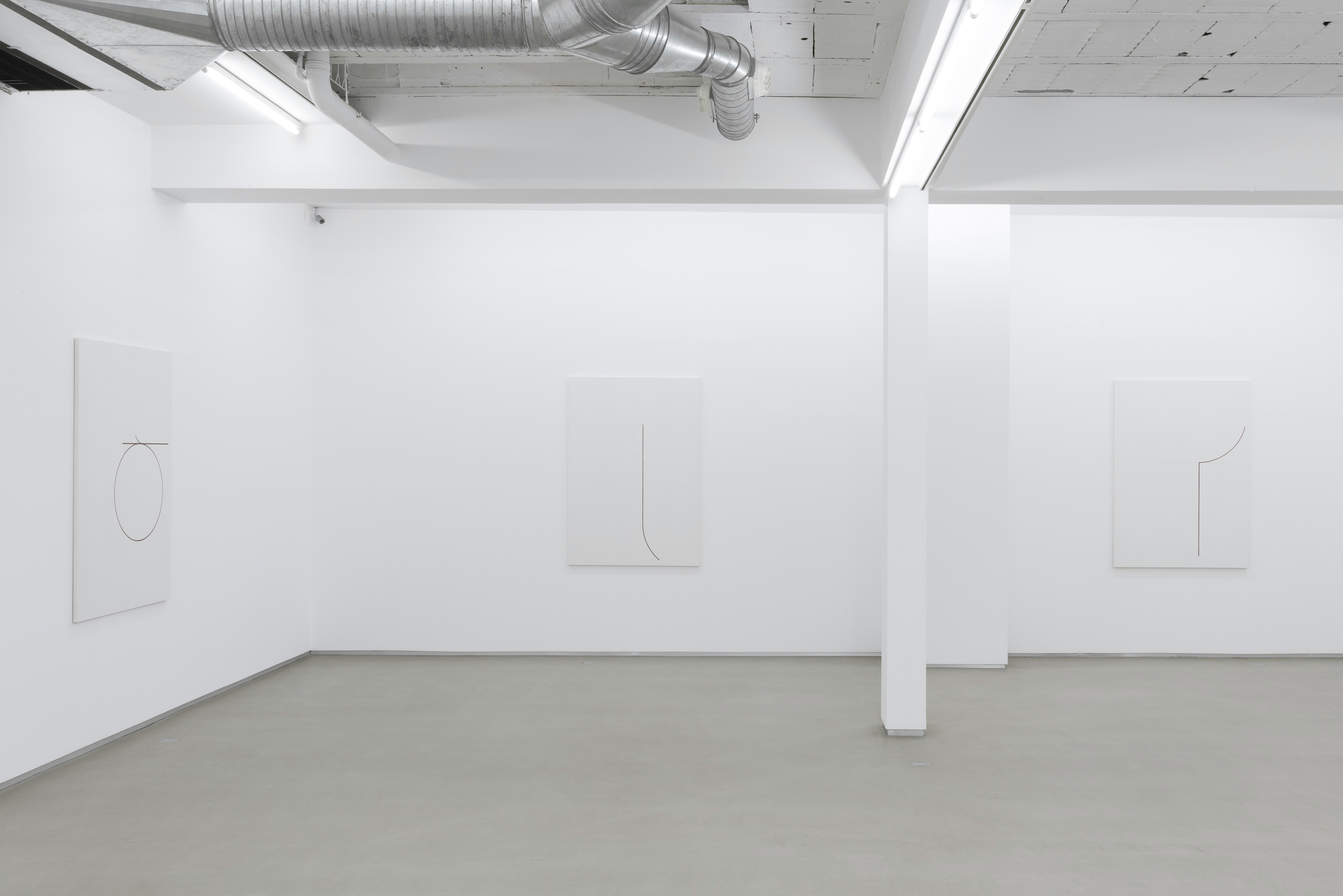
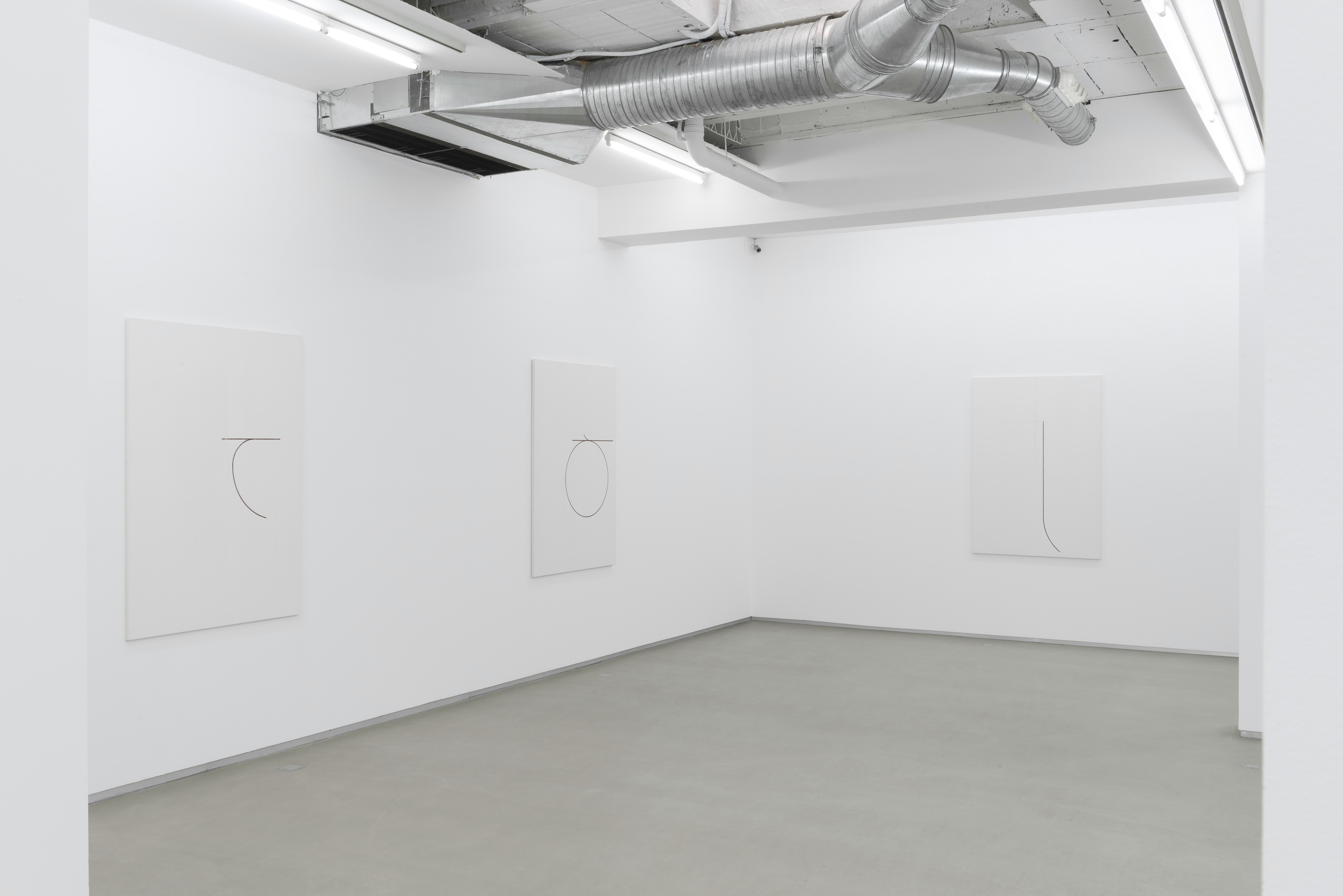
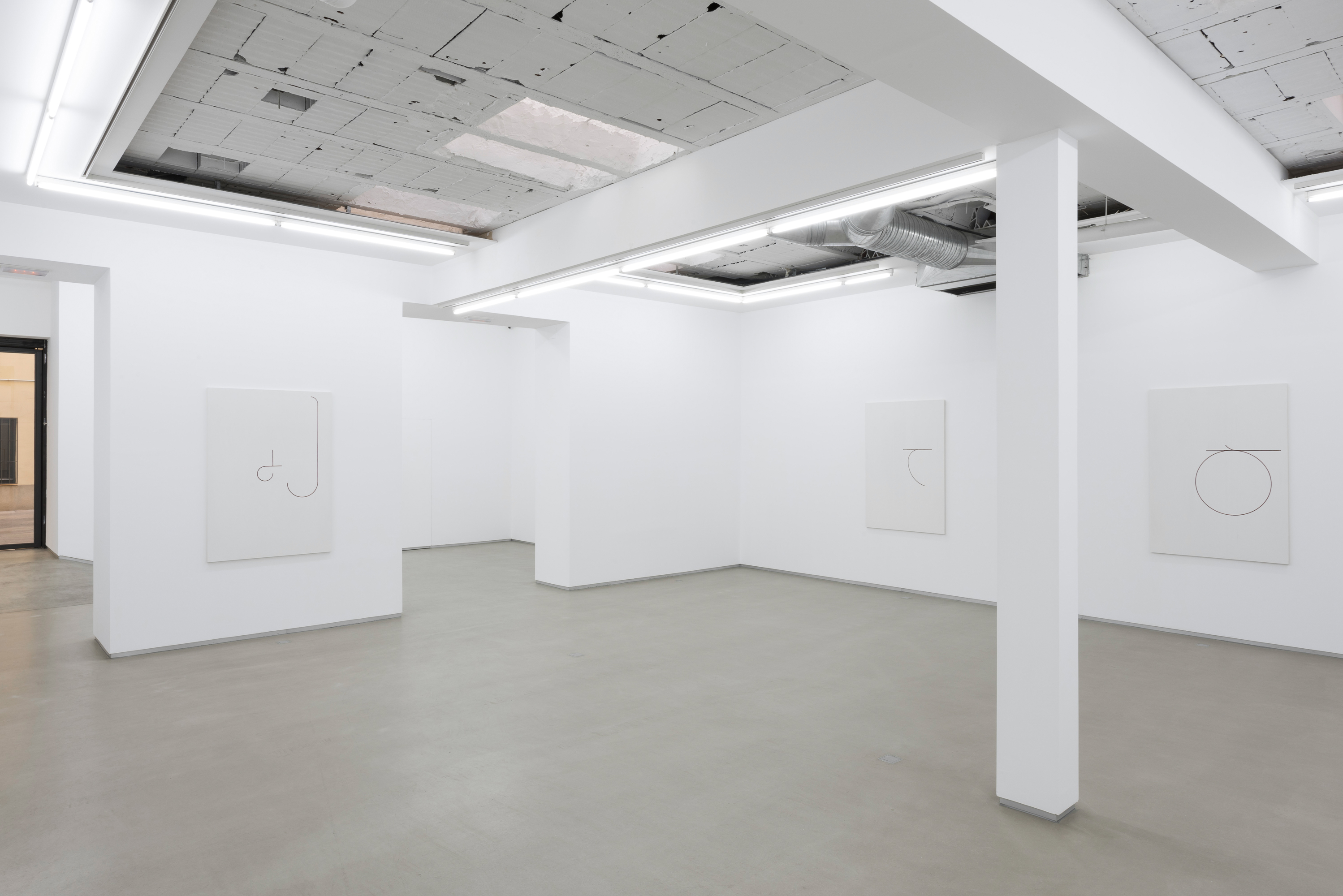
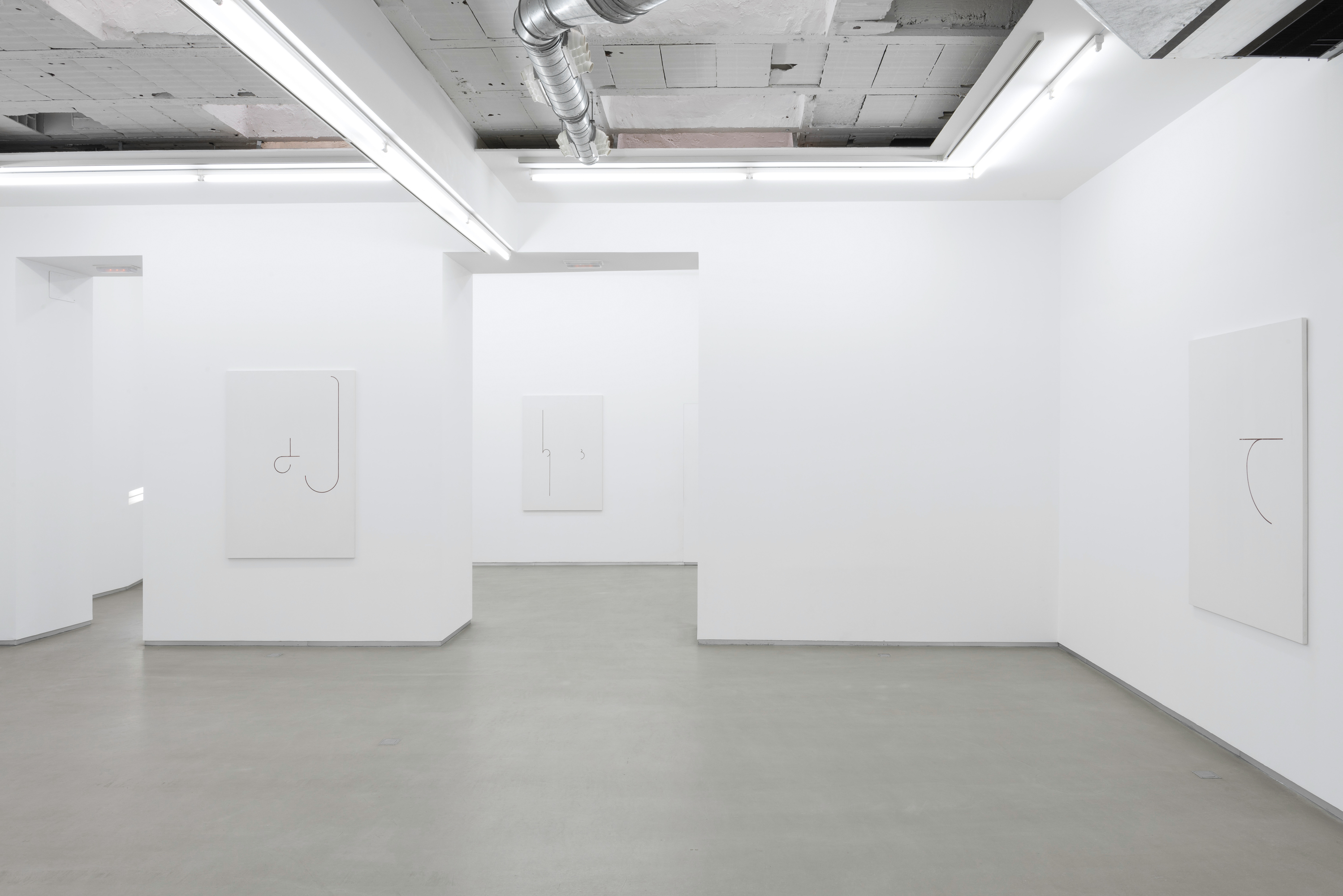
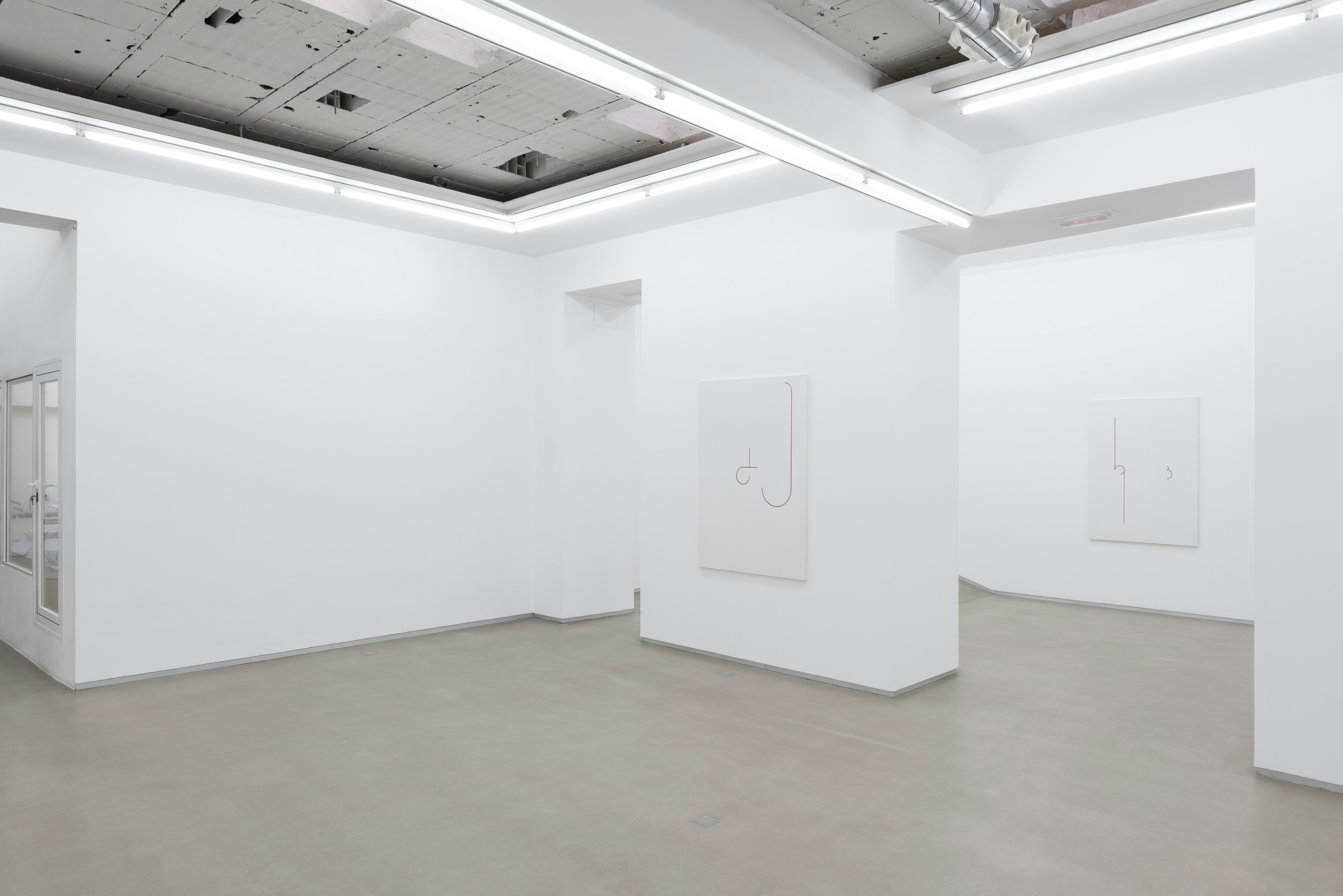
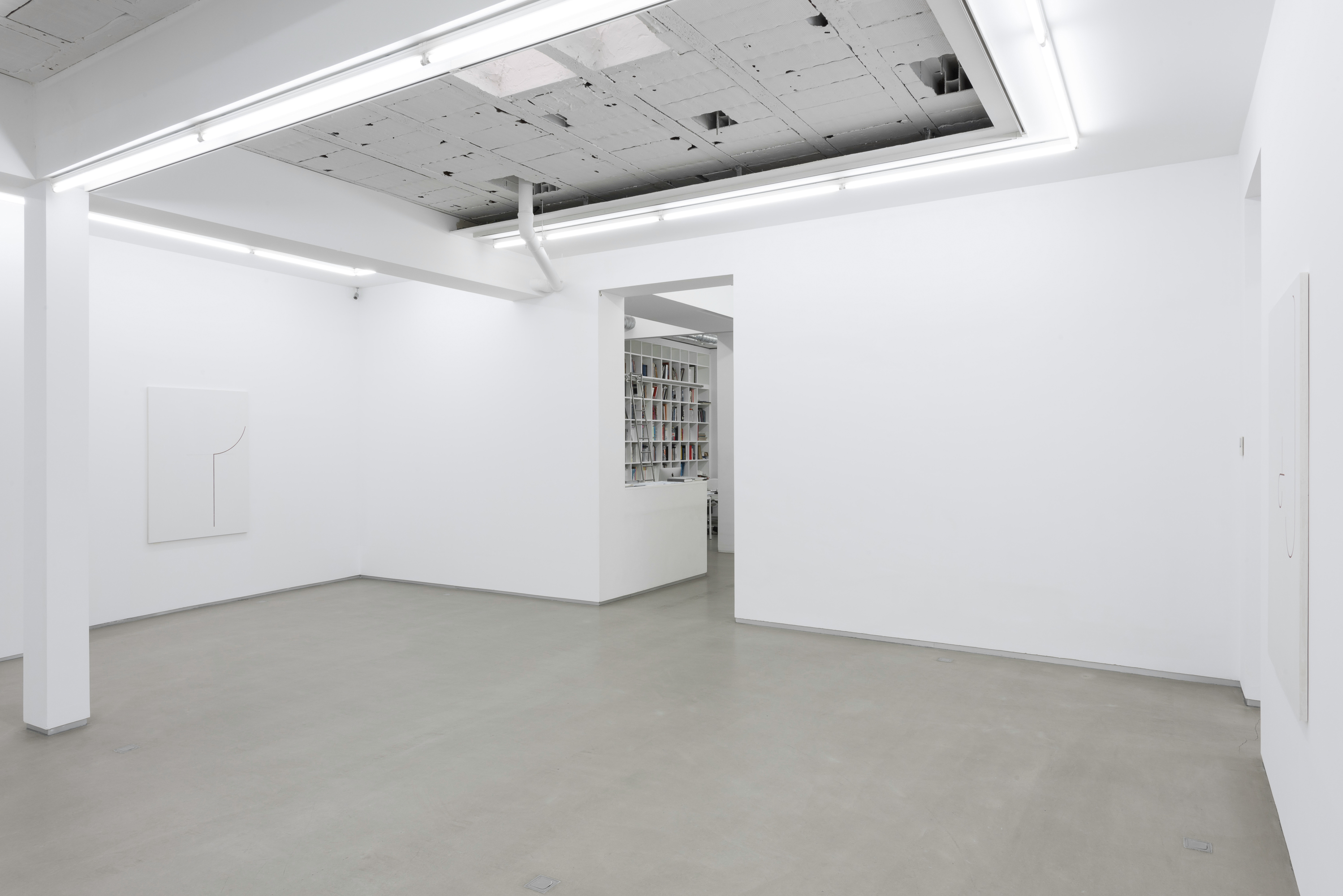
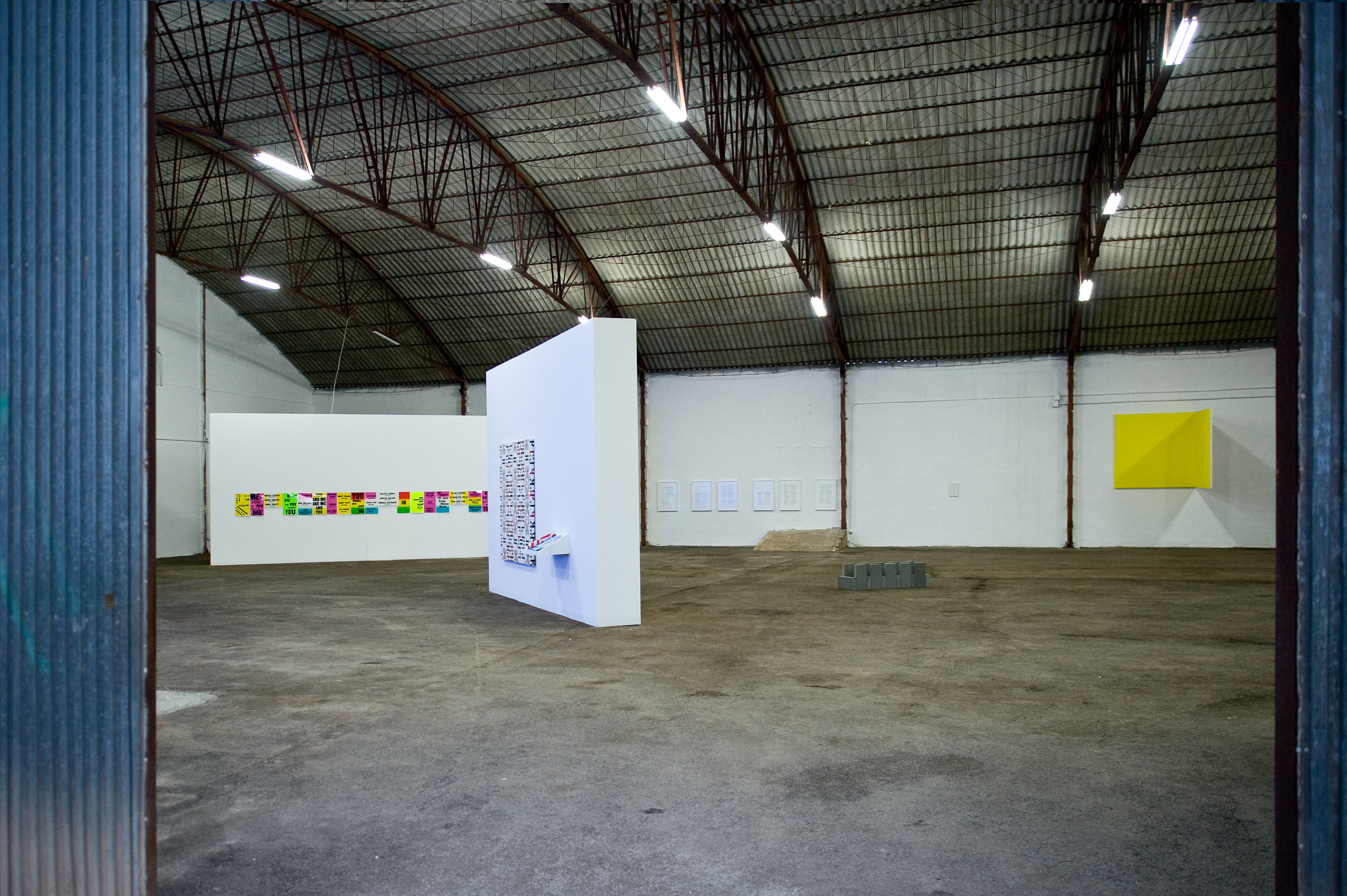
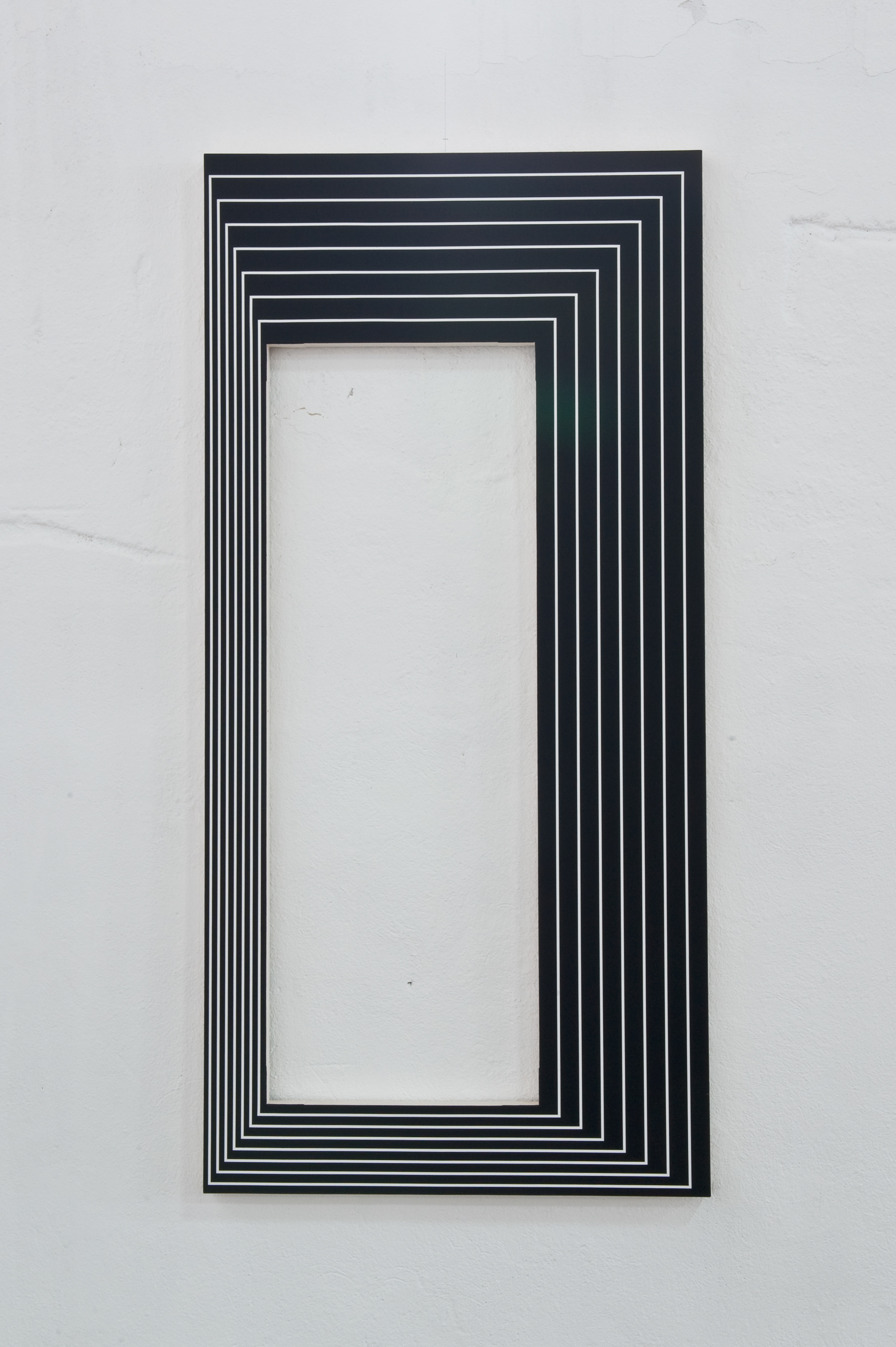
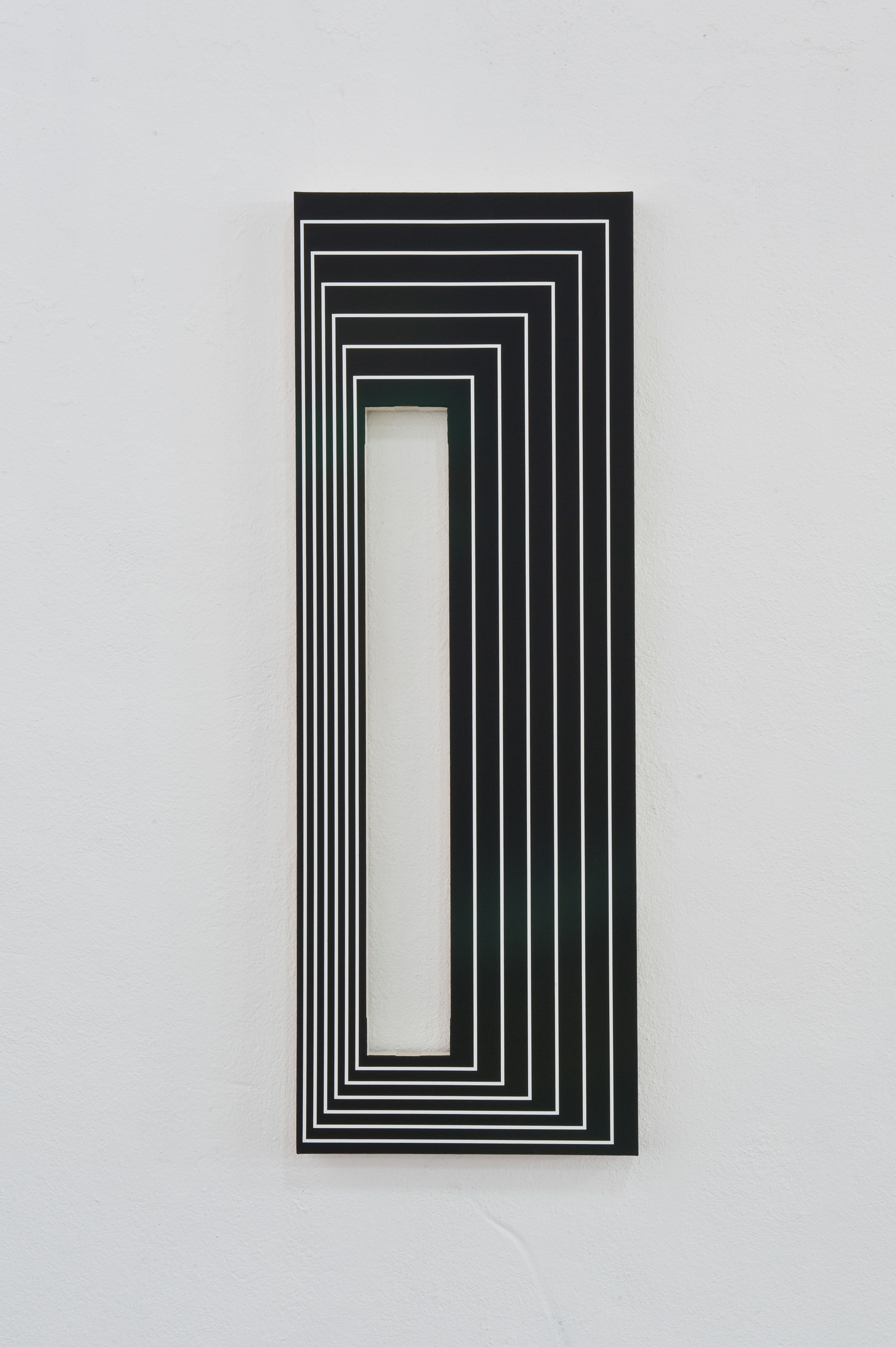
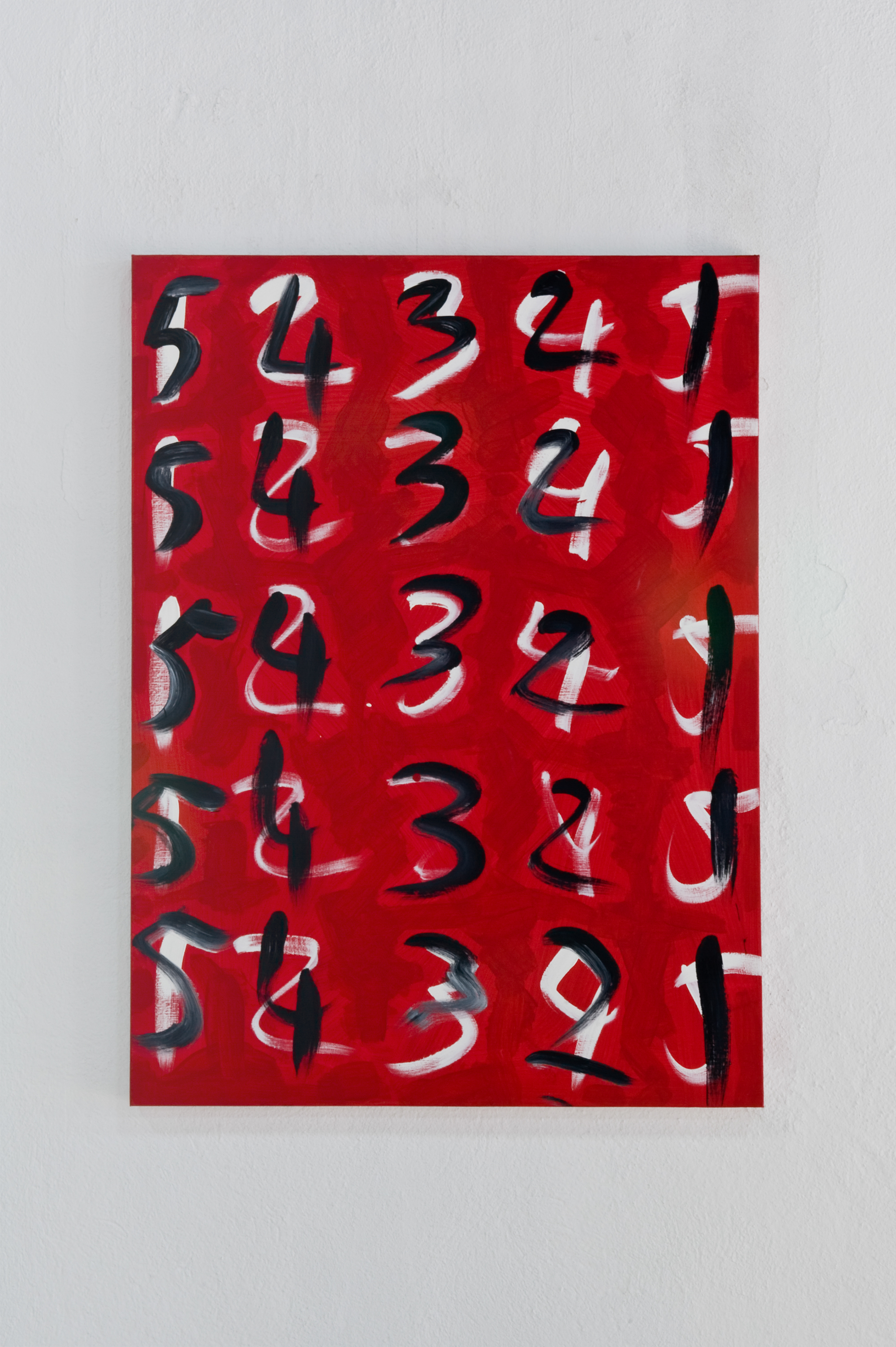
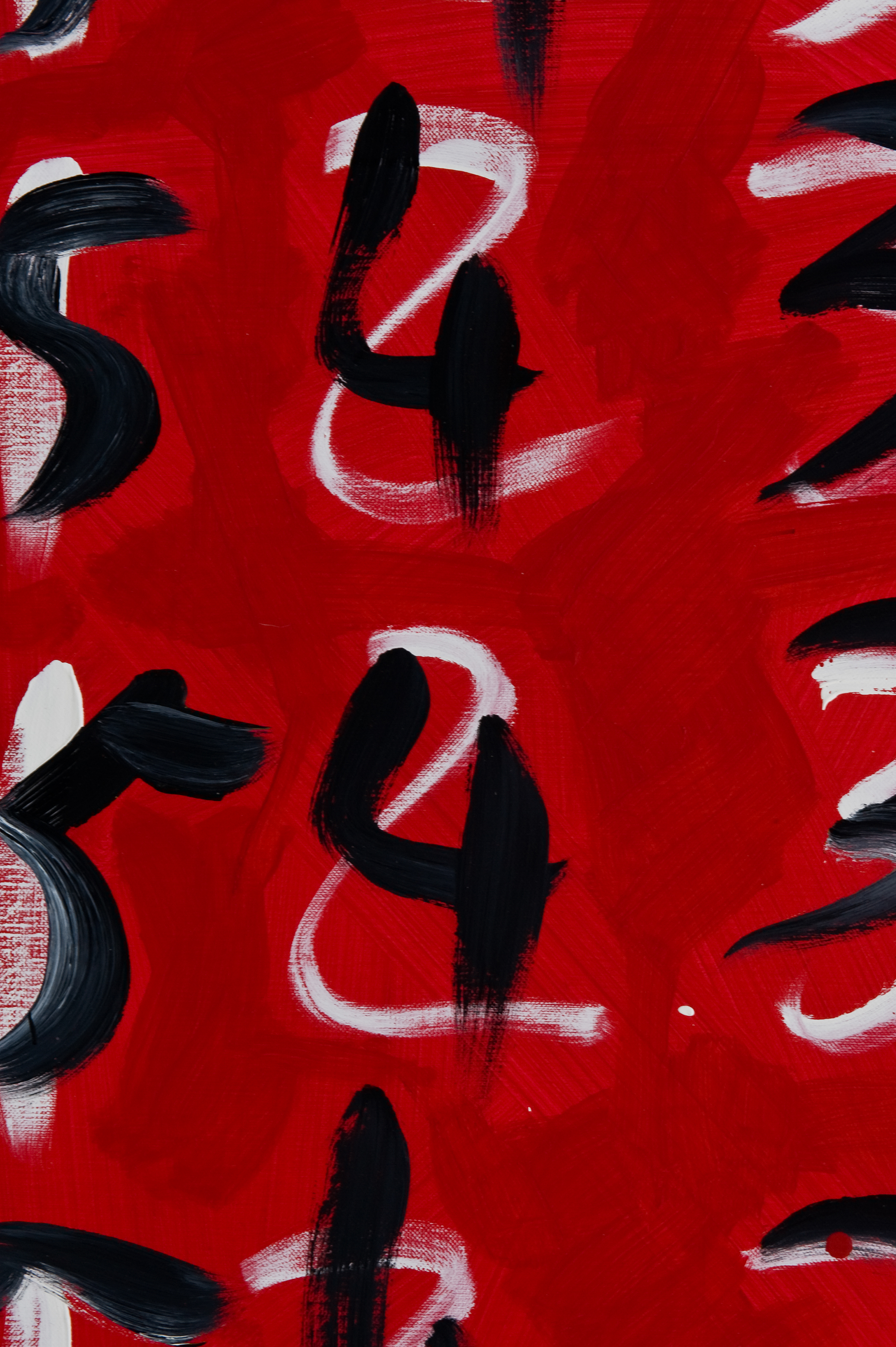
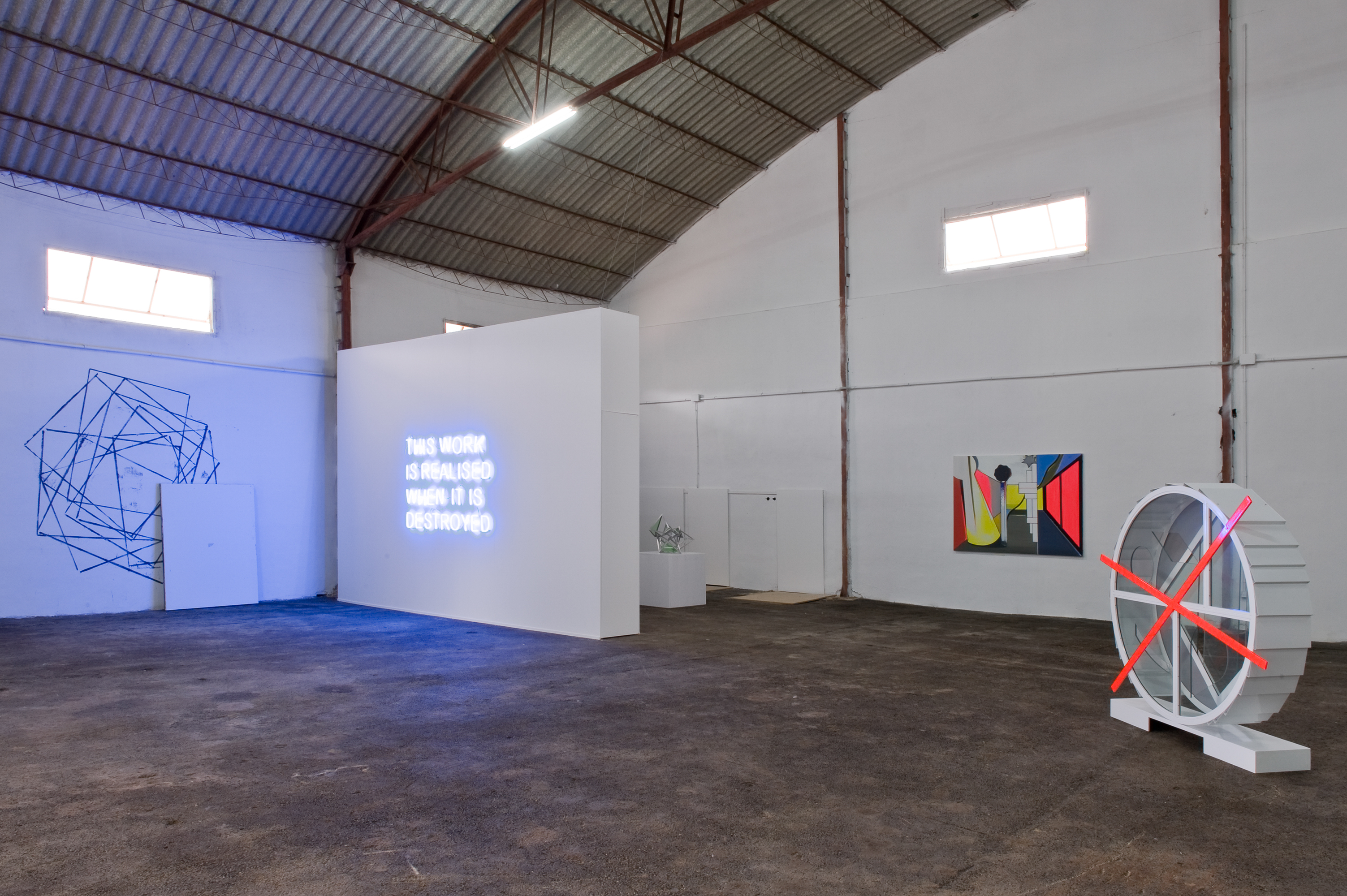
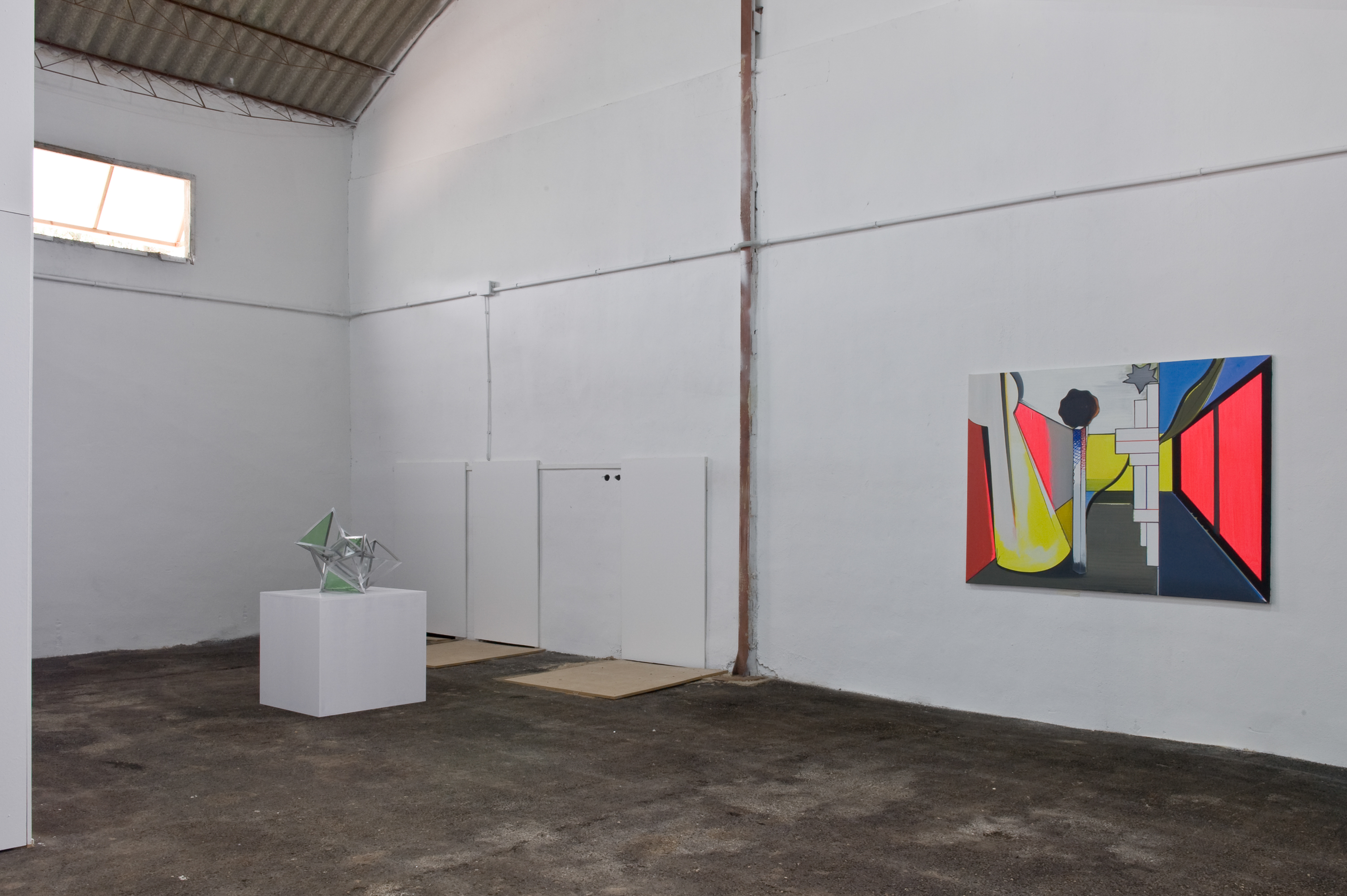
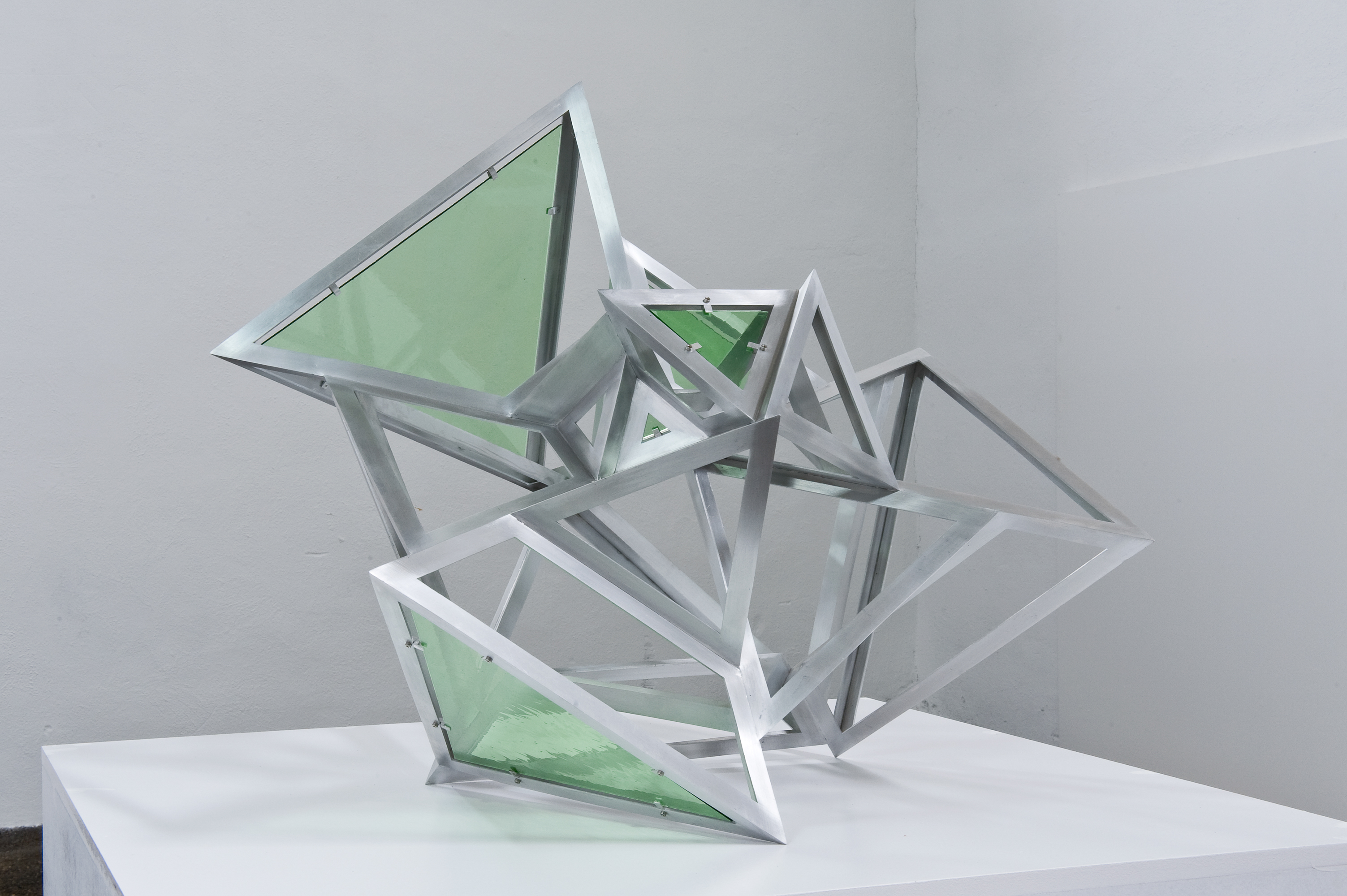
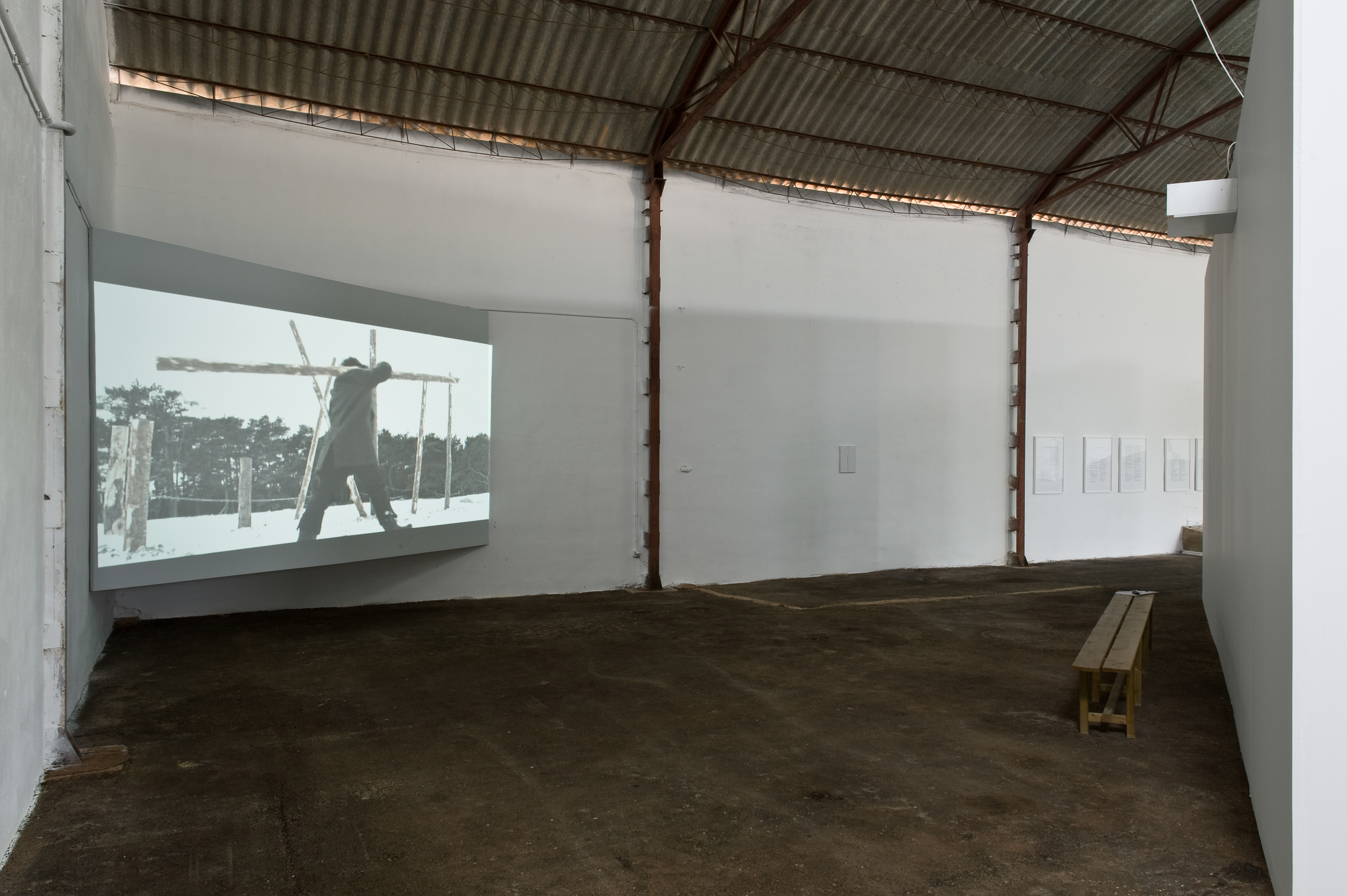
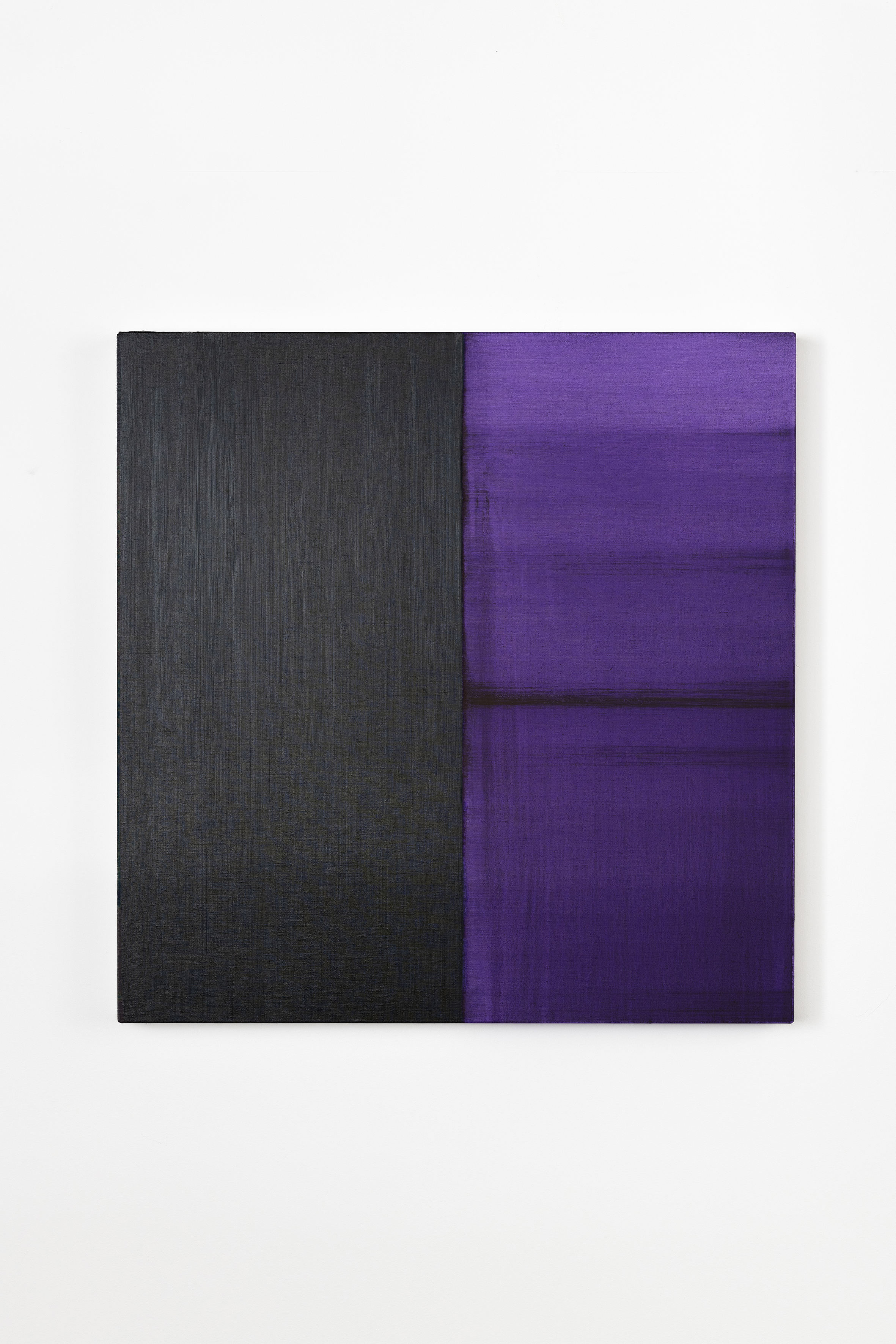
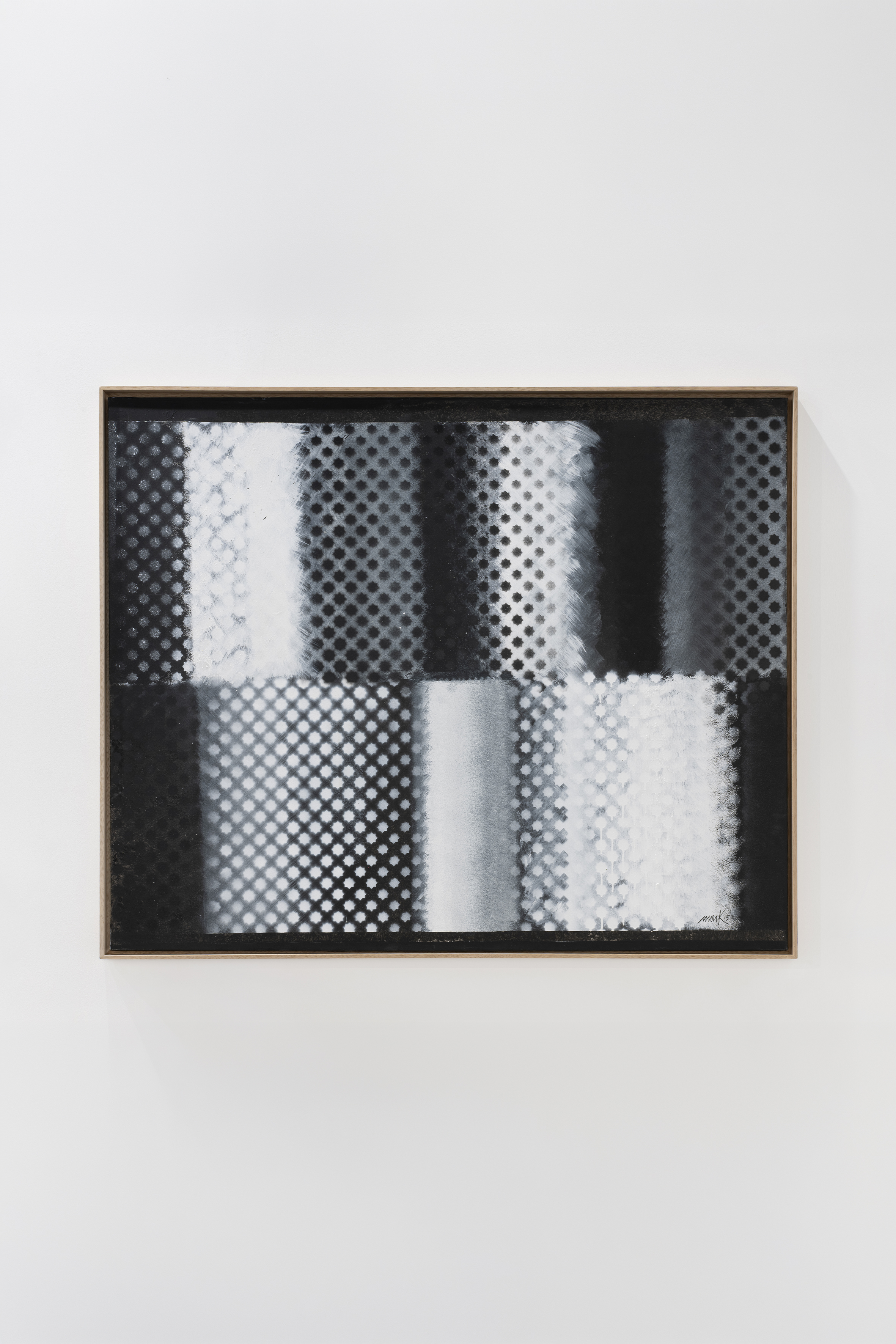
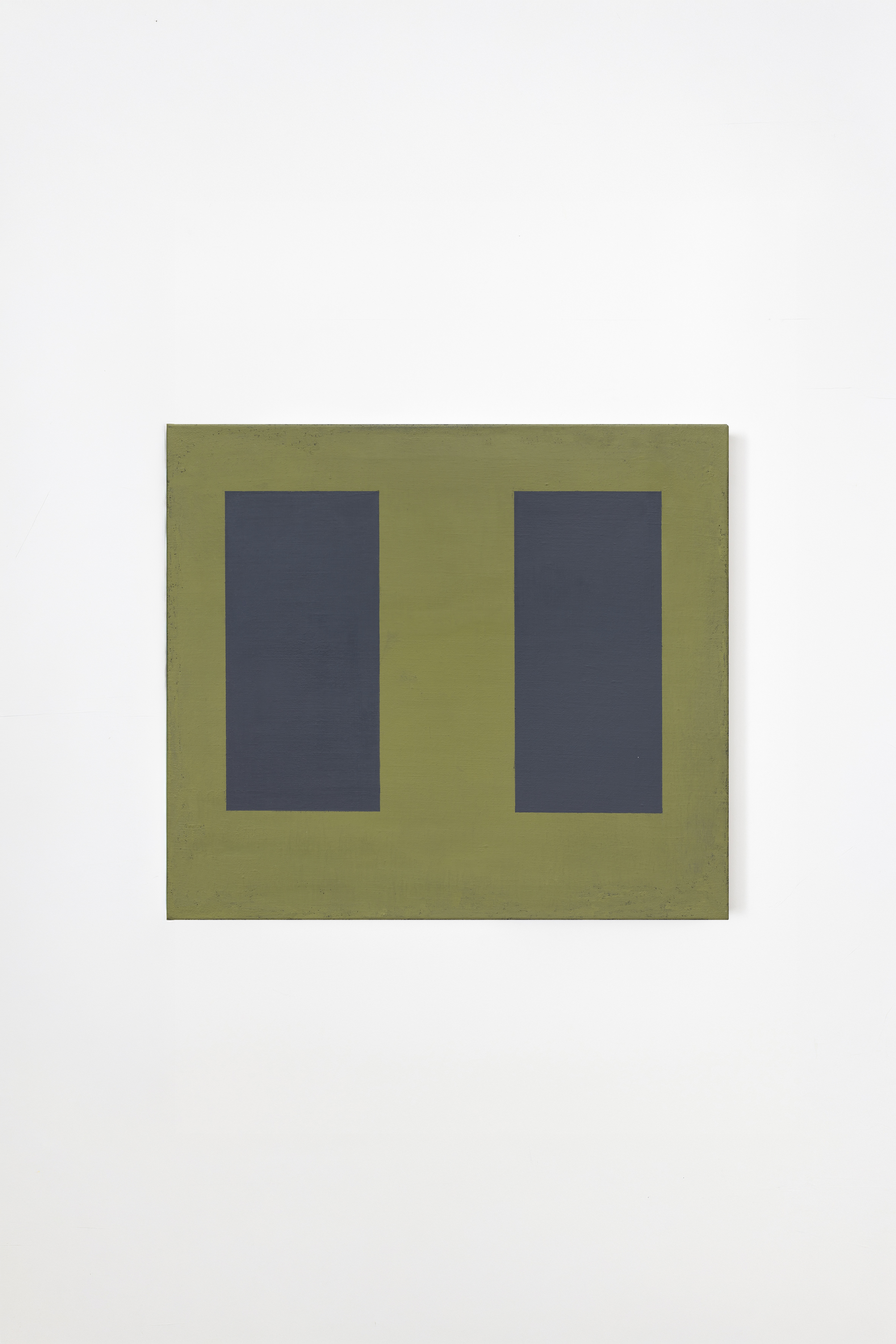
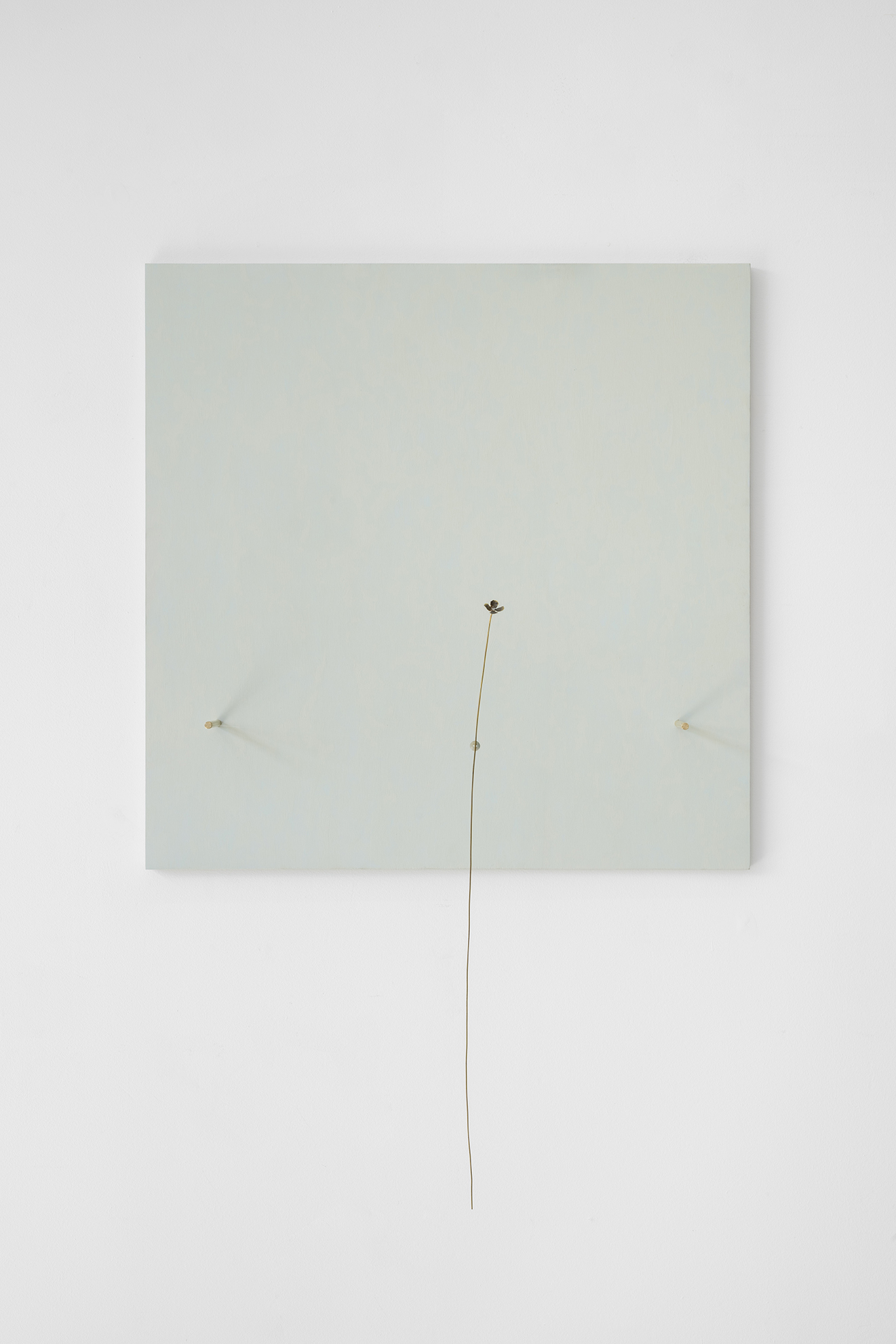
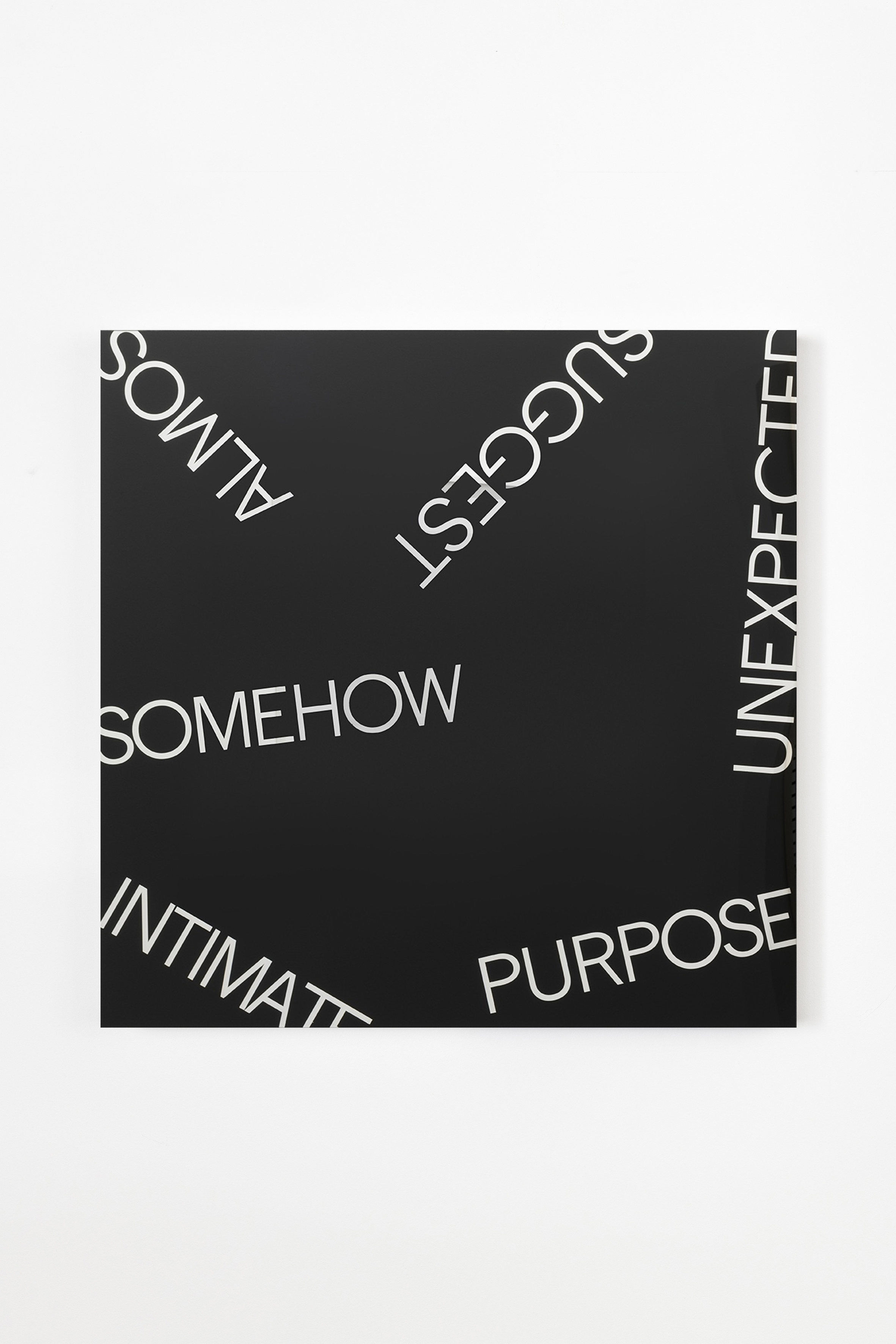
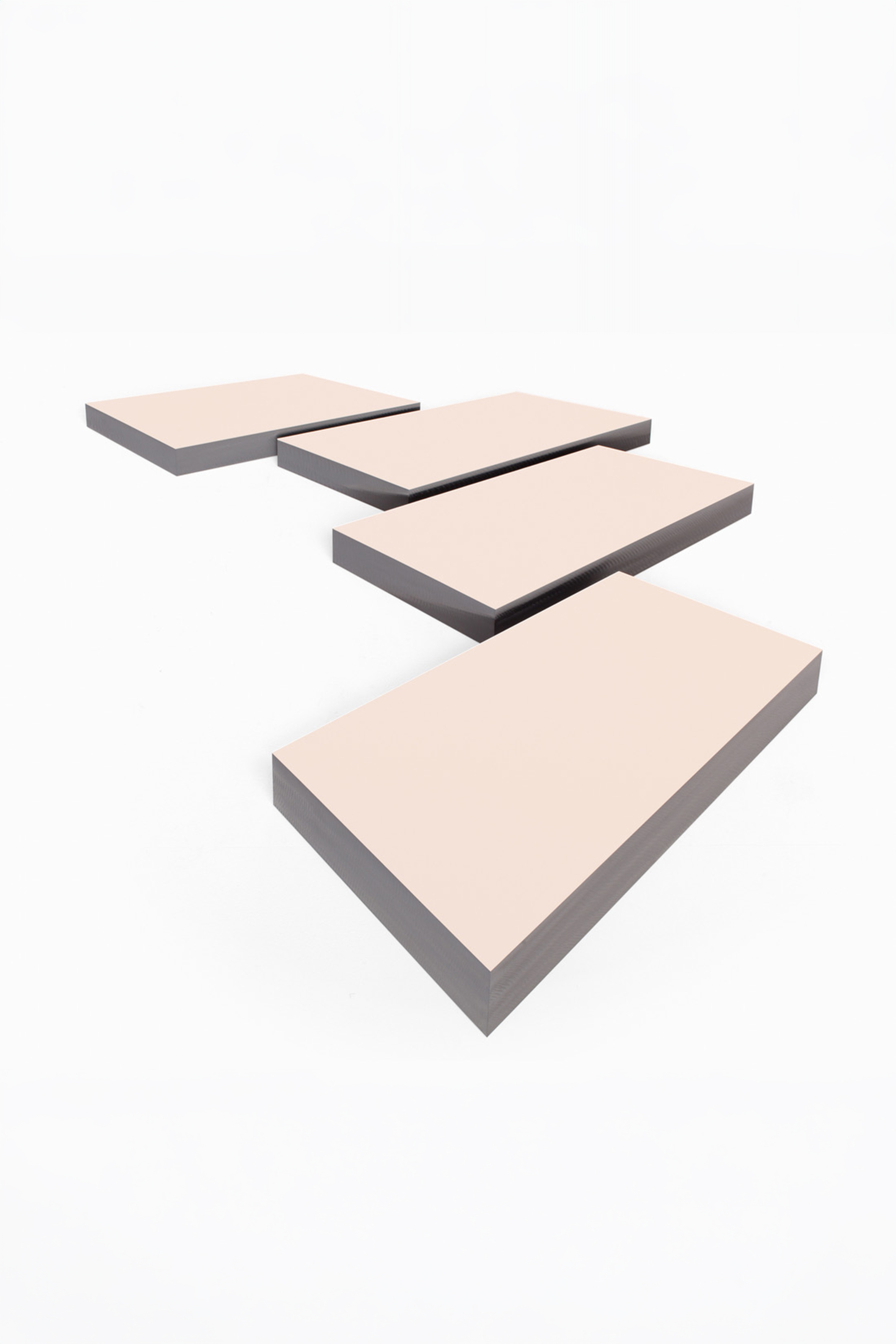
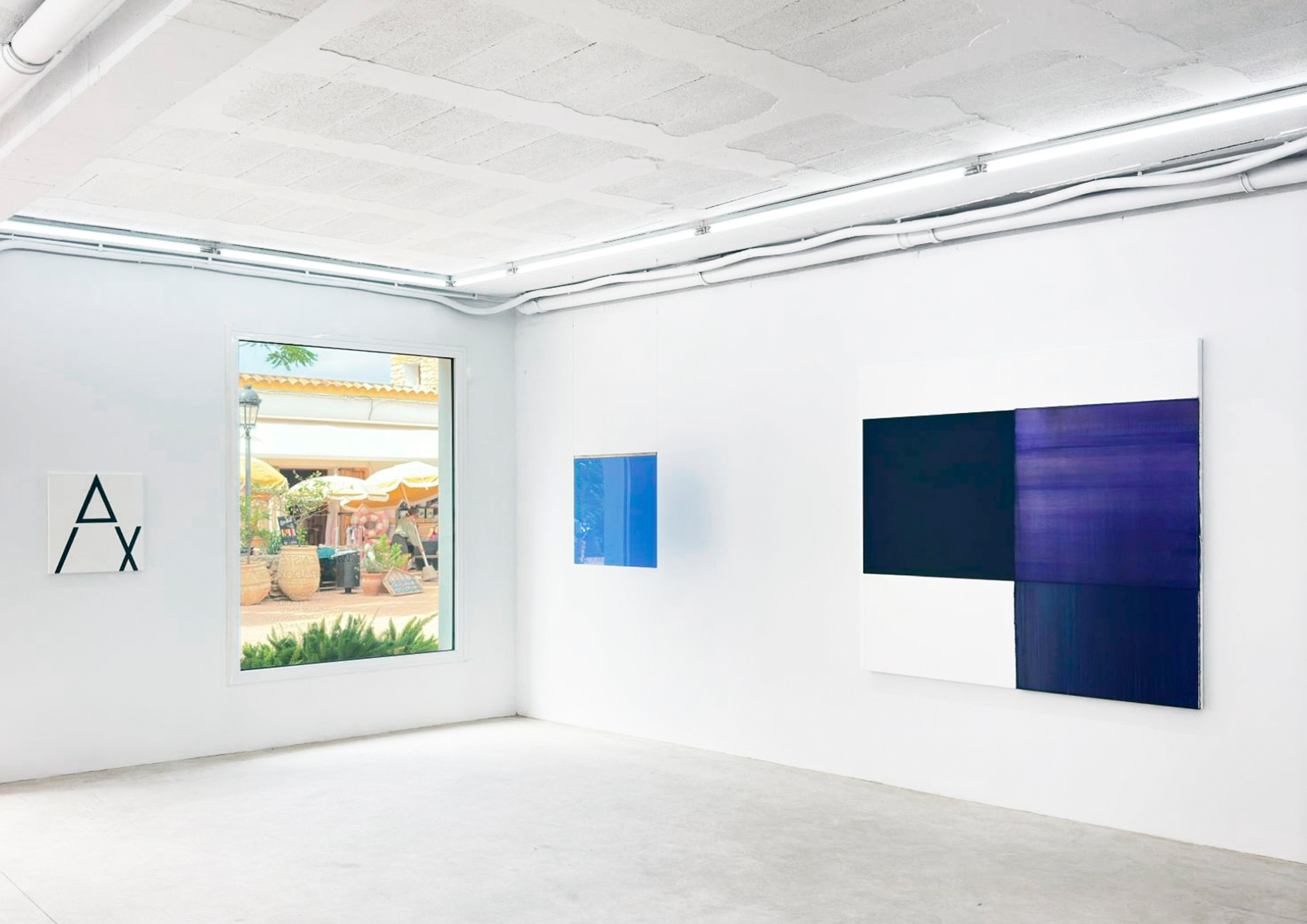
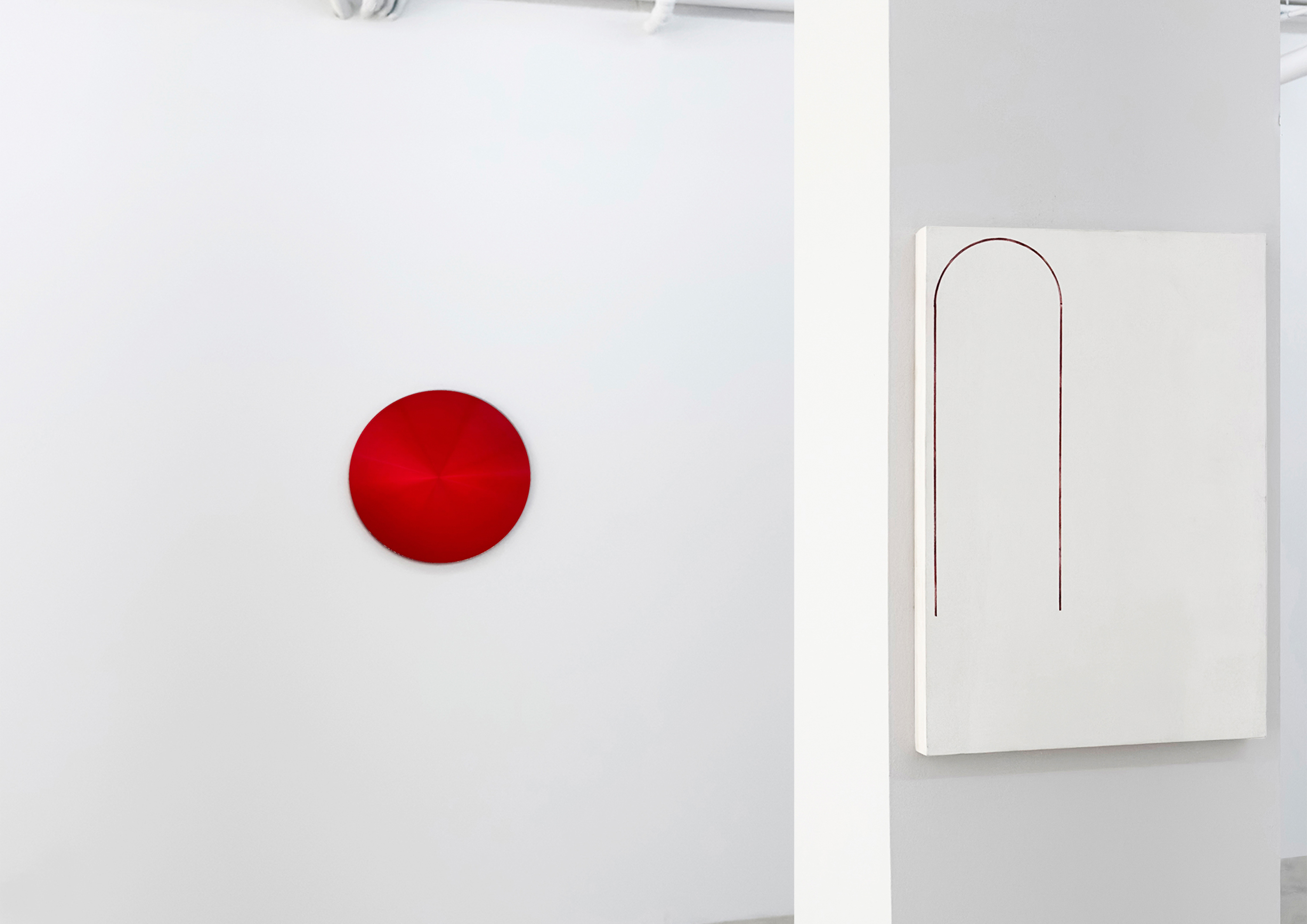
Parra & Romero is pleased to present Tabique, the new solo exhibition by Viennese artist Florian Pumhösl at our Madrid space. Internationally recognized for his conceptual approach to abstraction, Pumhösl presents a new body of work inspired by the marks, symbols, and annotations that humans have left throughout history as a form of record: the traces that translate natural phenomena into cartography or sound into musical scores. At the same time, the artist plays with the meaning of these images and the way we interpret what they might represent.
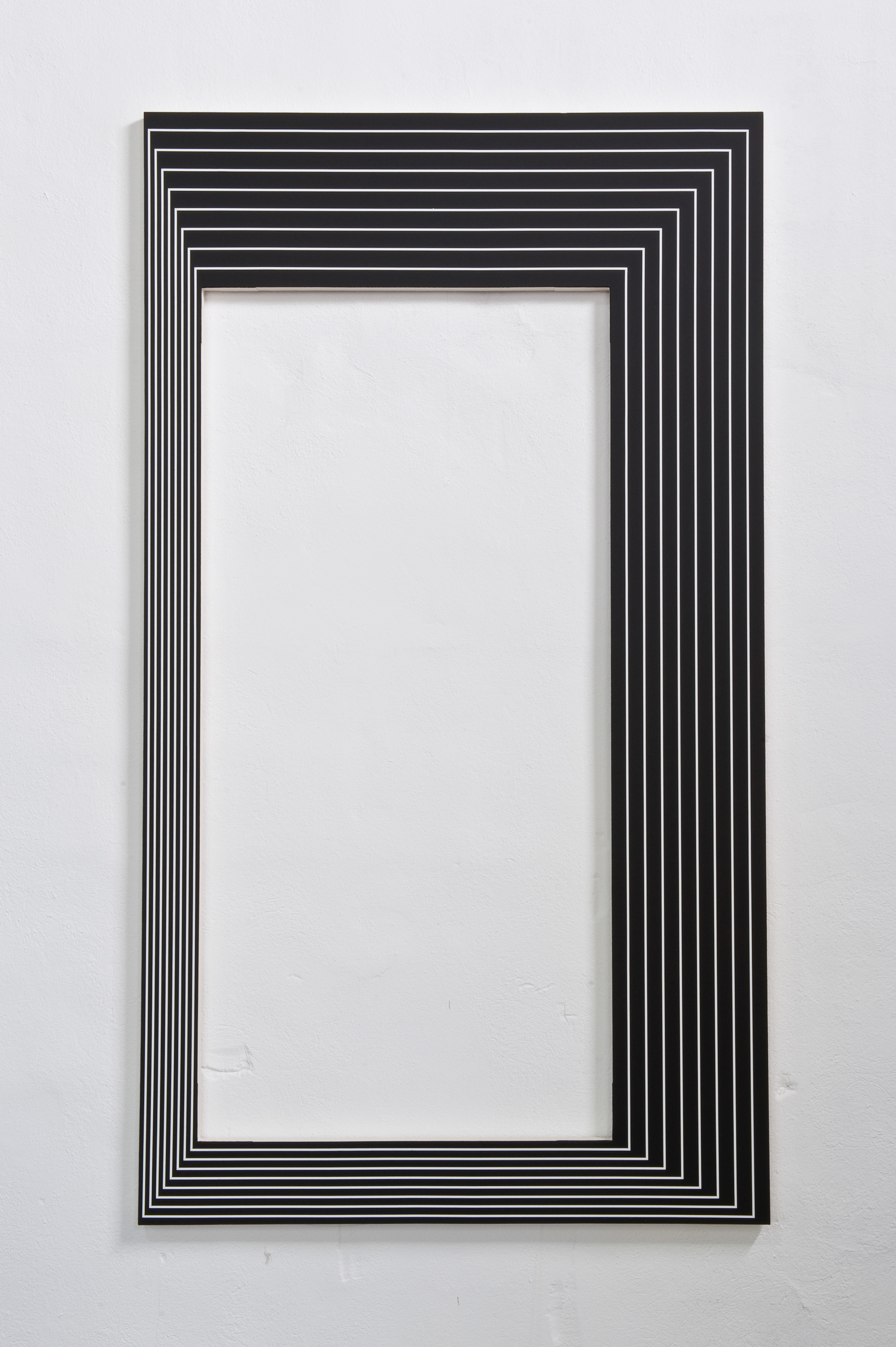
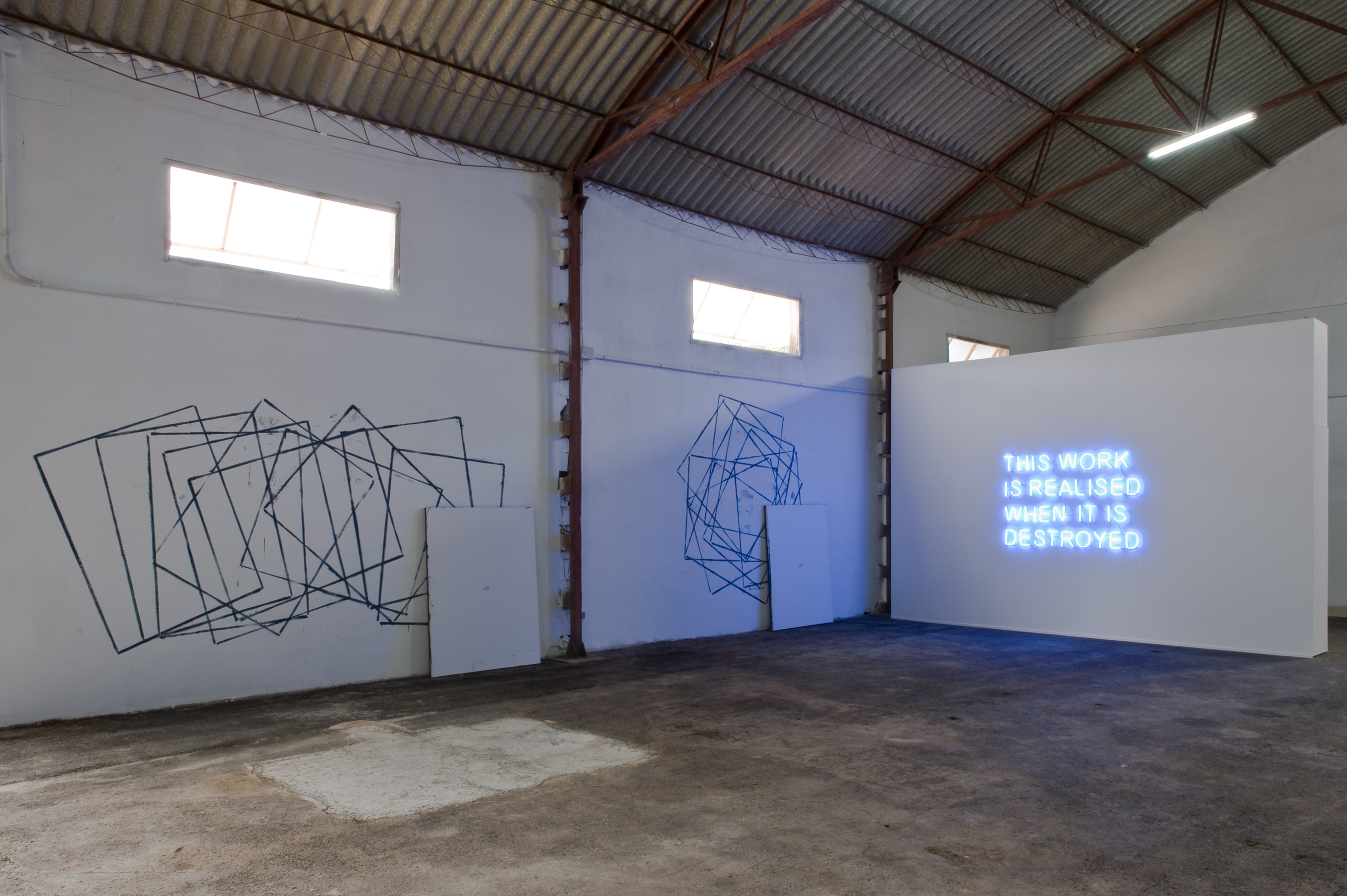
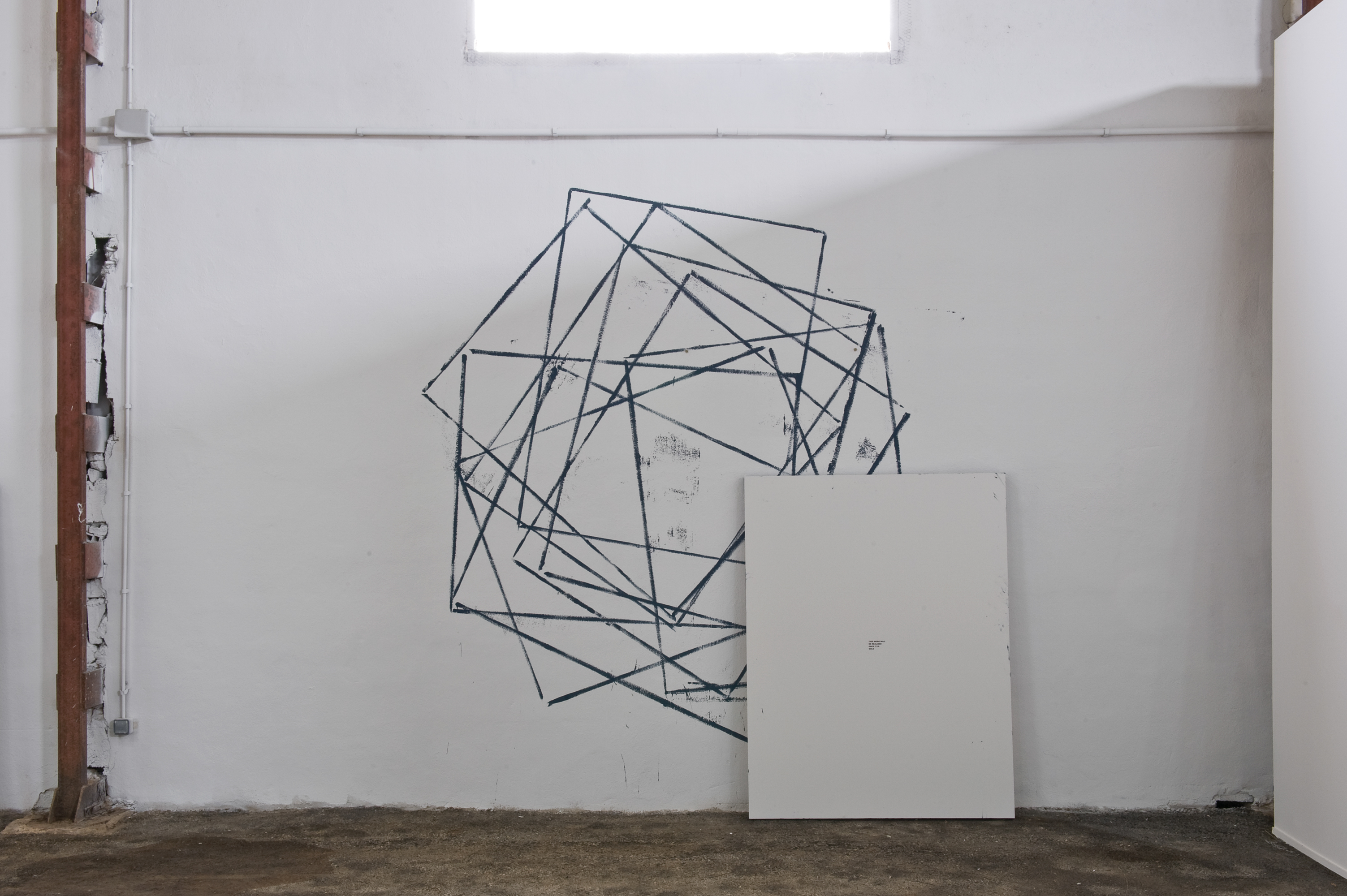
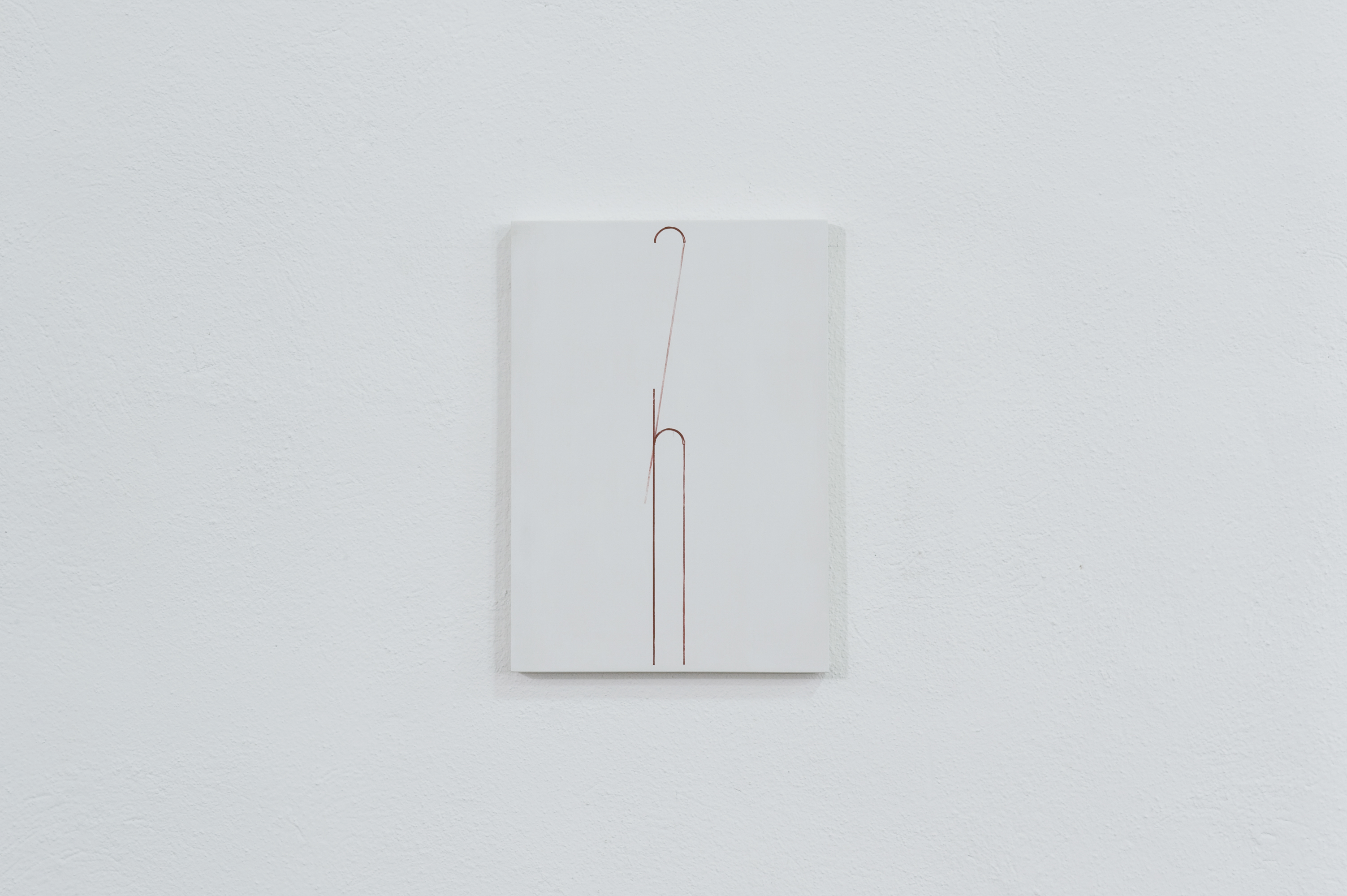
“In the 20th century, the painting as an object came under pressure, which is why it came to the fore, amoung other things, as a material composite. The spread of abstraction raises not only the question of what a picture shows, but also what it can be; if it no longer imitates anything, does it change in favour of its physical texture, facture, is it instructive or quoting, does it, if abstract, lean towards something known or unknown? This dilemma ––that a picture always also describes what a picture can actually be–– constantly accompanies the increased emergence of abstraction. In my imagination, the abstract picture as a physical object can be a disturbance of those things and orders that we equate with concepts, which is why it is useful to pay special attention to its transitions and edges, but also to the support material and the treatment of its surface. Cutting out sections of the walls and isolating them, as archaeologists, for example, often do, is a trick that reminds us that the exclusive space of a picture appears more interesting when the place of origin of the fragment is left to the imagination and can thus be further thought about.
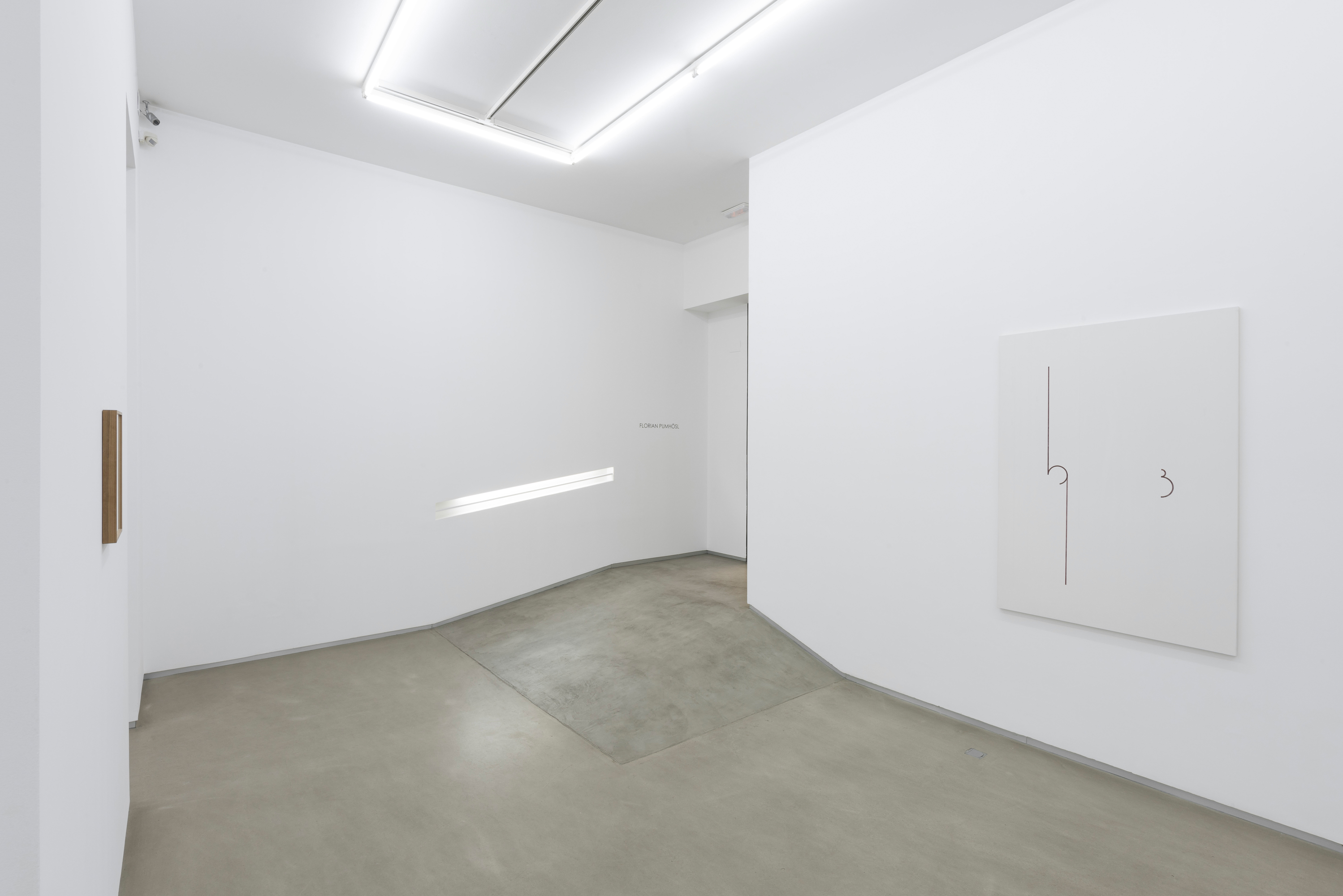
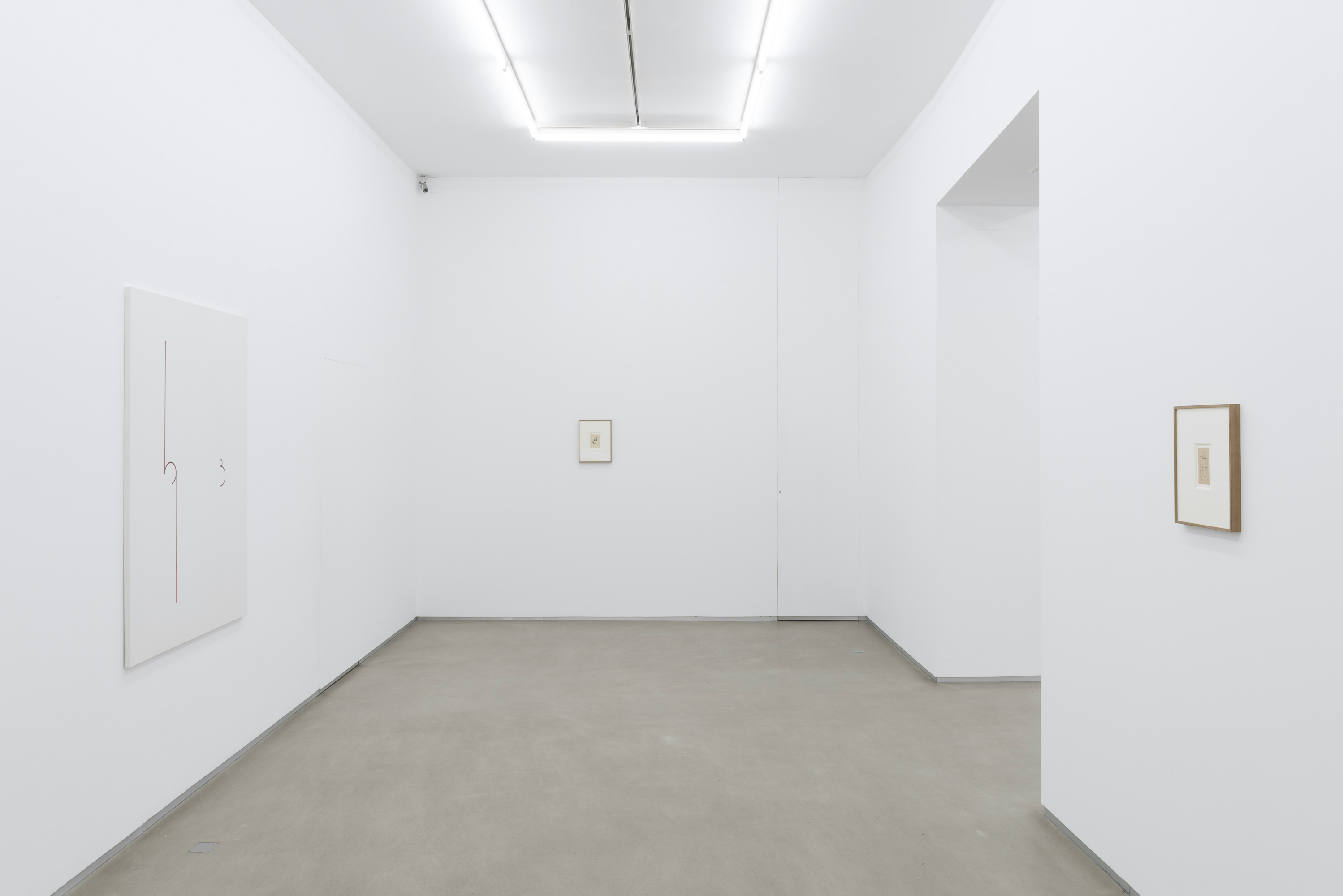
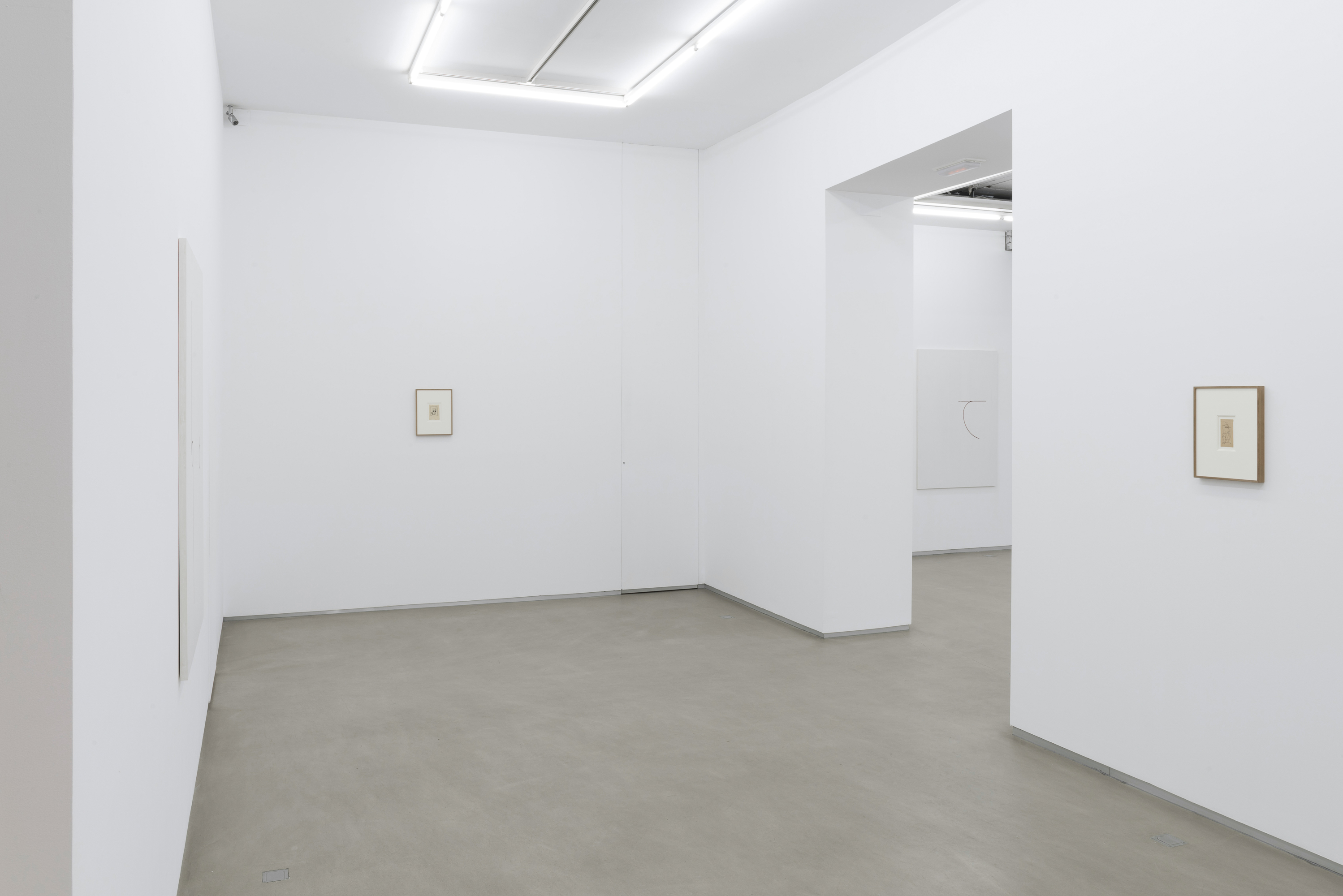
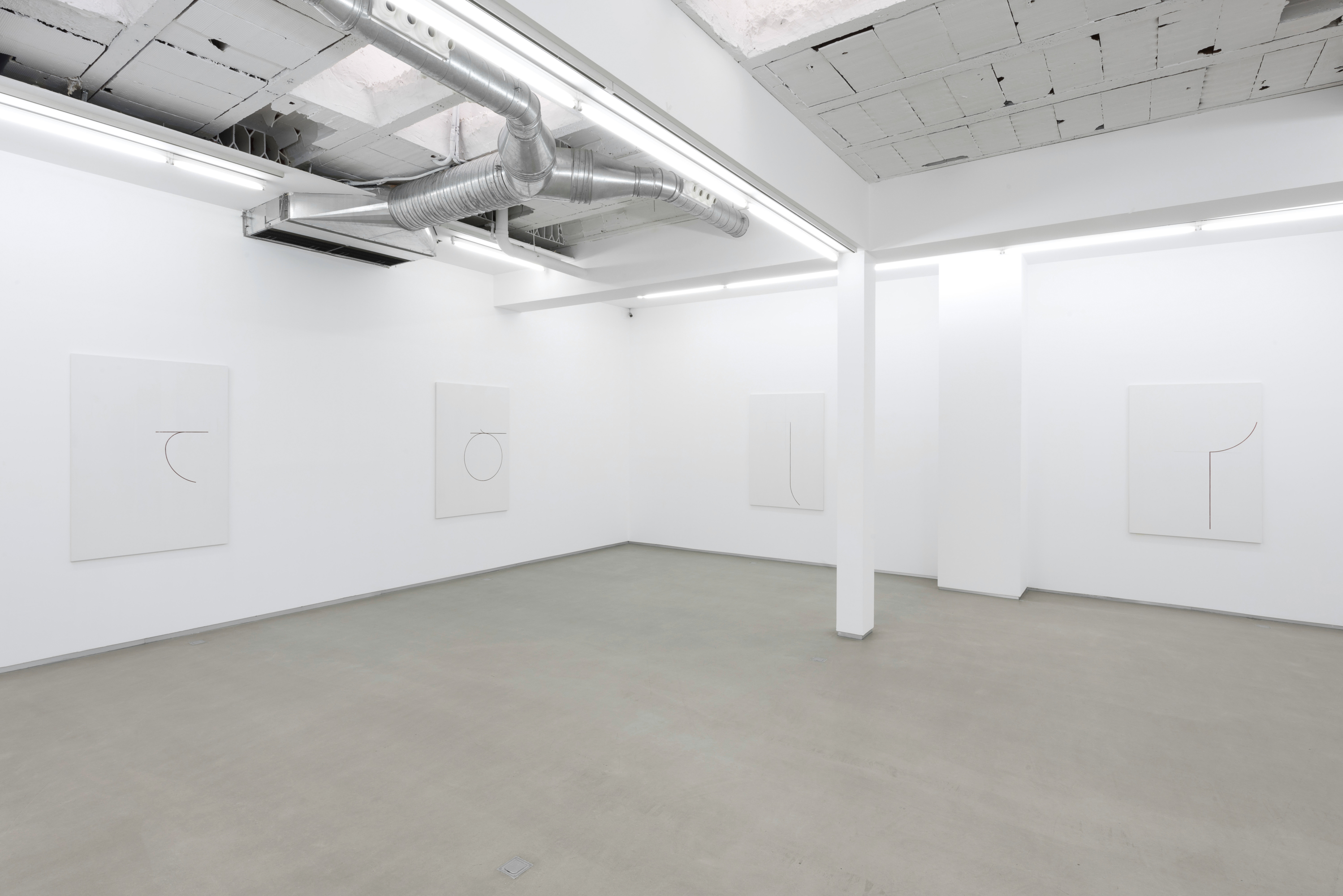
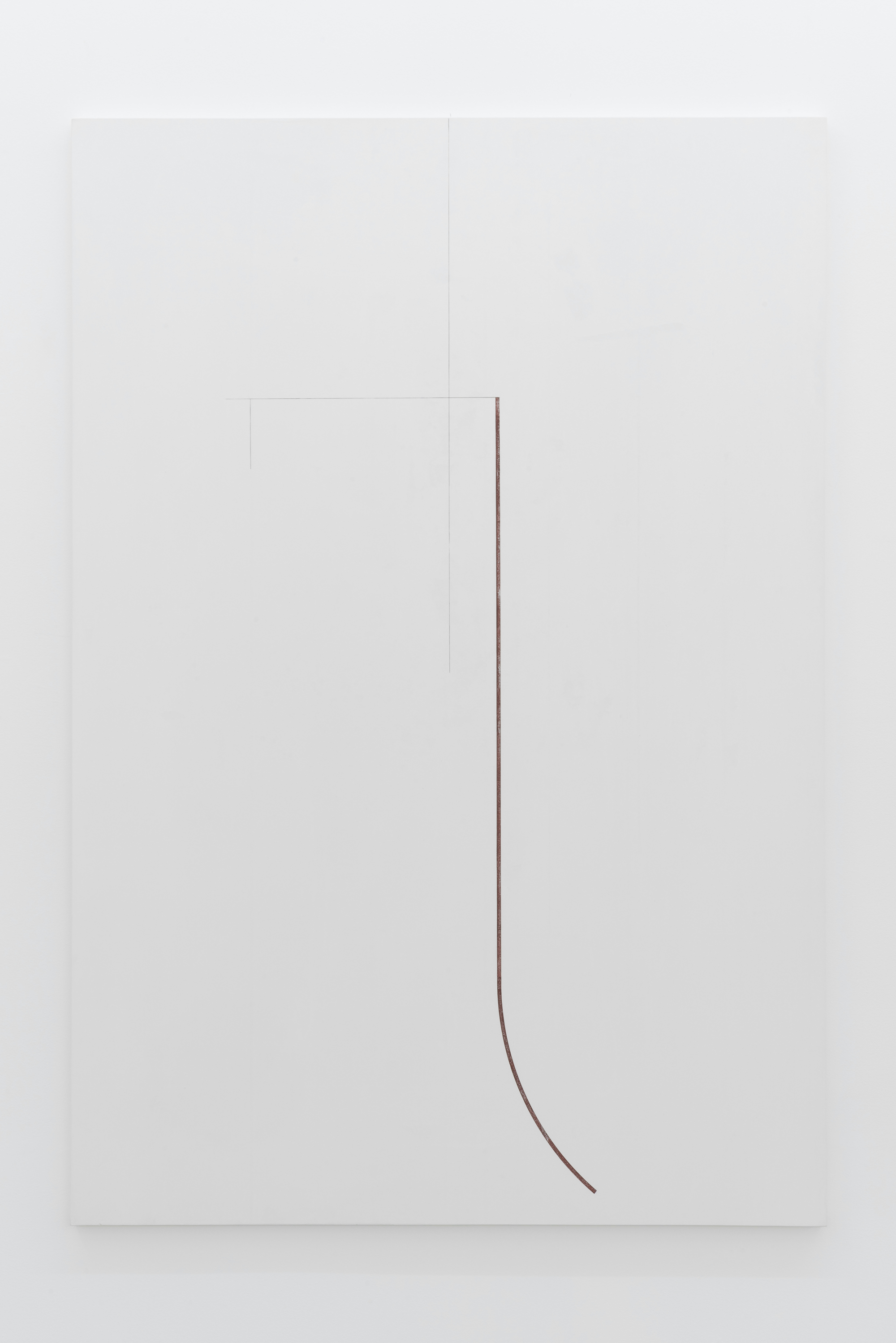
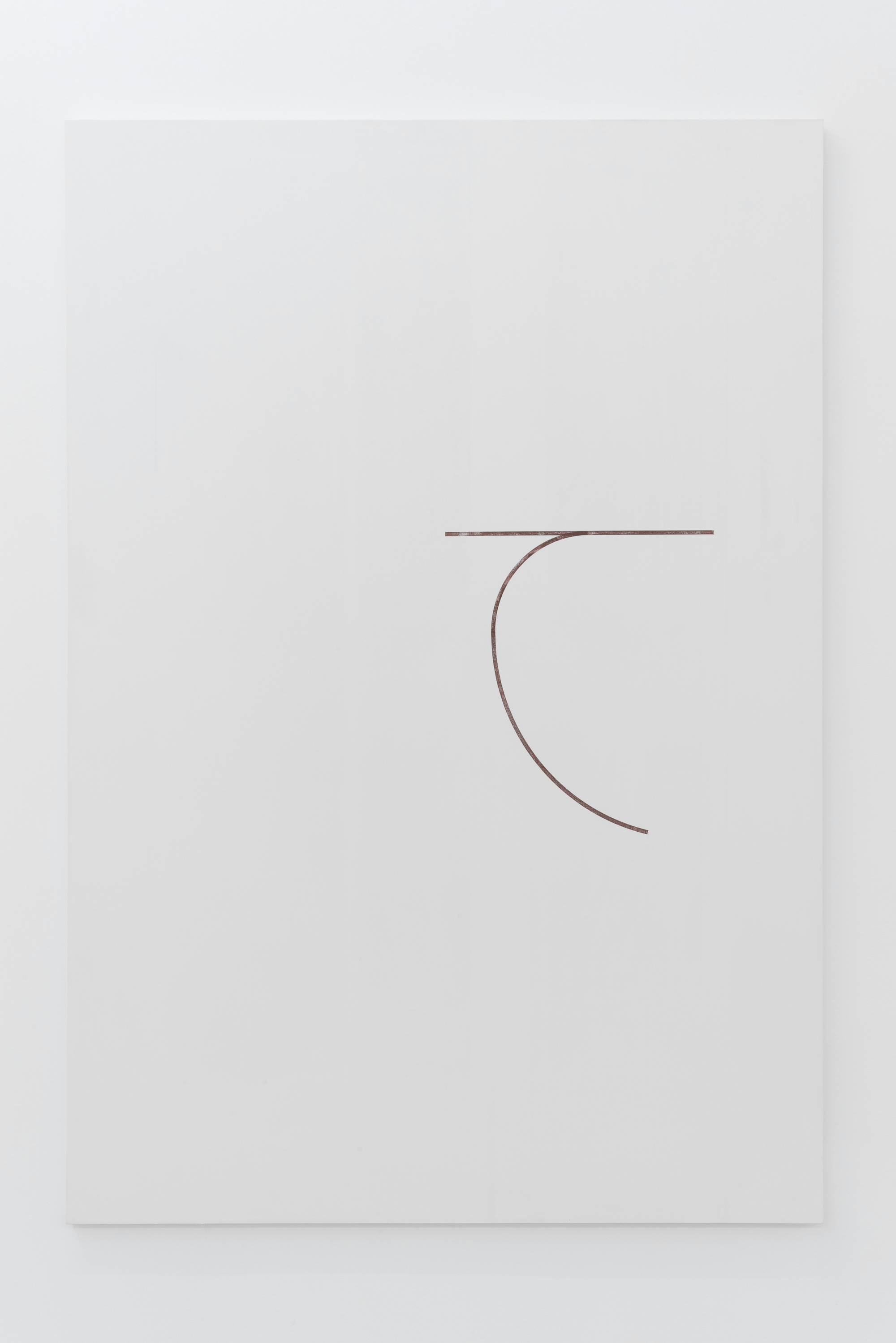
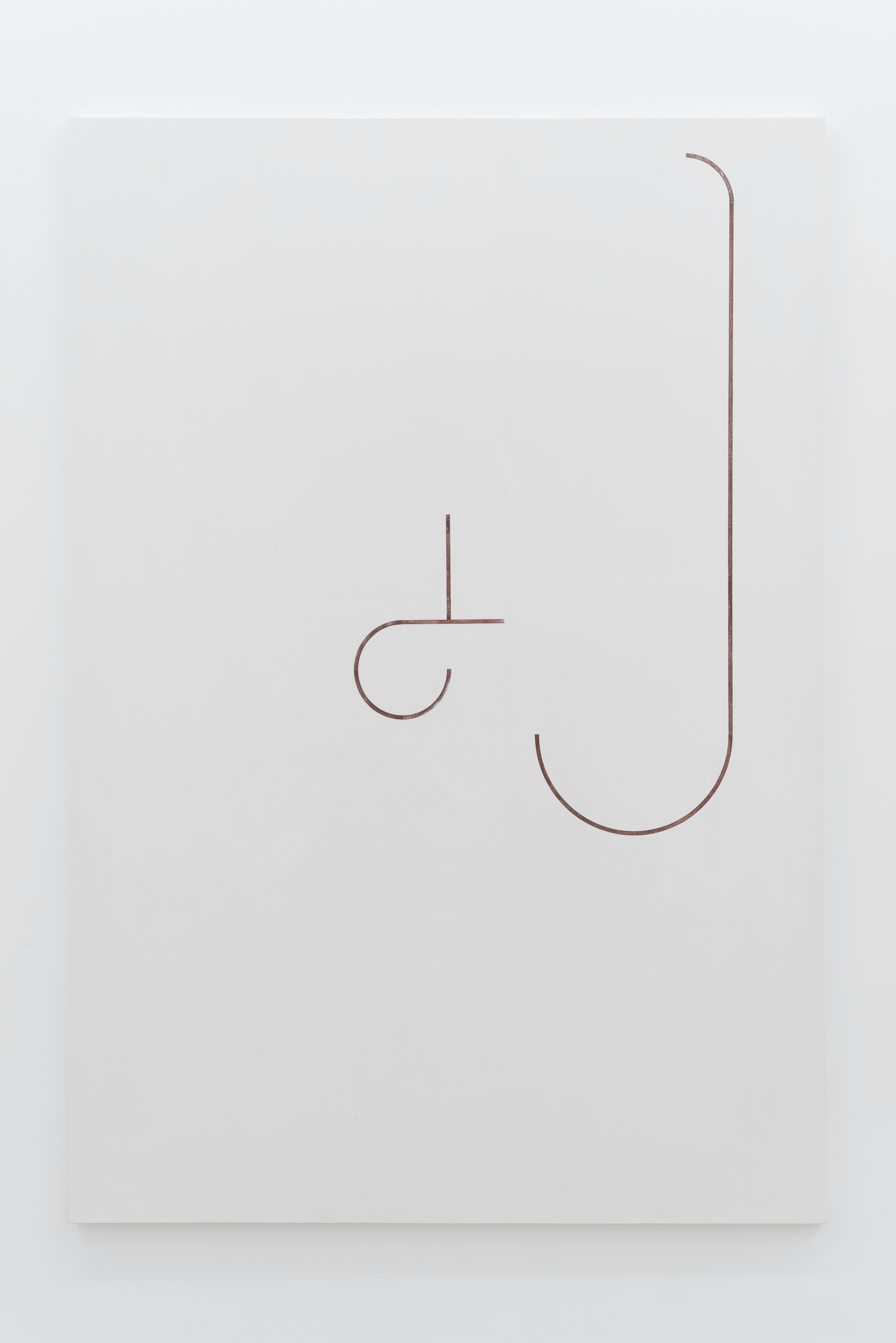
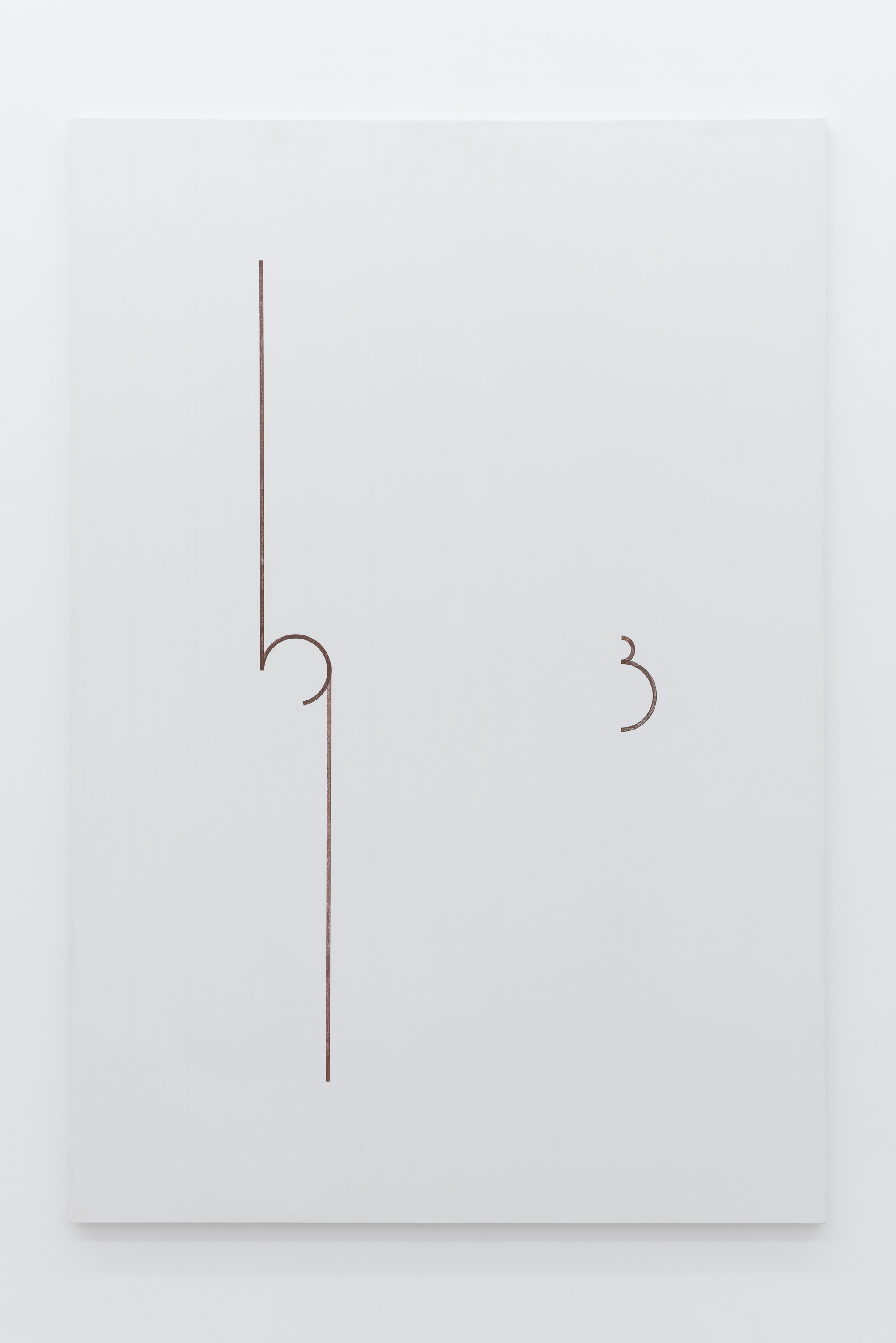
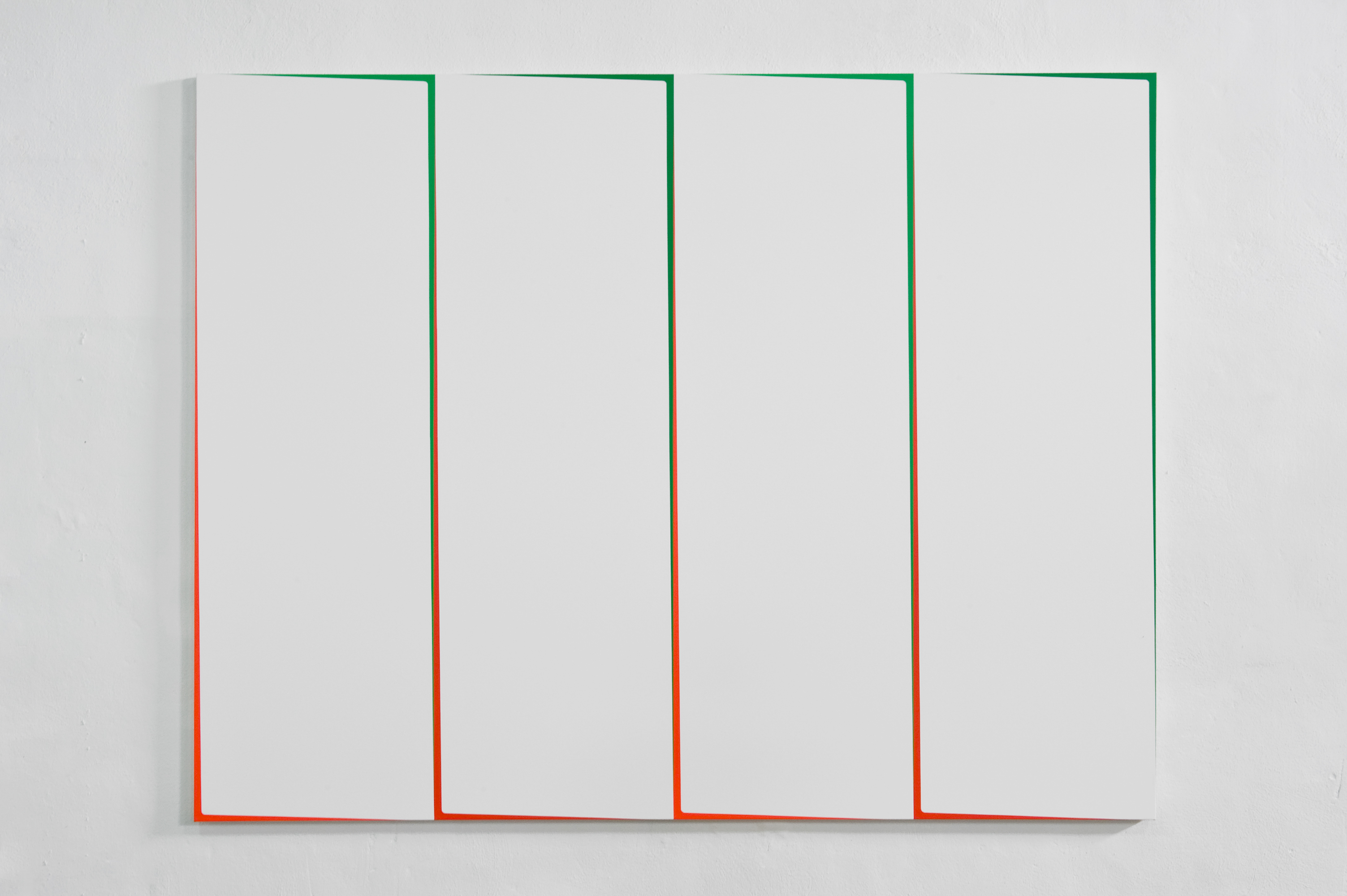
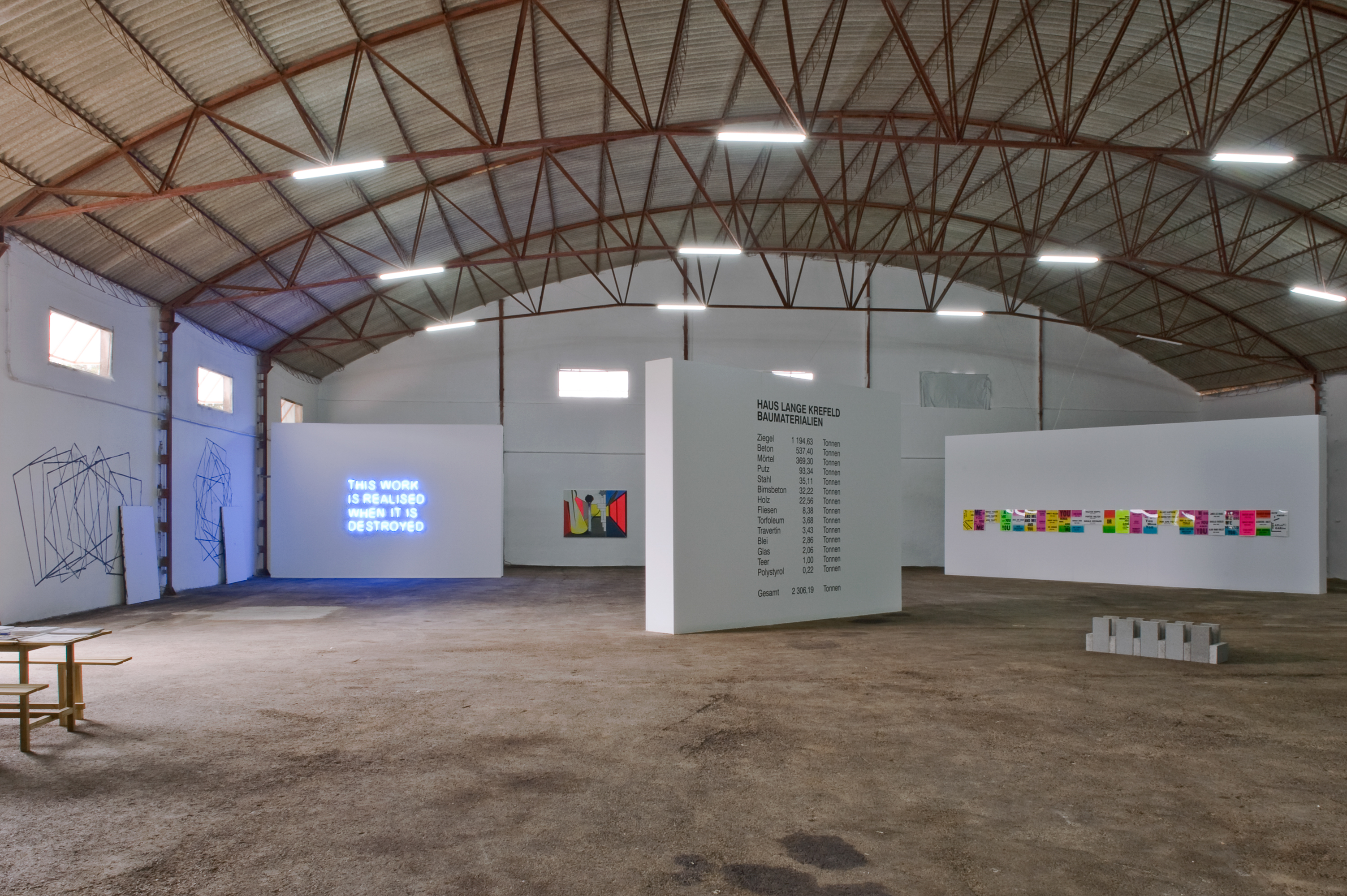
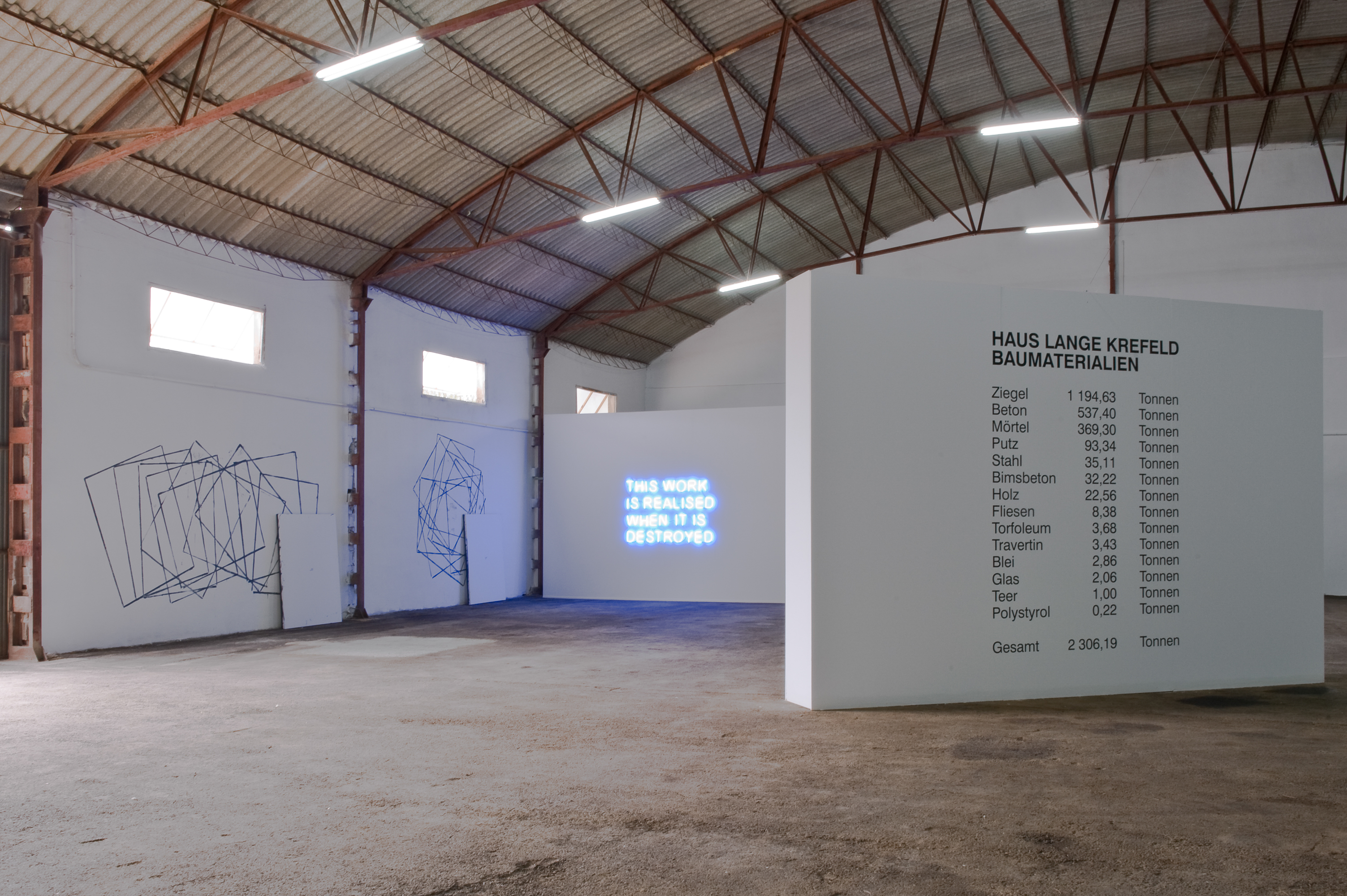
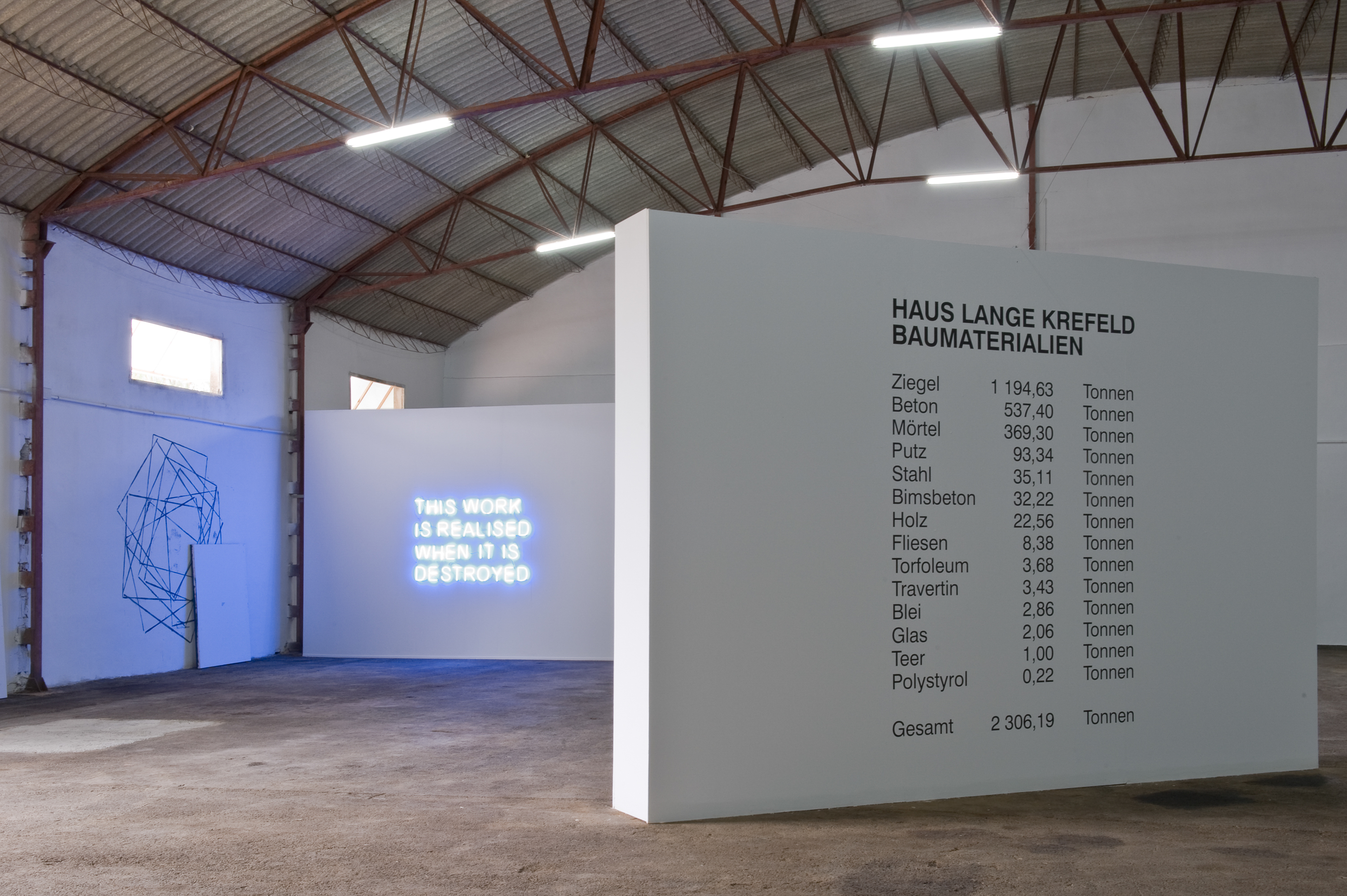
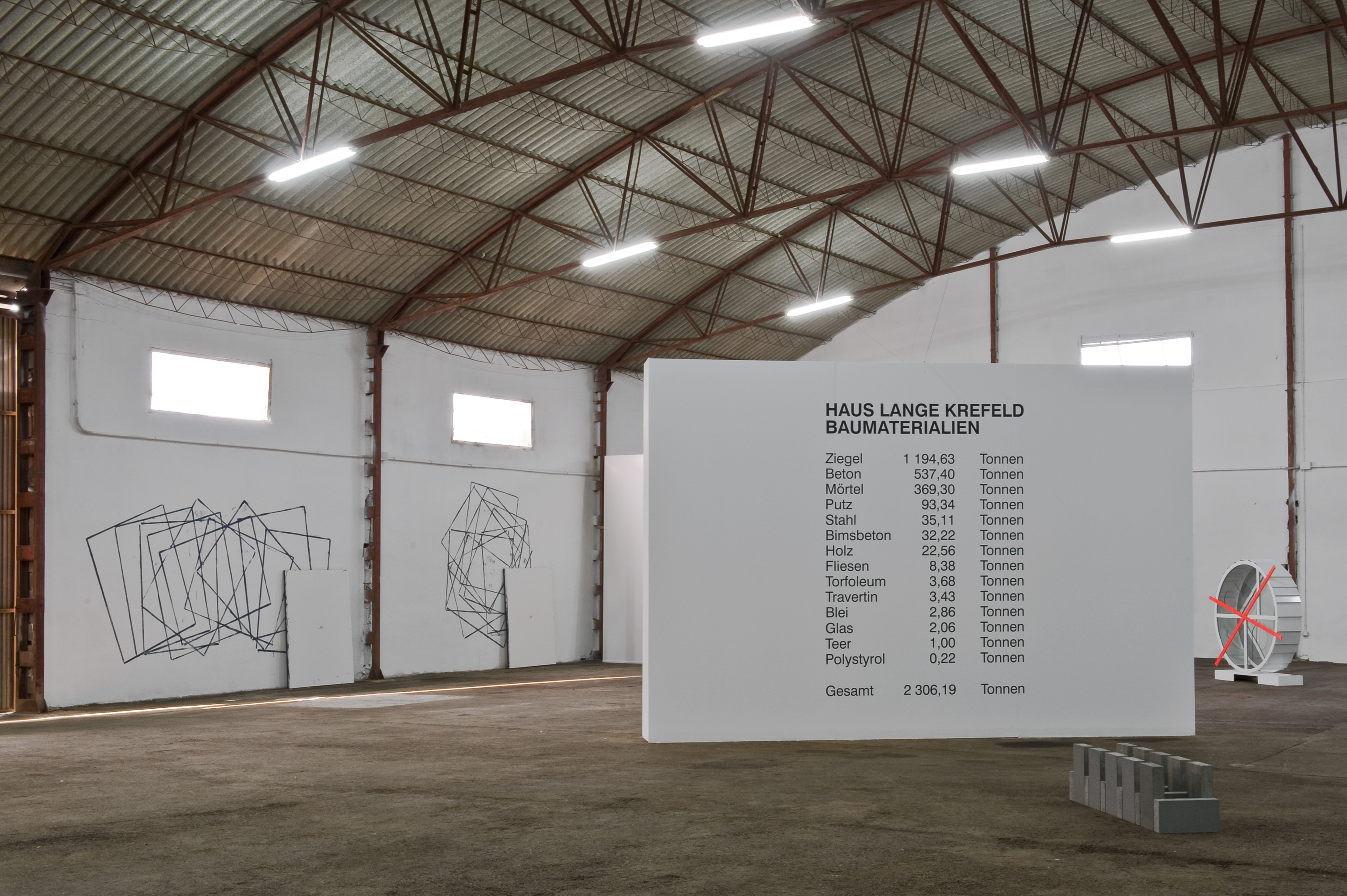
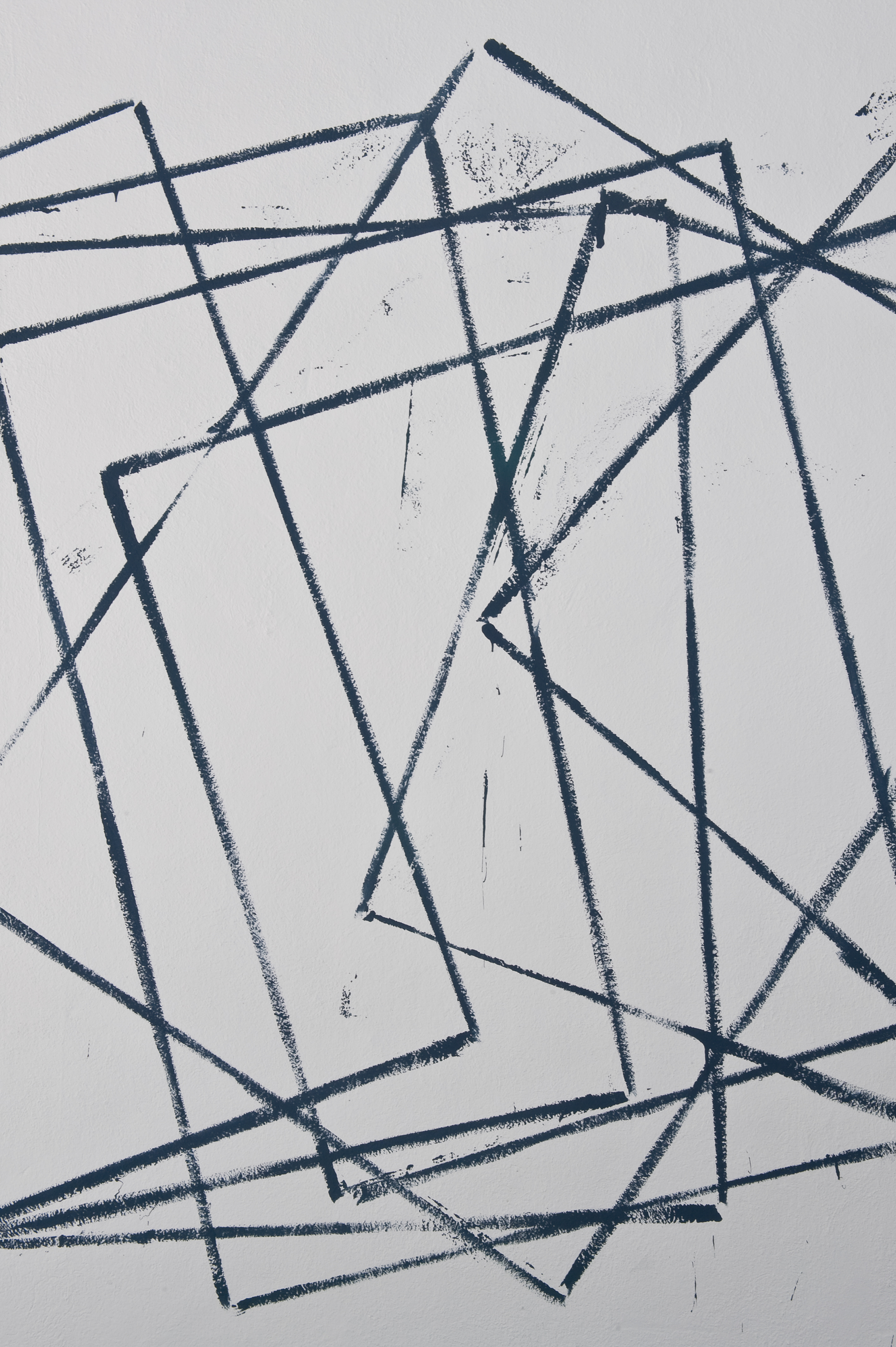
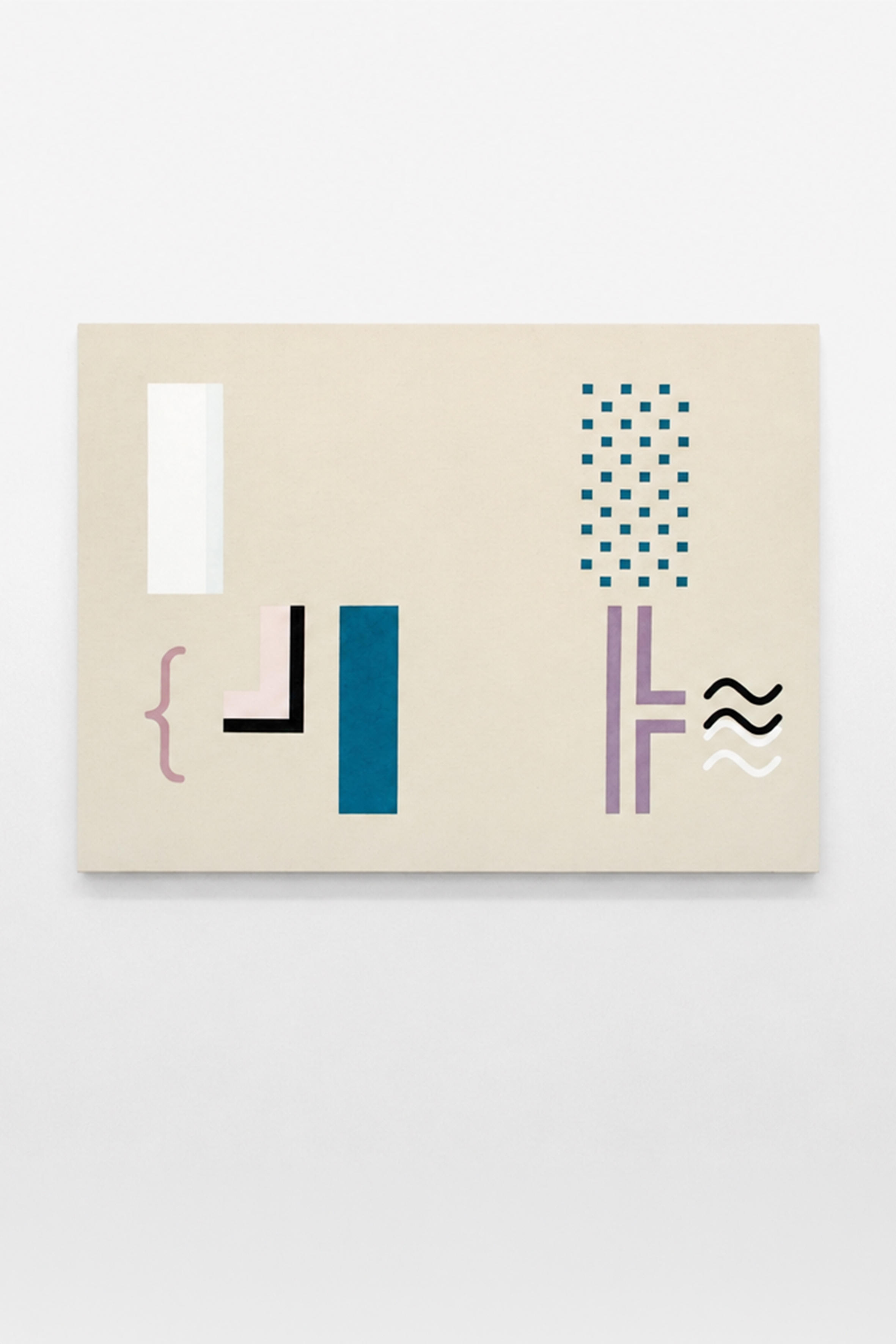
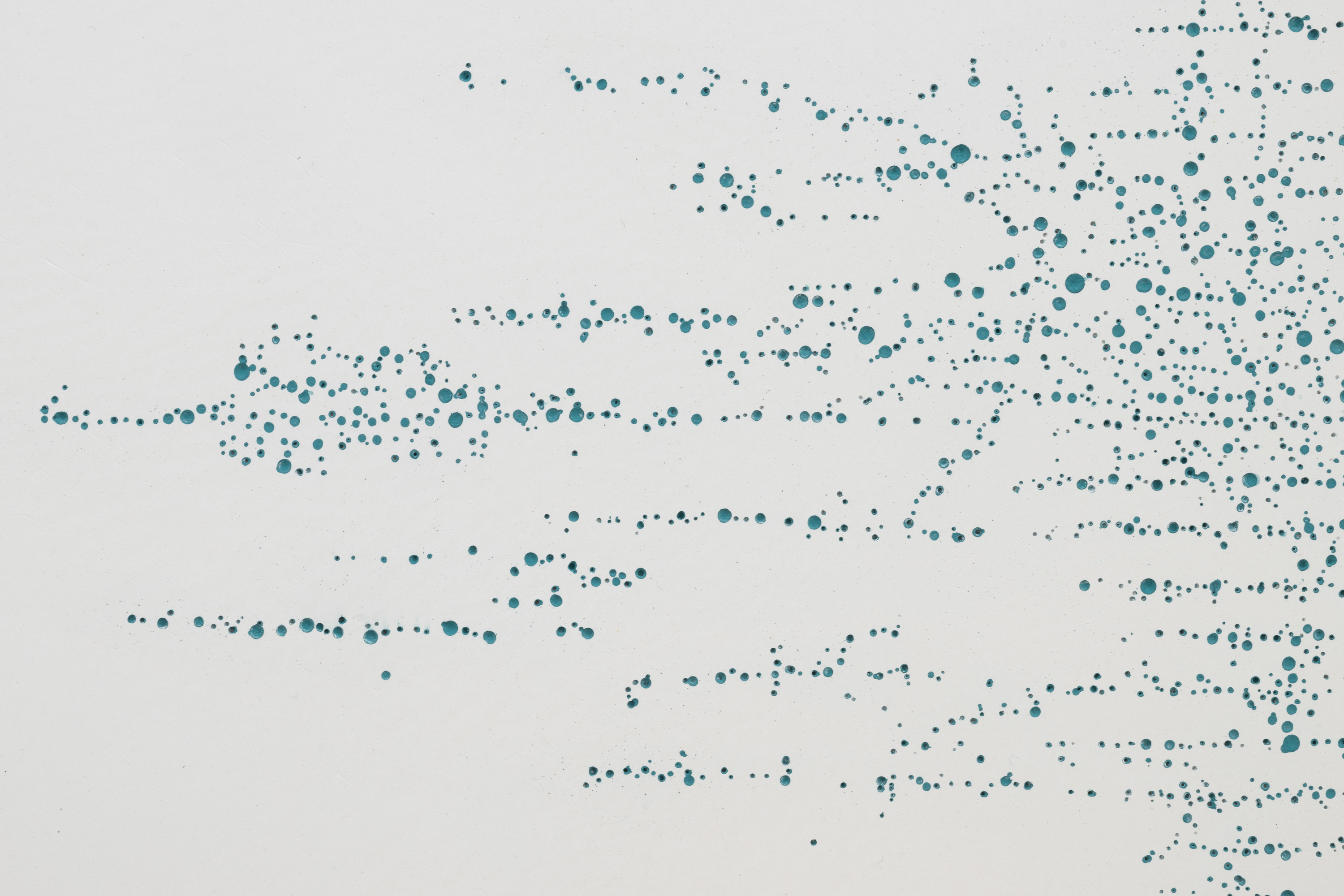
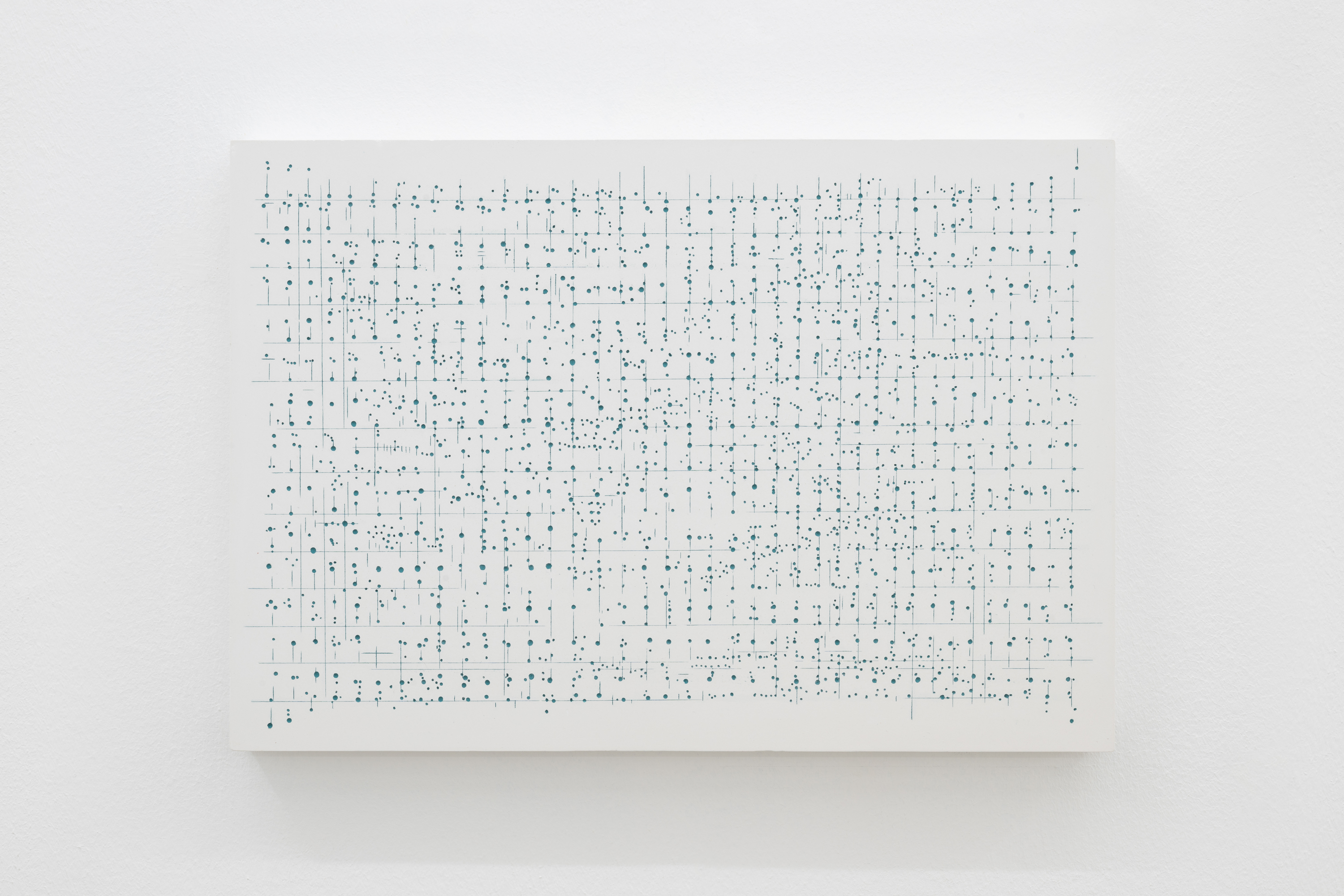
When we were looking for a title for this exhibition, we decided on Tabique, the Spanish word for partition or dividing wall, which means that these moderately large plaster panels, in which I filled the engraving with blue-green gouache, could be viewed as a kind of intermediate layer that spatially highlights a section and inscribes a compositional situation within it. The search for points of reference, for orientation, which then comes into effect, clings to all too familiar images. Such associations can be pursued or suppressed; I have tried to capture them, even if this leads to parallel understandings.
The chosen drawings that formed the basis for the engravings on homogeneous plaster panels were ideally ambiguous, first I was haunted by the idea of wanting to depict a kind of marshland, thus a disordered nature. In cartography, the marshland is treated as a periphery that can be circumscribed rather than described; it is represented either only by plant symbols, disordered shading or broken rows, or only by written symbols. In many maps, the swamp is the place of improvisation or possible expansion. Musical notation is the second association. Interestingly, among the surviving scratched graffiti of the Middle Ages, there are a surprising number of musical notations, short sequences of notes and fragments, left behind as support, as someone’s own unheard creation, or perhaps unintentionally” –Florian Pumhösl.
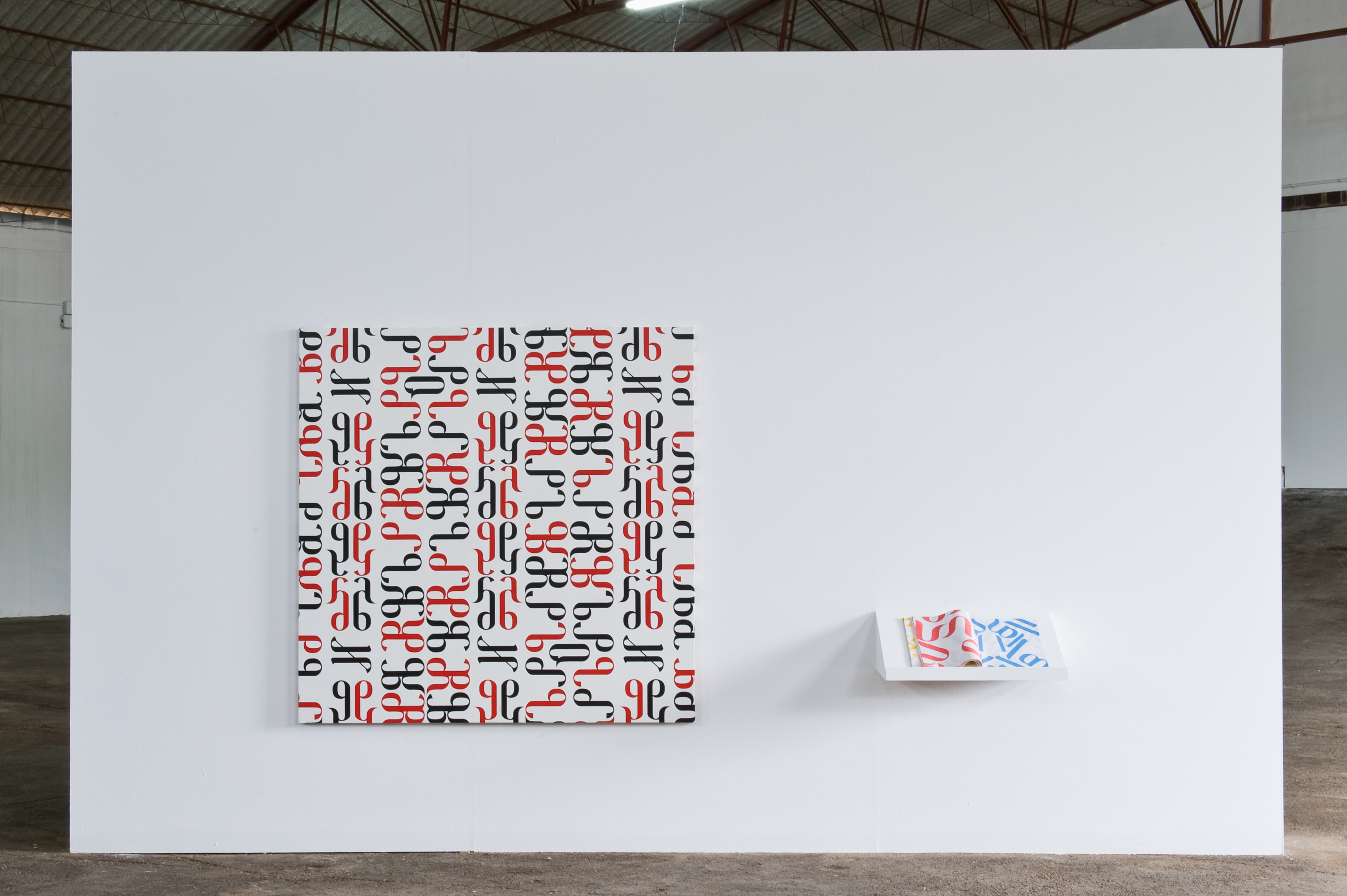
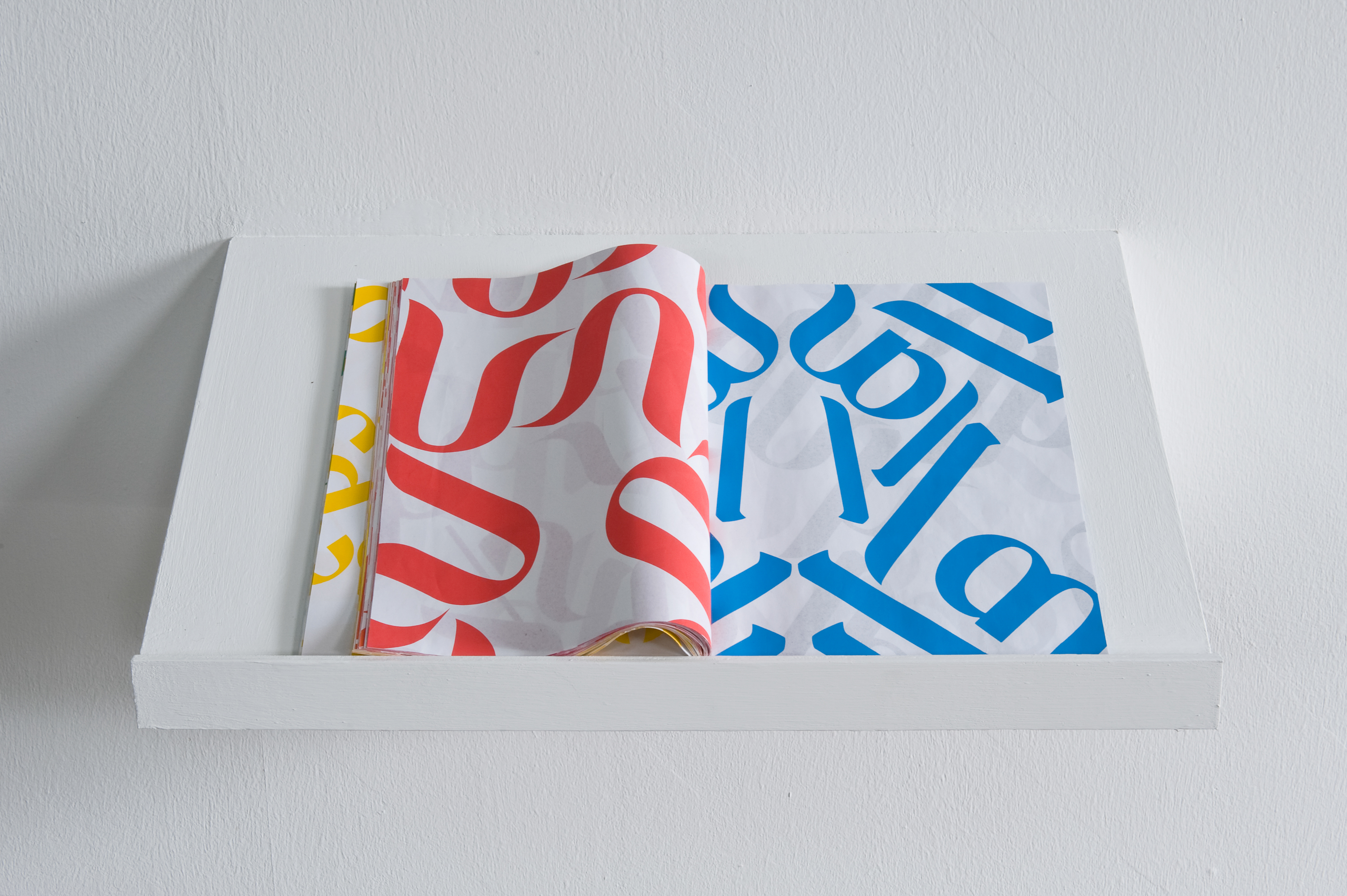
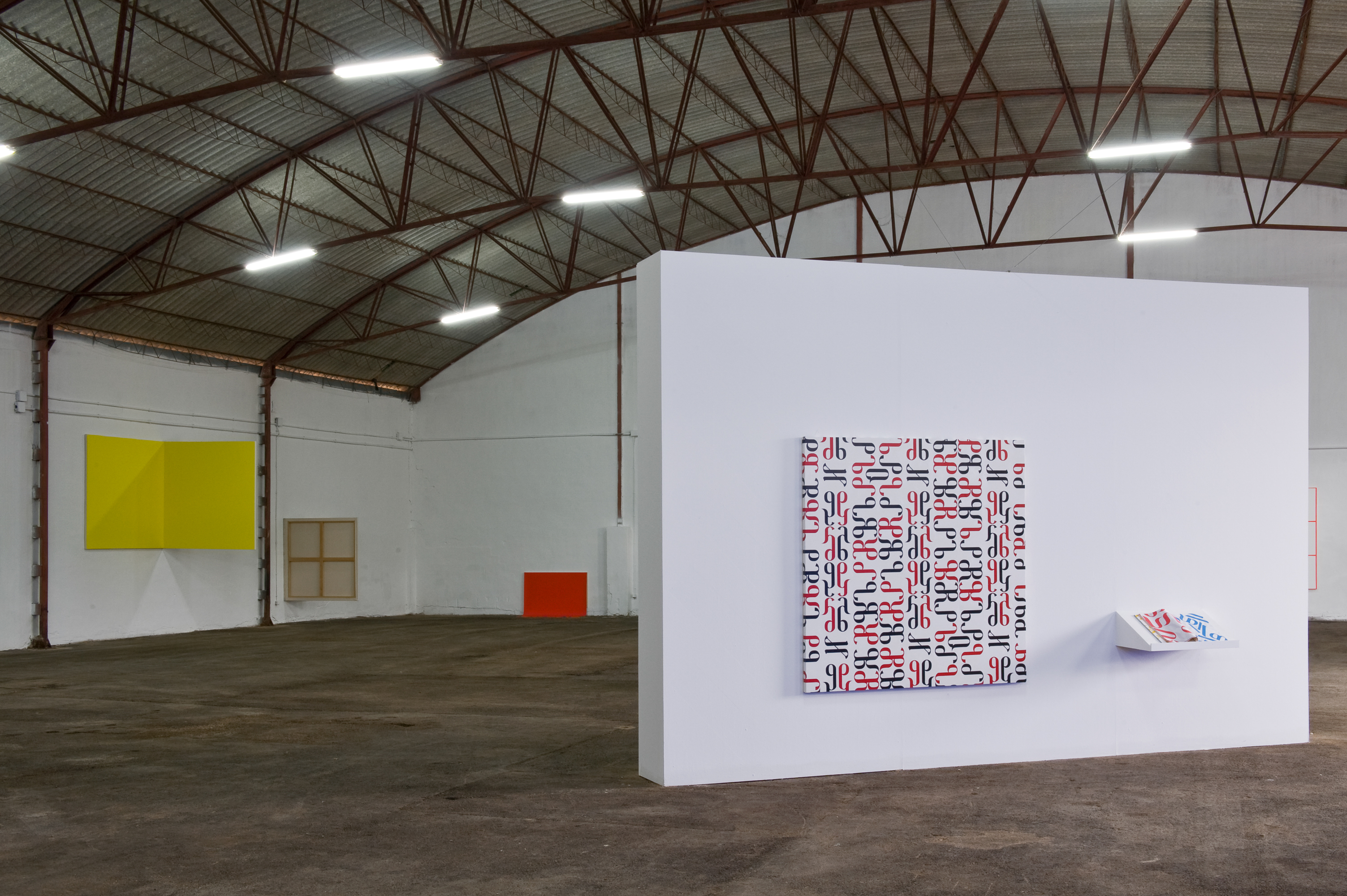
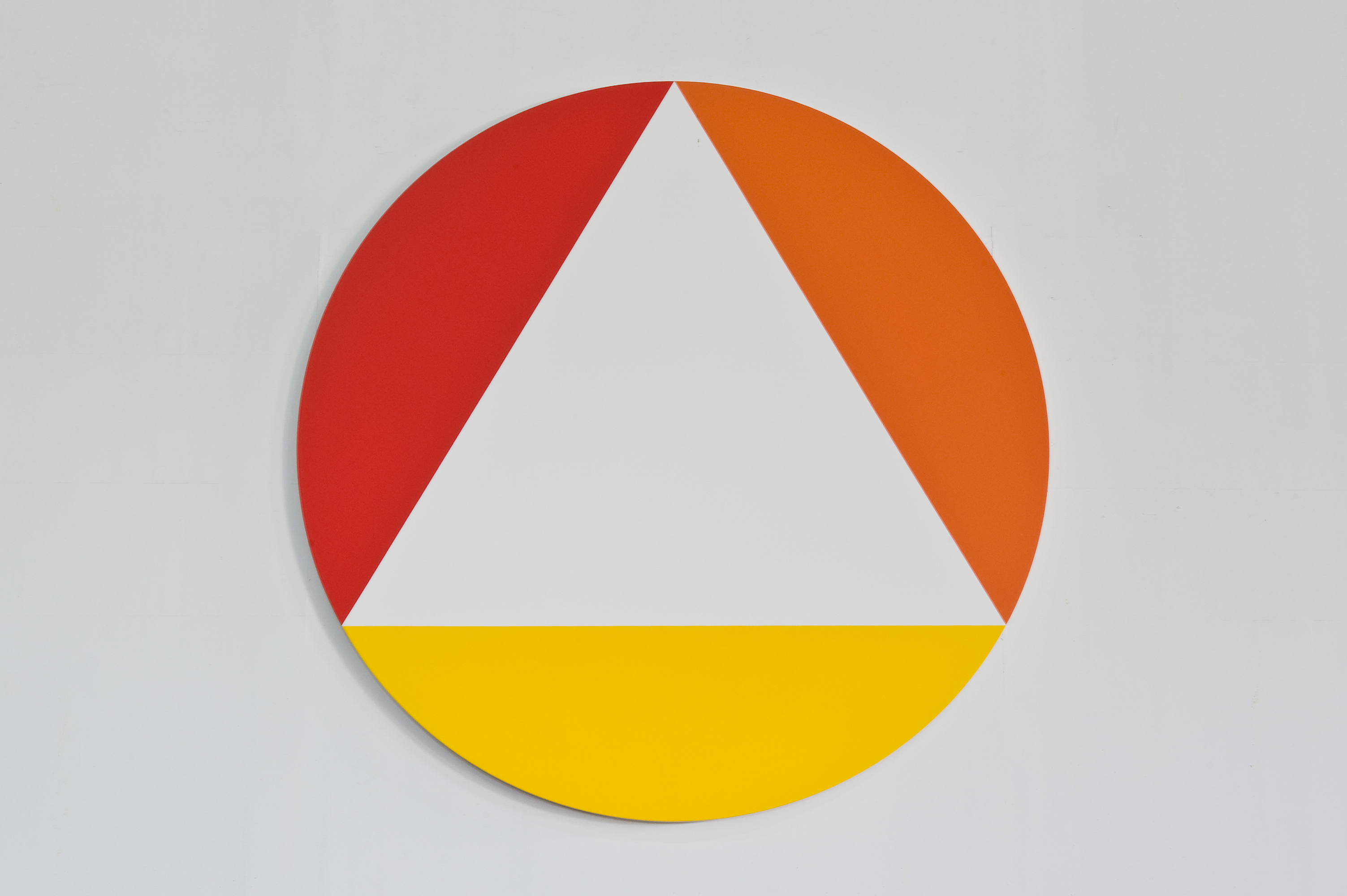
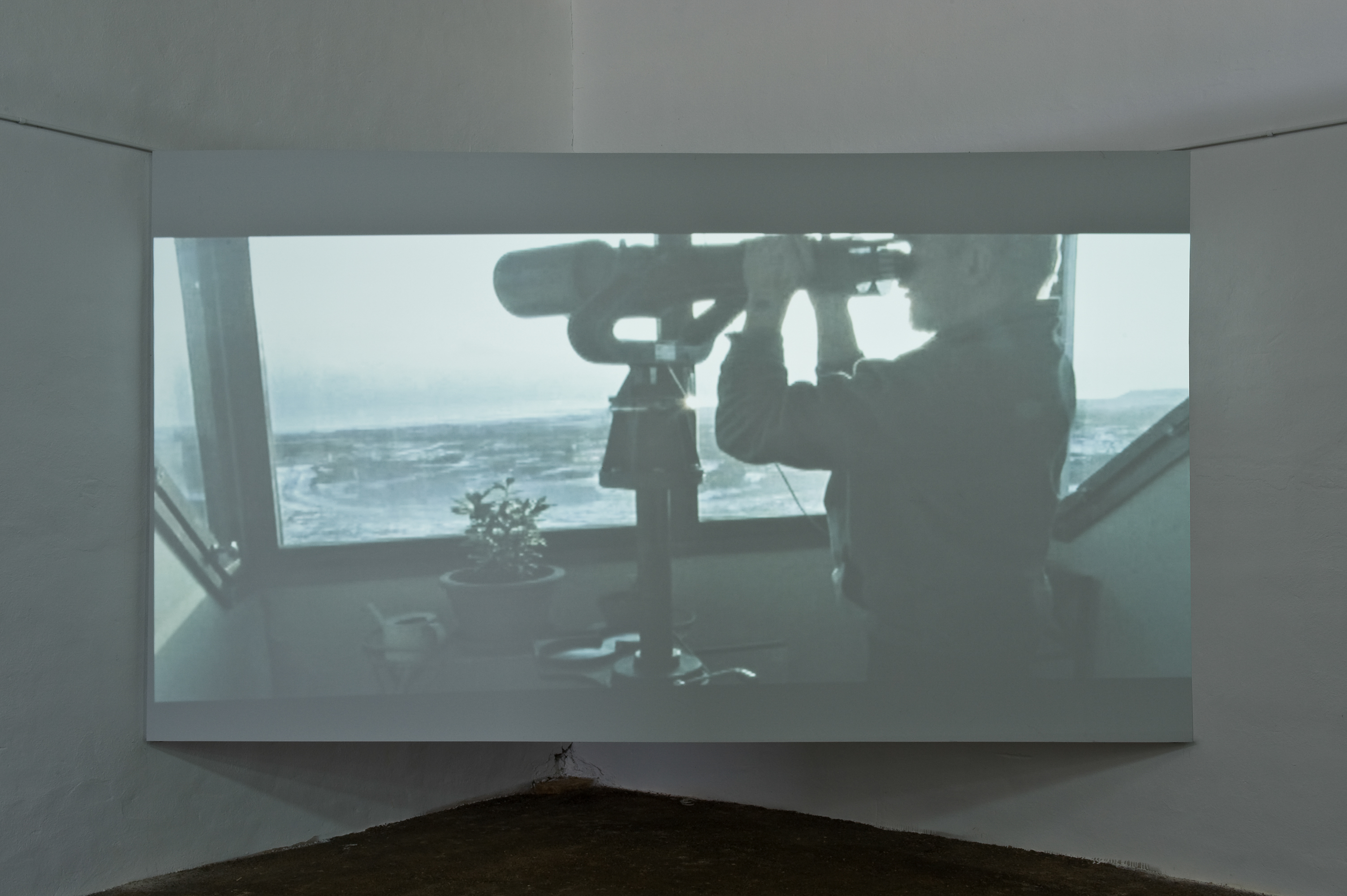
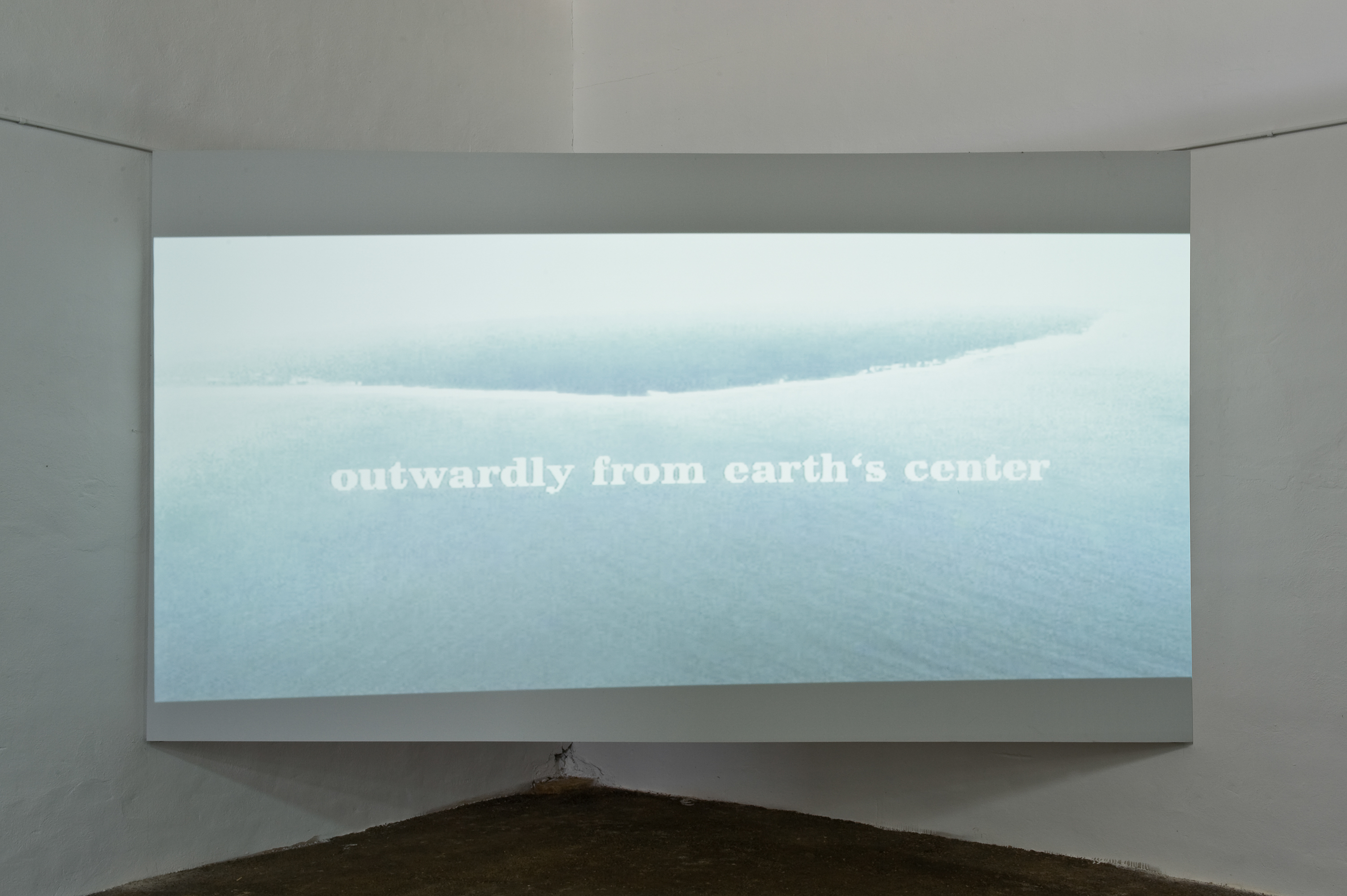
Florian Pumhösl’s practice is articulated through a constellation of historical references encoded within a visual language that, at first glance, appears purely formal. Behind the apparent abstraction of previous paintings, films, and installations often lie specific archival sources: 17th-century kimono designs, avant-garde typography, World War I military uniform patterns, cartography, Latin American textiles, and ancient dance notations. Through the selection, reduction, reorganization, and reproduction of these materials —subjective and unsystematic modes of transcription— the artist constructs a vocabulary that is both abstract and full of suggestions.
By exploring the genealogy of forms, Pumhösl reveals how the modernist ideal of autonomous abstraction has always been crossed by an irreducible historical specificity and cultural instability. His works invite the viewer to read abstraction as a space of translation between history and matter, between form and memory.
In 2025, Florian Pumhösl was awarded the Österreichischer Kunstpreis (Austrian Art Prize) in the Visual Arts category by the Austrian Ministry of Housing, Art, Culture, Media, and Sport. This recognition highlights his exceptional career and international influence in contemporary art over nearly three decades.