Portraits
- U g o M u l a s


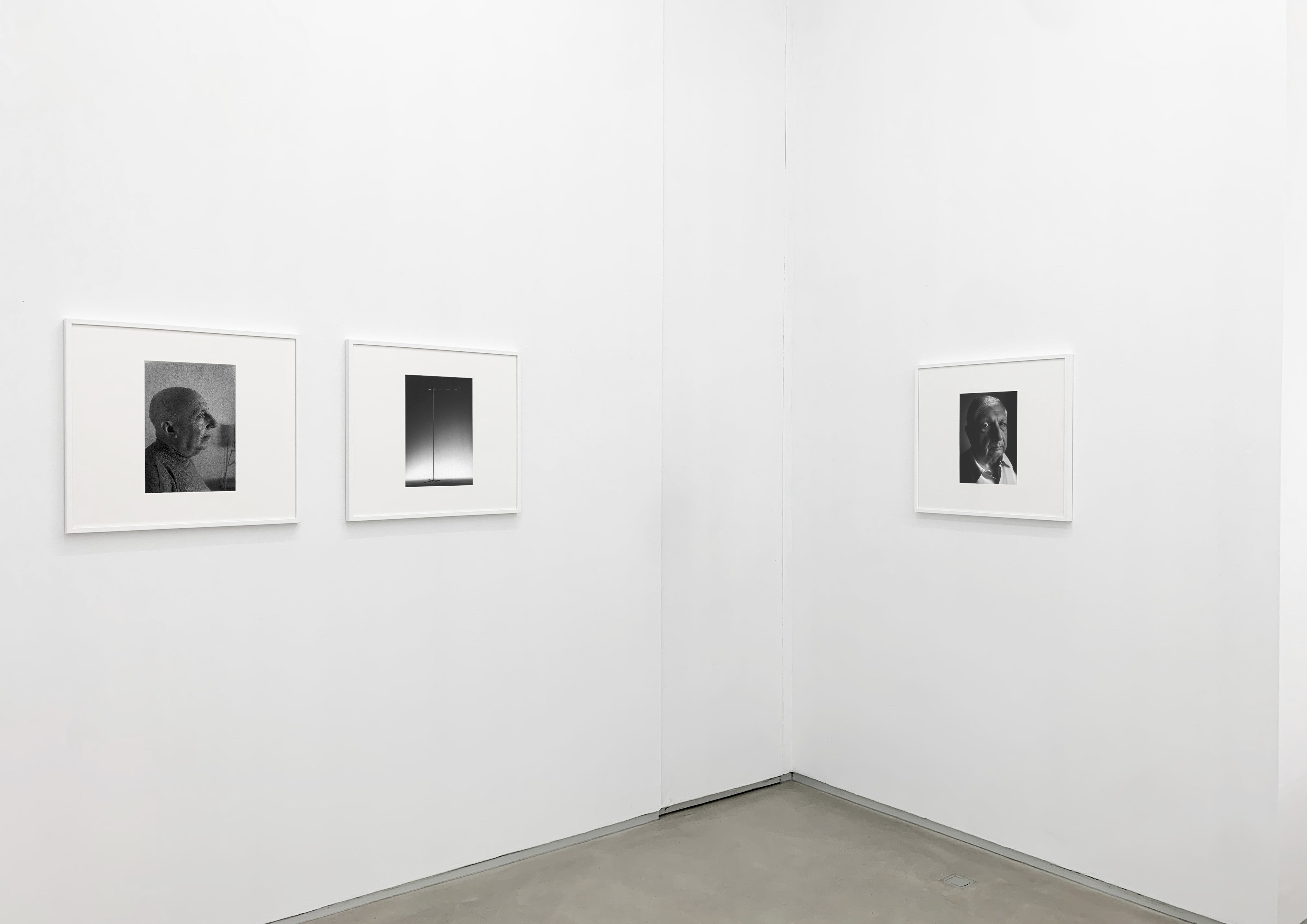
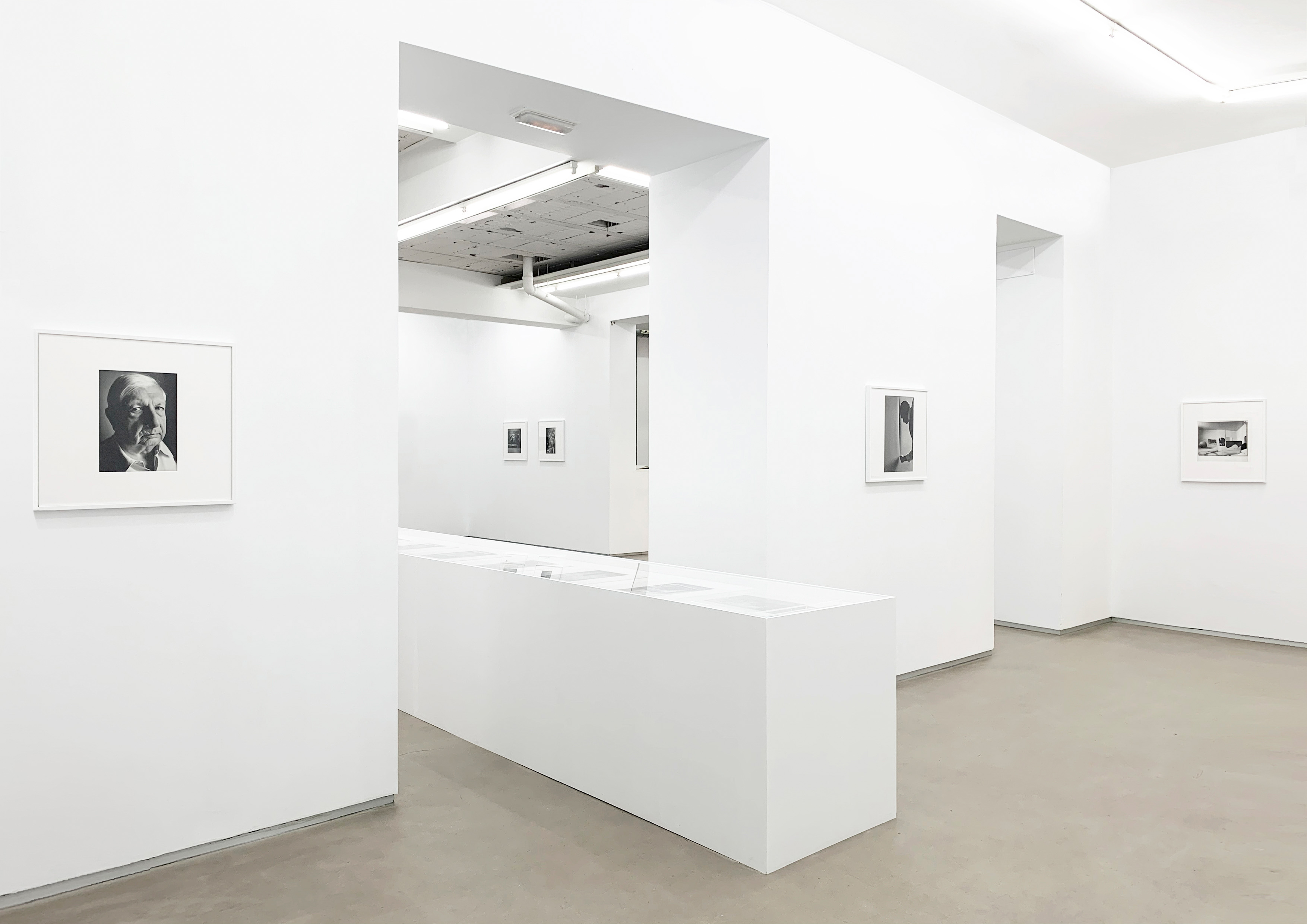
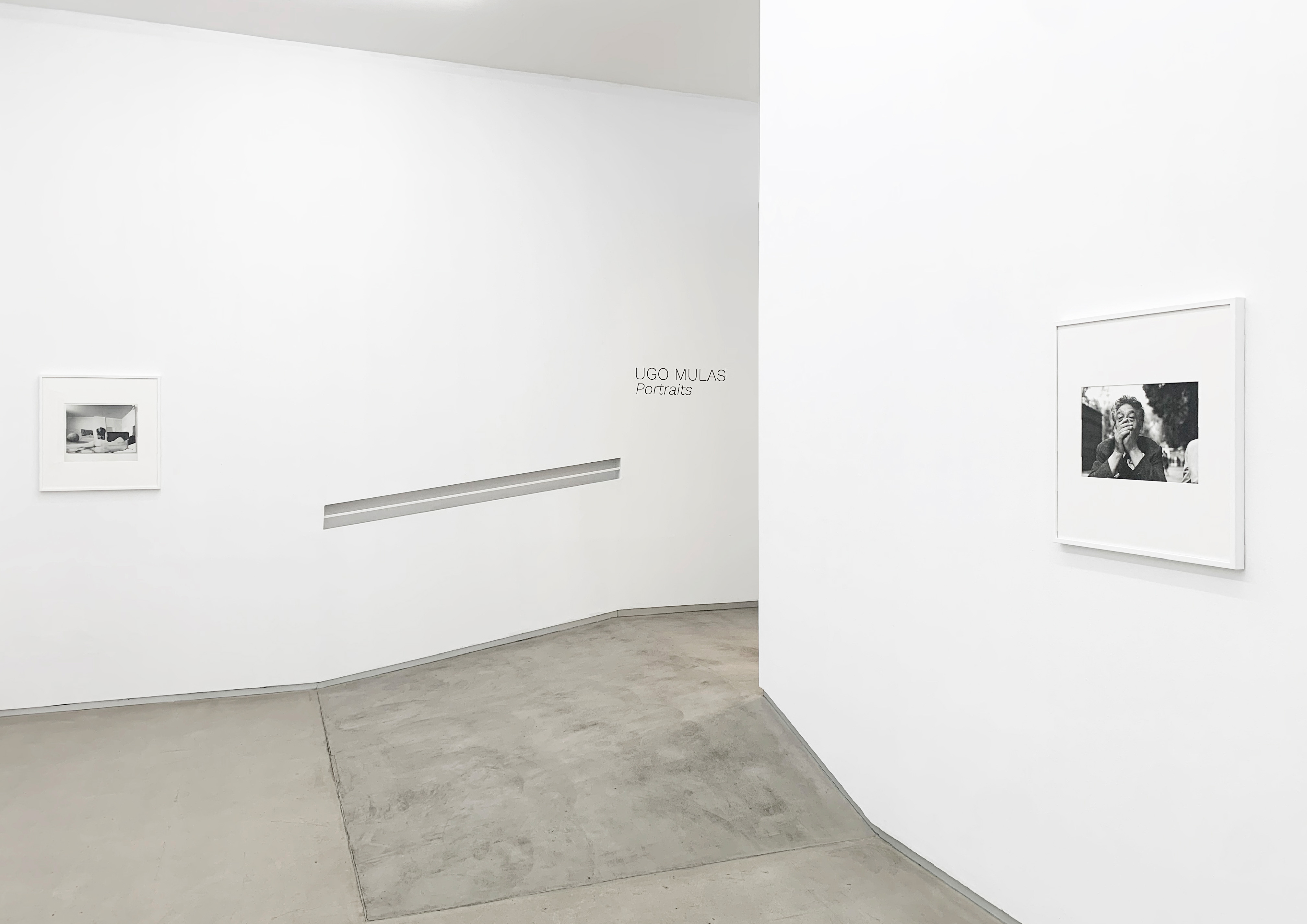
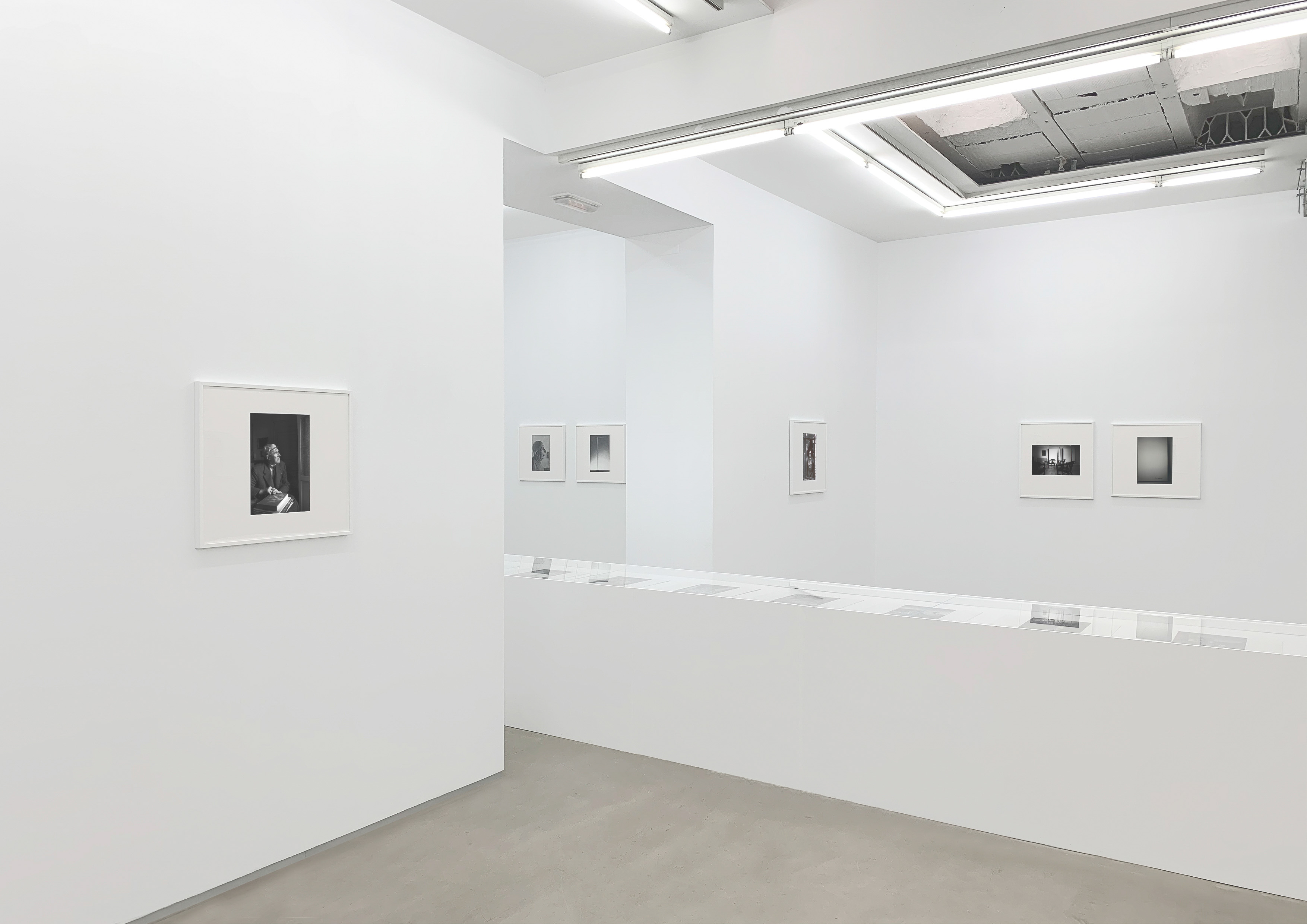
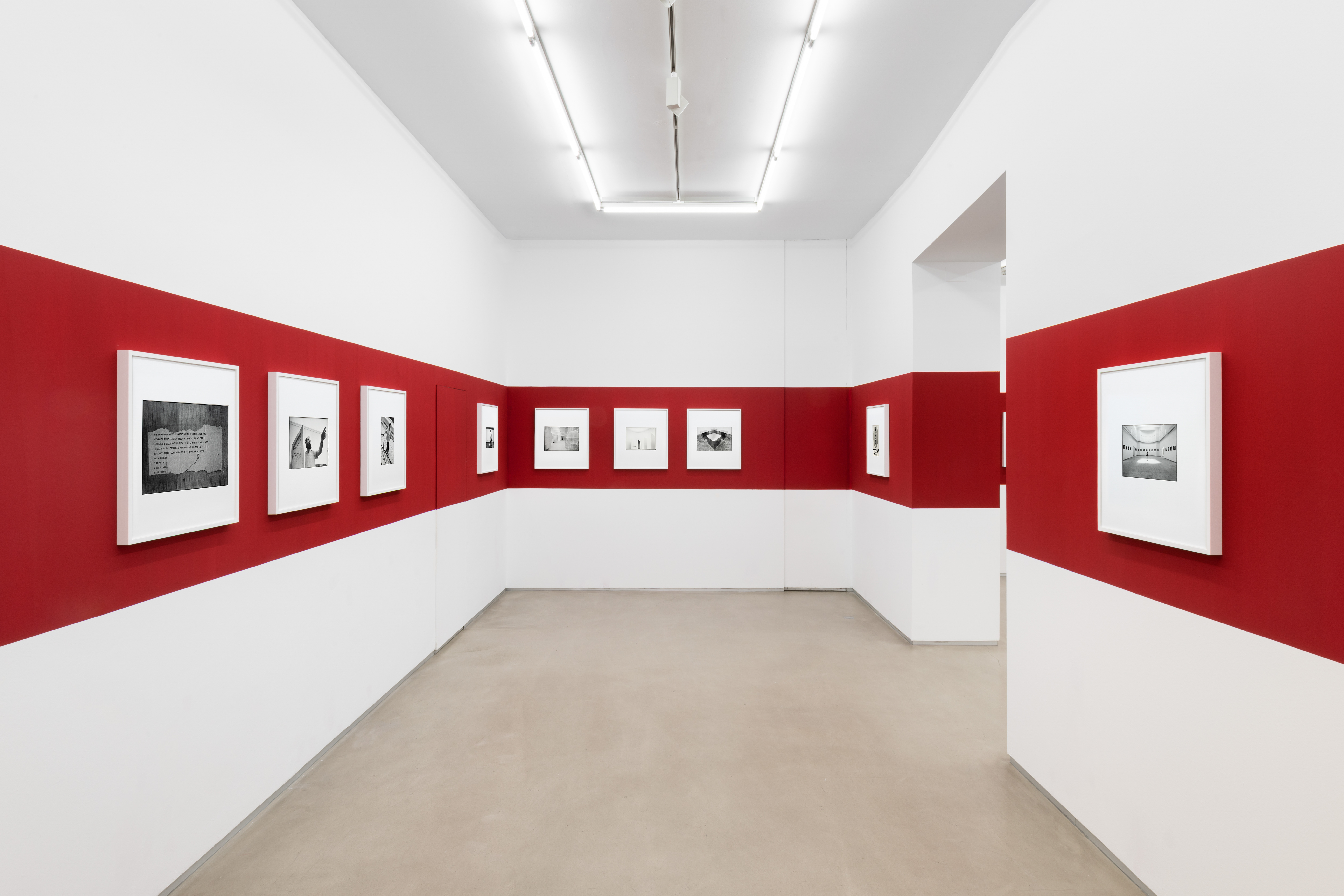
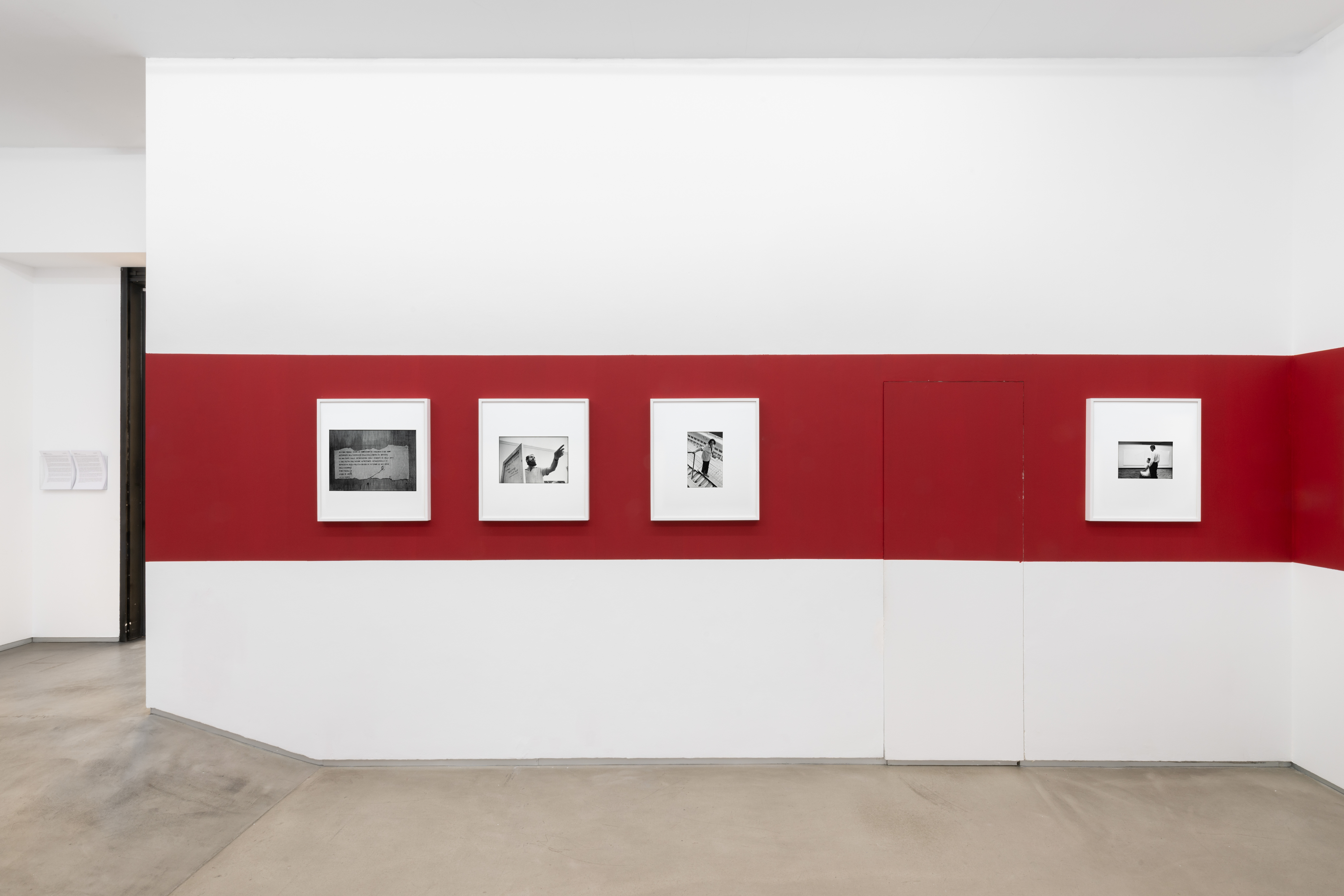
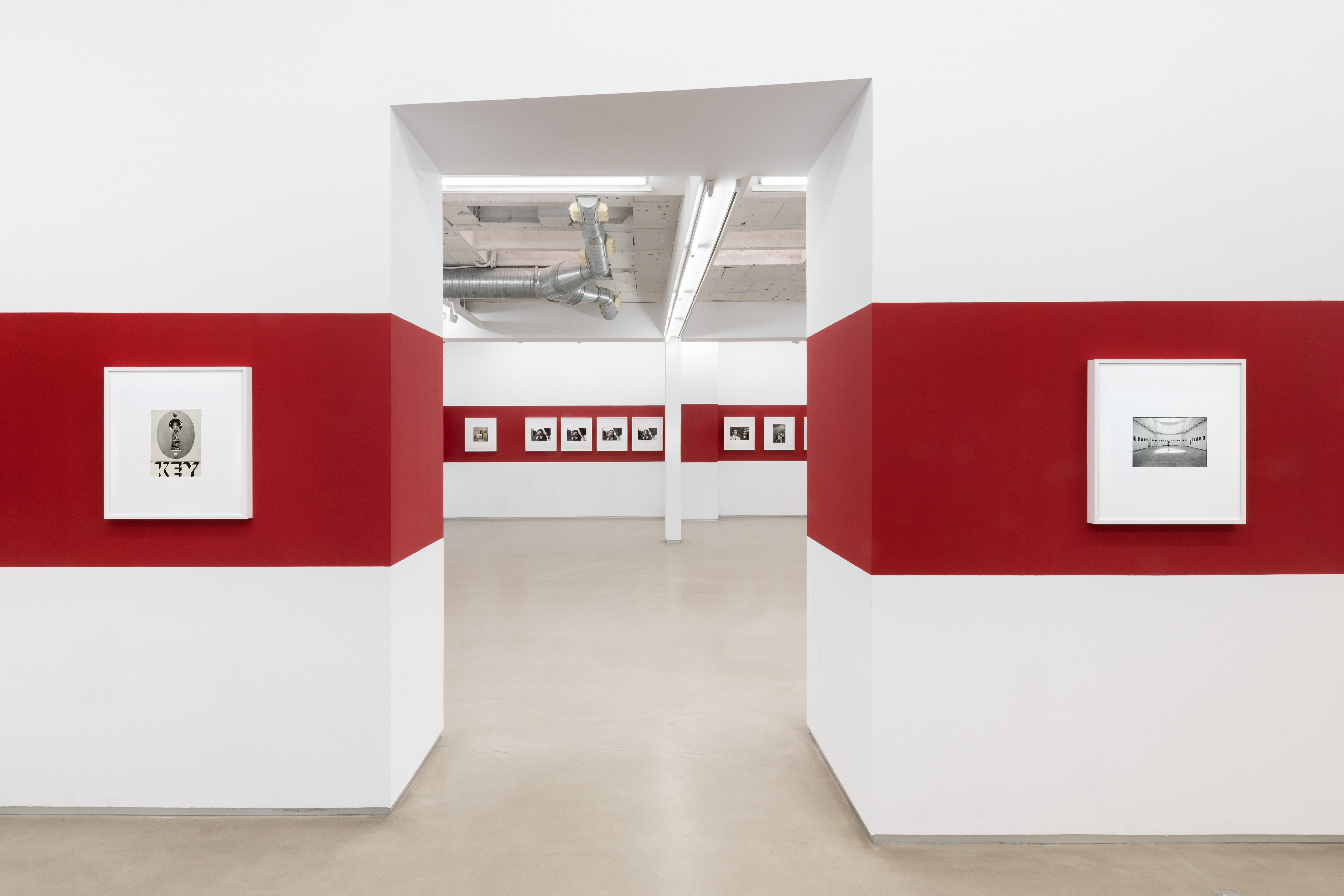
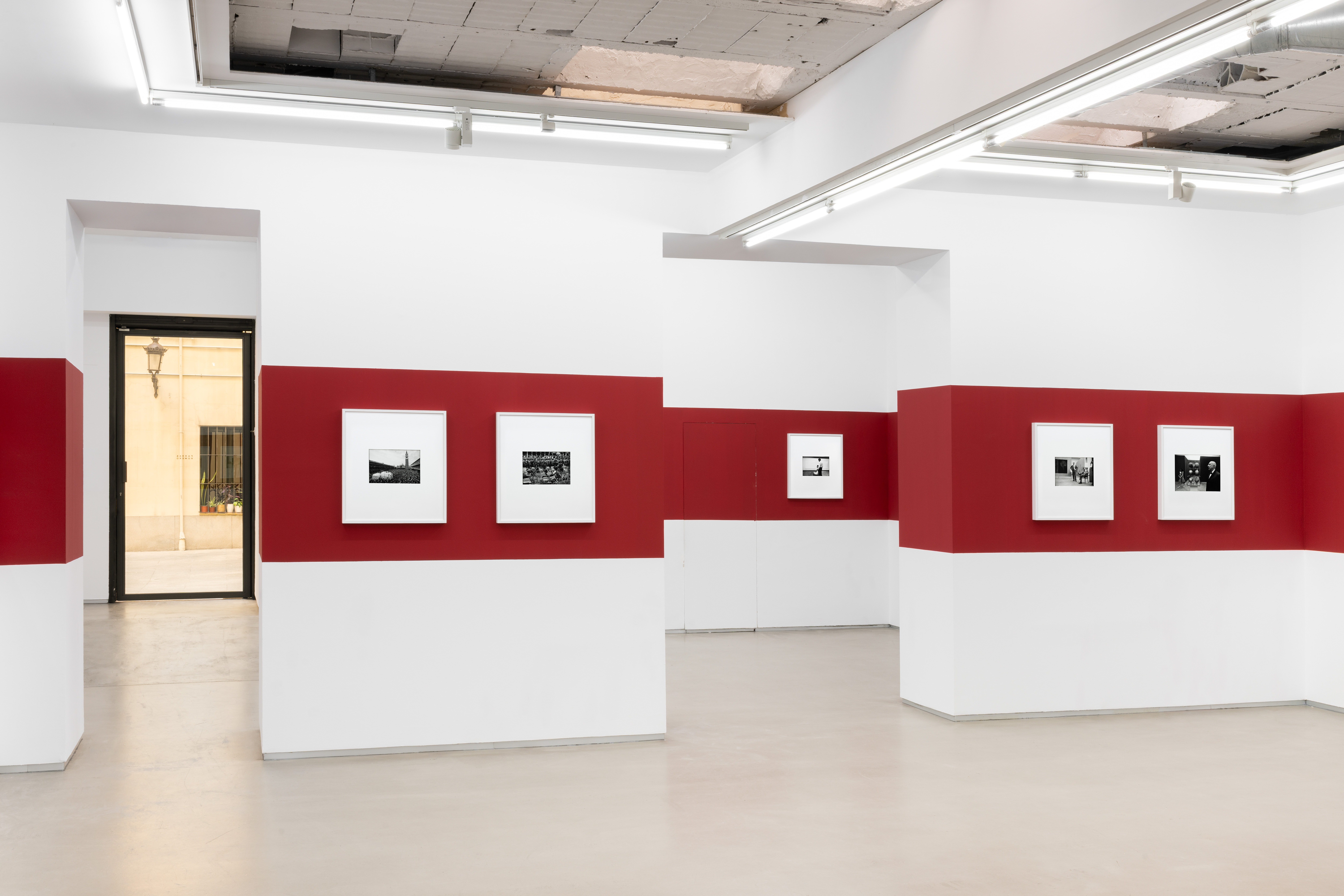
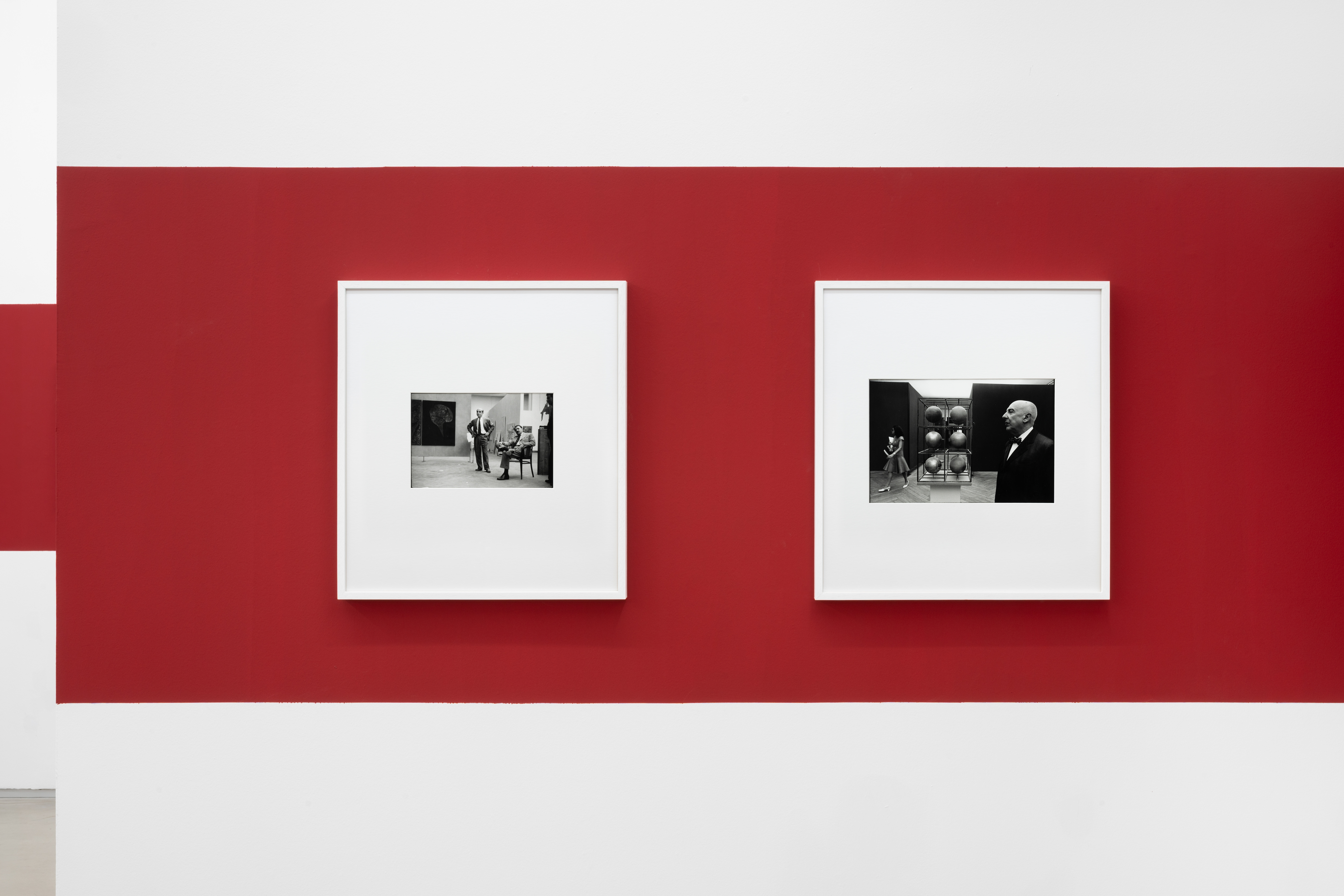
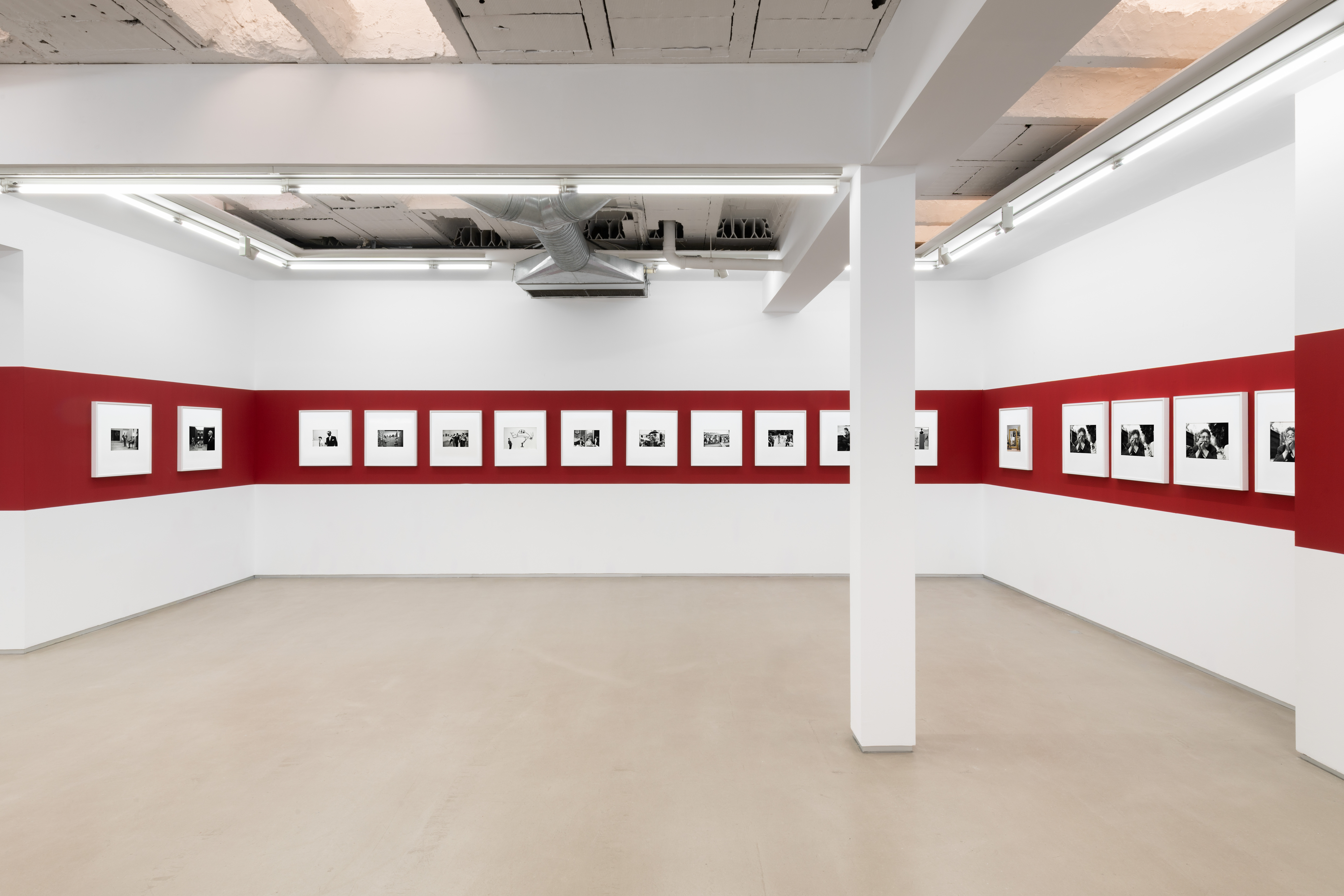
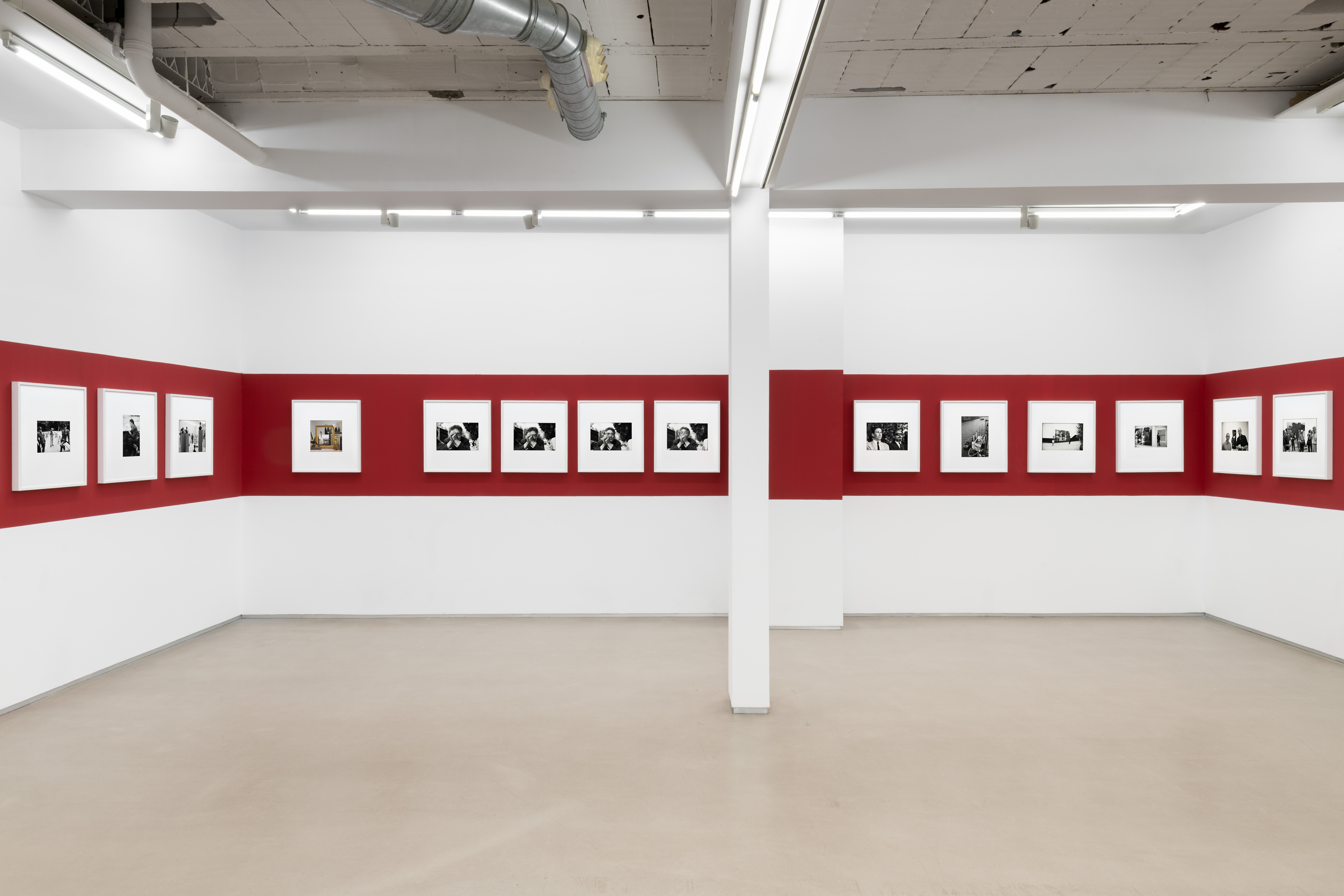
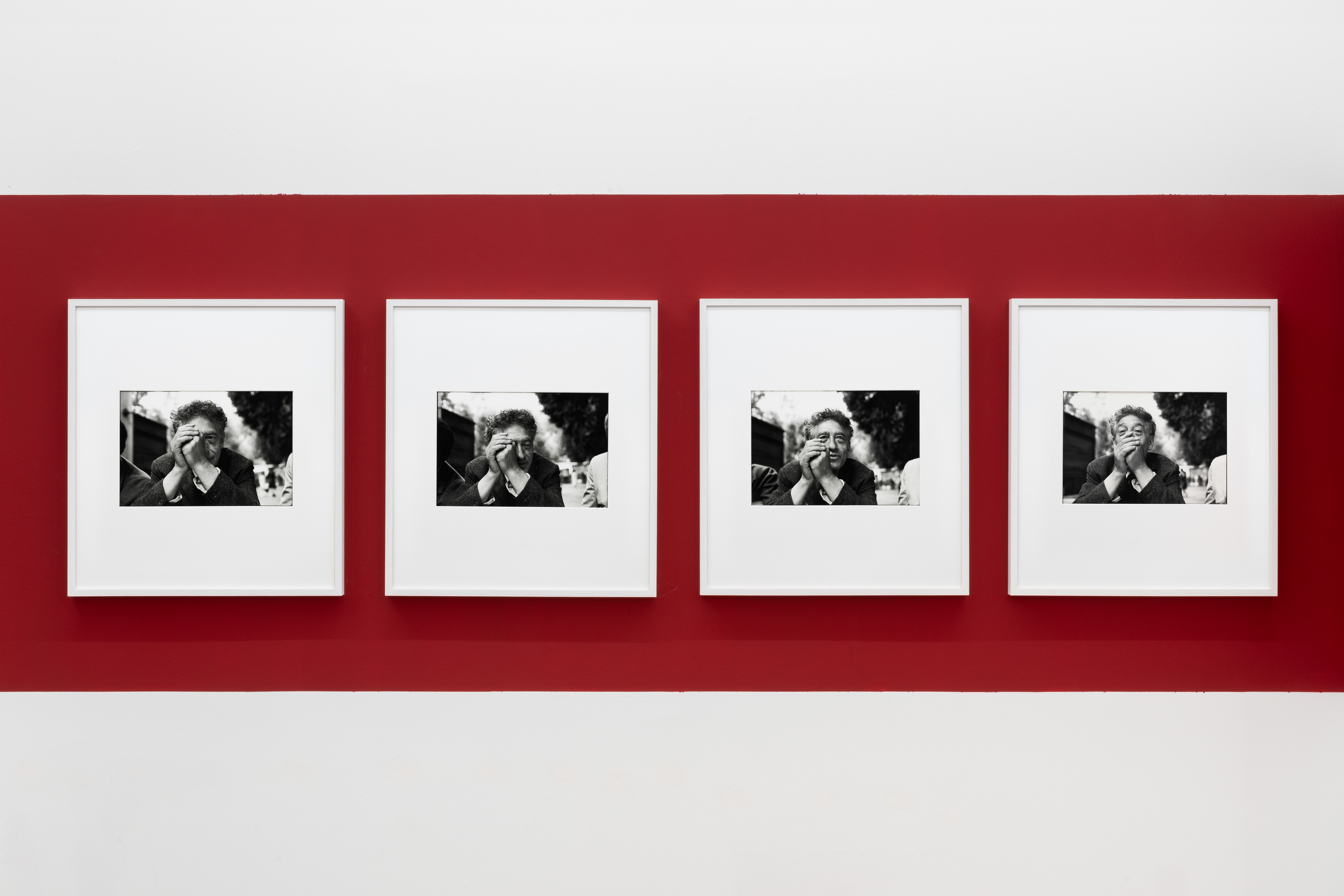
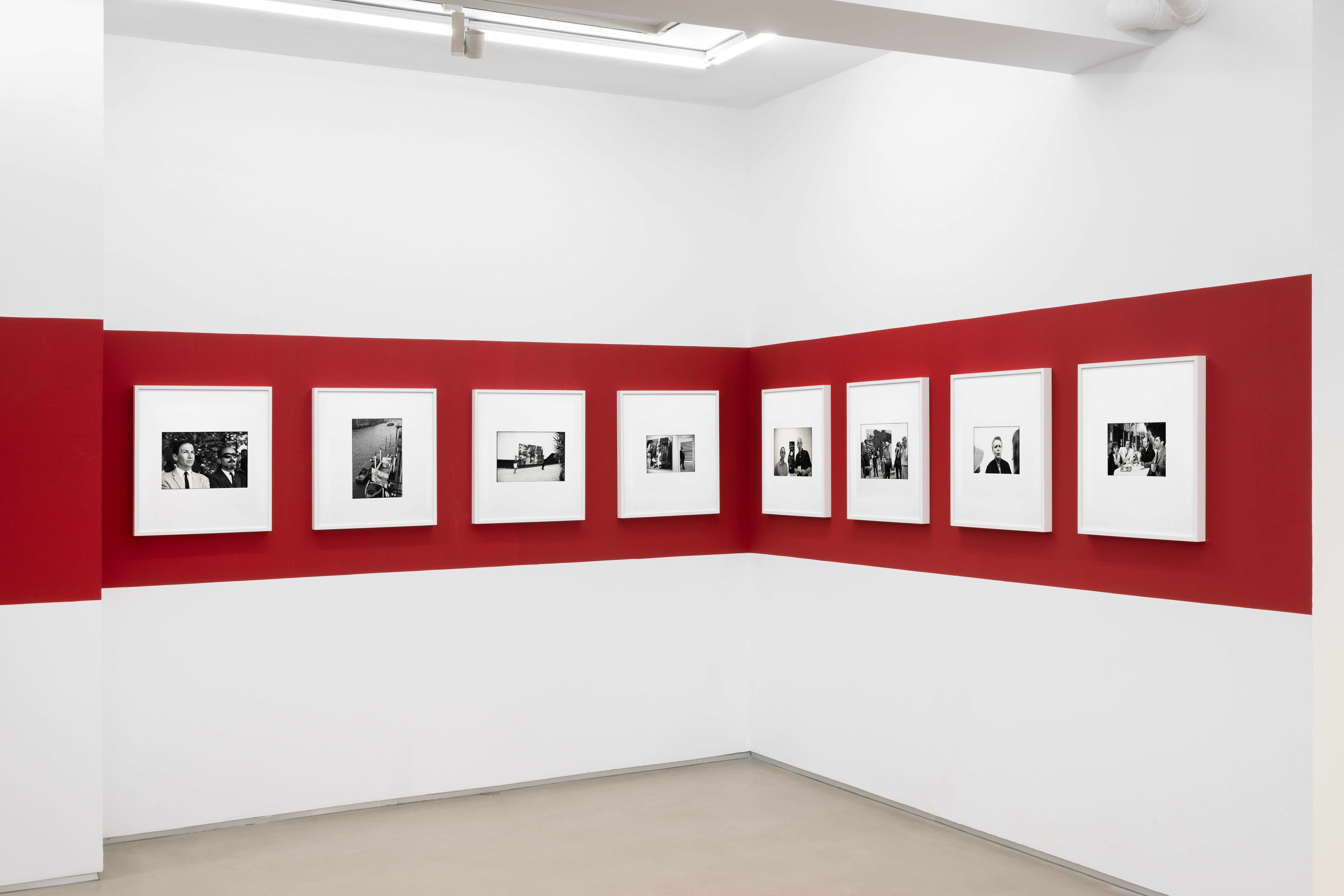
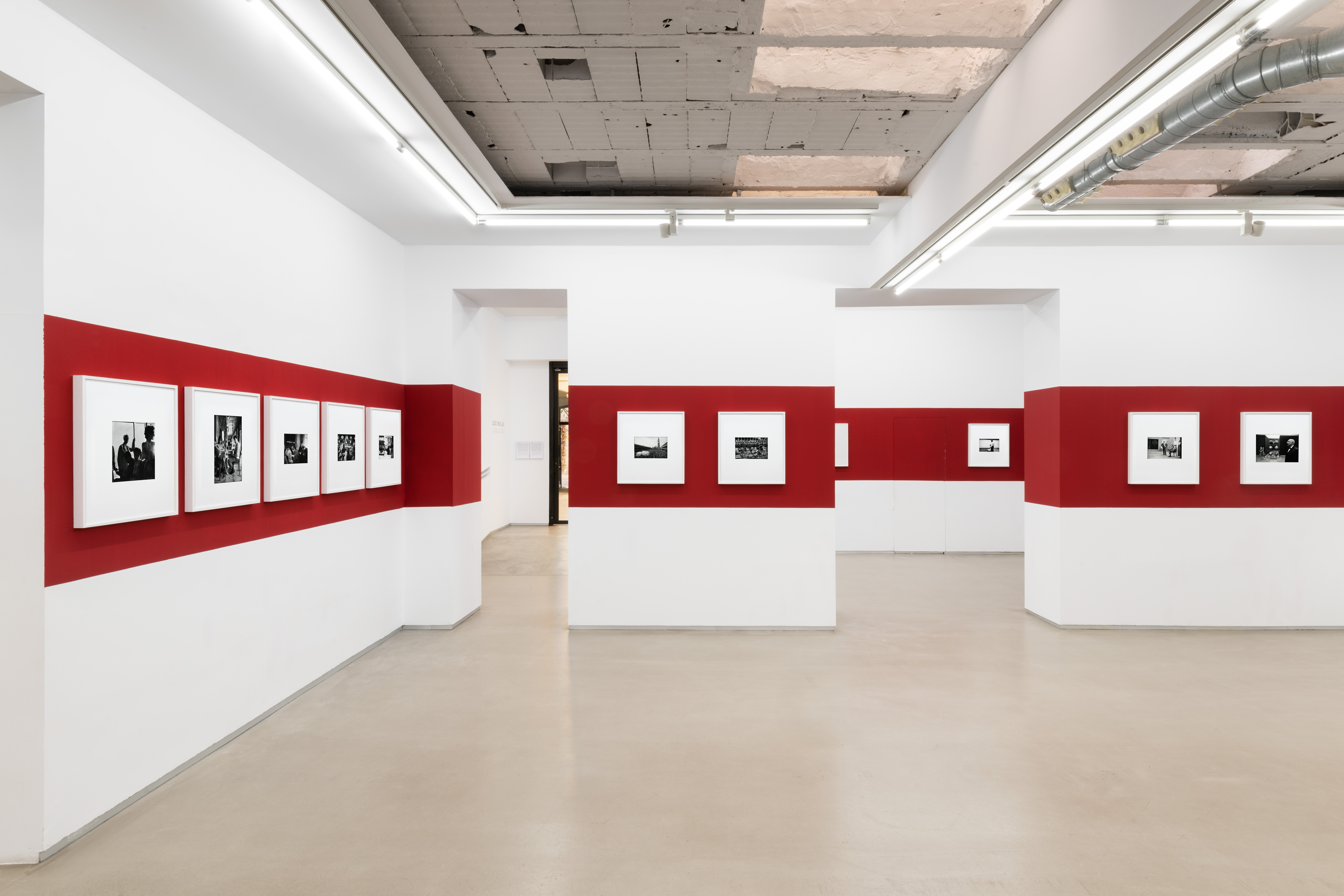
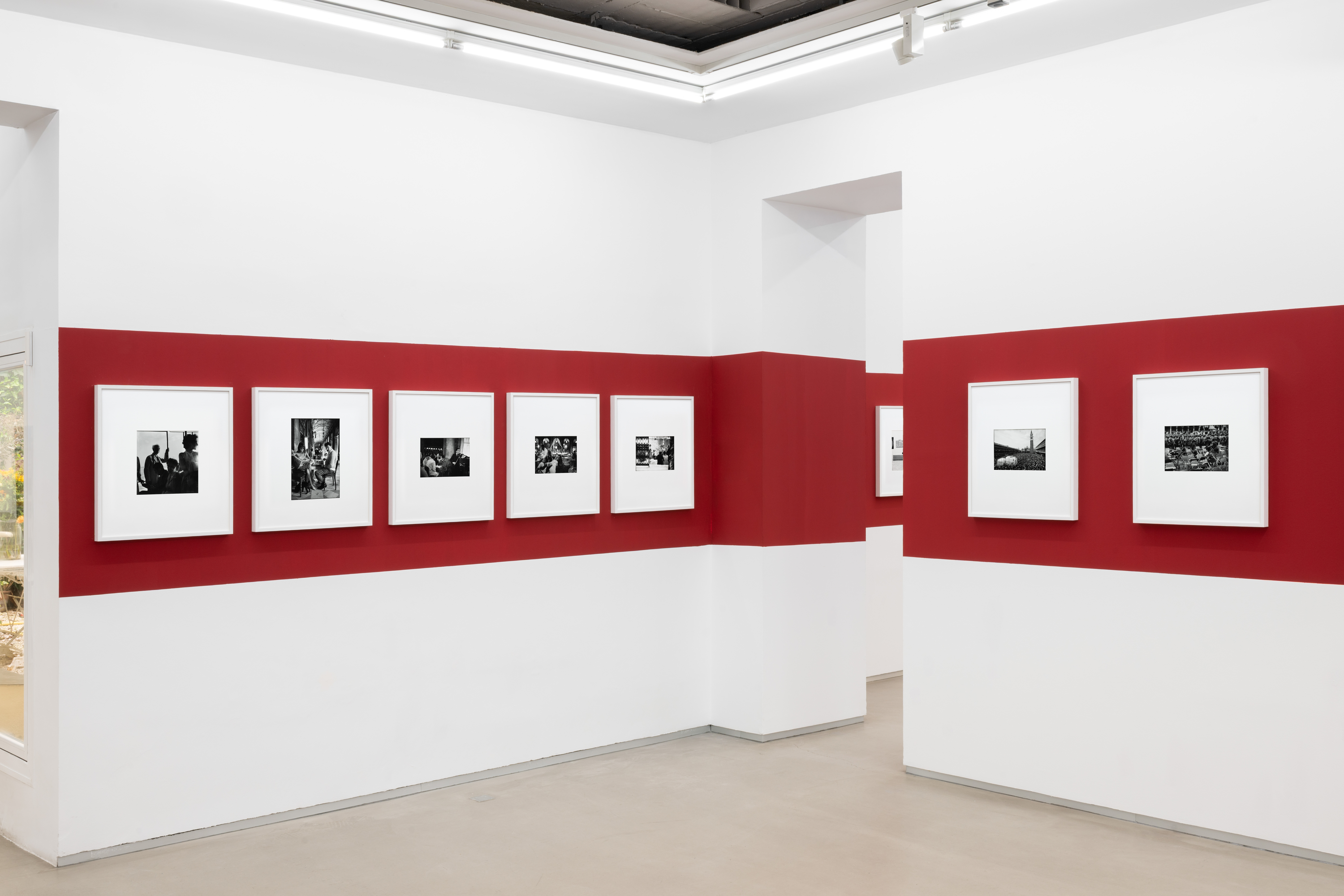
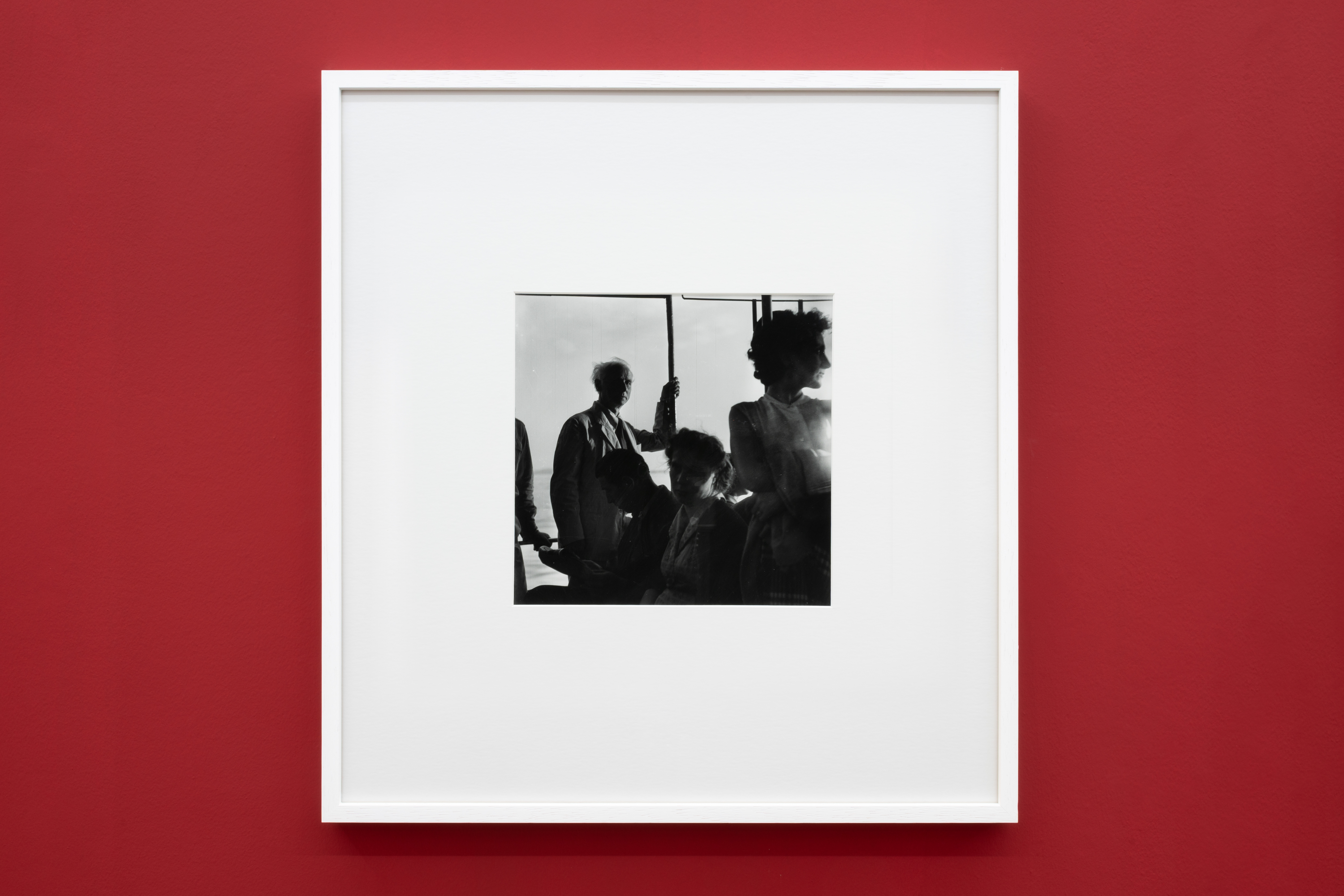
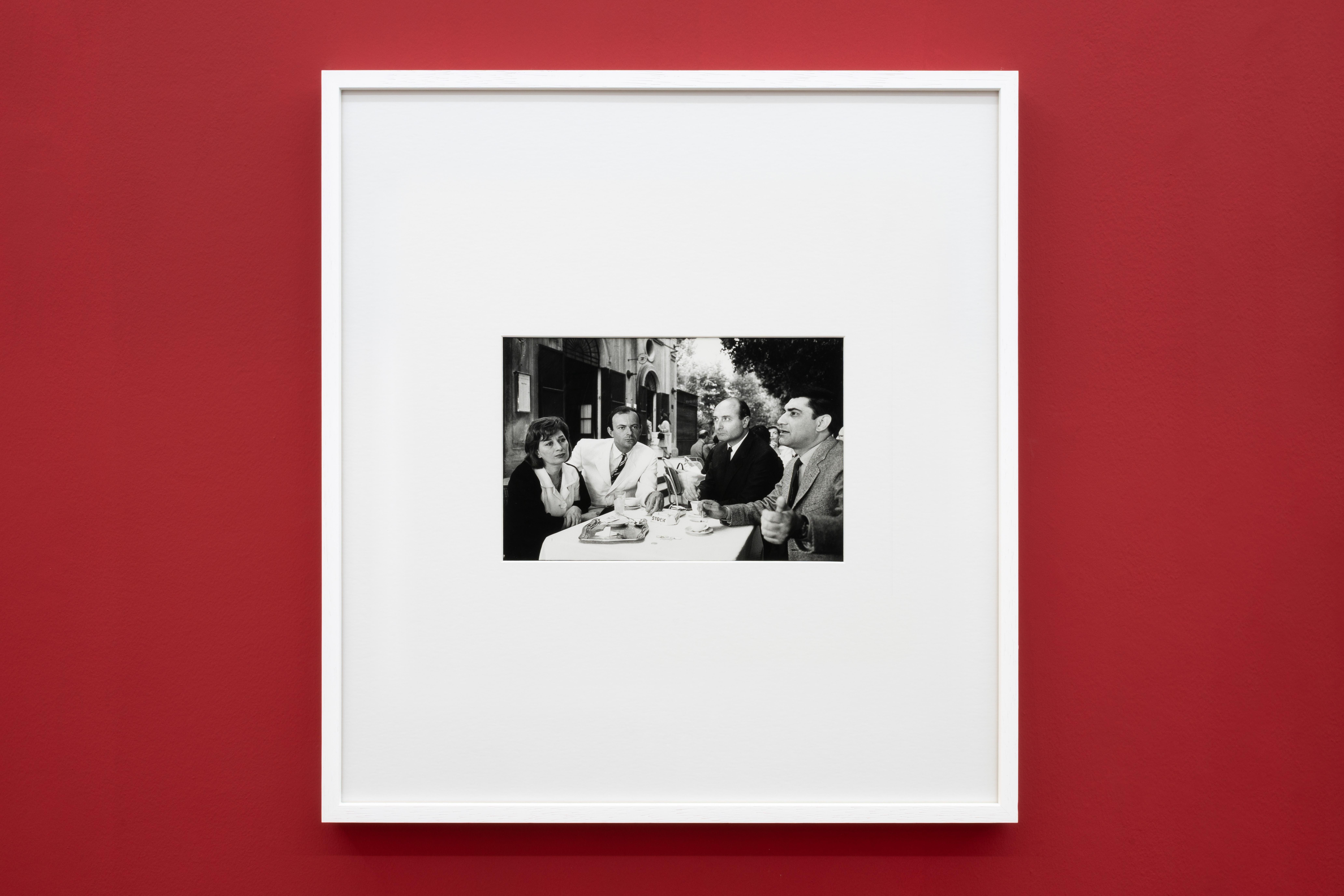
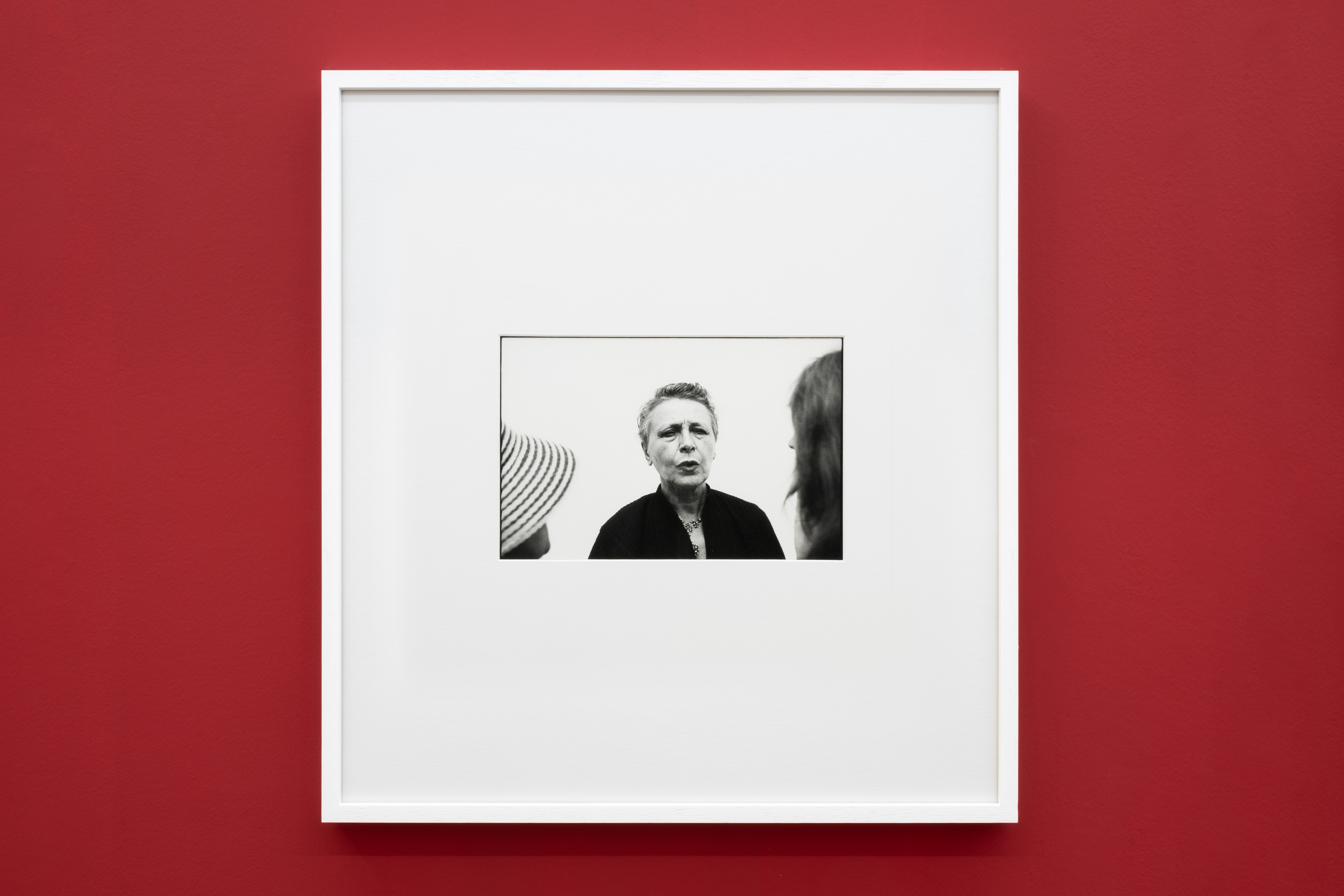
The work of Ugo Mulas (1928-1973) is loaded with sincerity. The instants and moments he captured with his camera do not seem impostured, they are the reflection of his daily life and of a shared history: the materialization of an accomplice gaze. This exhibition presents for the first time a retrospective of his work as a portraitist.
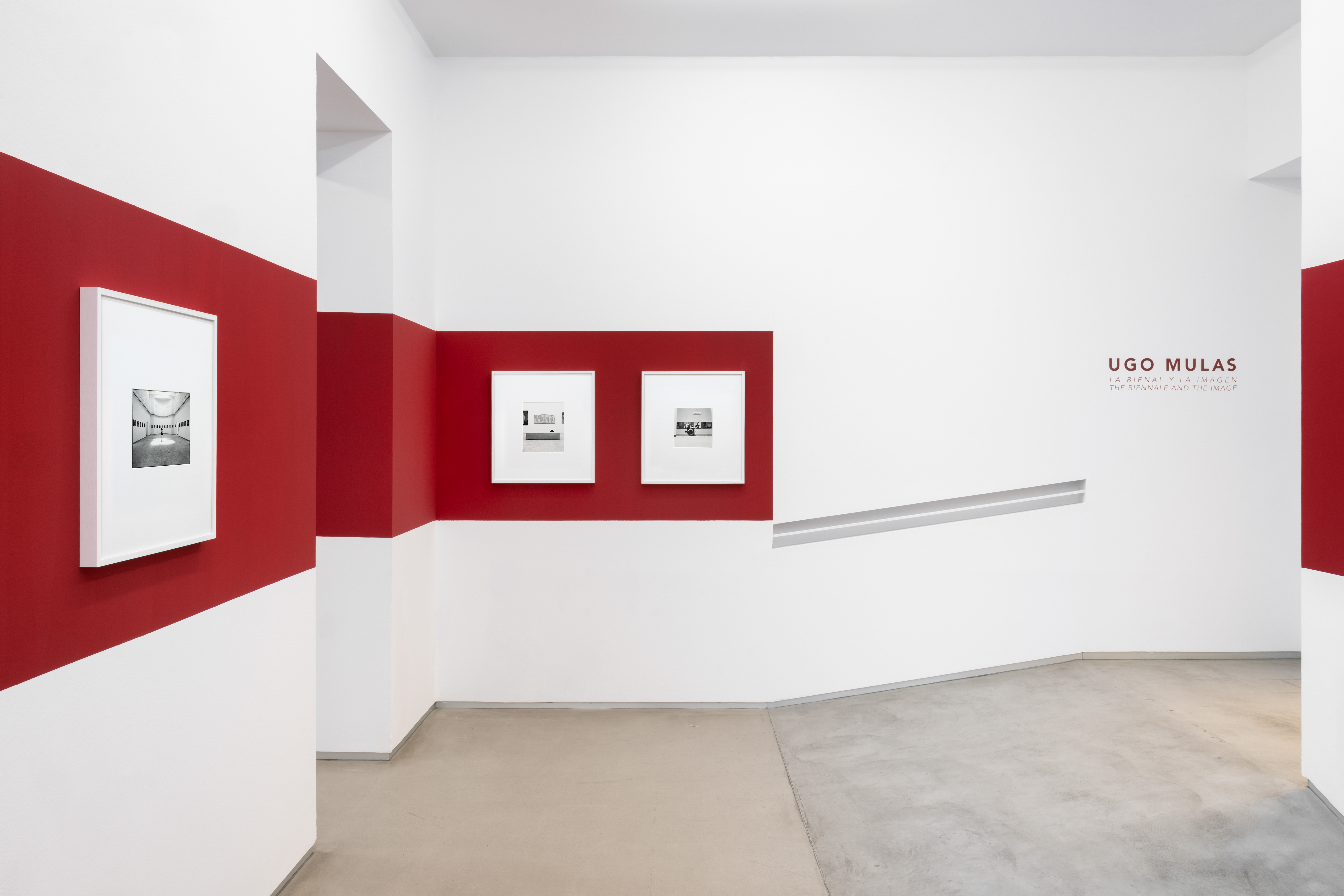
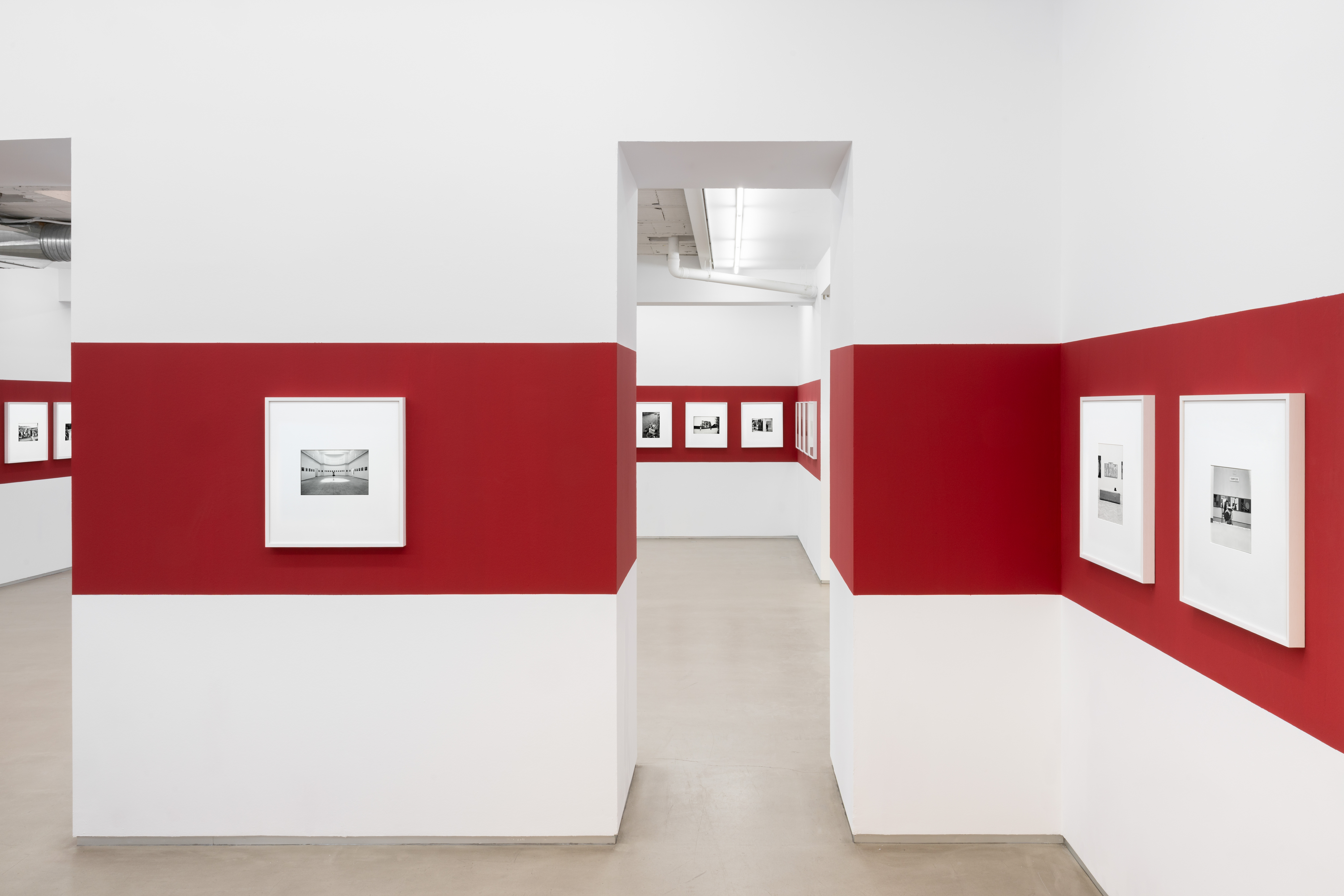
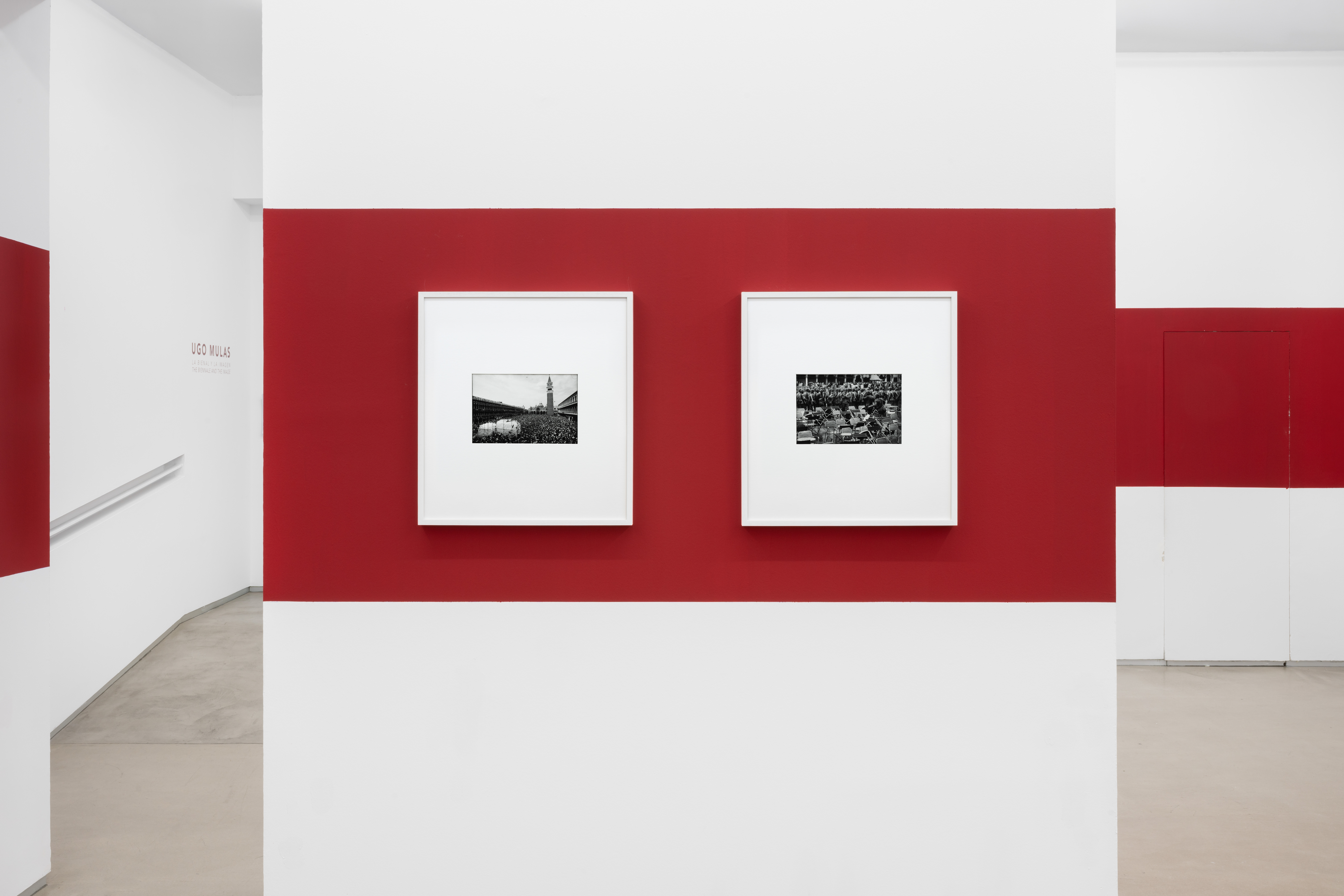
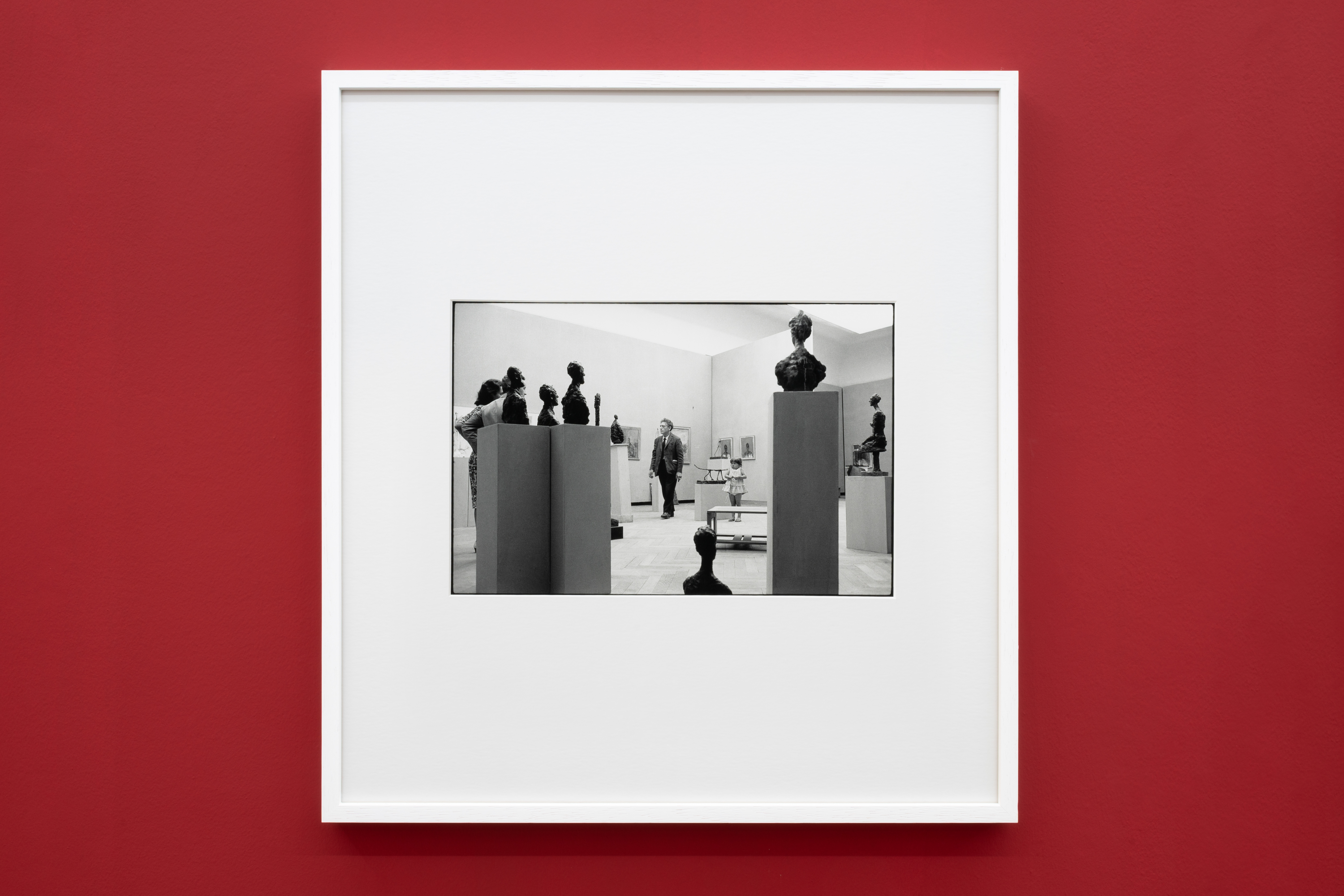
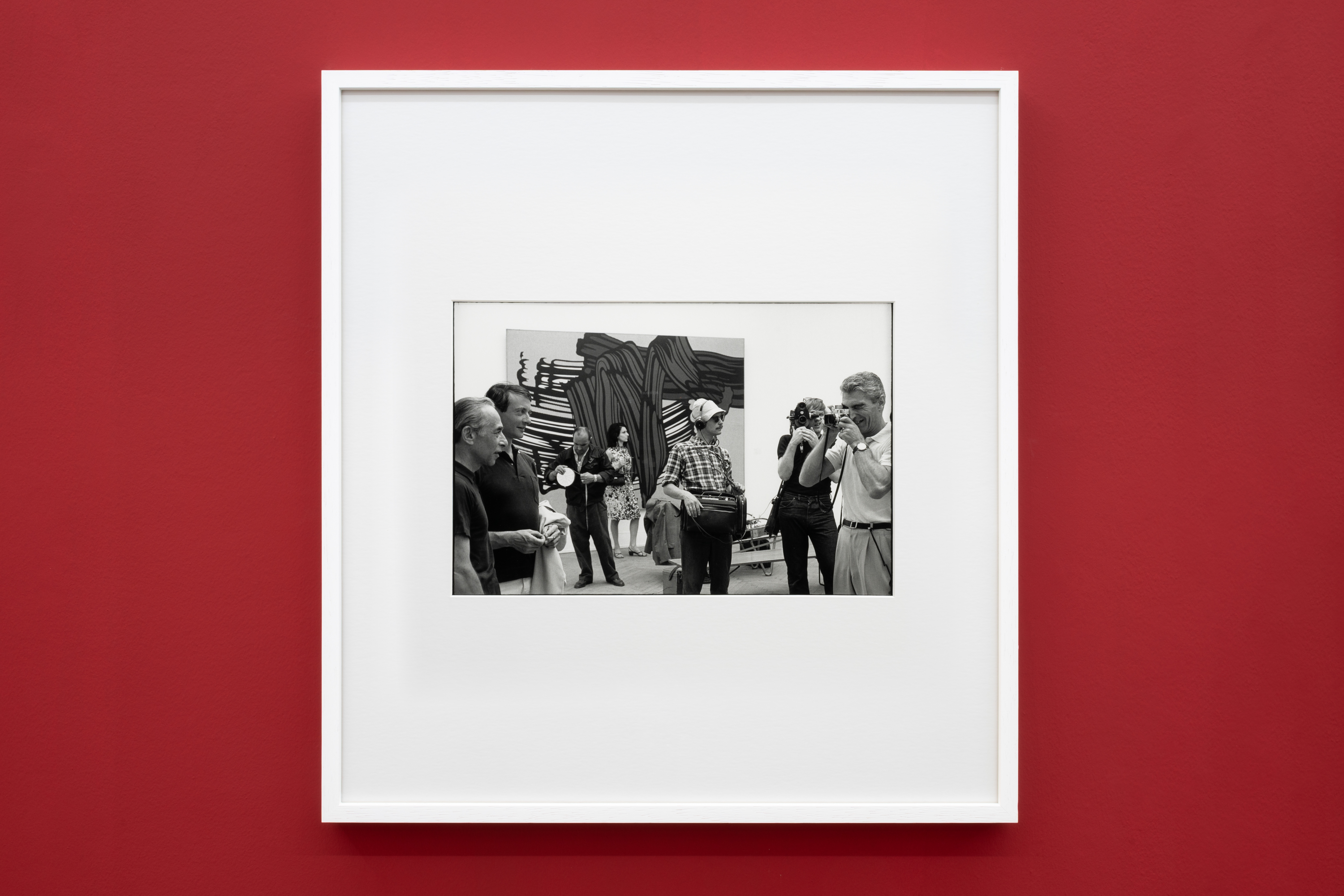
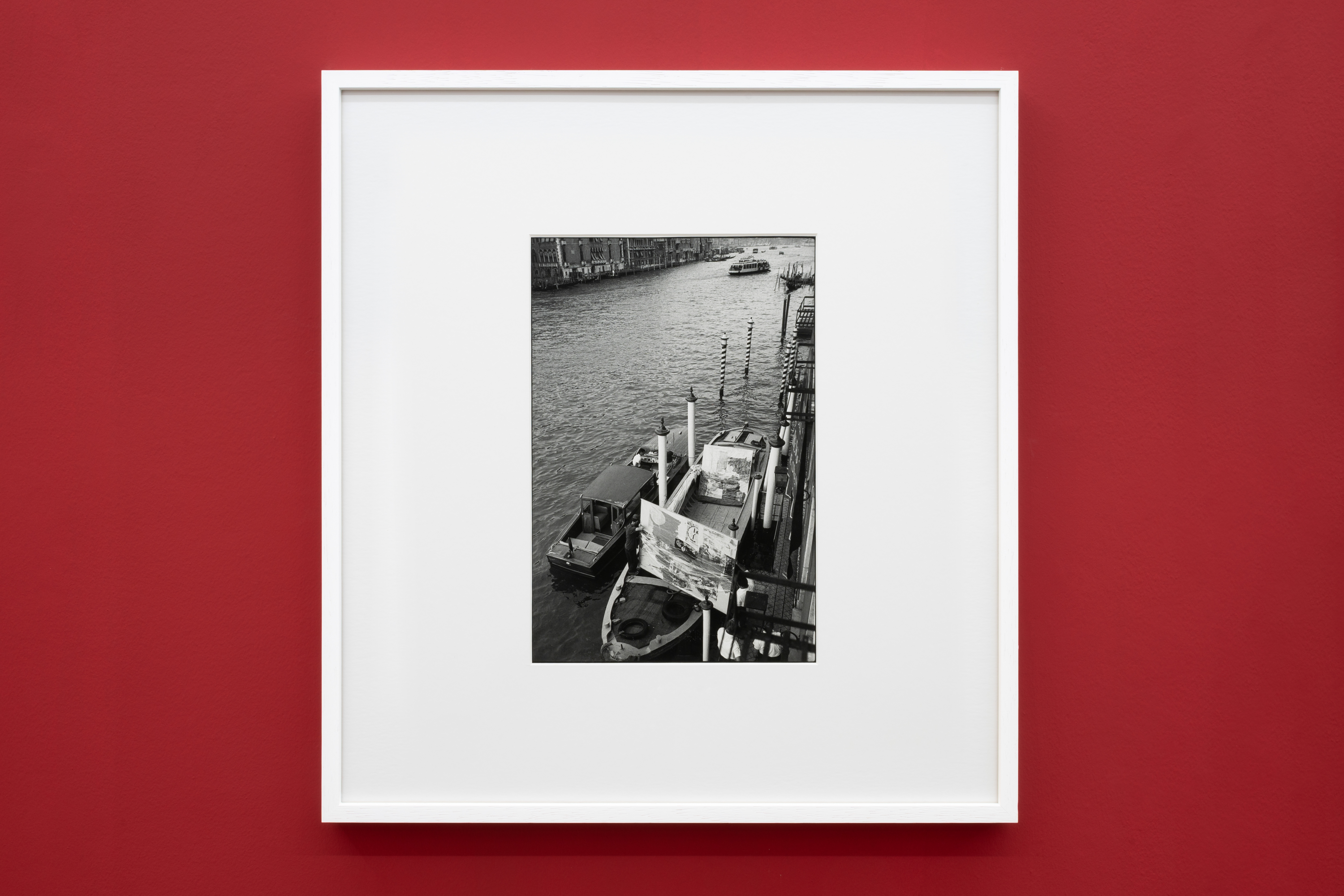
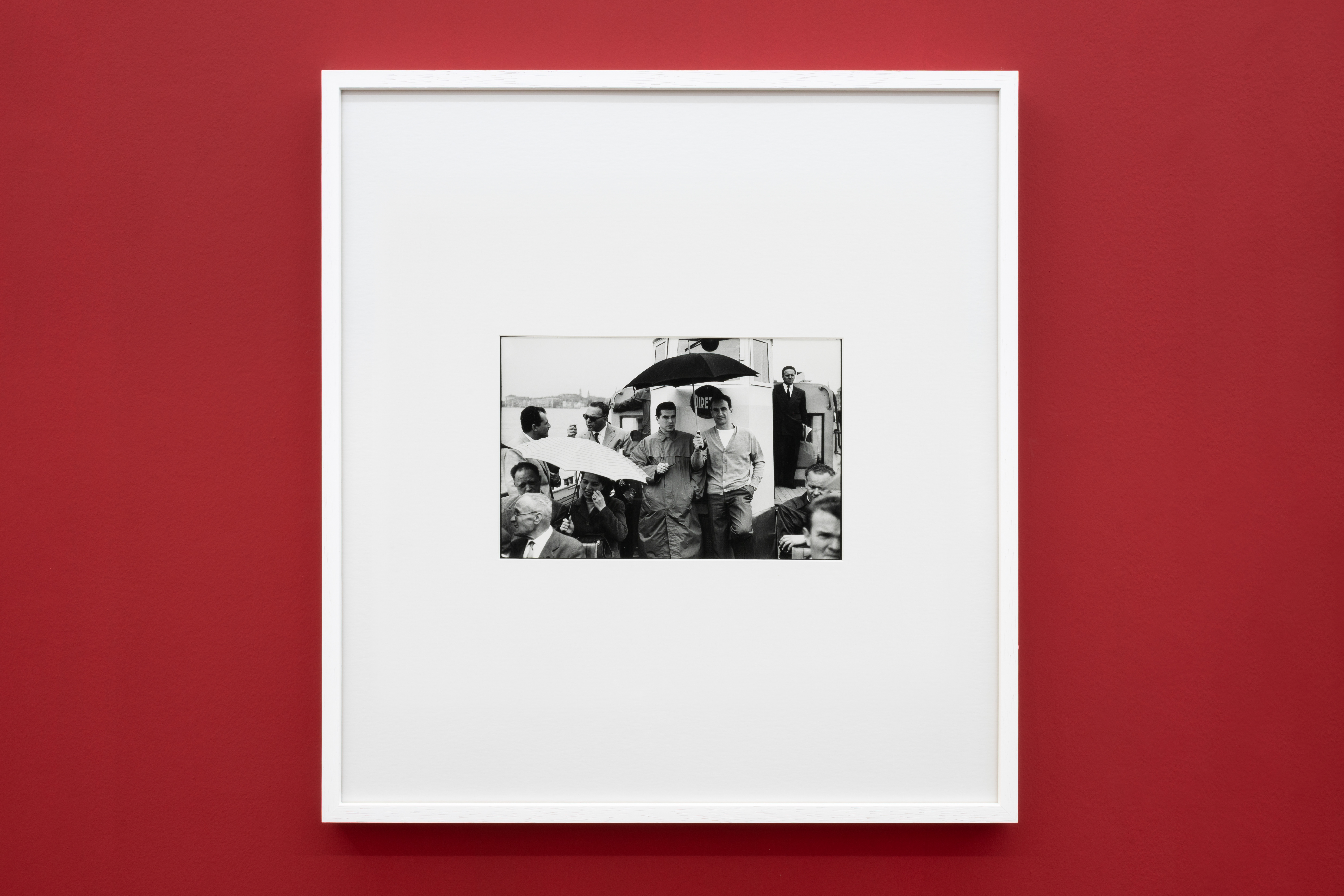
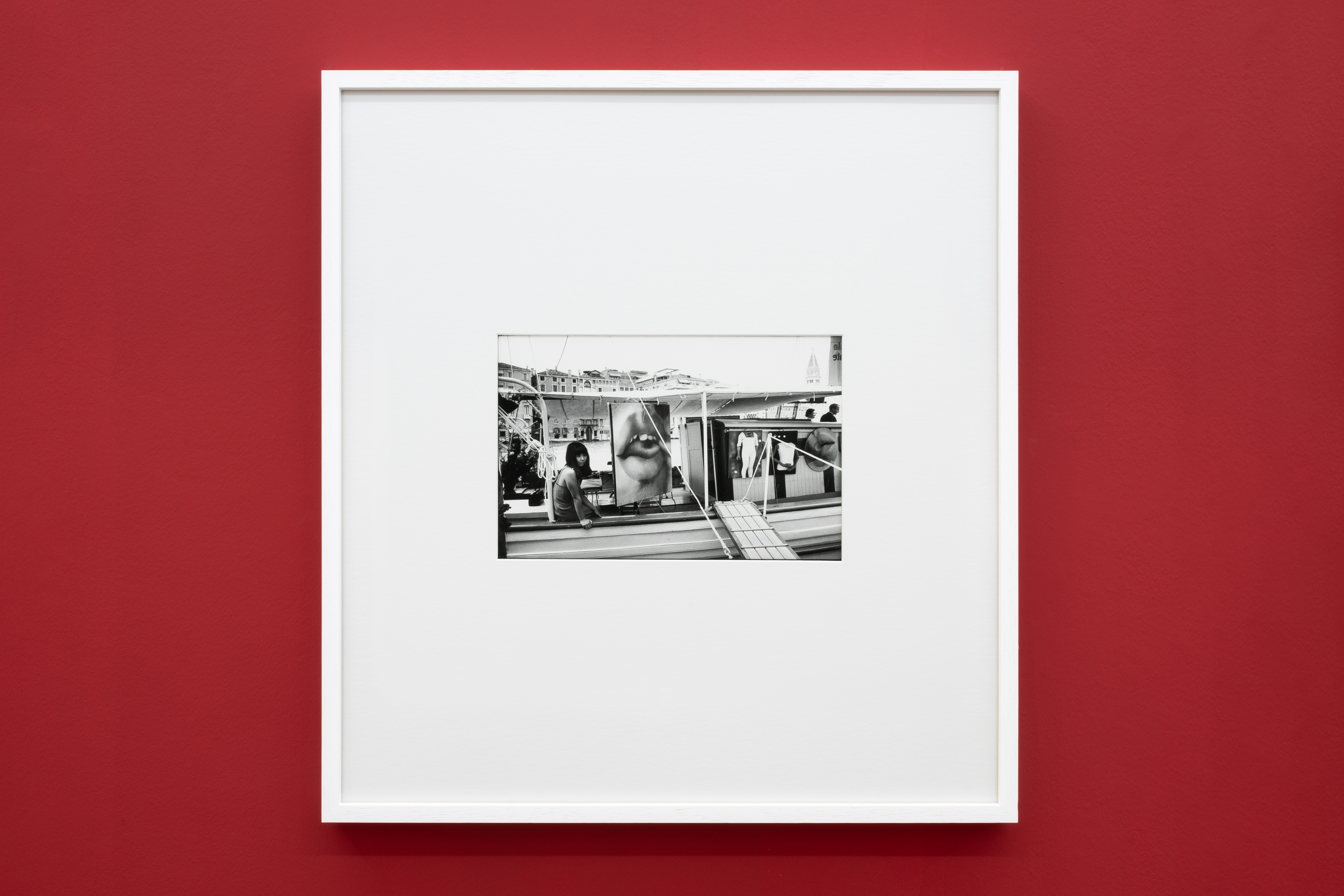
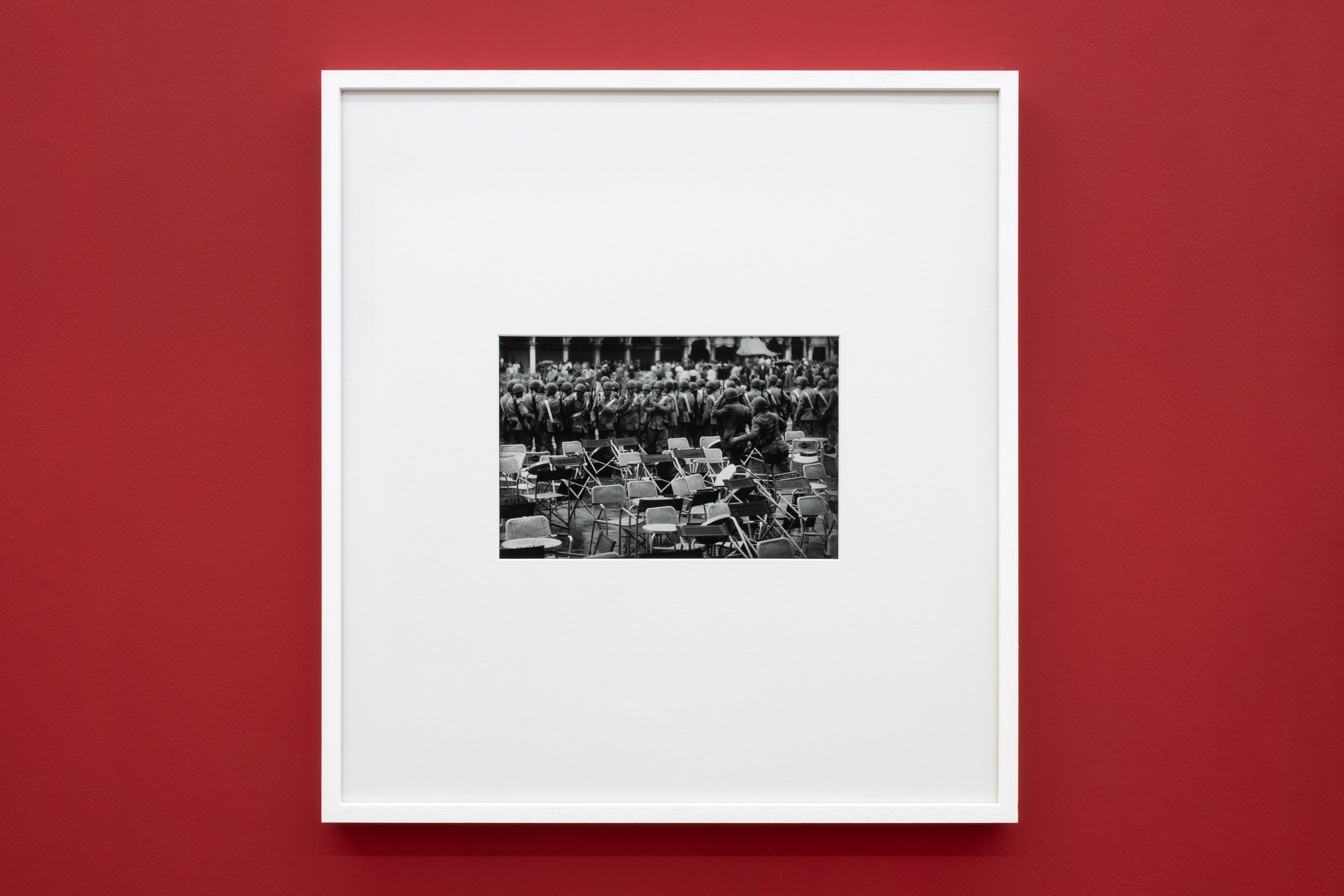
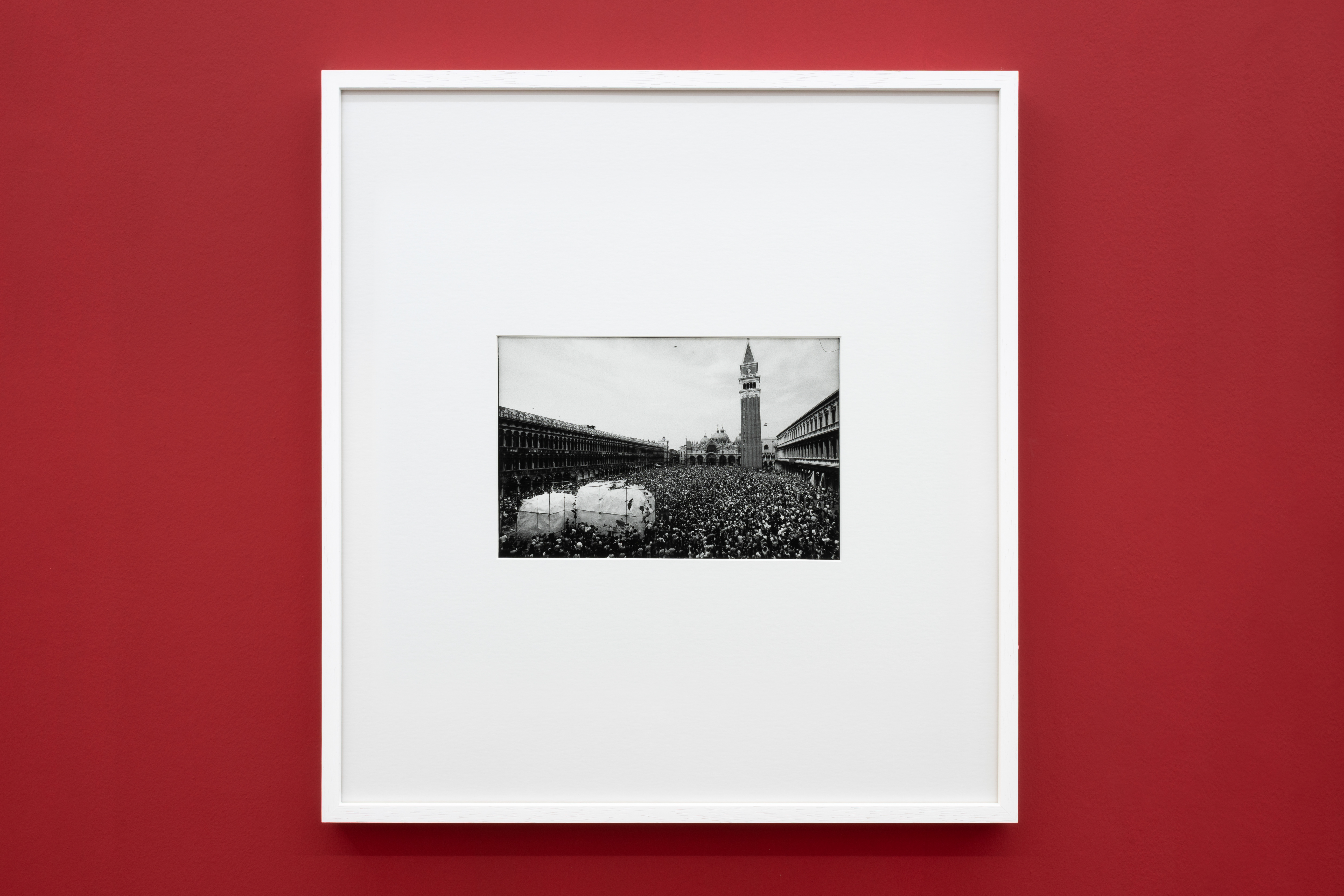
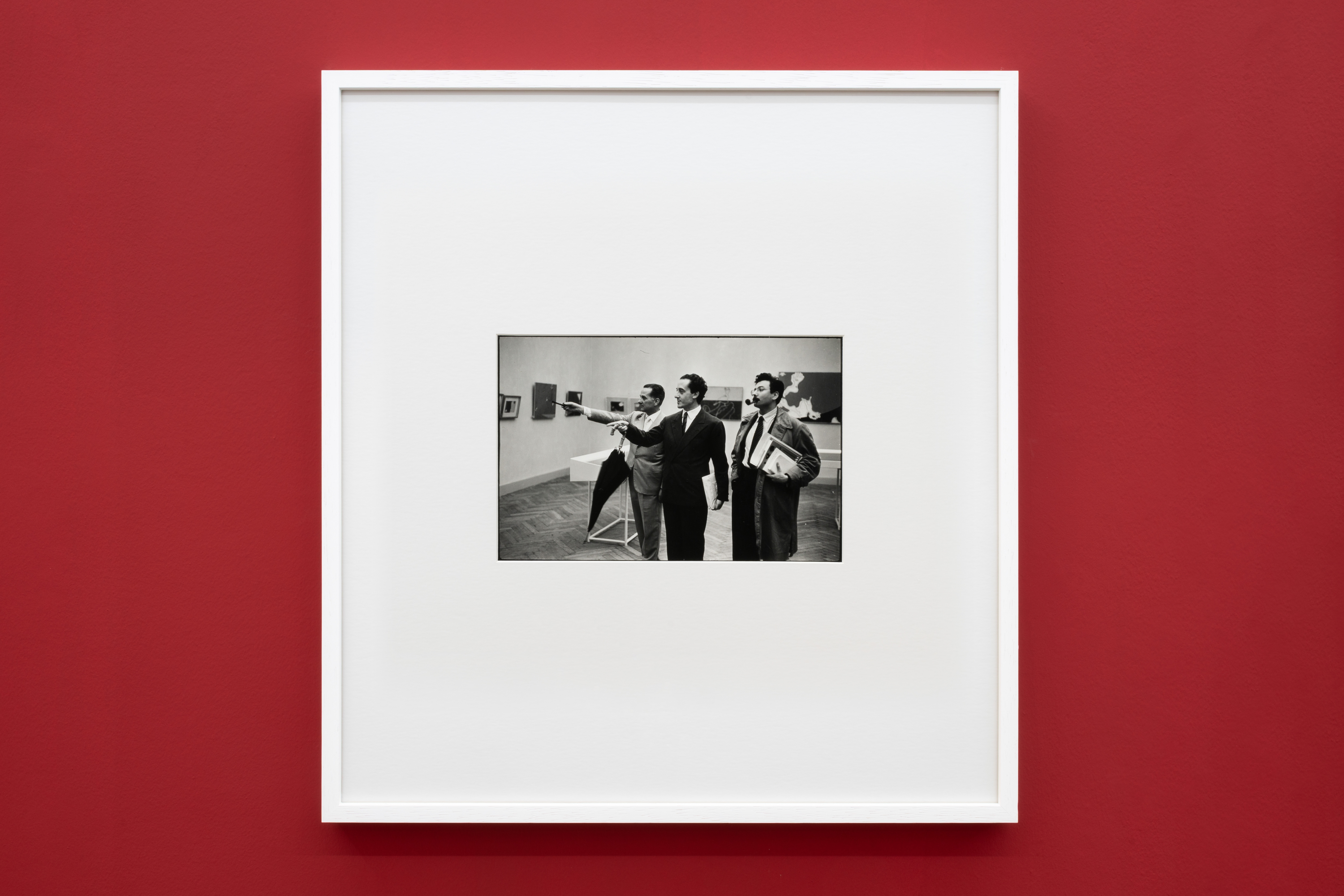
Mulas was born in Pozzolengo, a small town in northern Italy, from which he left in his twenties to study law in Milan. He soon abandoned this career to begin his studies at the Academy of Fine Arts, after discovering photography almost by chance. He began to portray the streets of the city and to rub shoulders with some of its artists. His relationship with Café Jamaica, one of the intellectual and cultural centers of the time, is especially well known. Since then, his relationship with art would only grow and develop in an organic, not premeditated way. Perhaps the most important turning point came in 1954, when he became the official photographer of the Venice Biennale, after having worked there in previous years with photographer Mario Dondero. There he not only established a relationship with the artists exhibiting in the pavilions, he also formed an important friendship with Leo Castelli, a gallerist who was fundamental to understanding the New York art scene. The contact between the two explains the photographer’s interesting relationship with important figures in New York art in the 1960s.
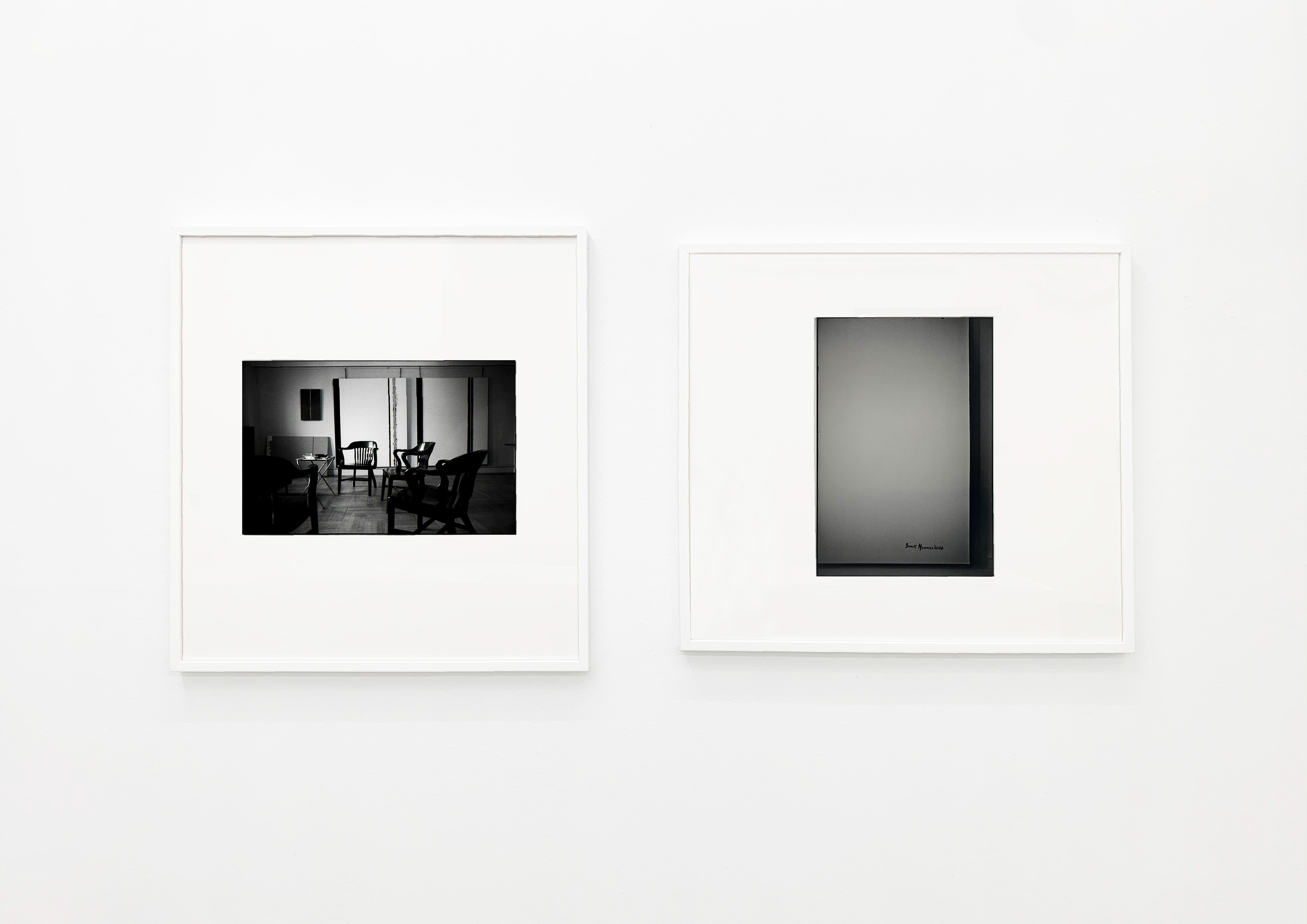
Between 1964 and 1967, Mulas visited New York on up to three occasions and got Castelli to introduce him to some of those artists called to change the history of 20th century art. He met and photographed artists such as Barnett Newman, Jasper Johns, Andy Warhol, Roy Lichtenstein and even Marcel Duchamp.
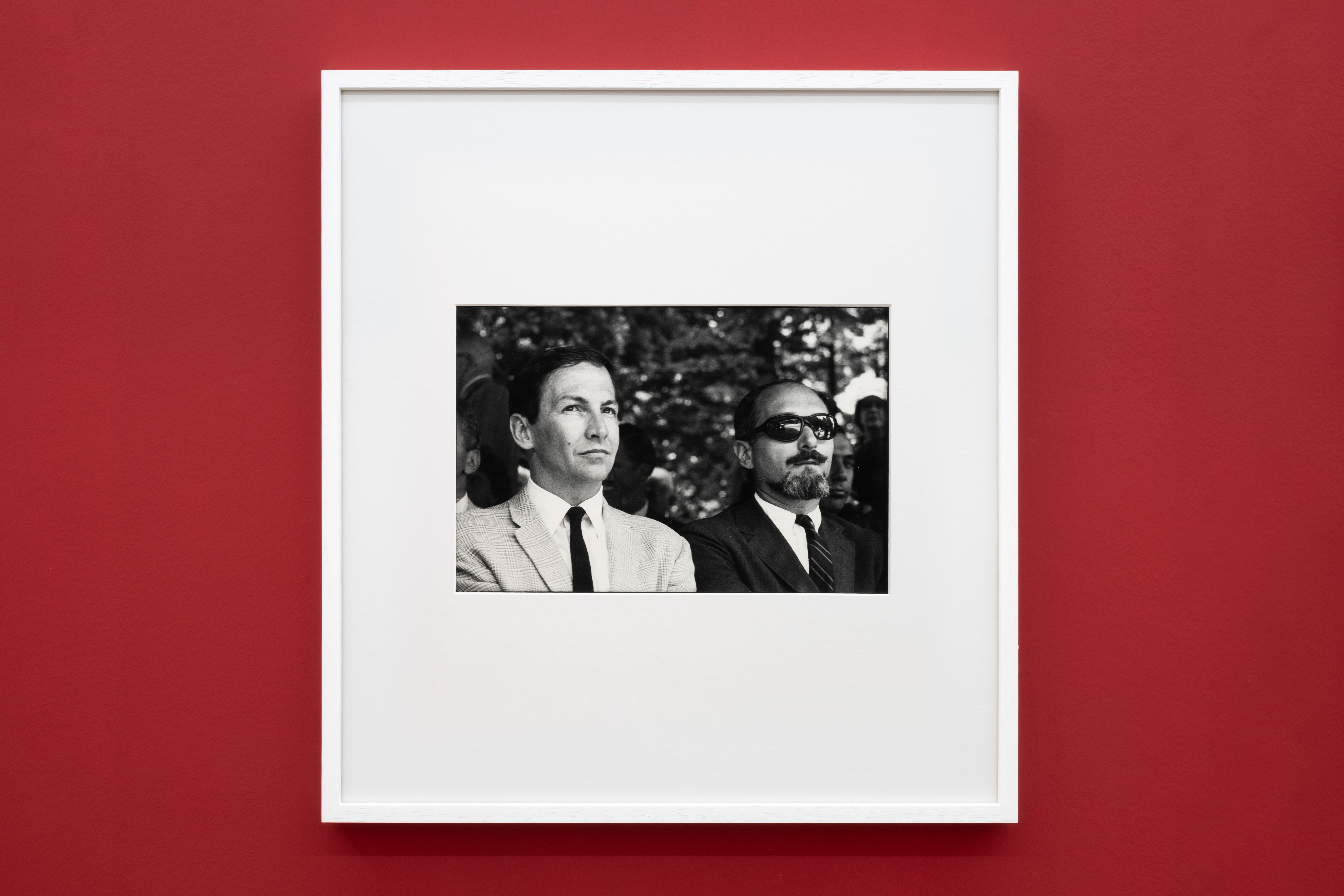
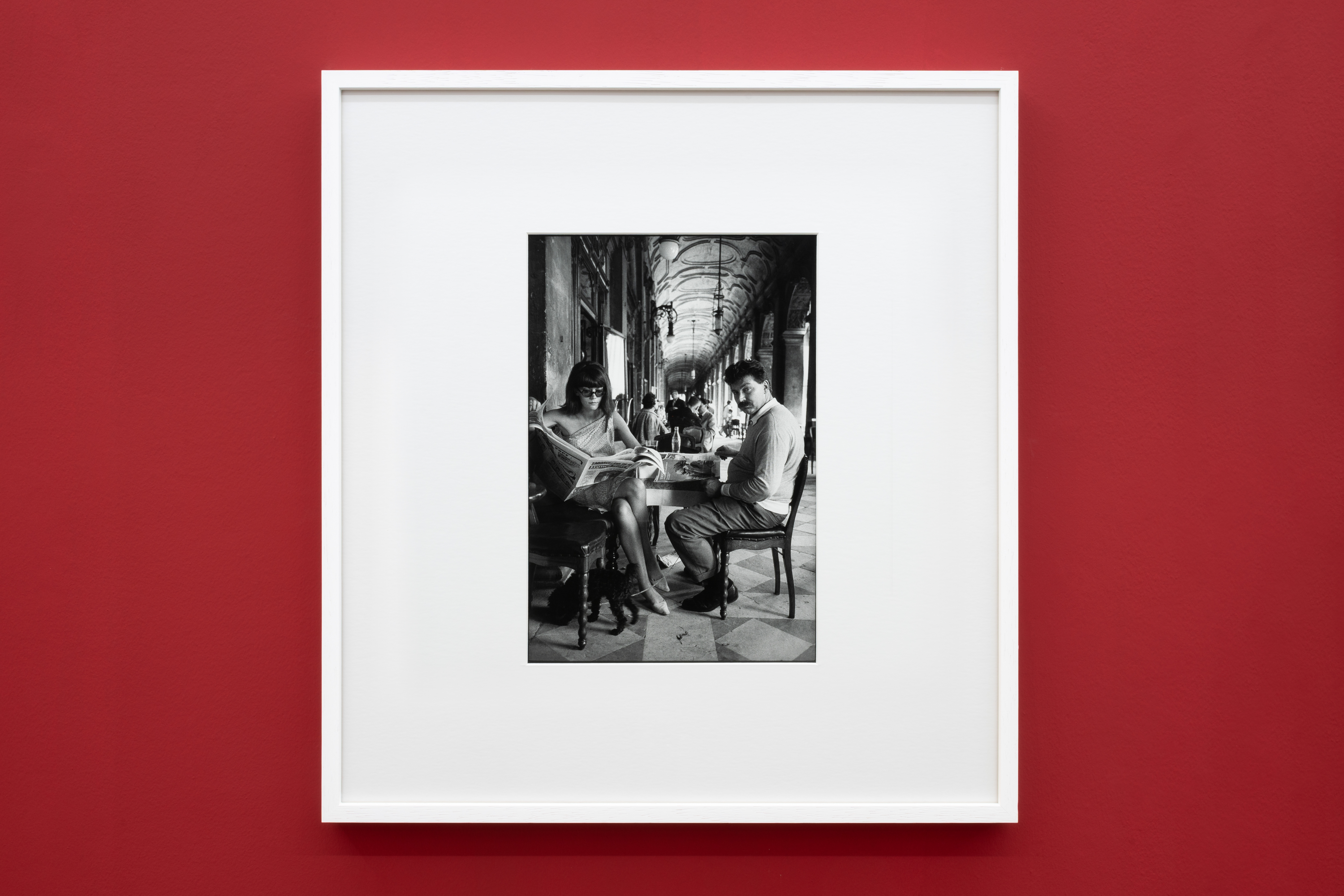
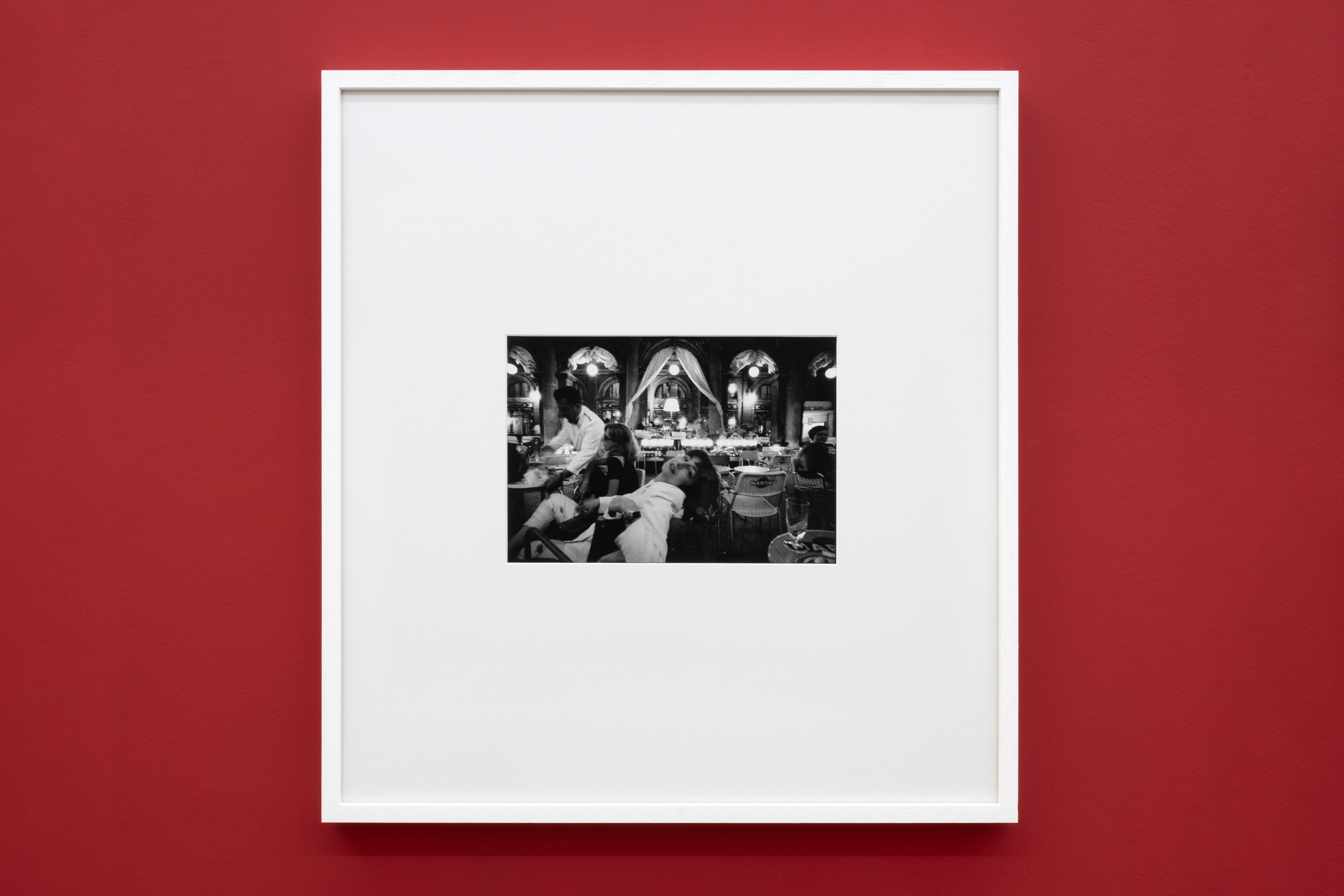
Of all the series that the Italian photographer made, among which we could highlight his Verifications, his series of the Venice Biennale or his Photographic Archive of Milan, perhaps his portraits are the ones that hold the greatest interest. In them, he manages to capture the nature of artists in an everyday environment, distancing them from the idea of the creative genius and bringing them closer to a much more human vision. From that intimacy, Mulas tells us about the context of Italian and American art and in the process leaves us a bit of his own imprint.
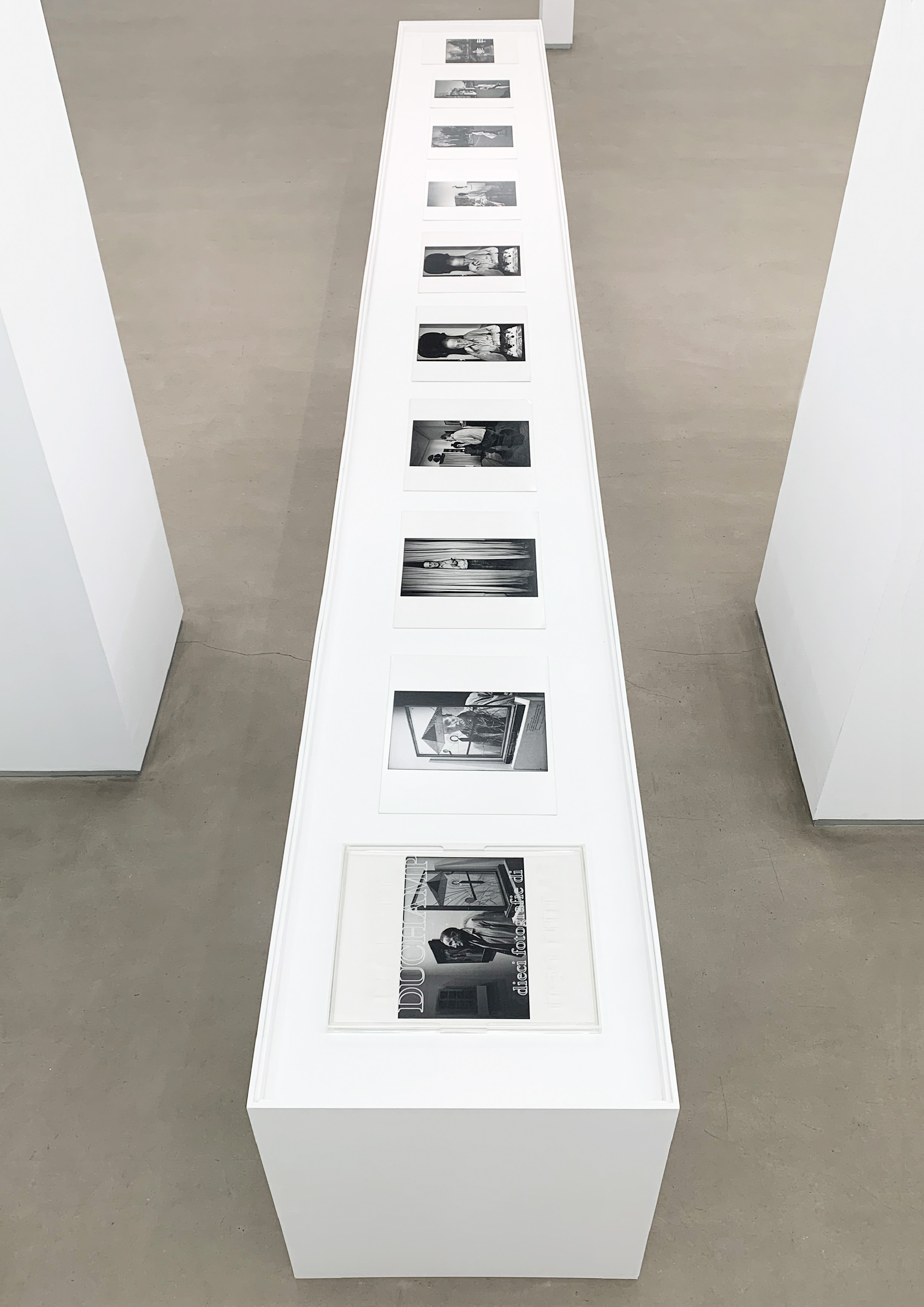
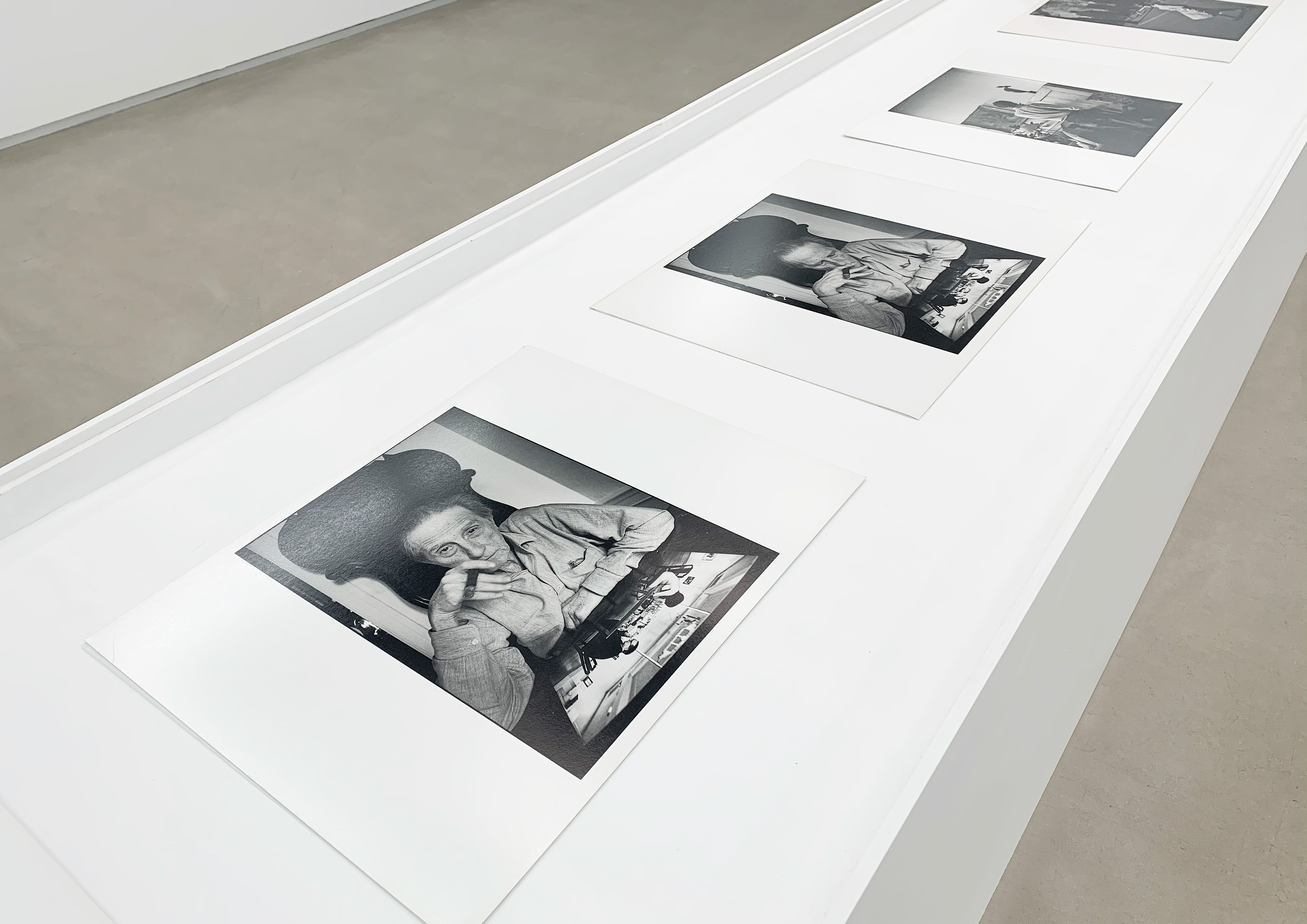
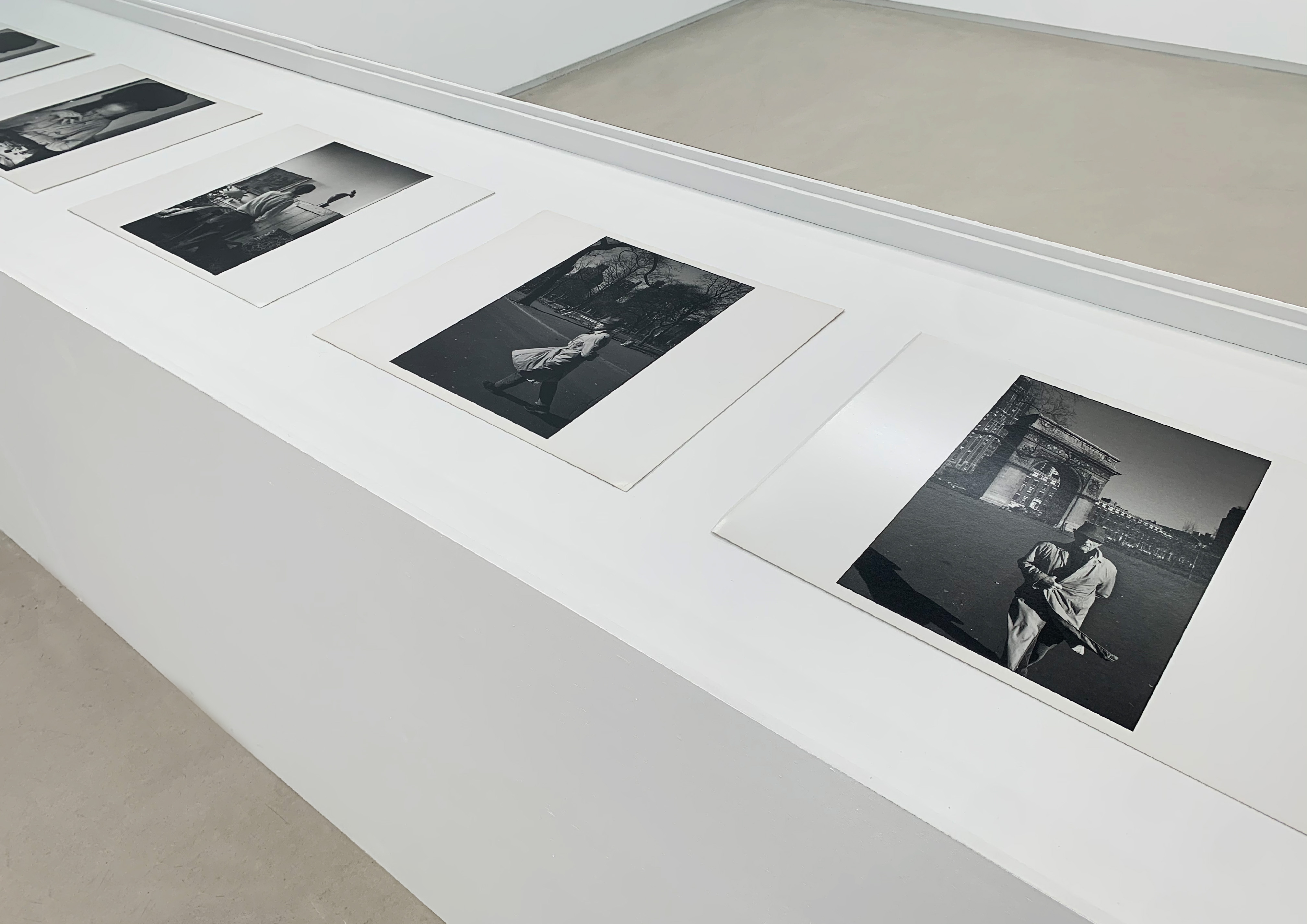
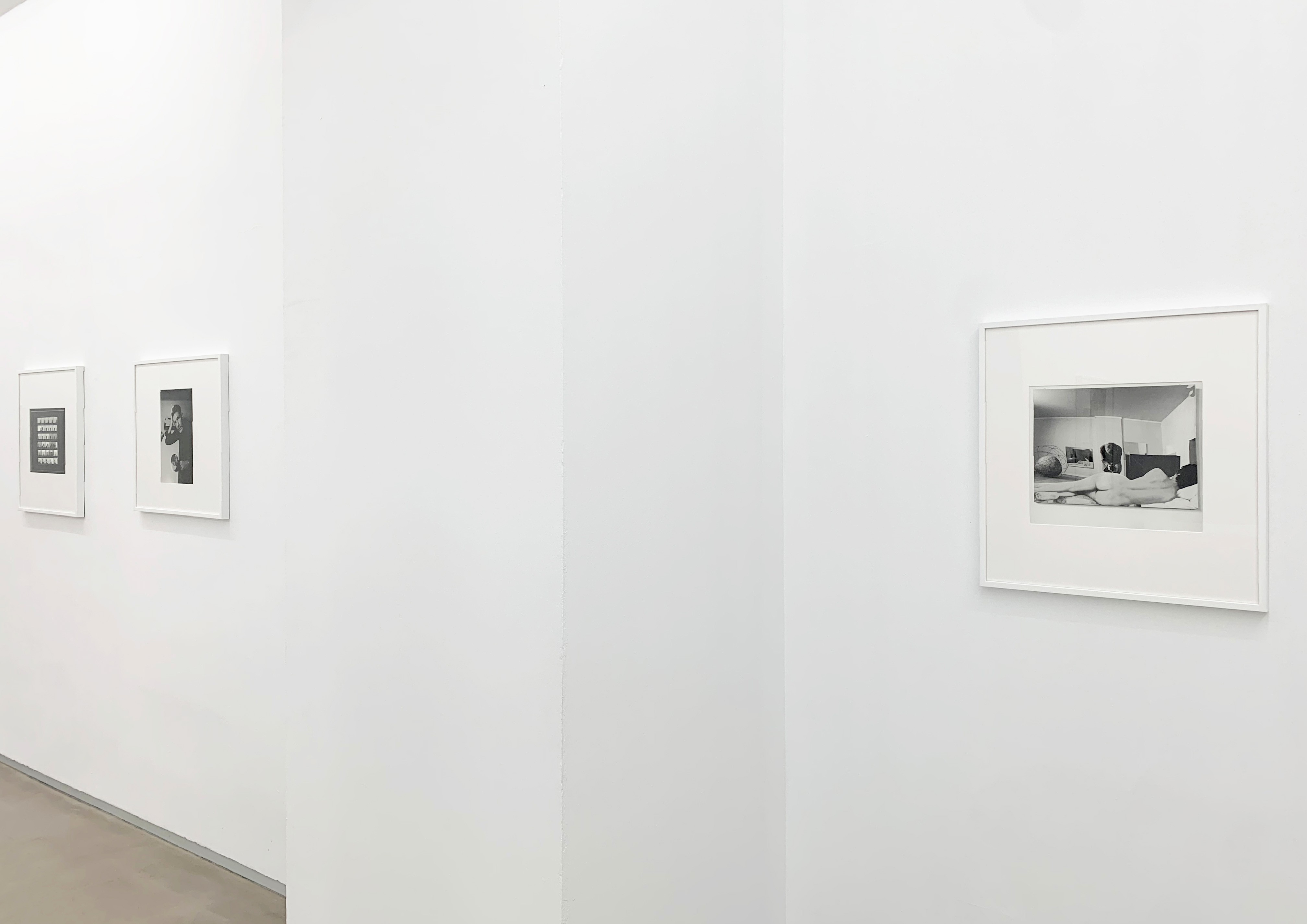
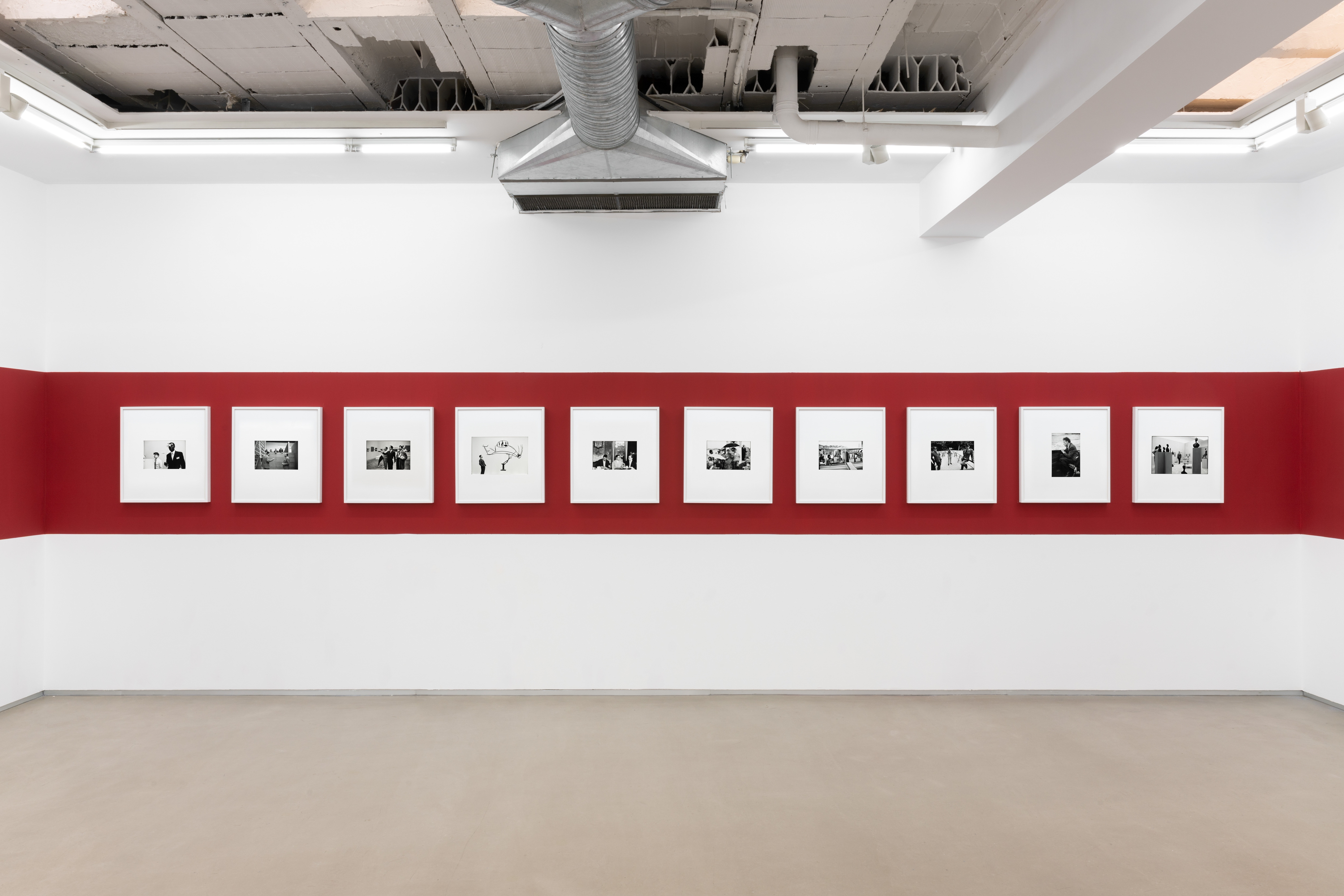
It is difficult to single out any one of the photographs that are part of the exhibition, as they all have a story behind them. We could talk about the idea of the “promenade” behind the series of ten photographs starring Marcel Duchamp taken in 1964, including some of the most famous portraits of the Dadaist artist. A series that invites us to share a walk from Duchamp’s own home, passing through Washington Square Garden where those who, like him, were fond of chess used to gather, and ends at MoMA, where the artist ends up meeting again with some of his oldest pieces. Arranged on a showcase, this series of photographs invites us to share this walk from a distance. Thus, it becomes a fundamental work in the exhibition that aims to be a reflection and example of the coherence that Mulas always pursued in his photographic works.
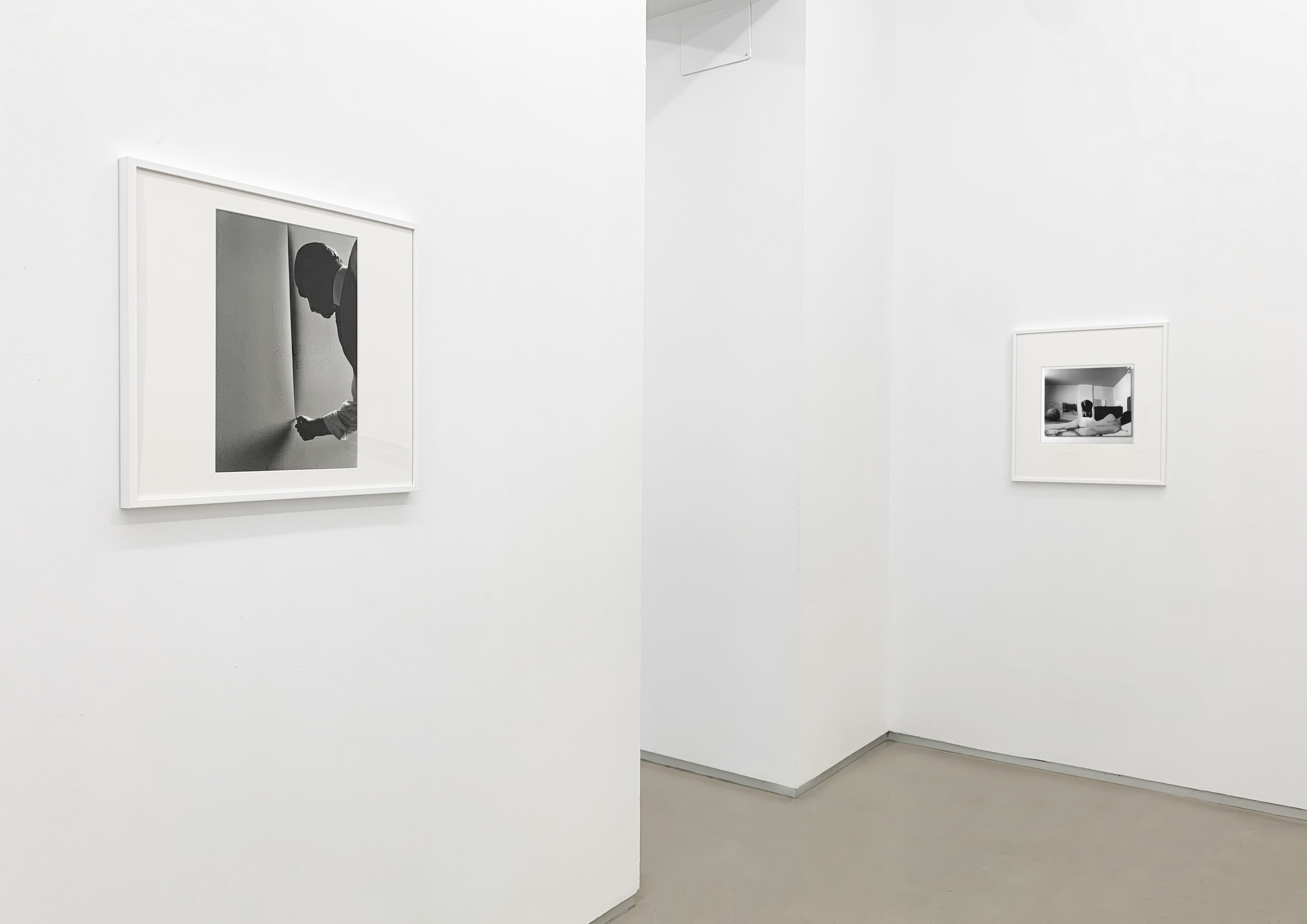
Also widely known and celebrated is his series of photographs of Lucio Fontana, to whom Mulas professed a strong admiration and with whom he maintained a long friendship. In the book La Fotografia (Torino, 1973) he narrates how he portrayed Fontana during the process of creating one of his Spatial Concepts. In his photograph he conveys the elegance of the master’s stroke that seems to emanate from his own gesture. The photograph selected for the exhibition, Lucio Fontana – L’Attesa (1965), was taken, according to Mulas himself, after Fontana had made the cut and not during its execution. Thus, he tried to show how even in the pure pose, without the need for the action of the cut itself, the artist still maintained the same intentionality, the same energy, the same creative pulse.
Like these there are many other stories behind the photographs that make up the exhibition. His untimely death left us without one of the photographers who best knew how to capture, from sincerity and humility, the spirit of his time through art and its artists, leaving behind an unmissable and unique legacy that we can now enjoy in this exhibition.
Ugo Mulas’s work has been exhibited in prestigious institutions and museums throughout the world including the Centre Georges Pompidou, Paris; Solomon R. Guggenheim Museum, New York; Henri Cartier-Bresson Foundation, Paris; Documenta 6, Kassel; Museum Fridericianum, Kassel; Museo Nacional Centro de Arte Reina Sofía, Madrid; MAXXI, Rome; Fondazione Prada, Milan; Kunsthaus Zürich, Zurich; Kunstmuseum Bonn, Bonn; Musée Rath, Geneva; Kunsthalle Basel, Basel or Philadelphia Museum of Art, Philadelphia.