Portraits
- U g o M u l a s


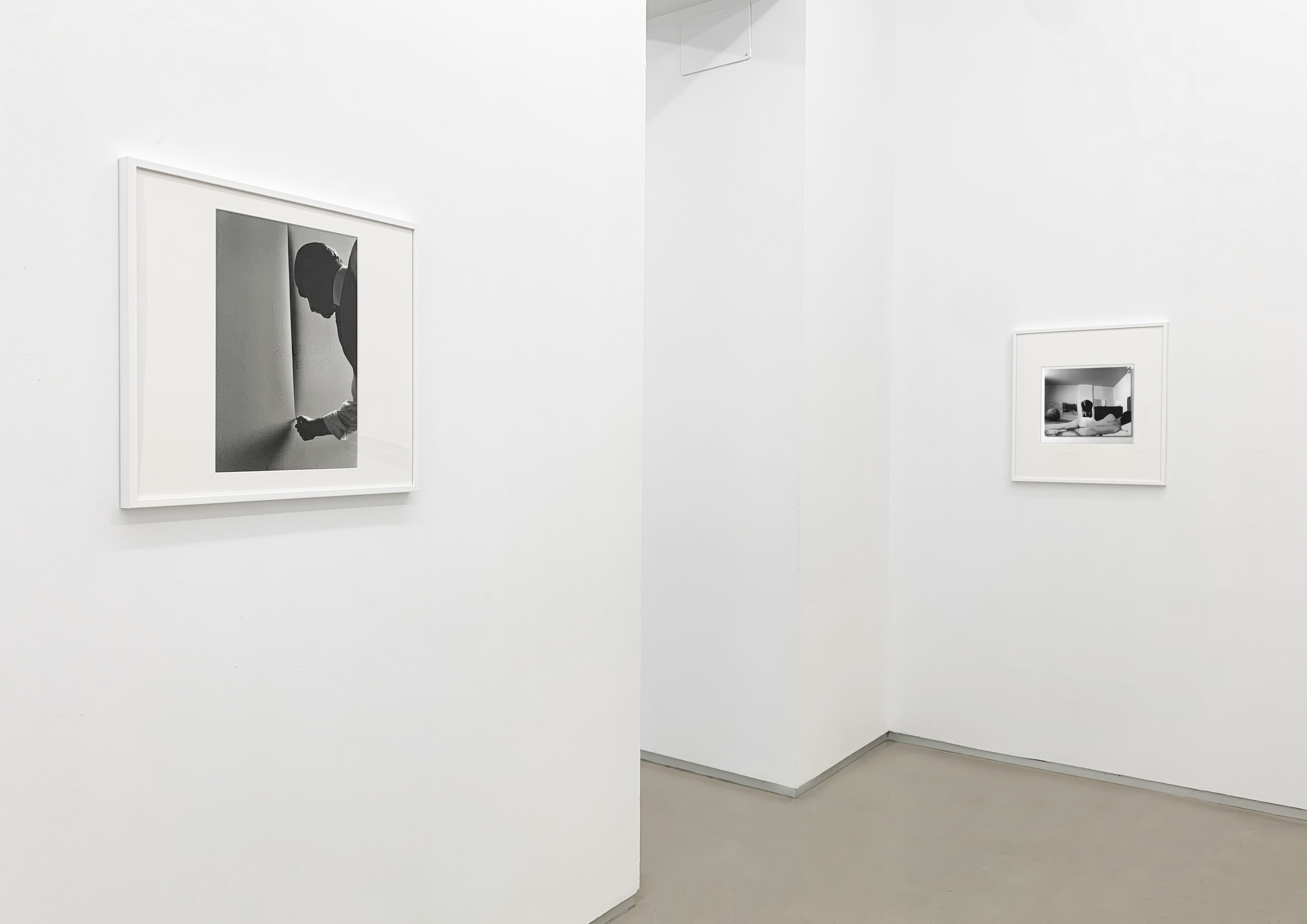
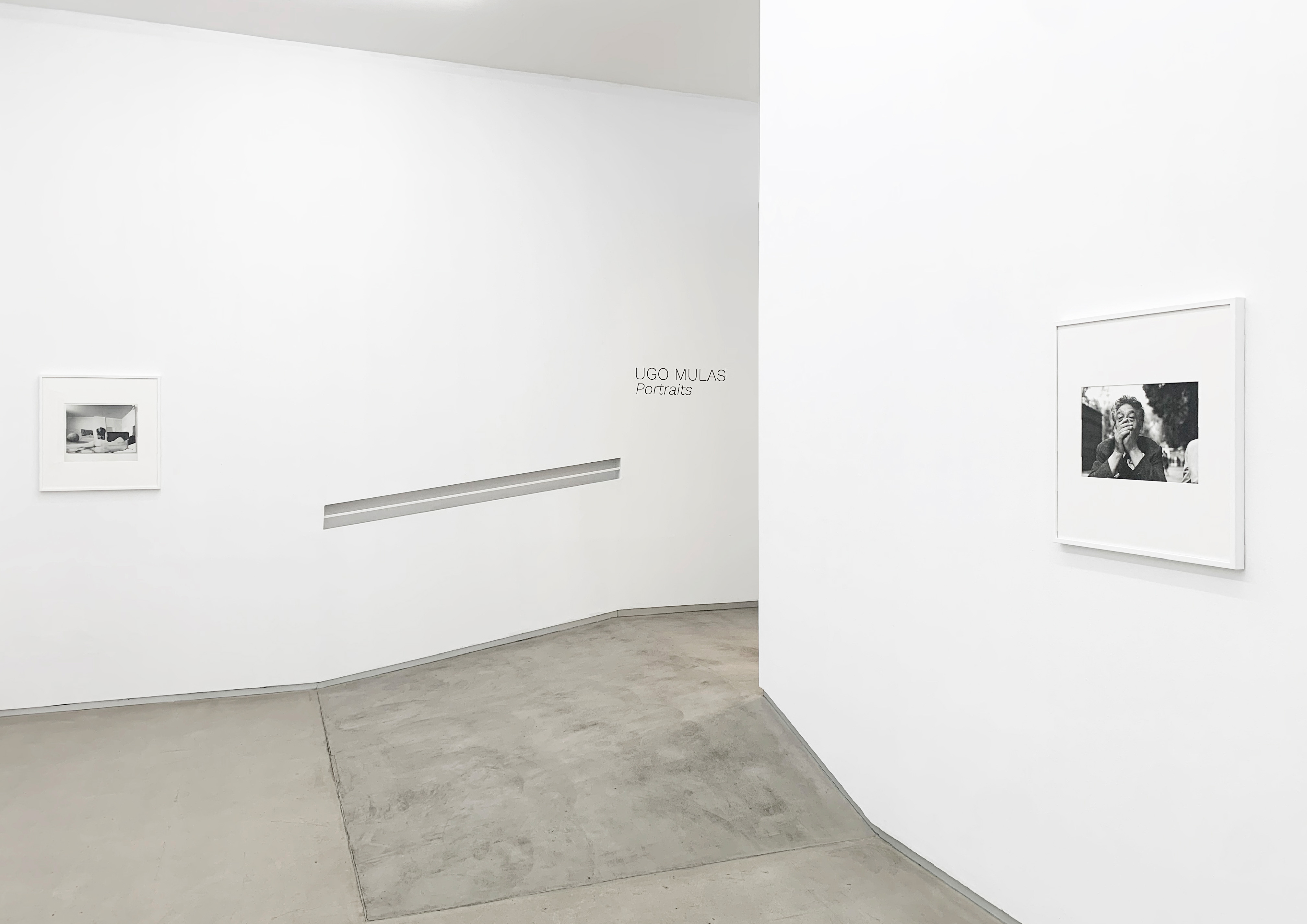
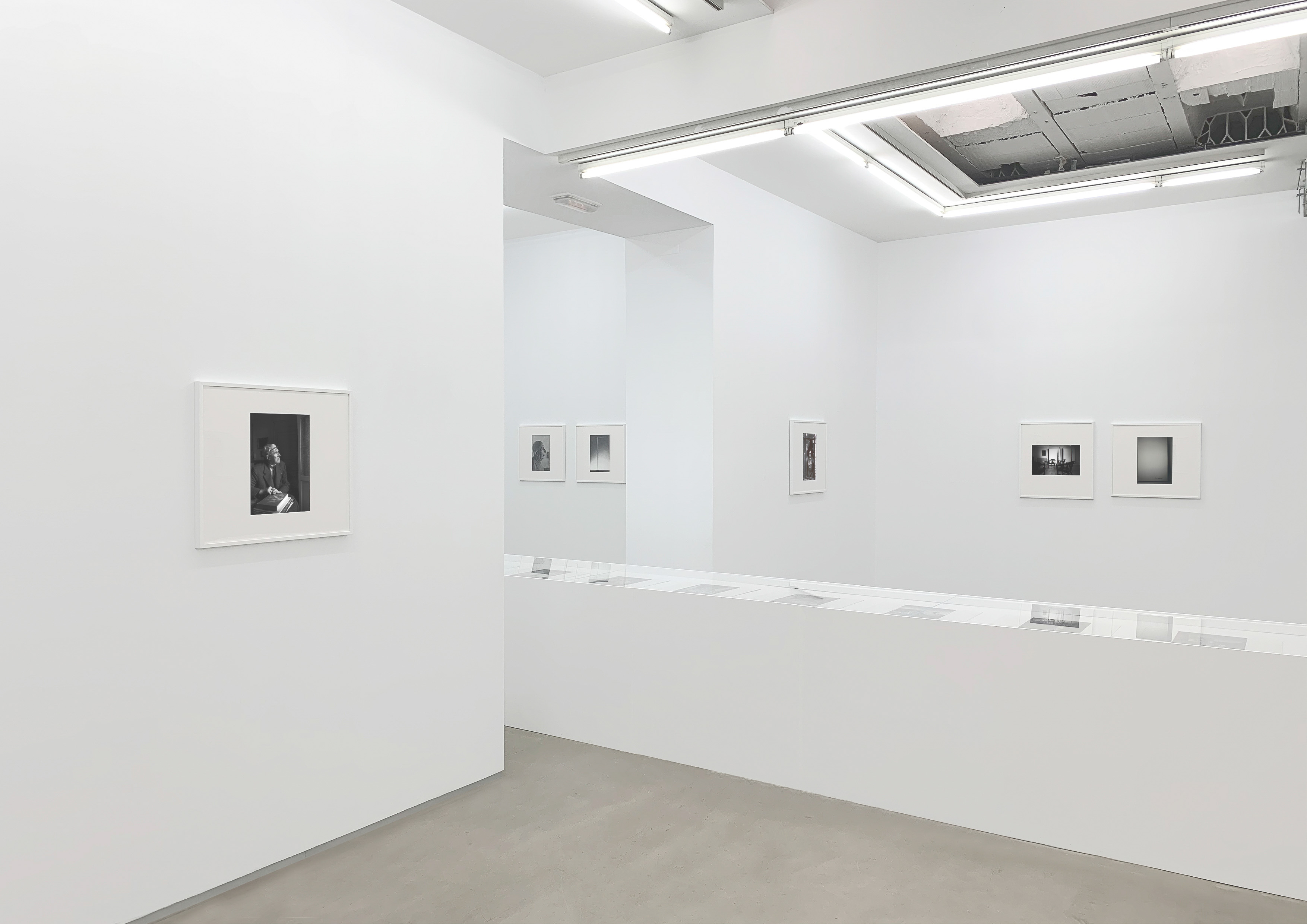
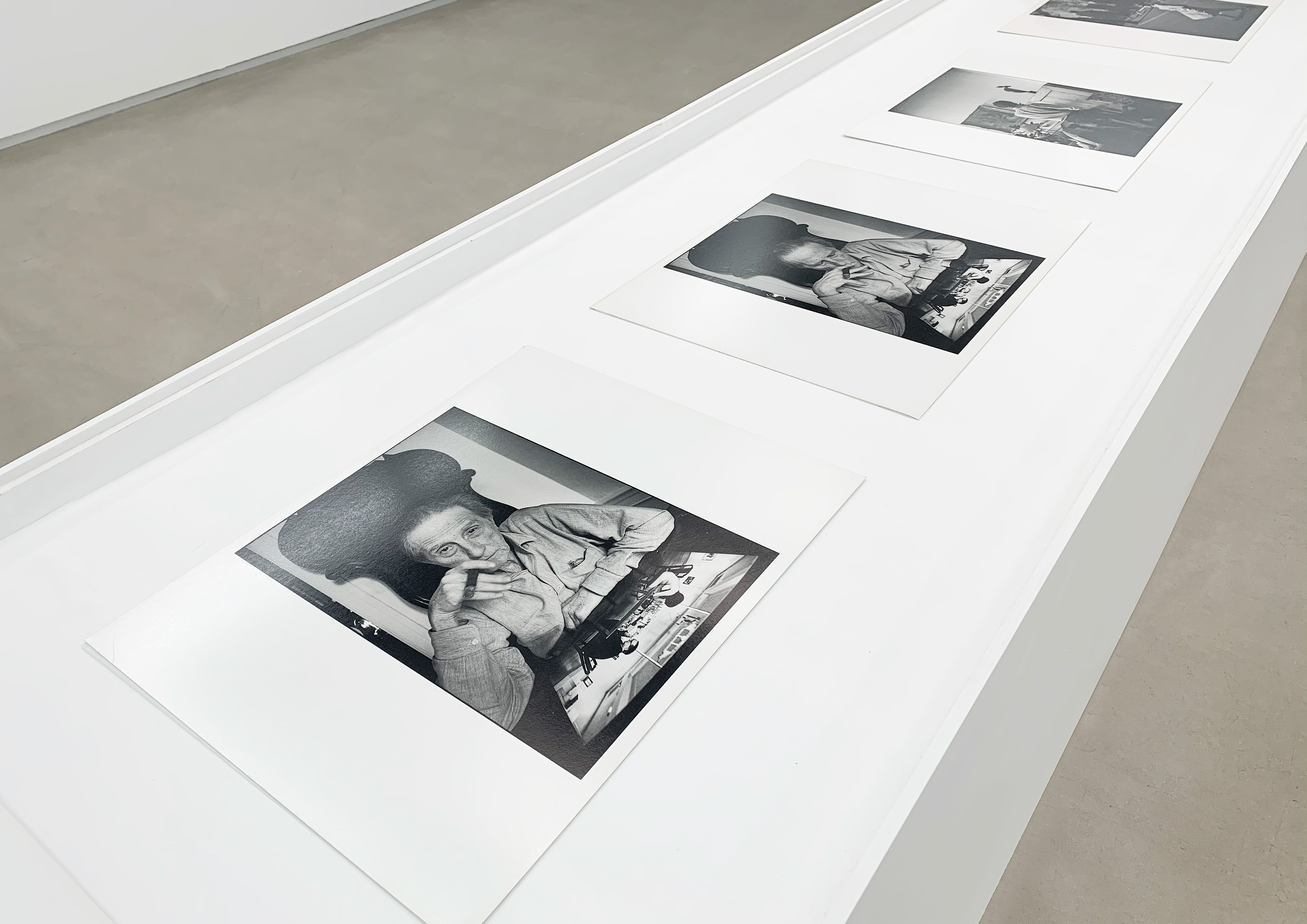

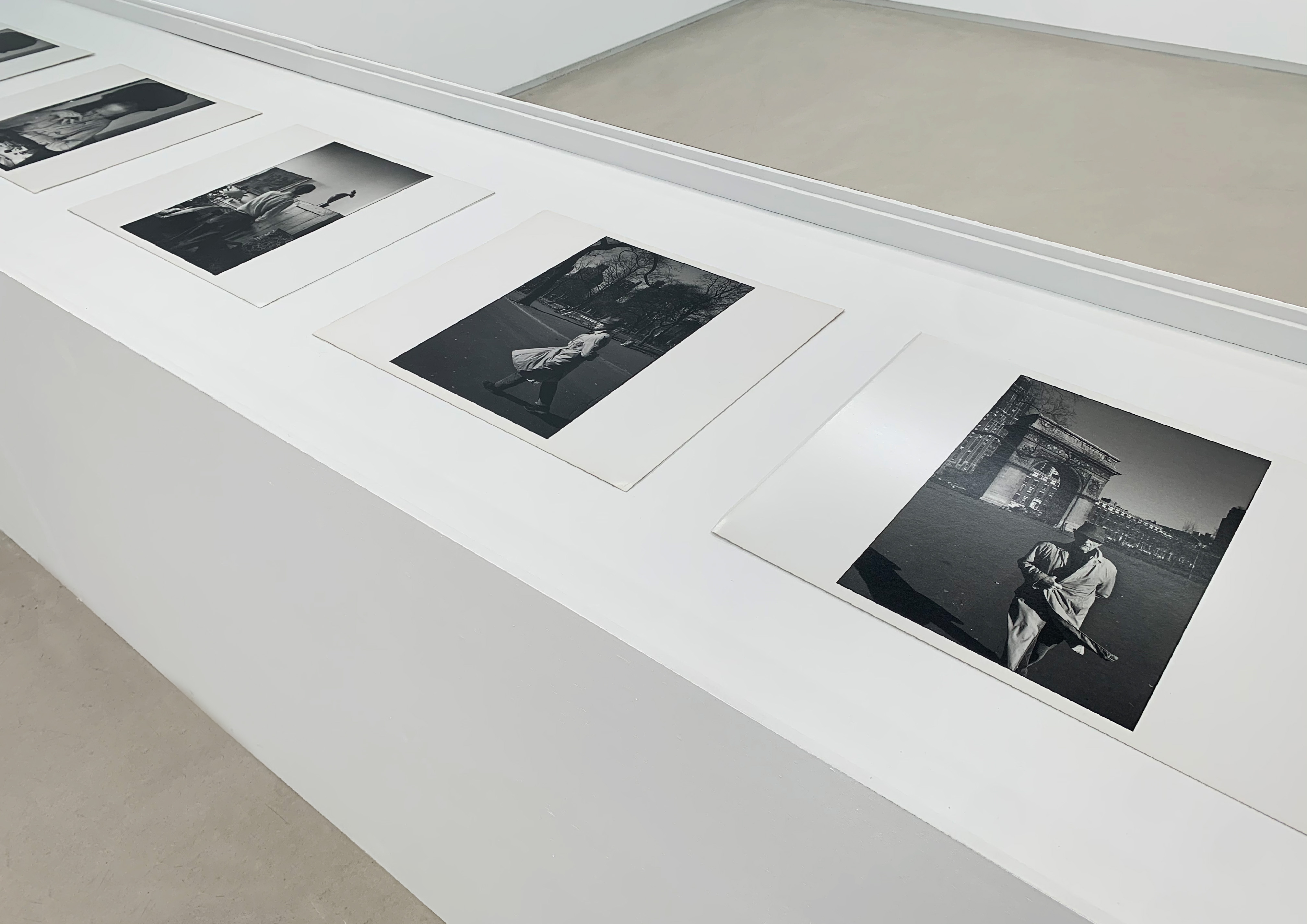





“The photographic discourse wants to be humble precisely because it testifies even when it deforms. This awareness gives the art photographer a humility that the critic doesn’t have. When this humility is lived deeply, the photographer succeeds in becoming an artist because he takes on his condition of dependence with clarity and makes it strength, like the conductor who makes a score read with fidelity and unrepeatable and exemplary personal creation. The artist, who understands this limitation and this power of his fellow traveller, draws clarity and inspiration from this partnership. Thus, the dialogue between the artist and his photographer emerges from private conversations and becomes a document of ambiguities, difficulties, pain, joy and the happiness of making art.”
Umberto Eco, Introduction to Fotografare L’Arte, 1973.
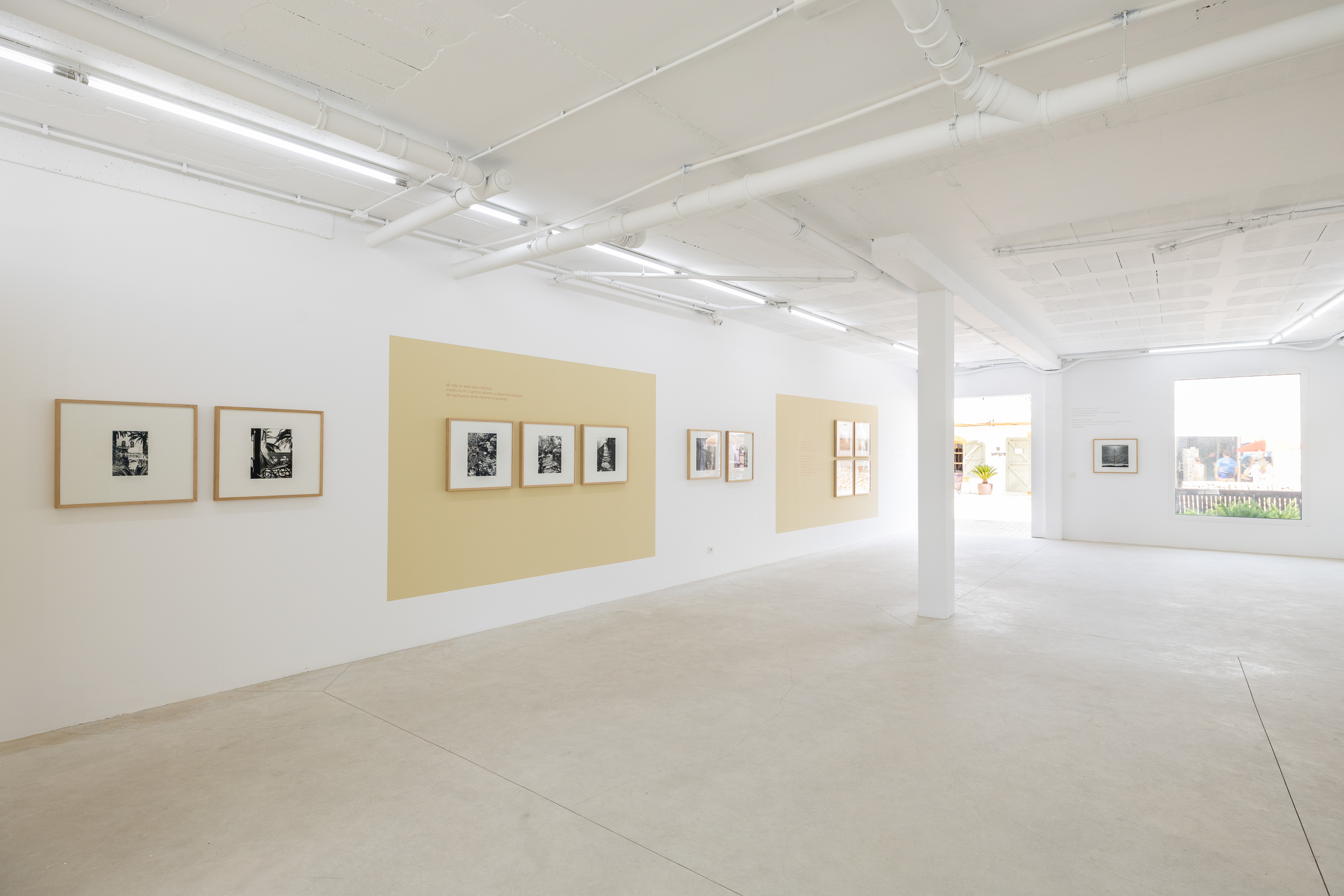
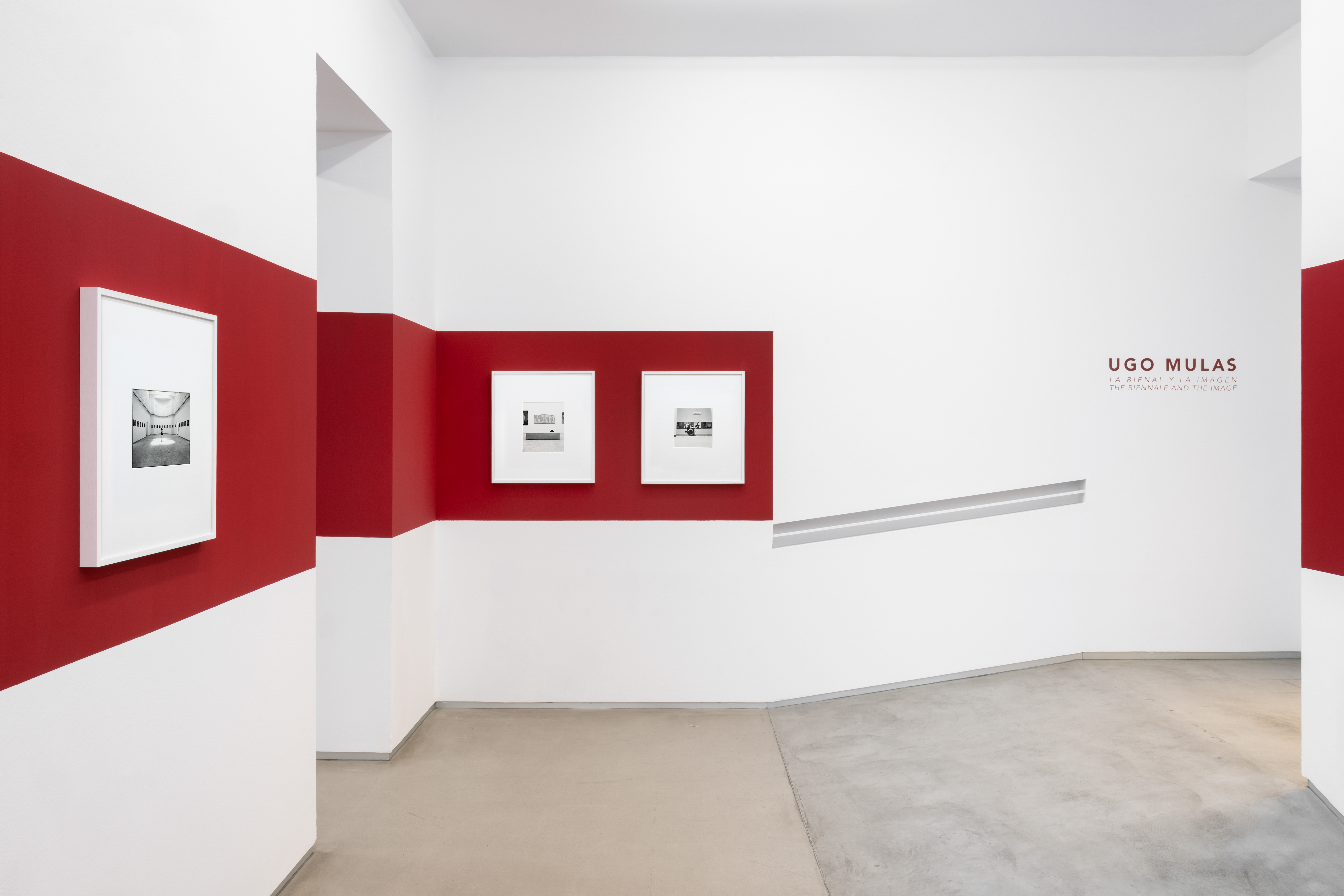
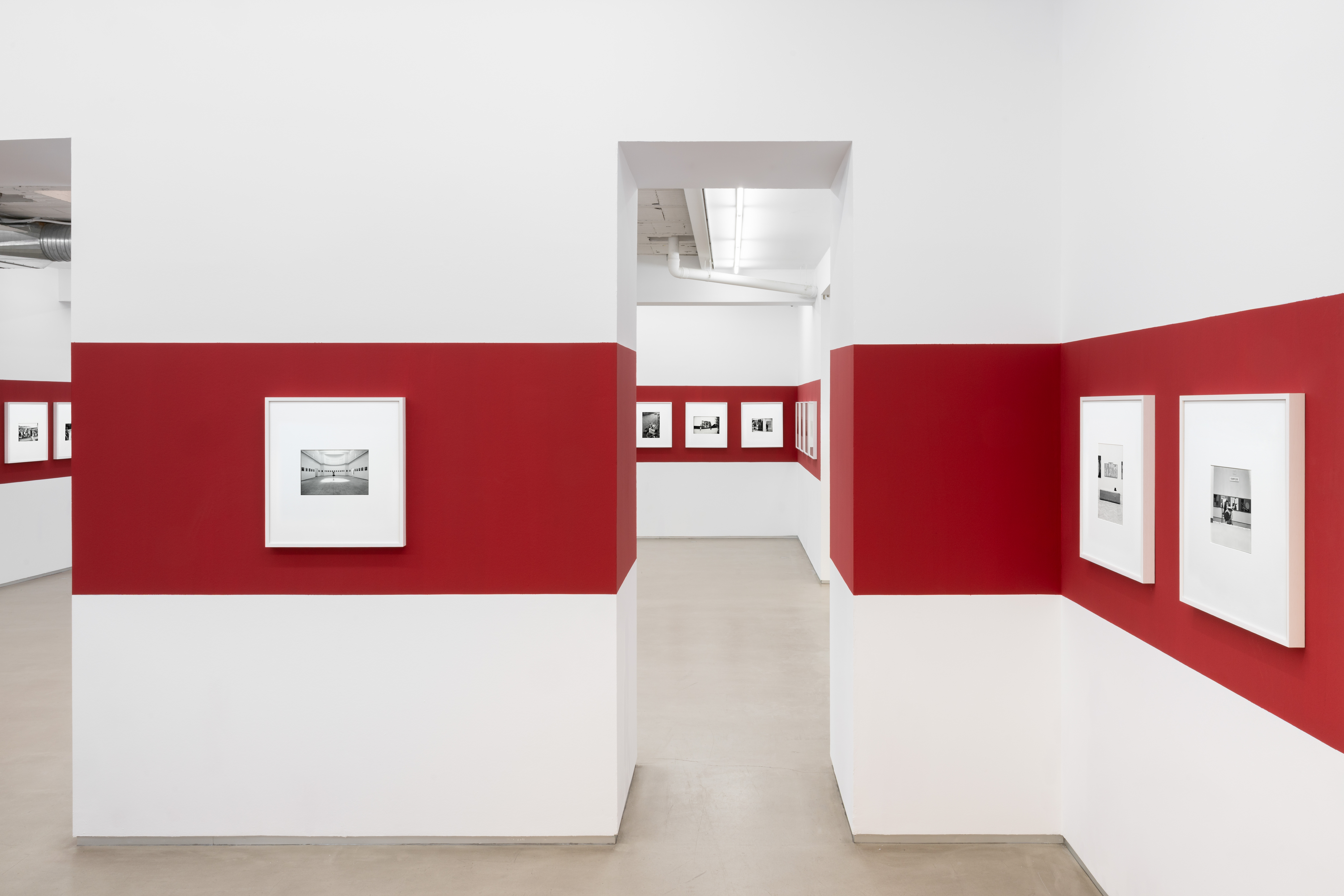
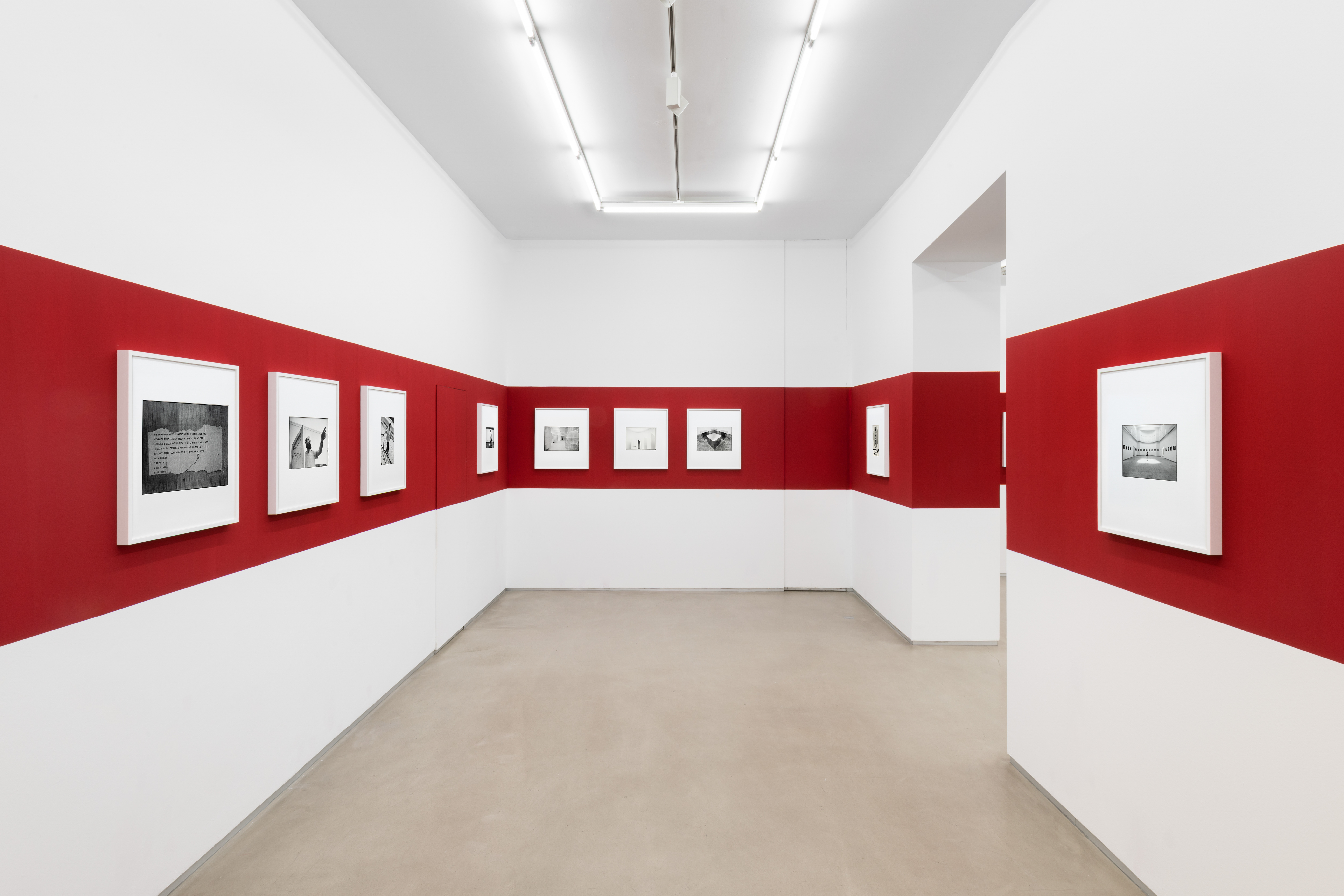
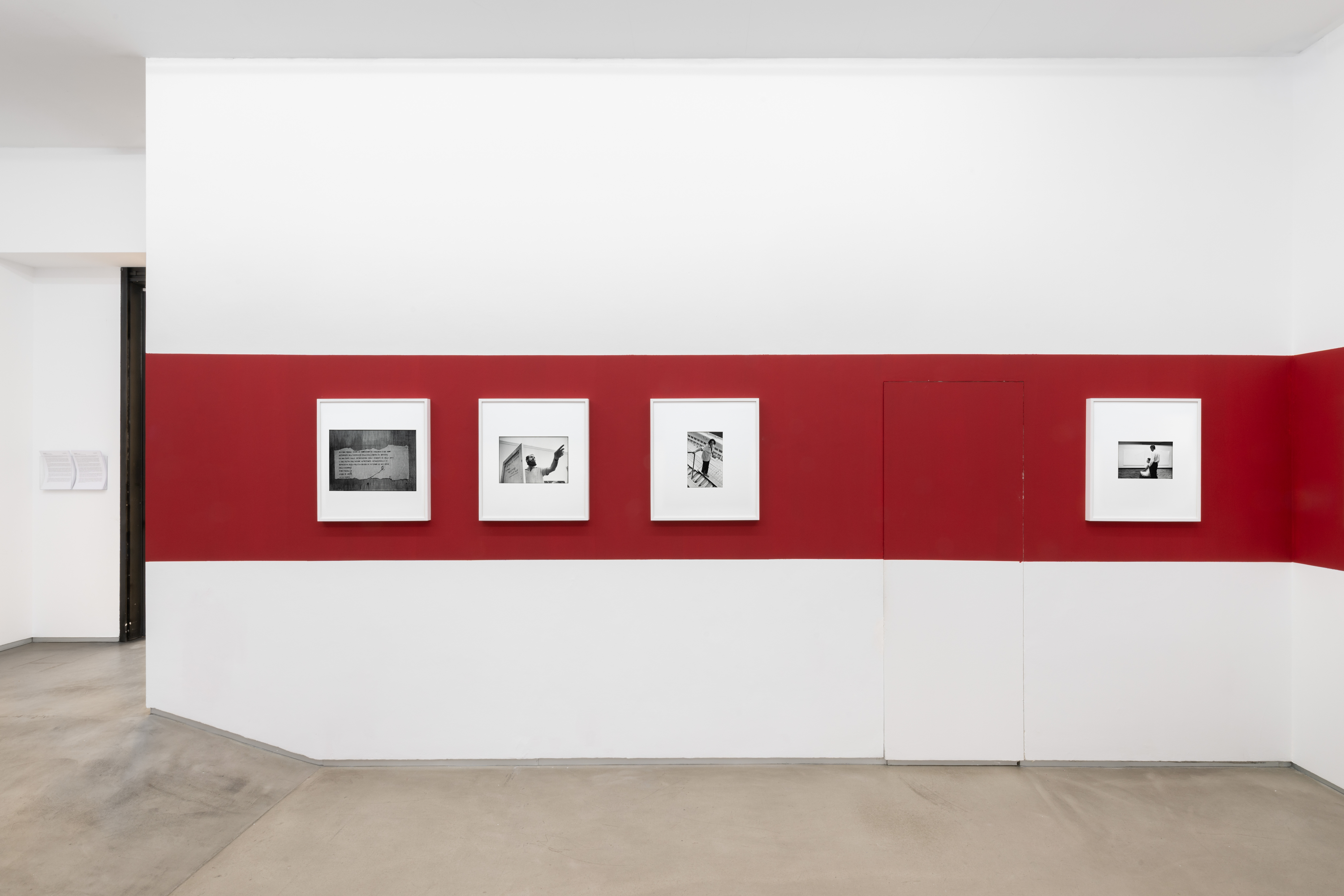
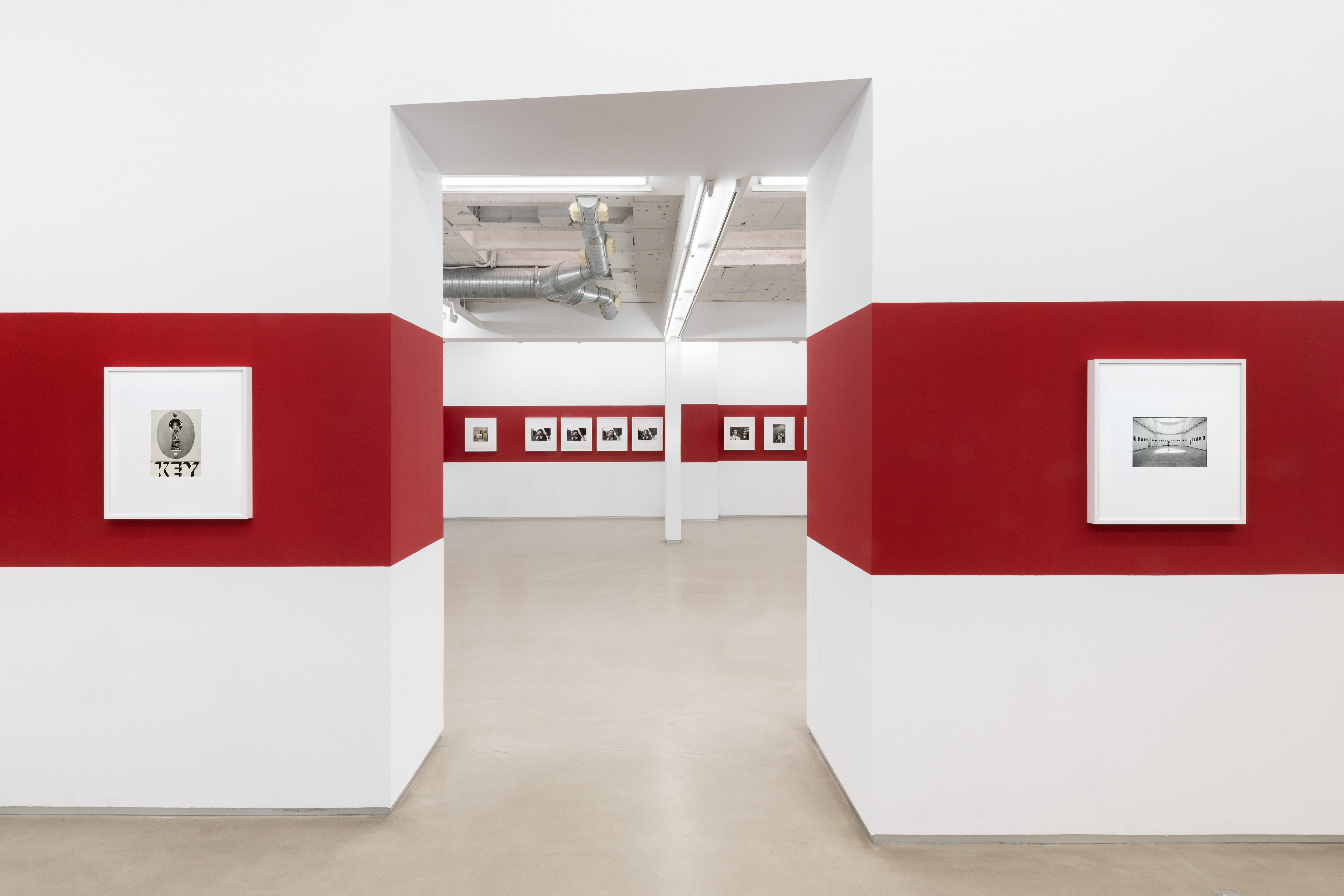
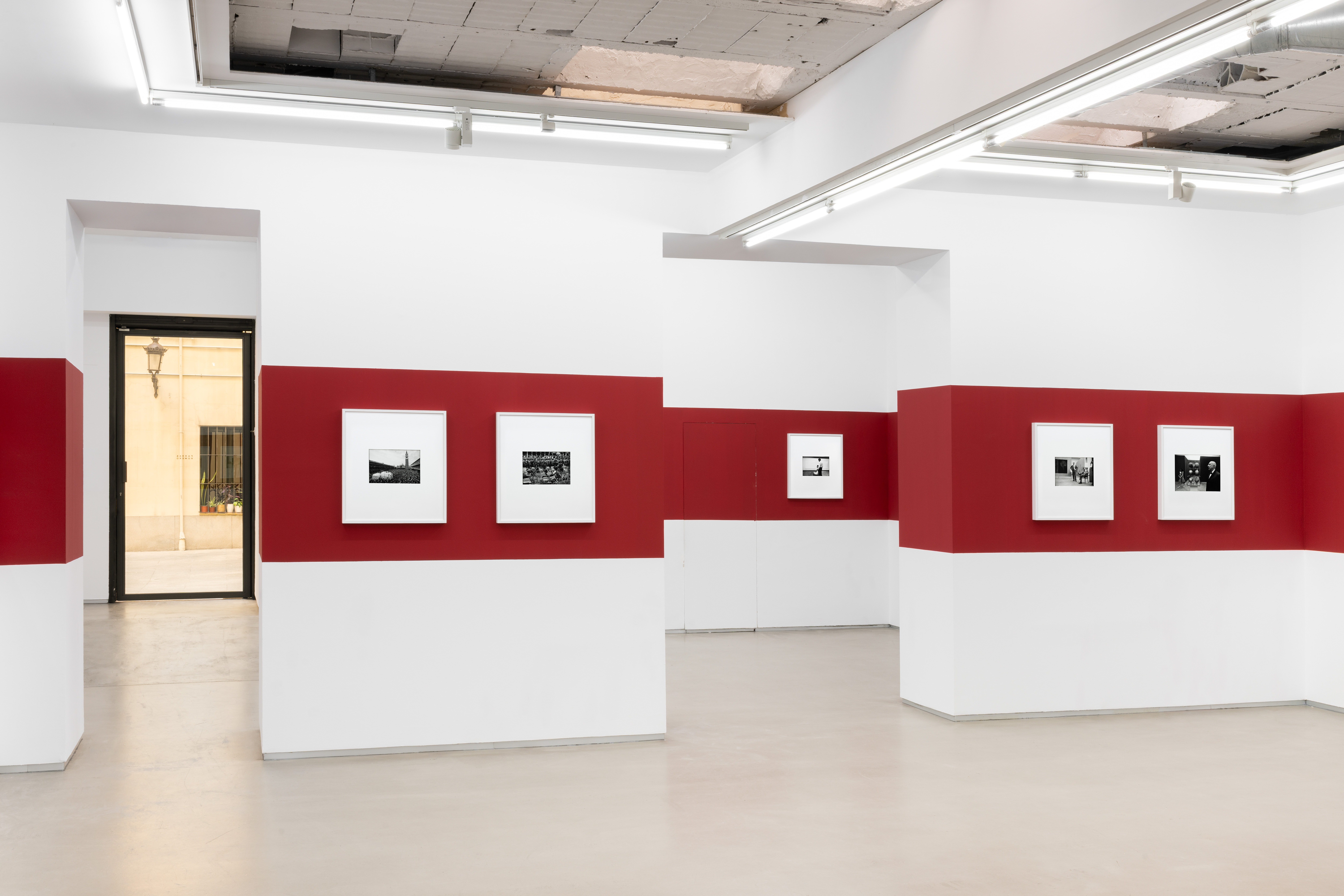
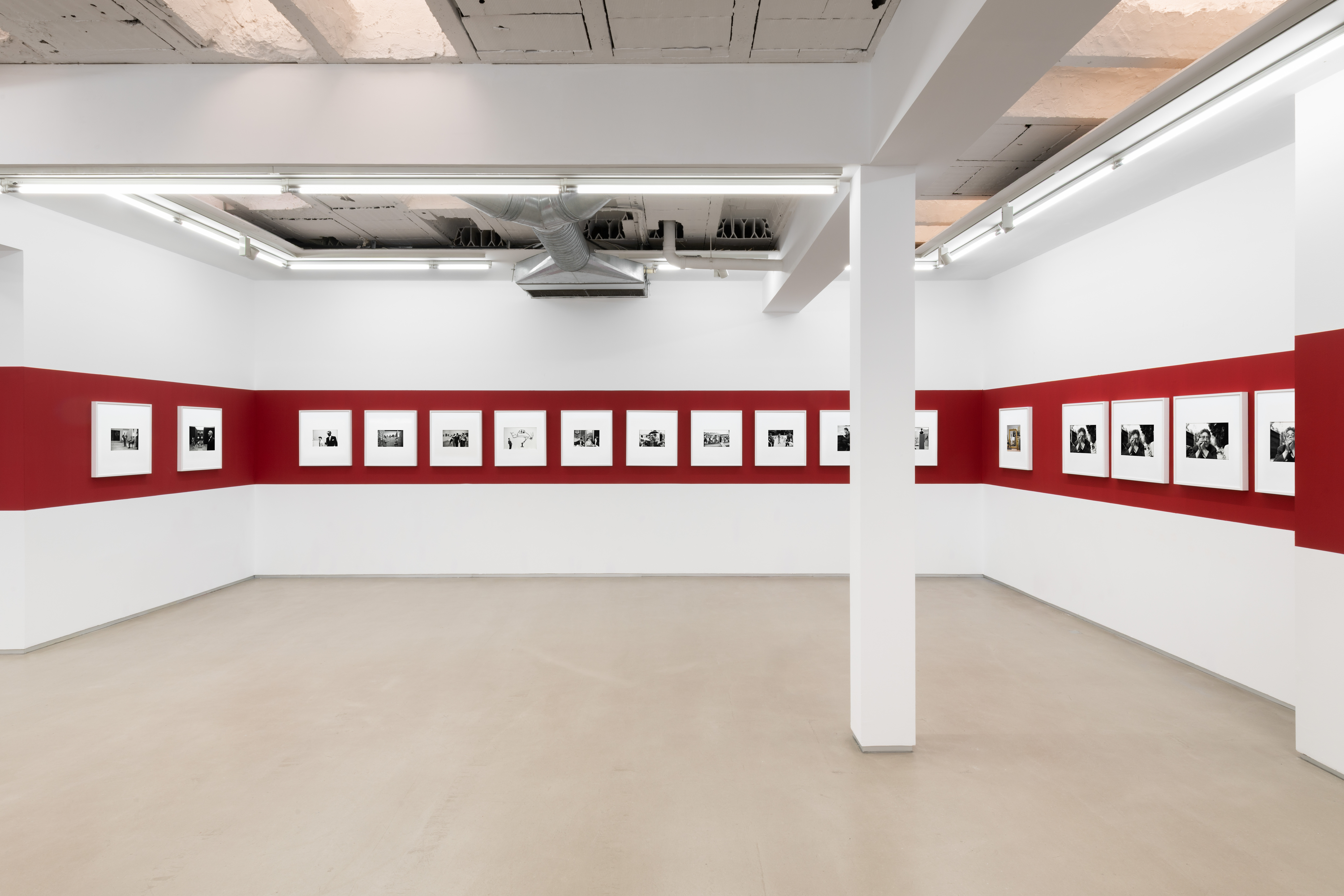
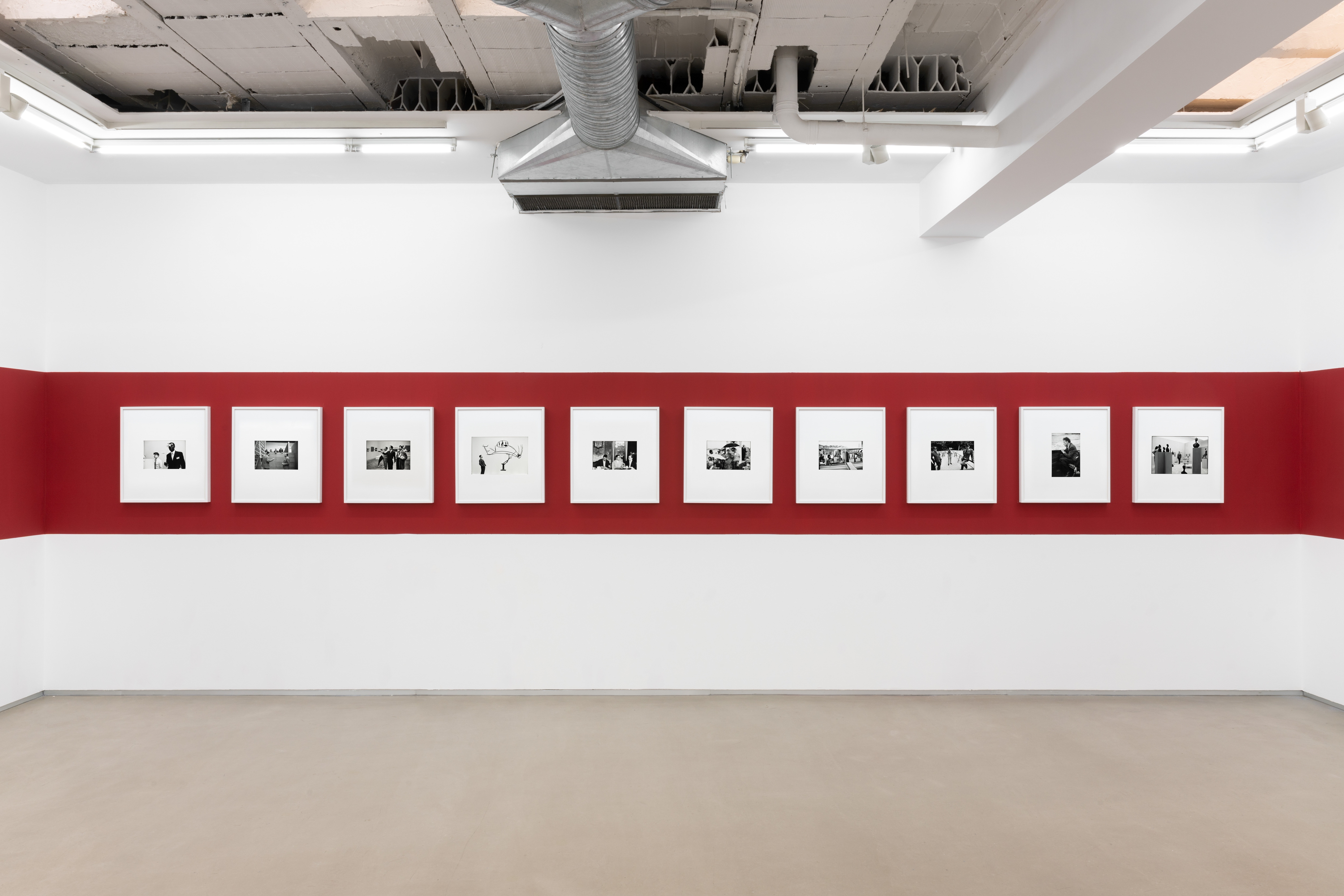
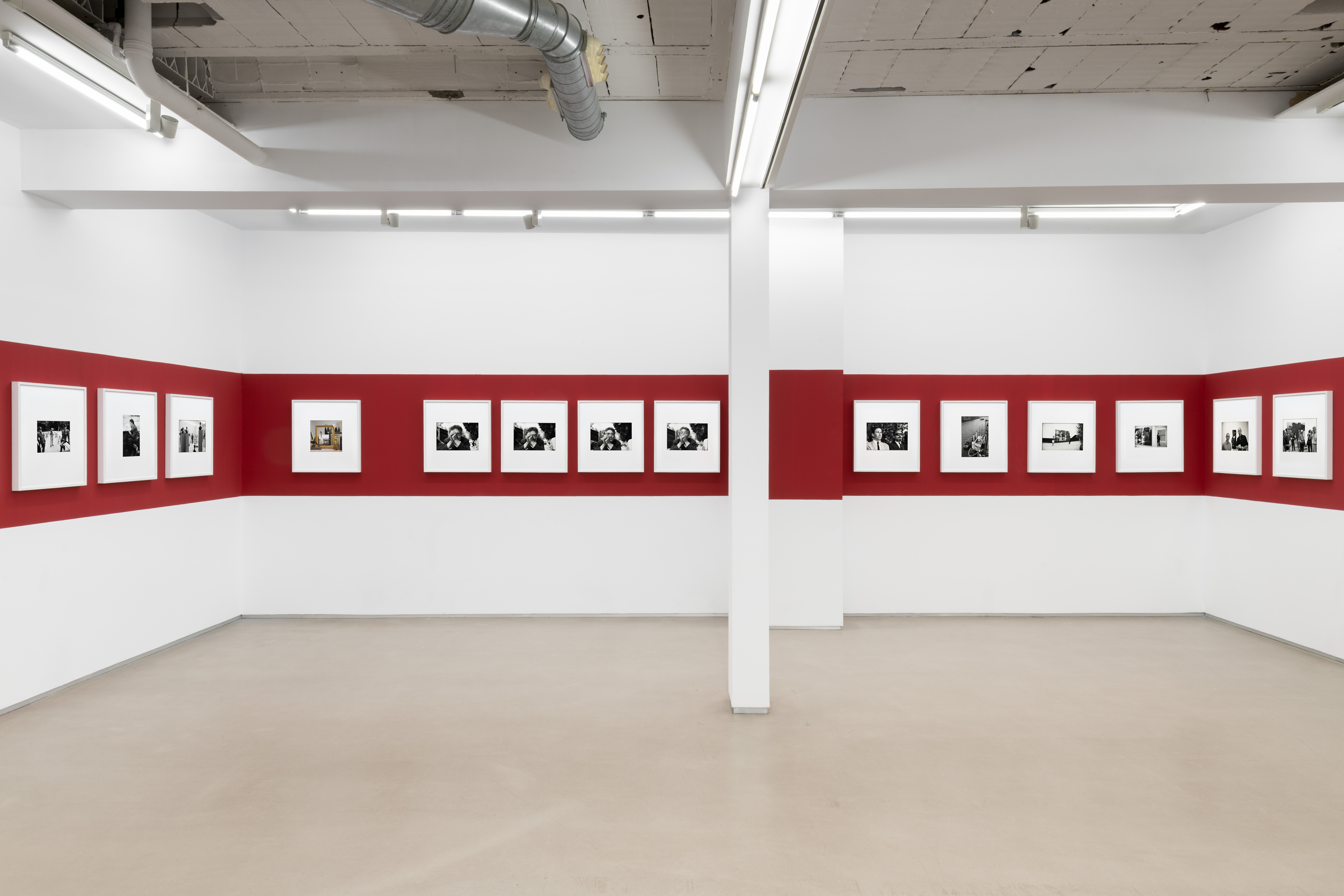
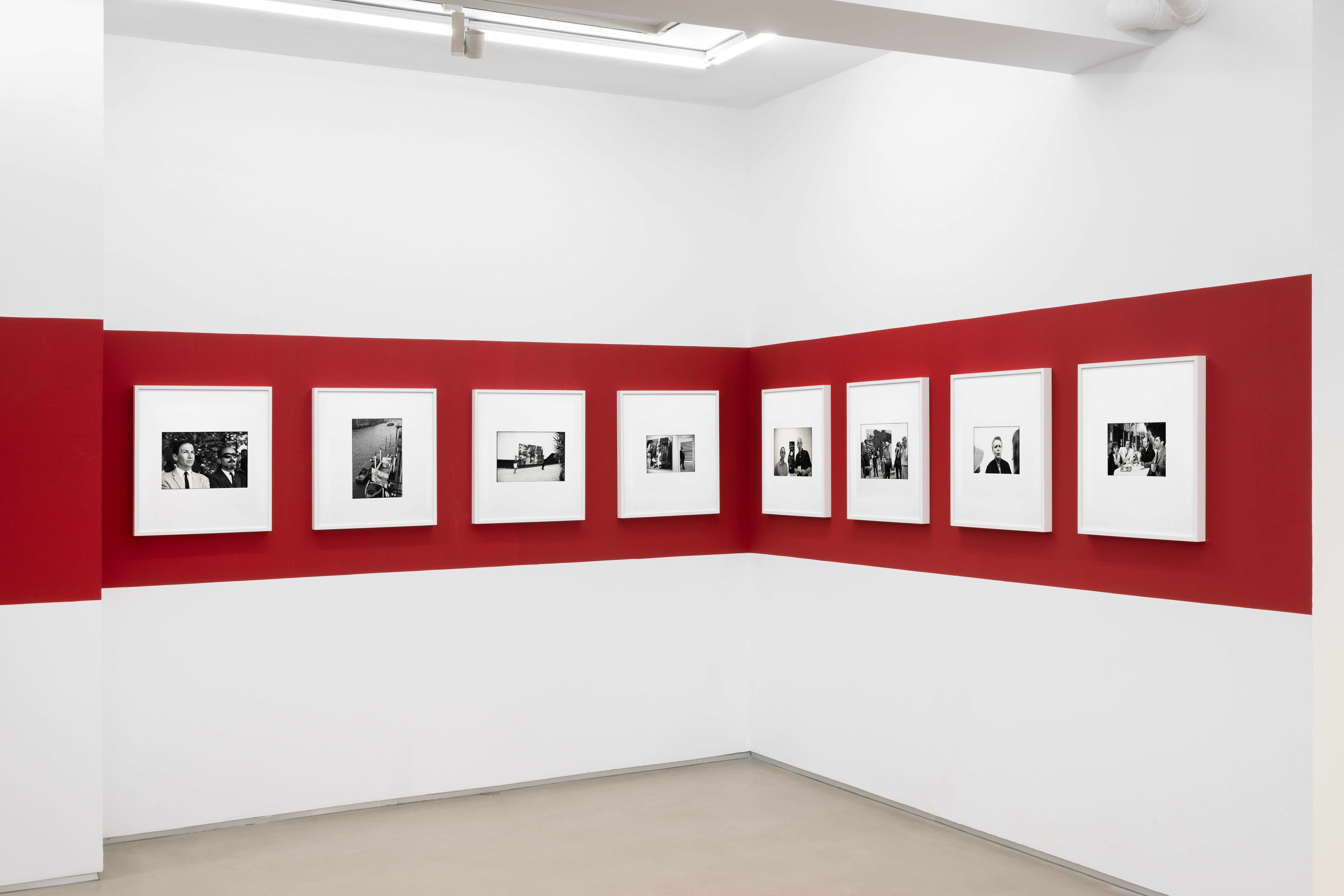
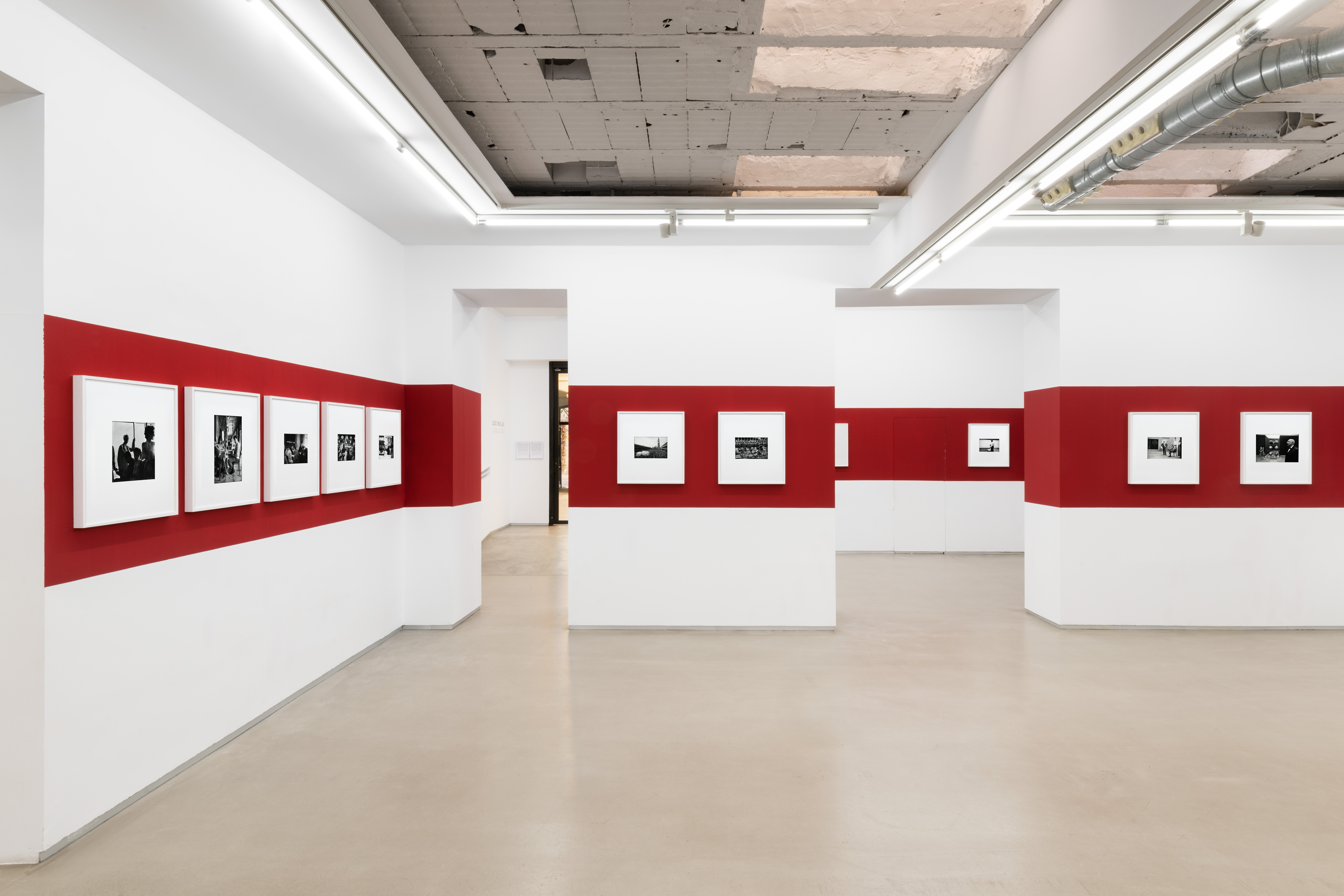
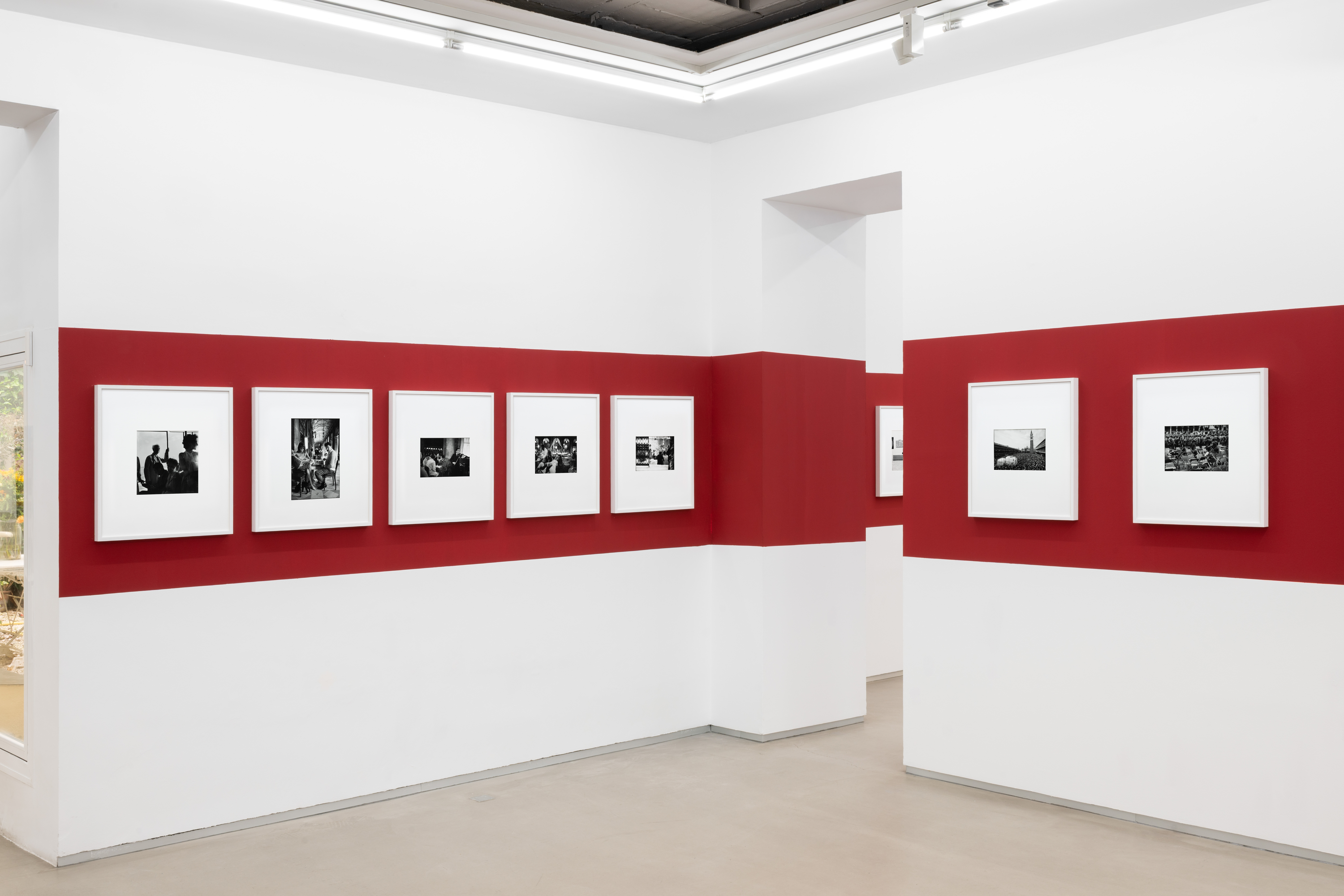
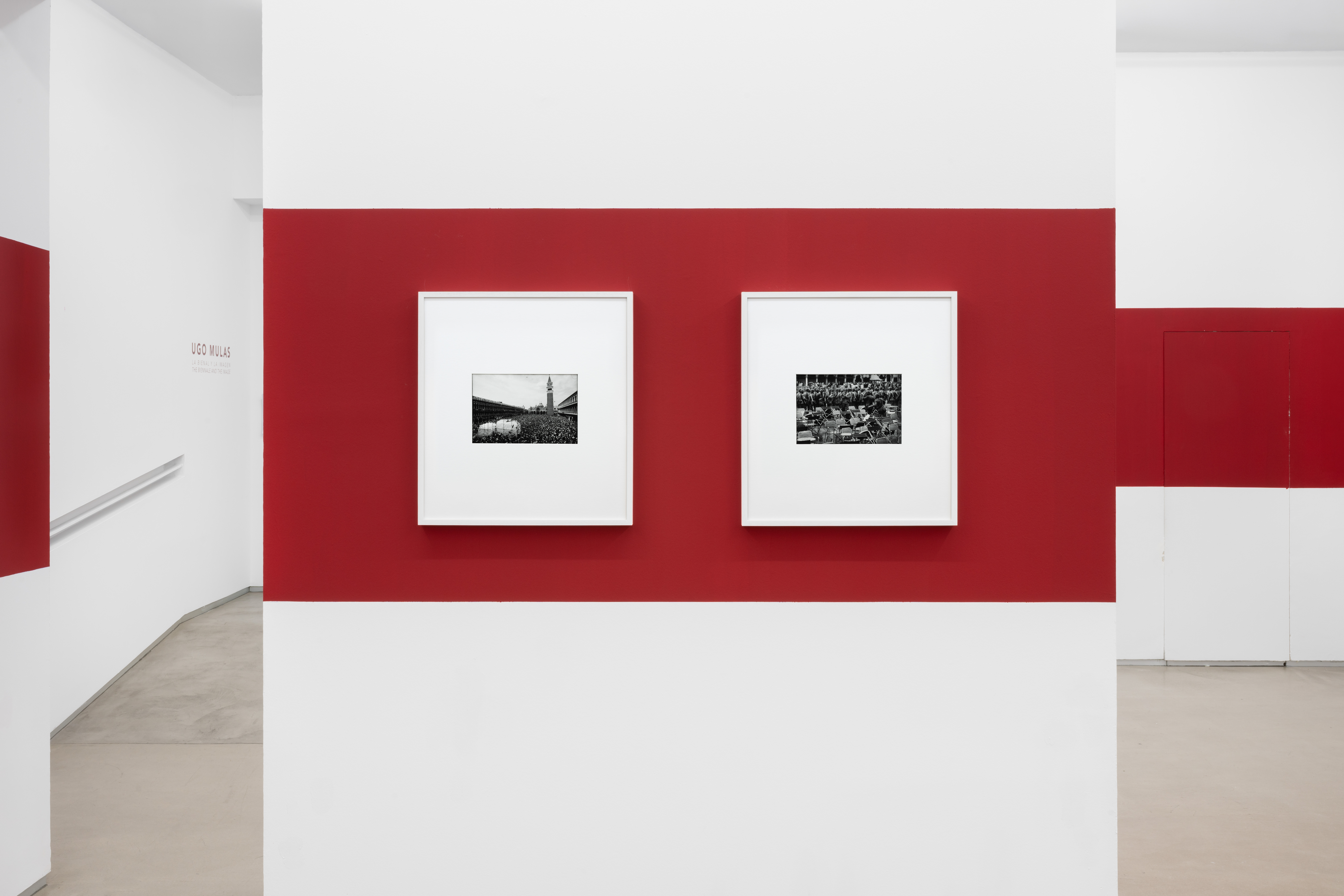
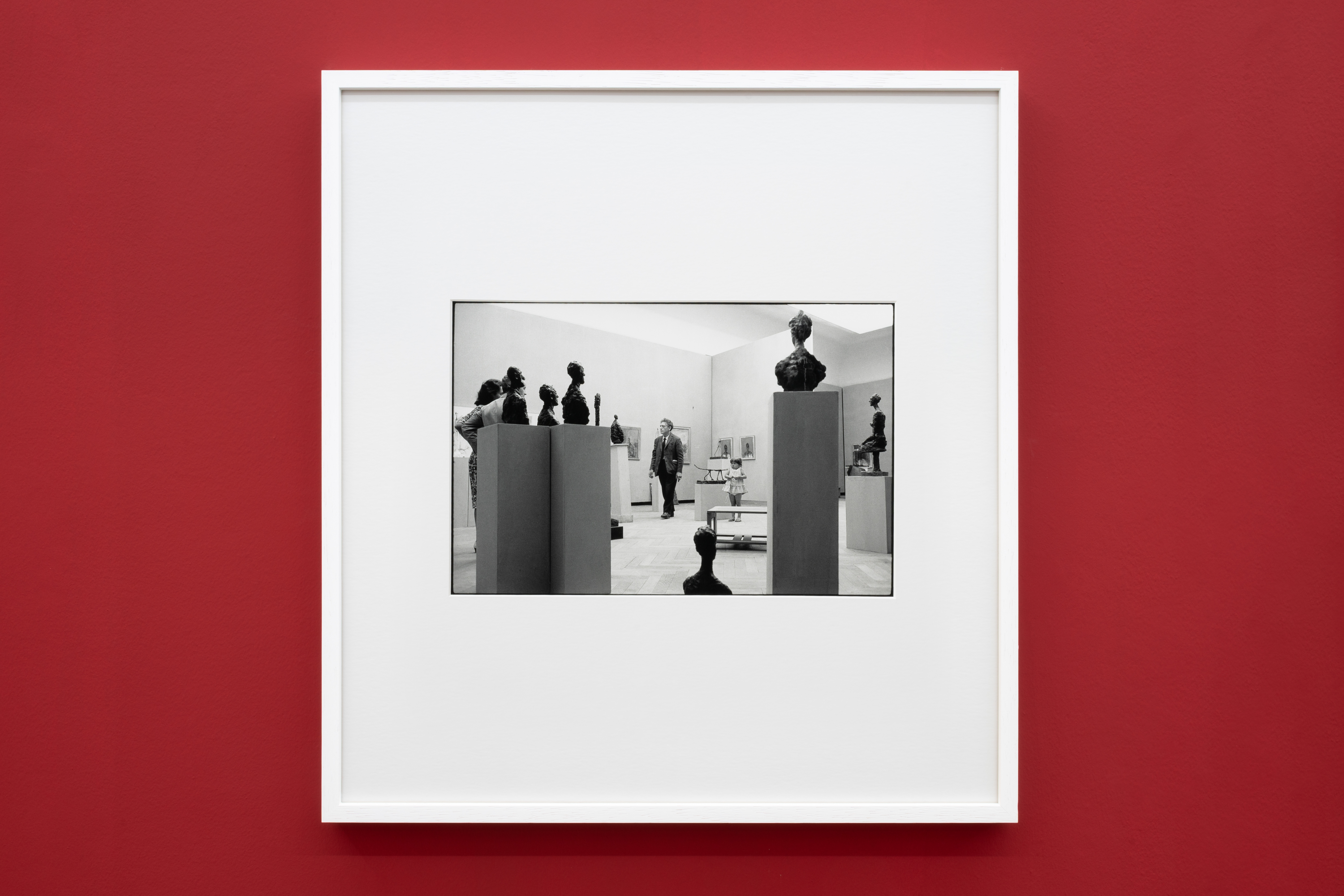
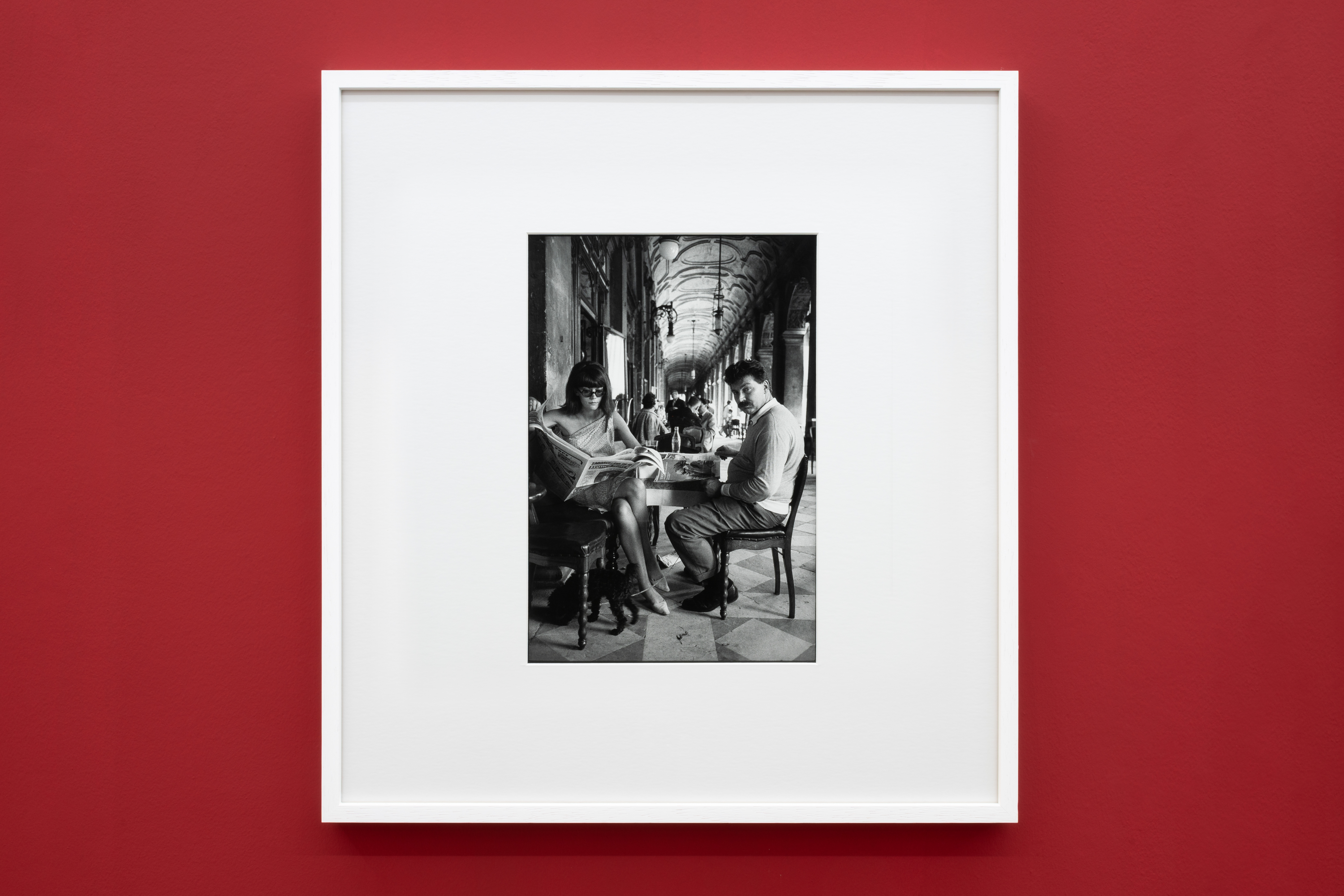
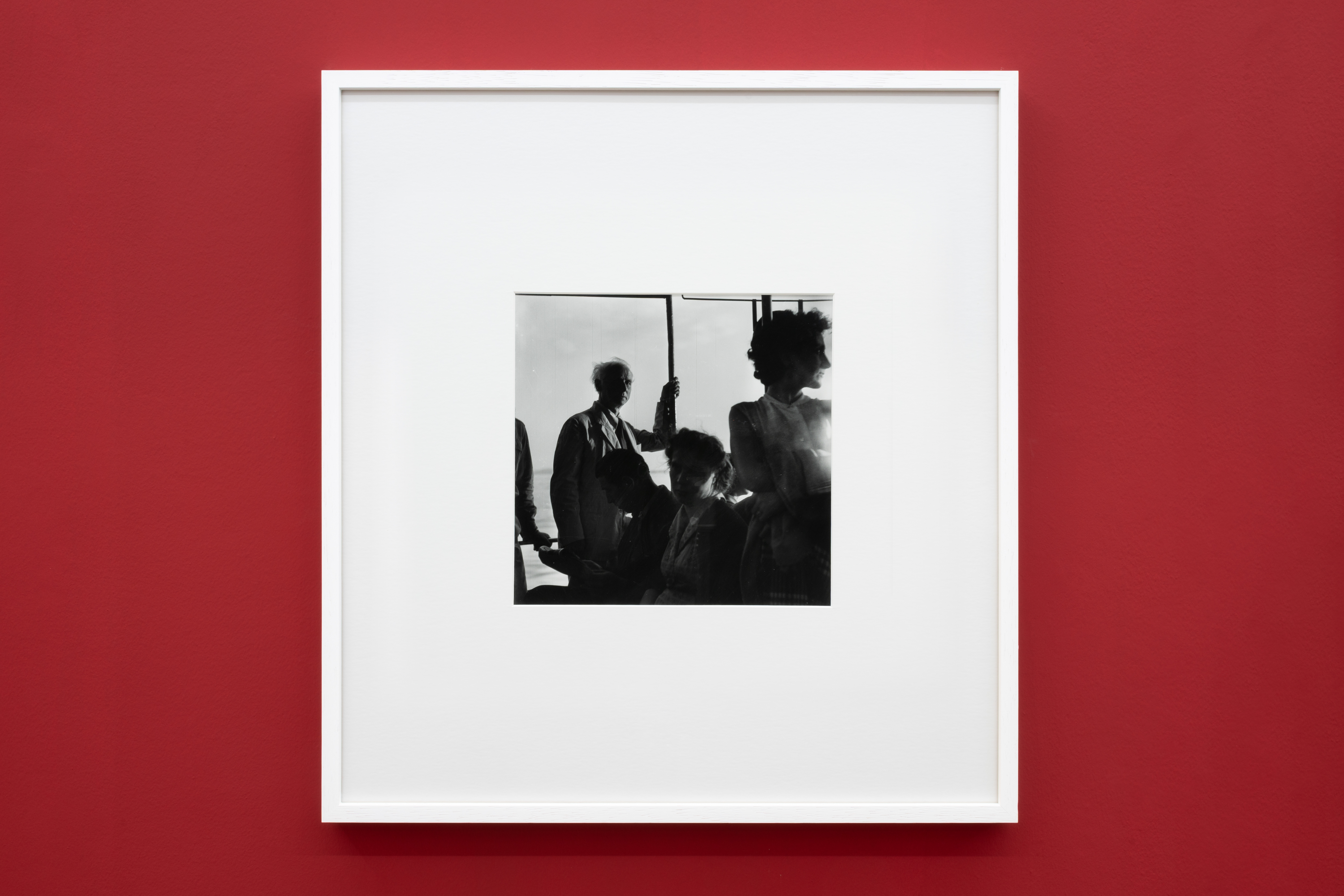
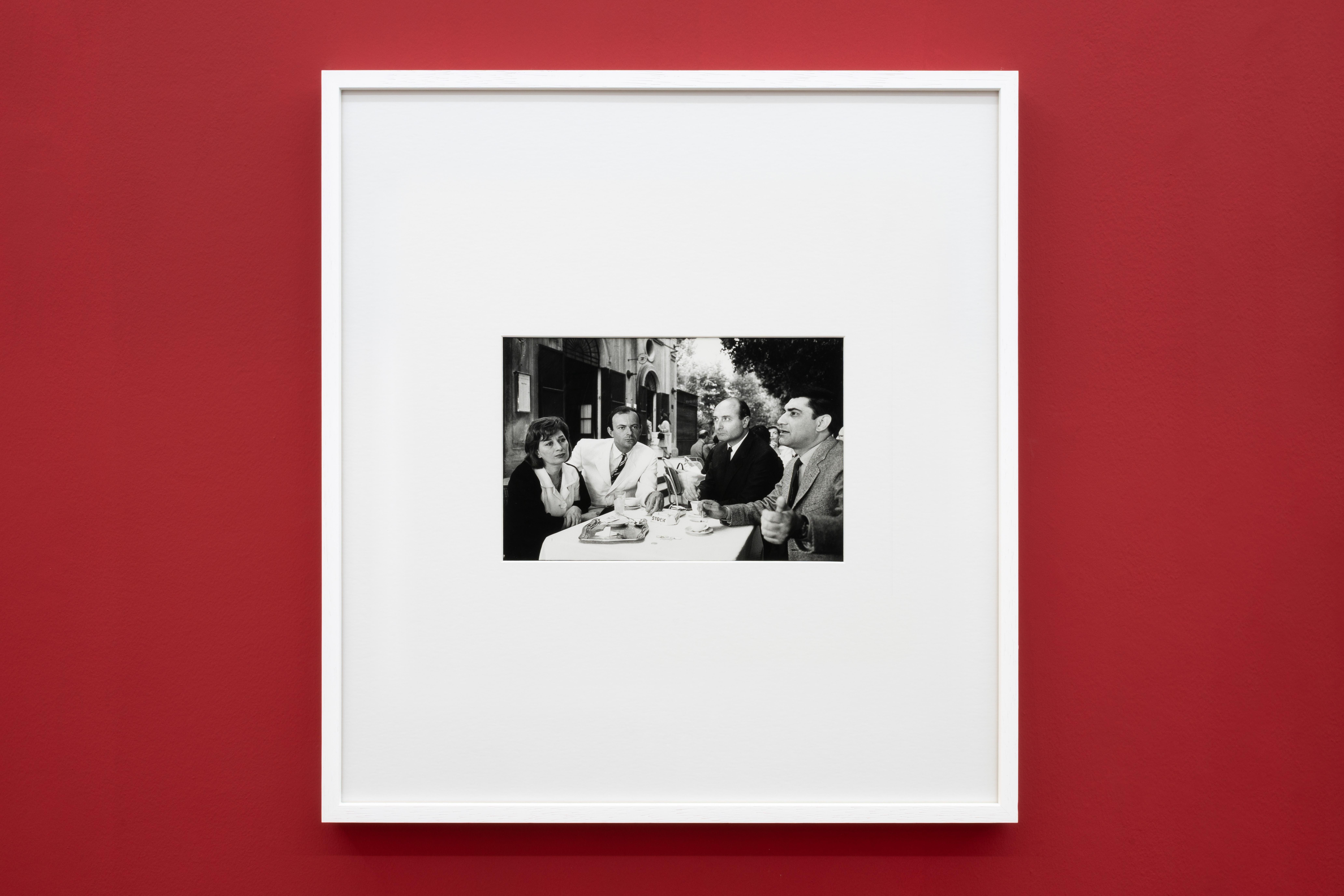
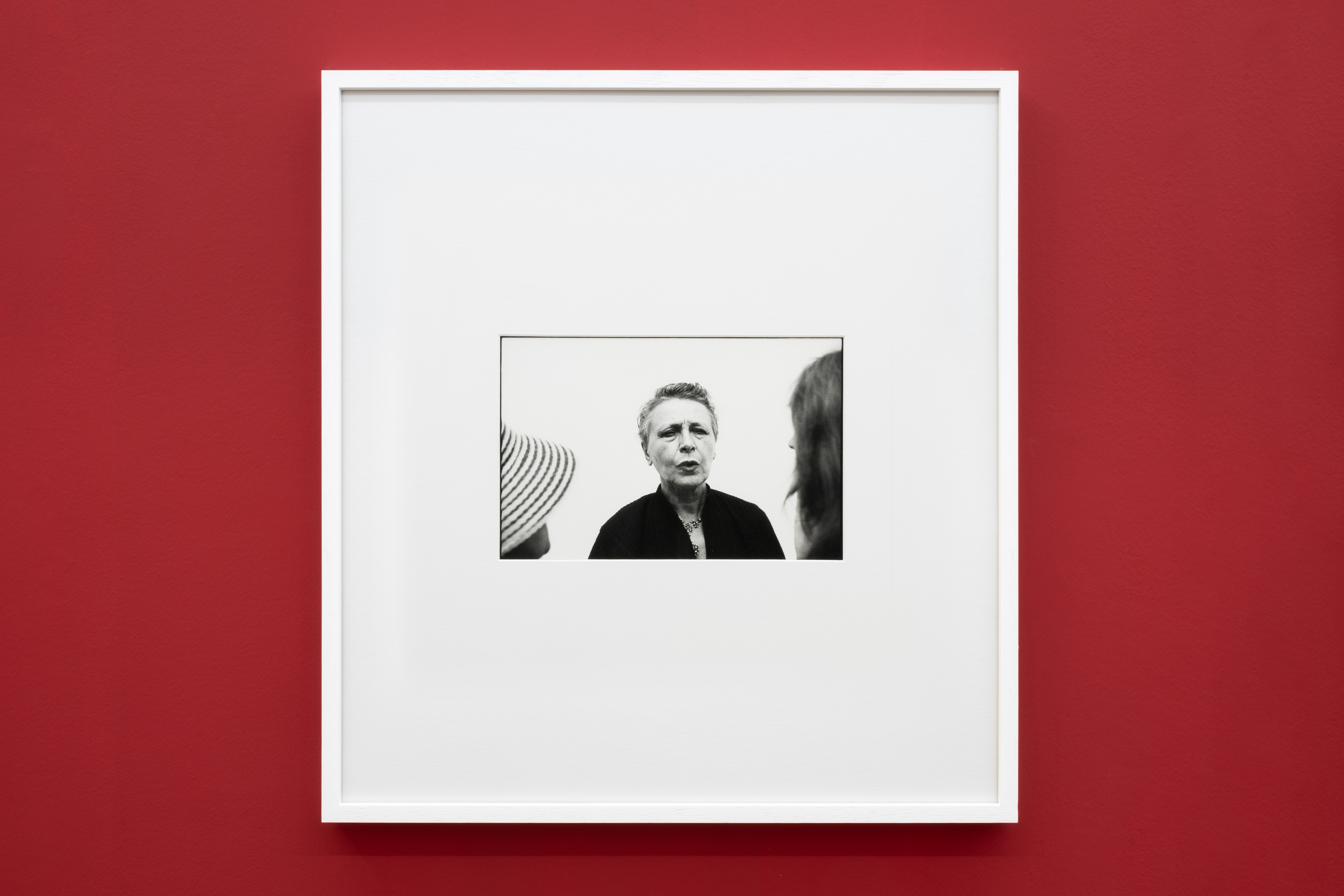
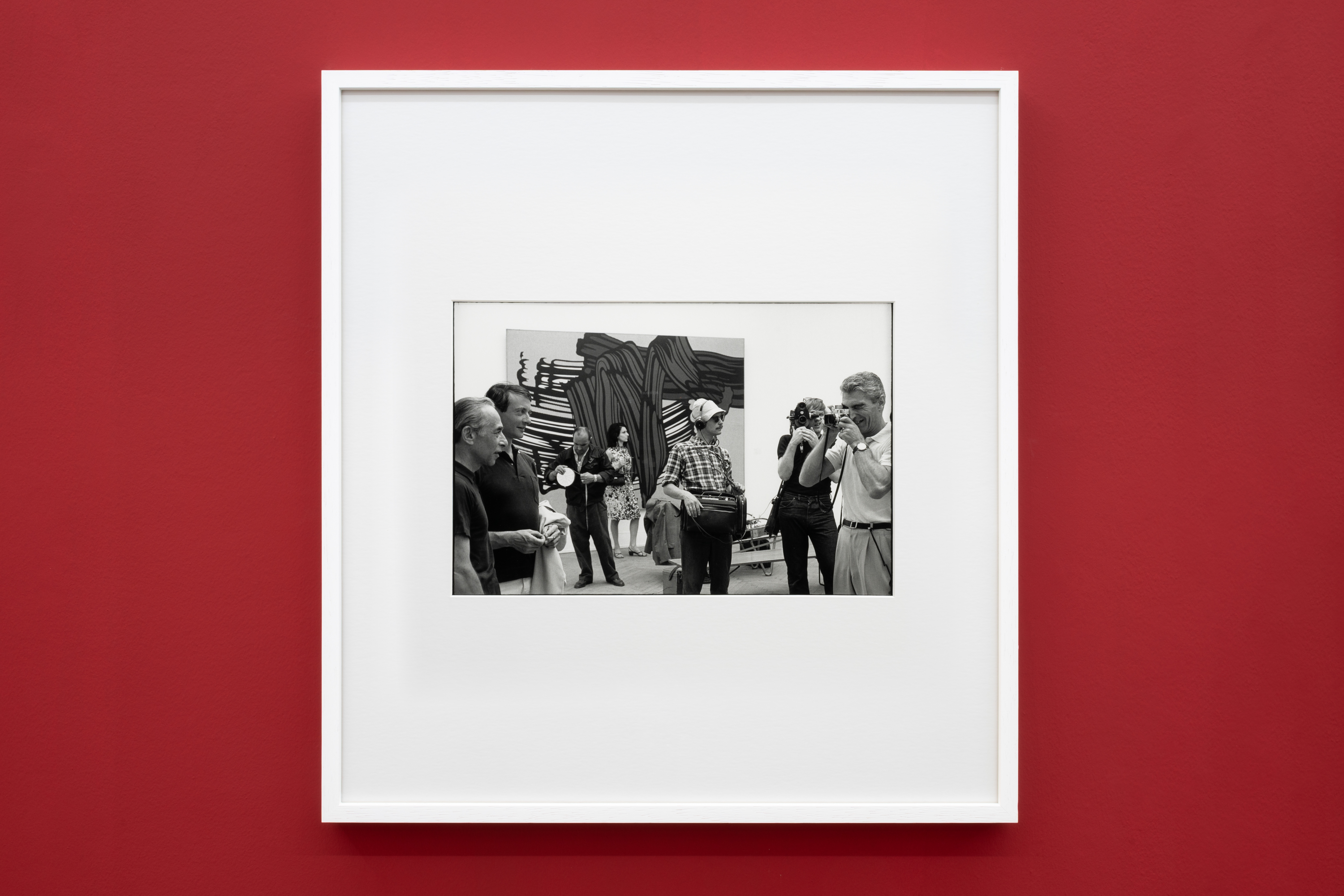
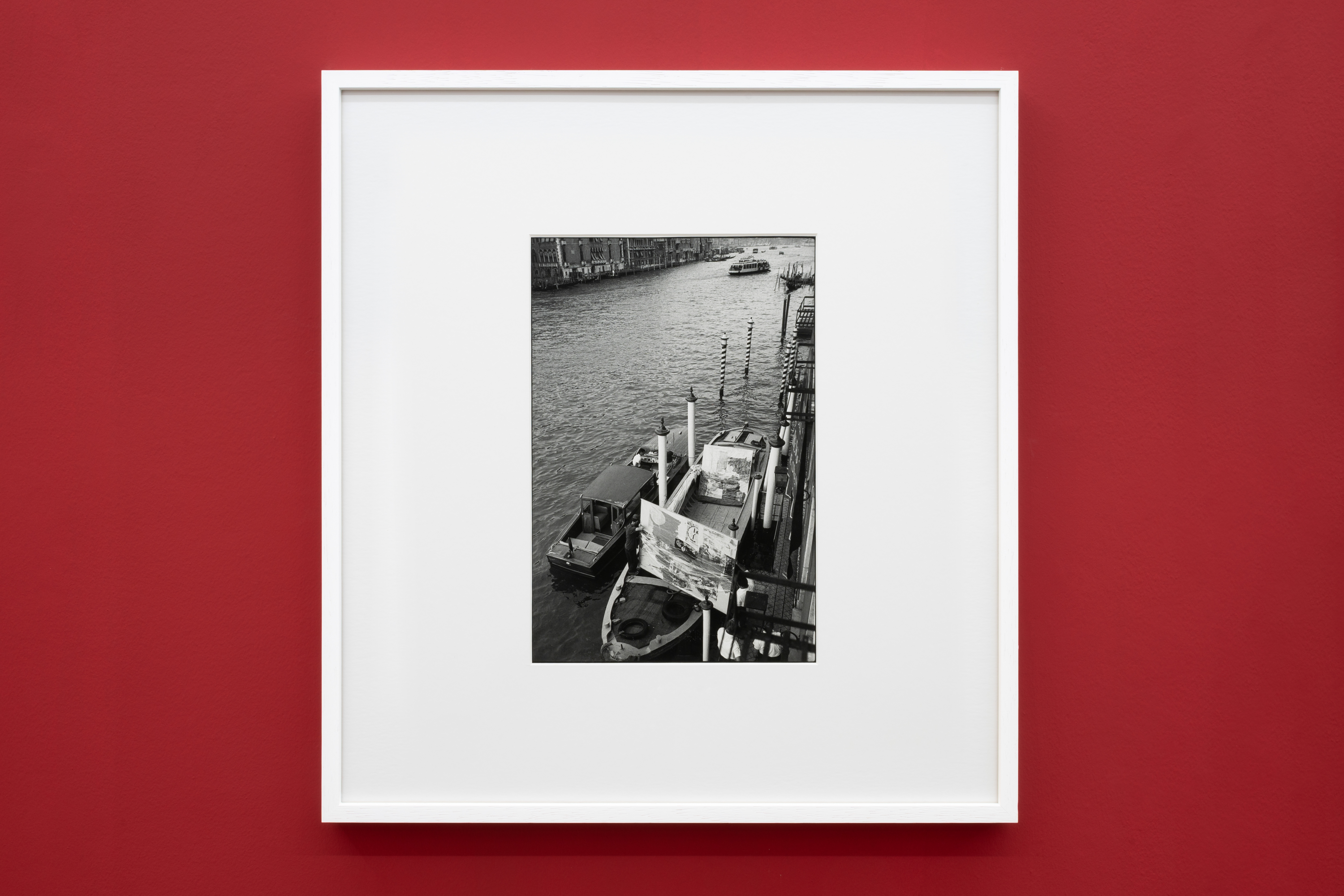
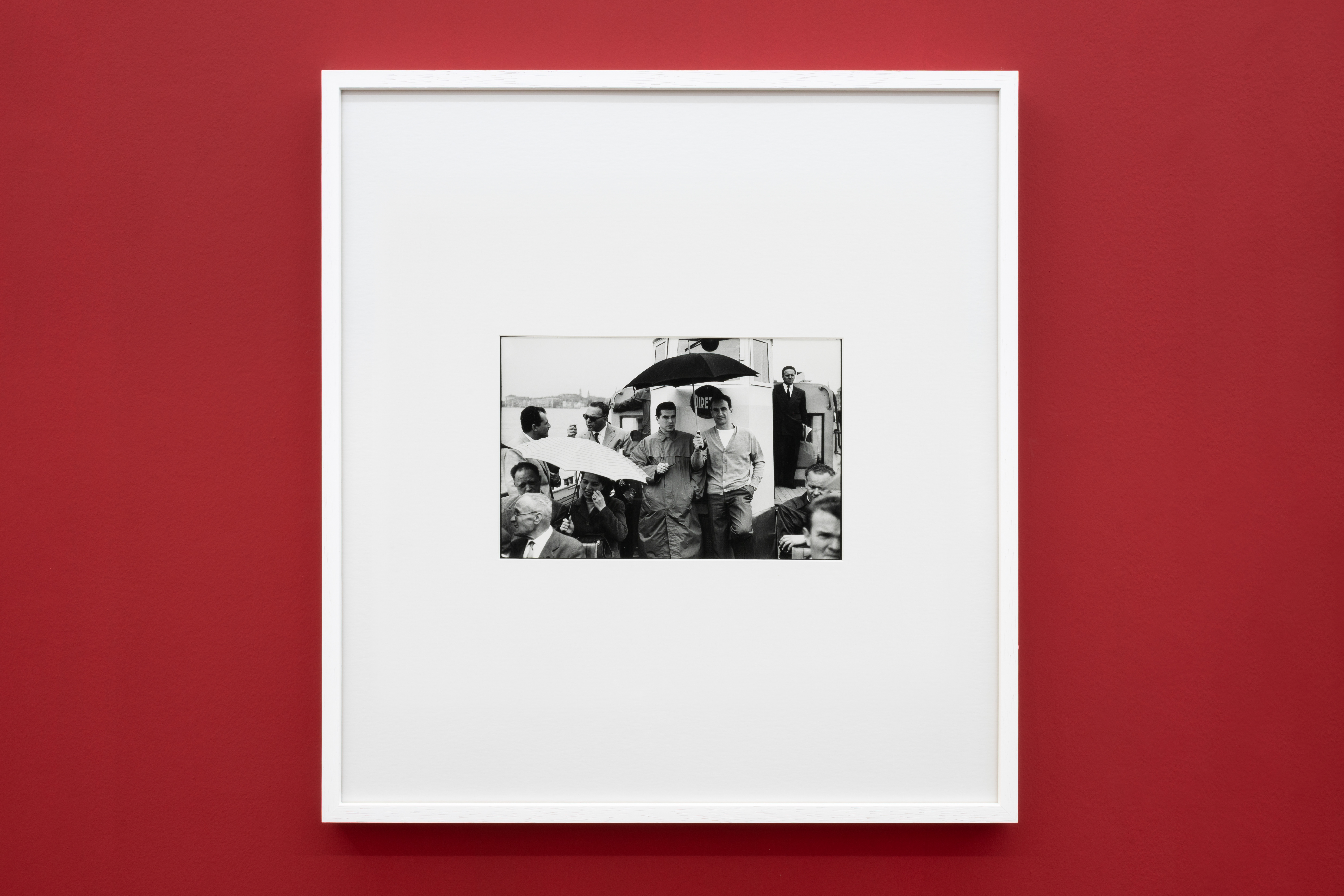
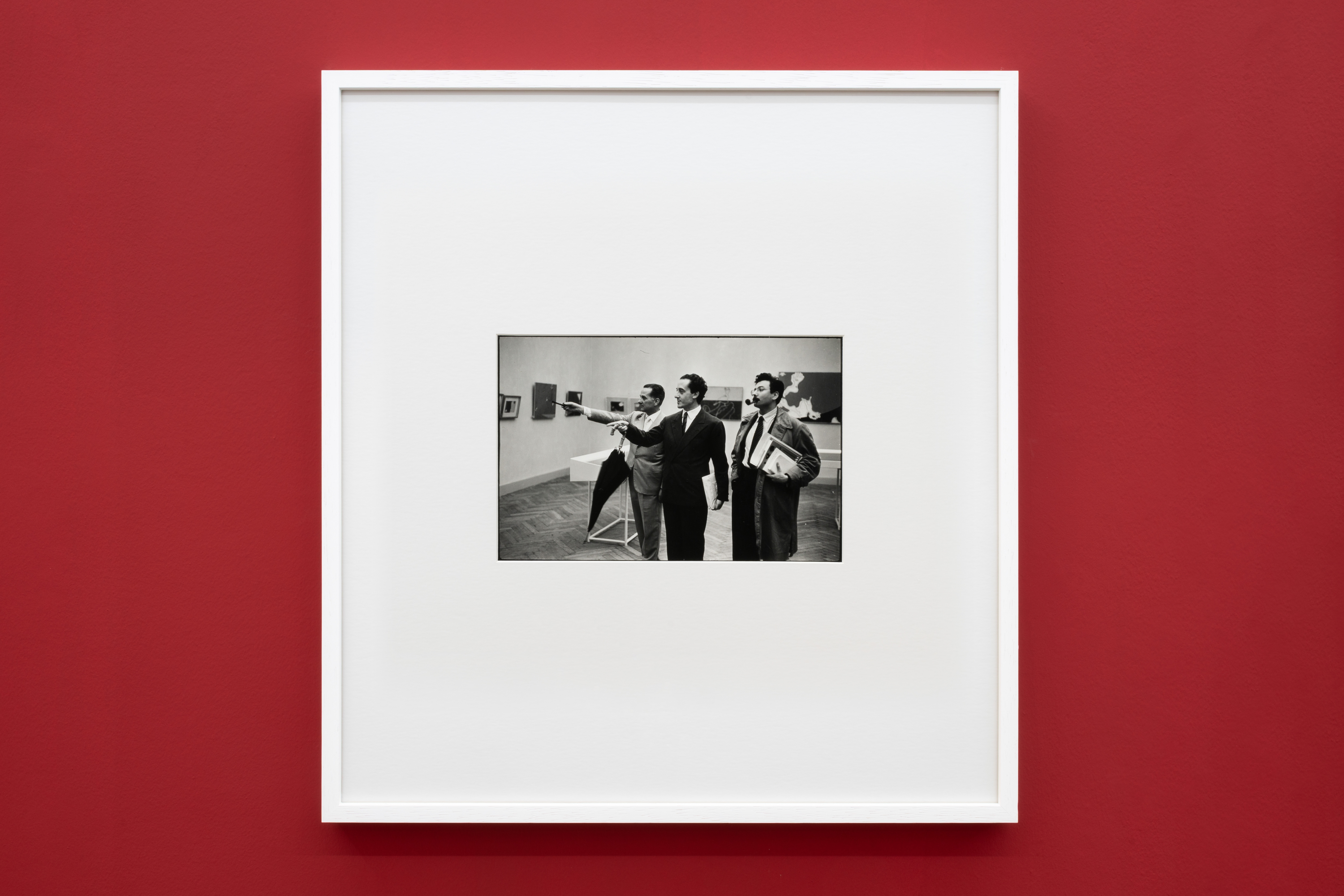
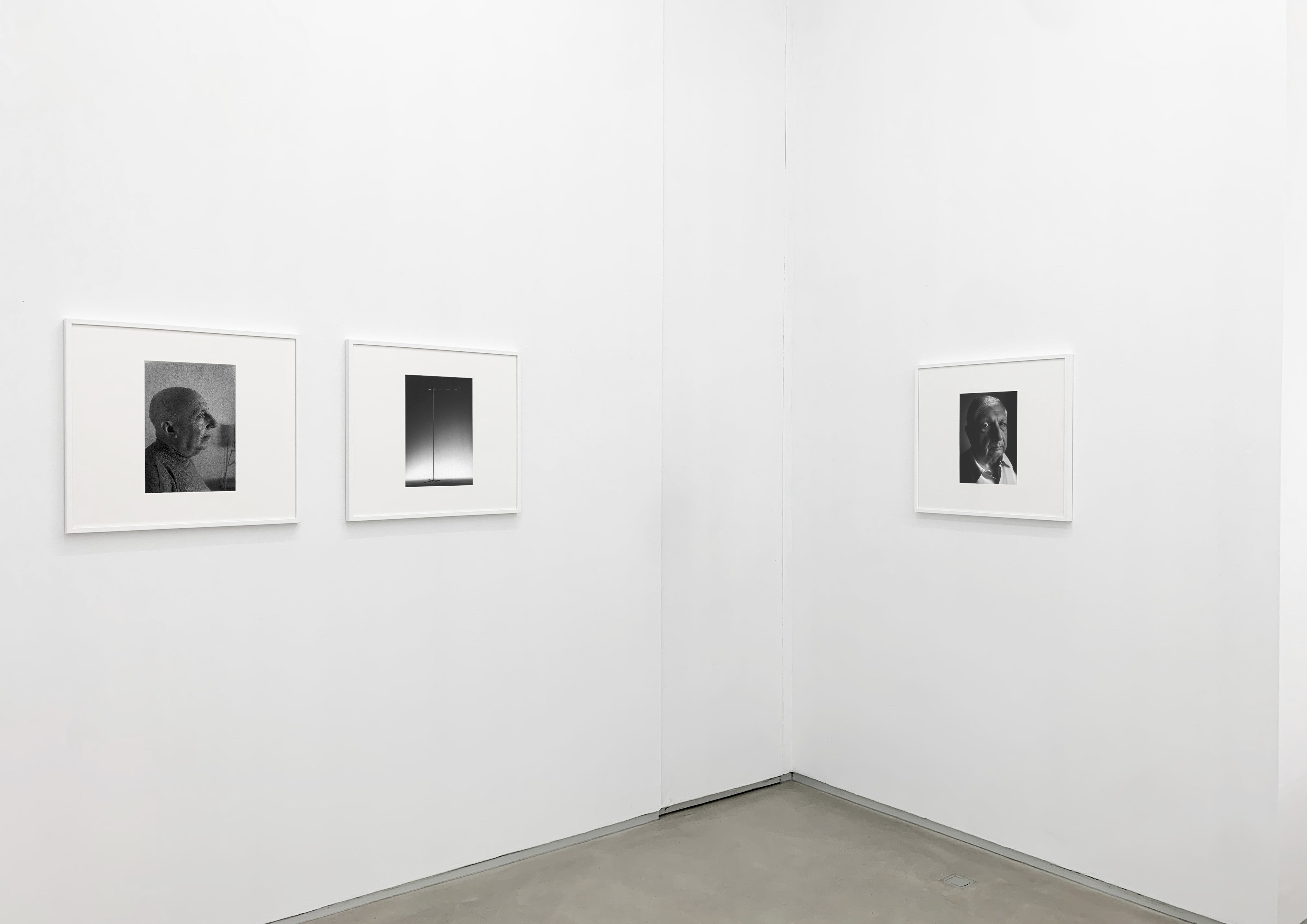
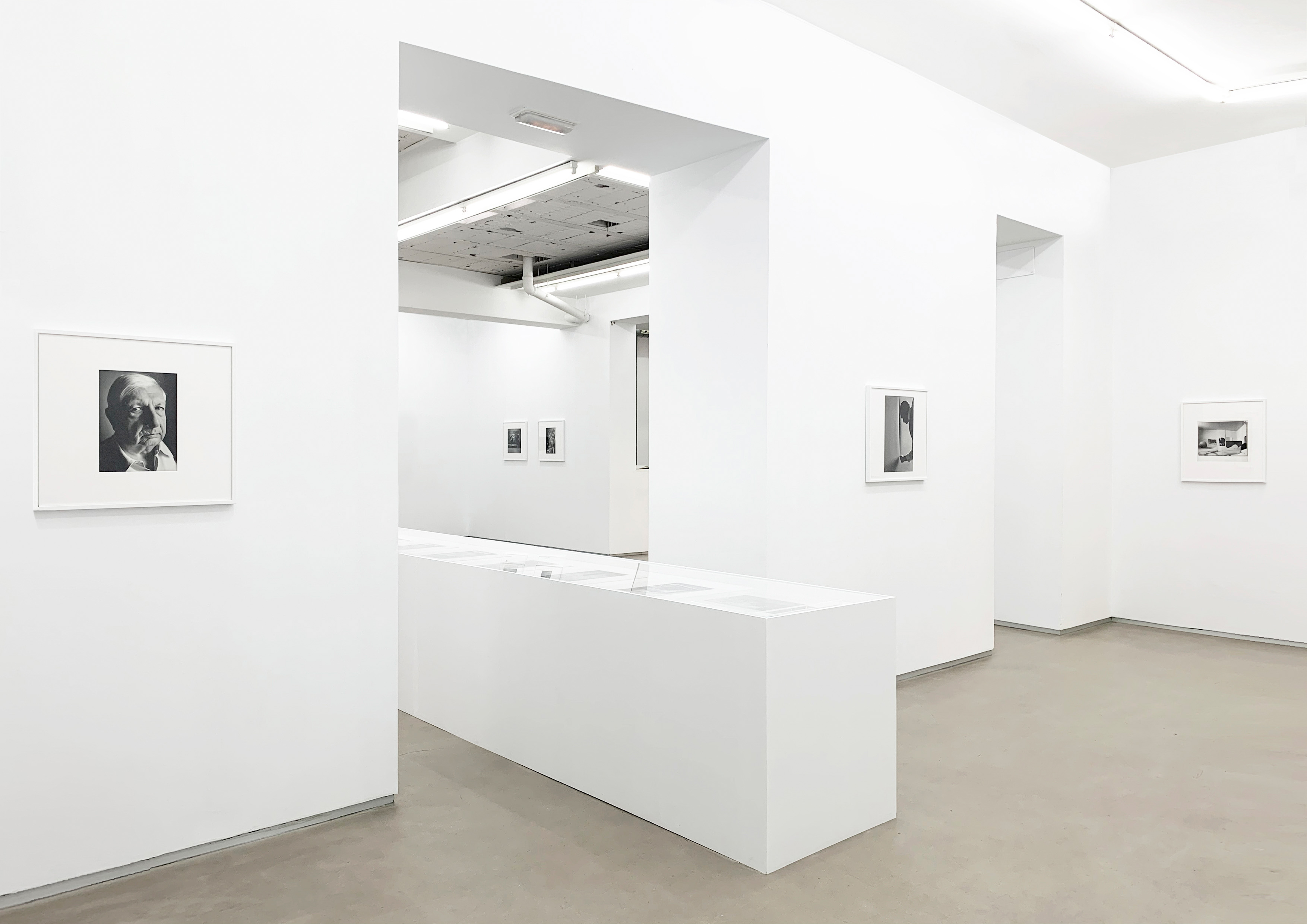
Parra & Romero is pleased to announce the first solo show by Ugo Mulas in its space in Madrid. The exhibition will present for the first time an overview of his practice as a portraitist.
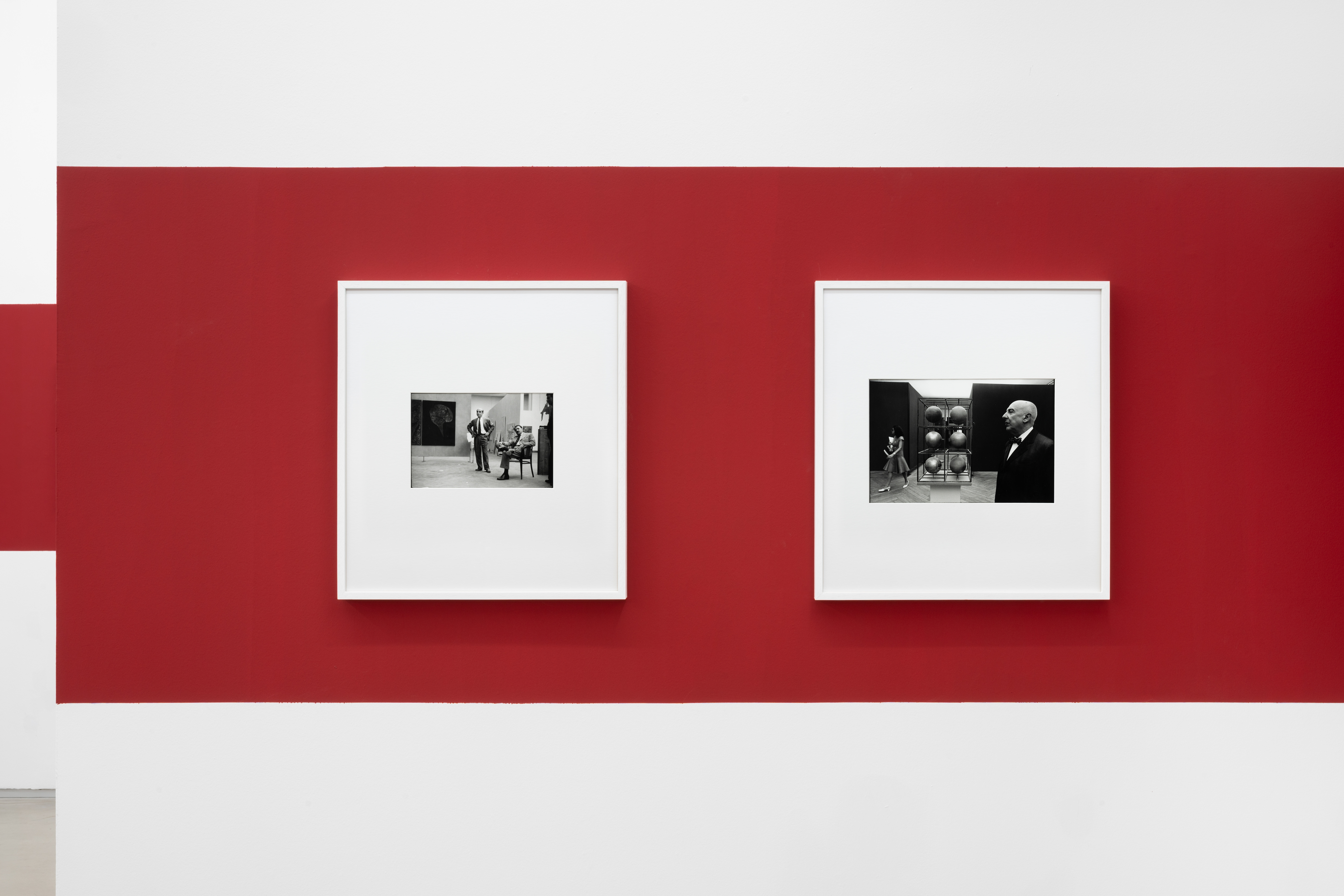
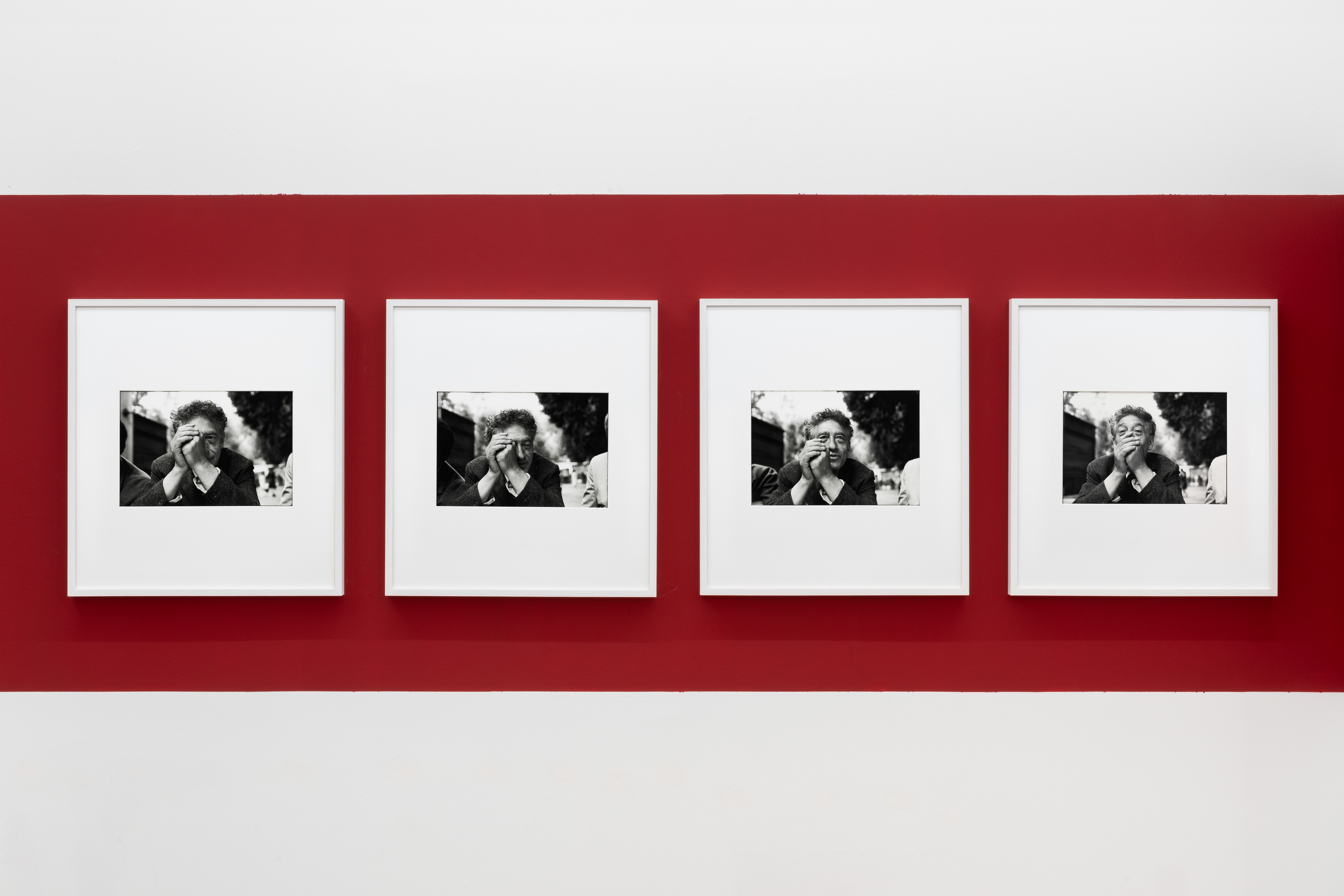
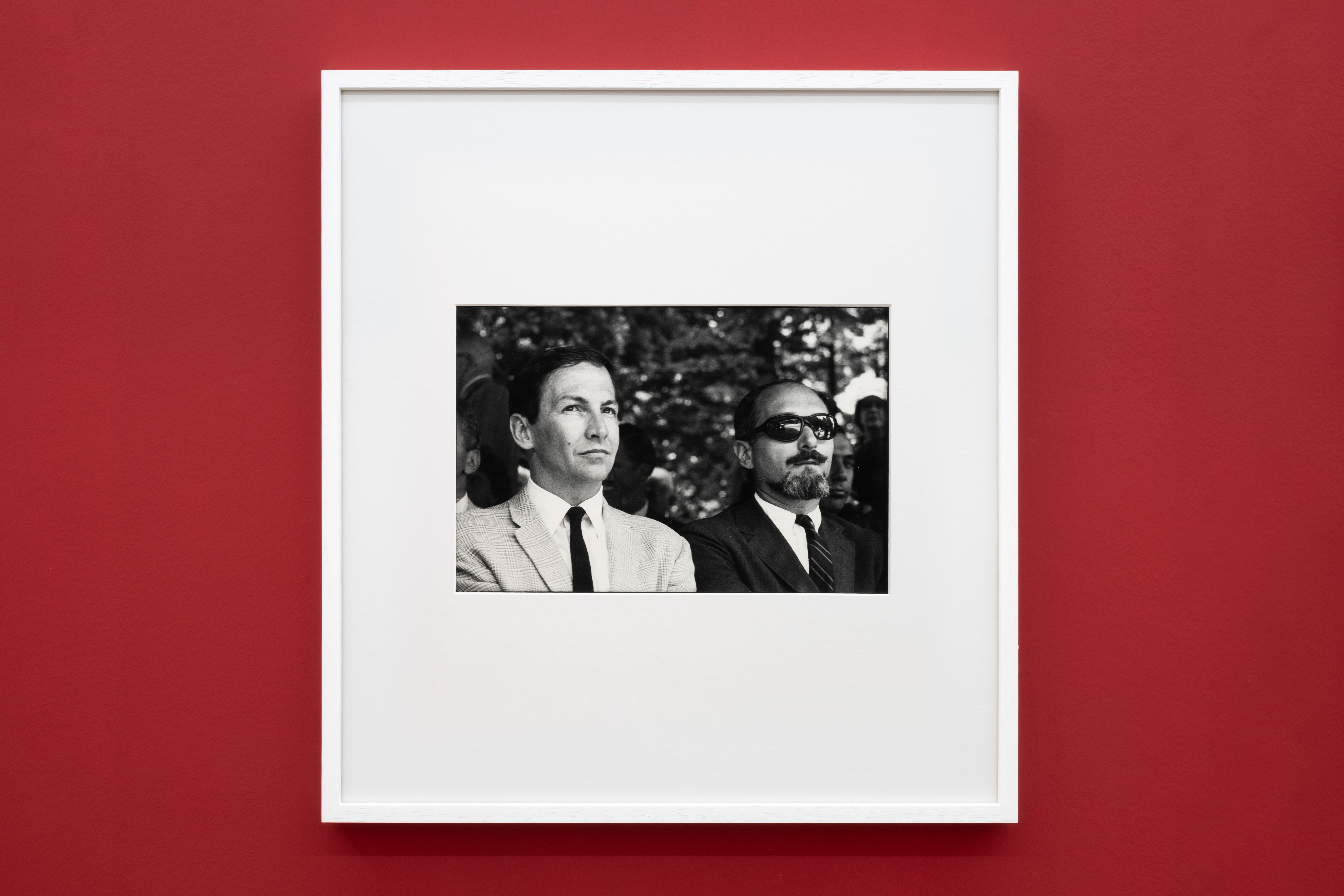
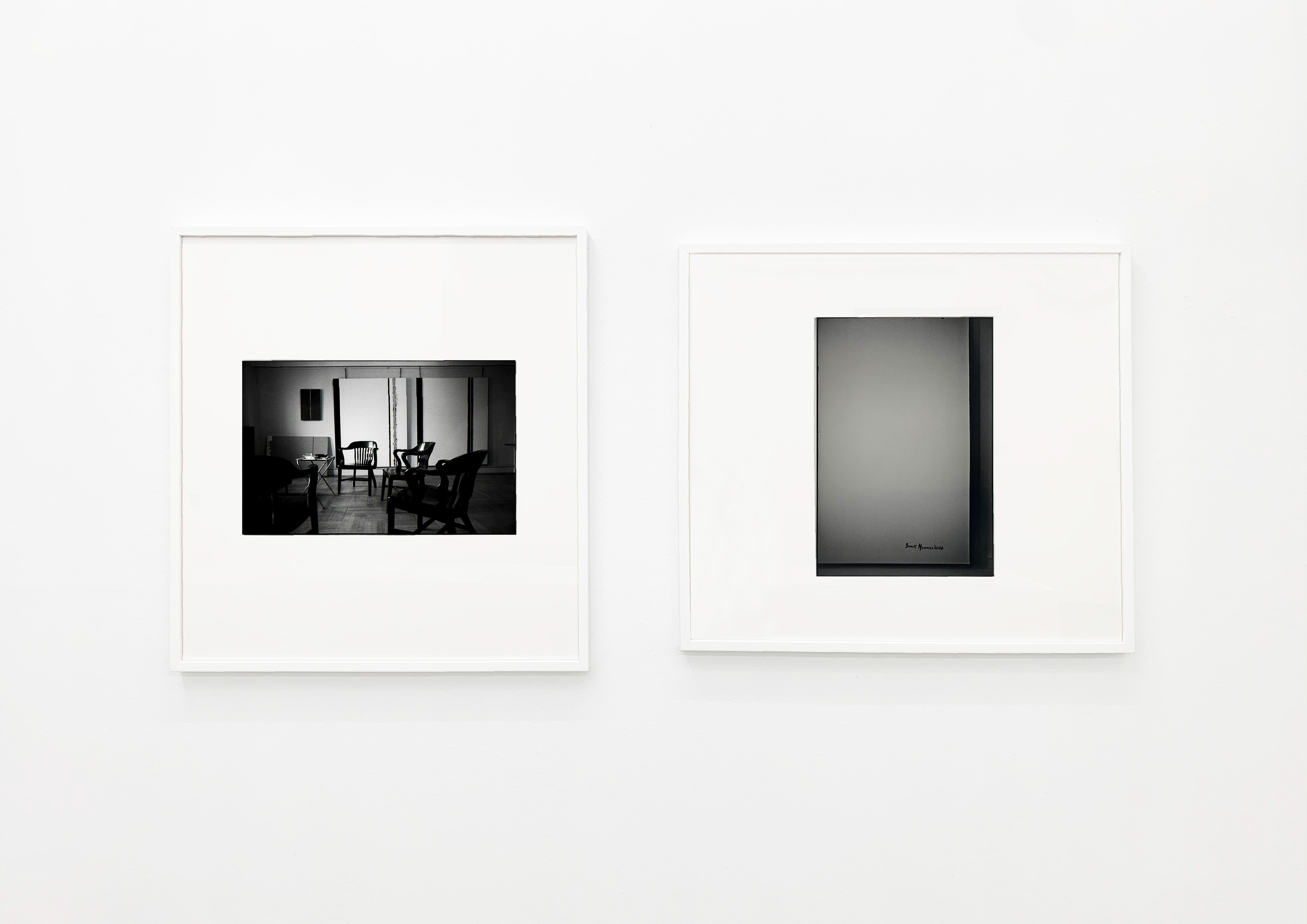
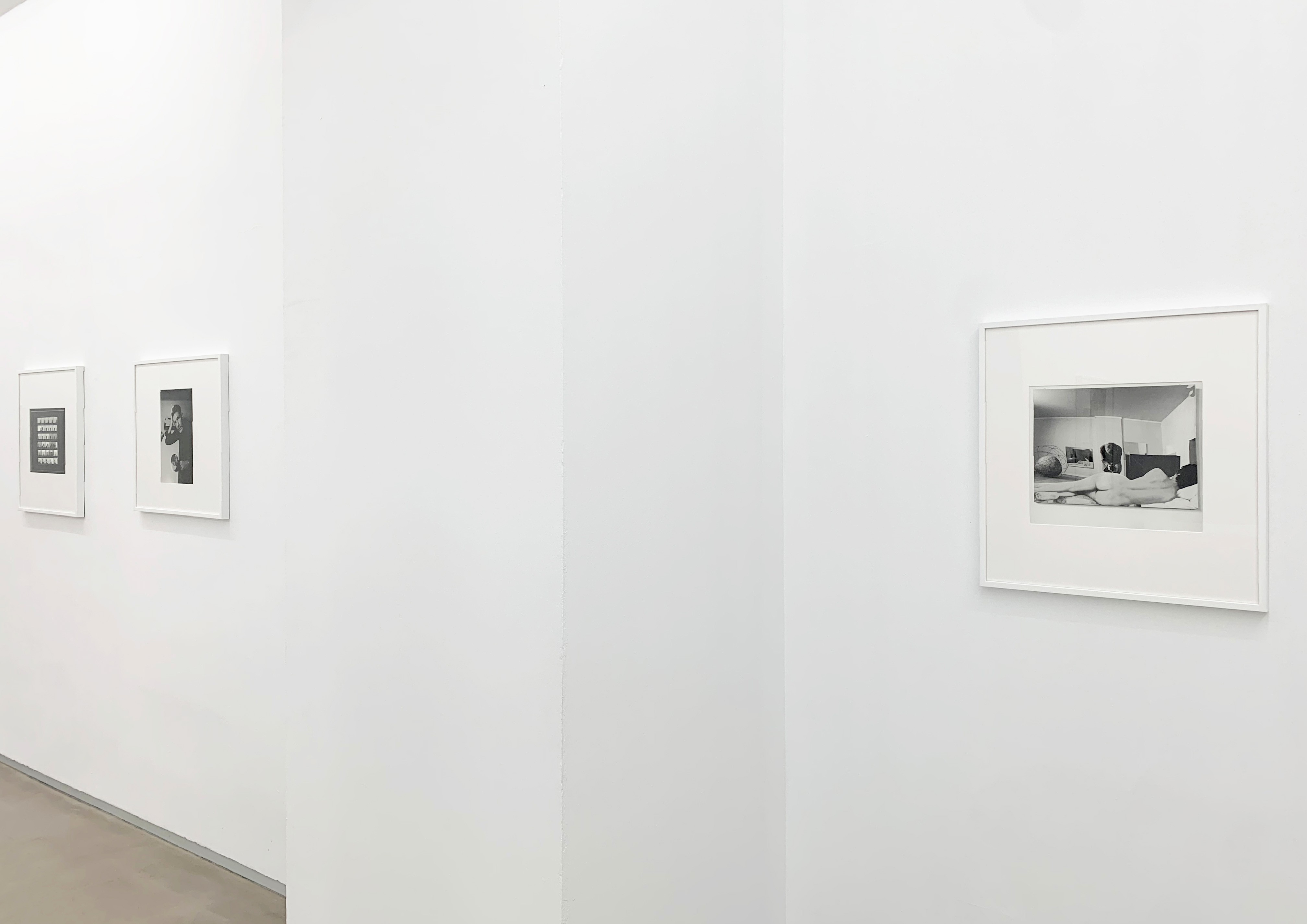
In his practice, Ugo Mulas (1928-1973) managed to capture the essence of some of the most influential artists of the 20th century. In this exhibition we will try to compose a portrait of the portraitist through the slice of life that emerges from his works. Mulas himself said that the photography, in a certain sense, was like telling a personal story because “photography is always an autobiographical act.” Thus, the photographer projects himself on the portrayed and this on his photographs, making impossible to decide who is the protagonist of the scene. Ugo Mulas: Portraits starts from this premise: the viewer builds a biography of Mulas from those fragments of the everyday life.
To portray is to reduce, to synthesize; extract the essence of something or someone to make it last over time, to throw back a memory. Umberto Eco underlined that there is no better creative humility than what comes from the objectivity that the machine allows. Deleuze studied the idea of the body as a desiring machine, the human using the camera as an extension of his own body. Photographing would then be as automatic as blinking. The lens becomes a prosthetic element that makes it easier to extract a moment from the life of the photographer, and by extension of the photographed, and allows sharing it. Thus, we are all part of that place and moment. That’s the humility that photography offers: an act of generosity.
“Usually when you say that you want someone to be natural, the meaning of being natural is not that of being in that way towards yourself, but of being natural with the camera, that is to say with the photographer, as if you wanted to take them in saying ‘I am here, but I’m pretending not to know you are there. This way my pretence will be more believable’. Photographing someone while he is doing something is like recording a fact, thus is to say reporting that fact. A portrait is, in a certain sense, something nobler than a reportage, as long as there would not be any reserve in it, or any pretence towards the entire project, which has to be as open ,as direct as possible.”
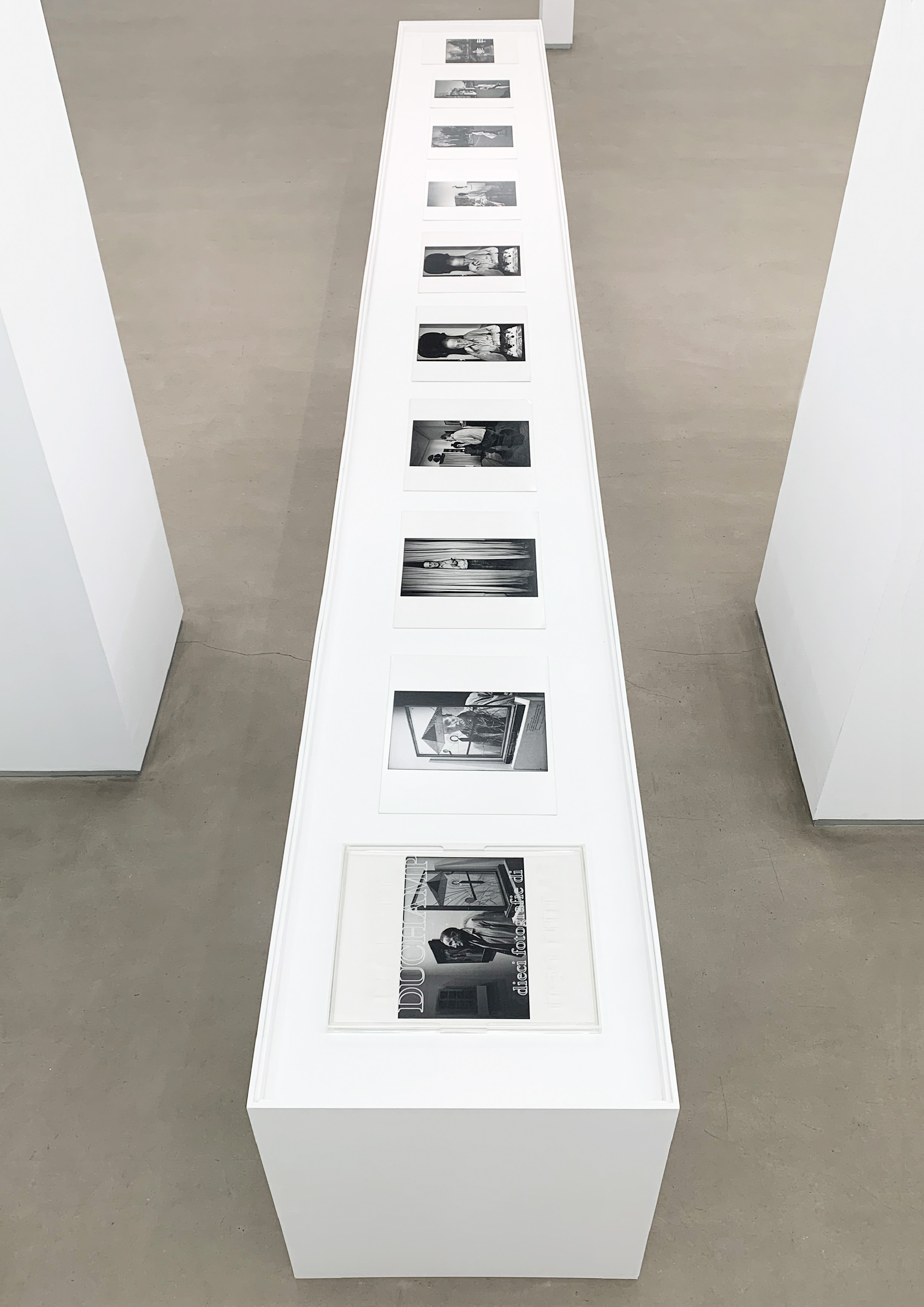
Photography is also an act of trust. The portrayed person opens the doors to the intimacy of his home, his studio and his personality. At least when the photograph is as truthful as Mulas is, this kind of daily life acts becomes an unquestionable sign of confidence. There seems to be no pact between them, perhaps a few short and cordial words. It is not difficult to imagine the context in which he captured Duchamp watching himself playing chess, Jasper Johns having a drink in his workshop, Piero Manzoni smoking a cigarrette, or that lighthearted portrait of Alberti. Barnett Newmann’s photography seems to be portrayed the trace of an absence marked by those chairs and his canvas. All of these moments don’t seem to be agreed. They do not seem like fixed moments, they have the naturalness of someone who has taken the trouble to share his time and memory with those personalities called to mark the history of art of the XX century.
The work of Ugo Mulas has been exhibited worldwide in prestigious institutions and museums including Centre Georges Pompidou, Paris; Solomon R. Guggenheim Museum, New York; Fondation Henri Cartier Bresson, Paris; Kassel Documenta 6, Museum Fridericianum, Kassel; Museo Nacional Centro de Arte Reina Sofía, Madrid; MAXXI, Rome; Fondazione Prada, Milan; Kunsthaus Zürich, Zurich; Kunstmuseum Bonn, Bonn; Musée Rath, Geneva; Kunsthalle Basel, Basel; Philadelphia Museum of Art, Philadelphia.