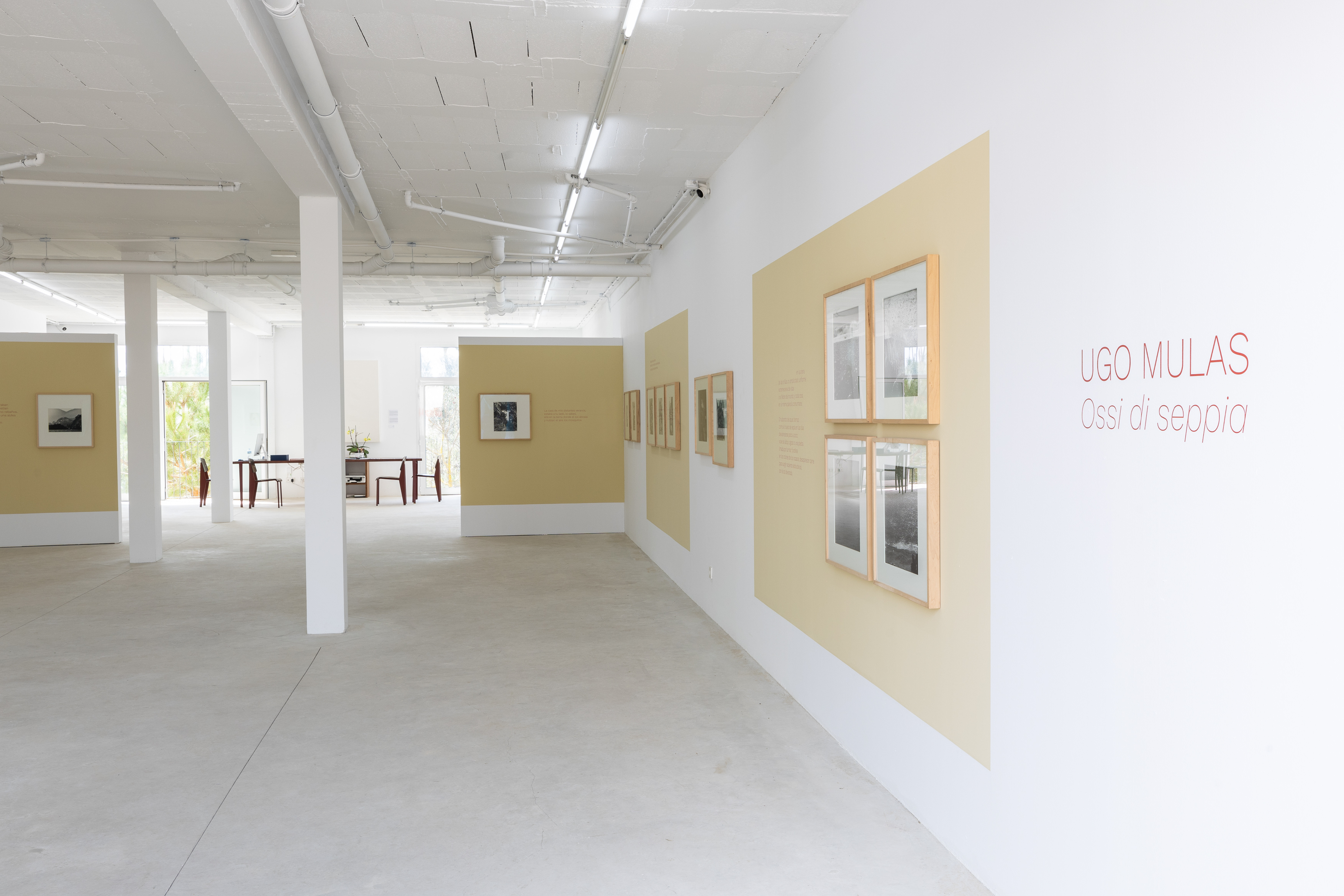
OSSI DI SEPPIA
- U g o M u l a s






“Perhaps there is an image that brought me luck: while I was on a rock looking at the sea […] I saw a bather lying in the sun. At a certain moment, laying on his back, he stretched out his legs and arms: he looked like a starfish. I then took this photograph and those beautiful verses from one of Montale’s poems came to mind. […] That kind of metamorphosis he dreams of, that of becoming a stone polished by the sea.”
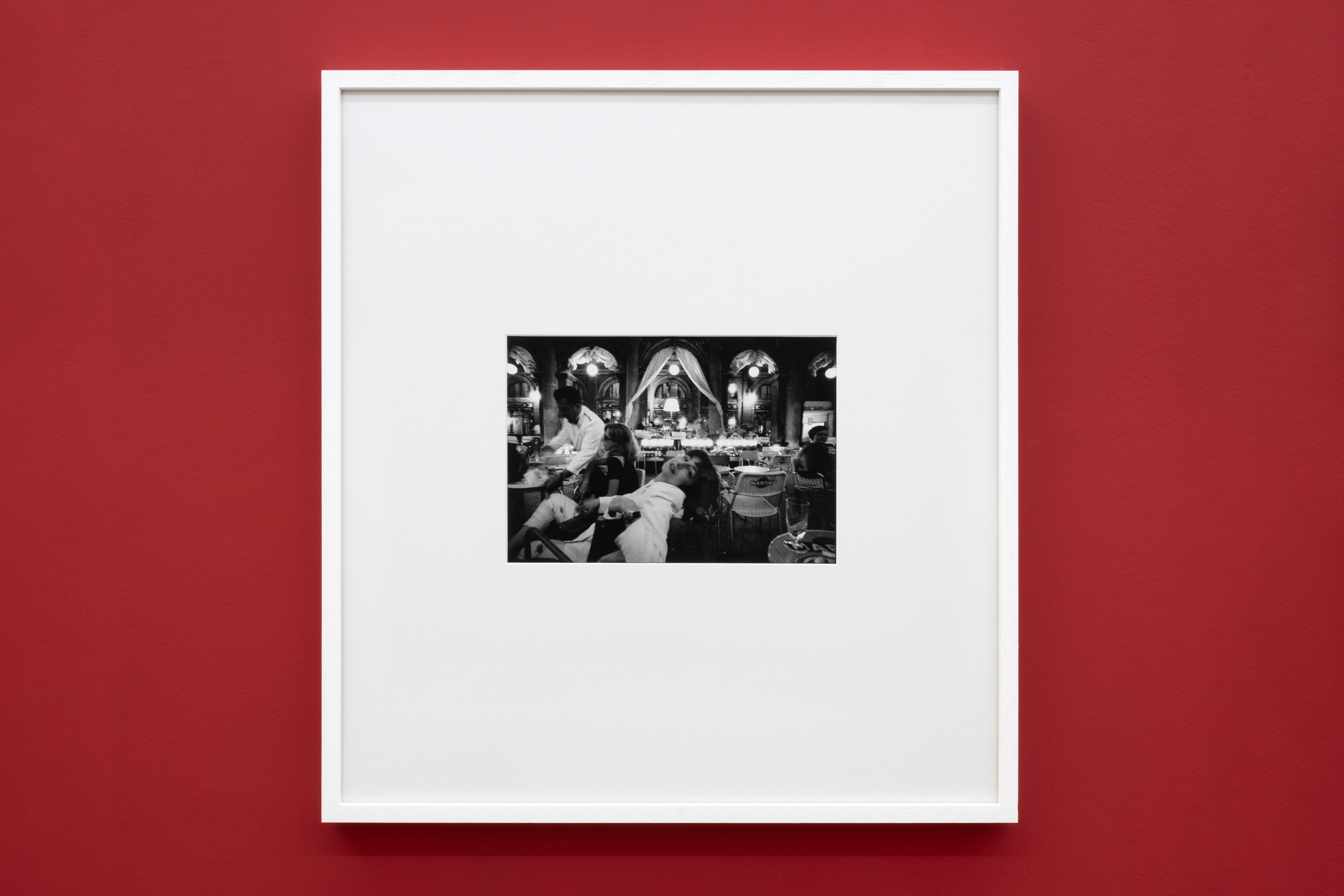
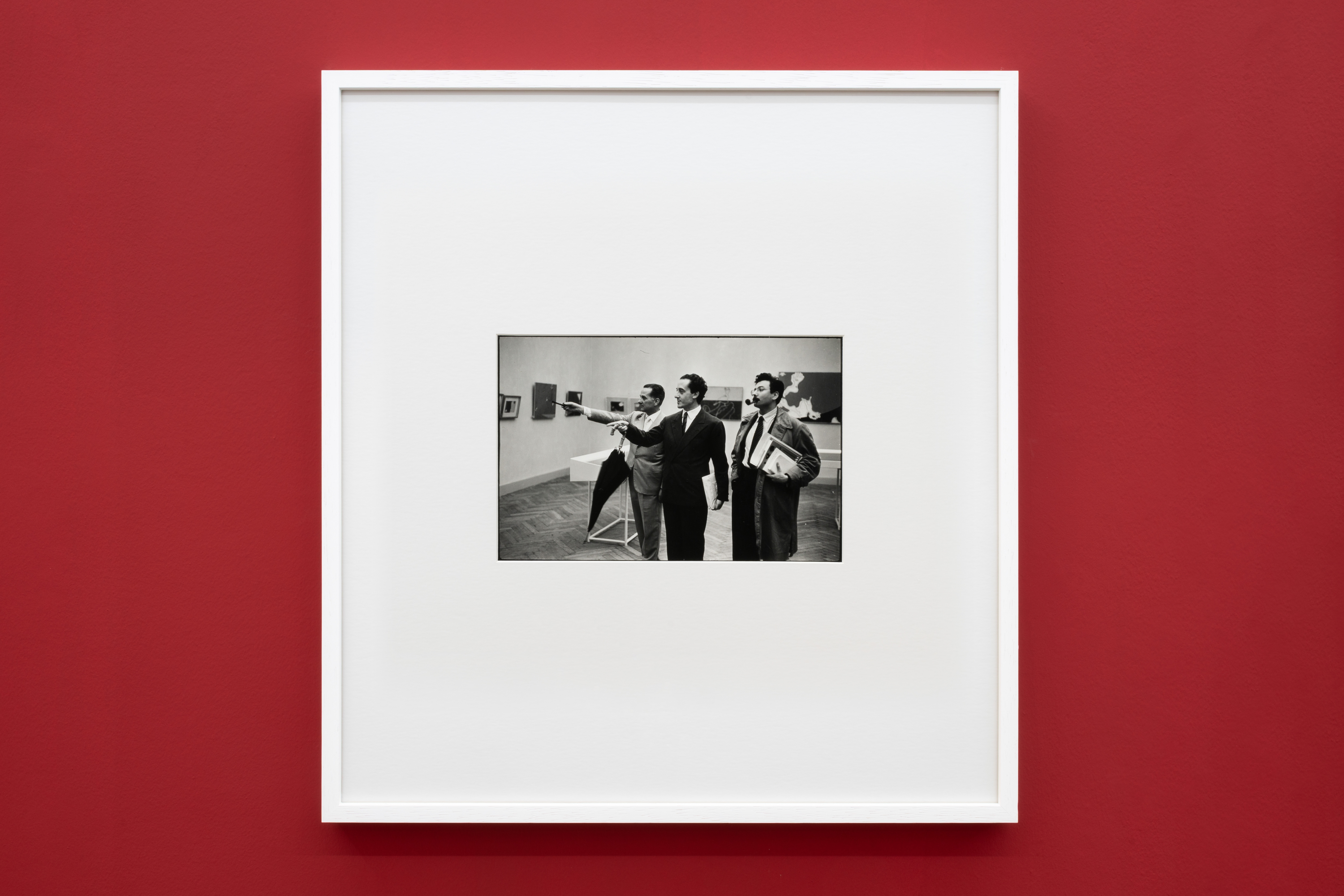
Ugo Mulas read Ossi di seppia (Cuttlefish Bones) when he was still a child, but he never forgot it. Almost 30 years later –while already being the official photographer of the Venice Biennale, with a well-established reputation- he offered Pirelli magazine to illustrate those verses that for some reason, he still remembered by heart.
Eugenio Montale (italian poet, writer and music critic, 1896-1981) published Ossi di seppia, his very first collection of poems, in 1925 at the age of 29. There, he describes his childhood in Monterosso, a small coastal town in Liguria, Italy. For writer Victor Rivera, a concrete and symbolic gaze converges at the same time in Ossi di seppia, highlighting the references both to human exhaustion as well as to the vital impulse that resists despite everything. Montale describes Monterosso with a great sense of longing in the 23 poems that compose it, and yet he never wanted to return there. He considered that it had been profaned by a tourism business which, even at the time, had already devastated northern Italy.
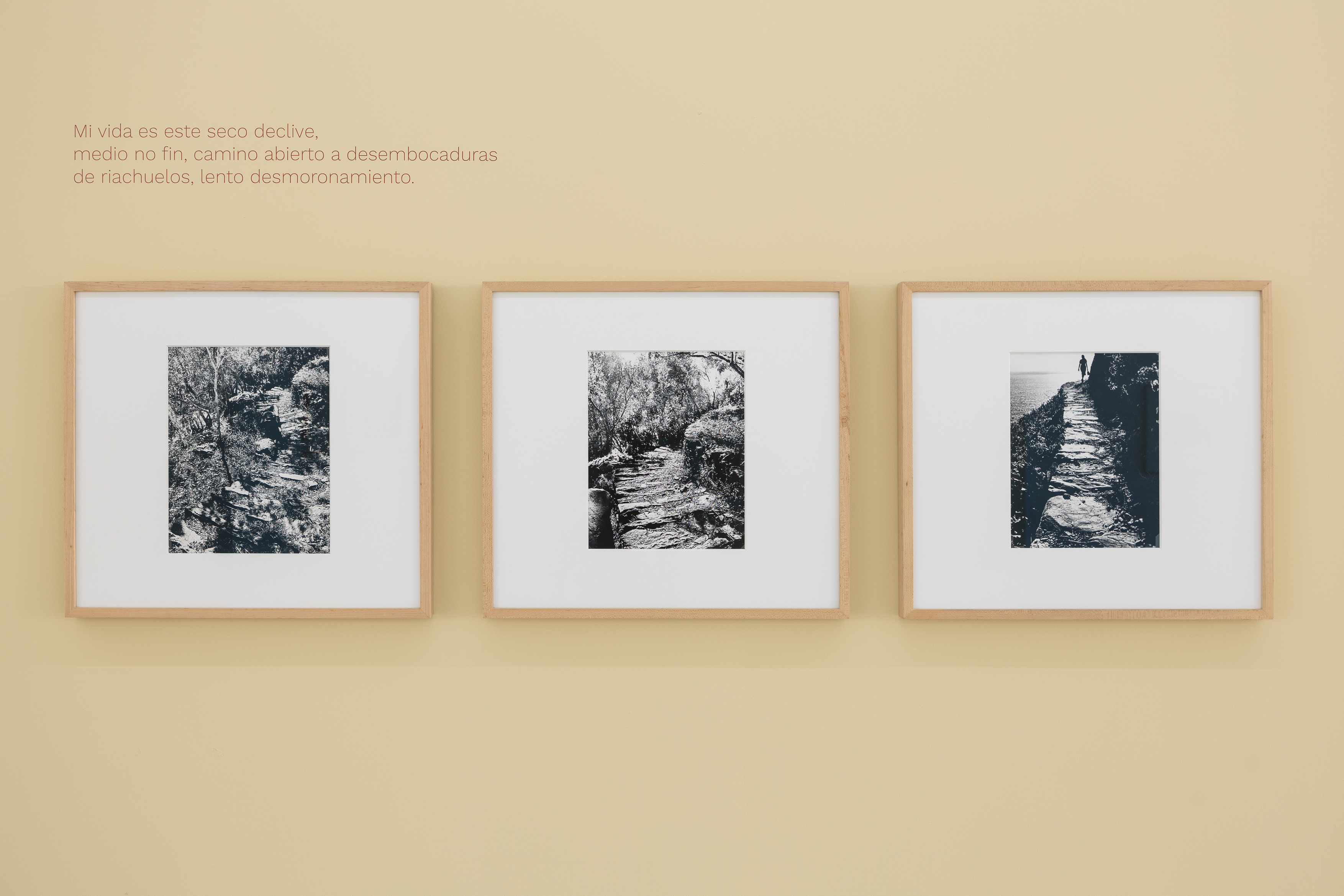
In 1962, Mulas set himself to the difficult task of recapturing, through photography, the essence of that Monterosso still untouched by tourism that Montale had kept in his memory. He thus presented a sort of double portrait: that of the poet and that of the place where he grew up. However, Ugo Mulas understood well the need to transcend the mere documentary fact in this case: “What is important is to capture the general atmosphere of the place, that is, to find those generic, unspecific elements that return continuously, like a leitmotiv throughout the book”.
The idea of the fossil as a metaphor for that which endures (such as the memory or photography) is contrasted with the idea of decomposition, of loss, which is present throughout the whole collection of poems. In his photographic research, Mulas finds his own metaphors, generates his personal allegory of a Monterrosso filled with vegetation and ruins (symbolically that which has been lost) but also with the sea, the cliffs and the poet’s house, Villa Montale (which remains despite the passage of time).
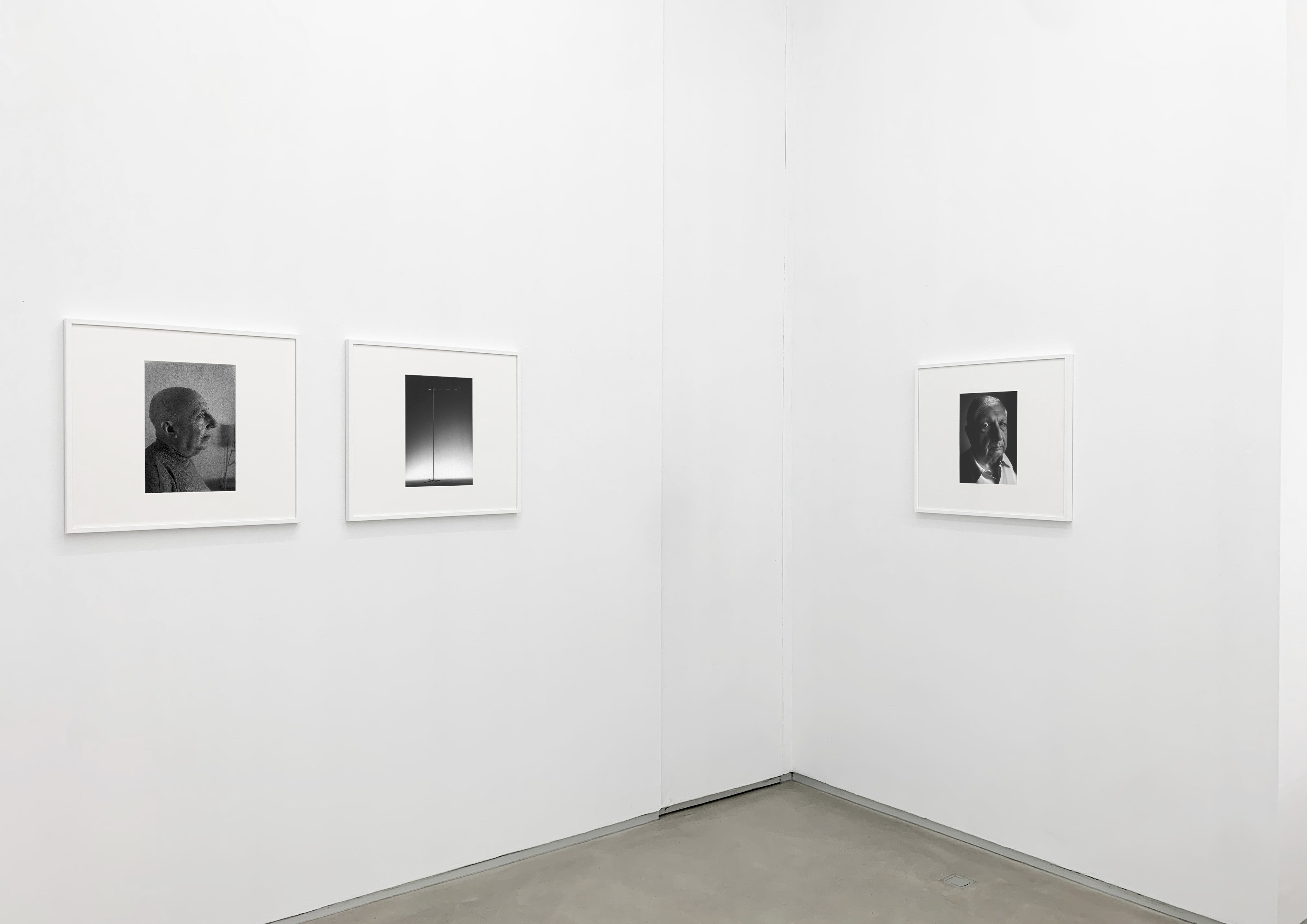
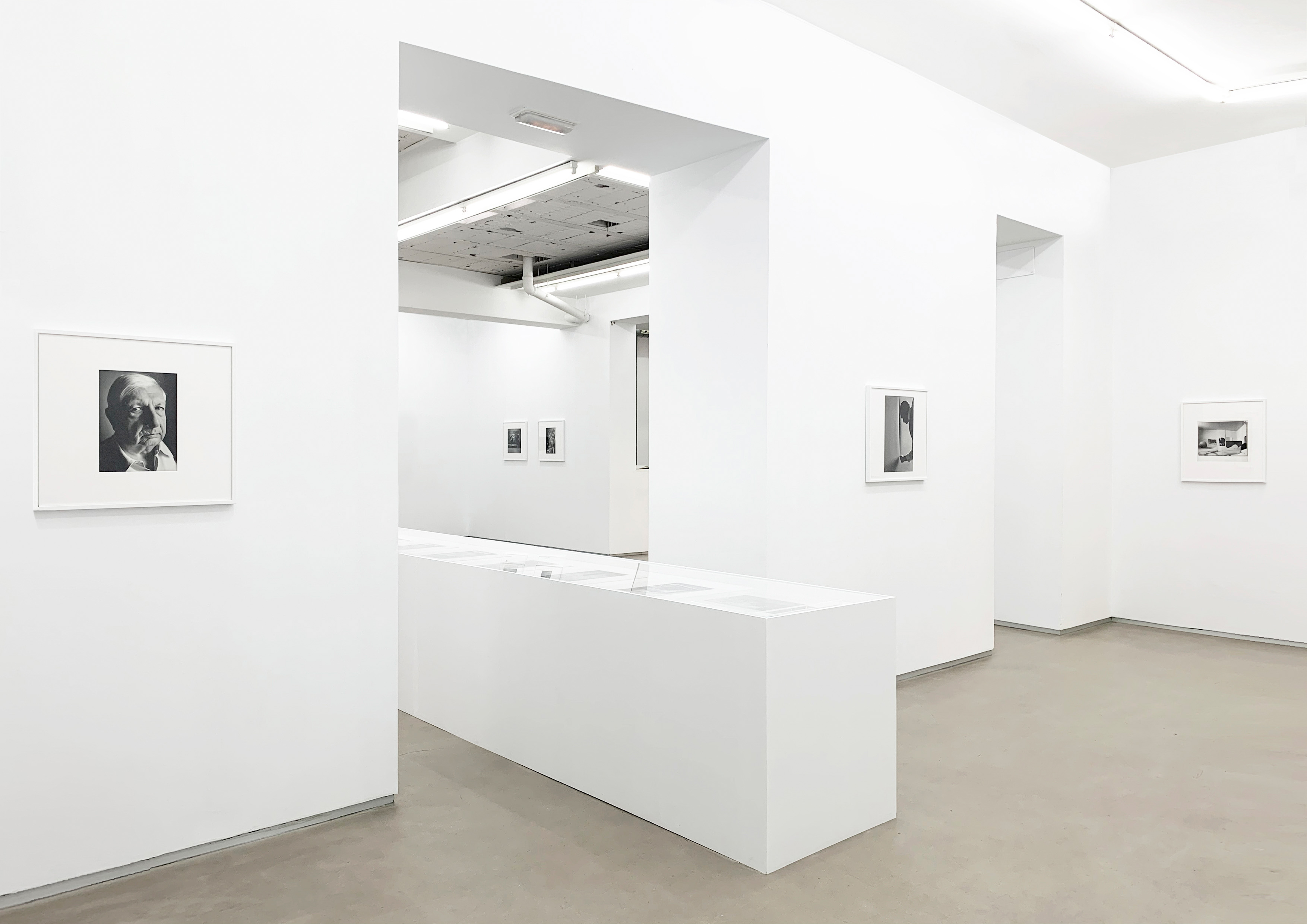
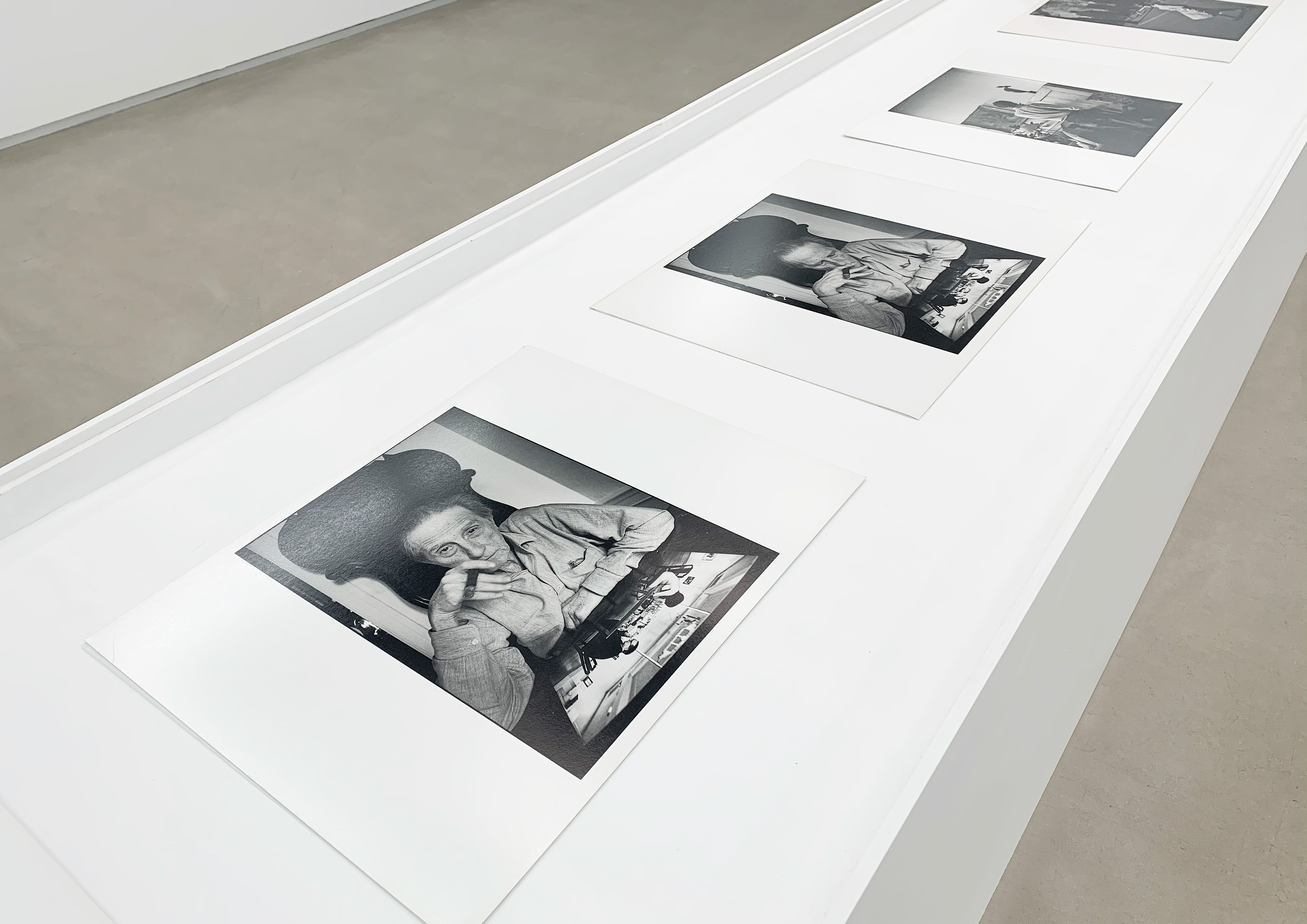
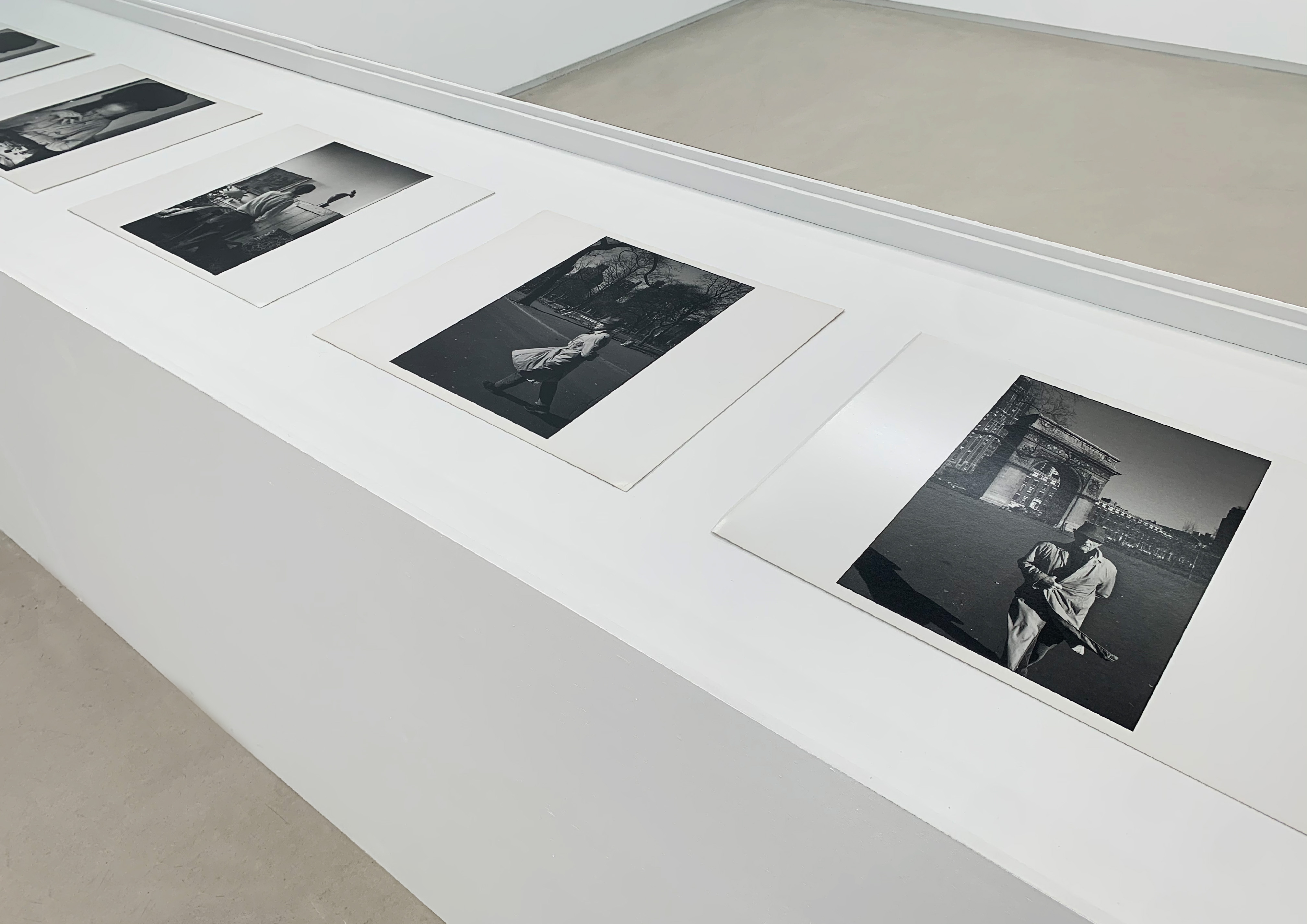
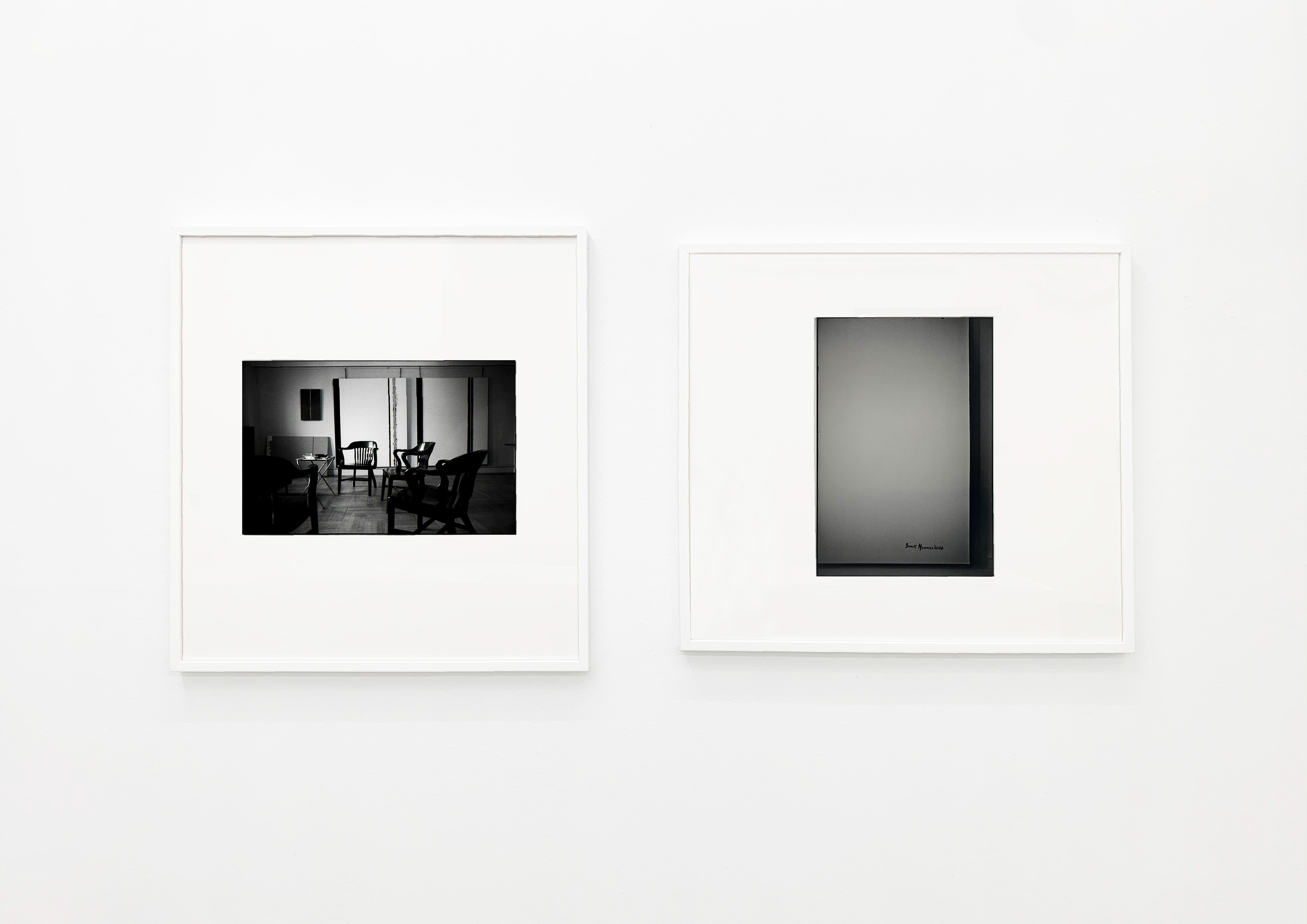
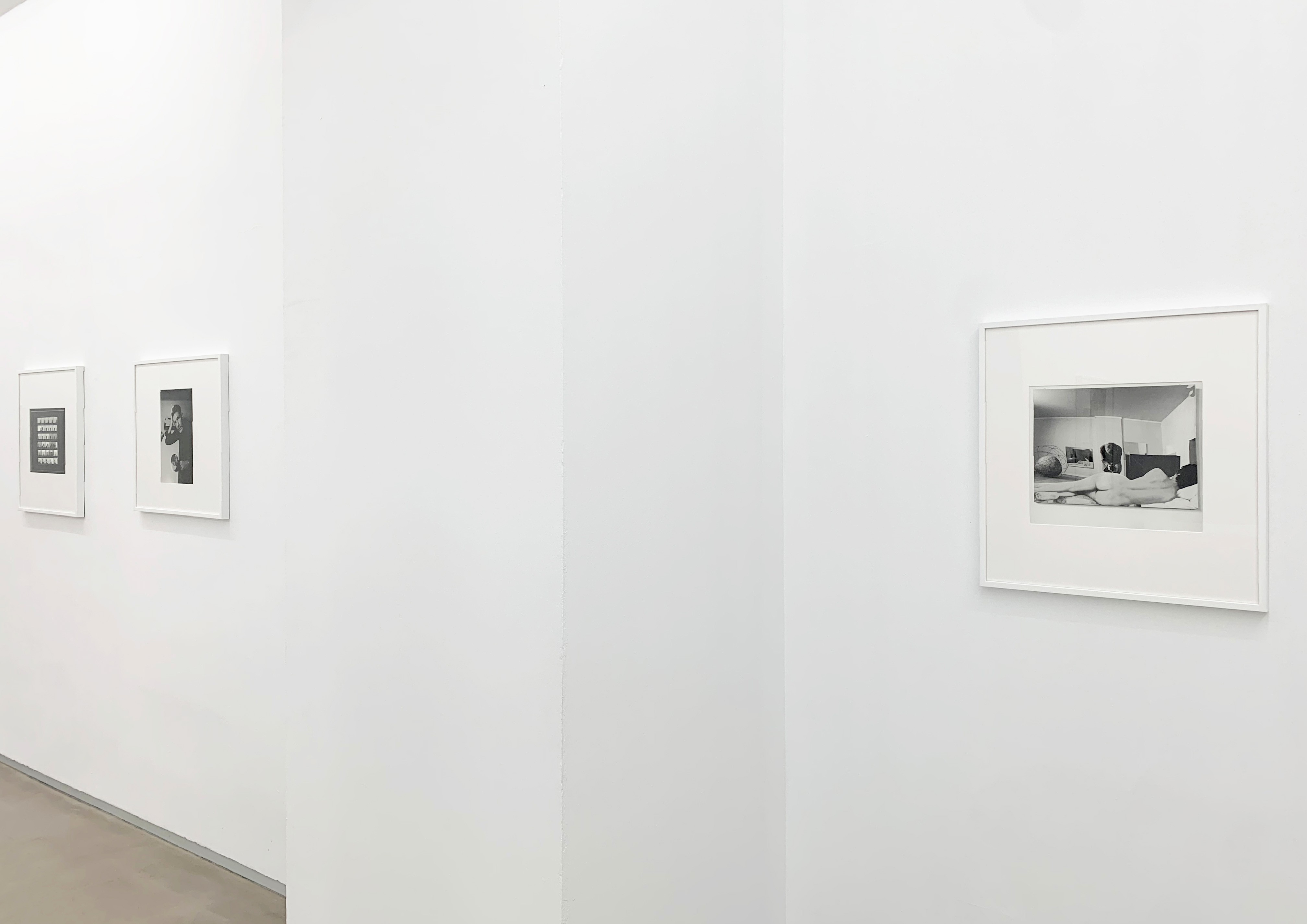
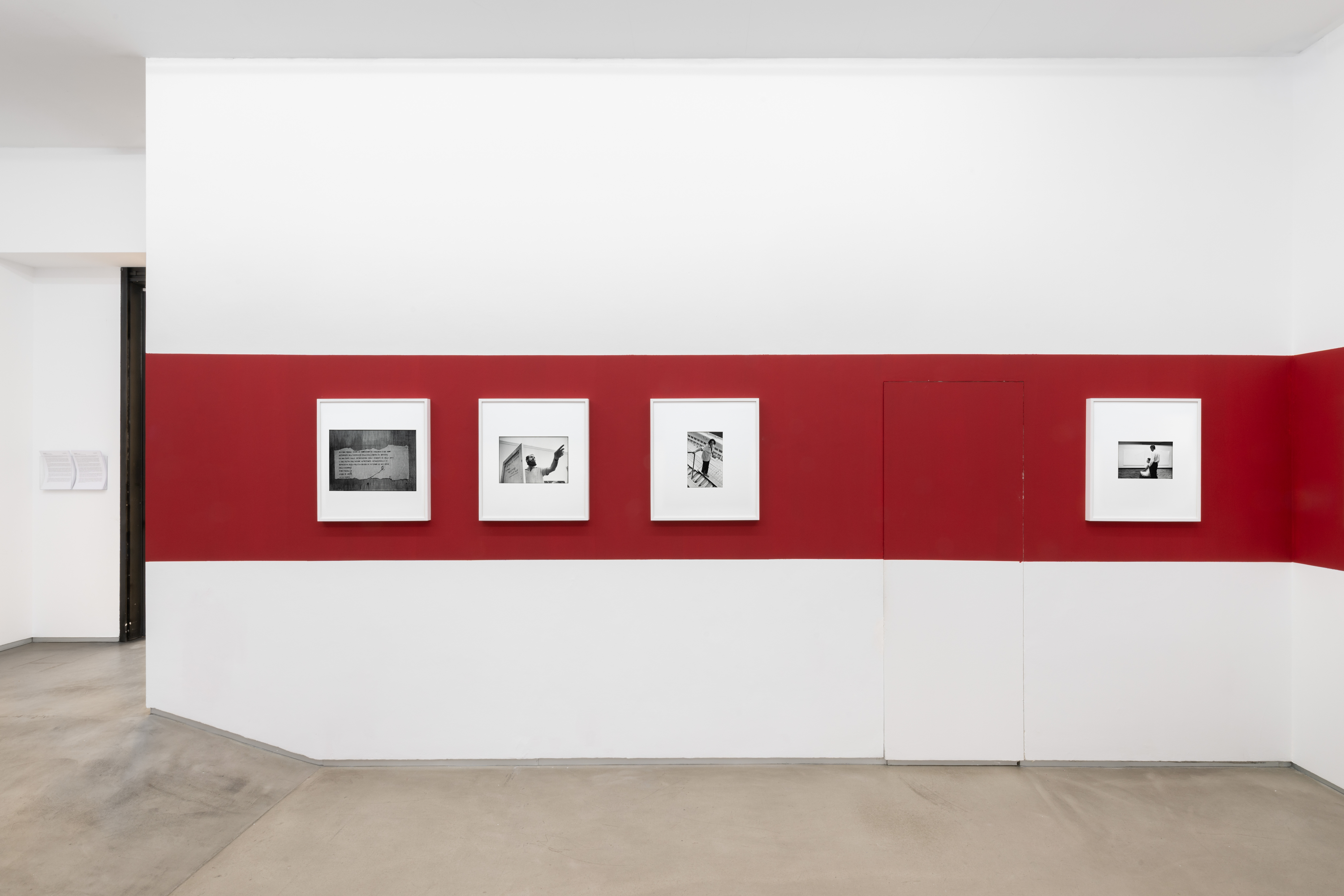
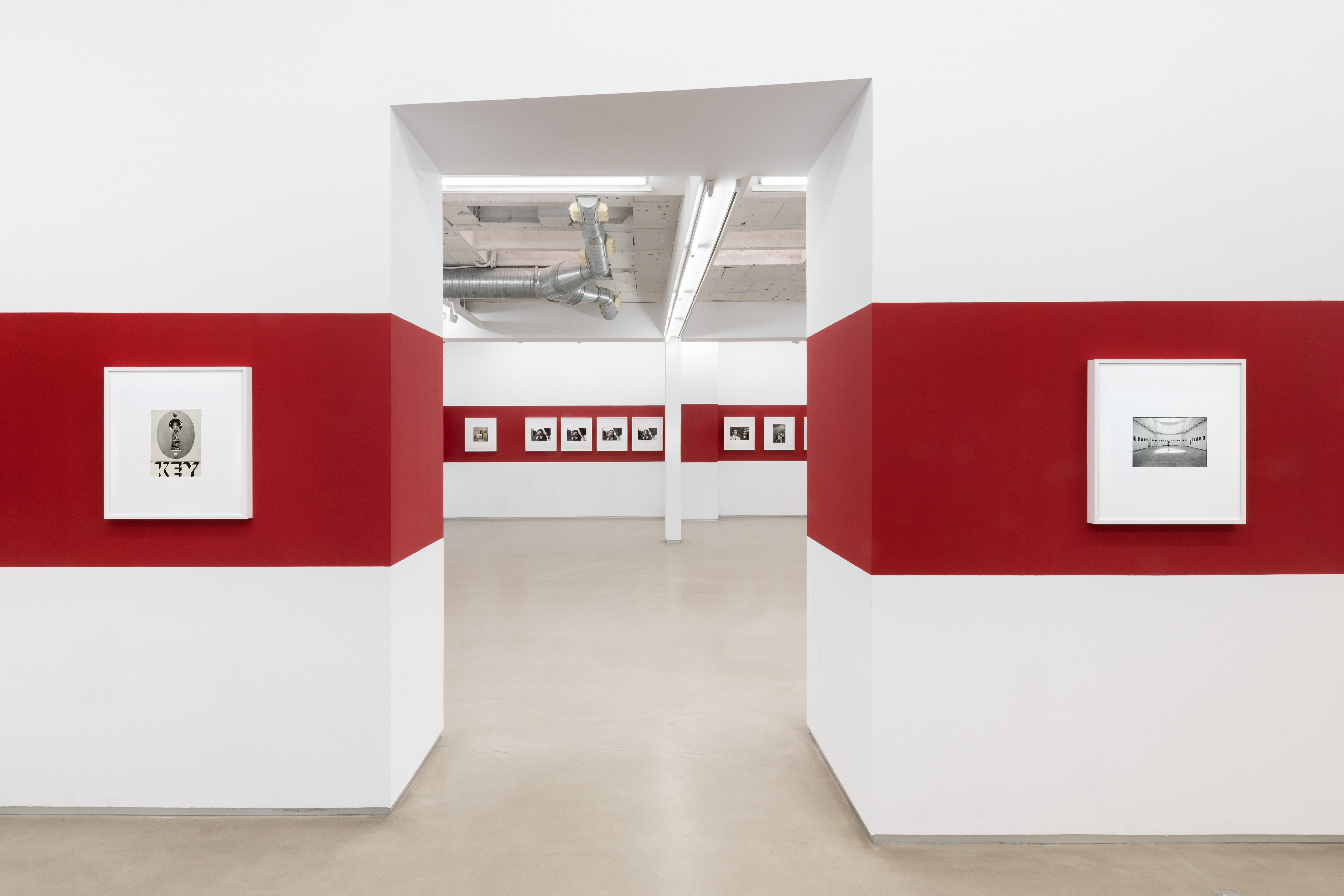
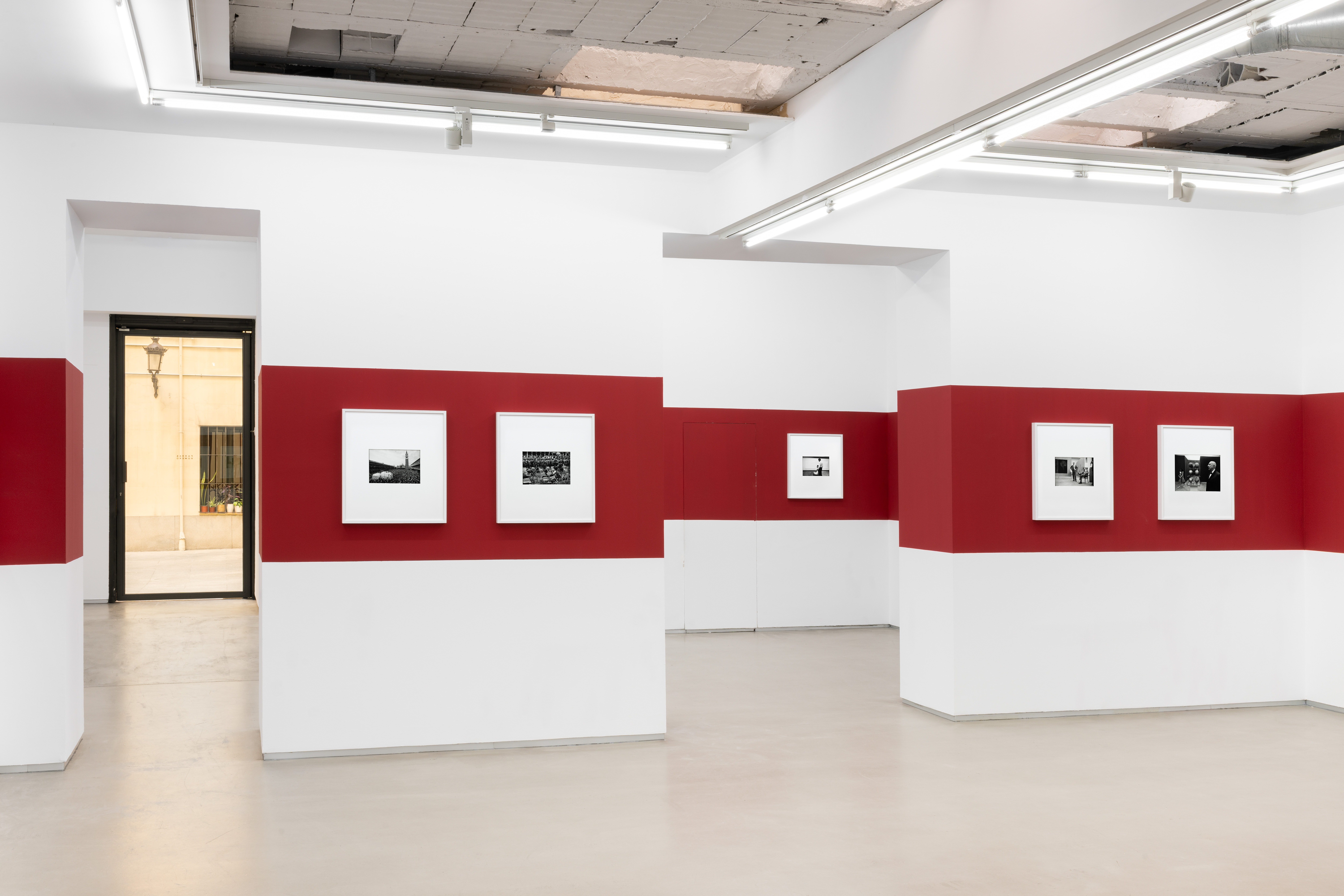
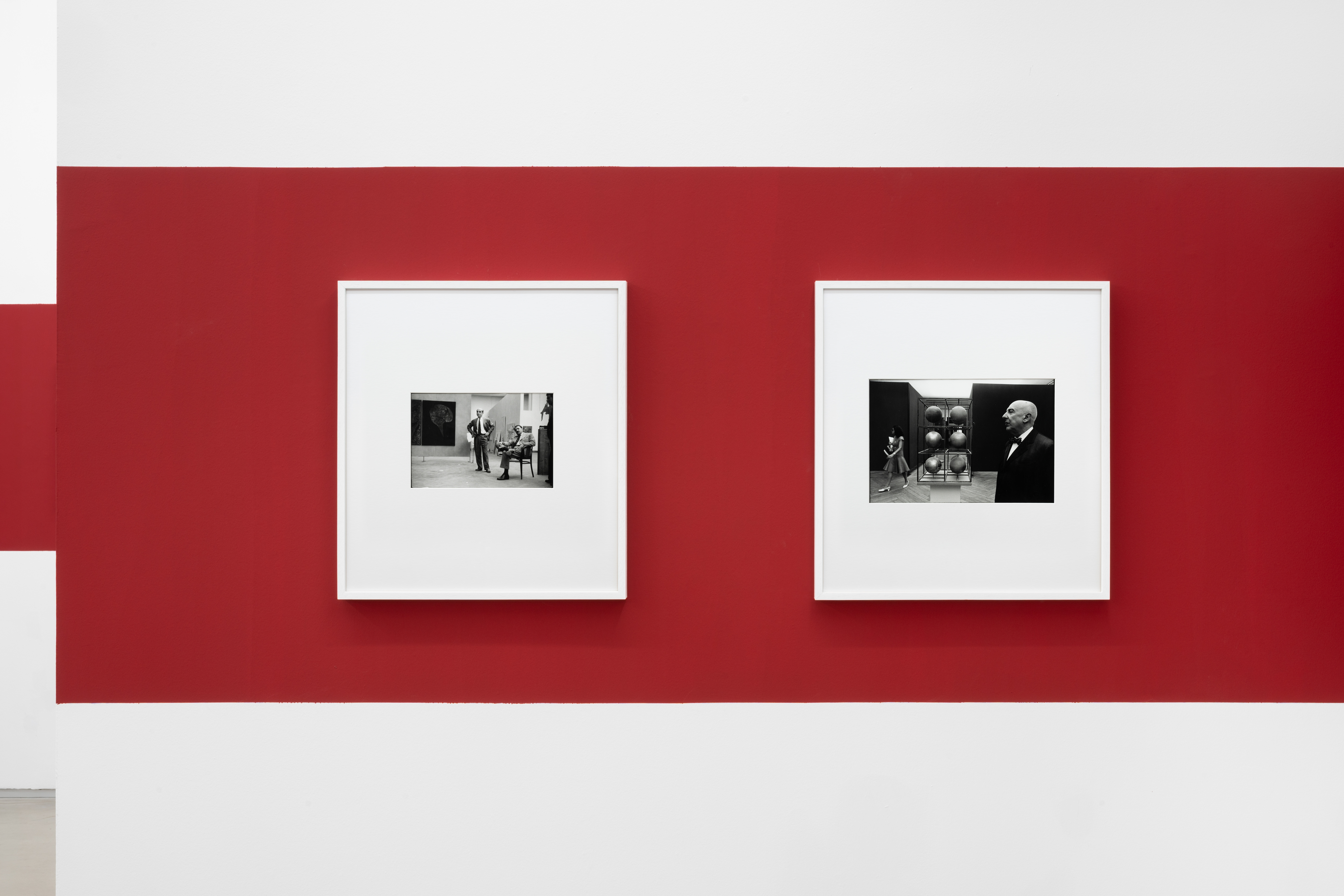
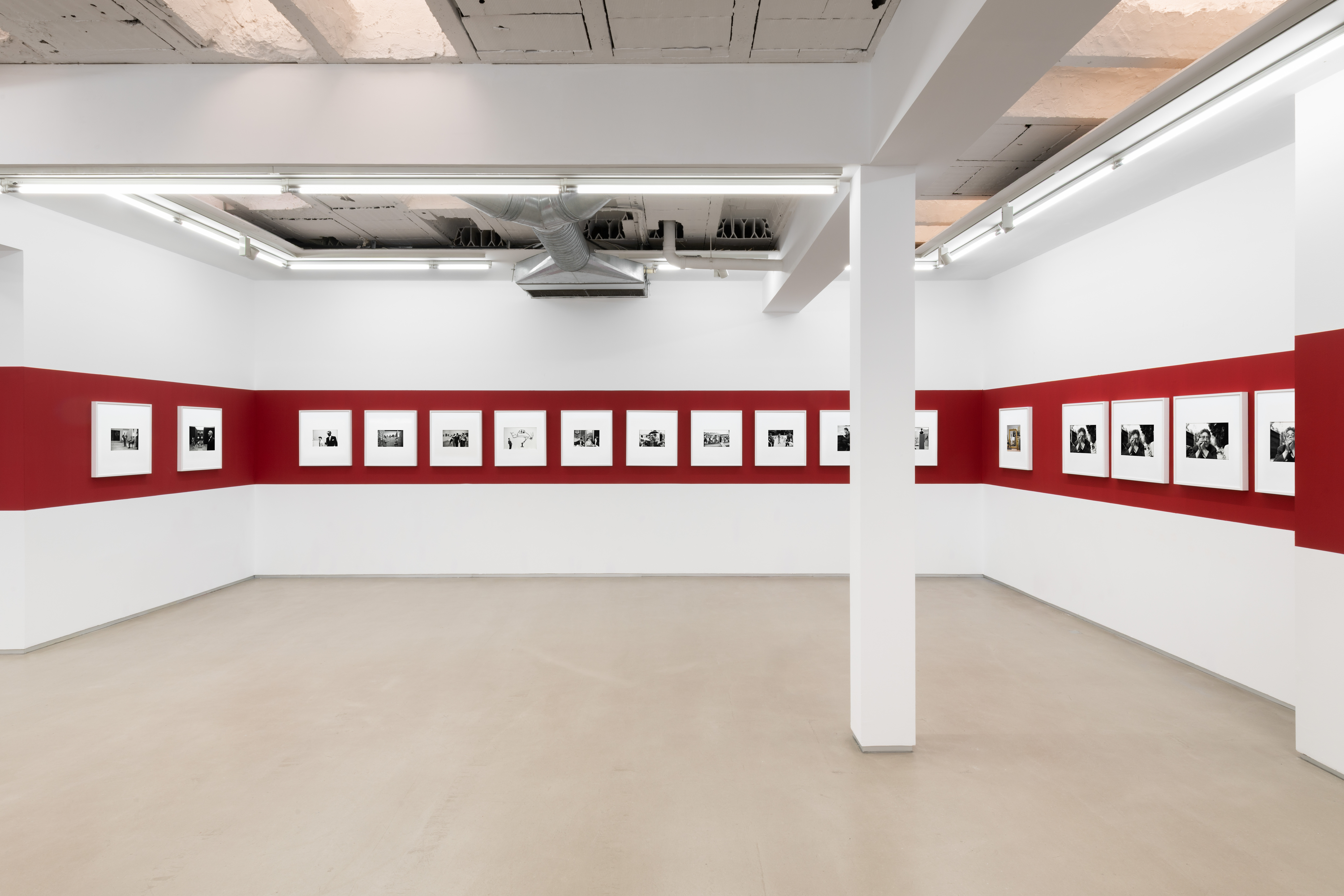
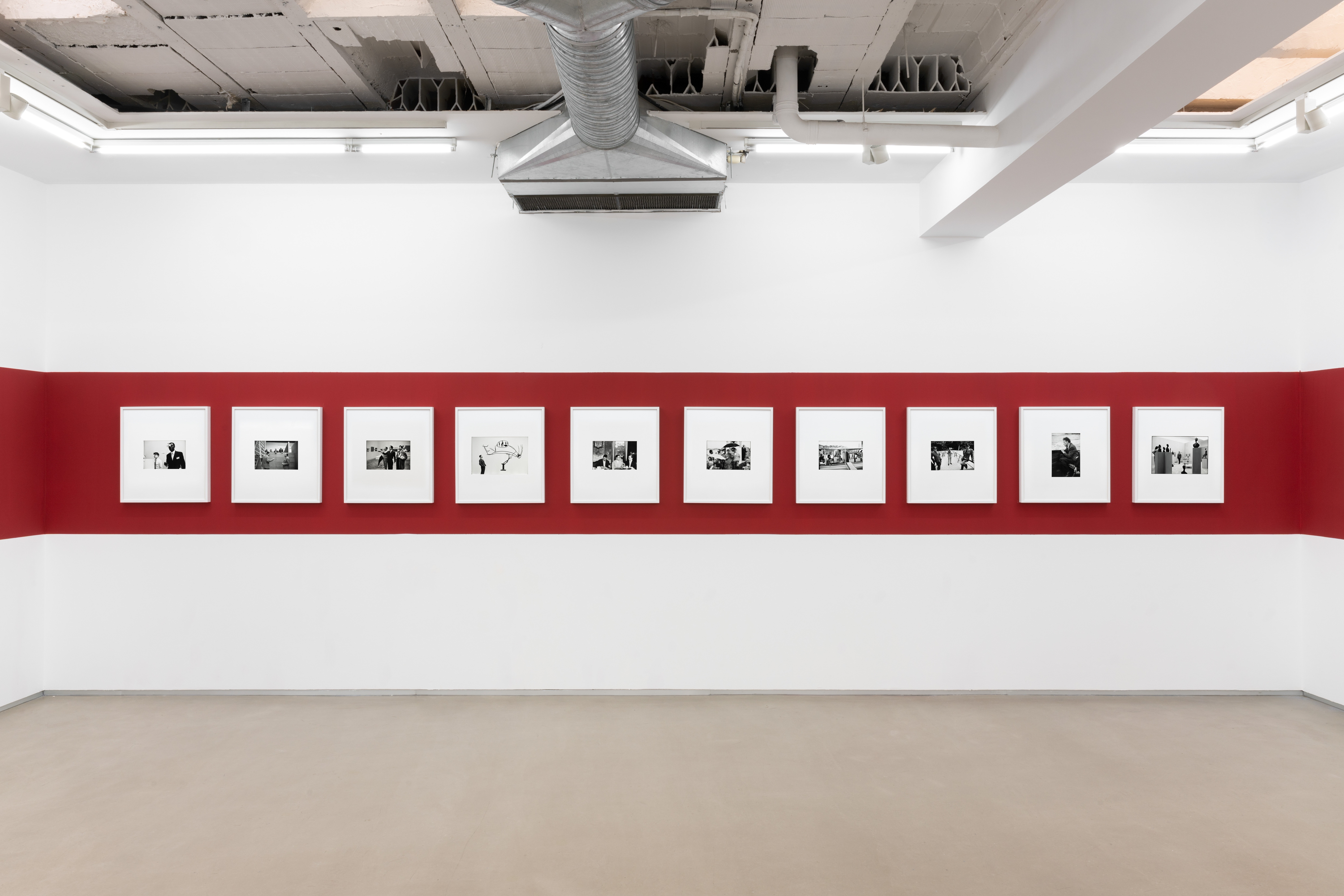
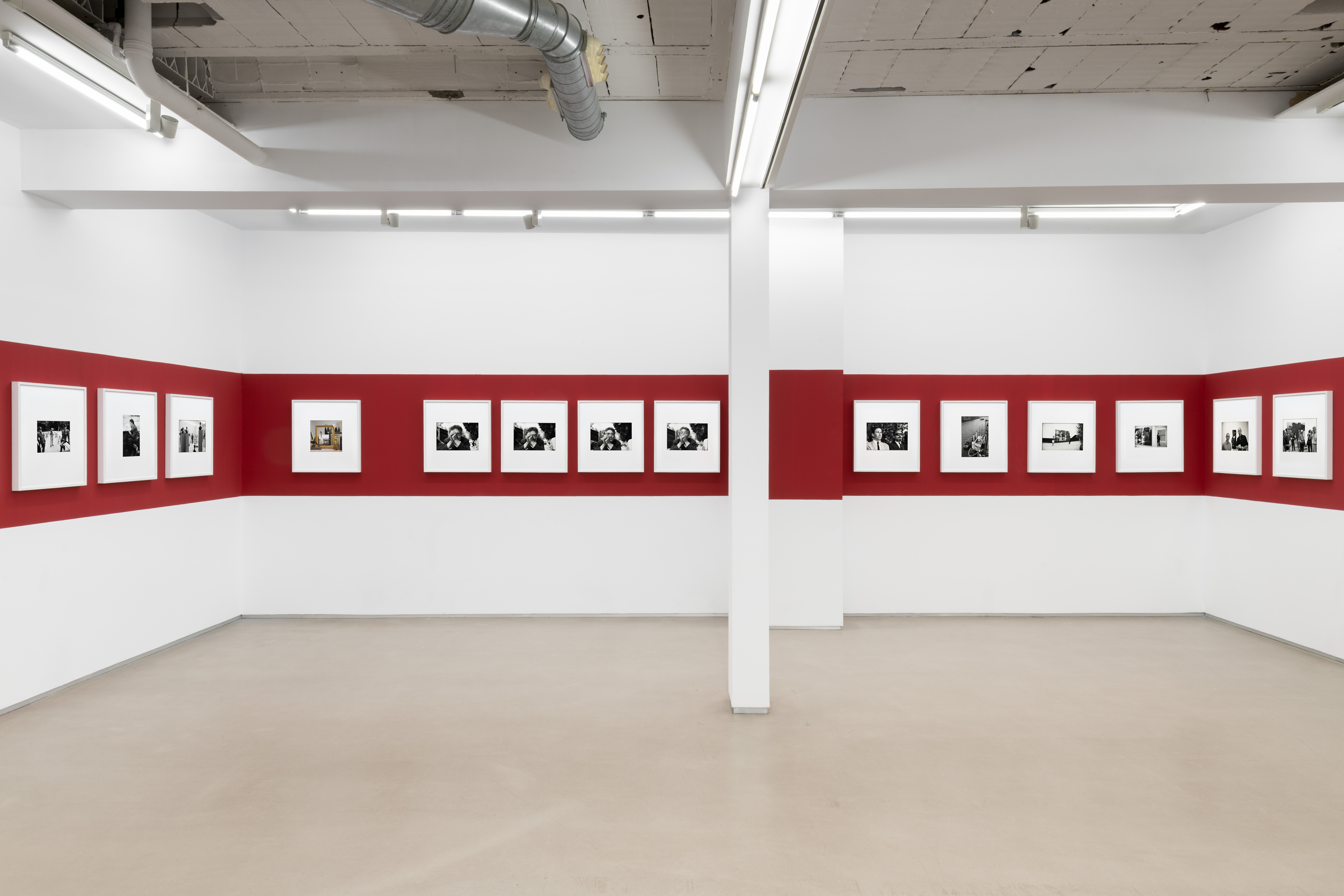
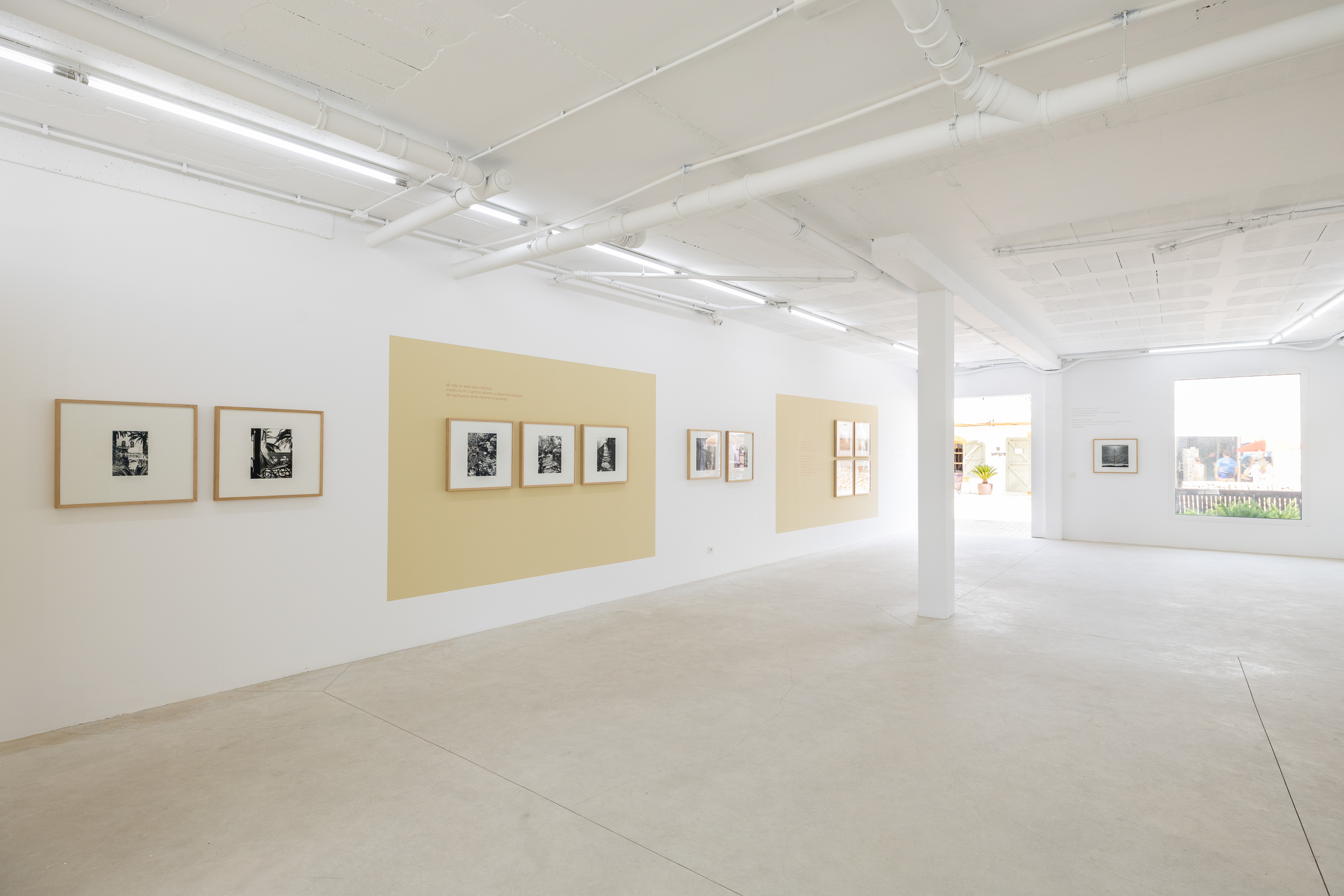
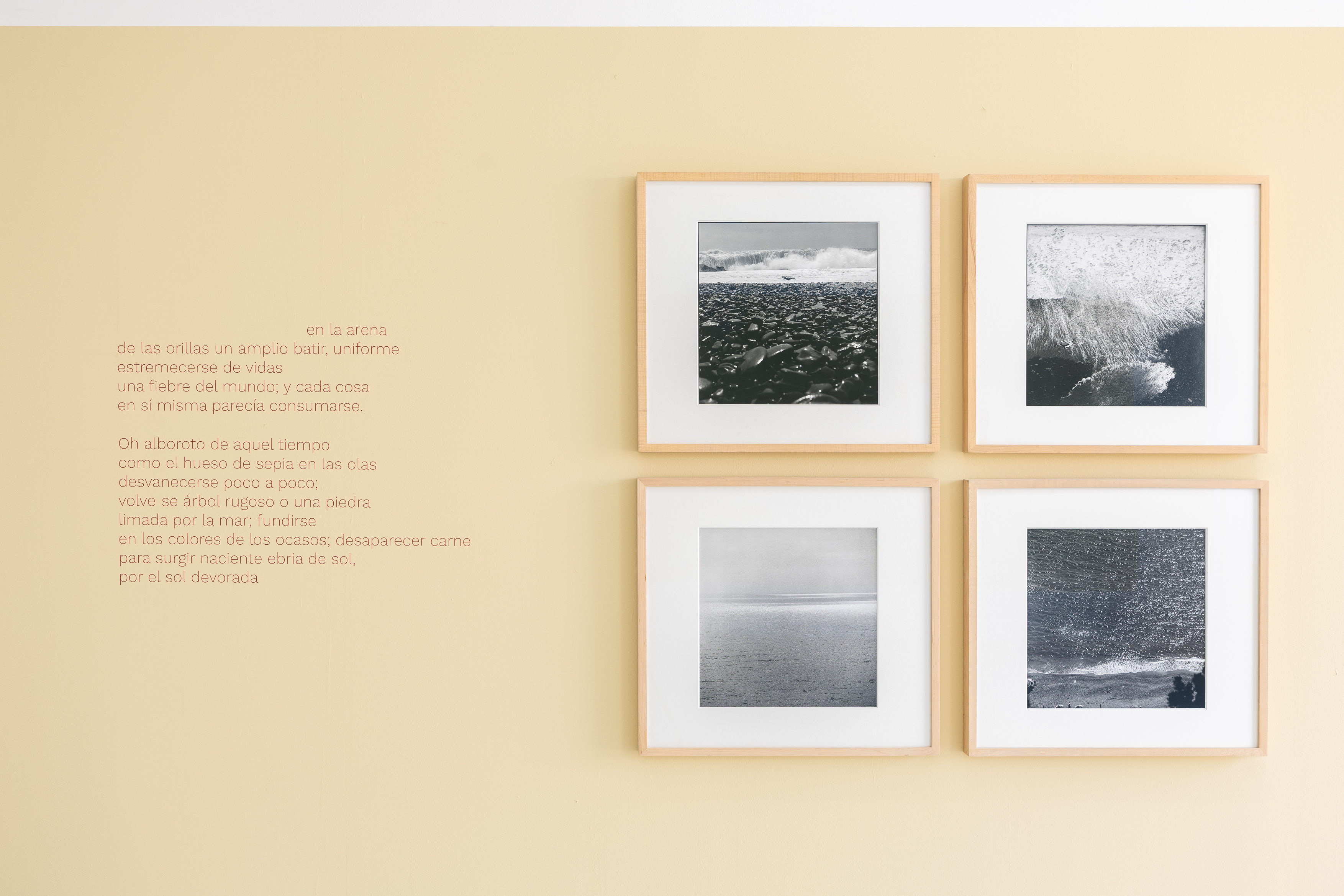
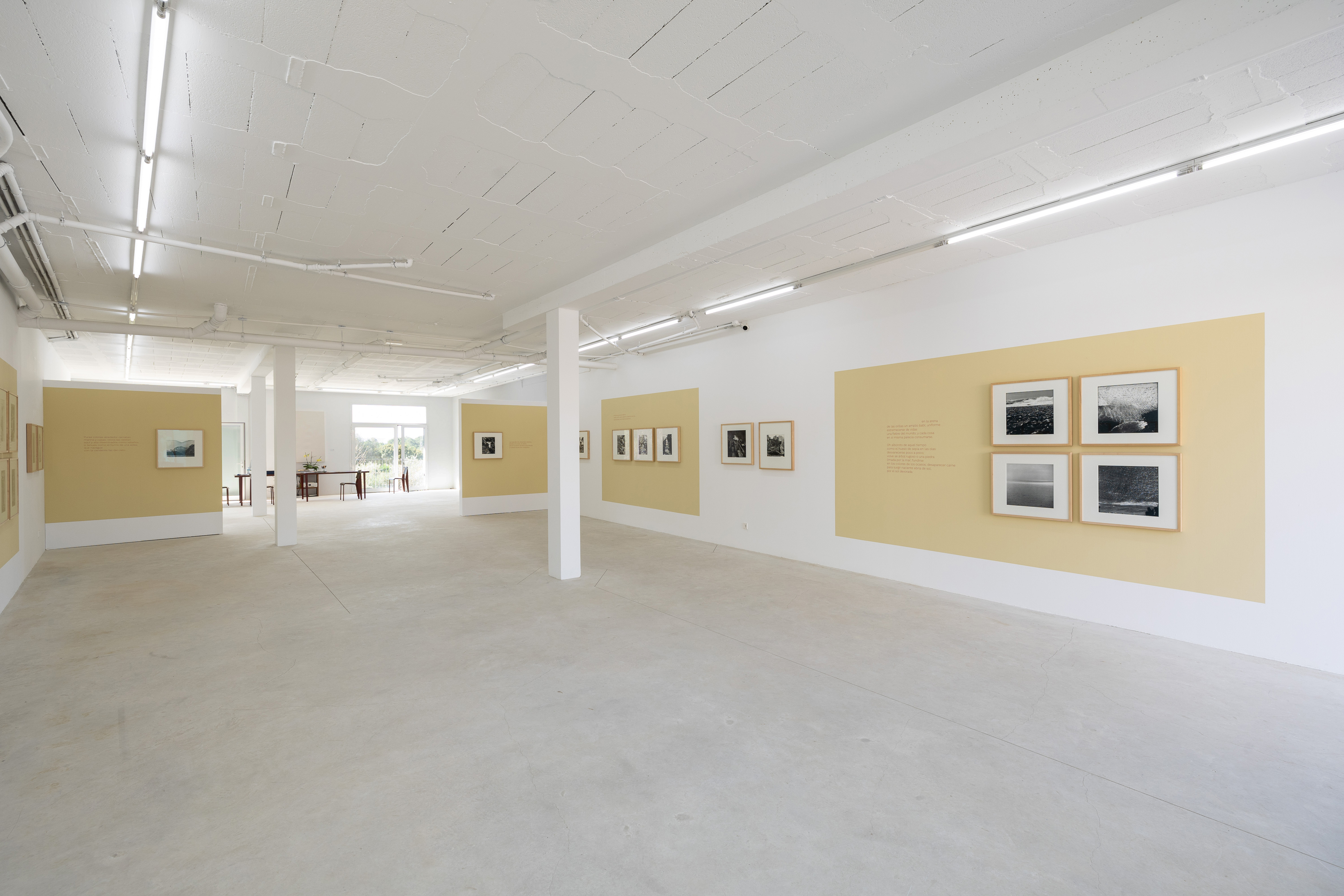
Ugo Mulas. Ossi di seppia -one of the central works of his career- is presented for the first time in a reasoned exhibition. It includes a selection of photographs from the series in which we find this leitmotiv through his representation of the sea, the furrows, the shadows, the rocks, the walls and the paths that Montale used to walk along. A series which, for Mulas, implied a work of meditation, reflection and recollection through the camera, but also a profound understanding of the poetic fact, because what really matters, as he recognised, is “to find one’s own reality and, once circumscribed, the images will create themselves”.
The work of Ugo Mulas (Pozzolengo, 1928 – Milan, 1973) has been exhibited in prestigious institutions and museums throughout the world including the Centre Georges Pompidou, Paris; Solomon R. Guggenheim Museum, New York; Henri Cartier-Bresson Foundation, Paris; Documenta 6, Kassel; Museum Fridericianum, Kassel; Museo Nacional Centro de Arte Reina Sofía, Madrid; MAXXI, Rome; Fondazione Prada, Milan; Kunsthaus Zürich, Zurich; Kunstmuseum Bonn, Bonn; Musée Rath, Geneva; Kunsthalle Basel, Basel or Philadelphia Museum of Art, Philadelphia.