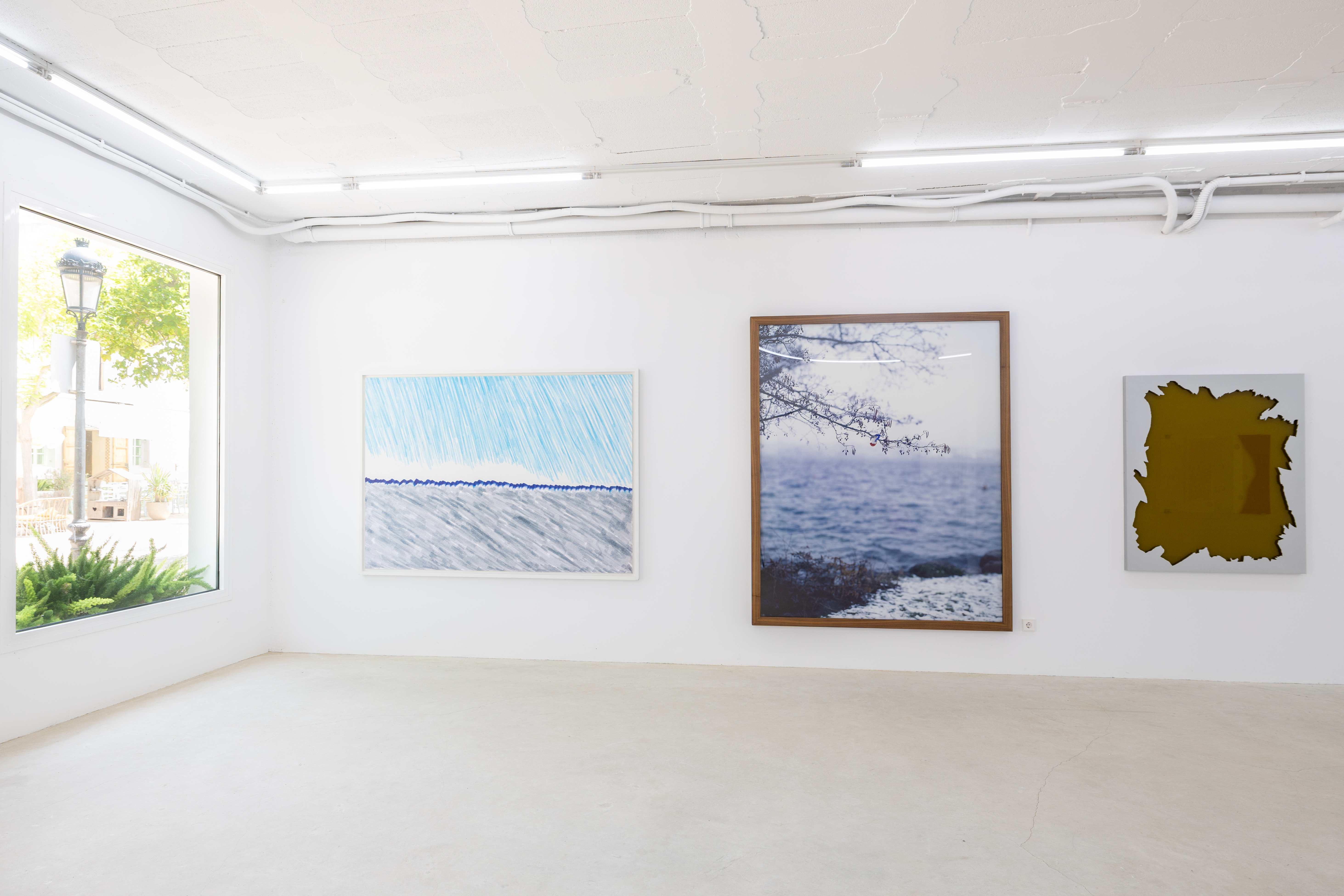
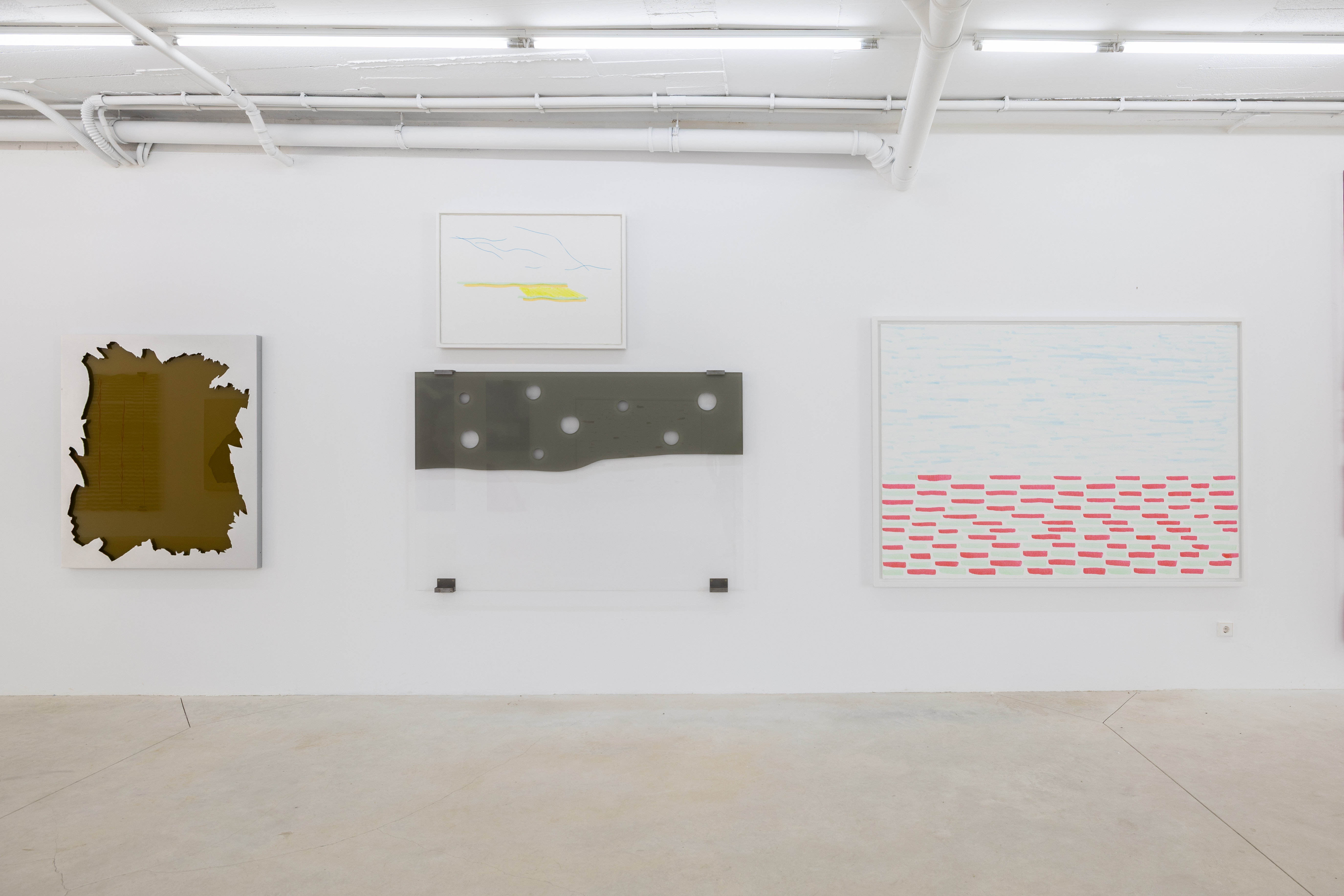
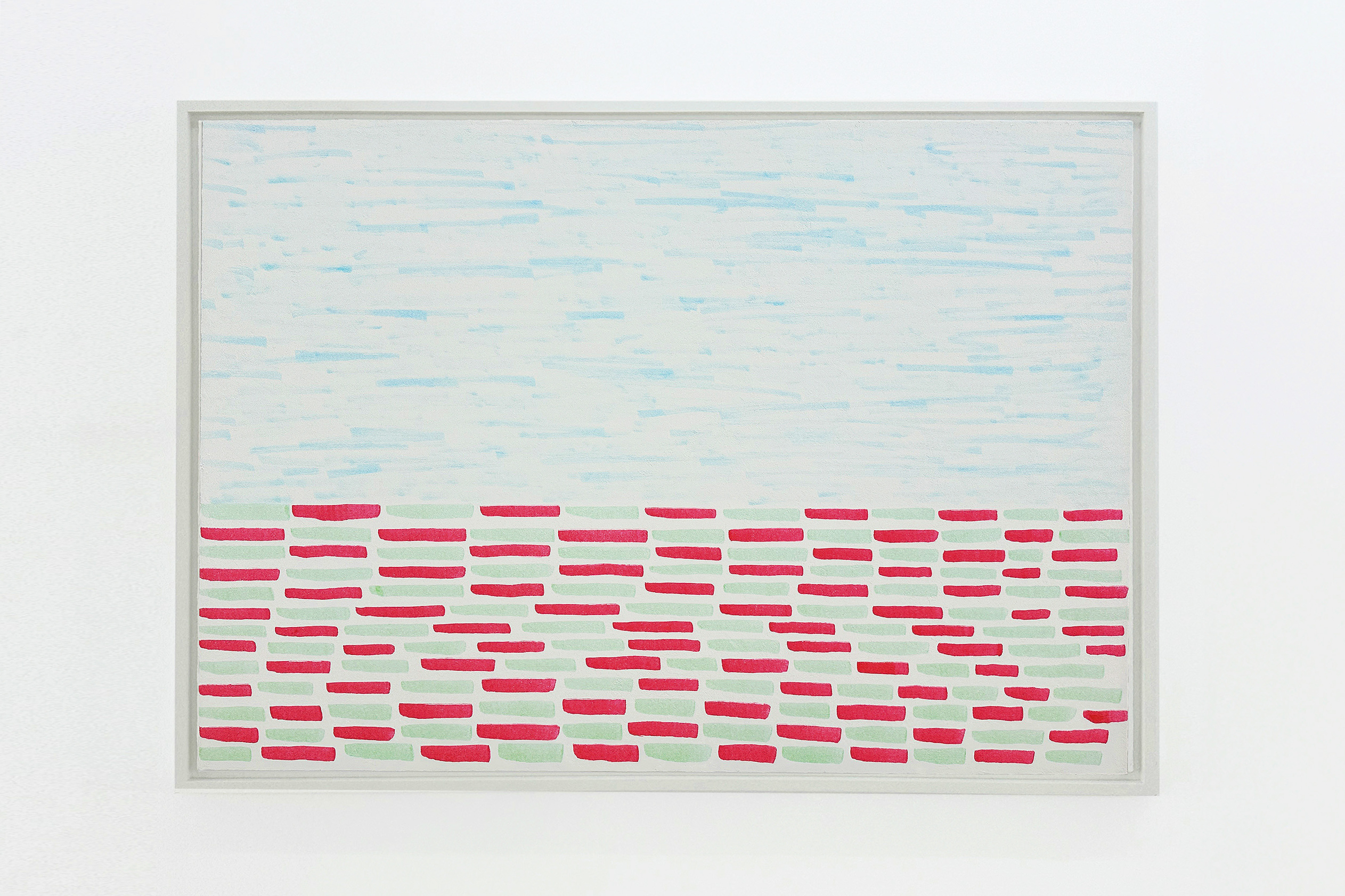
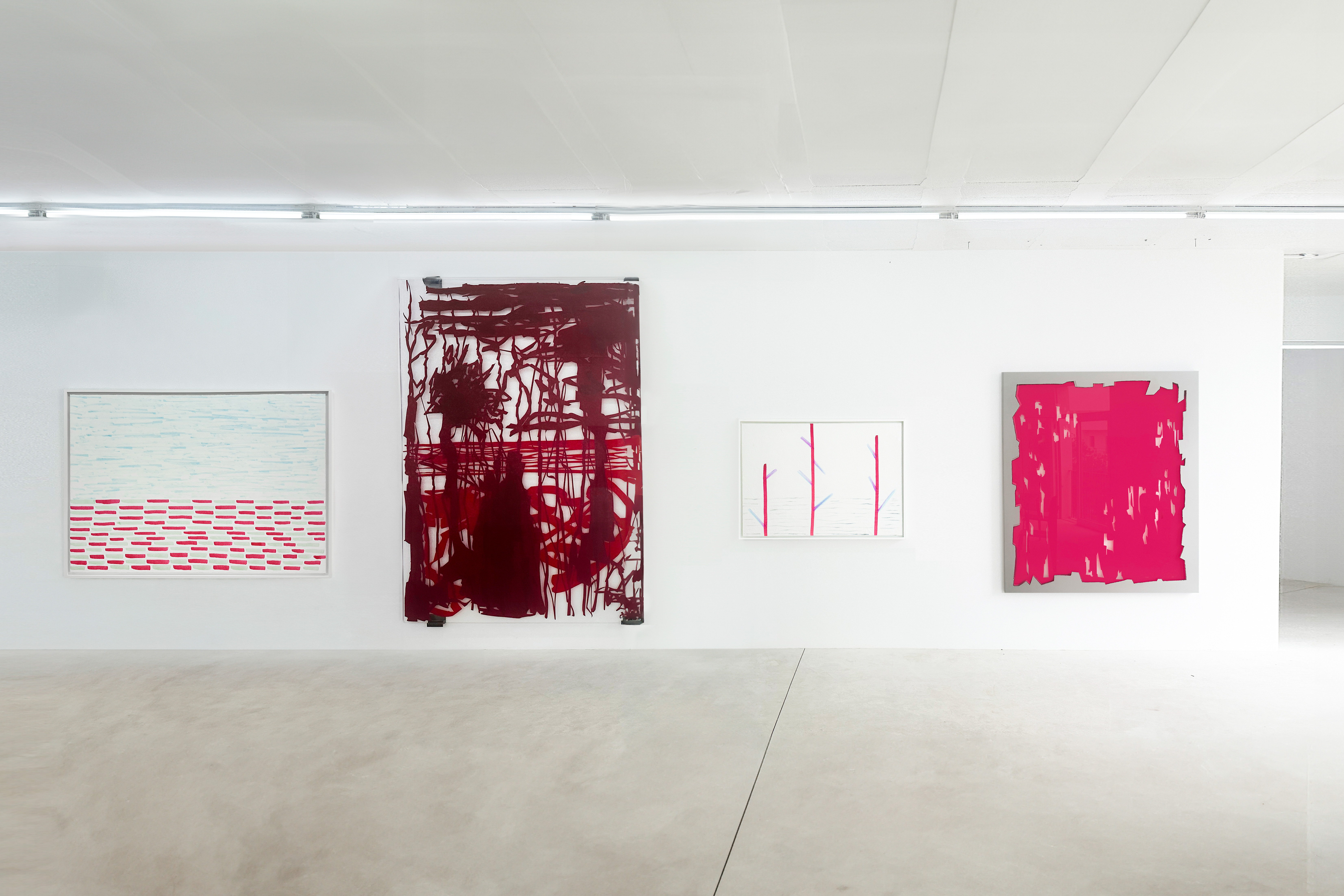
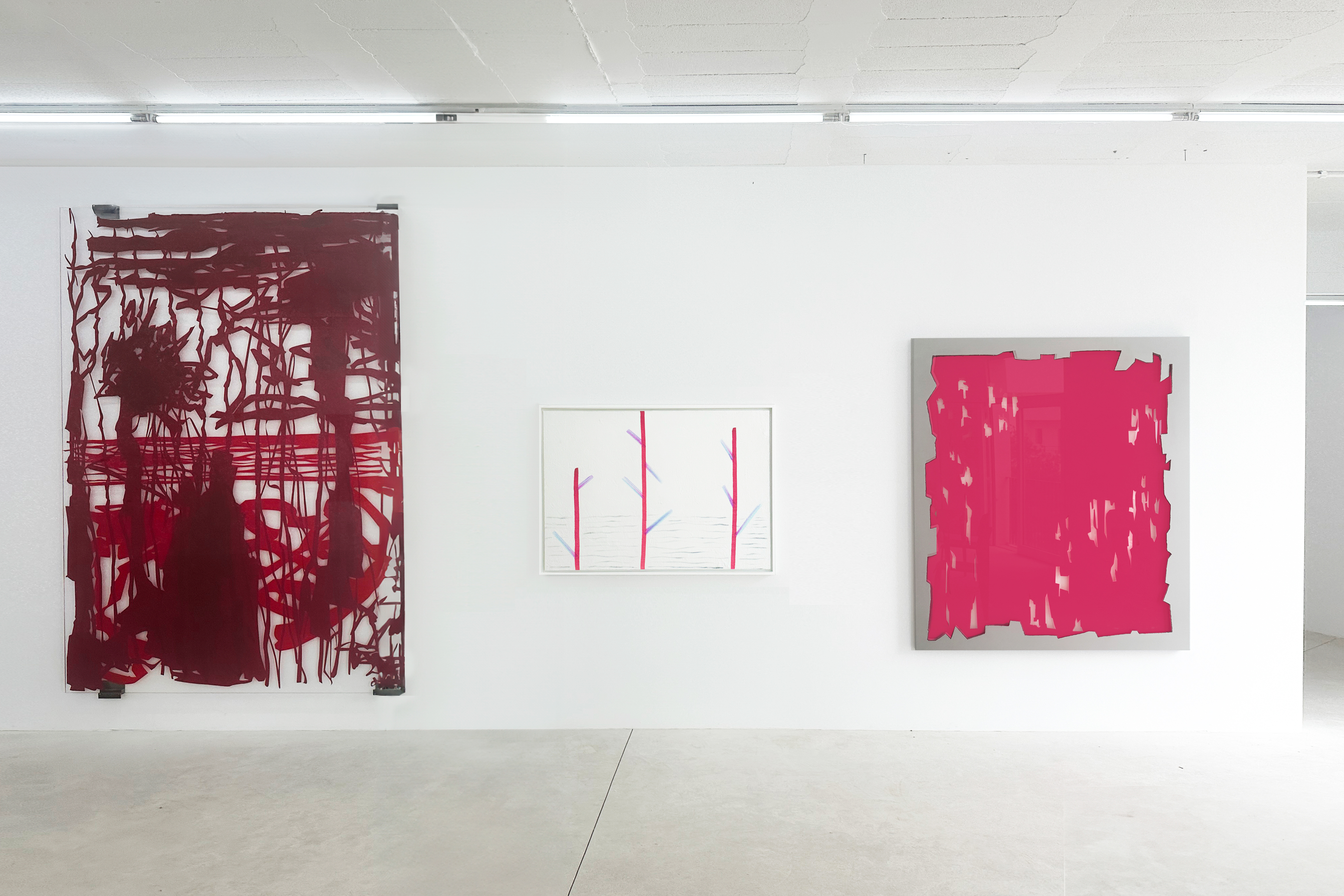
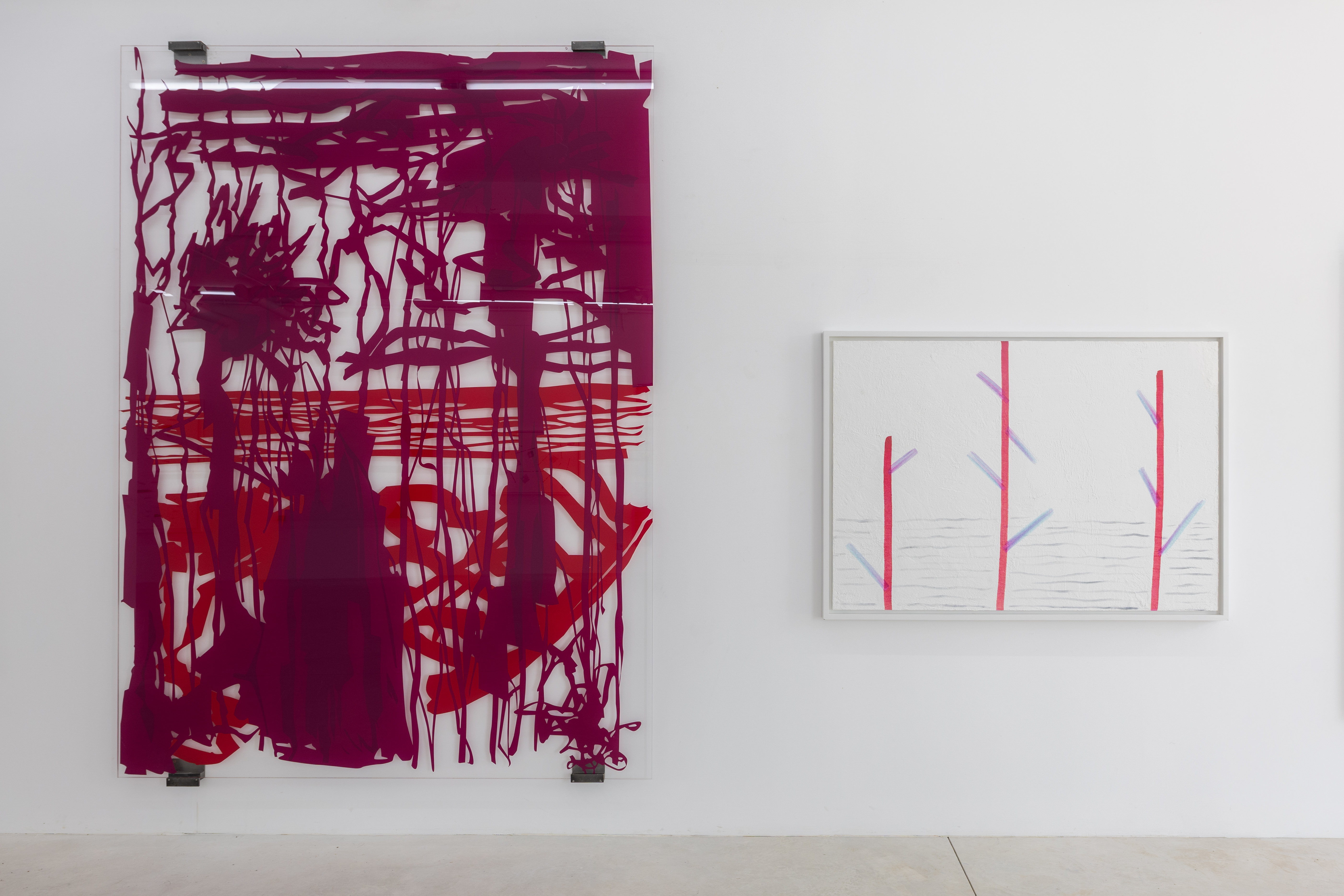
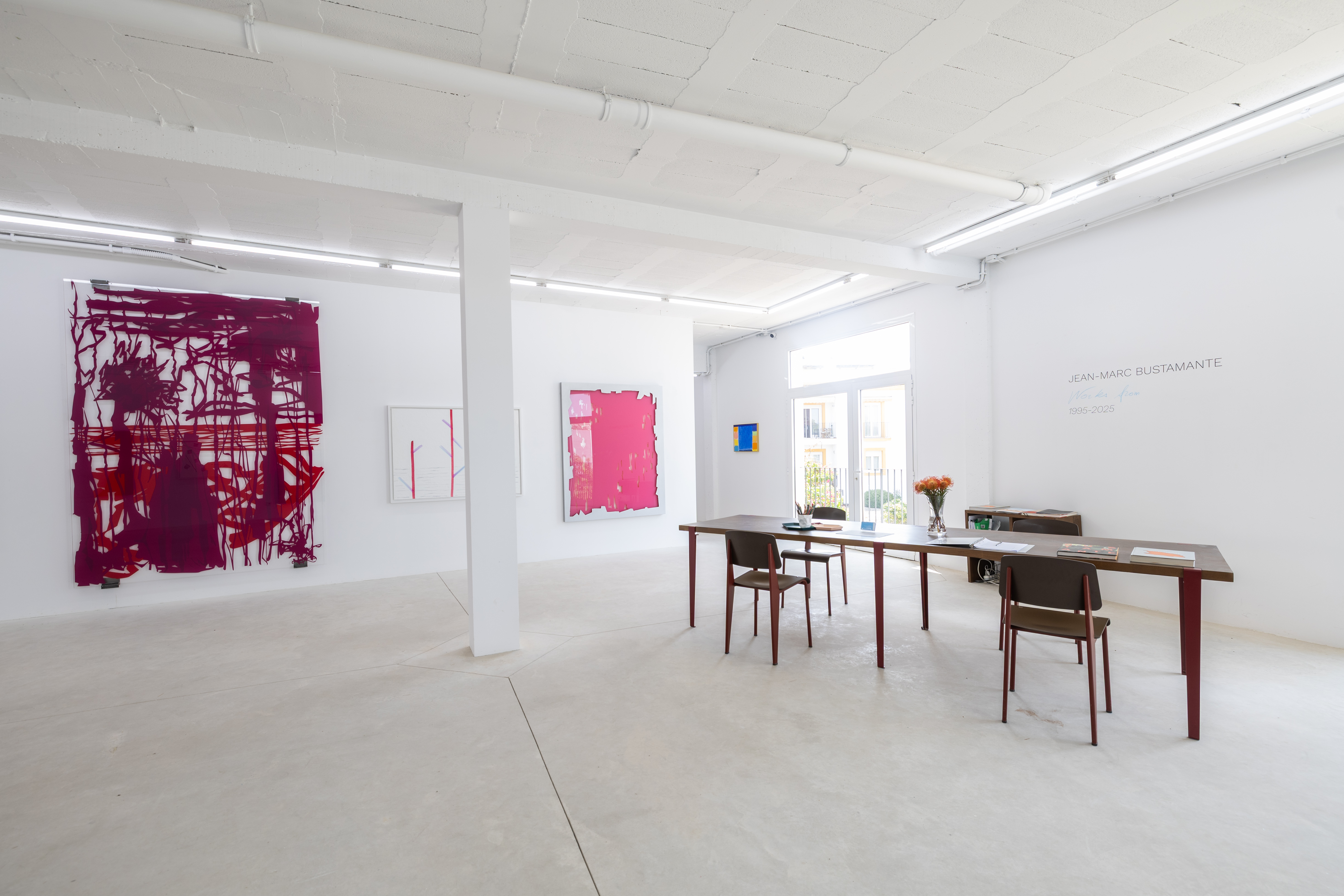
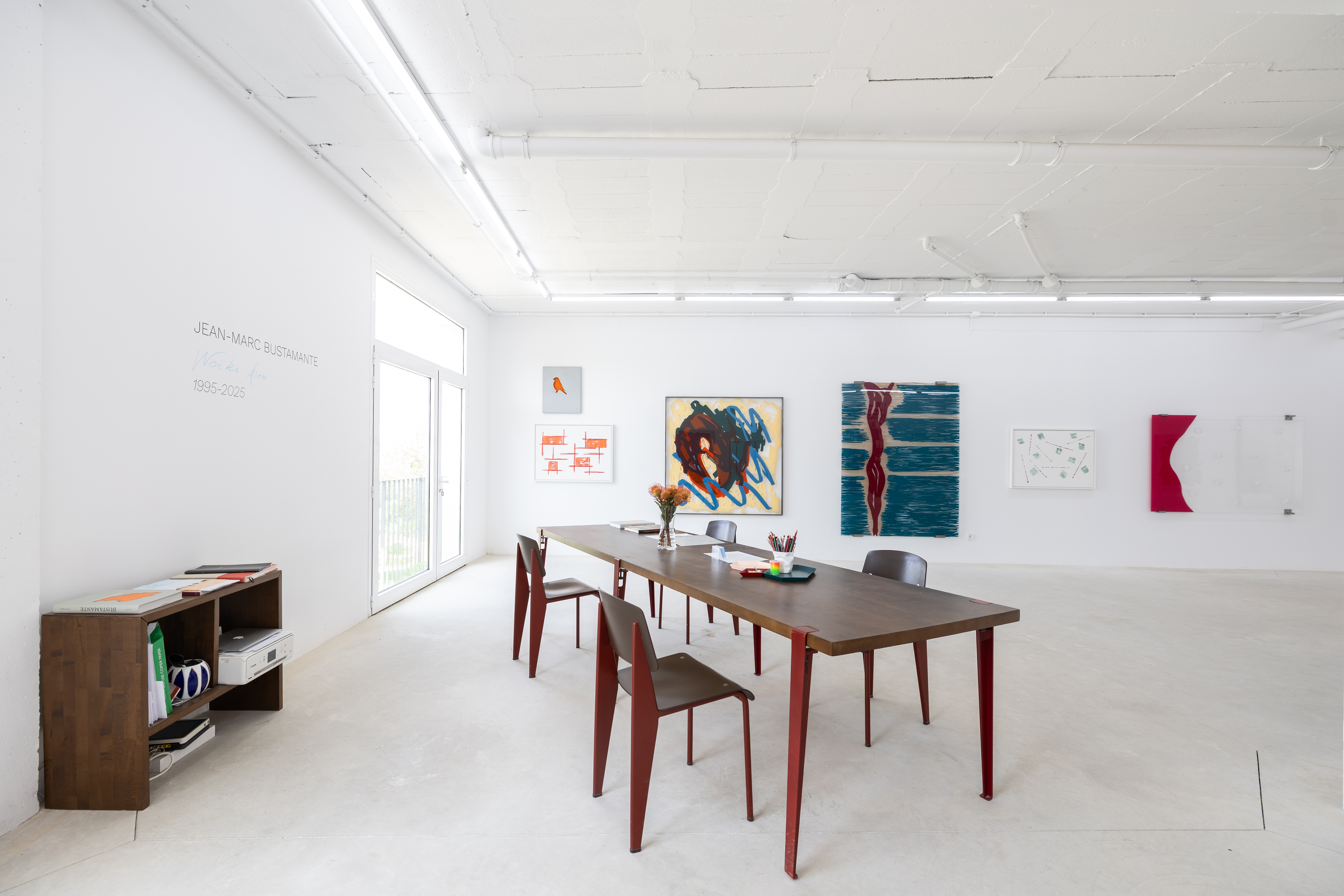
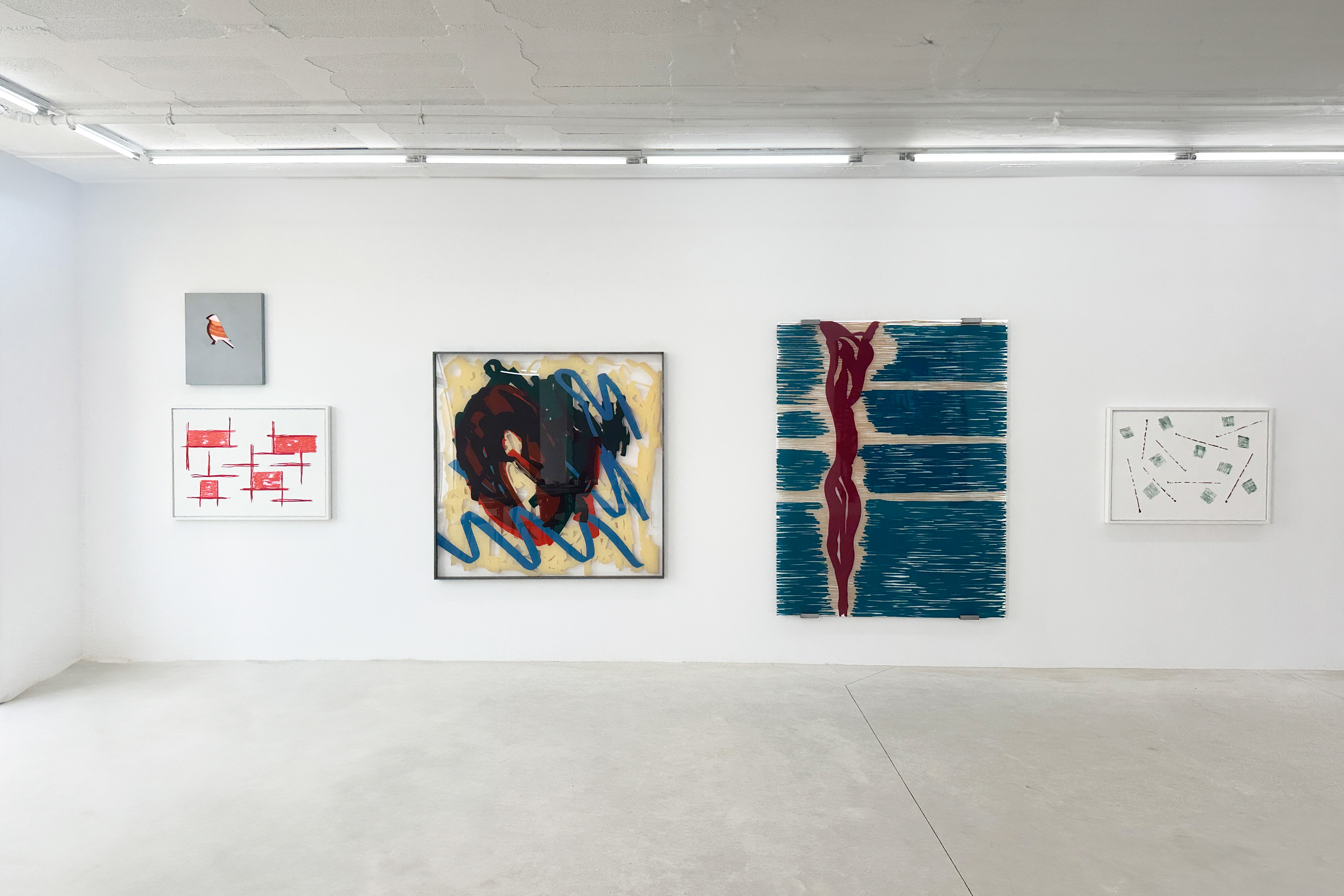
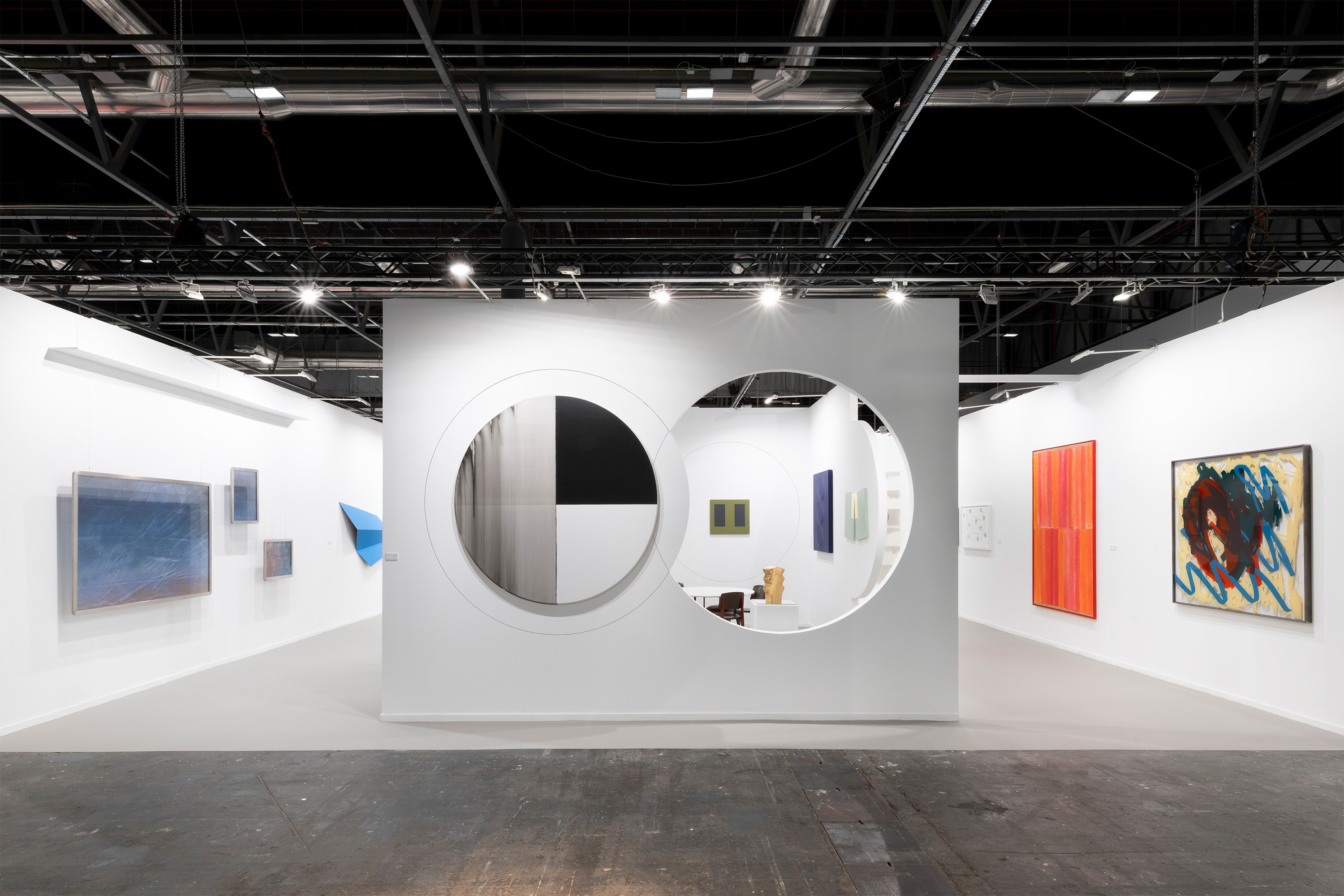
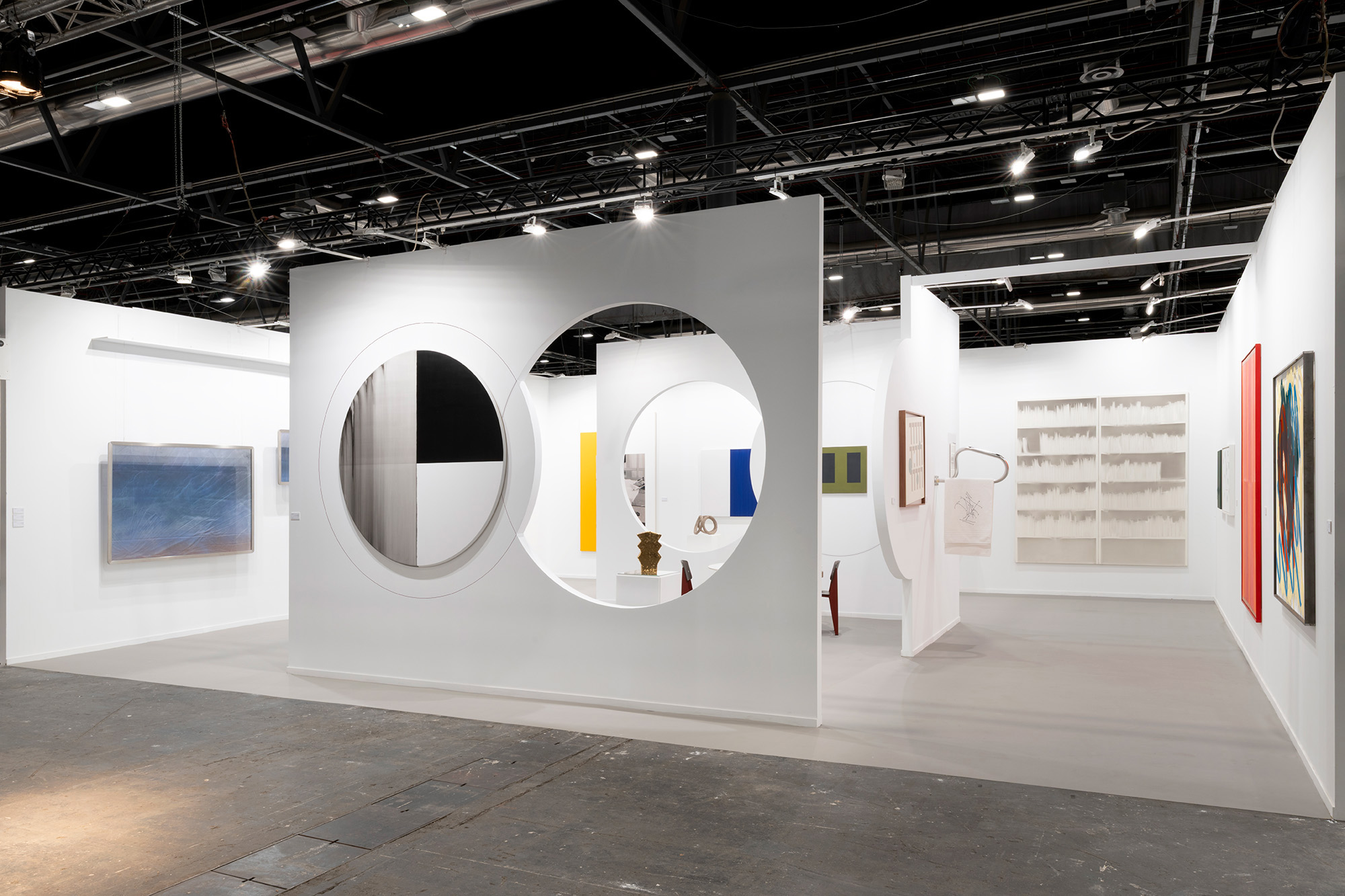
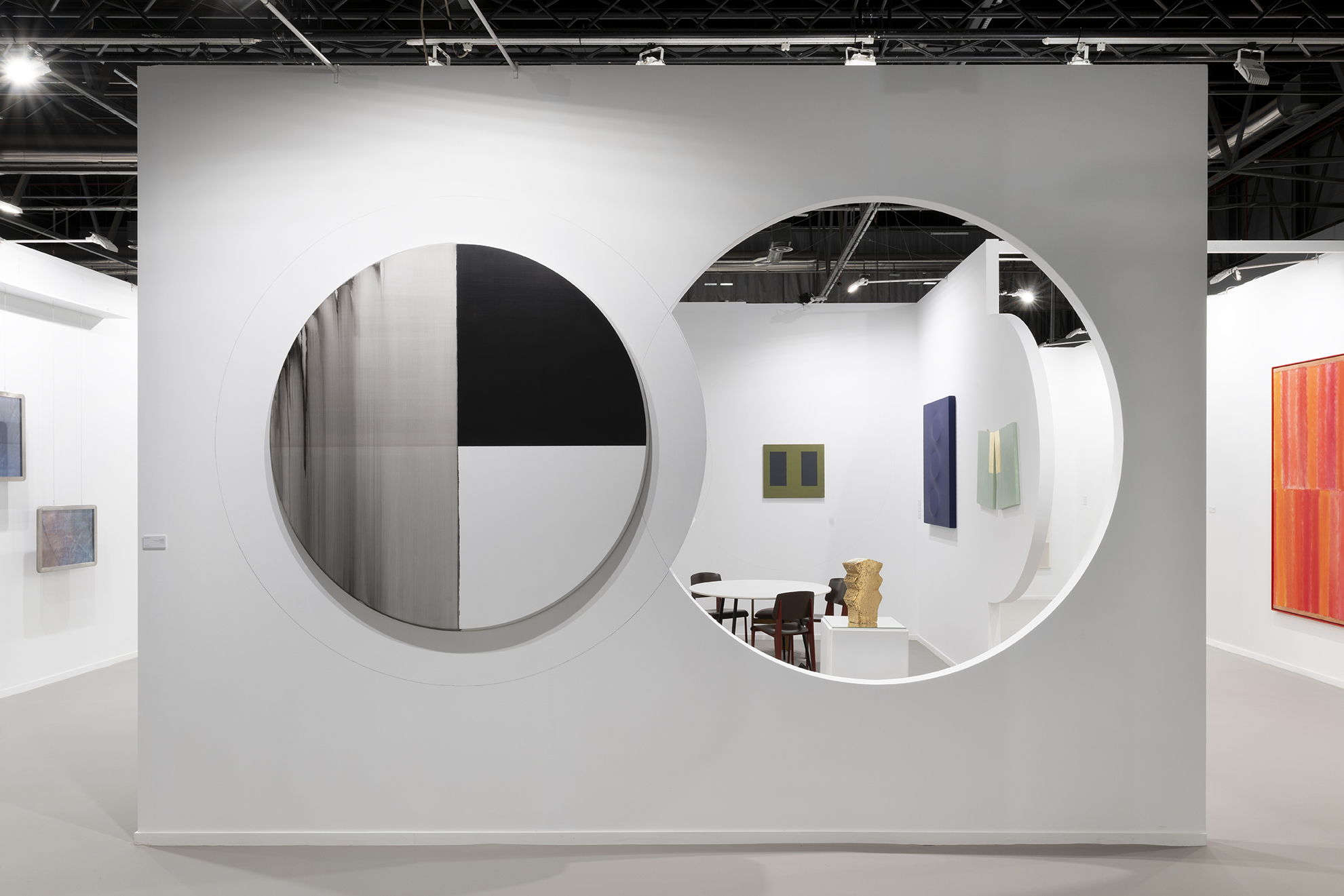
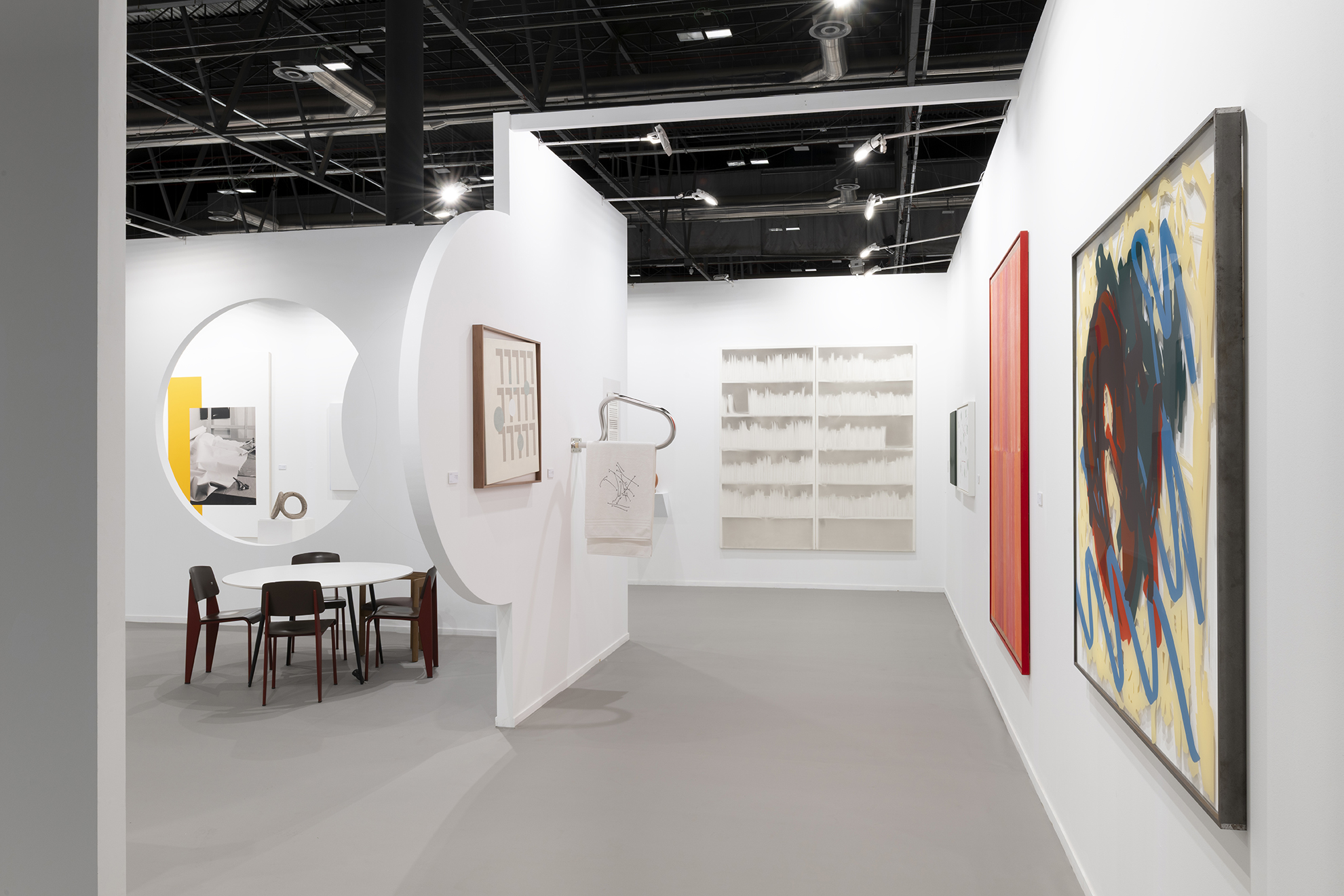
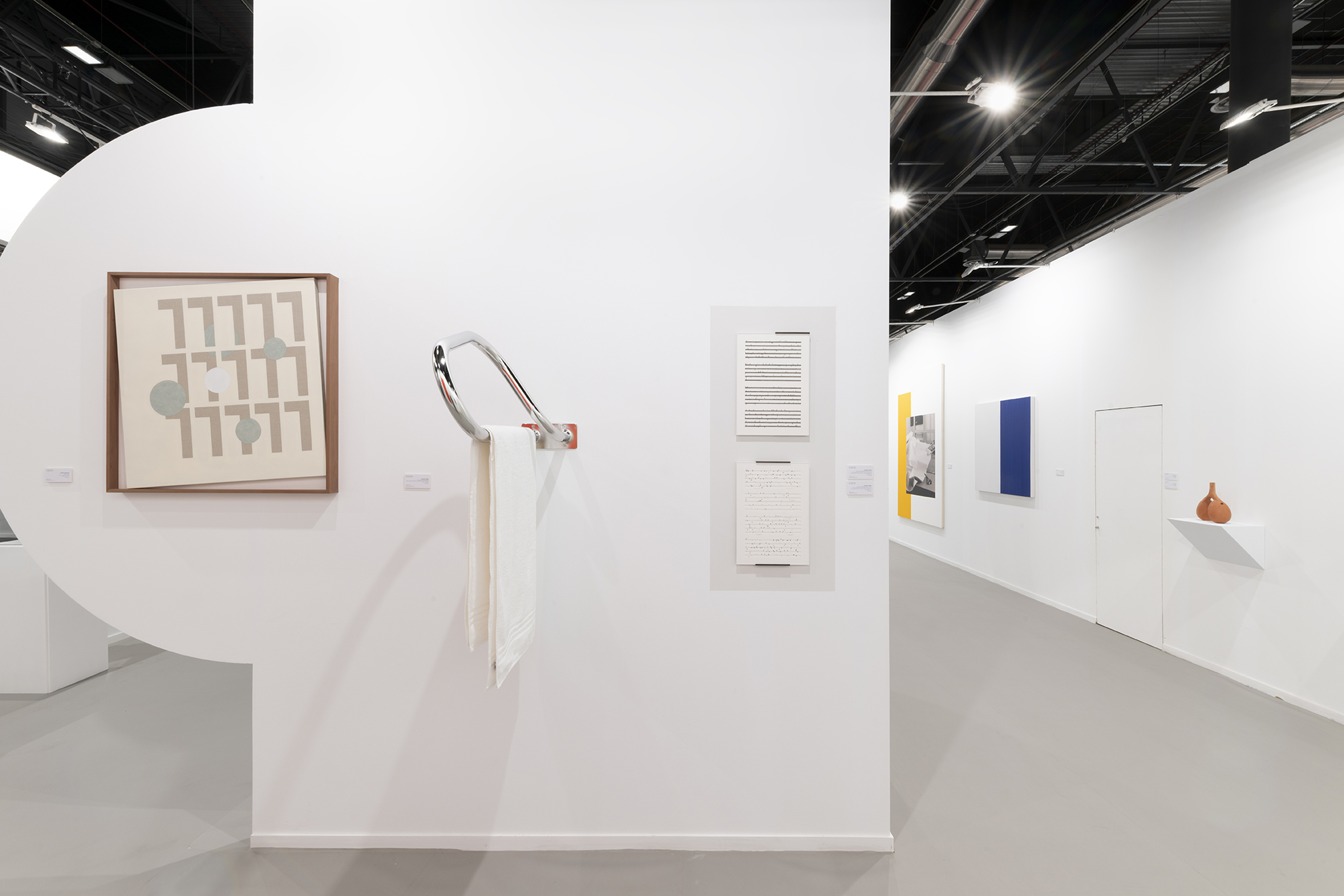
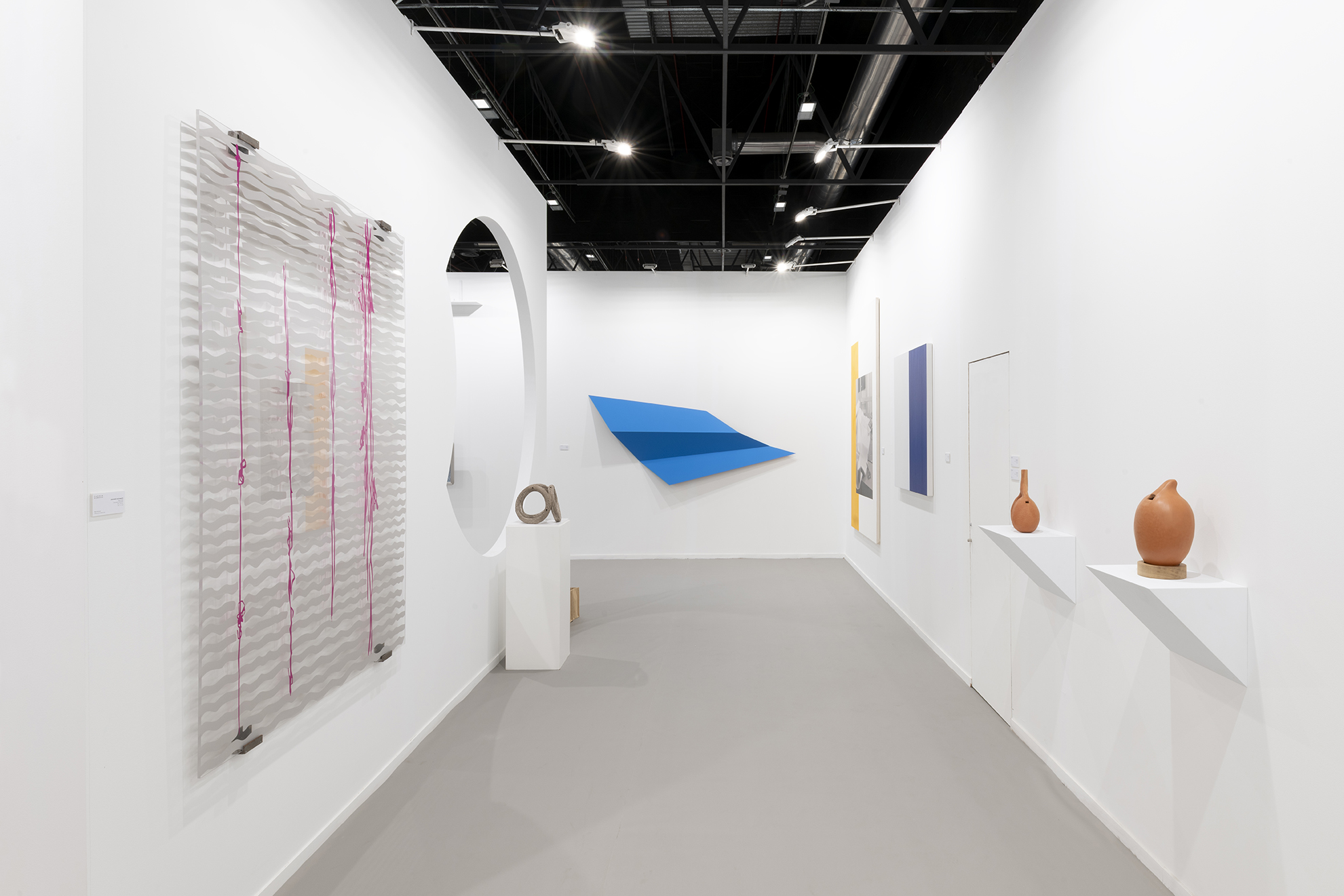
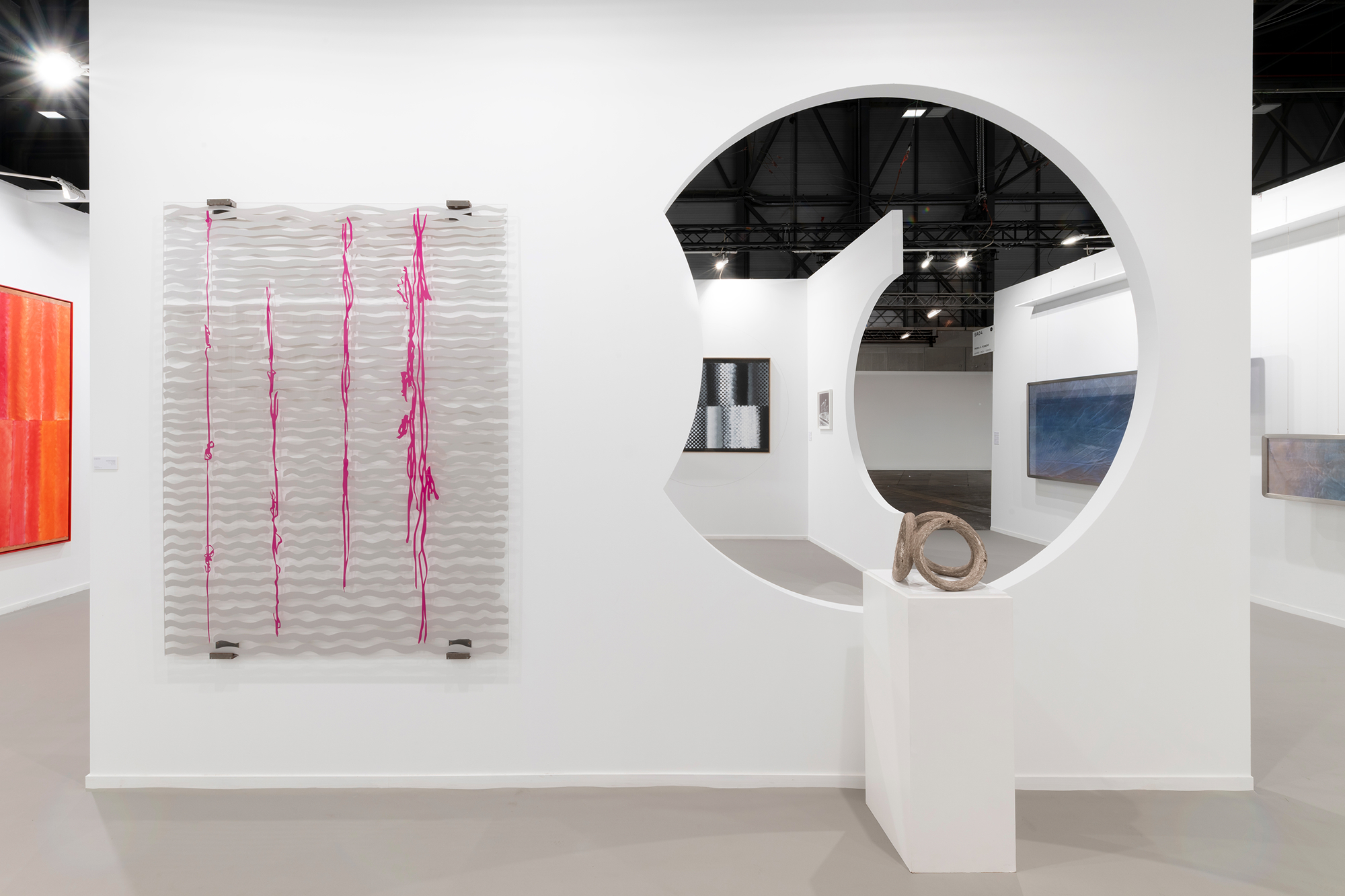
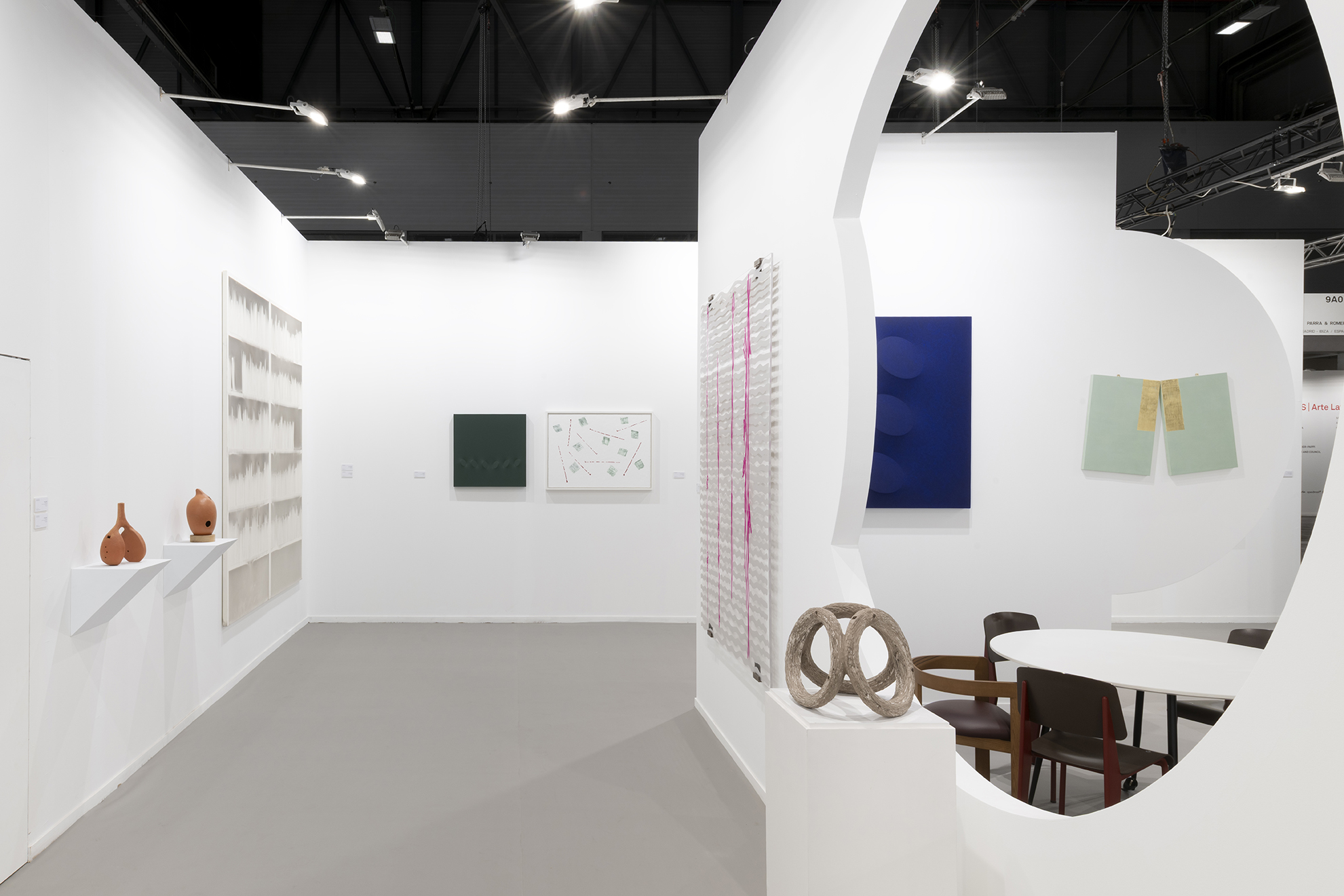
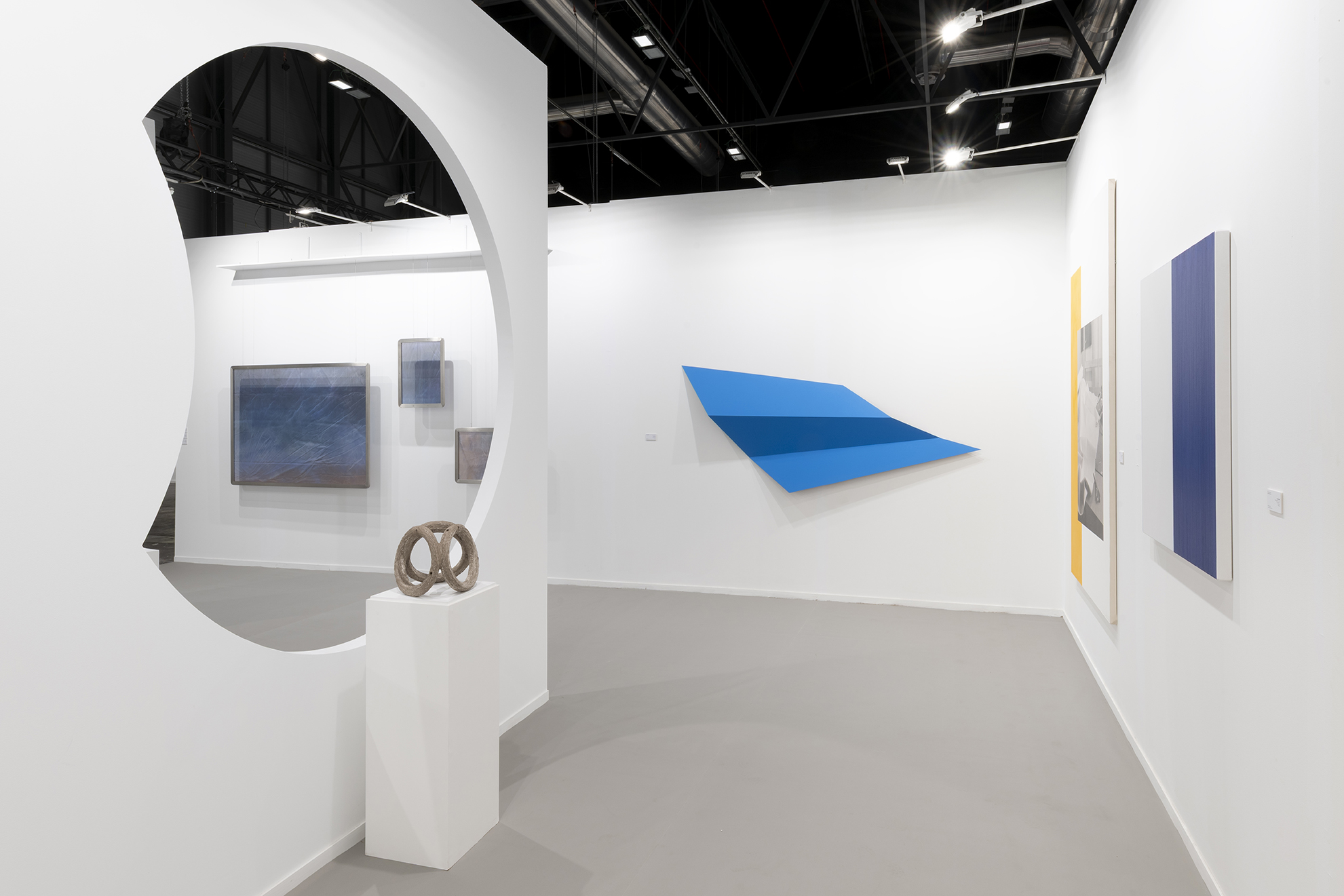
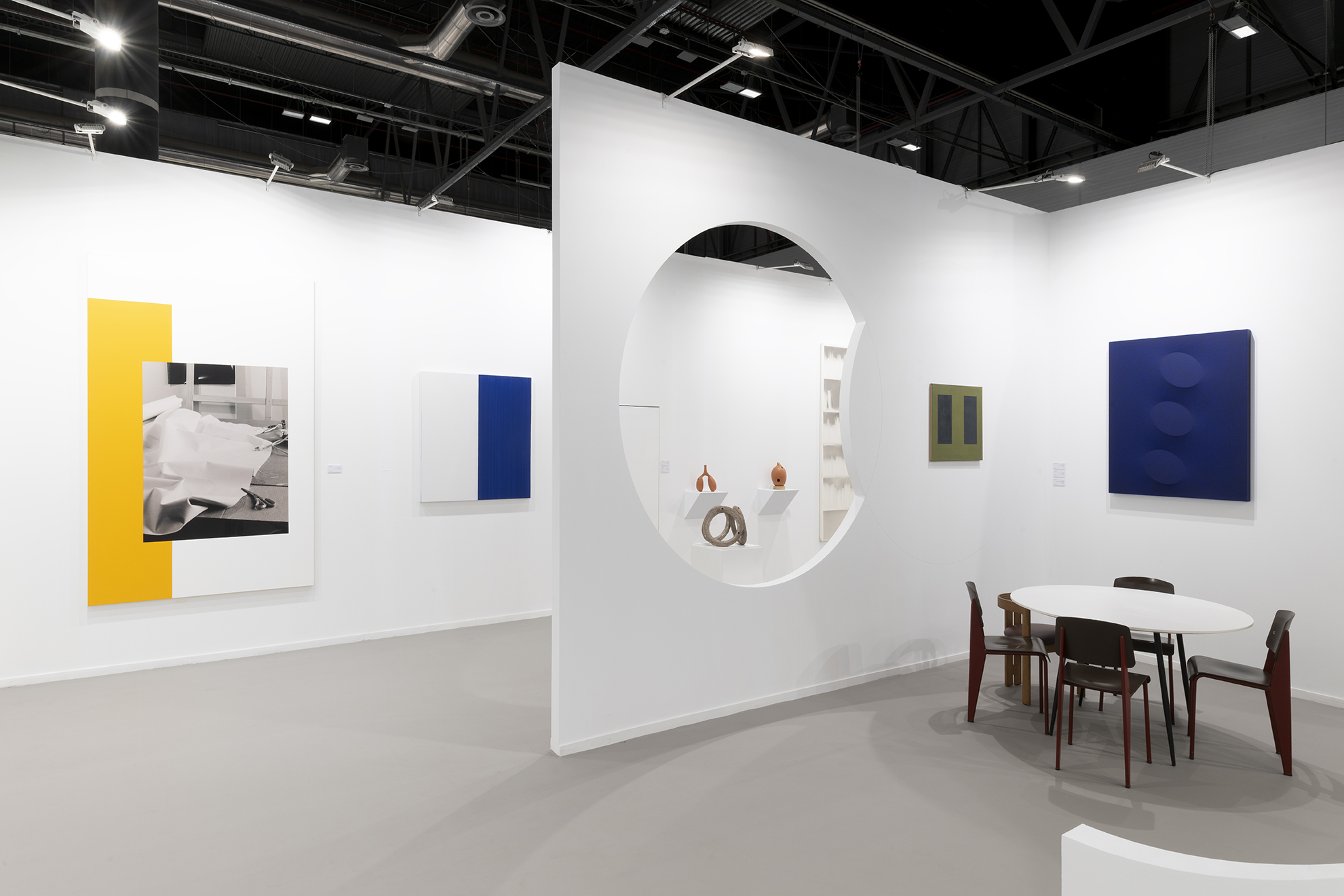
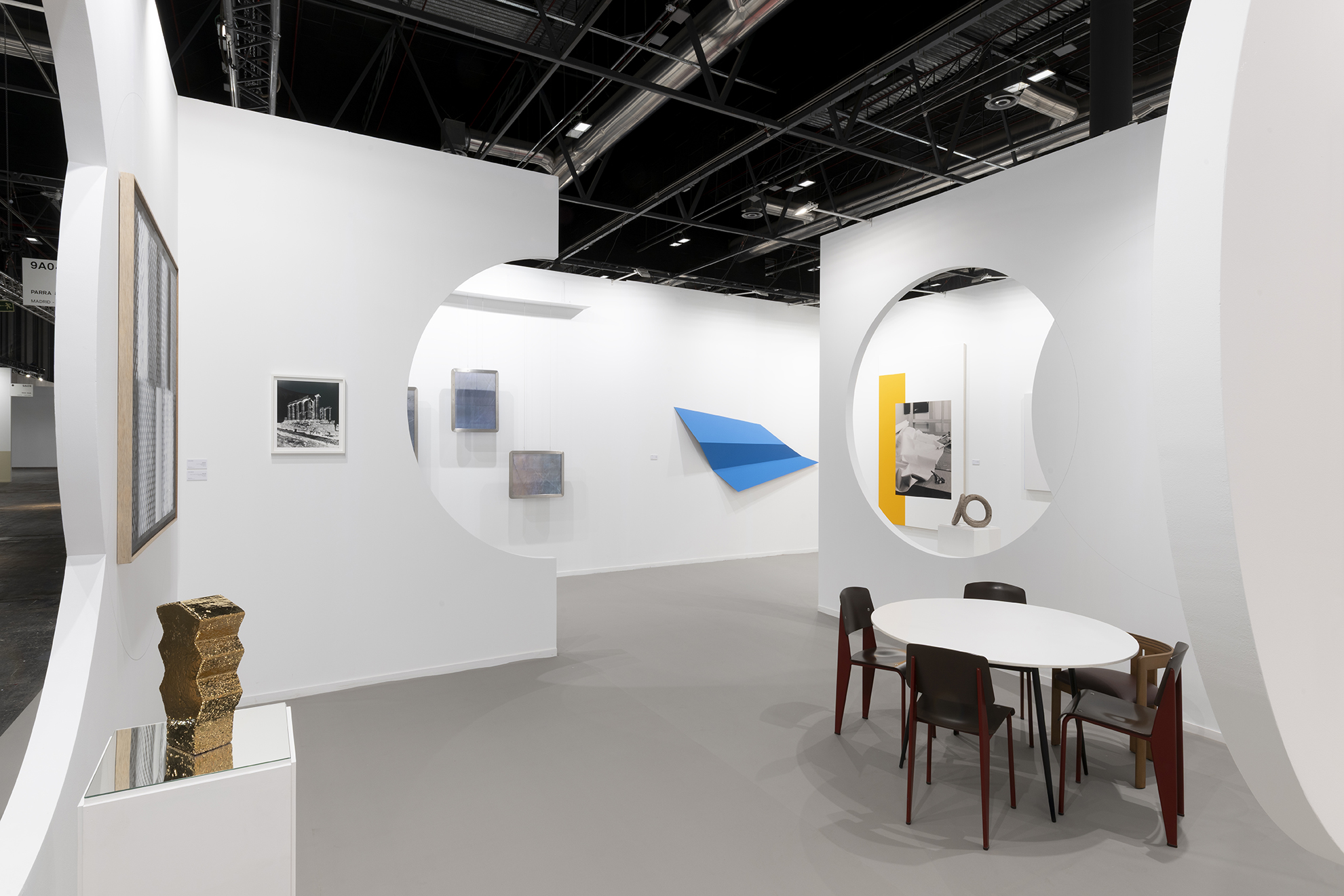
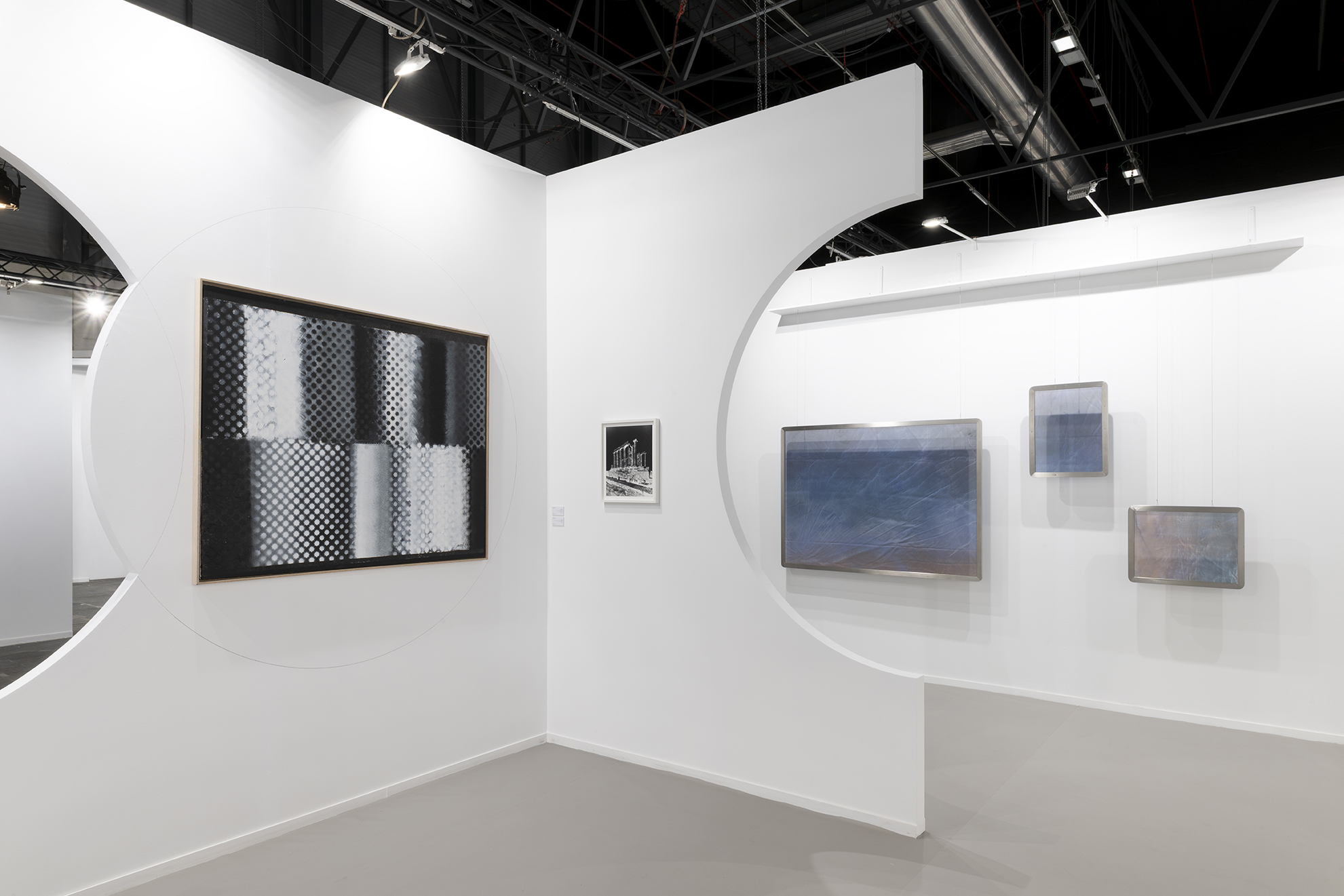
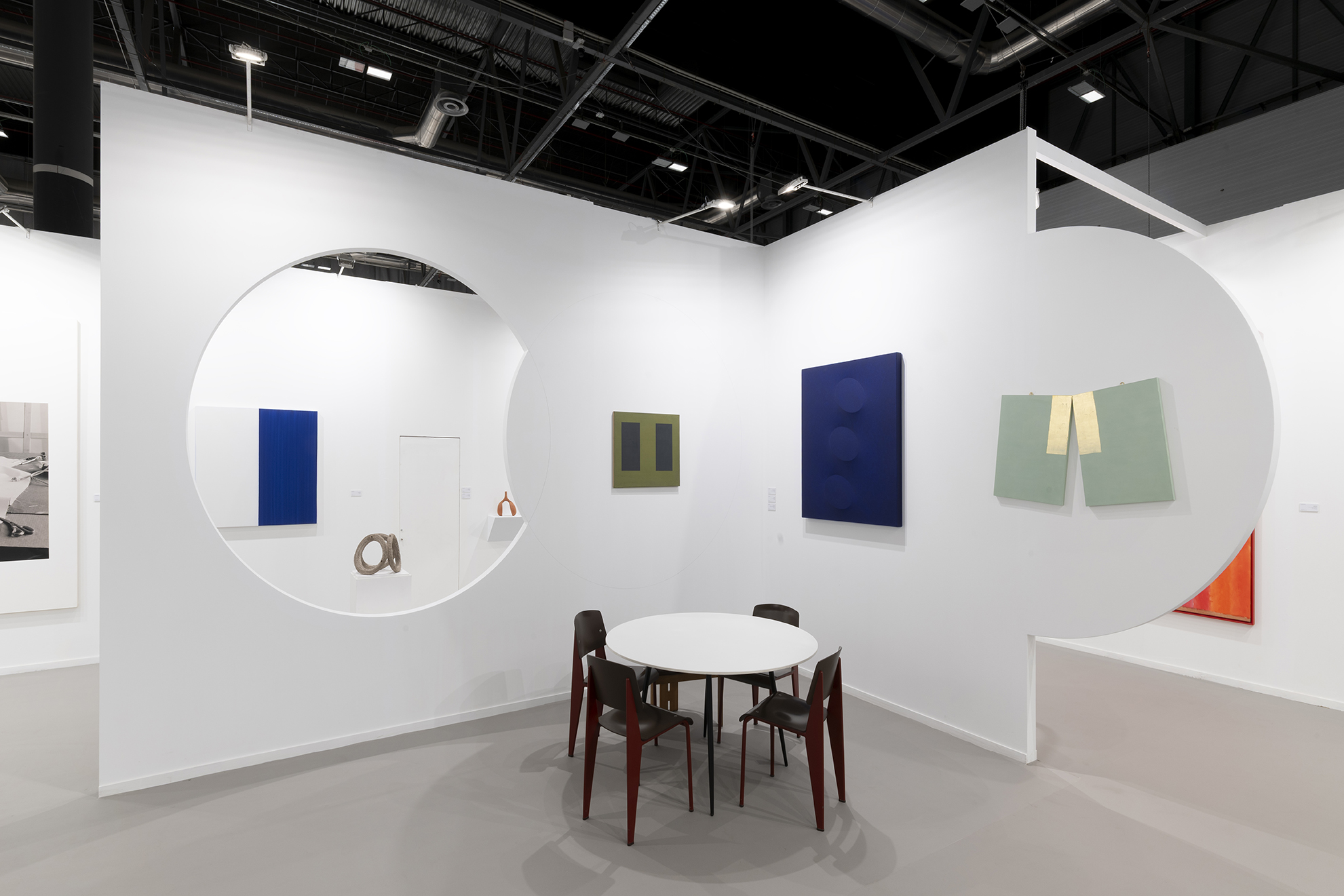
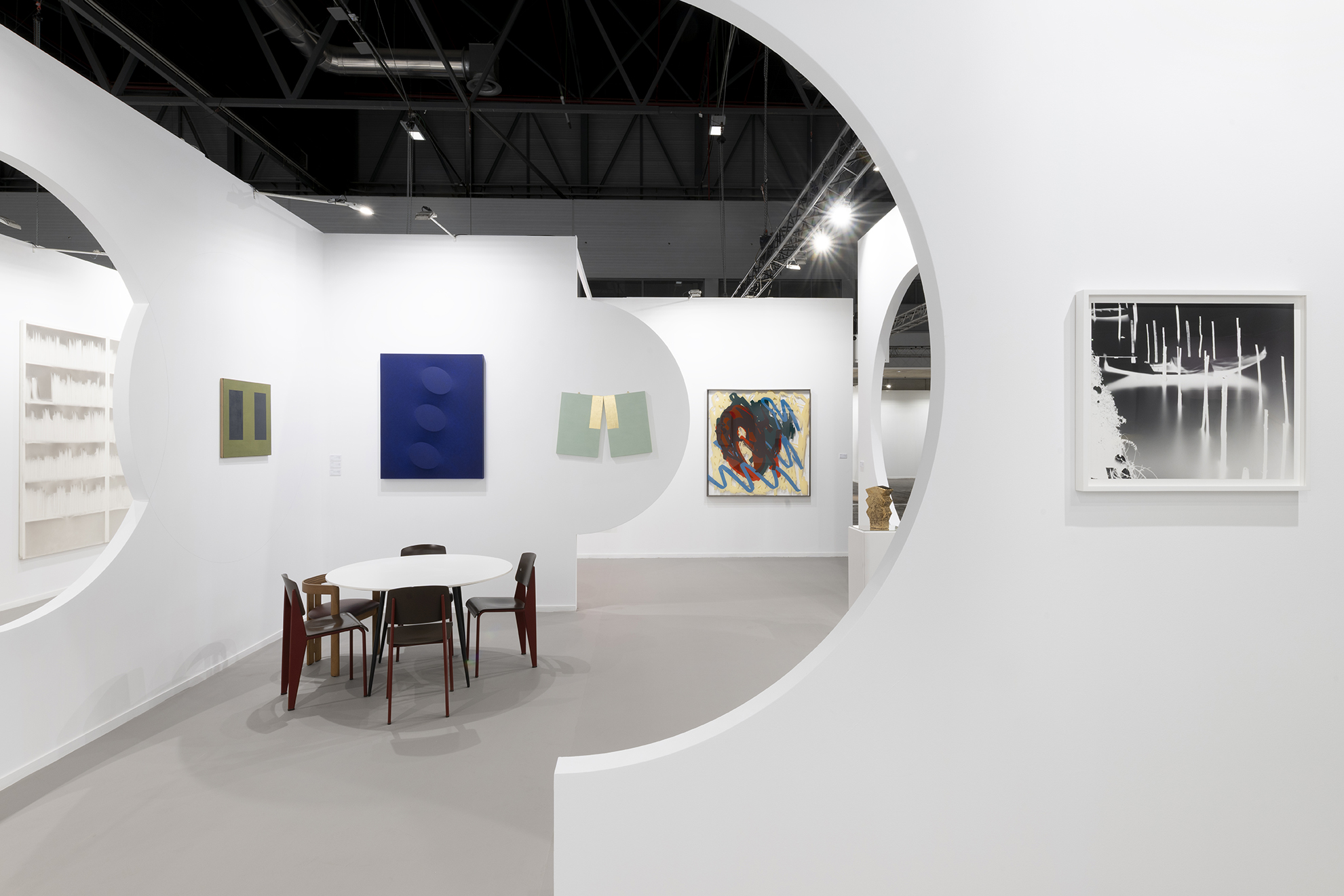
Parra & Romero is pleased to present the first solo exhibition by Jean-Marc Bustamante in our space in Ibiza.
Jean-Marc Bustamante (Toulouse, 1952) became interested in art during his teenage years when he visited a large number of exhibitions in Paris. Later, after a short period stuying economics in Toulouse, he turned to photography thanks to his friendship with Michel Dieuzaide who introduced him to the medium and showed him its basics. The artistic dimension came into play through Denis Brihat but also discovering photographers such as Walker Evans, Edward Weston and Ansel Adams. In 1978 William Klein, renowned photographer and filmnaker, offered him a job and he started working as his assistant and printer.
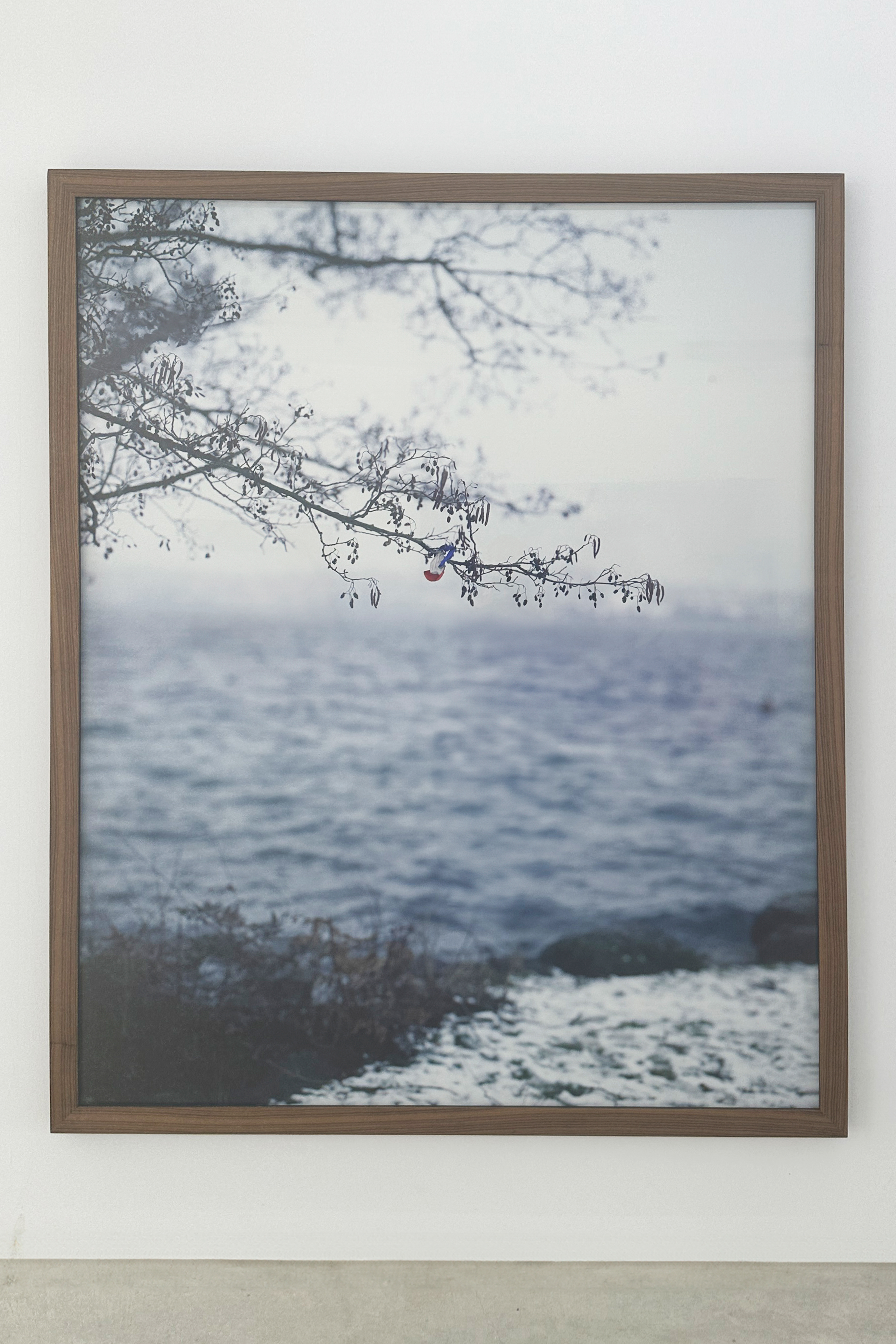
His first solo exhibition would soon arrive, showing some color photographs which in that time wasn’t usual in the context of art. Color was considered vulgar and ordinary, related mostly to advertising. But Bustamante didn’t try to turn photography into an autonomous art form but, in his own terms, to “posit art as photography”.
Bustamante, had no connection with the art world at that time neither prejudices about the photographic medium. In 1977 he started making his own oeuvre with the series that came to be known as Tableaux. Three years later he entered the Paris Biennial and was fully recognized as an artist. There he met Bernard Bazile became friends and even work together as an artistic group, under the name BazileBustamante (1983-1987). This collaboration probably opened Jean-Marc to a much more expanded investigation on art that contributed to creating the actual body of work that now characterizes him.
Since his first proposals, suburbs have often been the main focus of his works adding a conceptual interest to his innovative approach to photography and landscape. Under construction sites, abandoned ruins, and other quiet and secluded places form the visual vocabulary of his Tableaux series. These landscapes of isolated, peripheral bordering spaces usually showed the trace, sometimes almost imperceptible, of an unfinished human action.
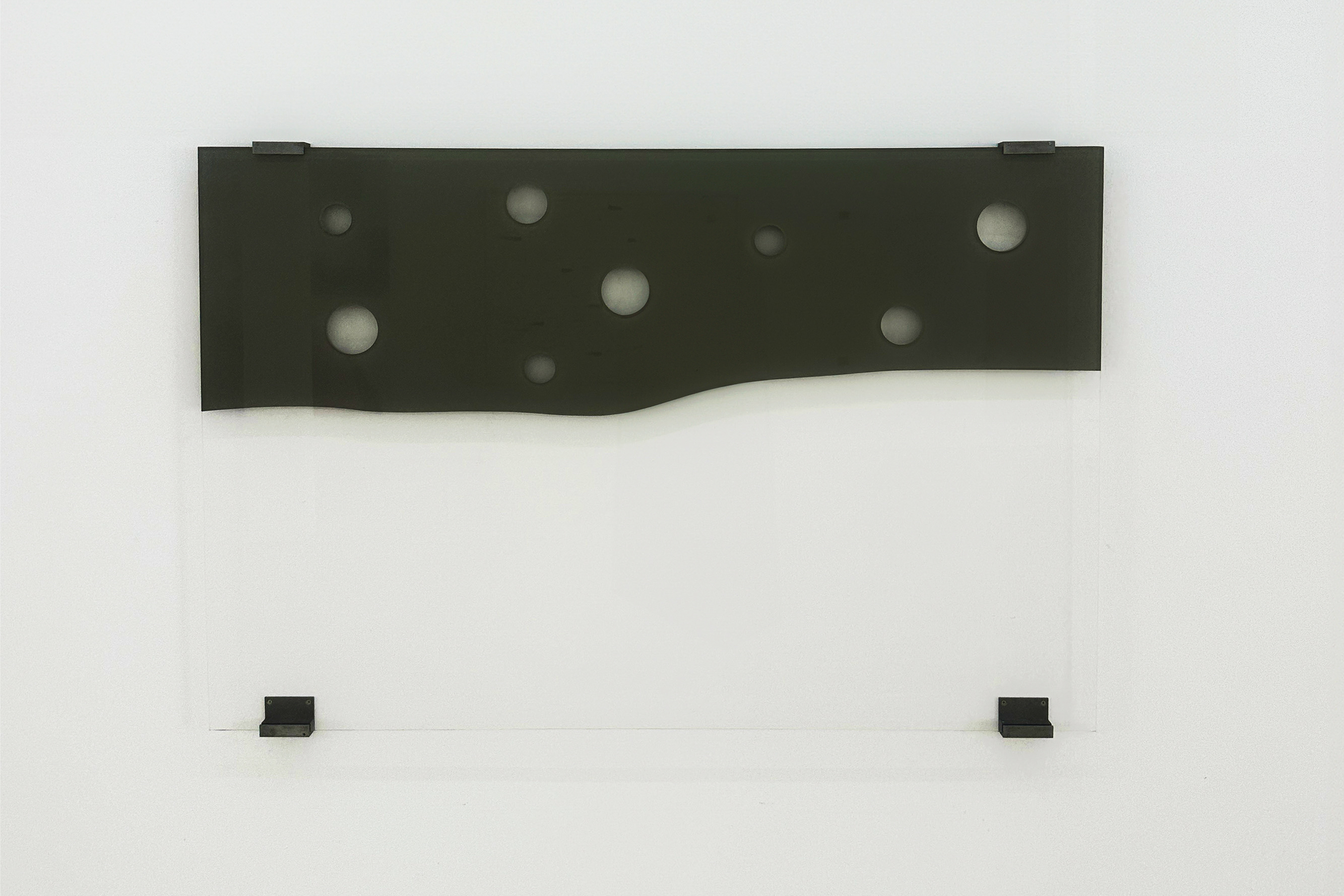
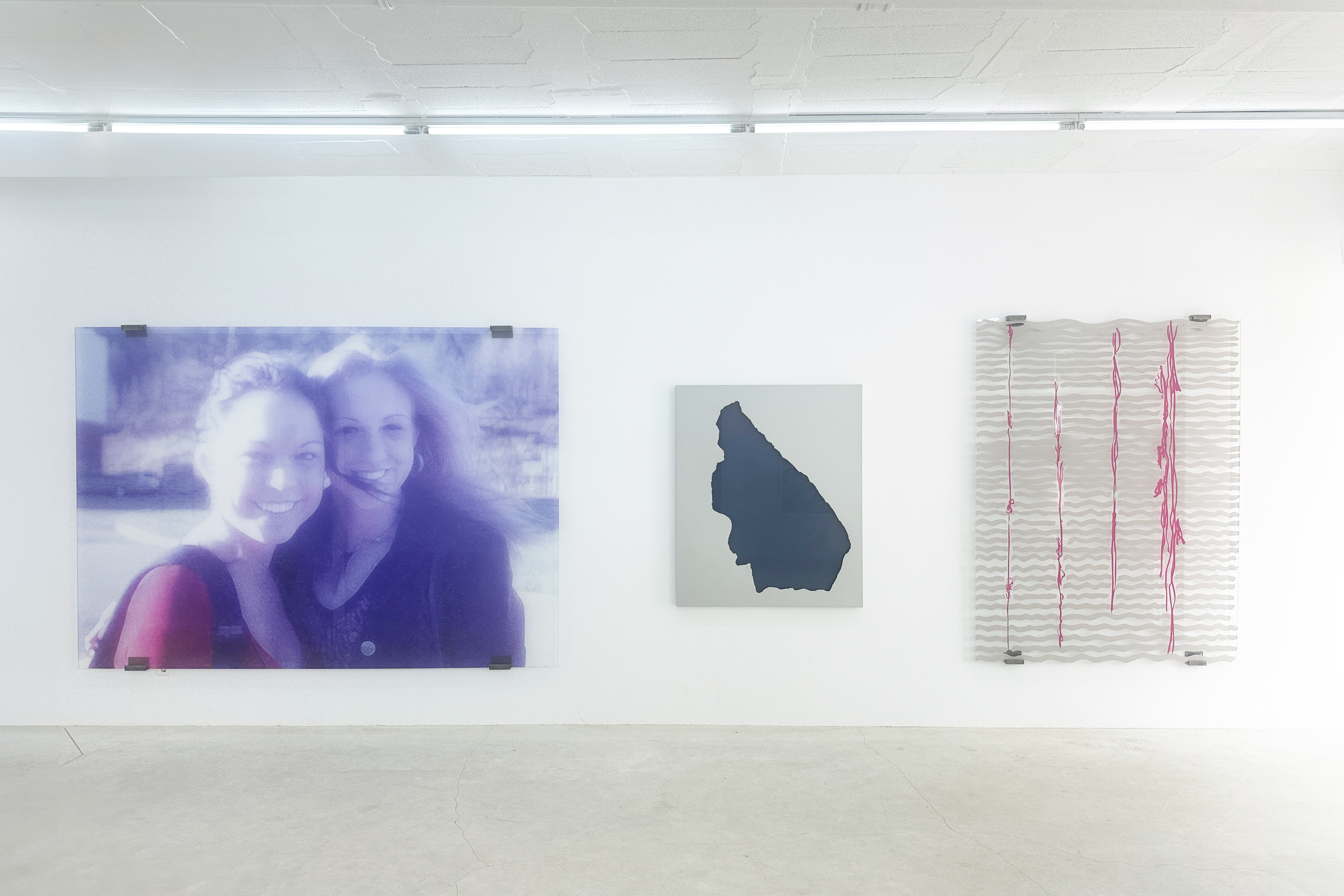
In the decade of 1990s Jean-Marc went from the picture of photography to the volume of installation. His Site series were an organic evolution to those first Tableaux, so his idea of recording a place evolved into an attempt to recreate those places in the exhibition space, that is, a higher and more accurate approximation of what a site is. These works build up the concept of boundaries and delimitation as if they were a 1:10 scale models of the places they refer to. He also began to integrate sculptural and architectural elements using industrial materials such as glass, aluminum, metal and stained wood.
Thus, his works became more abstract and formal despite maintaining a constant concern and reflection about how the viewer spatially relates to the observed object, whether it is a landscape, a place or a thing. This natural evolution from the large to the small subject led him to create his Trophée series.
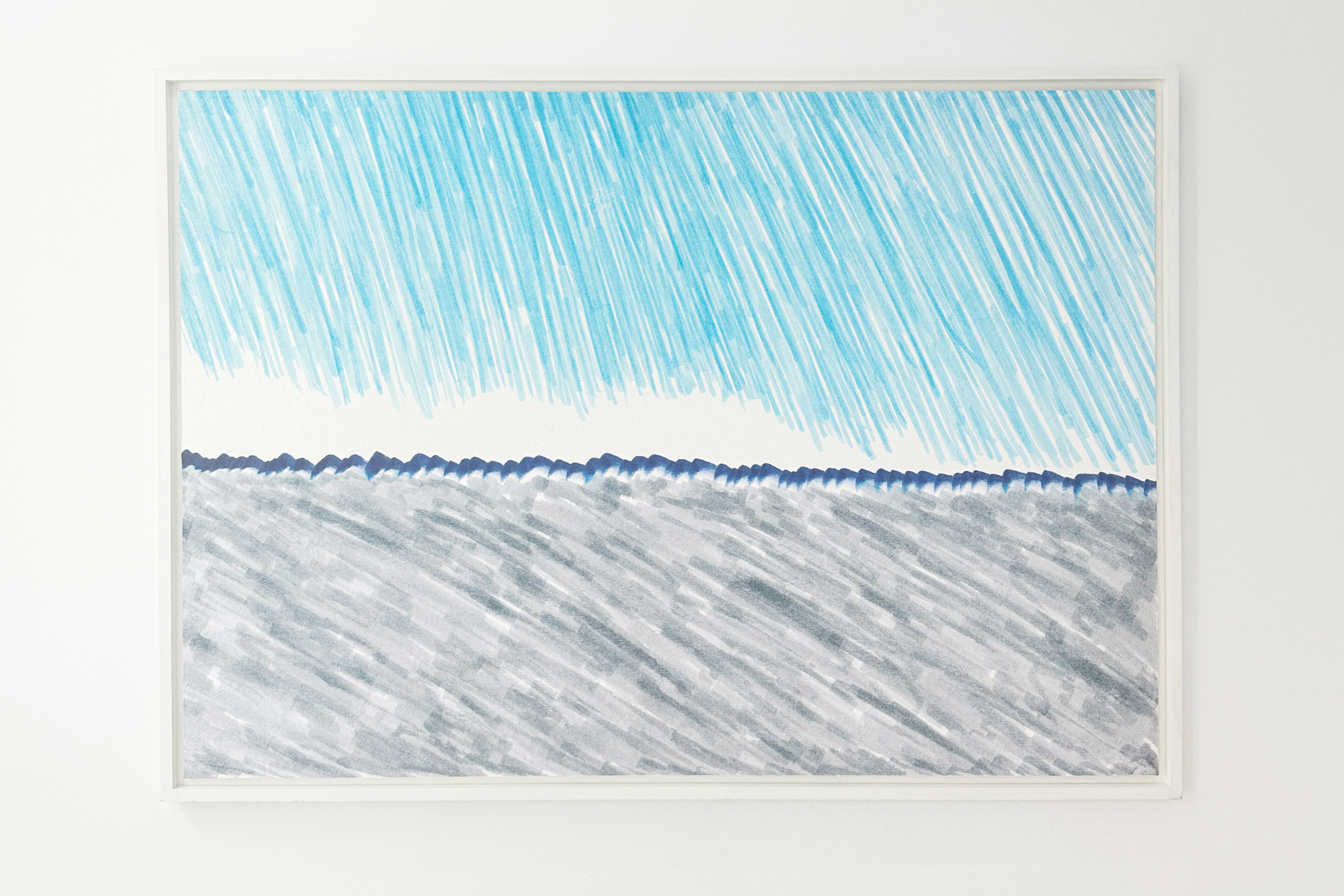
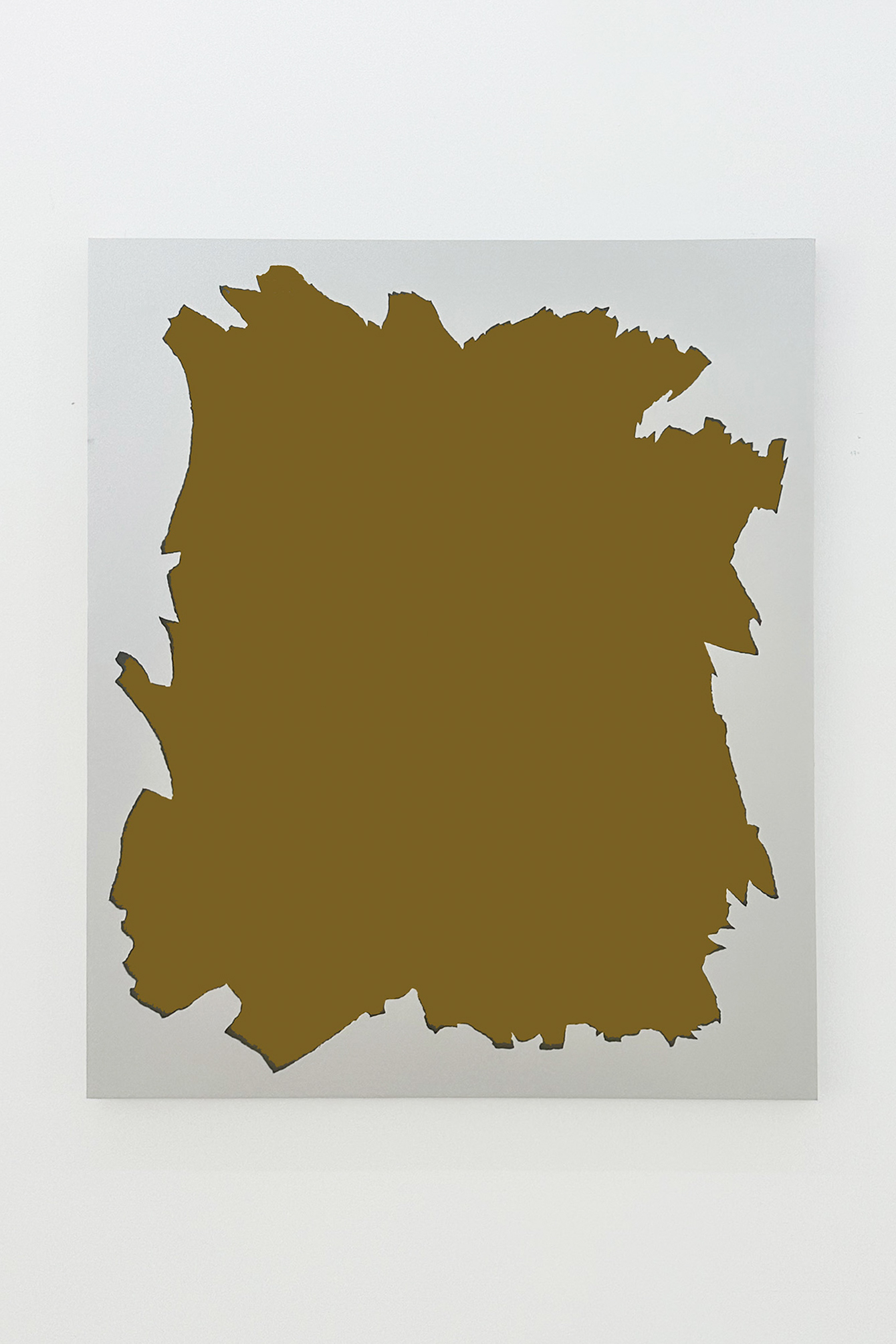
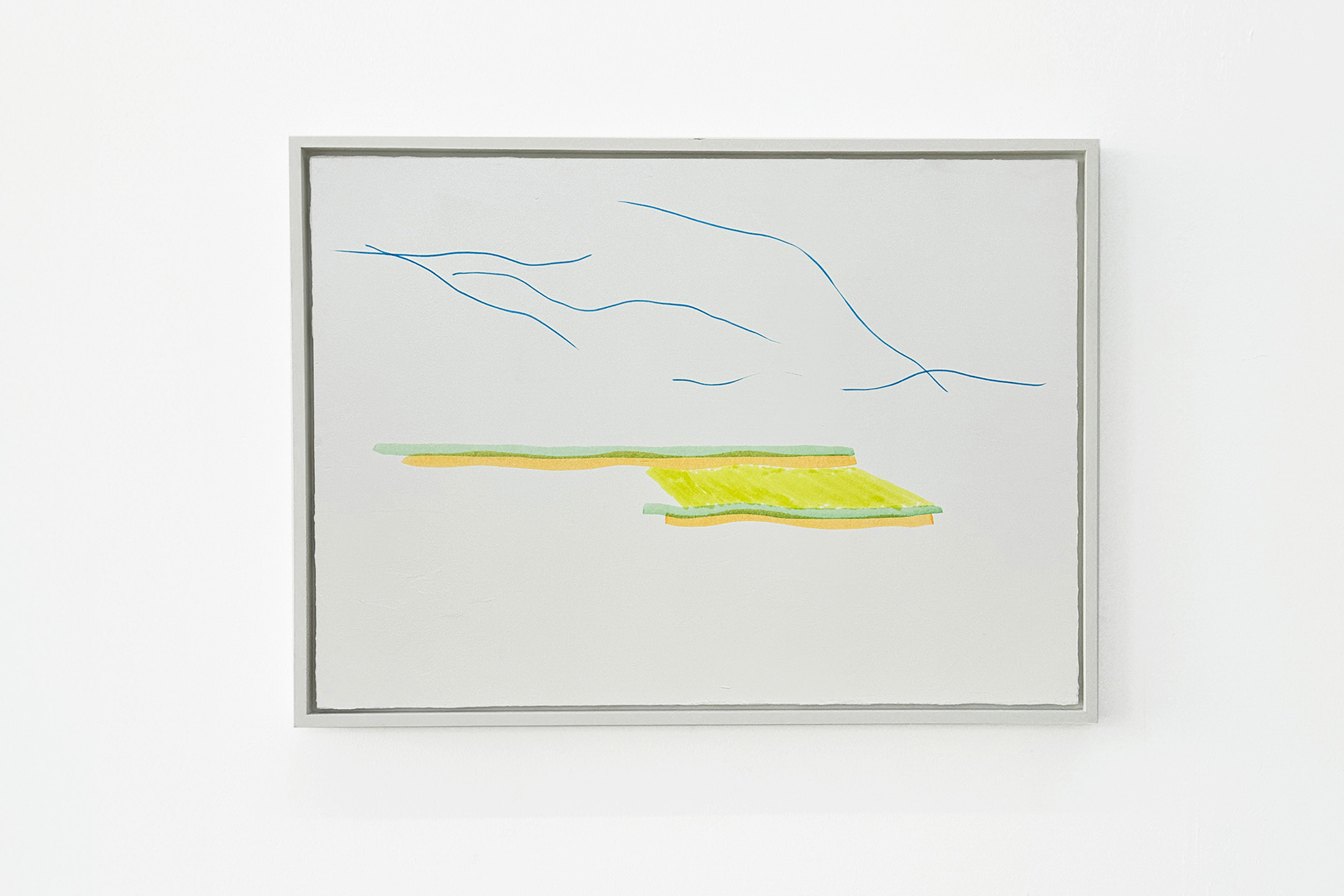
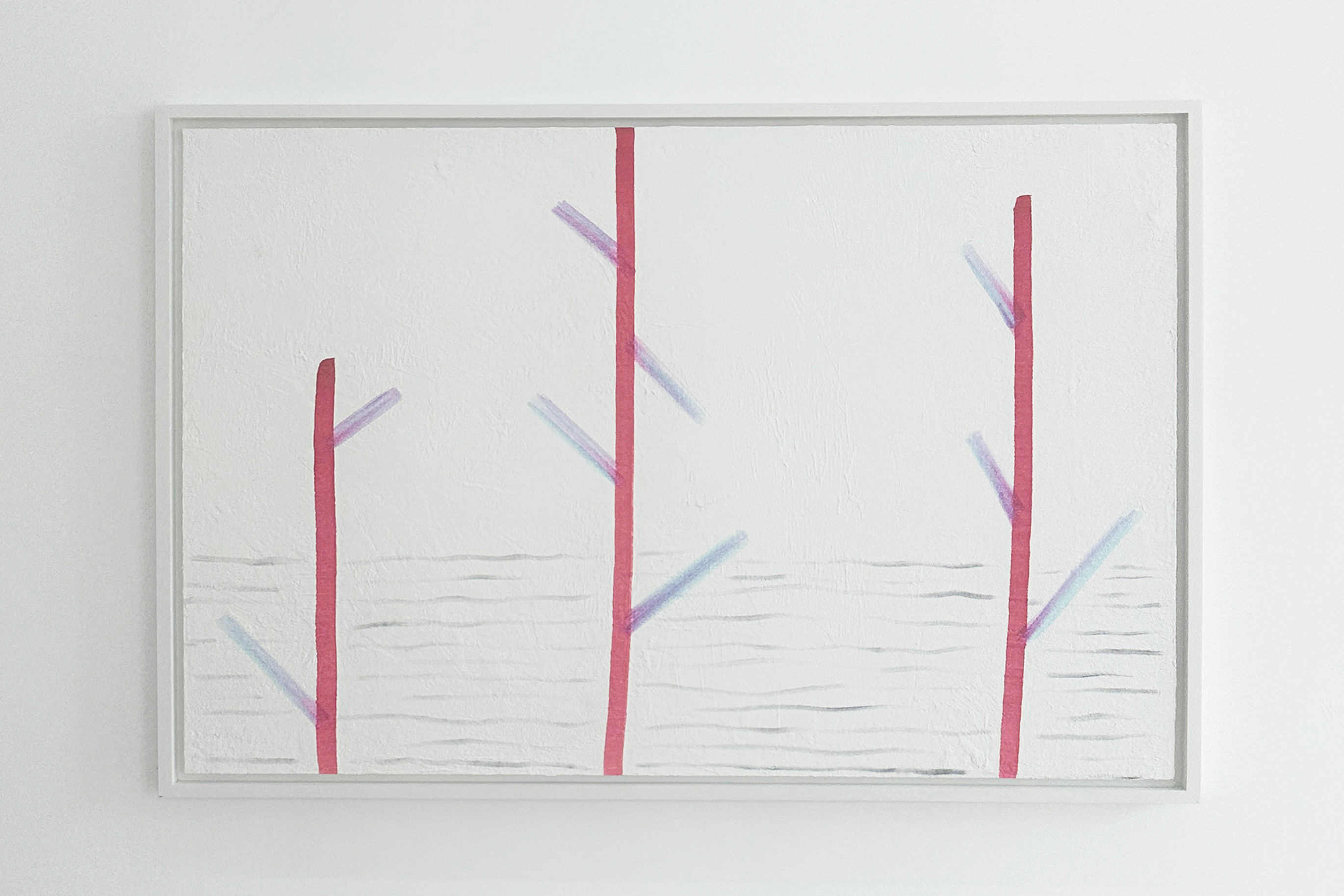
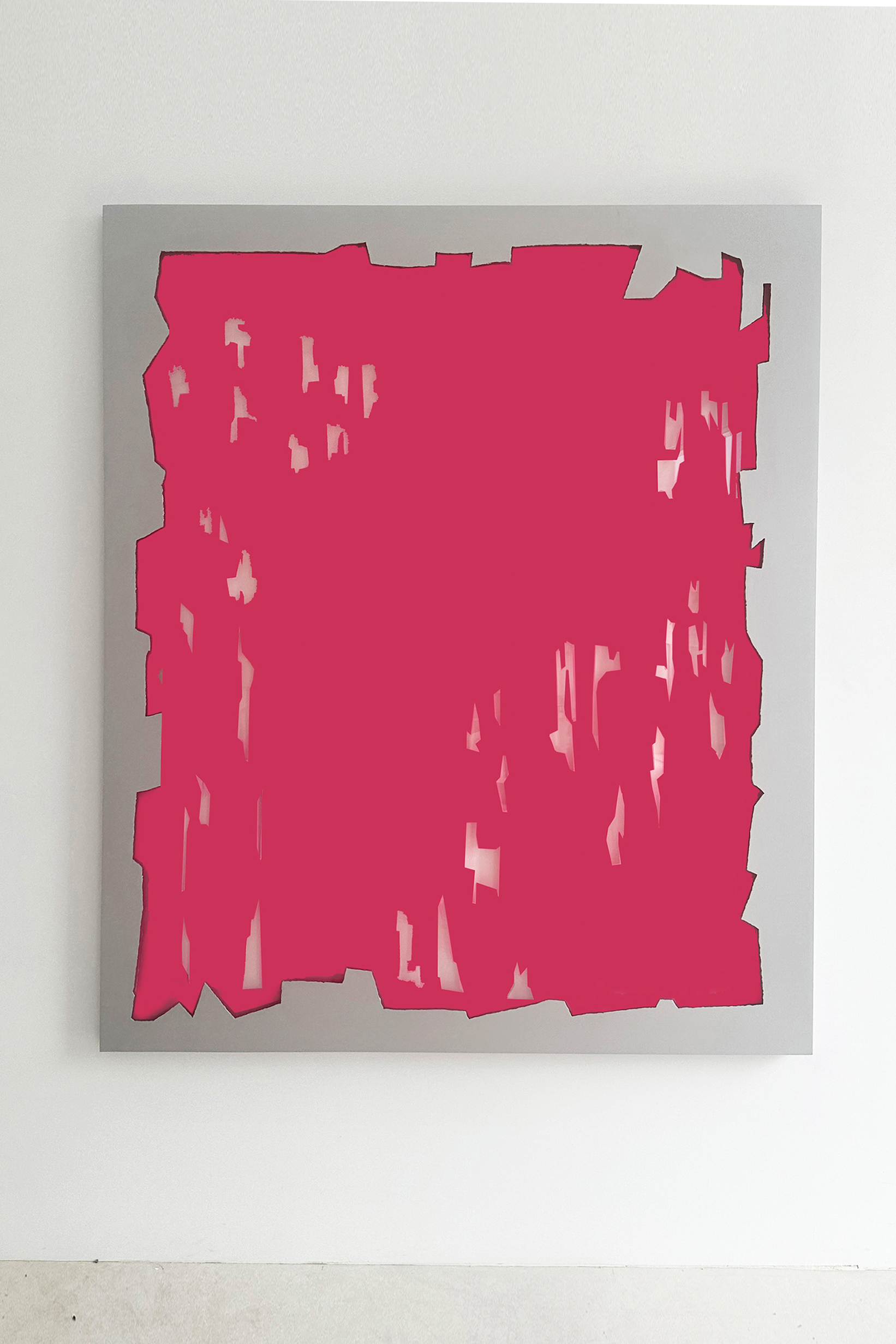
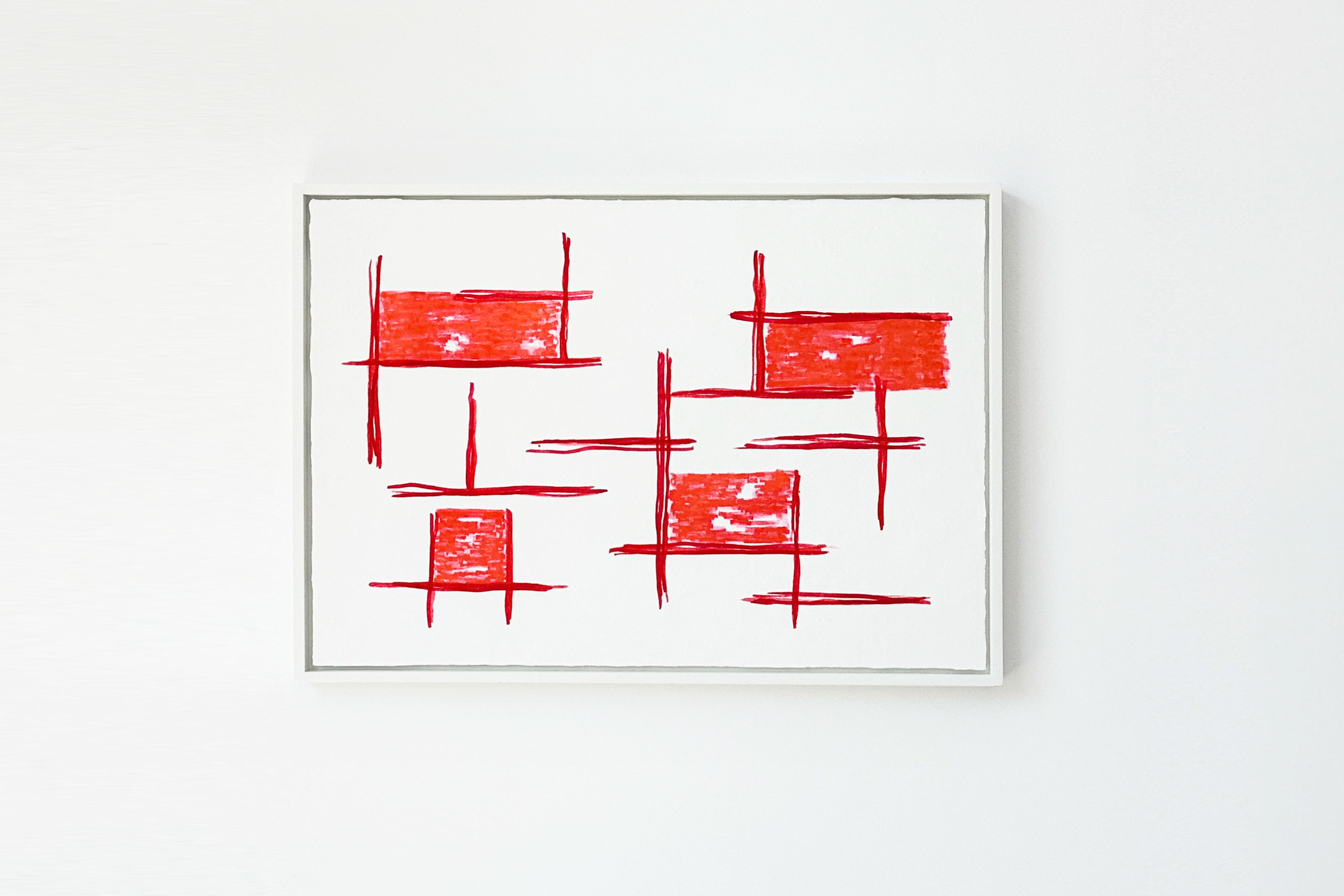
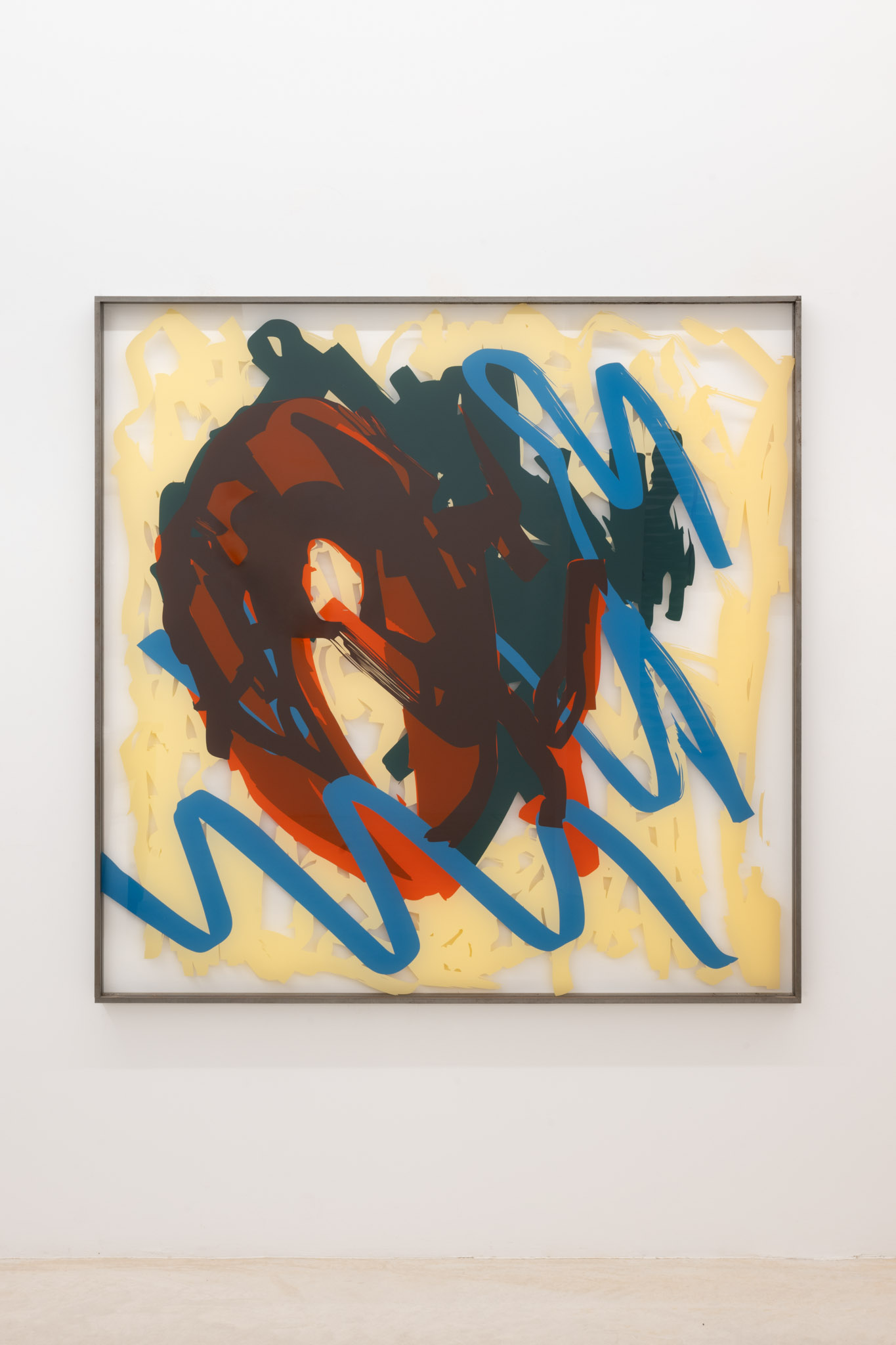
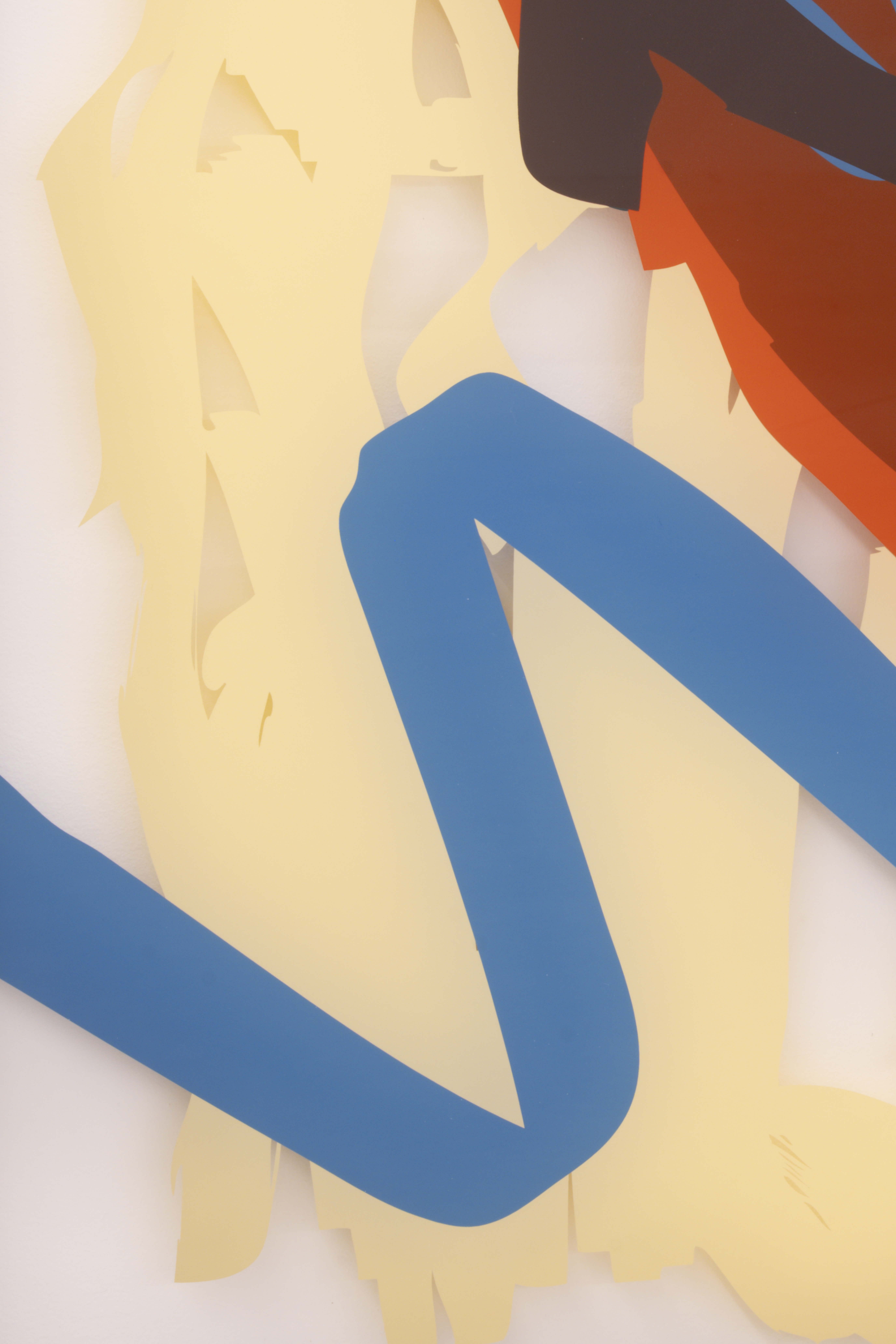
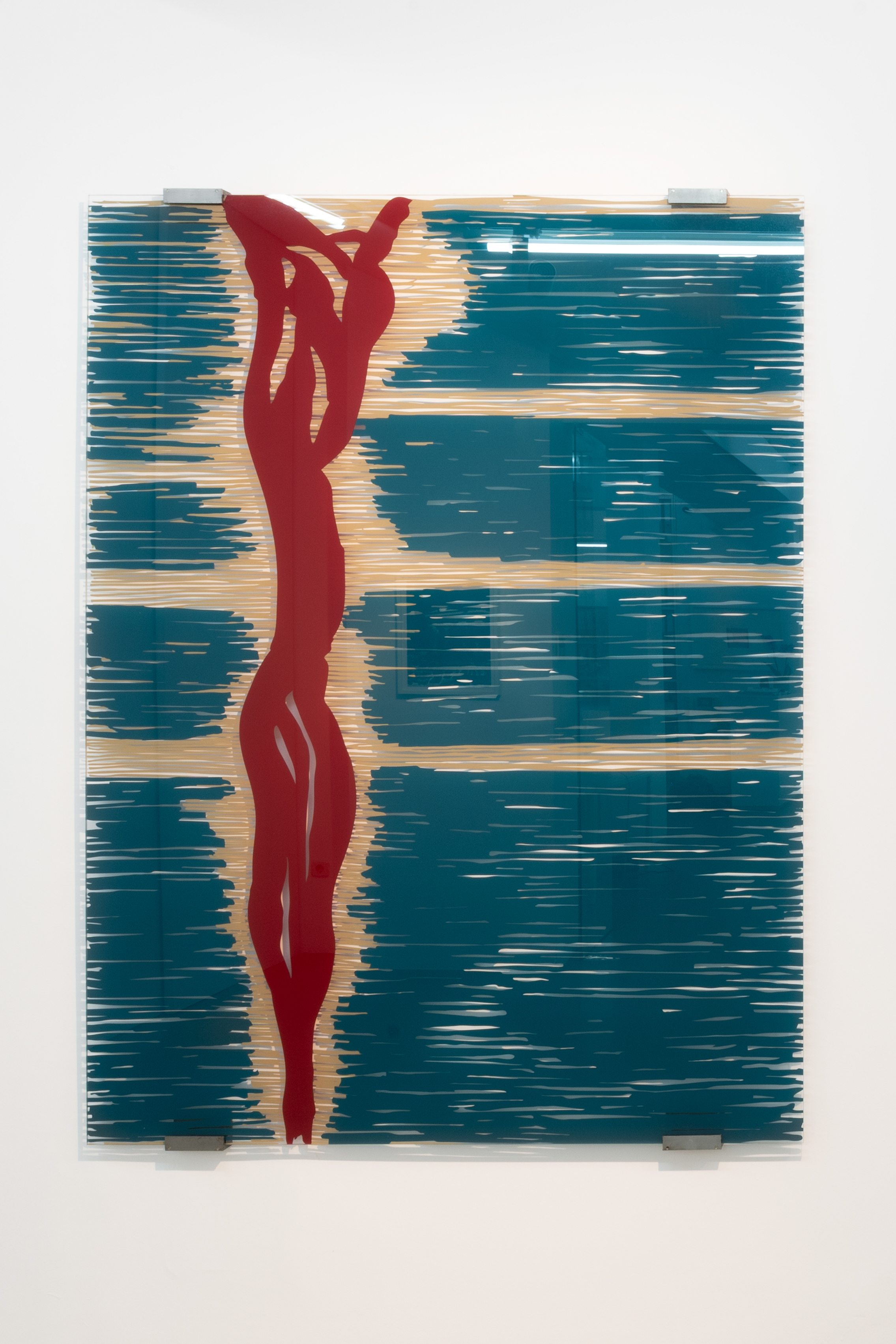
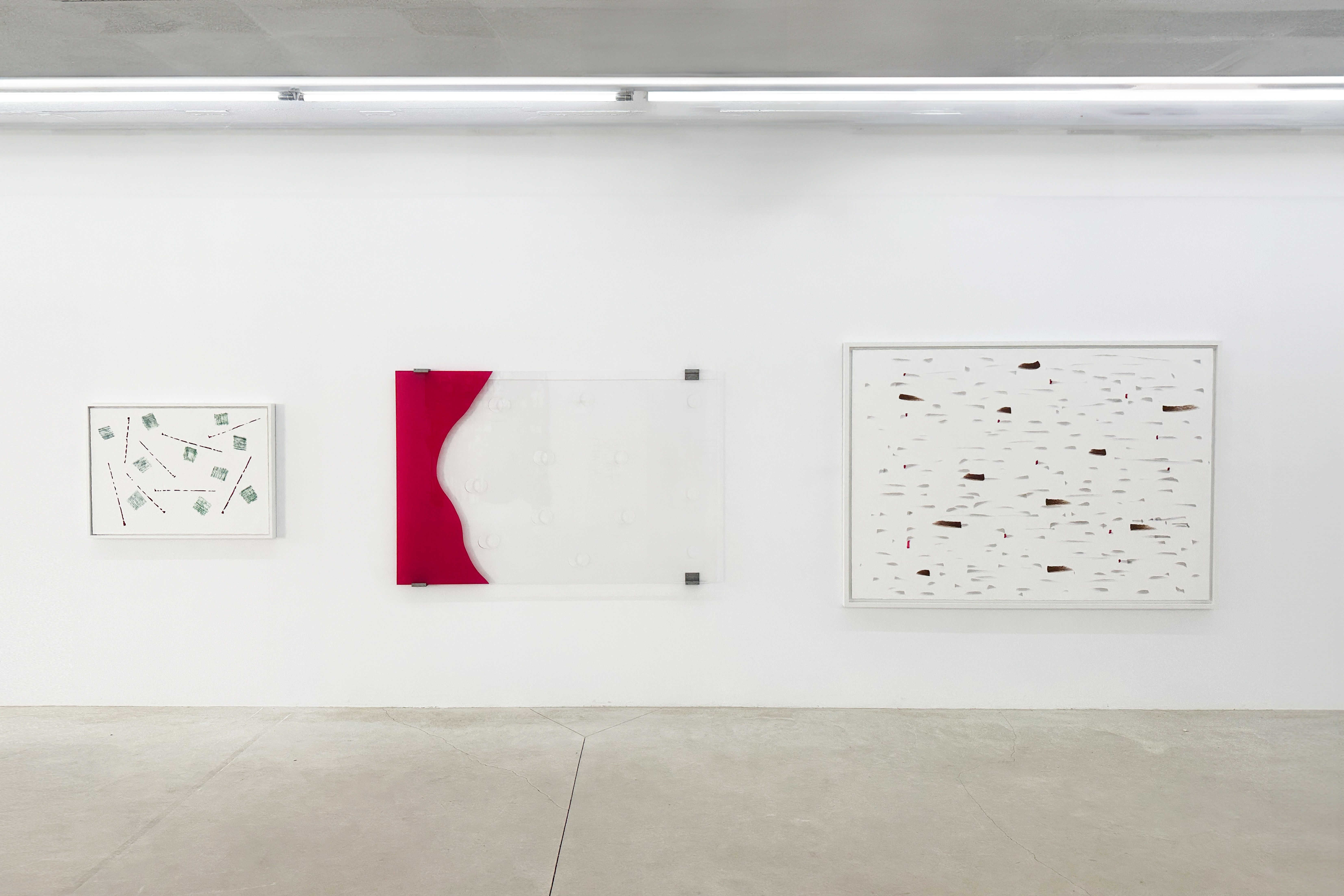
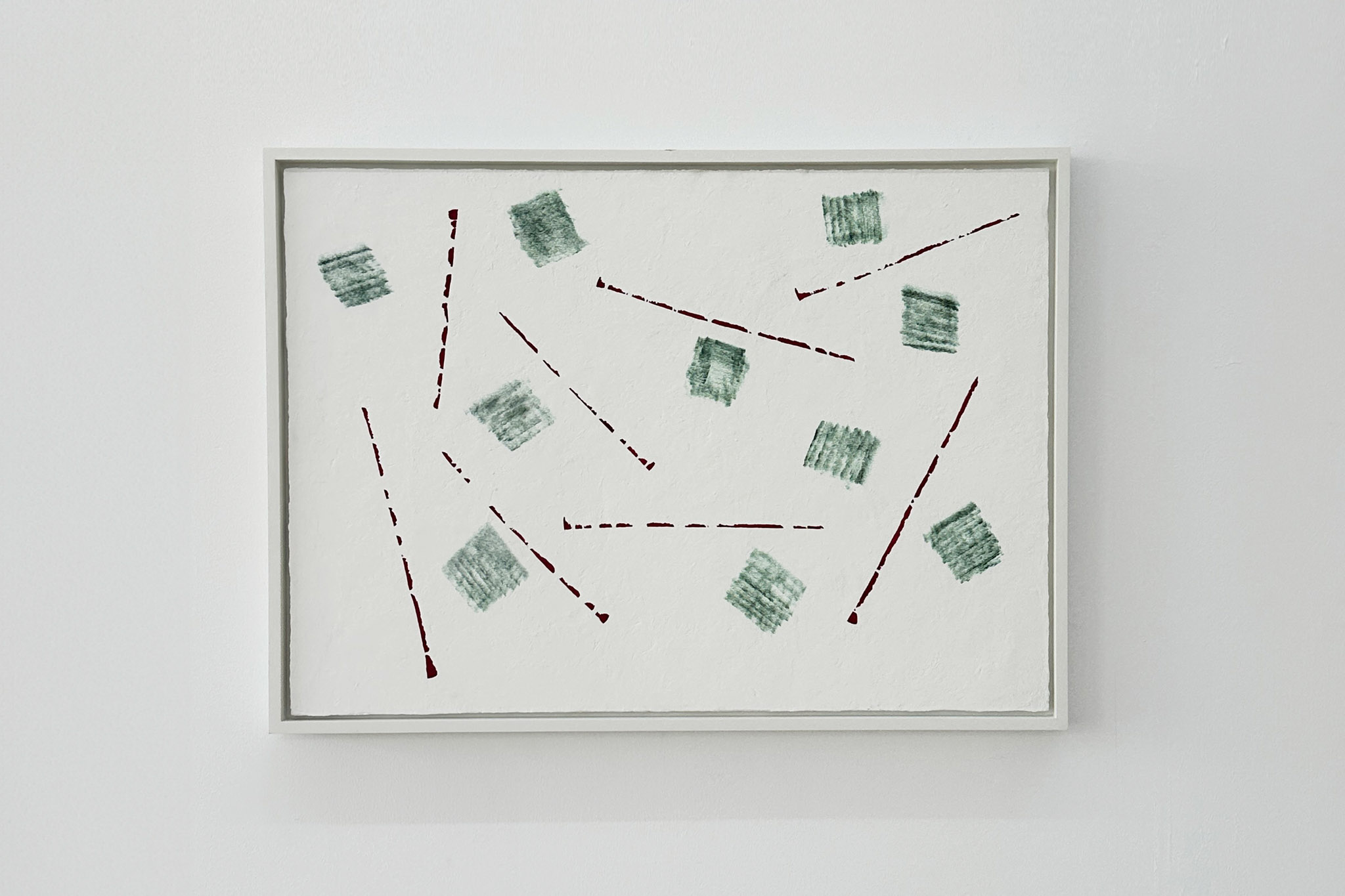
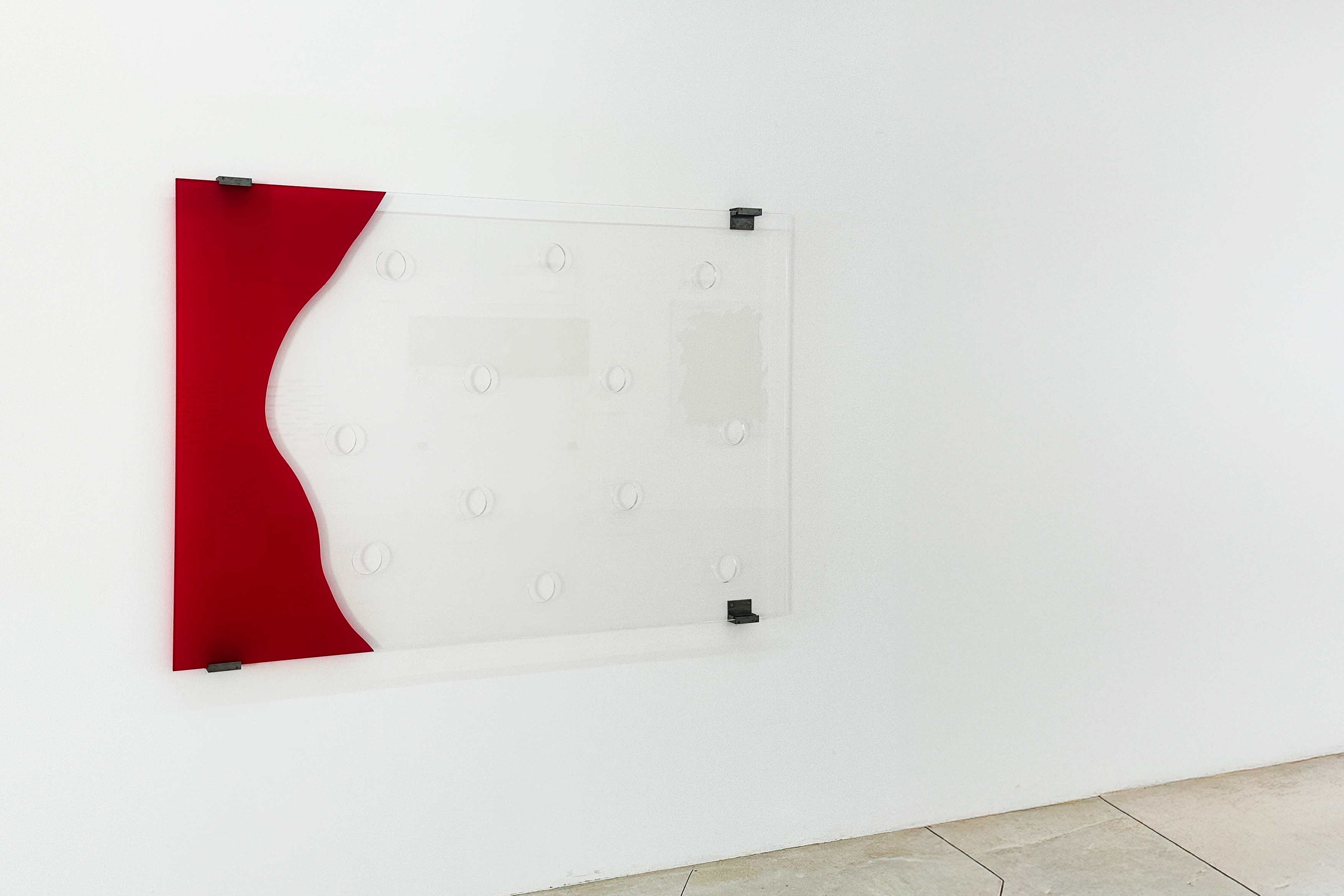
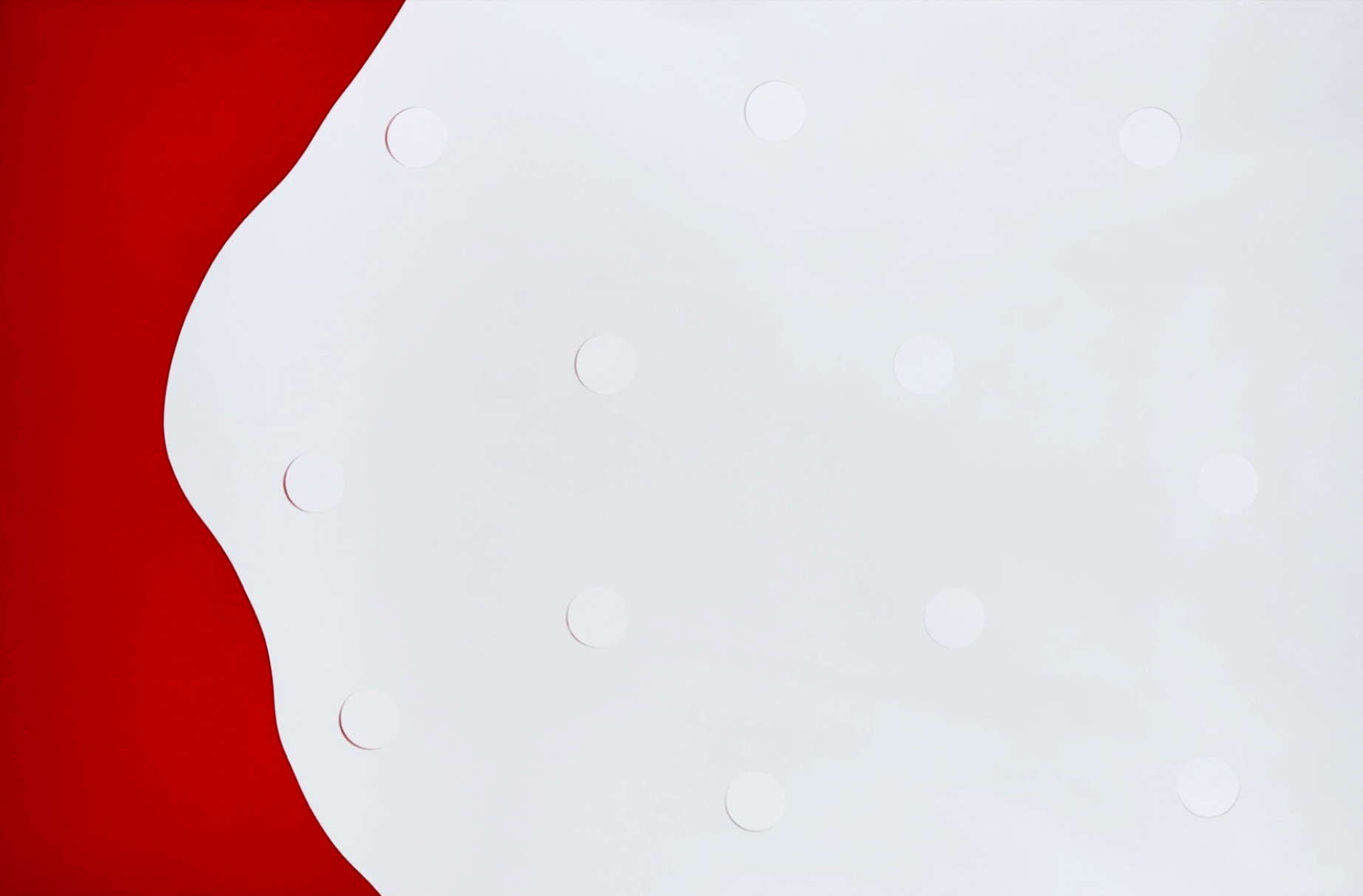
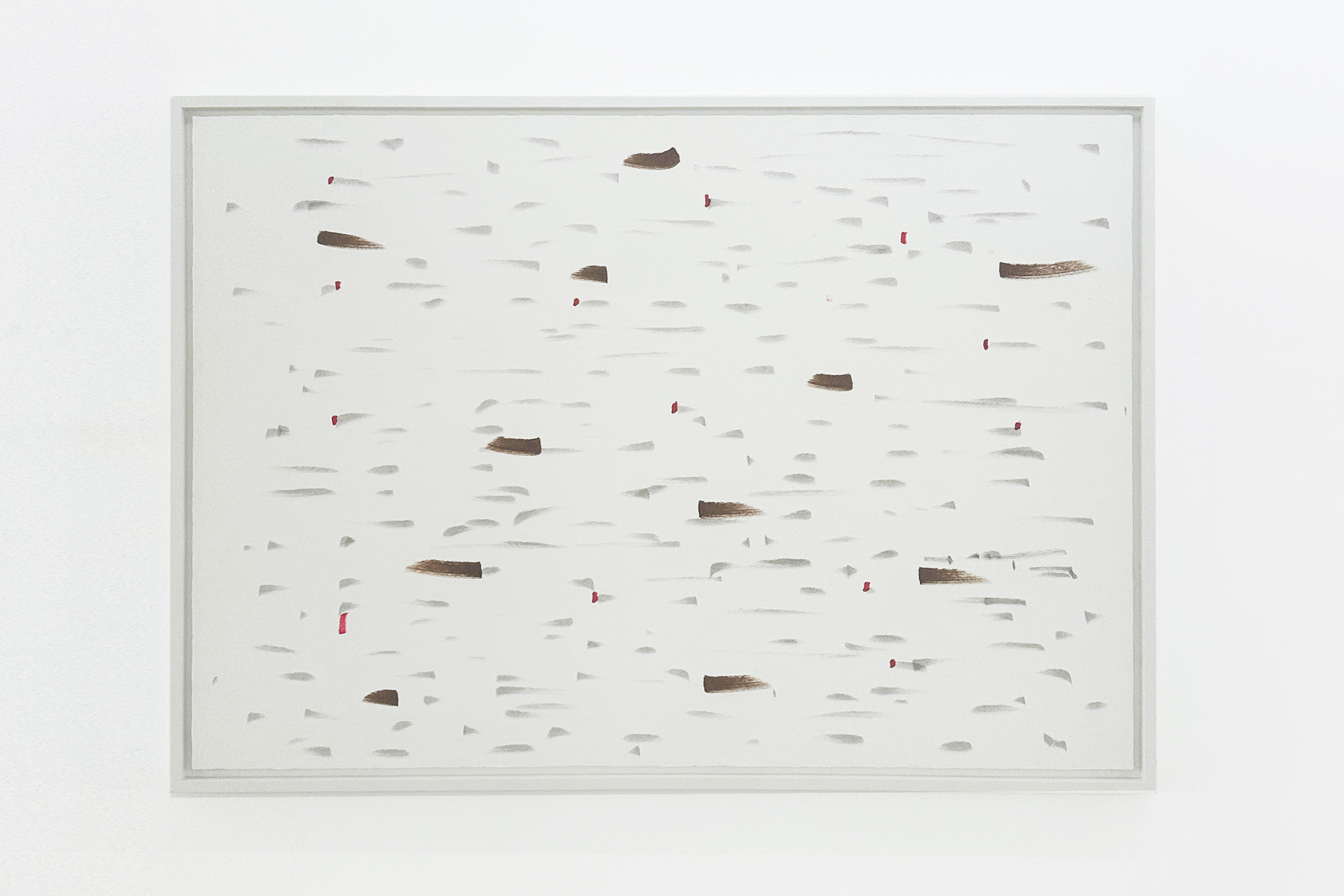
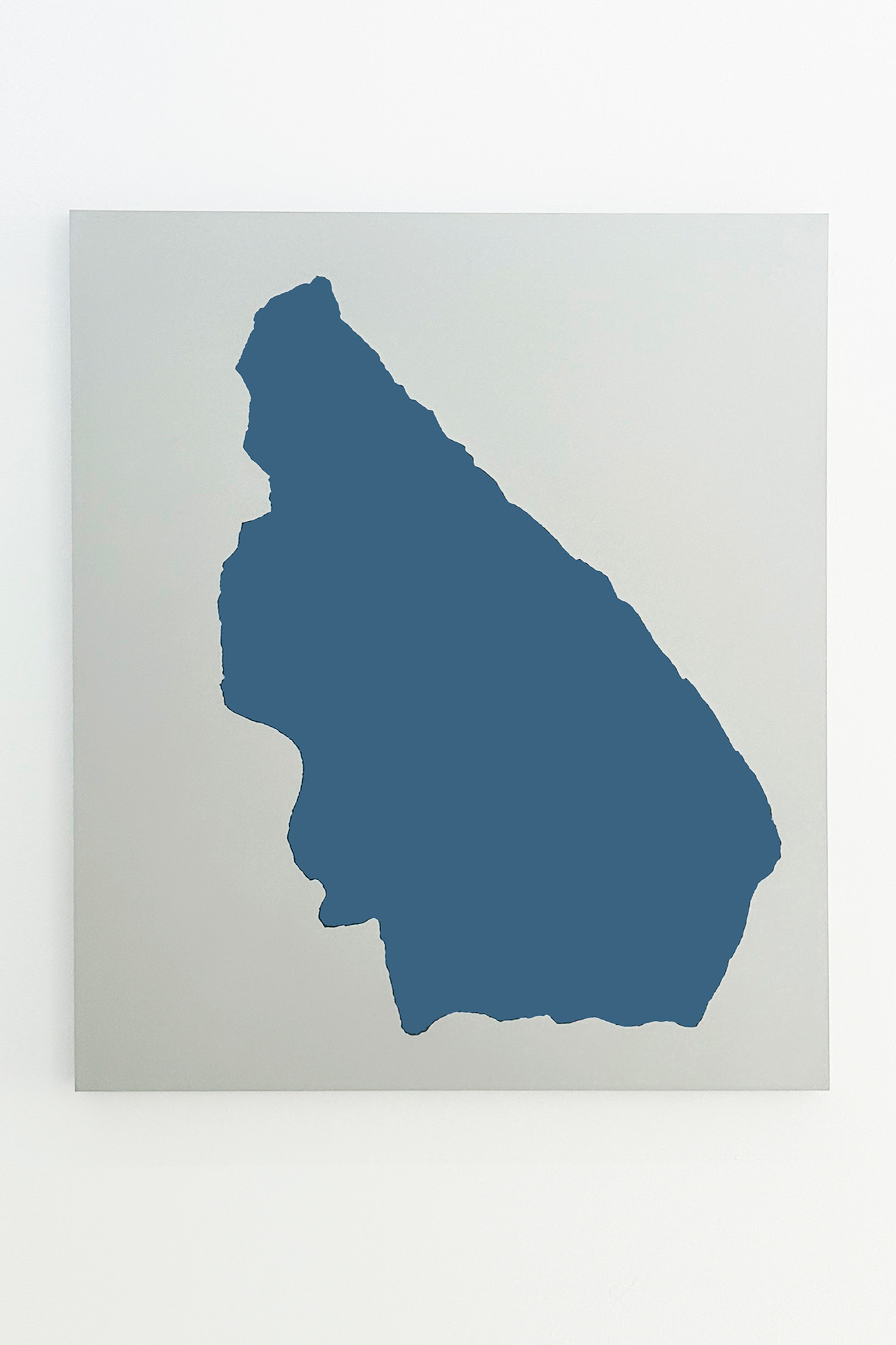
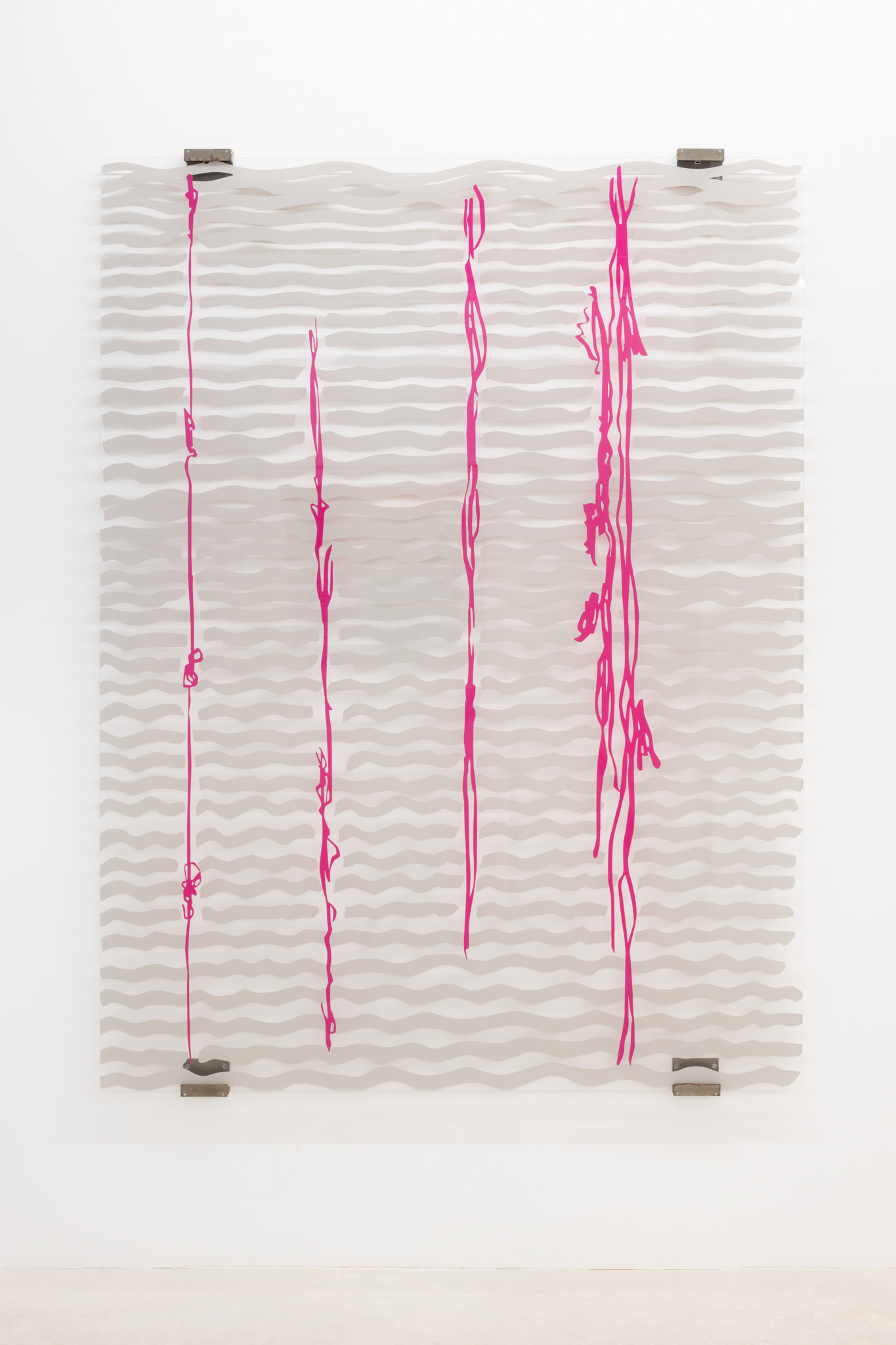
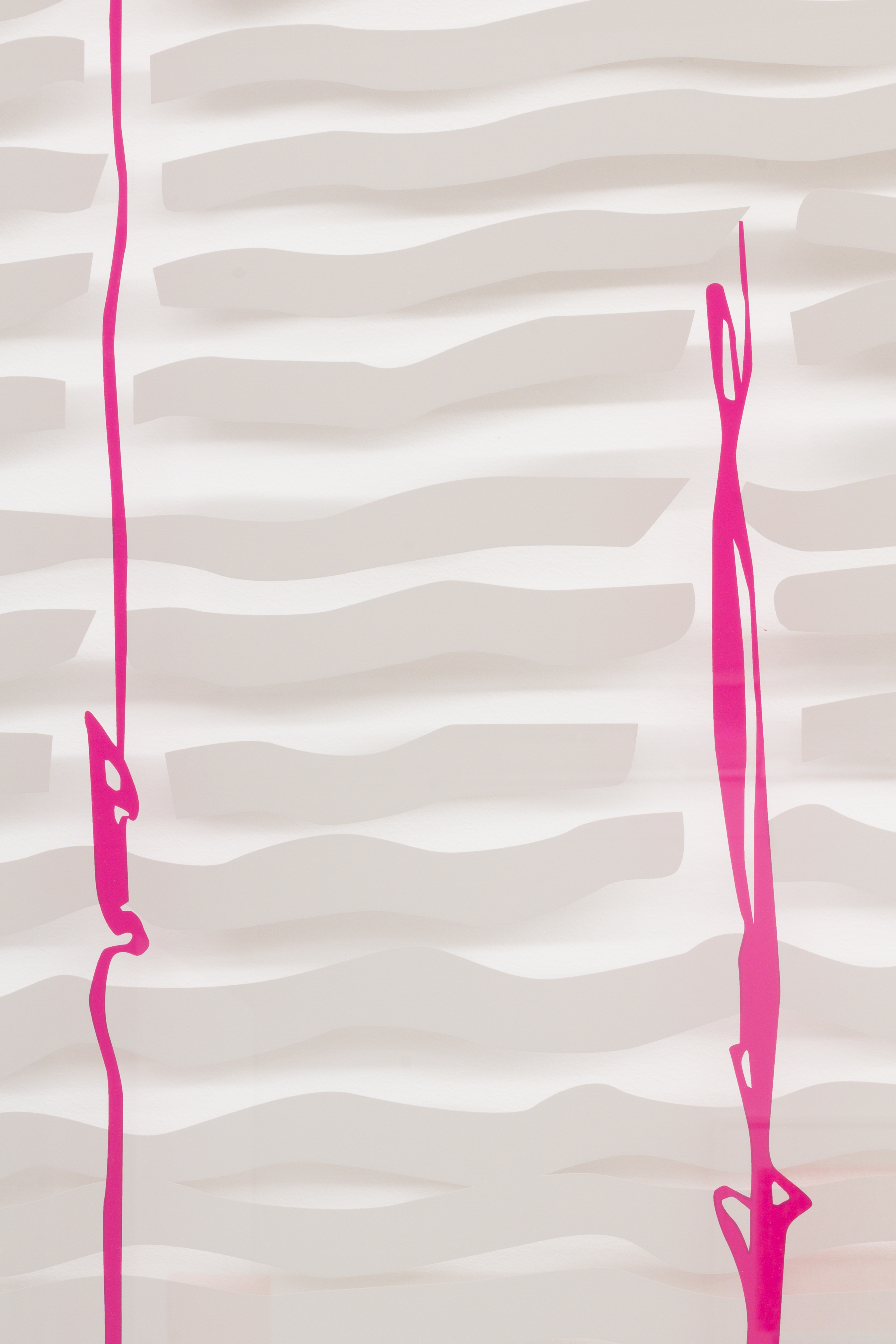
In recent years, he has developed a painting practice that deliberately eschew expressive gestures. He used industrial materials, such as adhesive vinyl, flat colors, and silkscreened patterns that replaced the brushstroke with a constructed and controlled surface. Rather than emphasizing the emotional nature of the stroke, his works propose a conceptual painting, in which the visual operates more as a system than as a representation. Far from narrative, these compositions invite a leisurely reading, where form, color, and structure dialogue with the tradition of architectural modernism and with some other post-minimalist proposals.
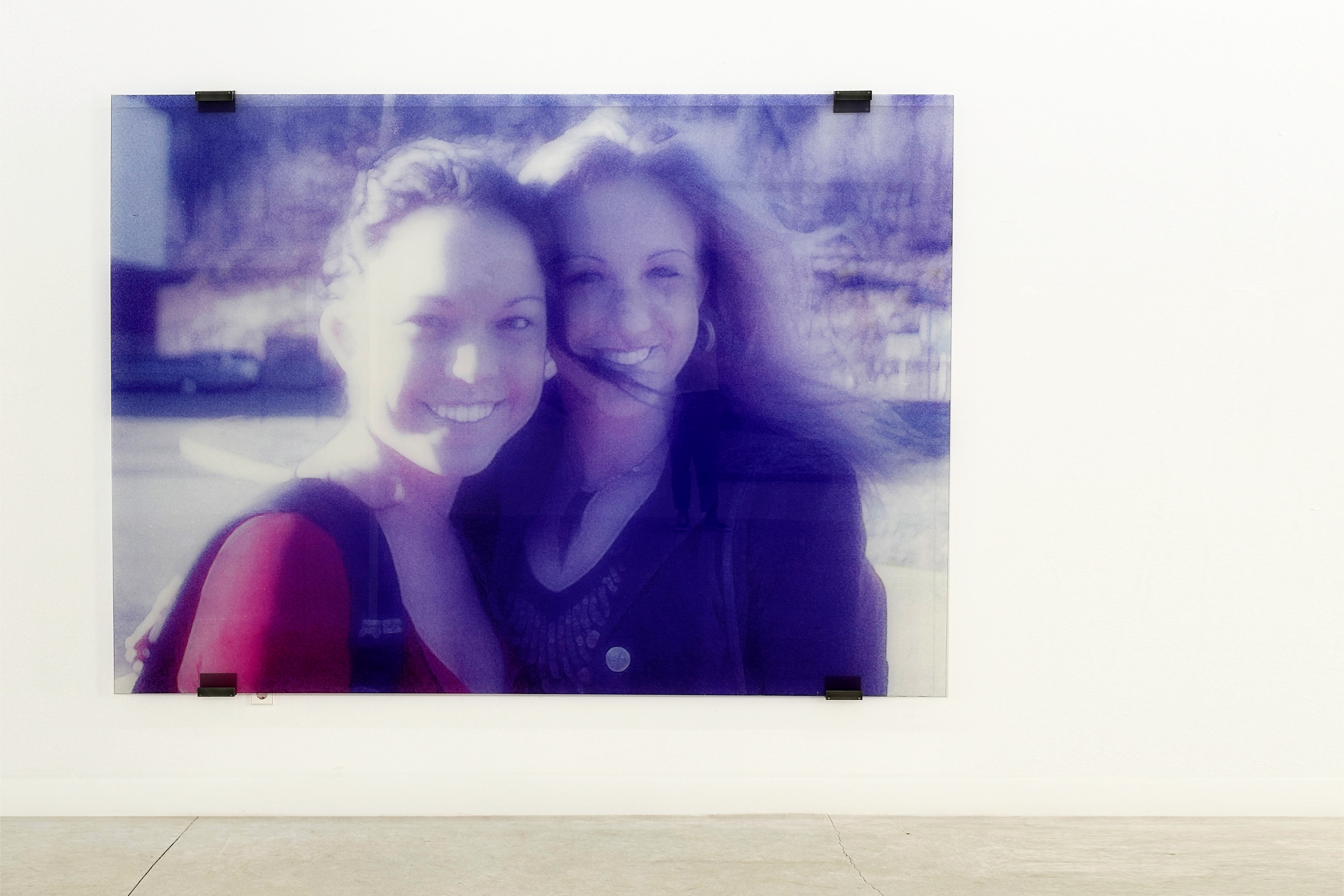
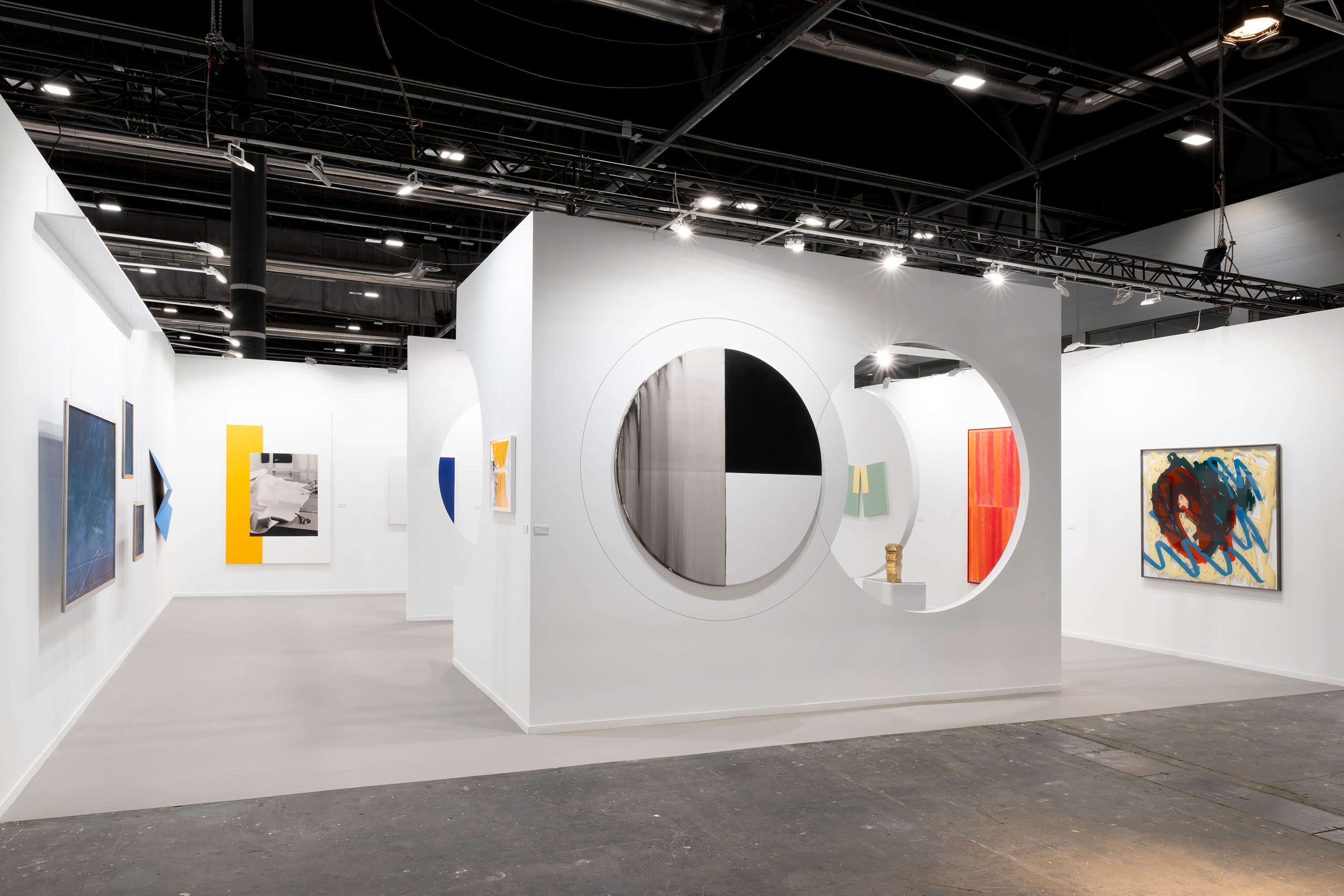
Jean-Marc Bustamante: 1995-2025 aims to bring together more than four decades in which Bustamante has built a body of work that carefully displaces the boundaries between image, object, and space. From his early large-format photographs of transitional landscapes to his later explorations in abstraction and constructed surfaces, his practice is marked by a deliberate restraint and a deep engagement with the act of seeing. Whether through photographic clarity or the opaque logic of form and color, Bustamante treats visual language as a site of inquiry—where perception is slowed down, gestures are withheld, and meaning emerges through structure rather than expression. His work does not illustrate; it frames a space in which thought, material, and image seems to remain in tension.
Jean-Marc Bustamante’s (Toulous, 1952) lives and works in Paris. His work has been exhibited internationally since the late 1970s and is held in some of the most prestigious public and private institutions and collections including Tate Gallery, London, UK; Solomon R. Guggenheim Museum, New York, US; Centre Pompidou, Paris, France; Metropolitan Museum of Art (MET), New York, US; Kunstmuseum, Basel, Switzerland; Museo Nacional Centro de Arte Reina Sofía (MNCARS), Madrid, Spain;