If Walls Could Talk…
- R o b e r t B a r r y




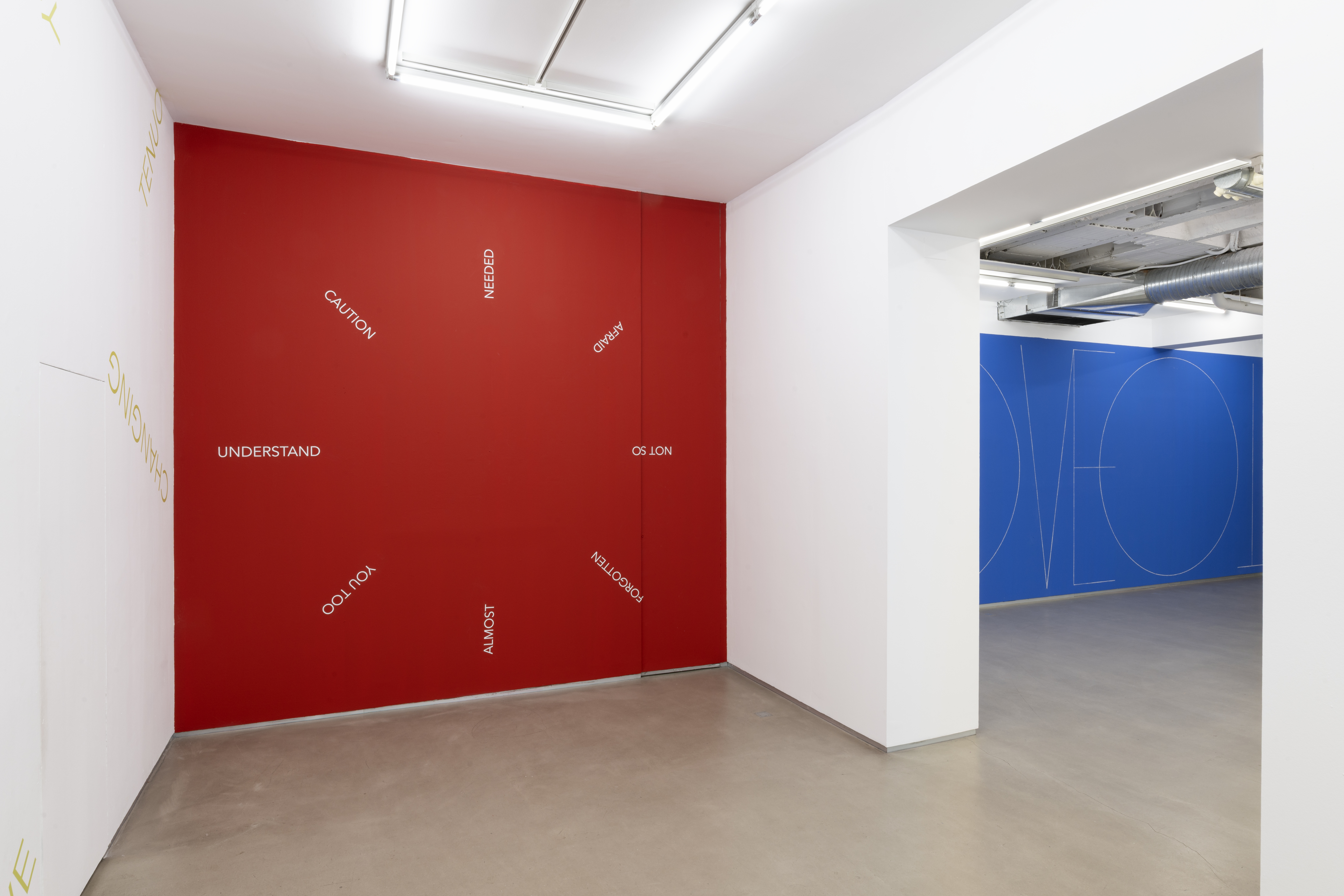
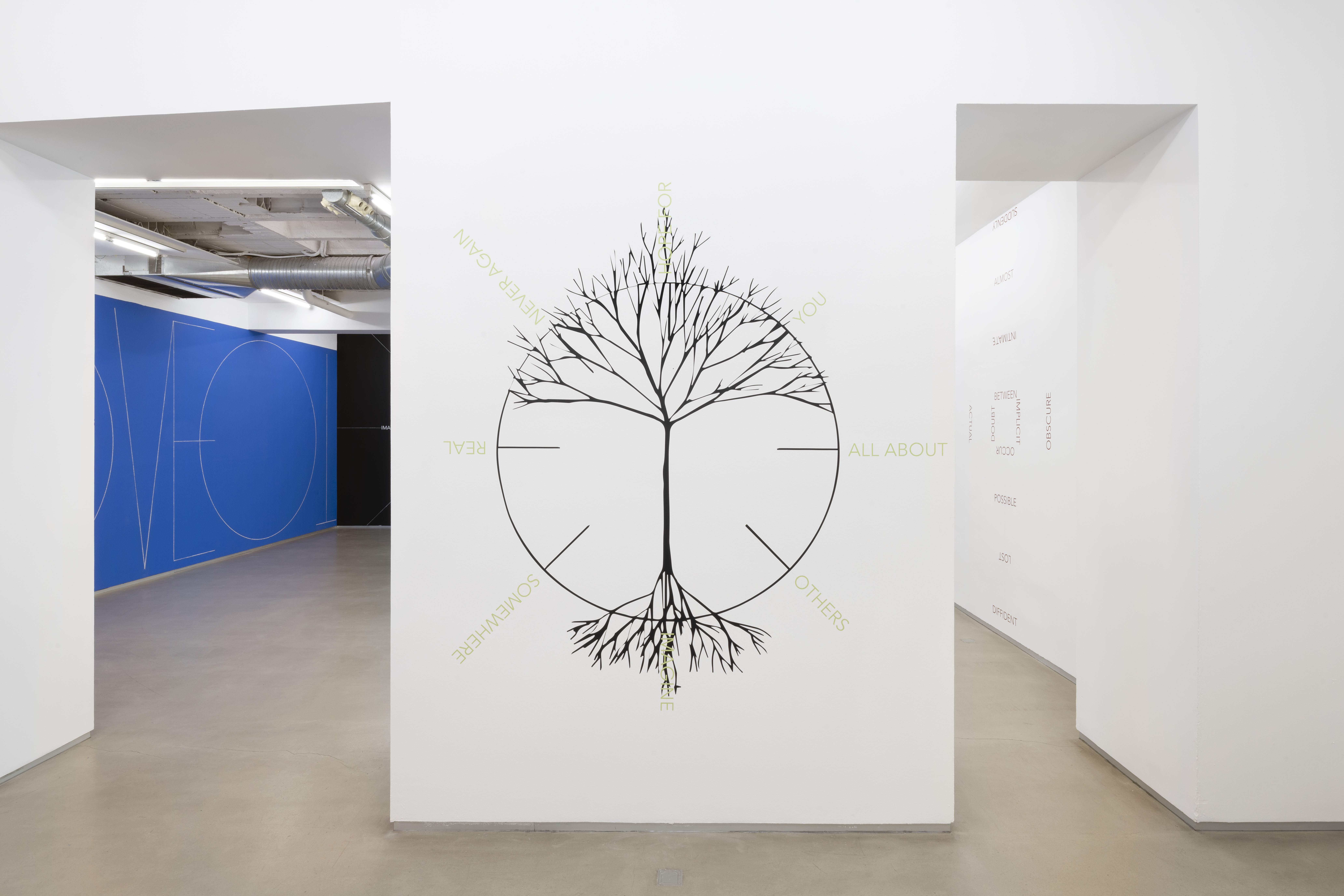


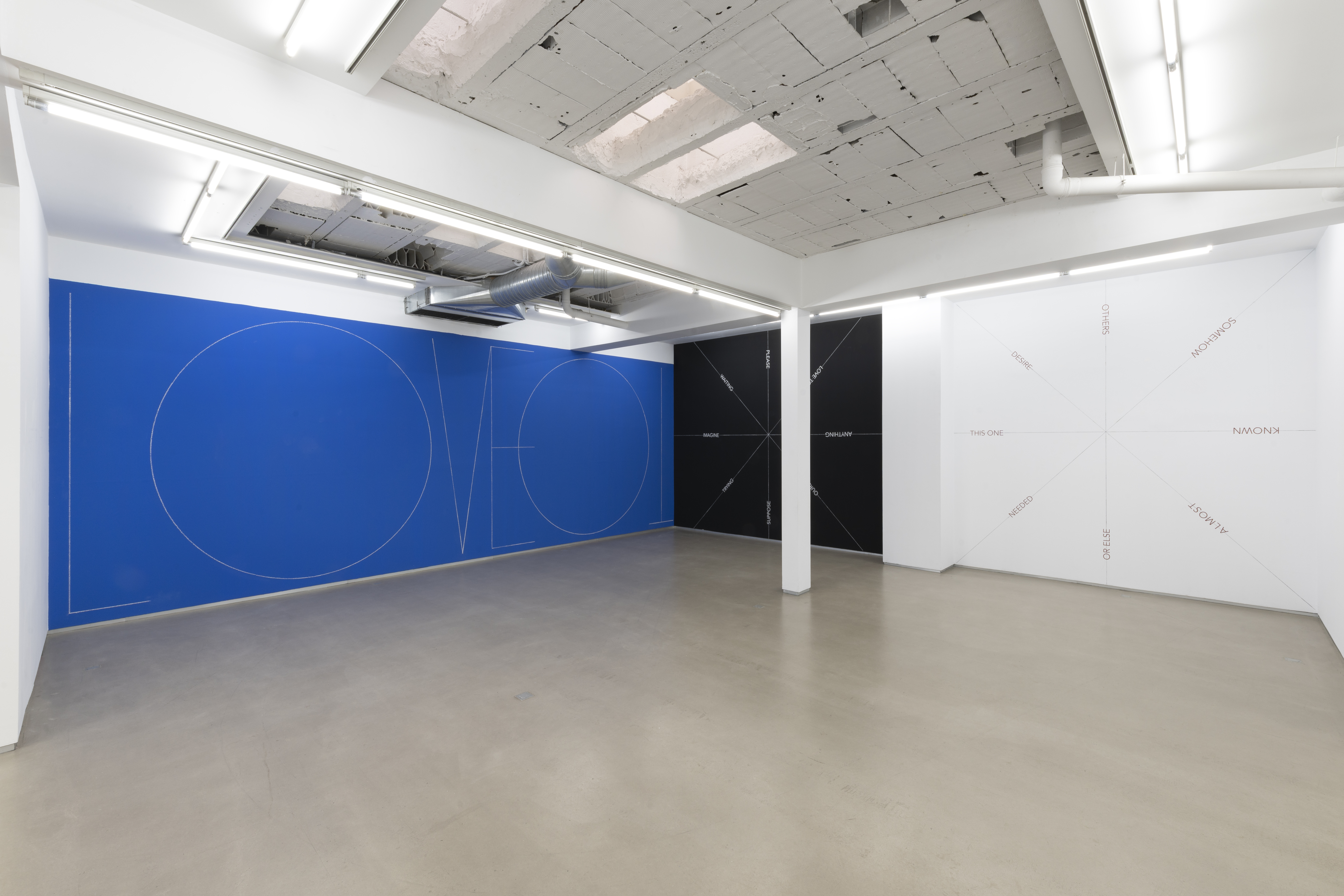




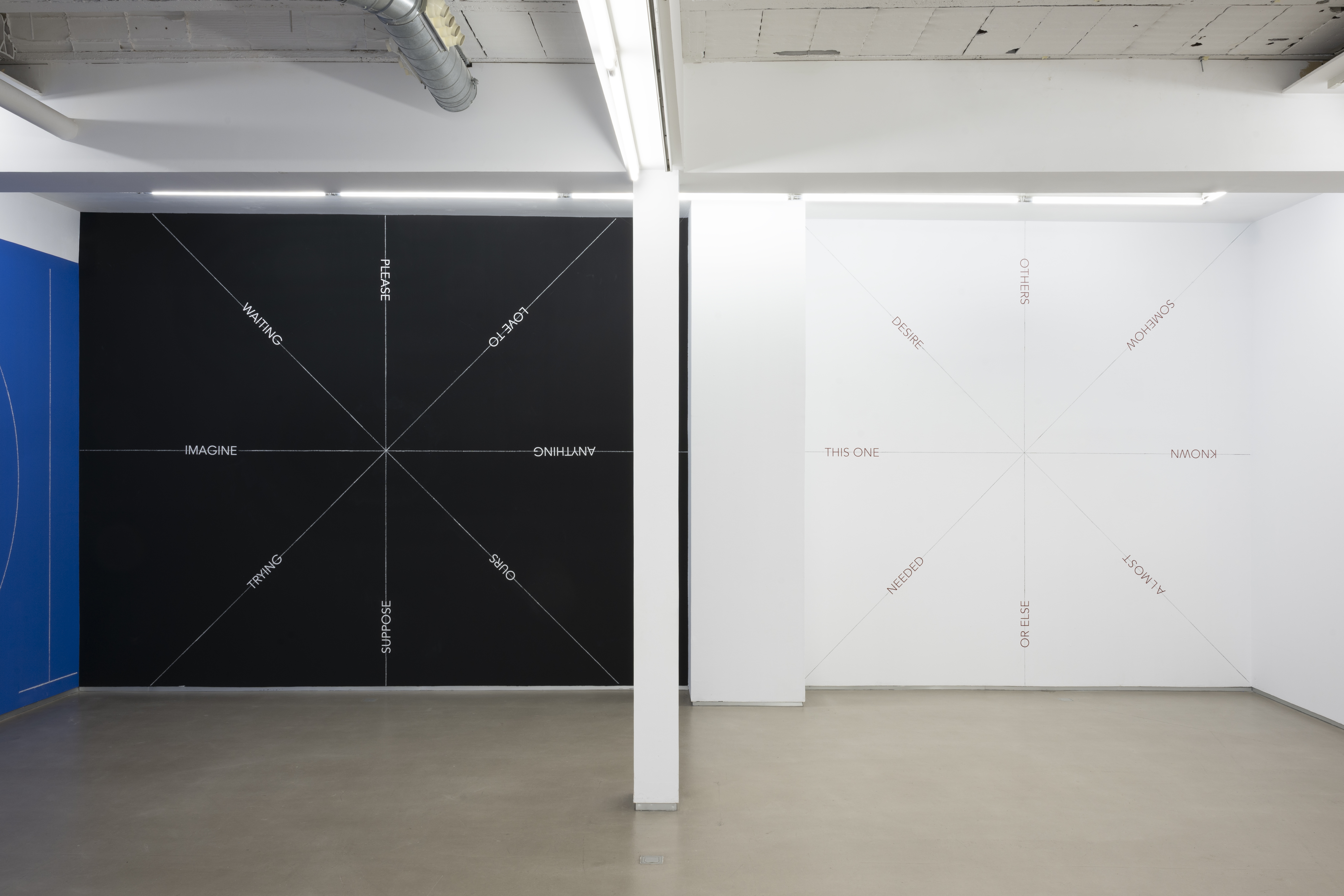

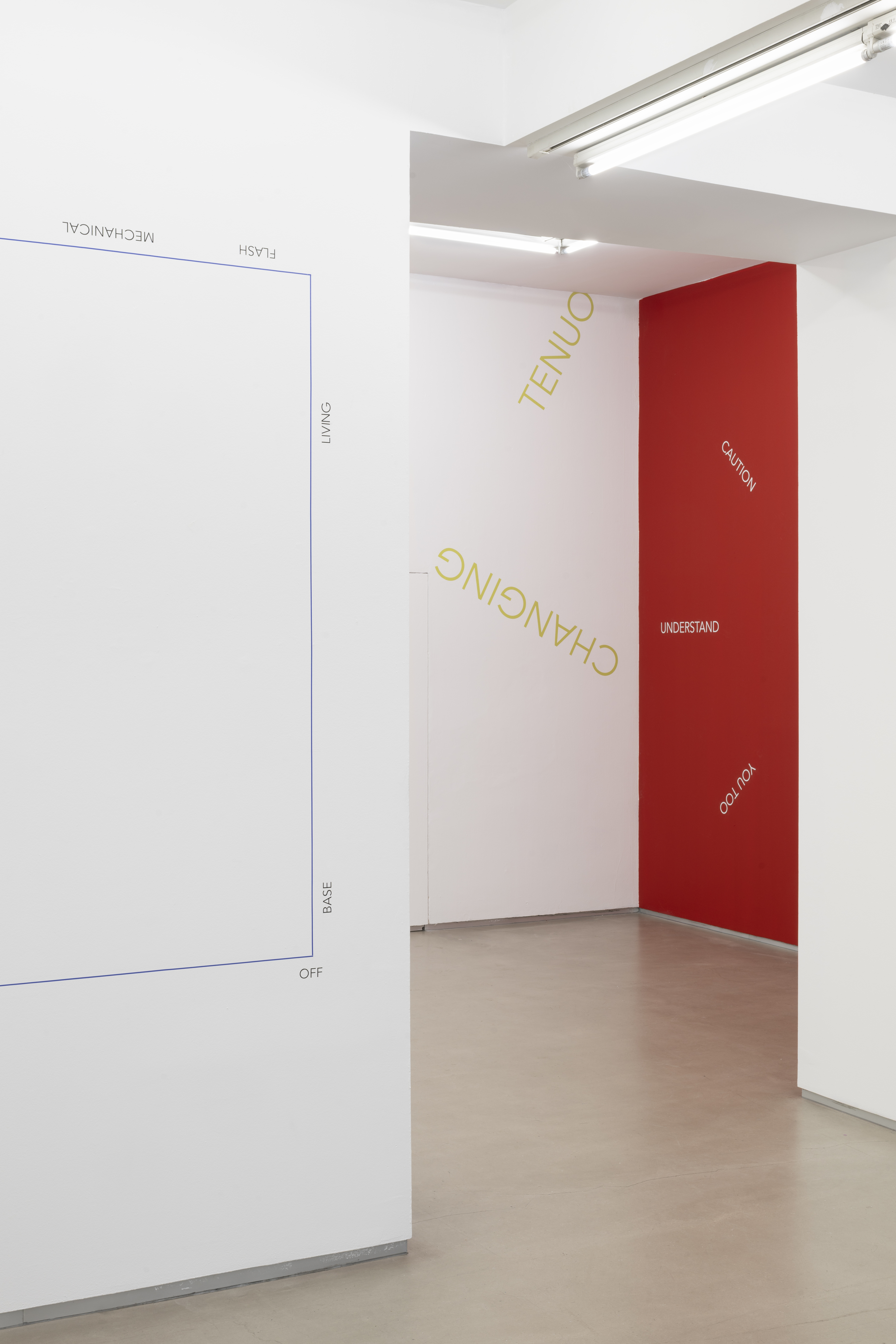





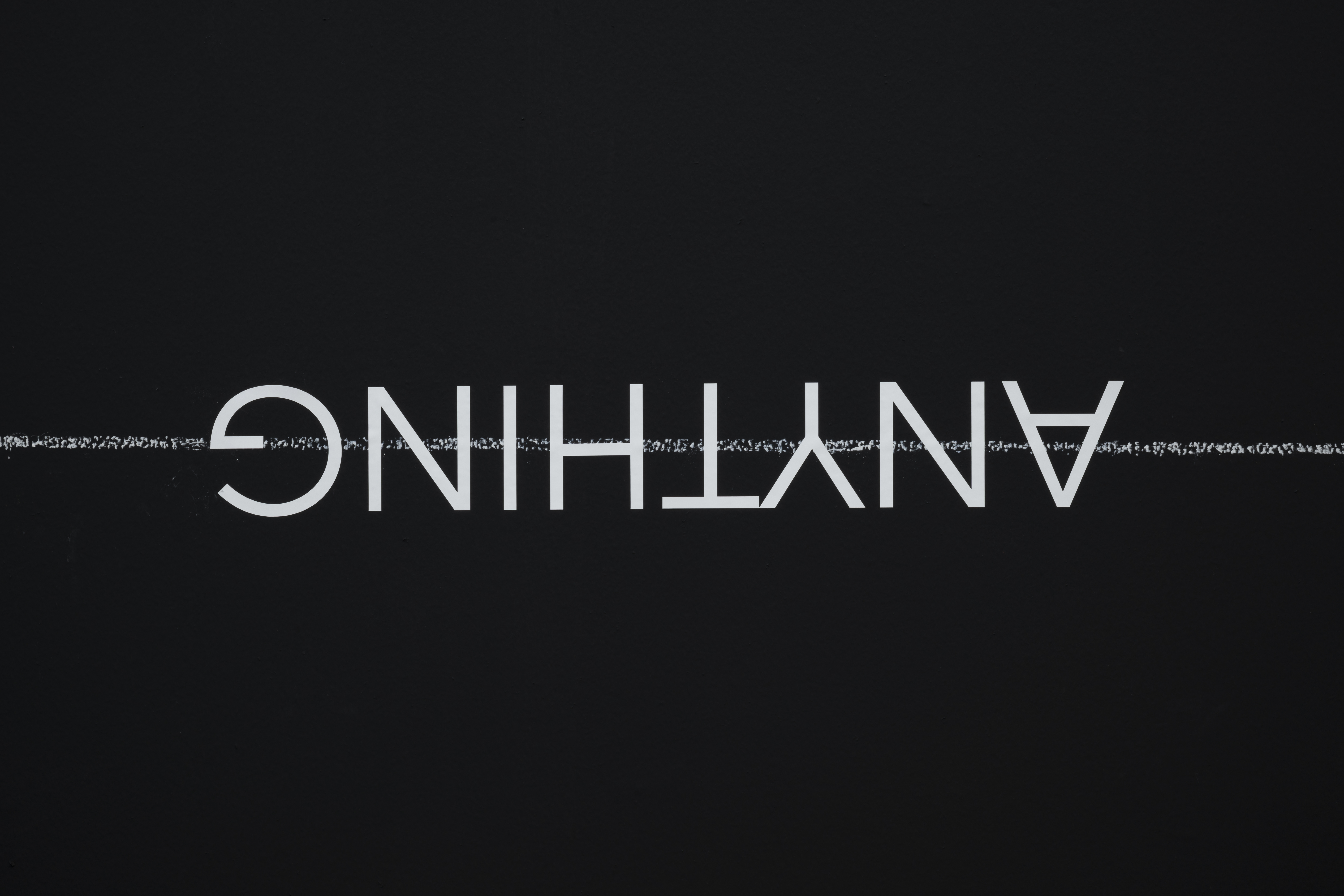

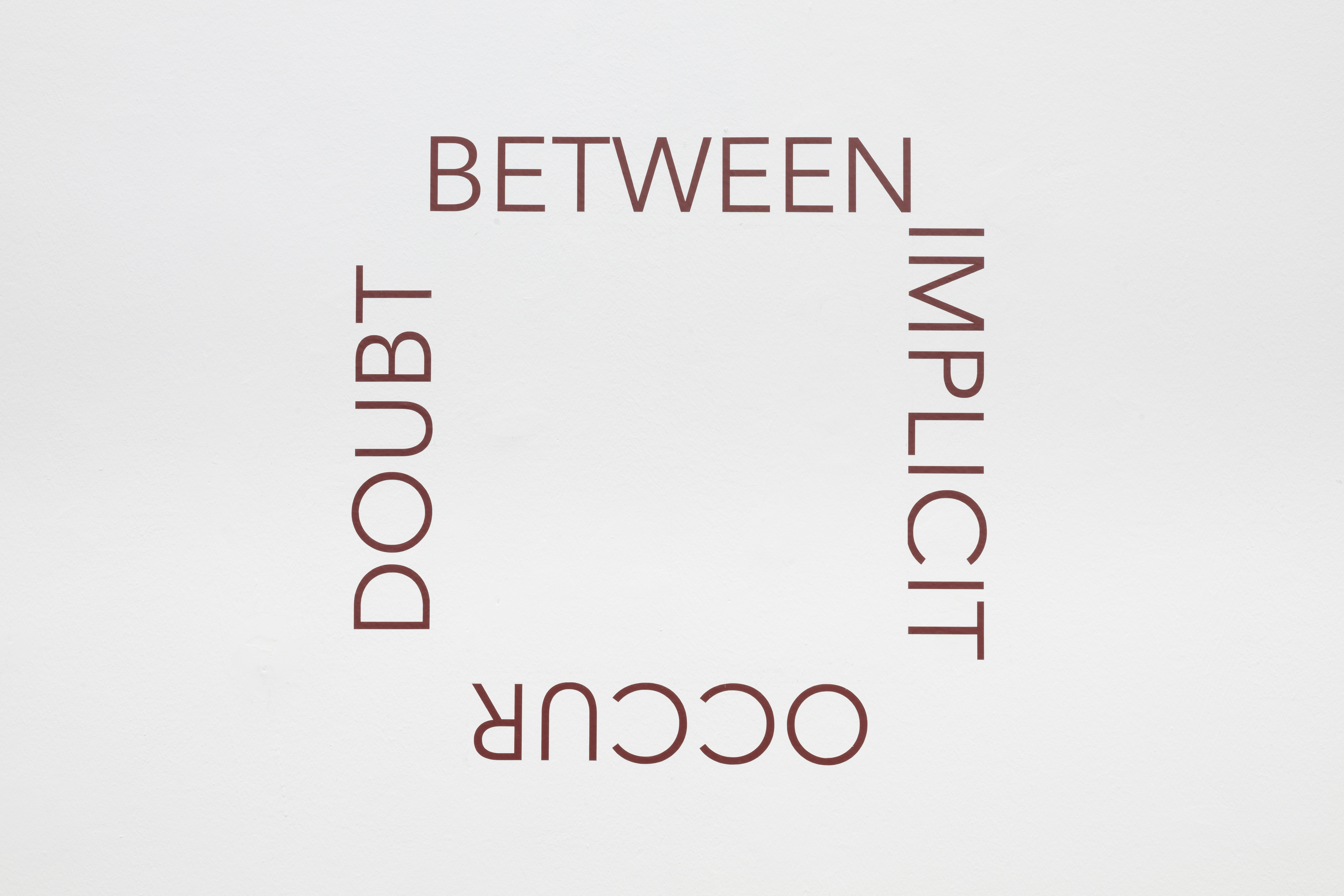
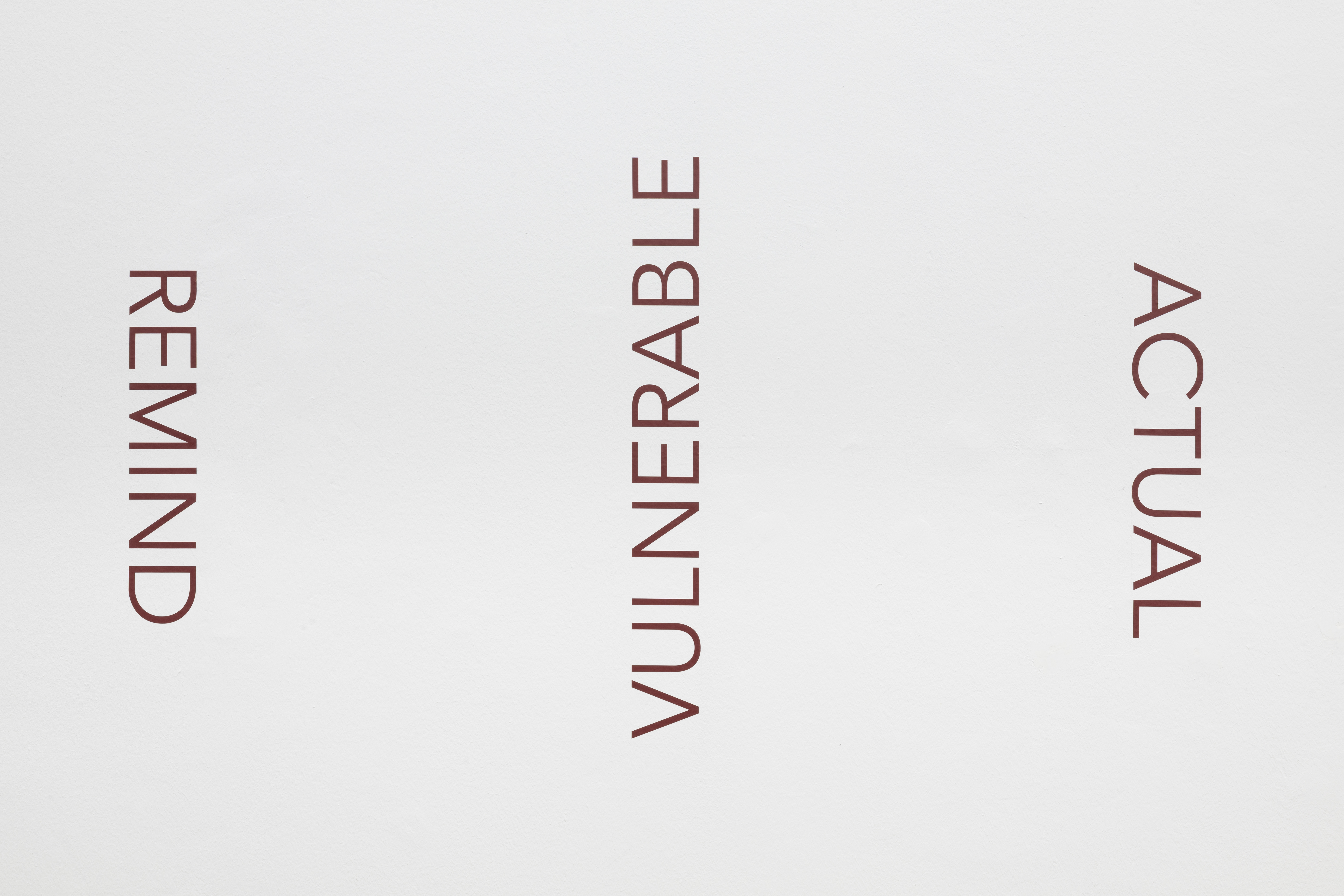

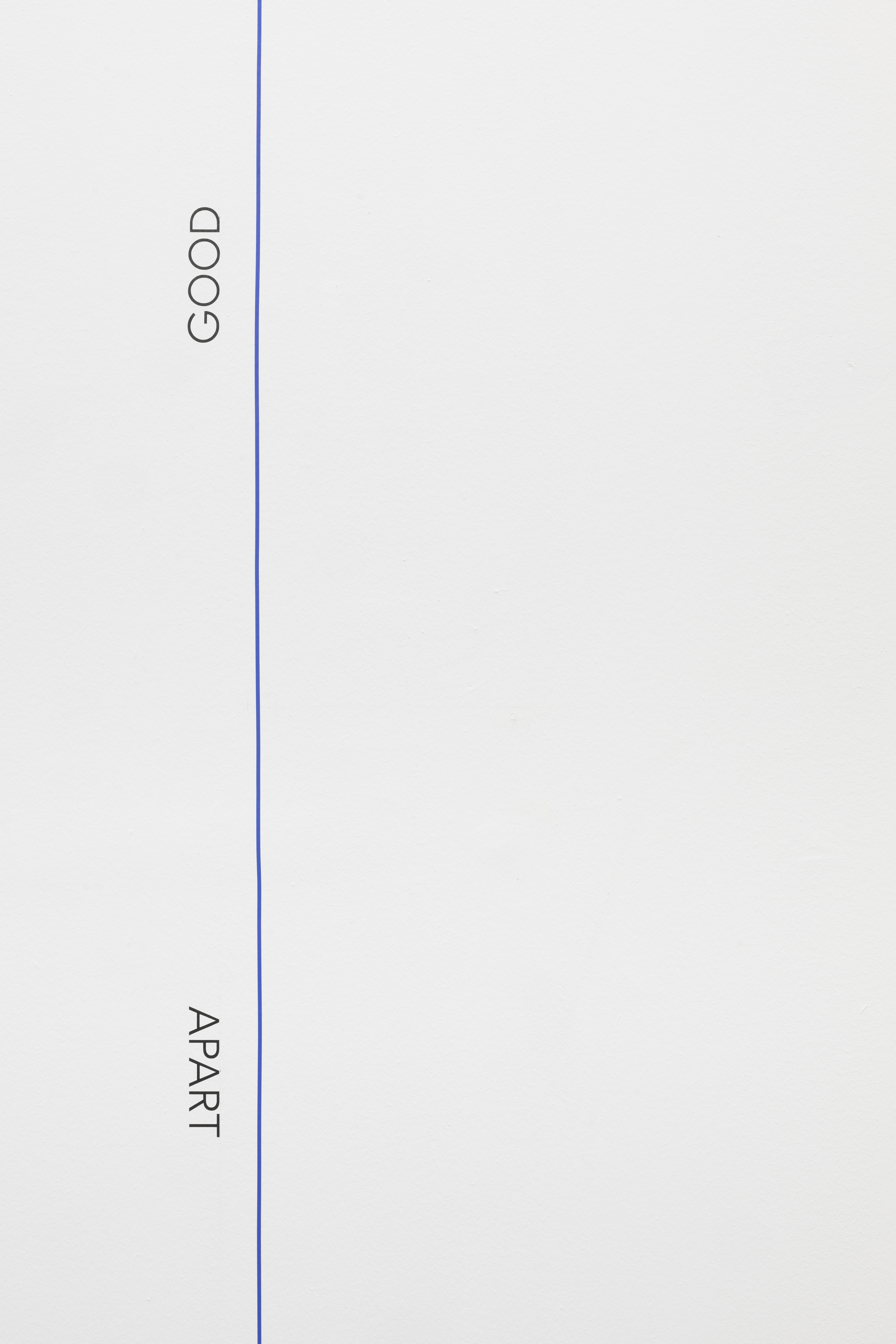

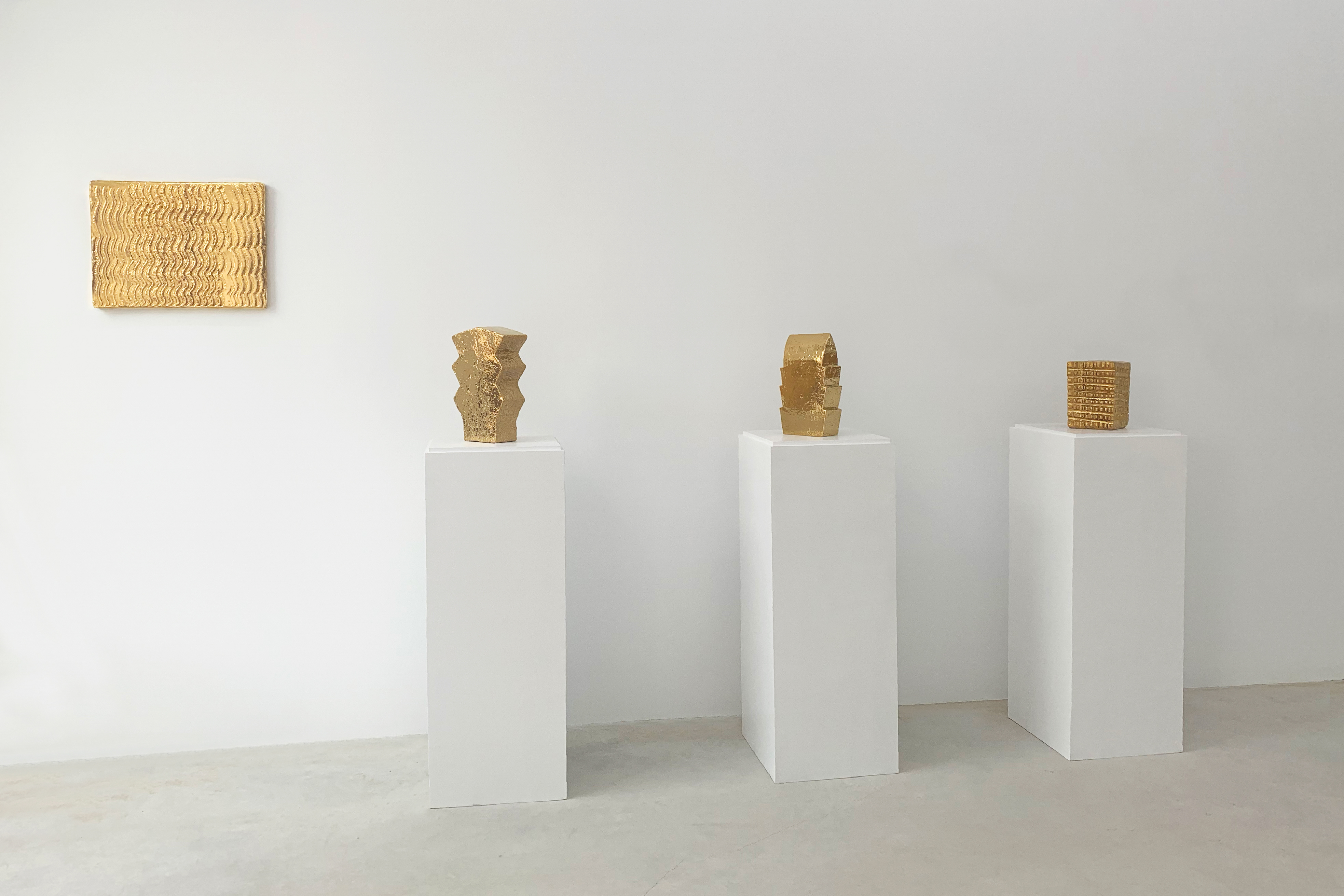
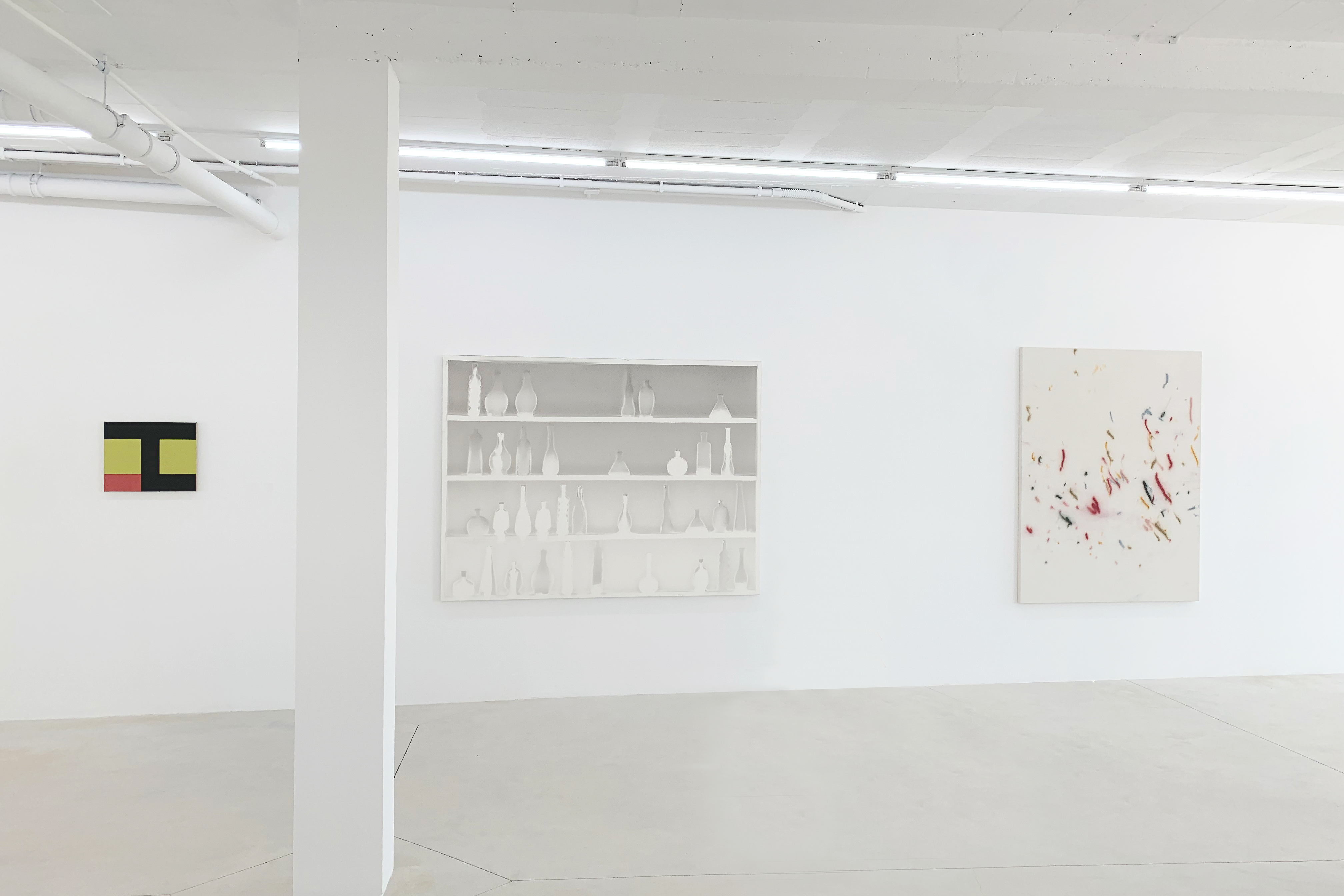
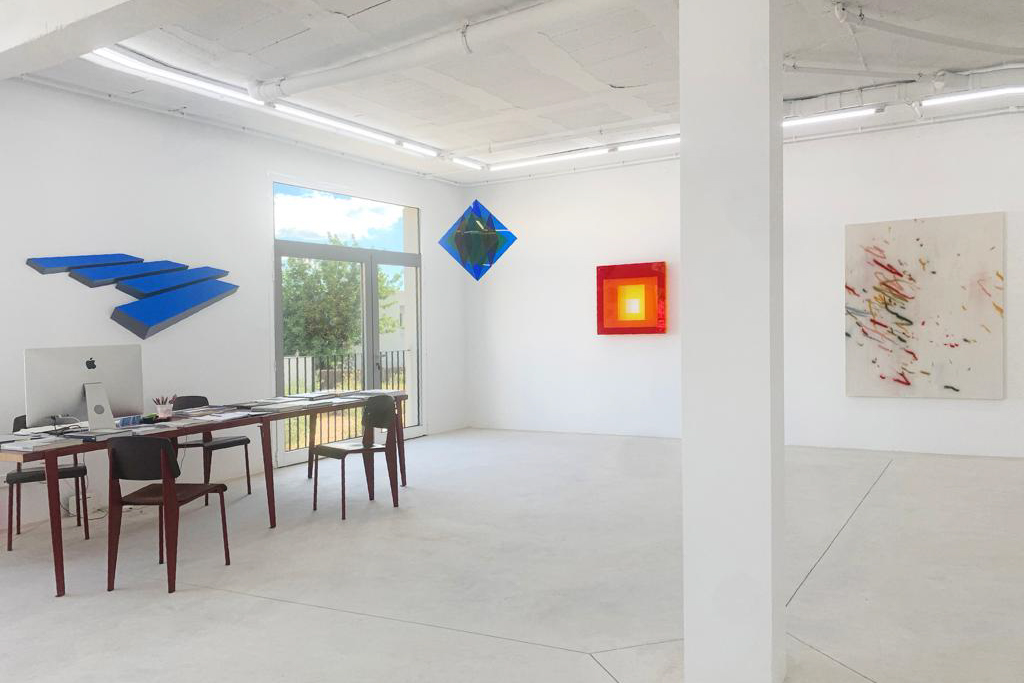
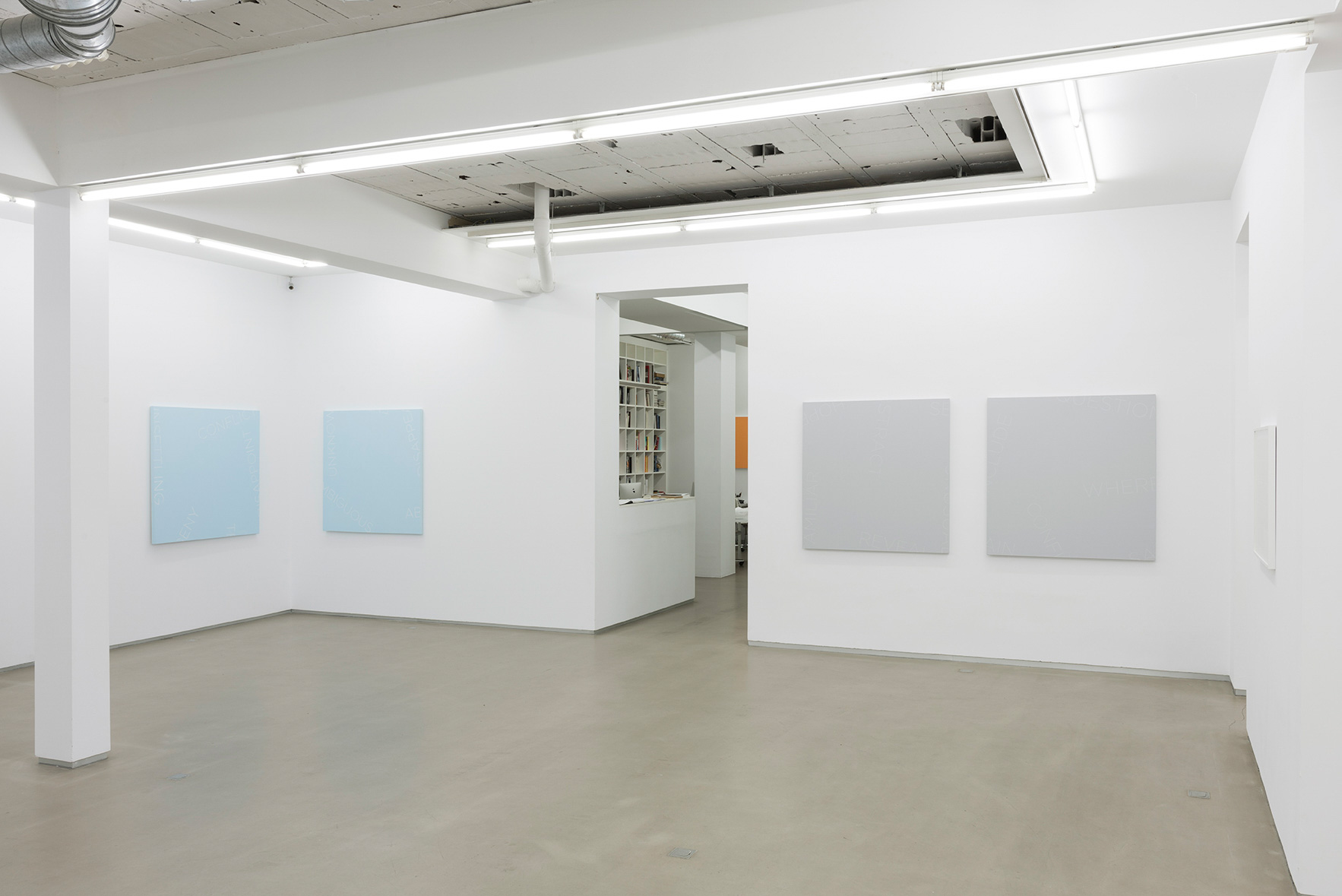
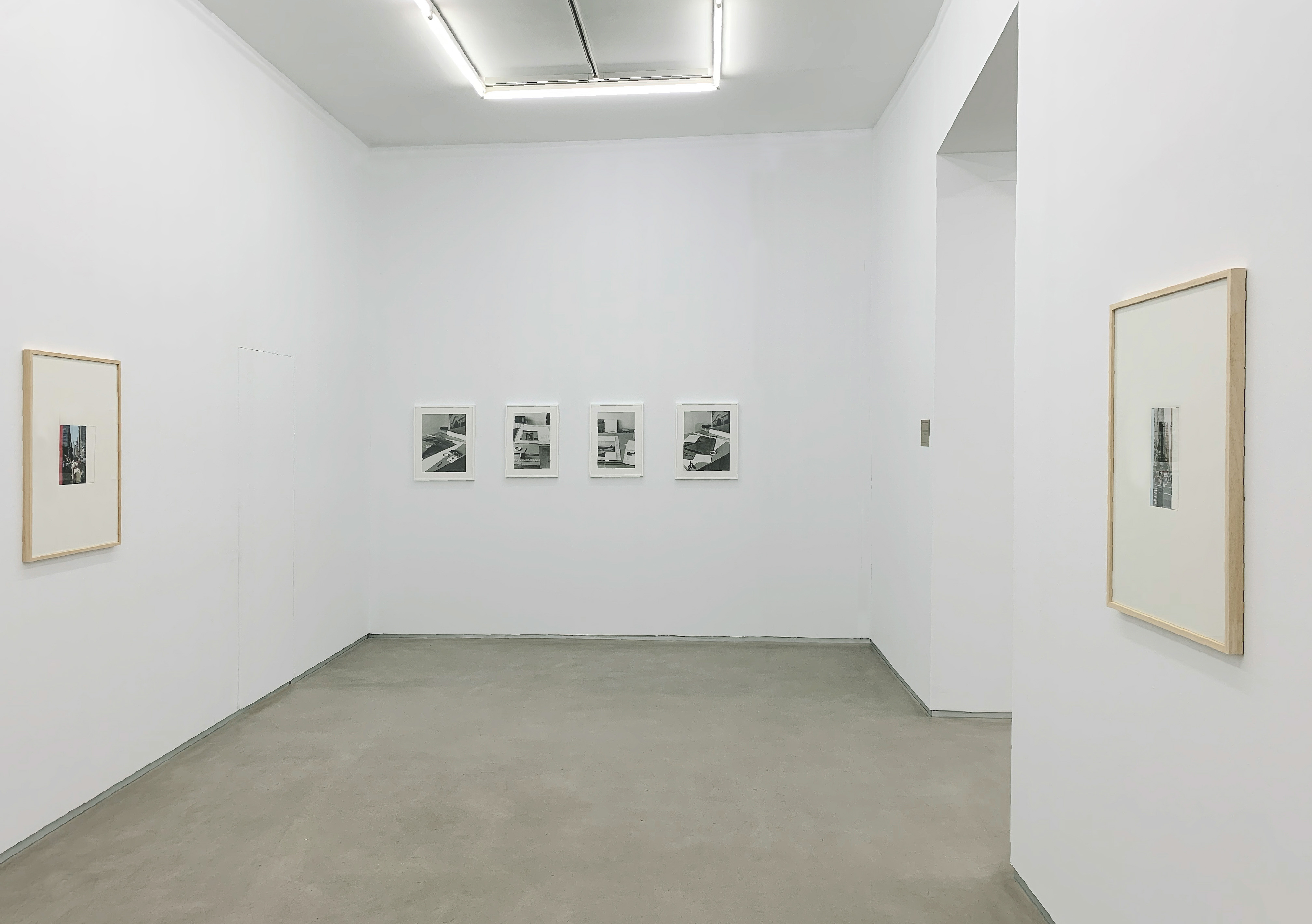
Parra & Romero is pleased to present Robert Barry’s new exhibition at our Space in Madrid.
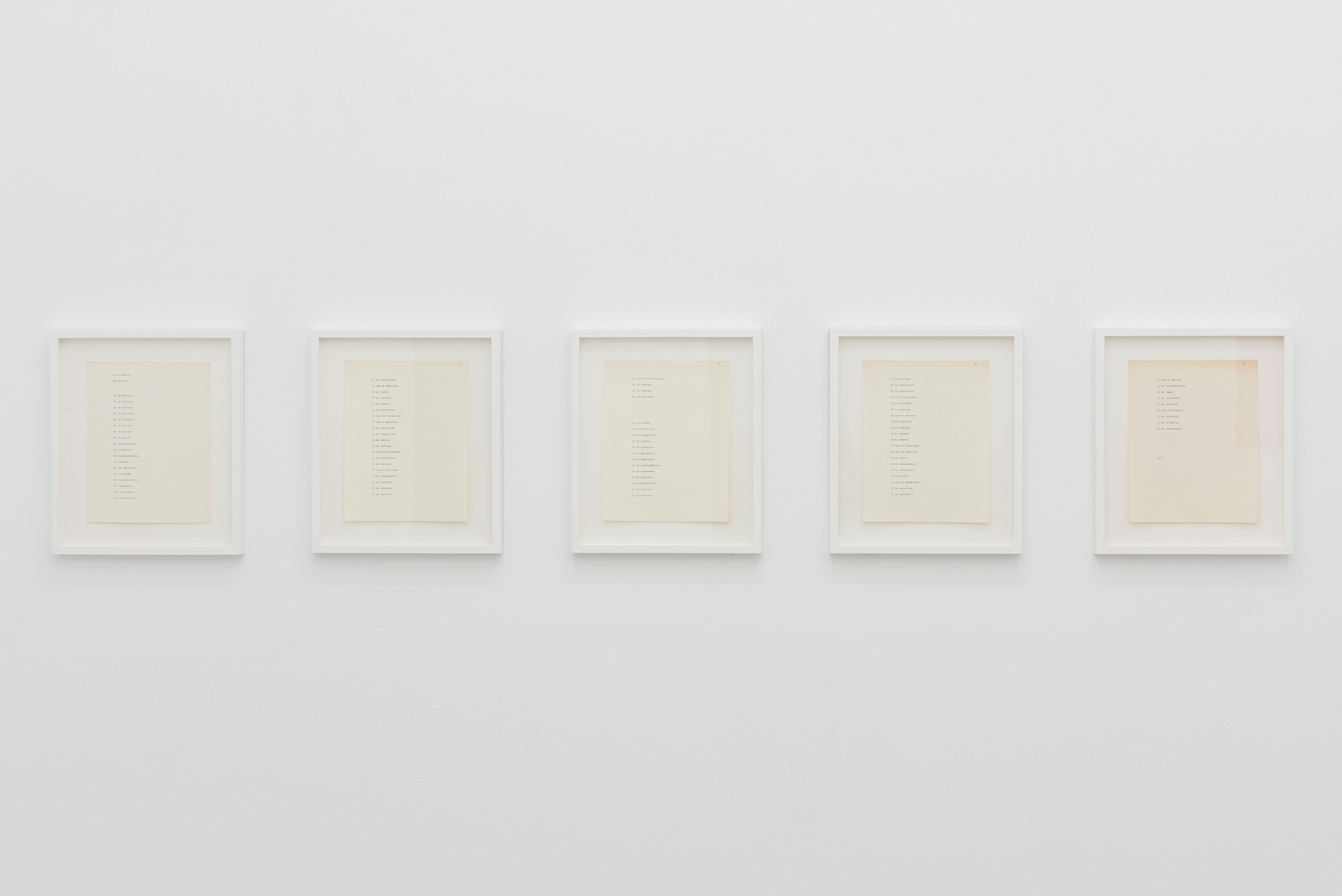
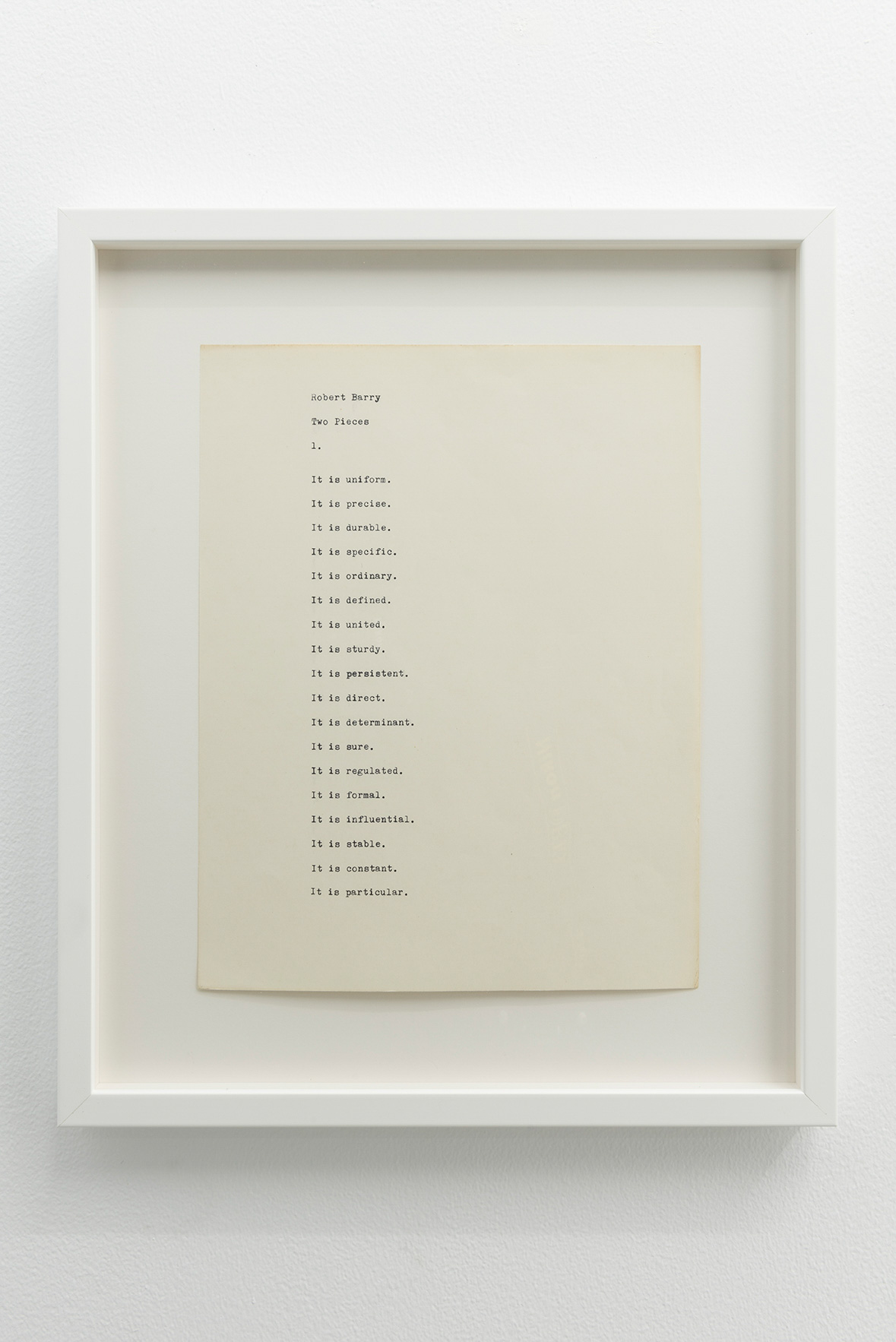
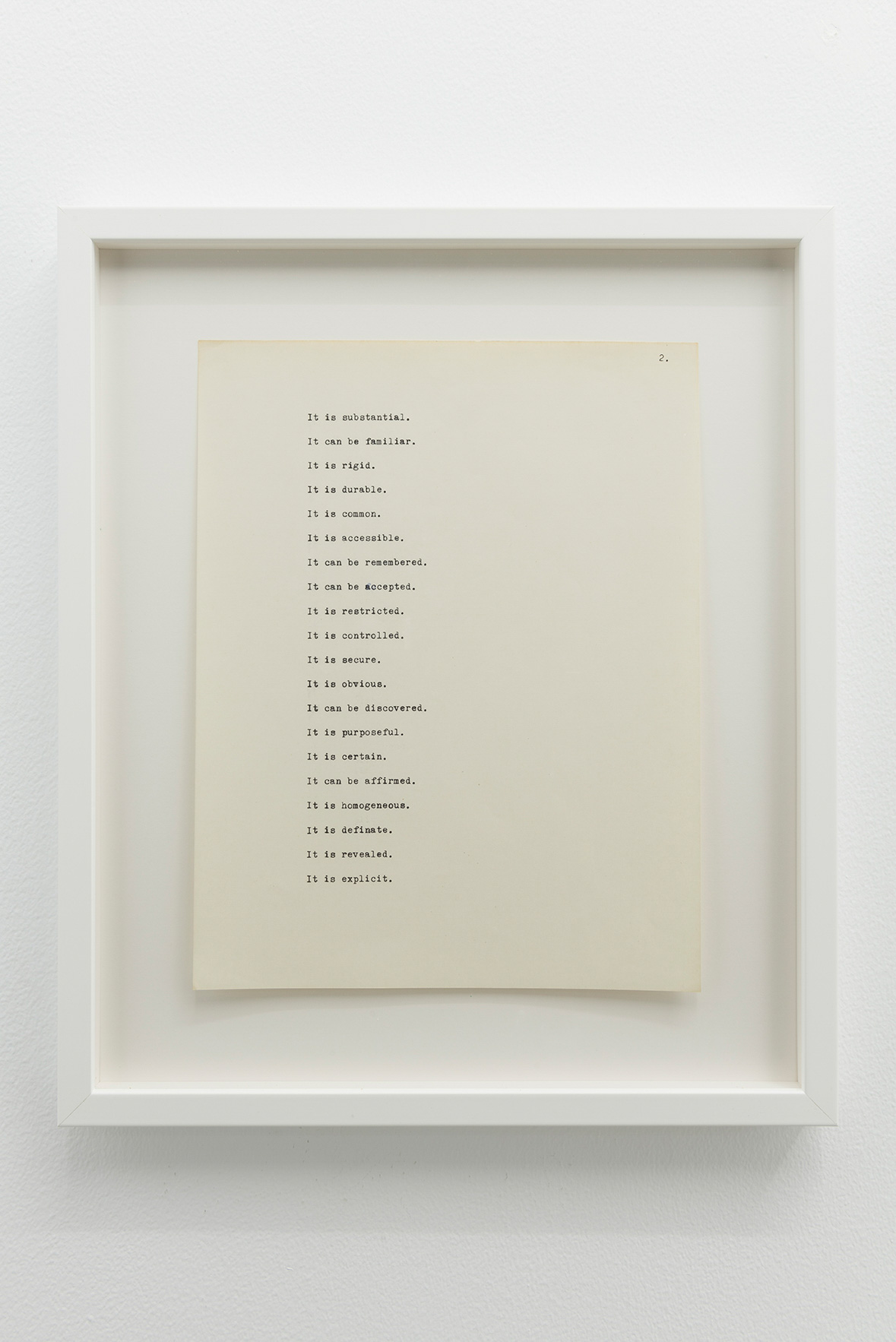
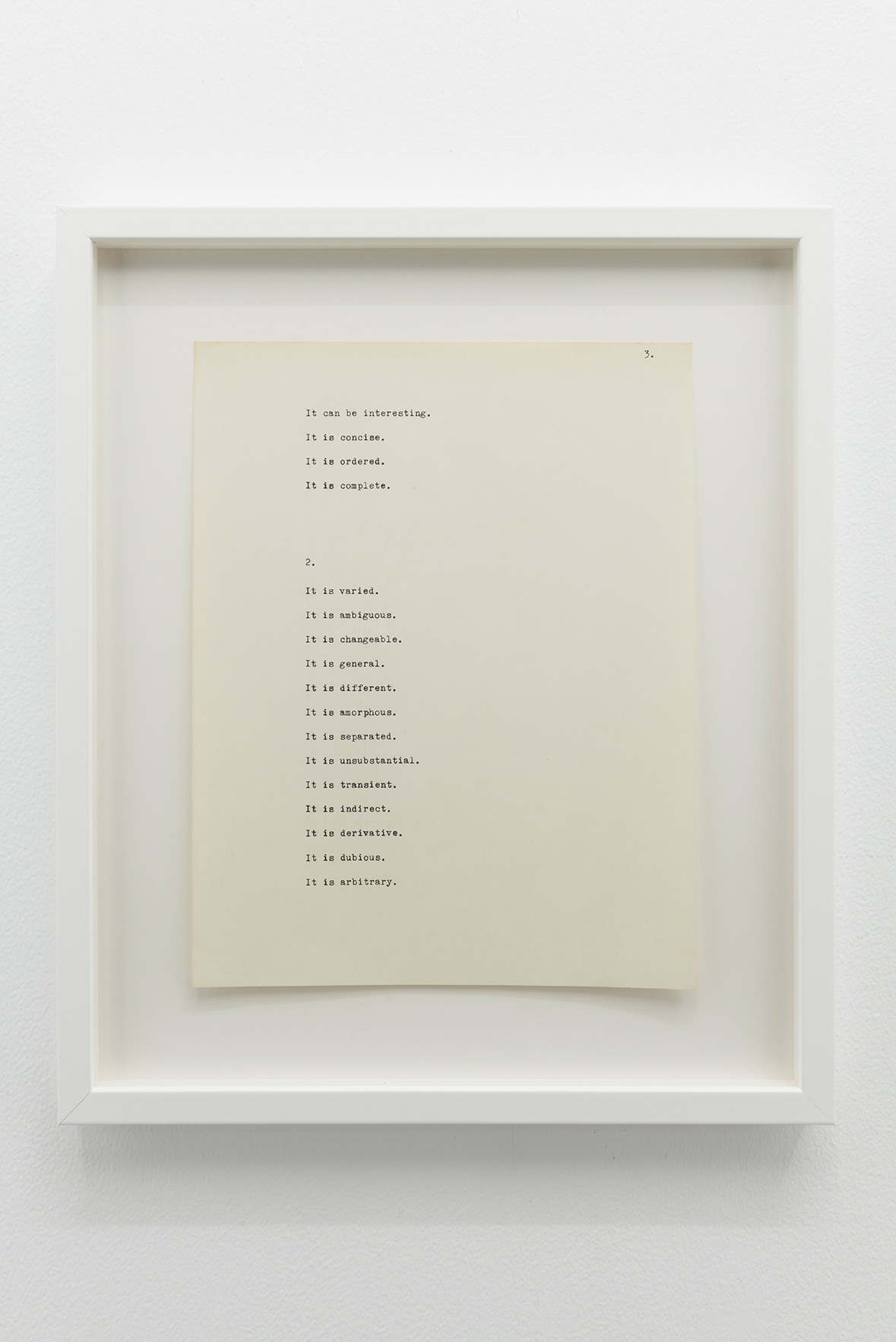
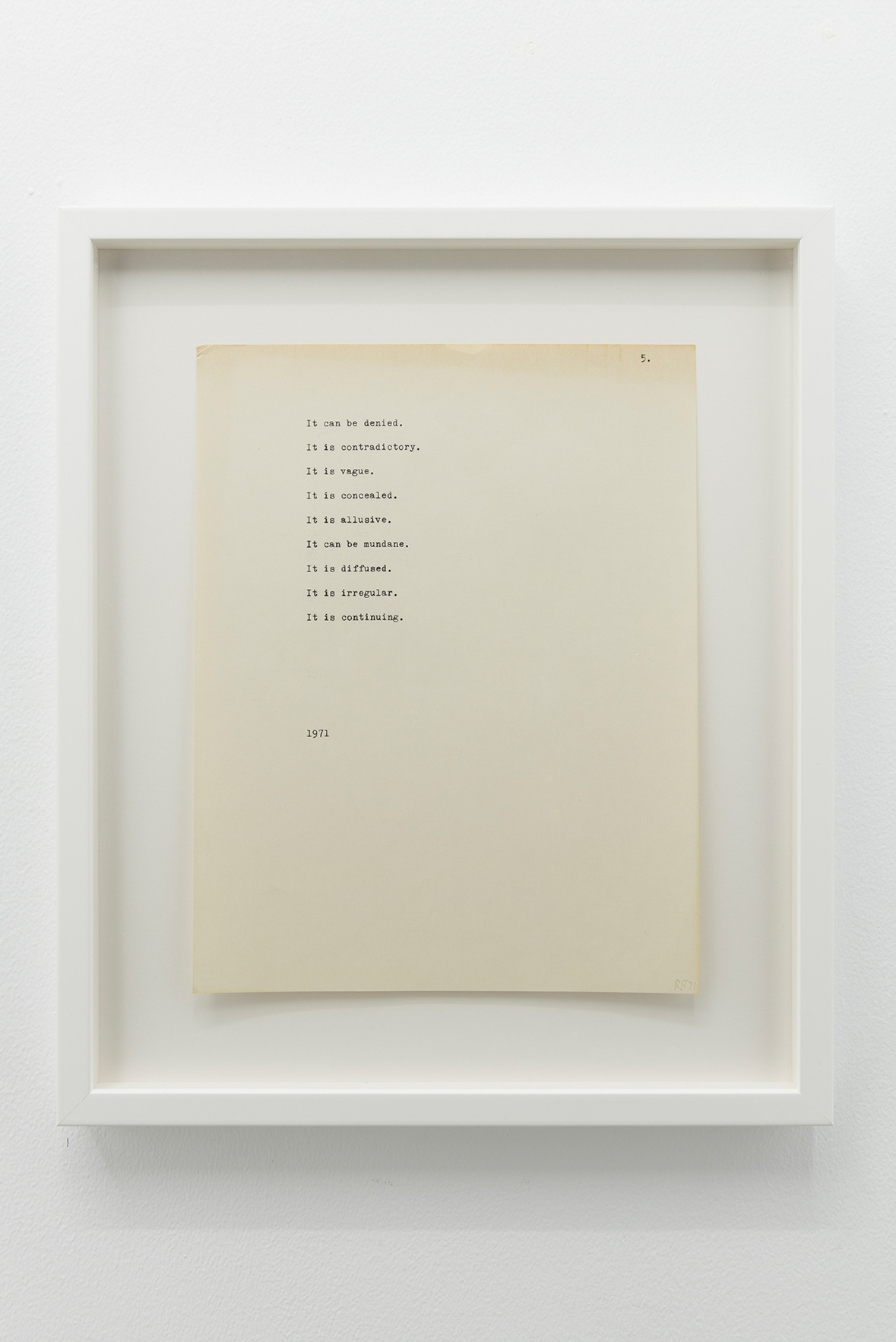
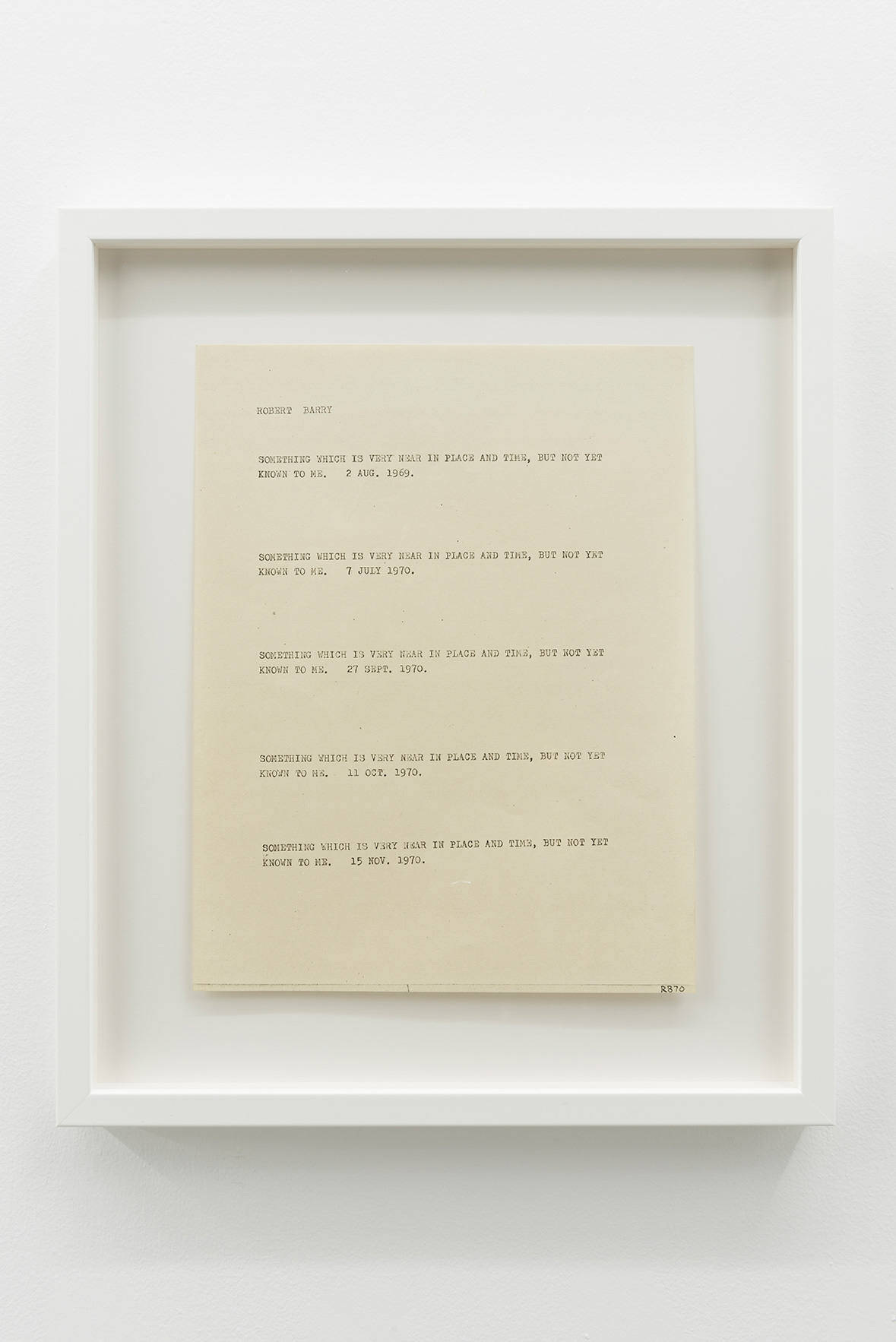
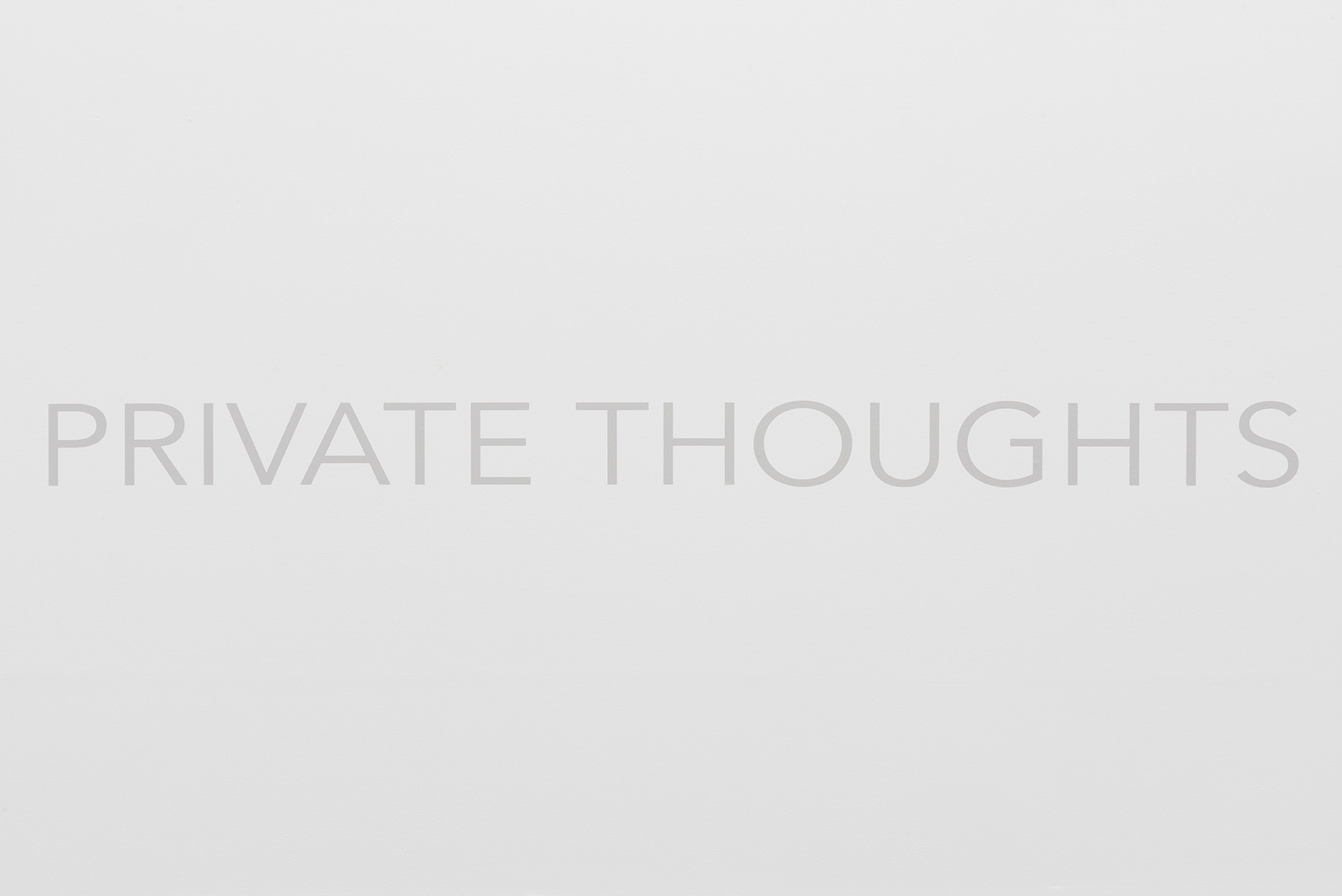
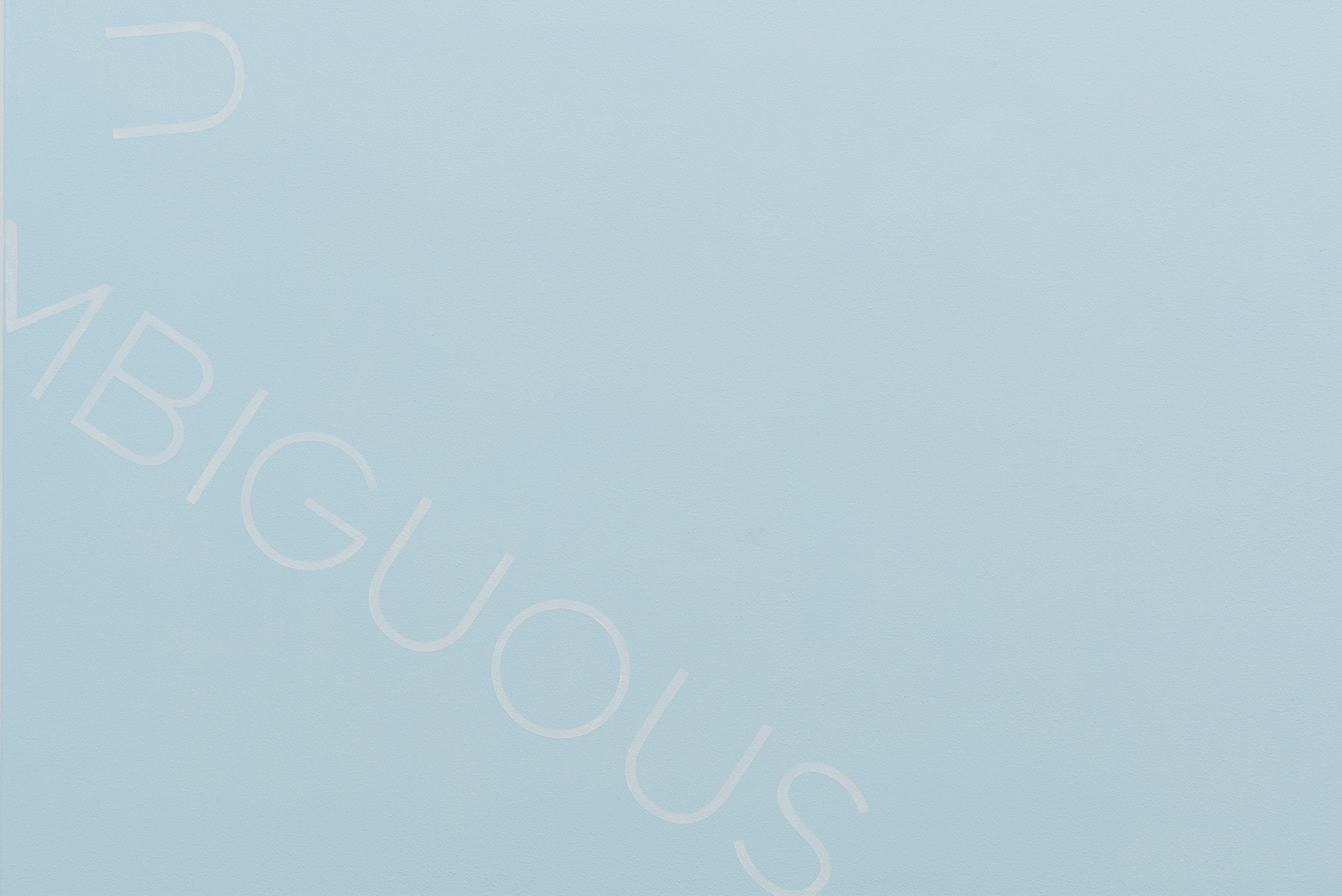
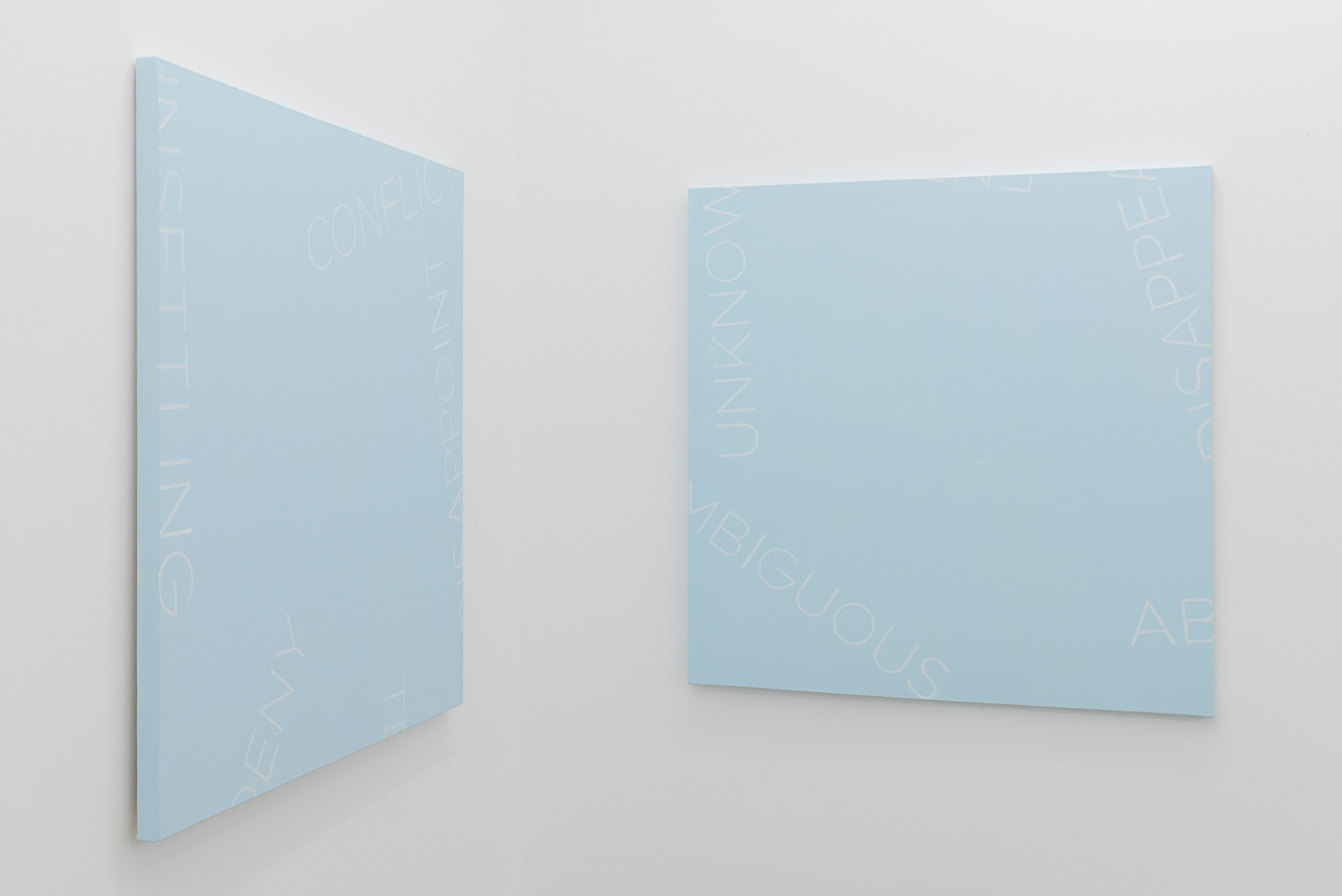
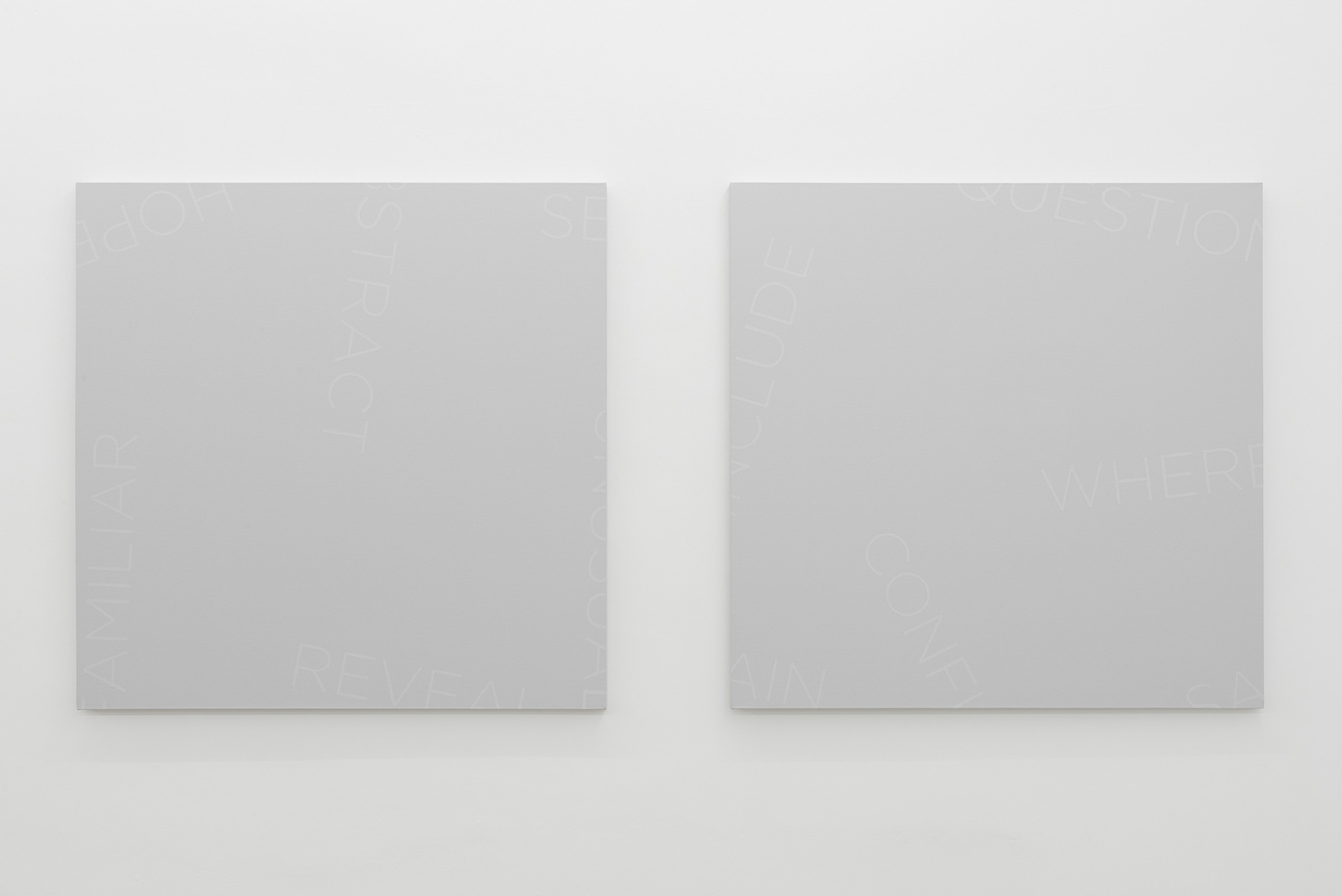
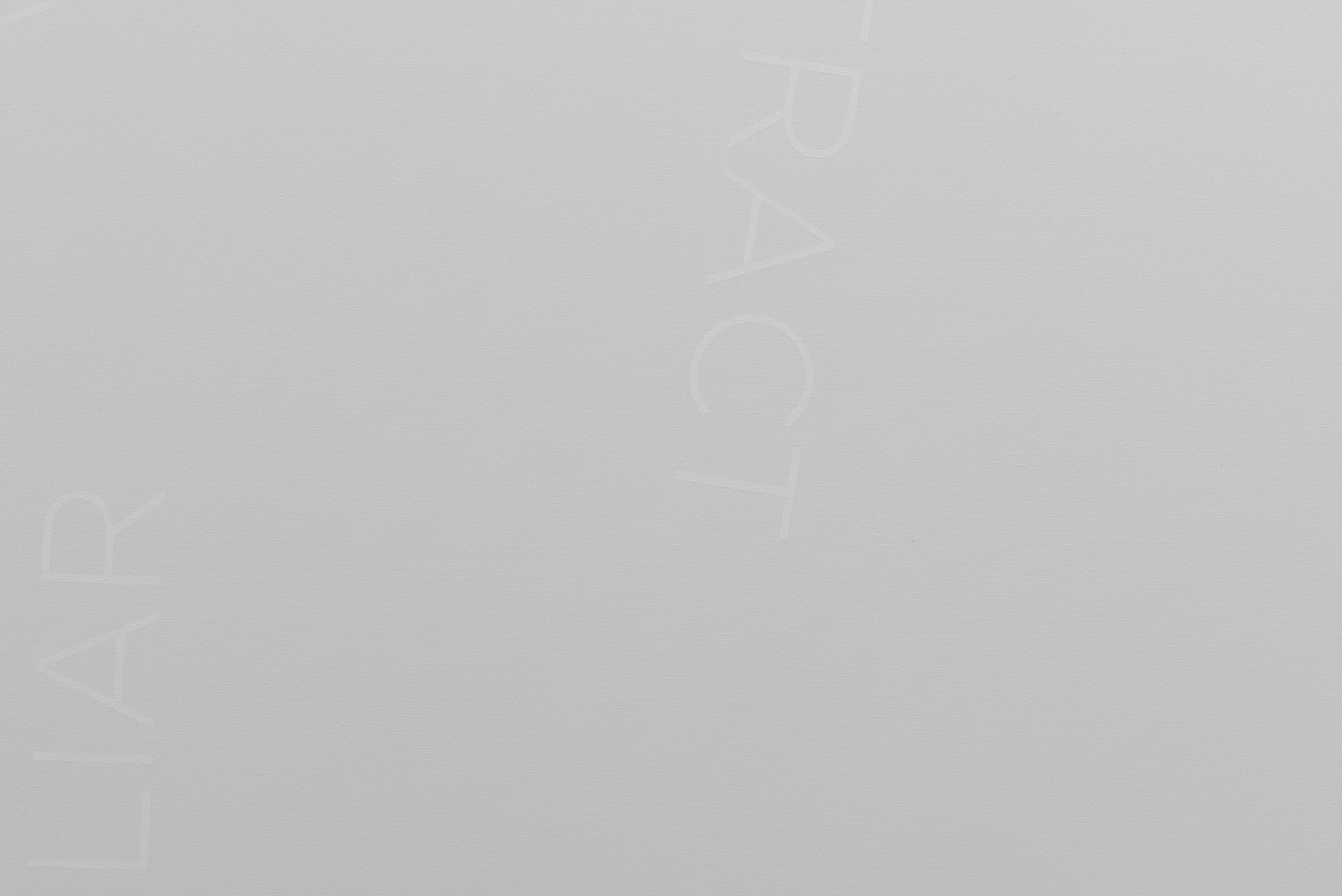
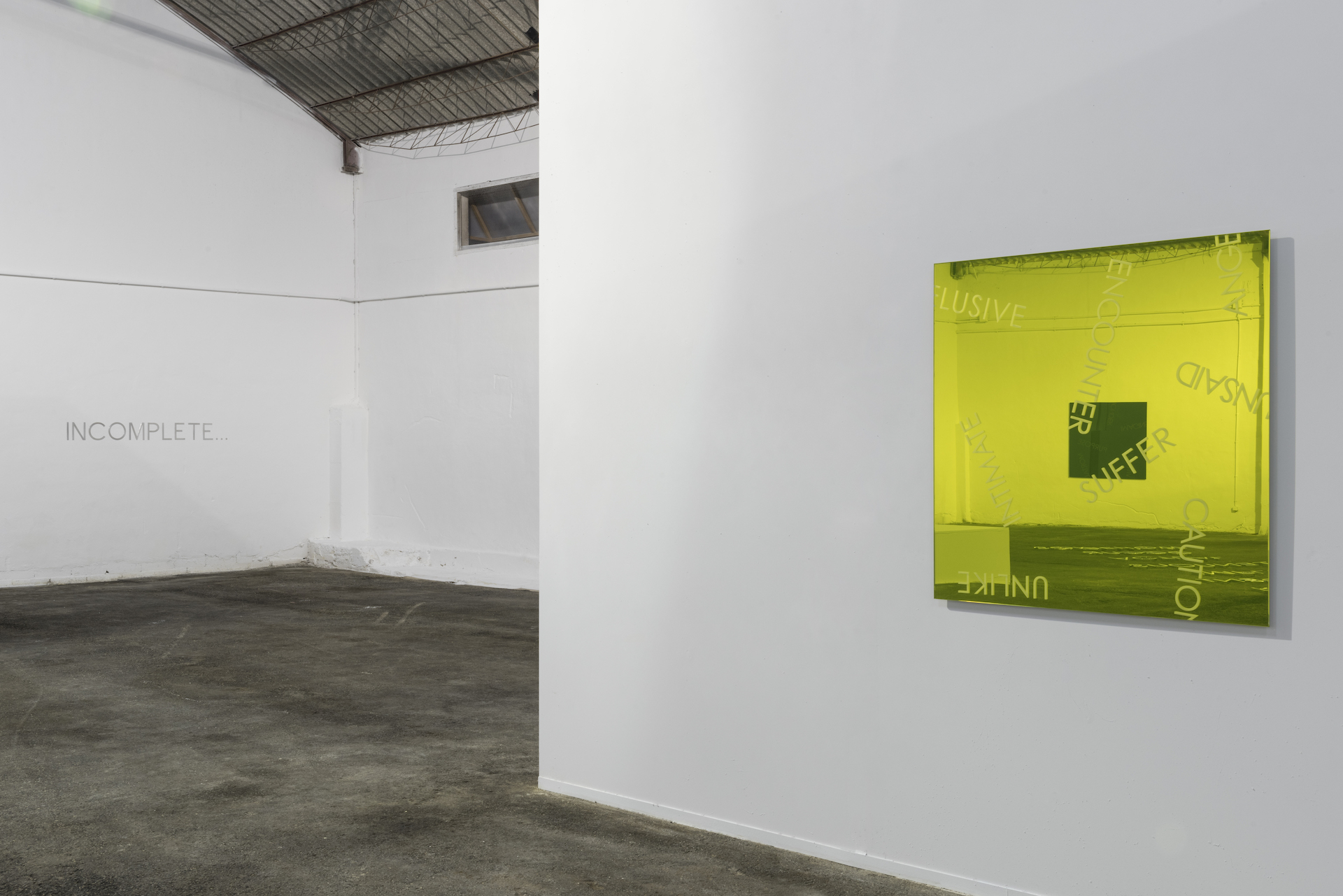
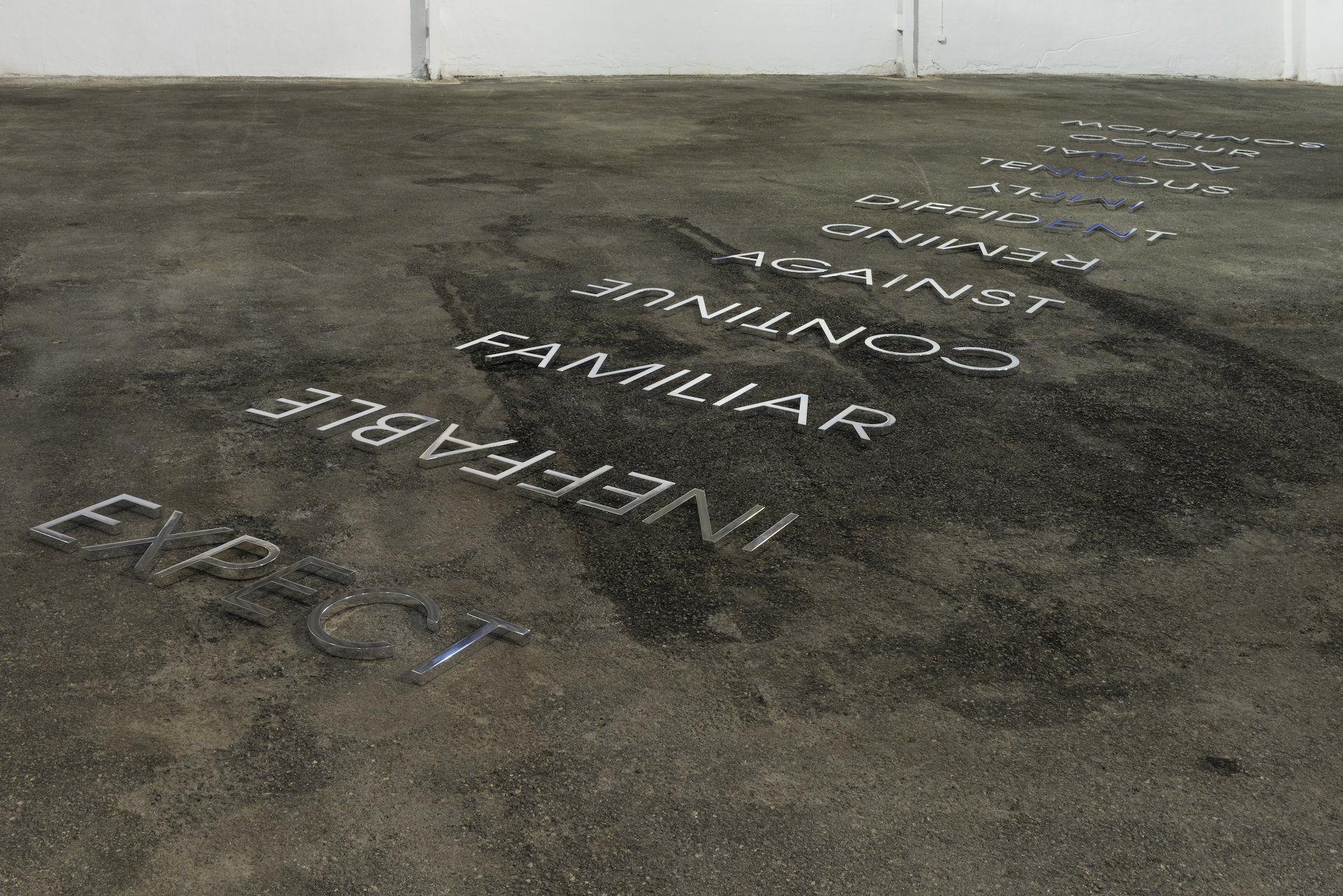
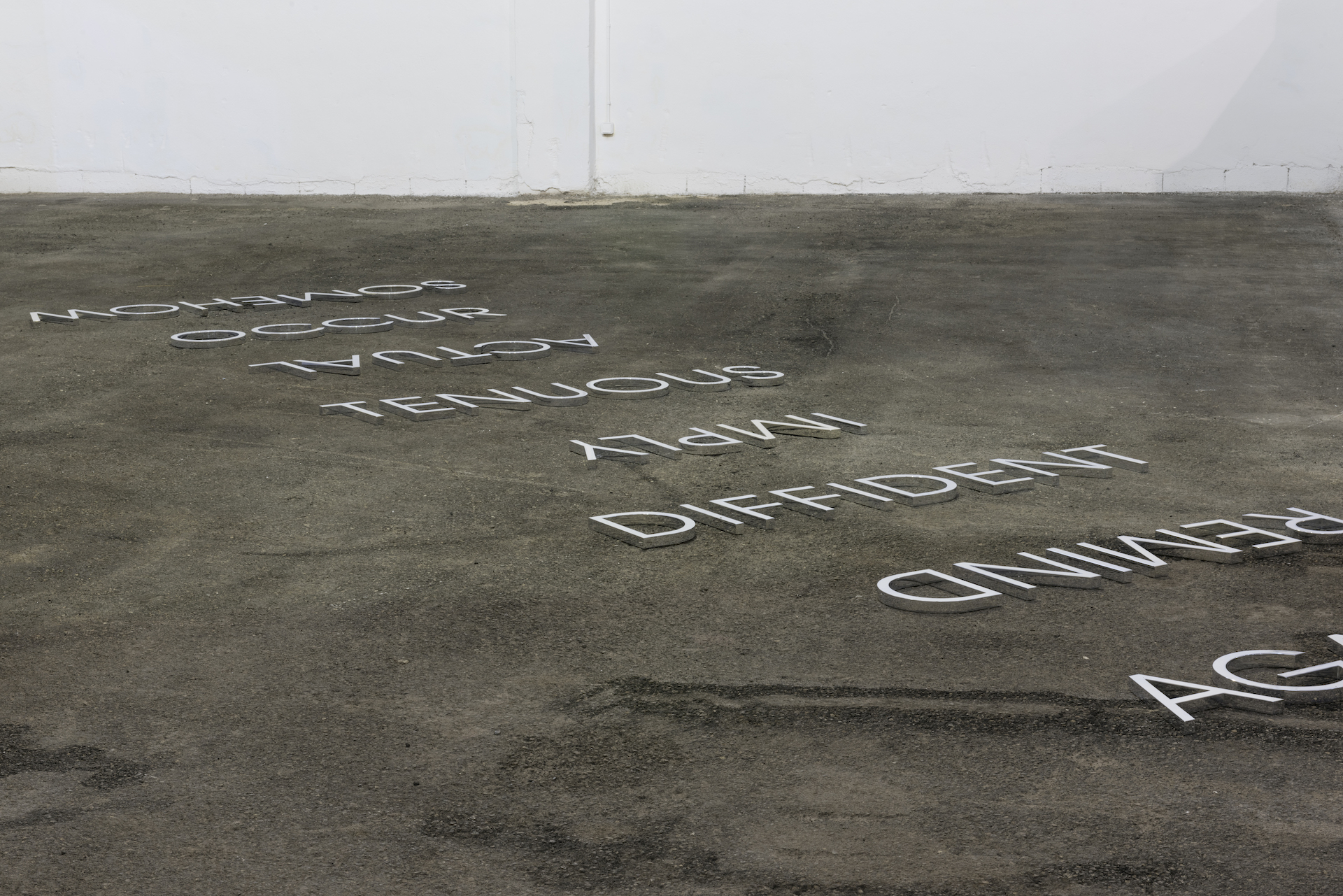
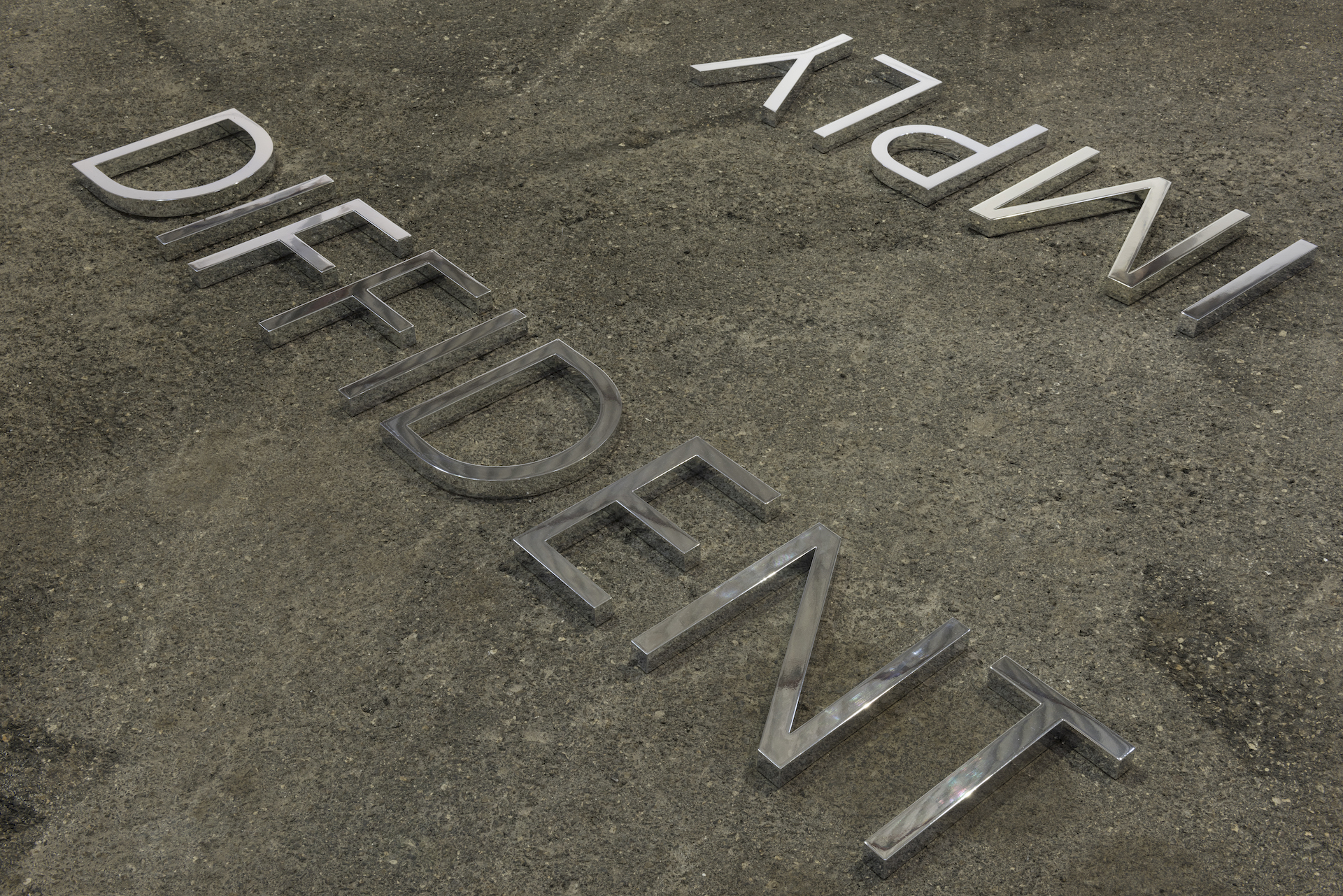
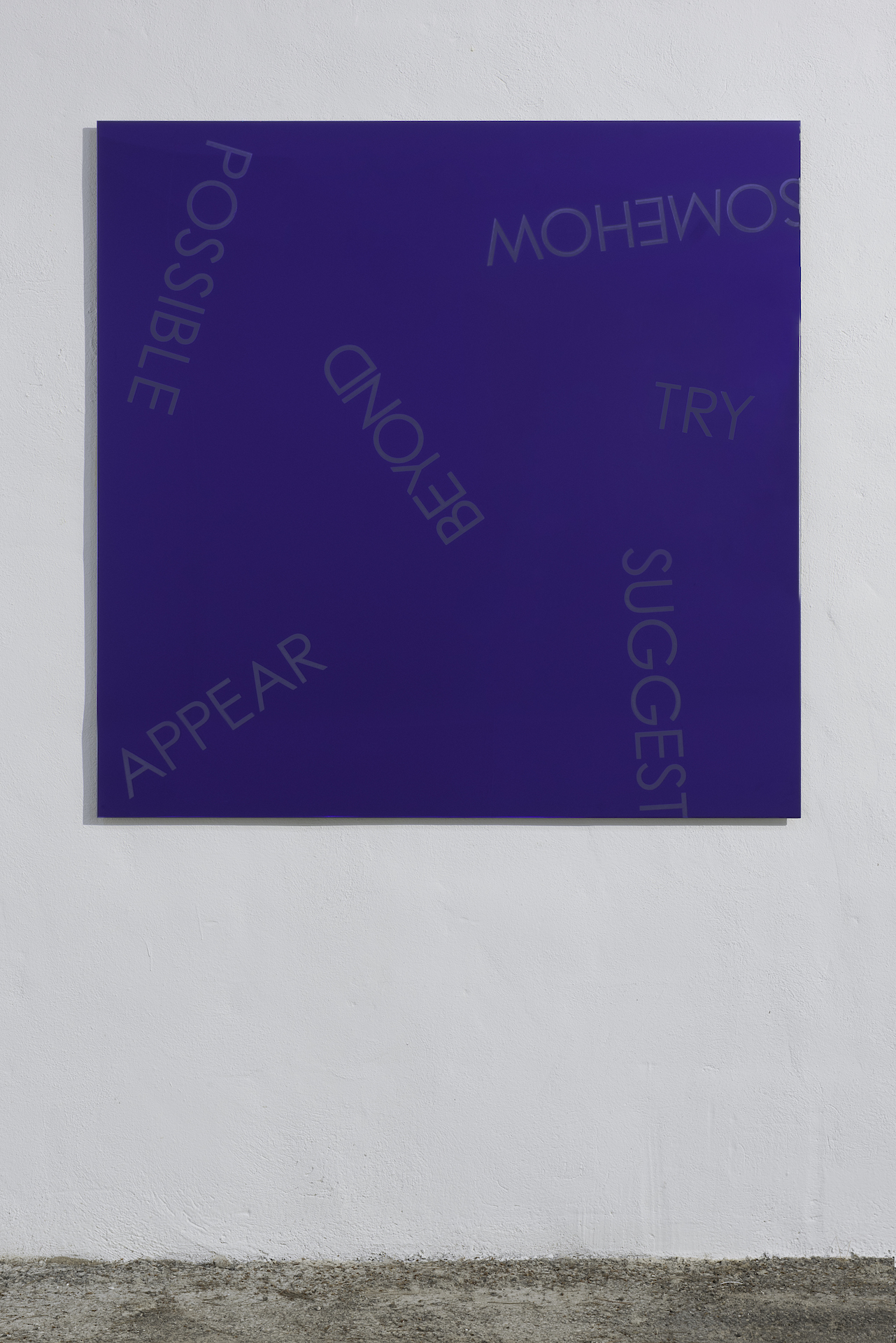
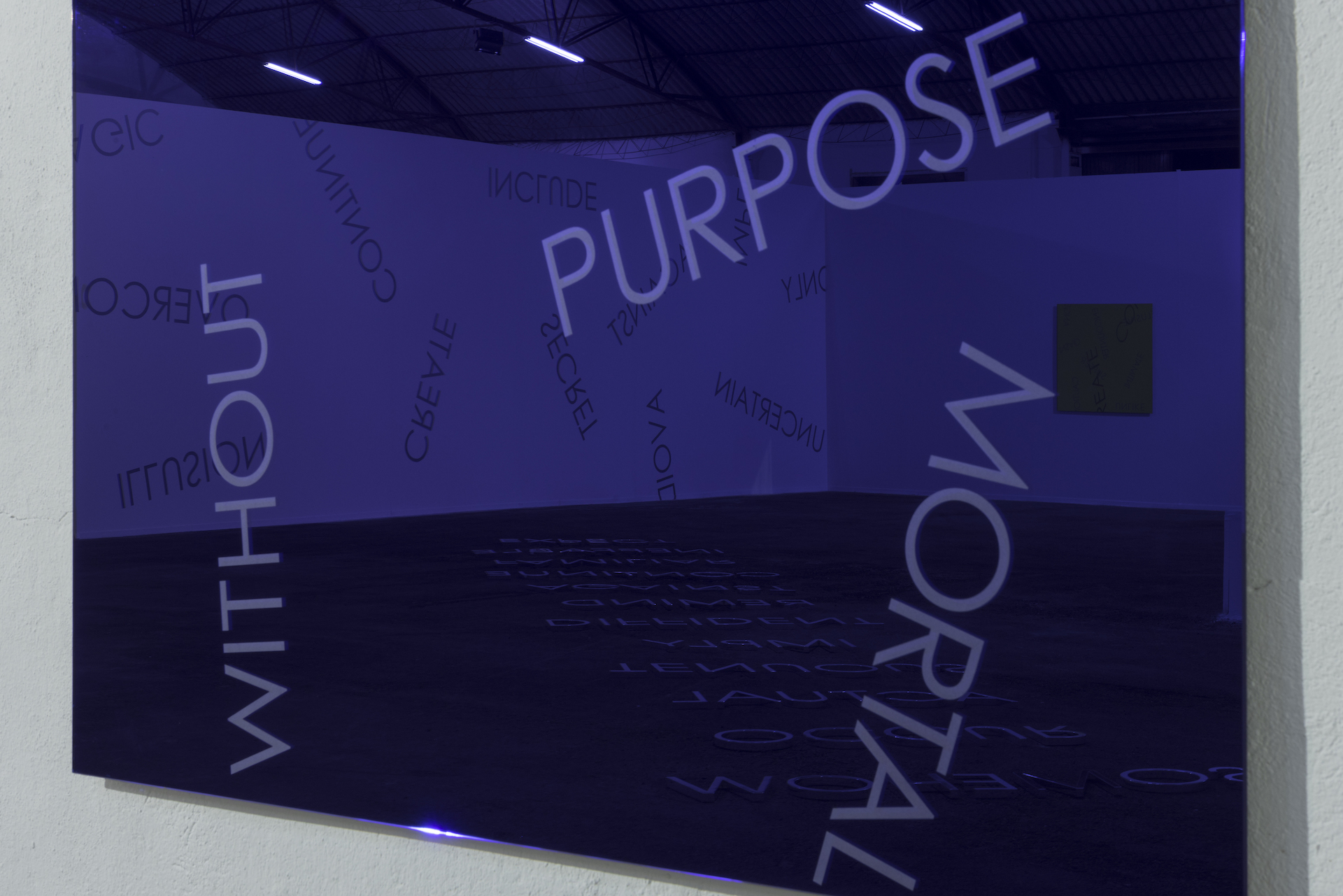
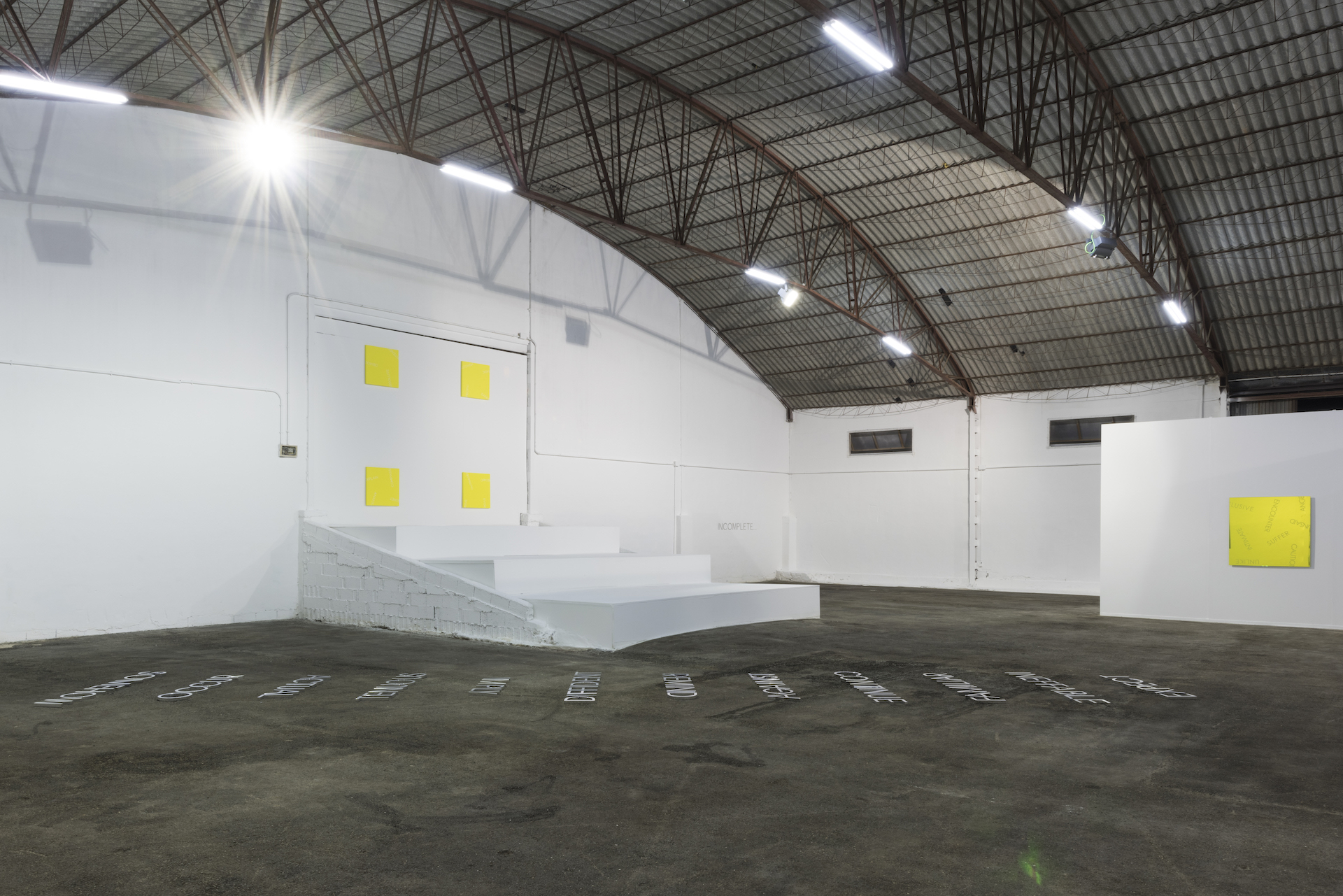
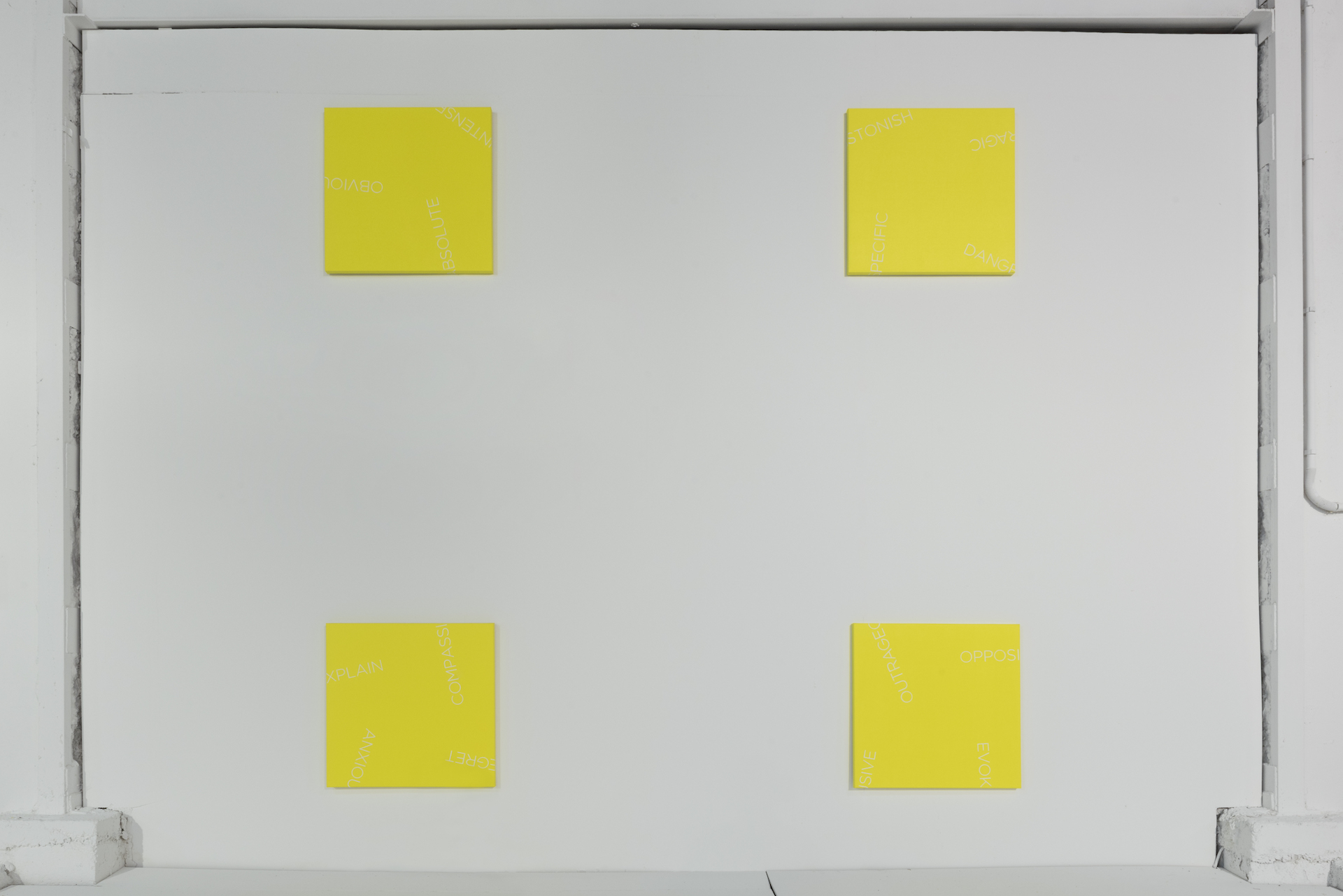
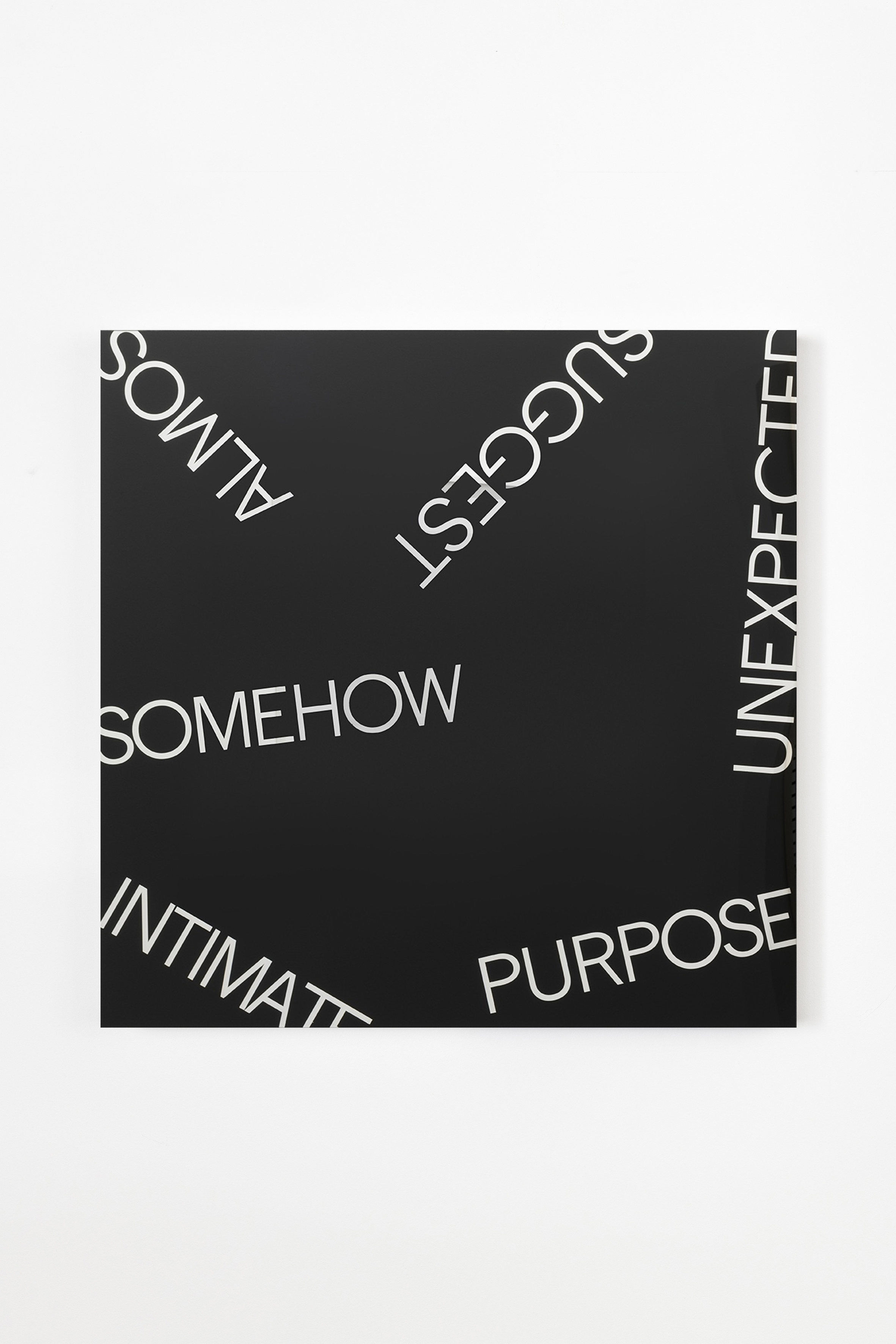
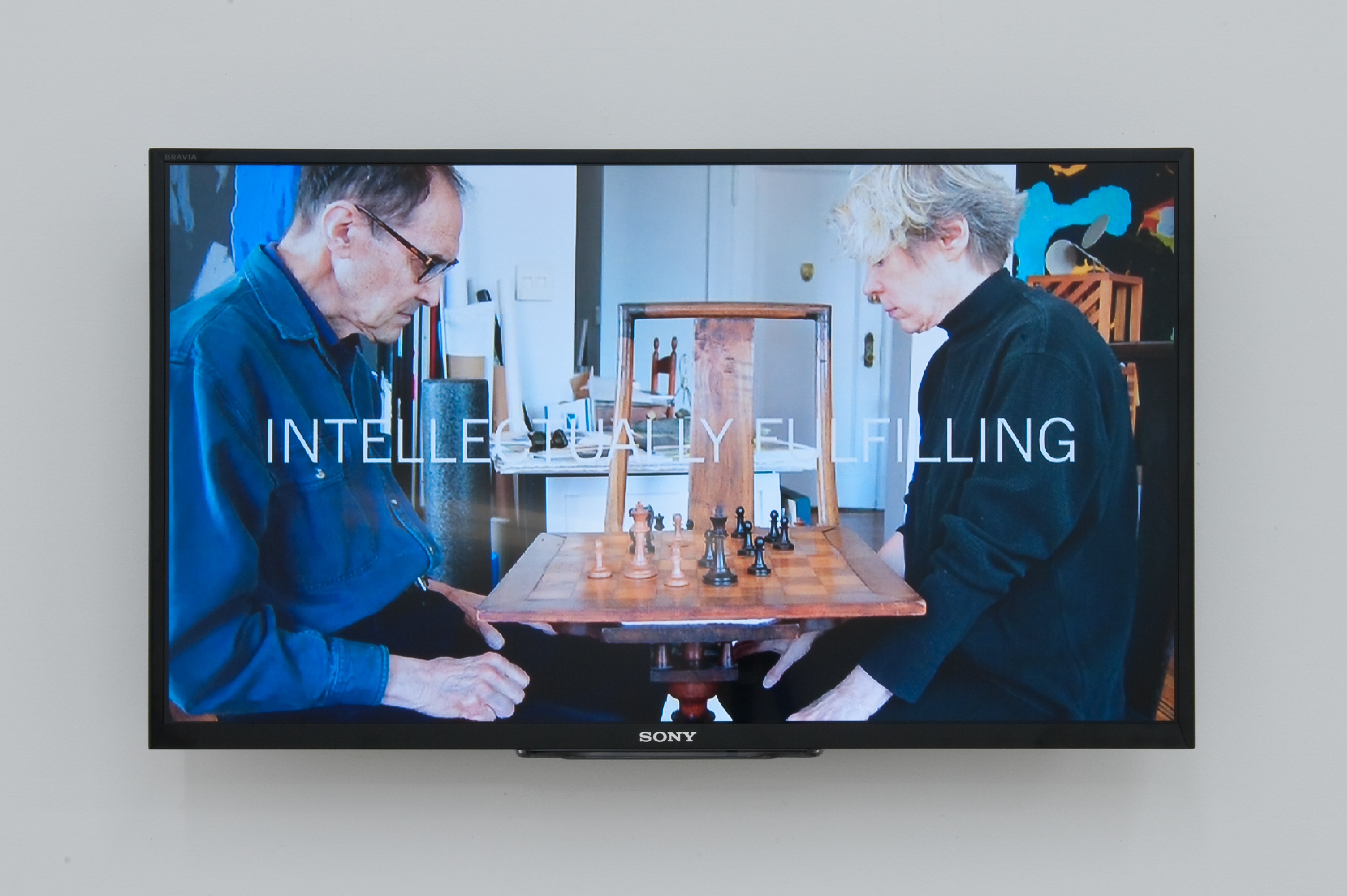
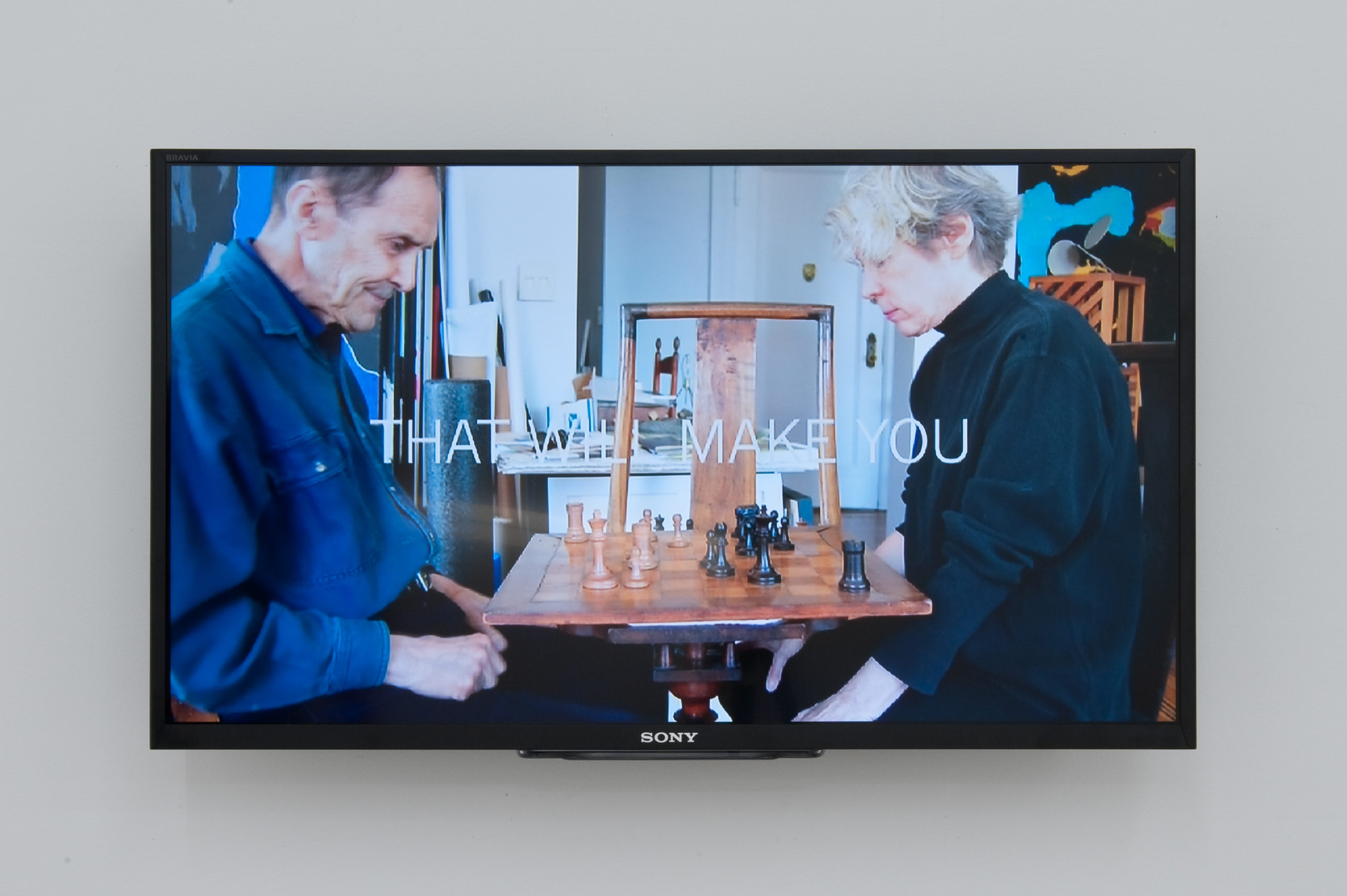
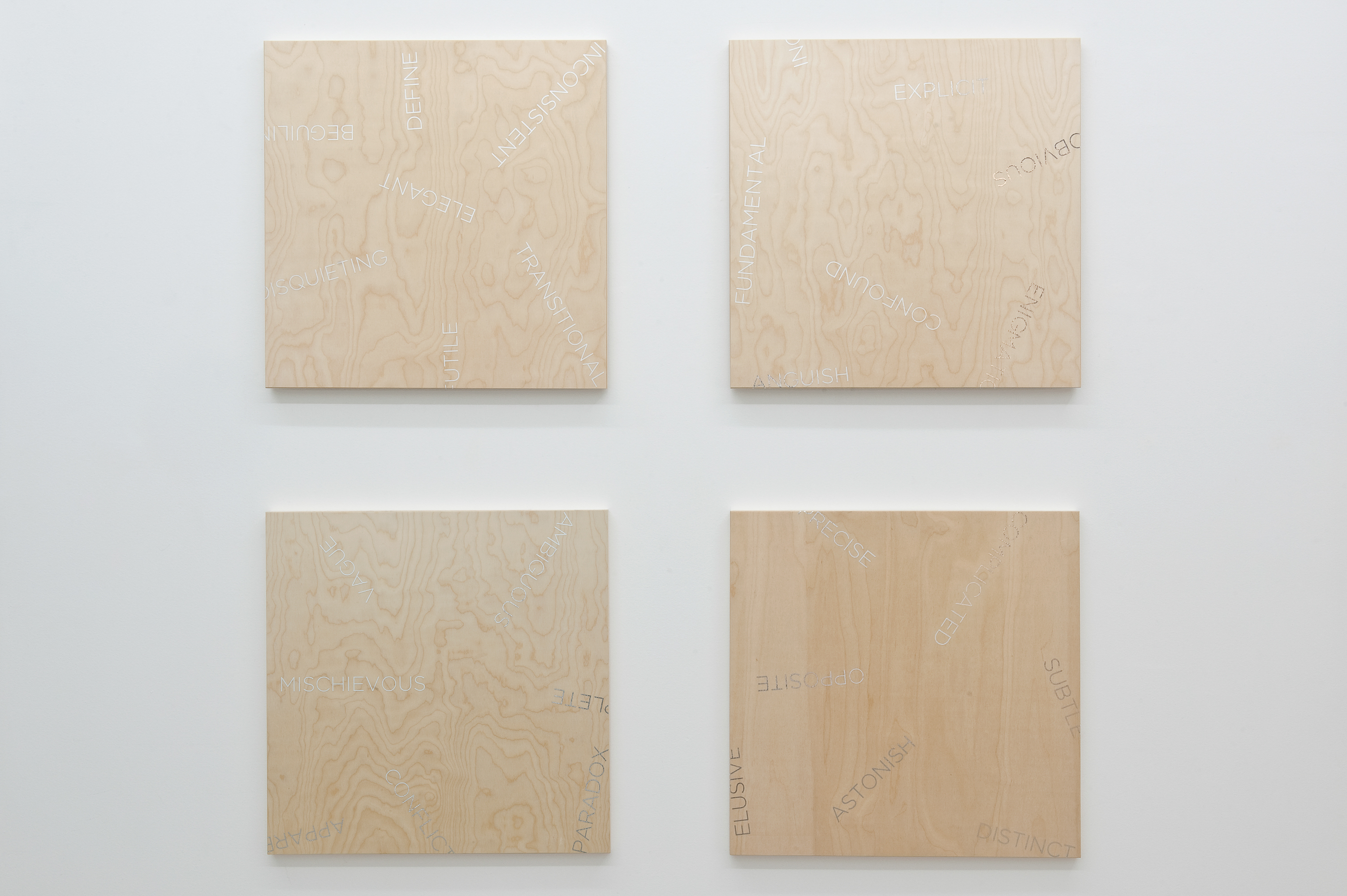
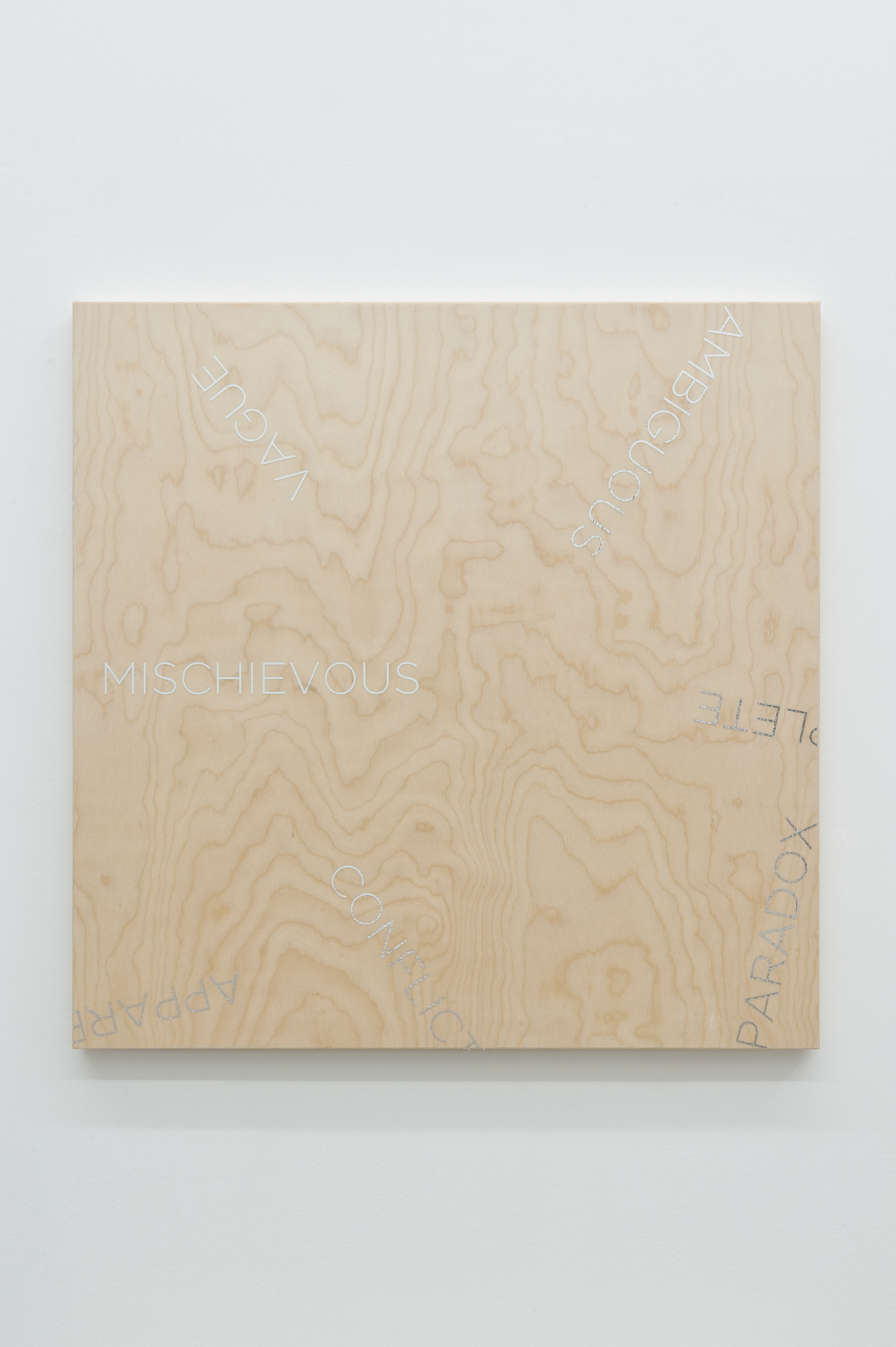
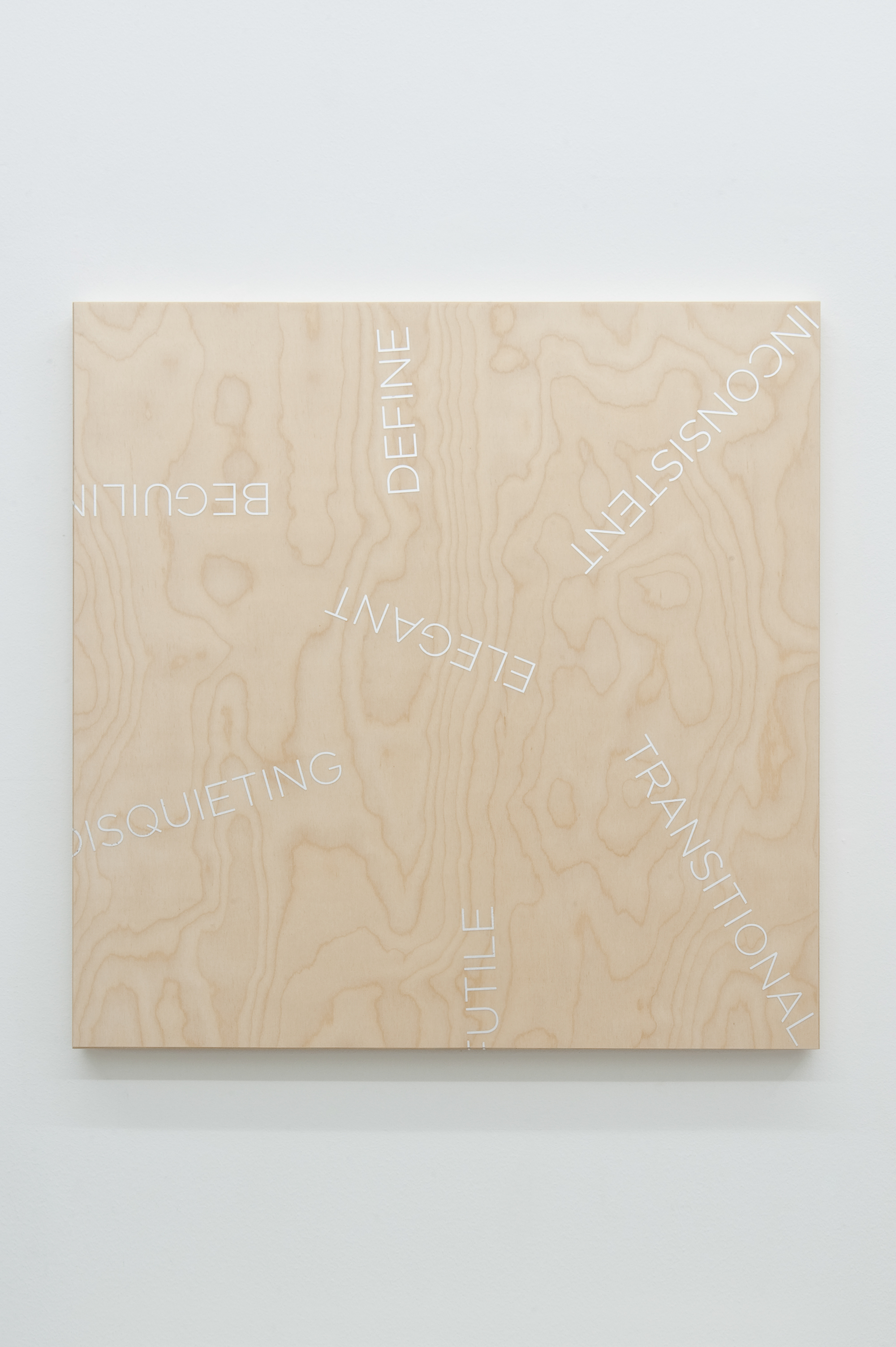
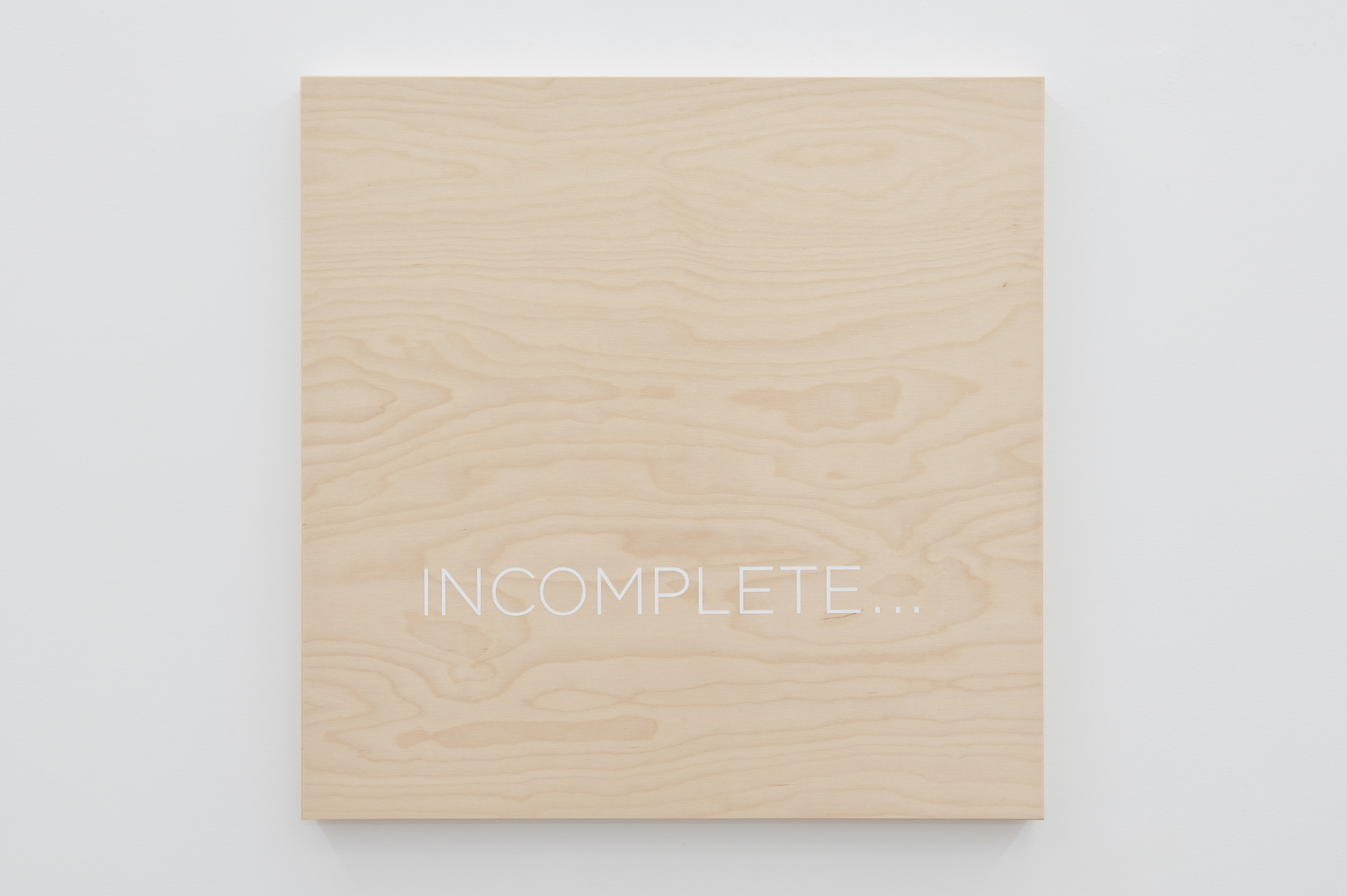
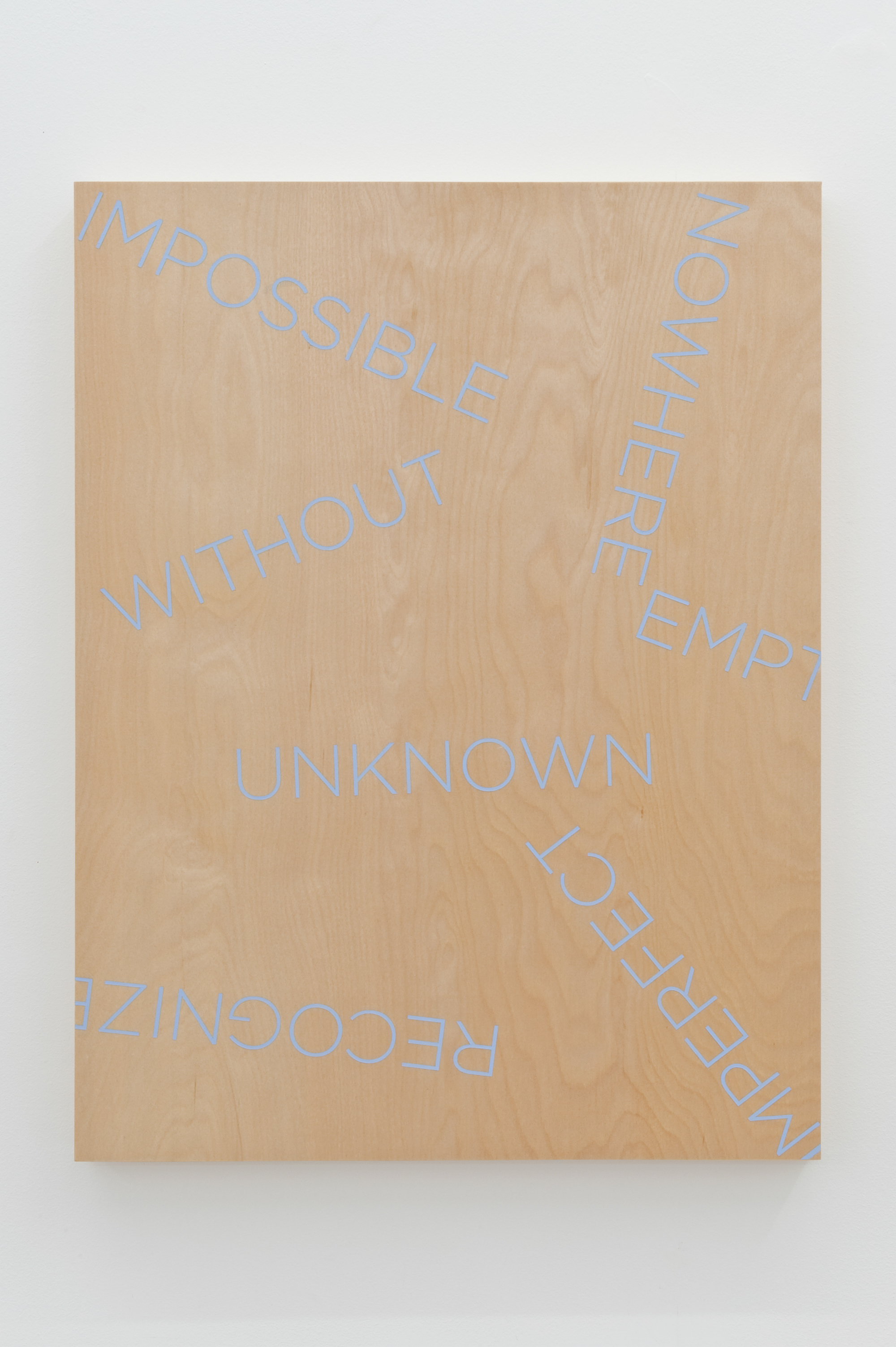
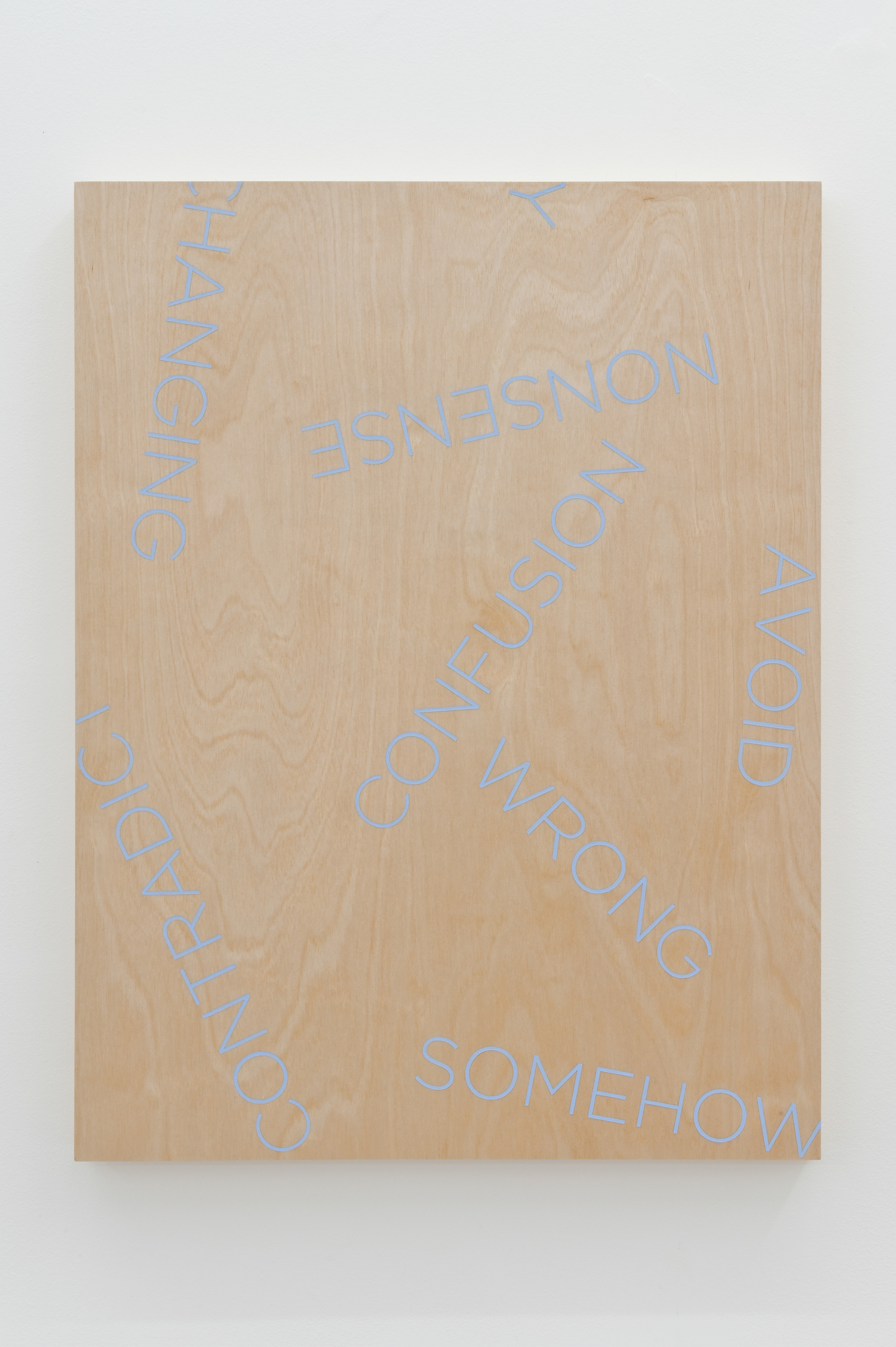
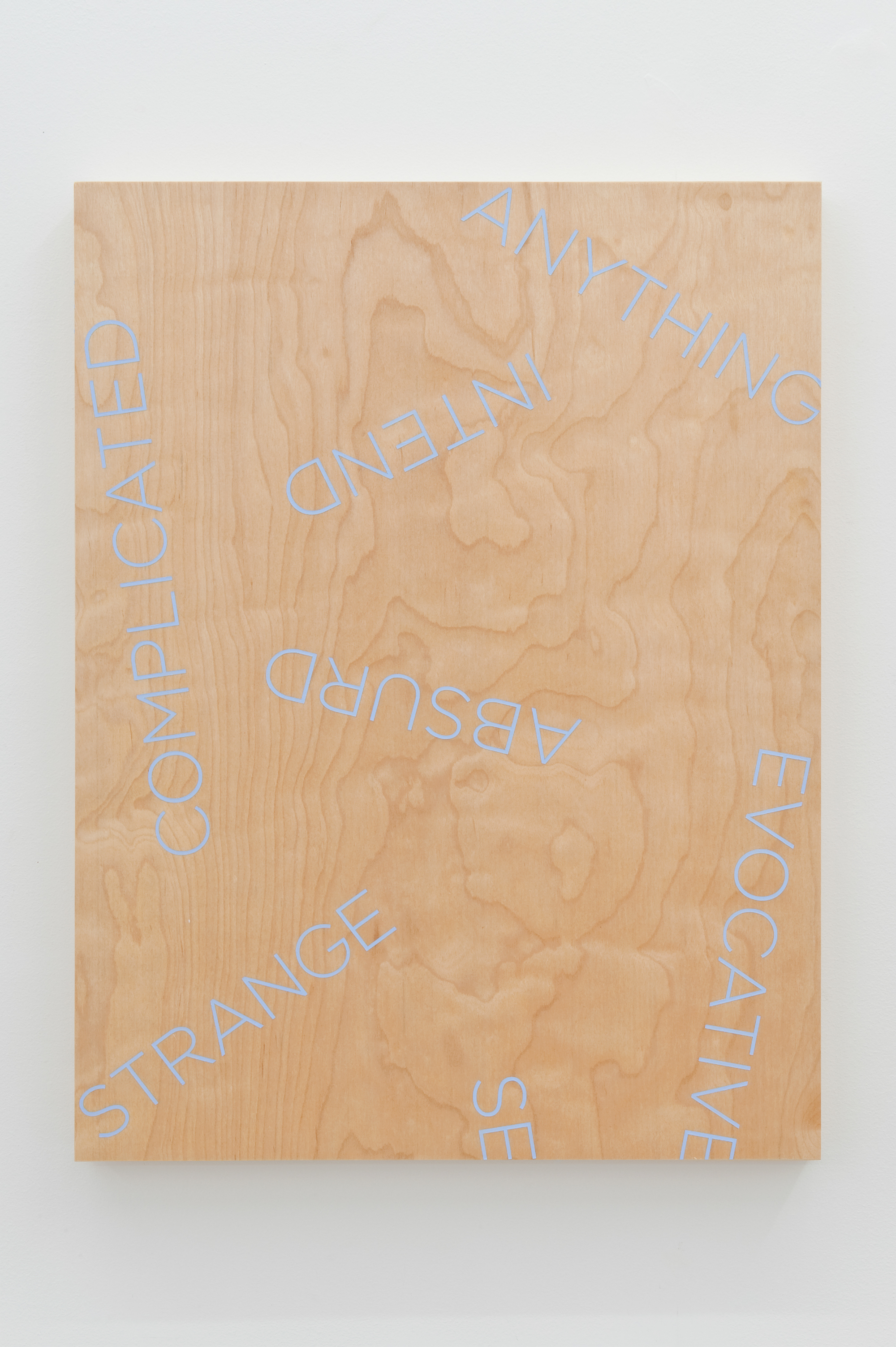
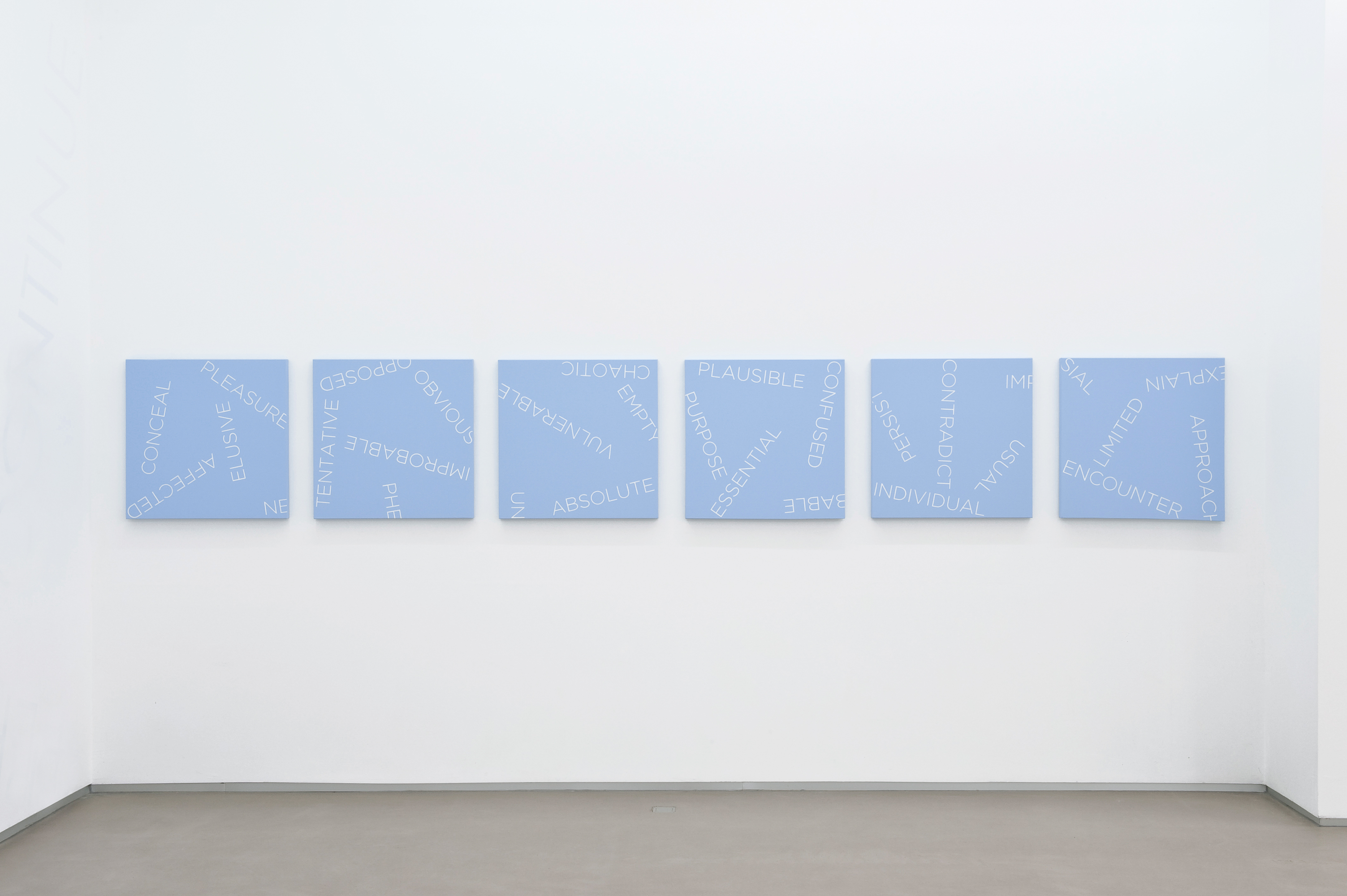
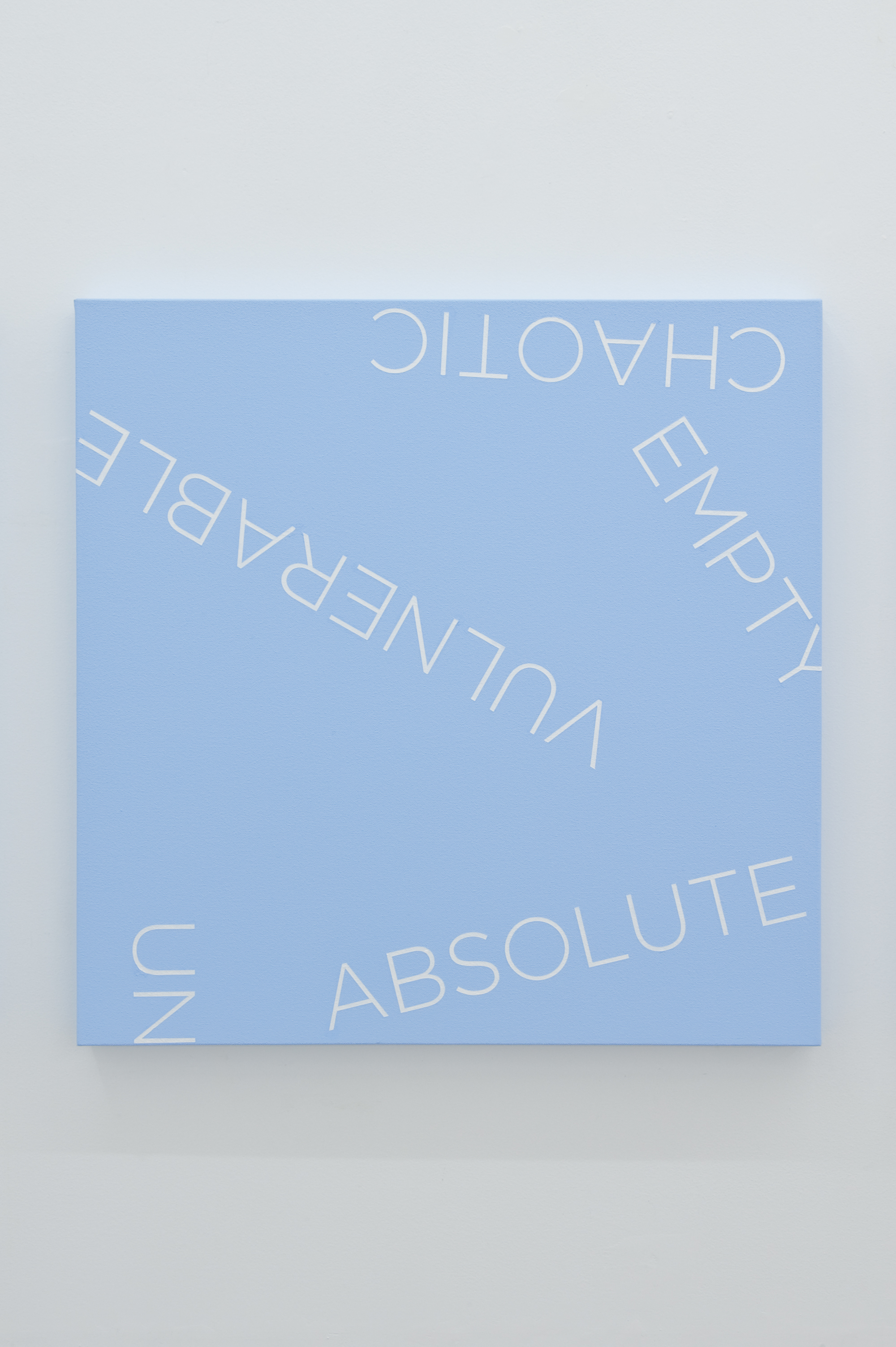
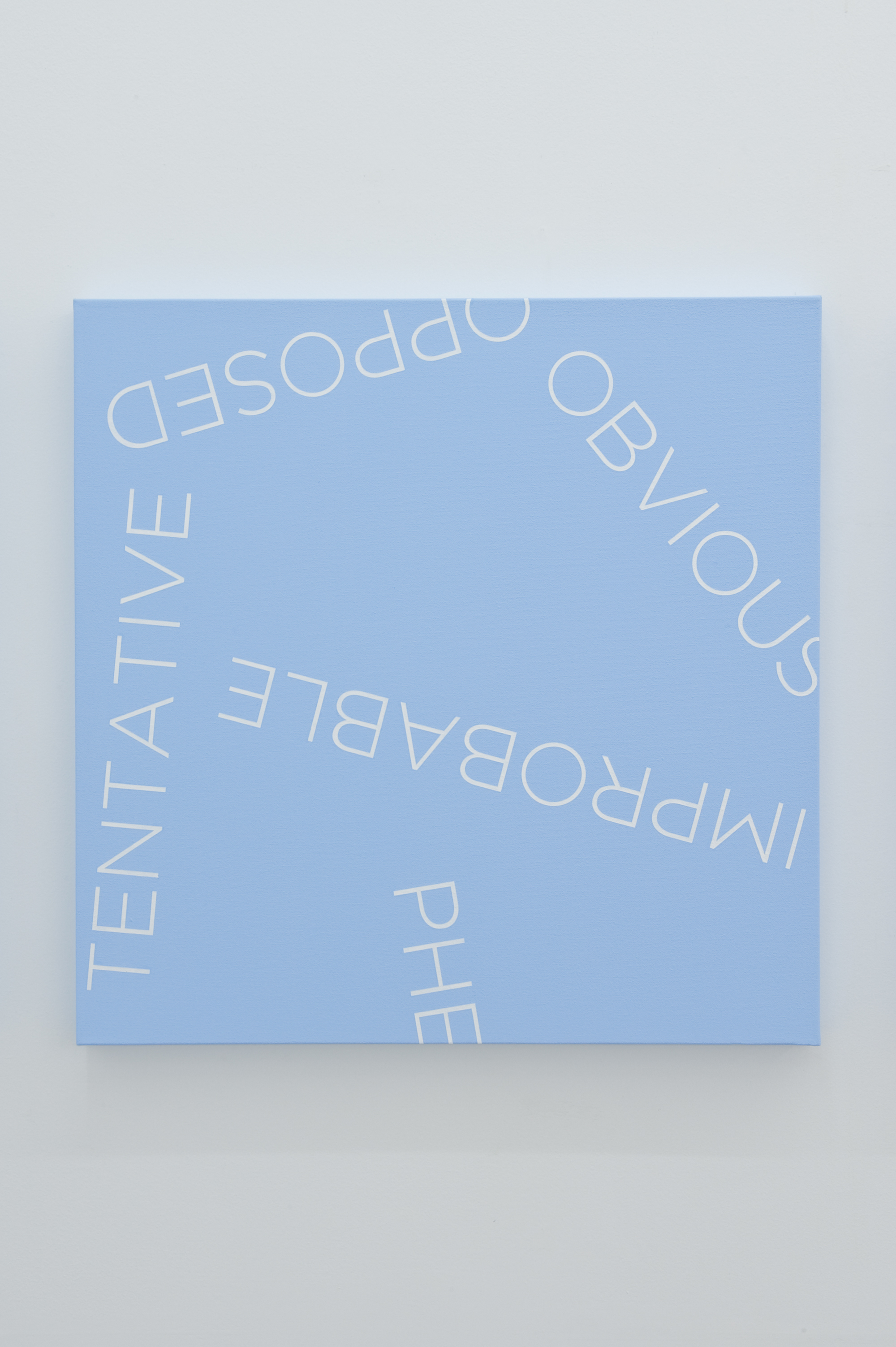
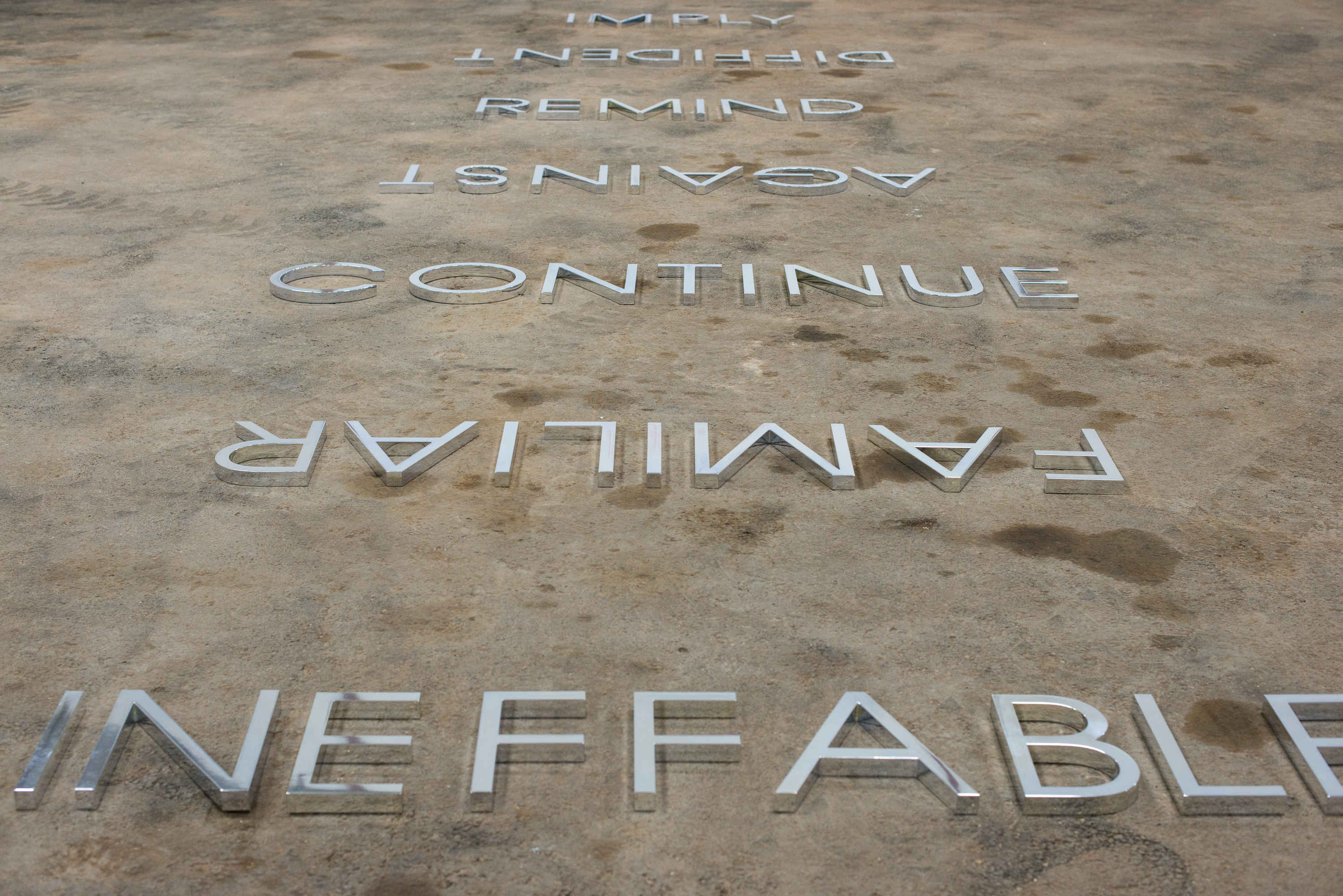
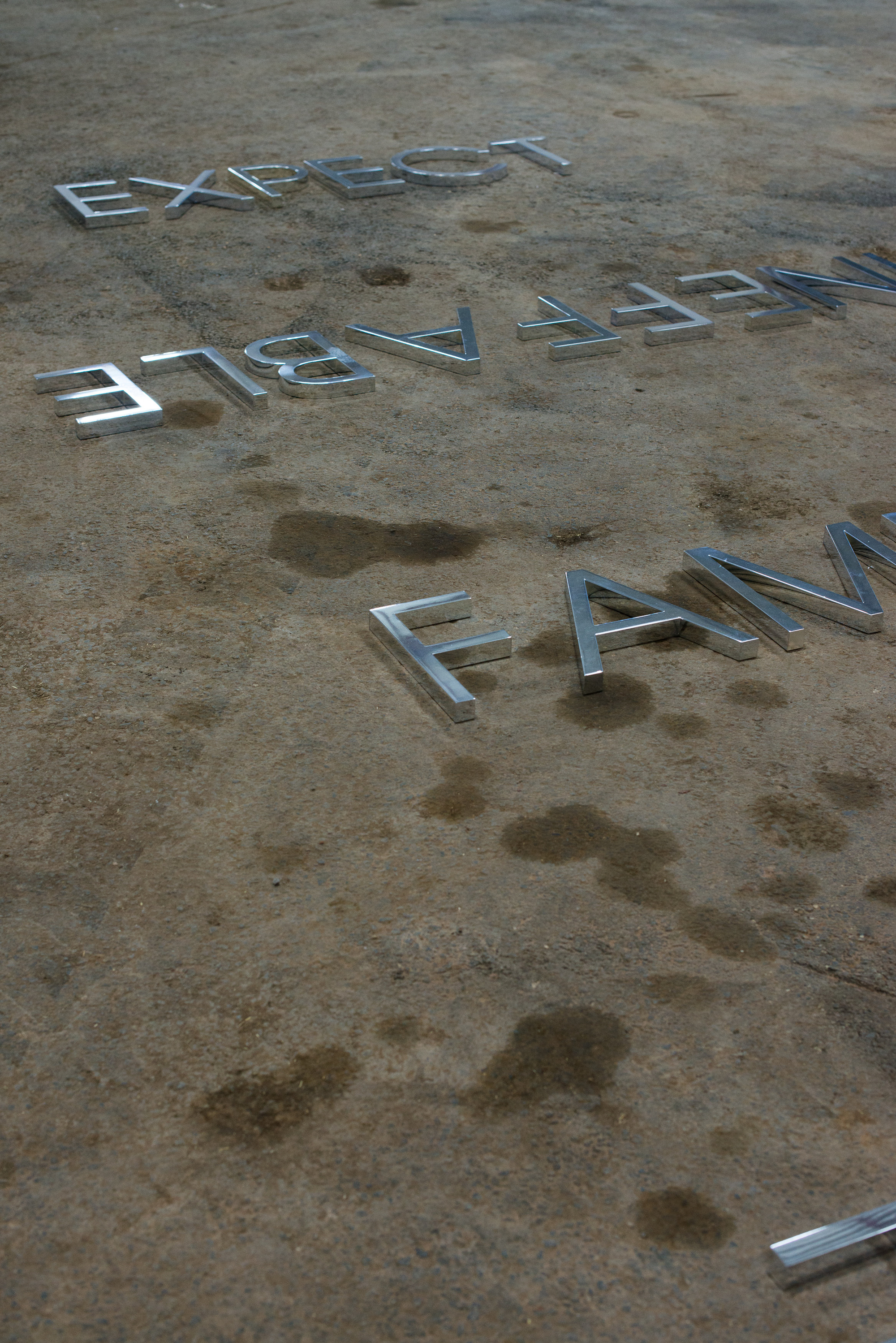
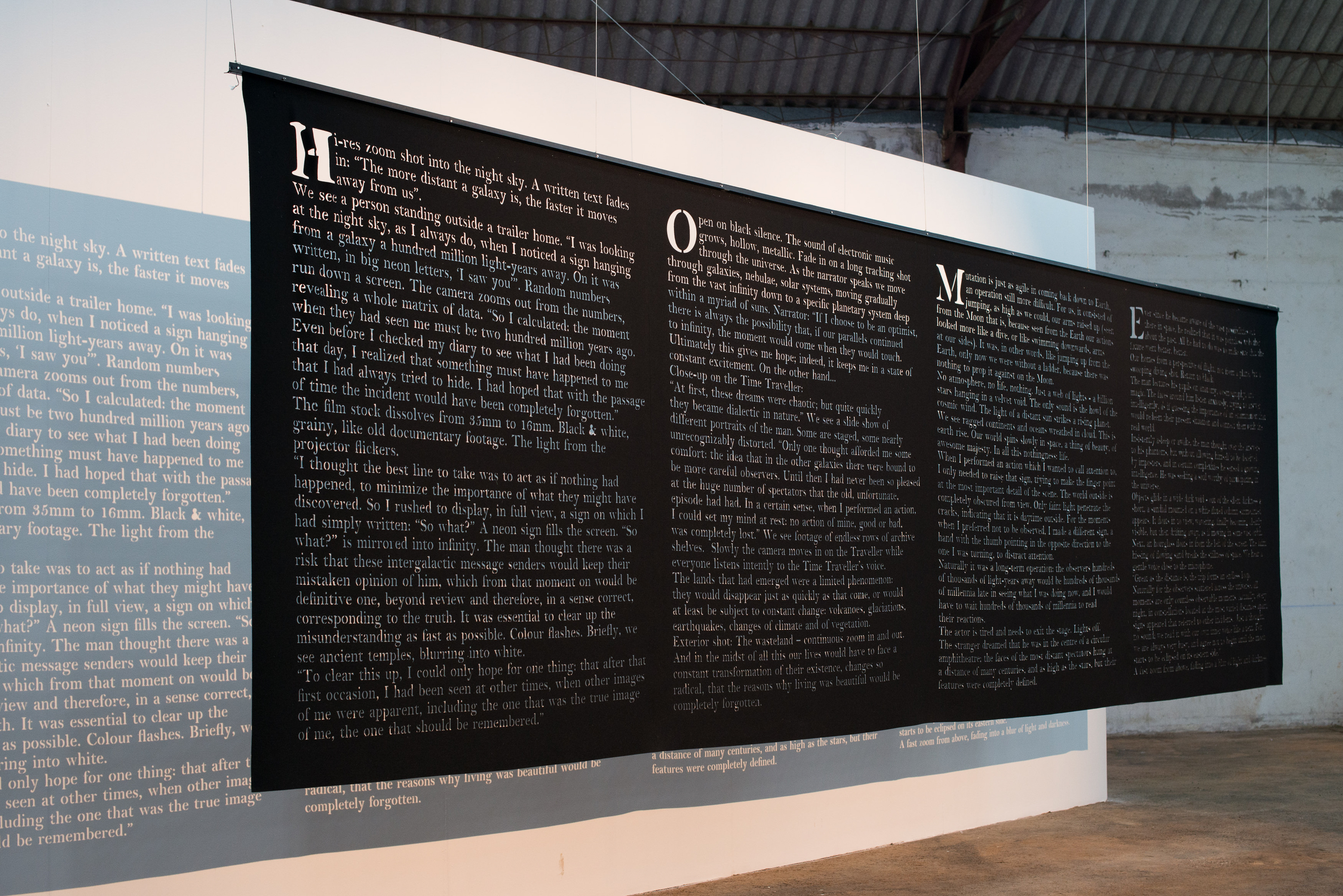
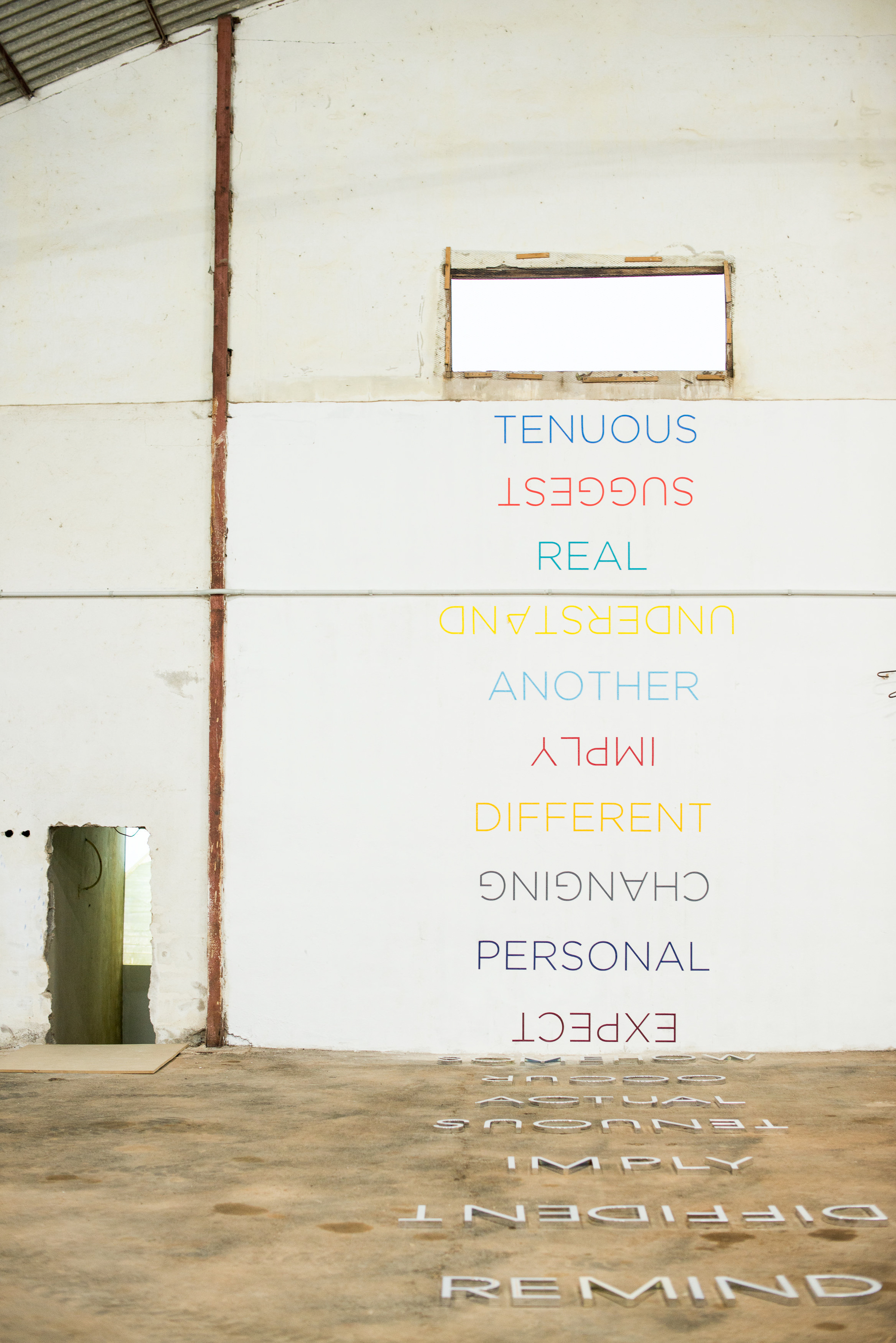
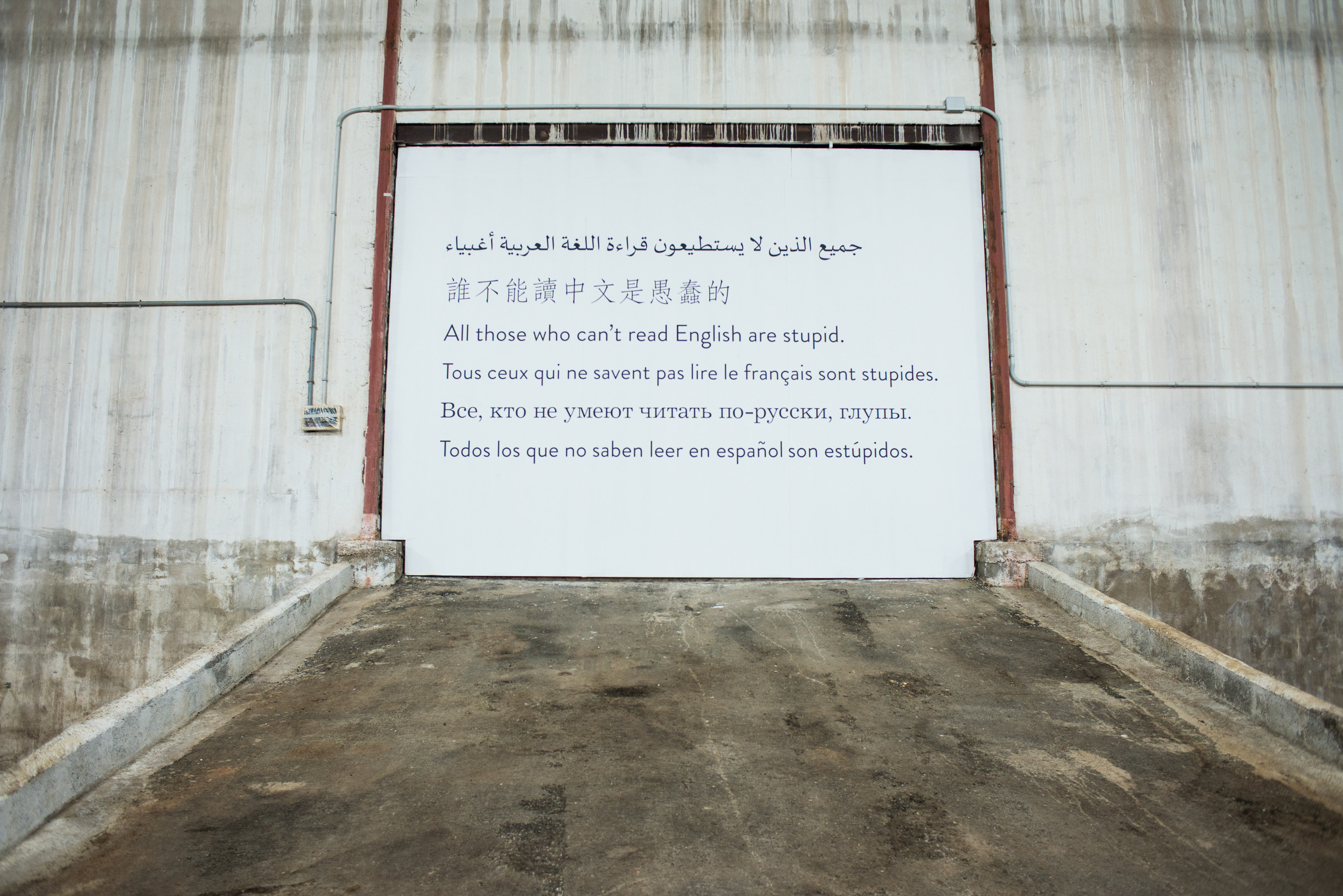
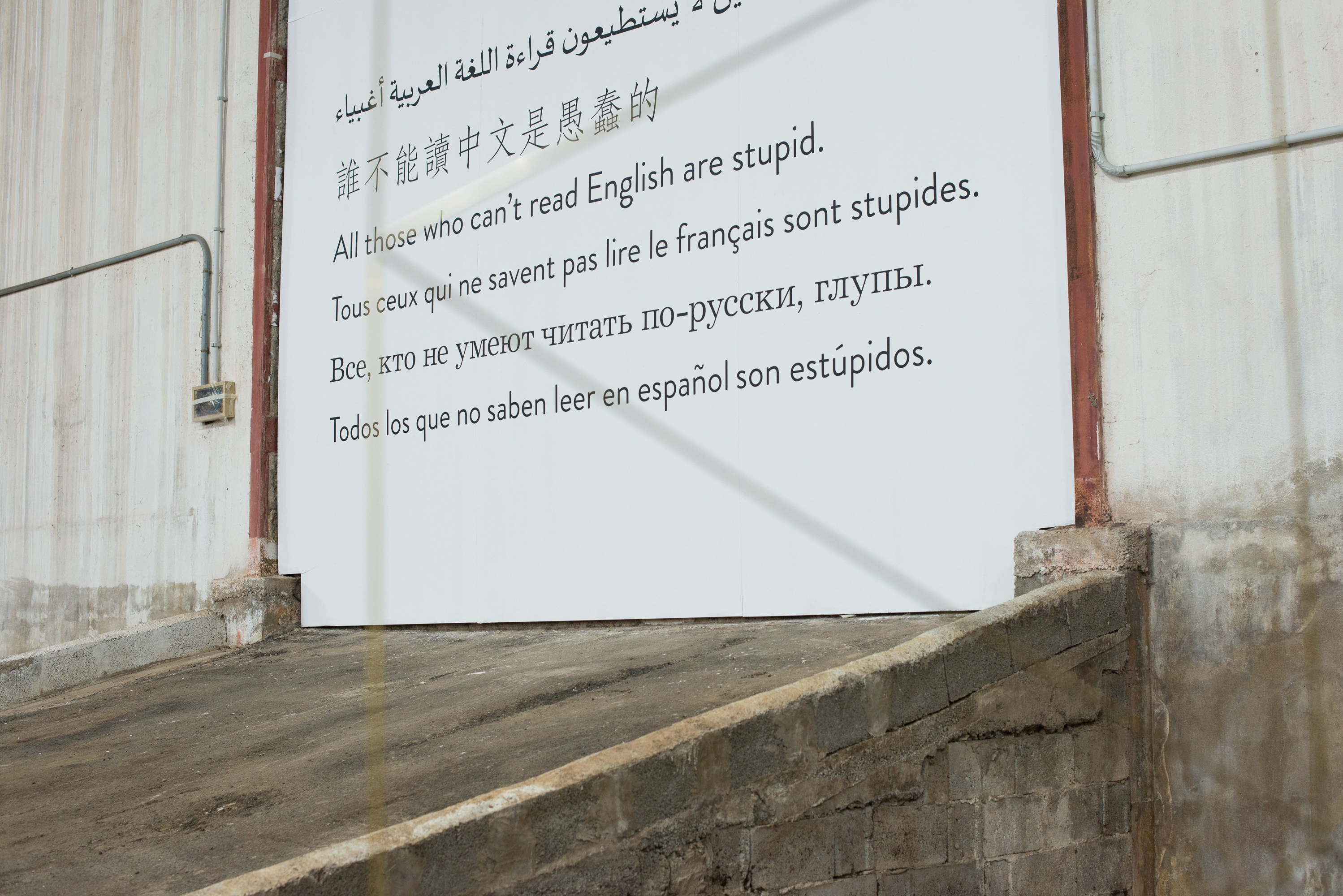
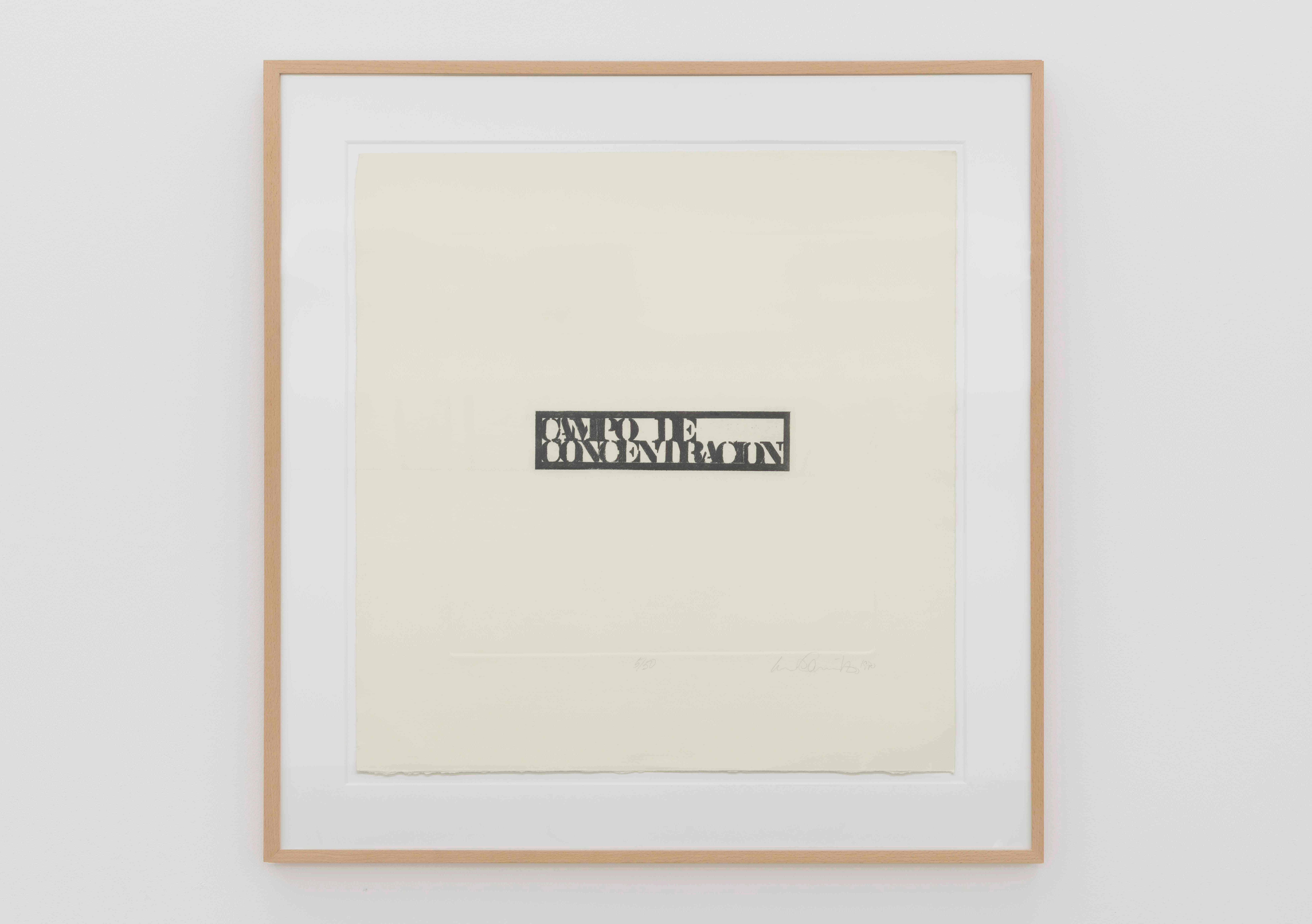
What characterizes Robert Barry’s research over his more than 50 years of career is his exploration of what is, by nature, intangible. Since the mid-1980s, Barry has experimented with invisible realities such as time, radio waves, noble gases, and radiation, but above all, and especially in recent years, with the combination of Language/Architecture.
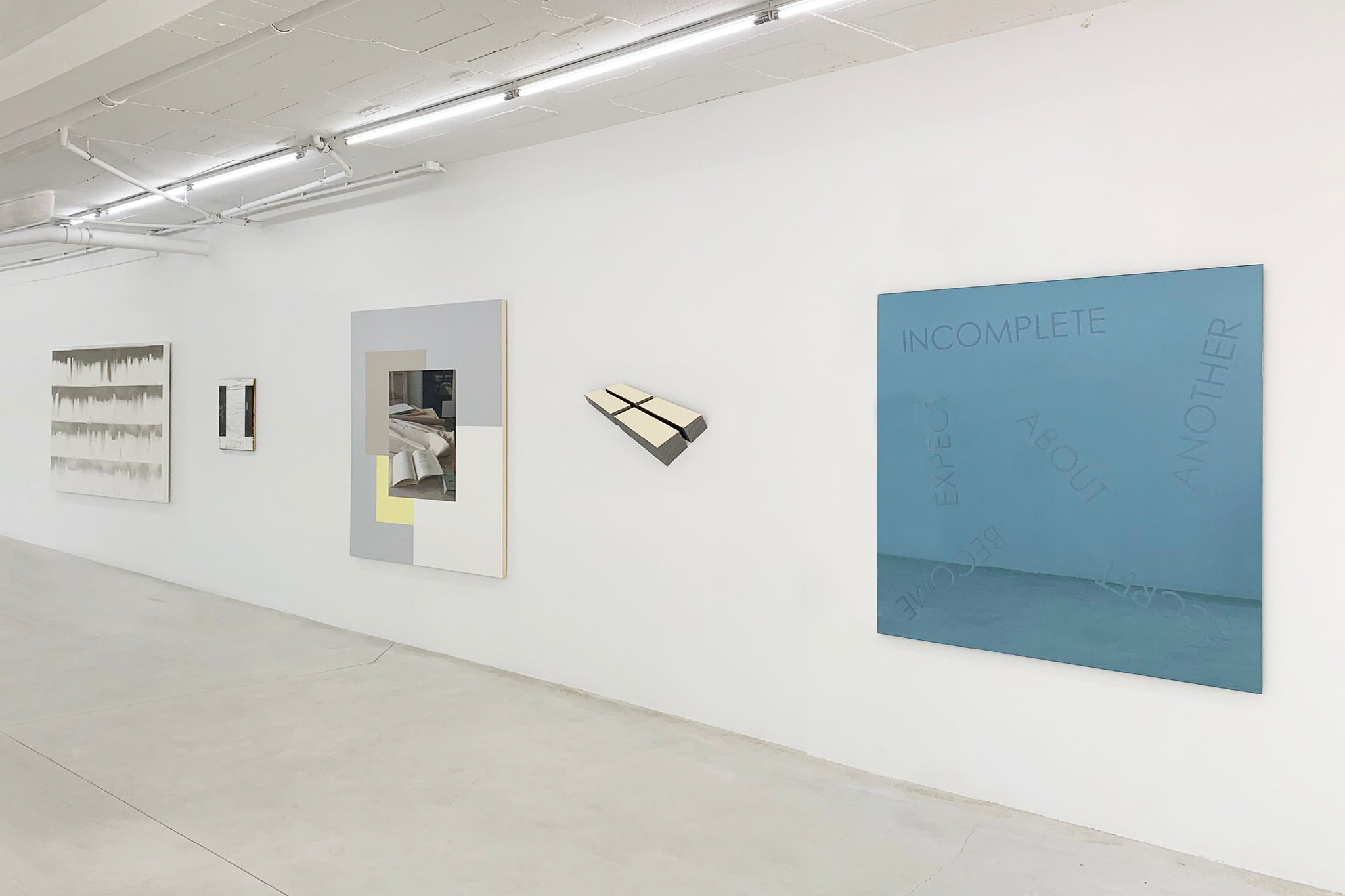
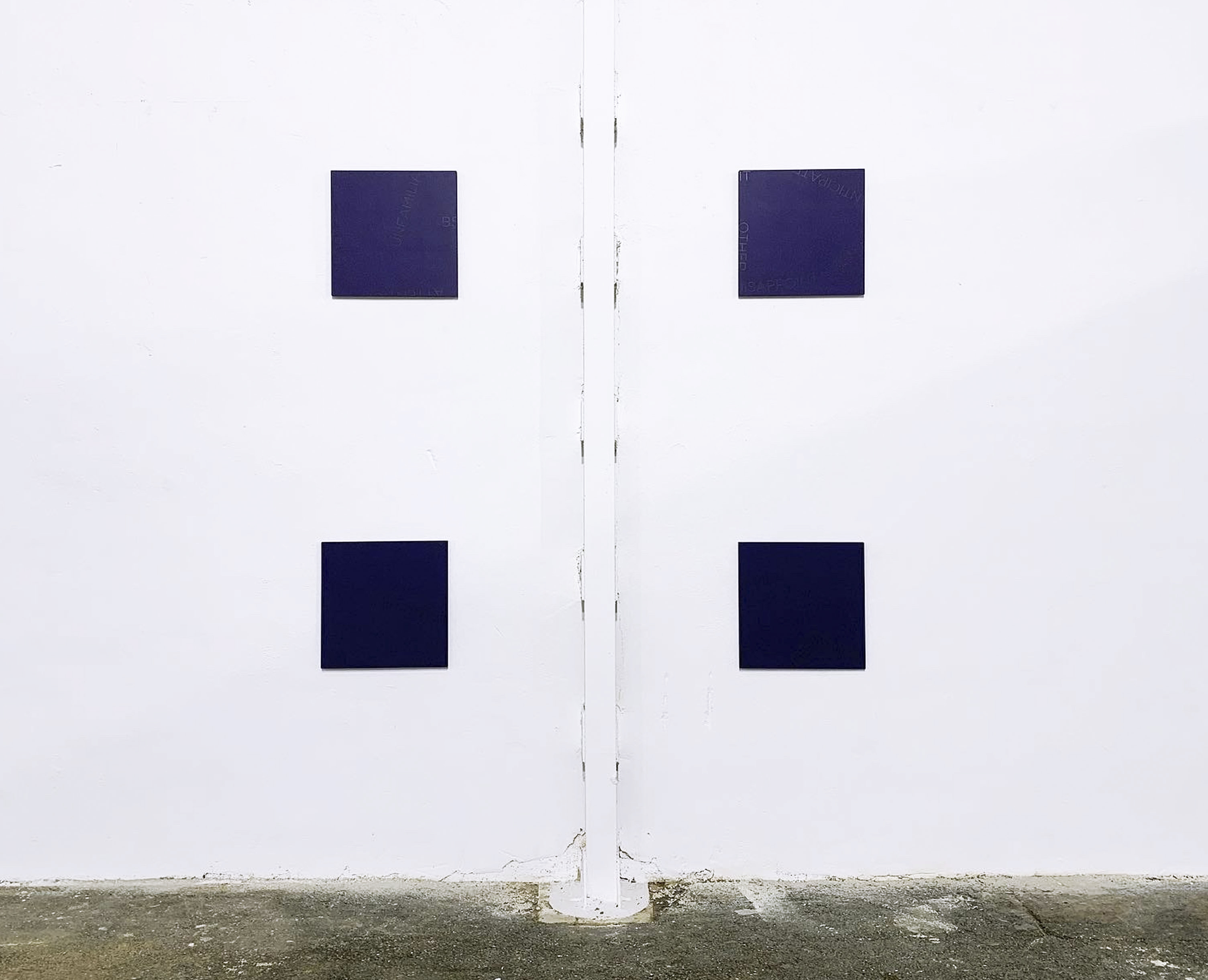
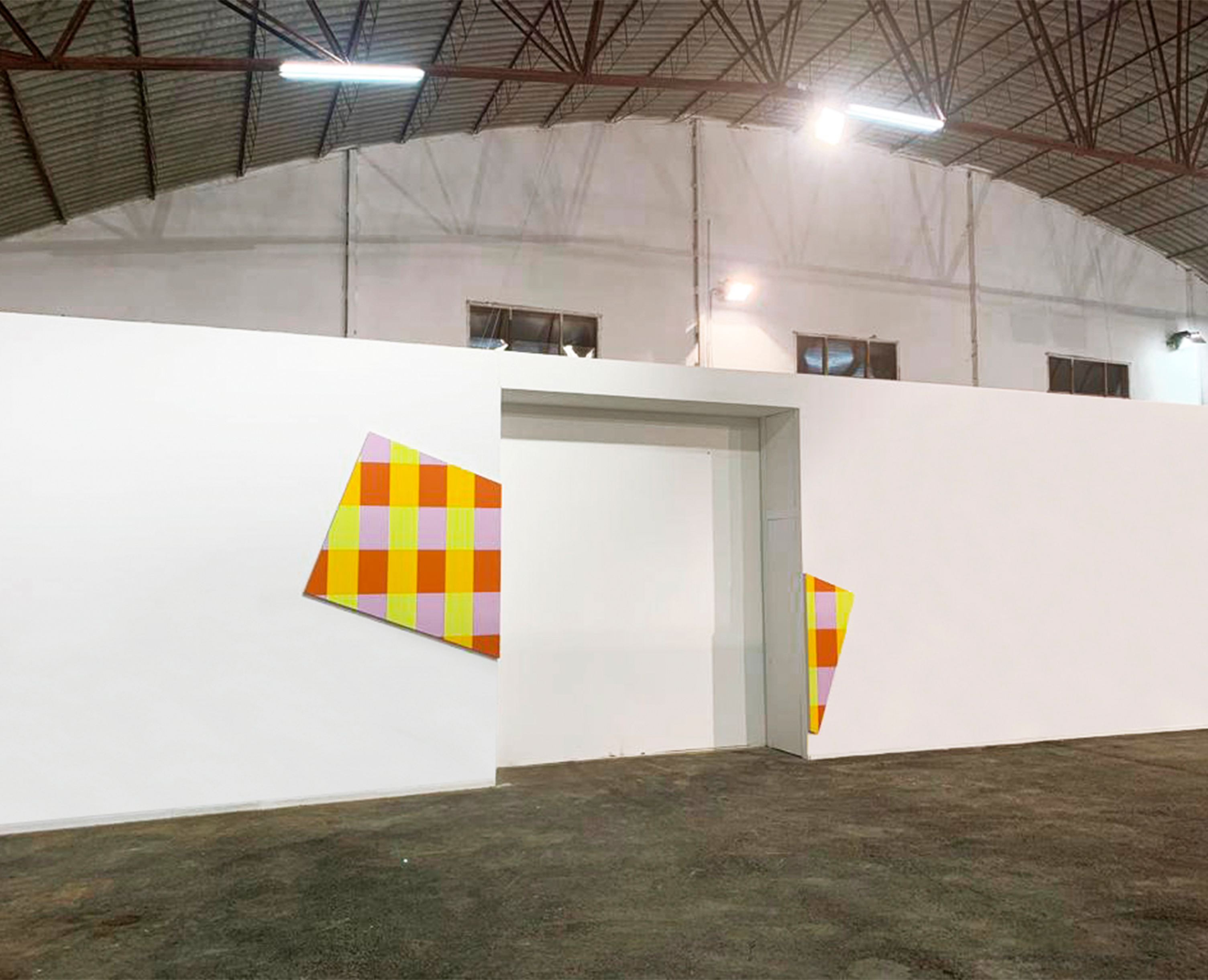
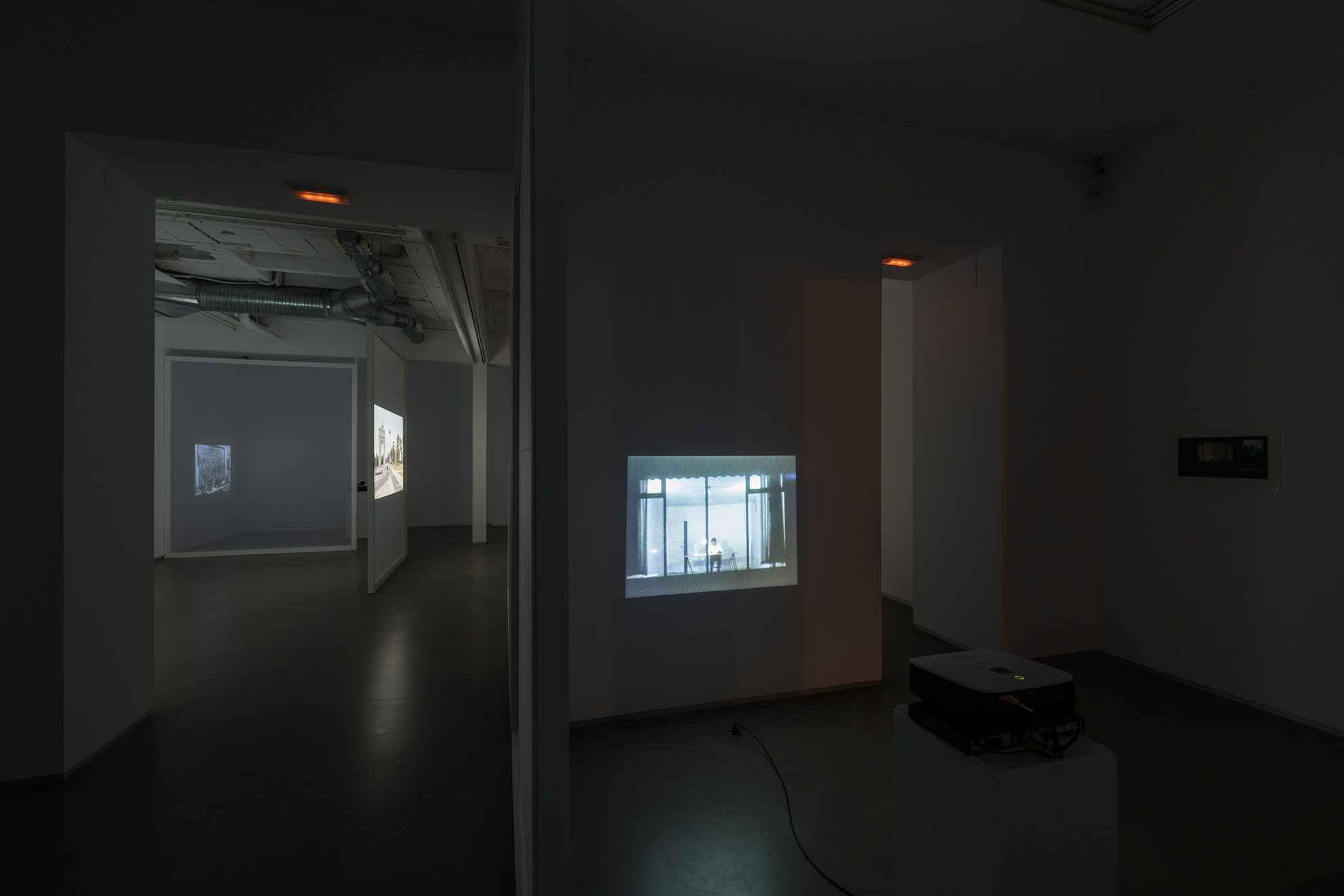
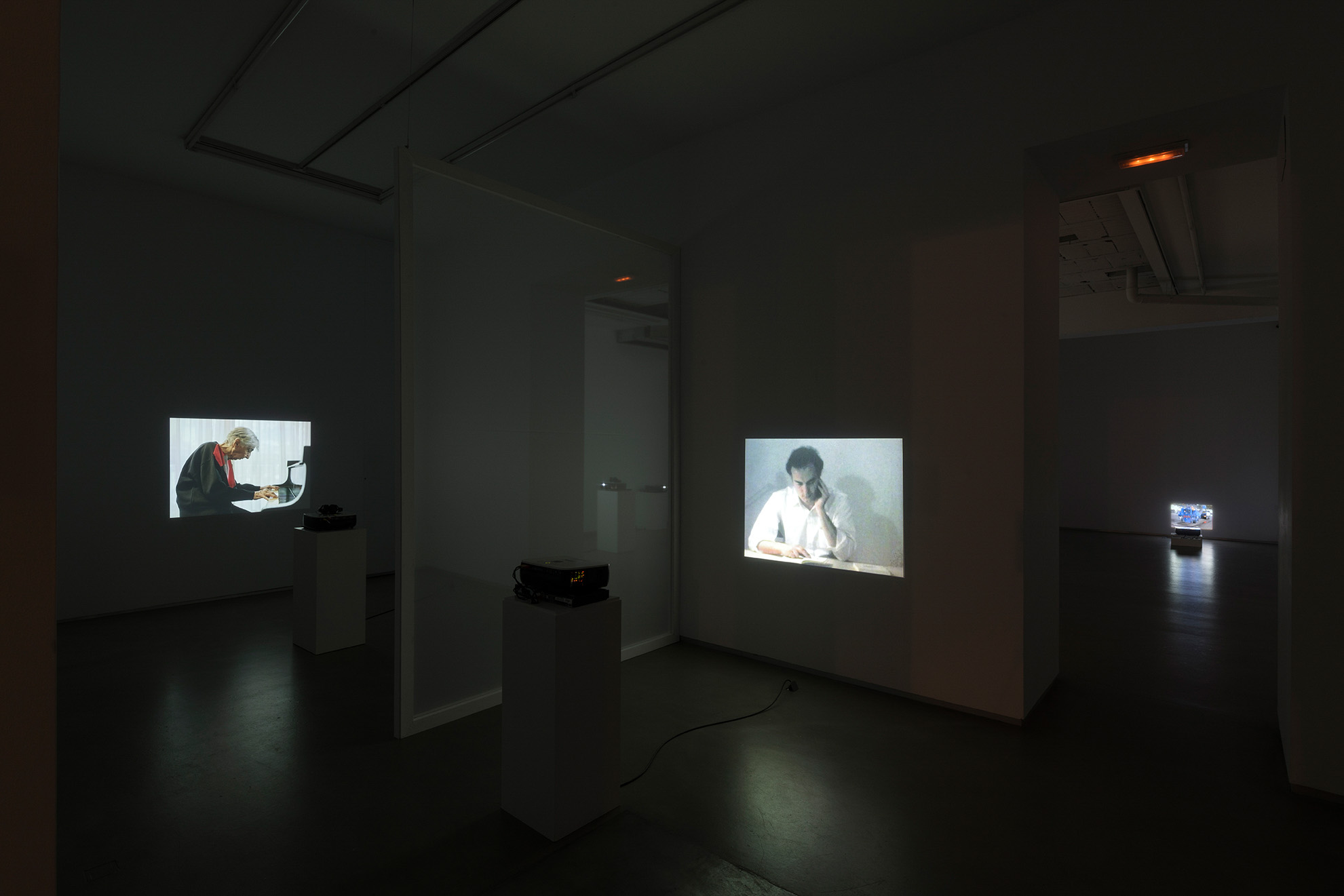
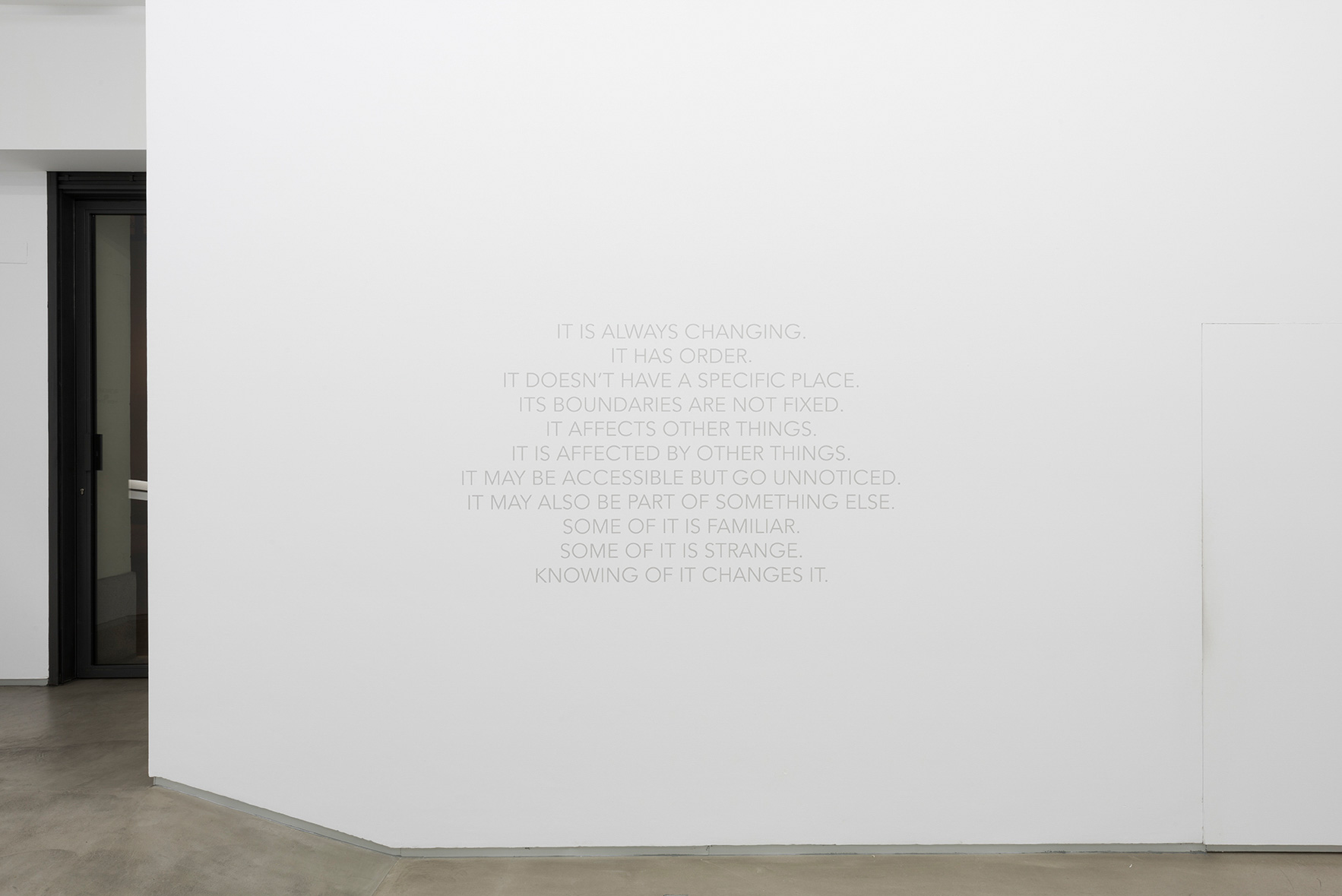
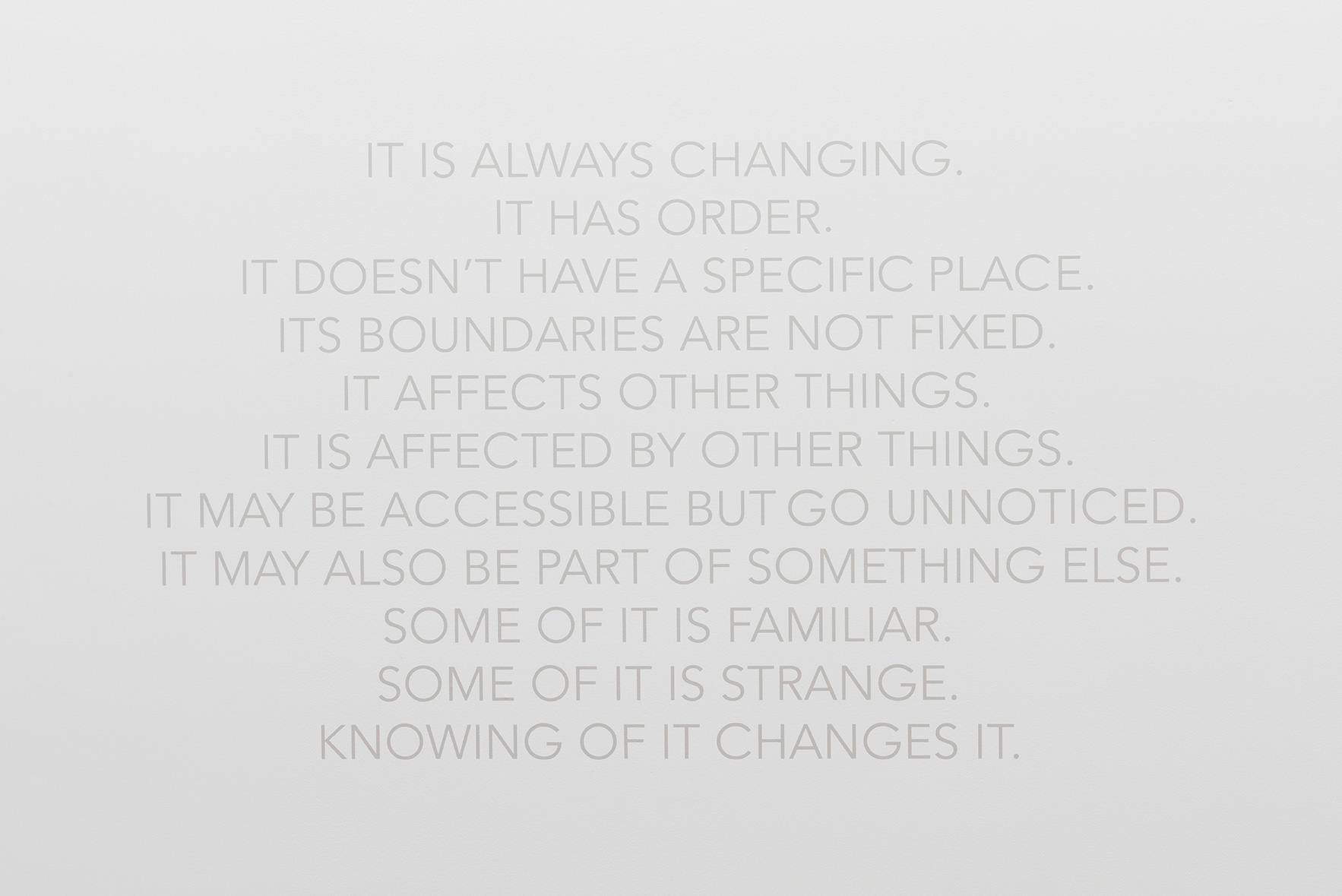
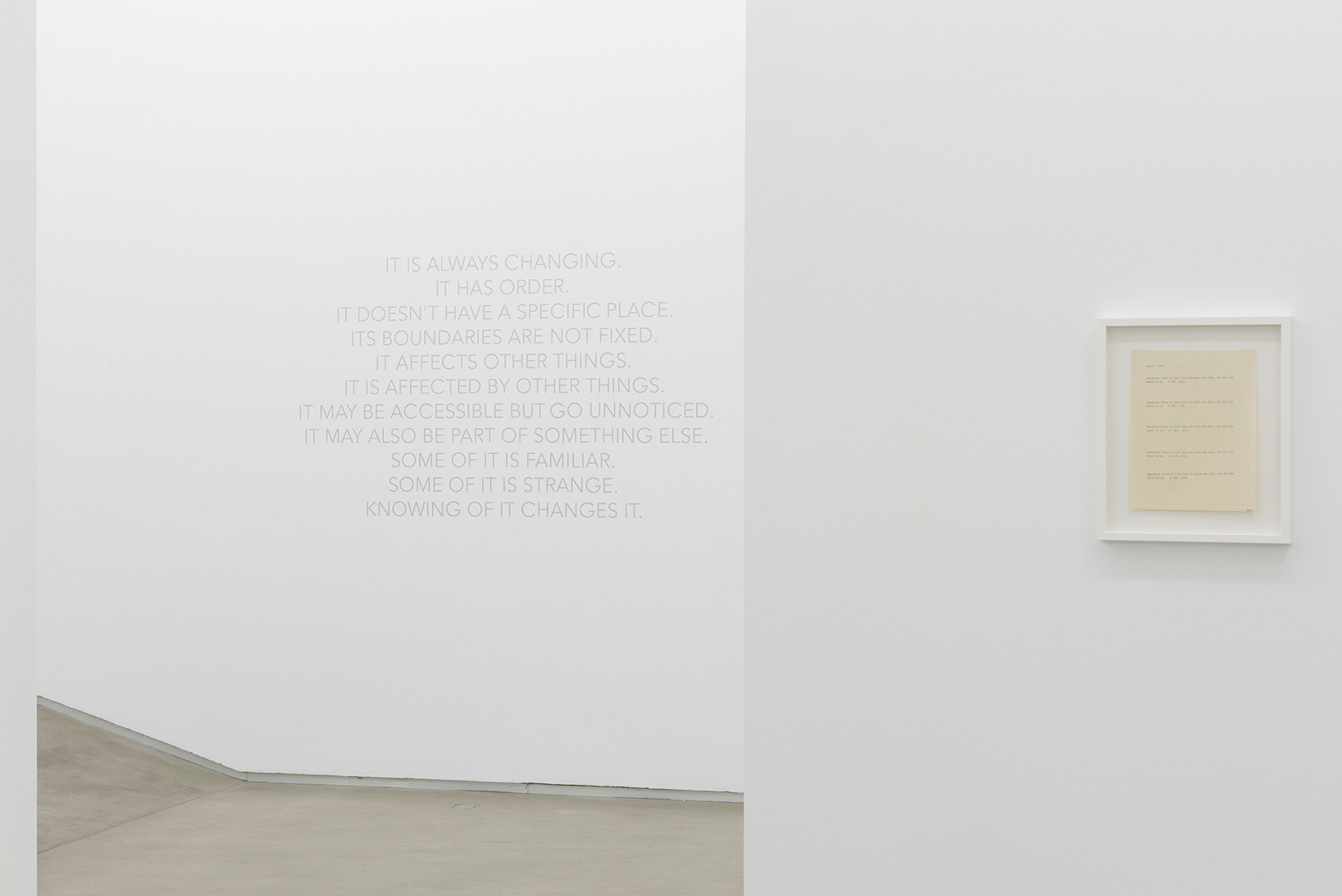
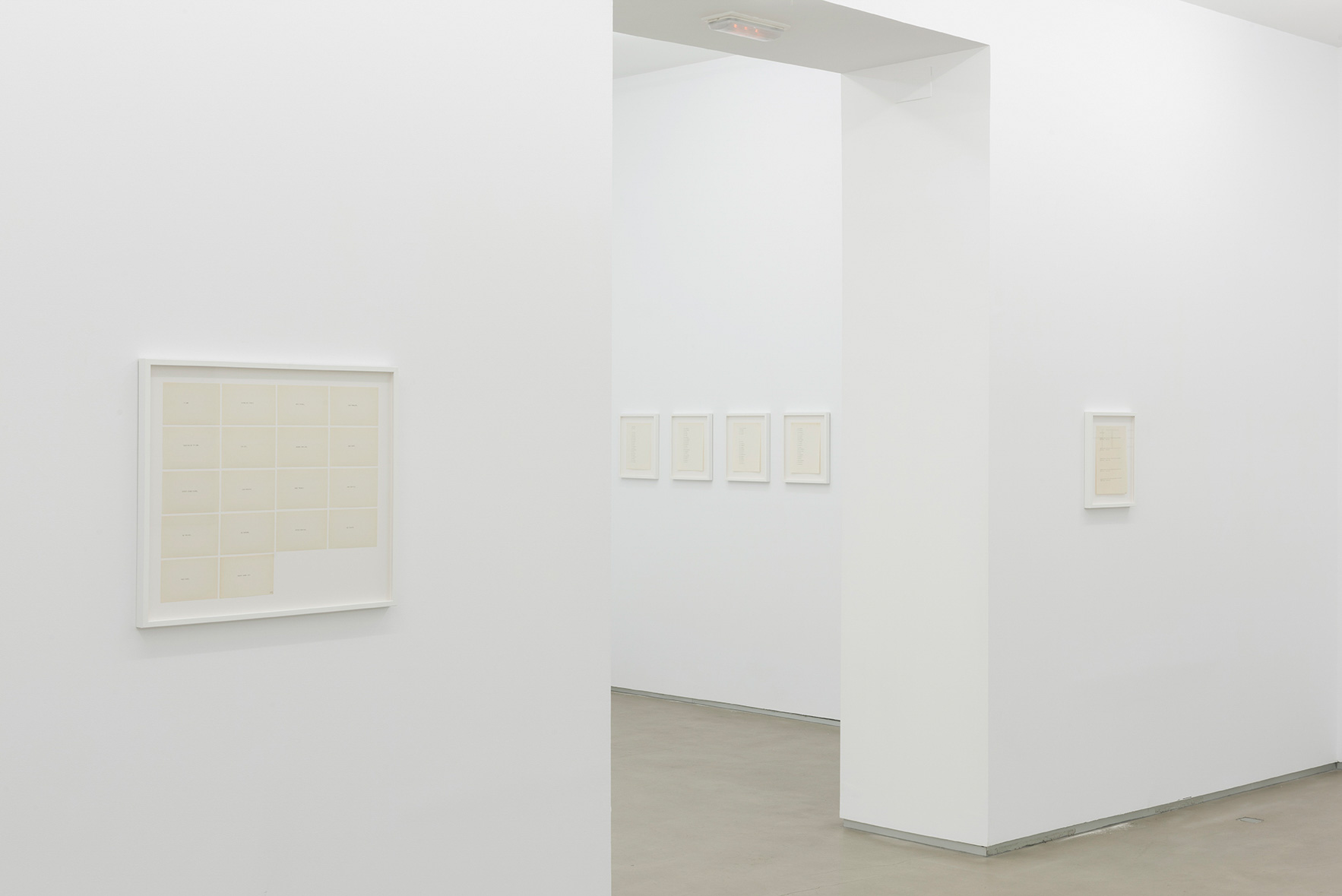
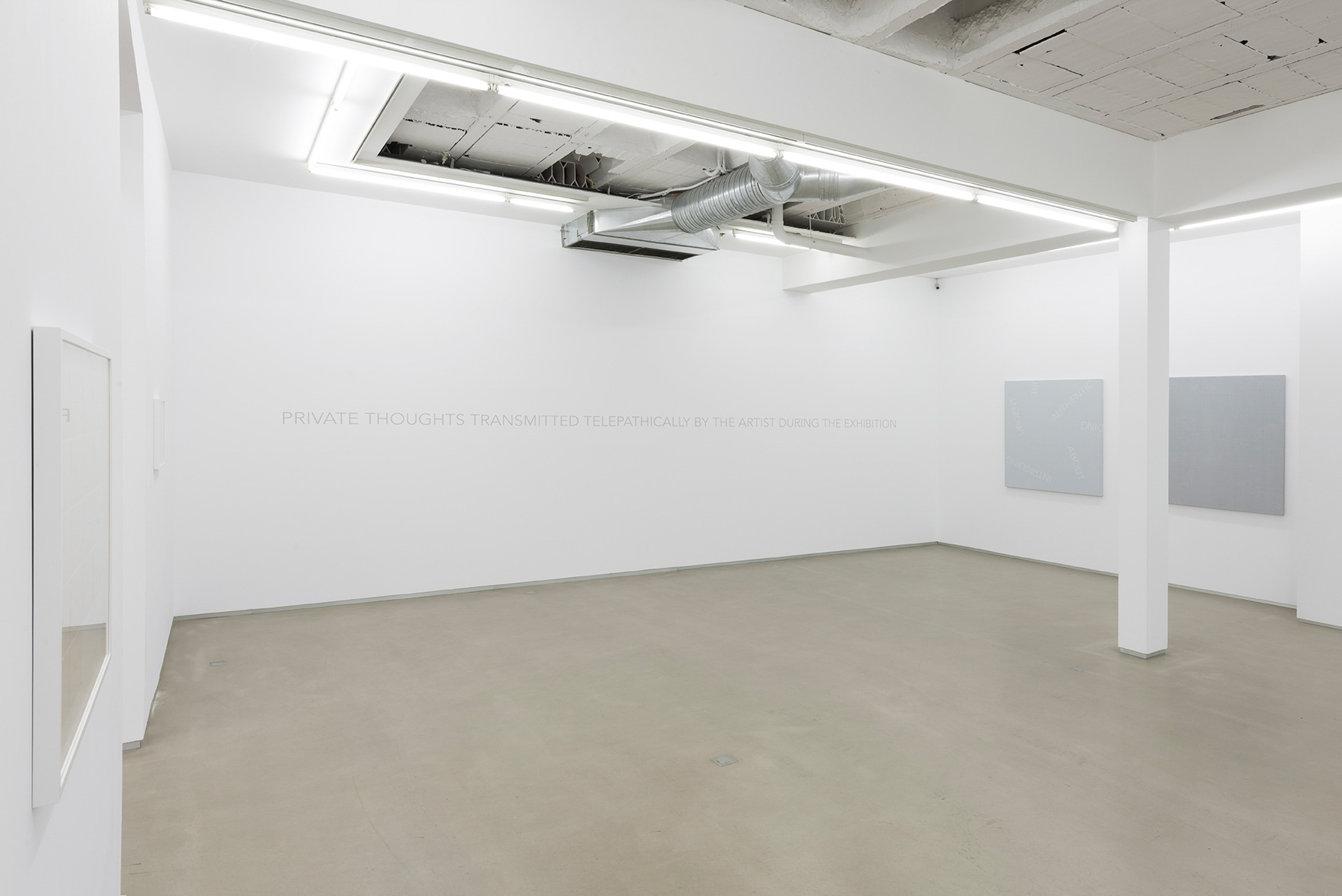
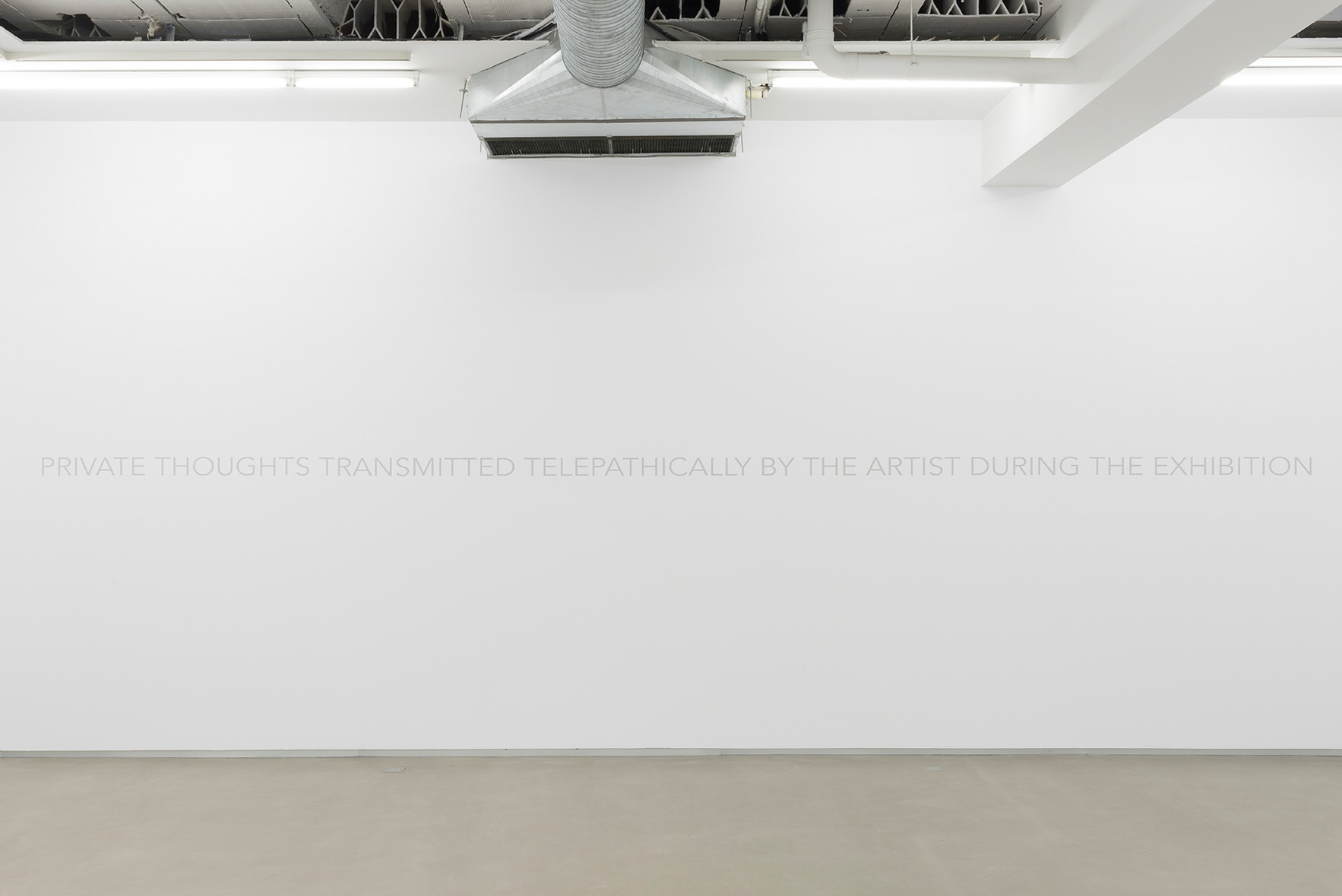
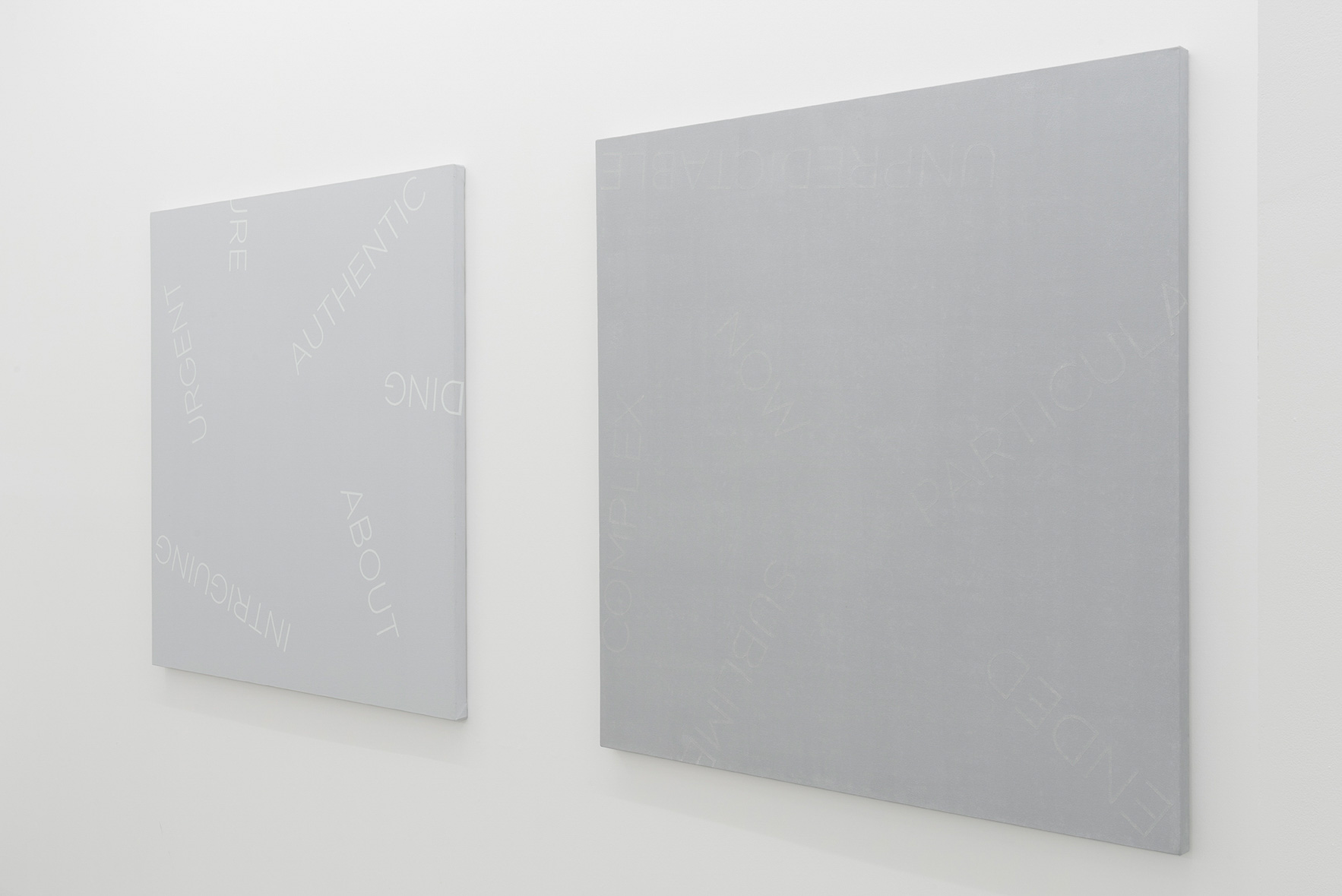
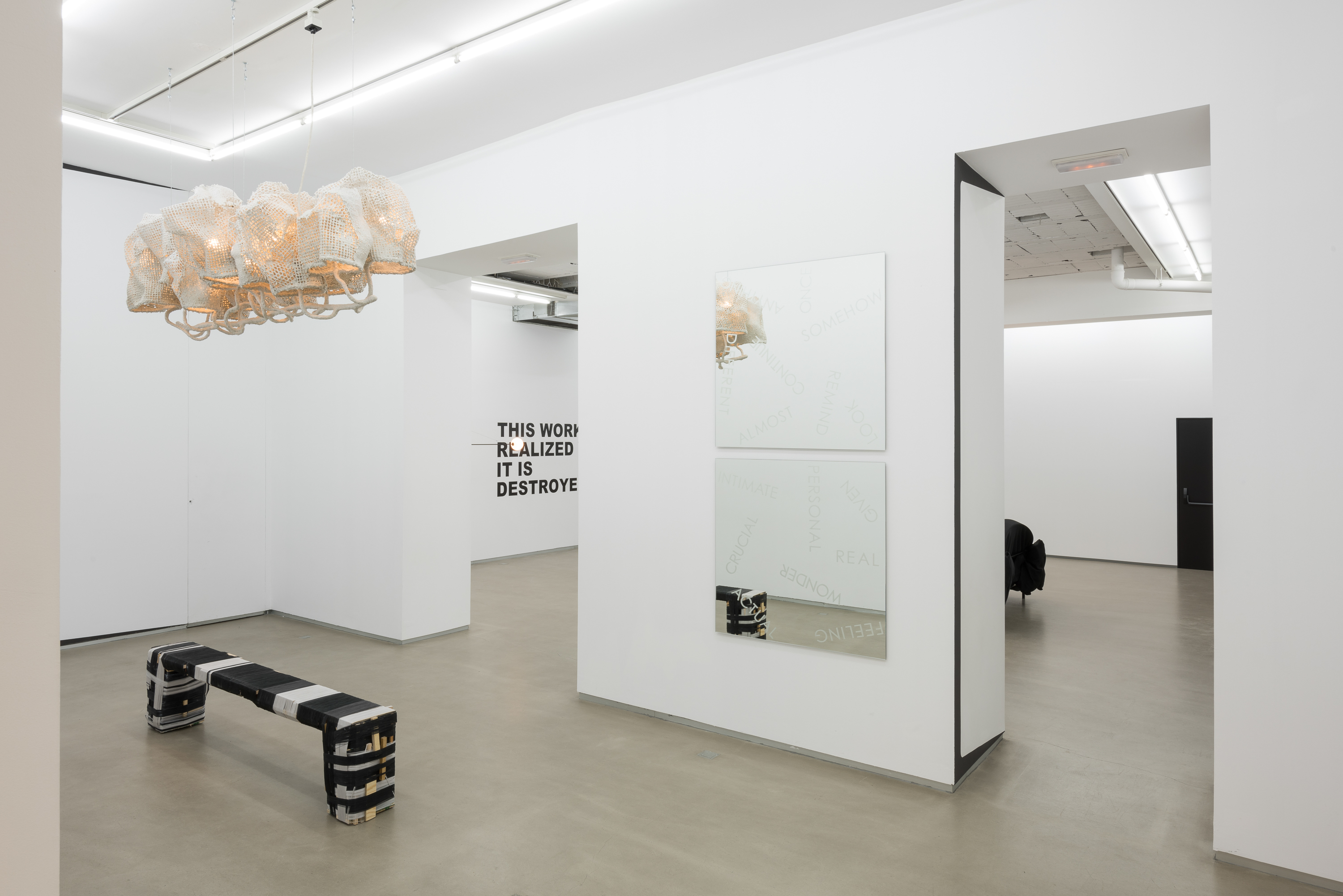
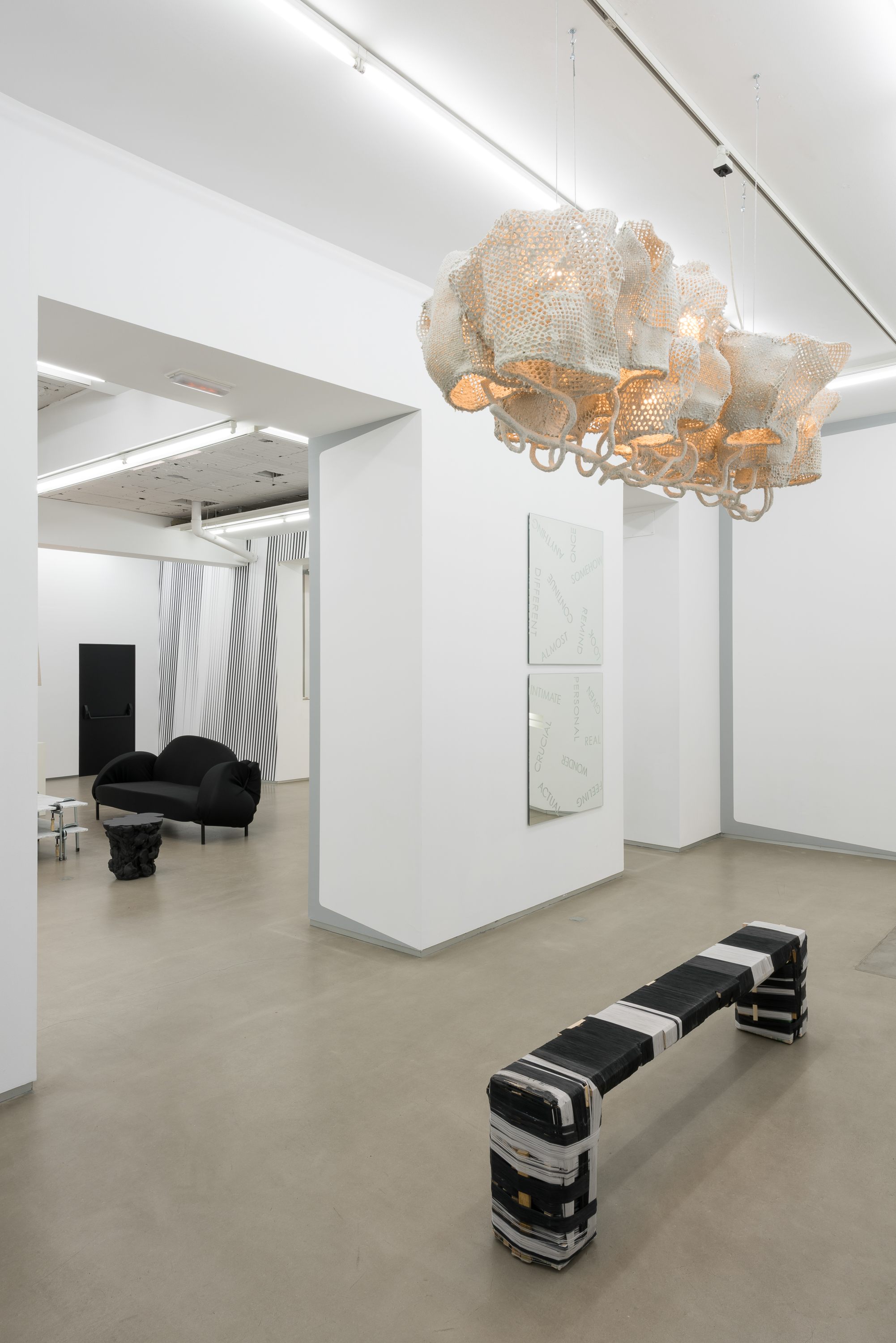
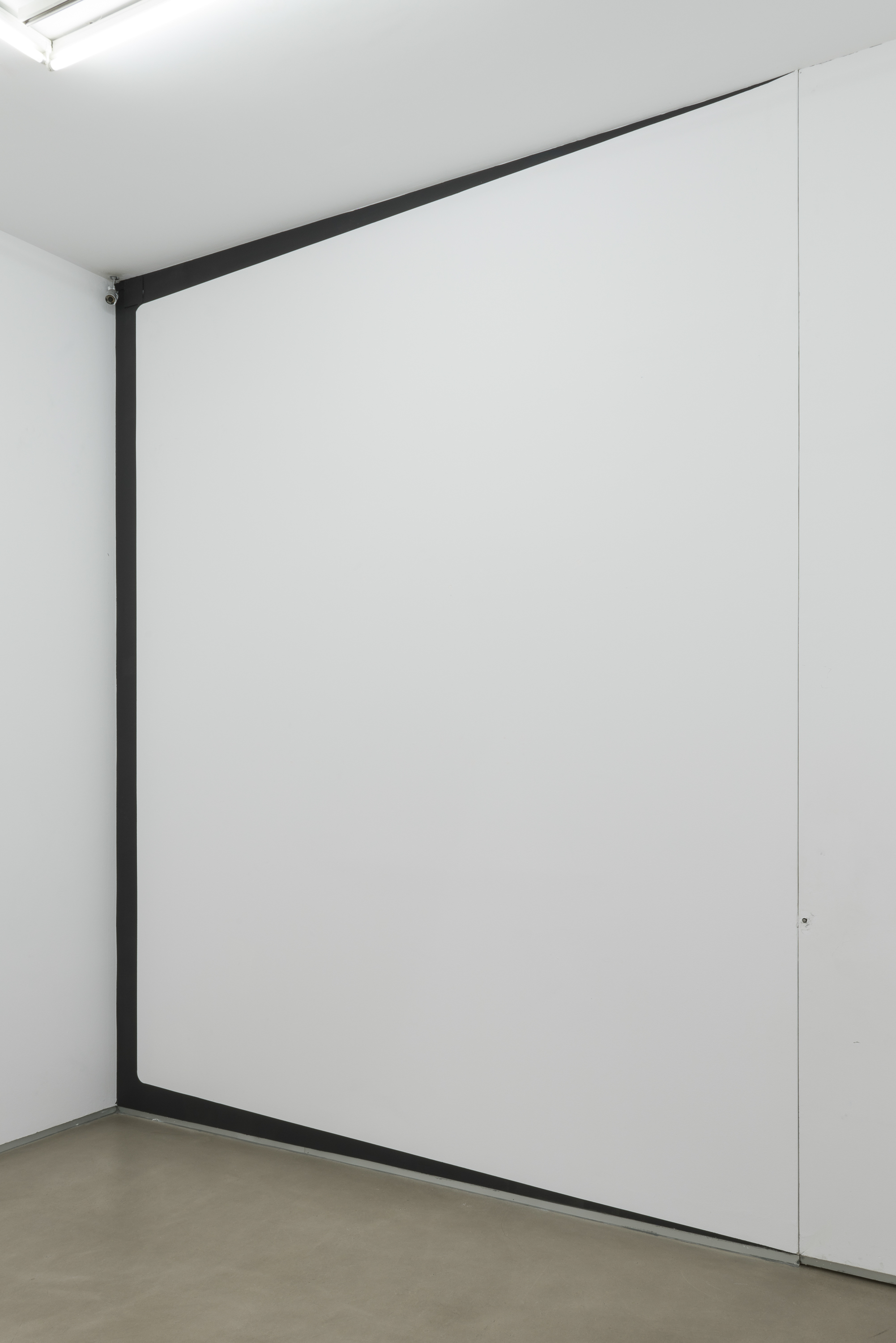
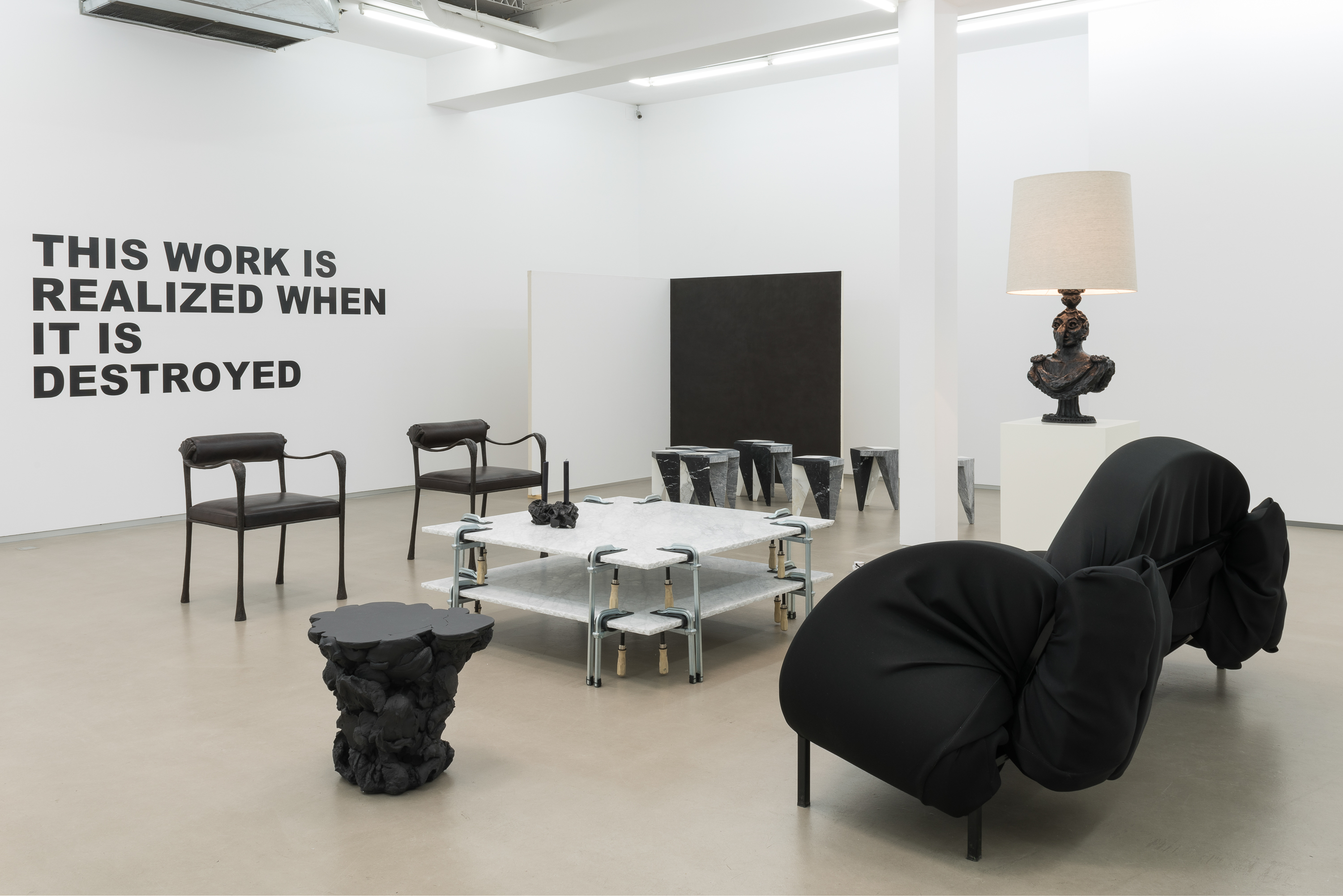
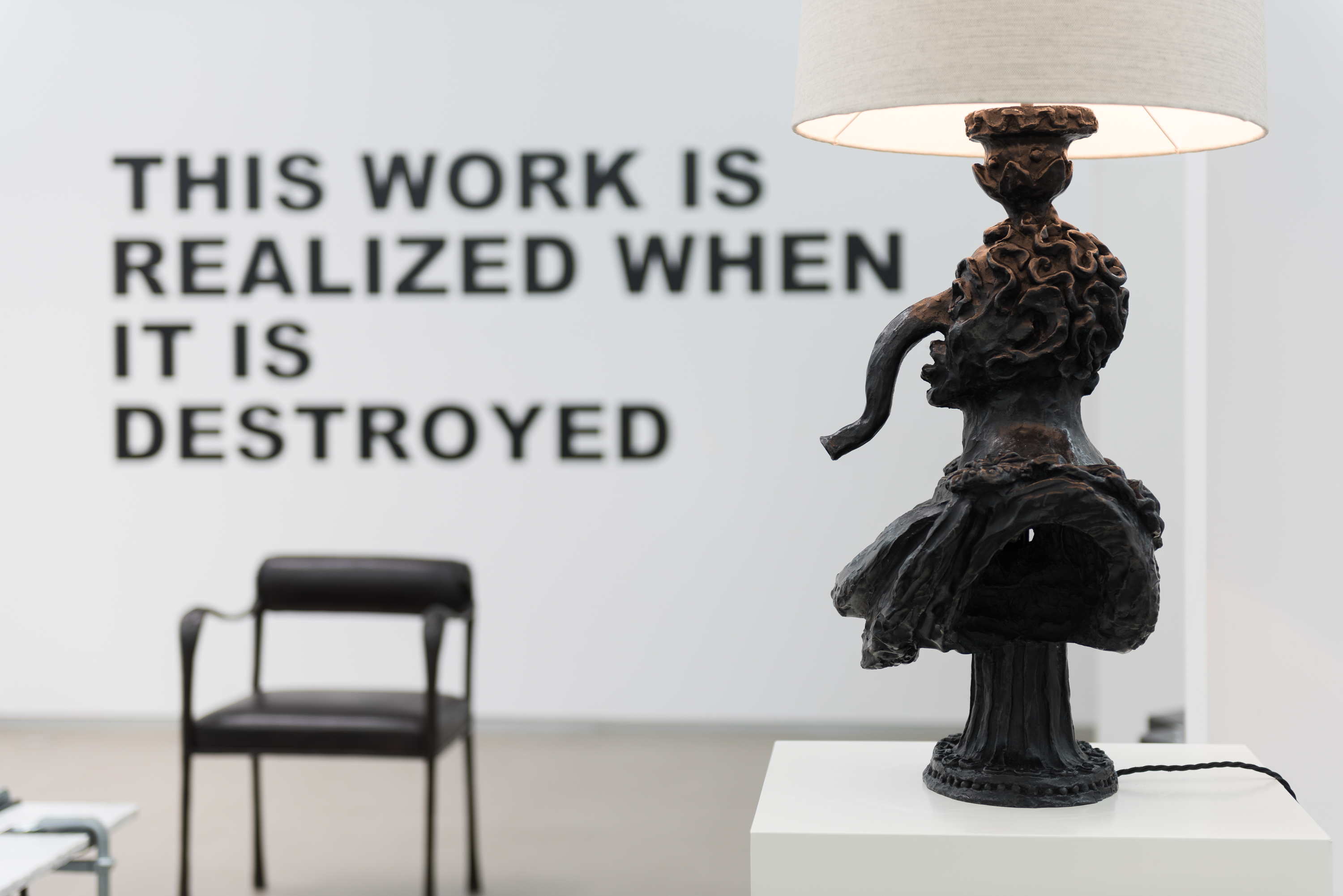
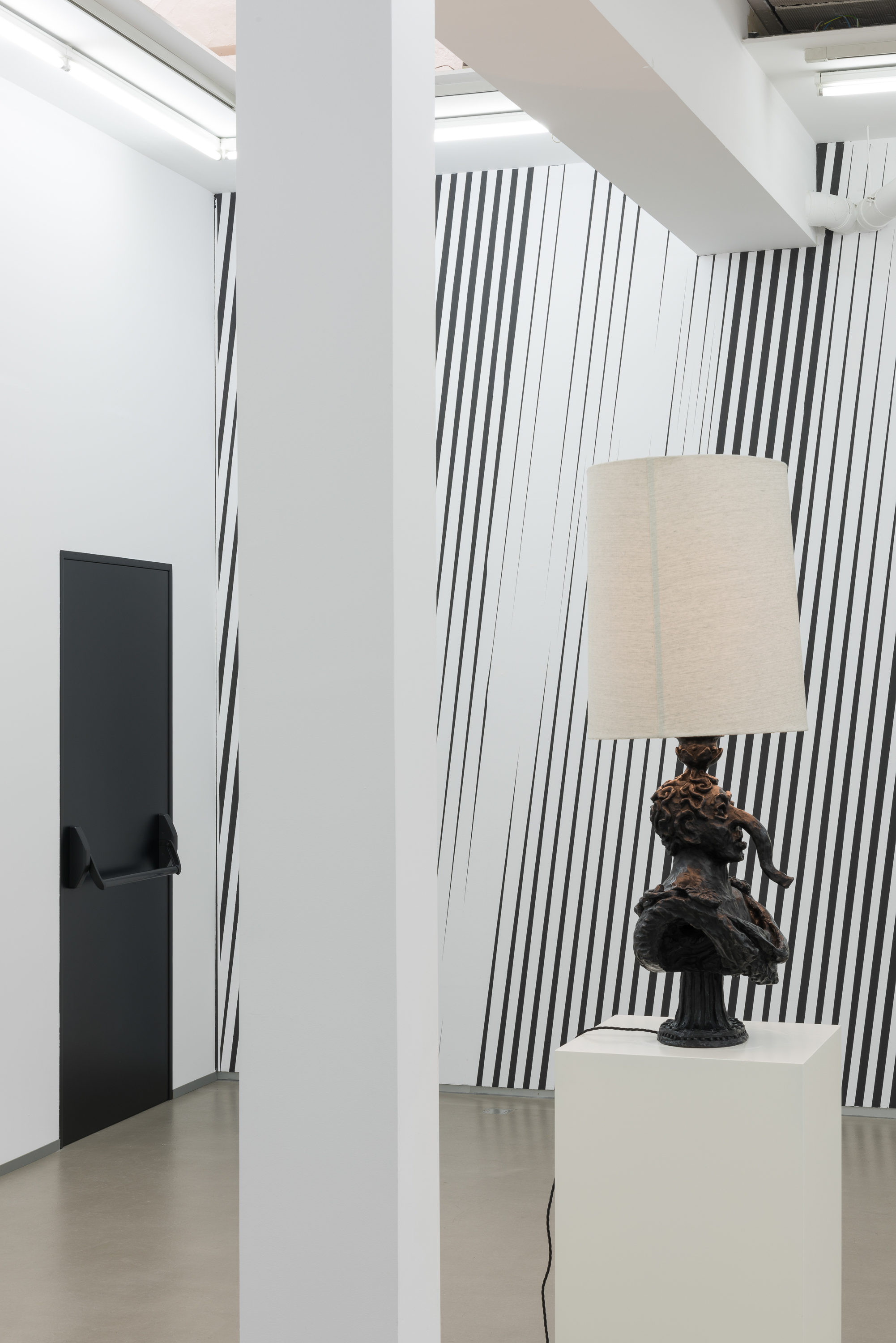
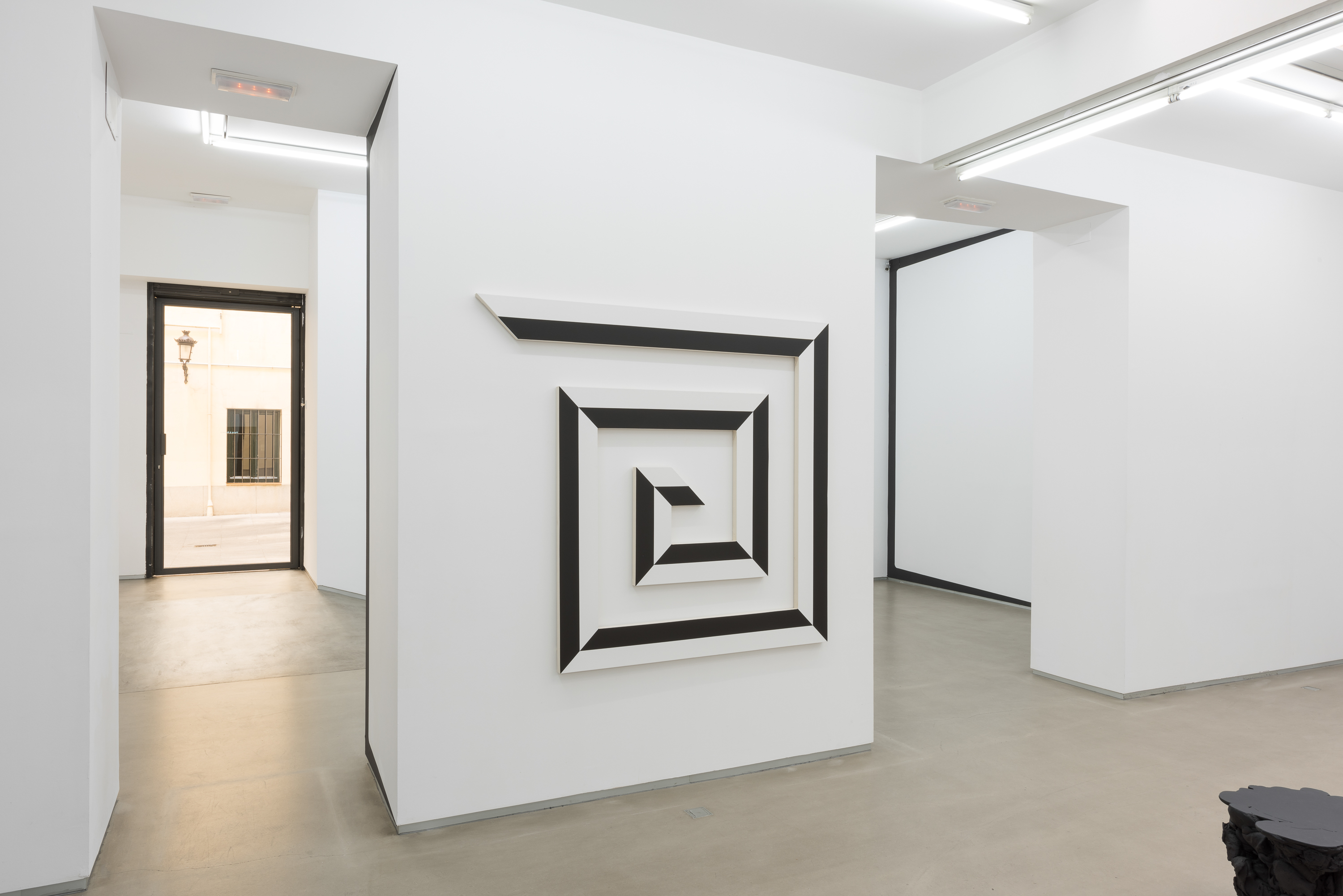
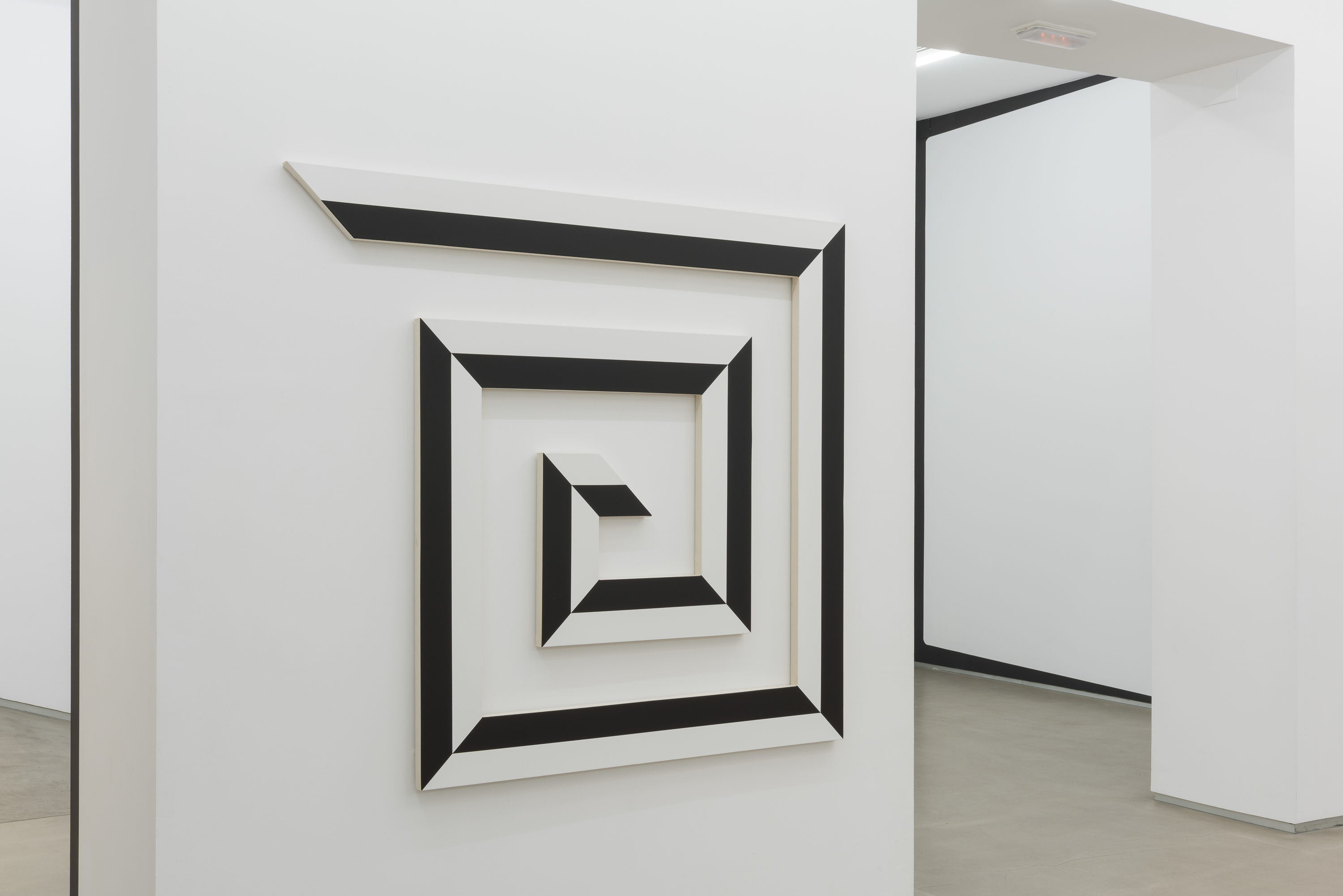
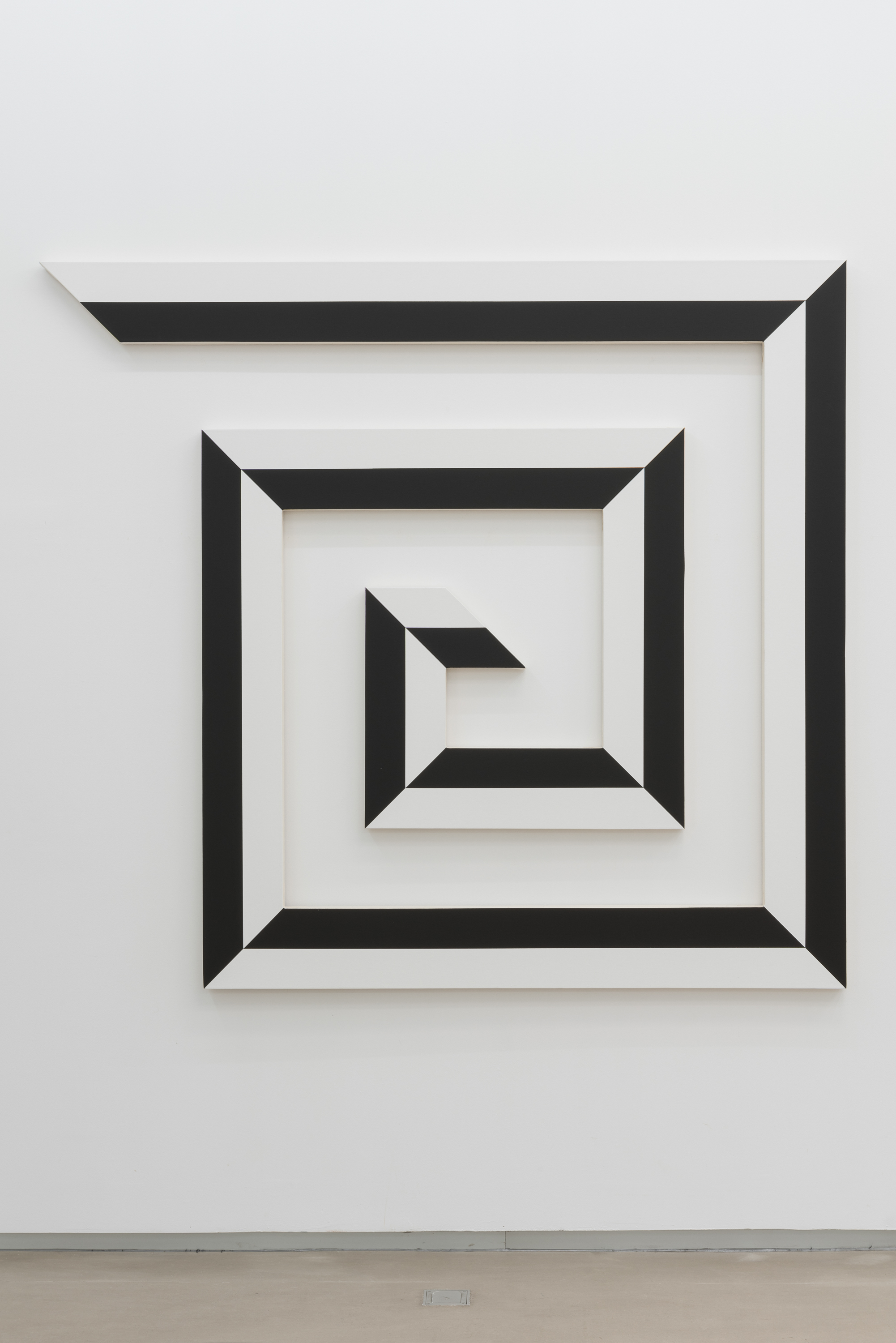
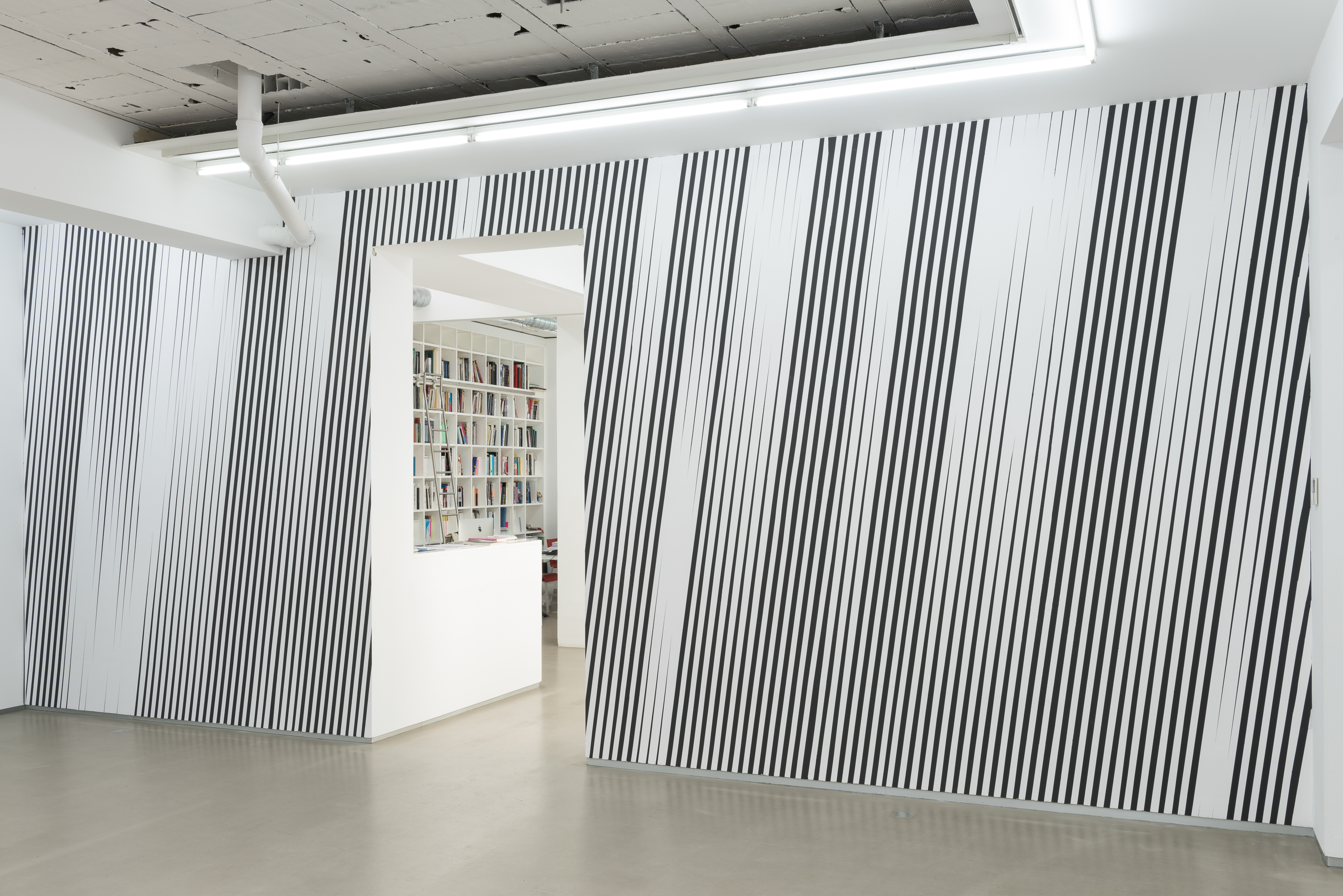
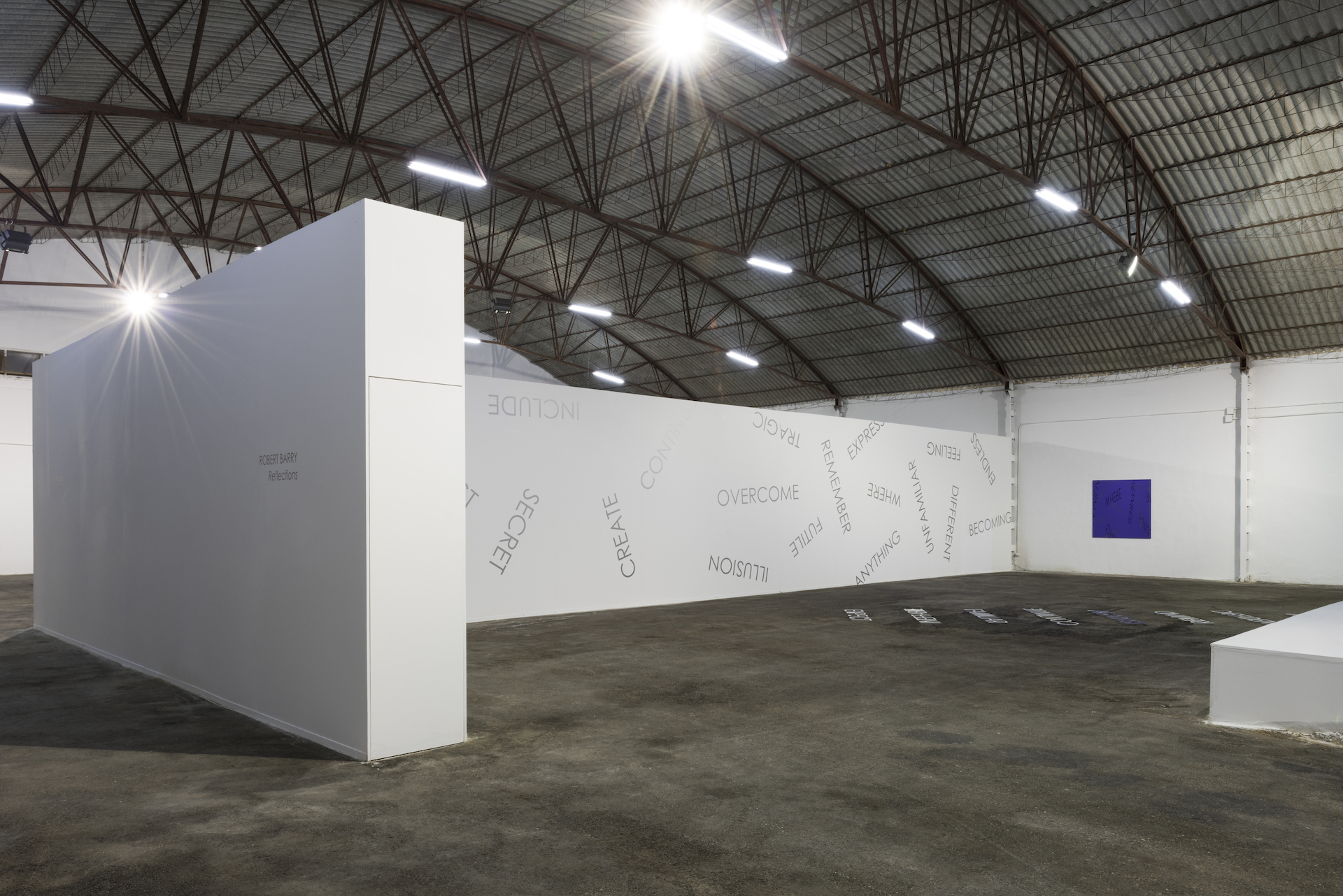
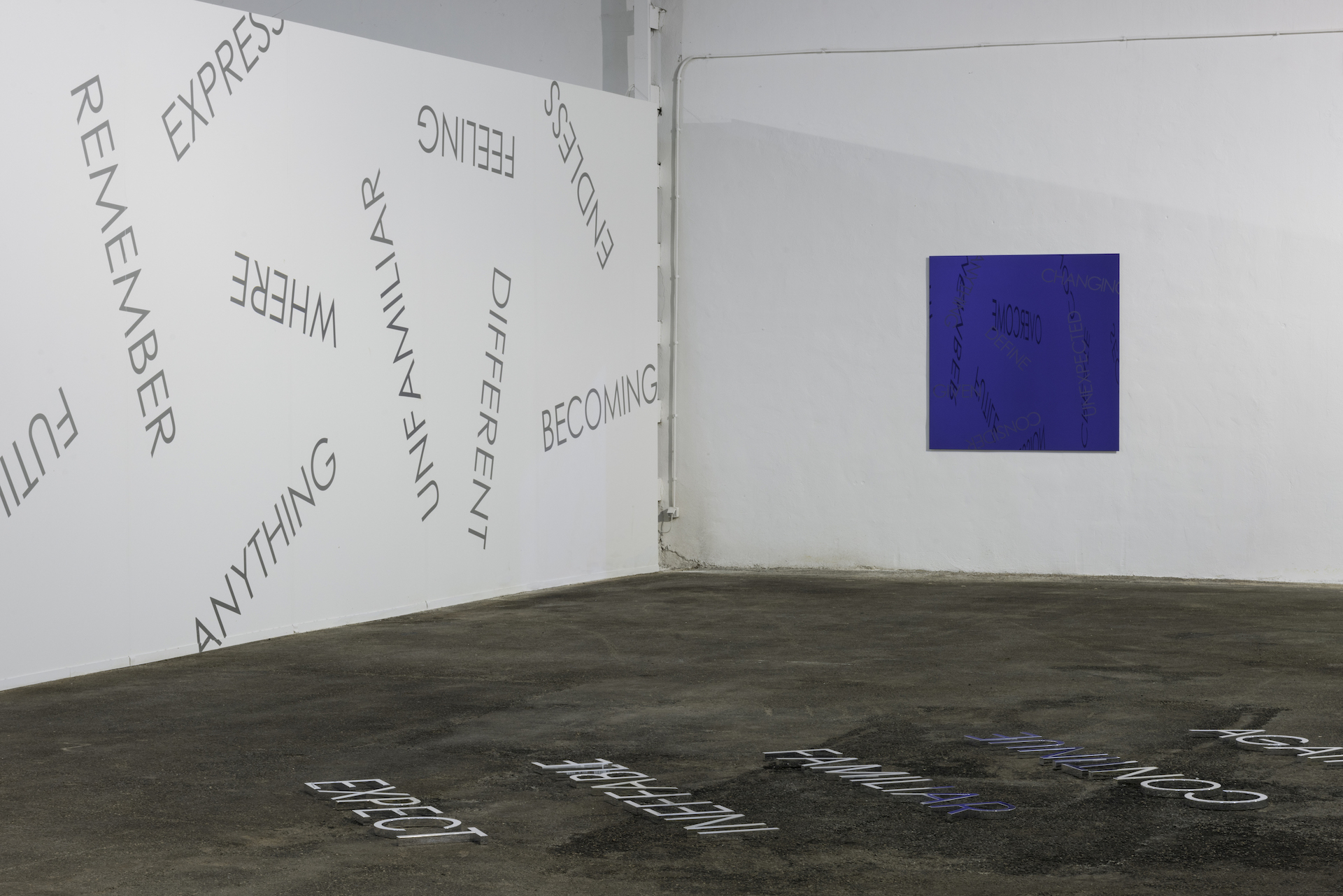
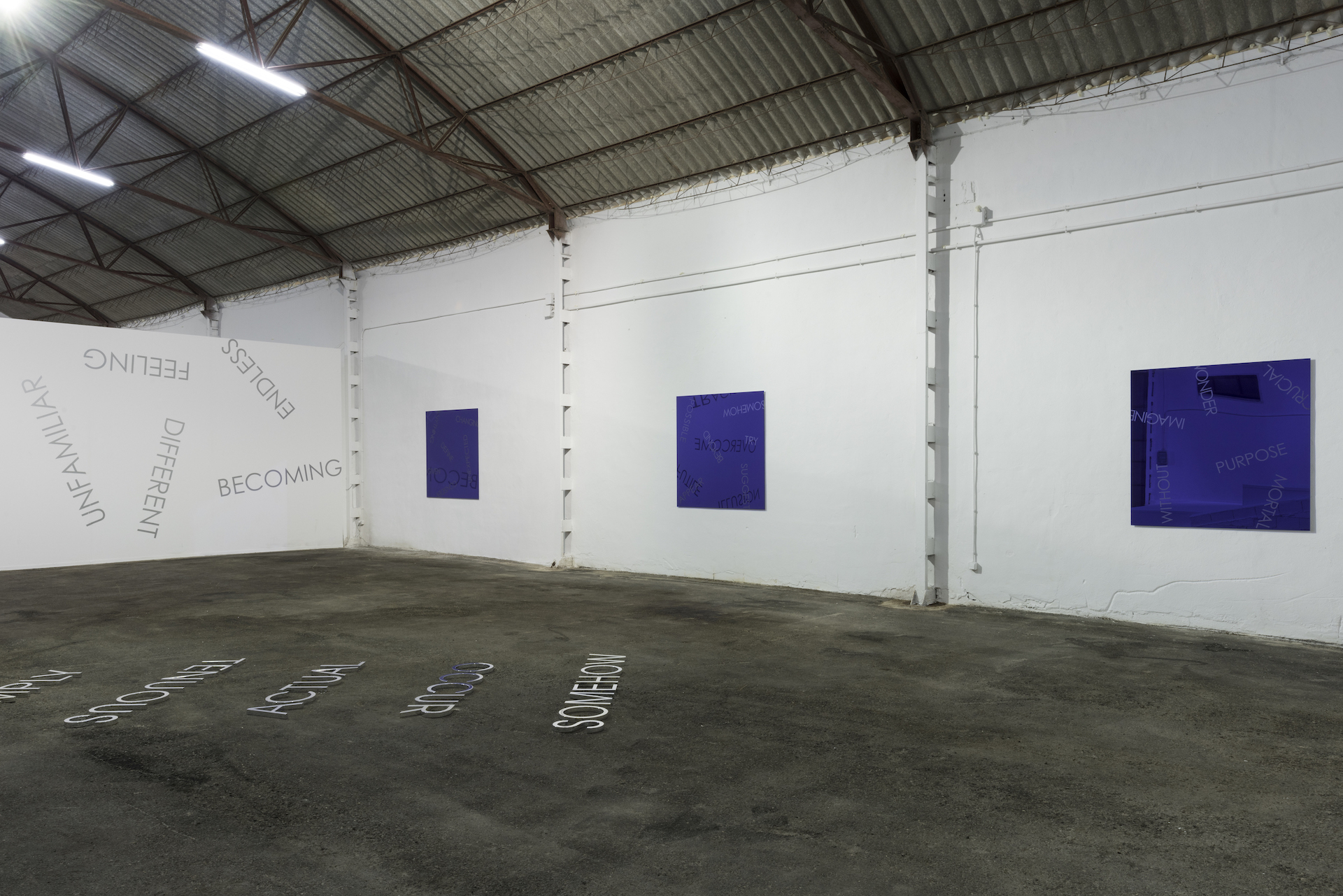
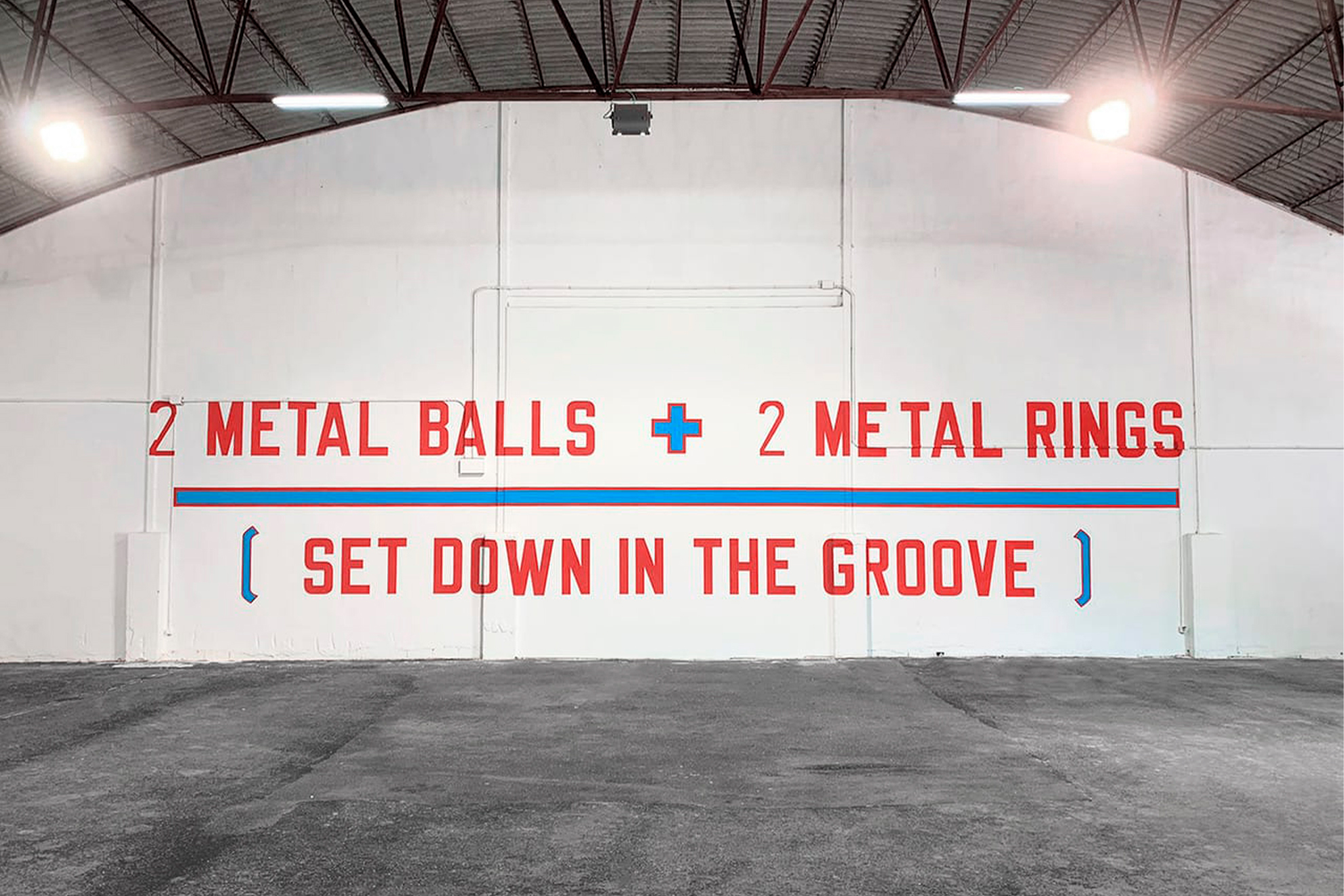
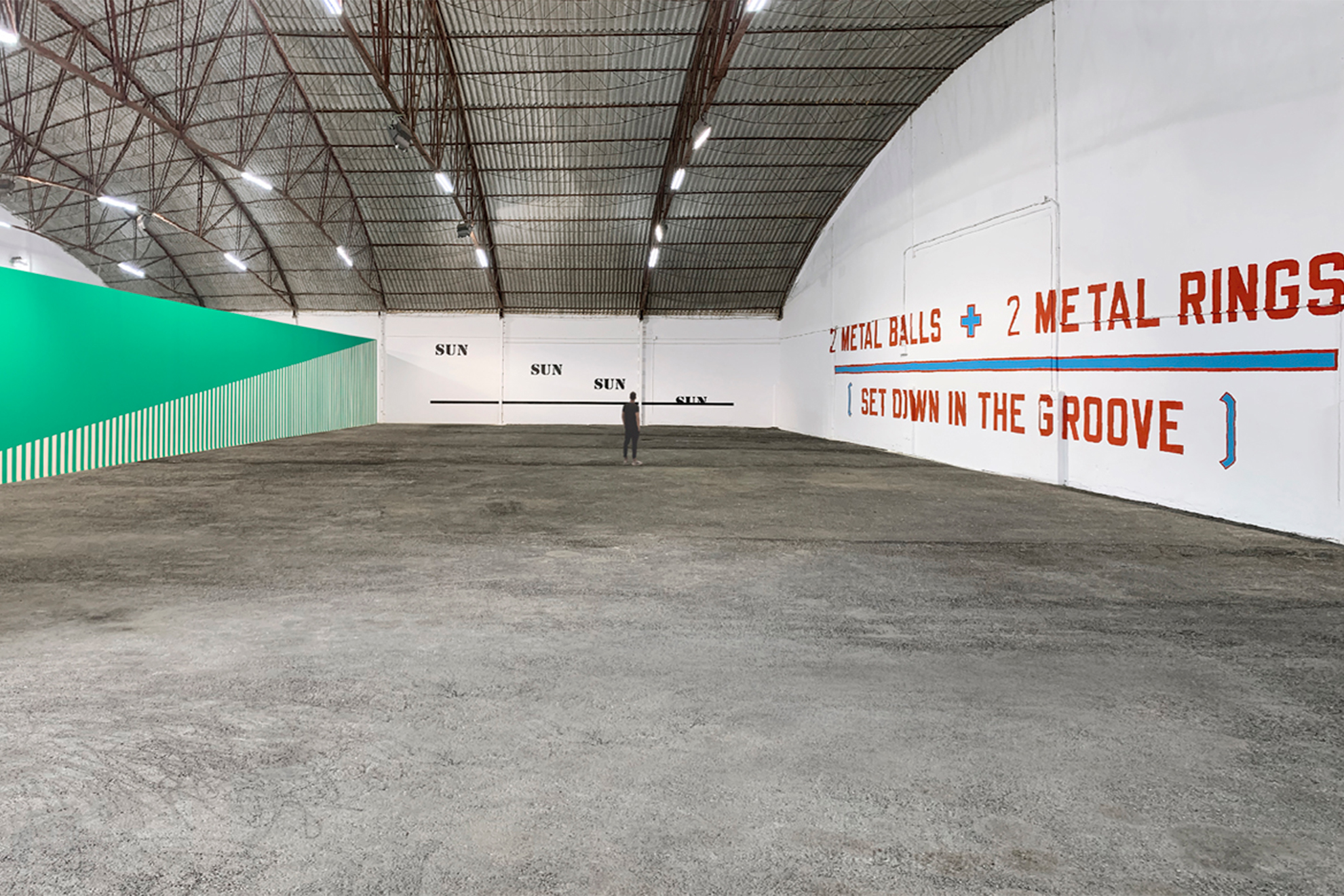
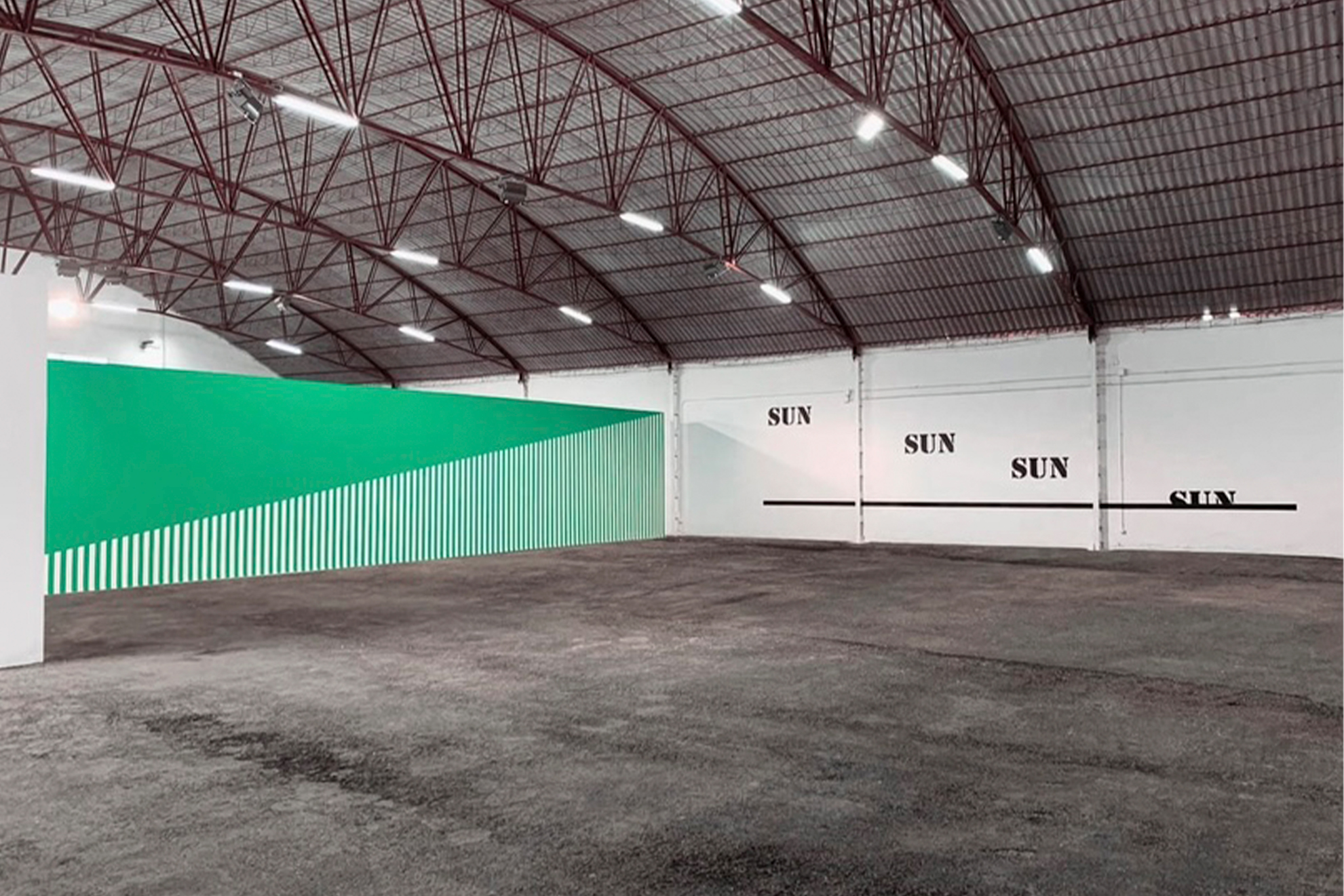
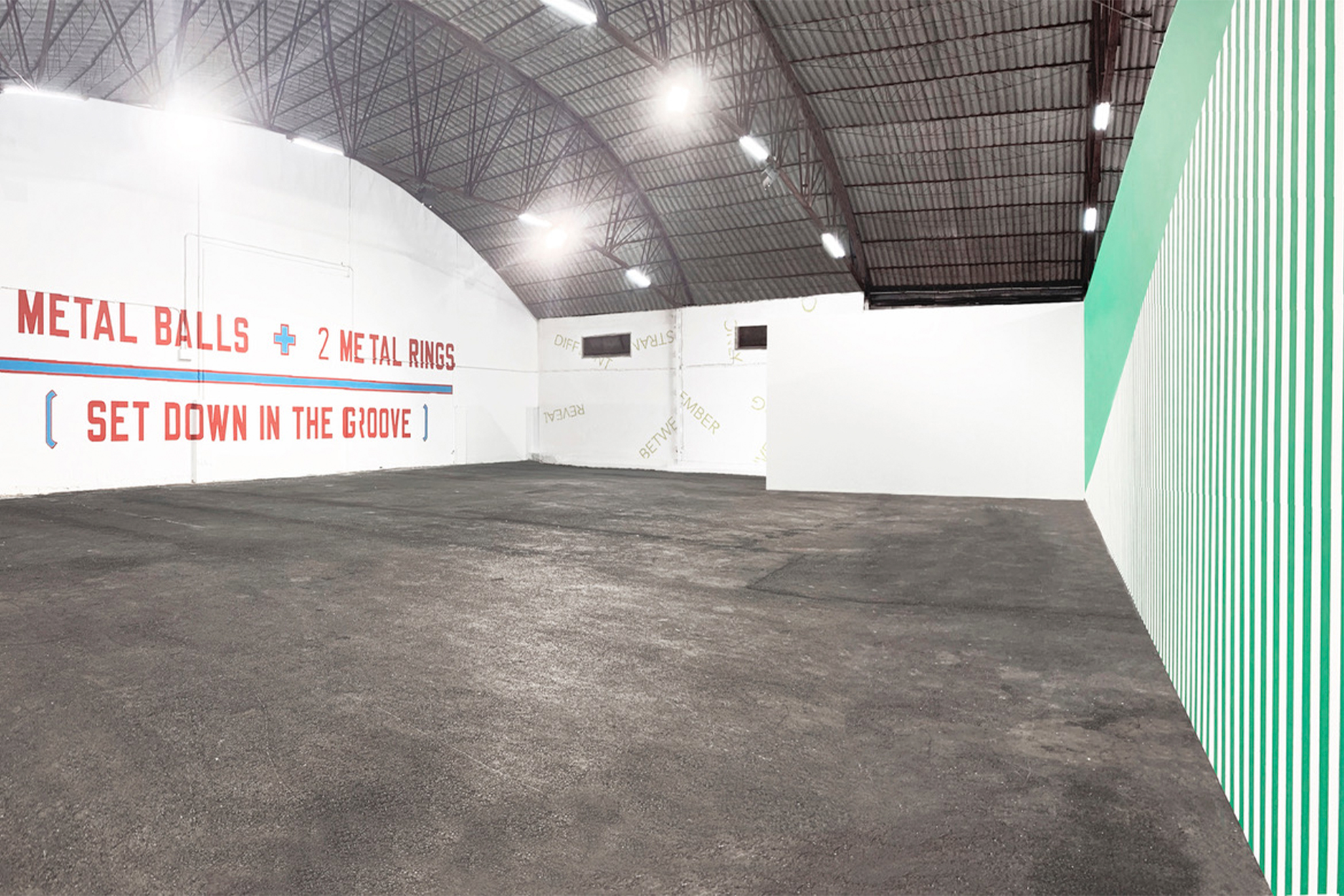
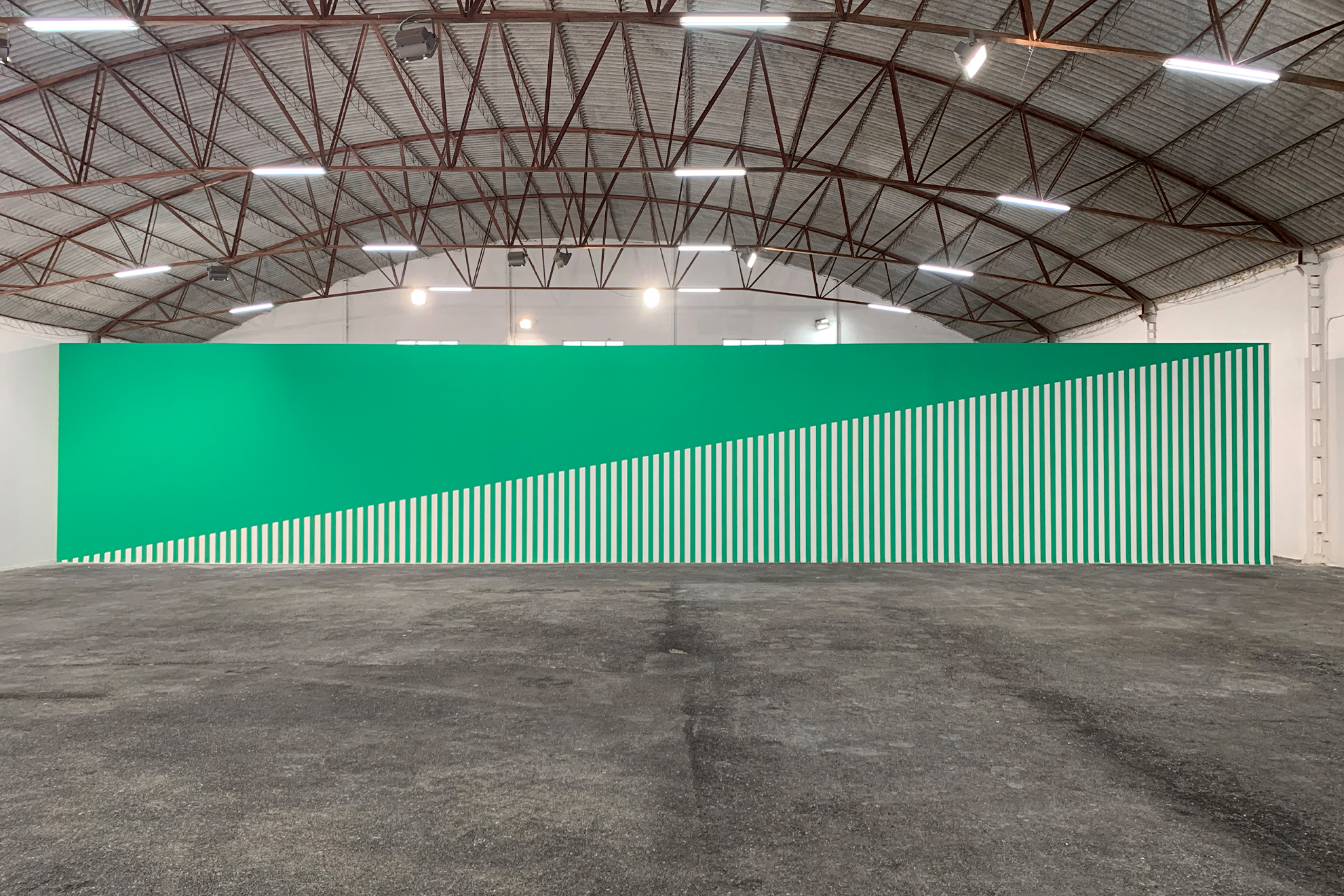
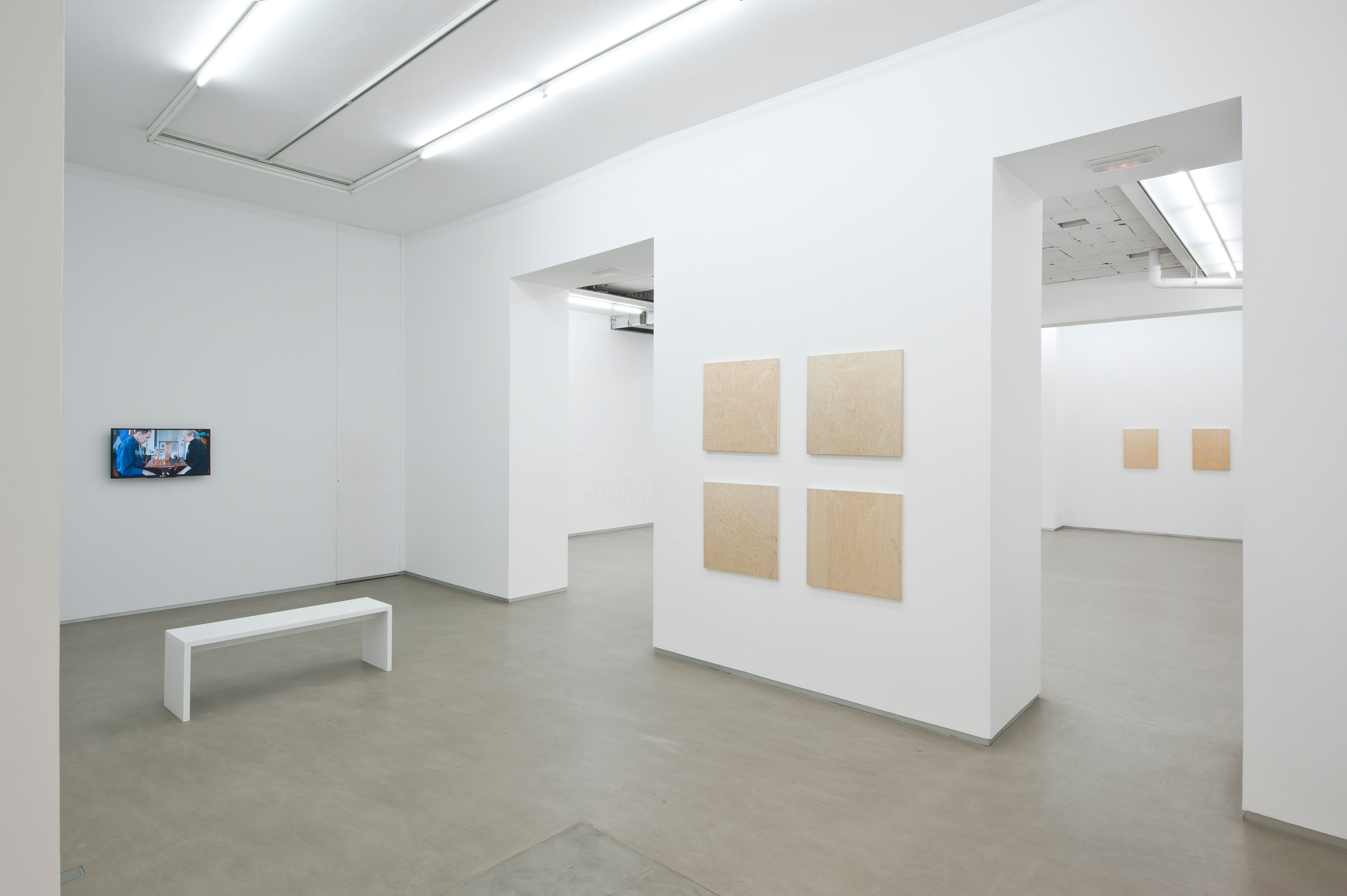
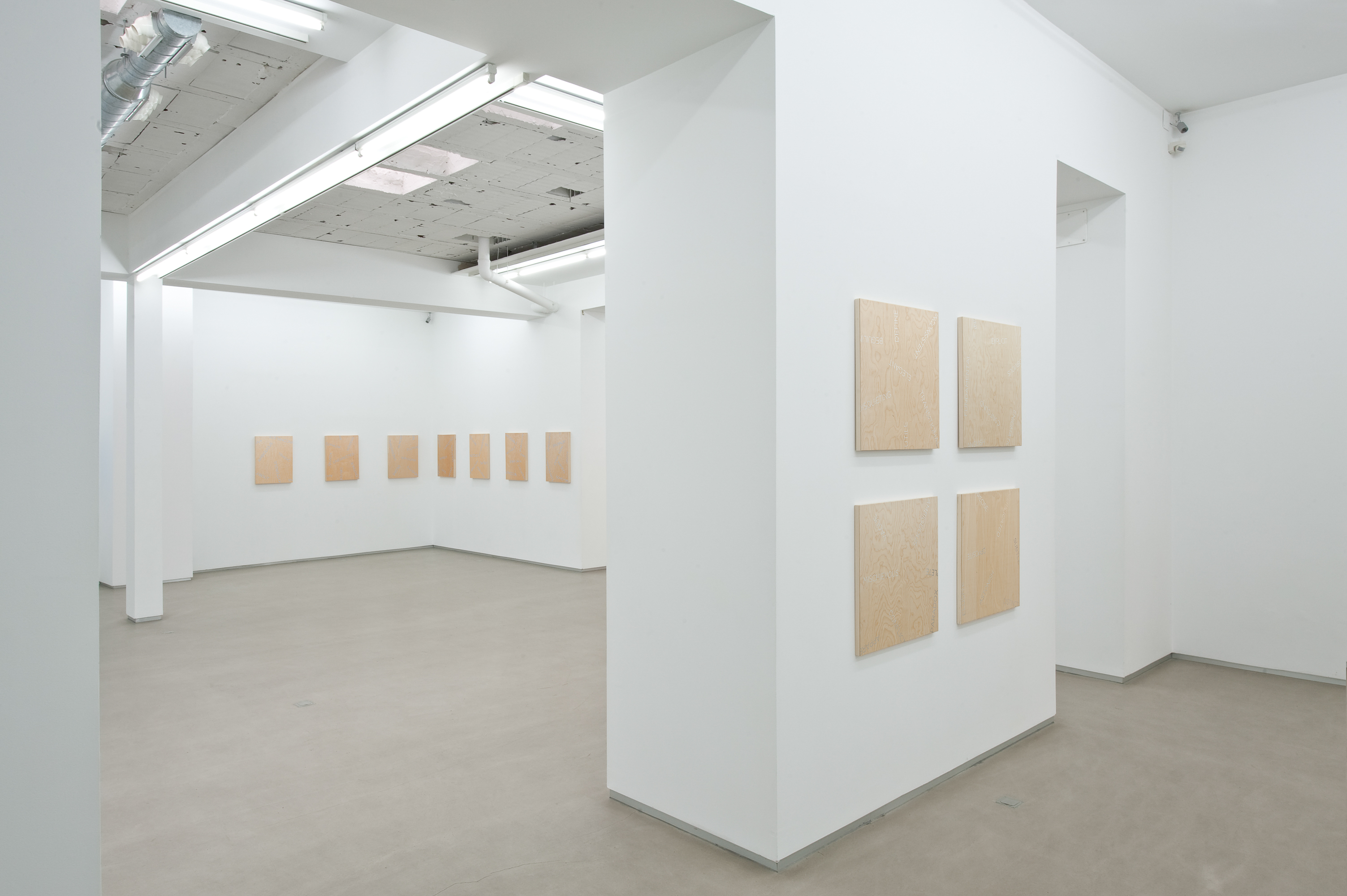
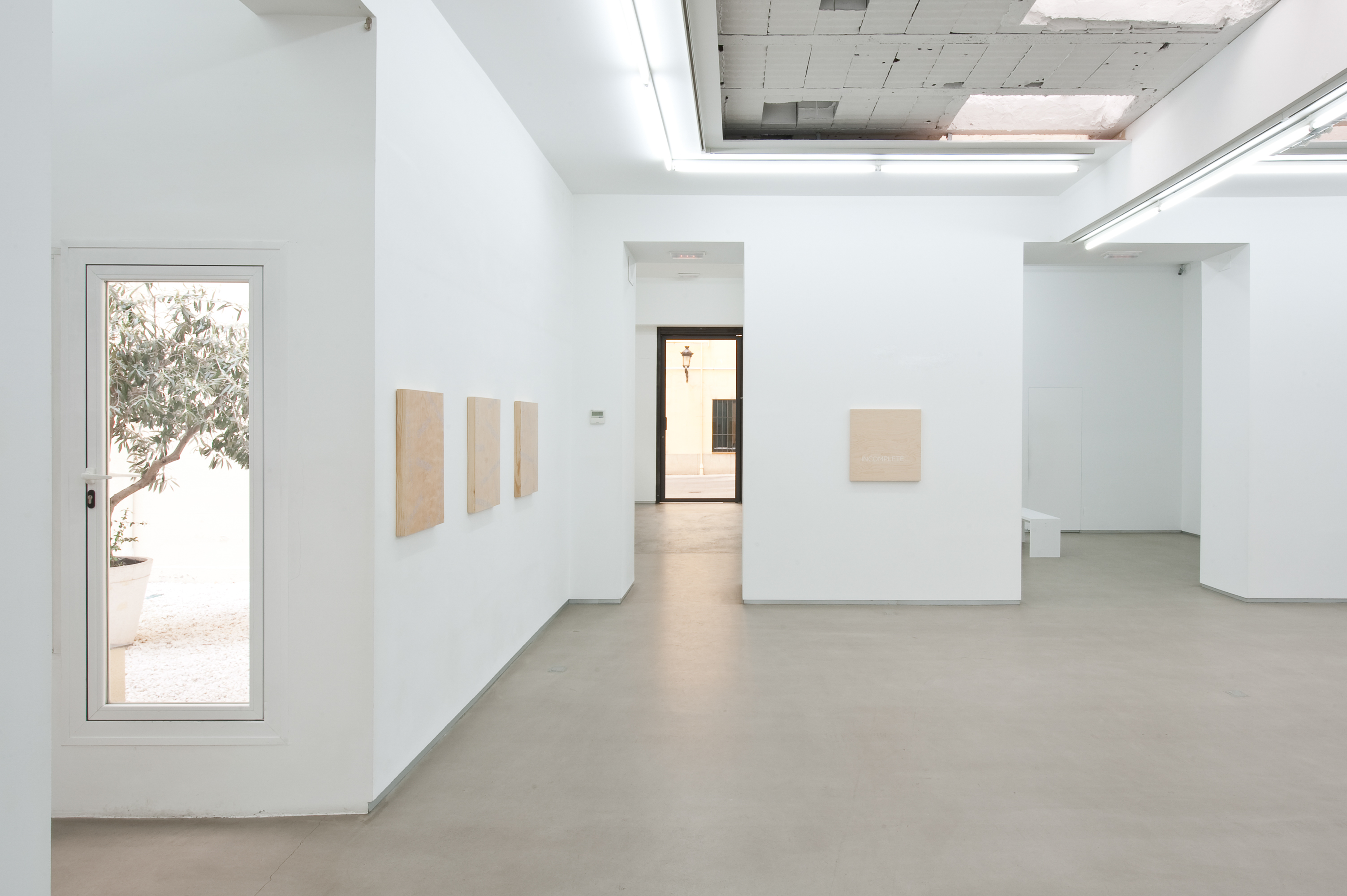
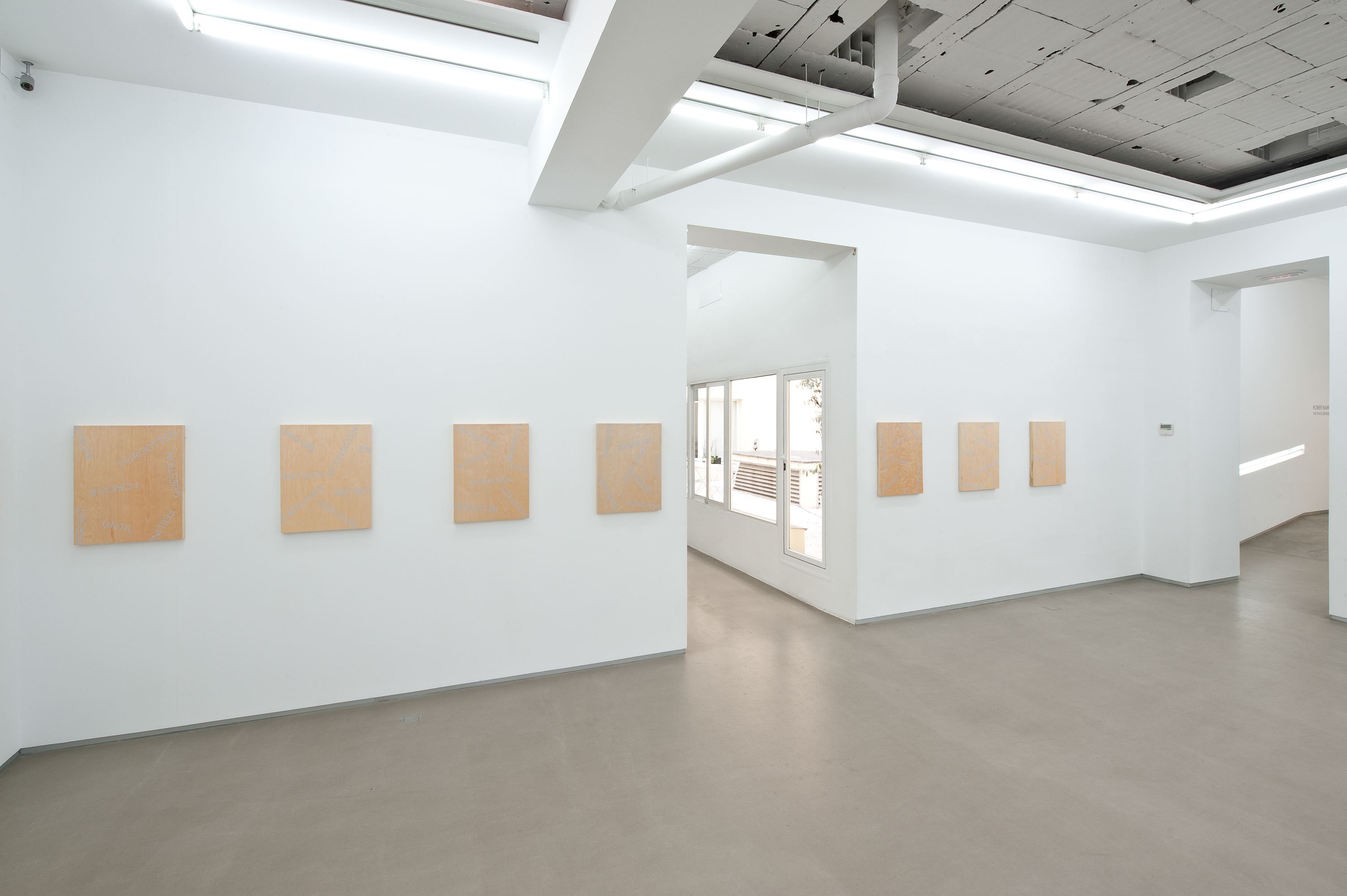
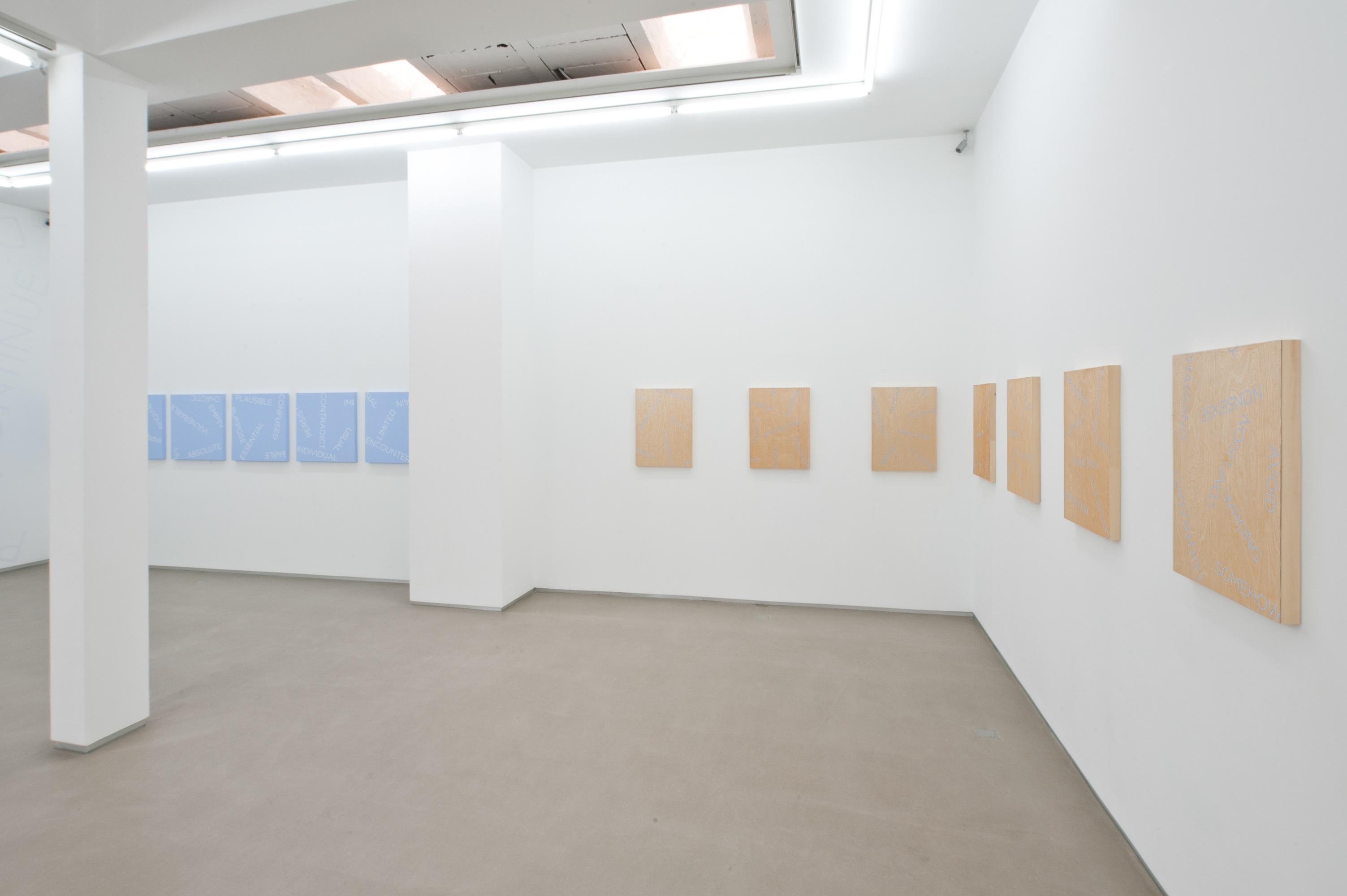
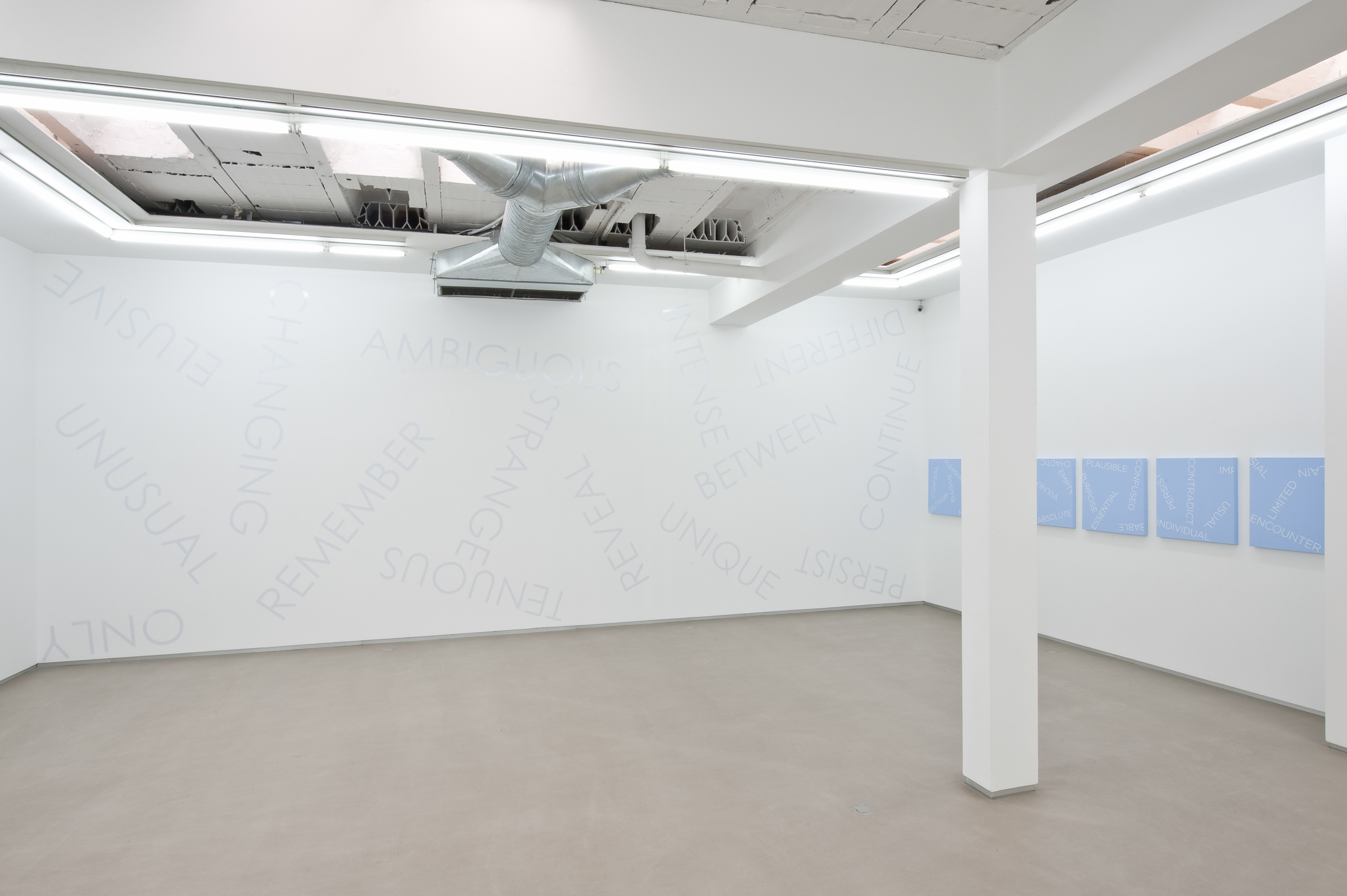
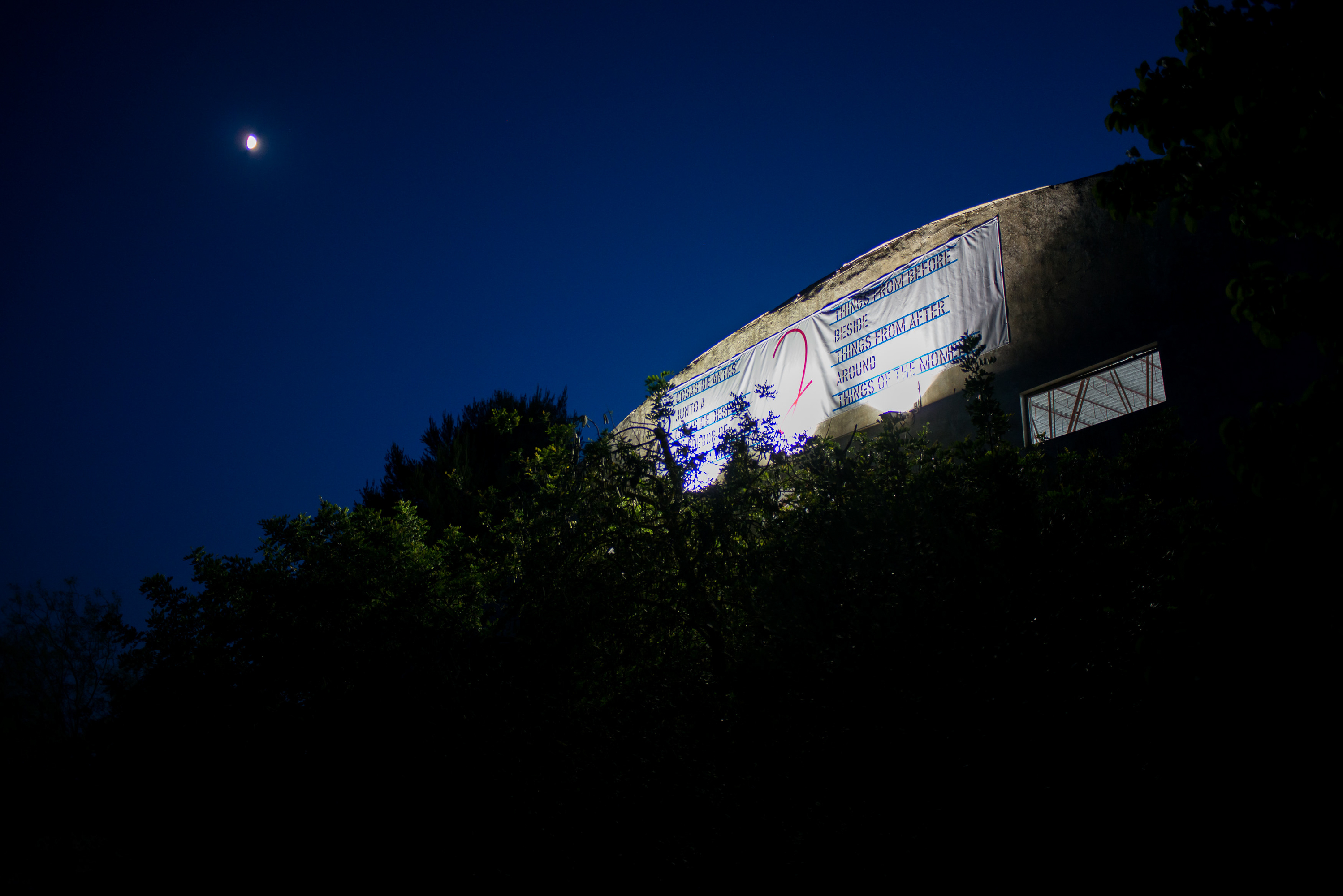
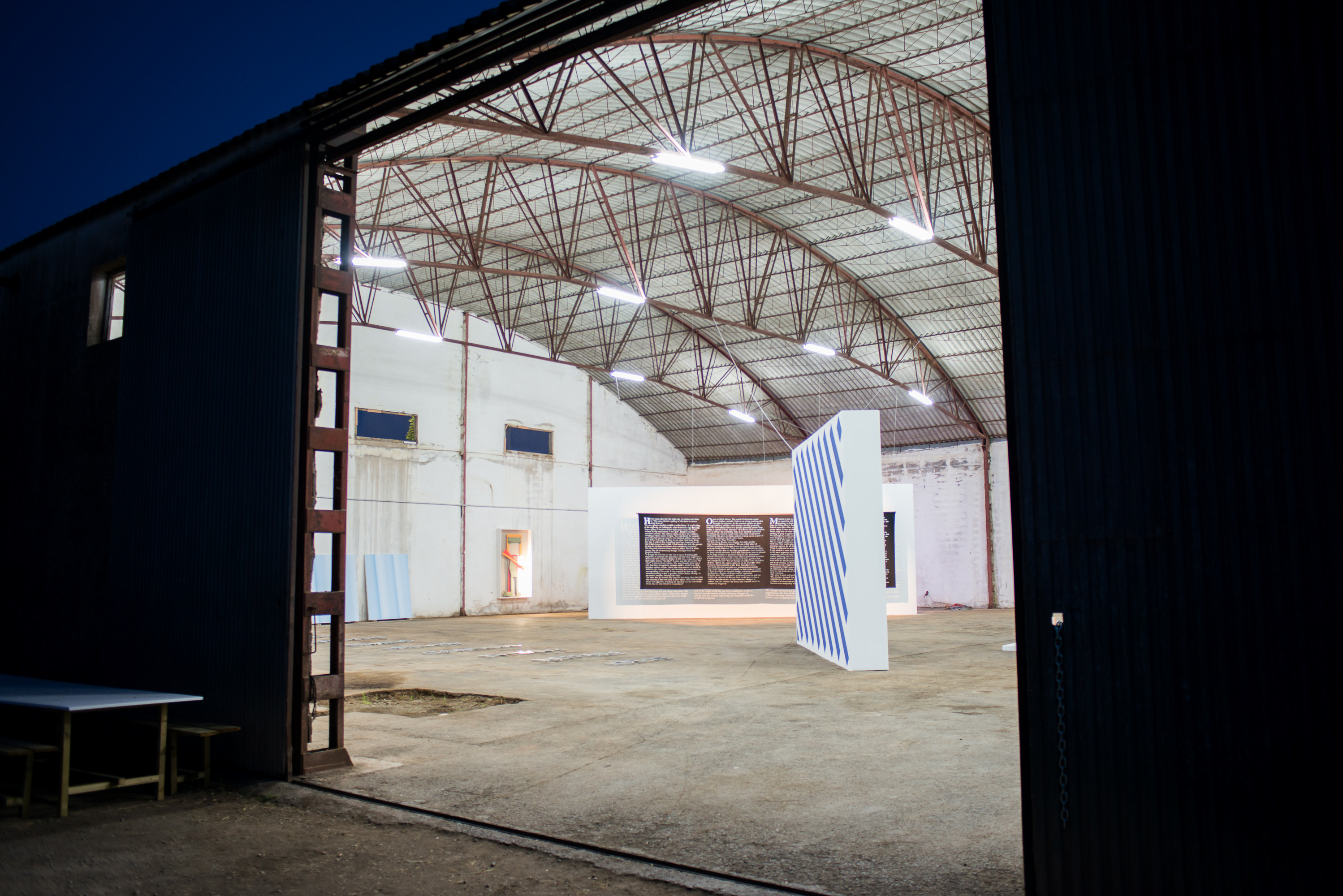
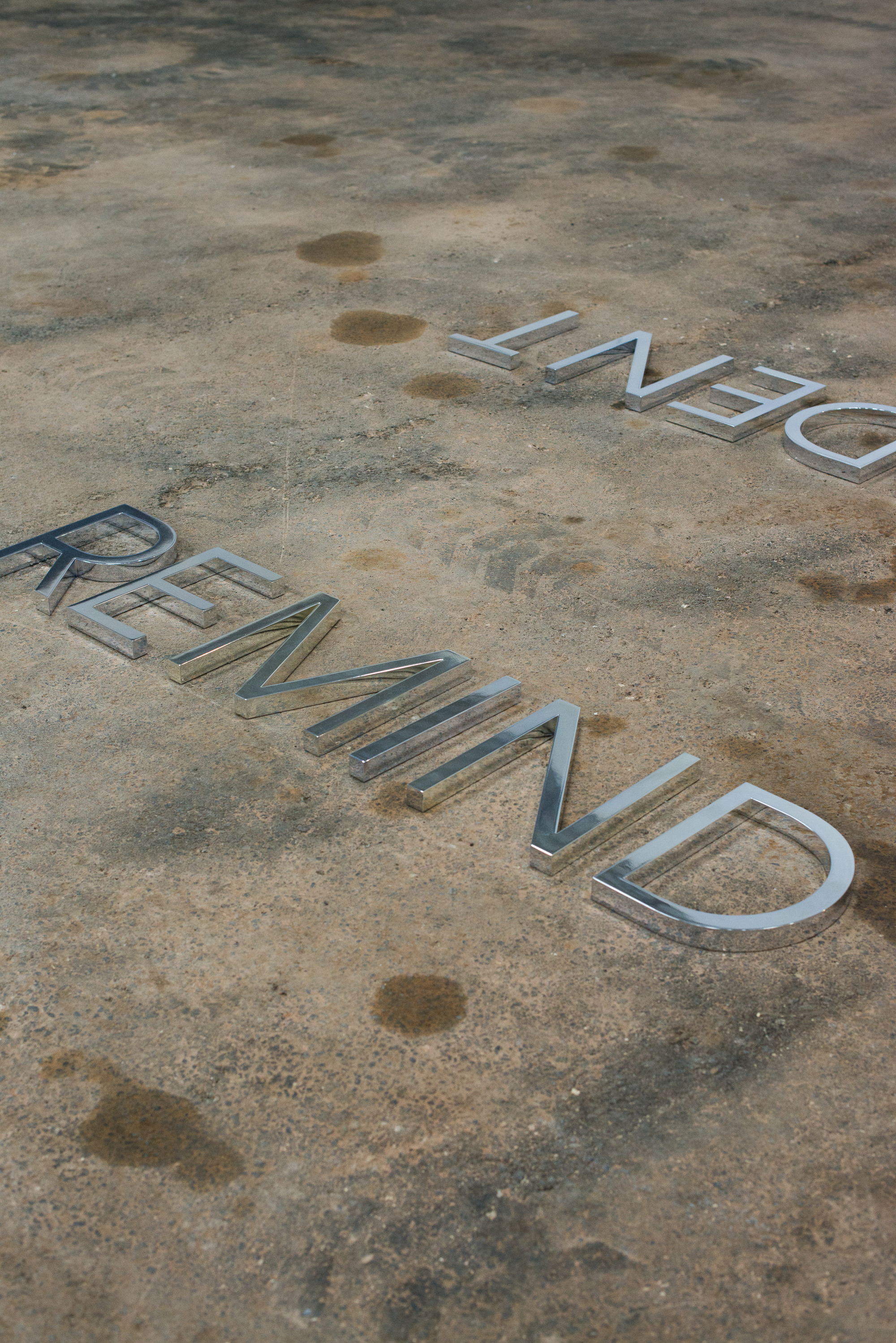
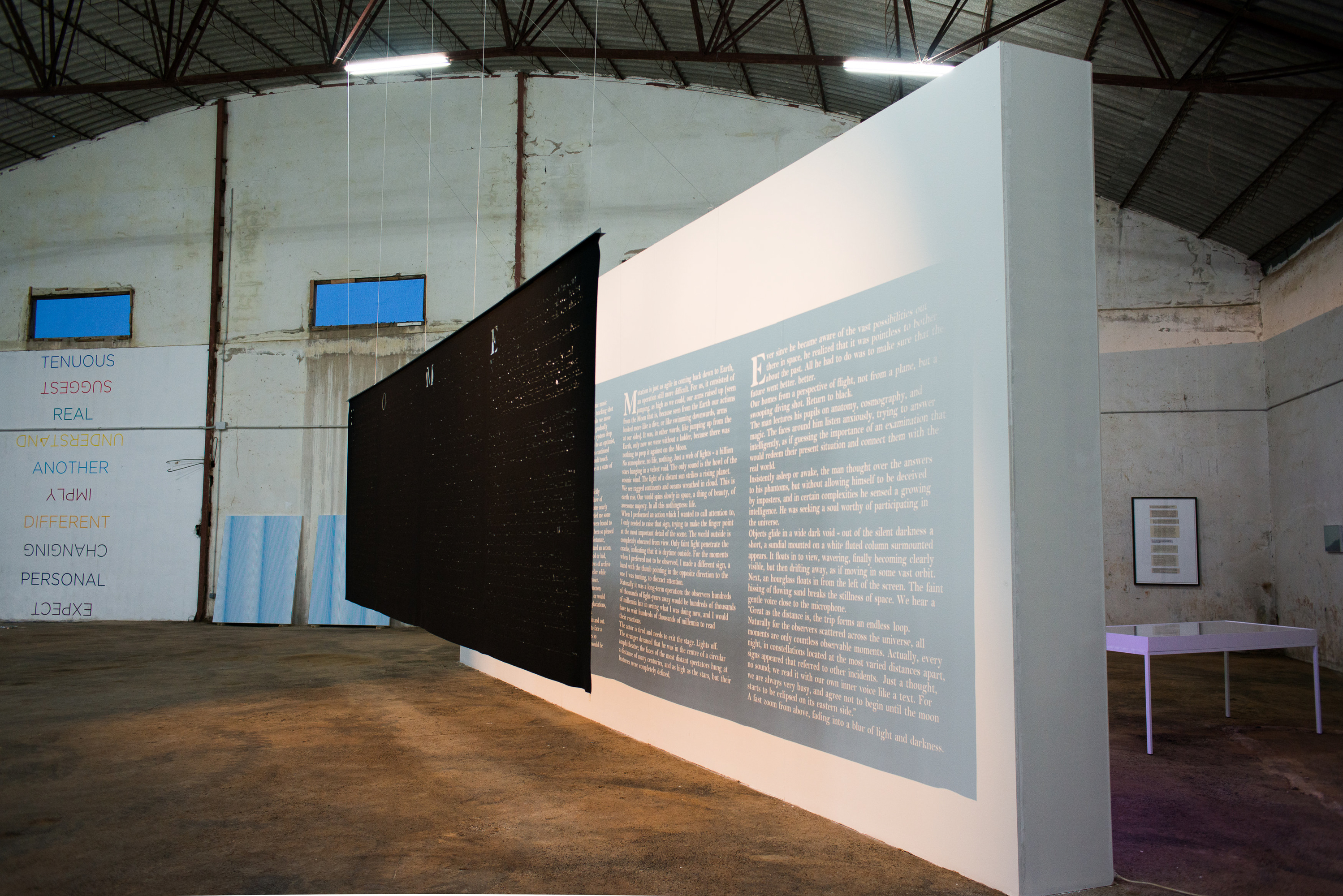
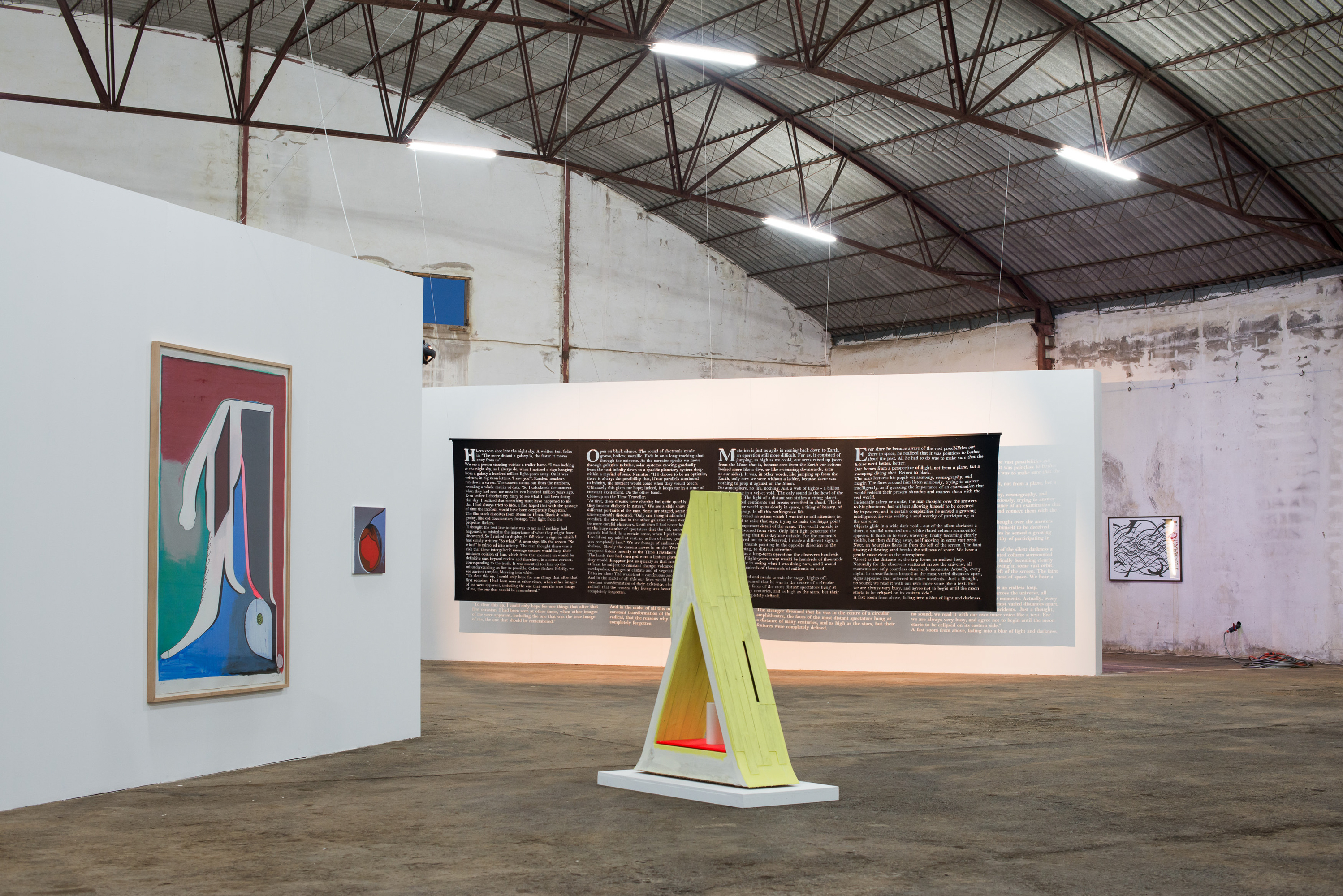
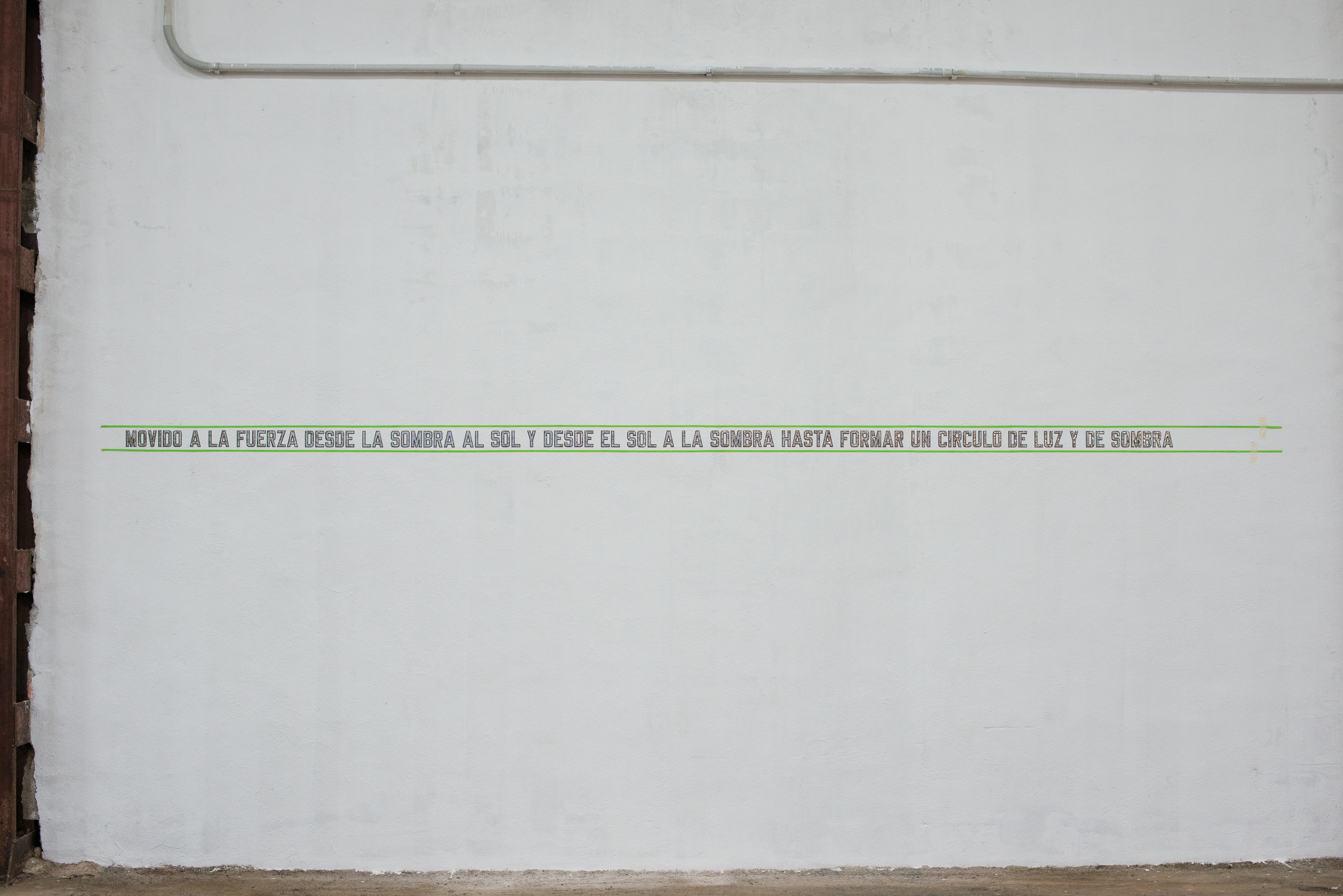
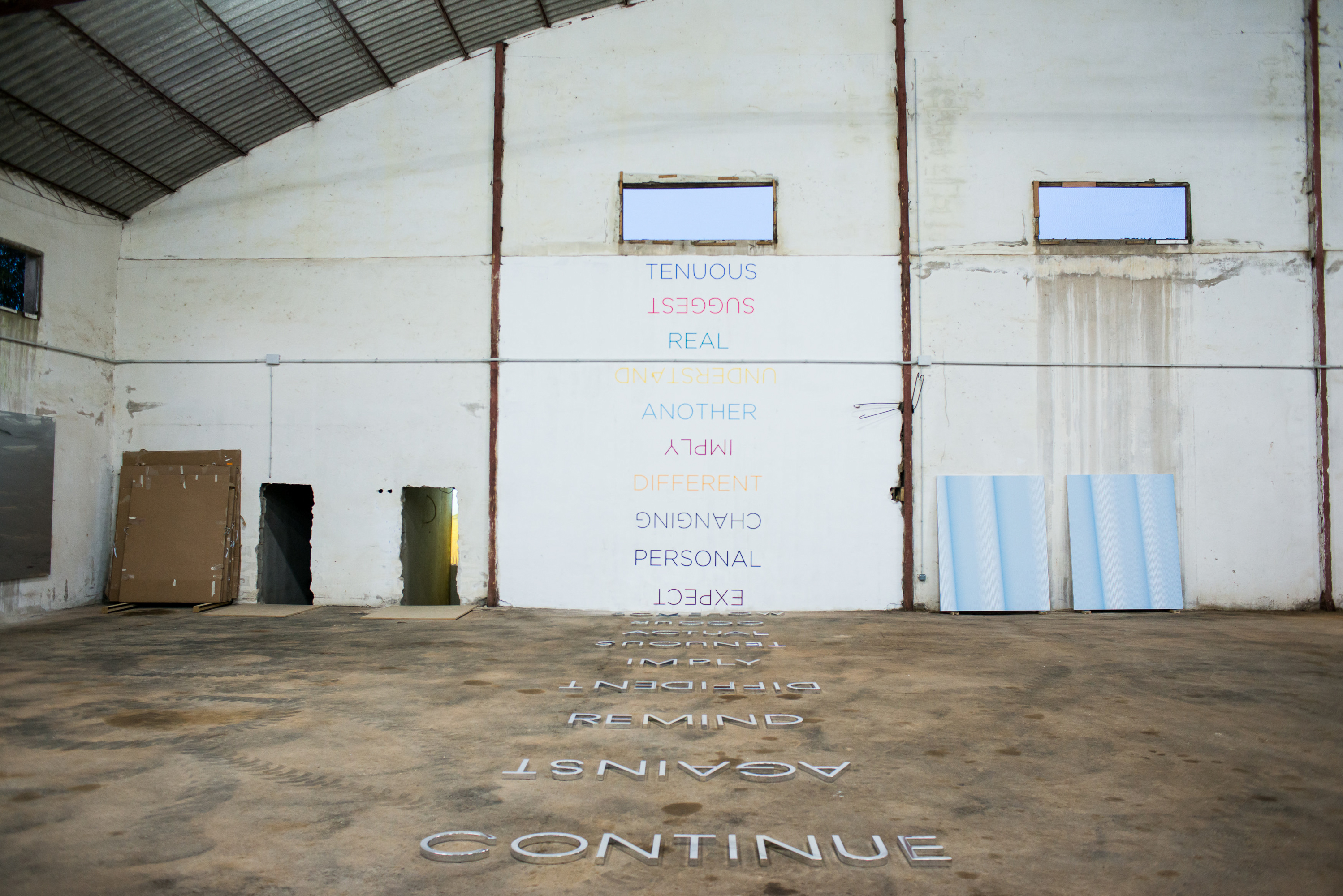
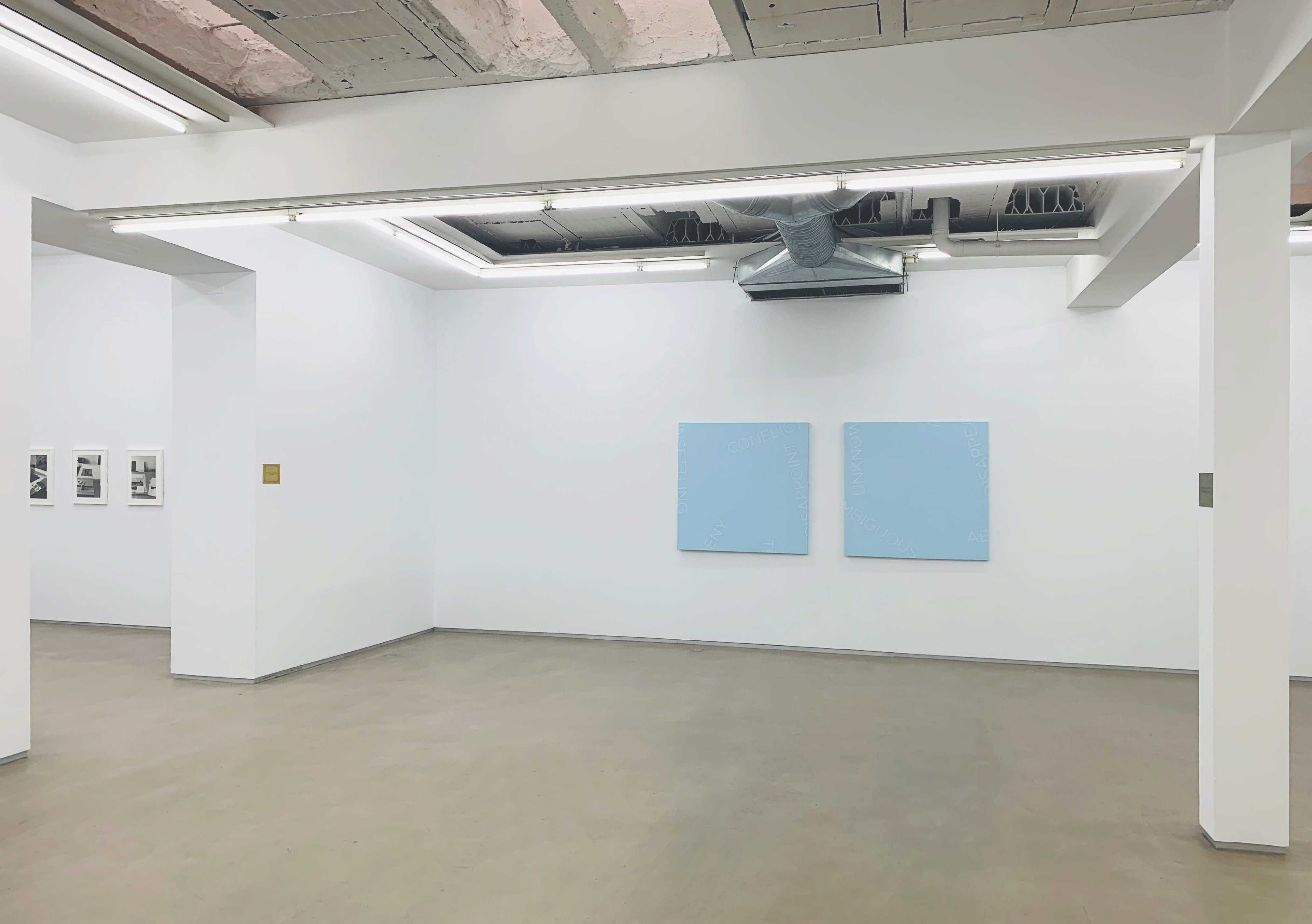
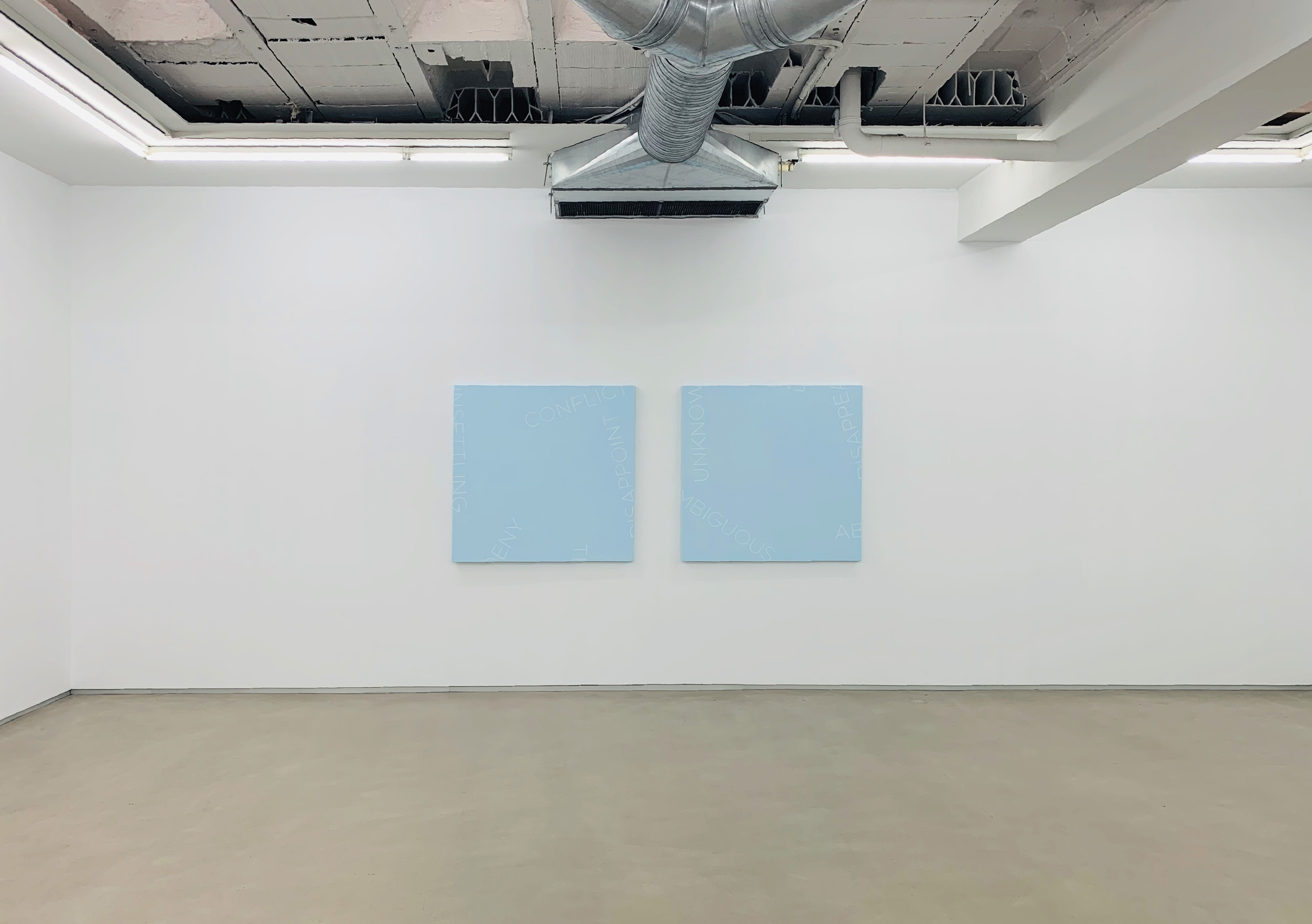
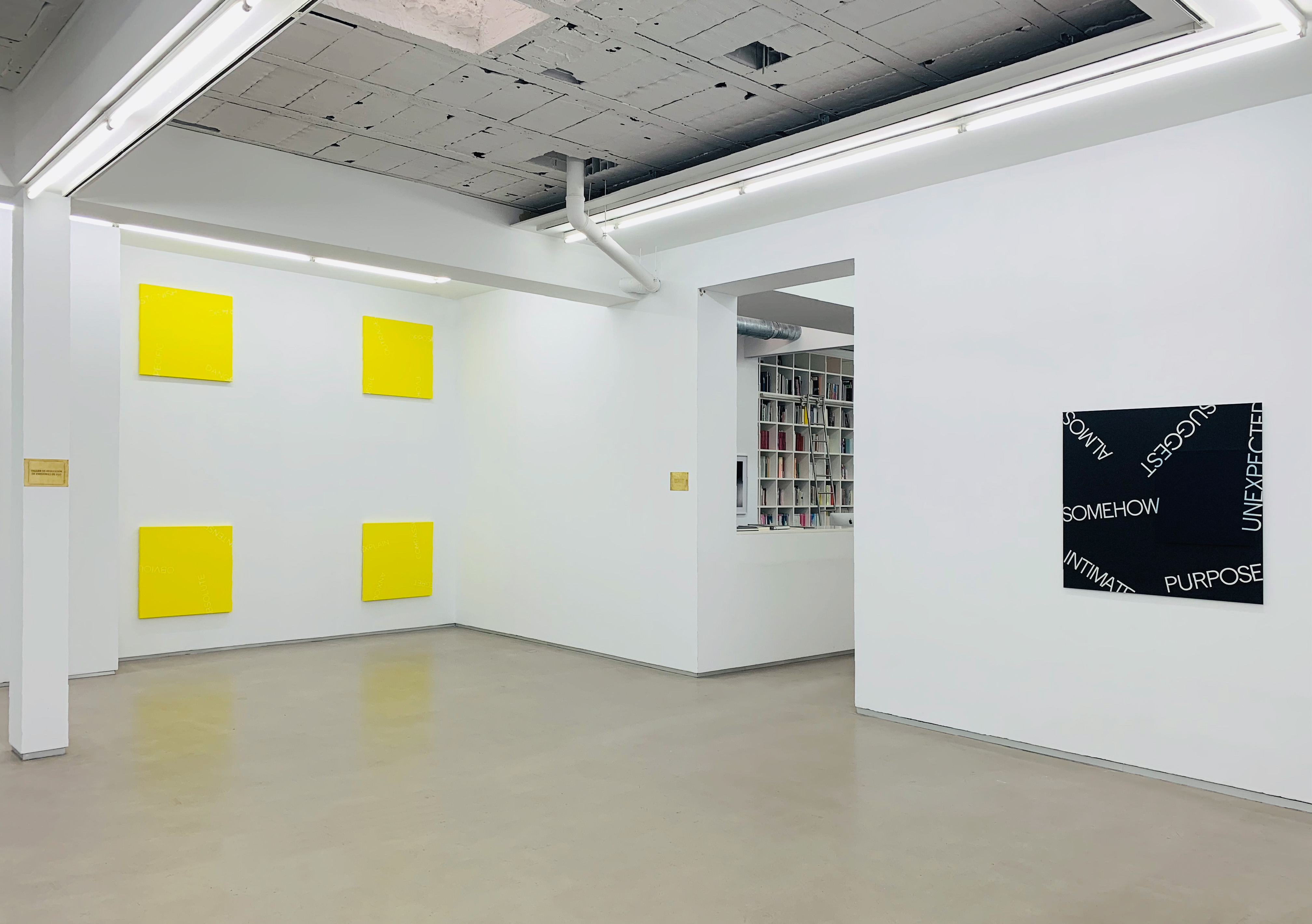
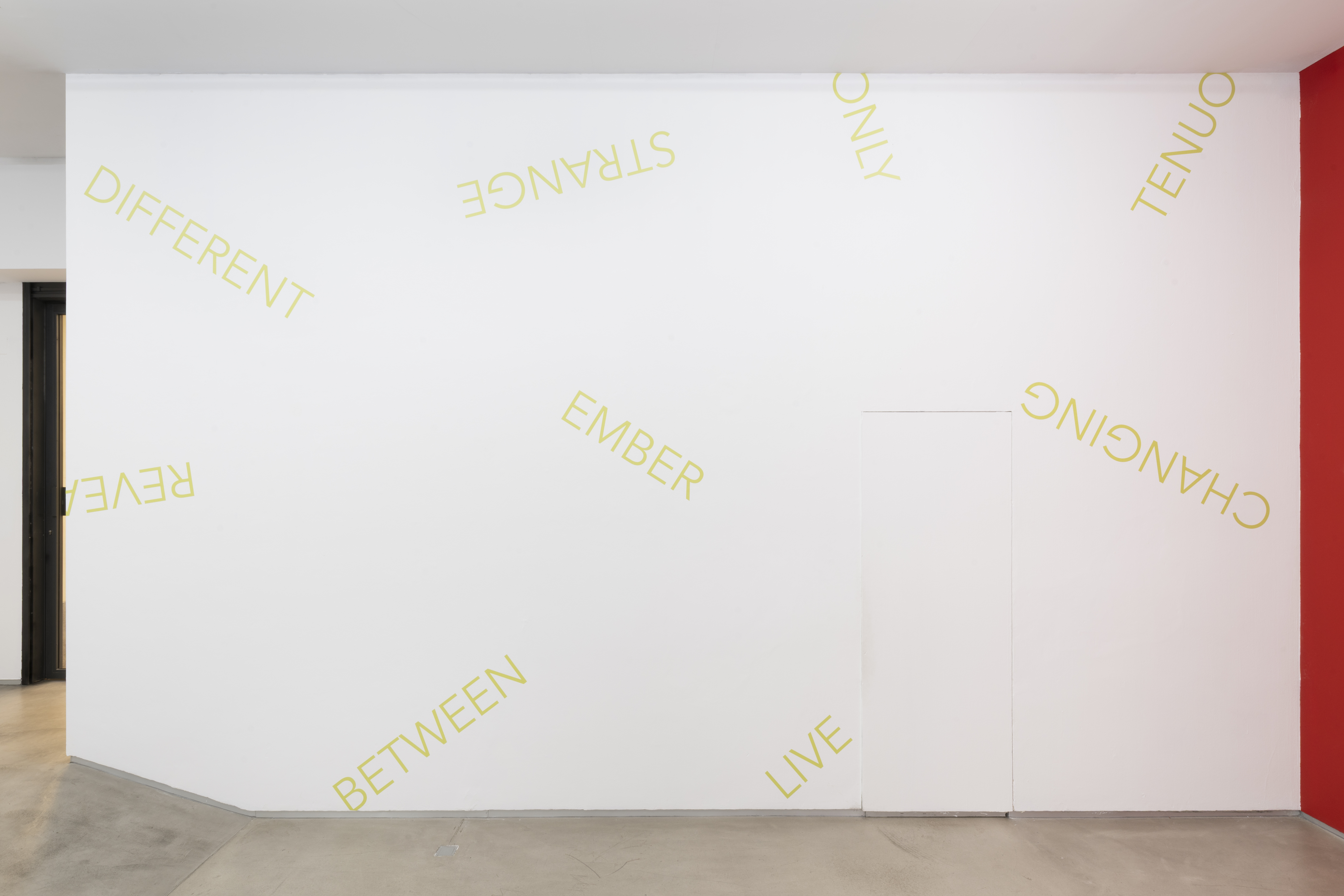

If Walls Could Talk… is the first retrospective of the artist focusing on his prolific mural works. For this occassion, the artist has revisited some of his most significant historical wall installations, engaging in dialogue with the space of our gallery and coinciding with the tenth anniversary of our collaboration with him.
We’ve written several biographies about Robert Barry (New York, 1936) over the past 10 years in our more than six exhibitions with him. This time, we want to recall the words of Leo Castelli, one of the first art voices that recognize the importance of his work:
“I consider him one of the most important young artists. Barry was one of the first artists to work in the style that would later be called ‘conceptual art’. In addition to having several solo exhibitions, he has been included in major conceptual art exhibitions in the U.S. and Europe. Barry expresses his ideas through printed language: books, catalogs, magazines, etc. […] His art resembles literature but only superficially; what truly characterizes it is a decided shift in the sensory proposition. His Slide Piedes, for example, use ideas of transition, light, environment, time, etc., in addition to the language itself.”
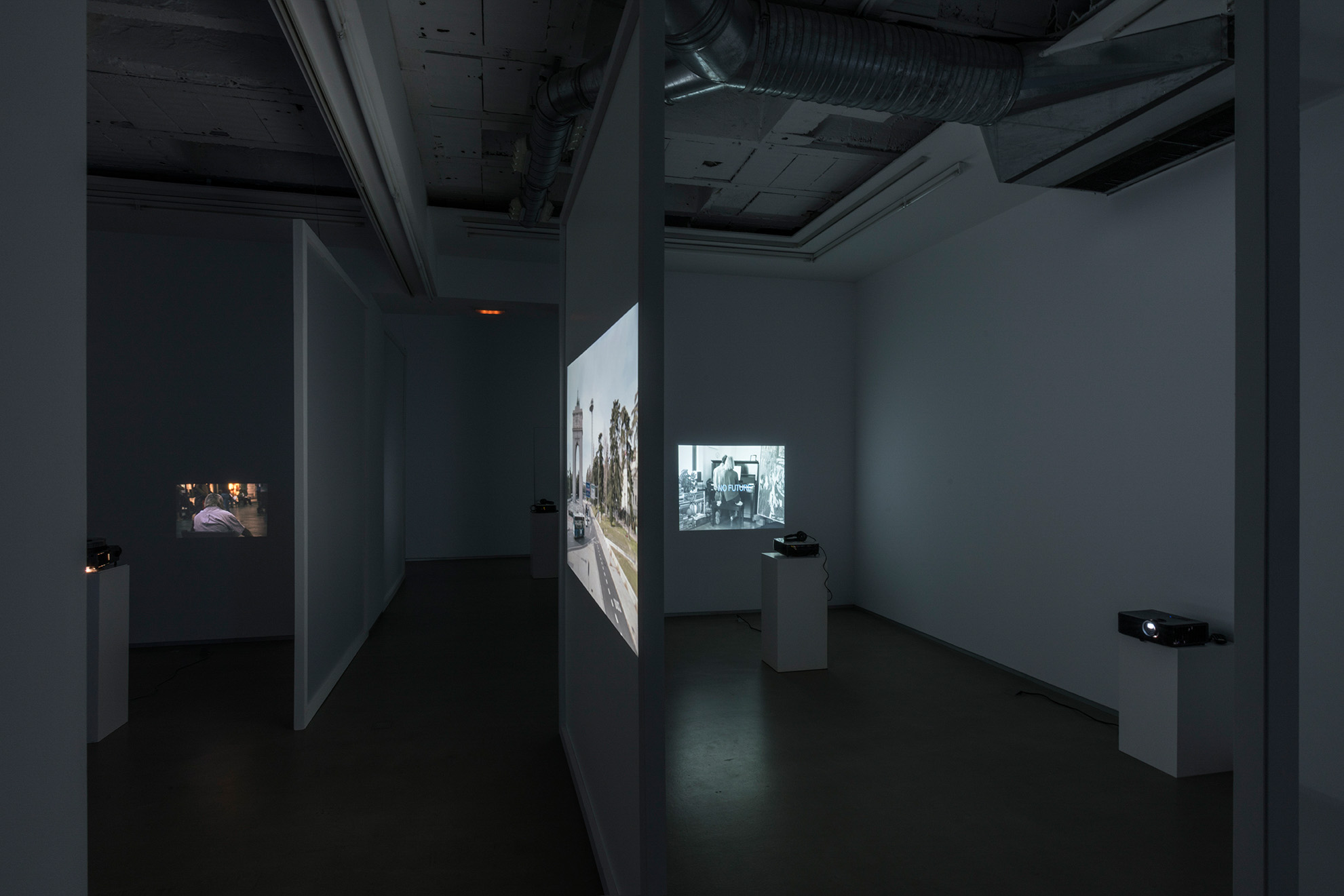
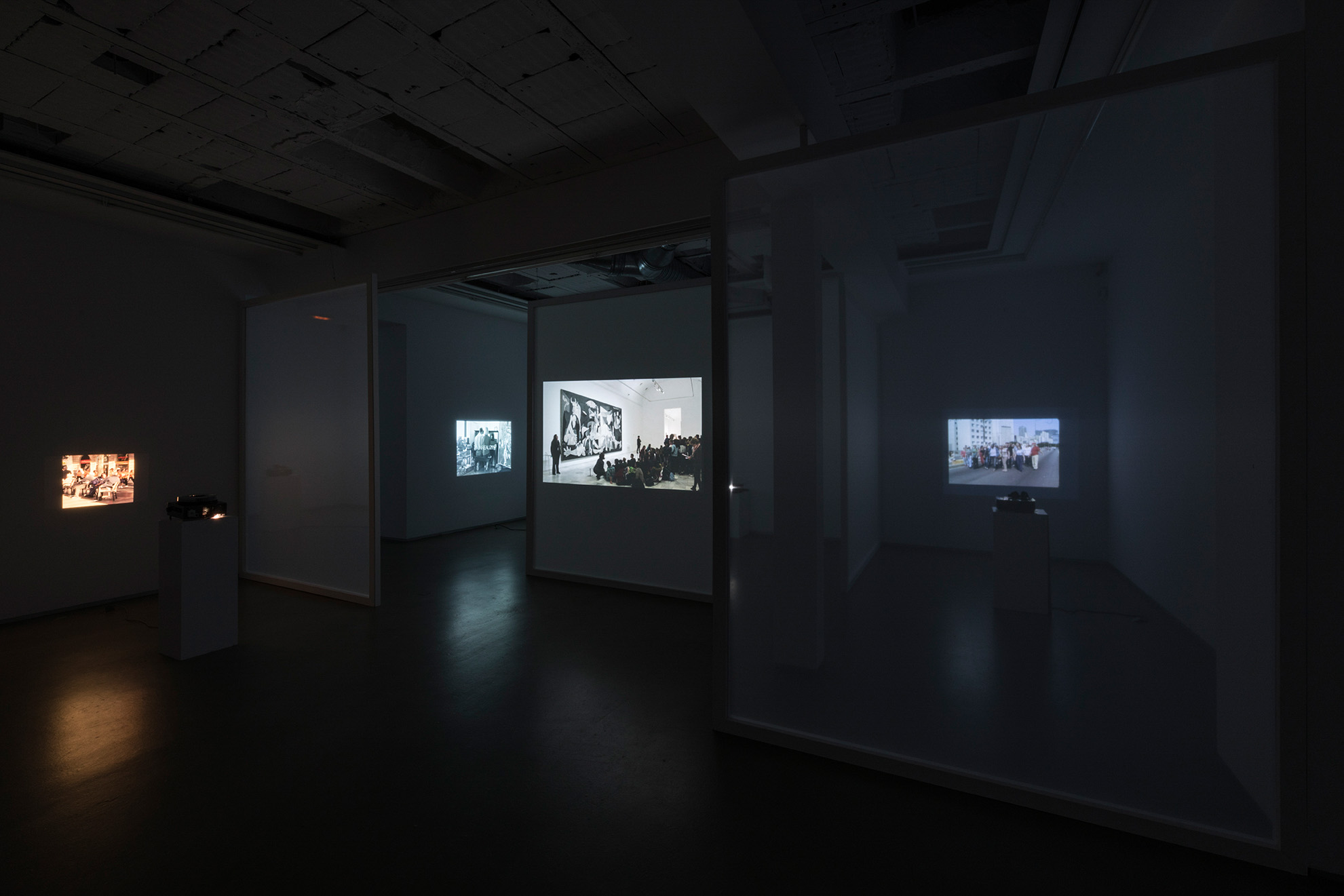
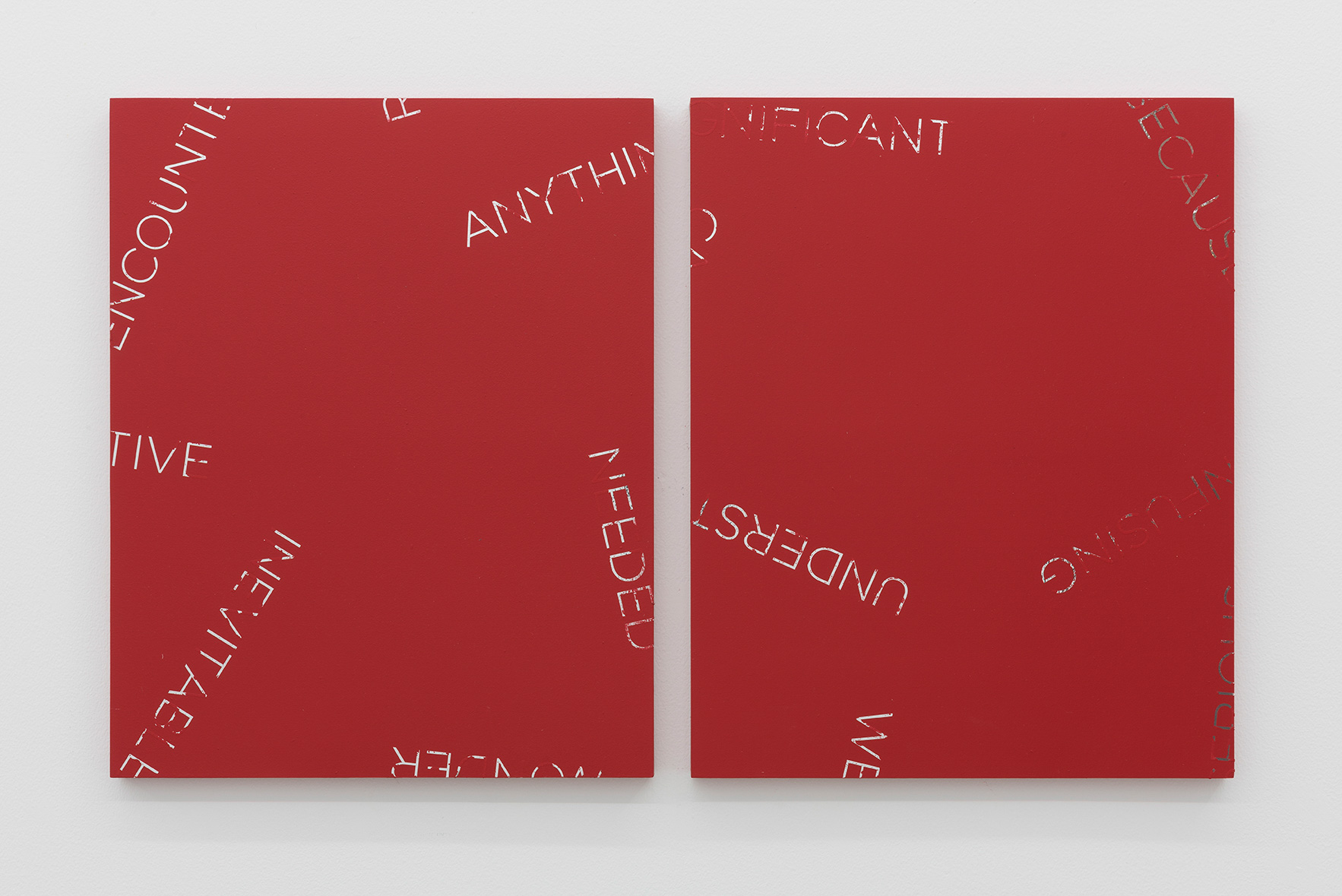
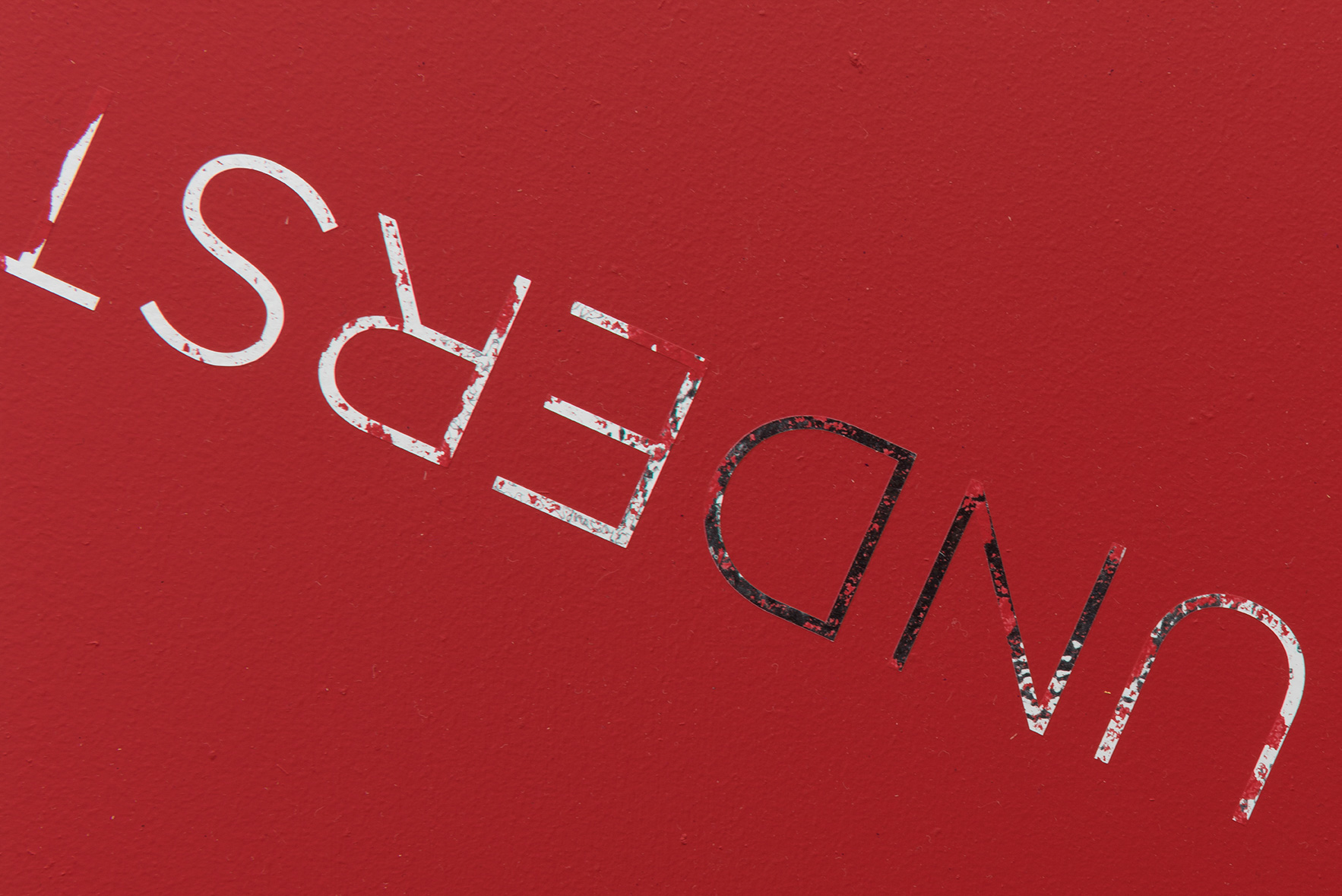
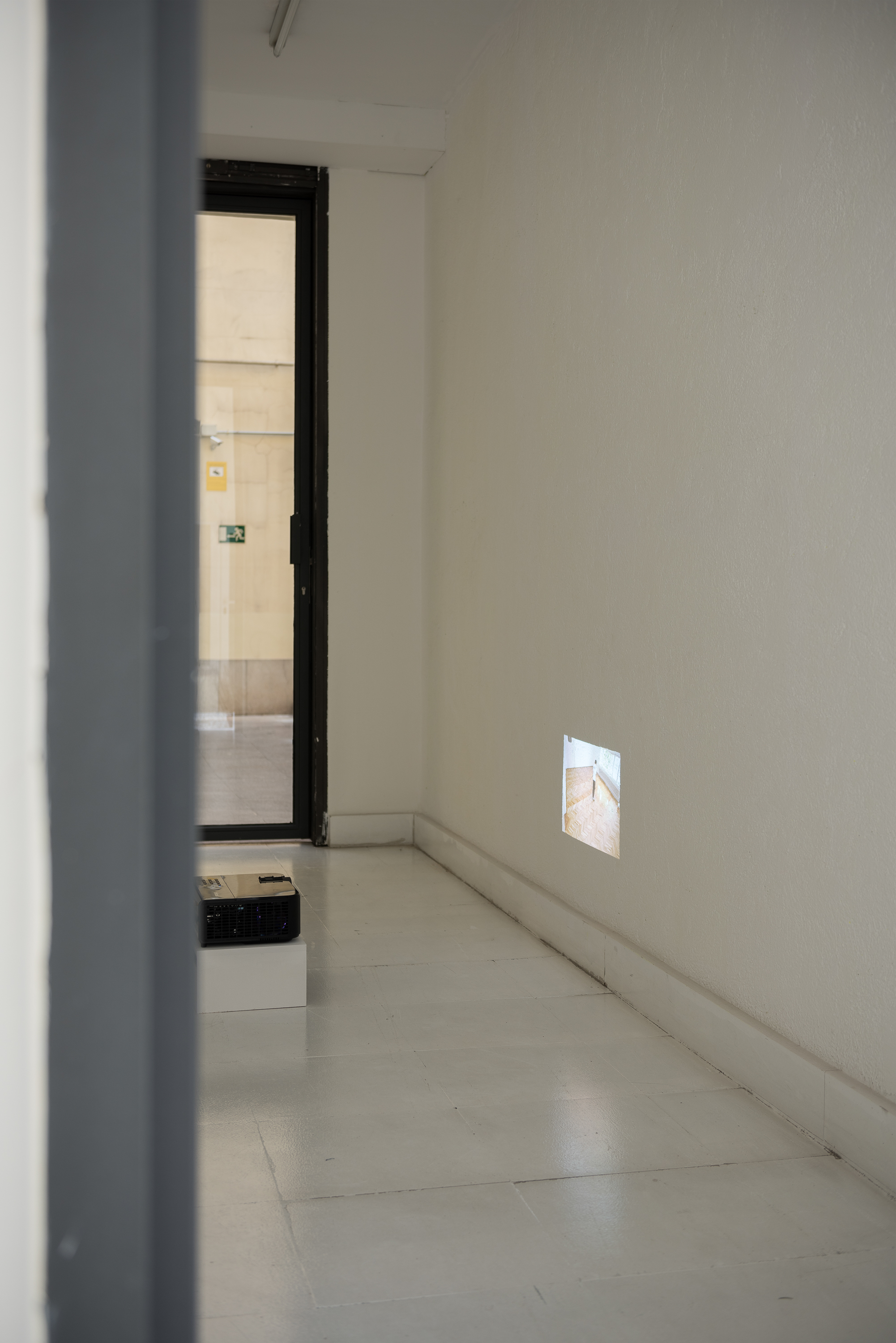
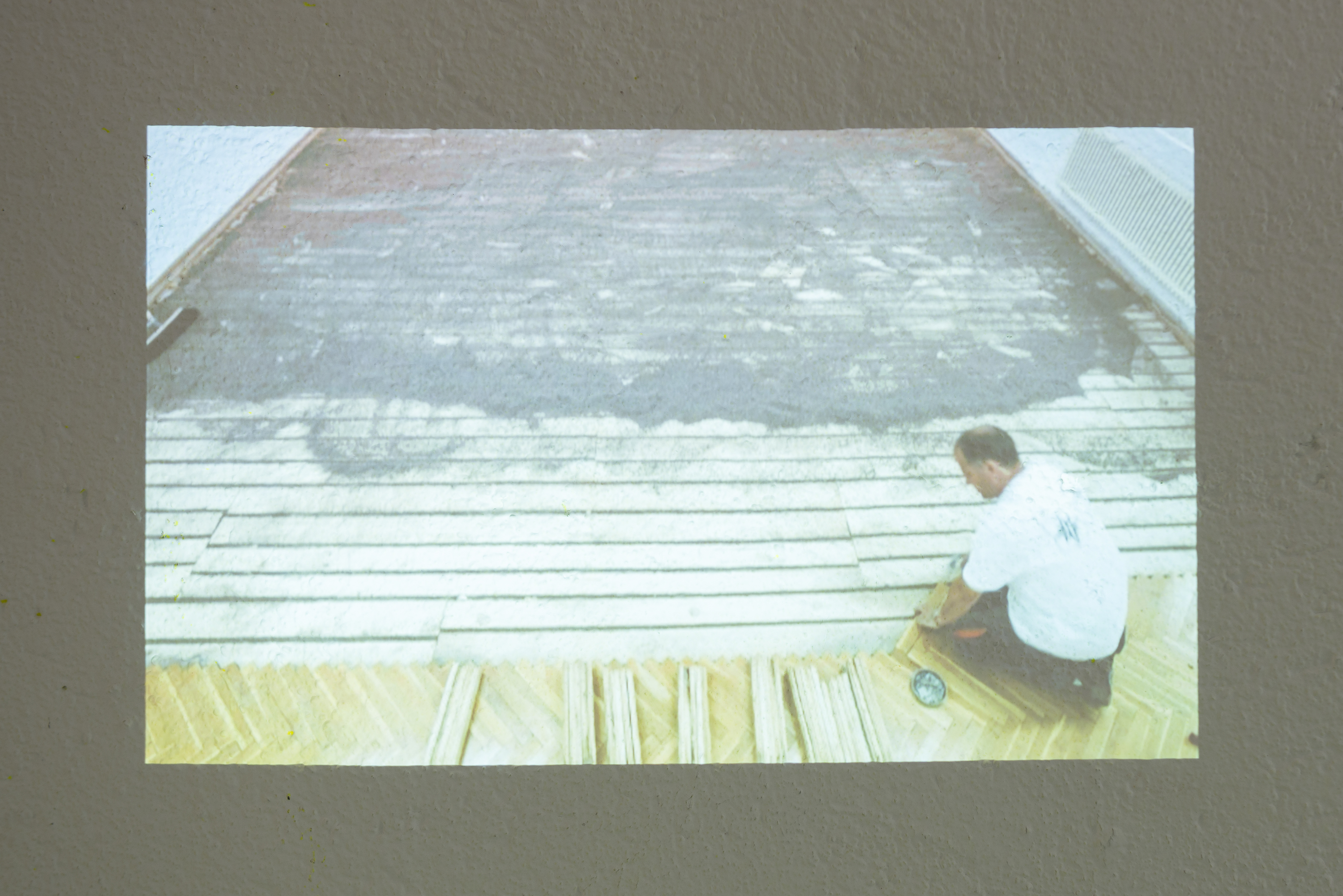
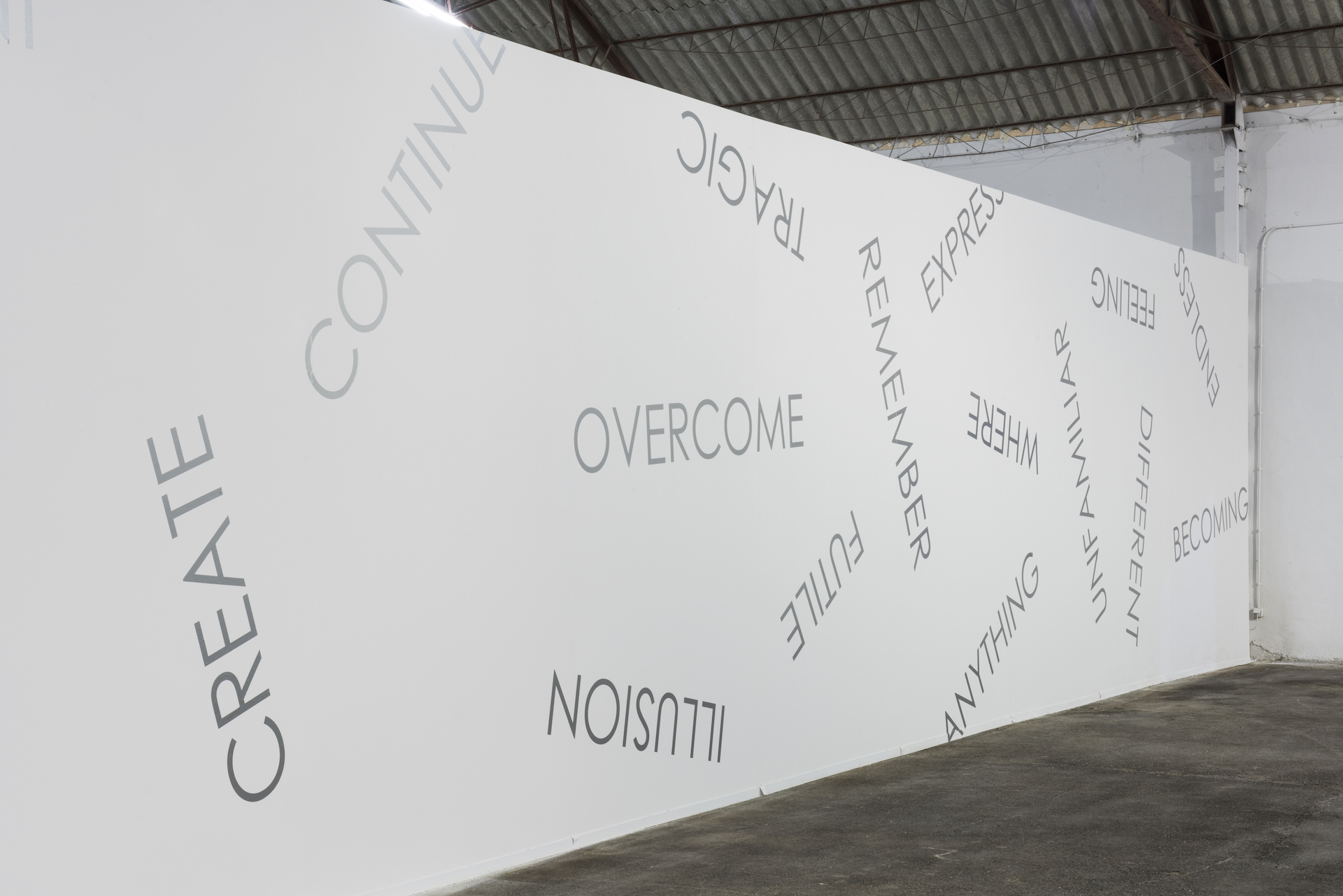
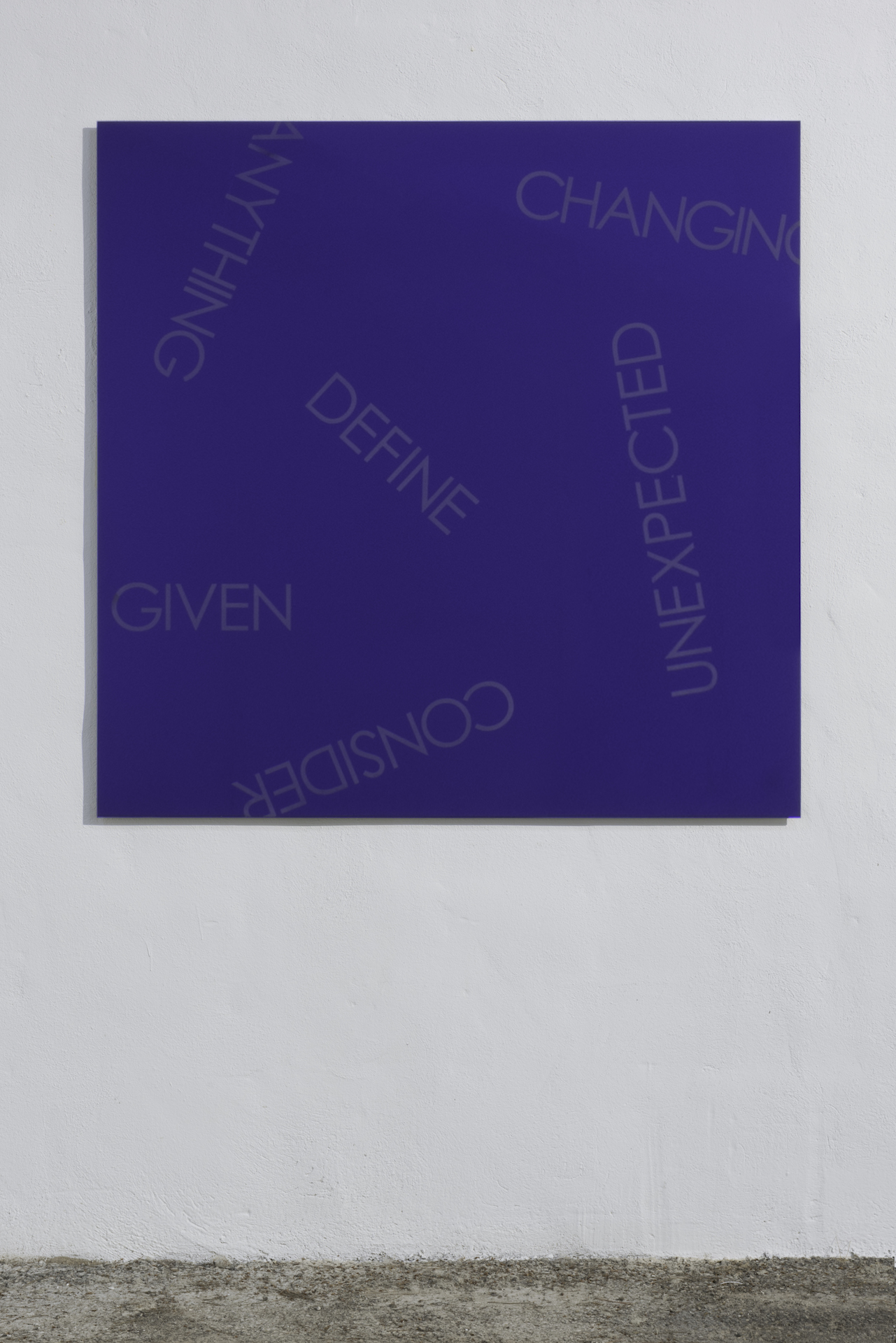
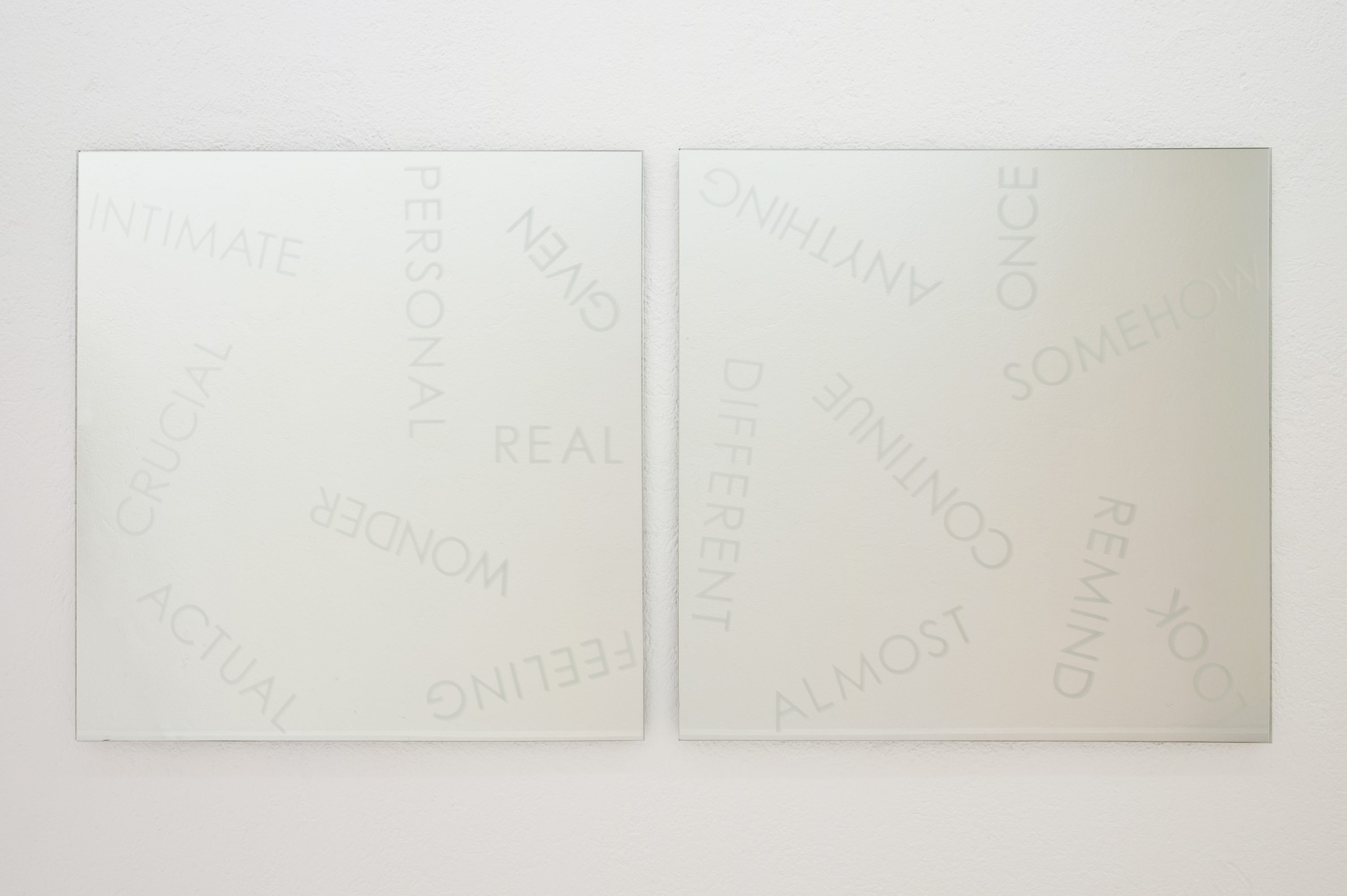
Interestingly, Robert Barry’s first approach to mural work was through his Slide Pieces, which consisted of a series of projections onto the wall. In 1972, at the Leo Castelli Gallery, the artist first presented this series, projecting a word onto each one of the walls in the room. In a way, Barry already sensed that his work, in addition to being conceptual, was closely linked to space, architecgurte, and how the bodies entering those spaces would interact and engage with his proposal. In these early interventions, there seemed to be a certain respect for directly intervening on the wall, for, let’s say, creating something material, tangible. But soon after, Barry began to work directly on the wall, initially with non-permanent materials, drawing the words with pencil or chalk, then with acrylic paint, and eventually, as production methods advanced, with cut vinyl, mirrored surfaces, etc. He referred to these early pencil works as Wall Drawings, and at that time, he ould intervene on the wall. Over the years, he would later refer to all these wall interventions as Wall Pieces.
Two years after those first projections, in 1974, Barry includes the shape of a tree, also projected onto the wall, in one of his exhibitions. The inclusion of such a figurative element is very unusual in his career, but at the same time, it’s a fundamental gesture to understand the importance of the sign within something as complex as language.
He chooses the tree for several reasons: first, because it’s an easily recognizable shape that we all can associate with certain specific meanings only looking at that shape. Secondly, it’s also intimately linked to a research project he carried out in the late 60’s. Robert Barry documented through a series of photographs a kind of documentary journay about the death of Jackson Pollock, a journey that ultimatelly ended at his grave at the foot of a large tree. The tree then takes on successions of connotations in his work (including sign, meaning and symbolism) and becomes a synthesis of what constitutes language.
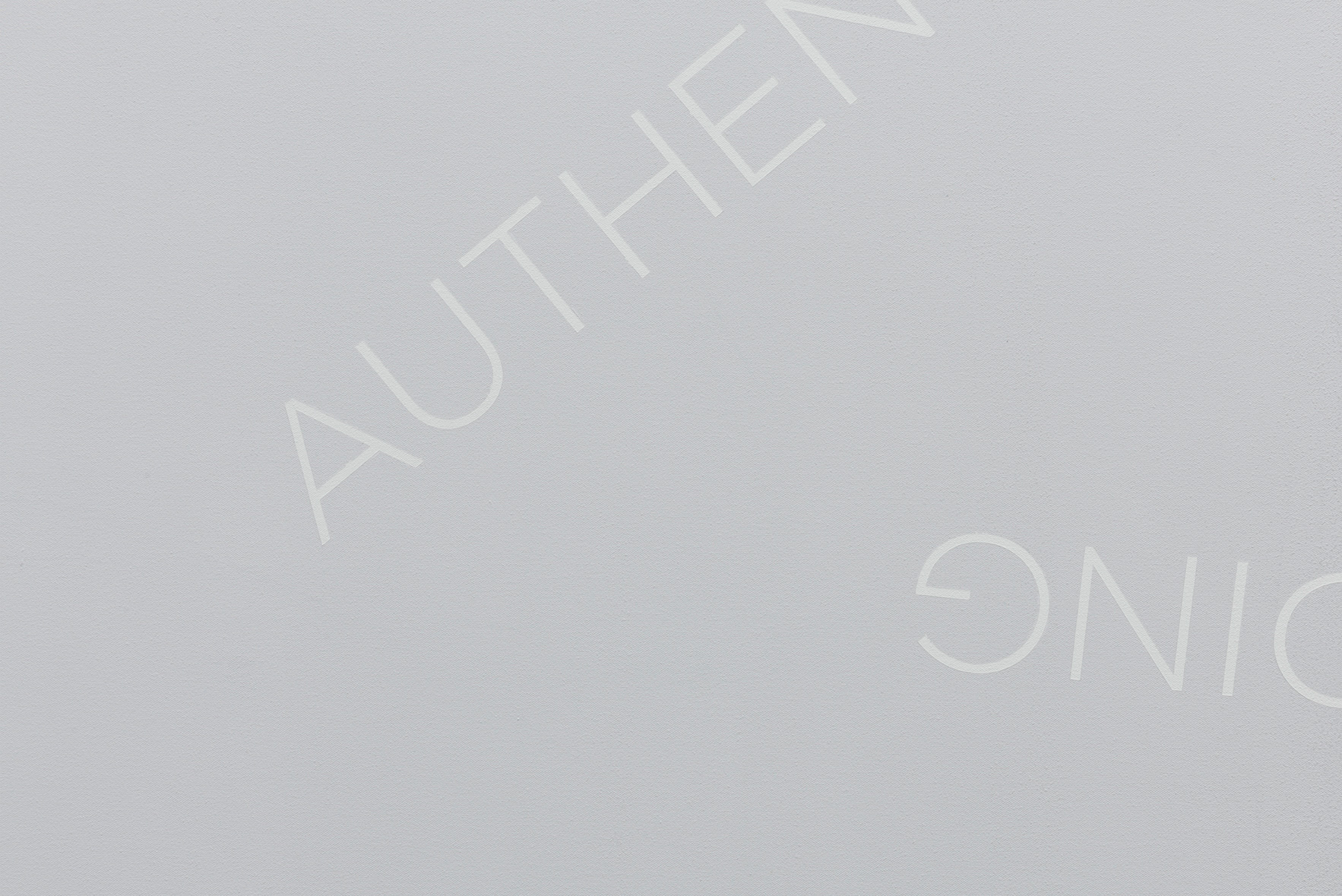
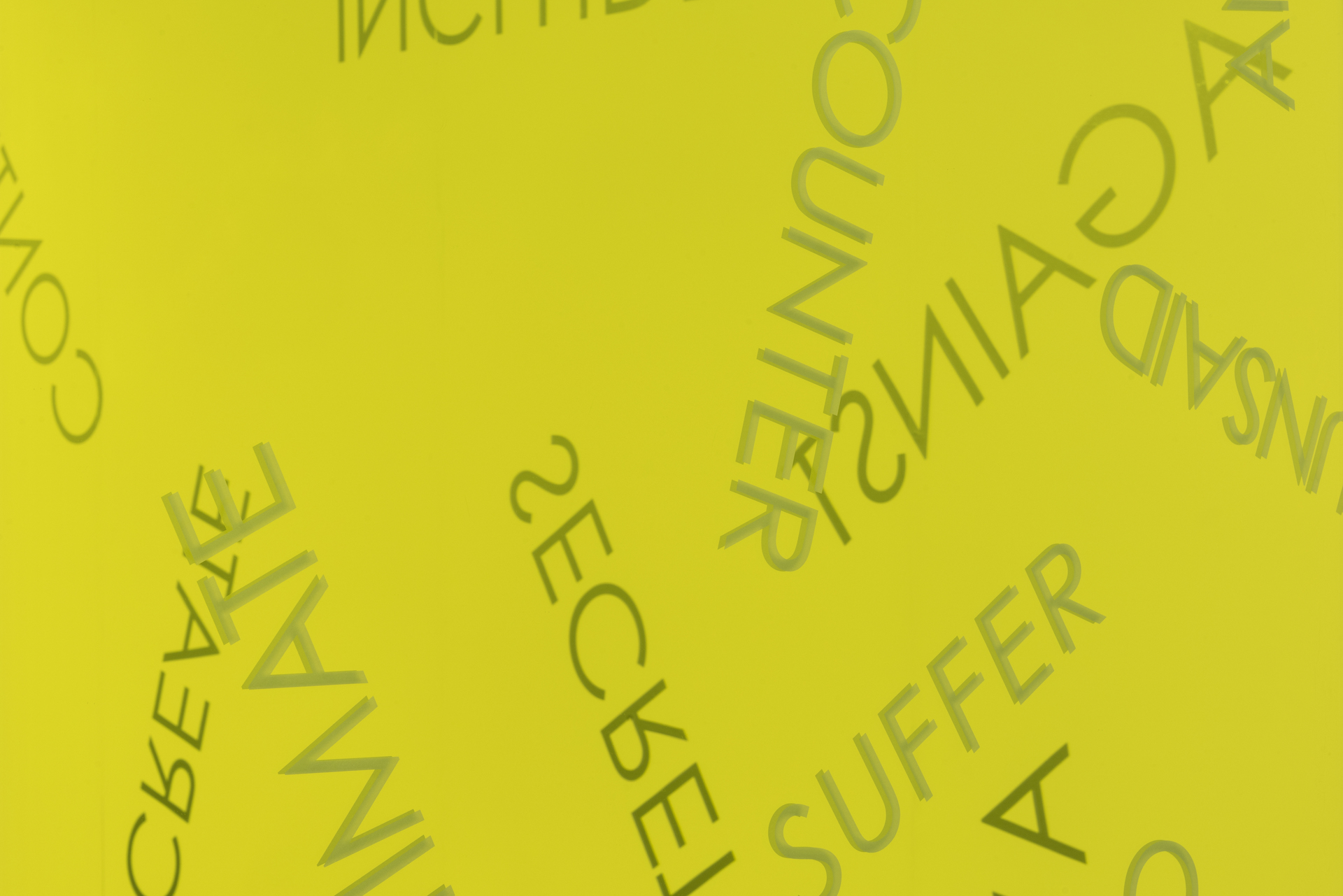
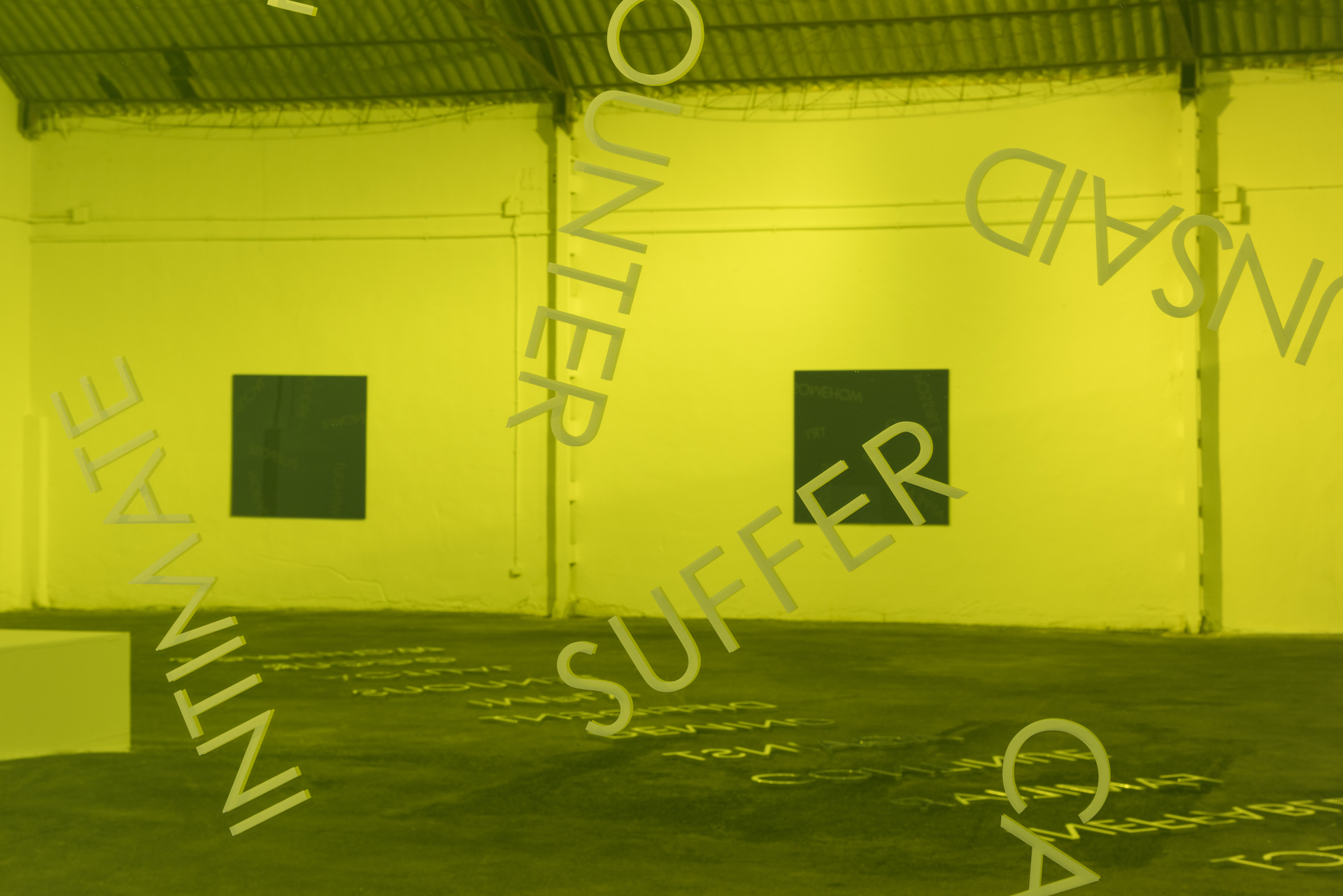
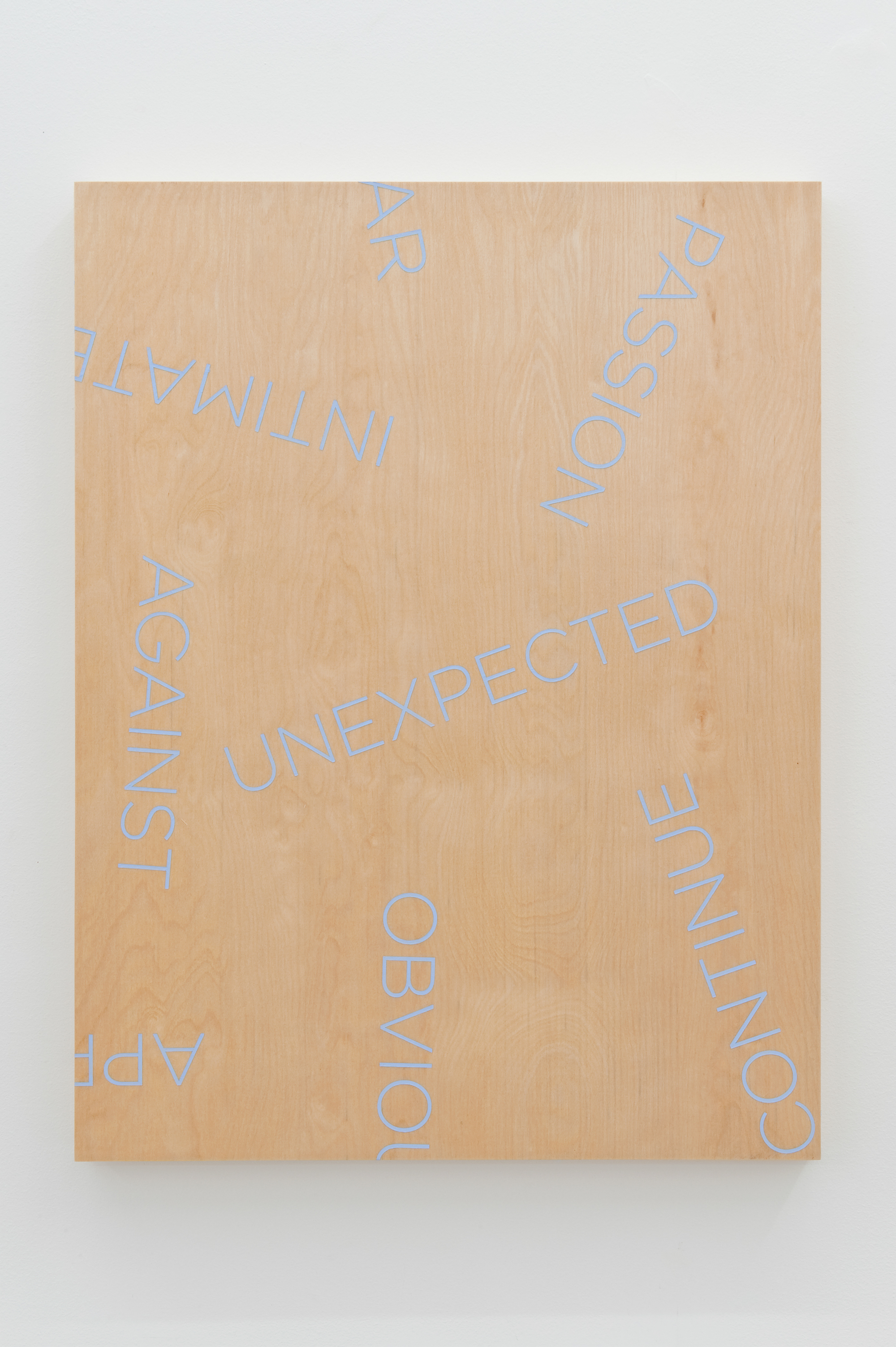
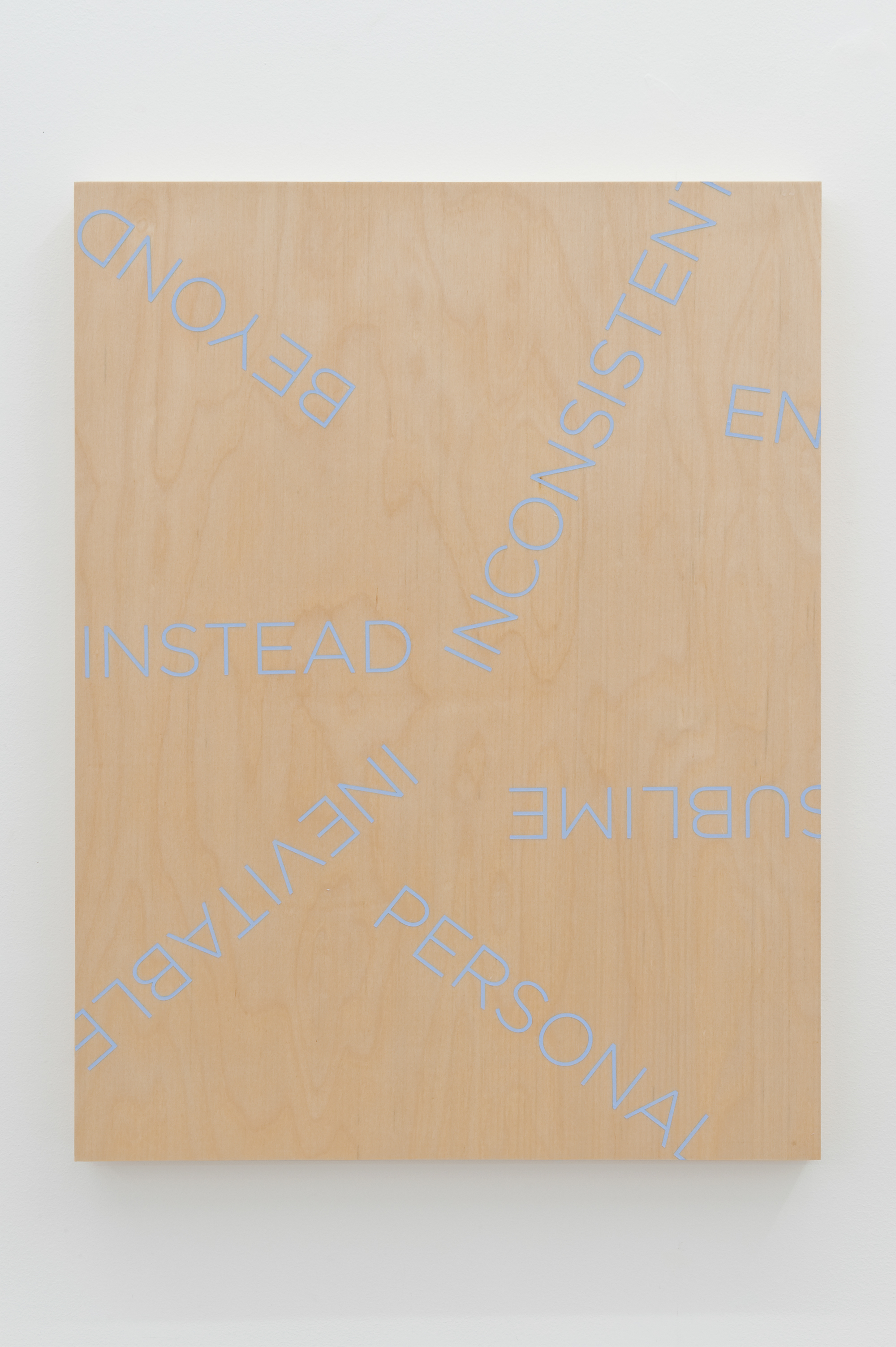
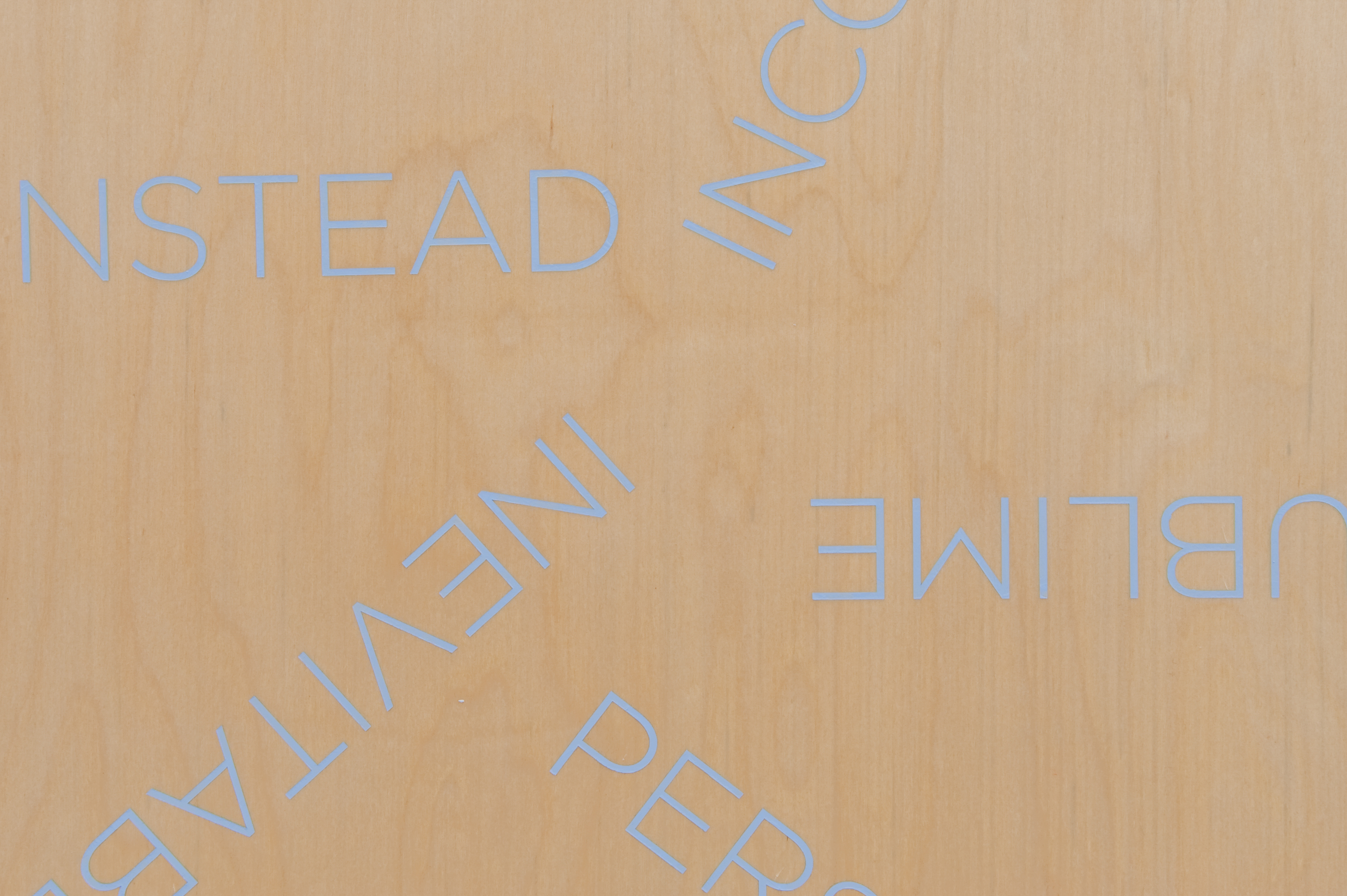
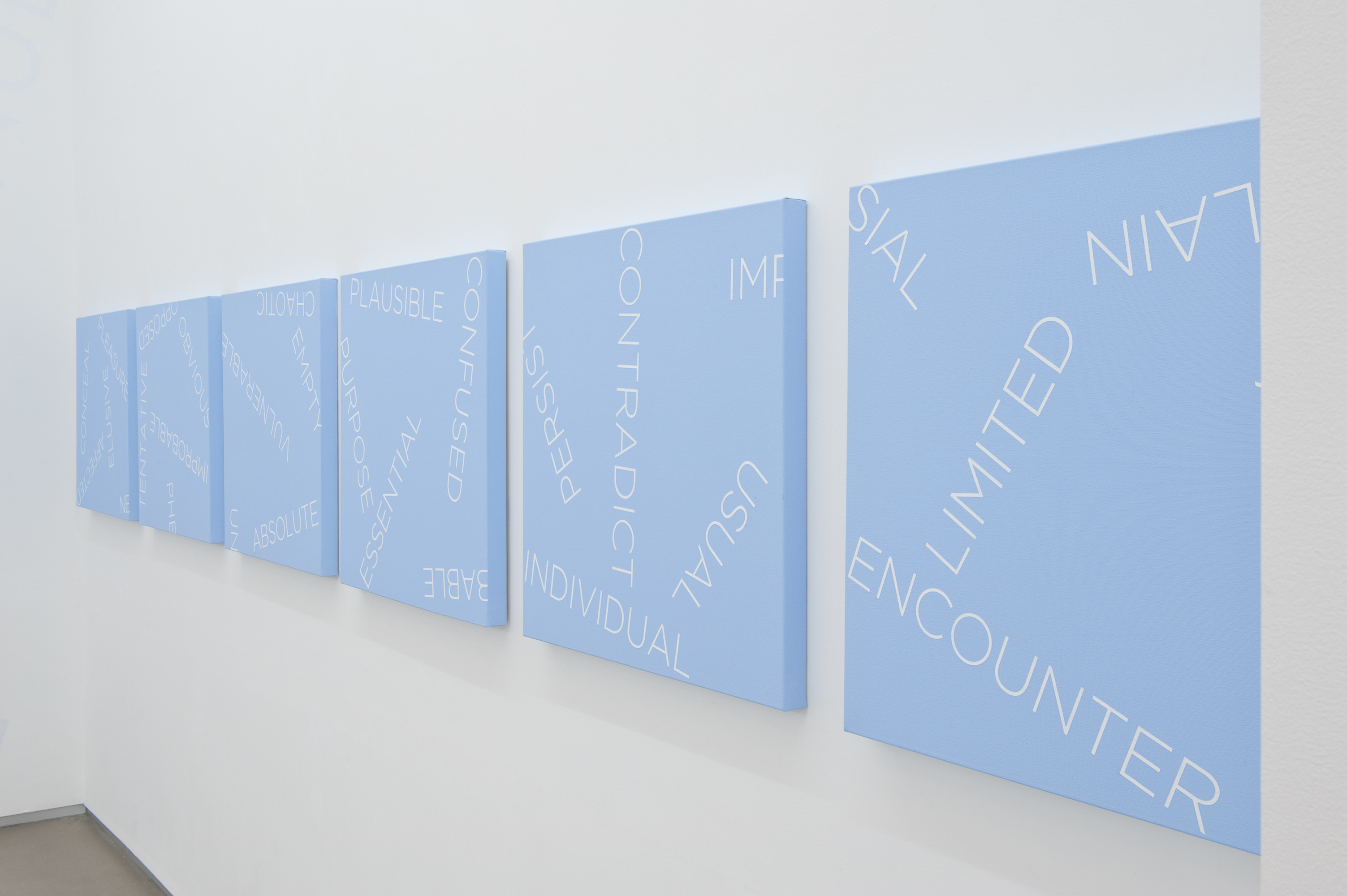
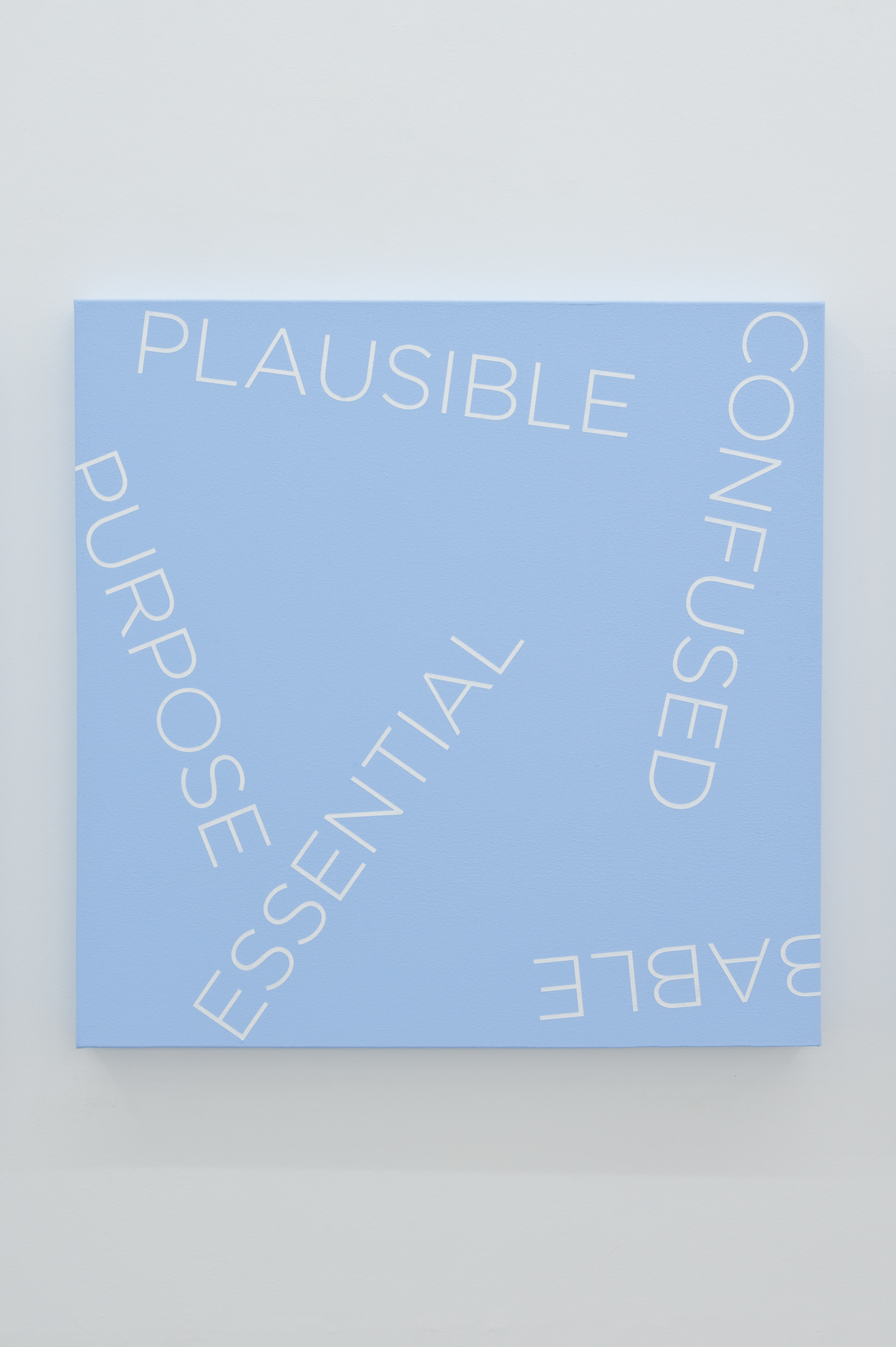
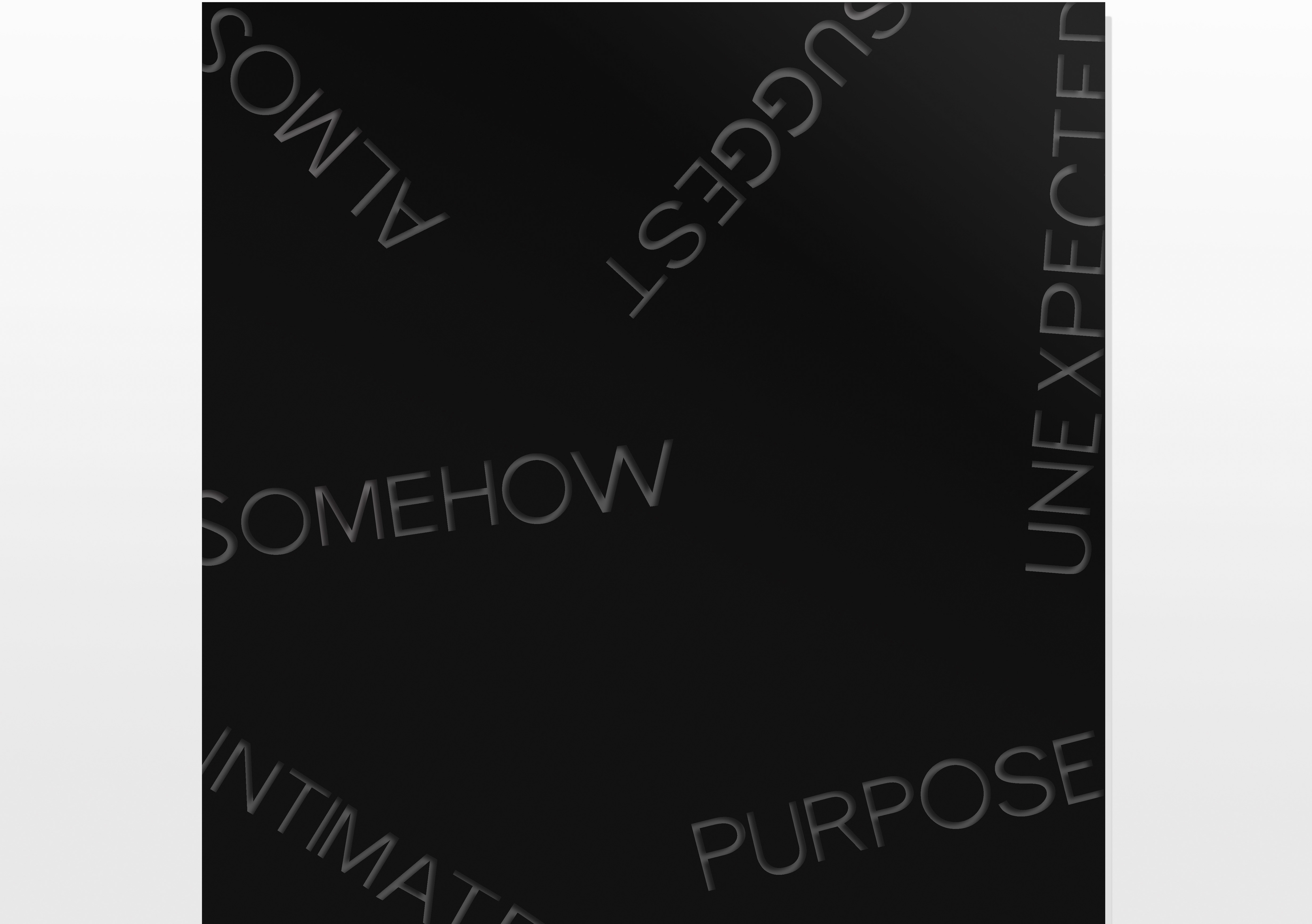
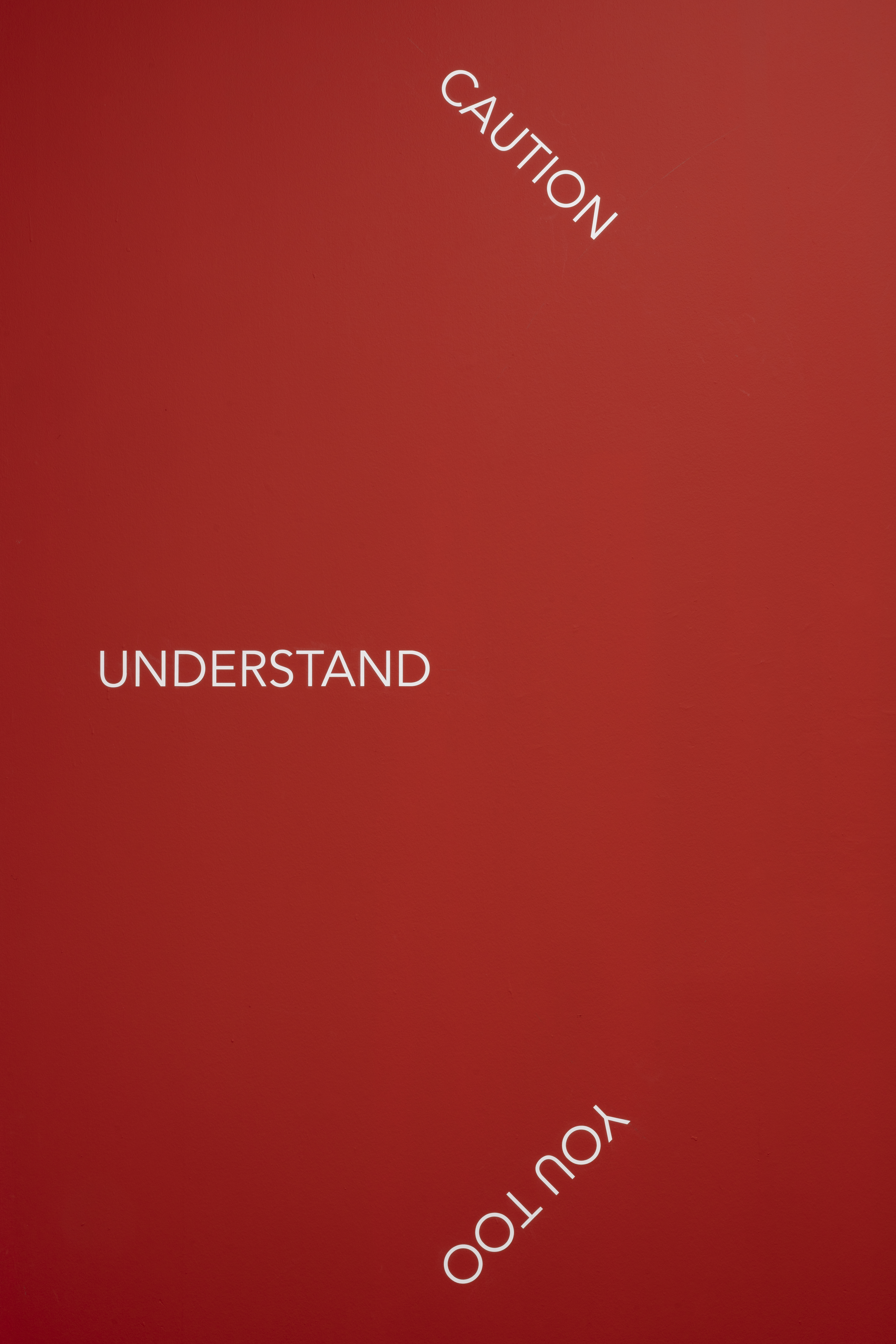
But, even in that beautiful exception, Barry’s work doesn’t aim to play with an specific meaning, but rather to understand or try to unravel the complex mechanisms and tensions that language itself generates or develop within it. On more than one occasion, the artist has confessed that he tries to empty words of all their meaning and that, ironically, the only way to achieve this is by highlighting all their potential meanings. One of the works that best demonstrates this idea is Love to (1984). This piece challenges the visito by leaving a statement in the air and encouraging him to complete it.
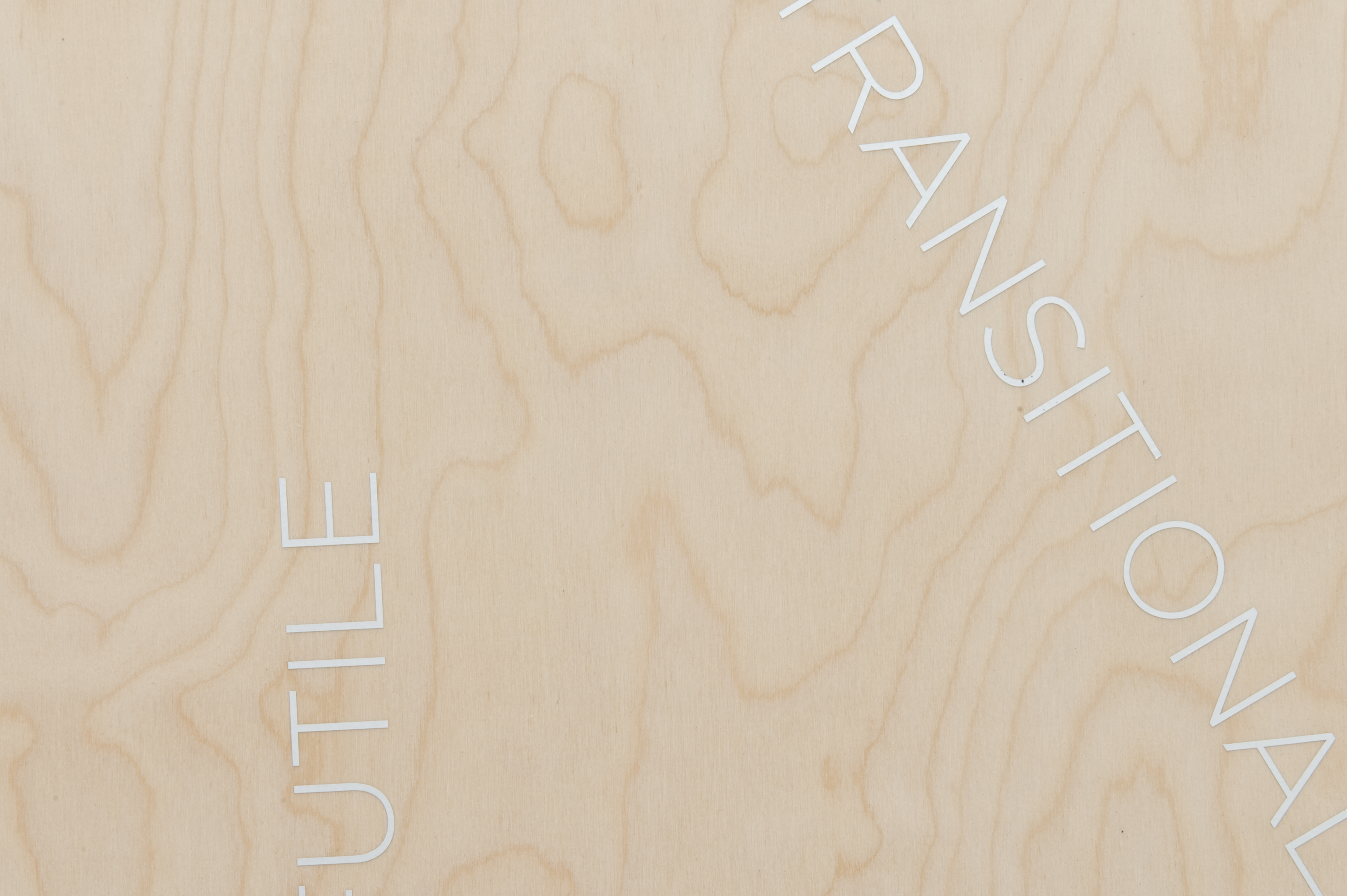
Thus, Barry’s work never pretends to be poetic nor does it define a single possible interpretation; in any case, the words that make up each of his pieces are intended to suggest through the network of relationsihps that, necessarily, end up being woven together. This margin of interpretation is what makes his work connect in a very different way with whoever perceives them, especially when they are inserted within a certain architectural space where scale also plays an important role. Each of those words becomes the echo of a kind of intimate conversation that the visitor maintains with himself.
Ultimately, If Walls Could Talk… seeks to recover and display some of Barry’s most significant mural works, tracing a possible historical evolution of more than 60 years of research into the work of one of the founding artists of North American Conceptual and Minimal Art, and one of the most influential artists of the 20th Century.
Robert Barry (New York, 1963), received his BFA and MA from Hunter College, where he also taught between 1964 and 1979. Since his first solo exhibition in 1964, BArry’s work has been exhibited in the most prestigious museums and art centers and is part of collections such as: Museum of Modern Art (MoMA), New York, Boston Museum of Fine Arts, Boston; Chicago Art Institute, Chicago; Solomon R. Guggenheim. New York; Tate Modern, London; Musée d’Orsay, Paris; Hirshhorn Museum and Sculpture Garden; Smithsonian Museum, Washington D.C.;M Whitney Museum of American Art, New York; Musée National d’Art Moderne; Center Georges Pompidou, Paris; National Gallery of Art, Washing D.C. and ;Museum of Contemporary ARt, Los Angeles, Among many others.