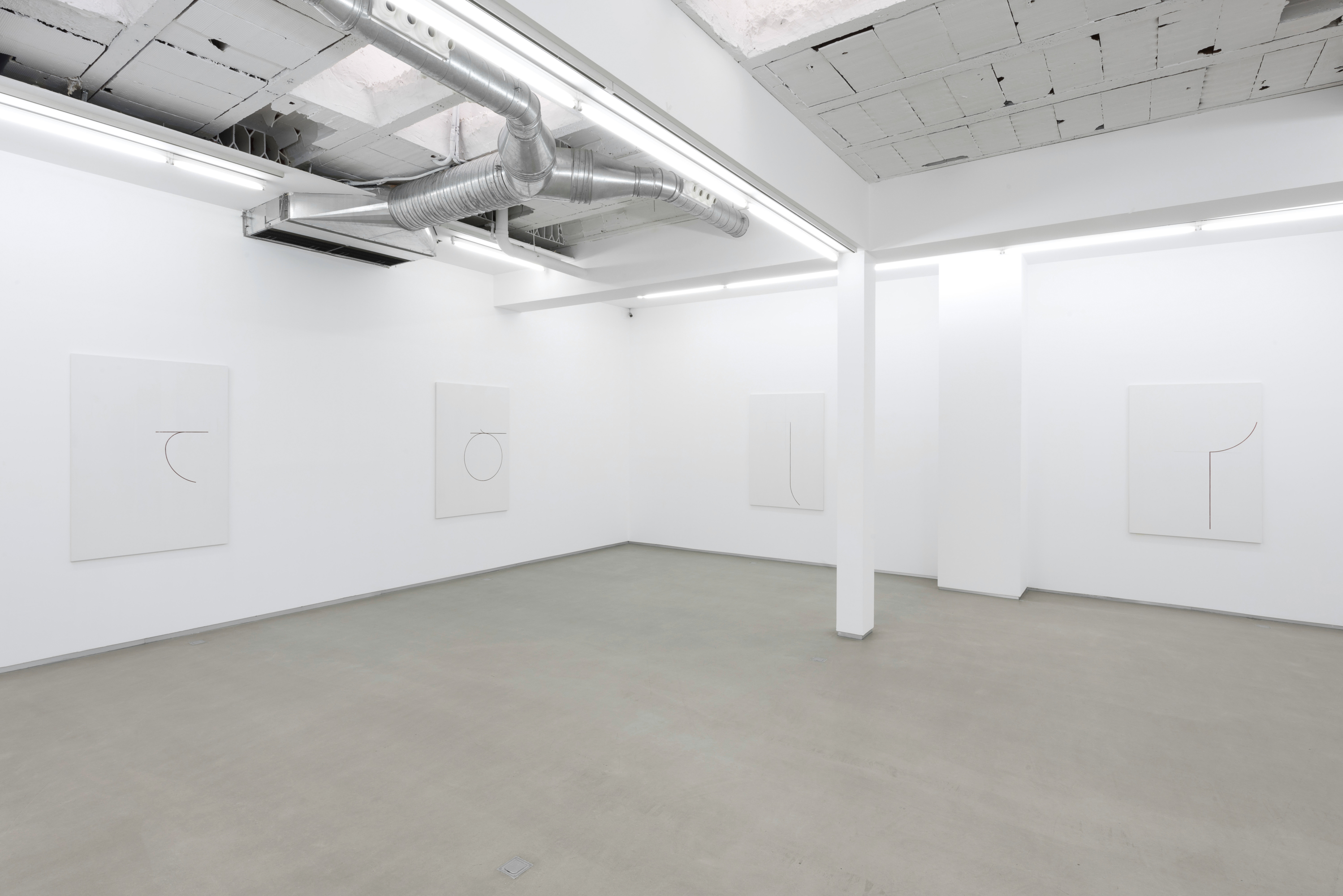
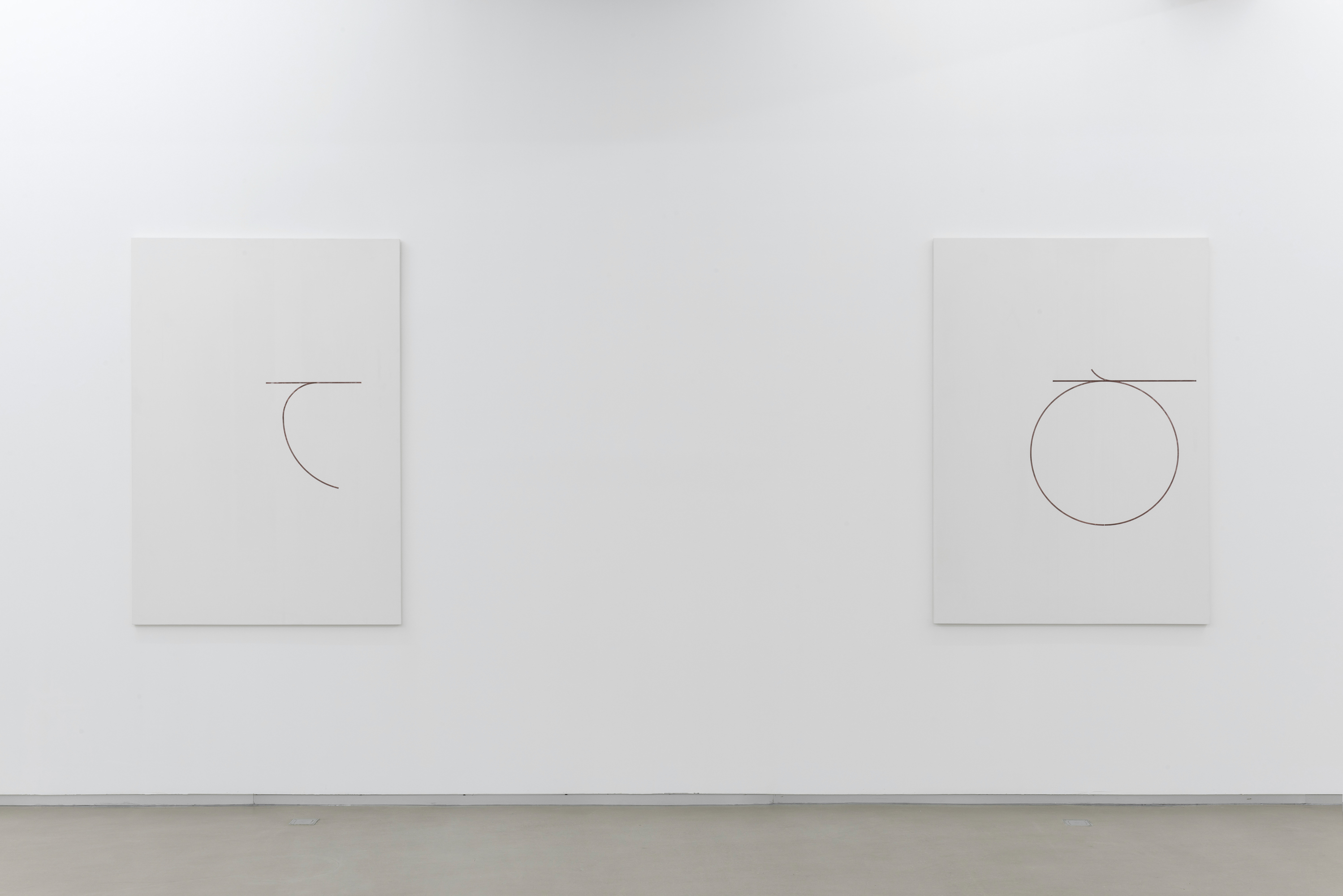
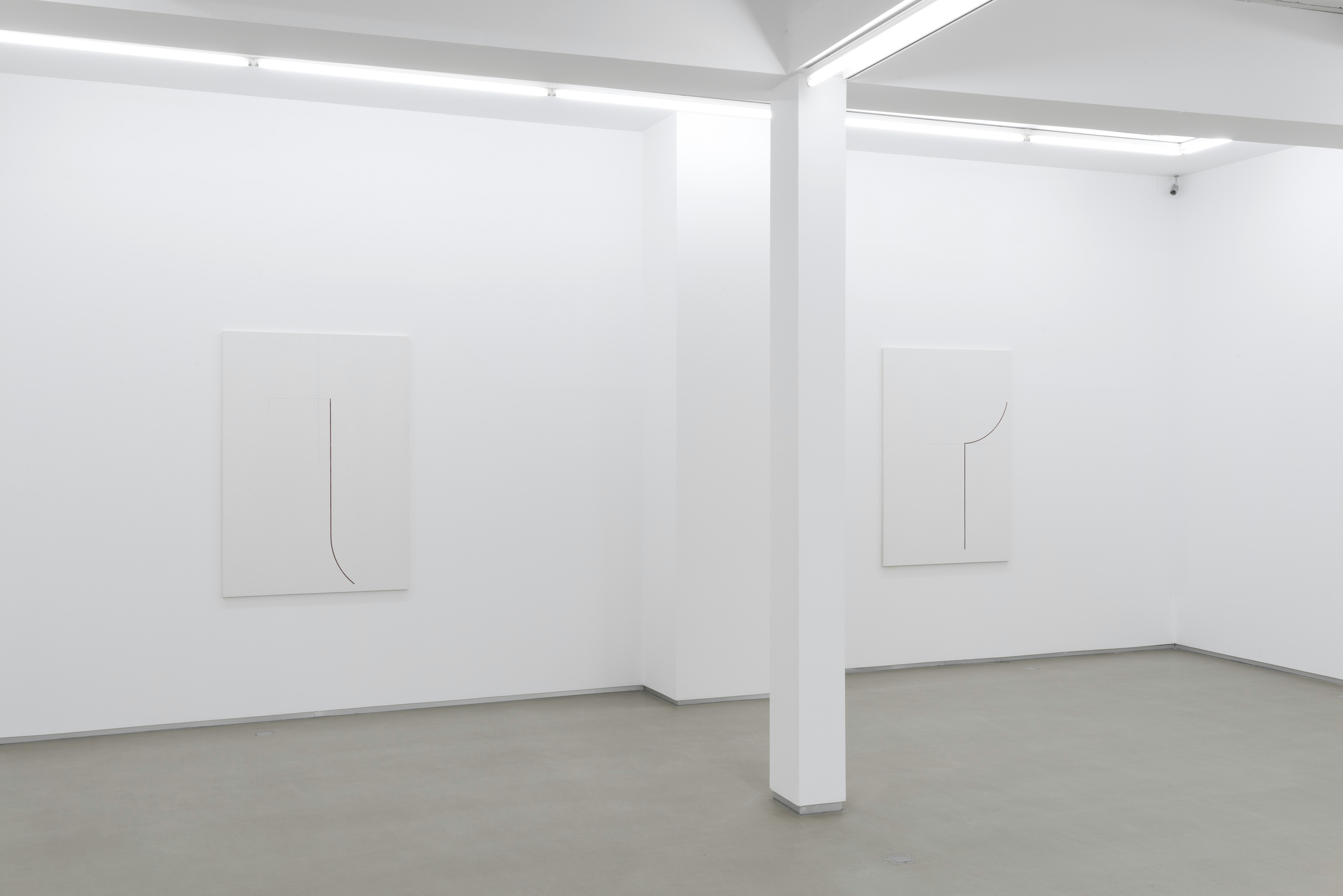
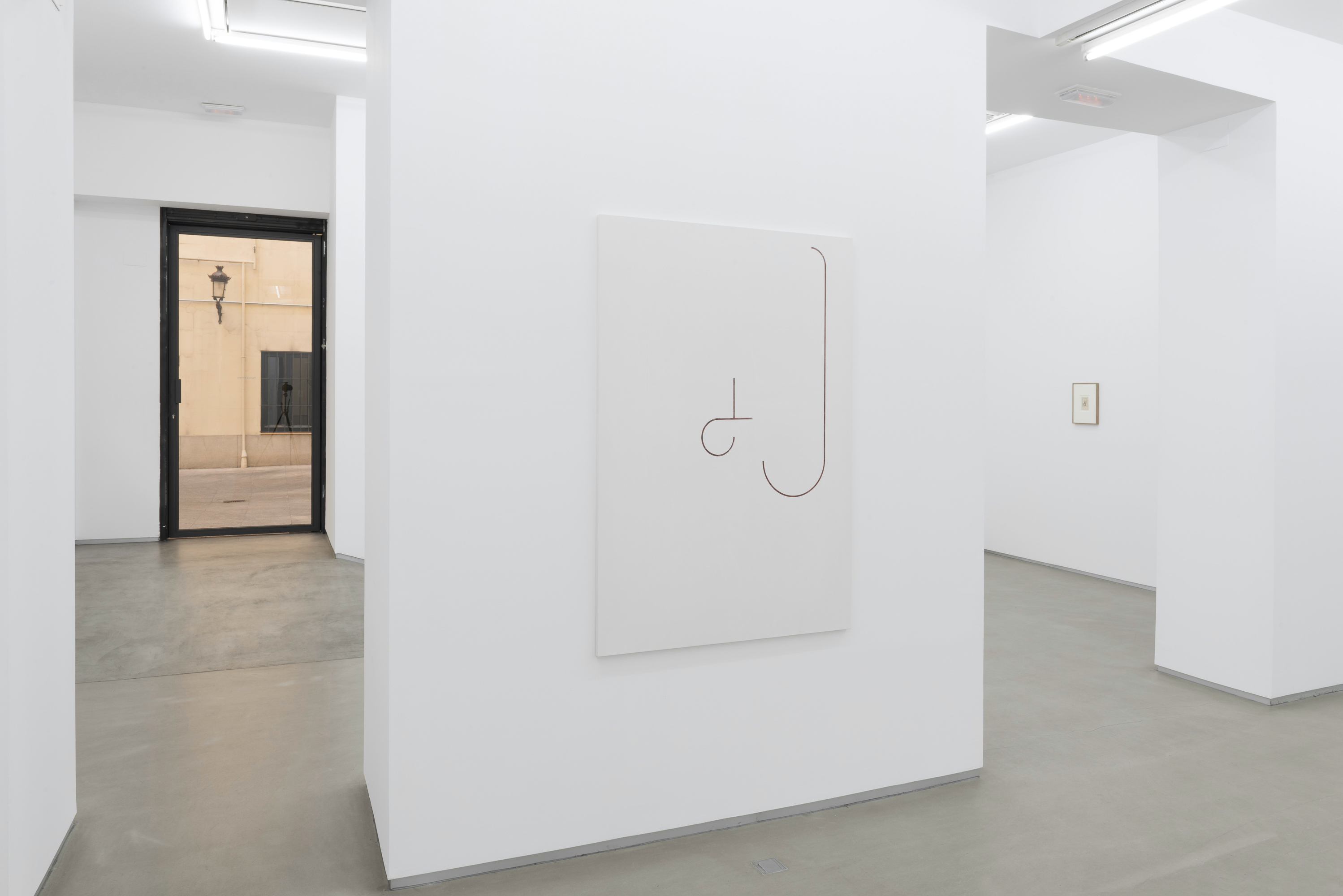
EPICENTRE : CONVERSATIONS AND DISCUSSIONS BETWEEN ARTISTS

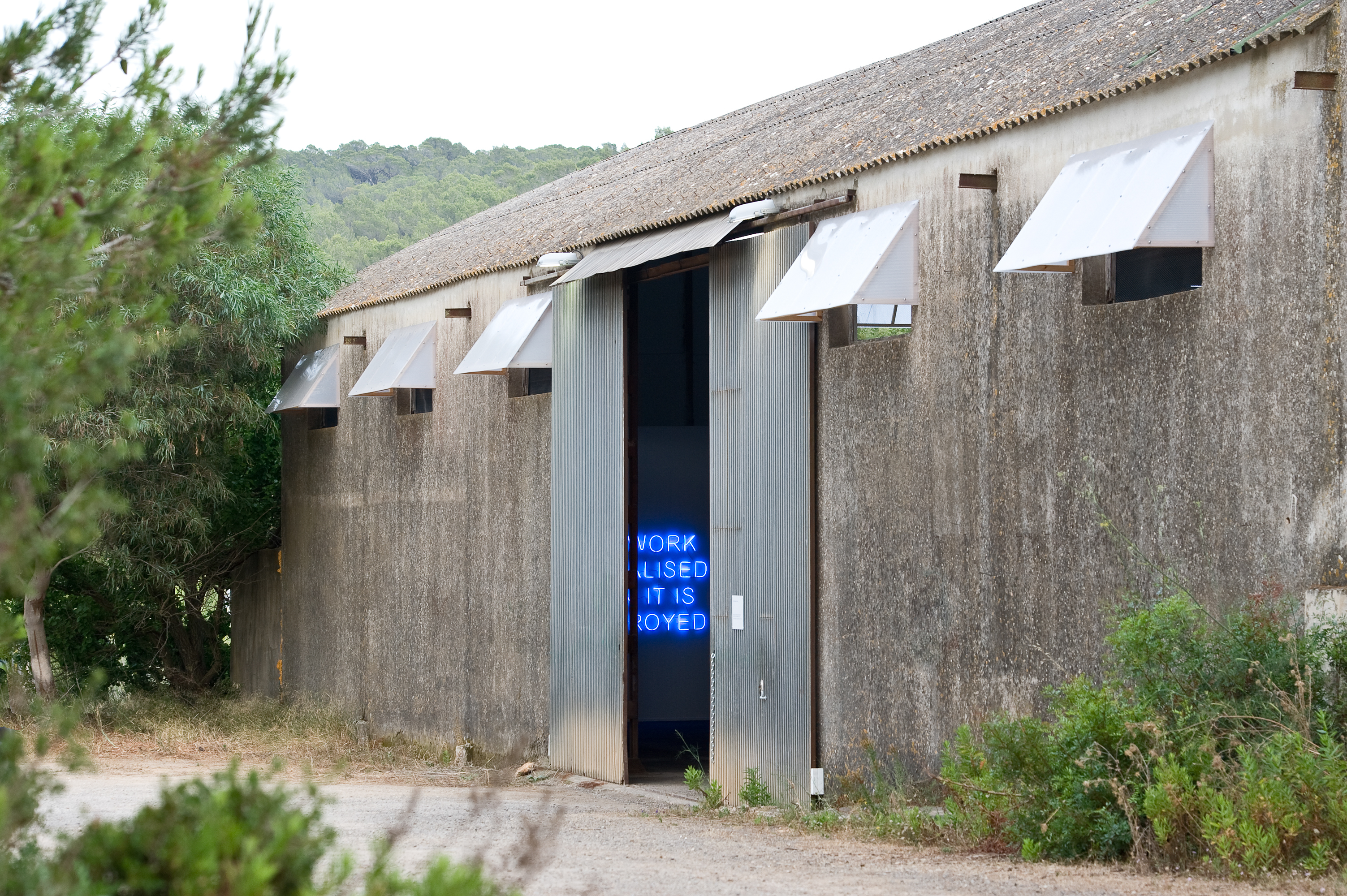

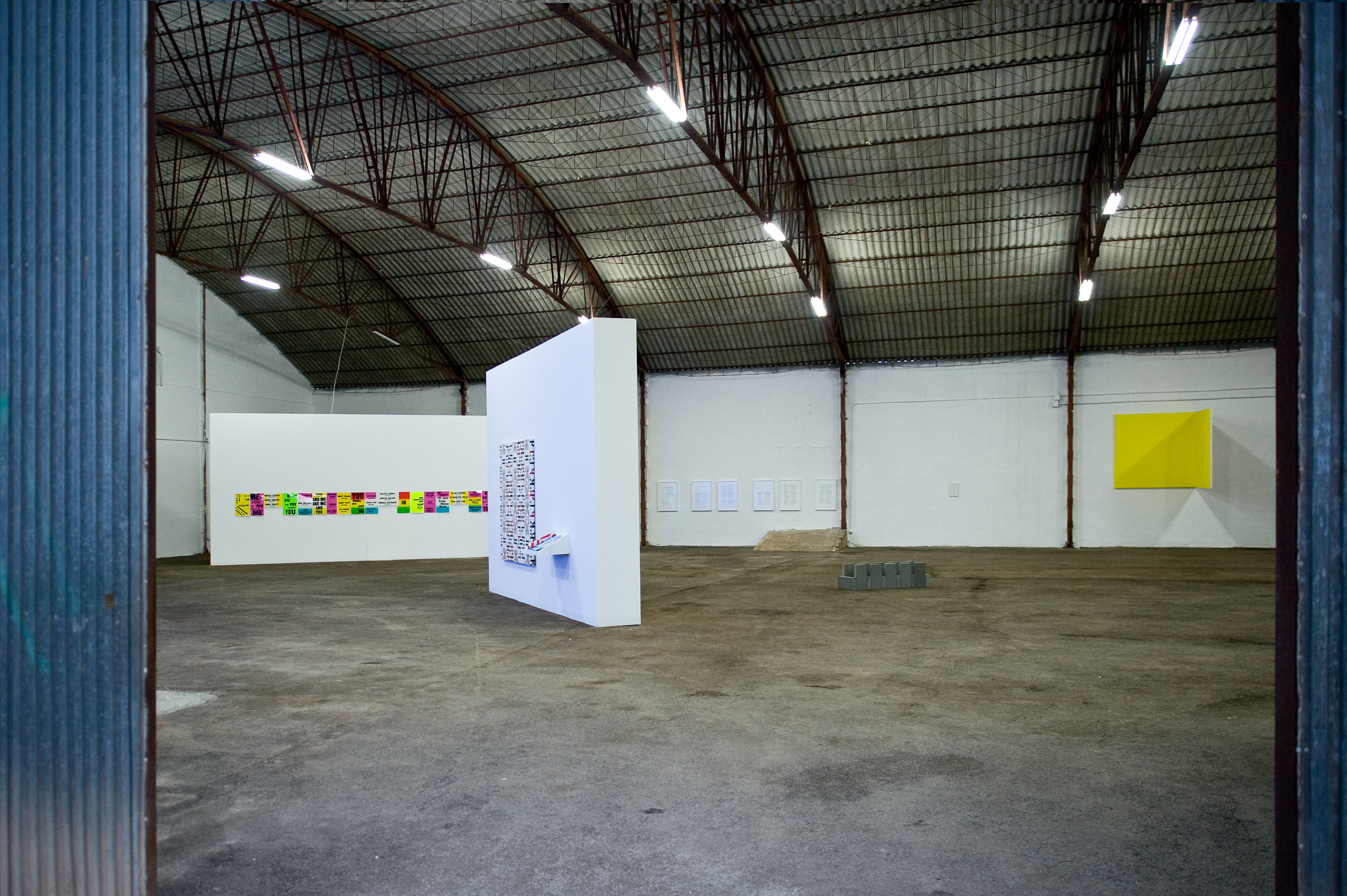

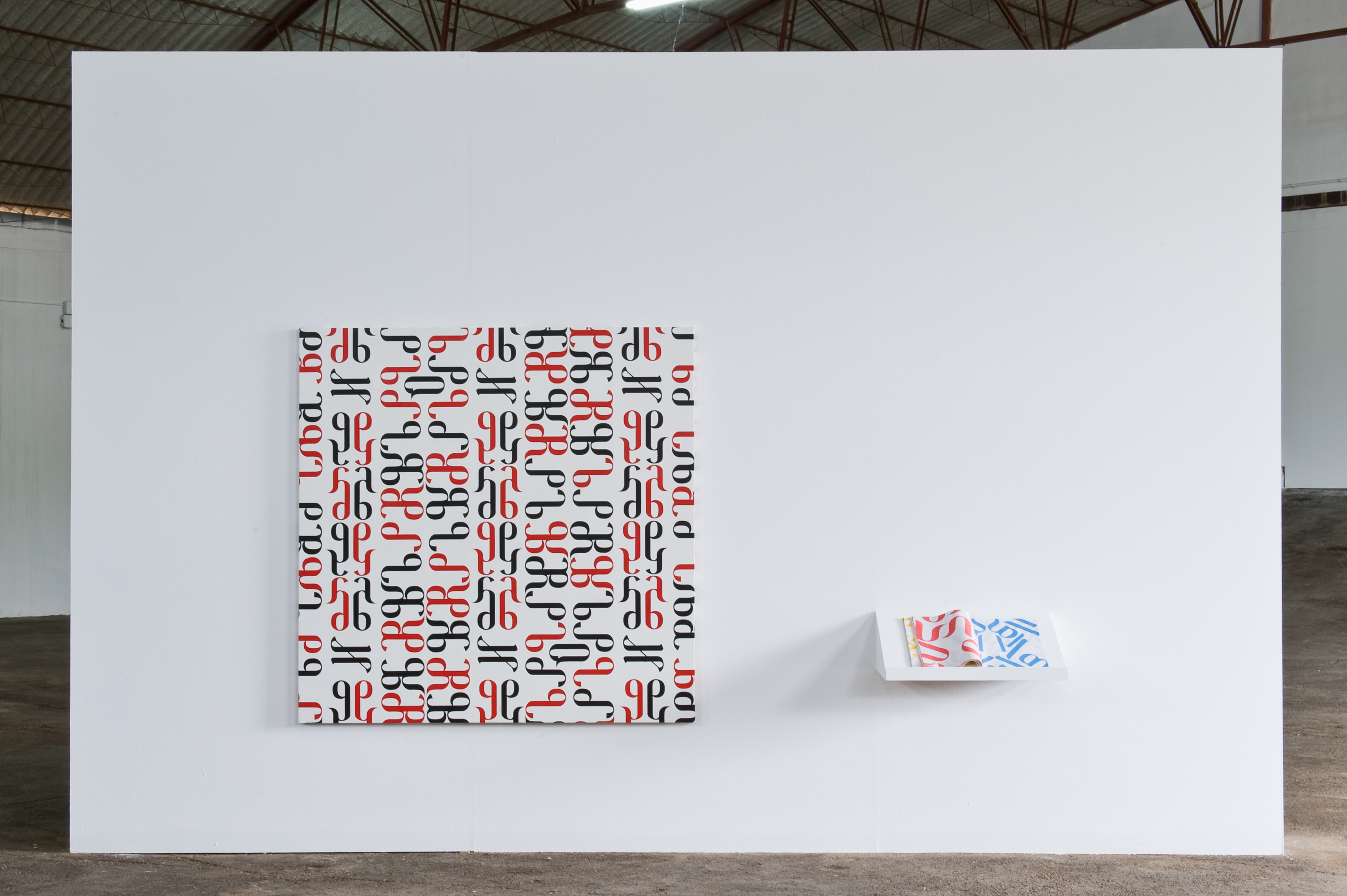

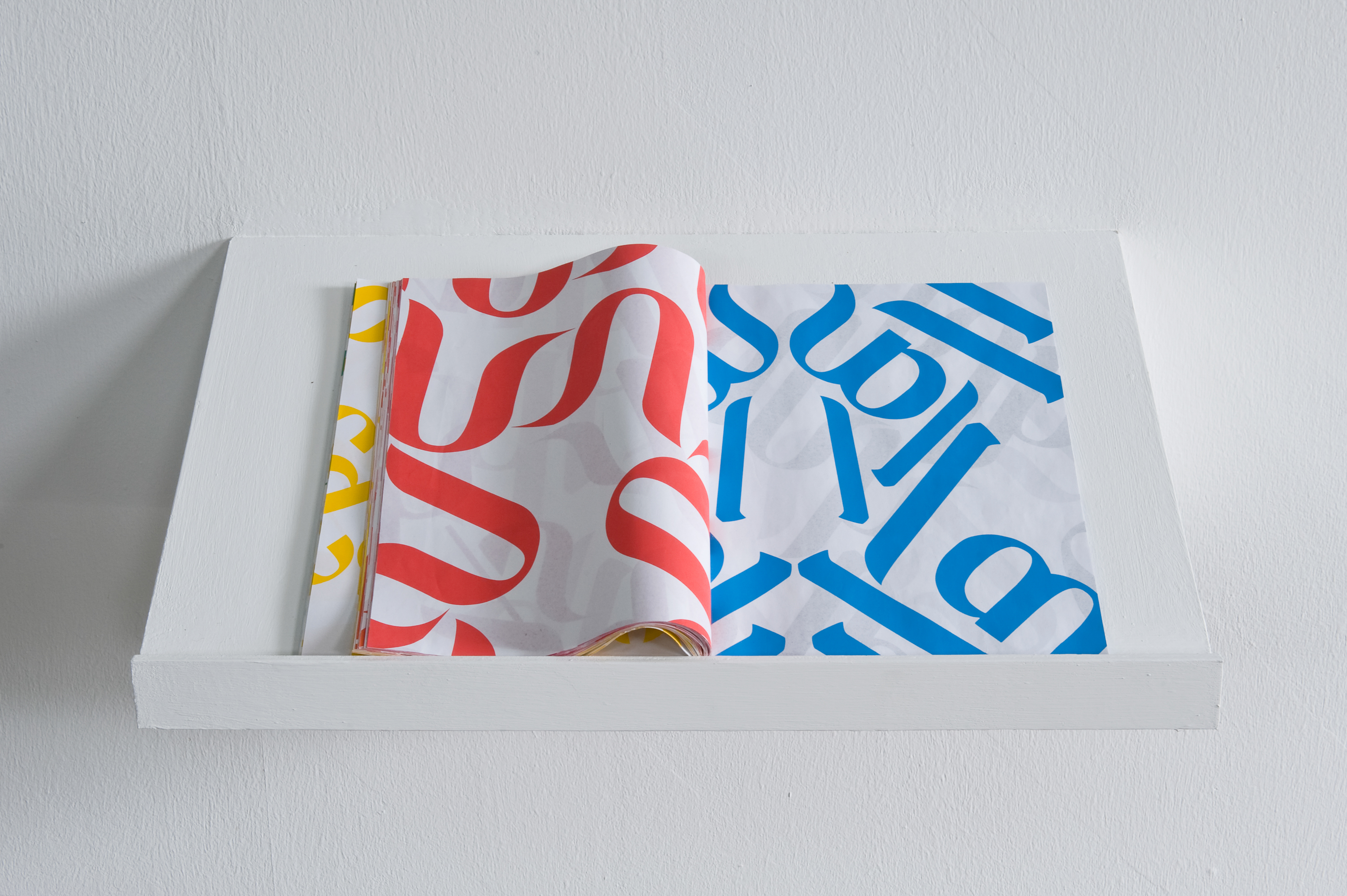
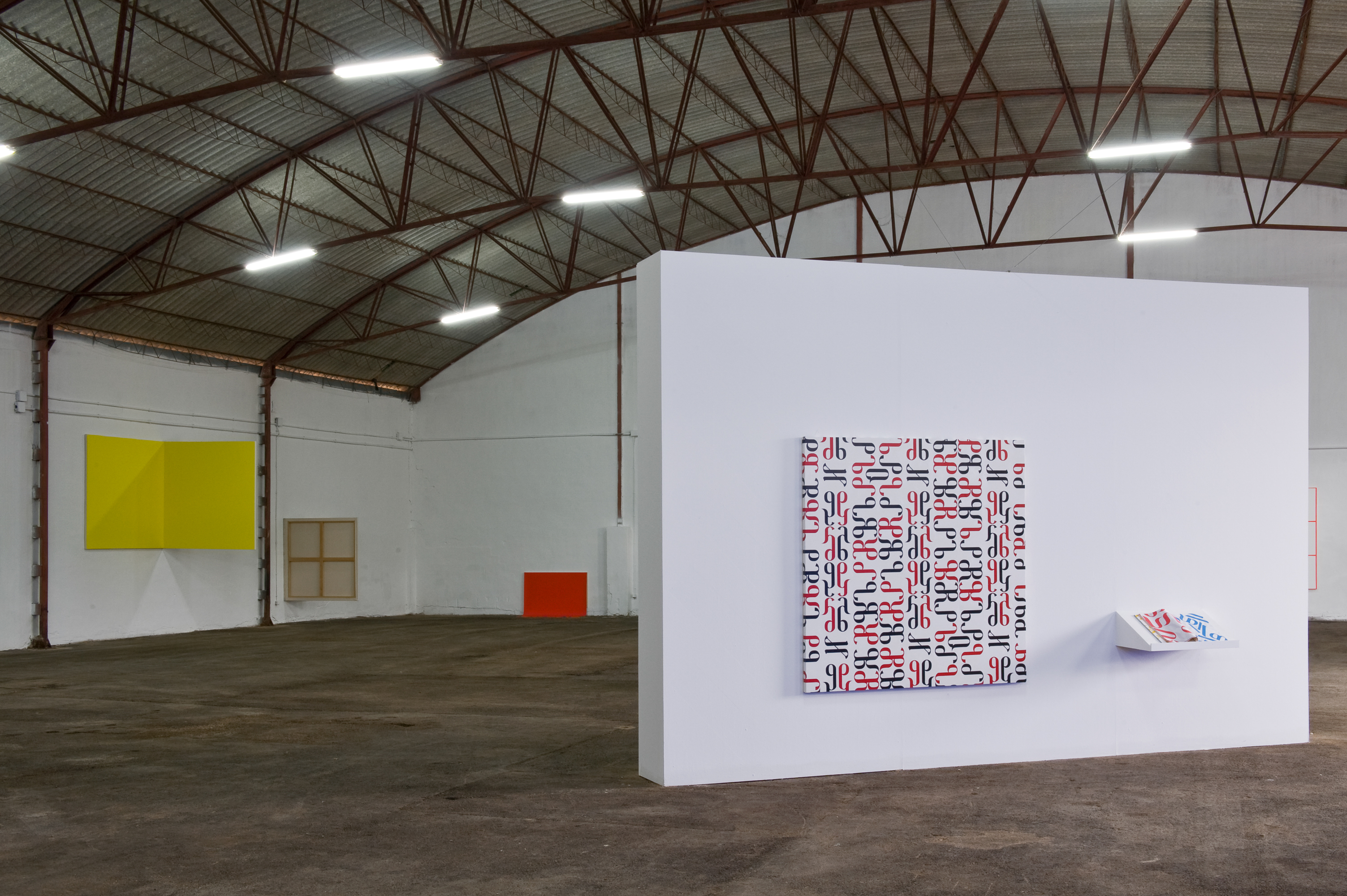


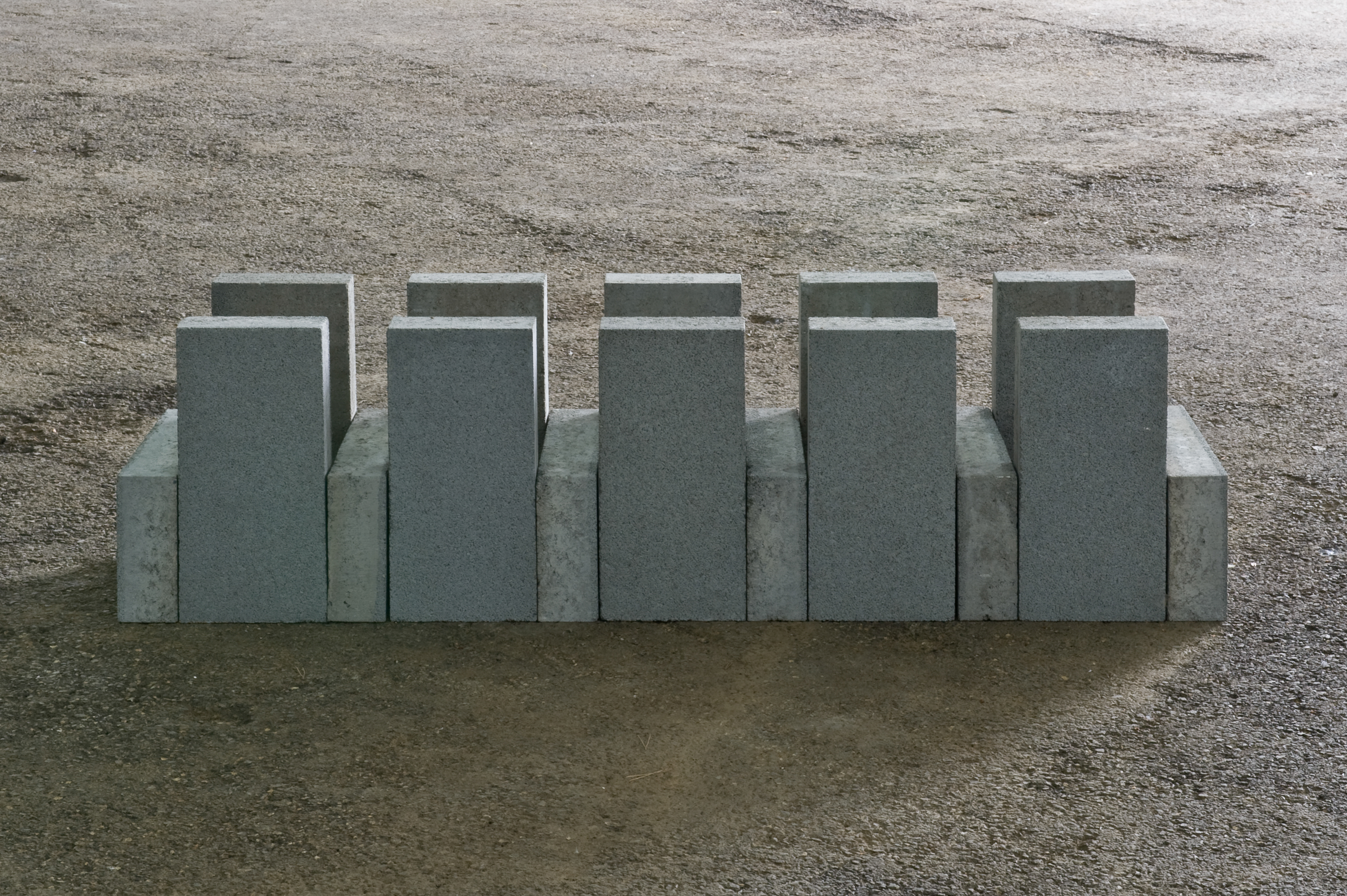
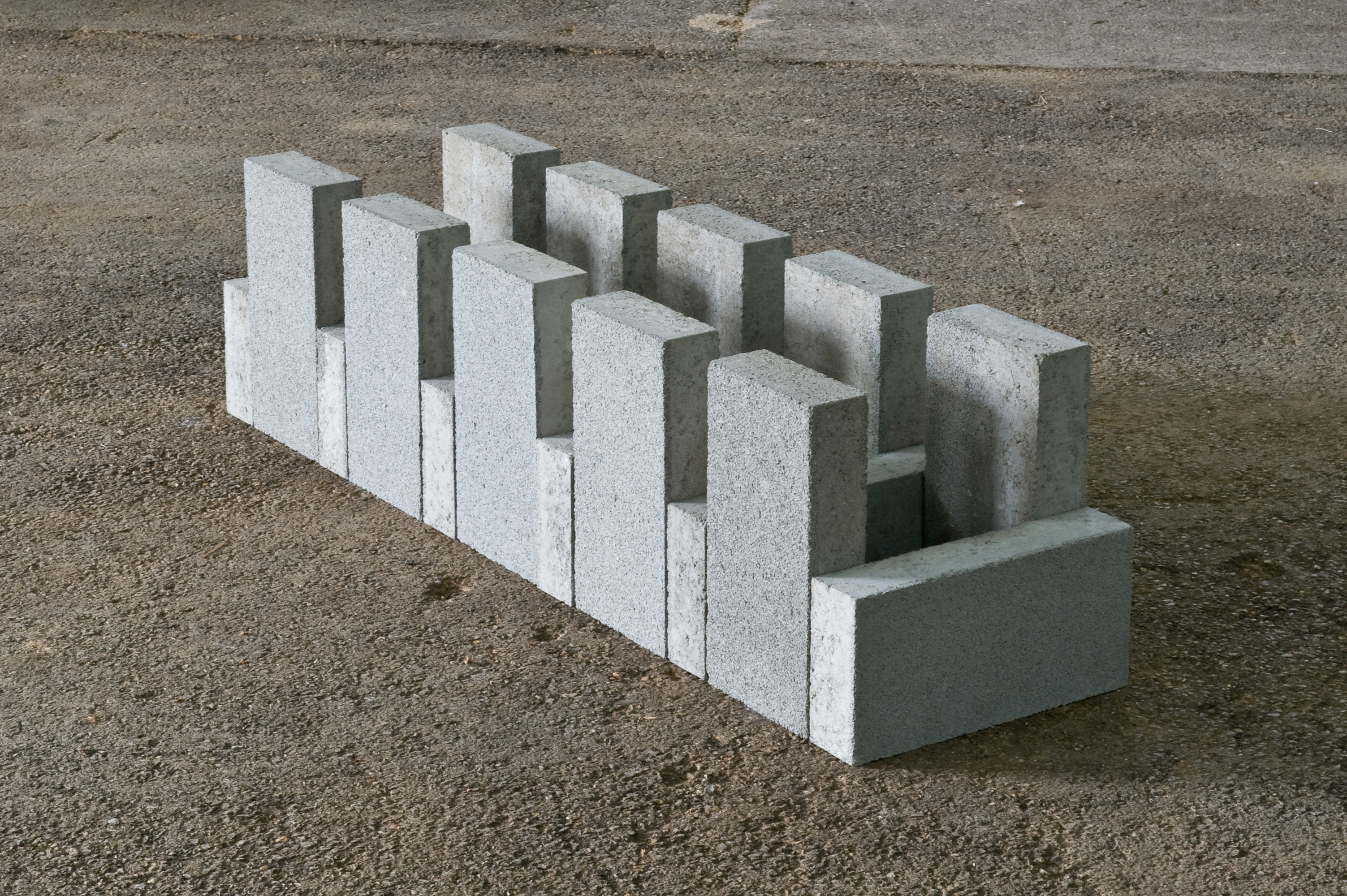


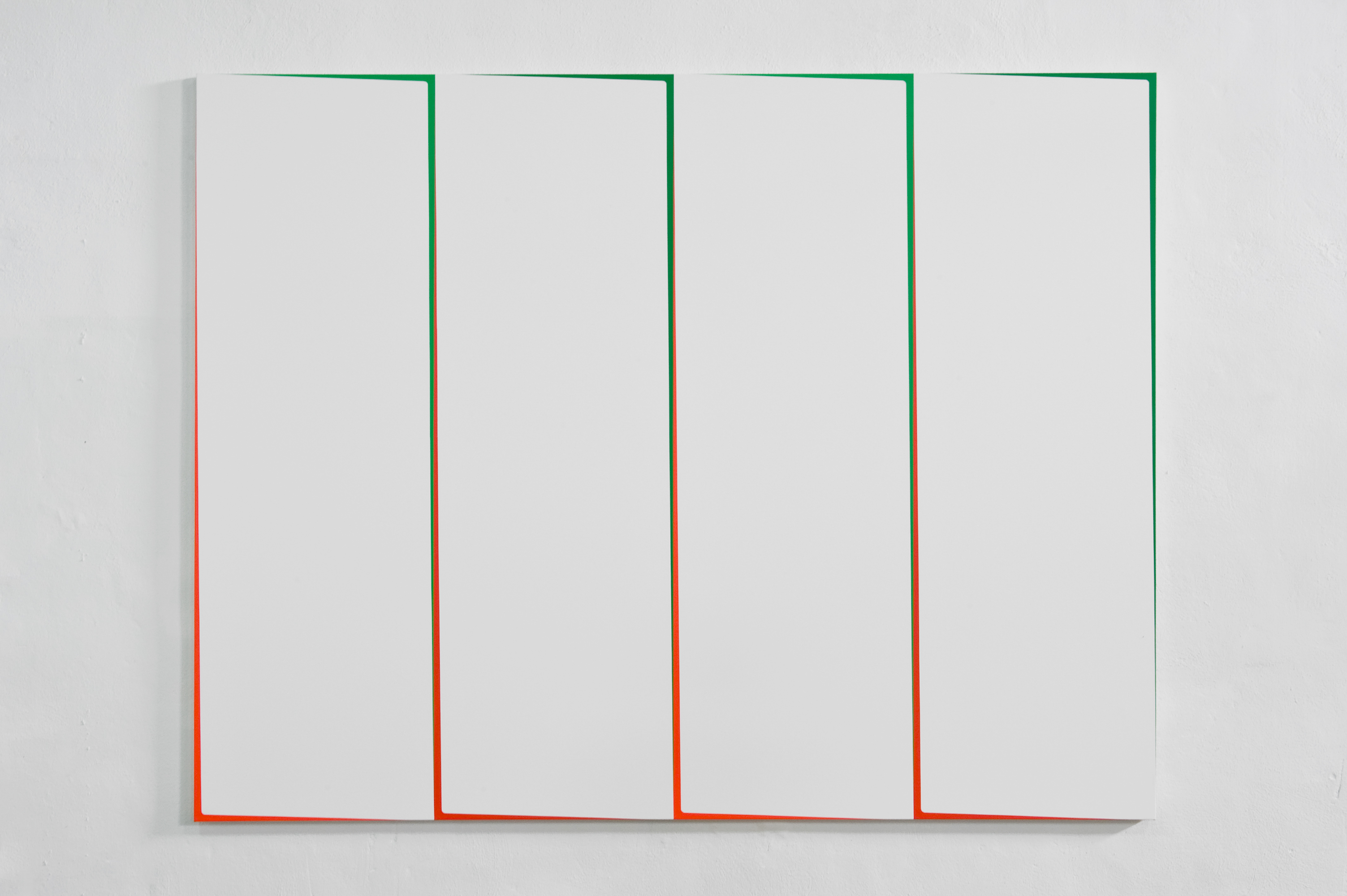


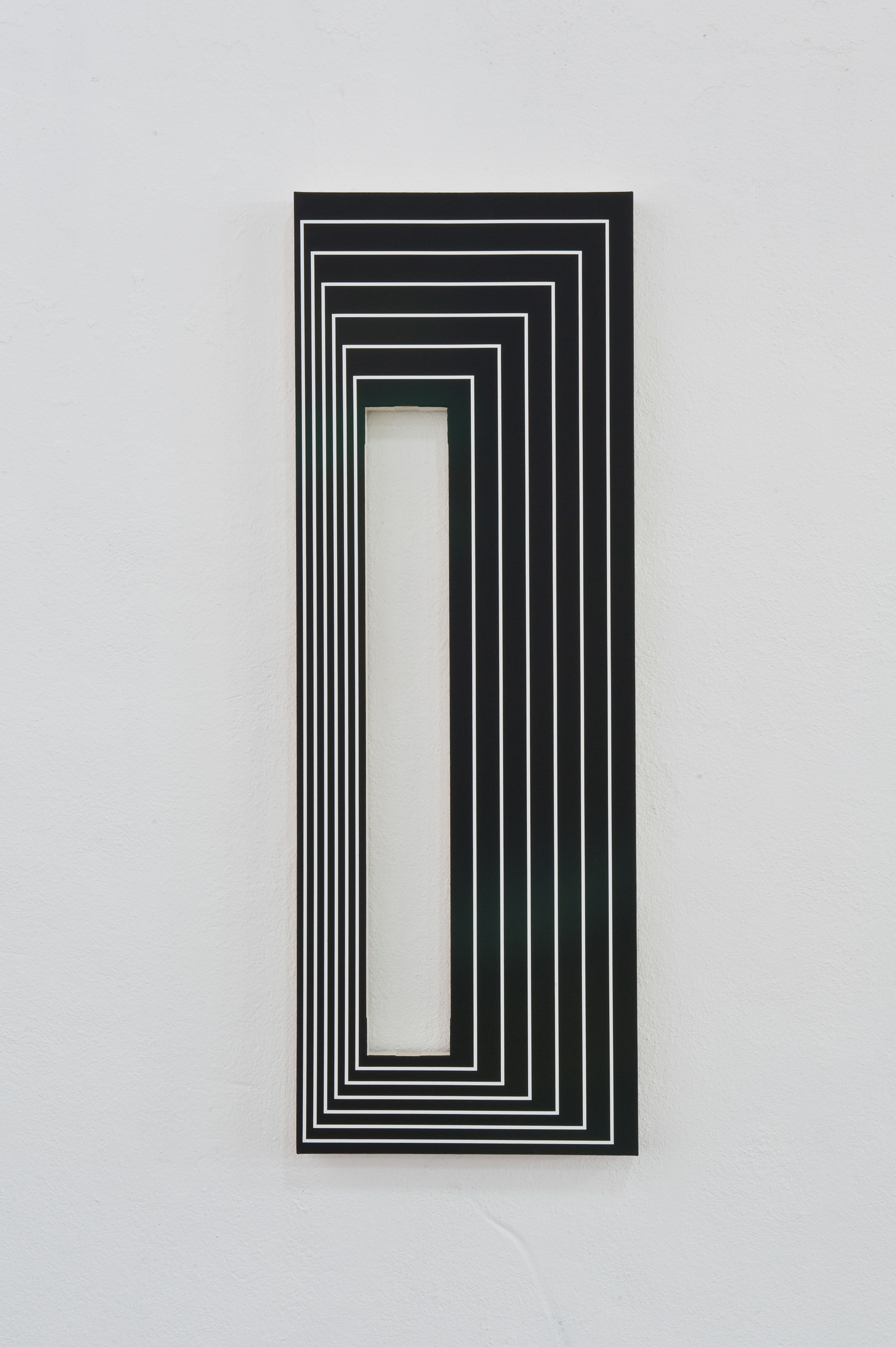

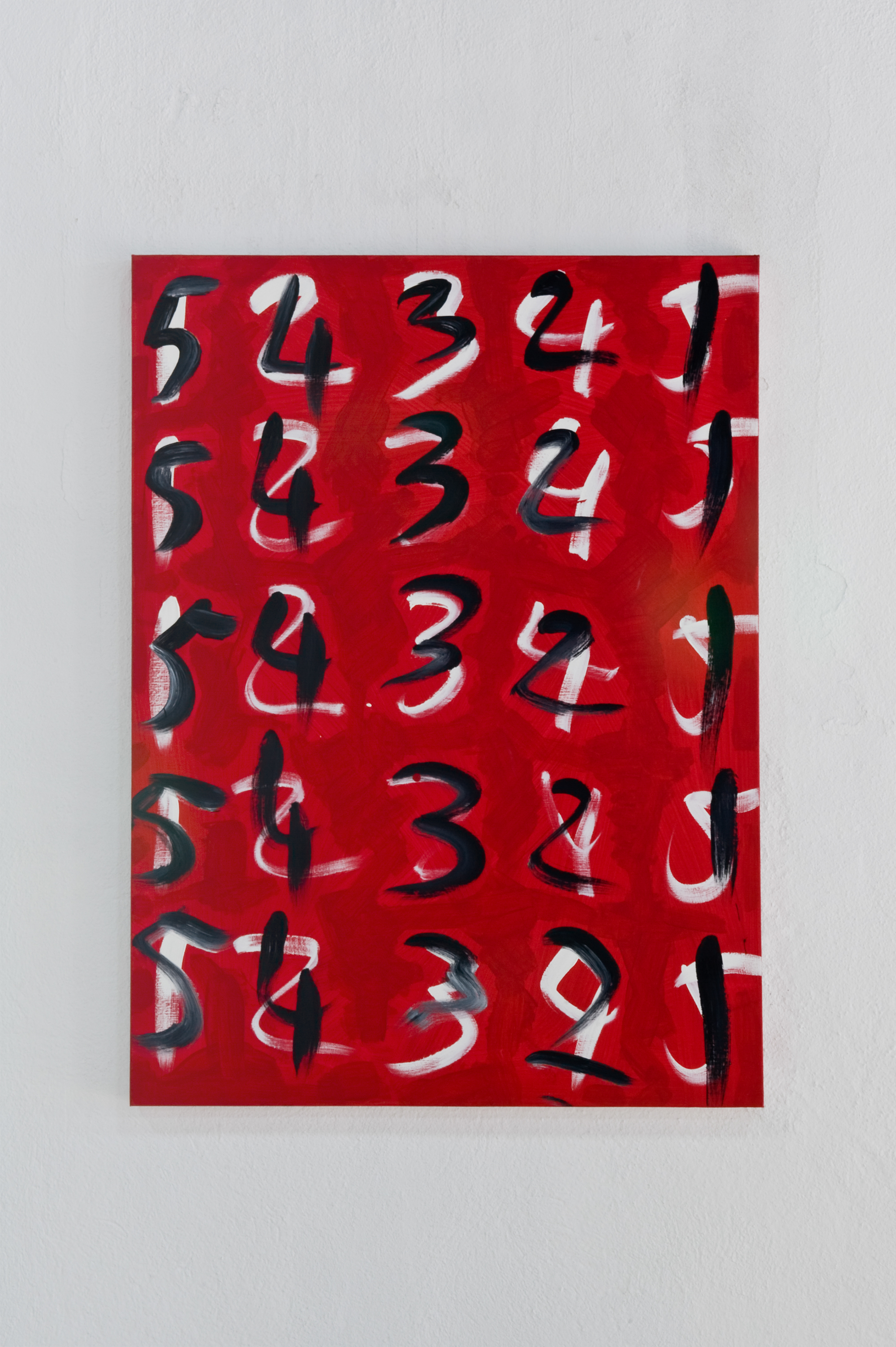
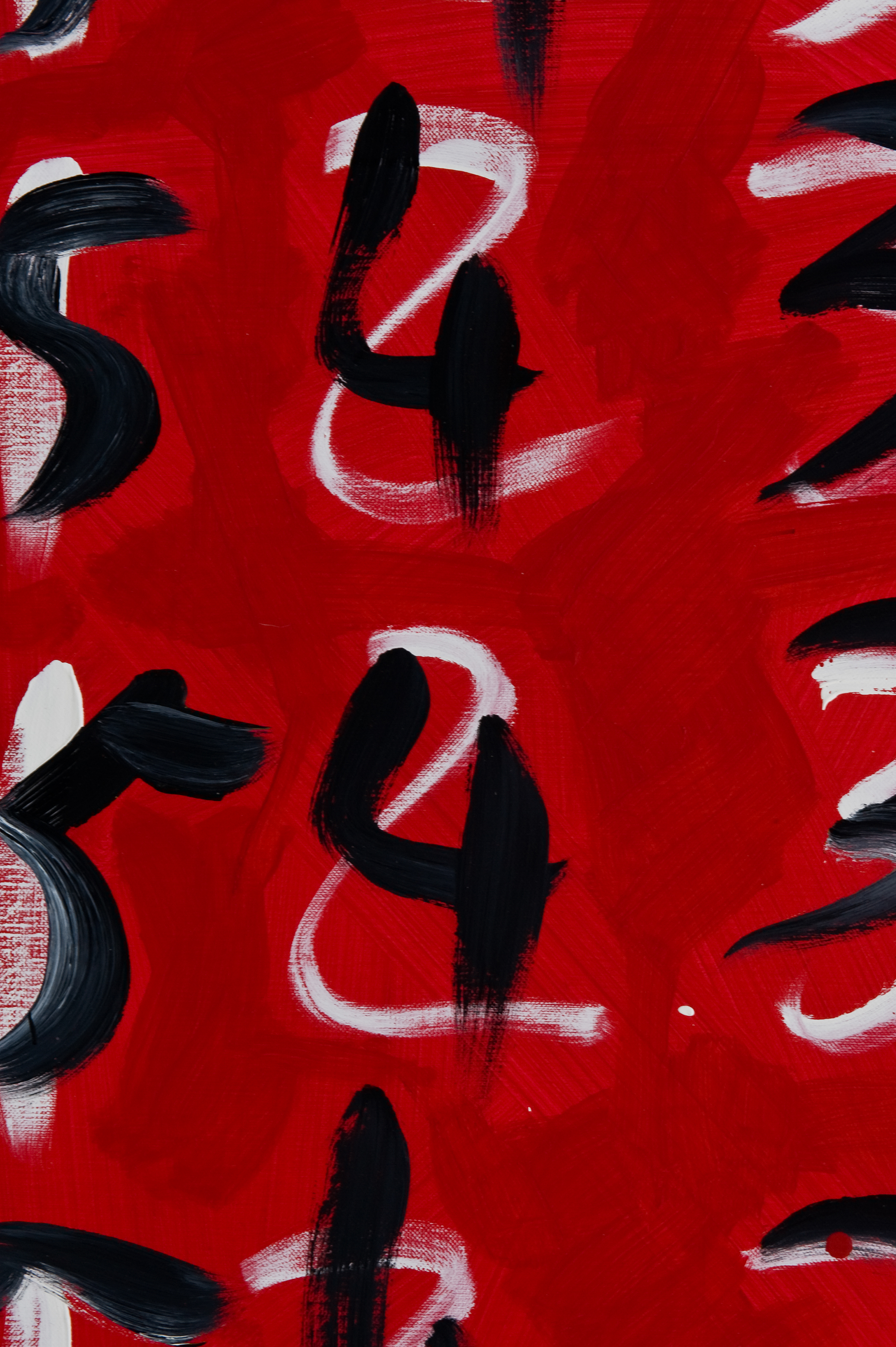

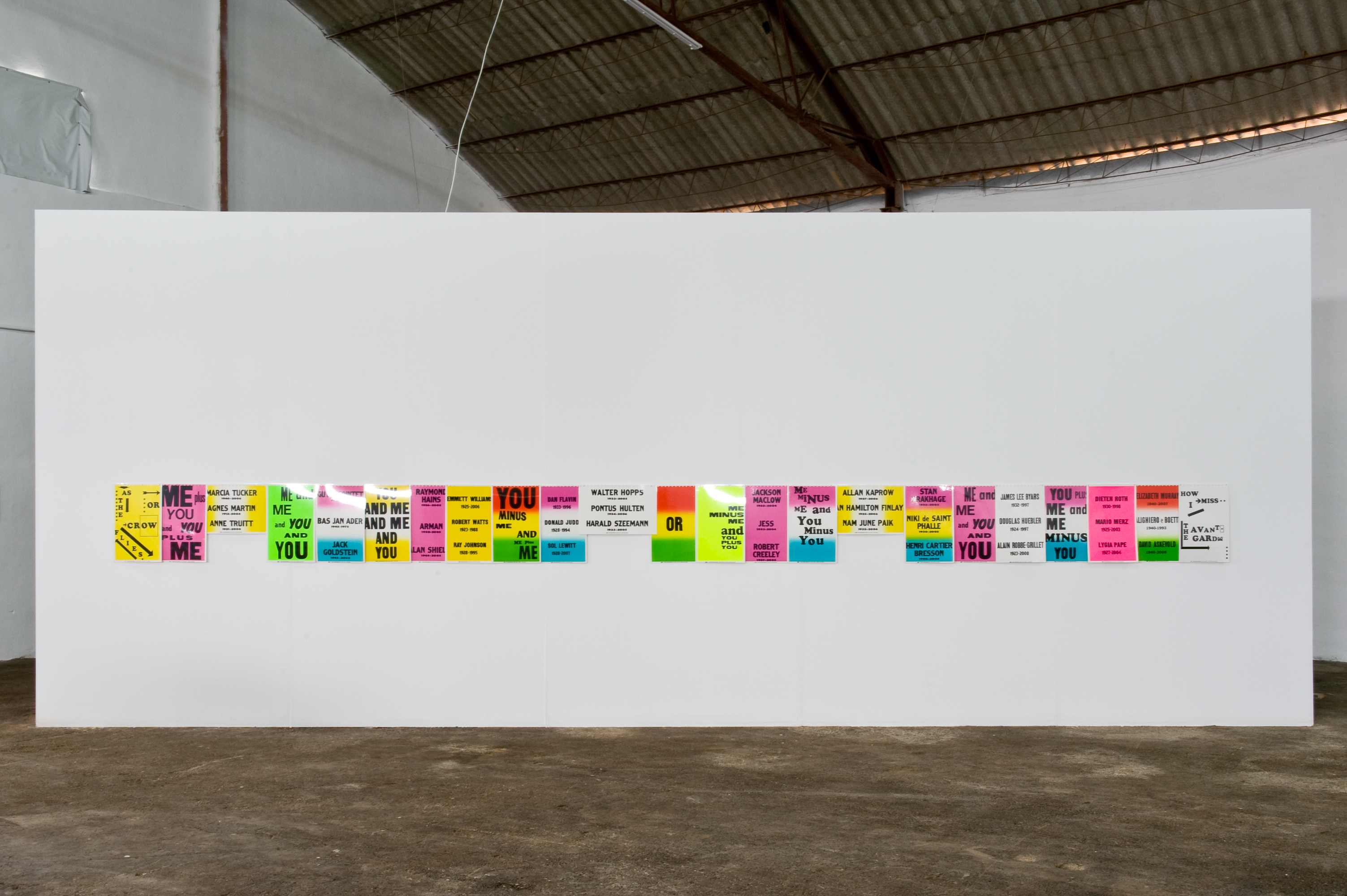
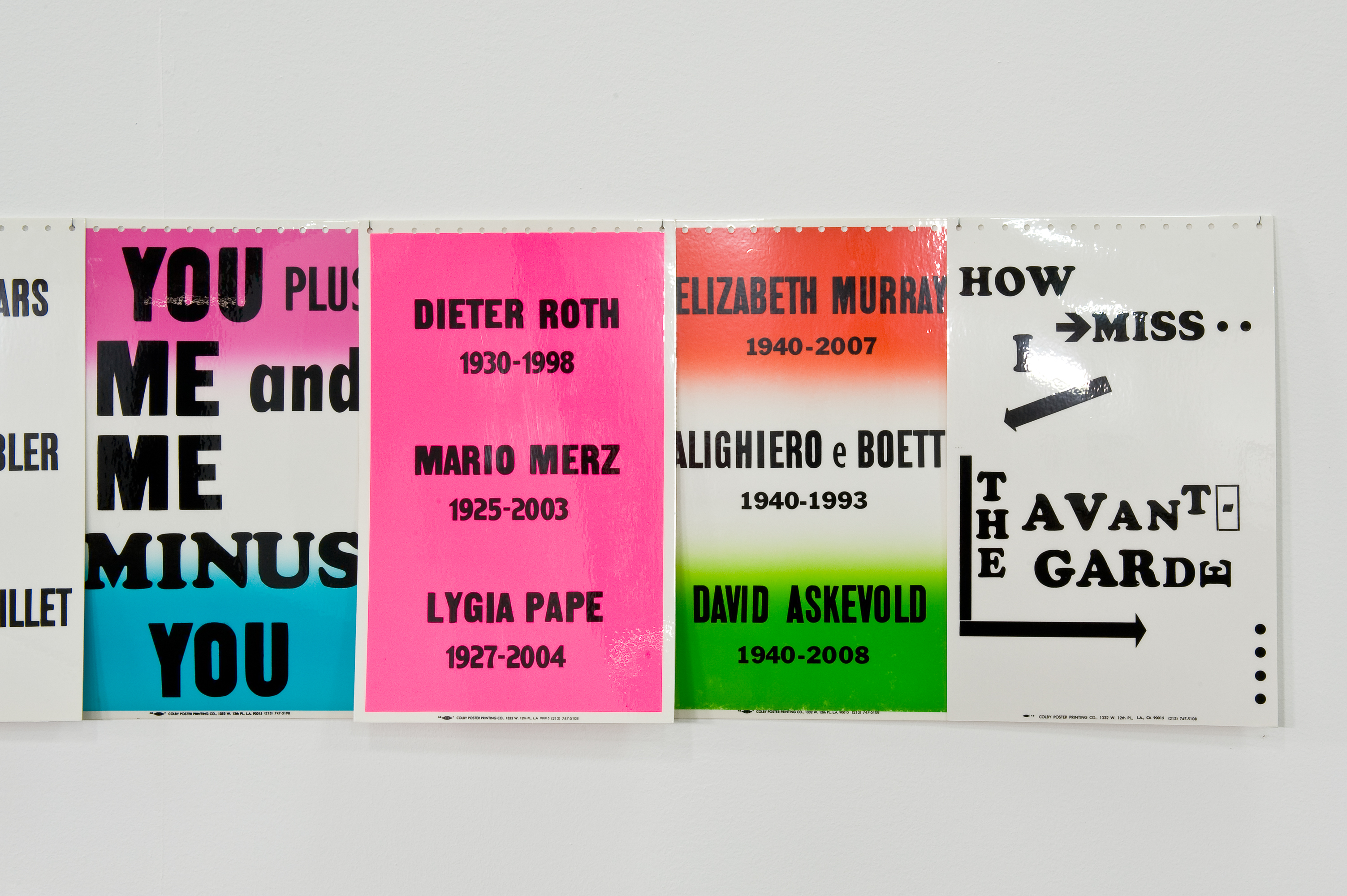
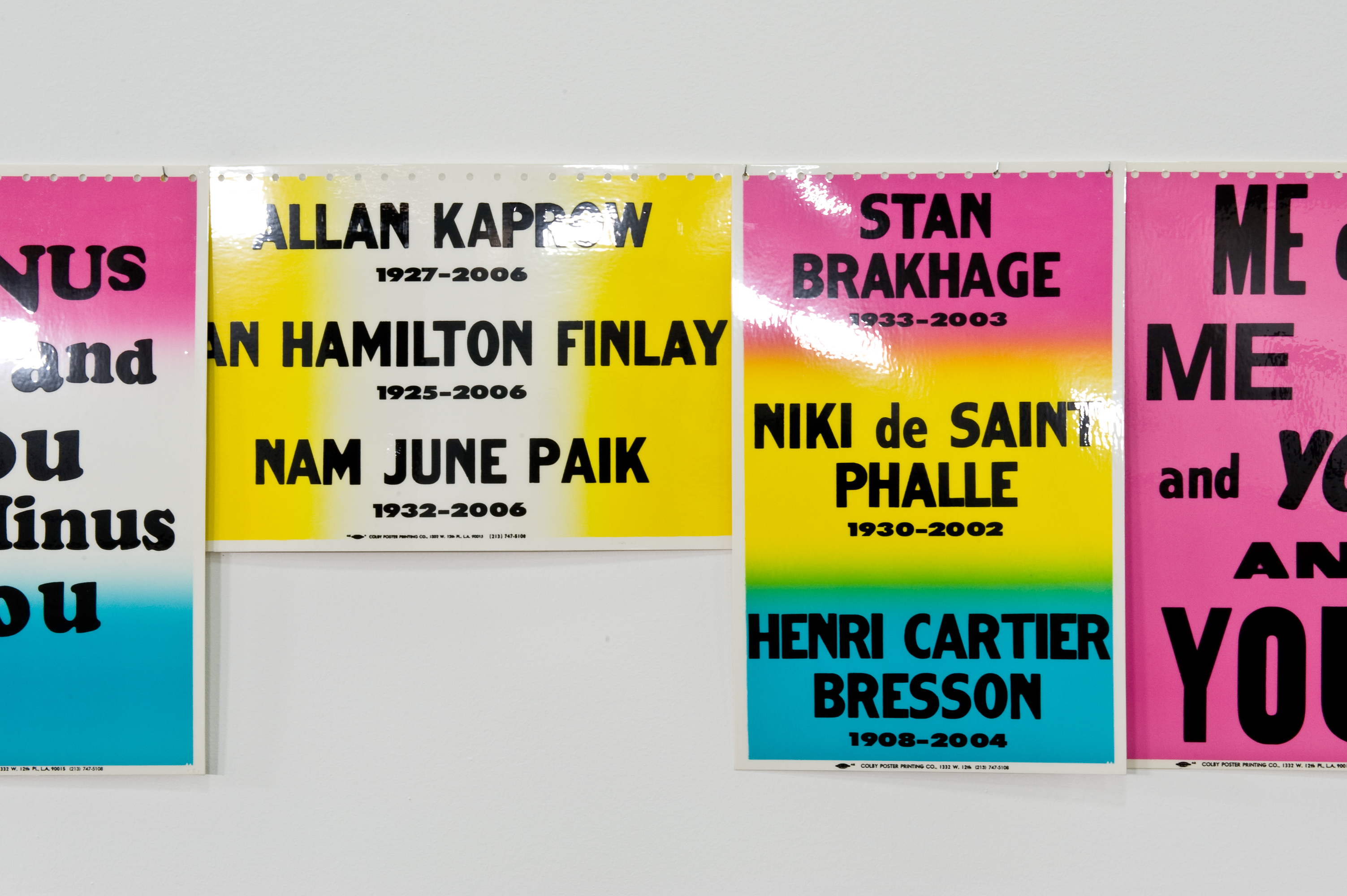
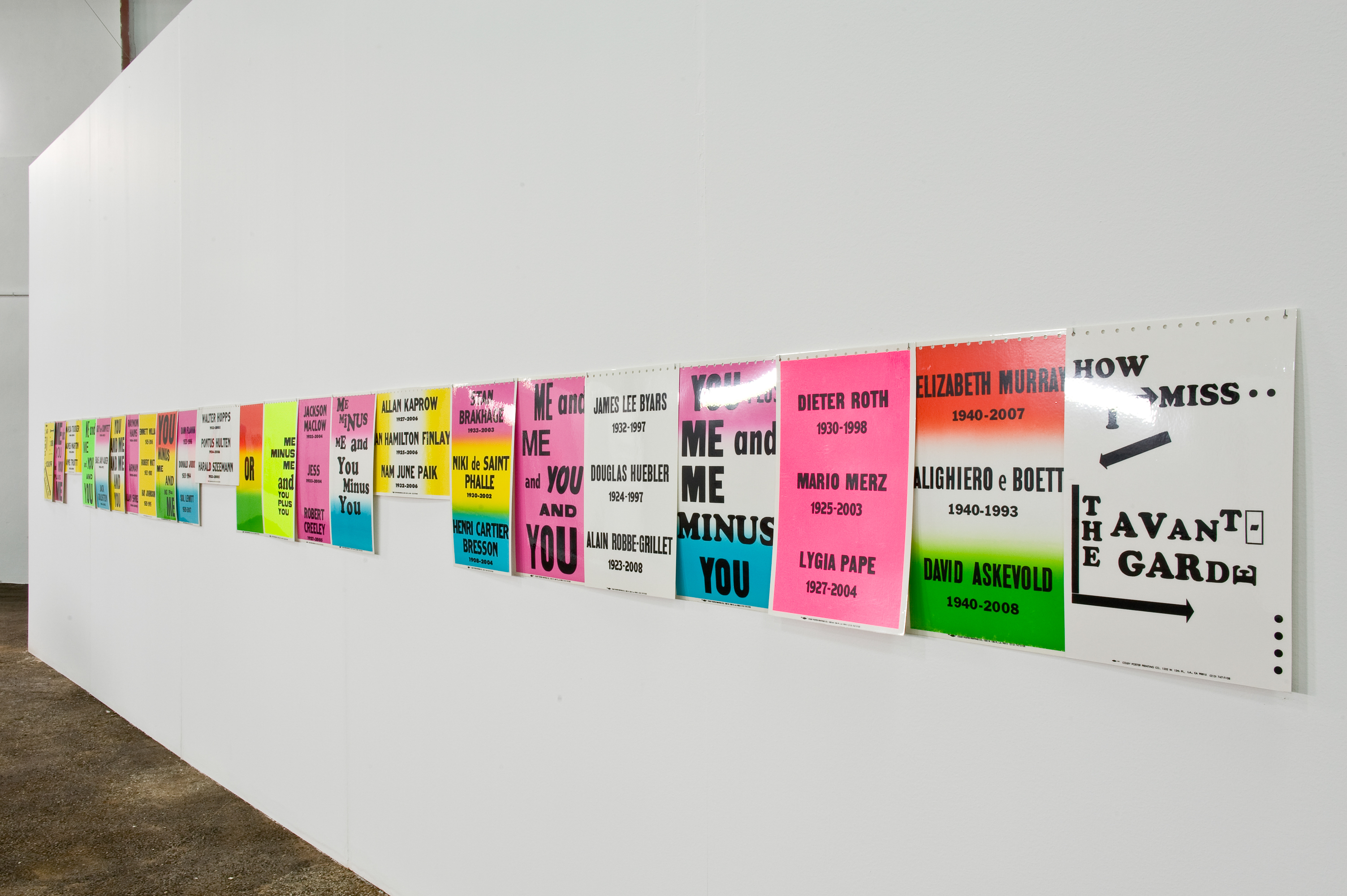
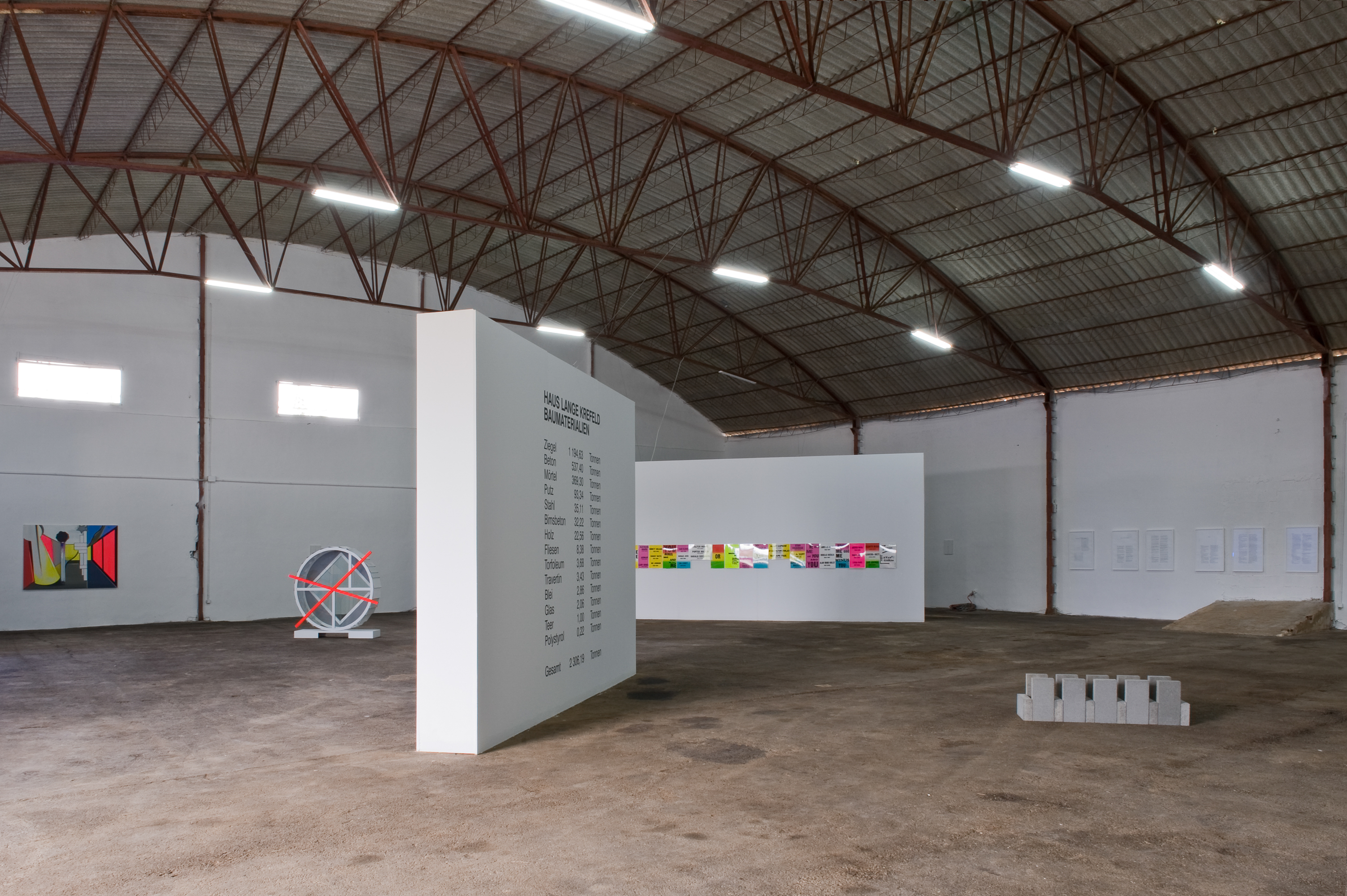
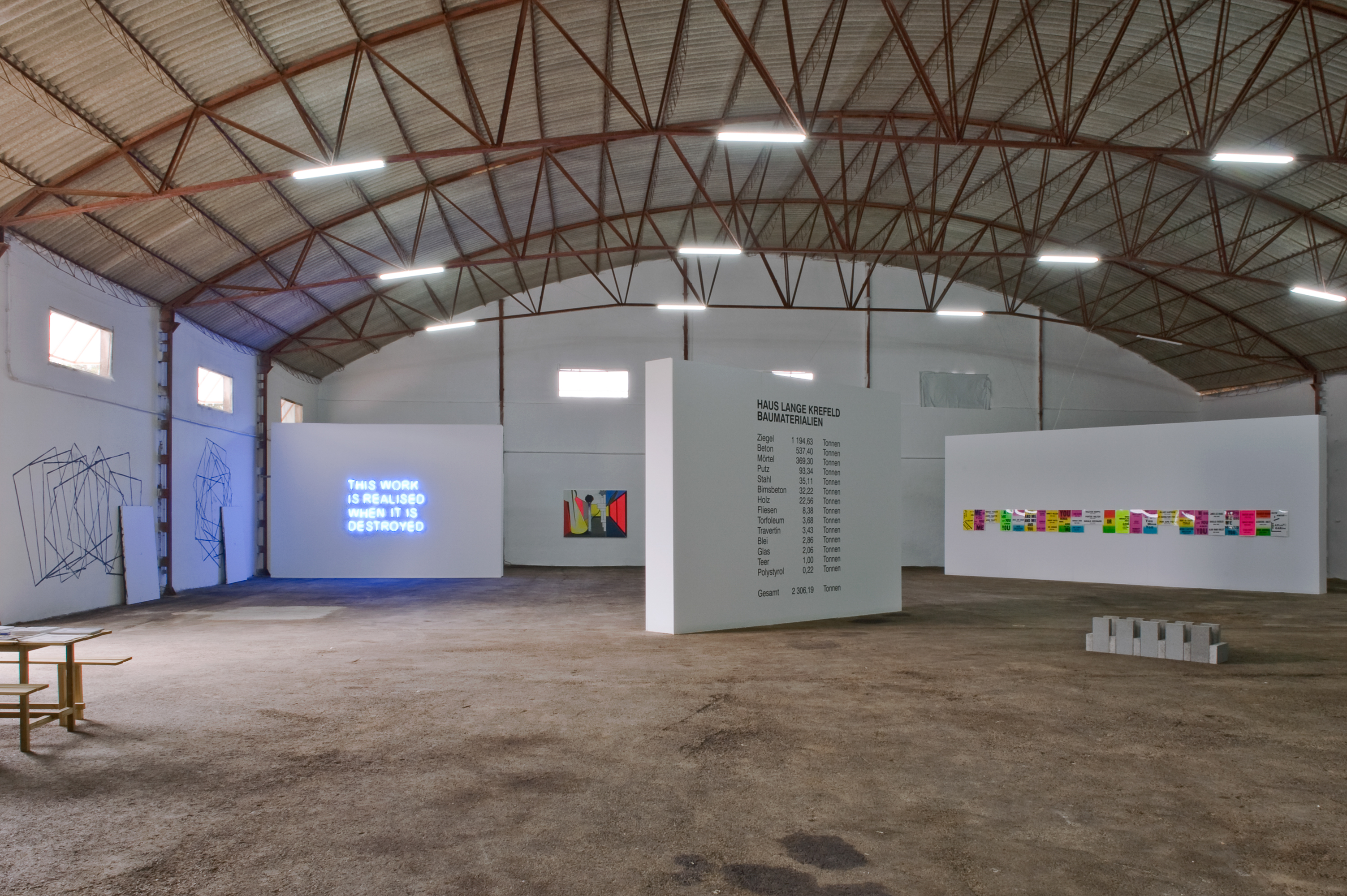

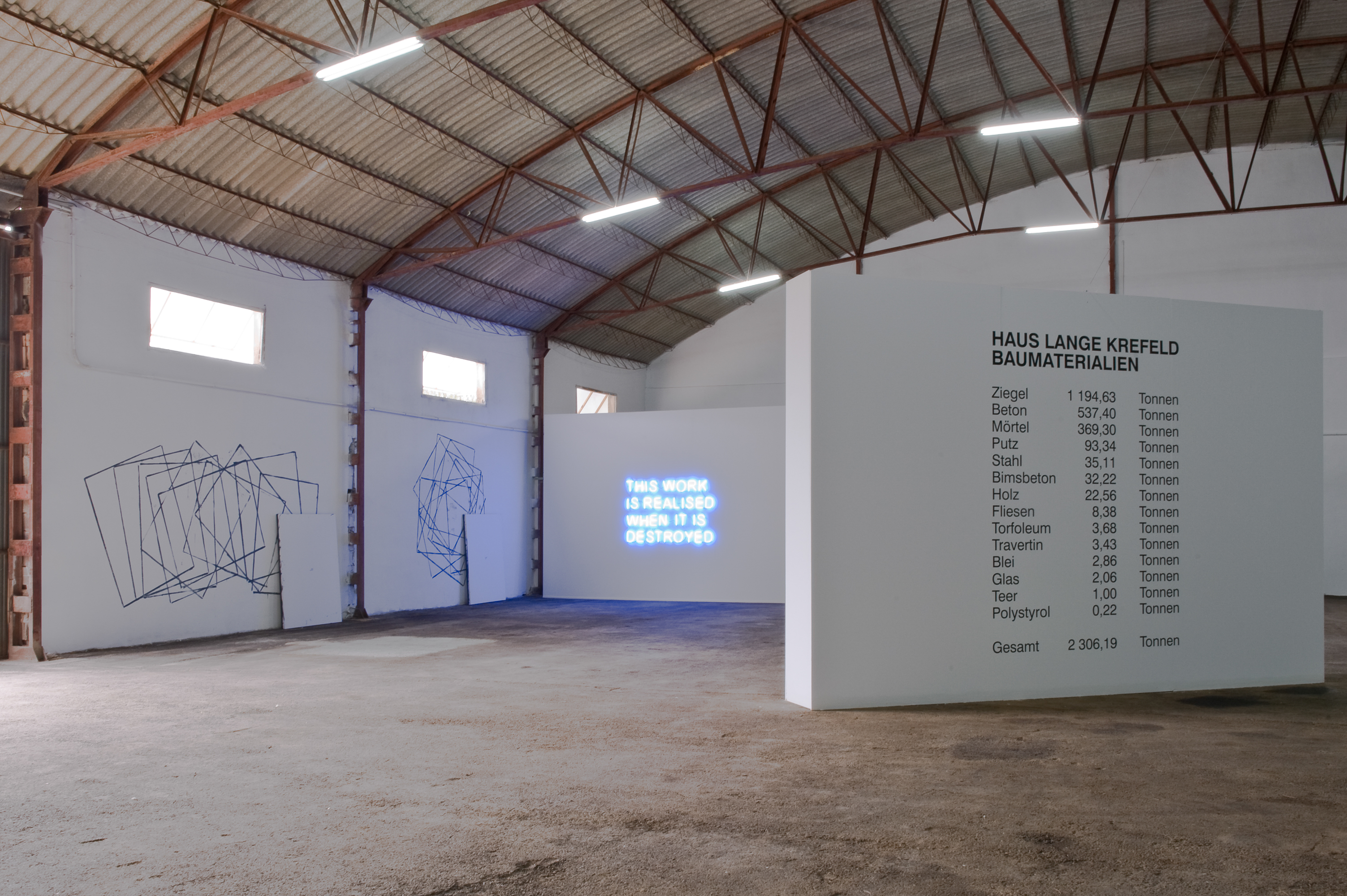
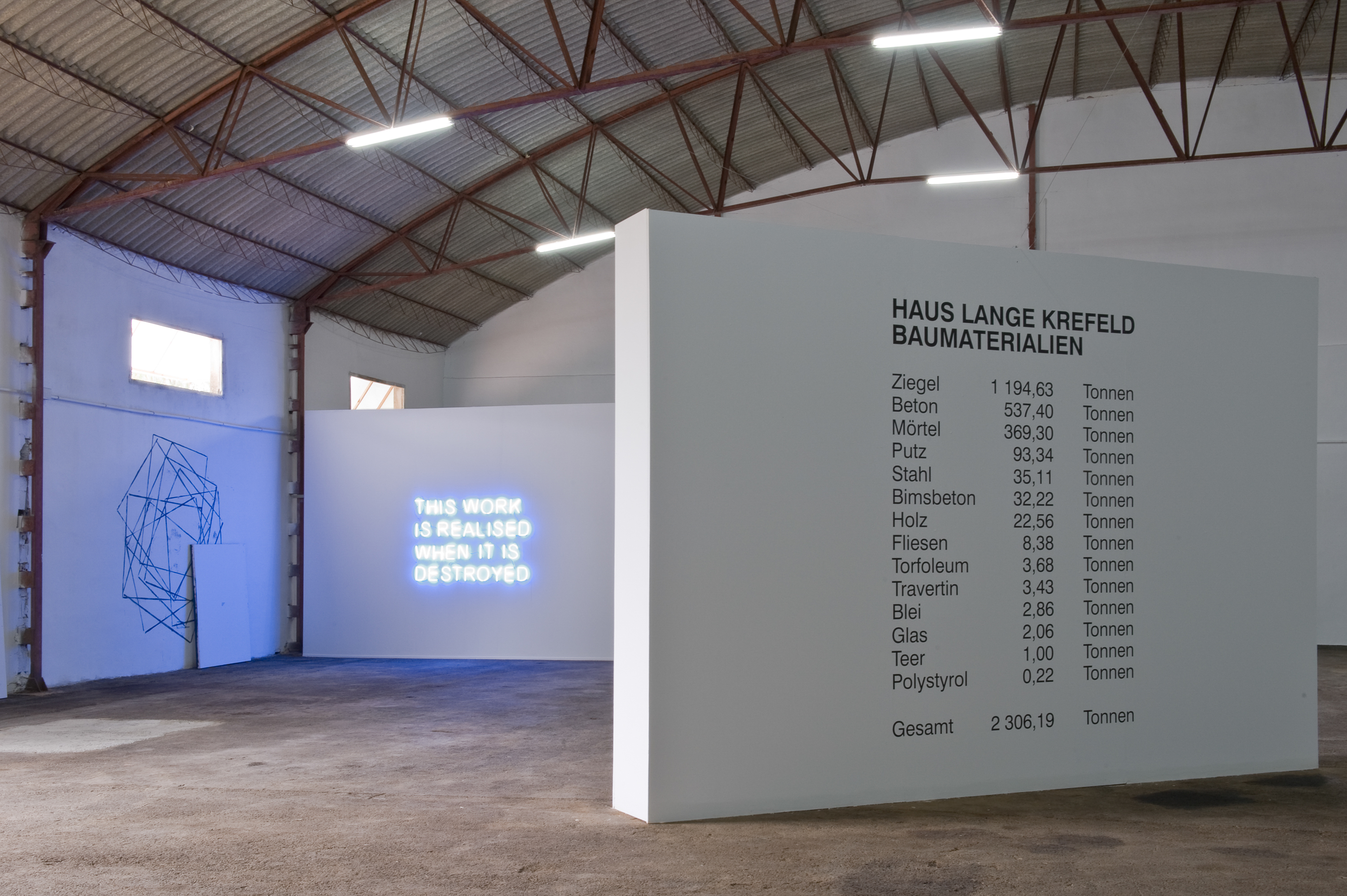
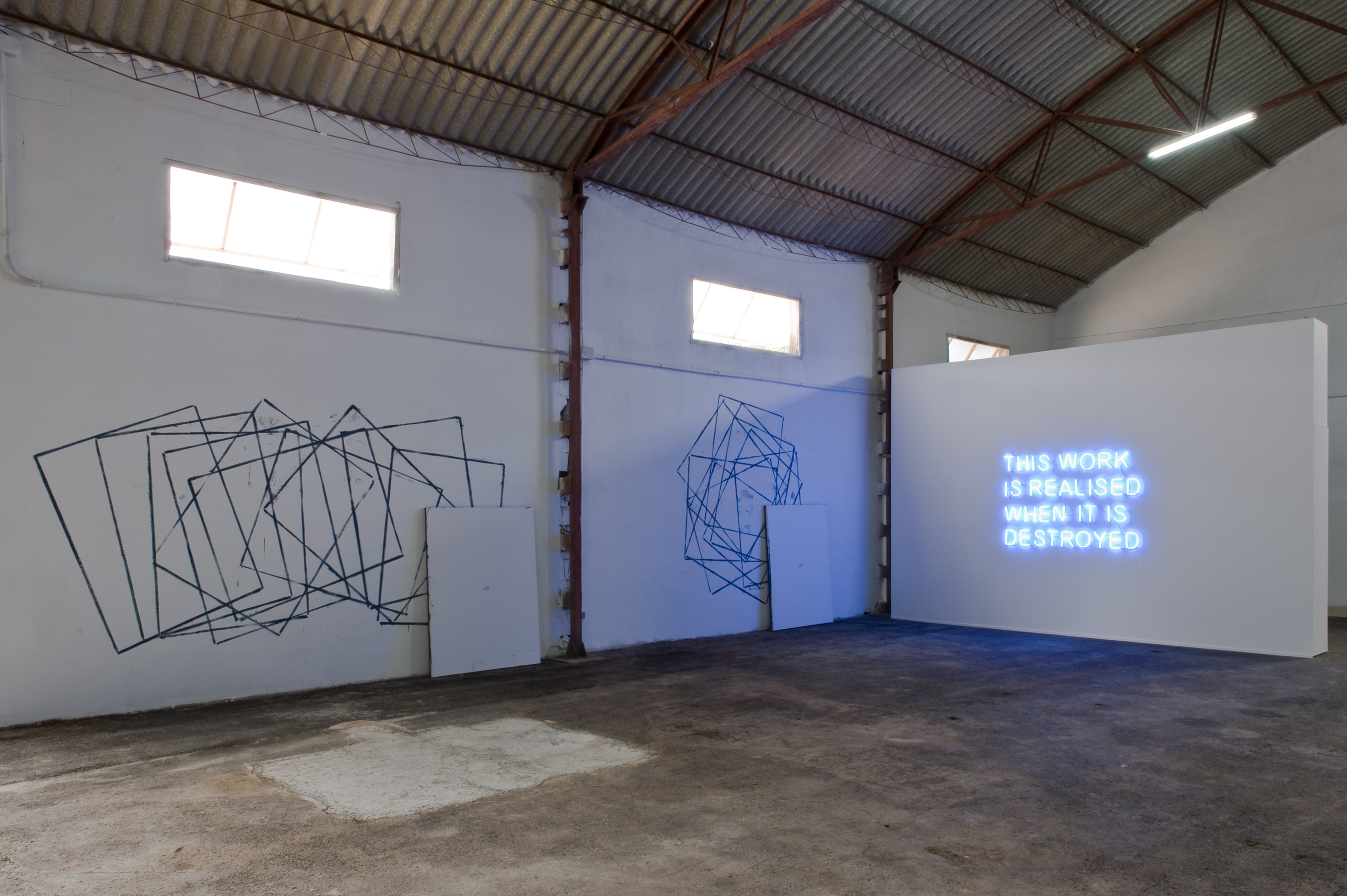
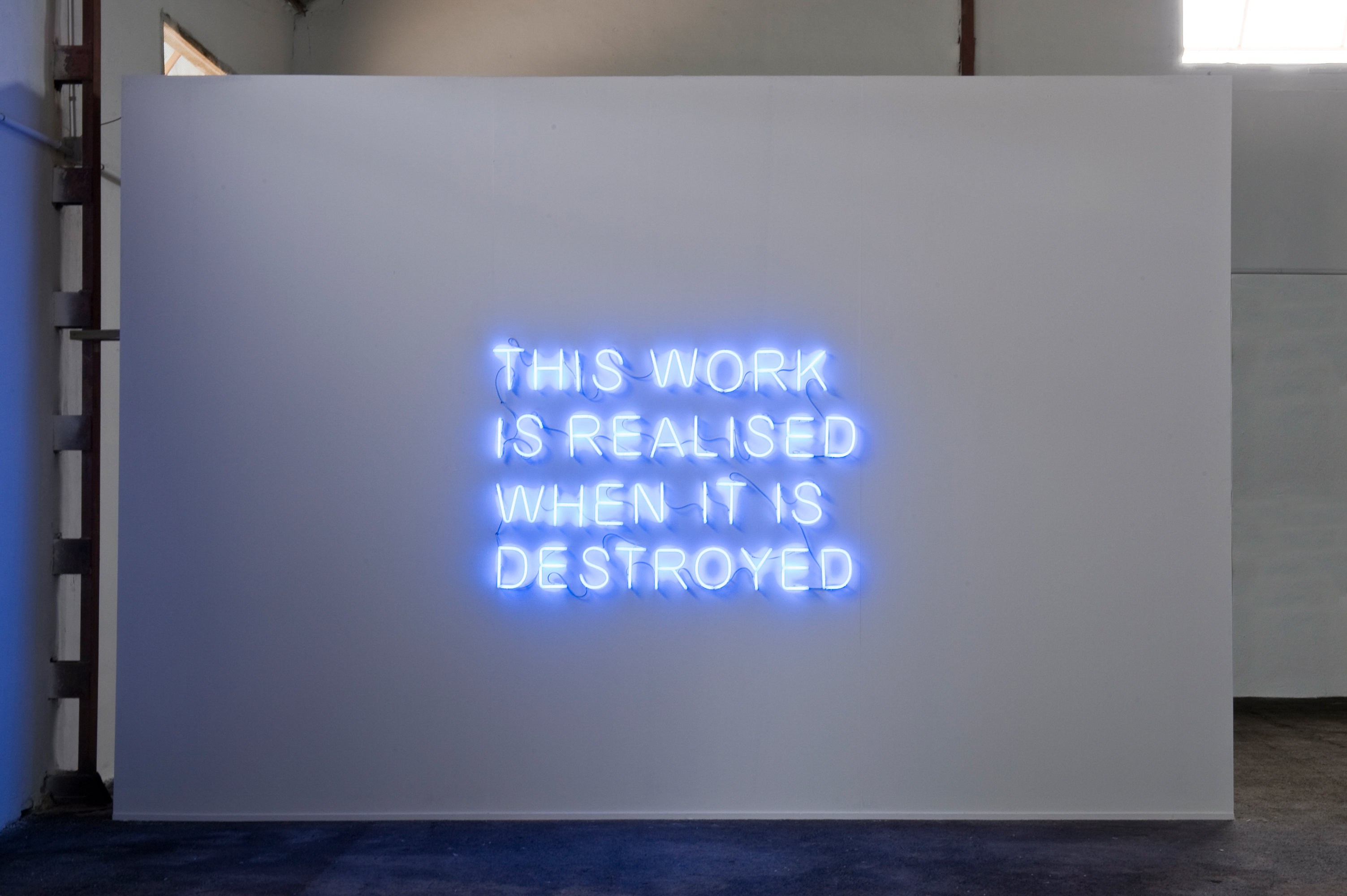
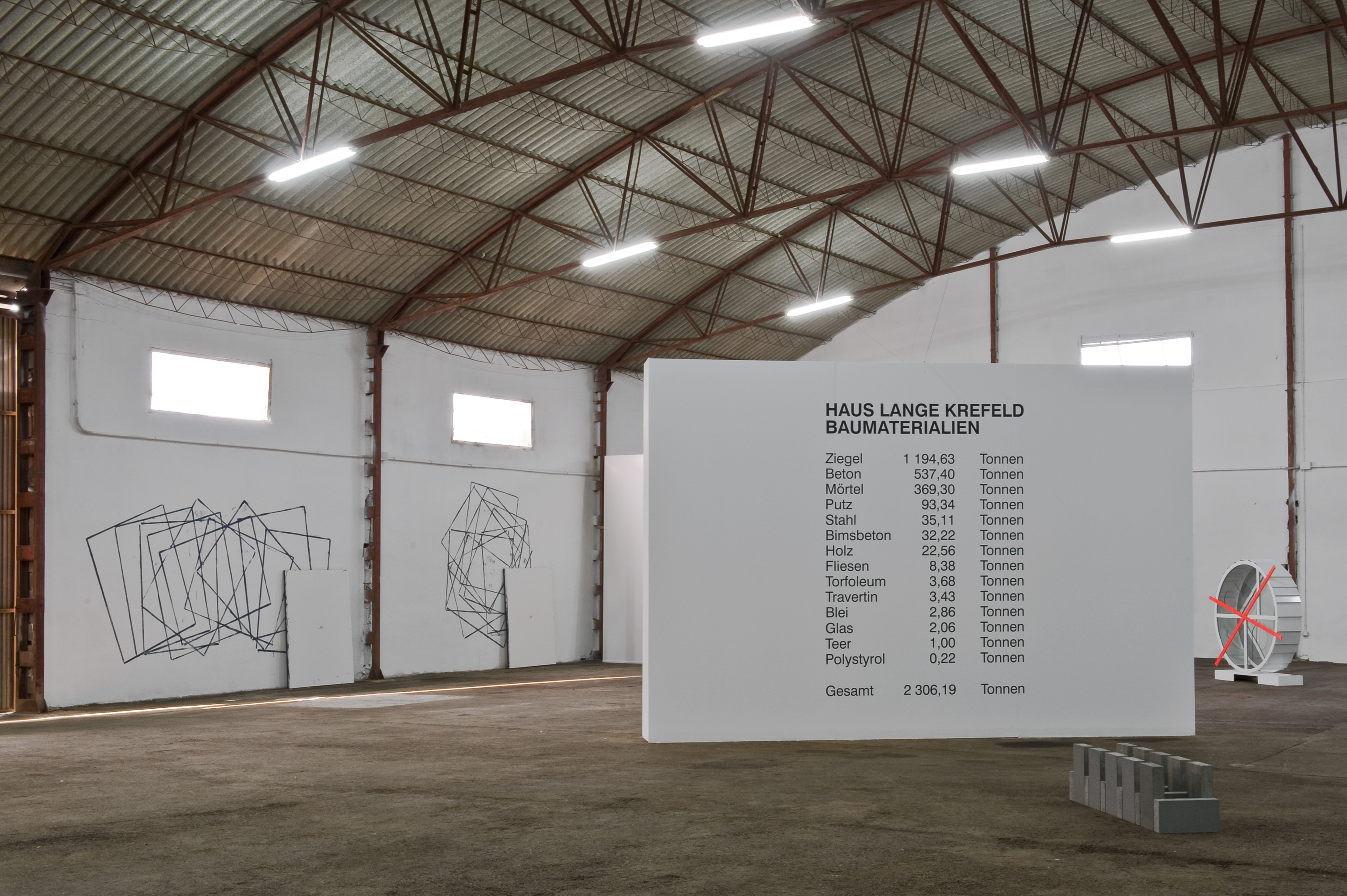

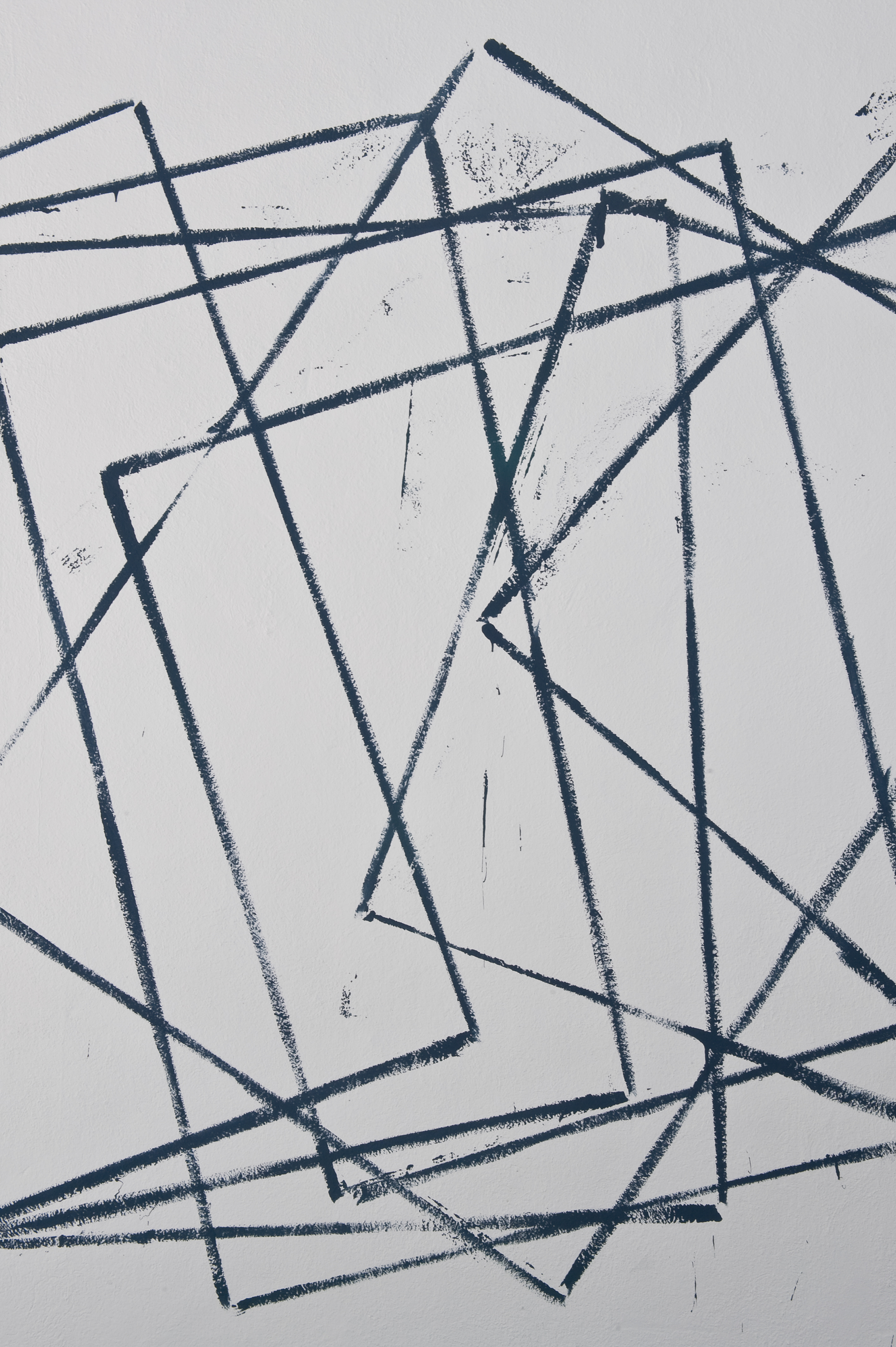
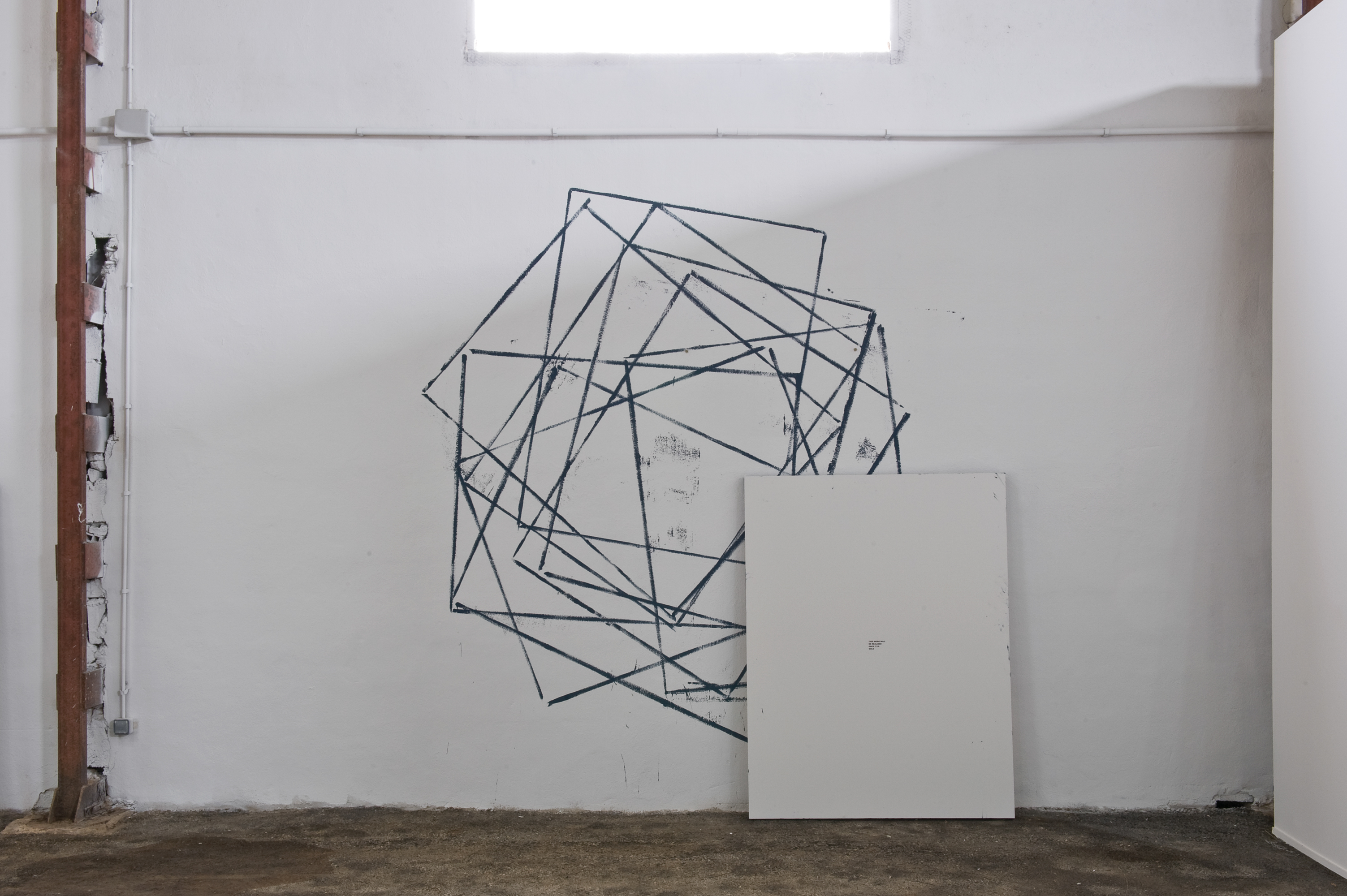

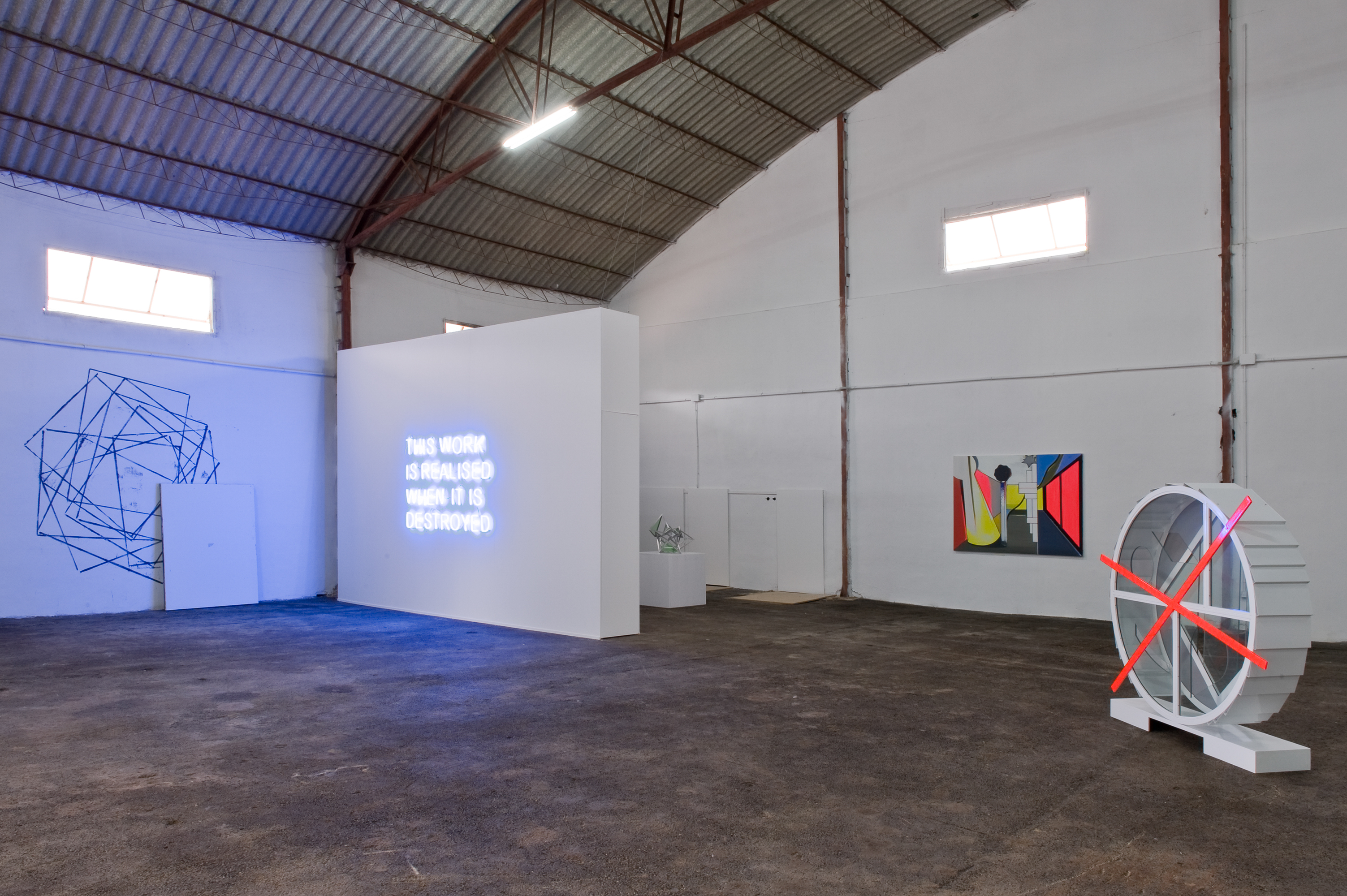
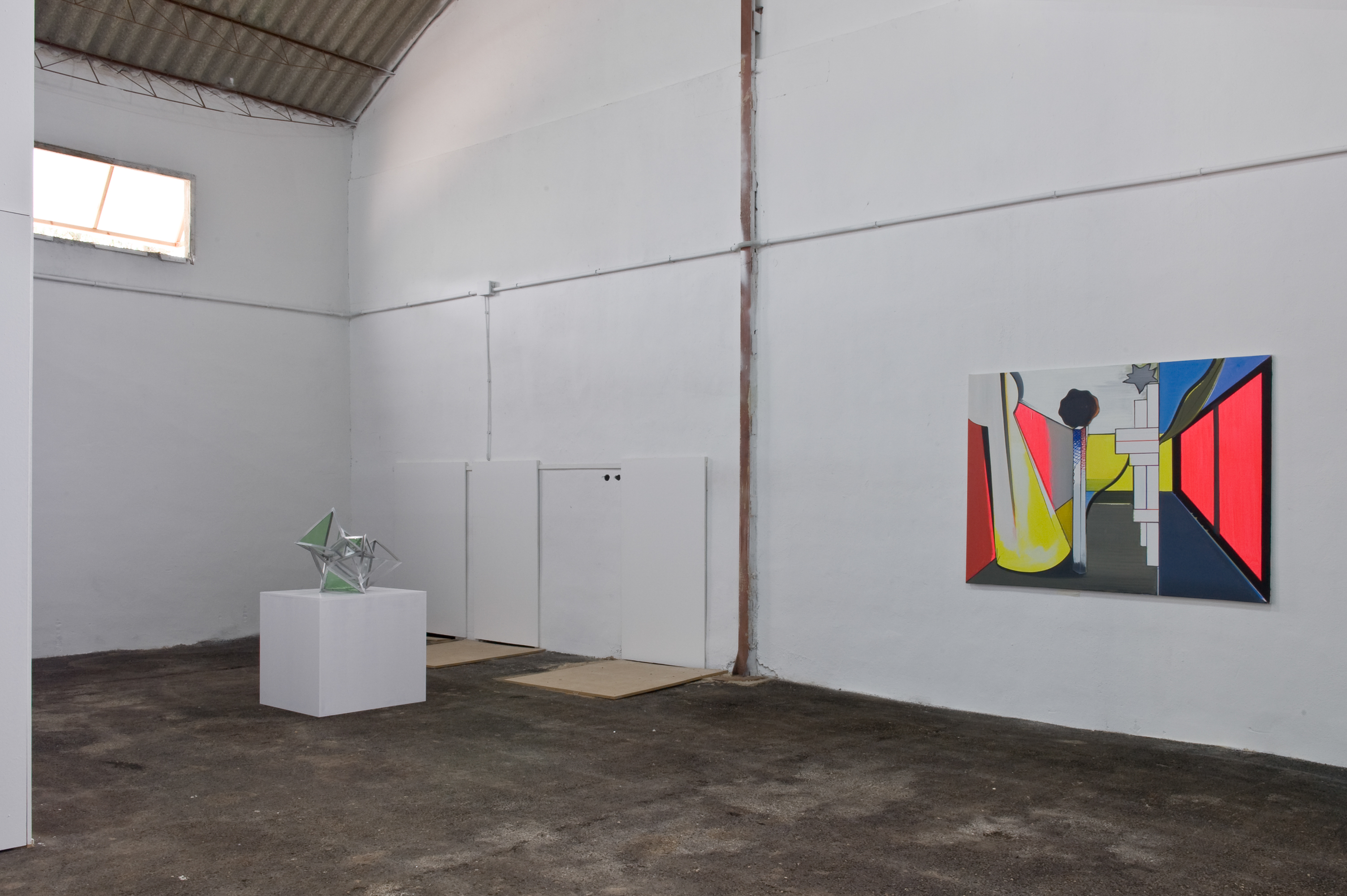


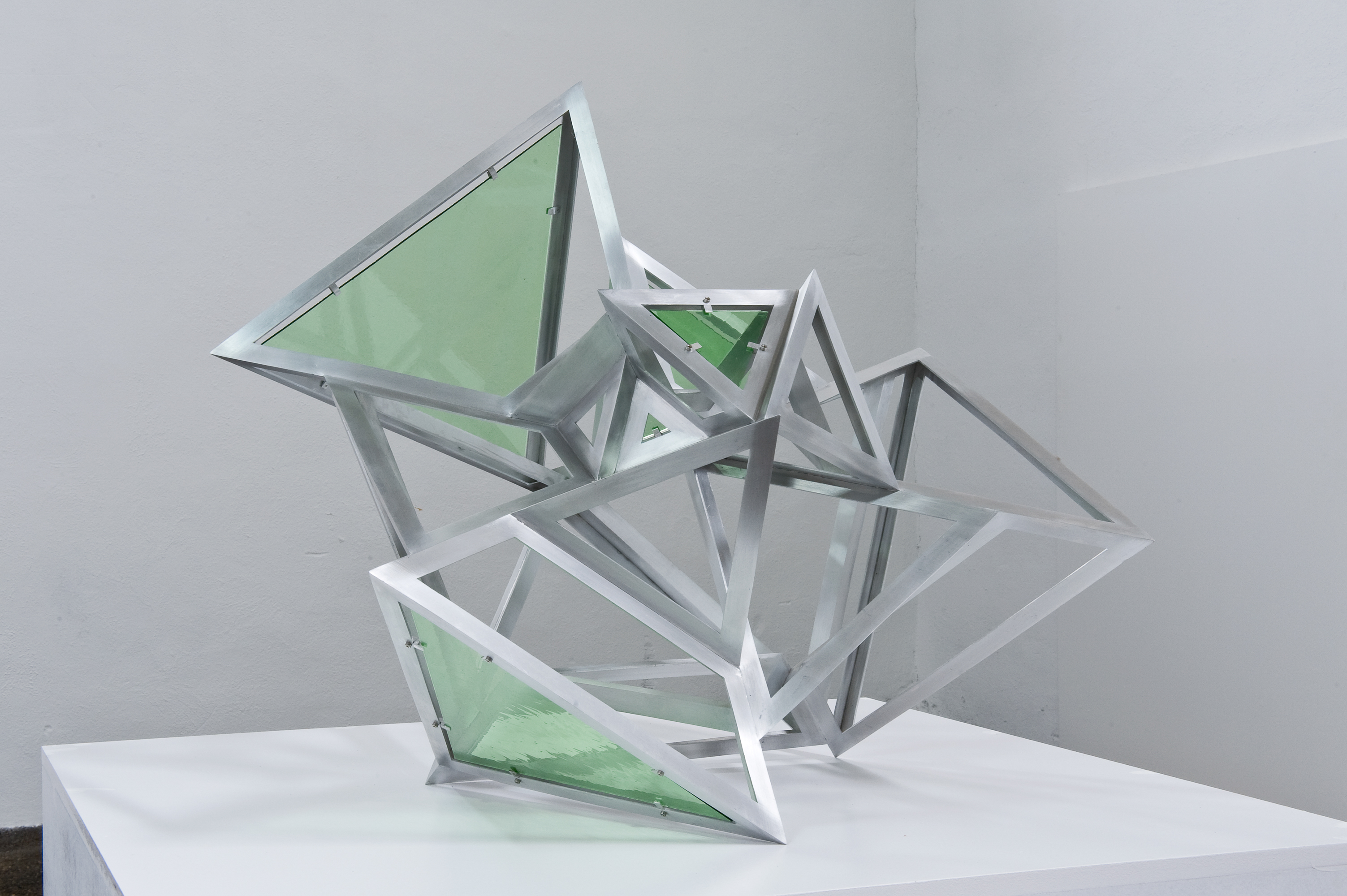
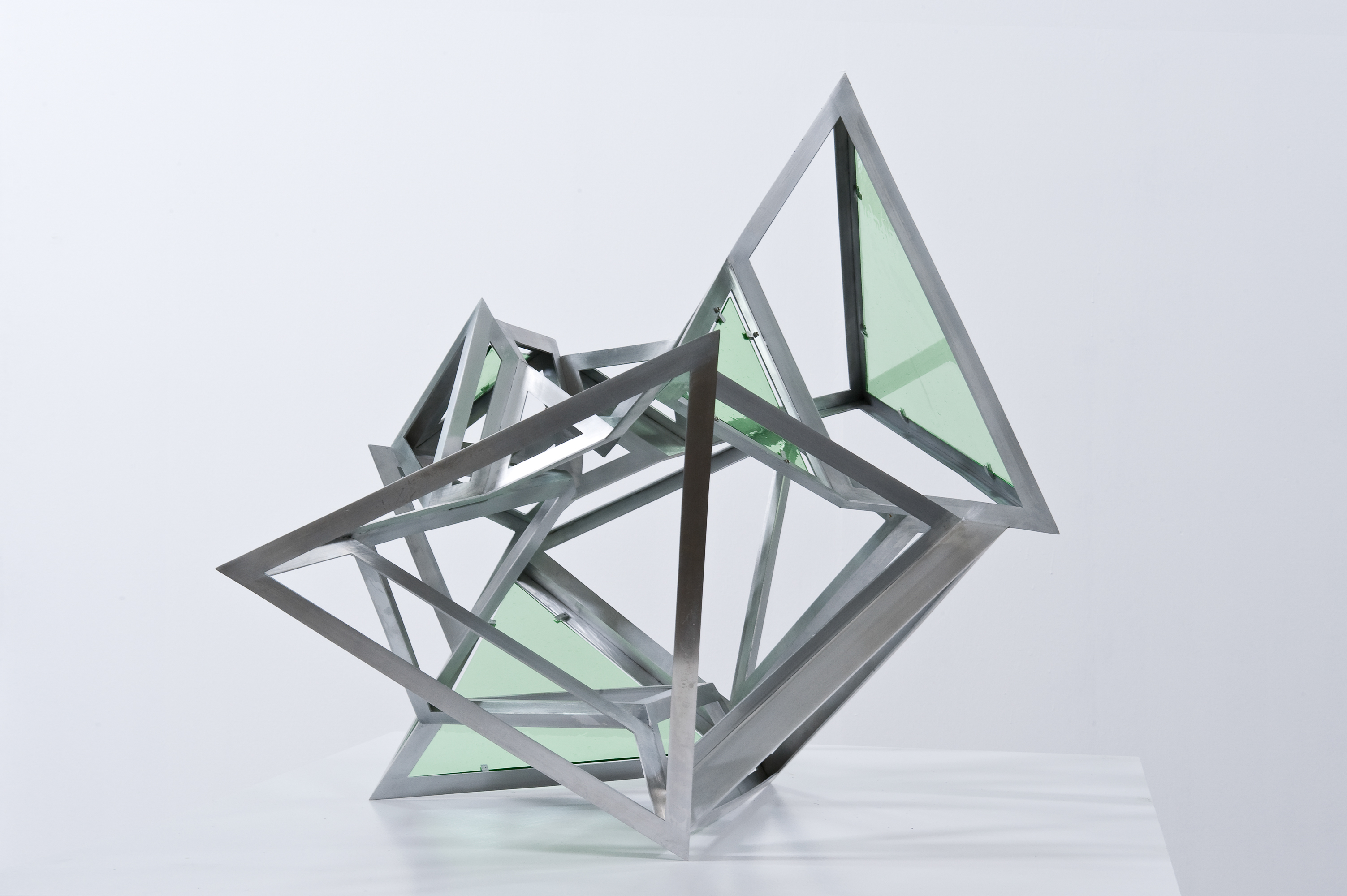
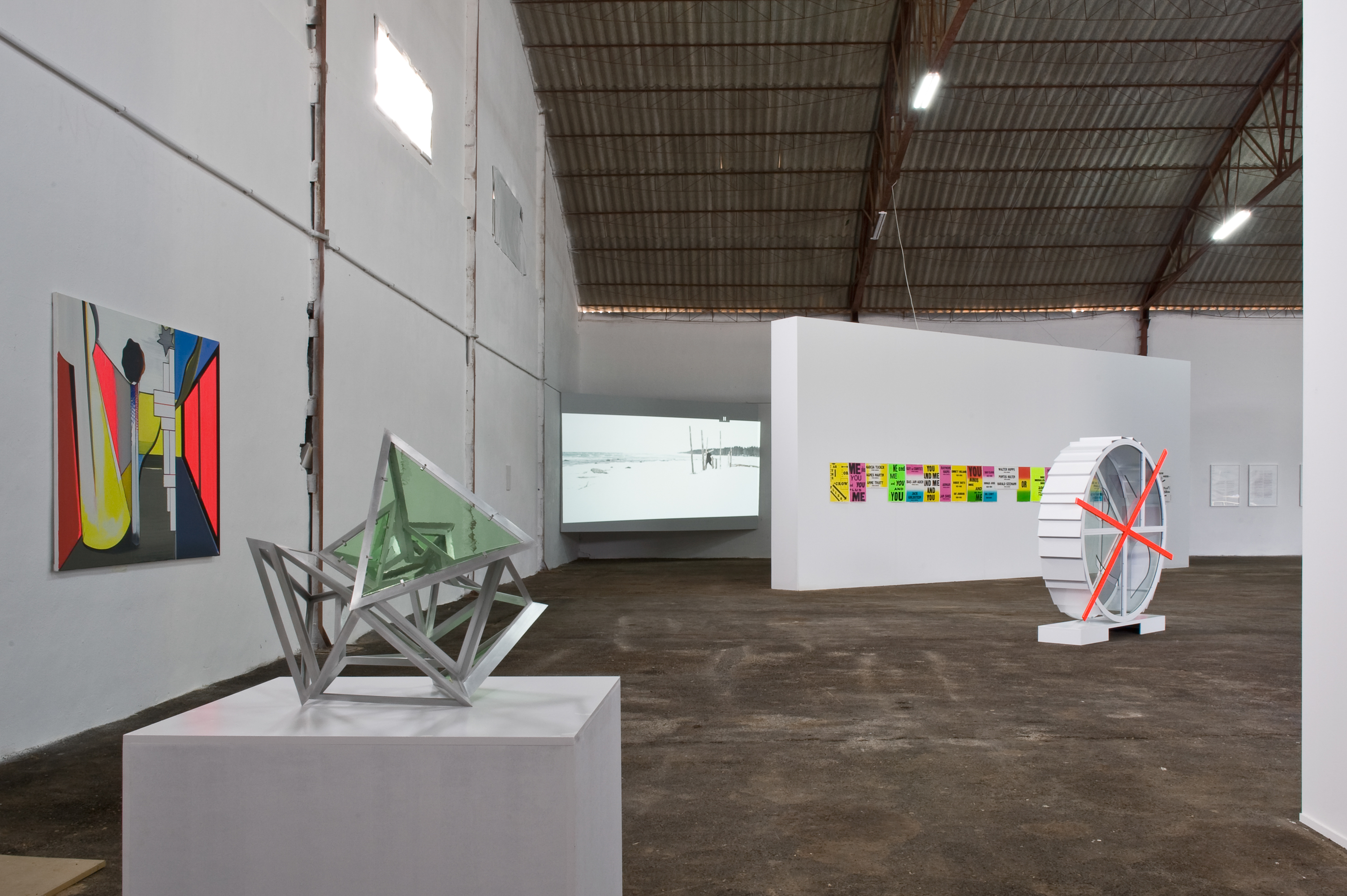
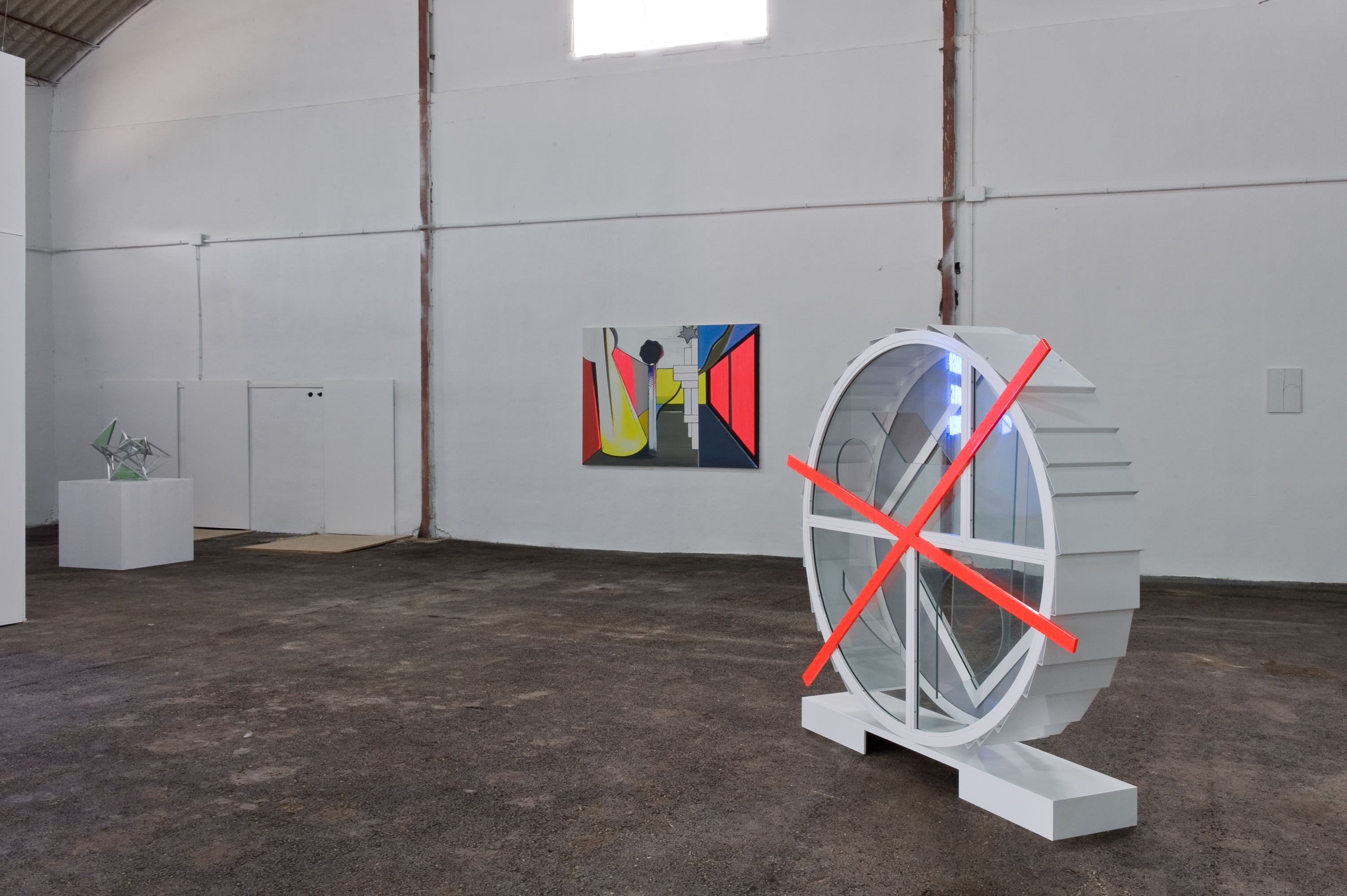

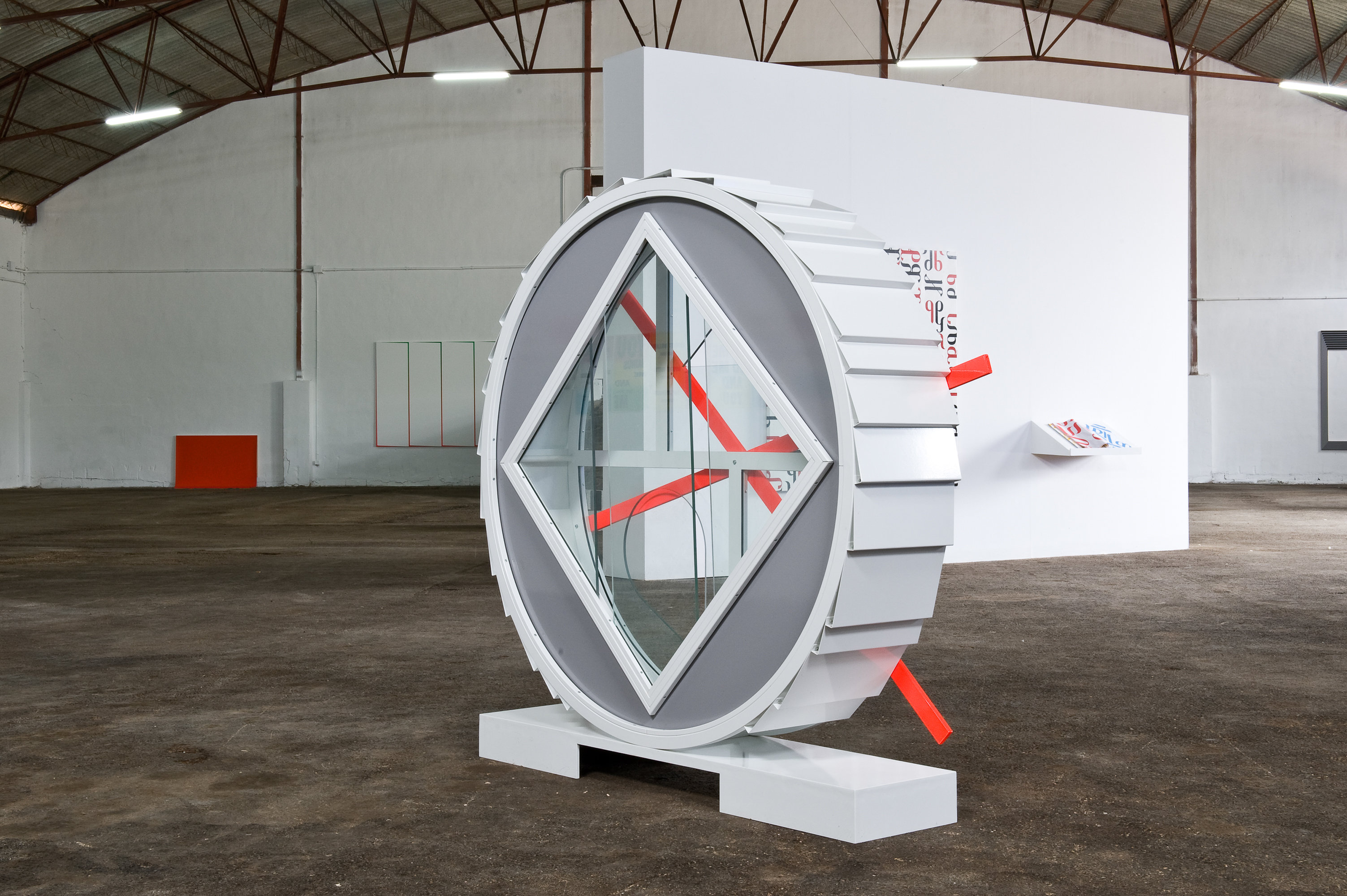
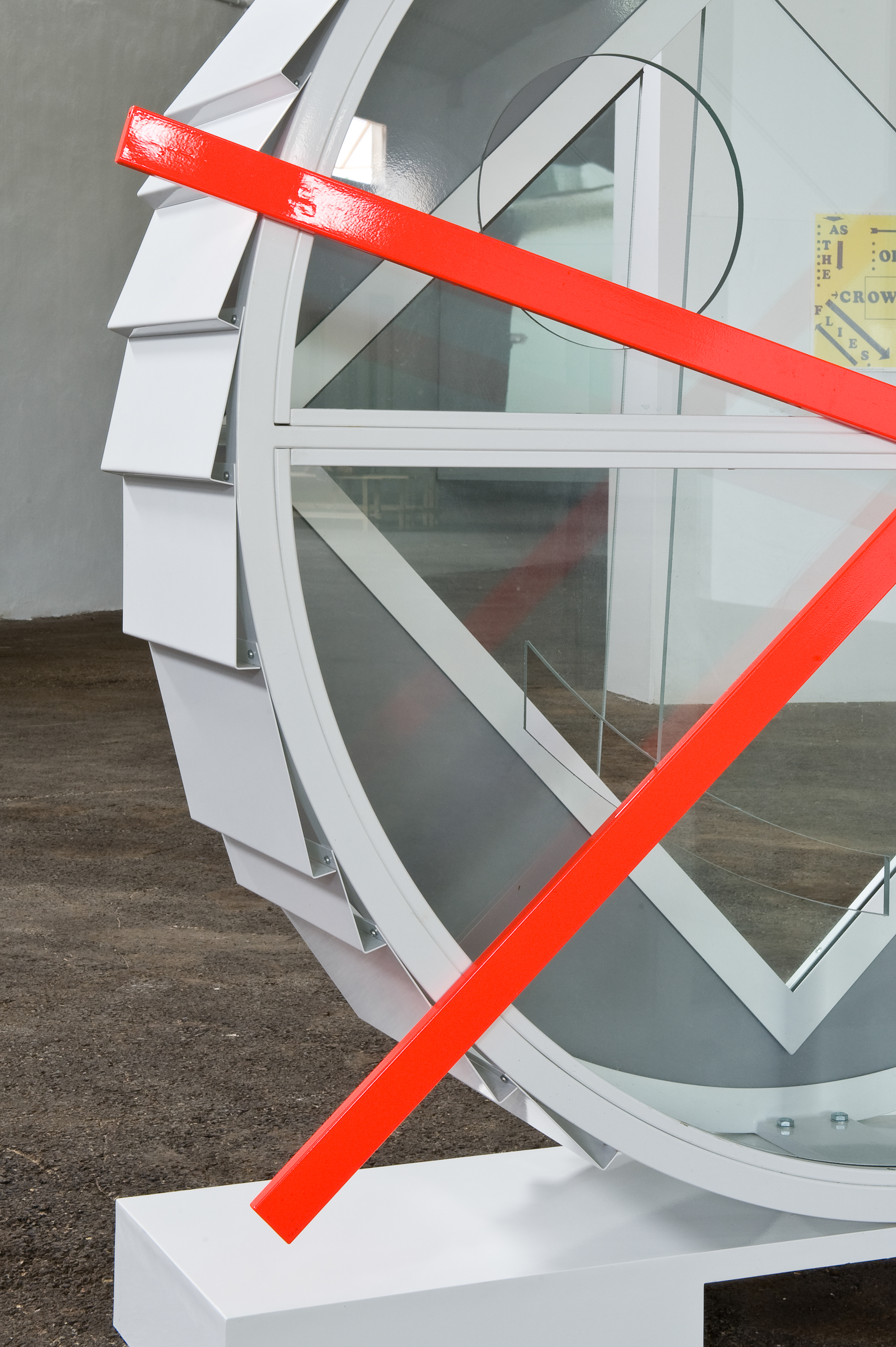
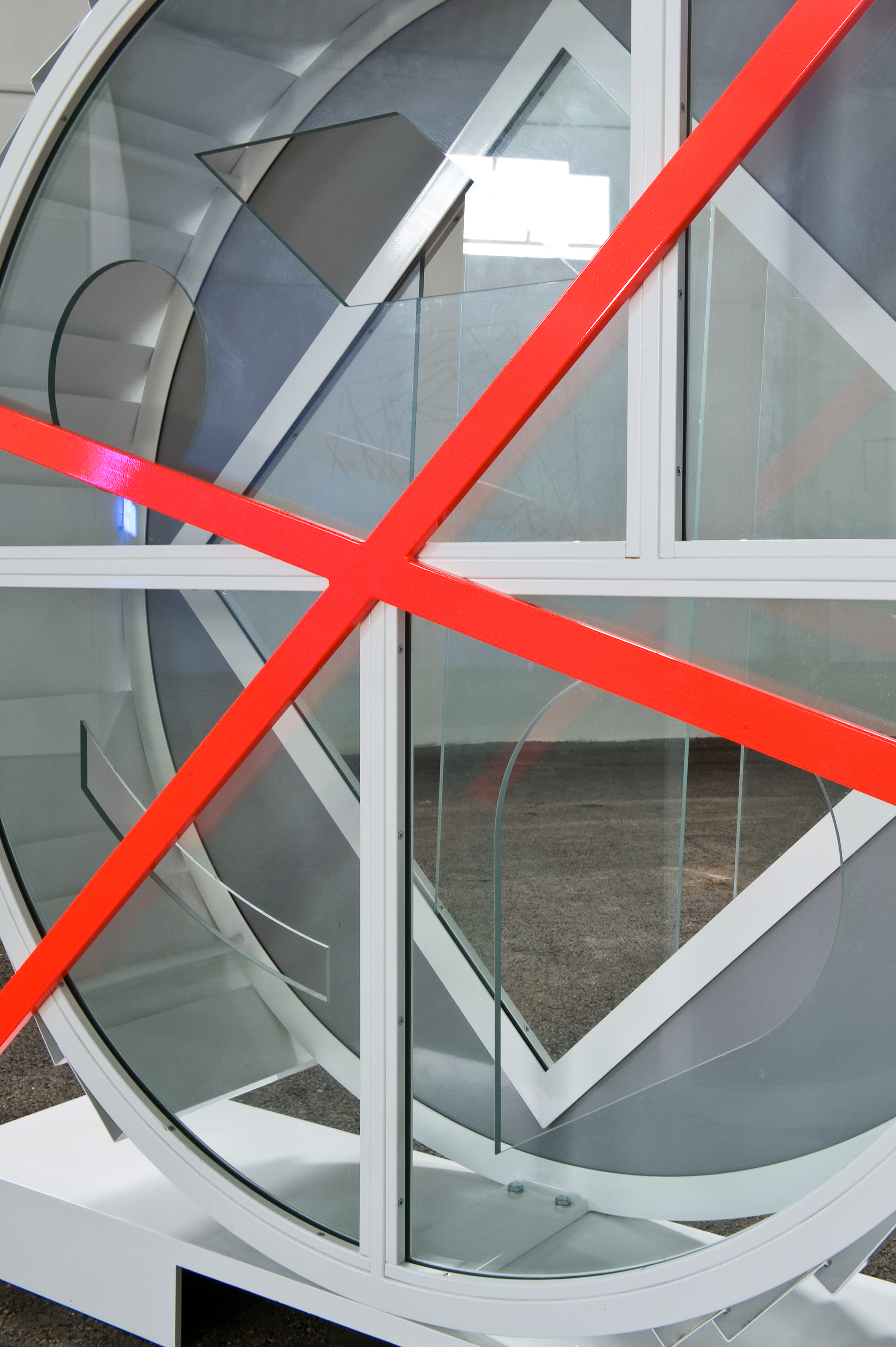

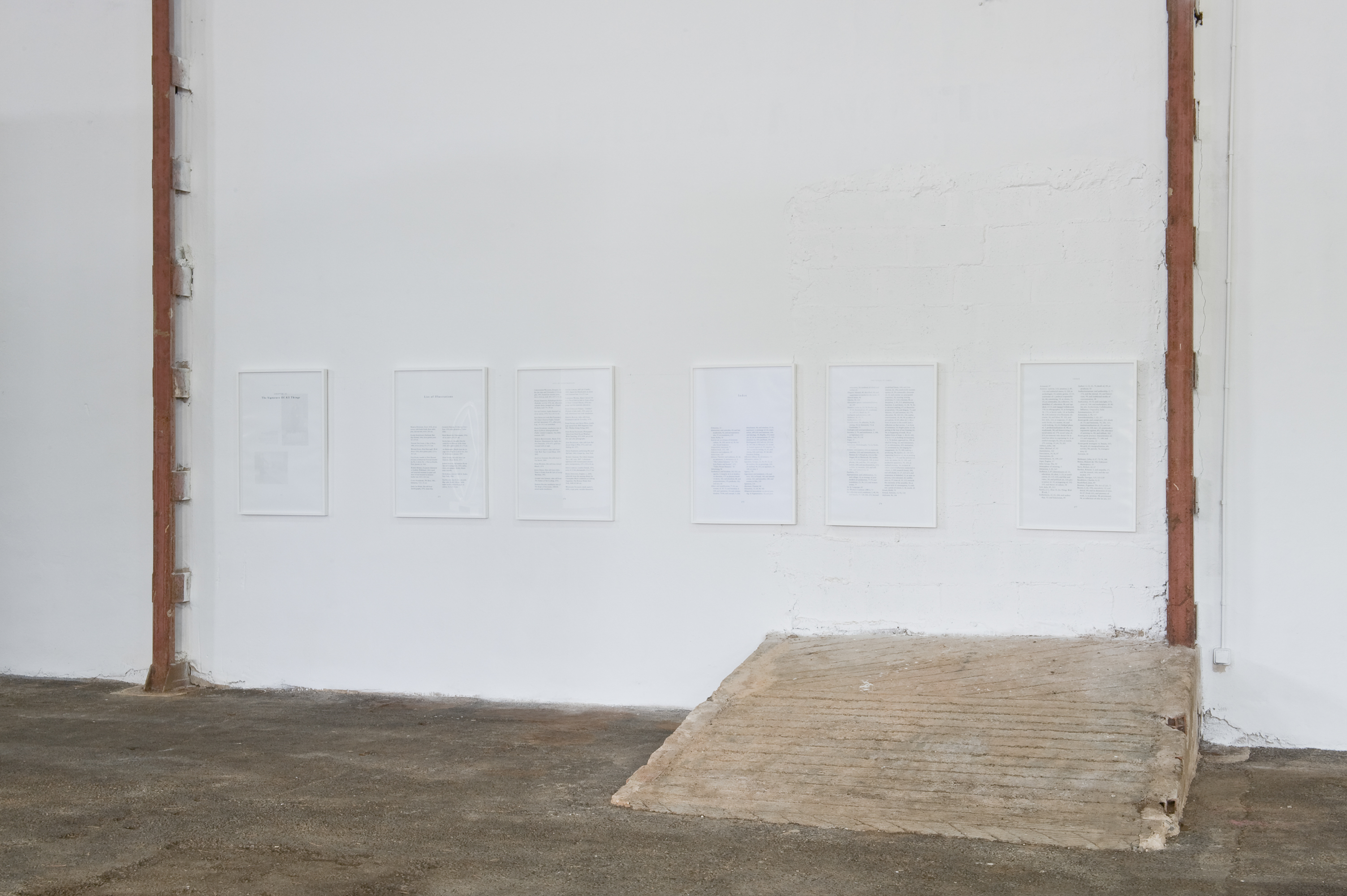

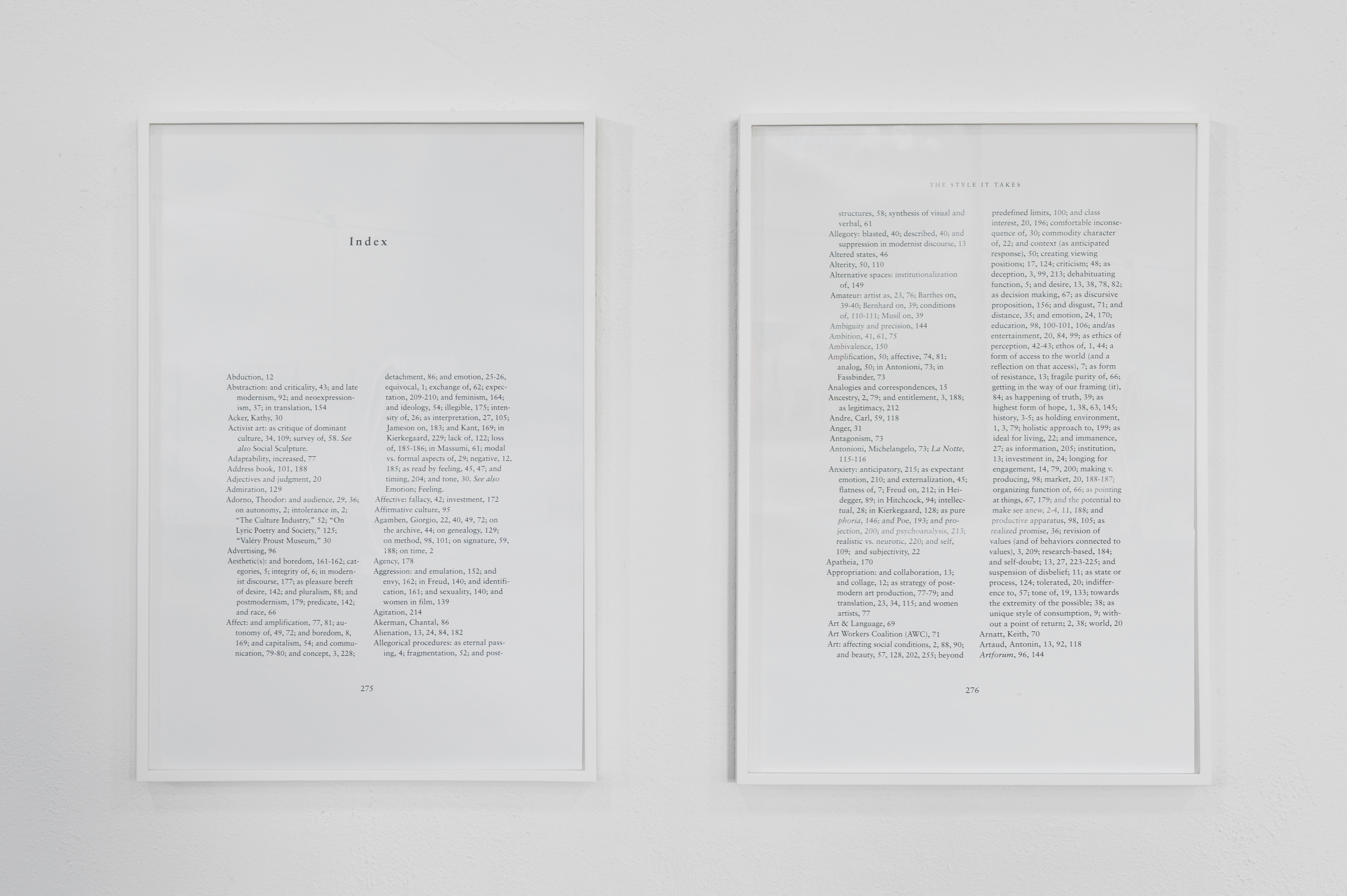
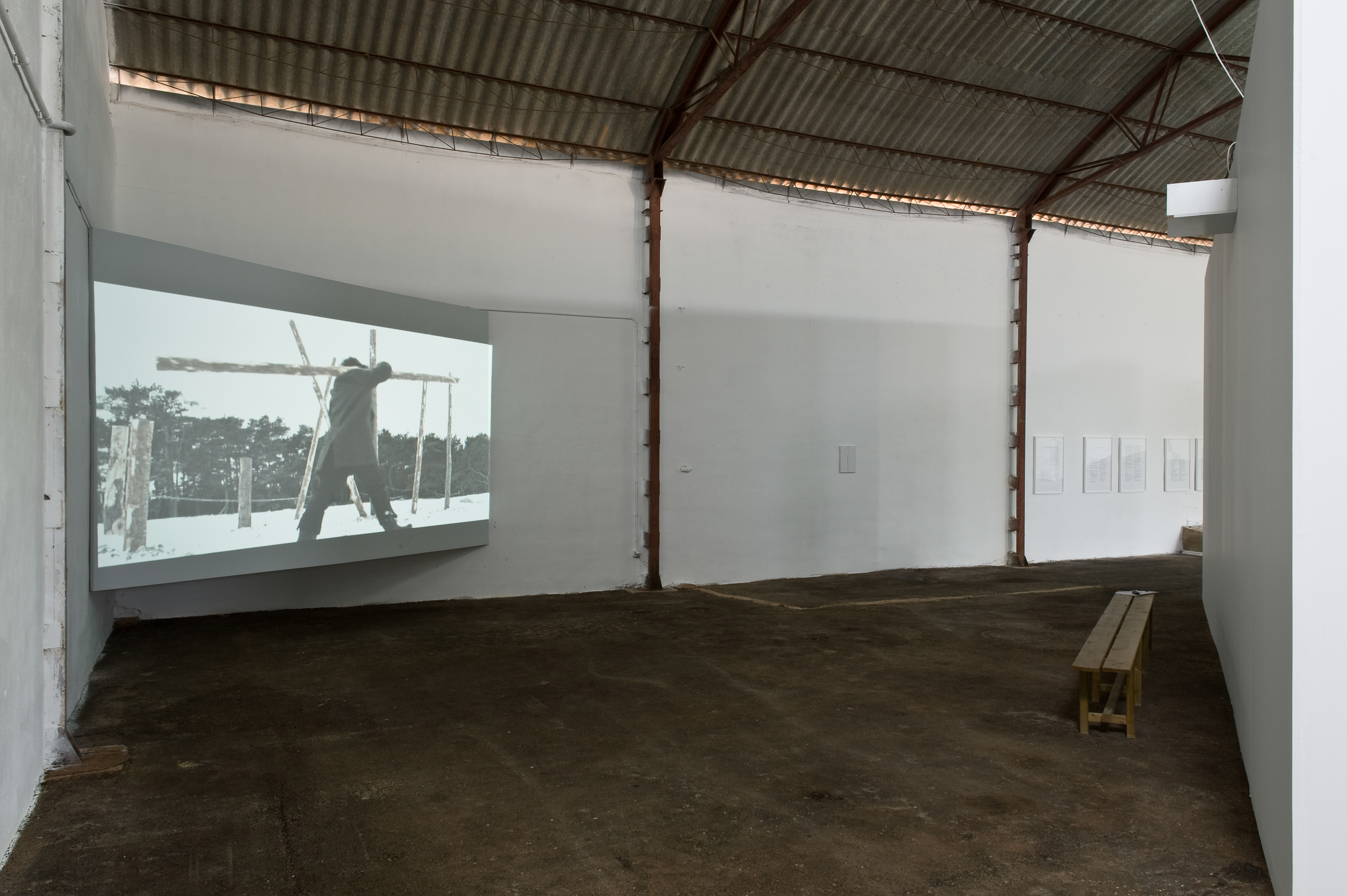

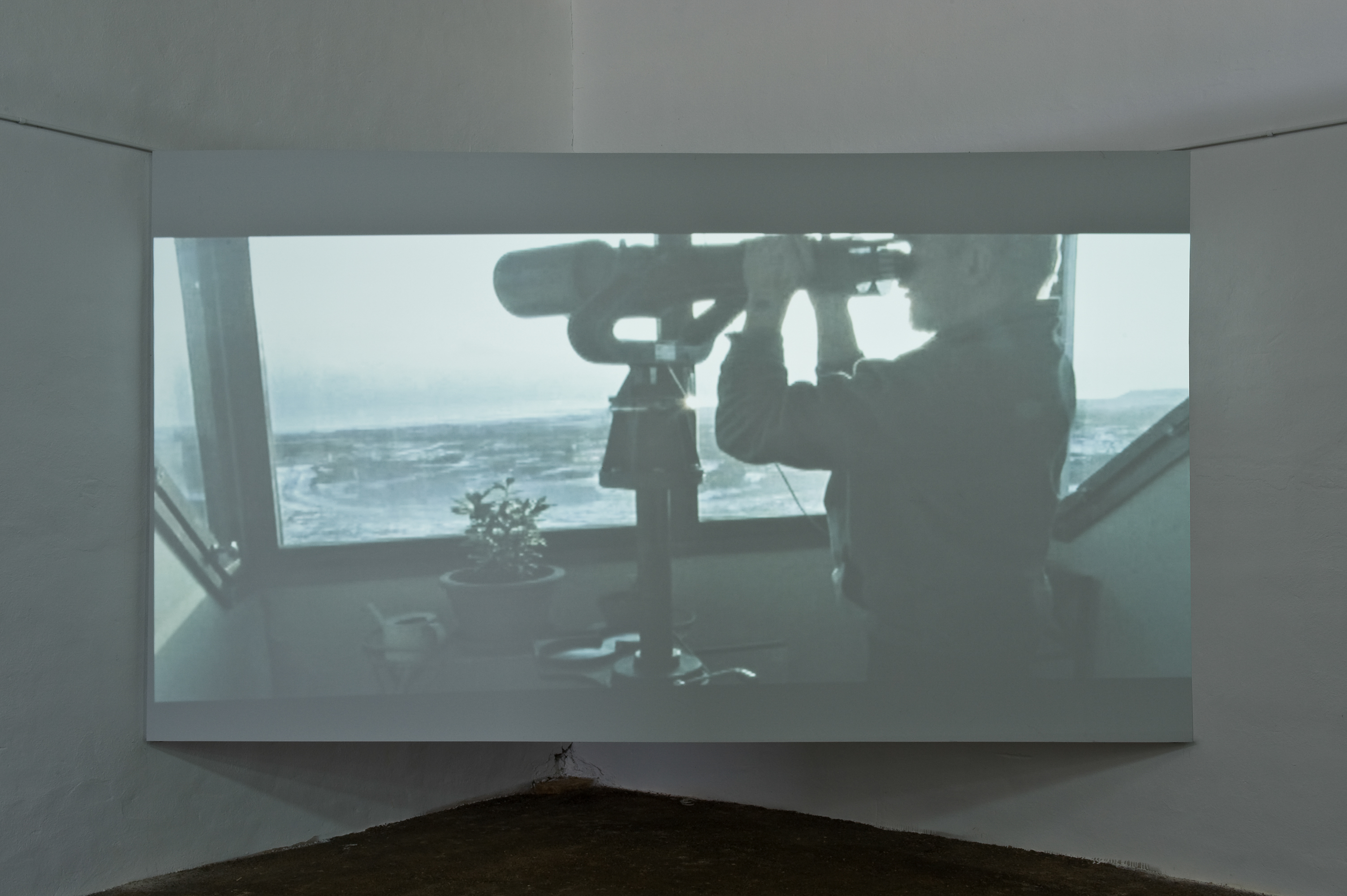
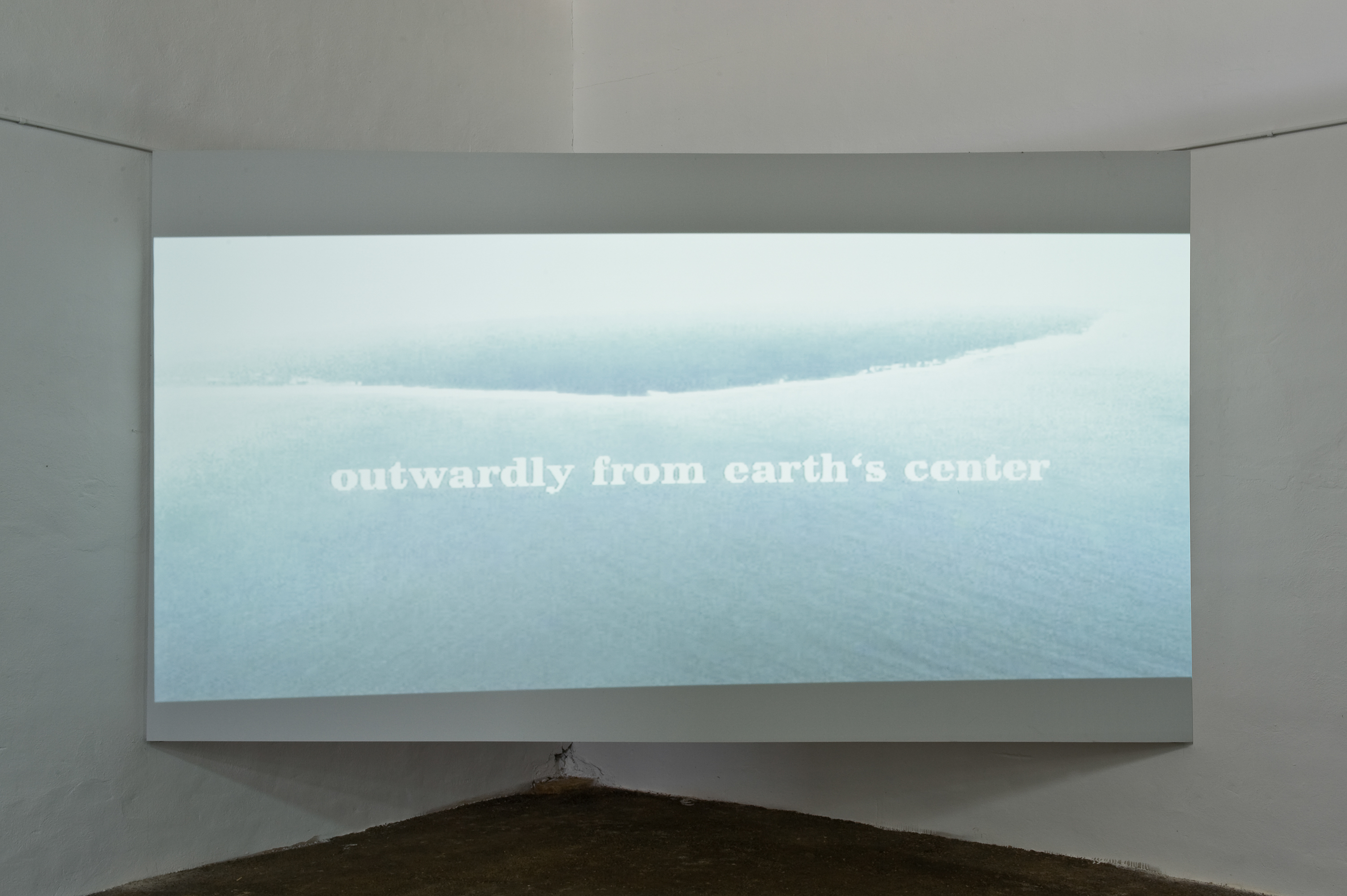
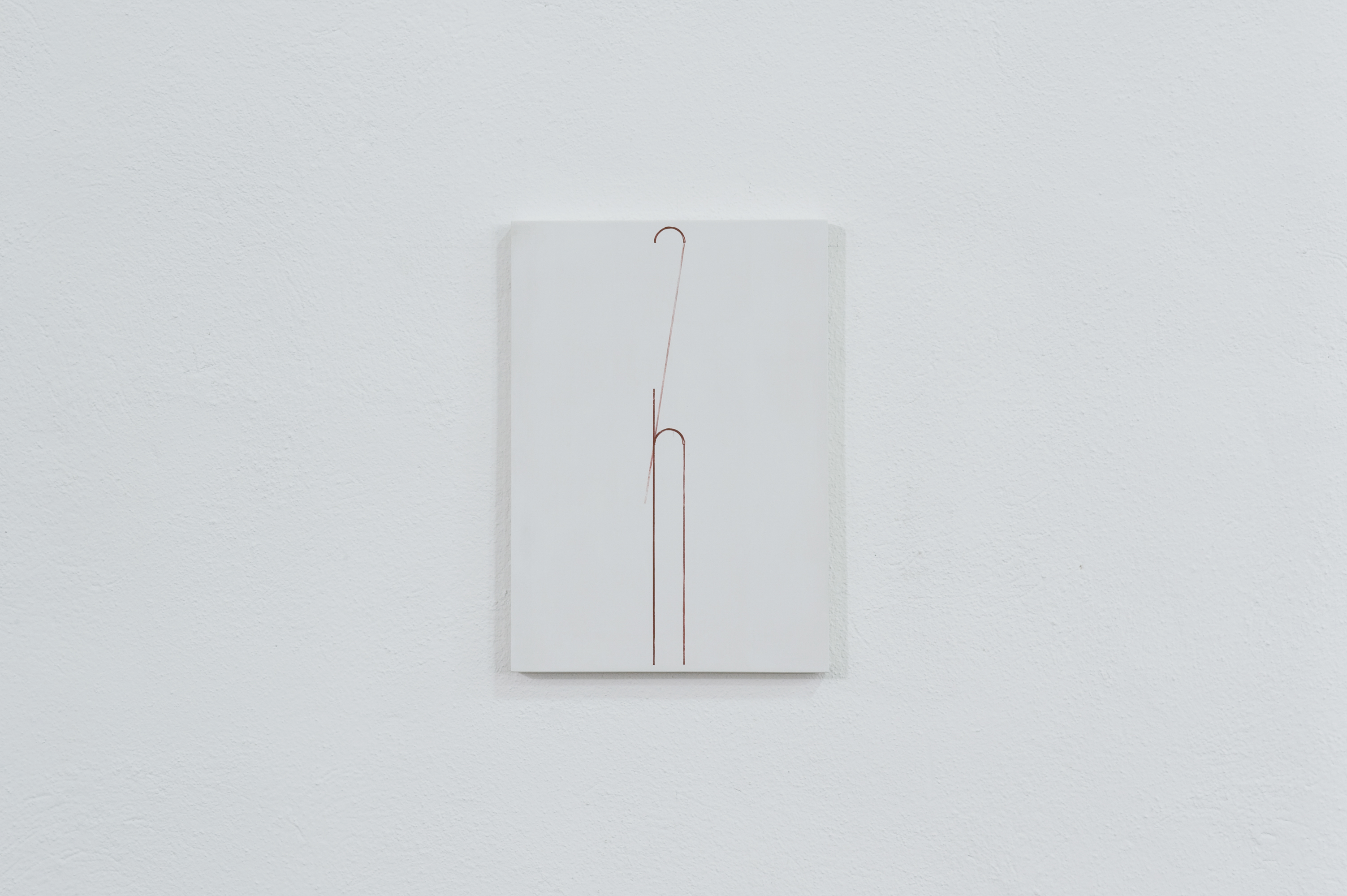


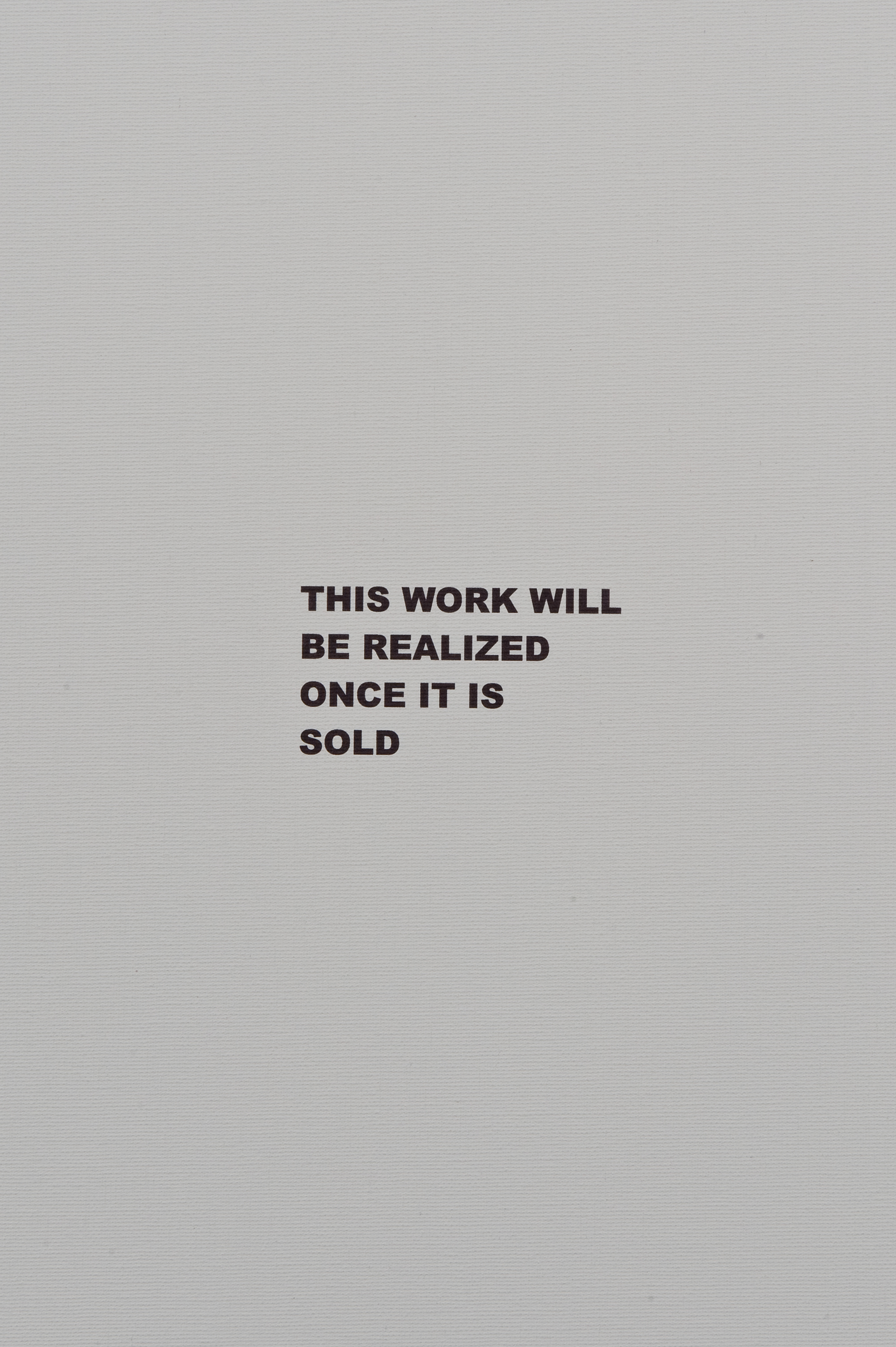
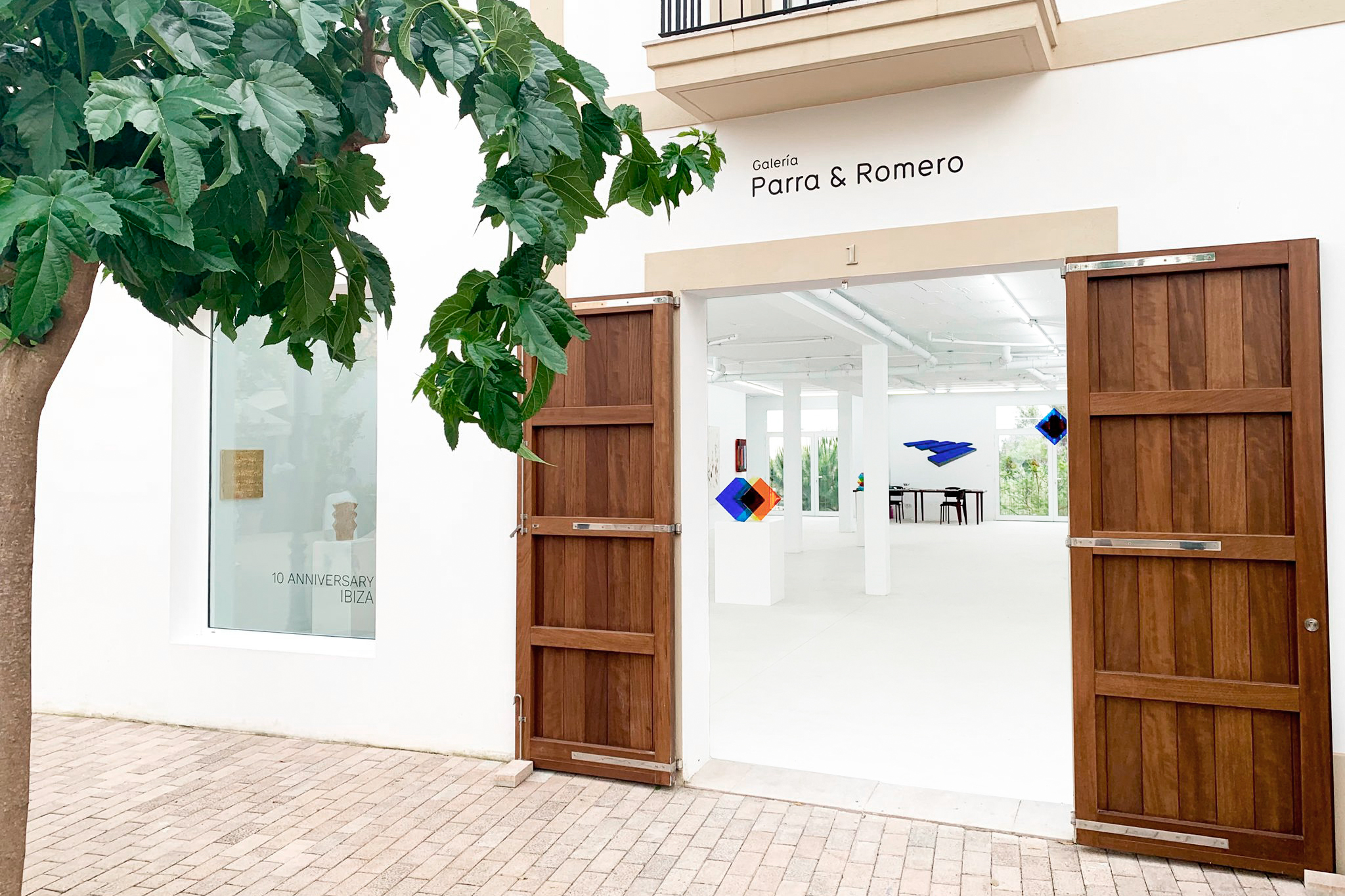
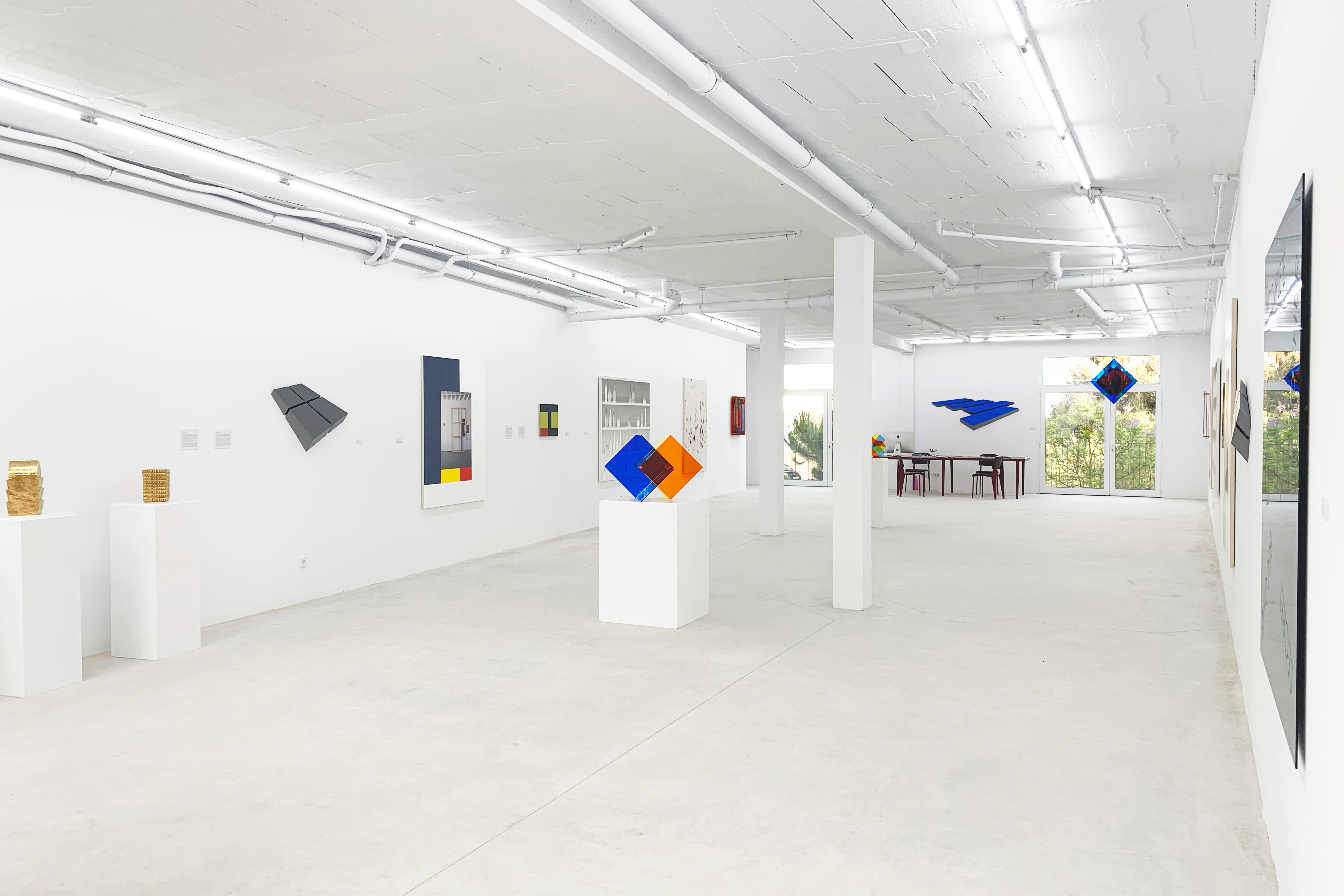
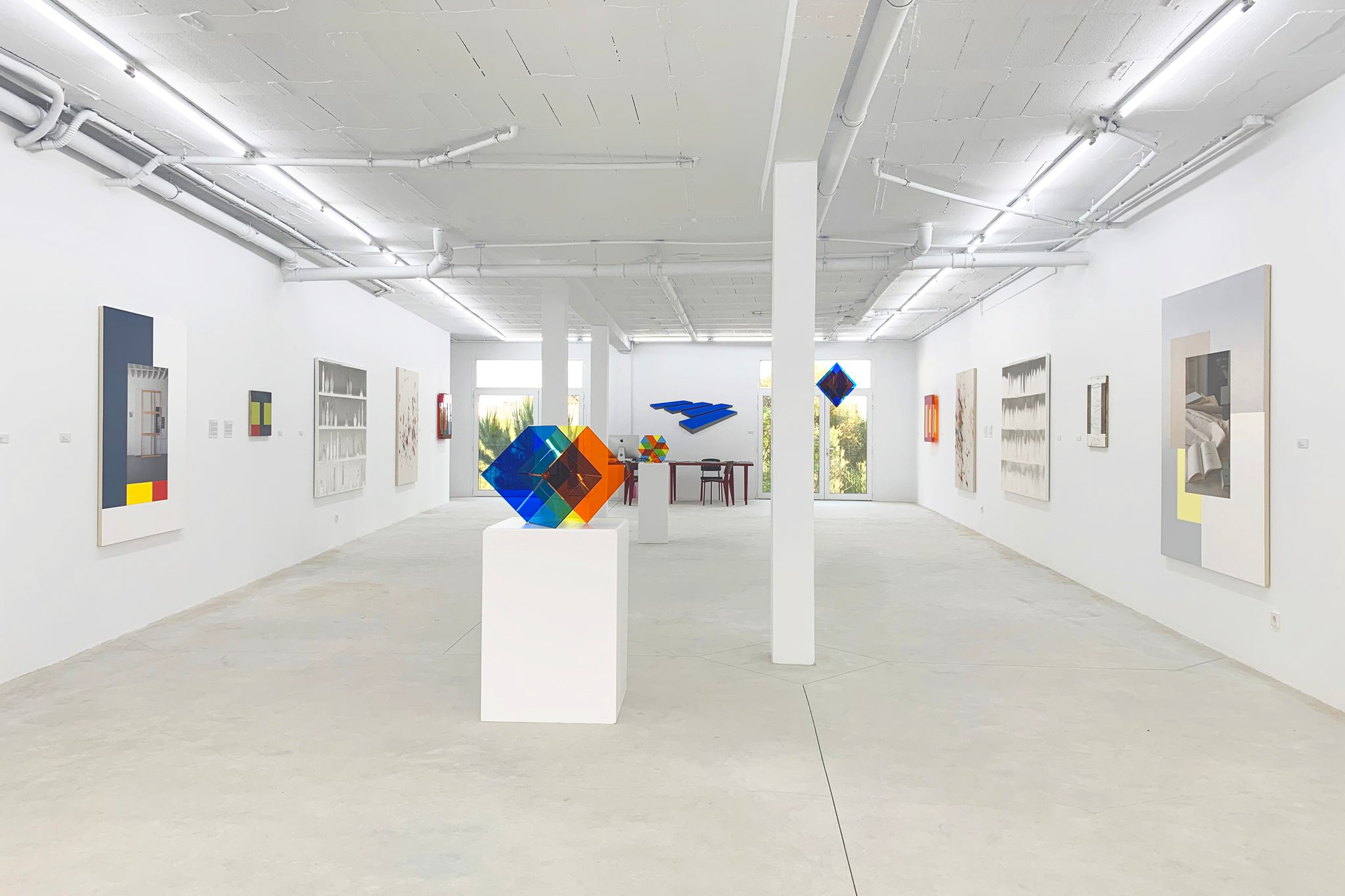
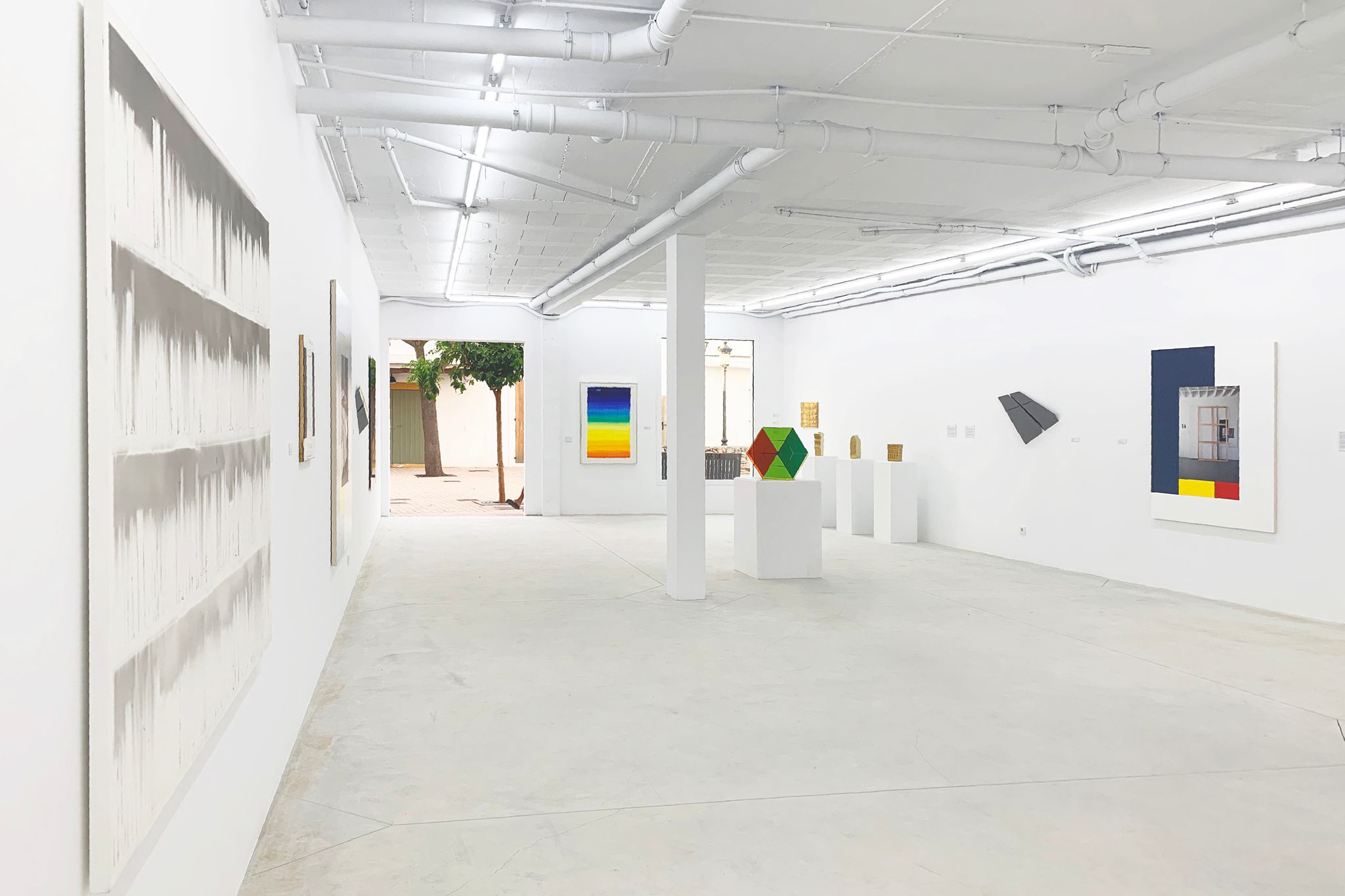
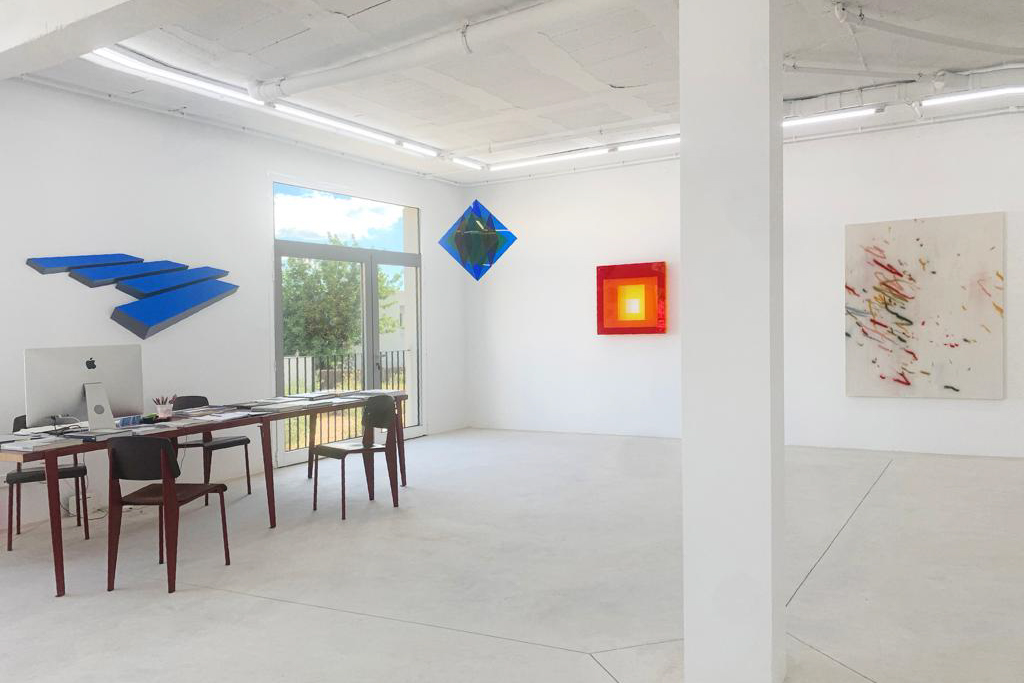
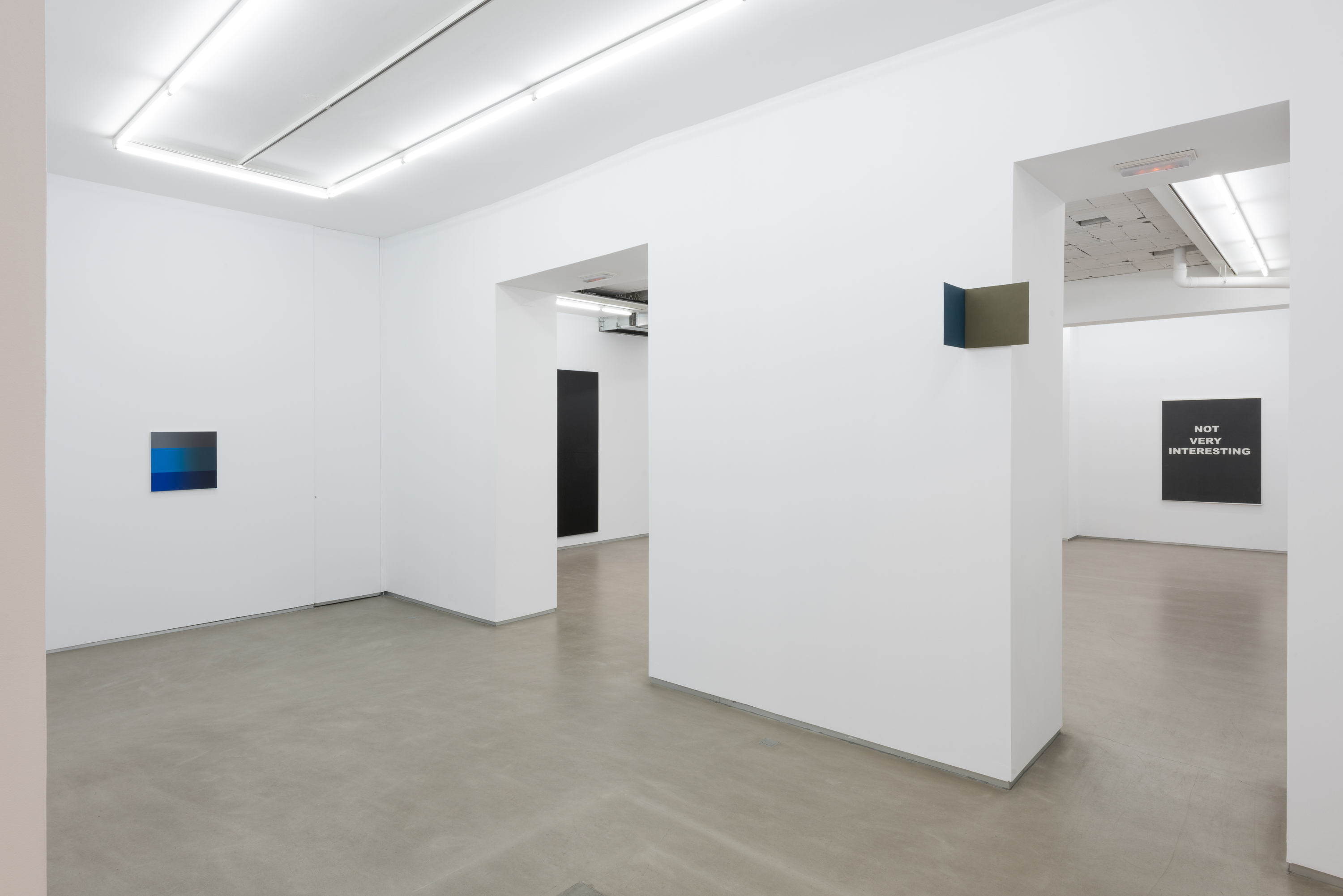
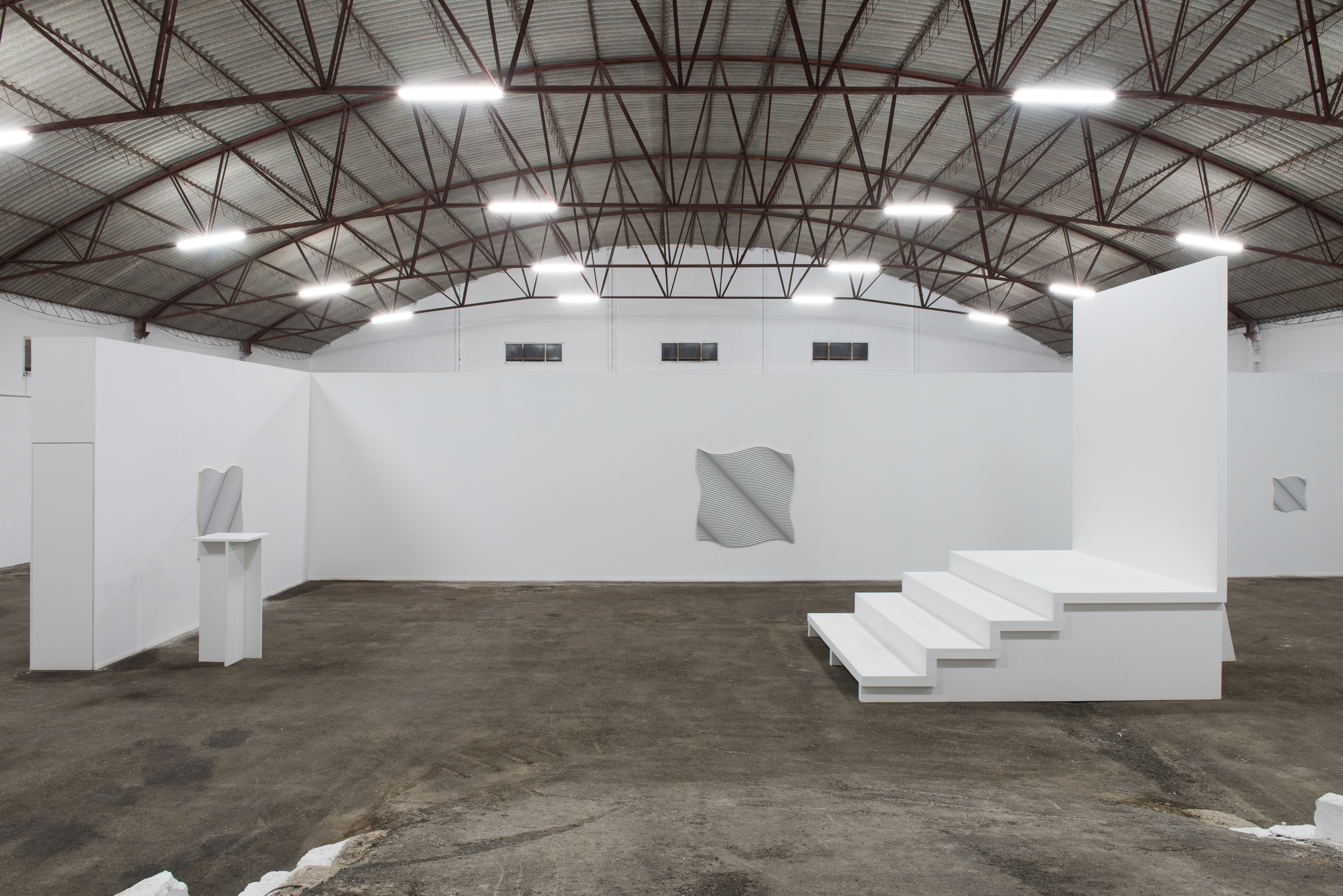
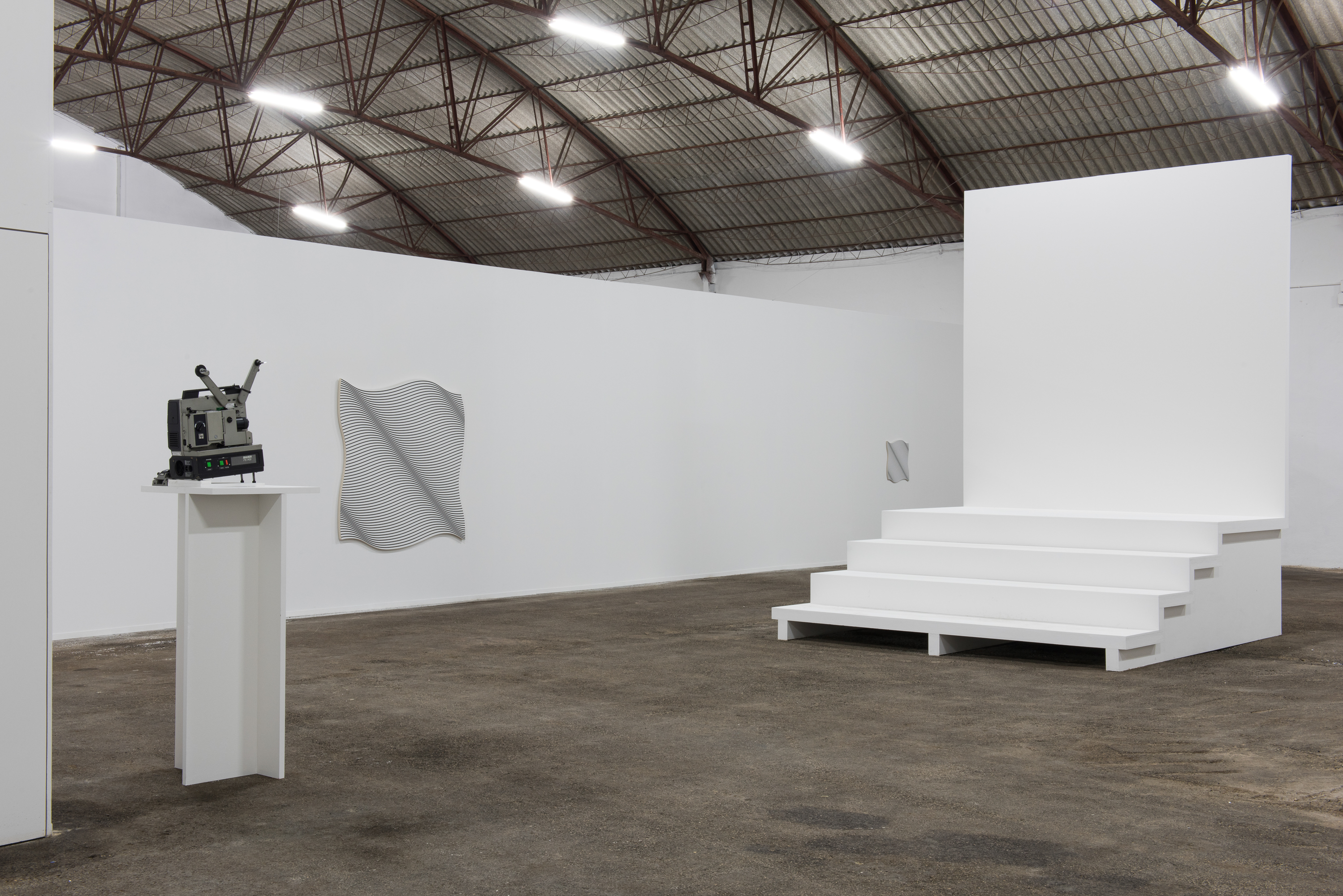
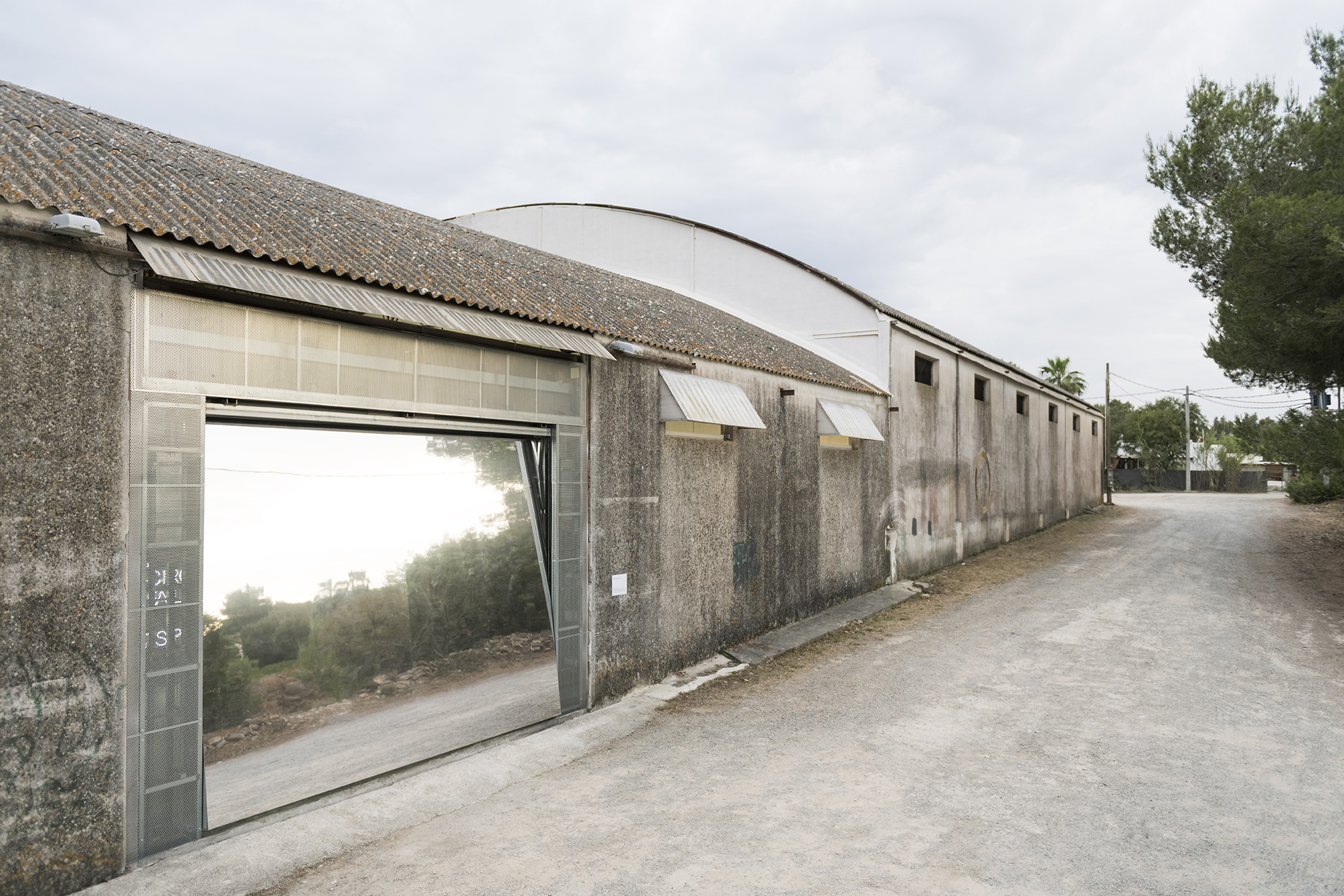
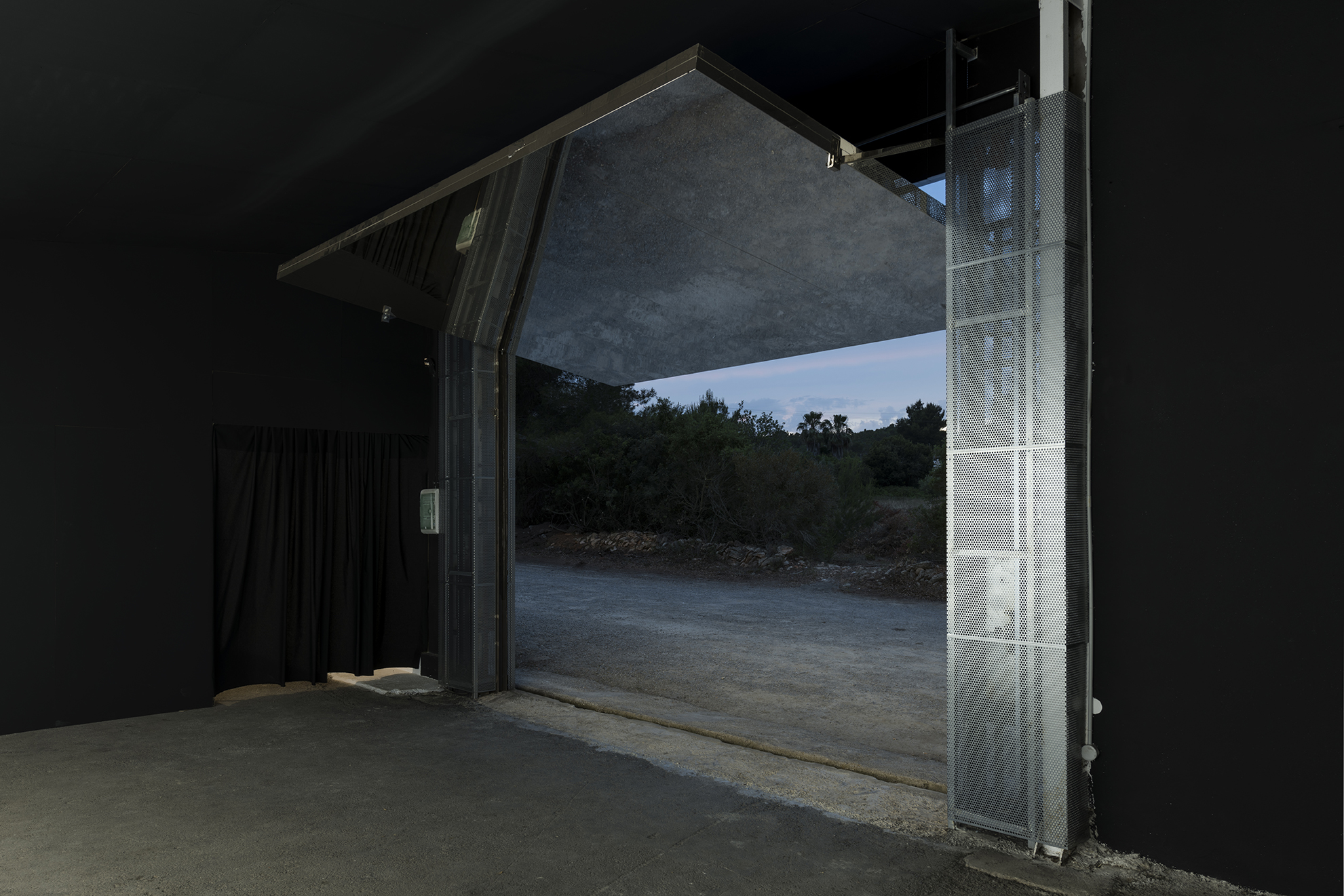
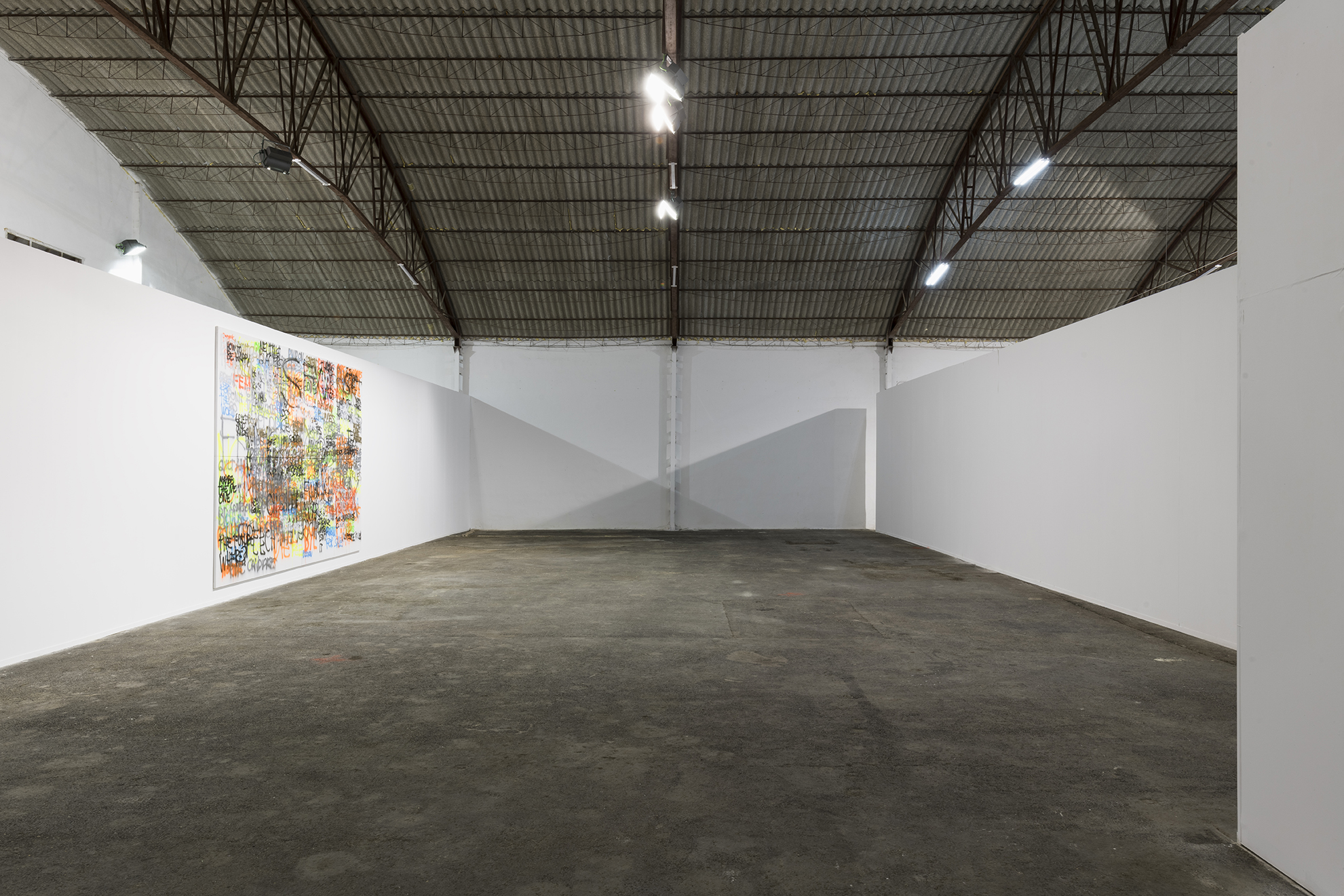
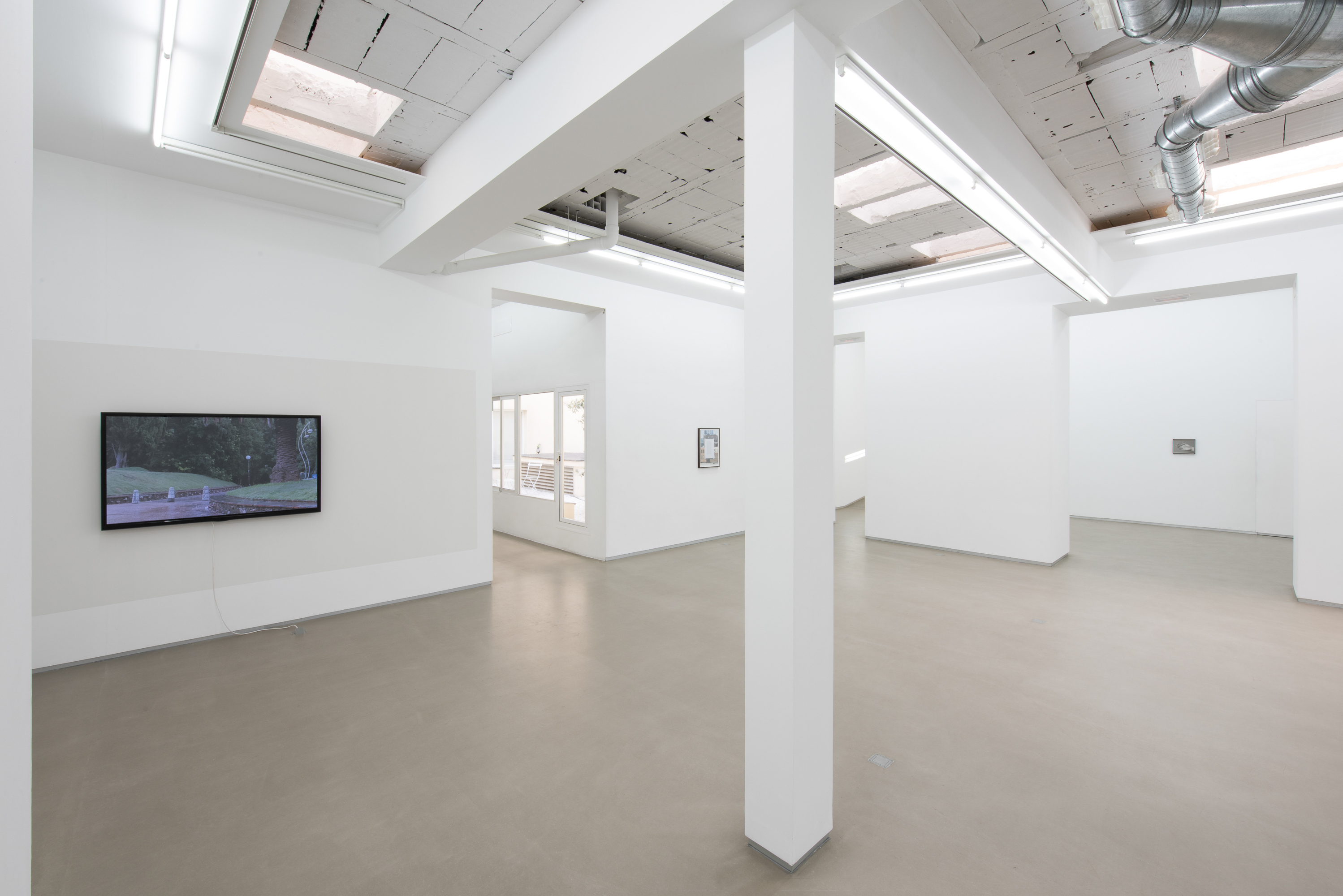
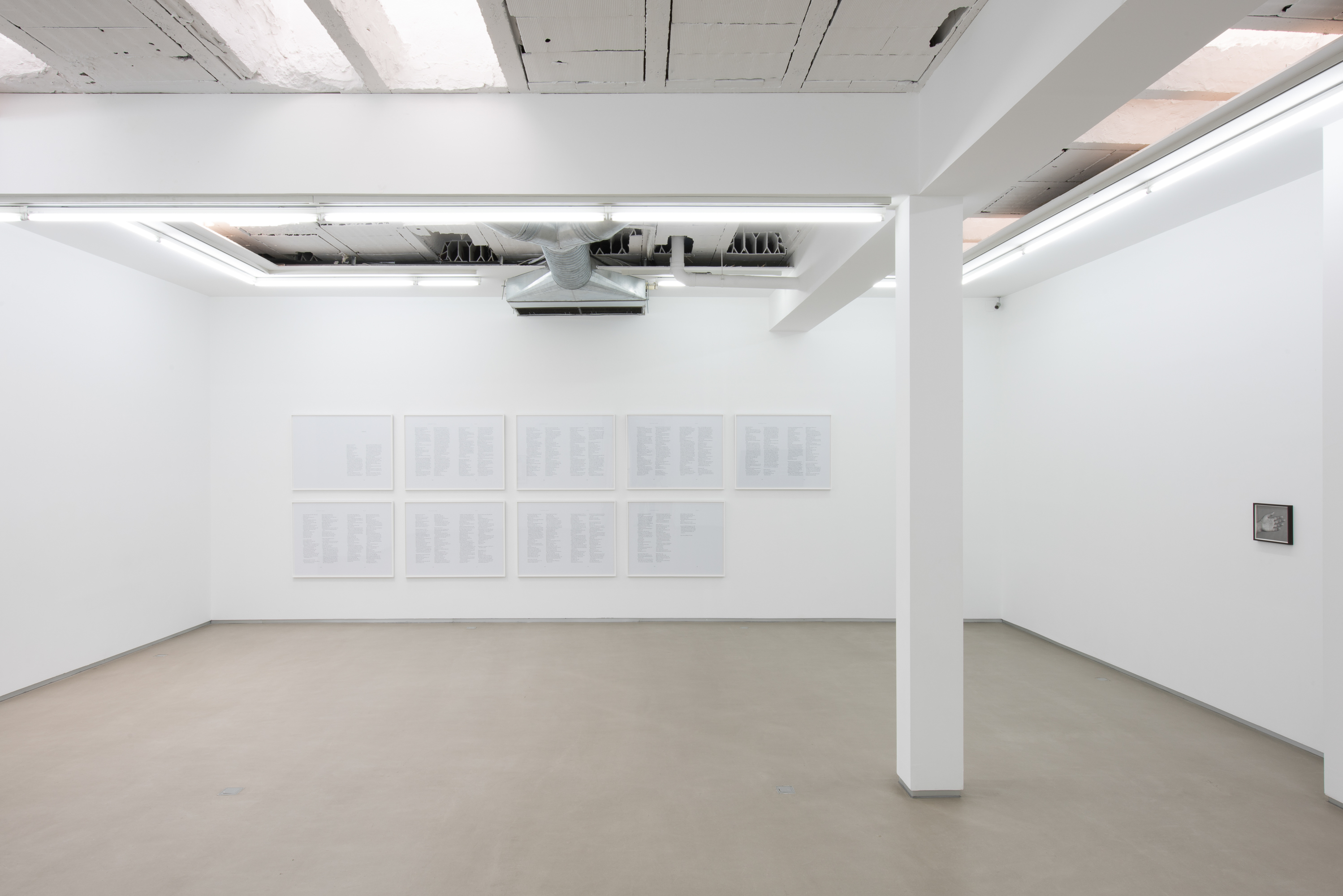
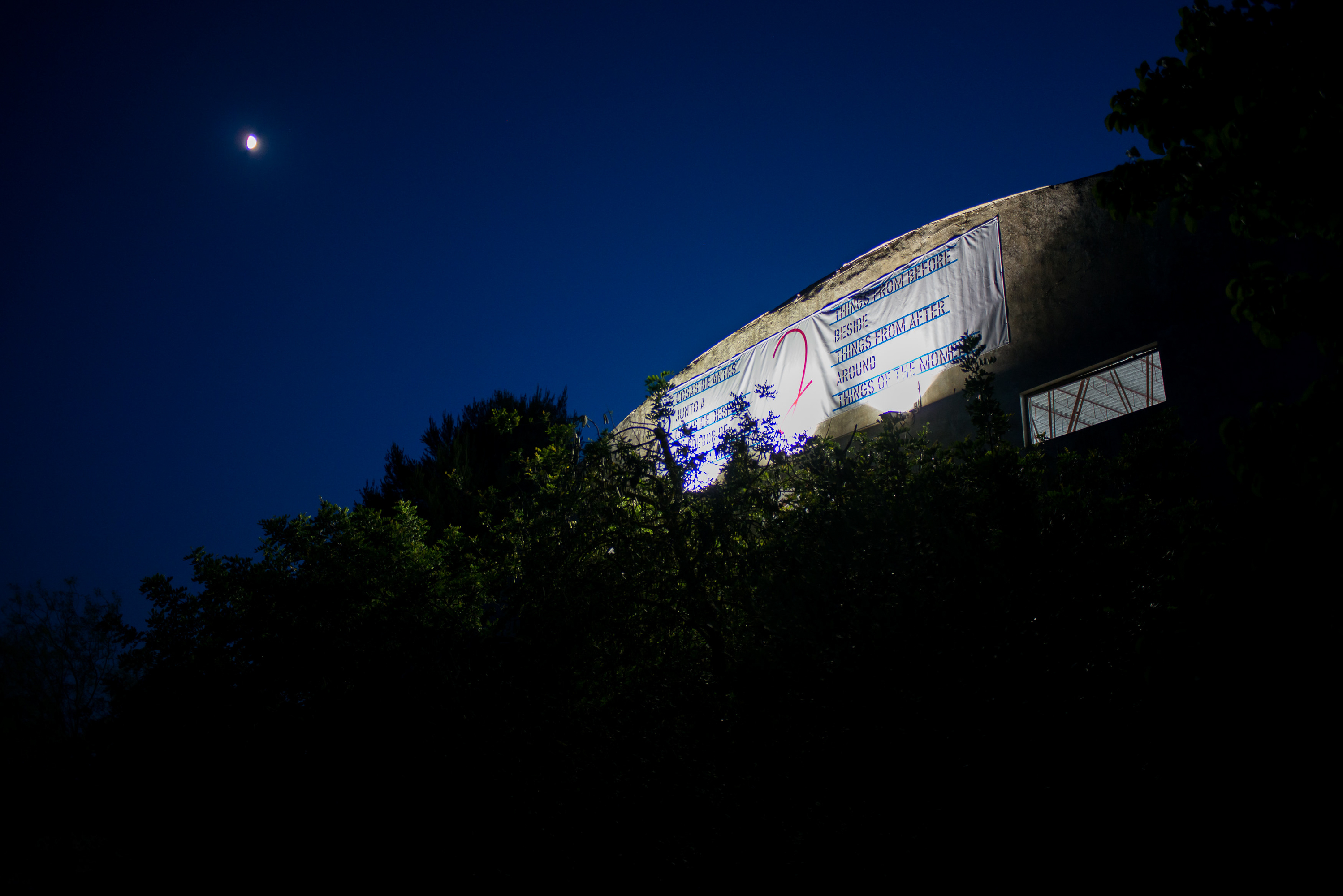
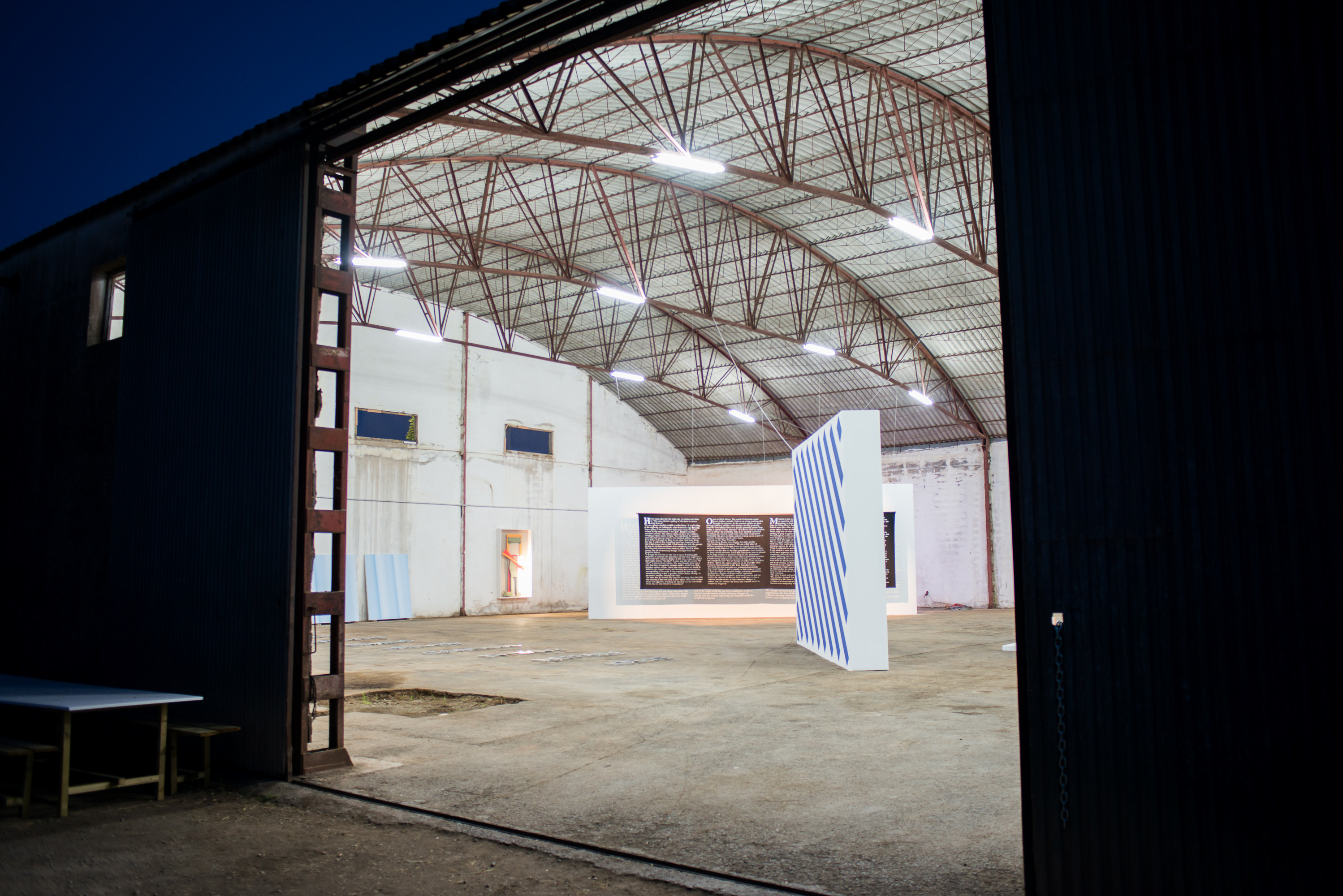
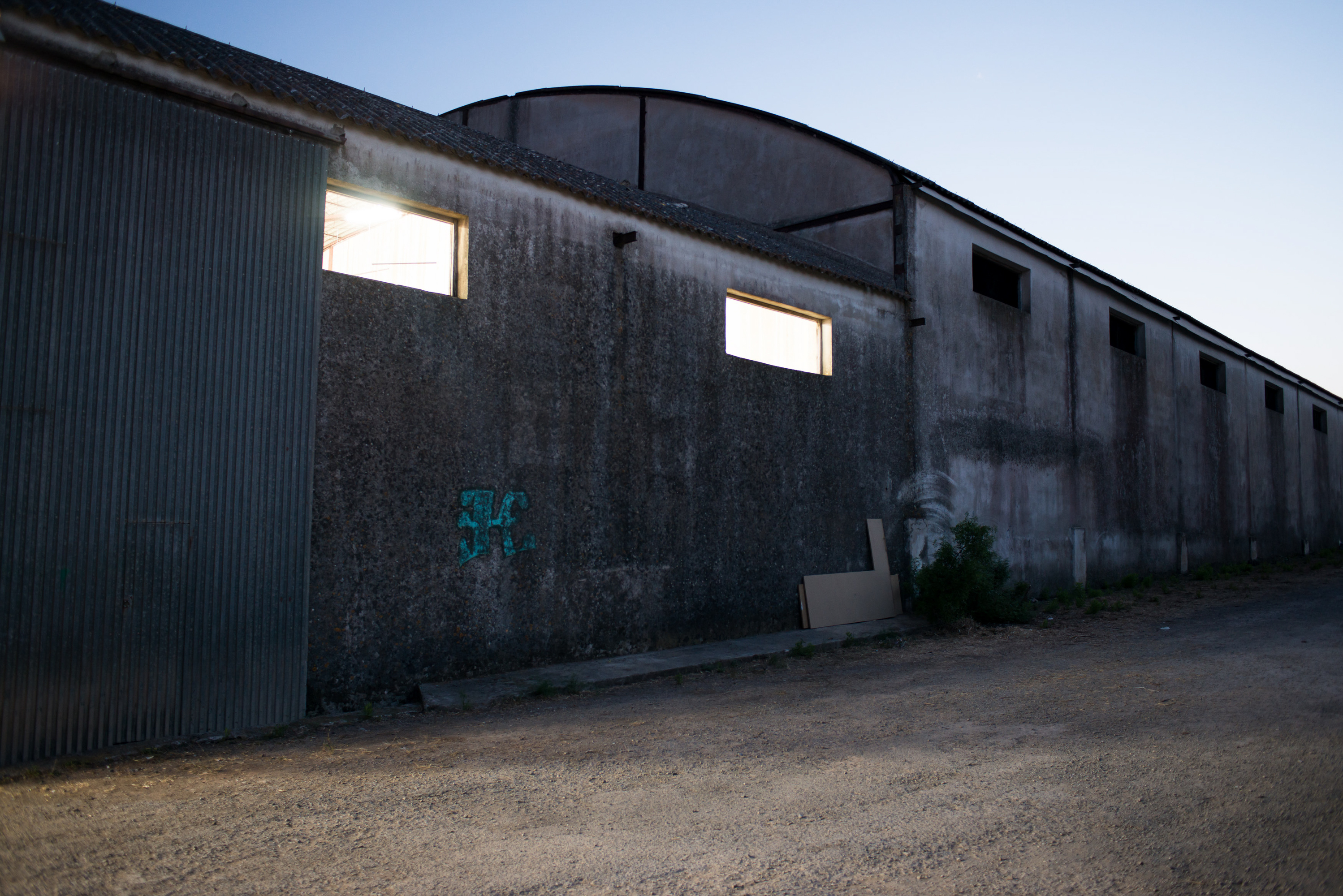
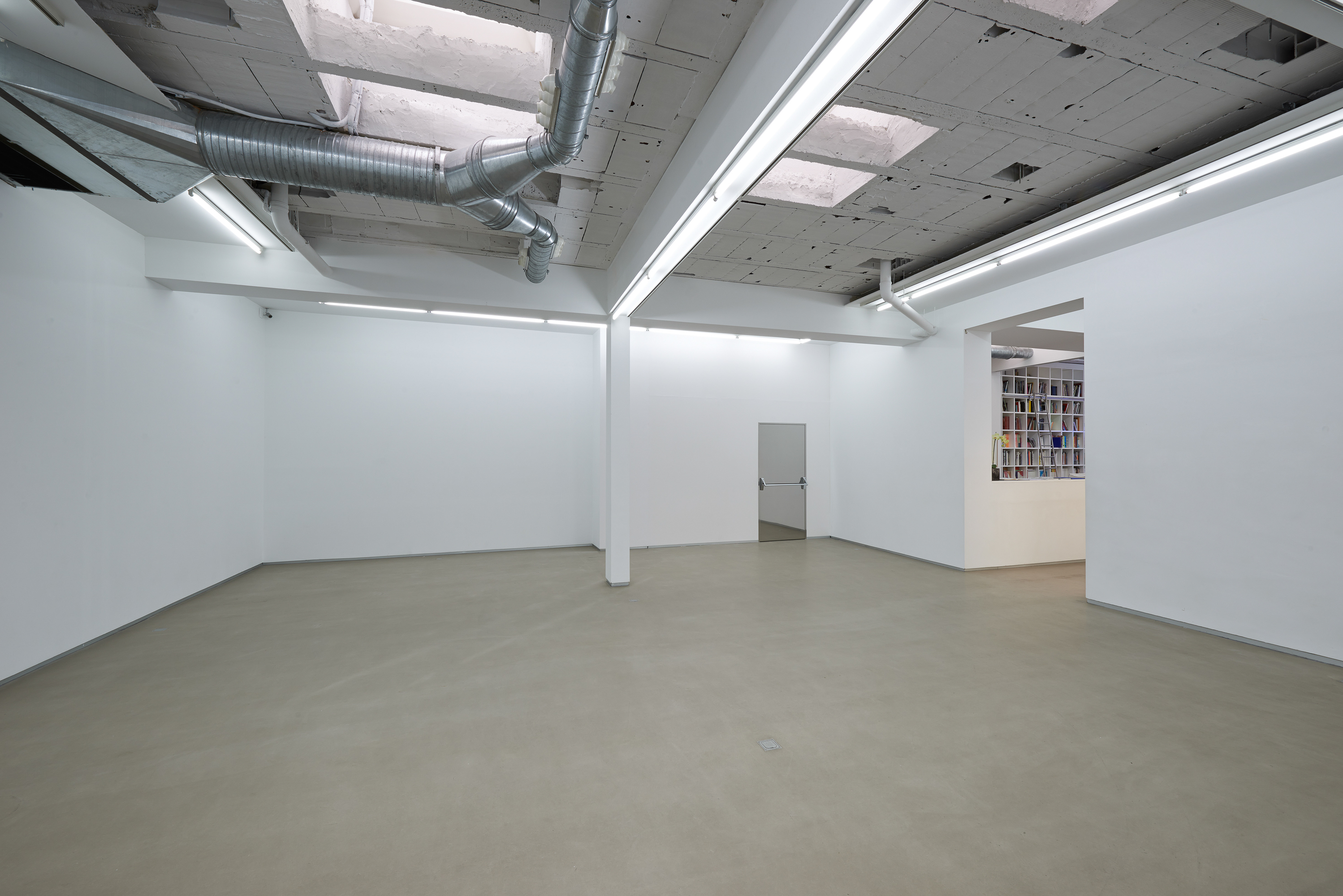
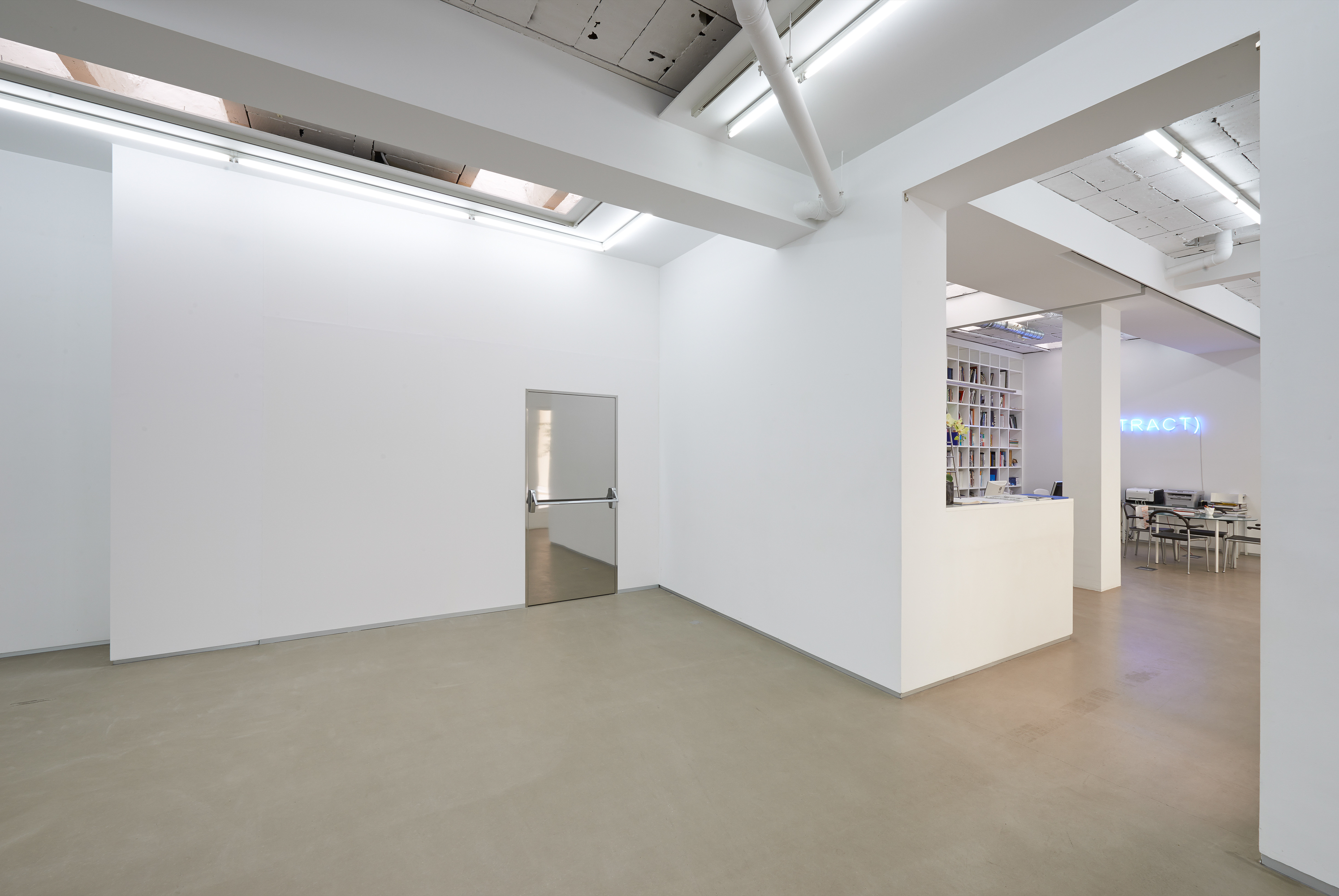
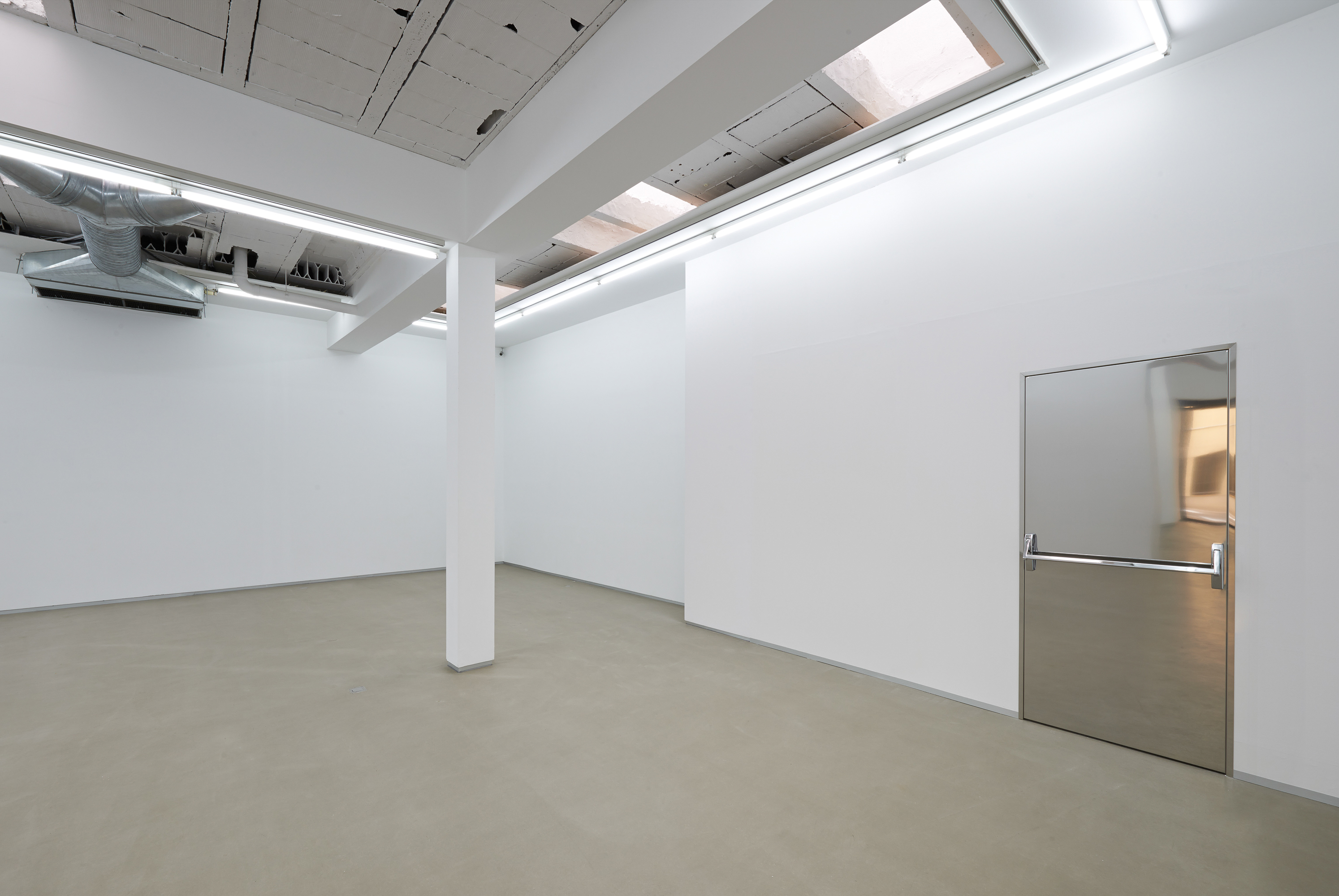
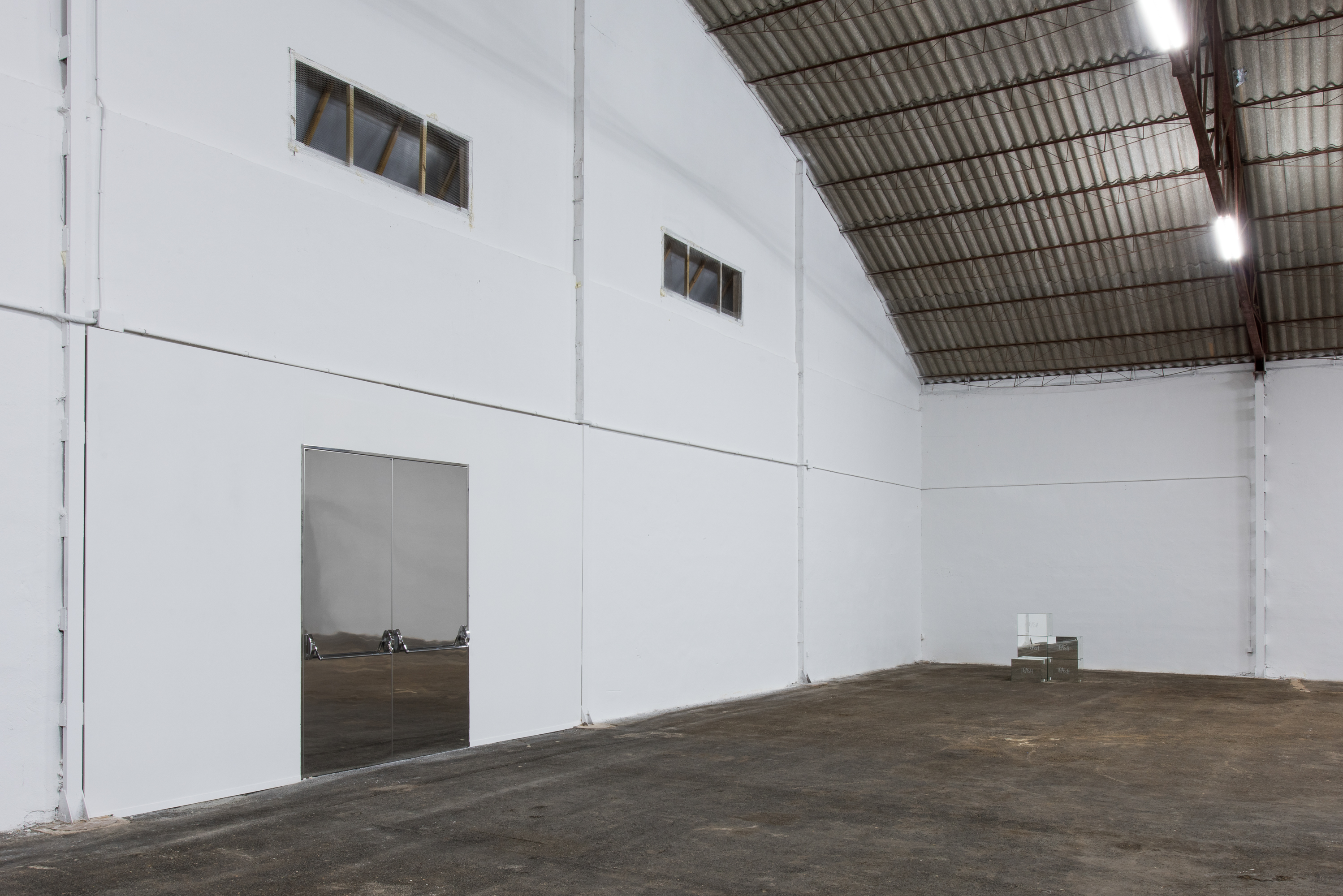
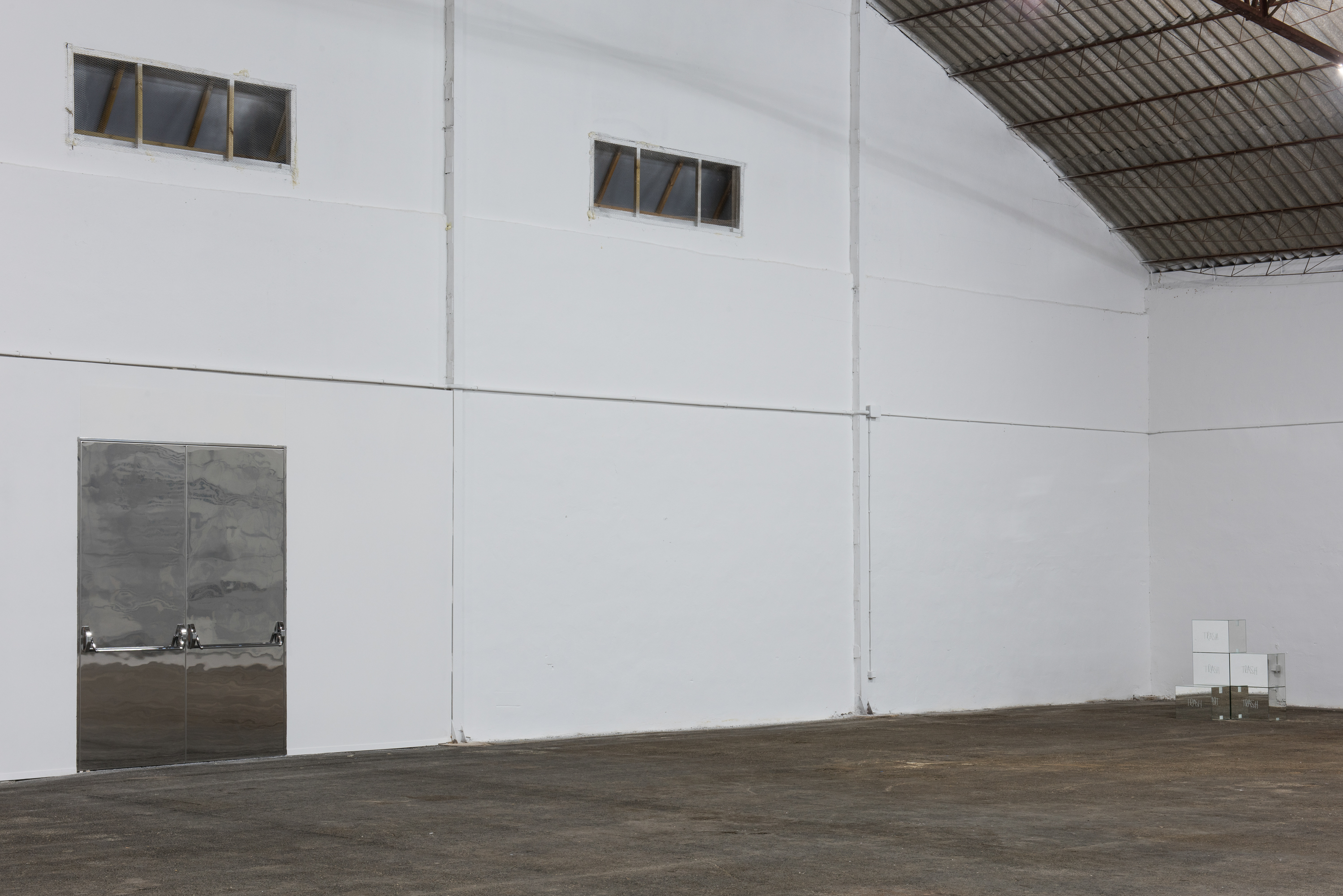
In its second edition, this exhibition, as part from a statement of the gallery, has the intention of be home to specific projects, creating a meeting point for artists, curators, museums, poets, writers and friends. All in a singular space in the middle of Ibiza. Since the 30s, with the arrival such relevant people as Walter Benjamin, Tristan Tzara, Raul Haussmann, Man Ray and more, Ibiza has been a bastion for intelectuals. For that, this project has the aim of preserving that essence.
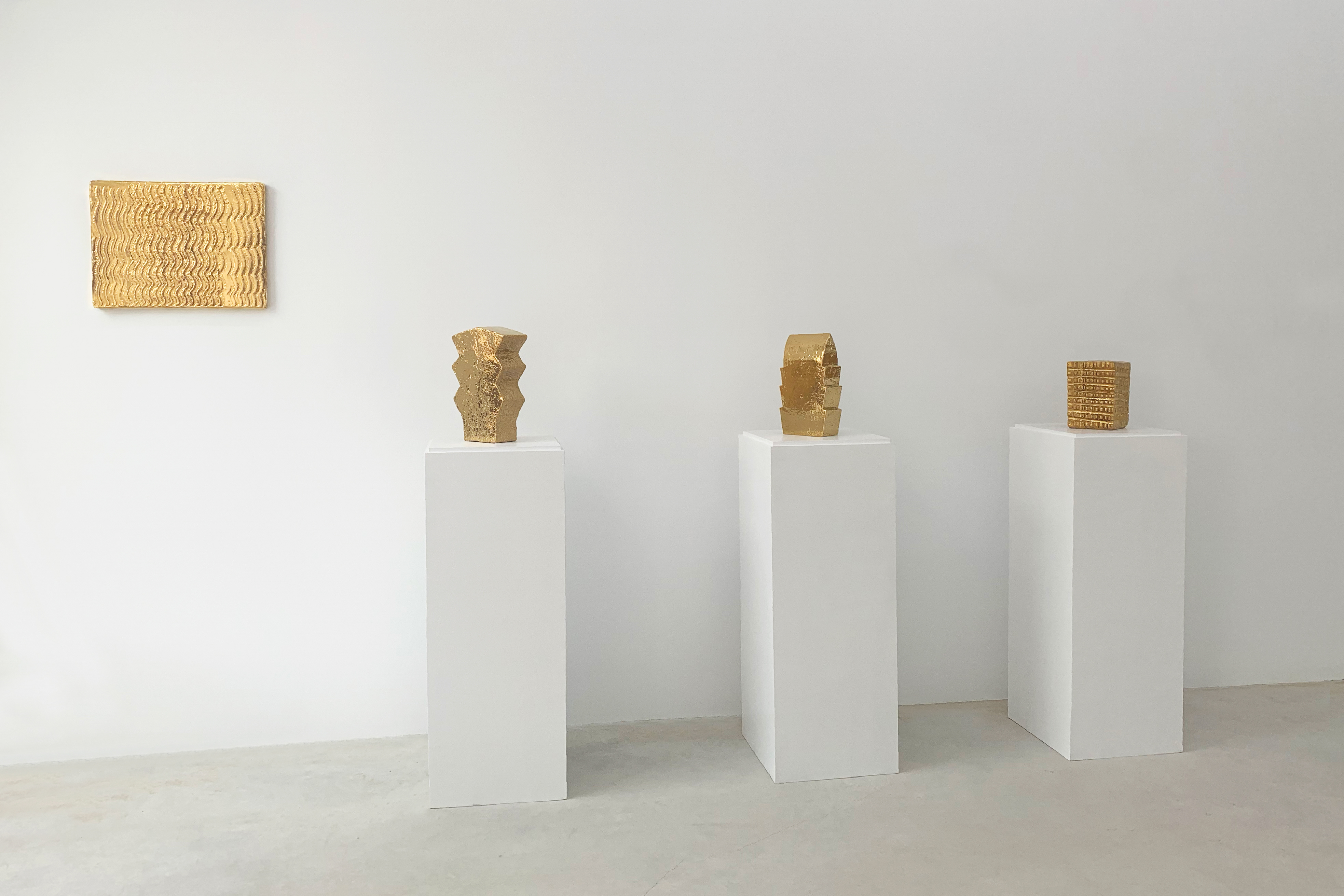
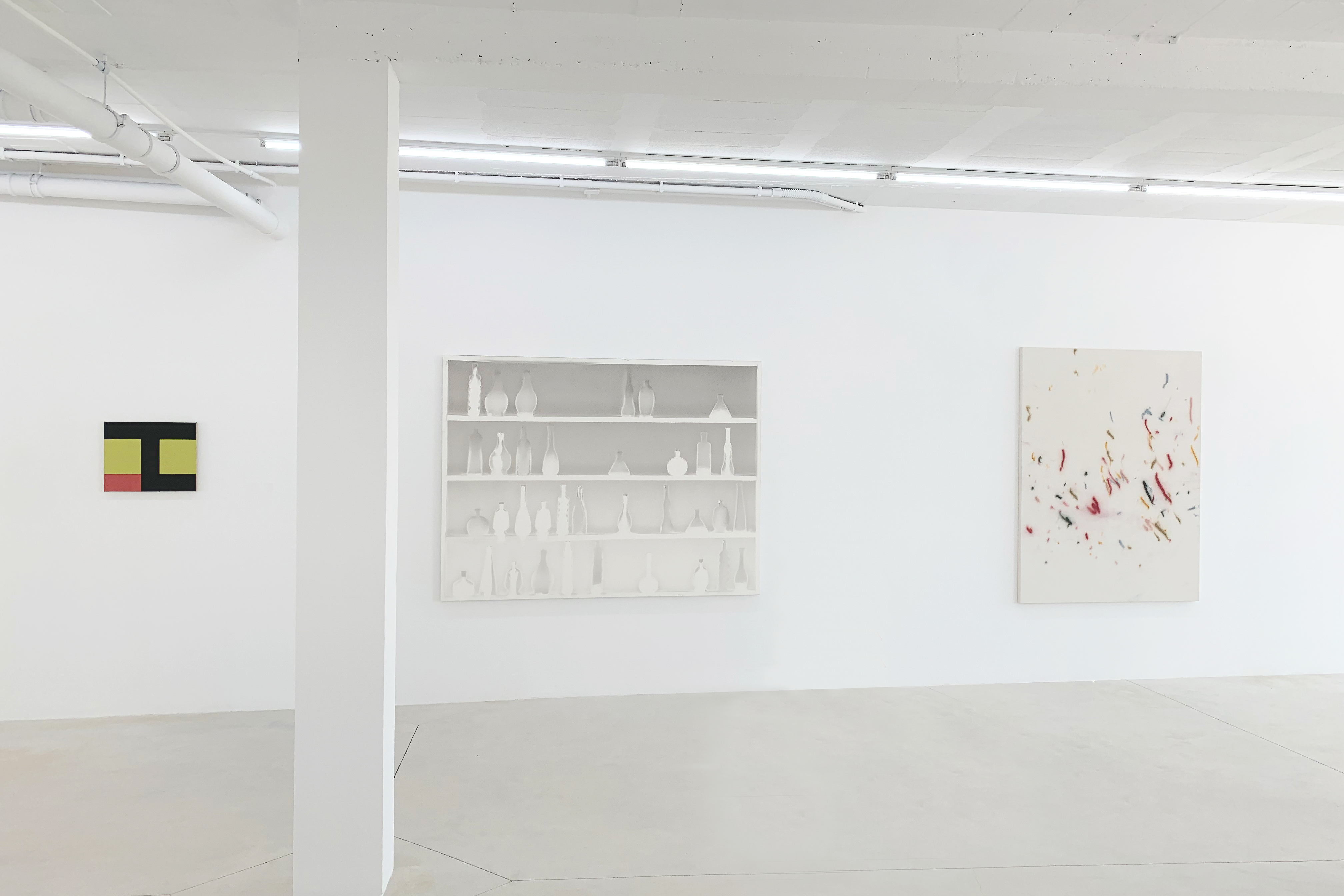
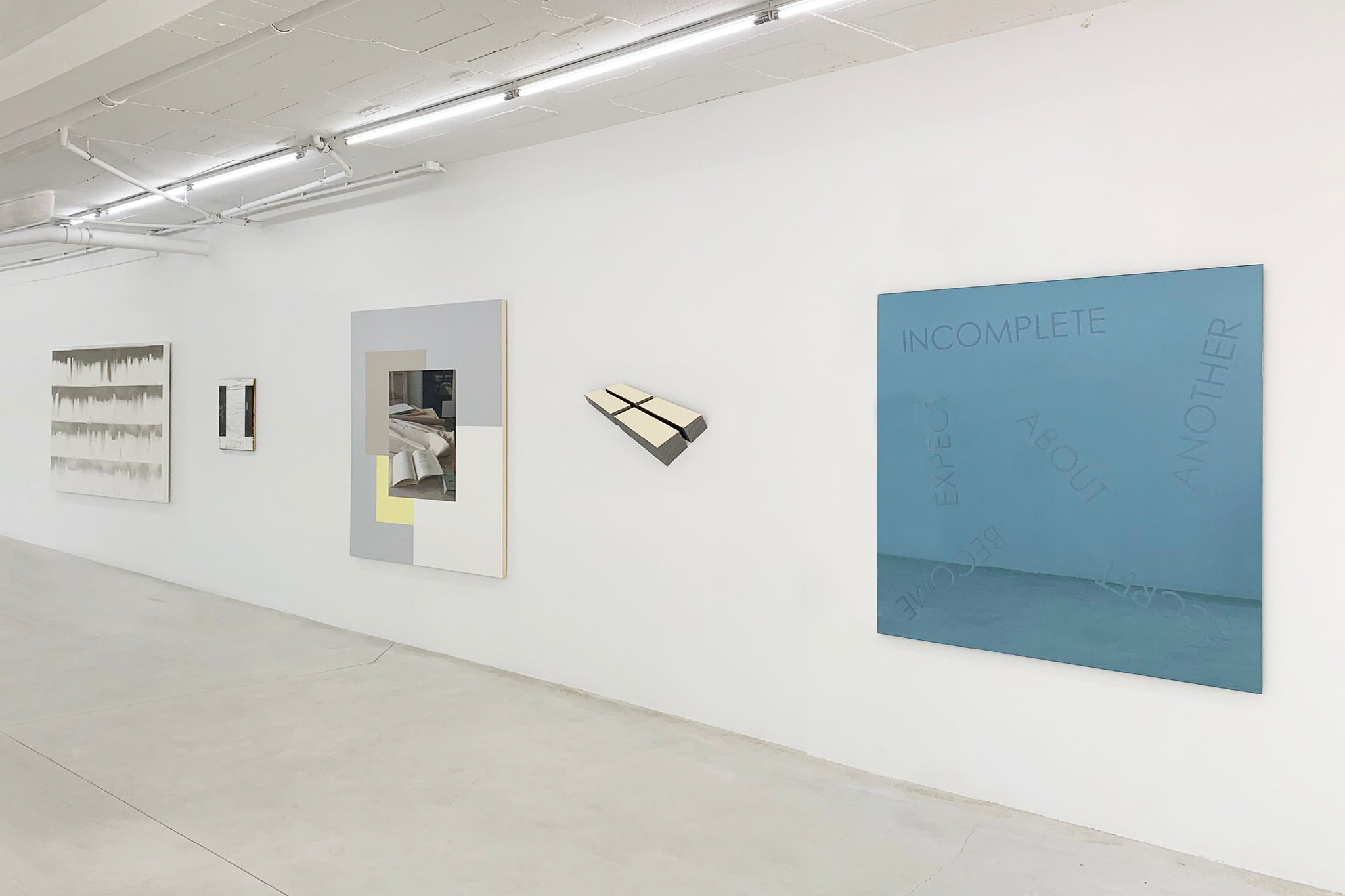
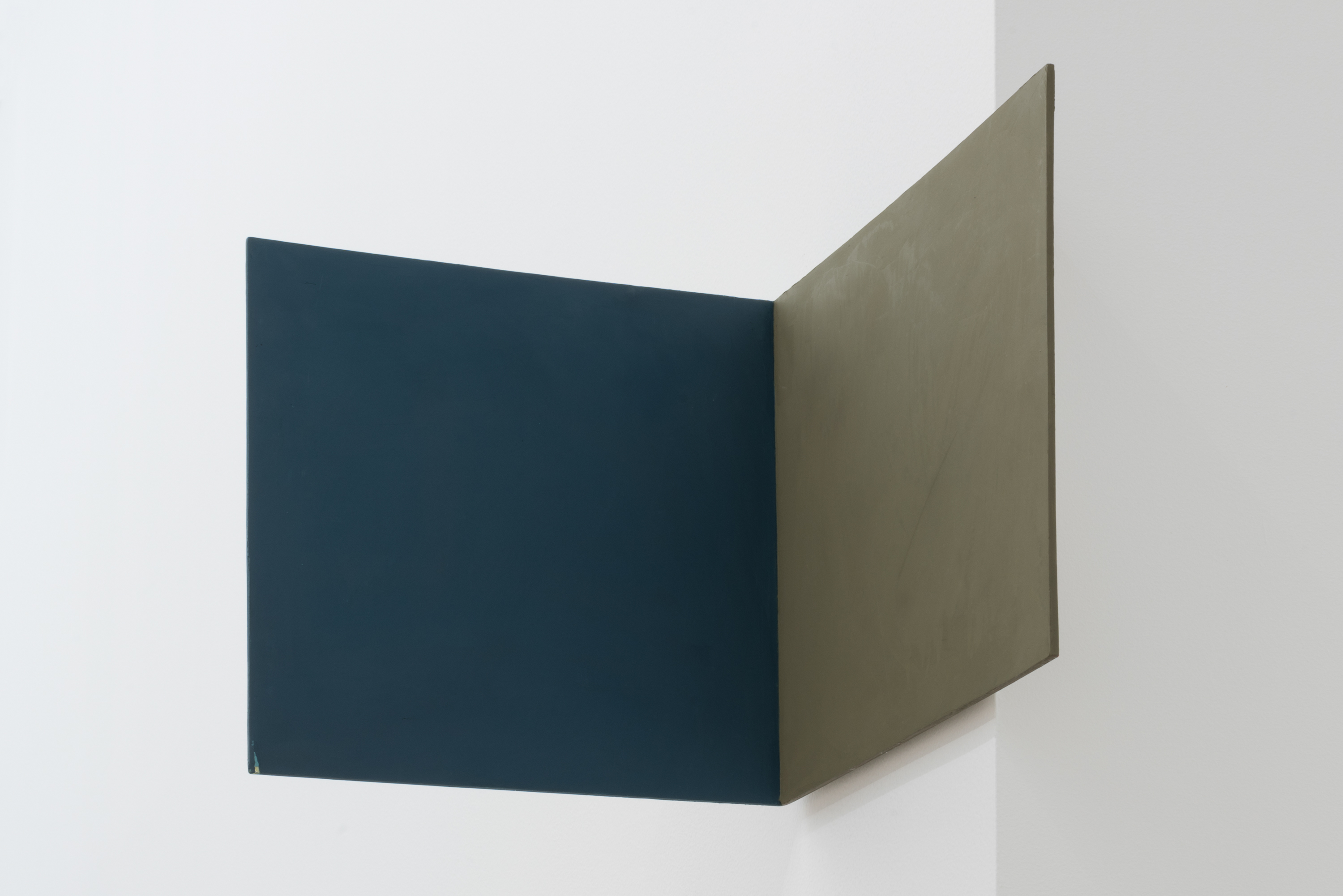
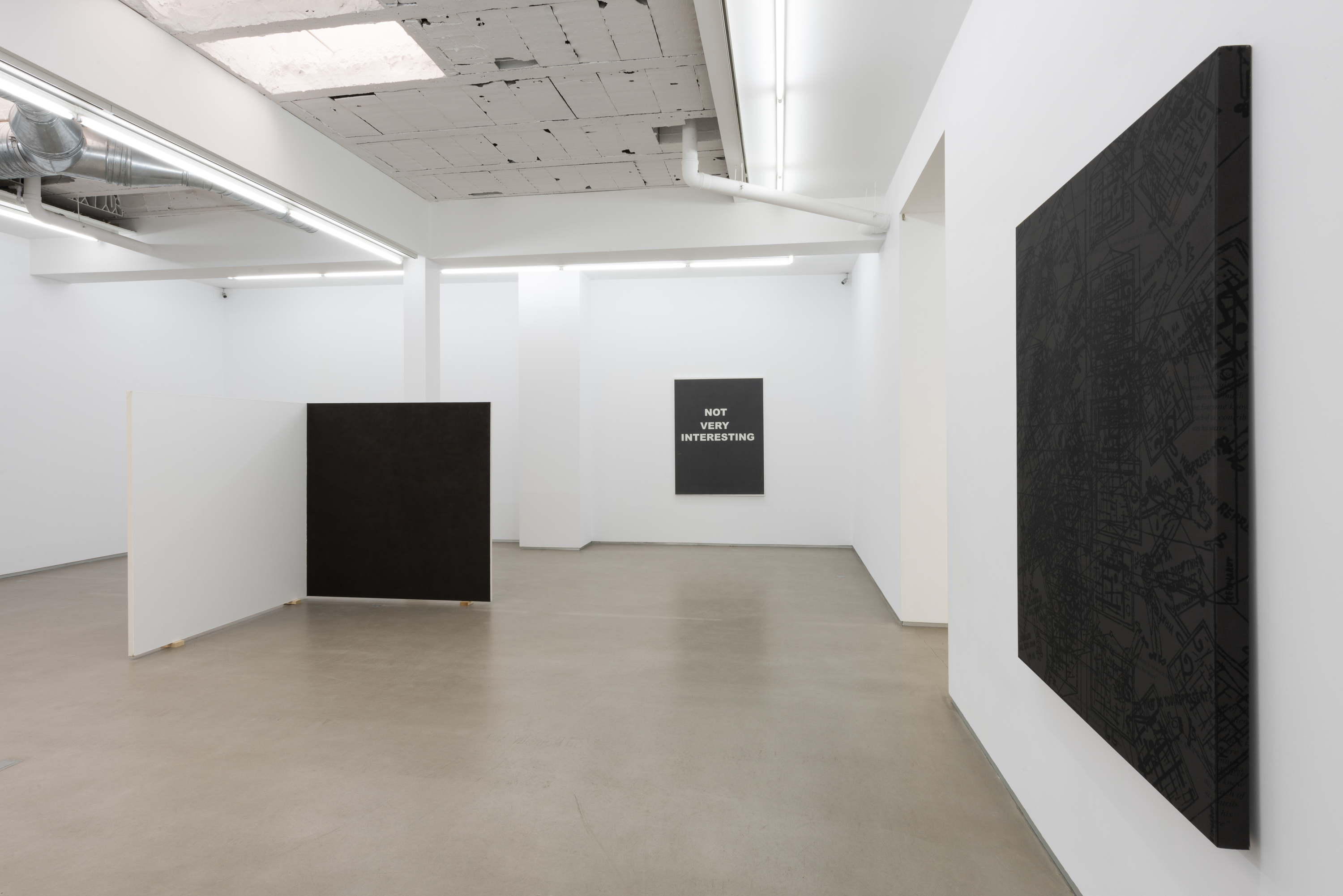
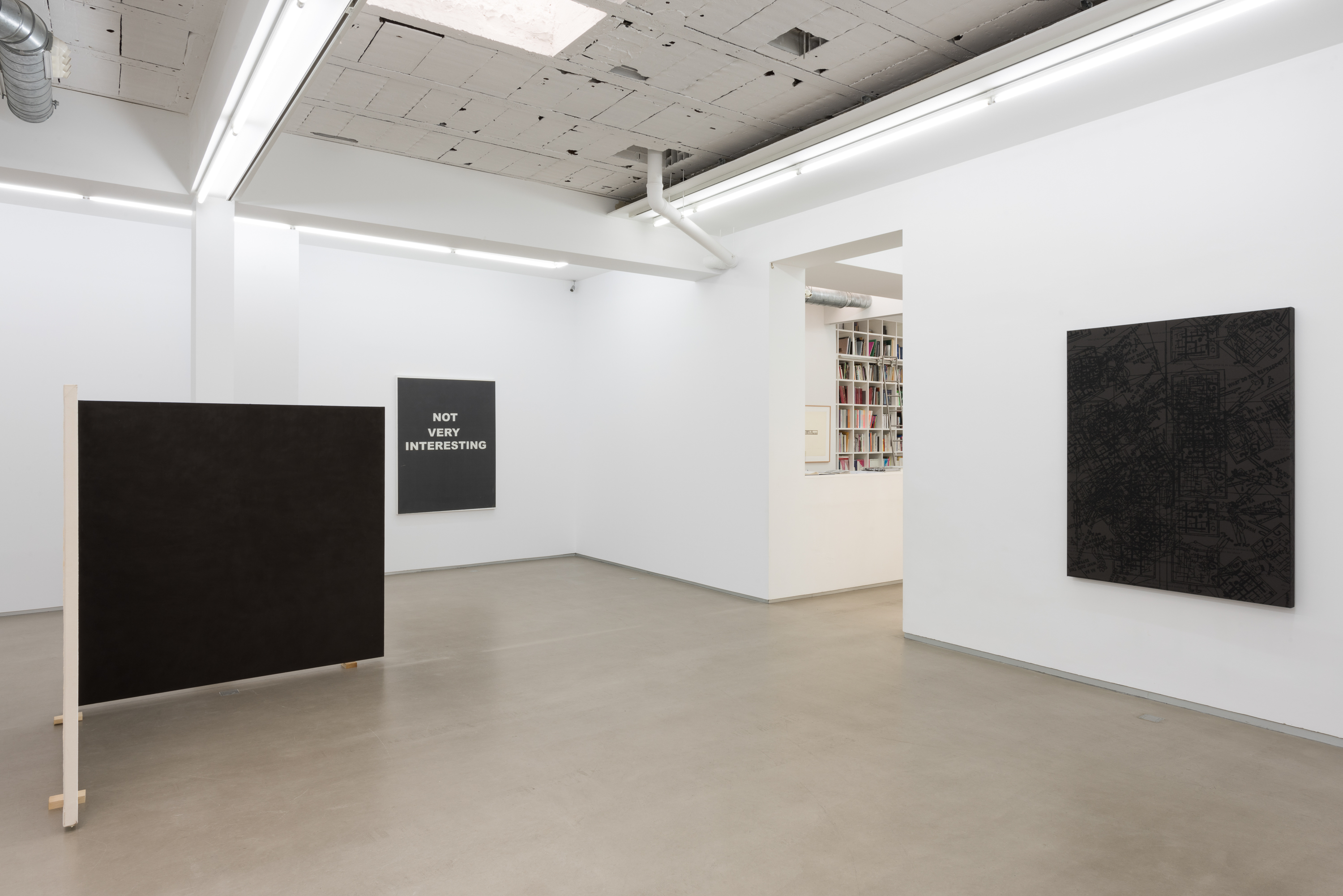
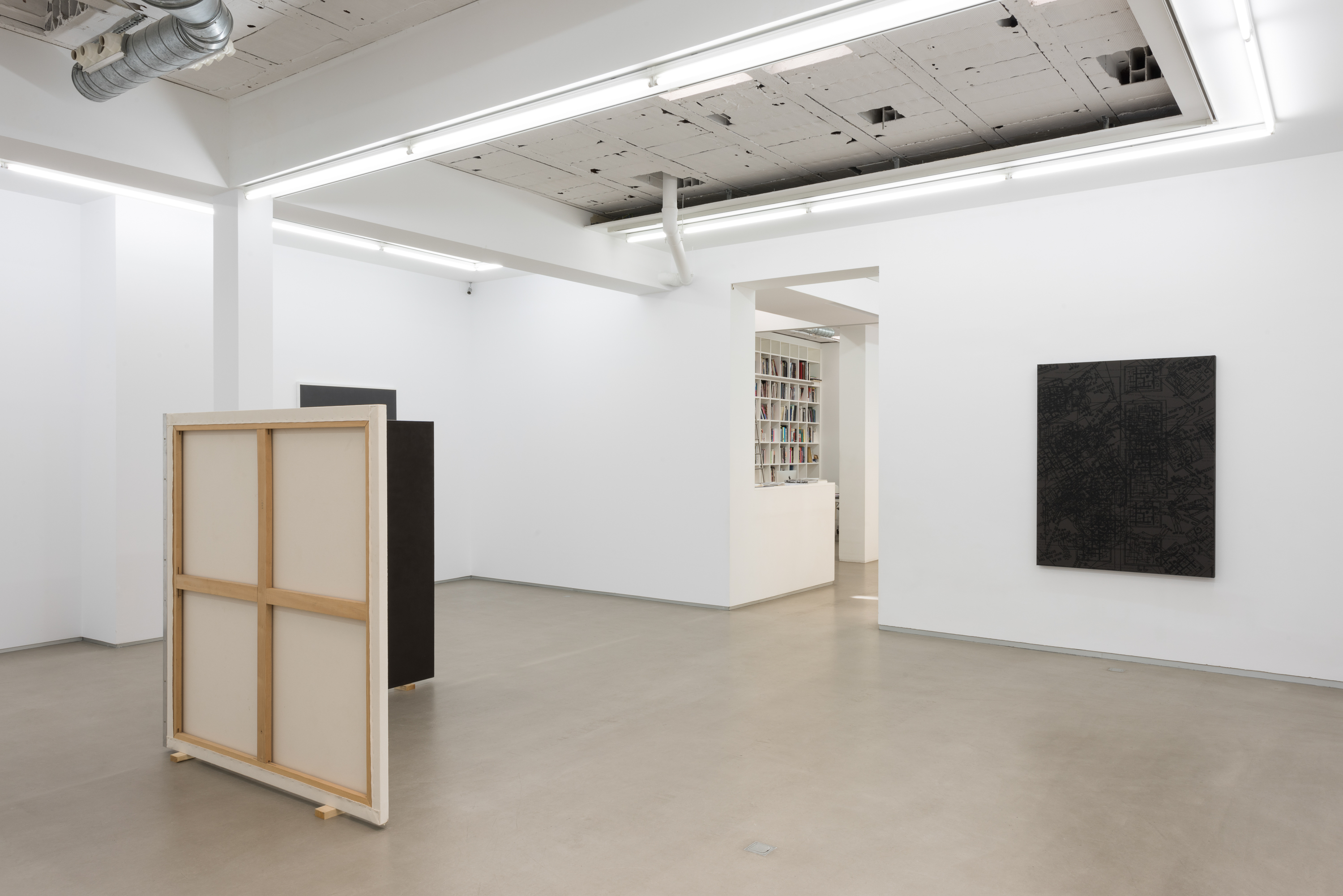
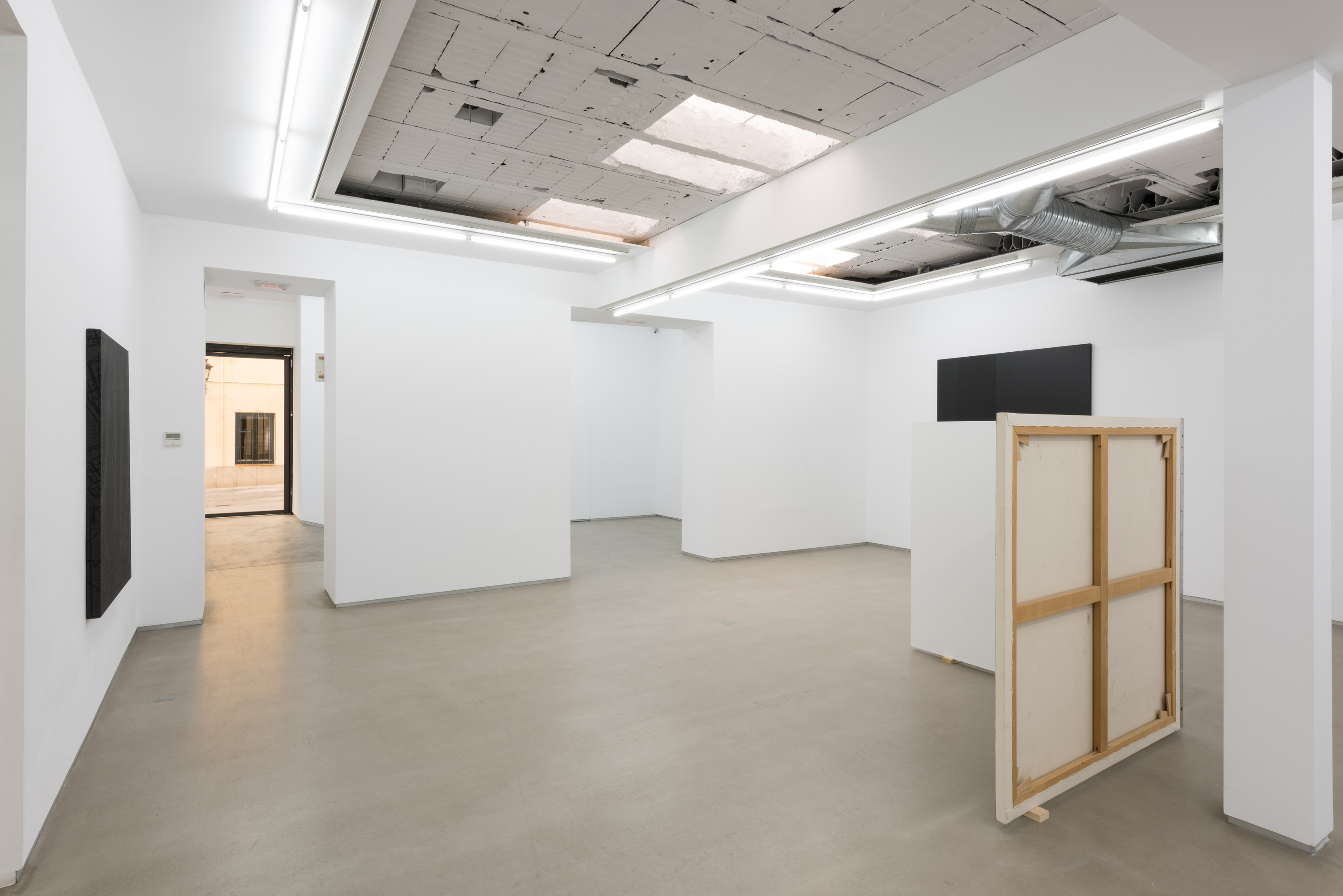
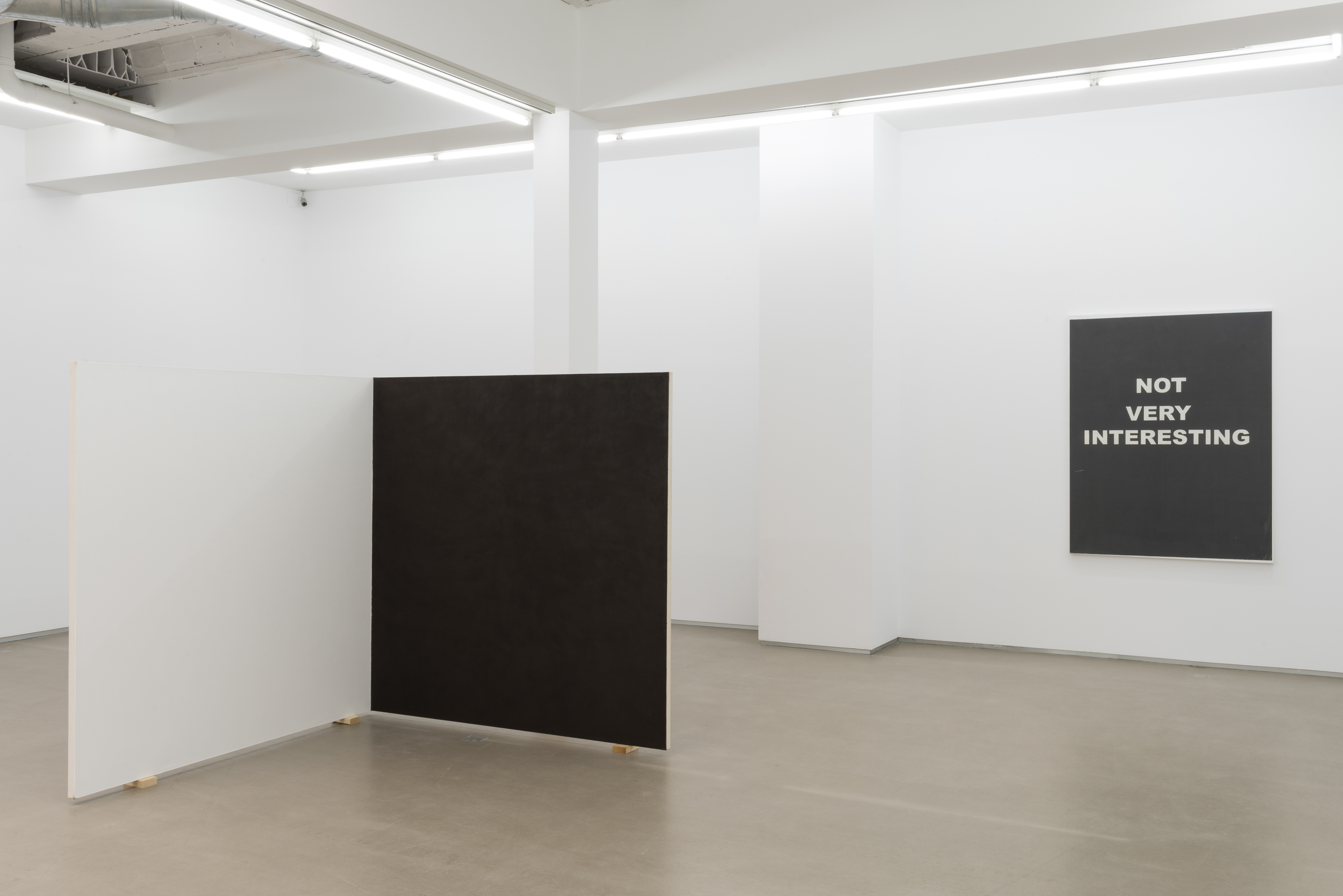
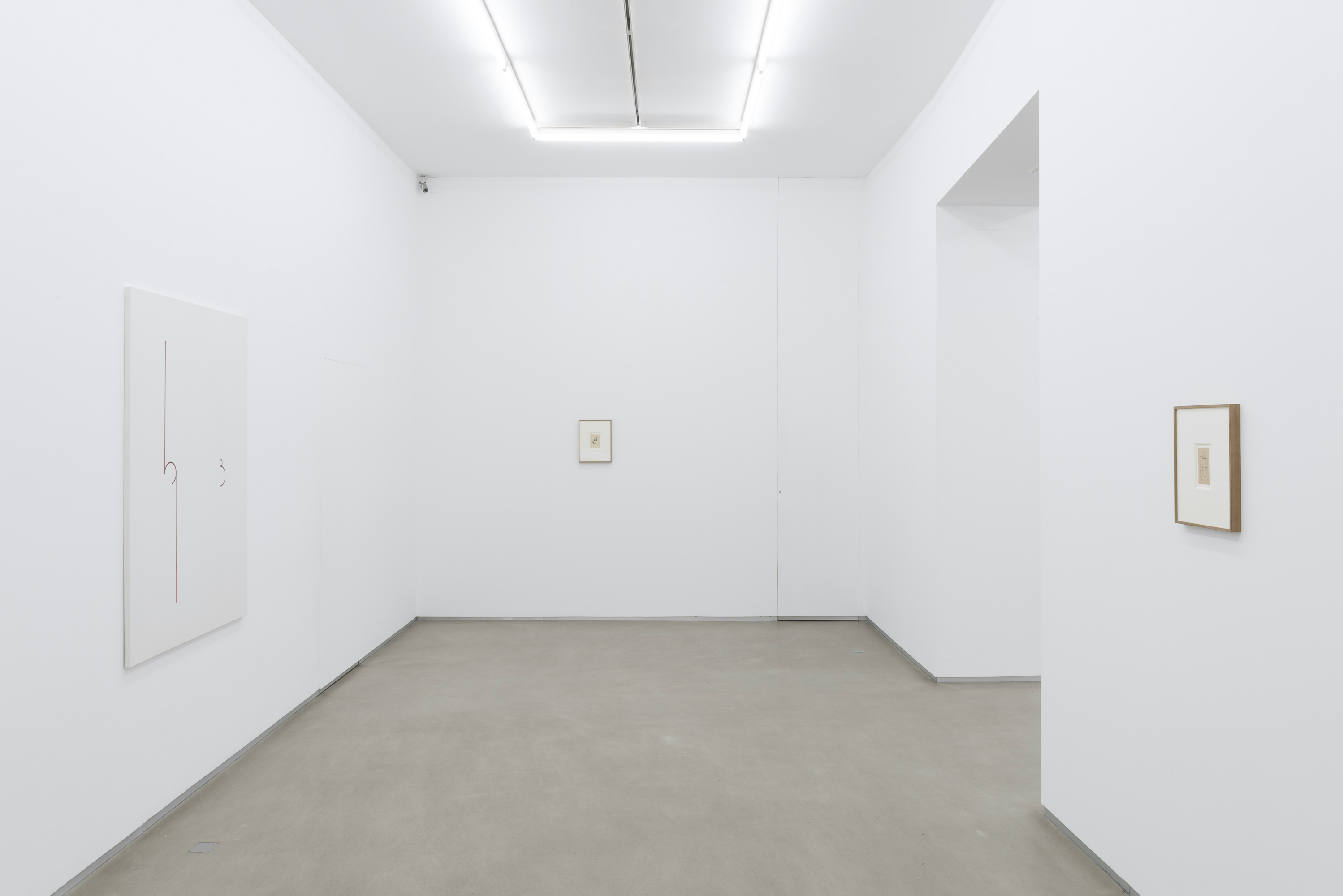
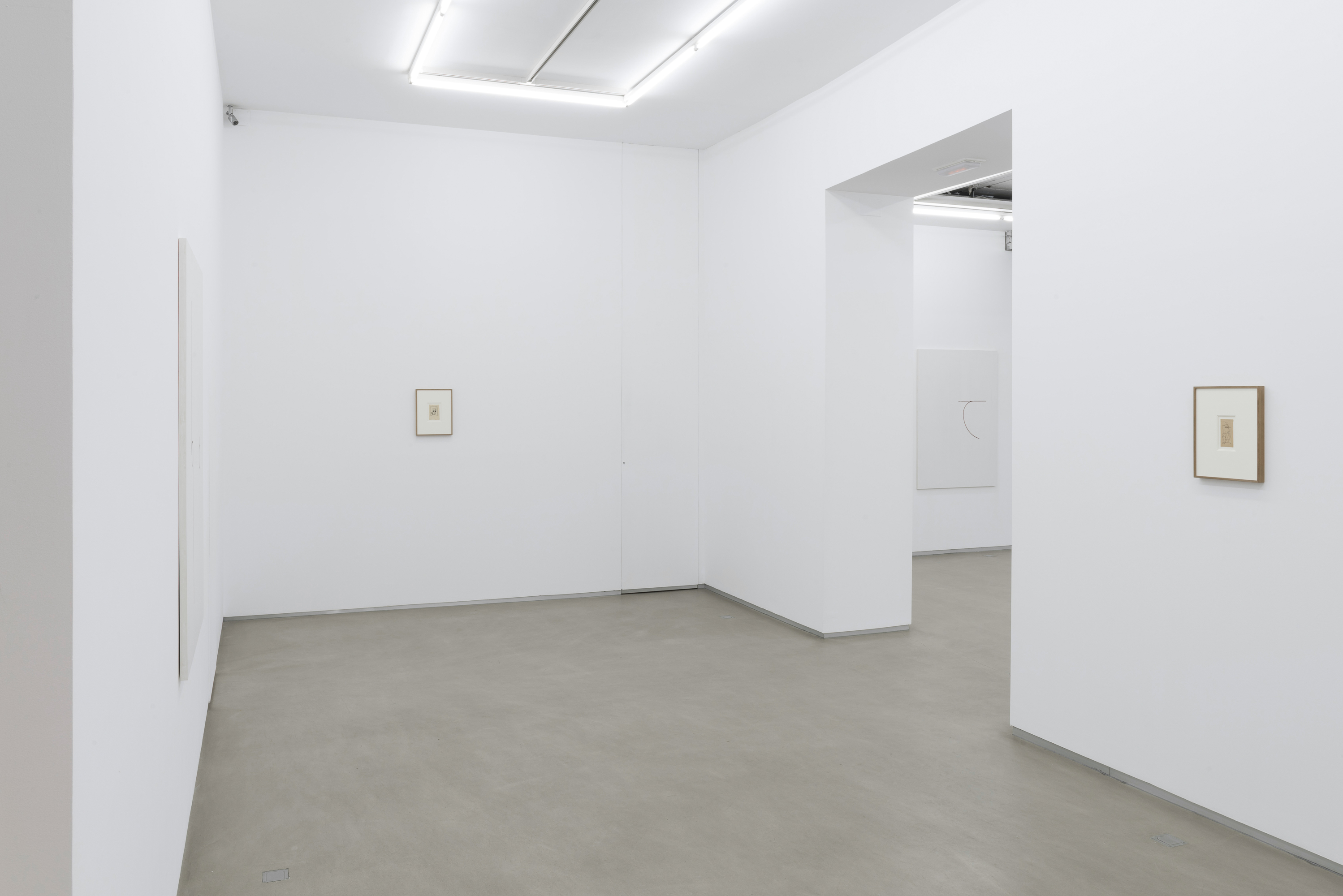
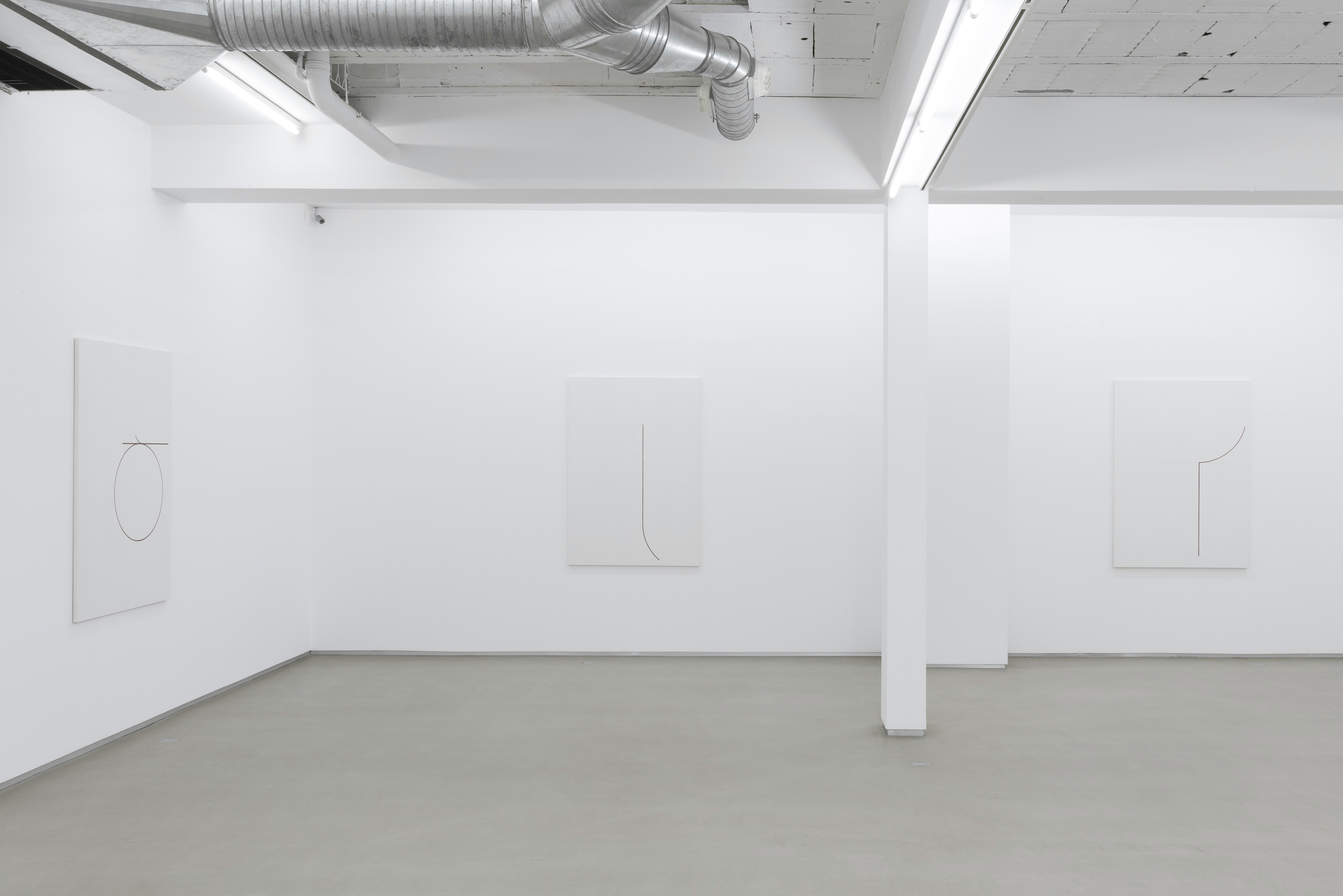
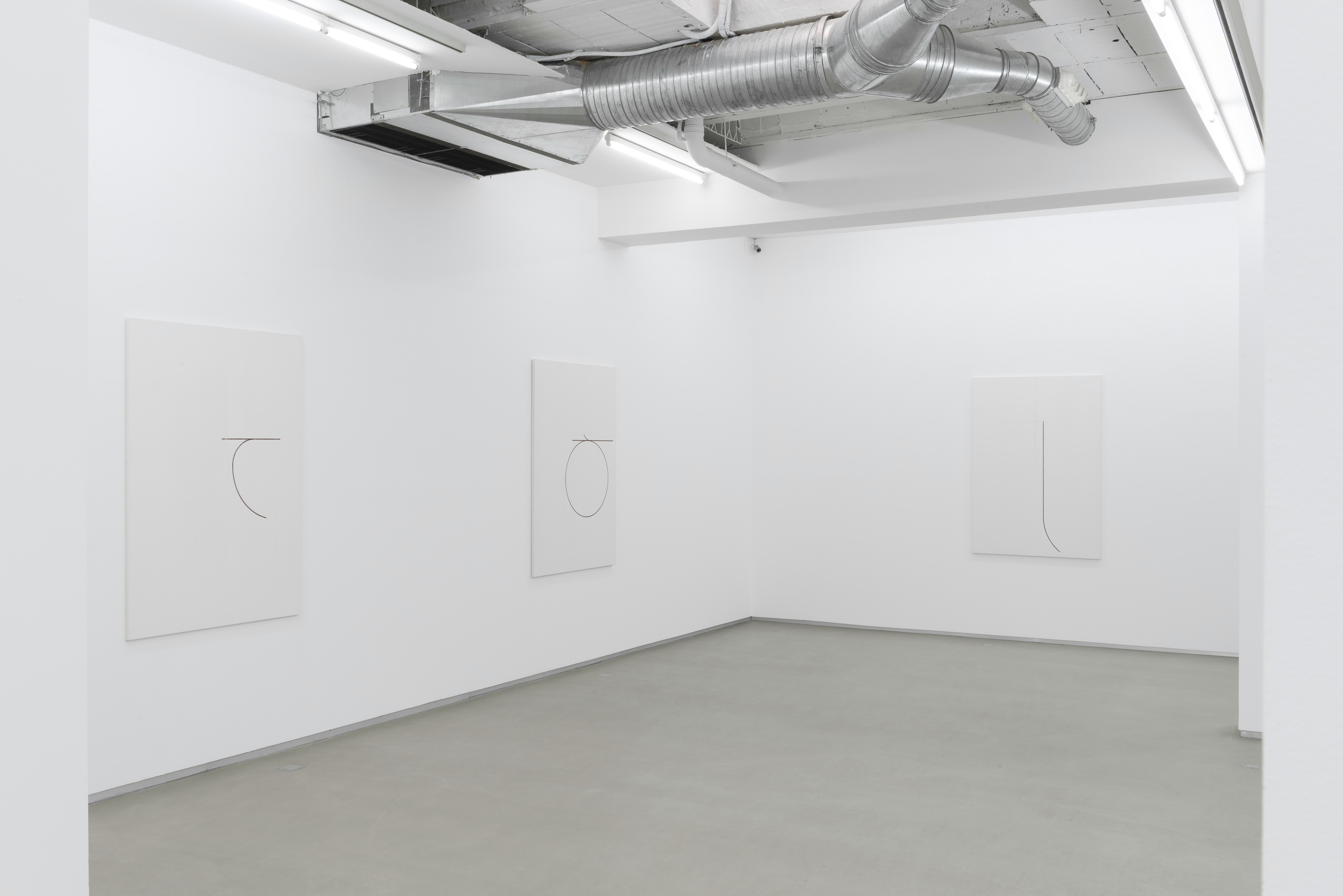
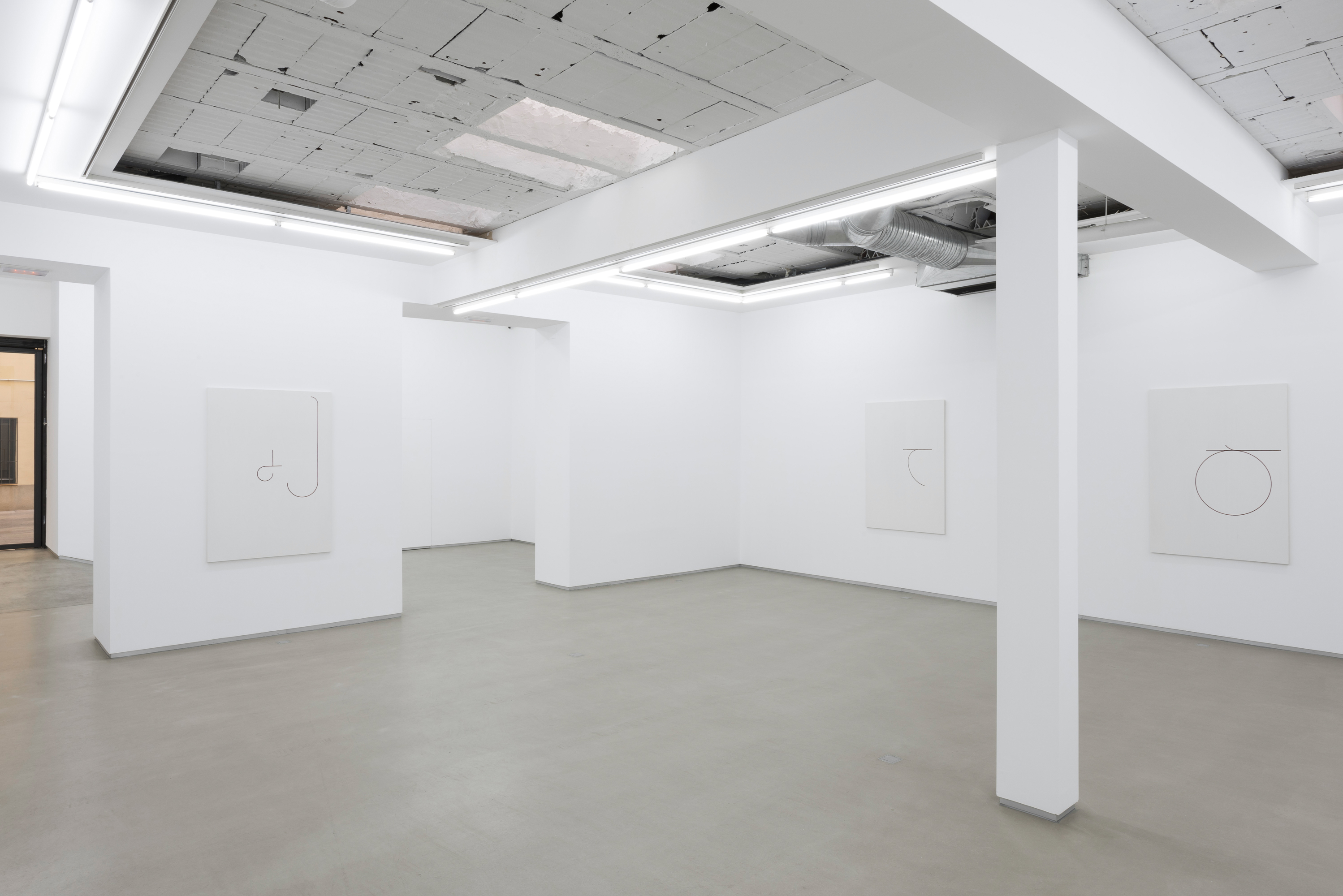
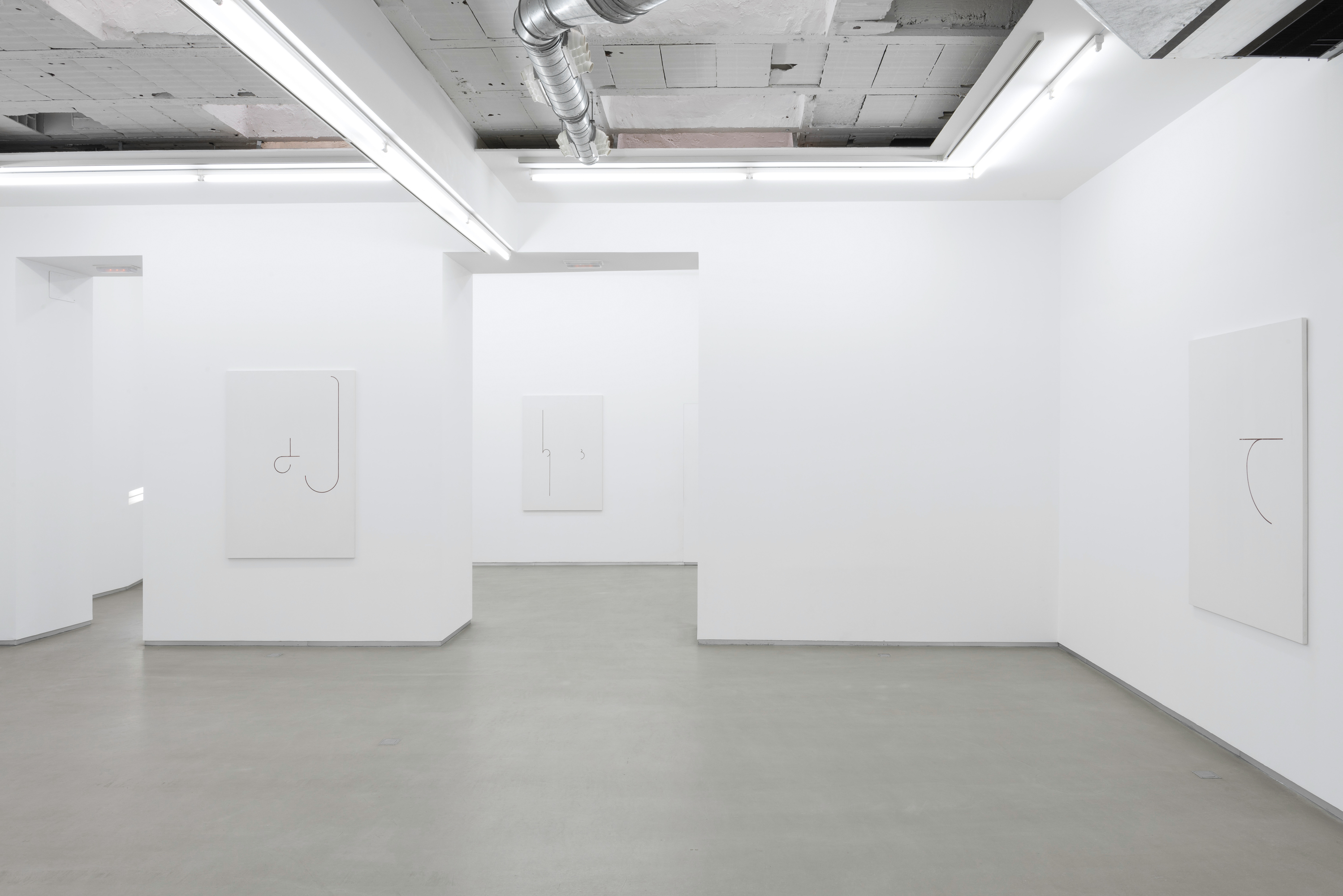
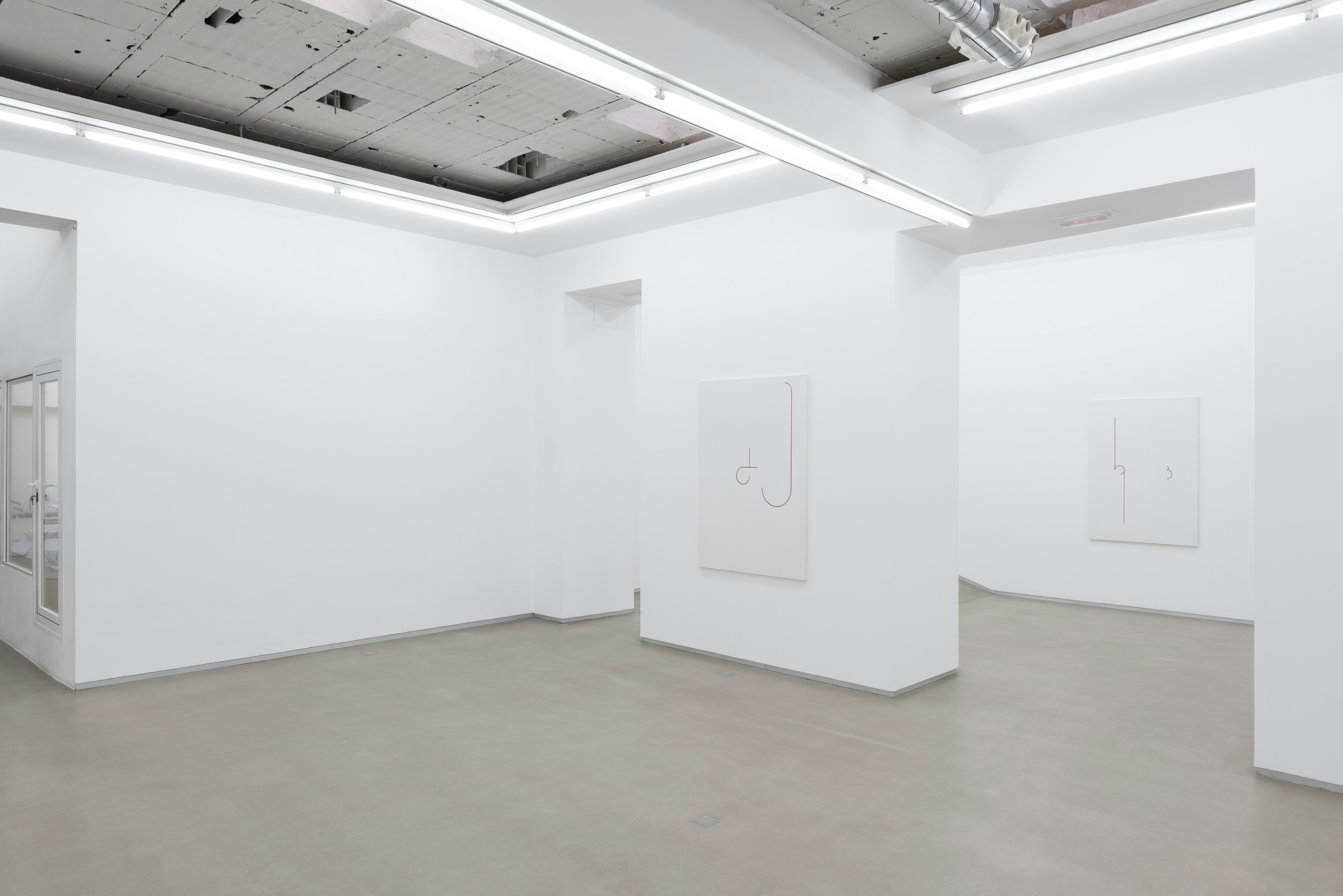
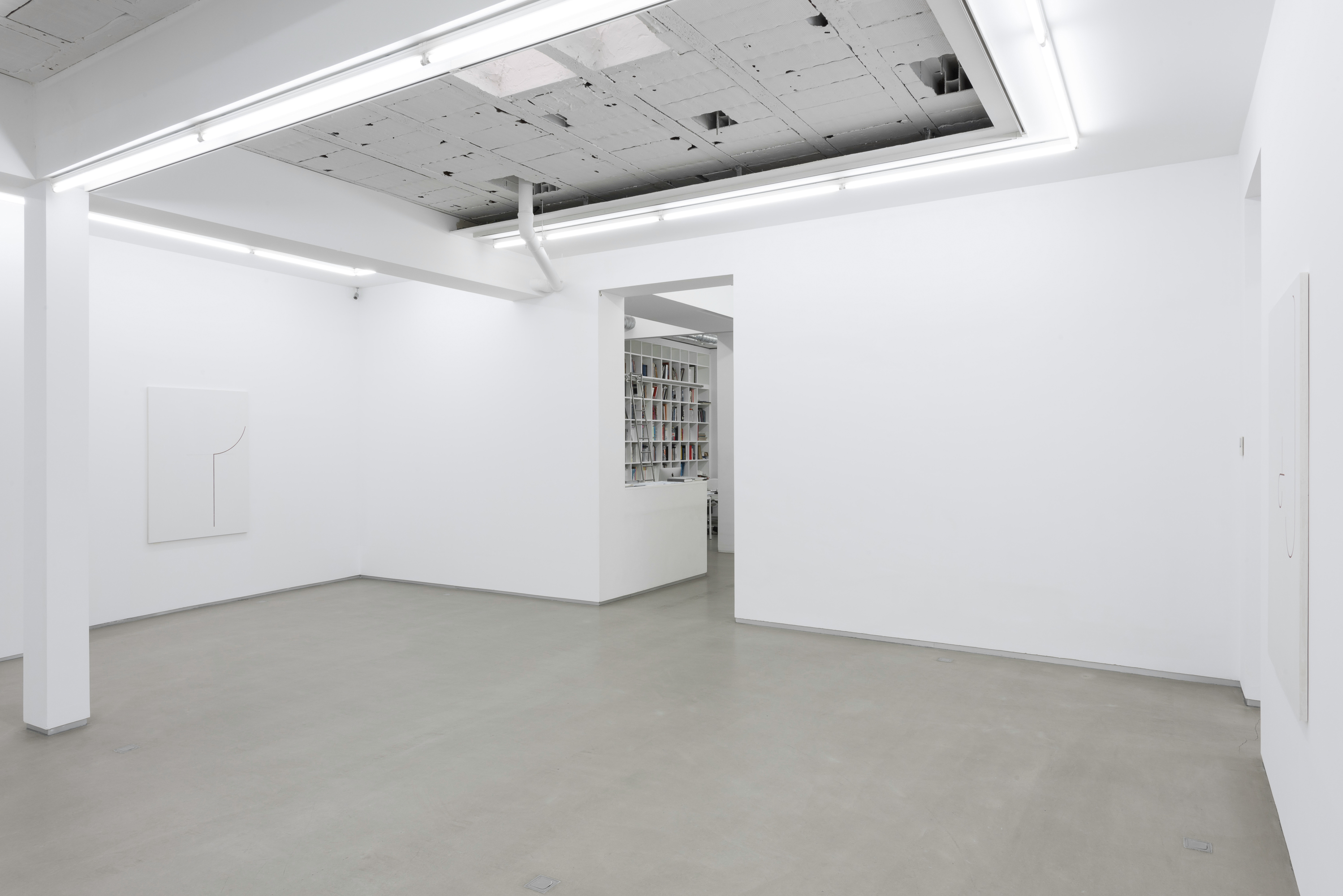
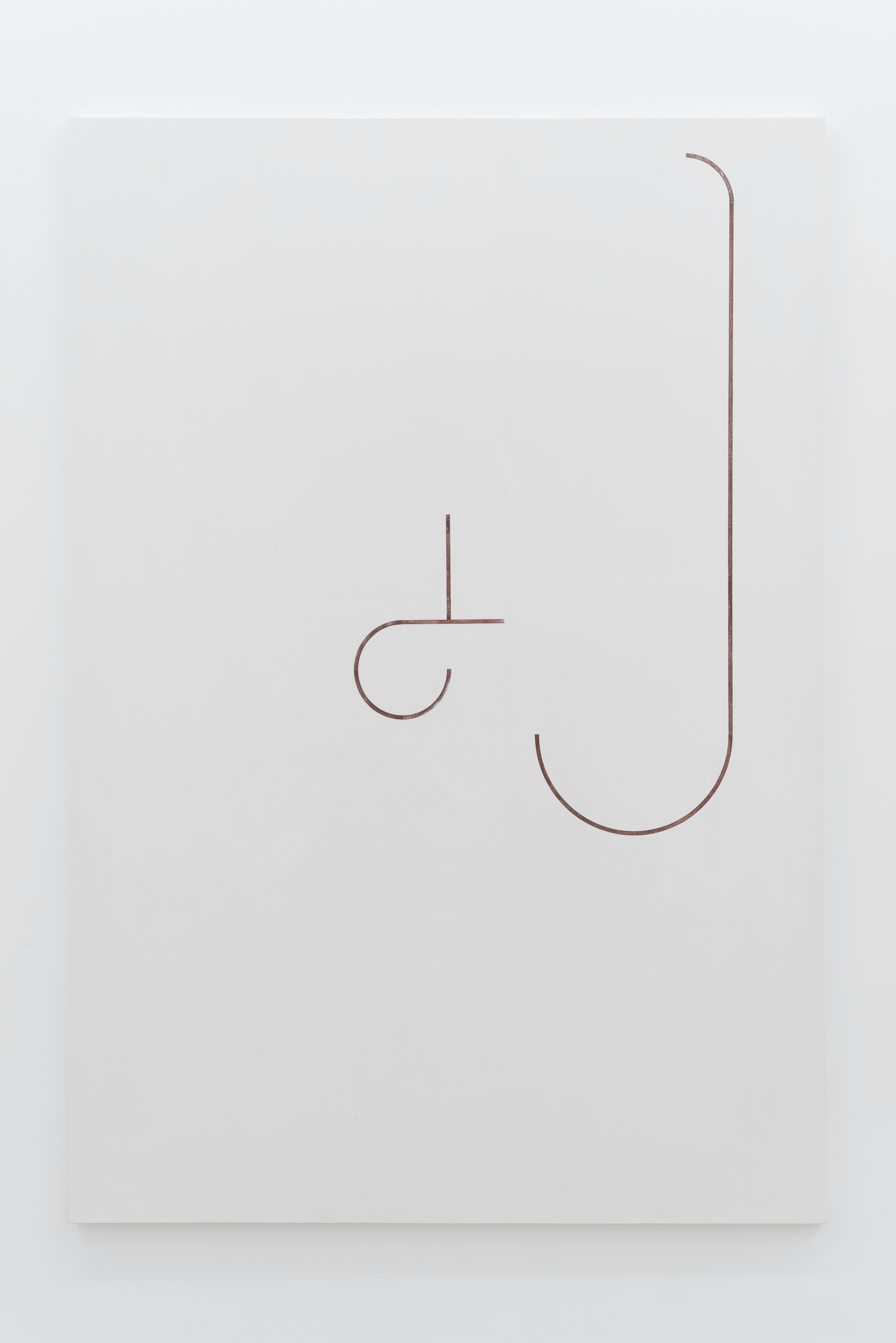
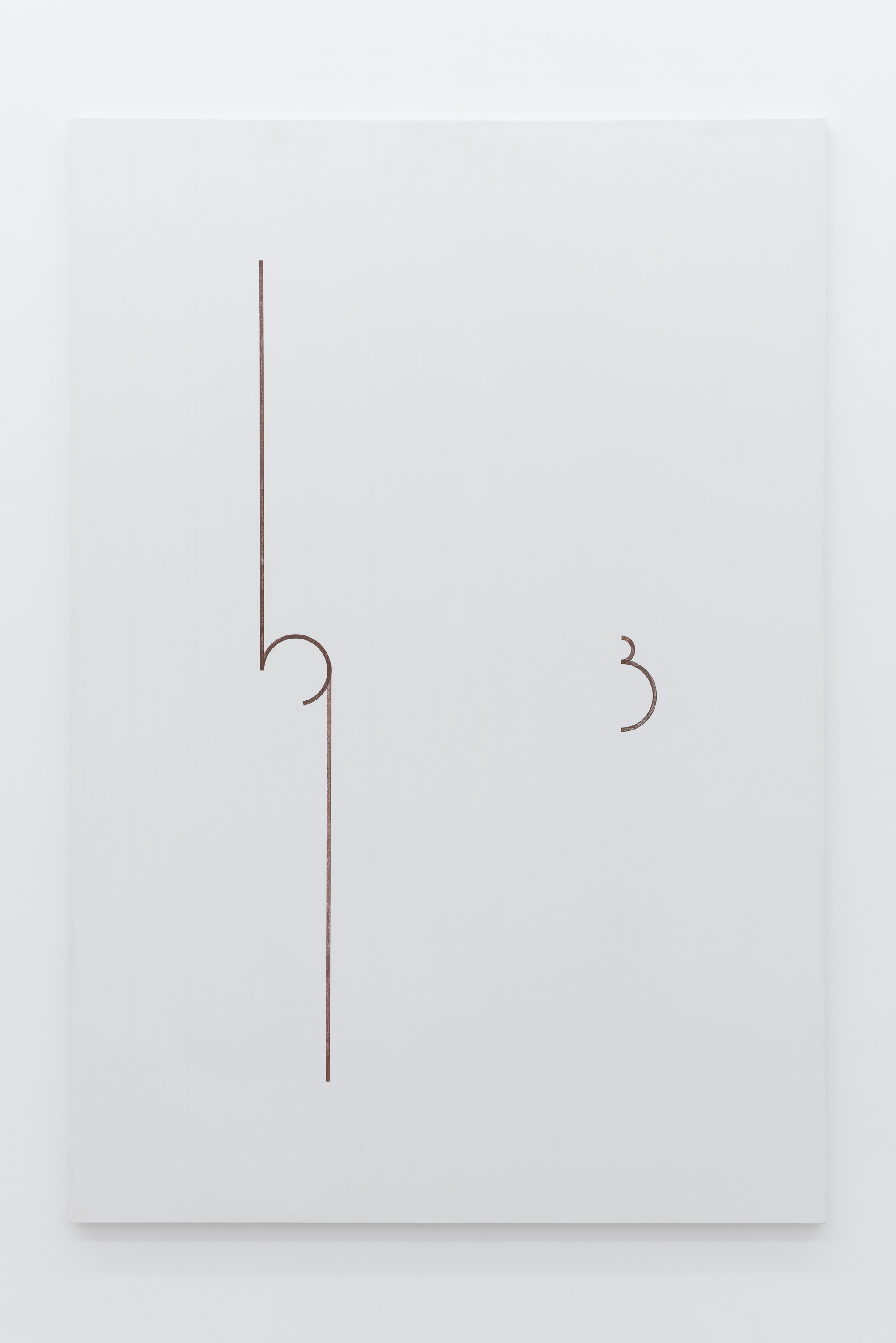
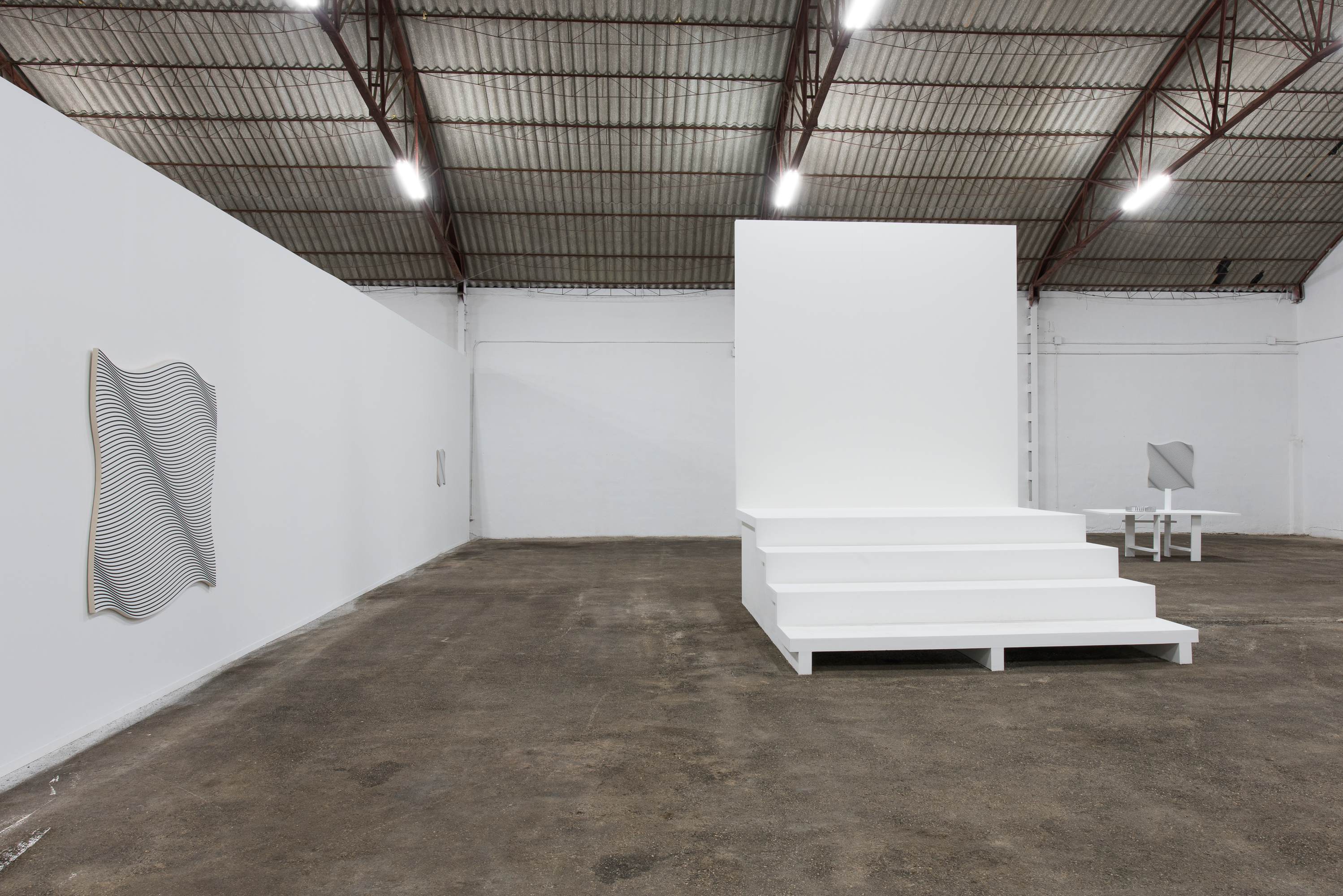
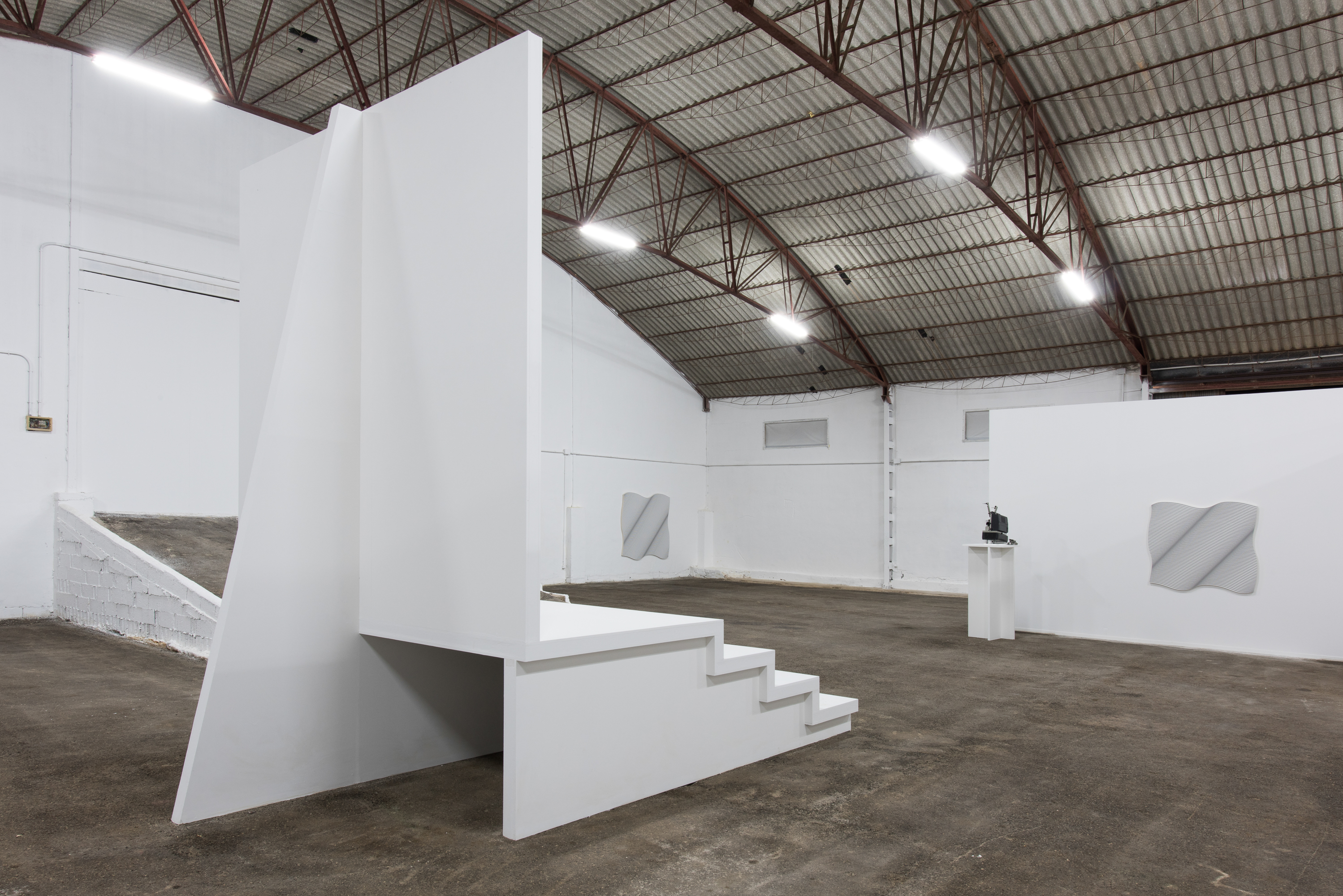
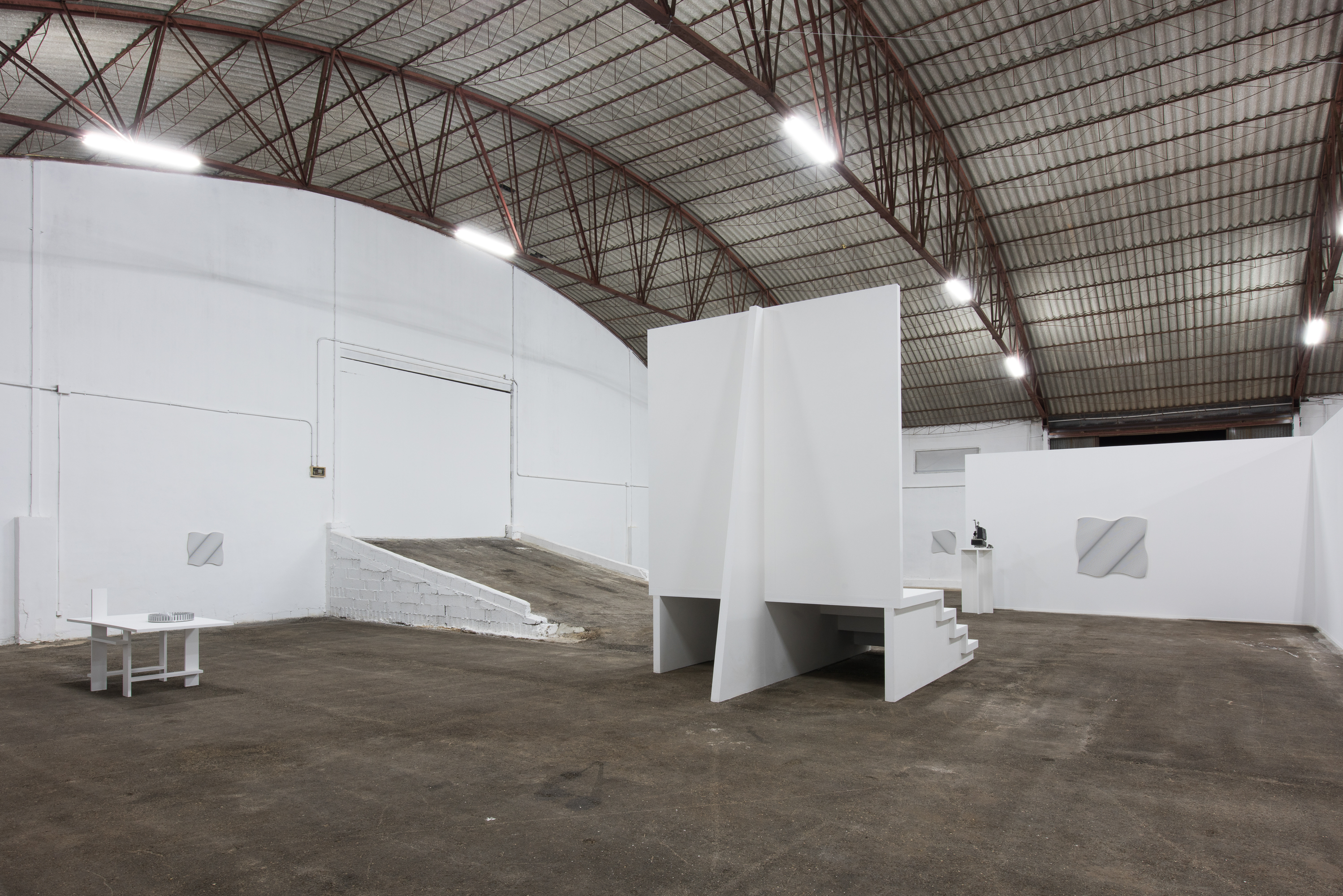
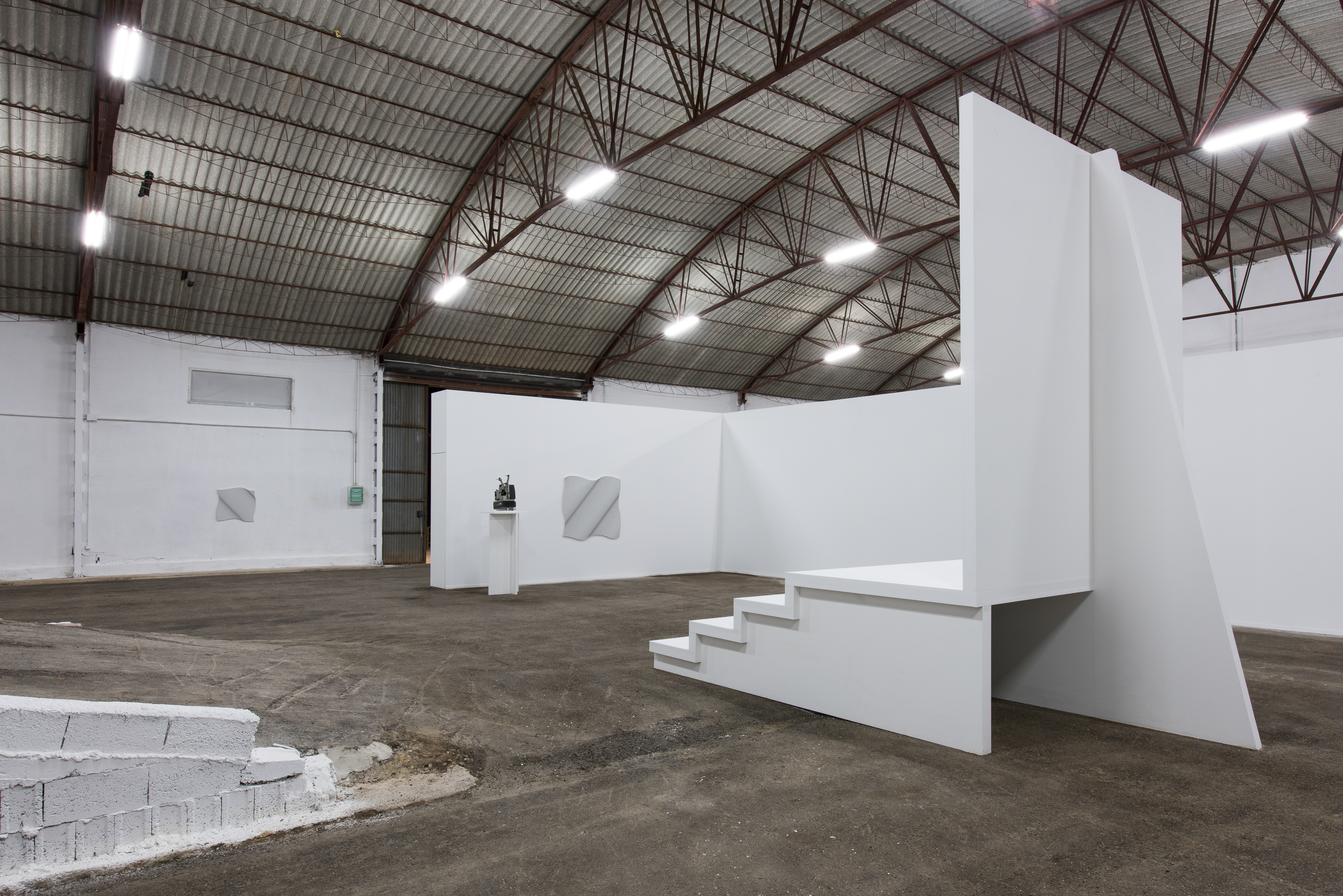
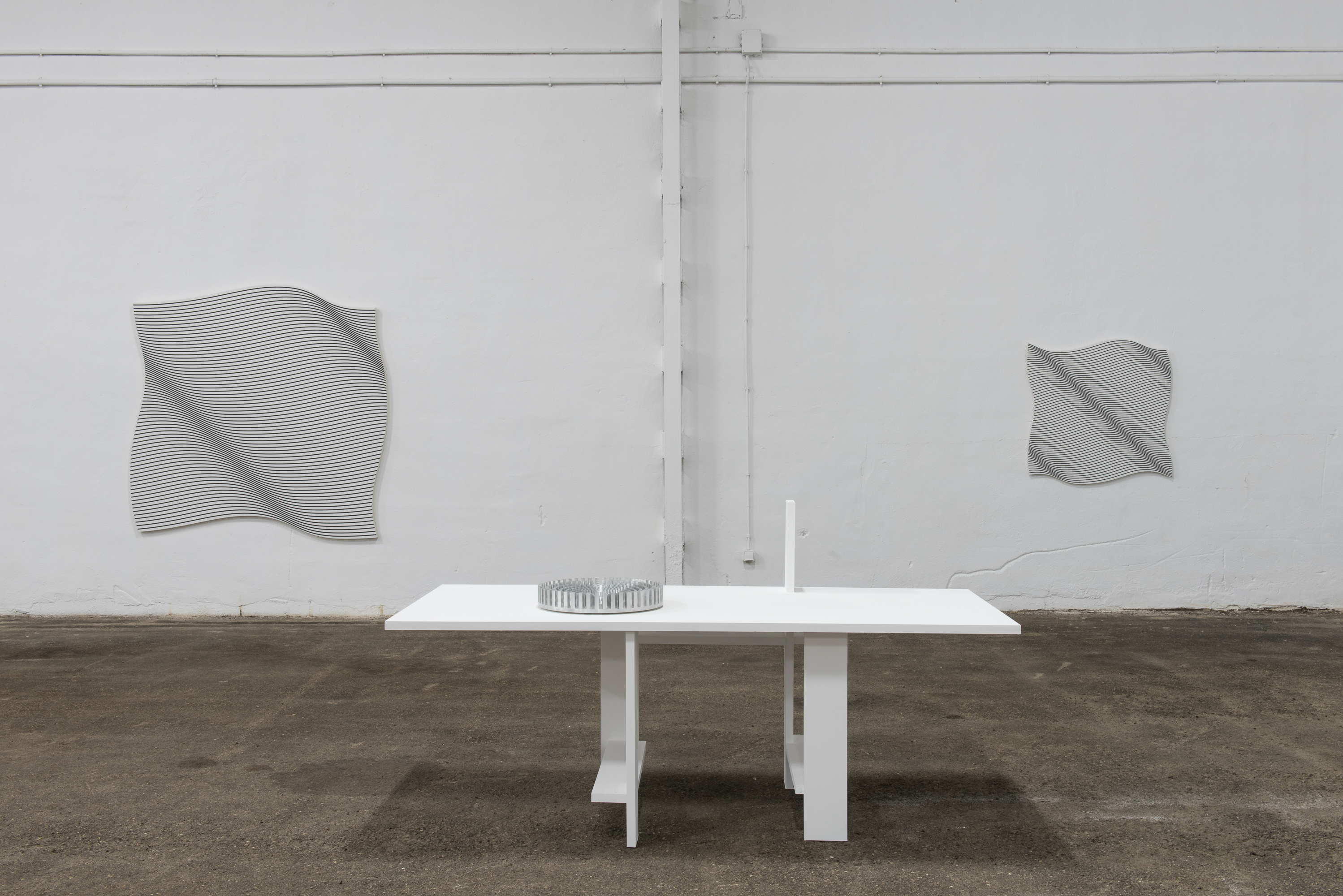
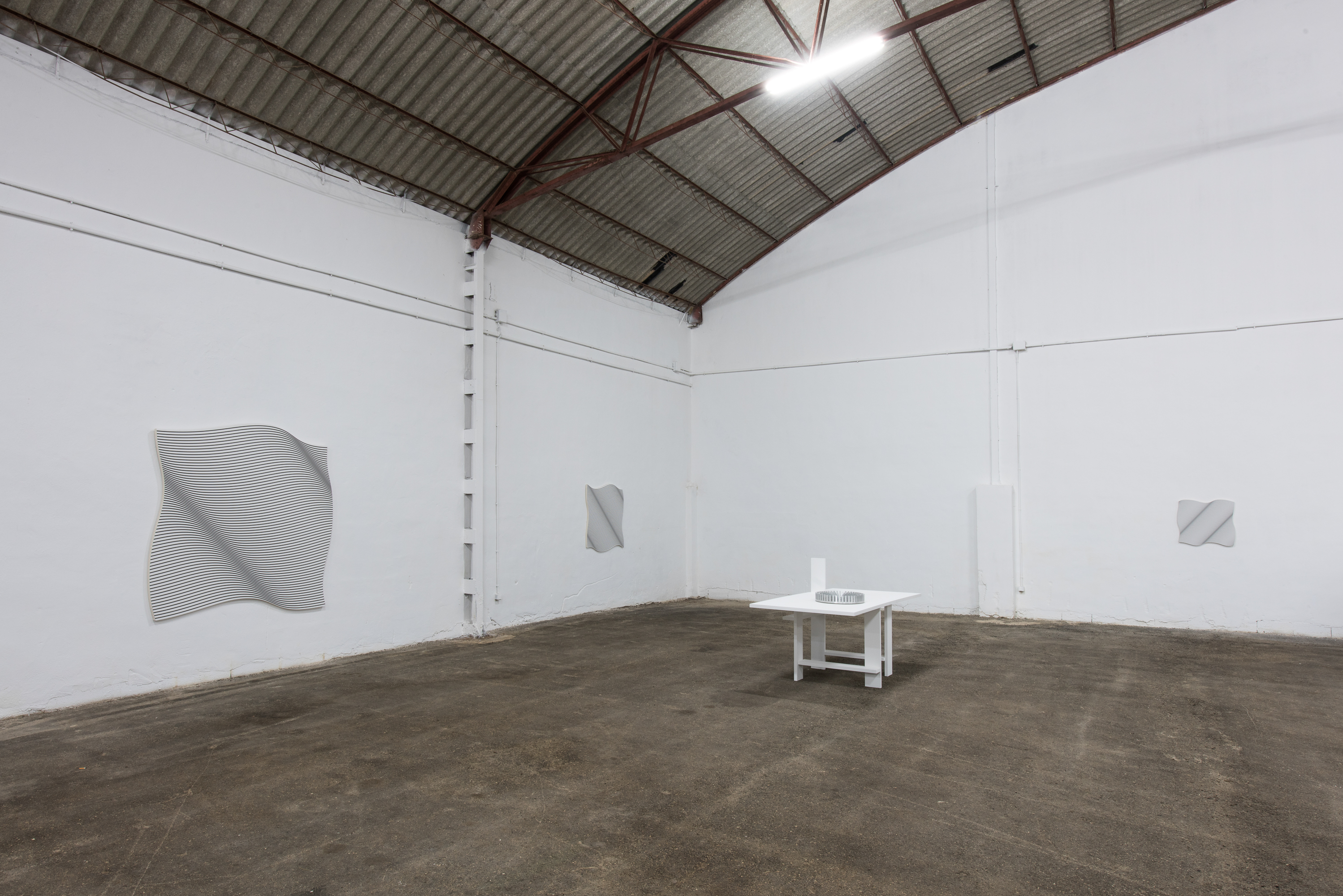
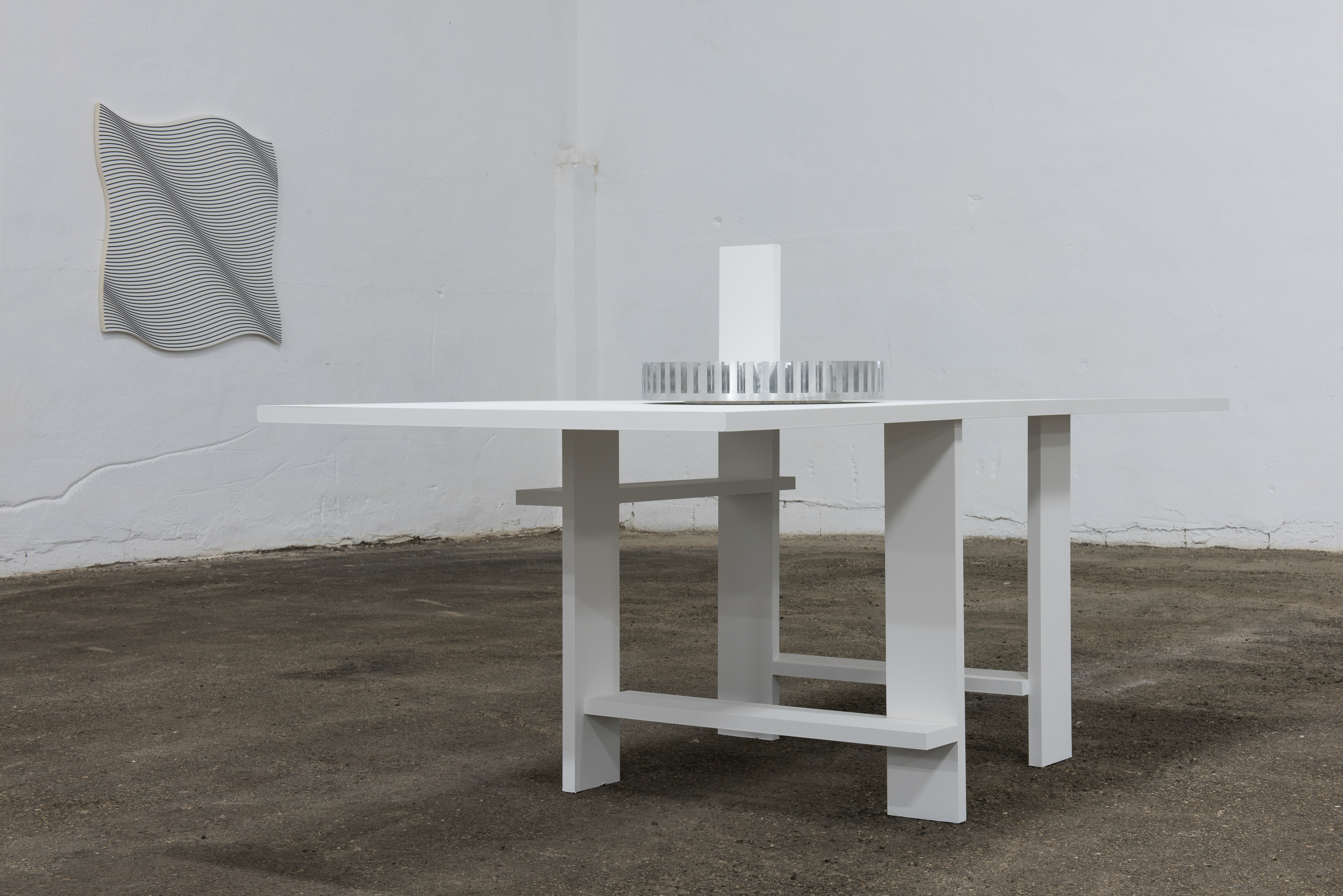
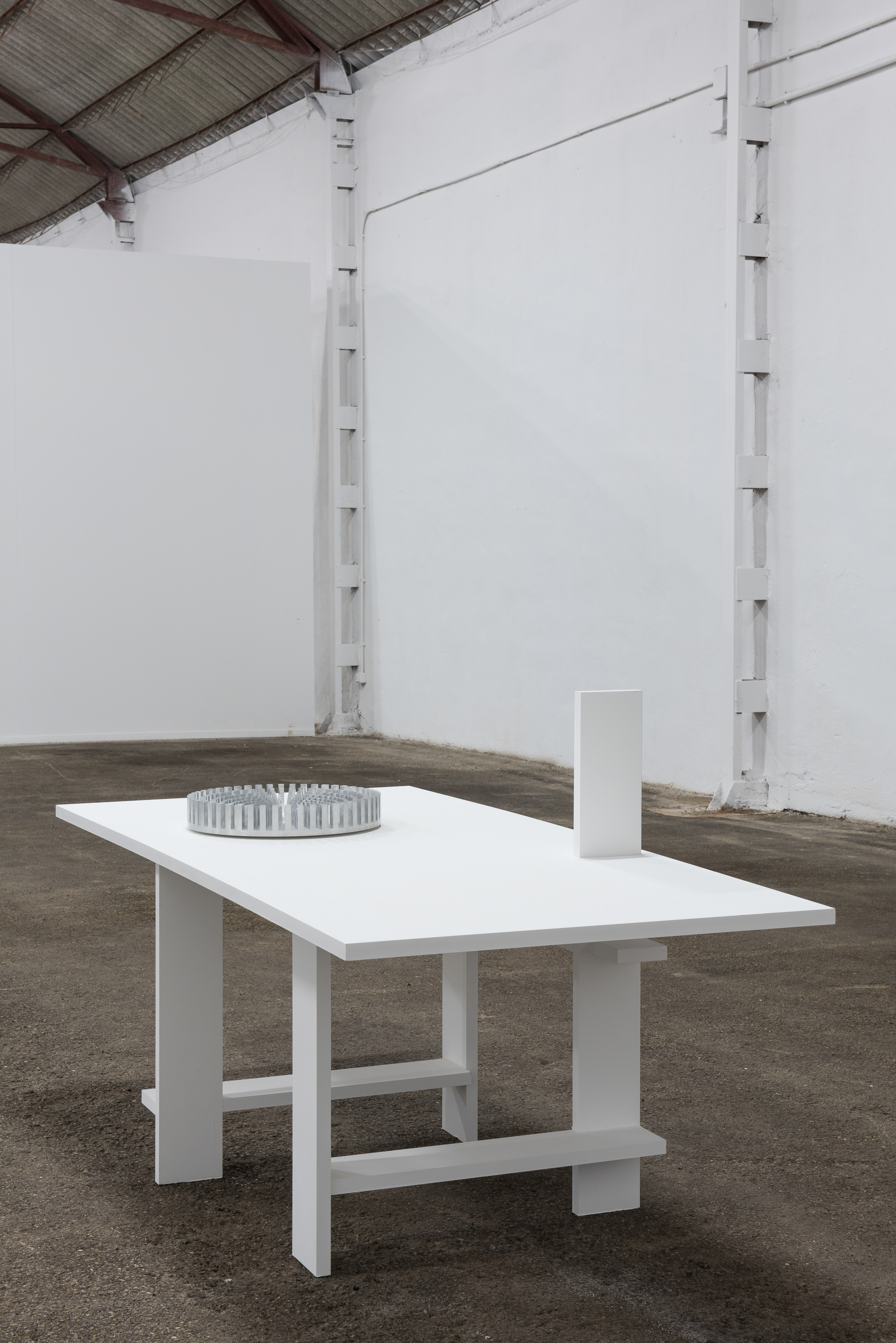
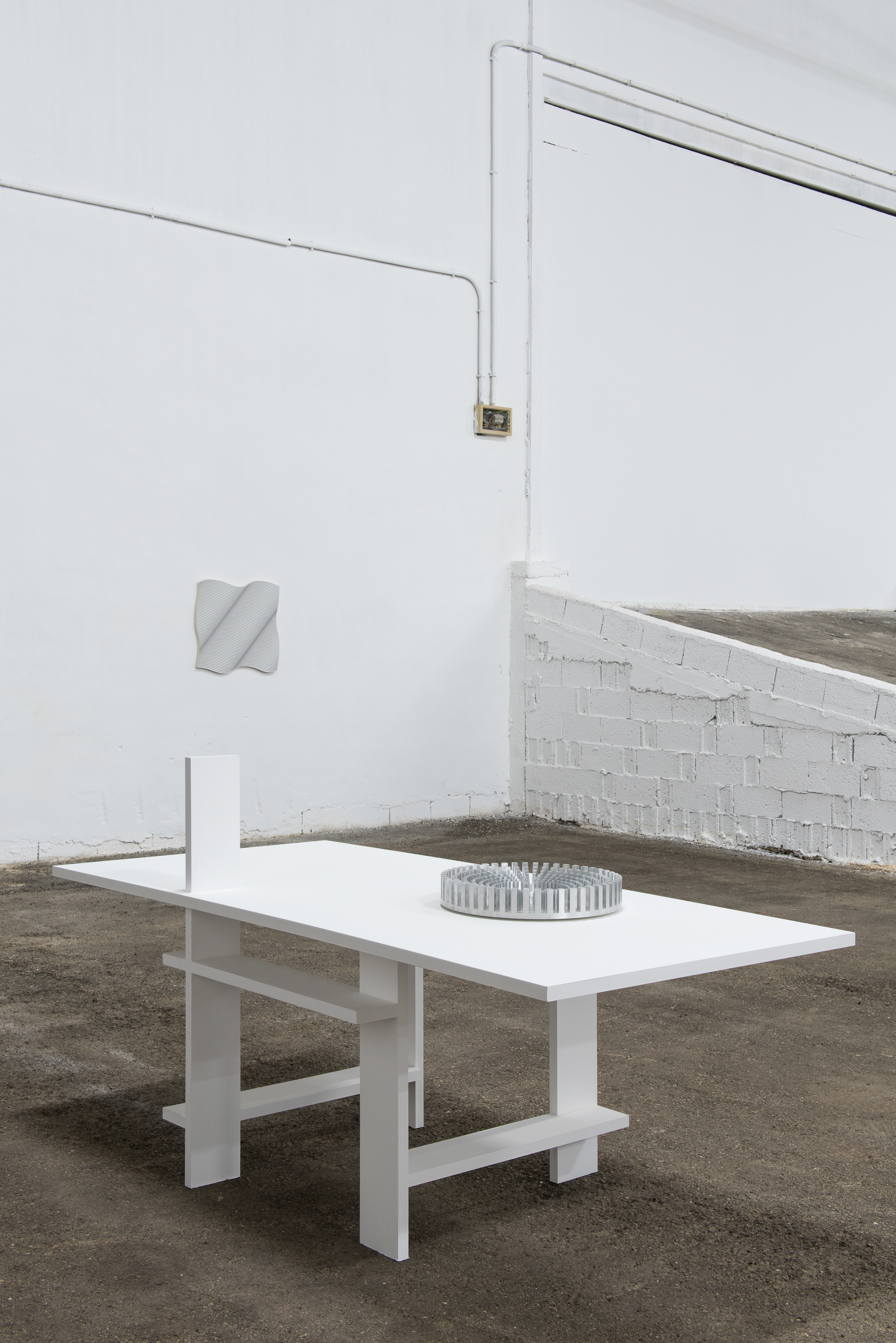
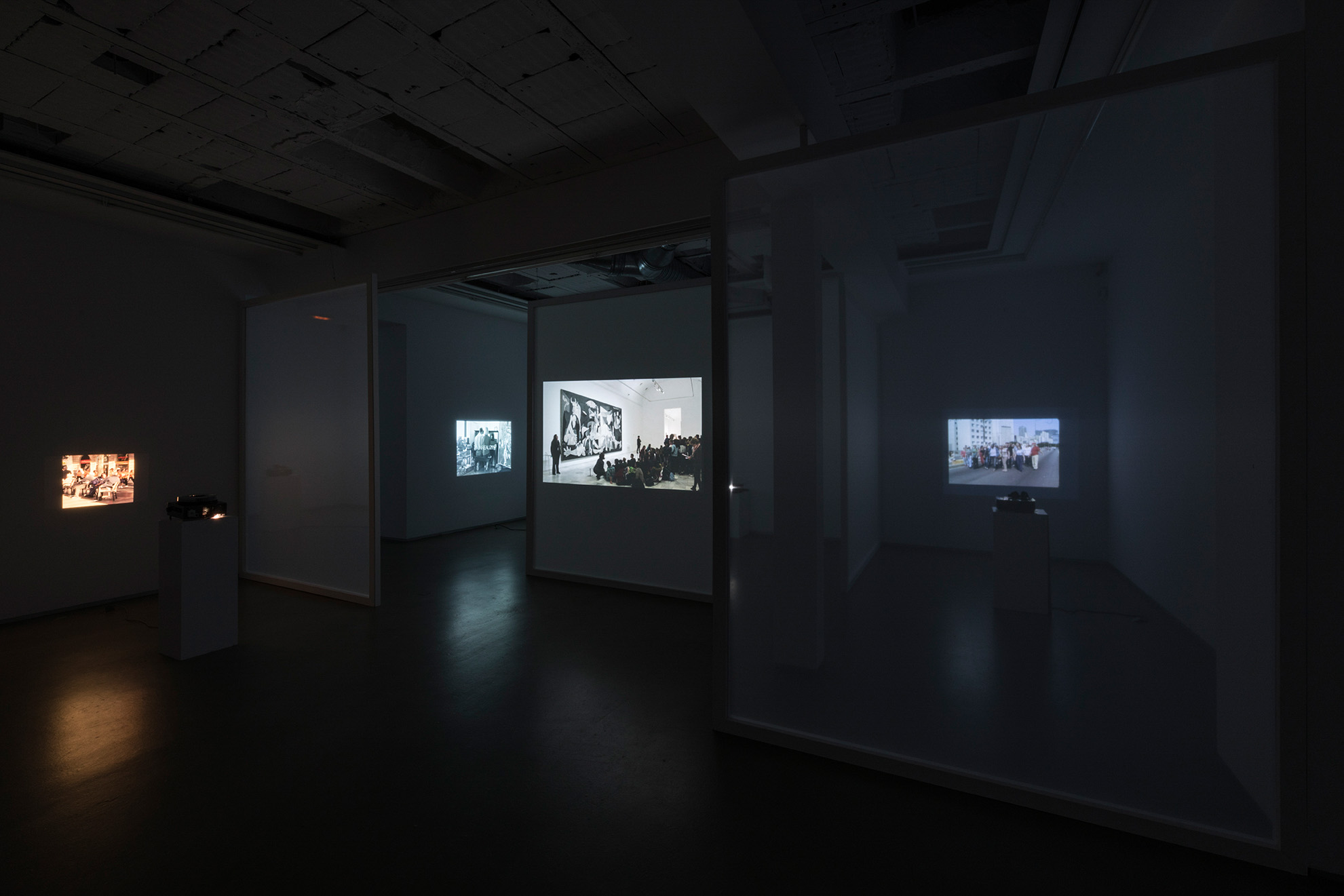
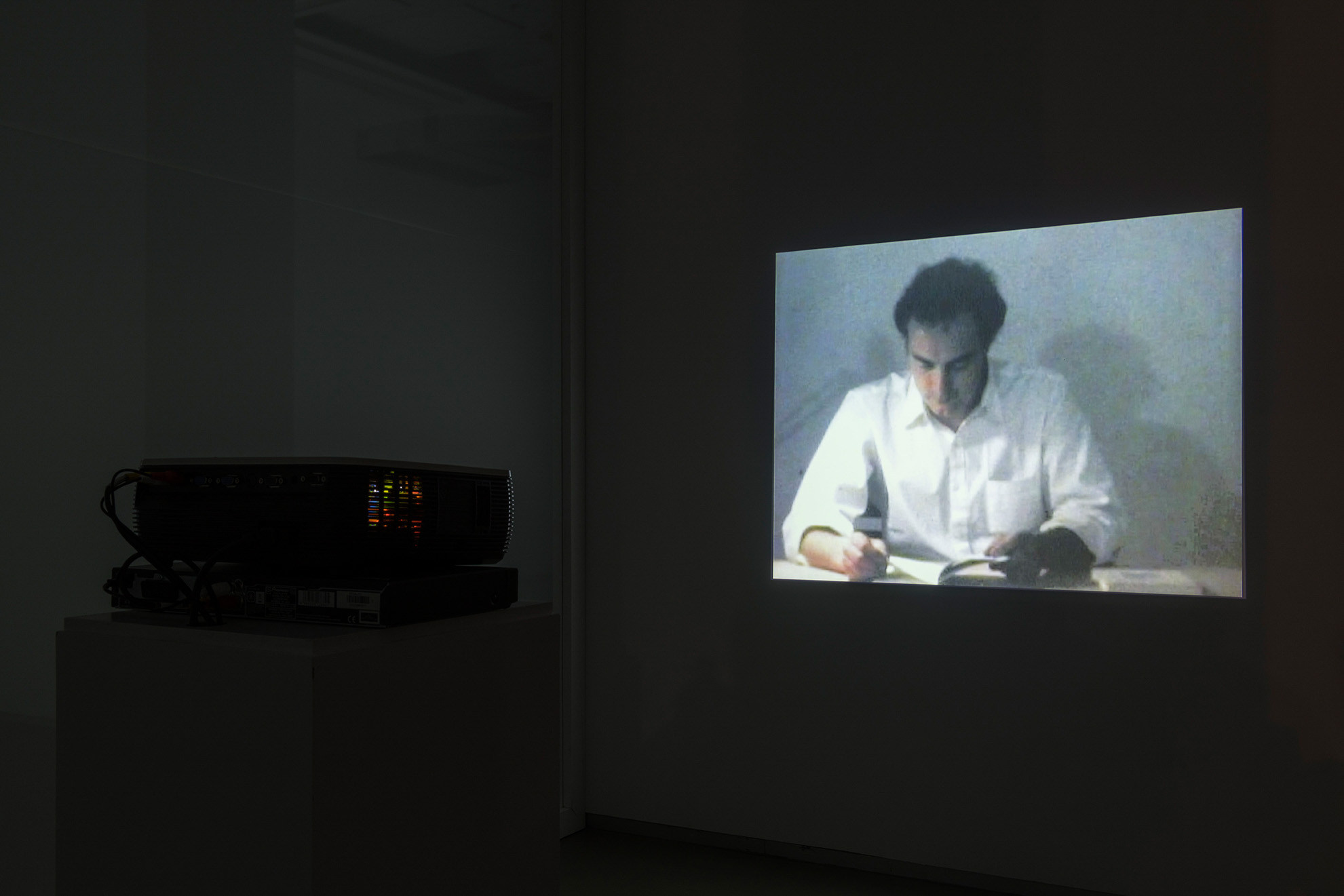
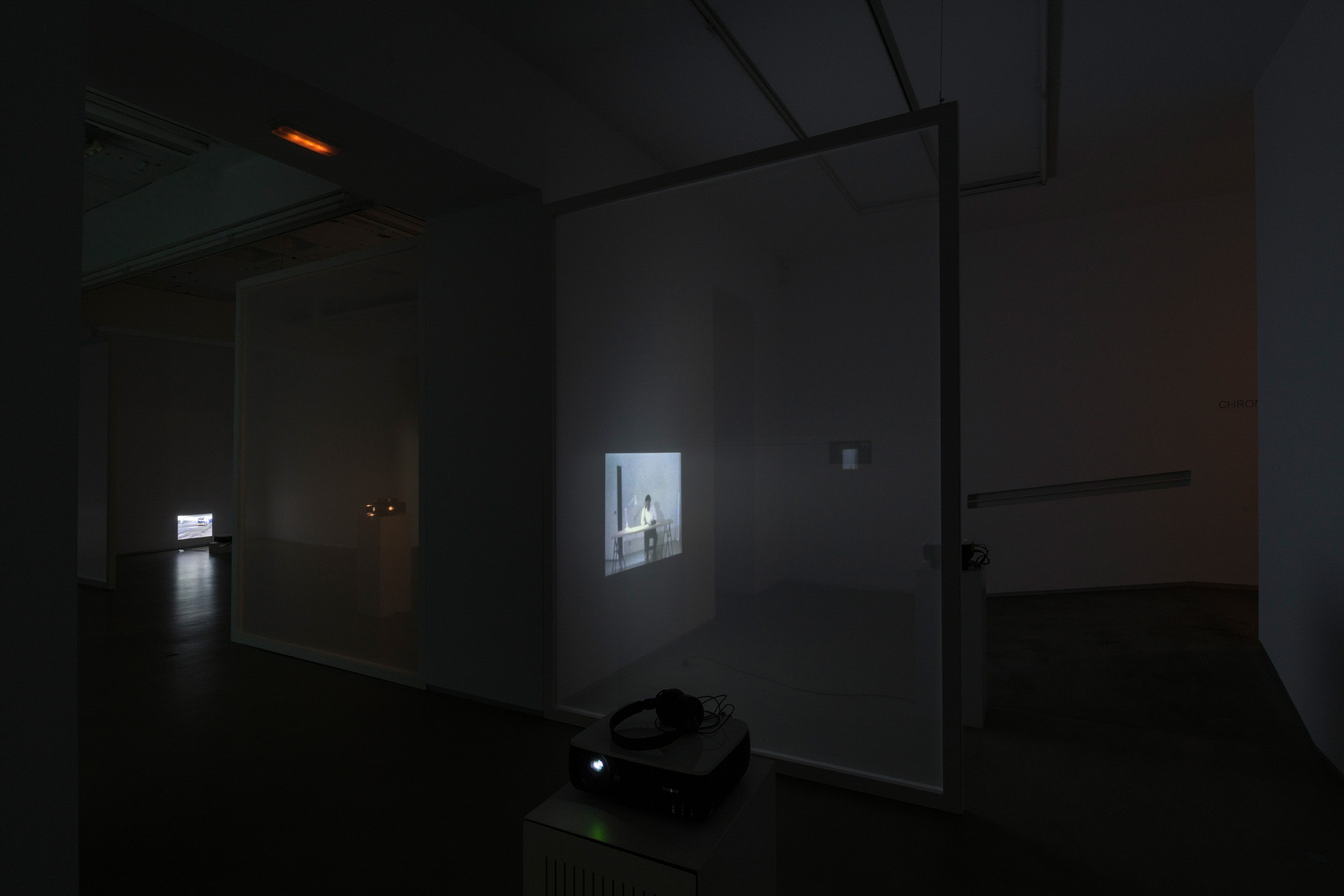
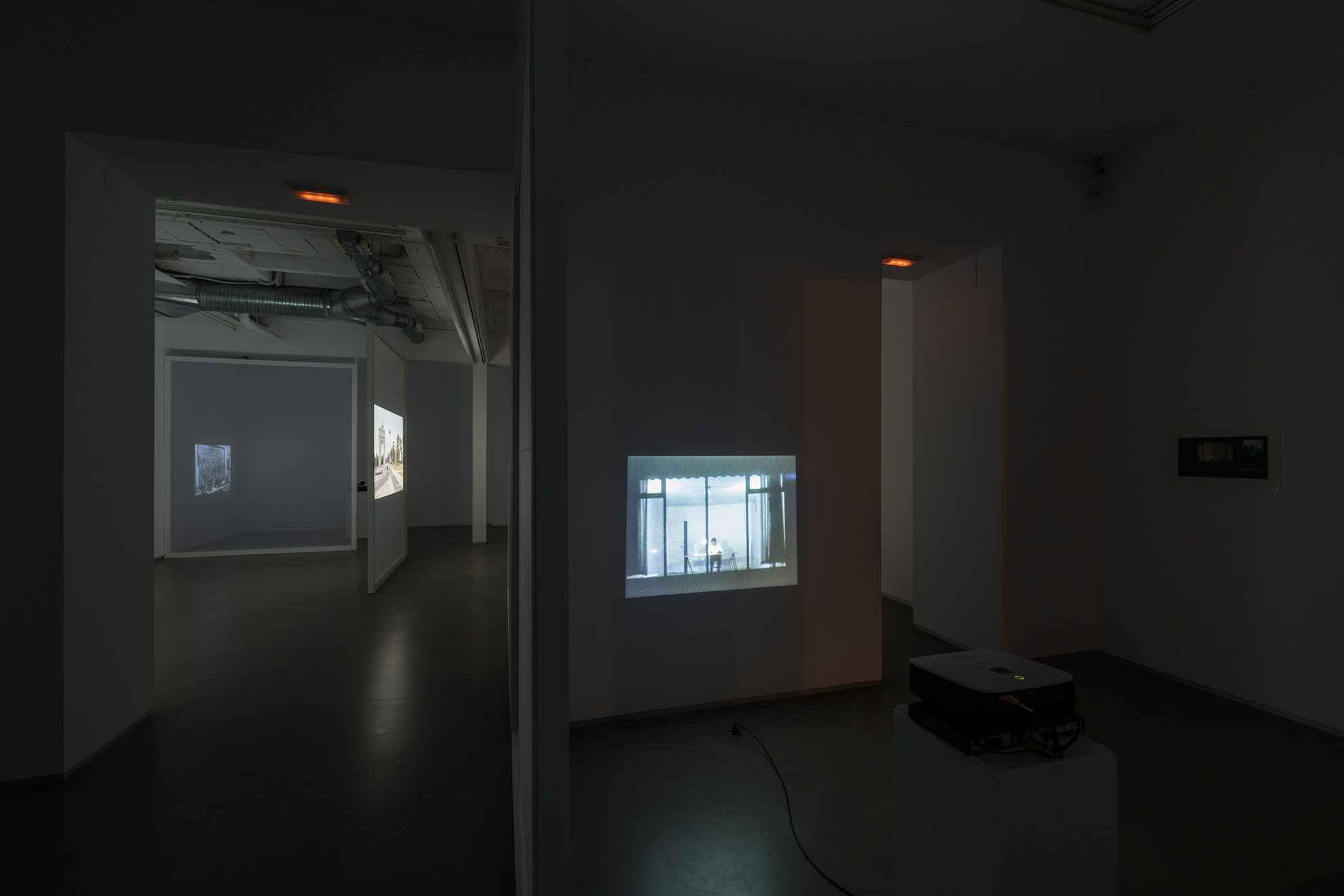
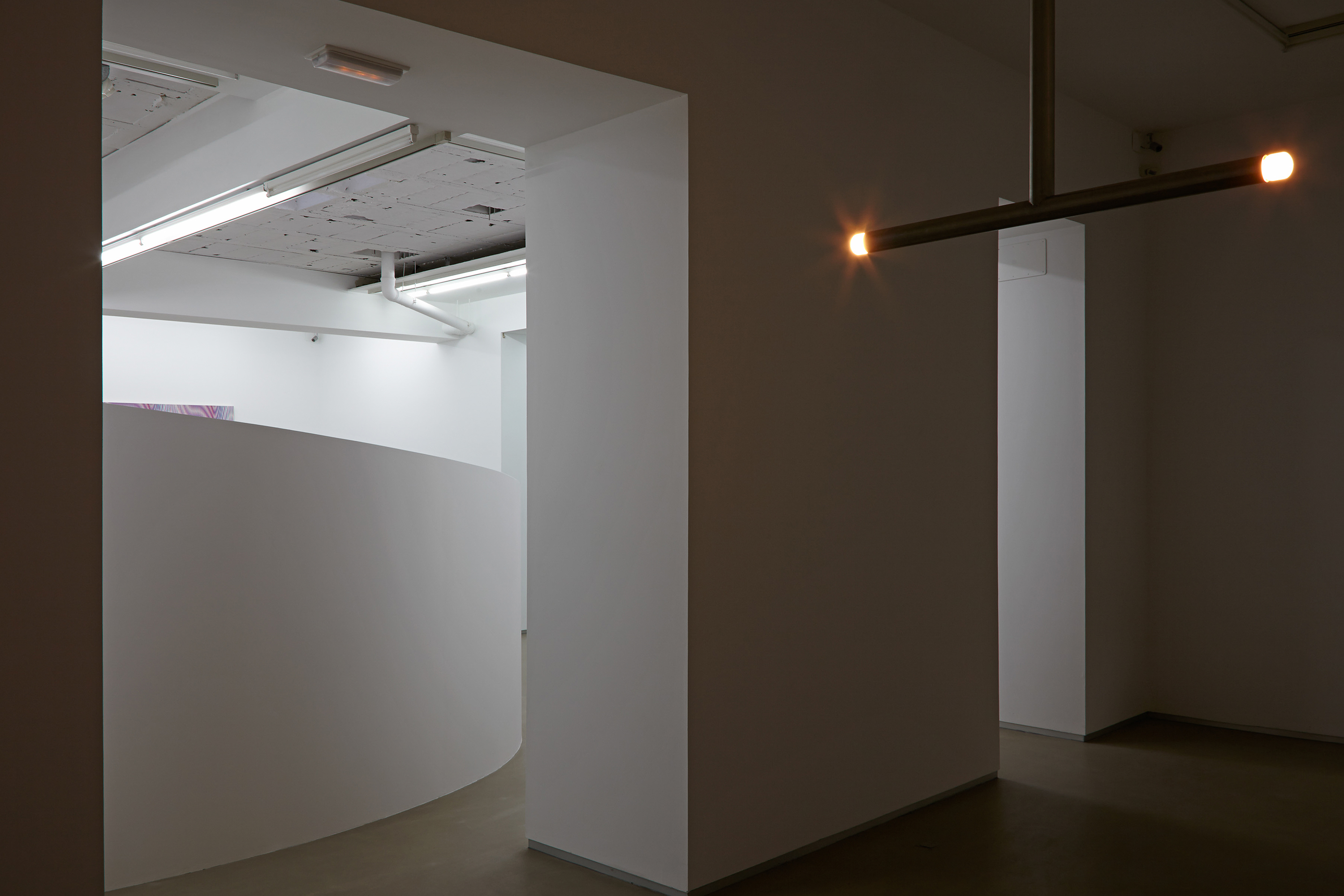
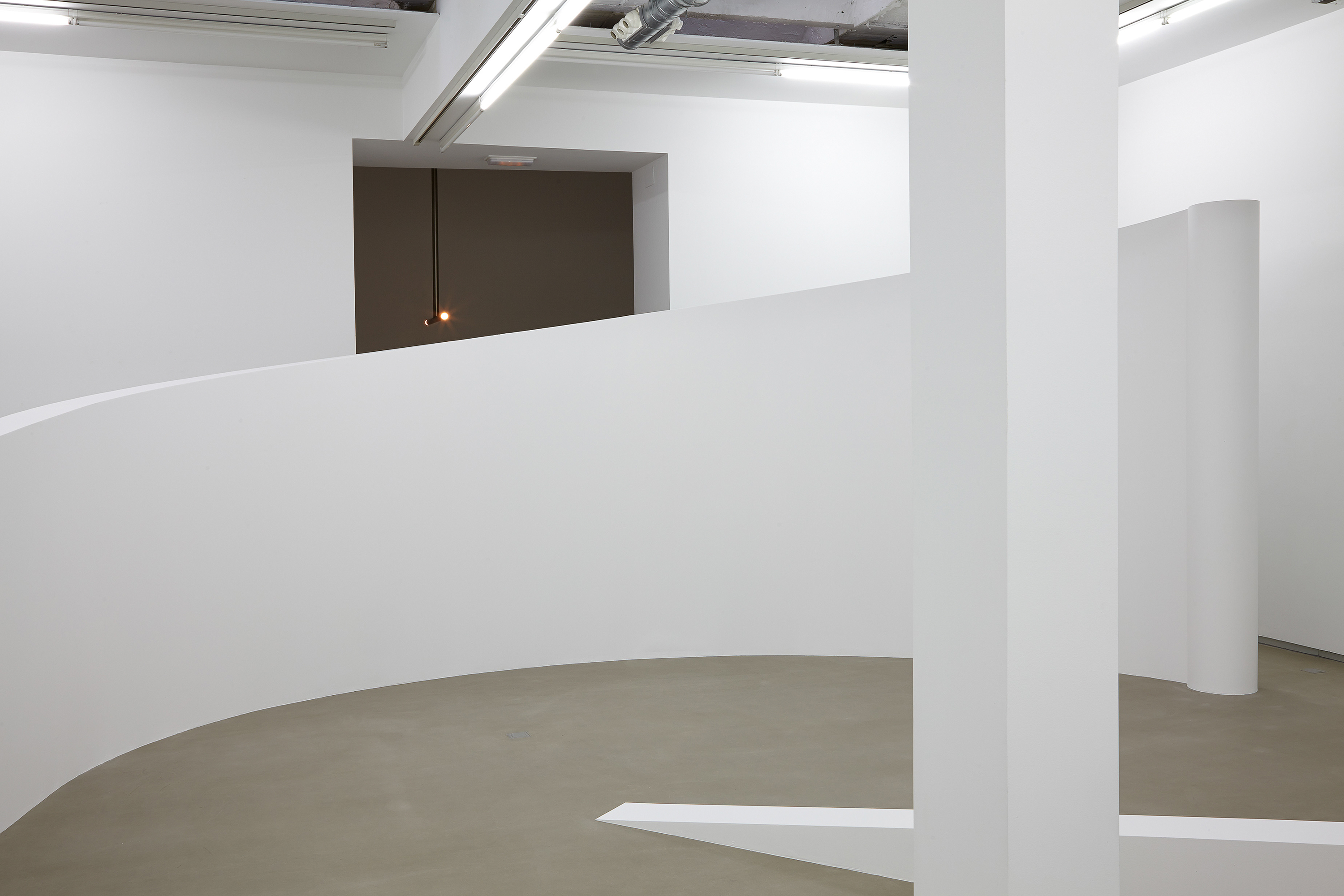
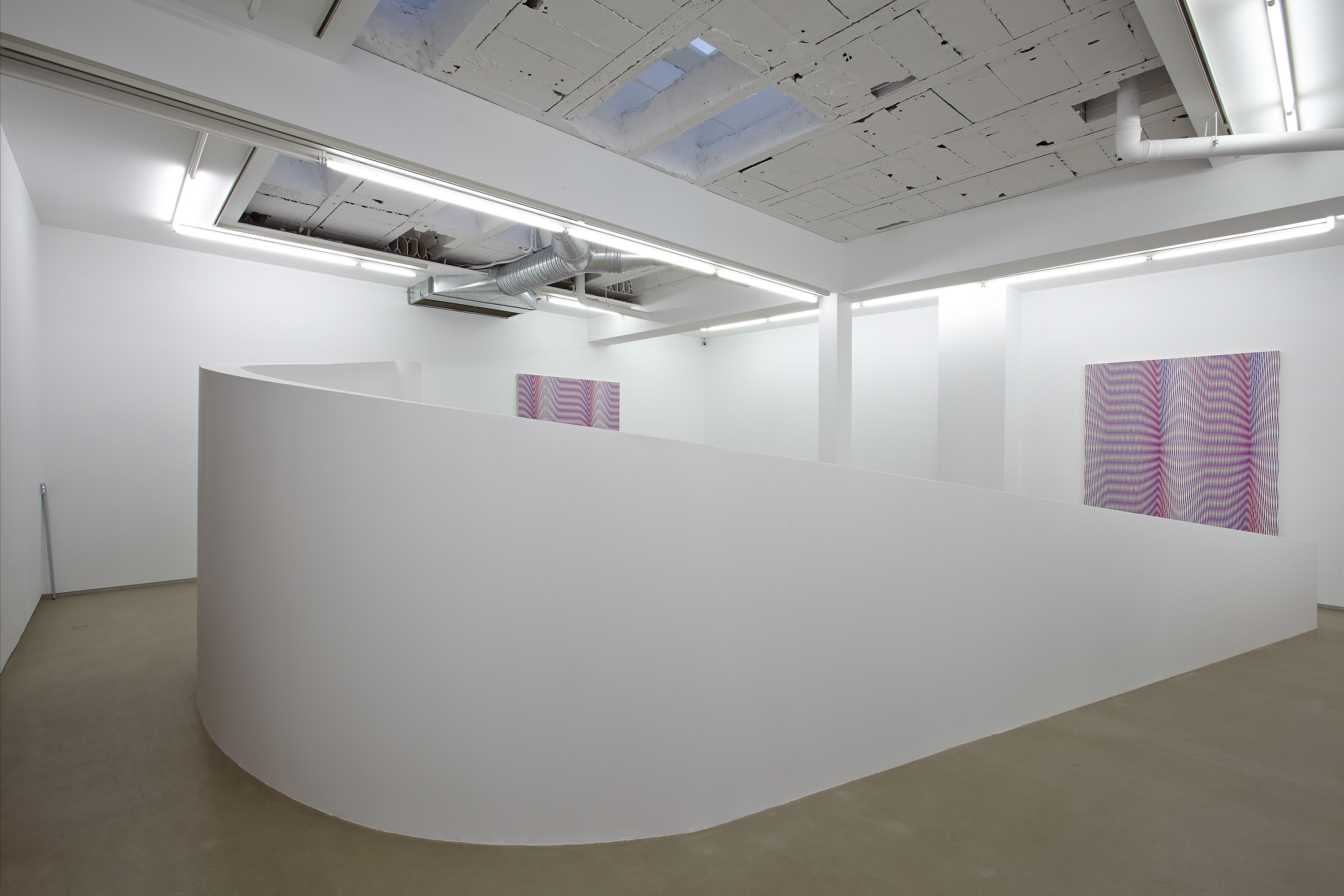
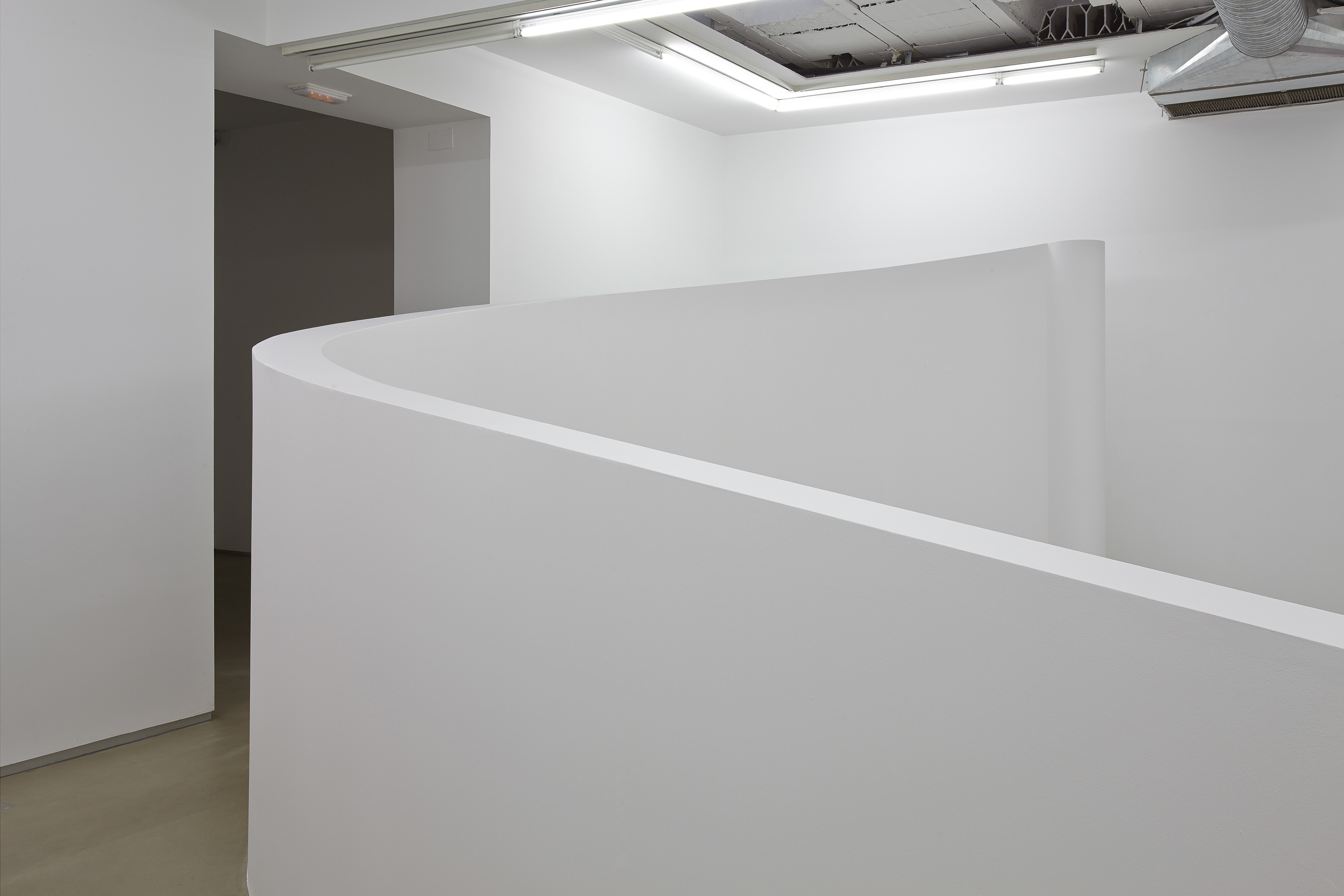
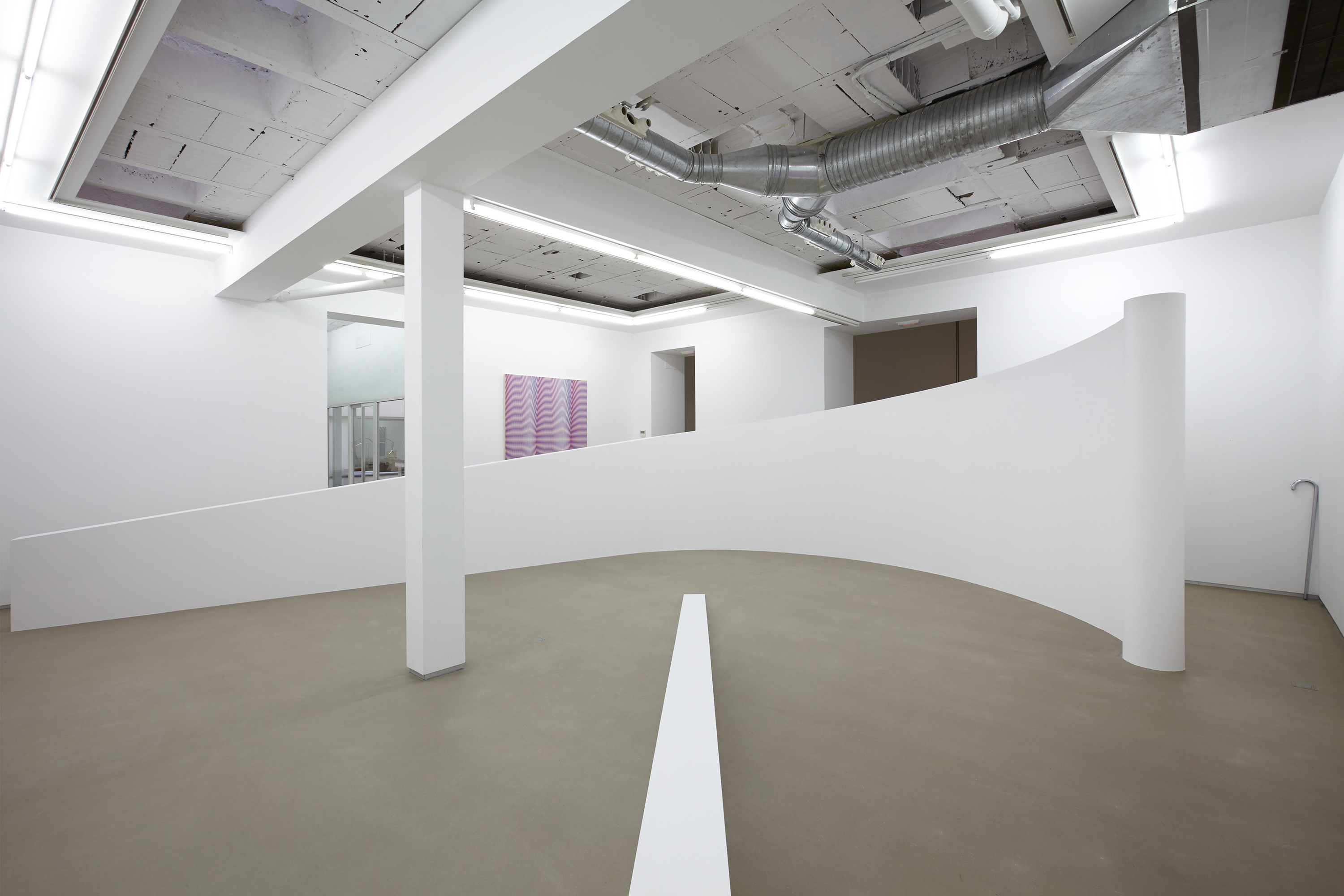
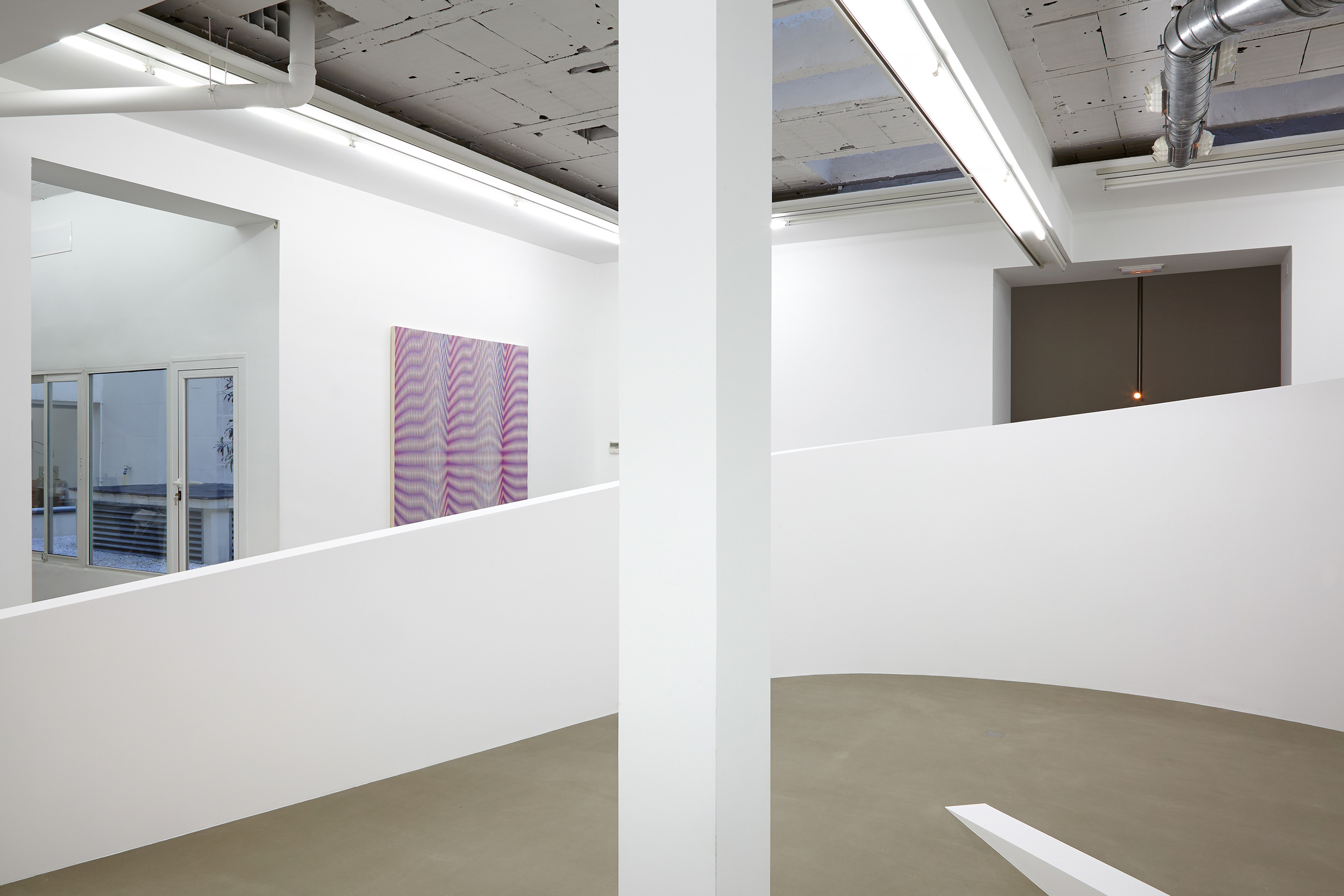
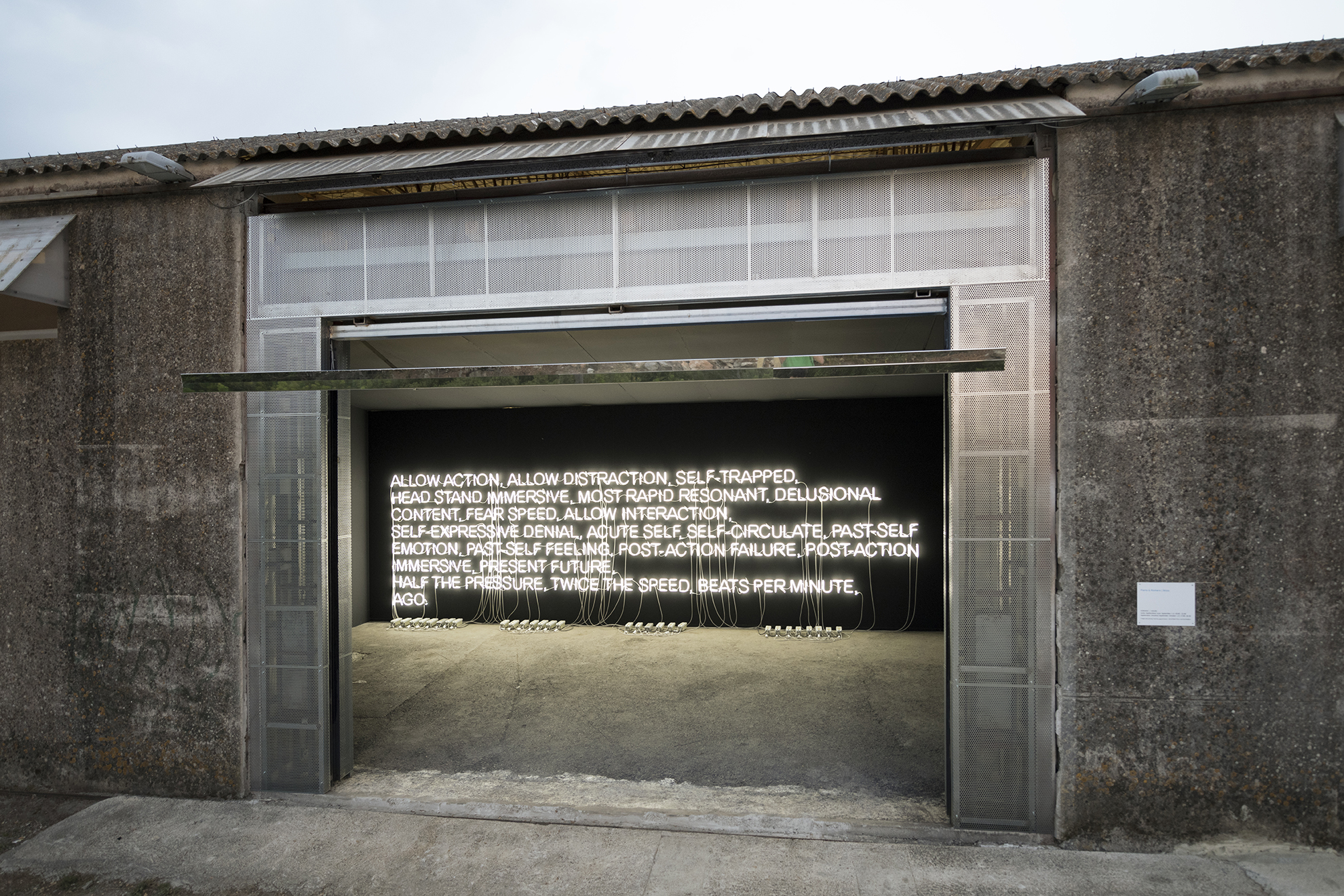
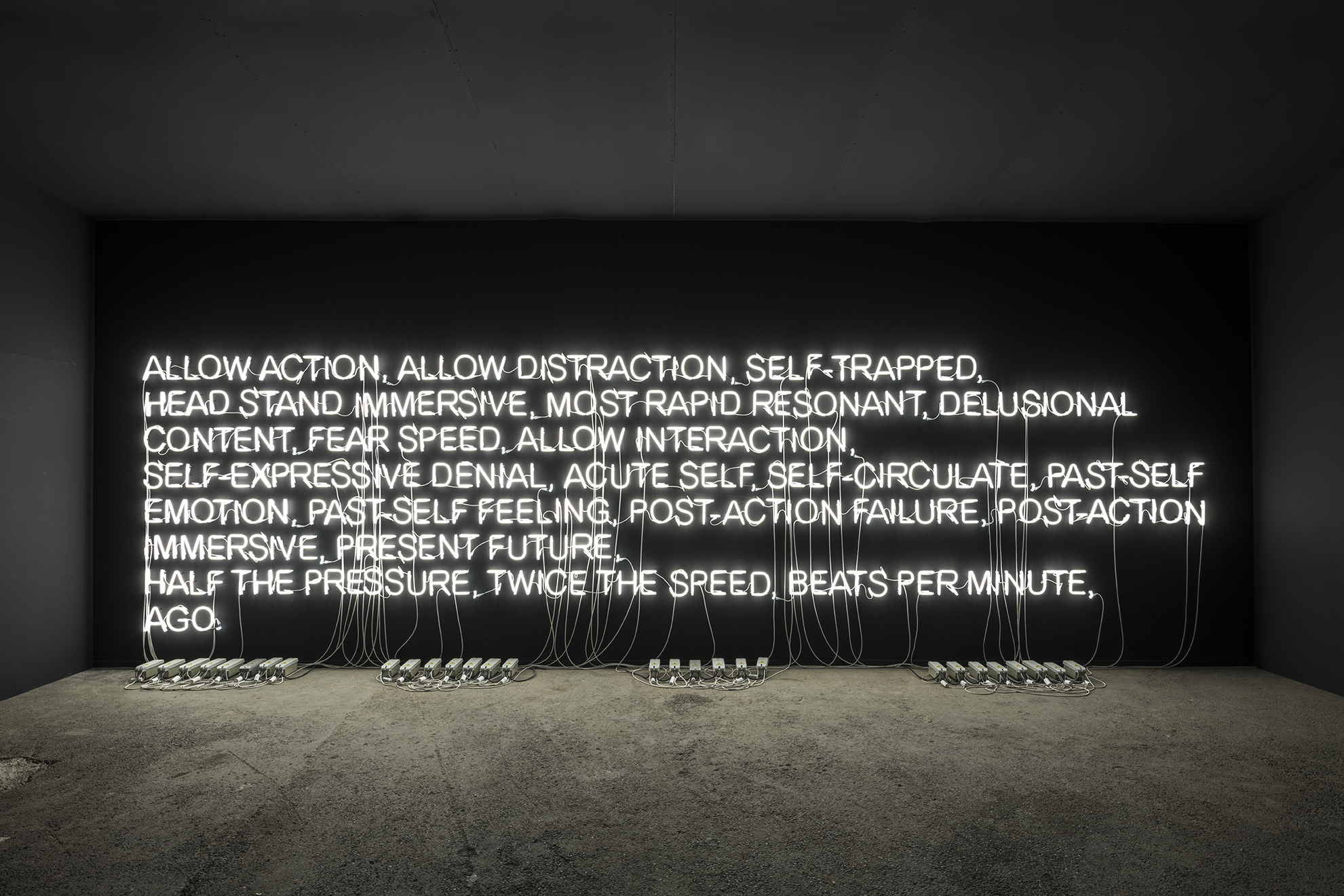
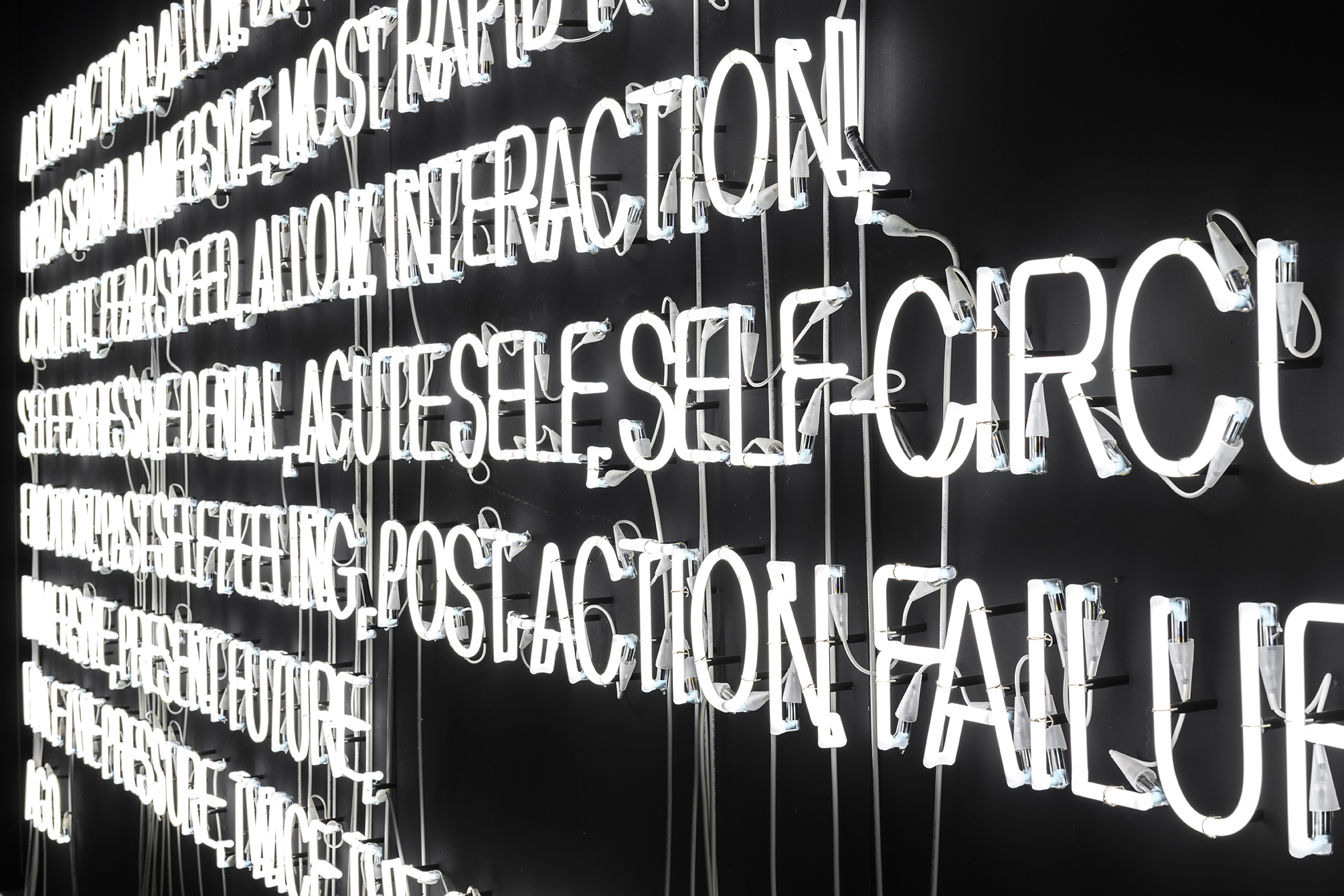
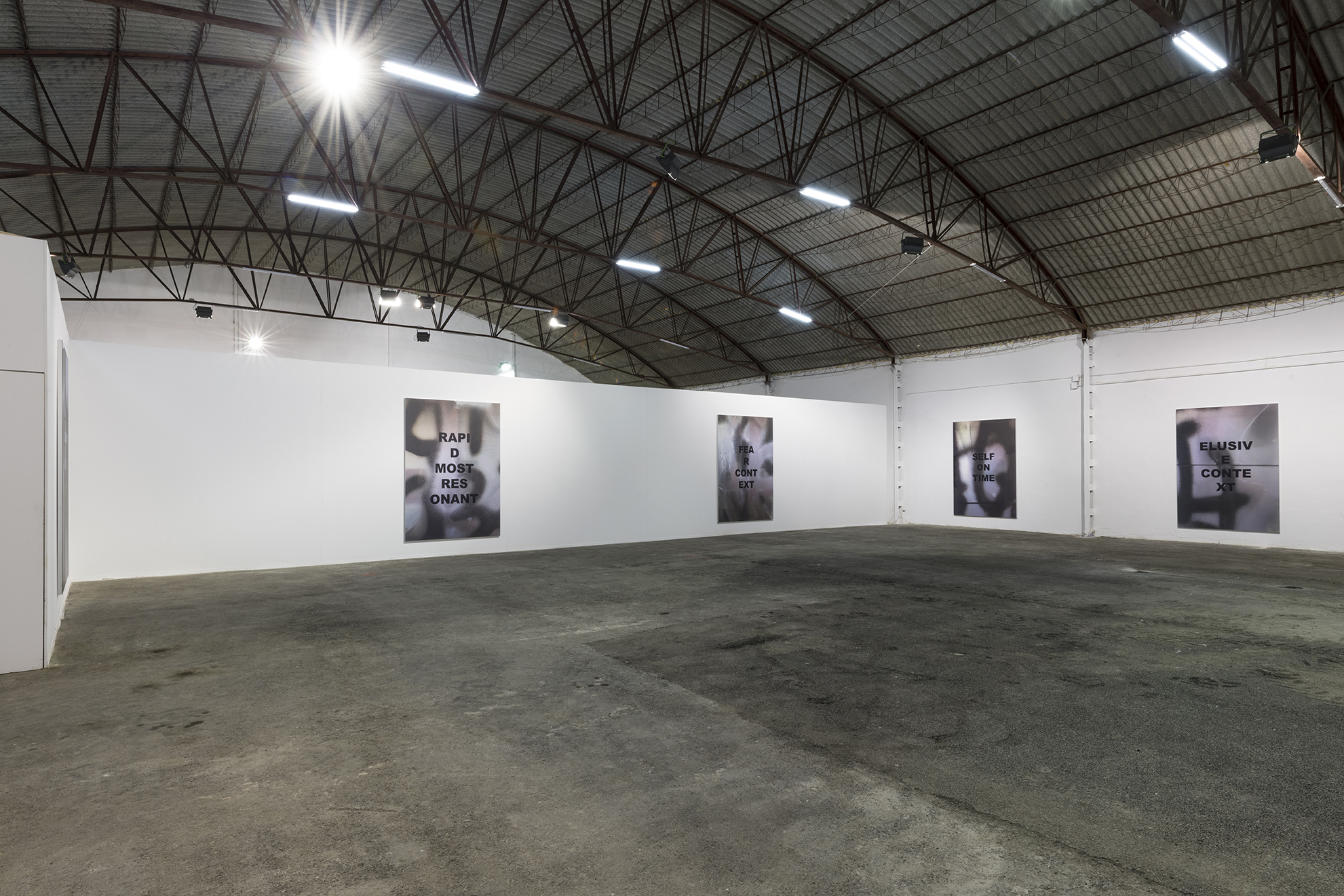
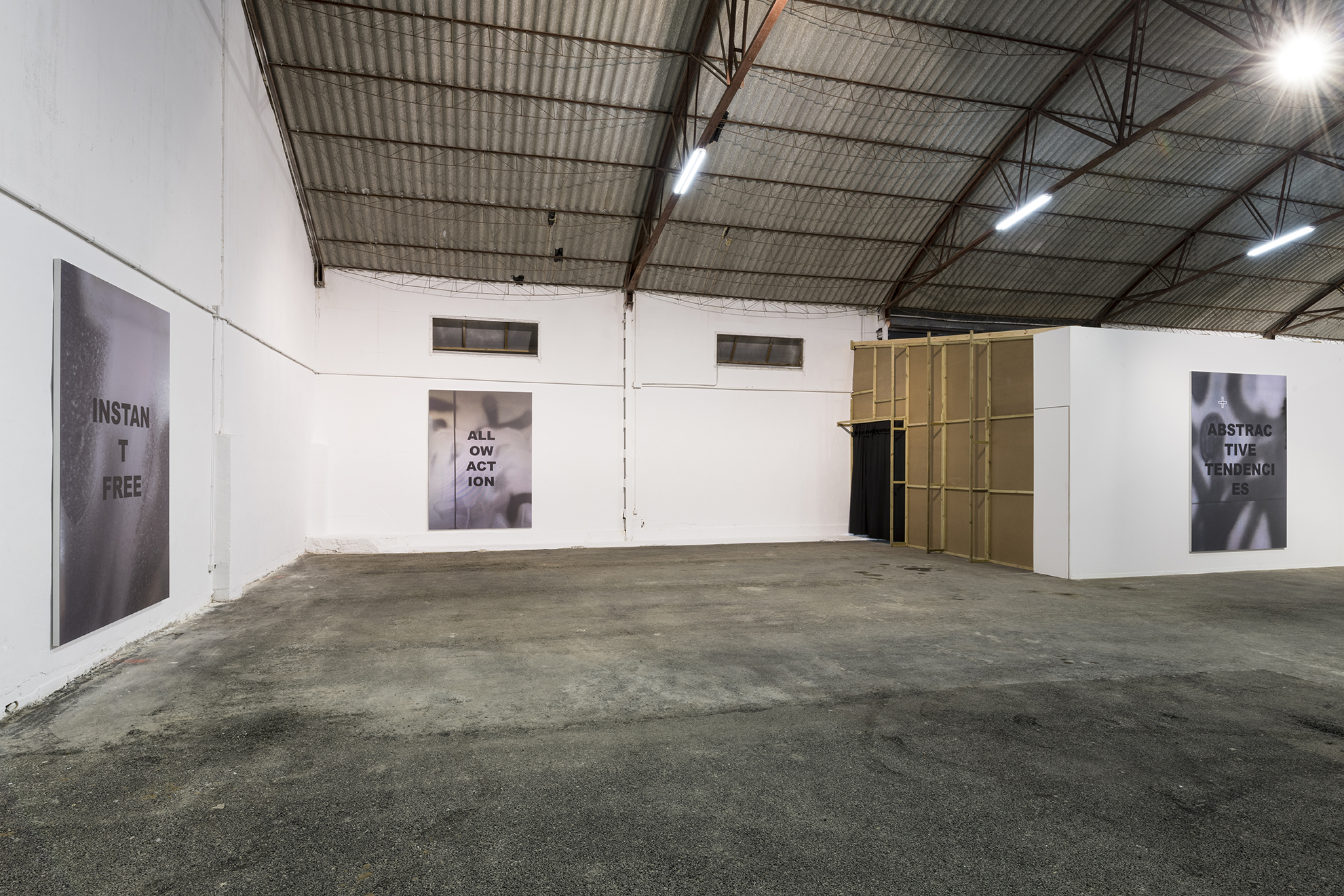
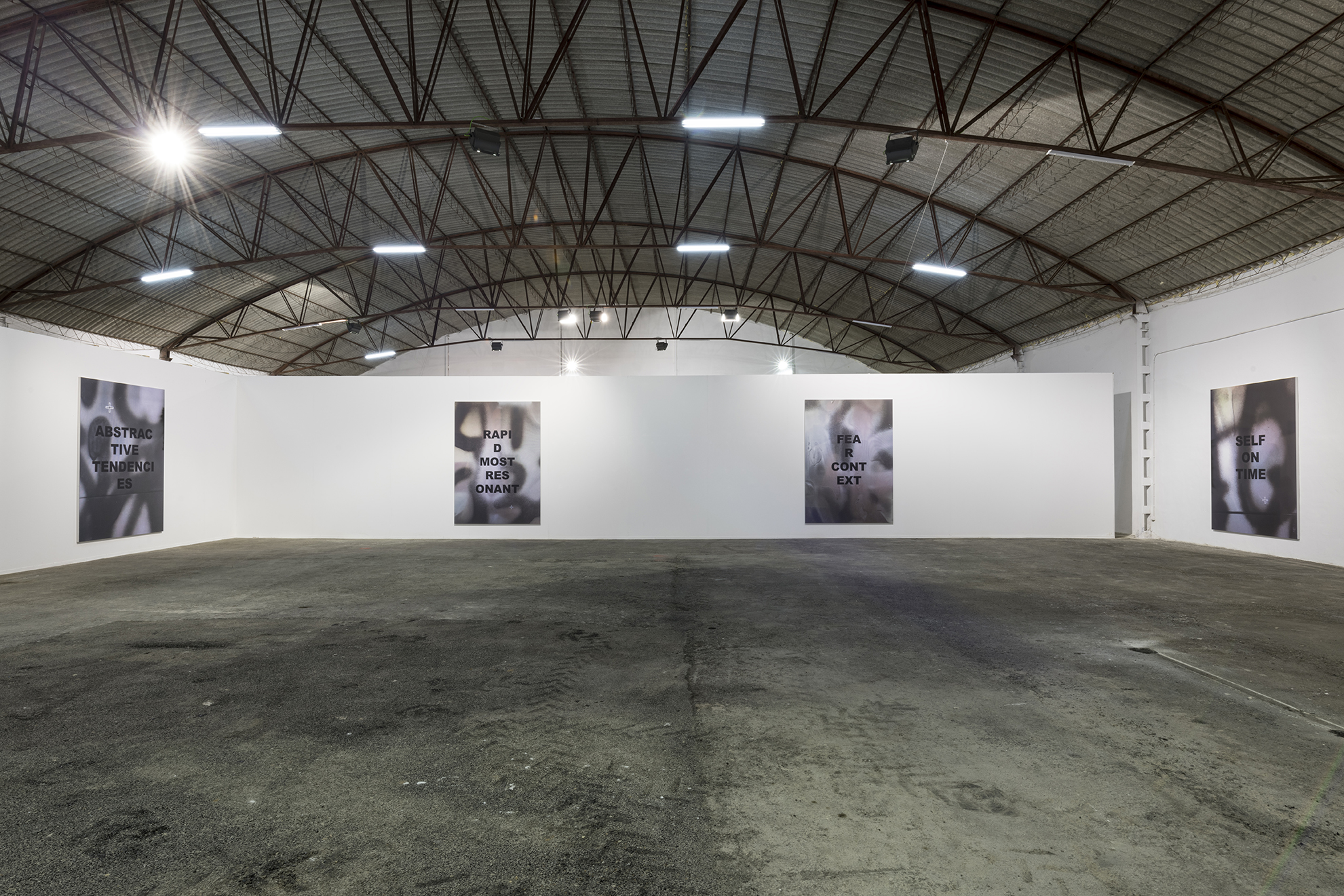
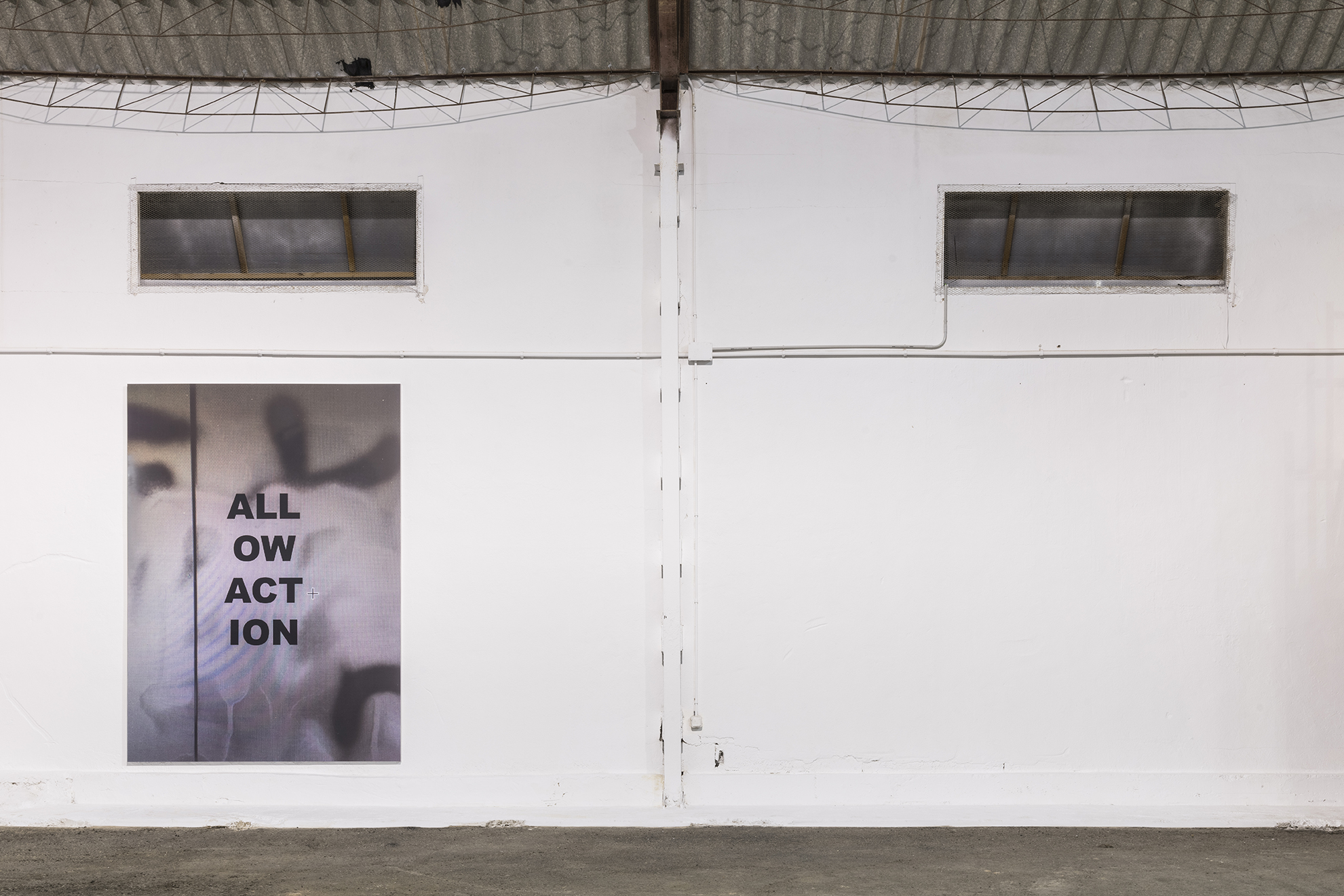
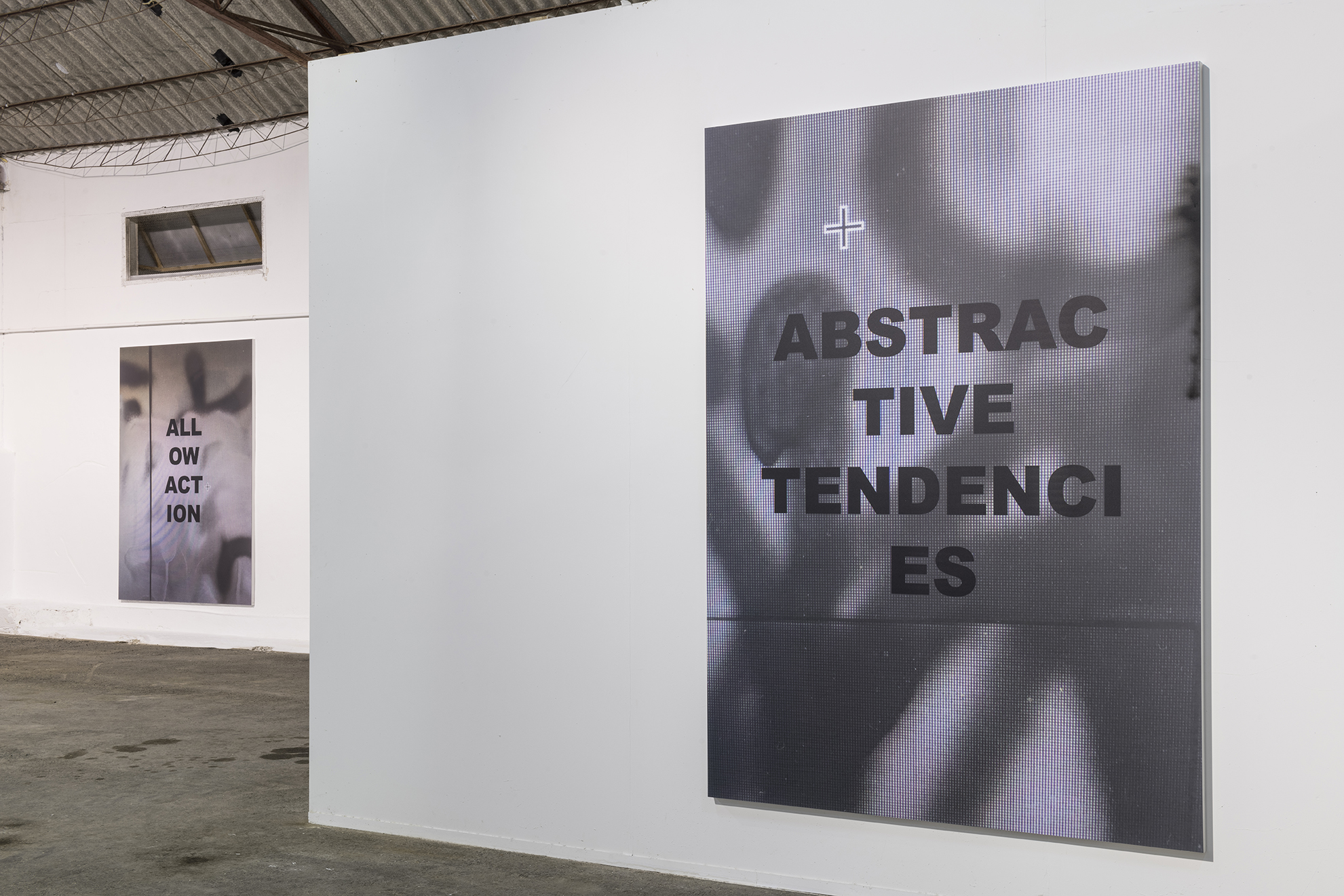
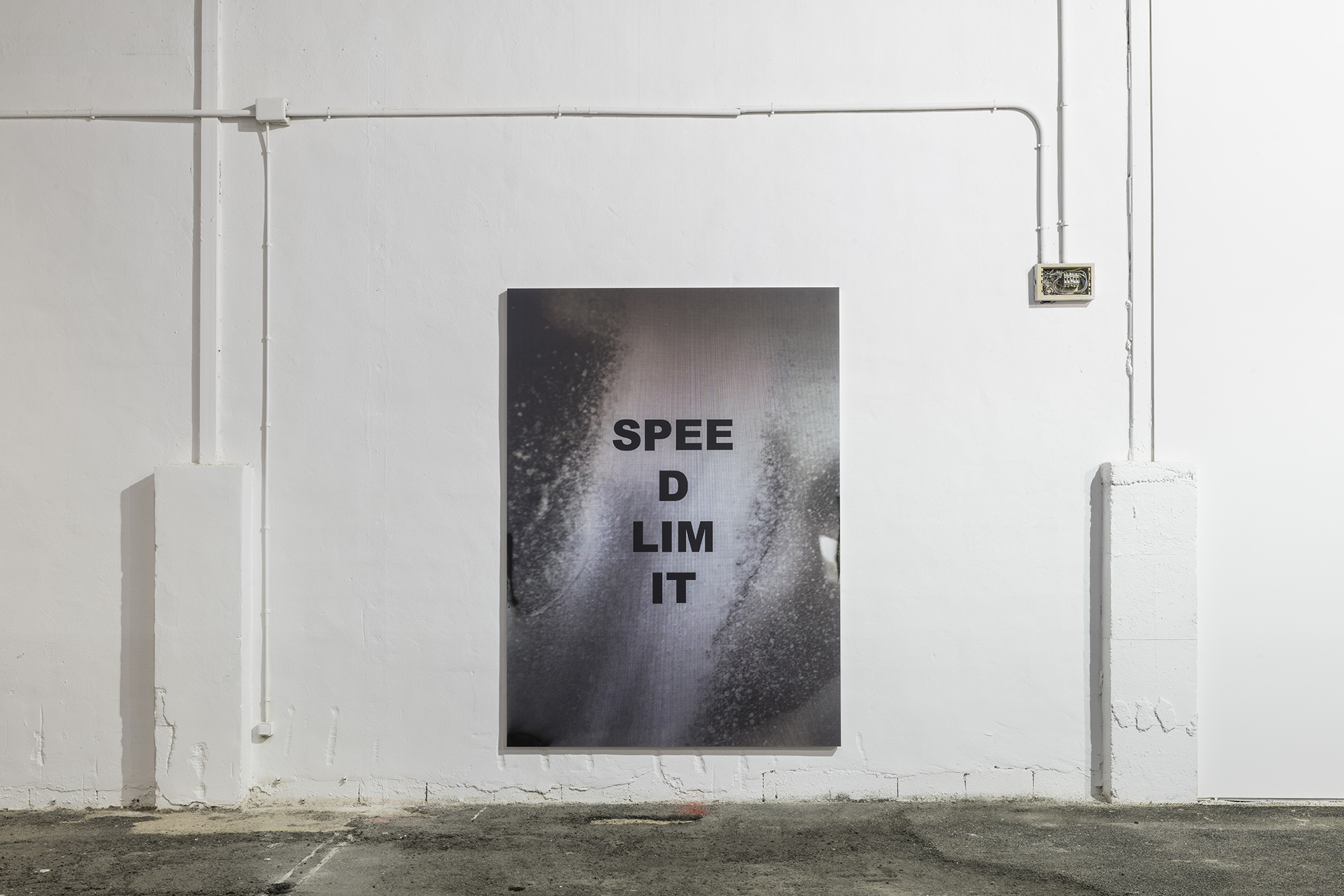
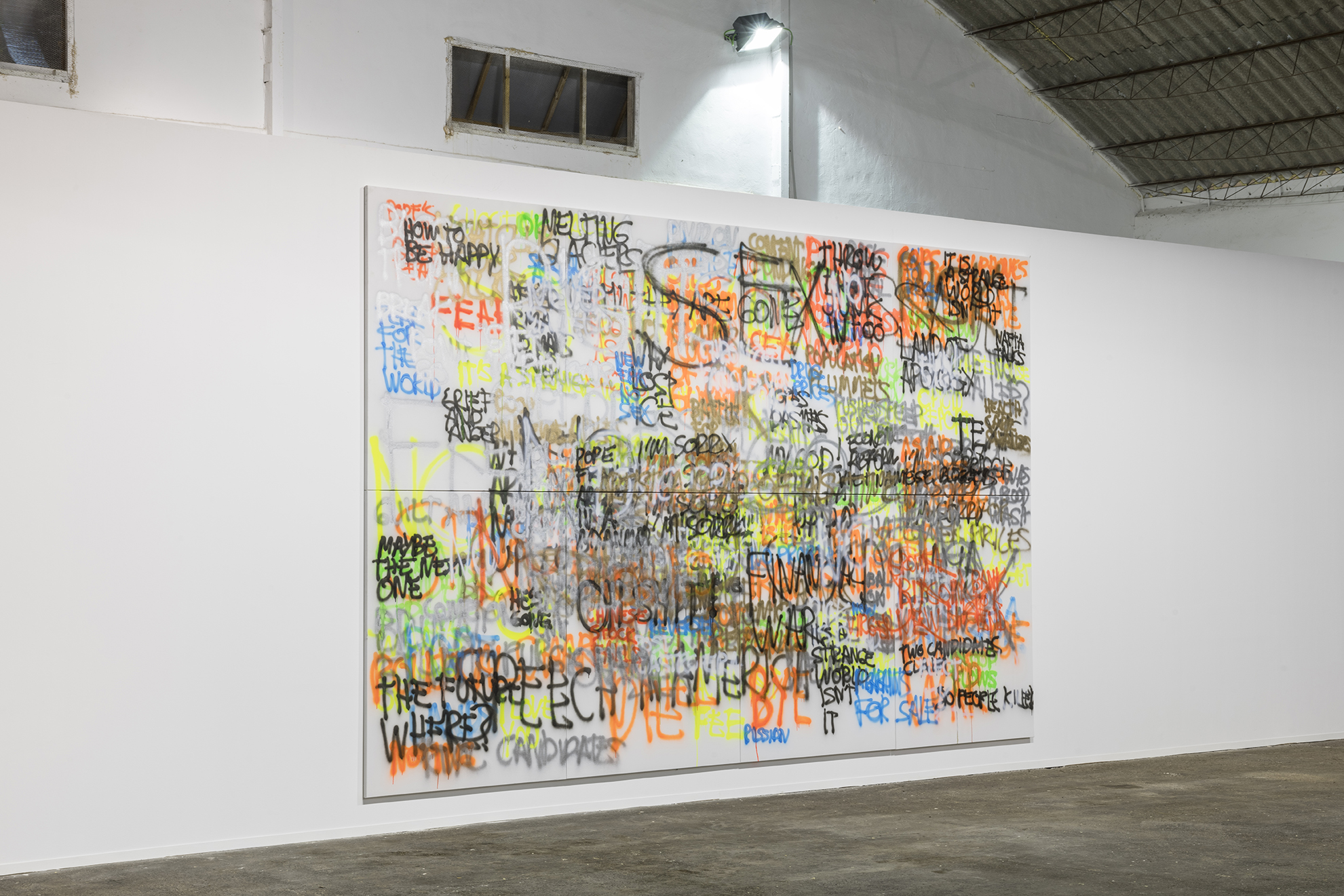
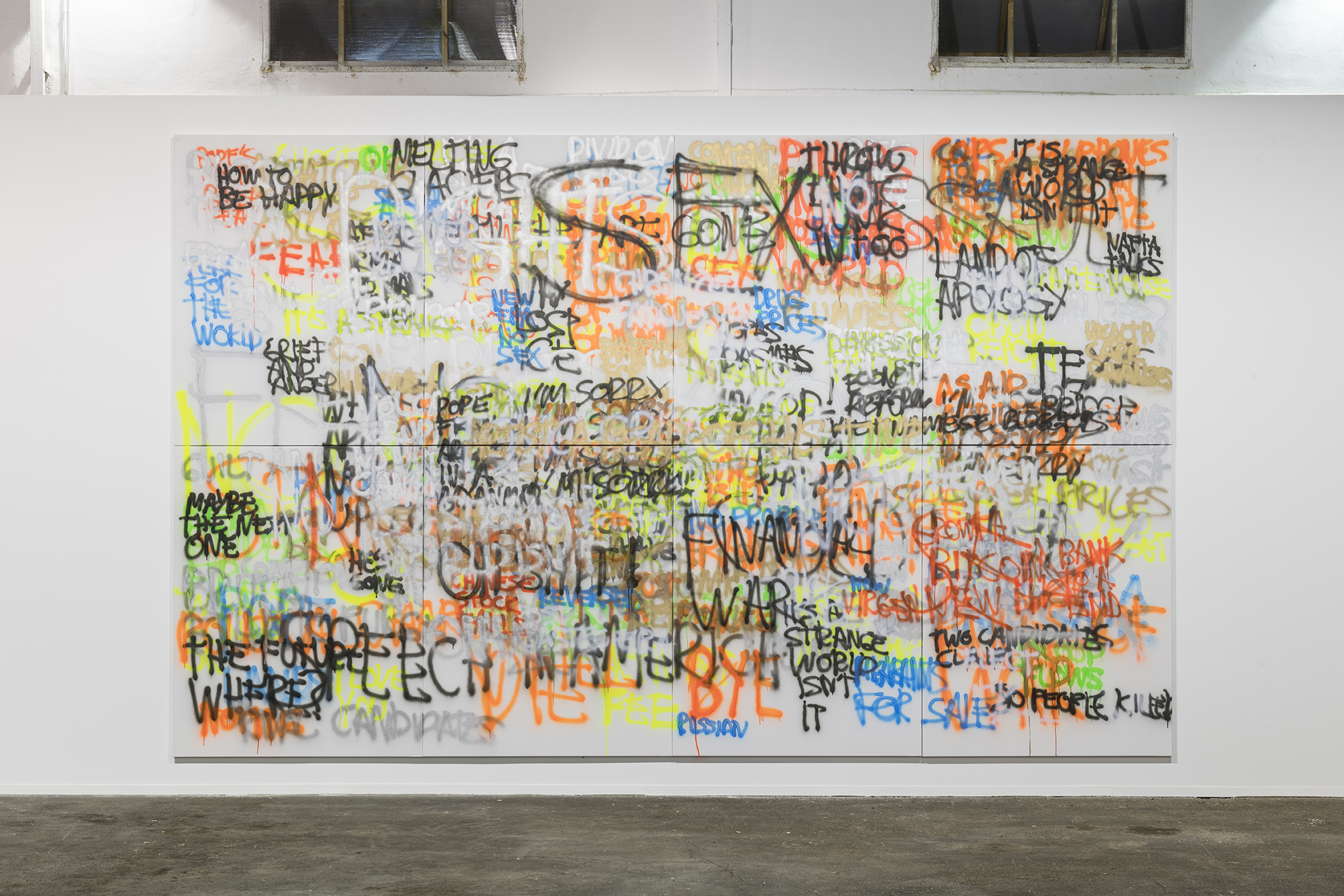
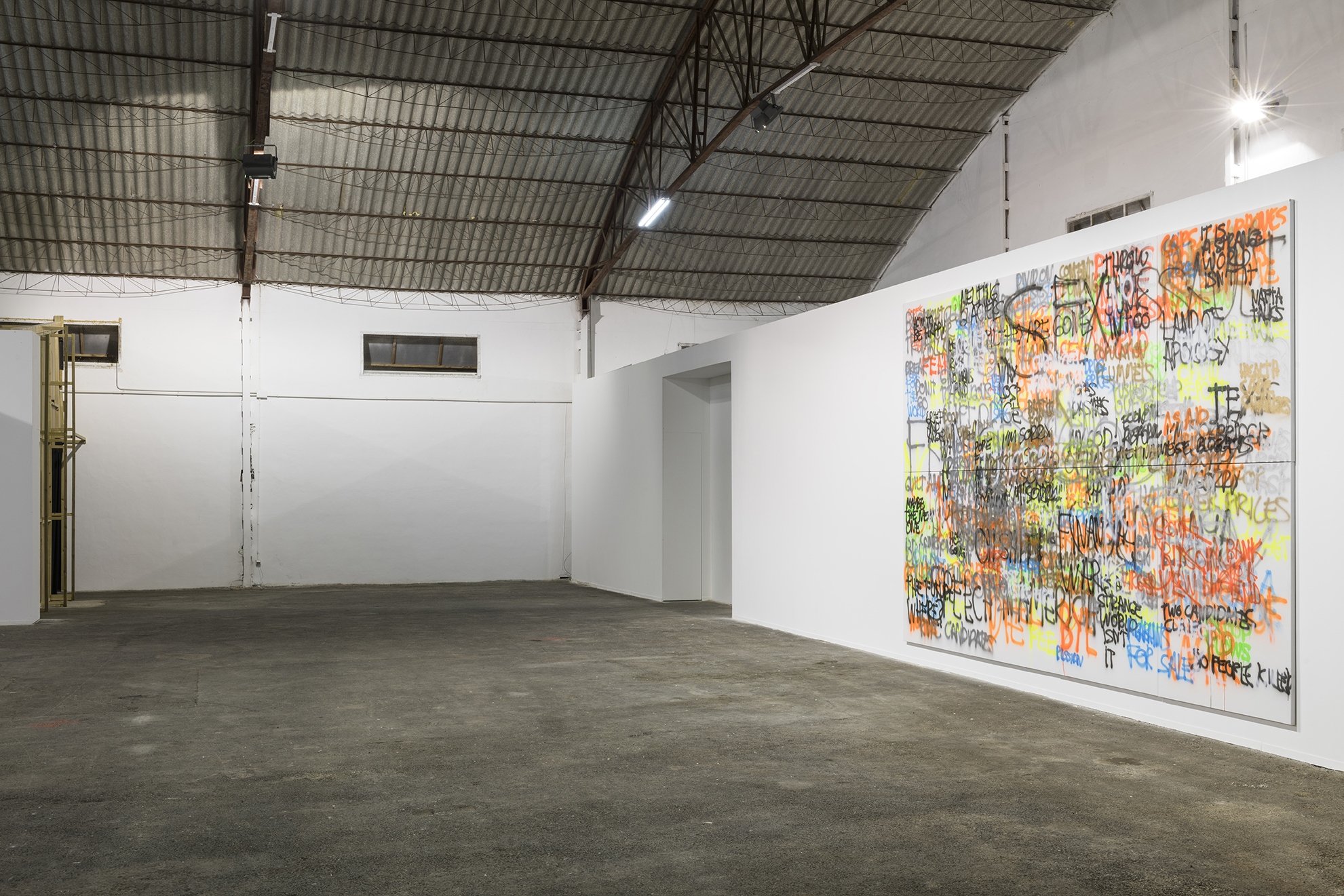
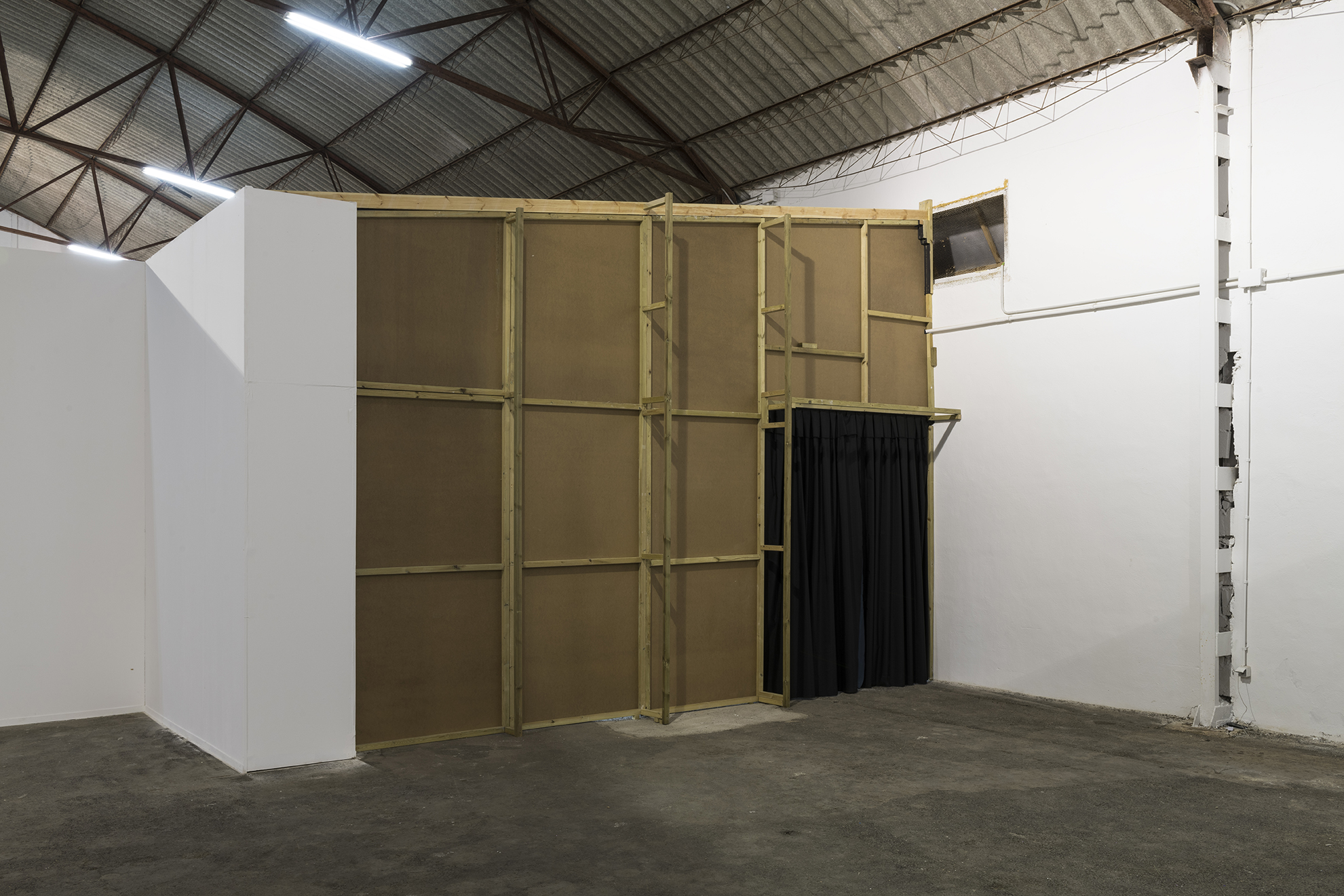
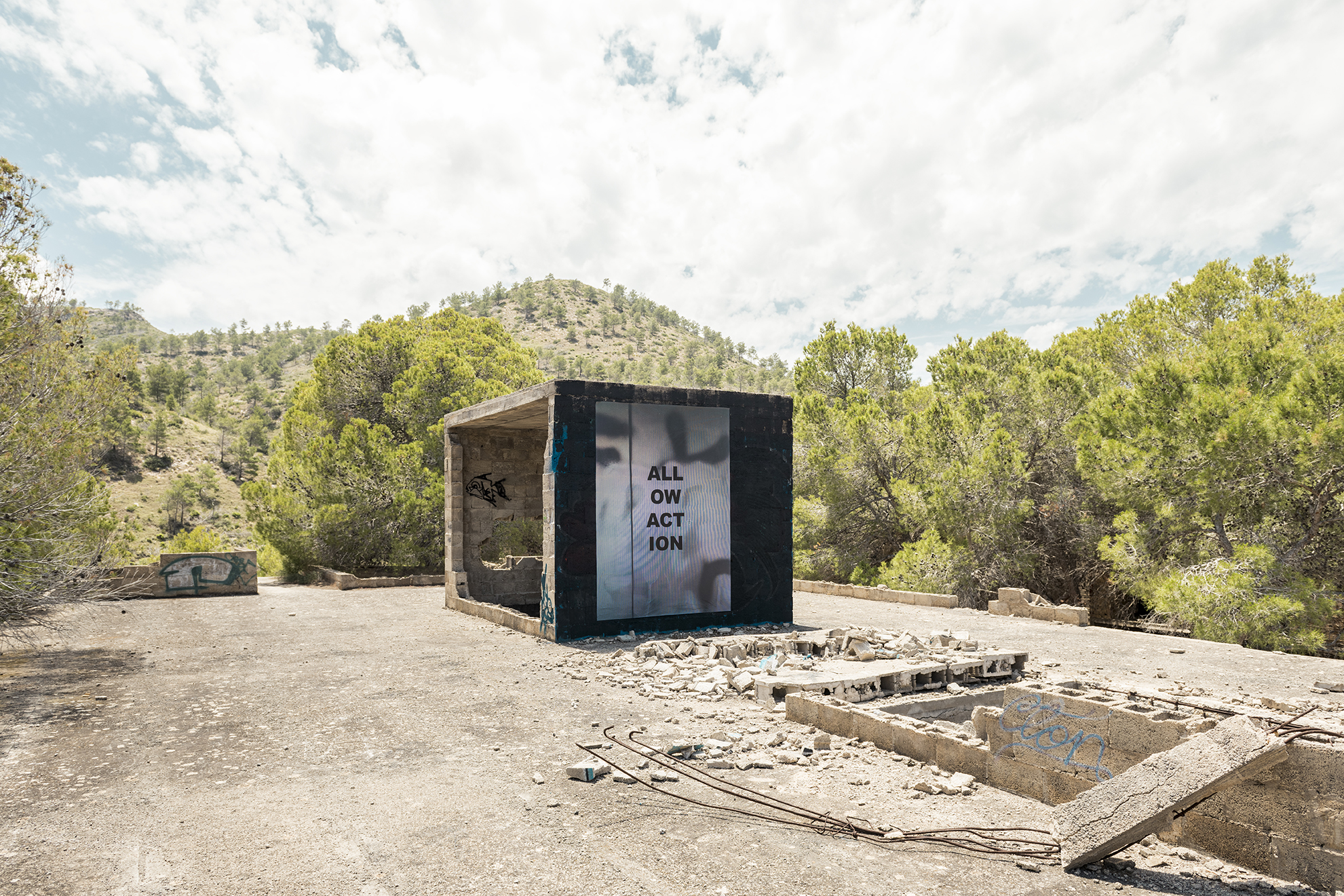
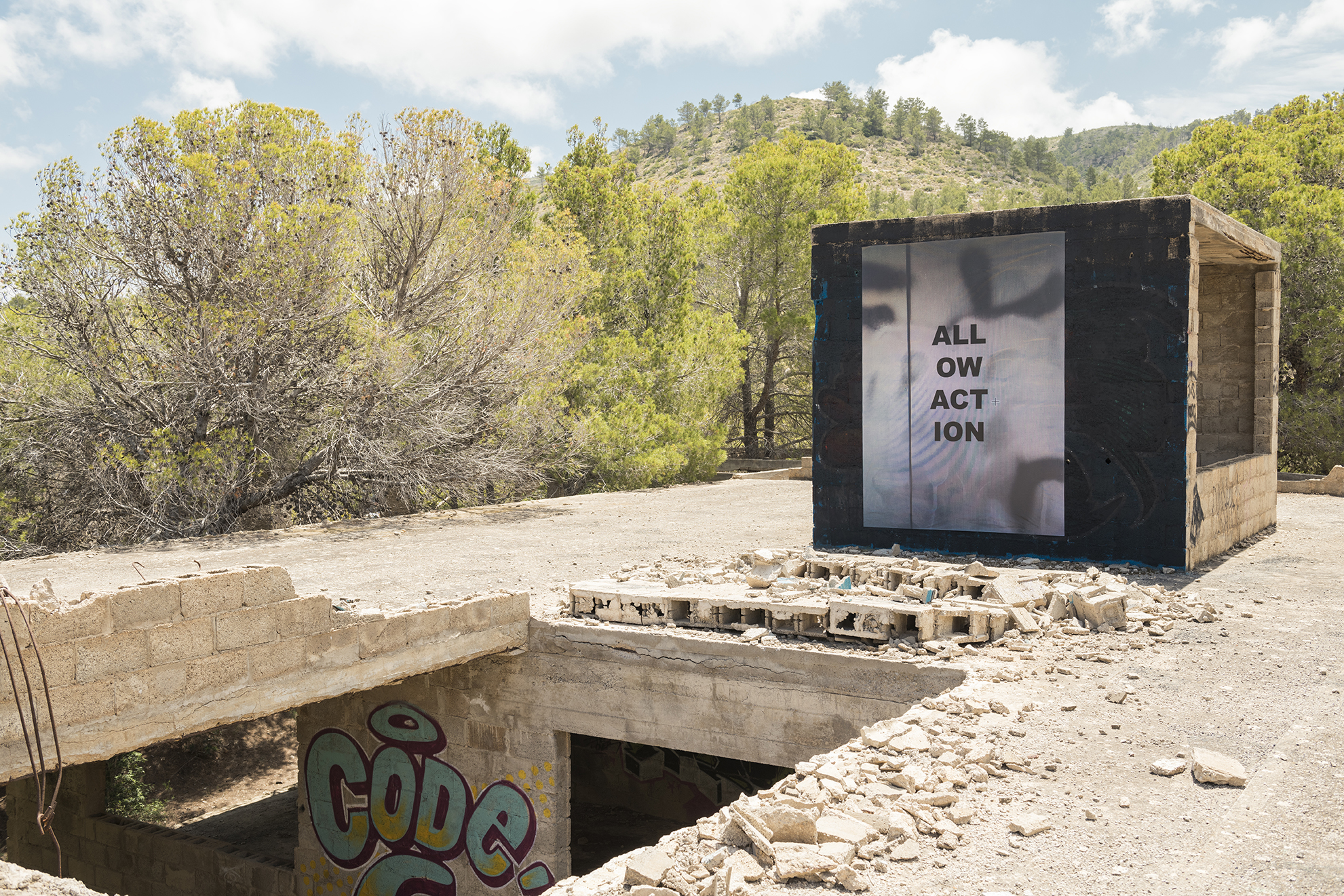
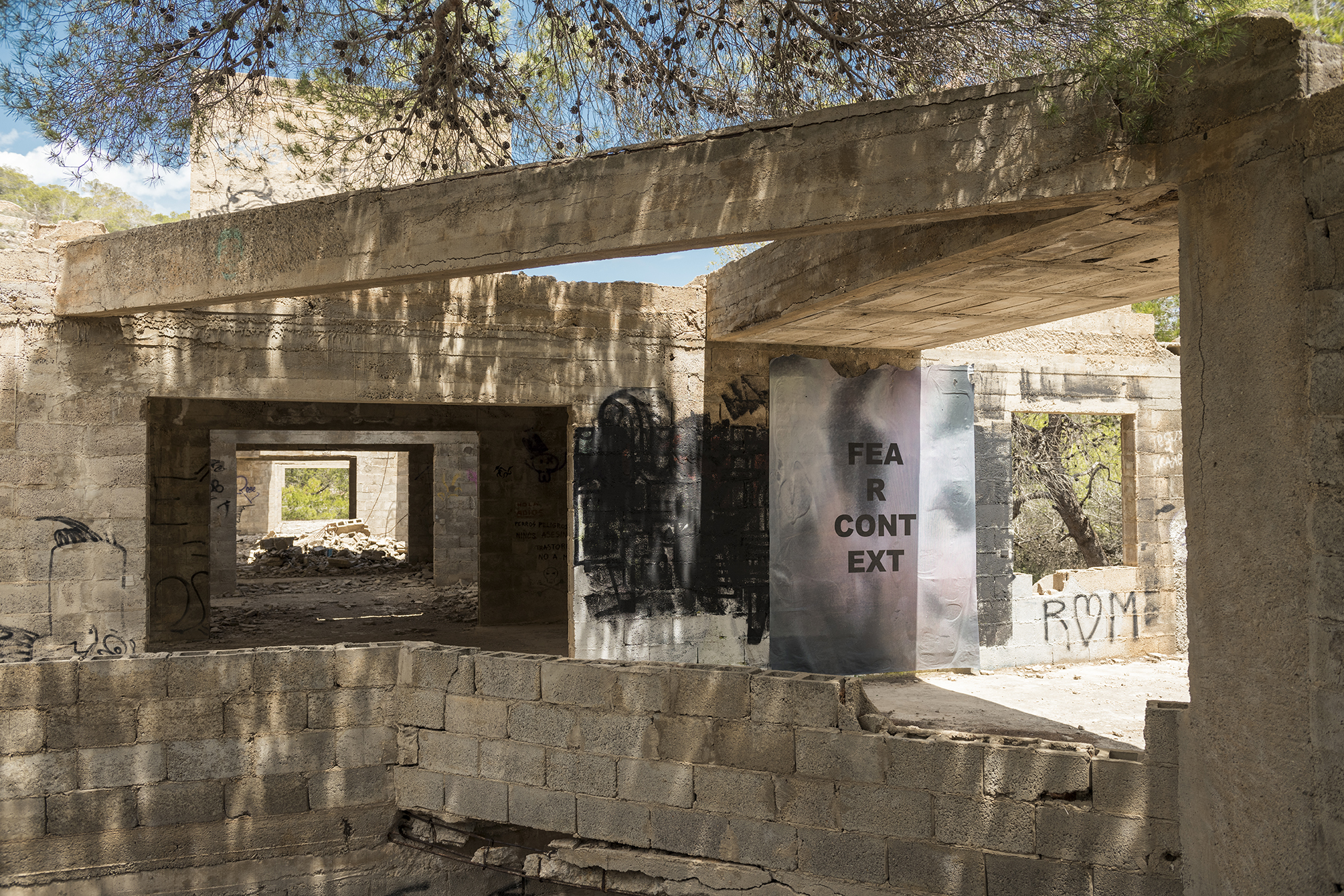
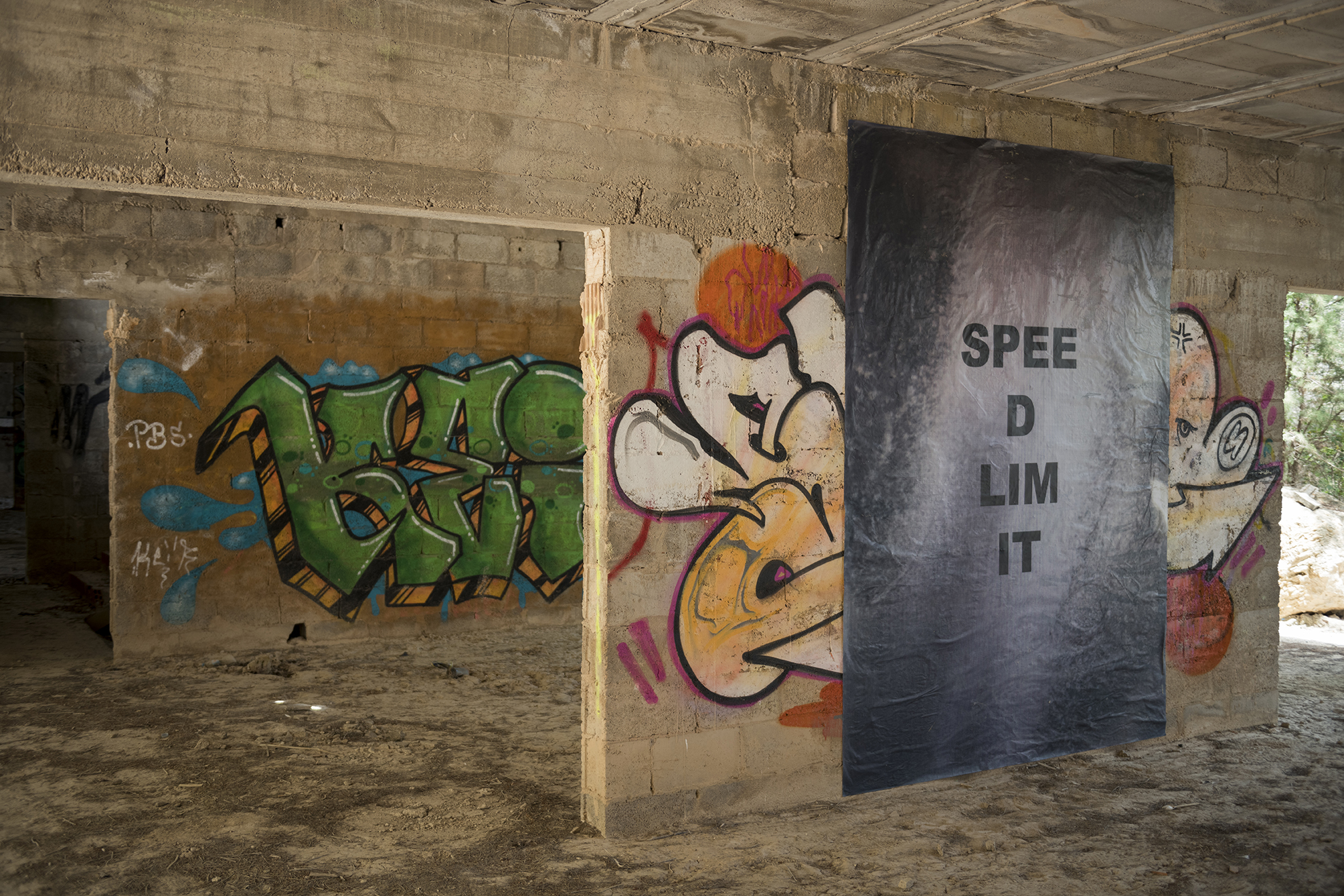
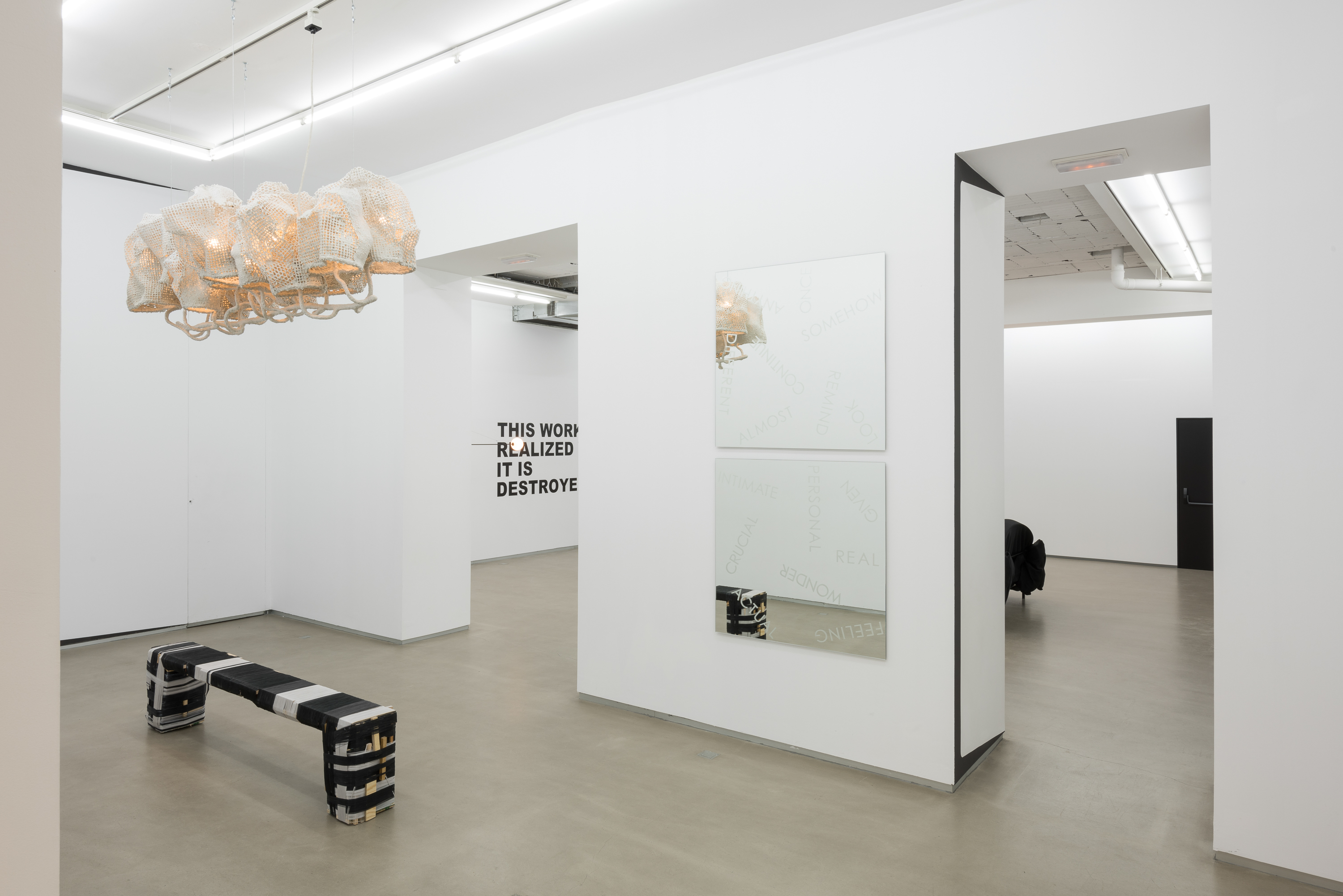
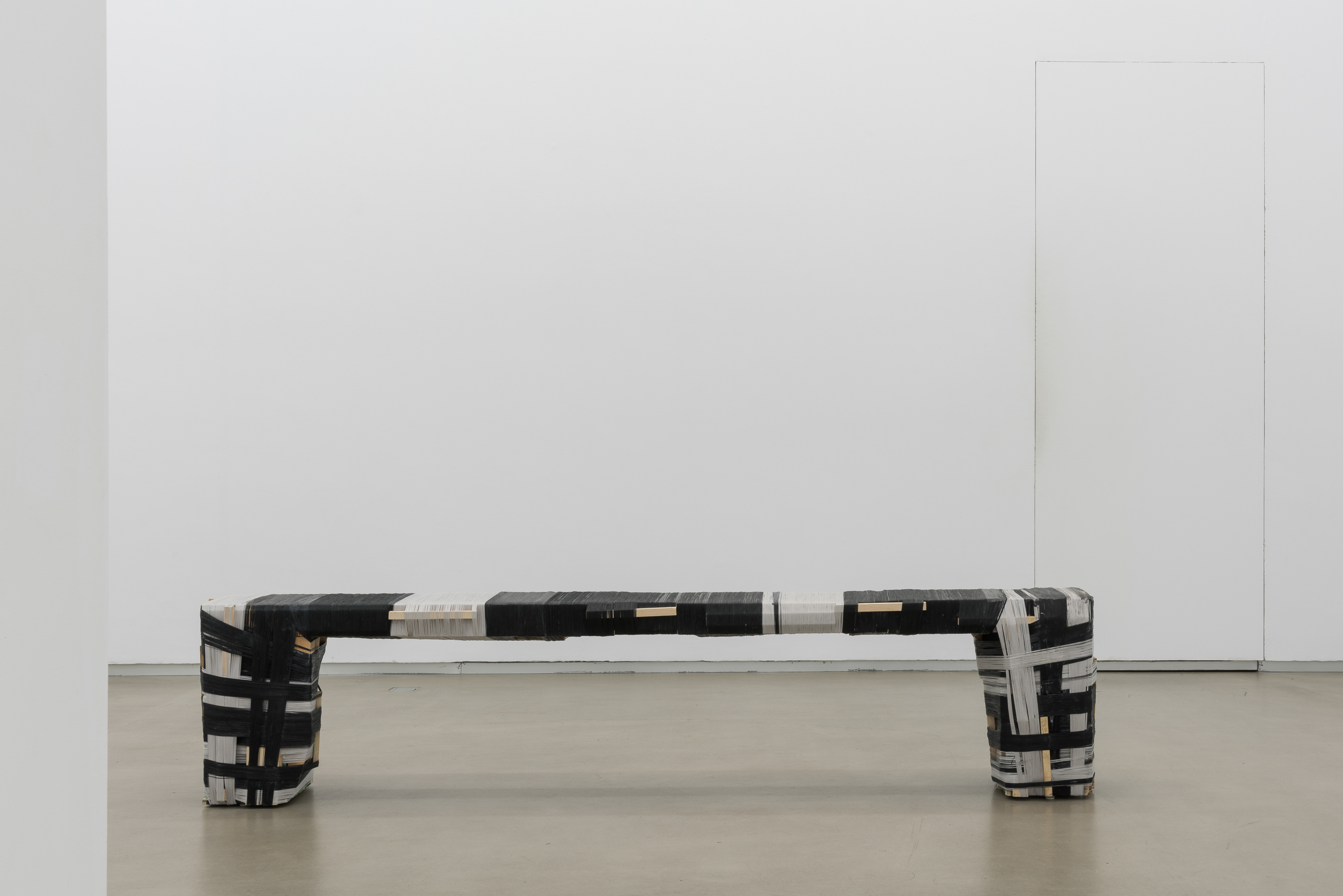
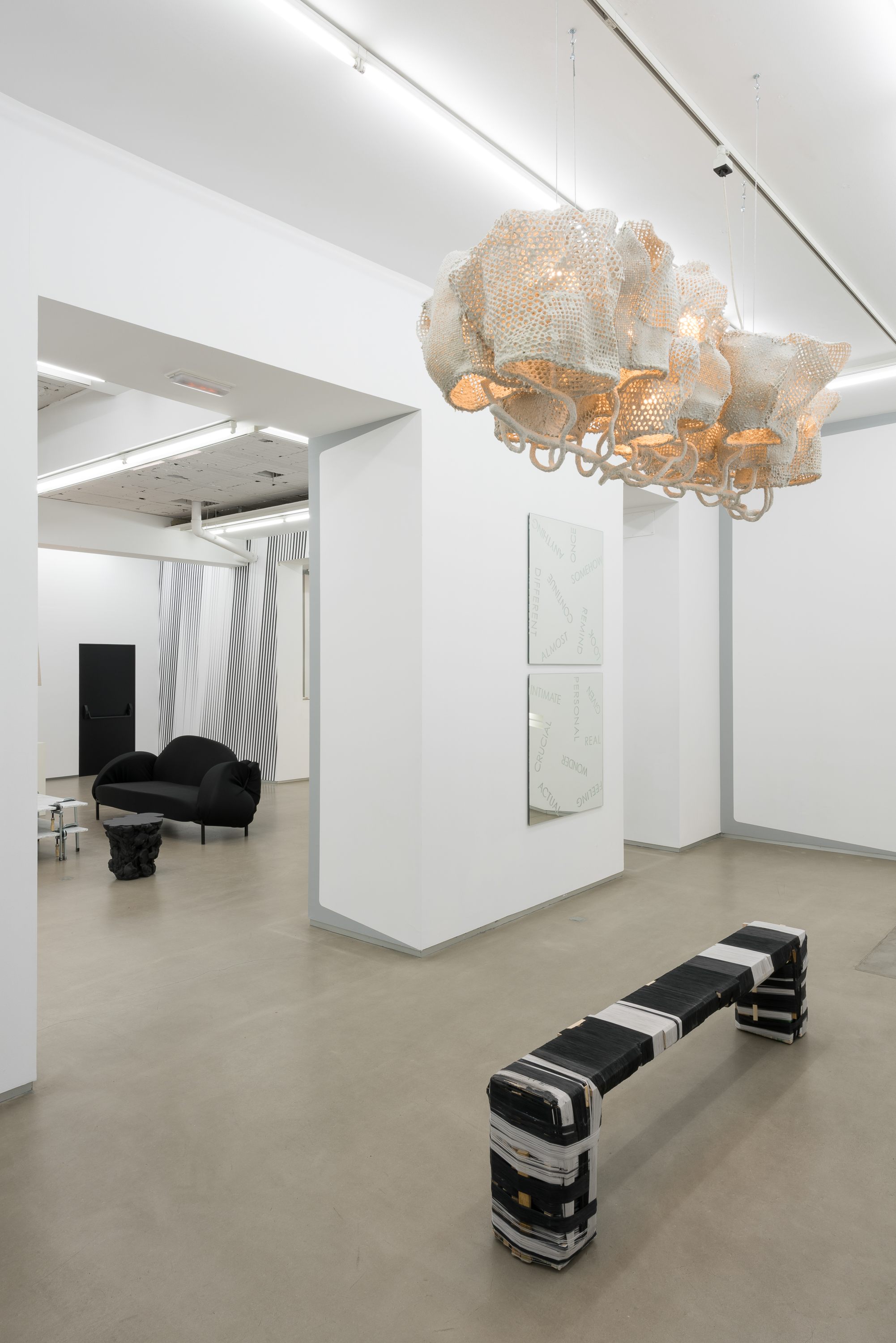
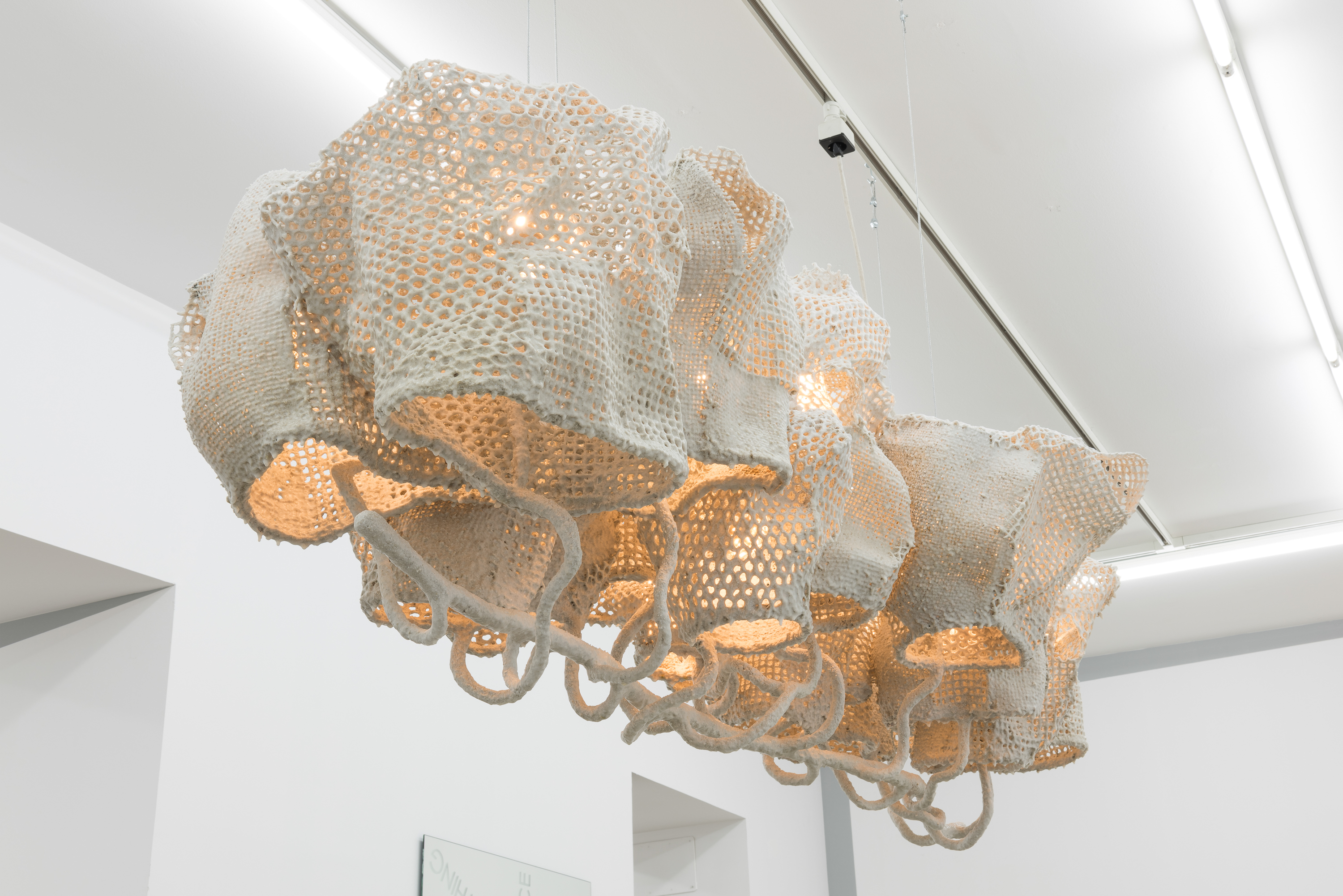
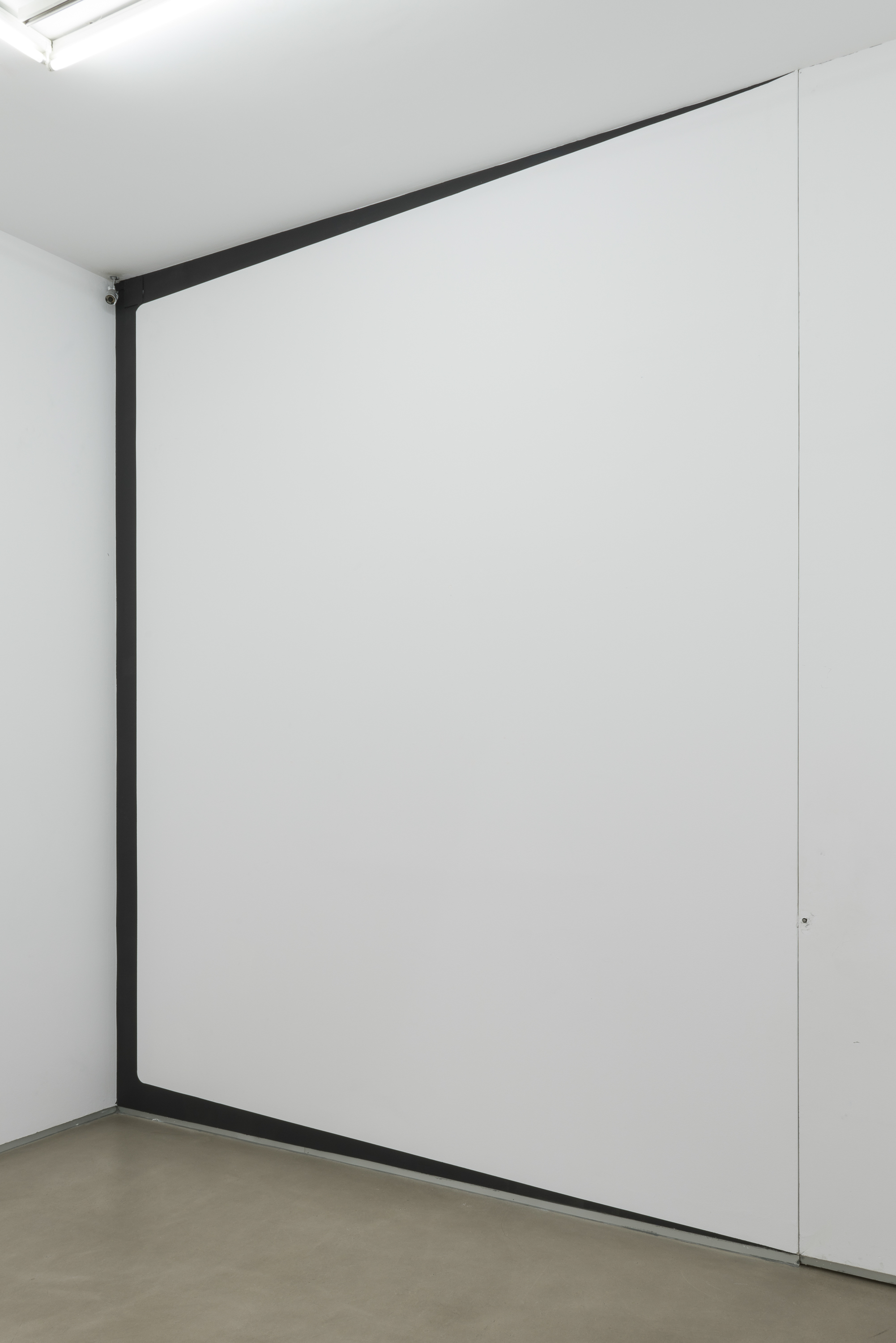
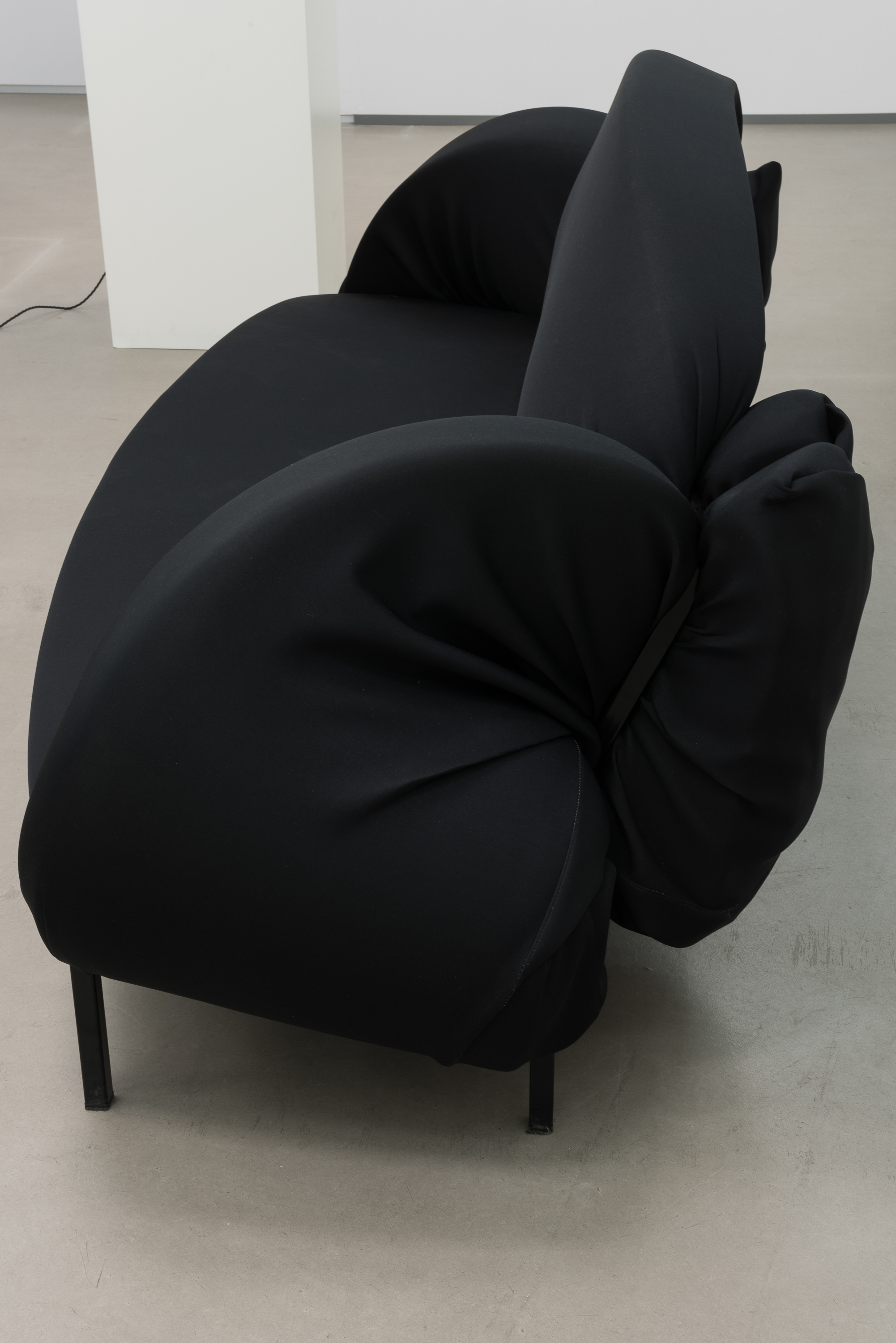
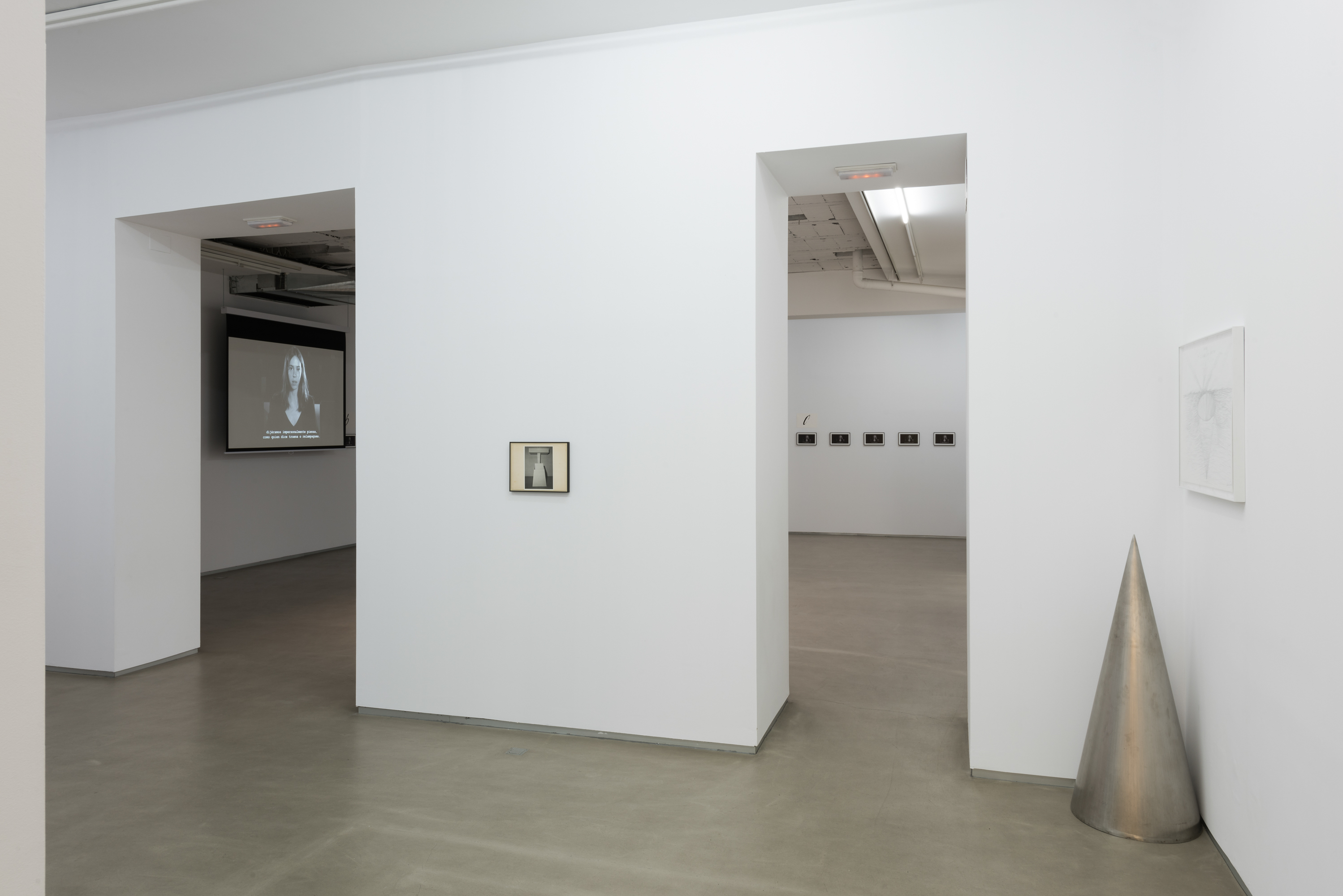
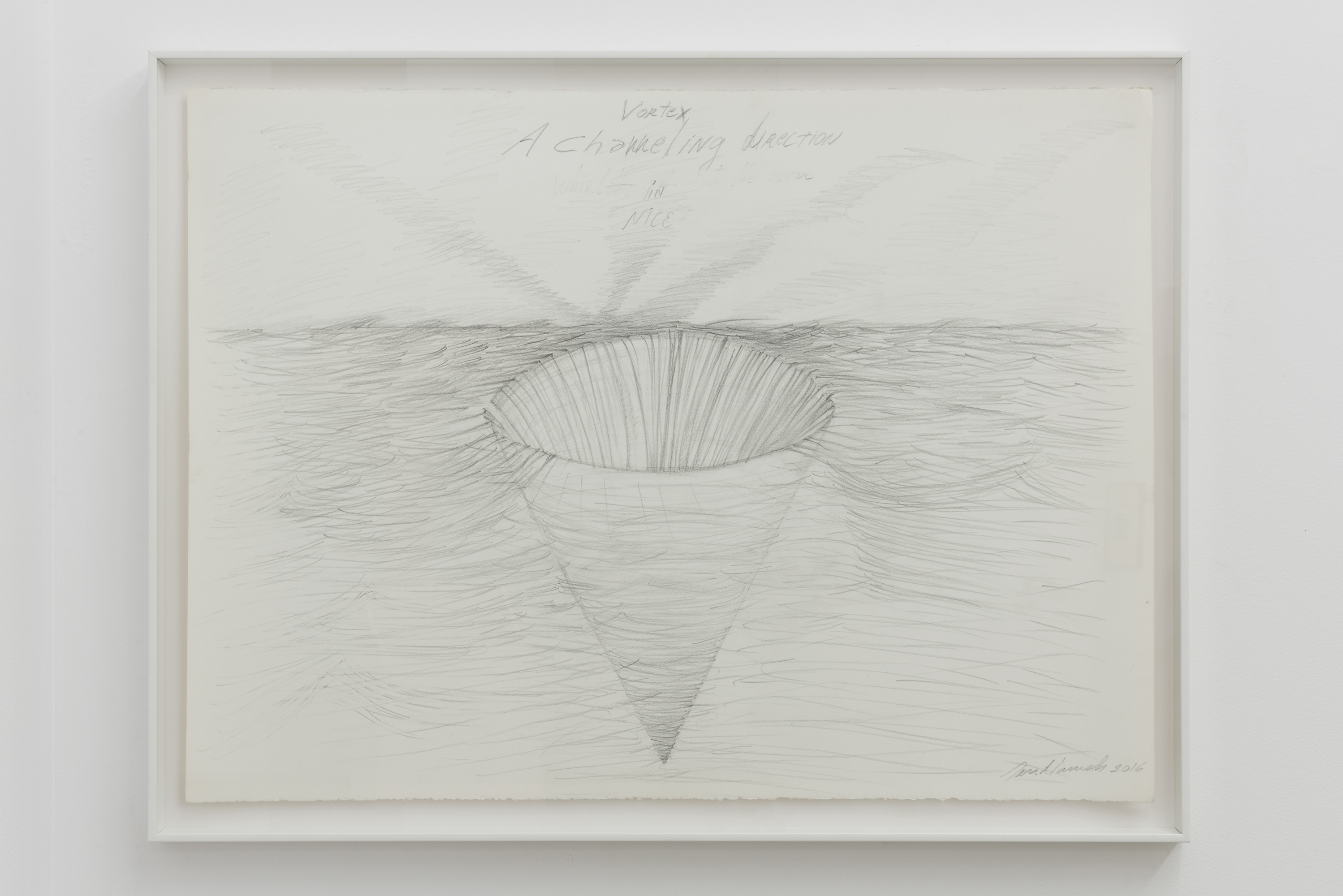
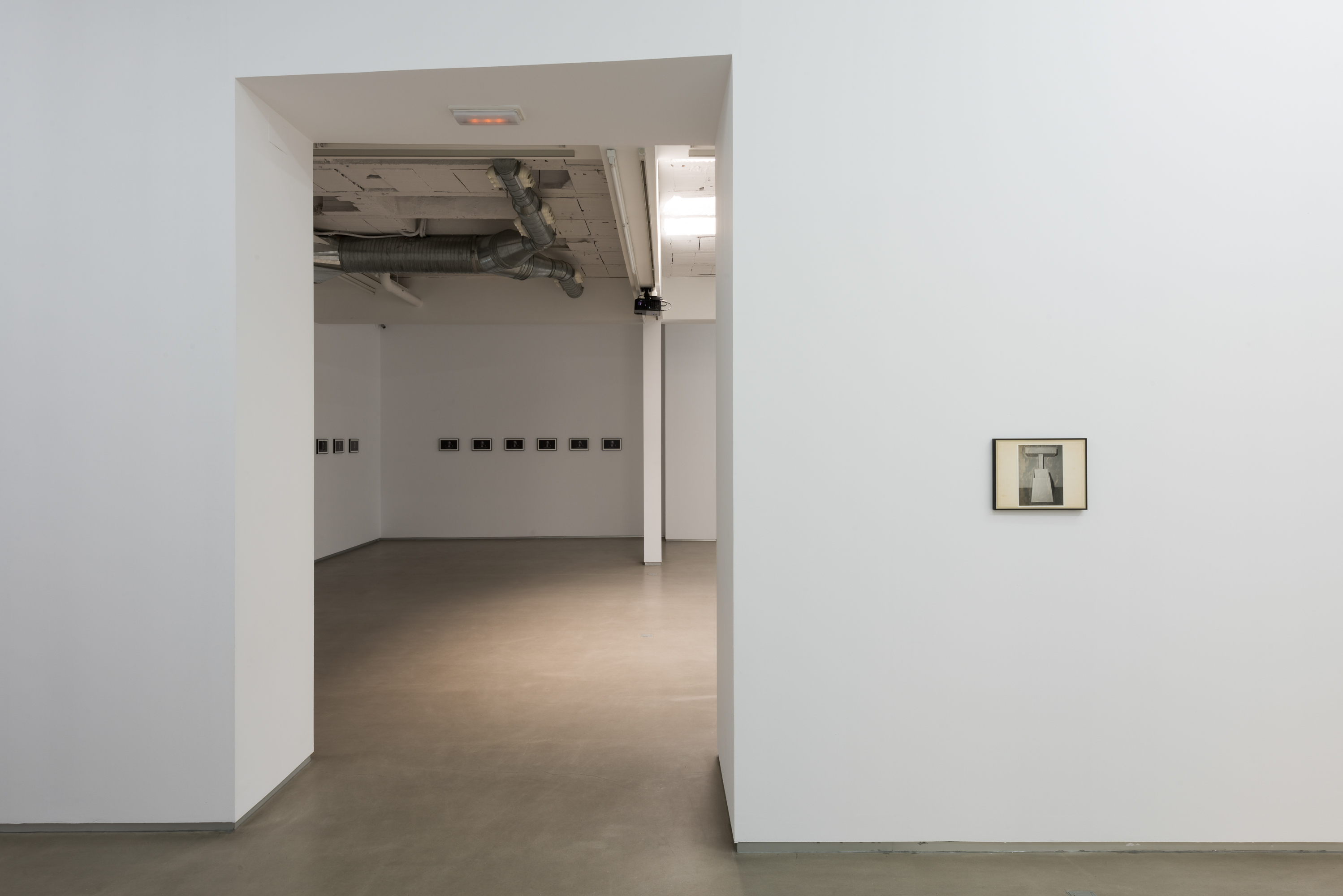
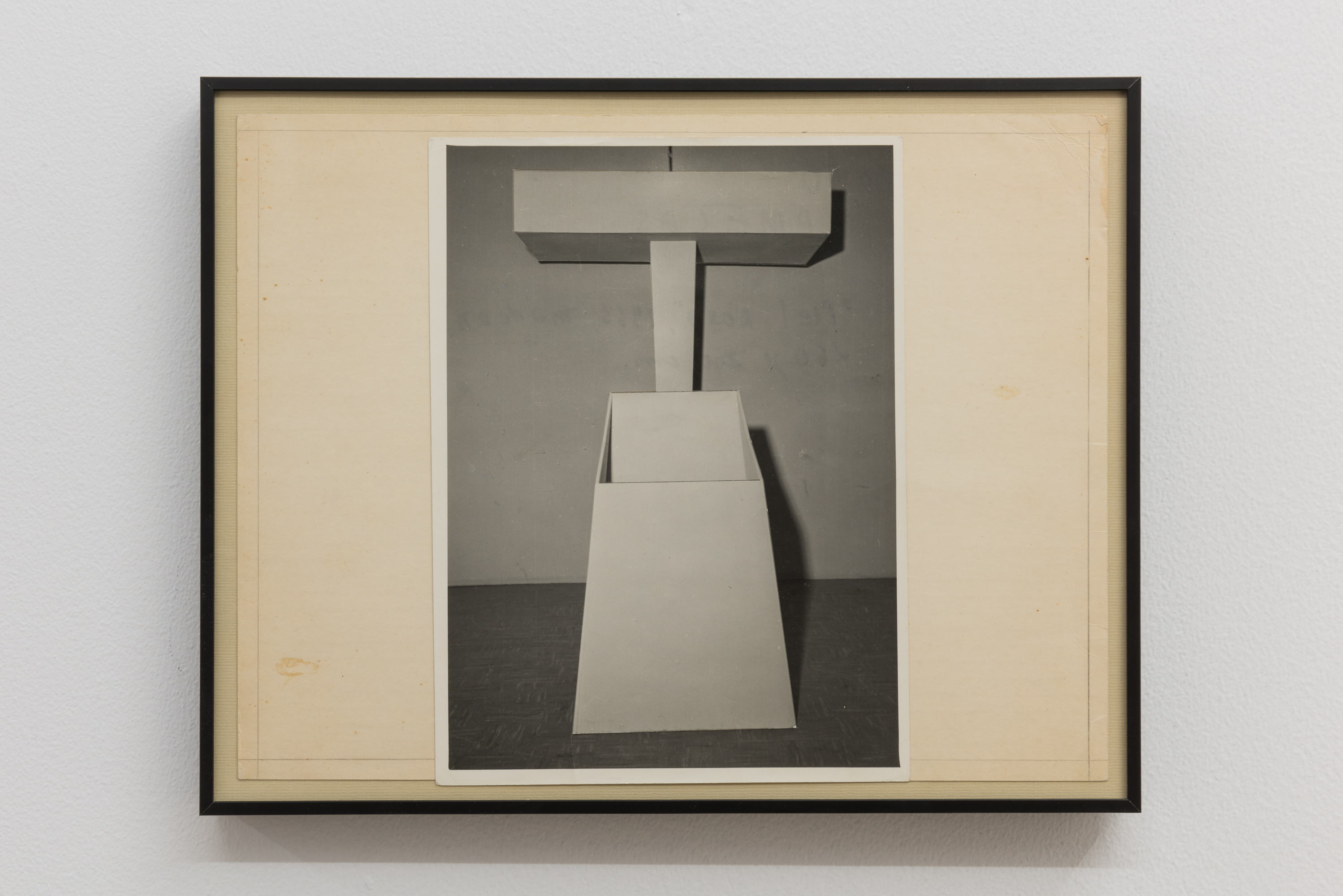
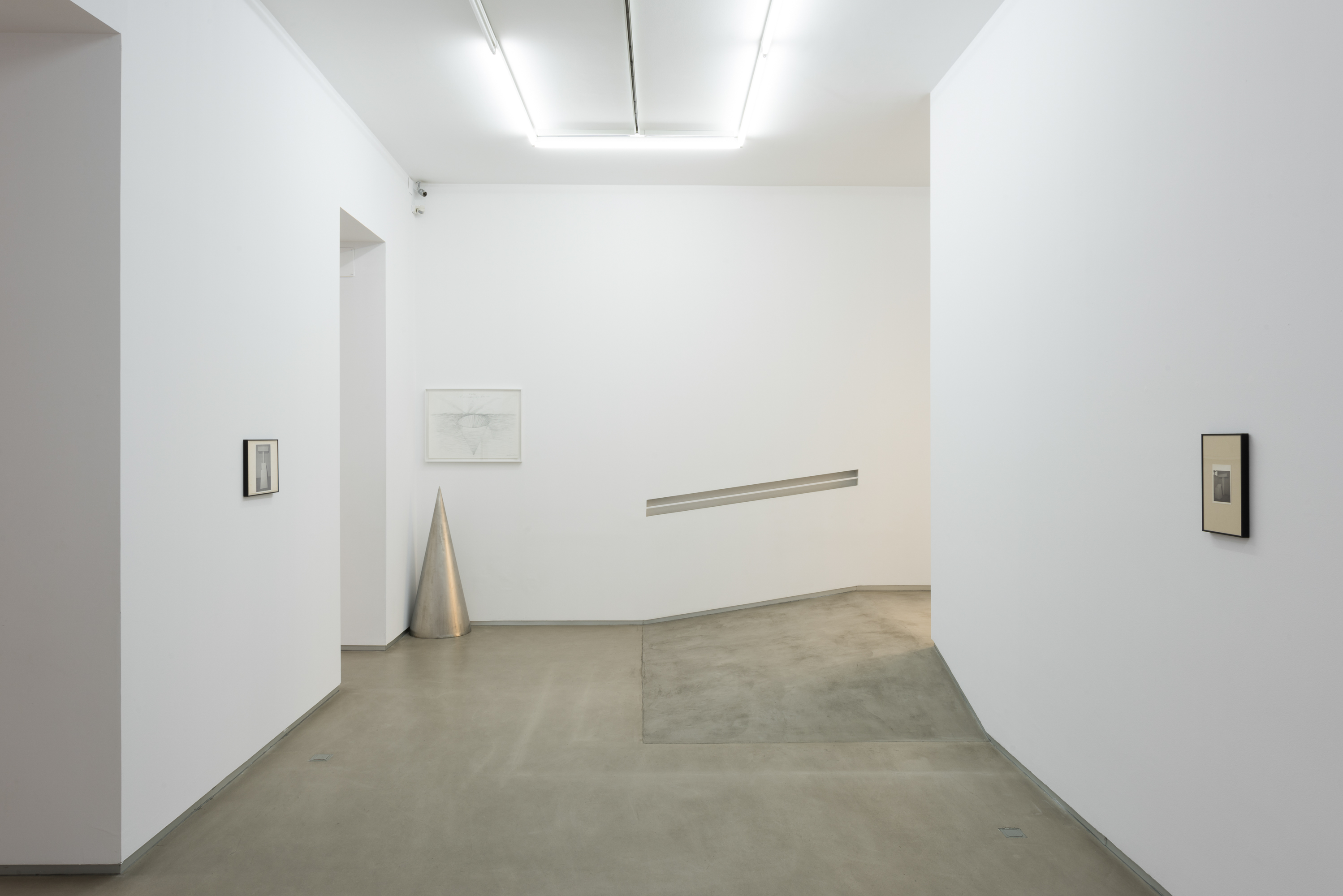
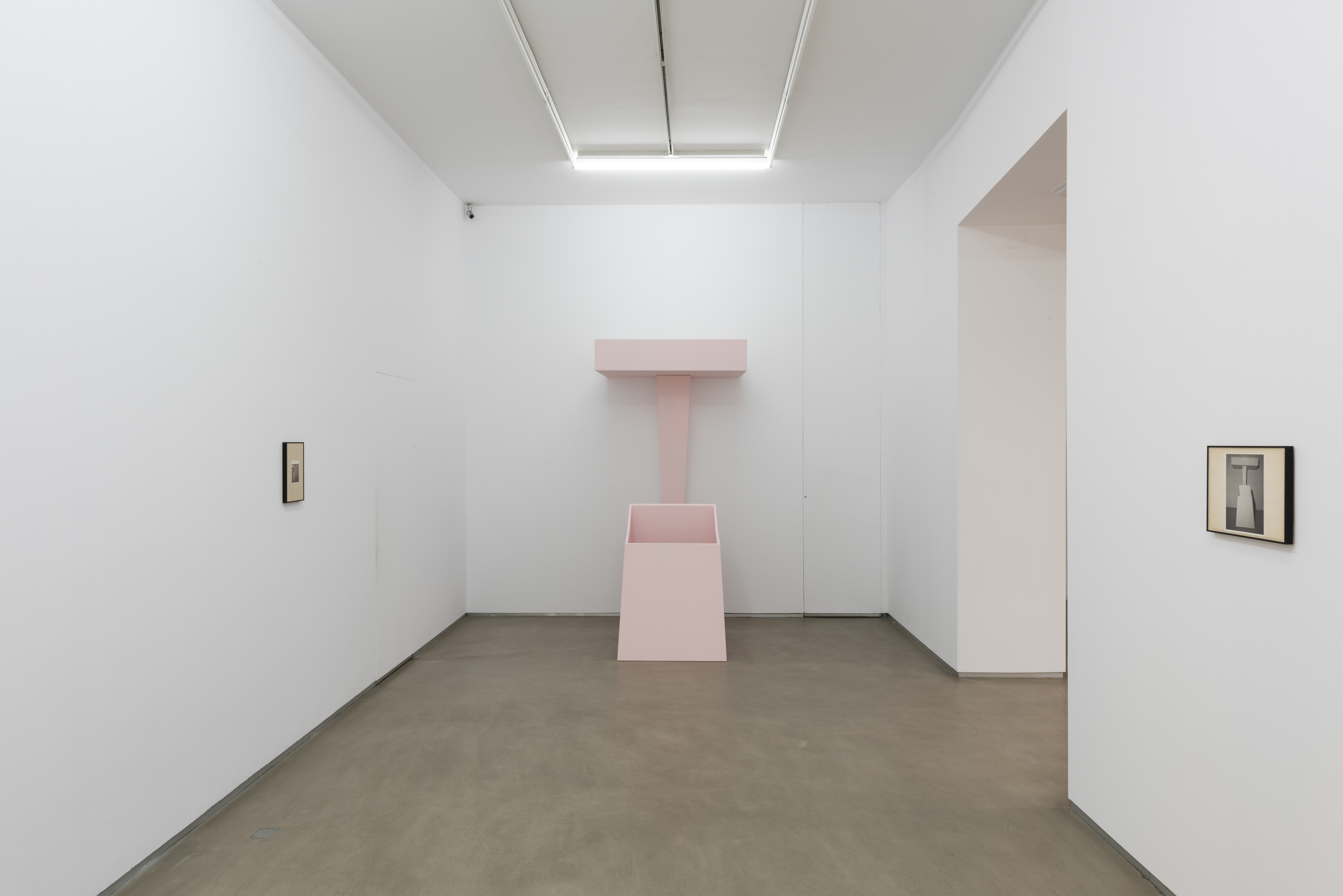
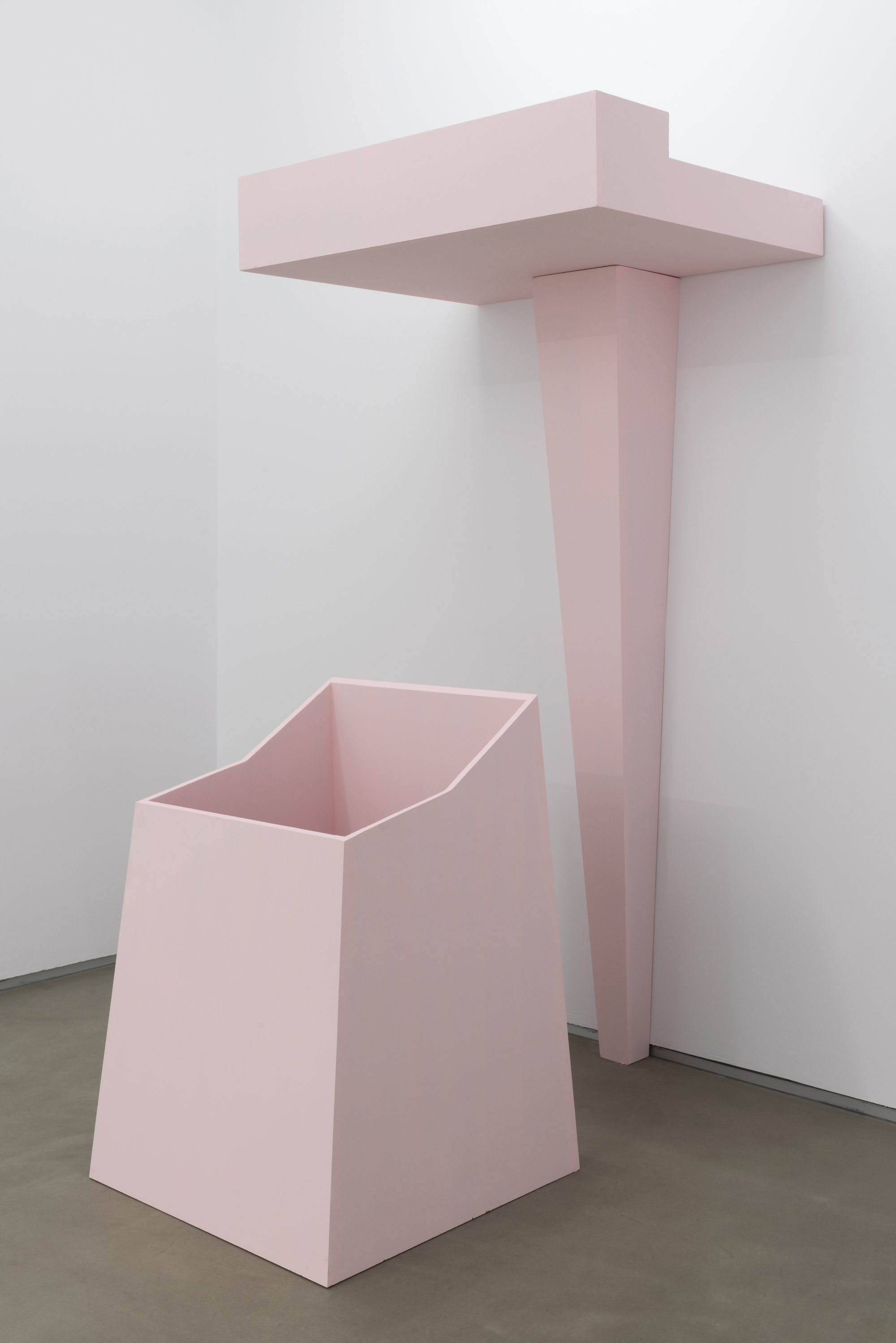
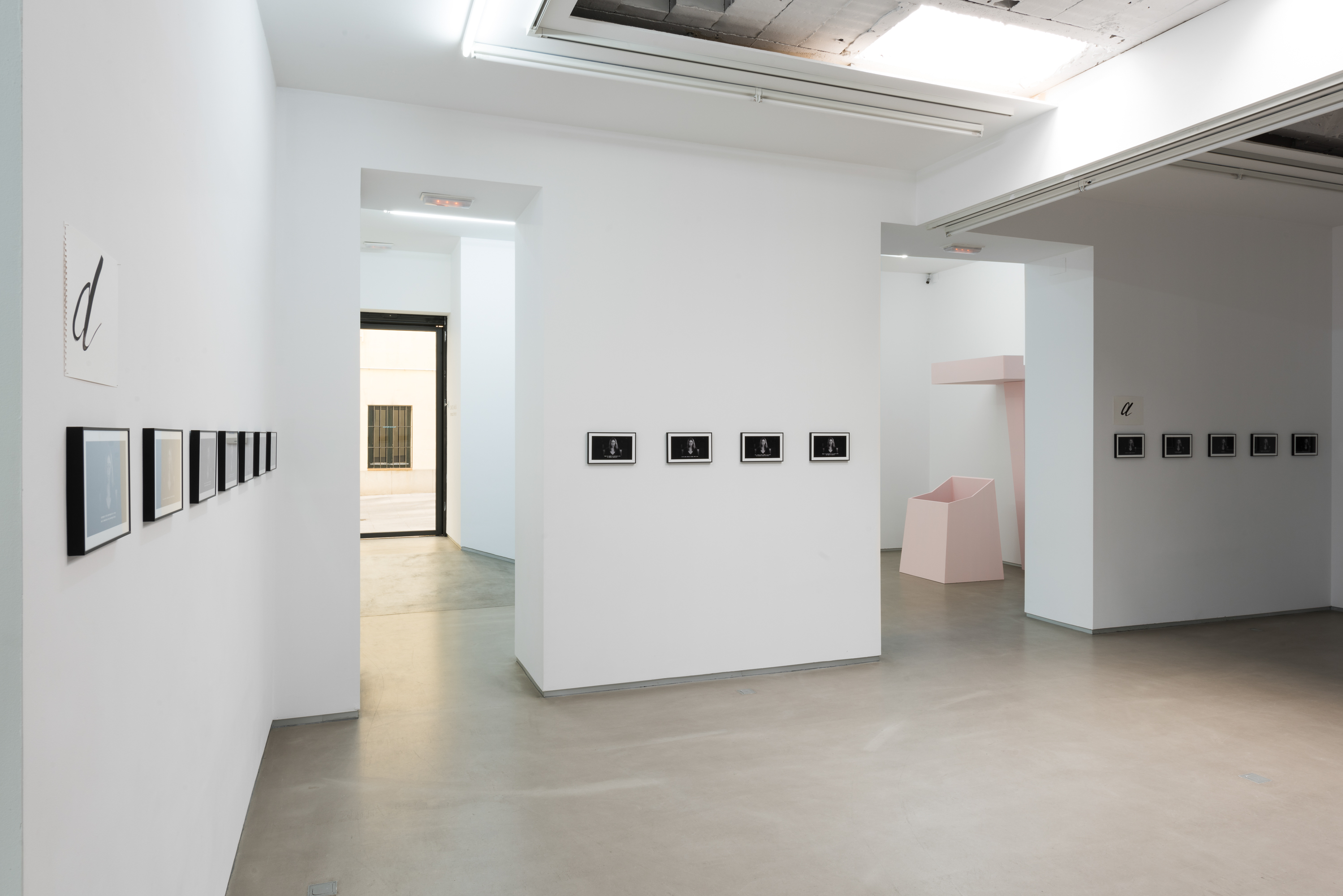
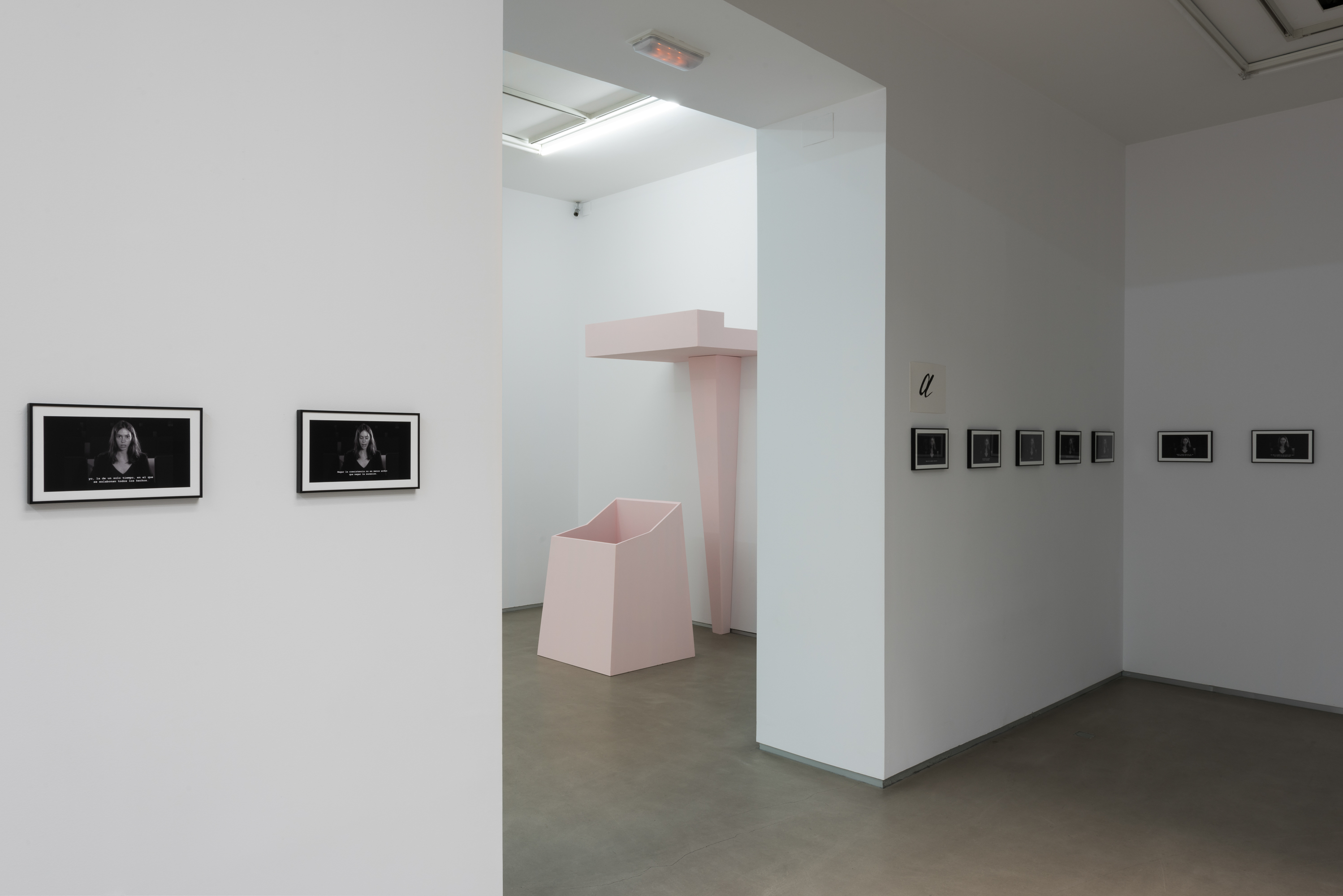
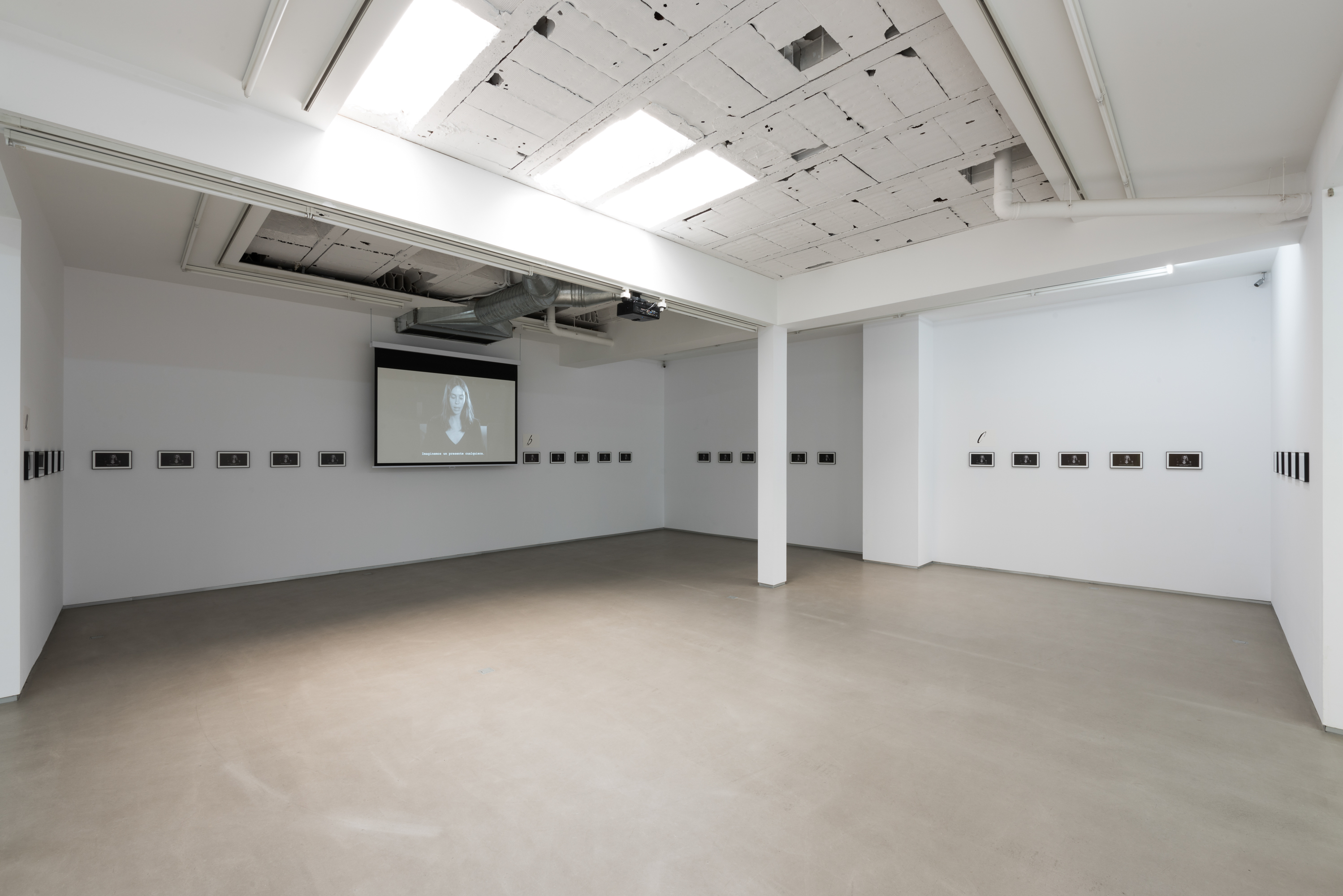
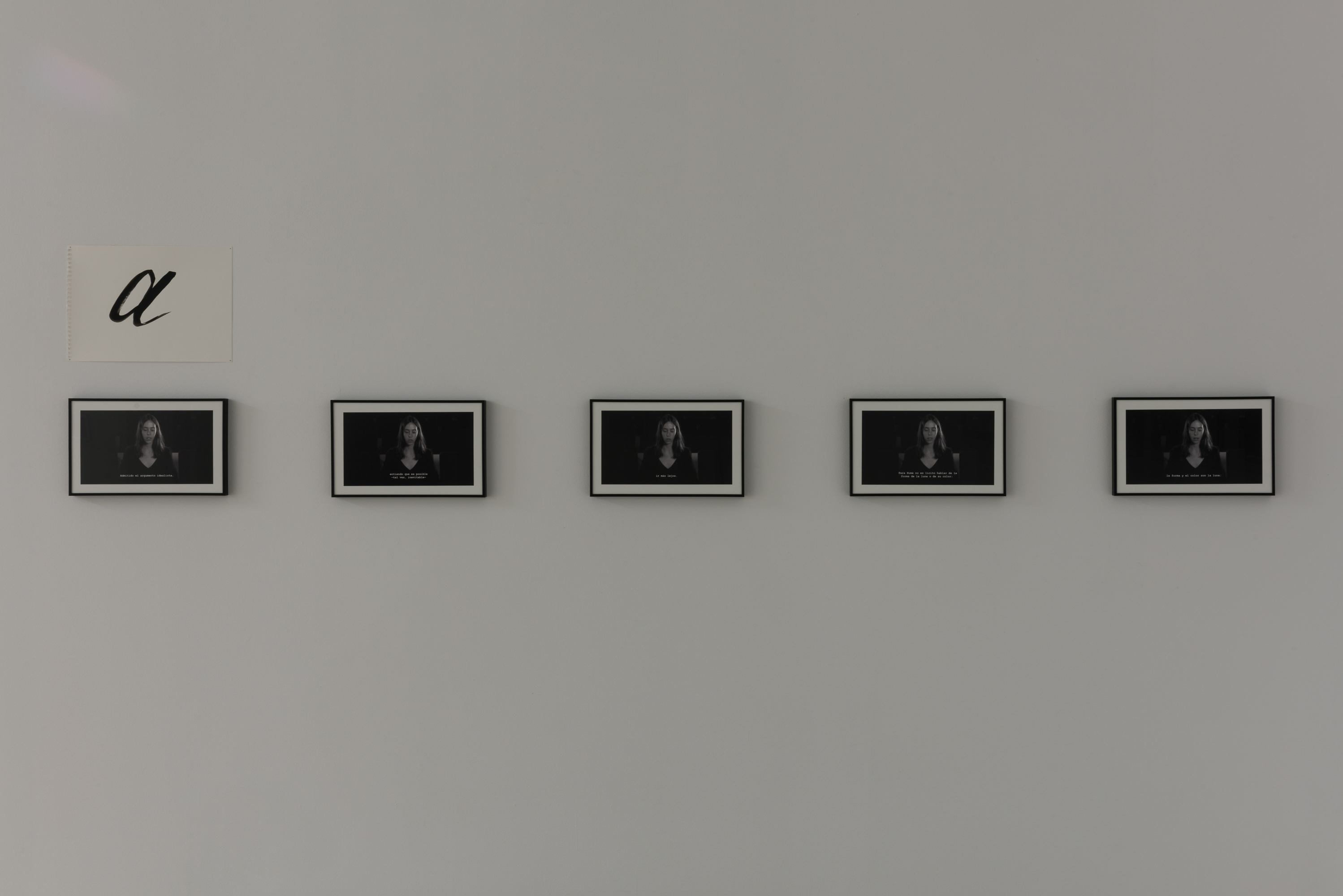
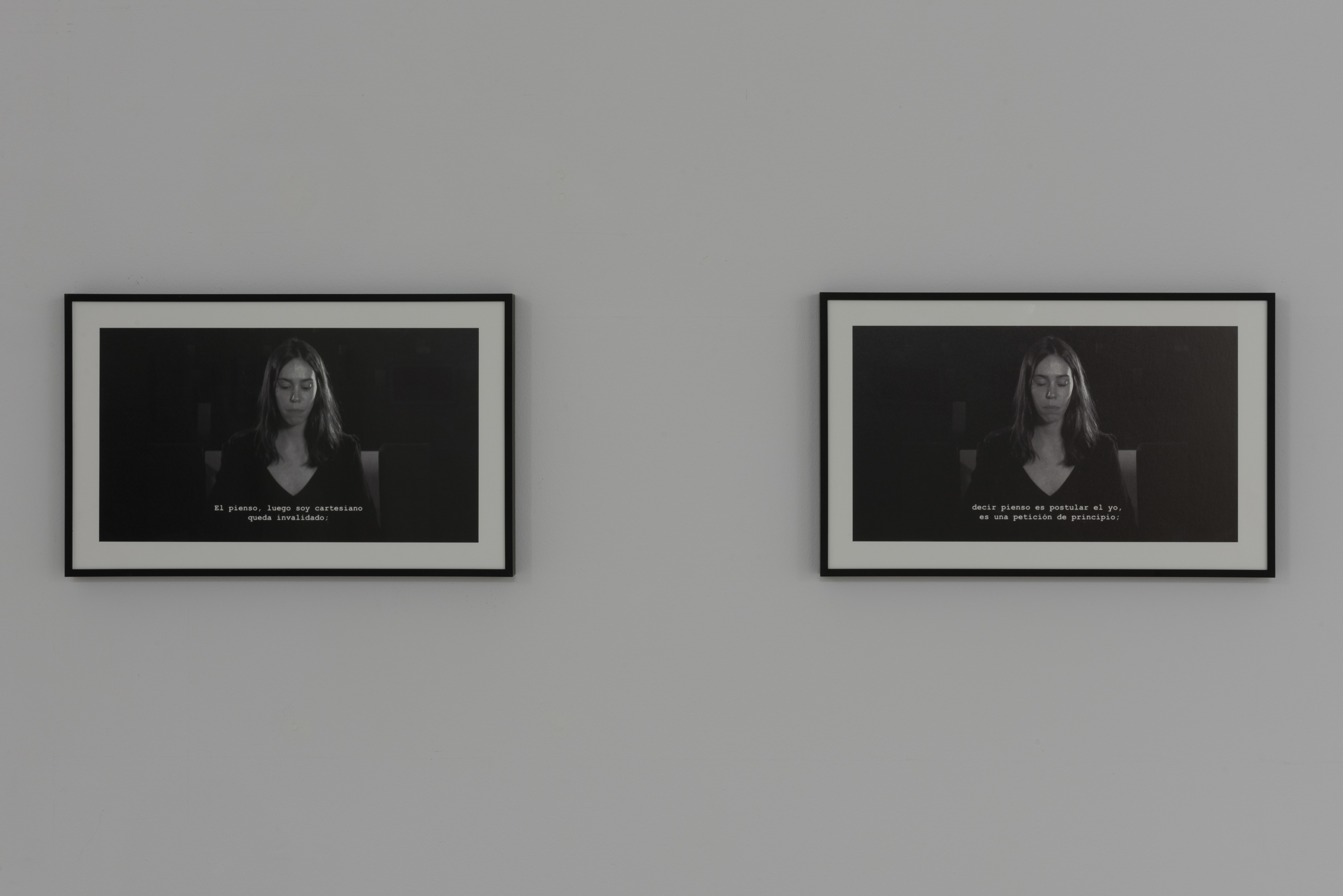
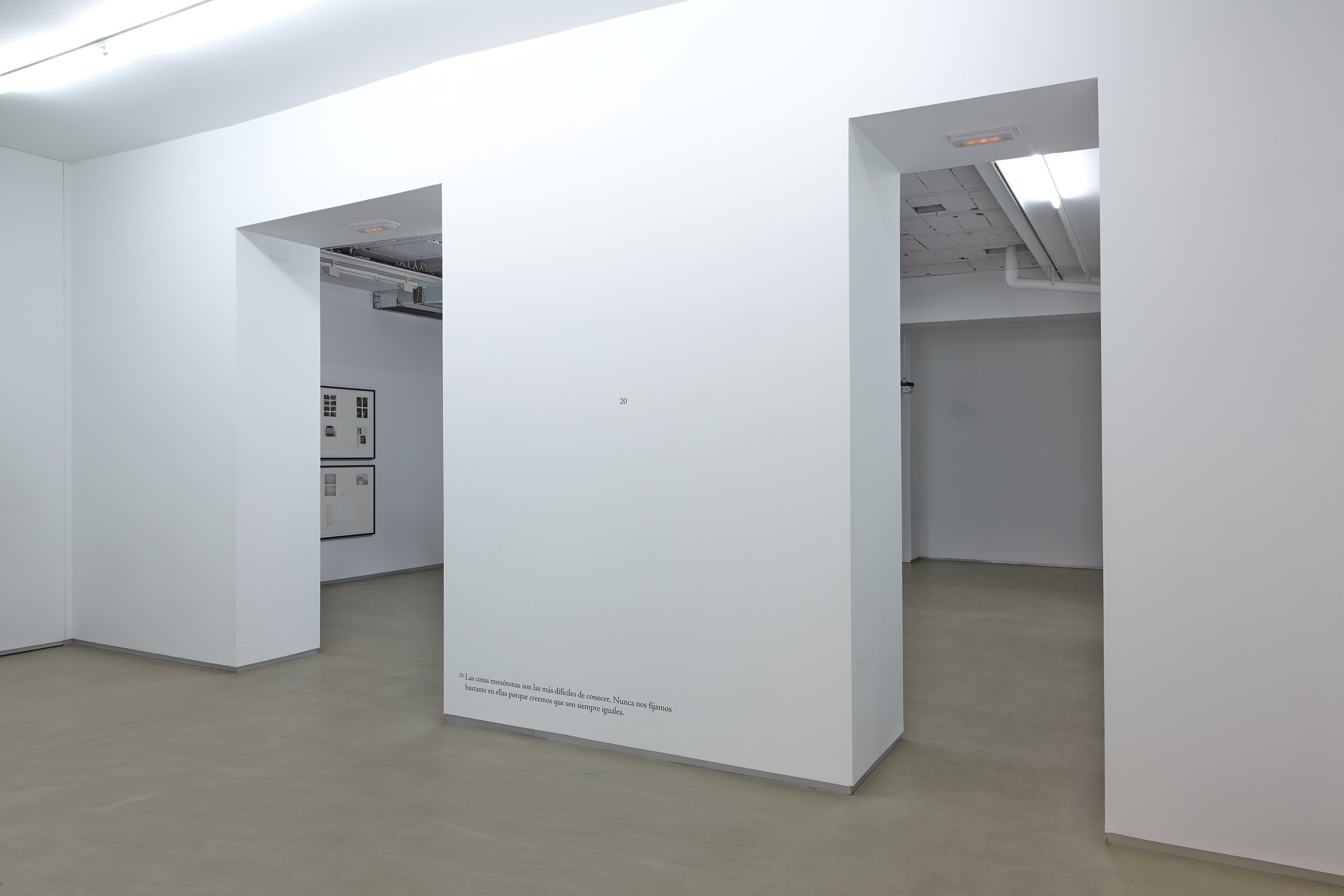
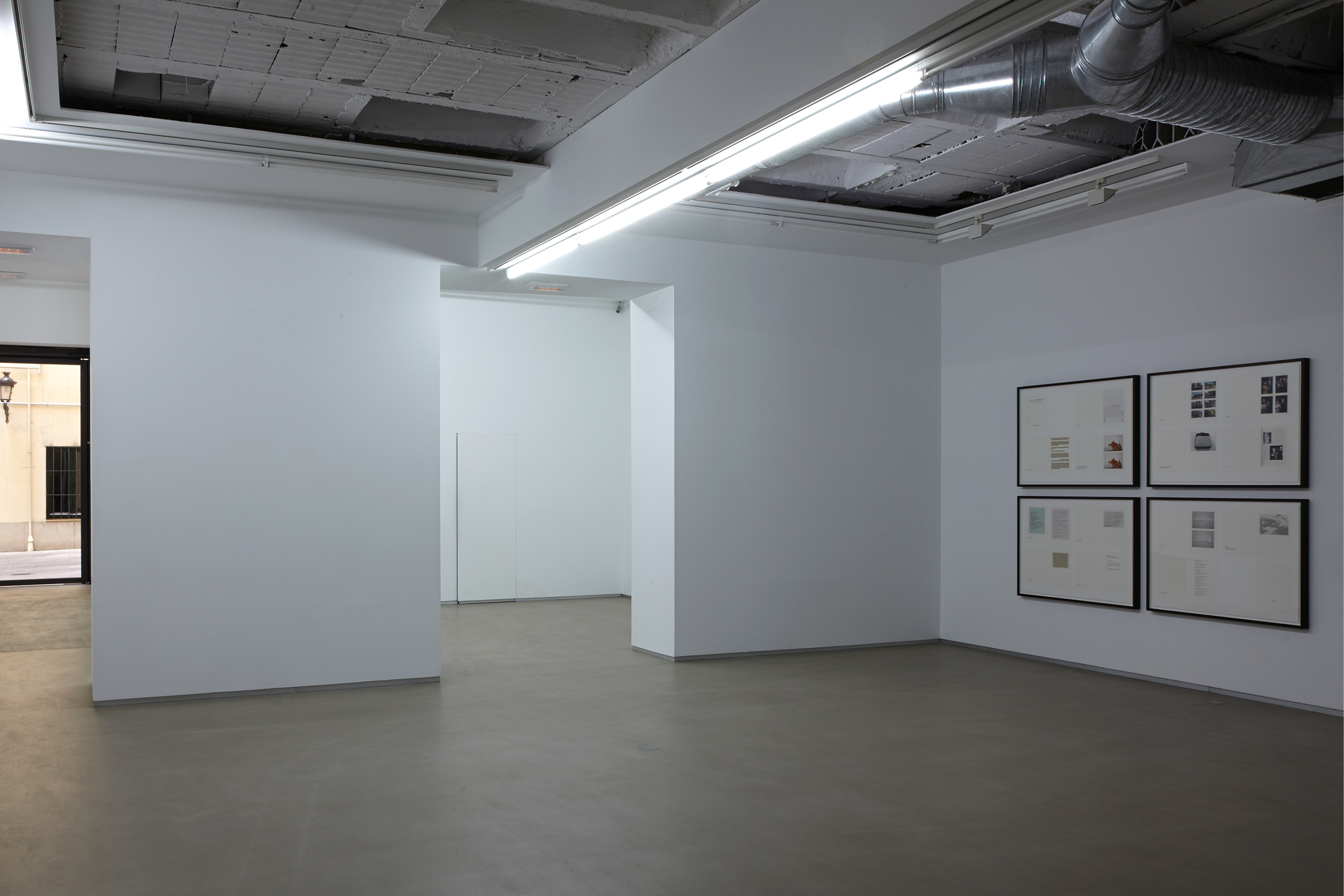
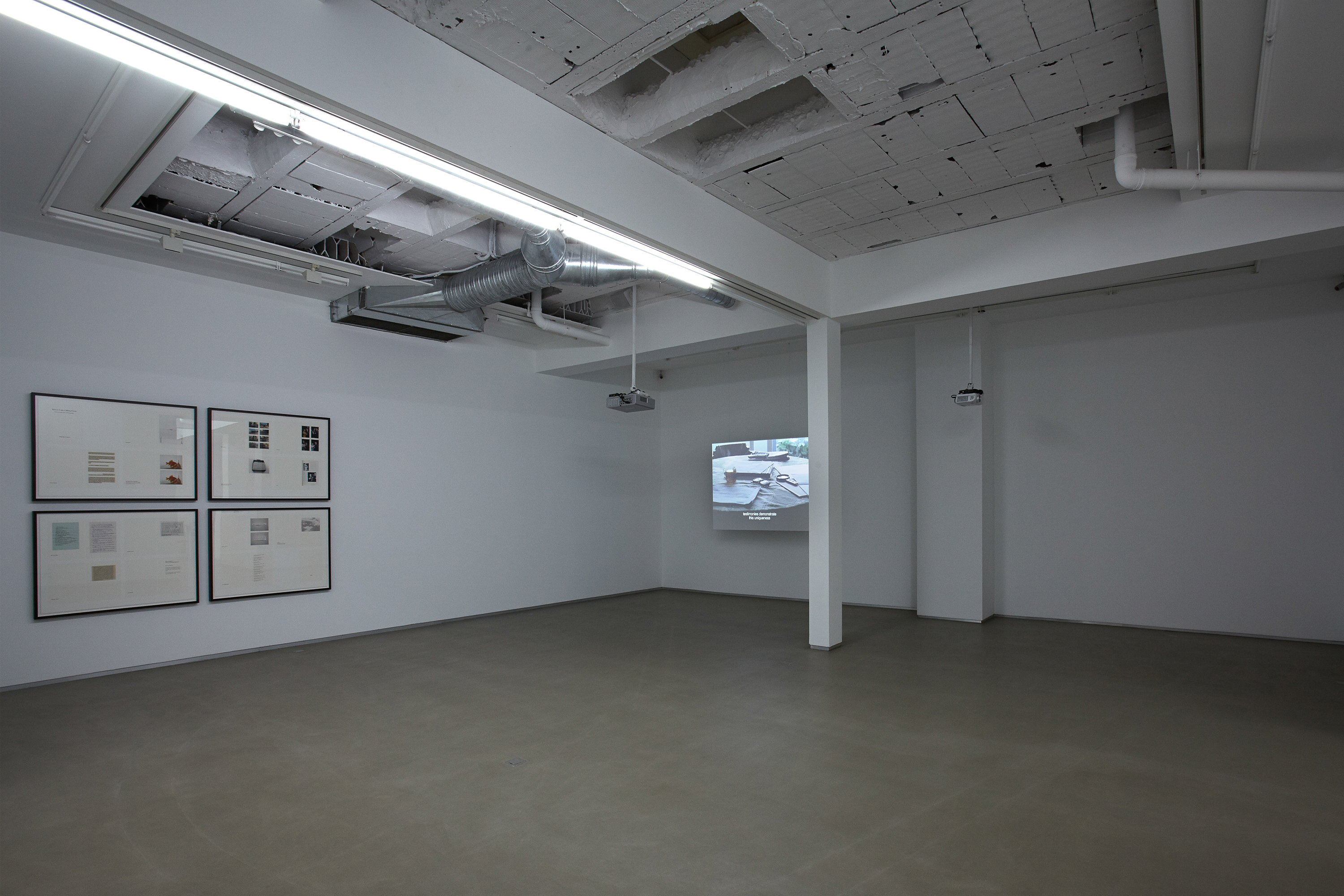
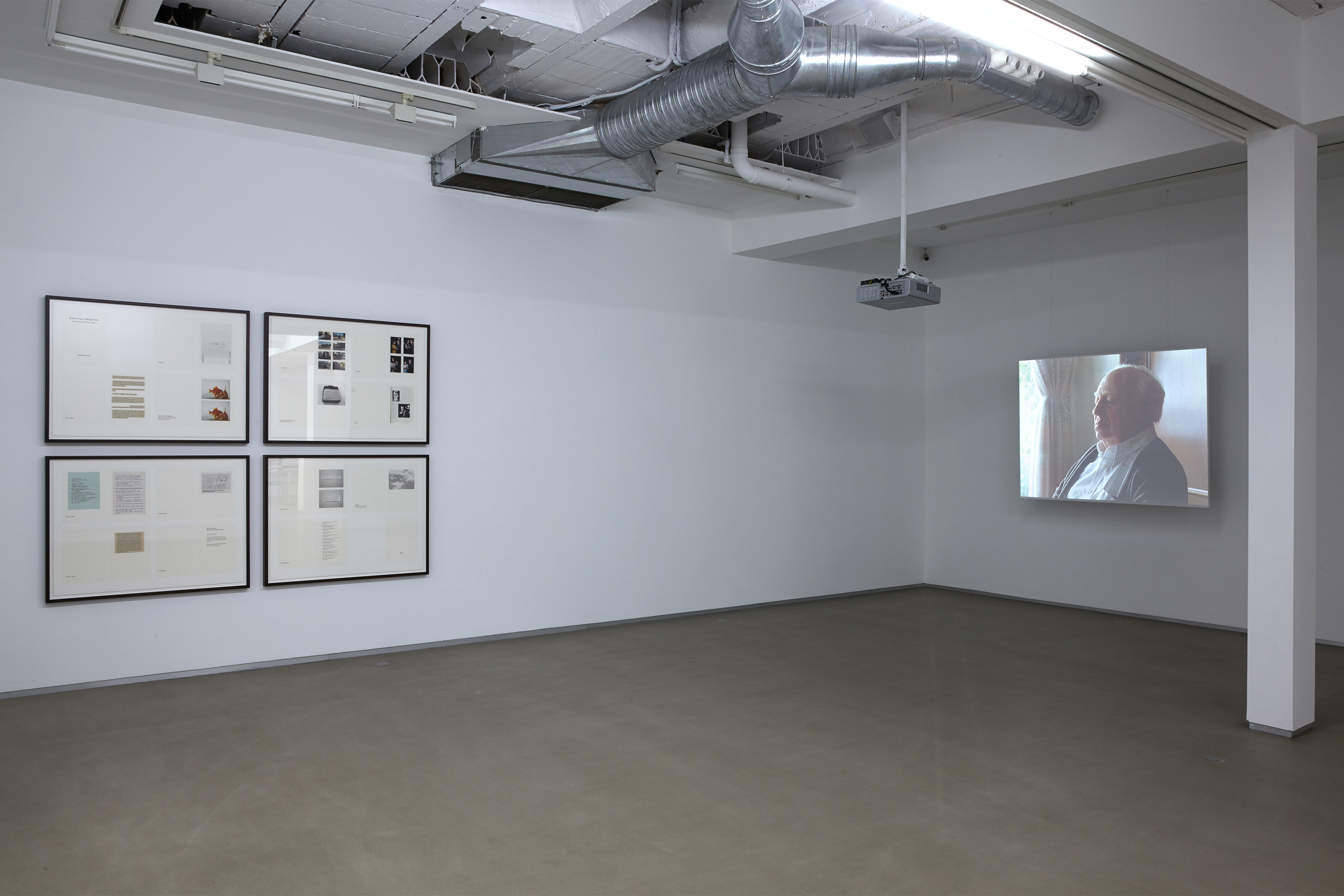
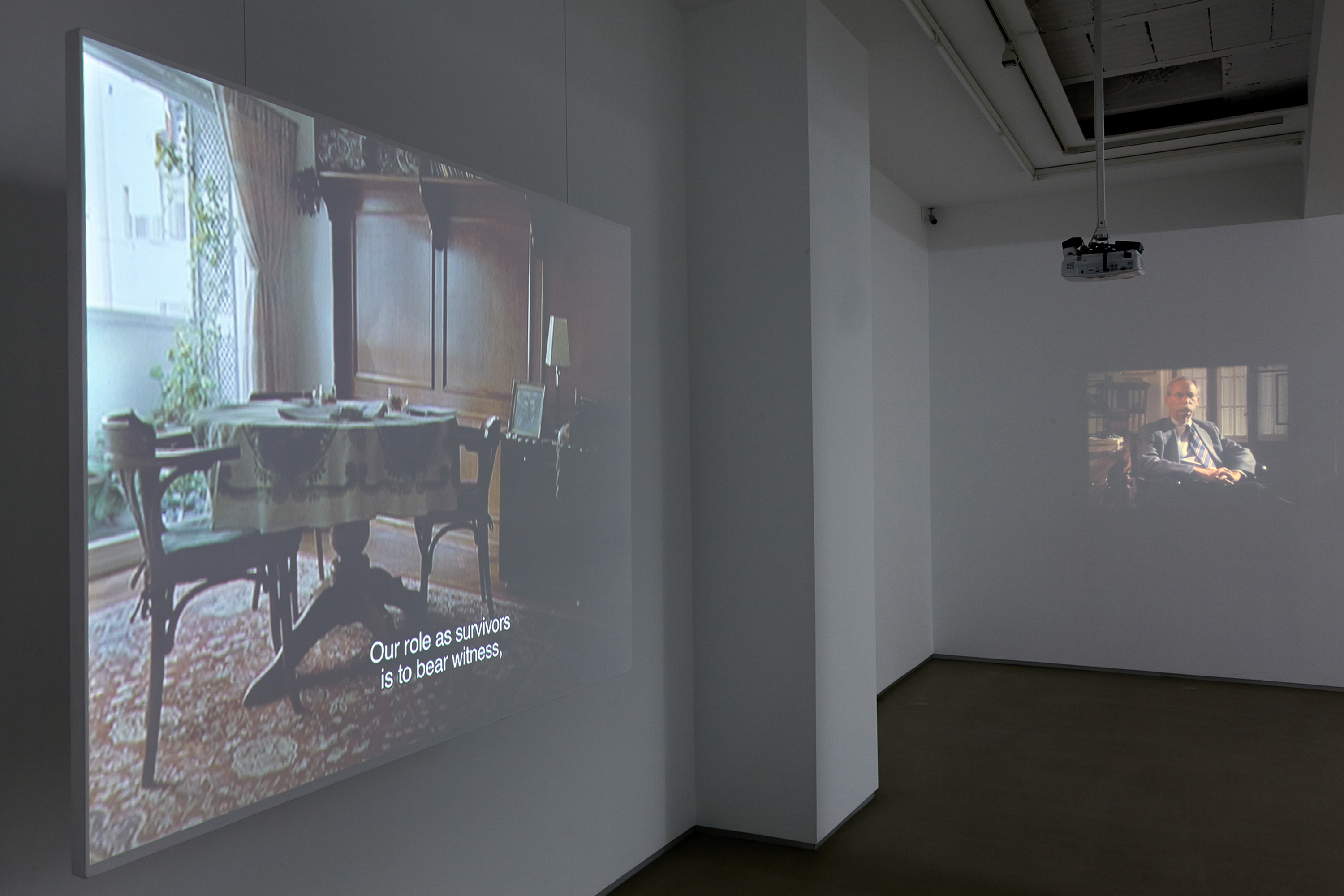
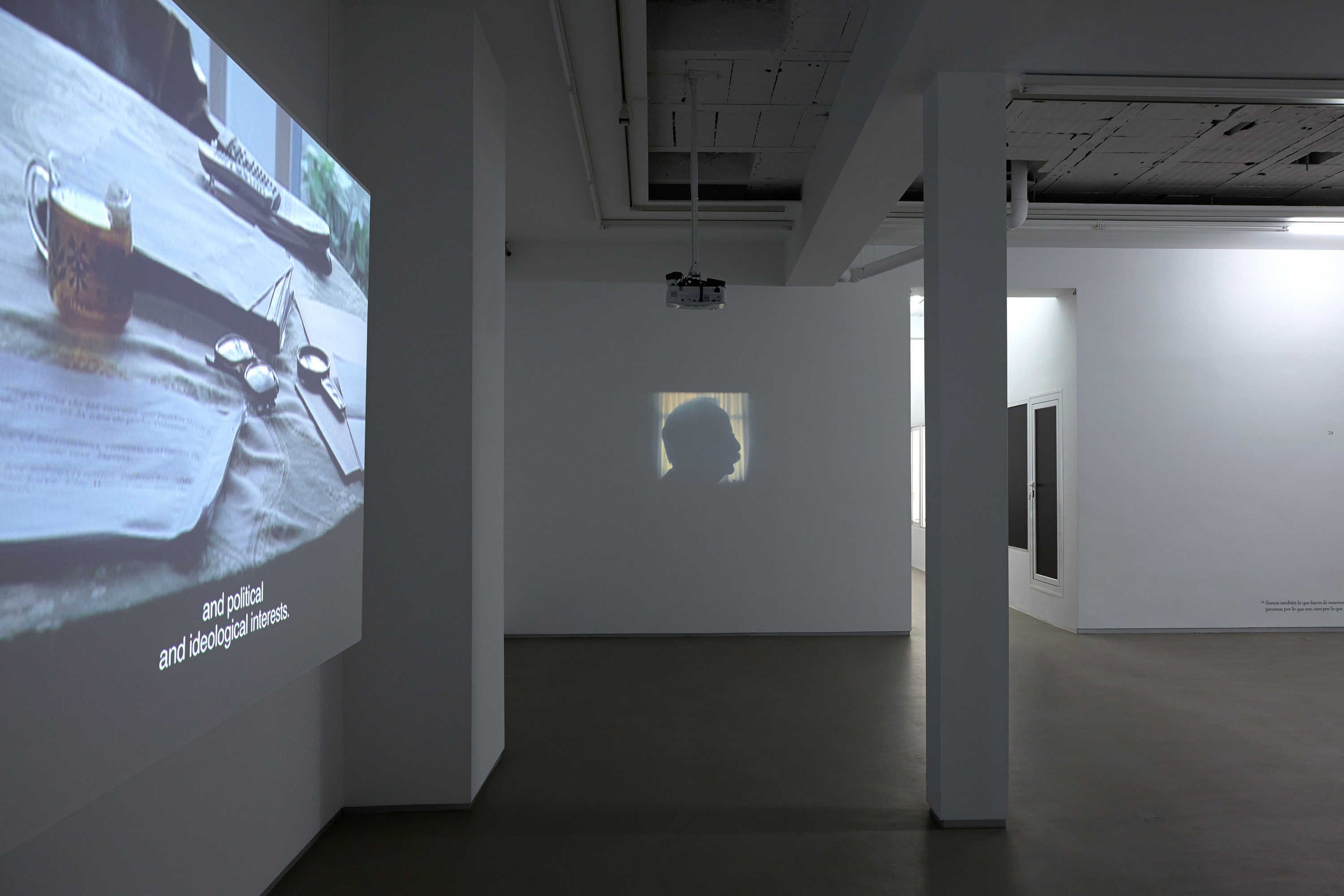
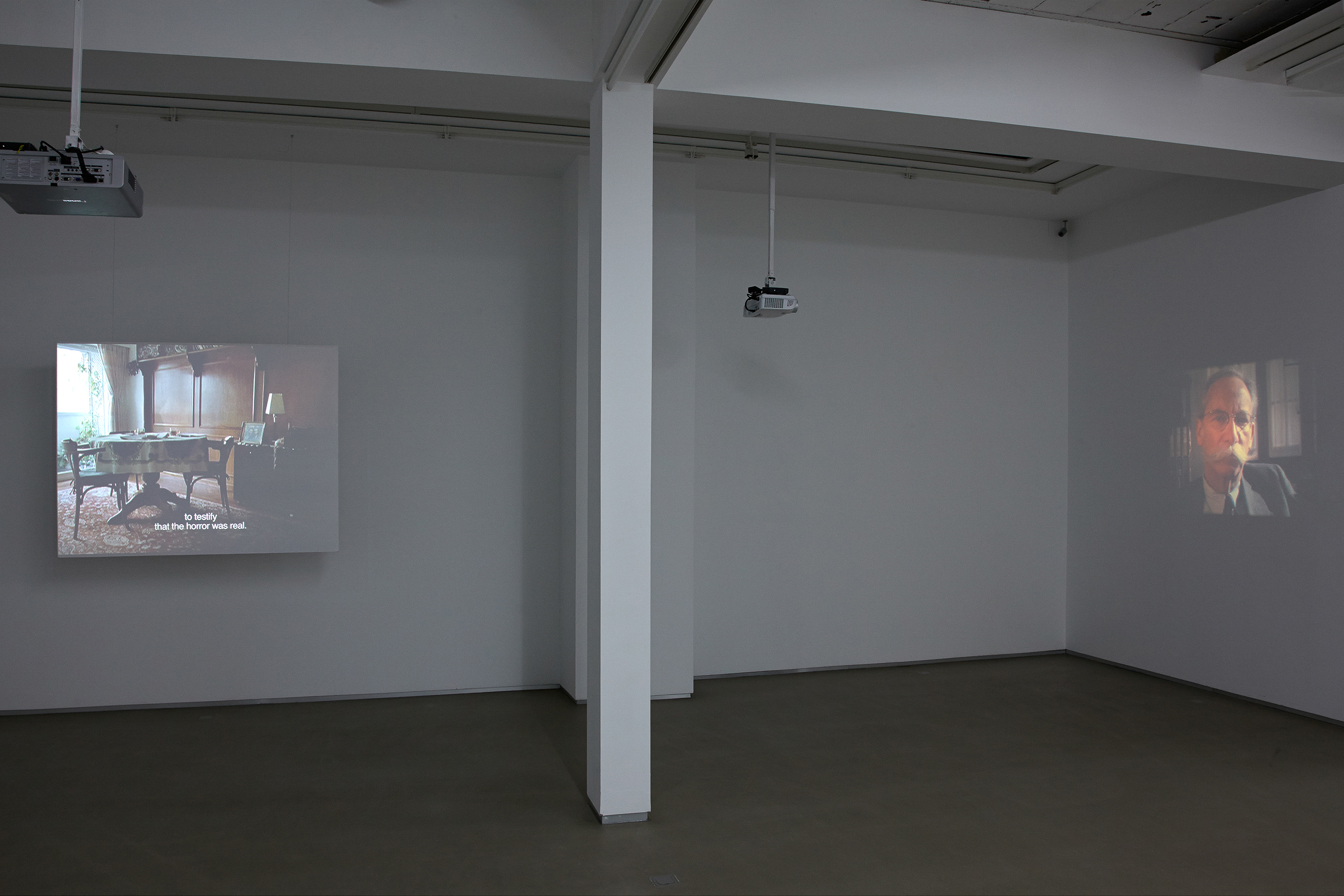
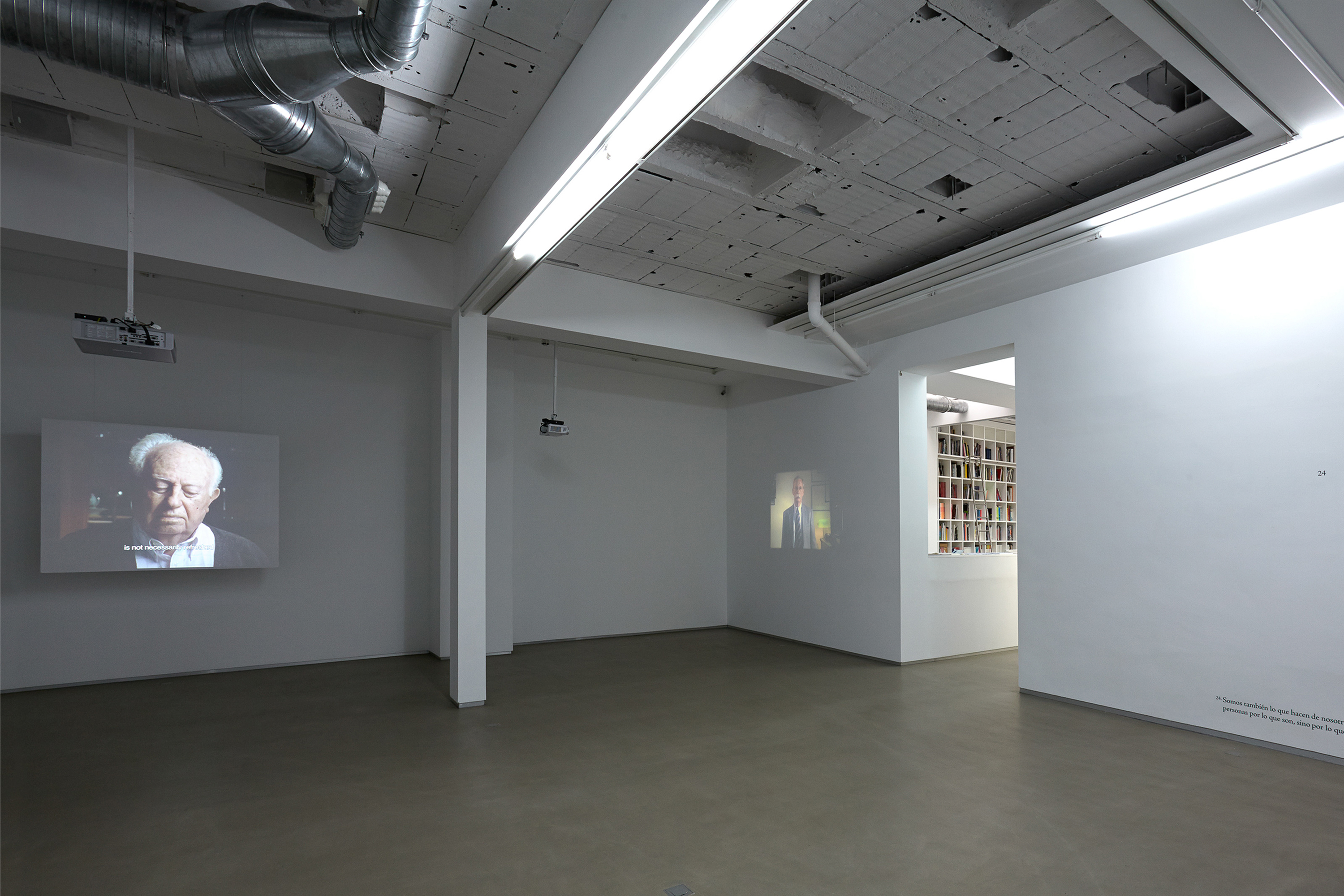
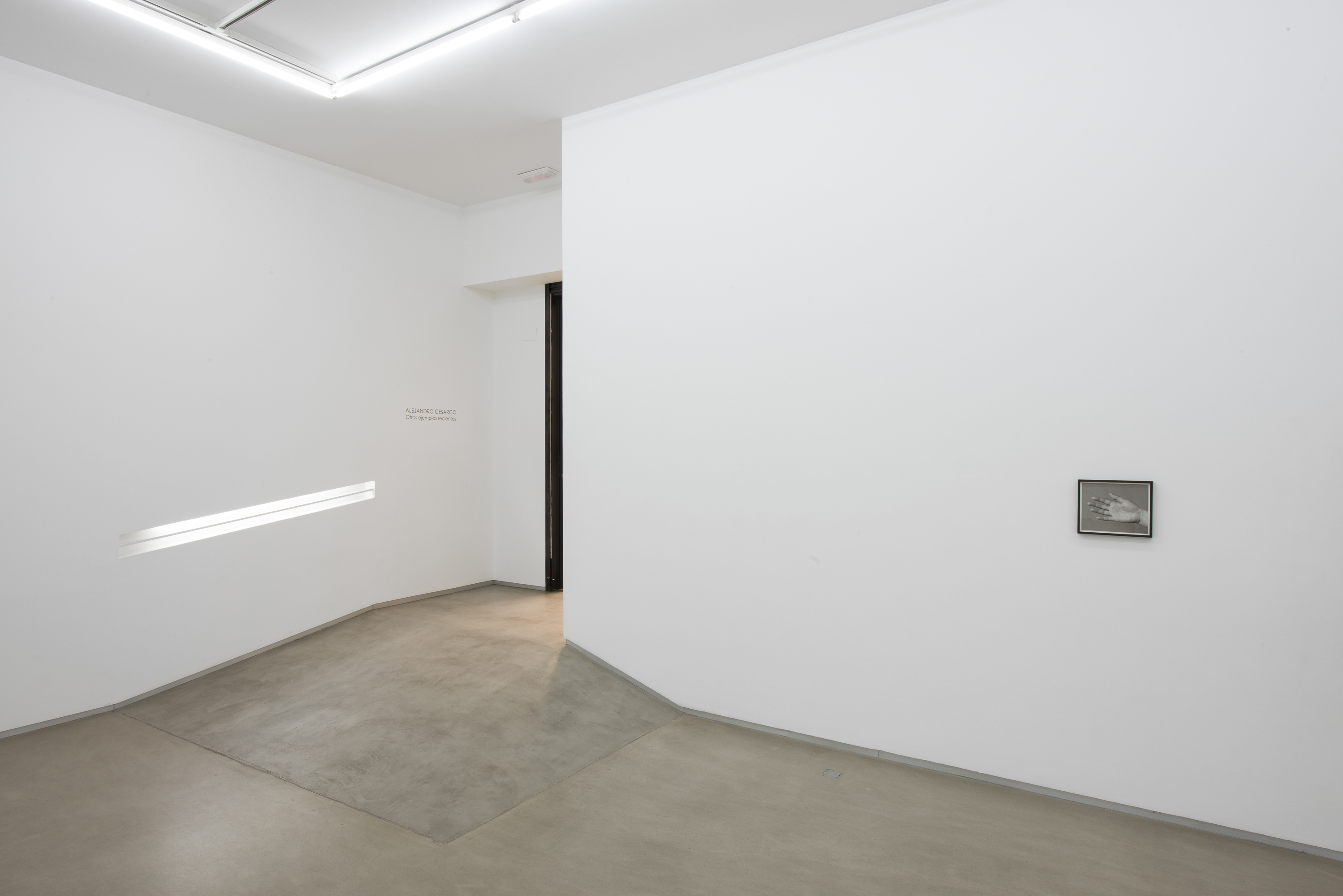
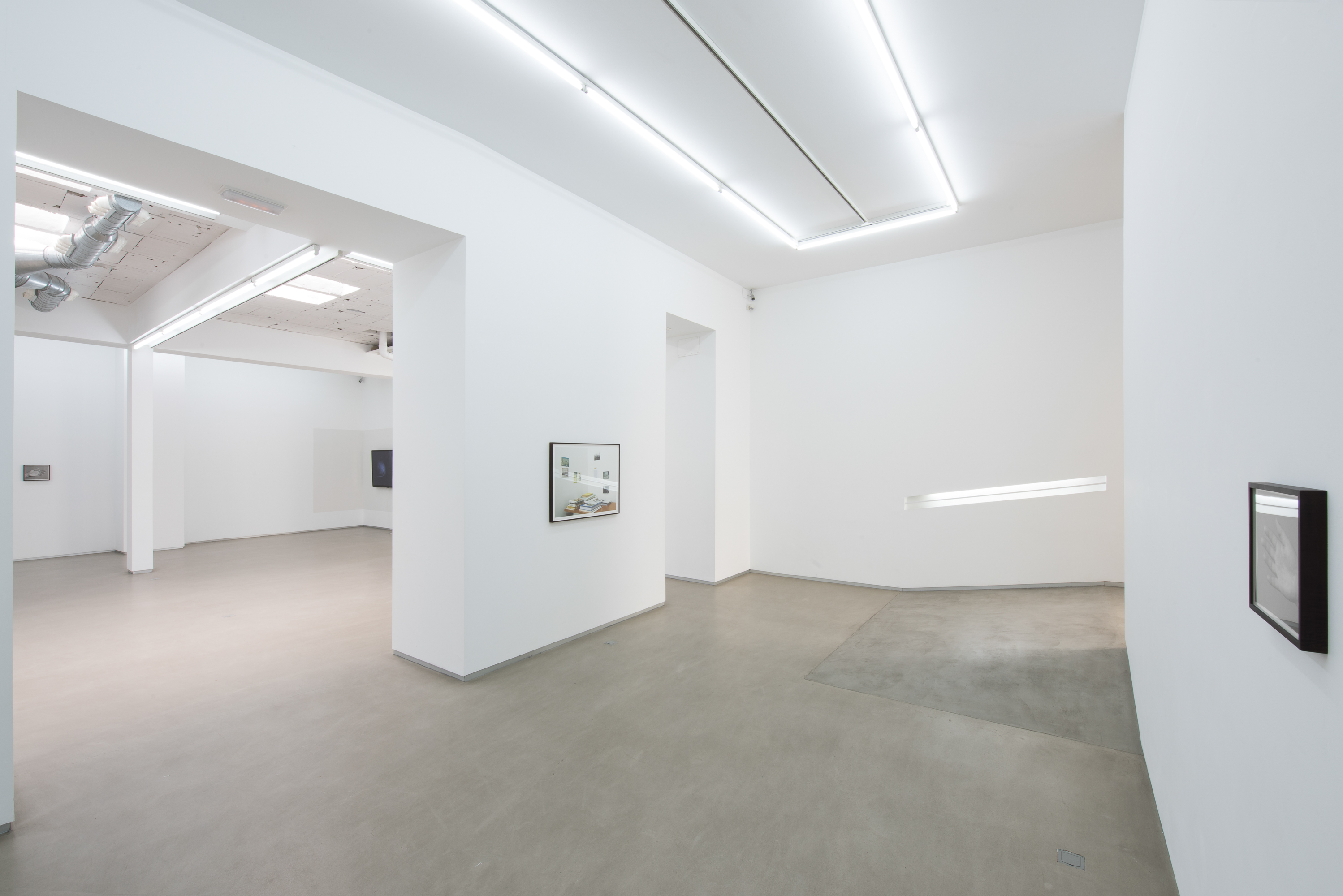
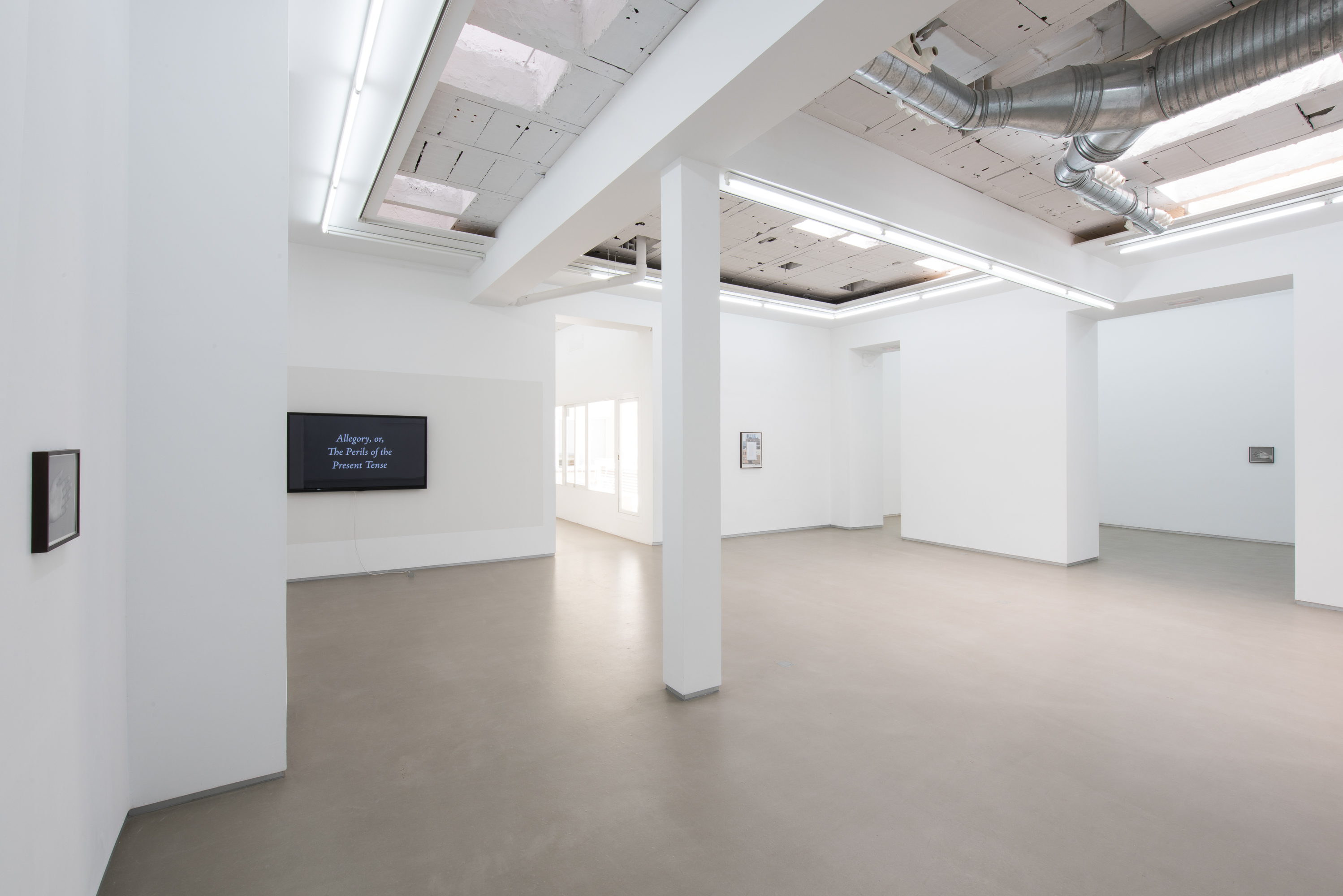
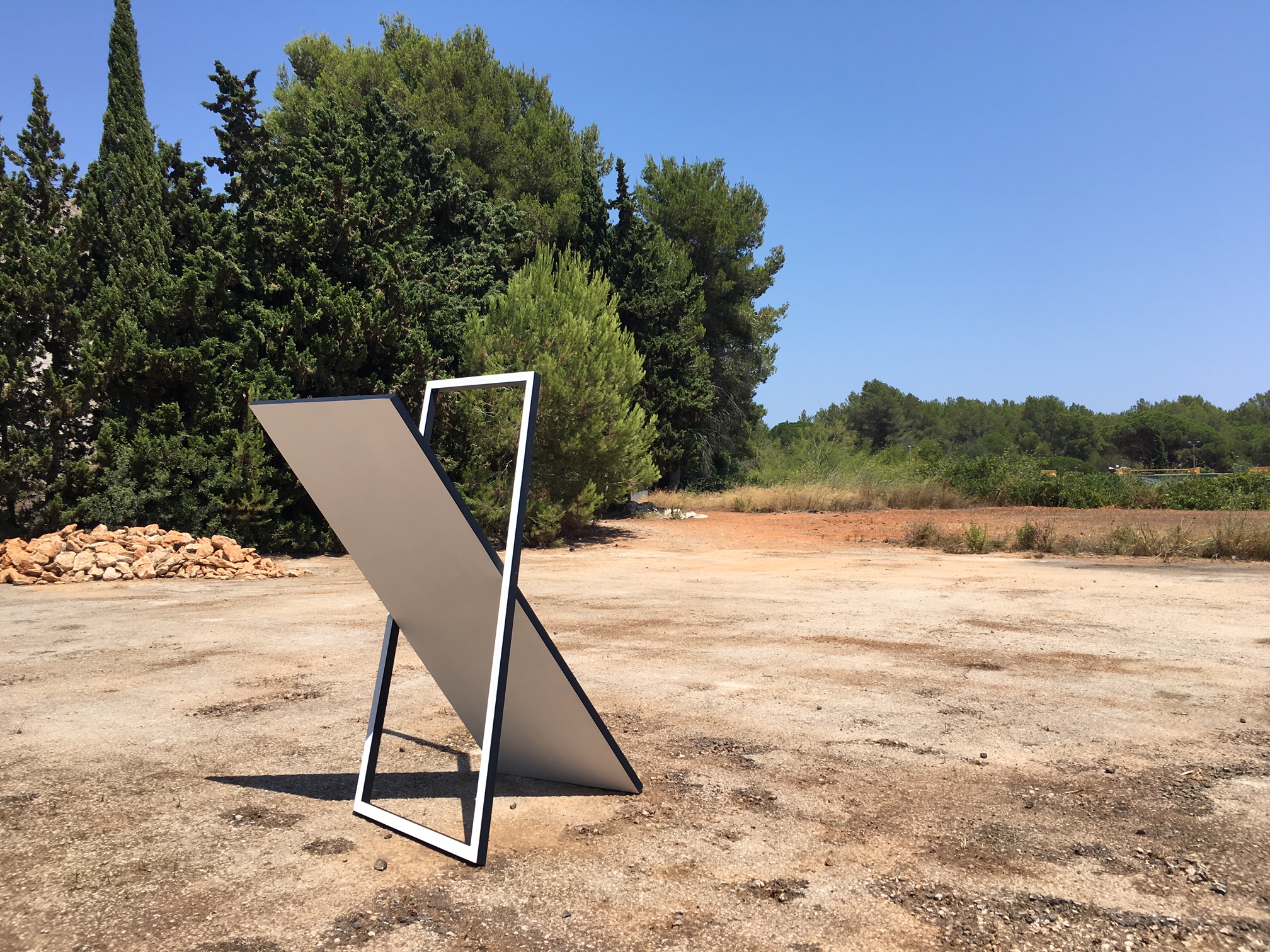
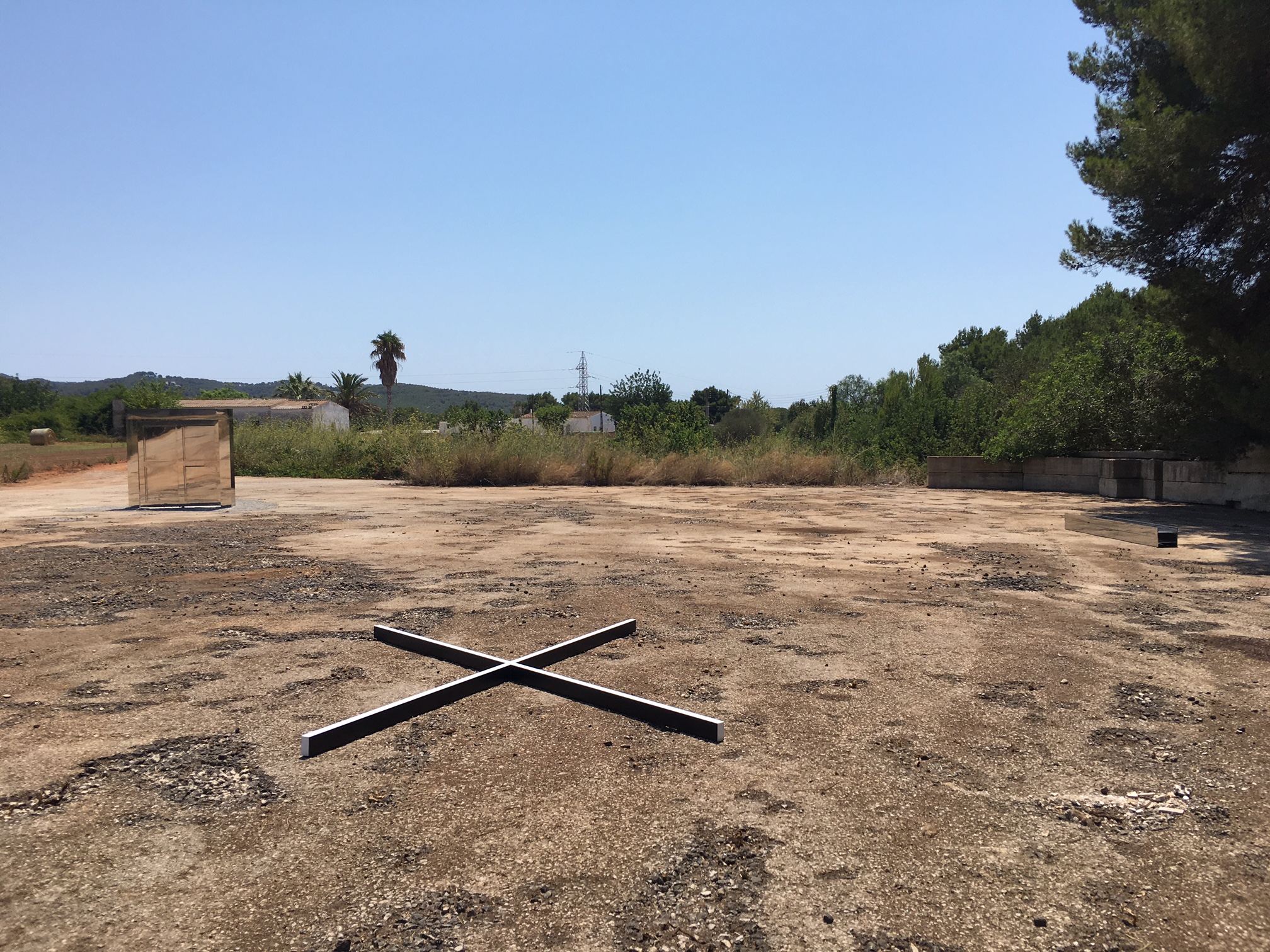
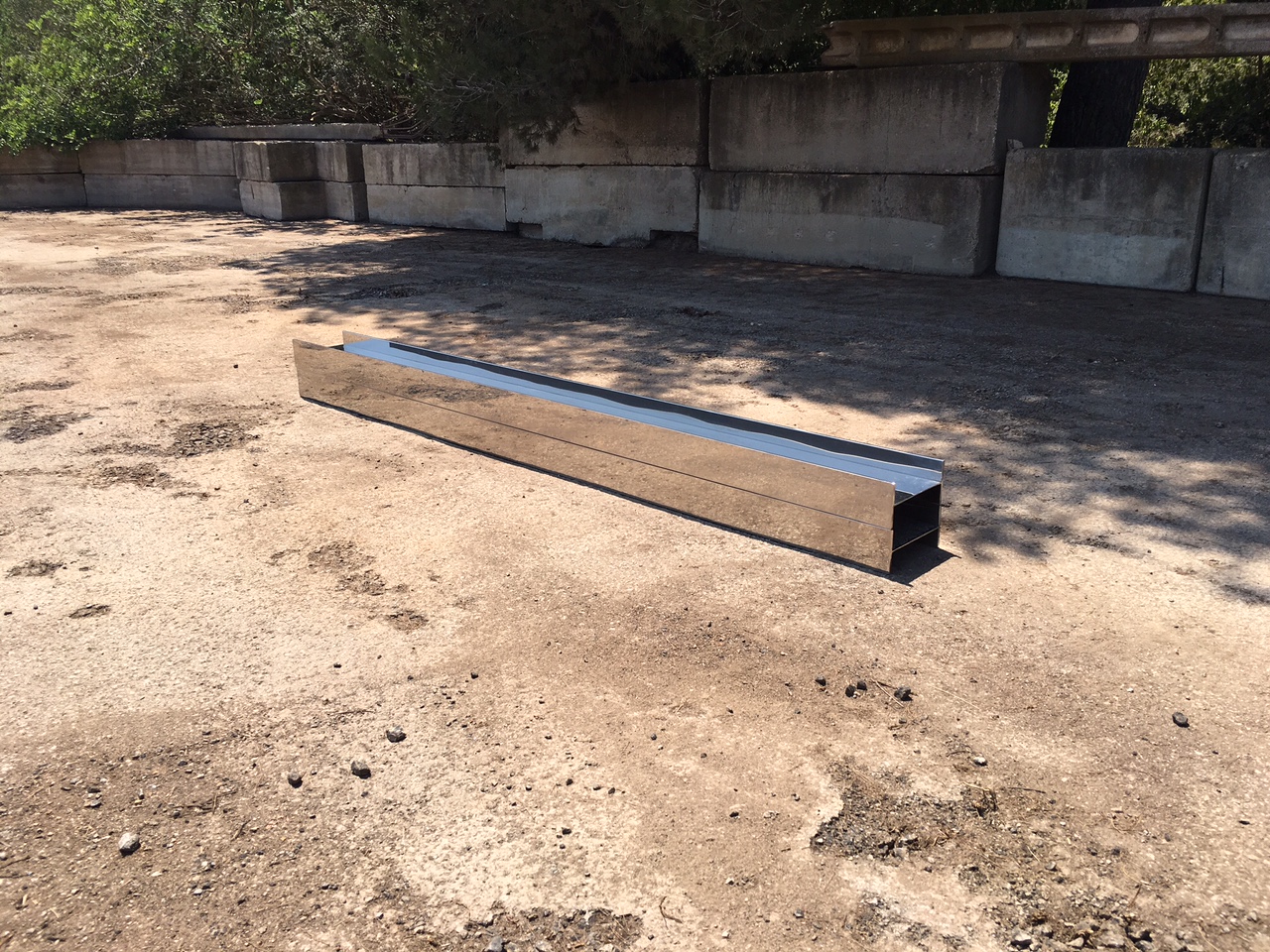
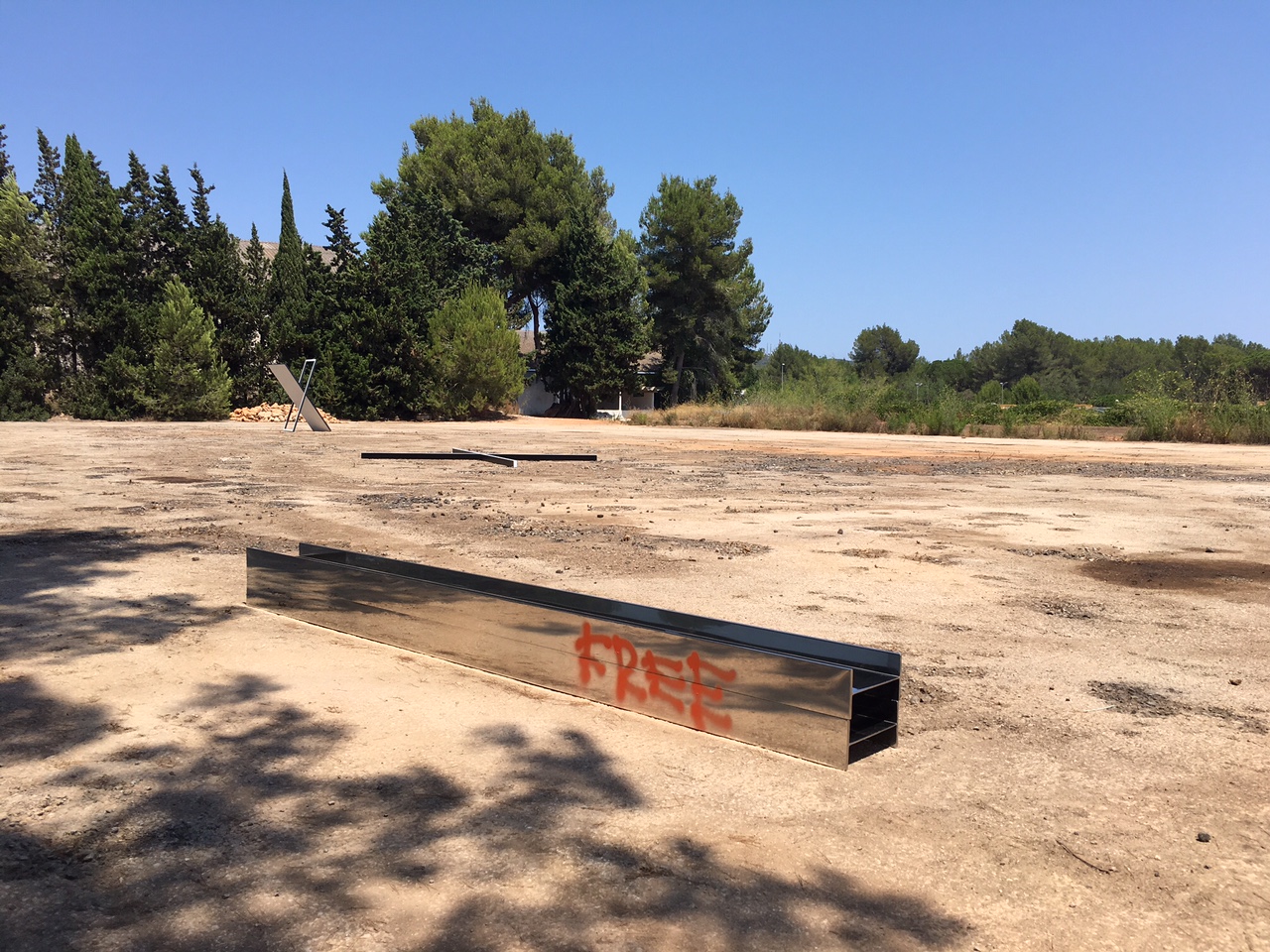
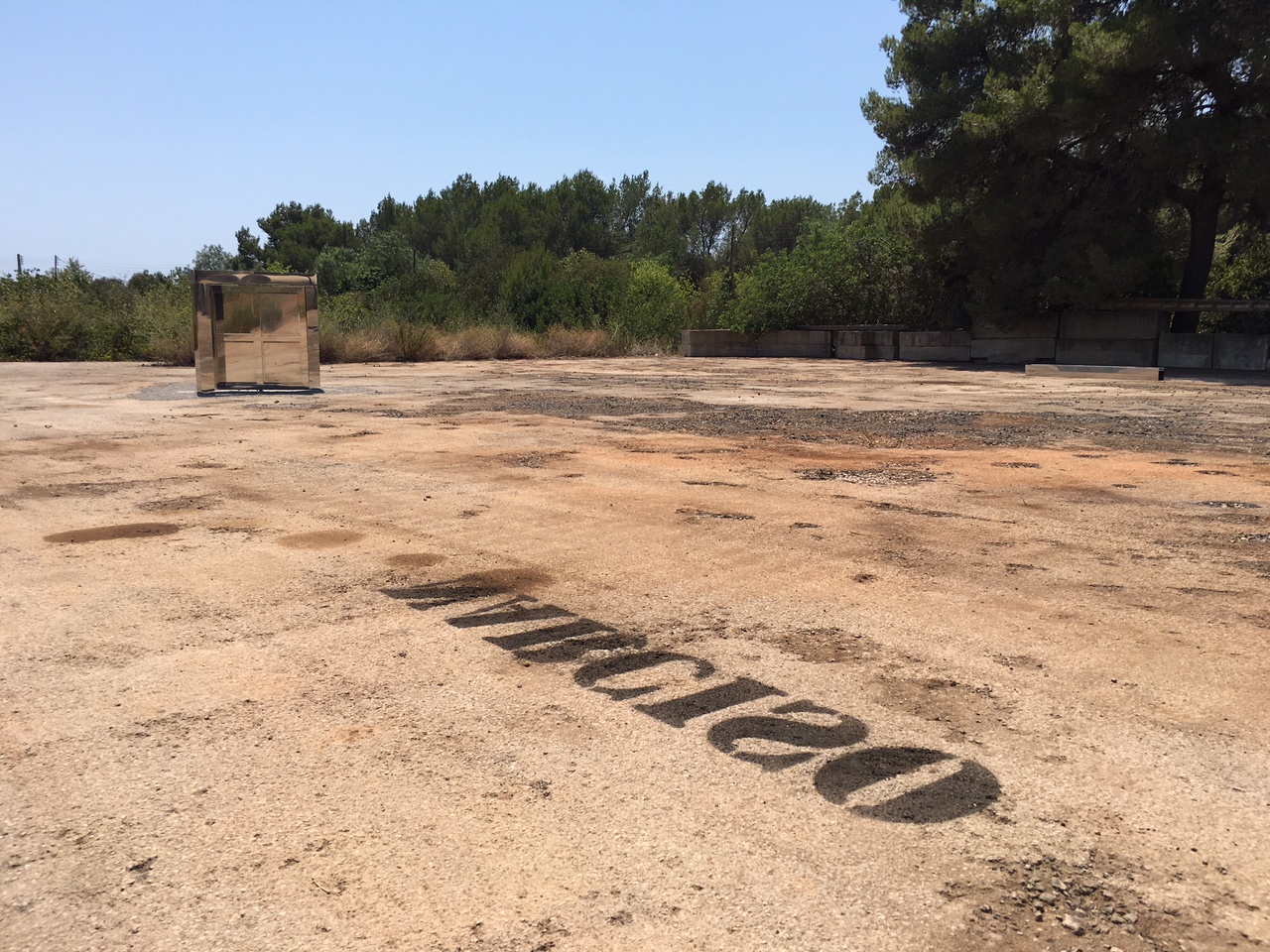
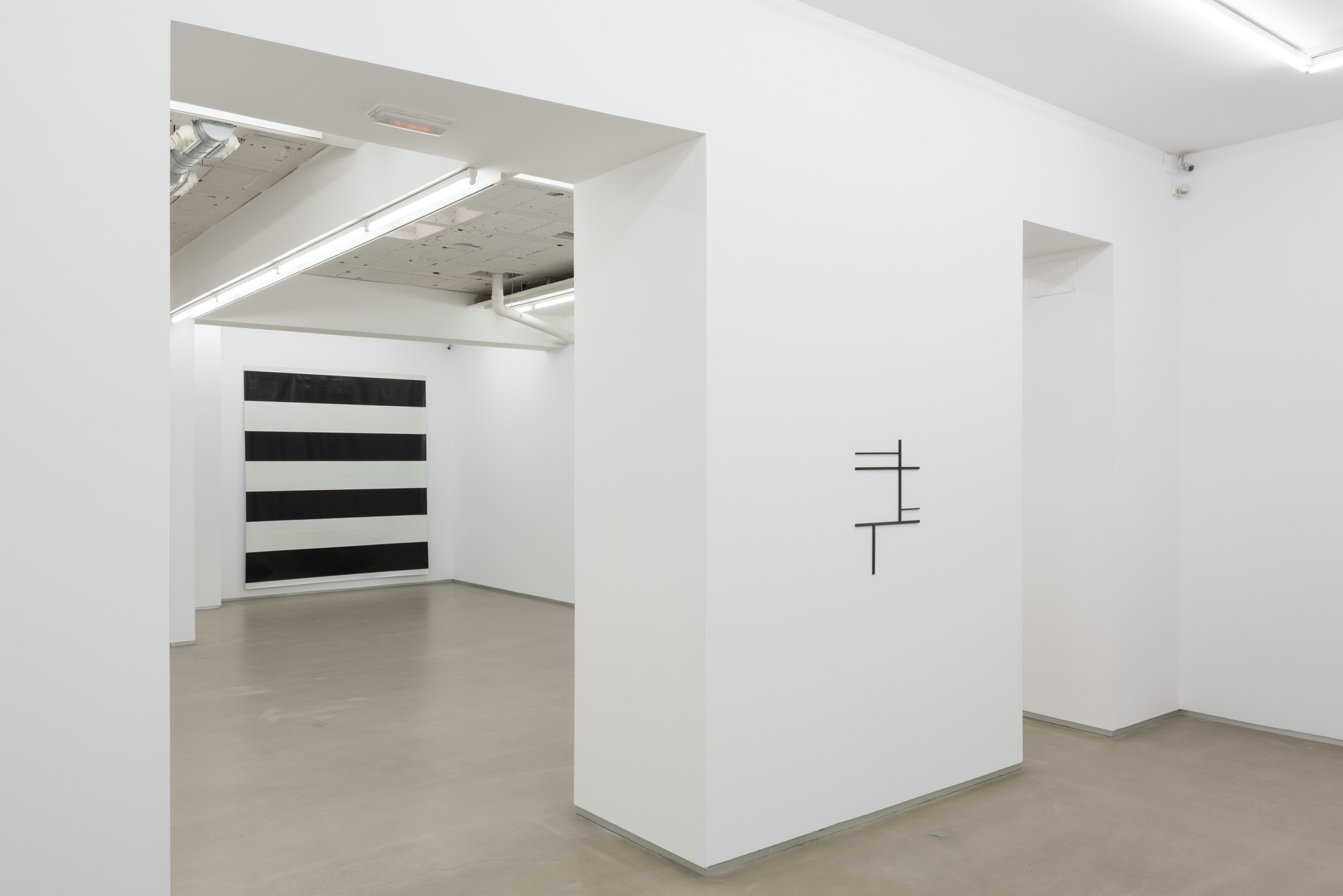
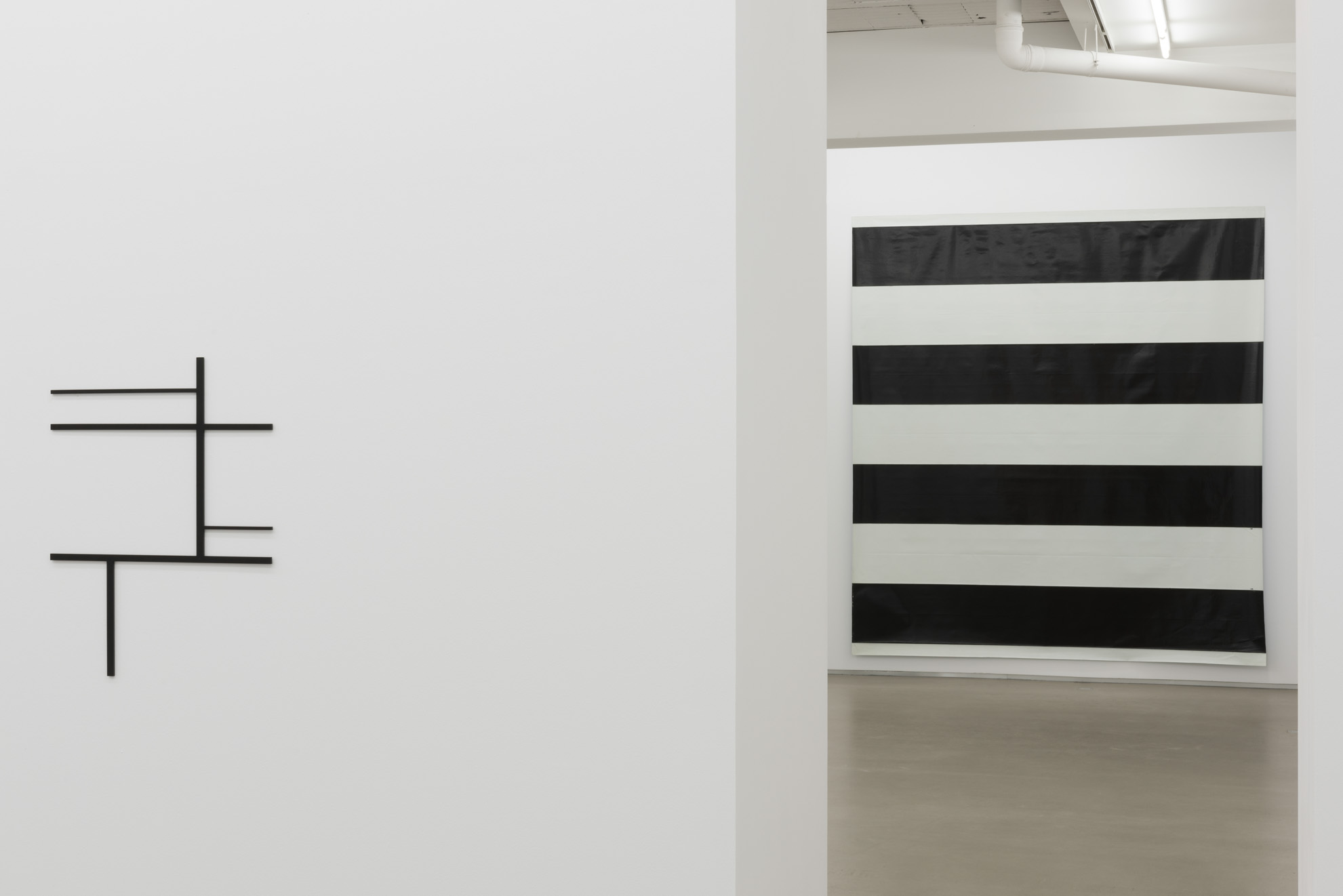
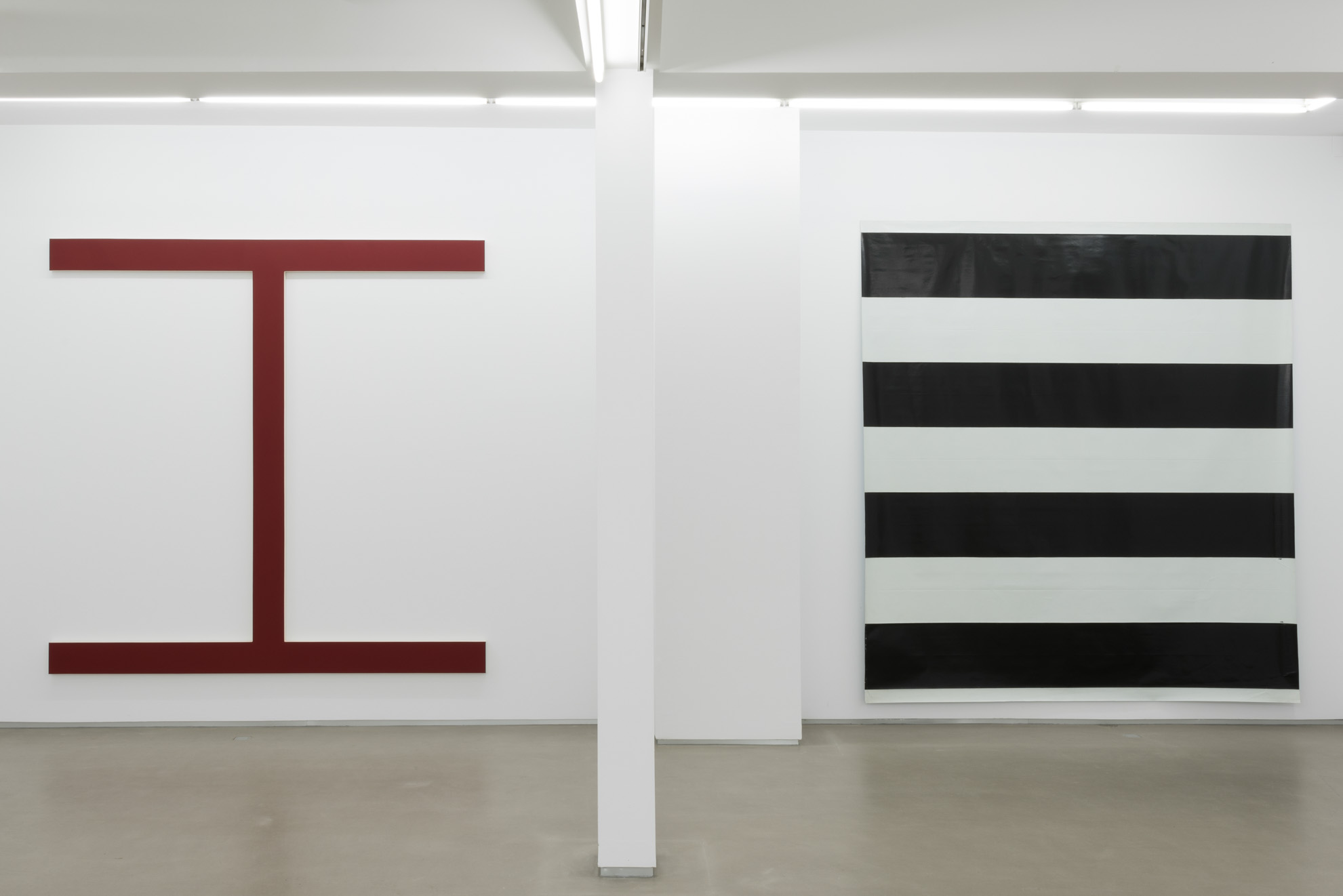
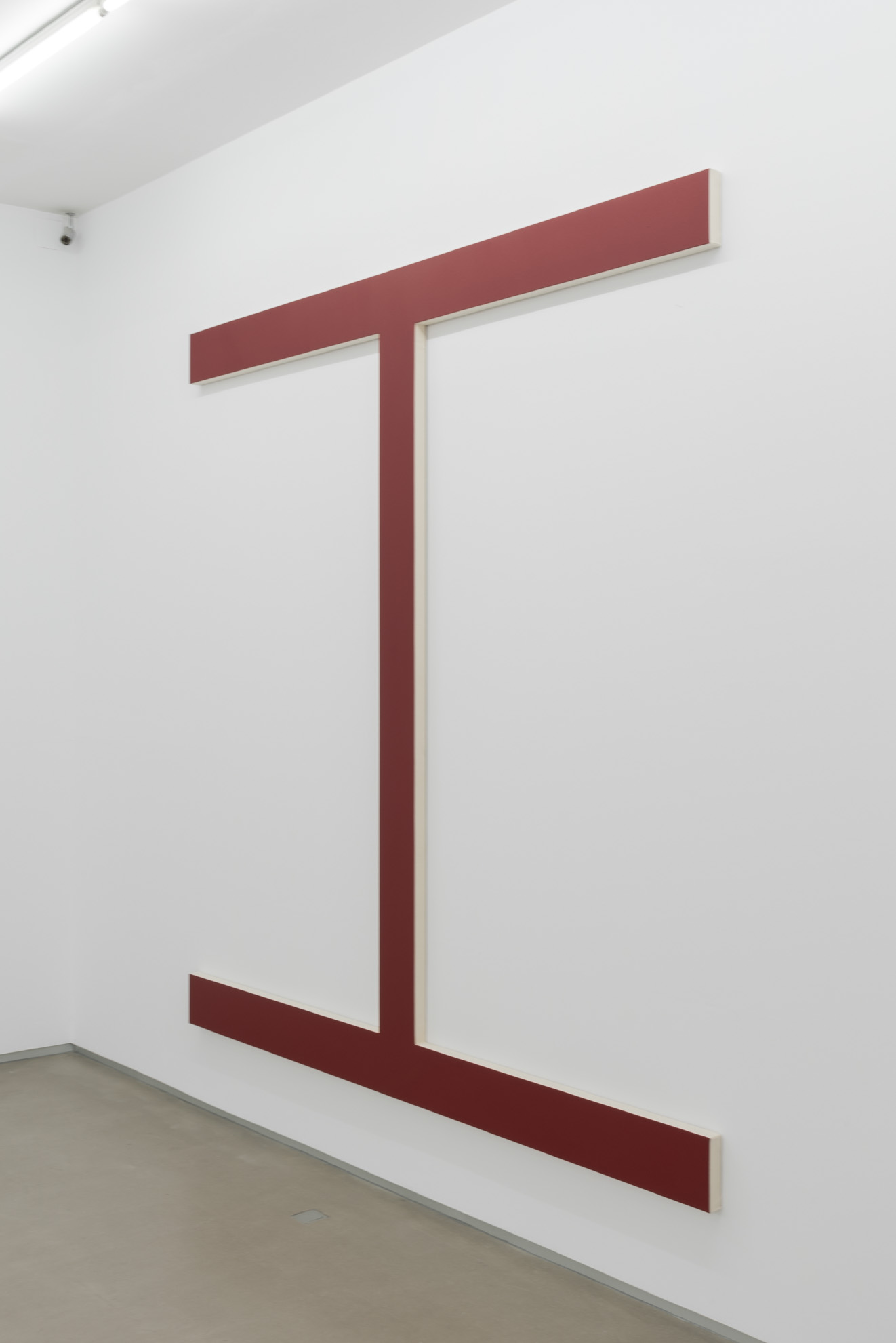
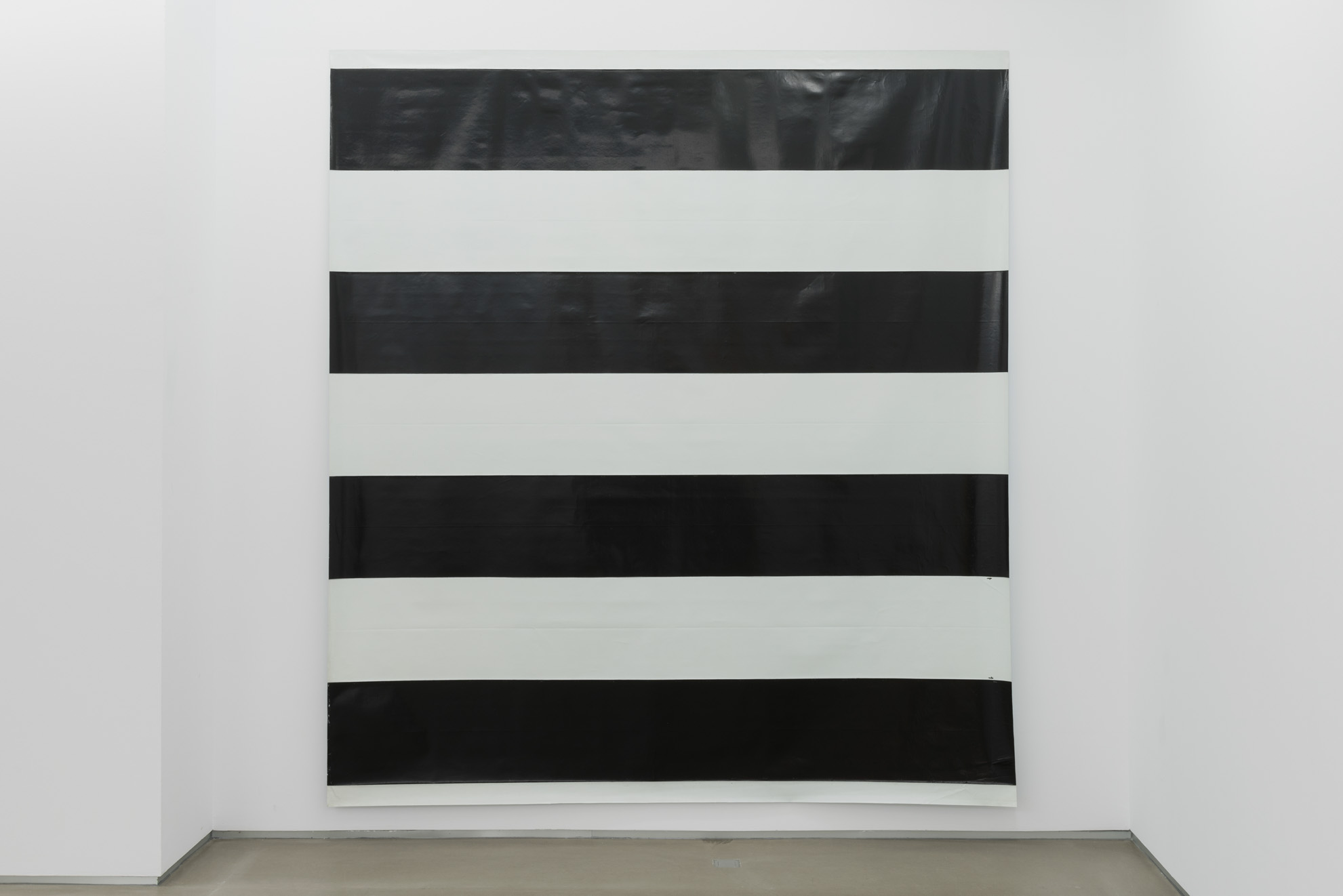
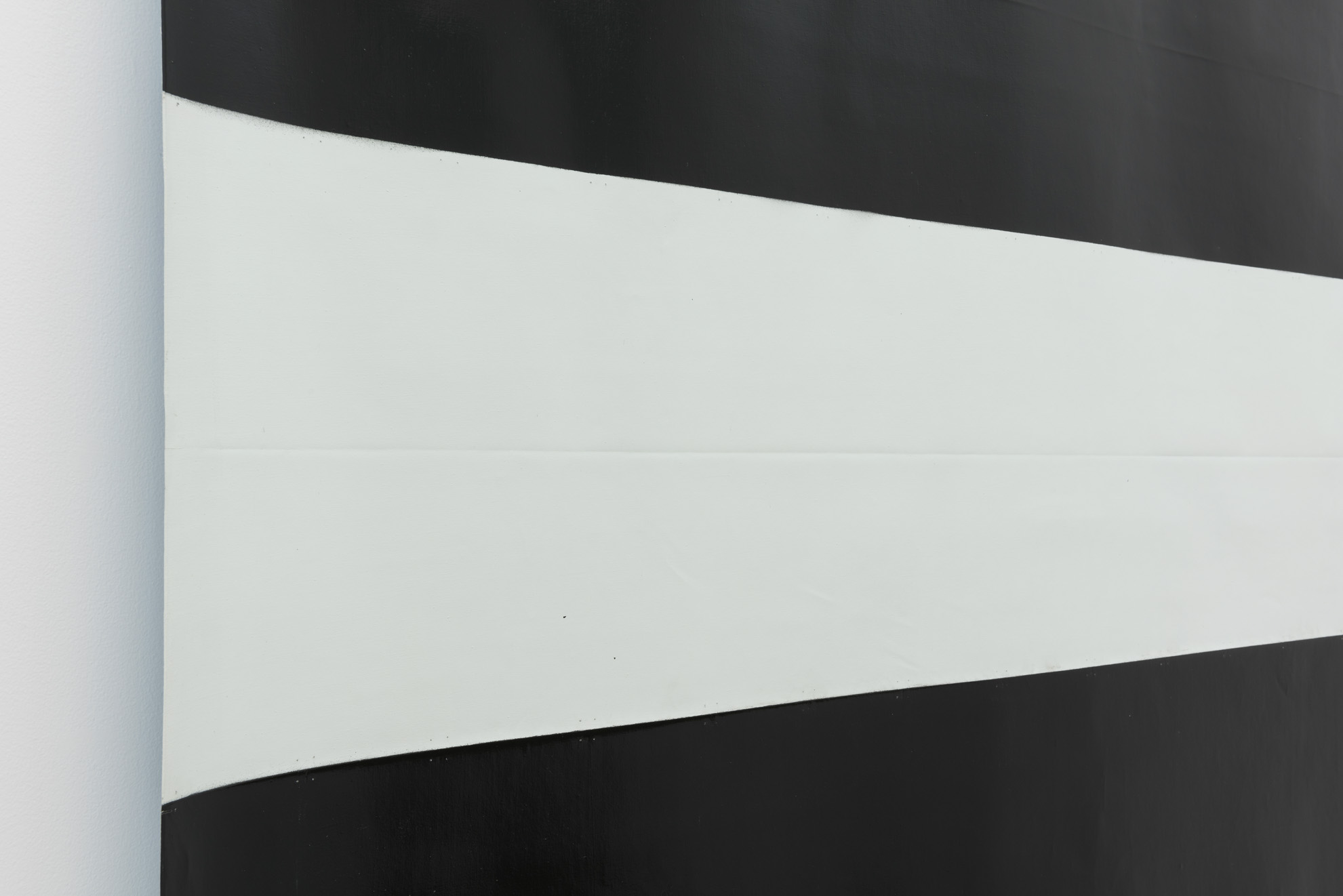
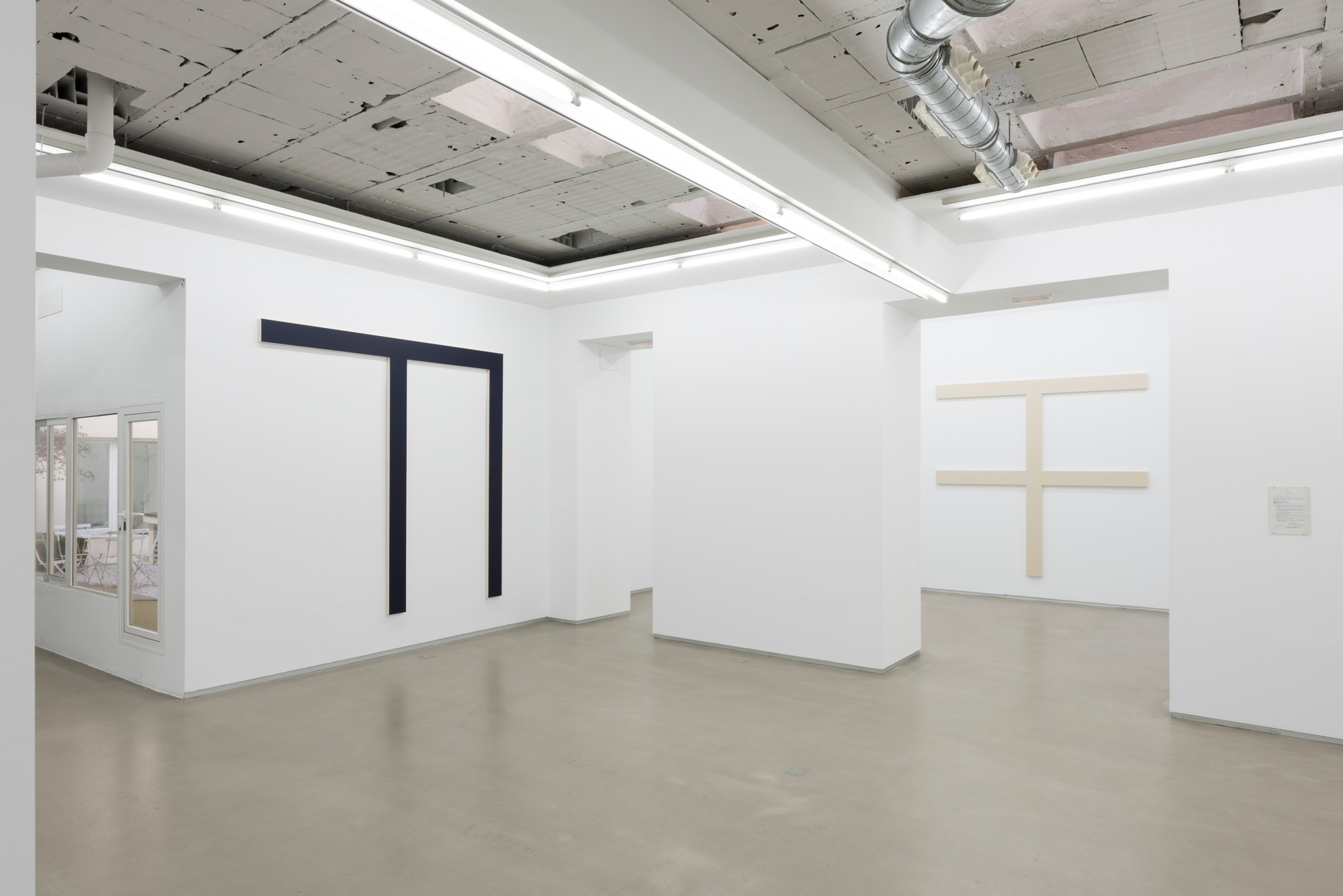
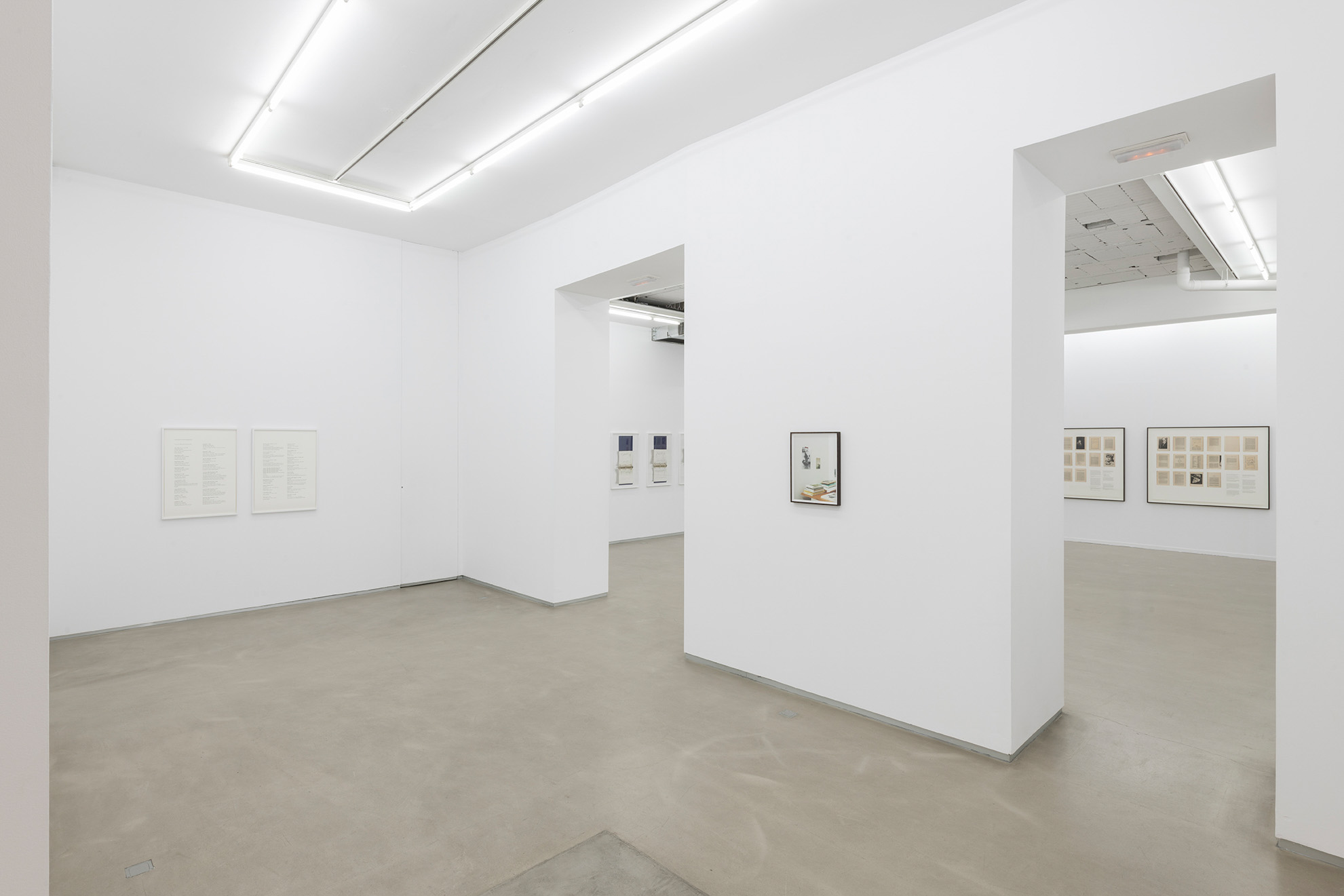
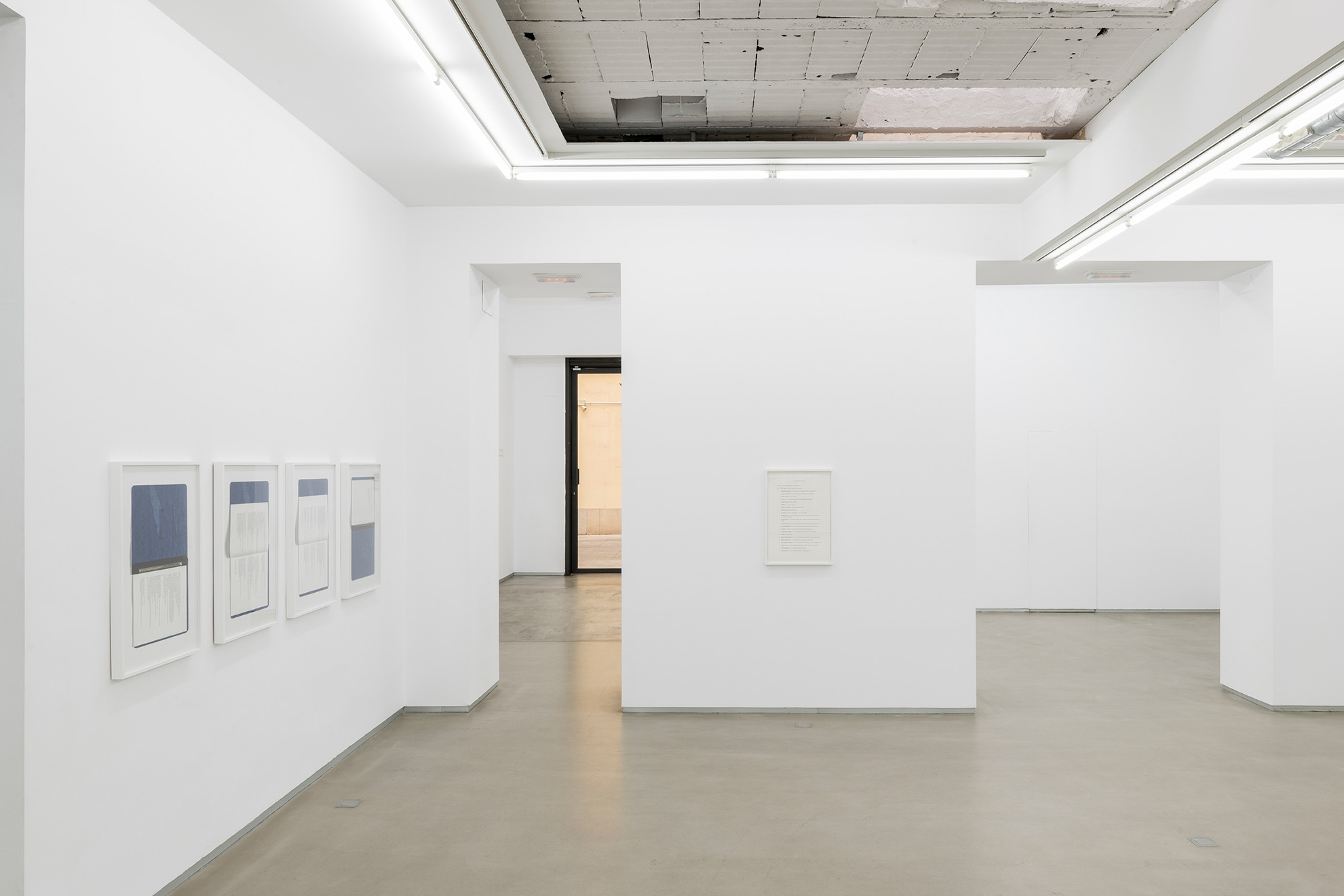
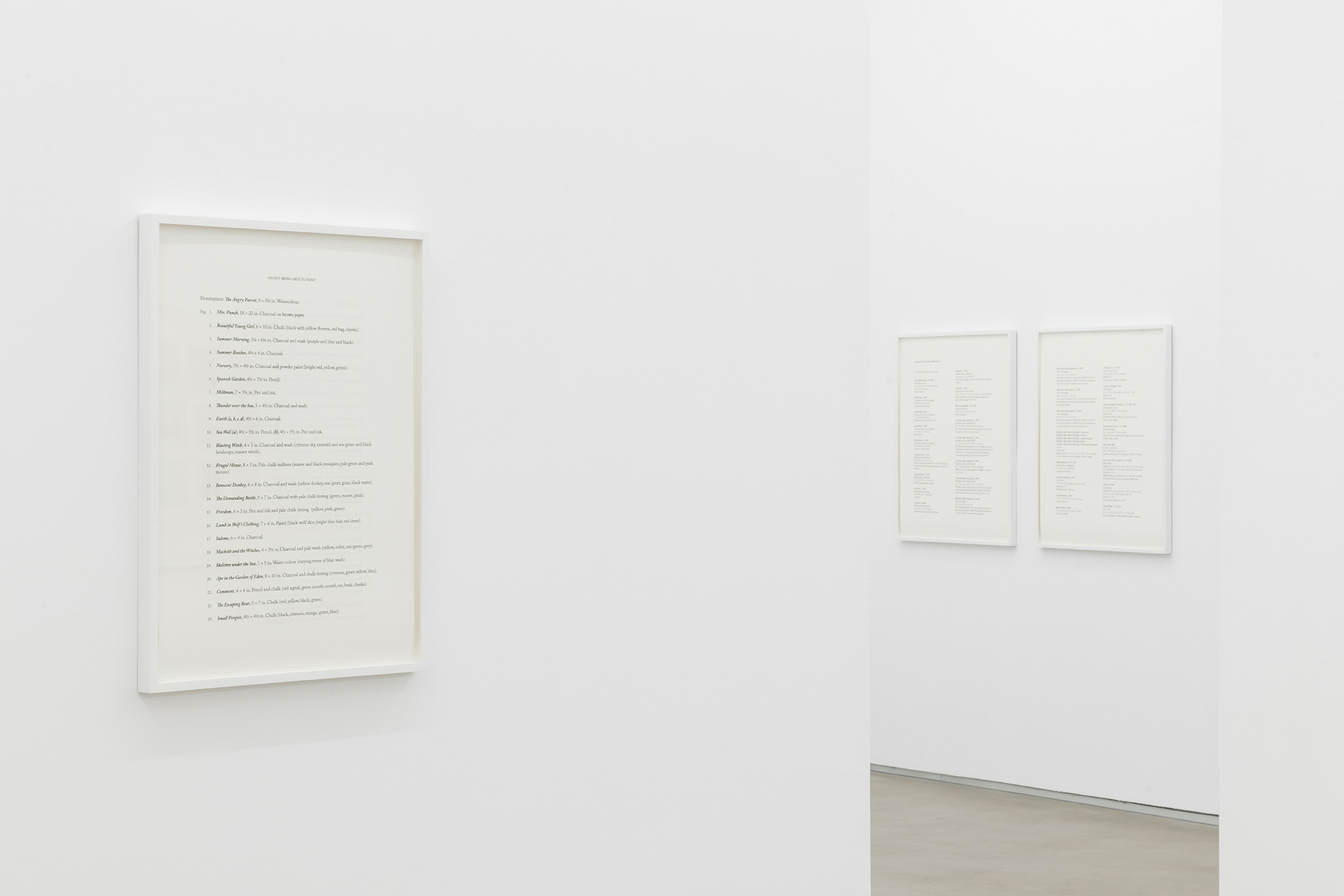
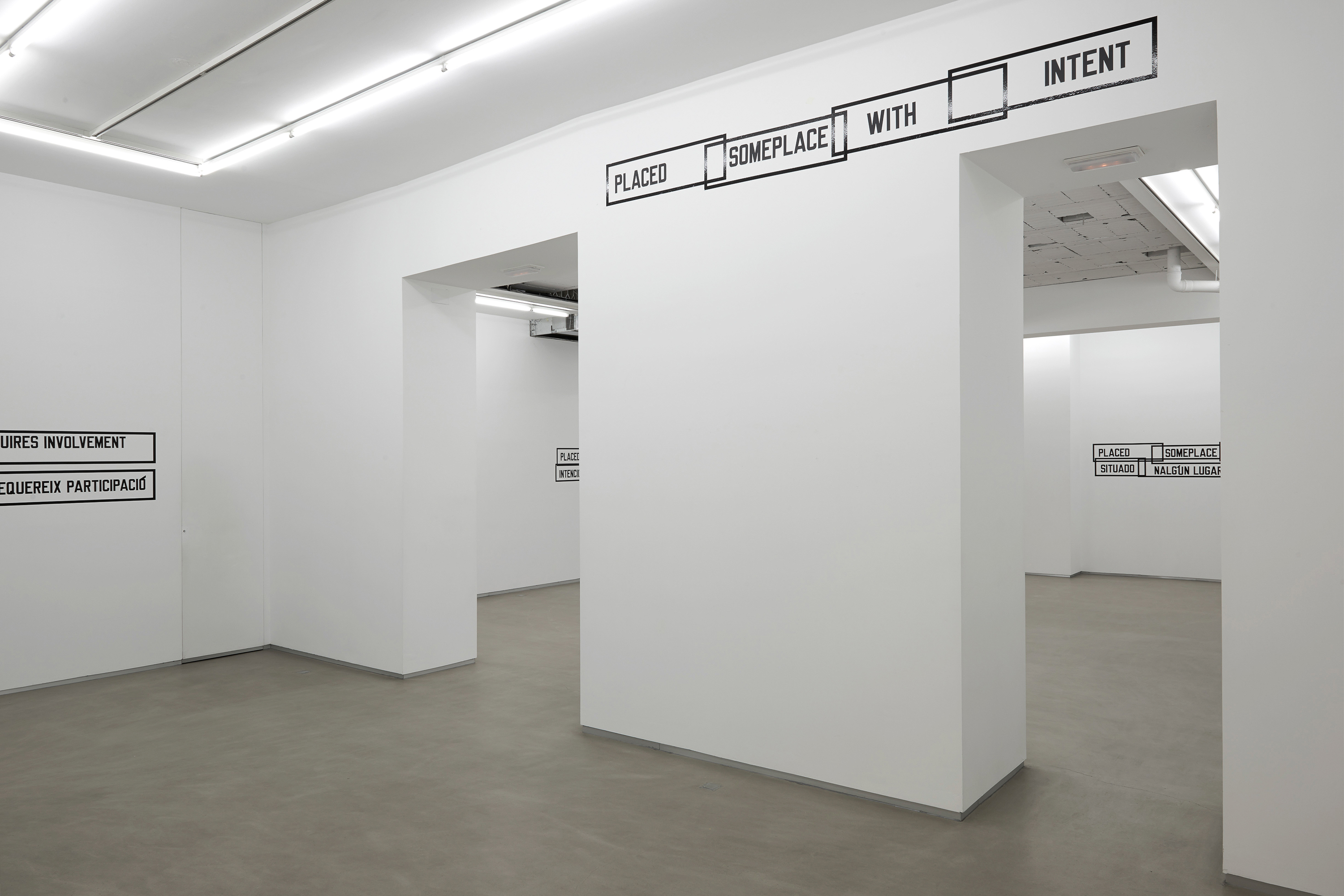
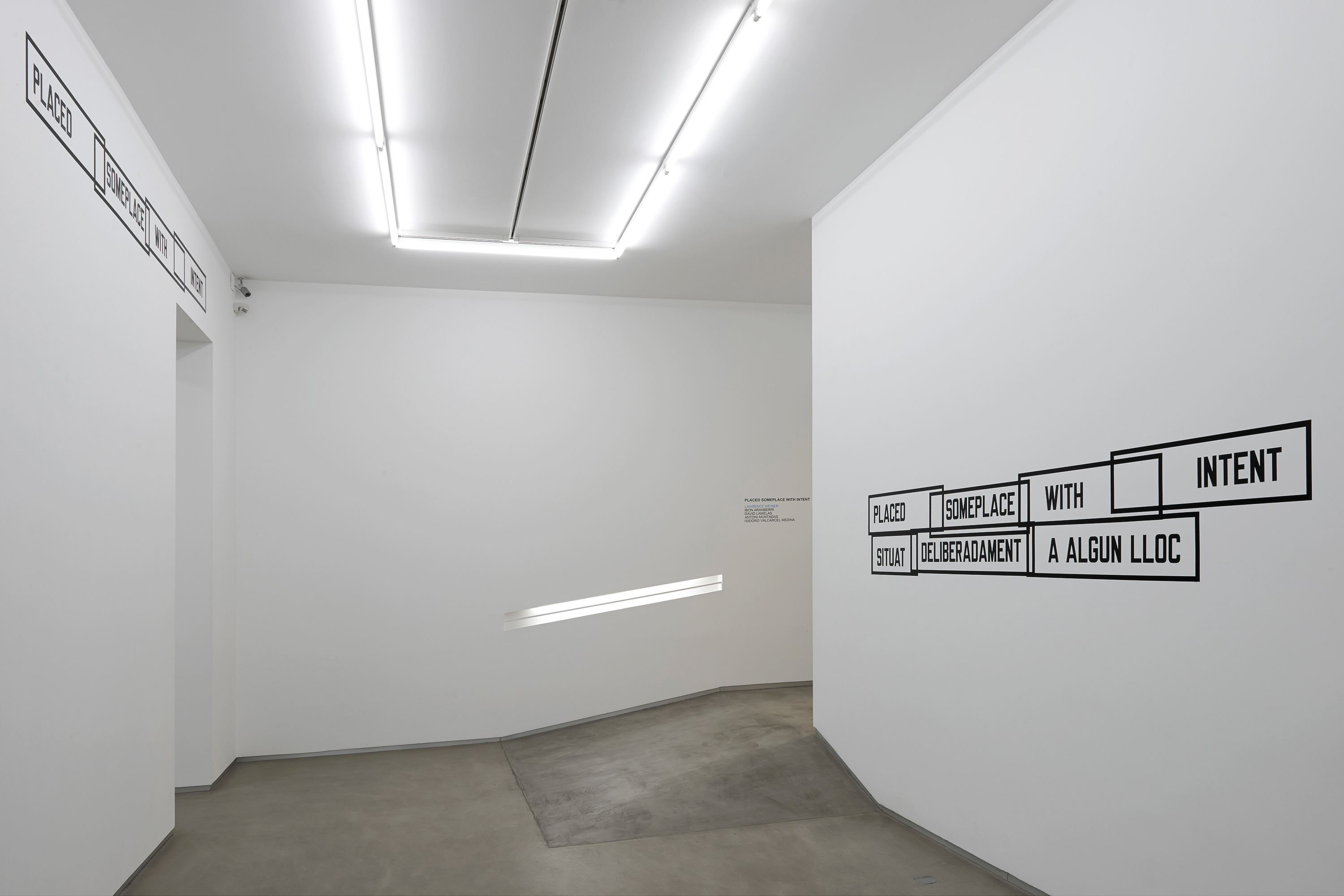
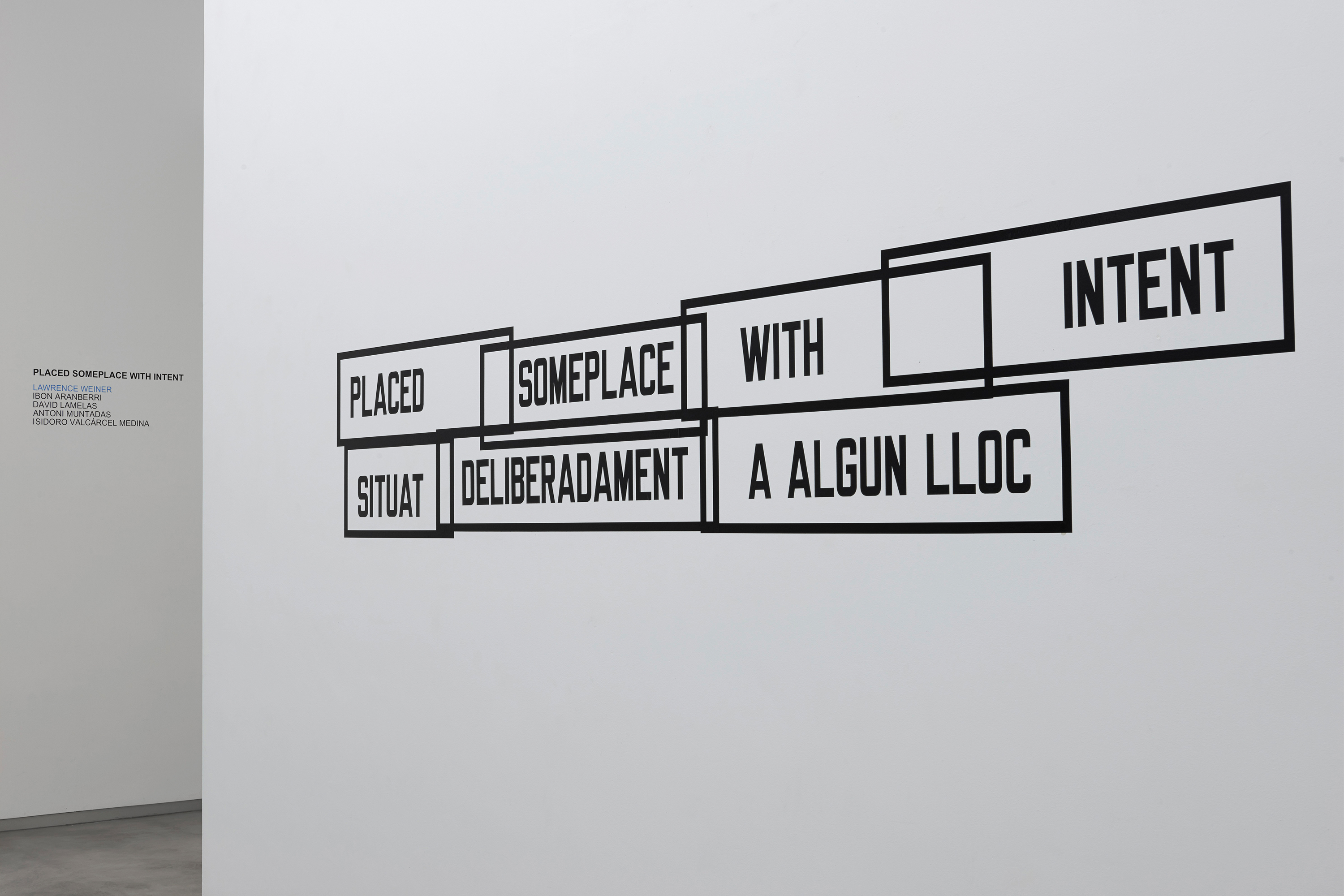
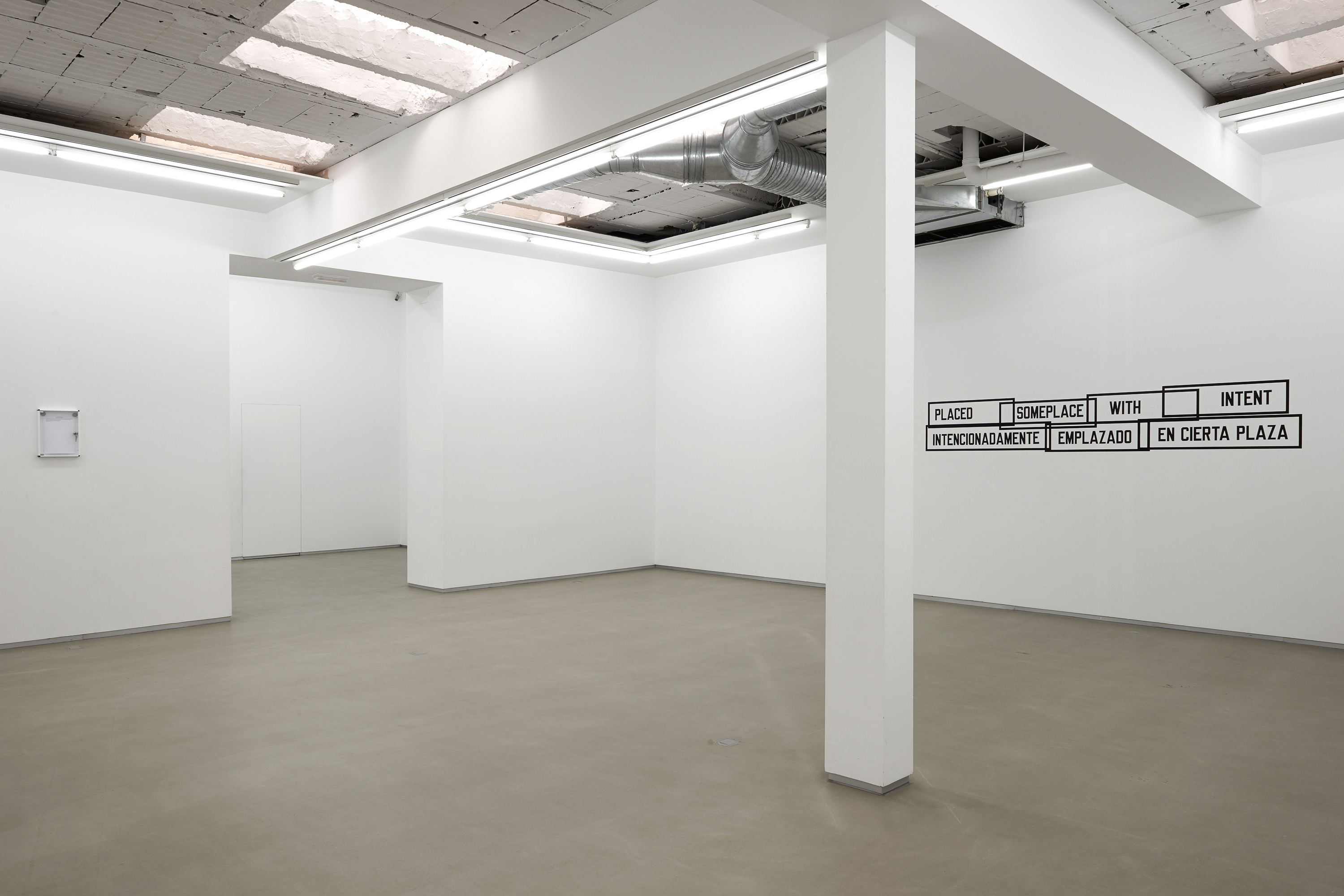
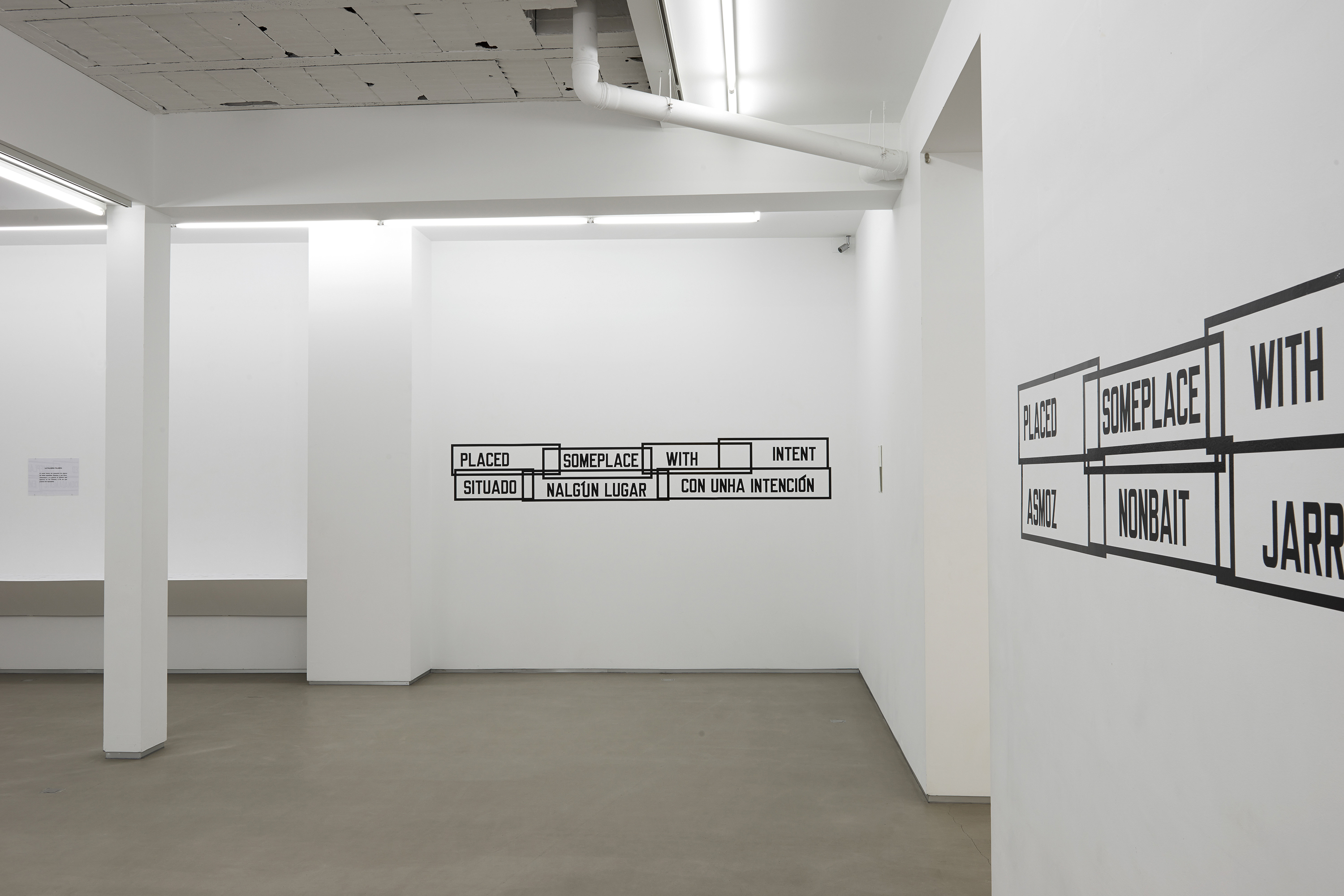
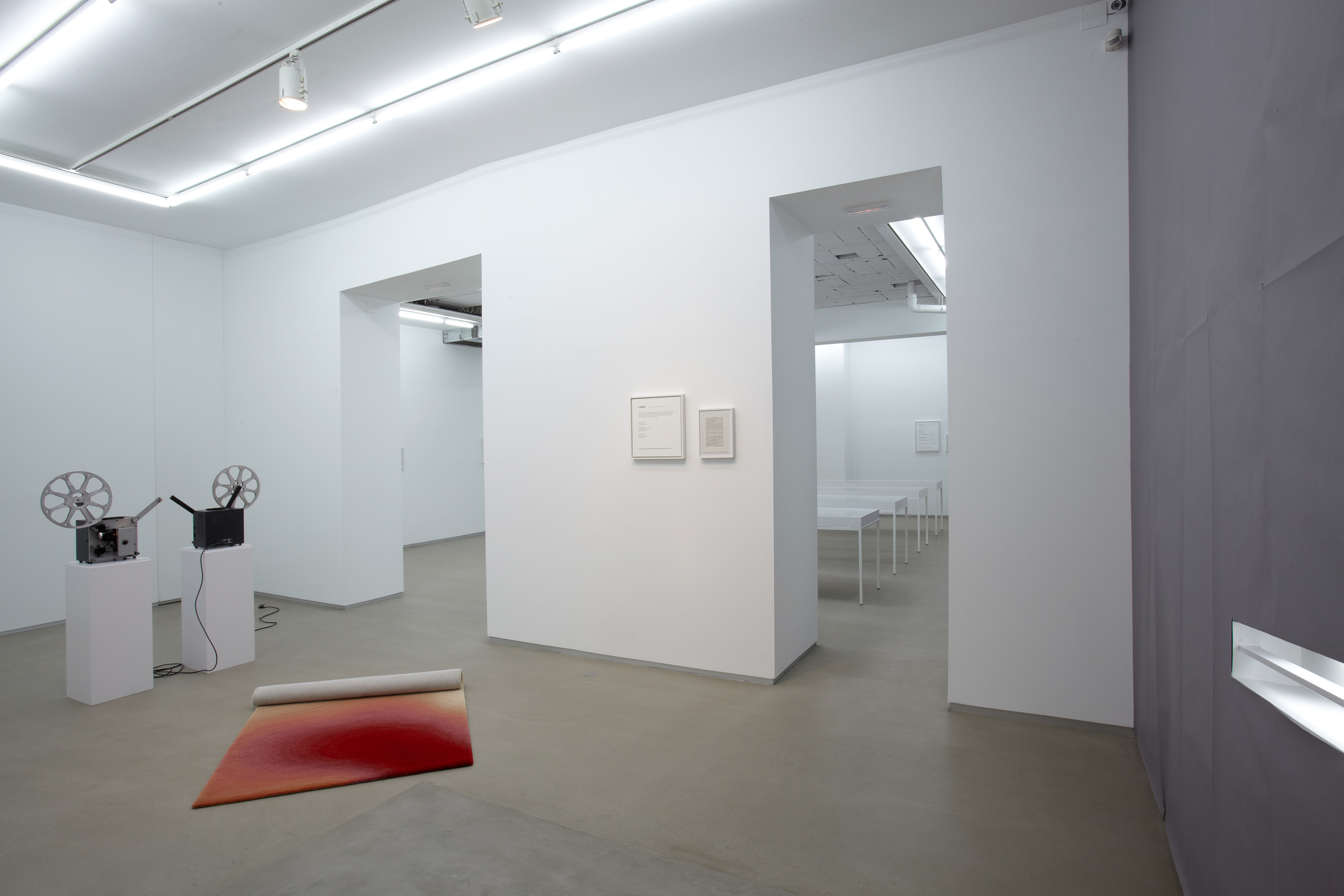
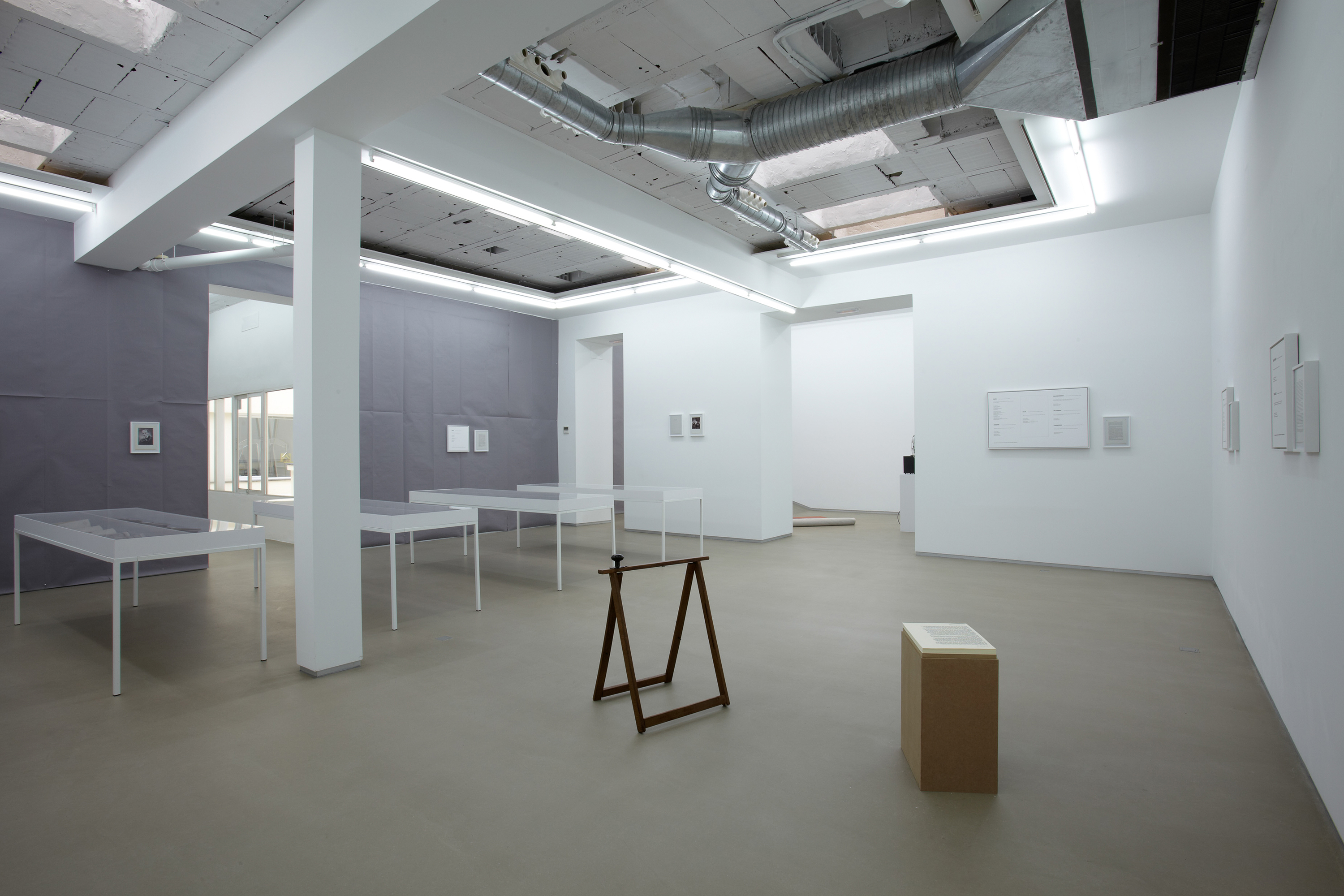
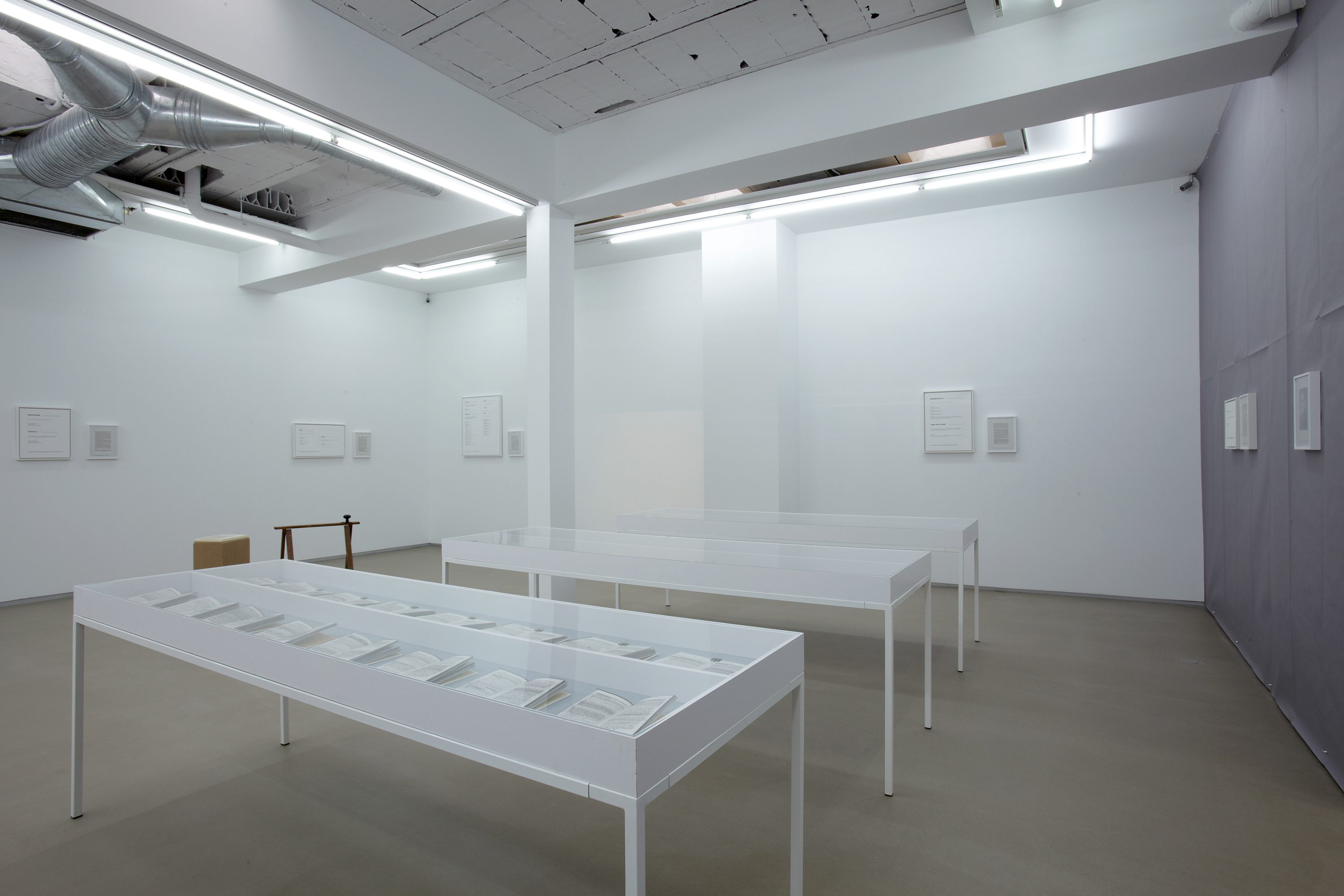
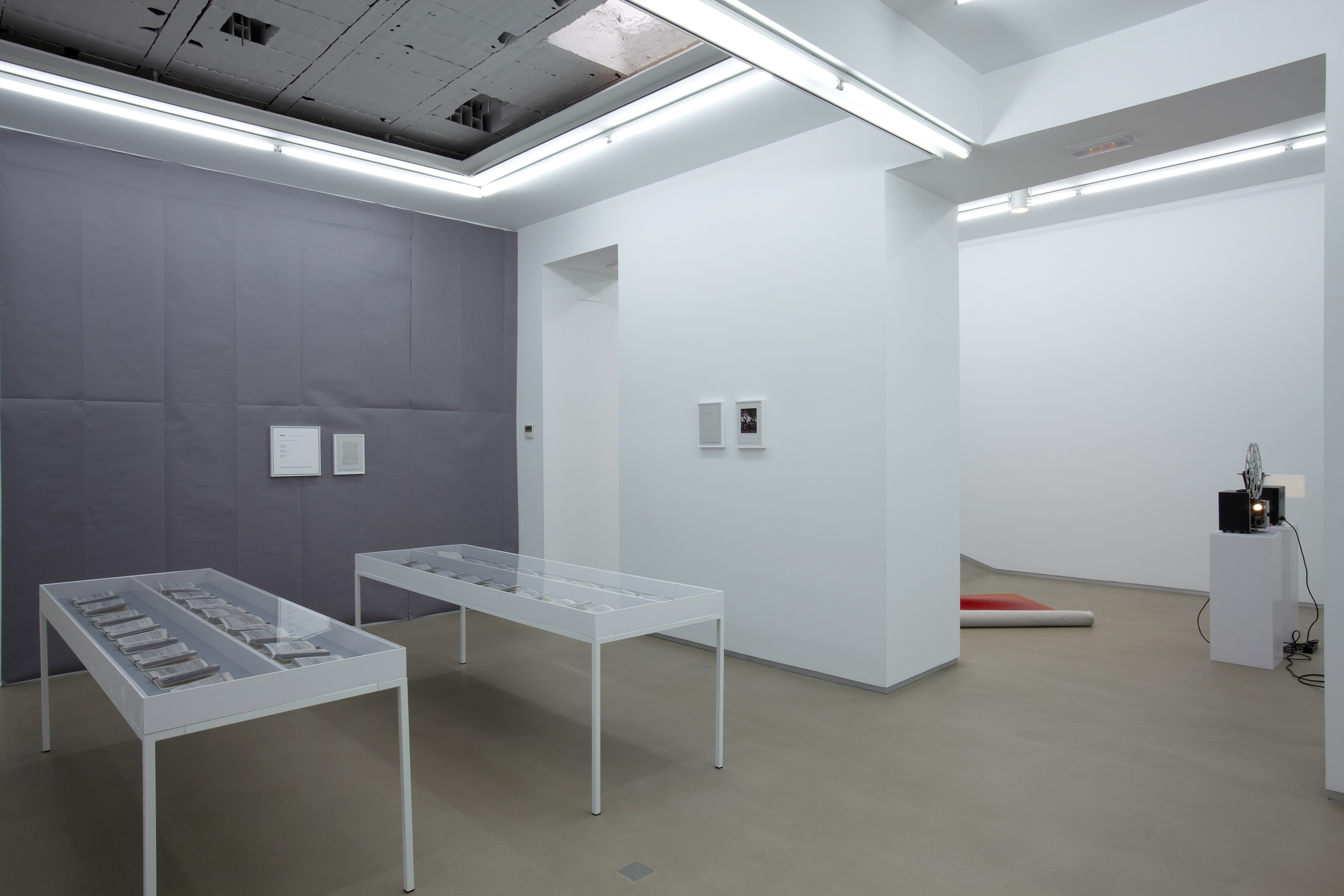
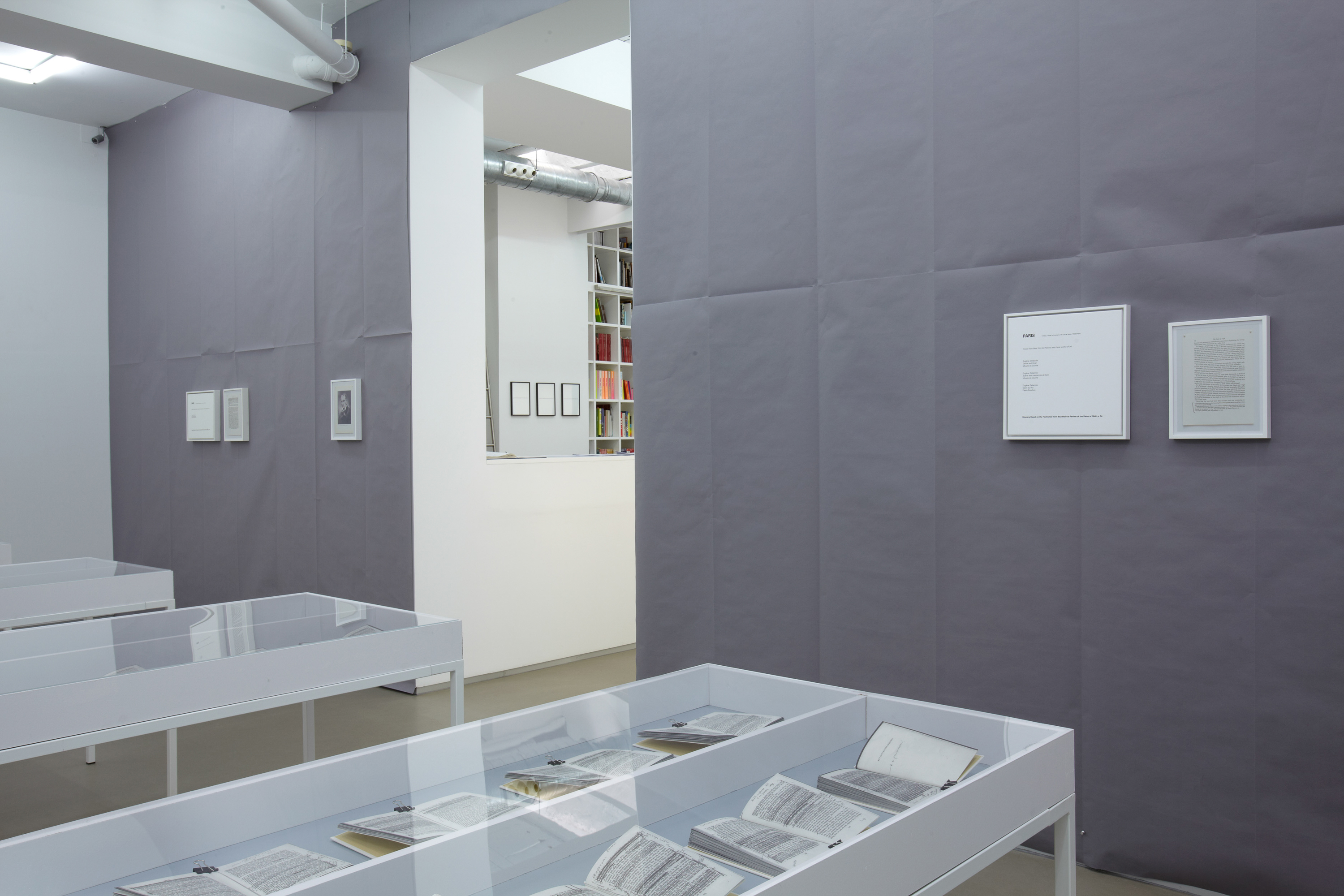
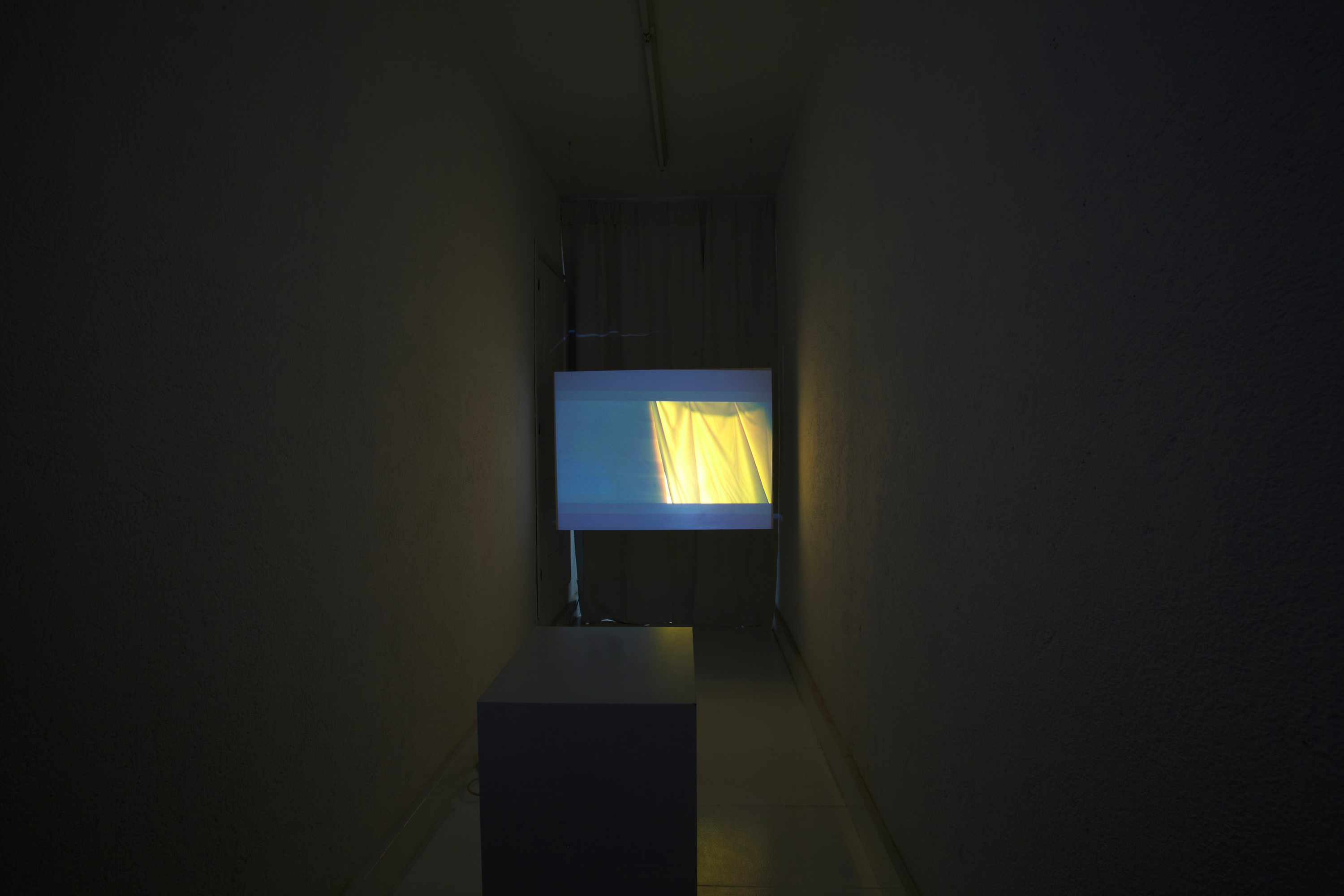
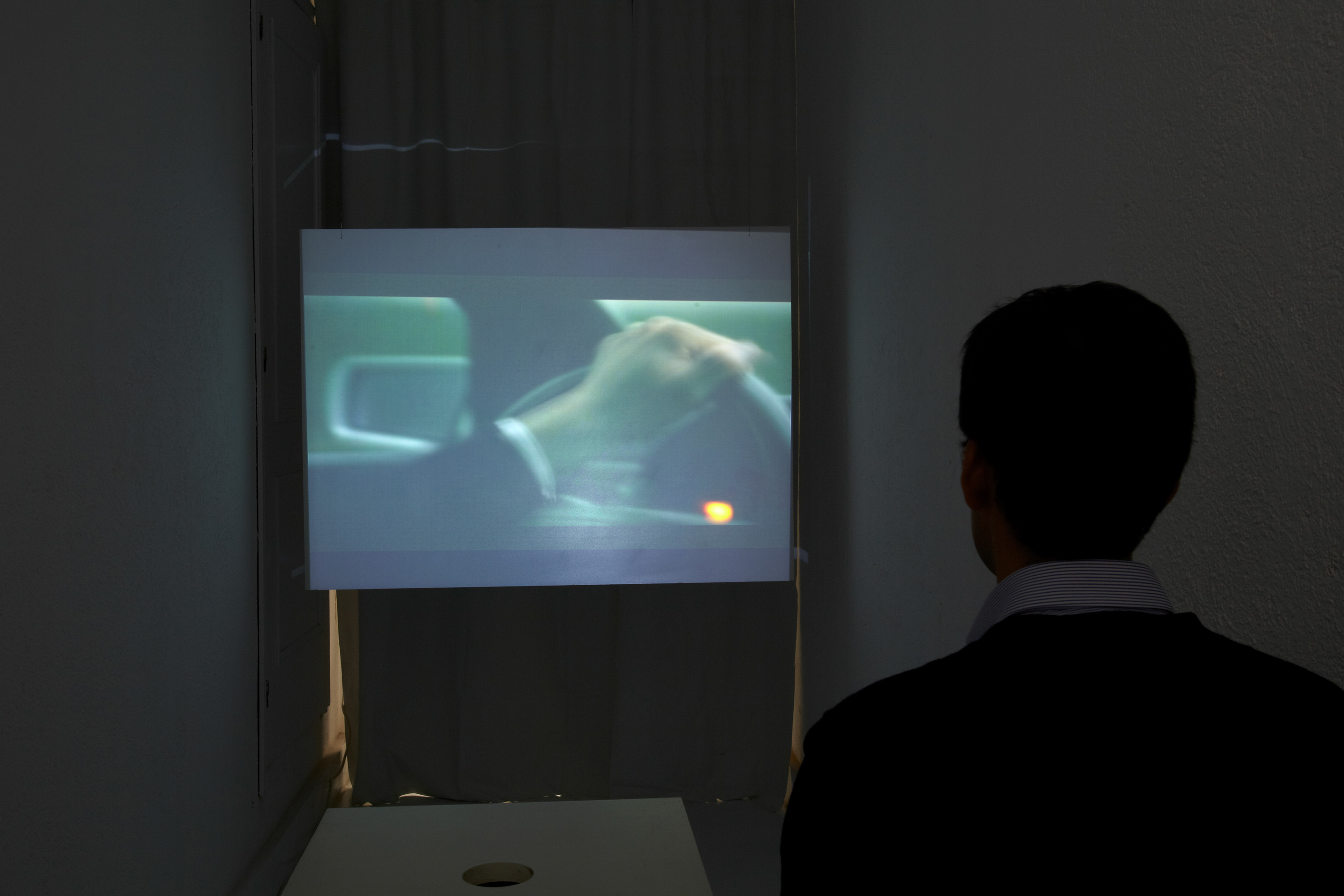
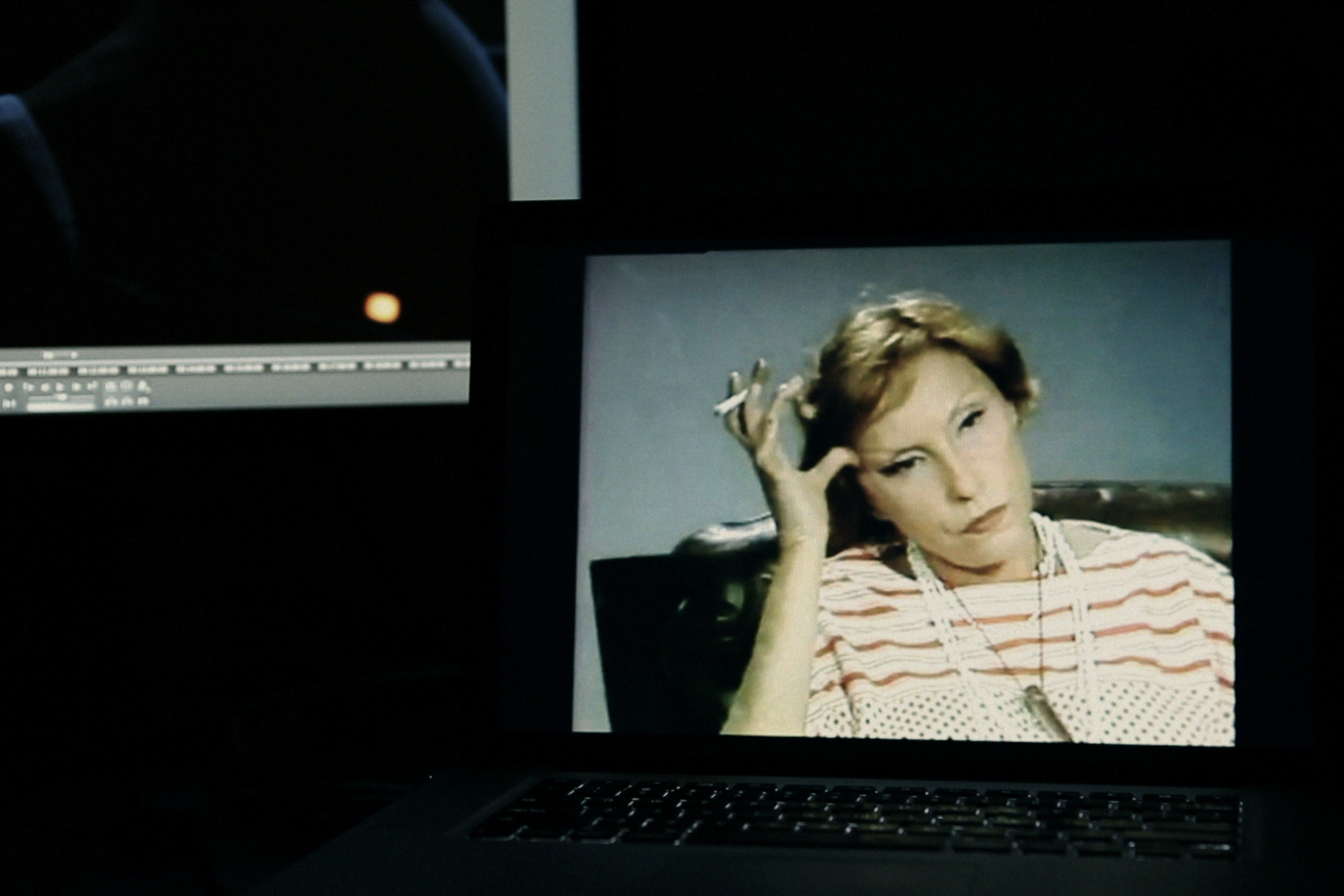
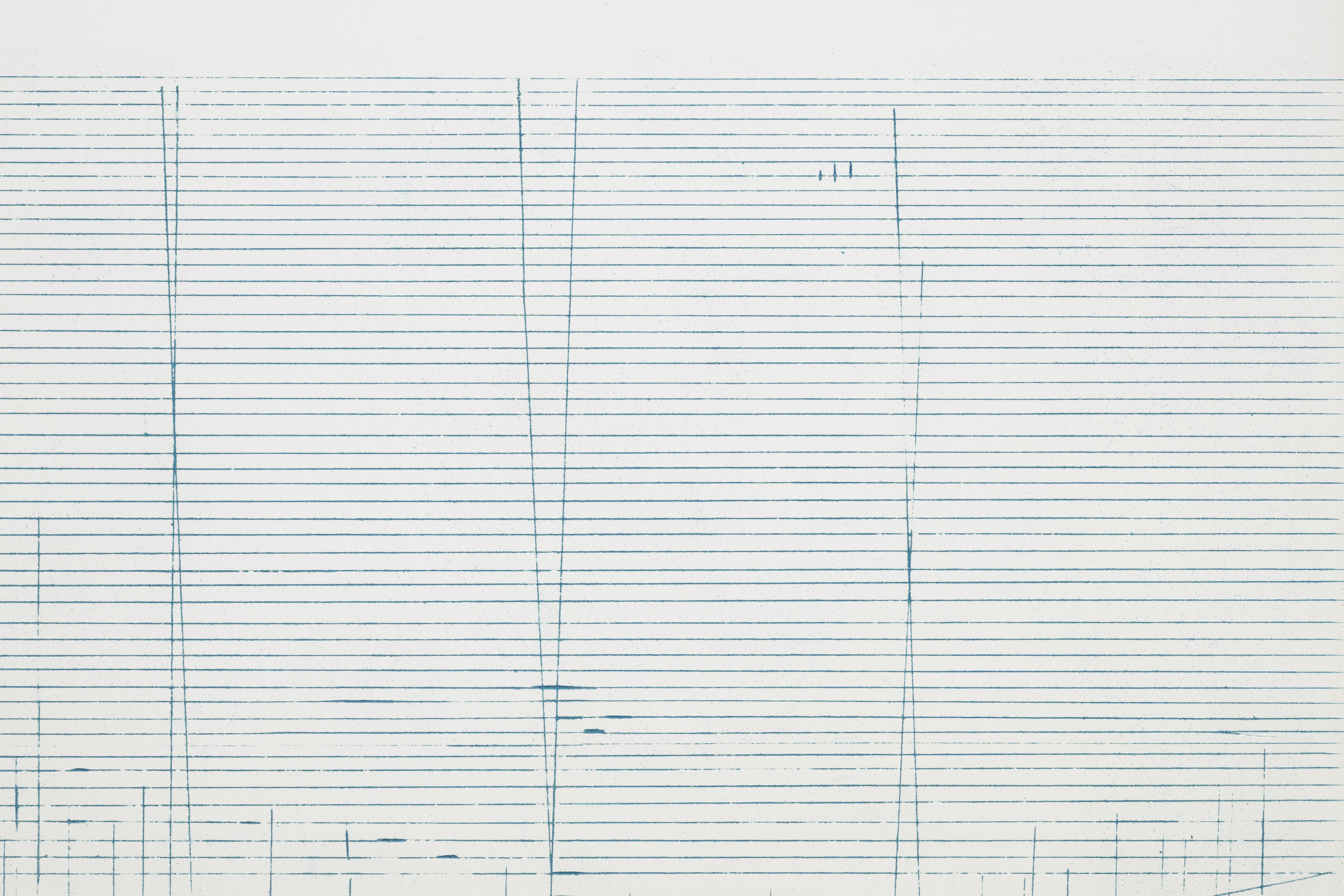
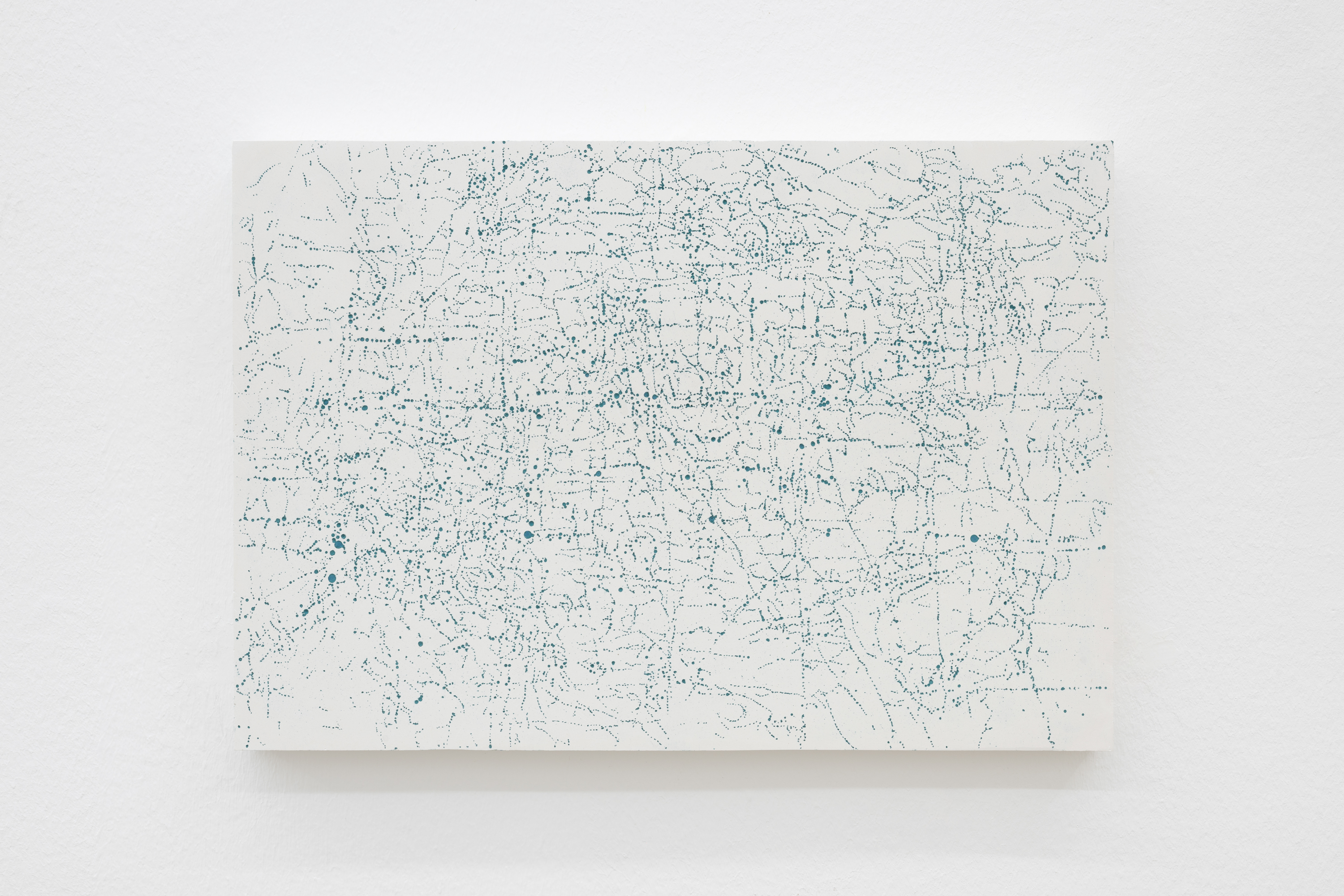
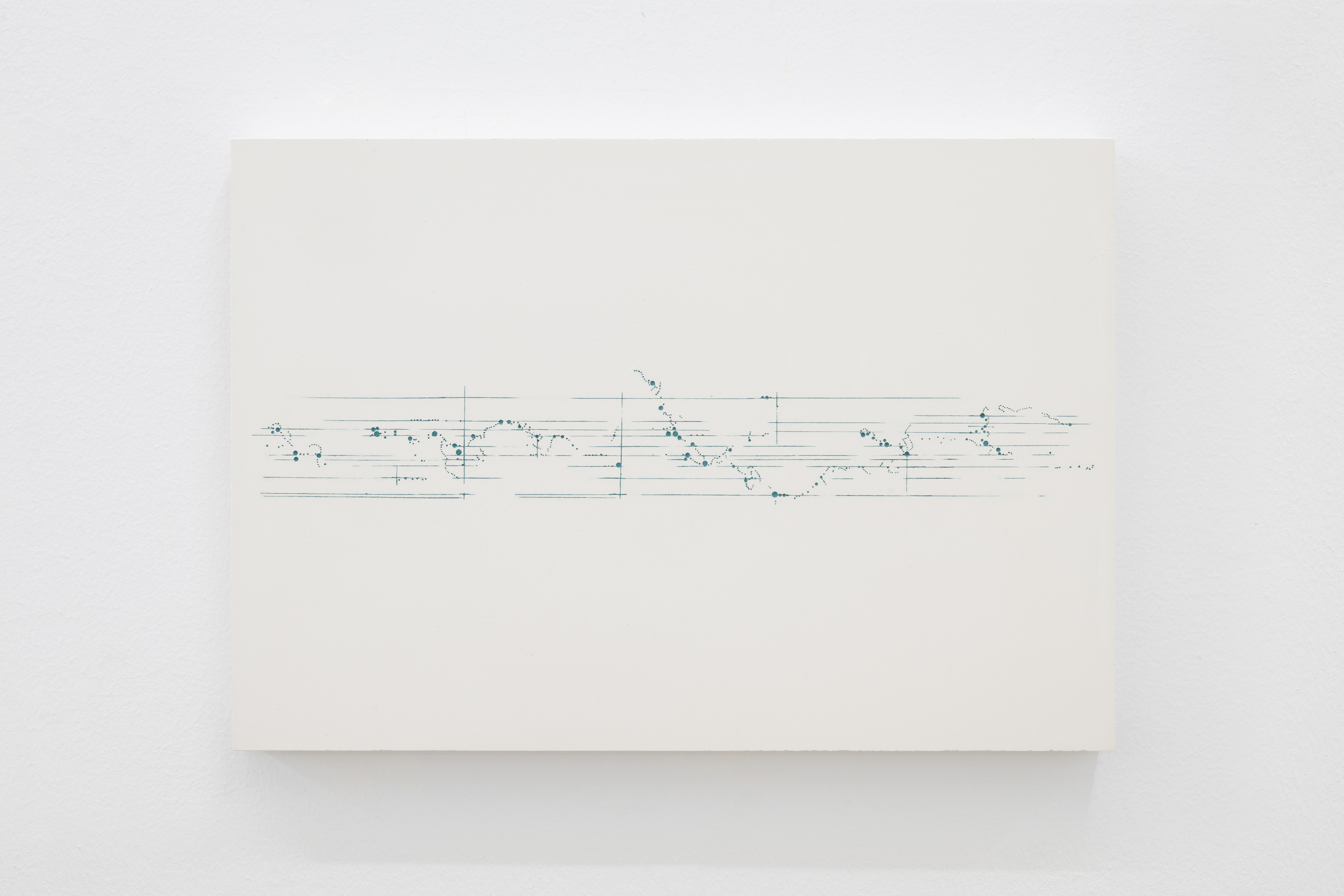
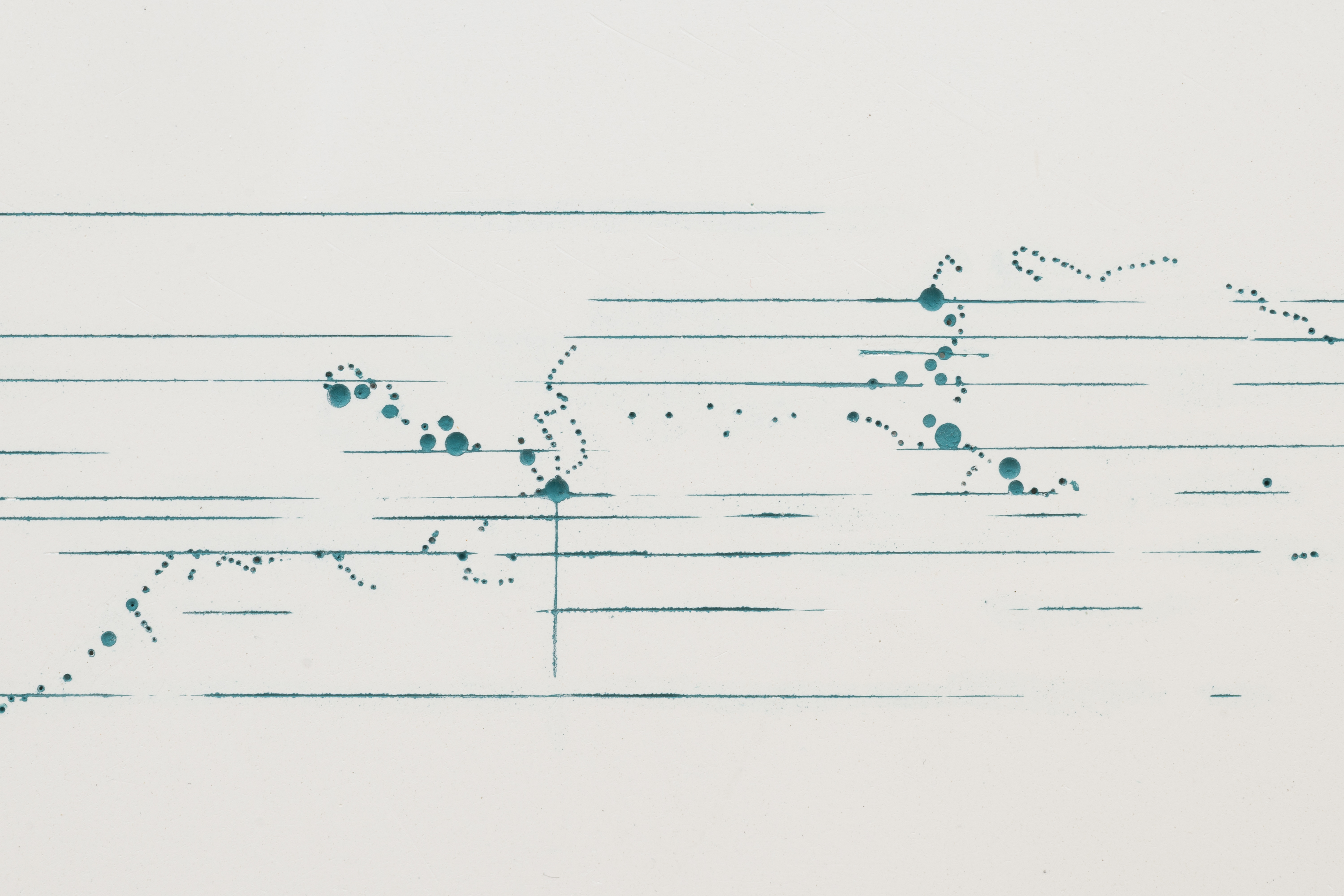
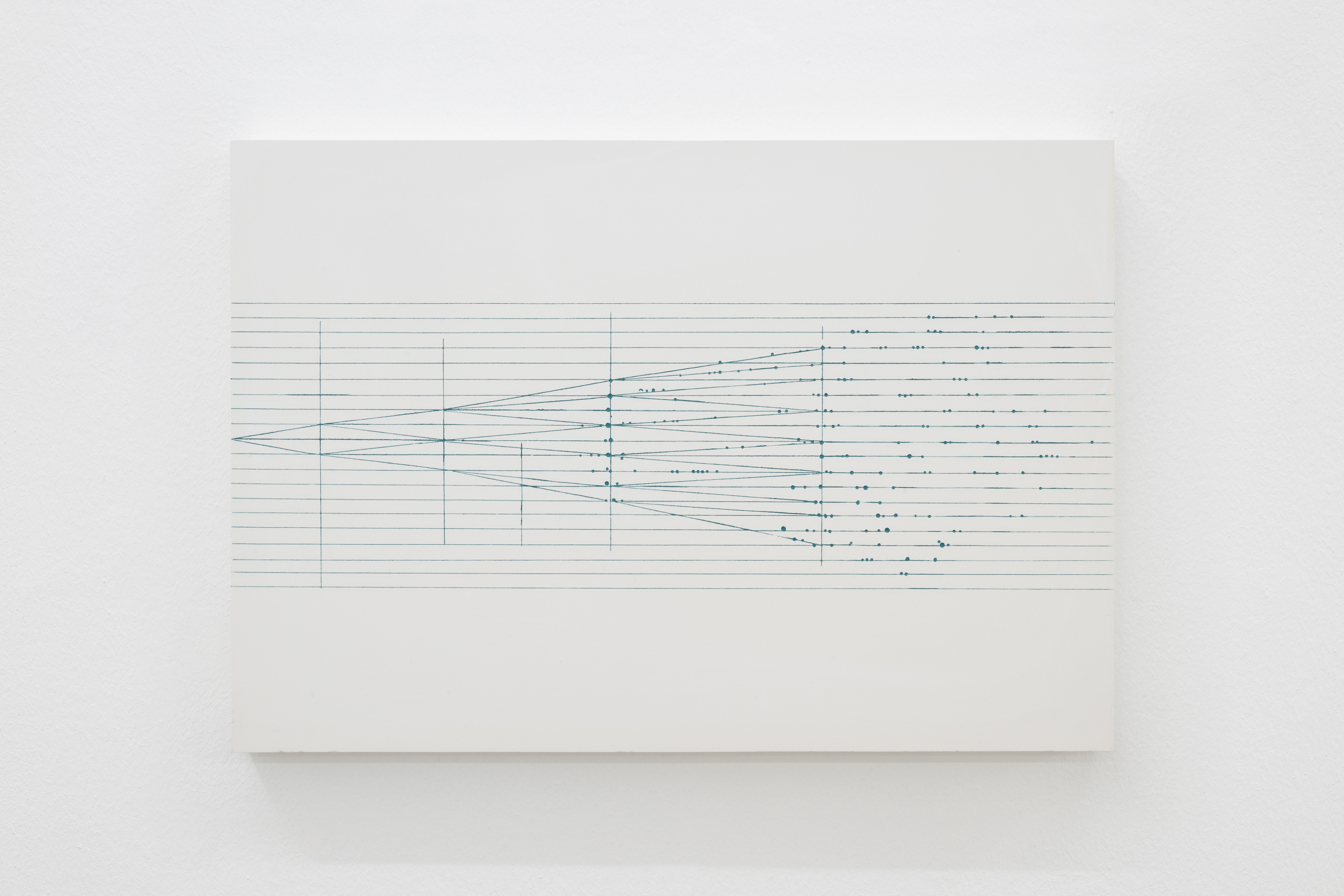
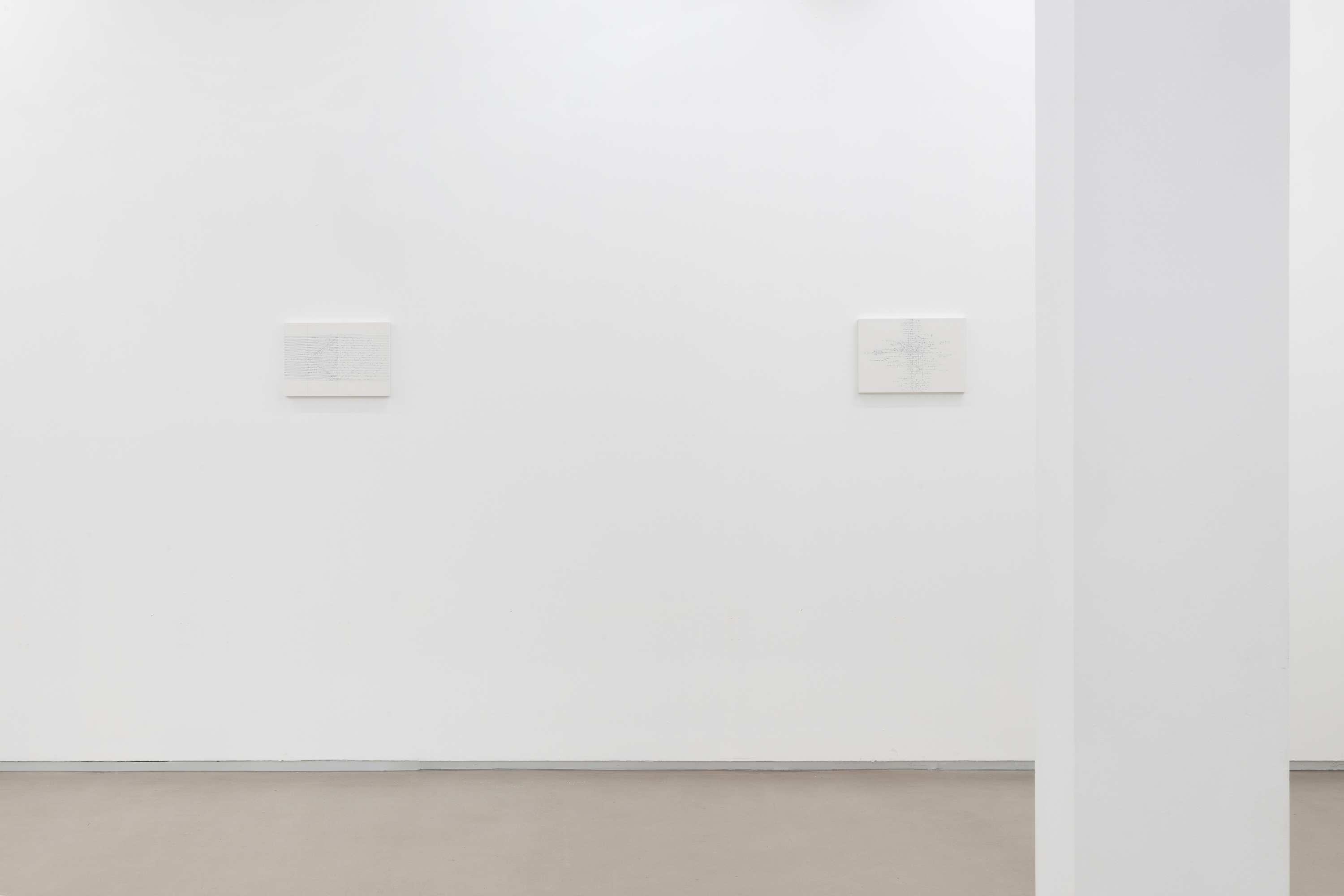
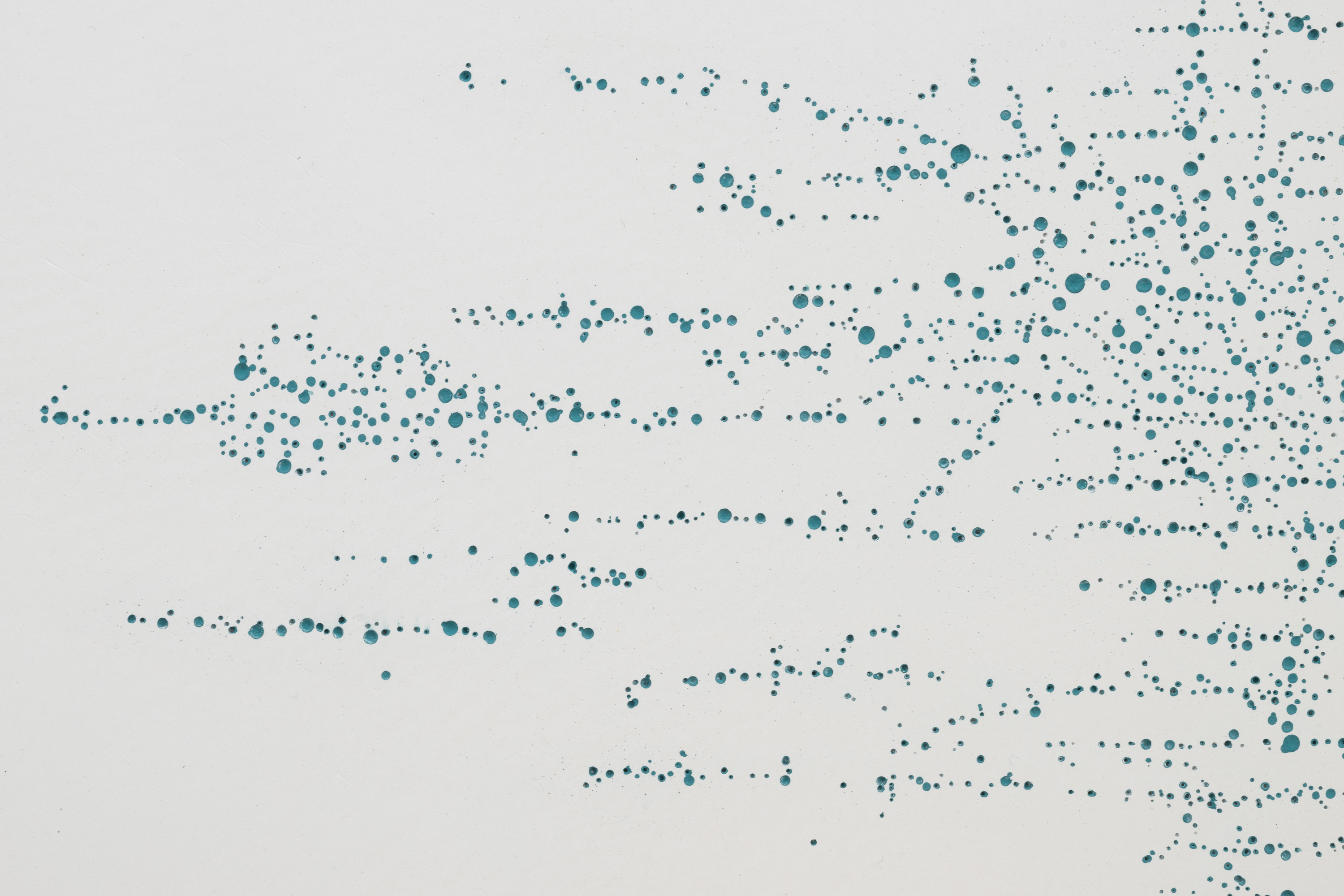
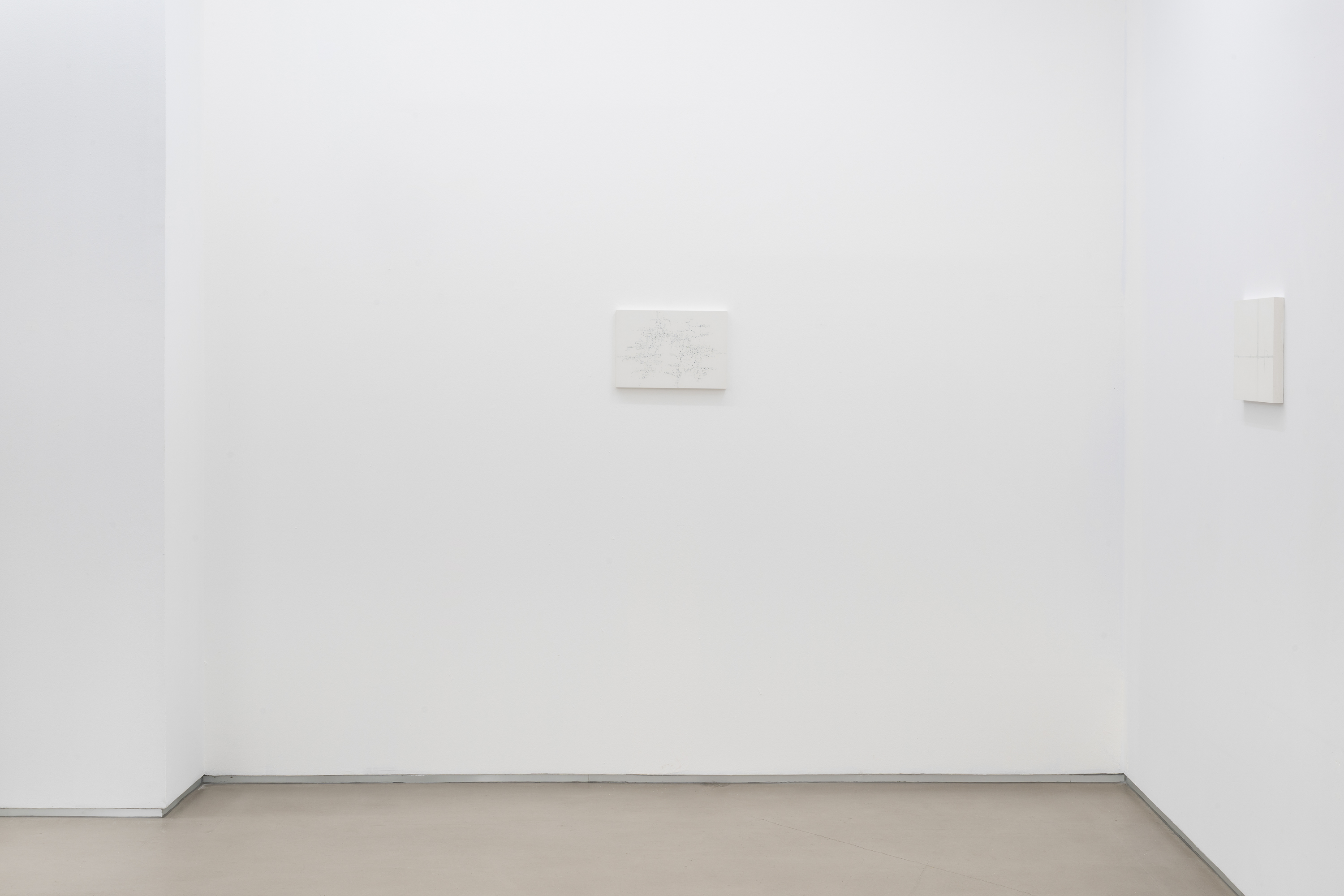
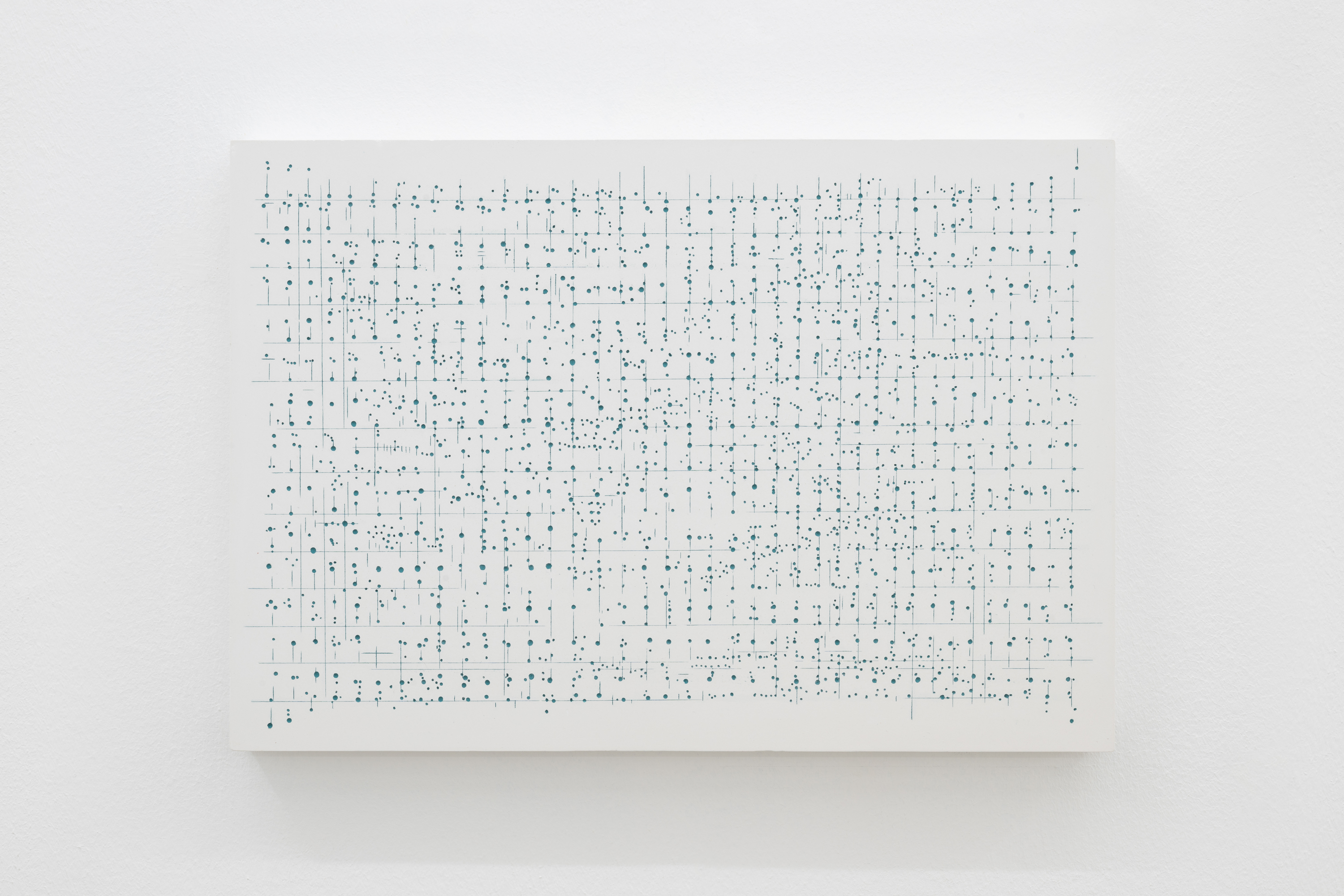
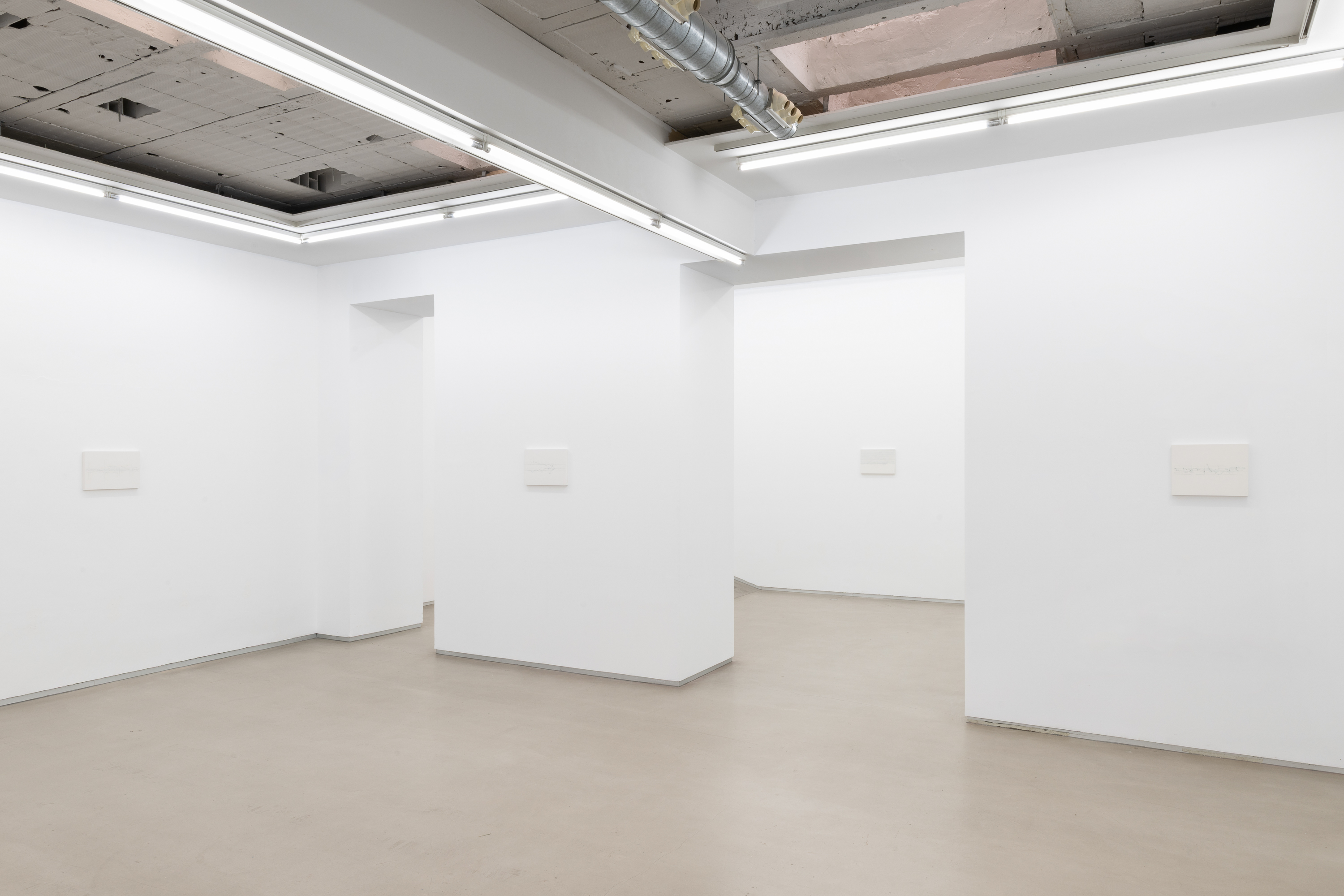
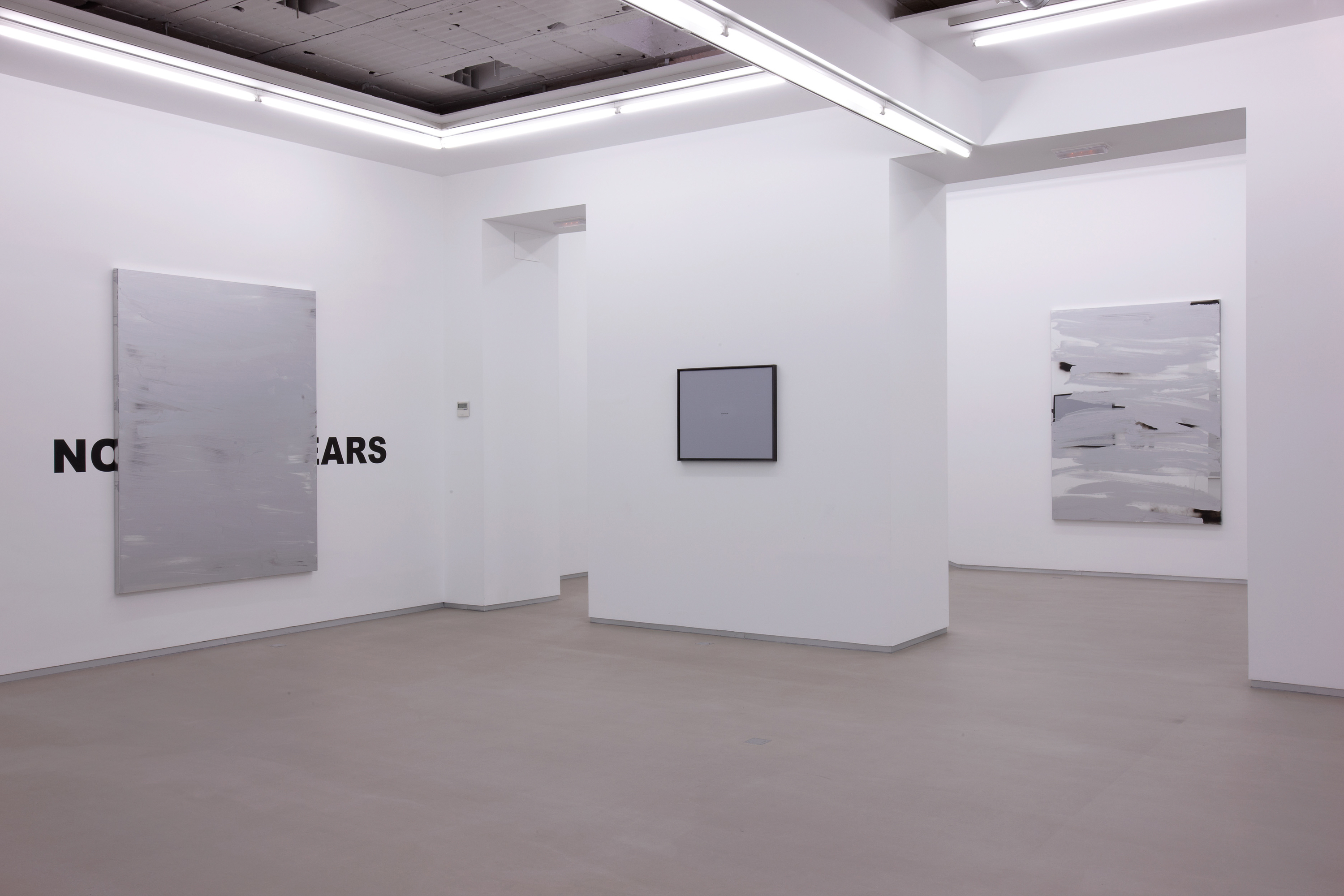
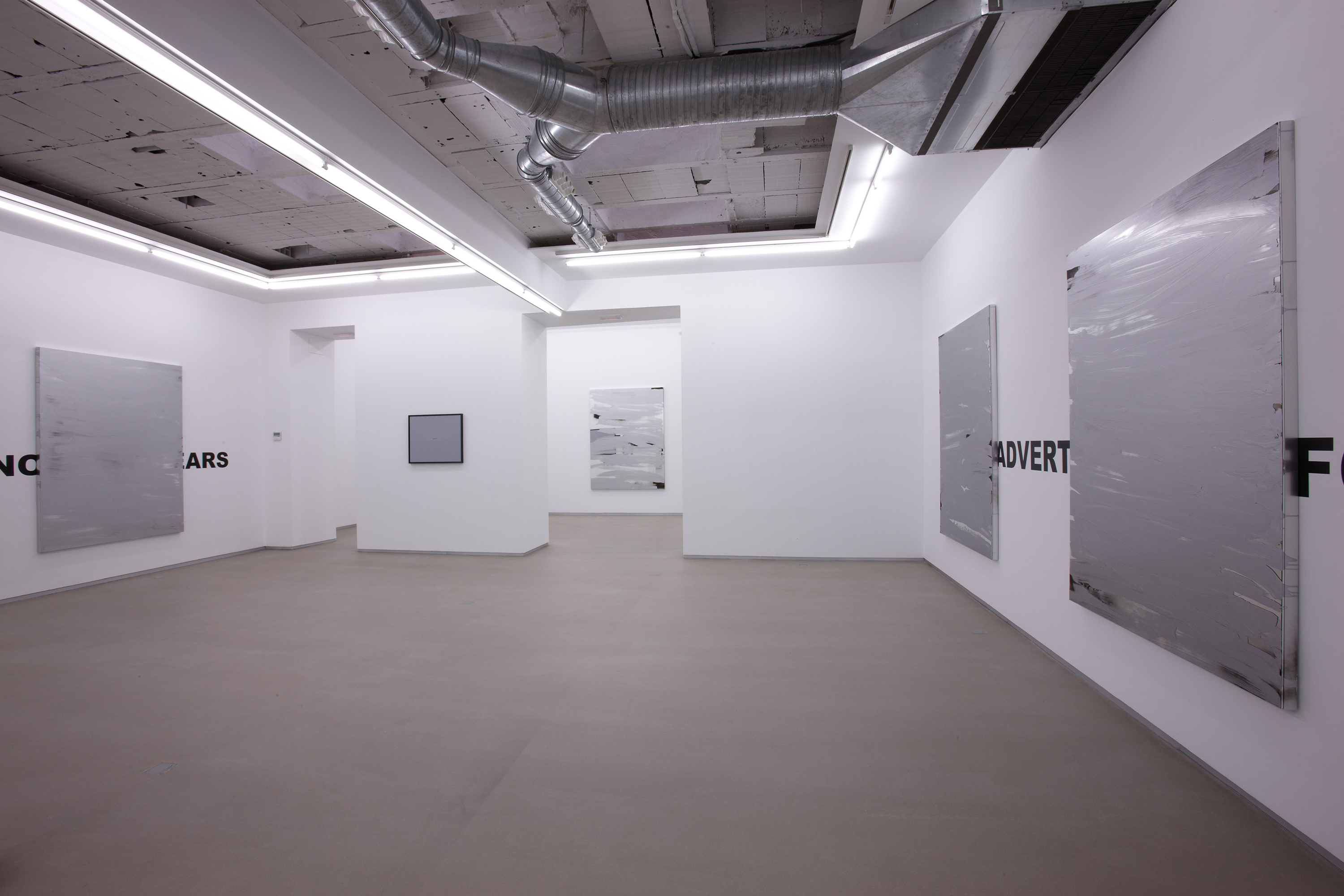
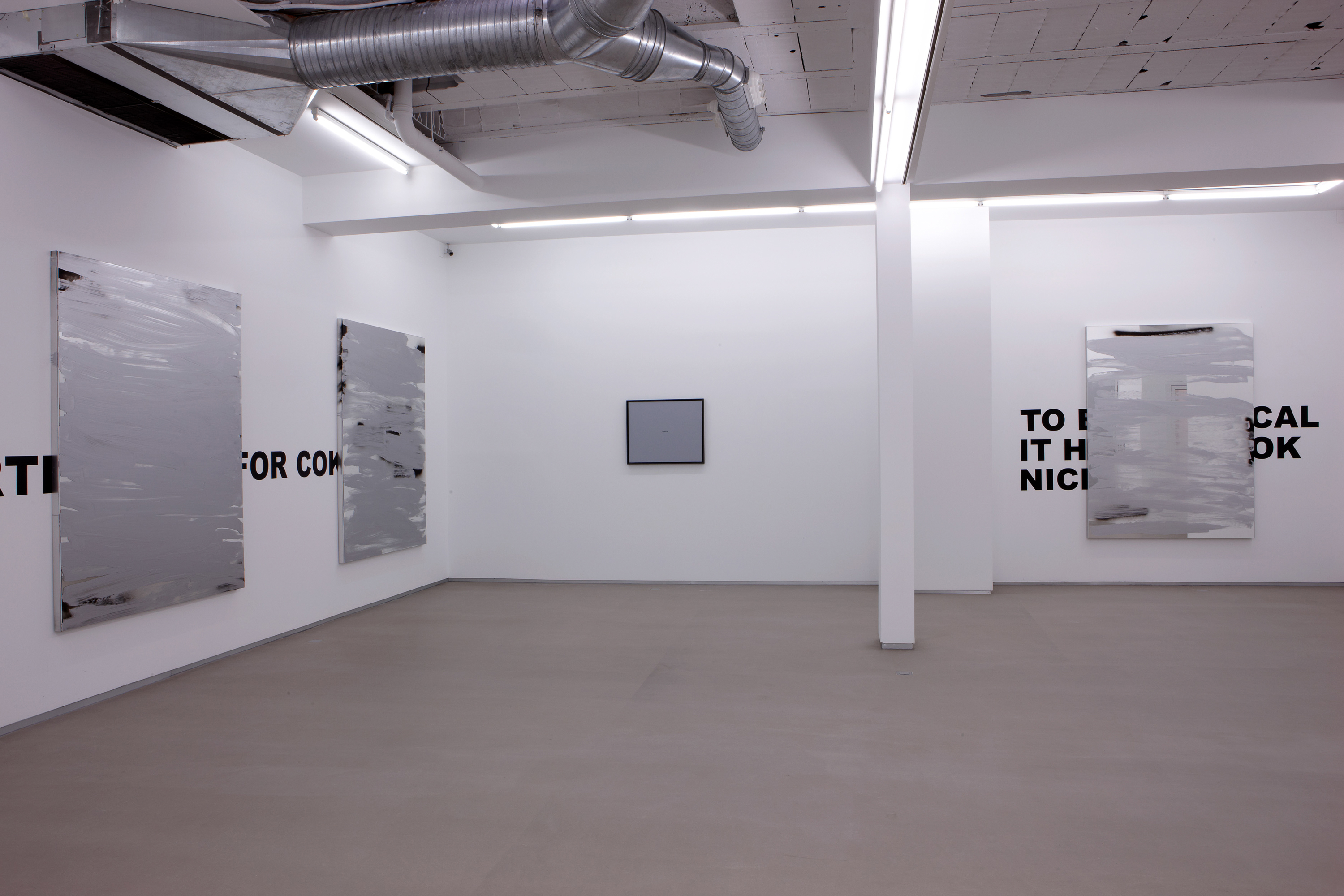
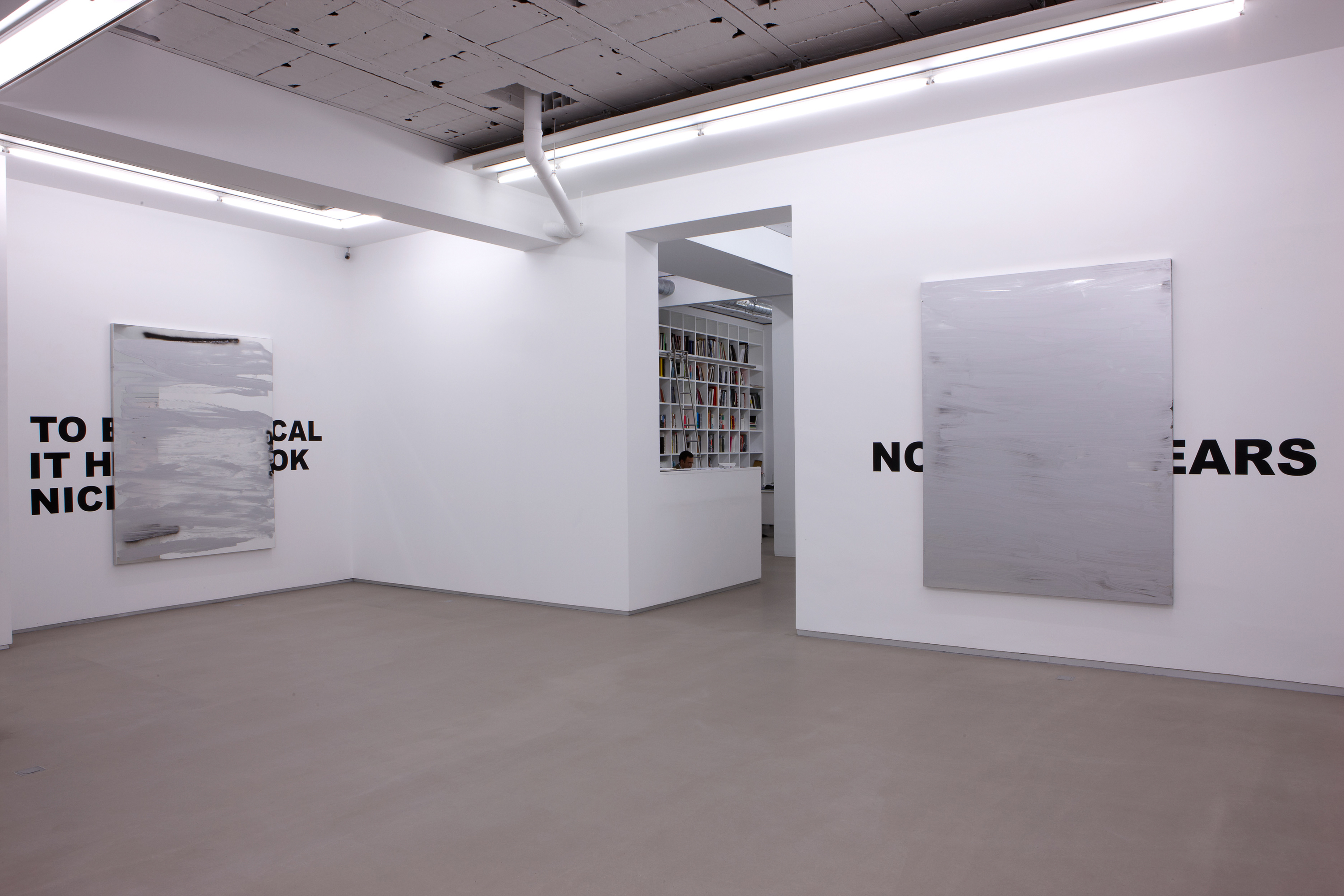
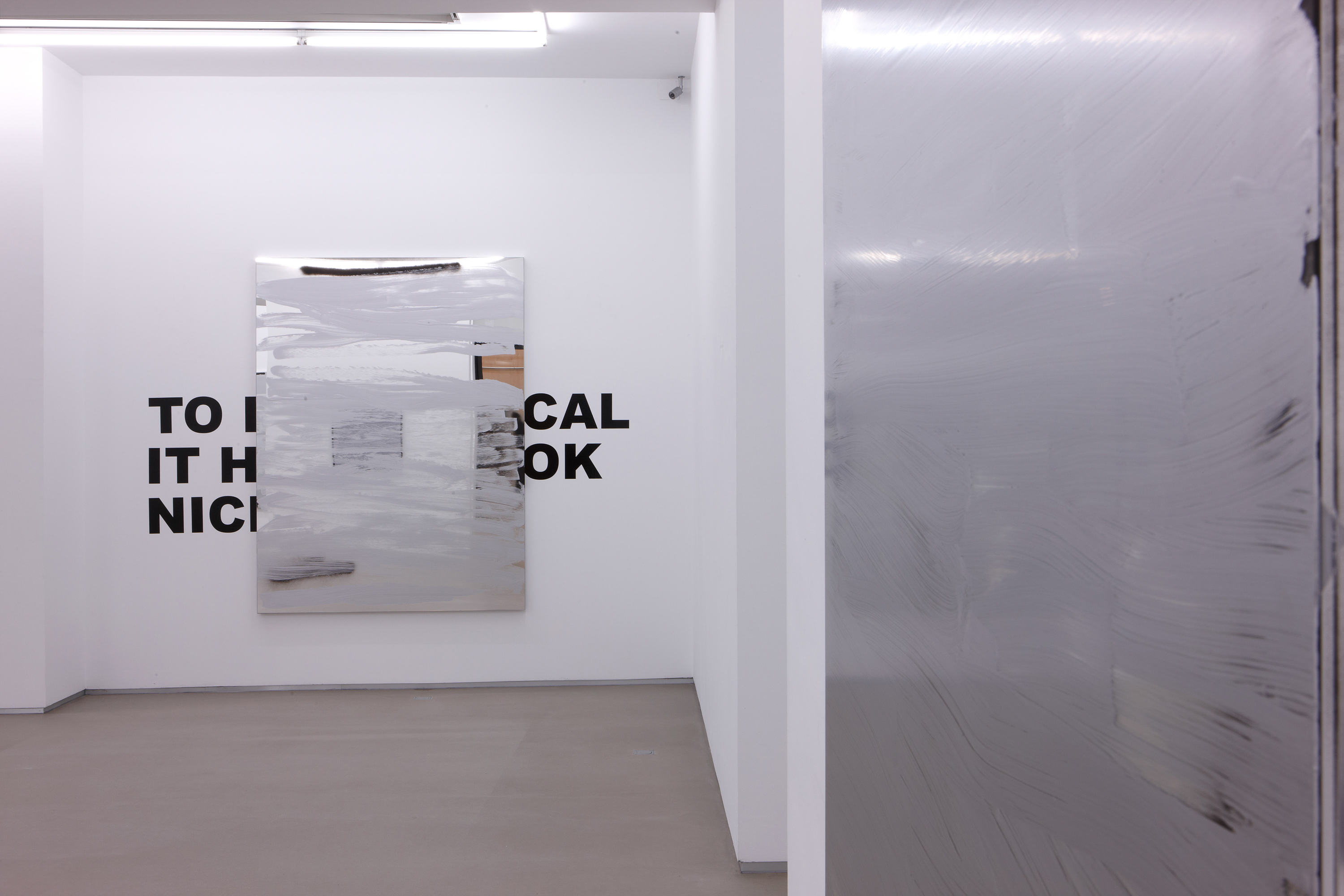
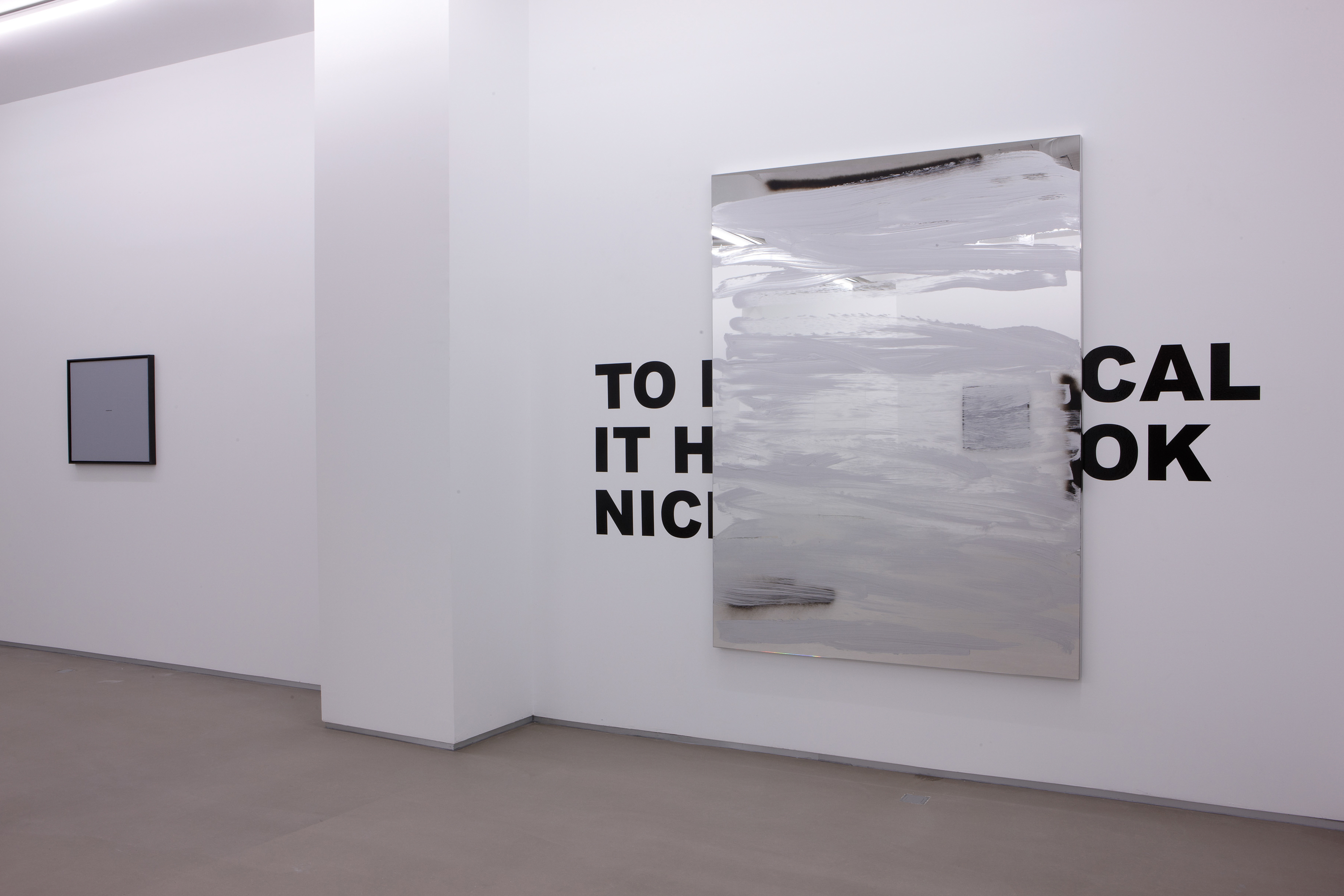
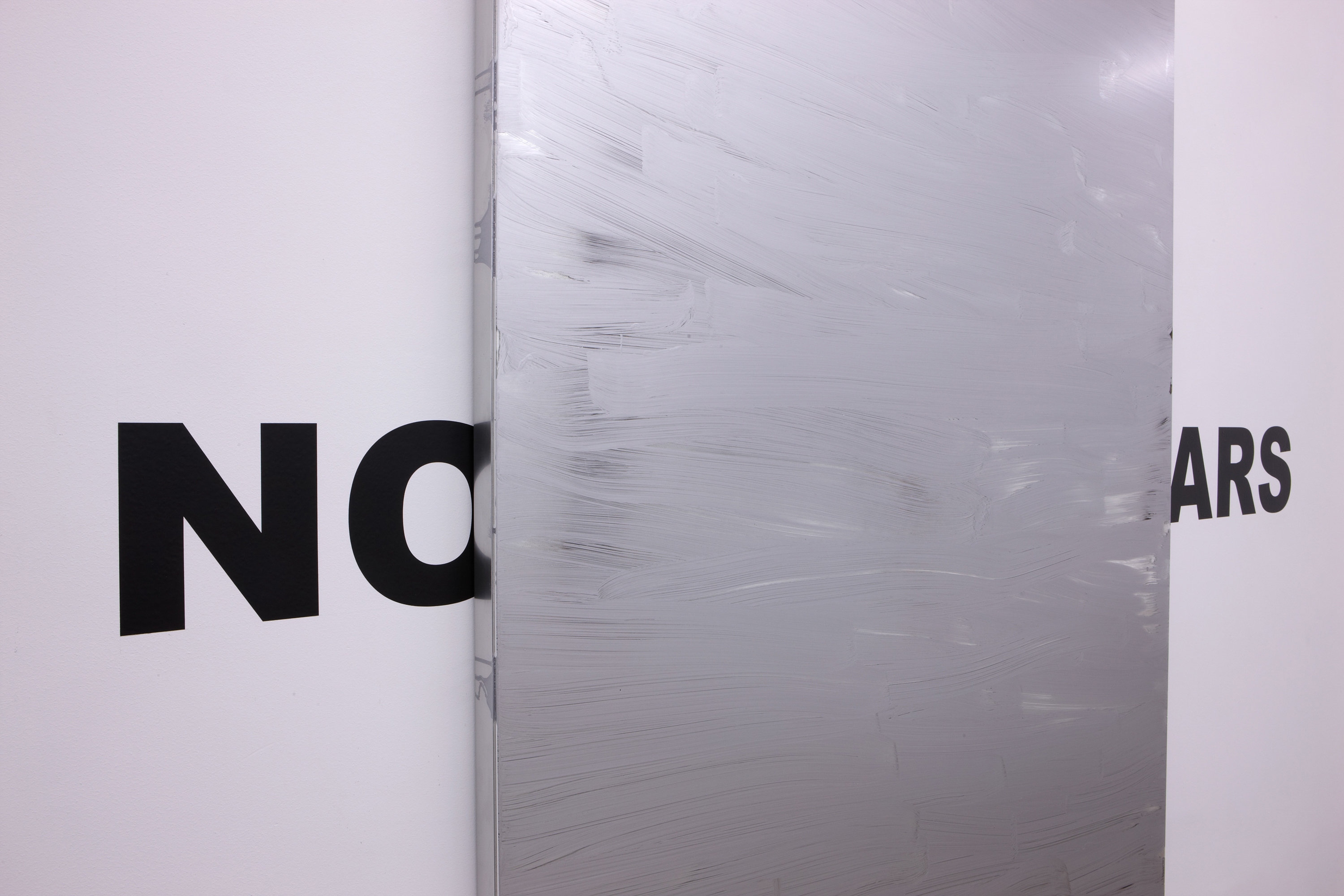
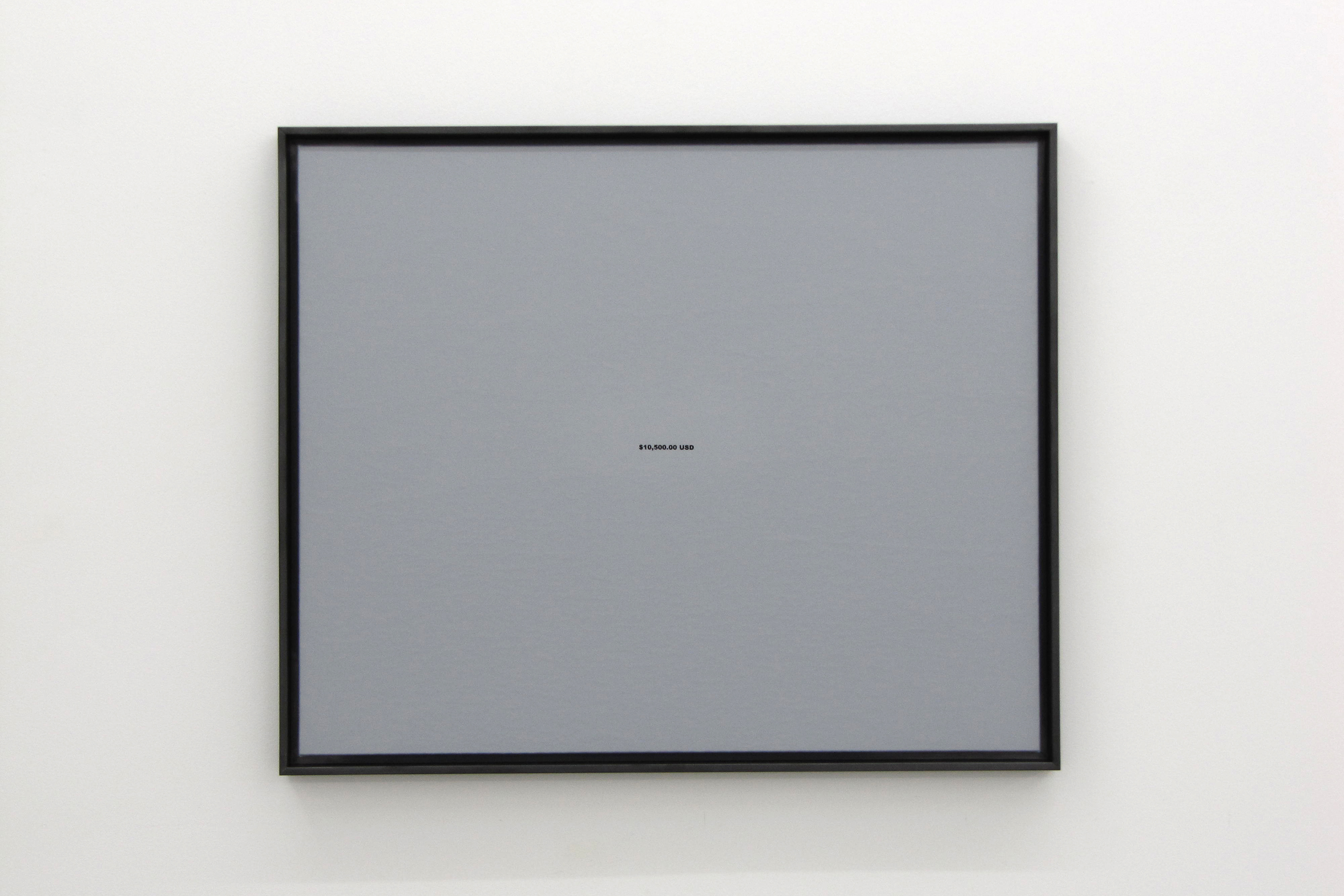
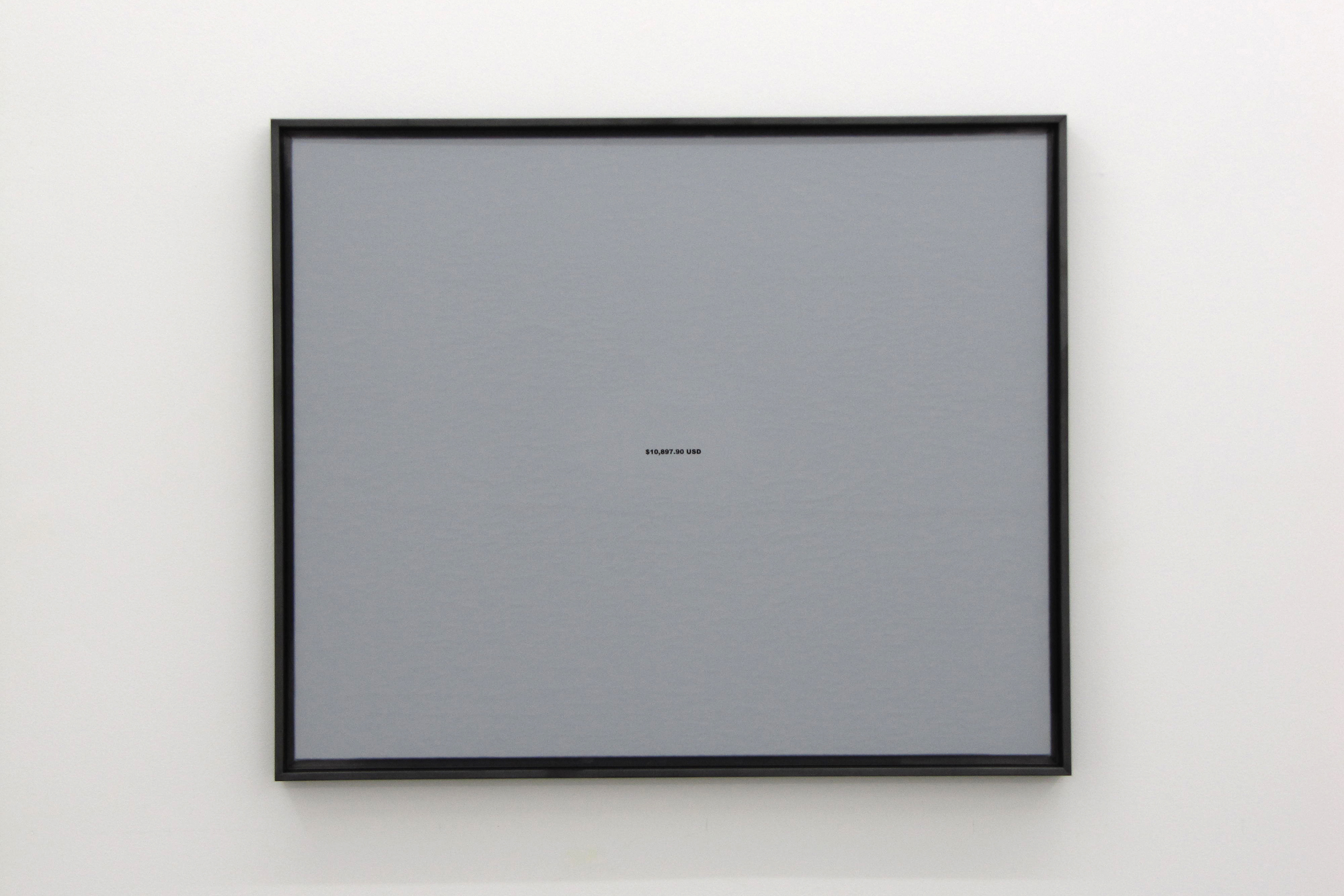
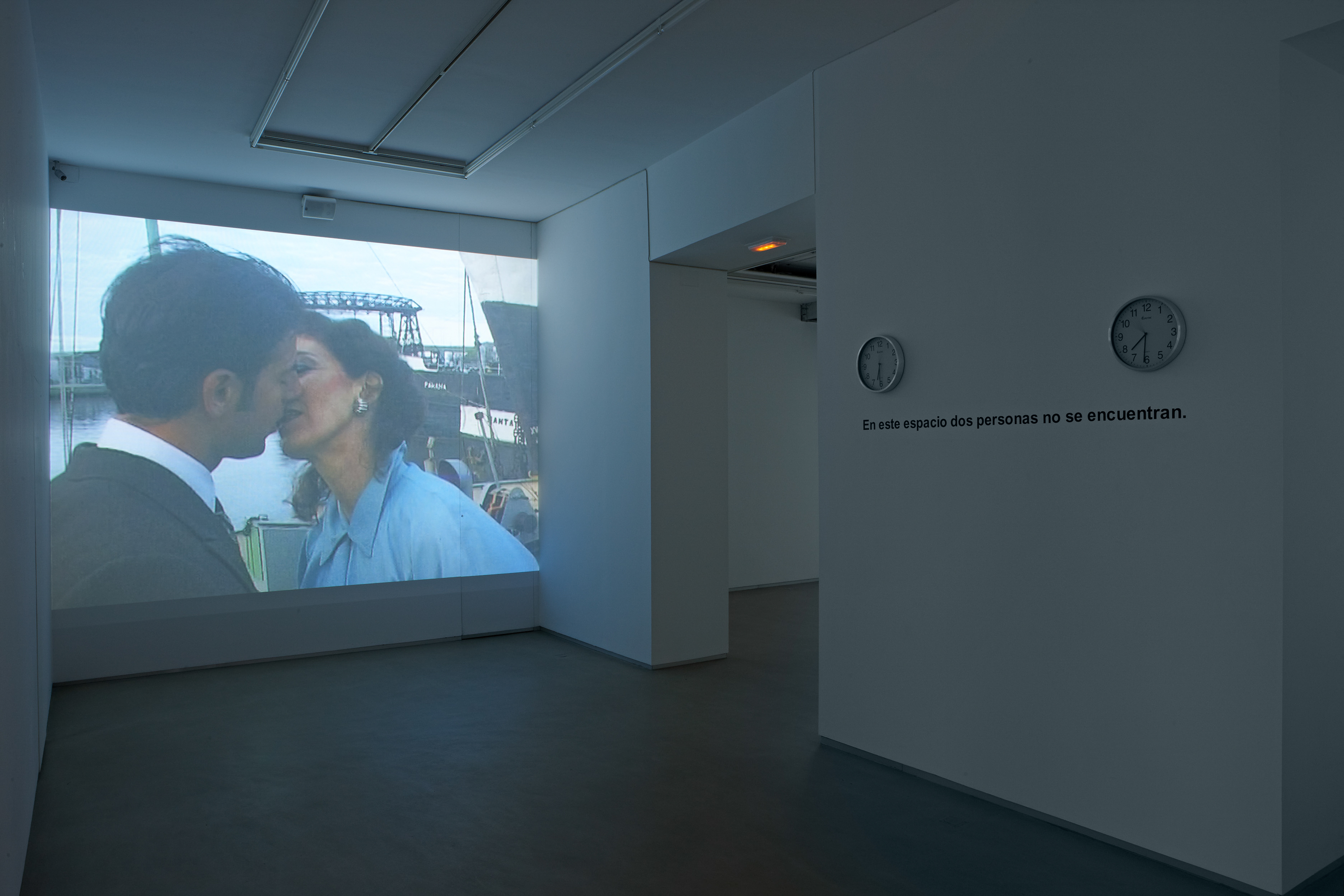
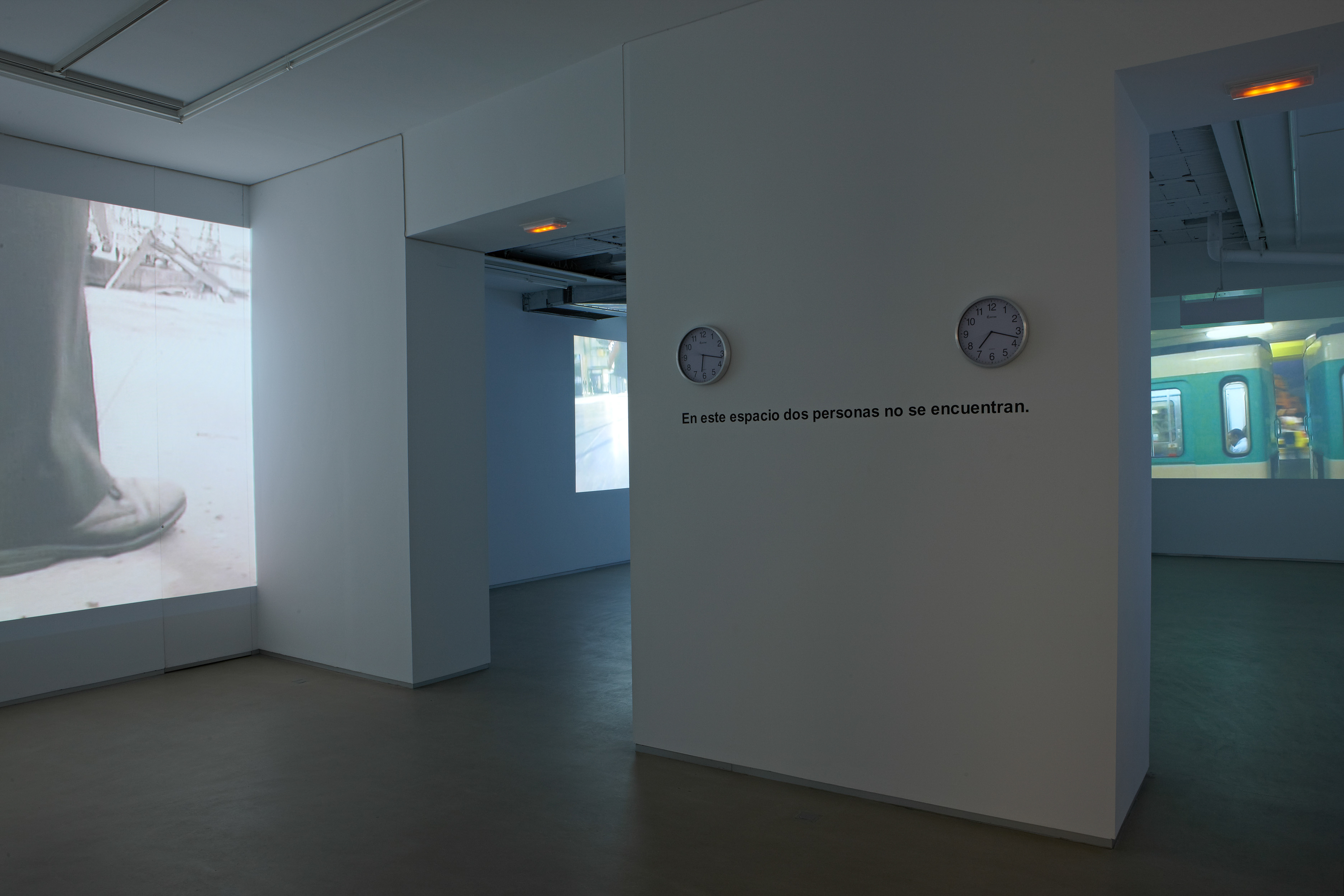
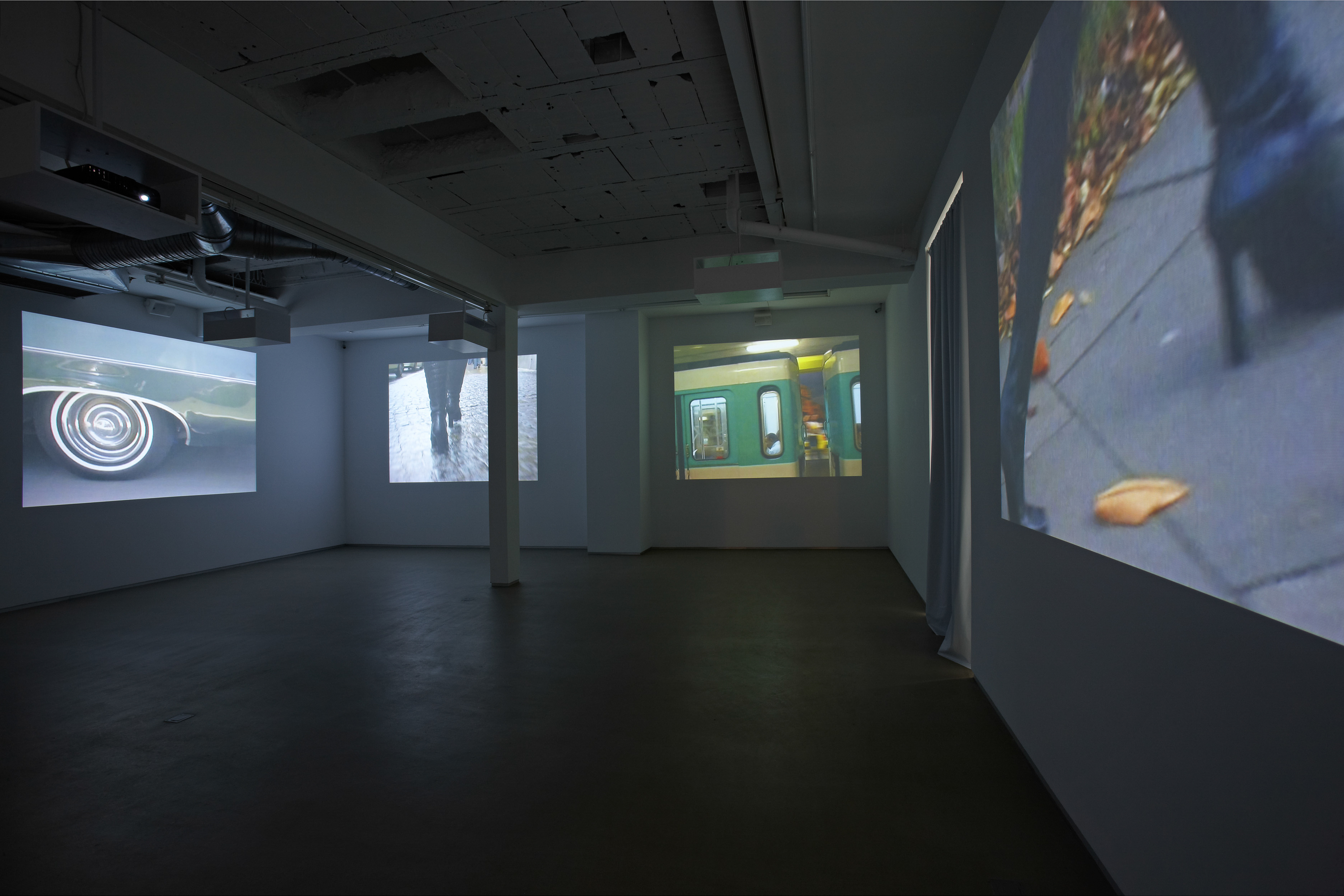
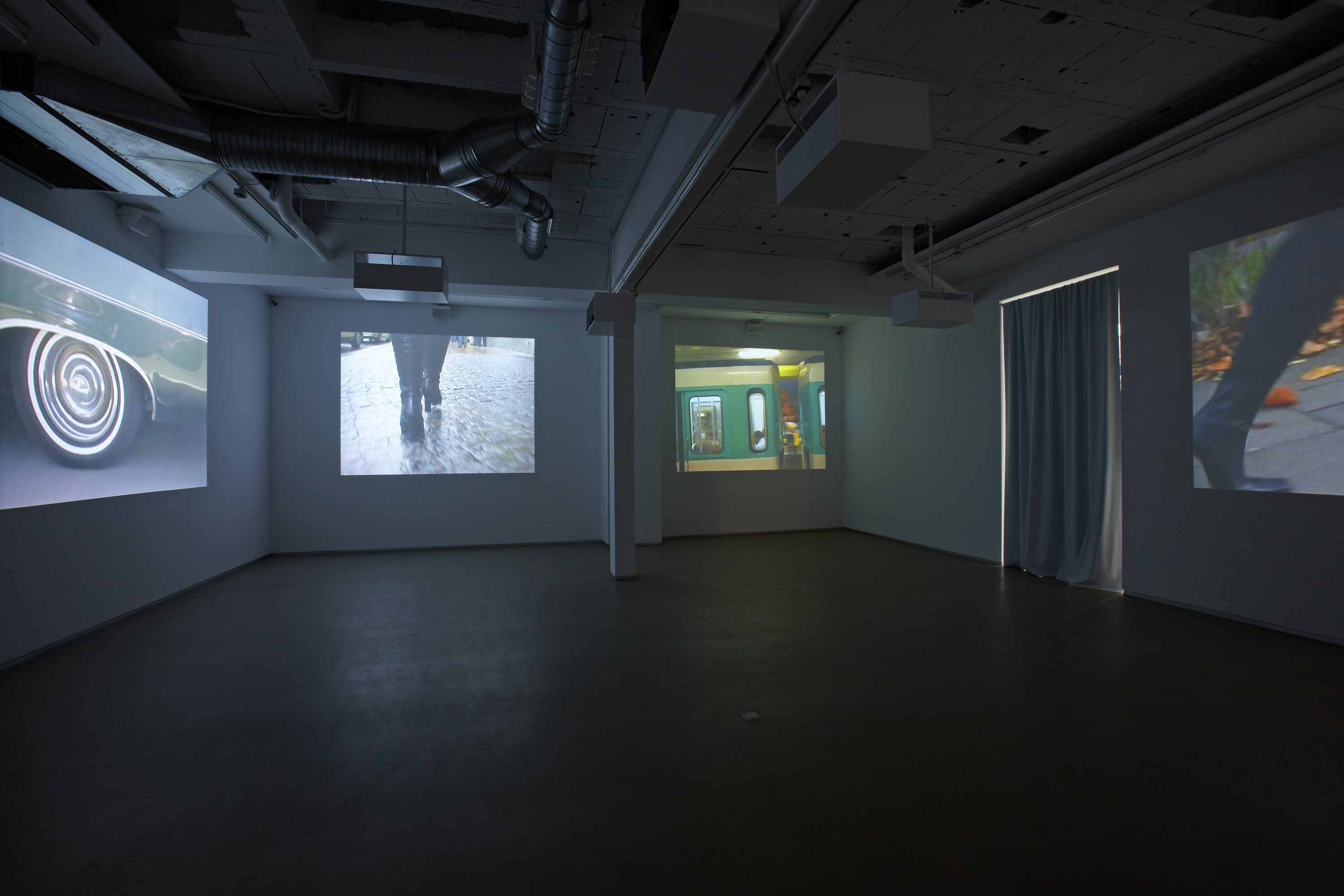
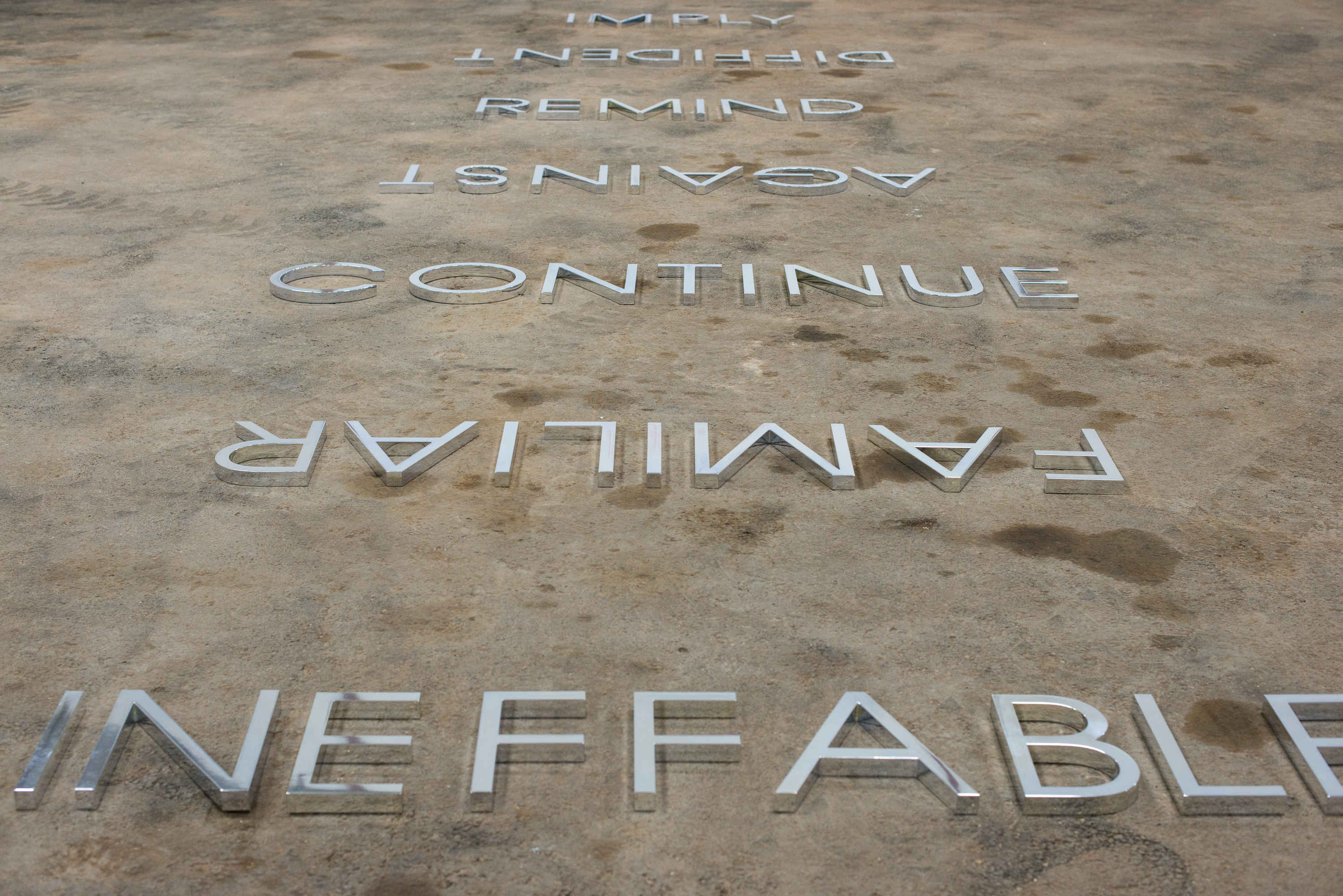
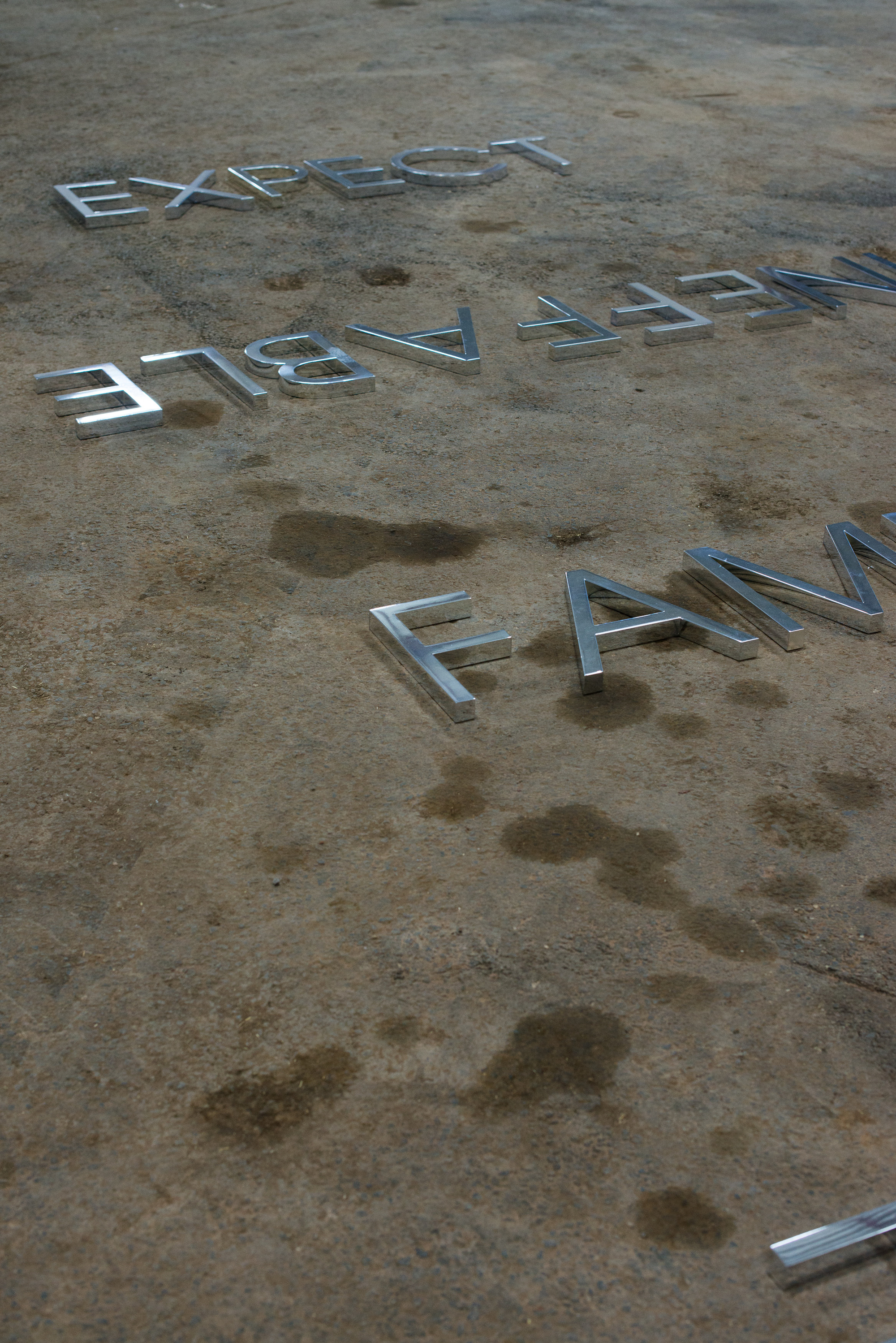
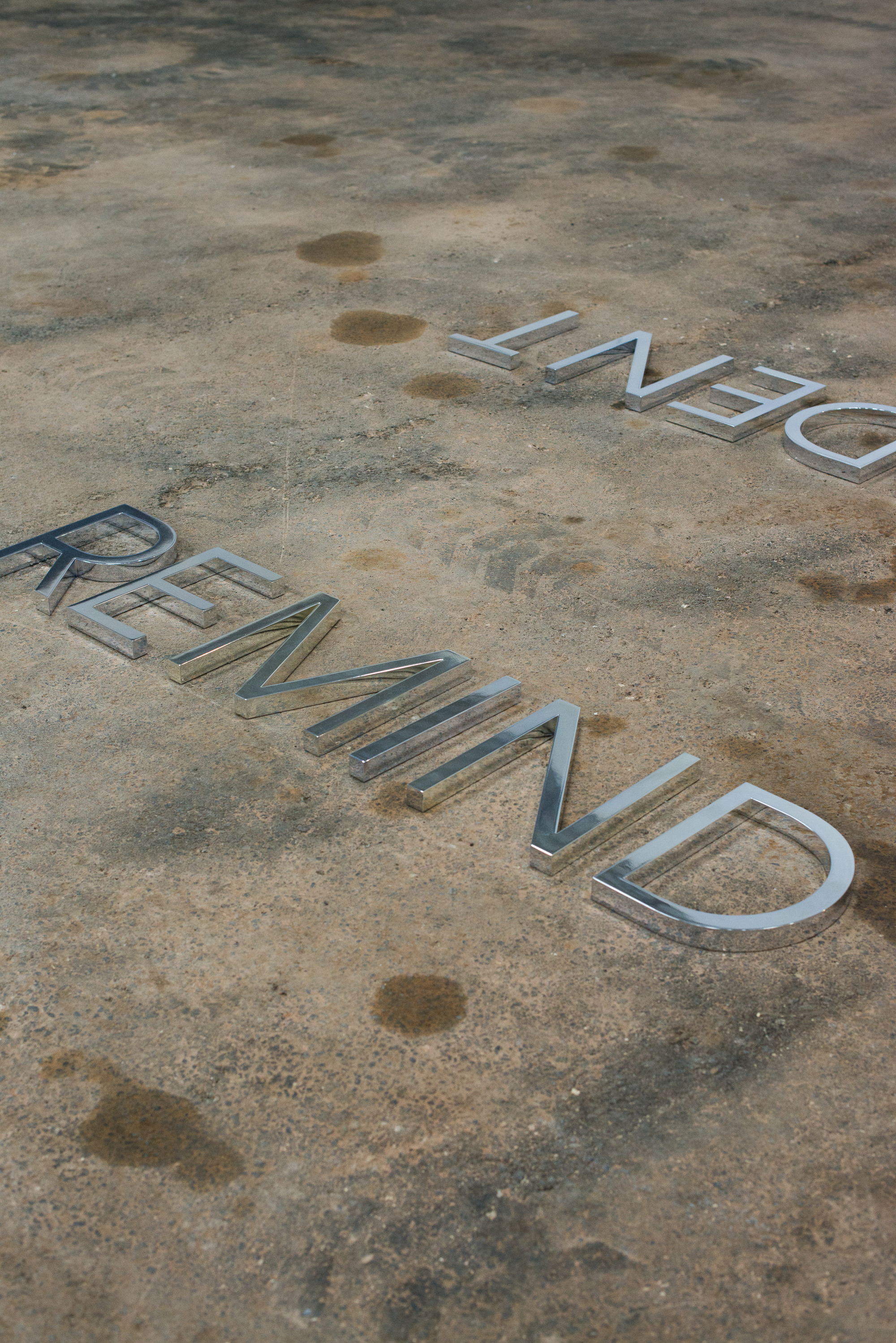
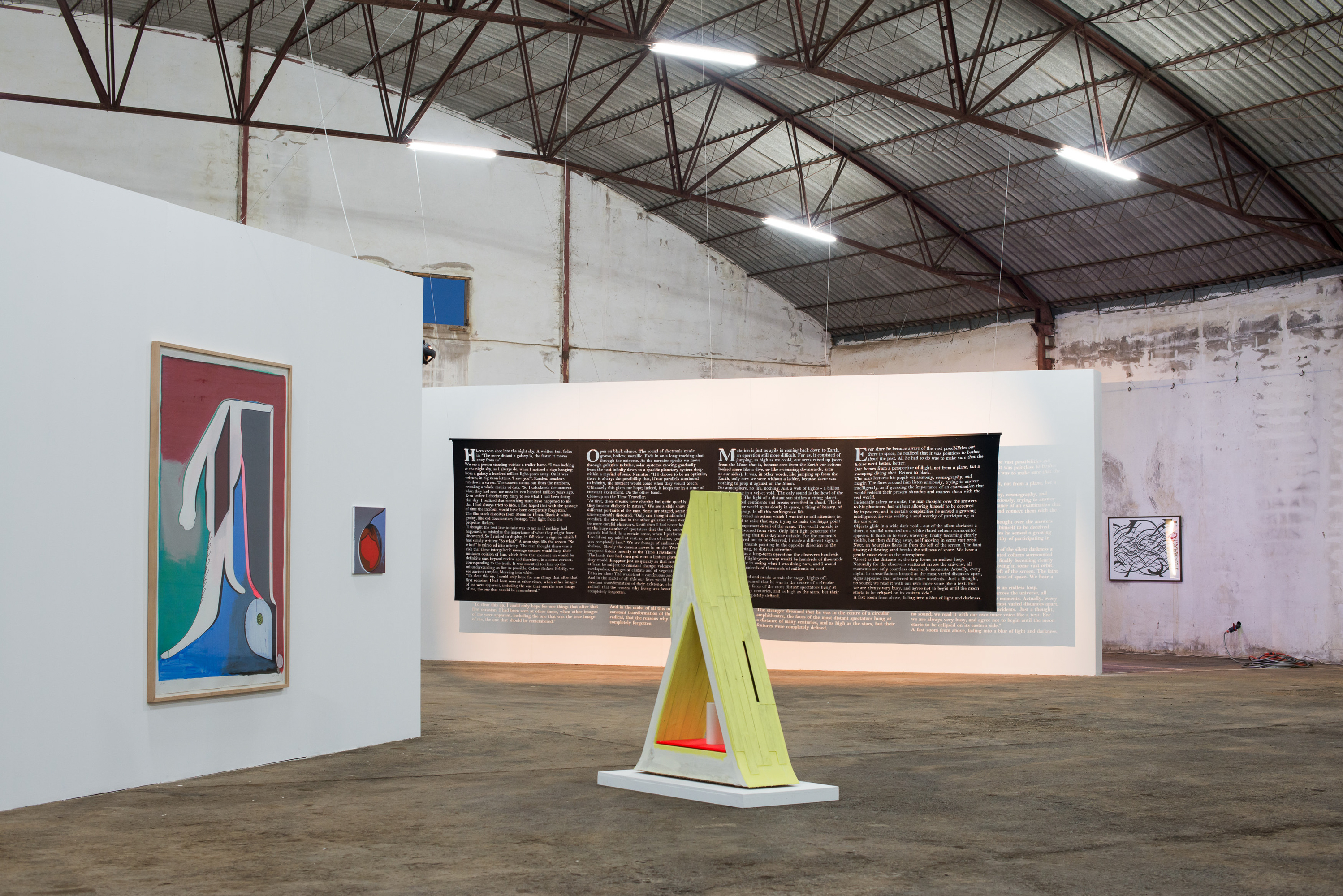
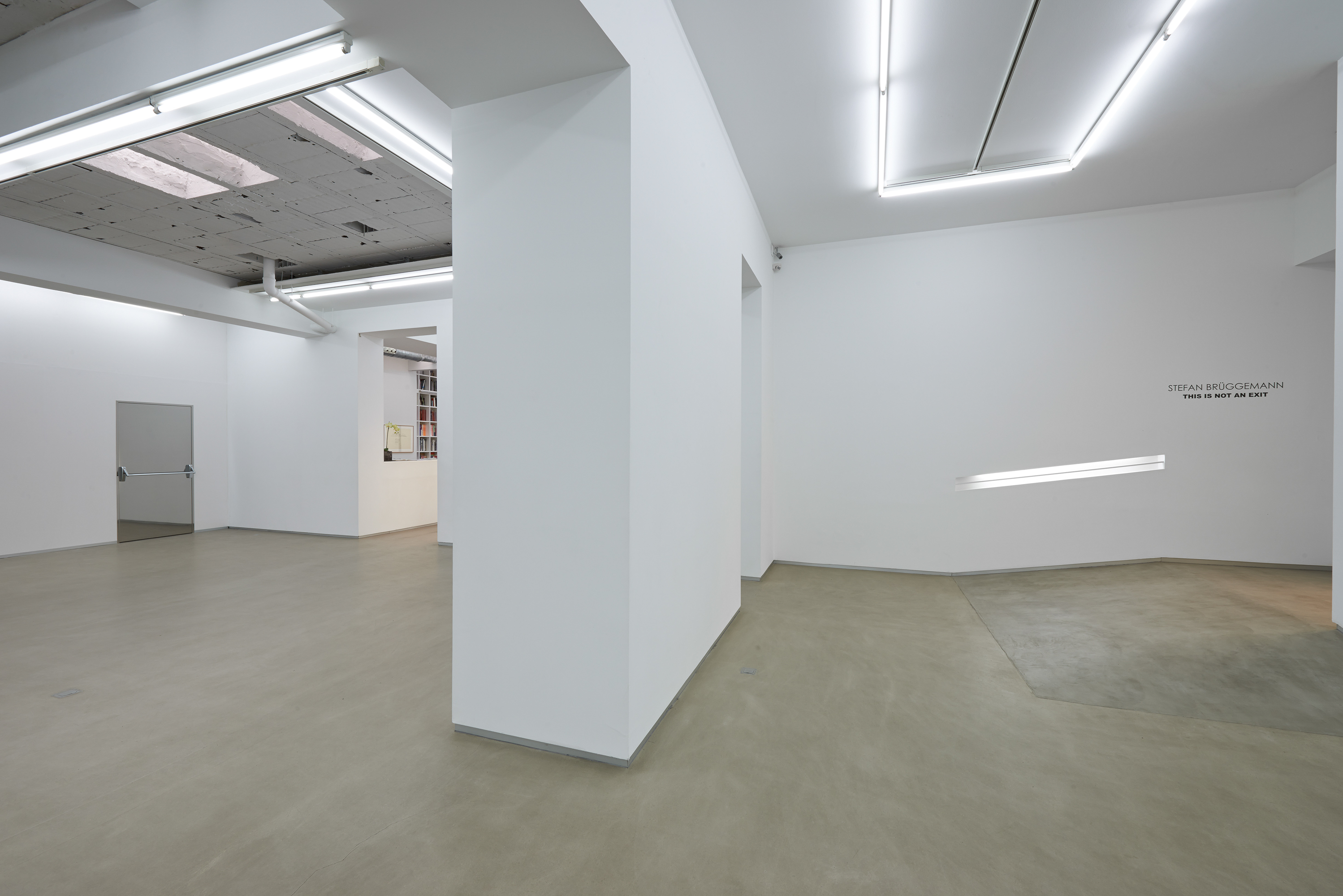
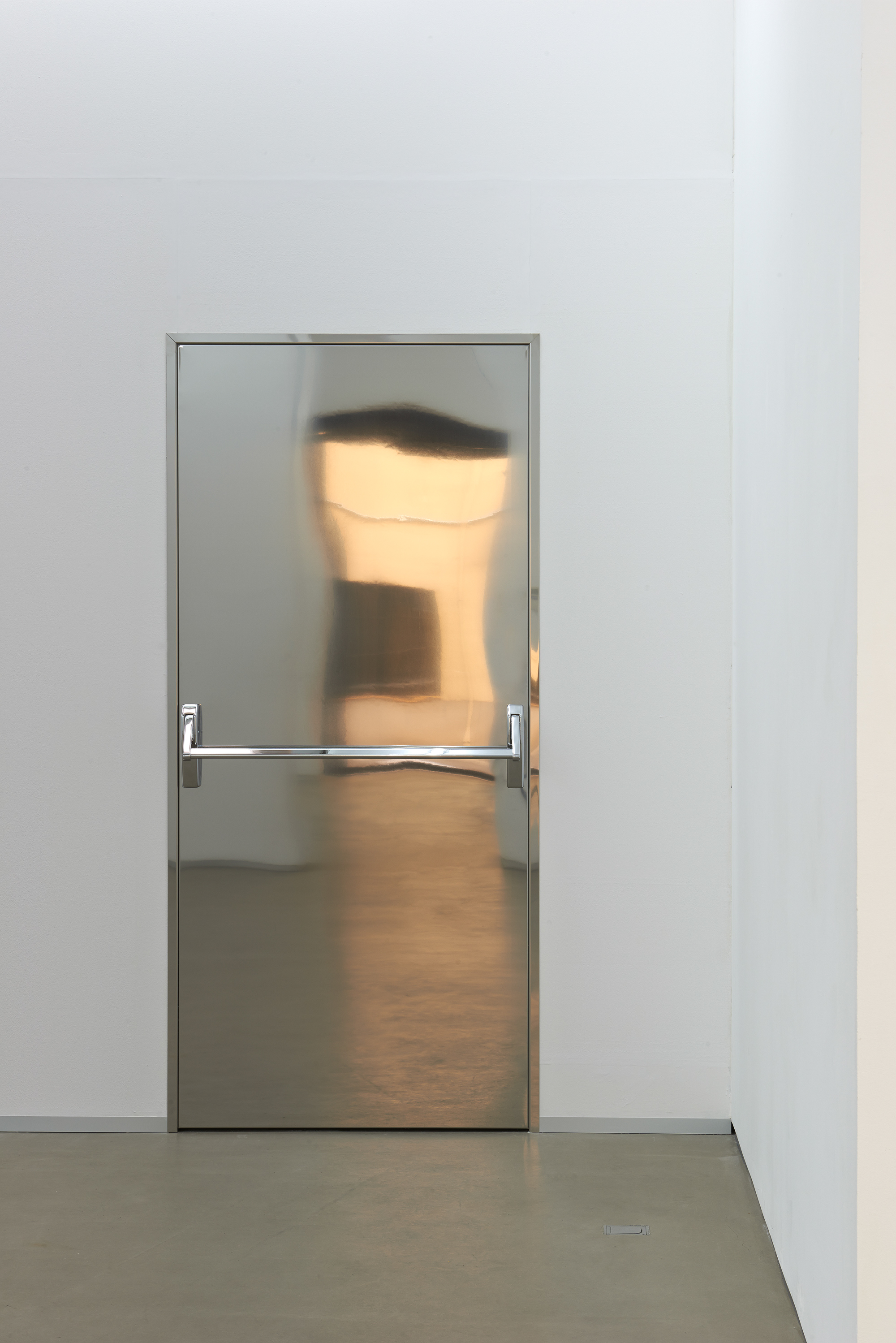
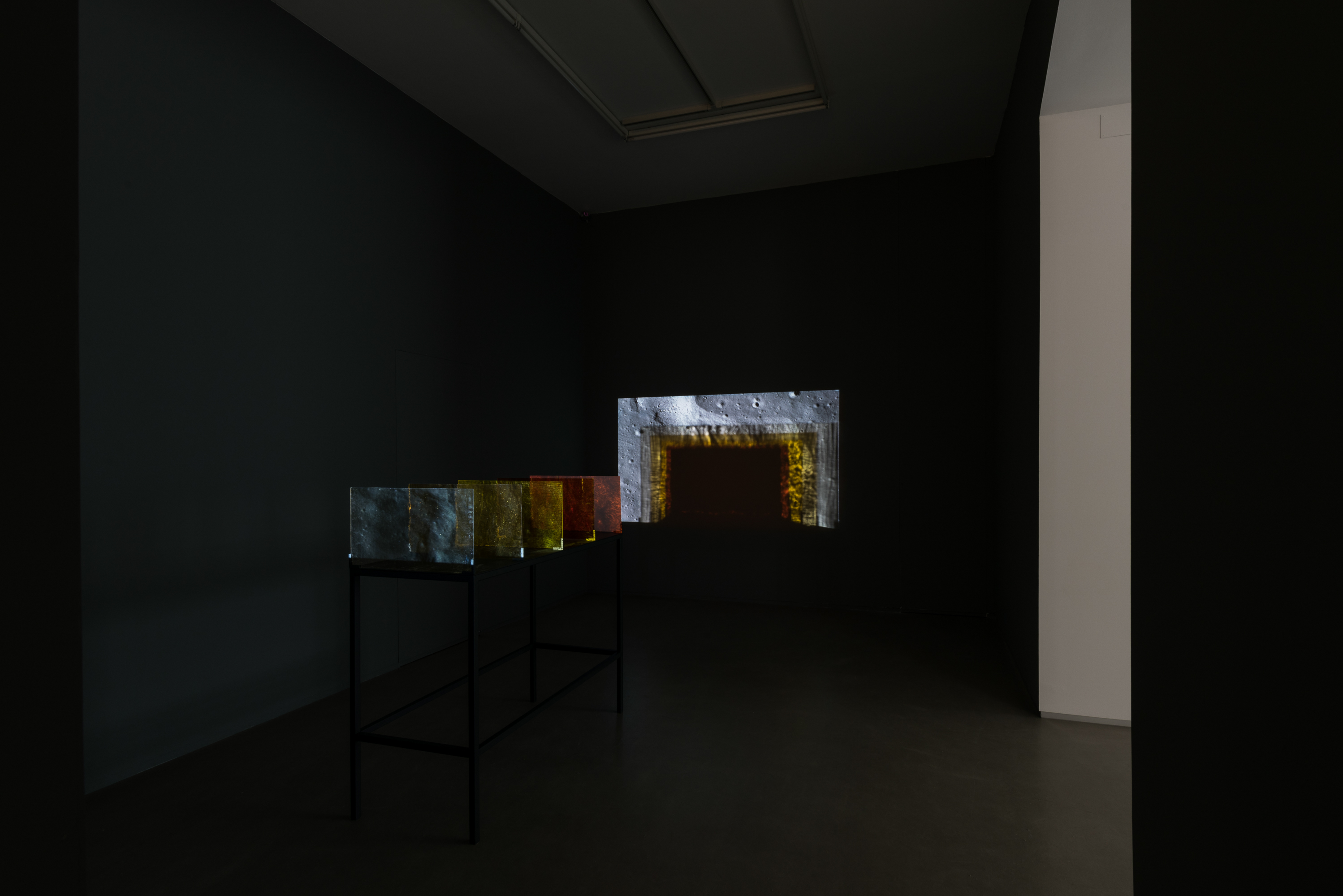
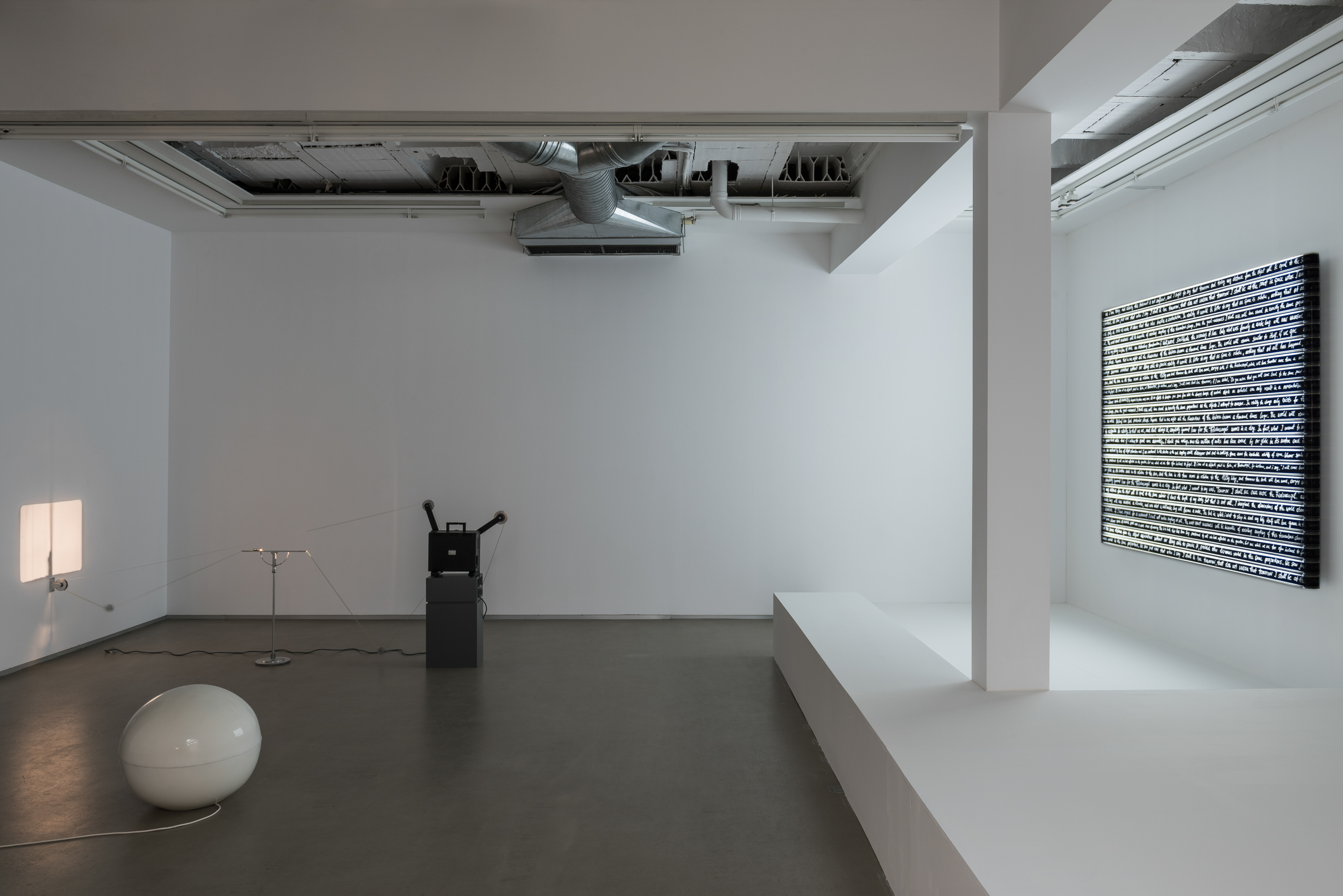
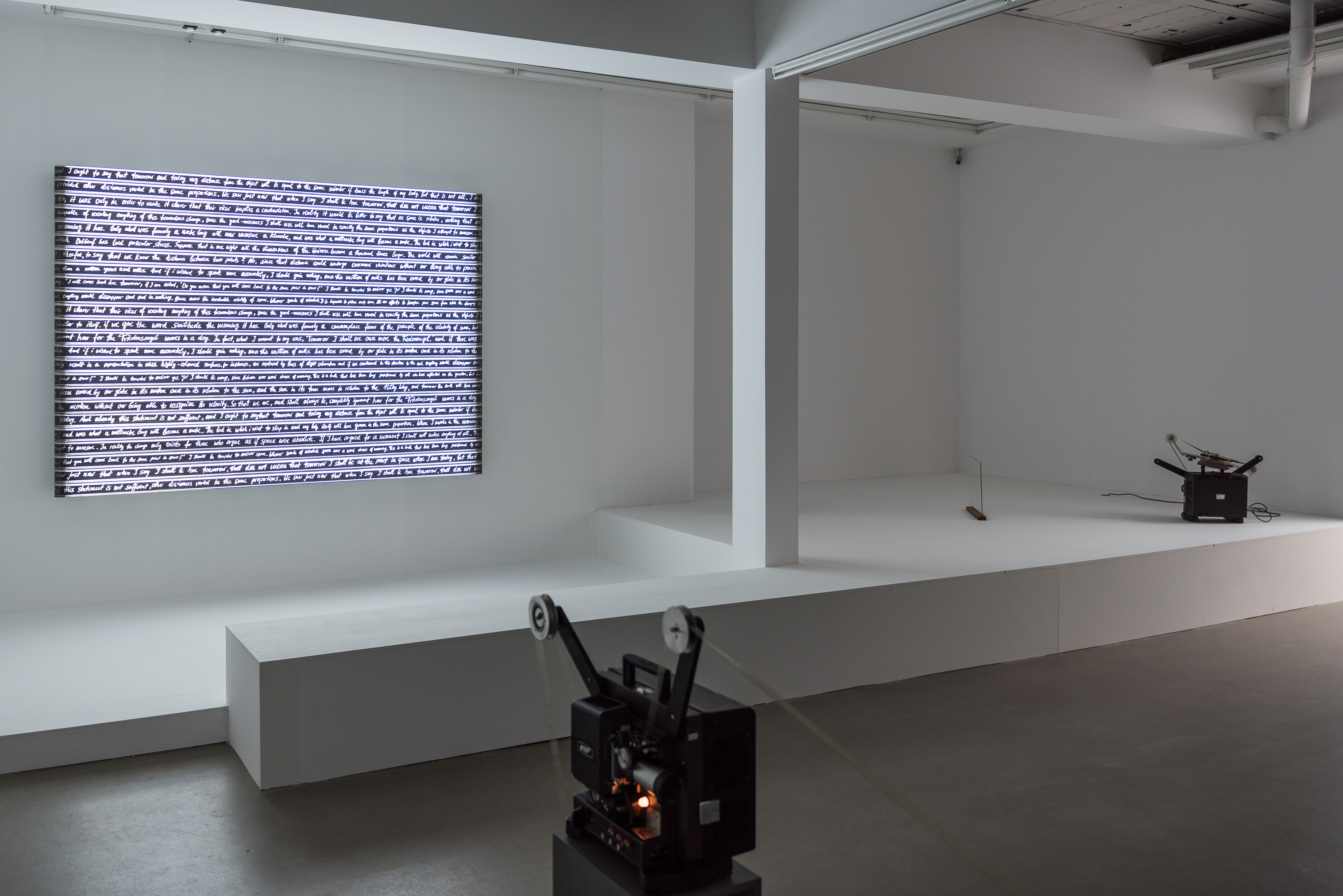
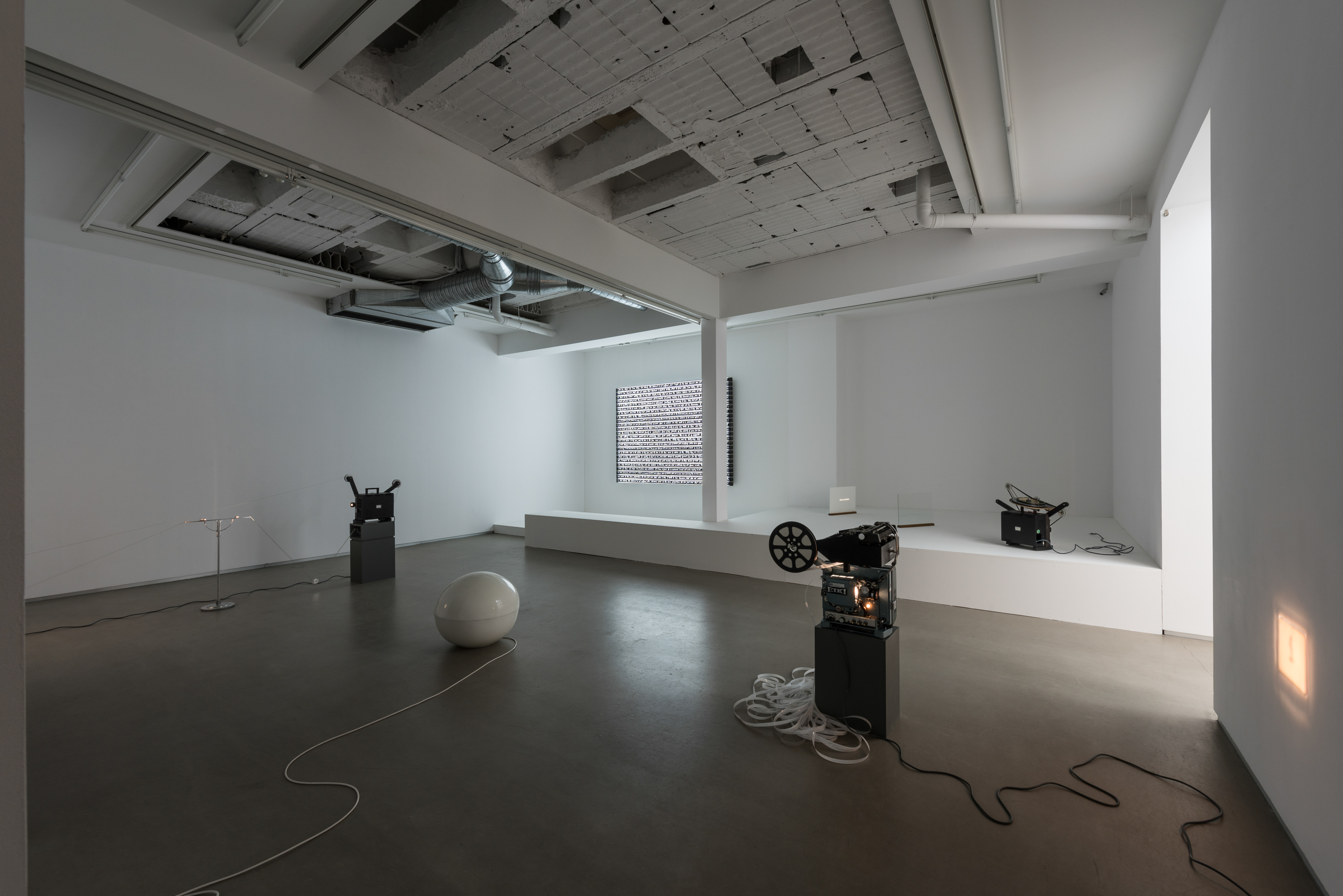
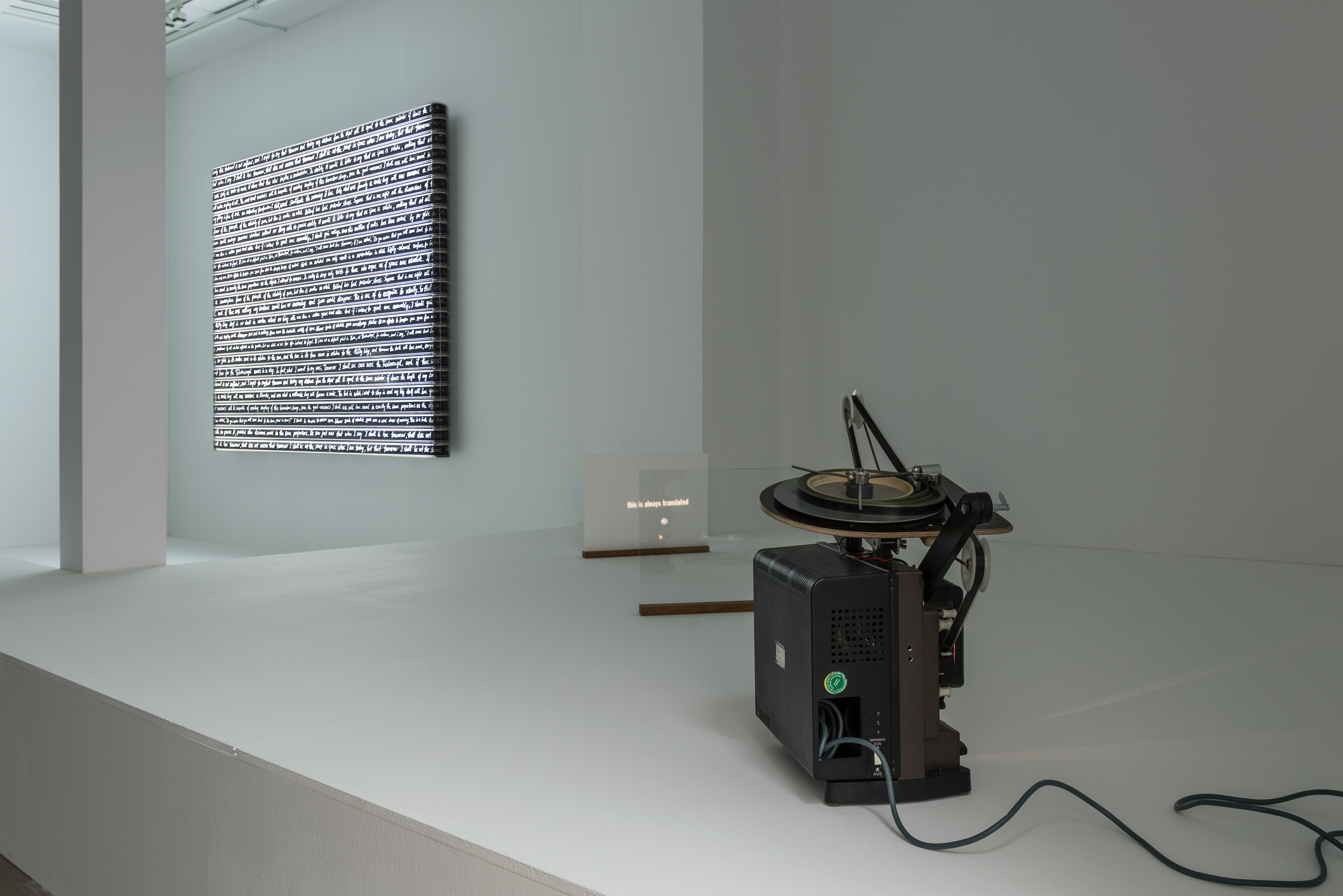
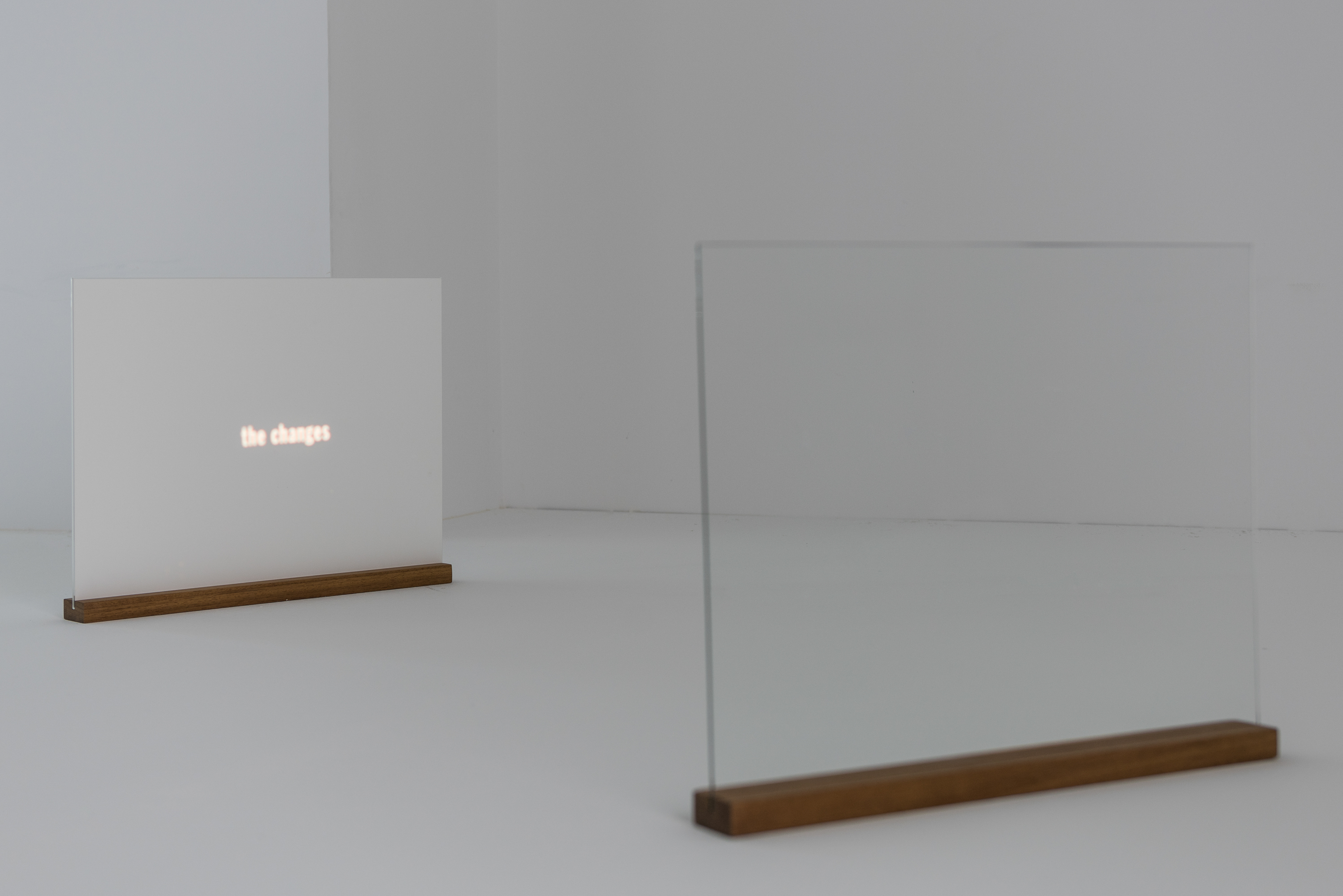
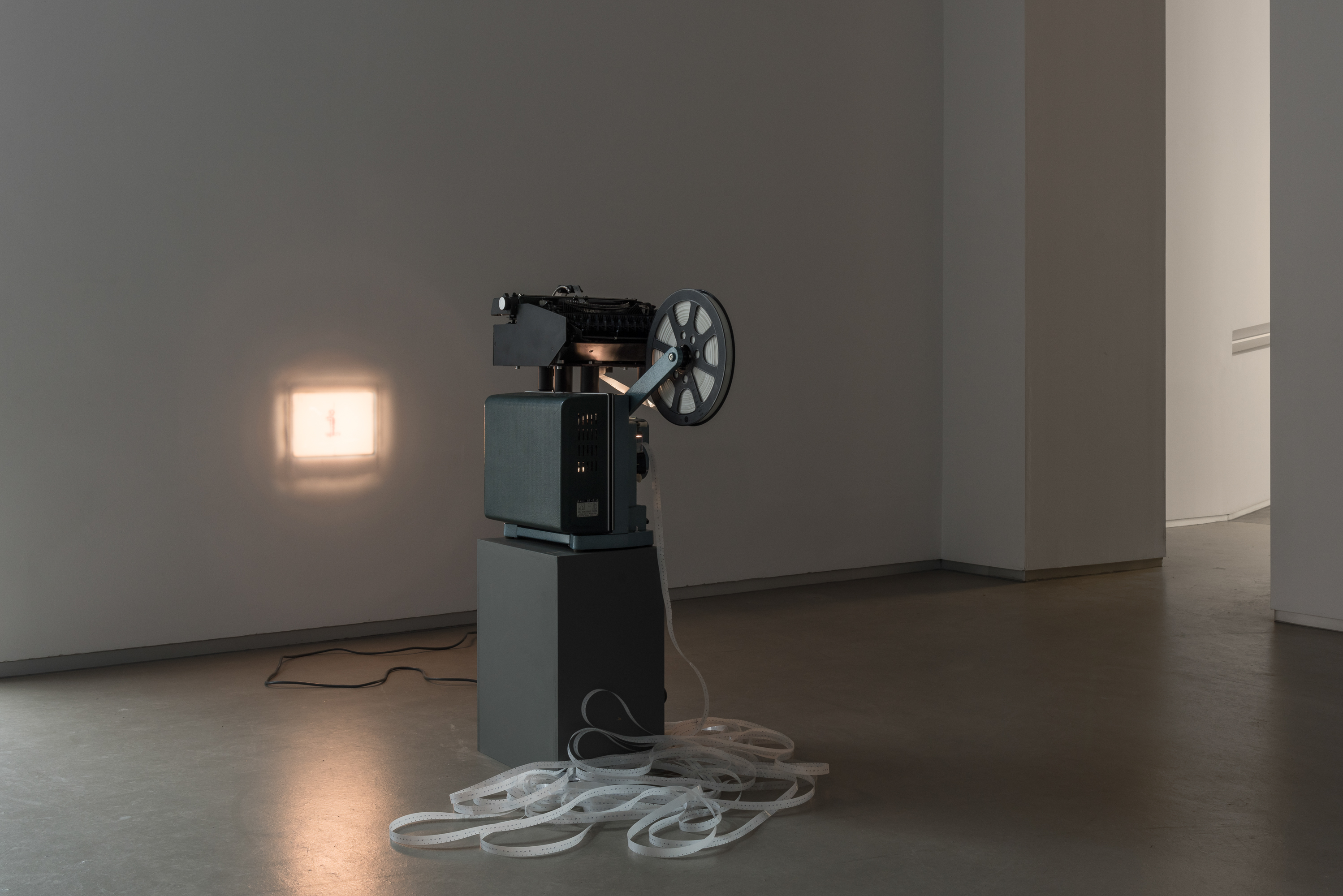
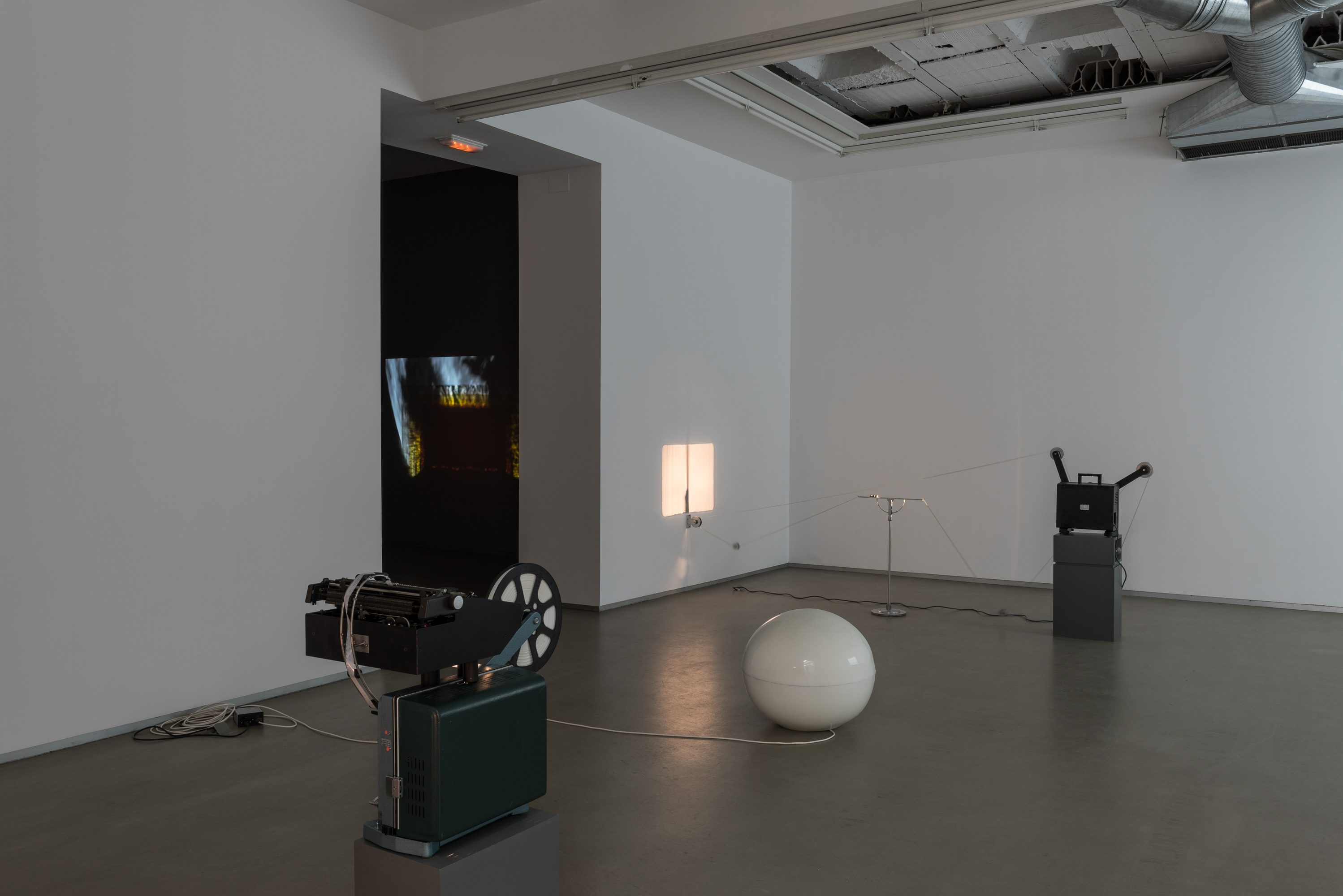
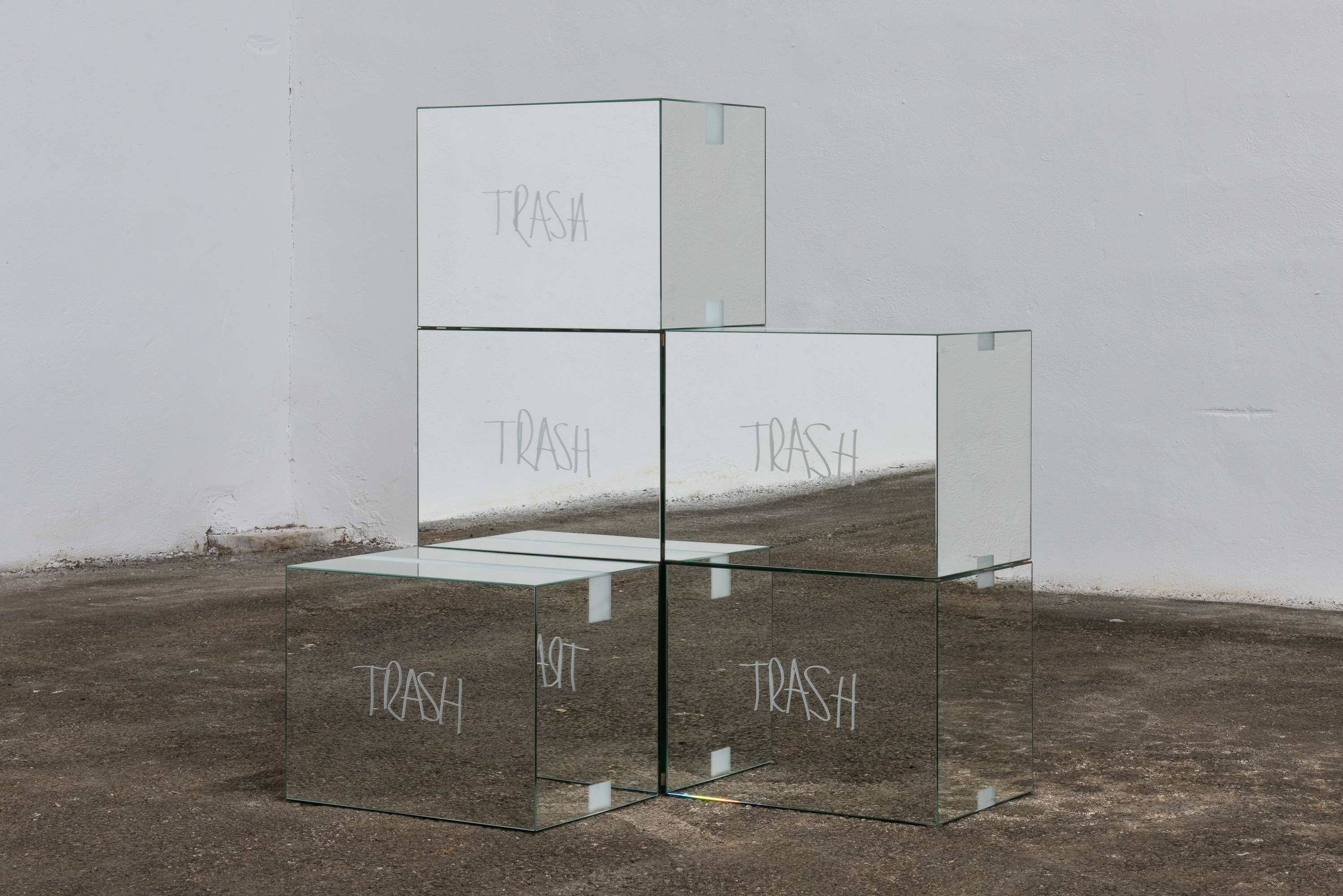
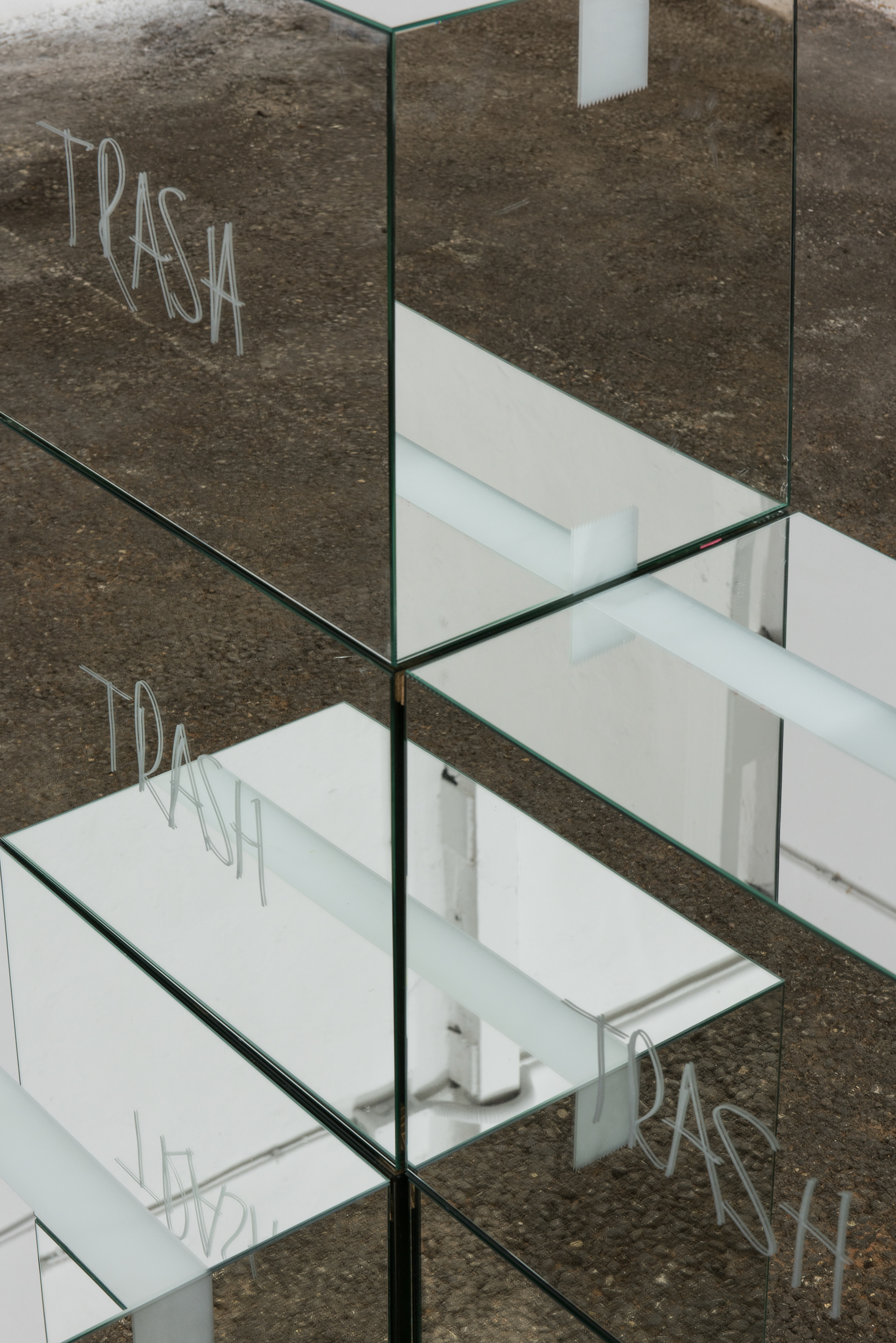
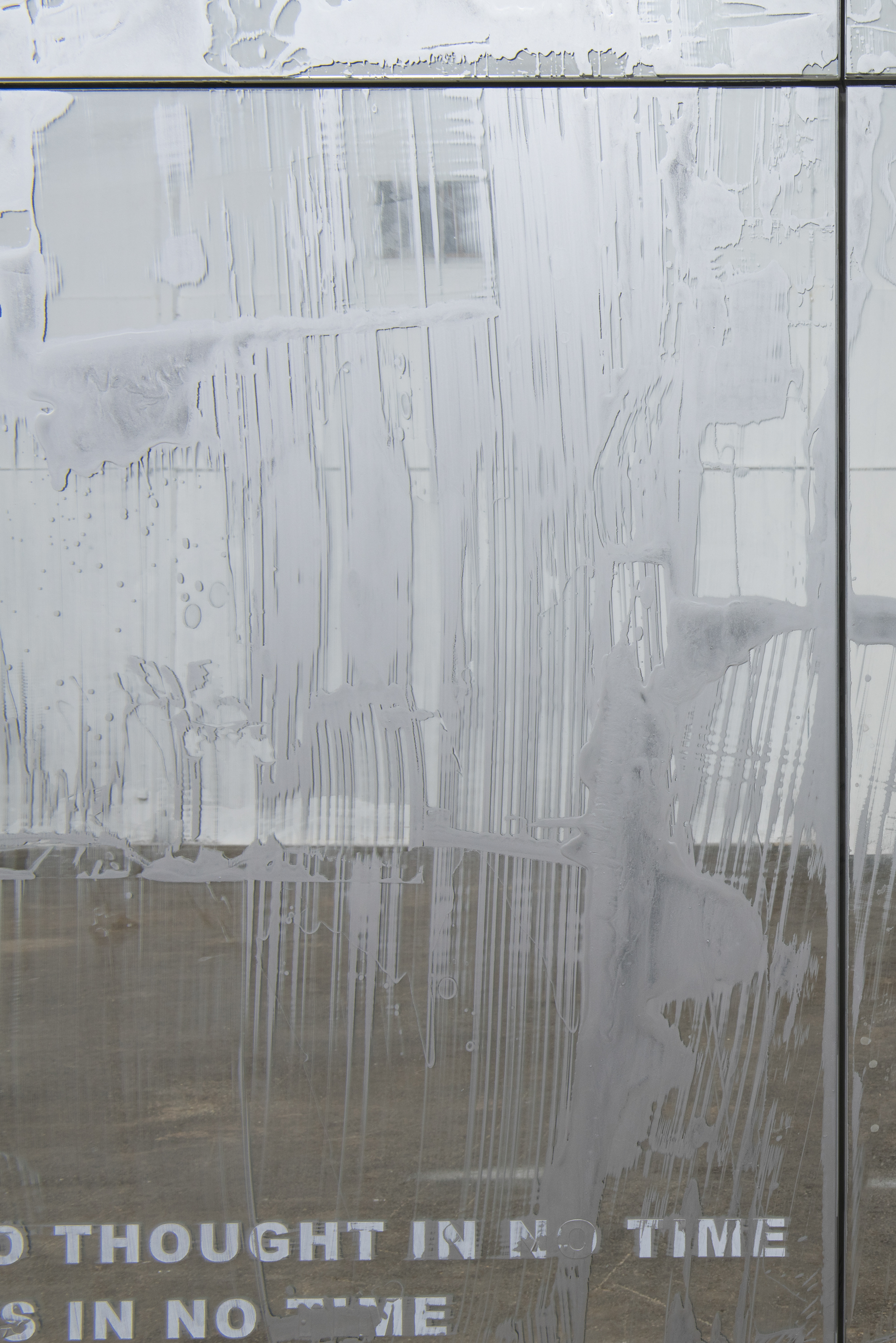
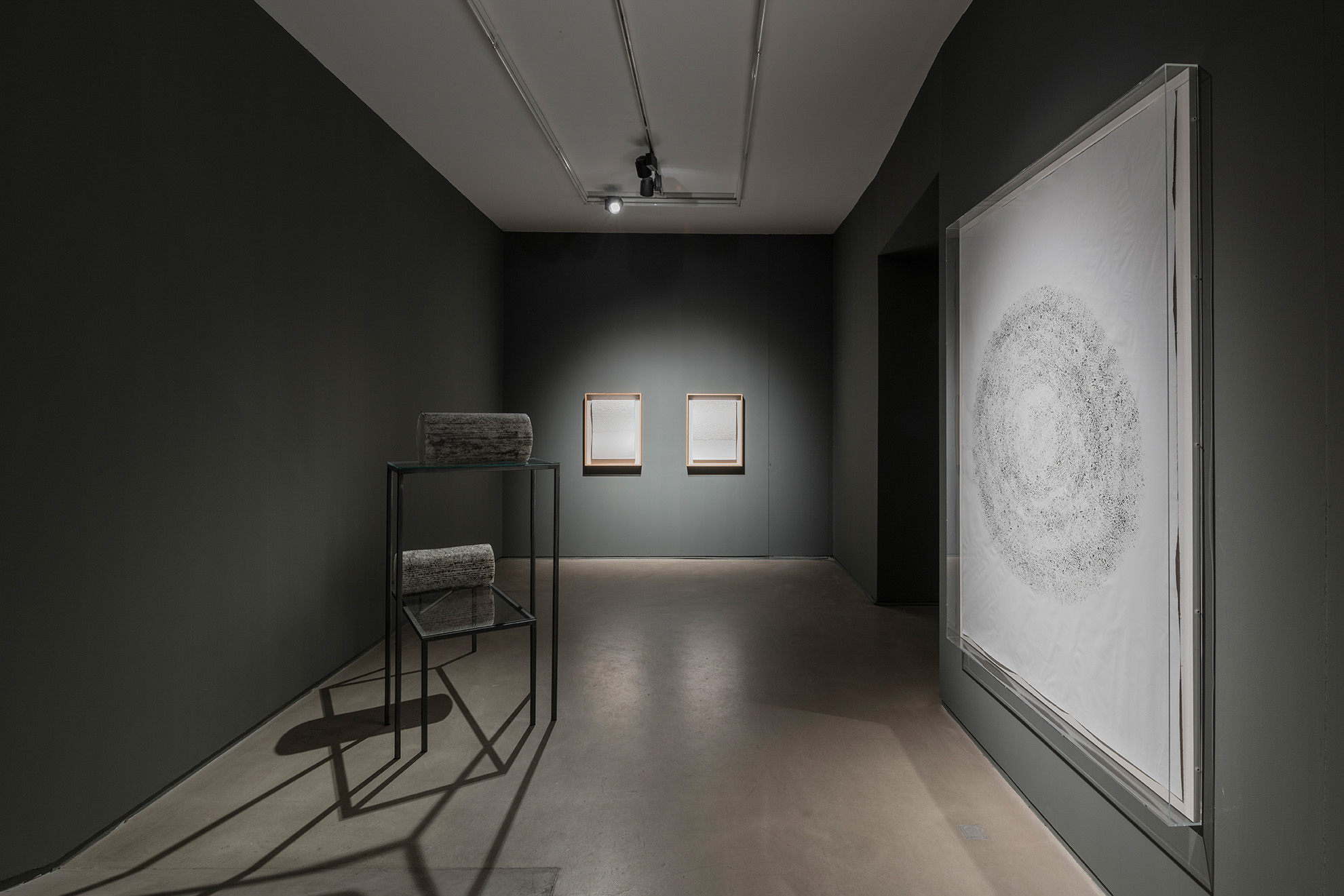
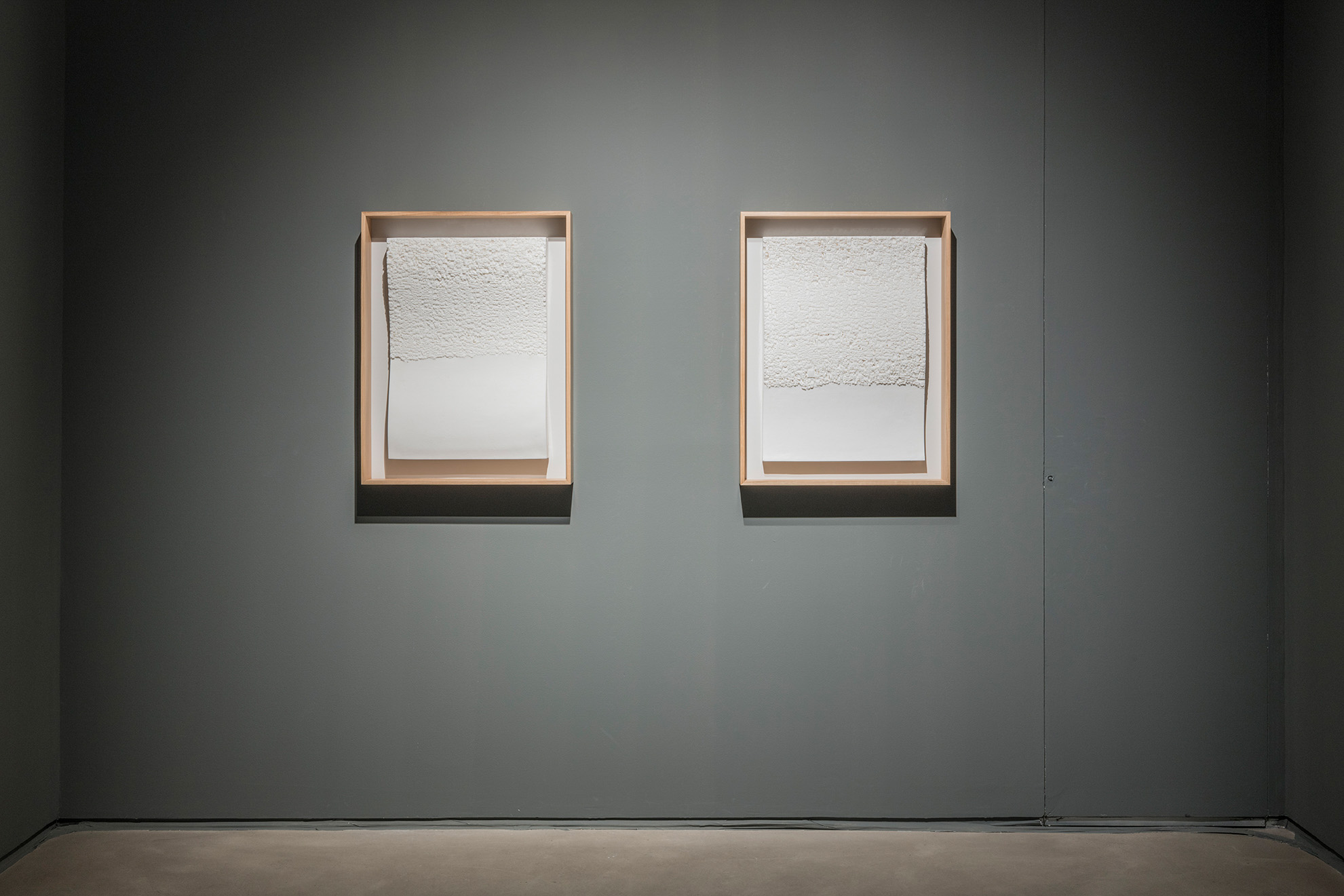
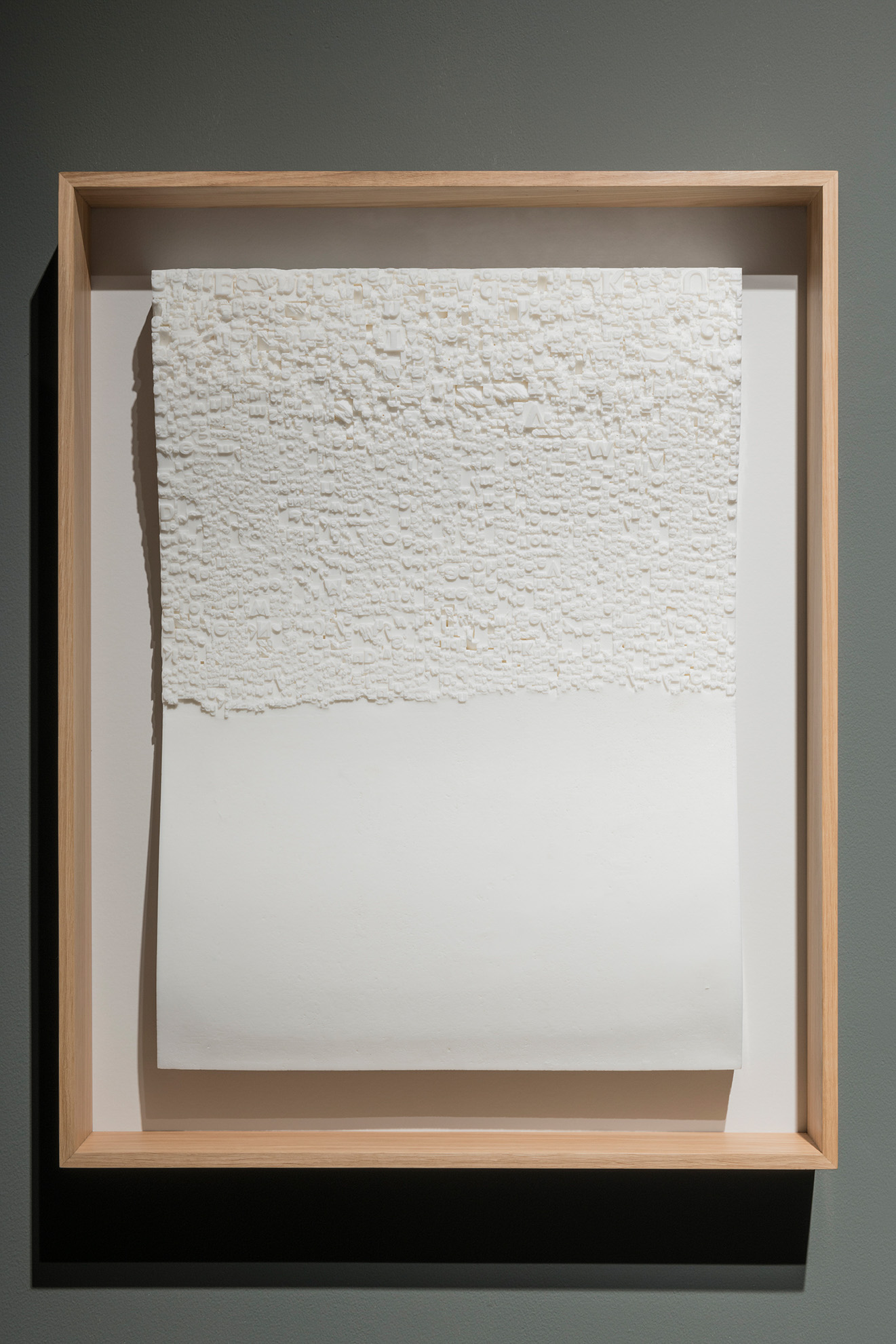
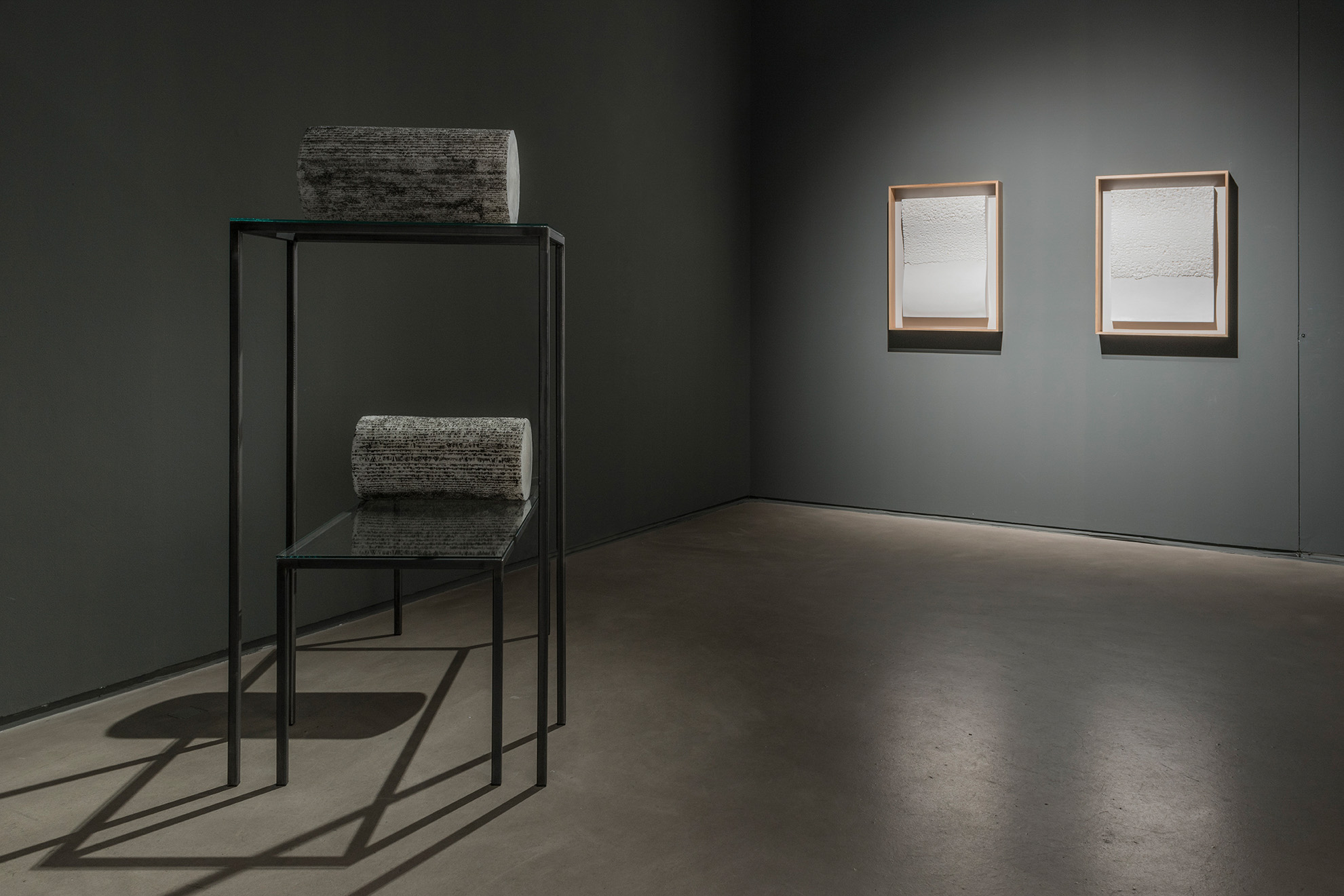
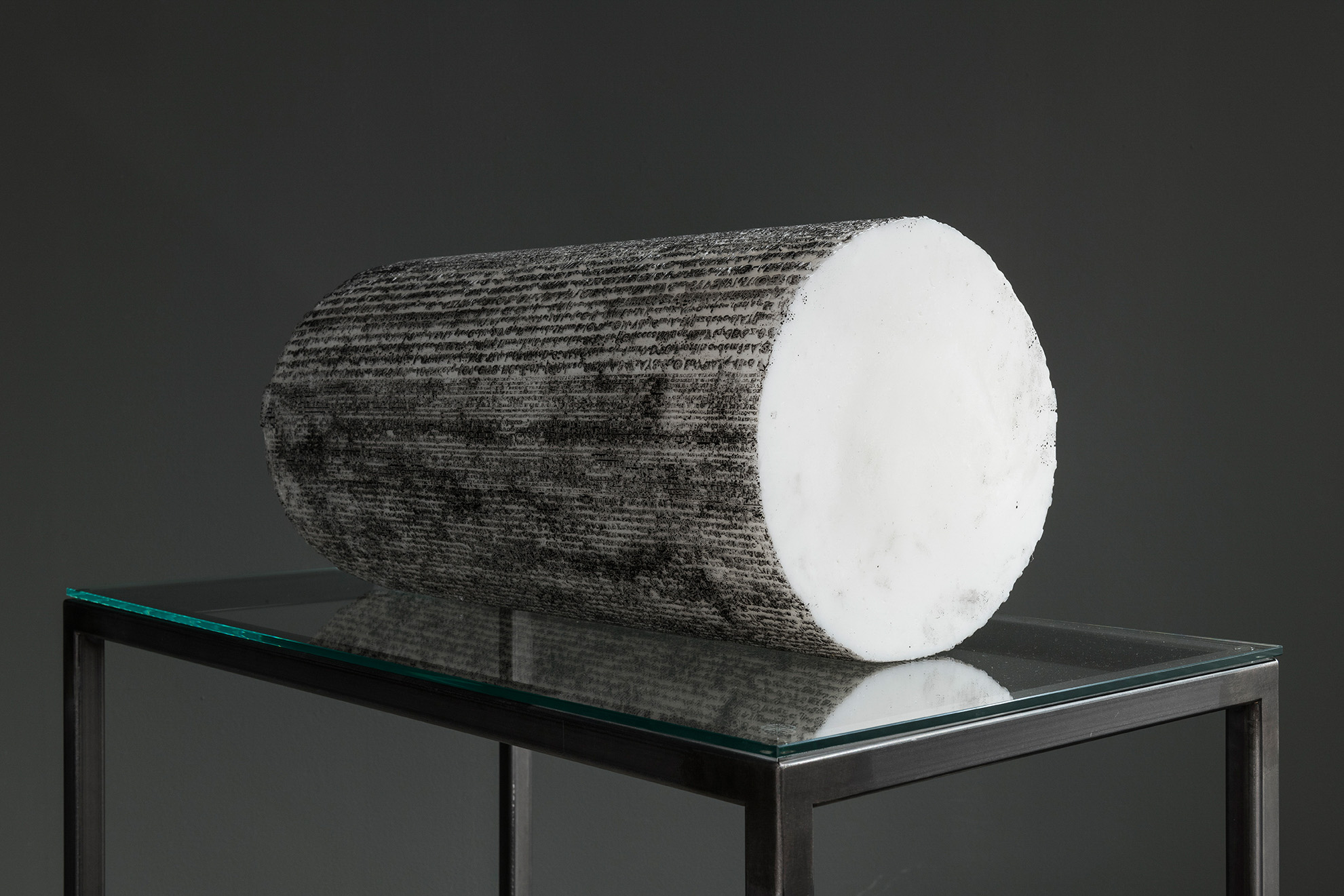
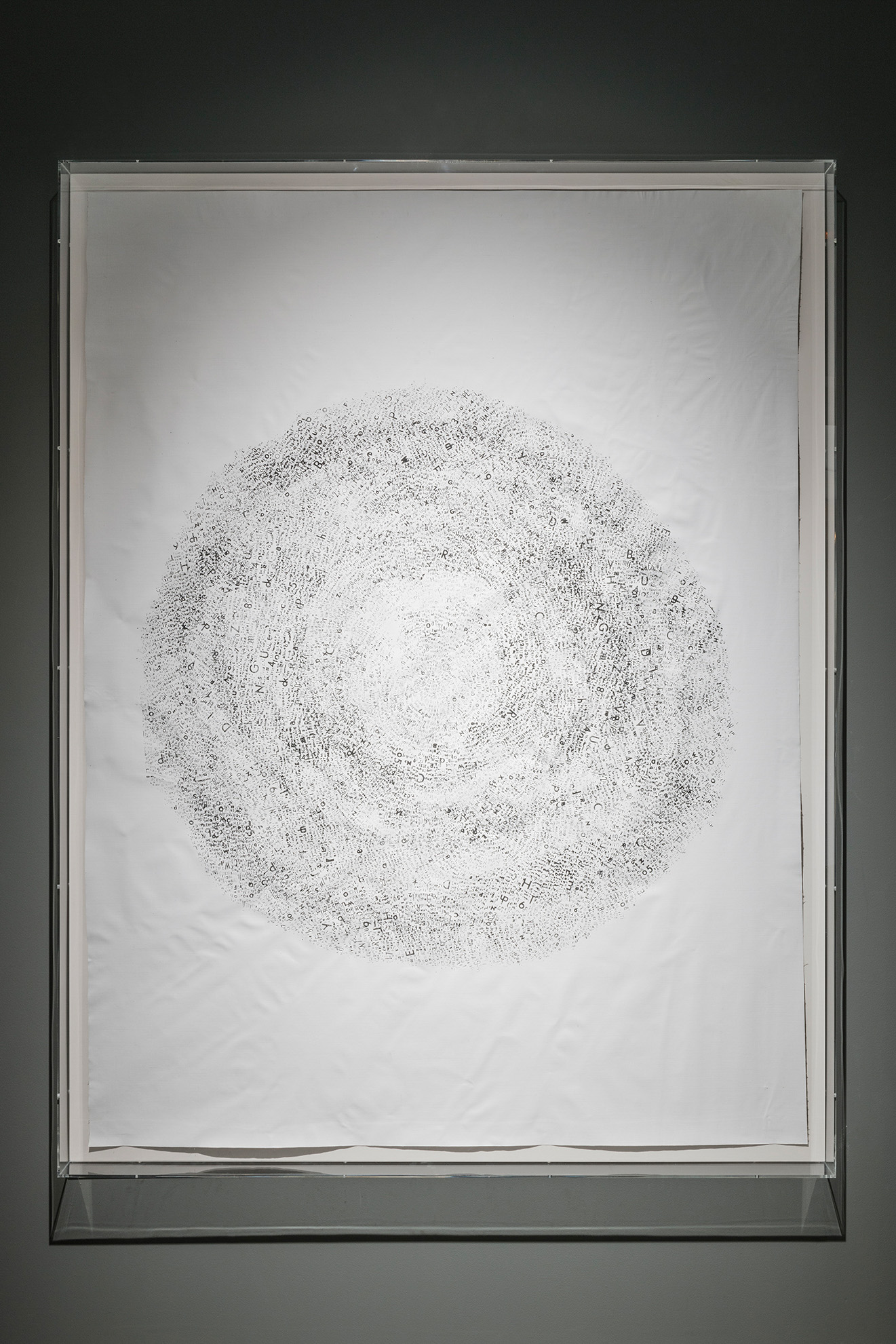
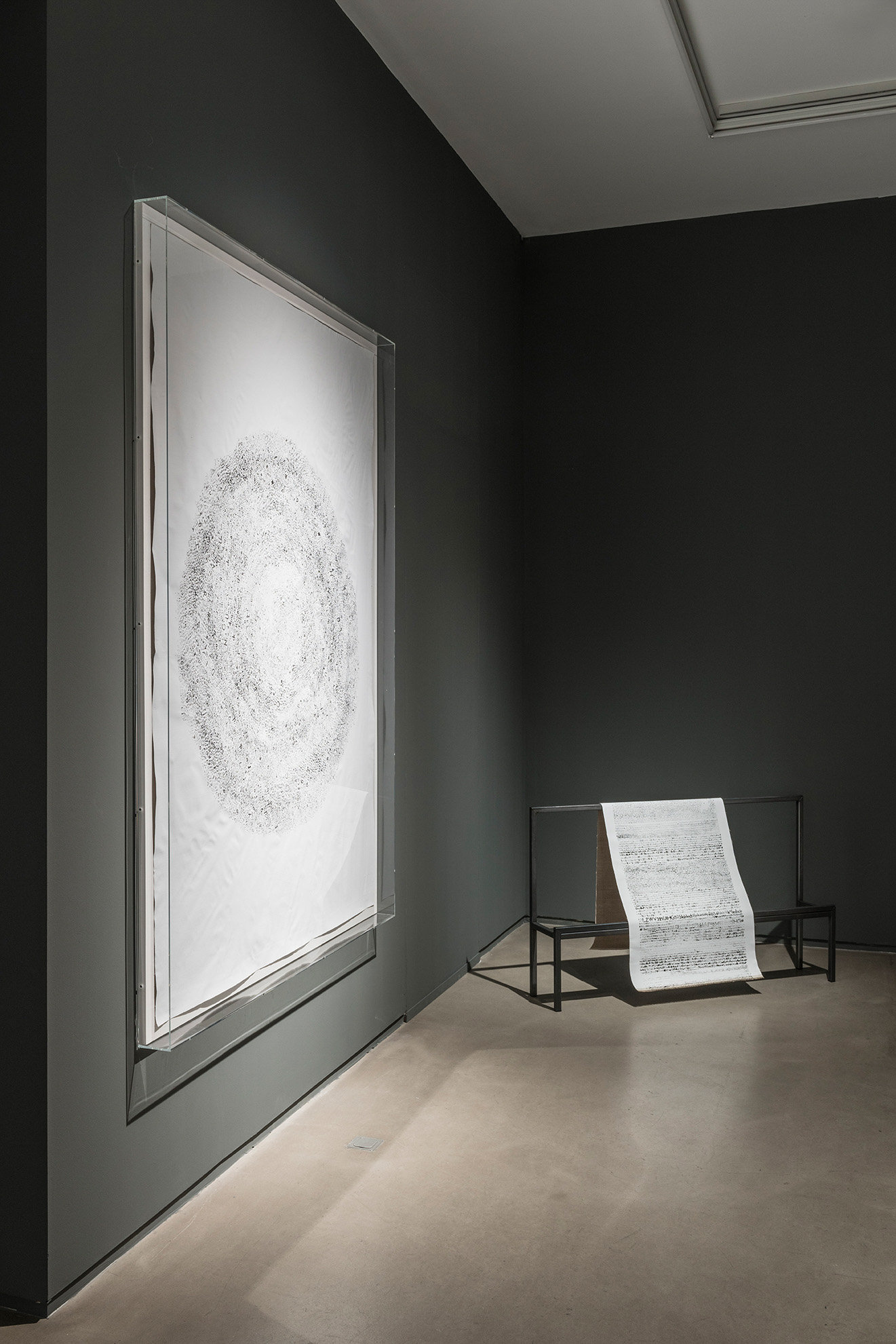
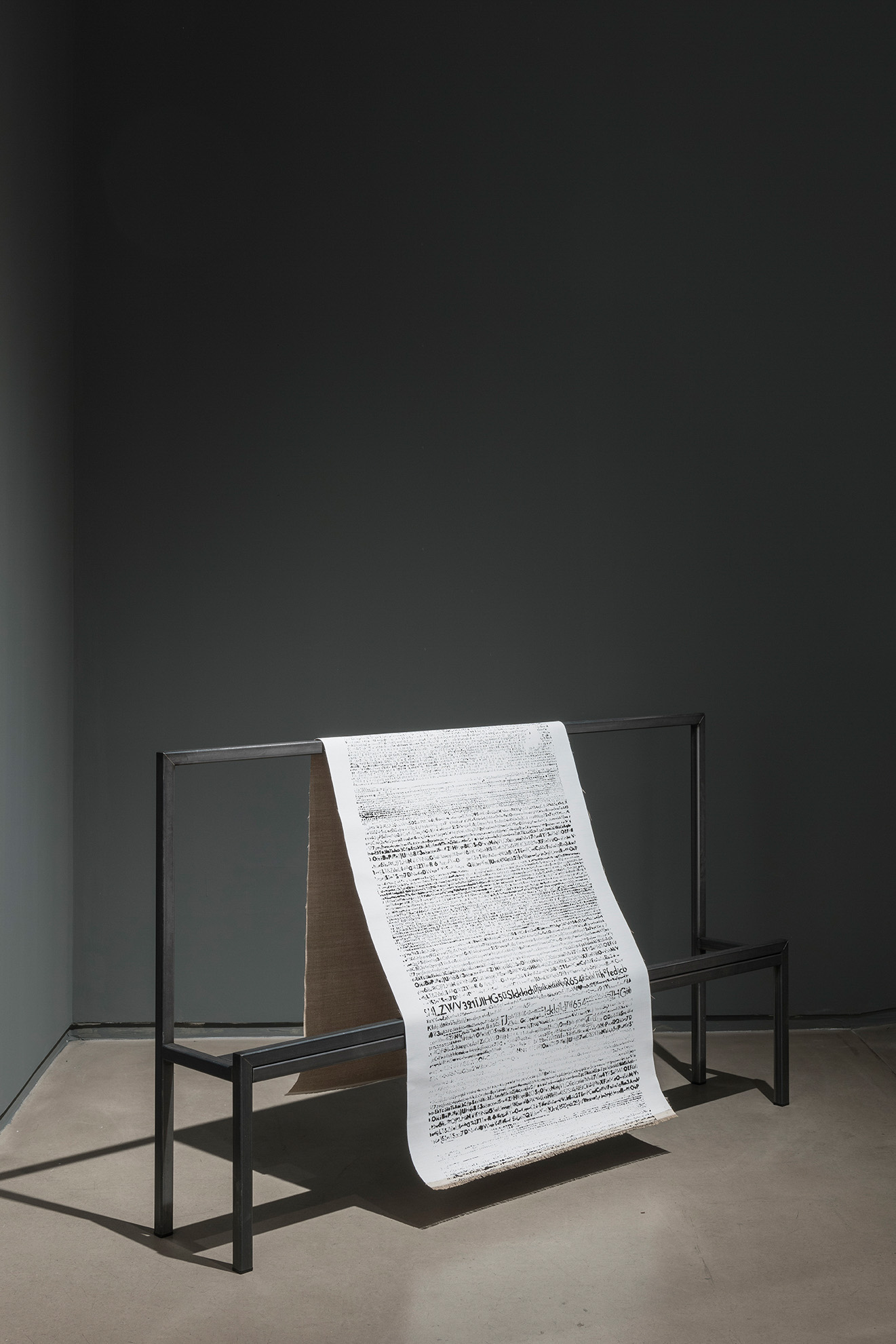
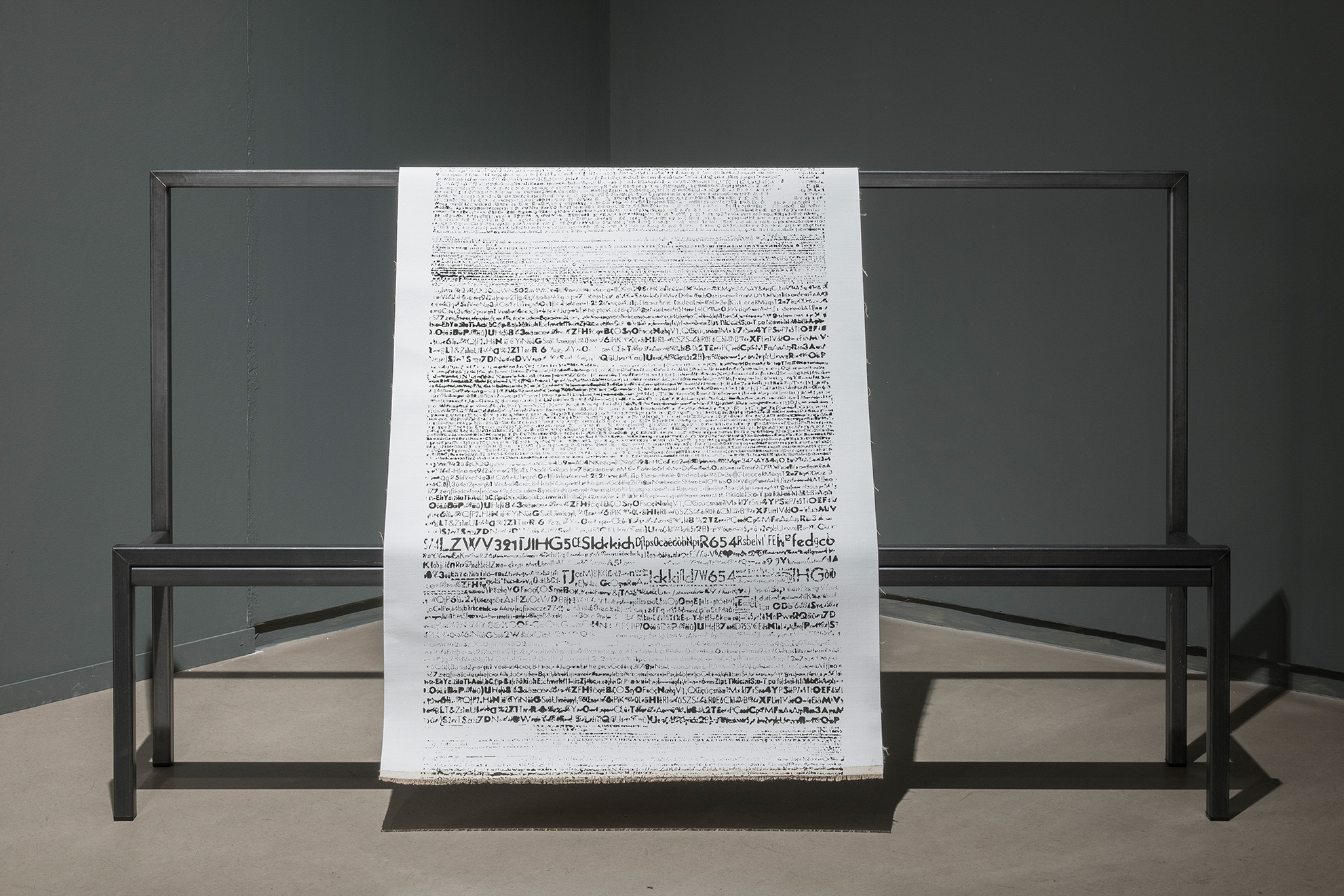
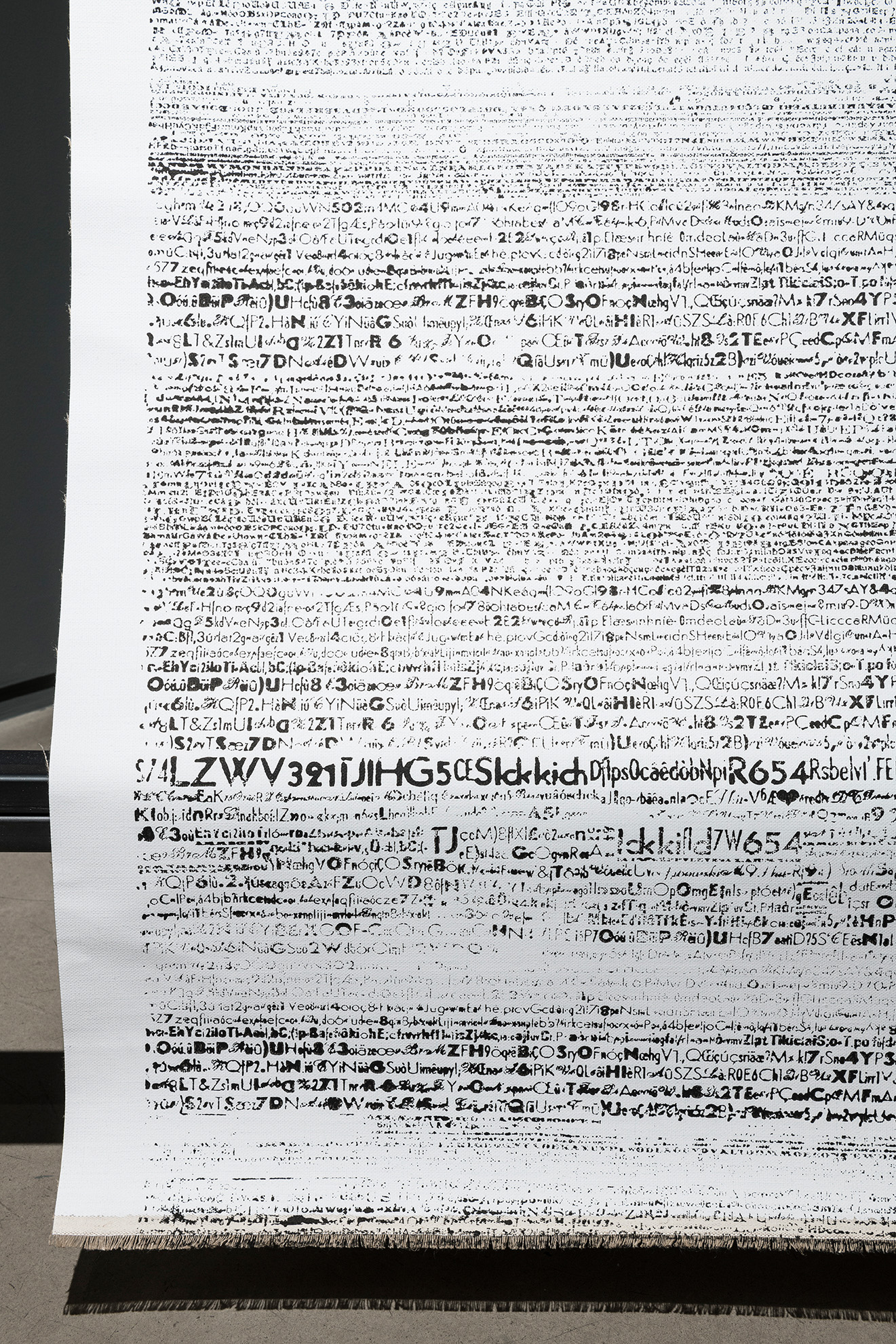
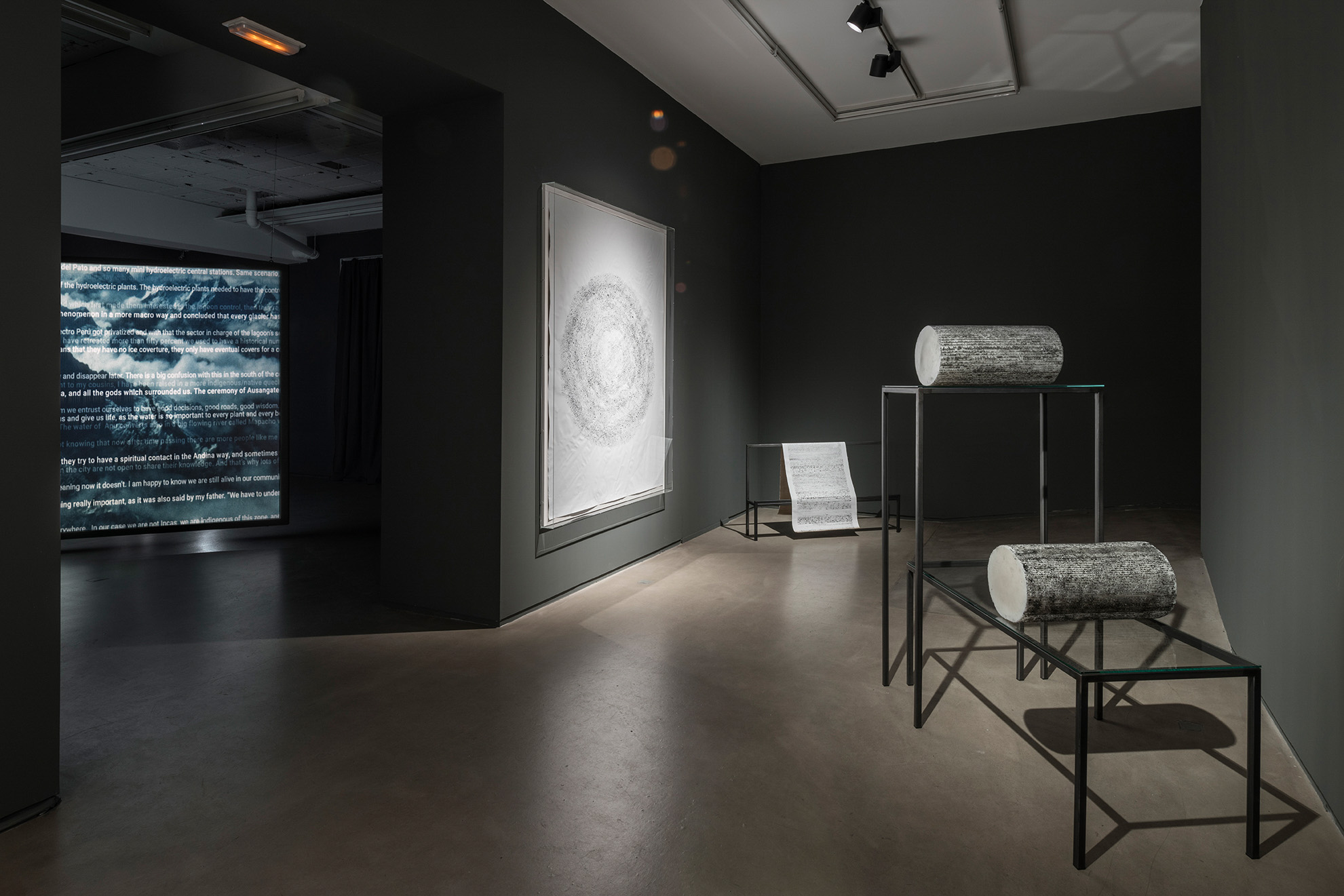
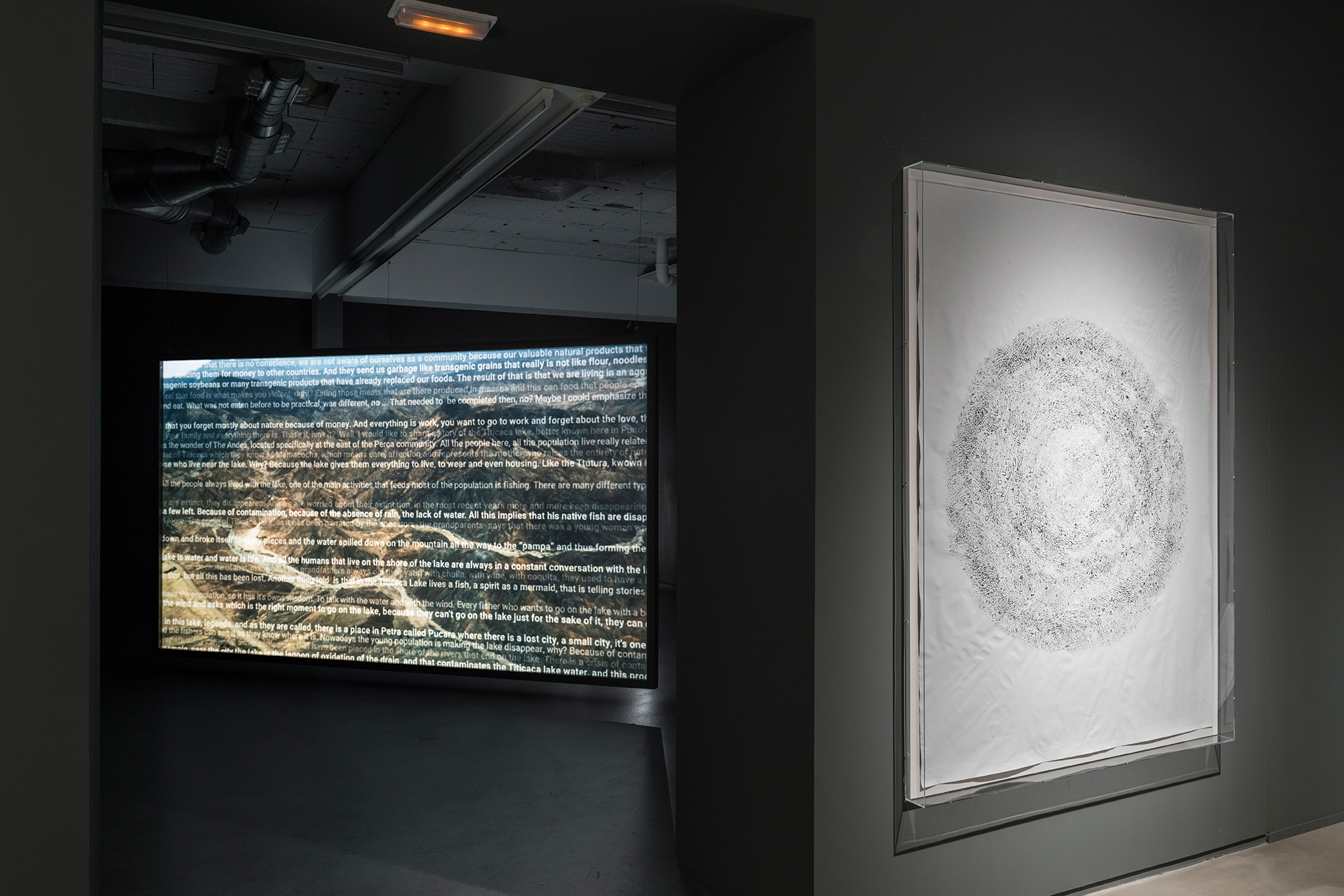
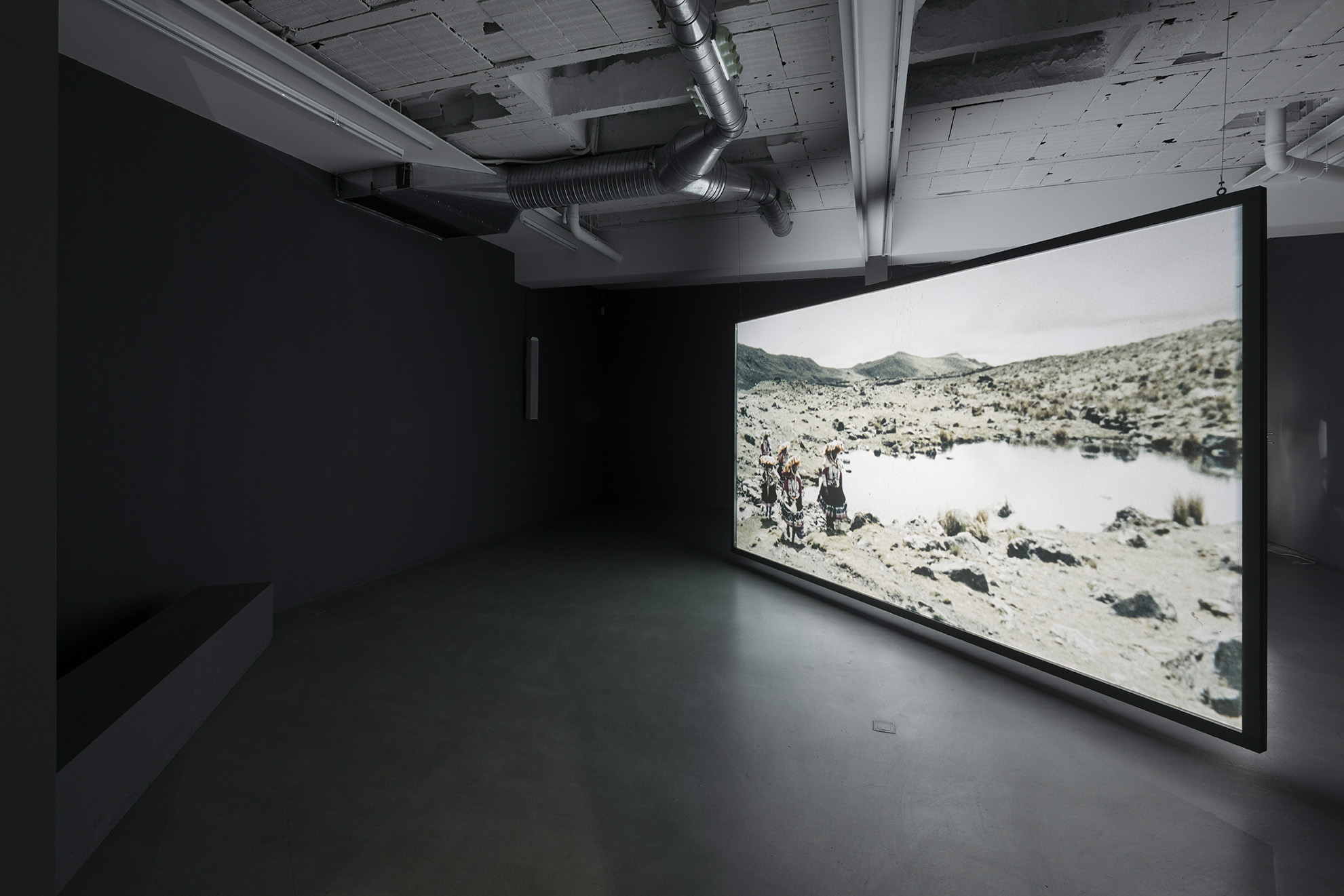
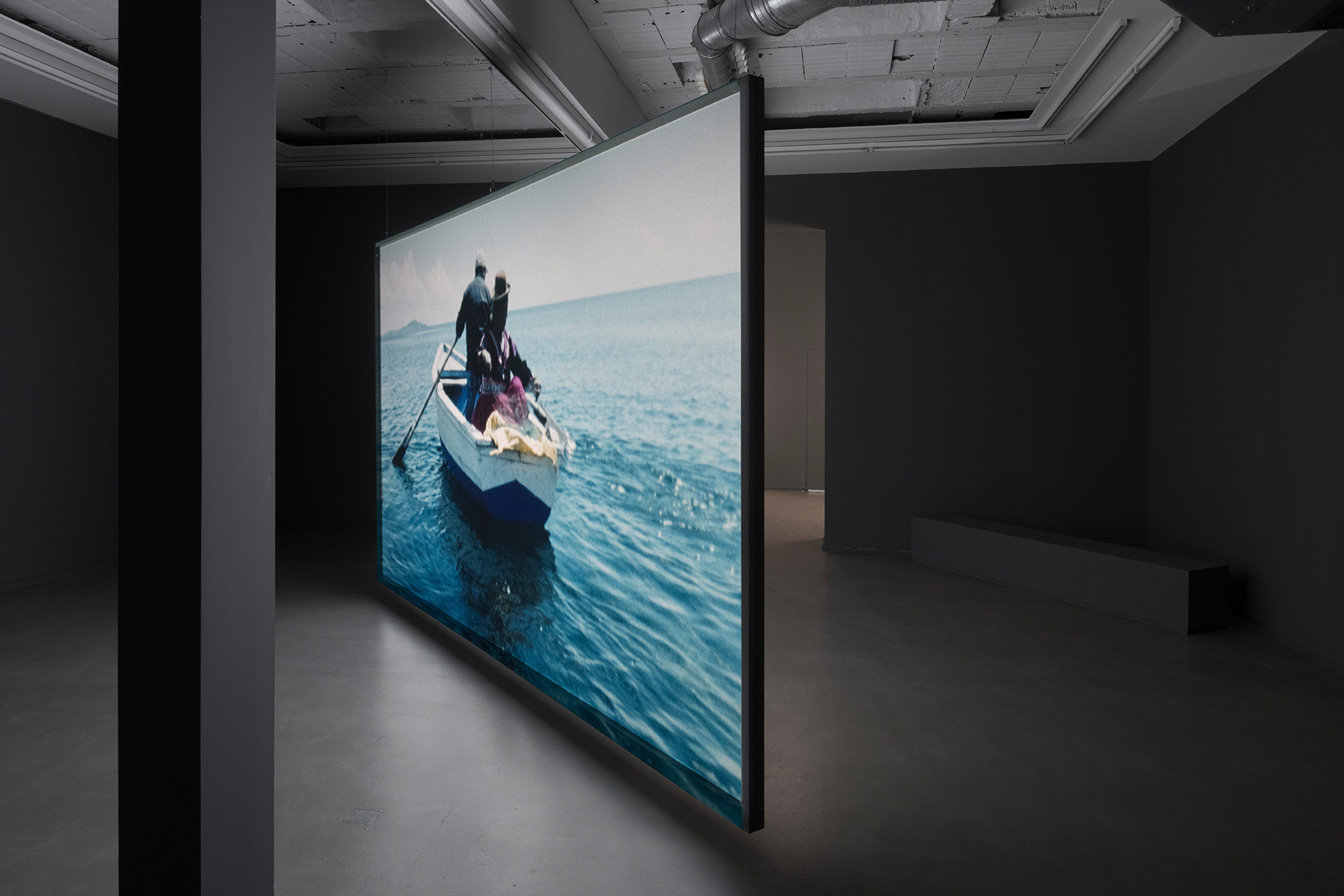
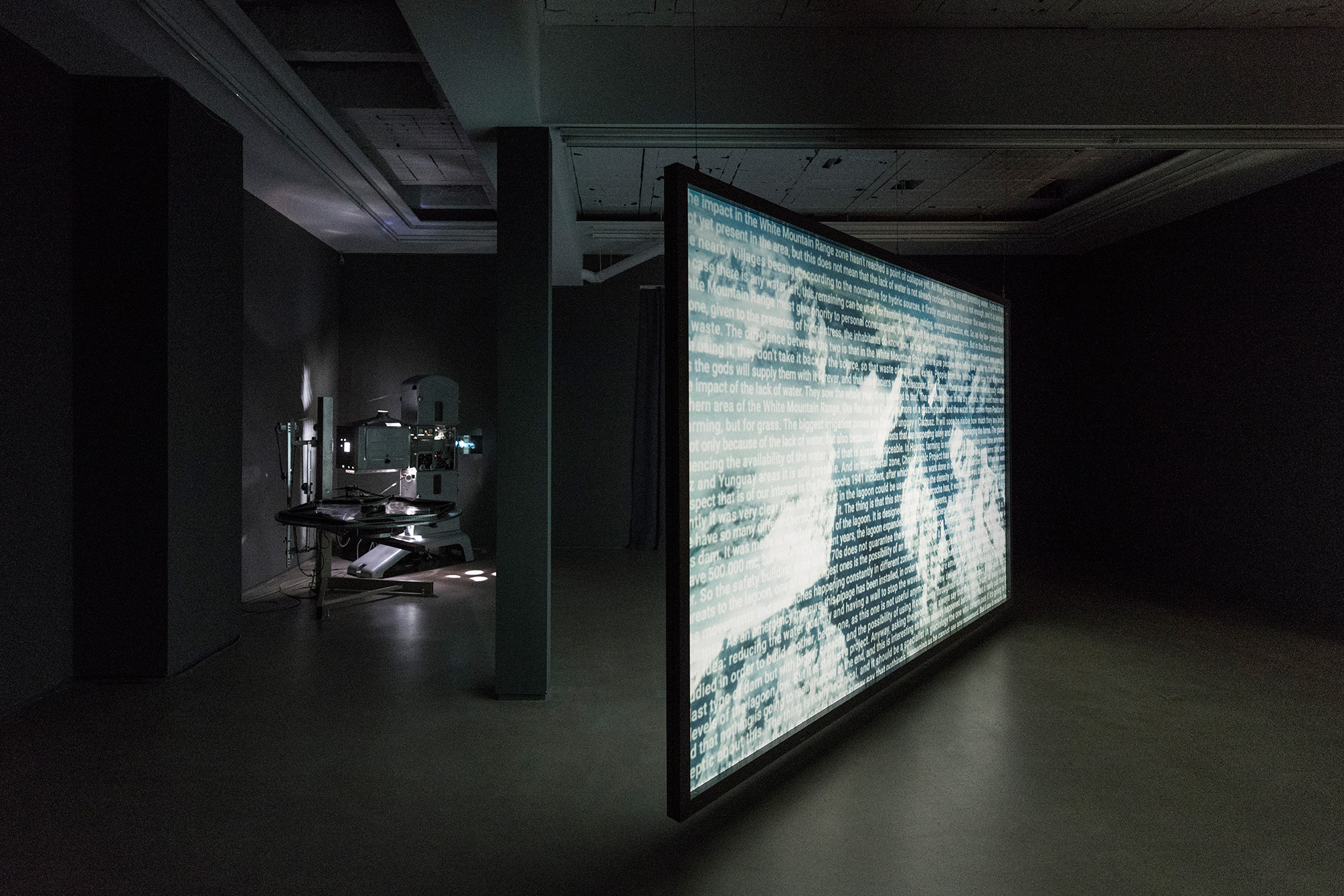
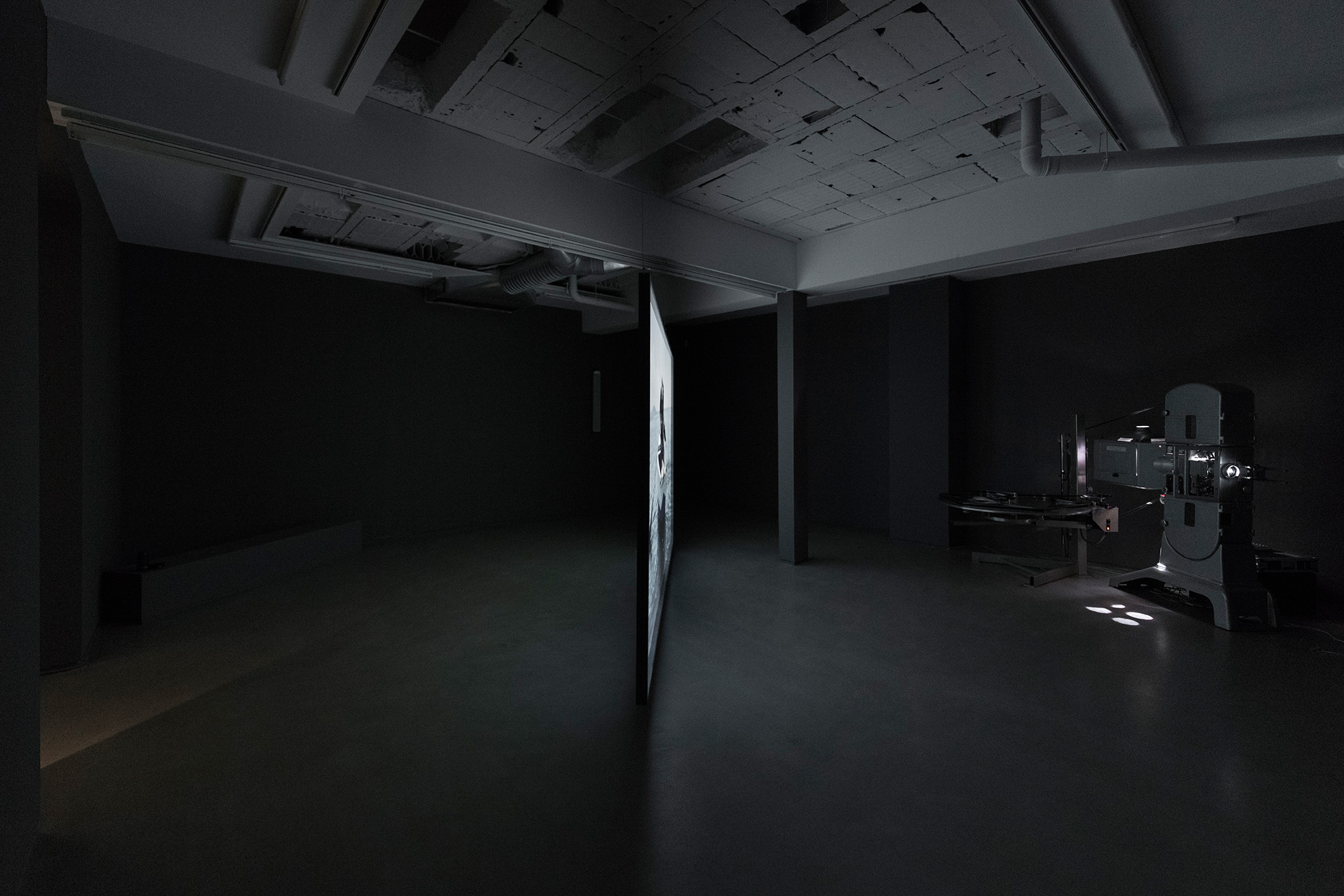
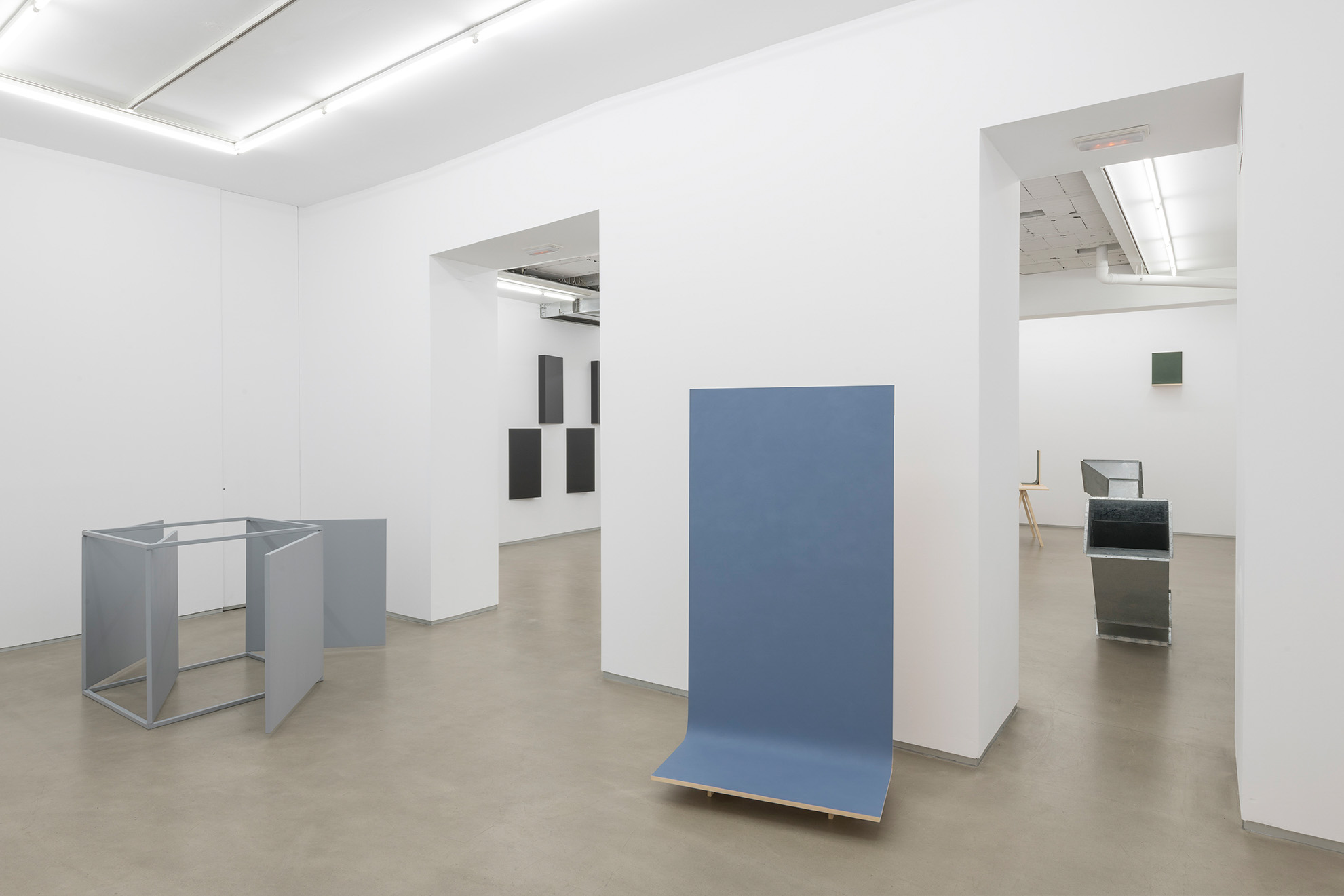
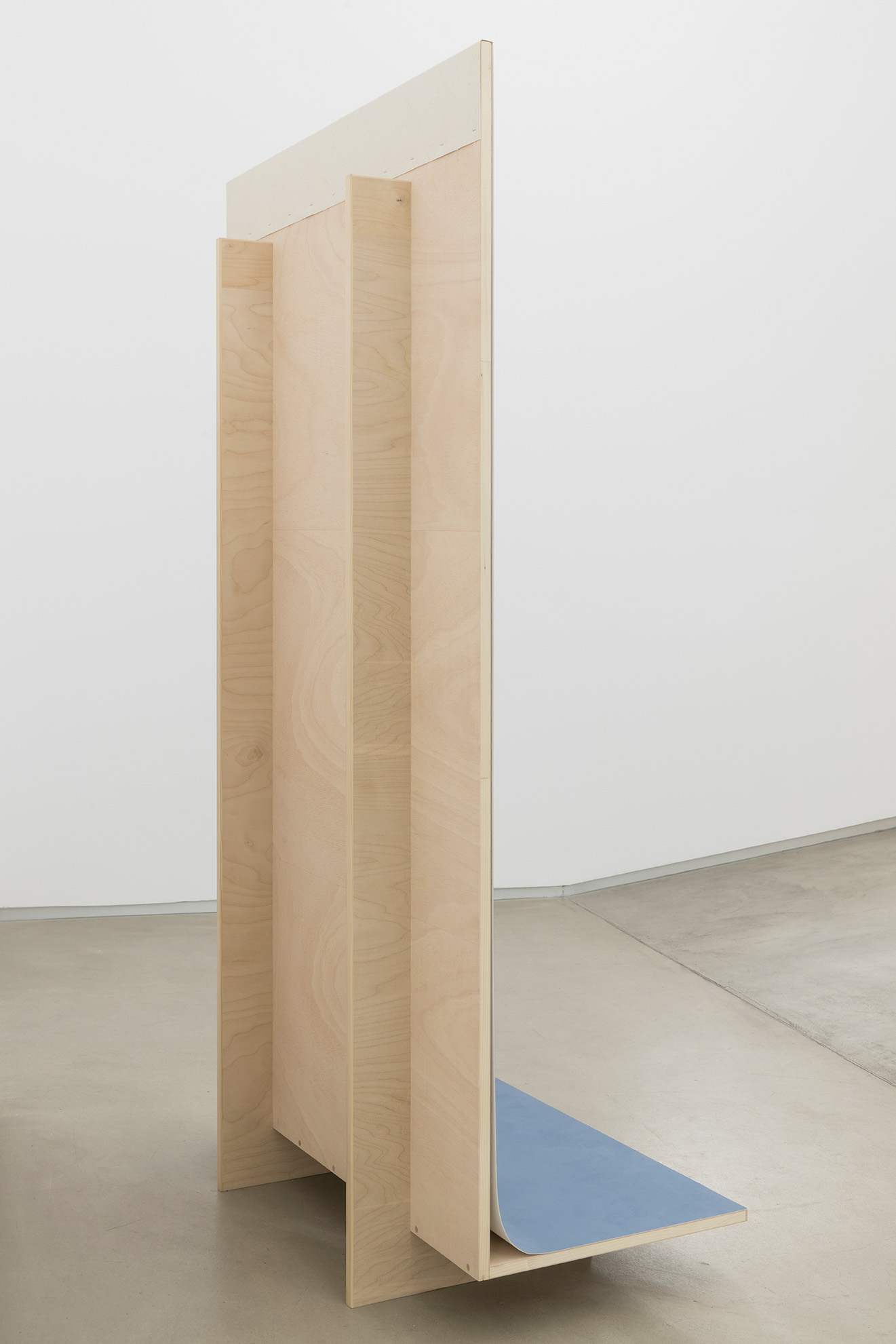
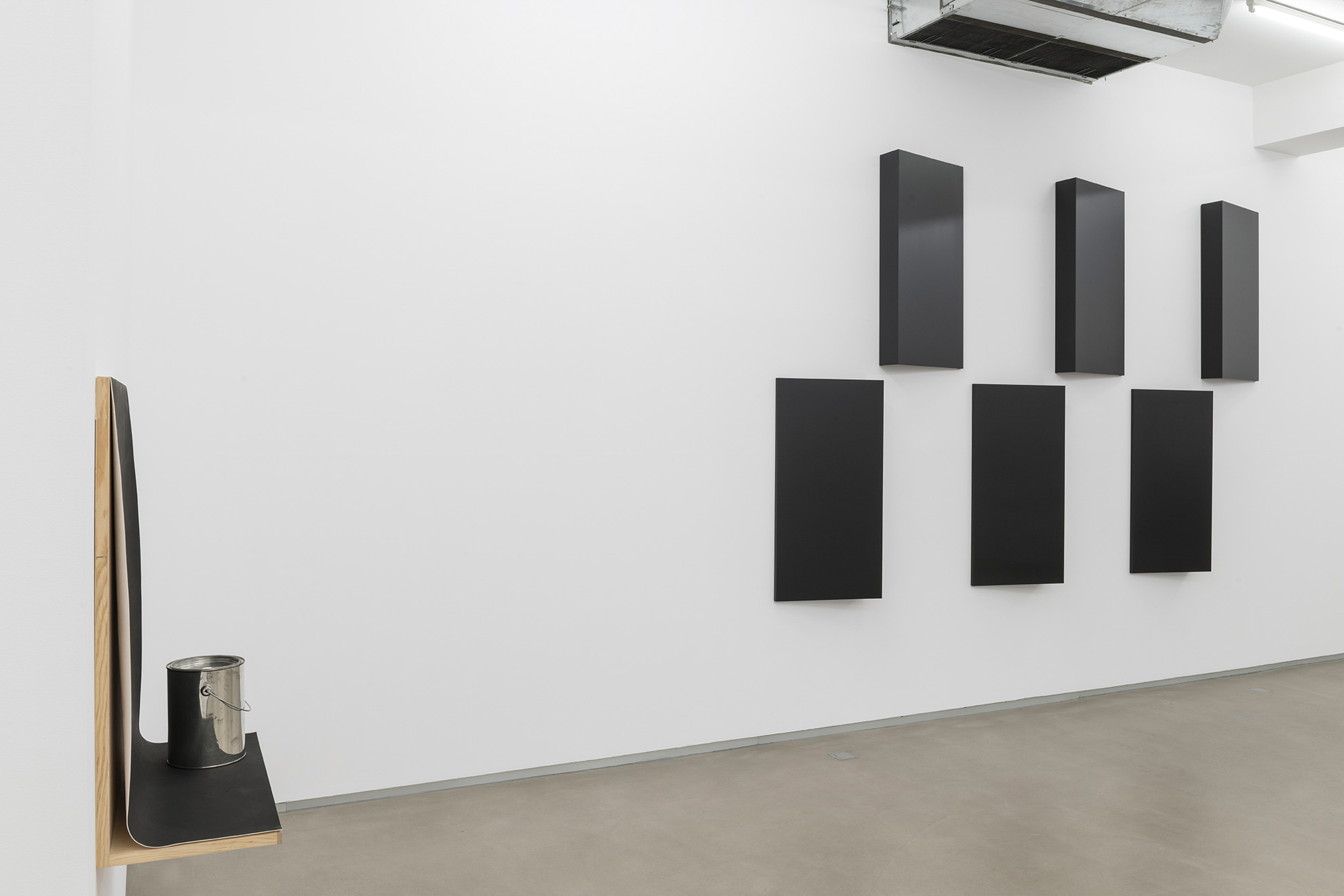
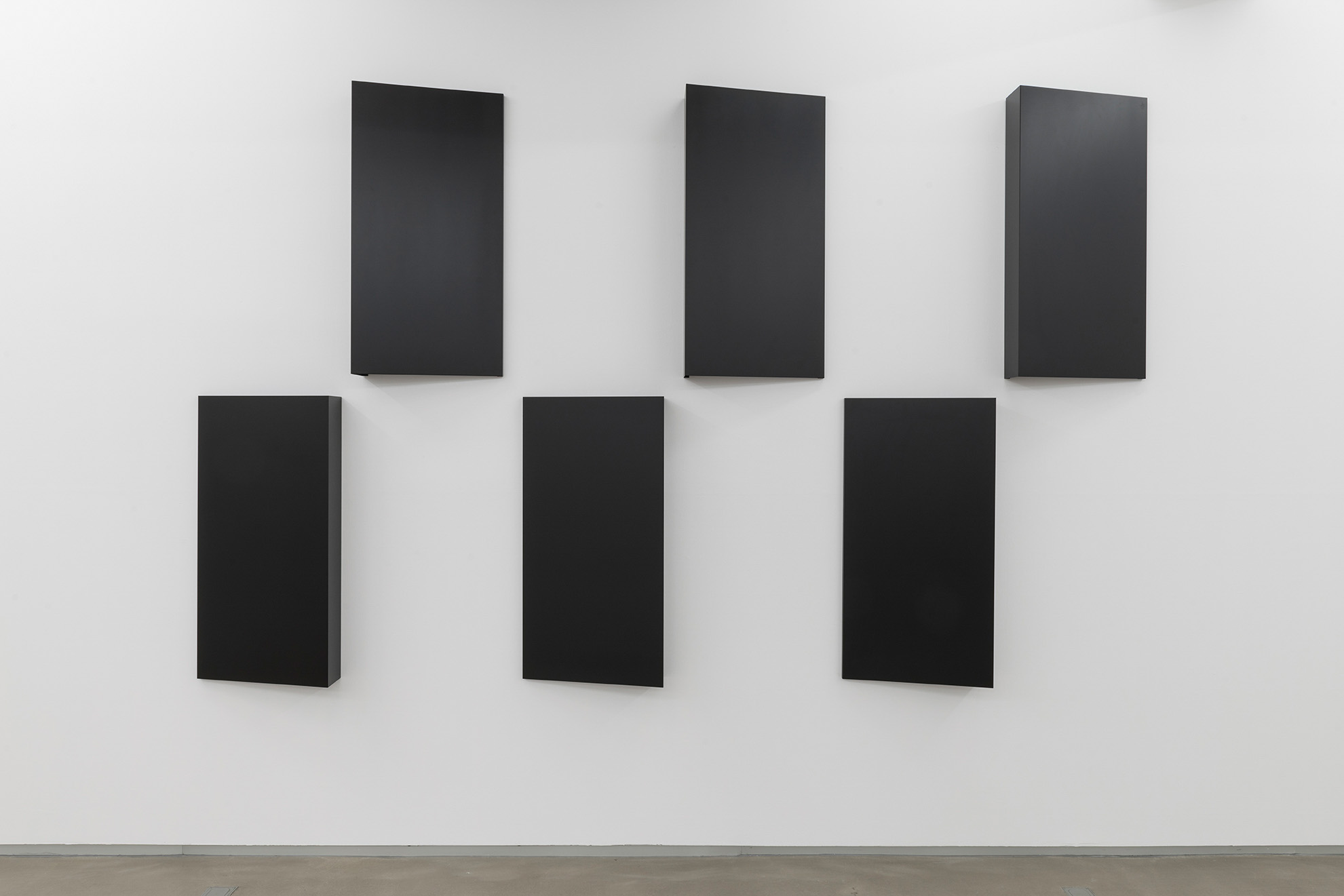
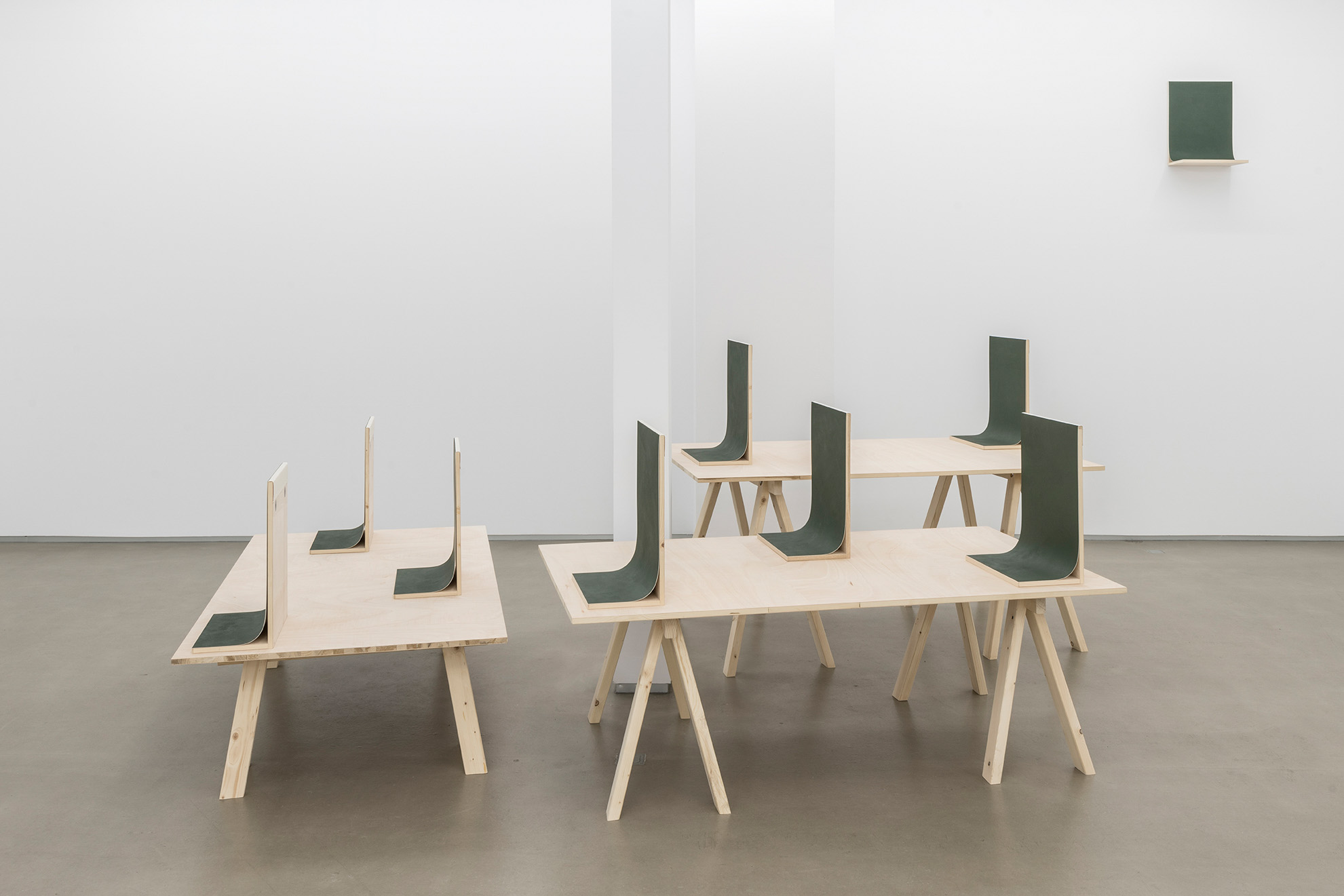
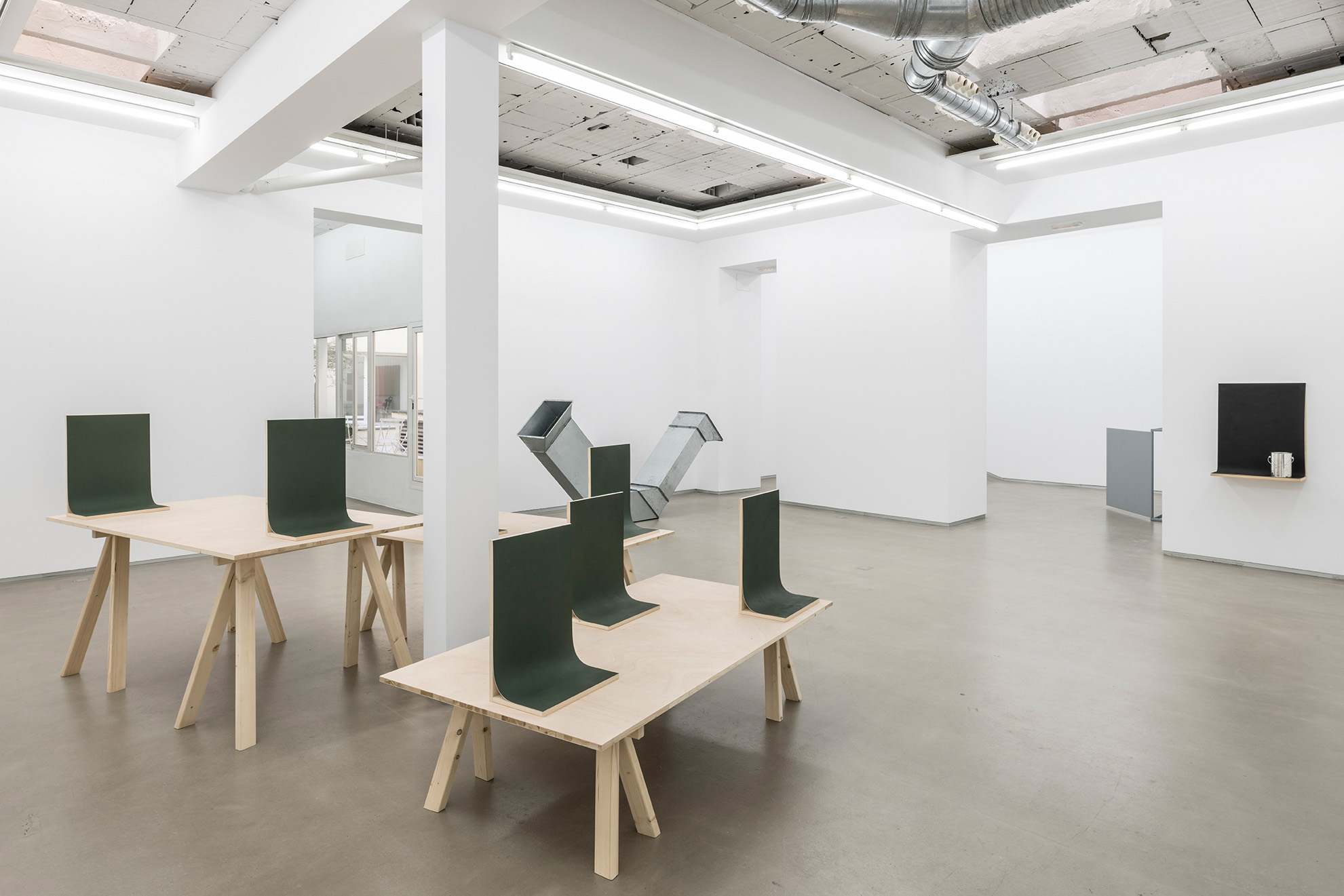
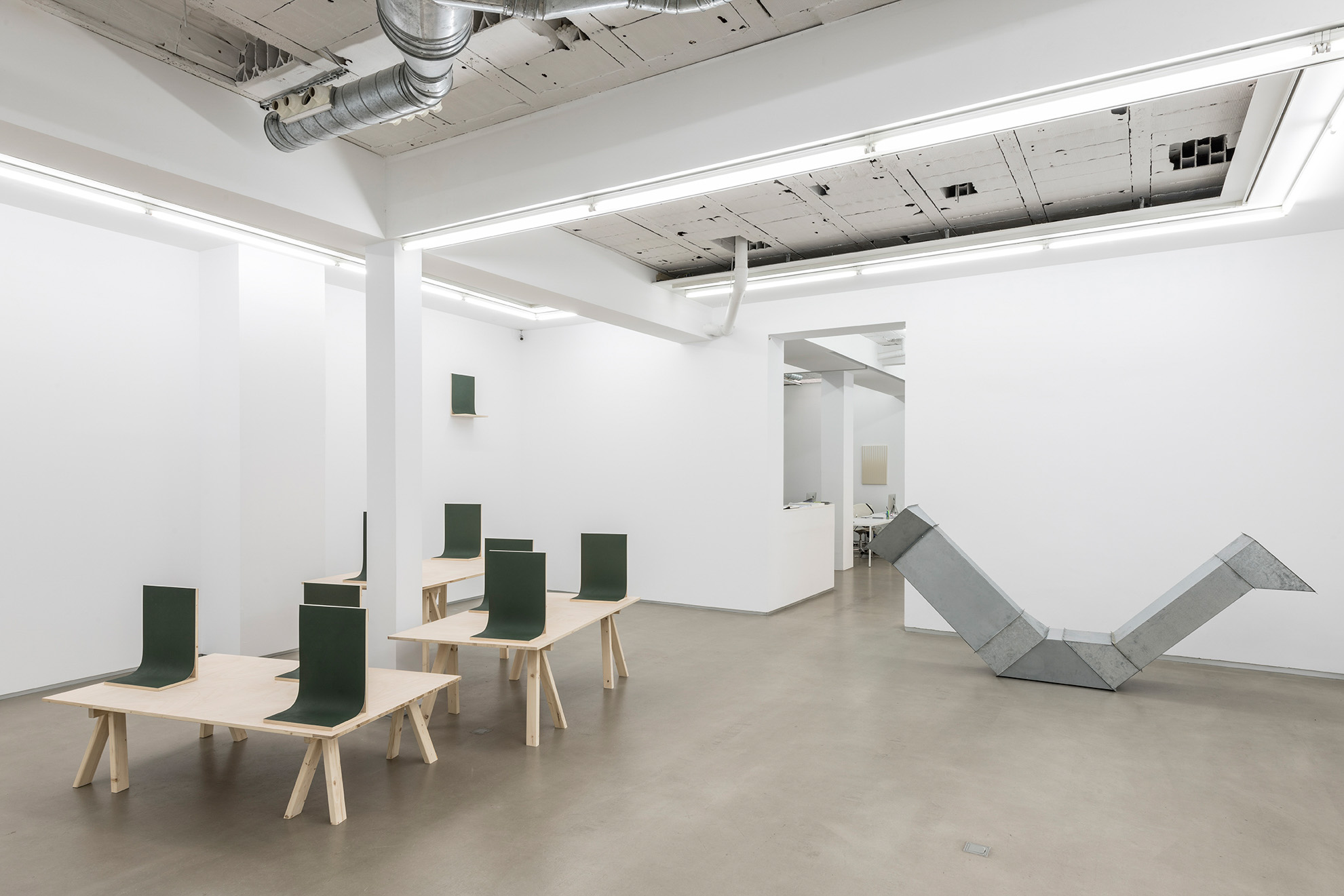
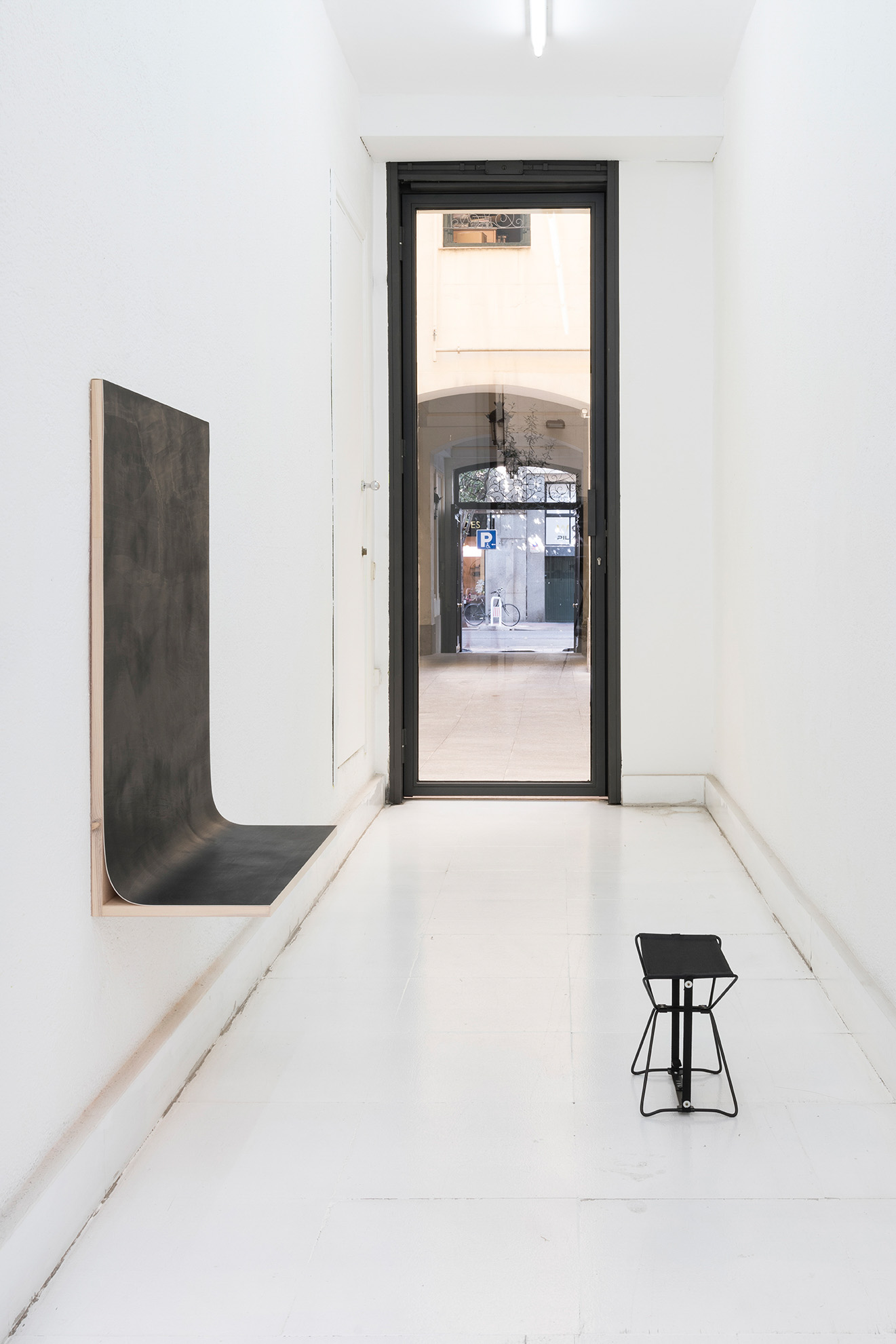
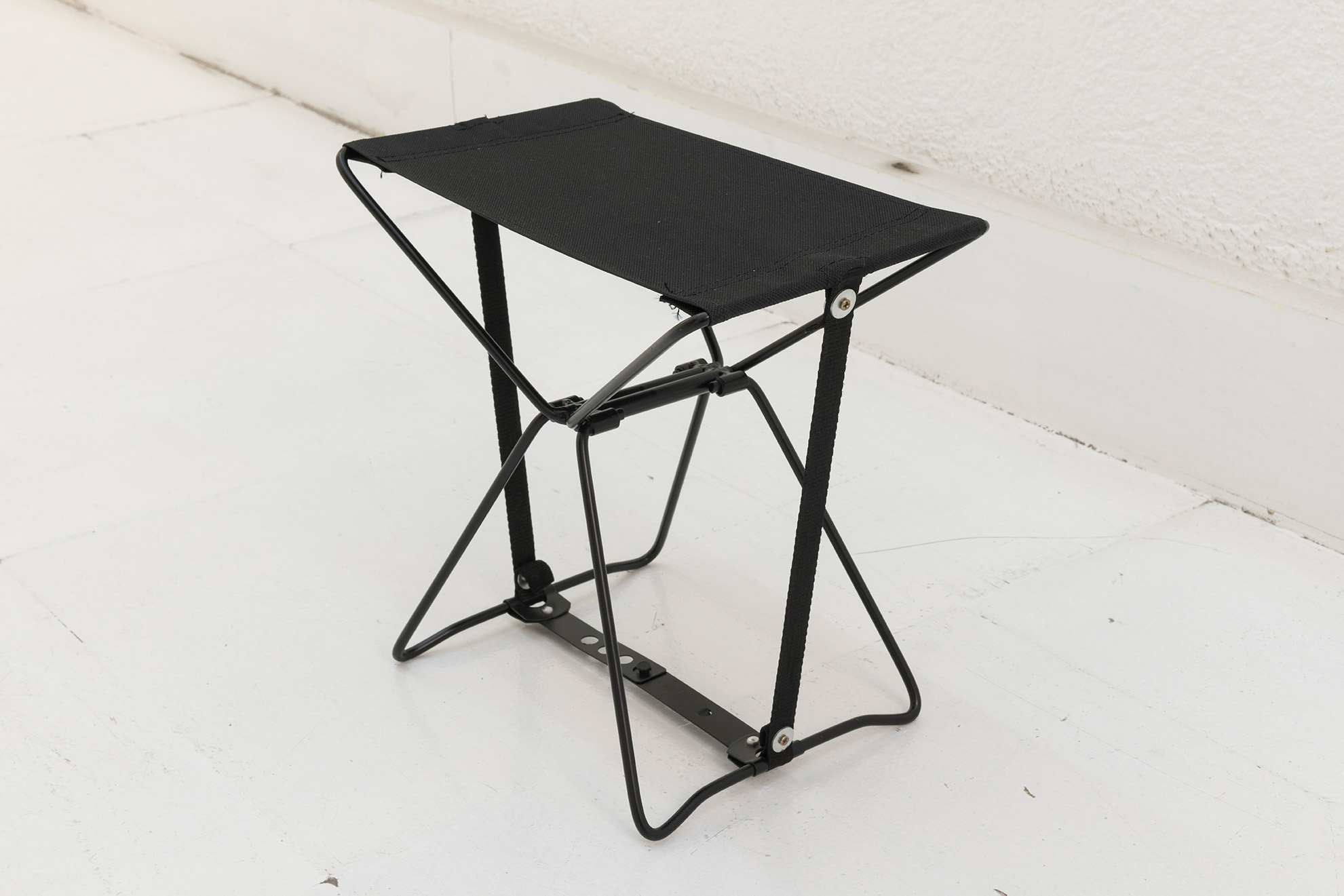
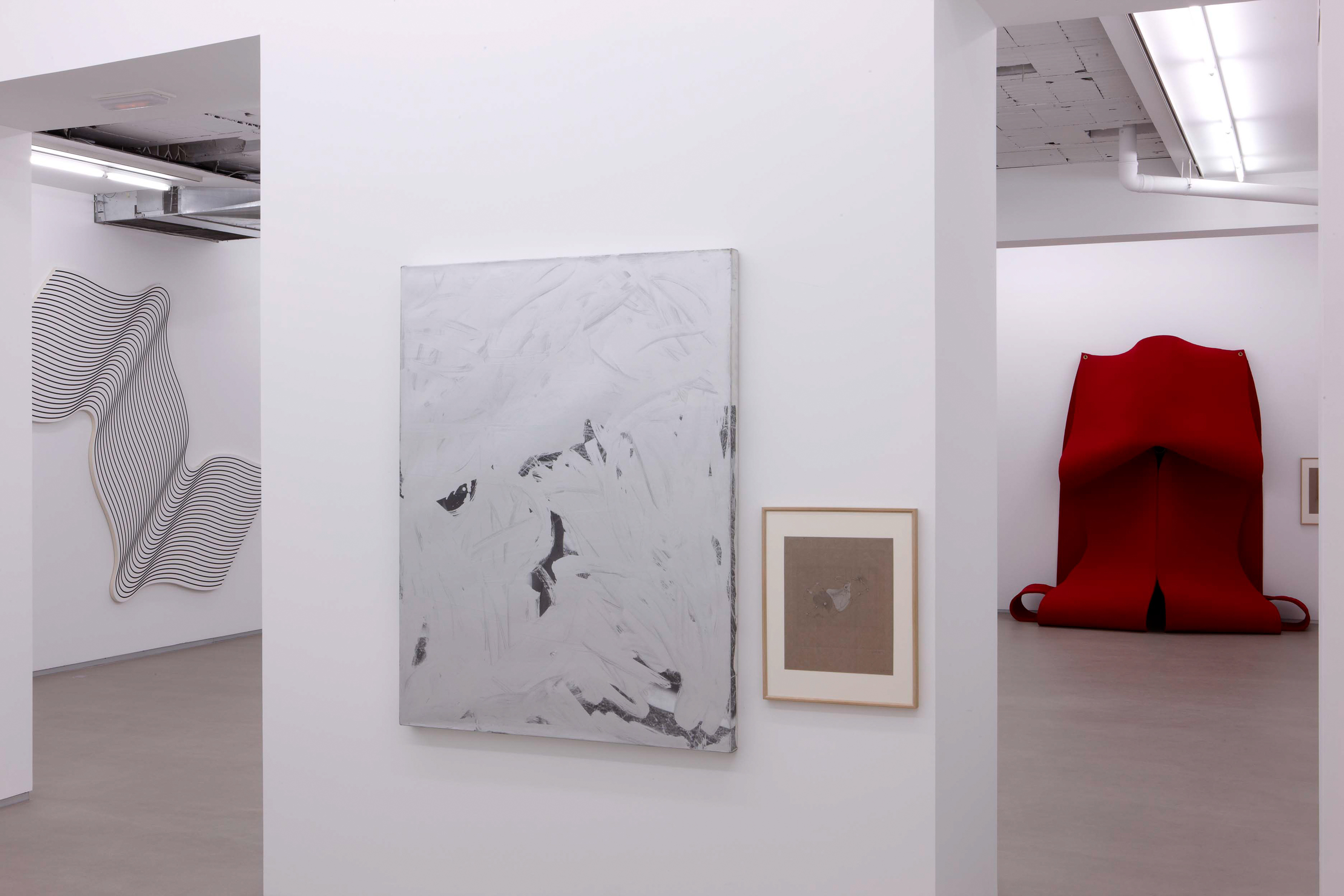
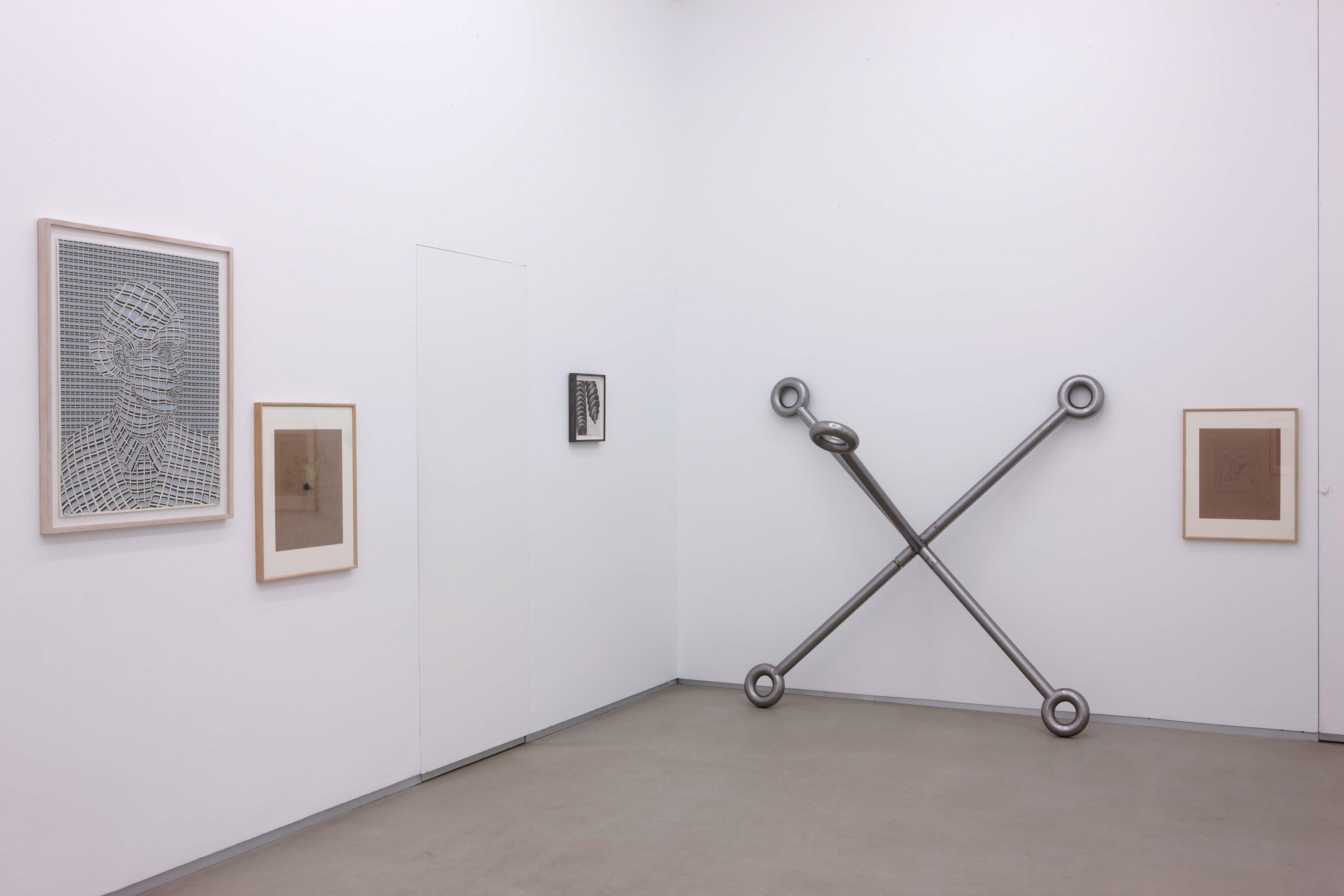
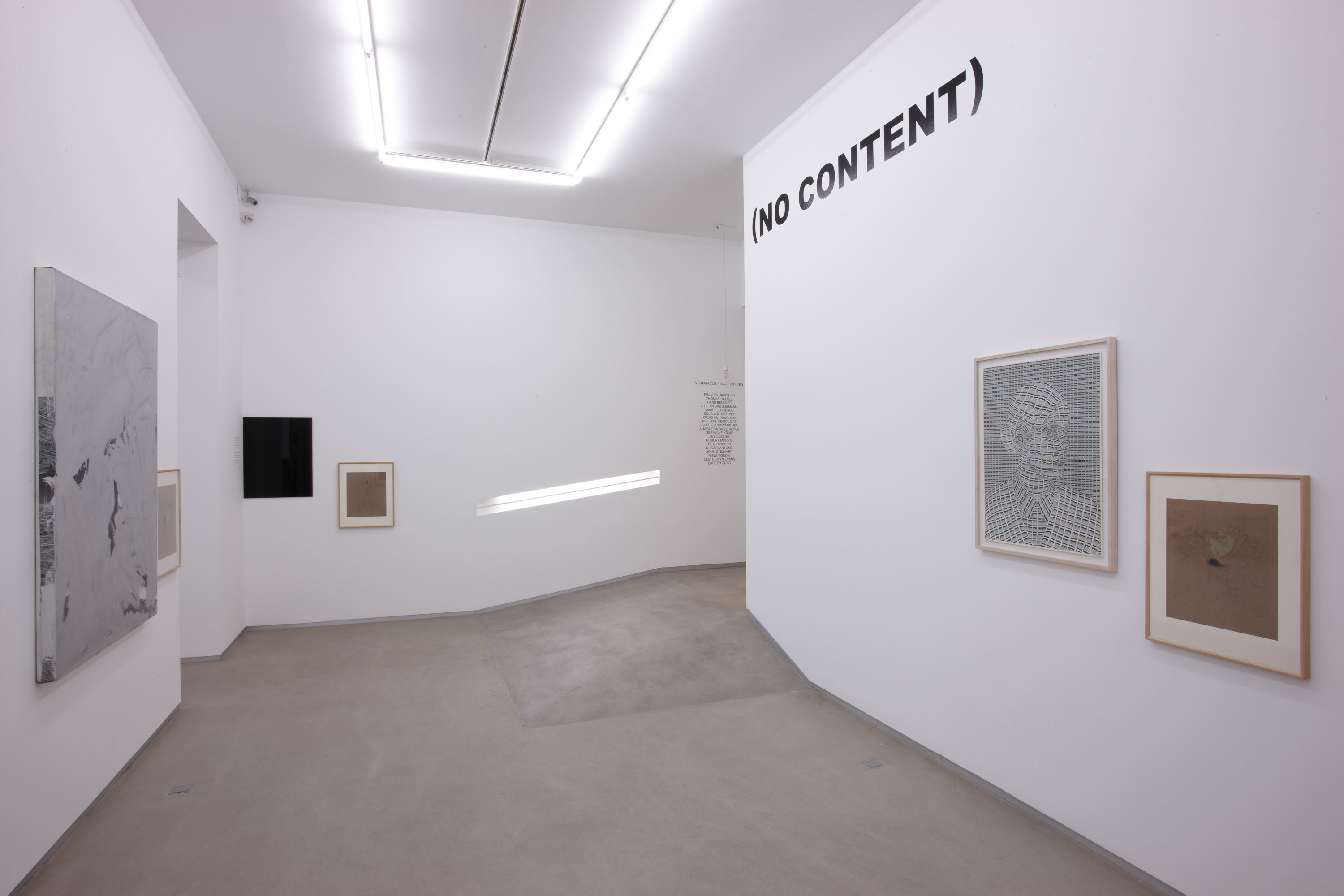
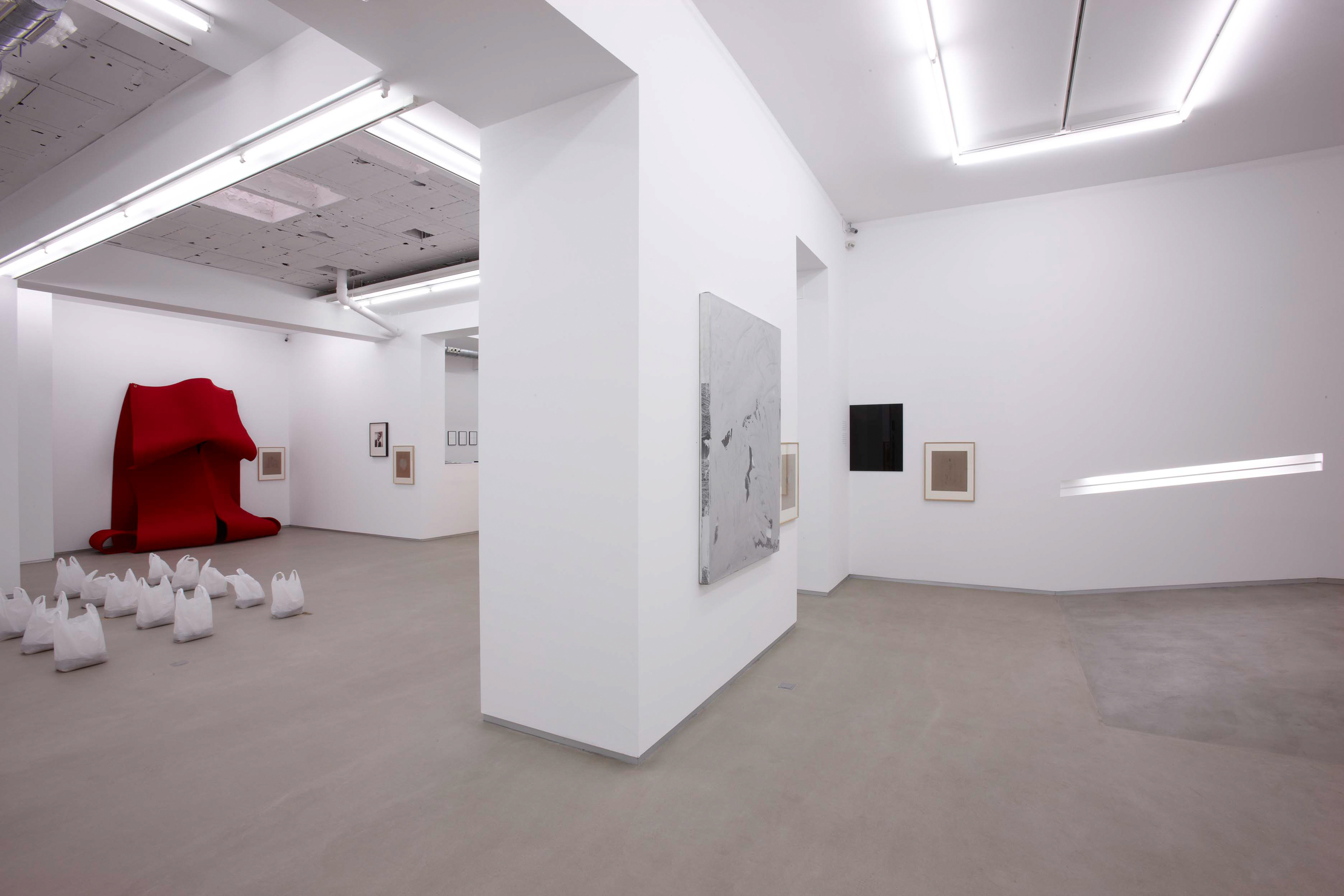
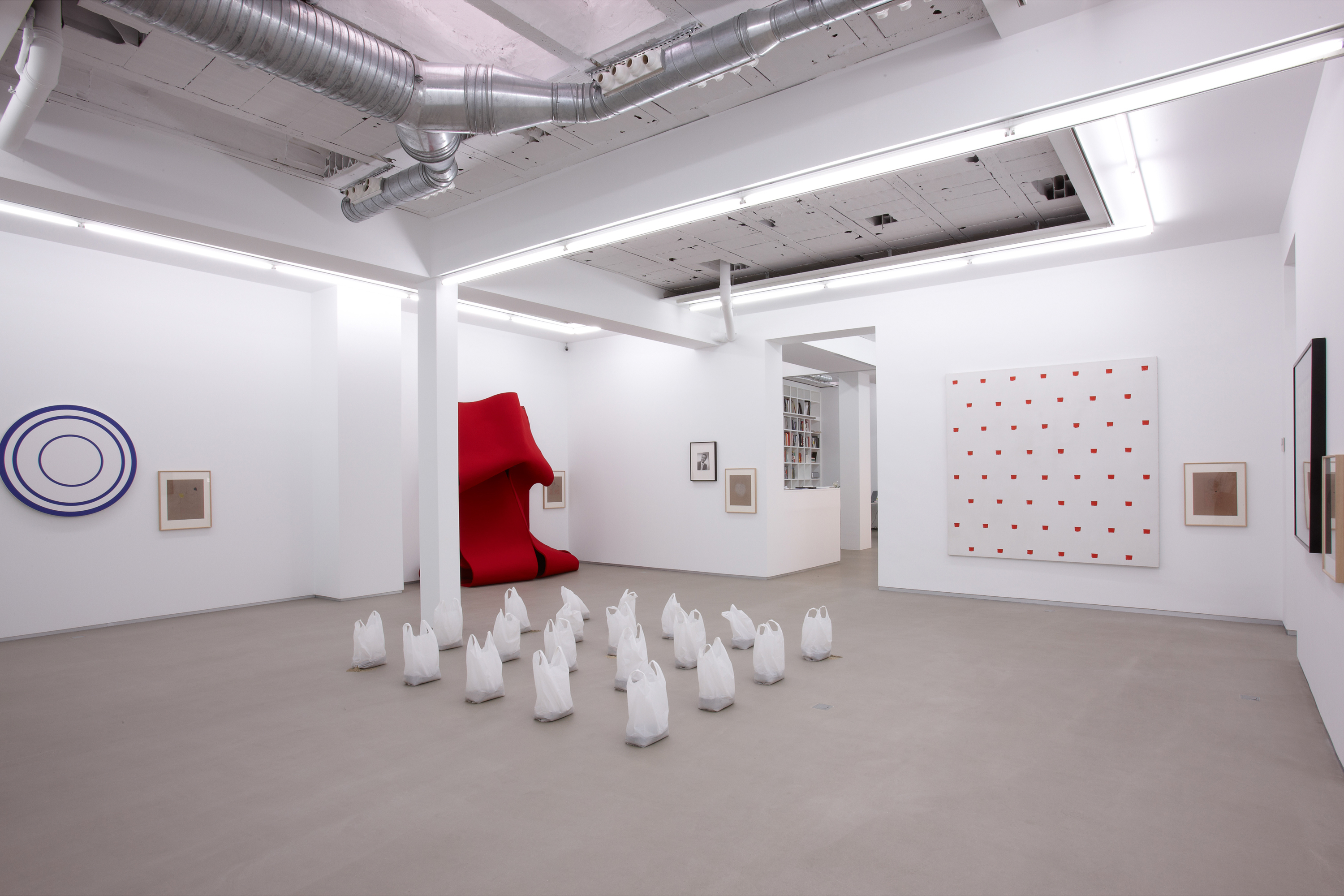
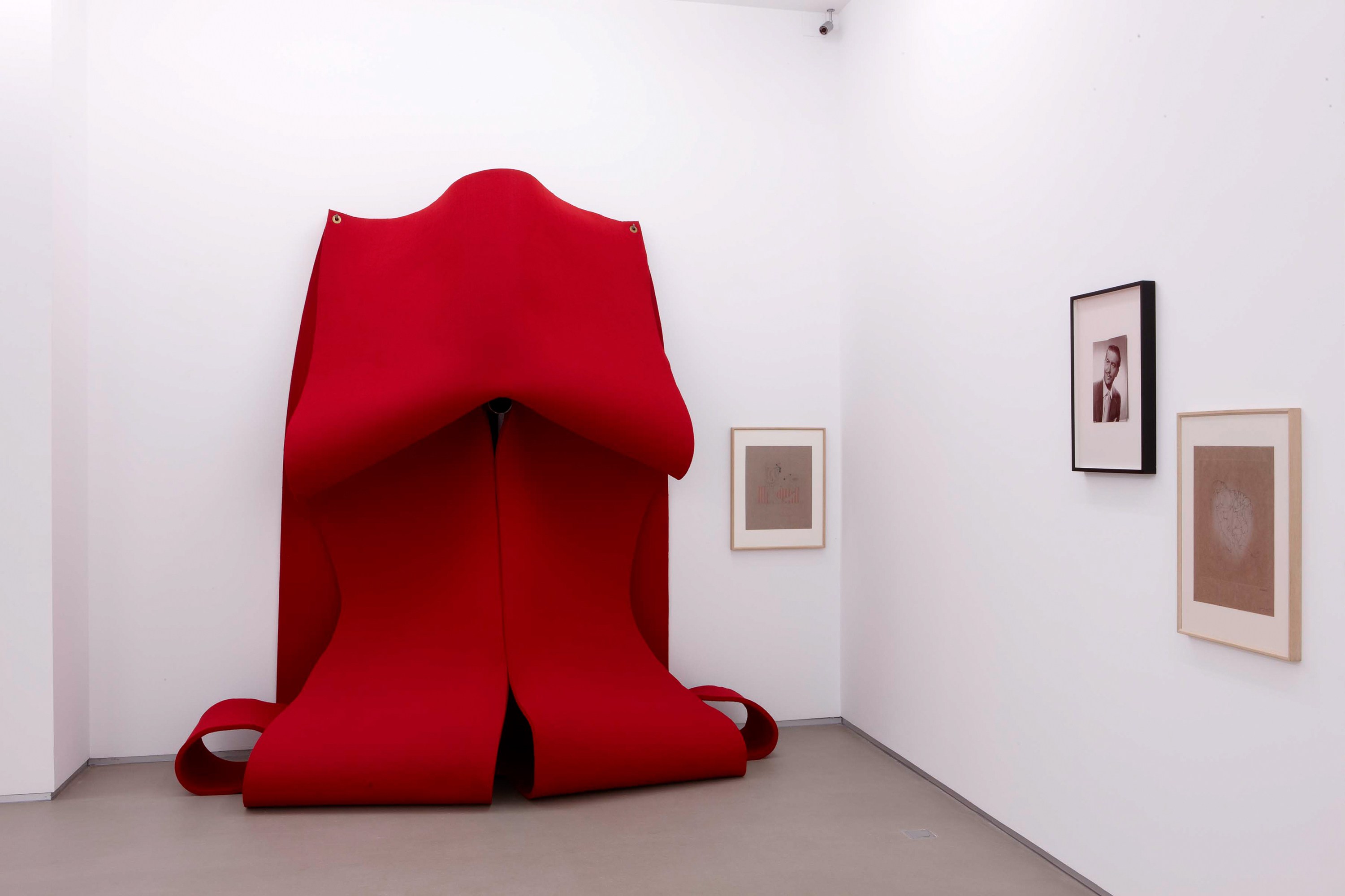
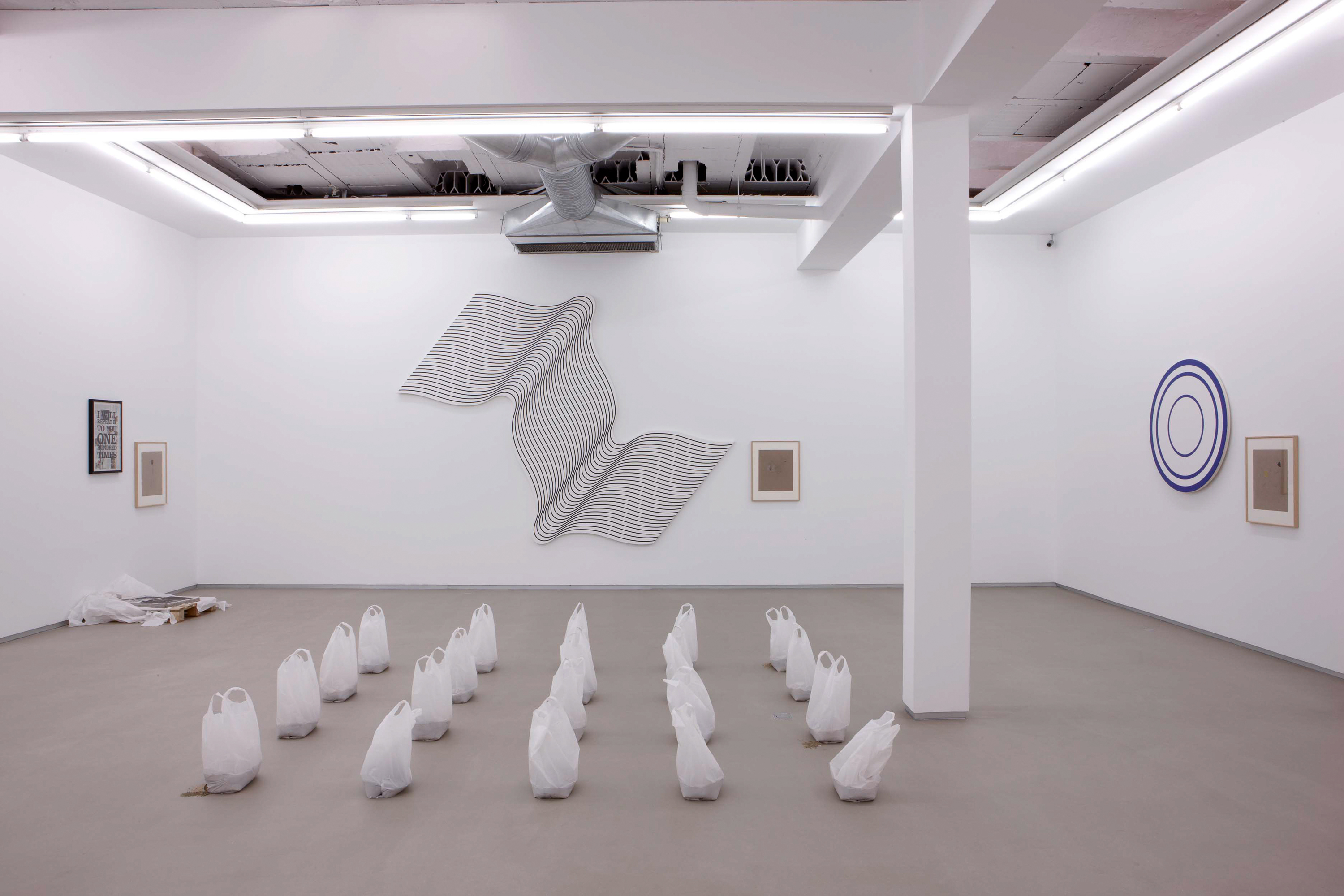
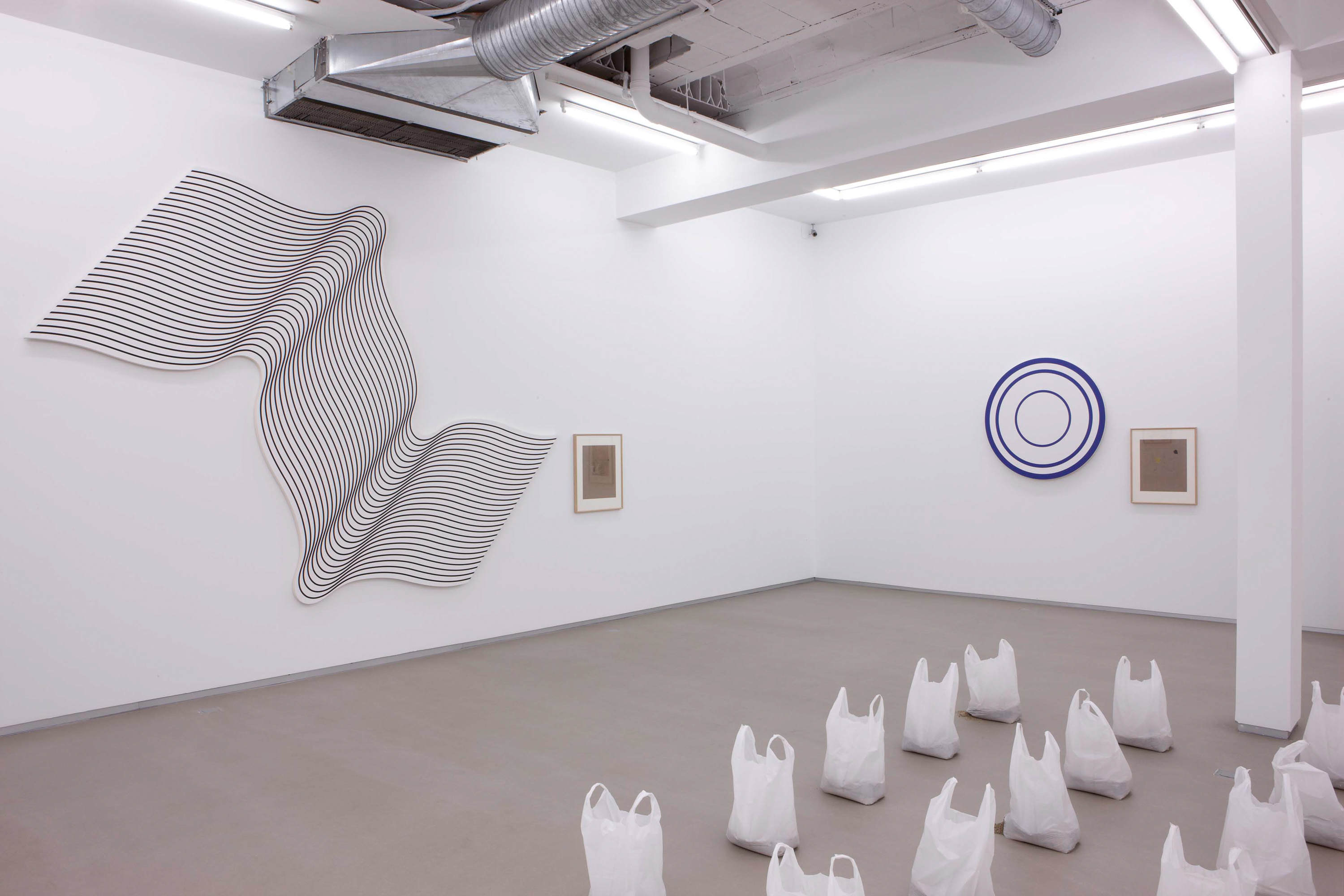
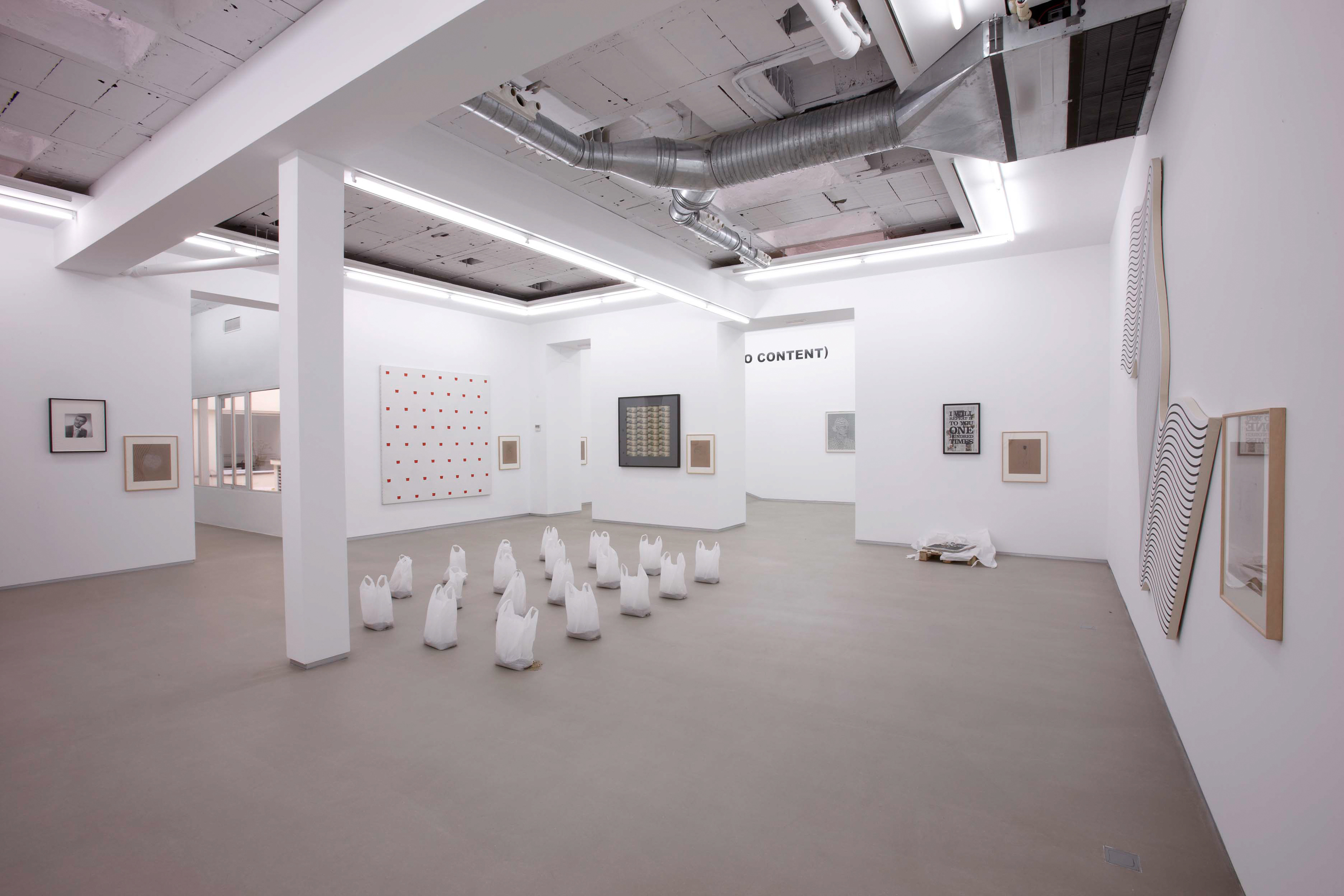
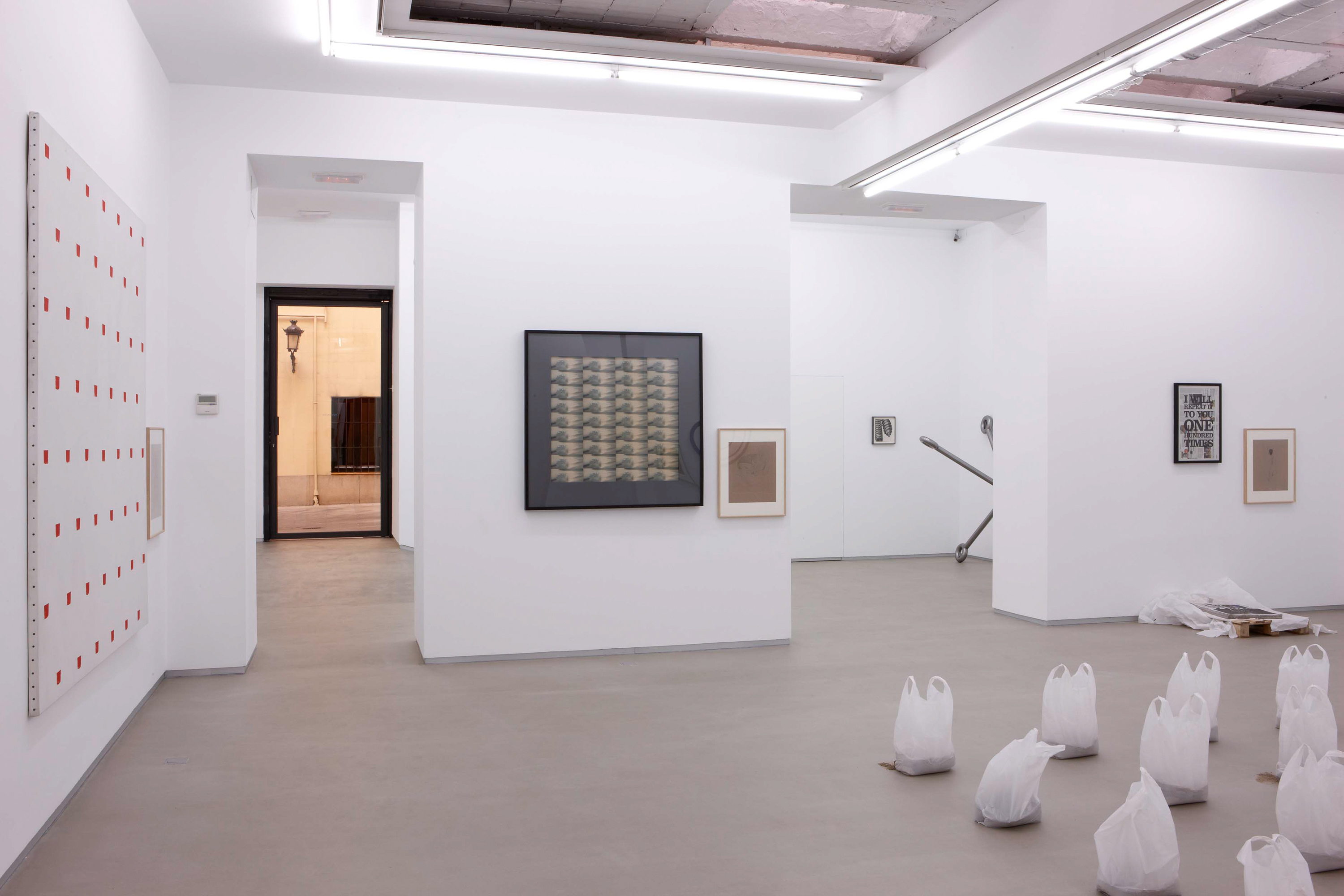
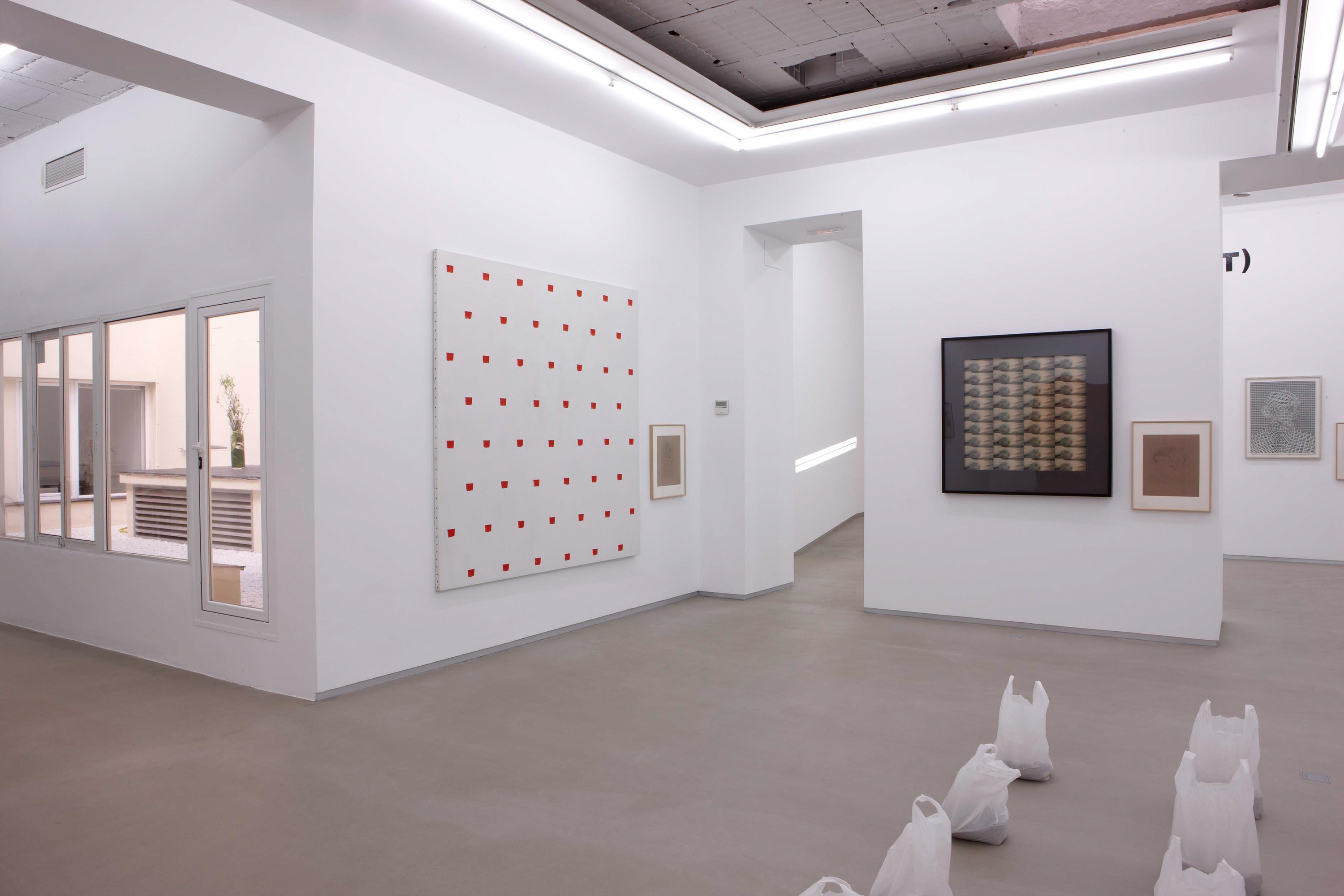
‘Epicentre: Conversations and discussions between artists’ is an exhibition where four duets and a quartet of artists have created dialogues in between to make specific projects for our space. In this way, the artists are who provide the rules for the show, acting the gallery only as a moderator.
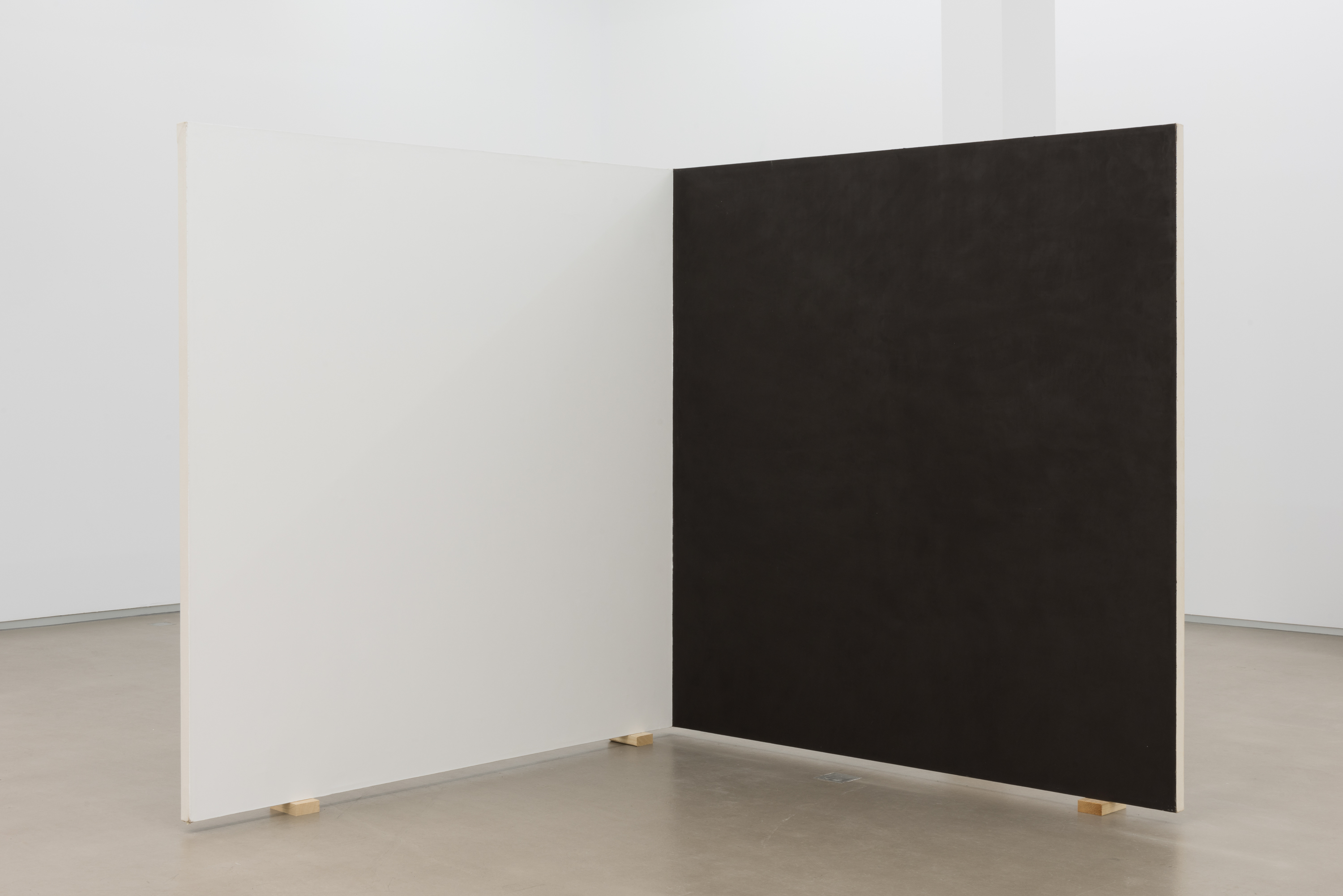
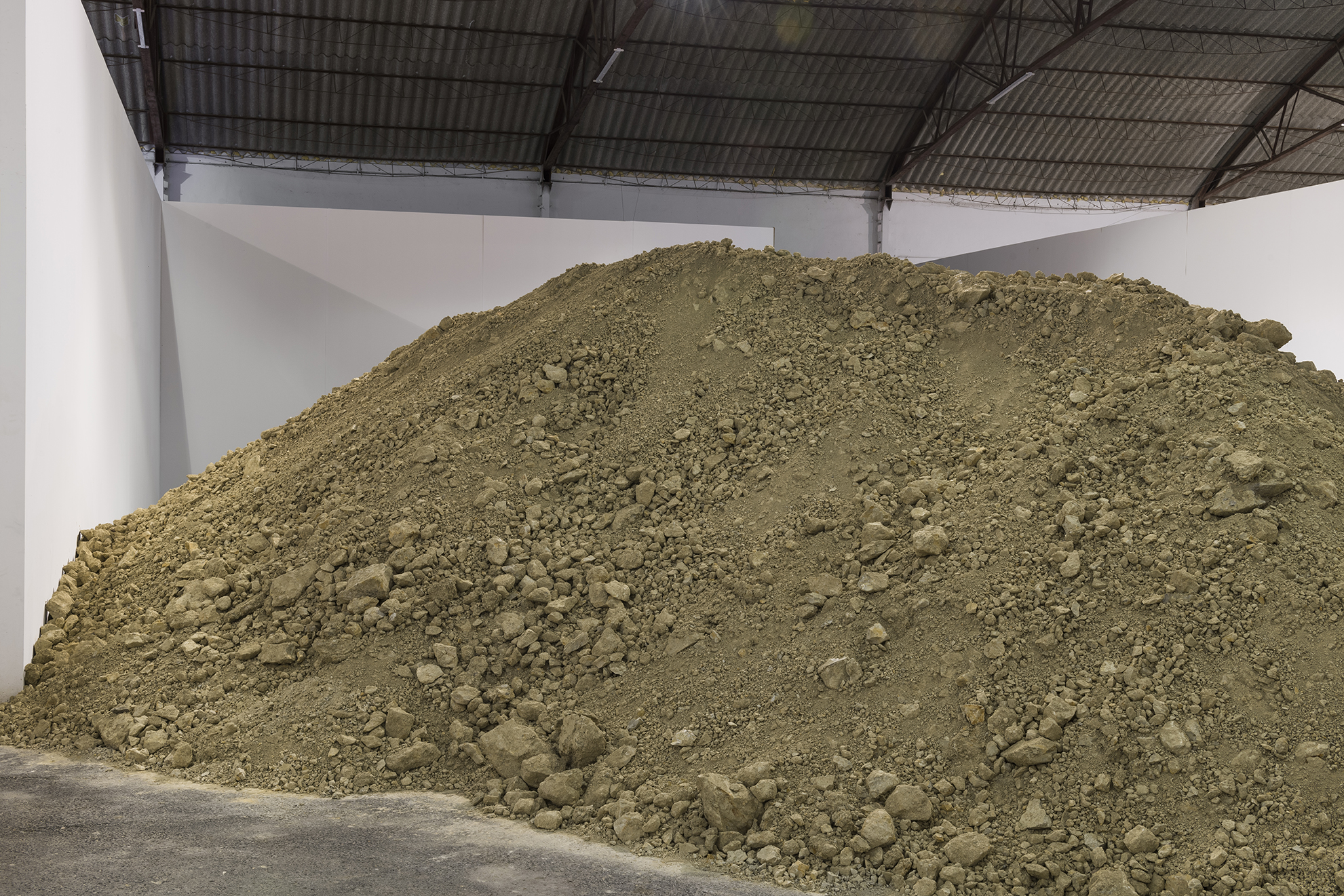
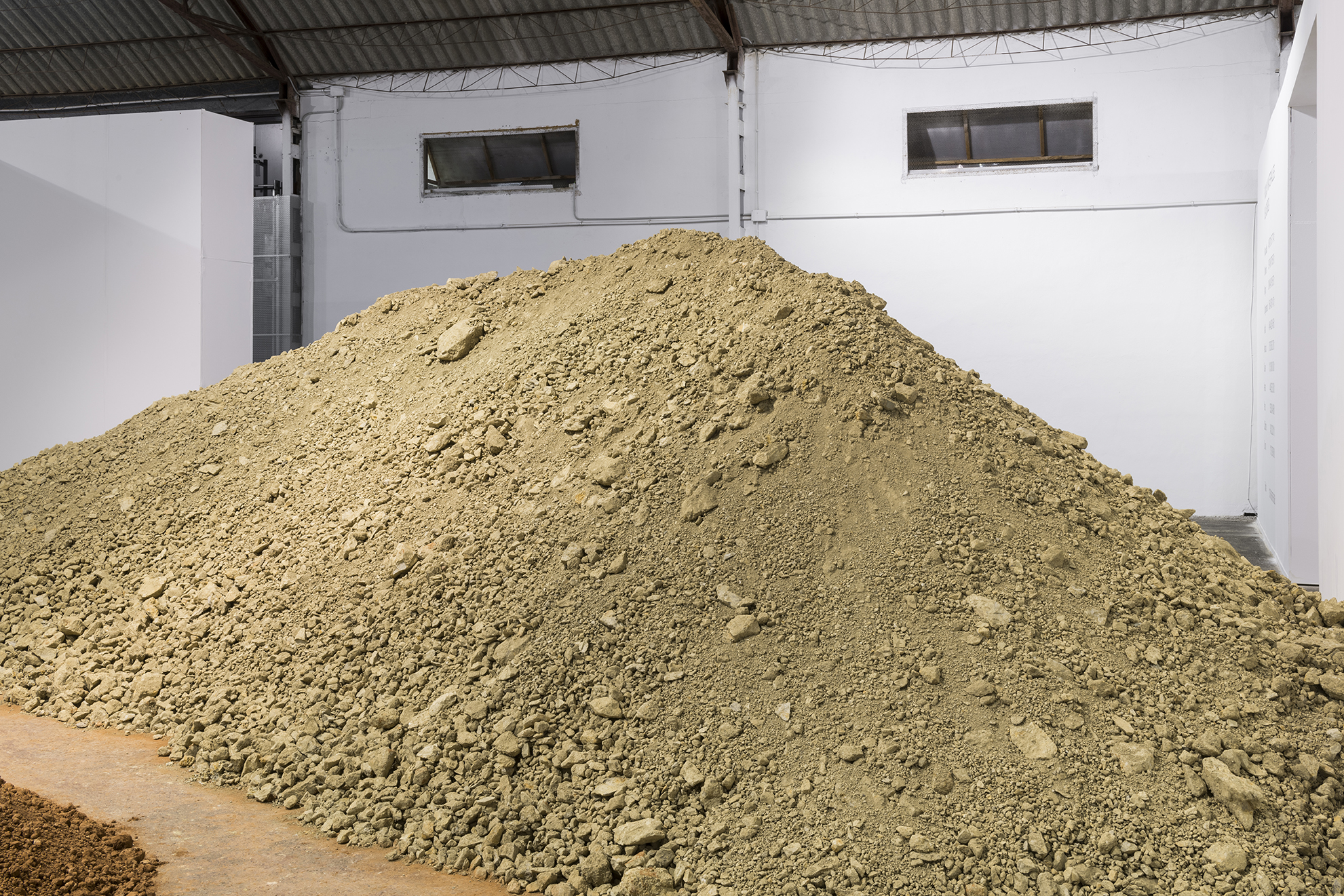
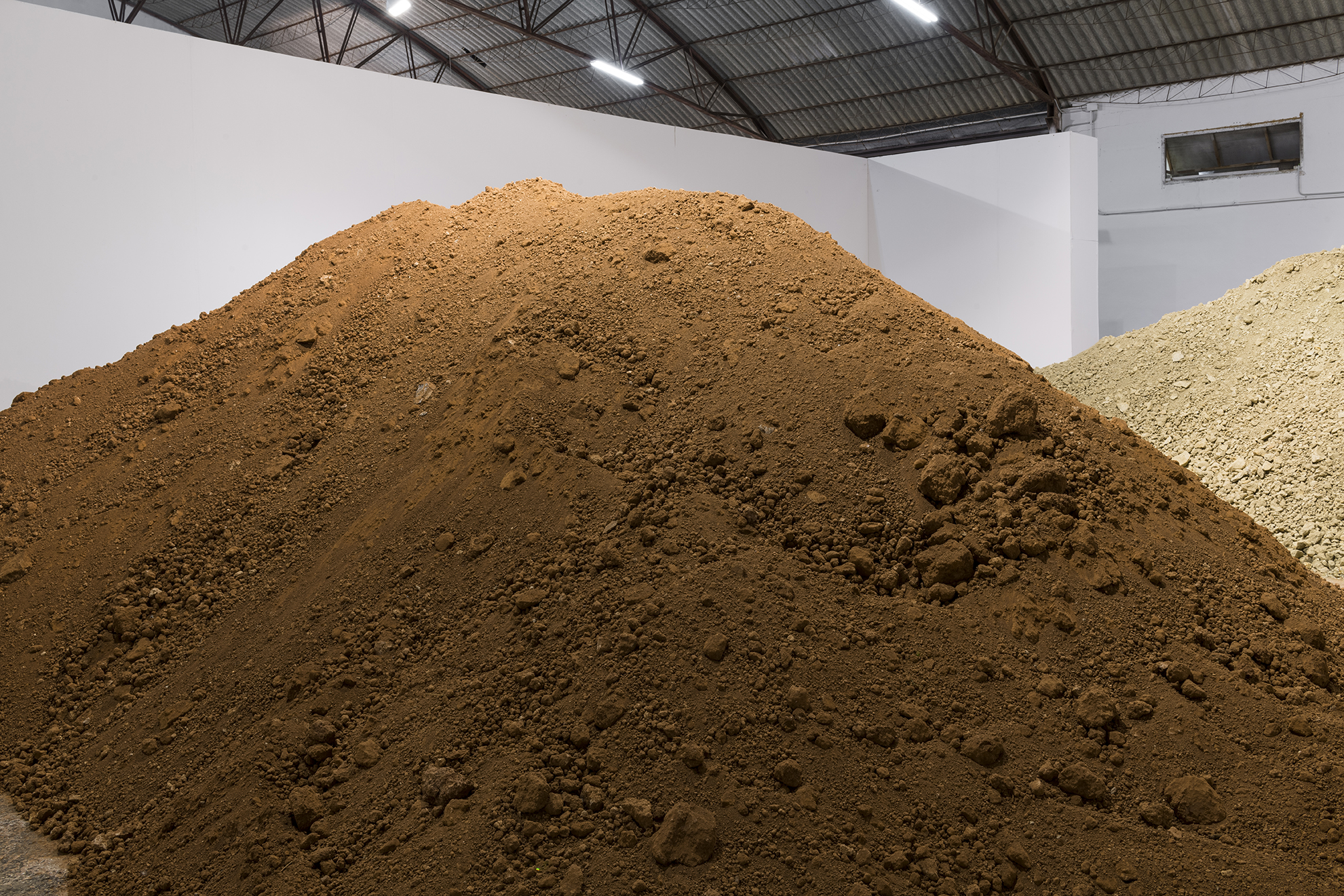
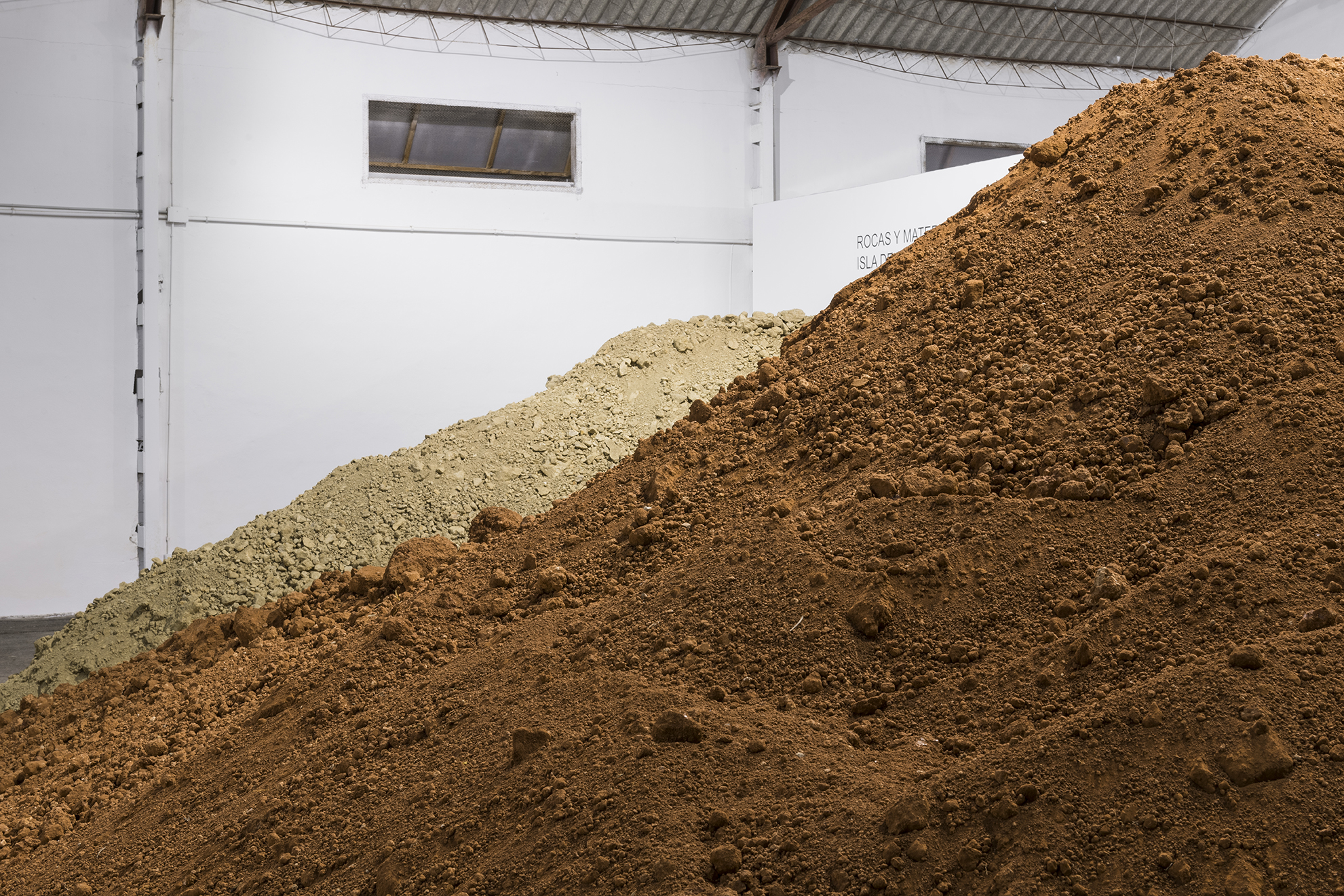
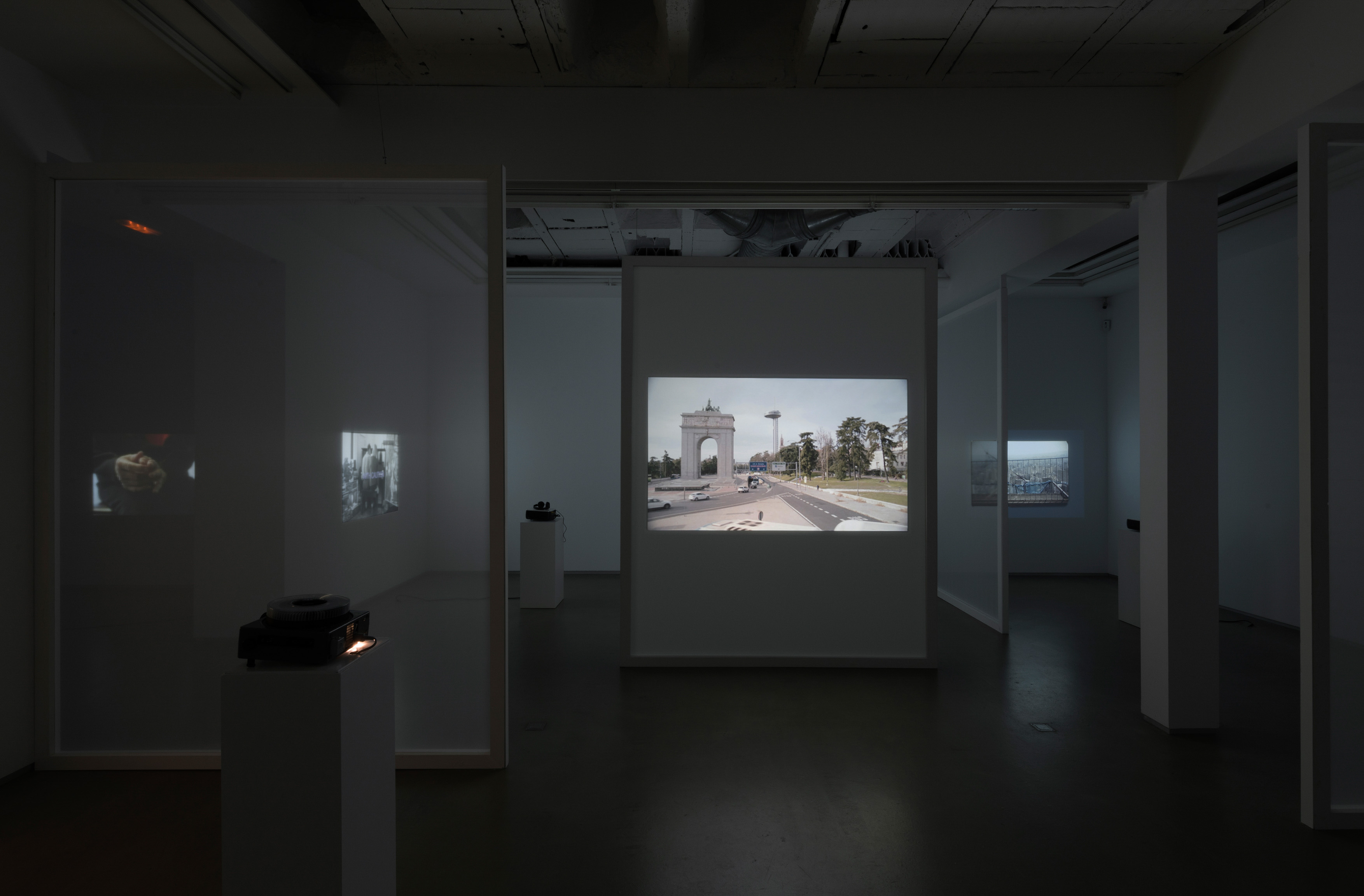
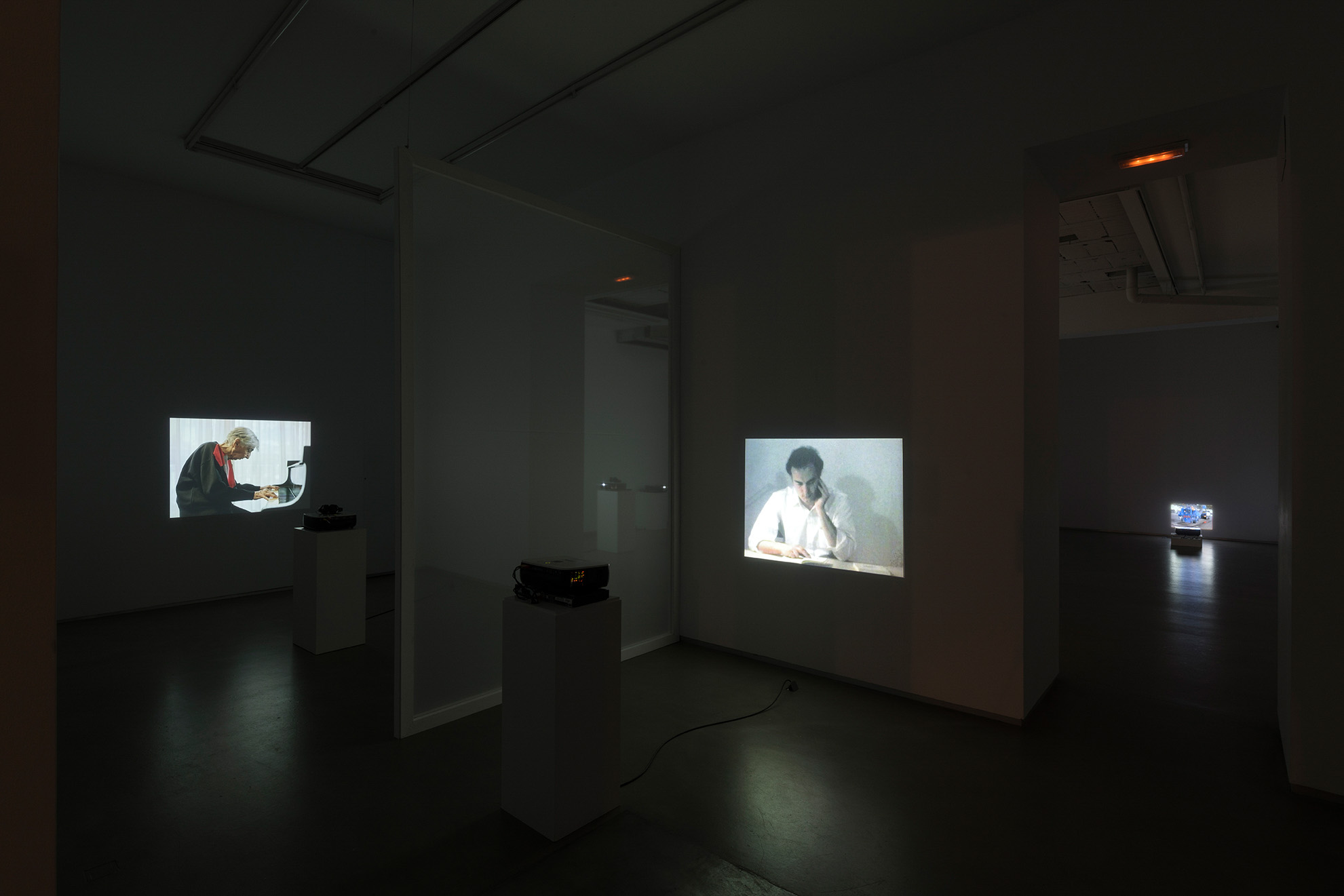
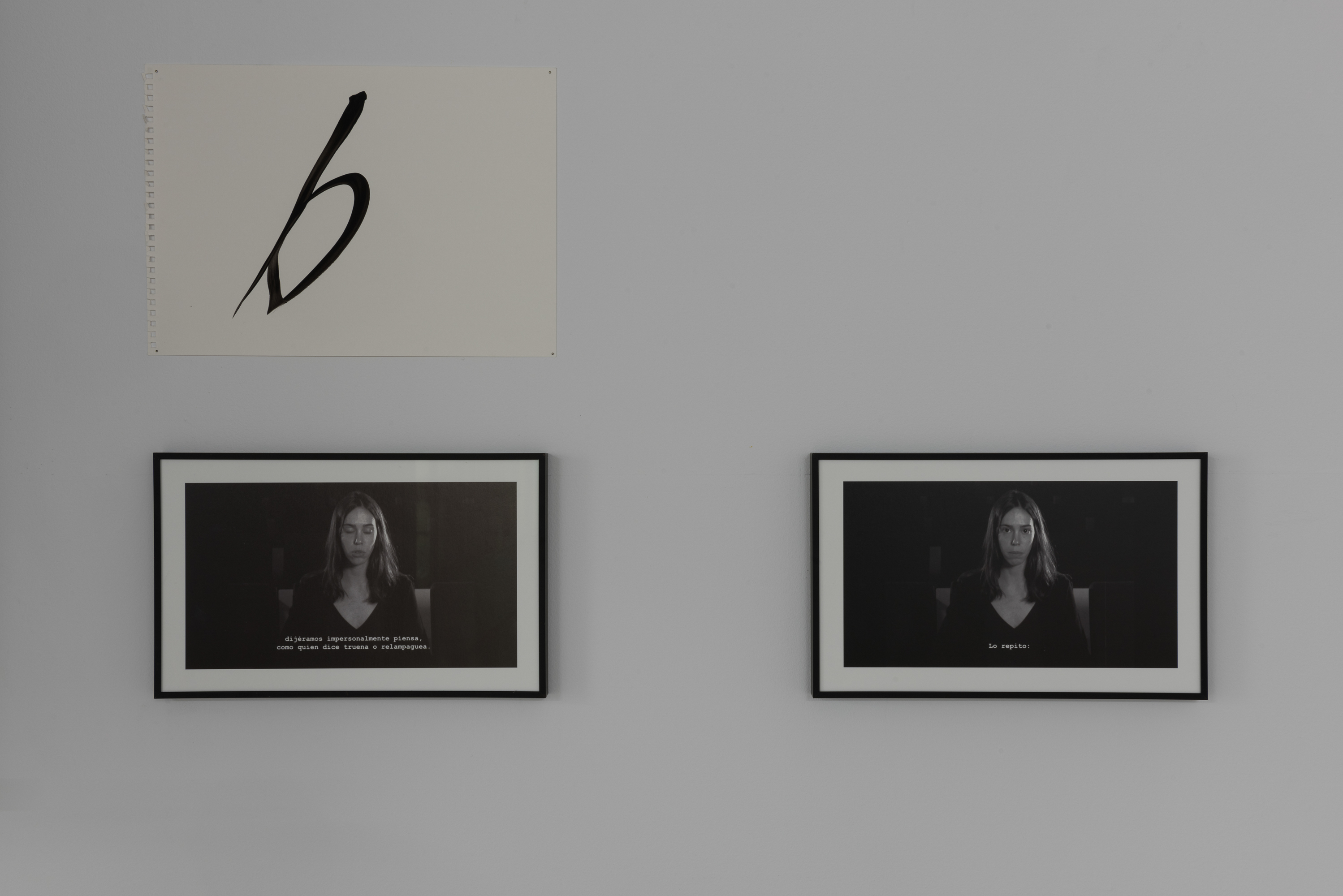
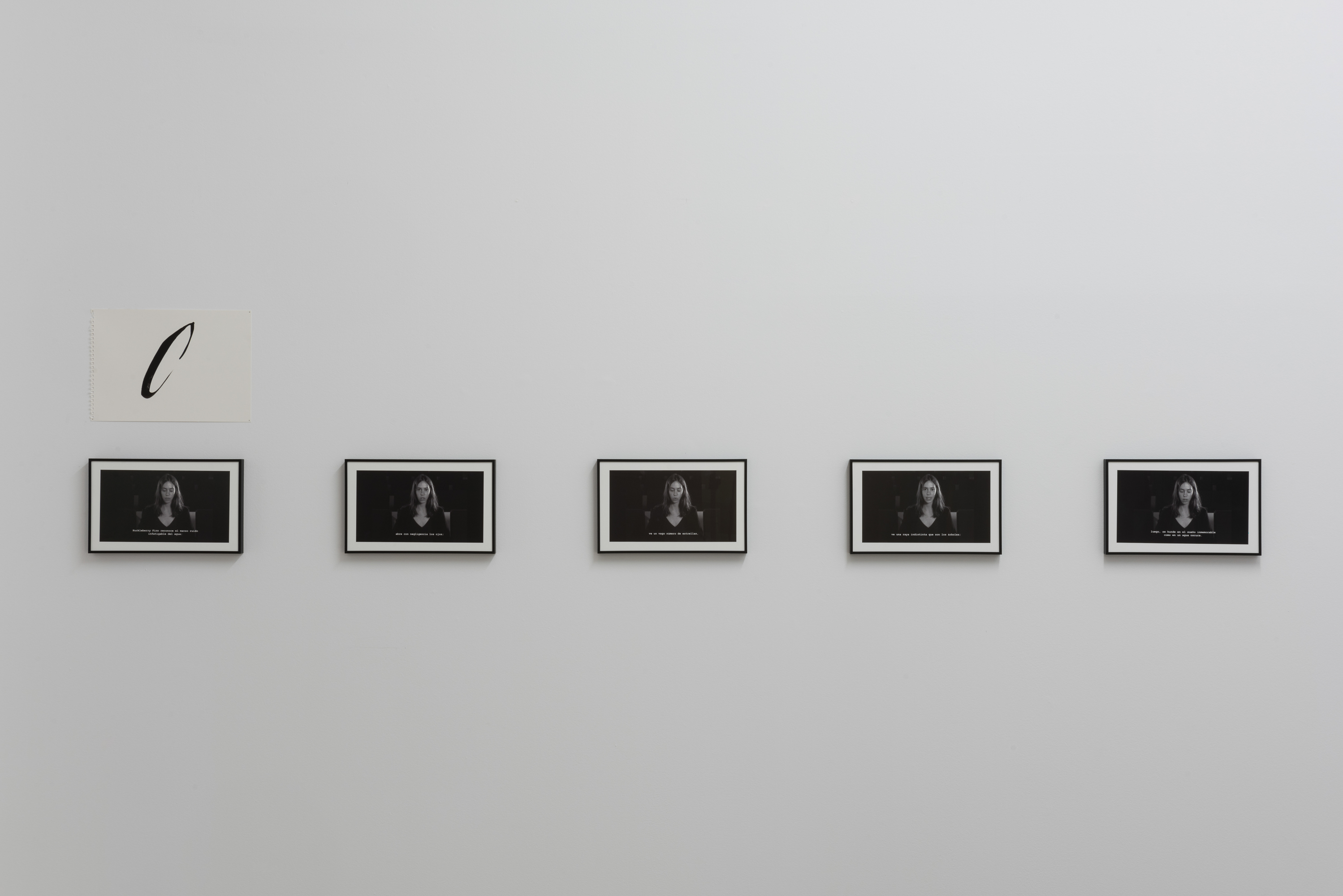
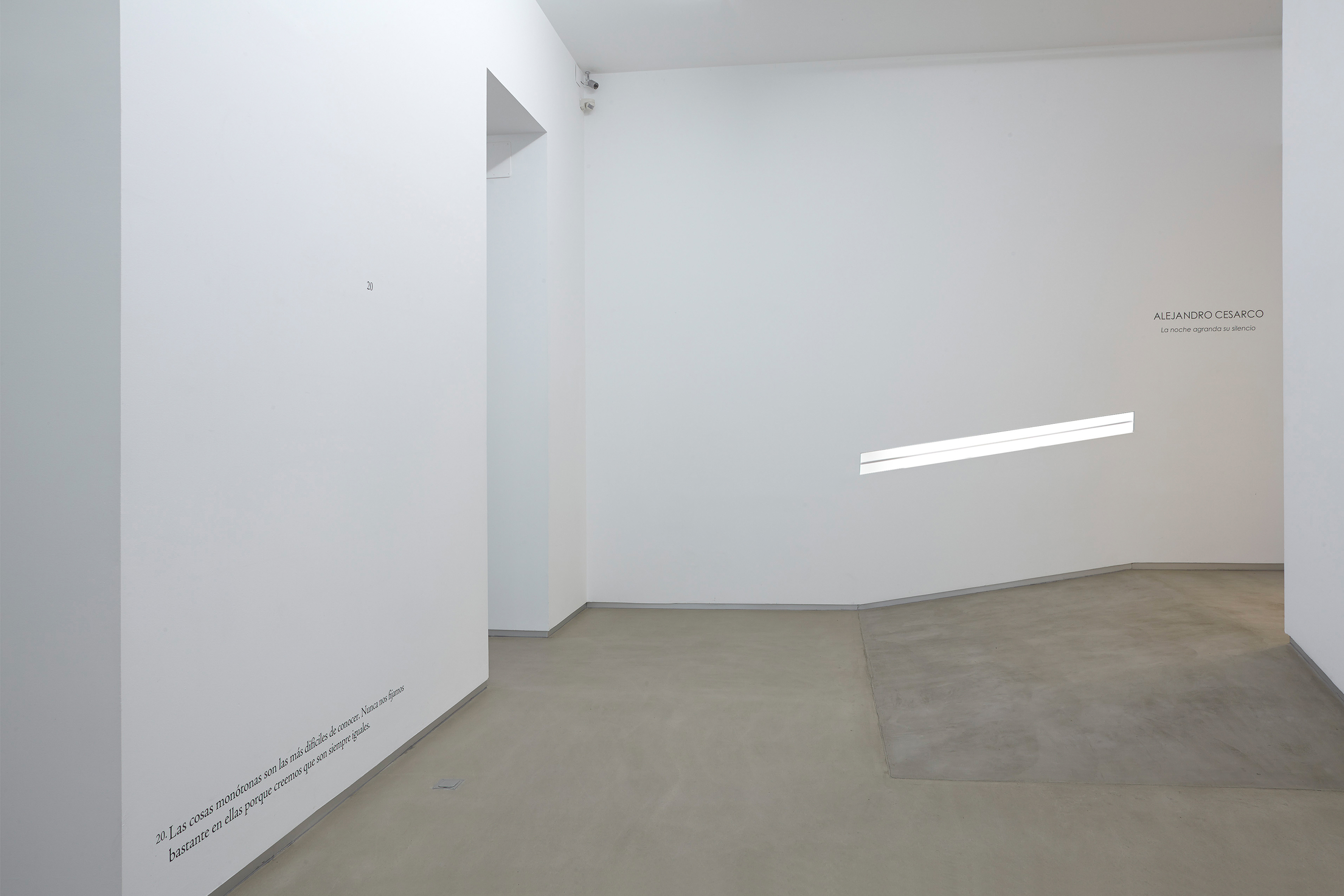
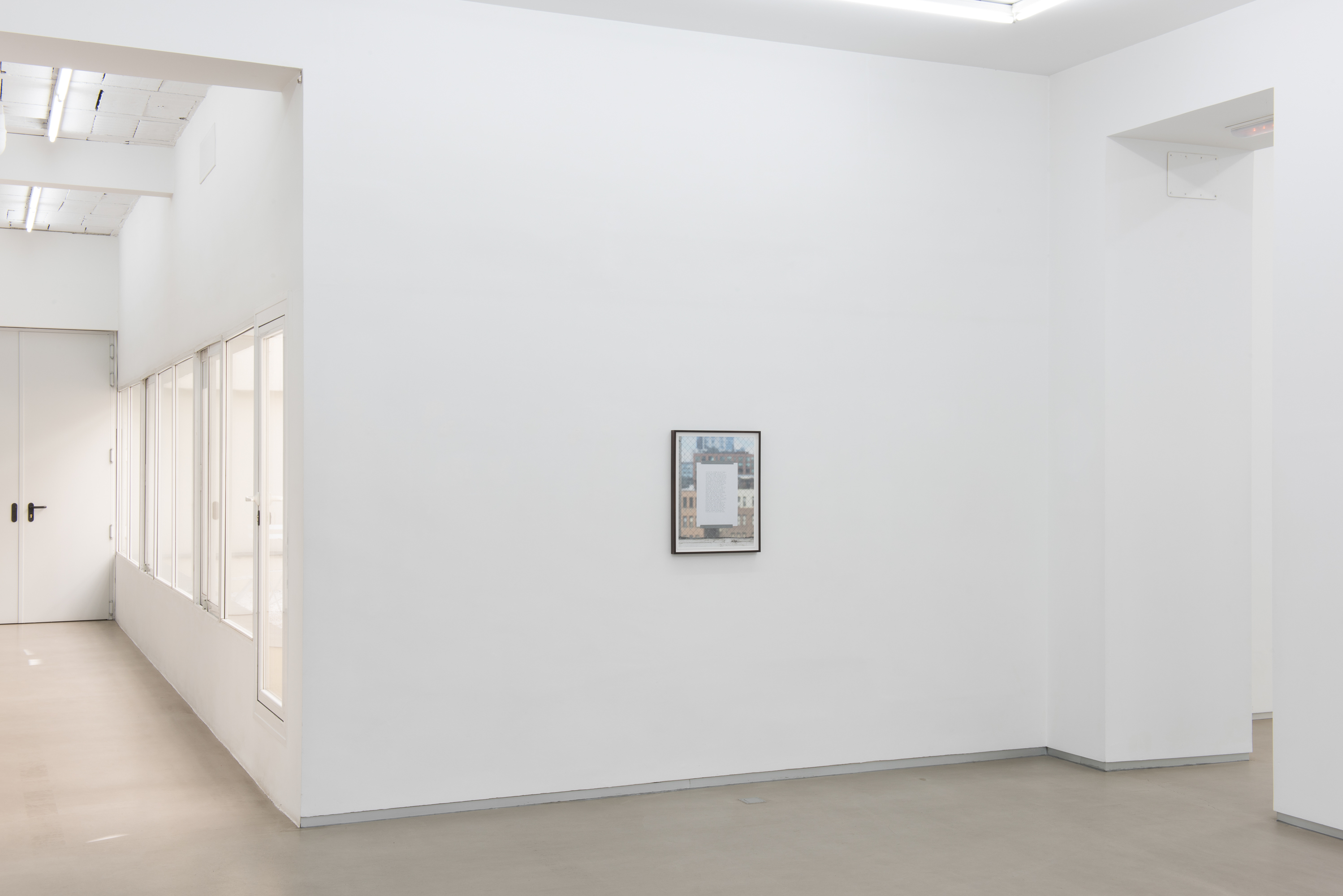
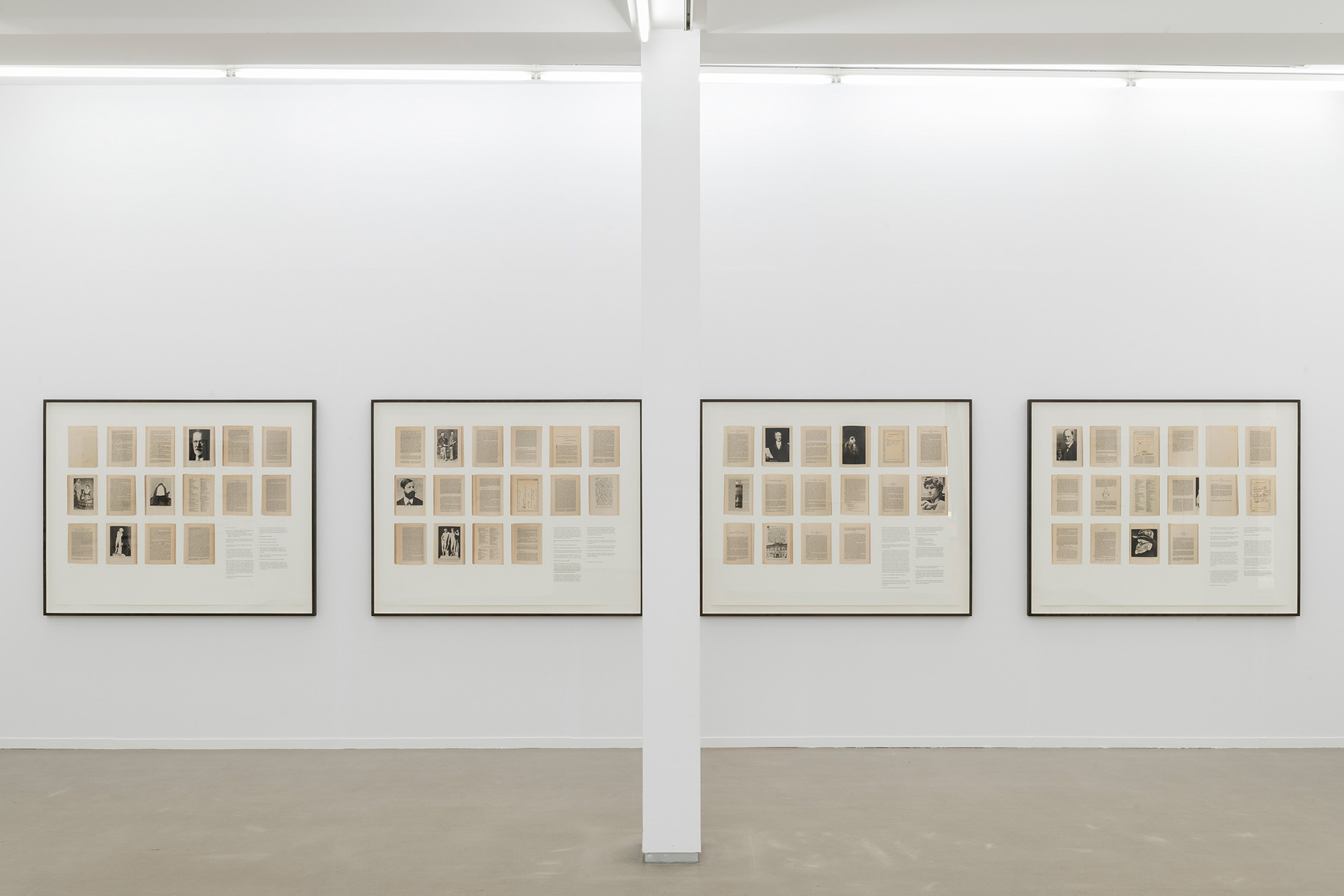
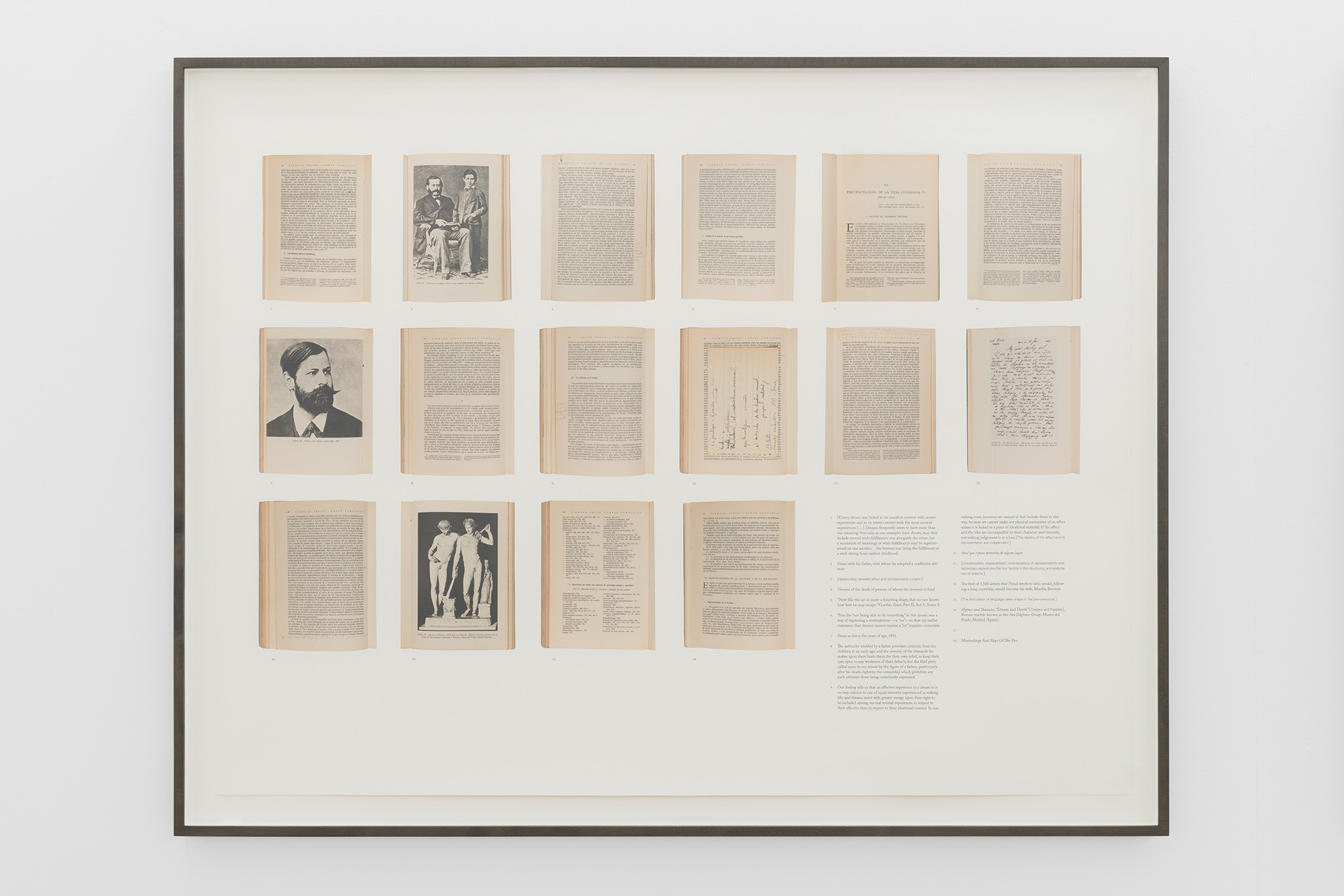
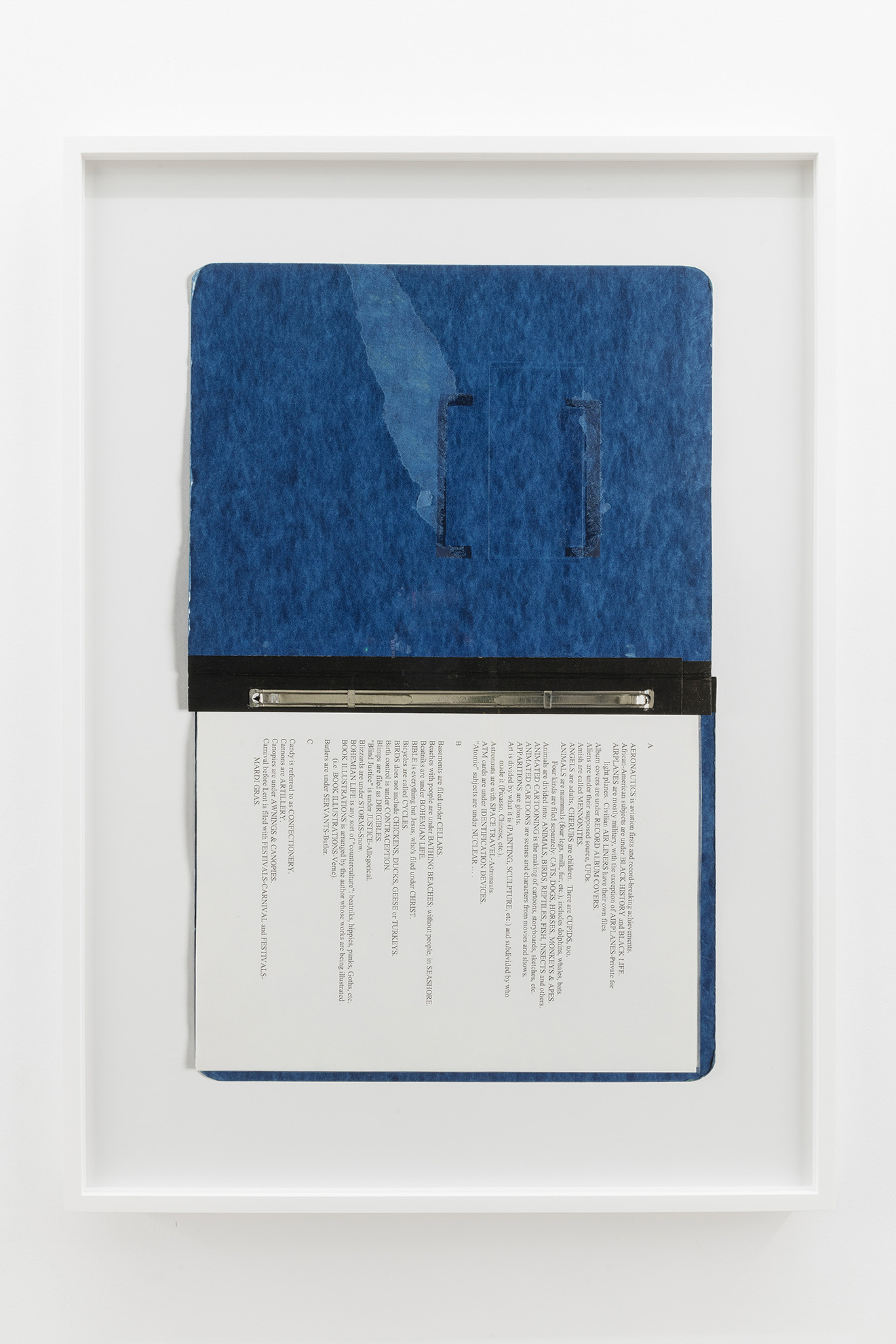
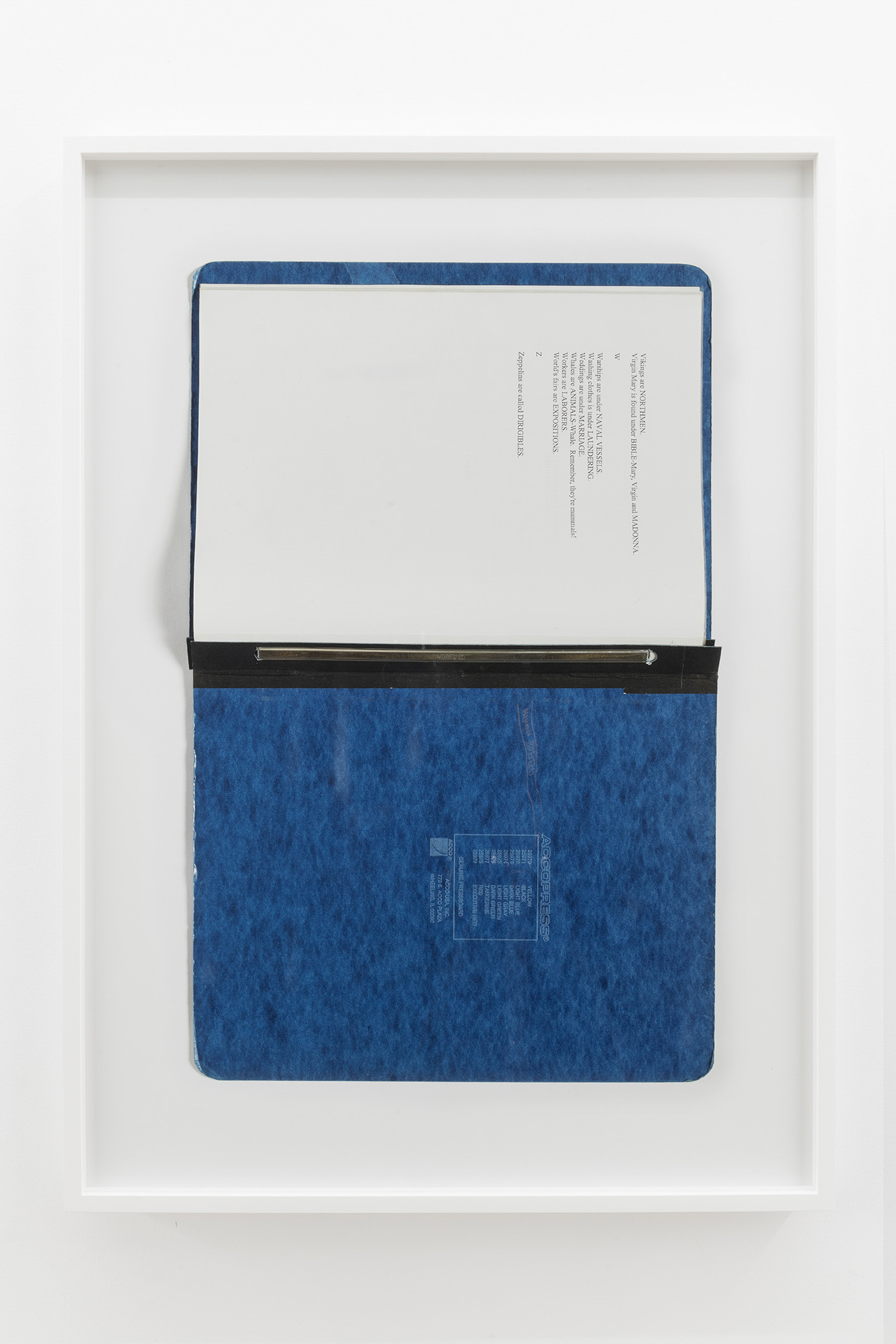
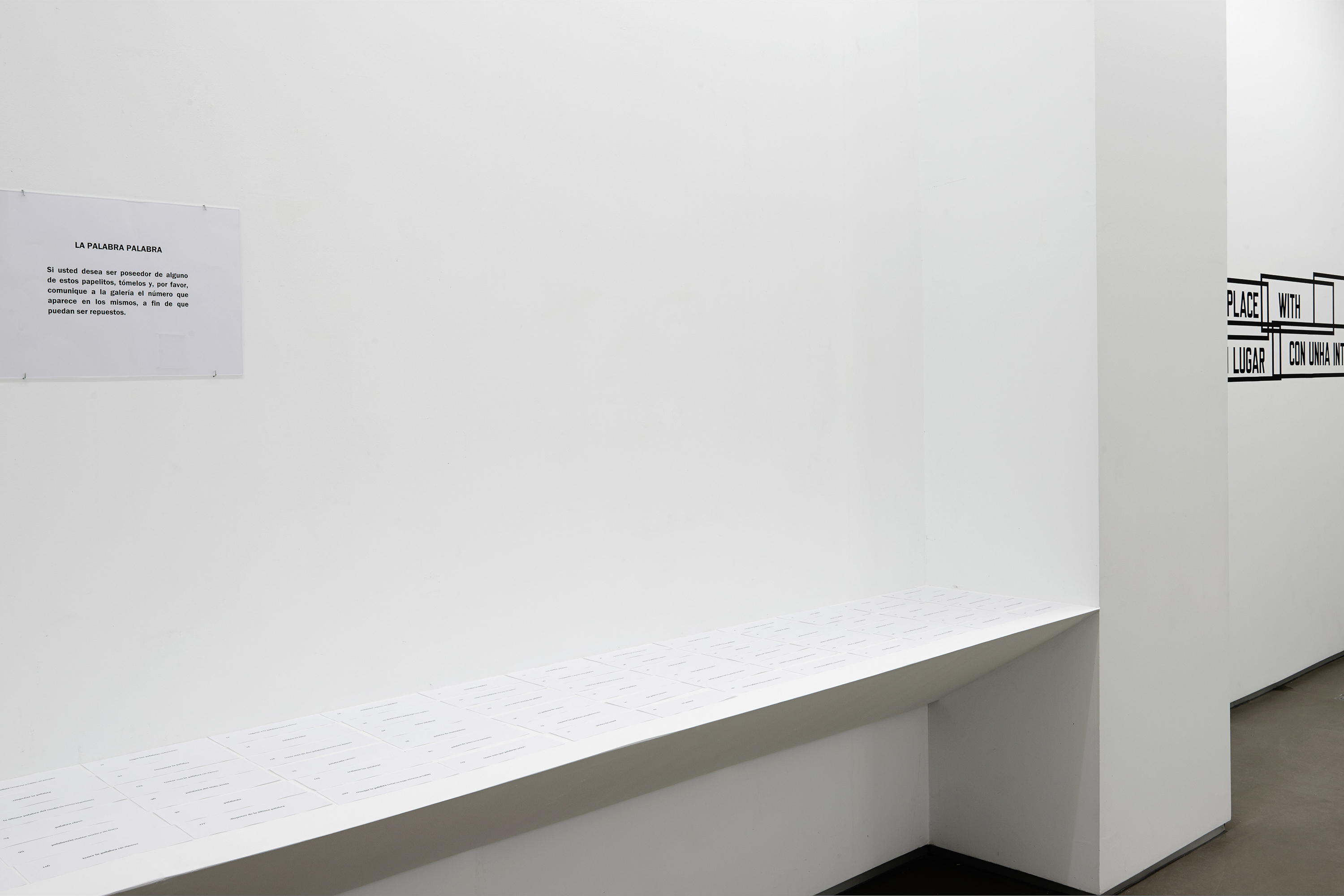
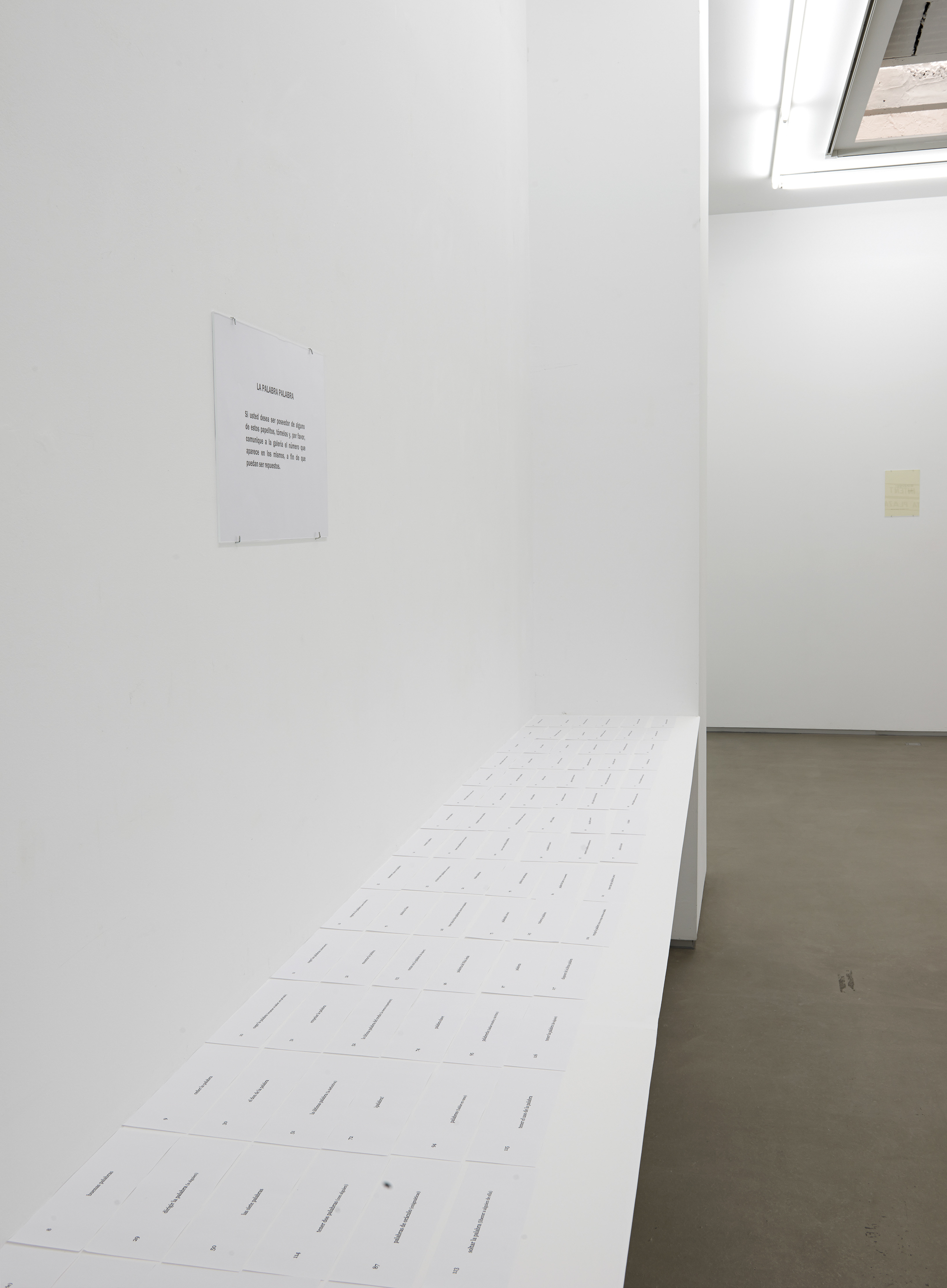
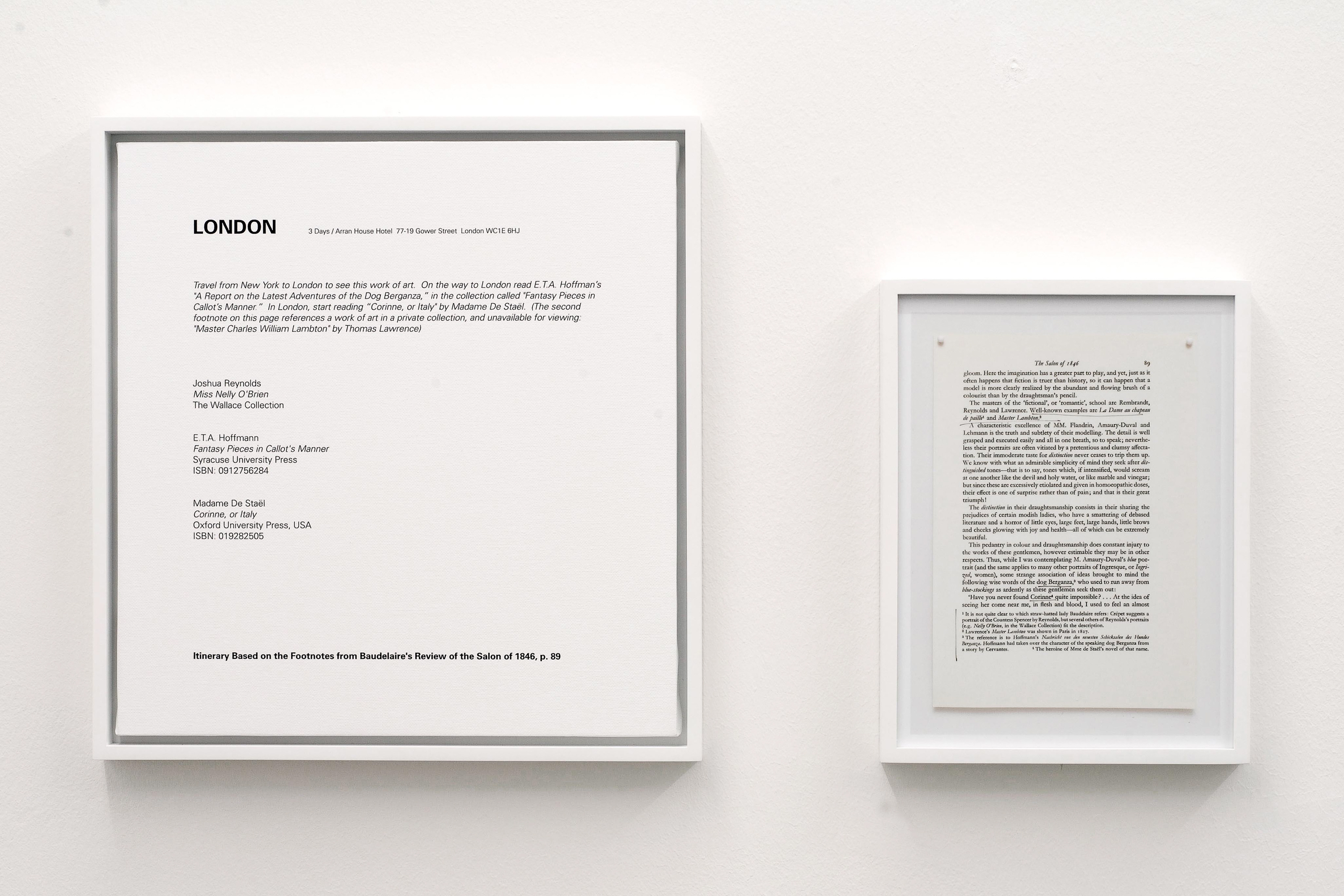
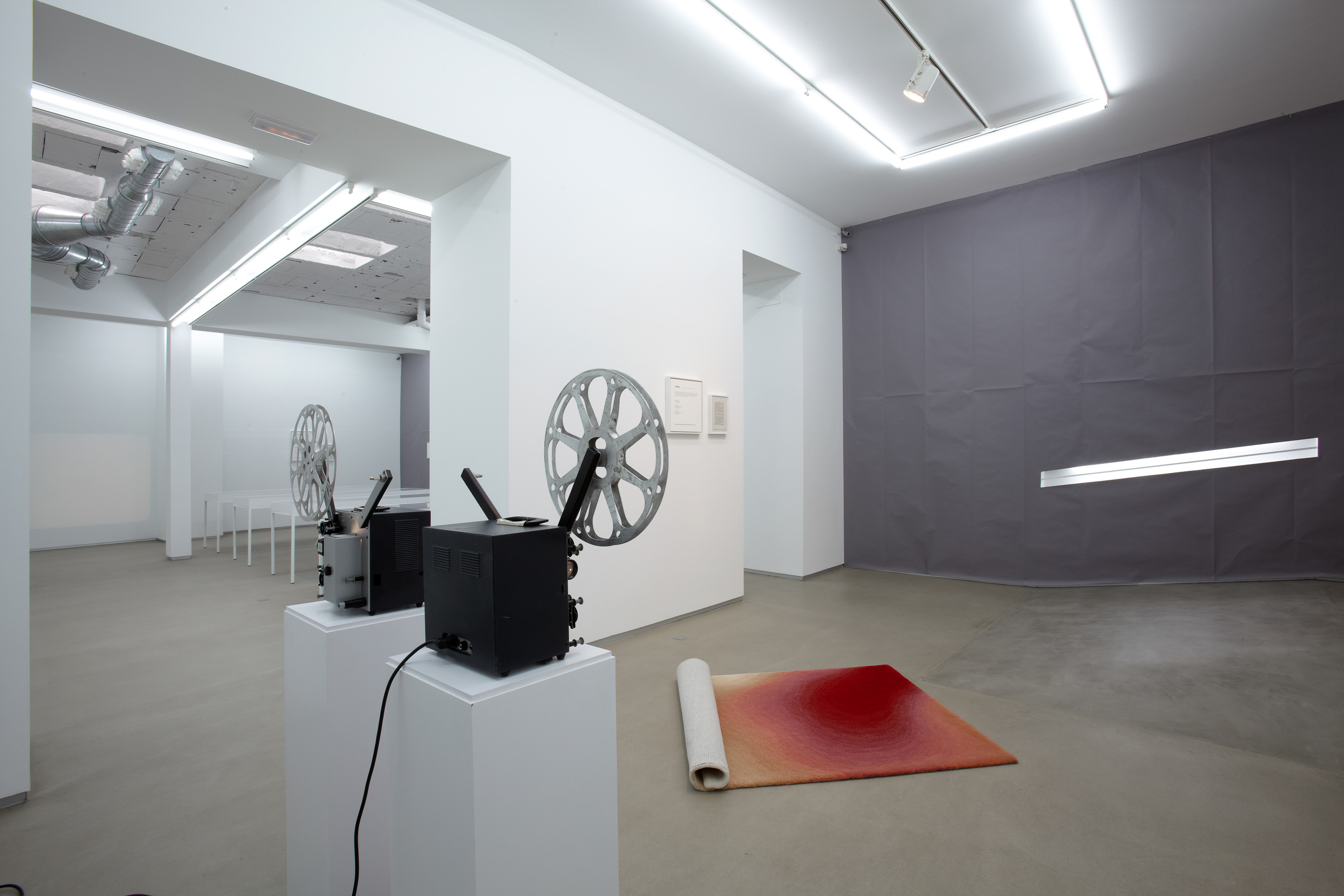
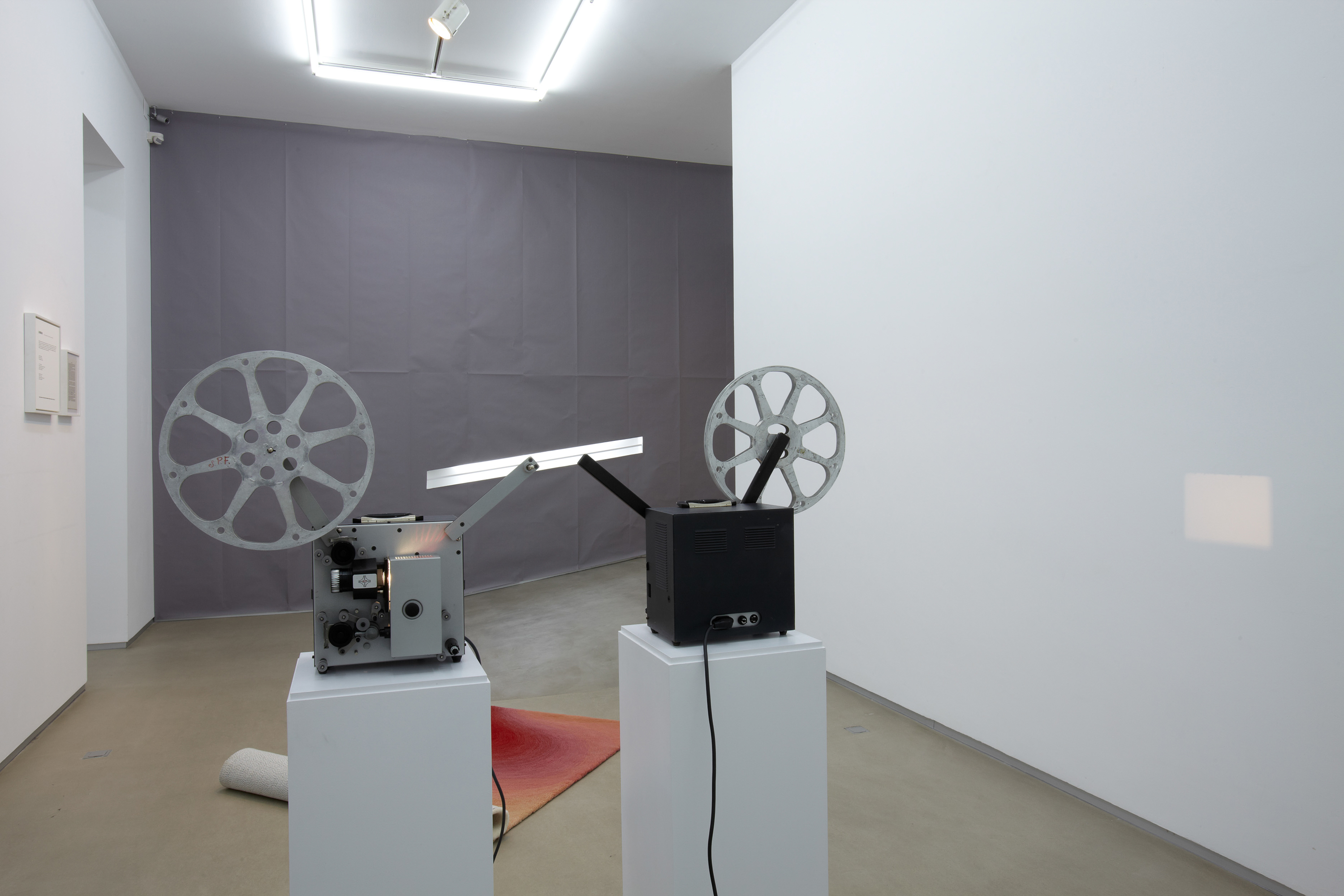
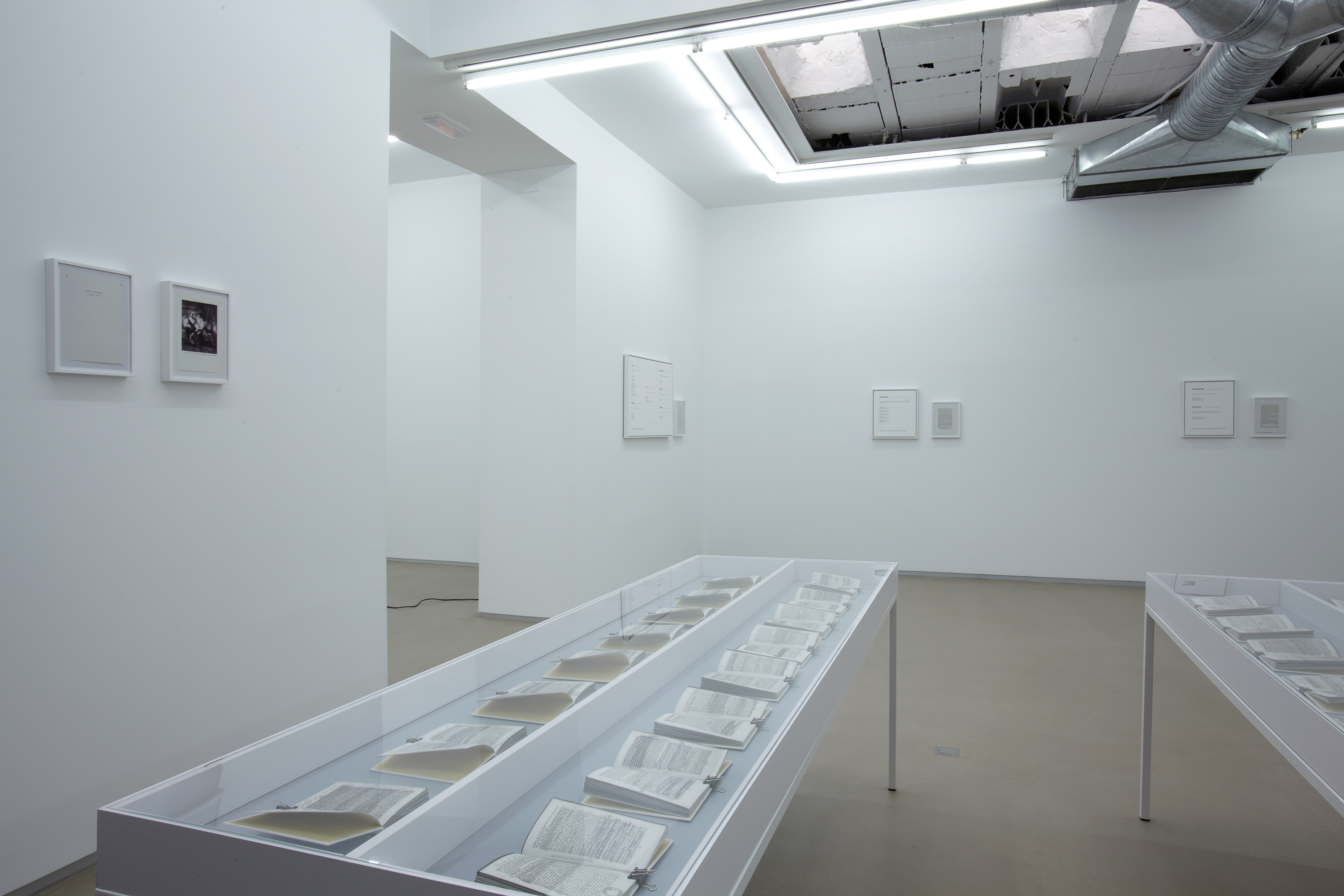
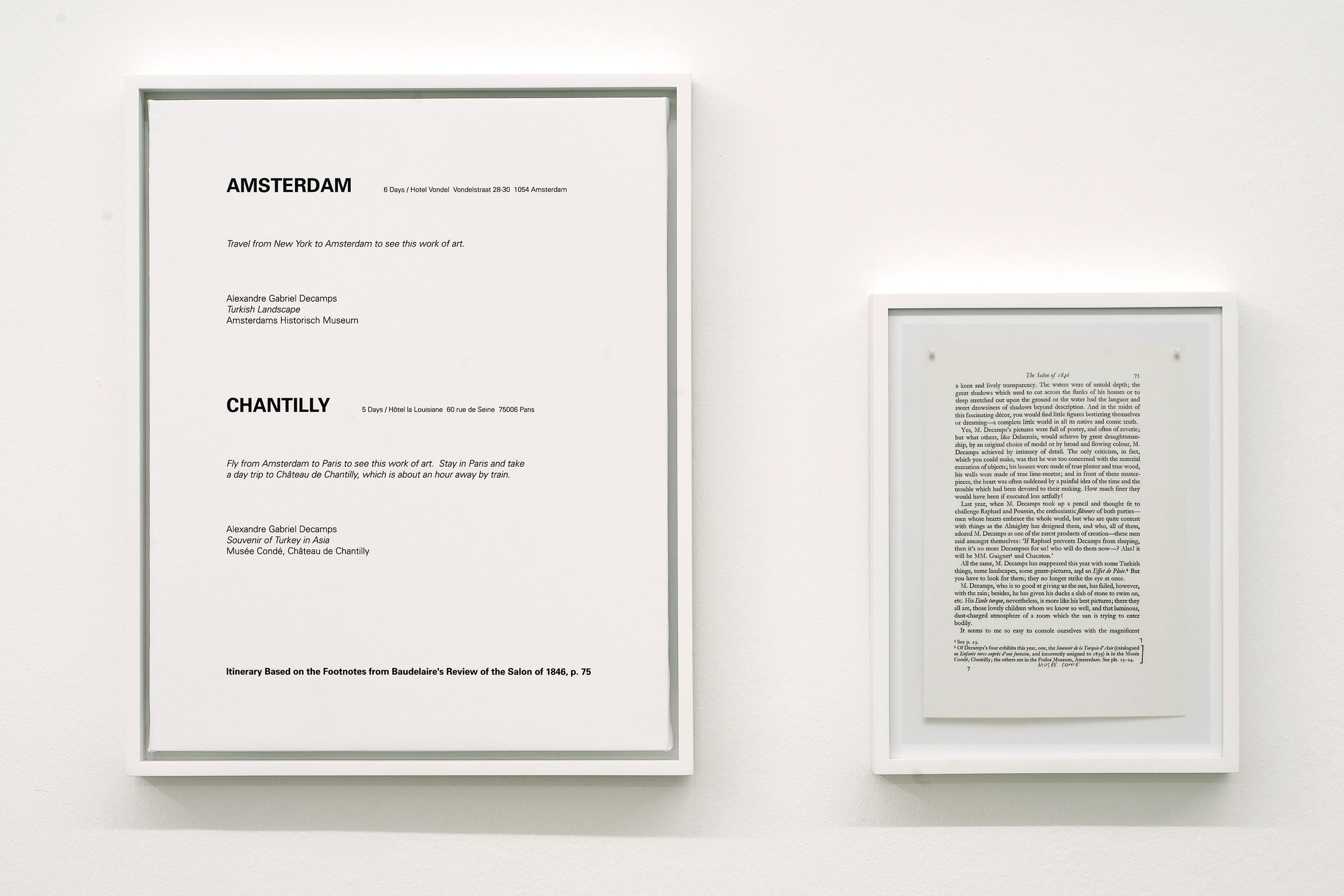
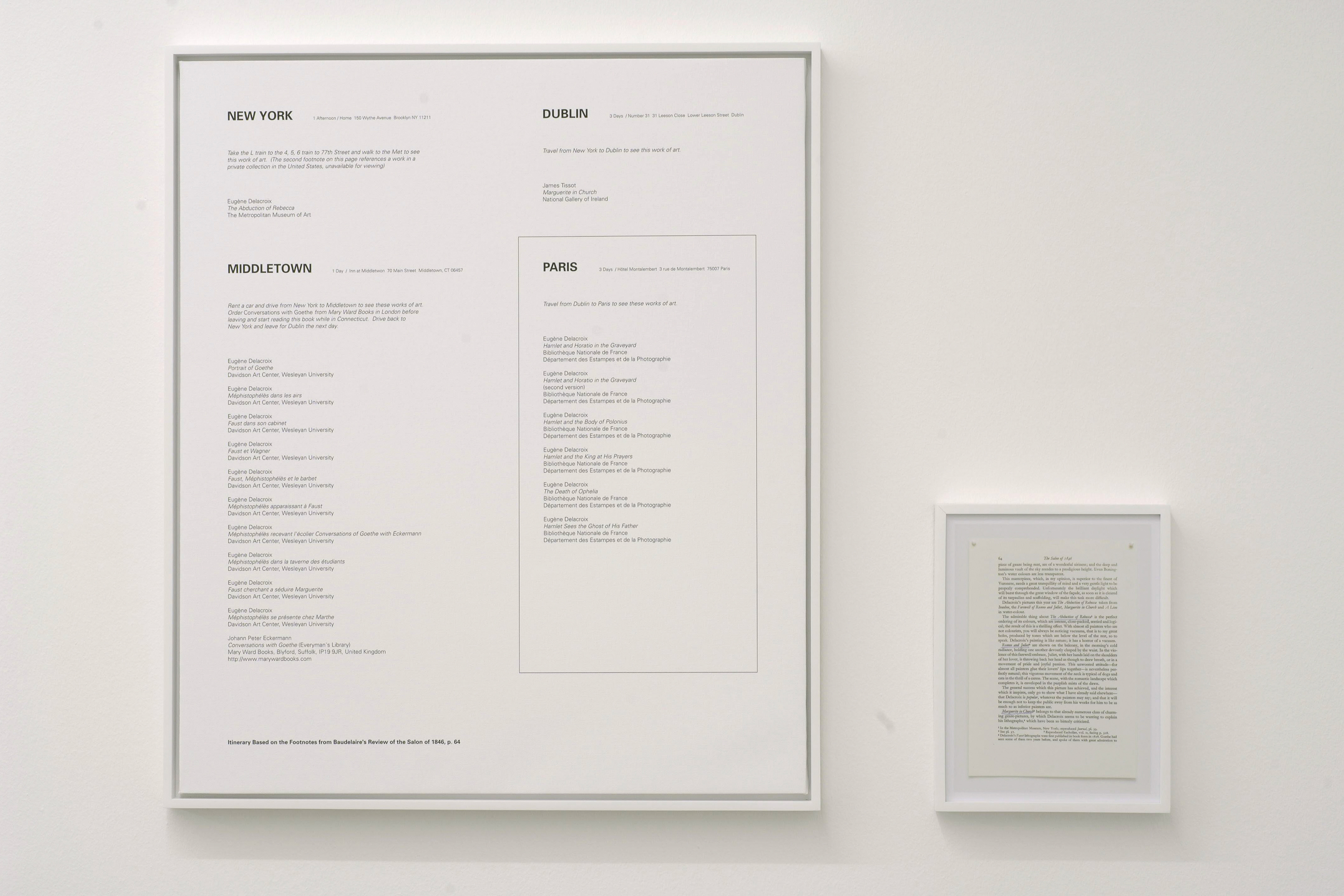
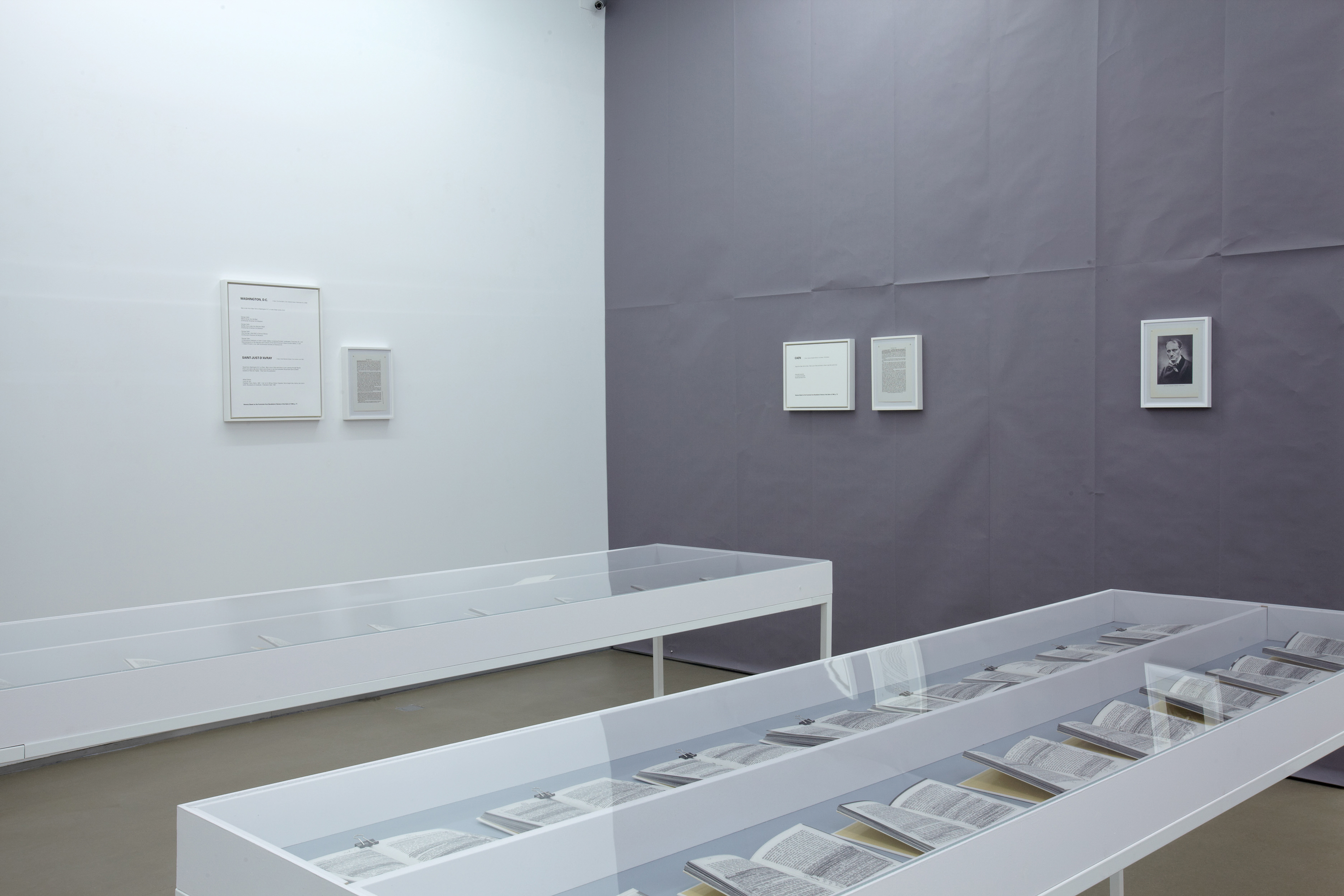
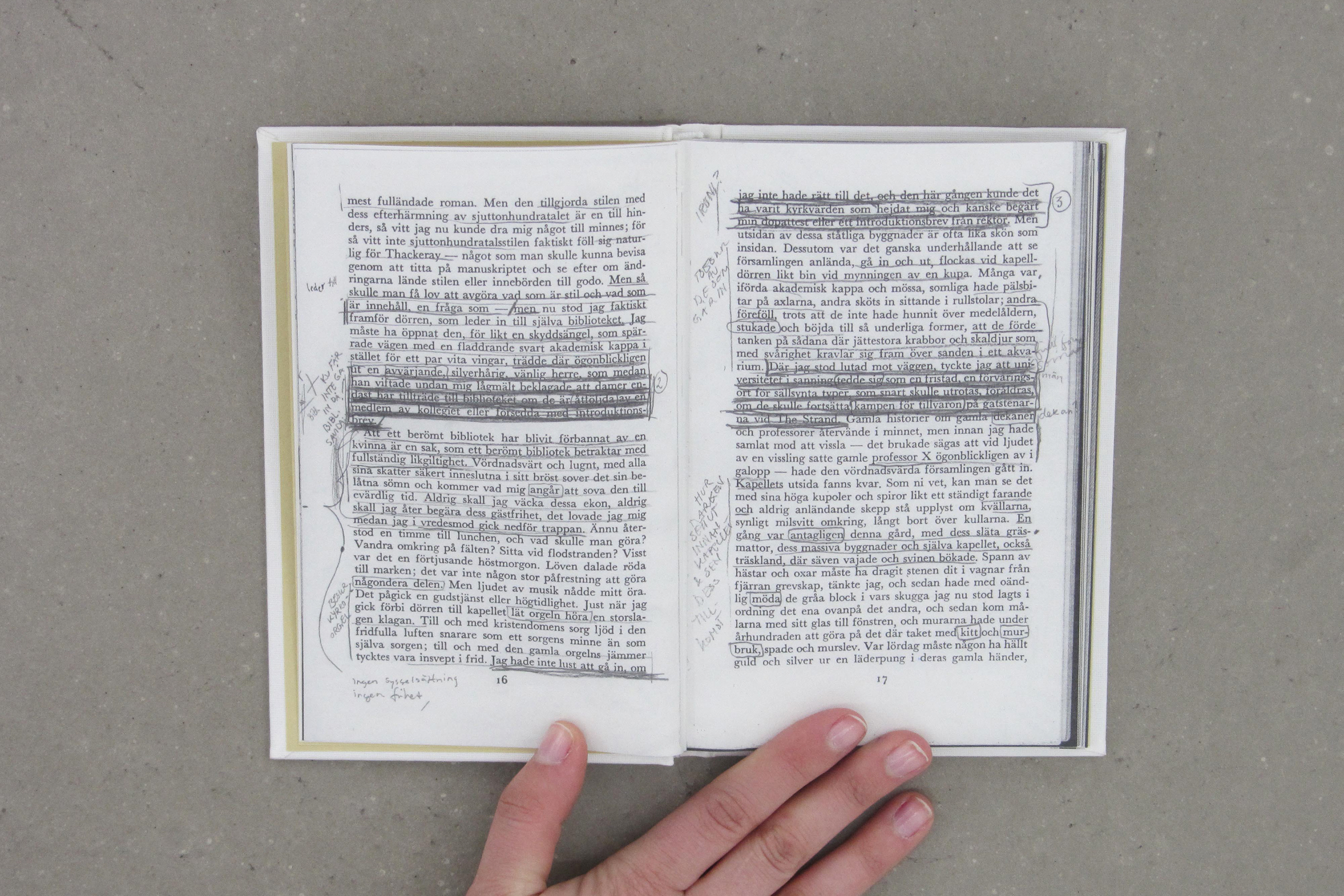
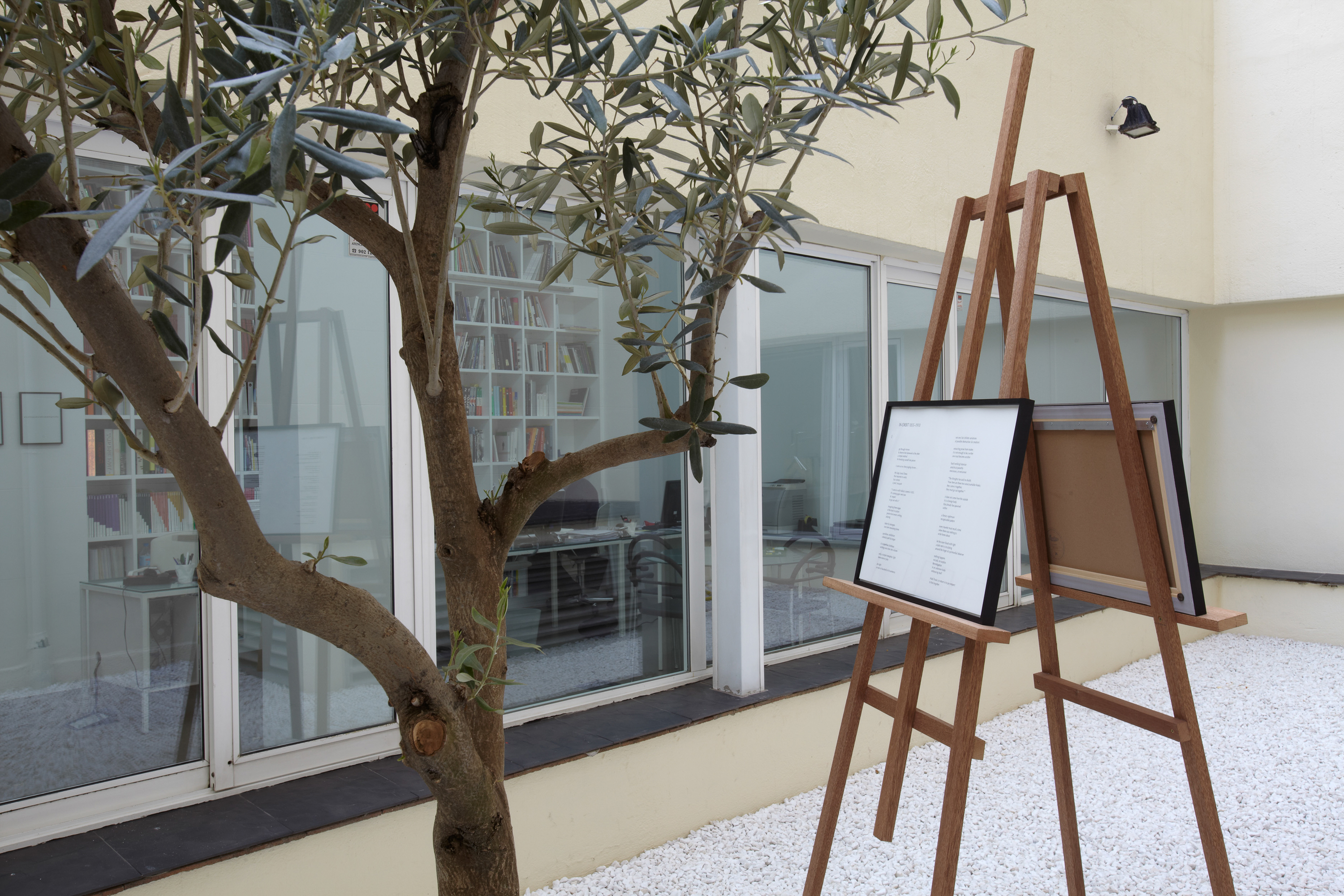
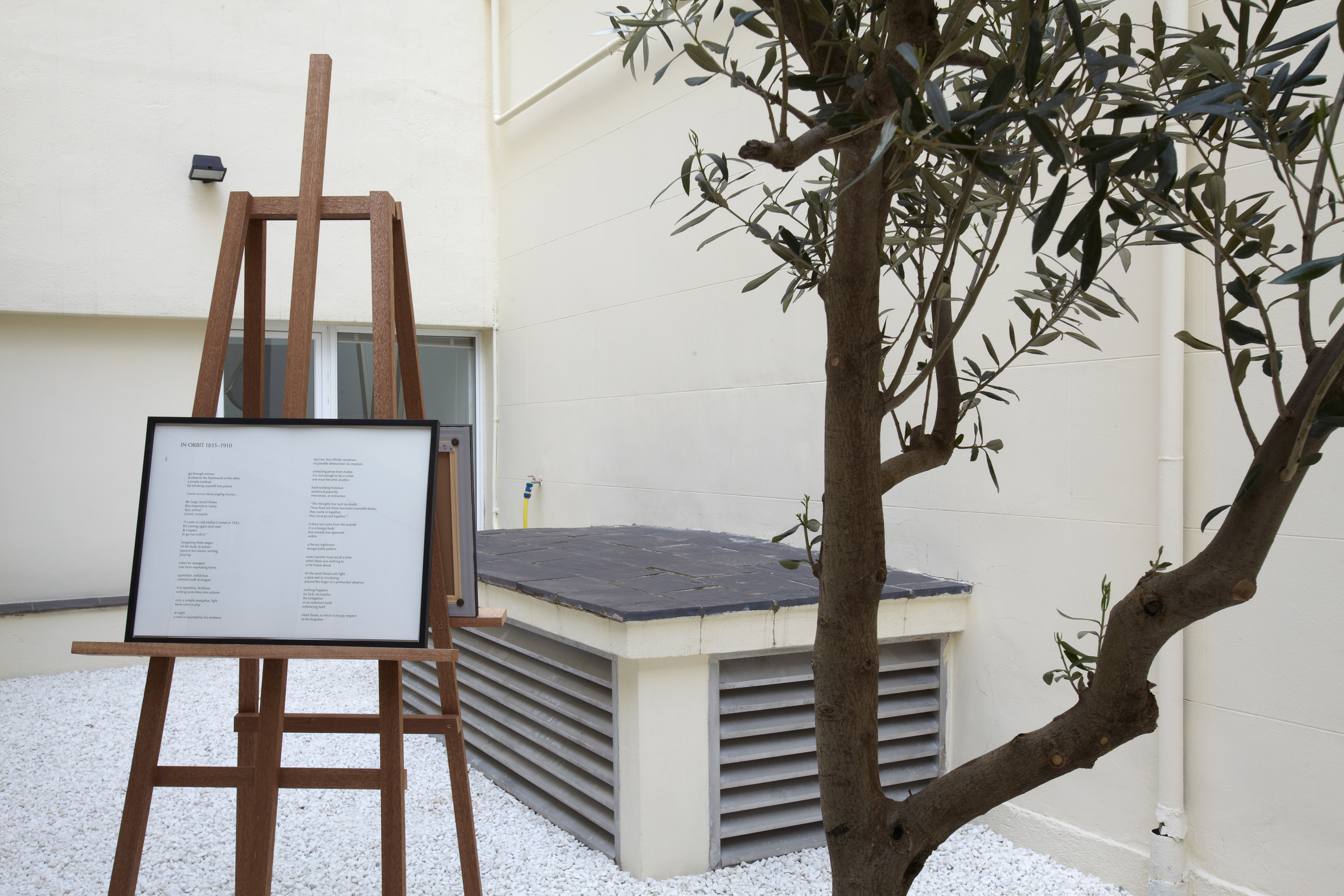
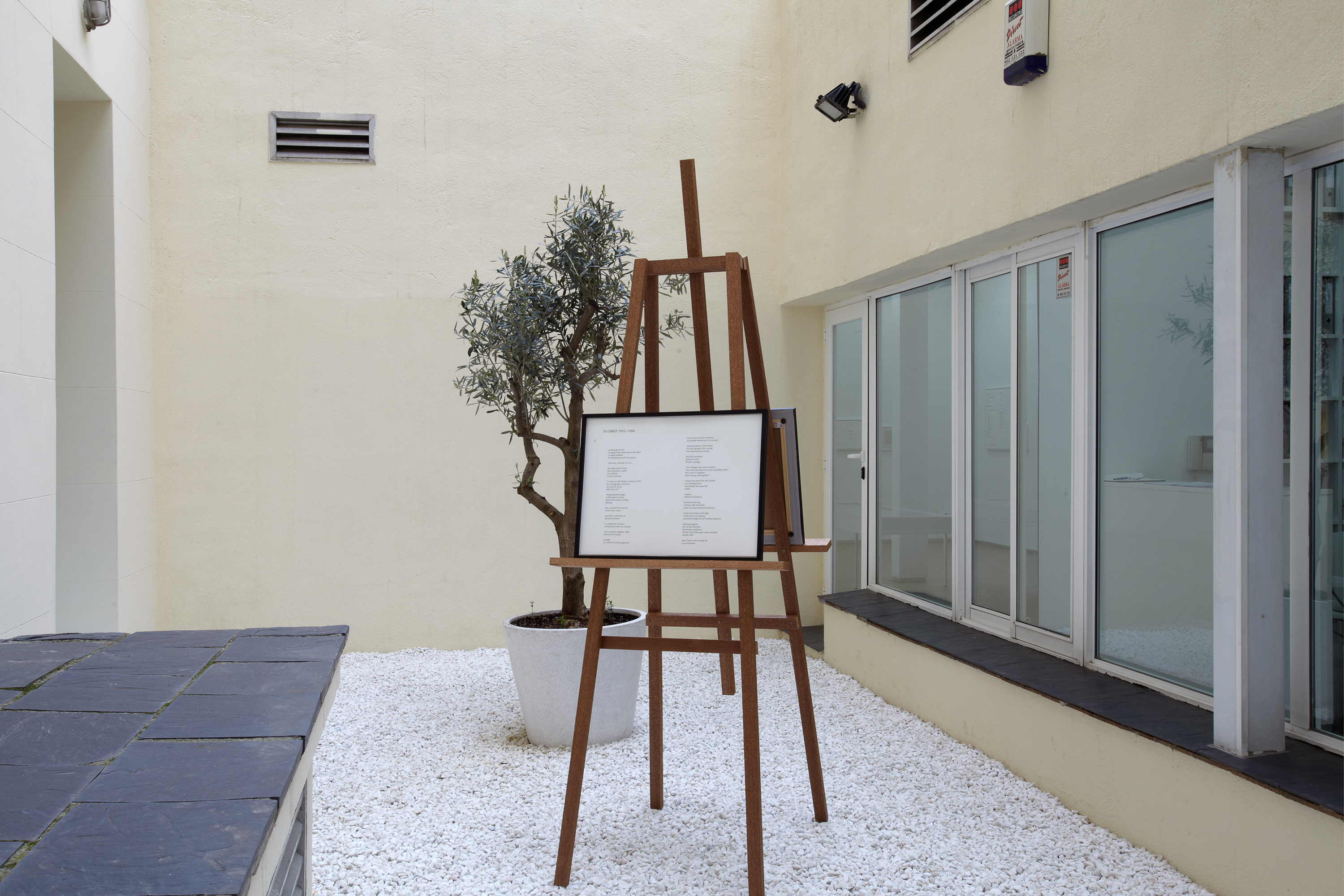
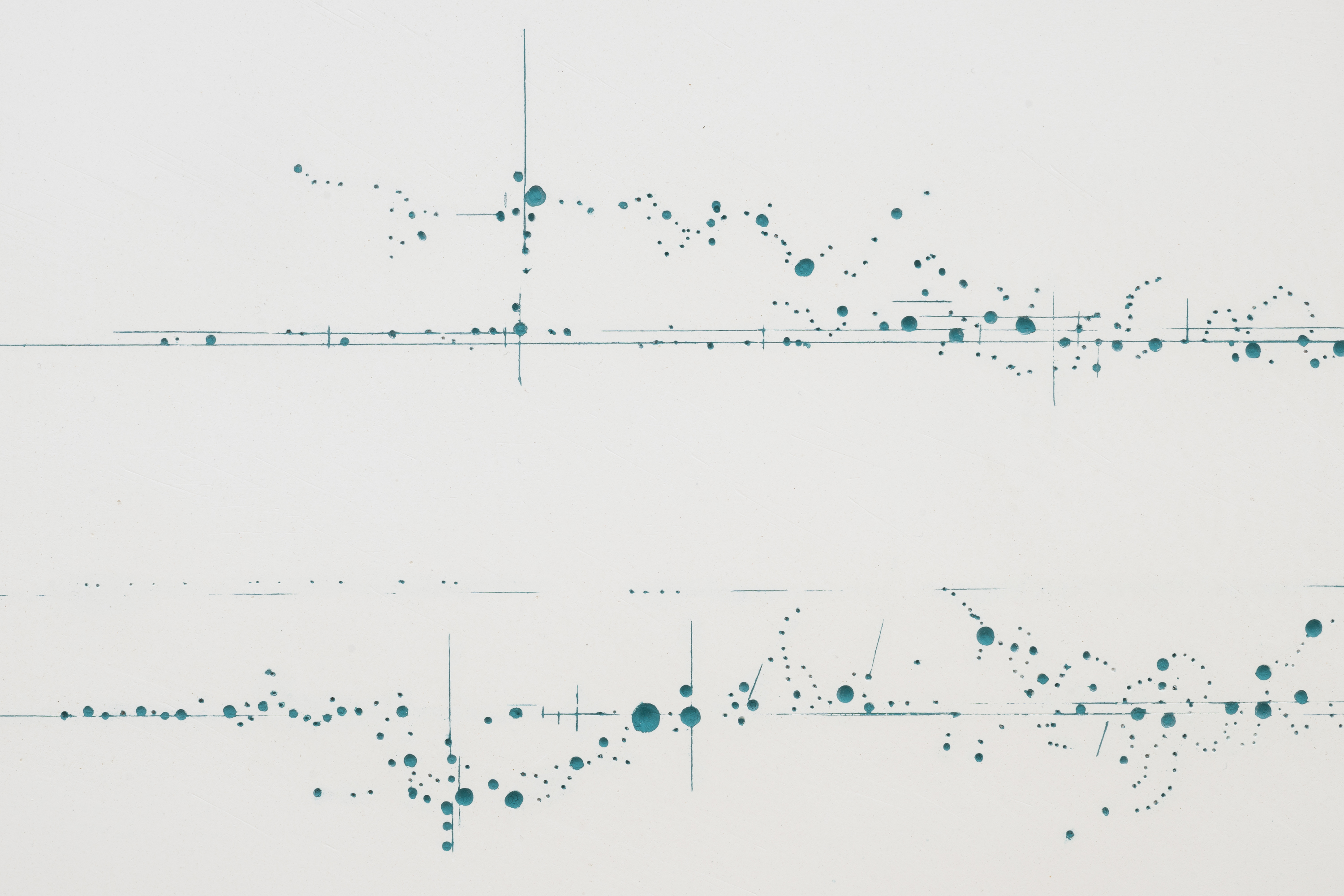
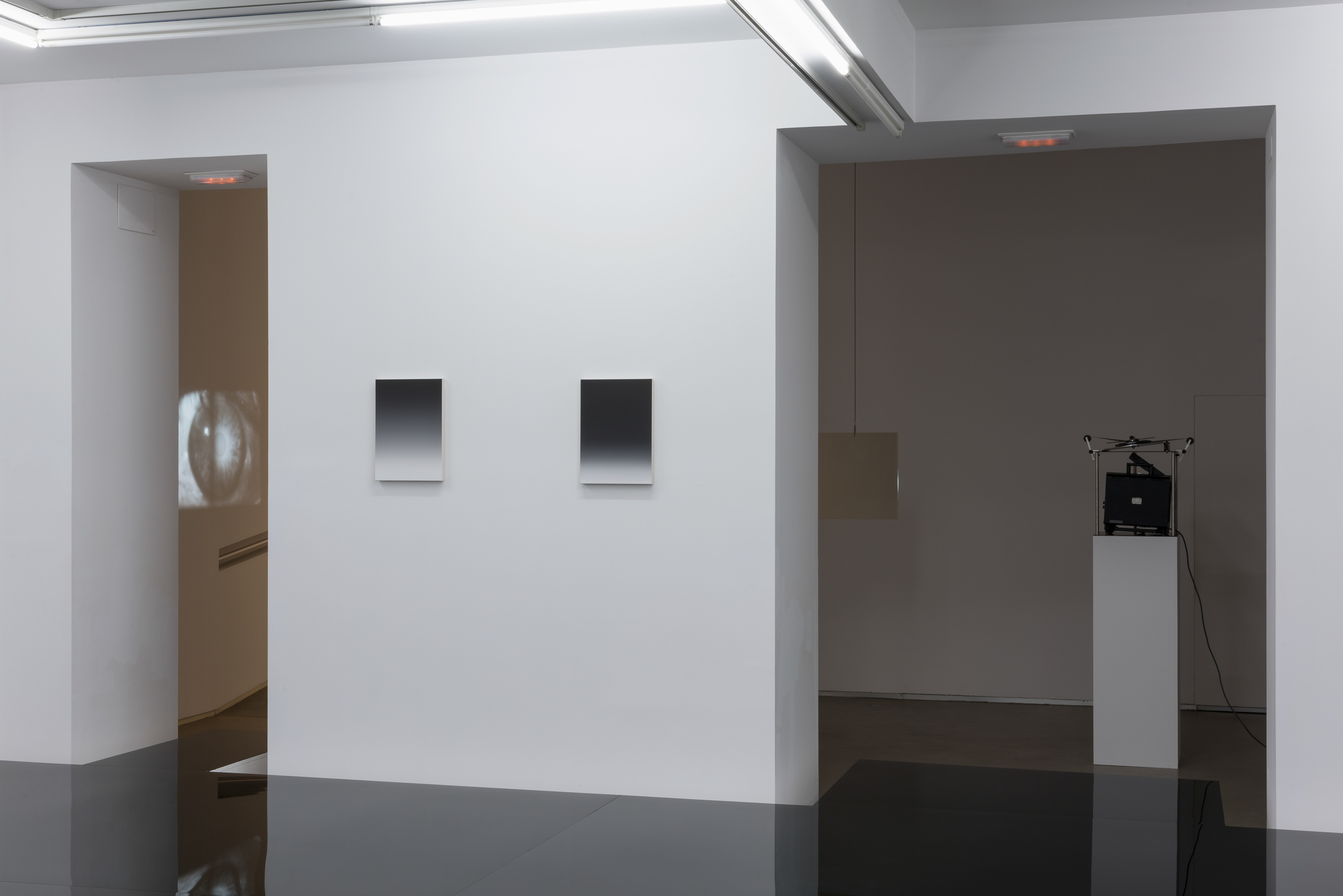
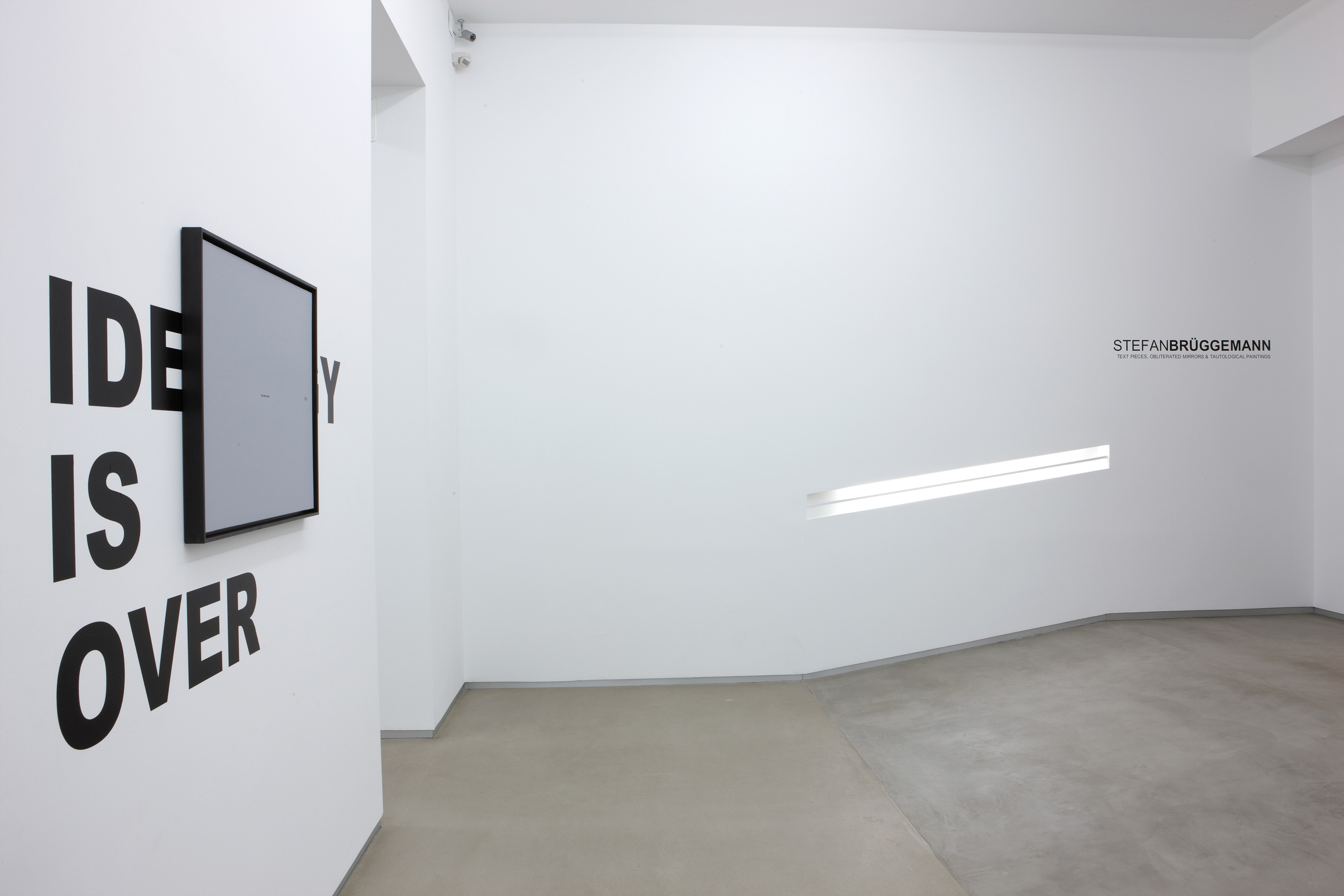
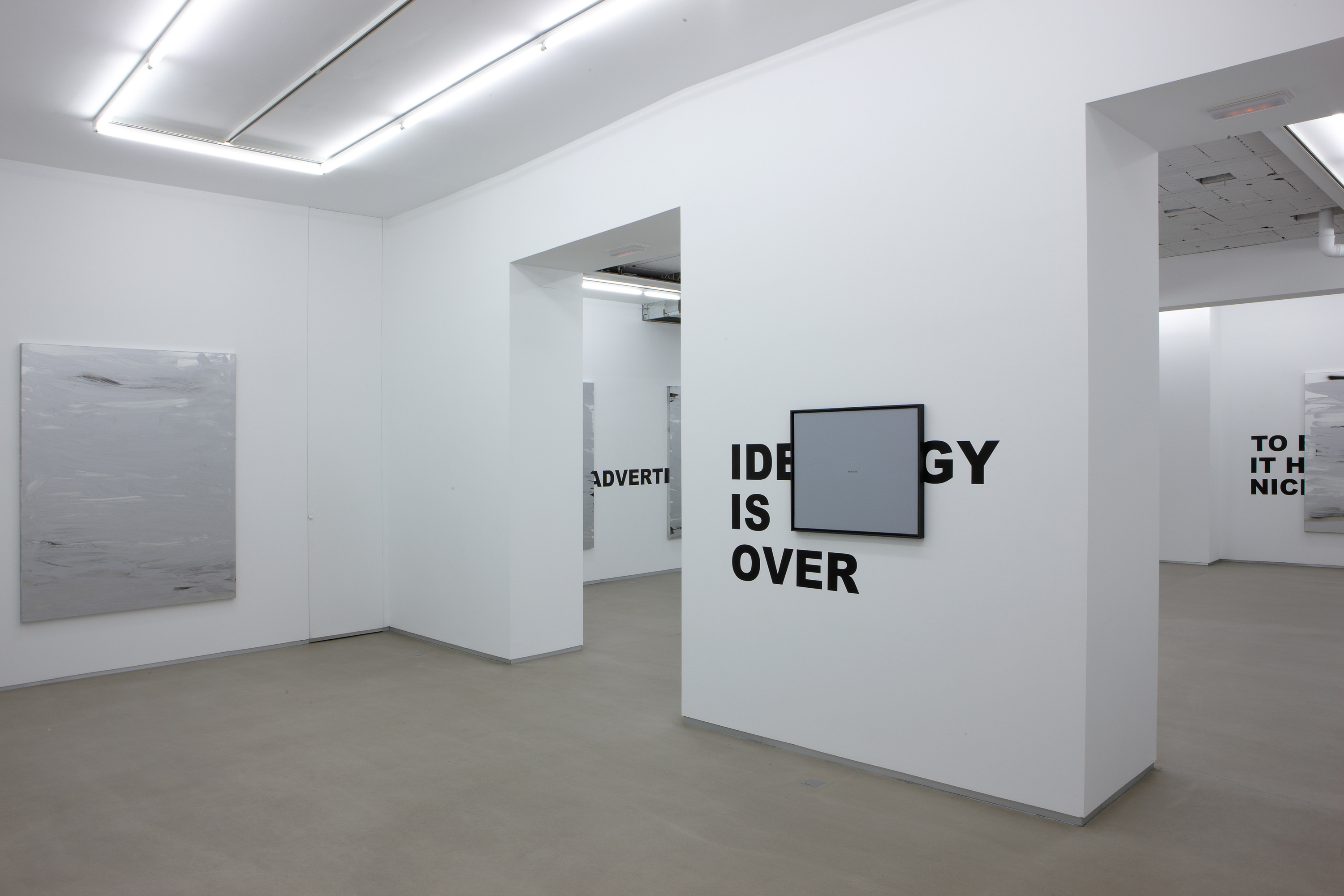
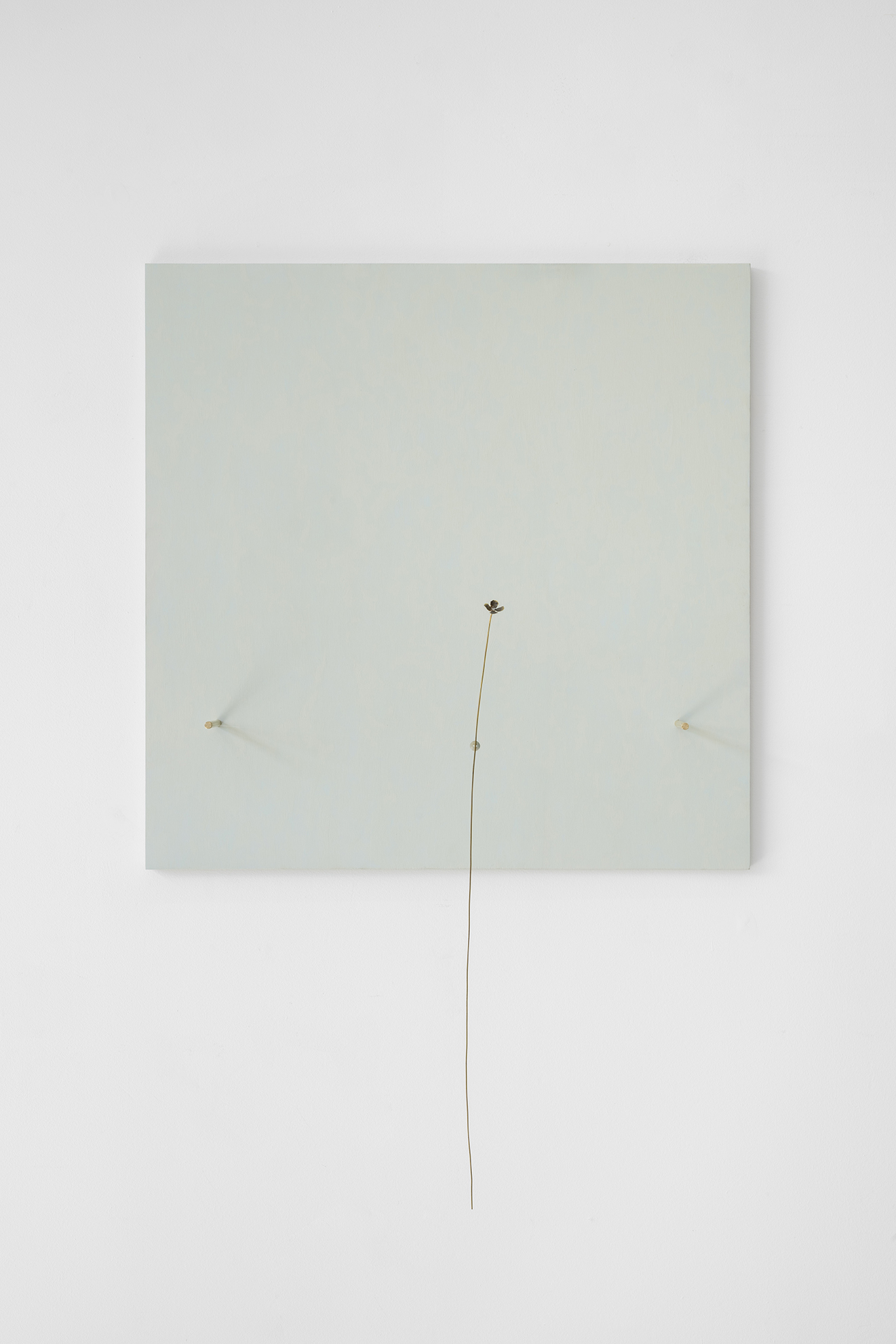
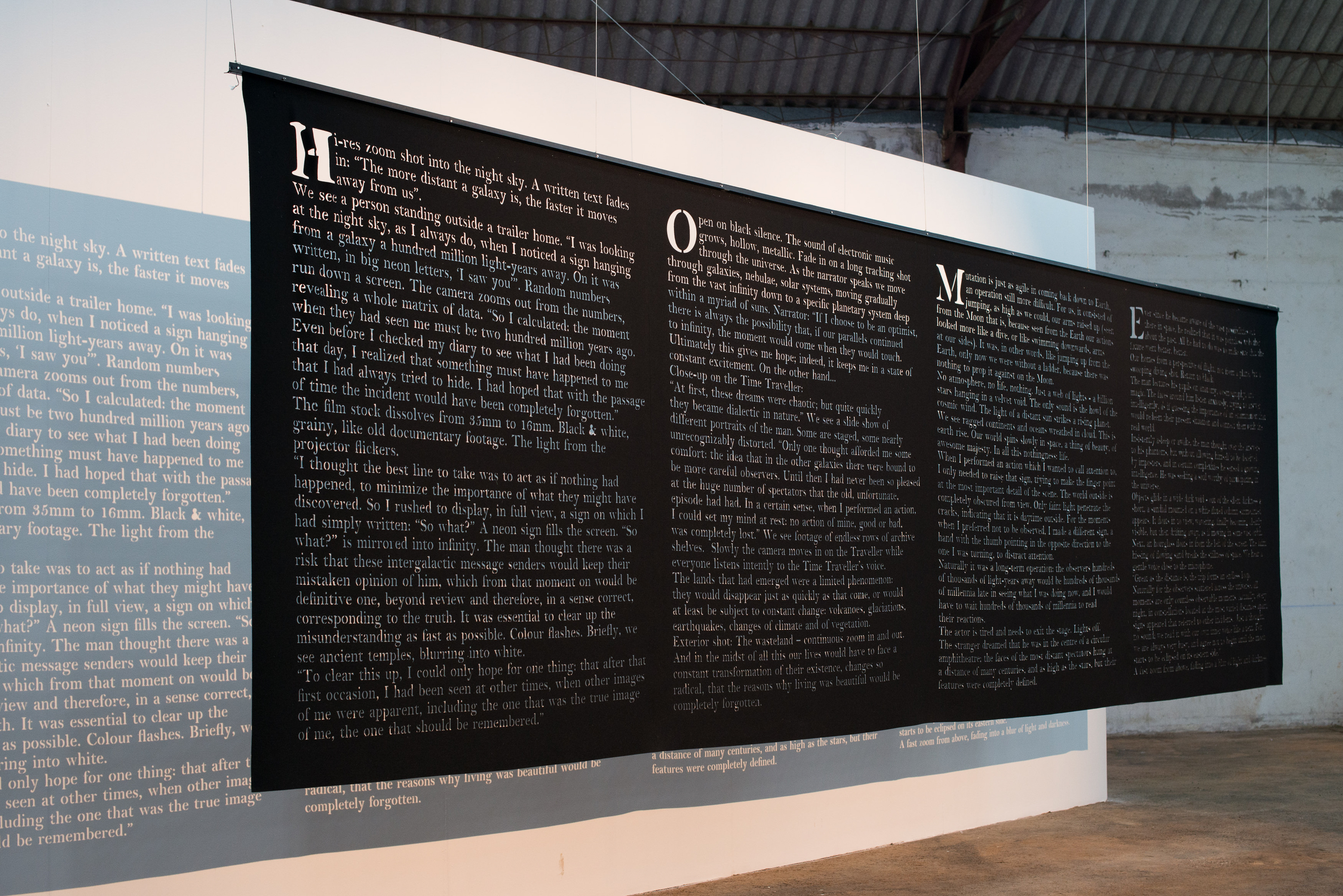
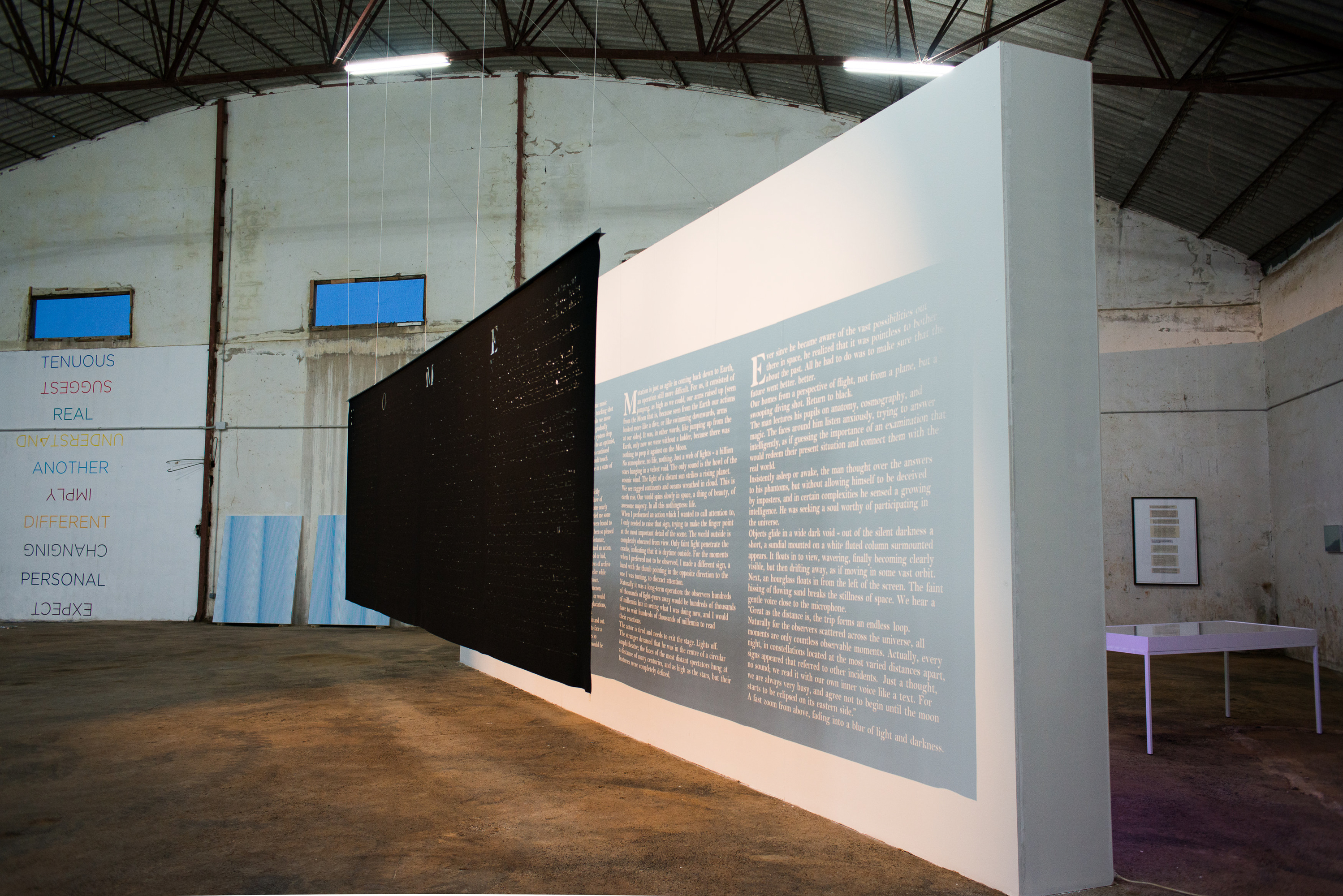
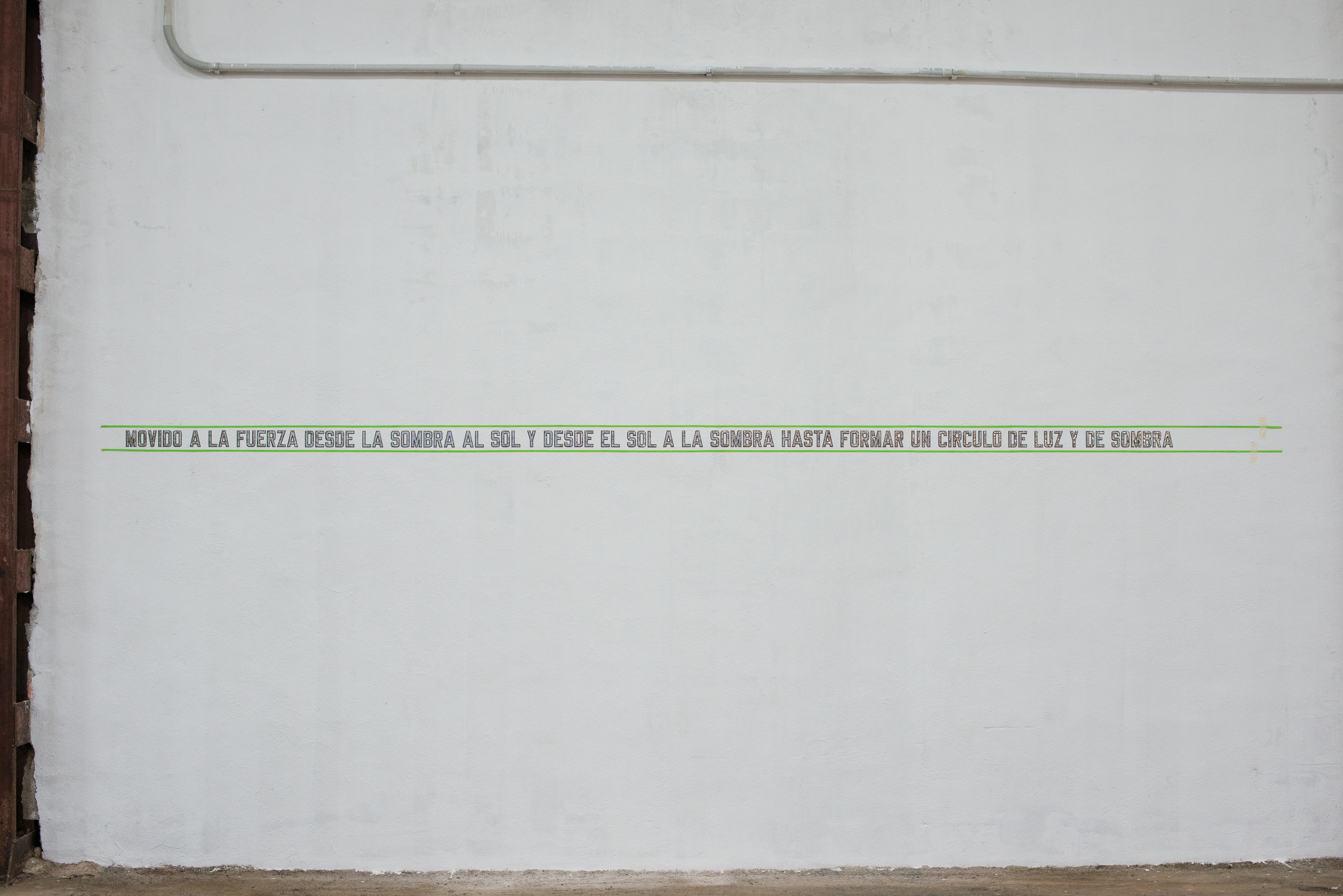
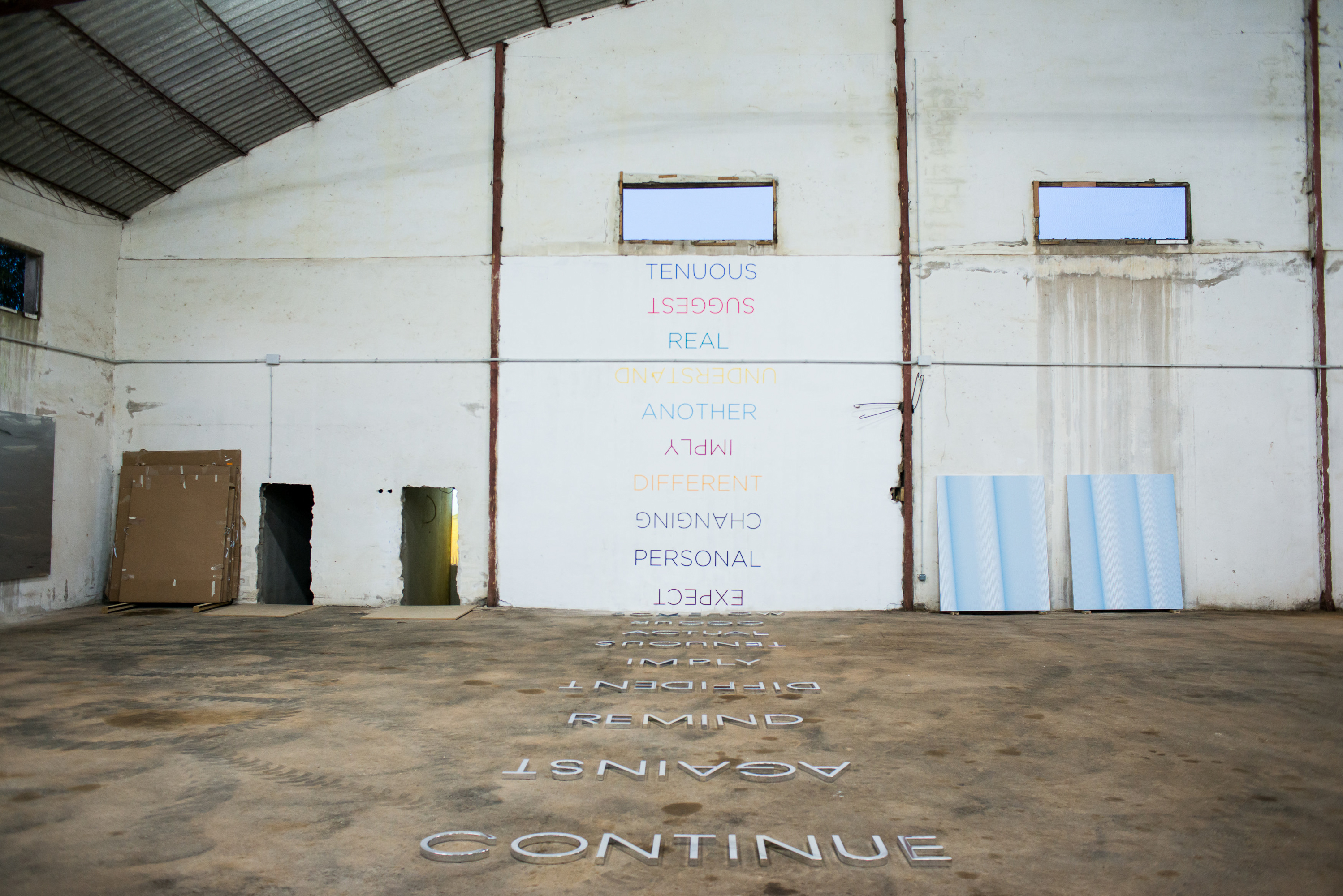
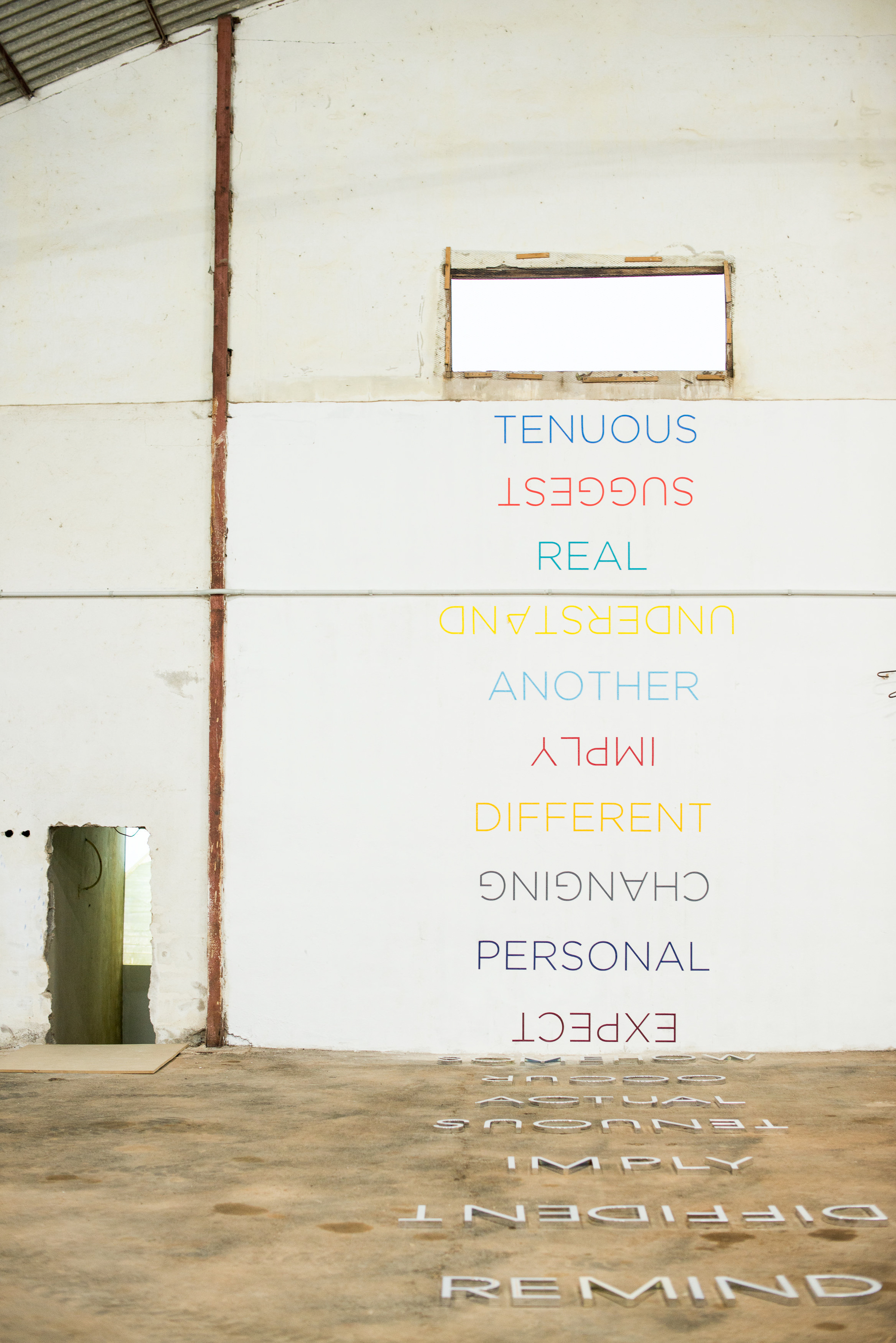
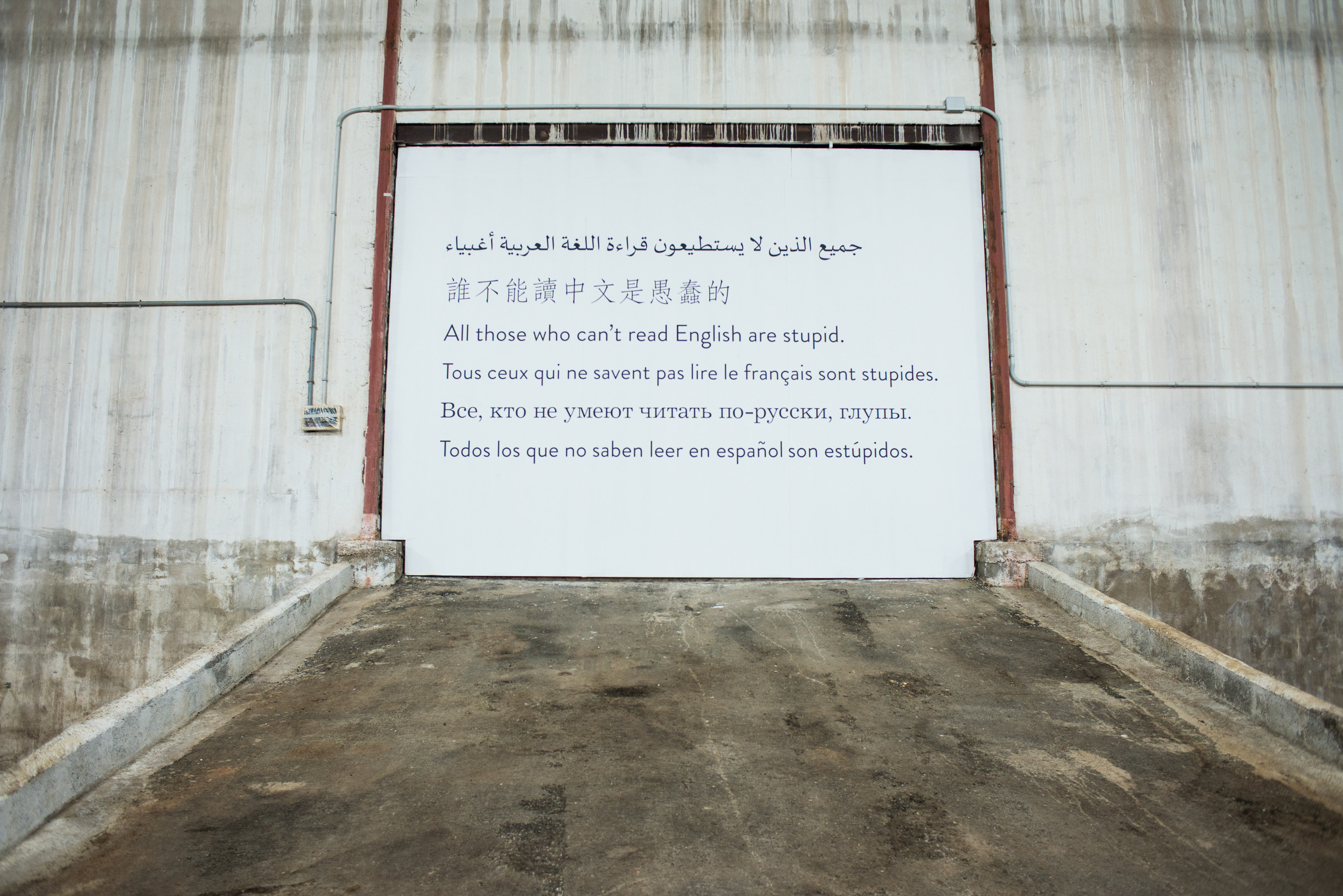
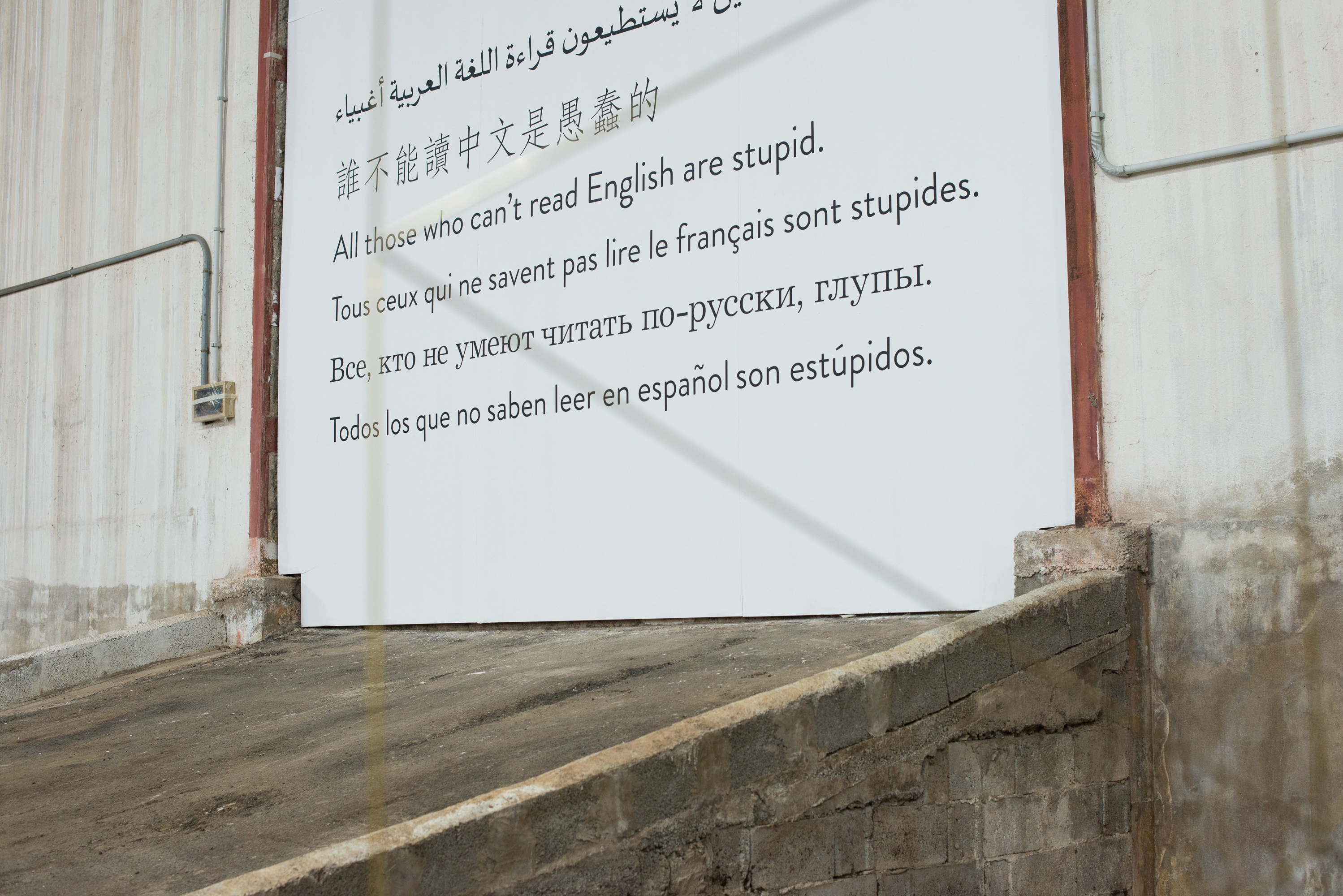
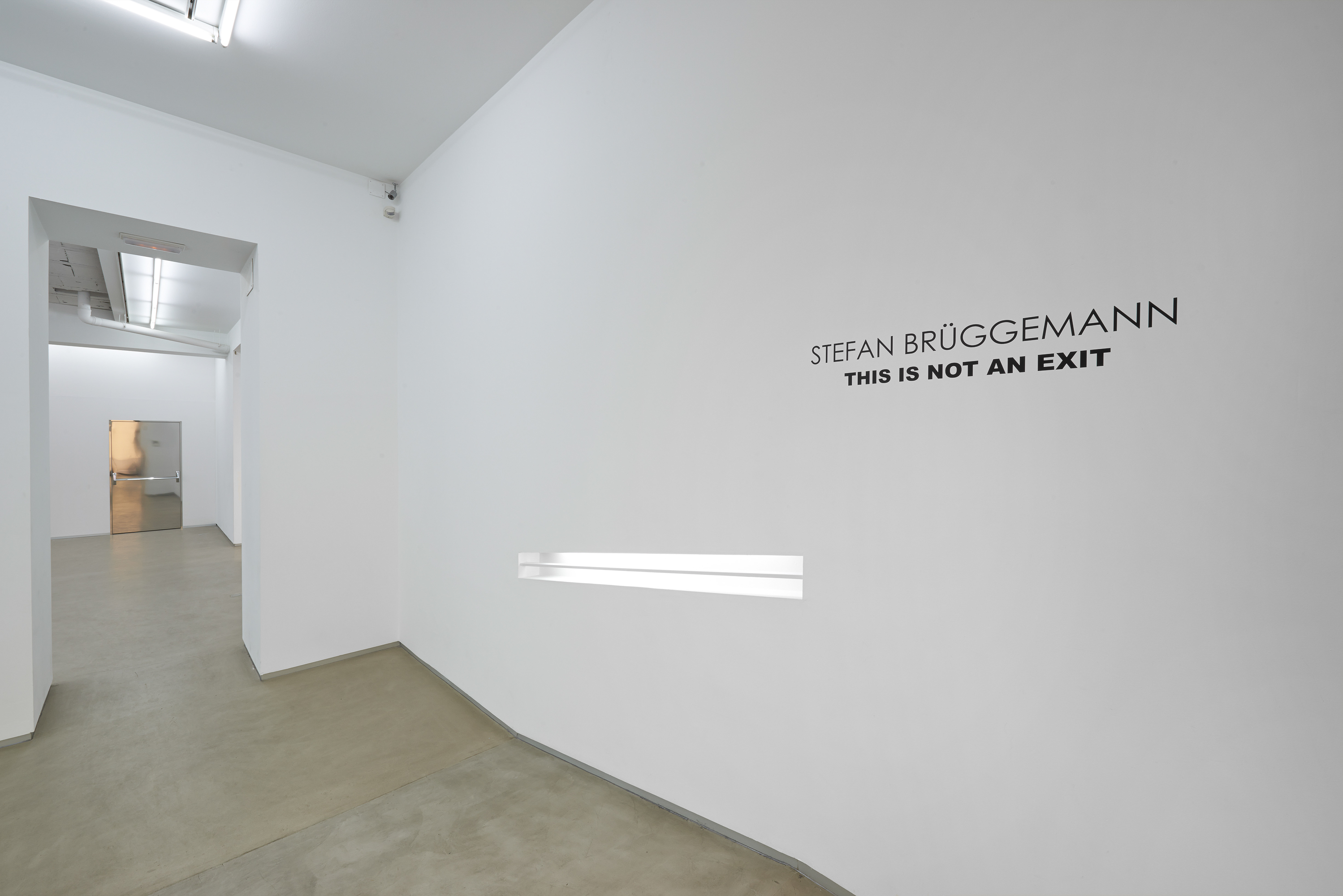
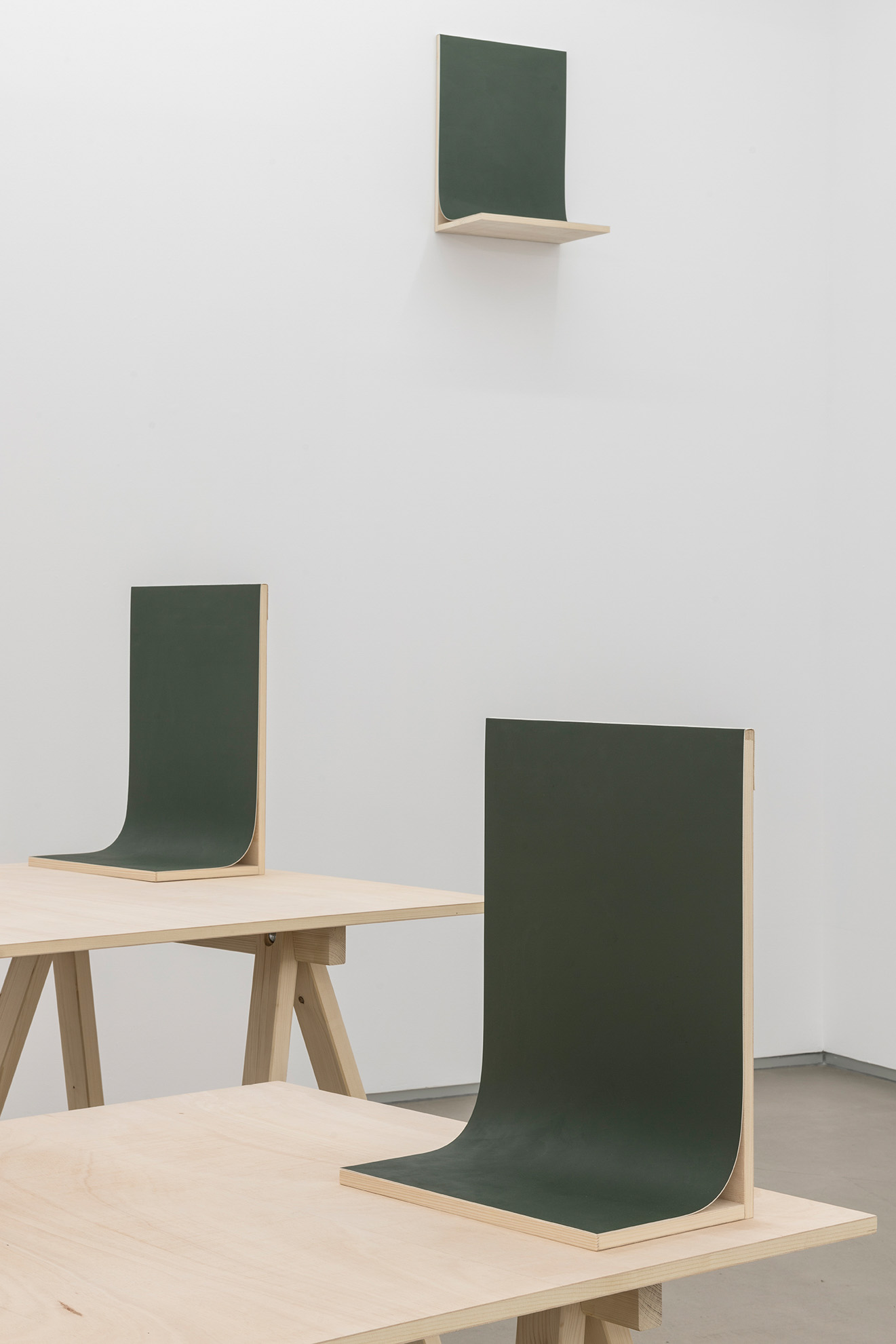
The four duets represent two generations of conceptual art, formulating formal questions about materiality and immateriality, as well as the use of language at cinema and literature. These duets are formed by Lara Almarcegui and Carl André, Rosa Barba and Florian Pumhösl, Carlos Amorales and Stefan Brüggemann, Alejandro Cesarco and Allen Ruppensberg.
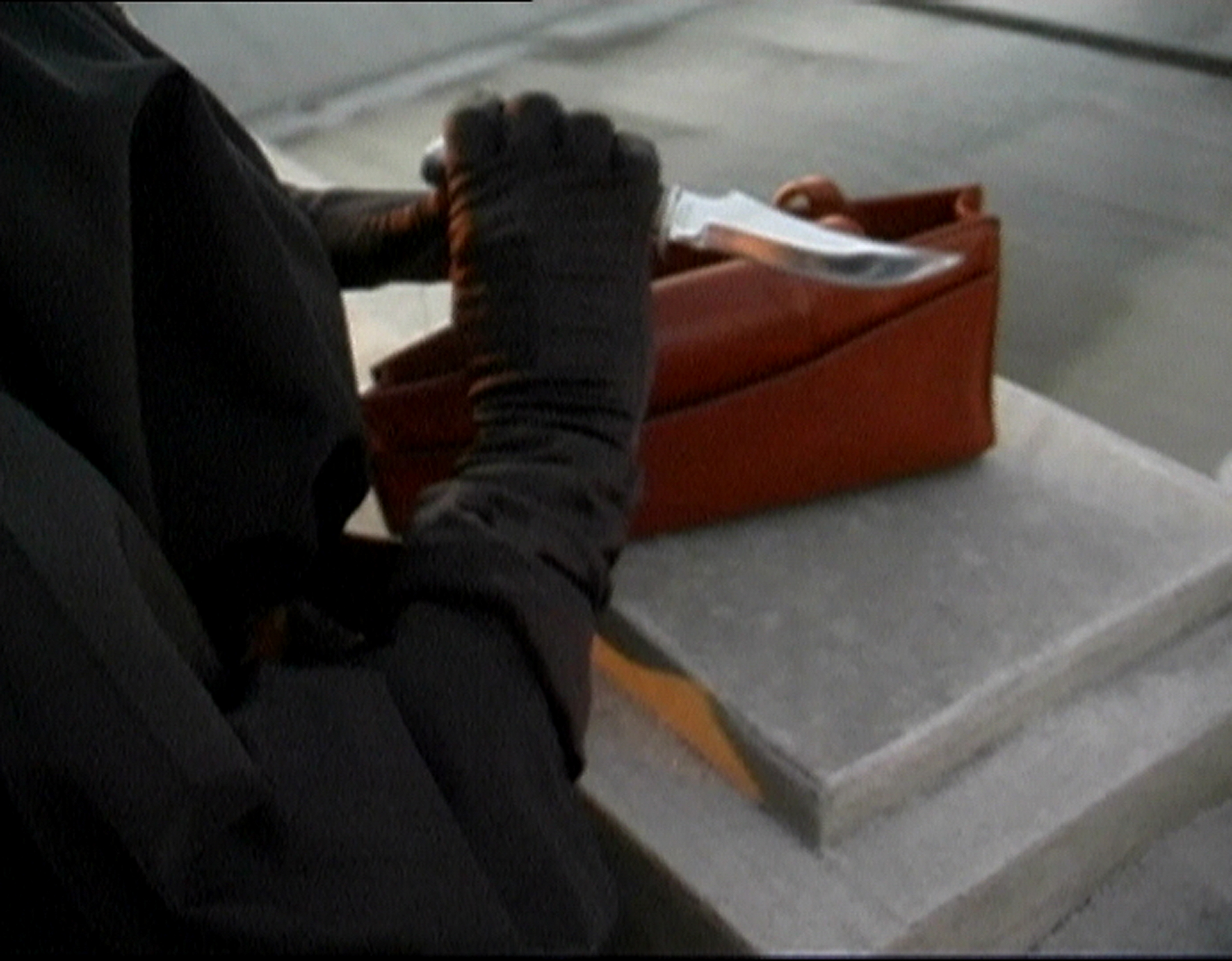
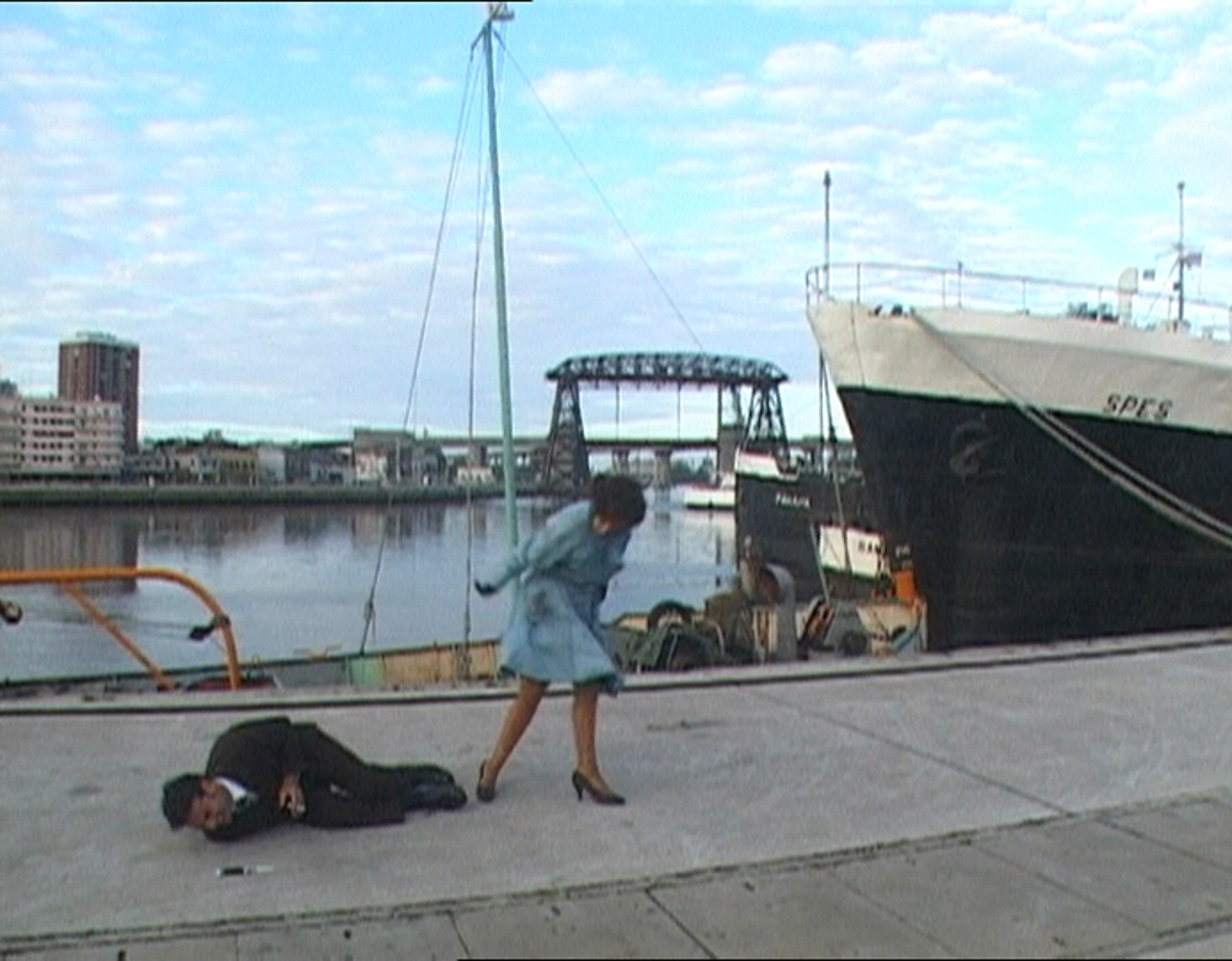
Precisely, dealing with immateriality, the assistants will have the opportunity to be part of ‘Time, 1970’, a historical performance by David Lamelas. In this performance space and time are physically related.
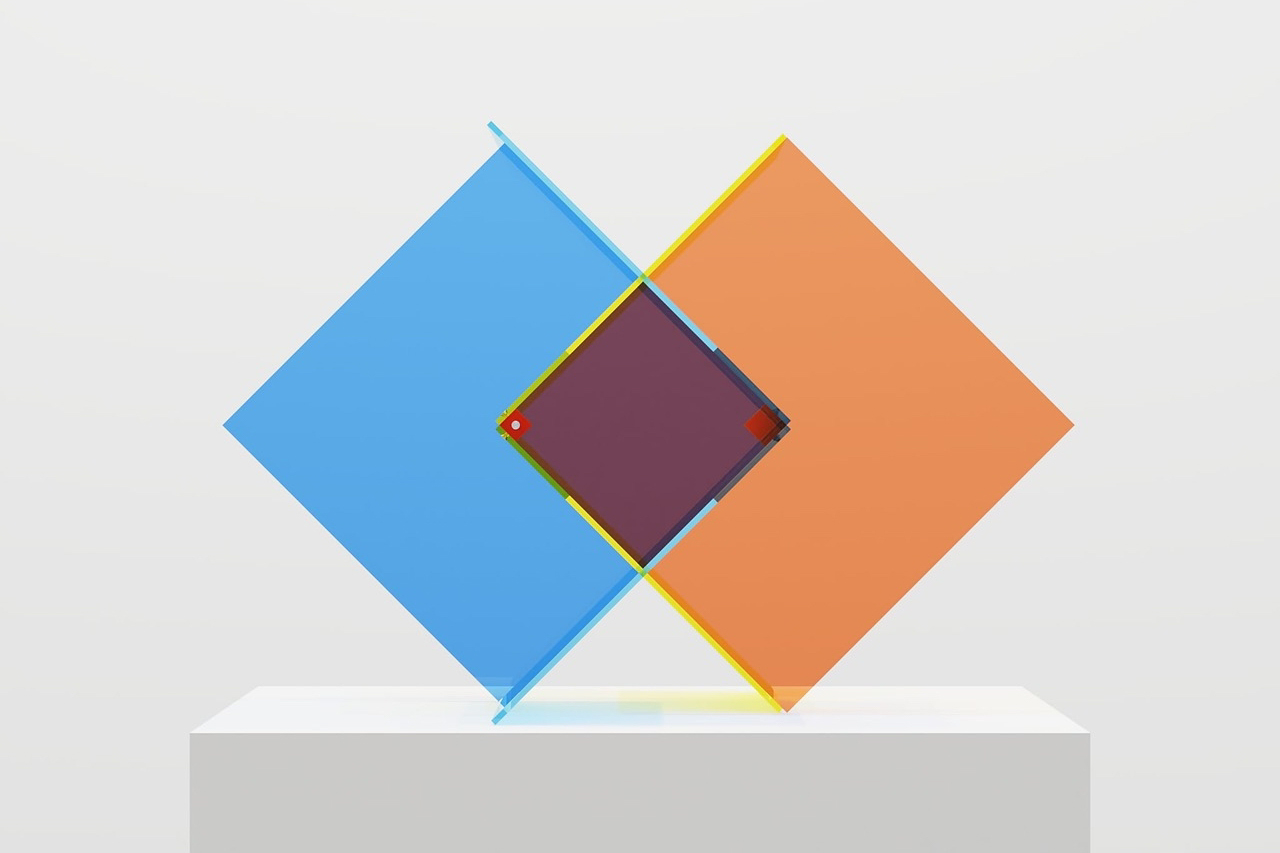
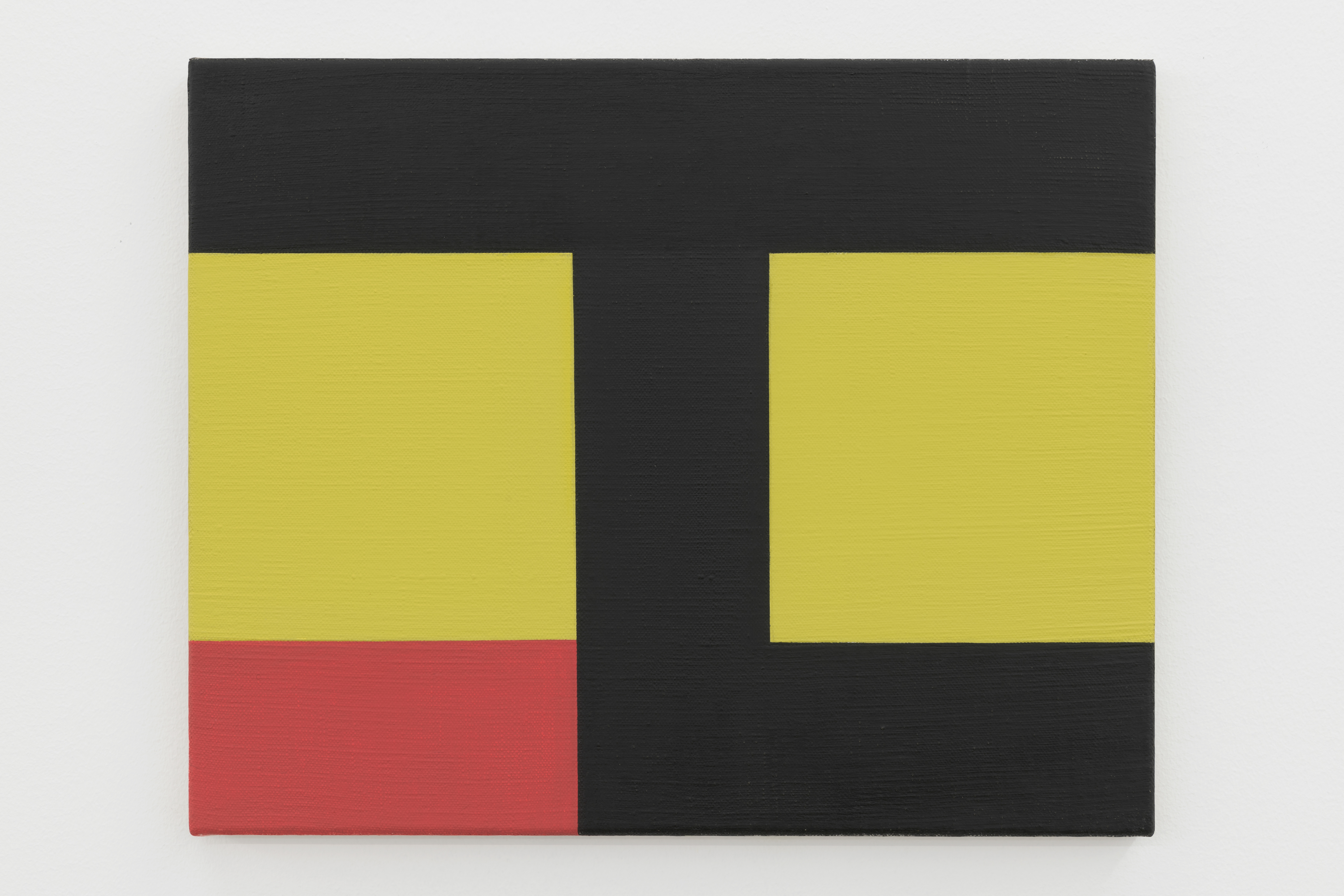
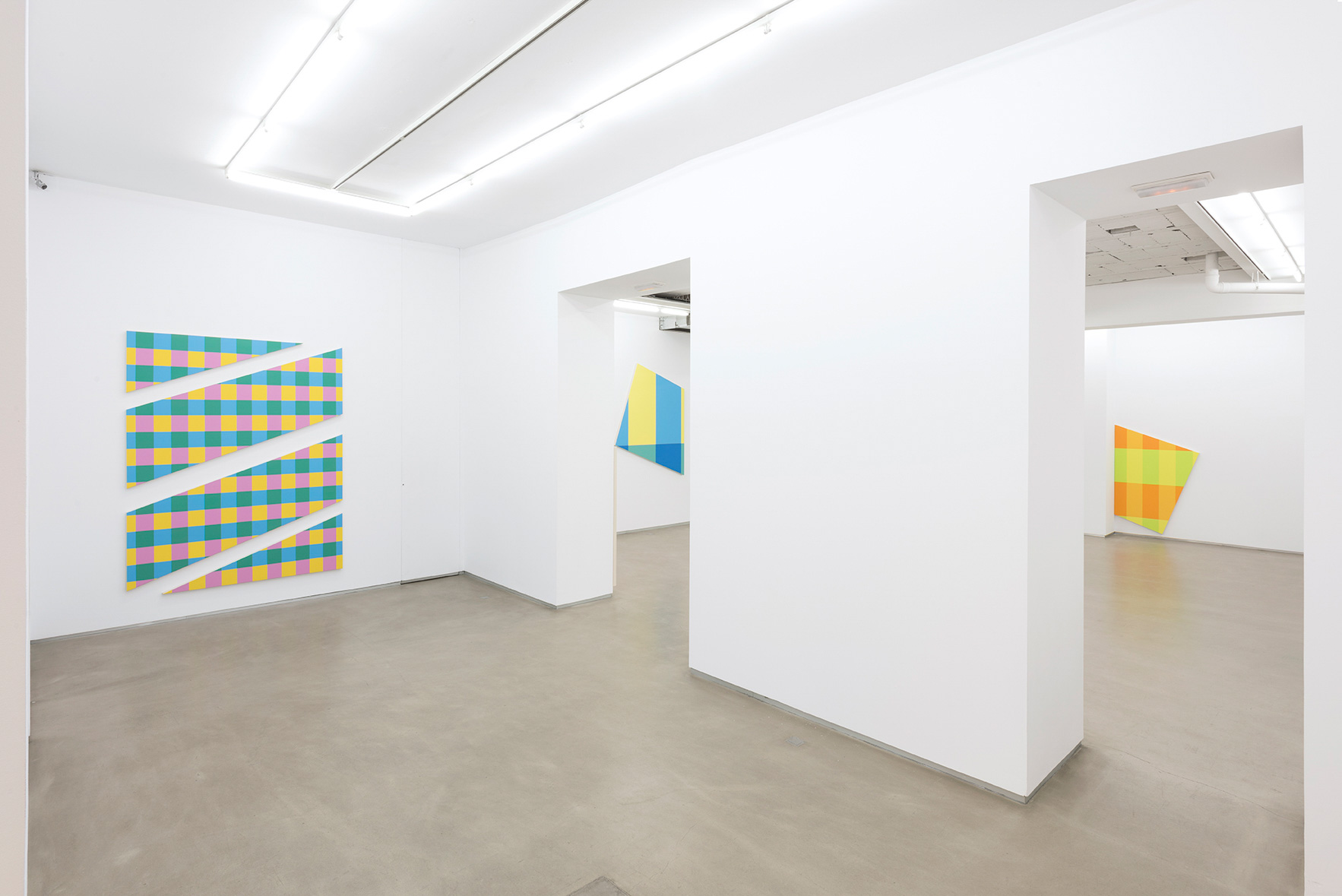
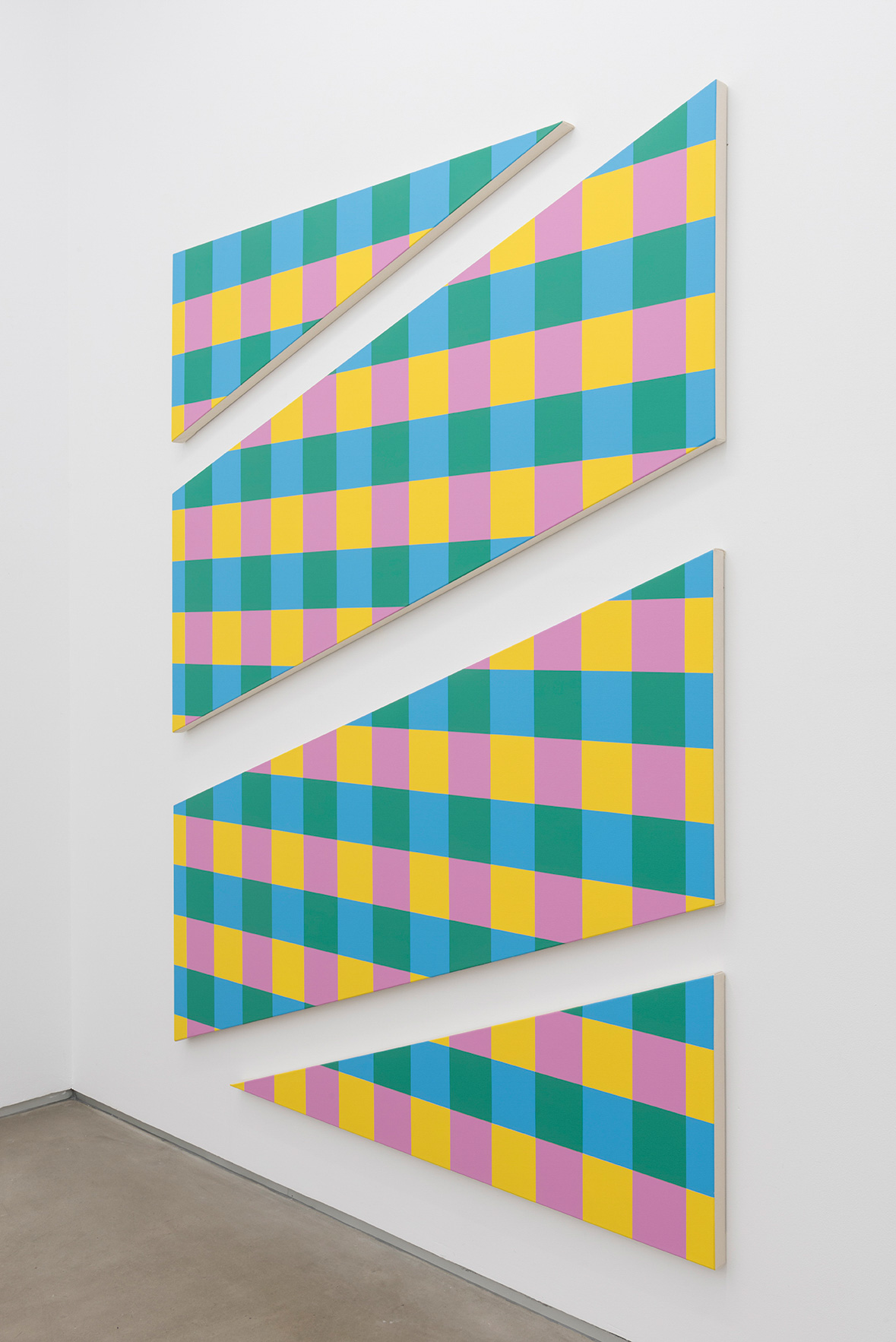
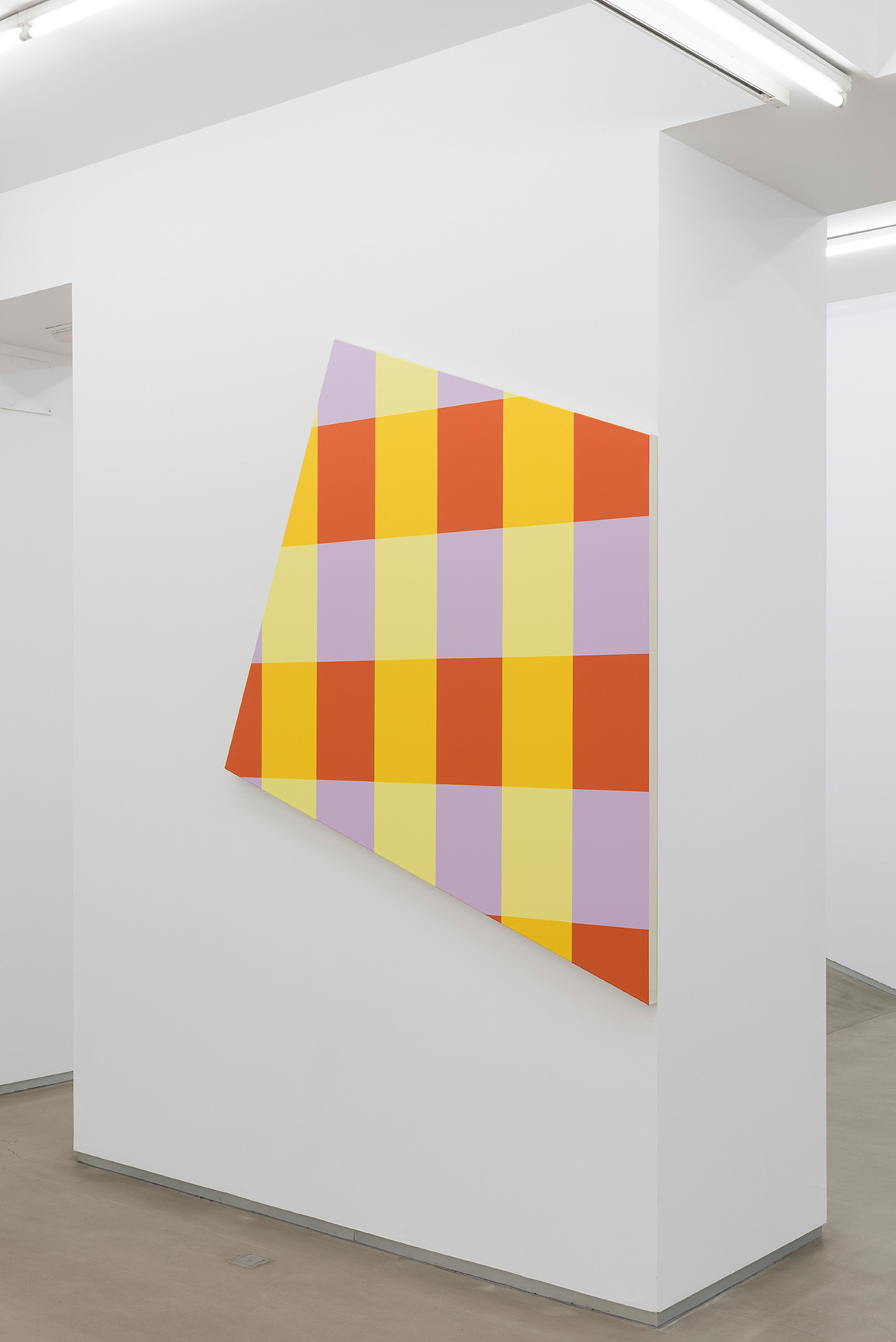
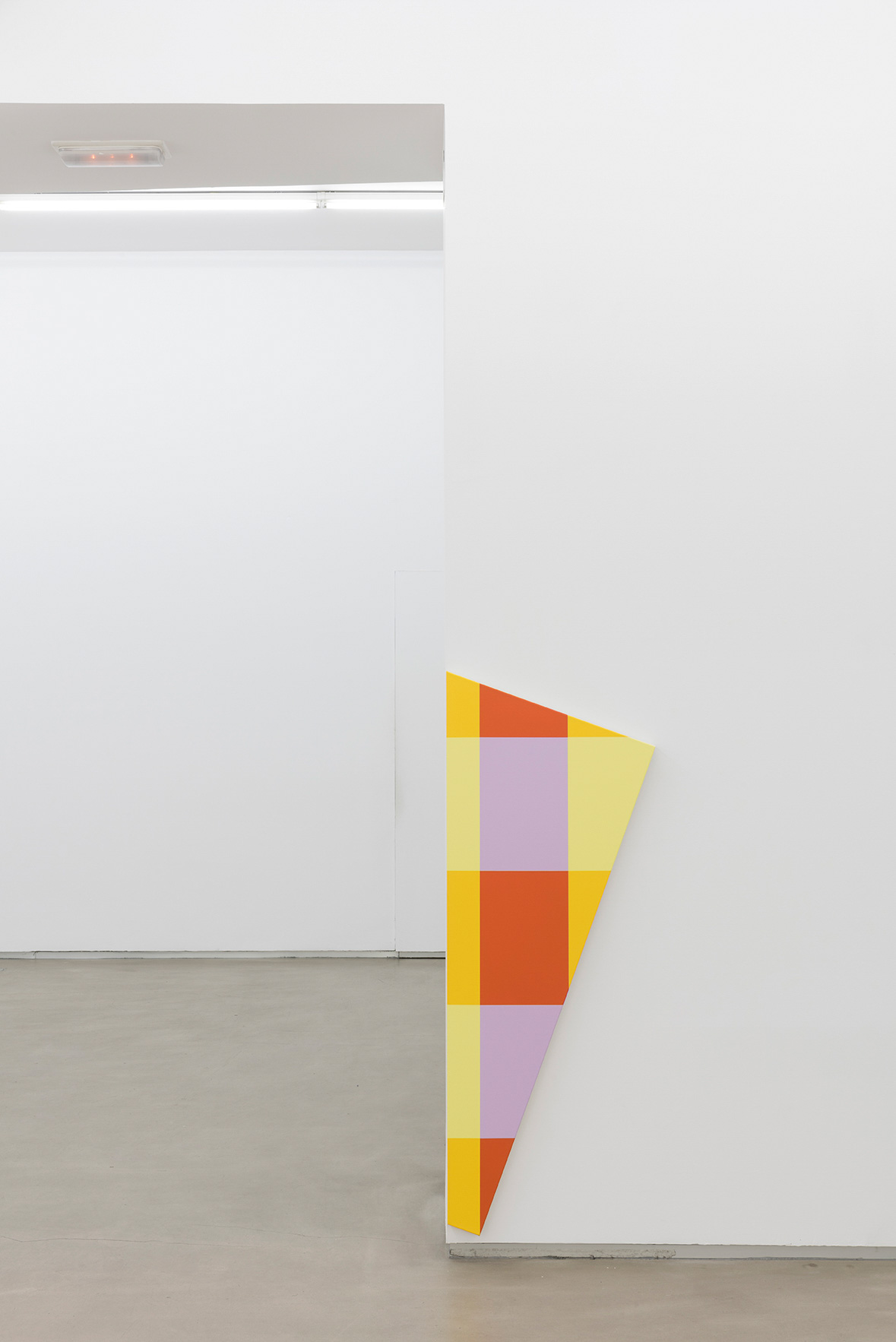
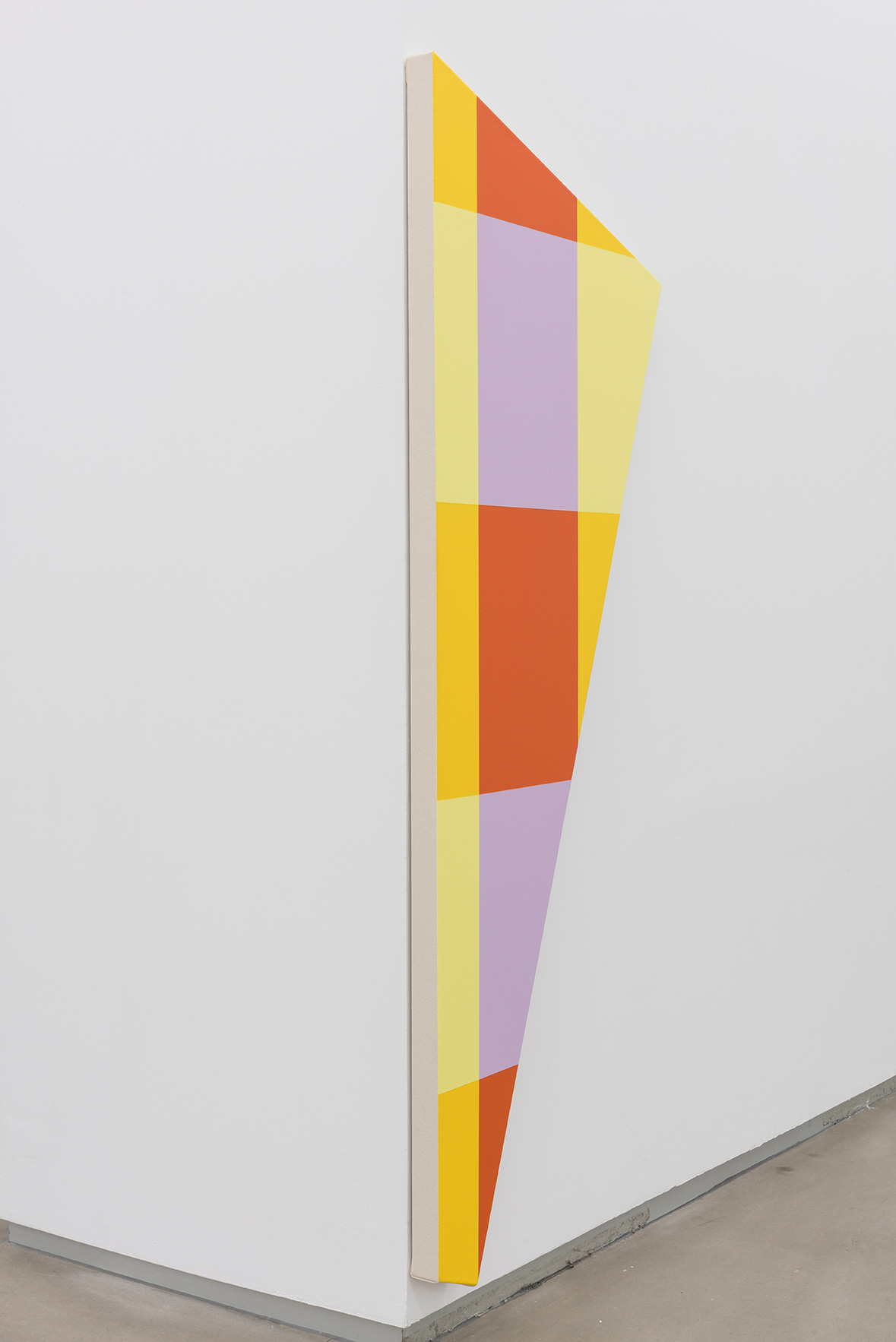
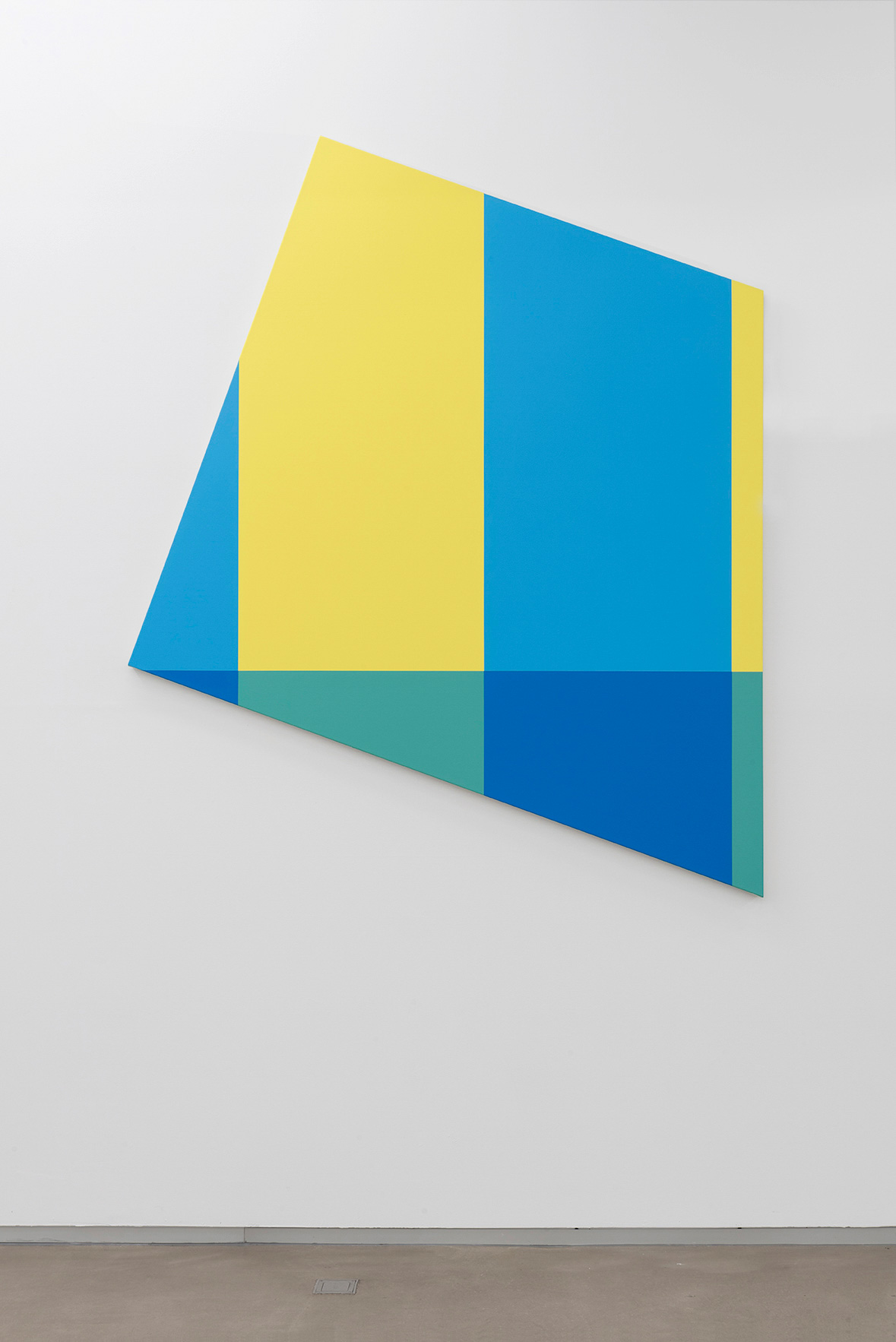
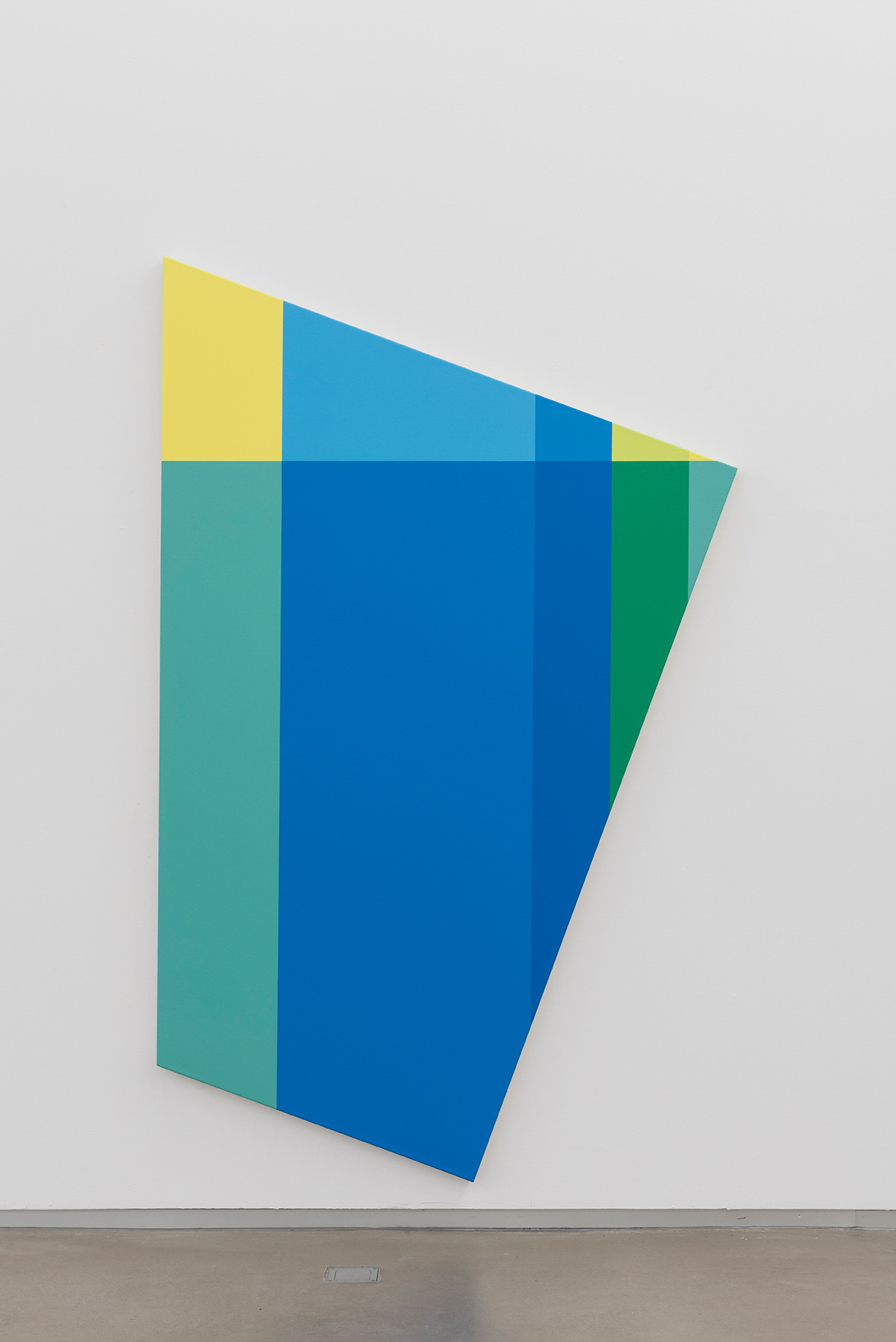
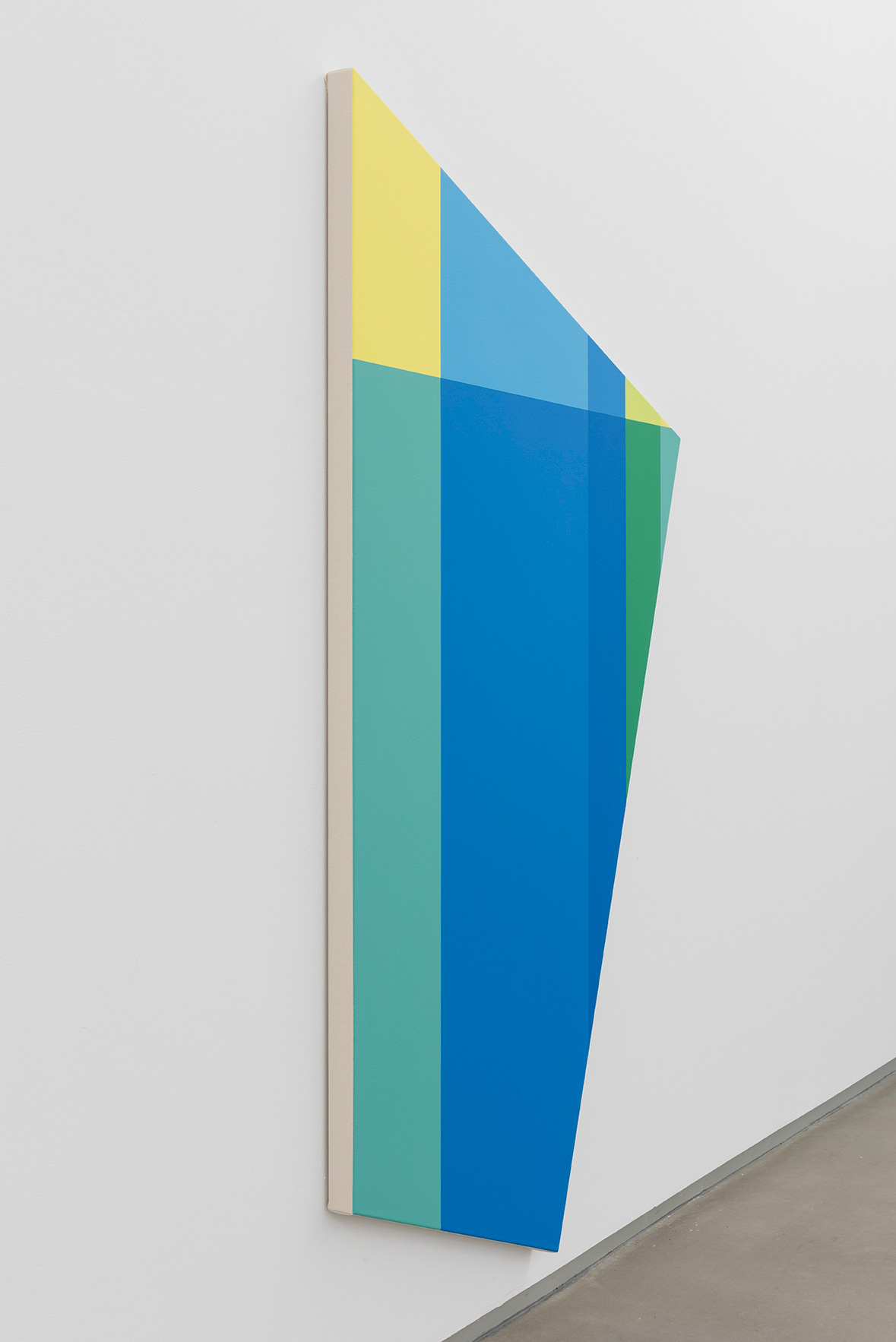
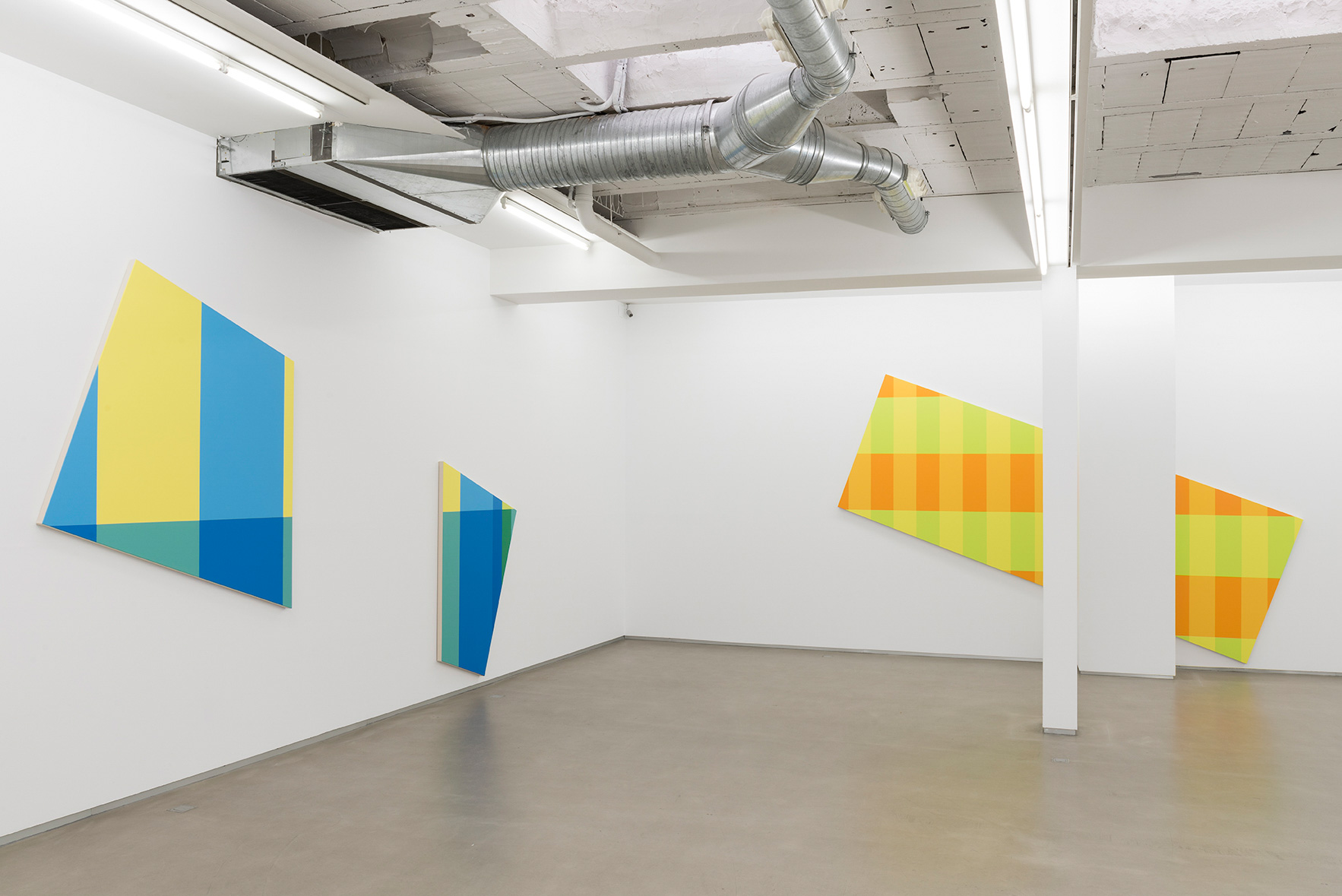
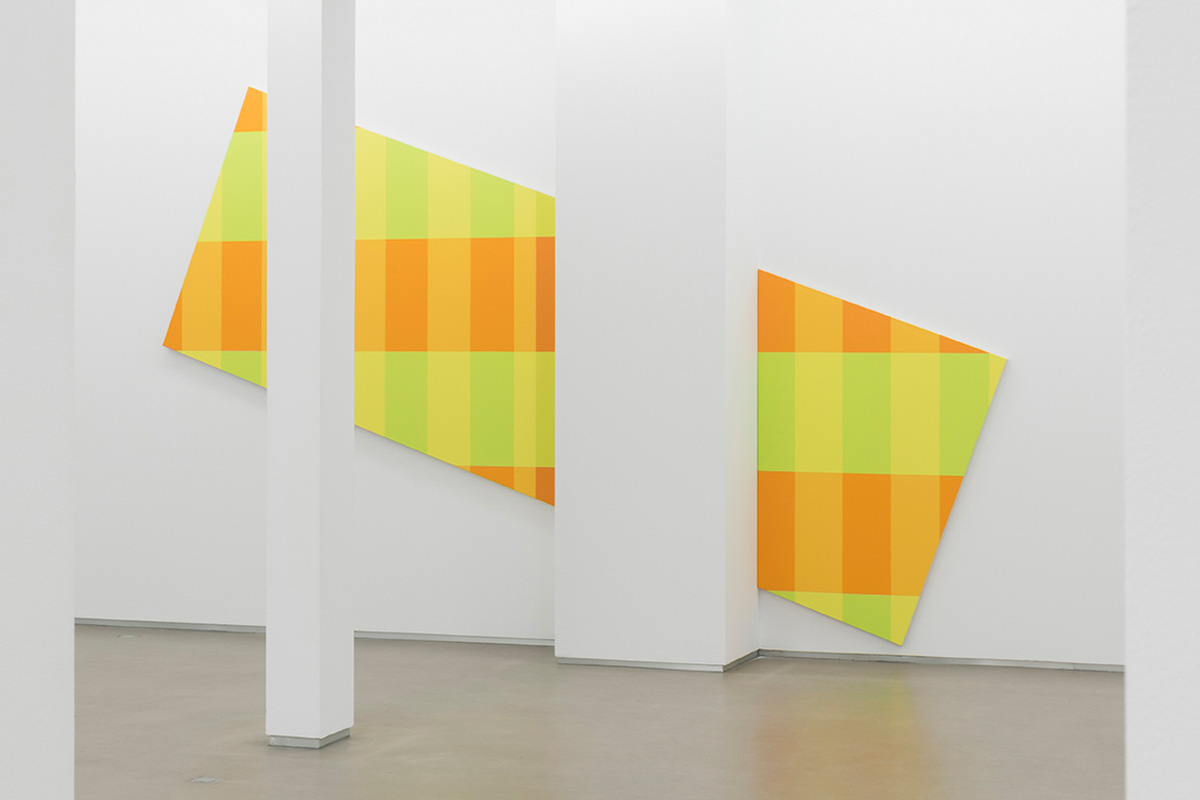
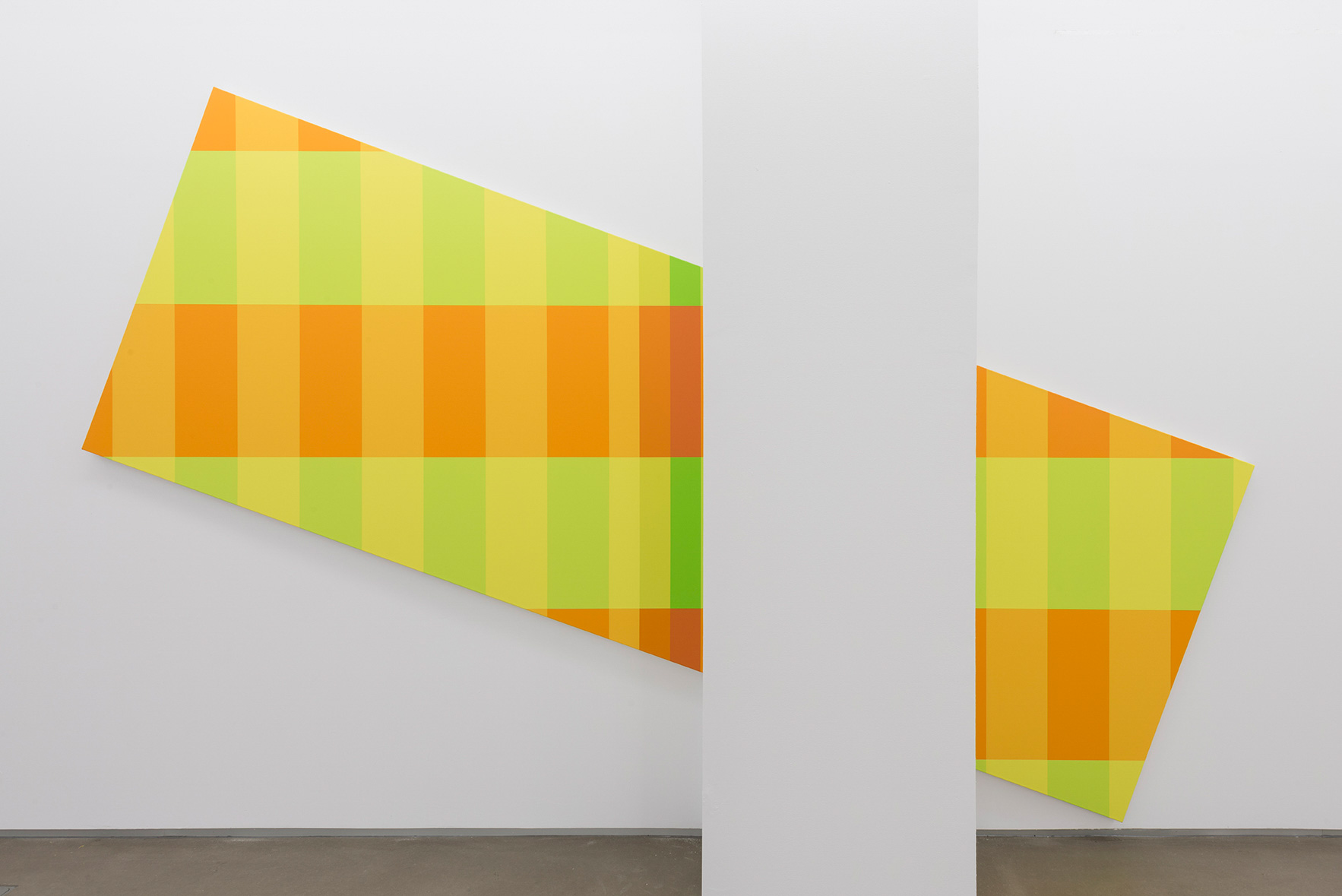
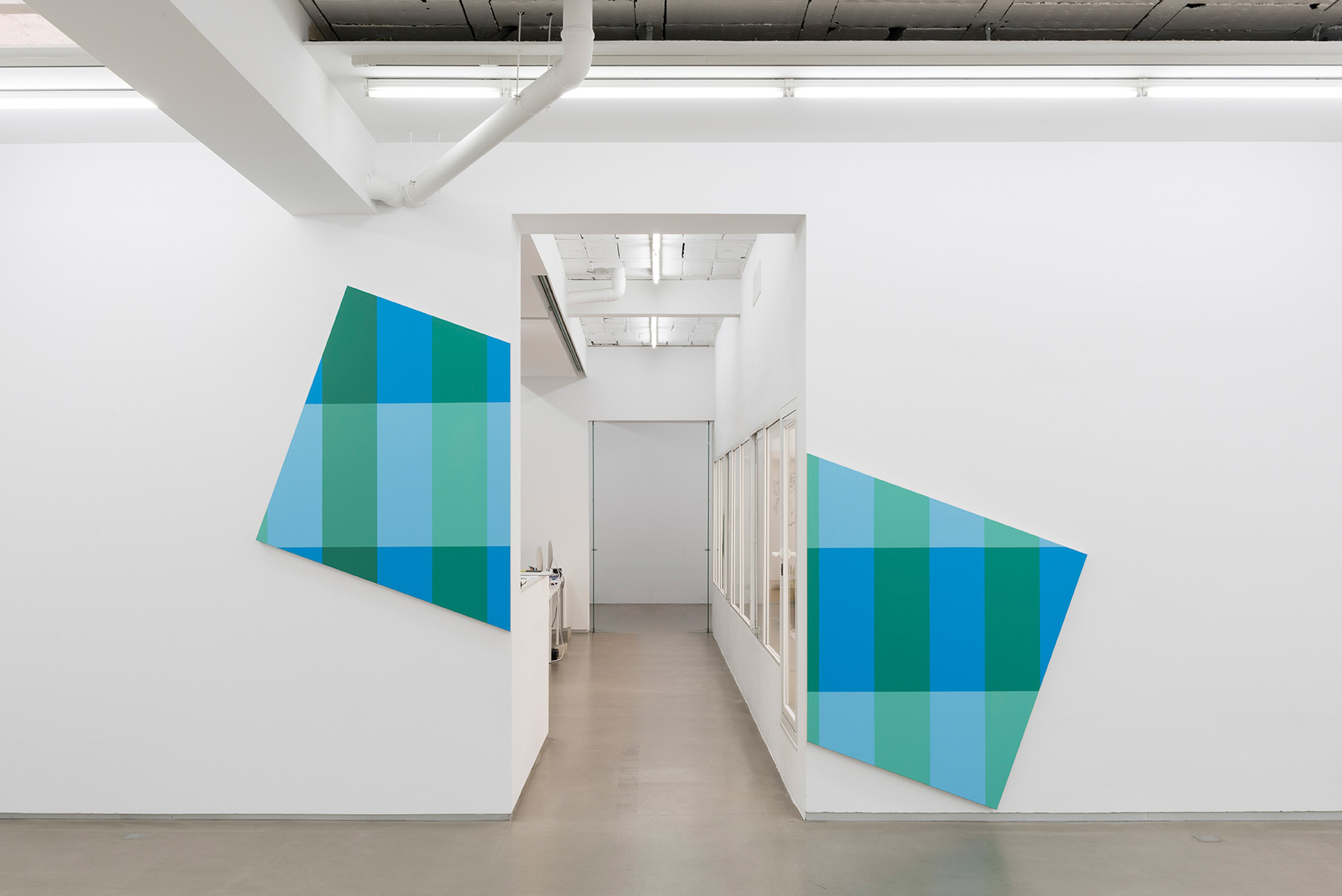
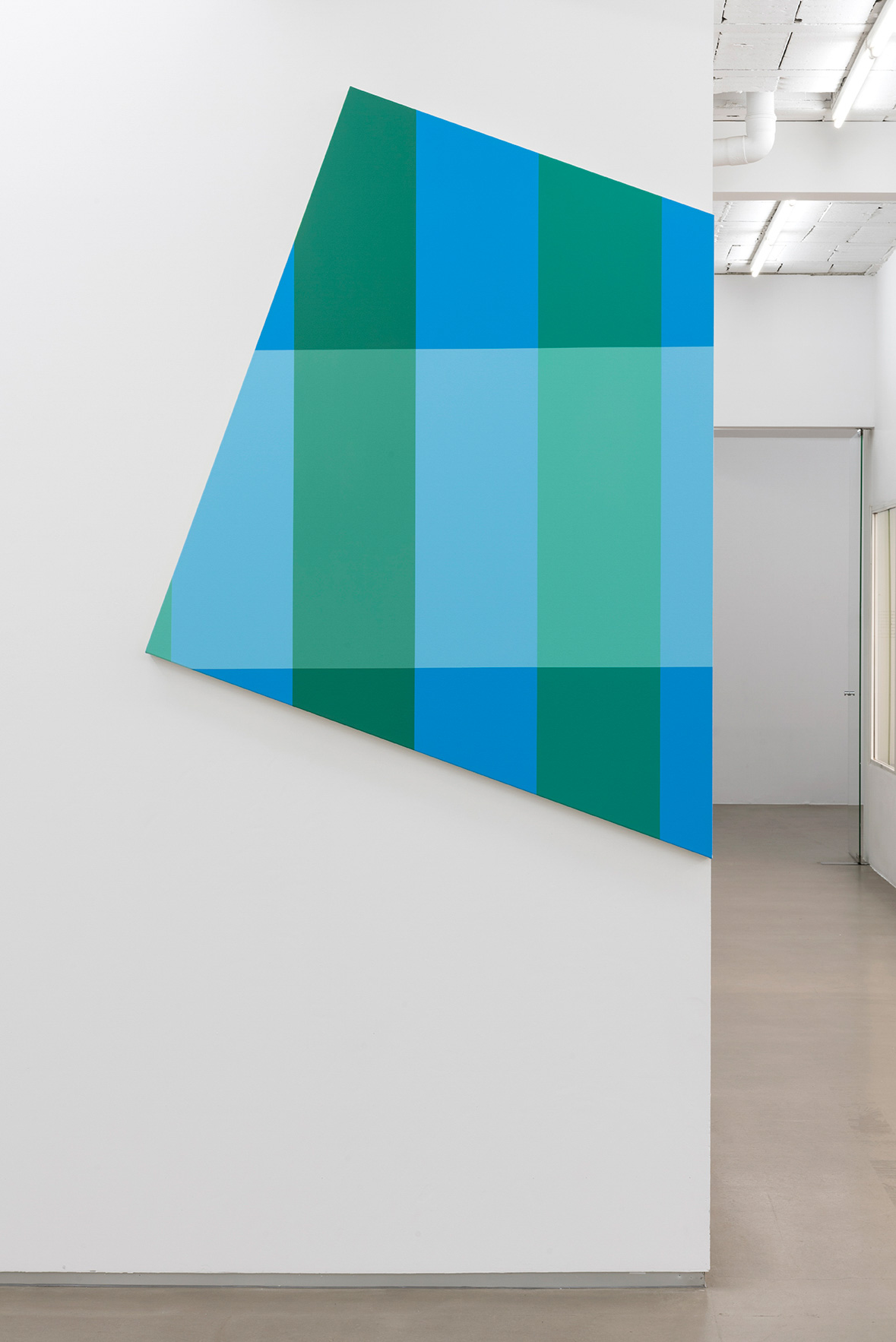
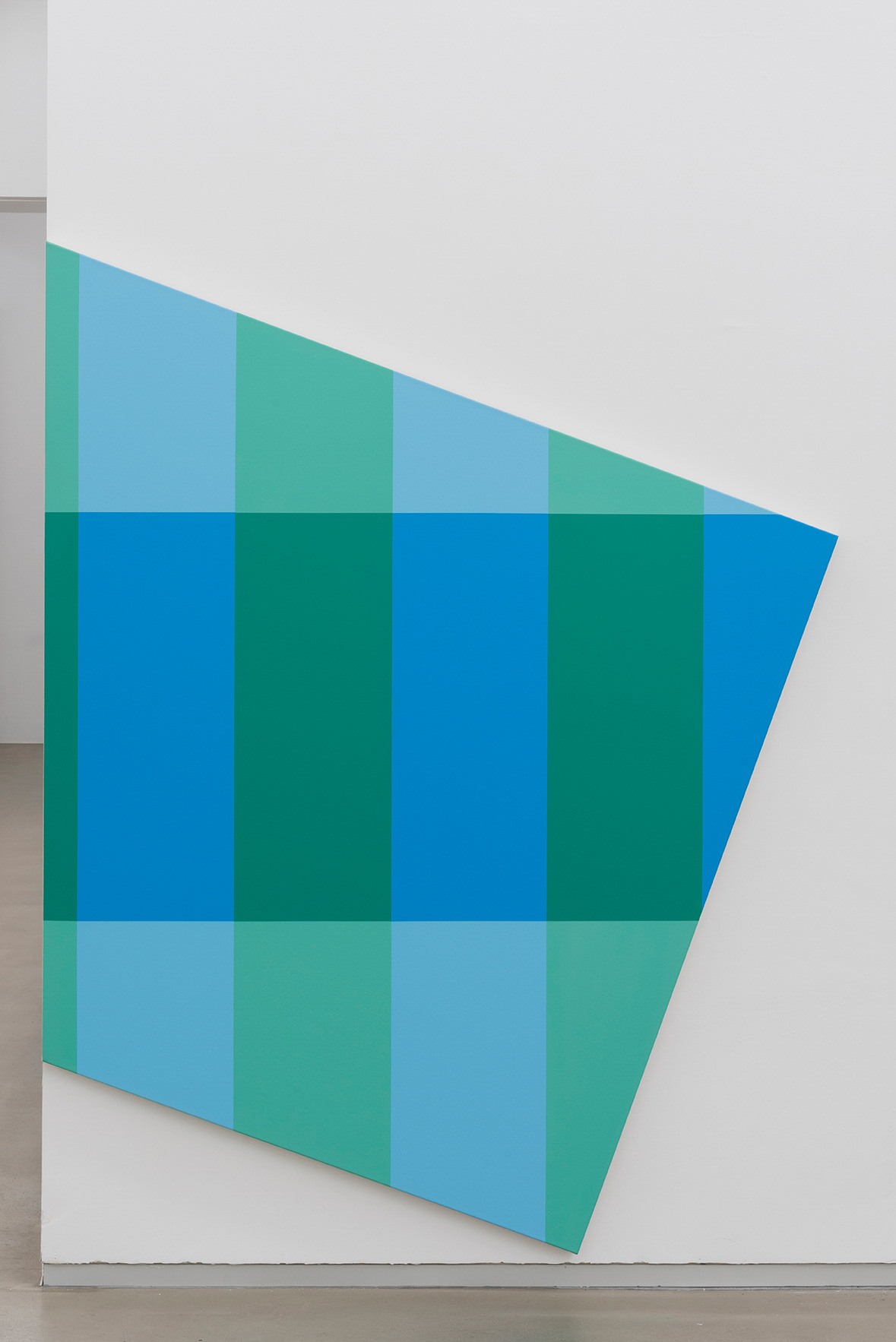
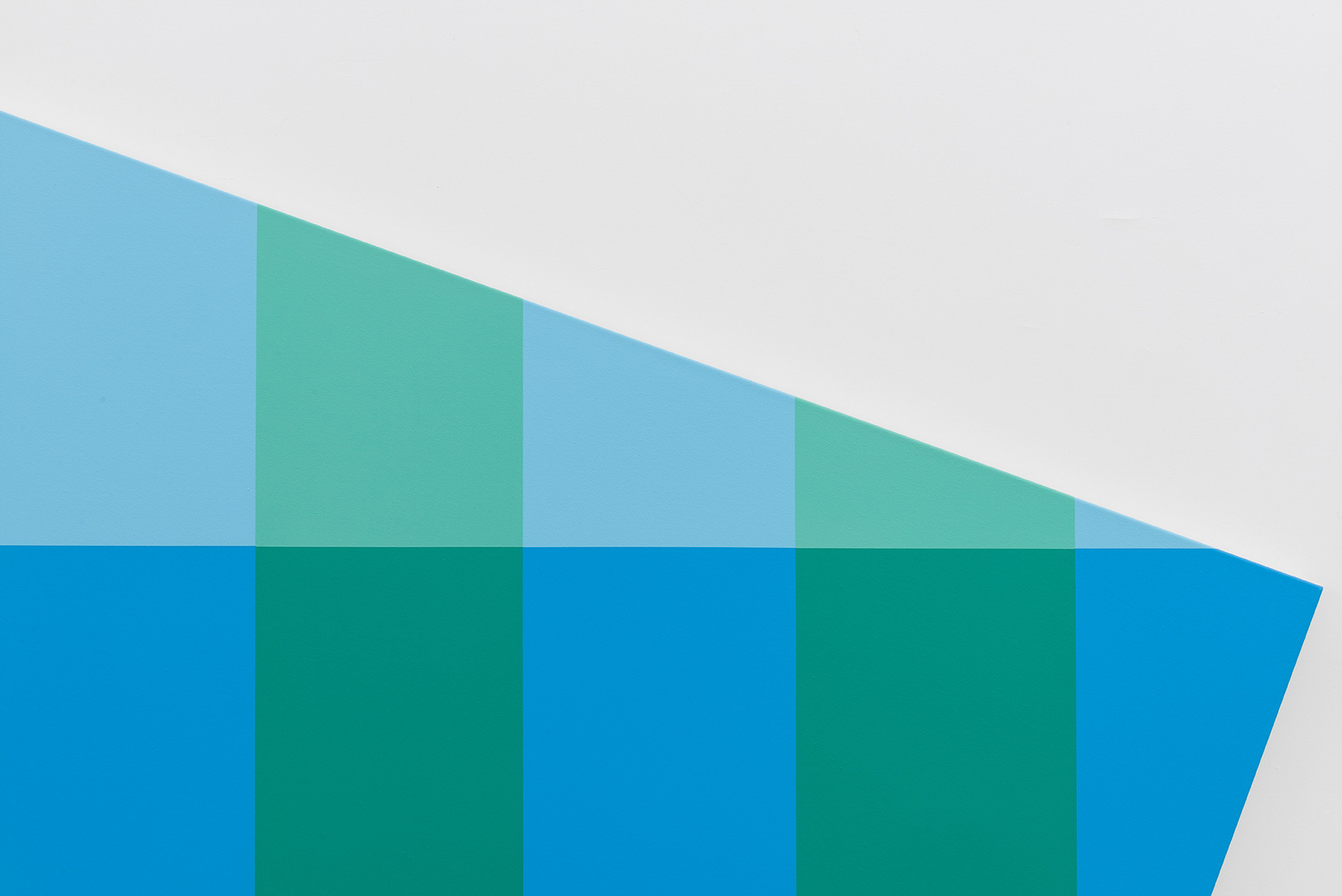
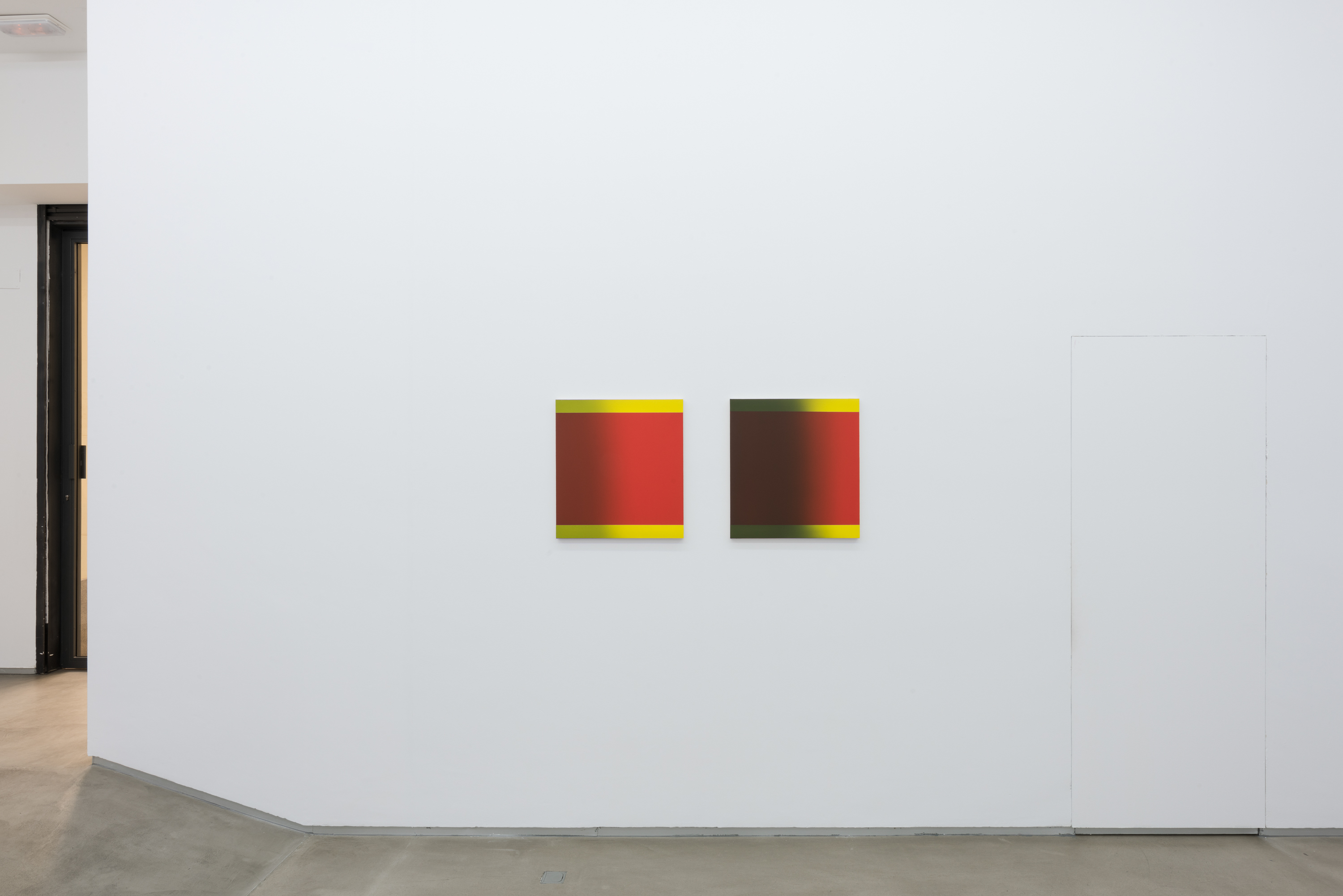
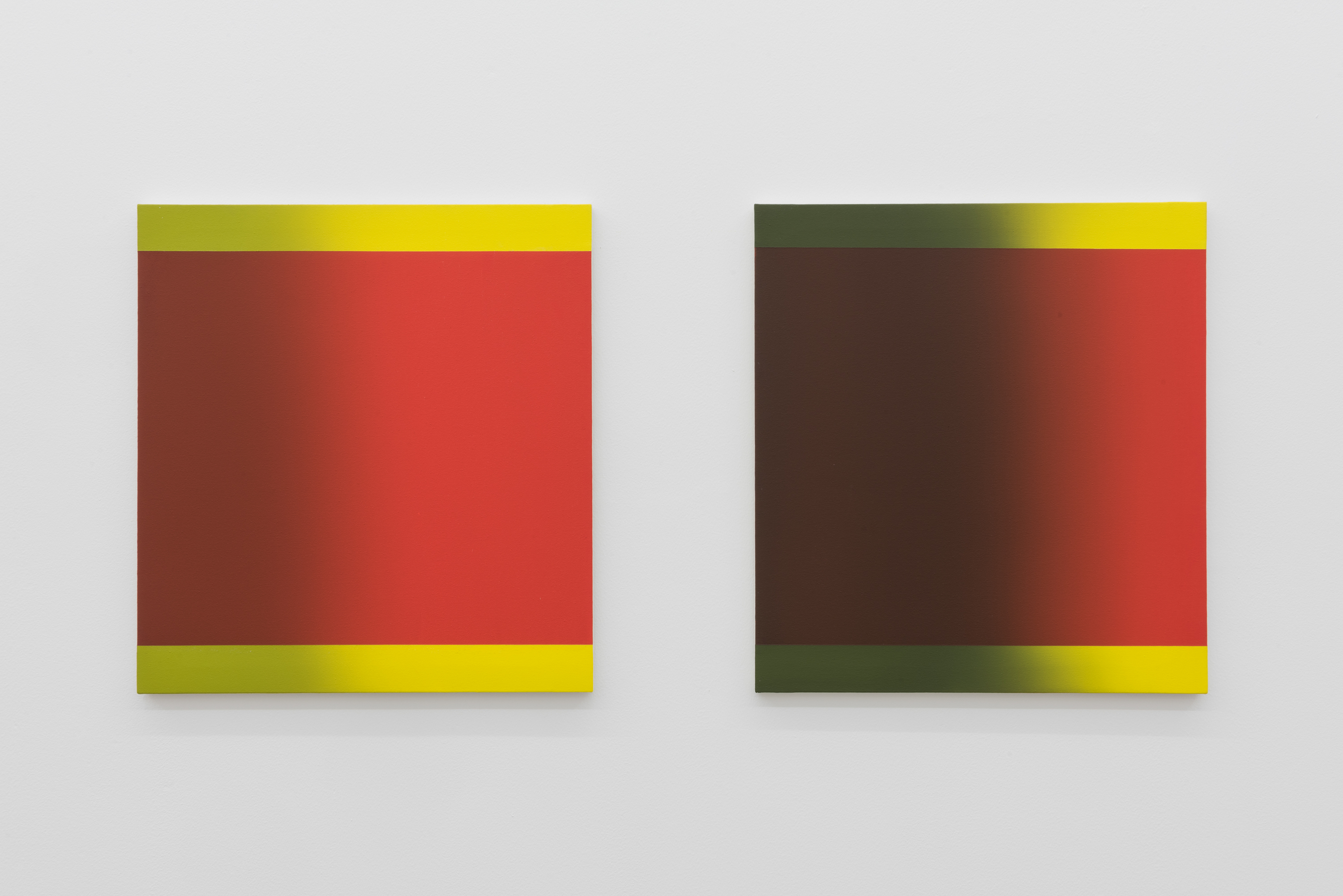
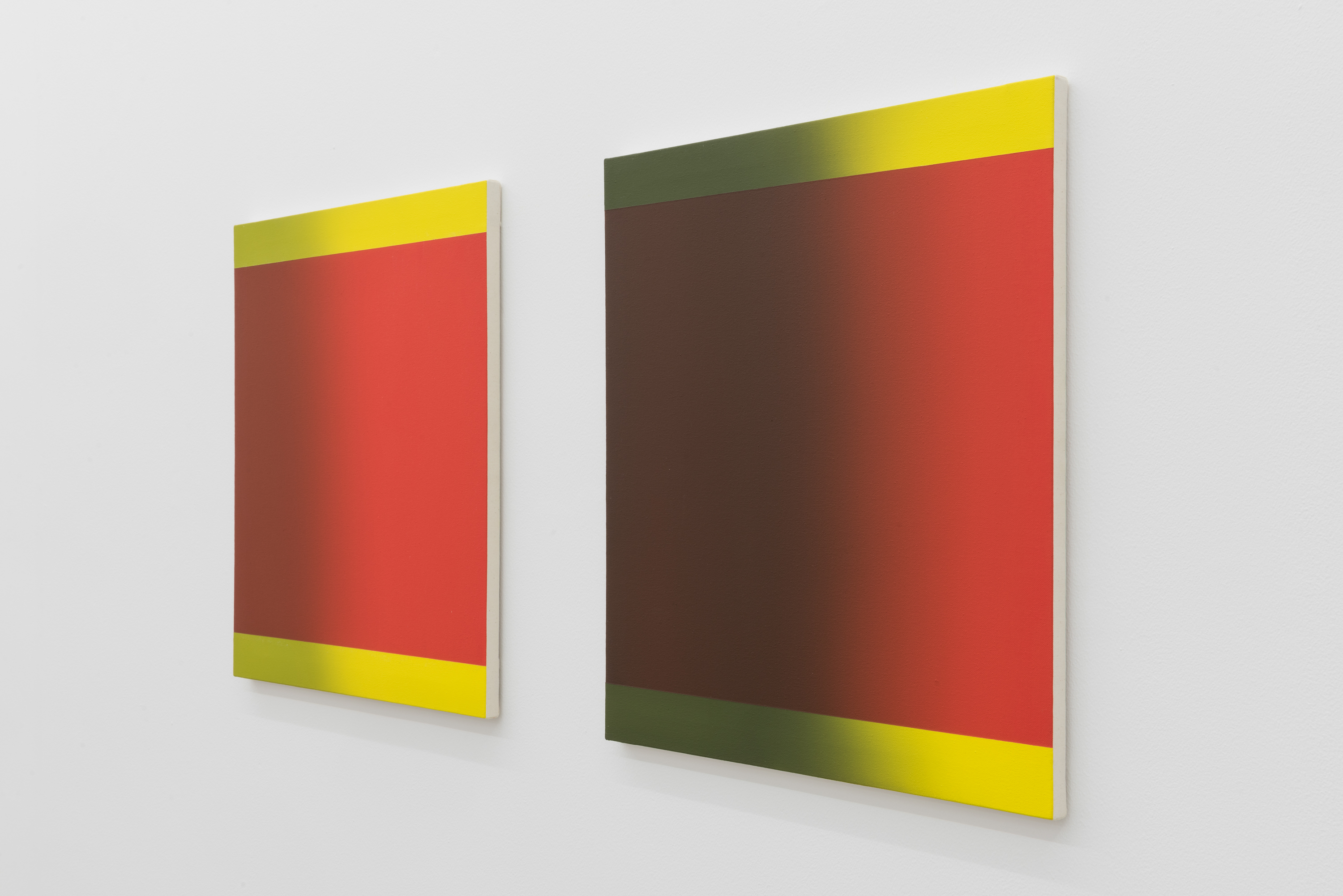
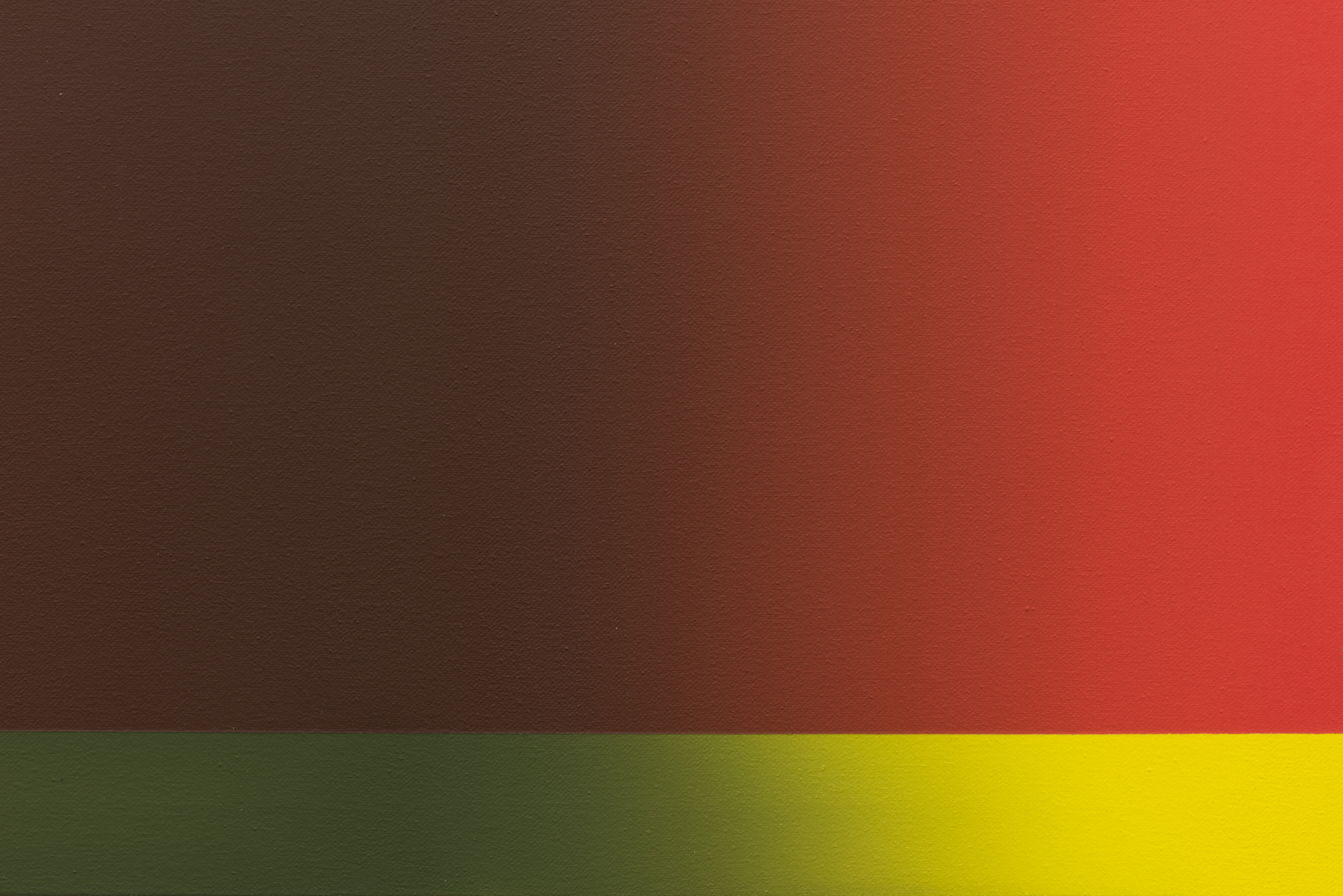
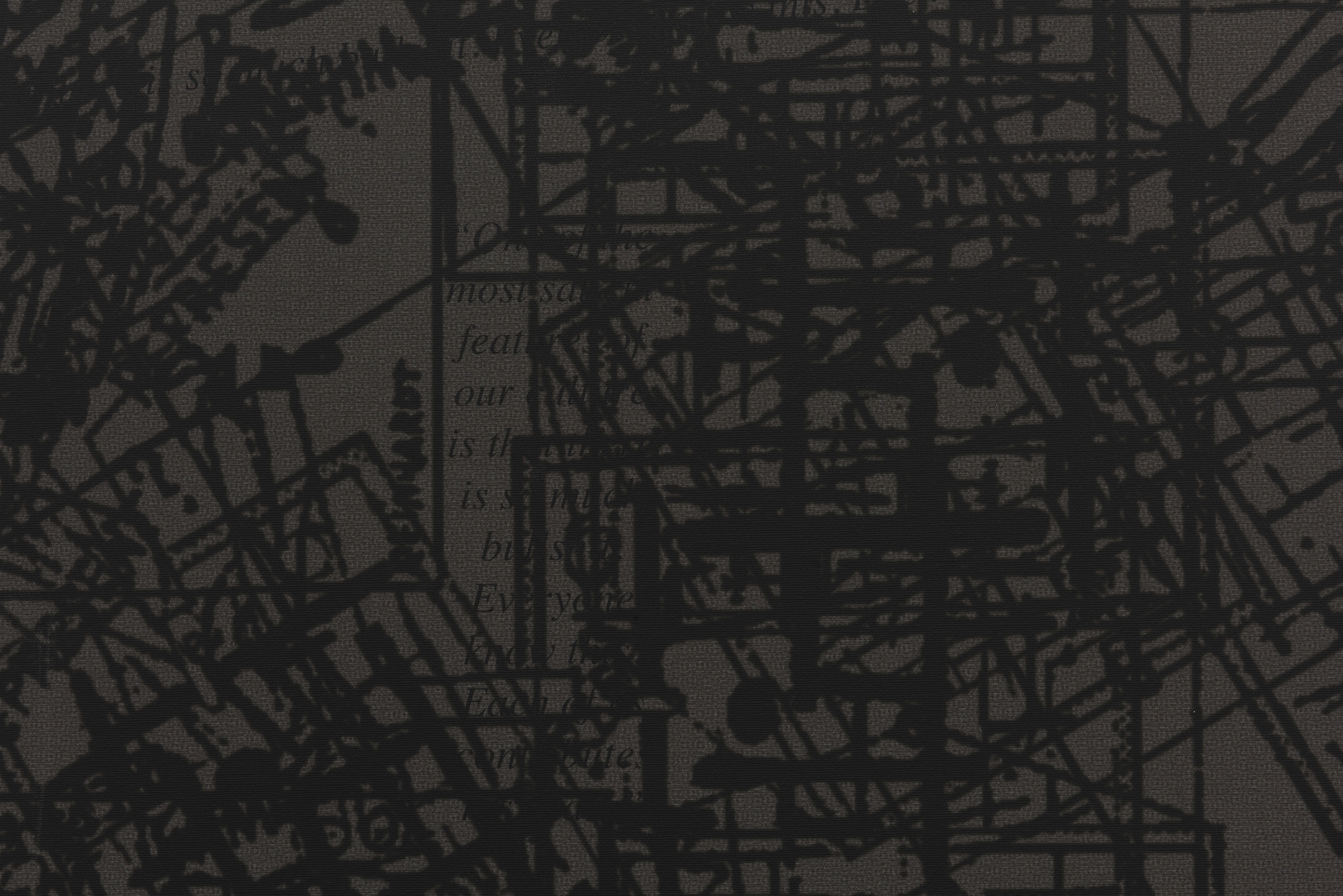
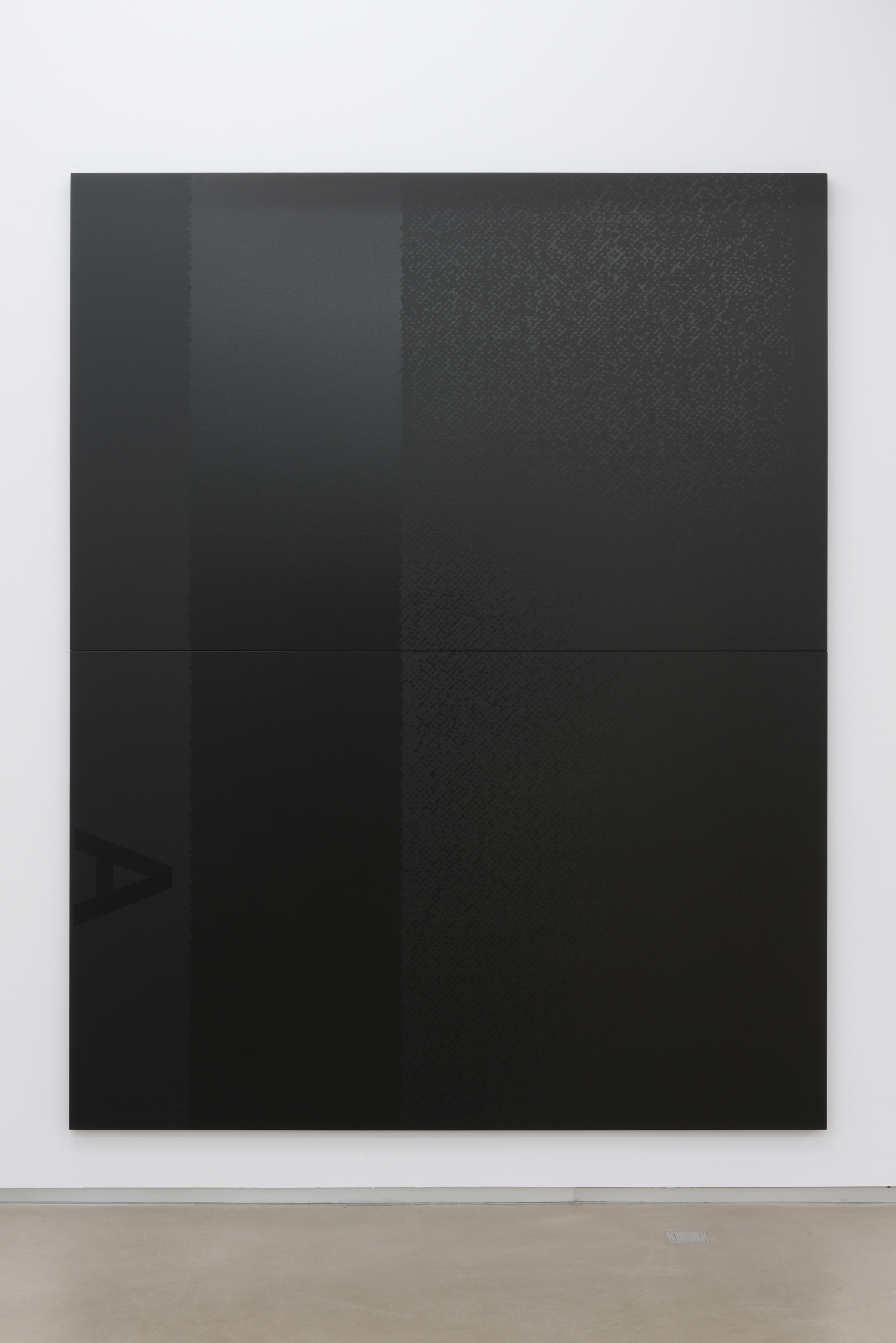
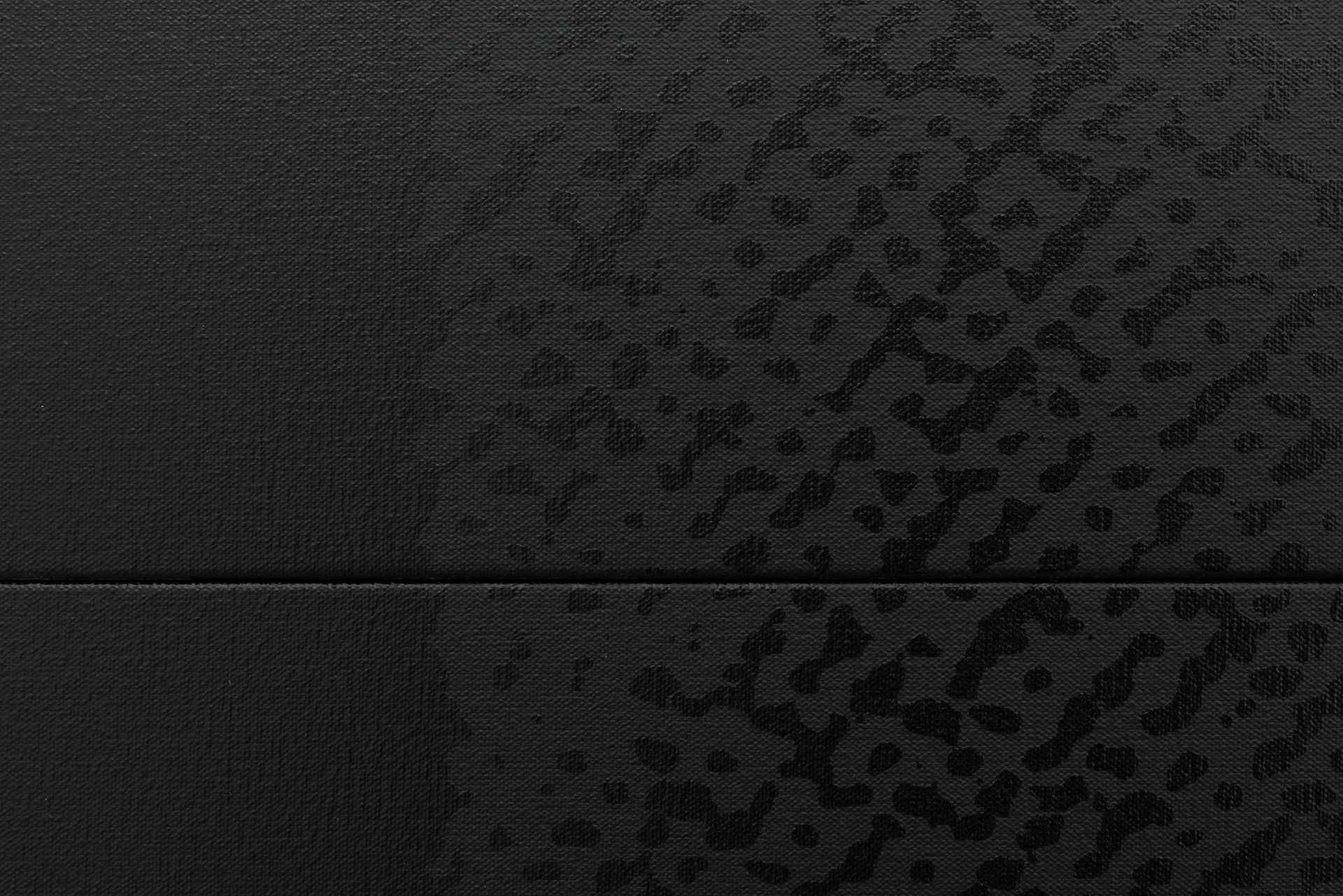
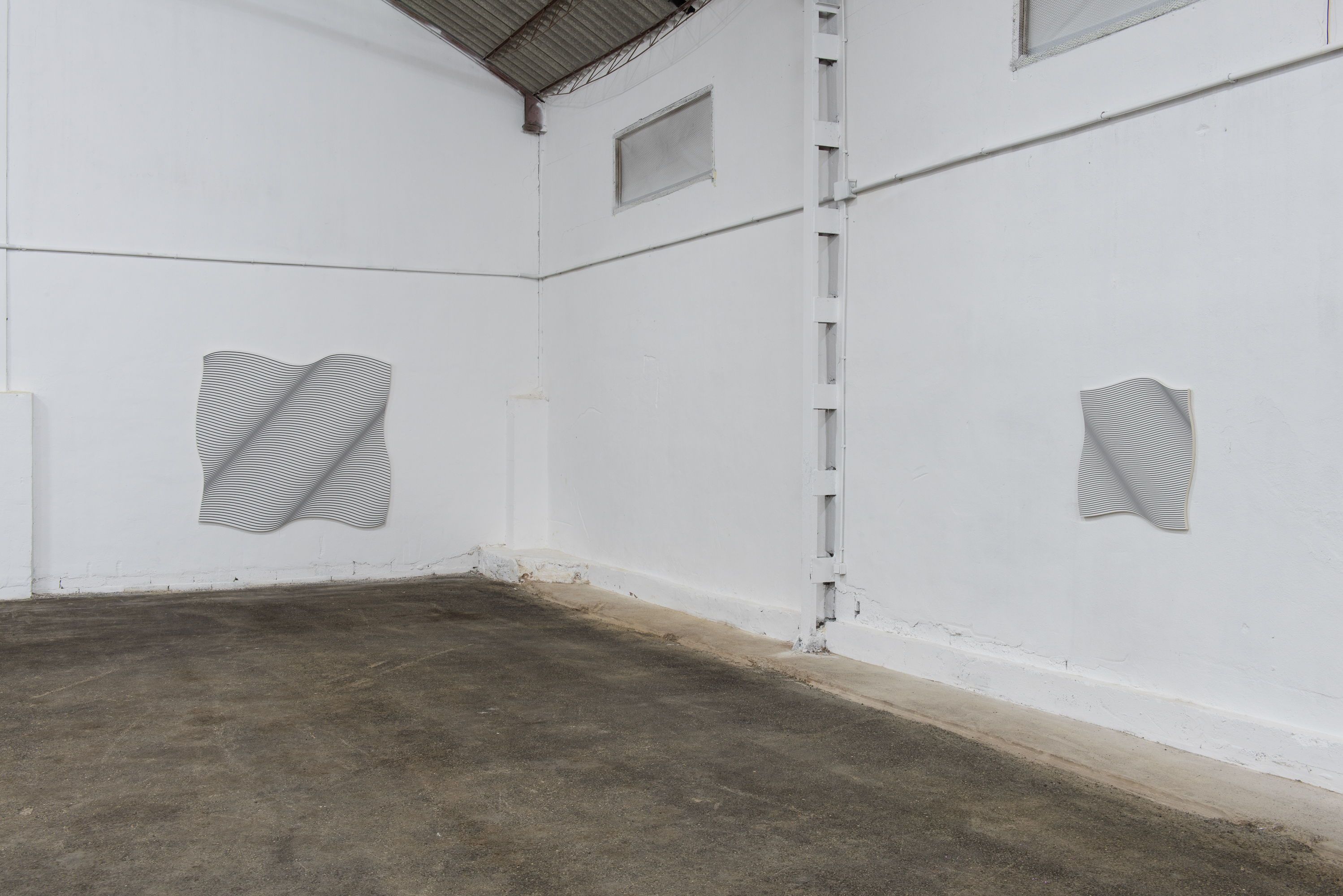
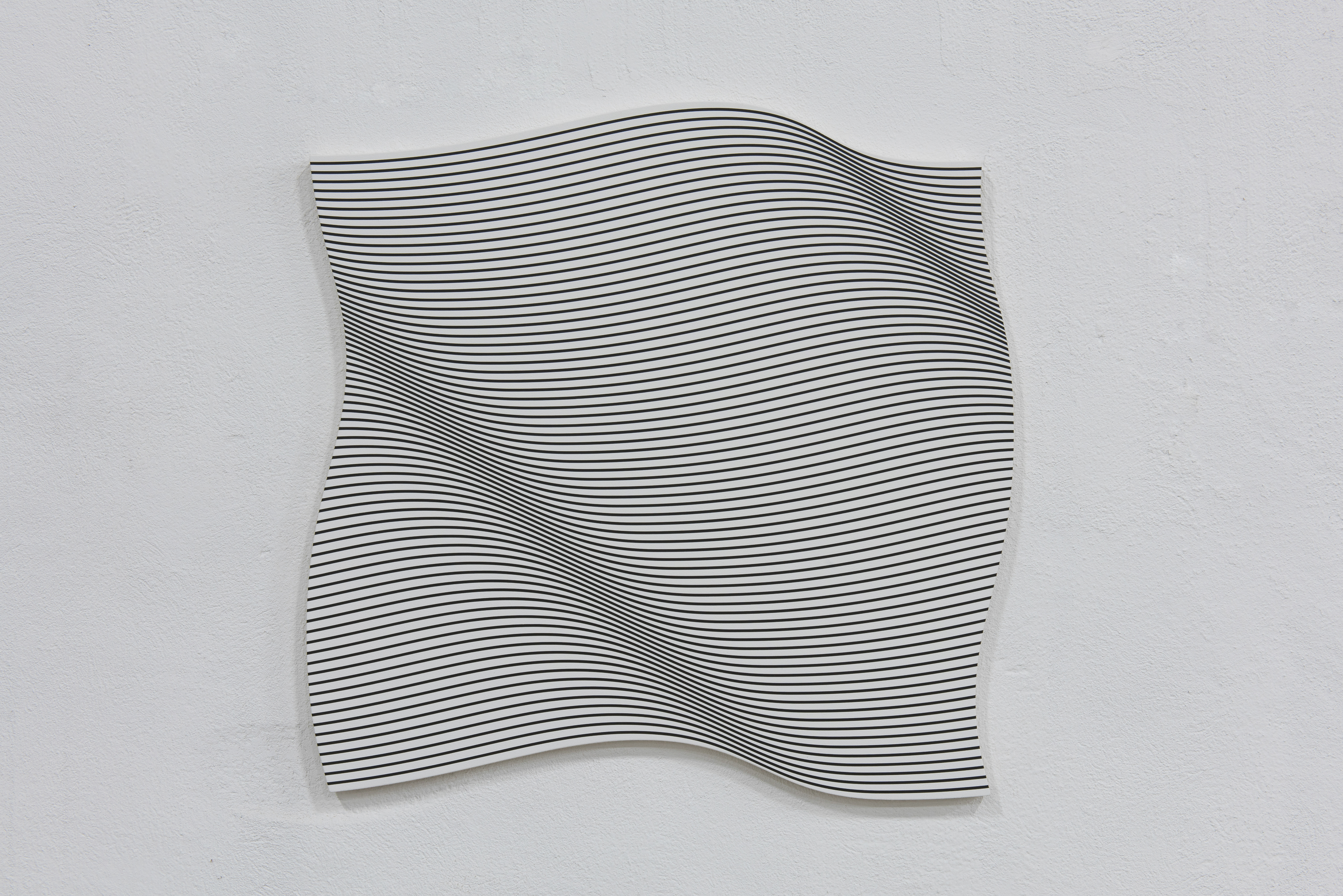
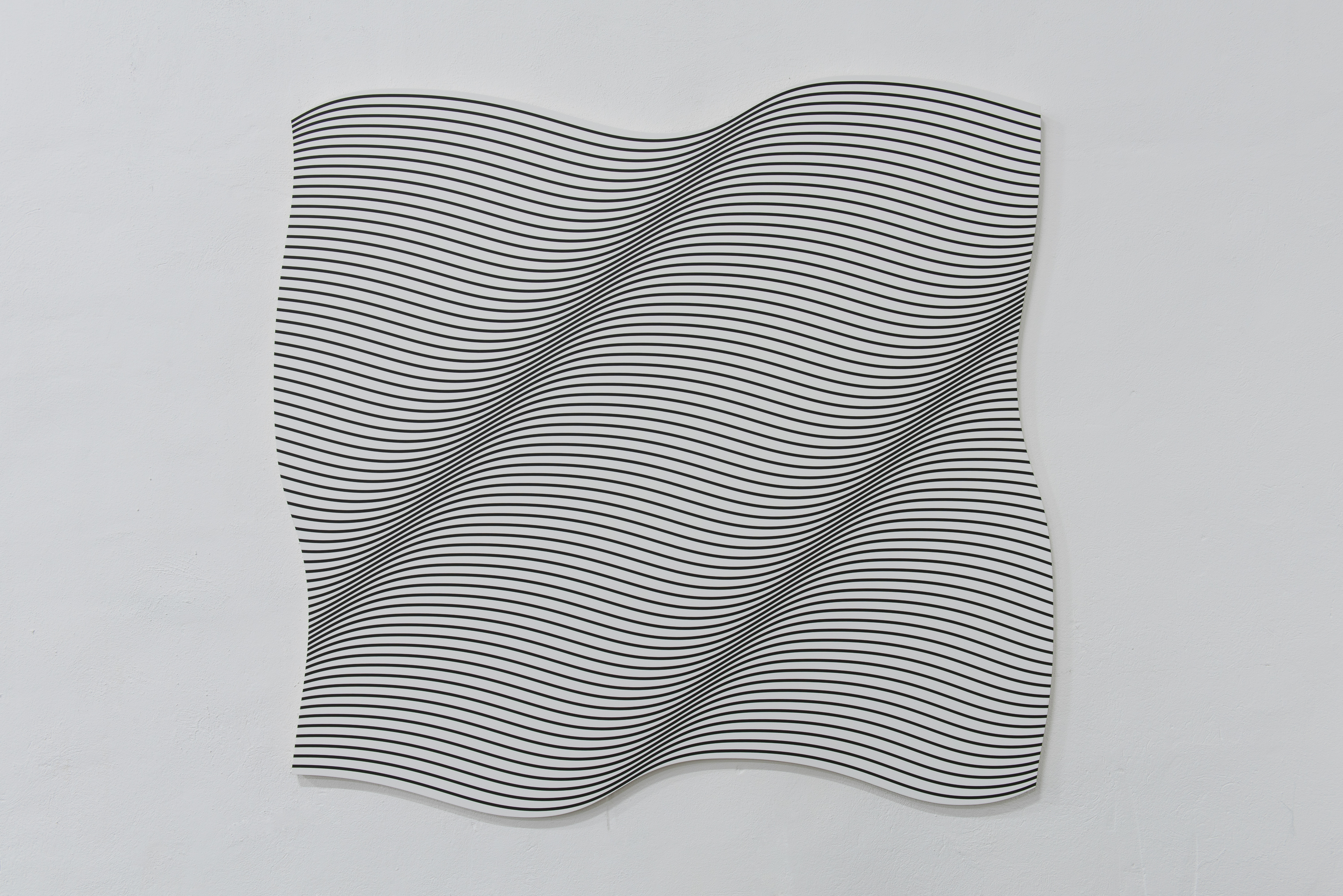
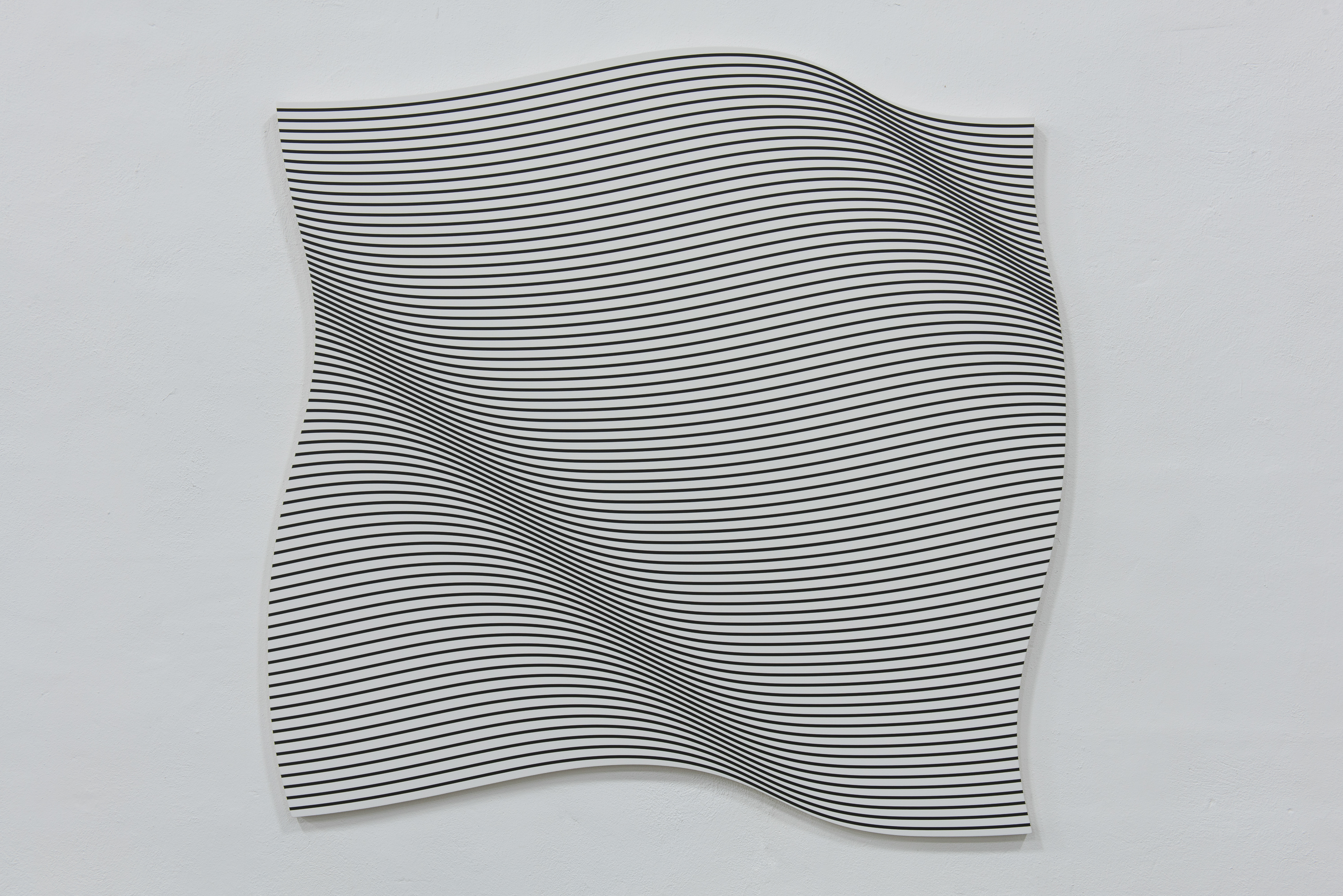
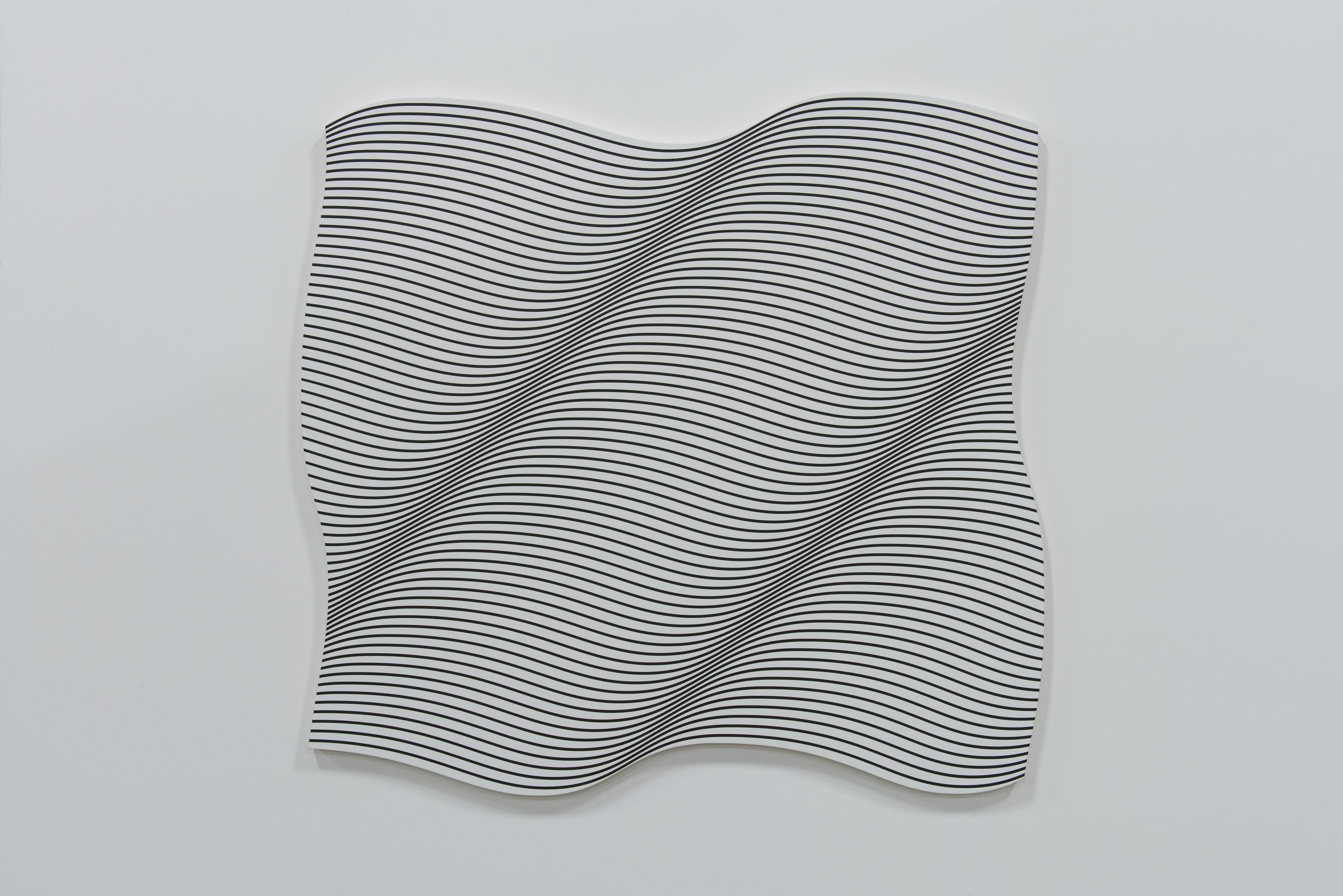
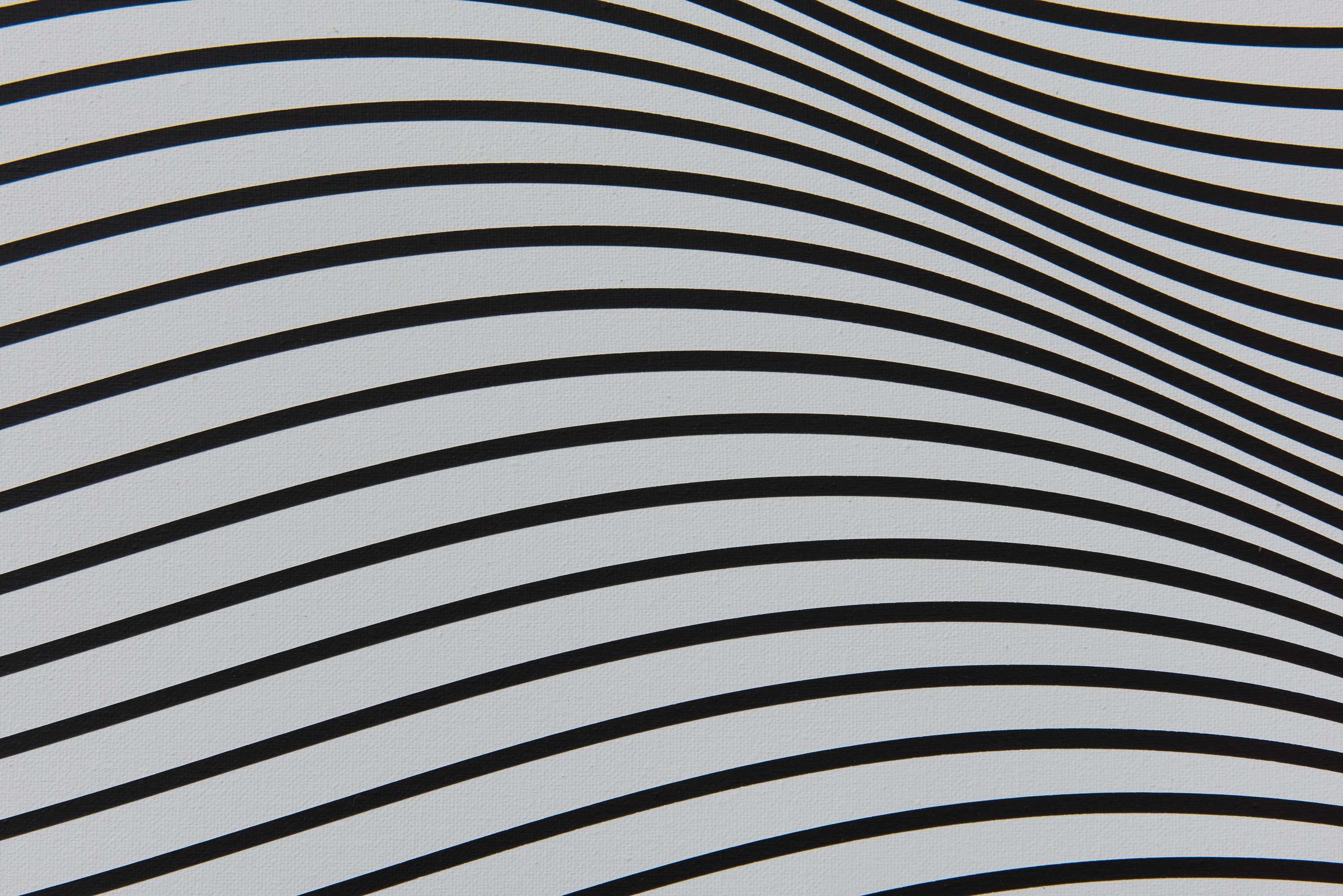
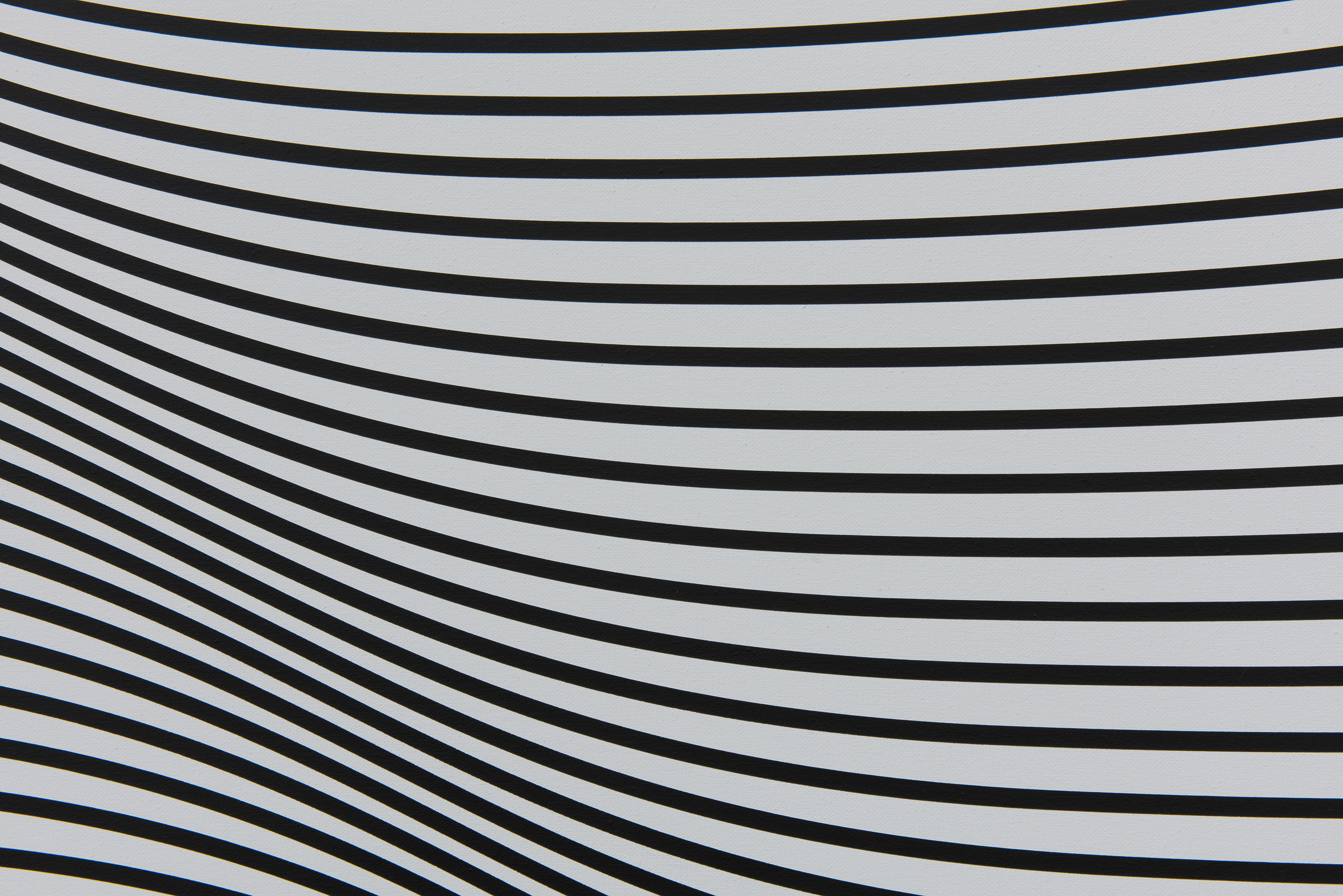
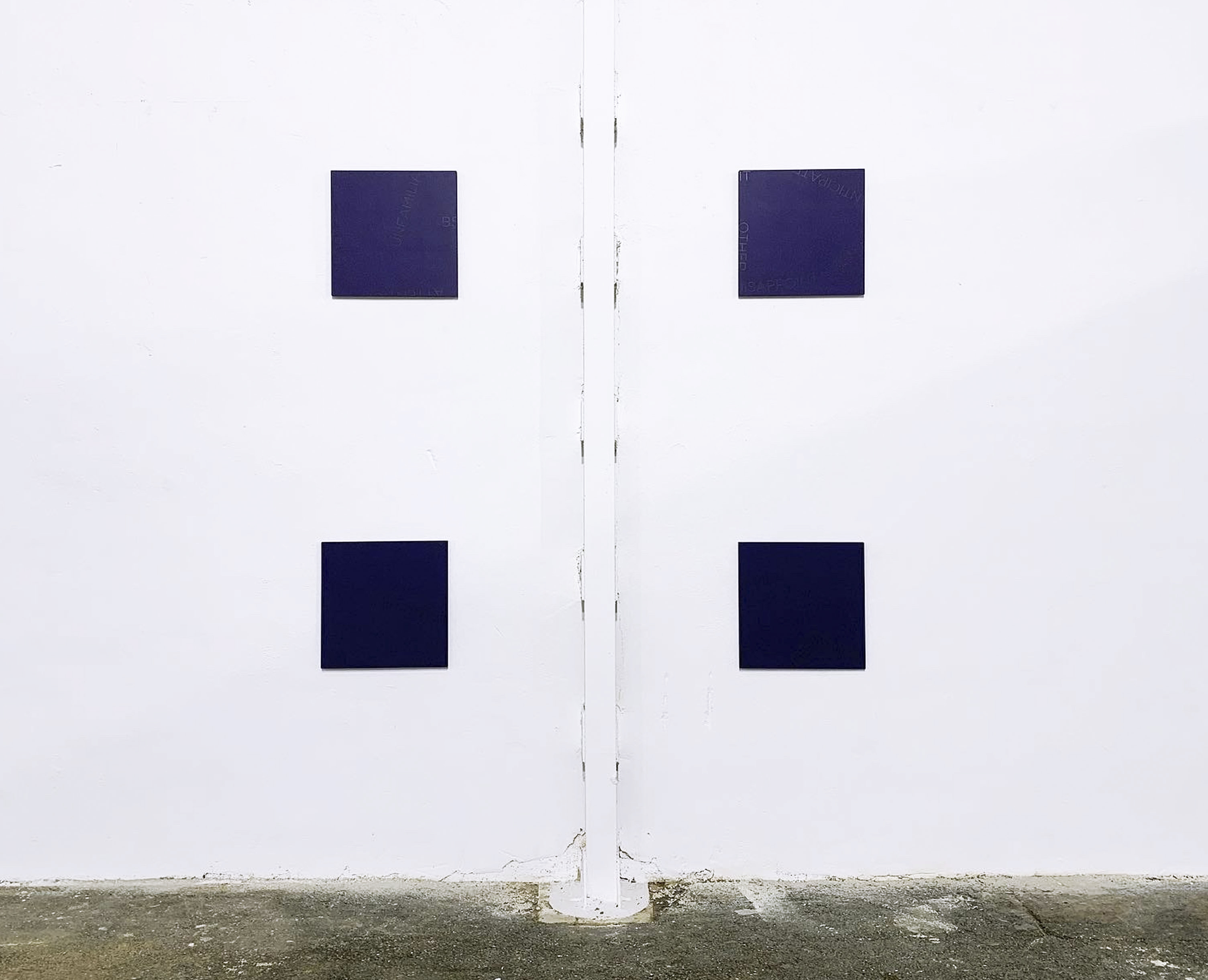
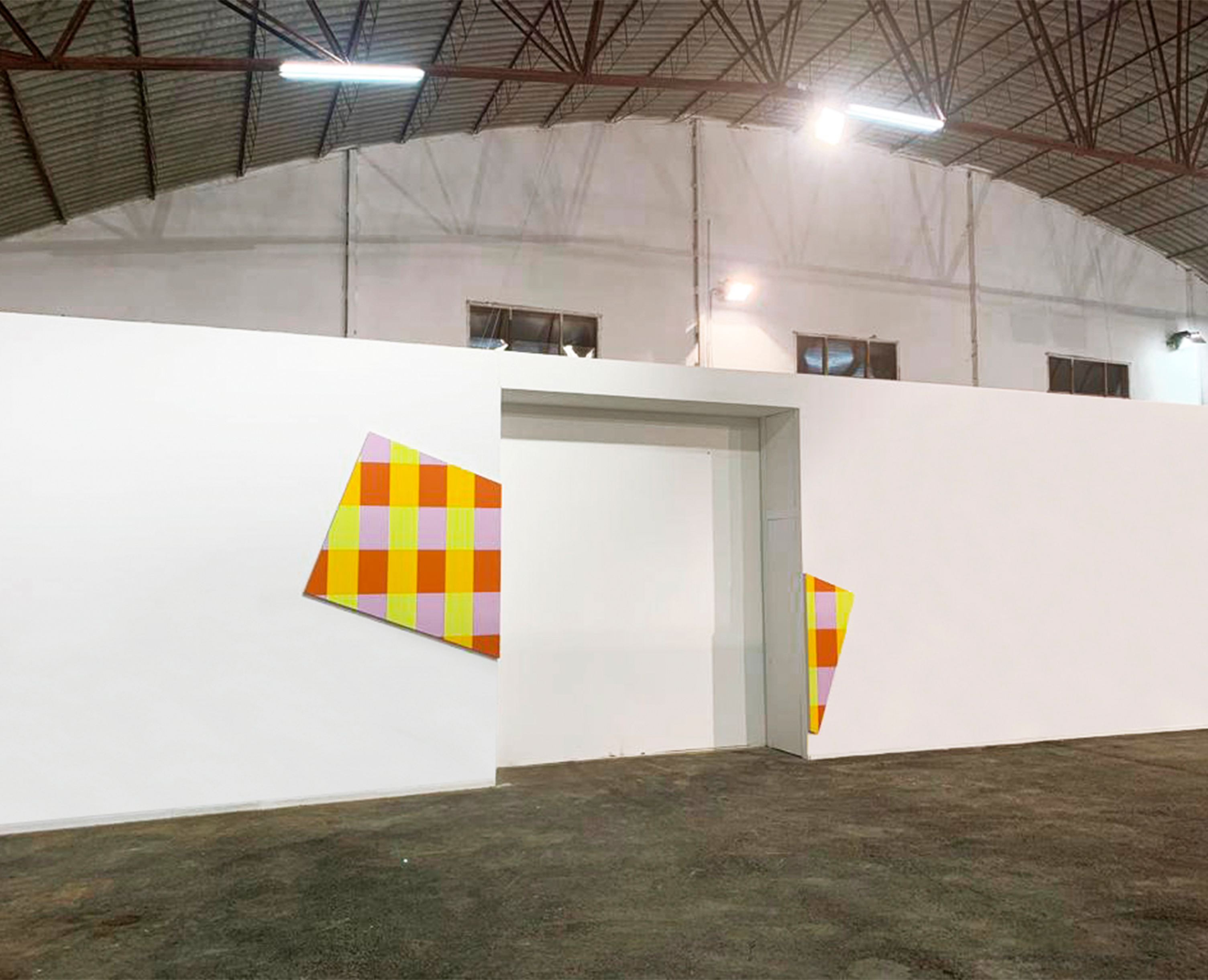
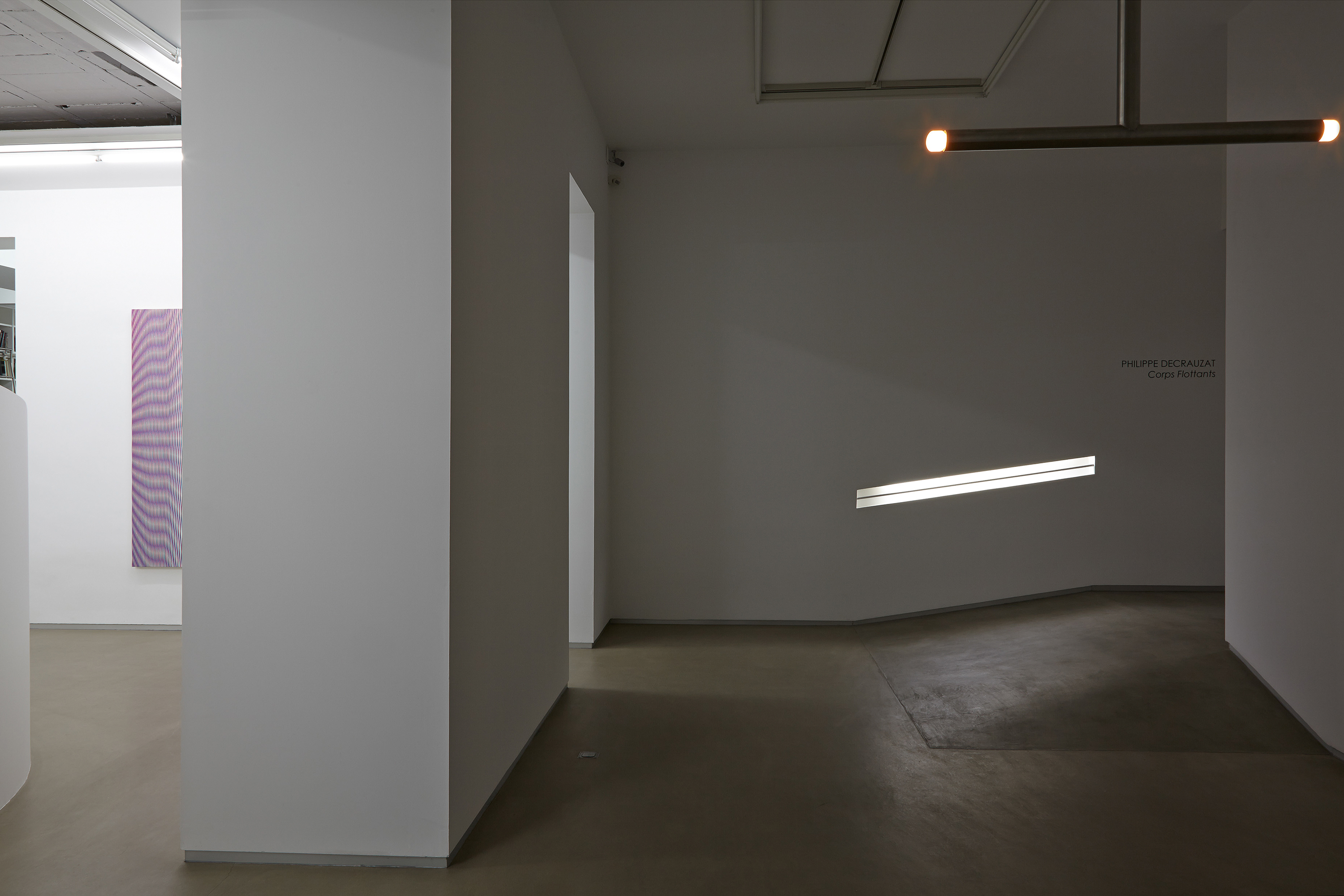
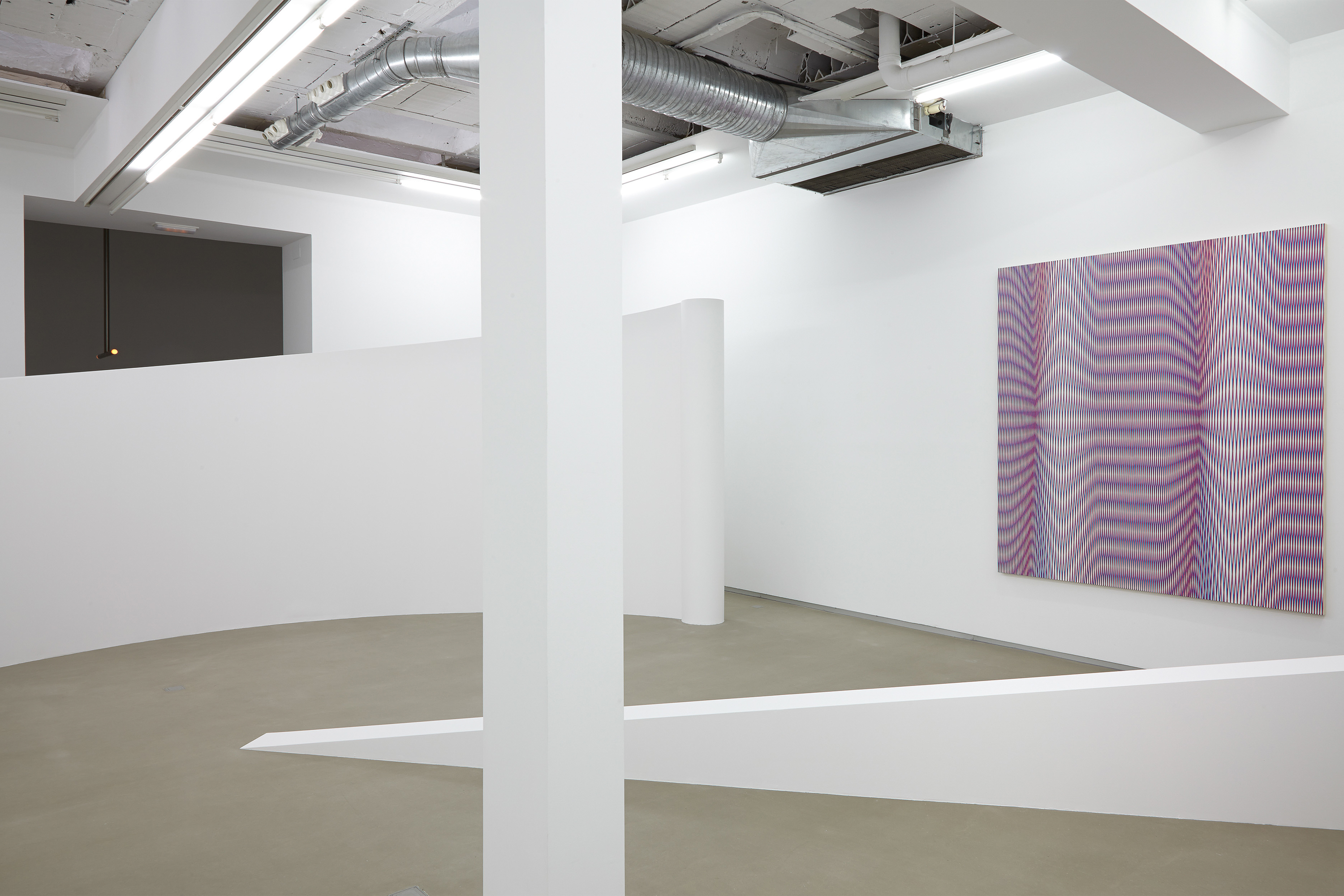
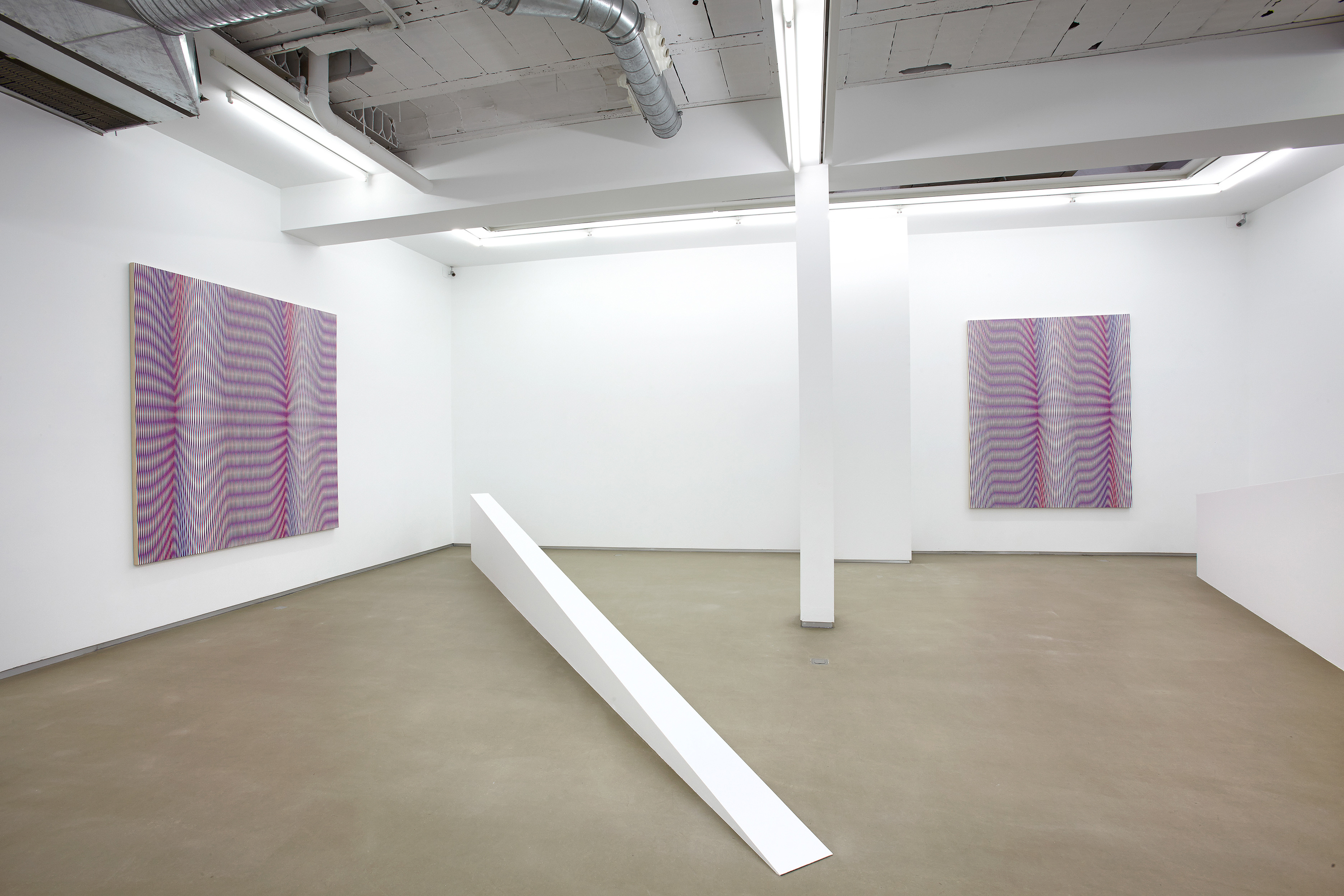
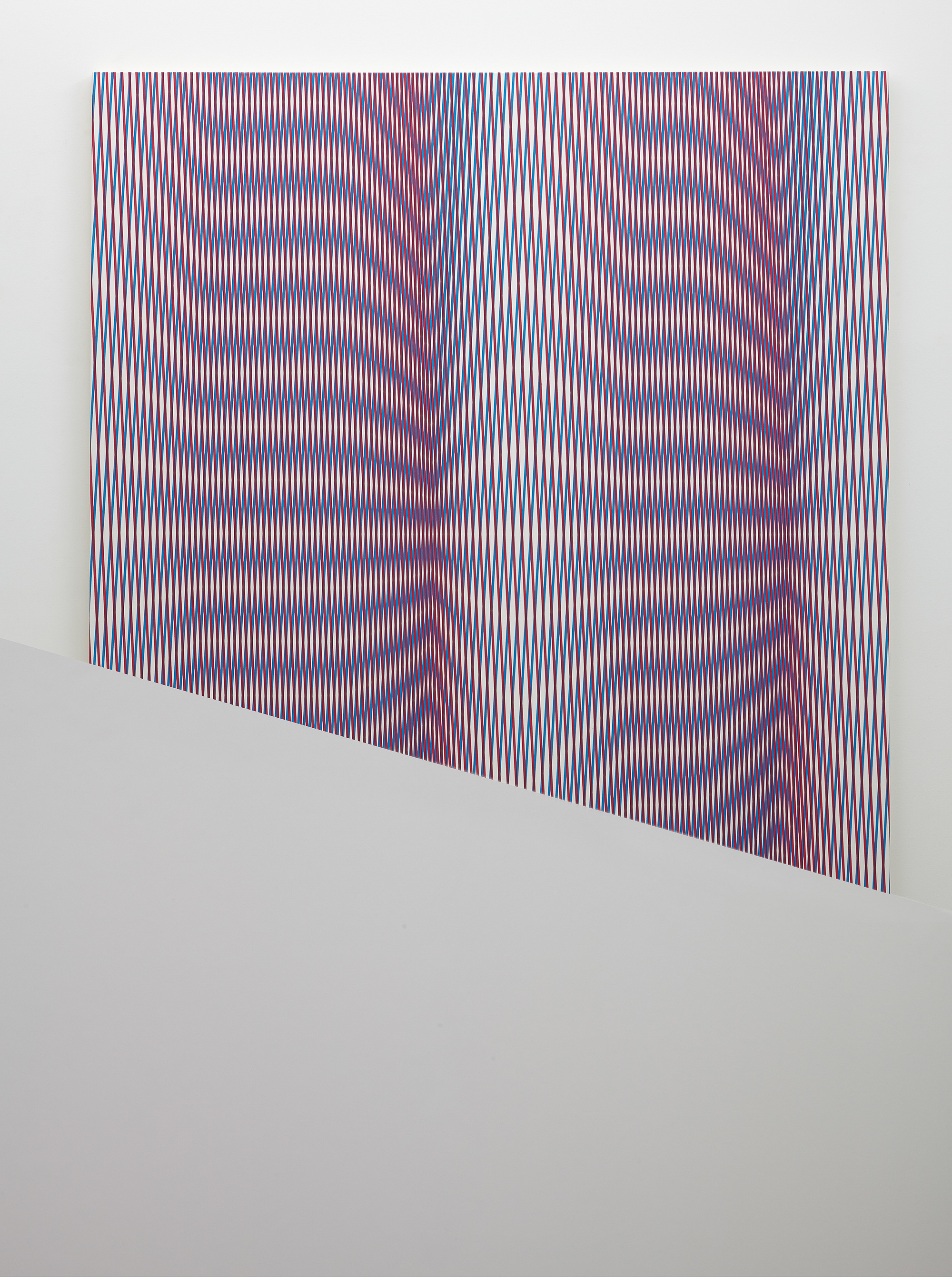
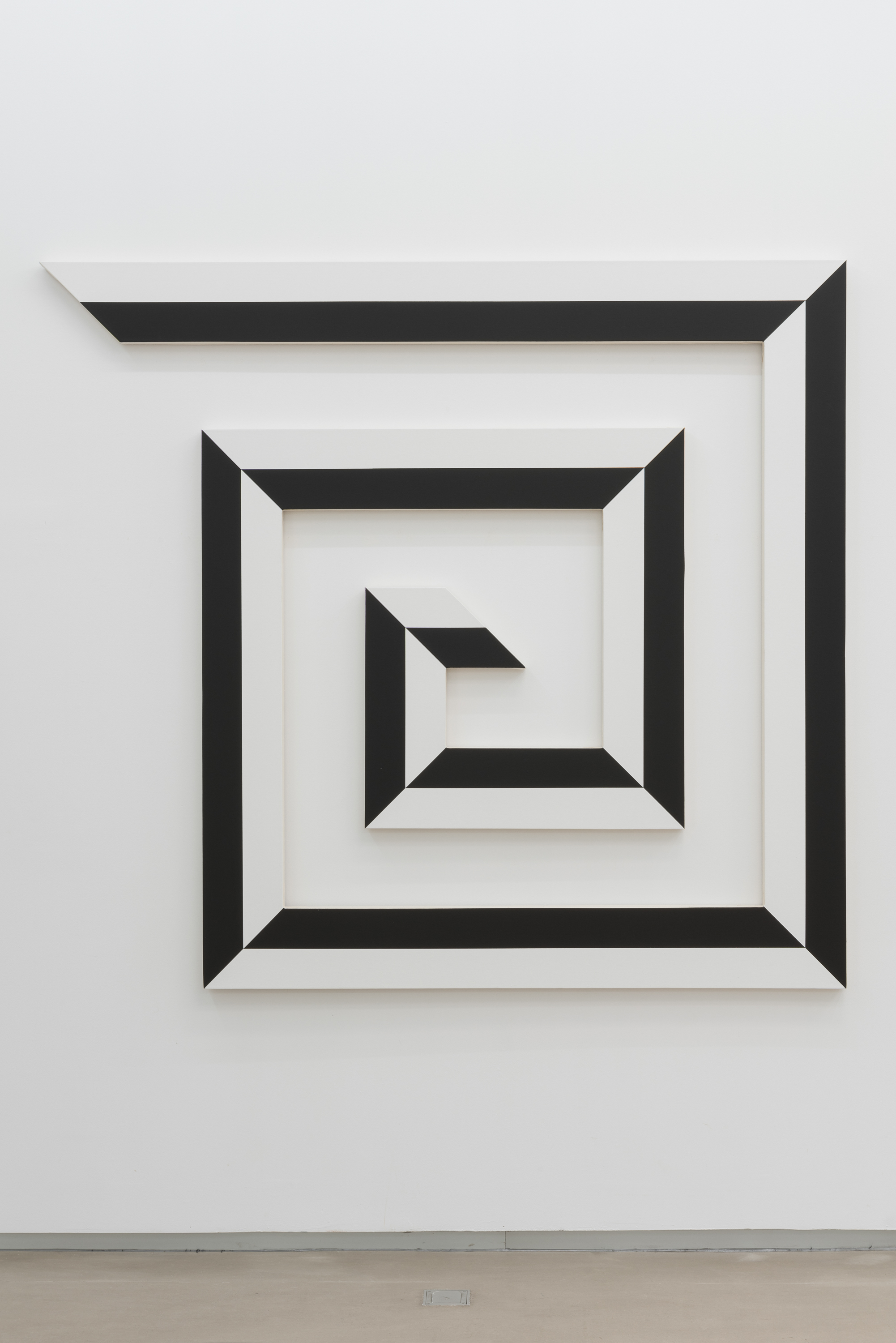
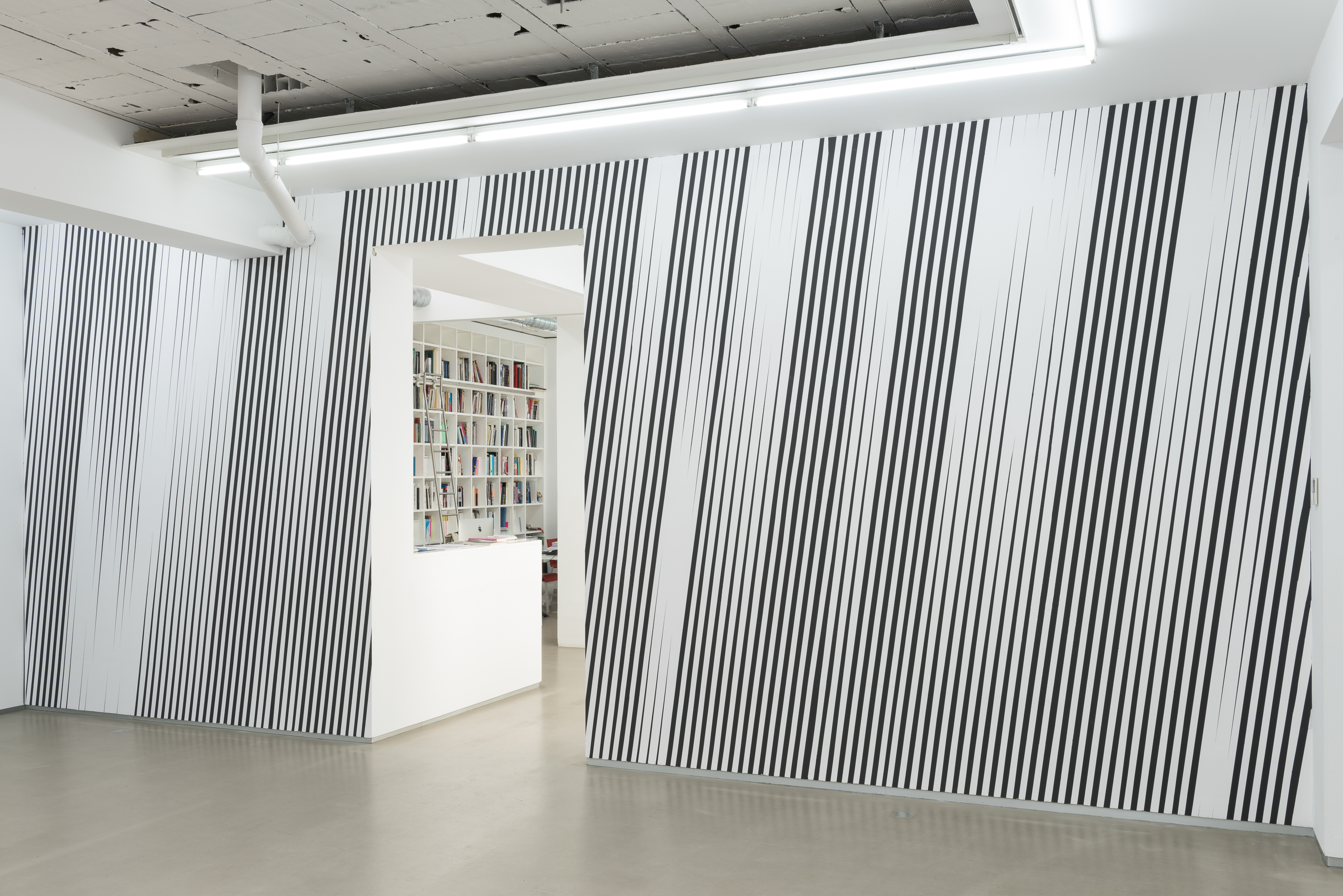
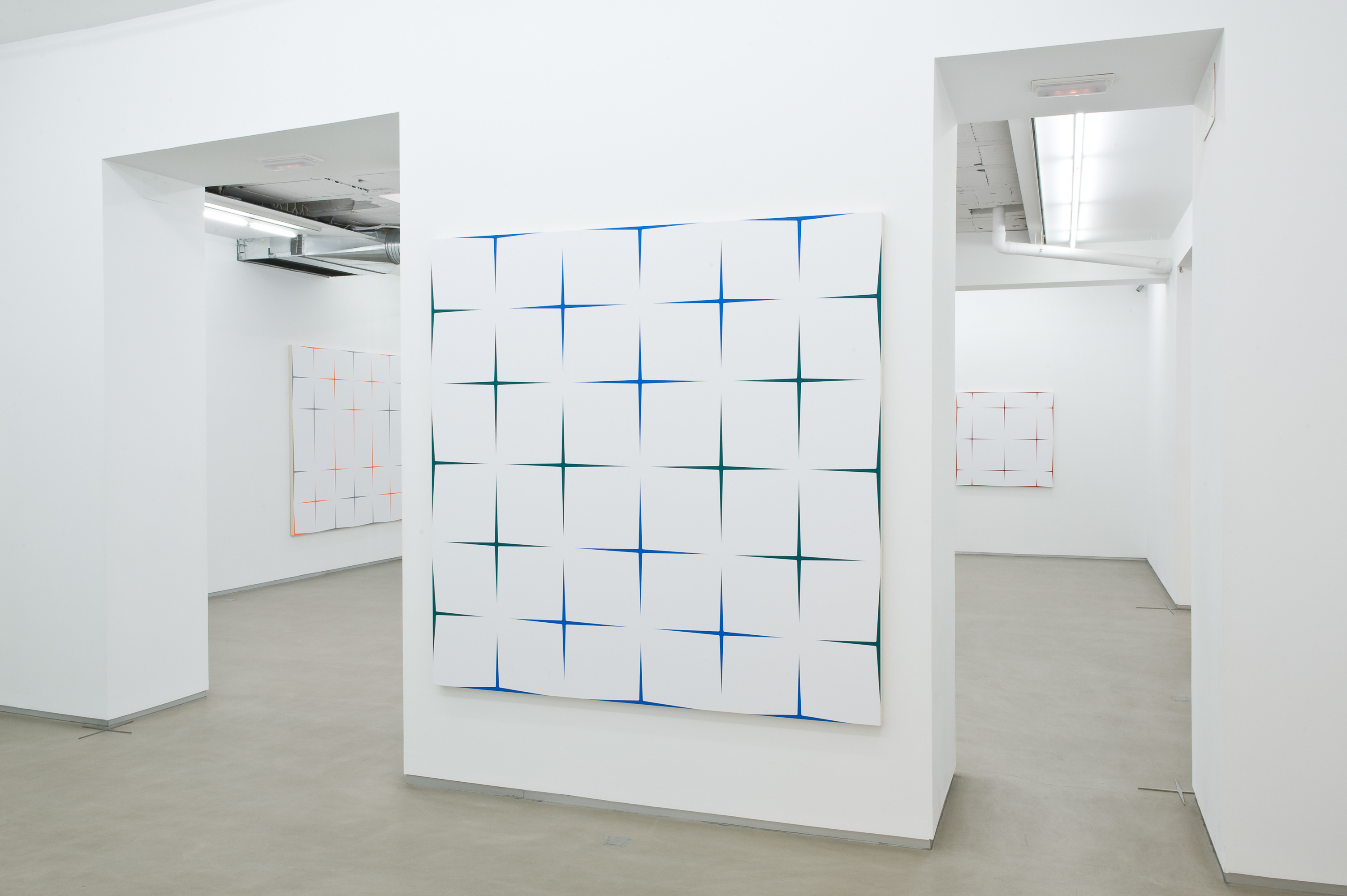
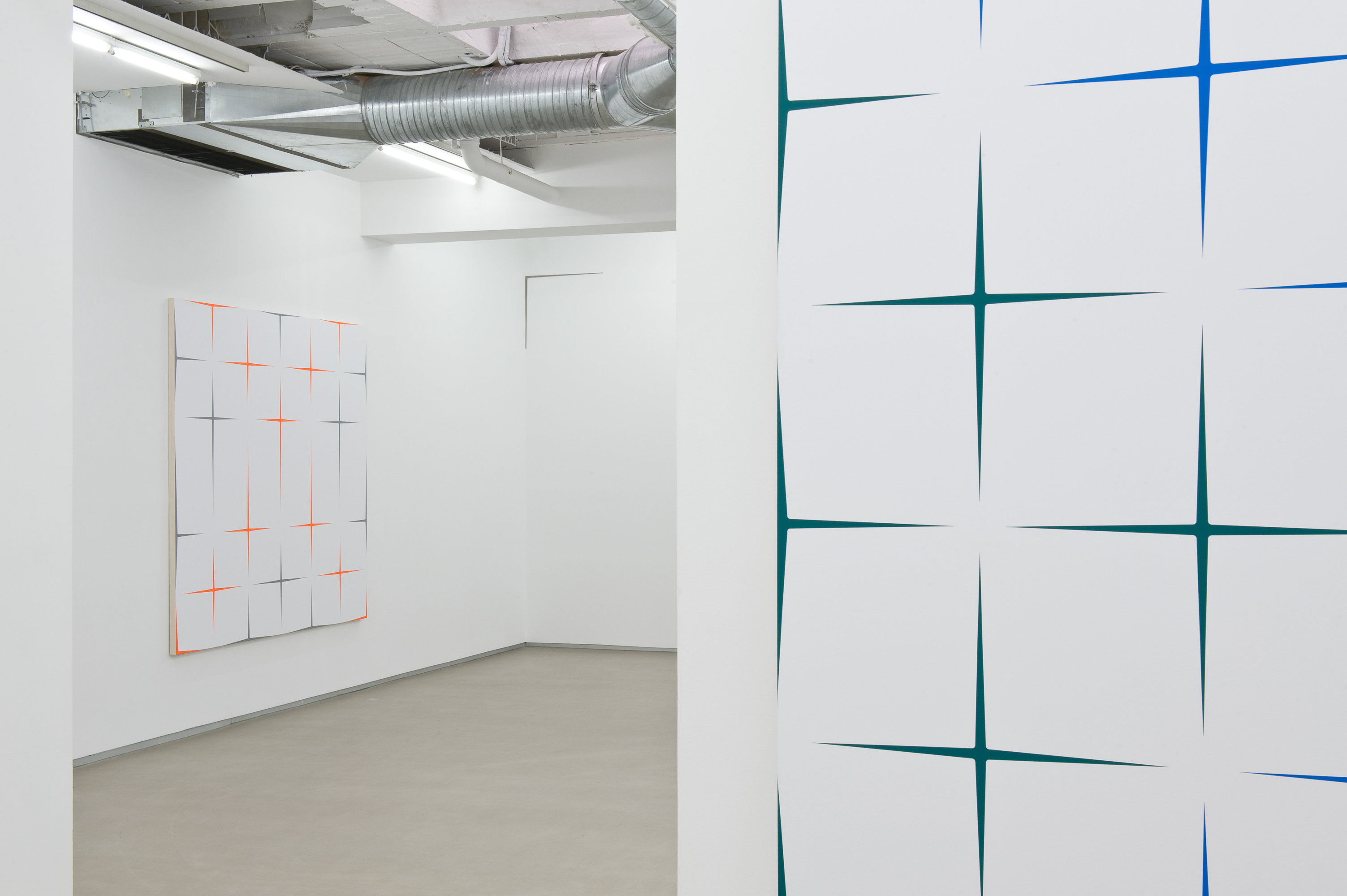
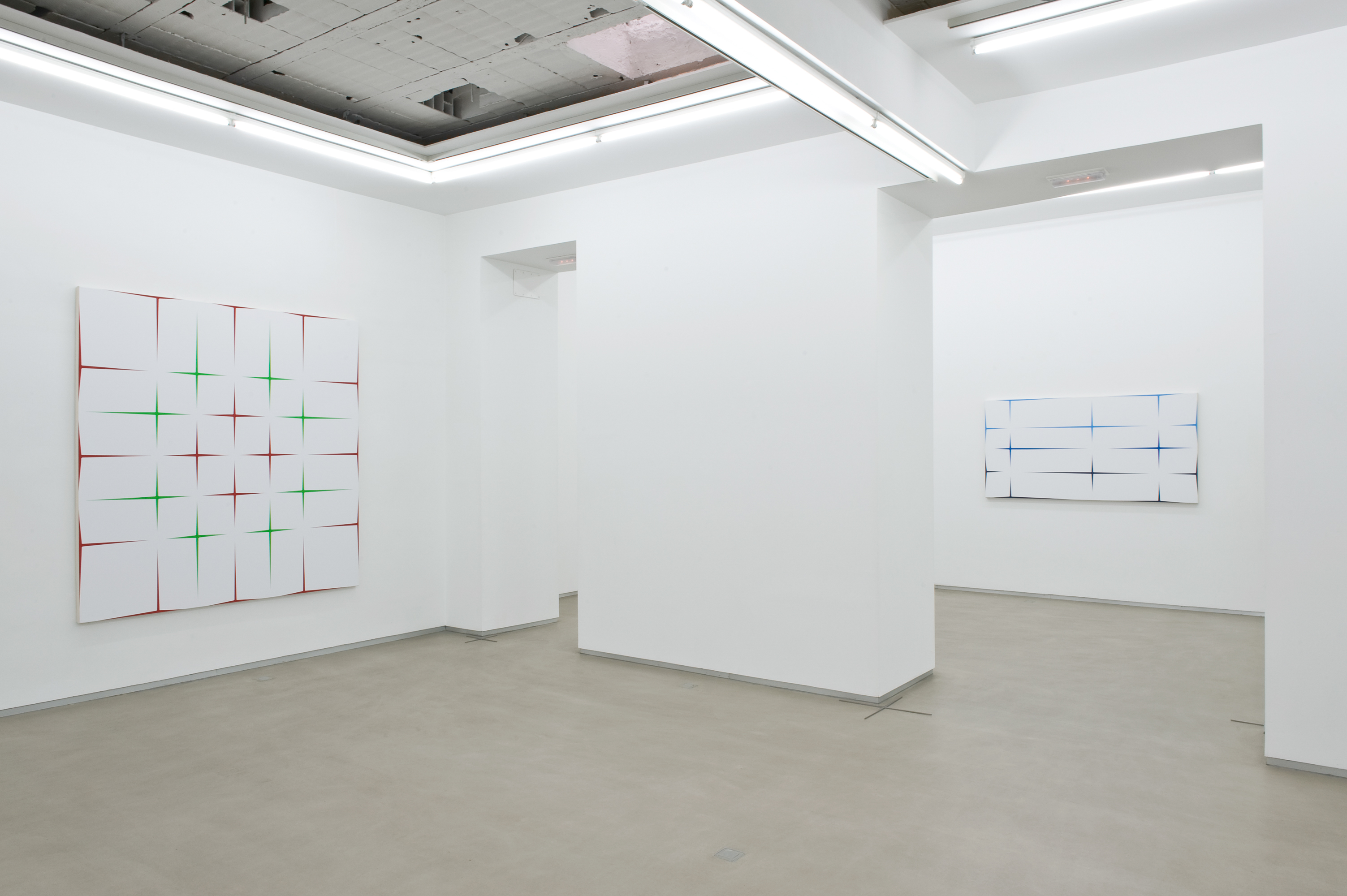
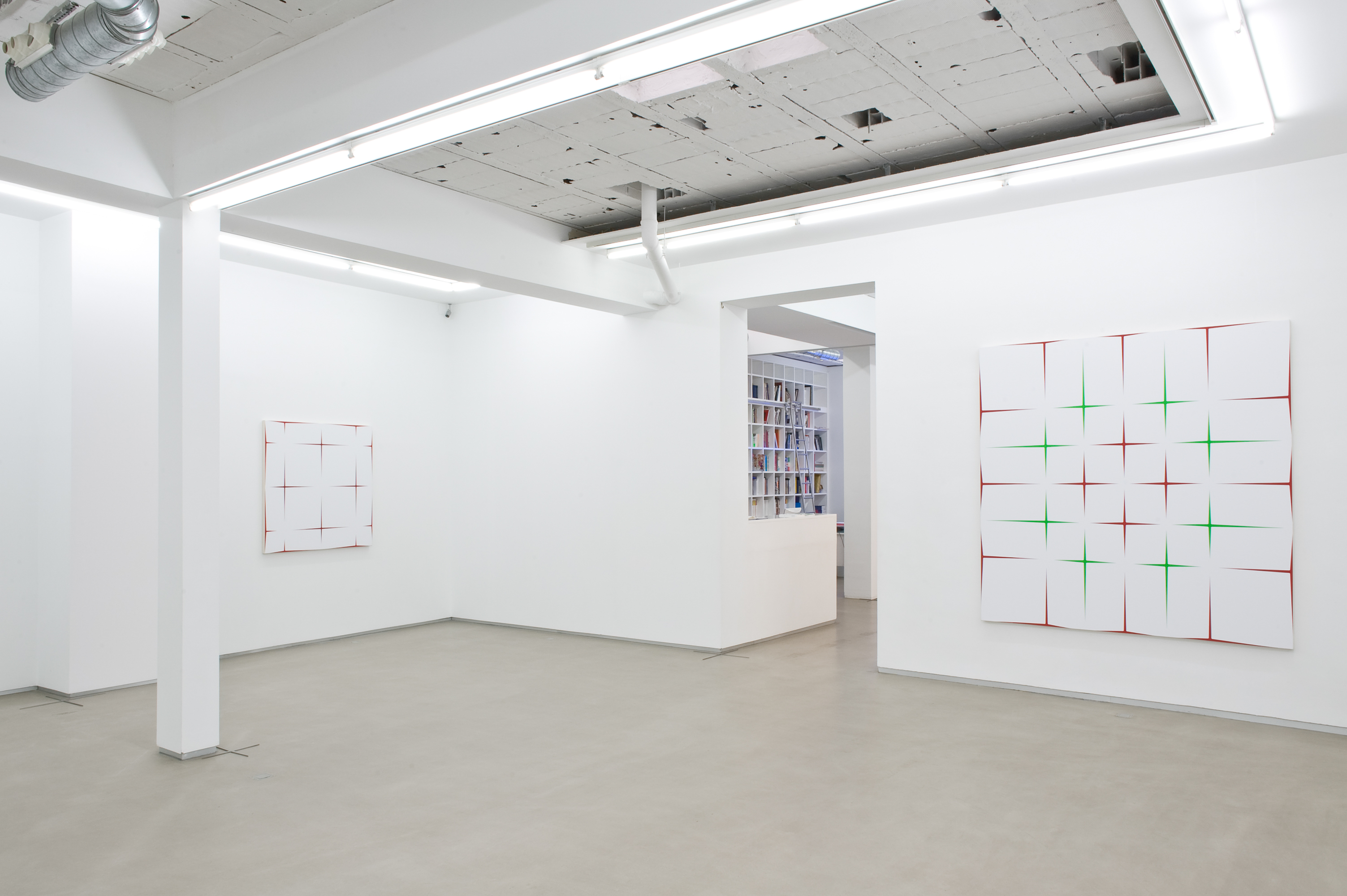
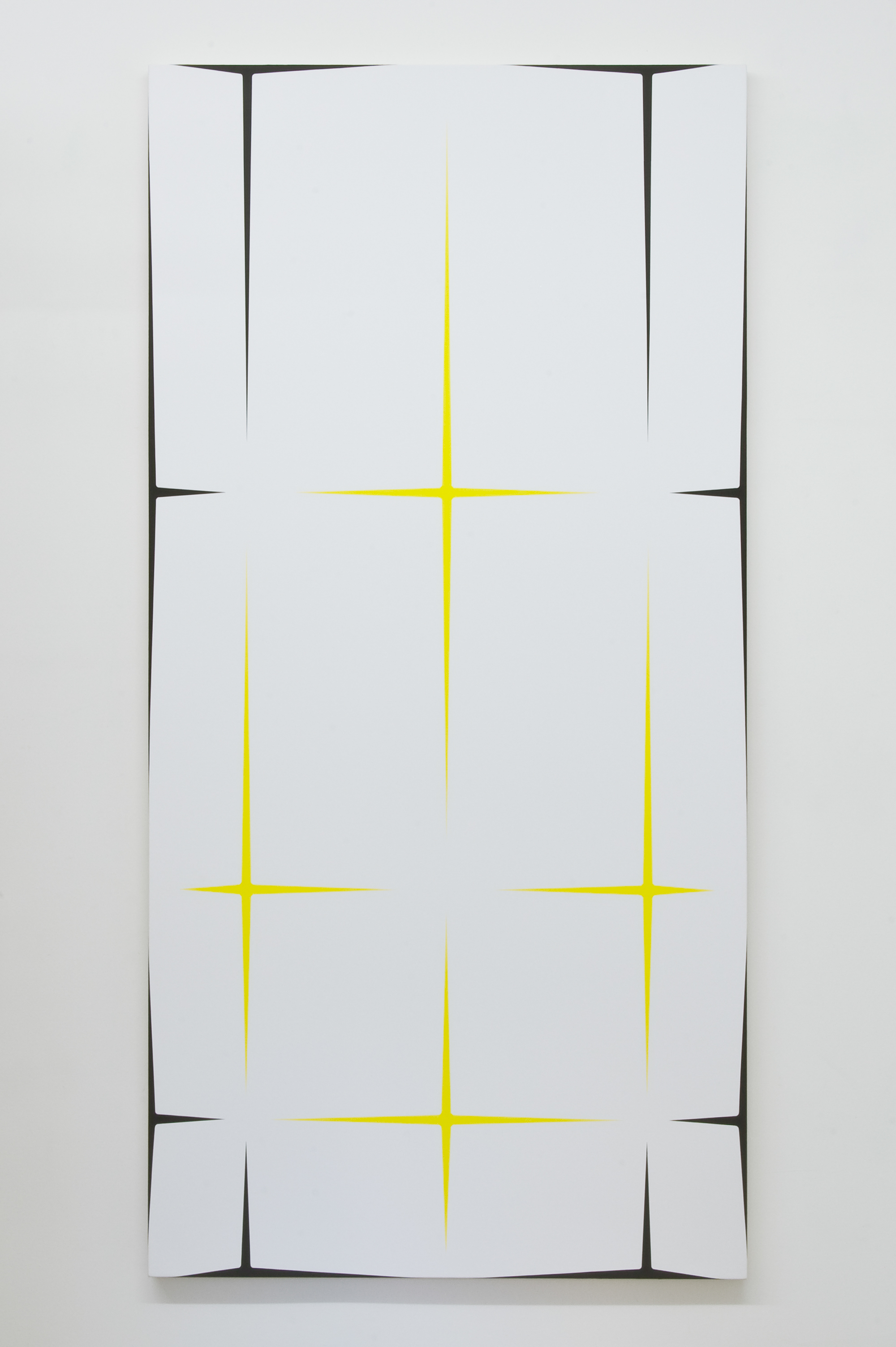
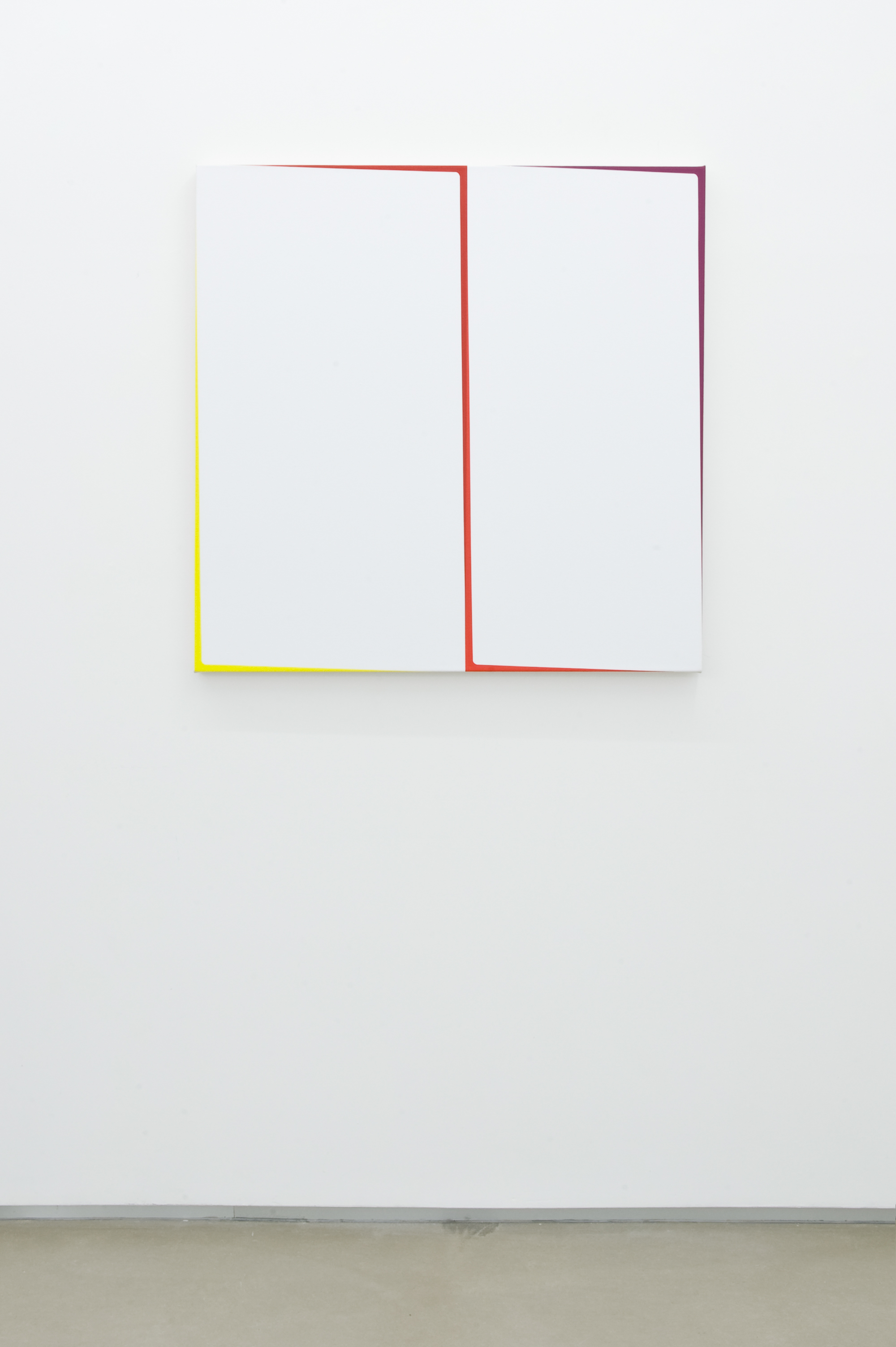
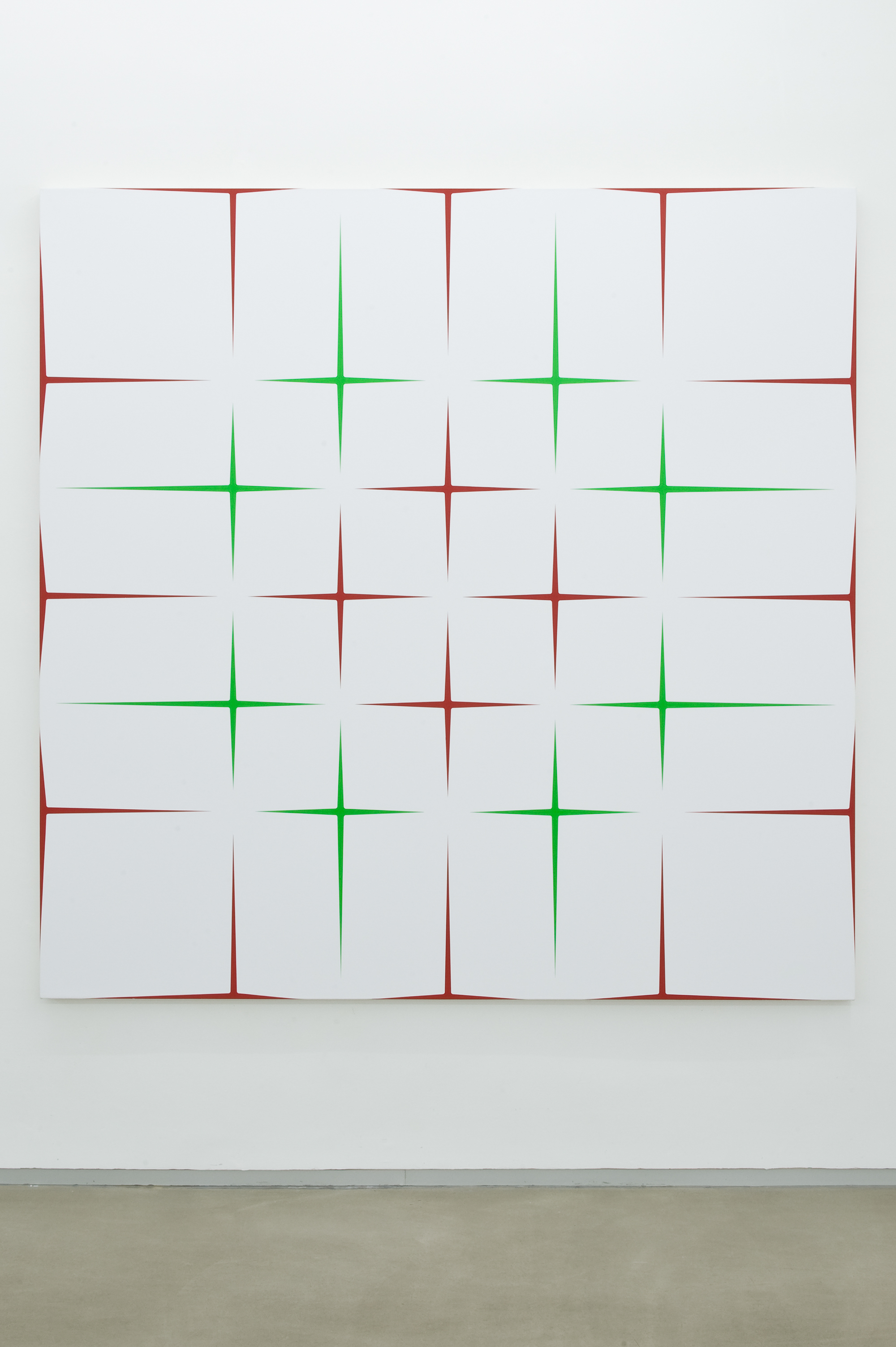
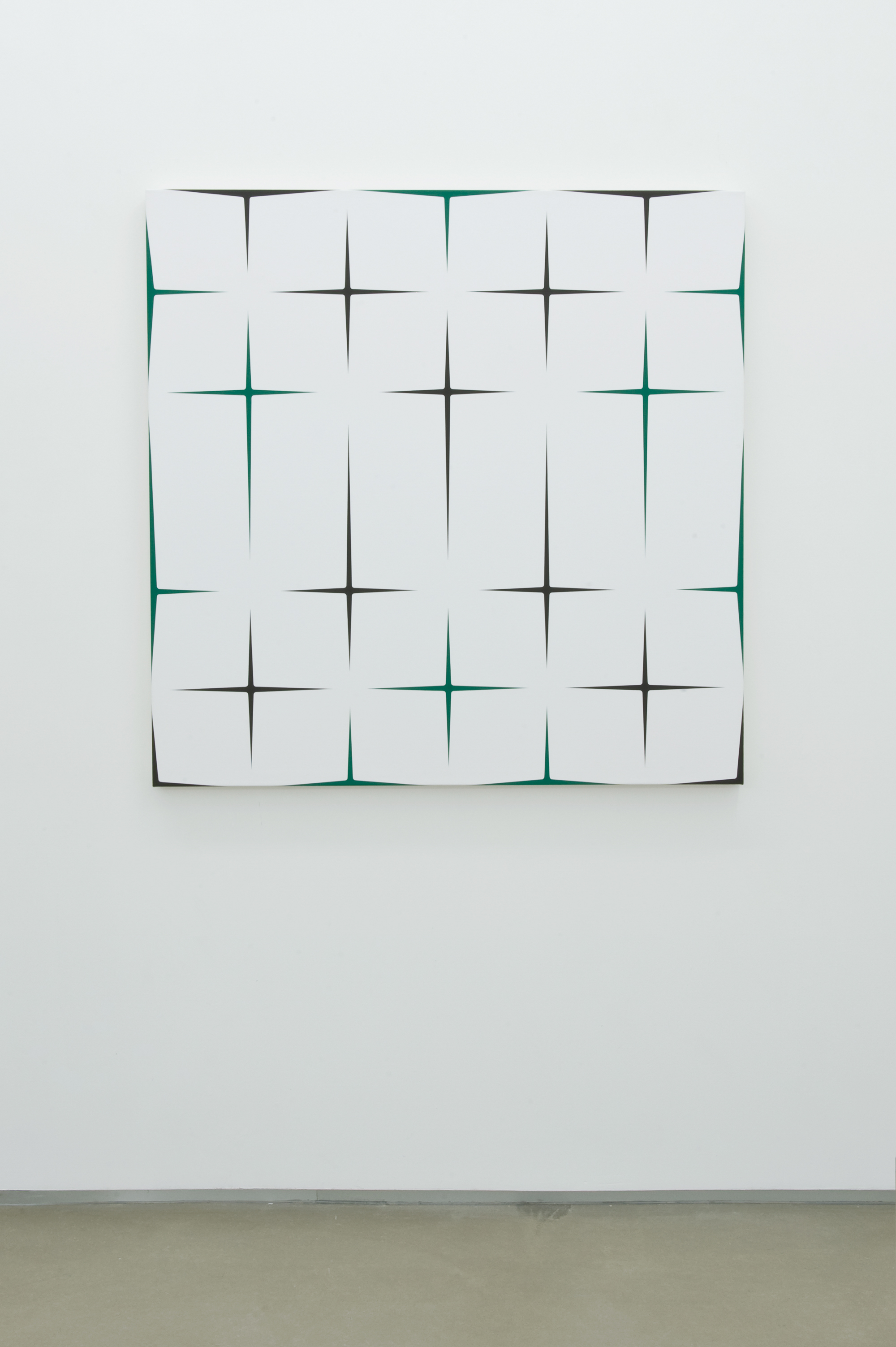
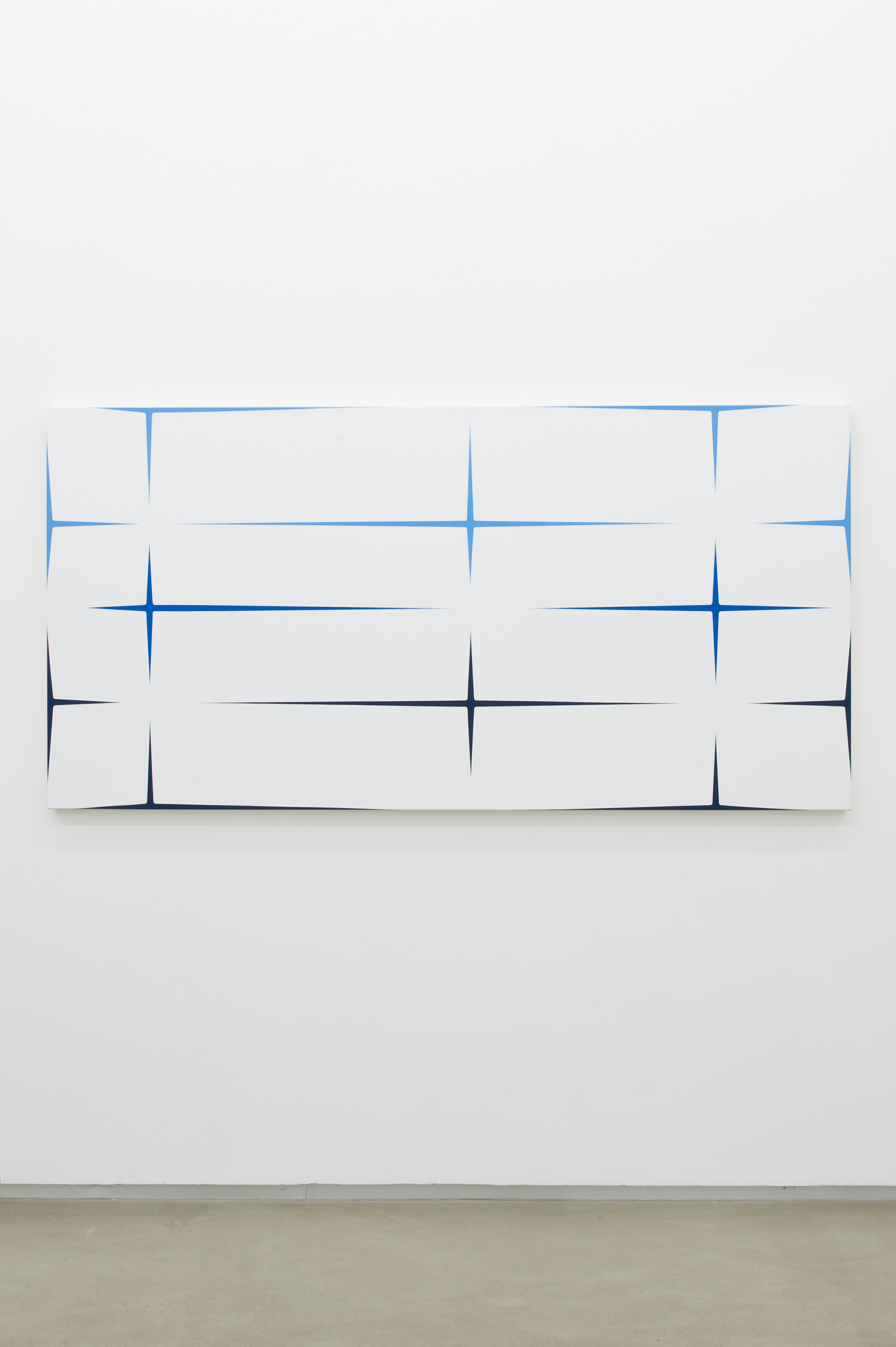
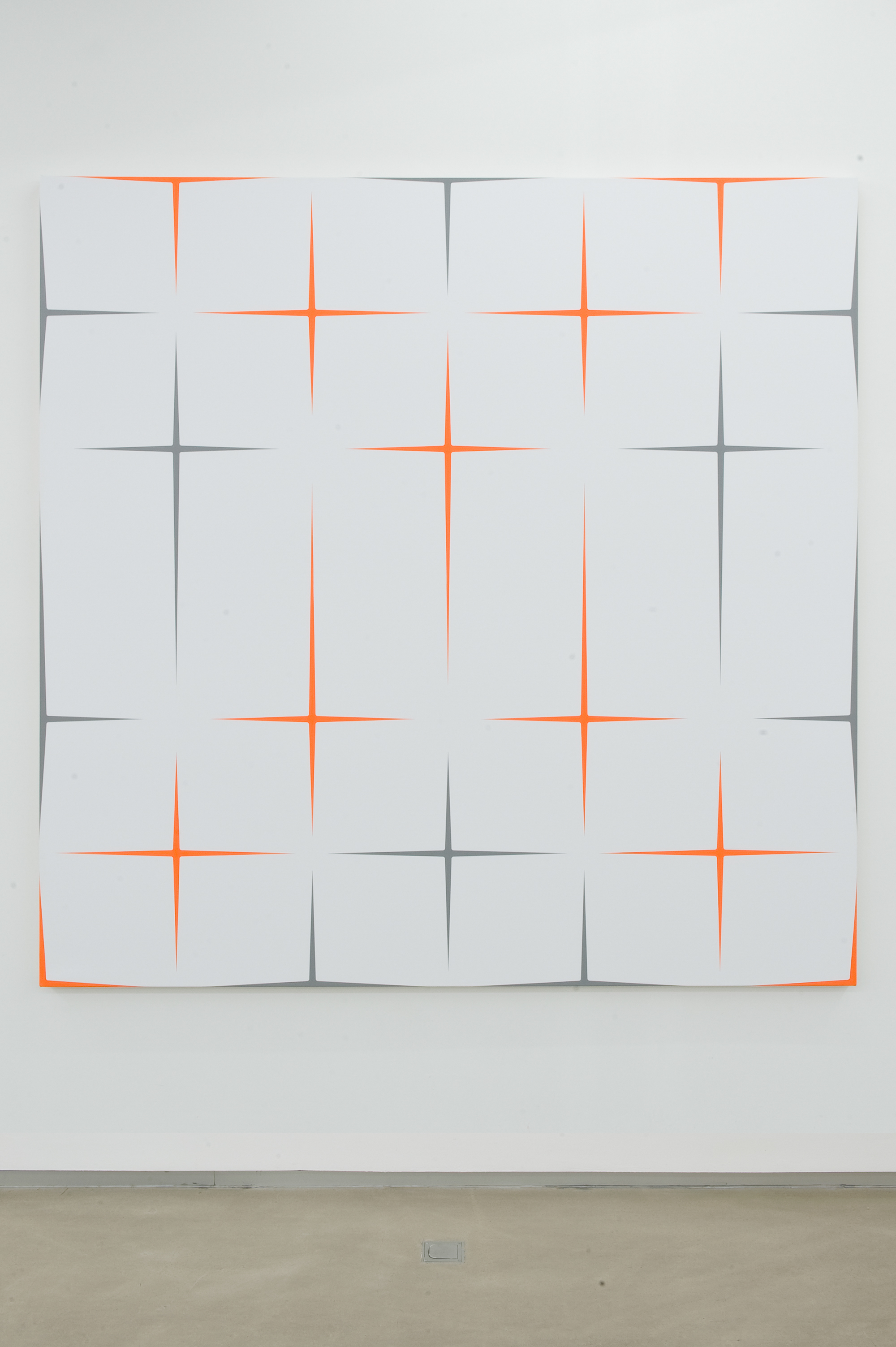
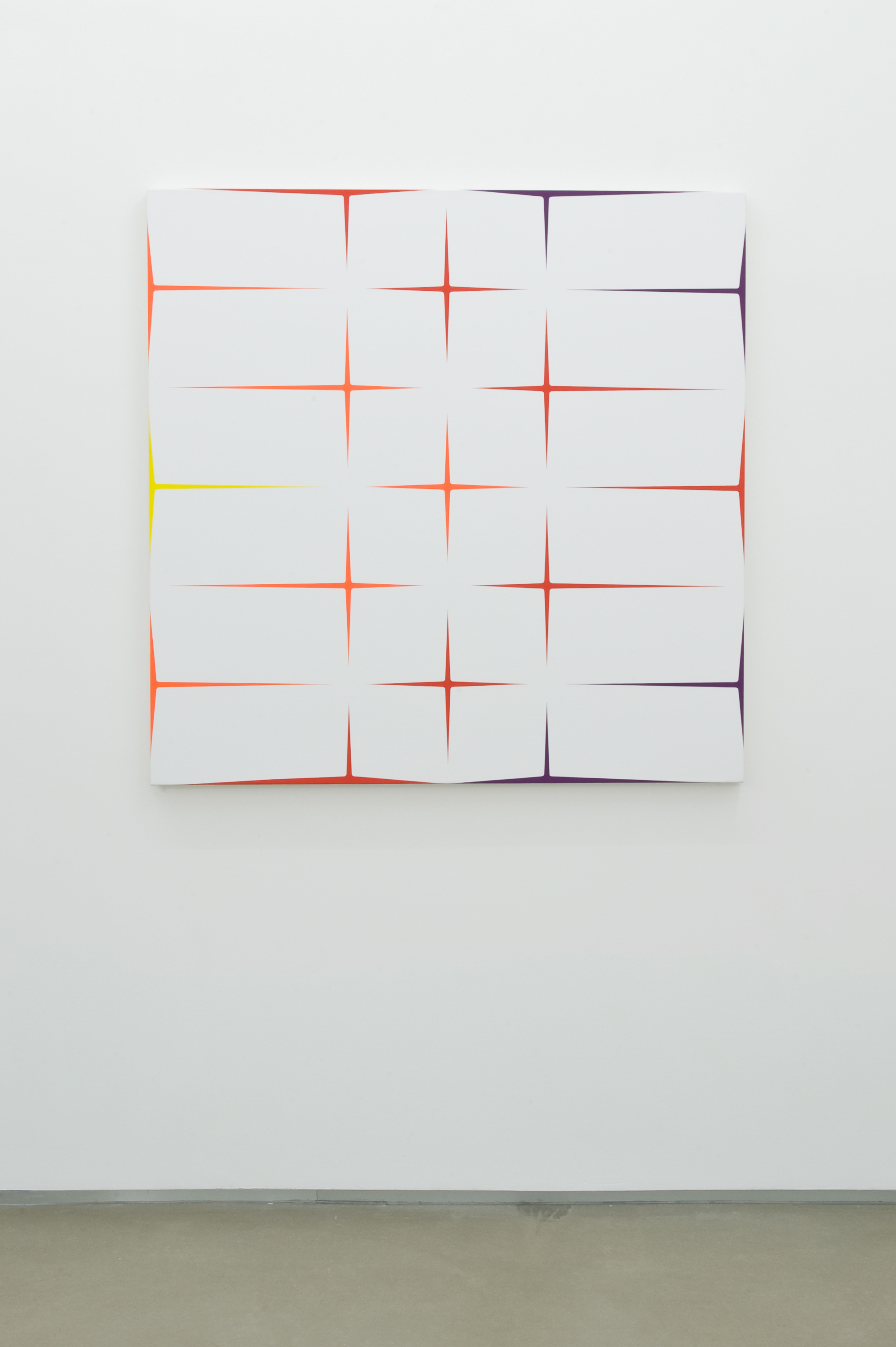
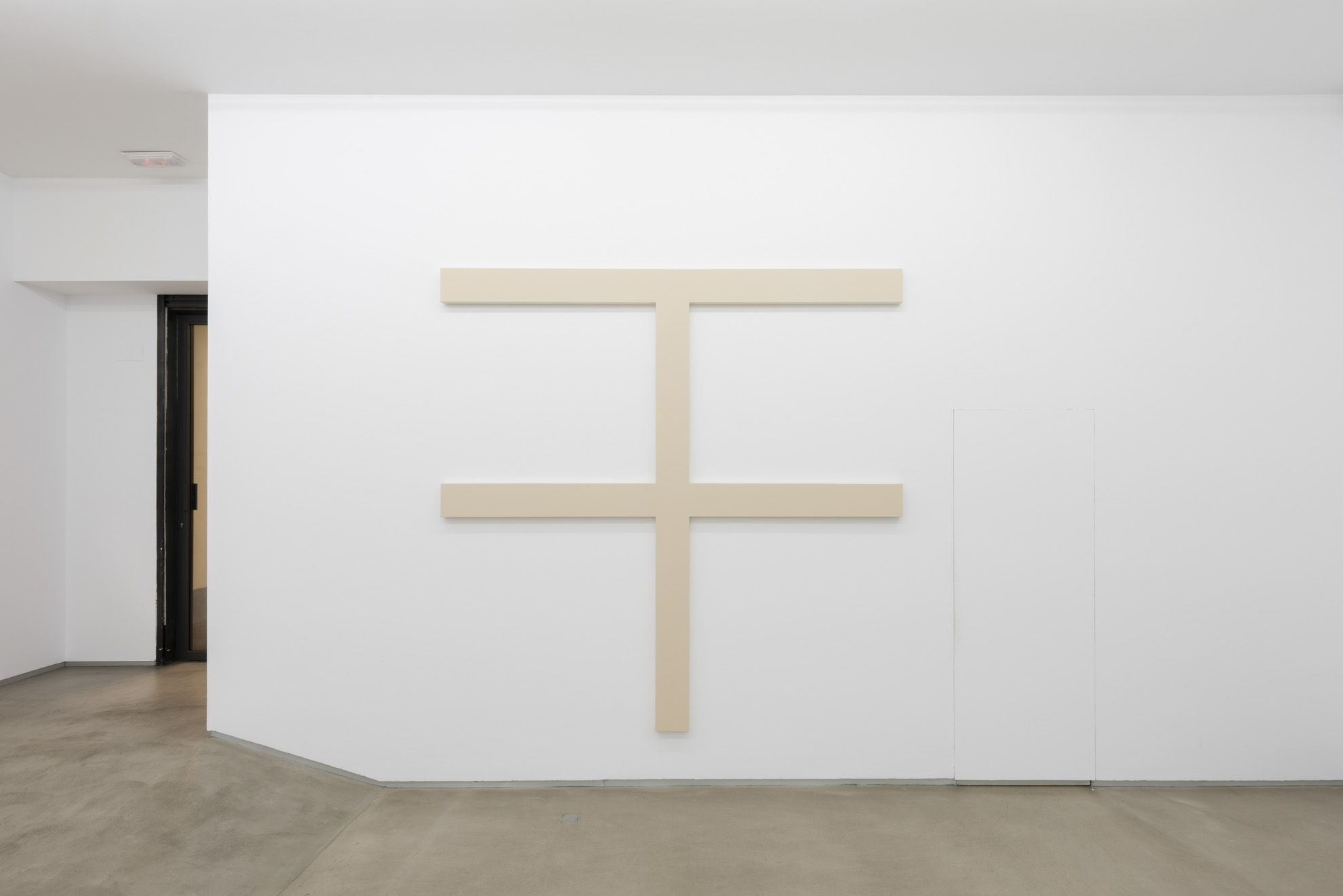
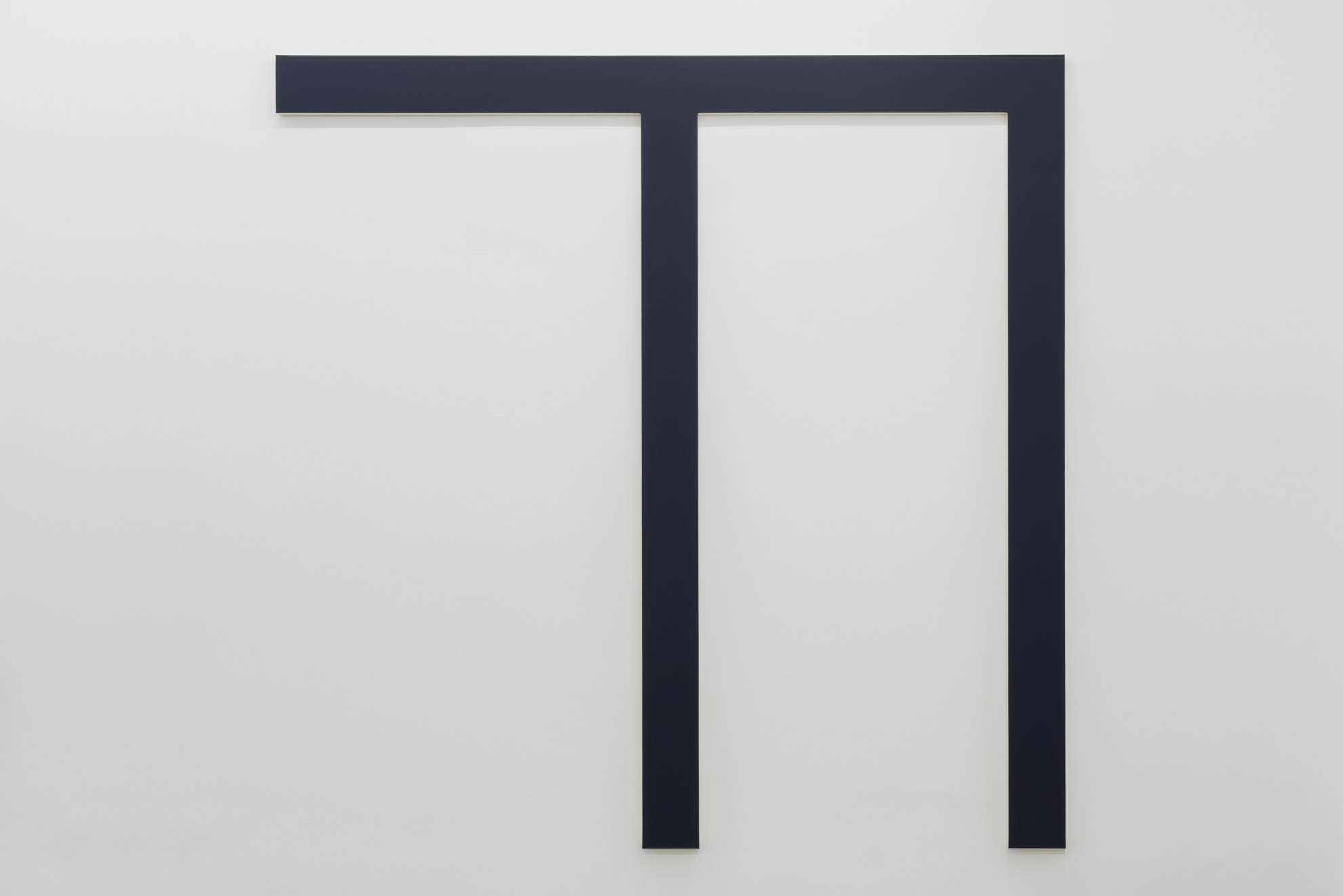
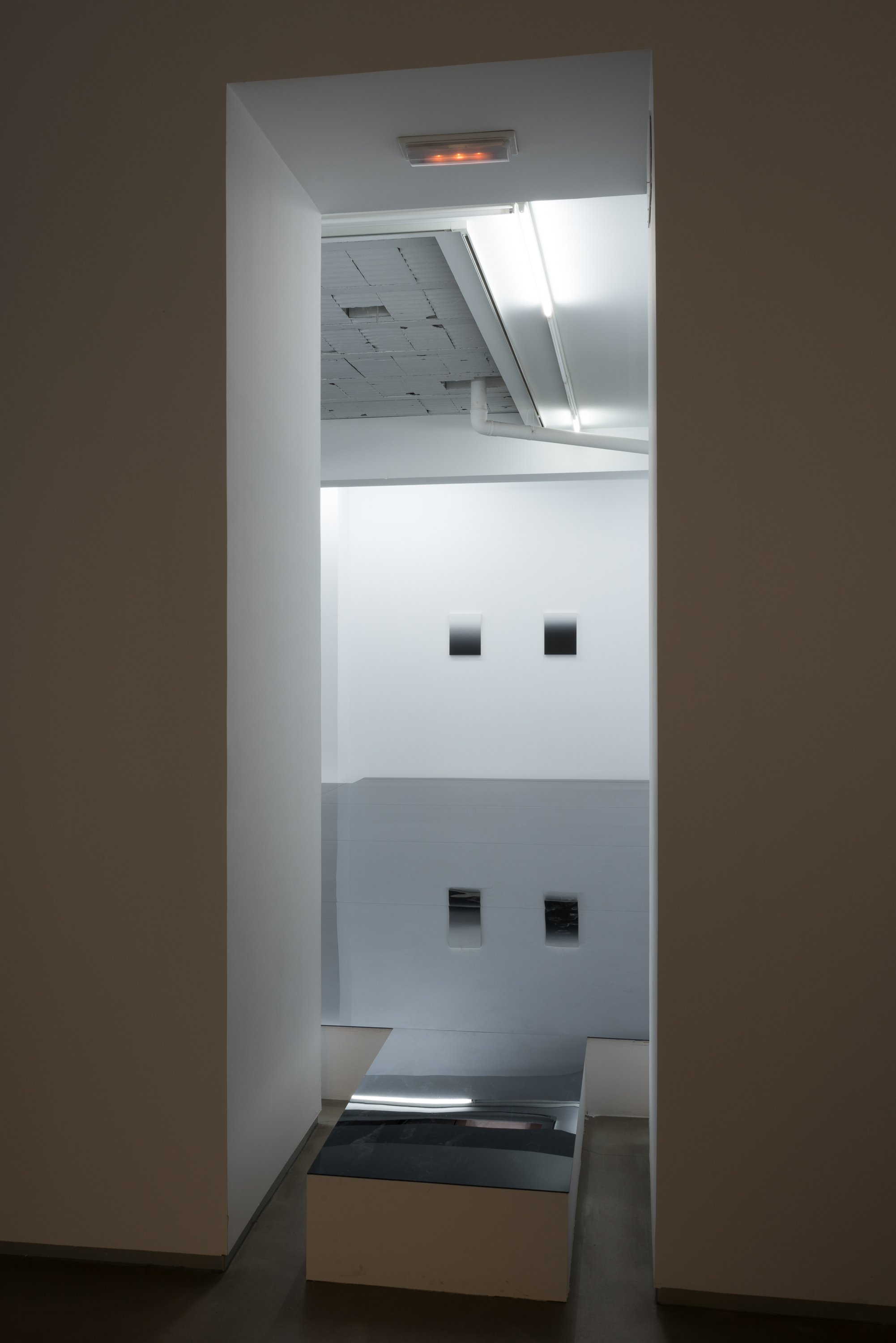
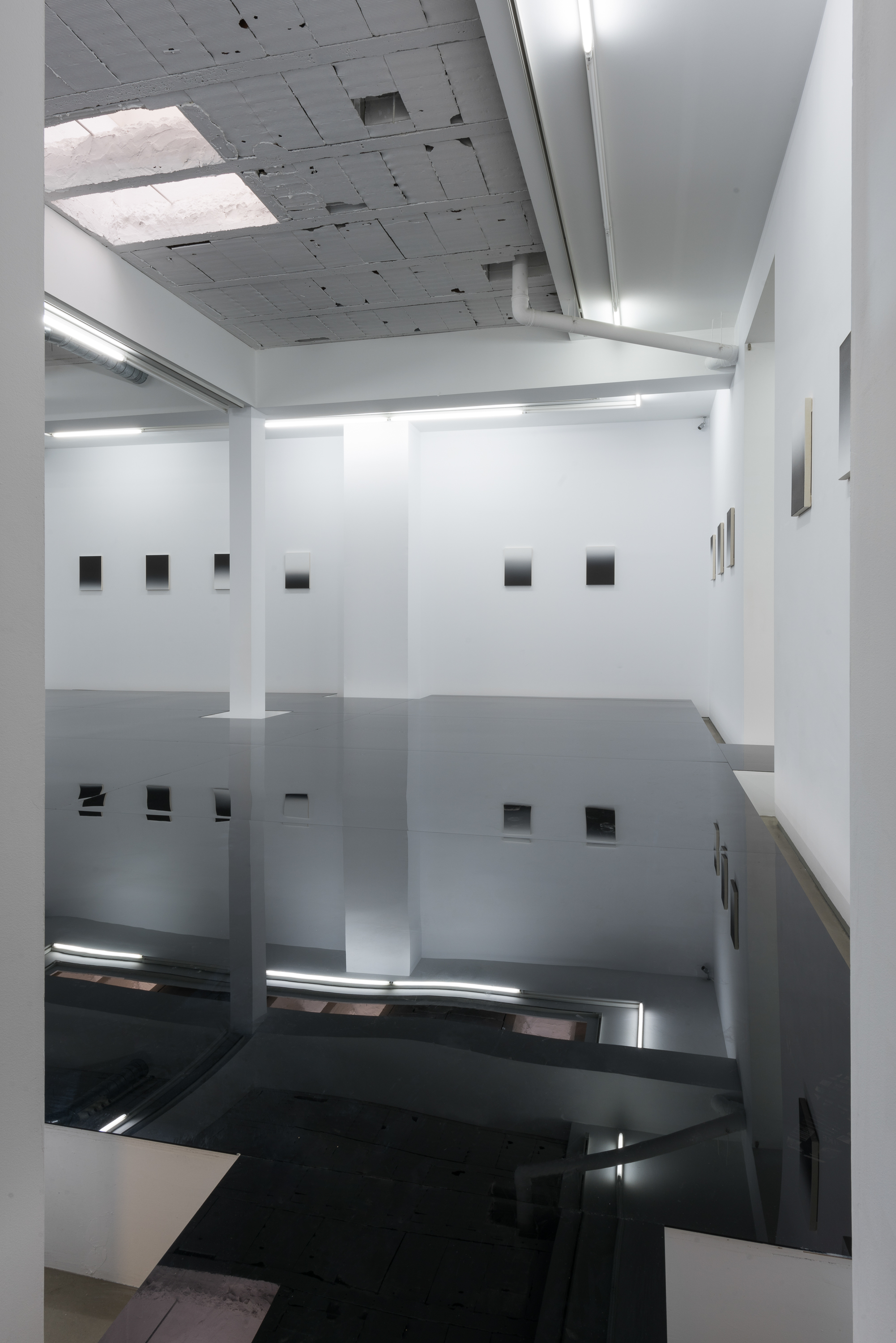
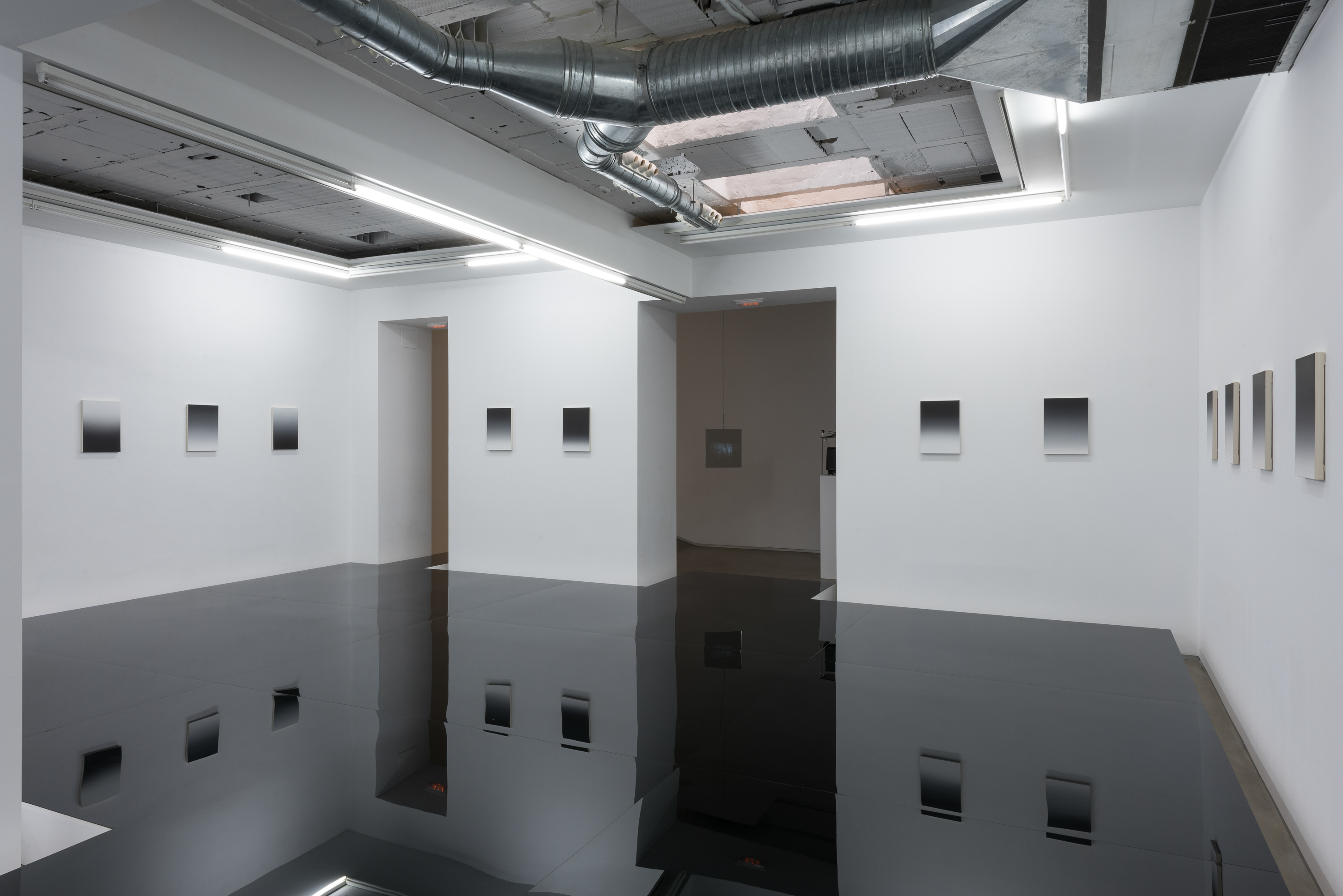
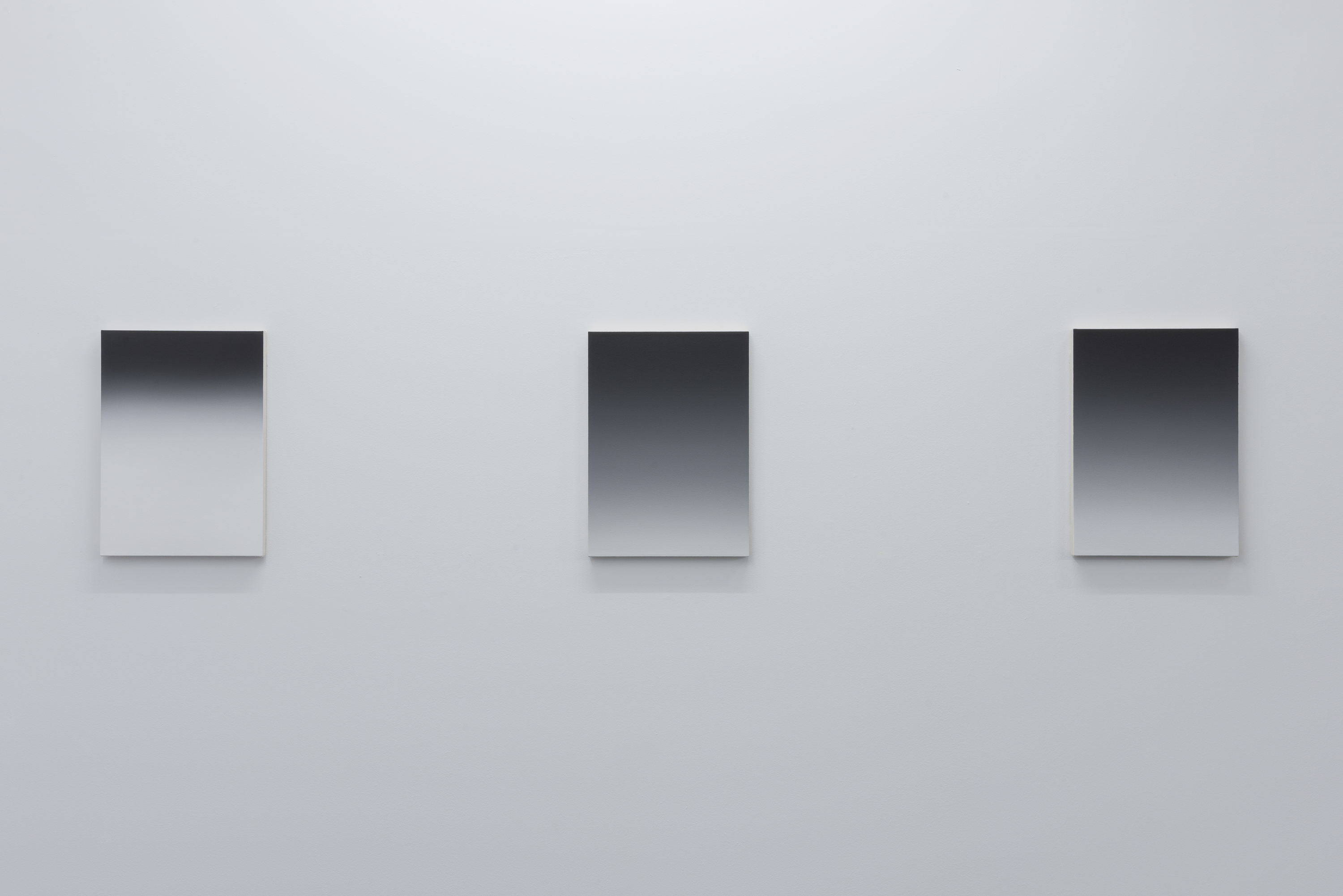
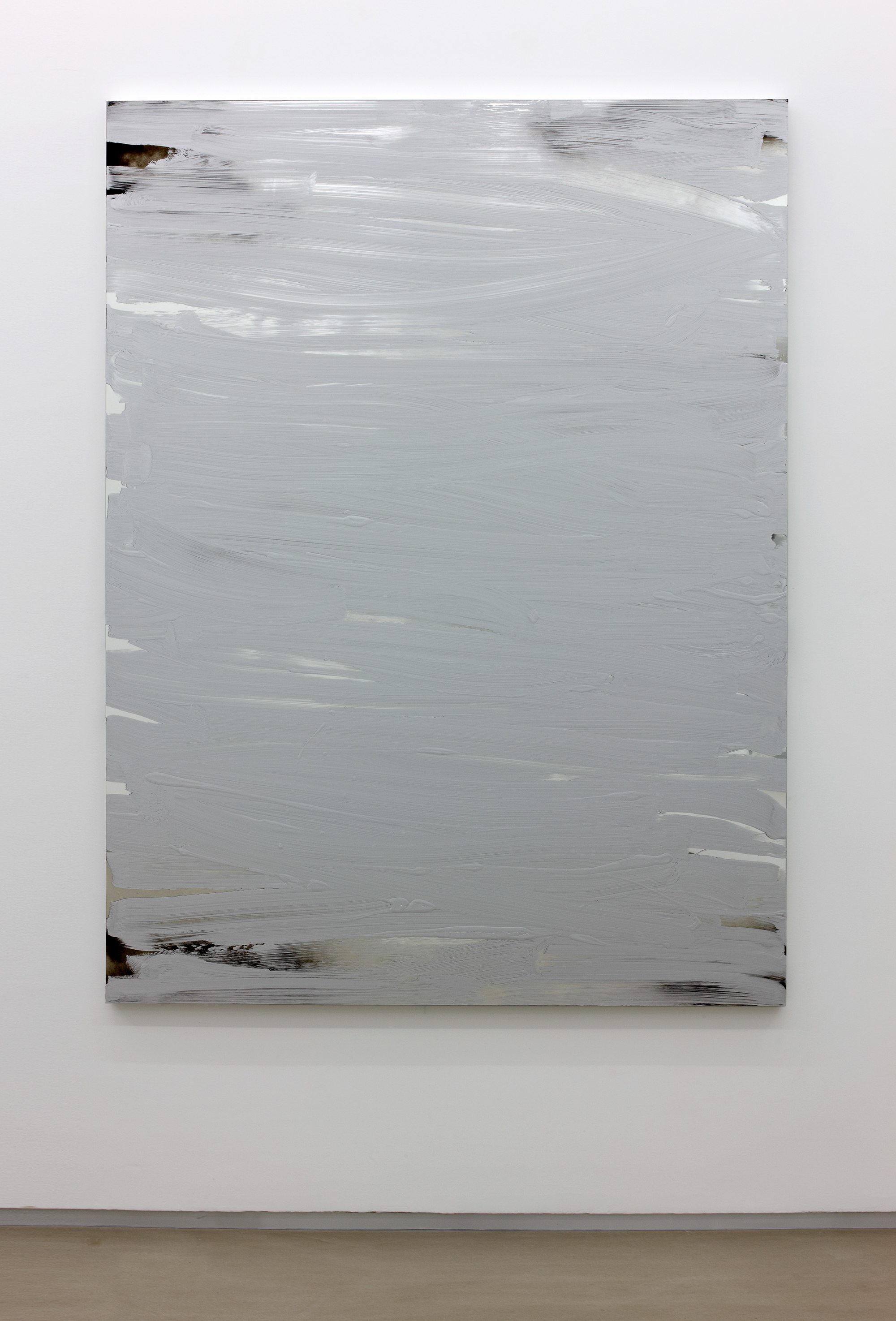
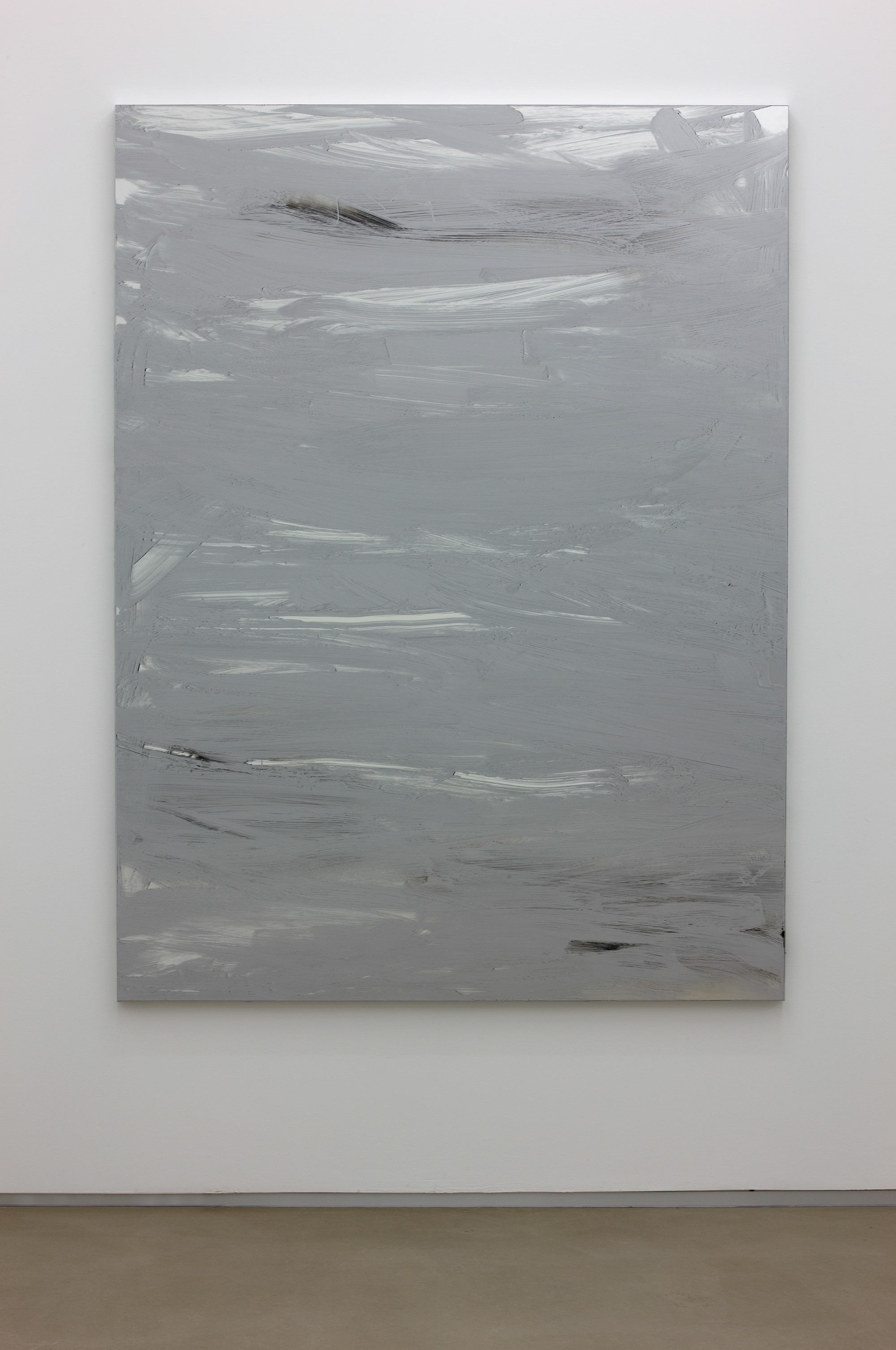
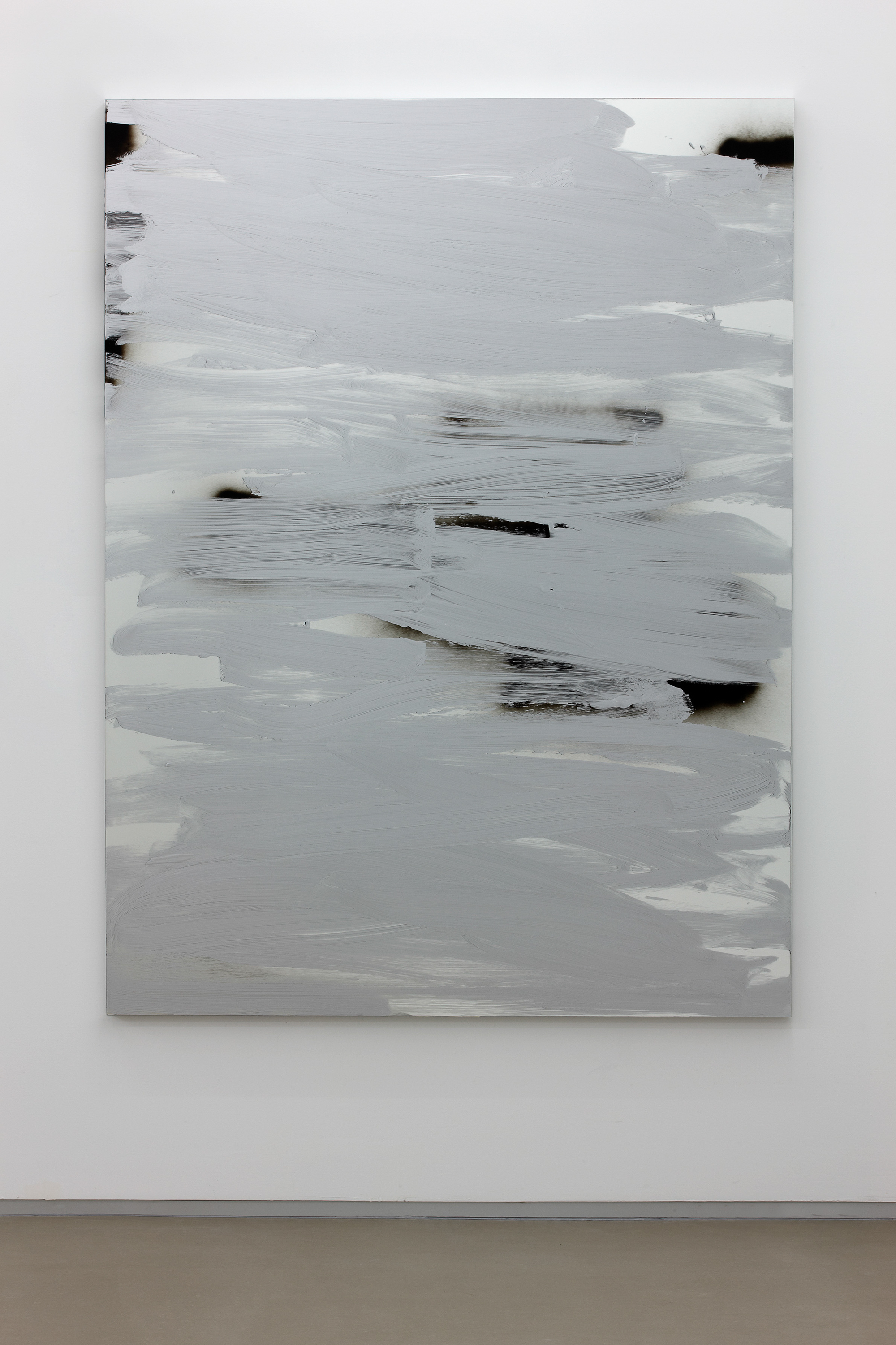
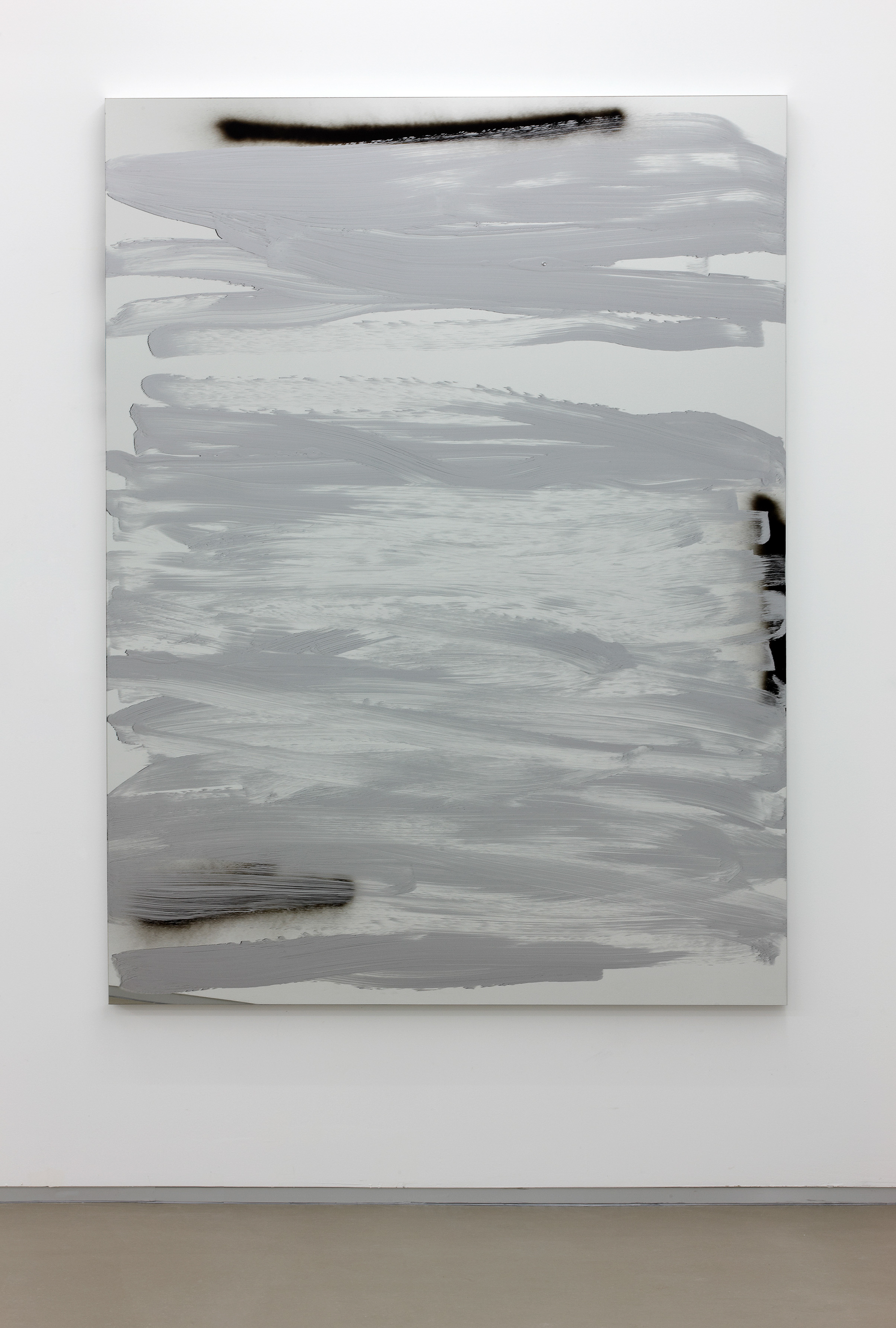
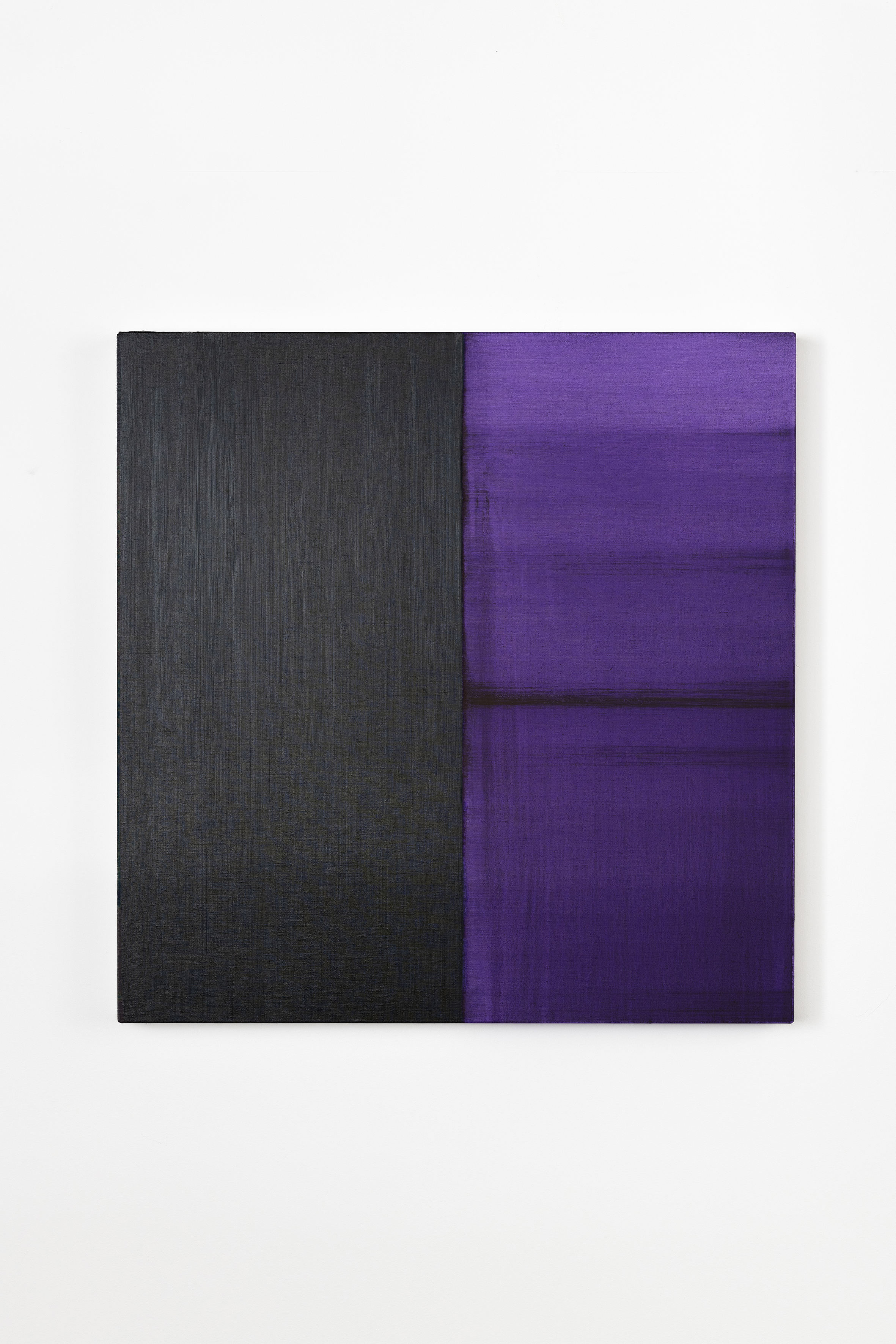
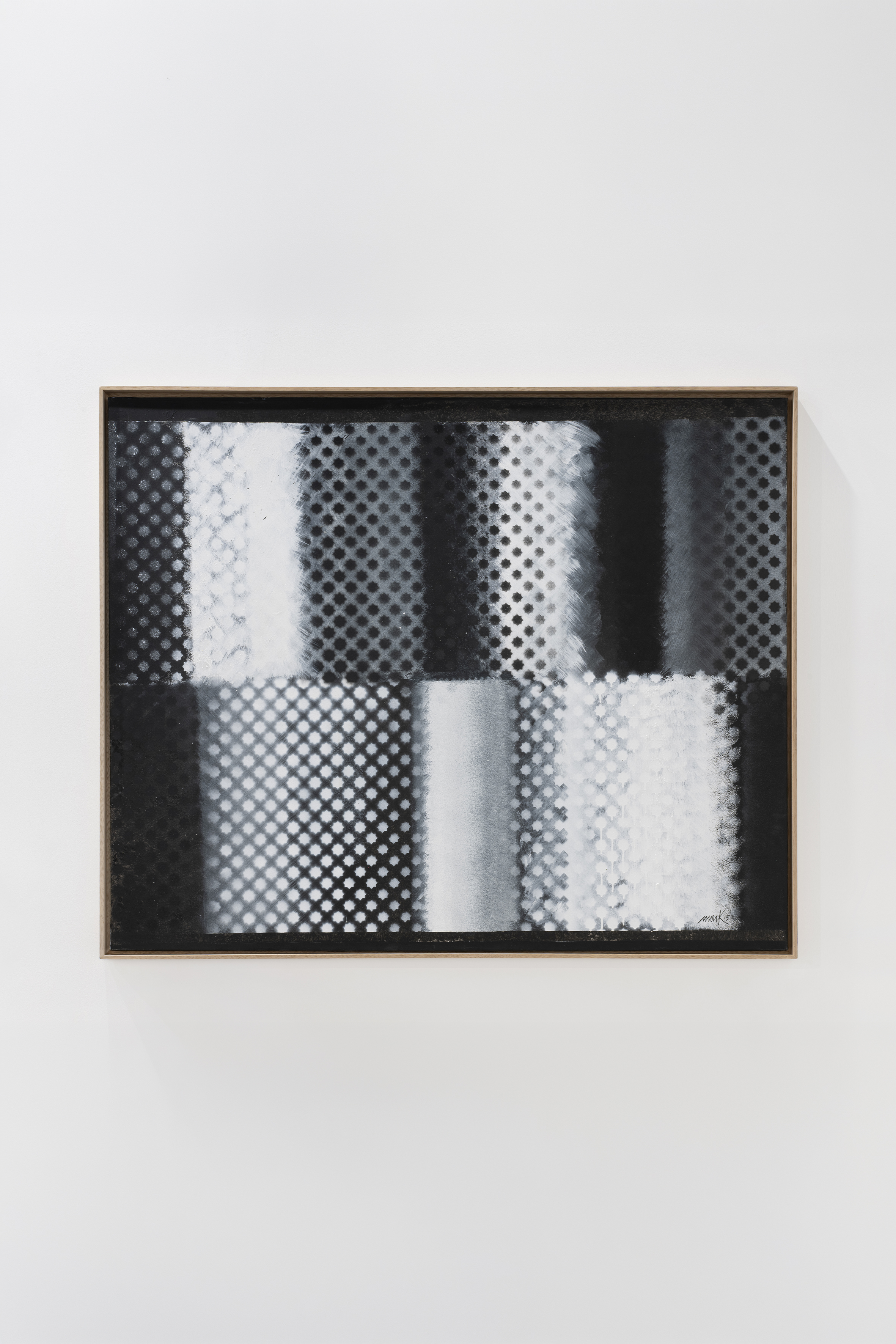
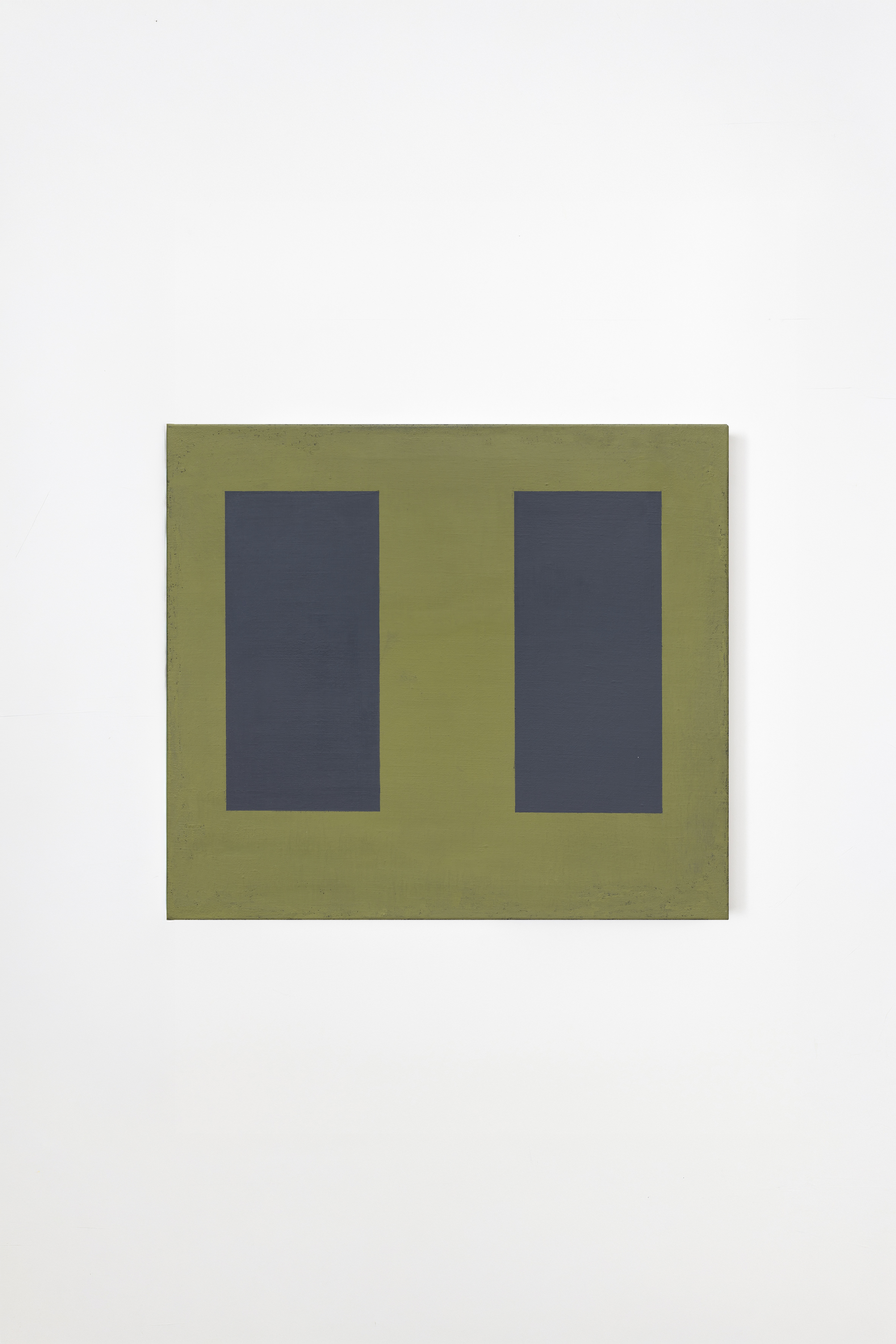
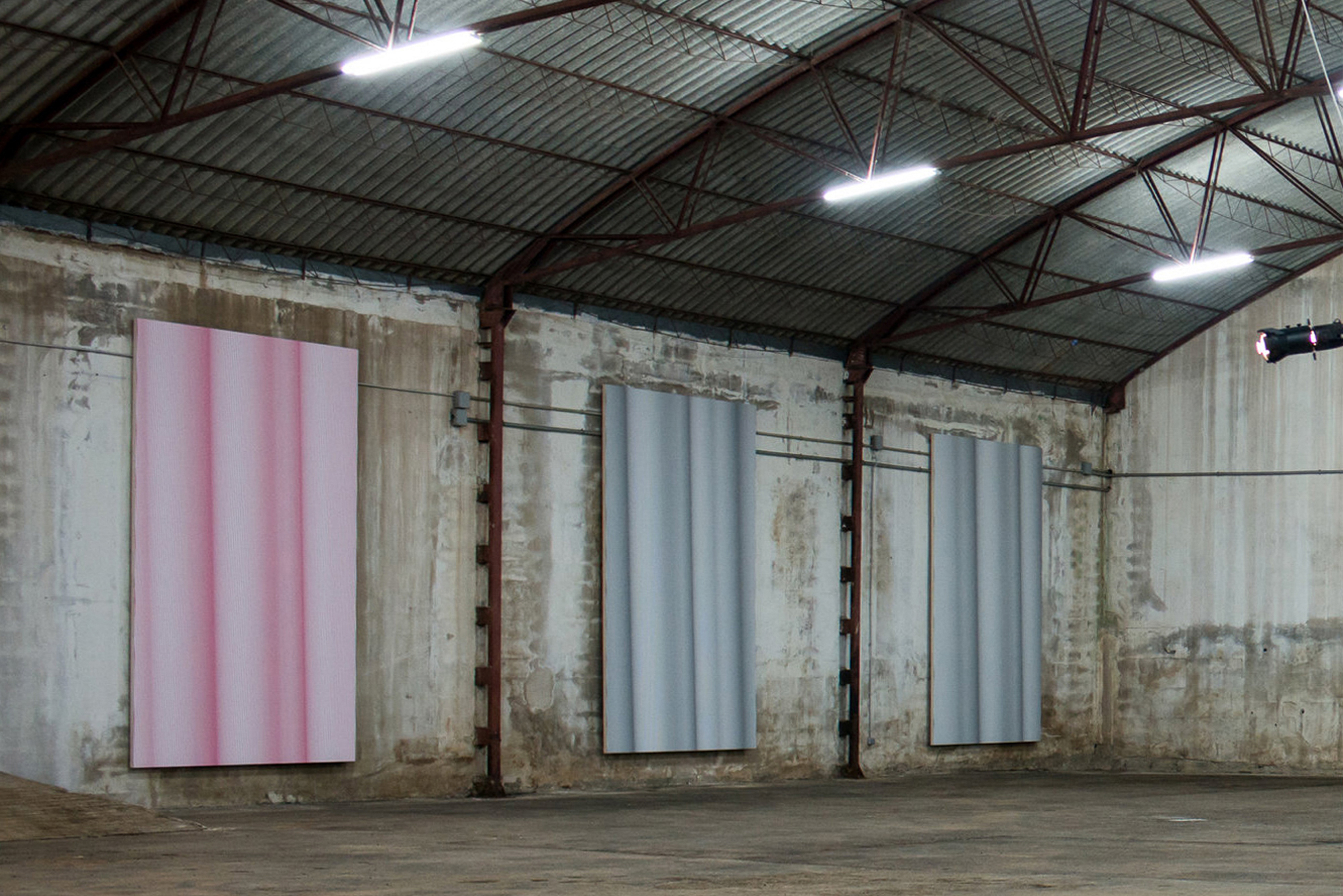
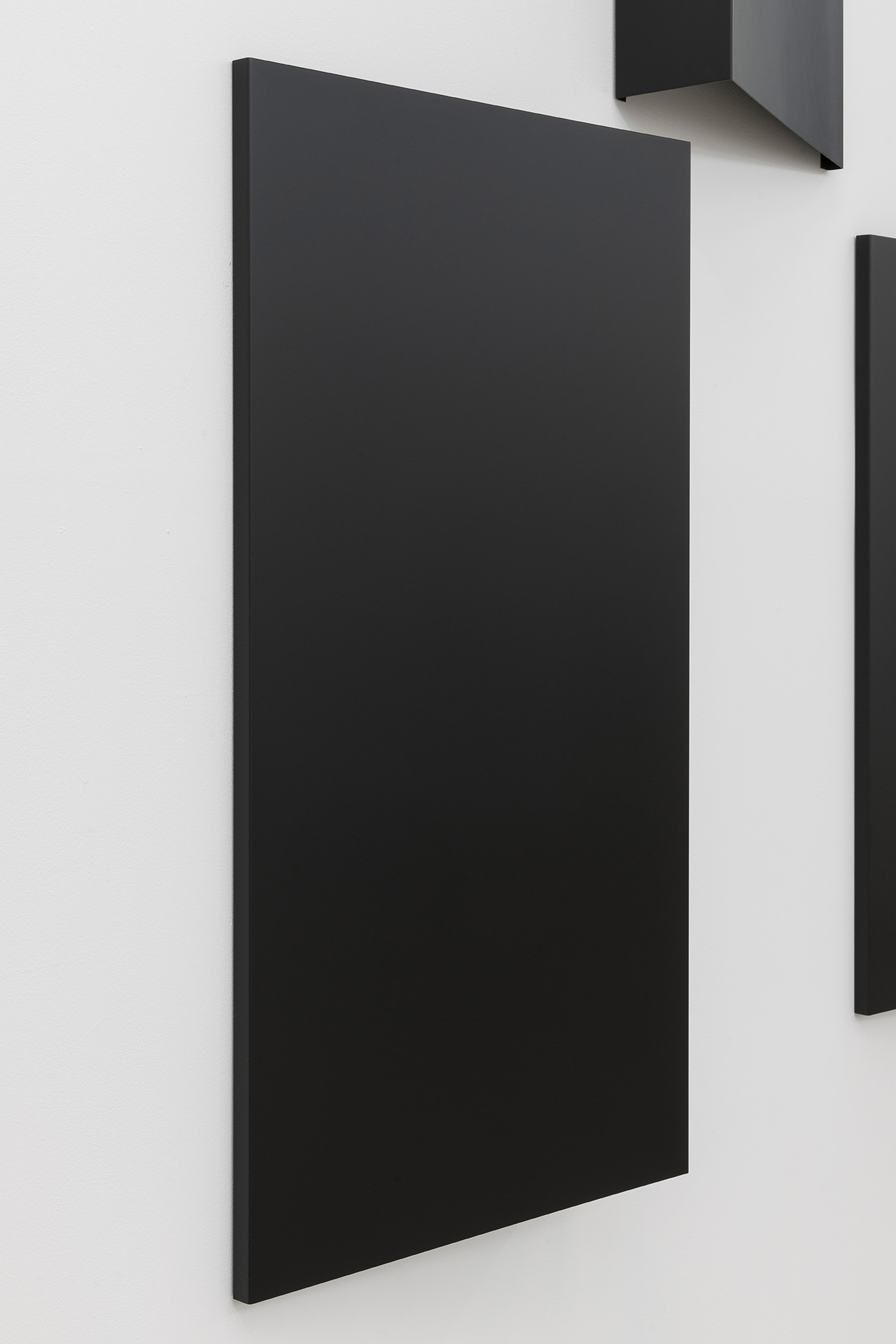
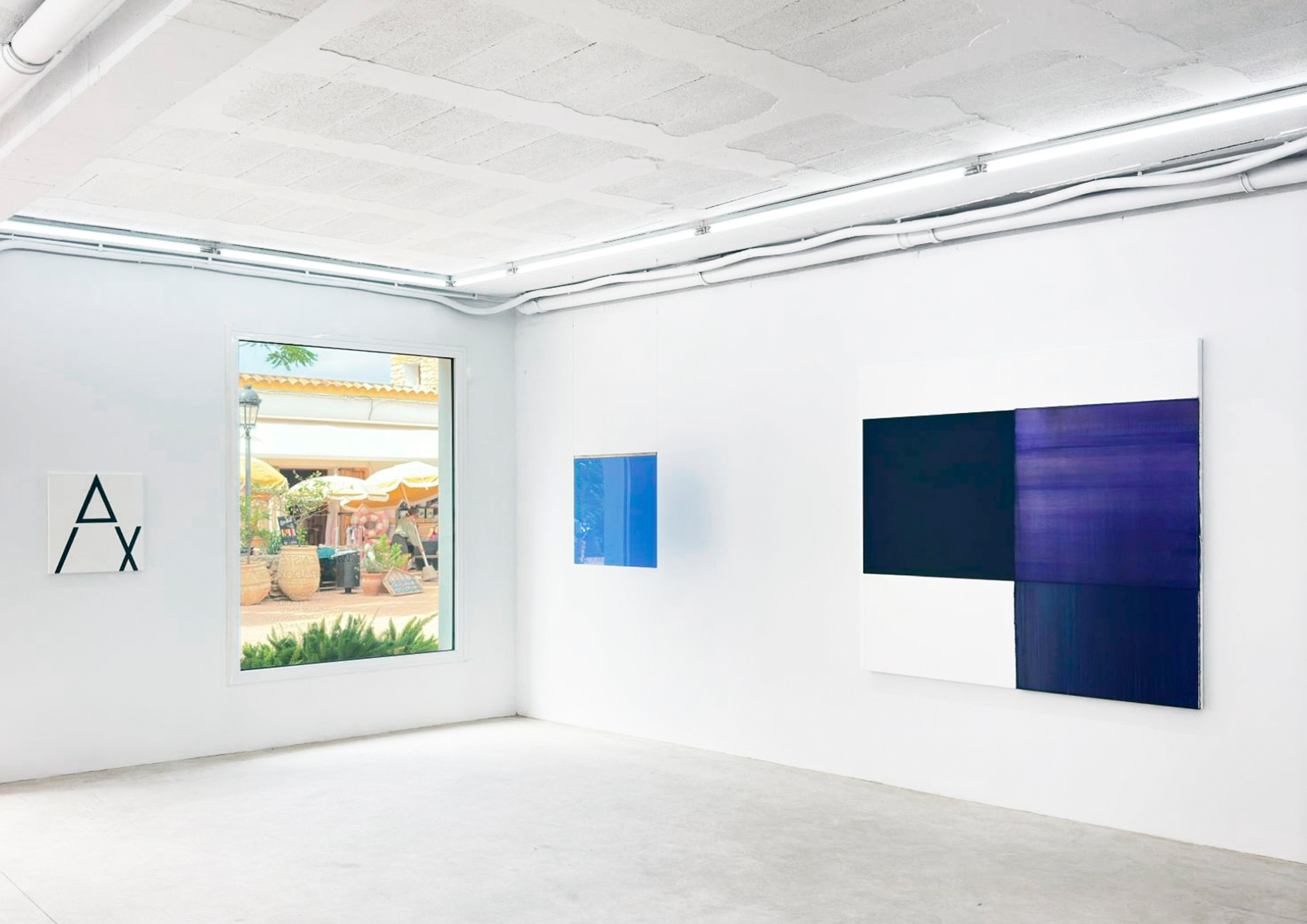
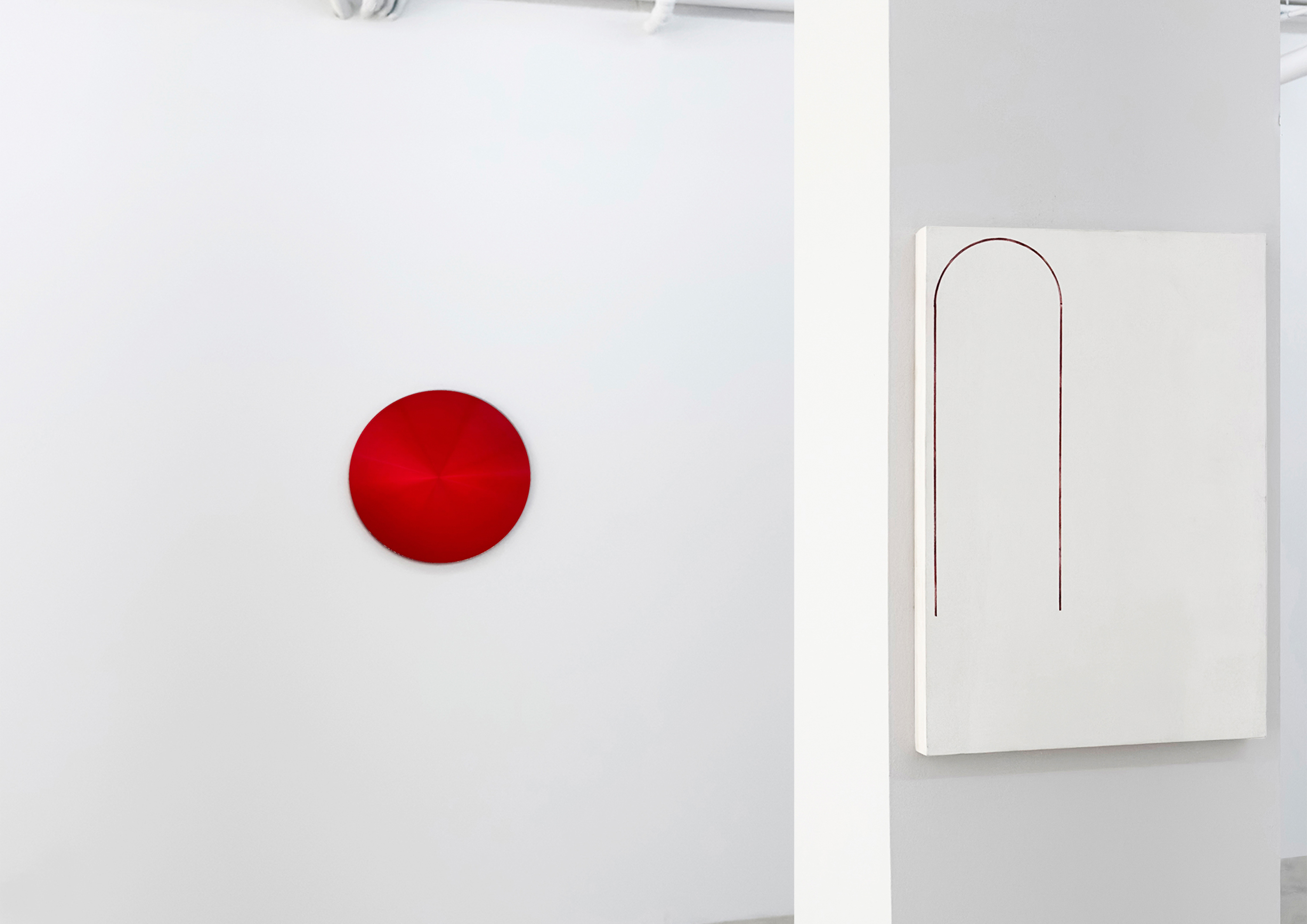
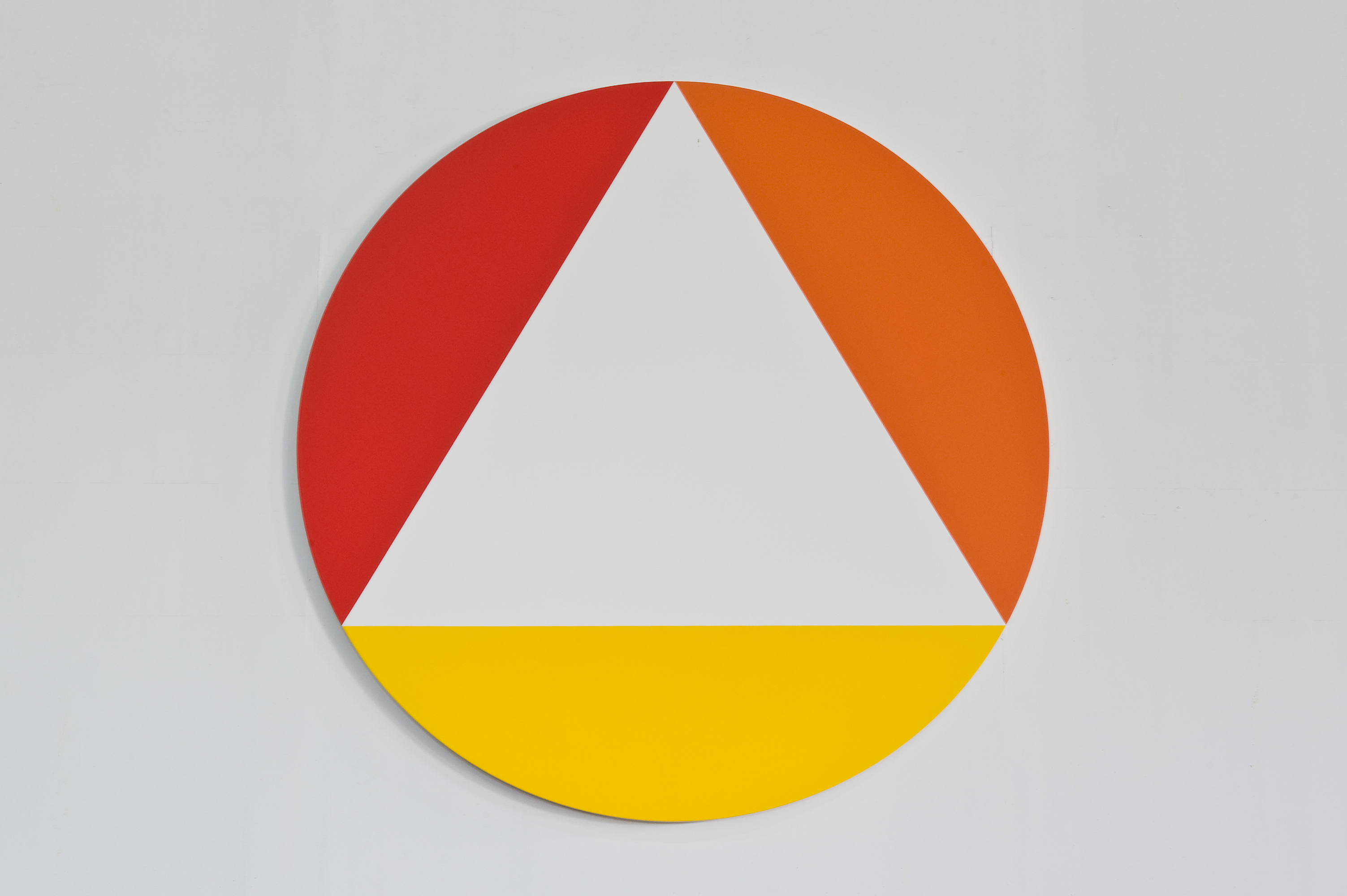
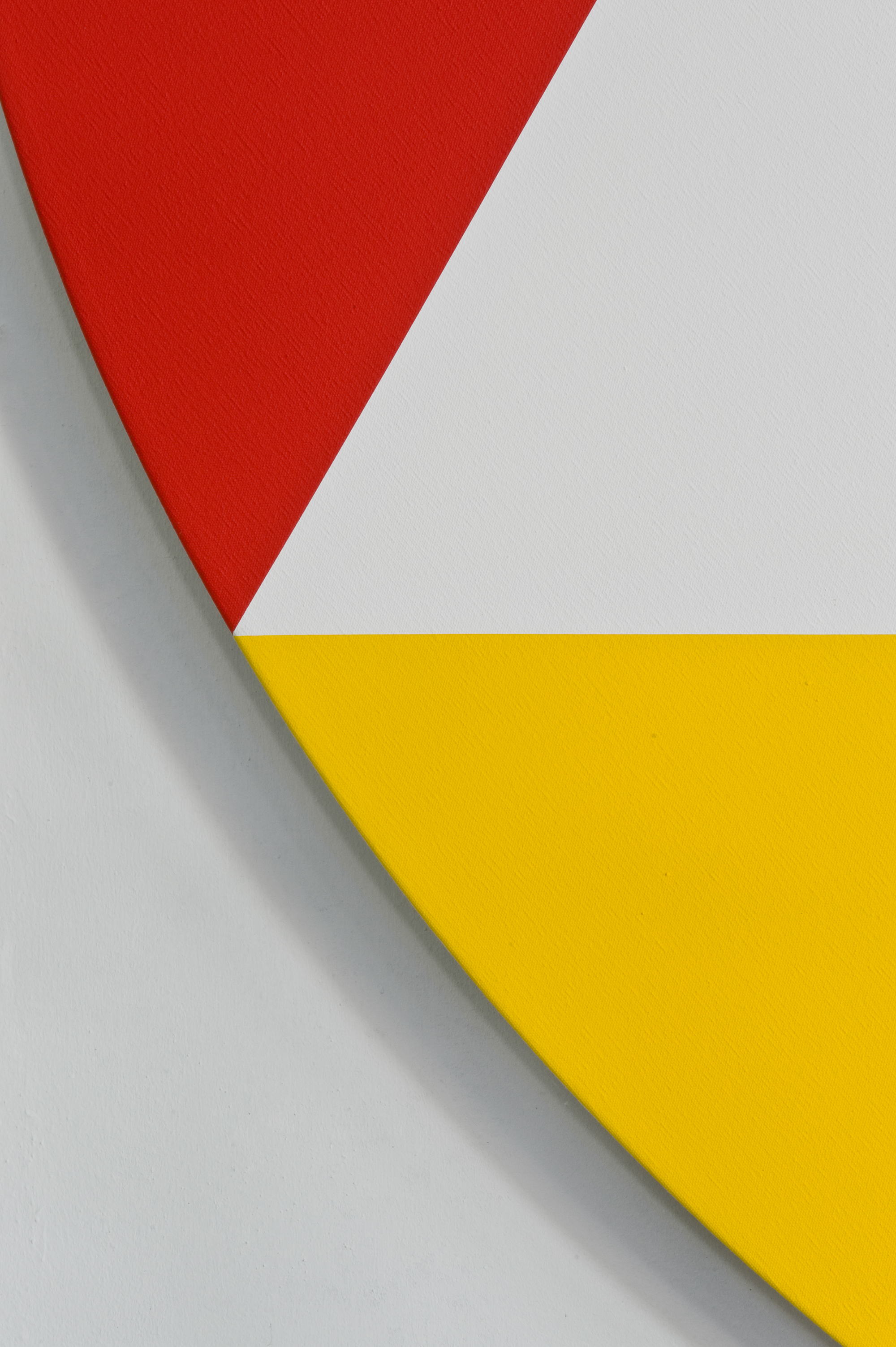
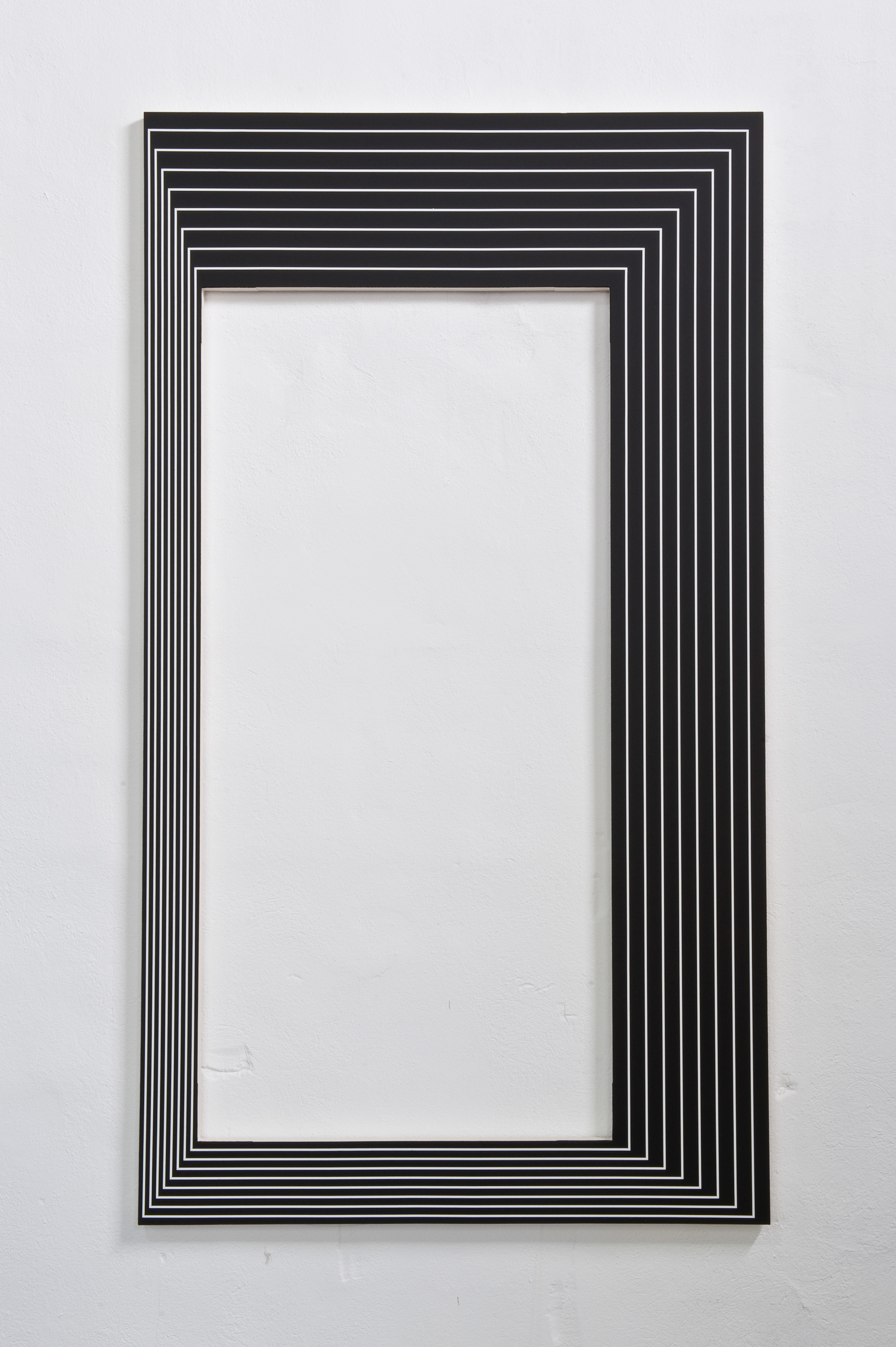
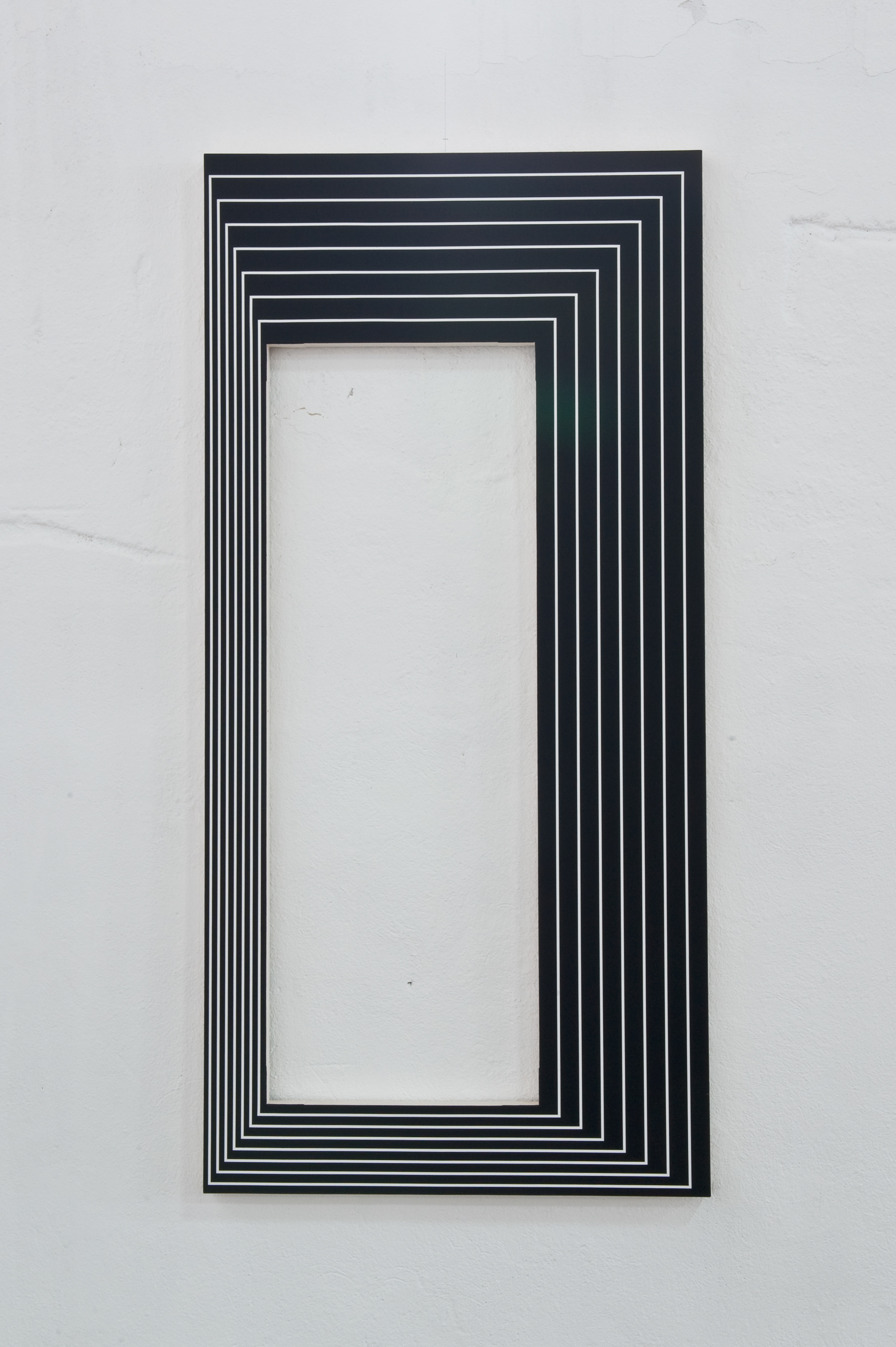
The quartet represents a generation of young central european painters, who, using a non-figurative formal vocabulary, have developed a mixture of minimalism, neo-geo, abstraction and concrete art. Besides, these artists put together his artistic positions with a universal repertoire of signs and codes taken from the contemporary visual culture, which relates spatial and architectonical exploration. This quartet is formed by Stephane Dafflon, Philippe Decrauzat, Martina Klein y David Hominal.
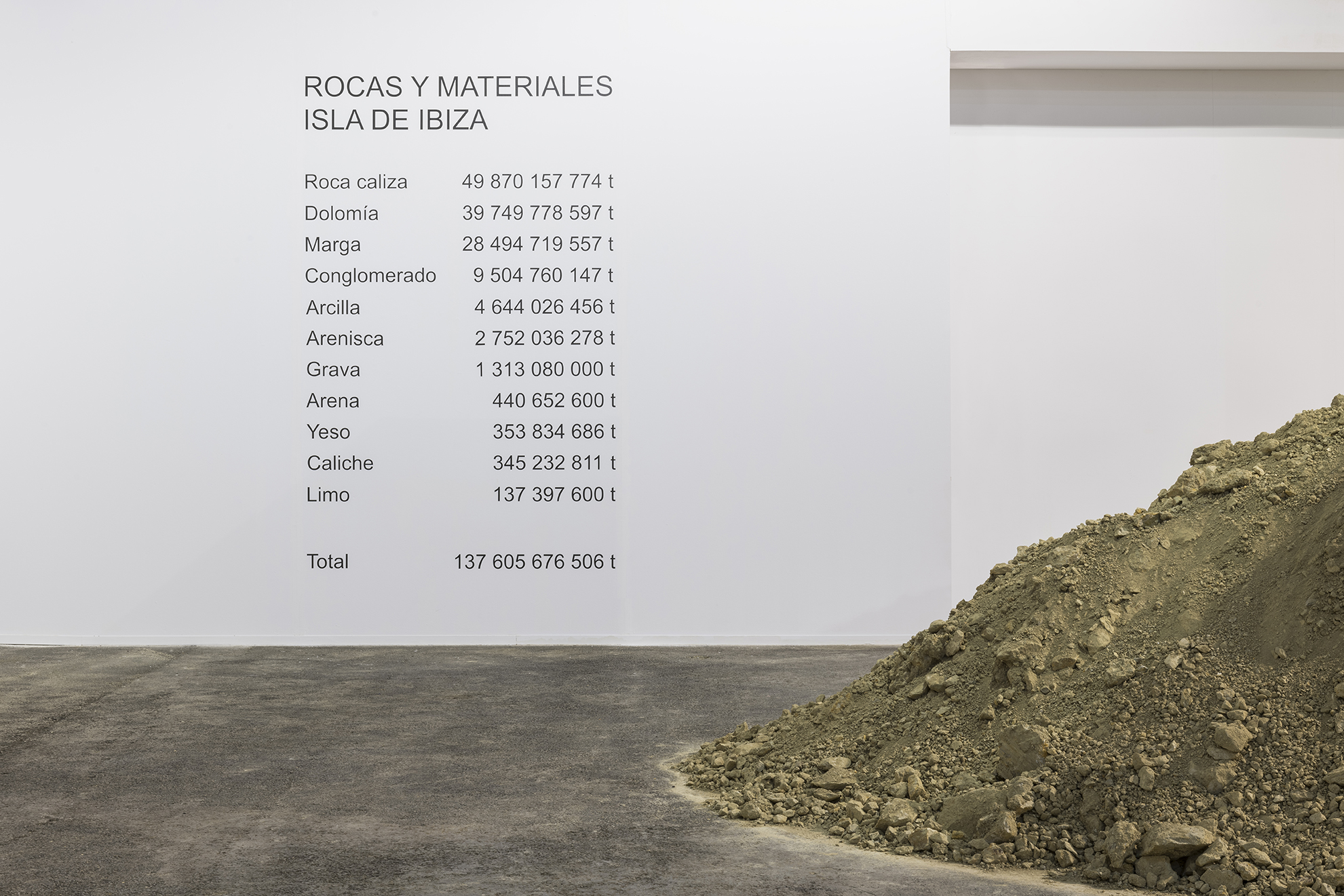
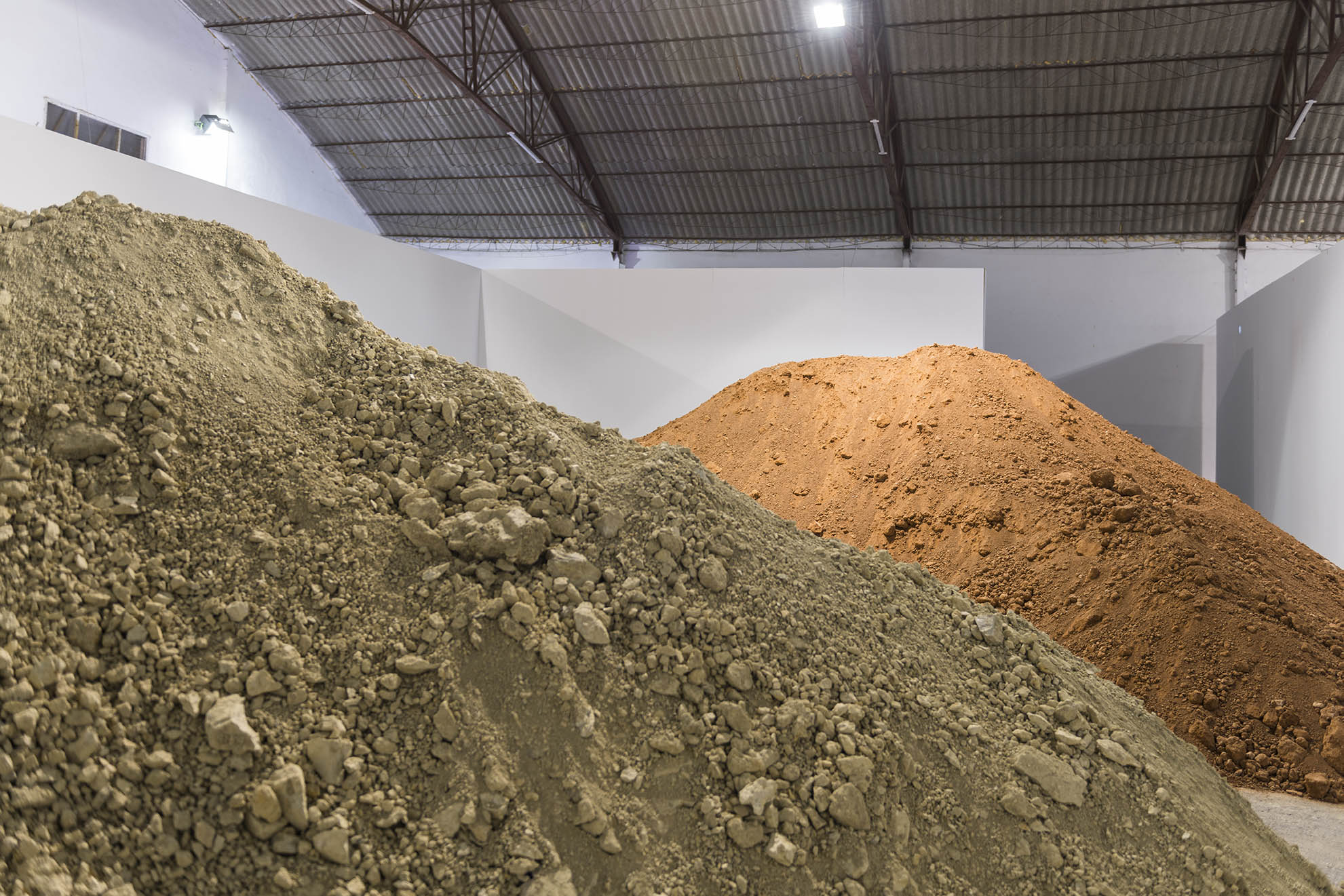
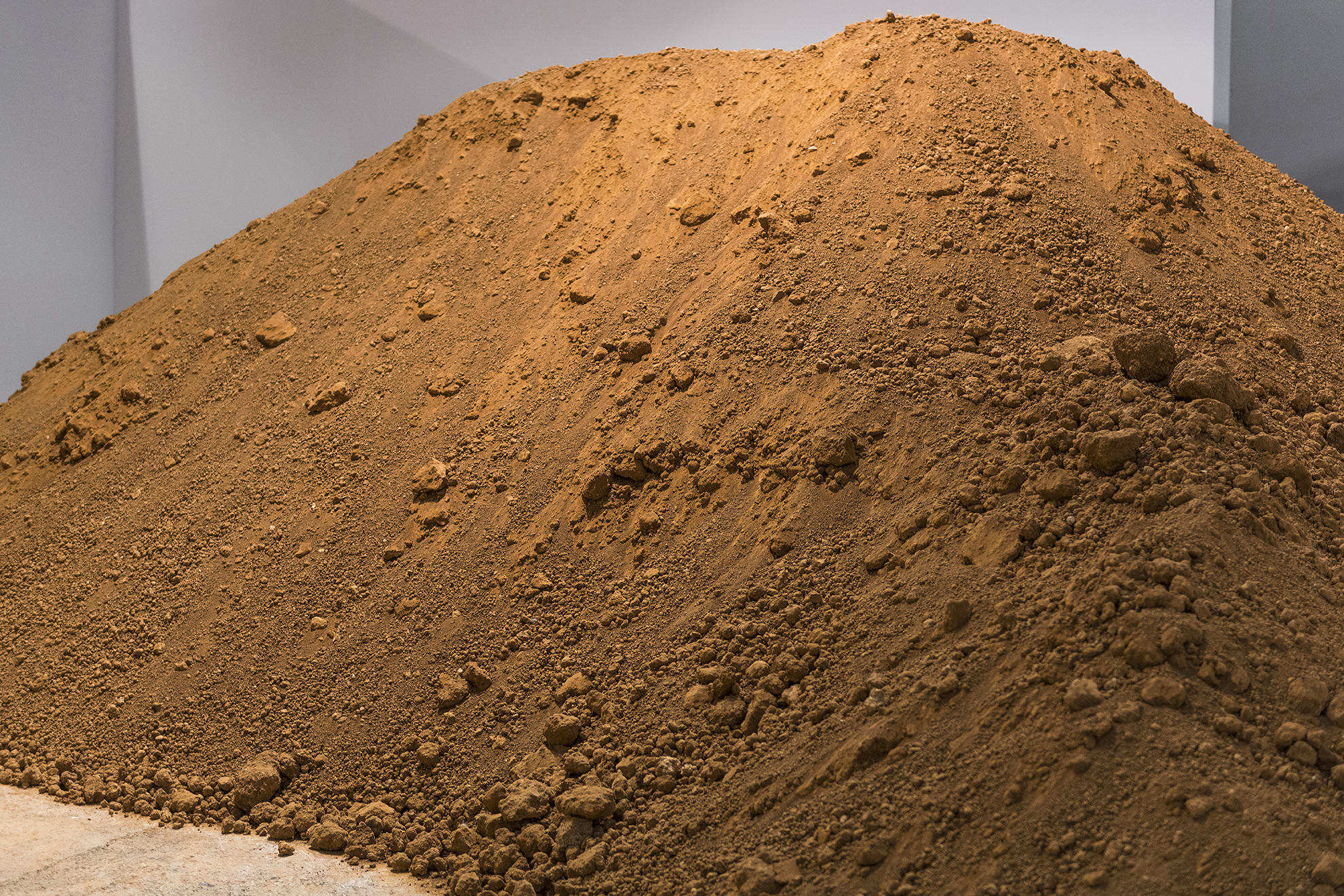
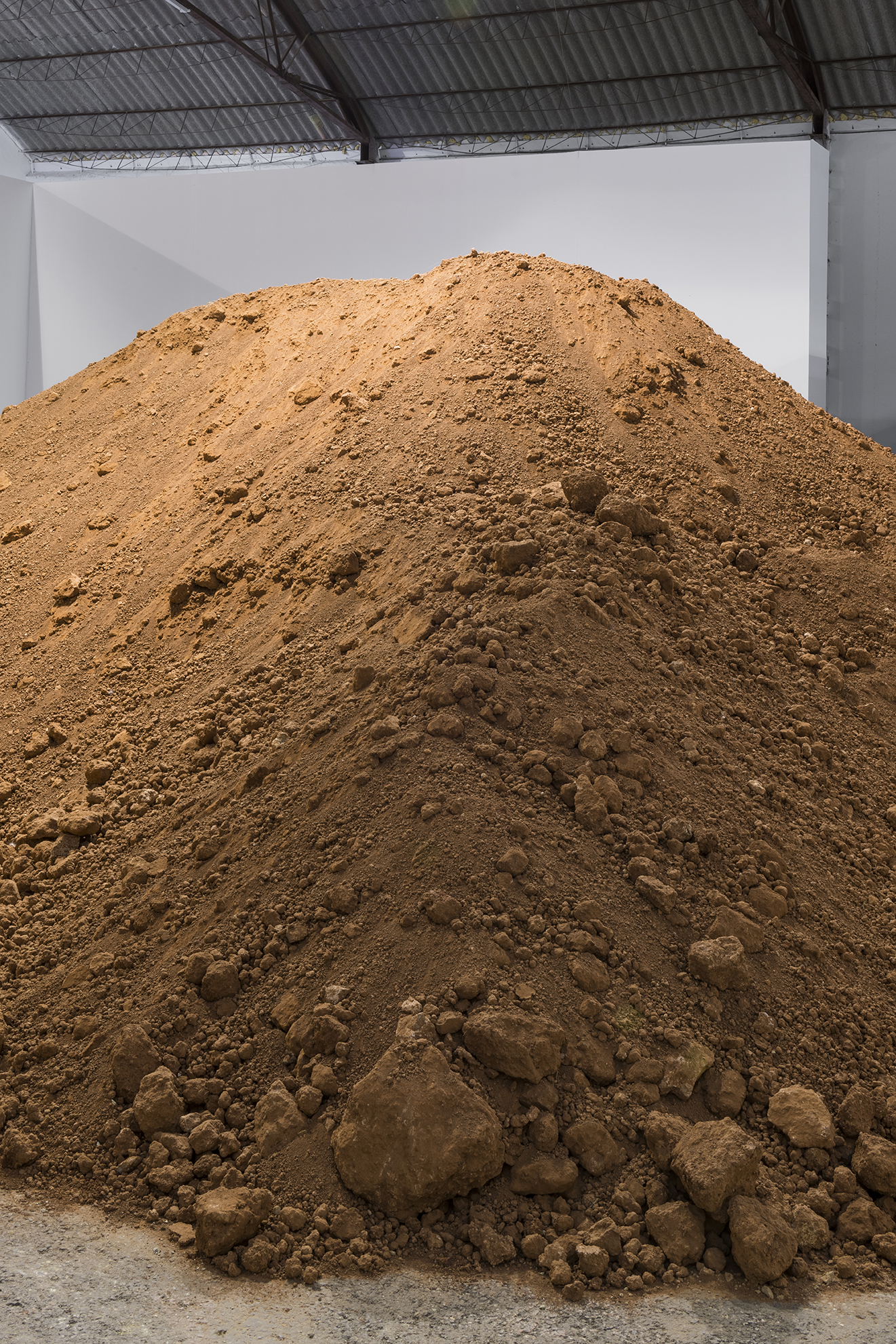
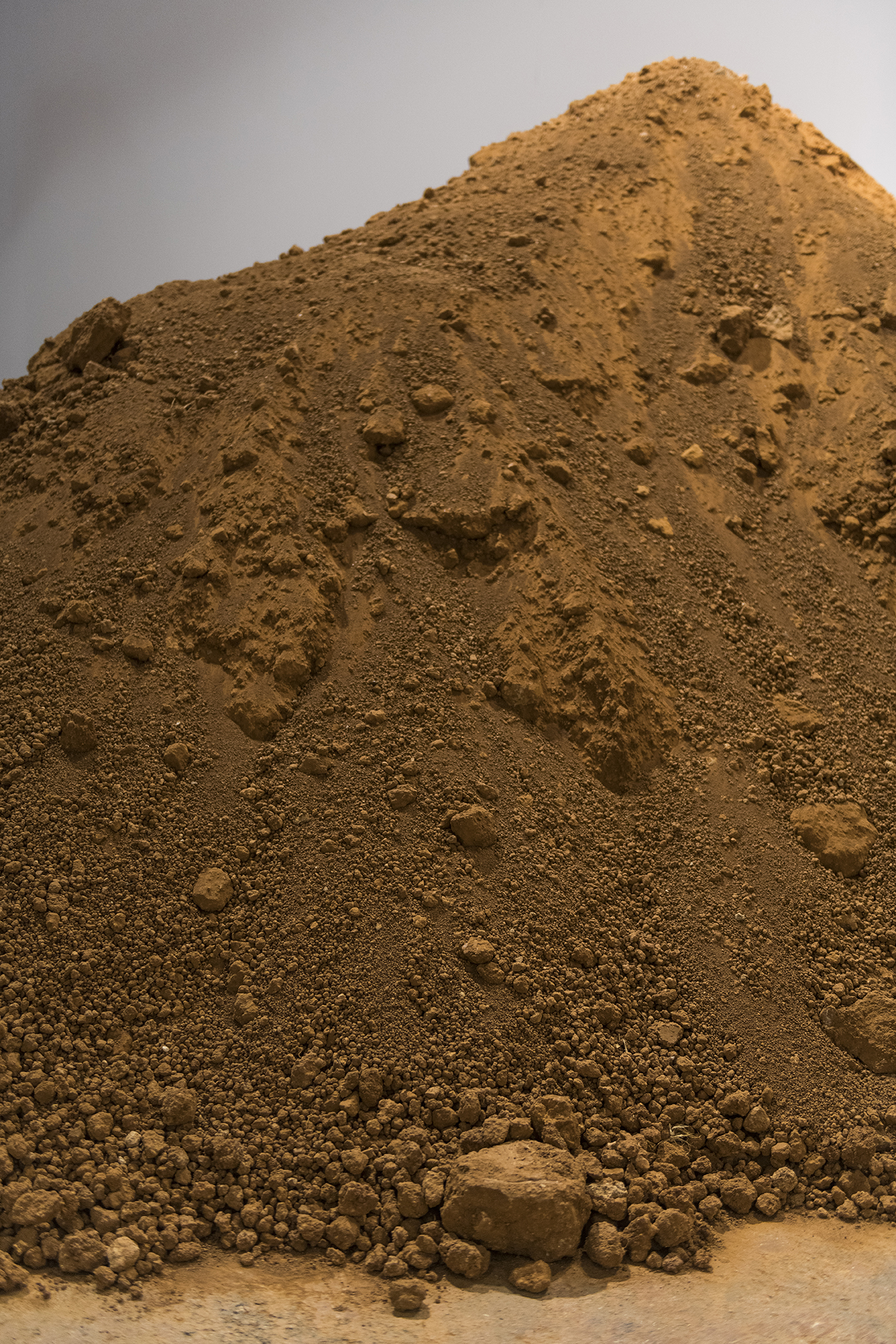
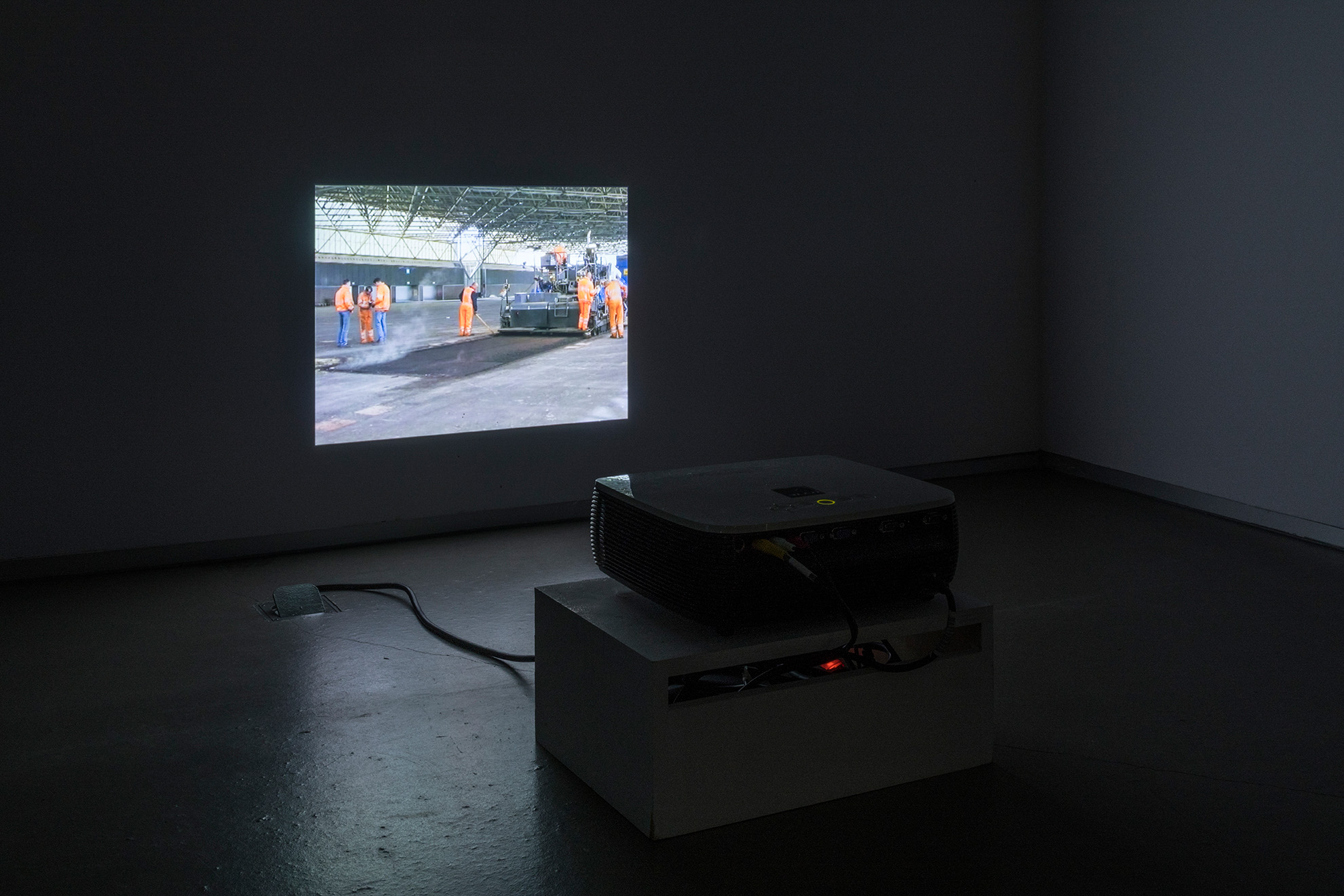
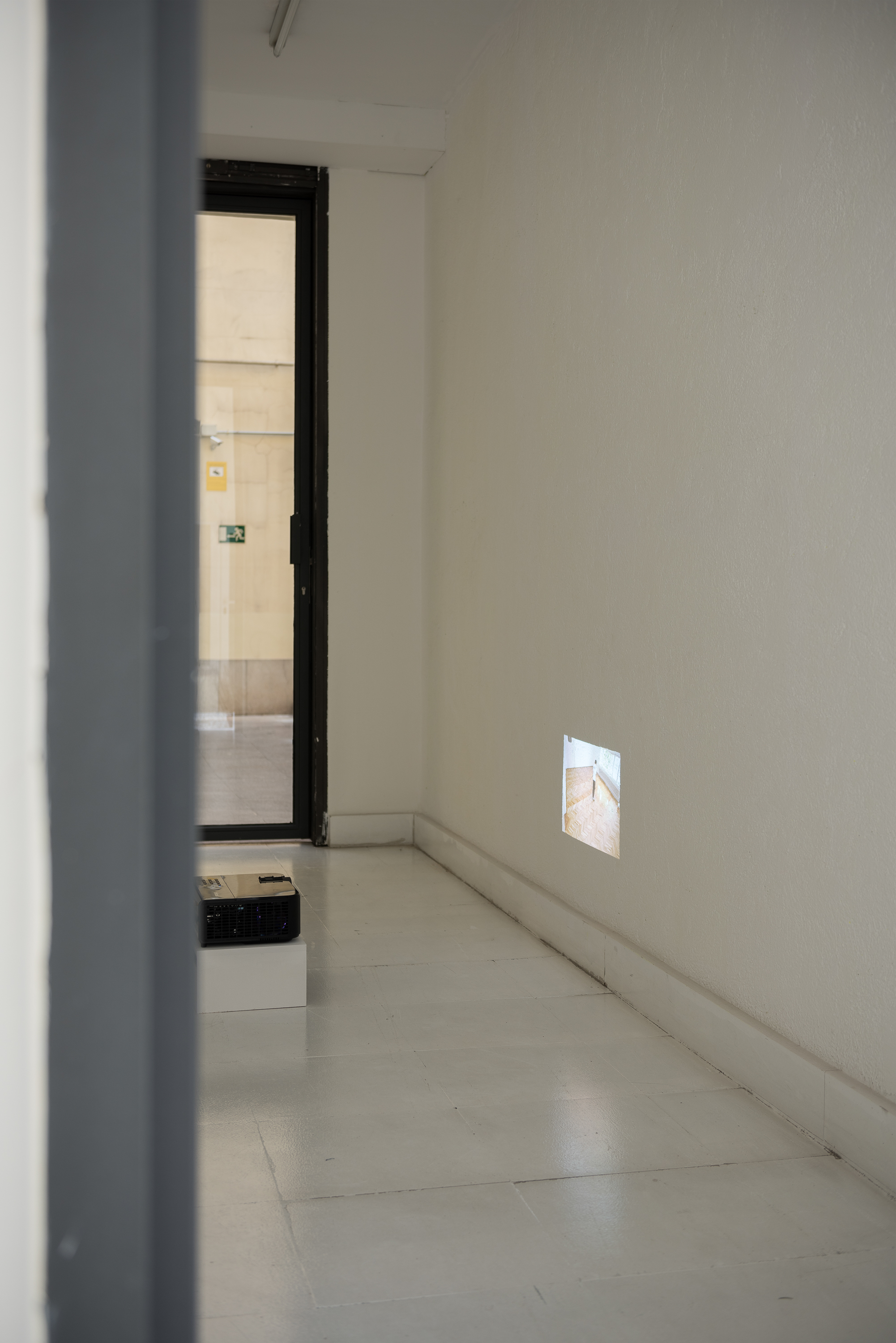
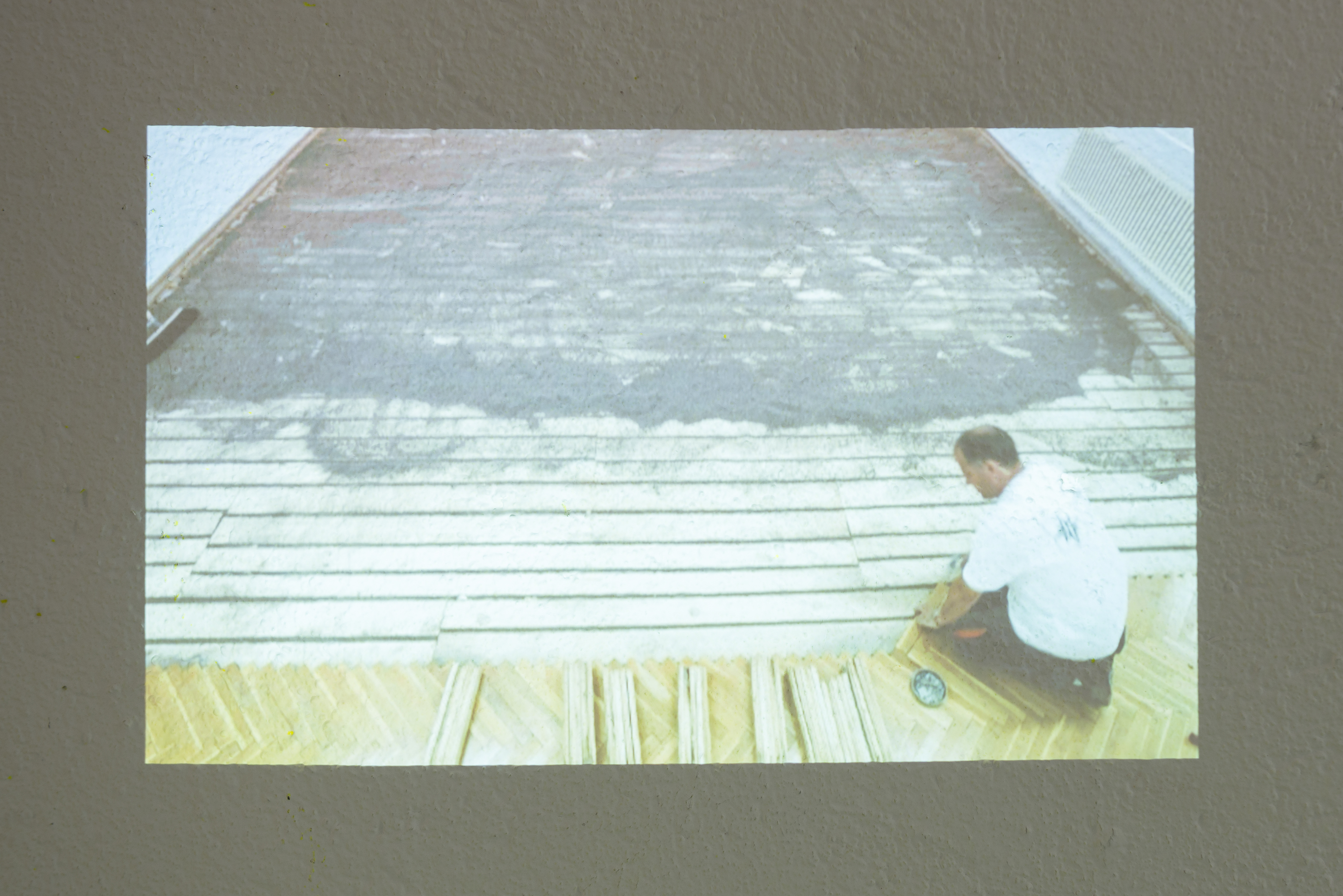
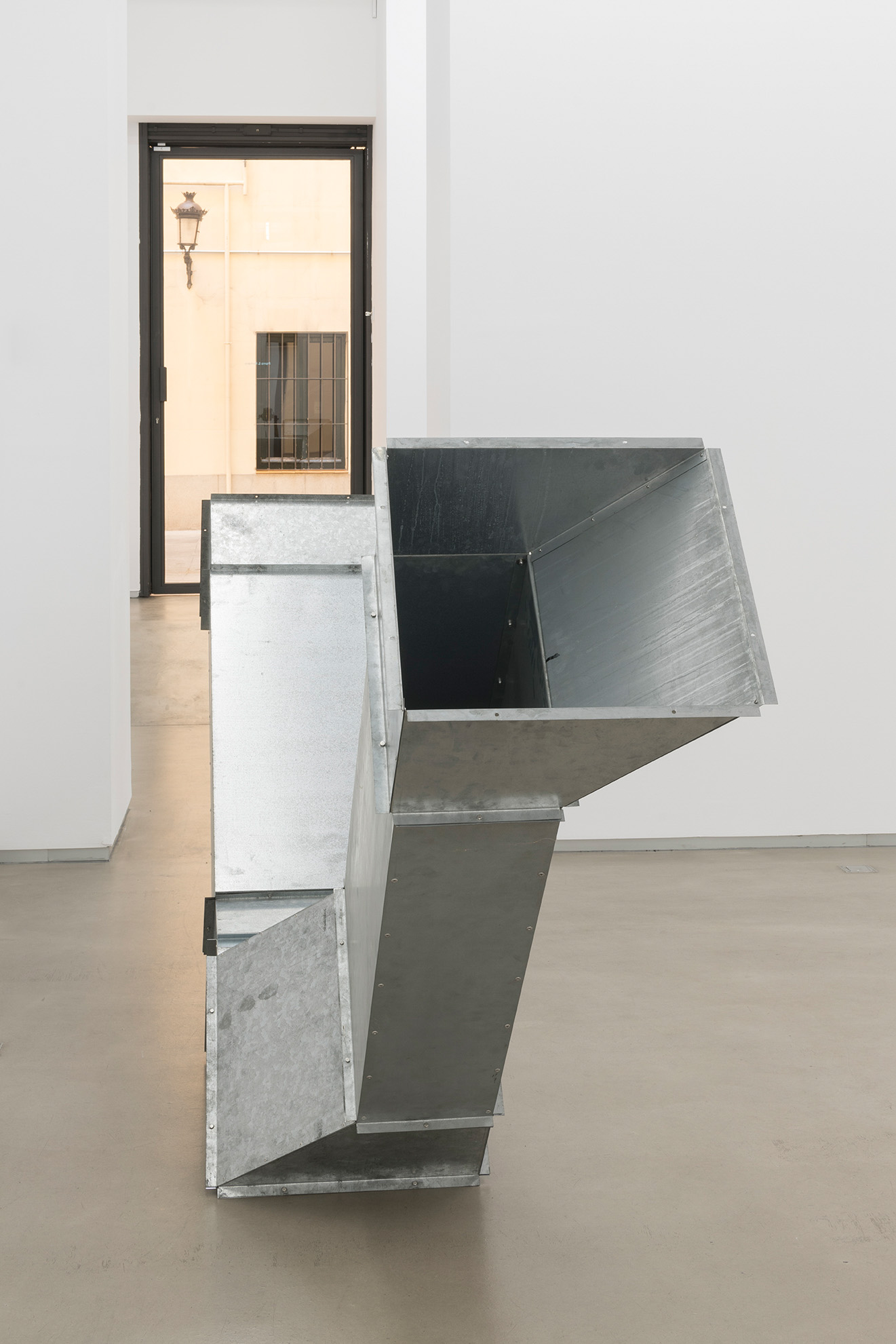
Lara Almarcegui (Zaragoza, 1972) lives and works at Rotterdam. Almarcegui has built up a consistent oeuvre that revolves round her fascination for places that evade the designs of architects and urban planners. Her work focuses on the physical material of our civilisation, the post-industrial landscape, the bricks and cement of buildings, towns and cities, the uppermost layer of the earth’s crust. She did several exhibition at such important institutions as Spanish Pavillion, Venice Biennale, 2013; MUSAC, León, Spain, 2013; CREDAC, Ivry sur Seine, 2013; CA2M, Móstoles, Spain, 2012; Künstlerhaus, Bremen, 2012; CAAC, Seville, Spain, 2012; Secession, Vienna, 2010; Ludlow 38, New York, 2010; Barbican Art Centre, London, 2009; CAC, Málaga, Spain, 2007; São Paulo Biennale, 2006; FRAC Bourgogne, Dijon, 2004; INDEX, Stockholm, 2003.
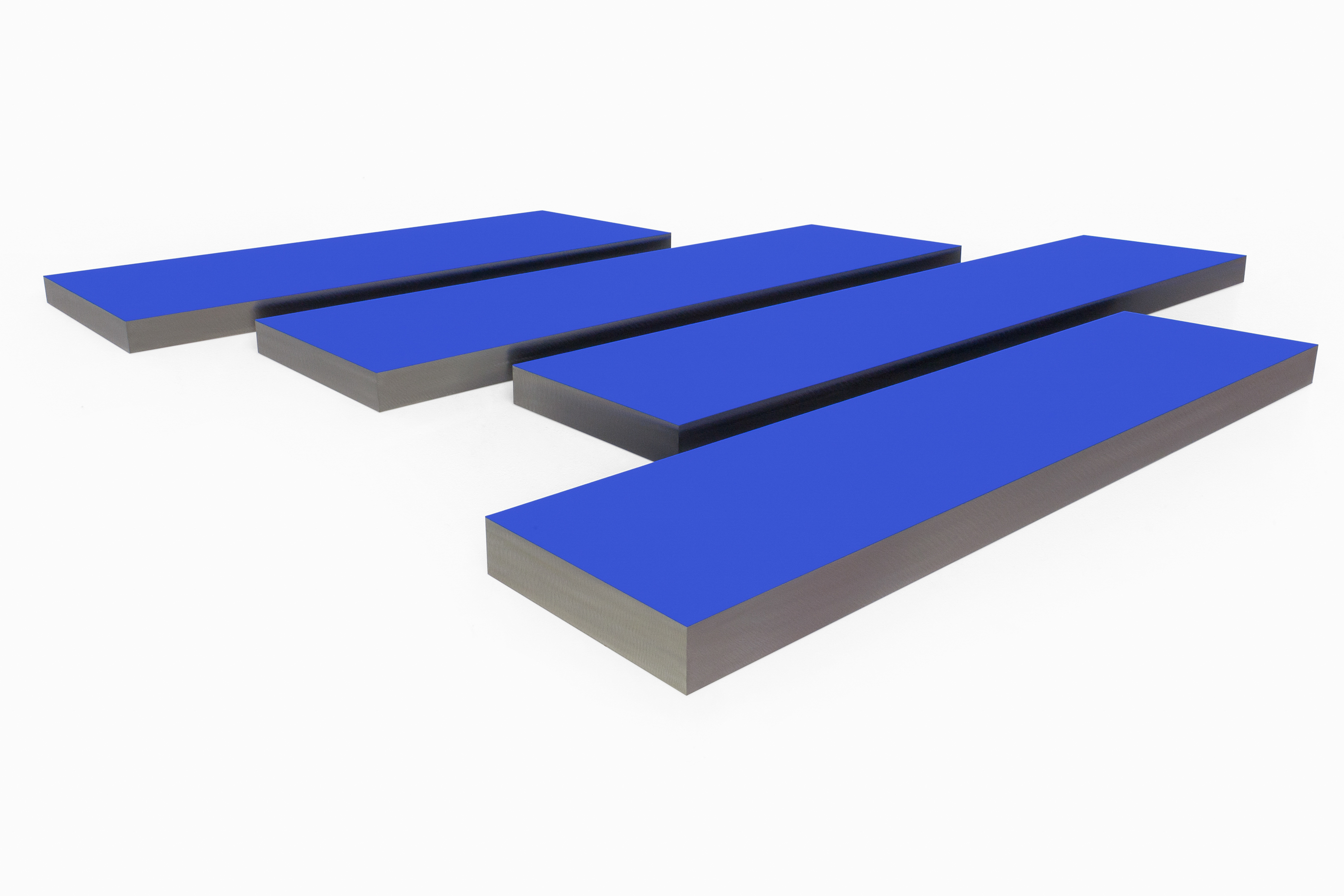
The poet and sculptor Carl Andre (Massachussetts, 1935) is a leading figure of the minimalism. At the sixties he took part at iconic shows as Primary Structures: Younger American and British Sculptors, Jewish Museum, New York (1966), Documenta 4, Kassel, Germany (1968), y Live in Your Head: When Attitudes Become Form, Kunsthalle Bern, Switzerland (1969). Besides many public comissions and solo shows, he took part in main projects at Laguna Gloria Art Museum, Austin (1978), Krefeld Haus Lange/Haus Esters and Kunstmuseum, Wolfsburg, Germany (1996), Musée Cantini, Marseille, France (1997) y Museum Kurhaus Kleve, Germany (2011). Retired from 2010, Carl Andre lives at New York. At the moment, the DIA Foundation dedicates him a big retrospective.
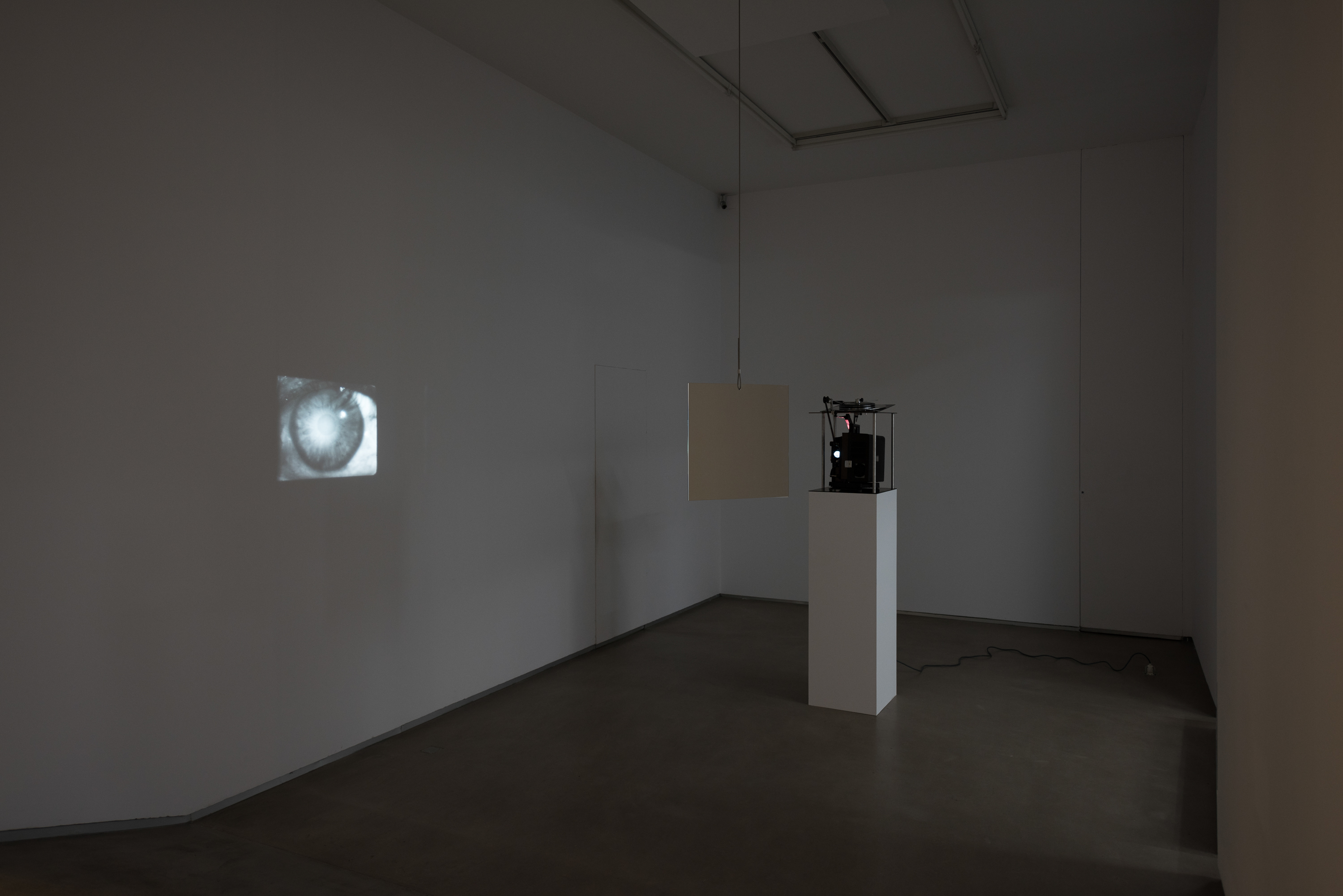
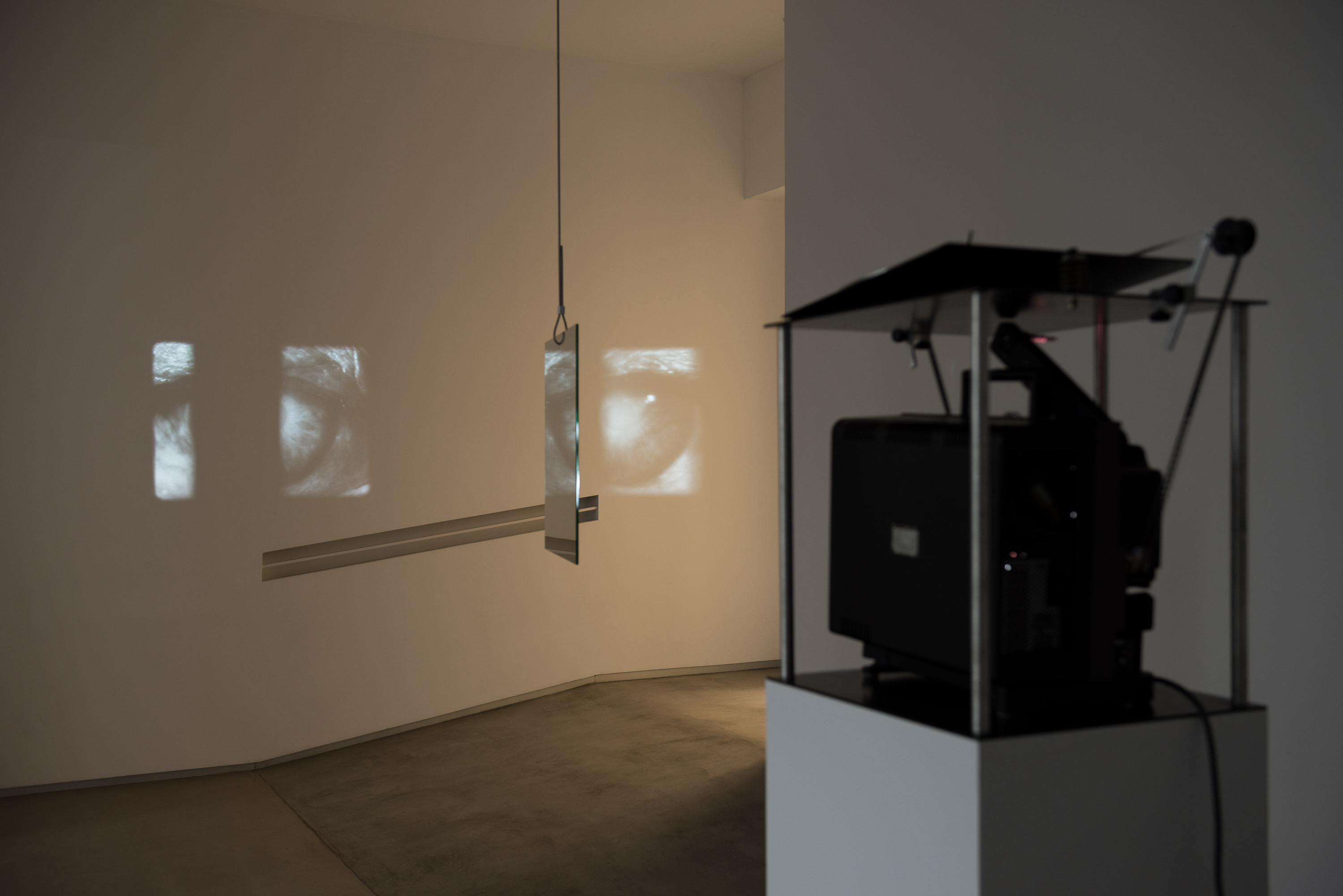
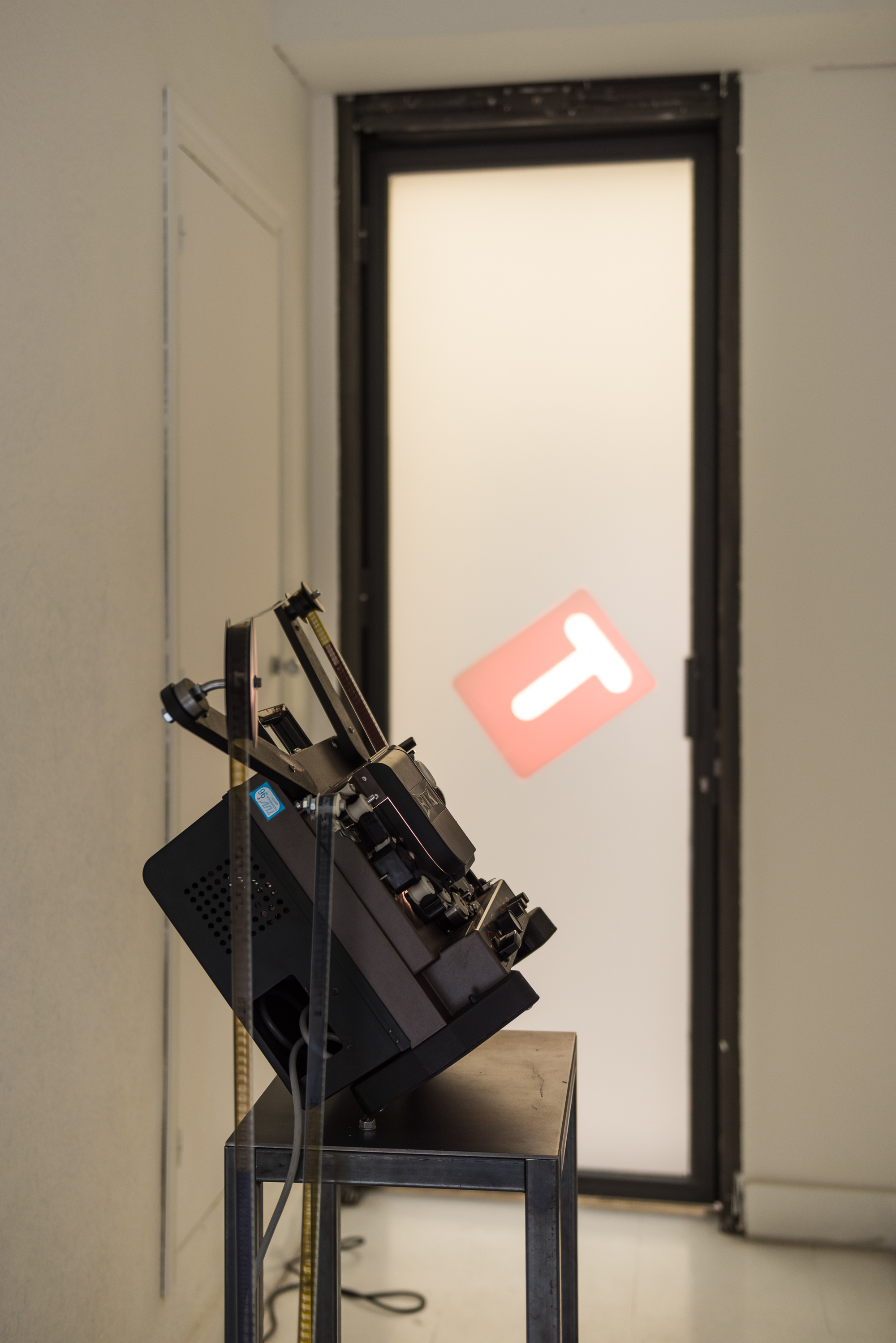
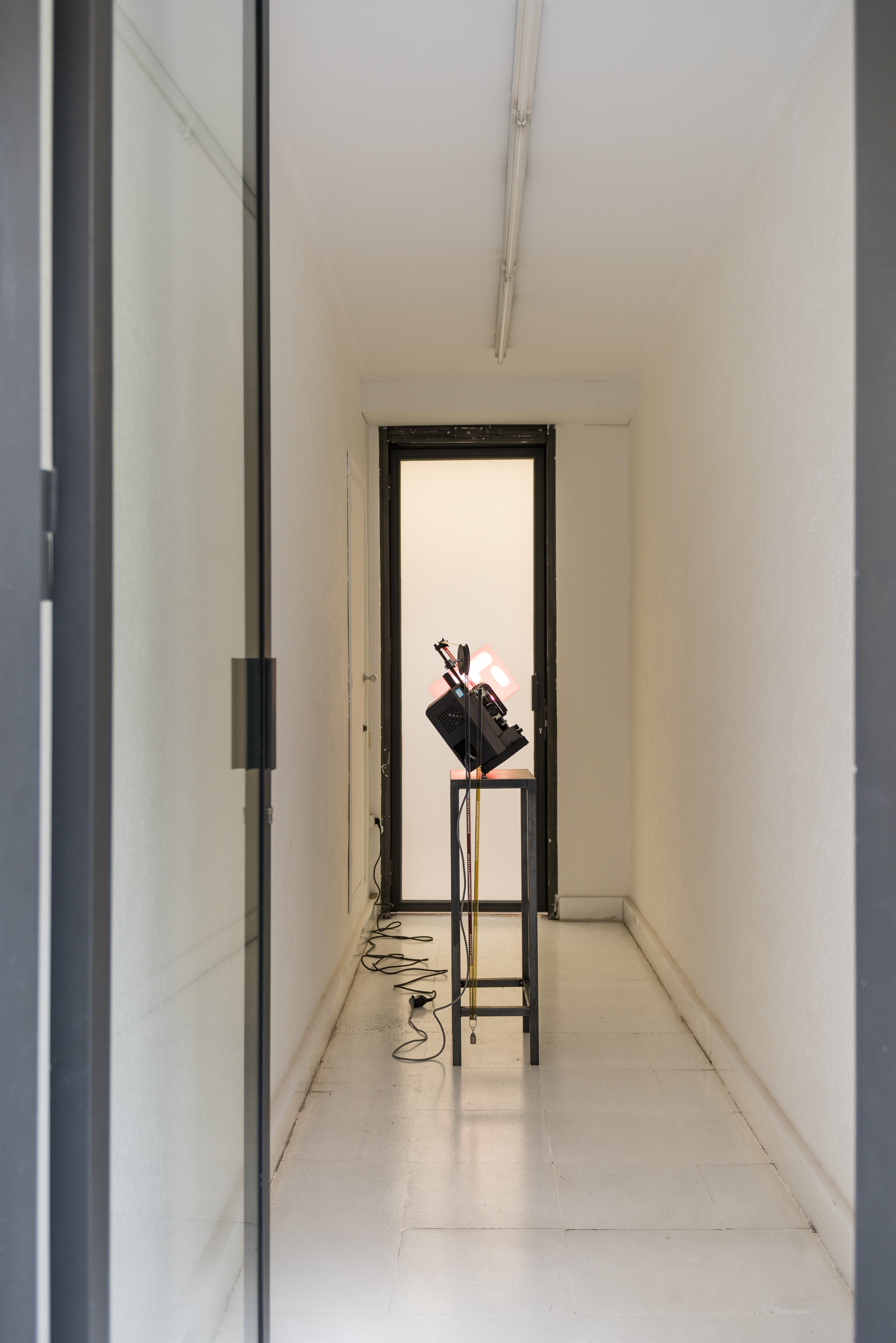
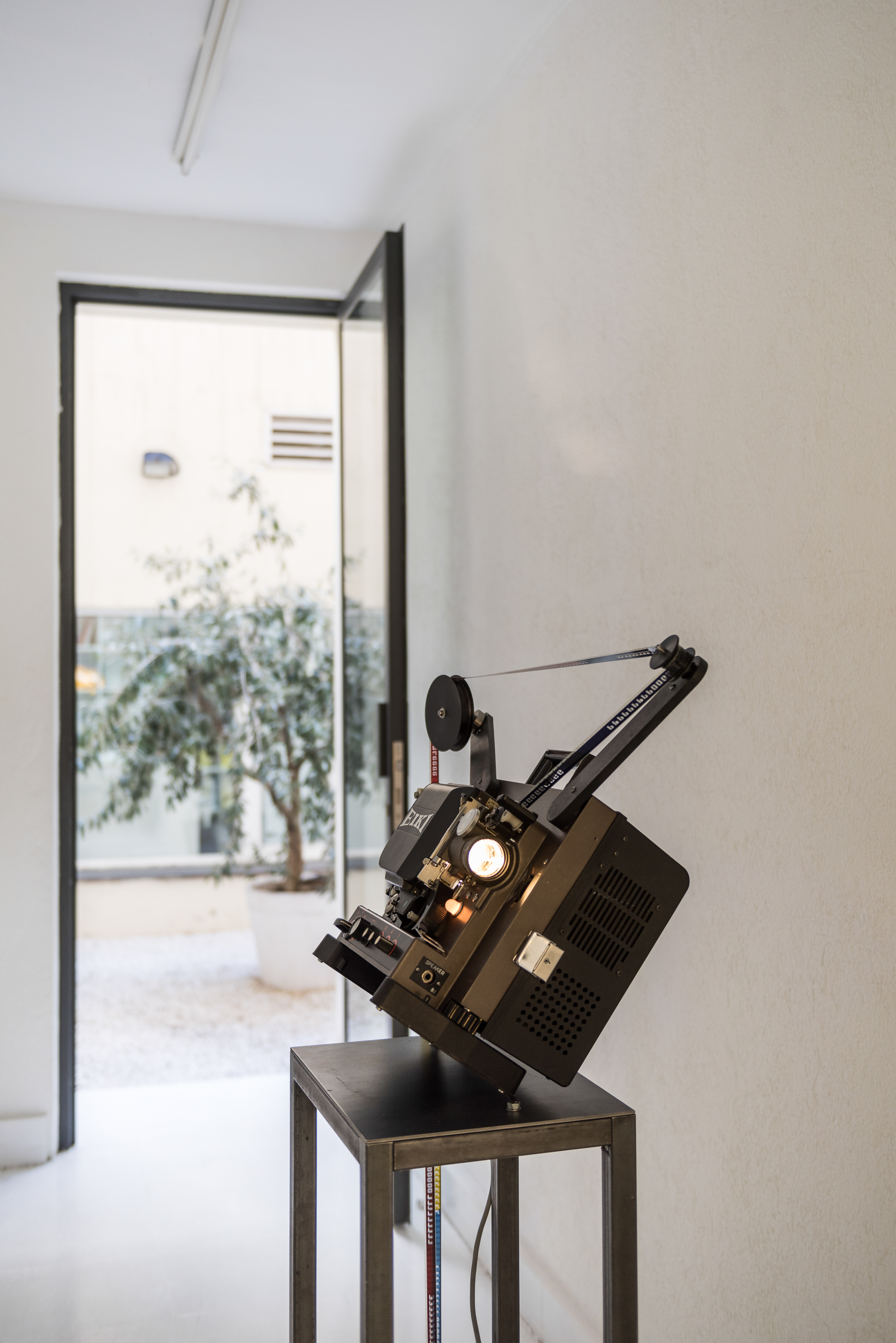
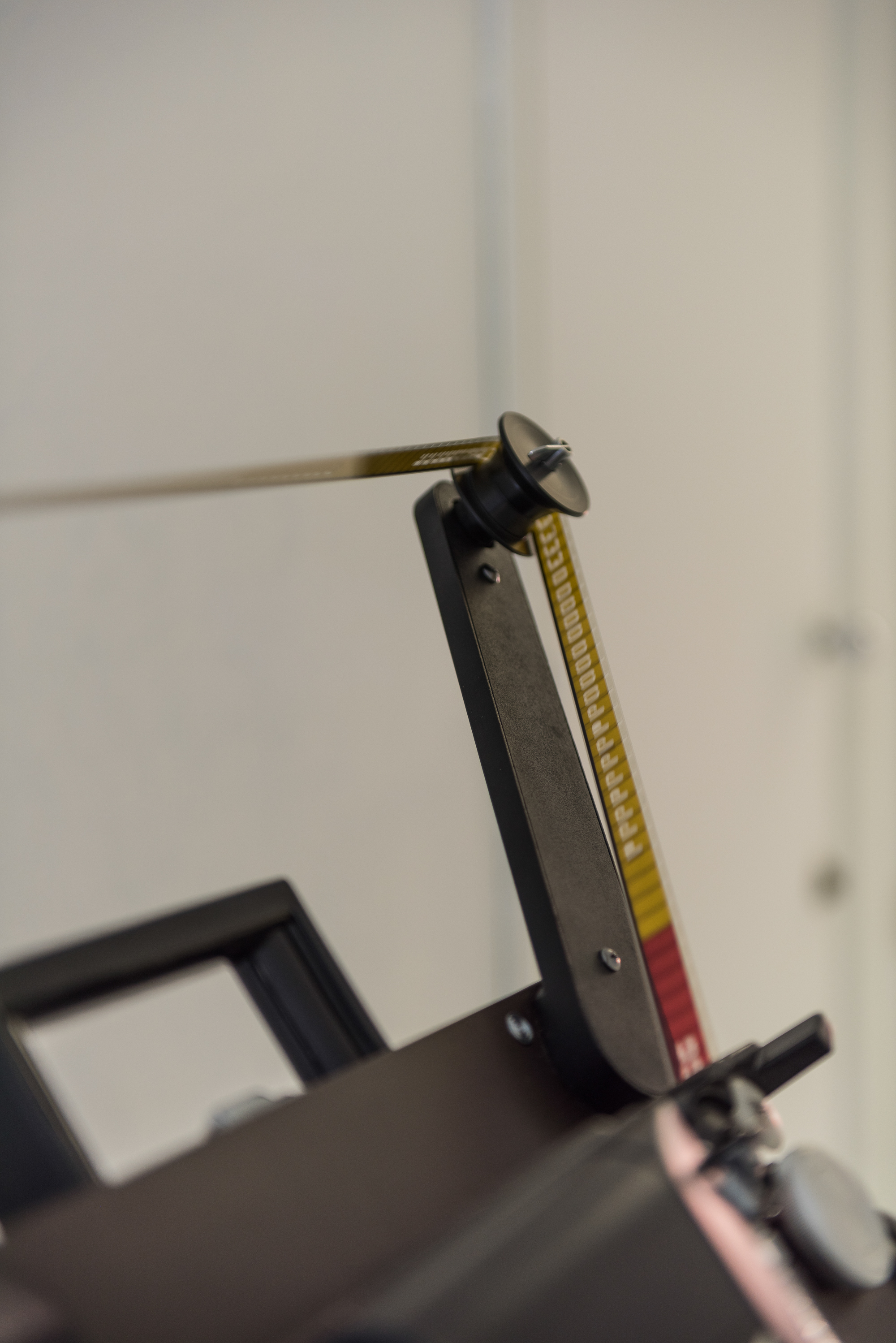
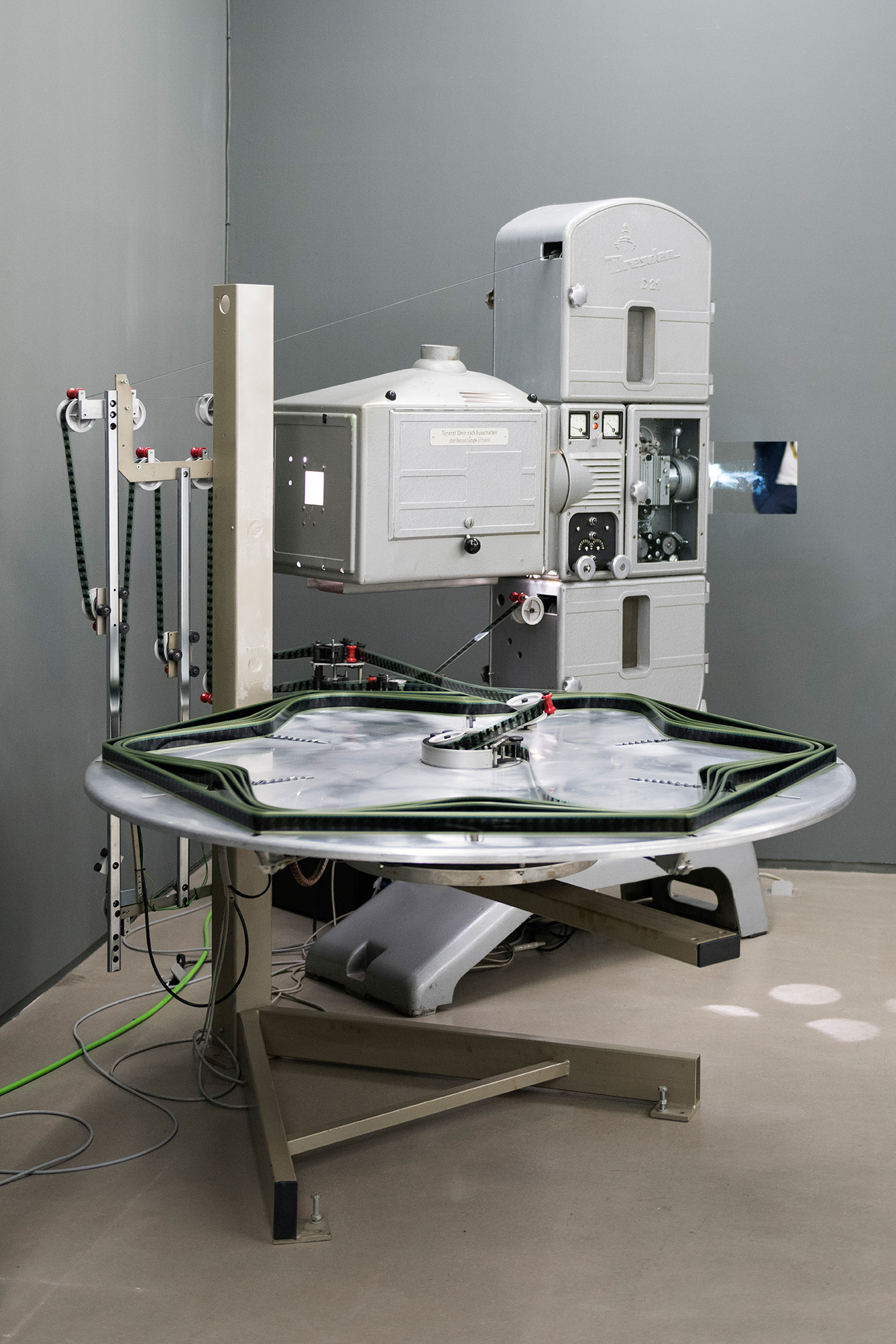
Rosa Barba (Sicilia, 1972) lives and works at Berlin. Barba is known for using the medium of celluloid and its materiality to create cinematic film installations, sculptures and publications. Her elegiac handling of time and space in her film works, as well as her sculptural uses of celluloid and its viewing apparatuses, have marked the artist as an exceptional chronicler of material and immaterial presence. Between her important solo shows are: Contemporary Art Museum, St. Louis, USA, 2012; Jeu de Paume, Paris, 2012; Kunsthaus Zürich, Switzerland, 2012; MART Museum, Rovereto, Italy, 2011; Tate Modern, London, 2010; Stedelijk Museum, Amsterdam, 2007. She also participated at Venice Biennale on 2009 and 2007 and at the Biennial of Moving Images, Genéve, Switzerland, 2007.
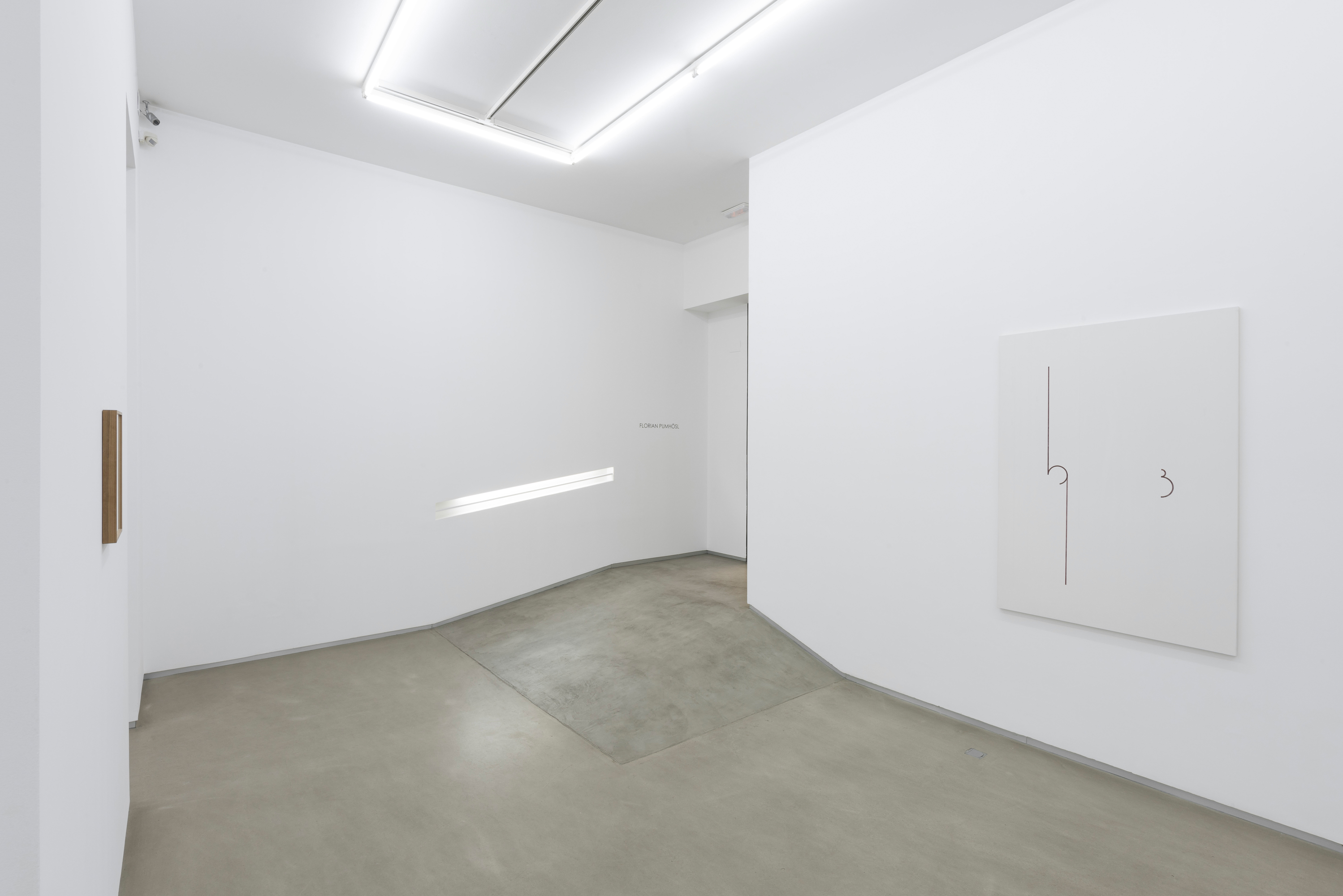
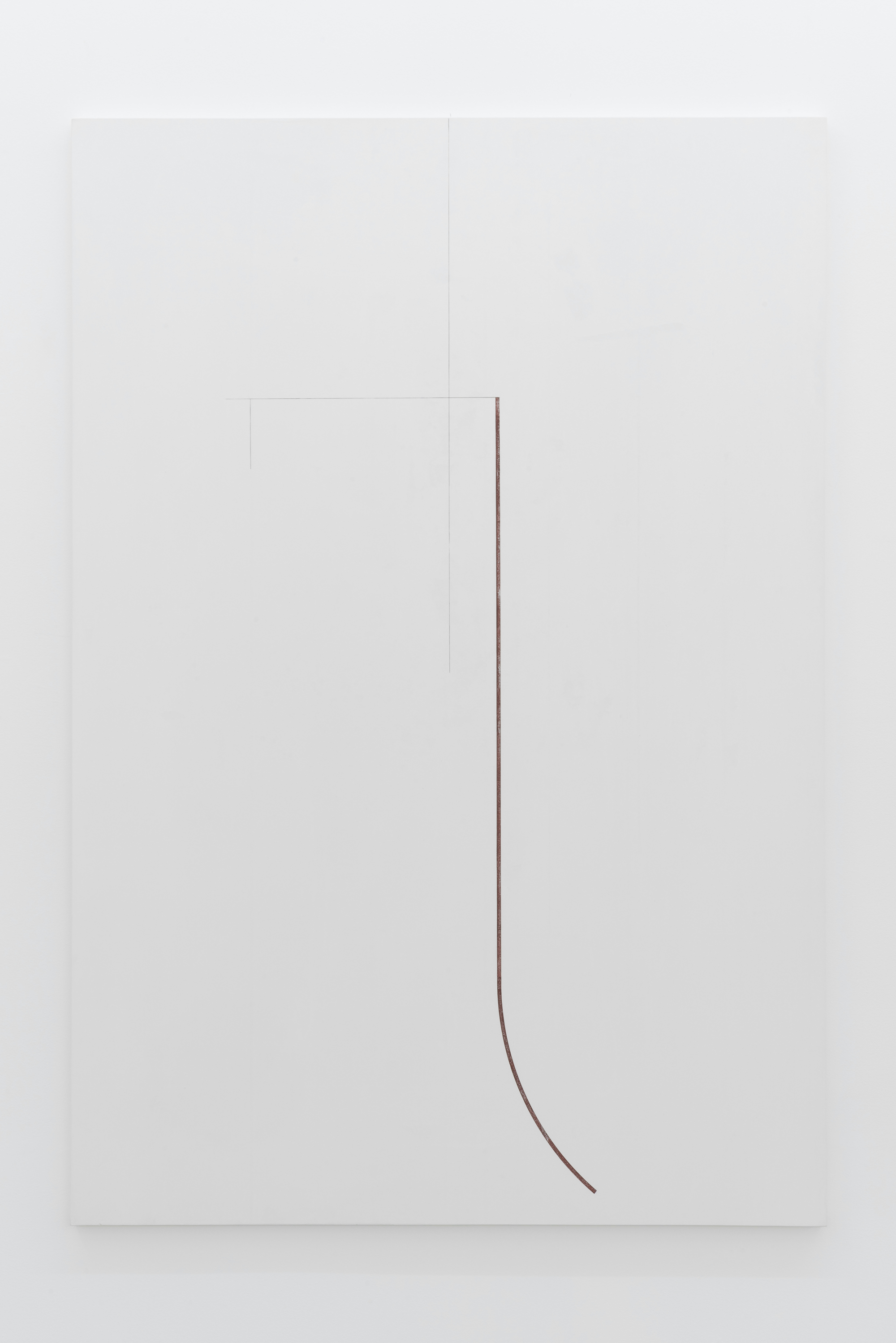
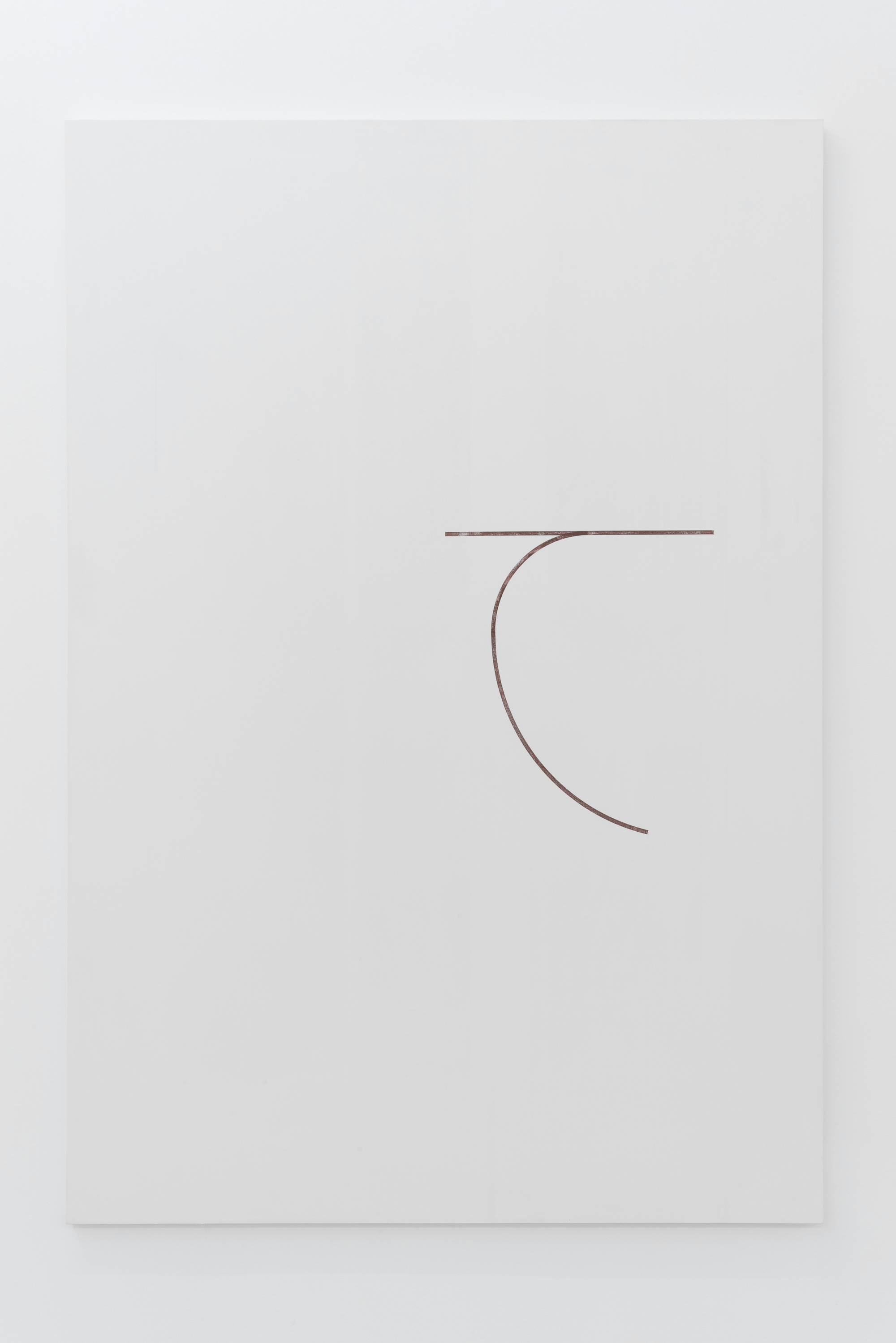
Florian Pumhösl (1971) lives and works at Vienna. He processes the tropes of art, architecture and graphics of the modernist avant-garde to create new aesthetic systems through painting, film and installation. He addresses the legacy of modernism through its canon of abstract visual language, from utopian architectural plans and buildings to innovations in publishing, the politics implicit in exhibitions and the motifs of early experimental filmmaking. His work has been exhibited at museums as Kunsthaus Bregenz, Austria, 2012; The Art Institute, Chicago, 2012; MUMOK, Vienna, 2011; Kunstlerhaus, Vienna, 2011; Kunstverein für die Rheinlande und Westfalen, Düsseldorf, Germany, 2010; MACBA, Barcelona, Spain, 2009; MUDAM, Luxemburg, 2009; Stedlijk Museum, Amsterdam, 2008; São Paulo Biennale, 2007; Centre d’Edition Contemporaine, Geneve, Switzerland, 2004.
Carlos Amorales (1970) lives and works at Mexico City. Exploring questions of concealment and identity, Carlos Amorales works in a variety of media—from paintings and drawings to animations and performances—to explore the cultural heritage of his native Mexico. Since 1998, Carlos Amorales has been building the Liquid Archive , a digital database of his drawings, which he has used to produce works in collaboration with other artists across a range of media. Recording his characteristic silhouettes—always in black, grey, and red—of wildlife and human figures, the database unites Amorales’ works by documenting the common motifs found across his oeuvre. Between his most recent exhibitions are Museo Tamayo, México DF, 2013; Centre Pompidou, Paris, 2013; Kunsthalle, Zürich, Switzerland, 2012; Centro Fotográfico Manuel Álvarez Bravo, Oaxaca, México, 2011; MARCO Monterrey, México, 2010; Palazzo delle Exposizioni, Roma, 2010; Kunsthalle Fredericianum, Kassel, Germany, 2009; Cincinnati Art Center, Cincinnati, USA; Irish Museum of Art, Dublin, 2008; Malba, Buenos Aires, 2006.
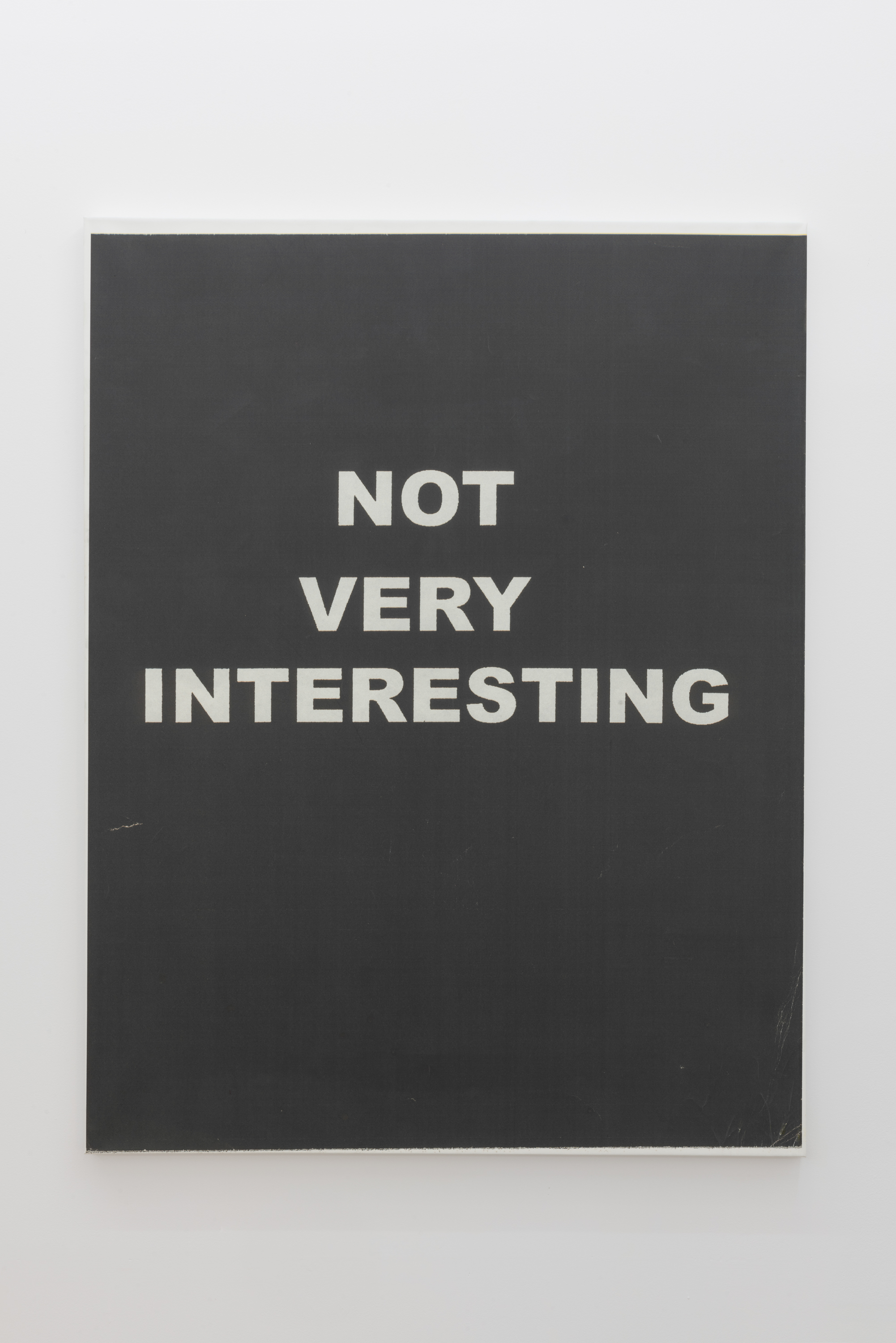
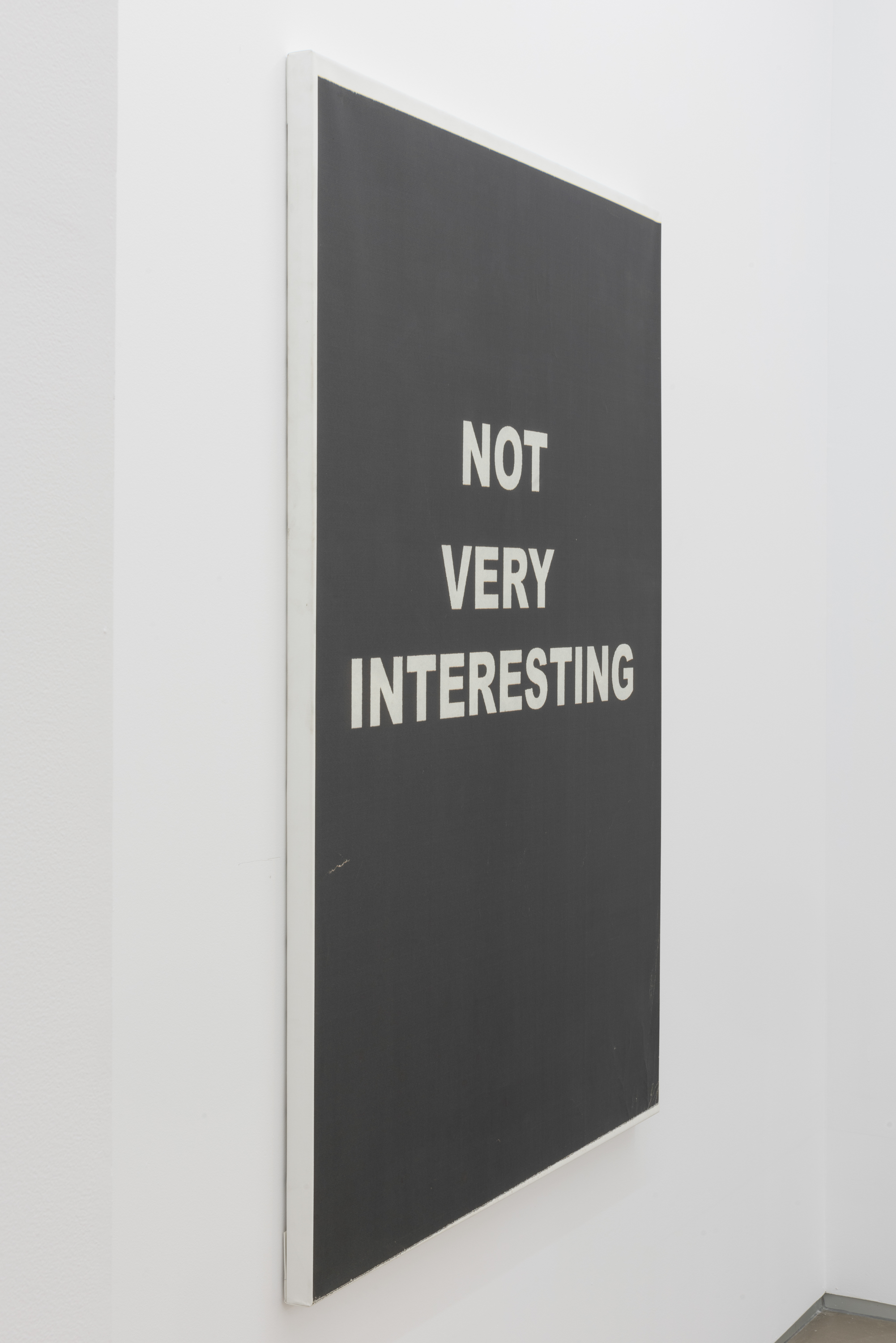
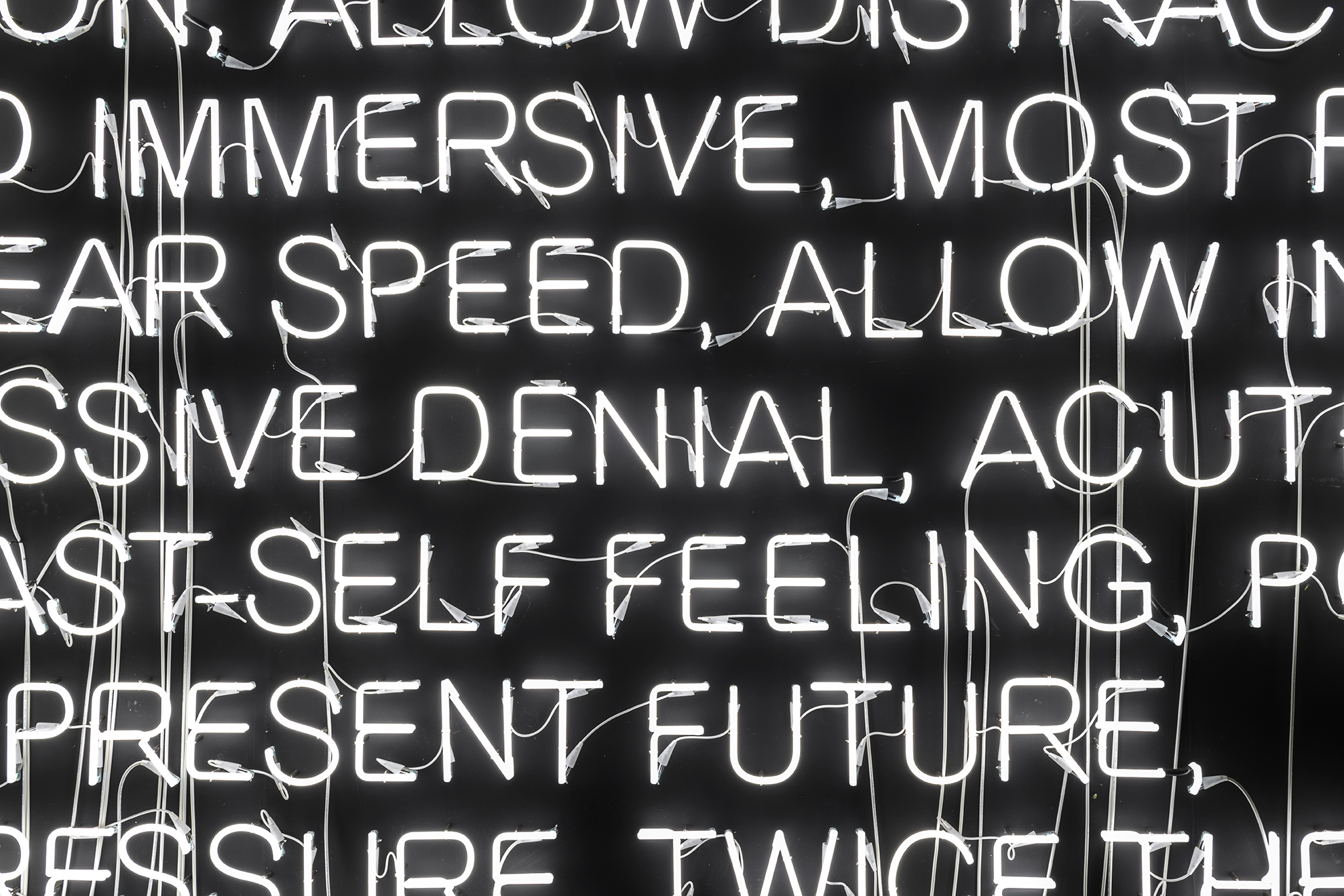
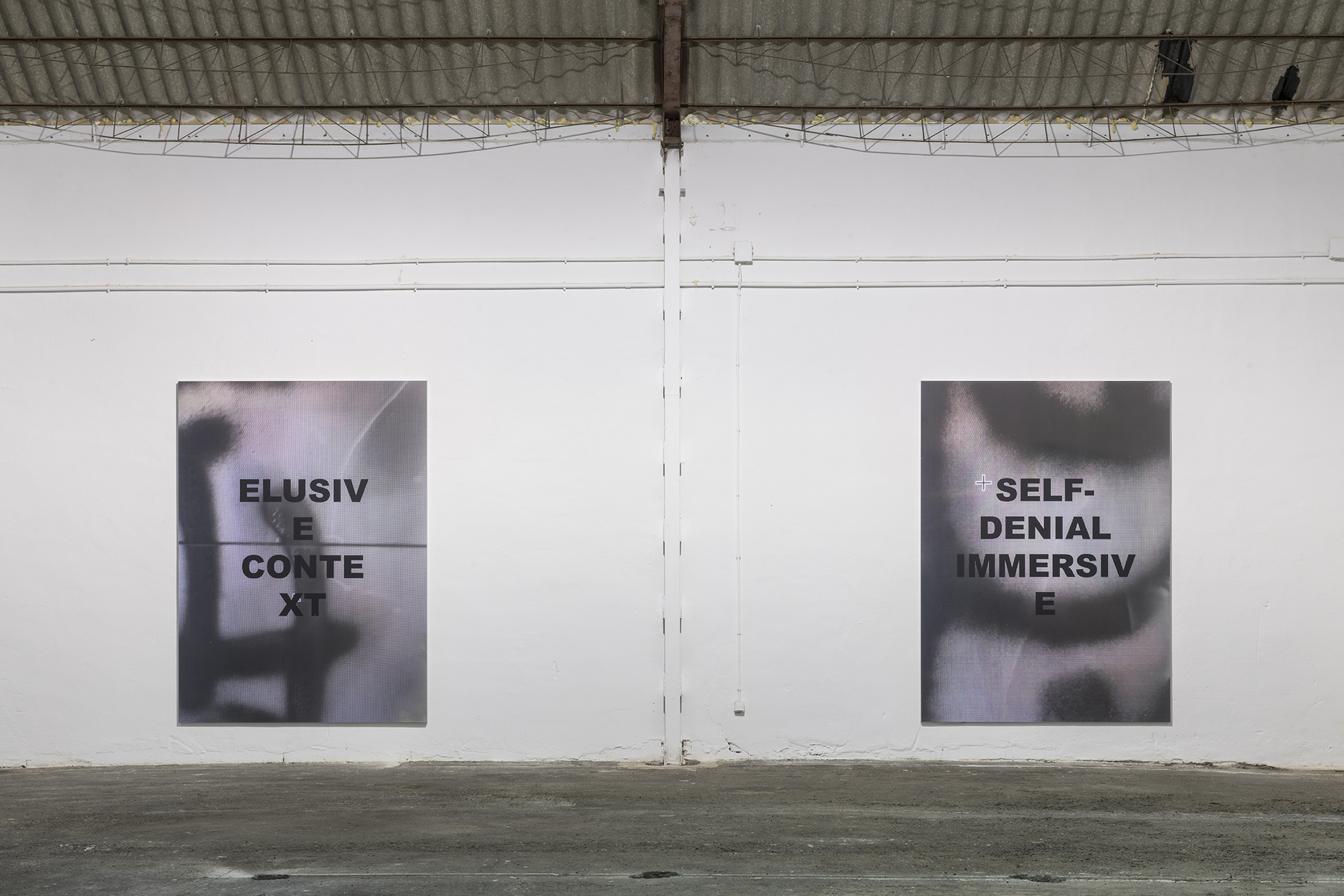
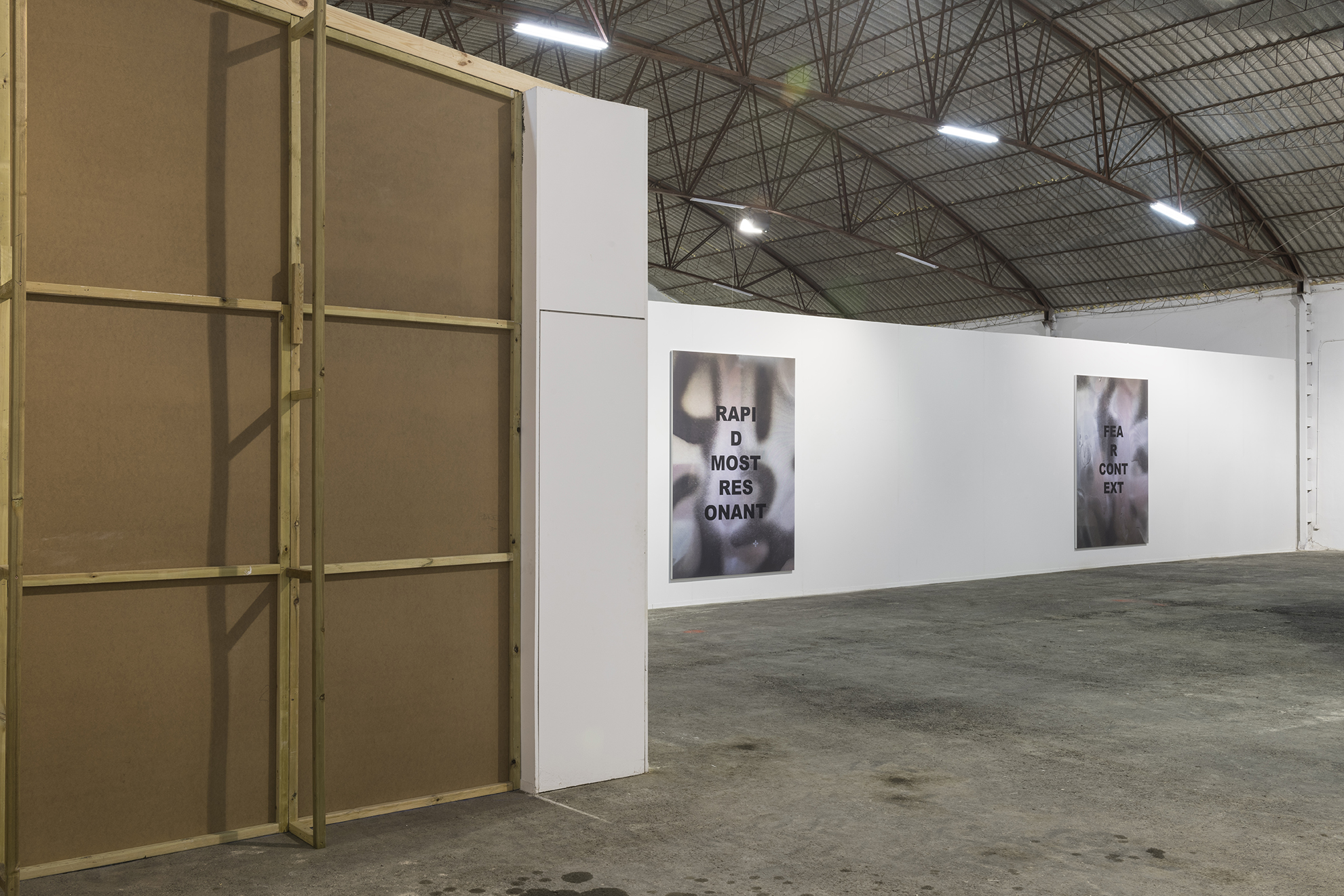
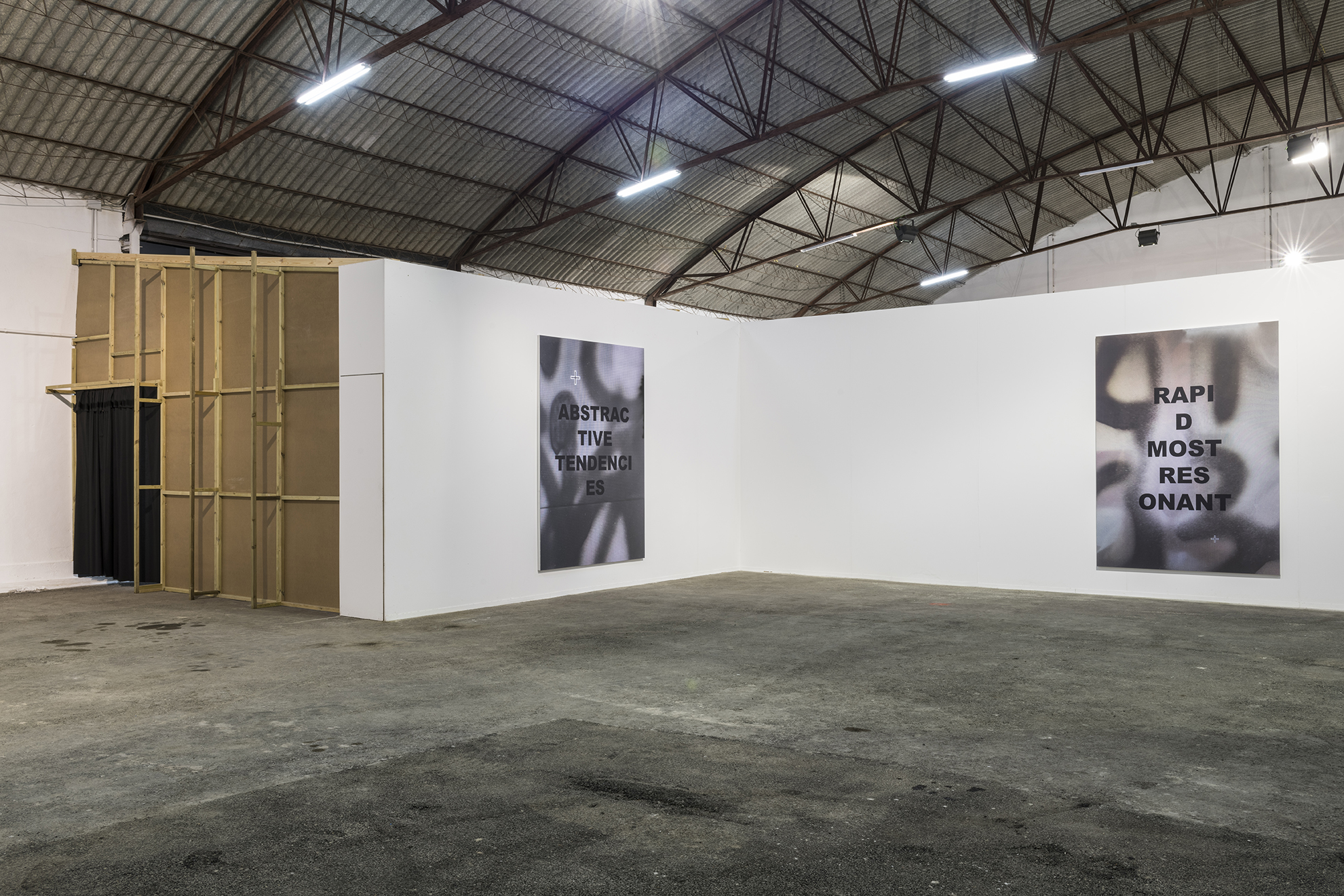
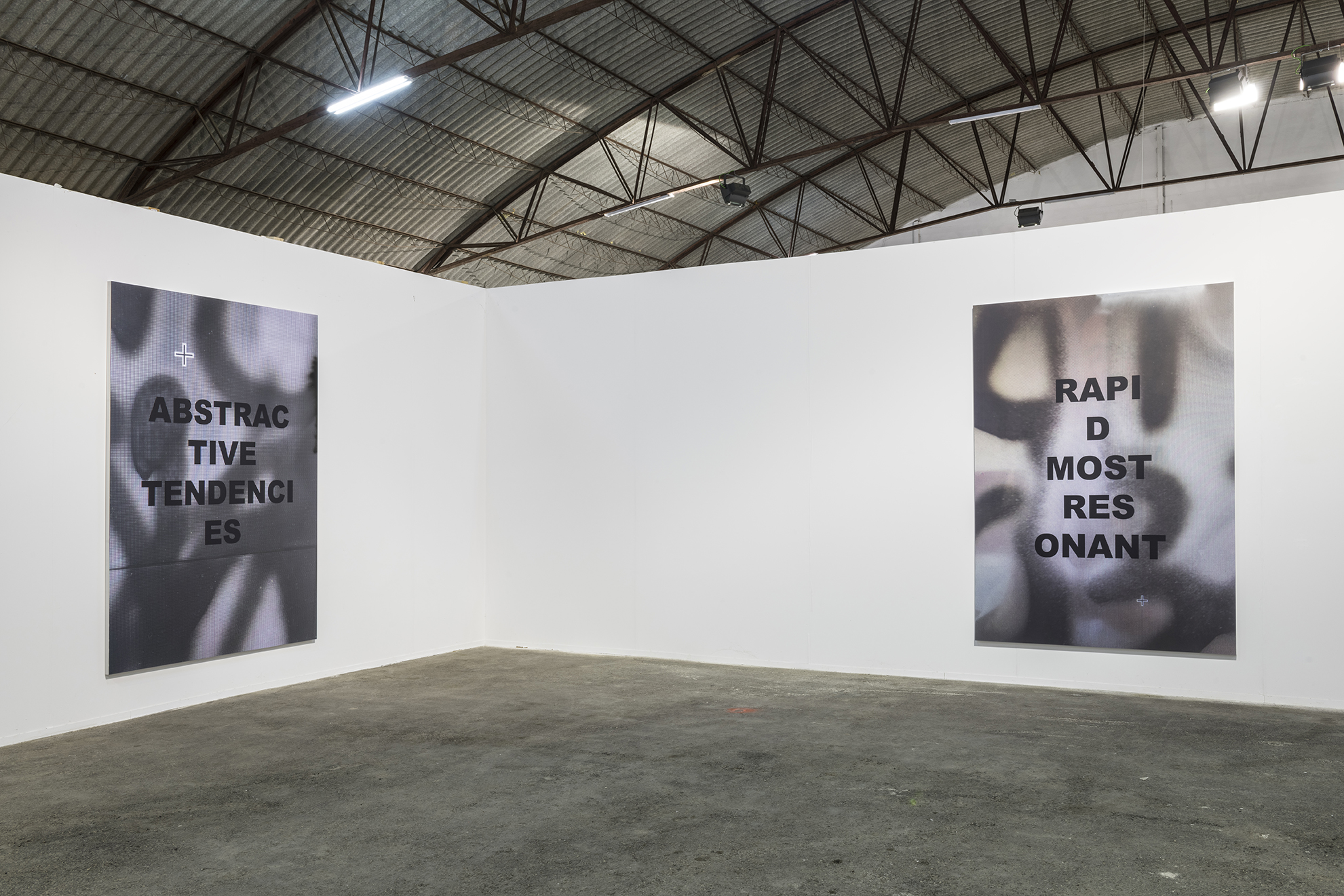
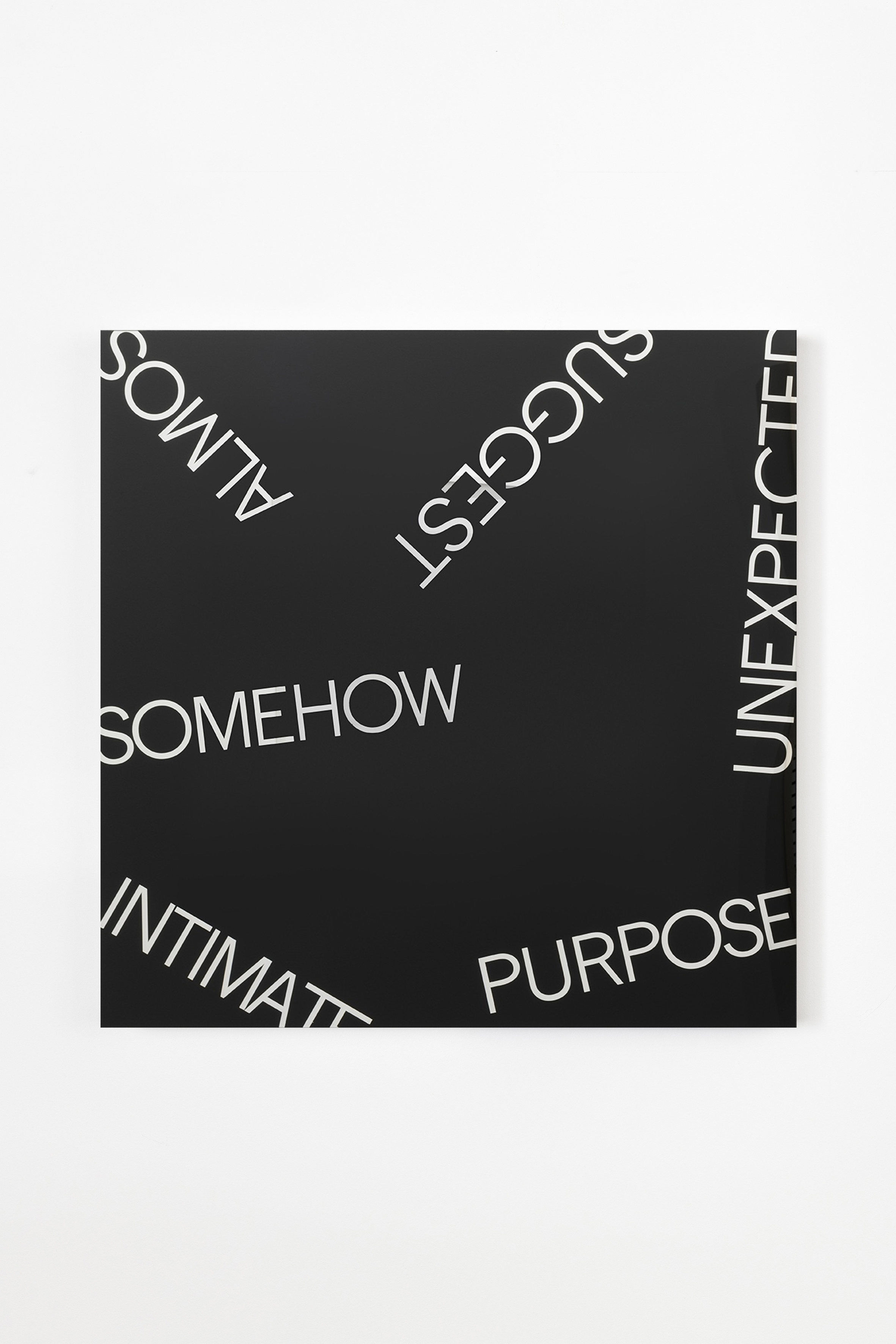
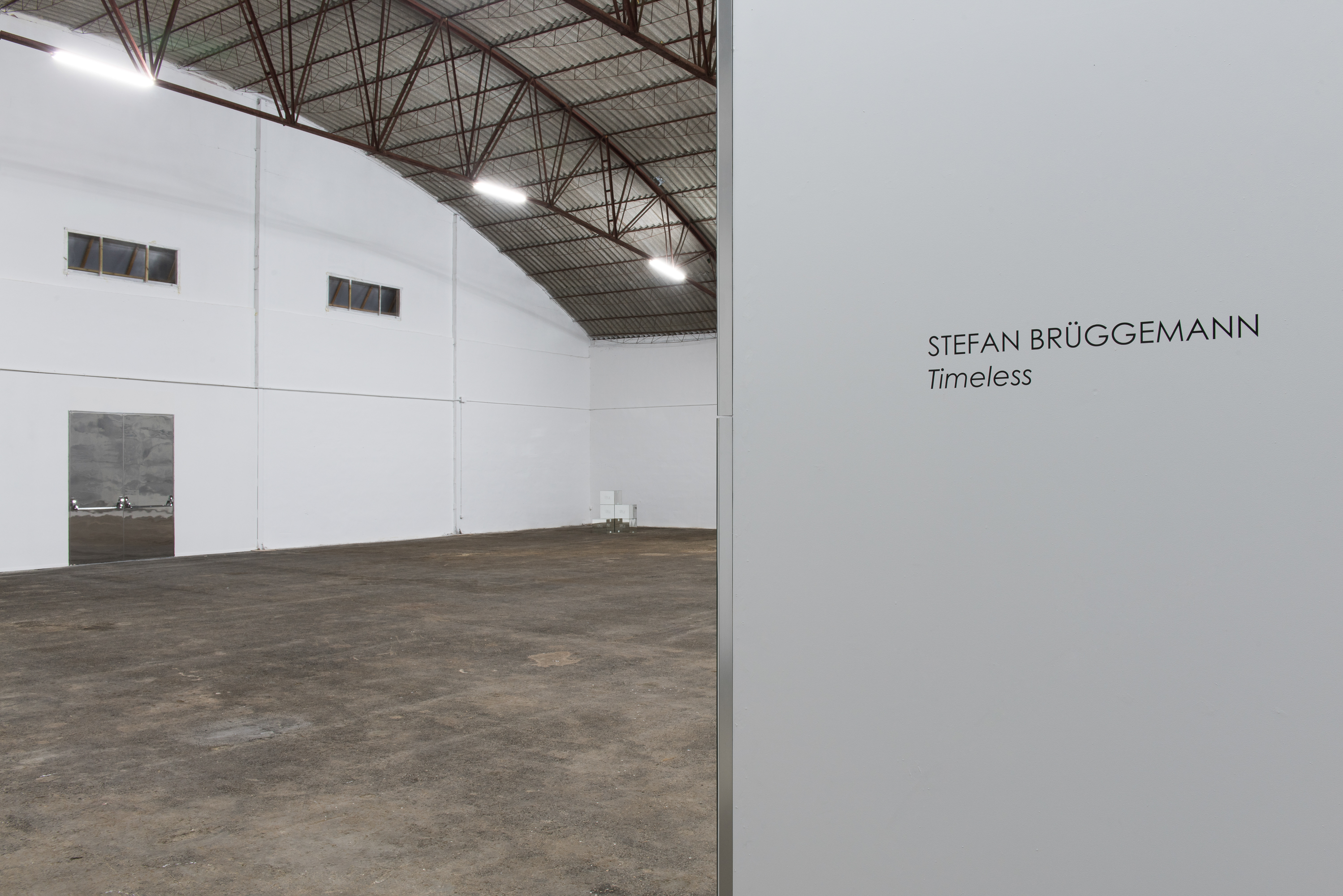
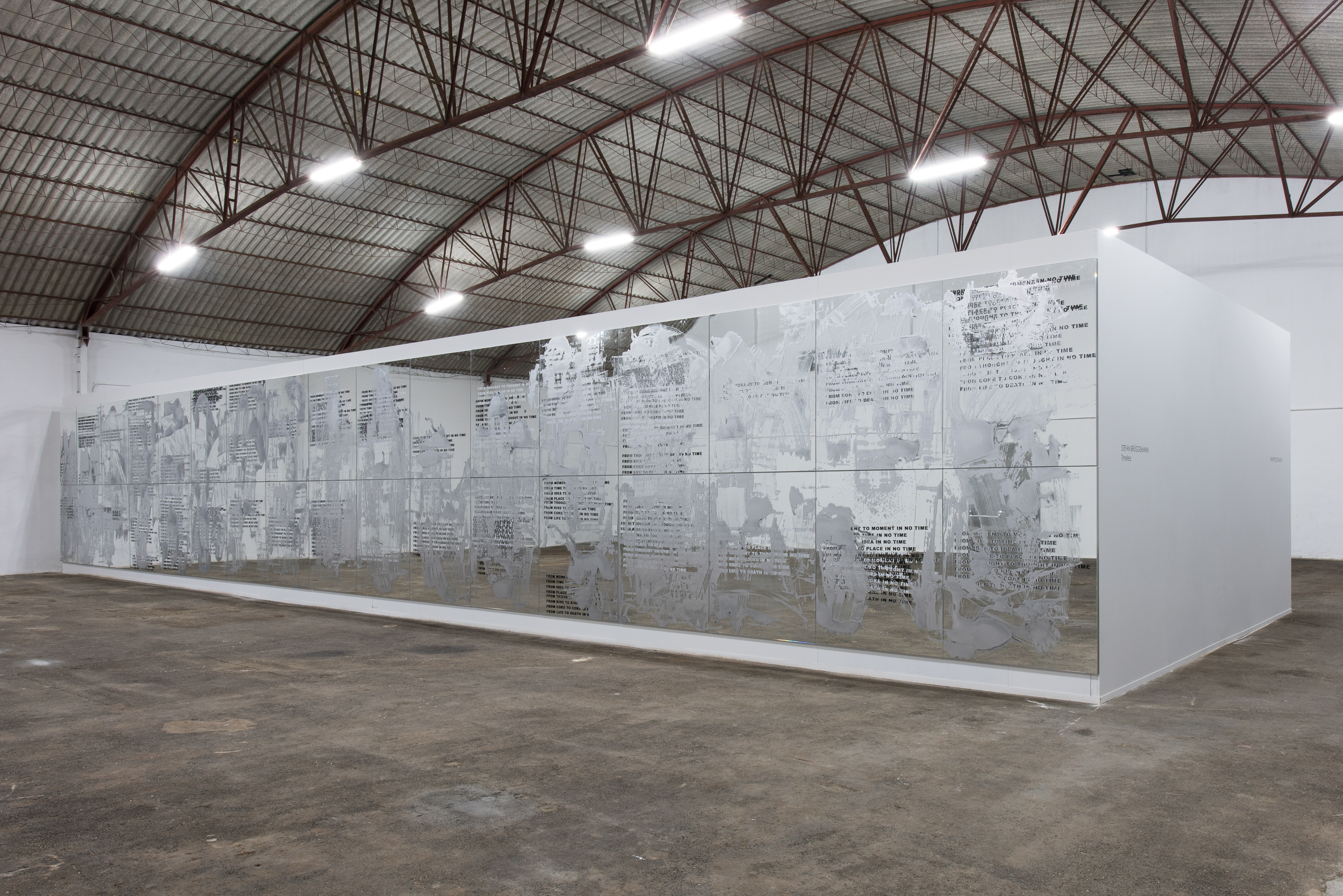
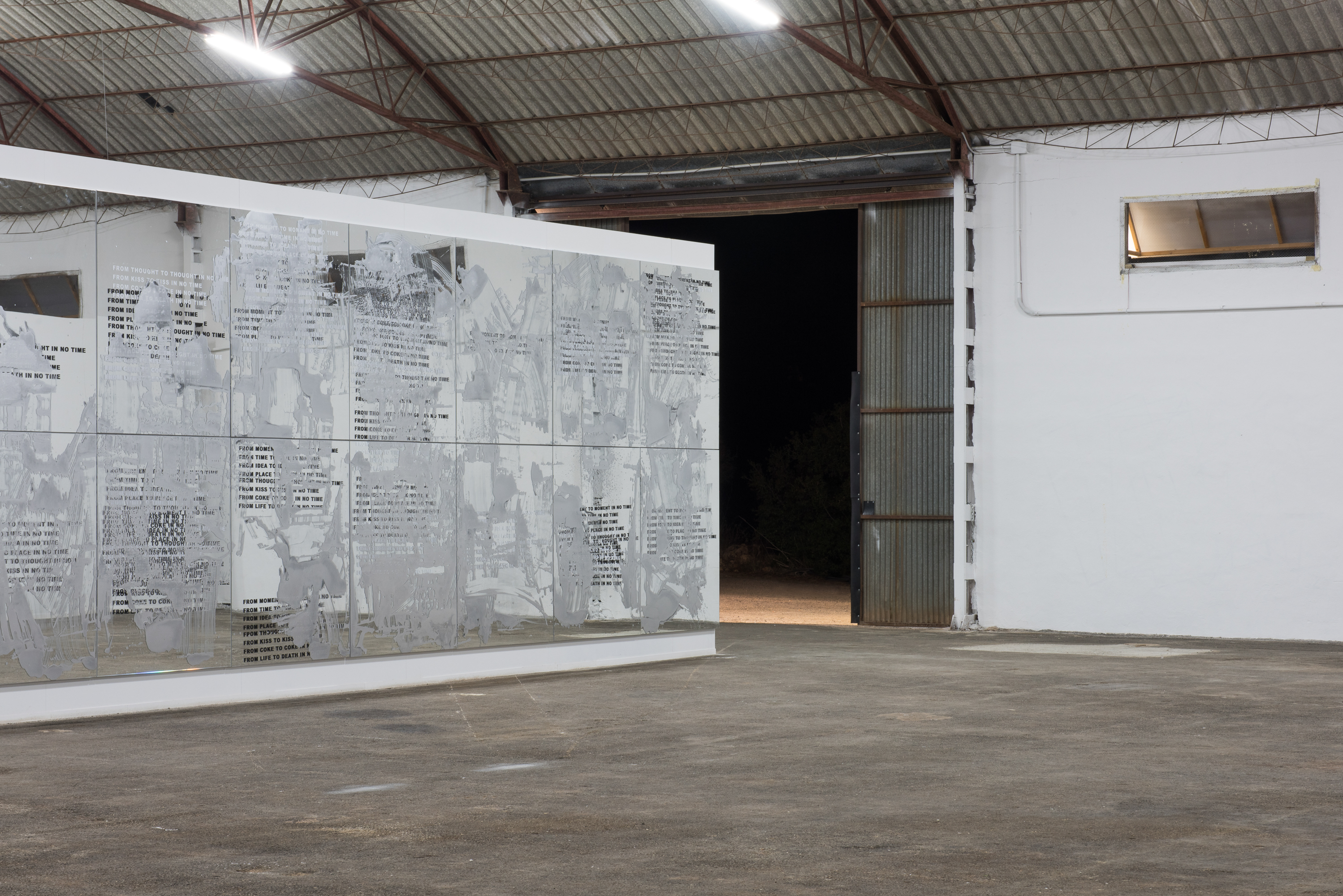
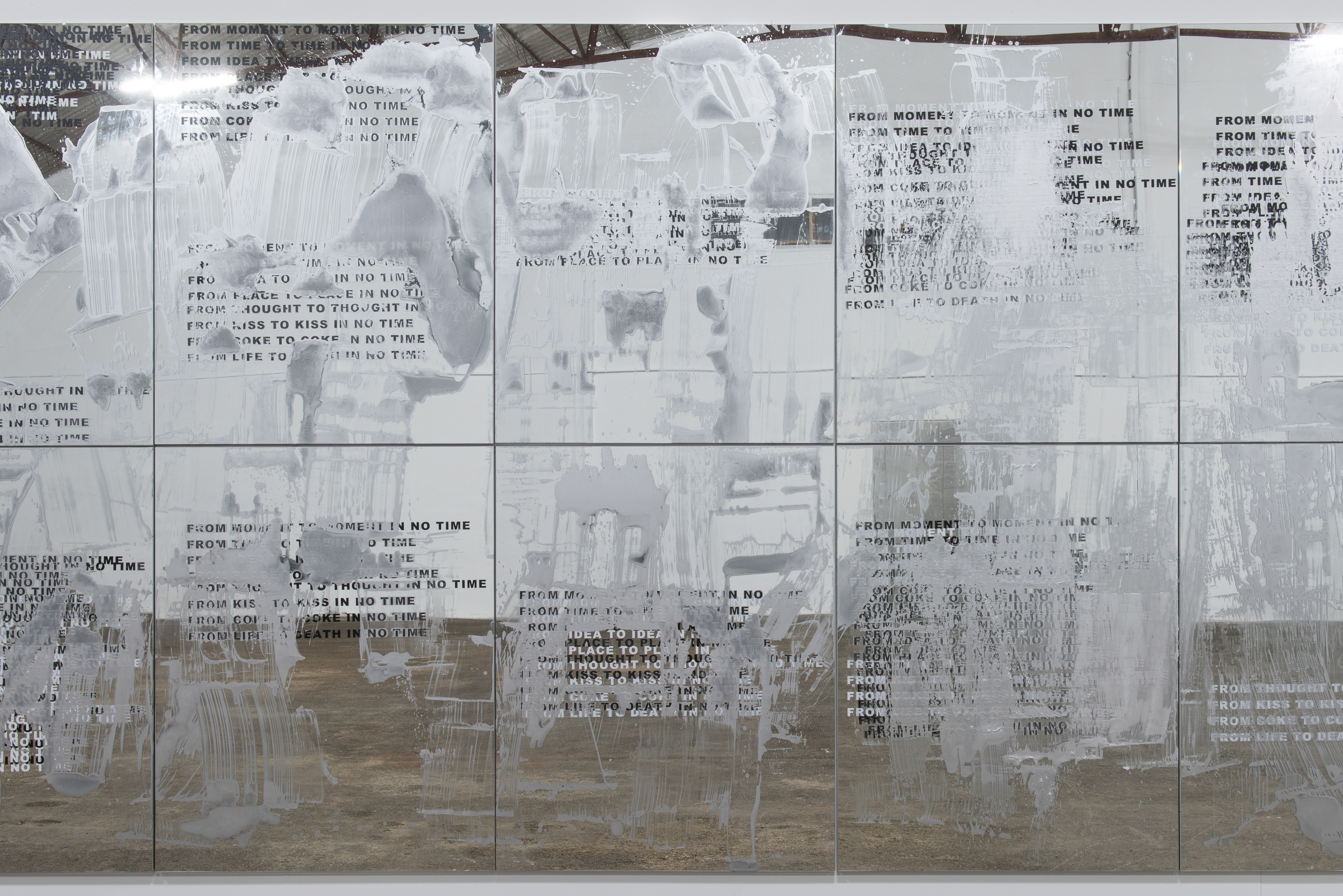
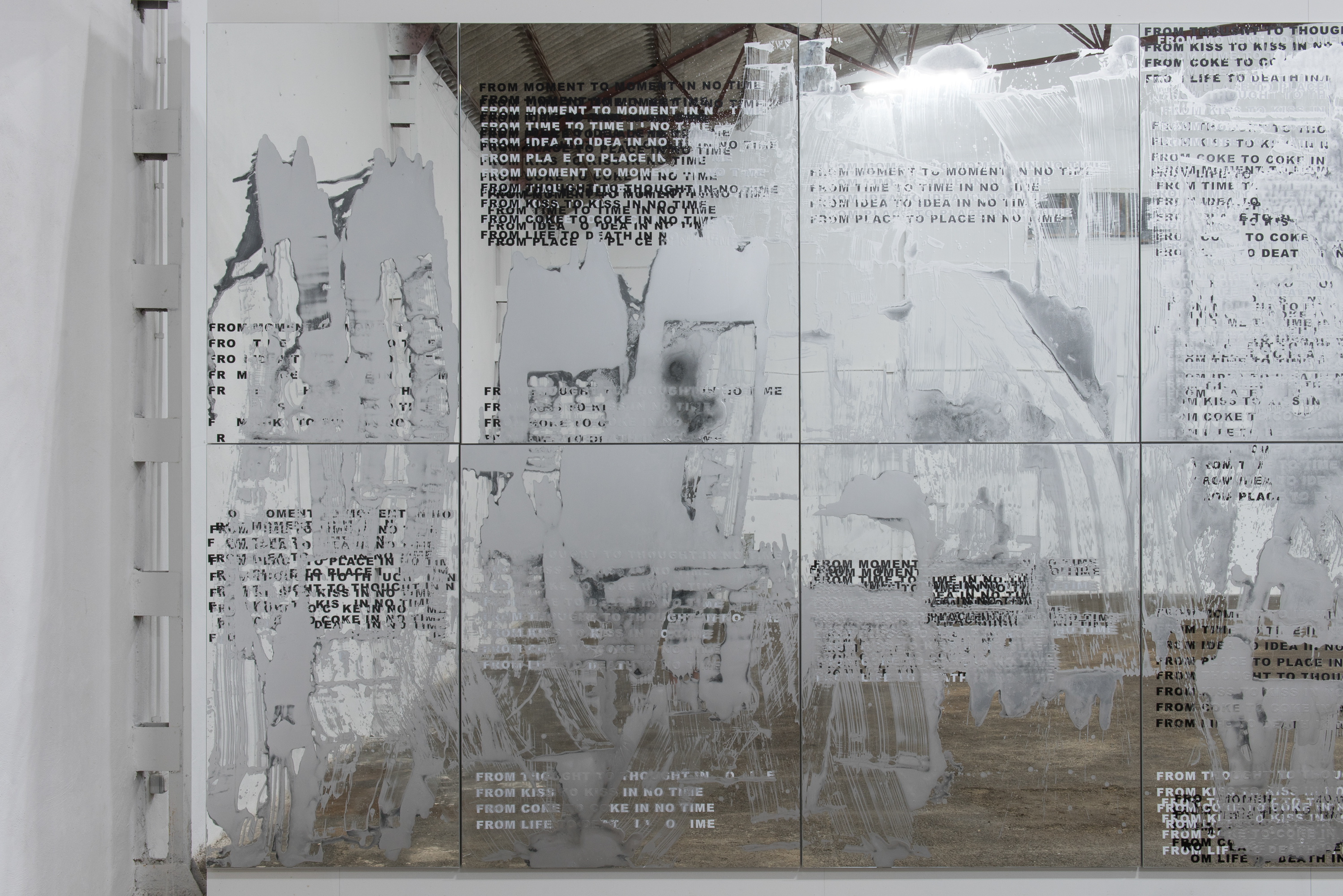
Stefan Brüggemann (Mexico City, 1975) works on the language with a particular approach to the text, combining a formal process of the concept with a radical and critical attitude. As the perfect reflexion of a world, Stefan Brüggemann’s work relates to the facts that surround us, following the constructions of the Negativism, focusing more in the nihilist than the romantic aspects, that entail the end of the myths and beliefs, including the act of the creation. His work, sometimes, refers to the disappointments of our society, letting people facing themselves. He has exhibited recently at The Netherlands Architecture Institute, Rotterdam, The Netherlands, 2013; Jeu de Paume, Paris, 2013; Bass Museum, Miami Beach, 2012; Museo d’Arte Contemporanea, Roma, Italy, 2012; Museo Tamayo, México D.F., 2012; Mies van der Rohe Pavillion, Barcelona, 2011; M HKA, Antwerpen, Belgium, 2011; Fundação Serralves, Porto, Portugal, 2010; Villa du Parc, Anemasse, France, 2010; Kunsthalle Lissabon, Lisboa, 2010; Kunsthalle Bern, Switzerland, 2008.
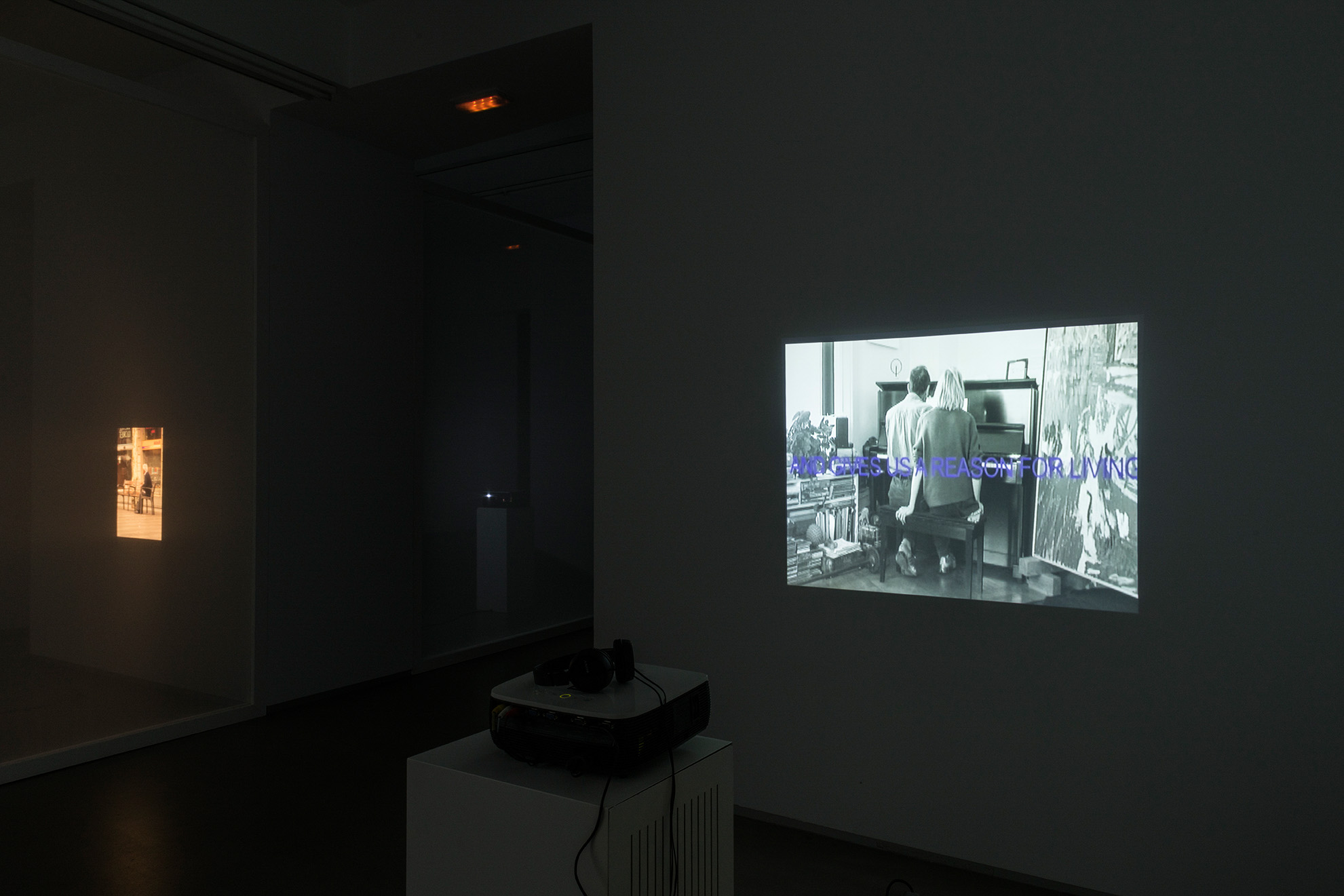
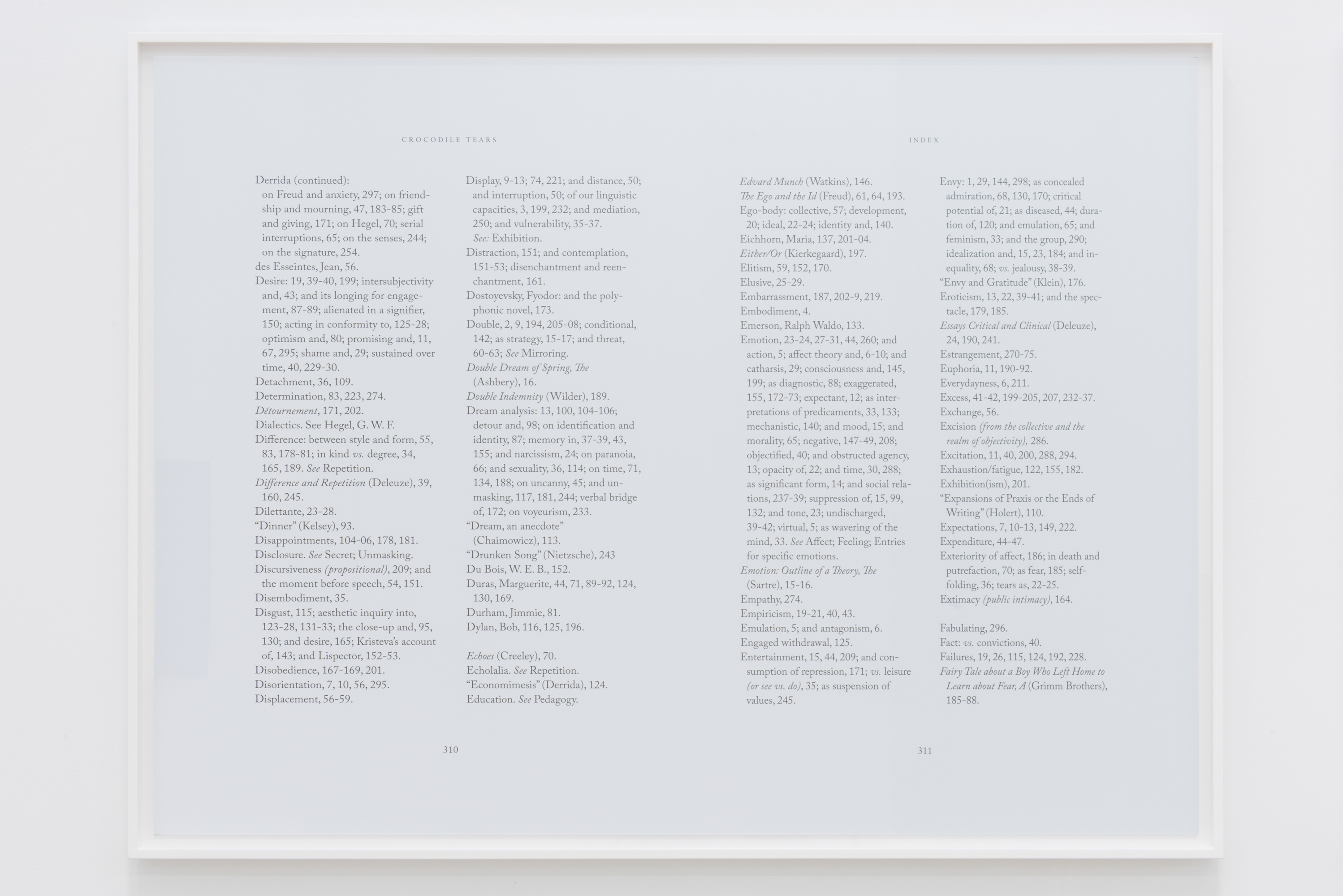
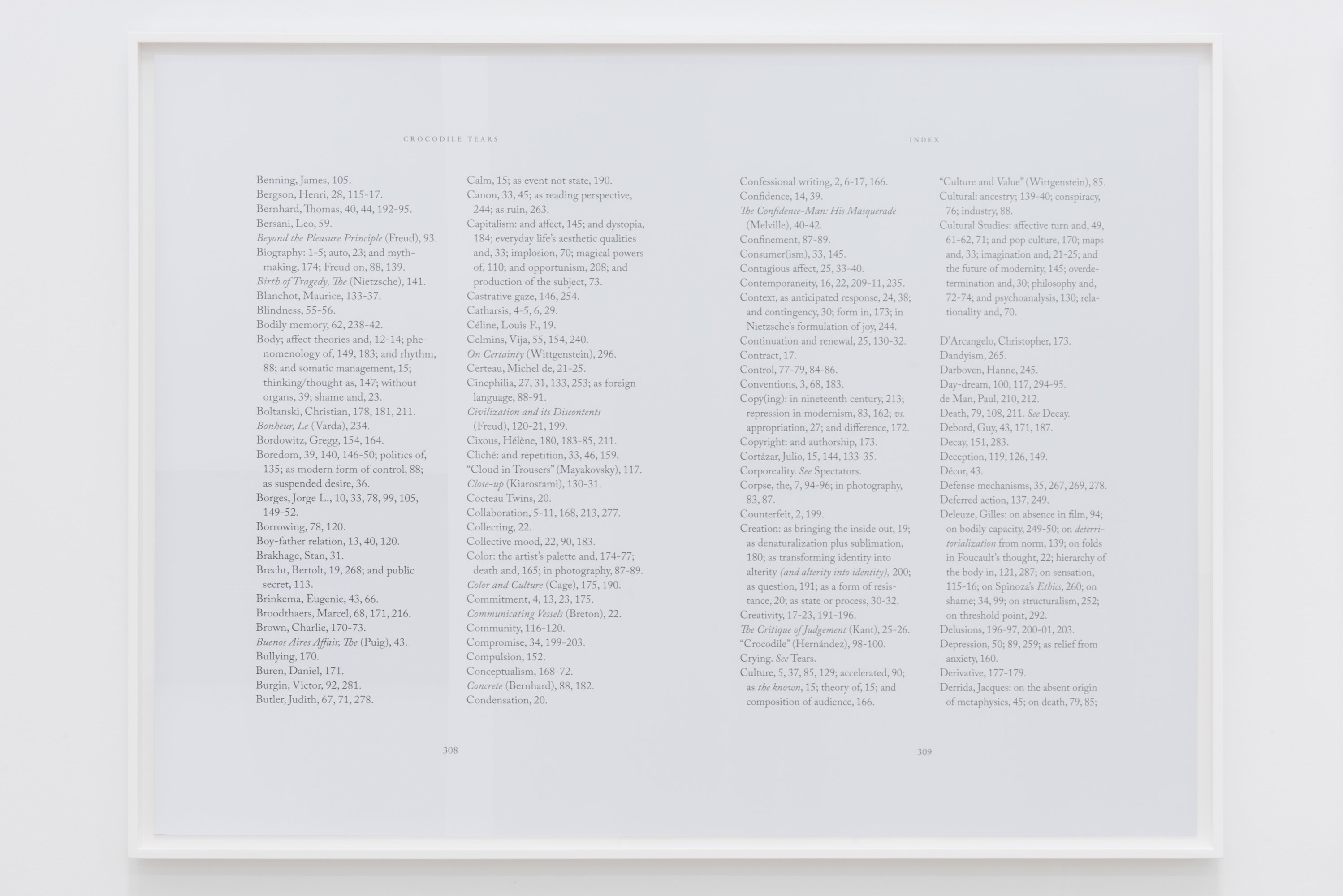
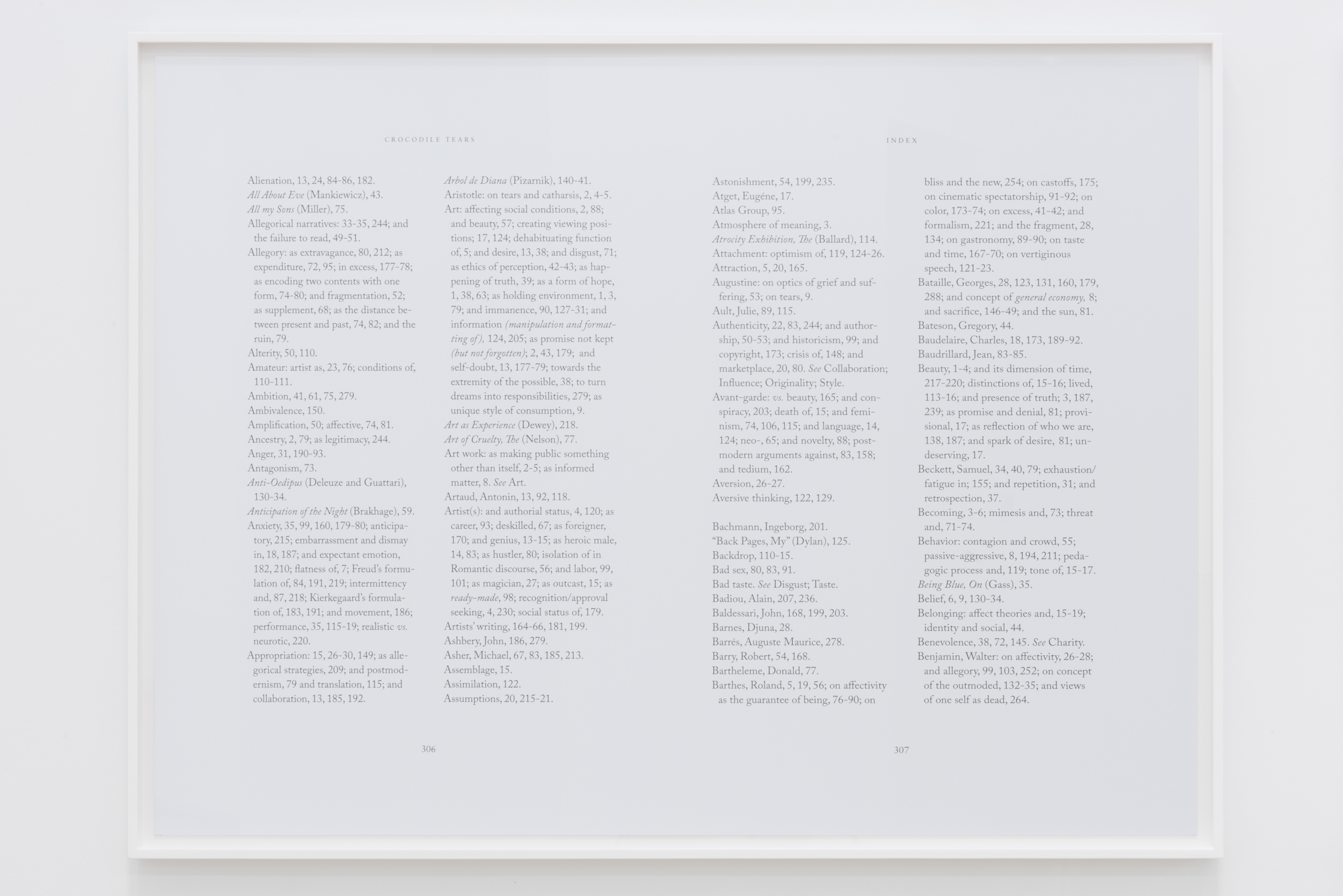
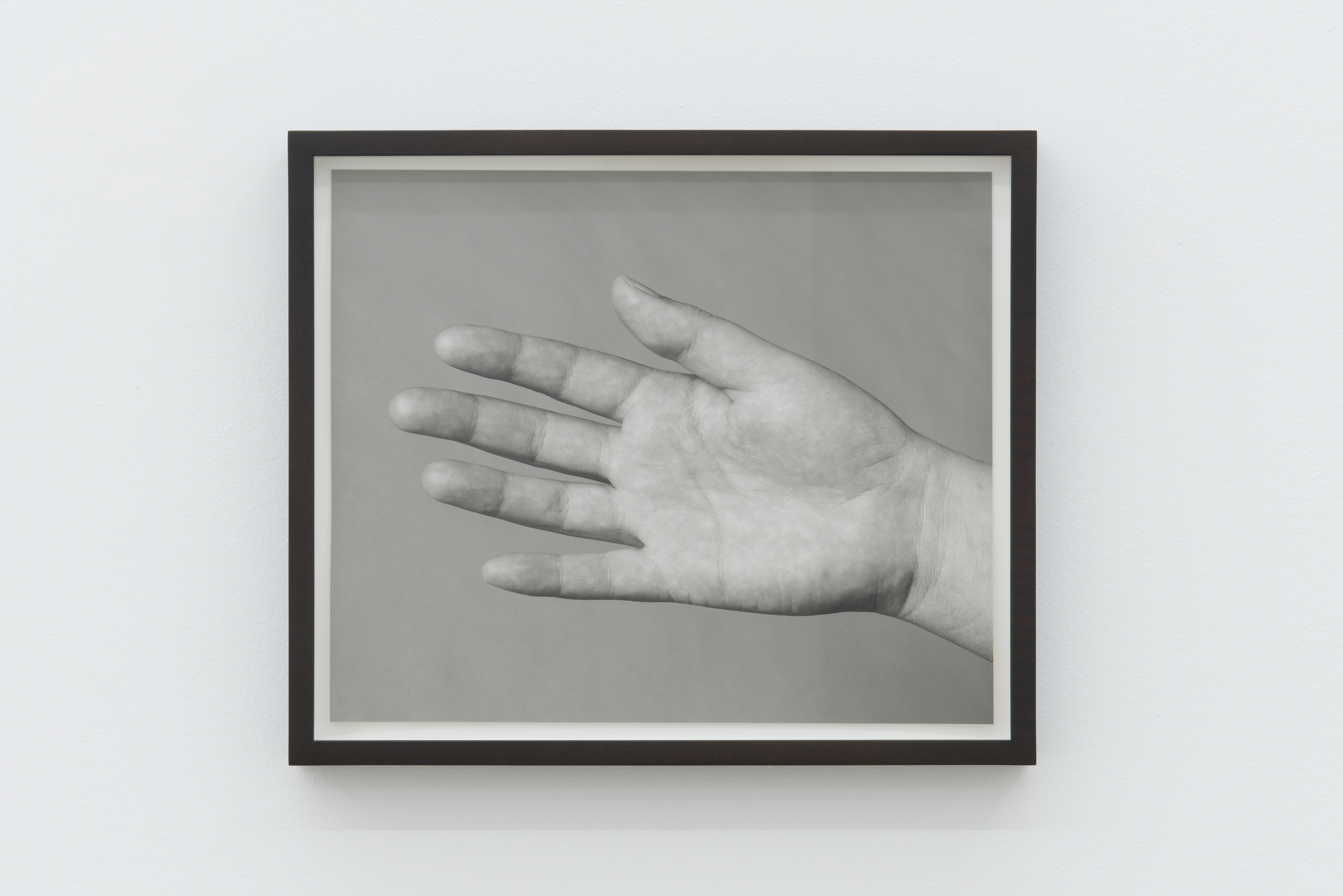
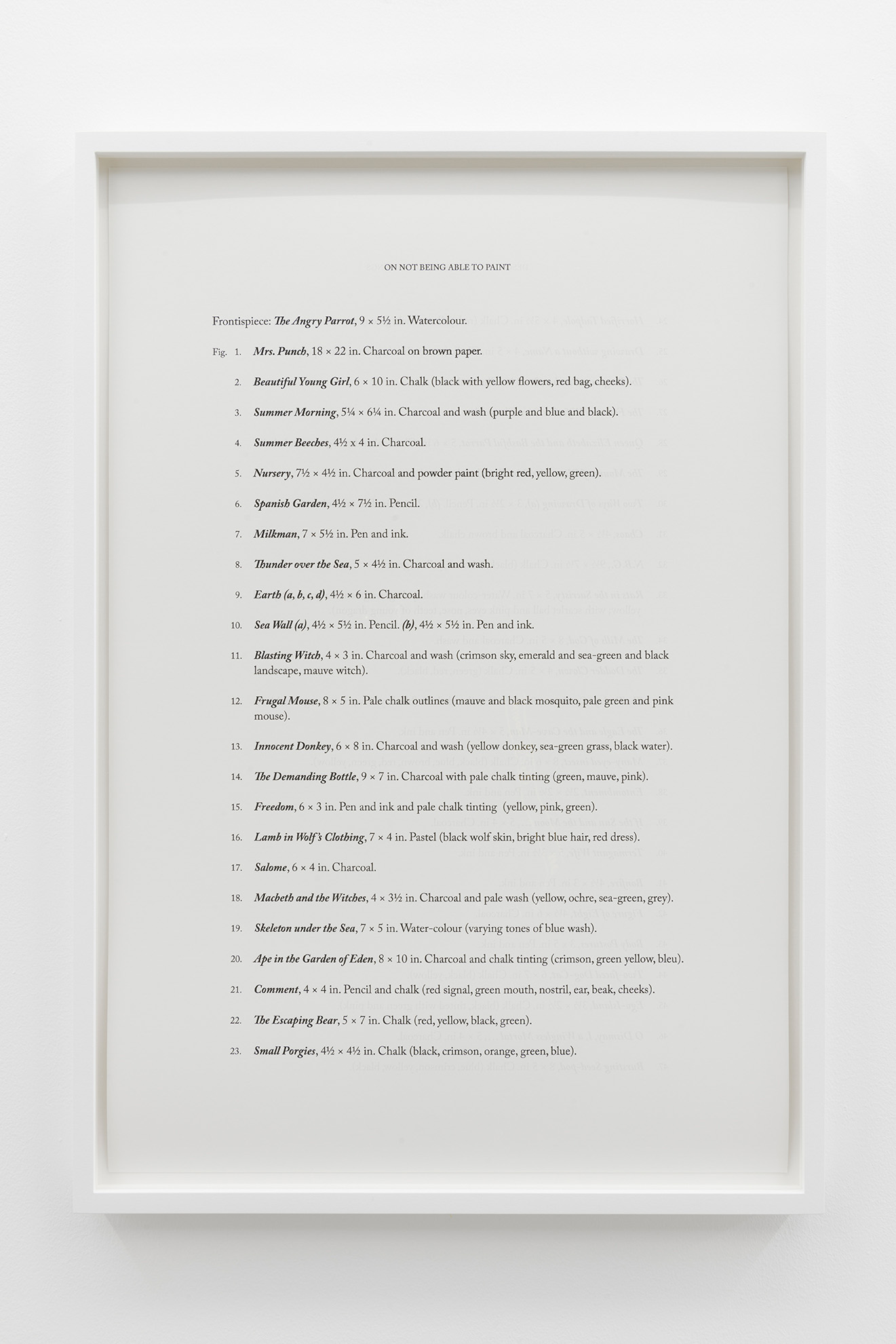
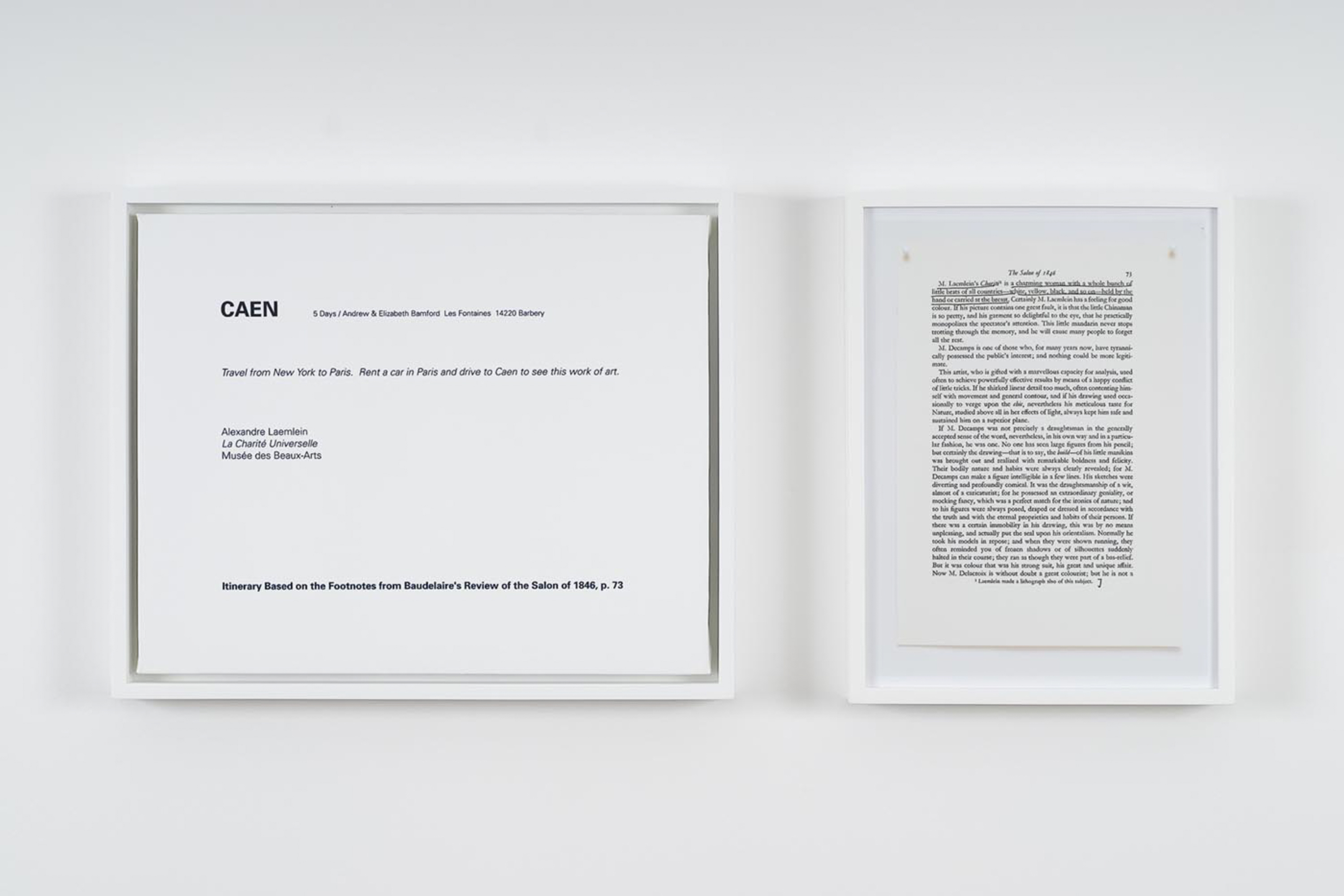
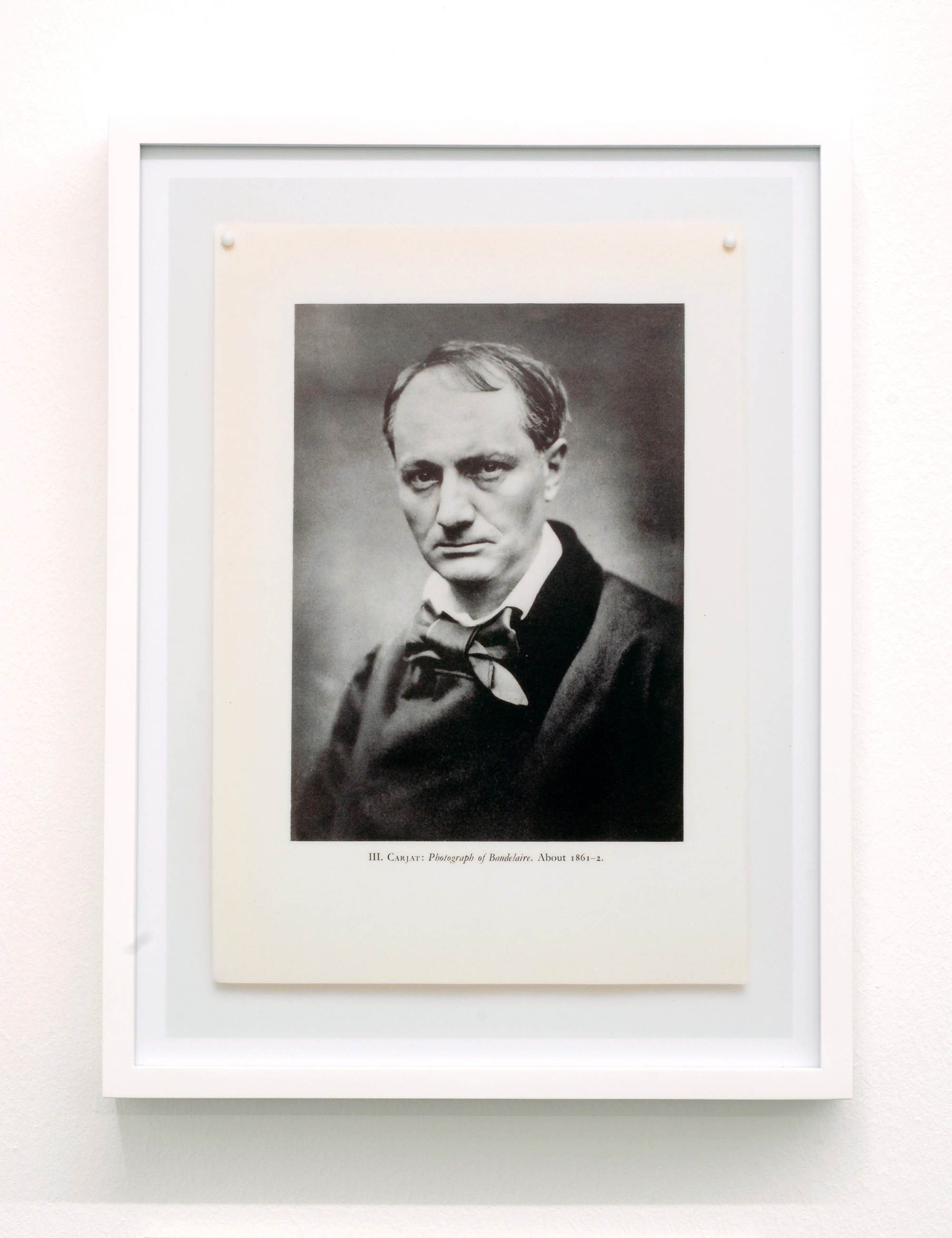
Uruguayan artist Alejandro Cesarco (1975) pays special attention to the construction of narratives and the practices of reading and translating. Through different conceptual strategies and a range of media, including prints, books, videos and installations, he explores the various meanings of words and images in relation to context, experience and subjectivity. His recent solo shows include Le Plateau, Paris, 2014; A Portrait, A Story, And An Ending, Kunsthalle Zürich, Switzerland (2013), Alejandro Cesarco, MuMOK, Vienna (2012), Words Applied to Wounds, Murray Guy, New York (2012) The Early Years, Tanya Leighton, Berlin (2012), A Common Ground, Uruguayan Pavilion, 54th Venice Biennial (2011) and Present Memory, Tate Modern, London (2010). His recent group shows include The Imminence of Poetics, the 30th Bienal de São Paulo (2012), Found In Translation, Deutsche Guggenheim, Berlin (2012), Short Stories, Sculpture Center, New York (2011), y Nine Screens, The Museum of Modern Art, New York (2010).
Allen Ruppersberg (born in 1944 in Cleveland, Ohio; lives and works in Santa Monica, California and Brooklyn, New York) is among the generation of American conceptual artists who changed the way art was thought about and made at the end of the 1960s. His multiform artistic work, which includes paintings, sculptures, photographs, installations, performances and books, amongst other media, is inspired by the Beat Generation and anchored in a critical approach to the media and consumer society. He recently has exhibited at Institute for Contemporary Art, Brussels, 2014; The Art Institute, Chicago, 2013; Candem Arts Centre, London, 2008; CAAC, Seville, 2006. He participated in several solo shows at museums as Institute for Contemporary Arts, San Francisco, 2014; Whitney Museum of Art, New York, 2013; Fundación Serralves, Porto, Portugal, 2012; Tate Modern, London, 2013; Frac Poitou, Angouleme, France, 2010.
Stéphane Dafflon was born on 1972 at Switzerland, where he lives and works. The compositions for his meticulously executed paintings, murals, and objects begin at the computer screen. Digitally manipulating line, color, pattern, orientation, and size, Dafflon ultimately obtains a rhythmic spatiality that is at once economical and playful. Like other Swiss artists of his generation, Dafflon’s predominantly non-figurative work invokes the long history of twentieth-century abstraction, as well contemporary advertising graphics, industrial design principles, and an awareness of popular culture trends His work has been exhibited as several institutions as Villa du Parc, Anemasse, France, 2013; Kunsthaus, Aarau, Germany, 2013; Palais de Tokyo, Paris, 2012; Kunsthalle, Bern, Switzerland, 2012; Mercedes Benz Museum, Stuttgart, 2011; Ecole Régionale de Beaux Arts , Rouen, France, 2011; Frac Limousin, Limoges, France, 2010; Frac Pays de la Loire, Carquefou, France, 2006; Circuit, Lausanne, Switzerland, 2005.
Born on 1974, Philippe Decrauzat lives and works at Lausanne. Decrauzat’s practice is rooted in the traditions of Op art and Minimalism established in the 1960s and ’70s. Yet in subtly manipulating the relationships between his artworks and the spaces in which they are situated, Decrauzat imbues his historically rooted work with a 21st-century sensibility. Between his exhibitions are renowed Le Magasin, Grenoble, 2014; FRAC Le Plateau – Ile-de-France, París (2012), Haus Konstruktiv, Zurich (2009), Secession, Vienna (2008), Centre d’Art Contemporain, Geneve (2006), Plate 28, Swiss institute of New York (2006), Mamco , Geneve(2005). He also participated at several group shows as Dynamo. Un siècle de lumière et de mouvement dans l’art. 1913-2013 (curated bySerge Lemoine), Galeries Abstract Generation: Now in Print, The Paul J. Sachs Print and llustrated Books Galleries, MoMA, New York, NY, An Exhibition as a Mental Mandala (curated by Mathew Copeland), MUAC, Mexico.
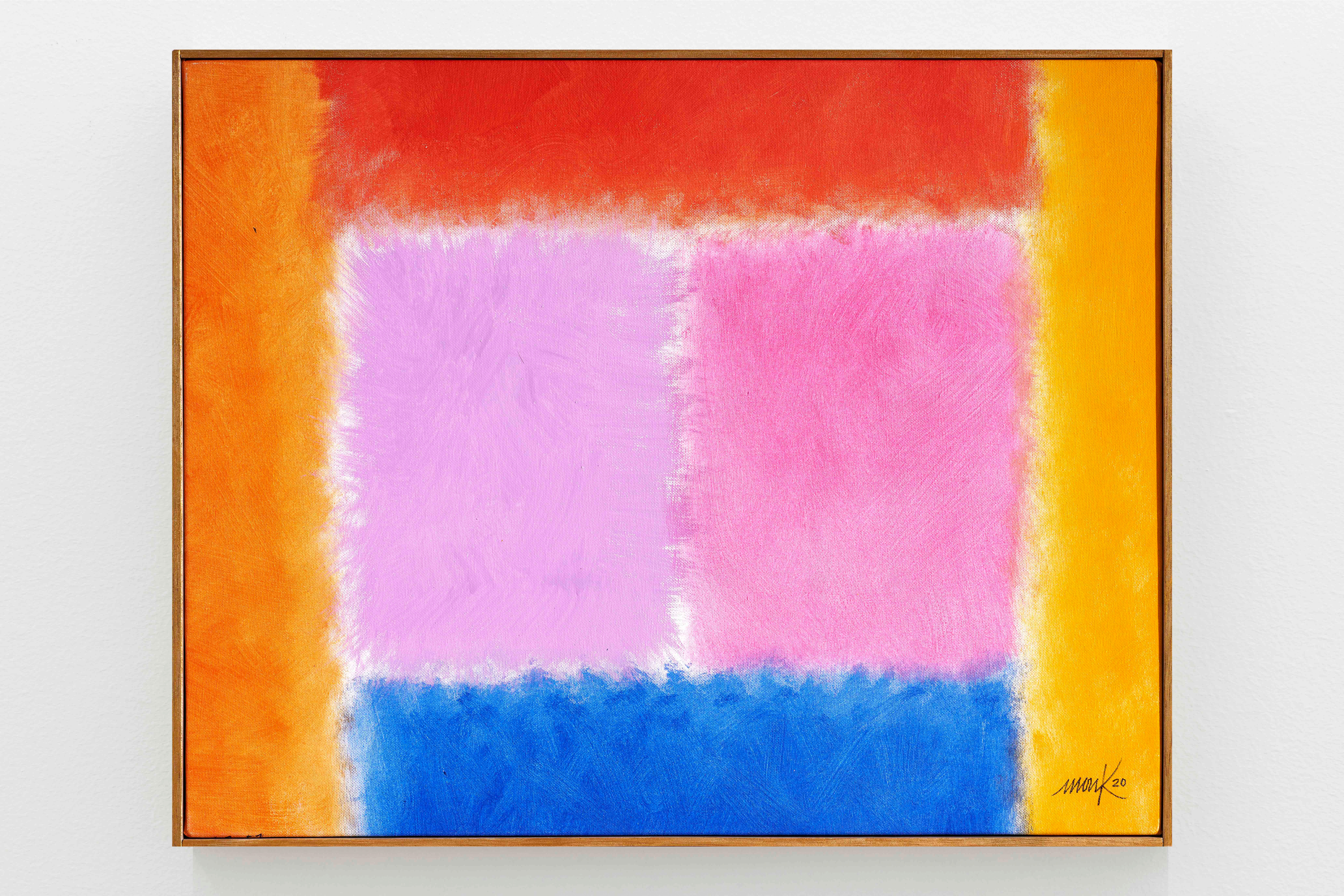
Since the 90s, Martina Klein (Germany, 1962) has reached the boundaries of the paintings due to his particular manner of treating the monochrome. His works continues the tradition of the Central European abstraction, where Steven Parreno, John Armleder and Olivier Moset can be included. She exhibited her work at important institutions as Lehmbruck Museum, Duisburg (2012); Arp Museum Bahnhof Rolandseck, Remagen, Germany (2012); Le Confort Moderne, Poitiers, France (2012); Kunstraum Alexander Buerkle, Freiburg, Germany (2012); Eye, Kunsthal Kade, Amersfoort, The Netherlands (2011); Kunstverein Bremerhaven, Germany (2010); Musée des Beaux-Arts, Tours, France (2007) ; Museum Kassel Neue Galerie, Kassel, Germany (2006) ; House of Art, Ceske Budejovice, Czech Republic (2005); Kunstverein Aichach, Aichach, Germany (2004) ; Rijksmuseum Twenthe, The Netherlands ; Museum voor oude en moderne kunst, Enschede, The Netherlands(2004) ; Kunstvereniging Diepenheim, The Netherlands (2004); Das Kabinet, Kunstverein Bremerhaven, Germany (2001) ; FRAC, Fonds régional d’art contemporain, Picardie, Amiens, France (2001); Projektraum Kunsthalle Bern, Switzerland (1999) ; Le Quartier, Centre D’art Contemporain, Quimper, France (1997) ; Kunstverein Düsseldorf / Kunstverein Stuttgart, Germany (1995).
Born on 1976 at France, David Hominal lives and works at Amsterdam. His work shows his determination to forge a new ‘expanded painting’ genre, which until now has found its form on canvas and through installations that combine figuration with abstraction, mix references to romanticism with recreational drugs, or military insignia with abstract expressionism, and know no disciplinary bounds.He did several exhibitions at institutions as Le Consortium, Dijon, France, 2014; Centre d’Edition Contemporaine, Genéve, 2013; Palais de Tokyo, Paris, 2012; Kunsthalle, Bern, Switzerland, 2012; Swiss Institute, New York, 2011; Musée Cantonale de Beaux Arts, Lausanne, Switzerland, 2007; Espace d’Art Circuit, Lausanne, 2004.
David Lamelas (Galicia, 1946) lives and works at Los Angeles, Buenos Aires and Paris. Since the 1960s, David Lamelas has been among the most important proponents of a conceptual approach to art. In his projects, Lamelas deals impressively with the question of the limits of art’s temporality and its potential for creating alternative processes of communication and cognition. He had exhibitions at Tate, Liverpool, UK, 2013; 29th Bienal de São Paulo, São Paulo; 2010; Museum moderner kunst stitfung Ludwig wien, Vienna 2009; Centro José Guerrero, Granada, Spain, 2009; St Gallen Neue Kuns Halle, 2007; Kunst Haus Zürich, 2006; Malba, Buenos Aires, 2006; Museo Tamayo, México D.F, 2005; ICA Philadelphia, 2004; Berlin Biennale, 2004.
Oriol Vilanova (Barcelona, 1980) lives and works at Brussels. He is interested in the political mechanisms for the construction of history and the gaze, and most of his works function as cabinets of curiosities. Following a working method centred on the recollection and documentation of images, Vilanova presents the work as an archive or encyclopaedia of visual documents offering a deconstruction of the unambiguous reading of the past. His work touches on themes such as success and triumph, the museum as an obsolete exhibition space, the icons of the past and the re-rewriting of history. Oriol Vilanova had exhibitions at Centre d’Edition Contemporaine, Genève, Switzerland, 2014; MACBA, Barcelona, 2014; Jeu de Paume, Paris, 2013; Frac Champagne-Ardenne, Reims, France, 2012; Fundación Joan Miró, Barcelona, 2013; Palais de Tokyo, Paris, 2012; MUSAC, Leon, Spain, 2011; La Virreina Centre de la Imatge, Barcelona, 2011; La Casa Encendida, Madrid, 2011.
Attracted by failded quests for knowledge, Conrad Shawcross (London, 1977) explores subjects that lie on the borders of geometry and philosophy, physics and metaphysics. He often appropriates redundant theories and methodologies to create ambitious structural and mechanical montages, using a wide variety of materials and media. He recently took part at exhibitions at Palais de Tokyo, Paris, 2013; National Gallery, London, 2012; MUDAM, Luxemburg, 2012; Science Museum, London, 2011; Turner Contemporary, Margate, UK, 2011.He also participated at the 55 Venice Biennale on 2013.
In his paintings and sculptures, Thomas Scheibitz (Germany, 1968) investigates the boundary between the figural and the abstract, employing familiar sights and translating them into a personal pictorial language in the course of a multi-stage process of abstraction. The point of departure for his themes and motifs are existing images from everyday and pop culture such as film, literature, music and advertising as well as architecture and design, but also art-historical models dating from the Renaissance and Baroque. Drawing from innumerable archived impressions, Scheibitz transposes what he sees into a new pictorial idiom, thus arriving at the forms and structures of his paintings and sculptures.Thomas Scheibitz recently has exhibitions at Museum für Konkrete Kunst, Ingolstad, Germany, 2013; Neue Nationalgalerie, Berlin, 2013; St. Louis Art Museum, St. Louis, USA, 2013; Museum of Modern Art, San Francisco, 2012; Centre Pompidou, Paris, 2012; Palais de Tokyo, Paris, 2012; Bienal de Arquitectura, Venice, 2012; Museum Boijmans van Beuningen, Rotterdam, The Netherlands, 2012; Kunsthalle Rostock, Germany, 2010; Museo de Arte de São Paulo, 2010; Museum of Contemporary Art, Chicago, 2009.