Different Trains / Different Trains
- F r e d e r i c A n d e r s o n
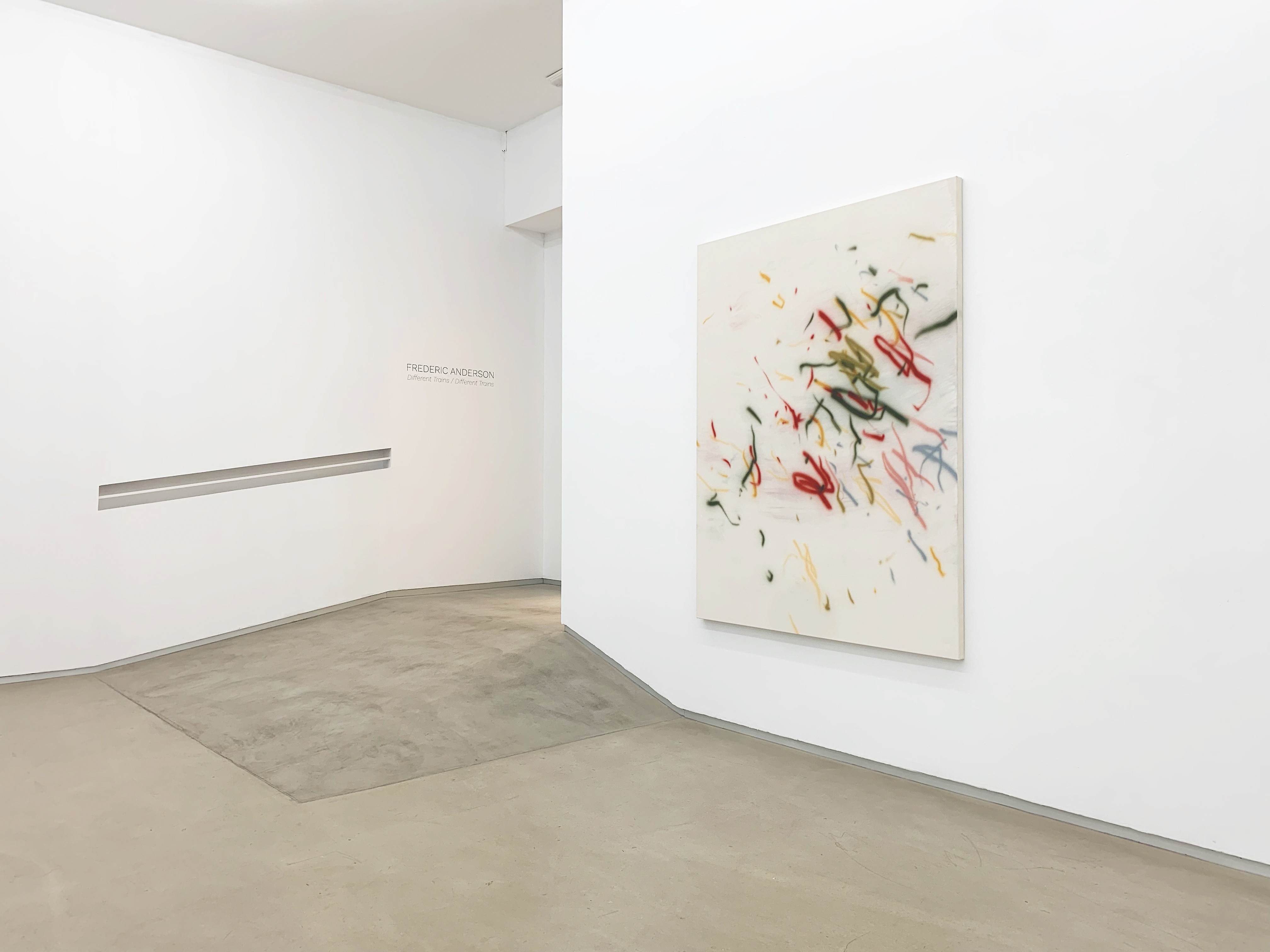



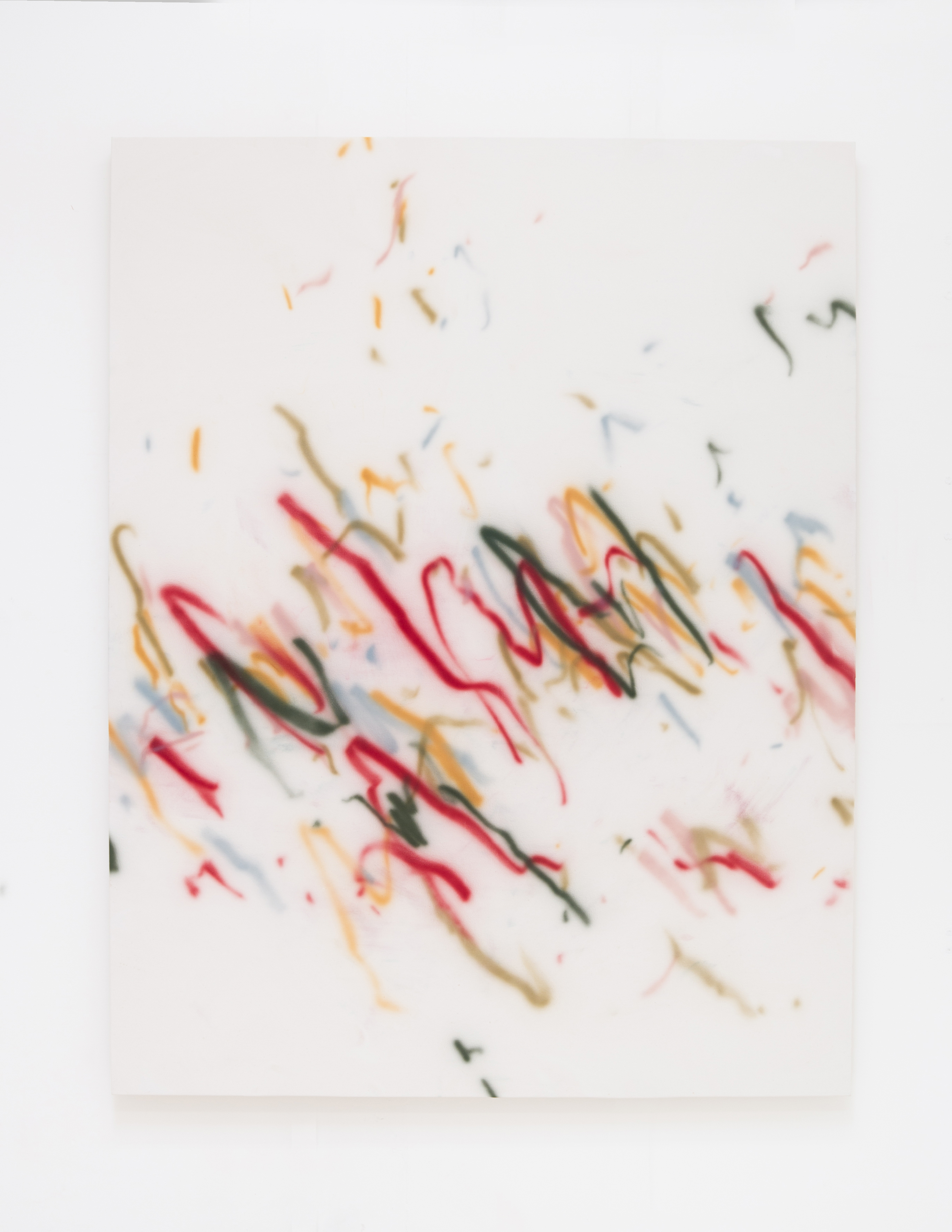
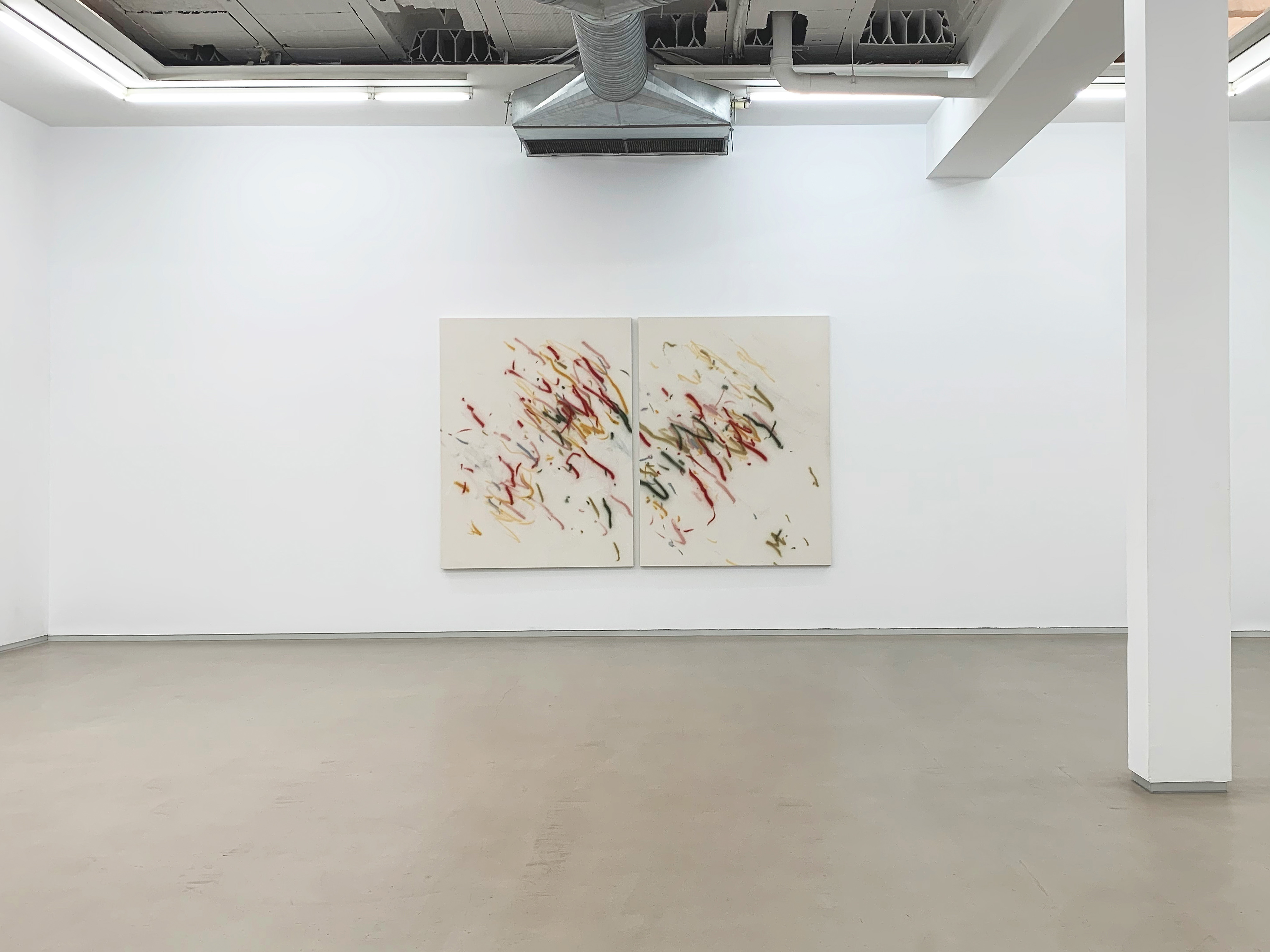

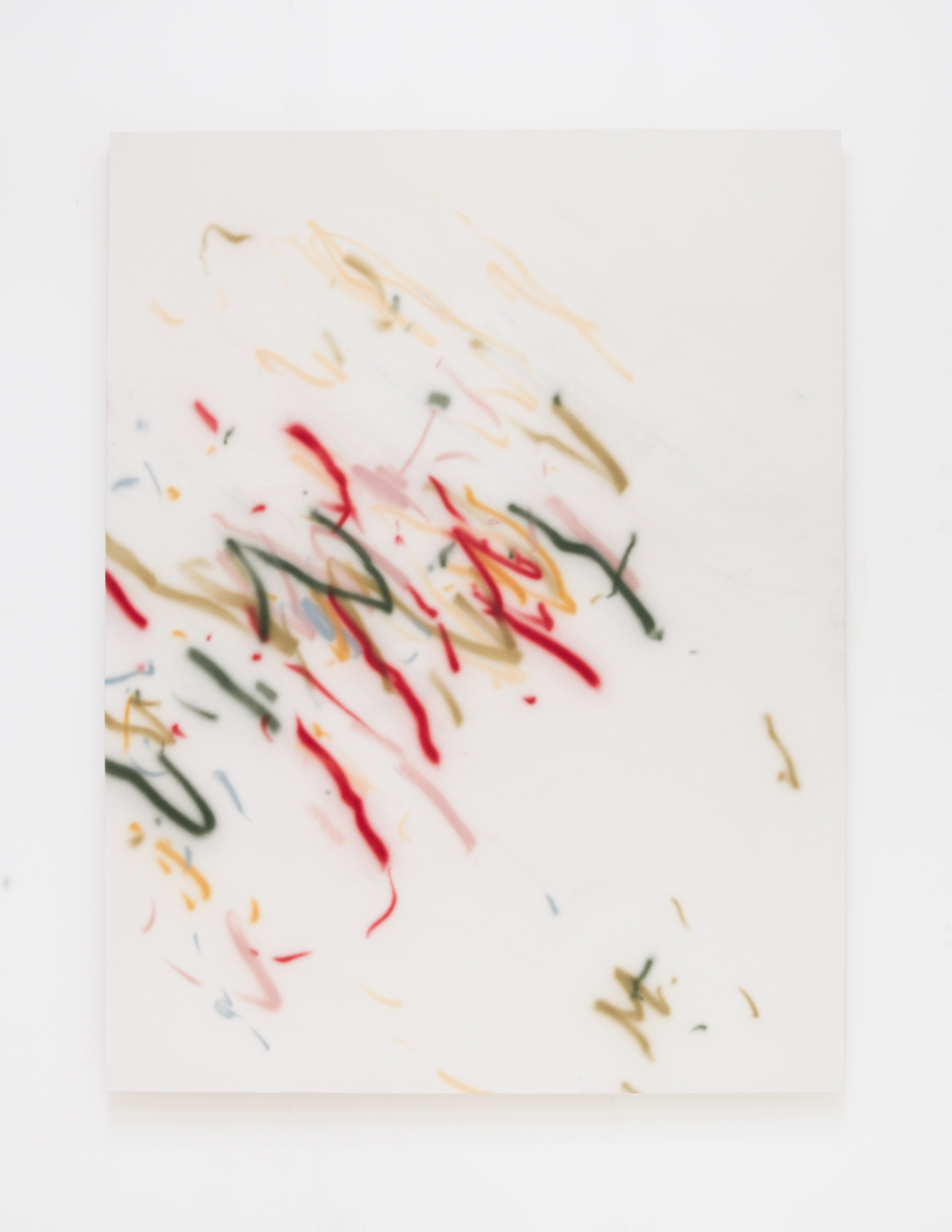
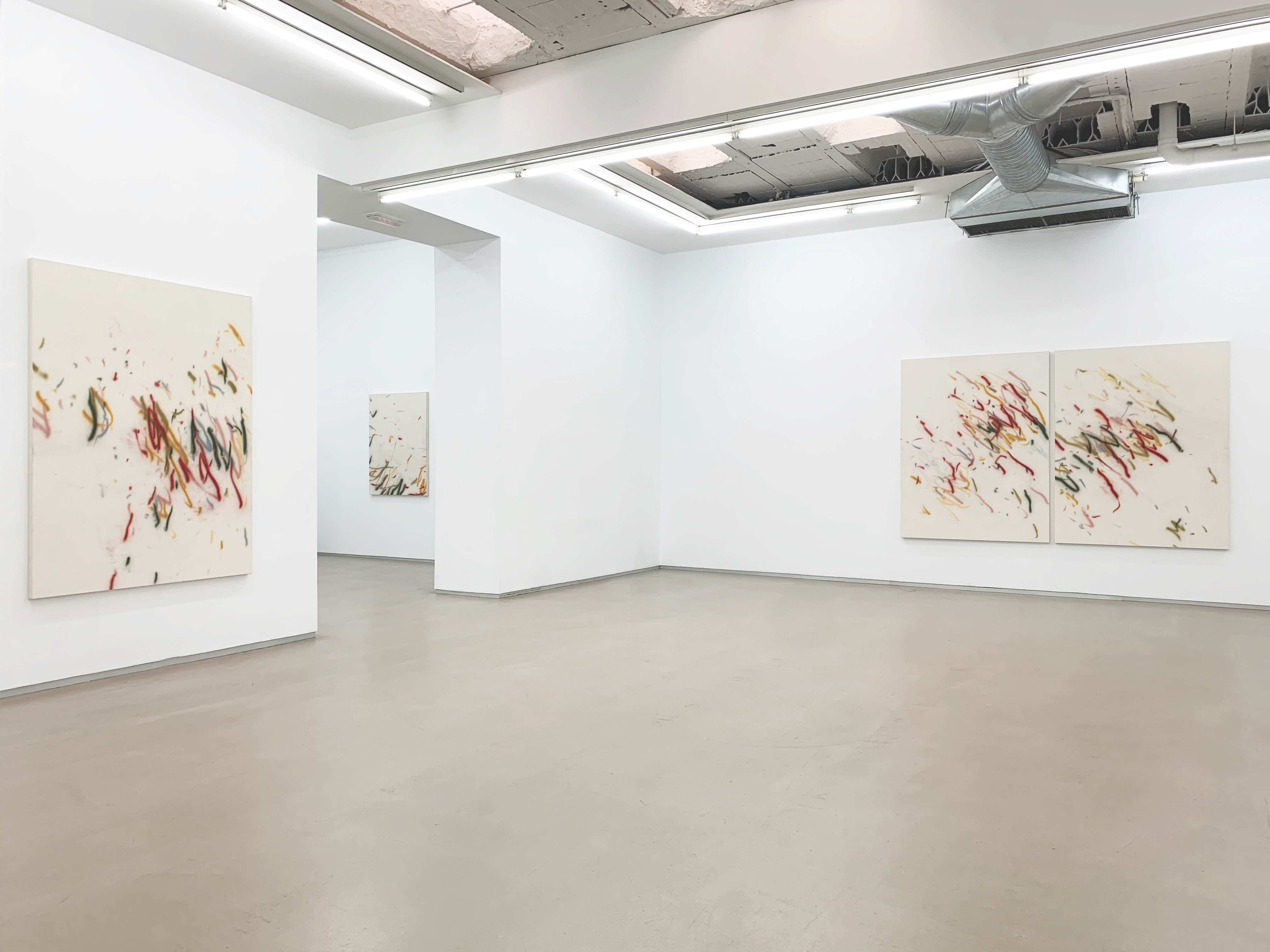

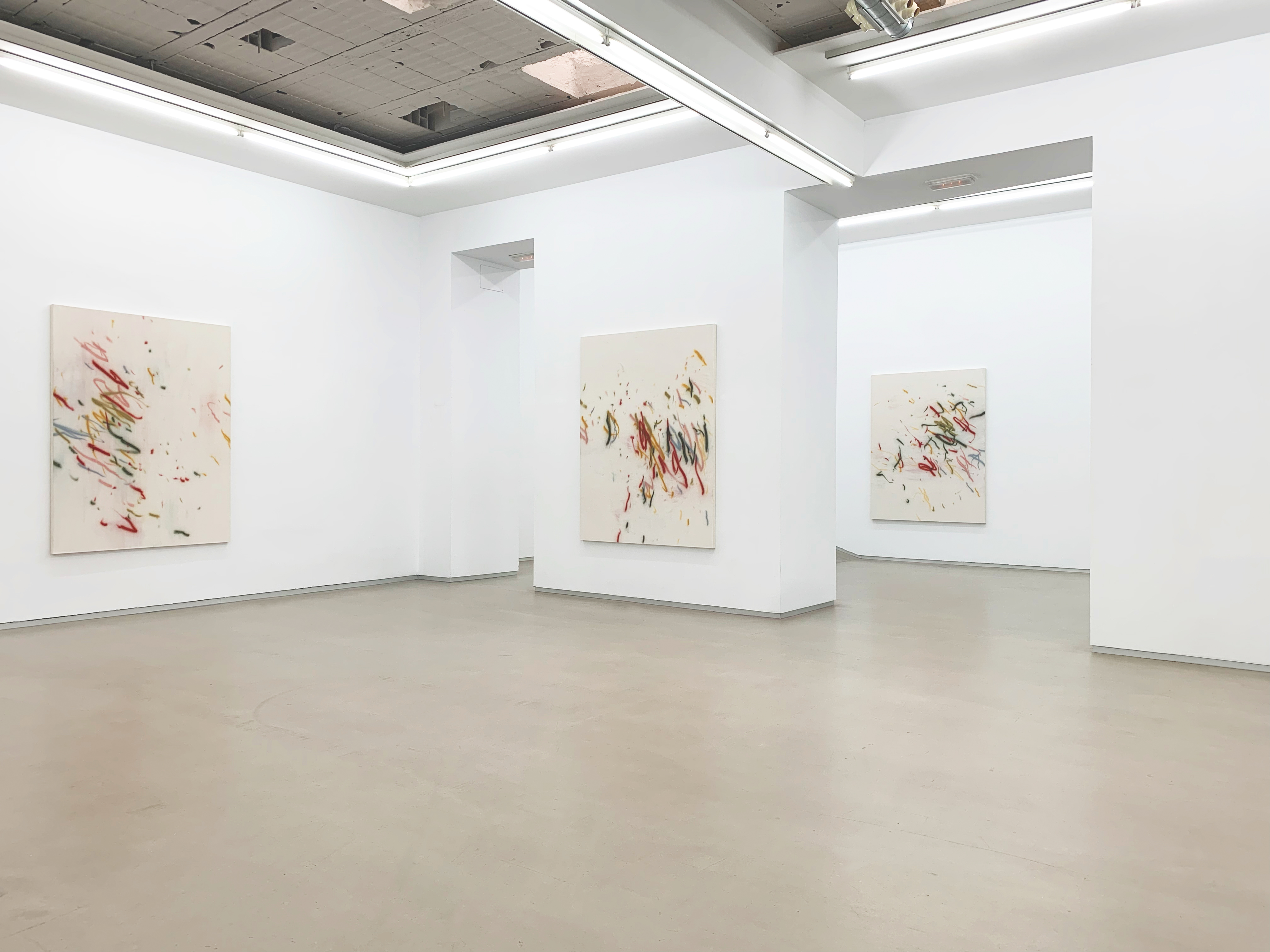
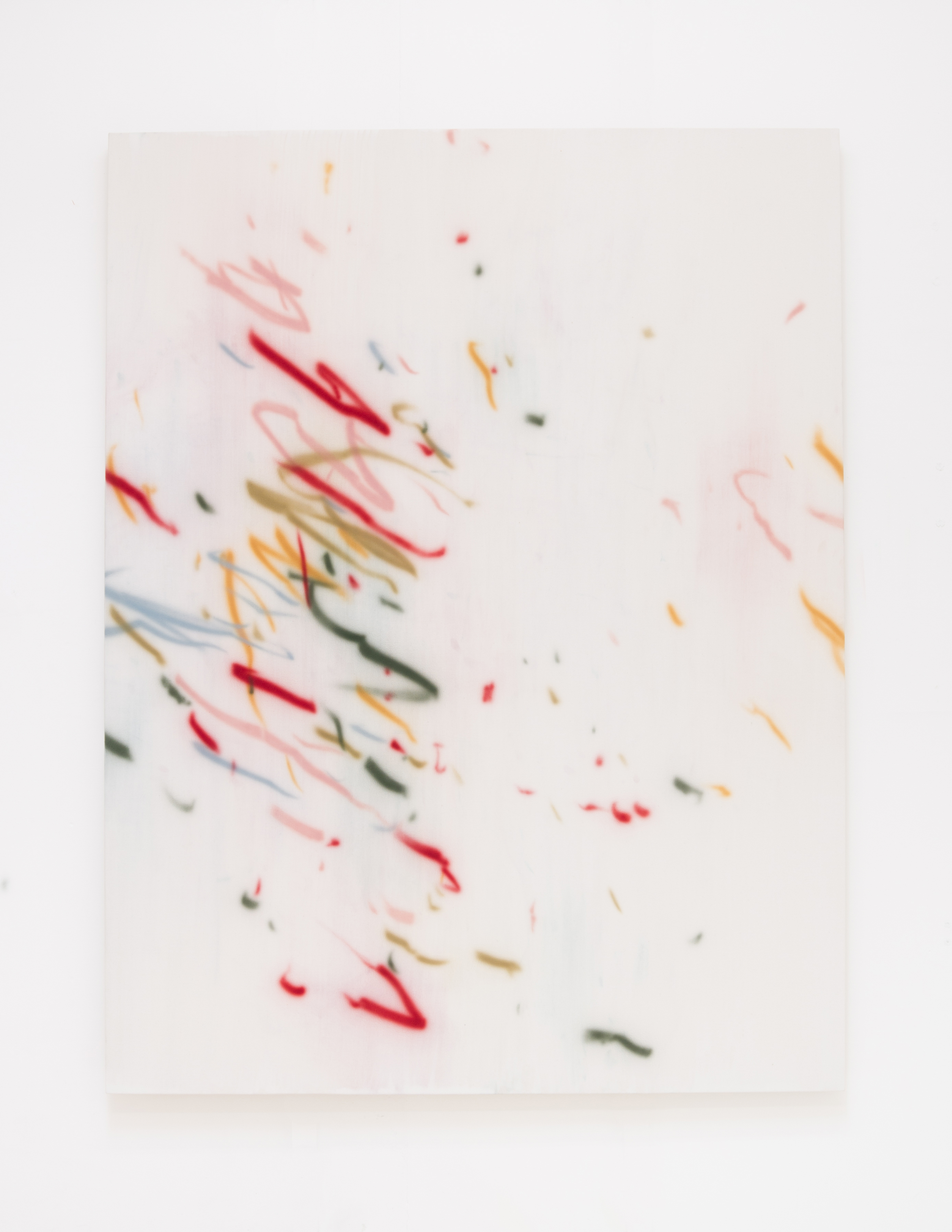
“I like this idea that everything is either evolving from or devolving towards nothingness. For me the negative space in my paintings is a manifestation of the Buddhist idea of emptiness. The marks give a kind of shifting, ephemeral form to that emptiness”.
_Frederic Anderson.
We are delighted to welcome Frederic Anderson to our gallery and announce his individual exhibition in alliance with Christophe Van de Weghe (New York).
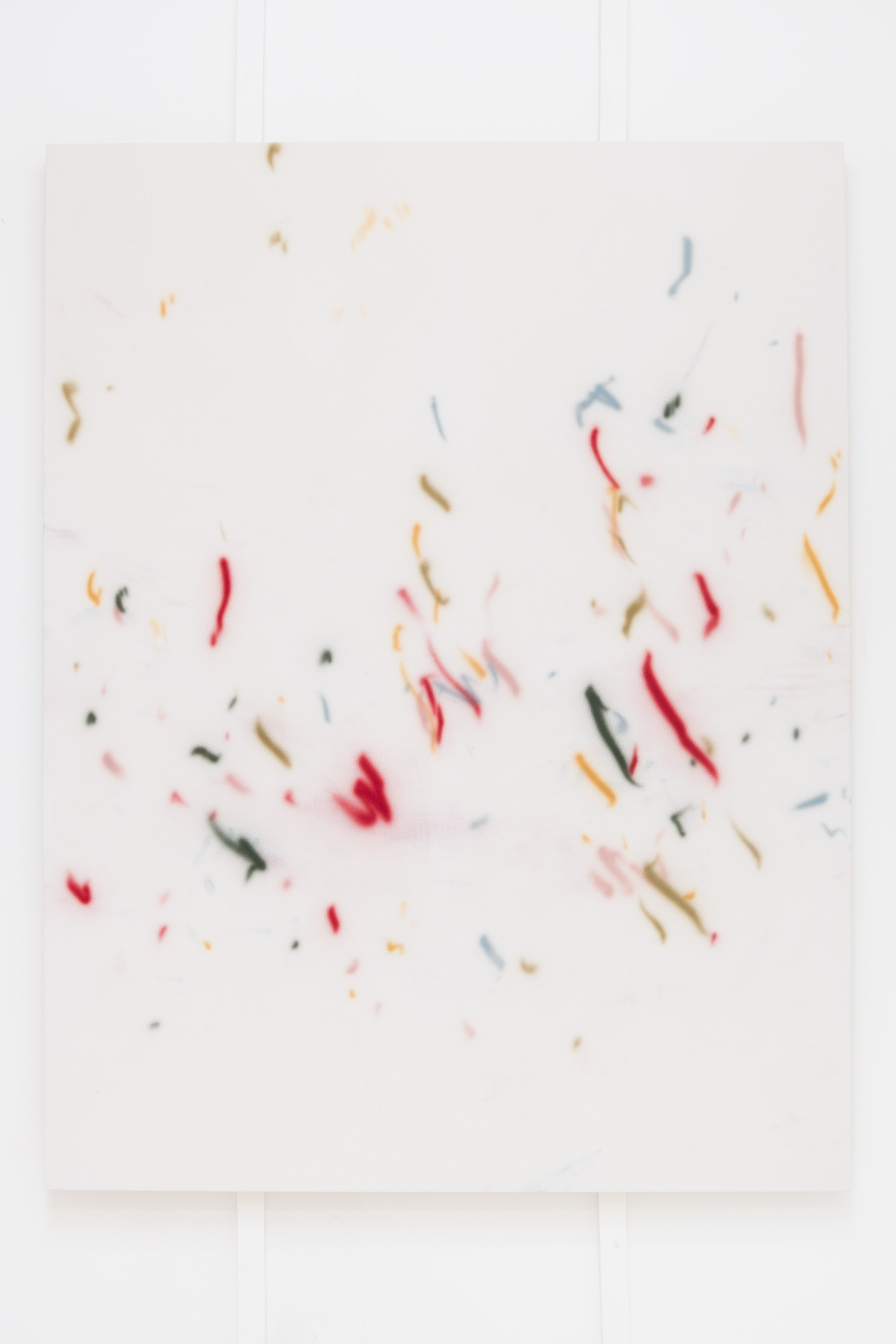
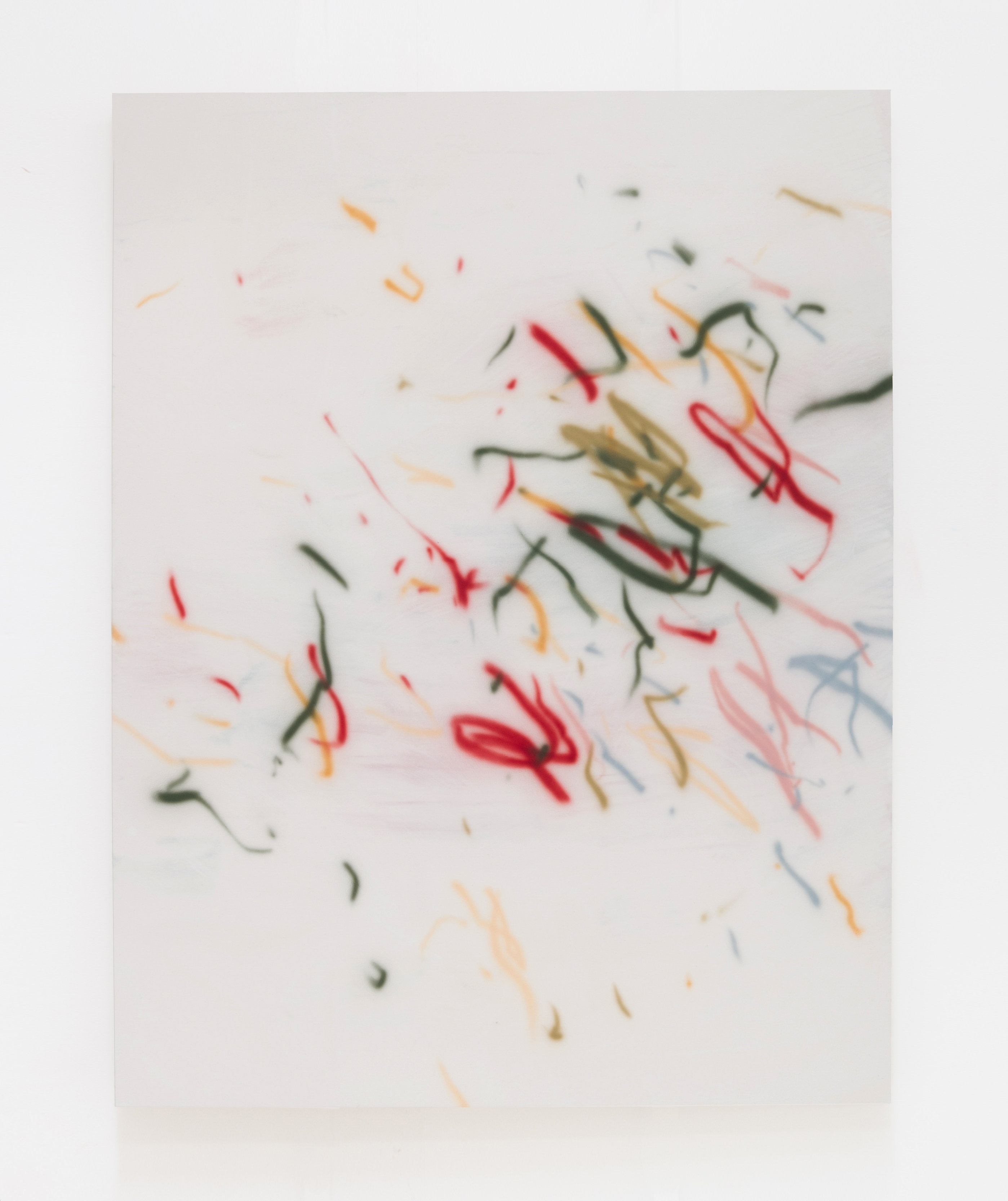
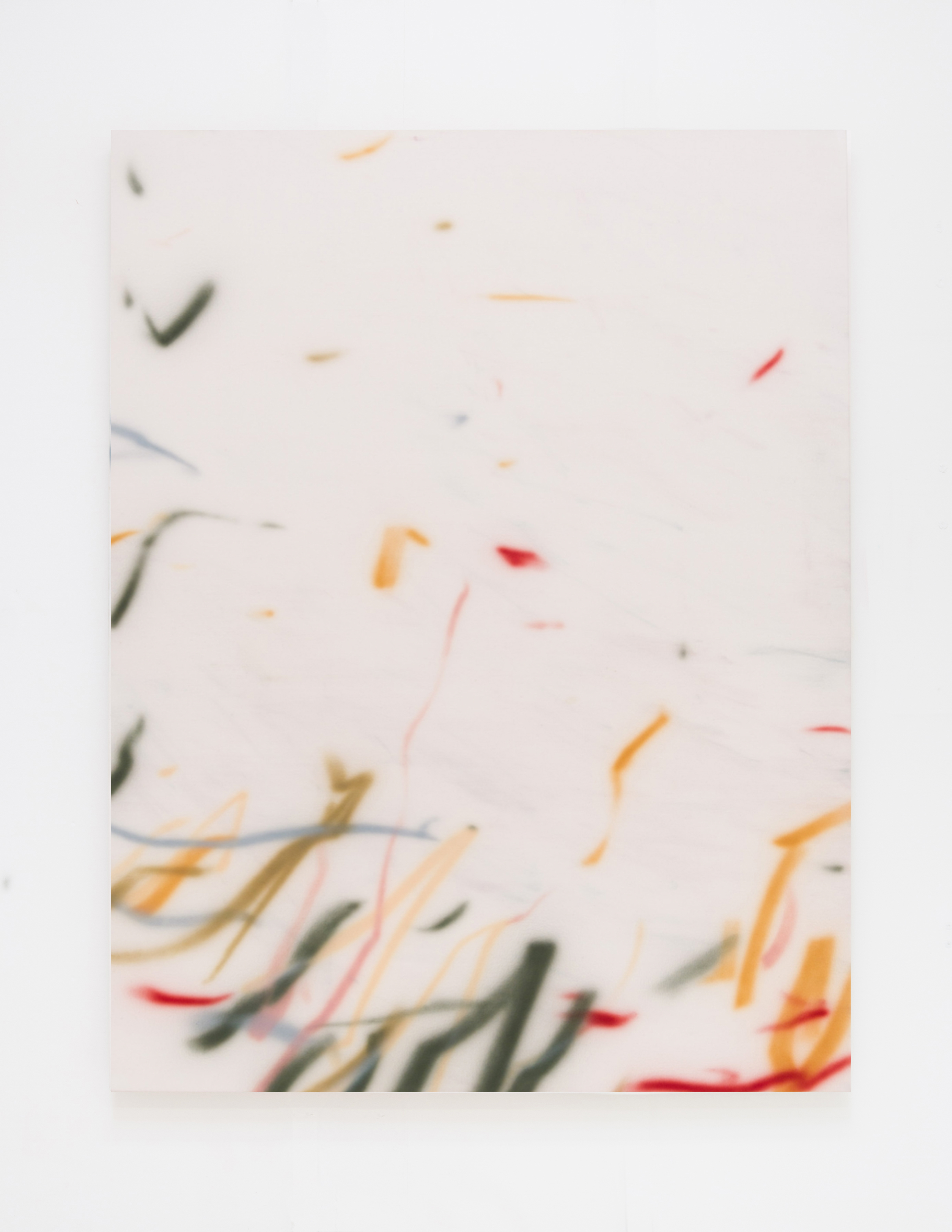
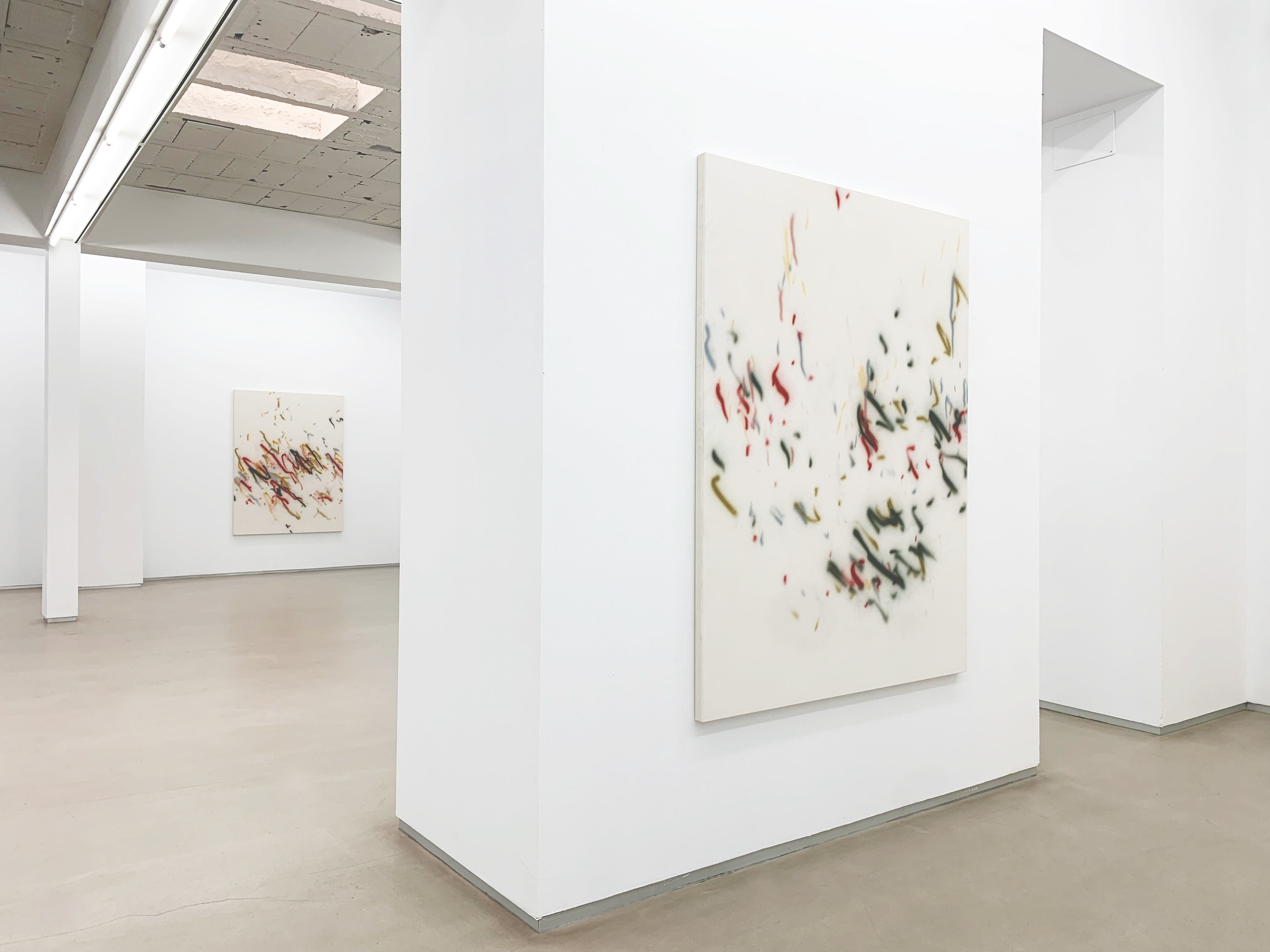
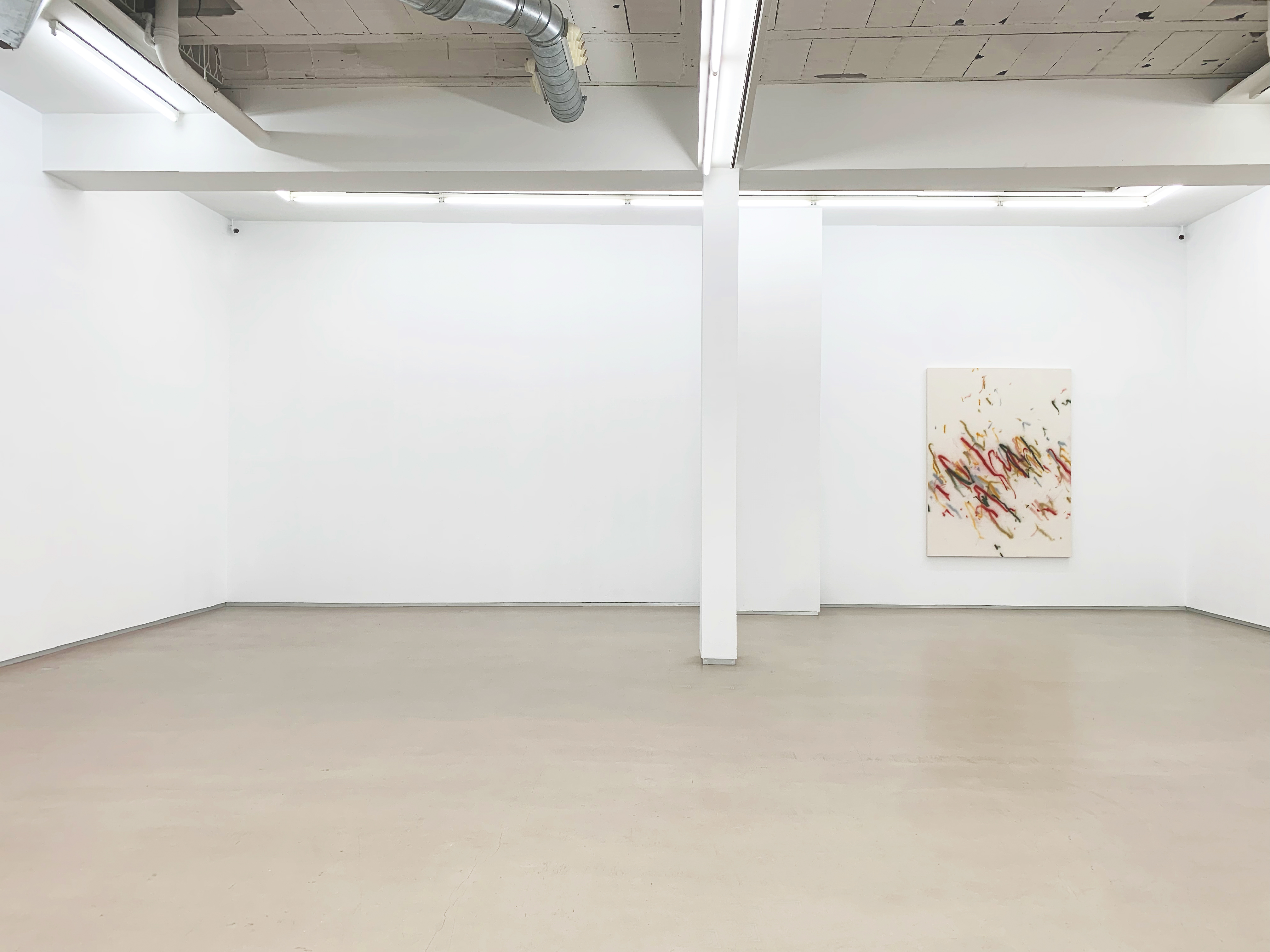
The practice of Frederic Anderson (Luxembourg, 1973) constitutes an emotional shorthand, a self-referential language of abstract calligraphic marks and annotations of line, shape and color produced with gestural precision. The works are strongly influenced by minimal art, music and literature. They can be understood either as blank papers on which the artist writes until he generates a certain ‘textuality’ through a very personal sign language, or as a kind of sheet music, where different notes interact to create specific rhythms and tones that could be interpreted as a kind of visual melody.
Different Trains / Different Trains is the title of his first solo show in Madrid. Unlike other occasions, the series that gives its title to the exhibition, this time has an evocative and specific background. It takes as a reference the album Different Trains by the composer Steve Reich, a piece that reflects on the possible contradictions that we can experience depending on our context. The composer once described the project:
“I traveled back and forth by train frequently between New York and Los Angeles from 1939 to 1942 accompanied by my governess. While the trips were exciting and romantic at the time, I now look back and think that, if I had been in Europe during this period, as a Jew I would have had to ride very different trains”.
So works like Before The War or After the War take their titles literally from tracks of this album and place the visitor in specific socio-political coordinates affected by a context marked by conflicts from the past and present. Also titles like 1941 or Crack Train remind us of the idea that Walter Benjamin wrote about in The Redemptive Power of Memory, of learning from our past through the history of the vanquished. Although Frederic does not intend to communicate any specific message through the titles of his works, the metaphor of the train and the war leads us to think about concepts such as exile, genocide or dehumanization.
In any case, although Frederic Anderson’s work is not intended to be politicized, it is suggestive. There is no randomness in his work; on the contrary, it is full of poetic intuition and critical self-analysis. In the first step of his work process, the artist selects a series of colored pencils by following his intuition. After that, he draws a series of initial strokes on the paper. Each new stroke calls the next one. He draws dozens, sometimes hundreds of schemes on paper. This repetitive process brings his mind and body into a state close to exhaustion and allows him to forget compositional conventions, color theories and any other self-imposed ideas.
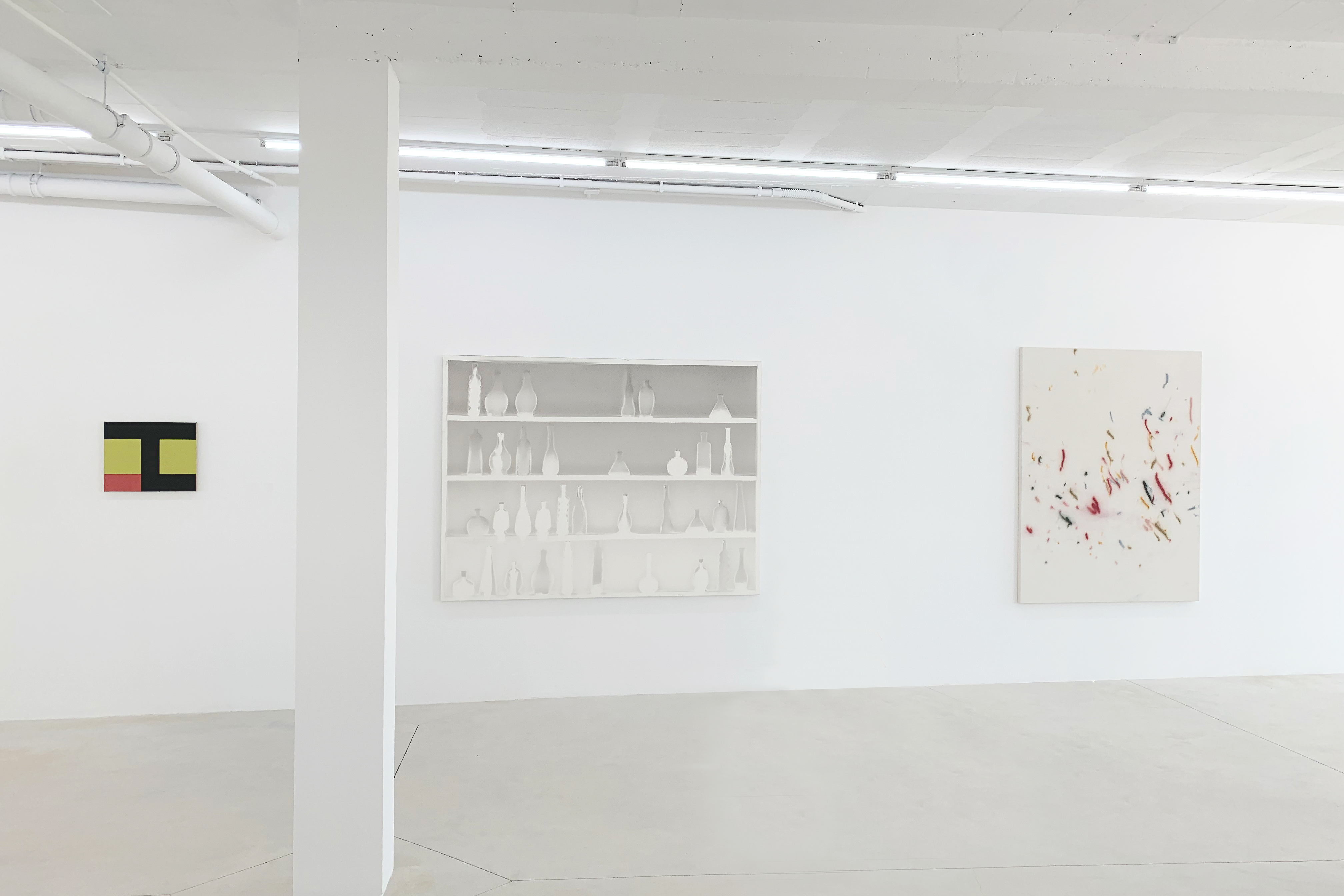
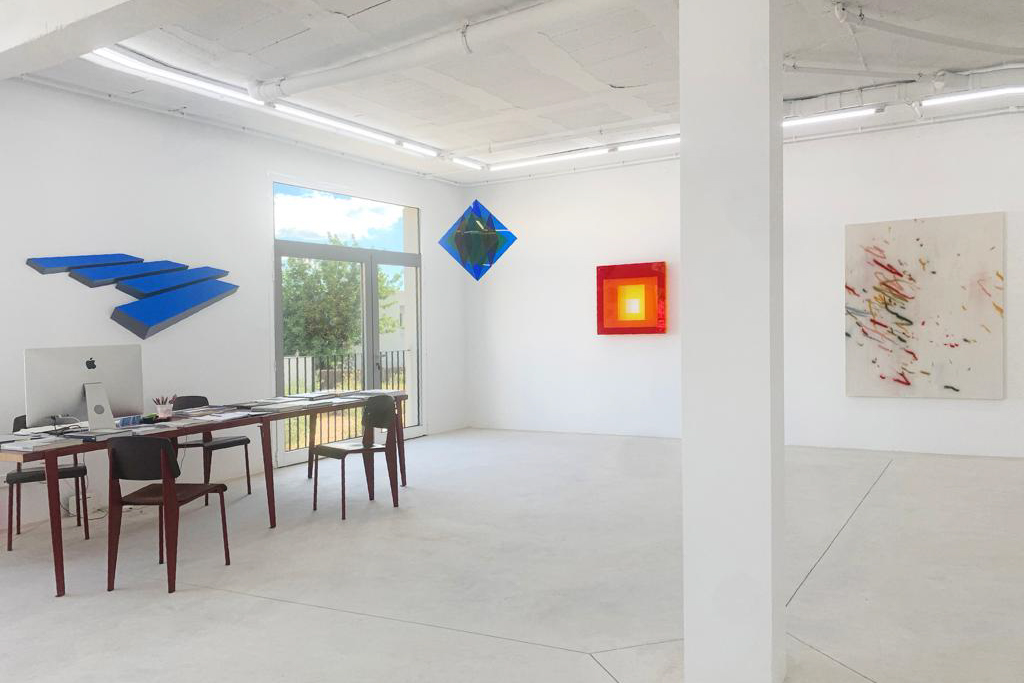
As a good poet would do, when this process comes to an end, he lets the papers rest for a while, only to return to them later and make a small selection of these compositions. When the result somehow resonates with him, sometimes after a secondary process of collaging, the number of works that will comprise the series is closed. The last step, perhaps the most risky and the one that could almost compare his practice to surgery, consists of imitating each one of those small gestures, of those small notes, transferring them to a large canvas through an airbrush.
Thus, his practice ends up becoming an effort to capture a certain type of gesture and is related in a special way to the ideas of mimesis, calligraphic language and a structuralist sense of the system of relationships between forms that end up cohabiting in his work.