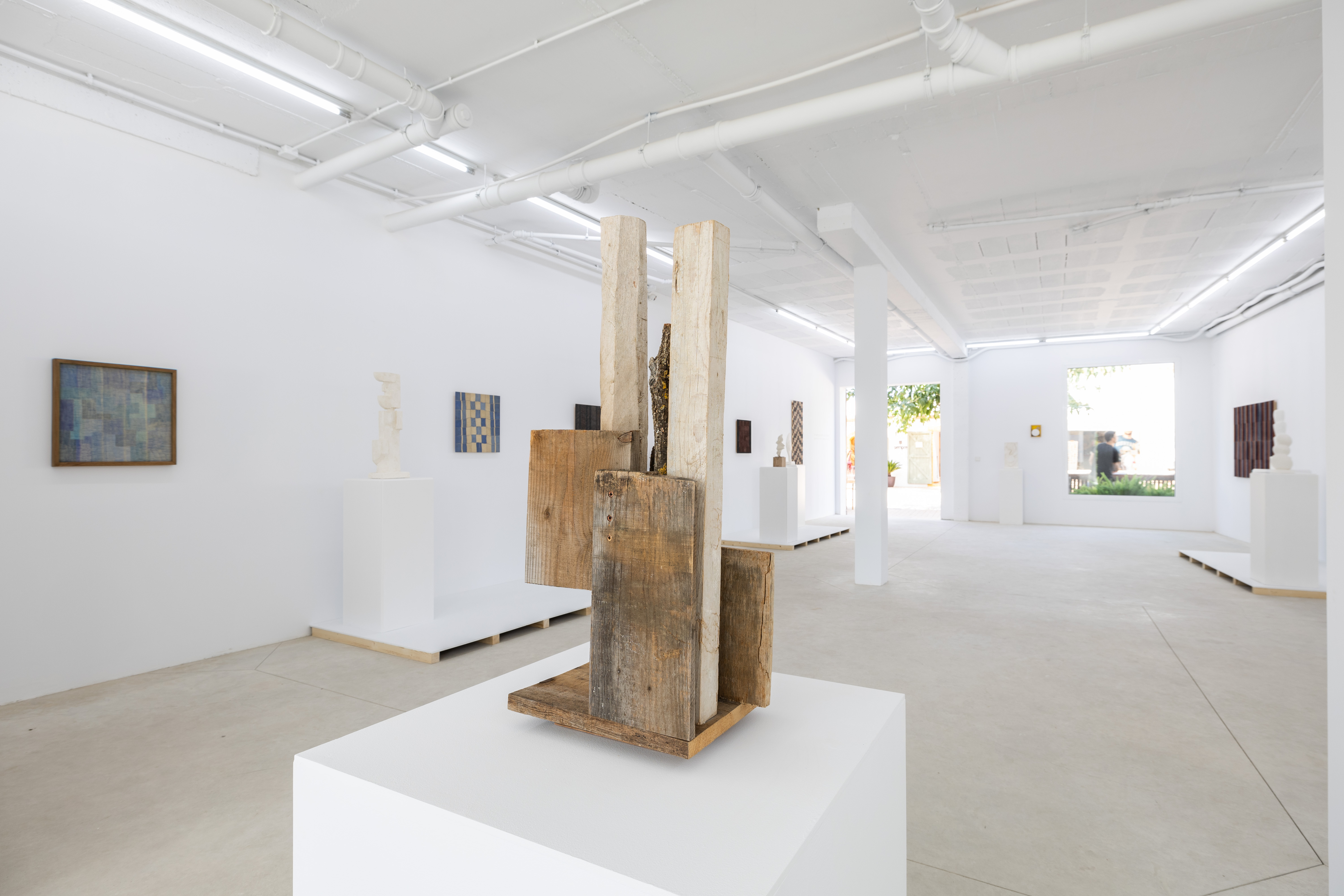
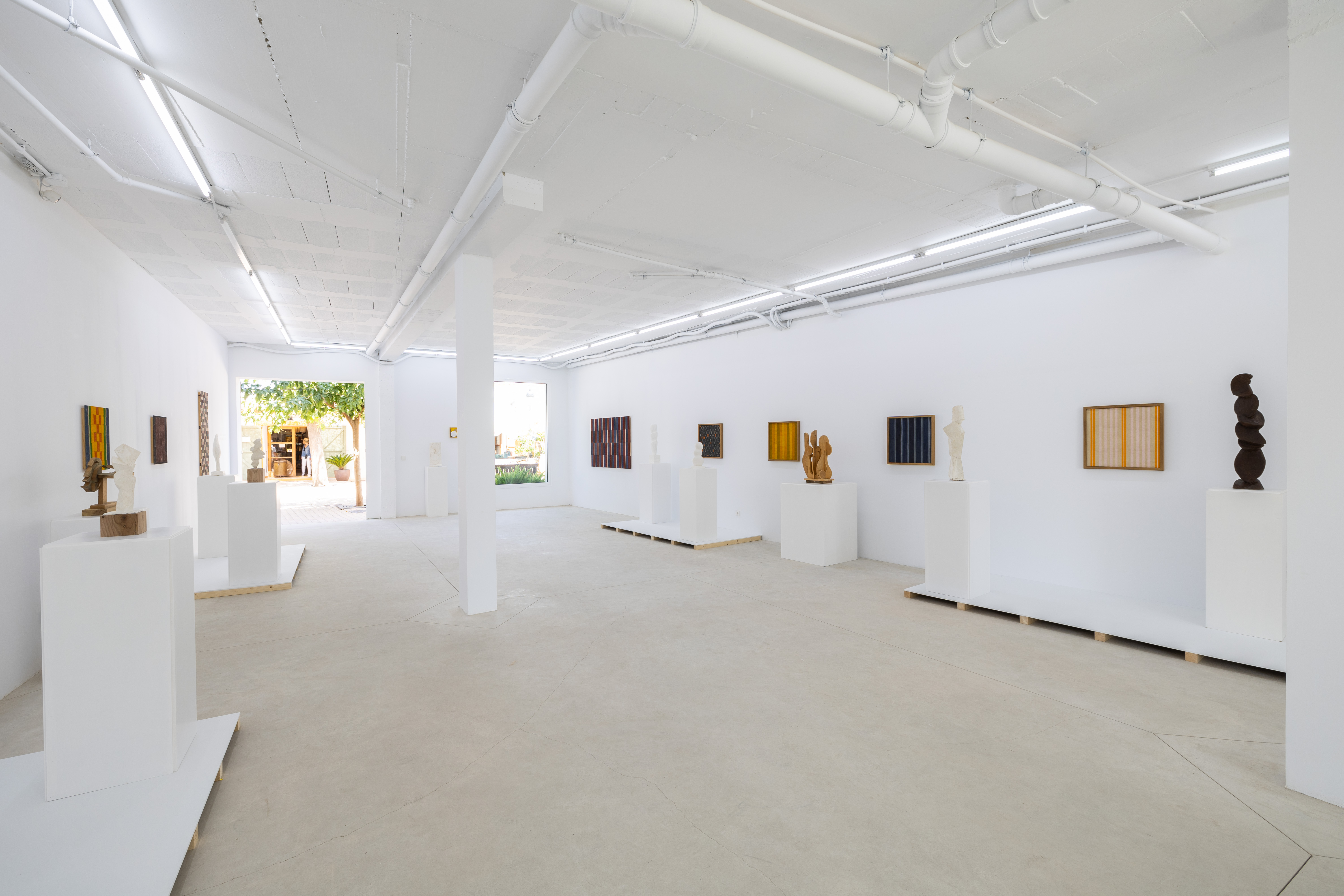
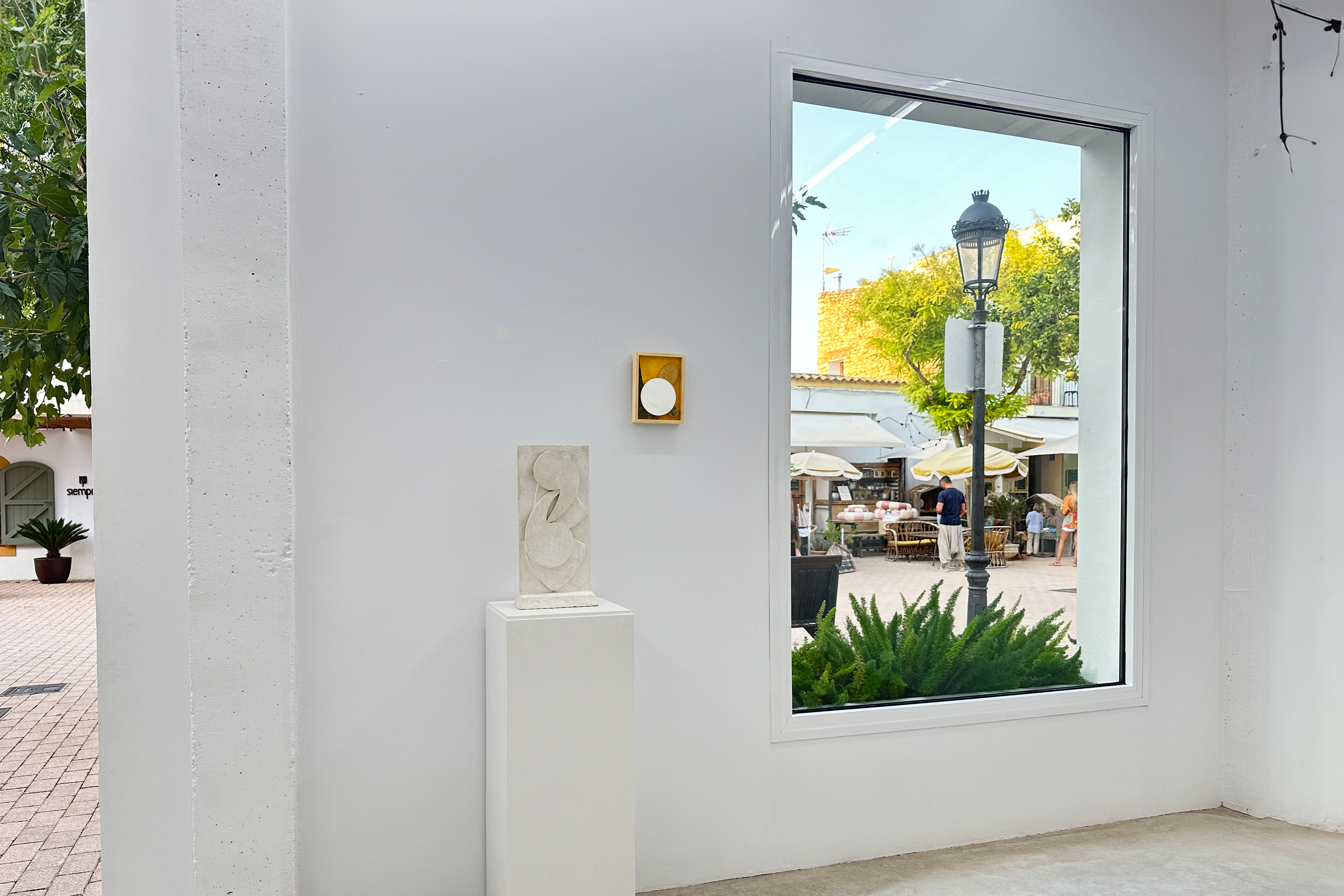
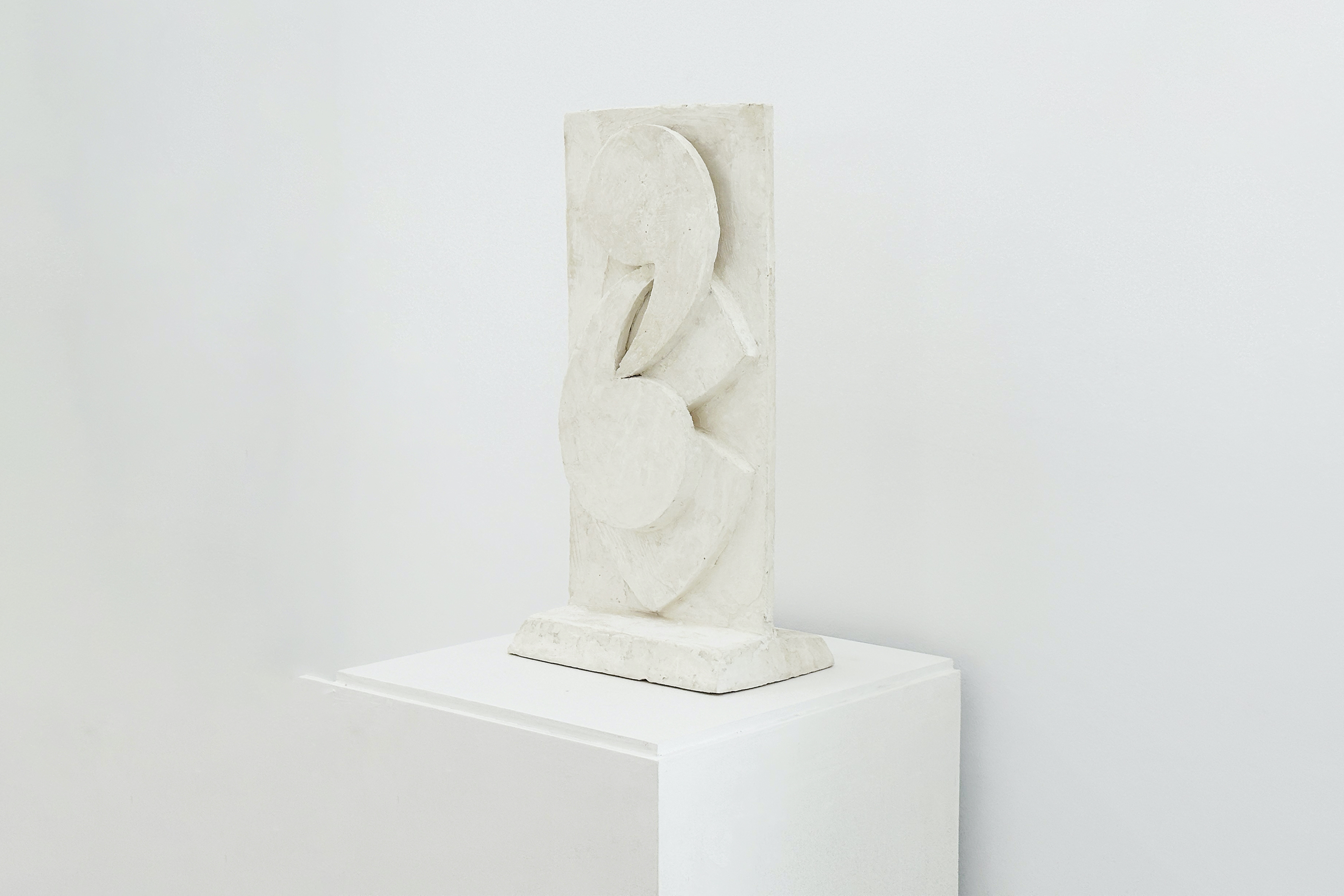
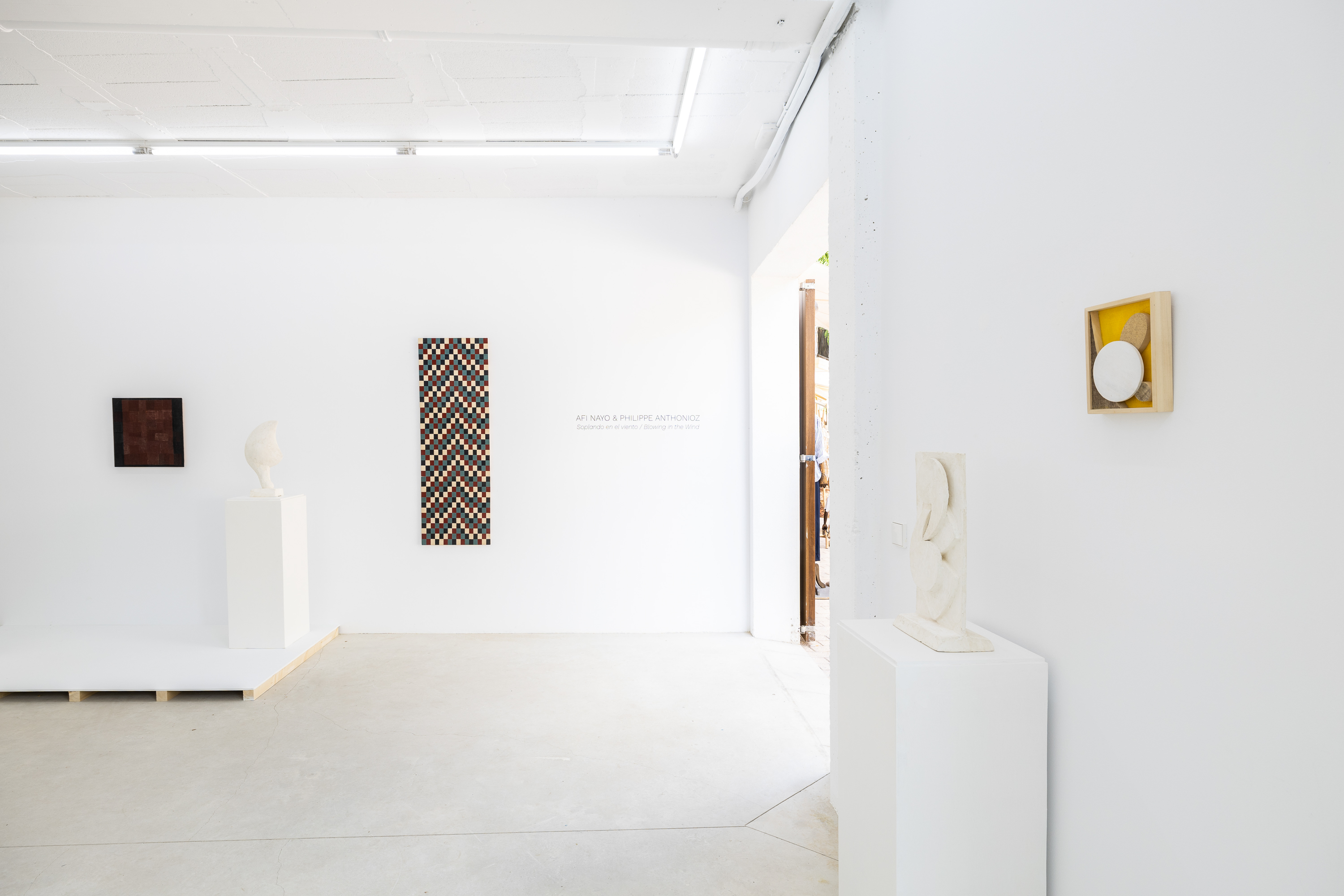
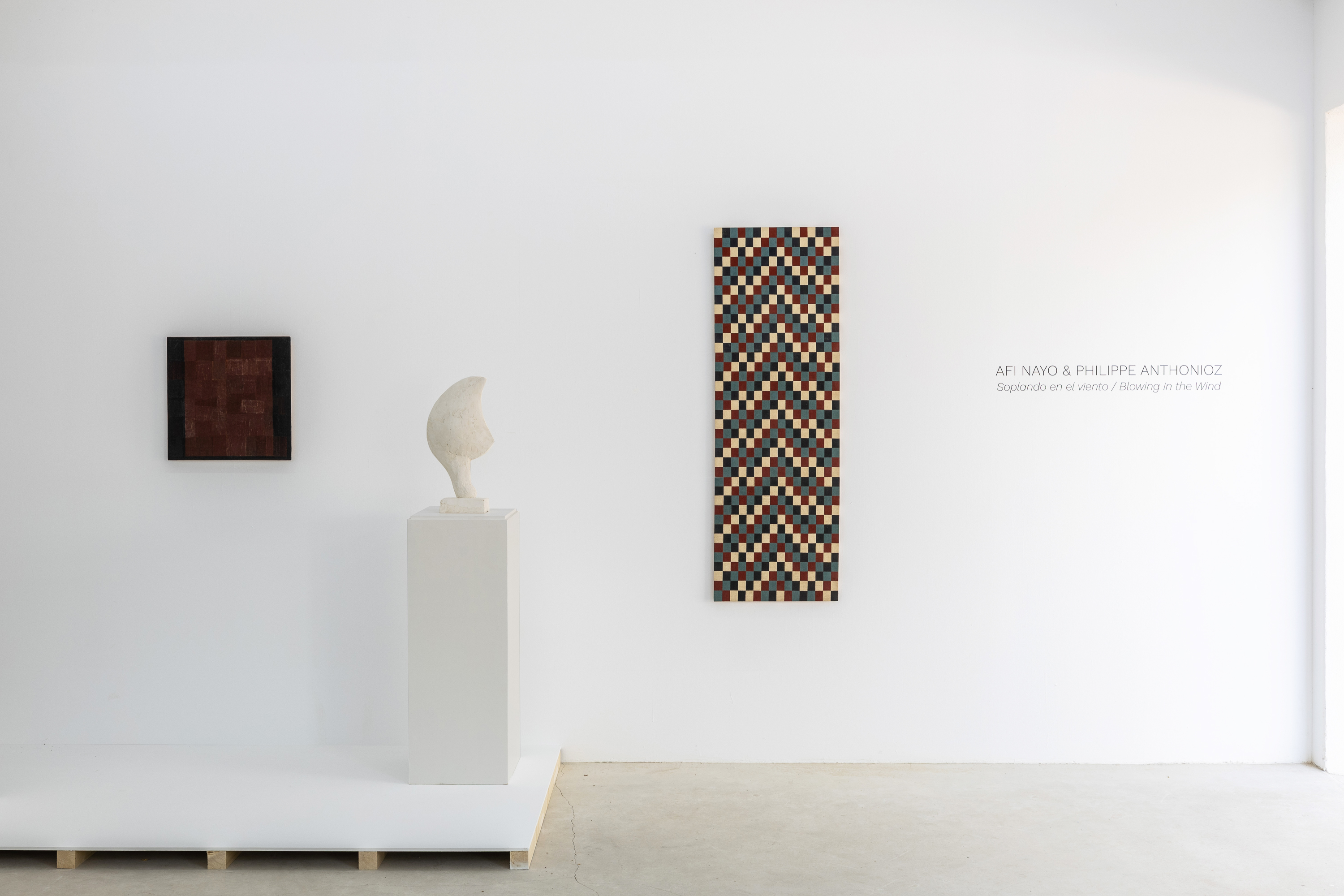
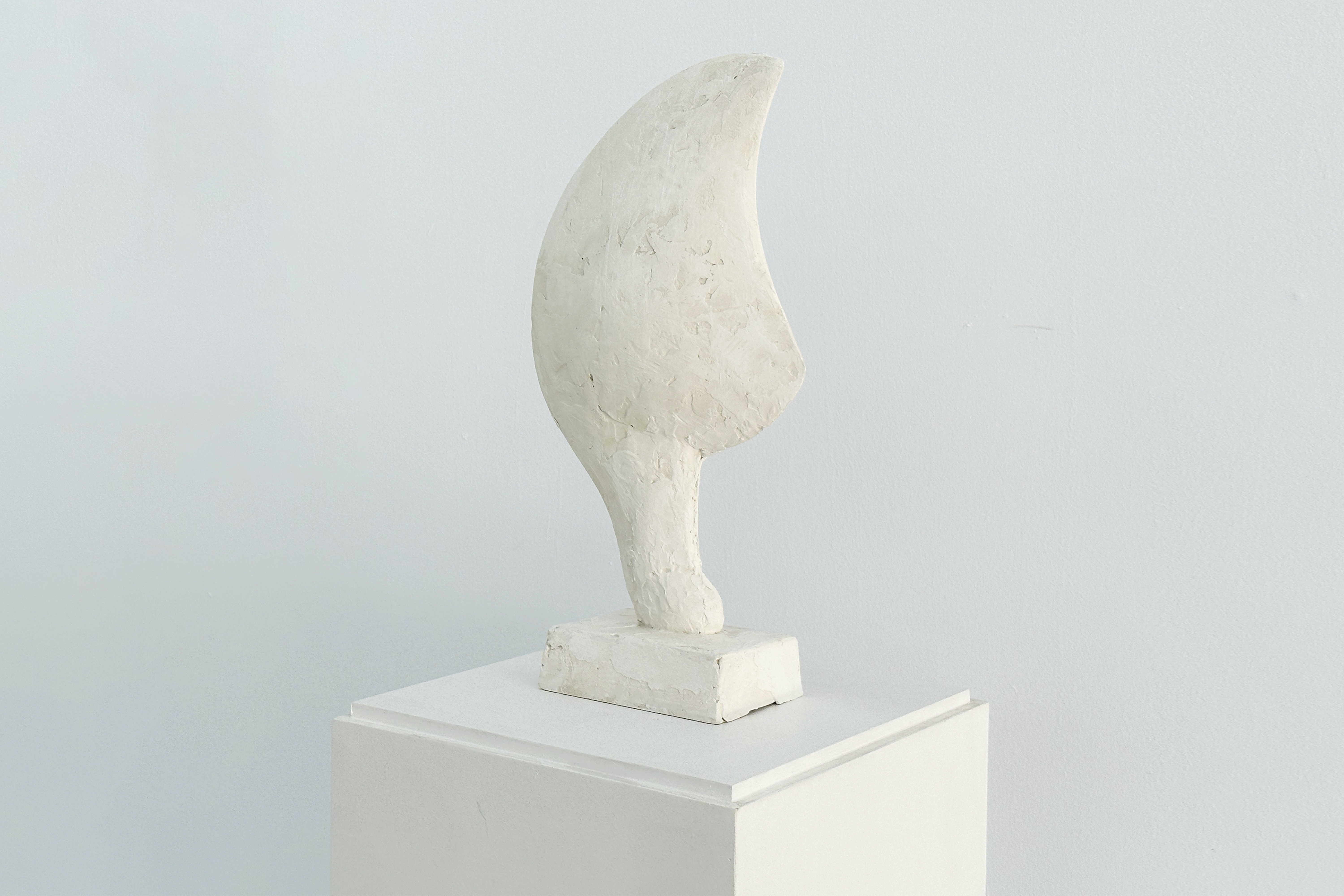
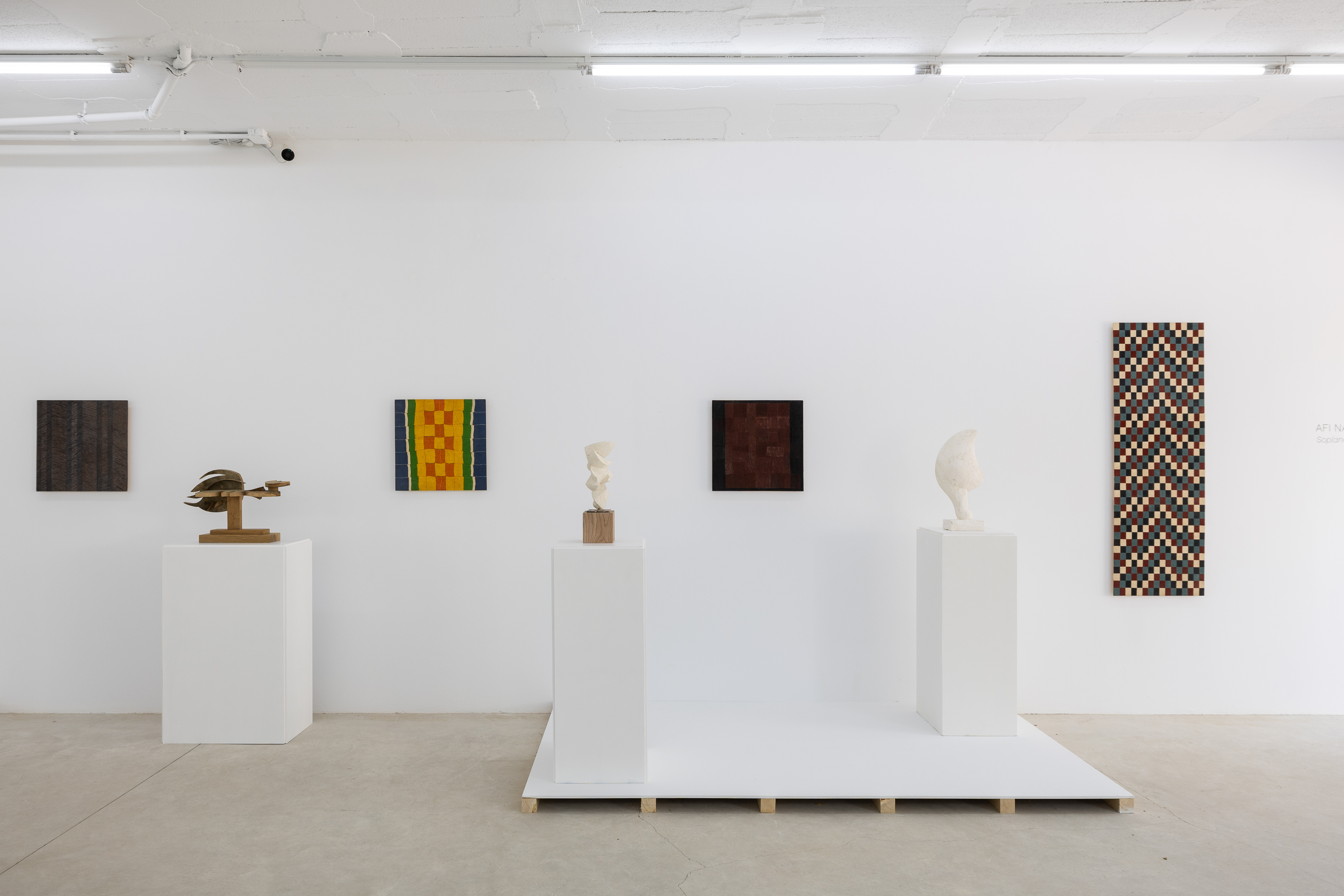
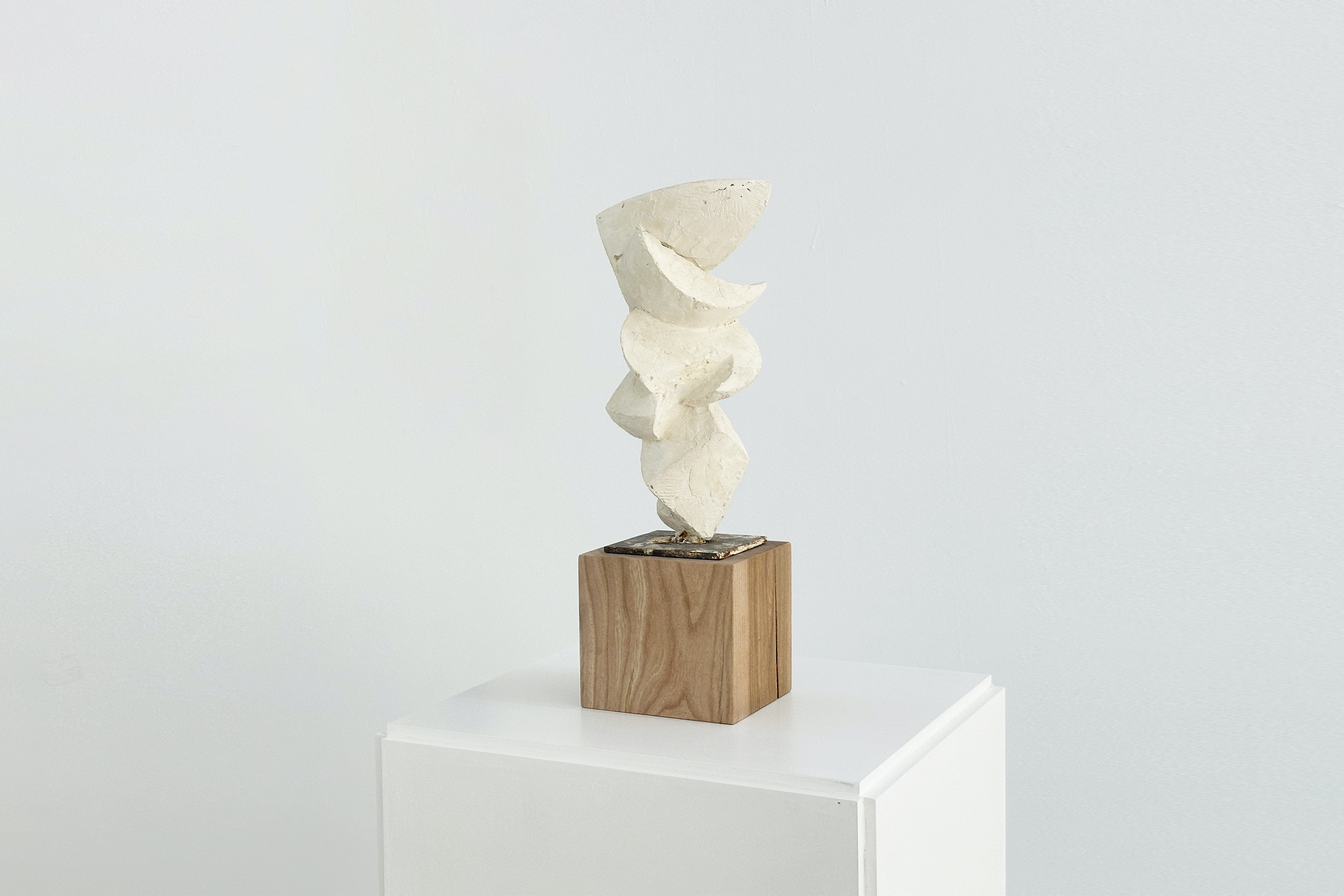
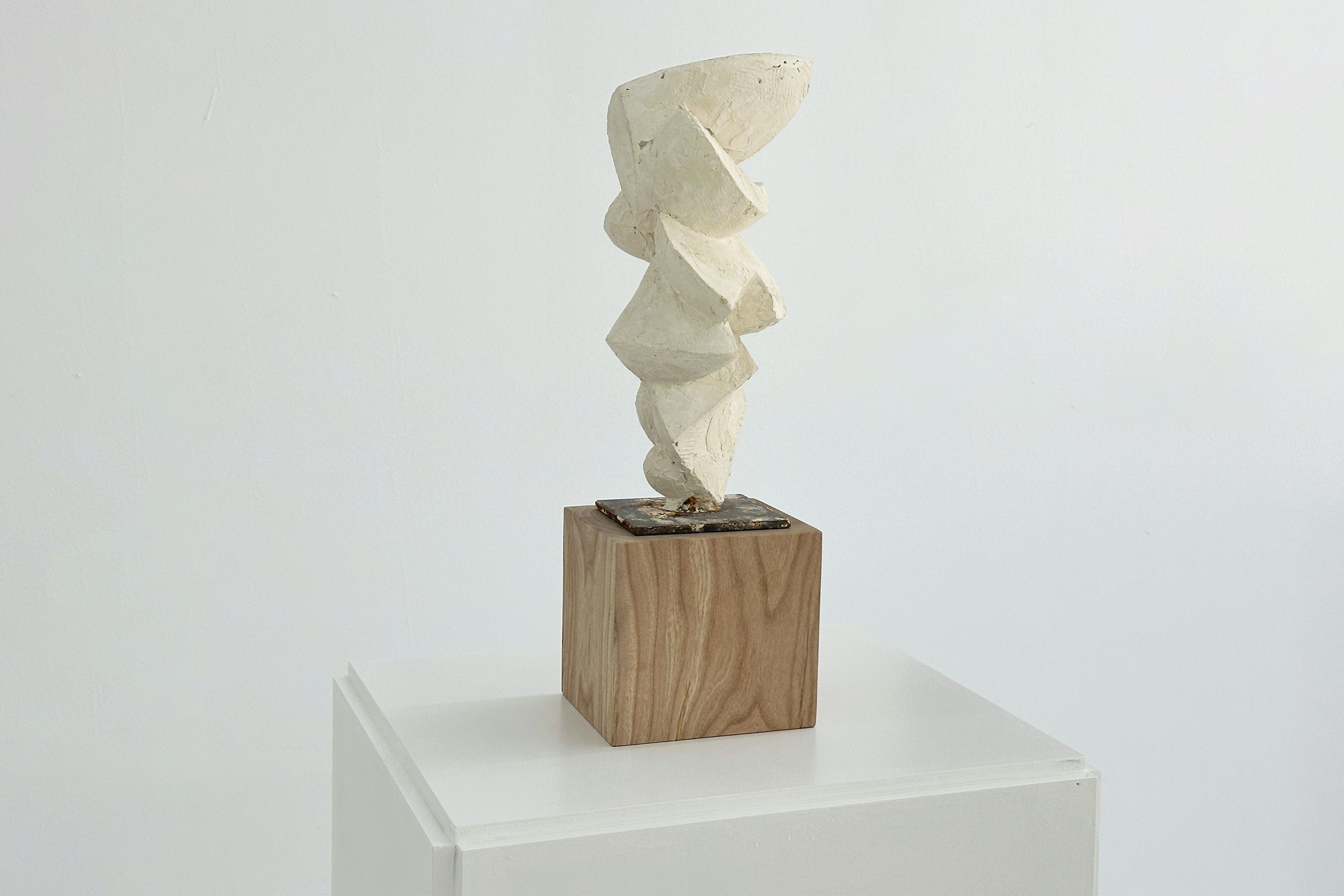
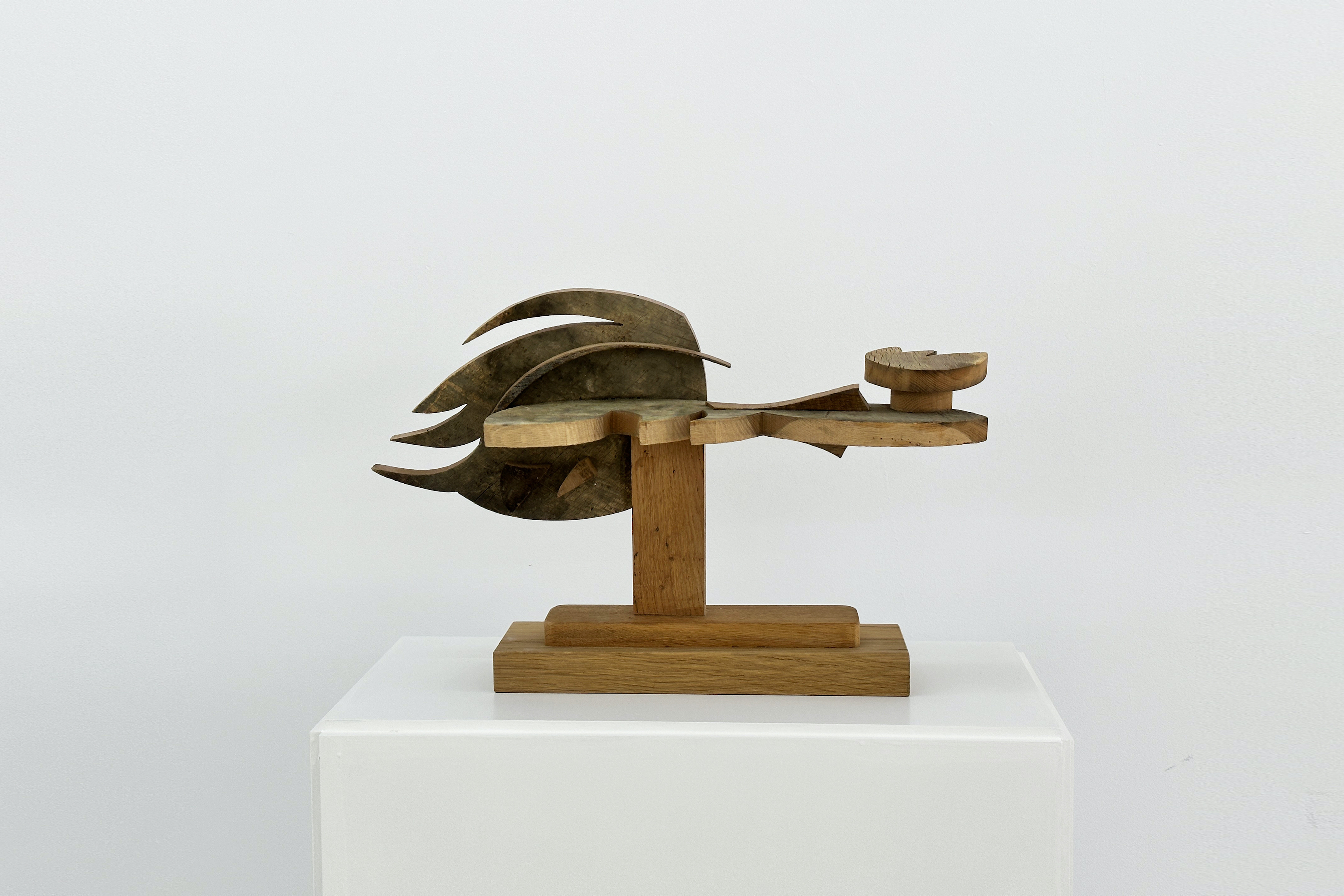
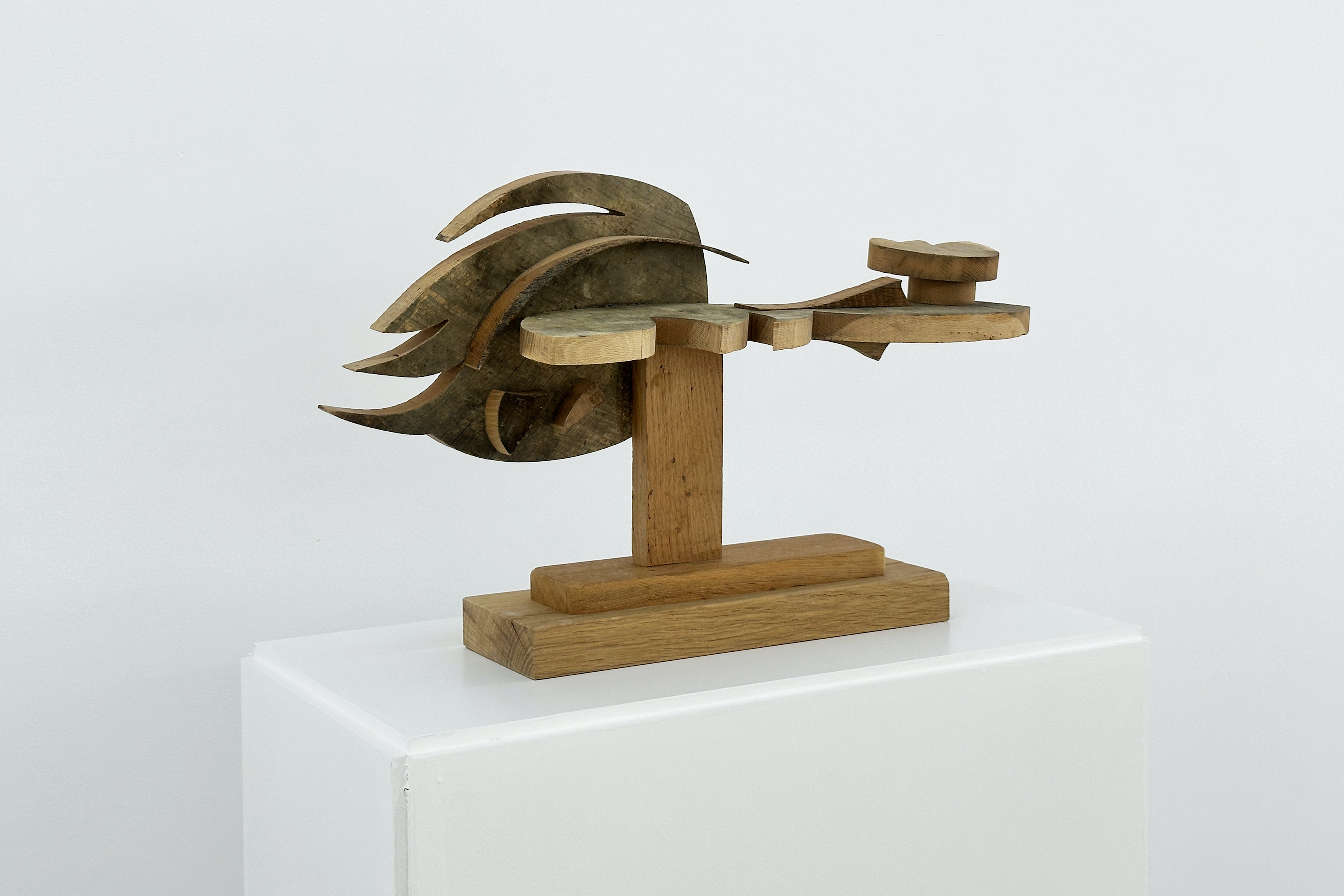
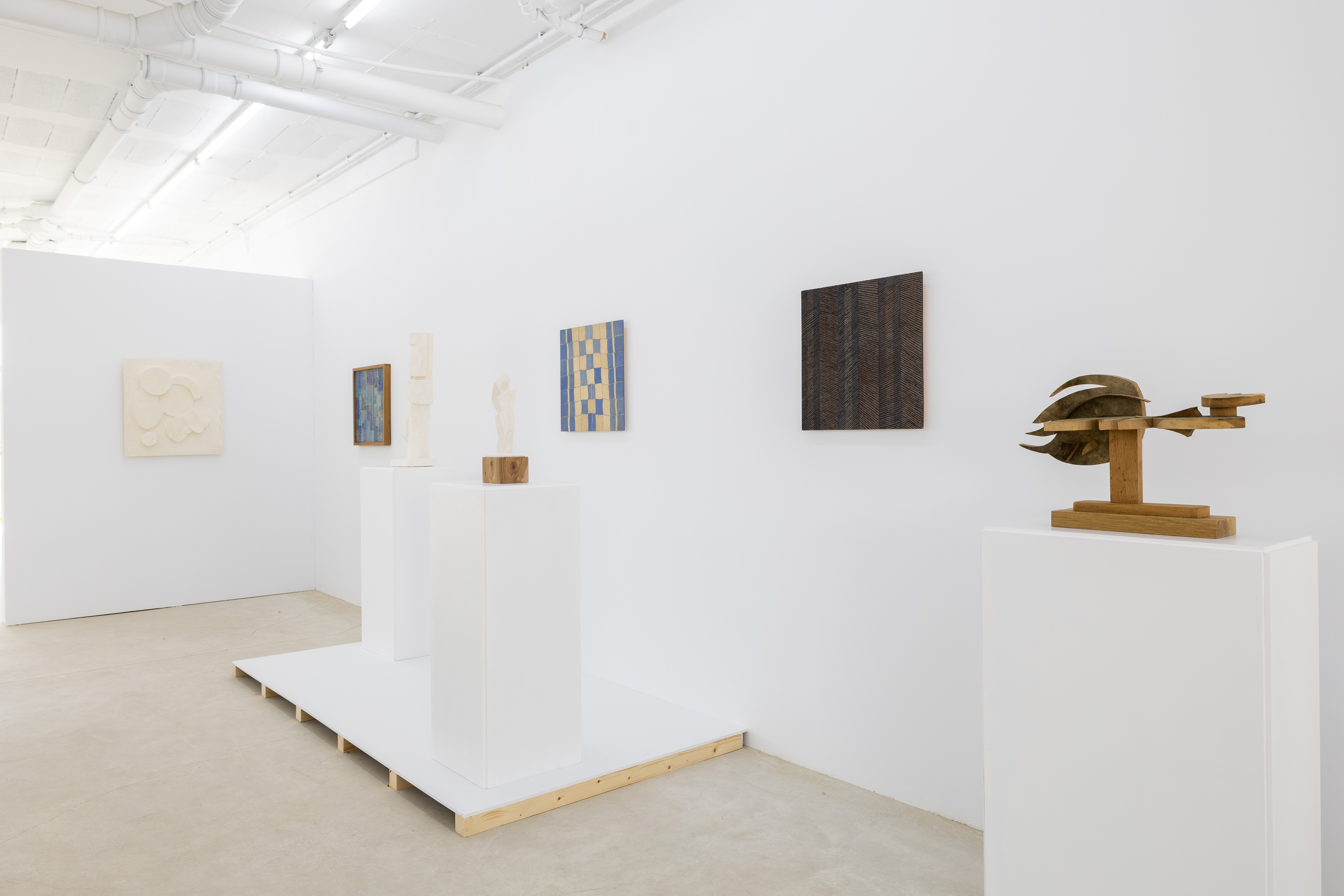
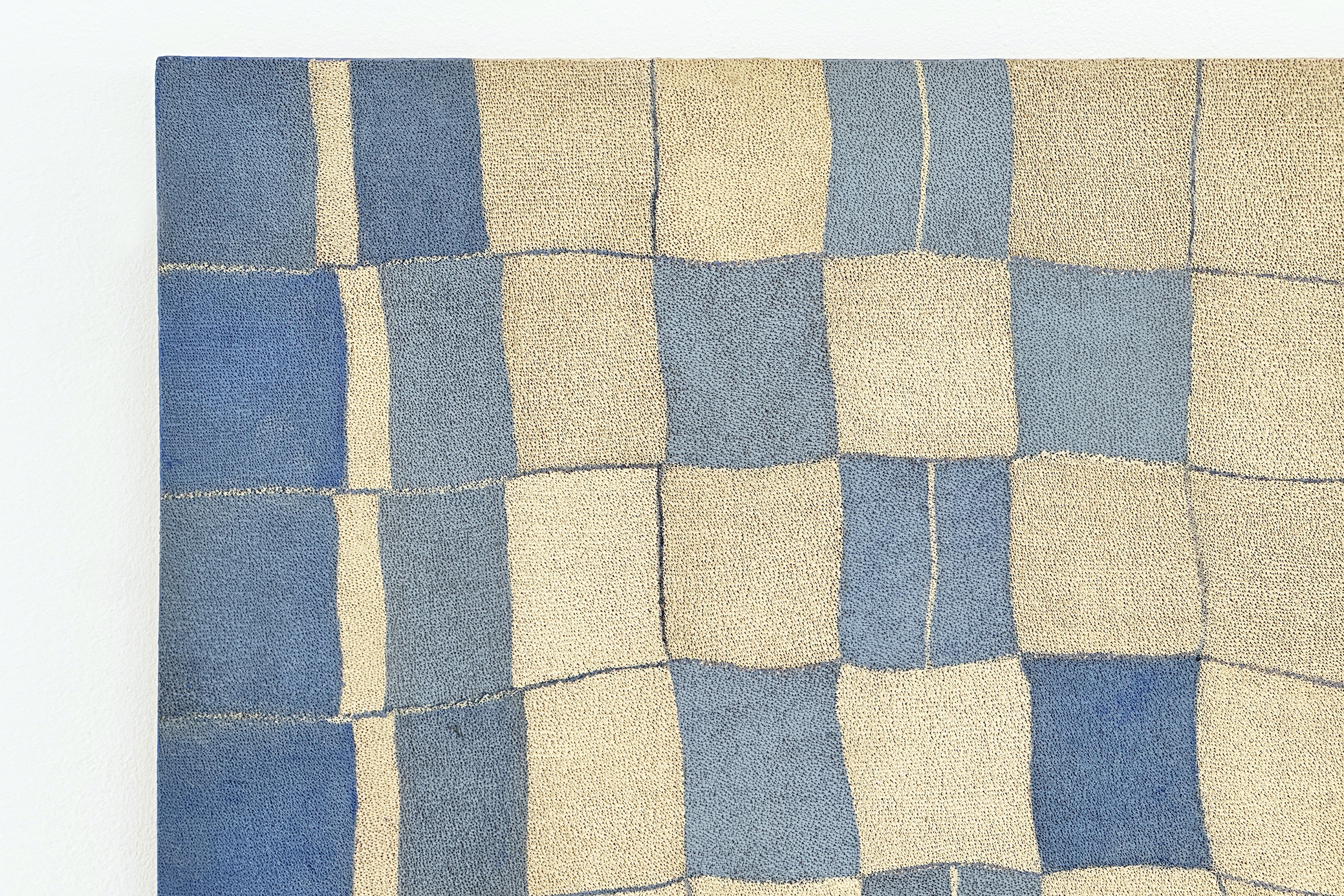
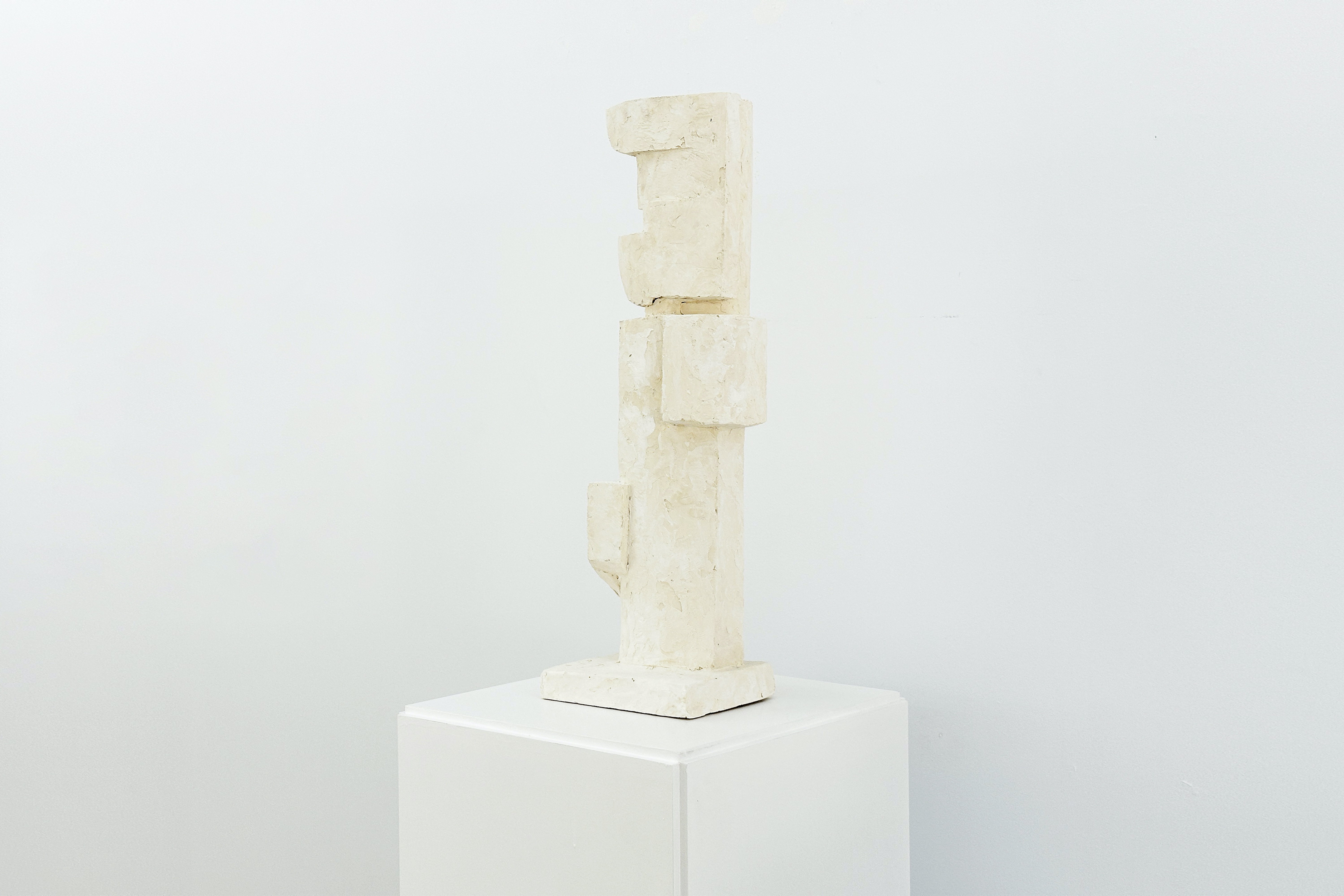
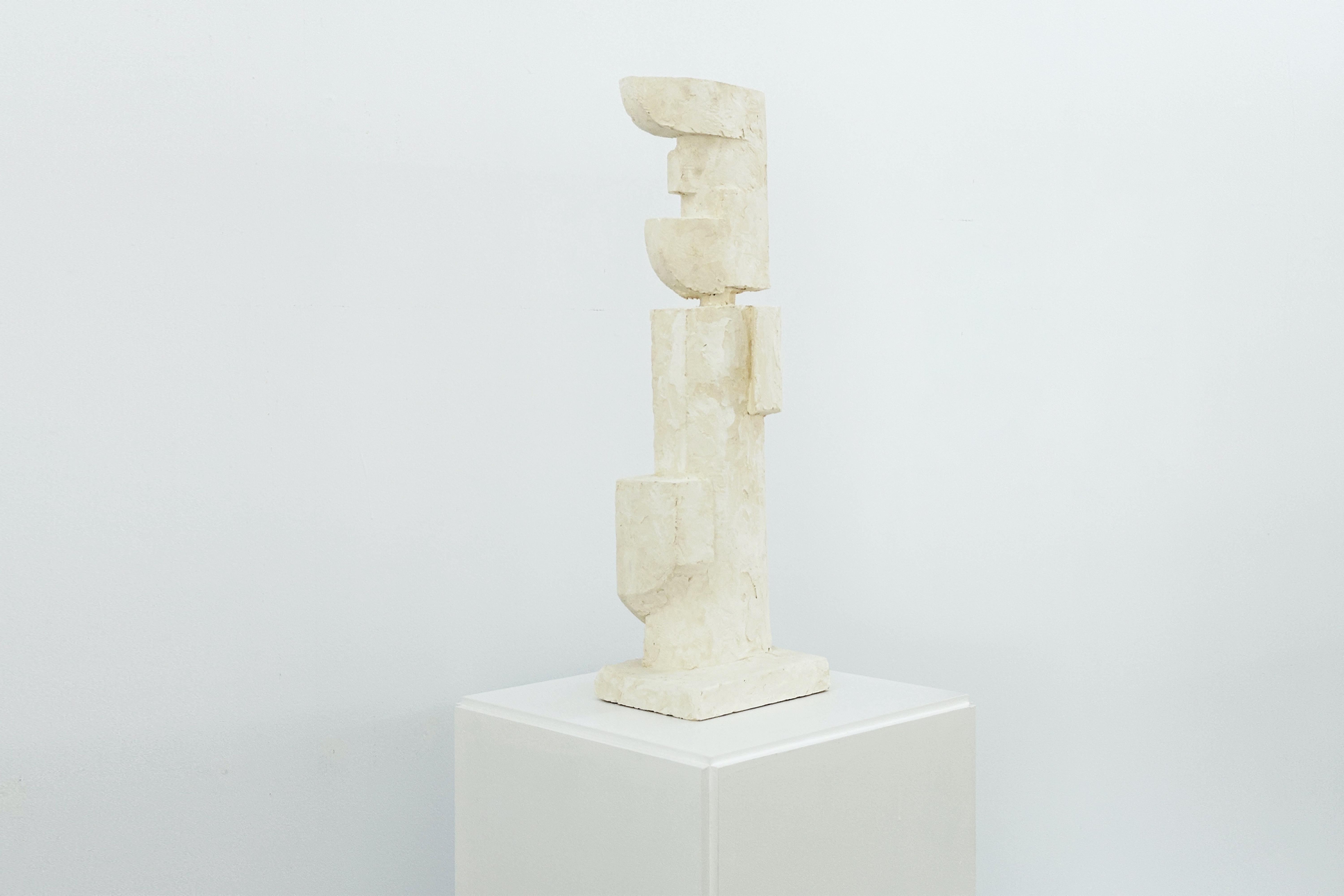
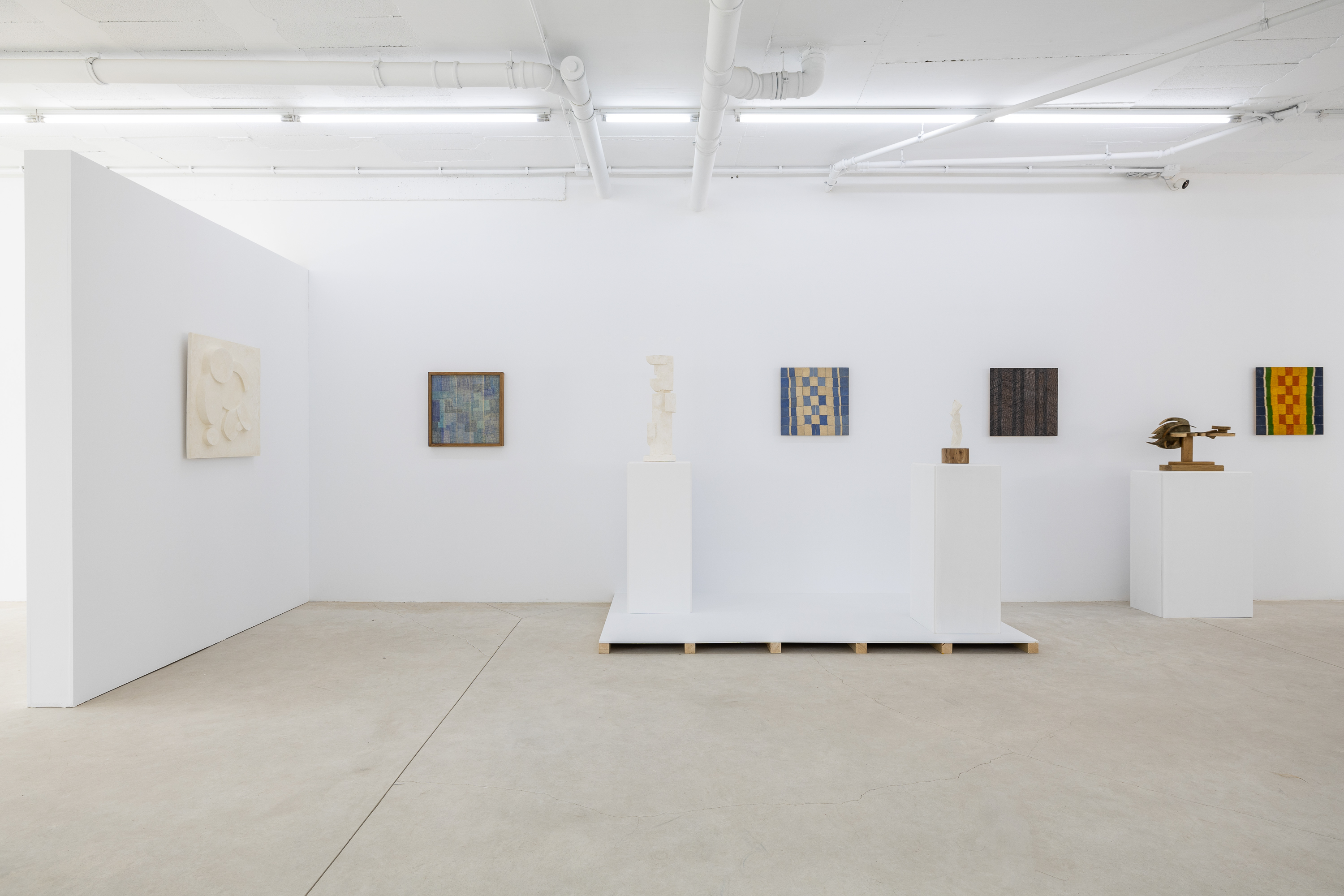
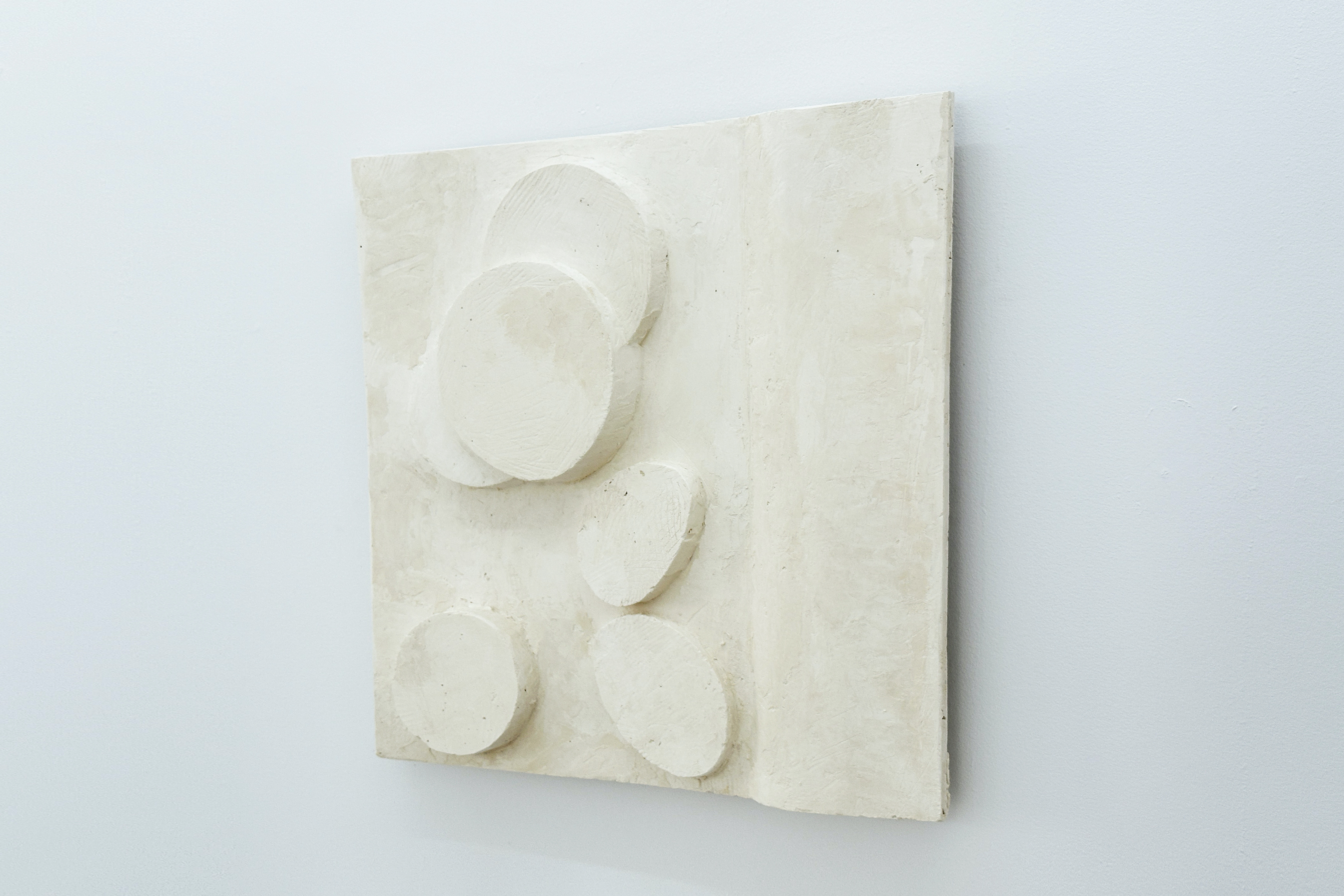
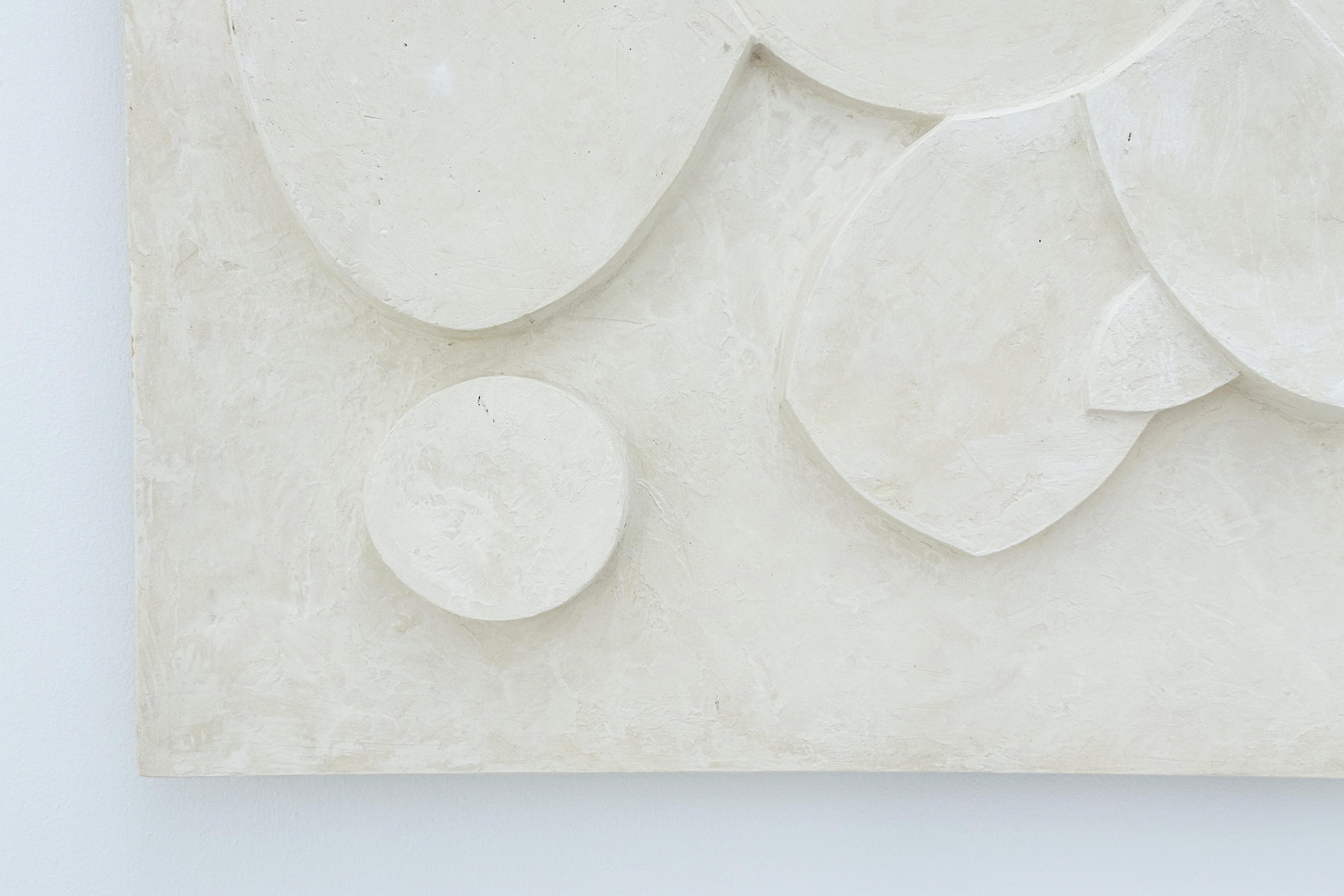
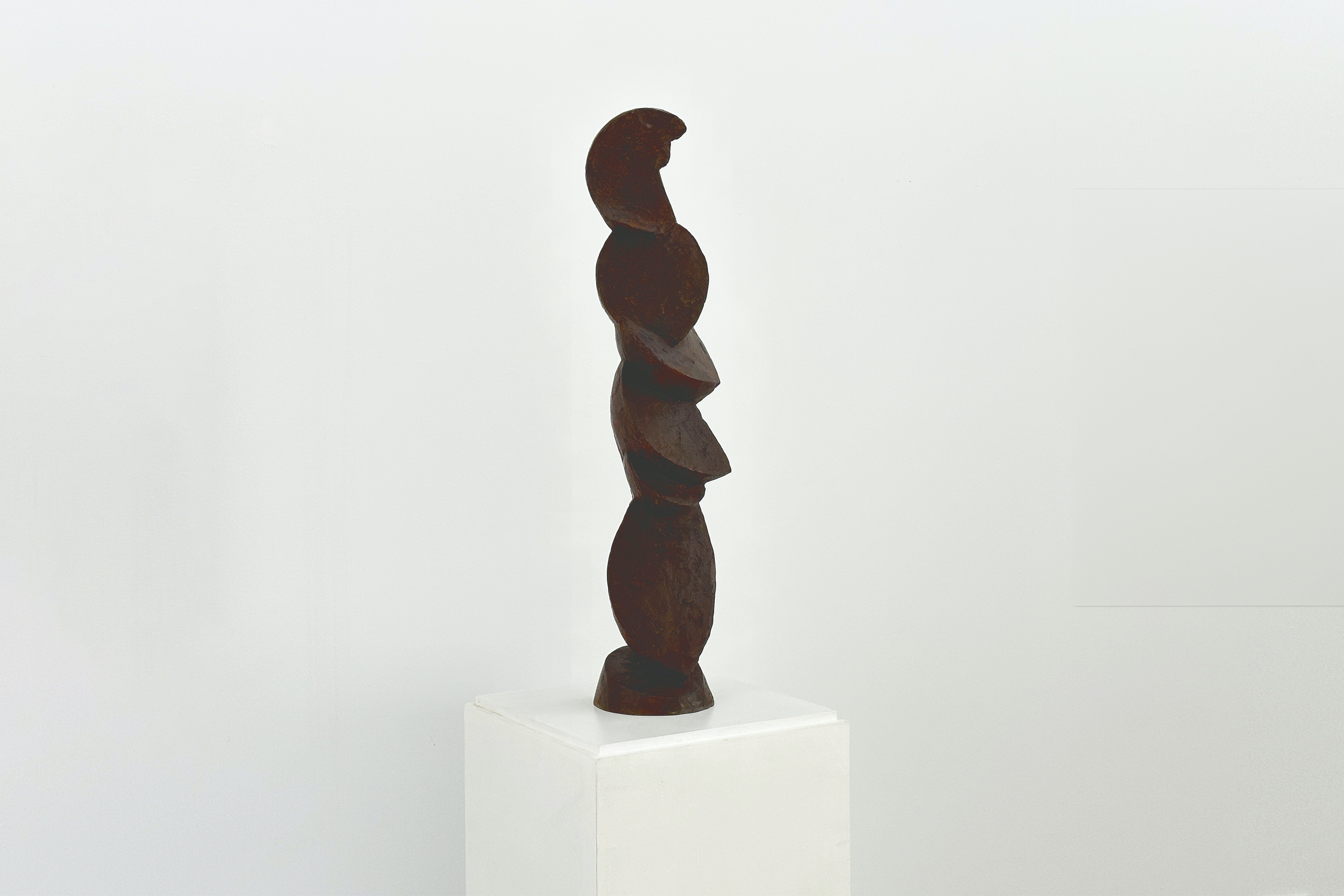
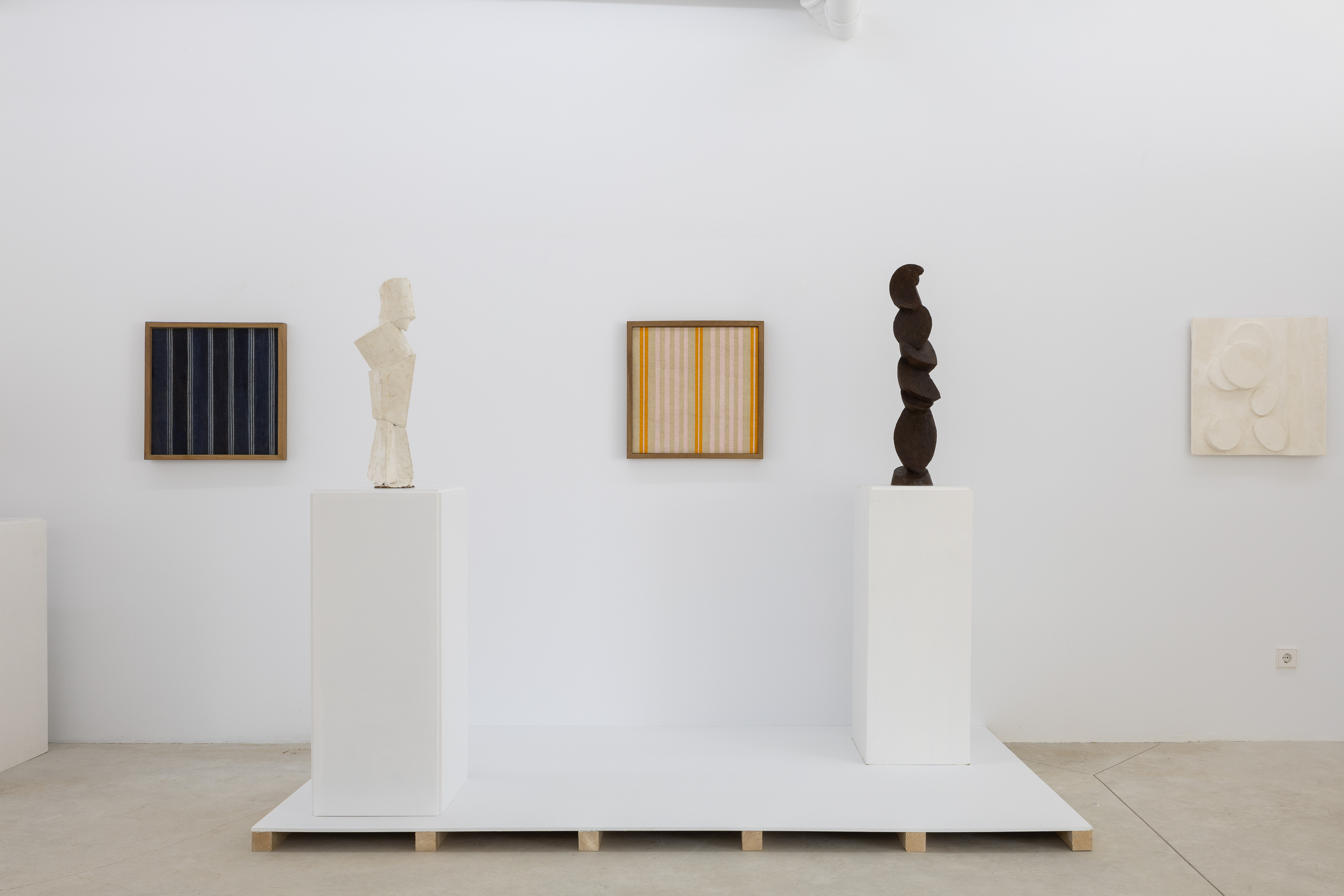
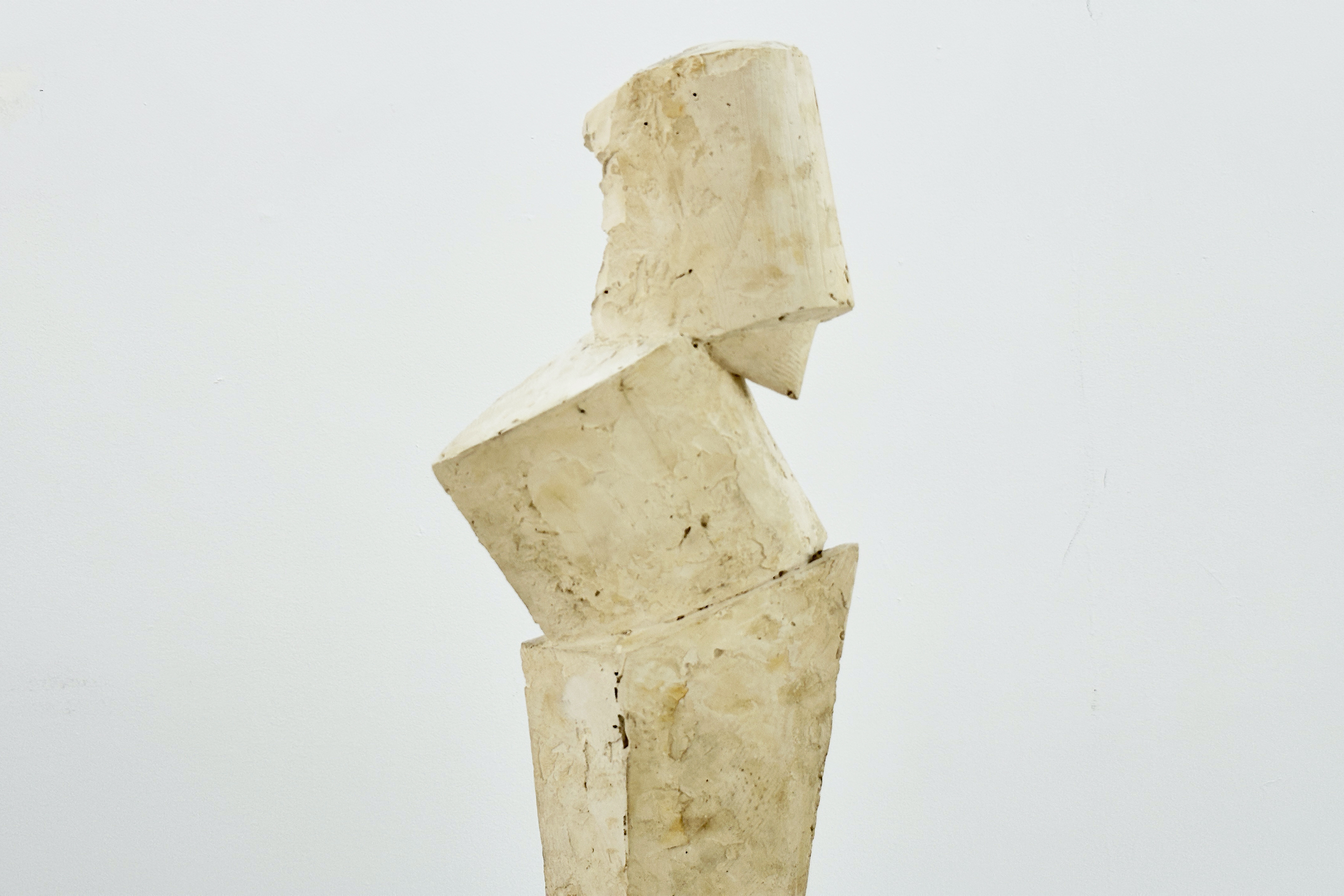
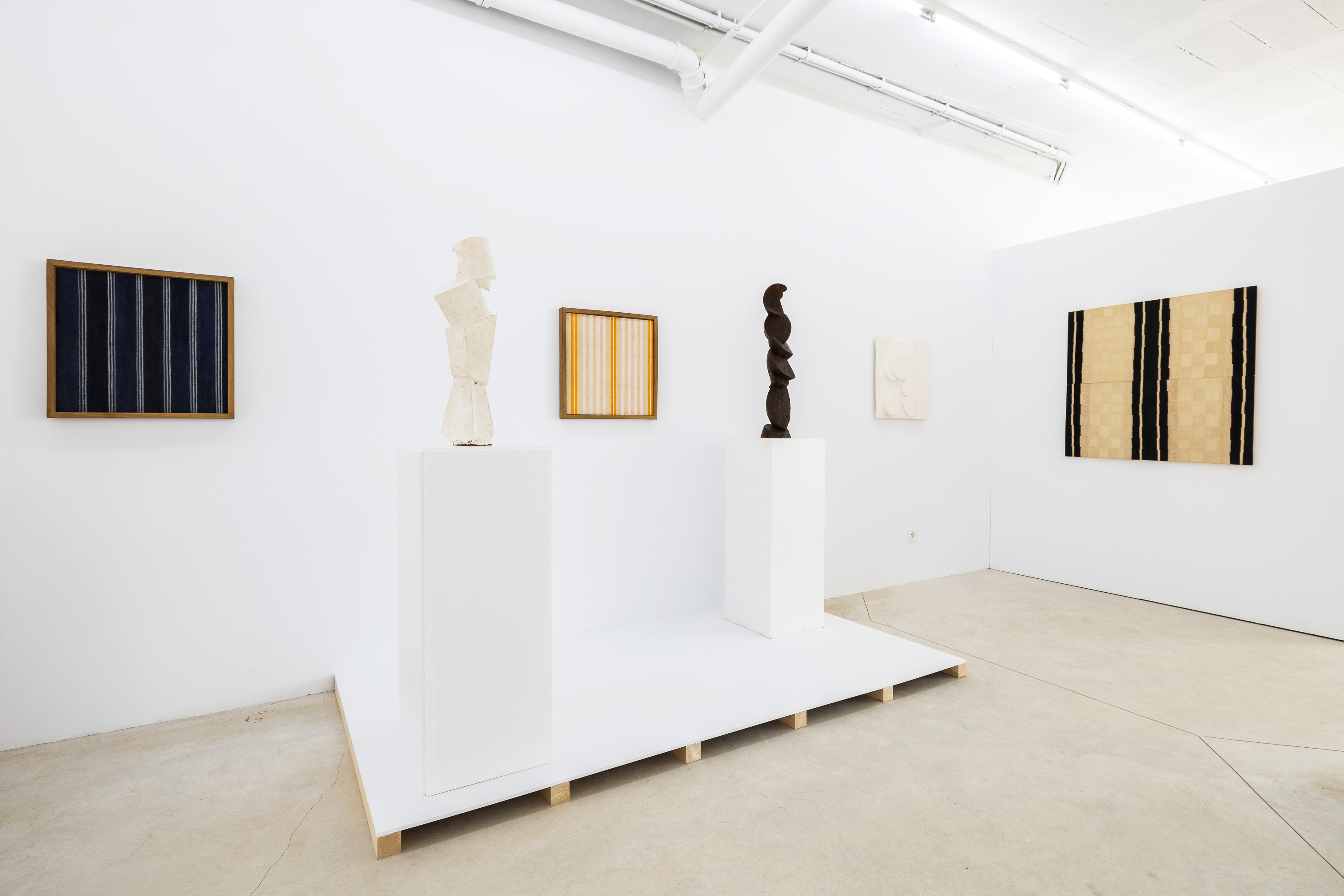
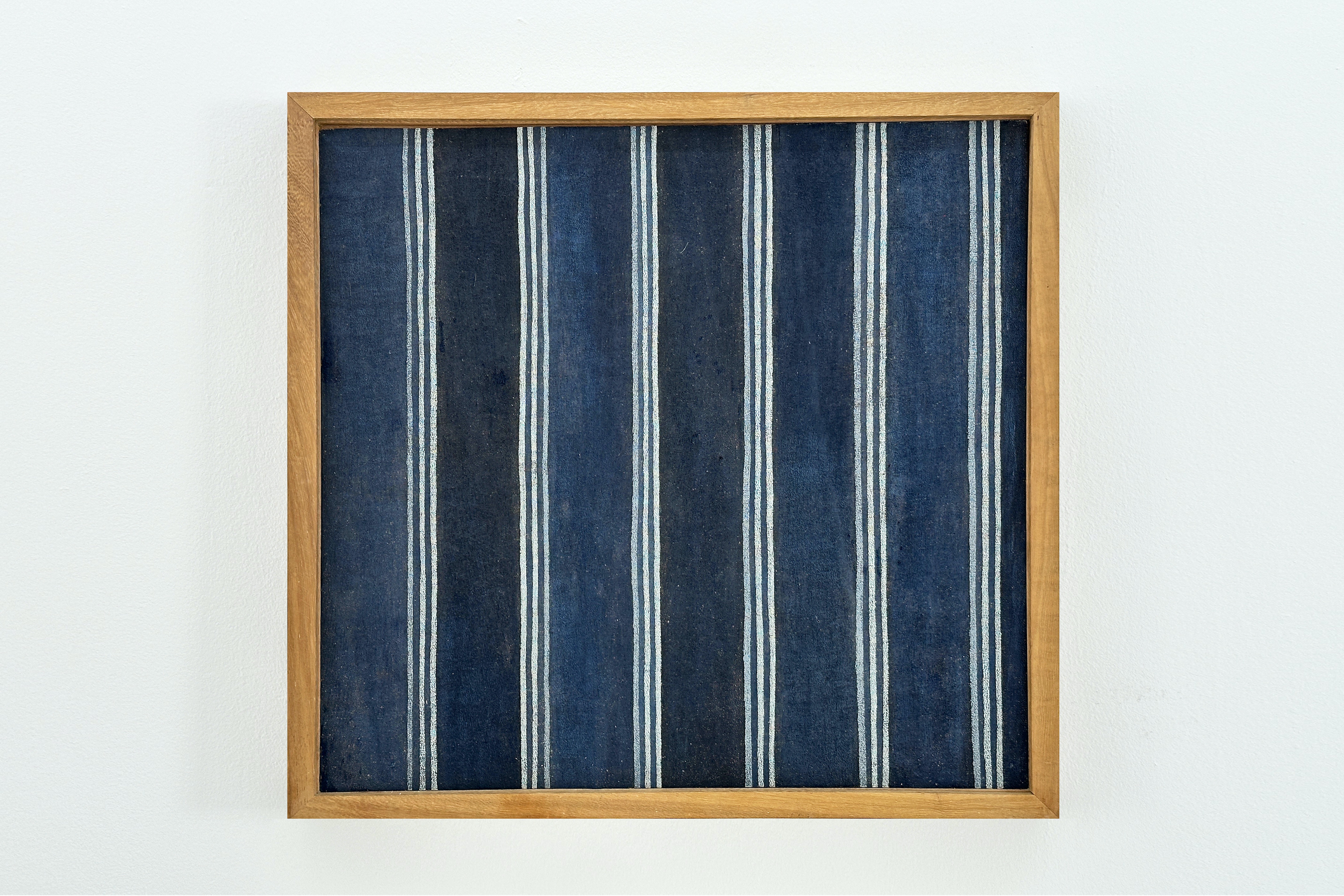
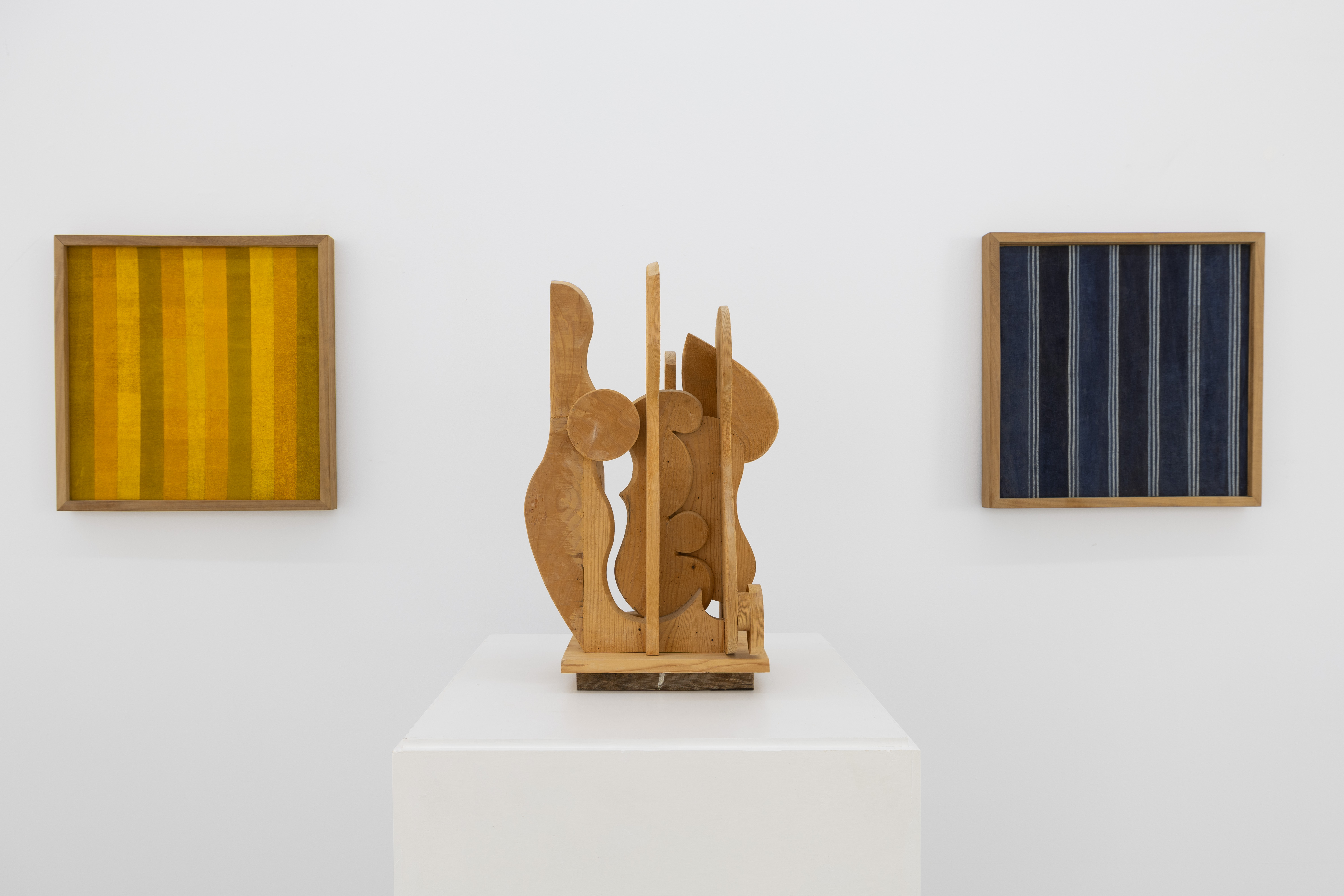
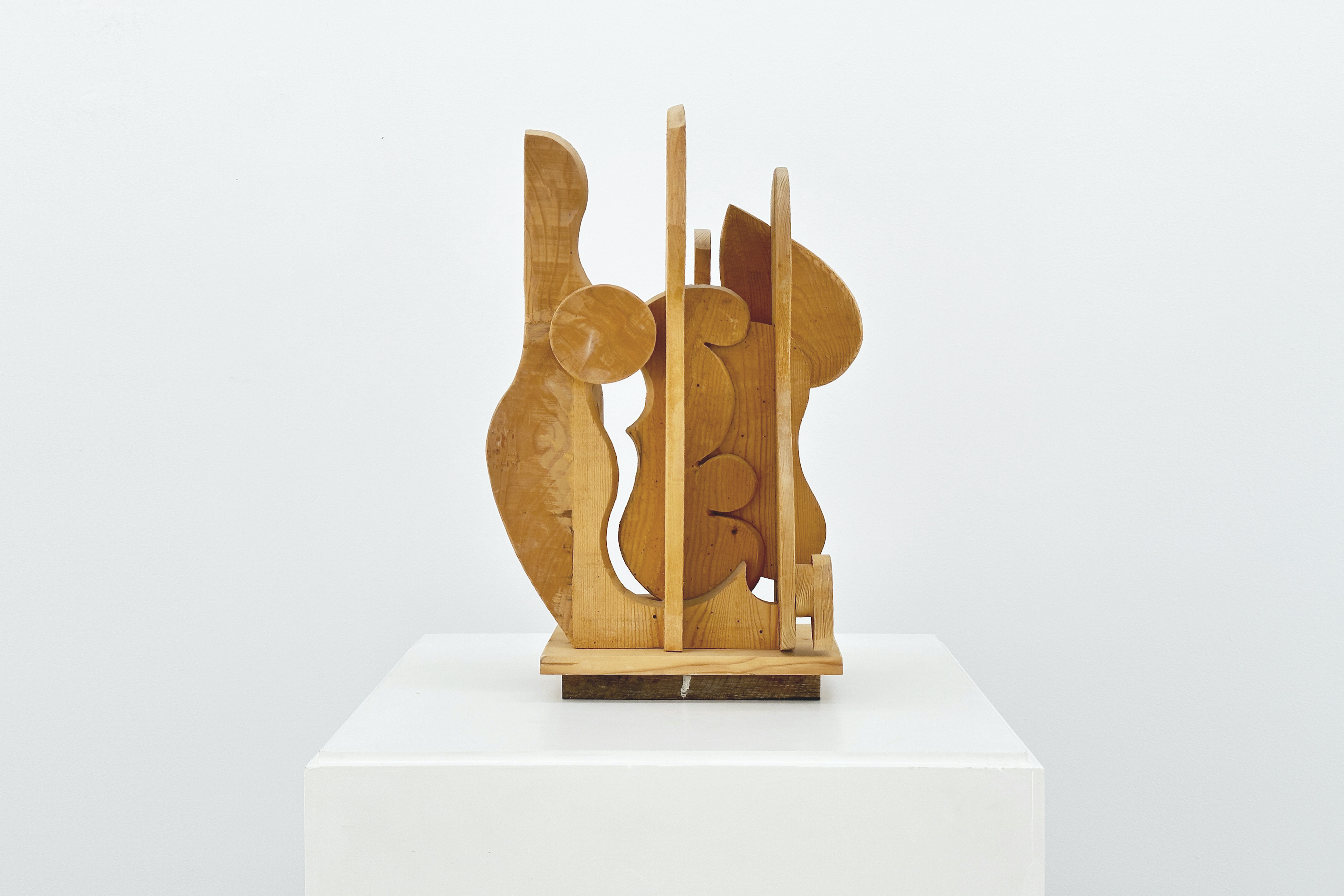
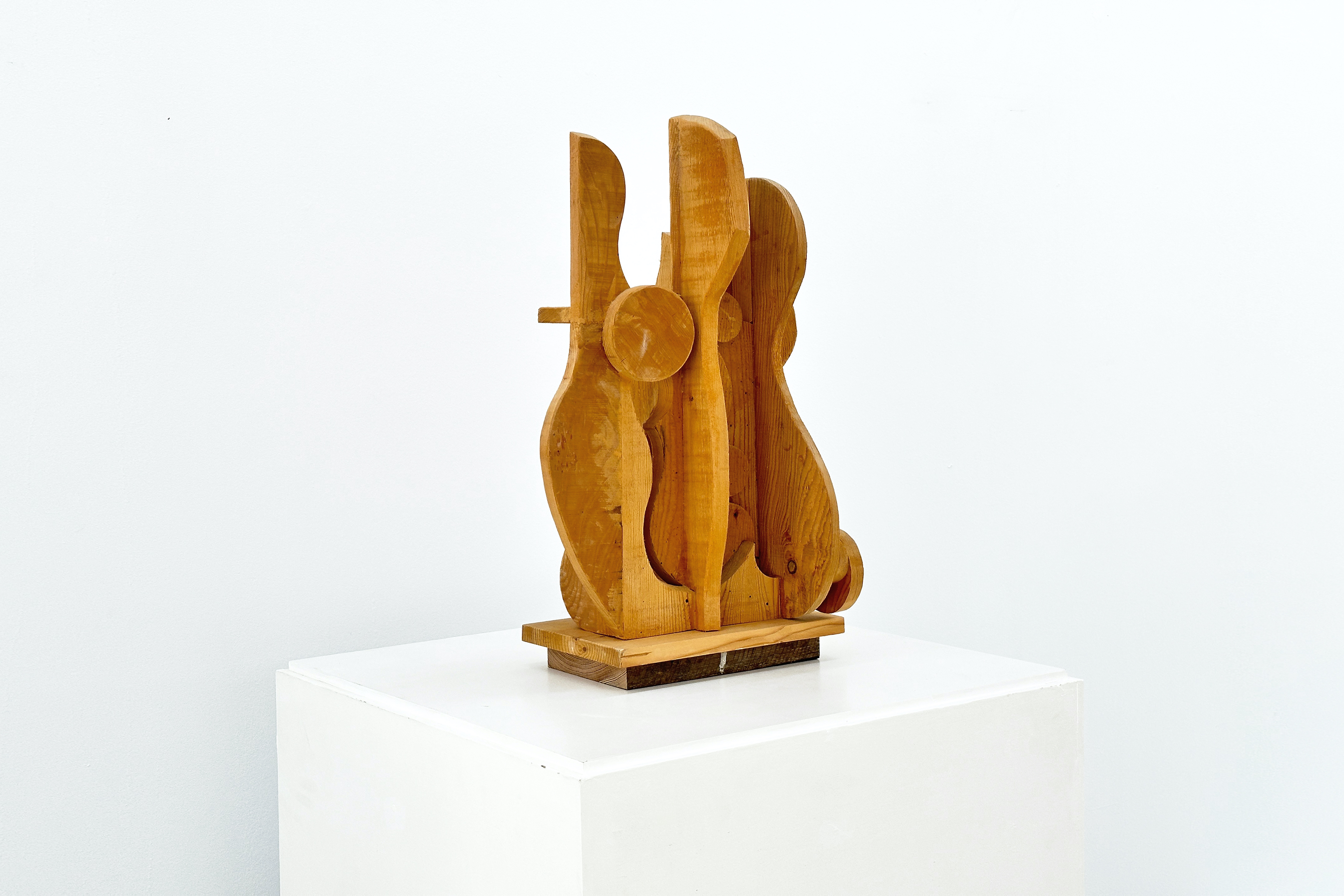
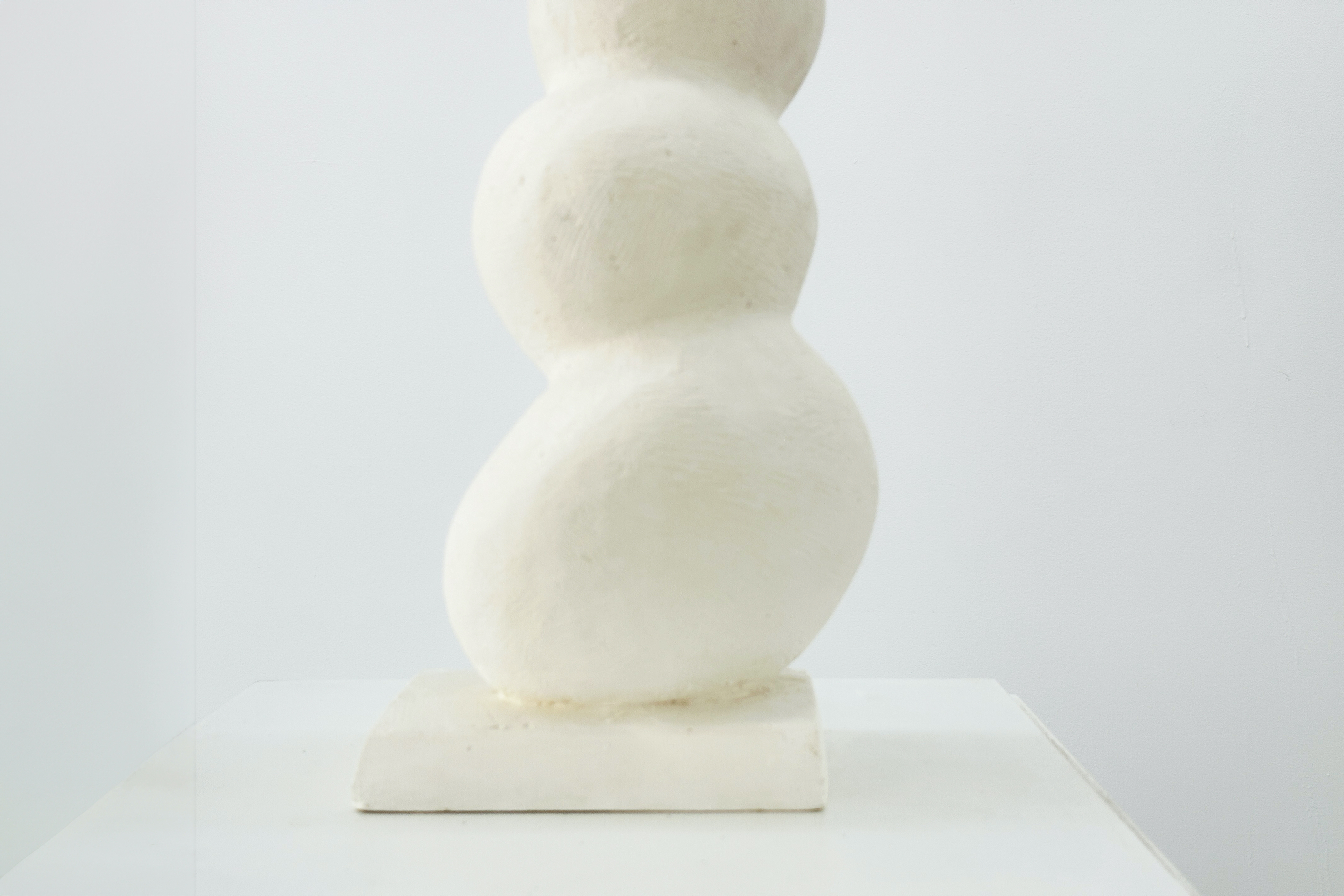
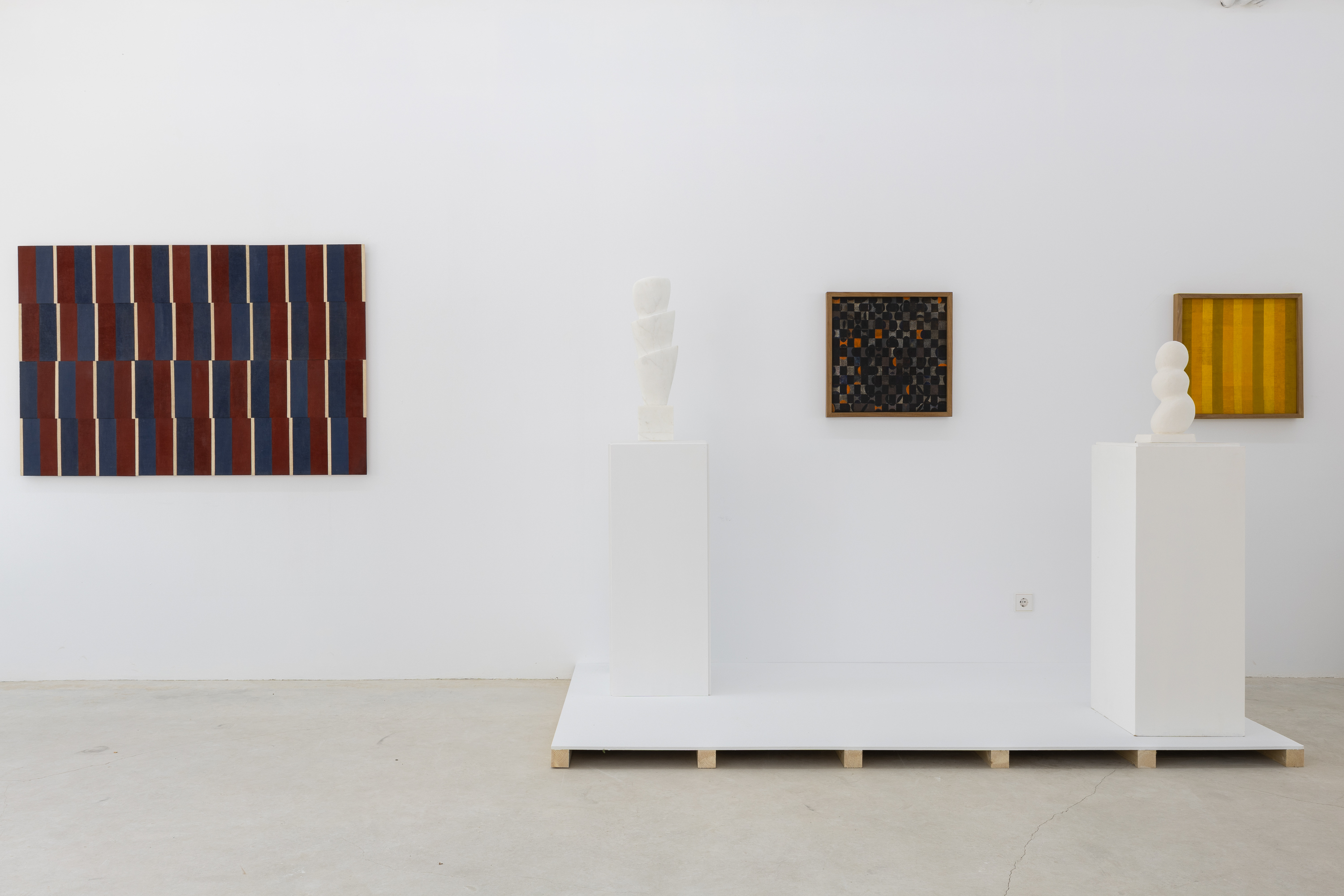
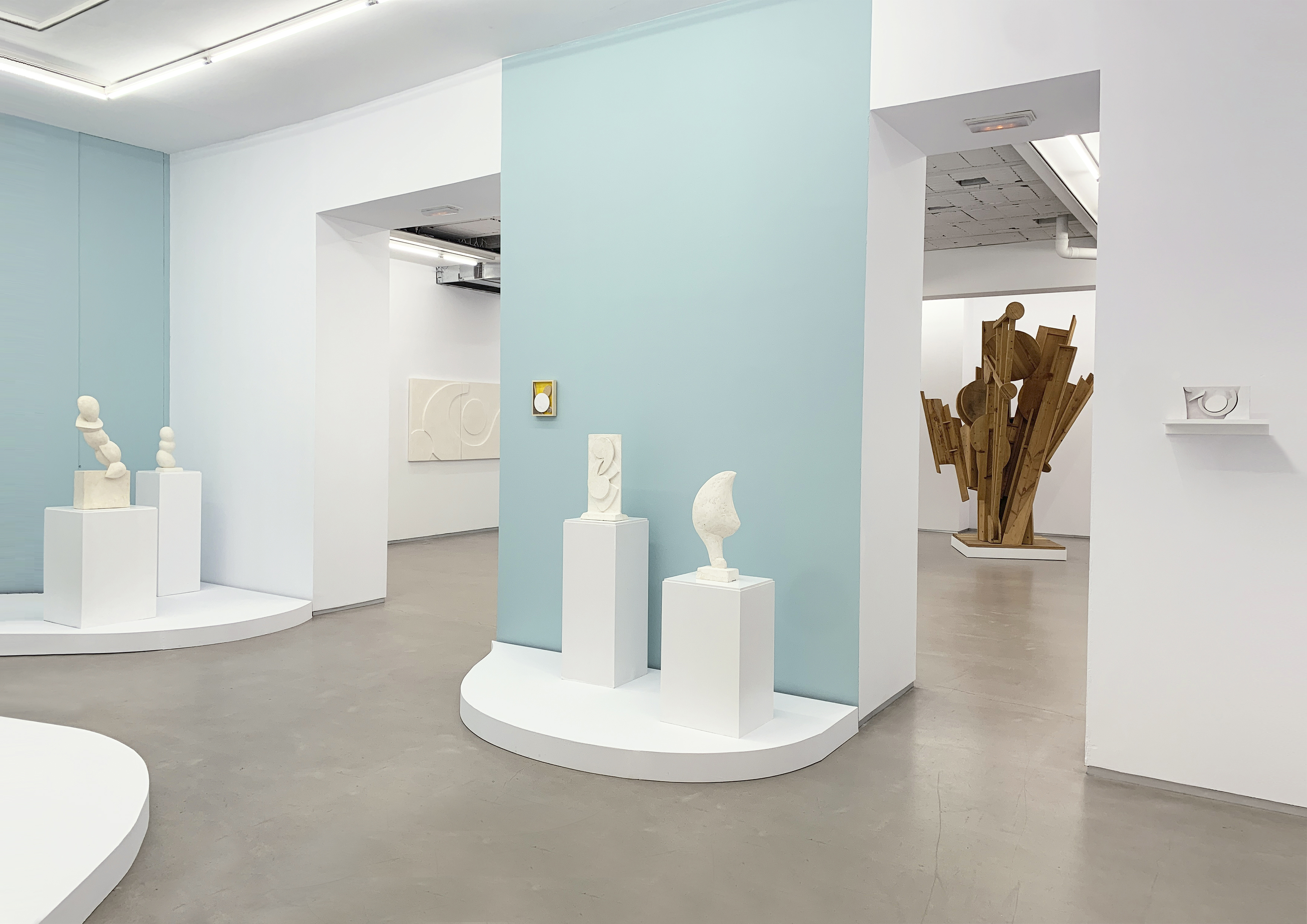
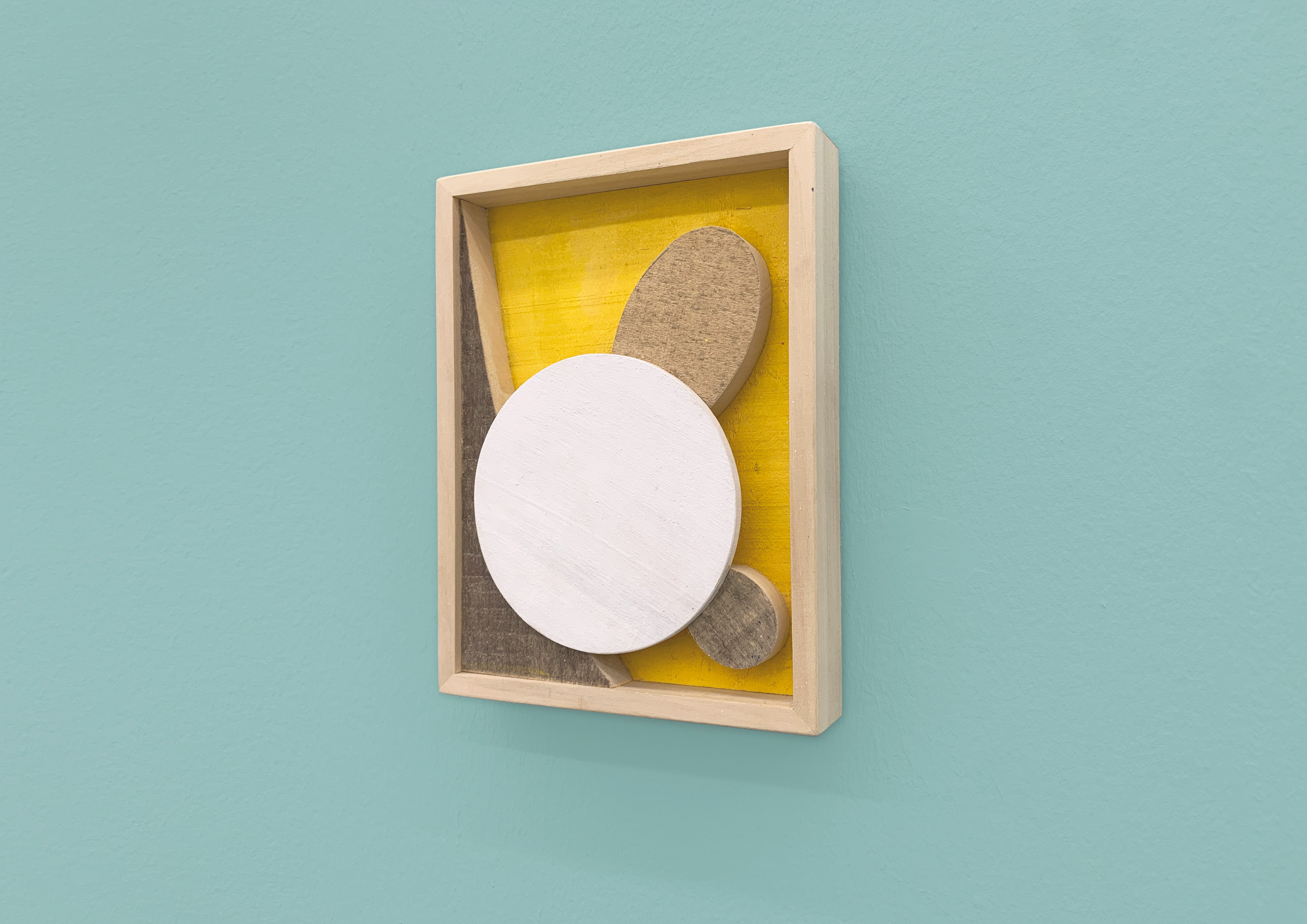
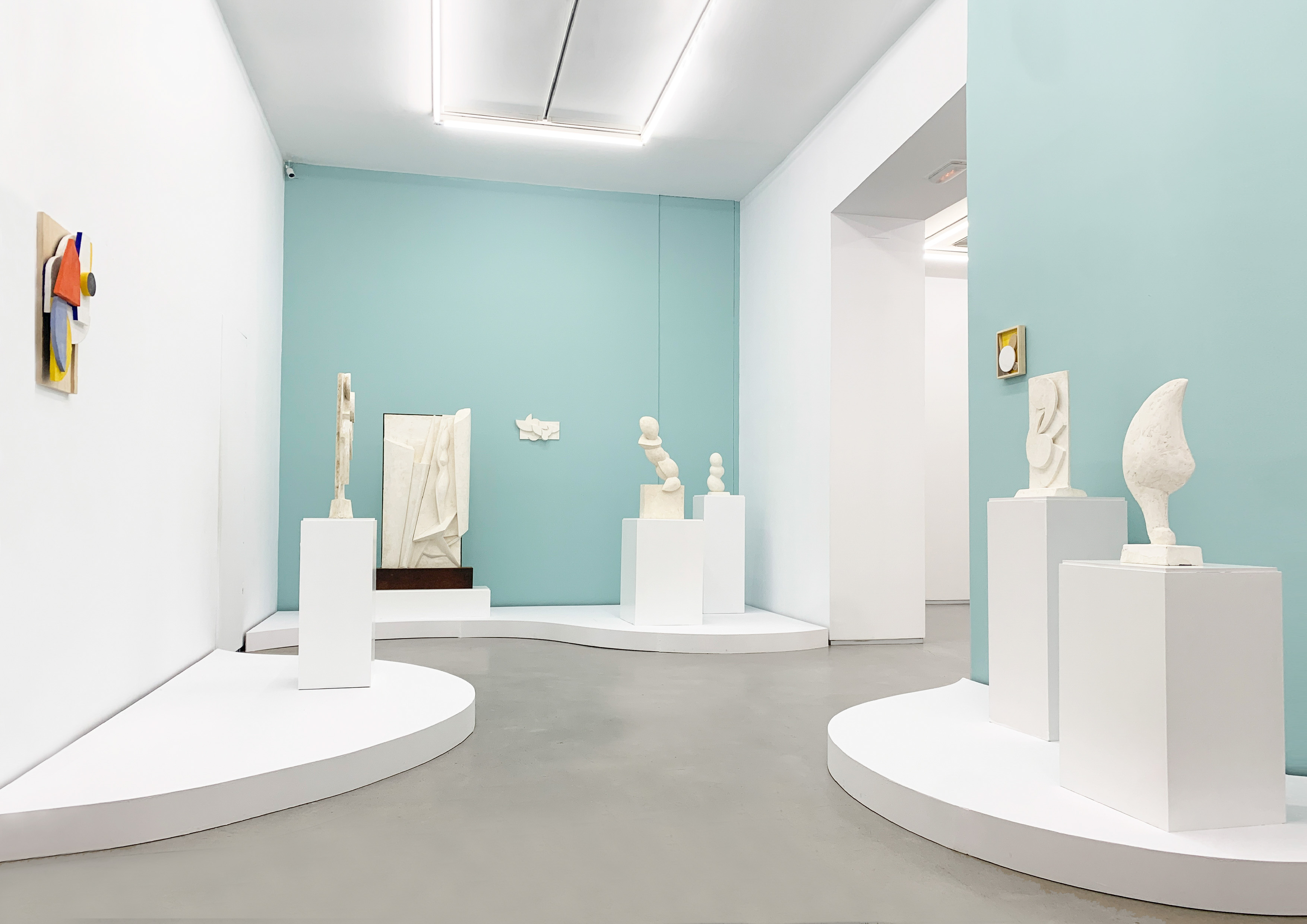
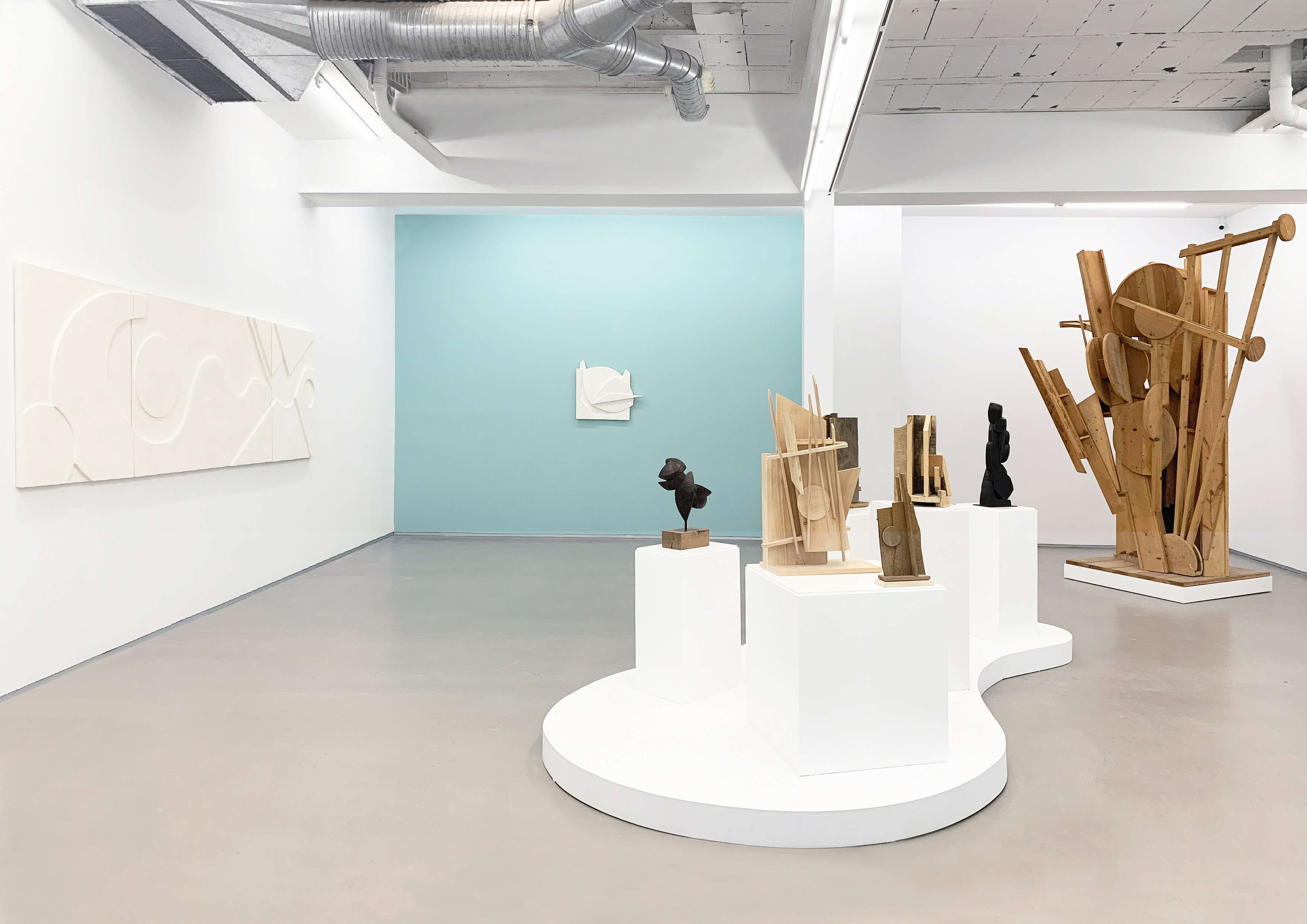
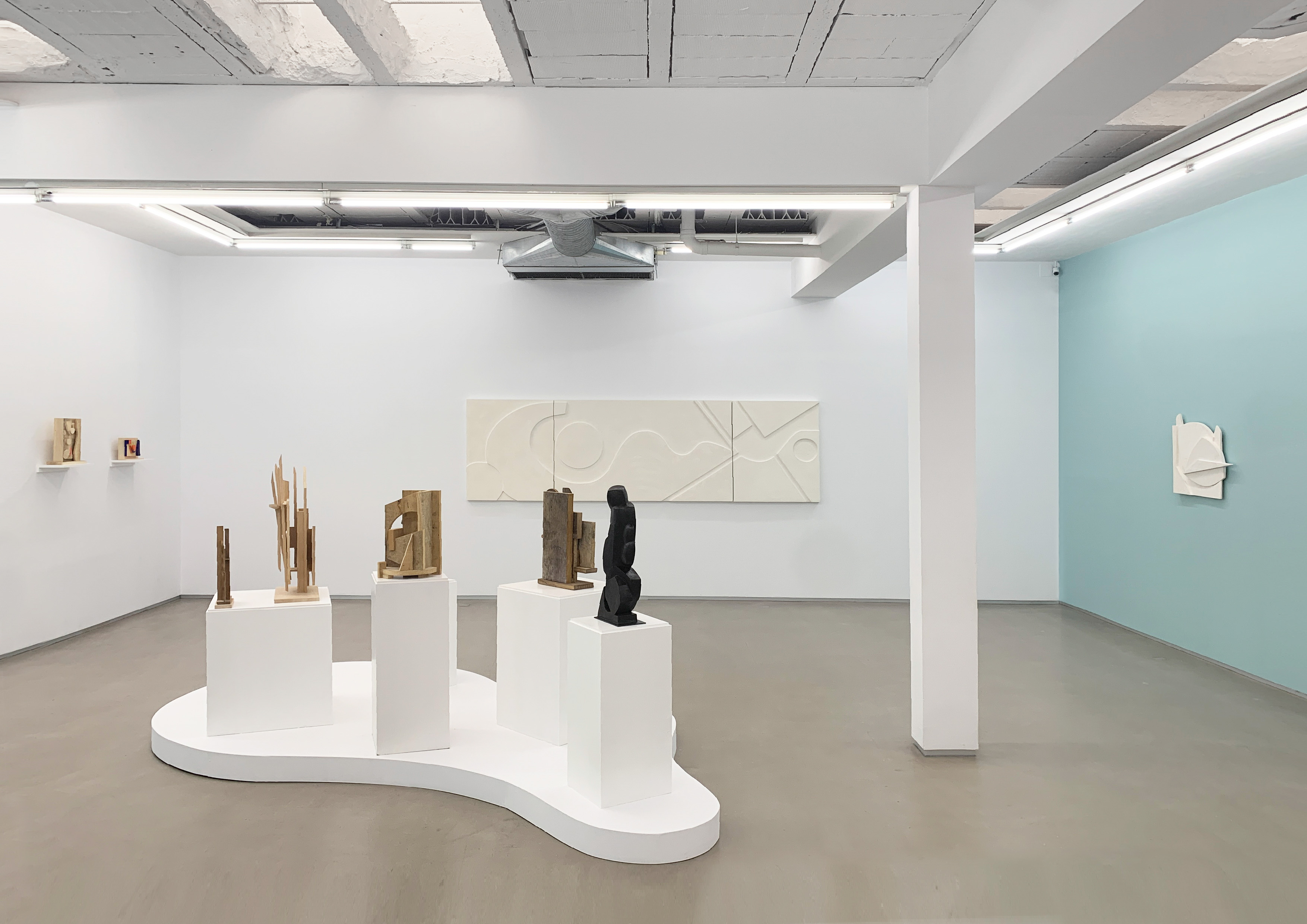
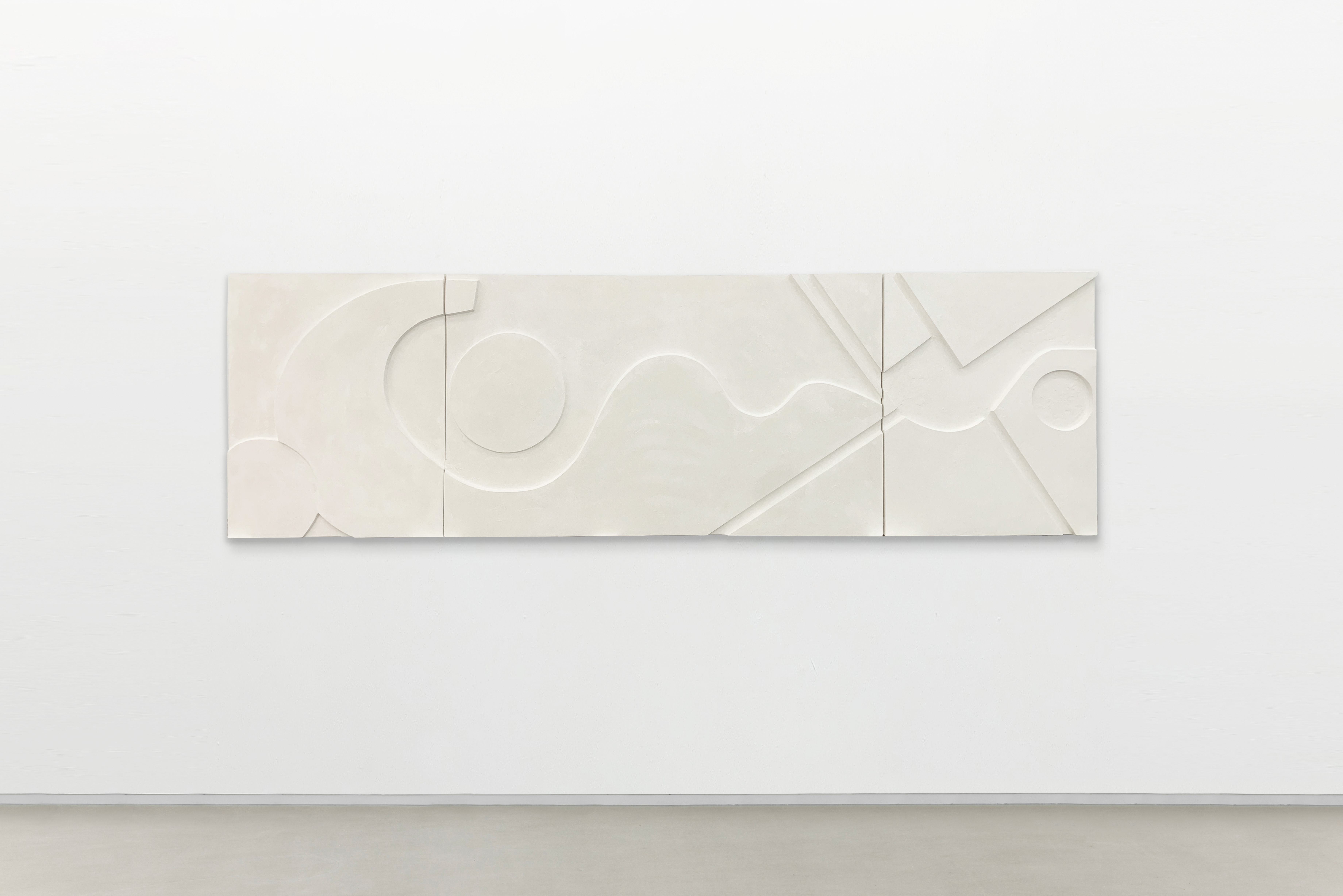
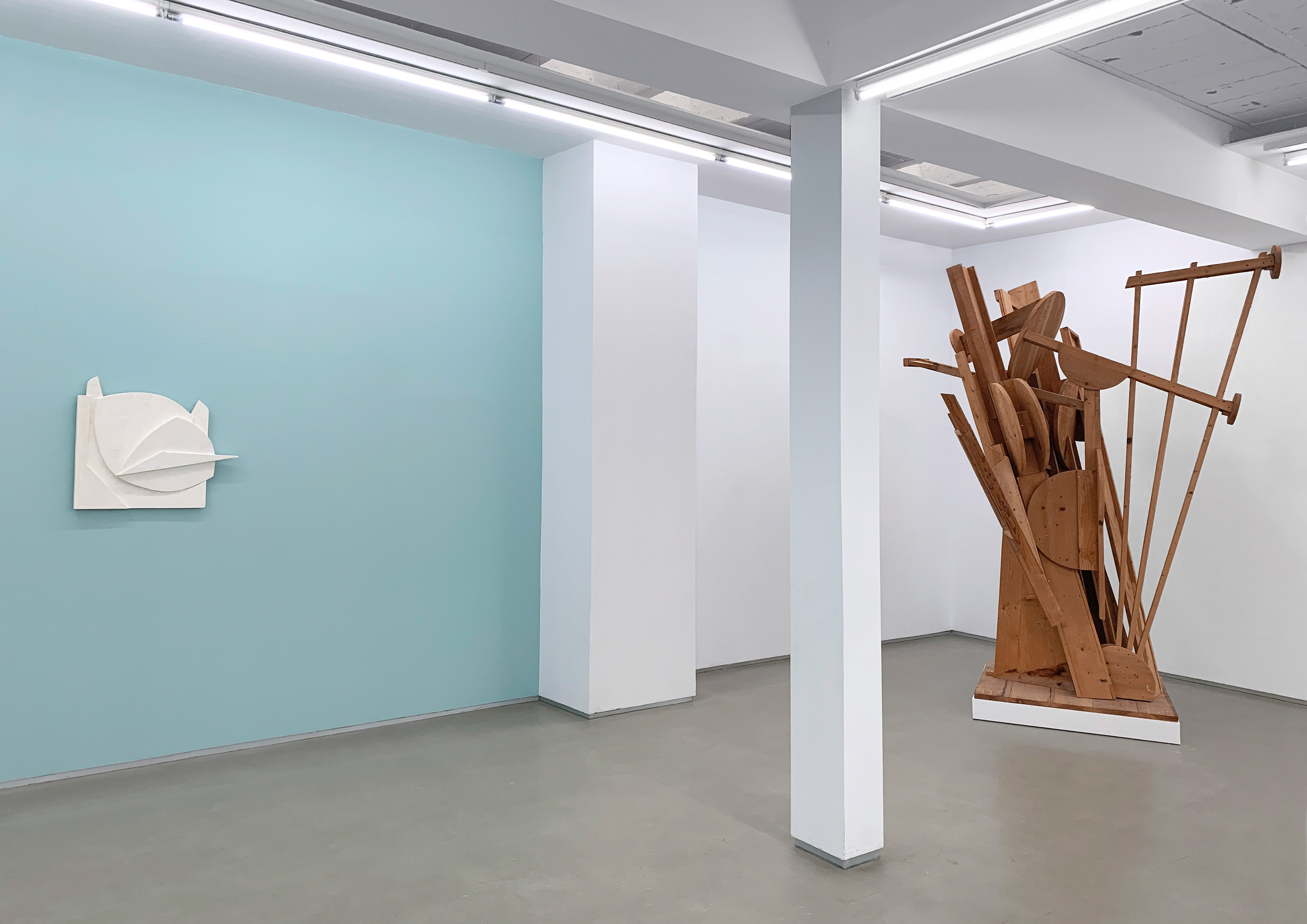
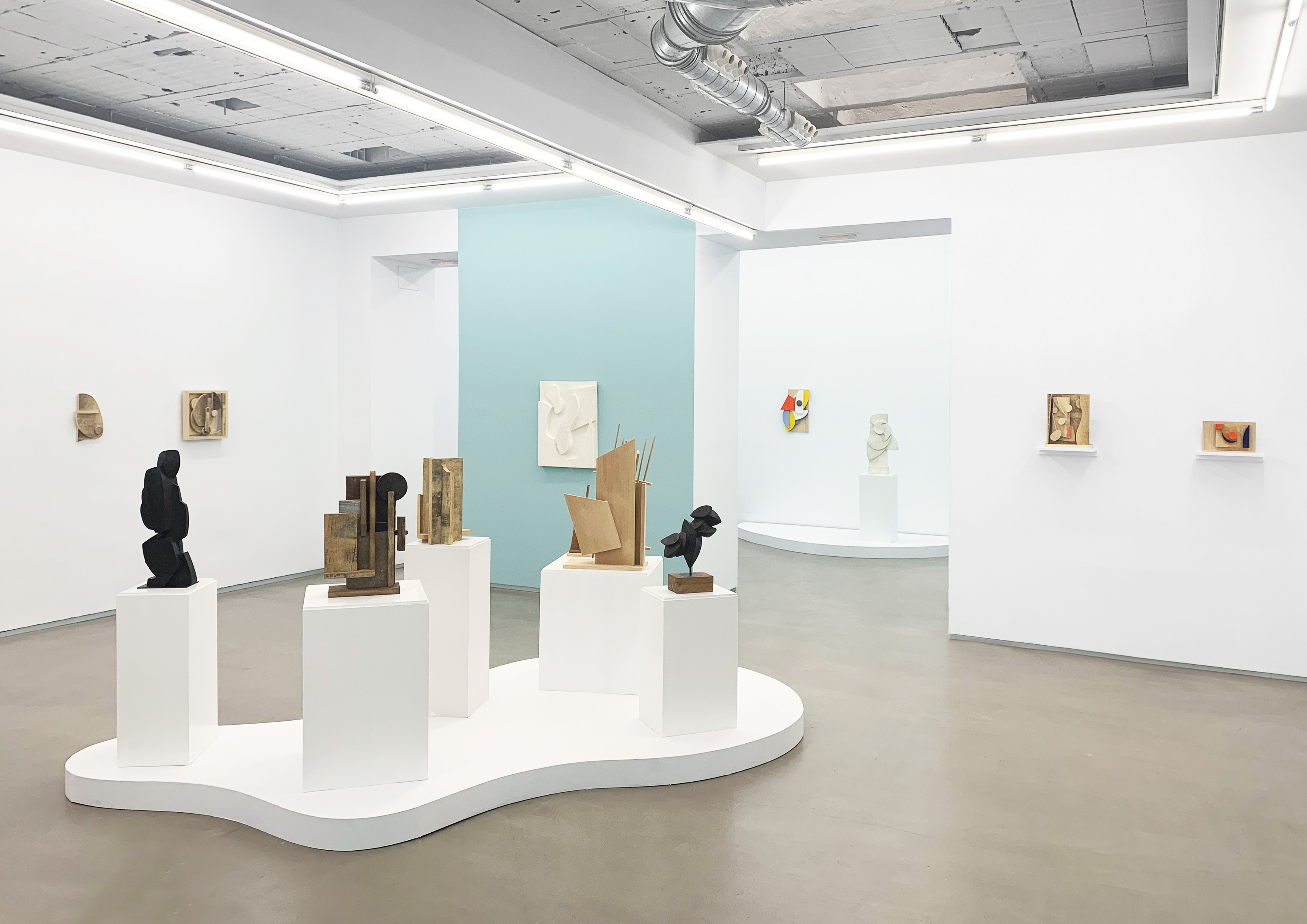
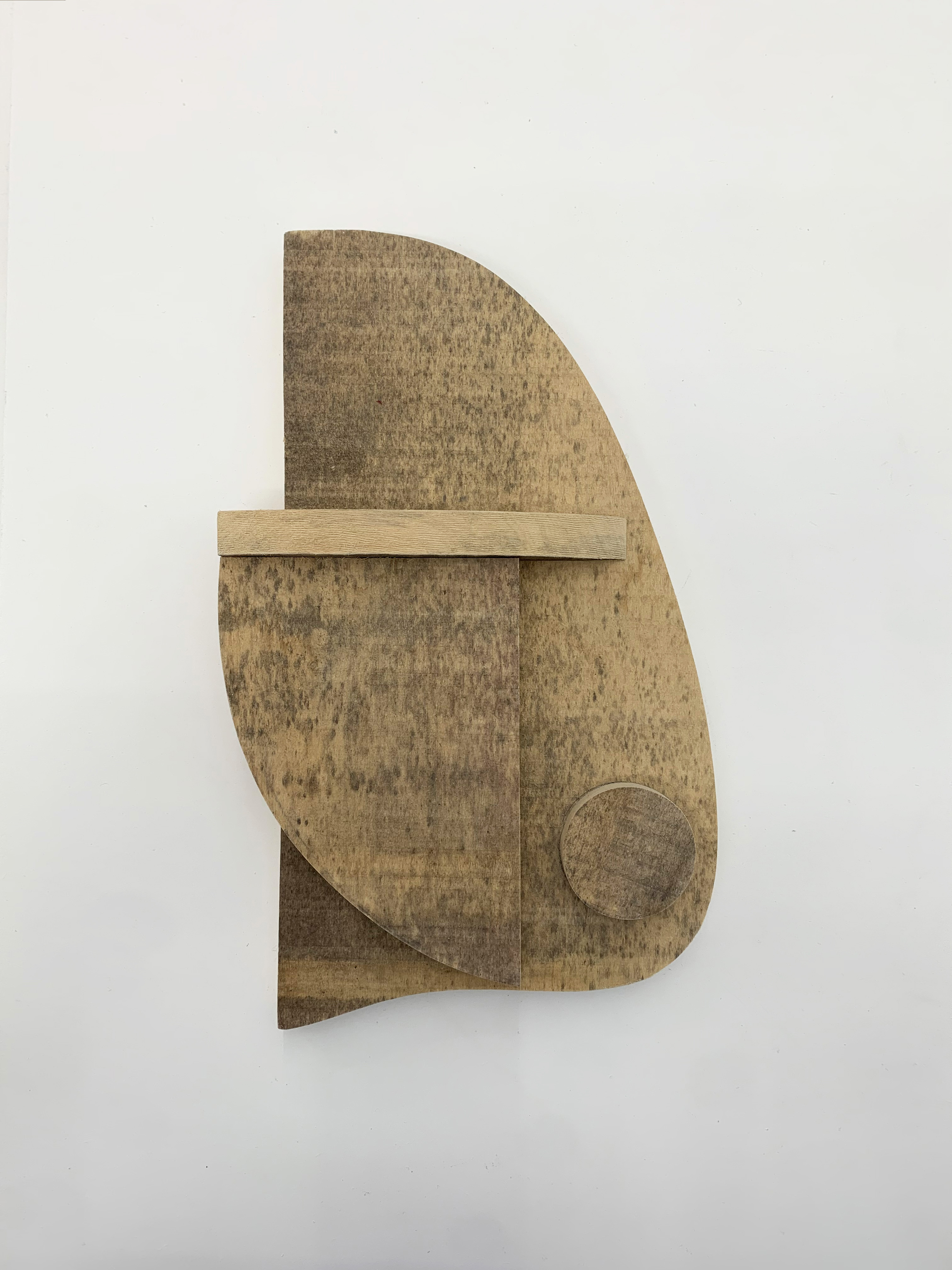
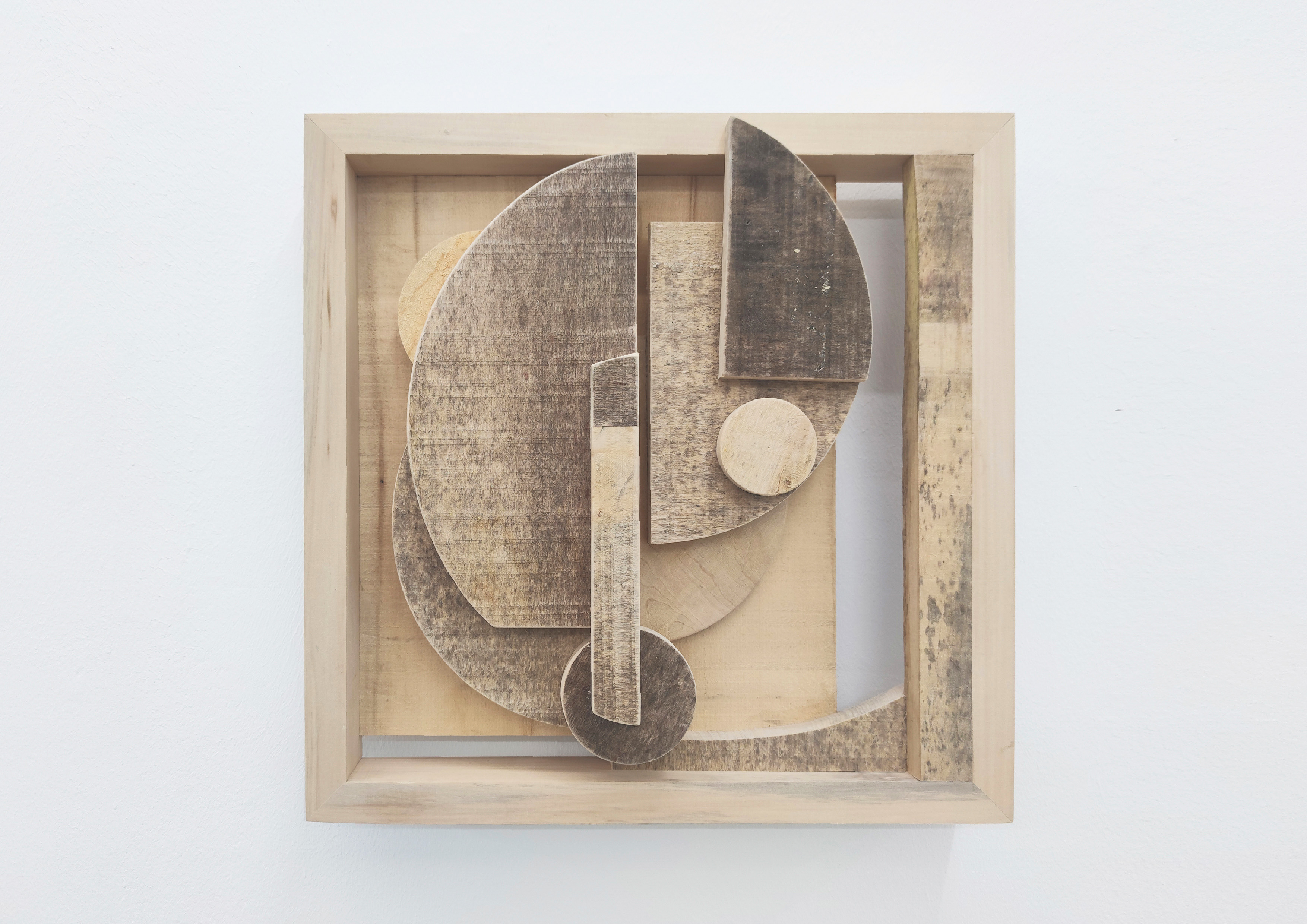
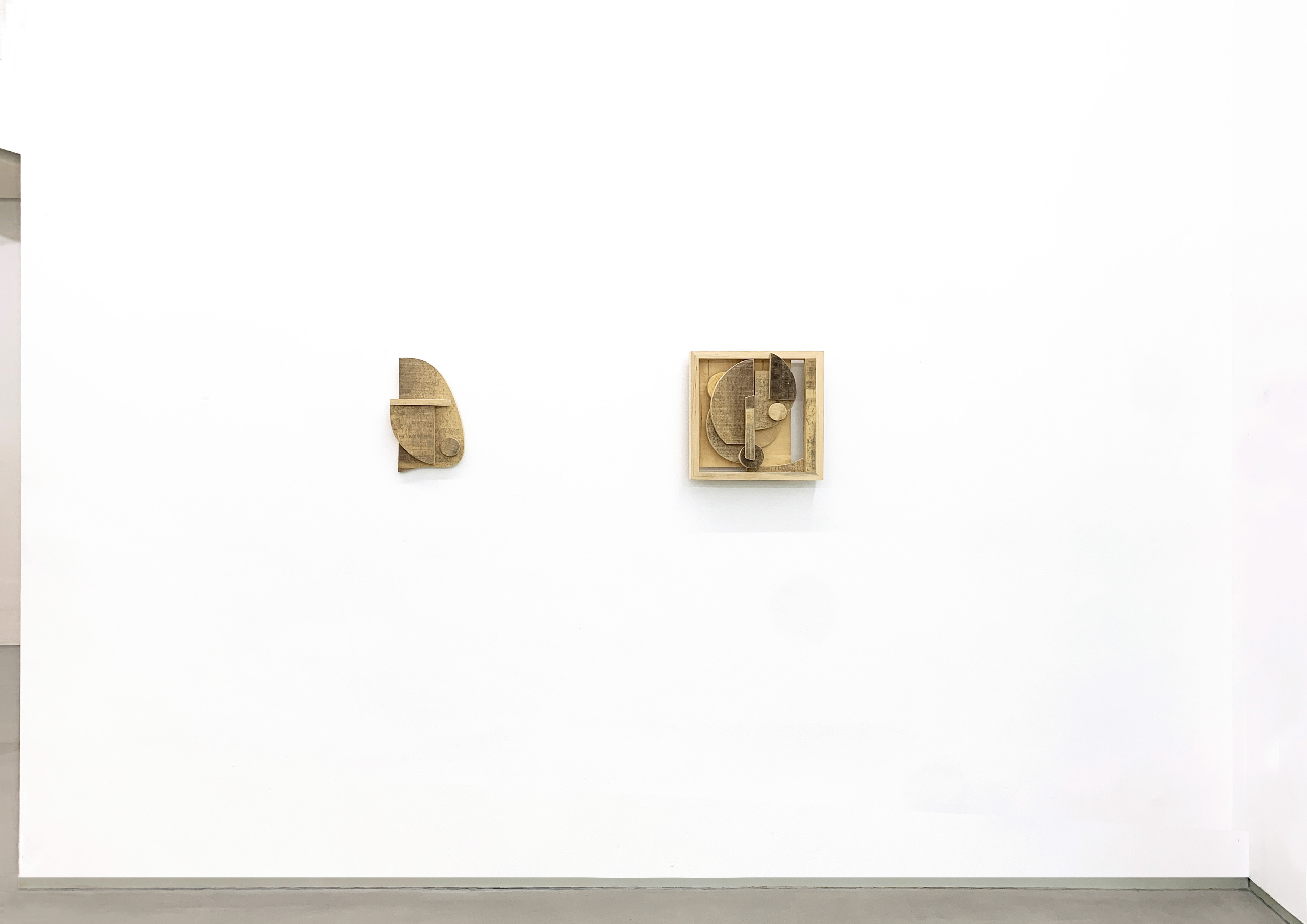
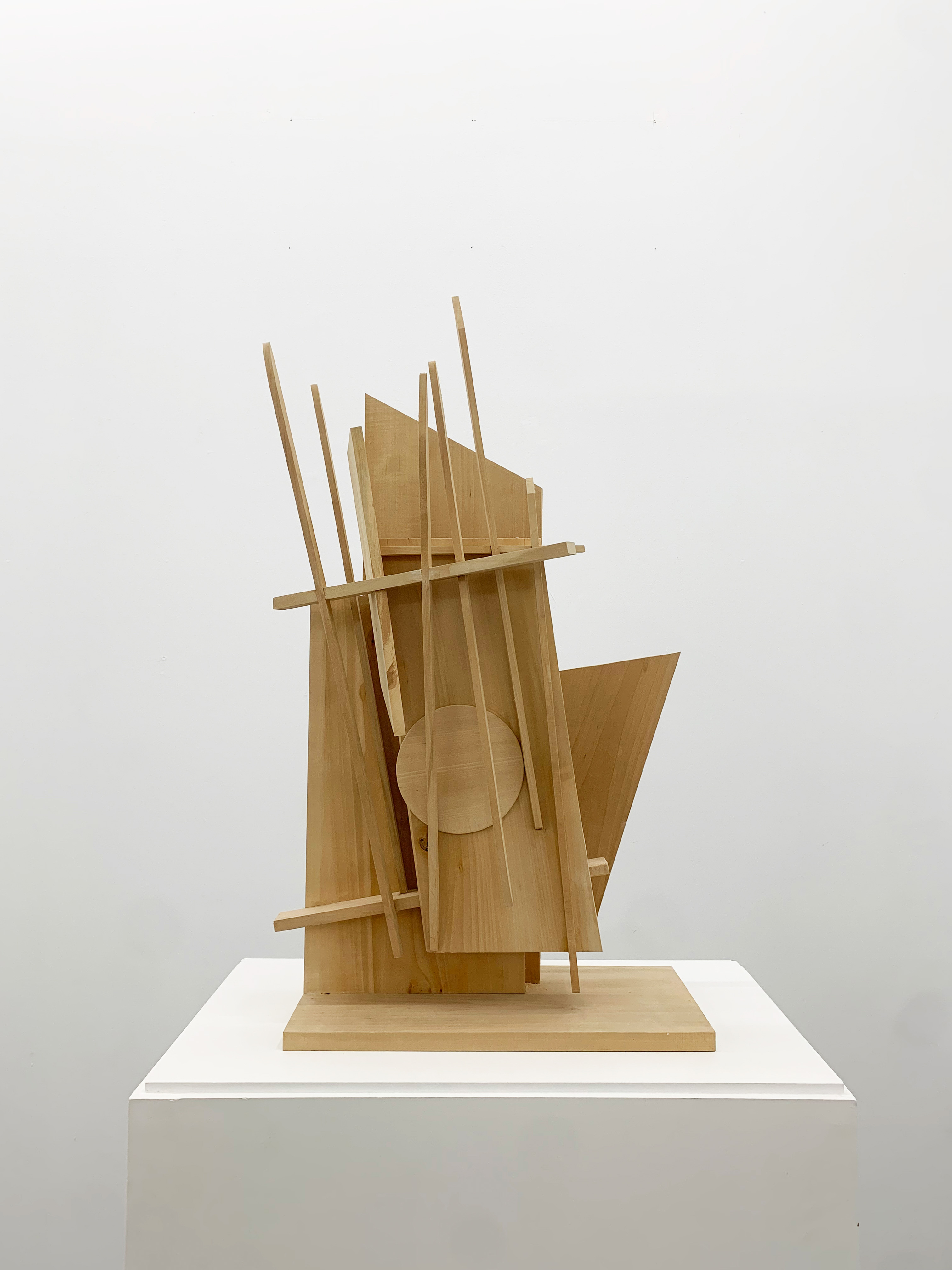
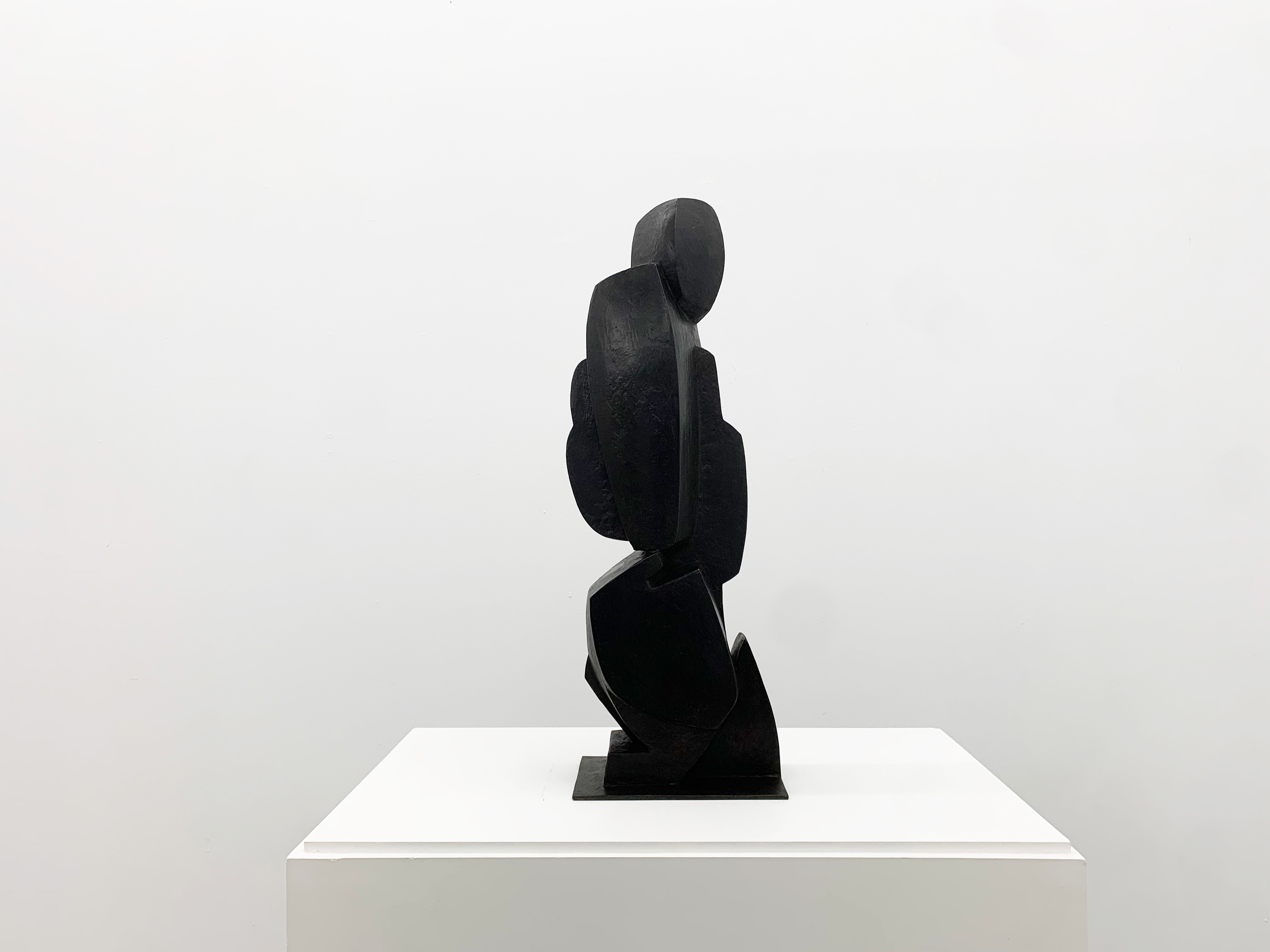
Philippe Anthonioz’s work, on the one hand, explores the intersection between art, architecture and design. Being used to alternate between his roles as an artist and furniture designer, Anthonioz is a creator who is constantly playing on the limits: between design and art; figuration and abstraction; minimal scales as well as monumental ones; and even in the finishes of his pieces, which often seem not to be completely finalized. In this regard, Elisabeth Vedrenne reminds us that Anthonioz "gives expression above all else to life, and detests the notion of finishing or completing, which for him speaks of putting to death”.
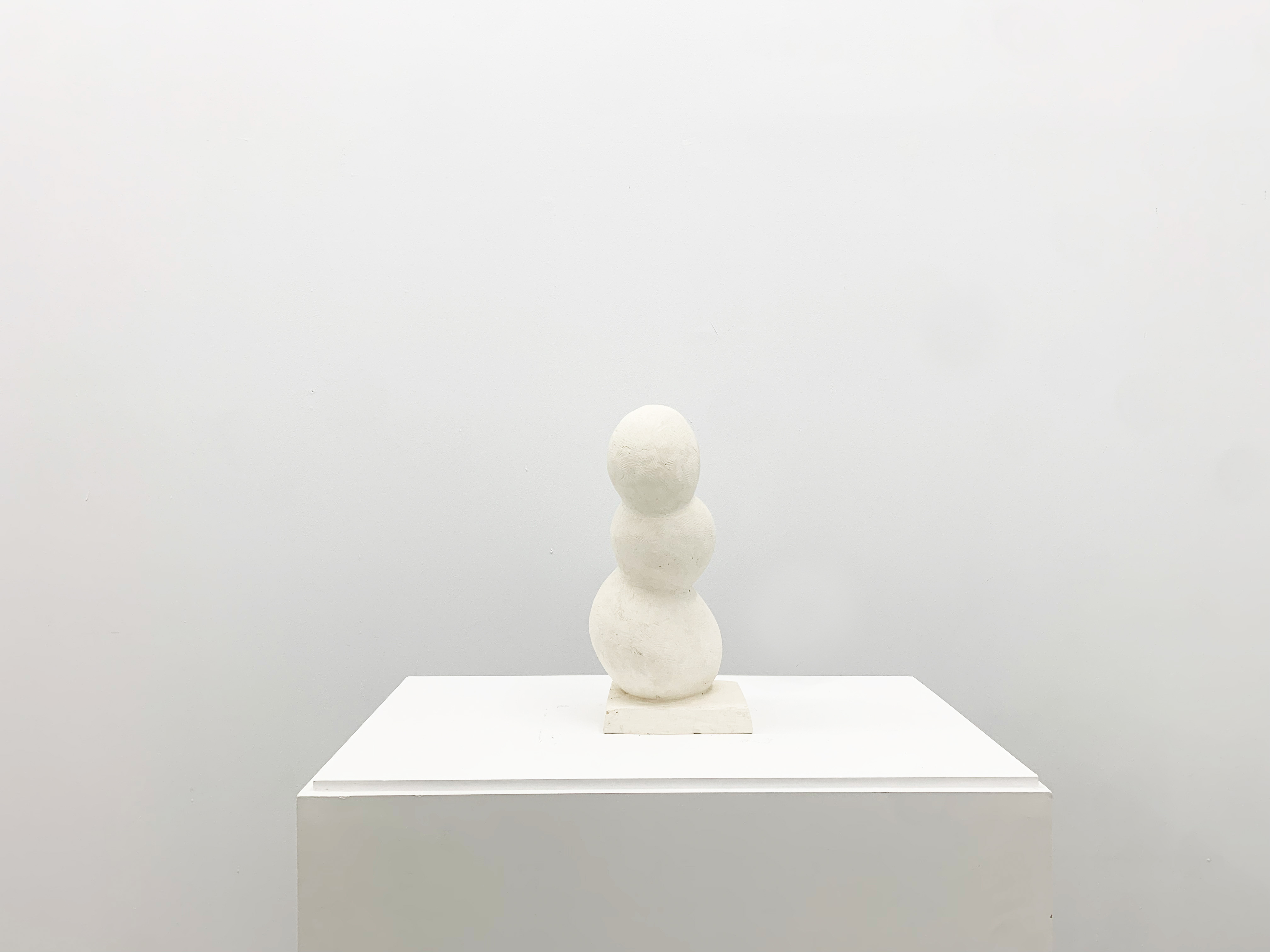
He achieves all this through materials as diverse as wood, plaster, marble or bronze. It is curious, in this sense, how an artist who excels in the use of bronze, chooses to create many of his sculptures in plaster: a material, for those dedicated to metal, considered “transitory”. Anthonioz finds beauty and unique qualities in each type of material, and to each one he gives its preponderant place, distancing himself from traditionalisms and conventions. This is also reflected in his background, where he began studying ceramics, later becoming a carpenter and learning different skills, from wood carving to marble sculpting; all of them in the field of the three-dimensional formats and linked to the crossovers between what is beautiful and what is useful.
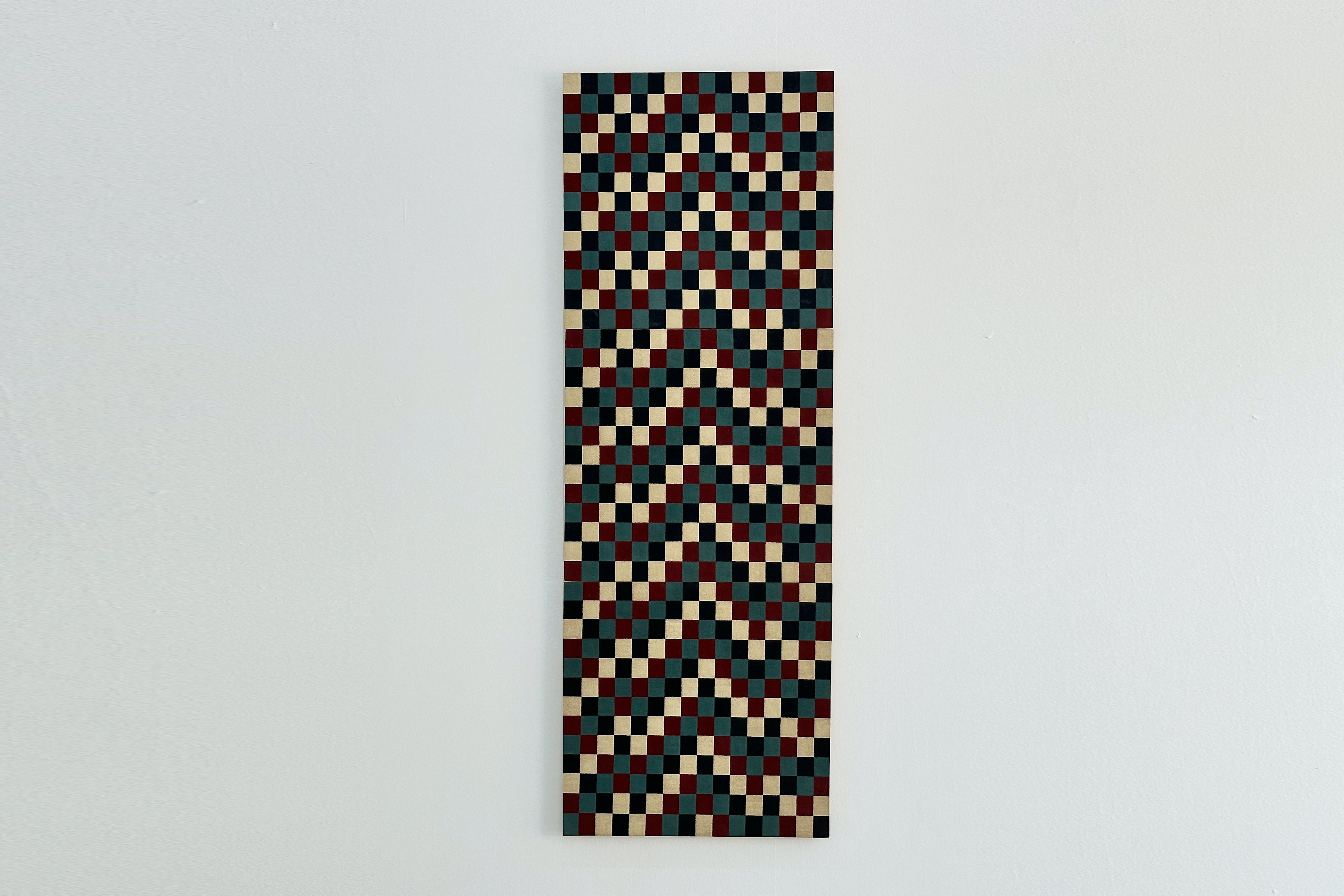
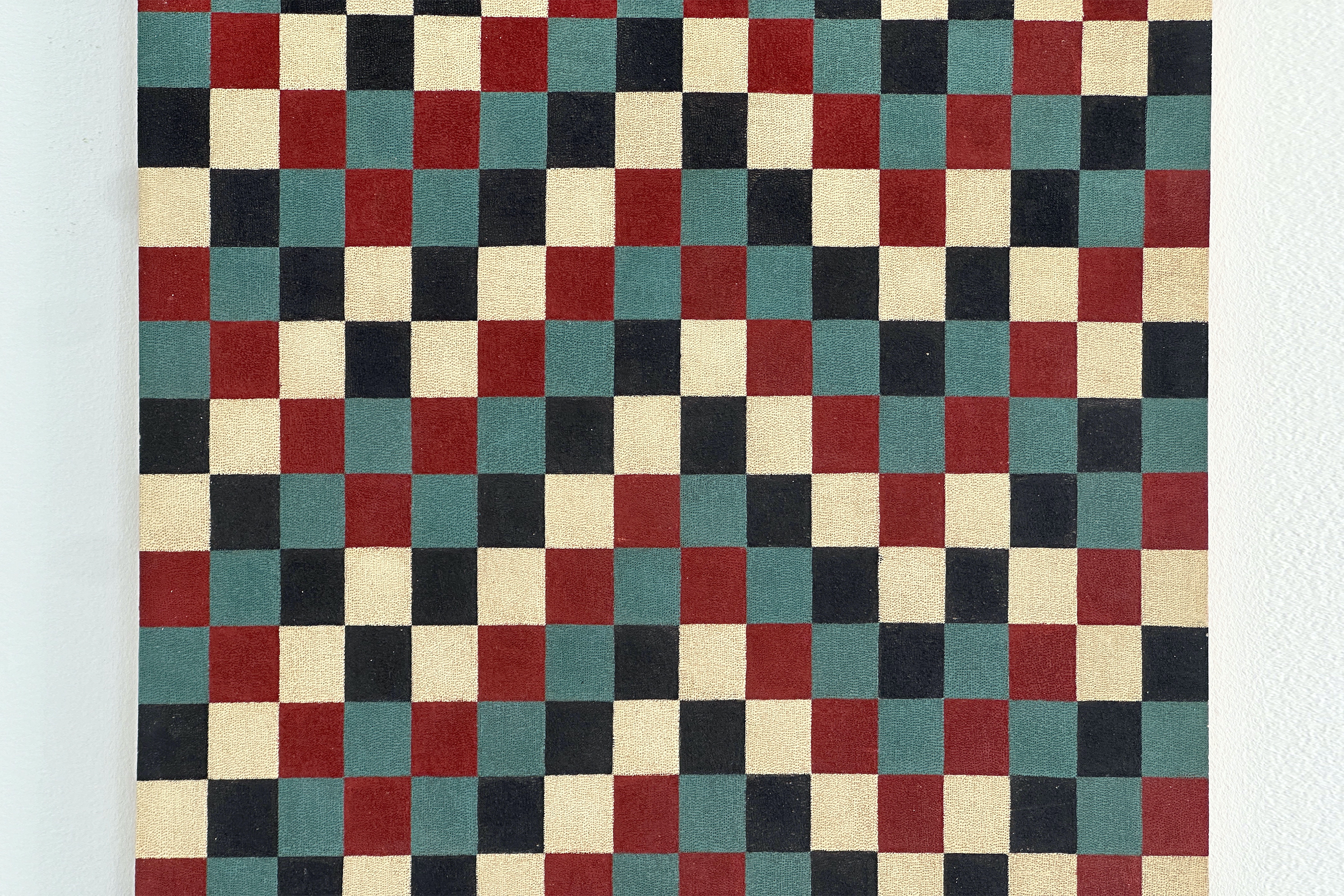
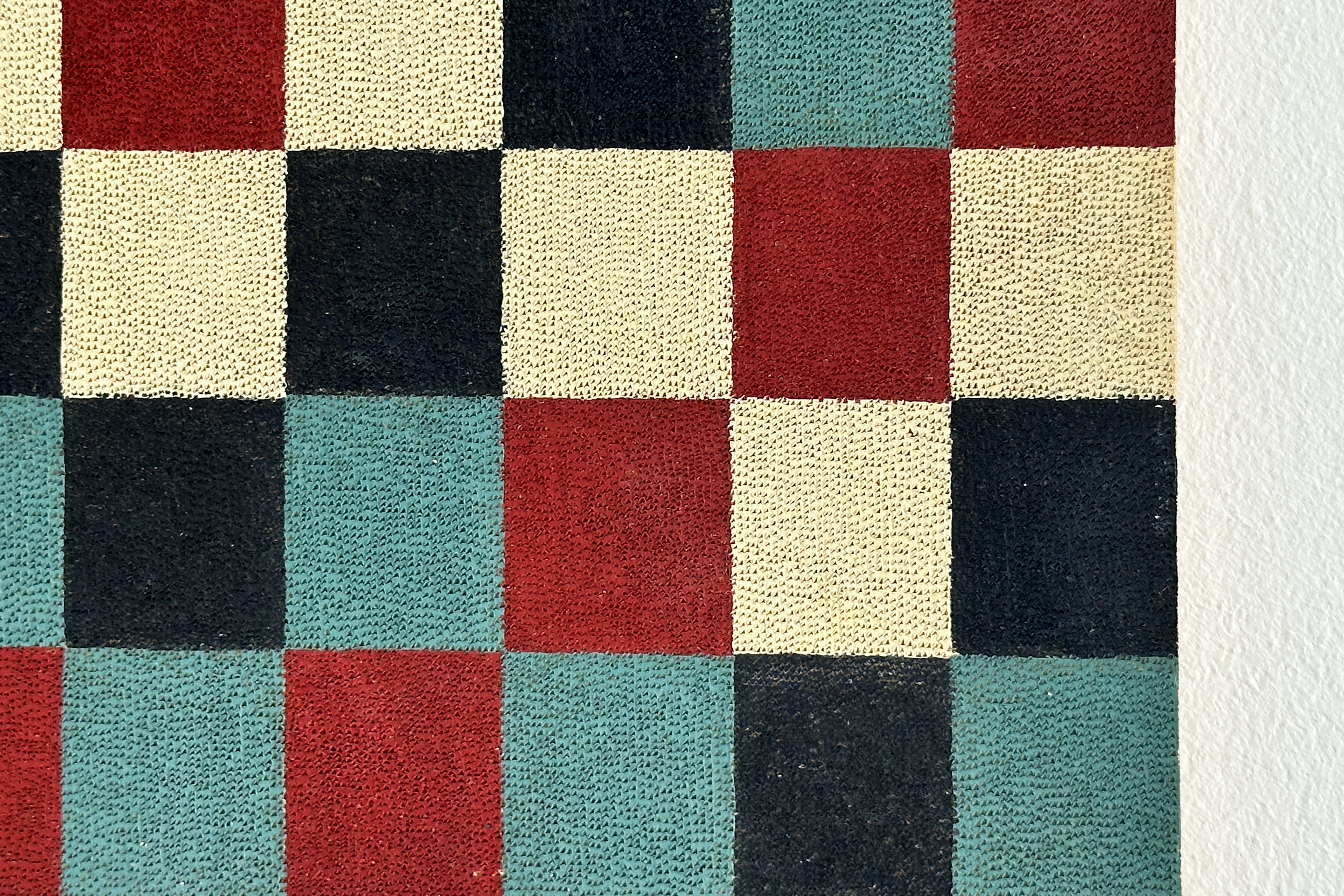
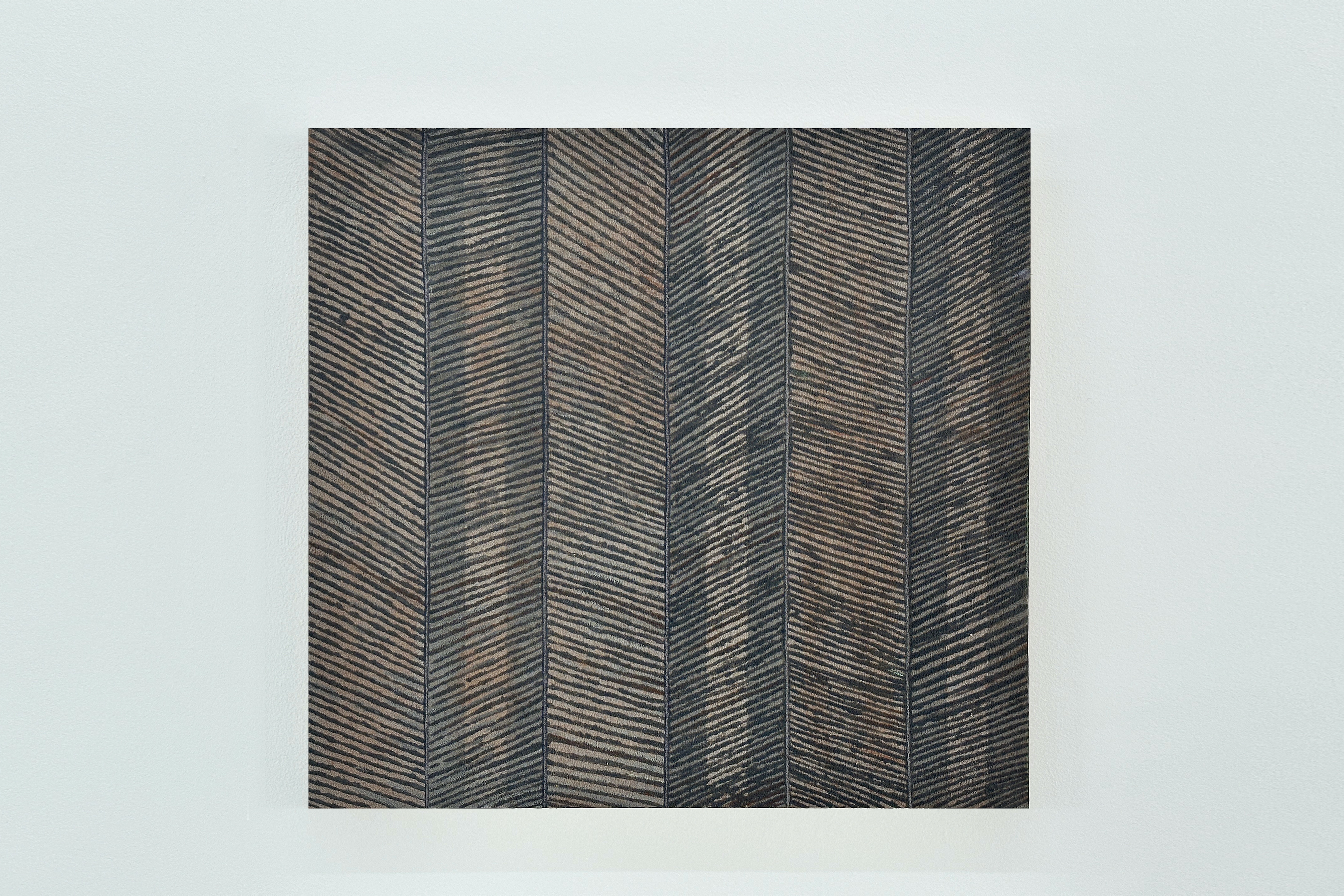
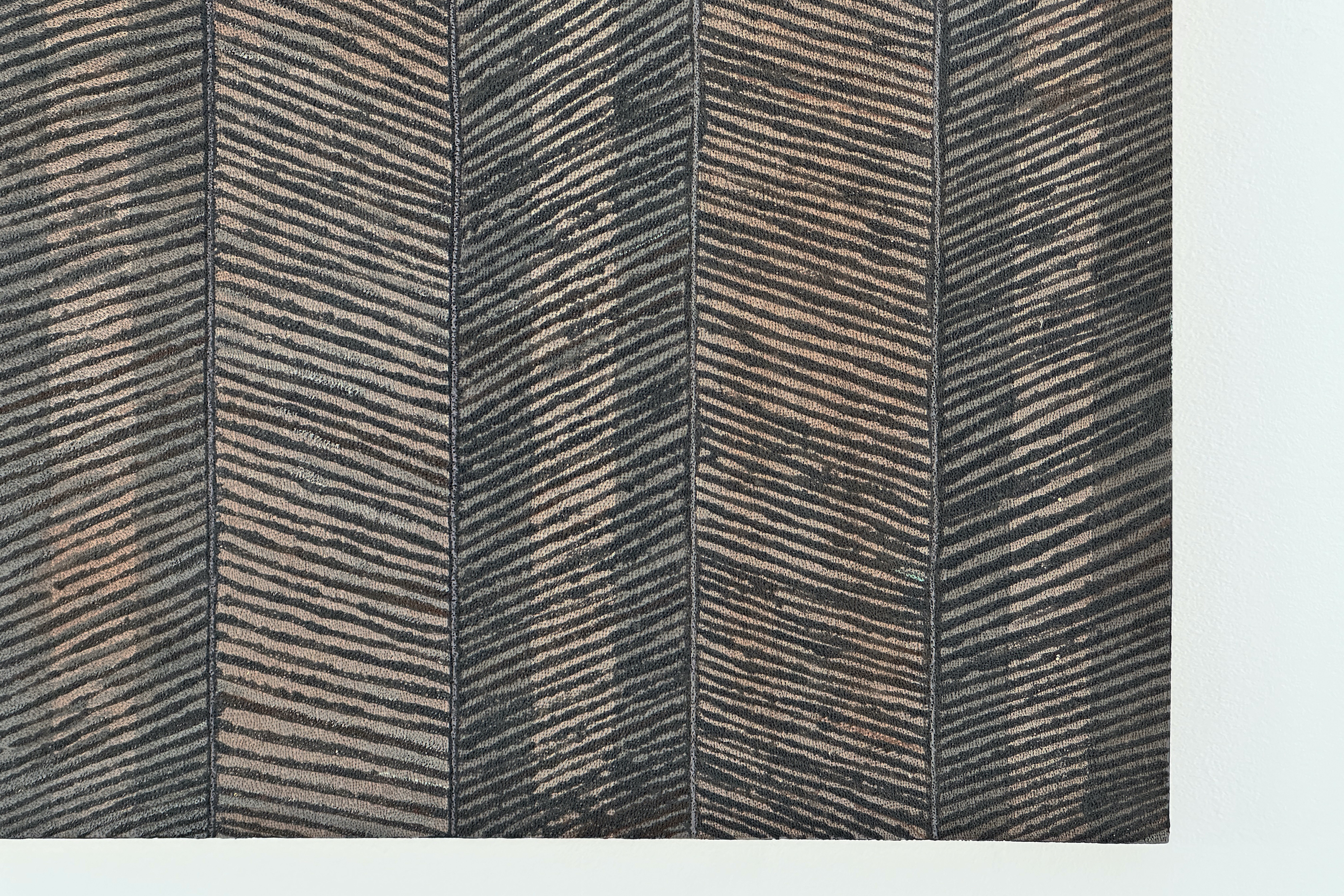
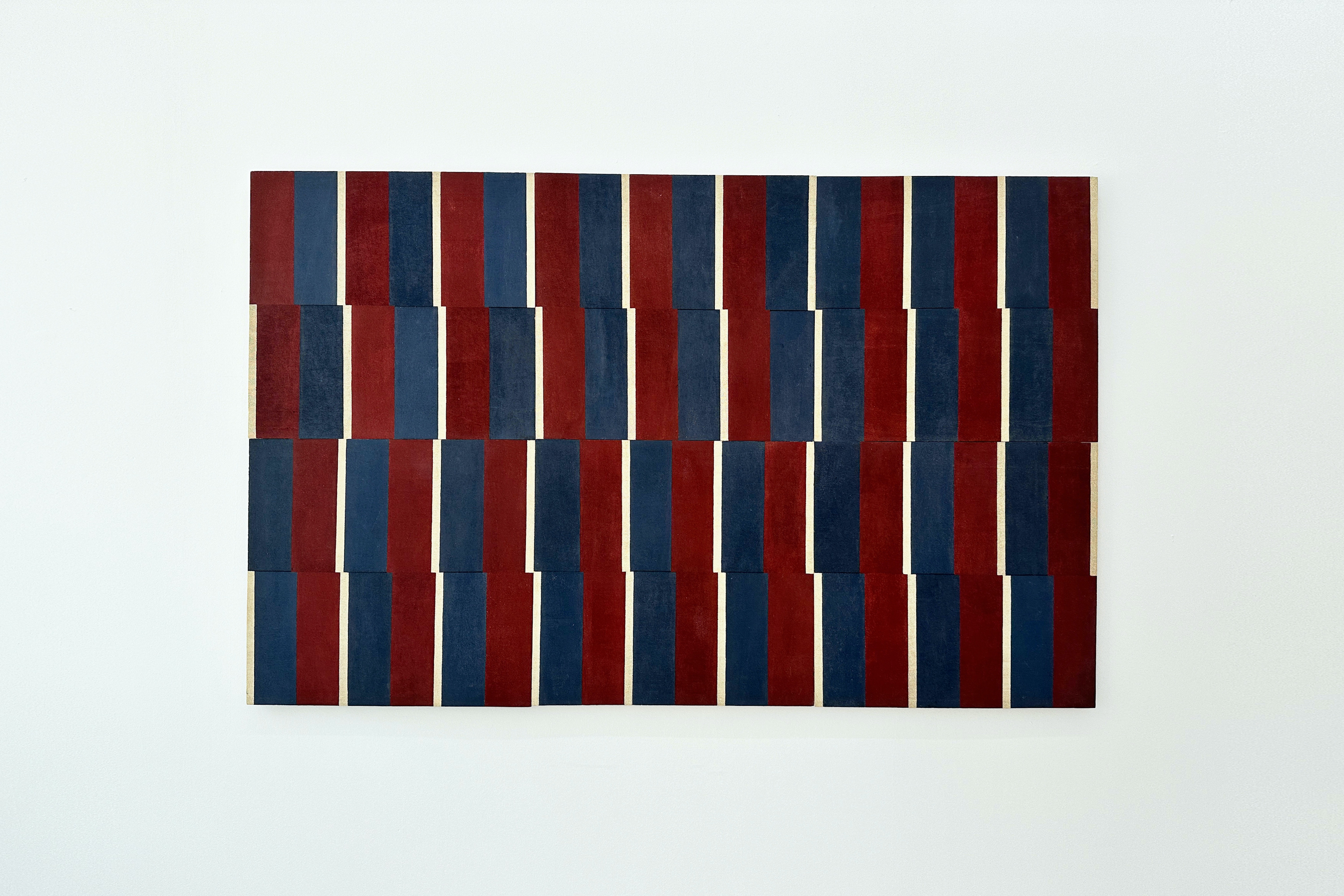
Afi Nayo’s work, on the other hand, is characterized by her paintings on wood, earth colors, engravings and inscriptions. Her pieces are intimately related to her native Togo, but not only. The connection with other cultures, especially French, is also present in her work; and it is the result of her own personal history: born in Lomé, she moved to Paris at a very young age, where she lives and works to this day.
On a formal level, Nayo composes her works almost like a kind of writing: she starts at the top-left margin and ends at the bottom-right, meticulously covering the entire surface of the support with motifs that at times remind us of hieroglyphics. Unlike a text designed to last, however, in Afi Nayo there is no premeditation. She does not use sketches or previous compositional studies, and approaches the supports directly as an incognito. The results can either be a revealed truth, or an enigma that sometimes even she cannot unveil: “some paintings remain mysterious even to me. I look at them as if they were enigmatic pieces, whereas I can look at other paintings as if they held no secrets”.
Philippe Anthonioz (1953, Paris) is a sculptor and designer of furniture and luminaires. He studied ceramics in Nadia Pasquer’s workshop during his high school studies. From 1972 to 1982, he became a carpenter and also sculpted clay from live models. From 1983 to 1985, he worked with Diego Giacometti to create all the furniture for the Hôtel Salé at the Musée Picasso in Paris.
Afi Nayo (1969, Lomé) is a visual artist. After studying at the Ecole Nationale Supérieure des Beaux-Arts in Paris, she began her career as a sculptor, and later turned to painting, with themes always related to spirituality and cultural interconnection. Throughout her career she has participated in numerous exhibitions in Africa and Europe, including the Centre Culturel Français in Lomé, Togo; Galerie Vivienne in Paris; and Galerie Nathalie Duchayne in Saint Tropez, France. Her work has also been acquired by numerous public and private collections.