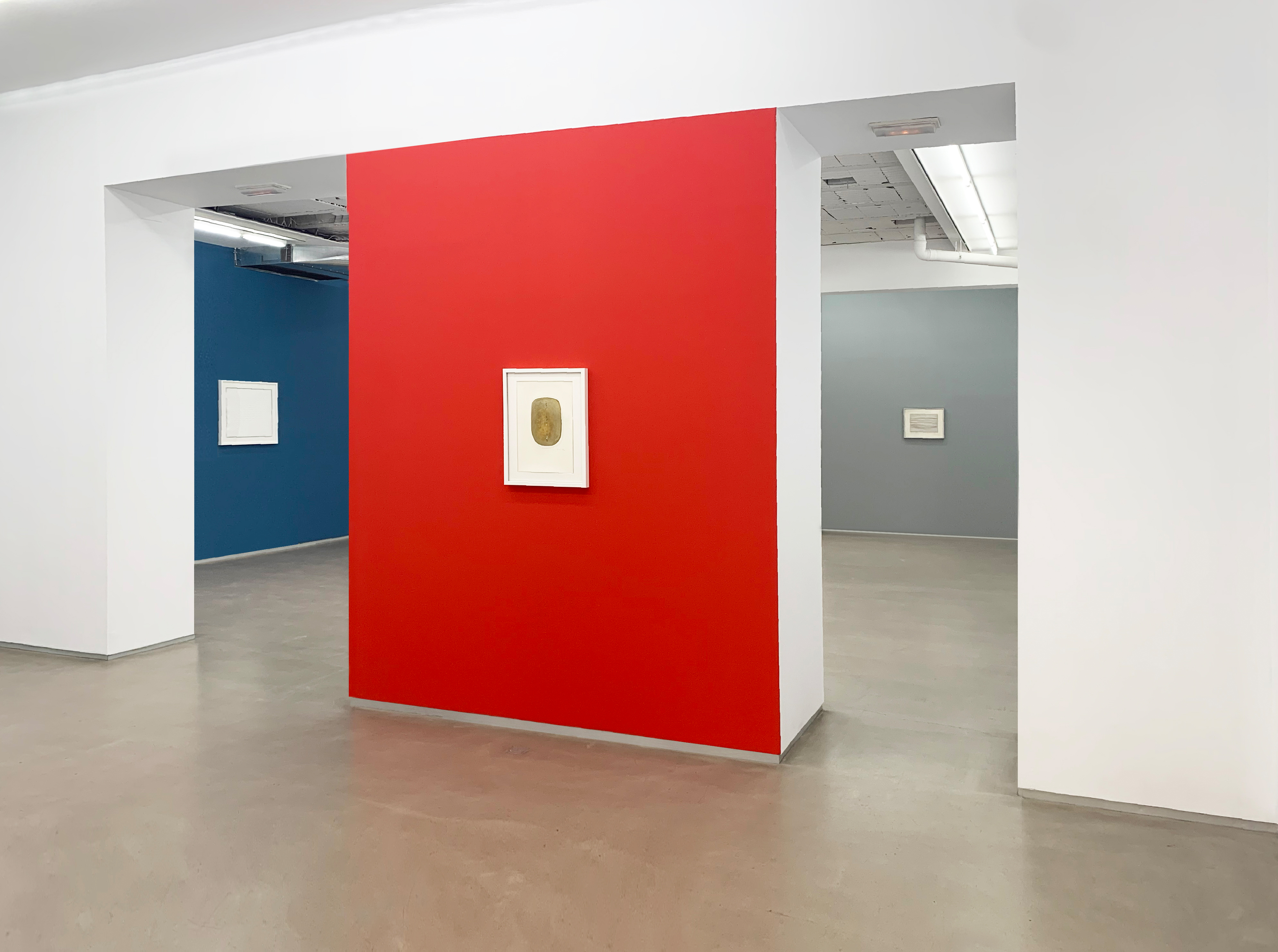
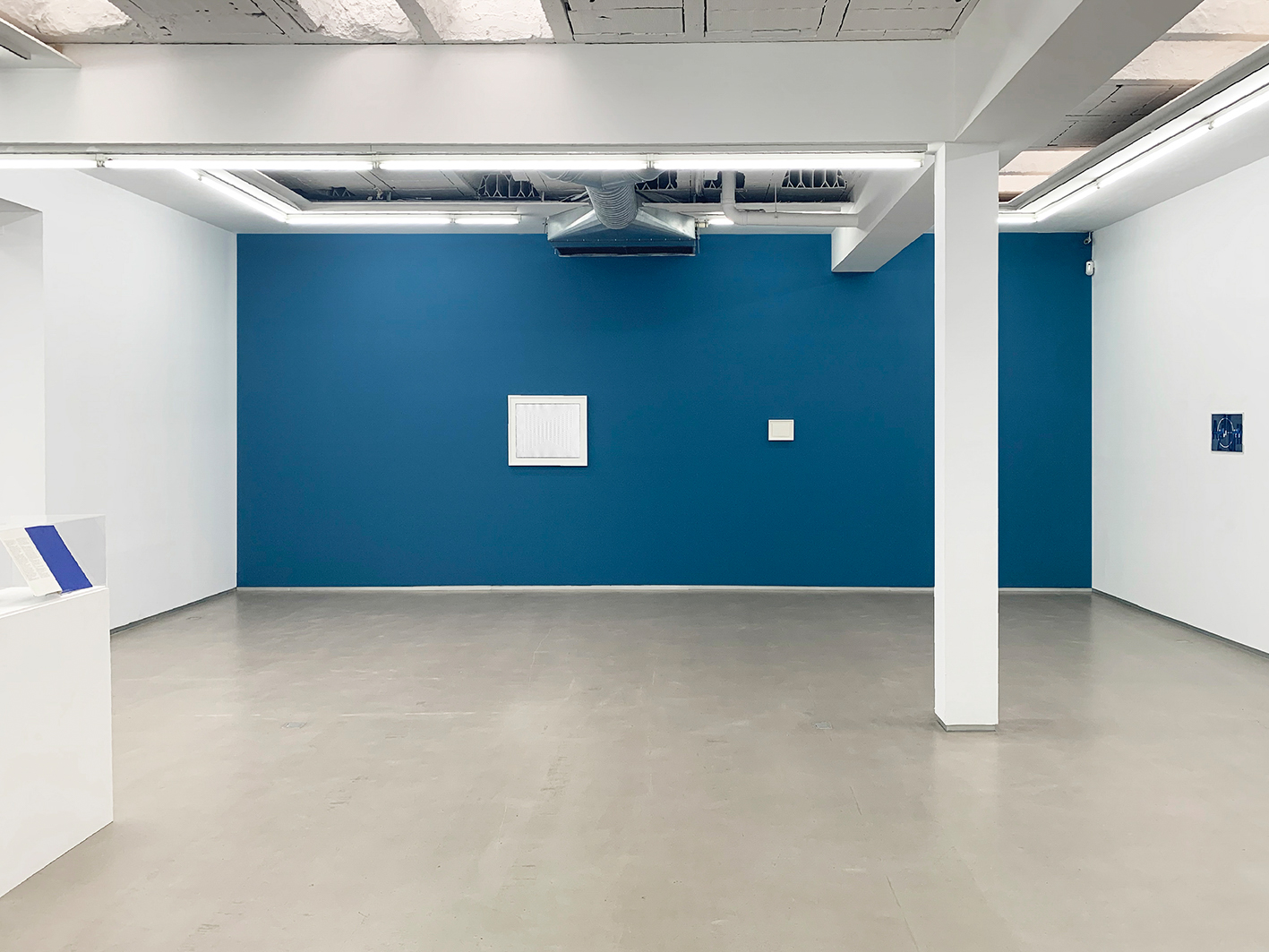
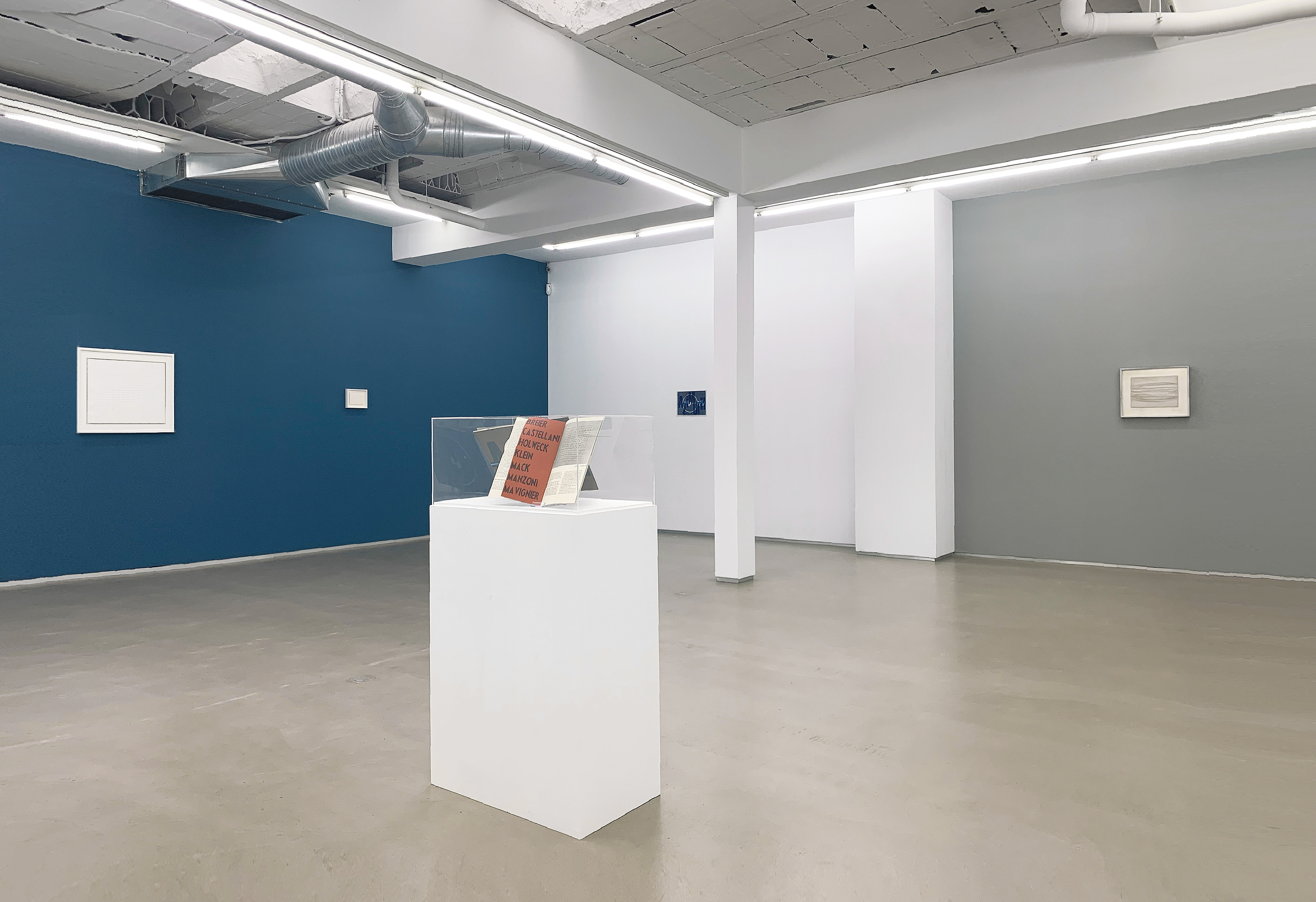
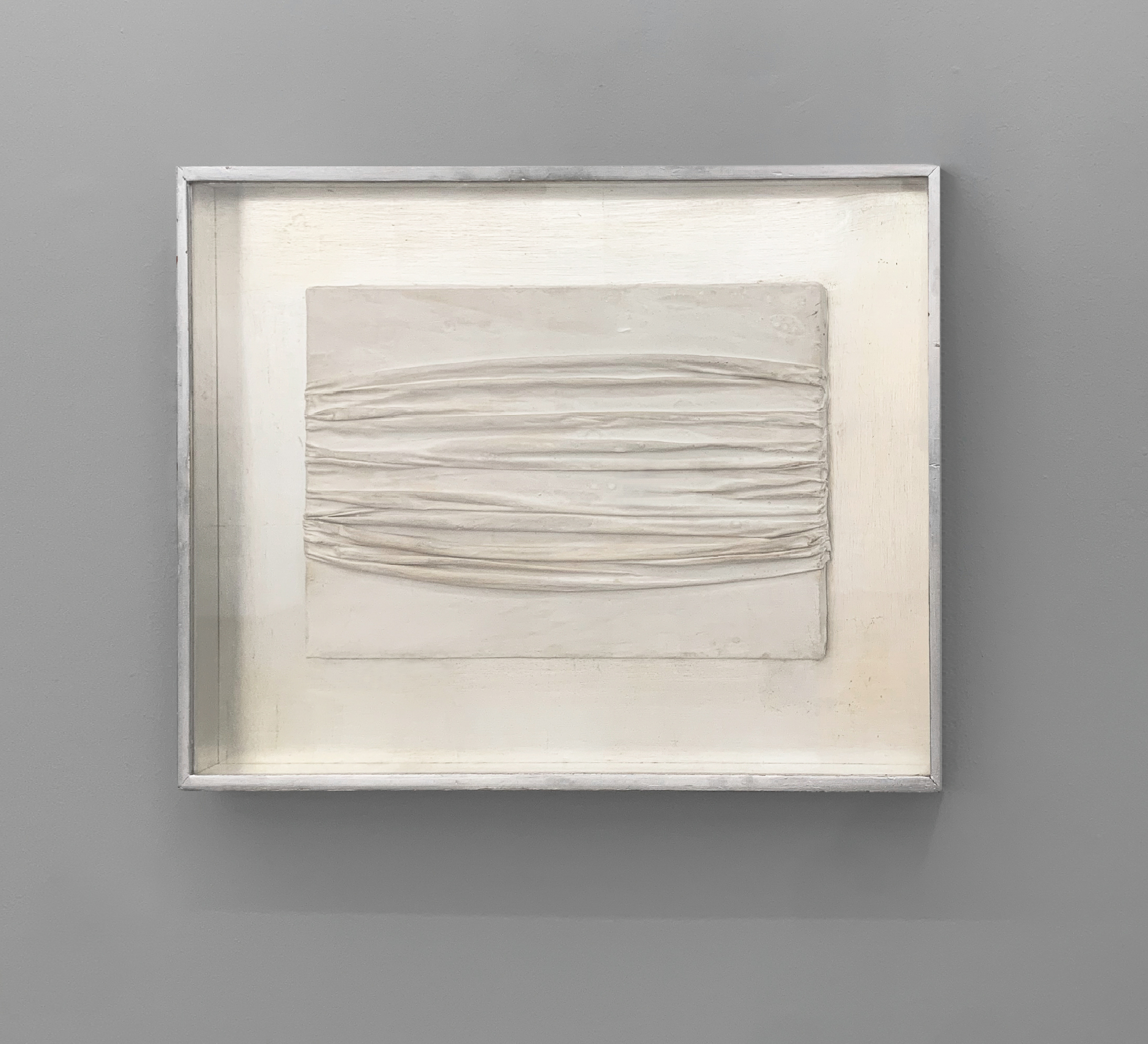
Working and exhibiting in Milan, in the late 1950, were a numerous amount of young artists who were searching for alternatives to the dominant informal painting. The events that interested the Milanese art community took place for the most part on the streets of Brera, where one could find galleries, artists studios (Mazoni’s studio was there) and hangouts, like the legendary Bar Jamaica, where a great part of Azimuth’s story would take place. Manzoni and Castellani’s friendship grew there in the first months of 1958.
But the story of Azimuth magazine is not an isolated case. In the mid-twentieth century, numerous contemporary art magazines began to emerge trying to identify some of the most innovative and relevant artists of the moment. These magazines will usually be headed and directed by artists who reflected on their pages a personal vision of what should be contemporary art. In this sense, some antecedents of Azimuth magazine were Gesture (1955-1959), founded by Achille Perilli and Gastone Novelli and directed by Enrico Baj and Sergio Dangelo, or Appia Antica (1956), founded by Emilio Villa. Beyond the Italian circuit, Zero magazine(1958) created by Heinz Mack and Otto Piene, born only one year after the first Zero group exhibition took place and became relevant. Zero eventually become the spiritual precursor of Azimuth founded by Enrico Castellani and Piero Manzoni, whose first issue was published in April 1959.
The word used as a title for the magazine was selected as a universal expression able to respond to the transnational ambitions of the two artist’s endeavour, as well as synthetize their apprehension towards overcoming the predominantly tachiste and informal trends preferring a regeneration of art. Right from its conception, it stood as a beacon of modernity in Milan and ended up becoming the centre of attention of the art world. Some of the most innovative and experimental artists were part of it: Agostino Bonalumi, Sergio Dangelo, Dadamaino, Jasper Johns, Yves Klein, Heinz Mack, Otto Piene, Giò Pomodoro, Robert Rauschenberg, Mimmo Rotella, Kurt Schwitters, Shinkichi Tajiri, Jean Tinguely and, of course, Enrico Castellani, Piero Manzoni and Lucio Fontana among others.
Some of those artists saw in Lucio Fontana a true master, able to show them the path of experimentation; a generous guide who not gave them support and guidance. With the help of Lucio Fontana, mentor of Enrico Castellani, and months later after the first issue of Azimuth came out, Enrico Castellani, in collaboration with Piero Manzoni, opened a new art space in Milan with the name “Azimut”. It was dedicated to the “development of the newest and youngest avant-garde painting”. Azimut was consolidating itself as the origin of a new artistic orientation, a space that served as an artistic laboratory. It opened the possibility of restructuring the formal, historical and cultural languages after the state of disillusionment caused by the World War II.
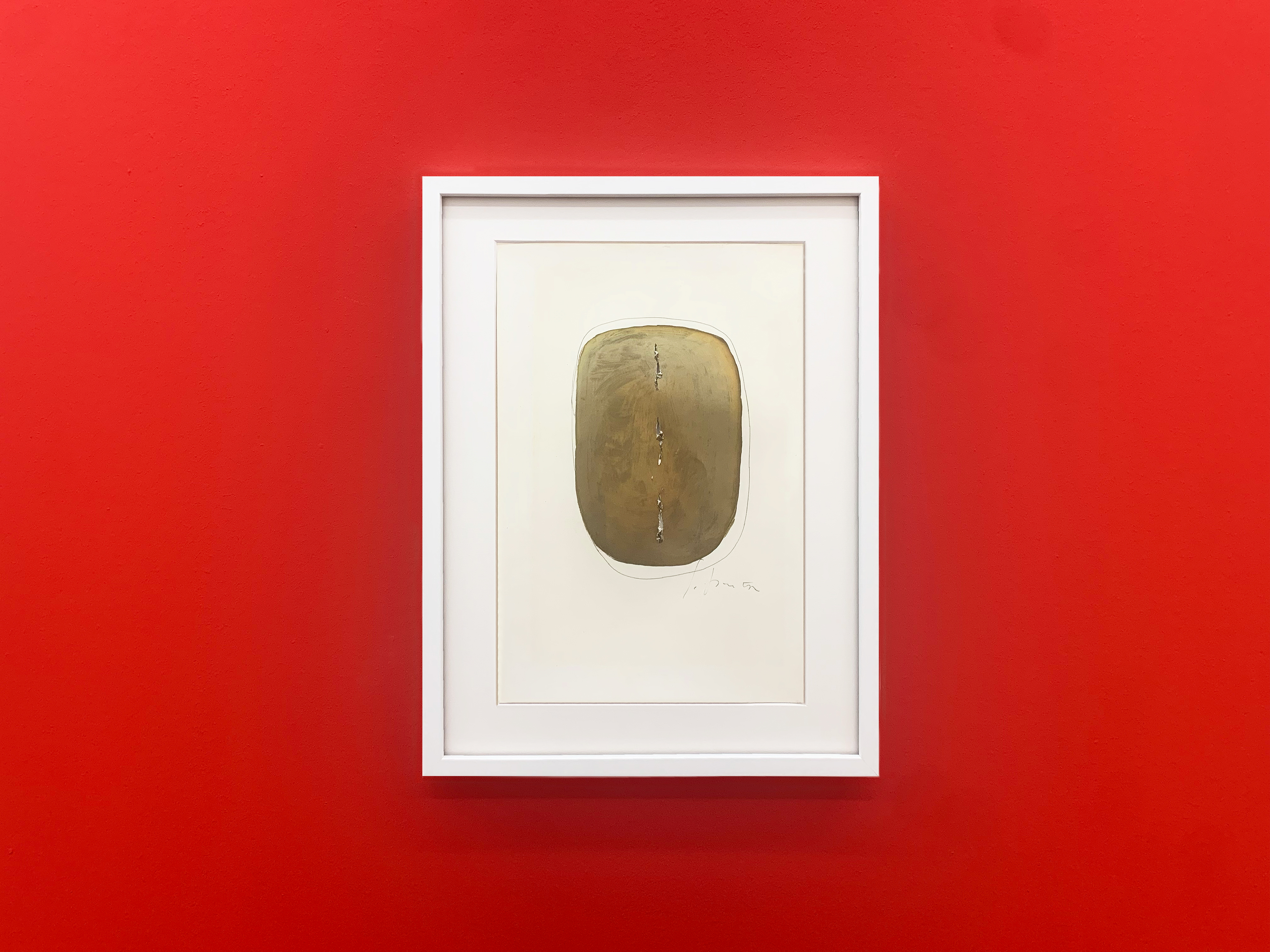
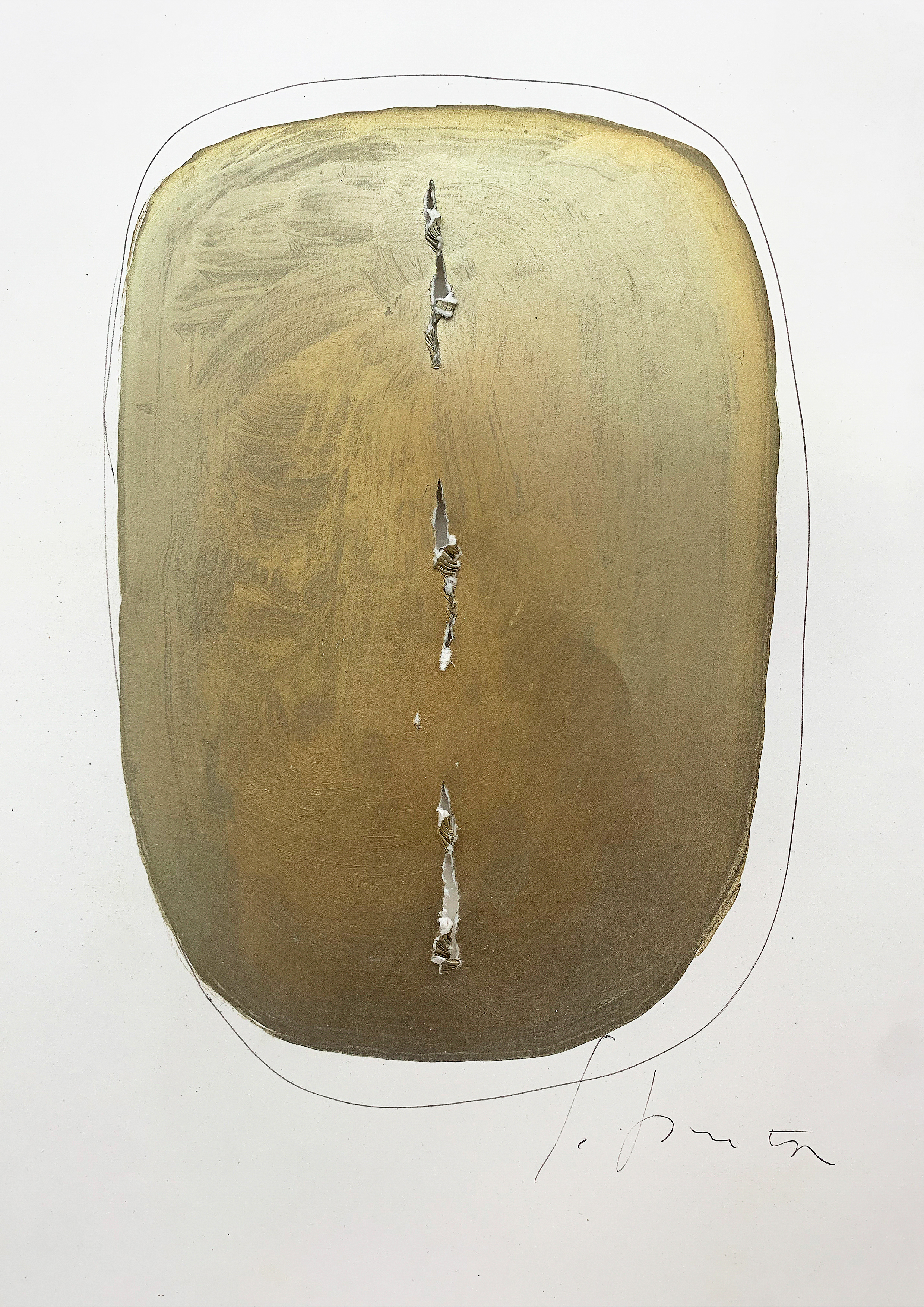
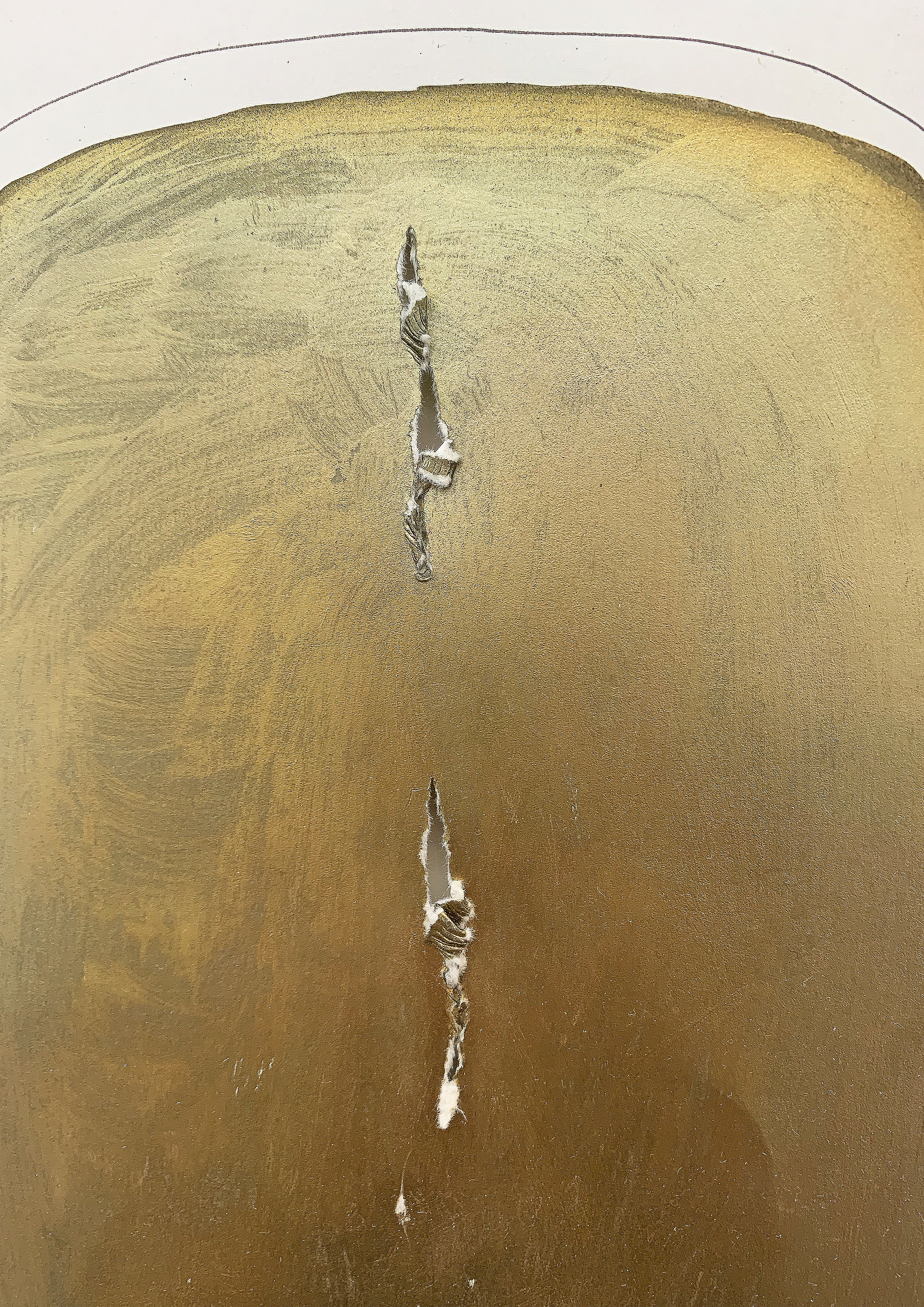
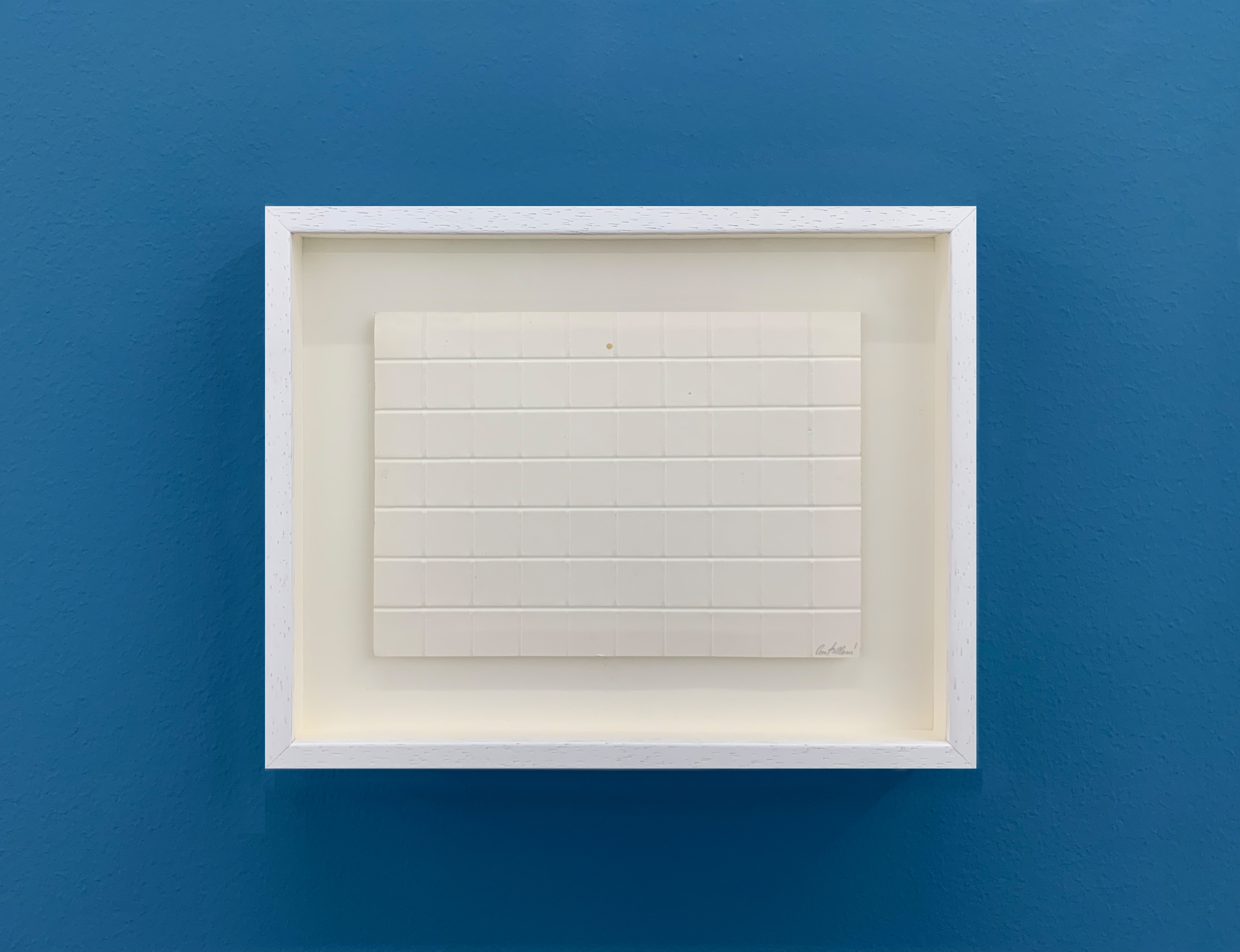
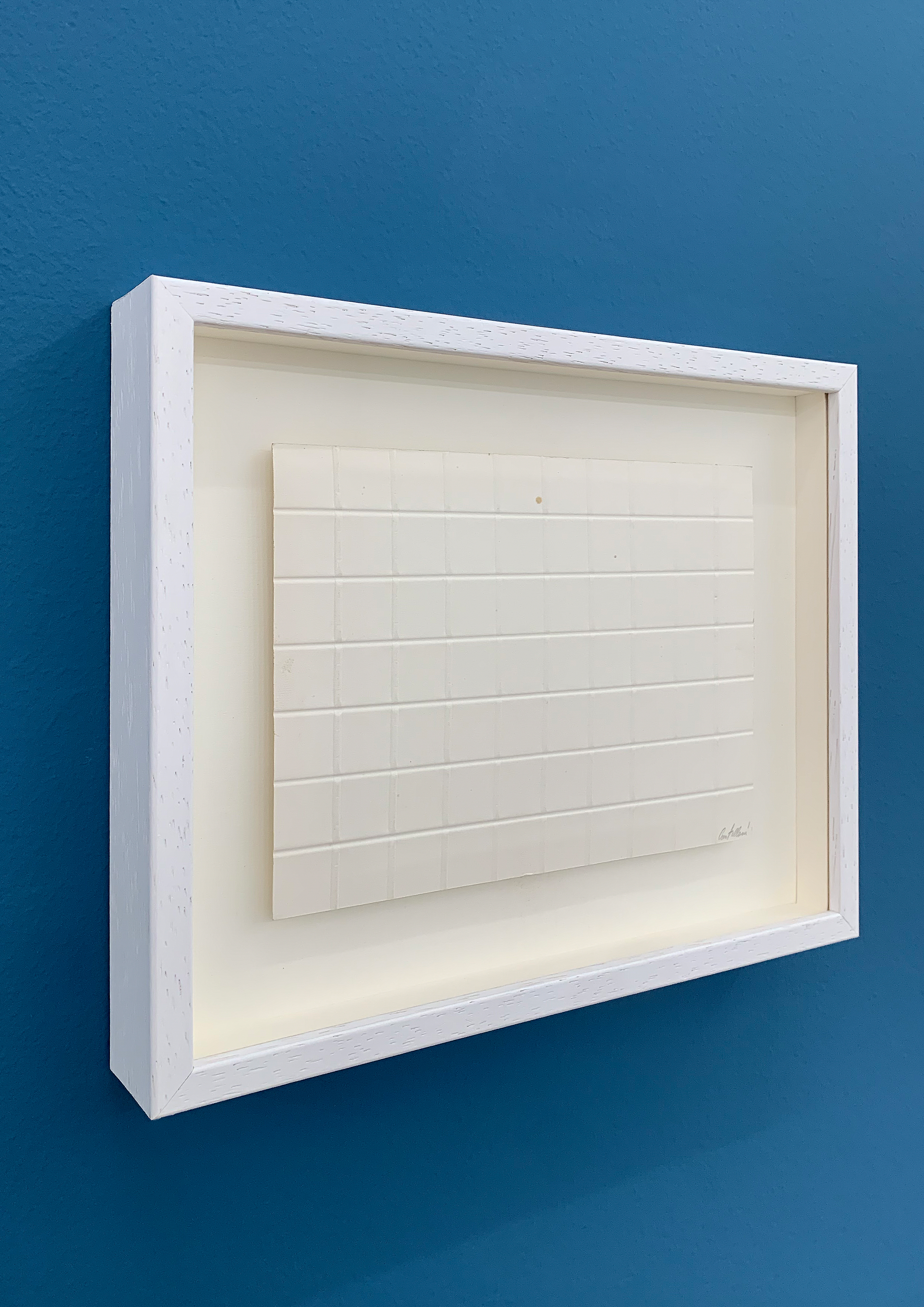
Azimuth: La nuova concezione artistica aims to recall the spirit of that publication through a selection of pieces by some of the artists who were part of it. The show brings together works by Enrico Castellani, Lucio Fontana and Piero Manzoni, three fundamental artists in the history of 20th century.