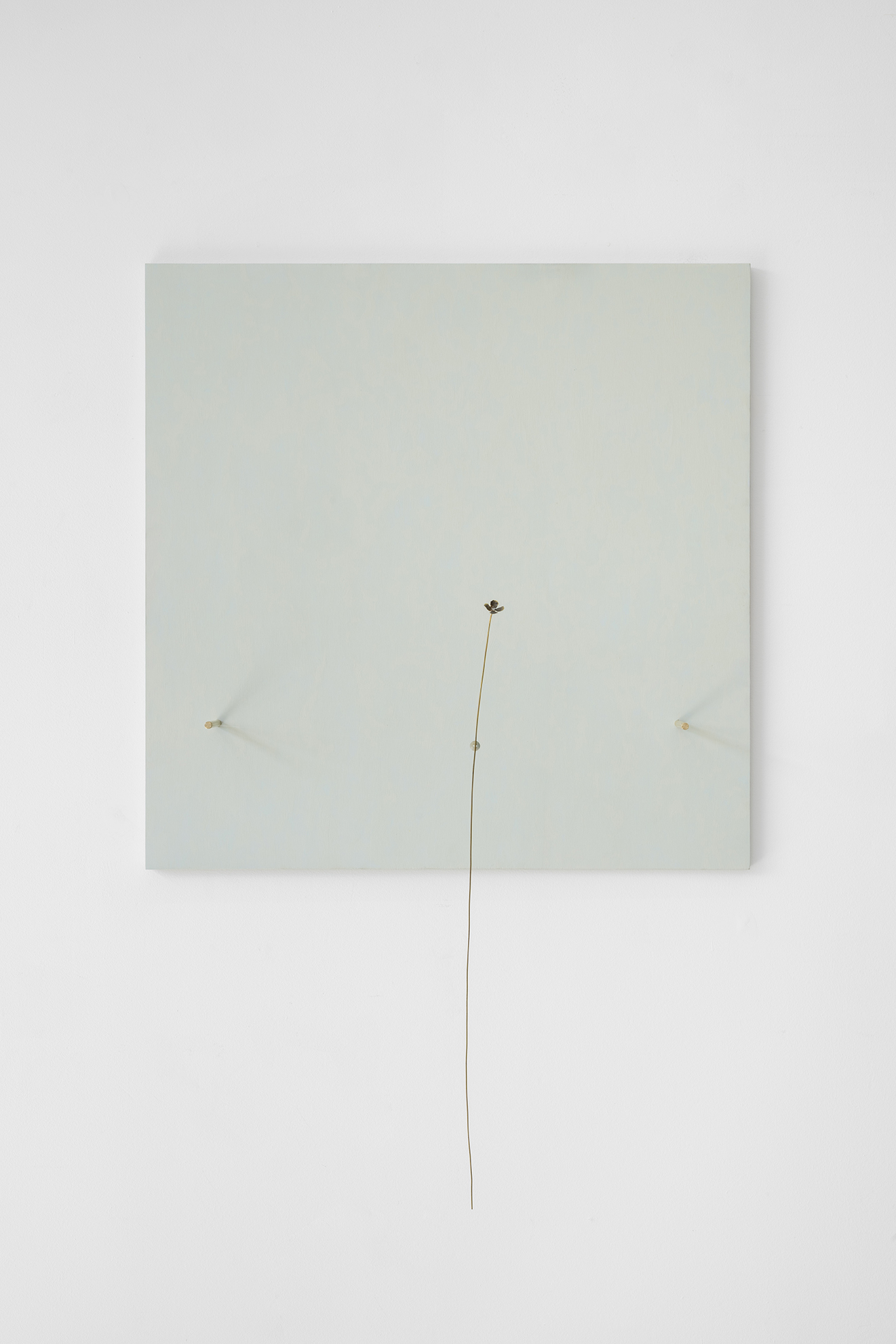
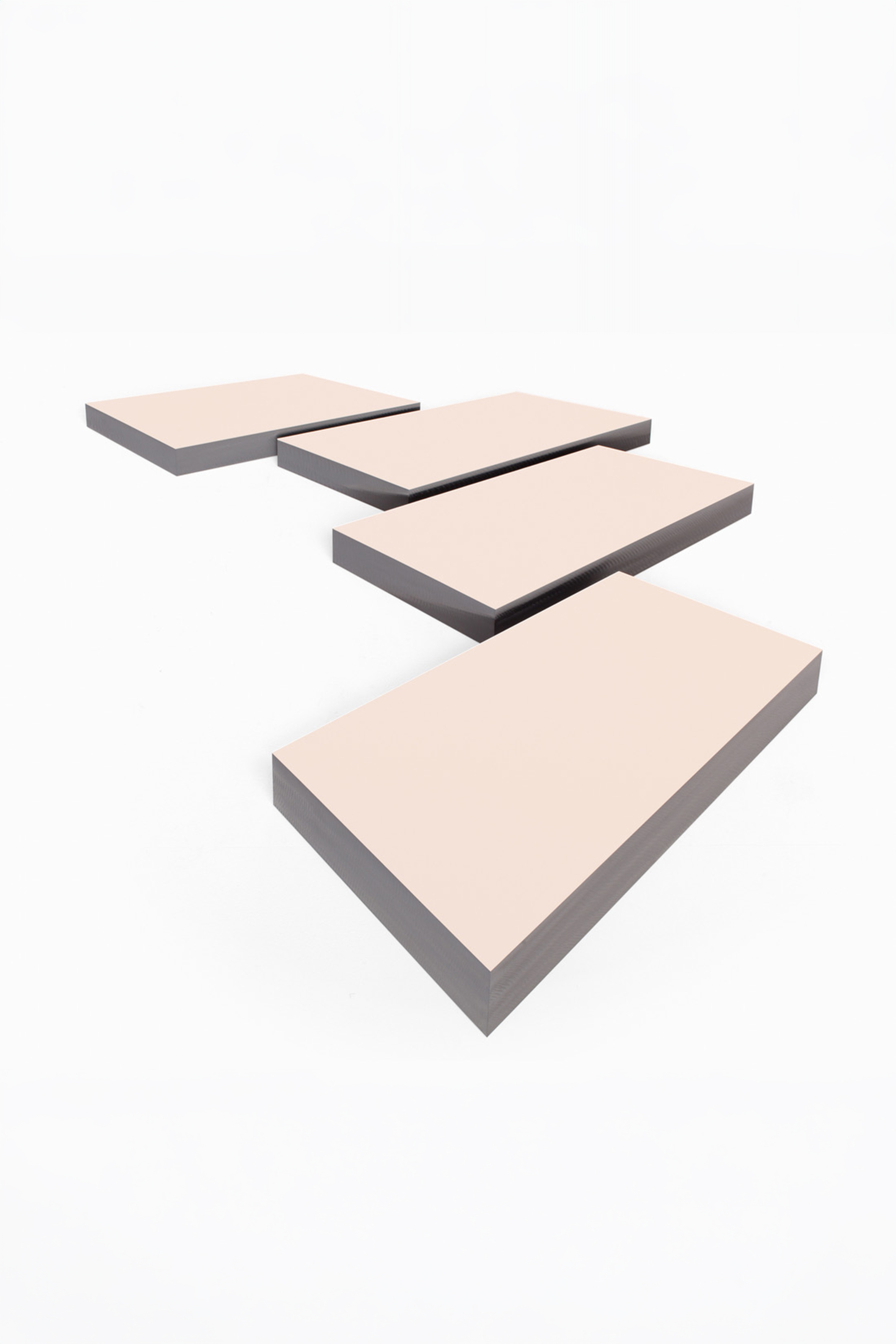
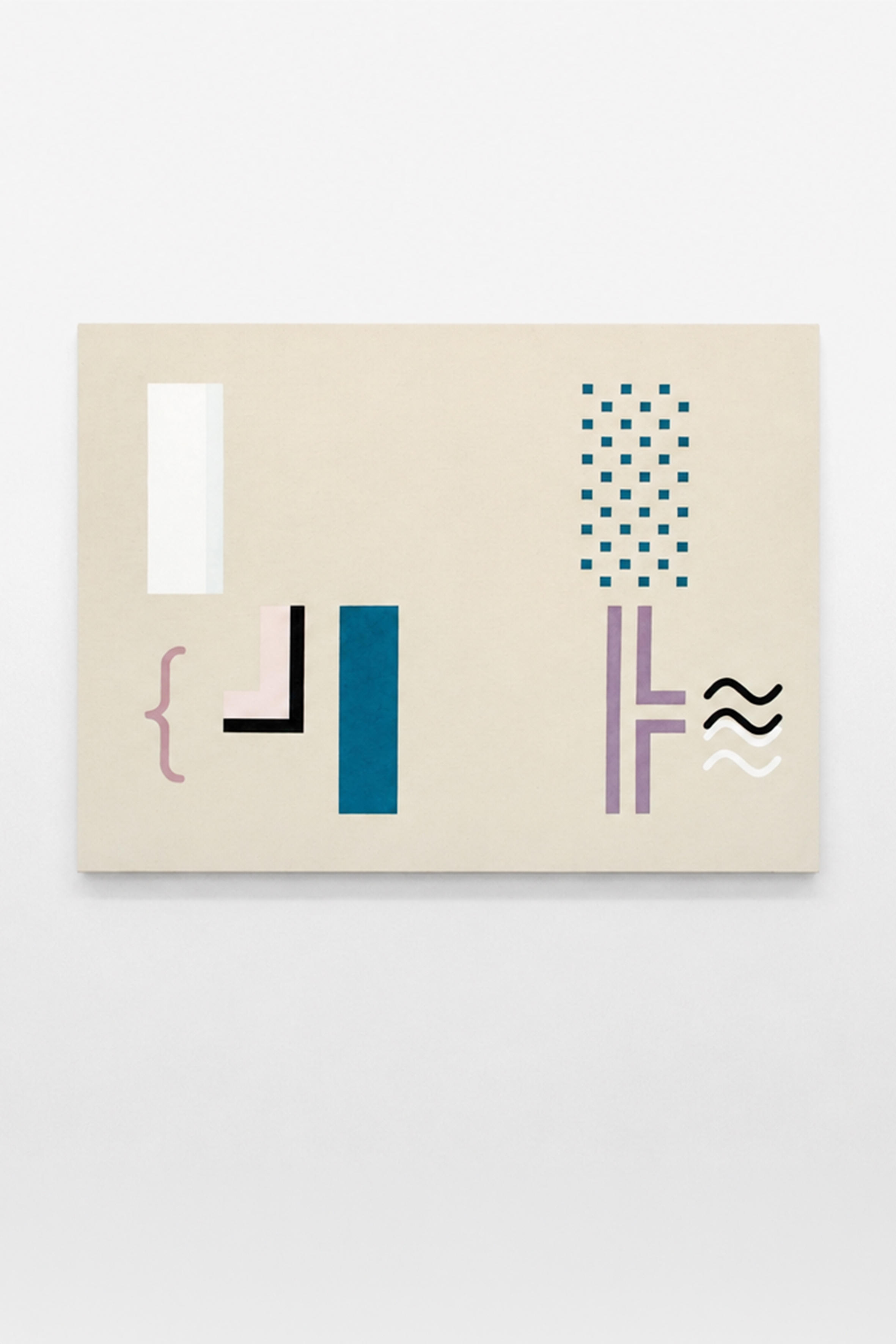
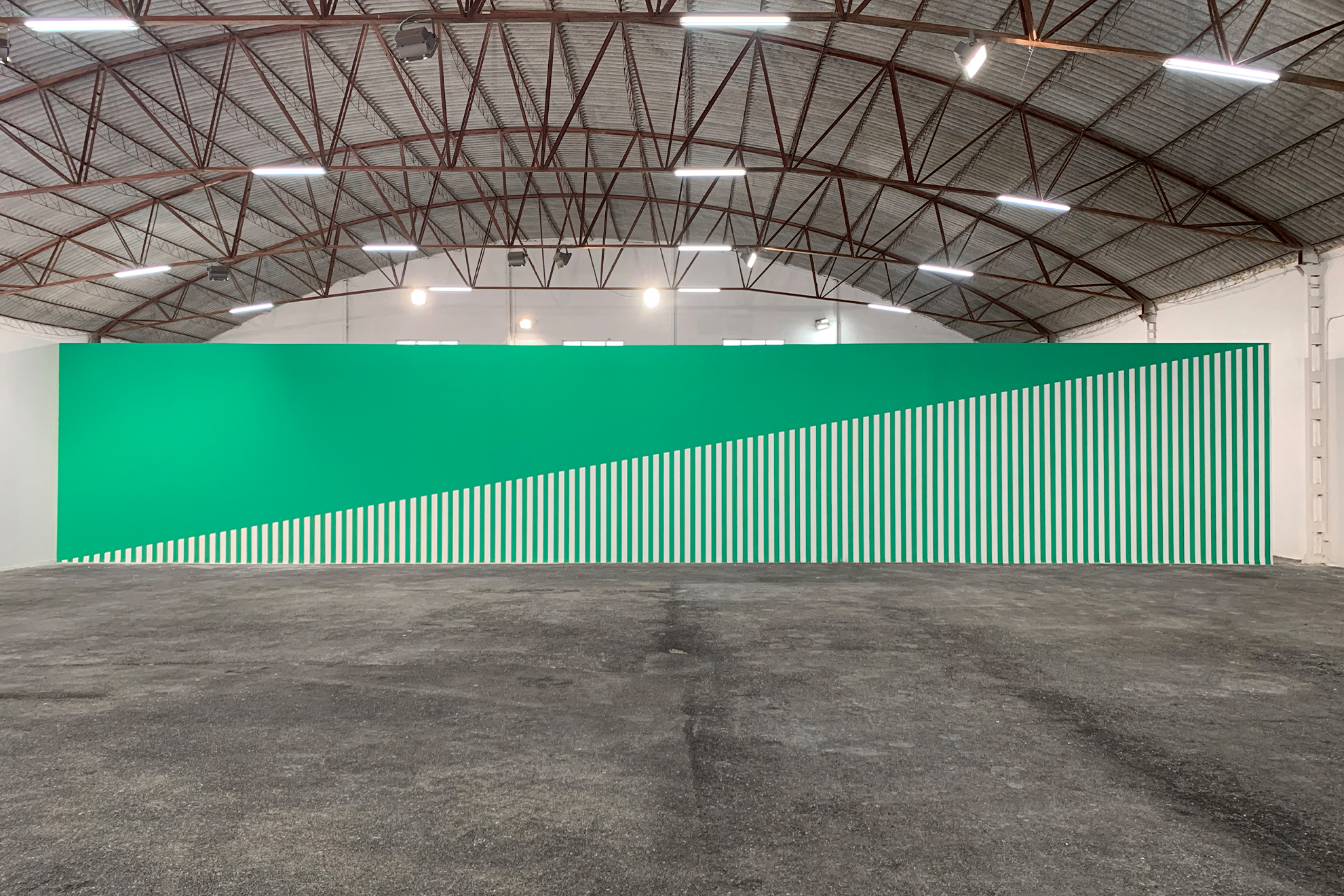
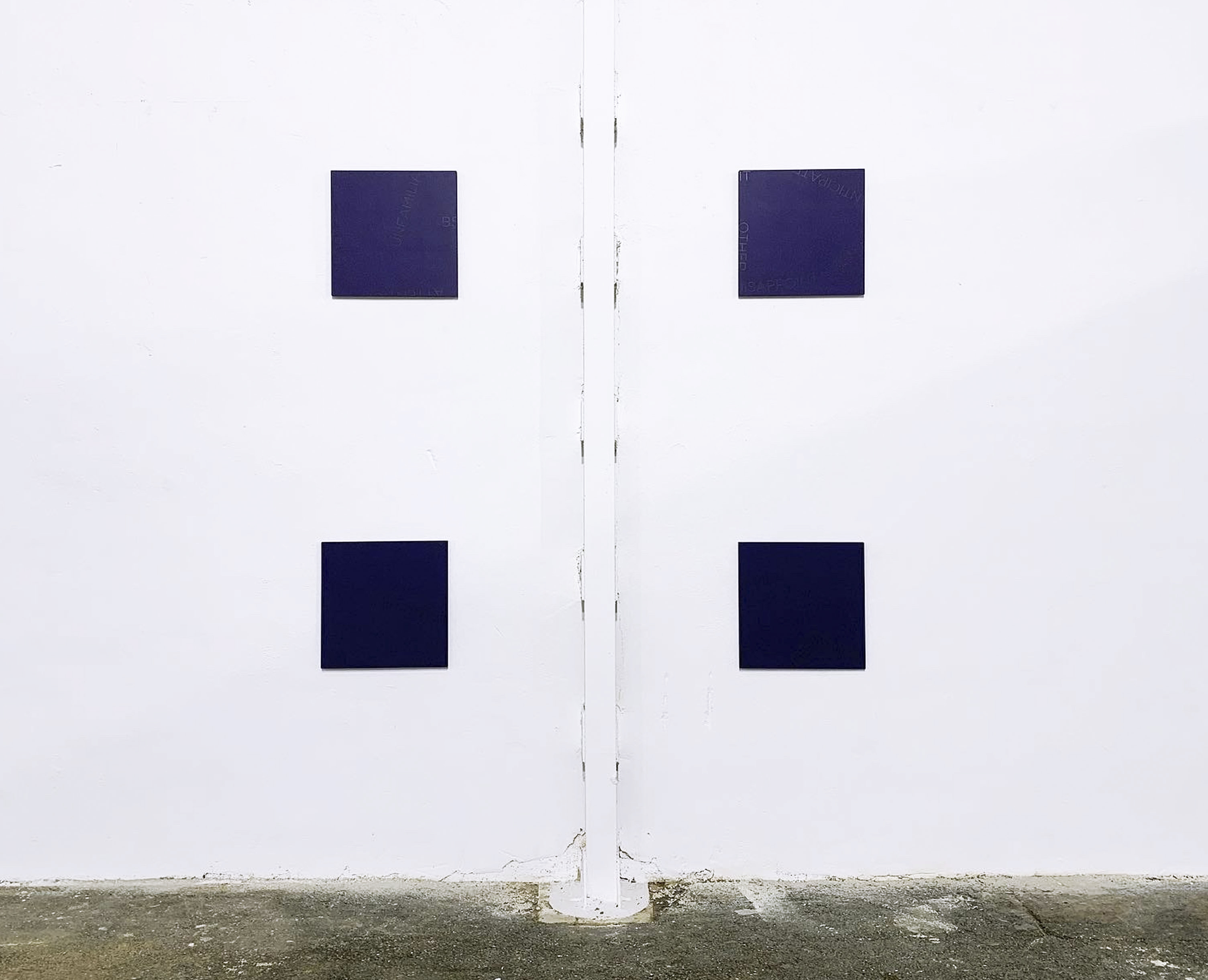
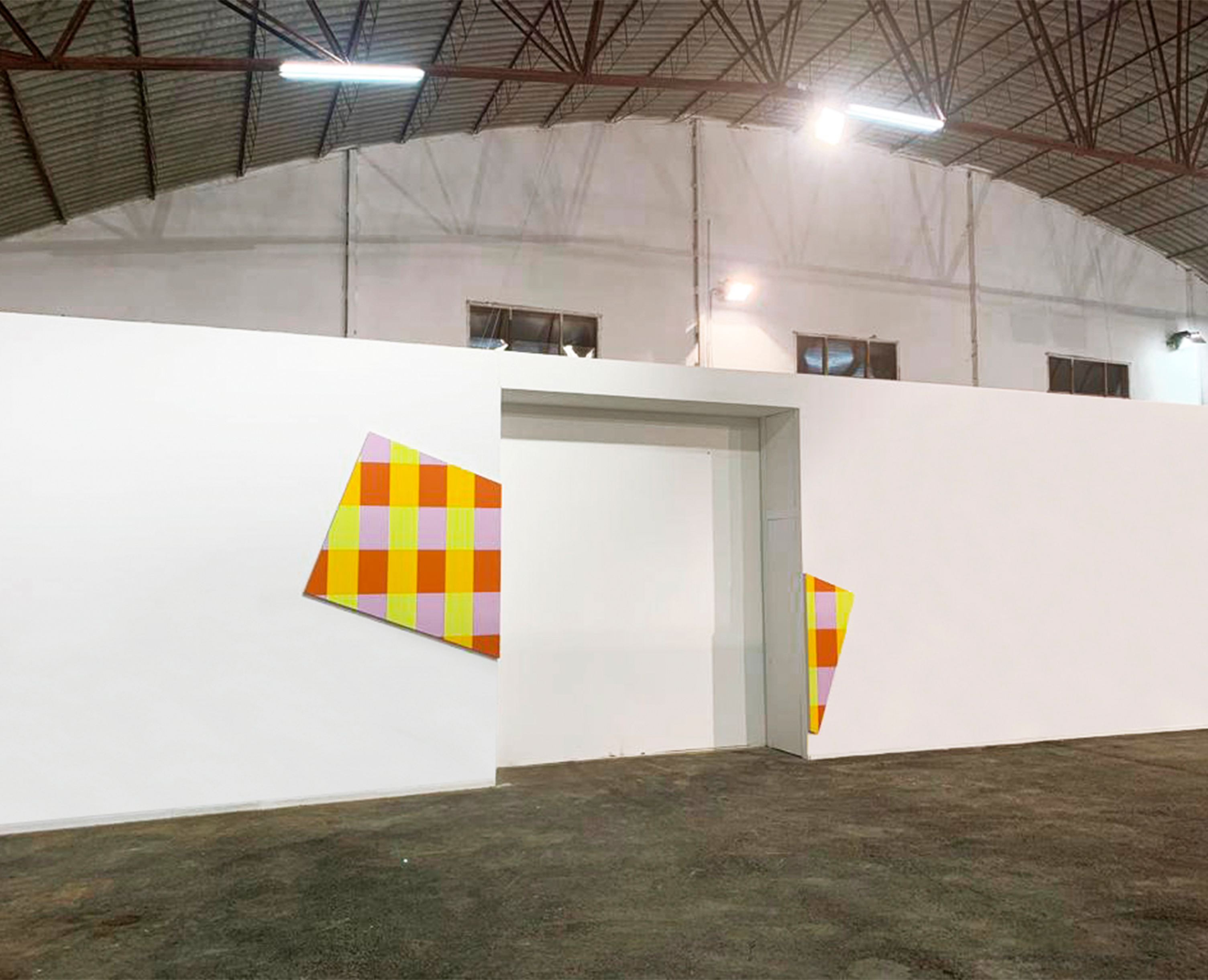
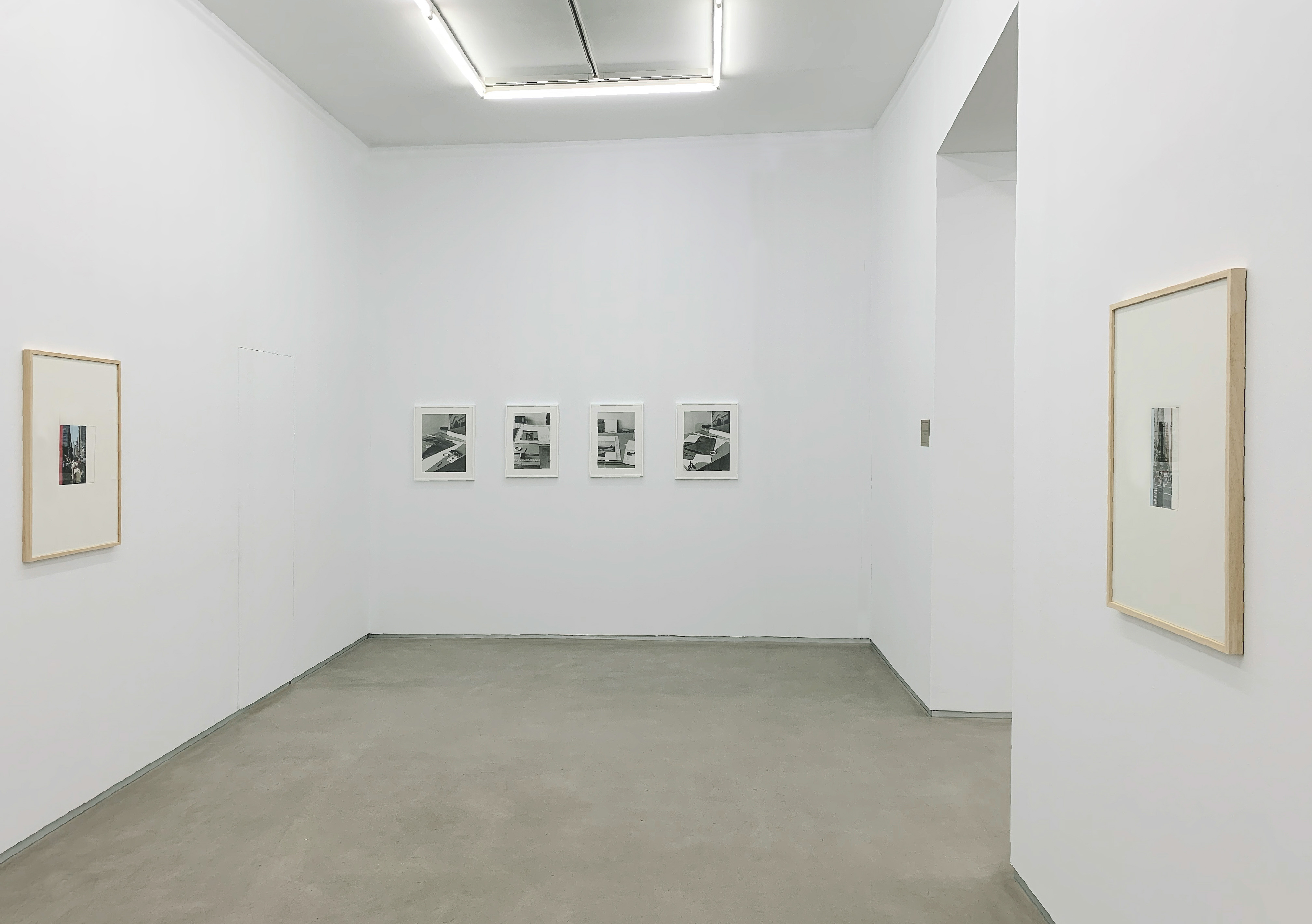
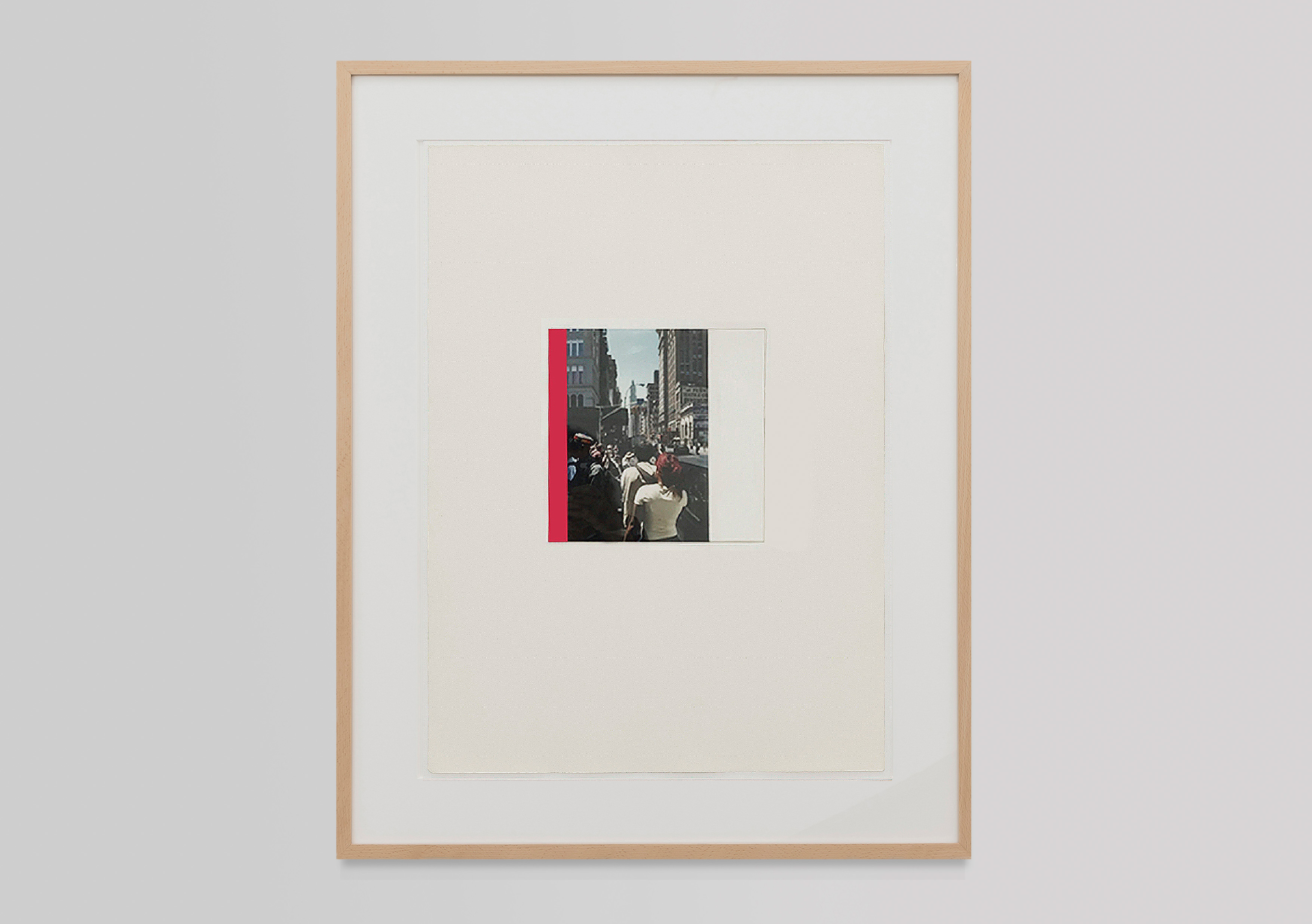
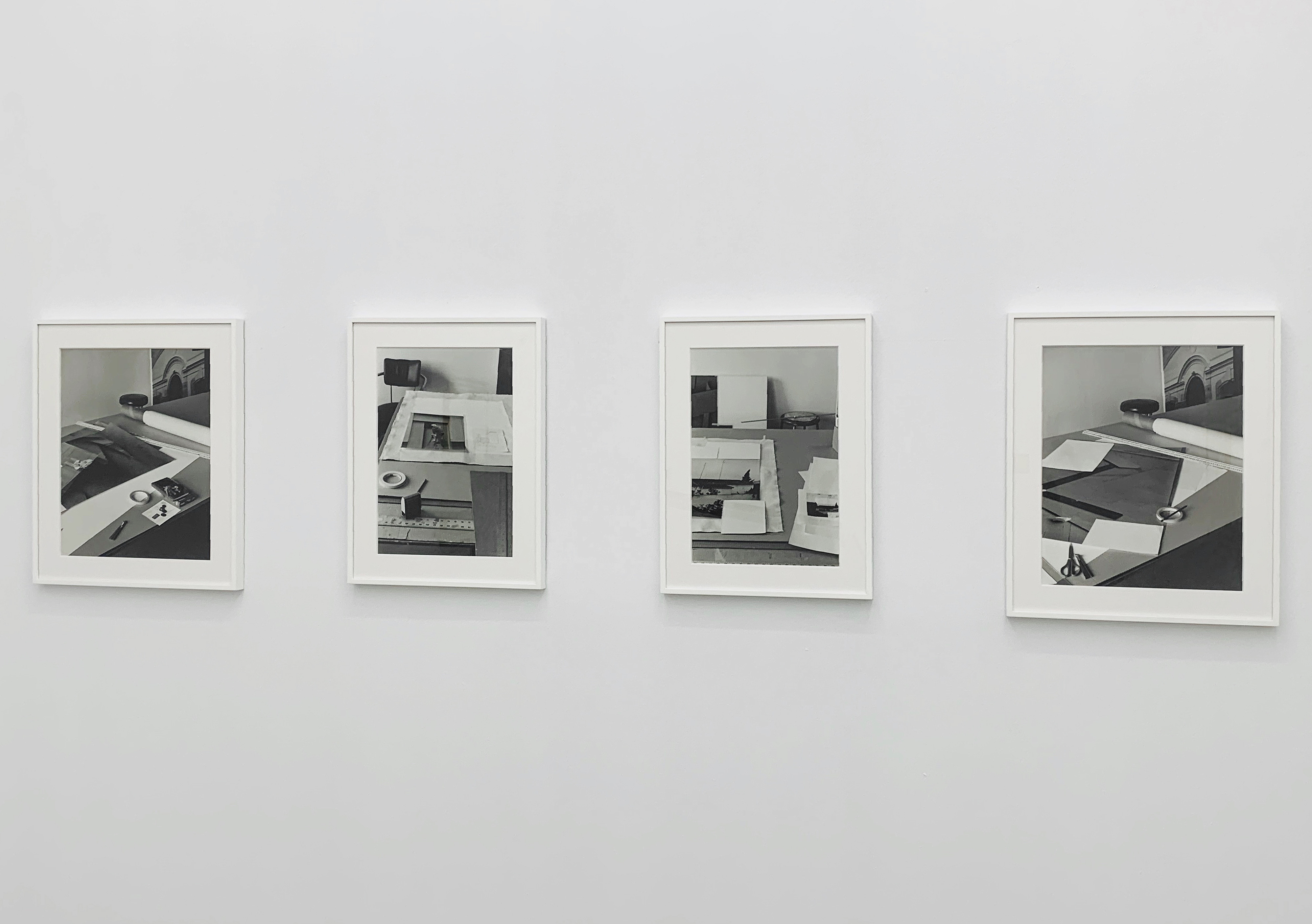
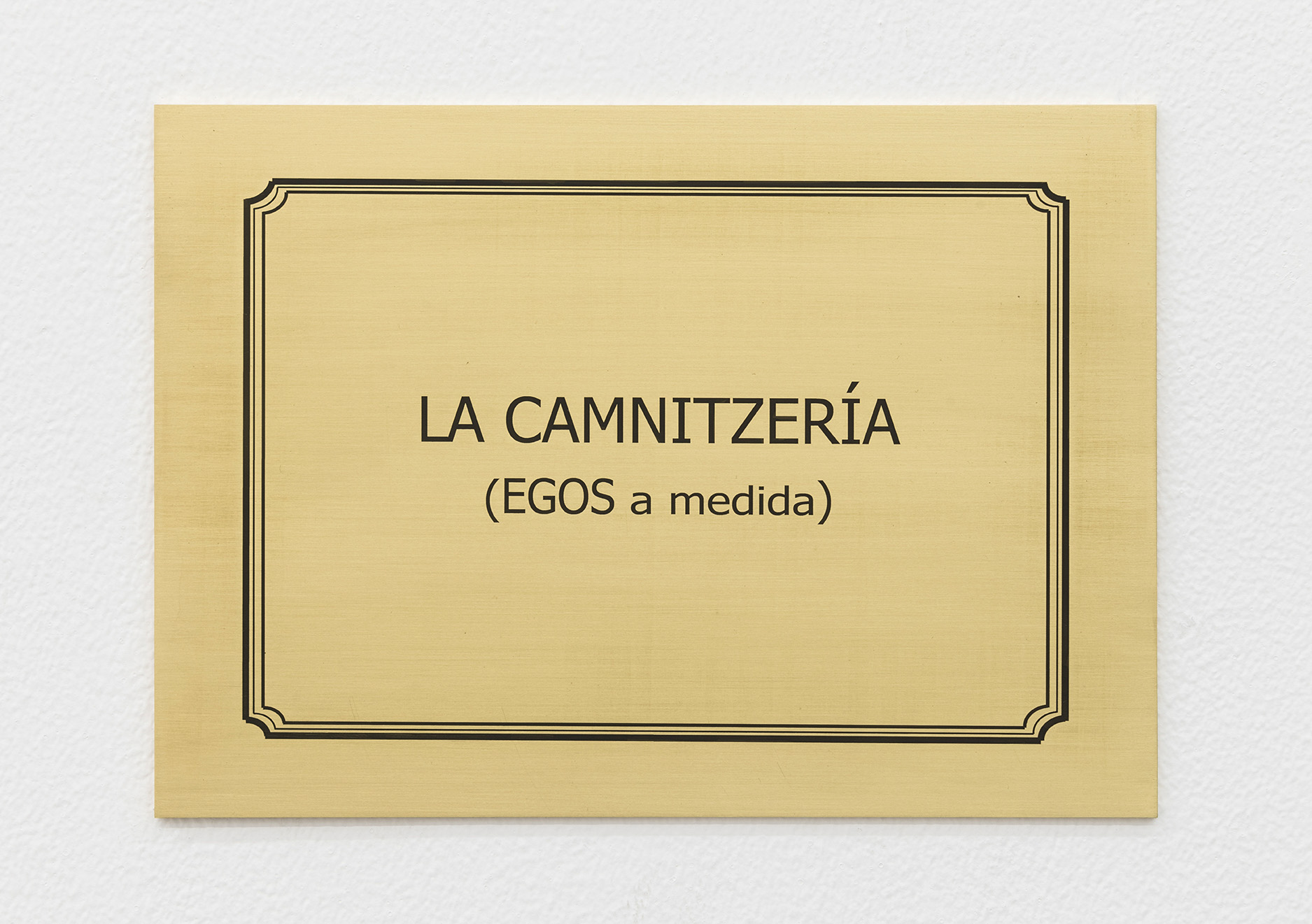
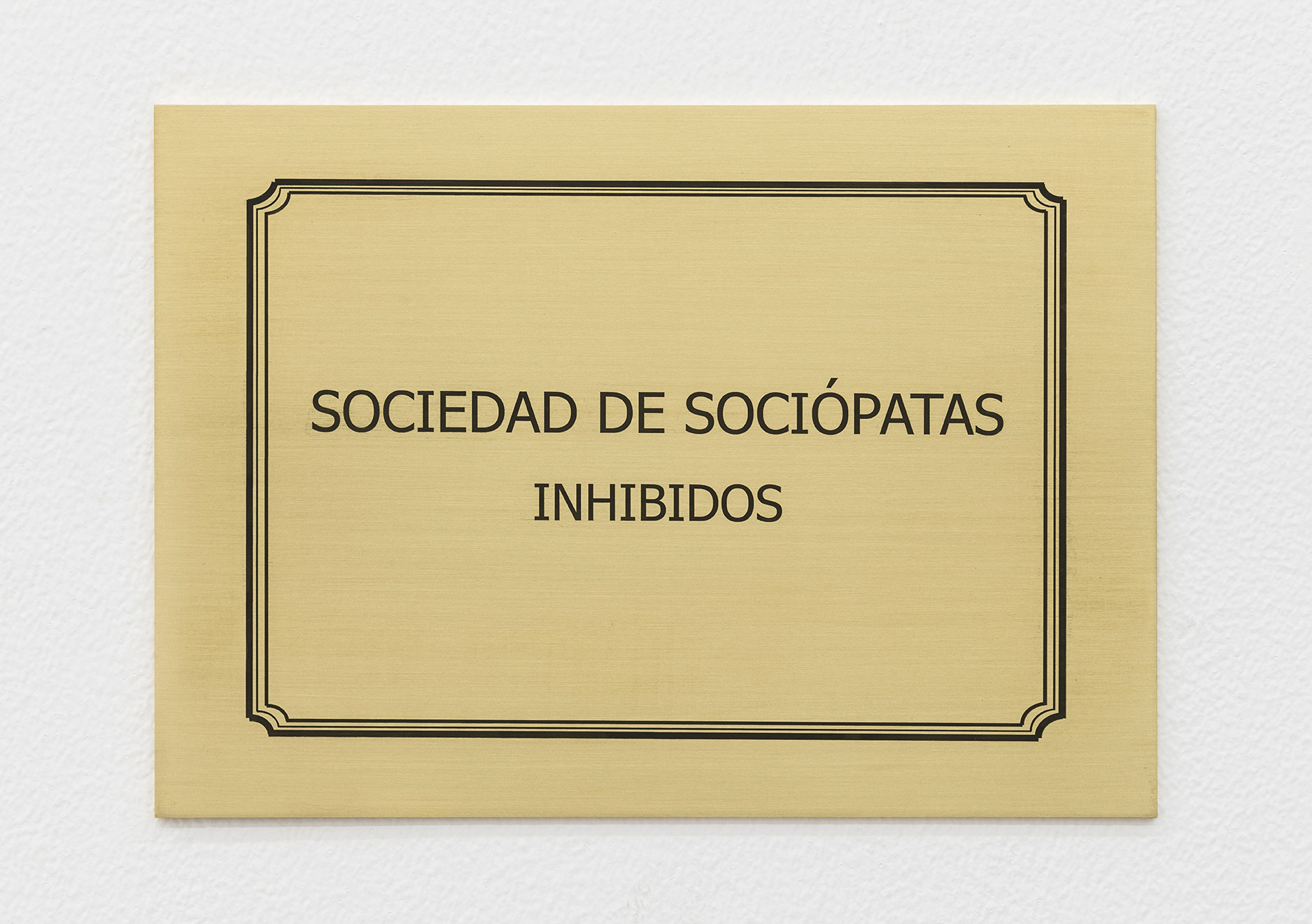
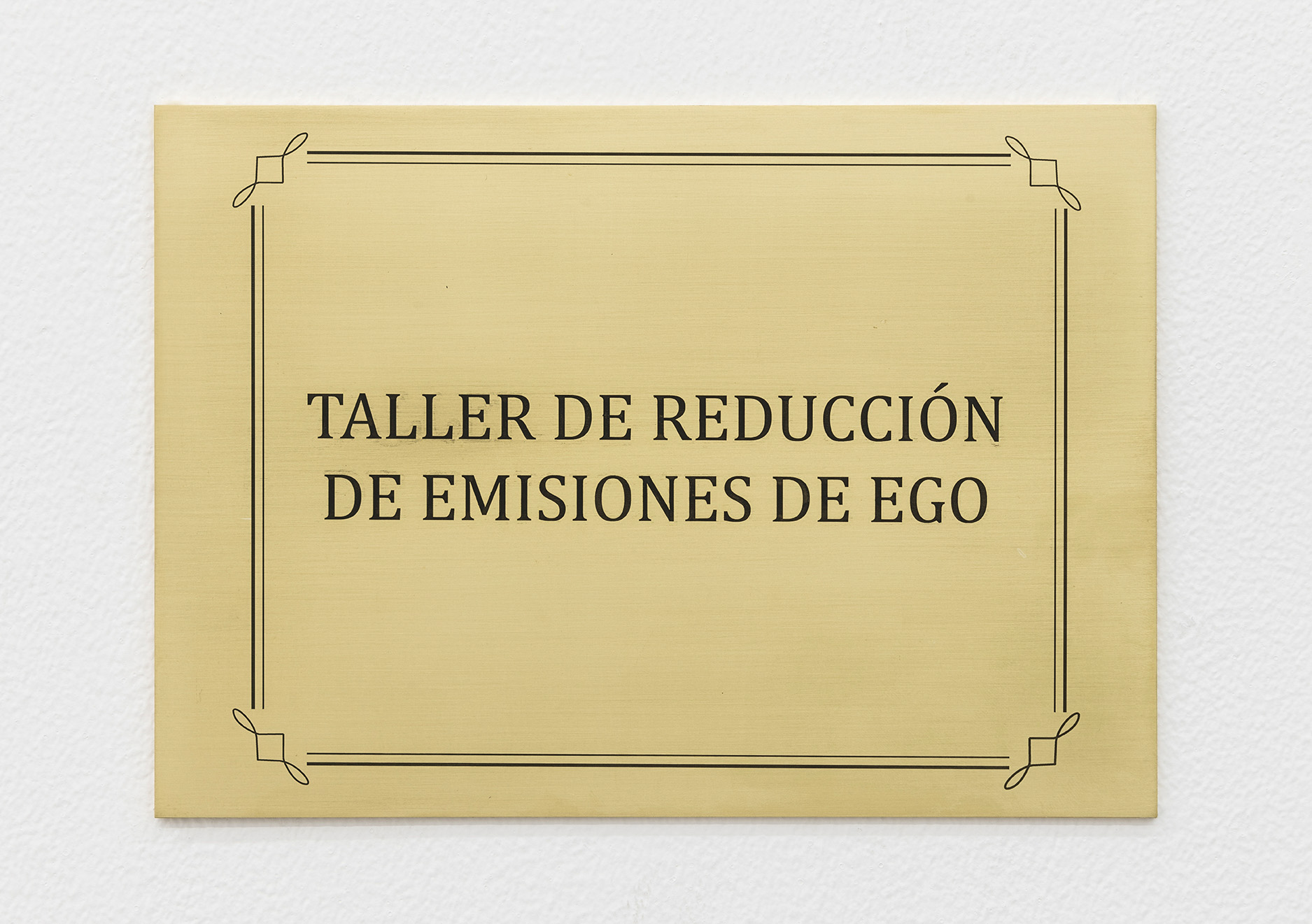
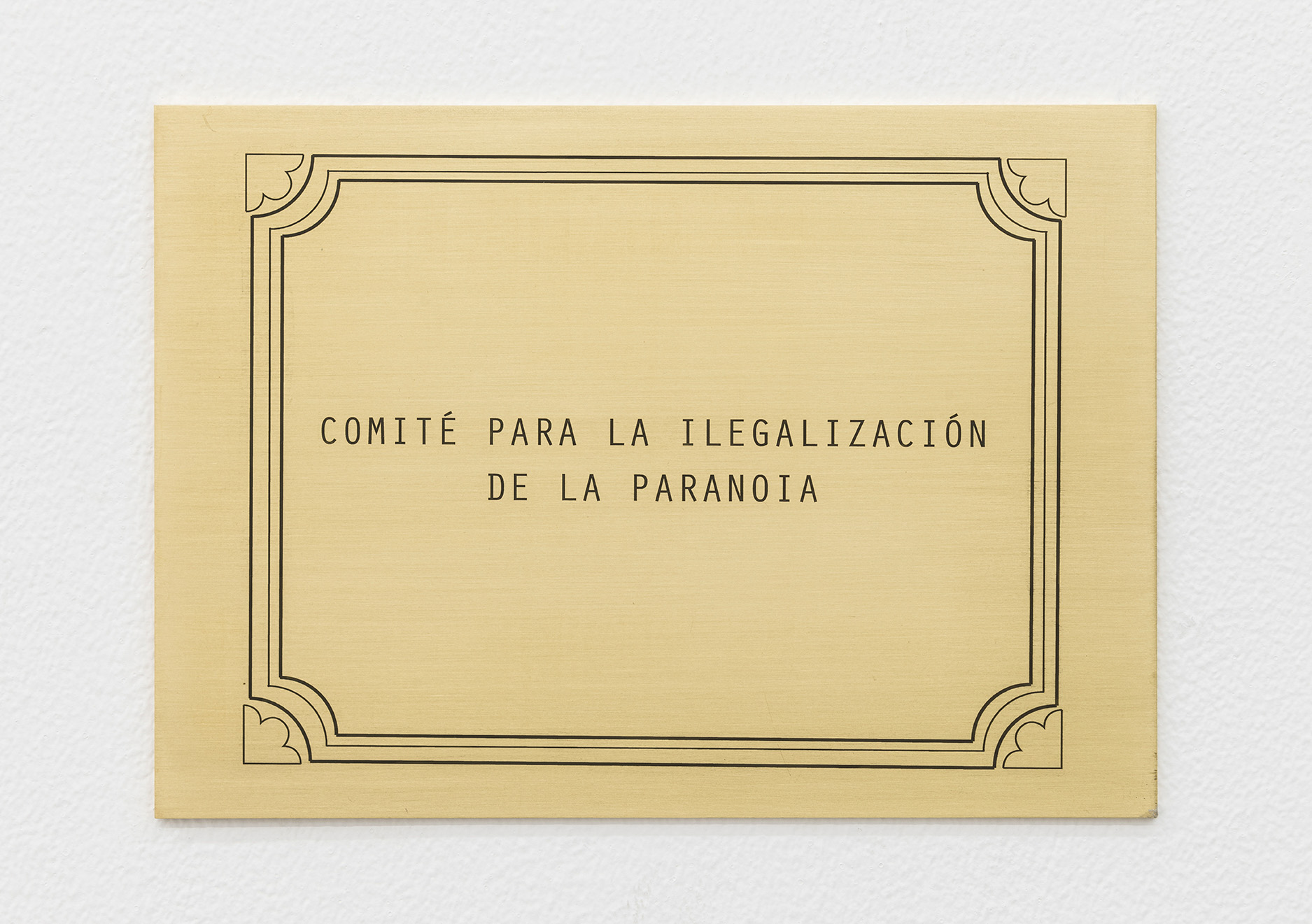
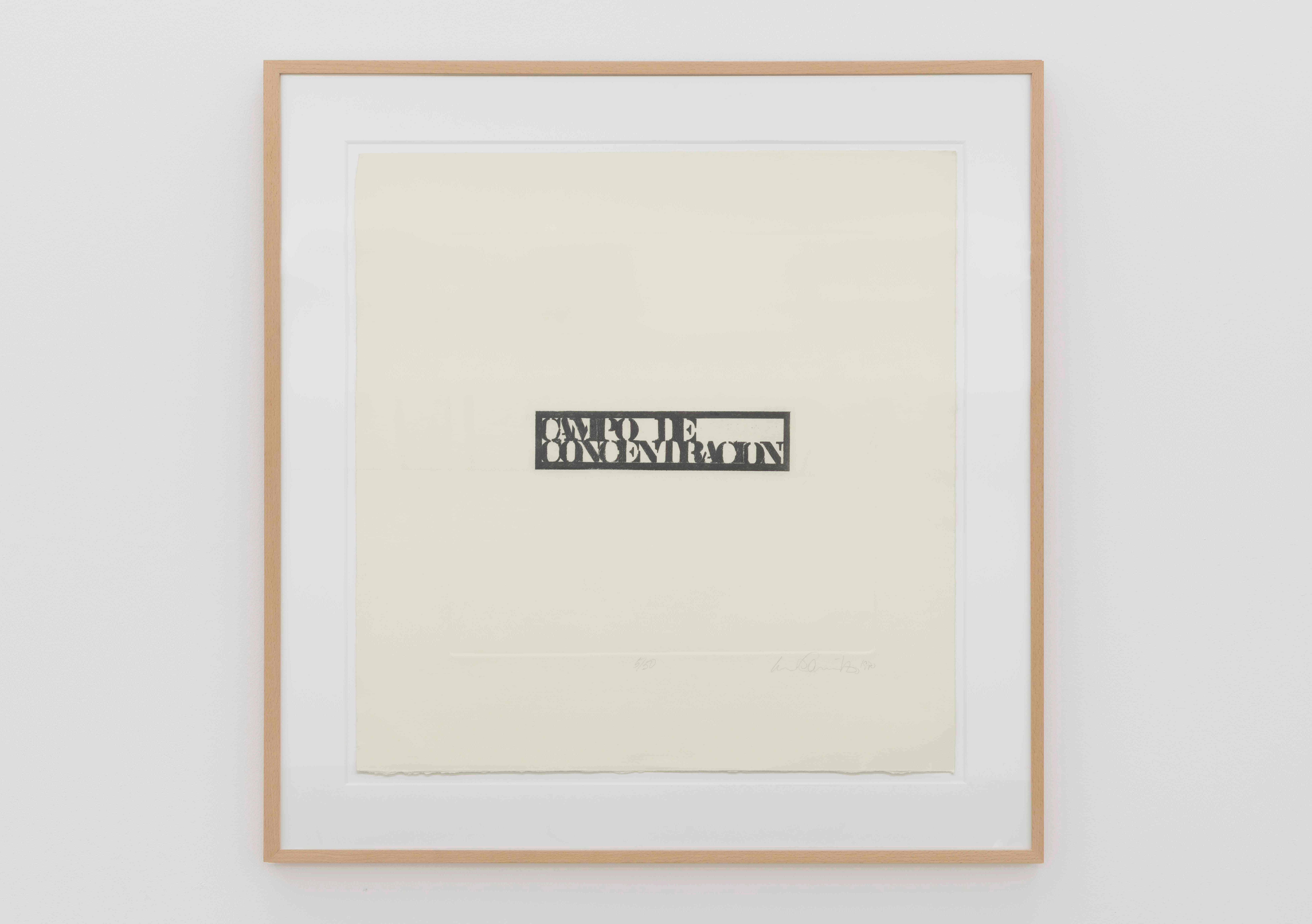
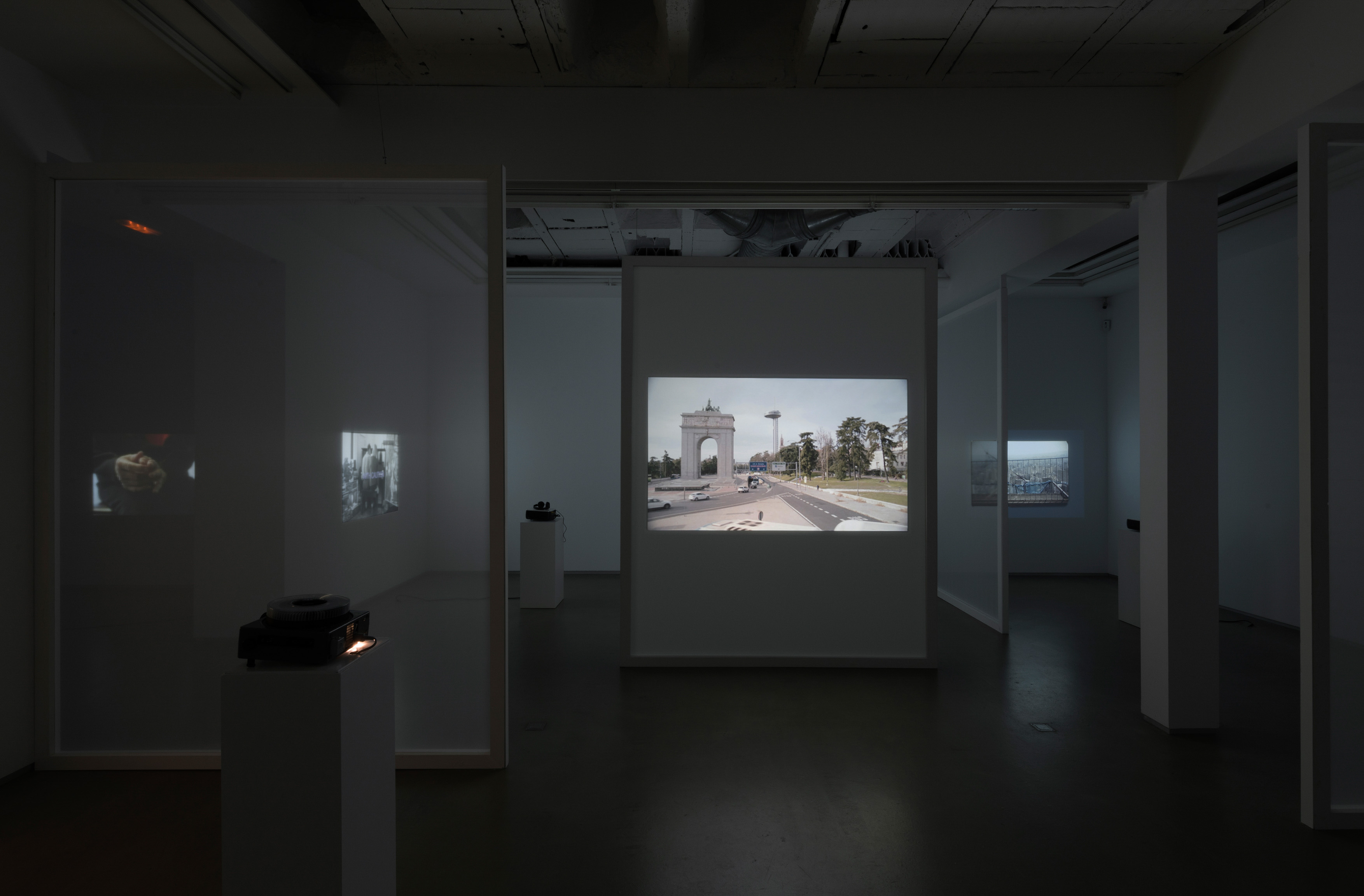
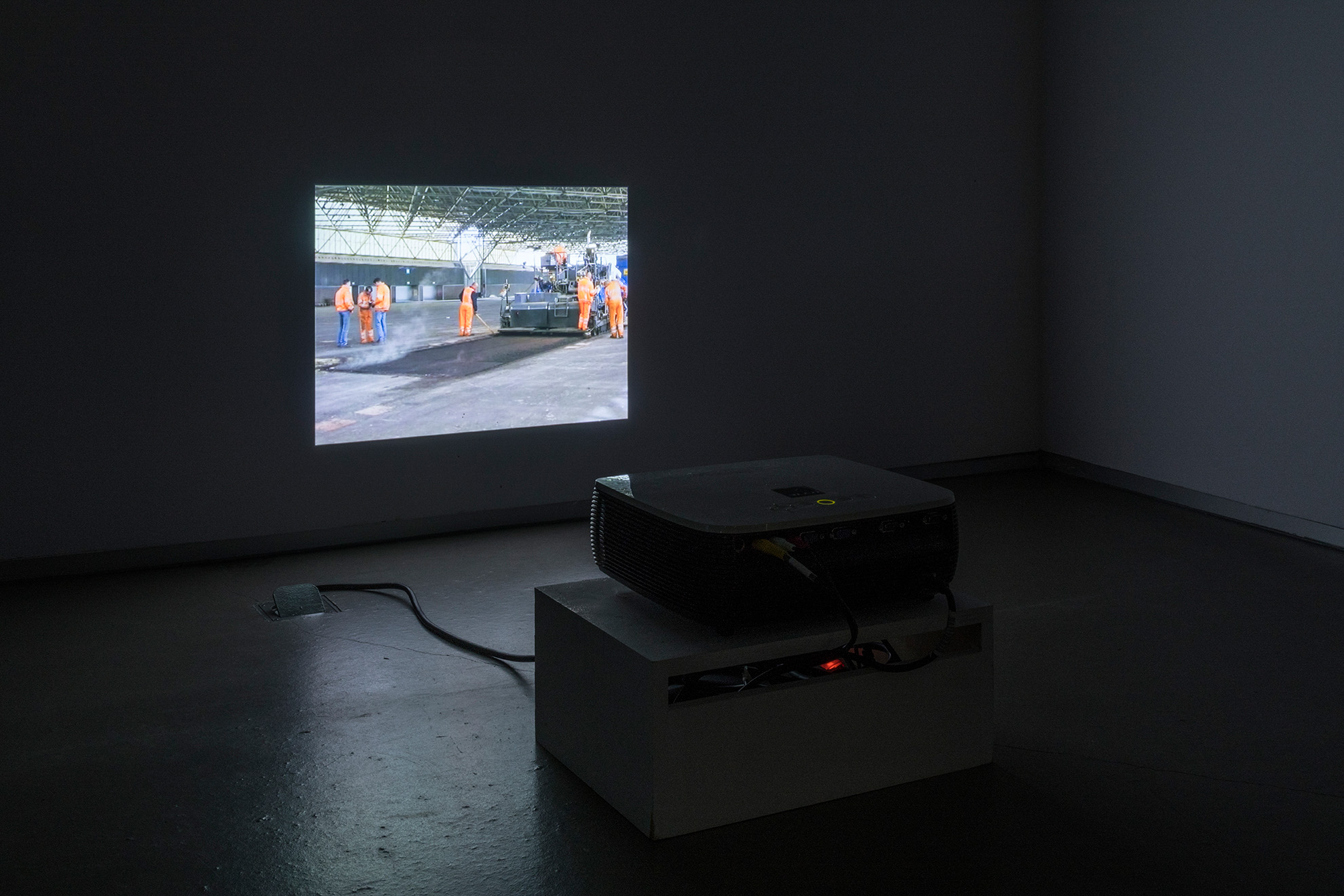
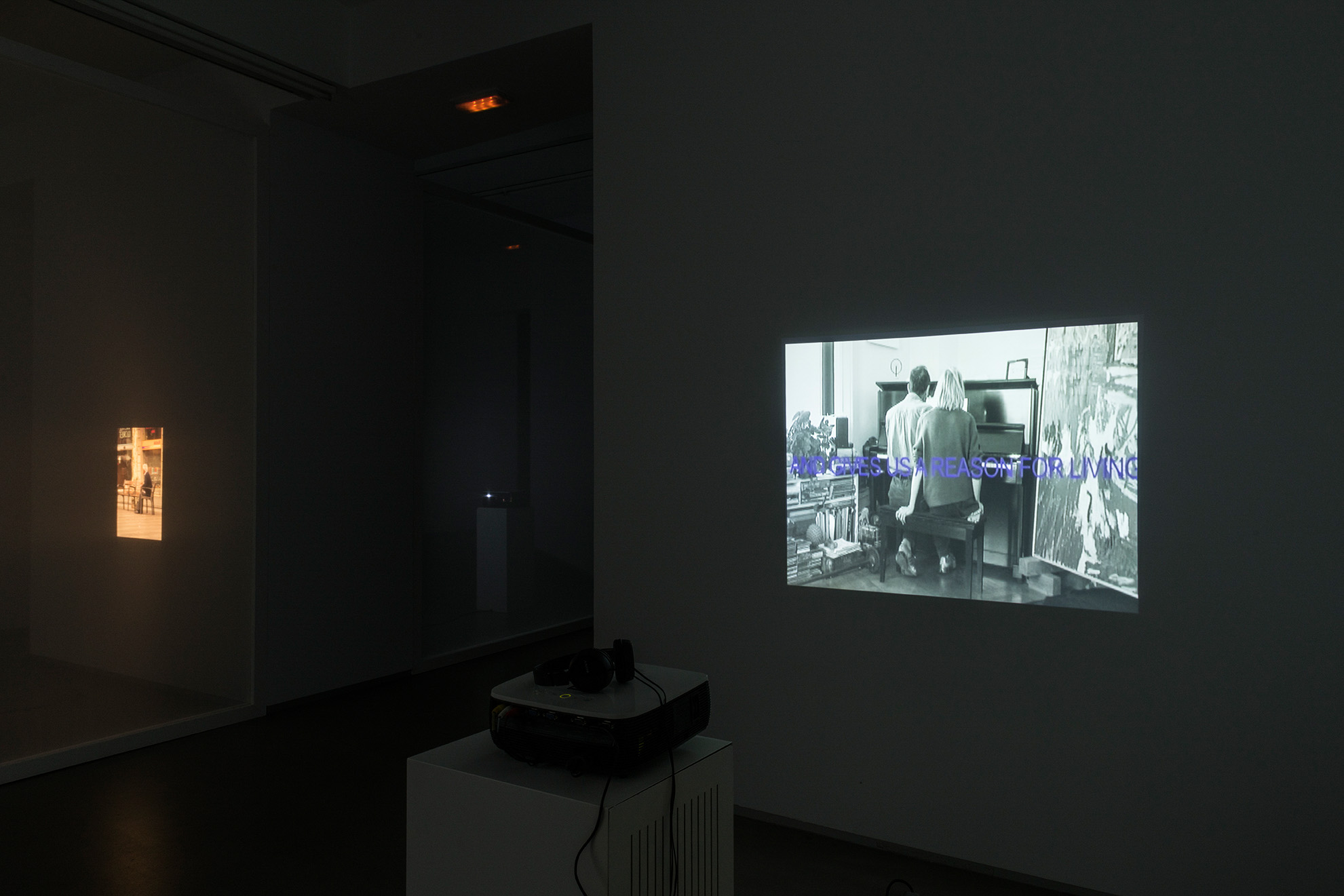
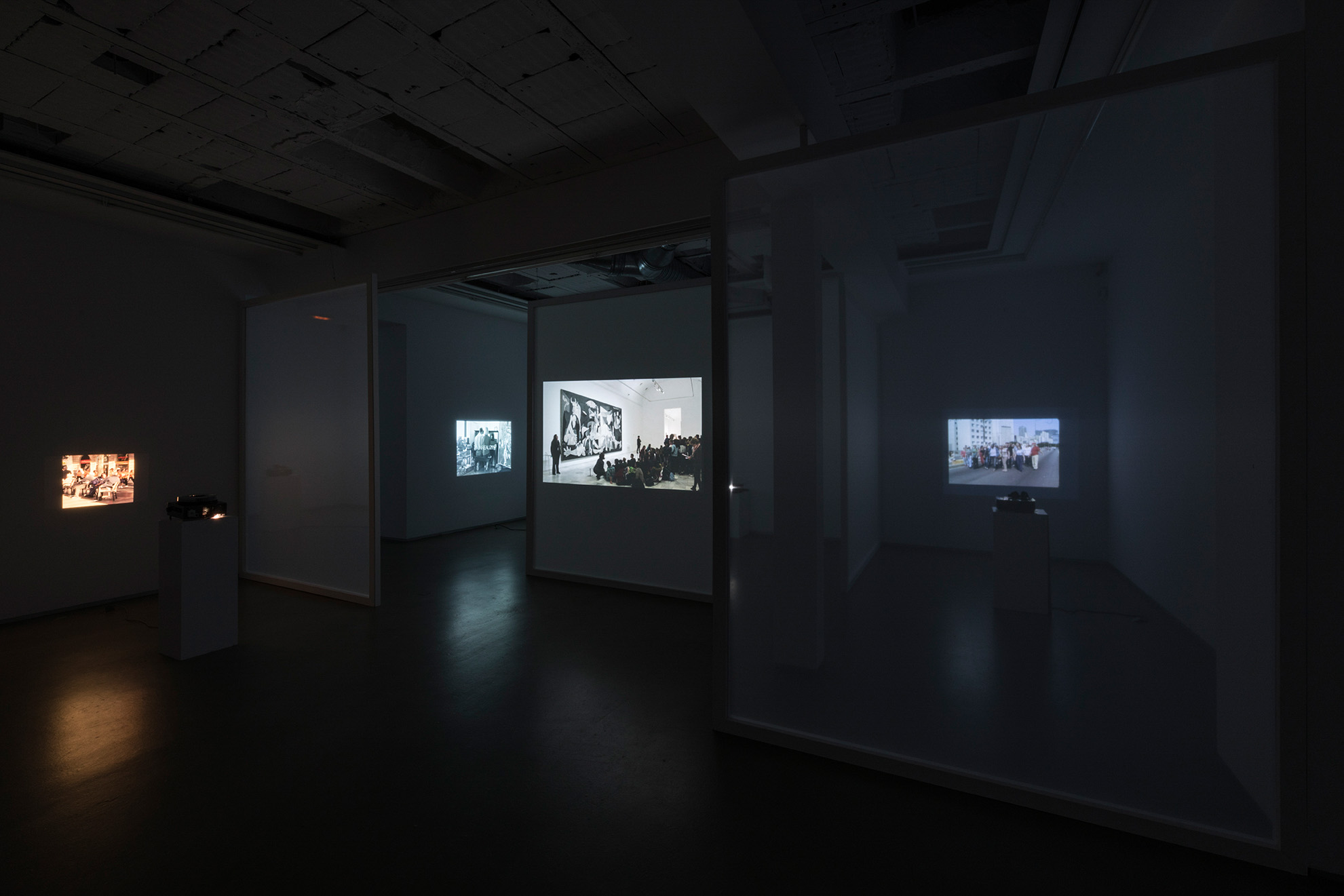
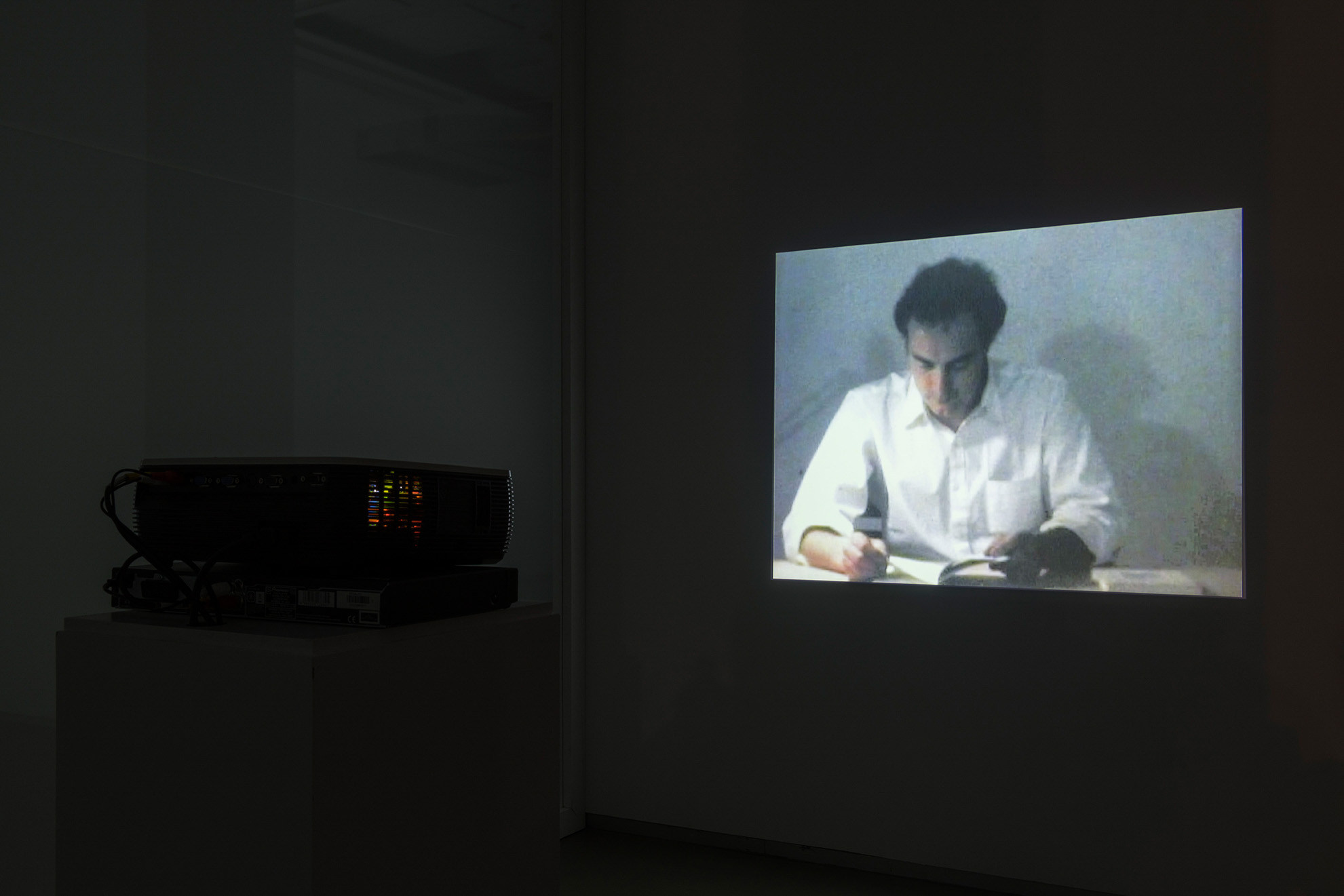
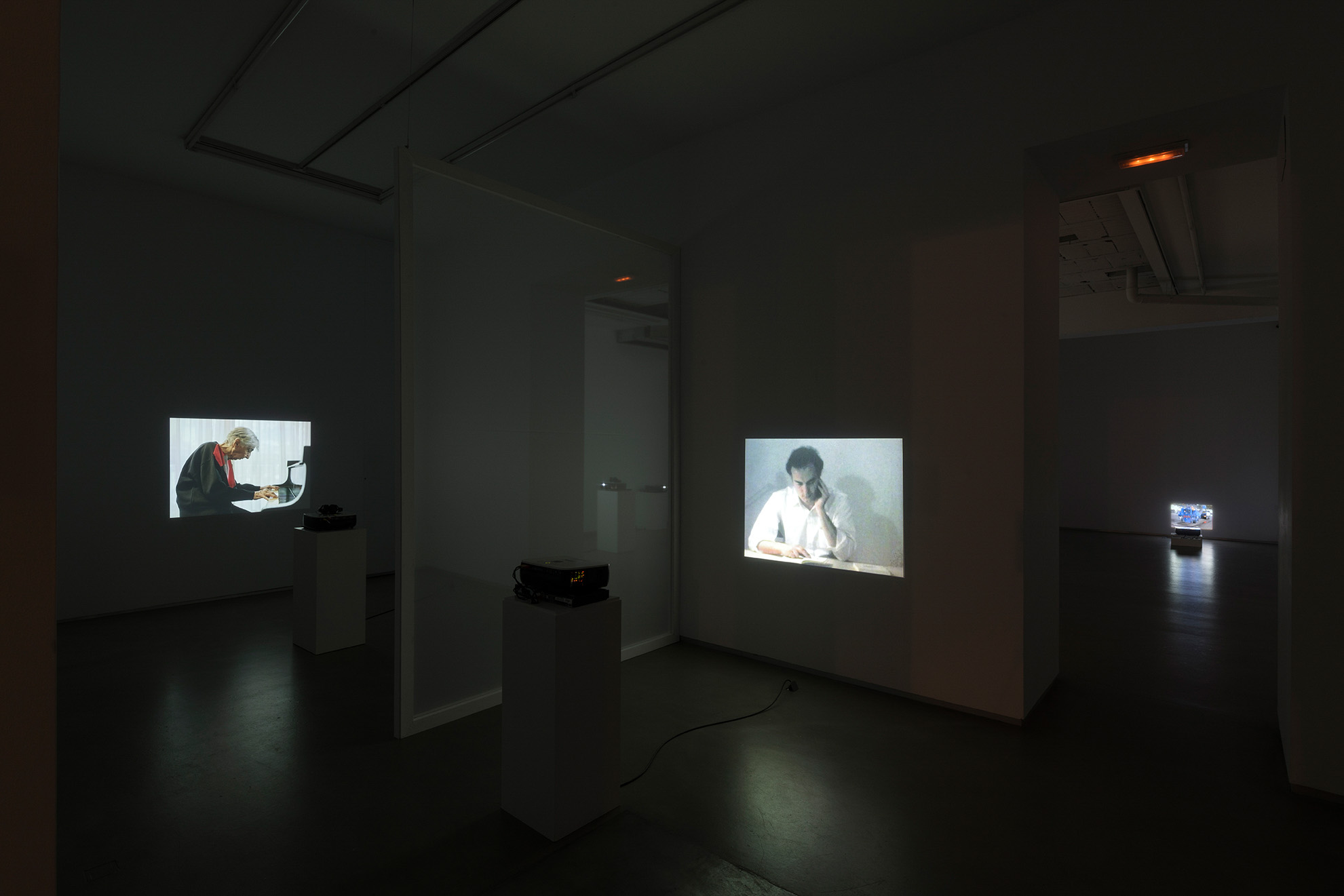
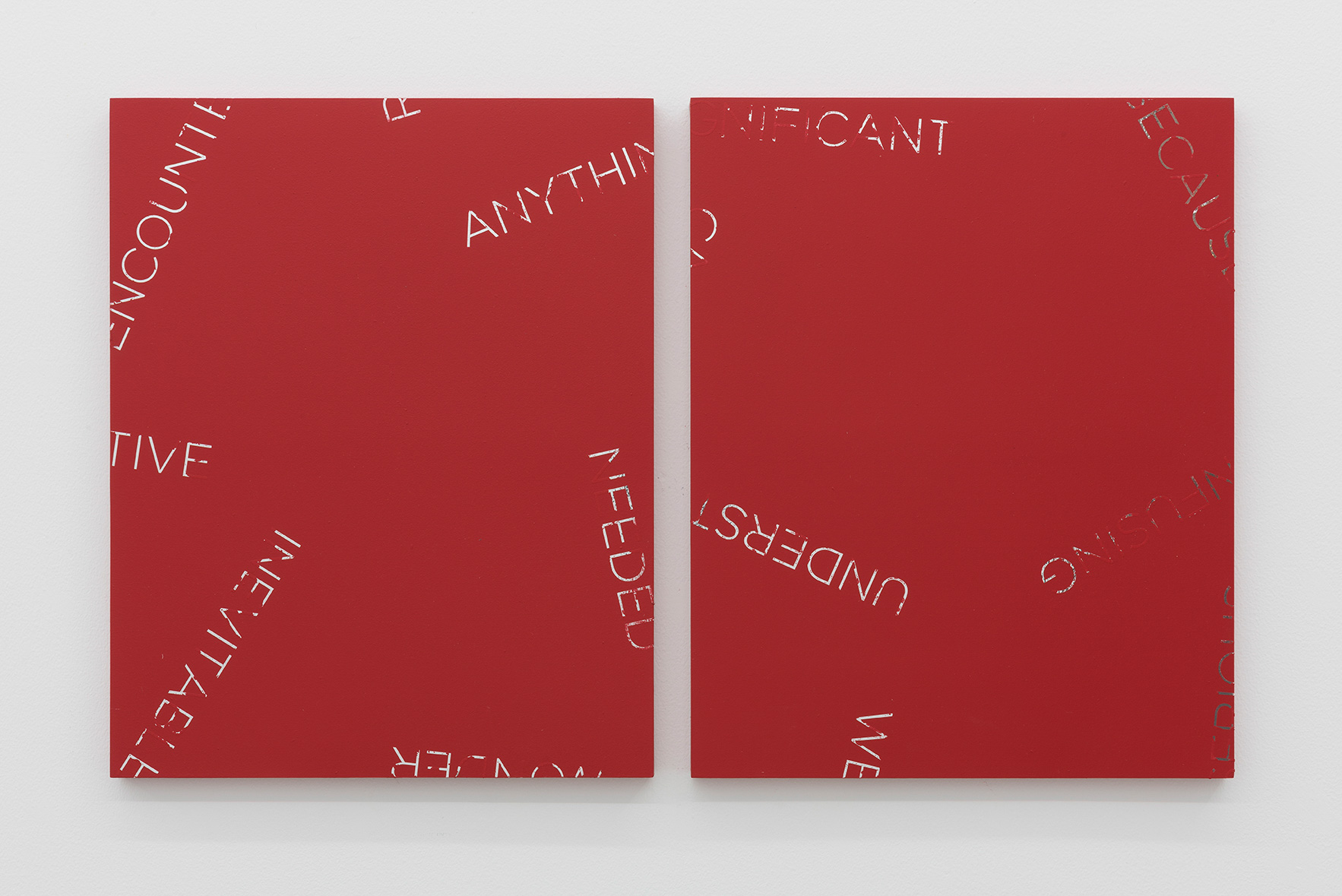
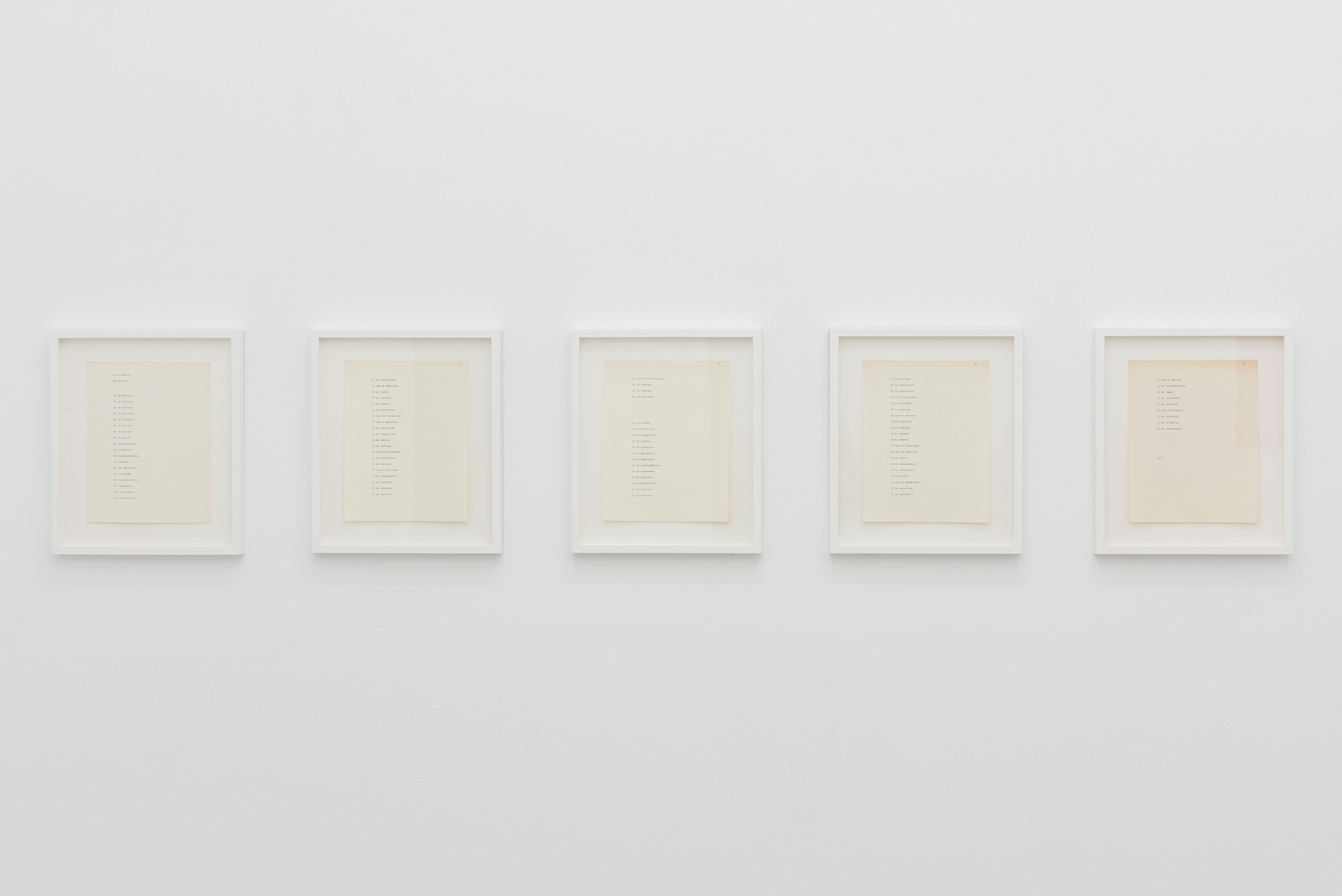
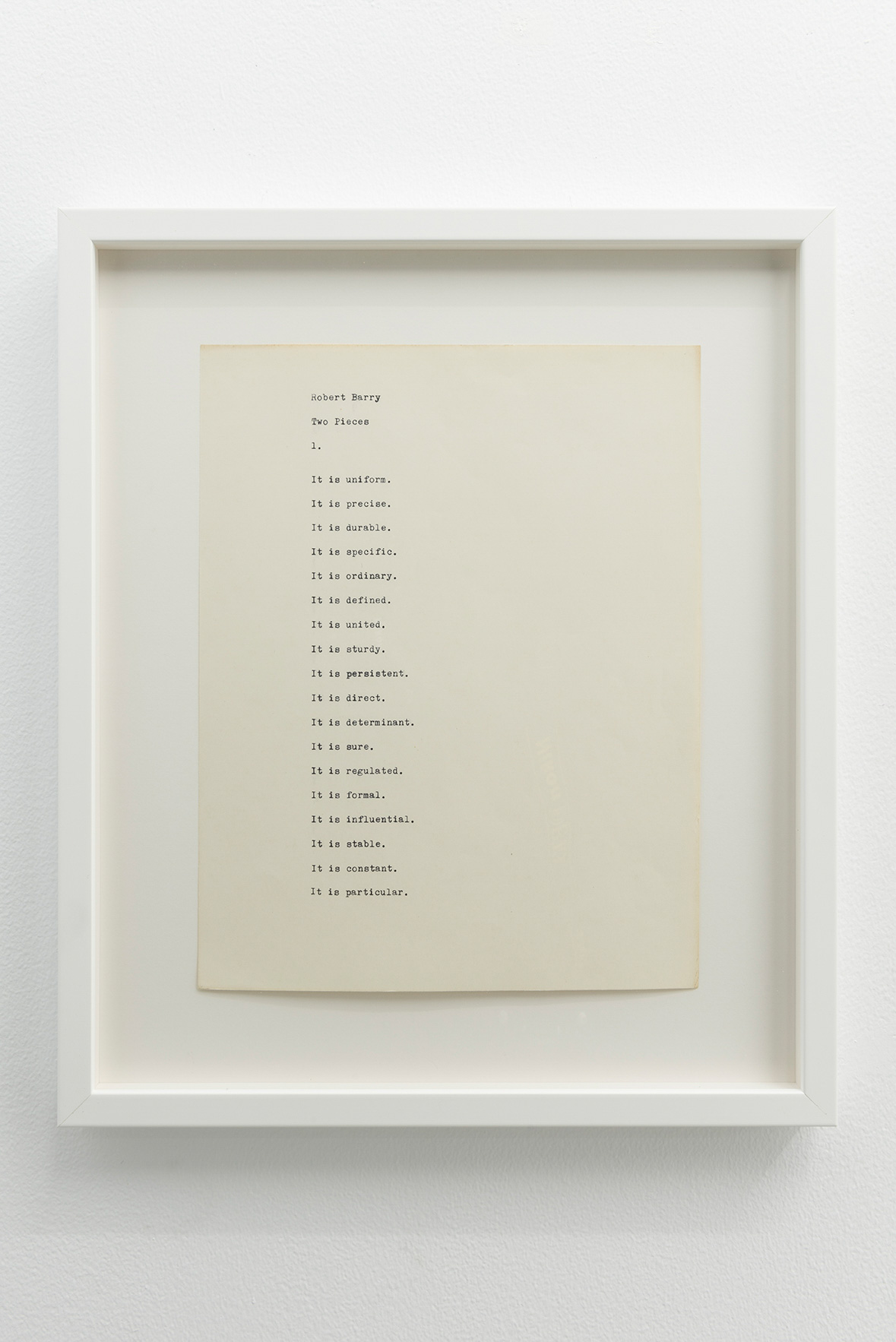
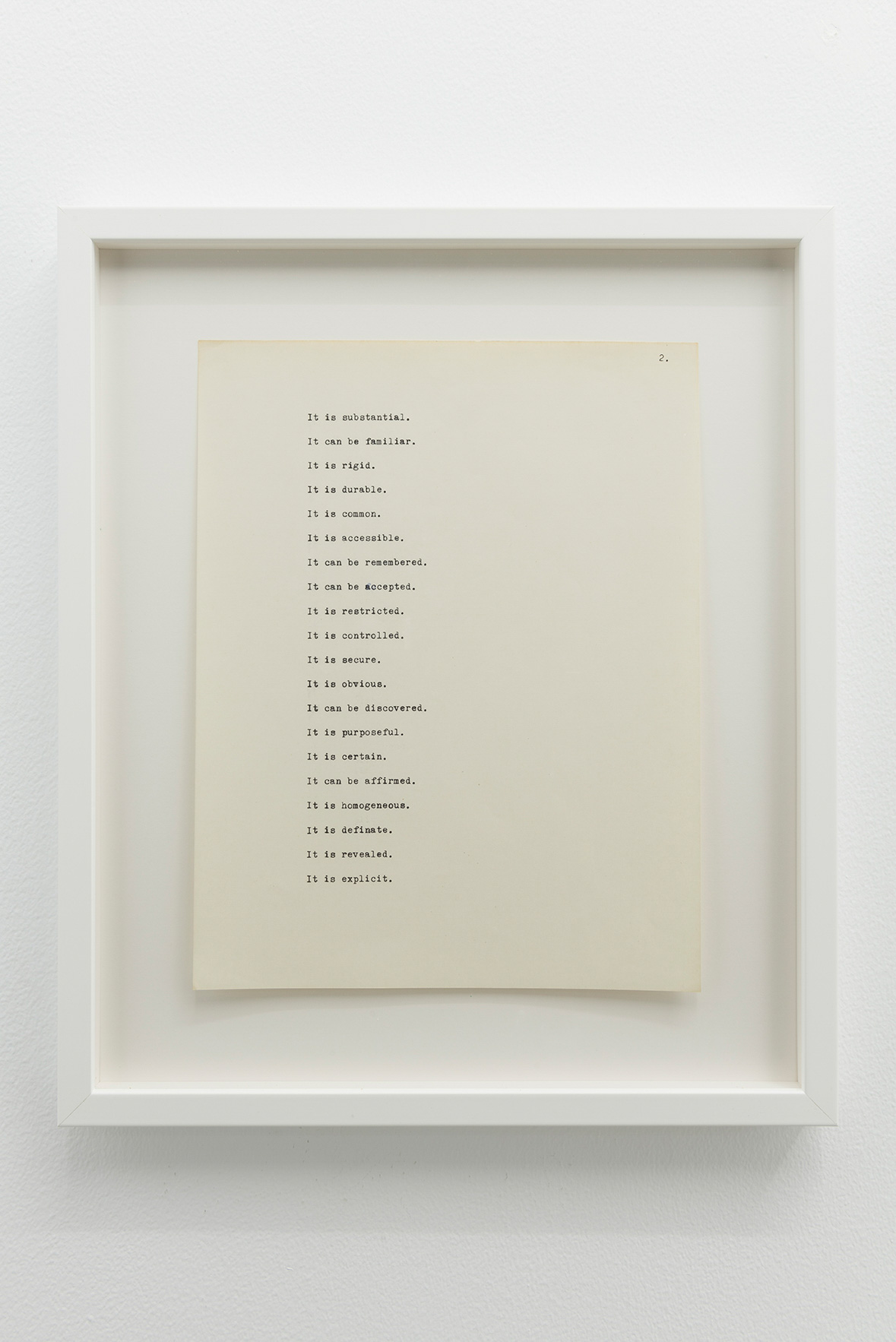
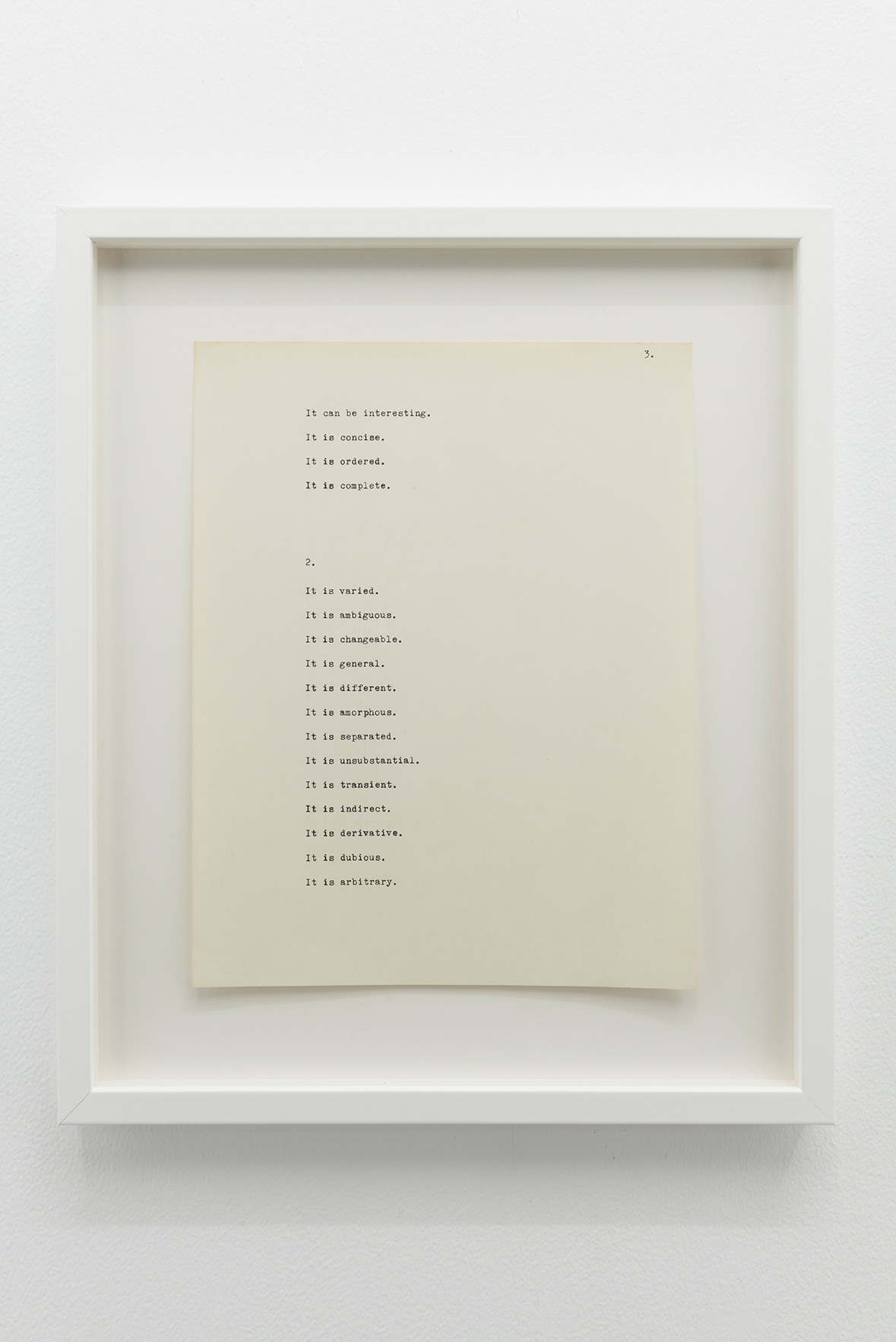
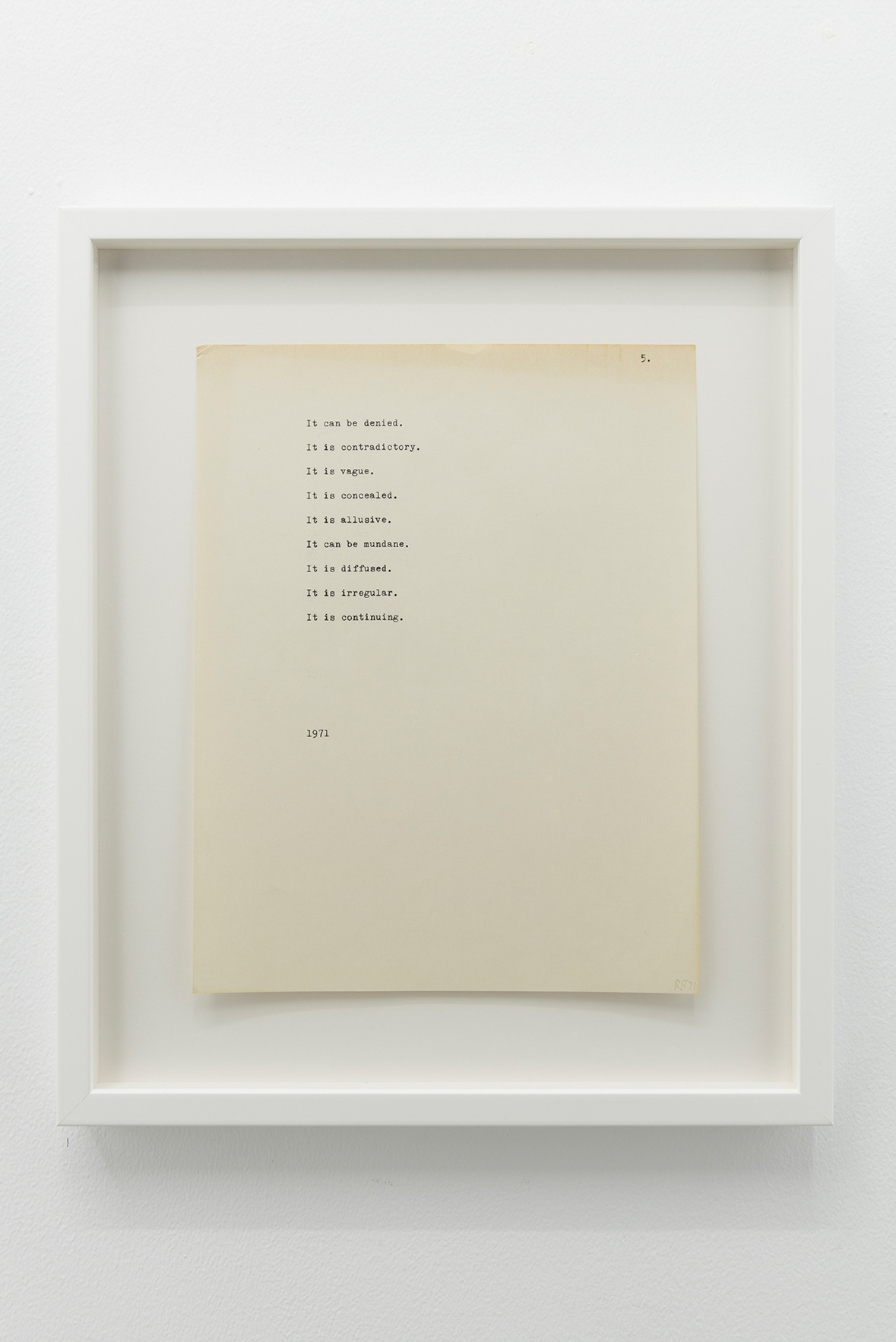
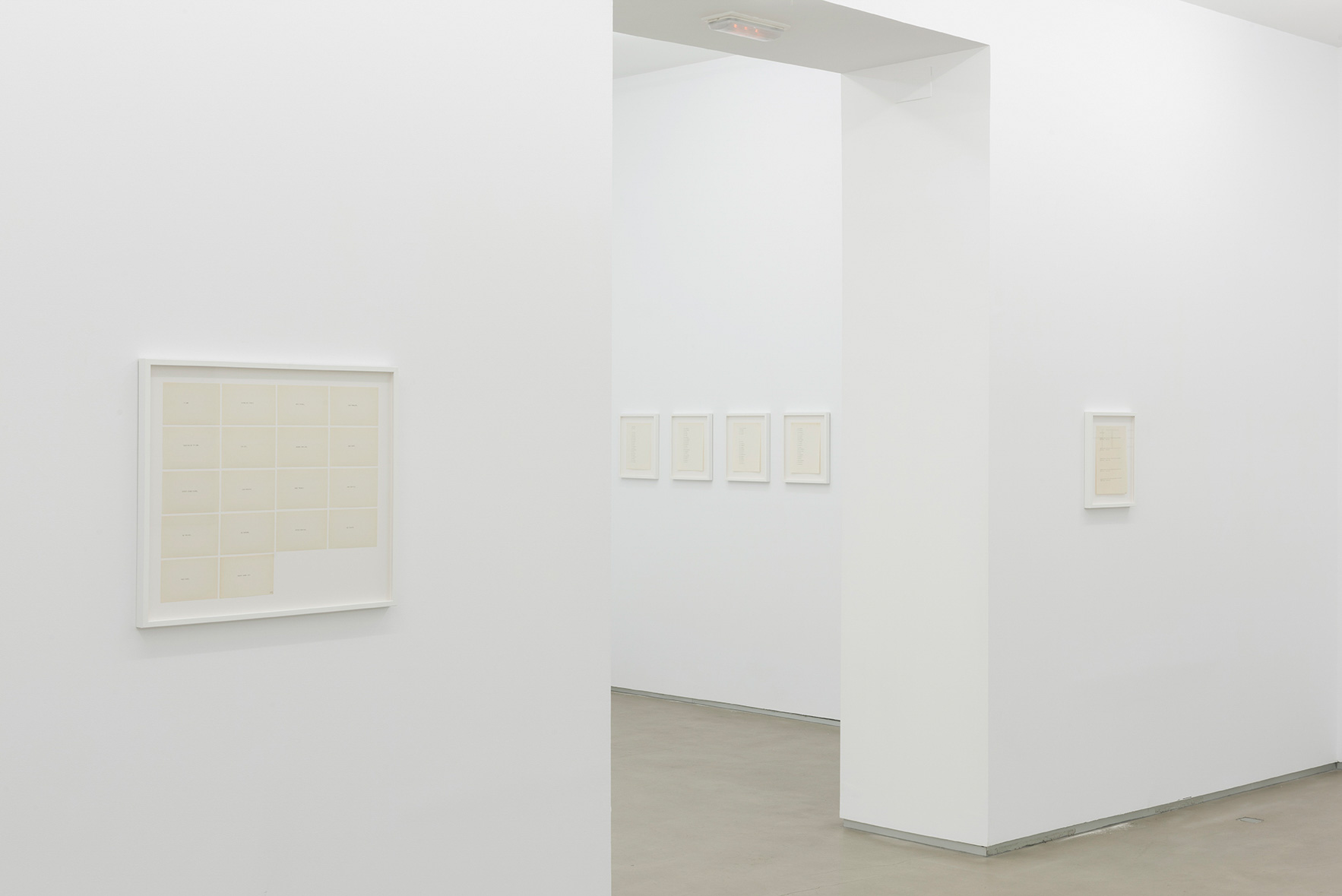
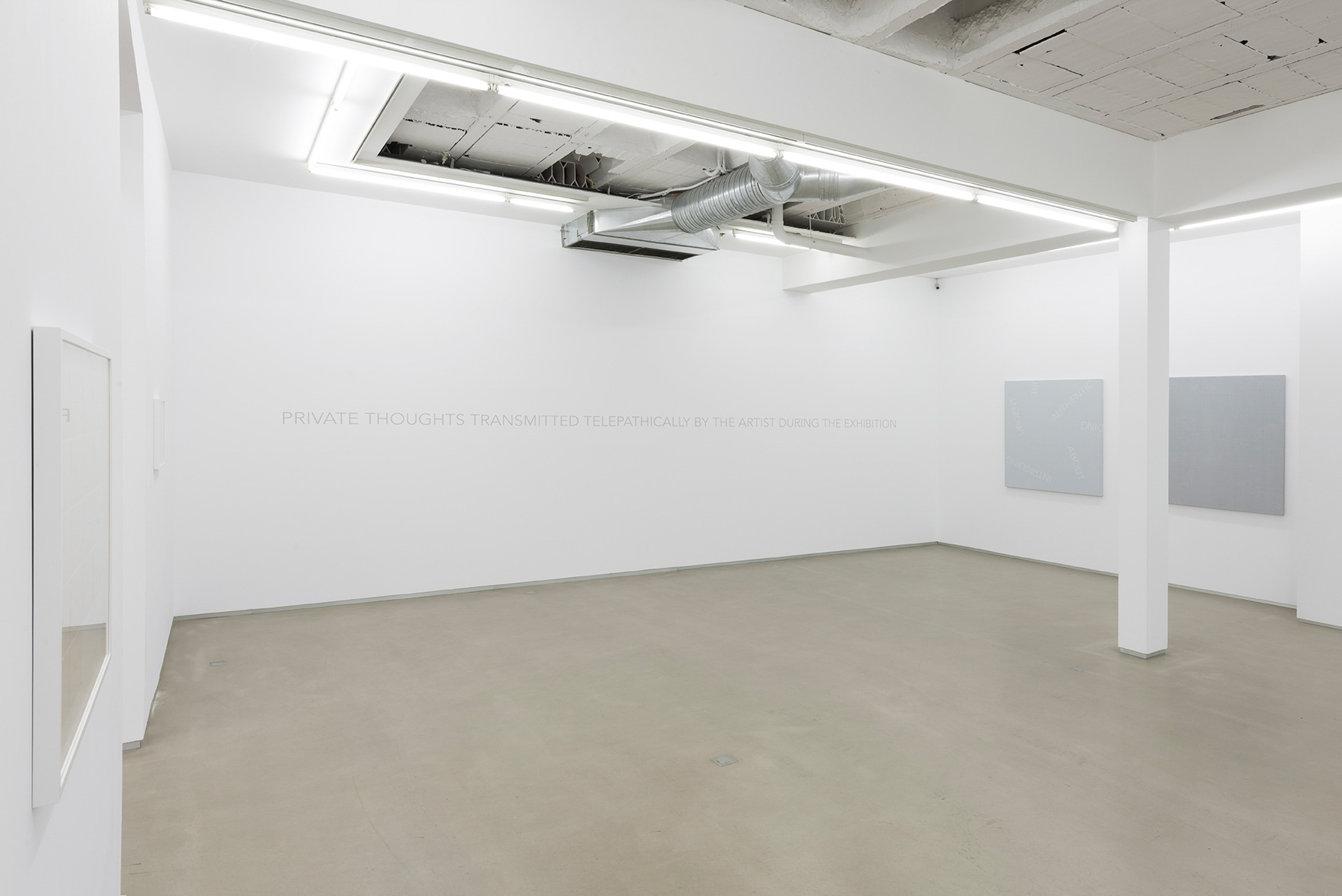
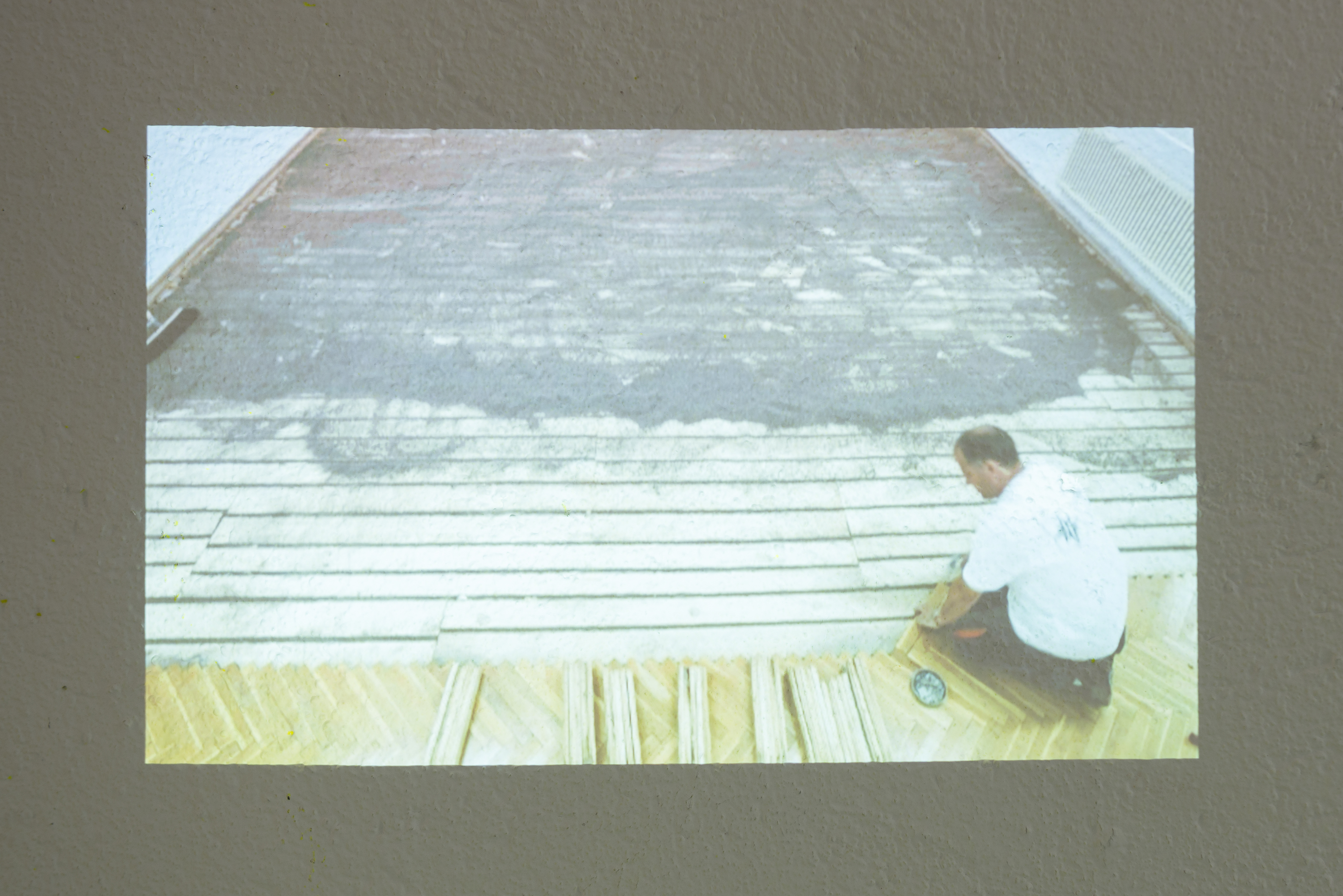
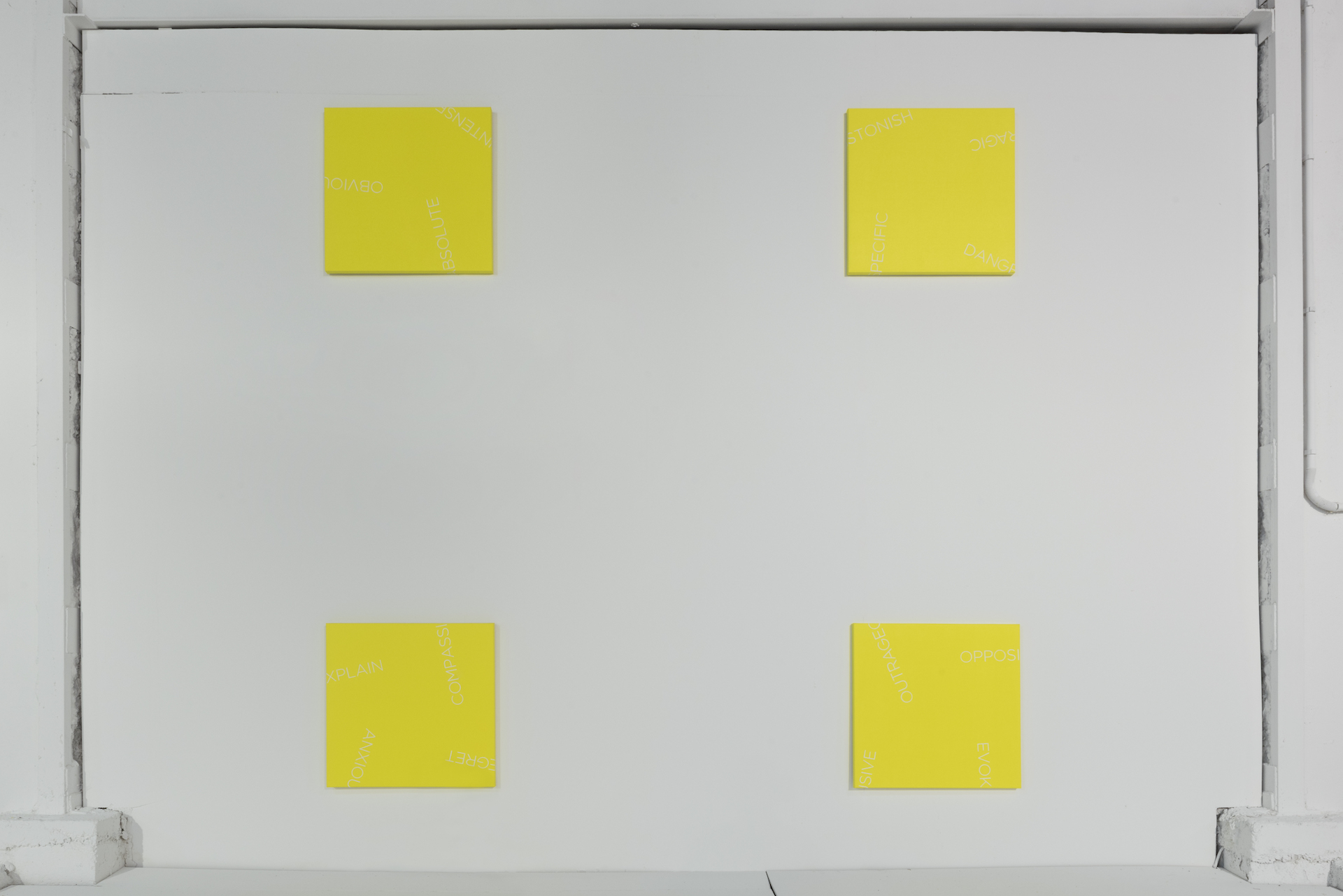
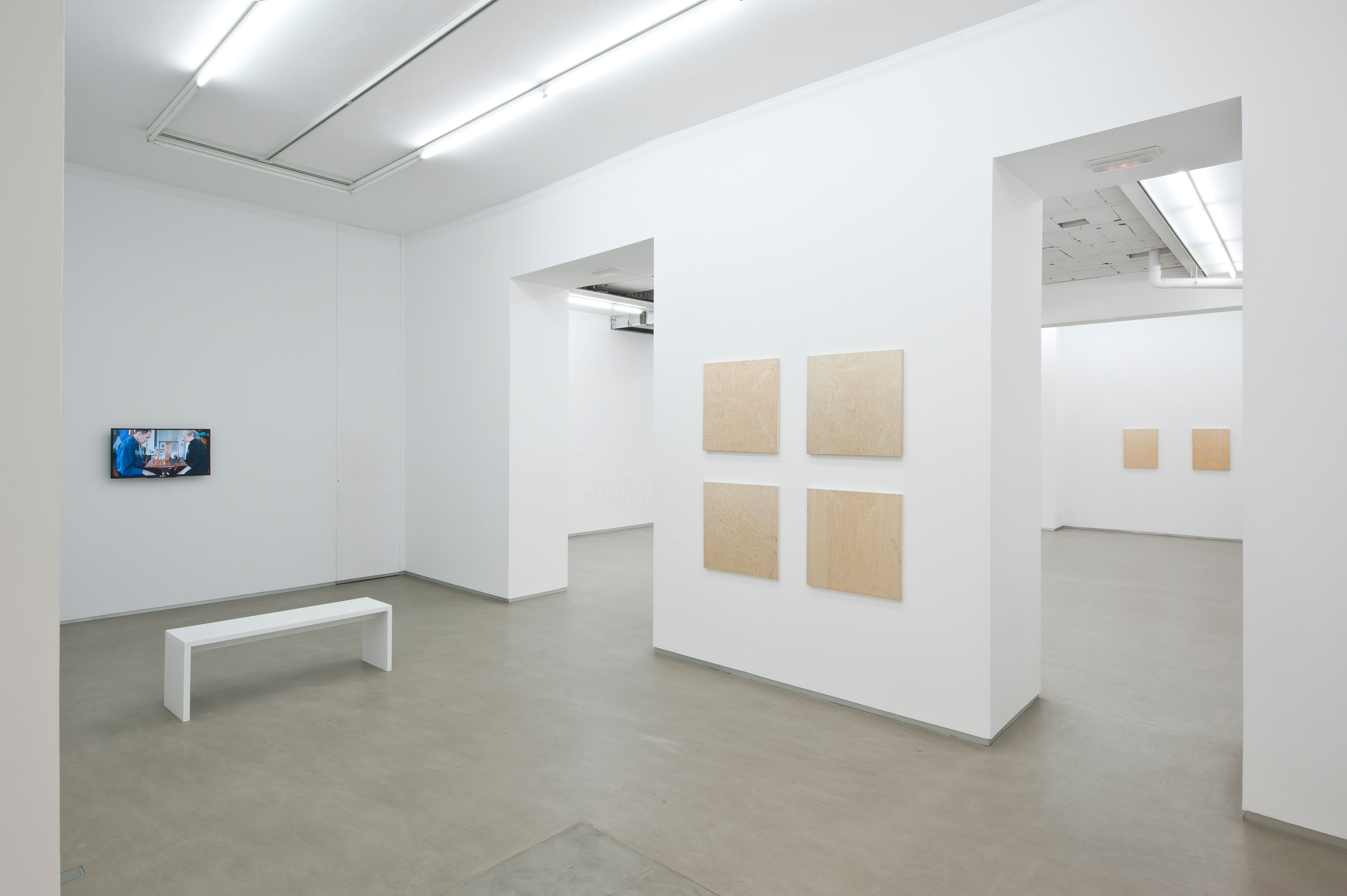
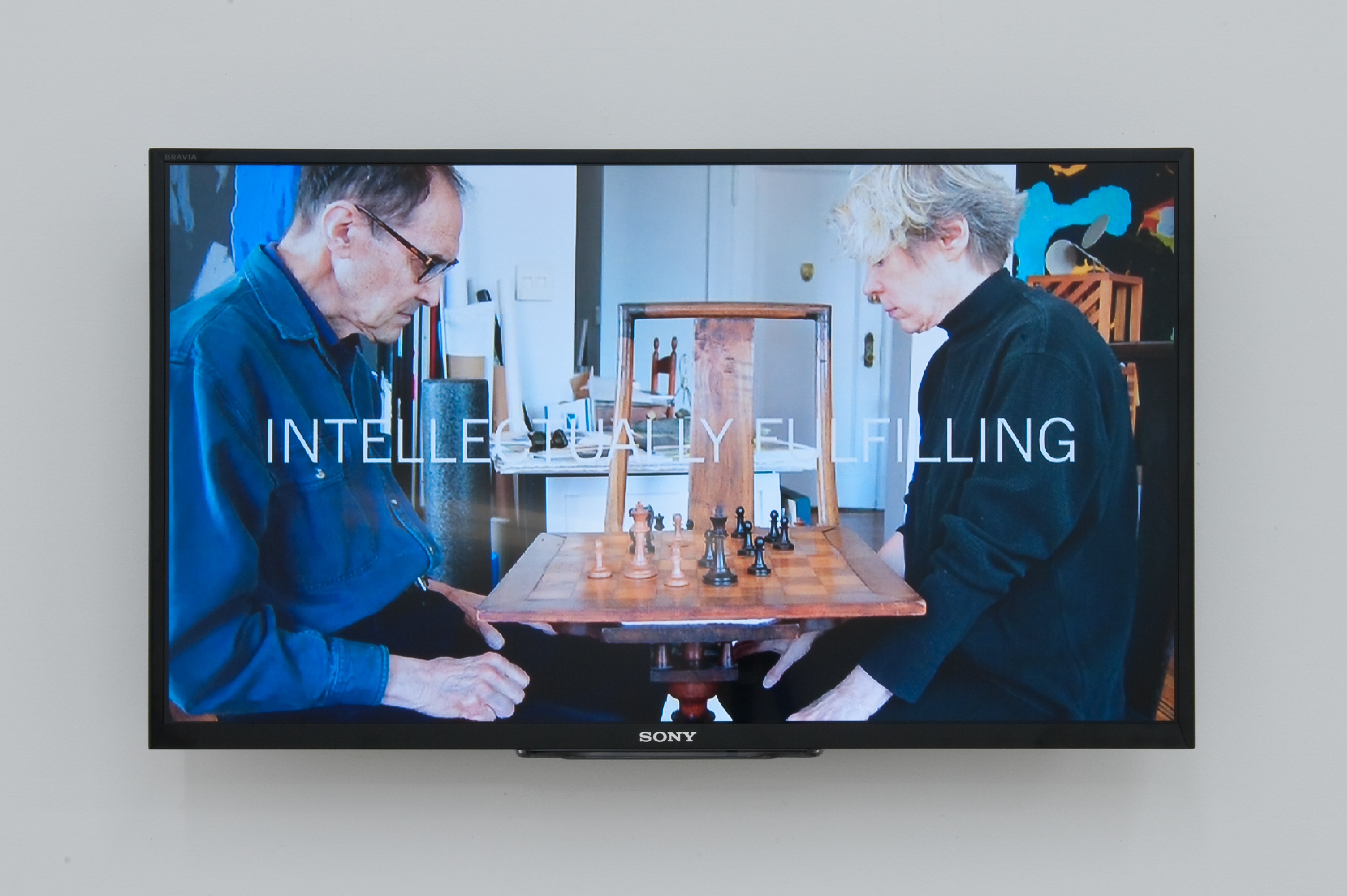
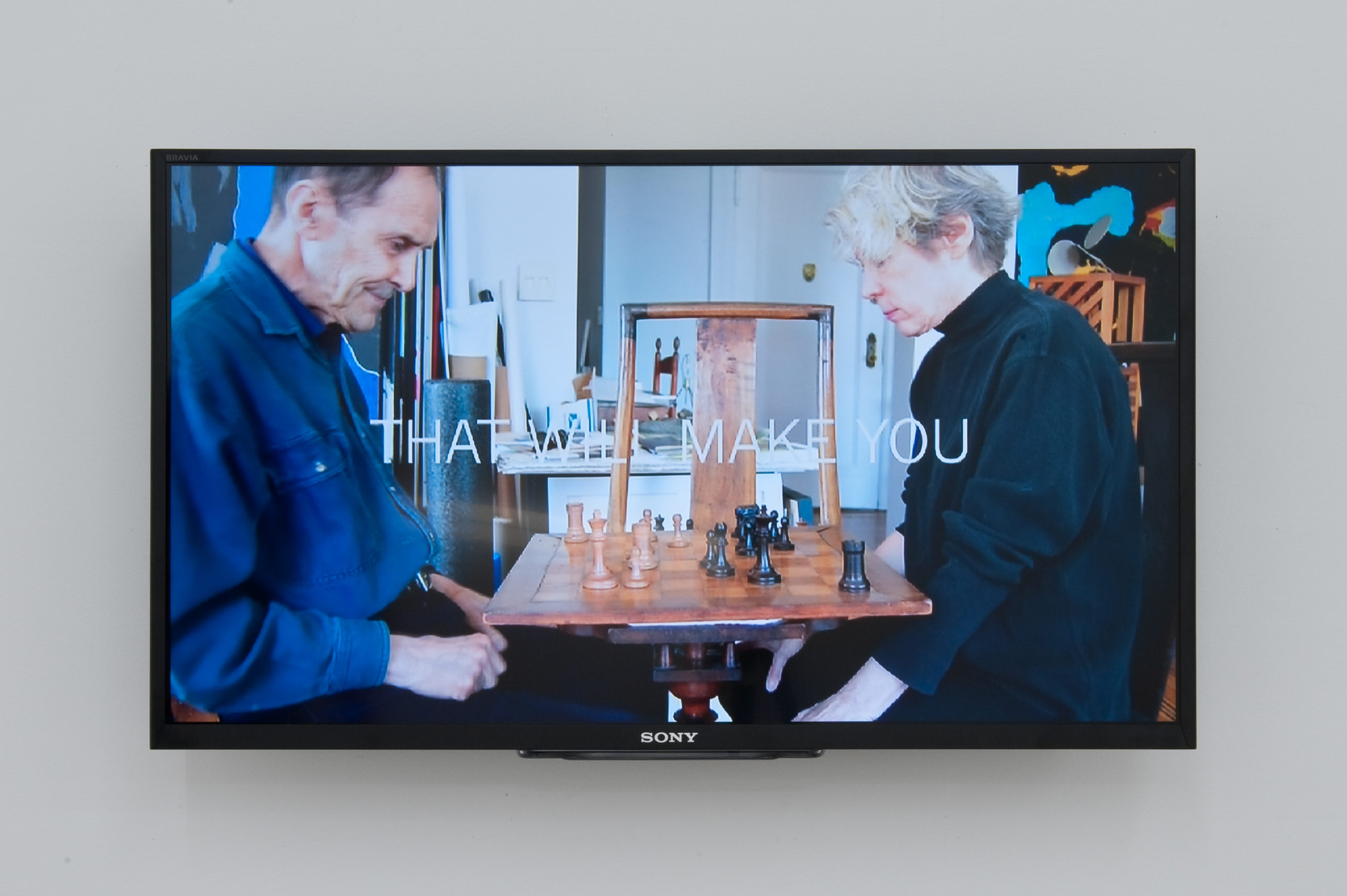
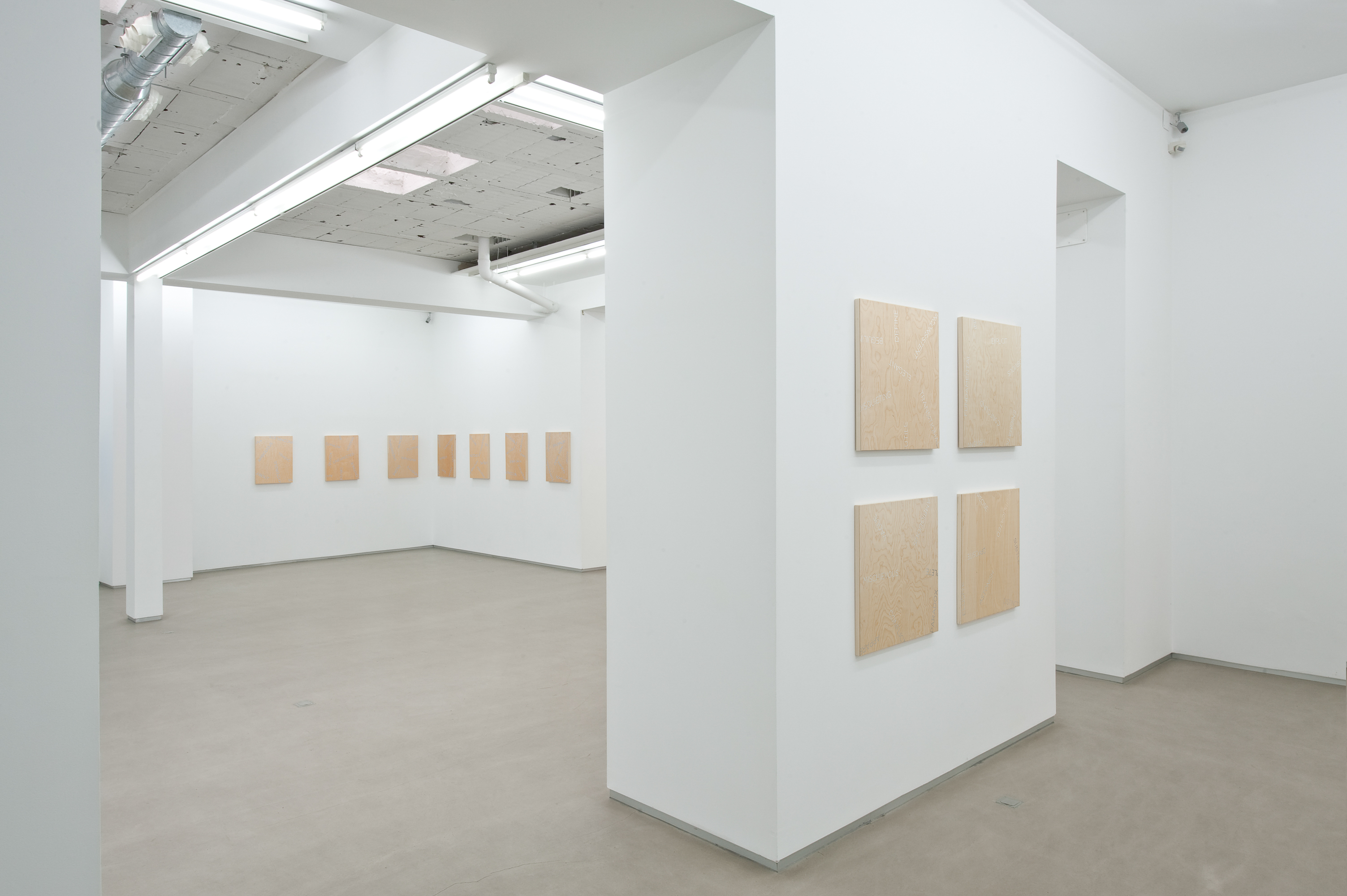
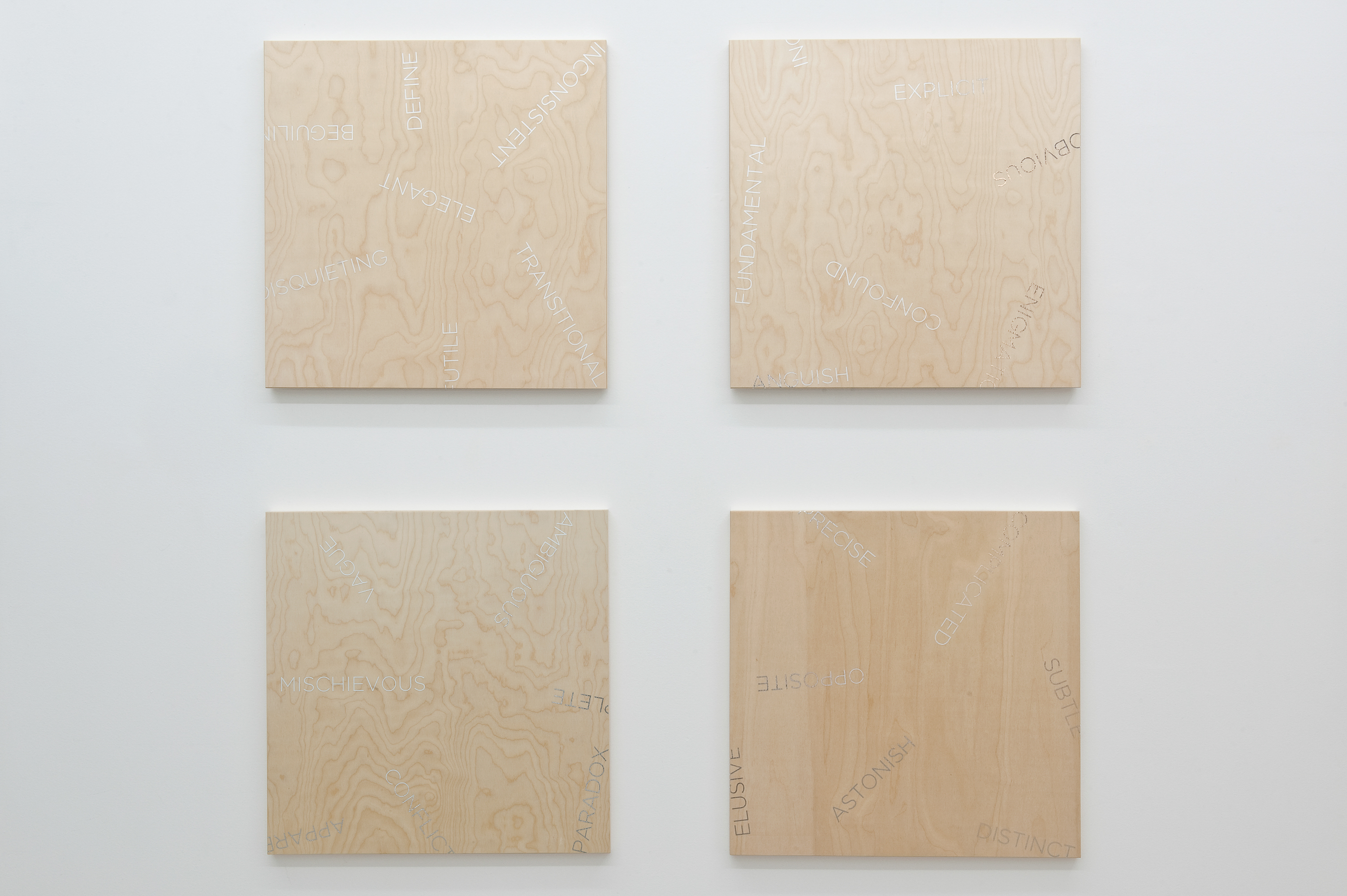
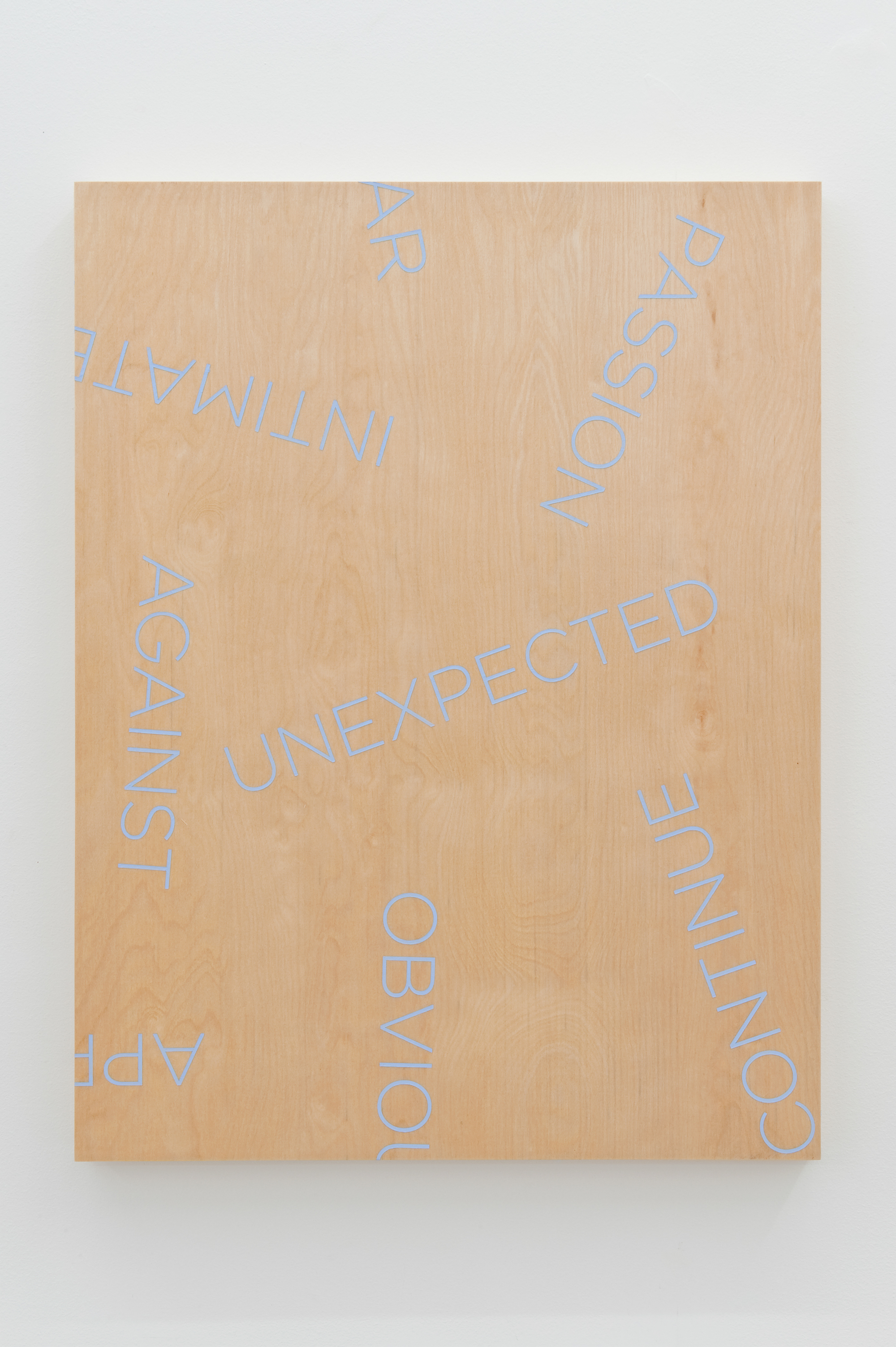
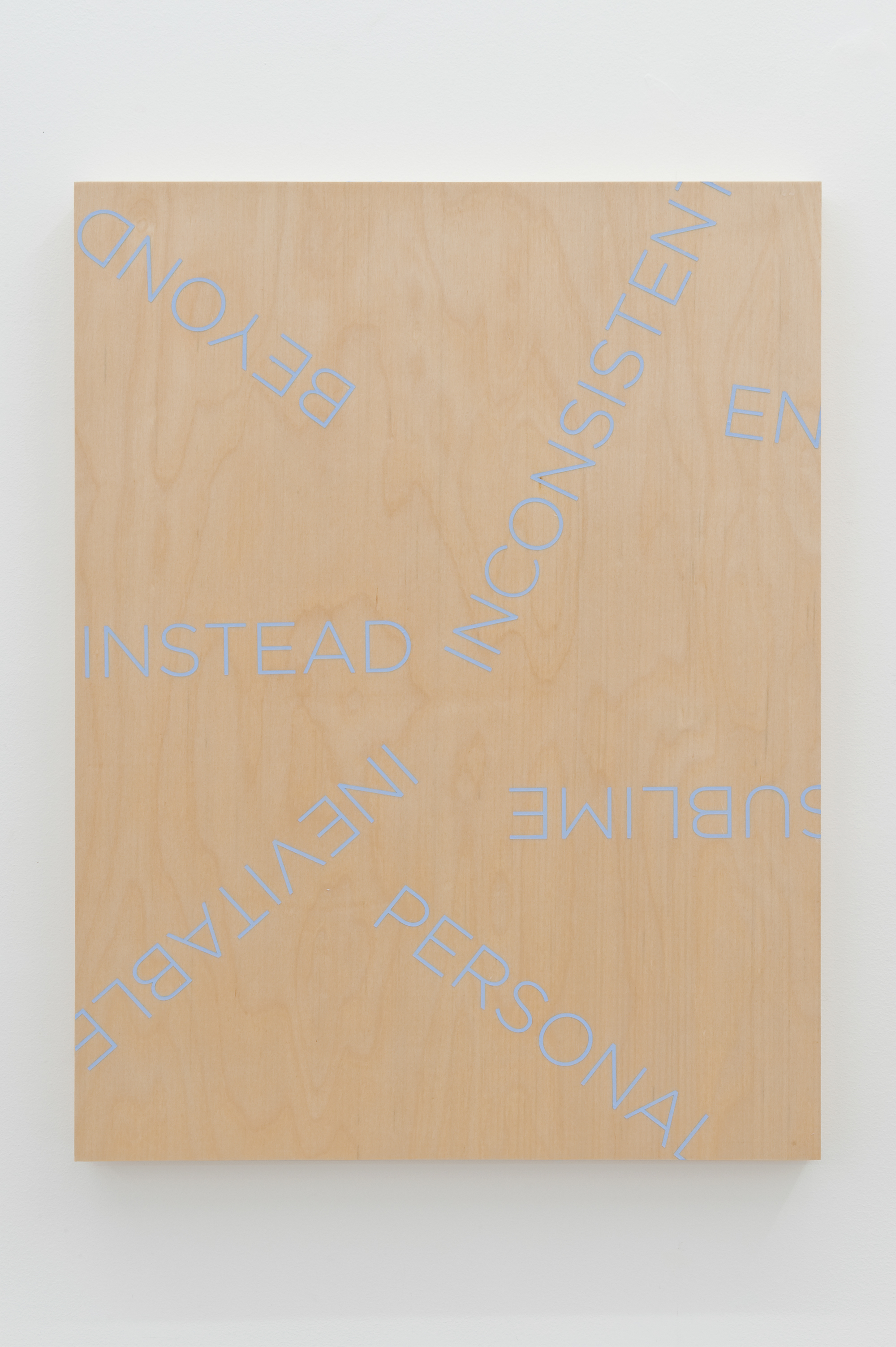
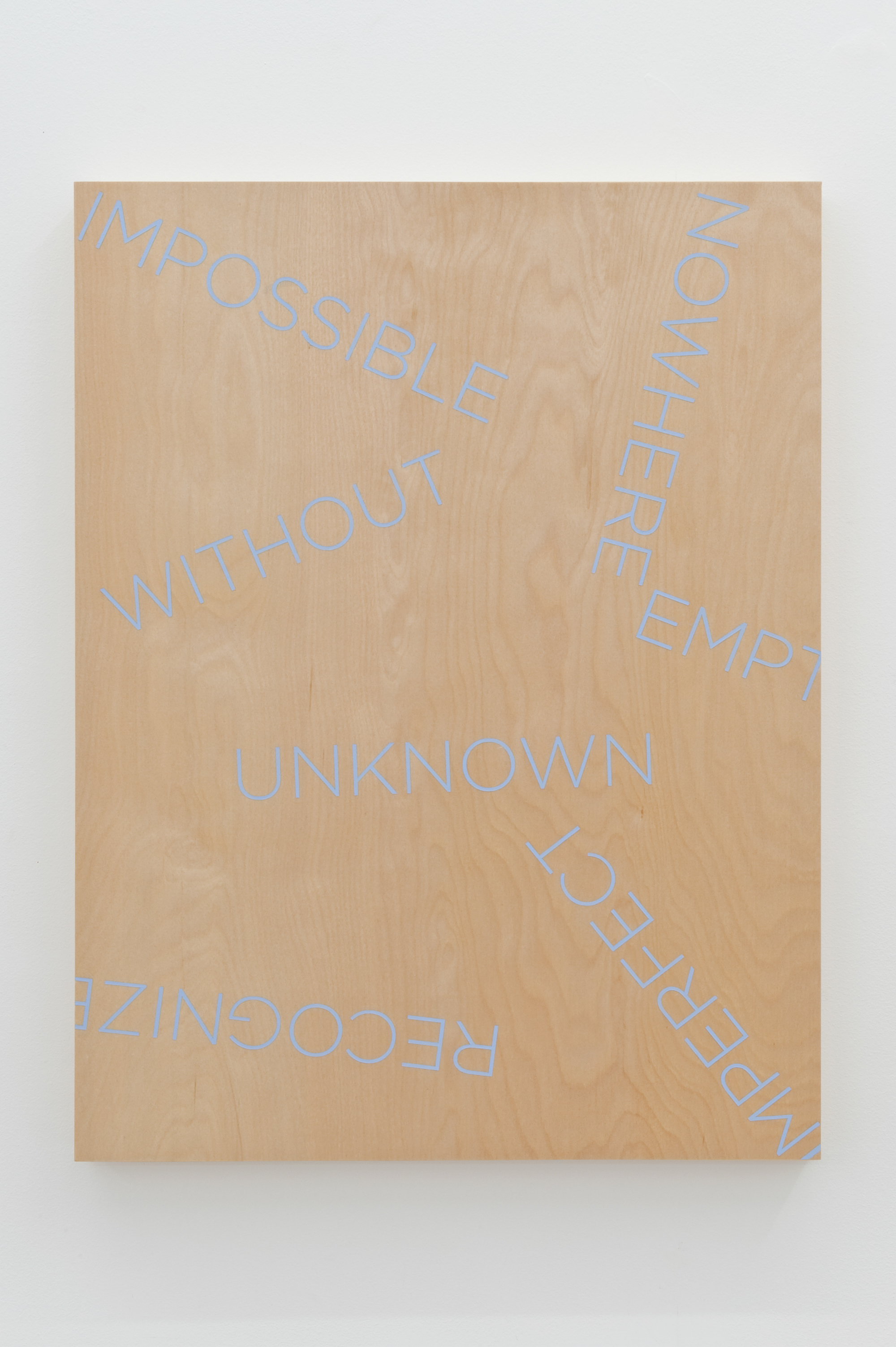
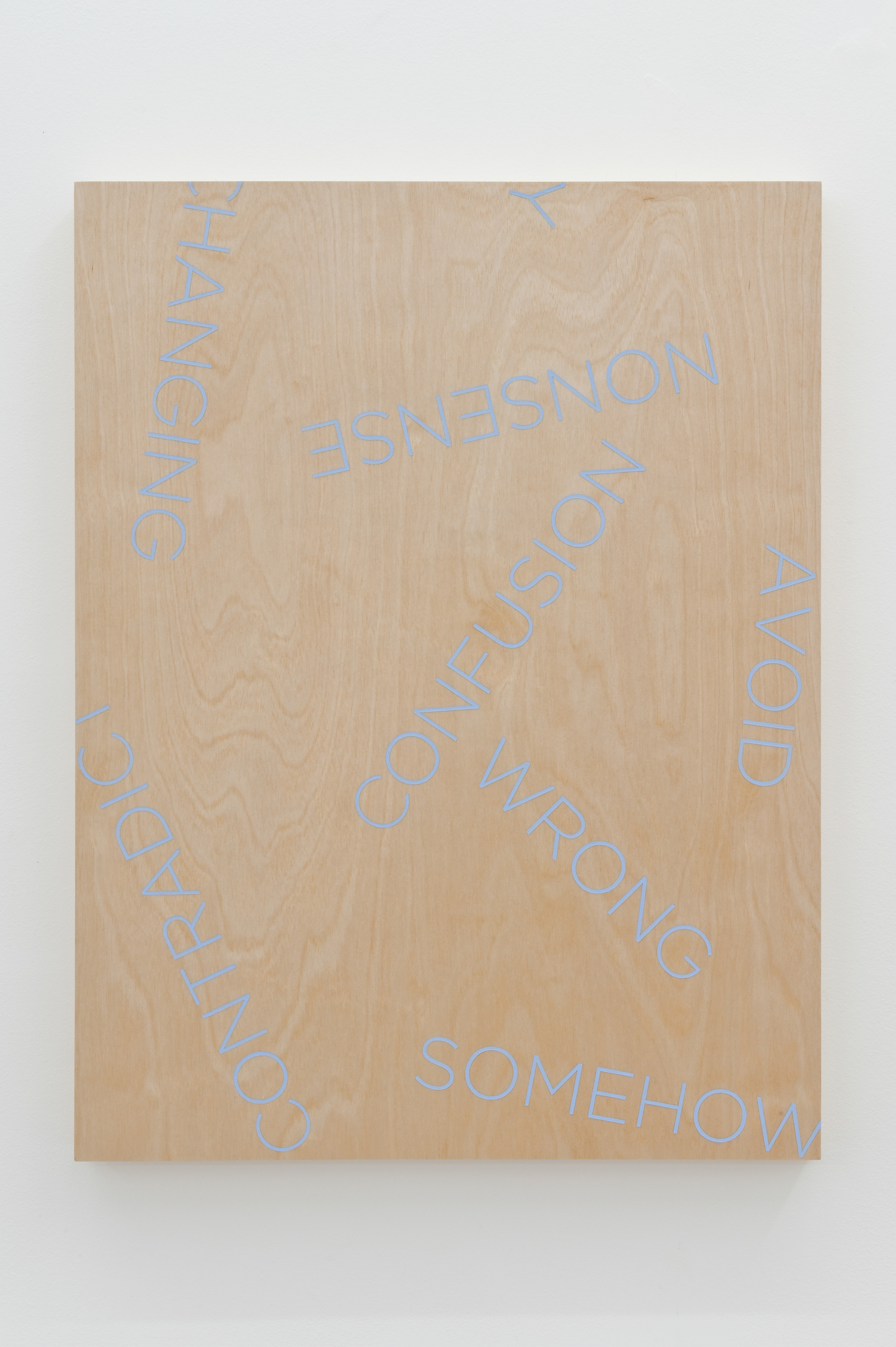
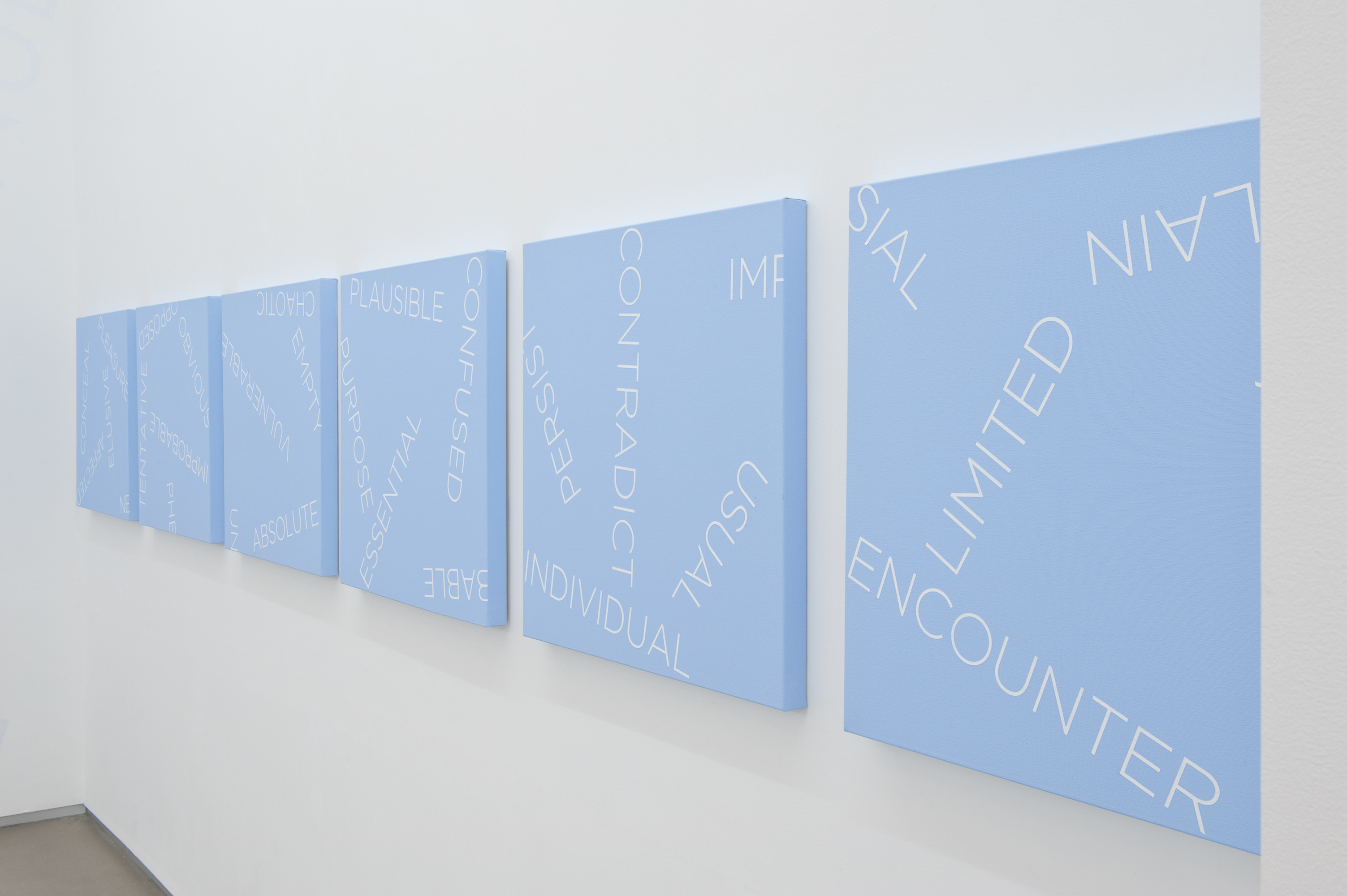
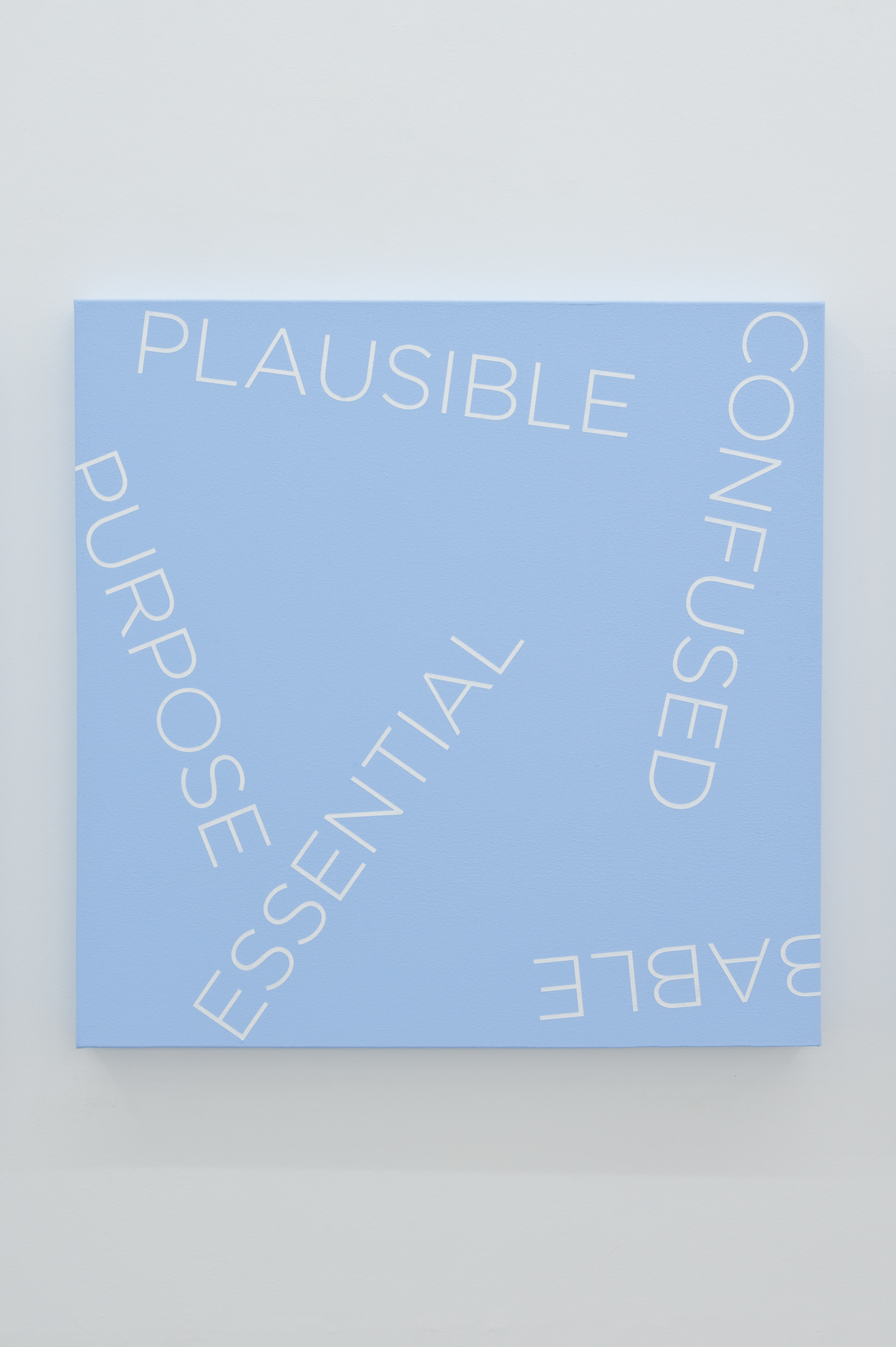
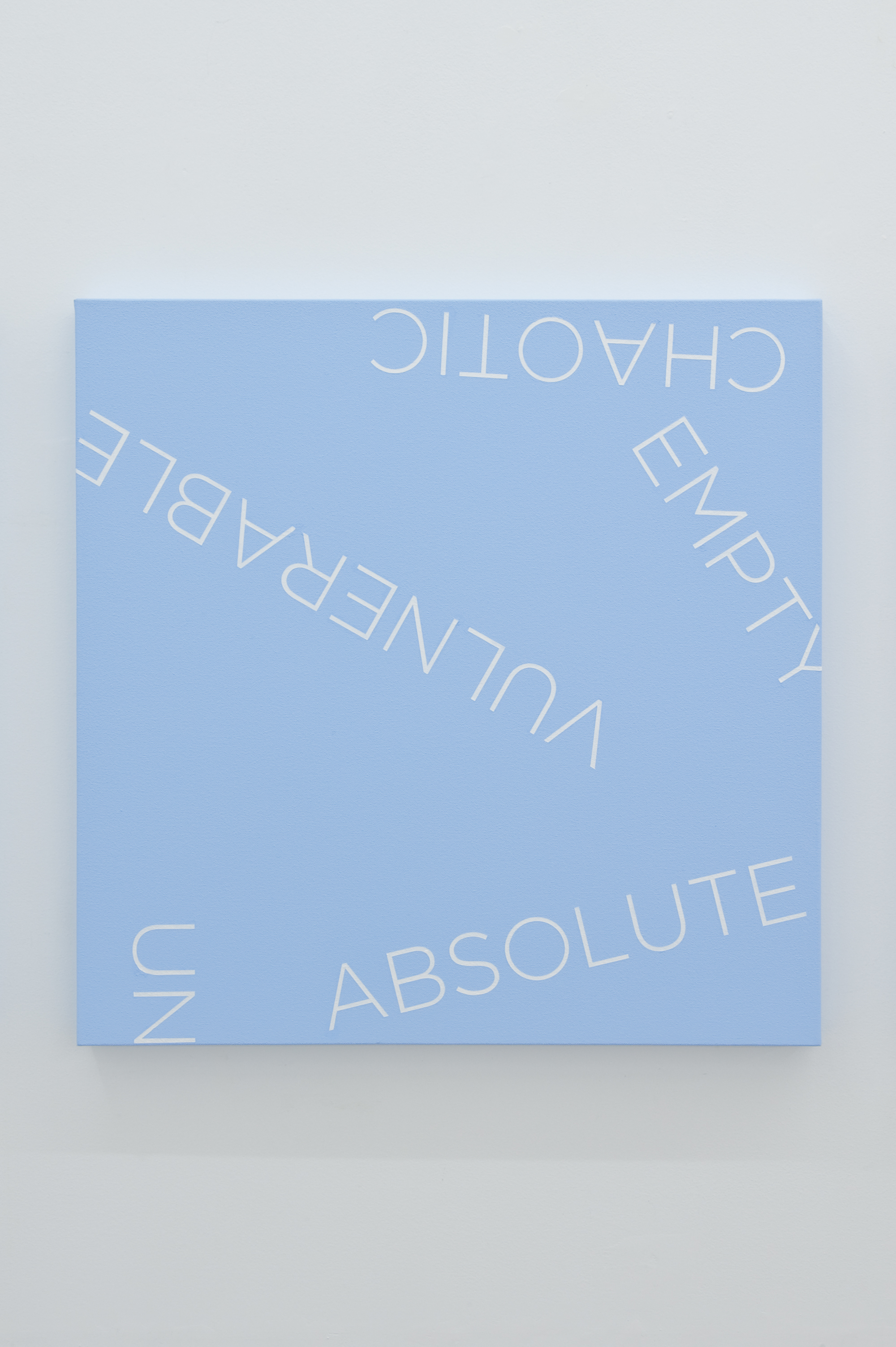
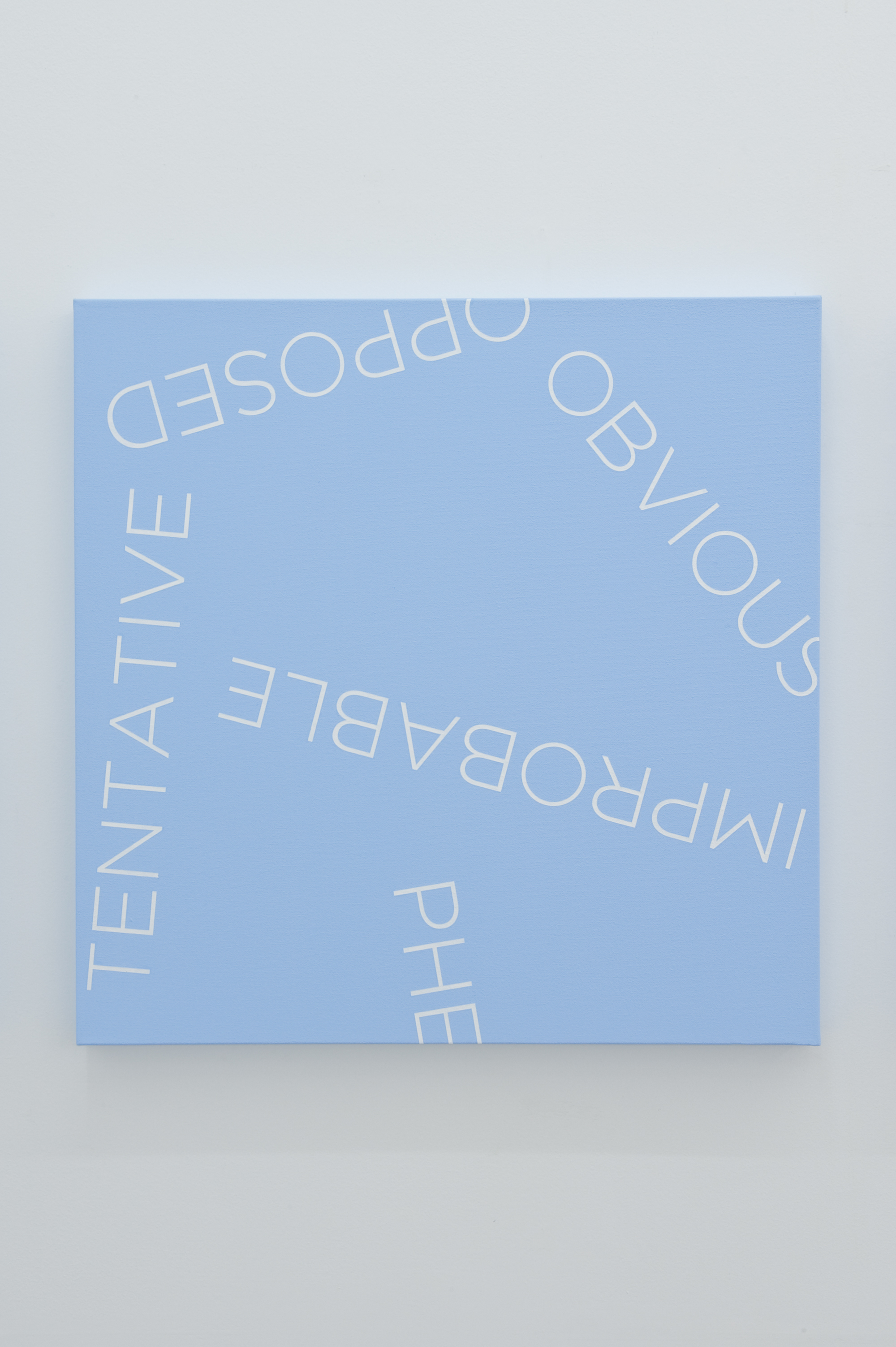
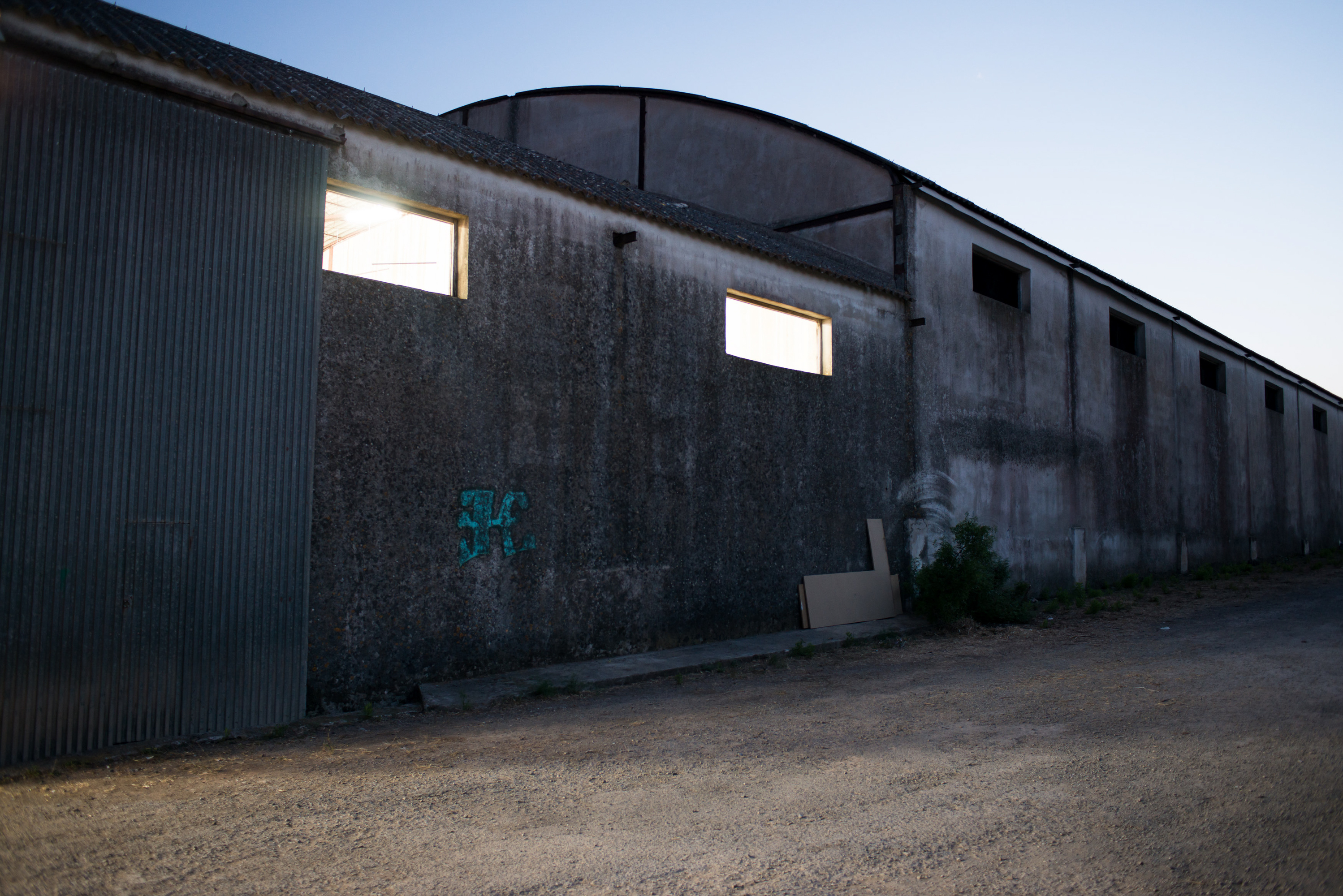
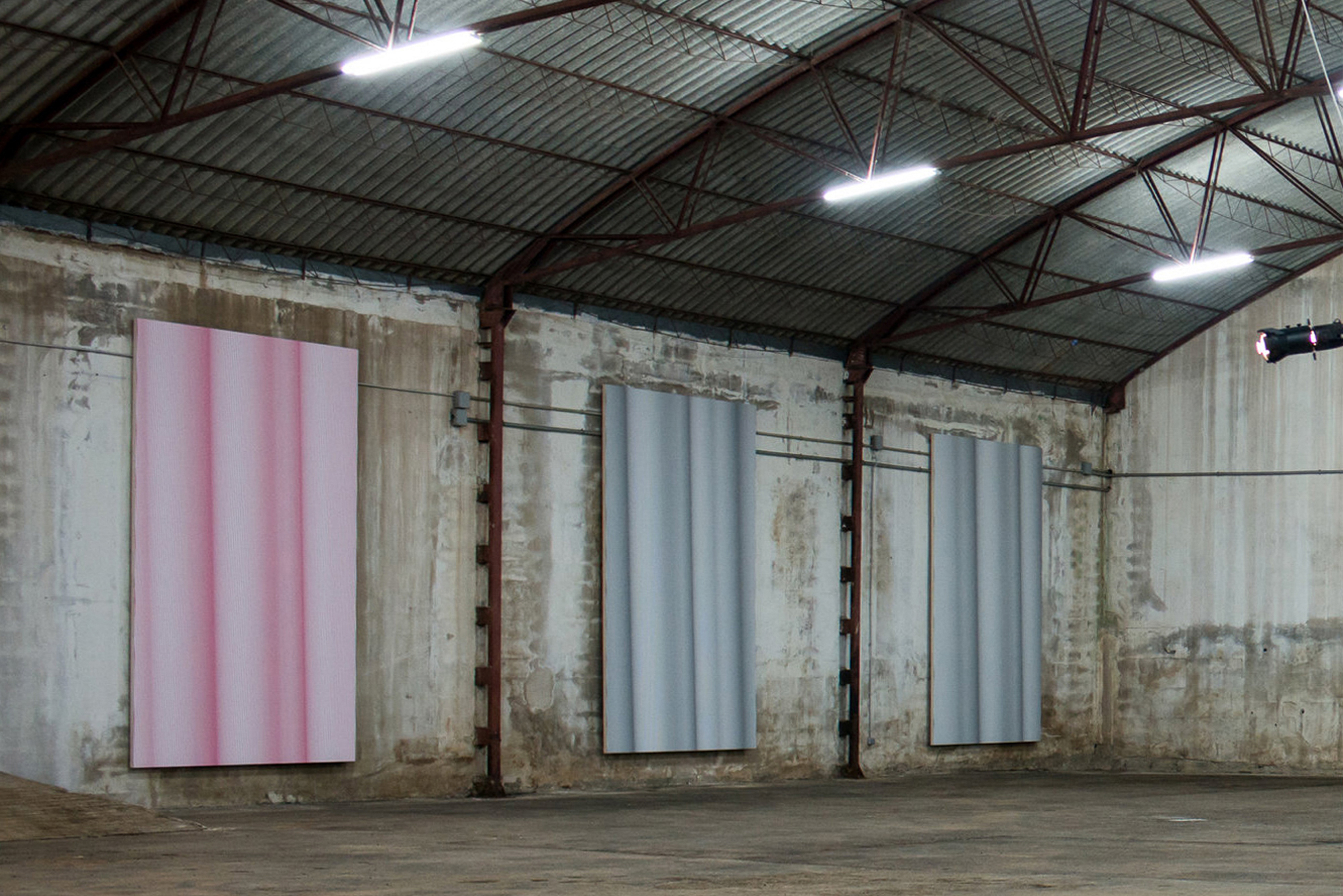
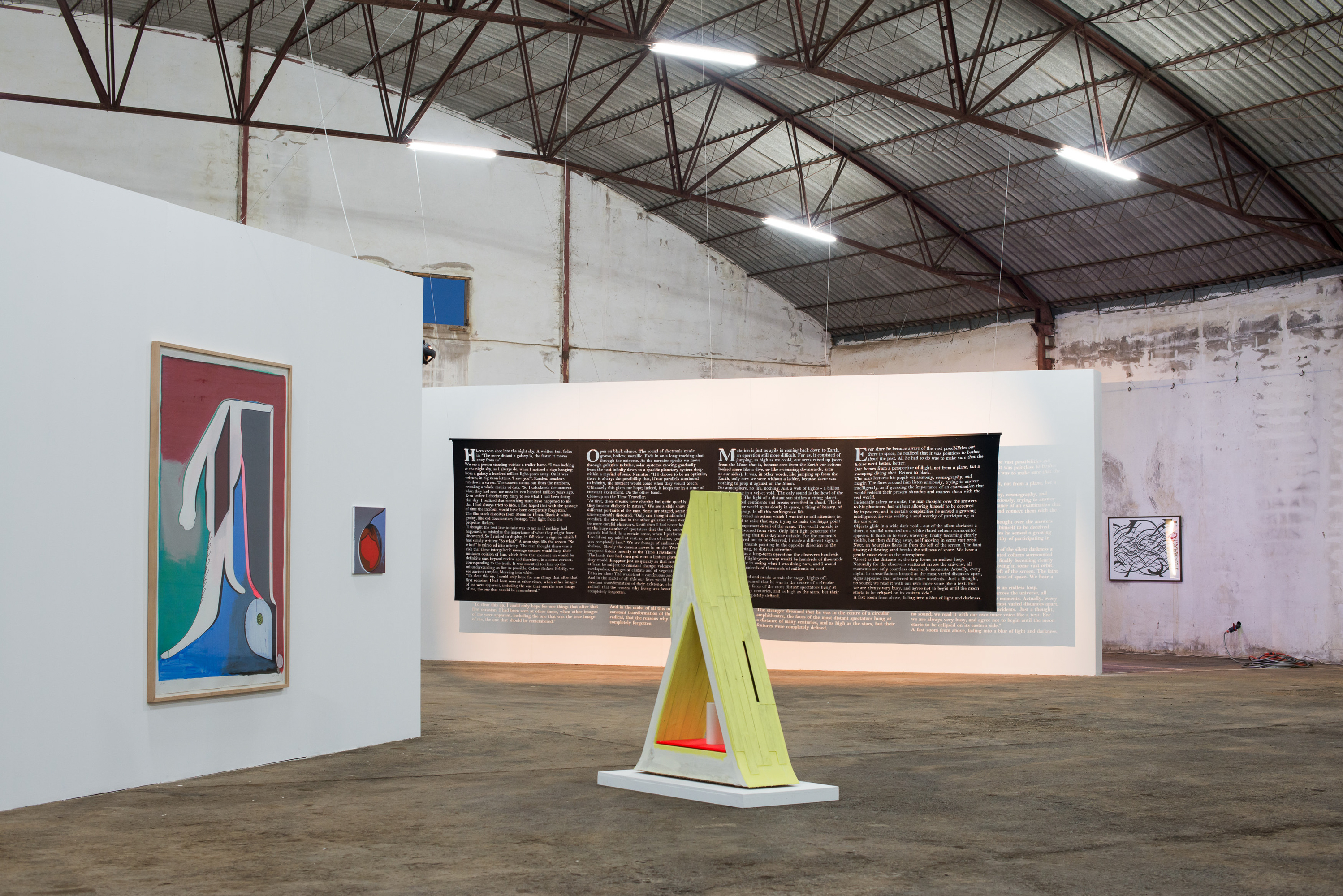
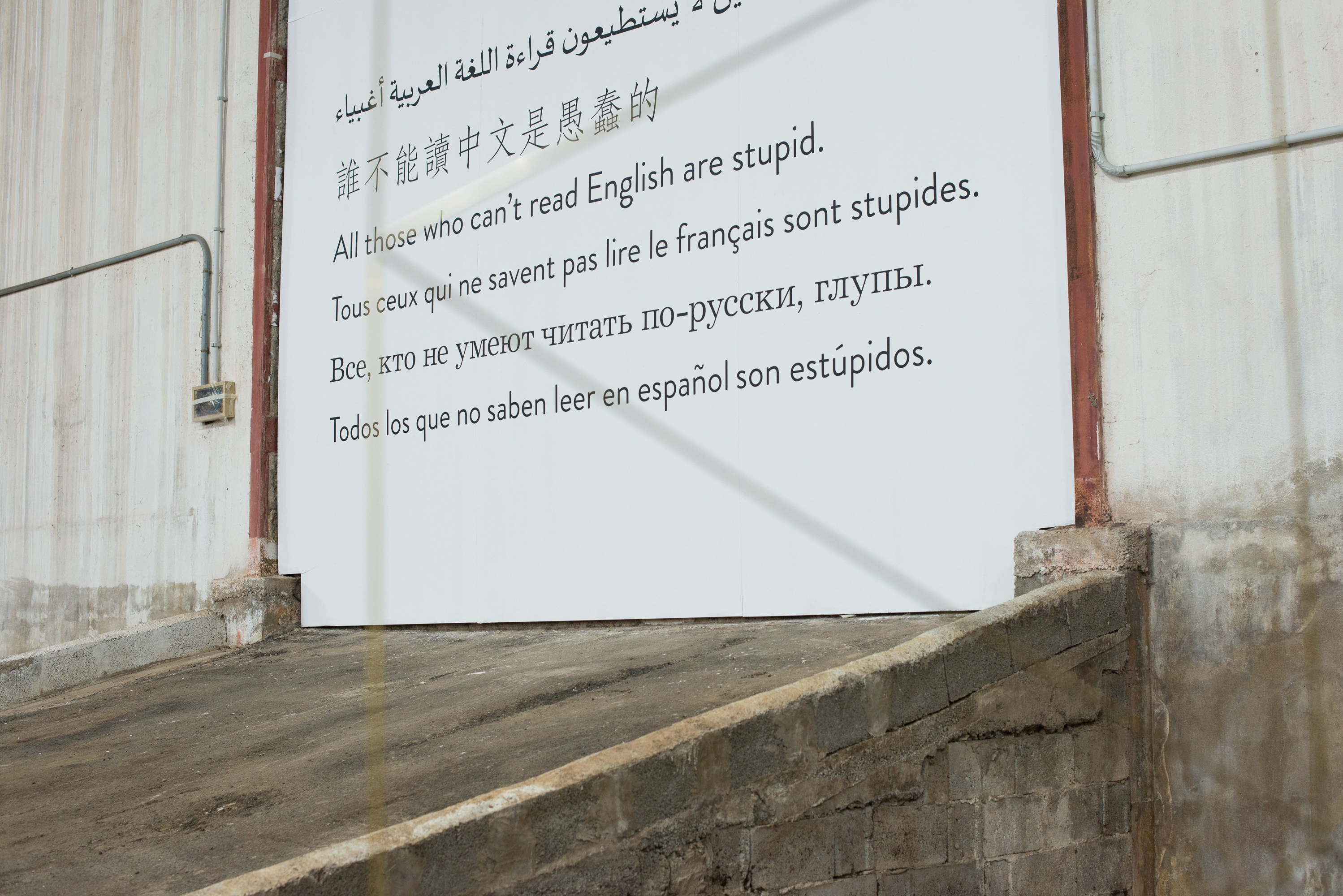
Robert Barry (New York, 1936) is one of the pioneering artists of American minimalist and conceptual art. Since his beginnings studying Fine Arts at the prestigious Hunter College in New York, where he also taught between 1964 and 1979, Barry's artistic education included formative influences such as professor and artist Robert Motherwell, a legitimizing figure of abstract expressionism.Thus, since the early 60's, Robert Barry's work would be part of important artistic institutions, among which the Guggenheim Museum in New York (1966); the Tate Modern in London (1972); the Museum of Contemporary Art in Chicago (1977); the Museum of Conceptual Art in San Francisco (1982); the Musée d'Art Modern de la Ville de Paris (1995); the Center Pompidou in Paris (2006); the Brooklyn Museum in New York (2011); the Museum of Modern Art in New York (2014), the British Museum in London (2017), the Hirshorn Museum and Sculpture Garden in Washington DC or the Museum of Contemporary Art in Los Angeles (2025), among many others.
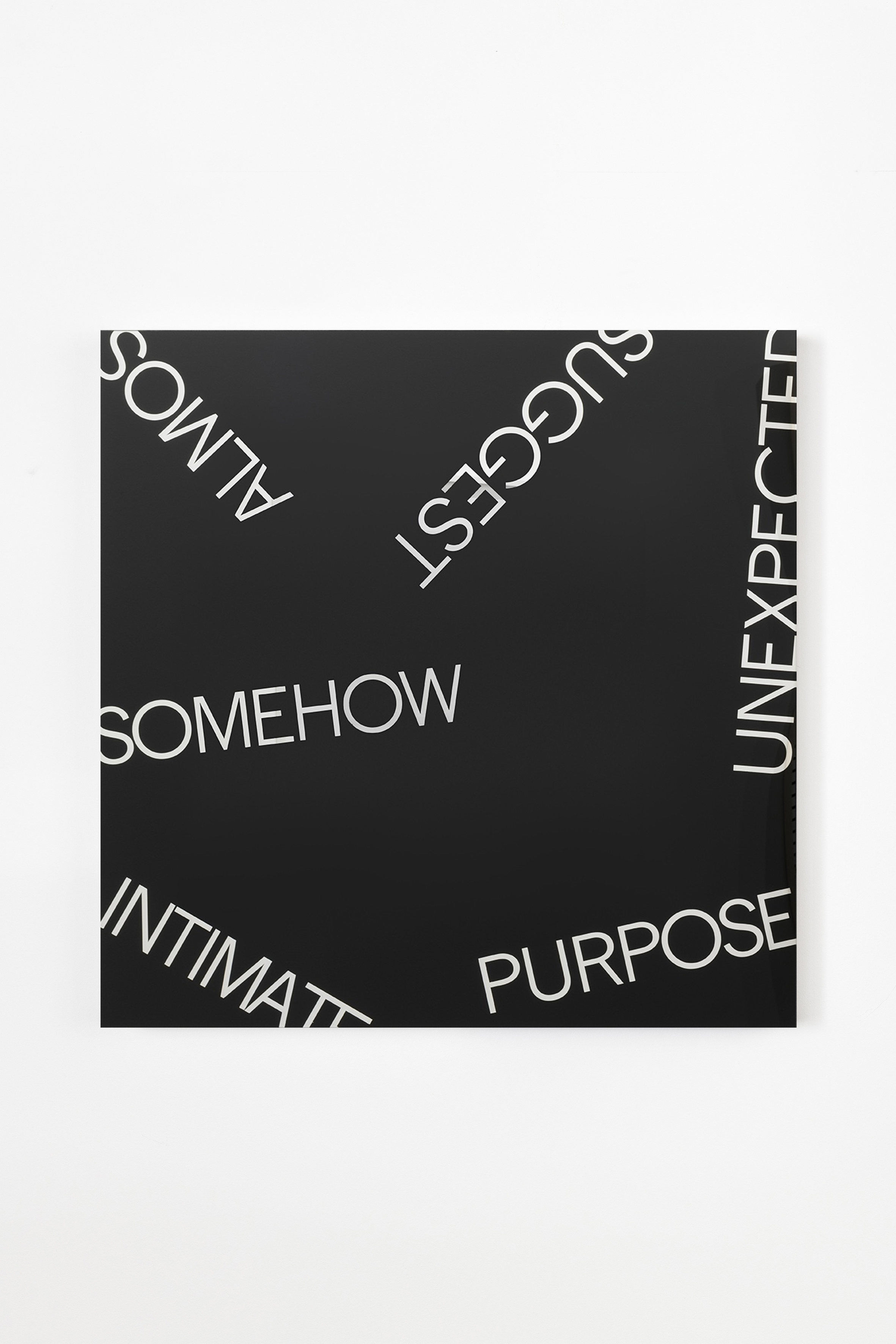
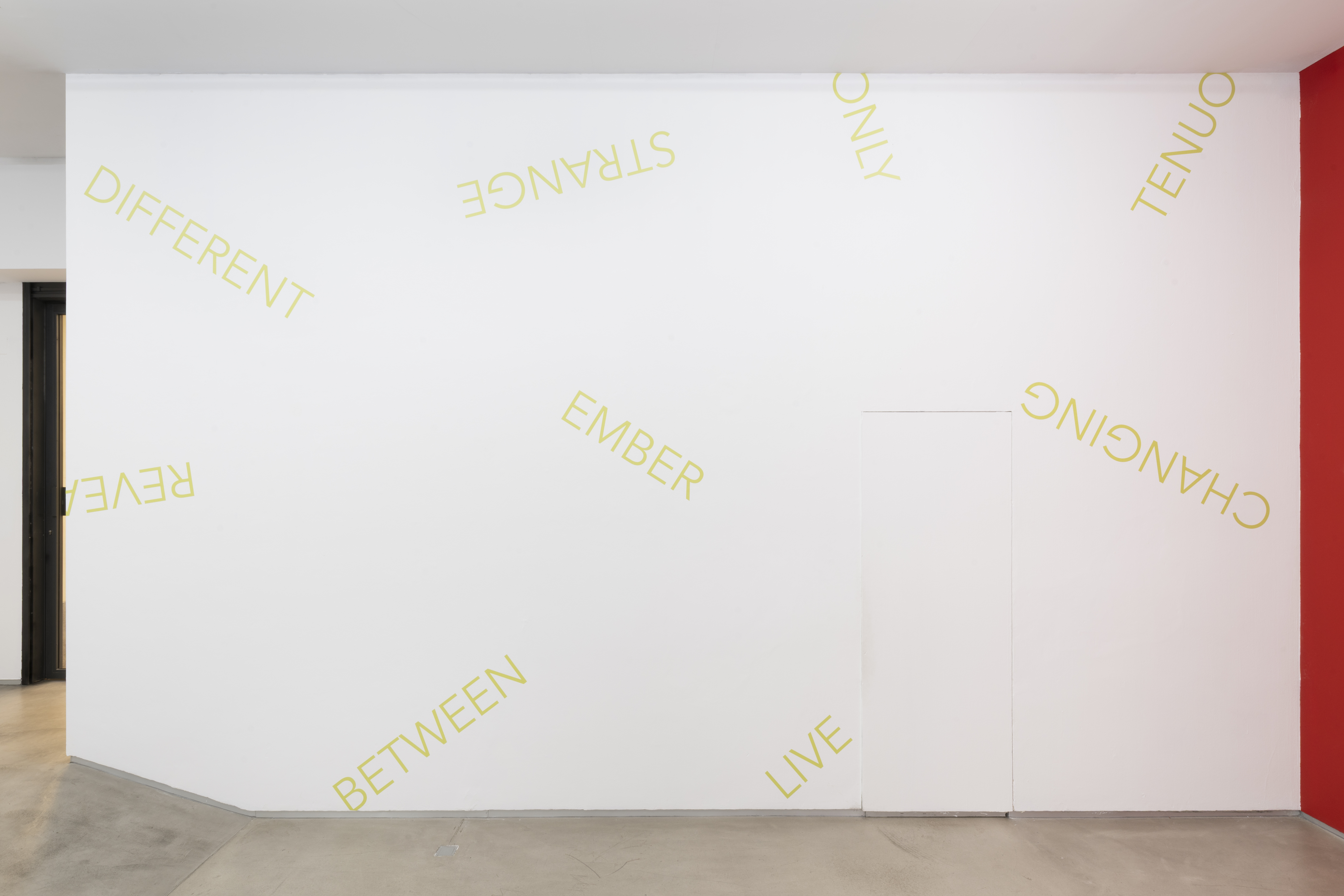
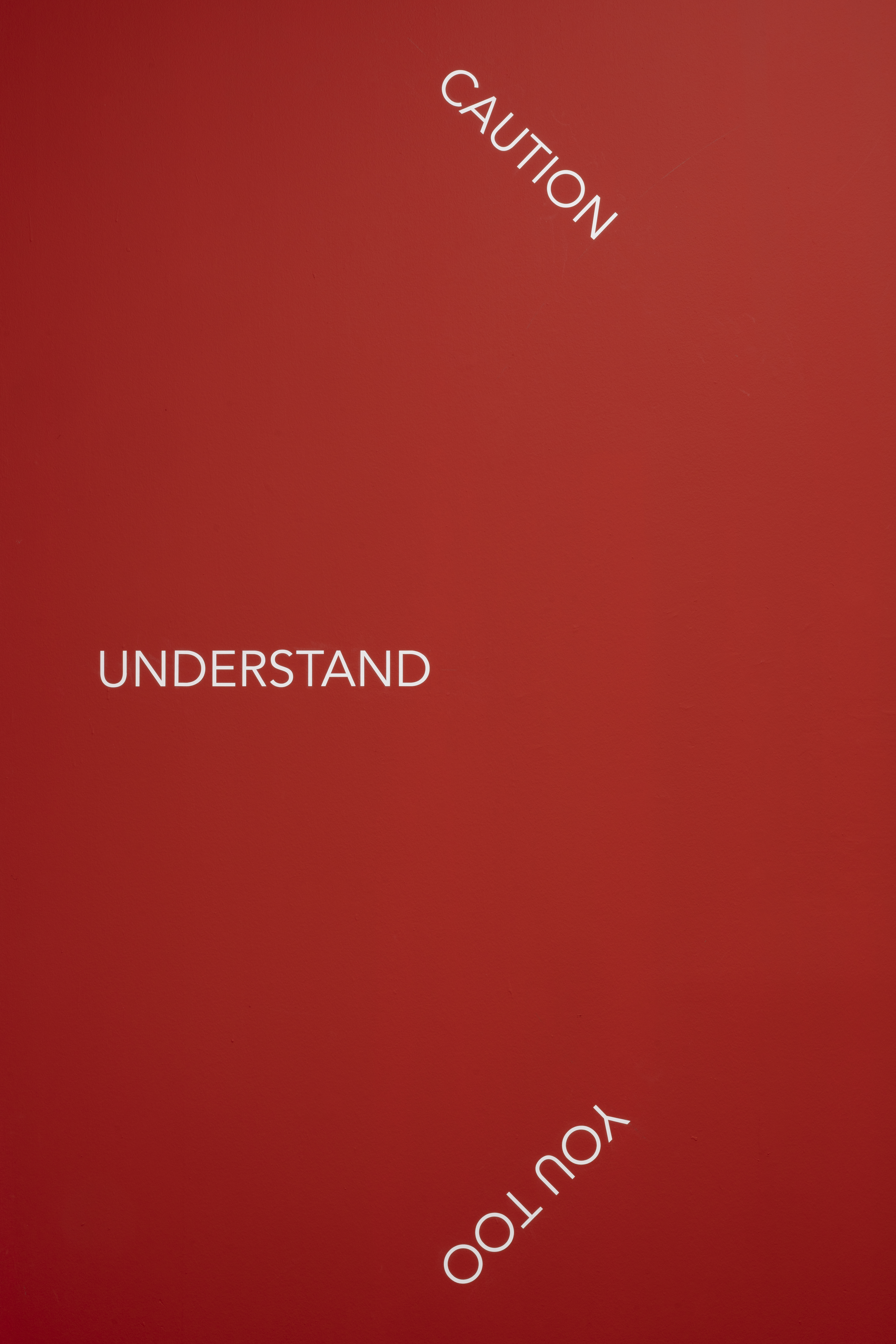

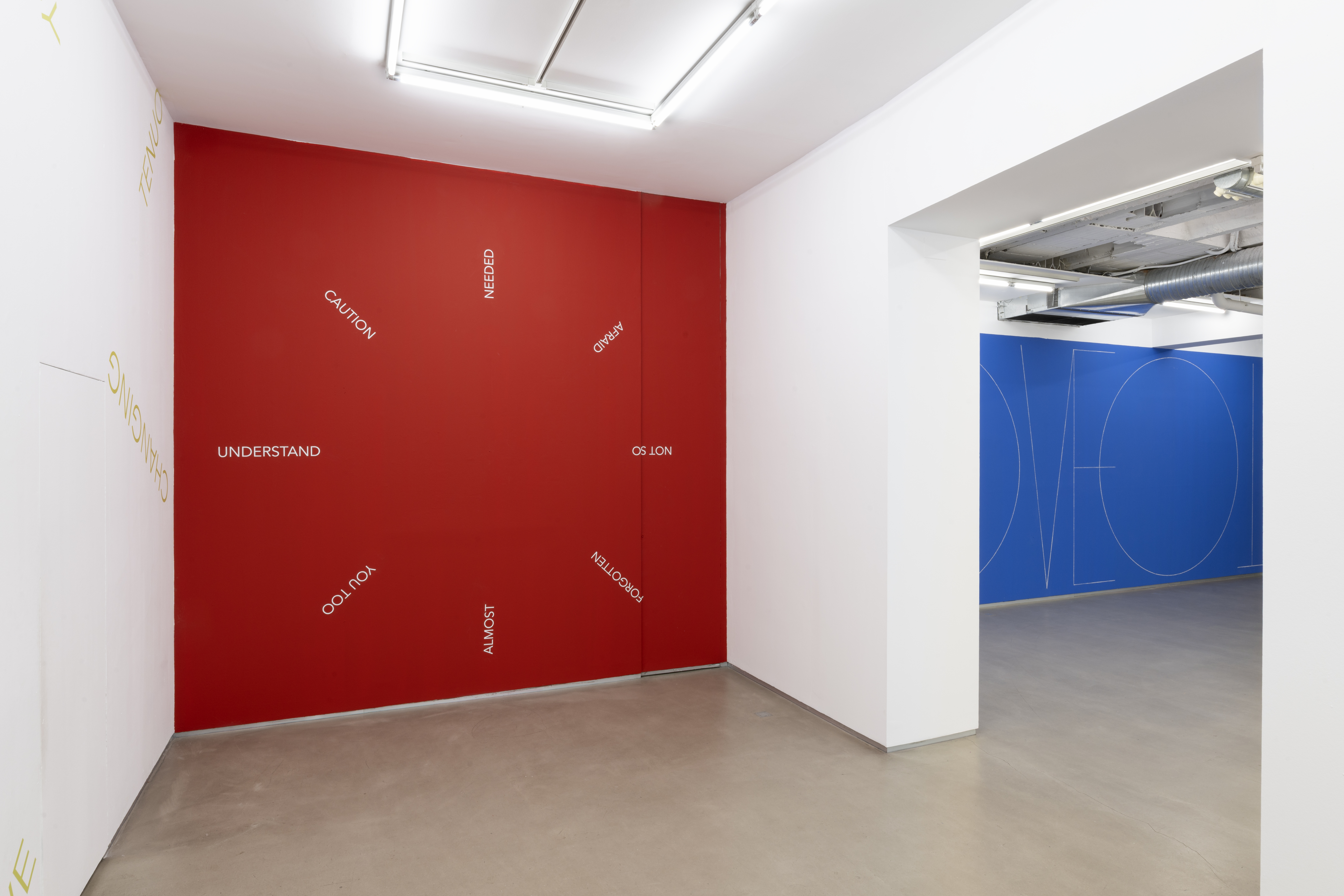
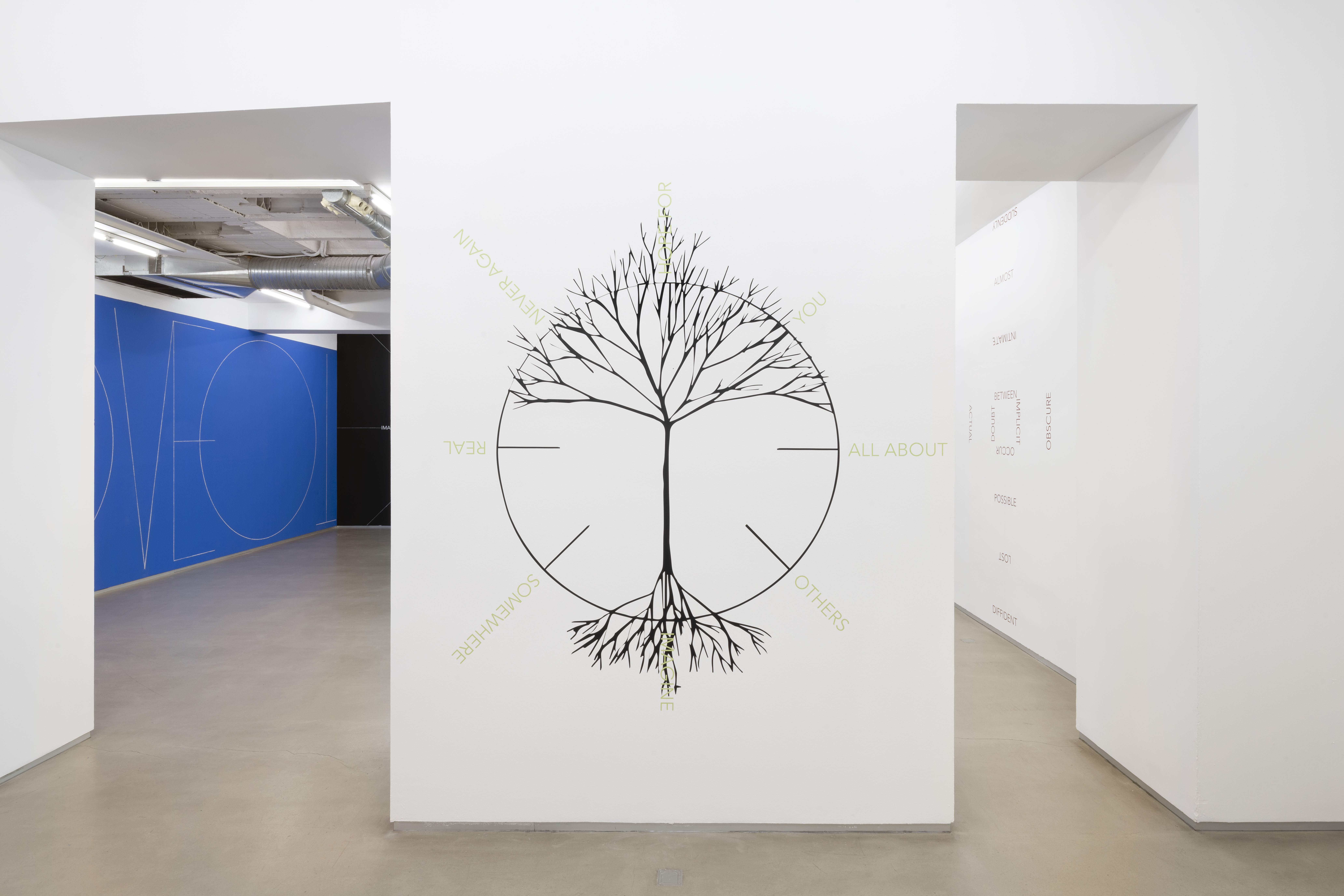
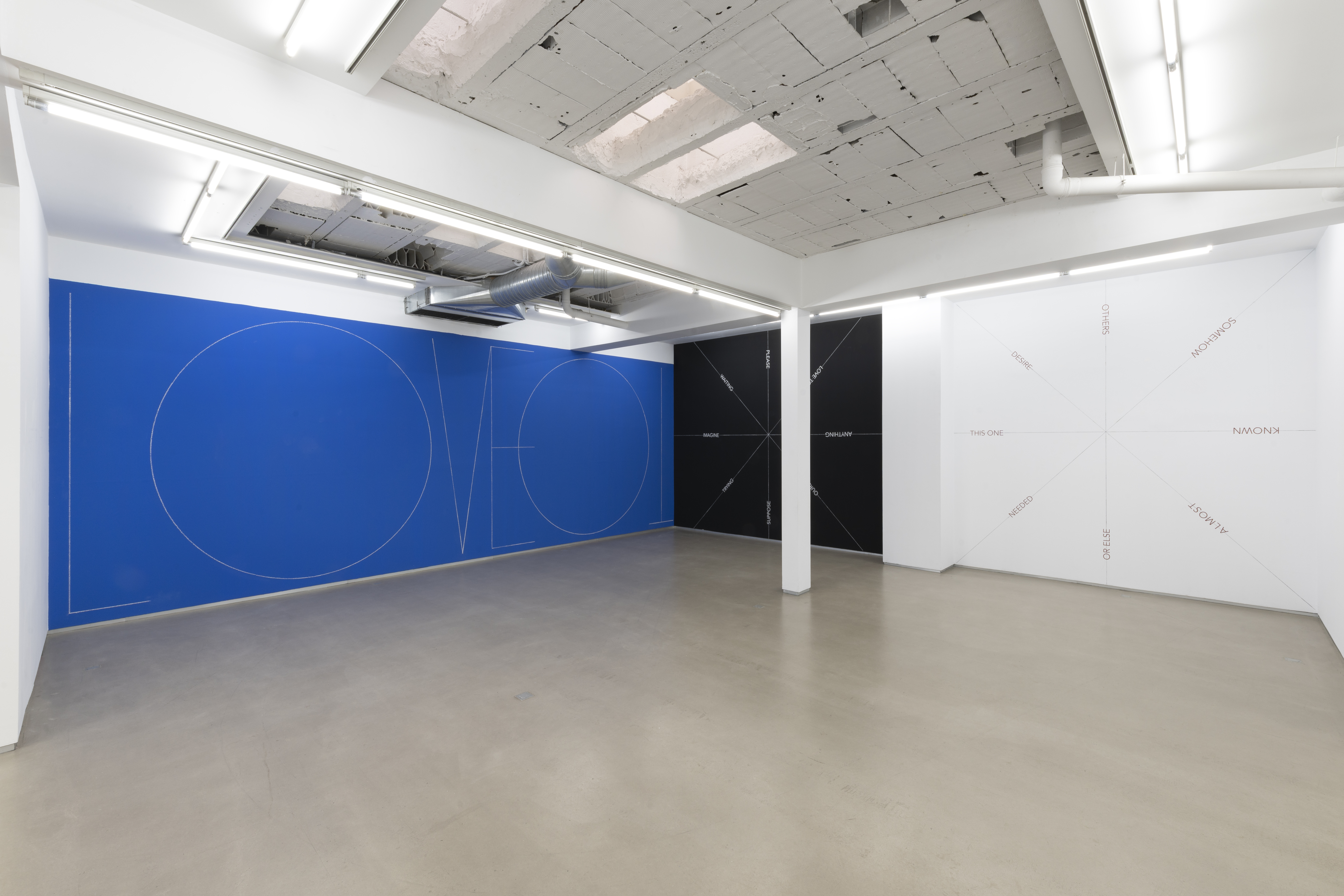

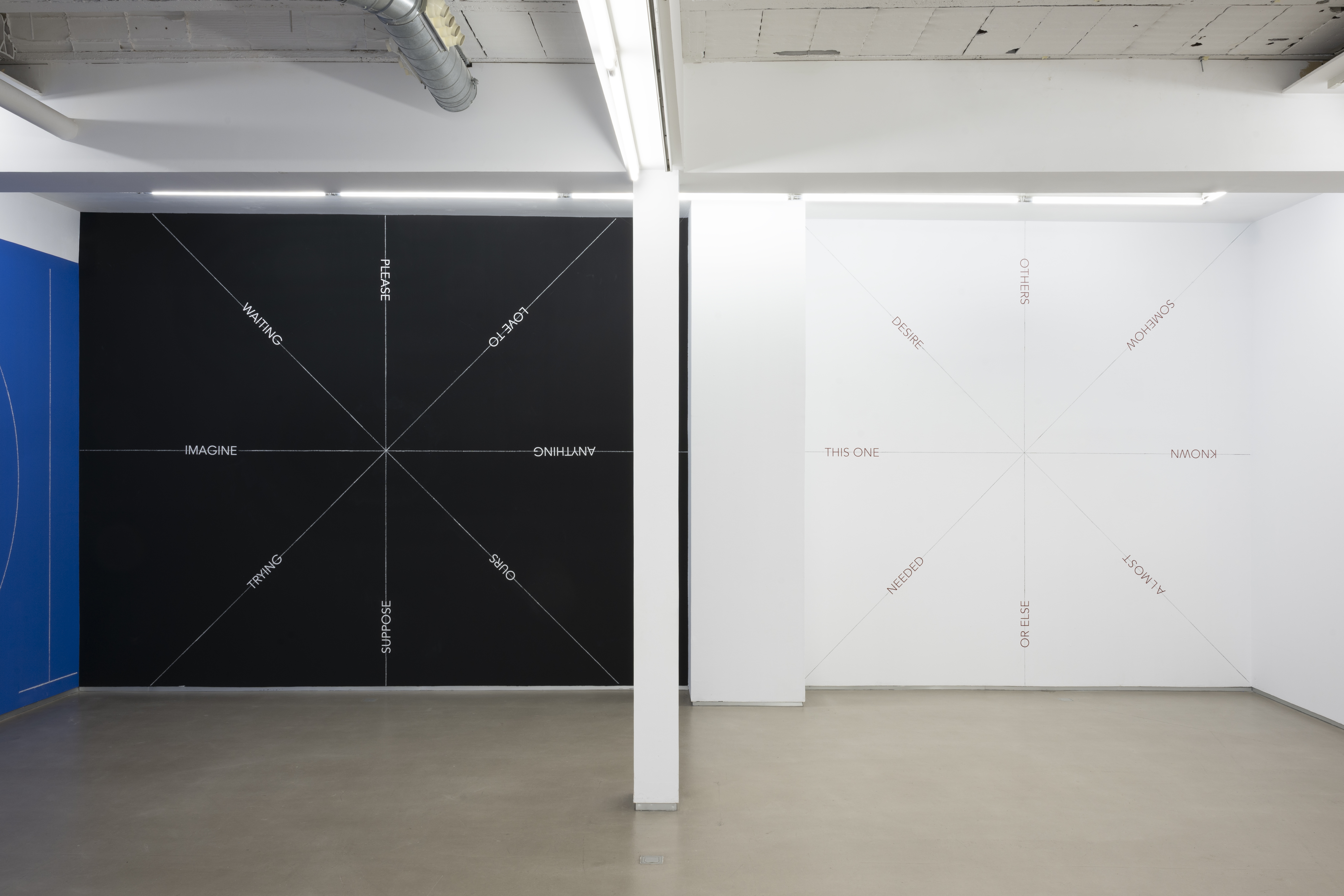
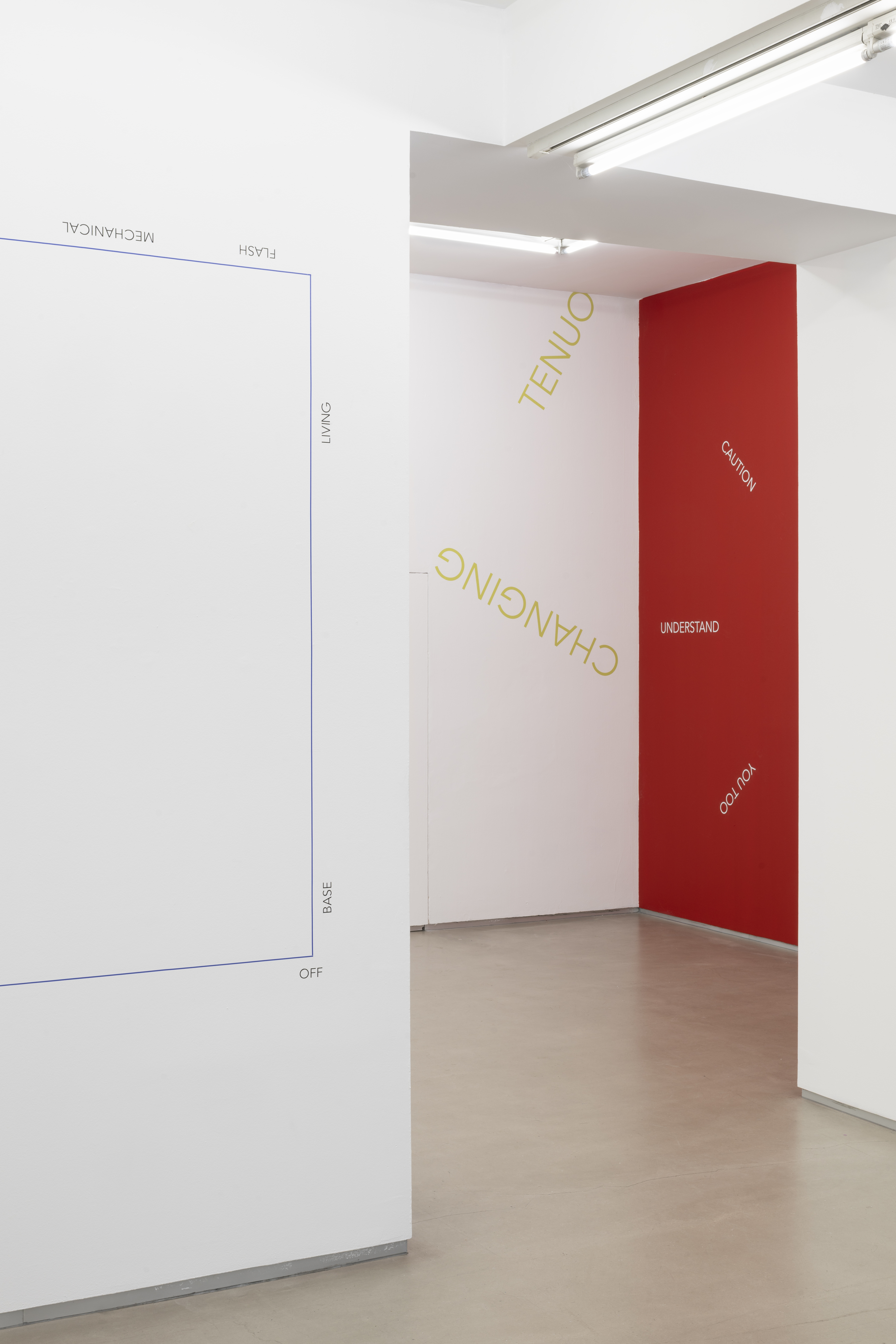
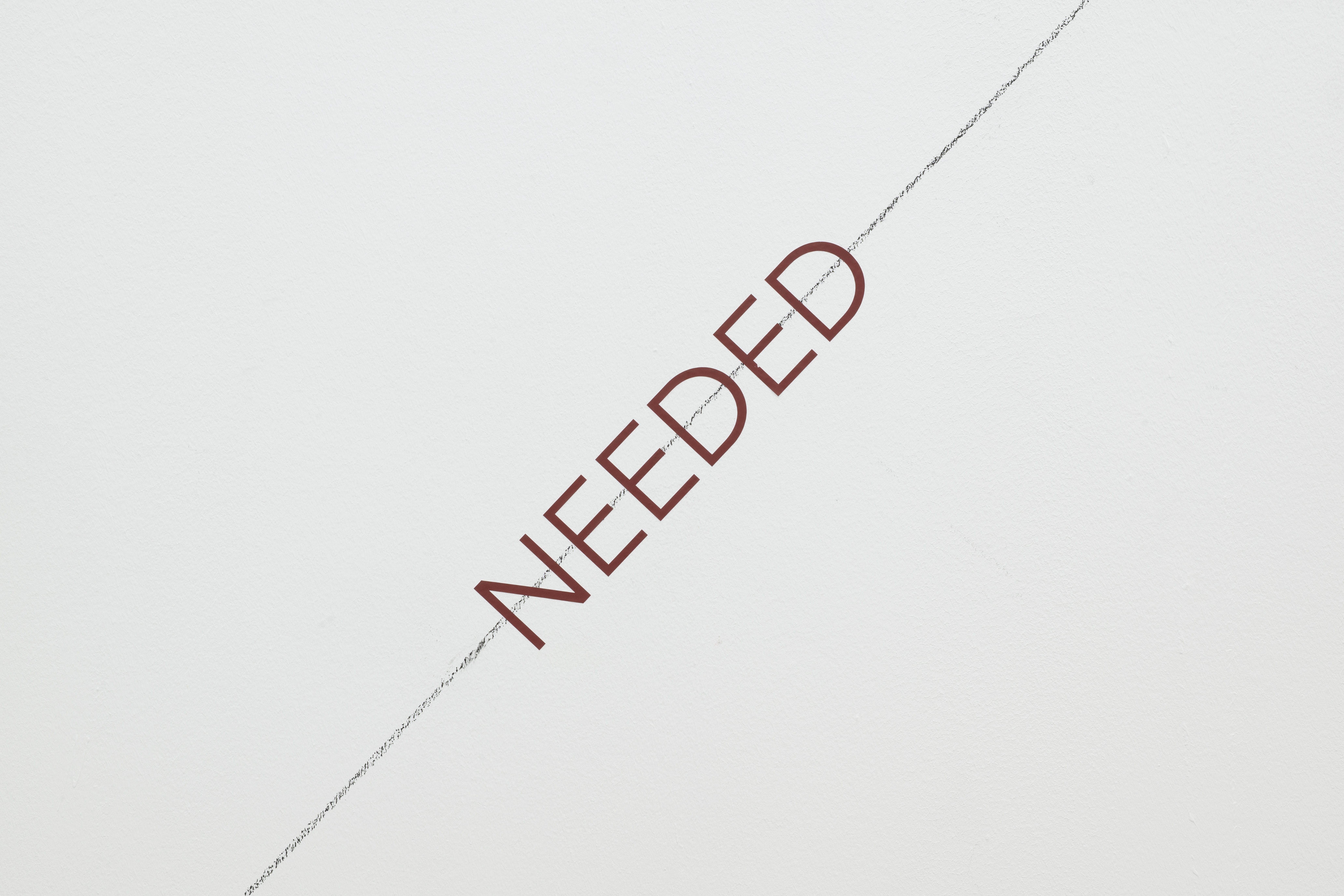
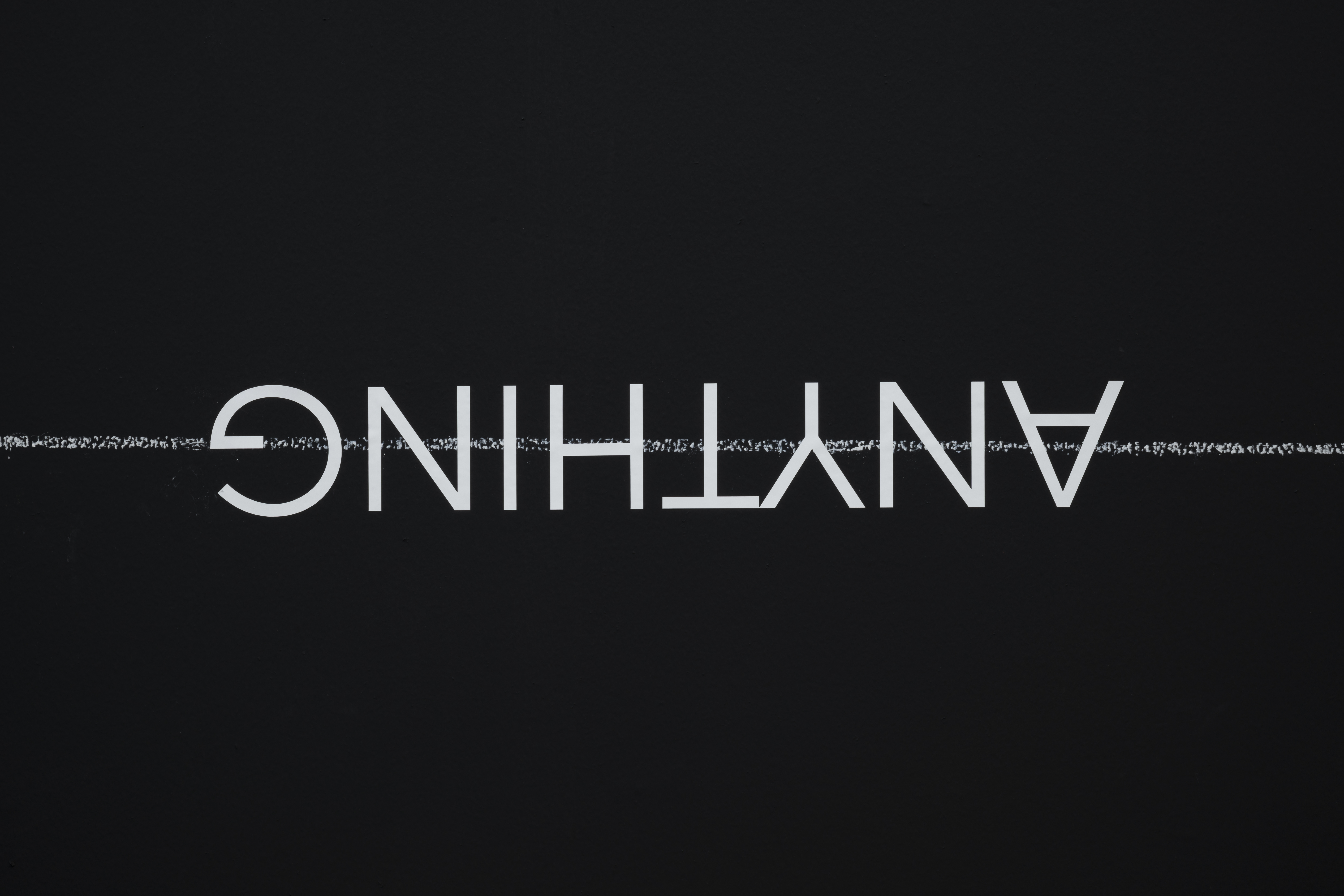

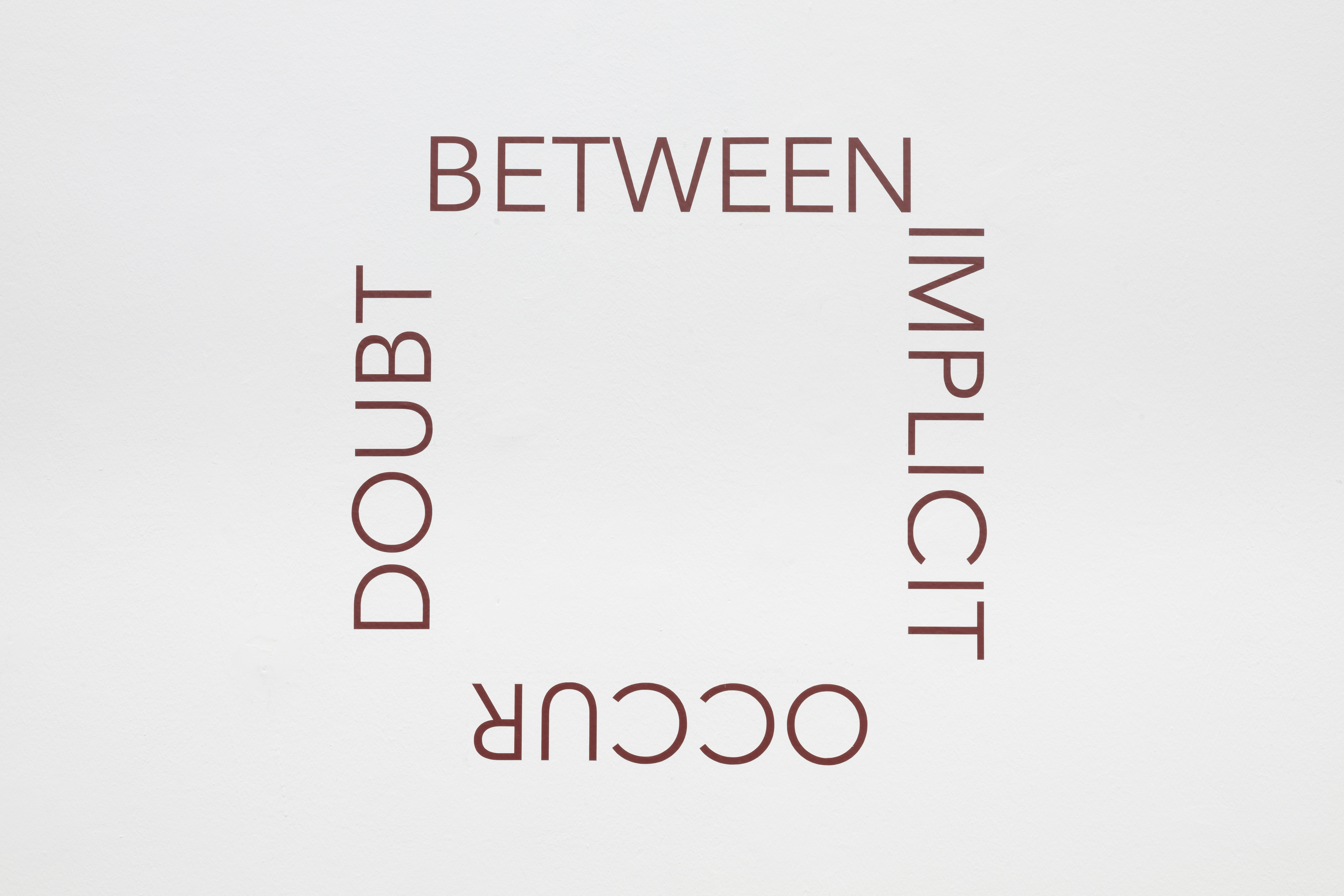
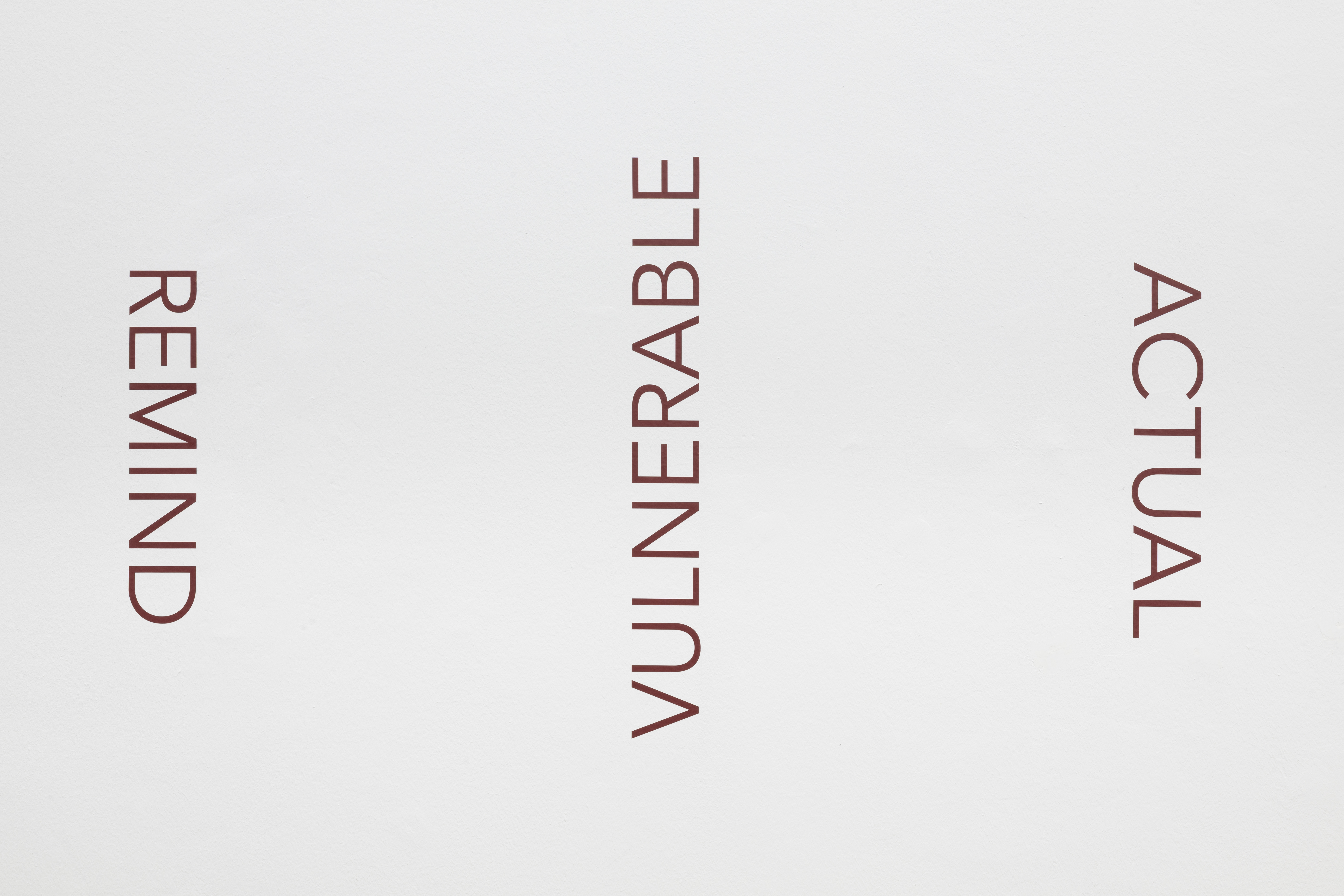
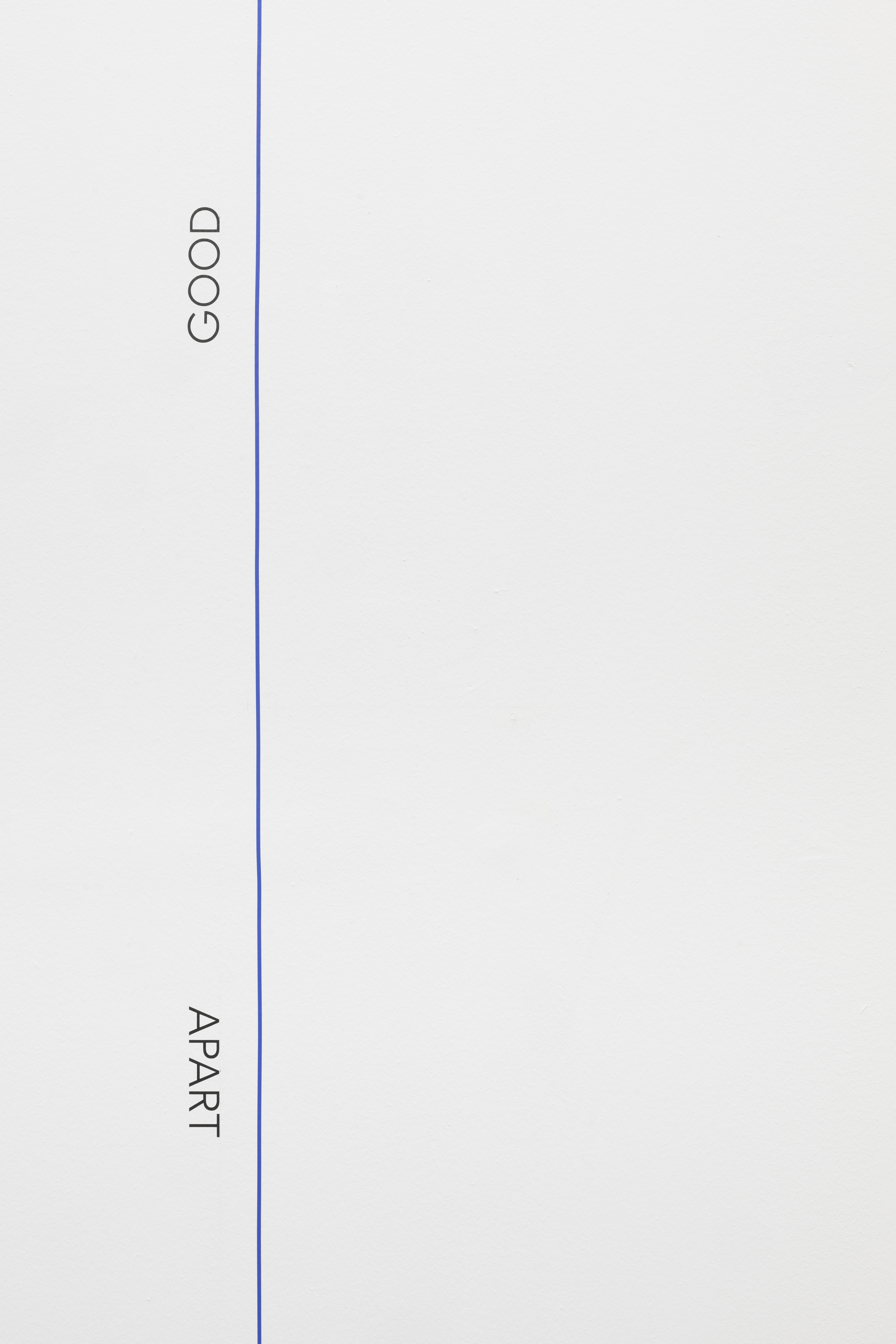
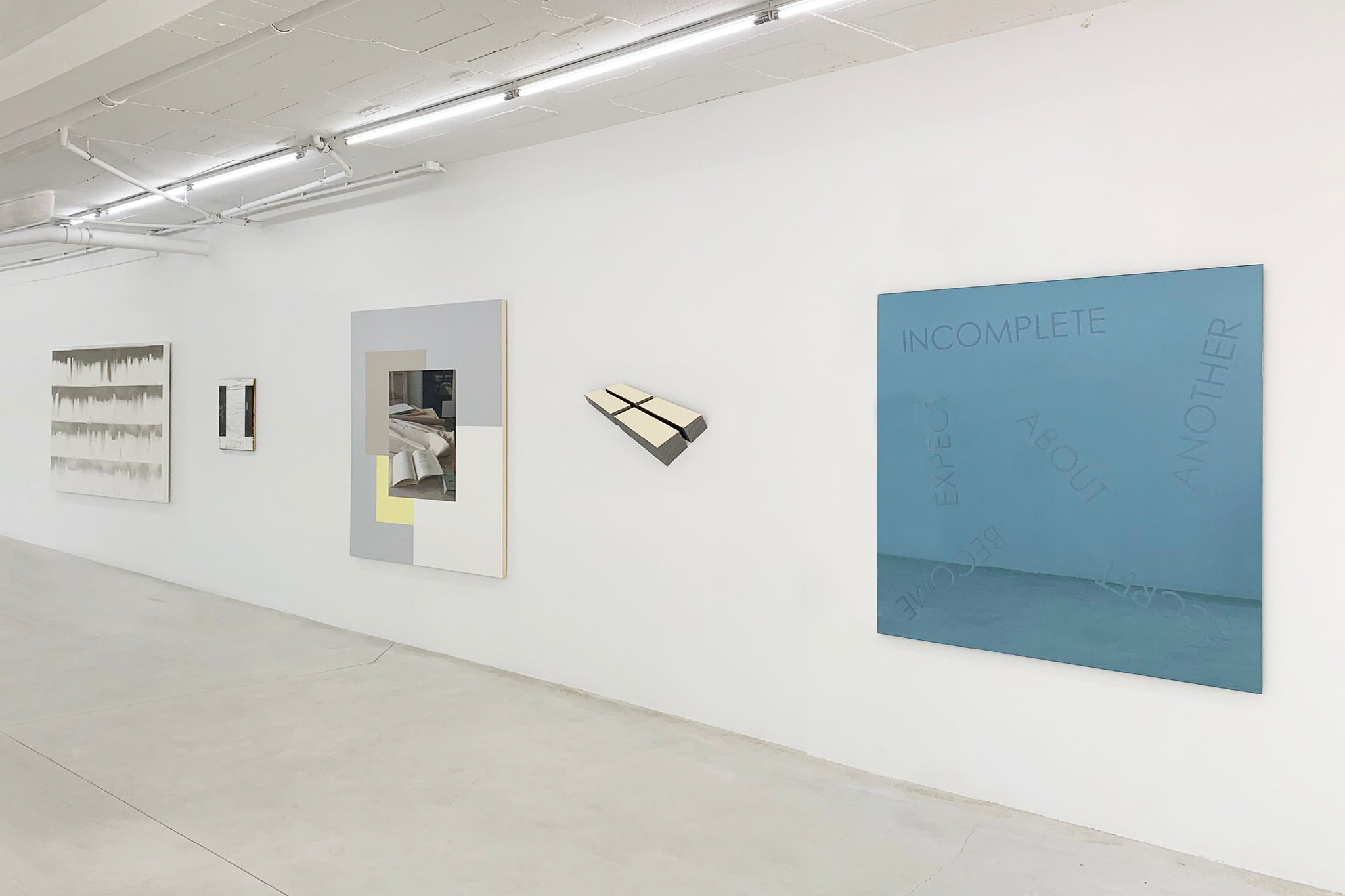
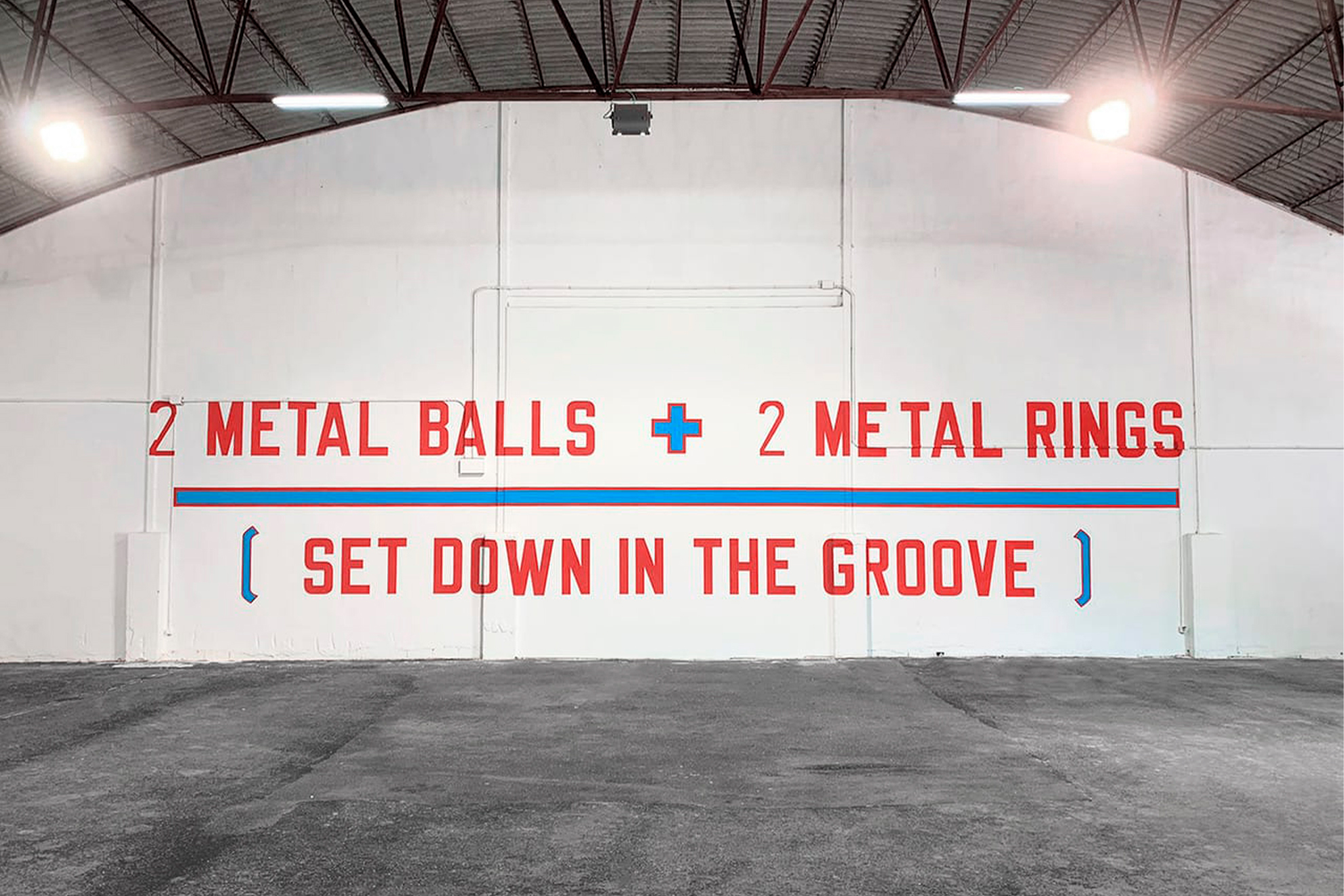
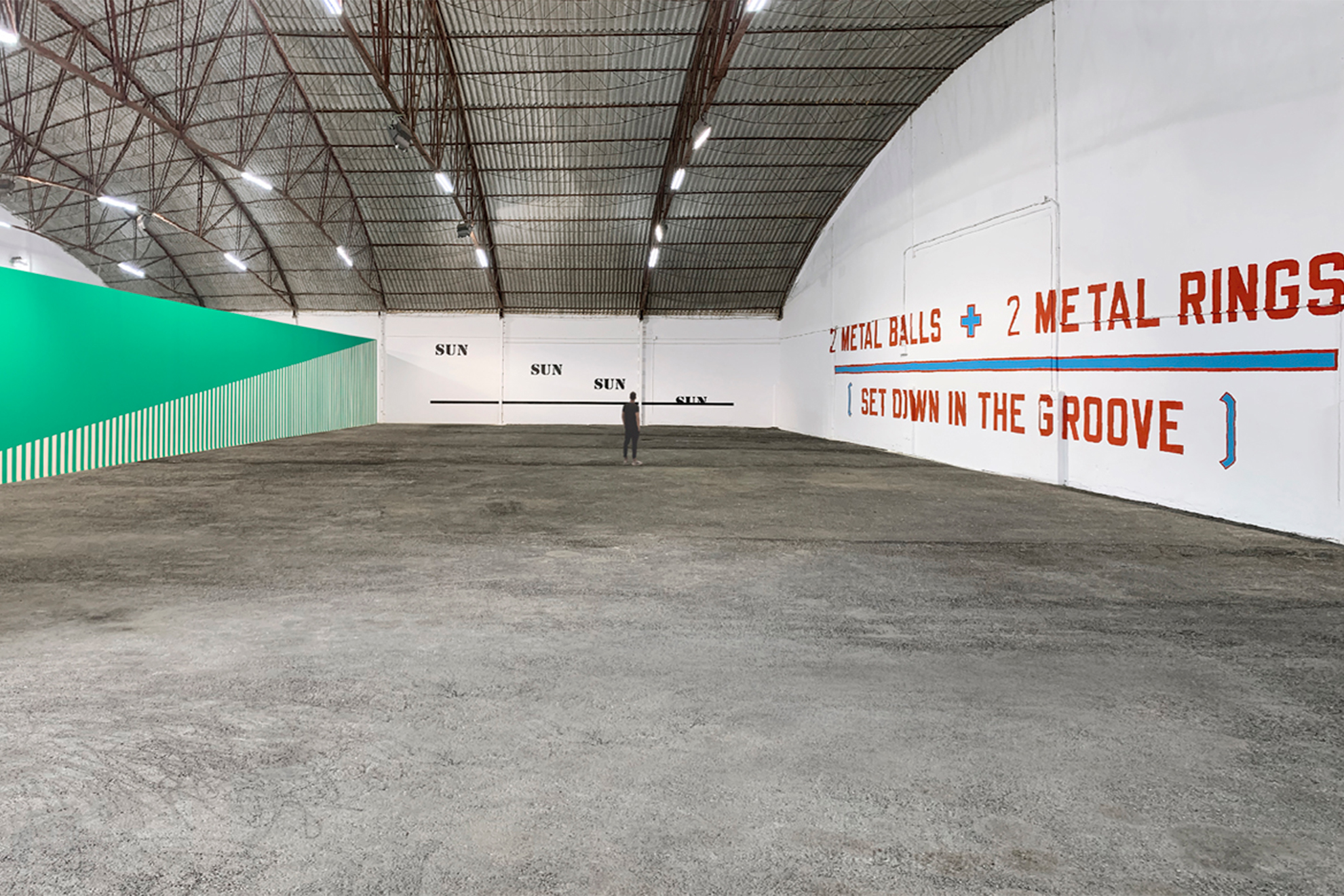
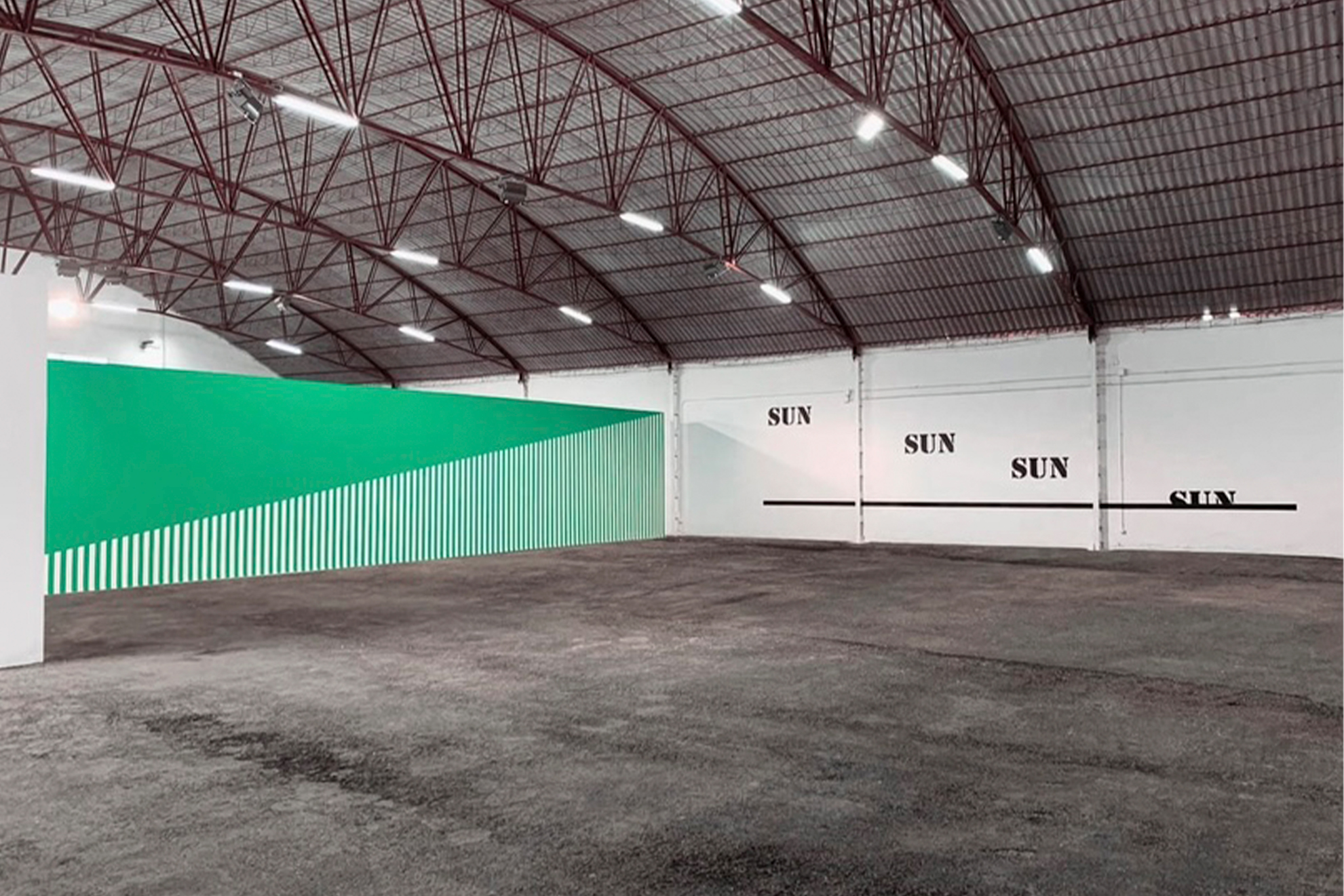
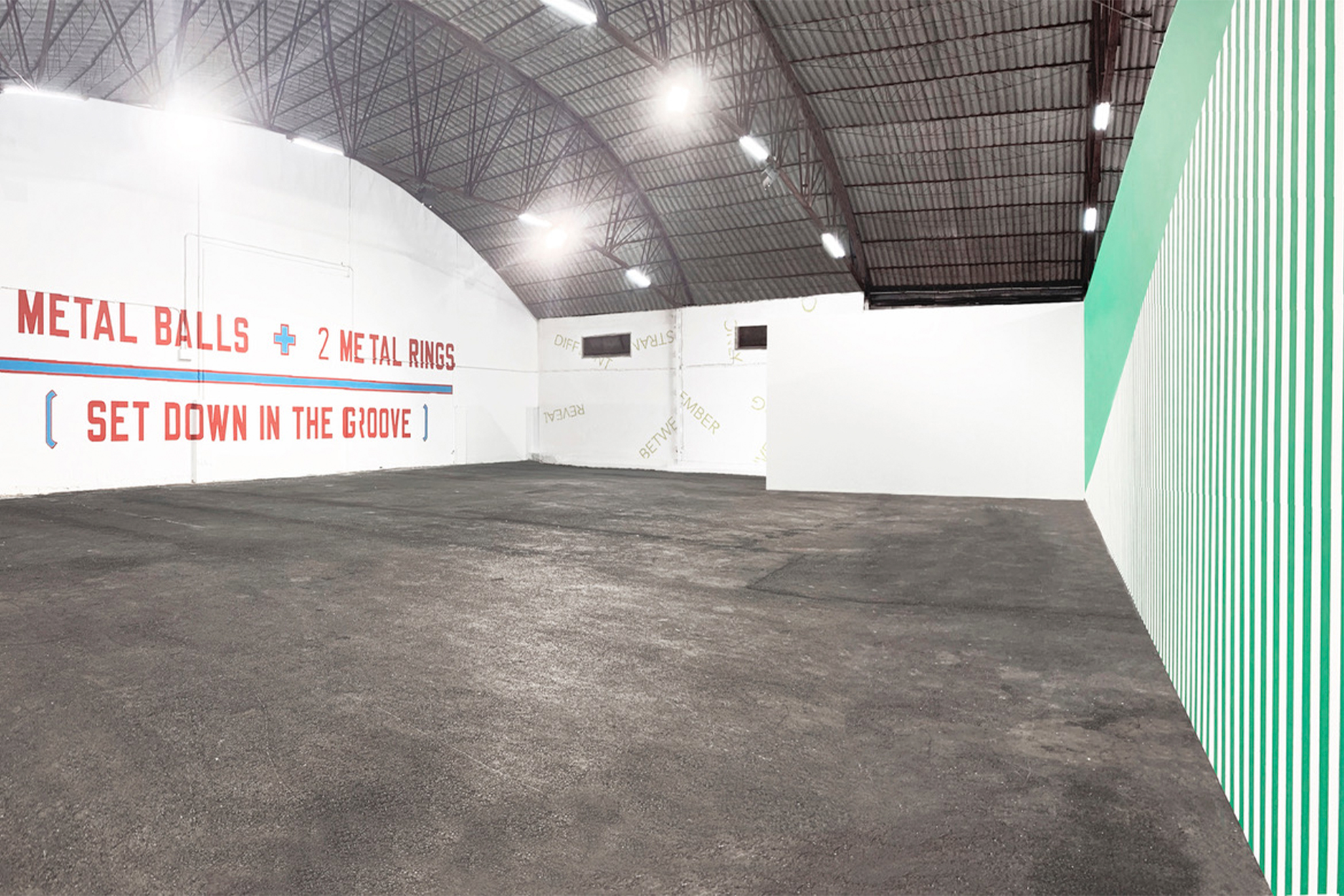
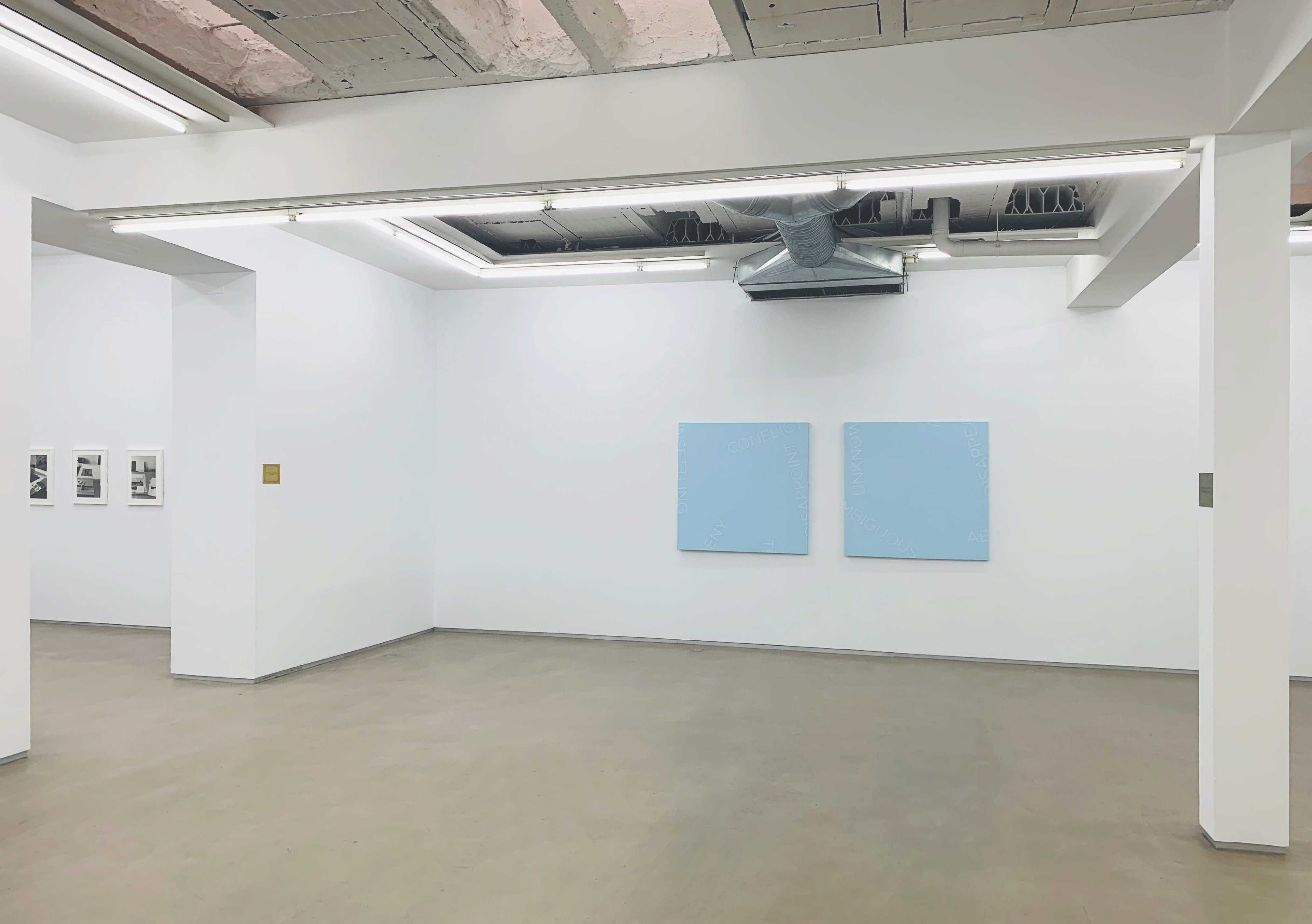
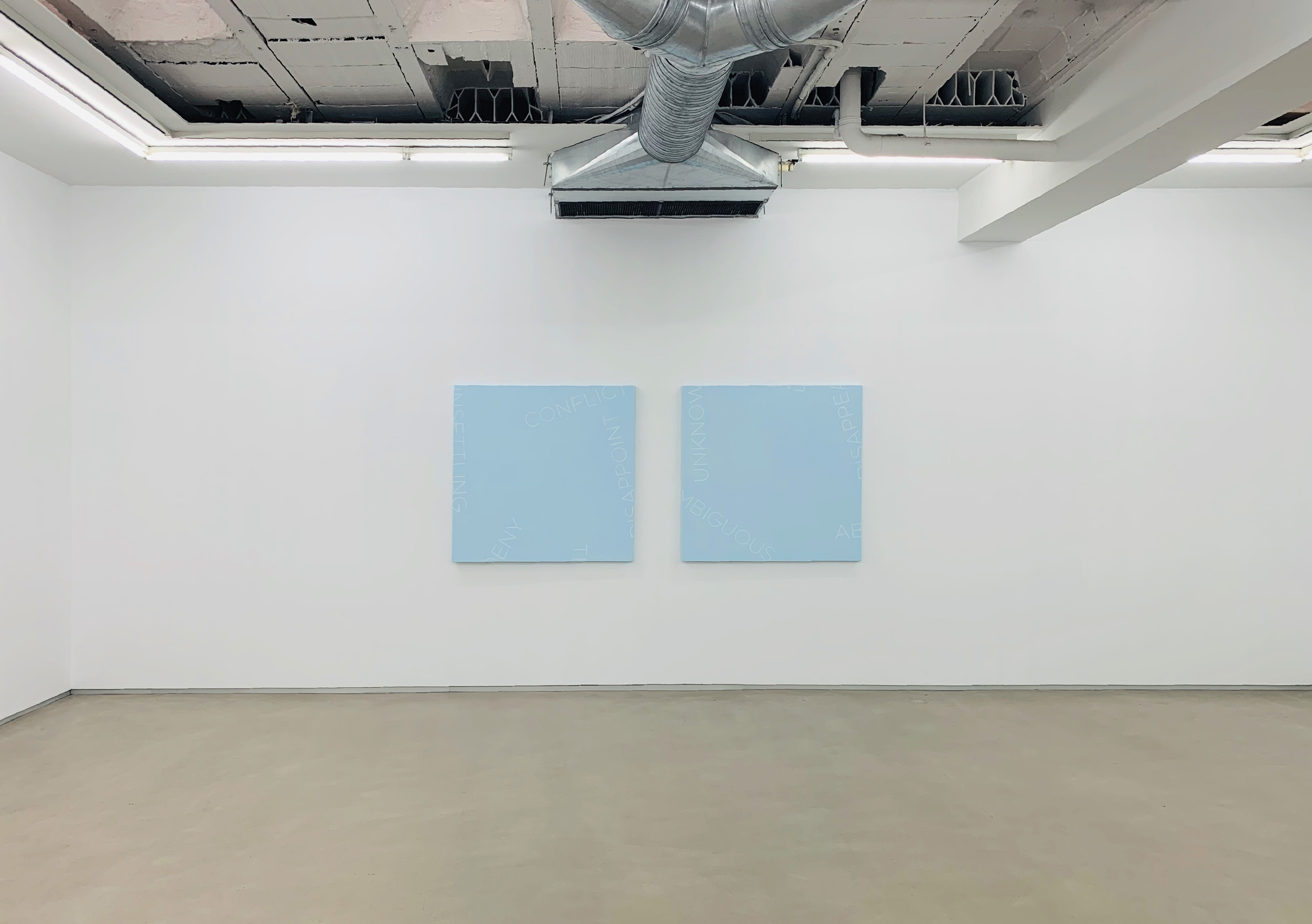
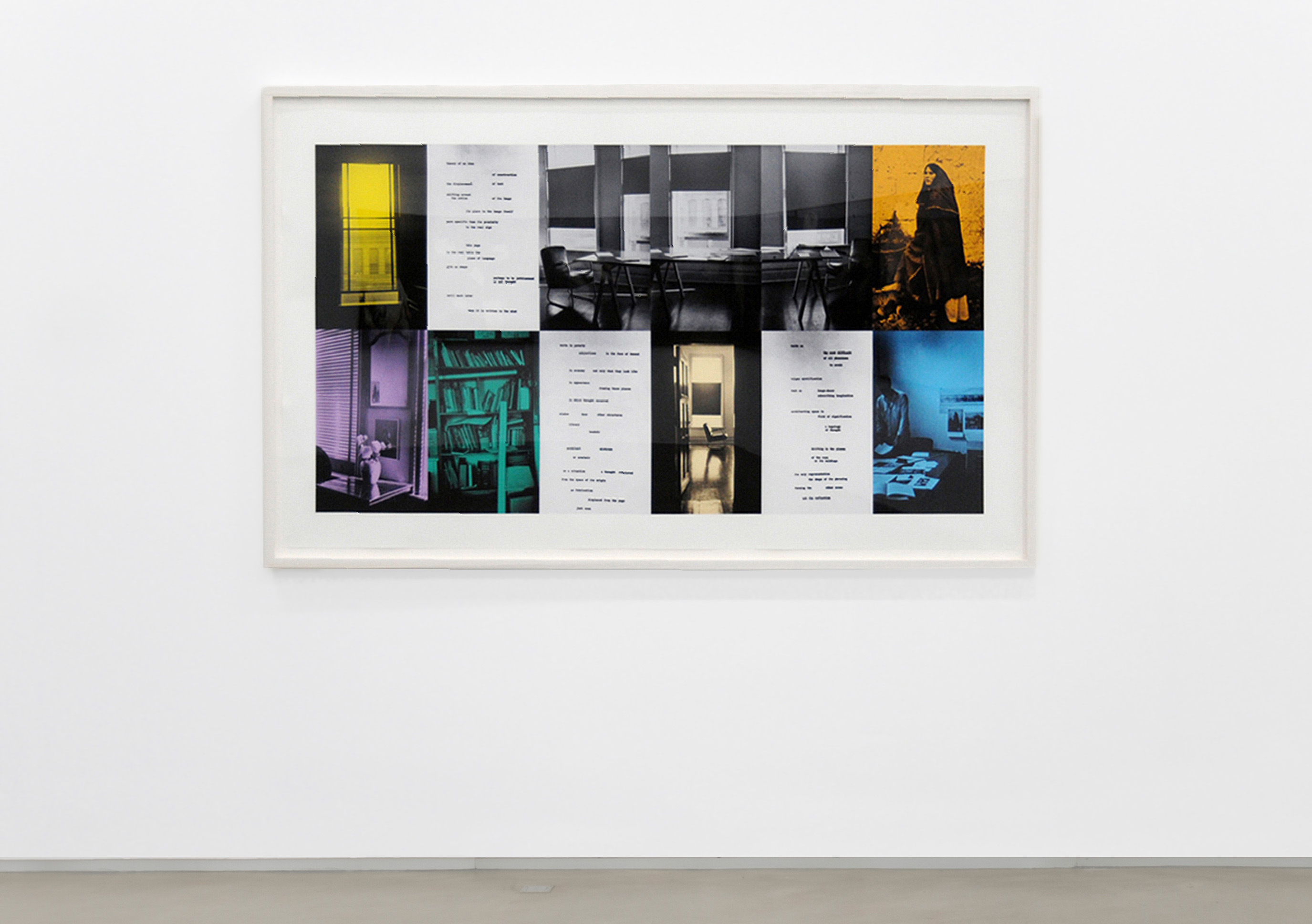
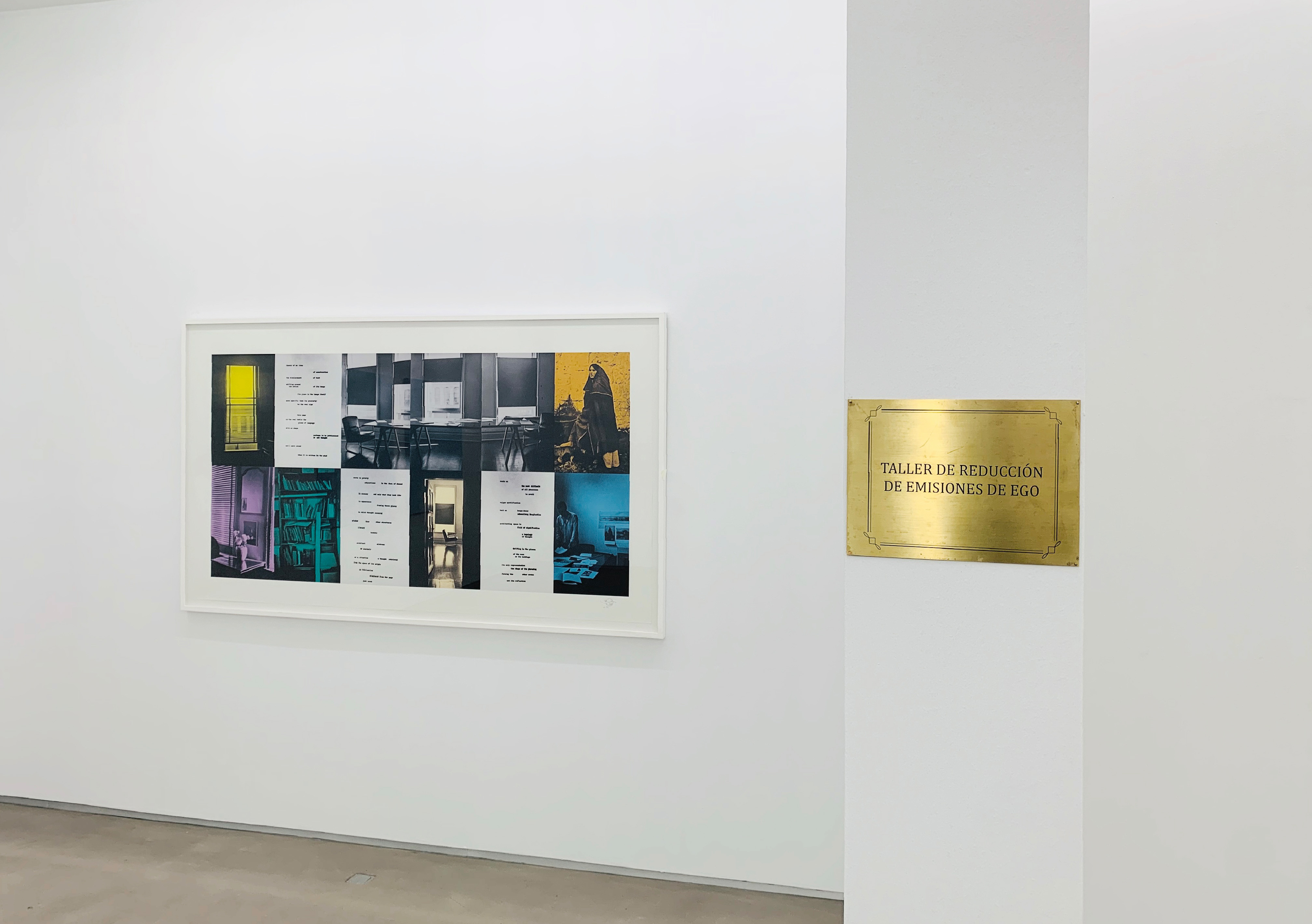
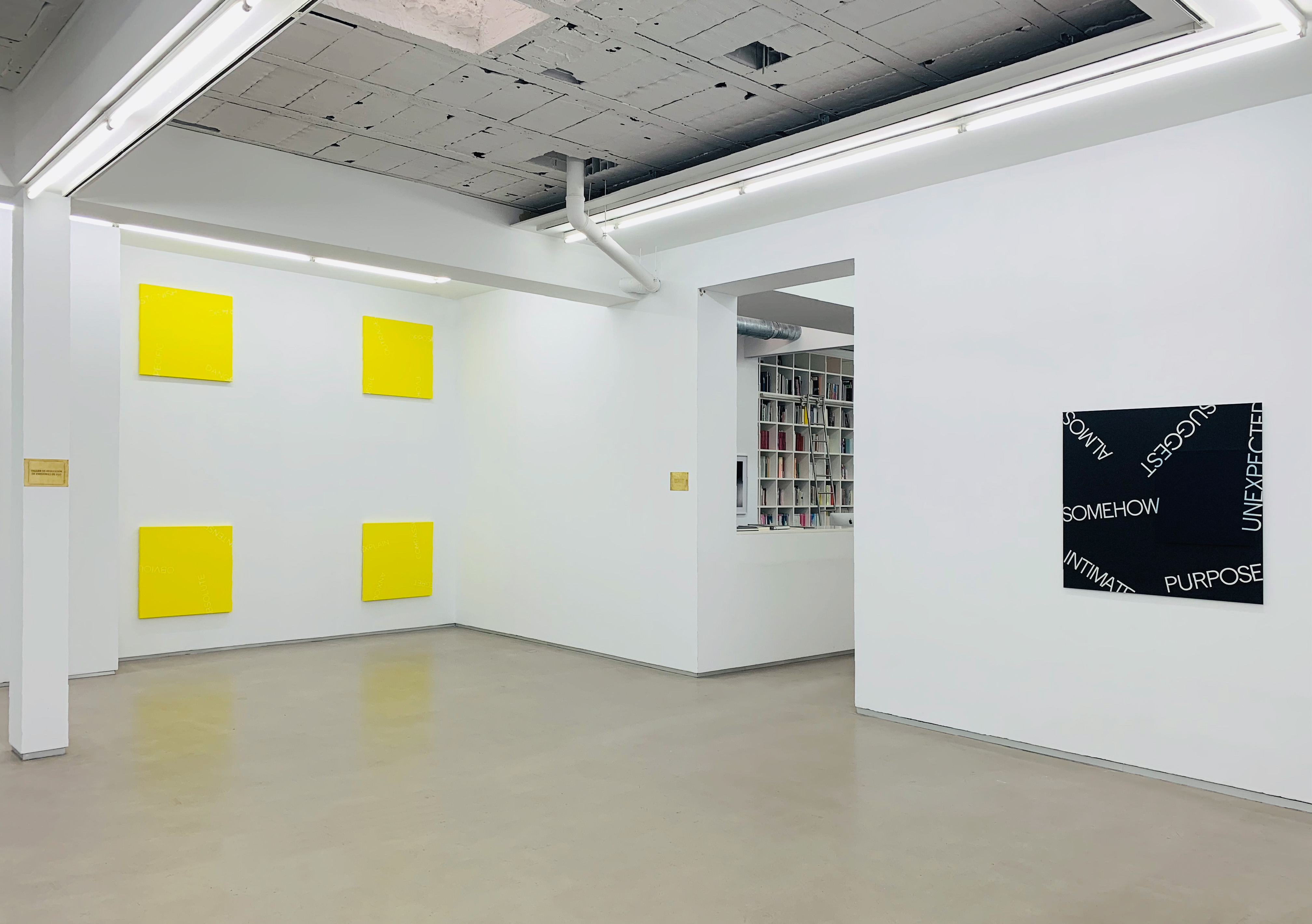
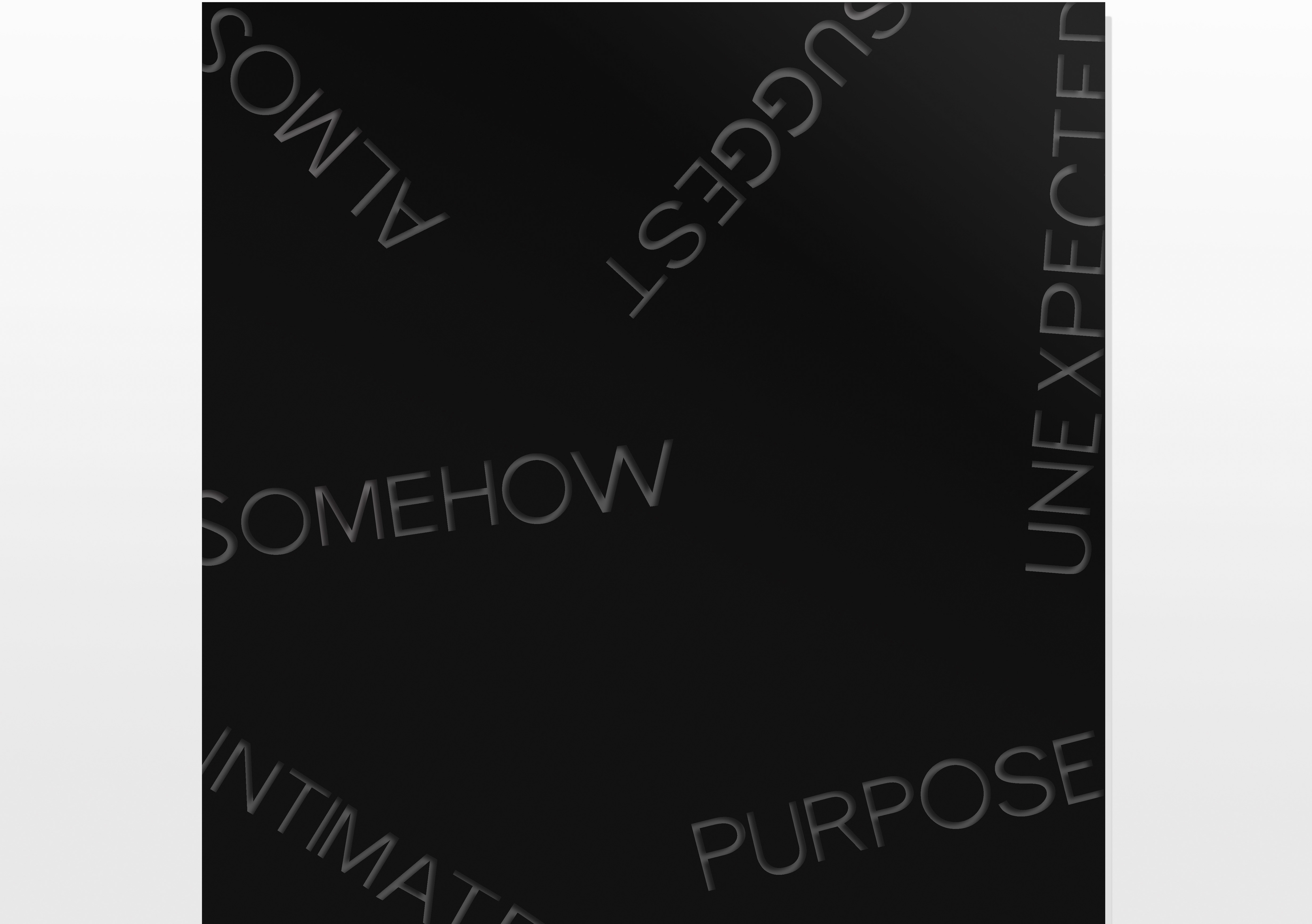
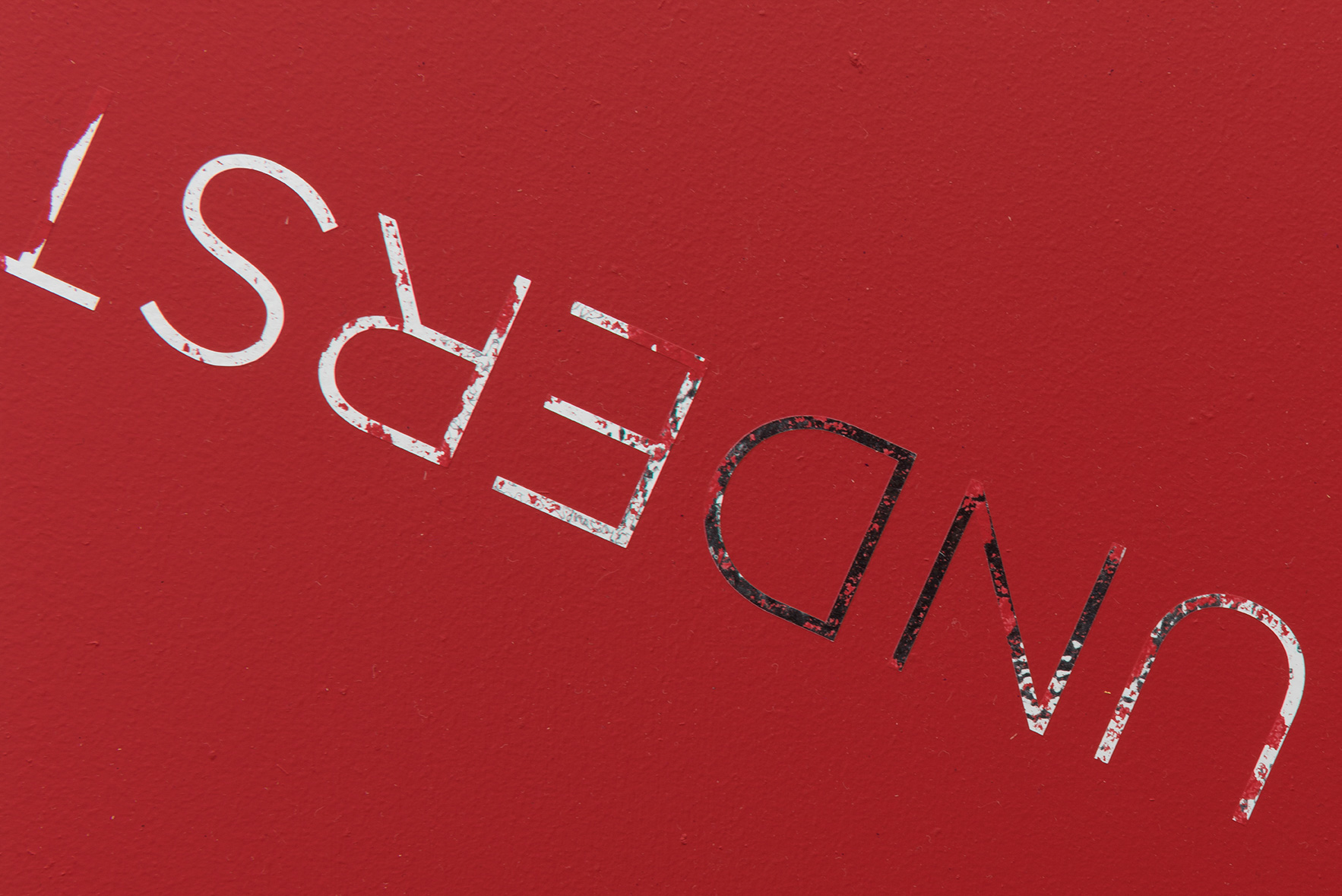
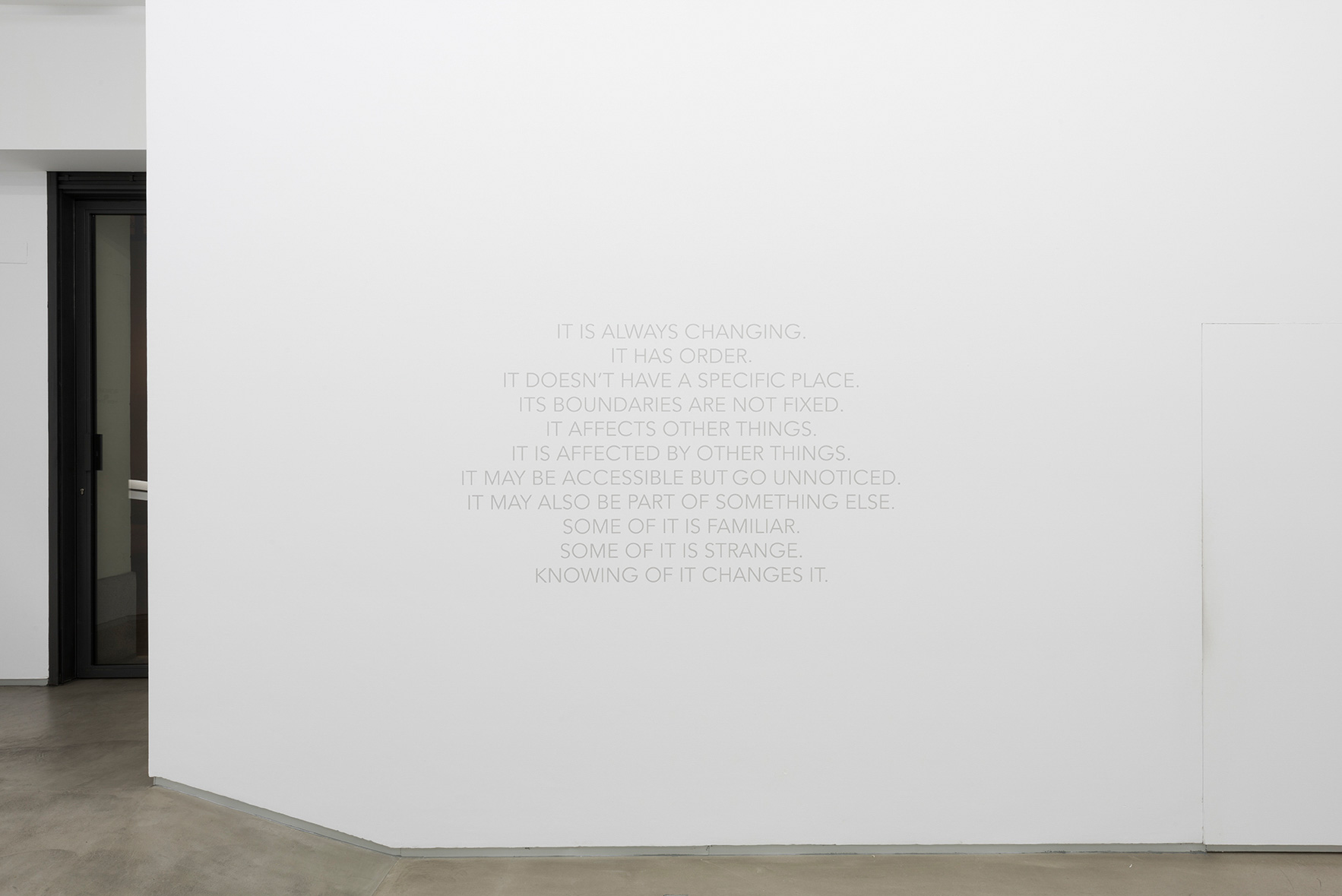
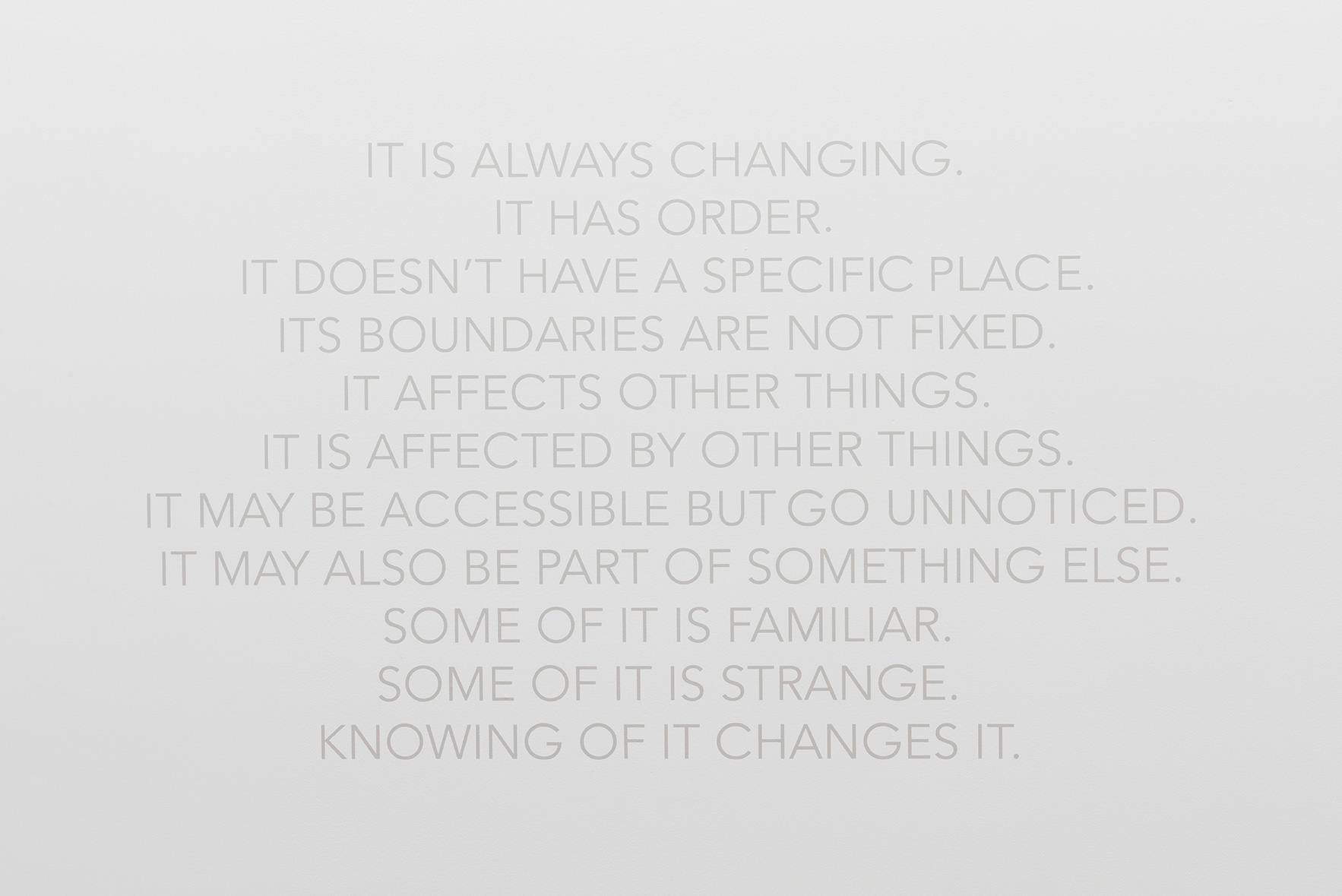
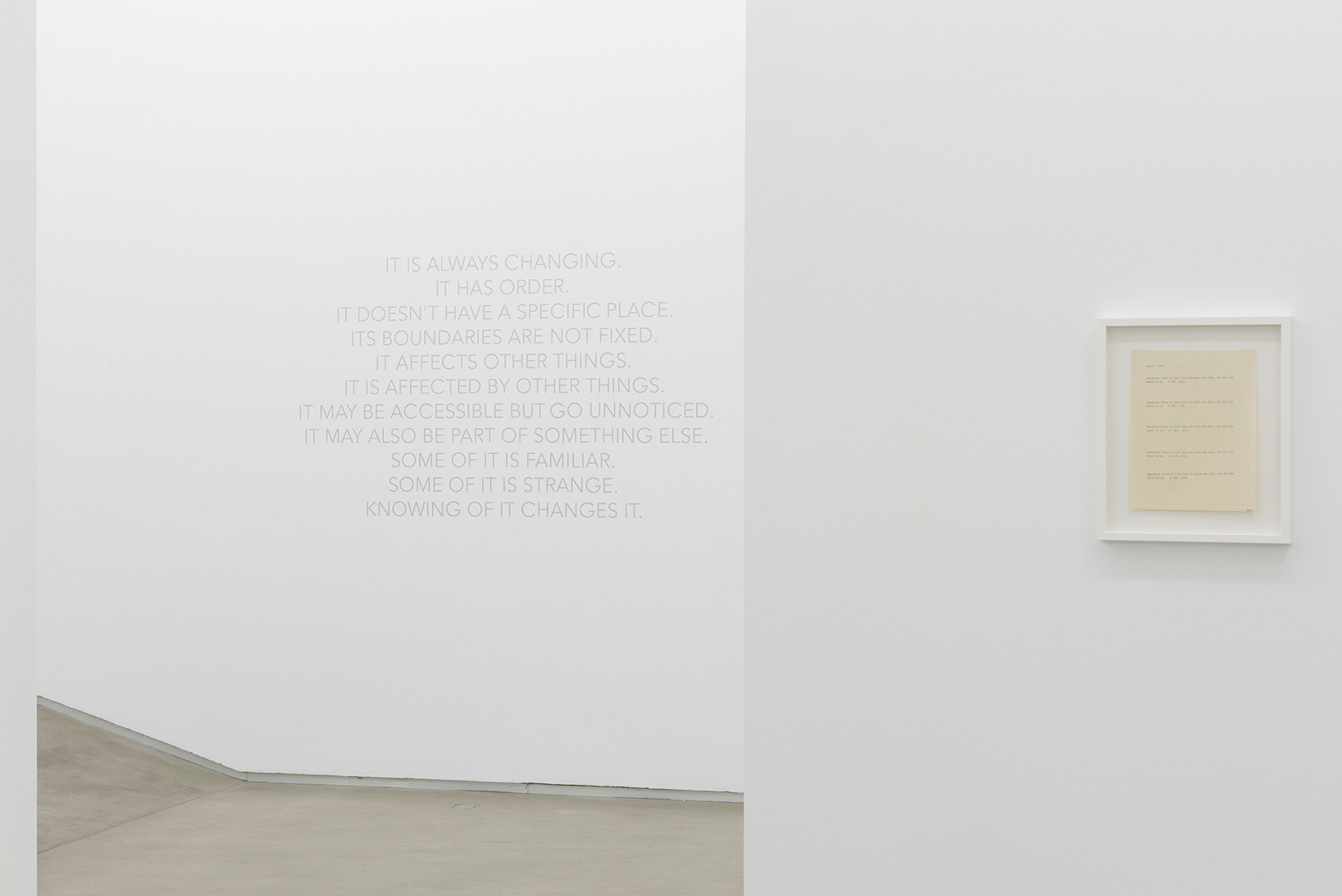
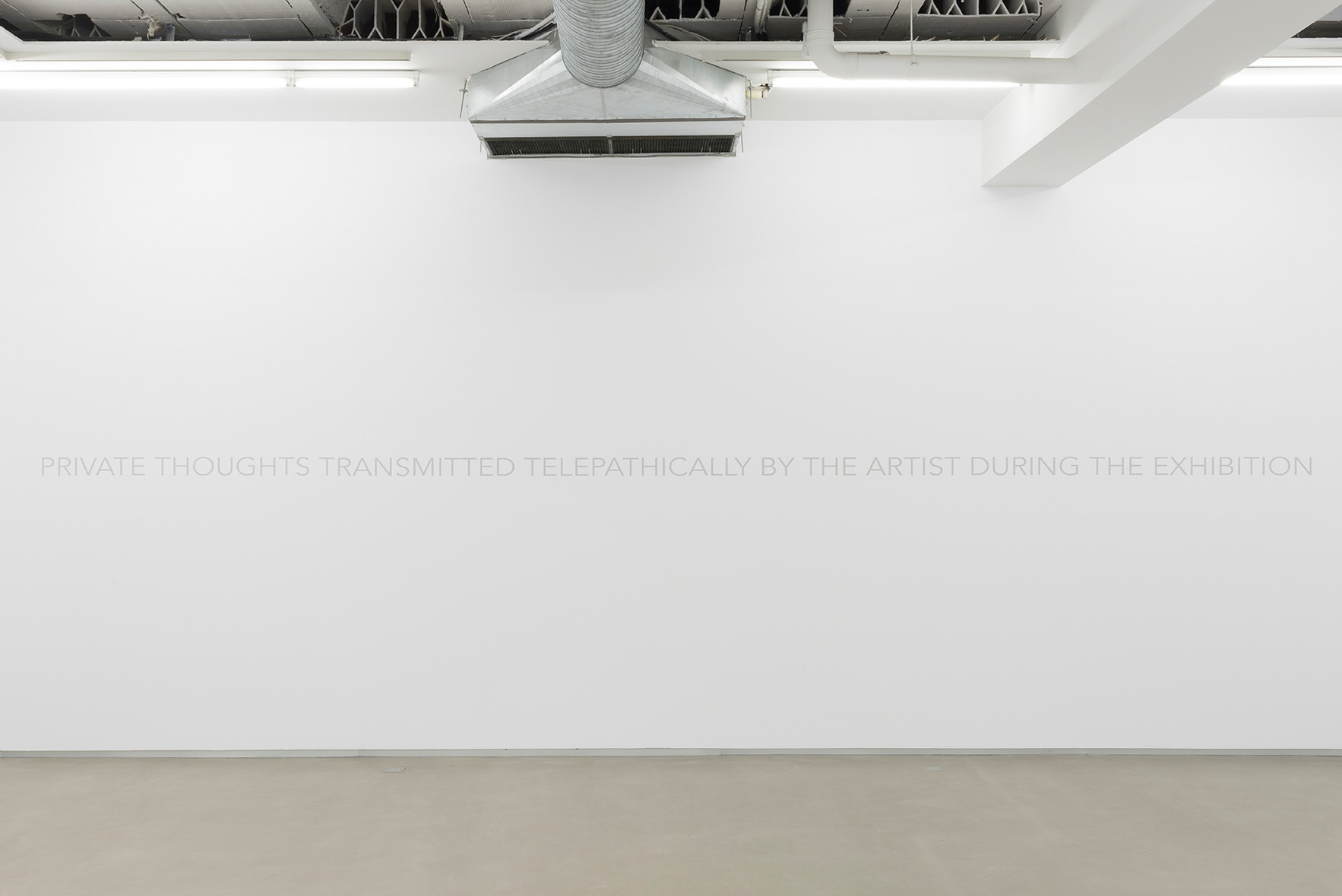
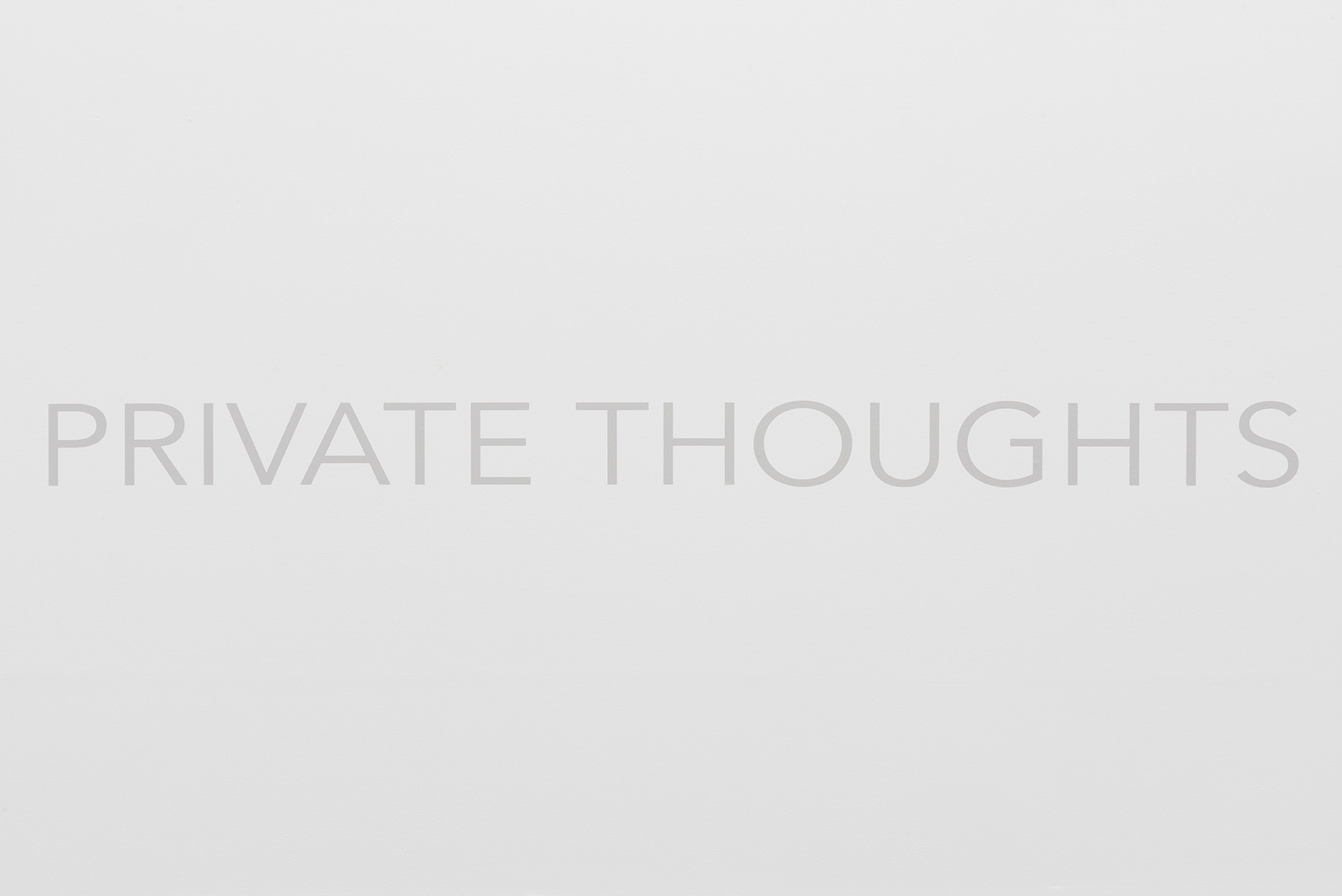
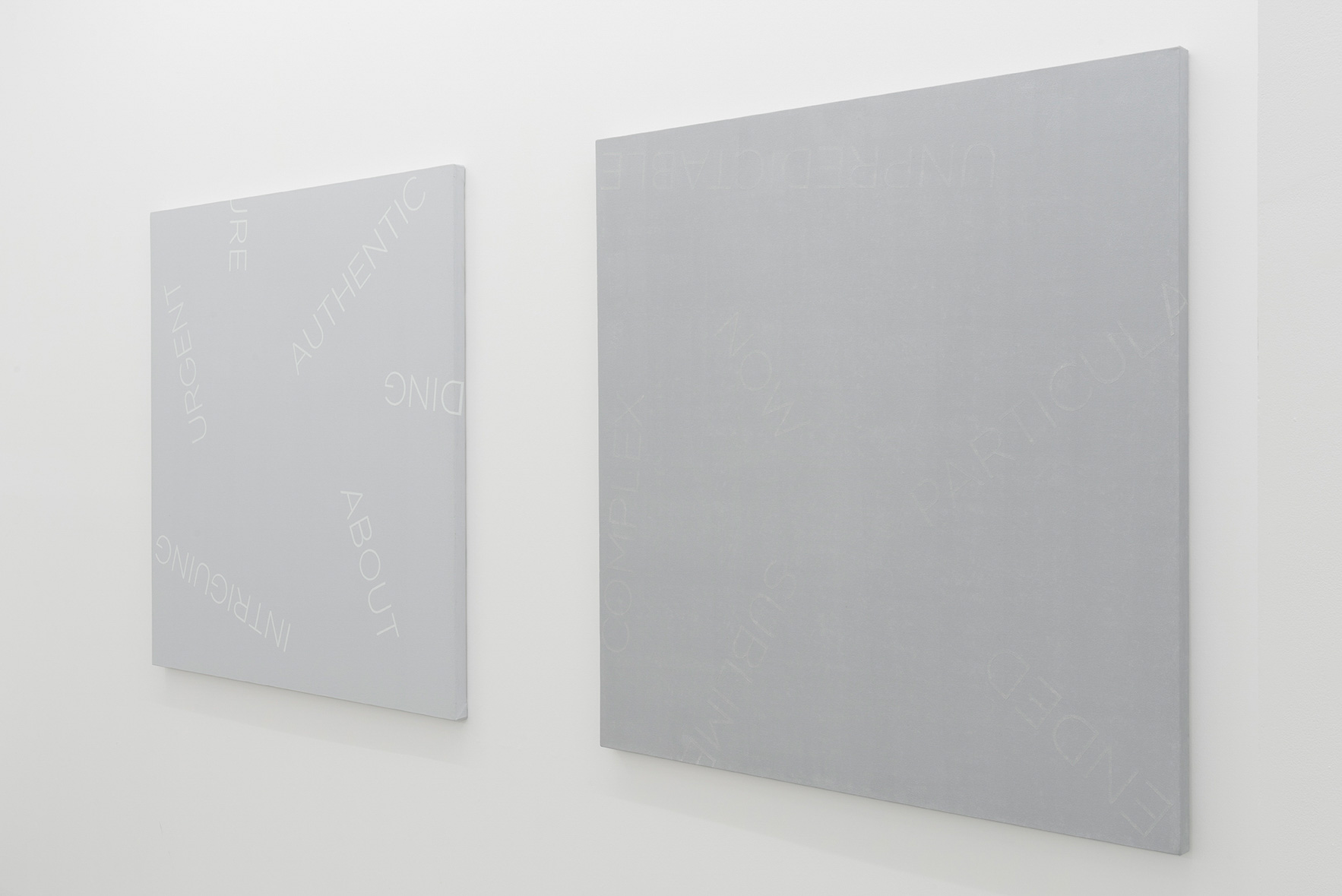
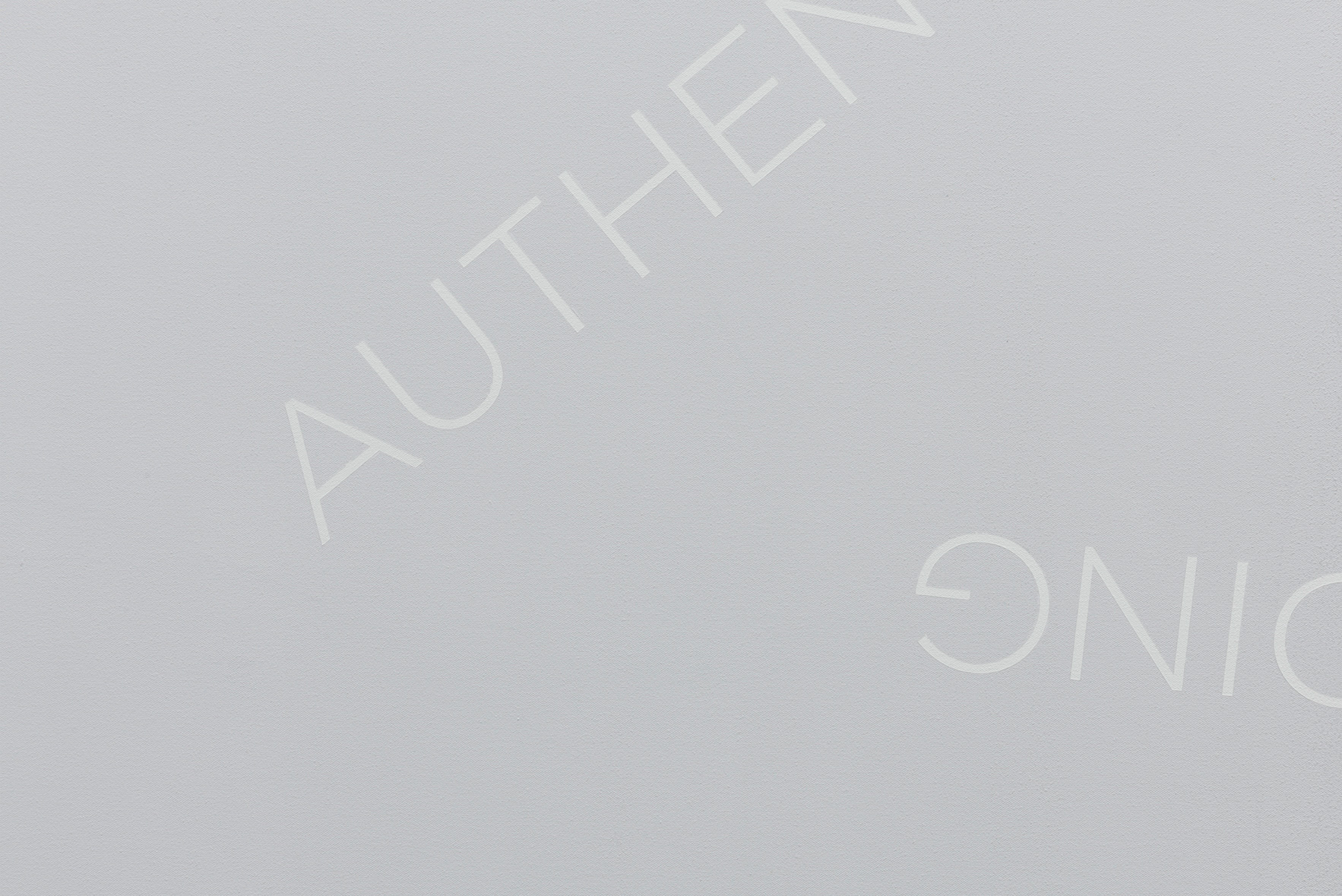
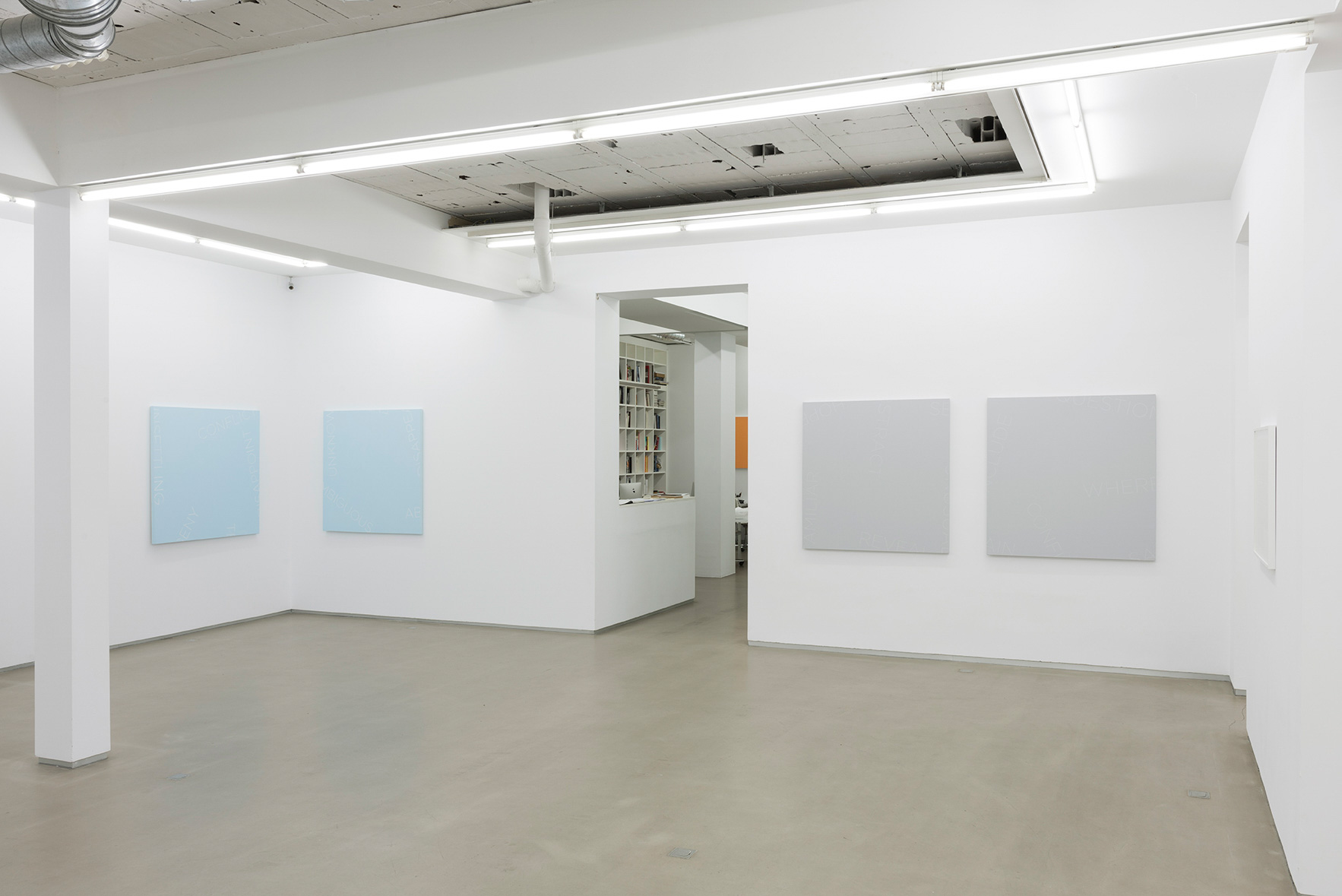
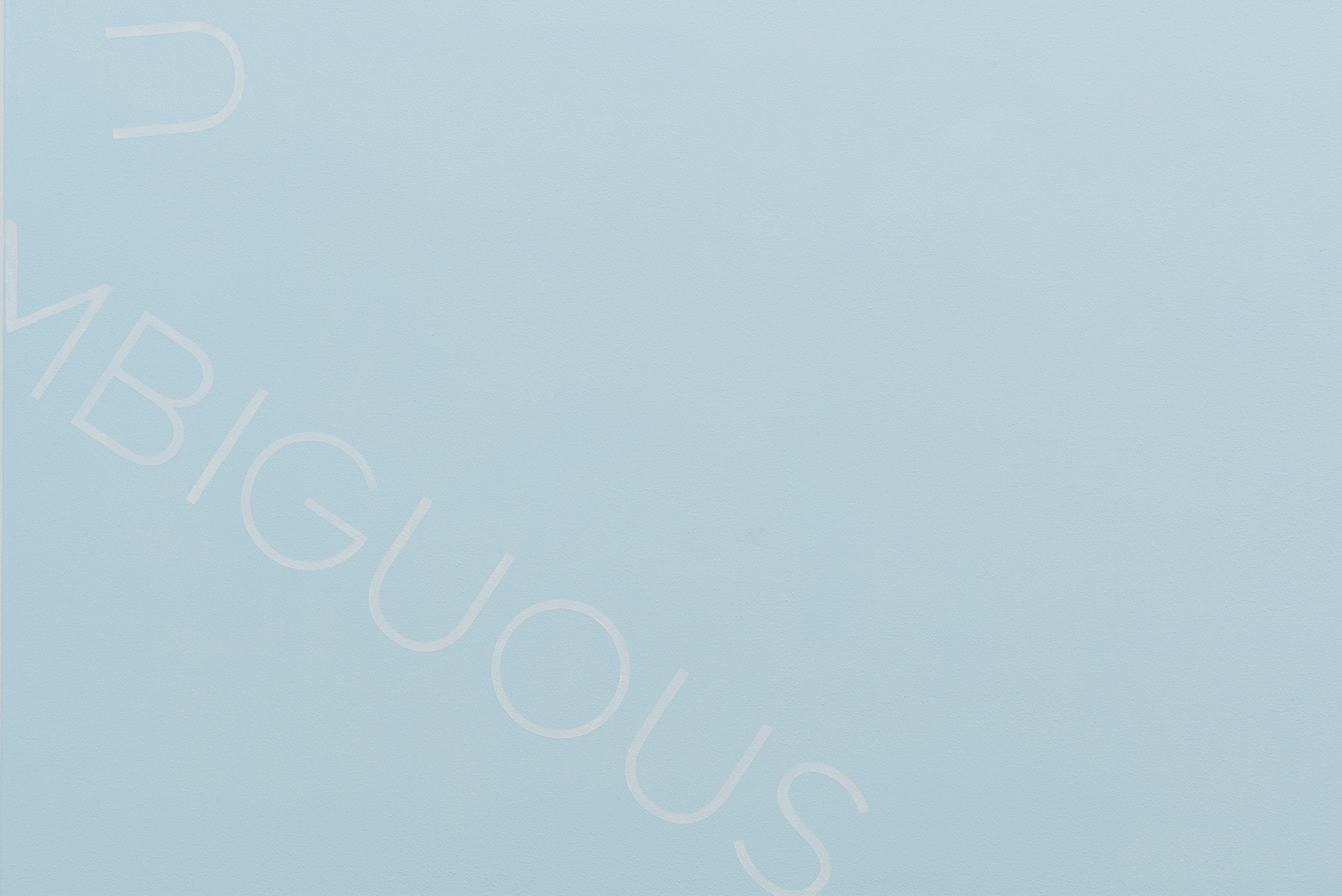
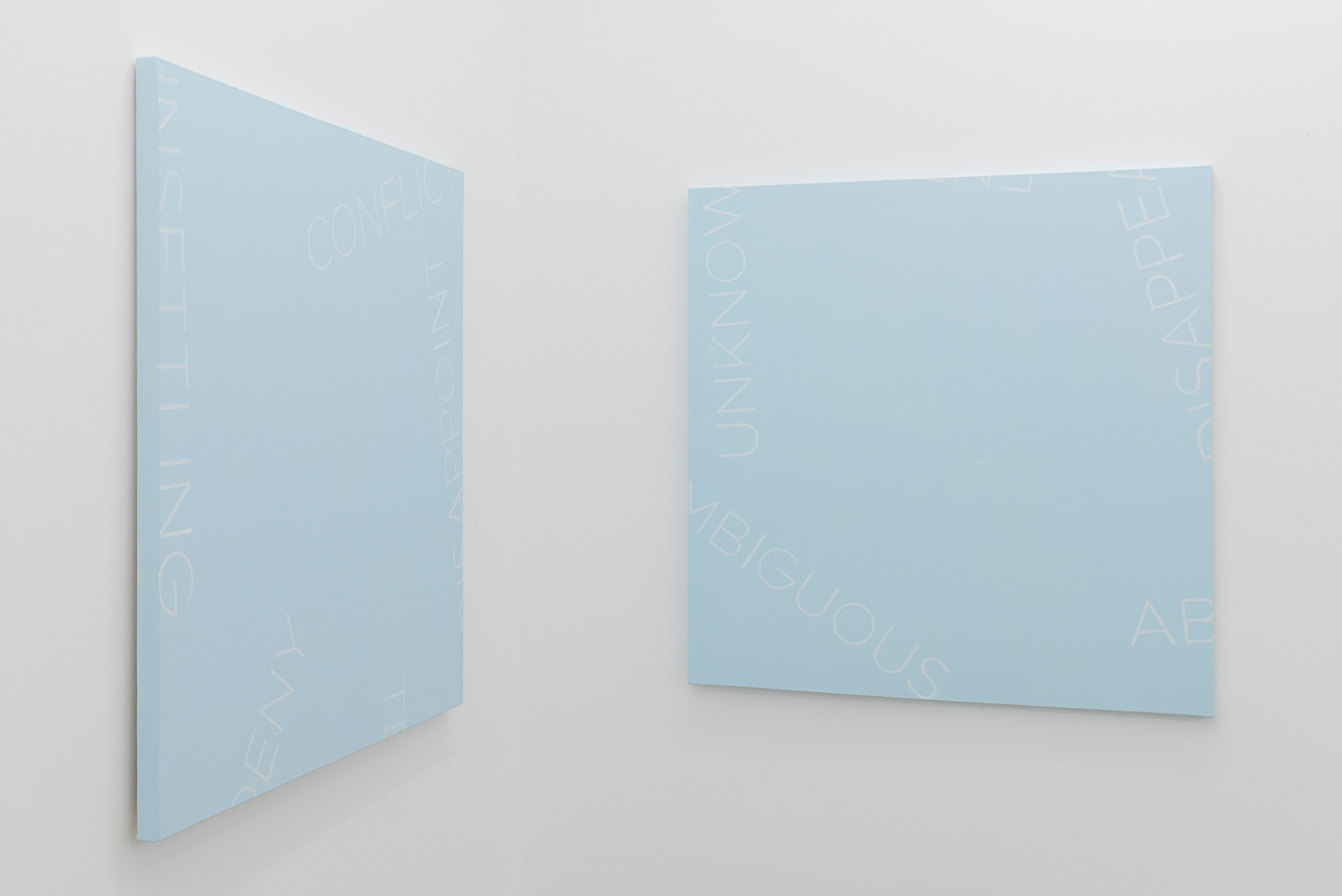
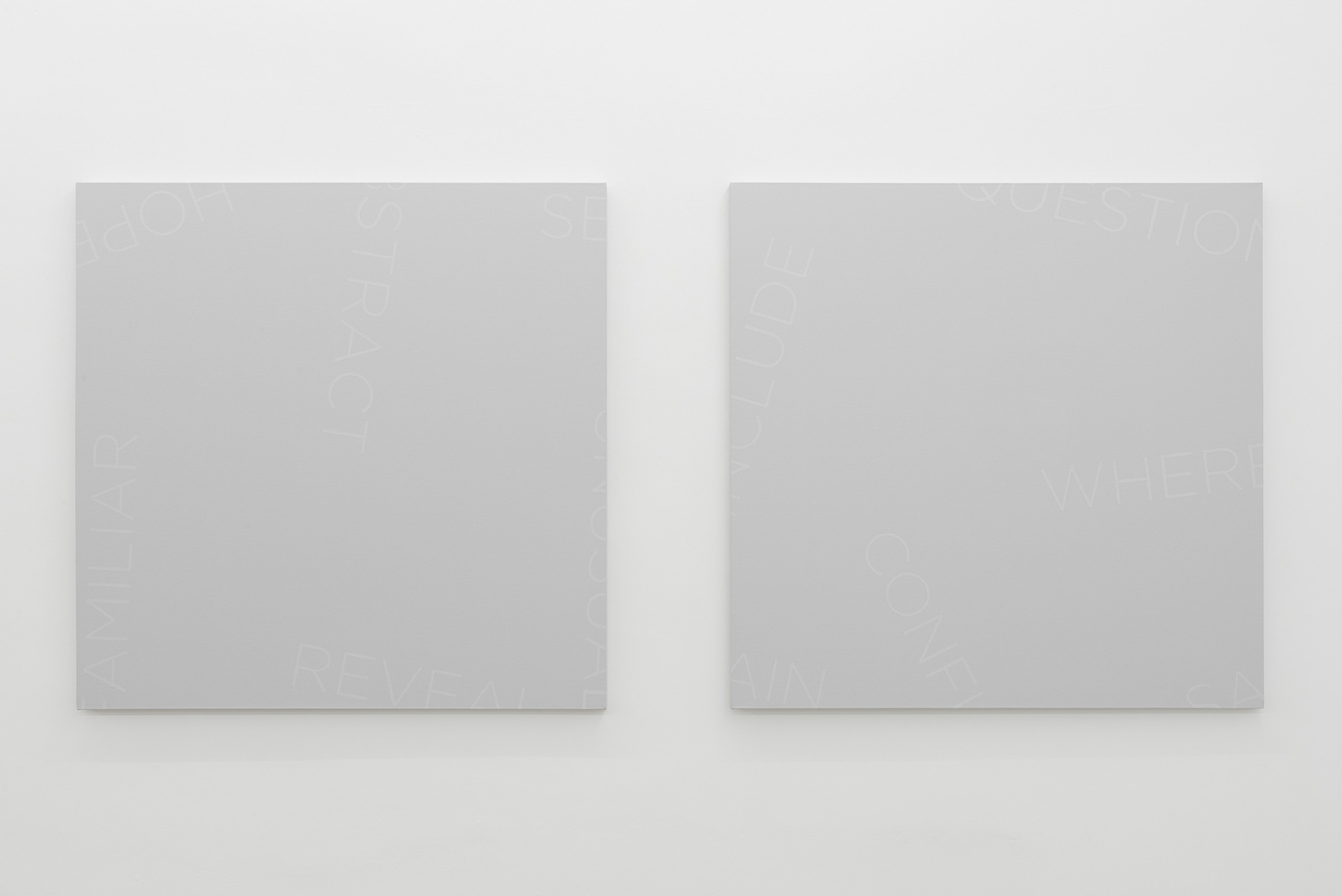
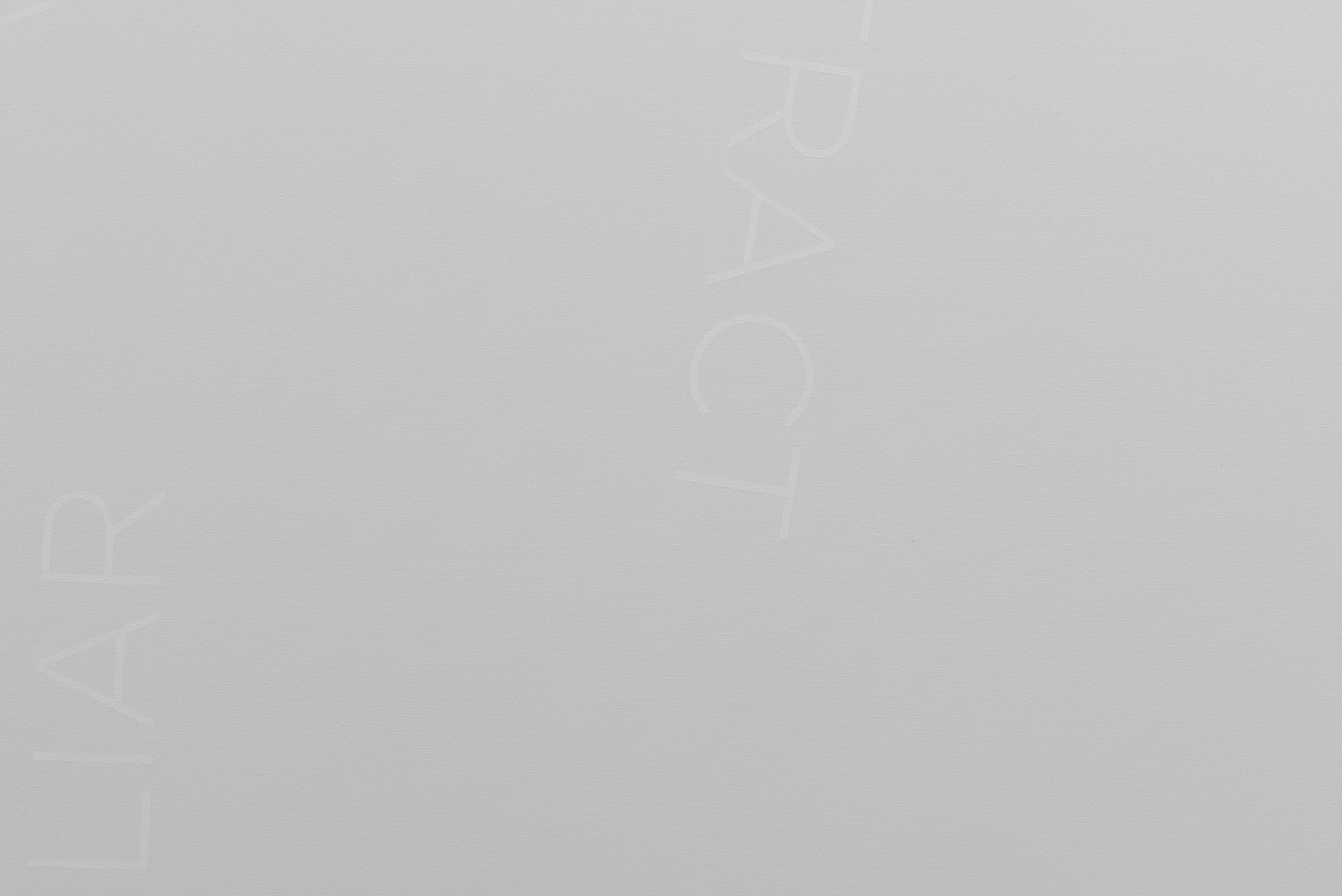
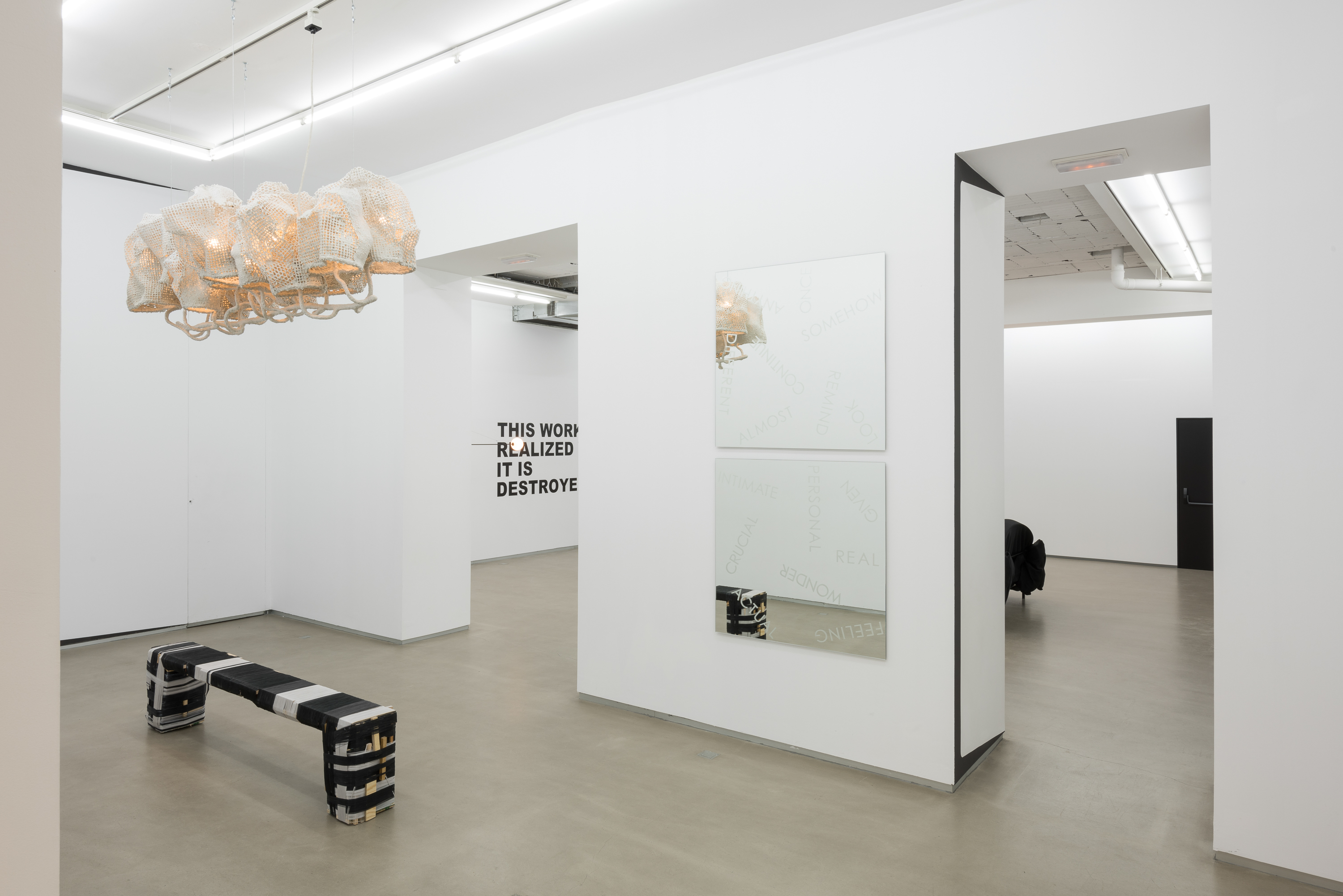
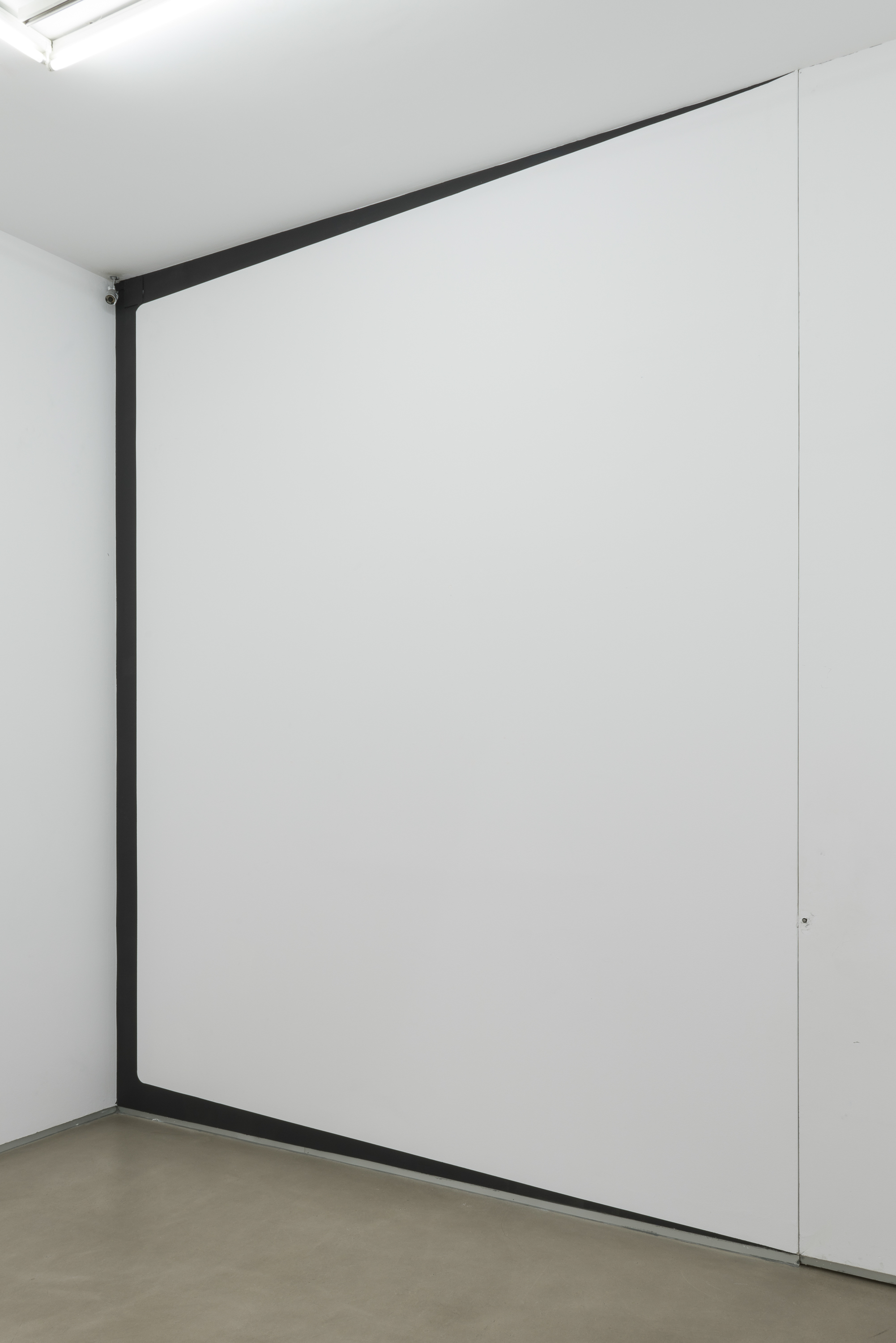
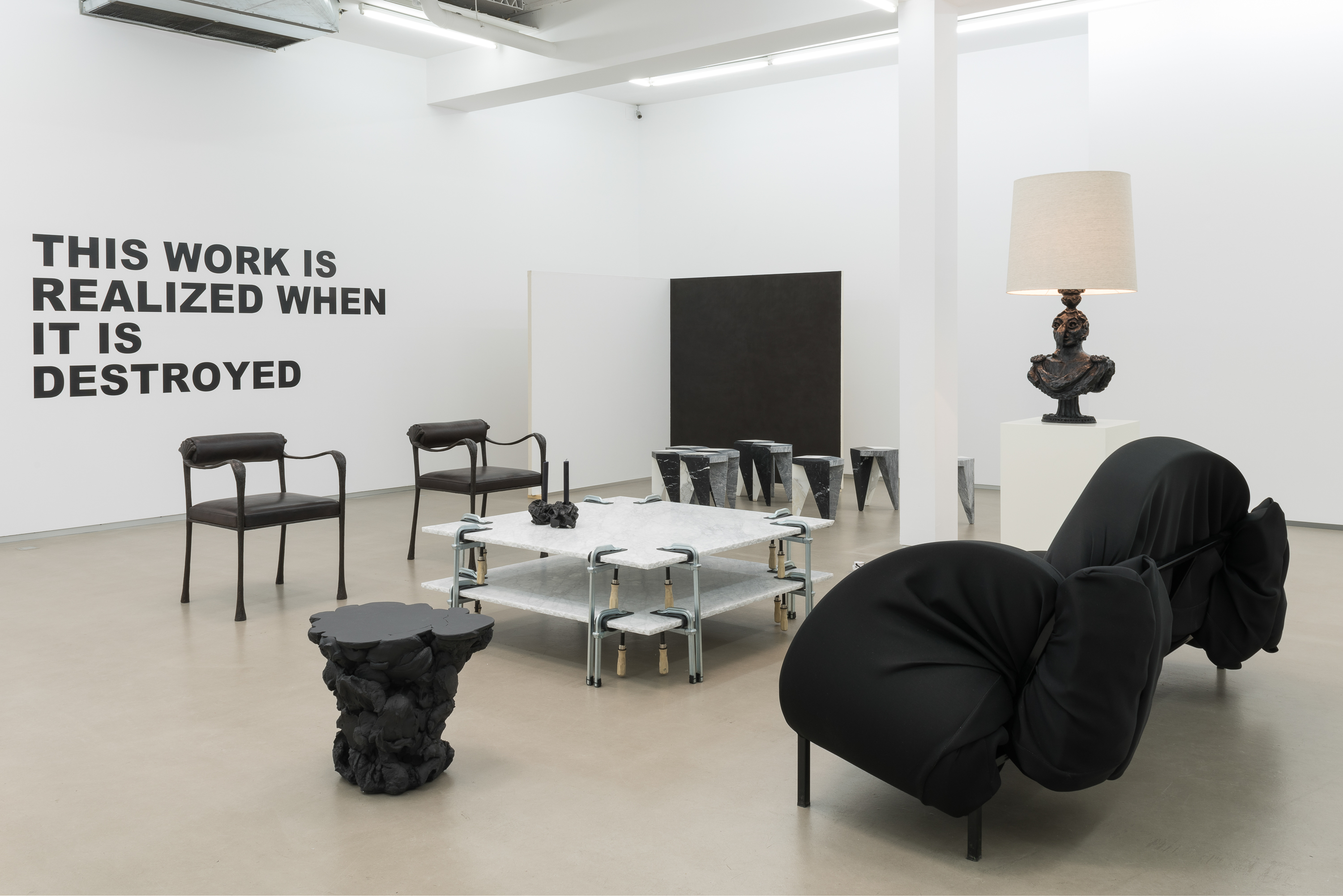
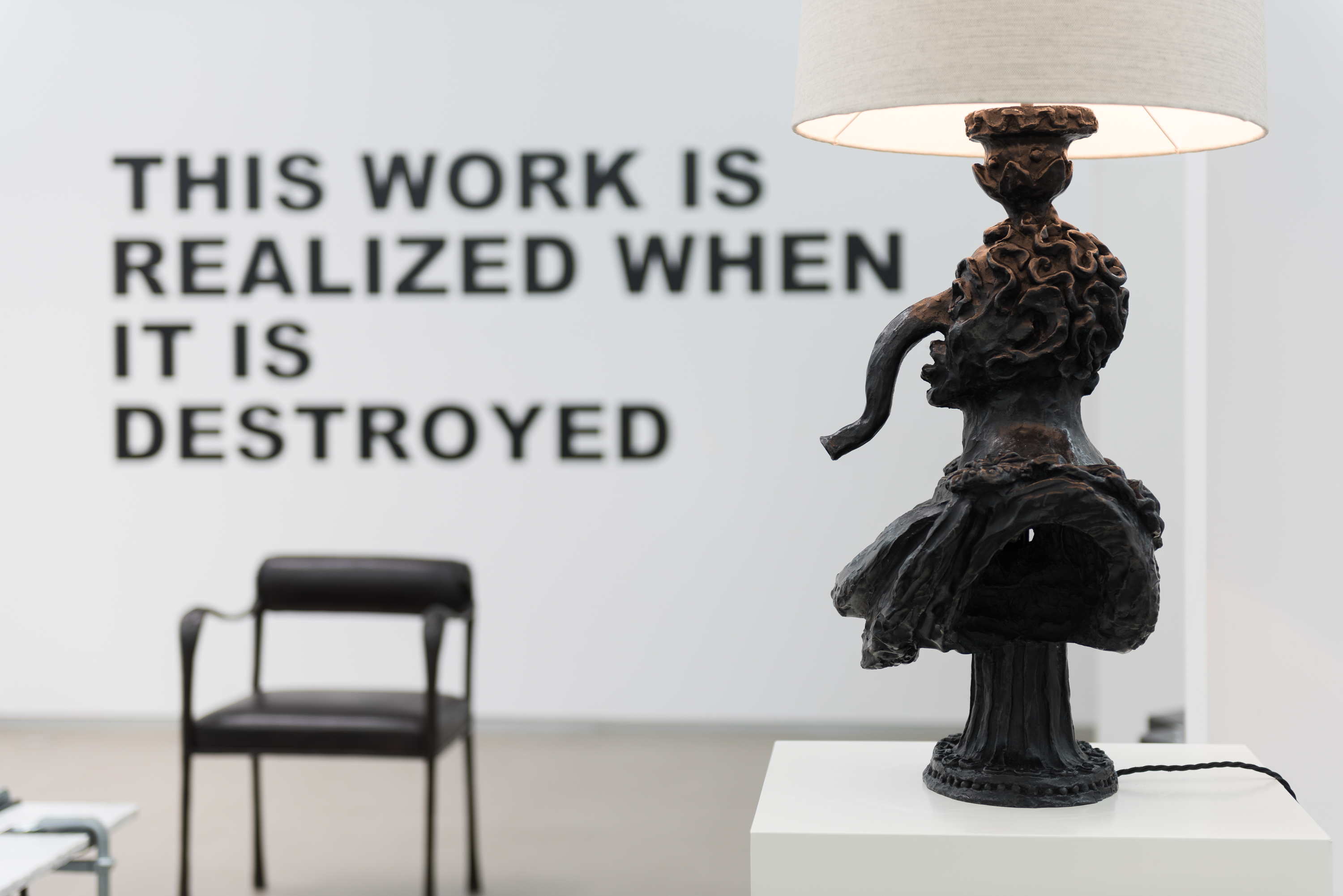
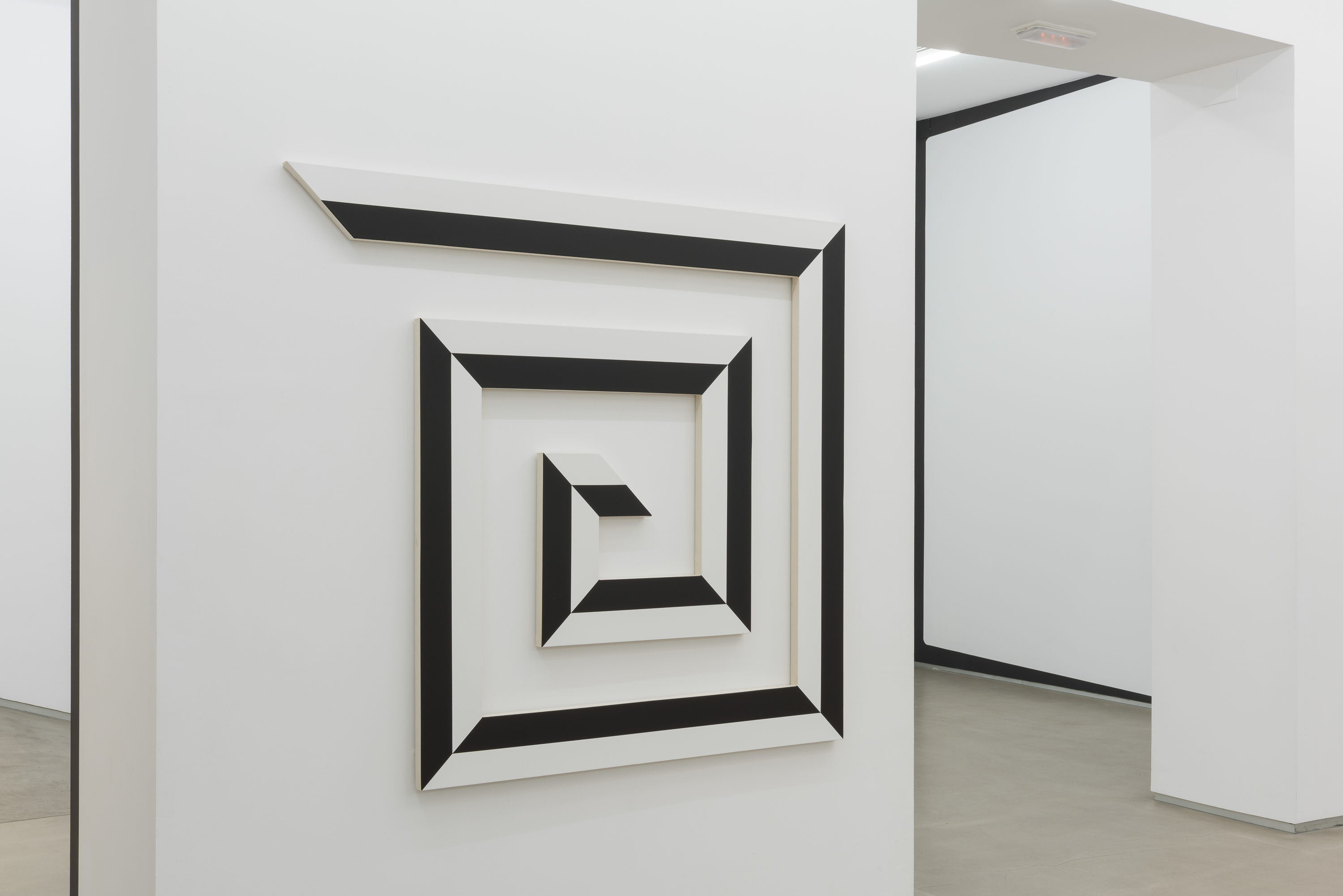
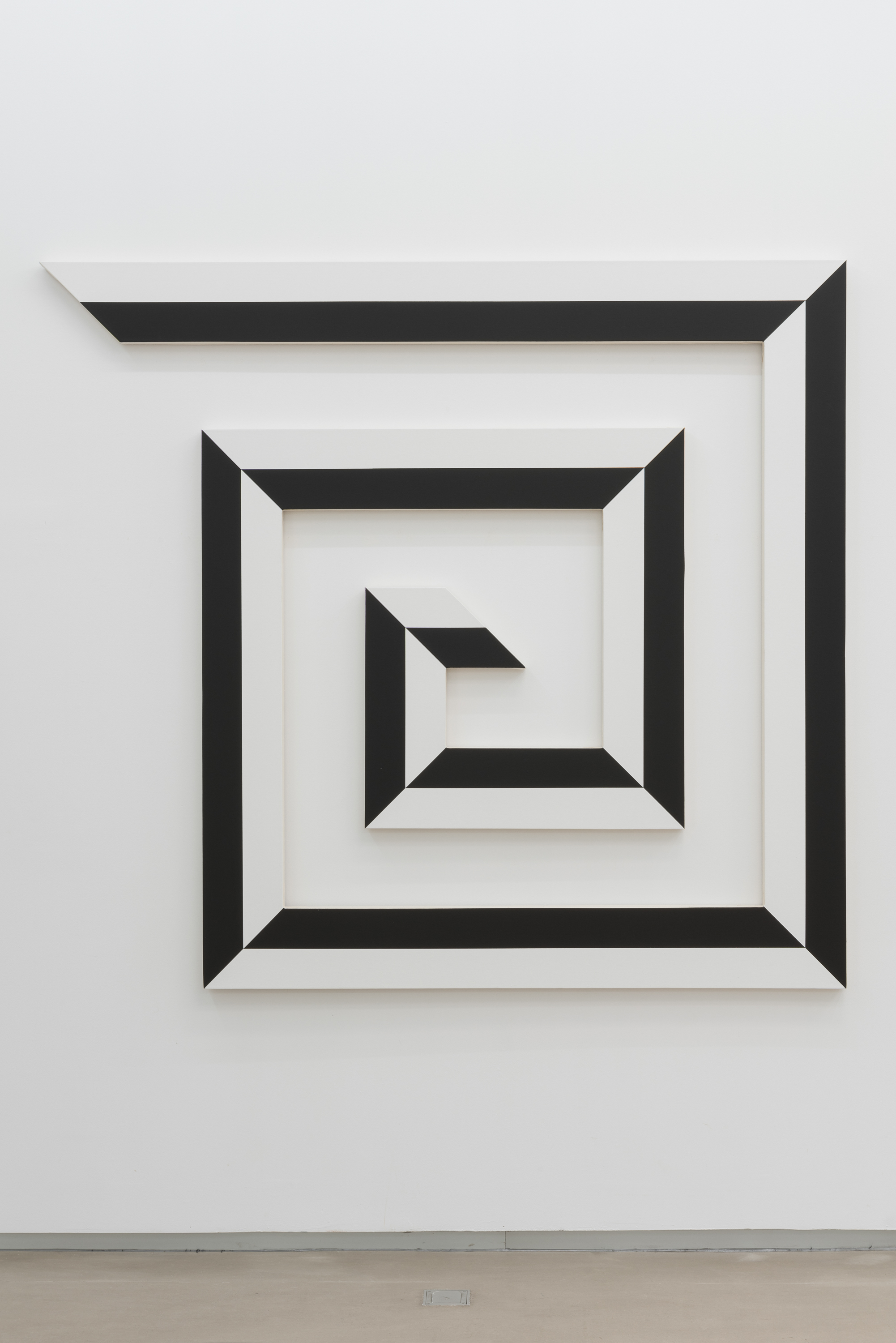
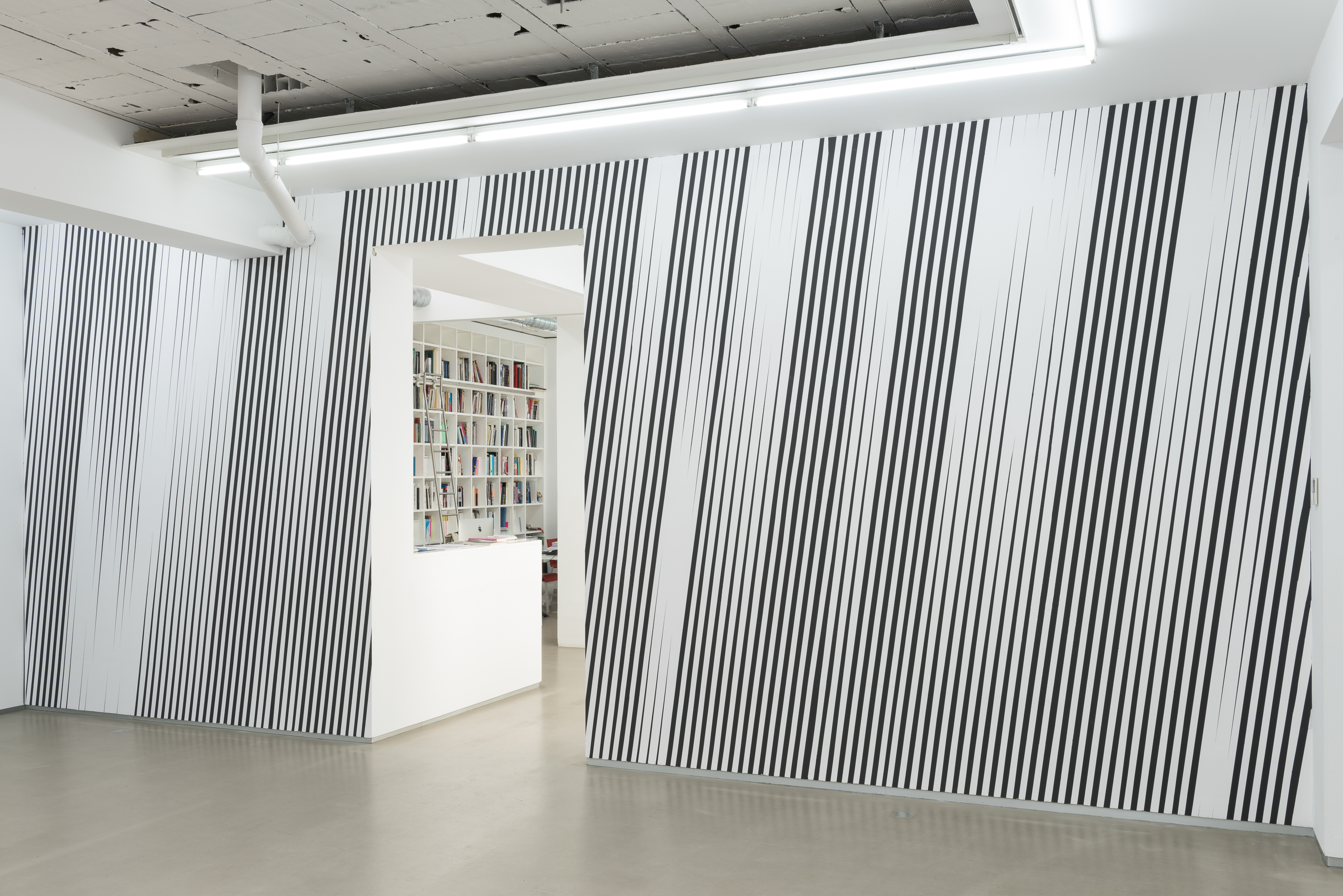
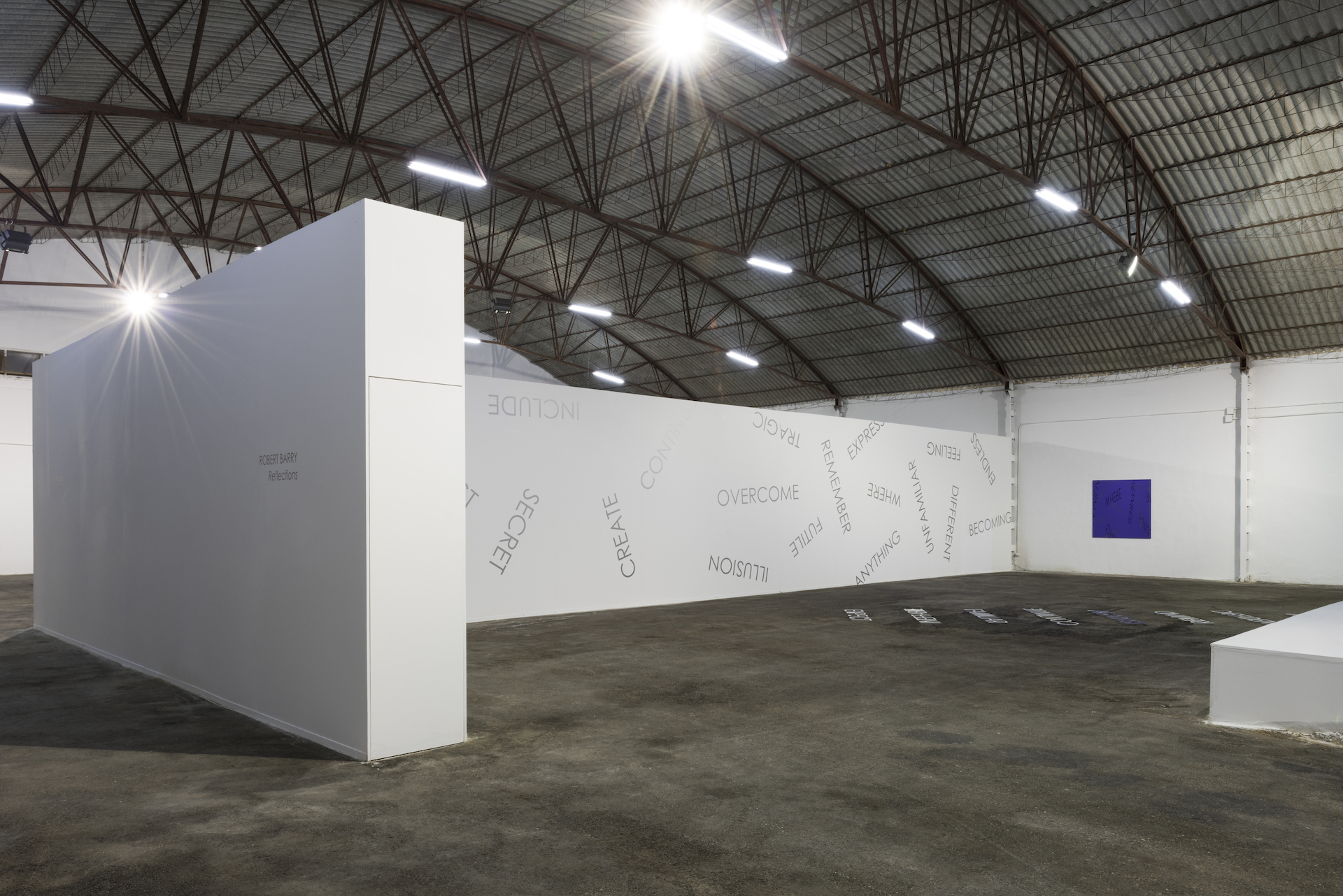
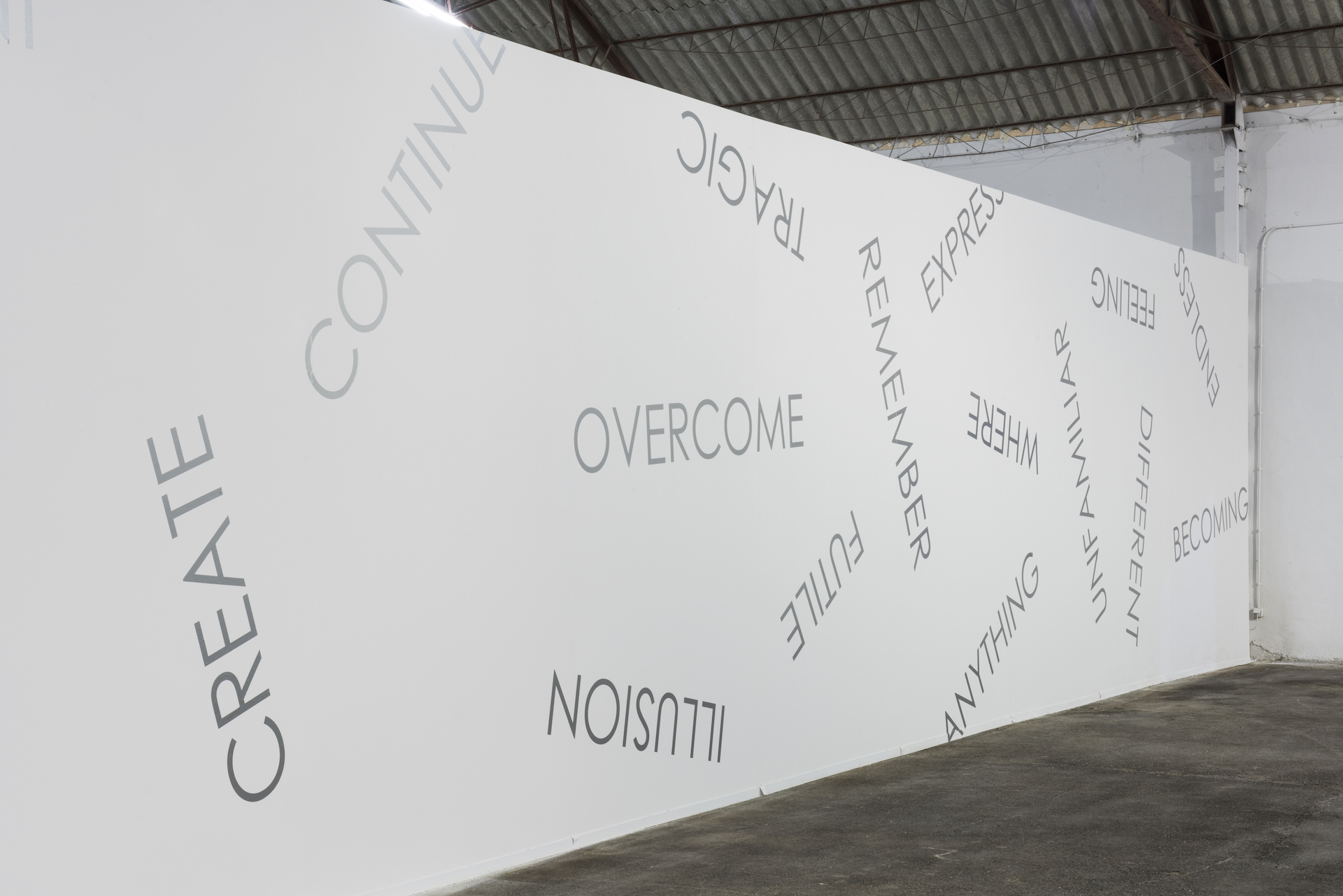
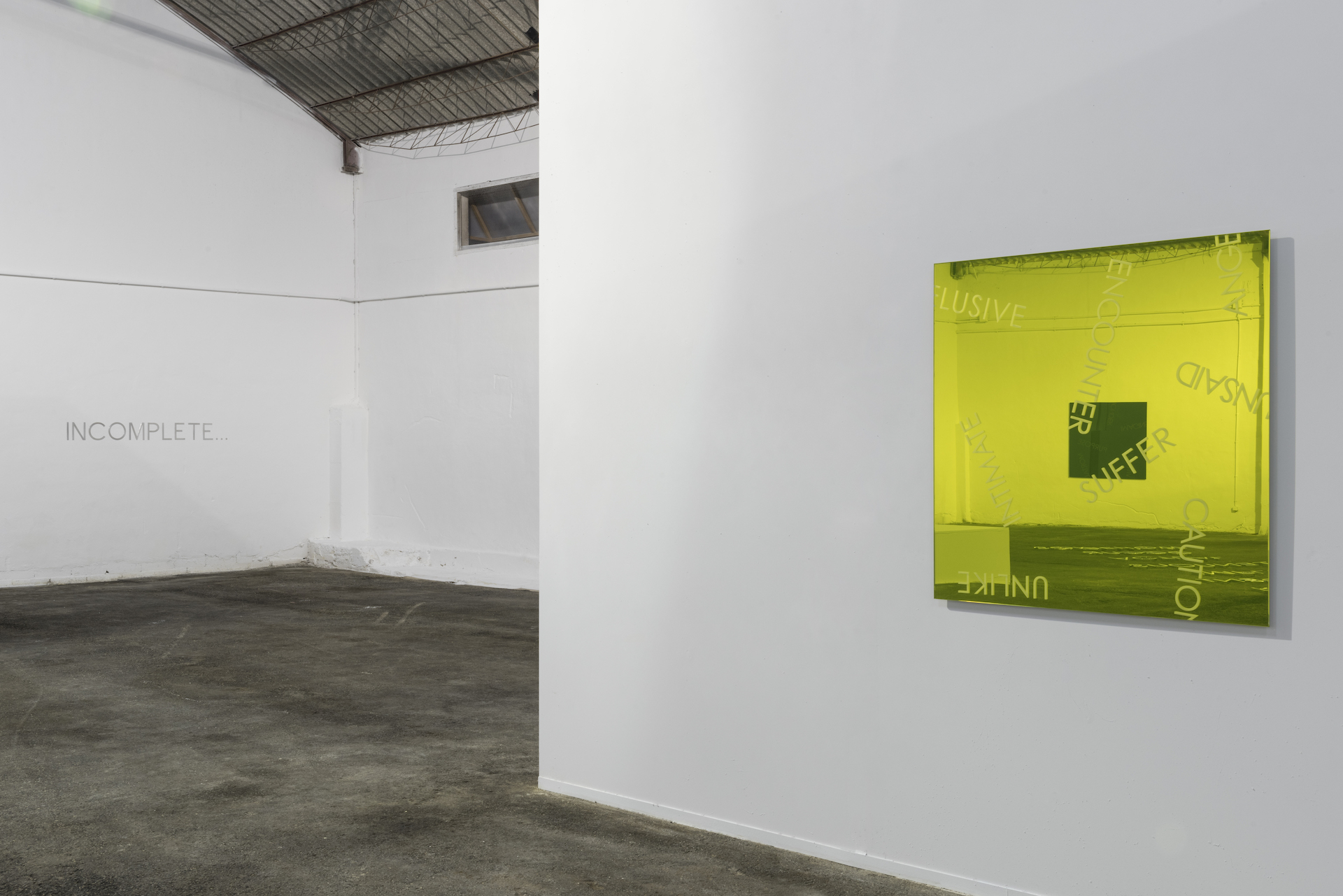
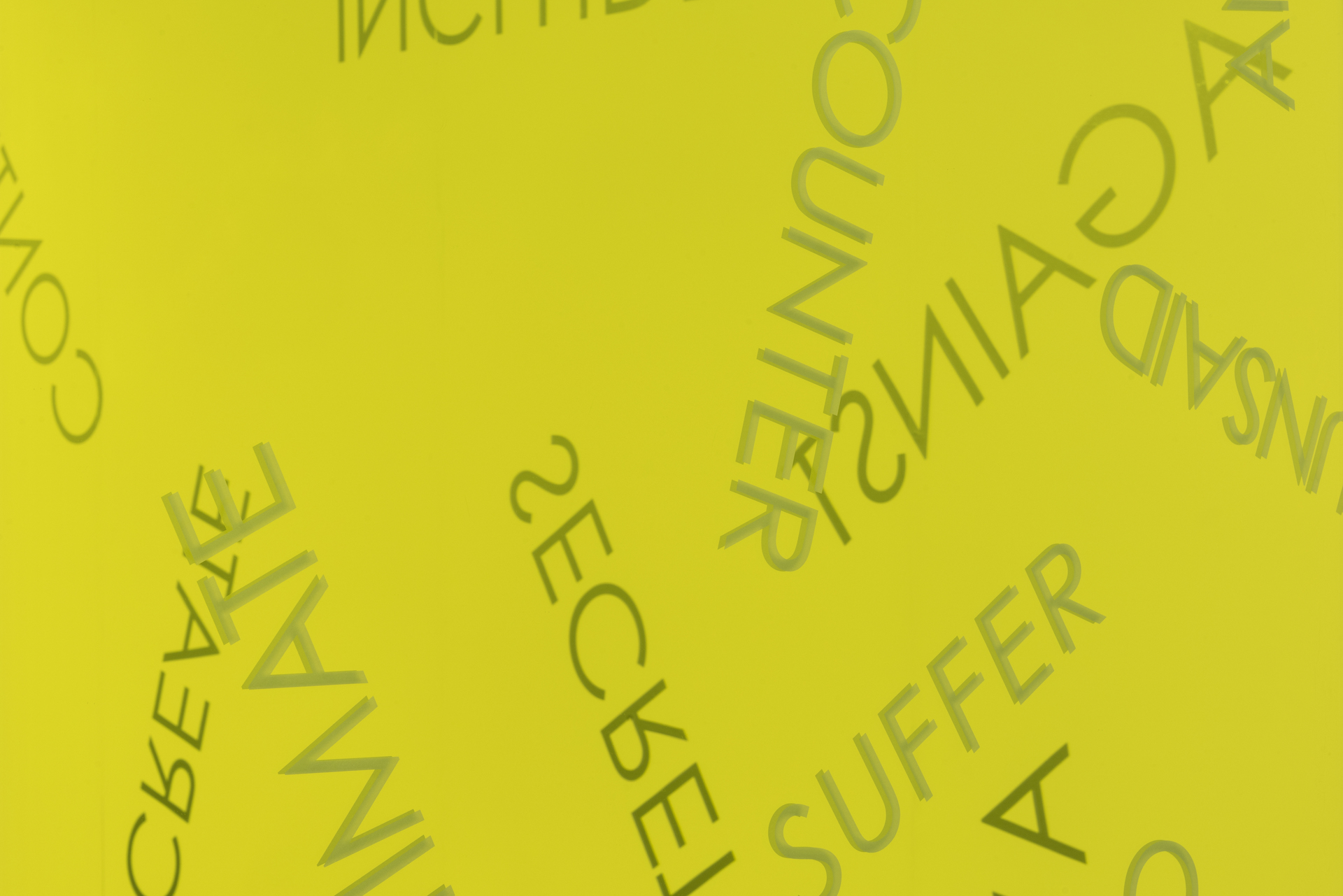
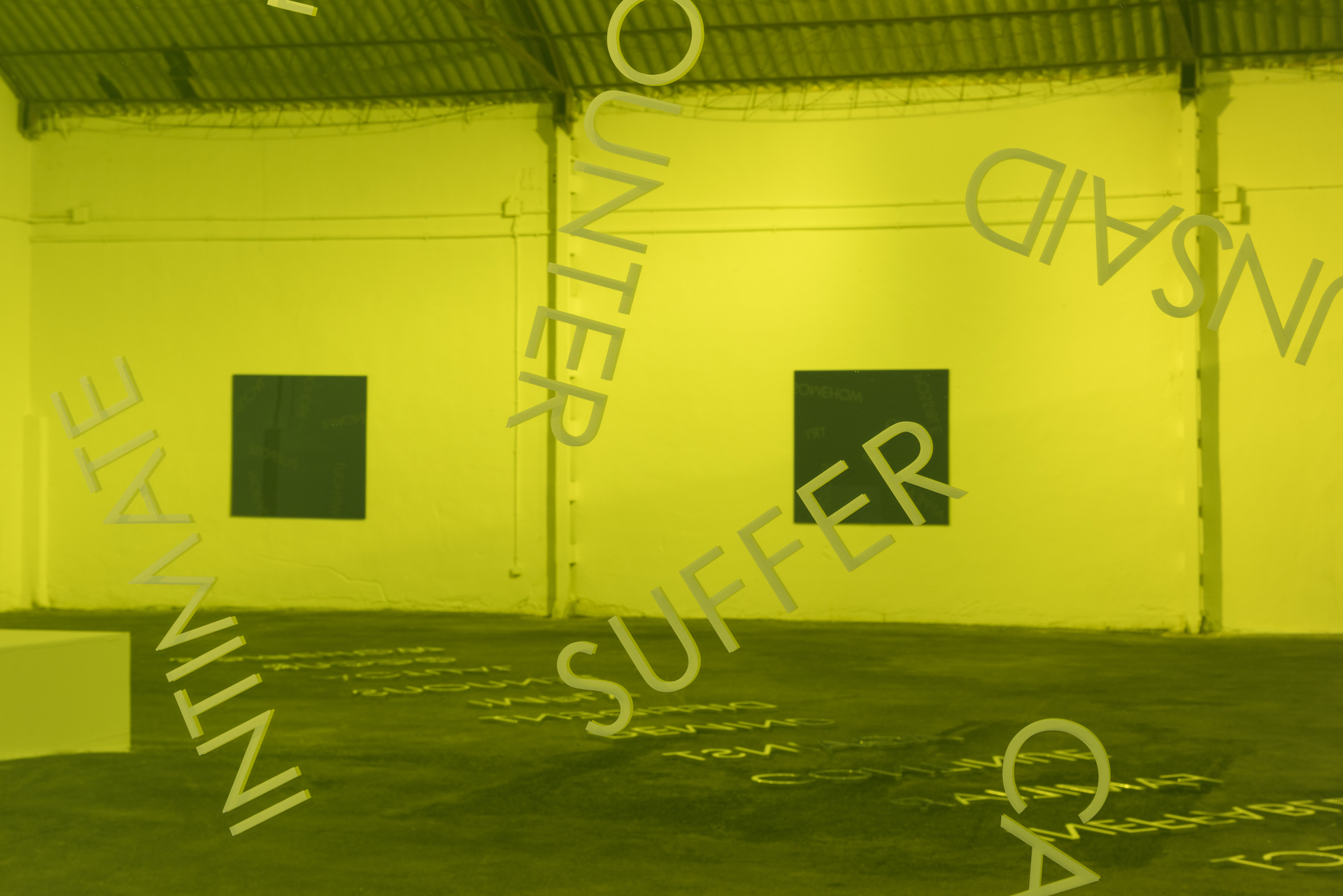
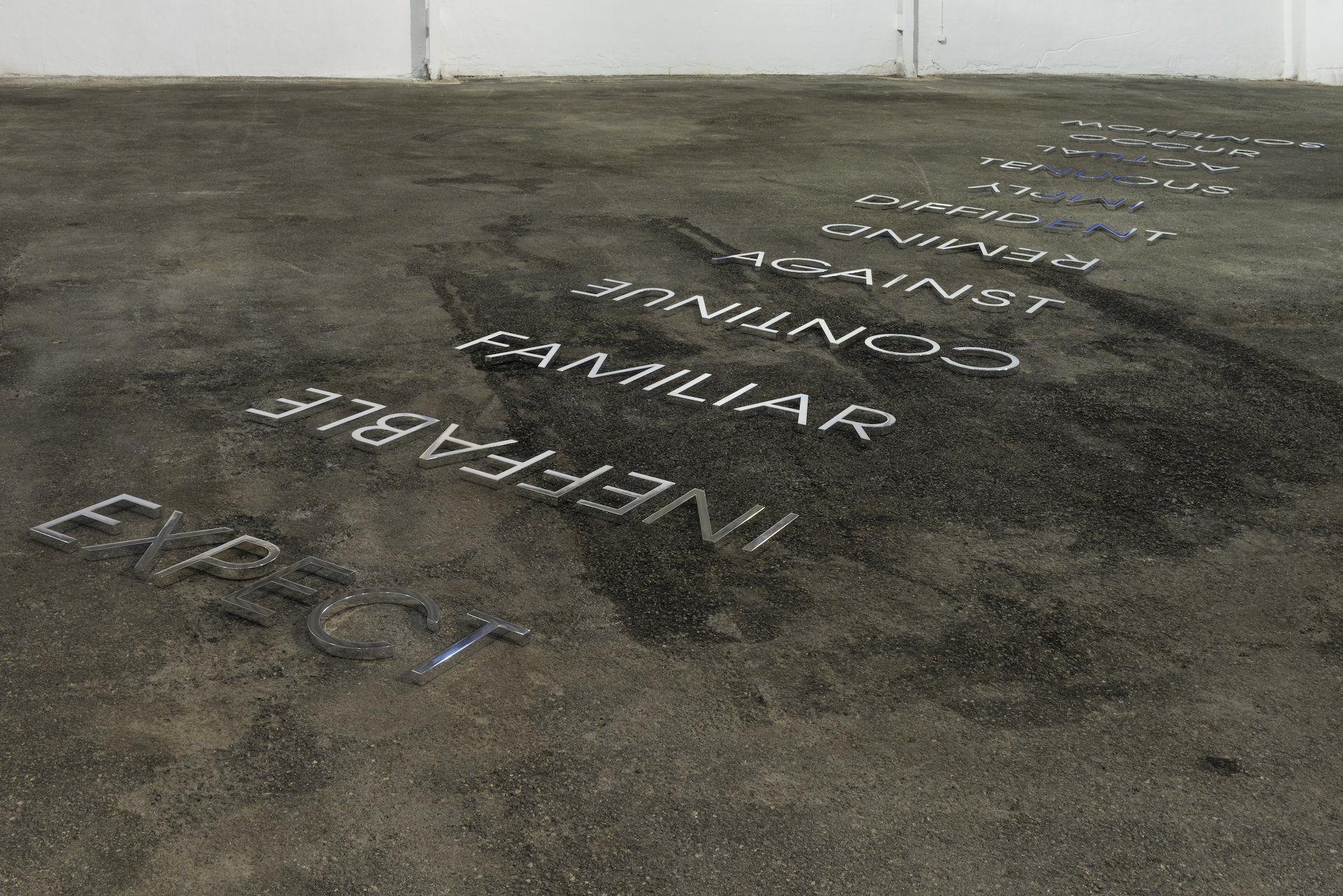
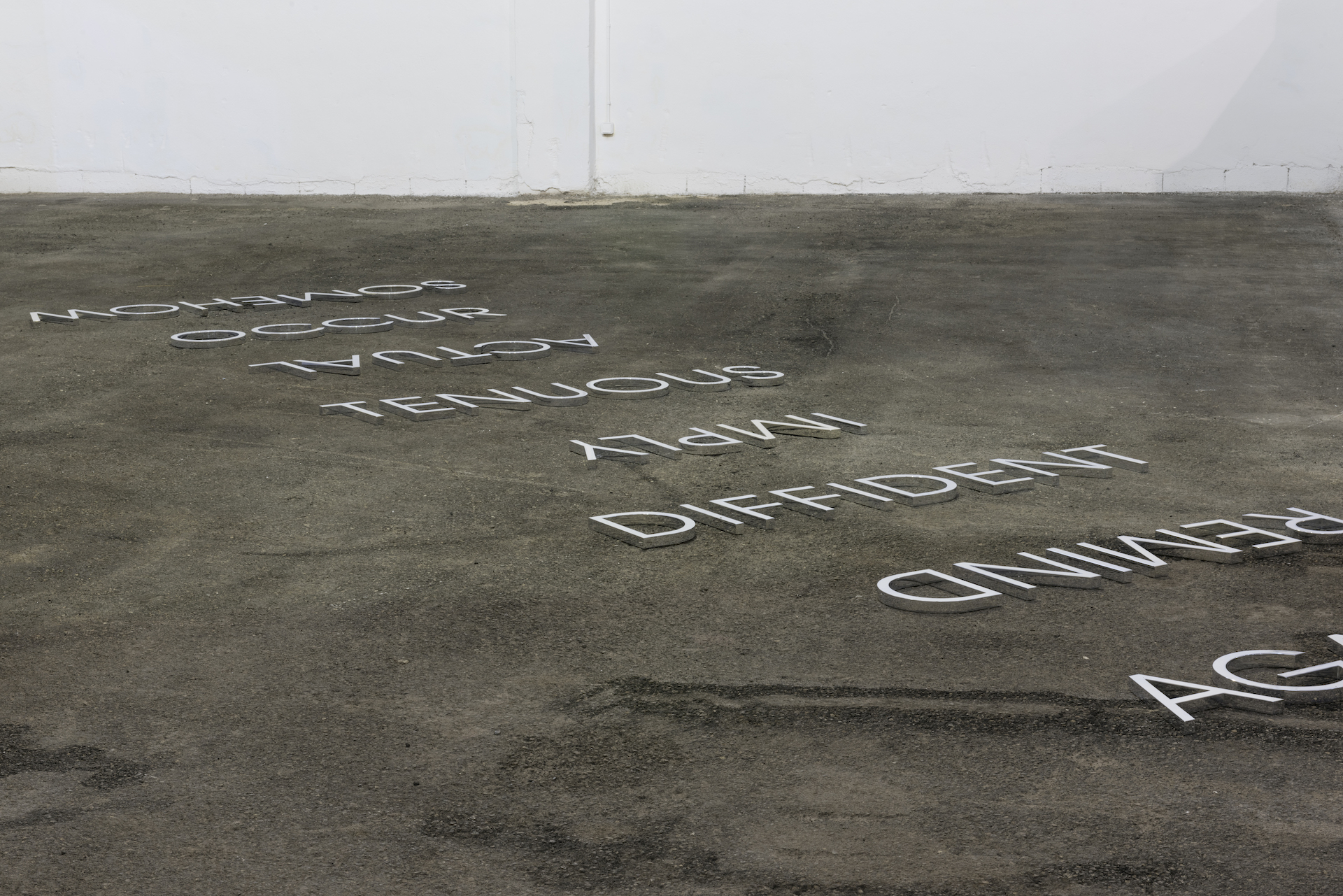
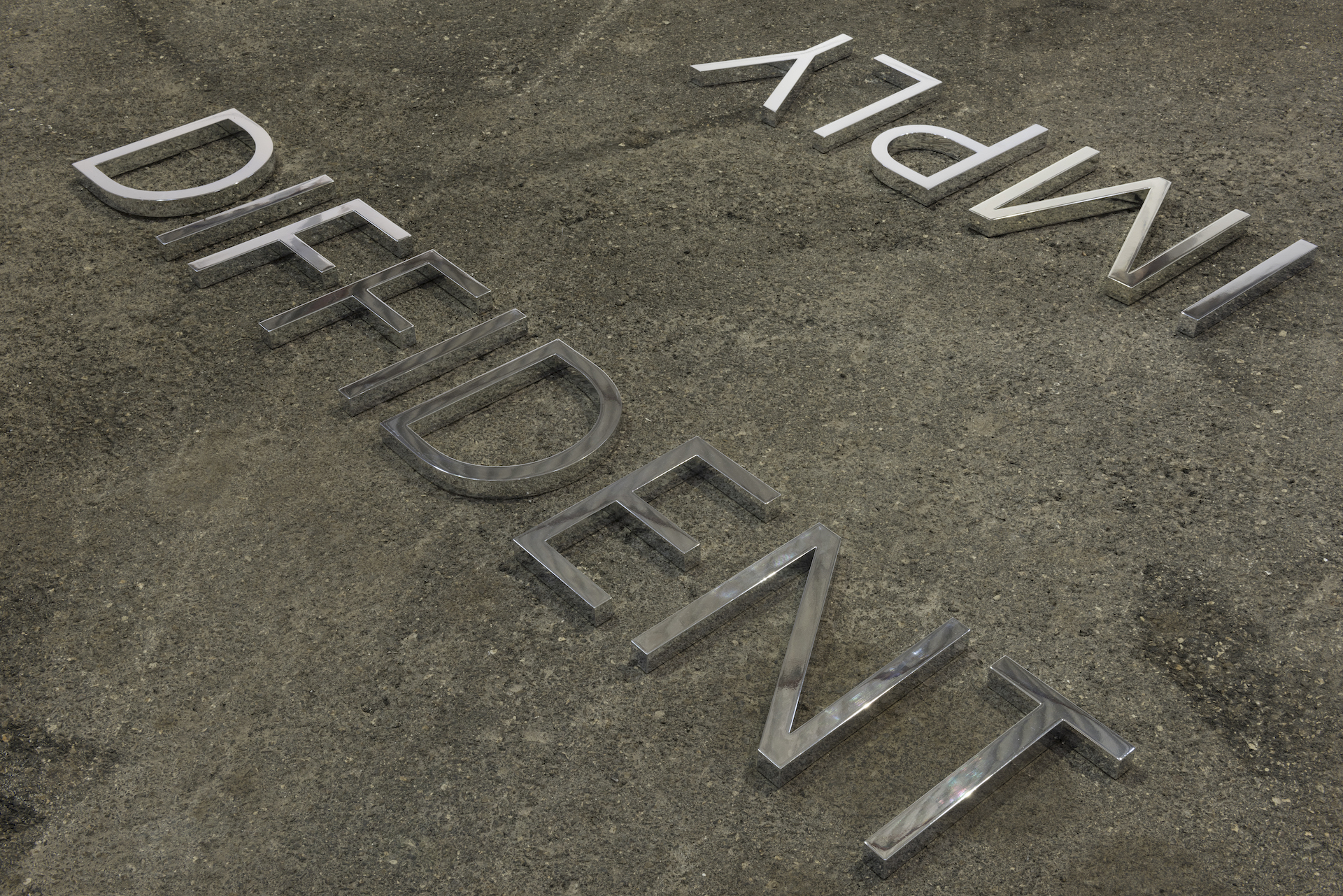
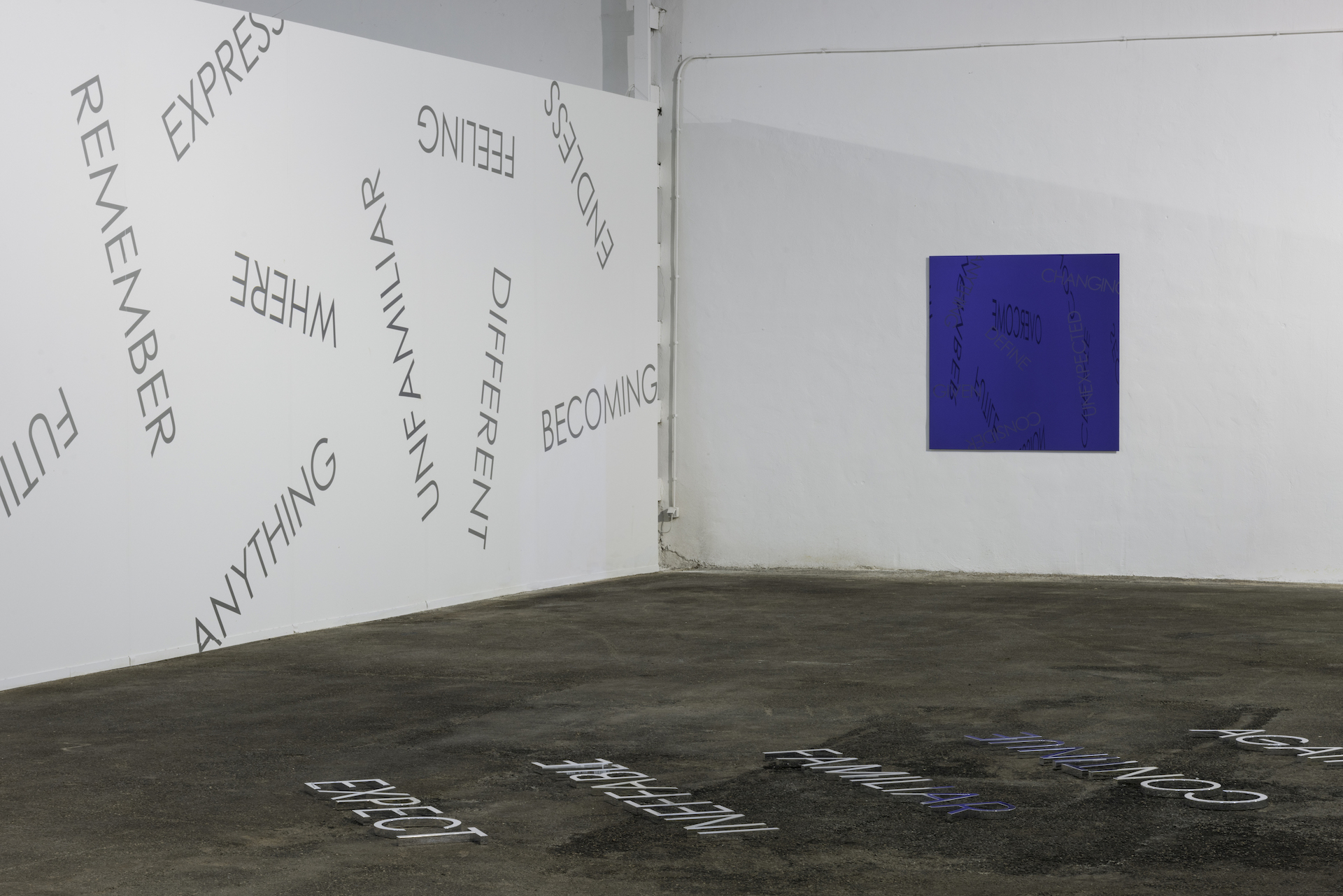
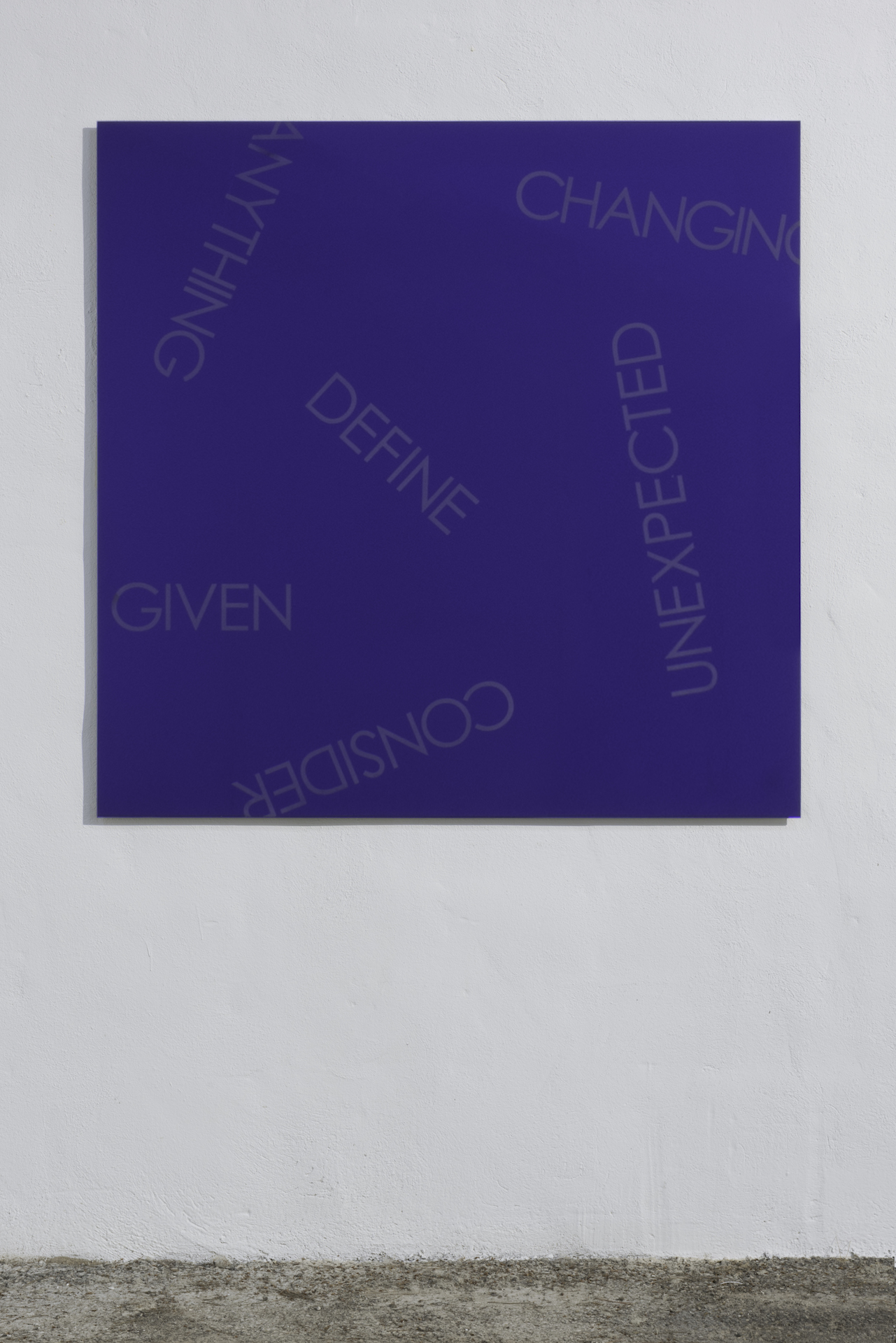
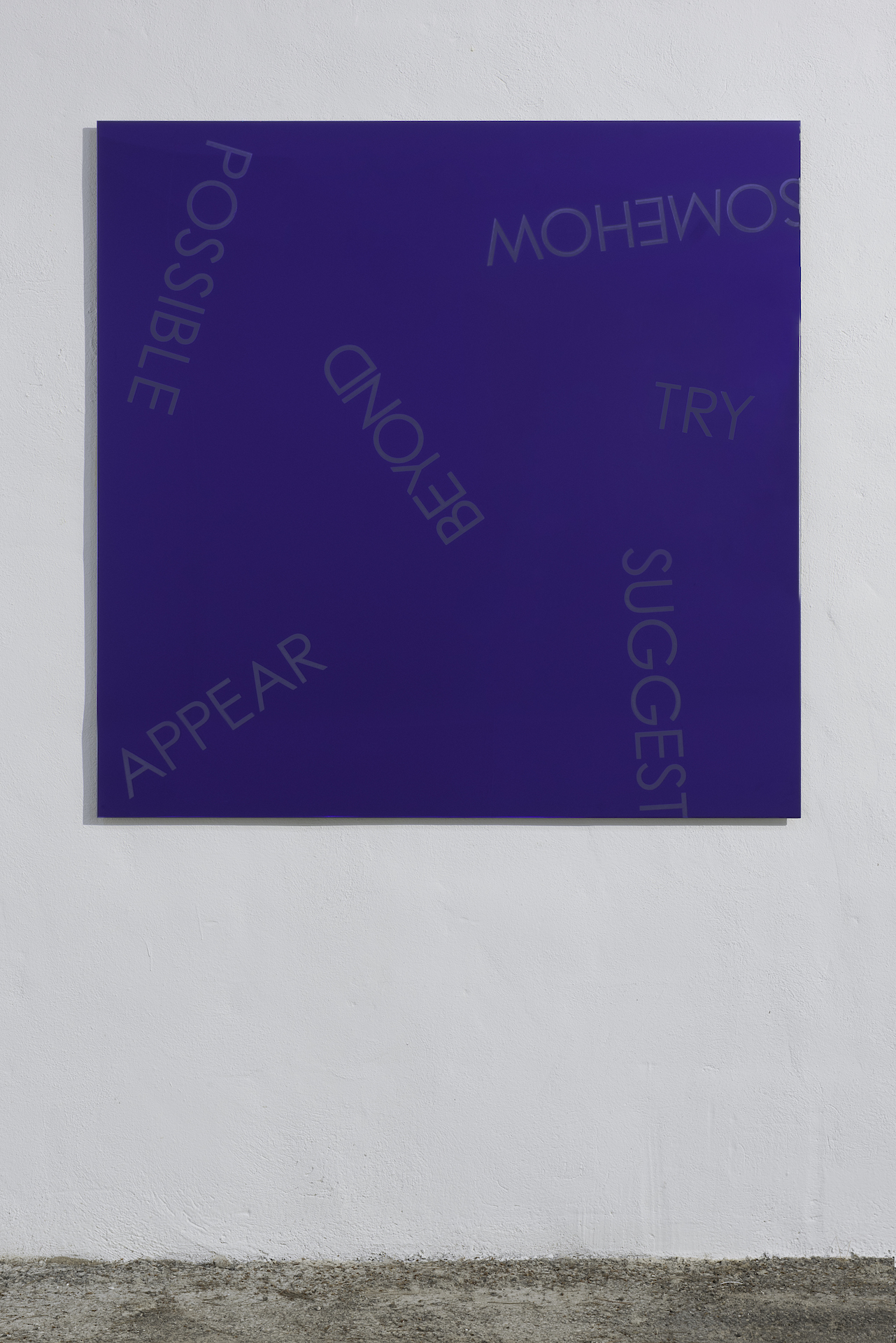
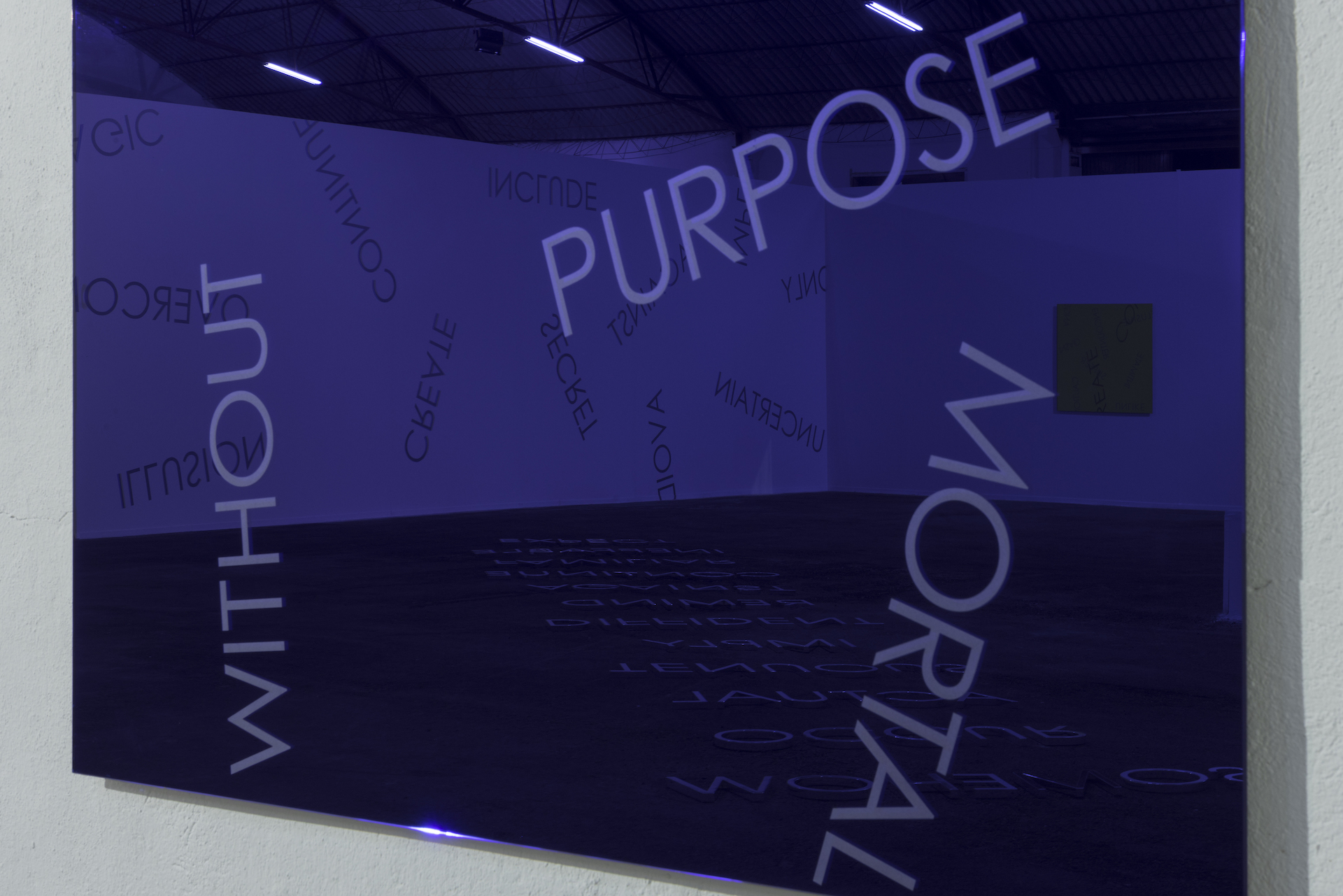
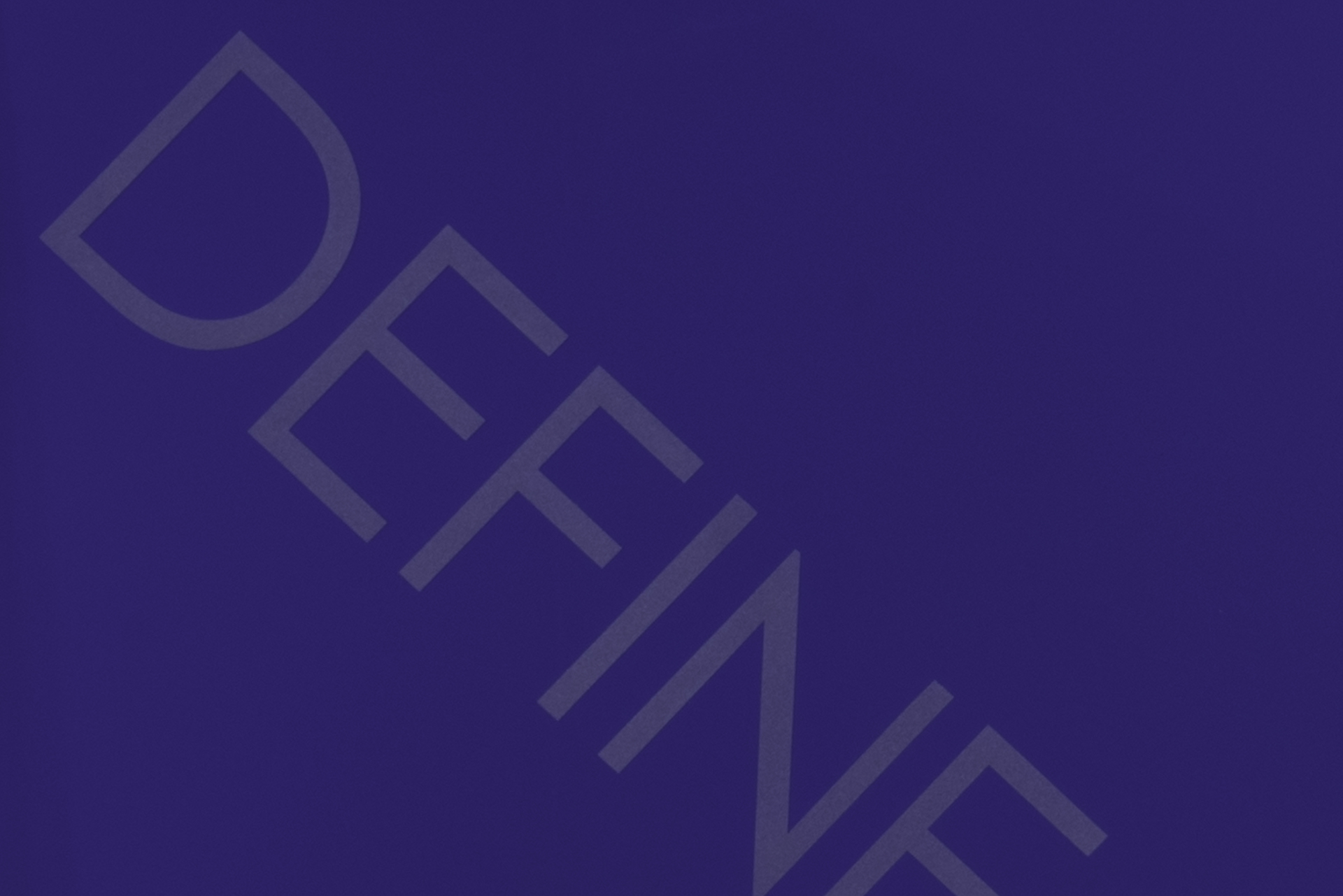
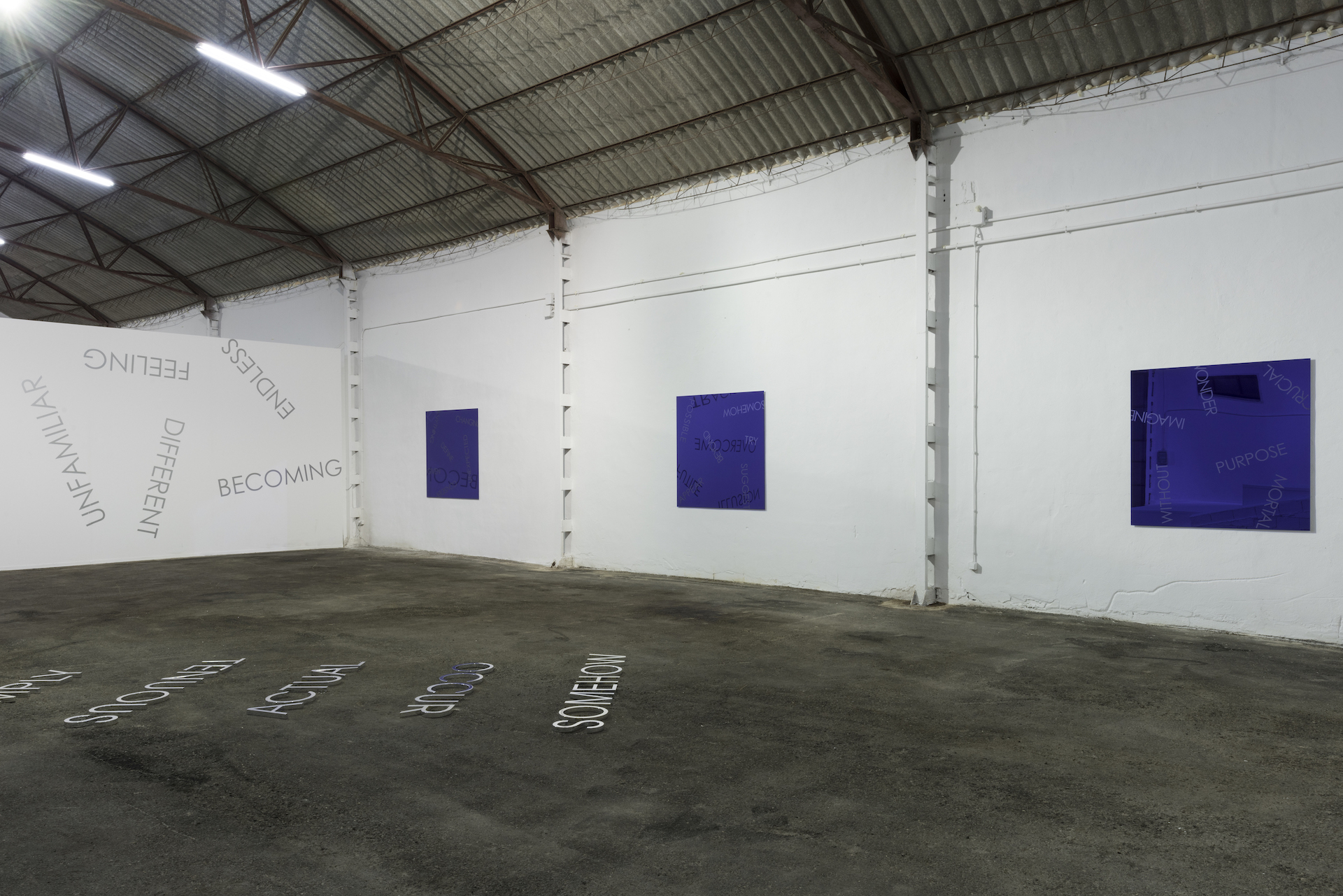
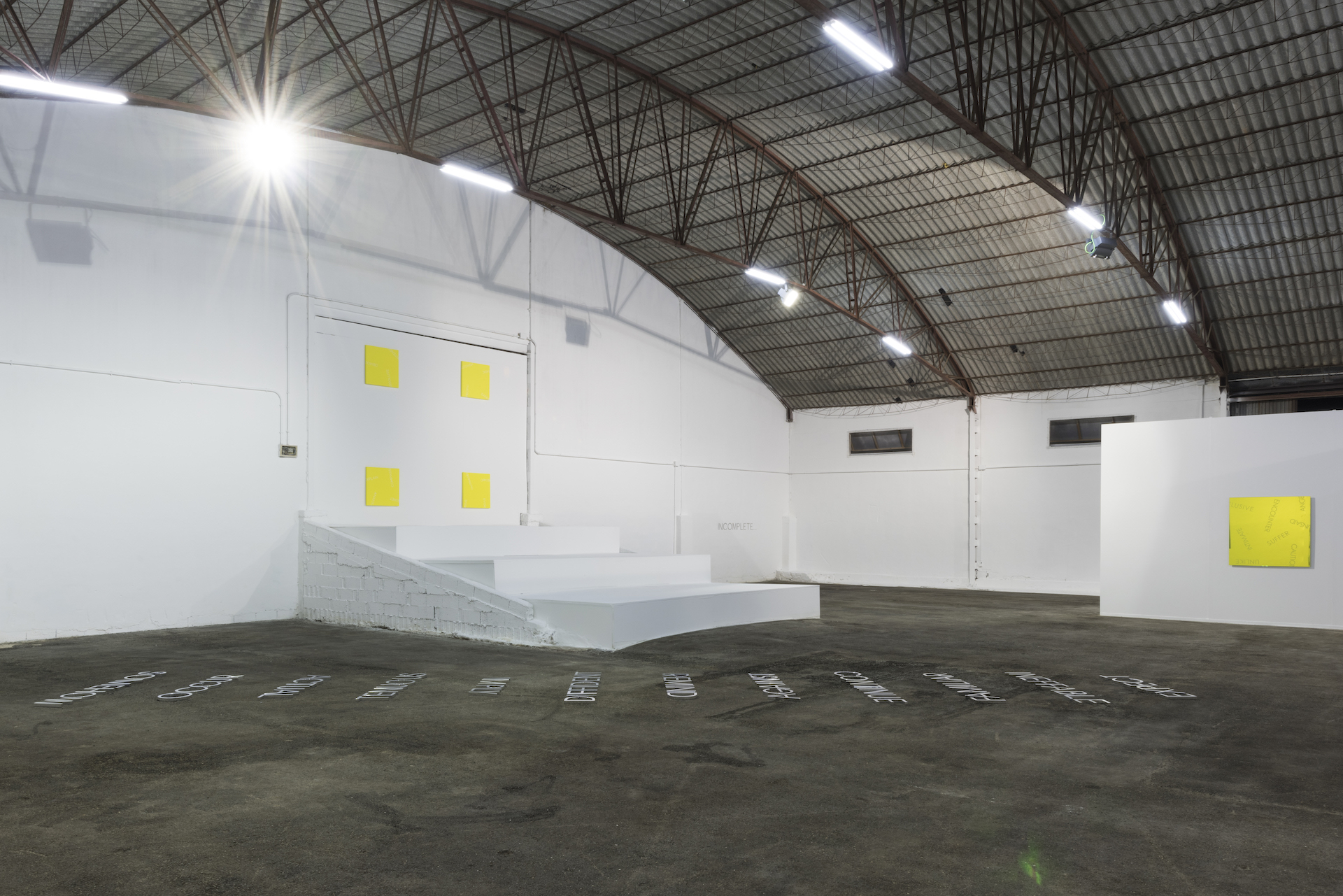
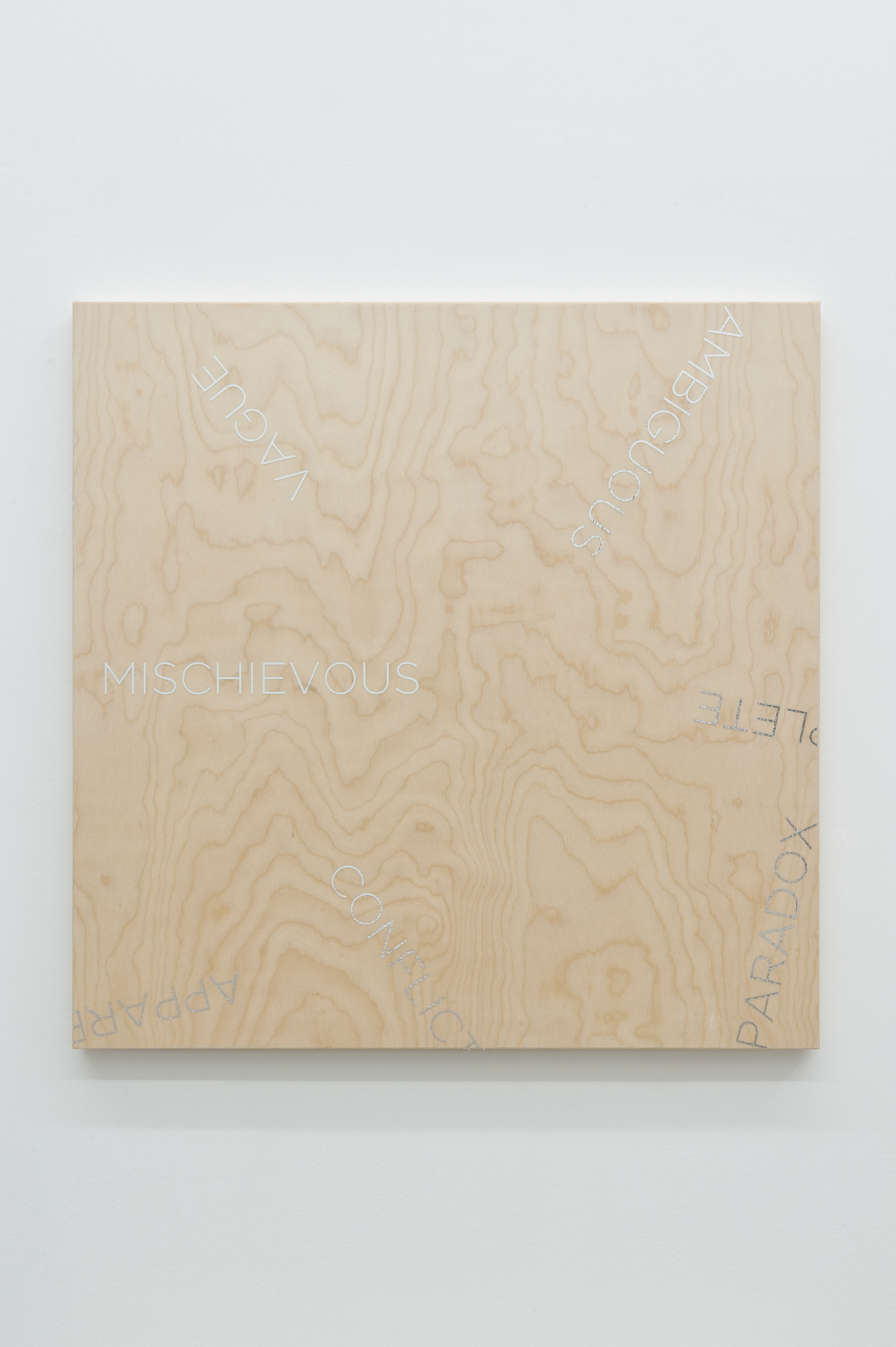
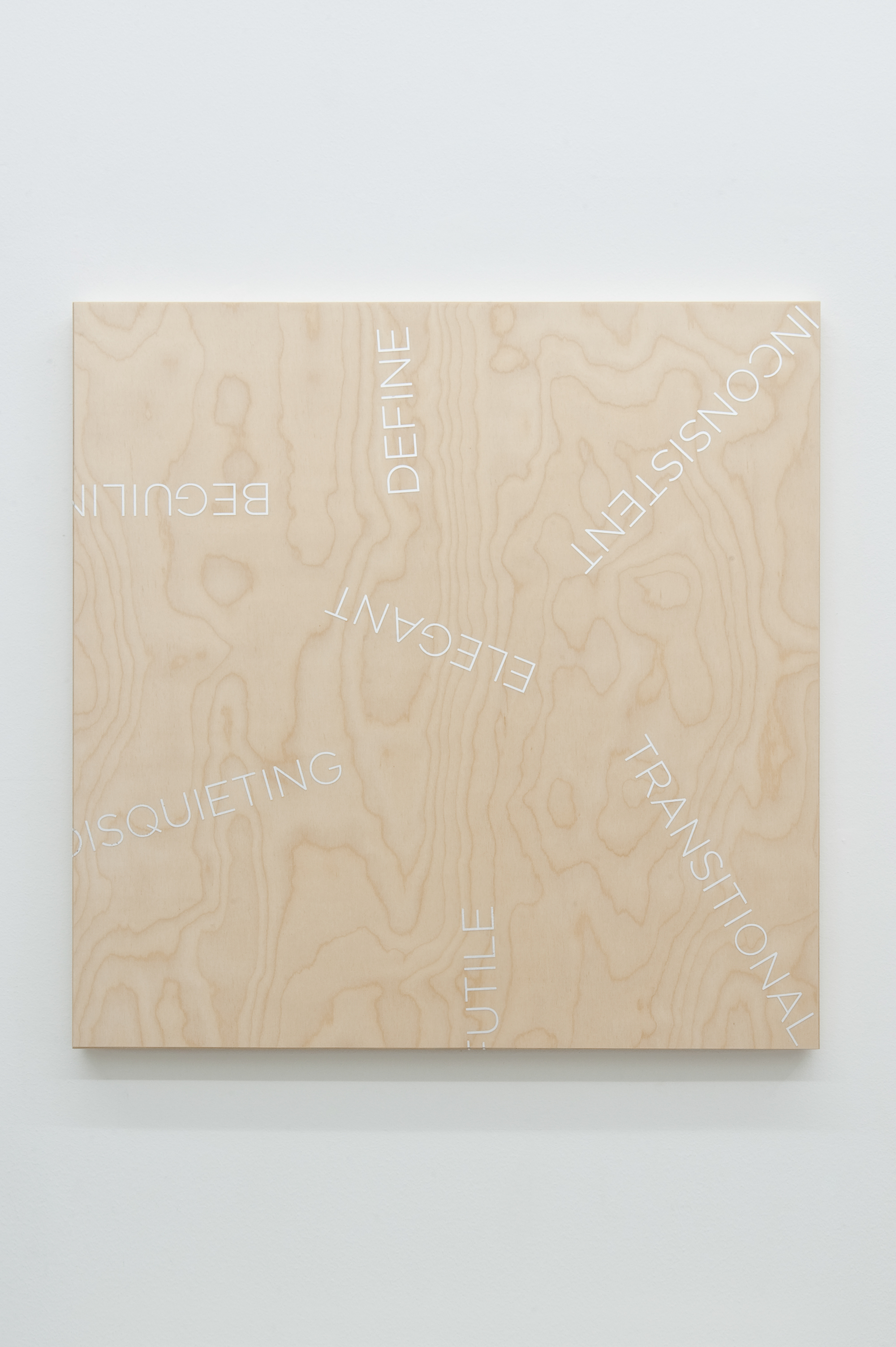
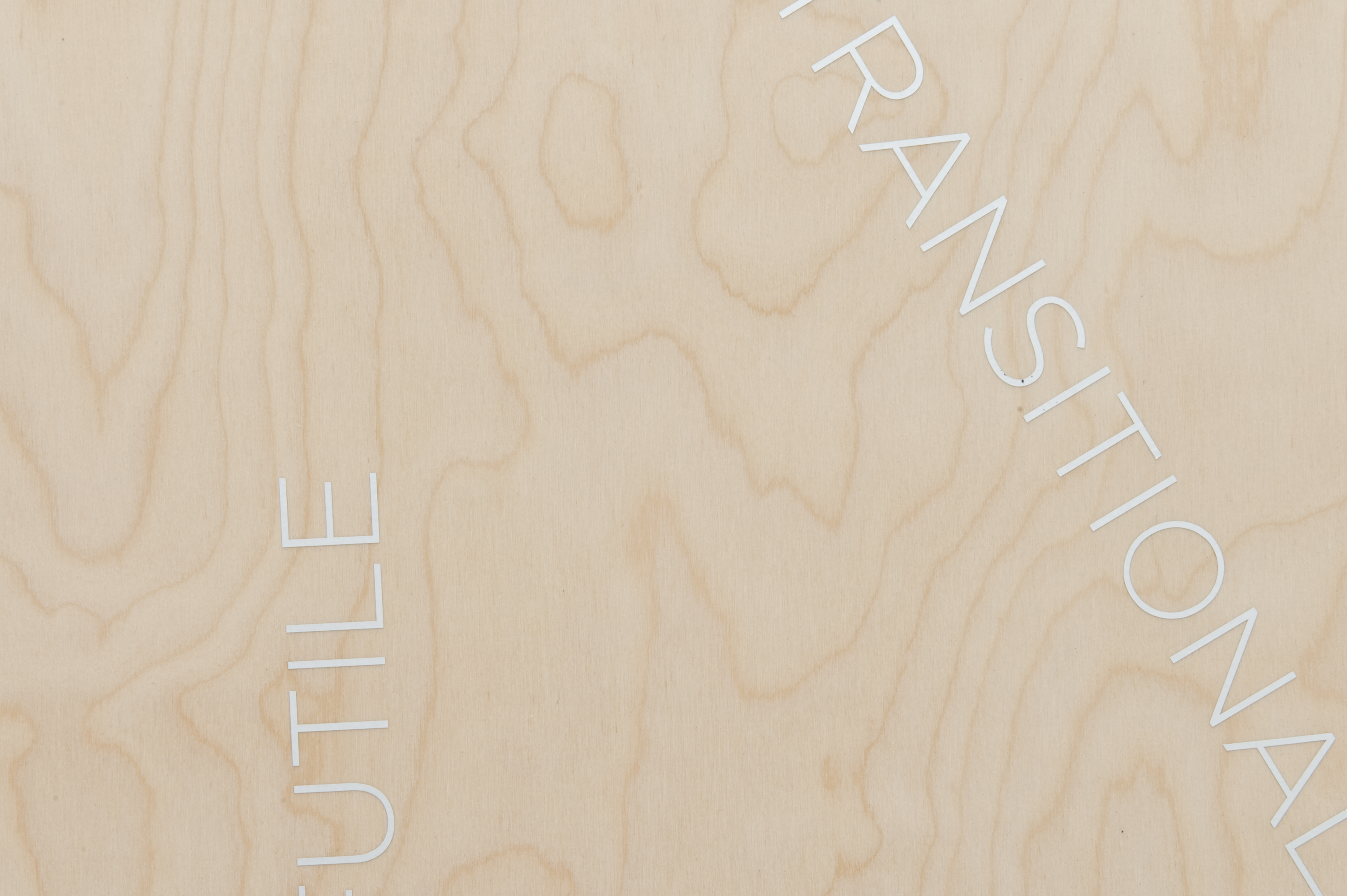
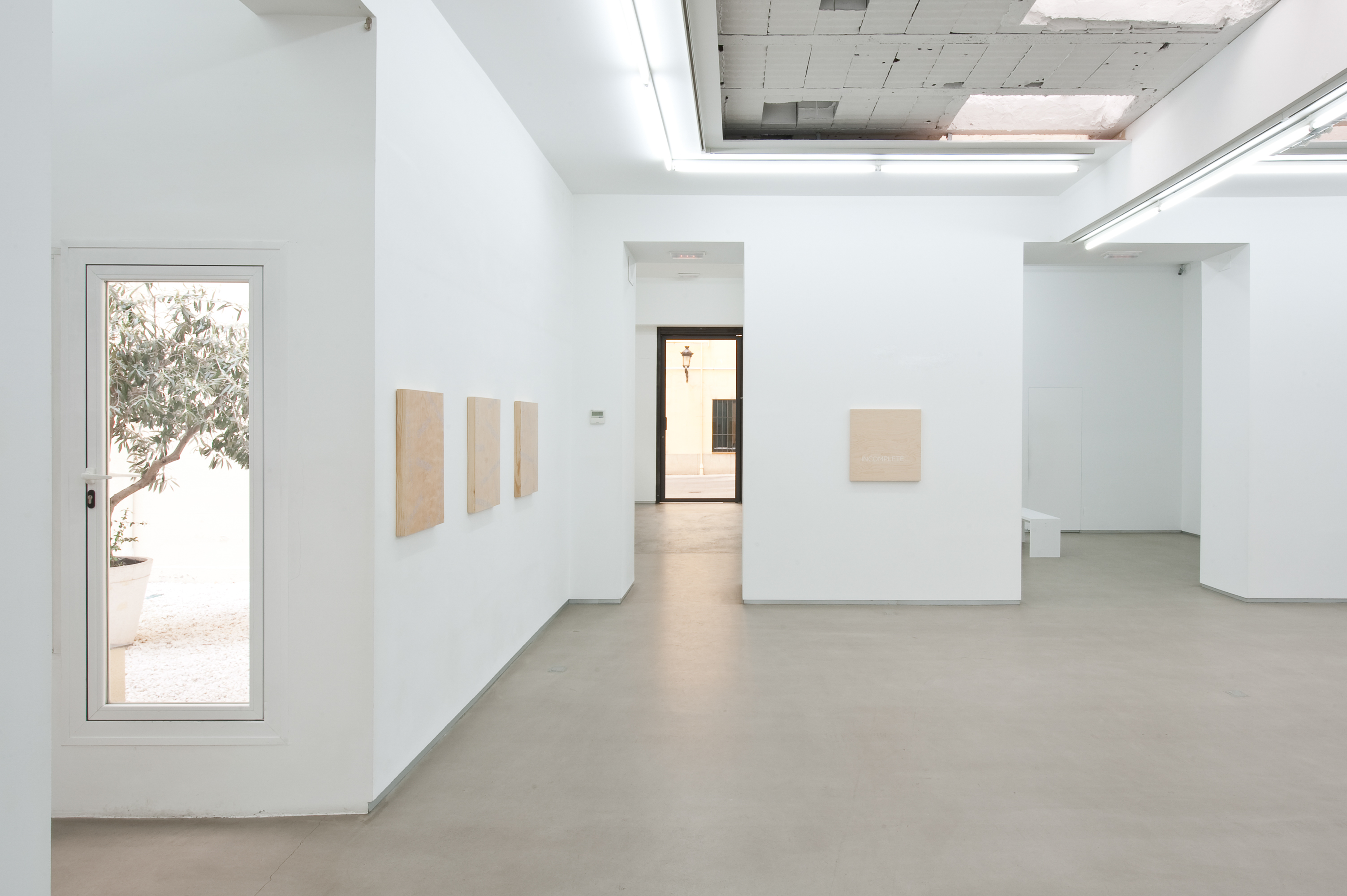
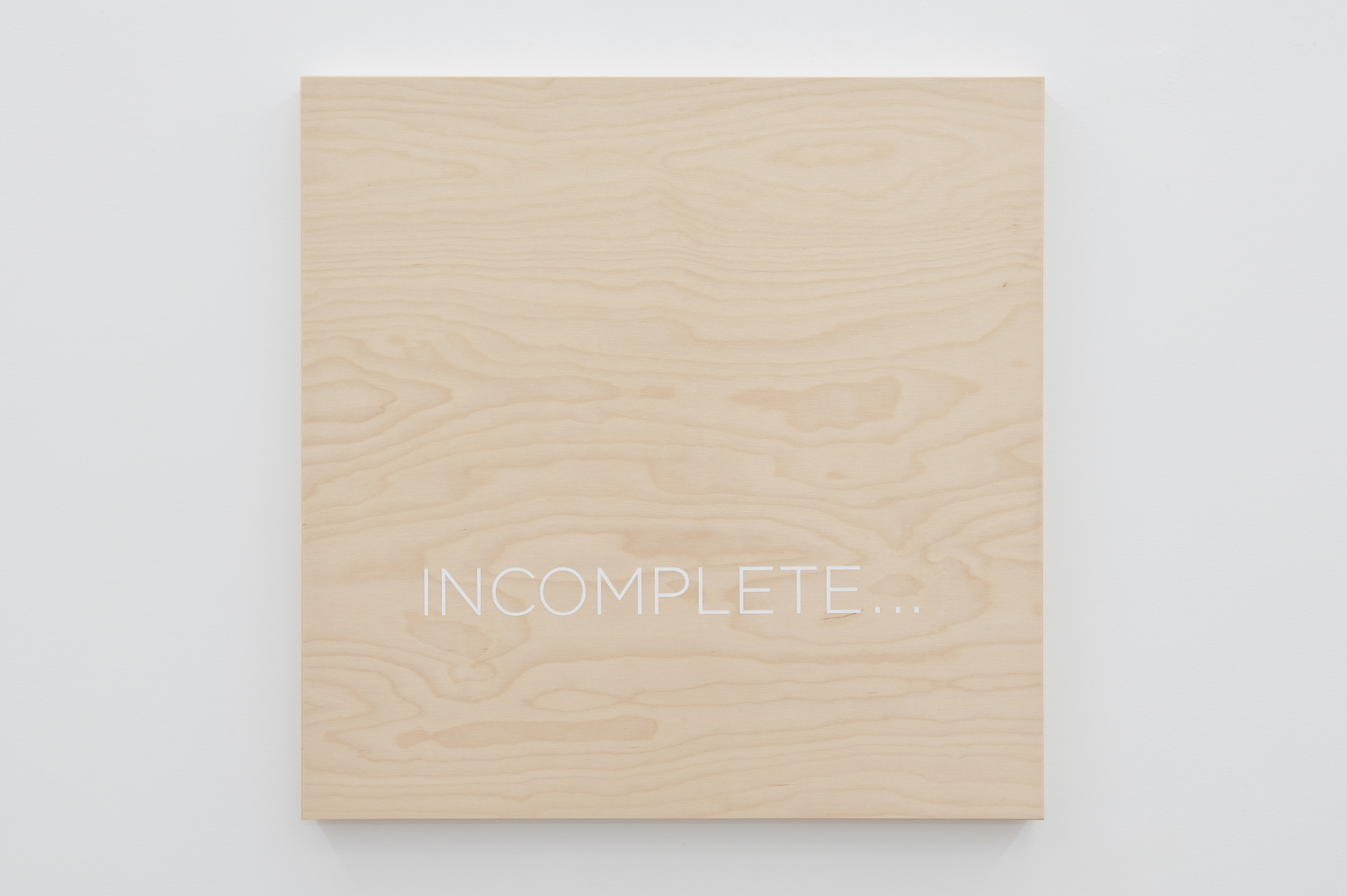
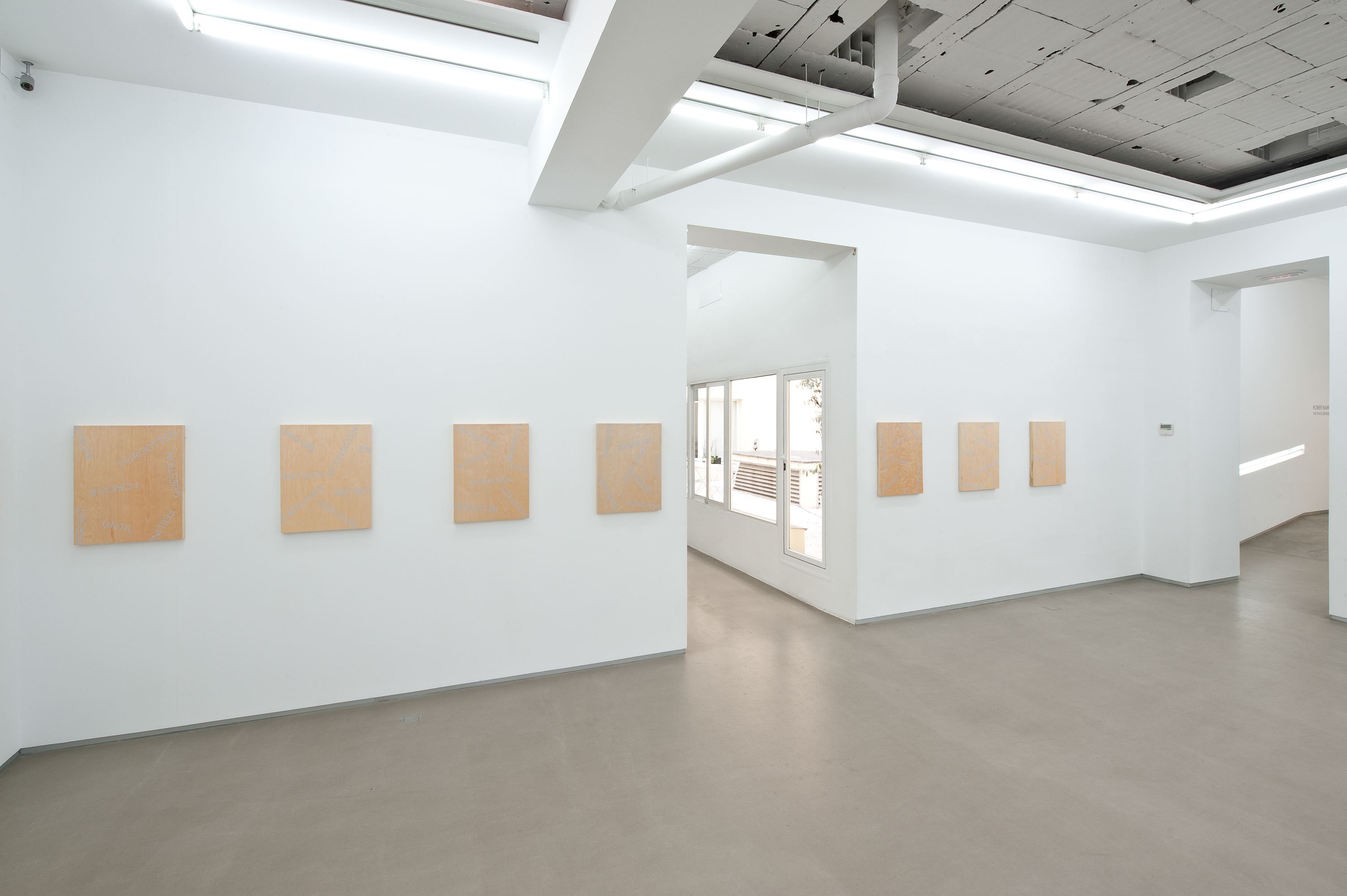
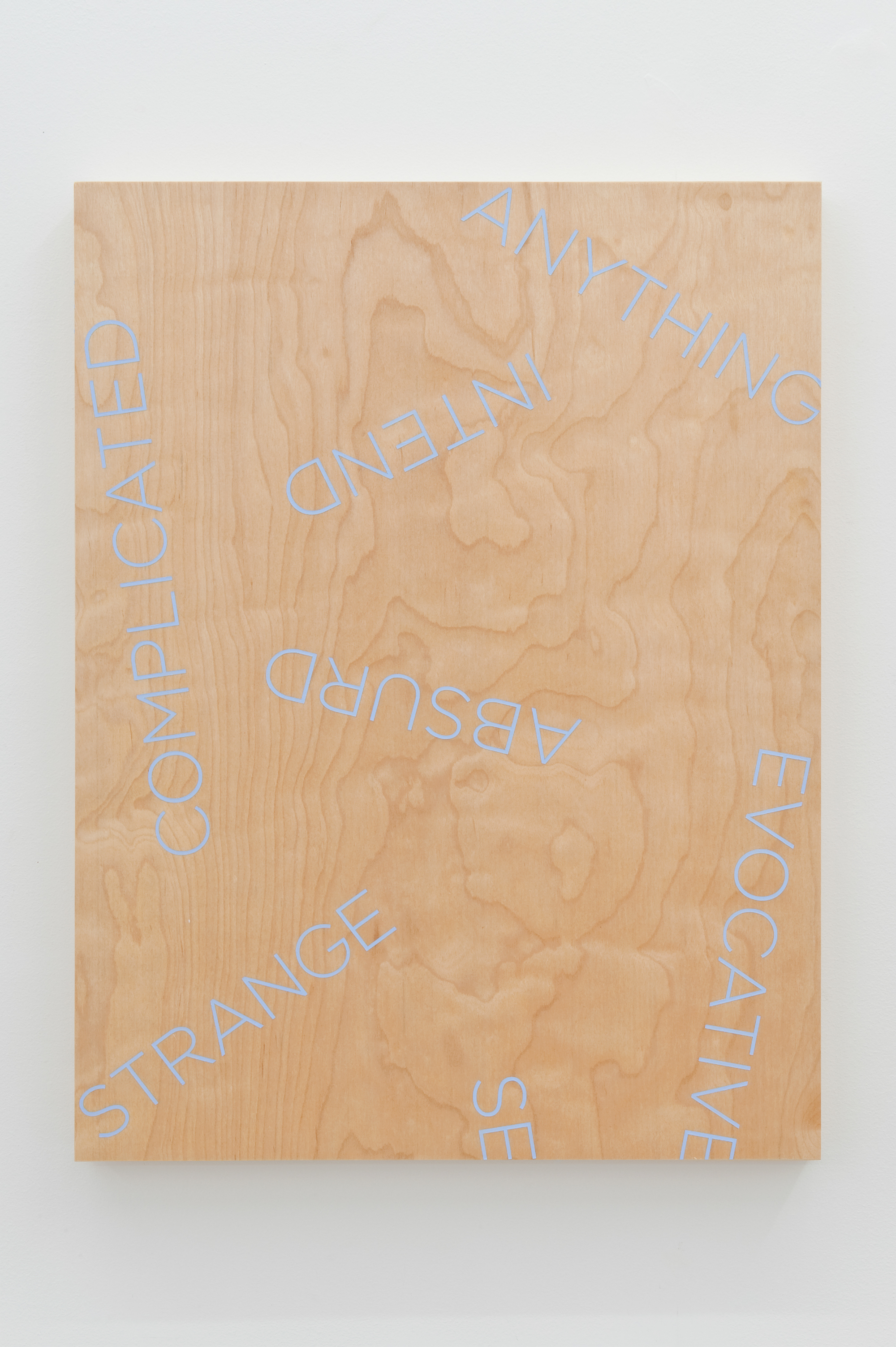
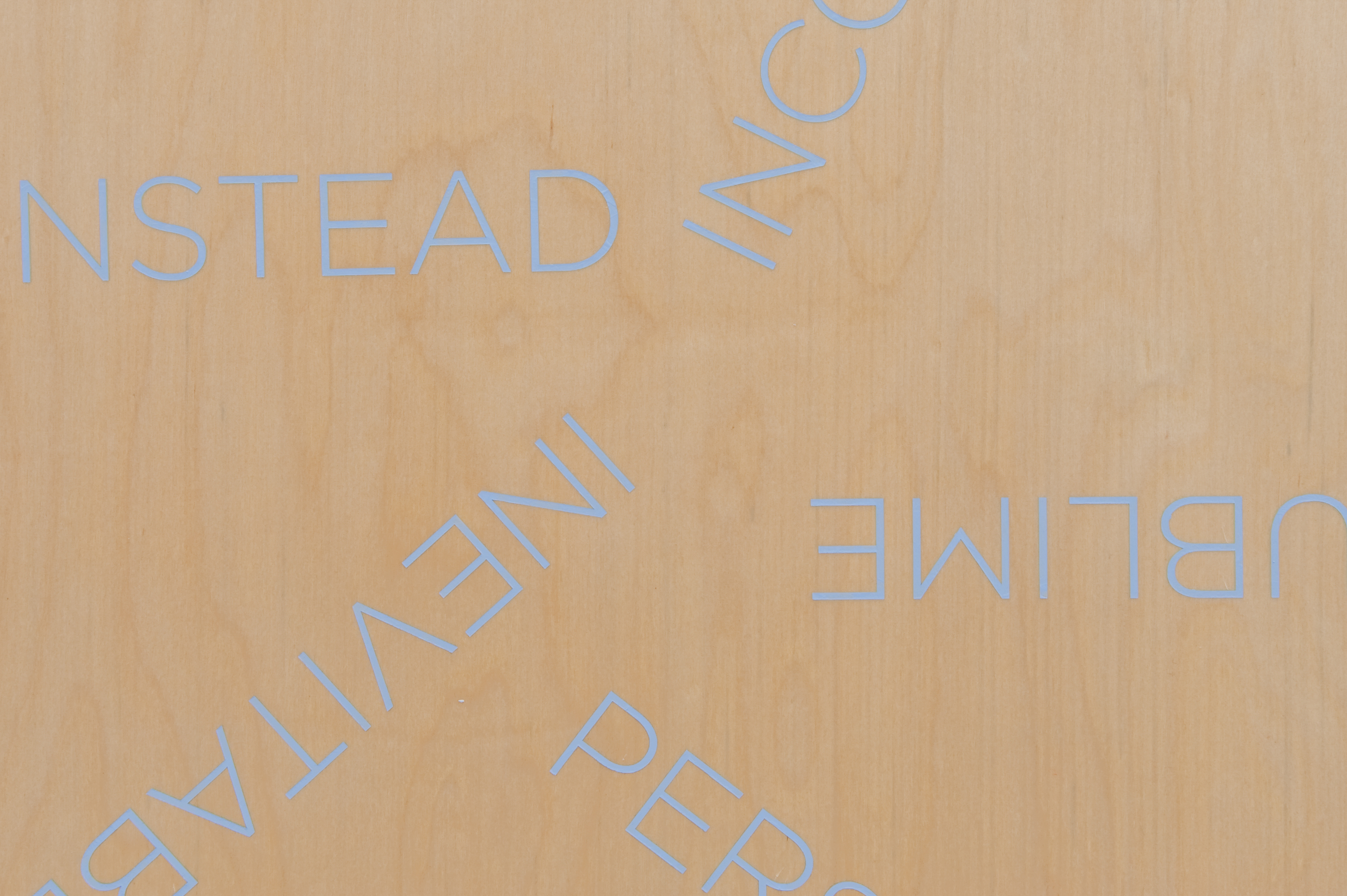
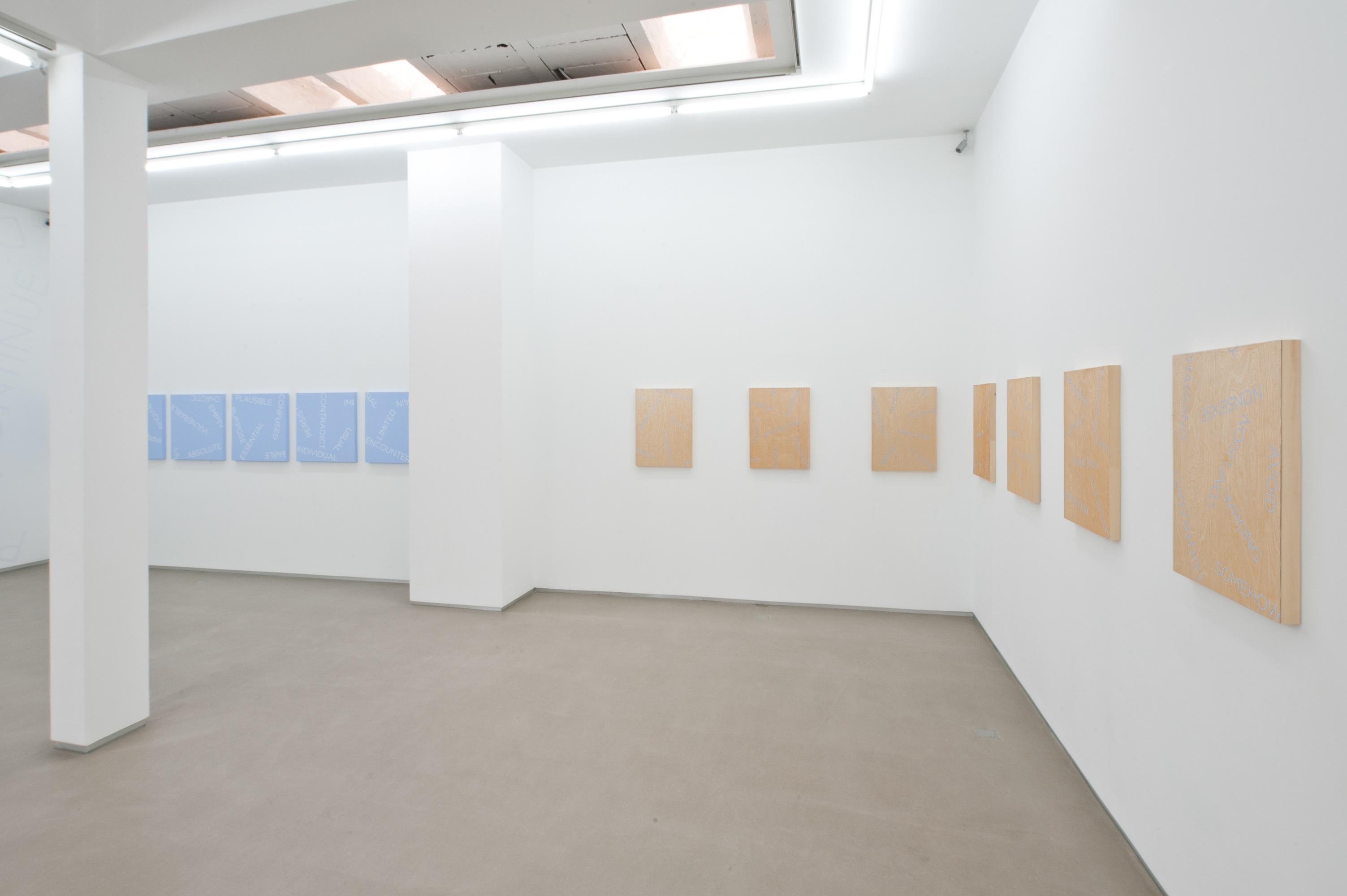
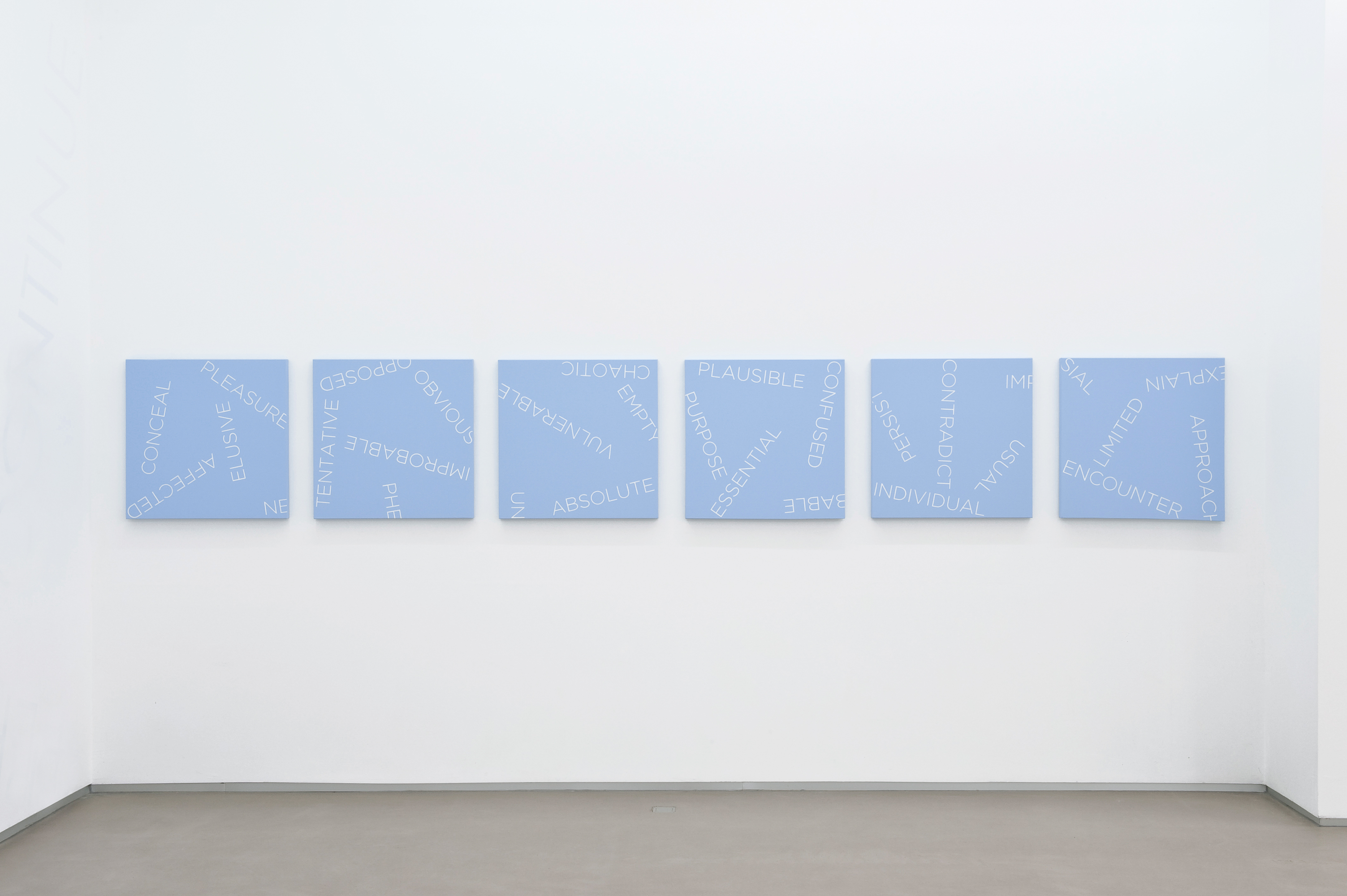
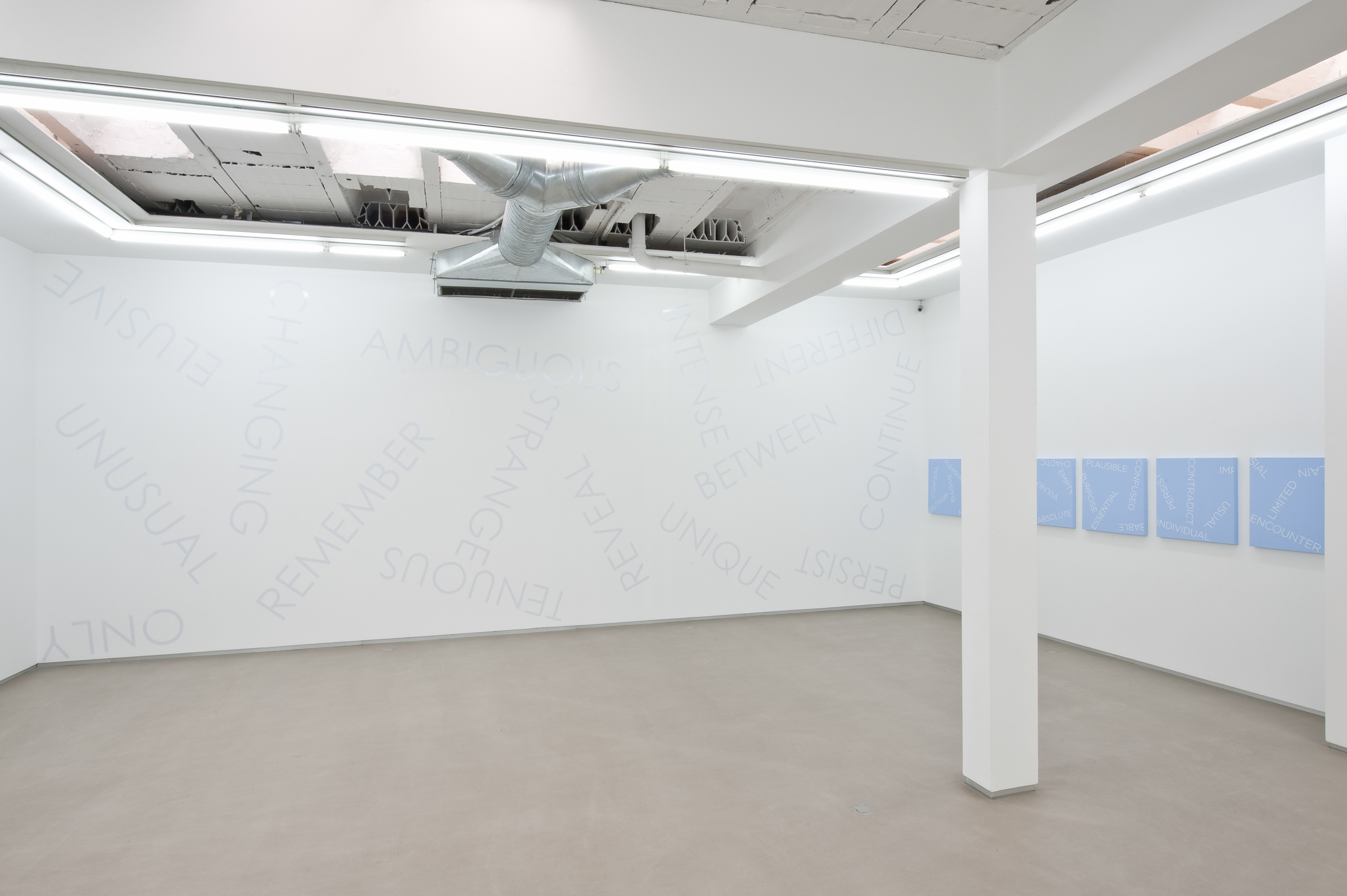
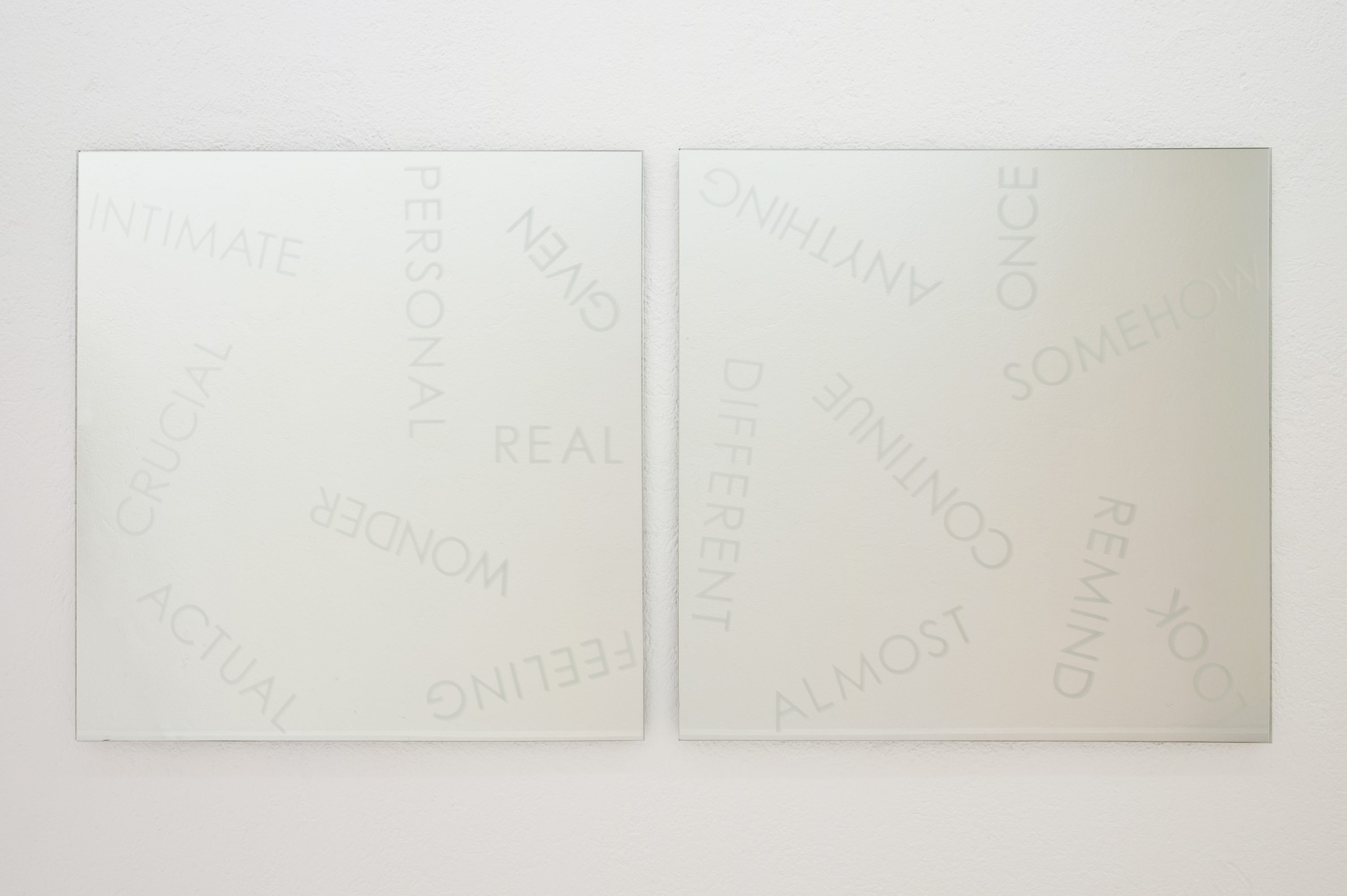
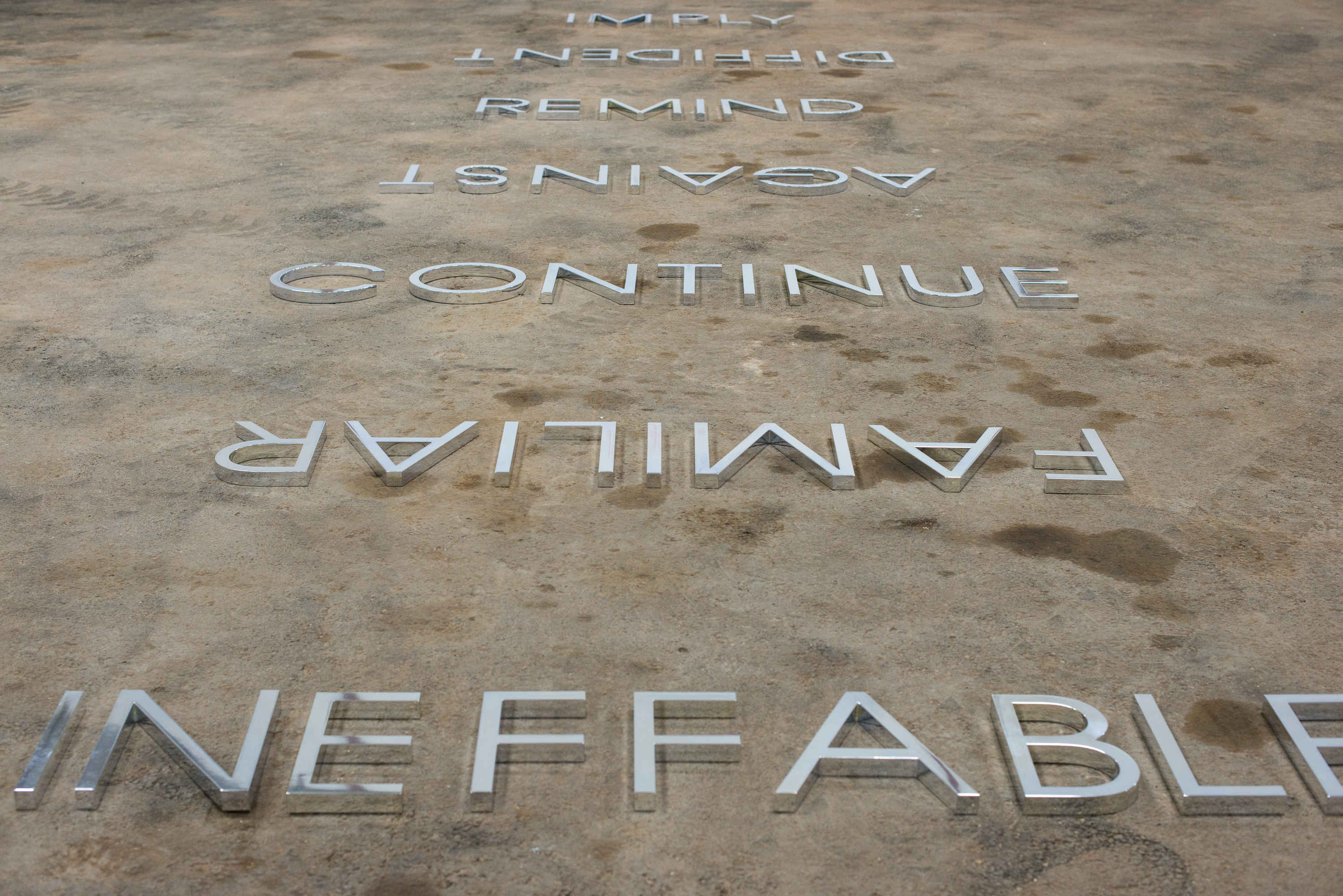
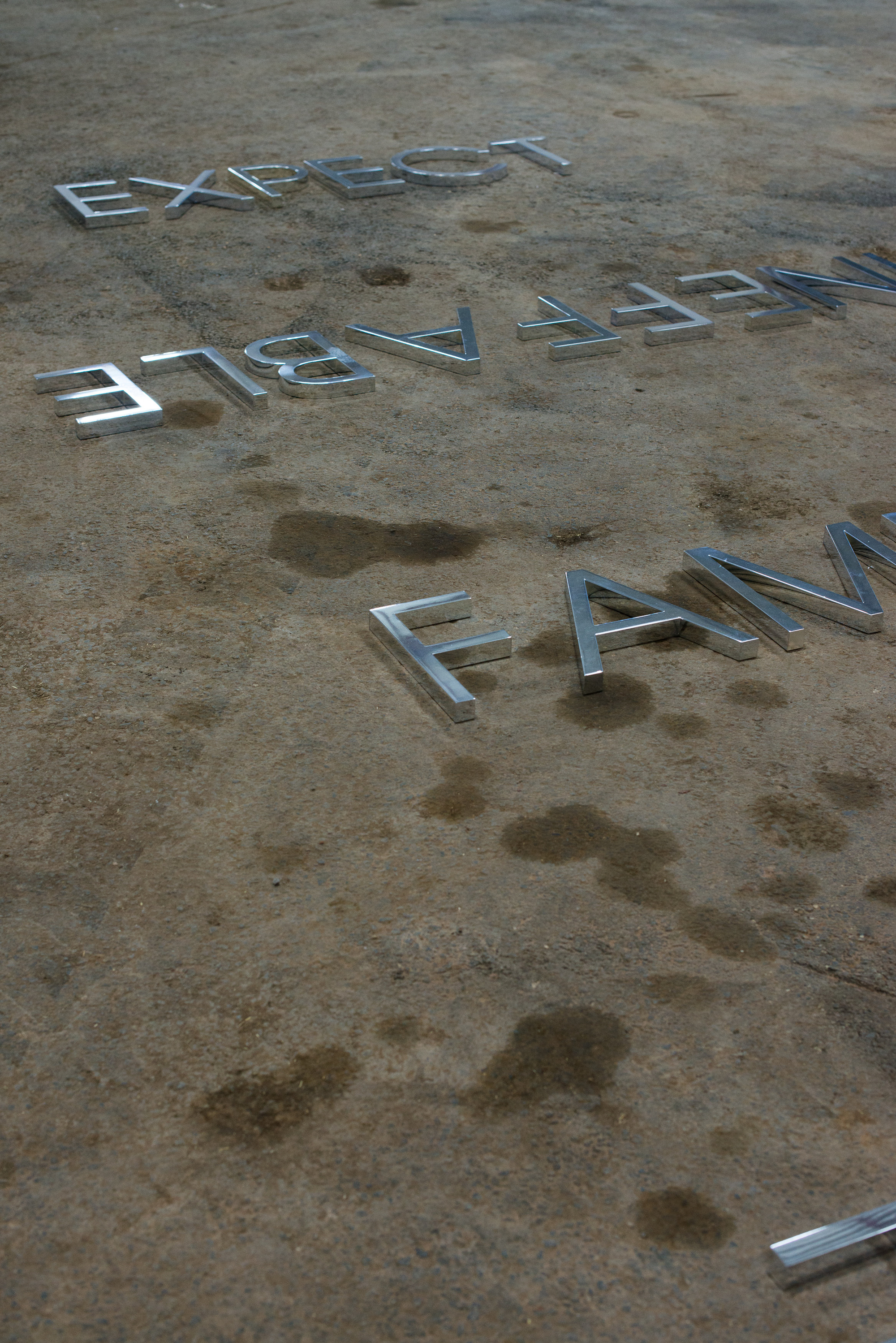
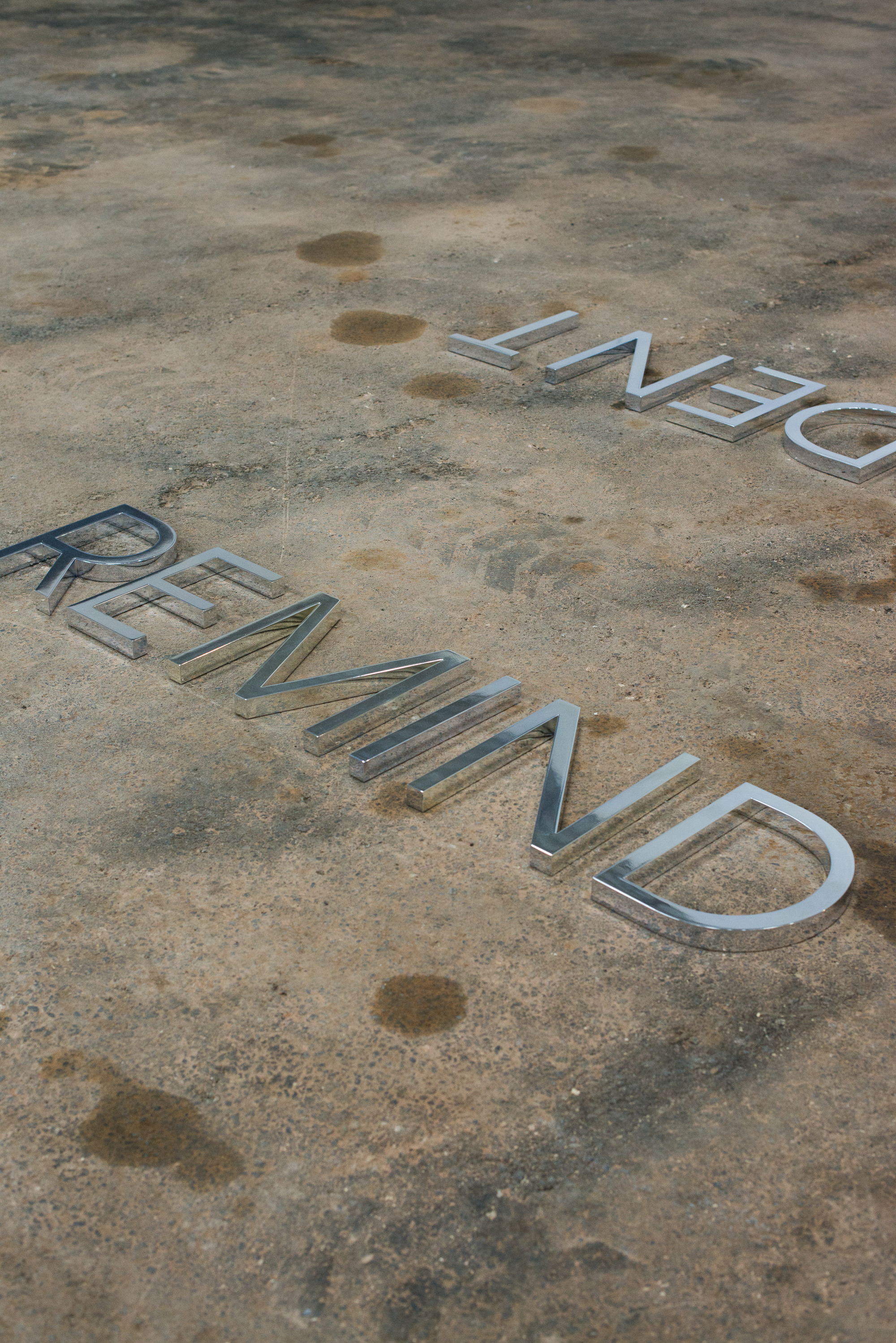
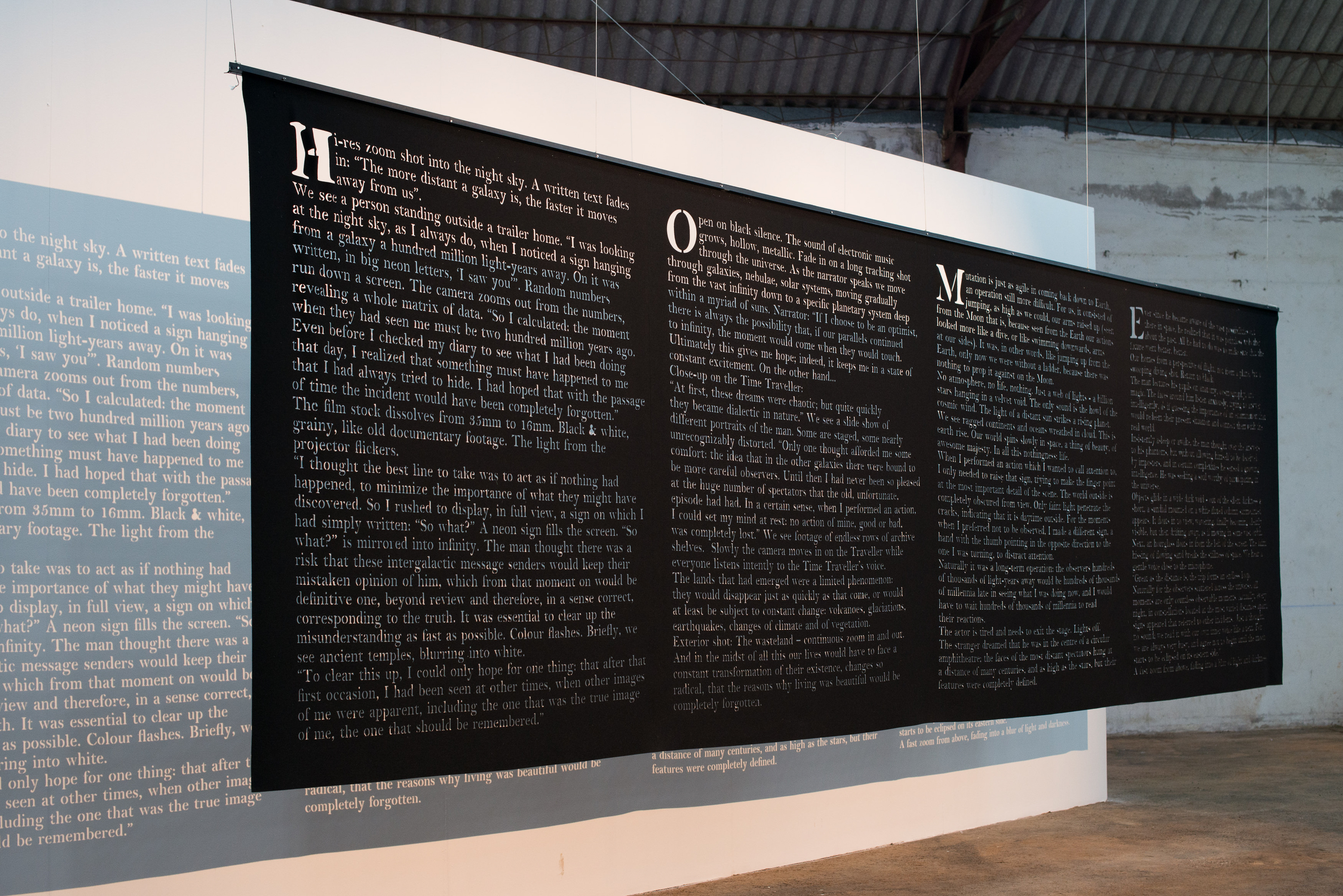
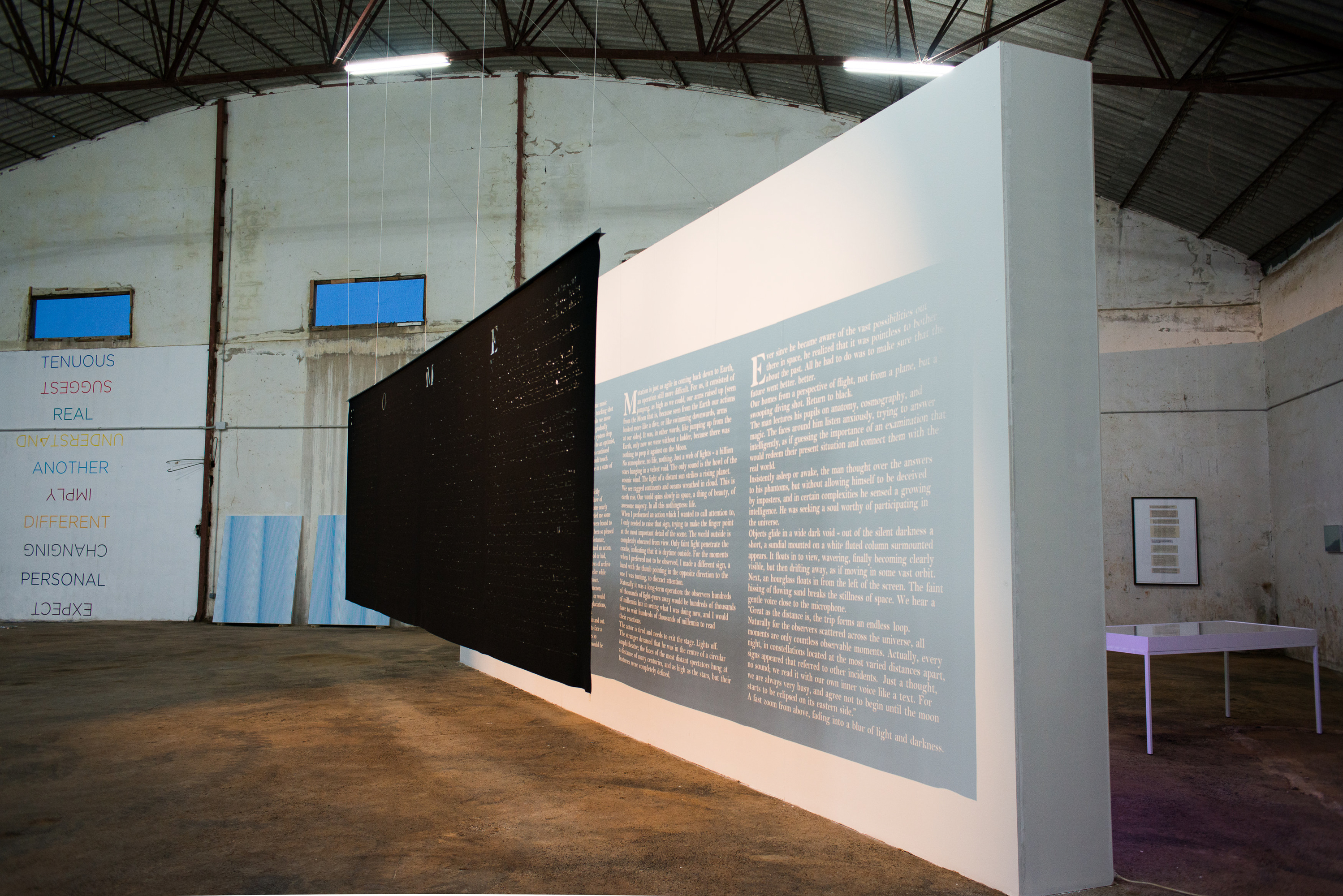
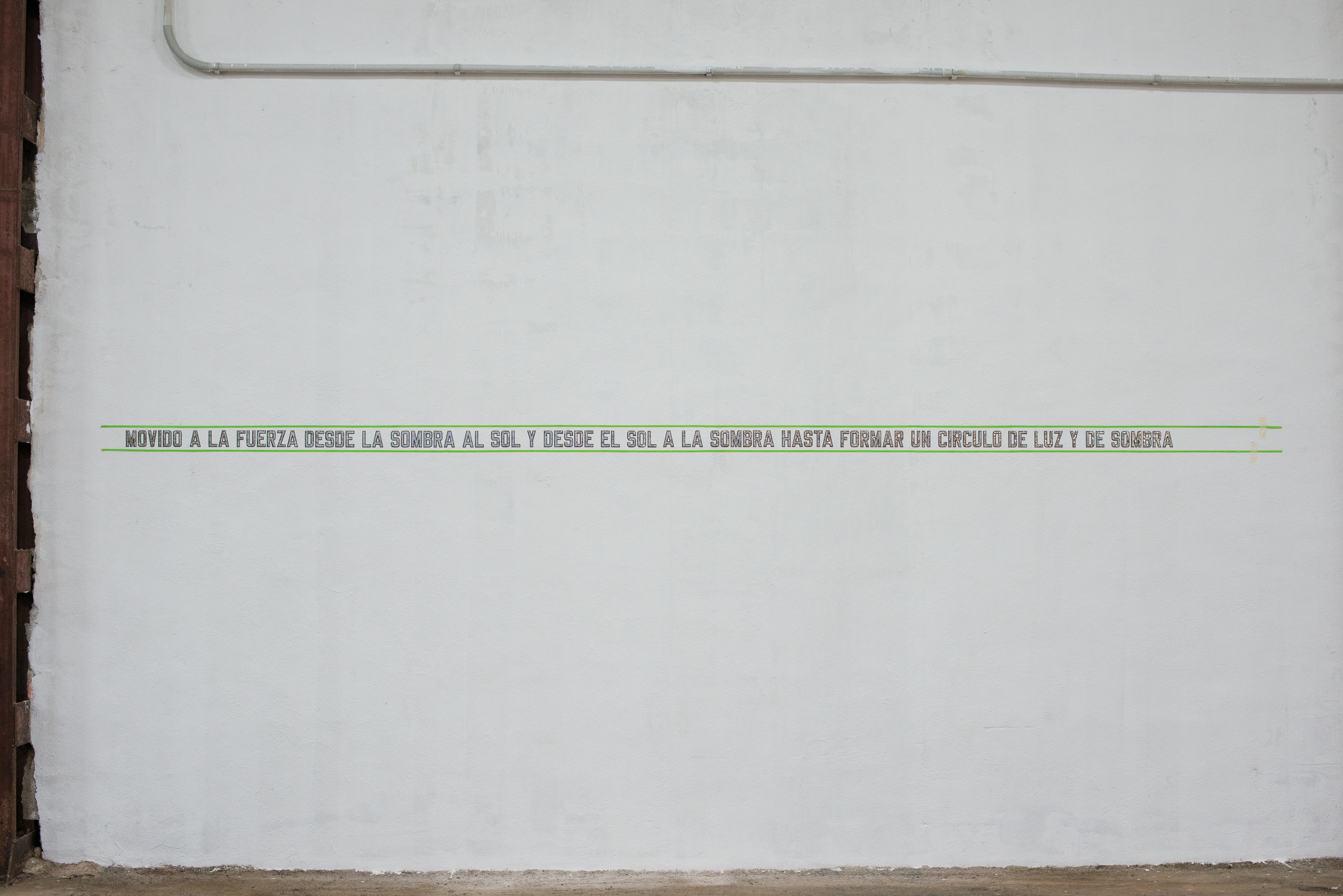
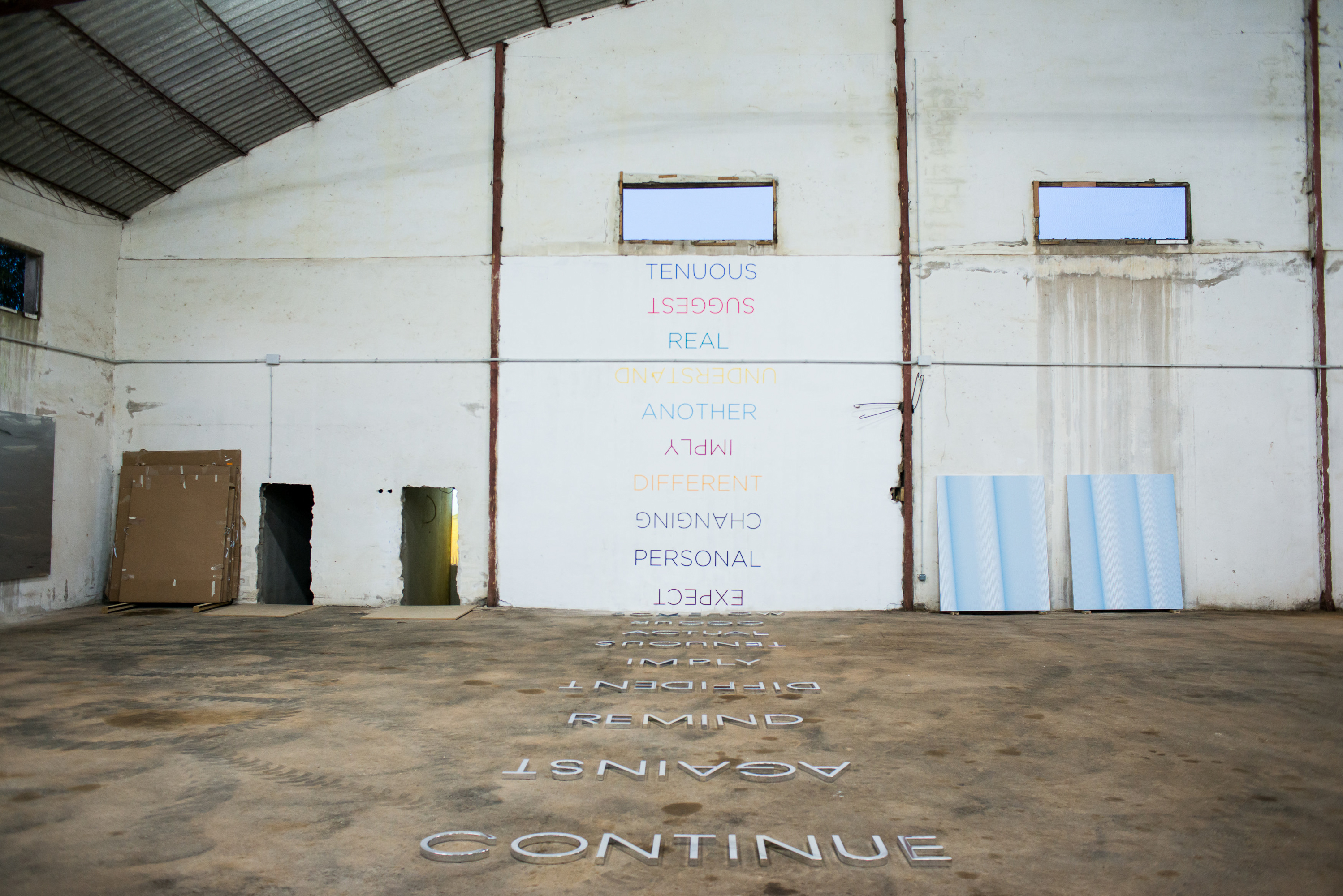
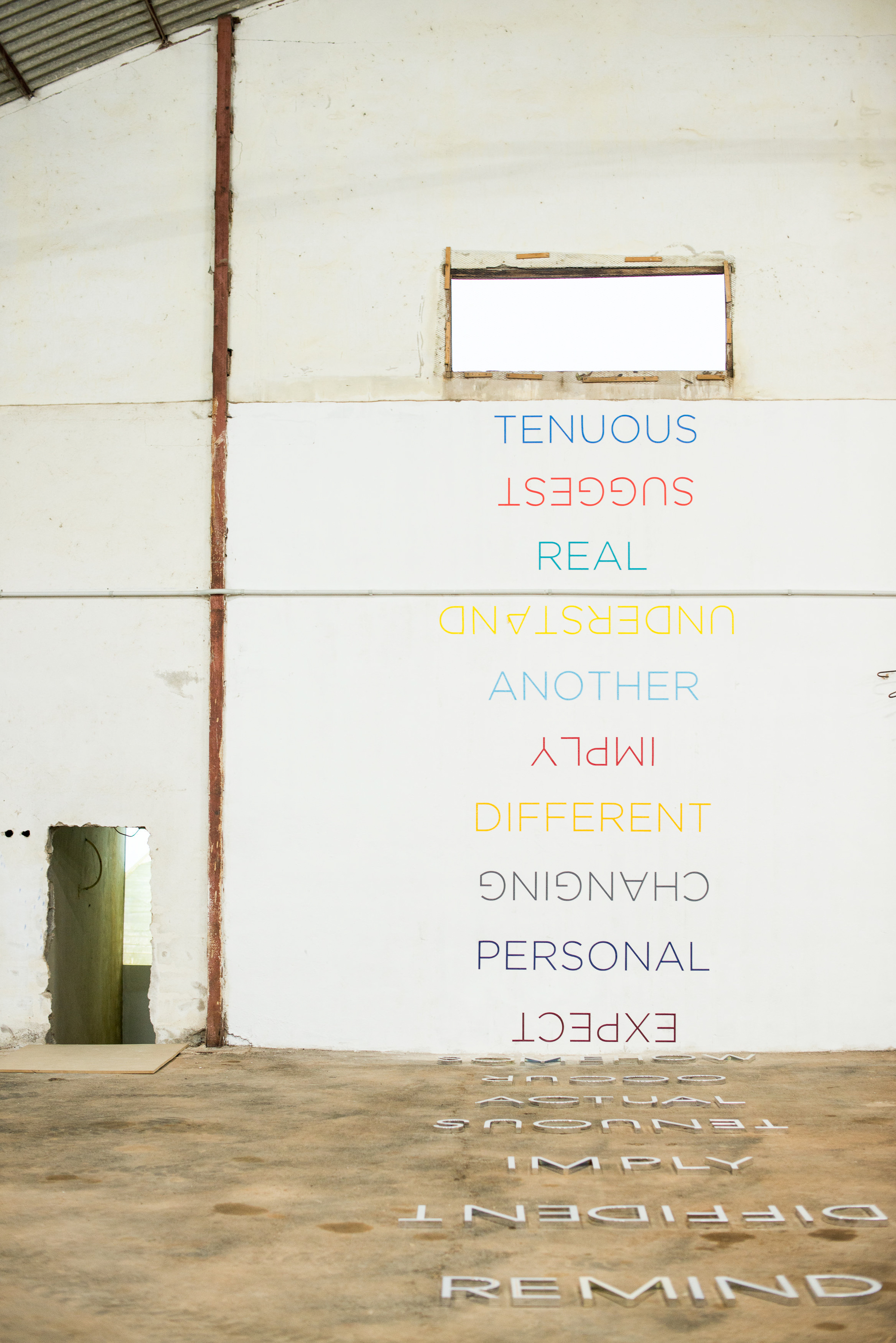
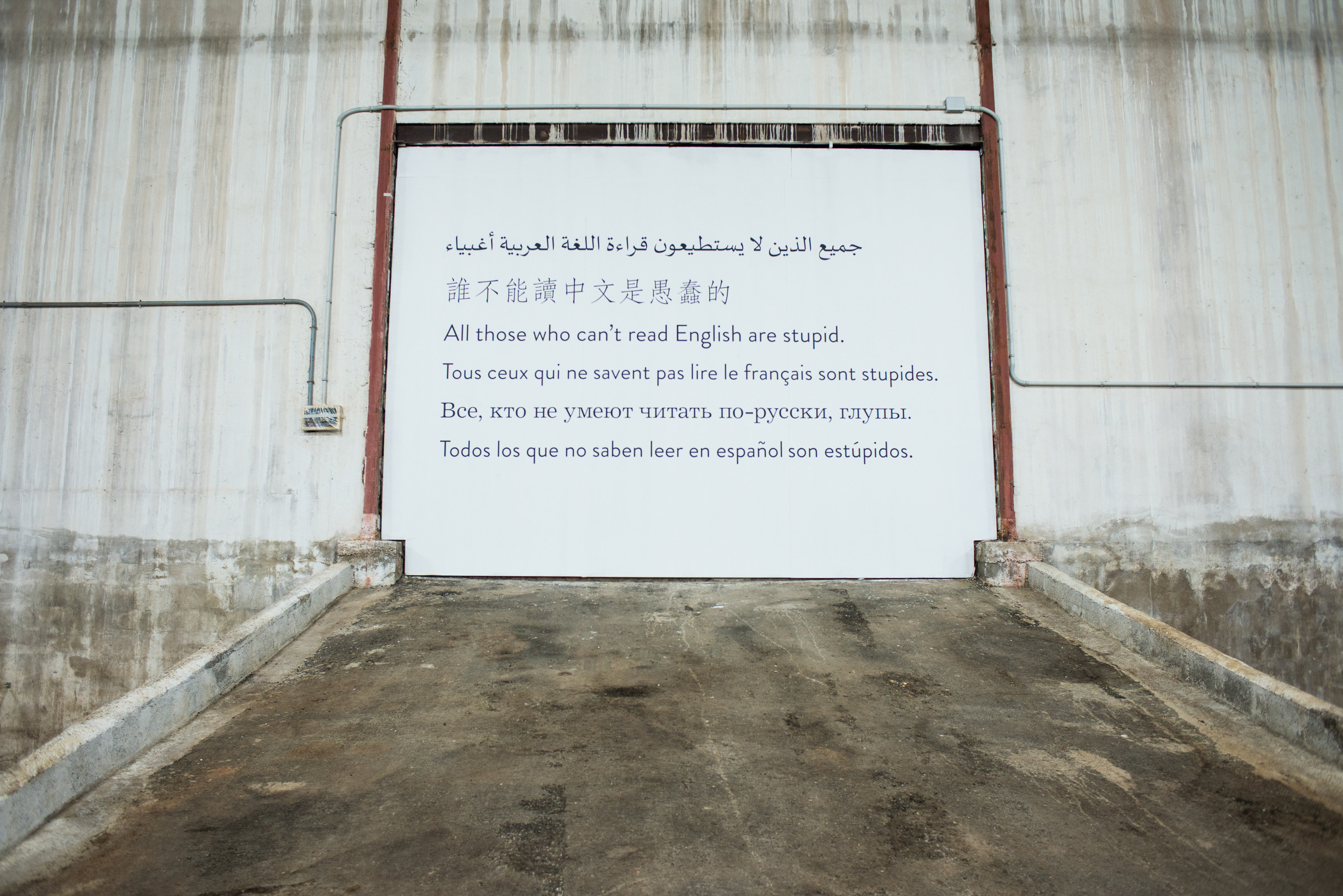
His work evokes introspection and a subtle existential search, inviting silence as a deep form of expression. He often addresses invisible phenomena and spatial relationships, challenging viewers with his minimalist approach through language as a visual tool, in this case, in large mural formats.
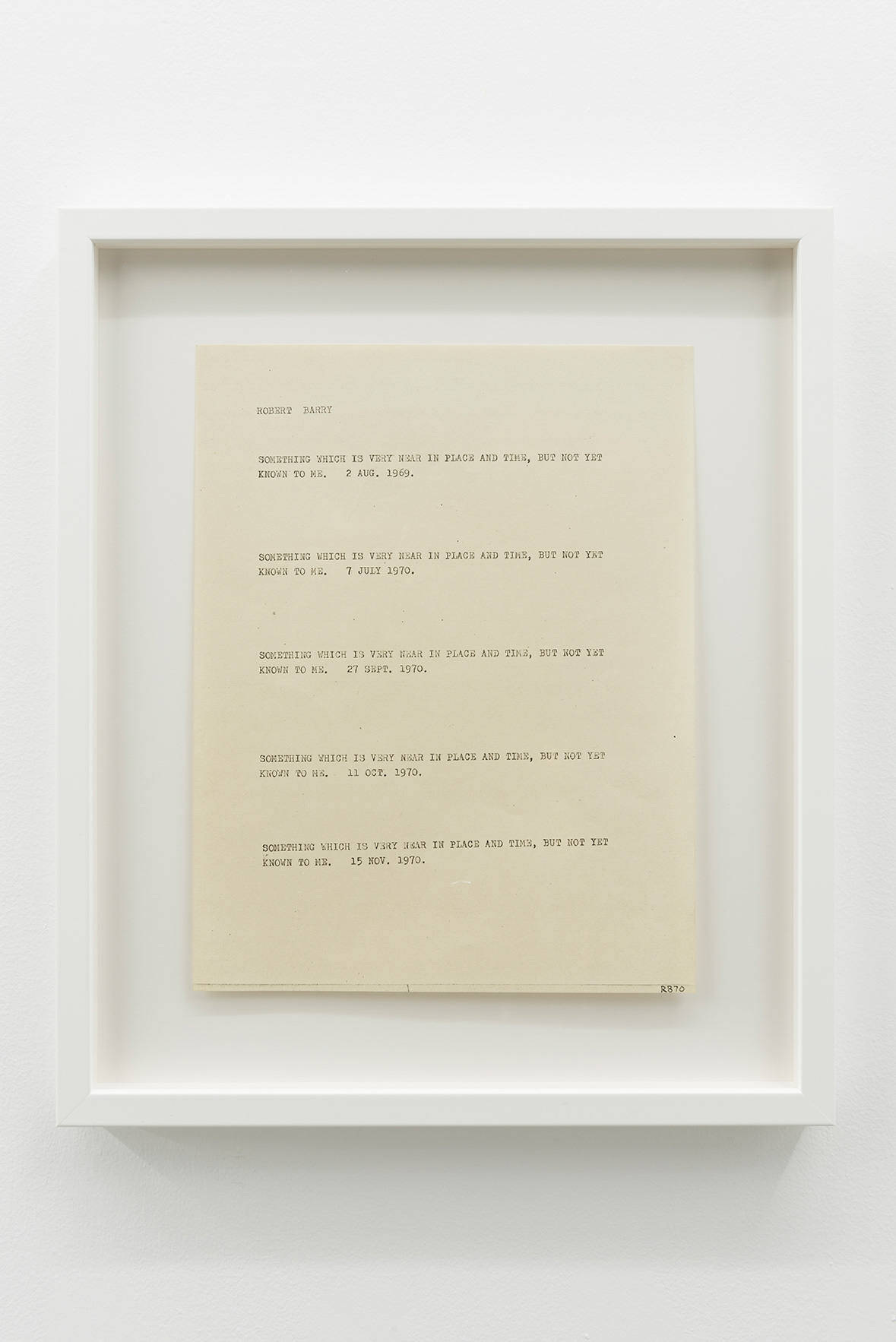
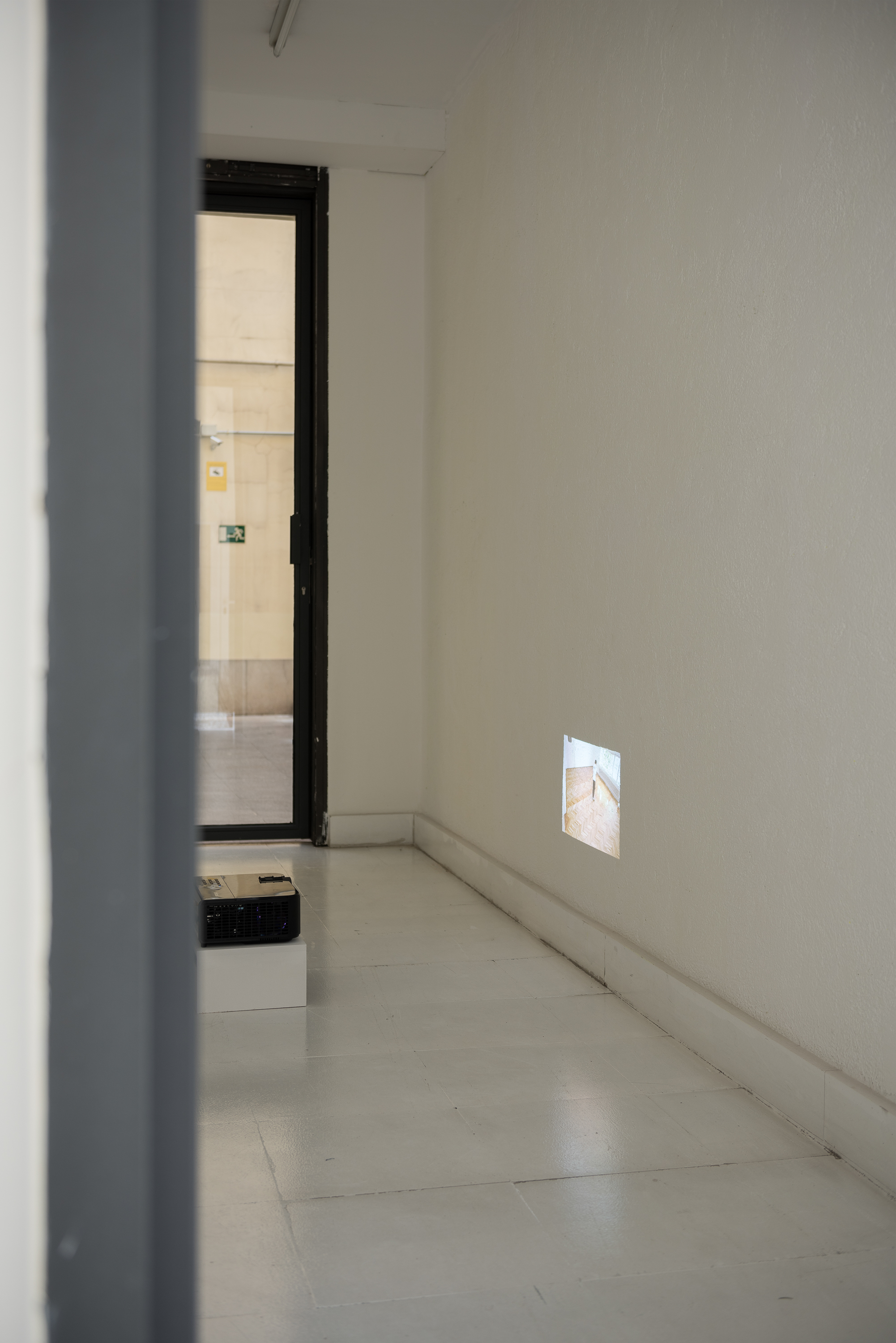
The appeal of his non-material productions lies in the representation of the works through means that challenge discourses and hegemonic views to, thus, value the material conceptualization of everything related to art and the space that surrounds it, as well as the being itself and the word that defines it.For all these reasons, Robert Barry is considered one of the most representative contemporary artists of a visual art that maintains the word as a fundamental part of its history, and therefore, of its expression.