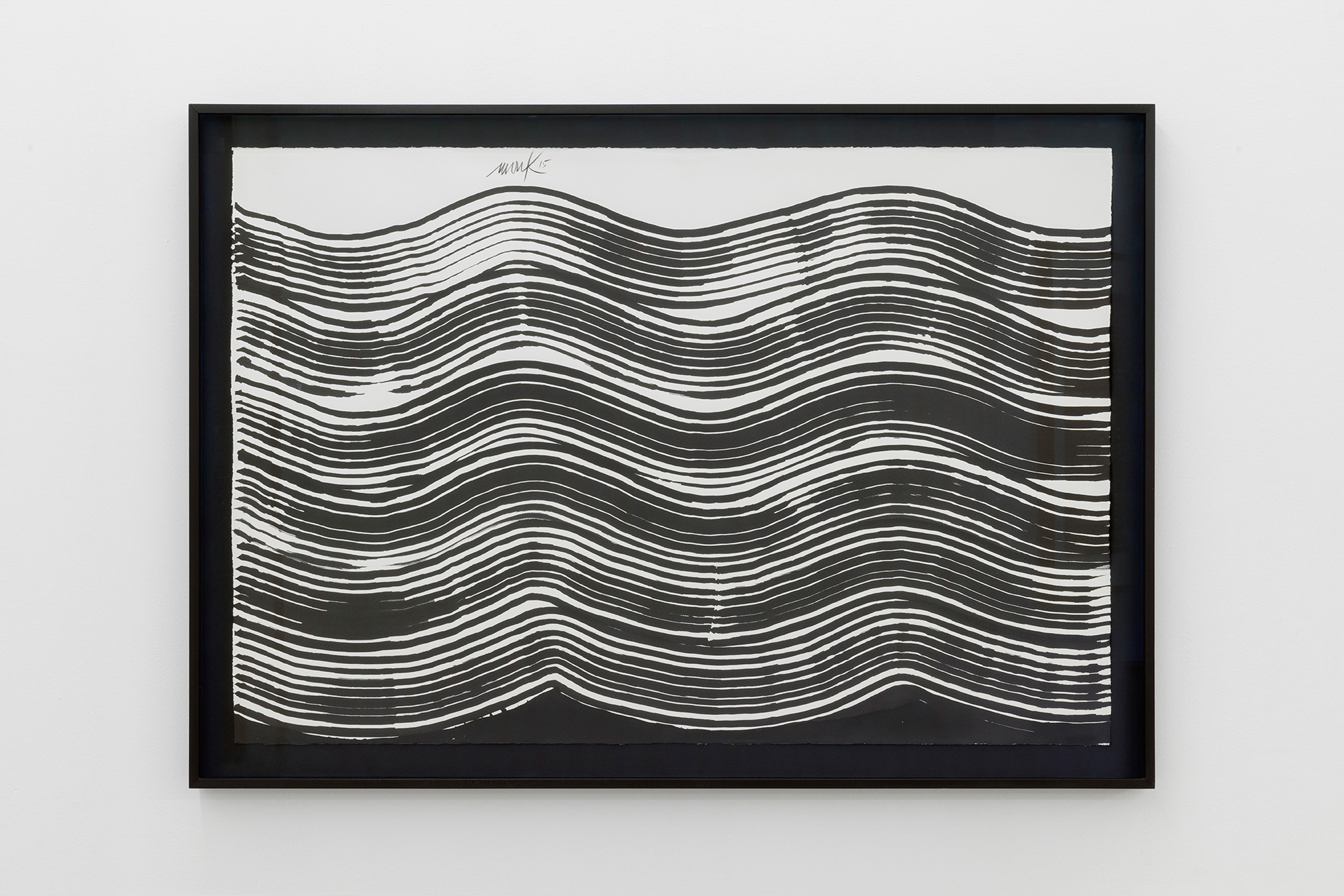
Heinz Mack (Lollar, Germany, 1931) lives and works in Mönchengladbach and Ibiza.
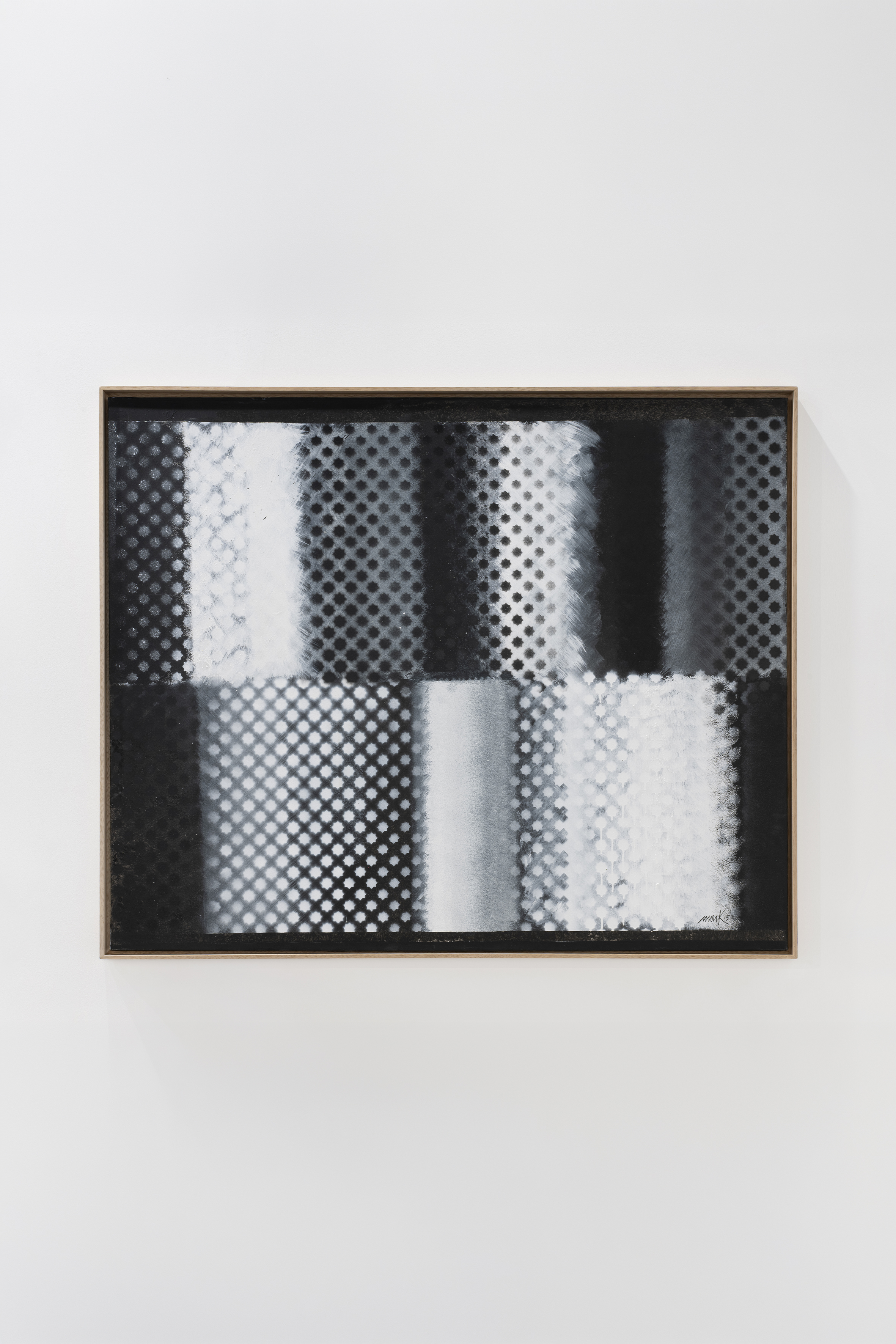
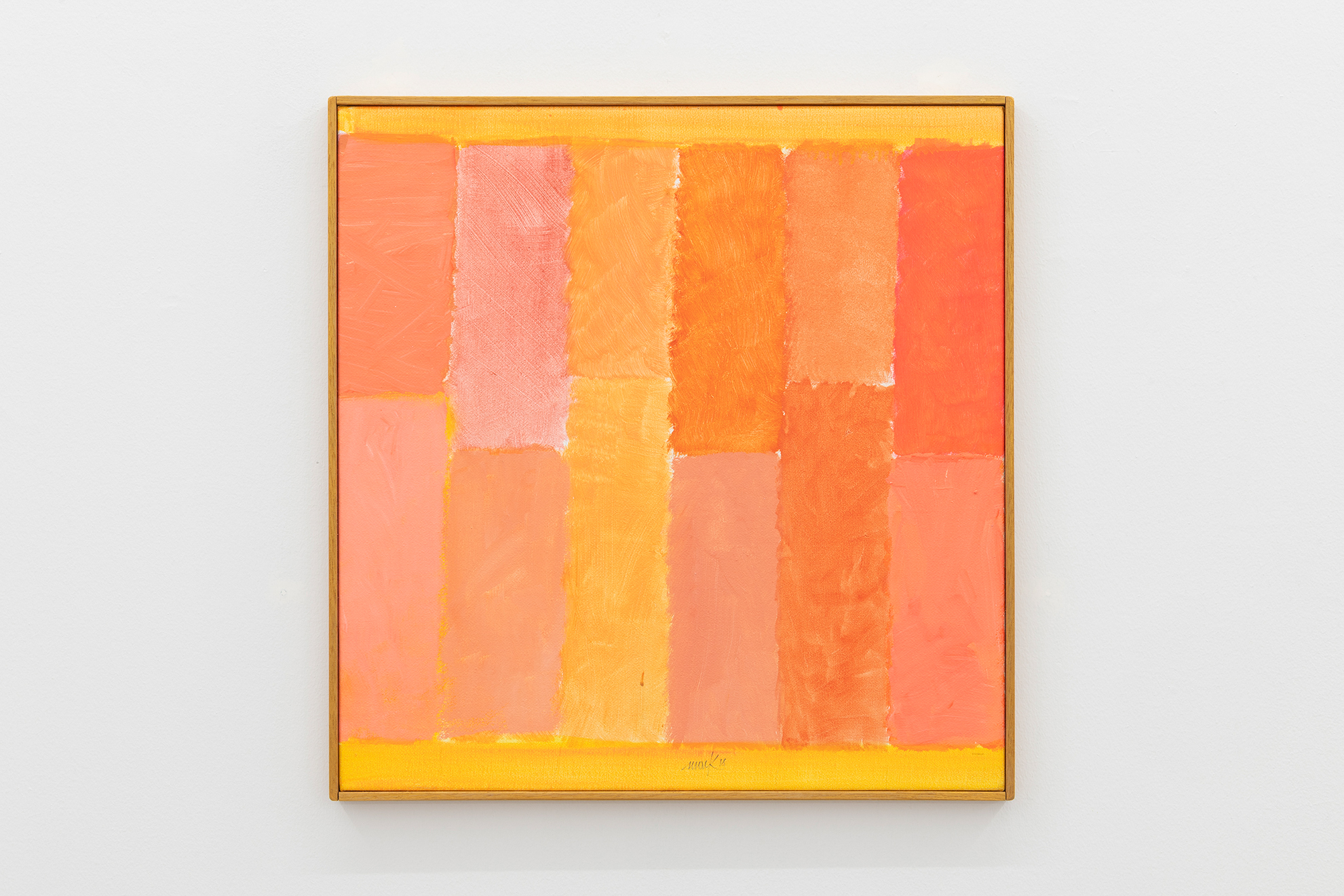
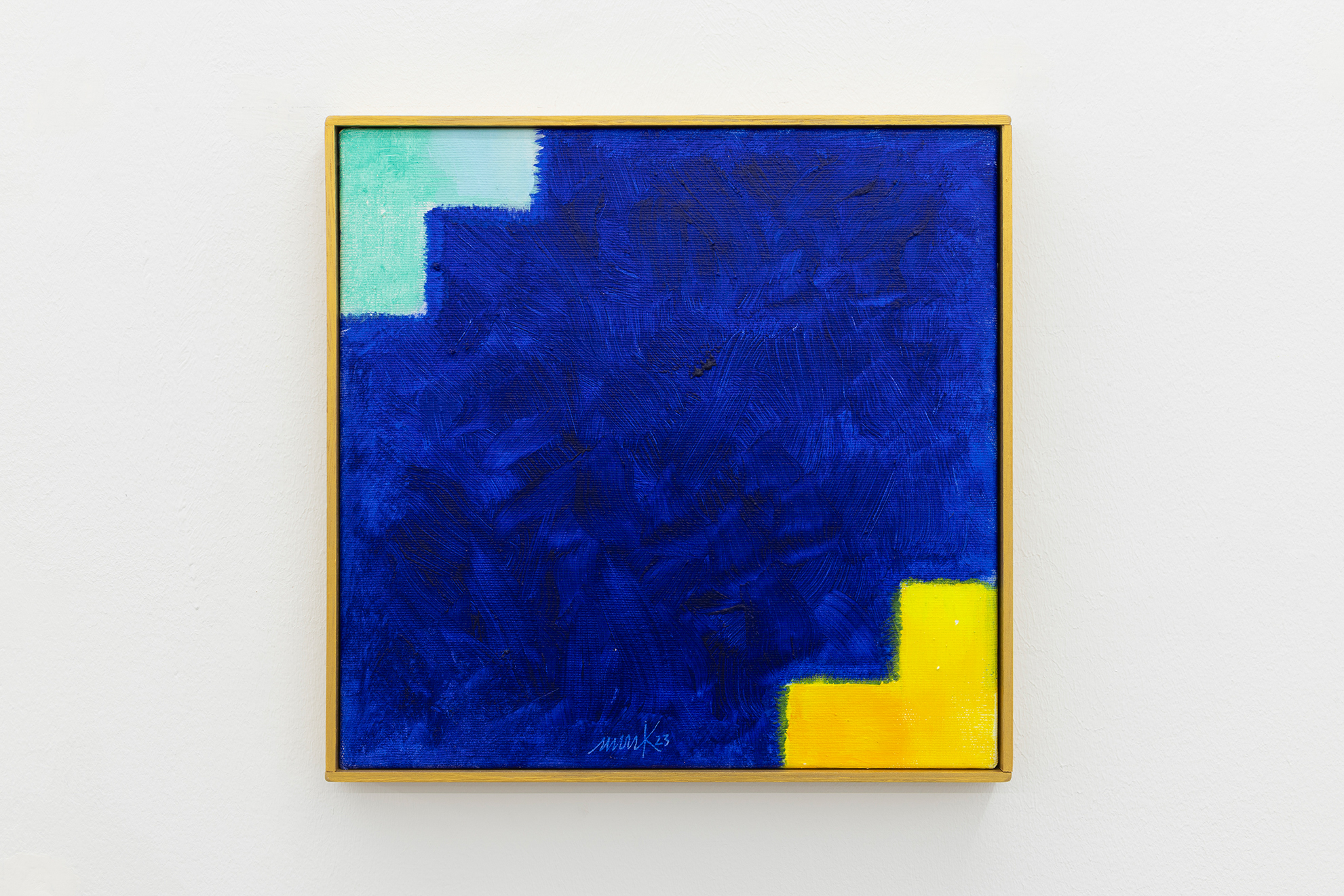
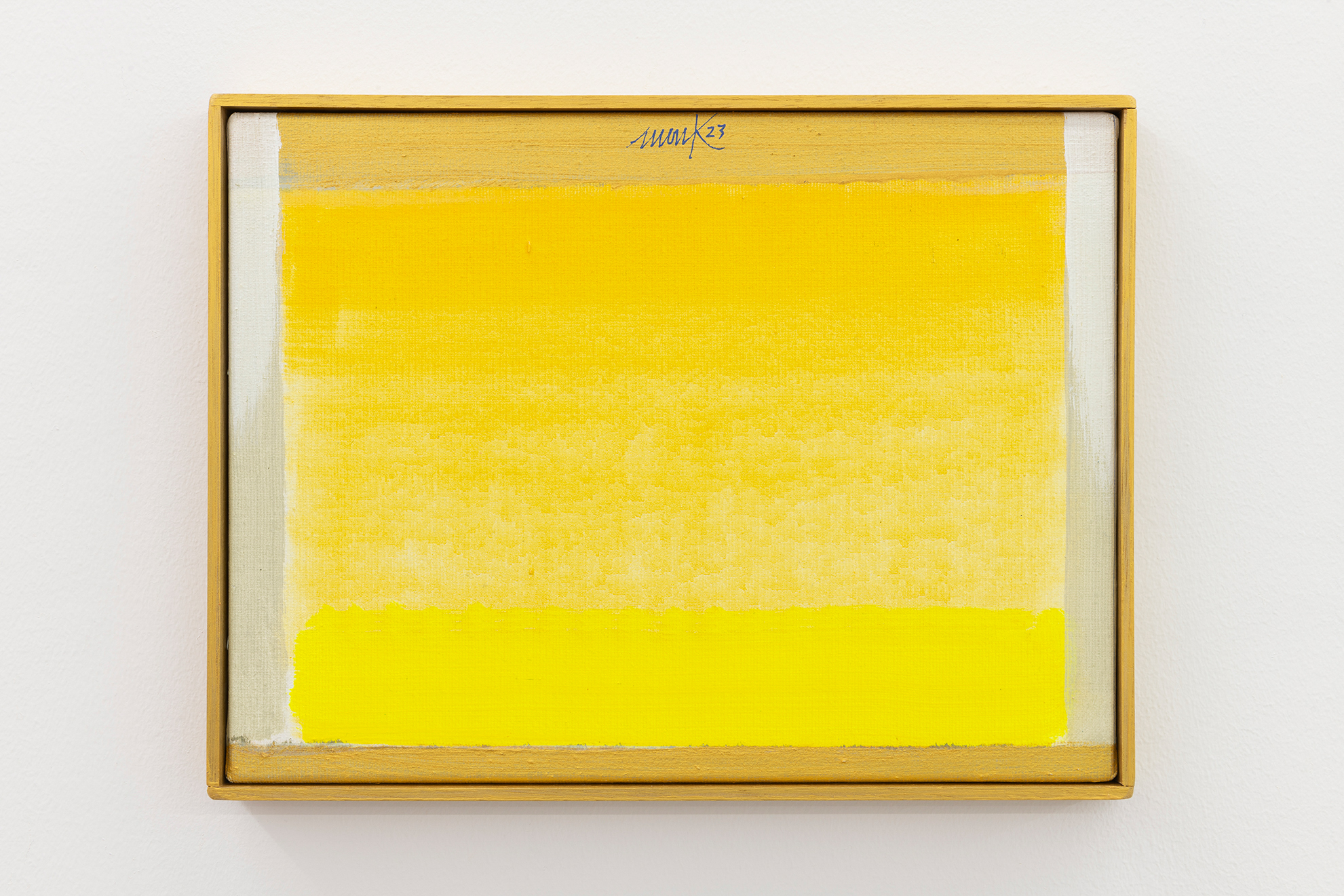
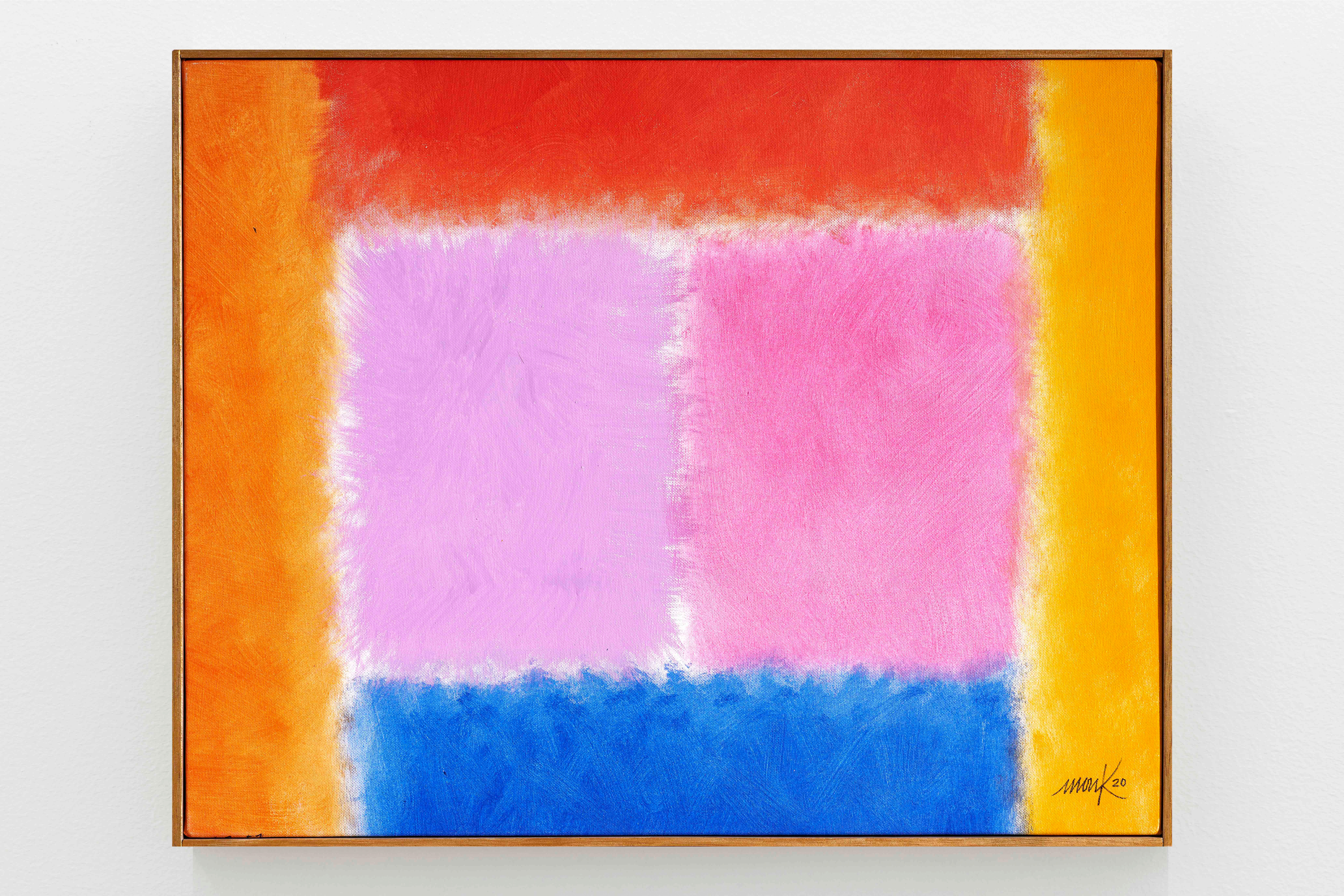
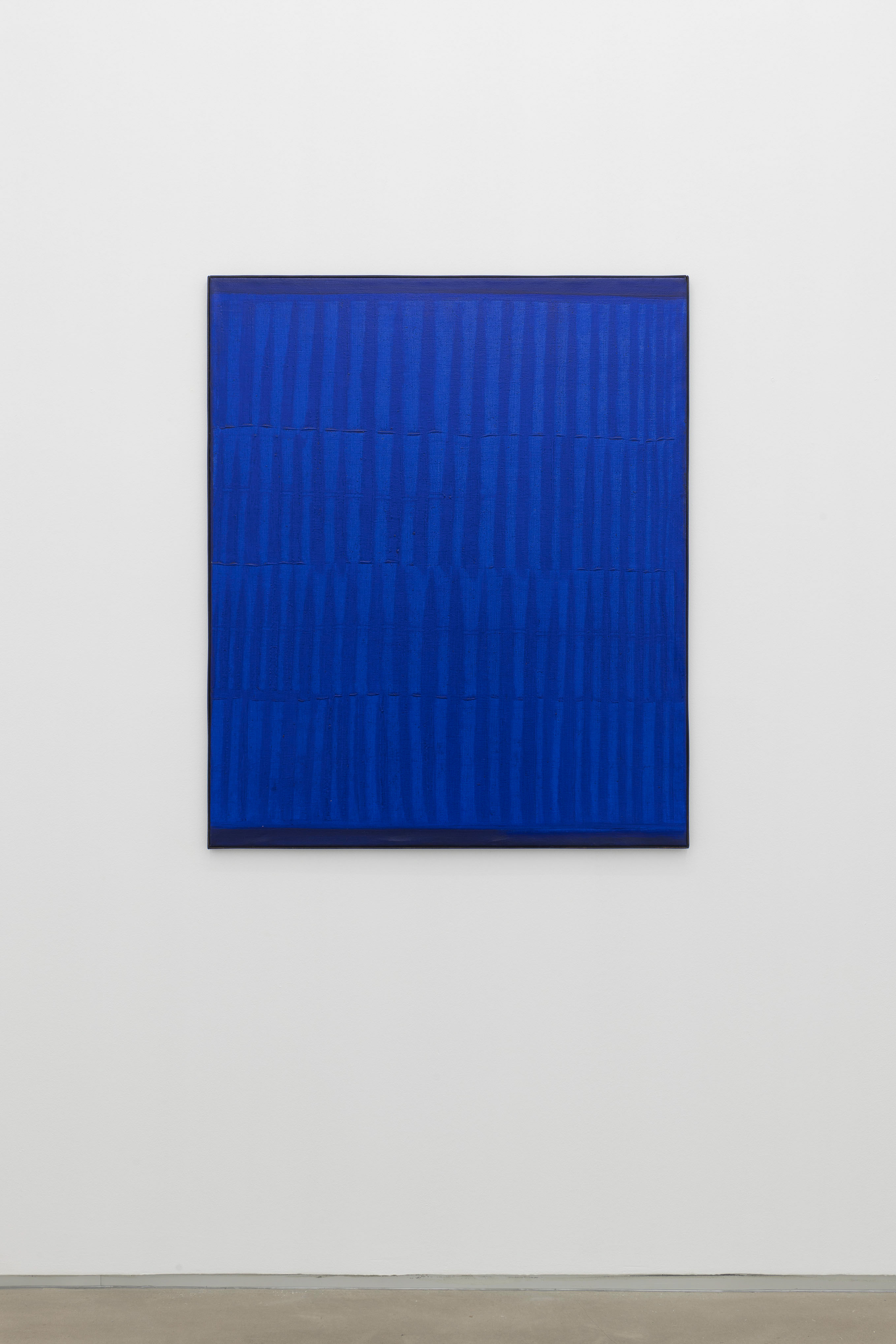
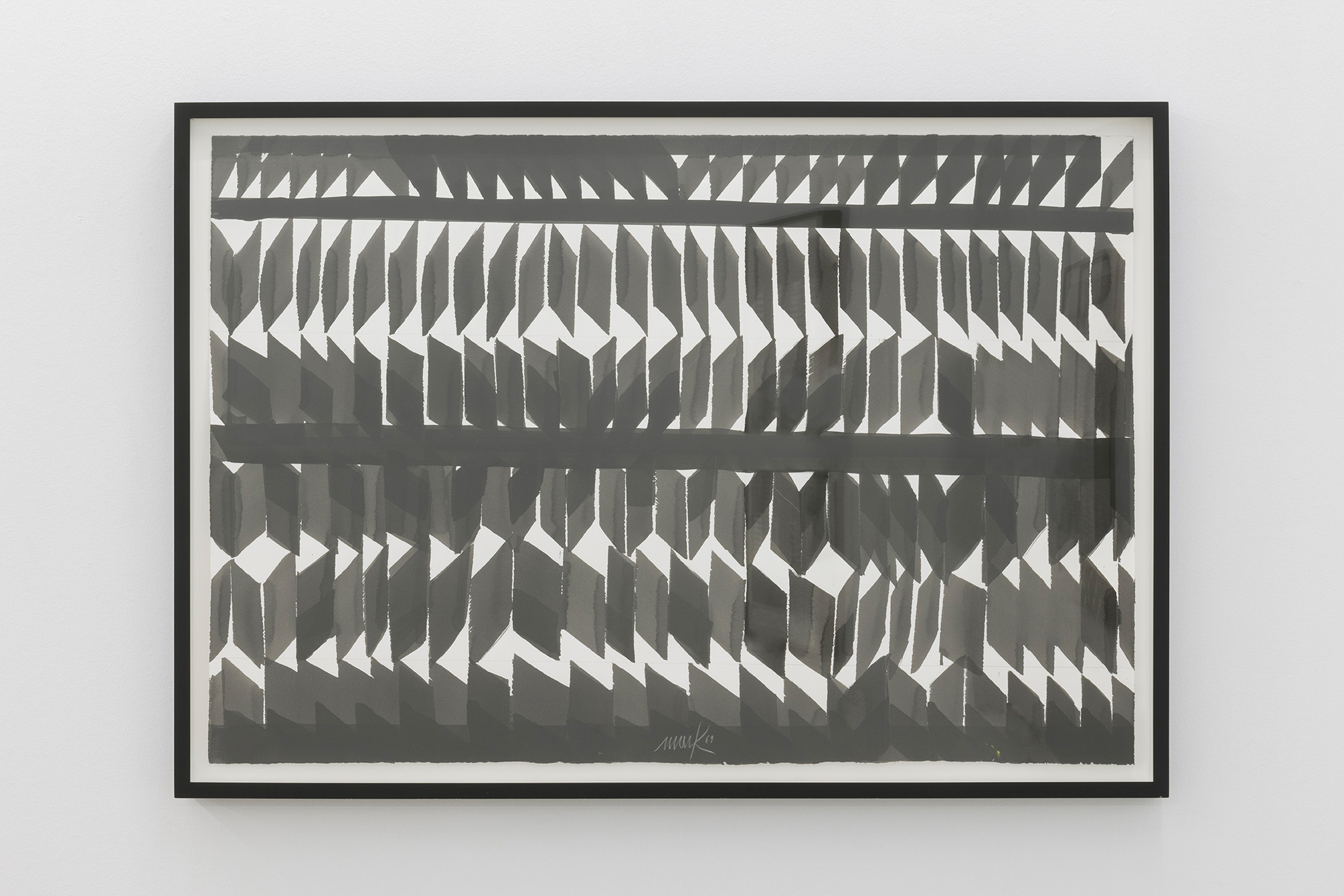
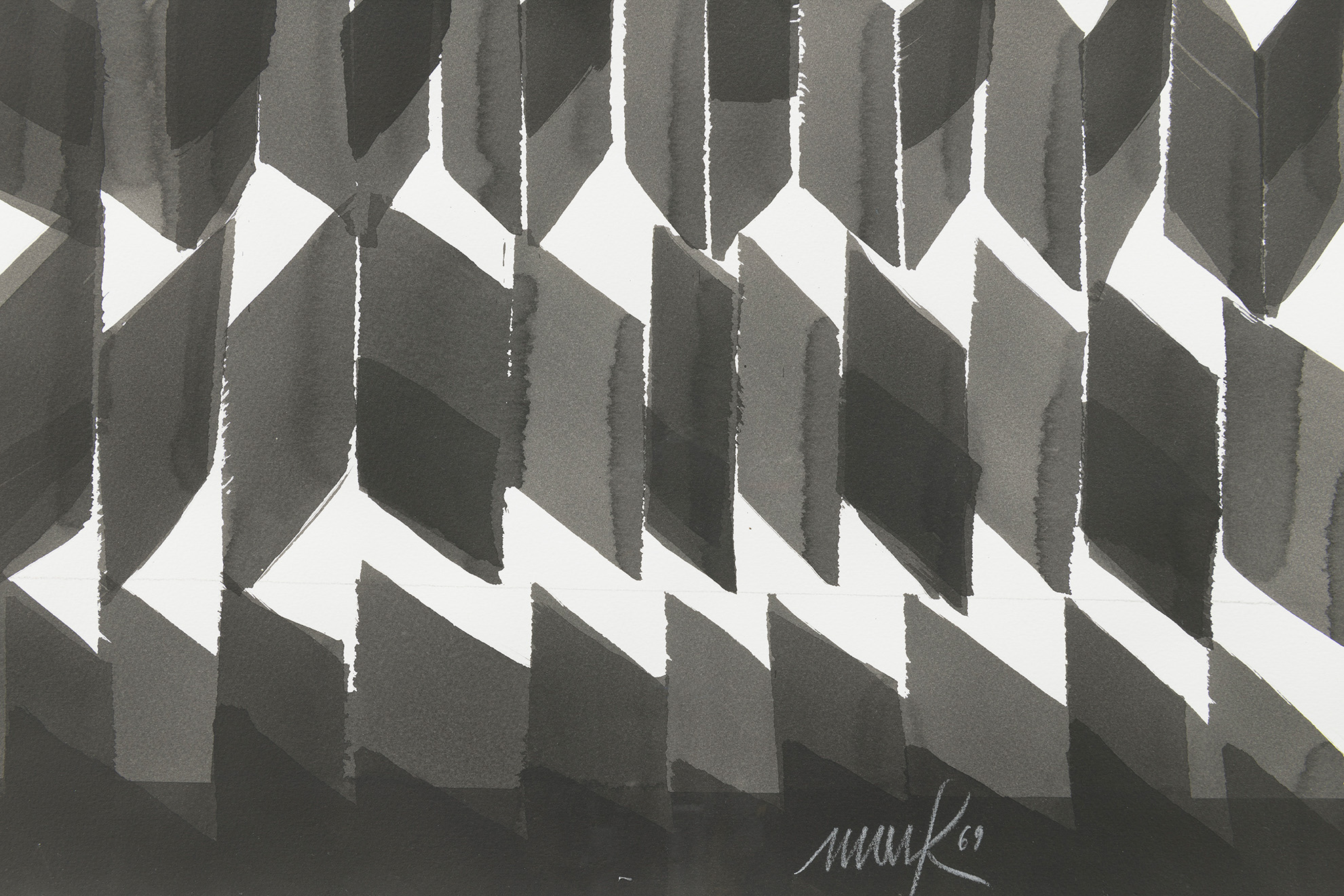
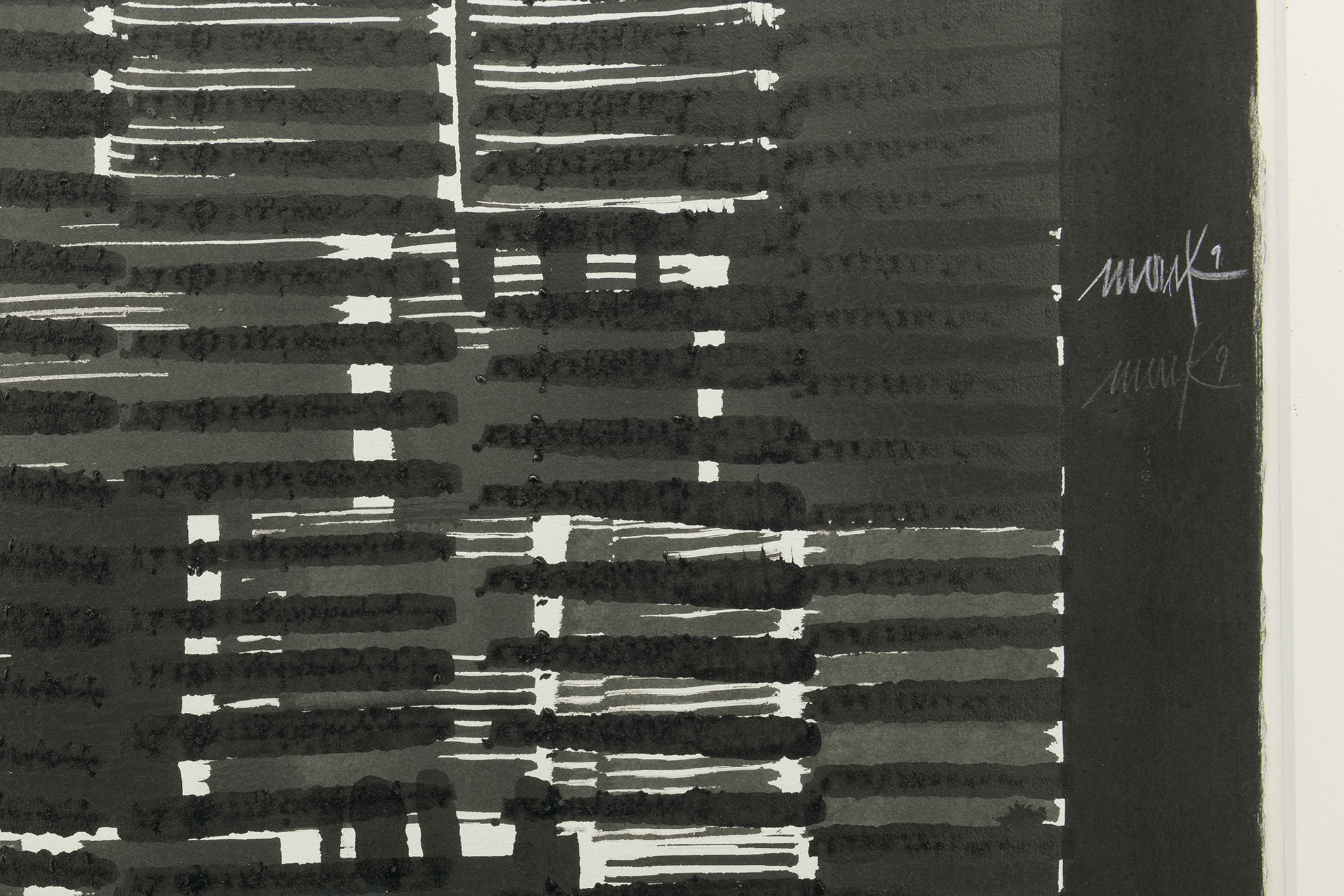
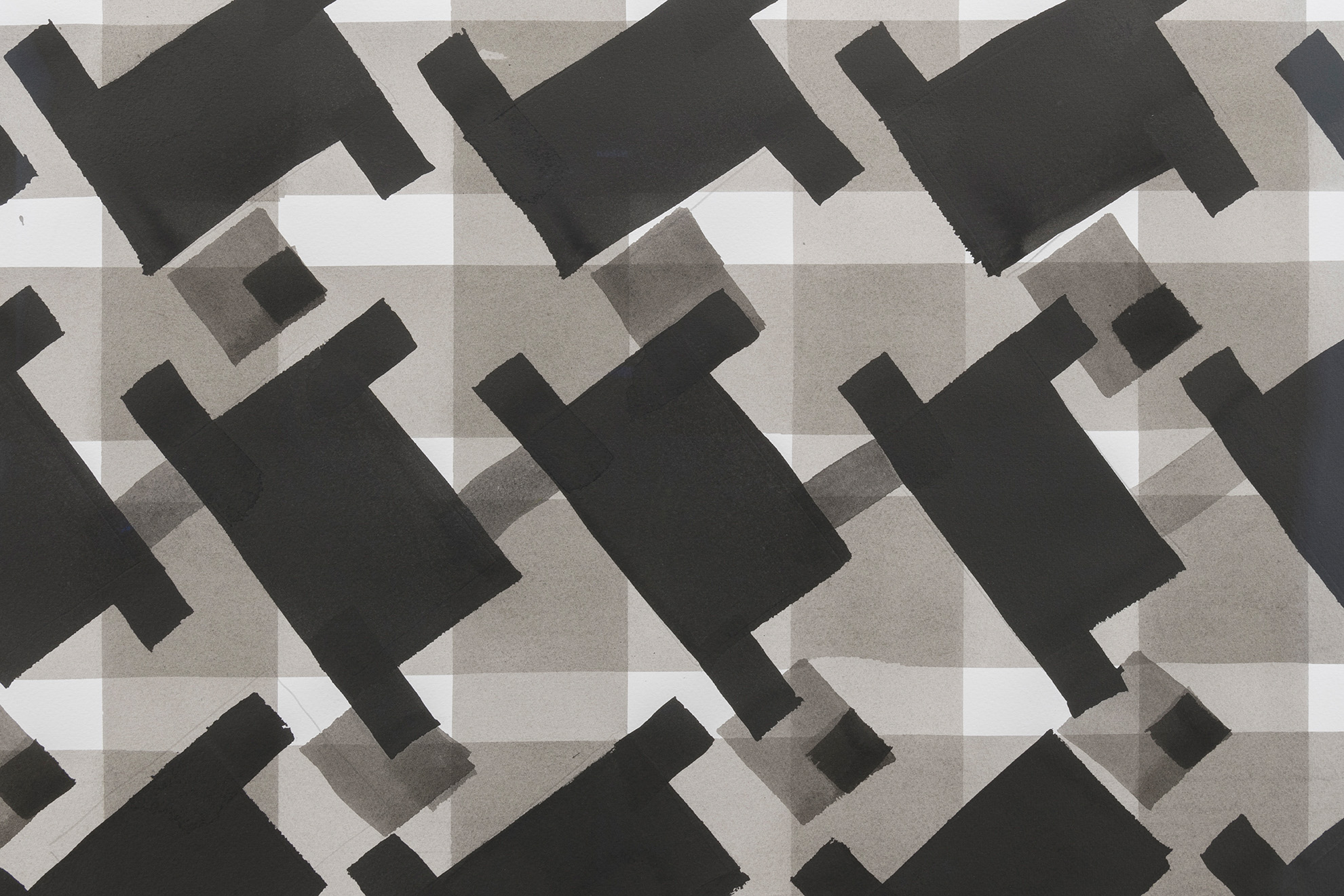
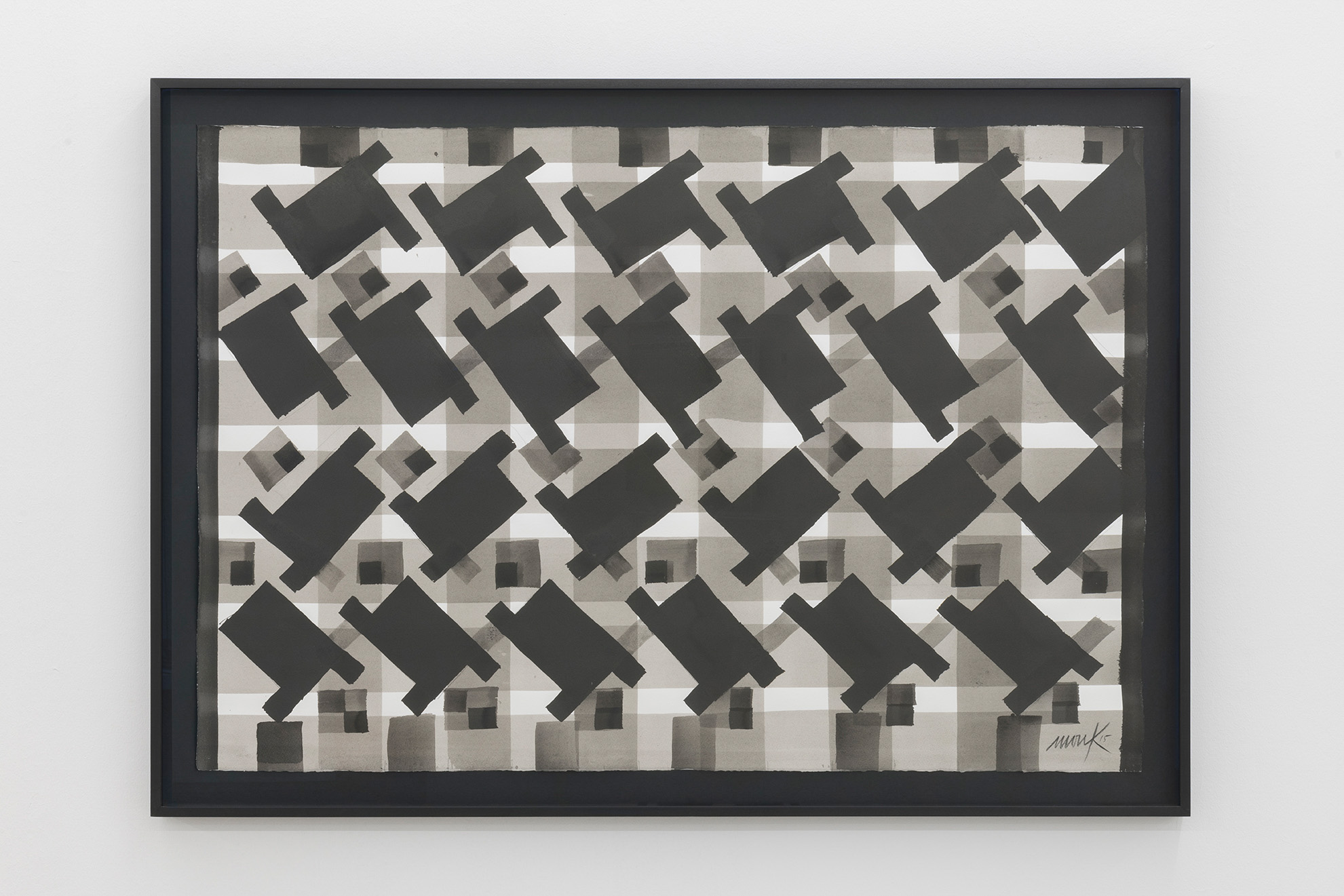
His work is eminently non-figurative, but in many cases it is strongly influenced by reality, from Turkish mosaics to Persian textiles, as well as other works of art, especially those of the first and second avant-garde movements. Thus, there is something of Matisse’s color in some of his pieces, while others are closer to Rothko’s color fields, Malevich’s Suprematism, or Sonia Delaunay’s undulating rhythms. Mack was part of that generation of post-avantgarde artists who decided to take risks and propose new ways of approaching the subject of art. Mack himself ended up co-founding the ZERO group with Otto Piene, a movement that is fundamental to understanding art in the second half of the 20th century, joined by artists such as Yves Klein, Lucio Fontana, Piero Manzoni, Pol Bury or Jean Tinguely.
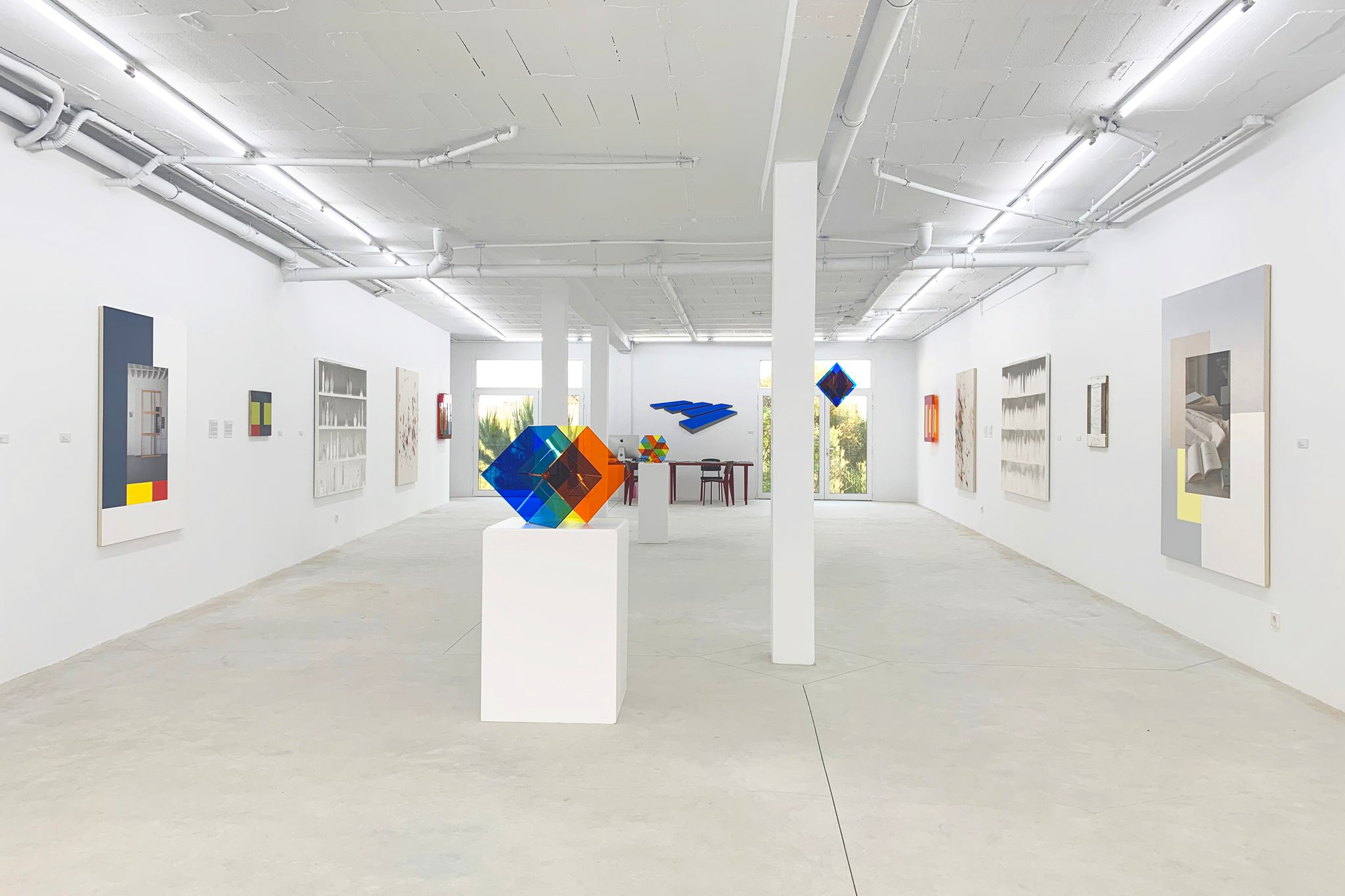
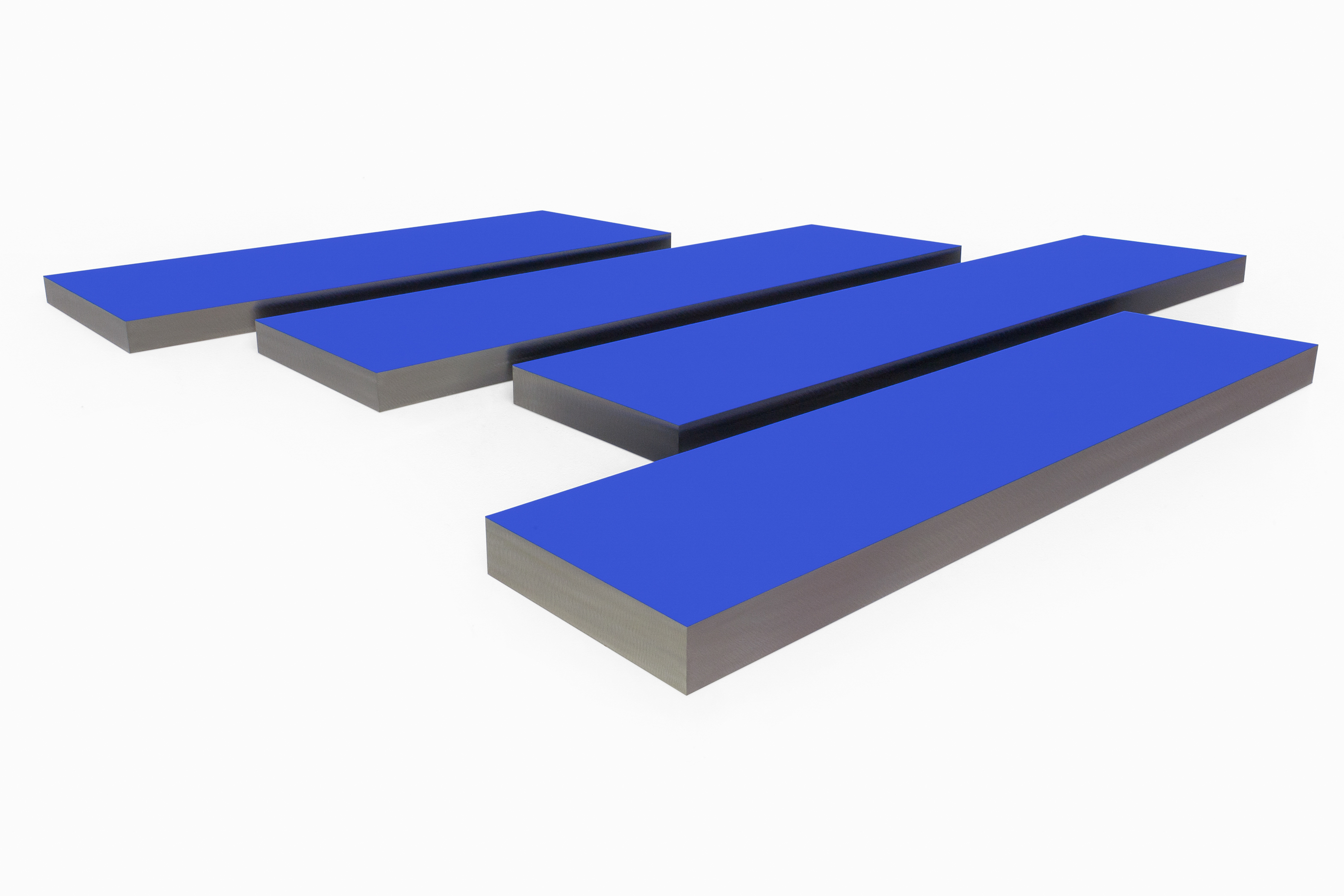
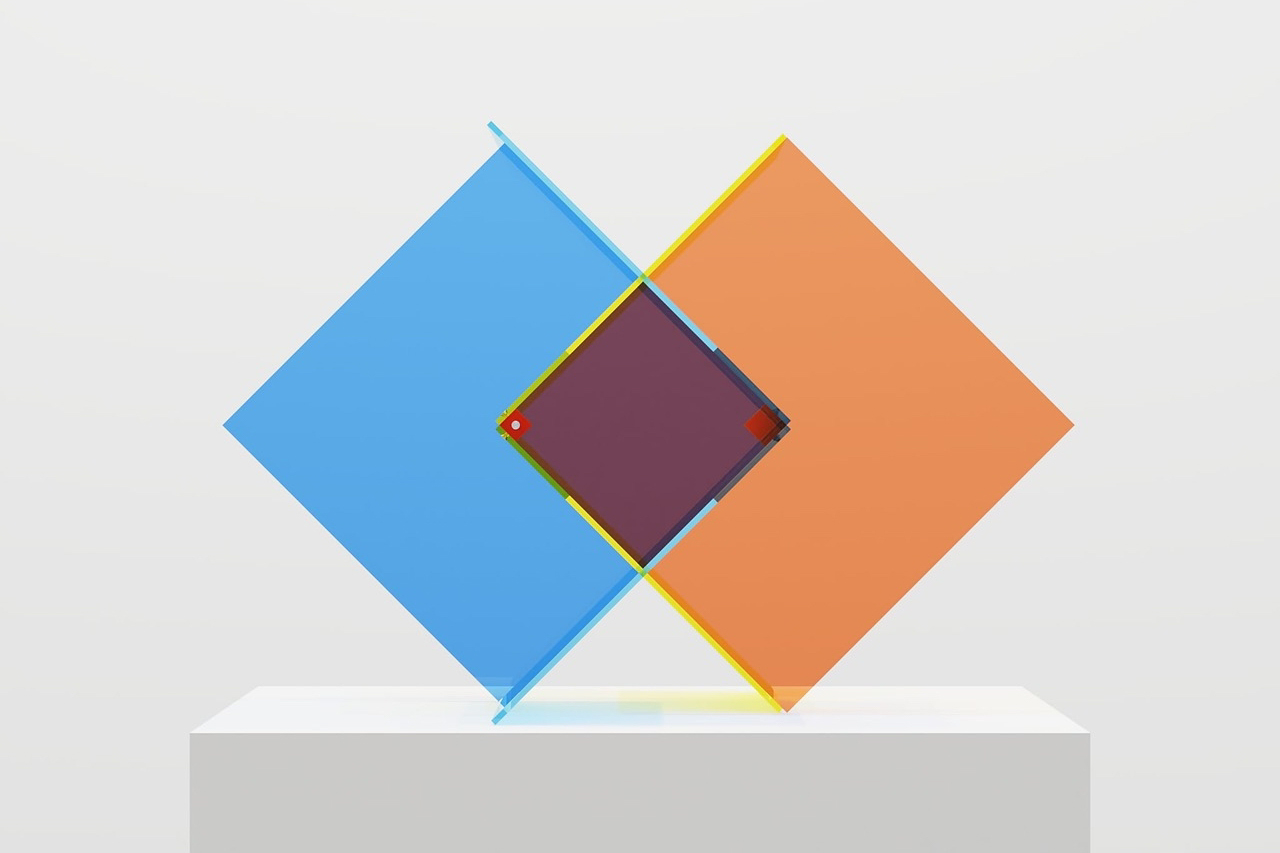
Heinz Mack proposed and developed his own theory of “composition,” with a special emphasis on what he called “dynamic structures”. In connection with the ZERO movement (1958-1966), Mack decided around 1963 to give up working with paint on canvas entirely. The sculptural work made of aluminum, acrylic glass and other industrial materials that were far from art at the time then stood in the foreground. Bringing light to the surface of these sculptures was also the basic idea of his “Sahara Project”, conceived in 1958/59, which made Mack a pioneer of Land Art in Europe.
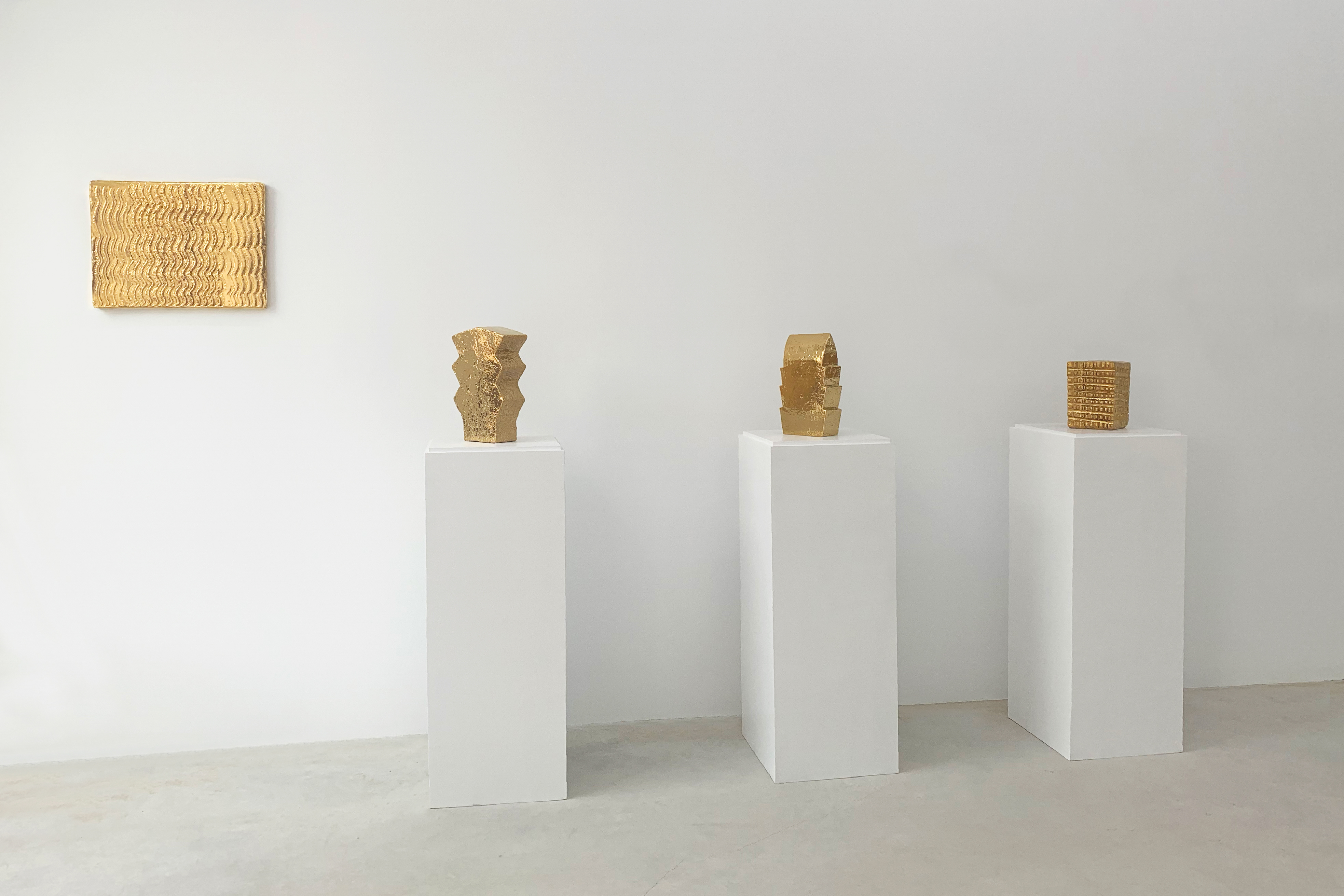
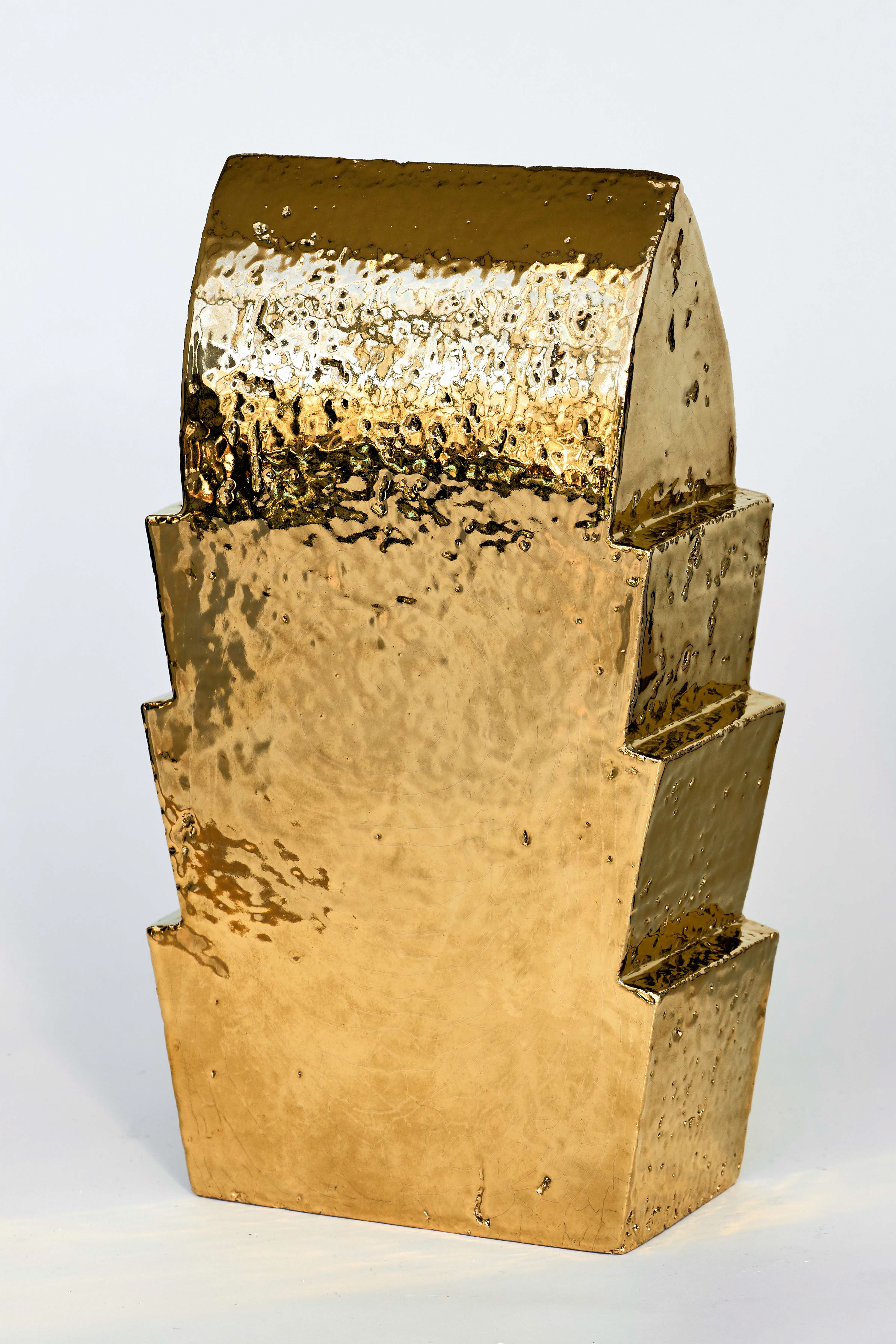
During all his career, Heinz Mack has personally put physical experiments to the test for decades. In addition, he undertook numerous travels and studies of related creations and objectives of artists in other parts of the world, especially the Orient. In Heinz Mack's sculptural work, we often find reflective, silver or gold surfaces on ceramic pieces, which have a lot to do with his installations in the desert. The golden and sparkling surfaces imitates its origin in fire and simulates light sources inside the objects.
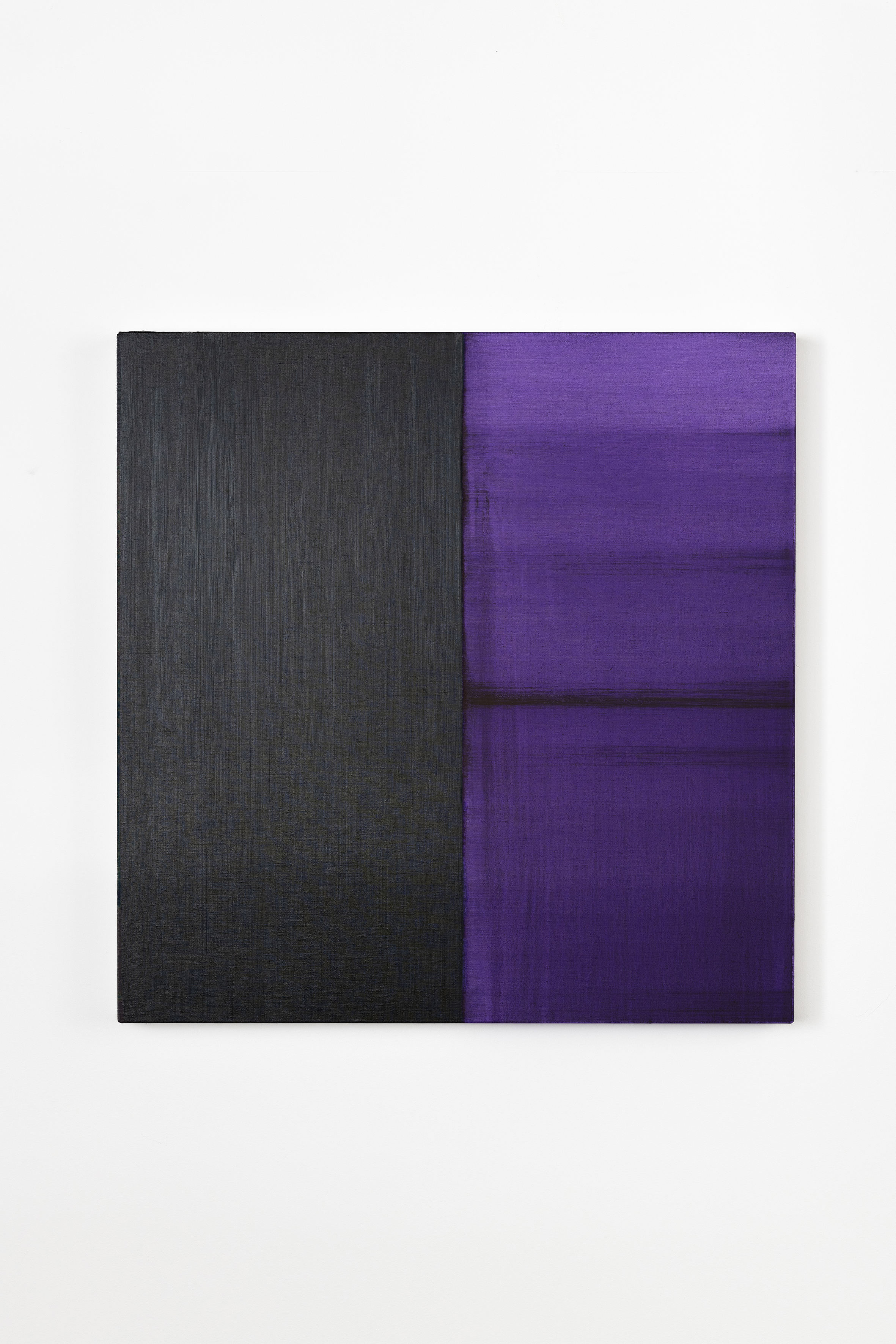
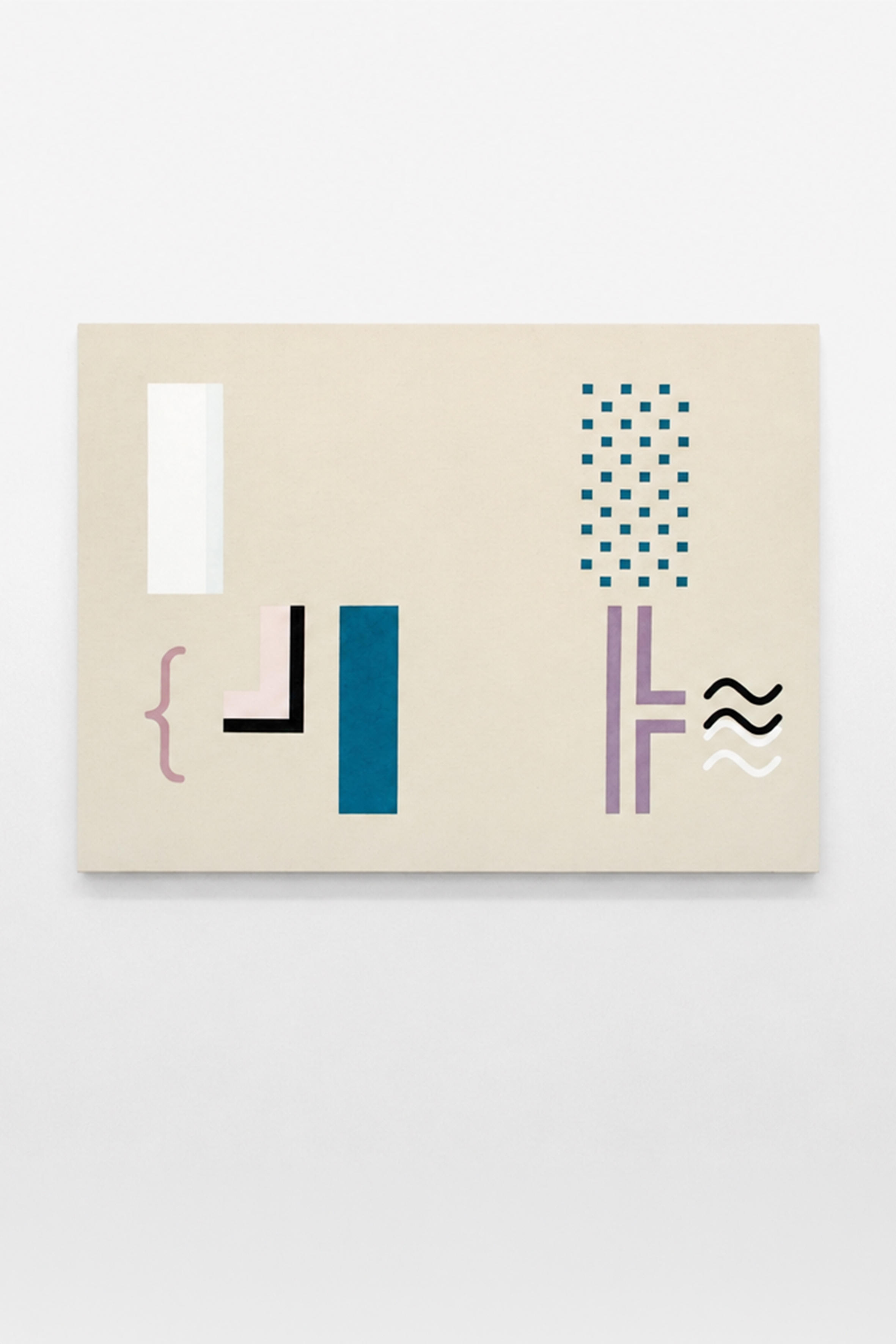
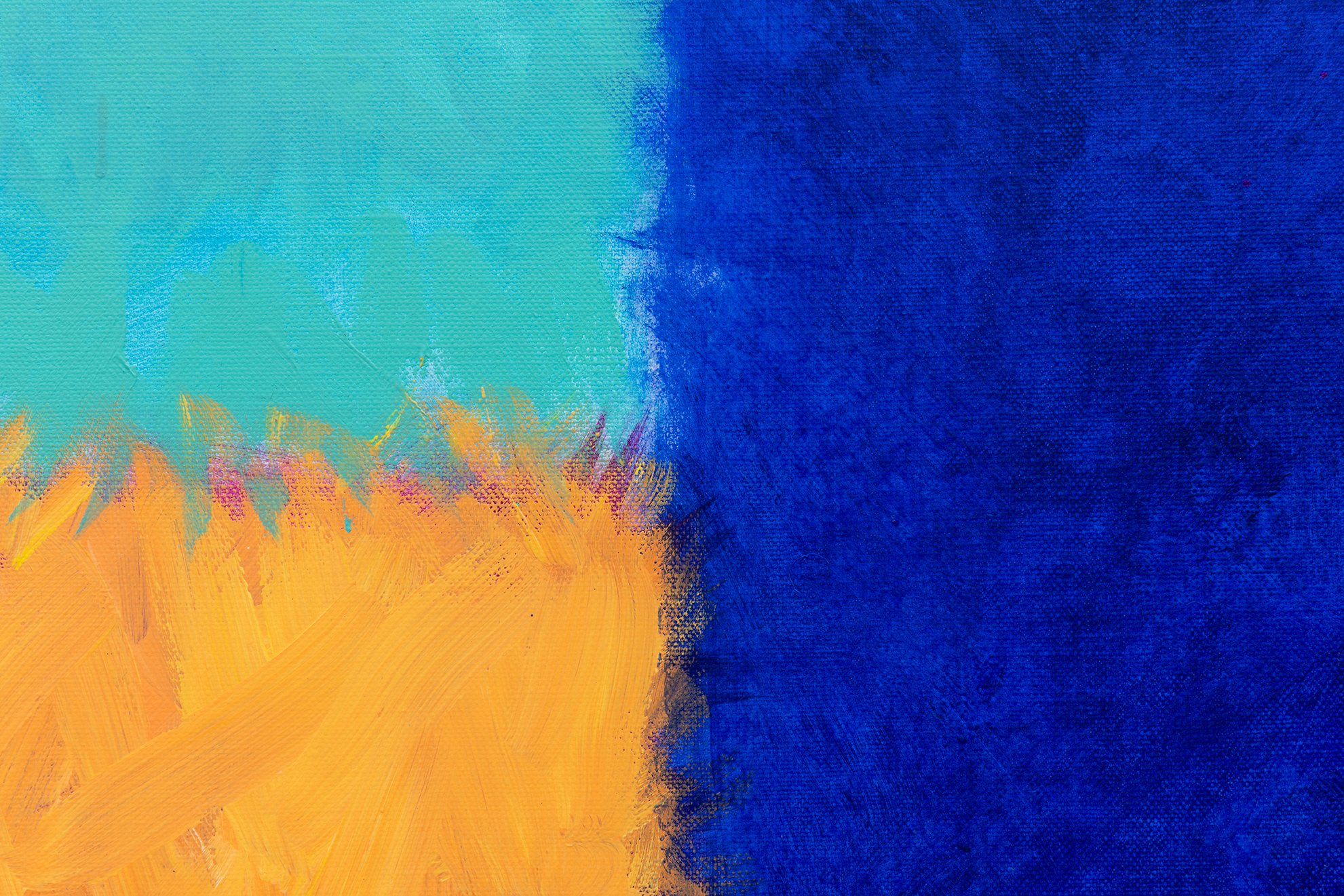
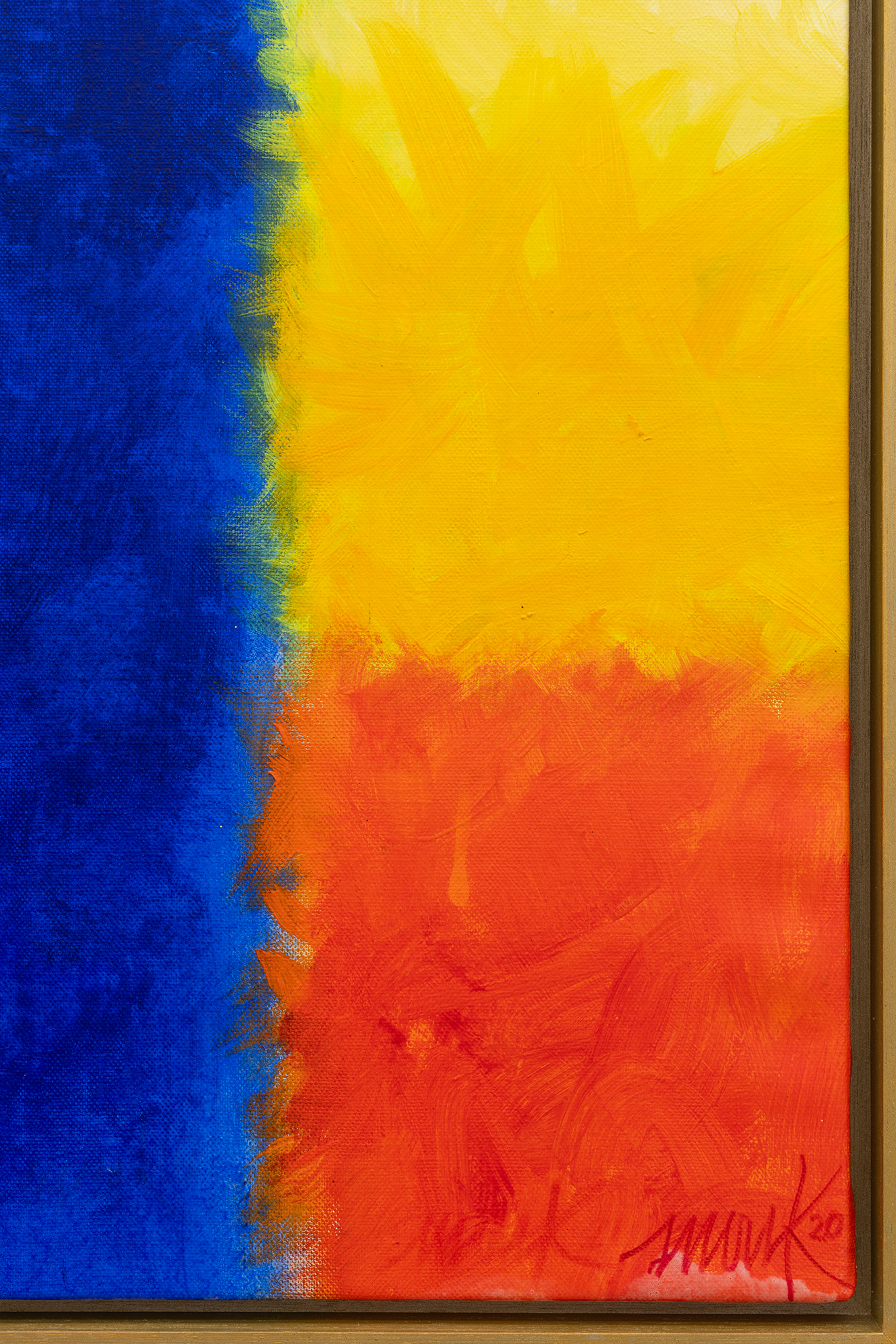
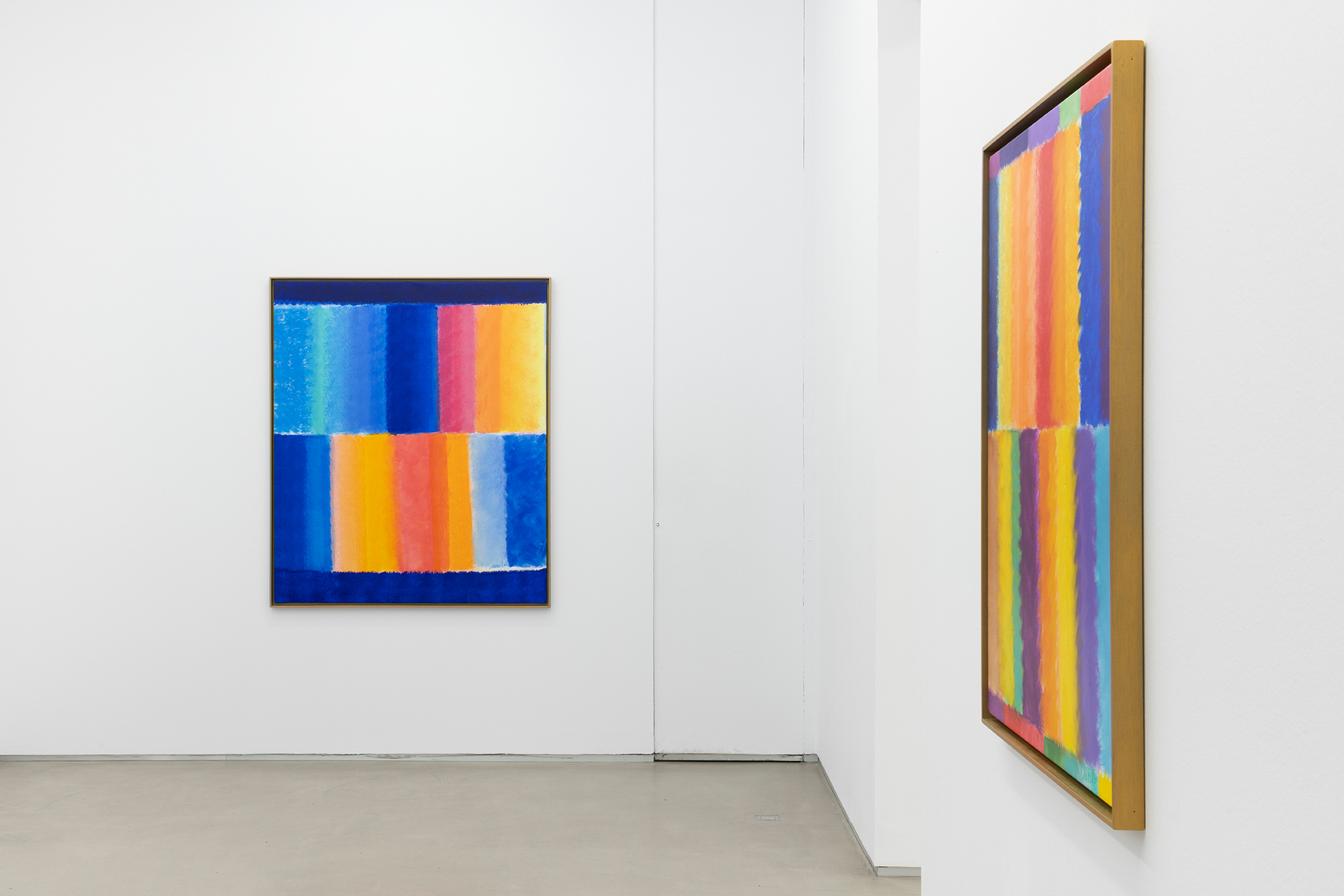
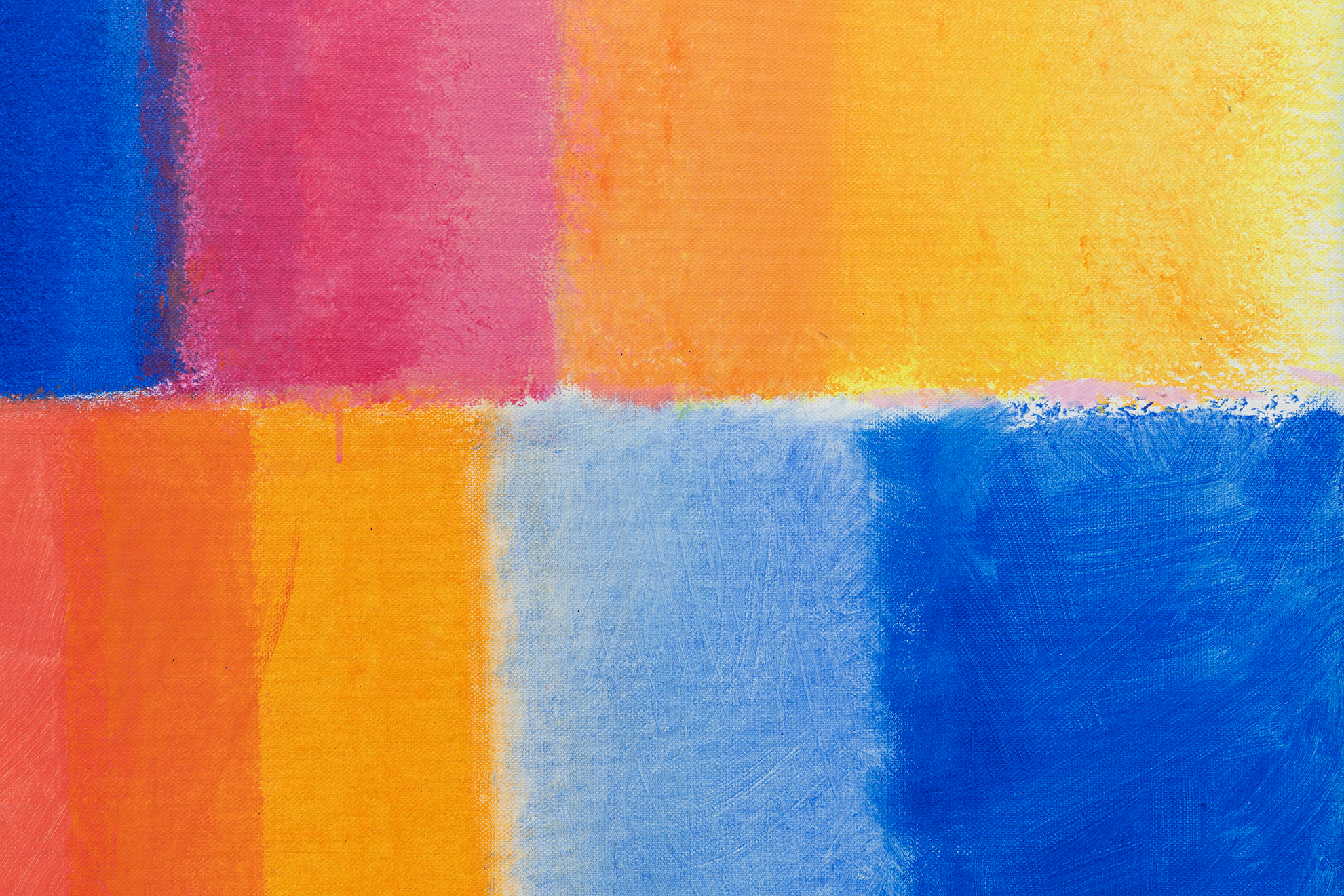
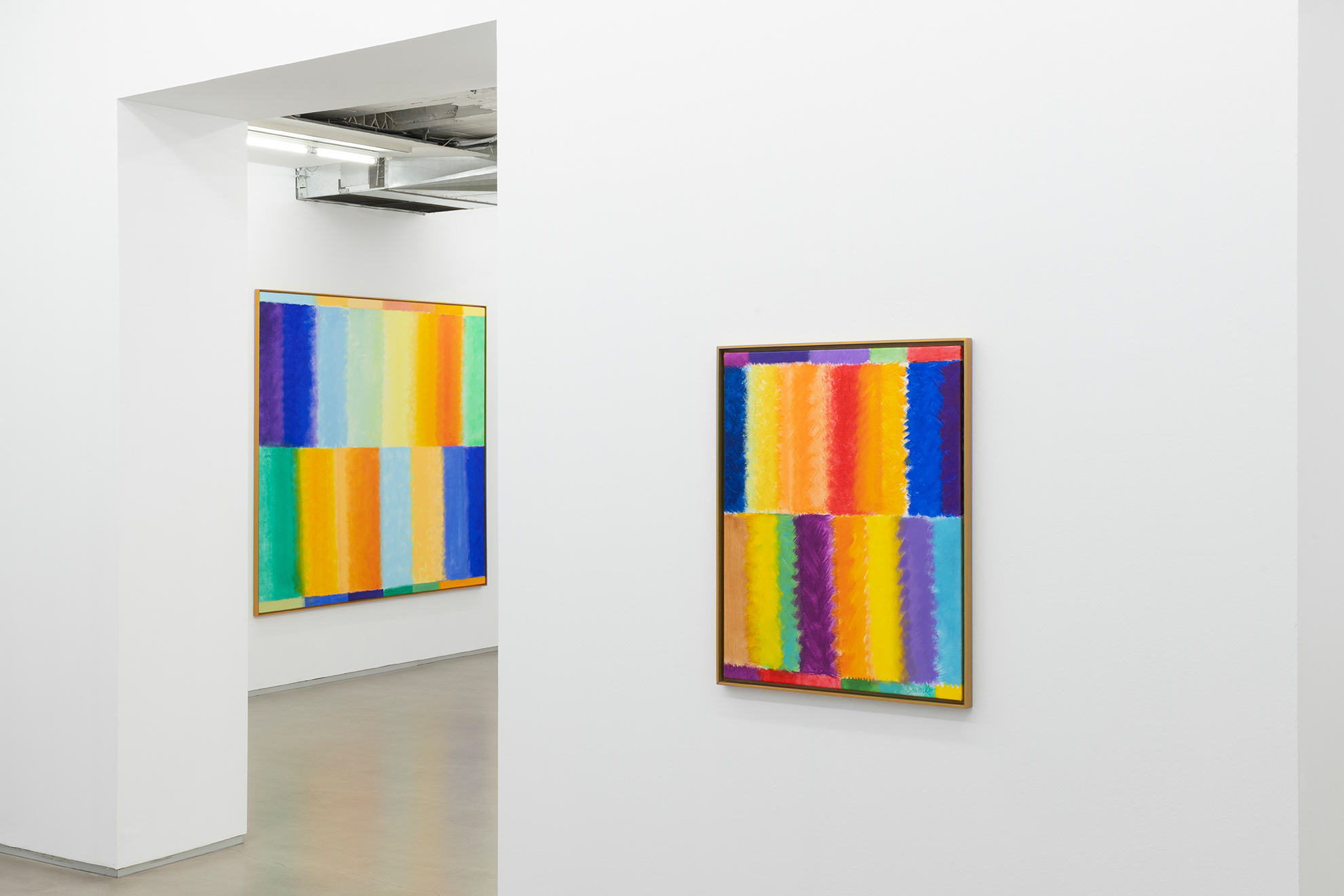
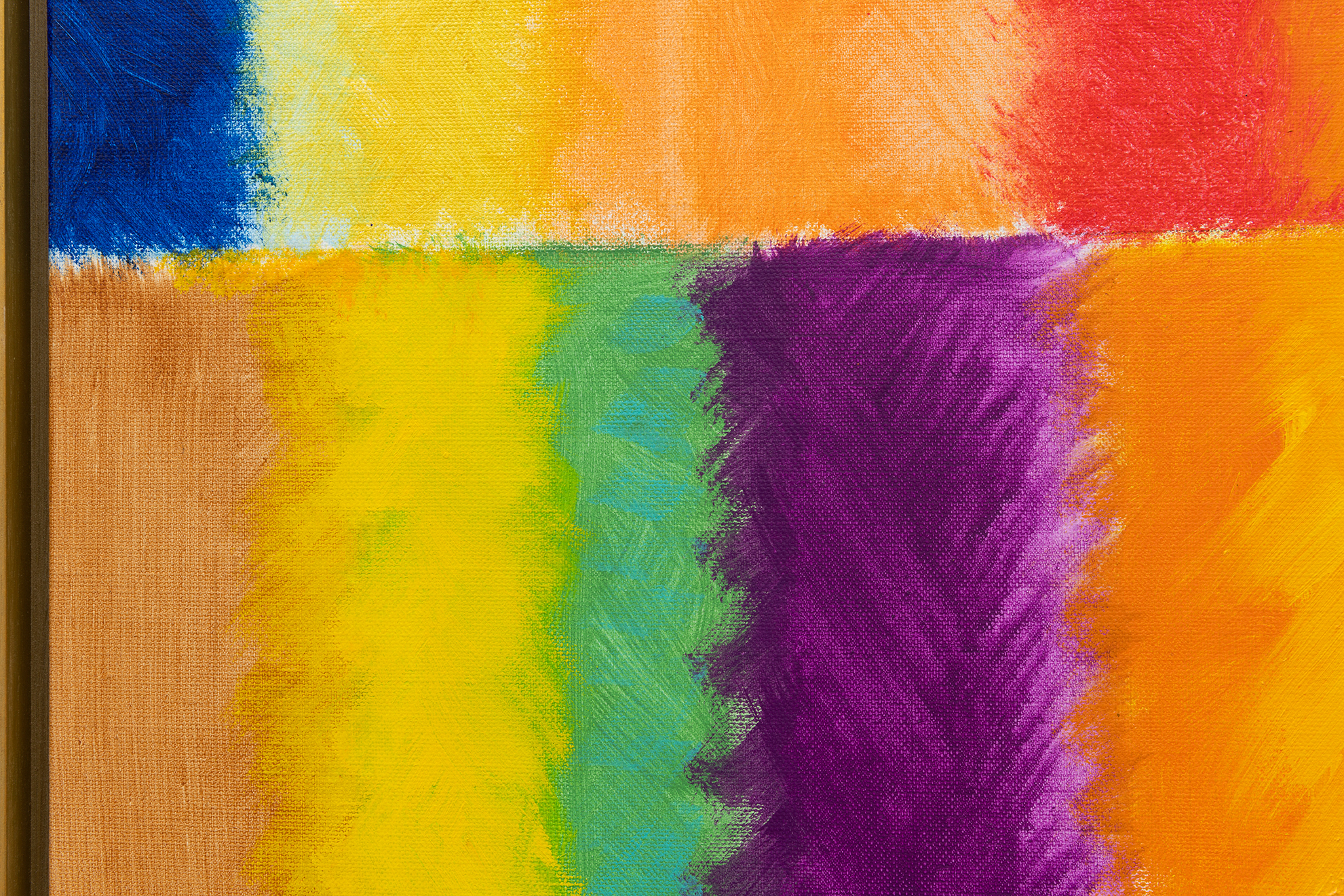
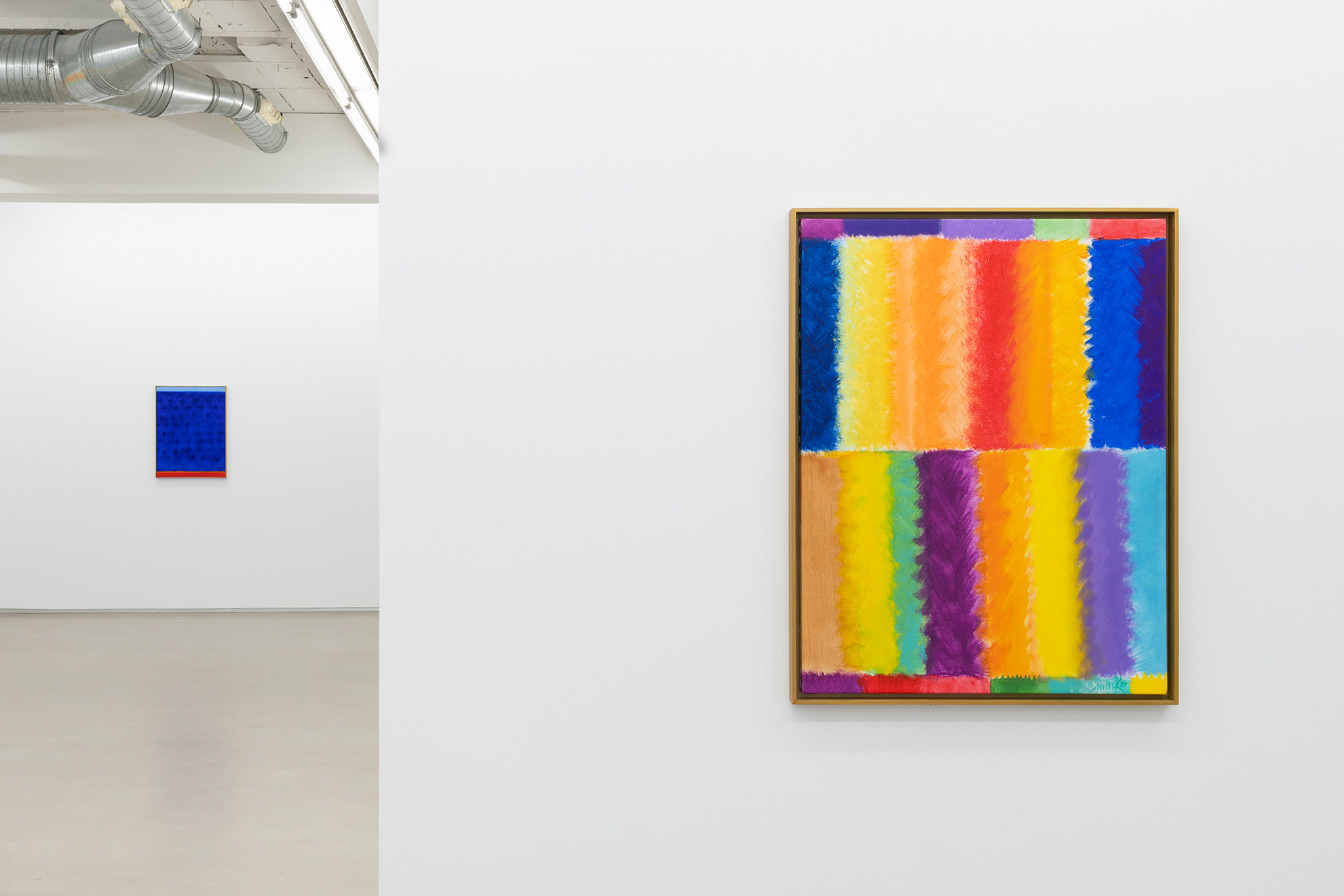
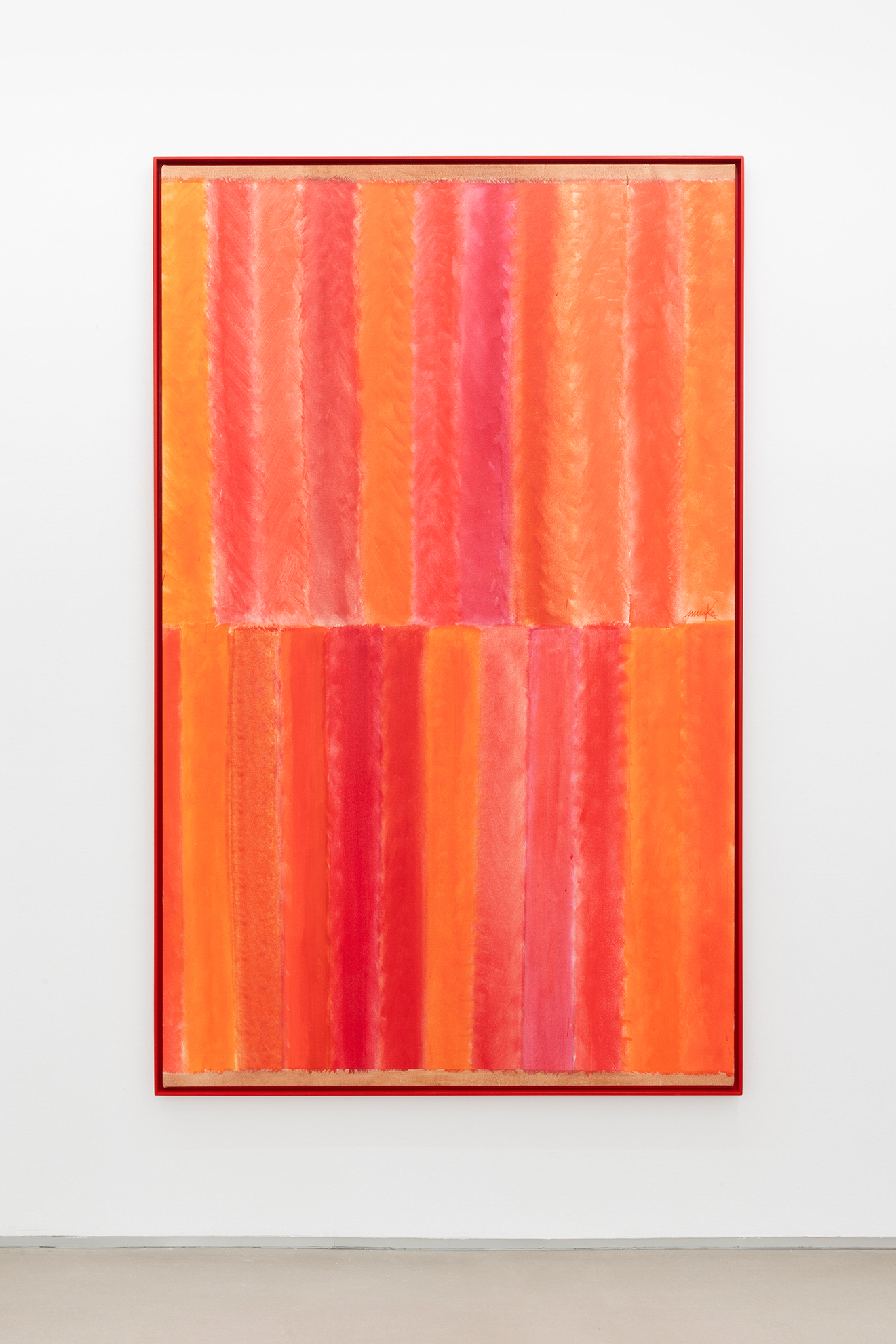
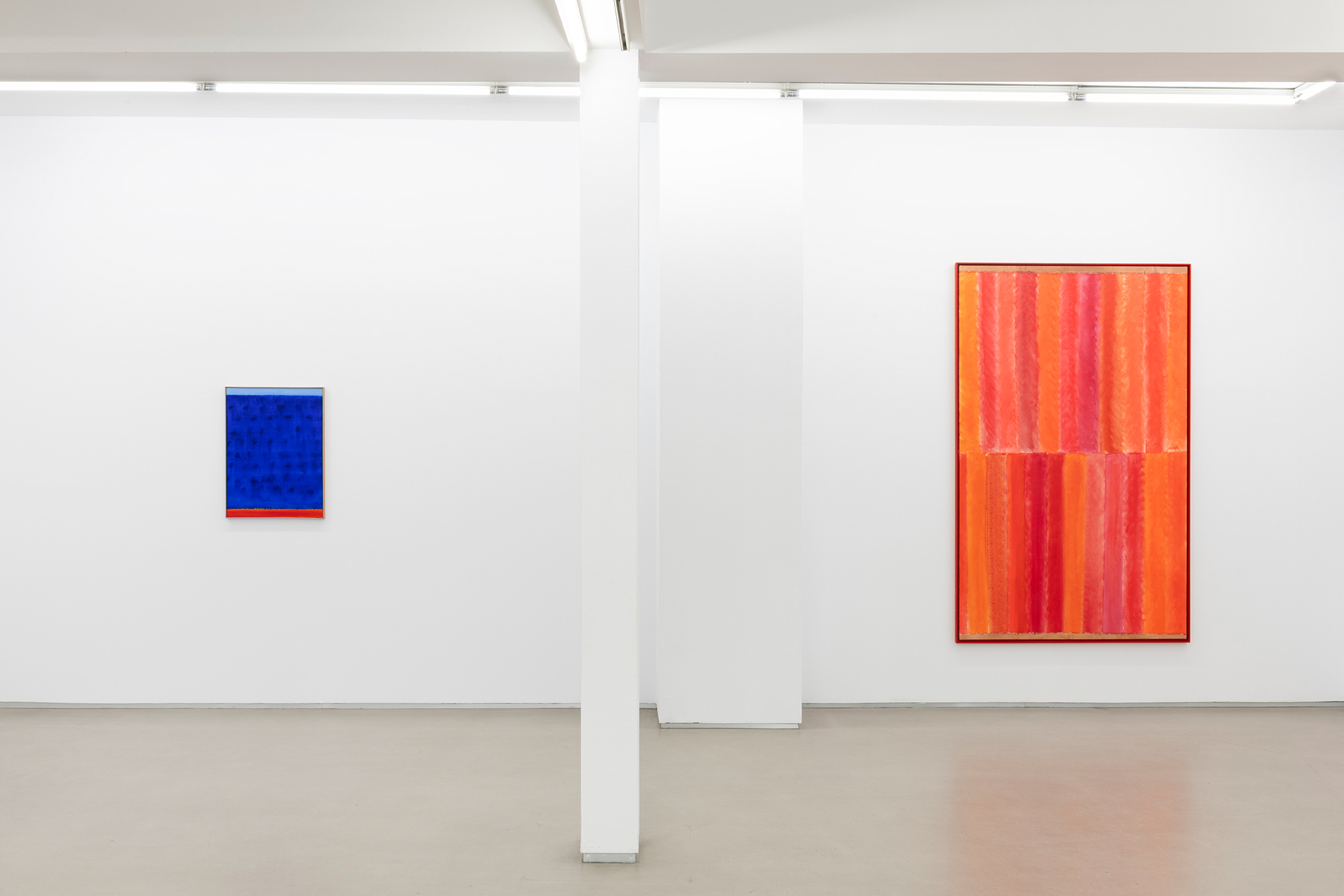
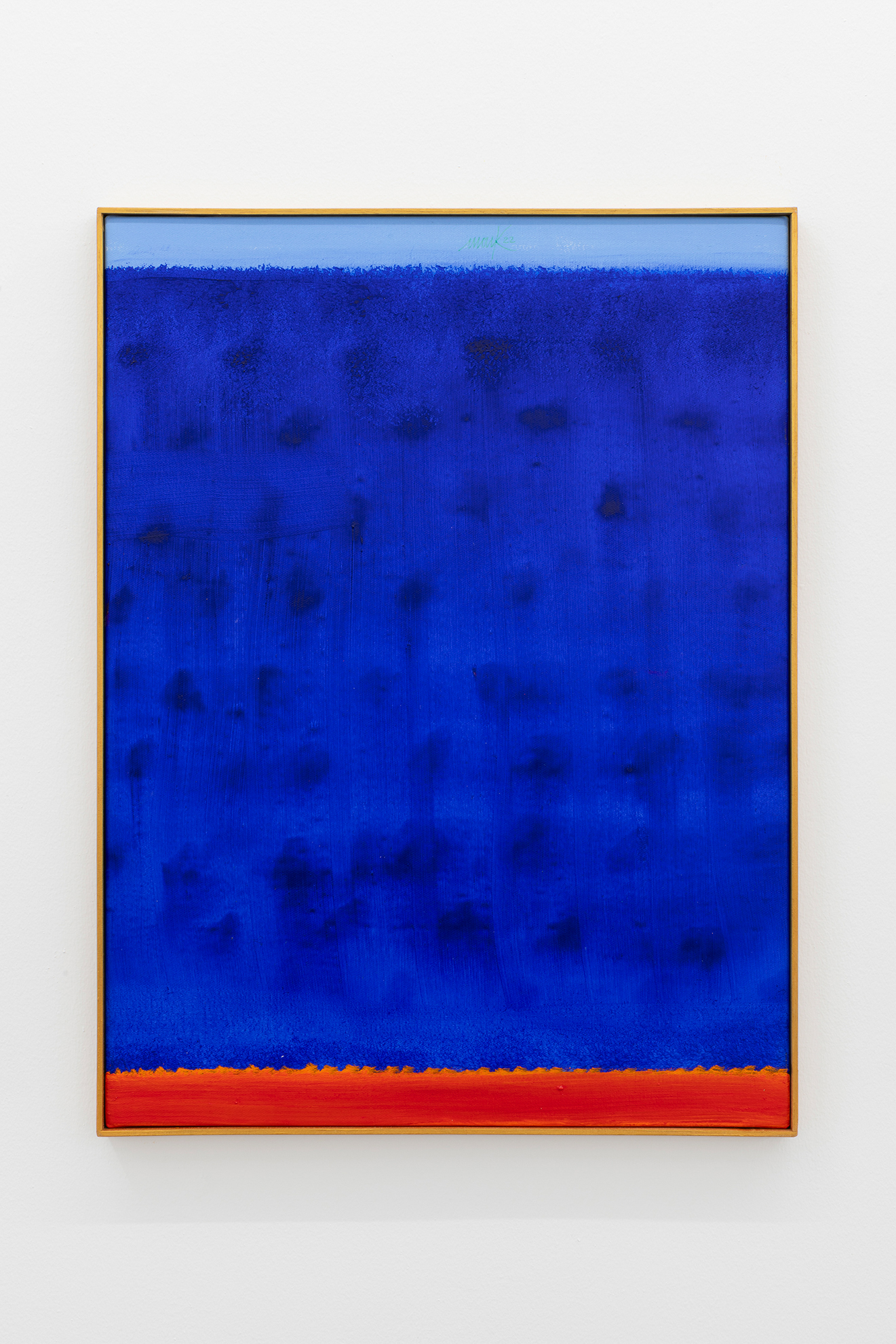
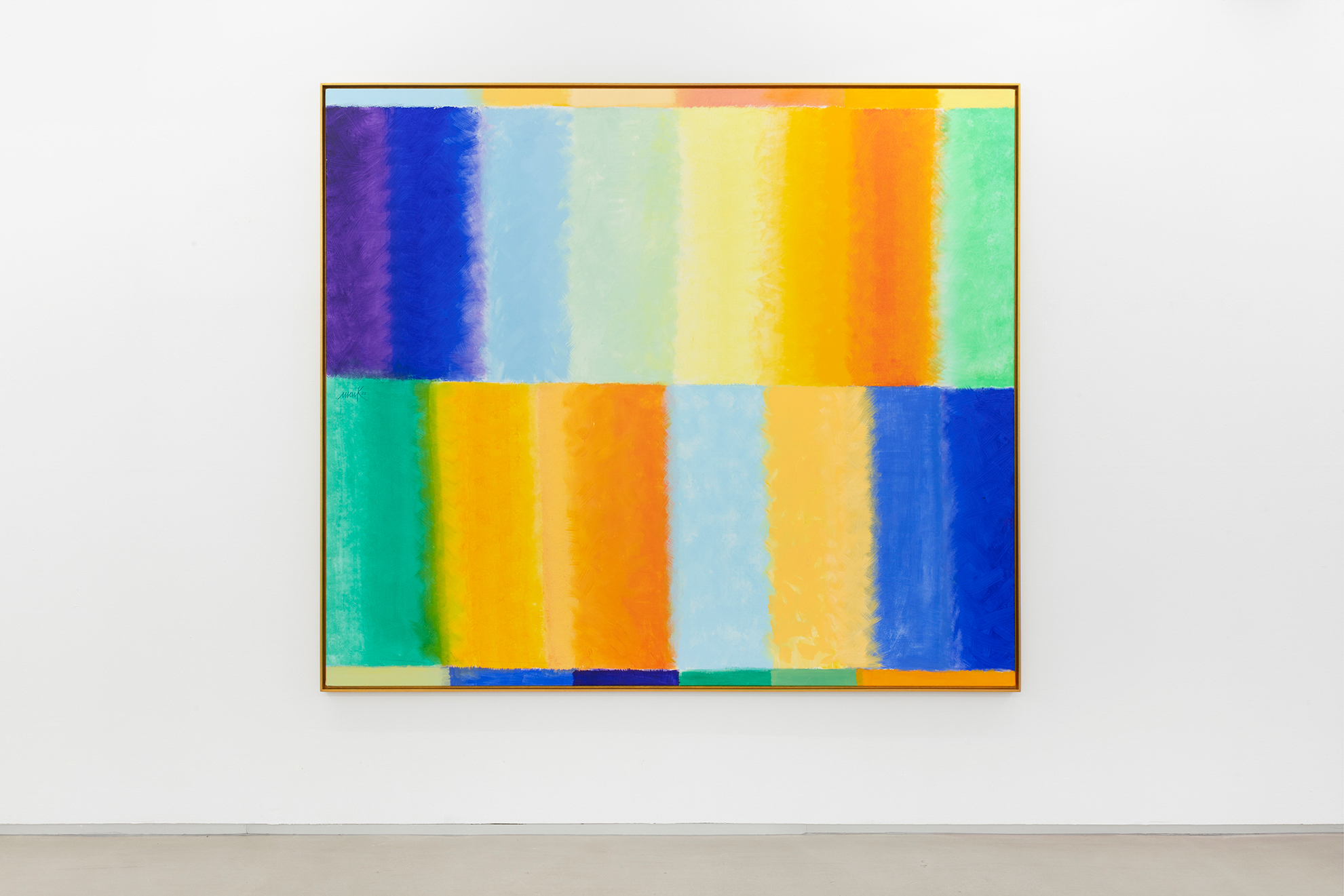
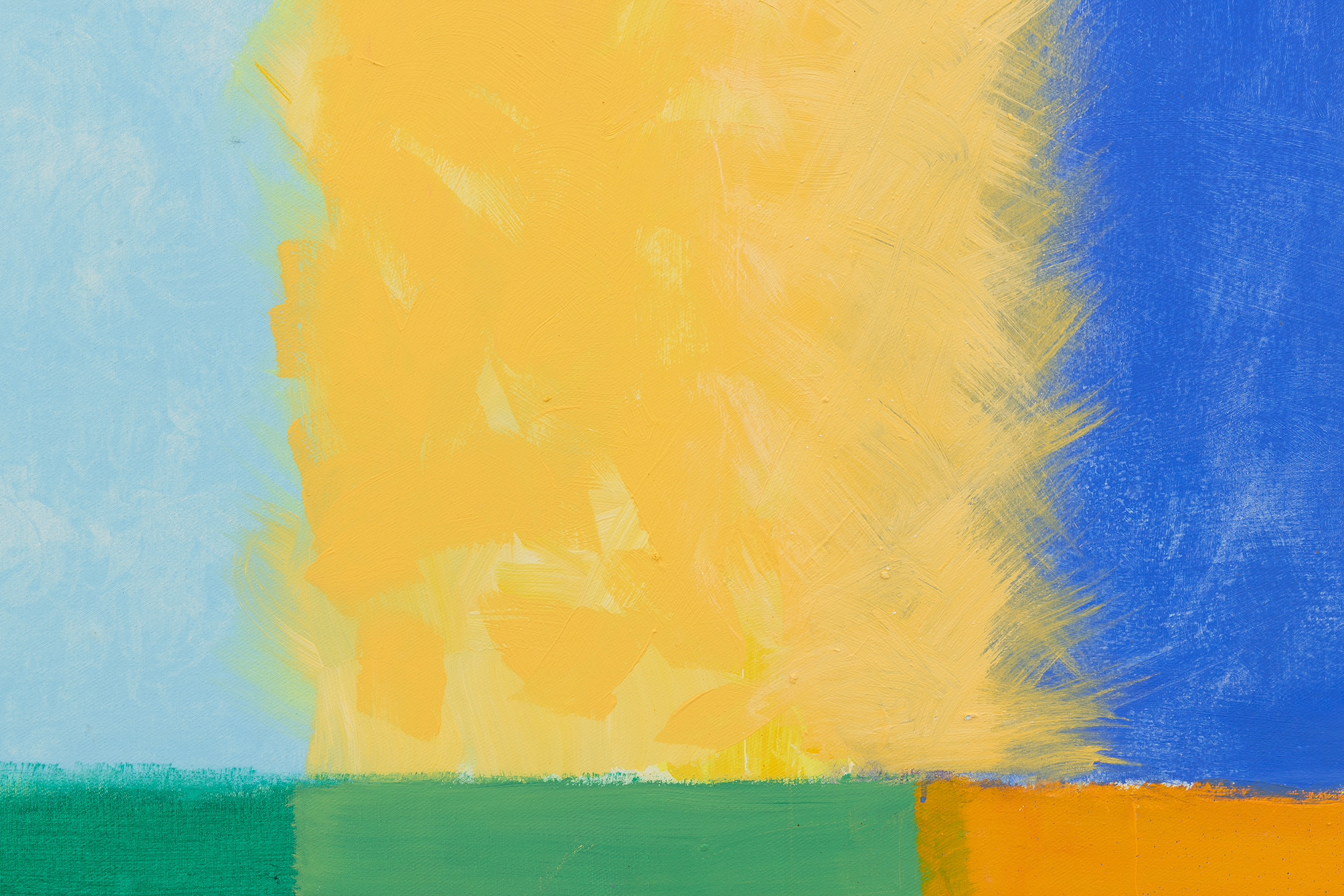
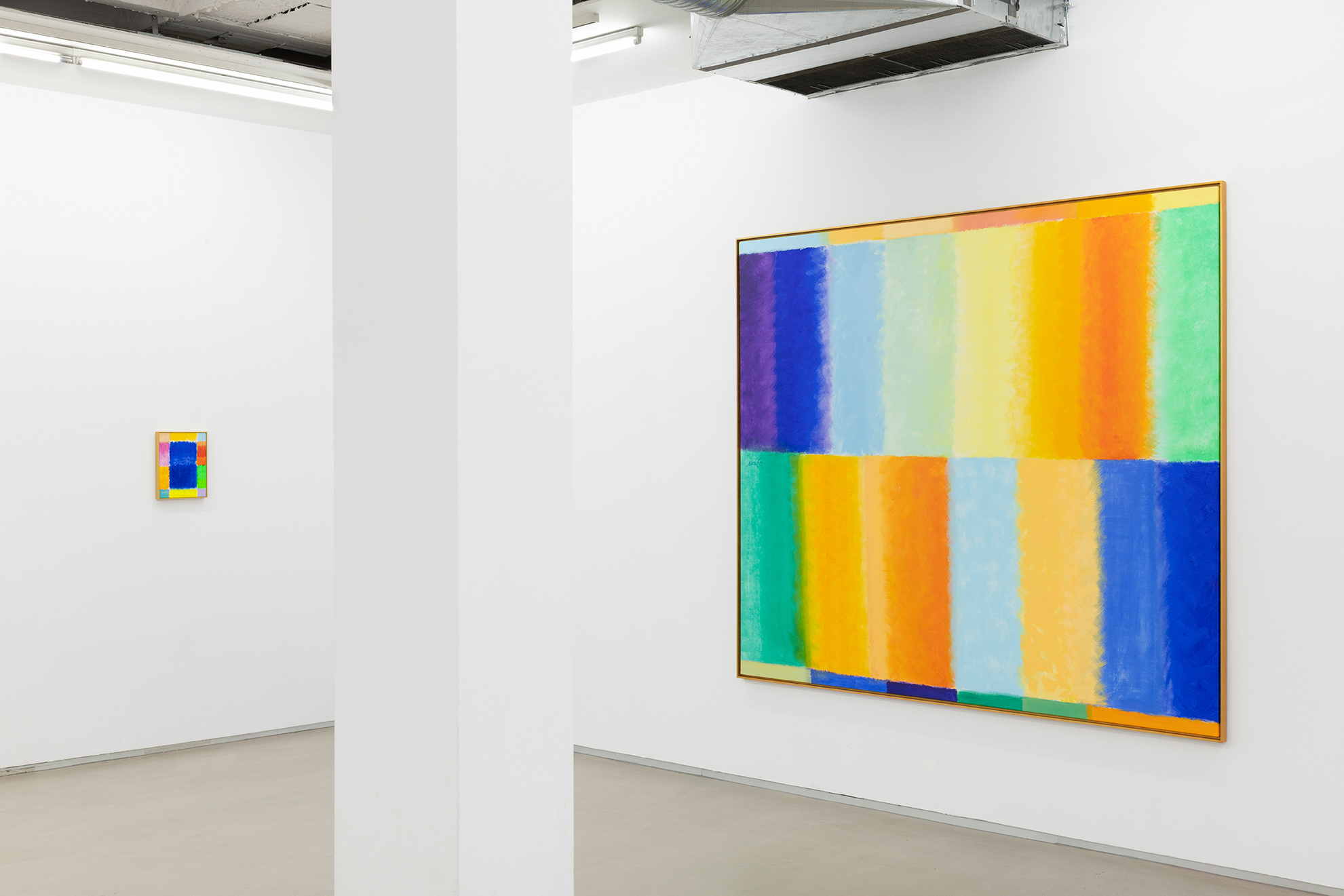
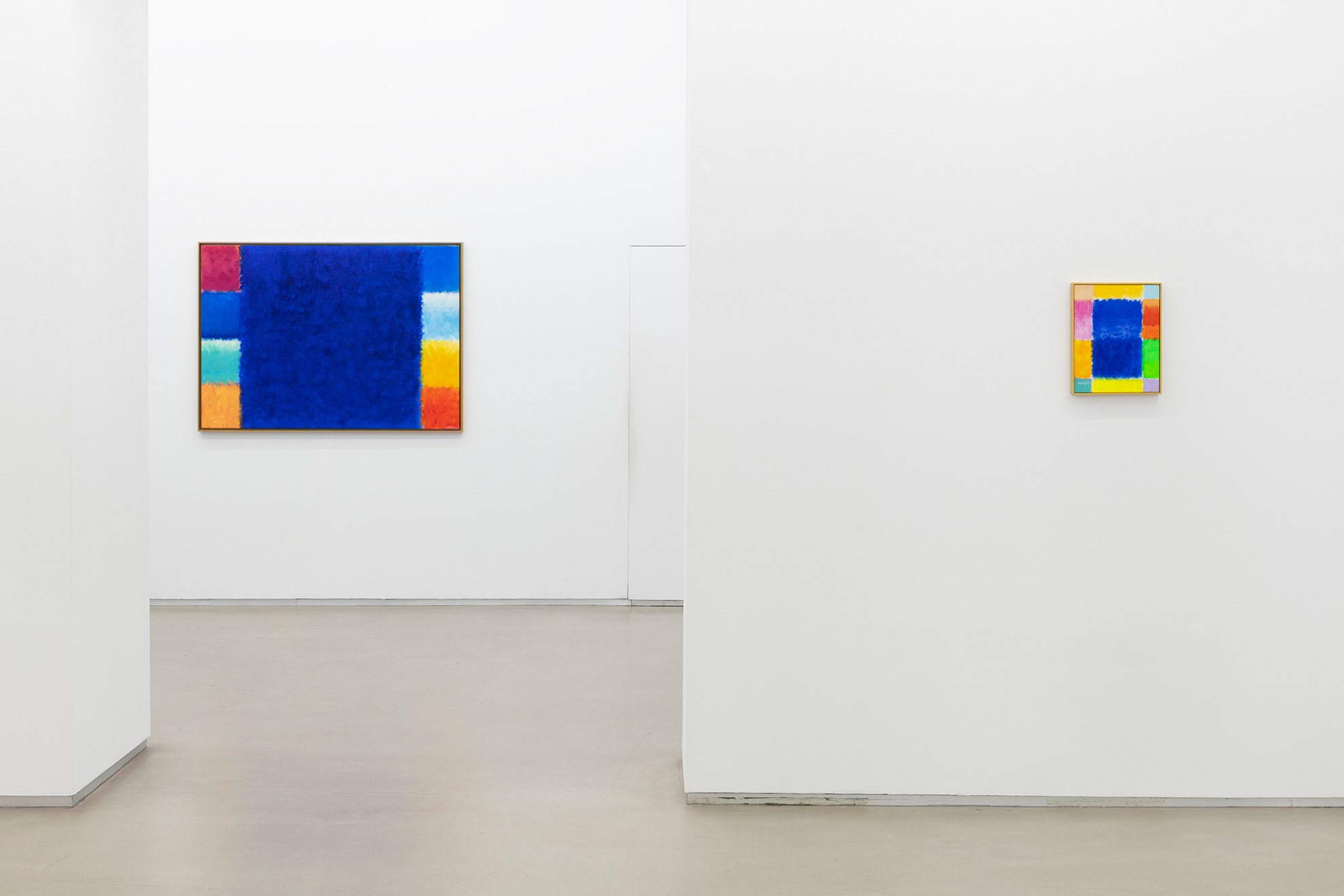
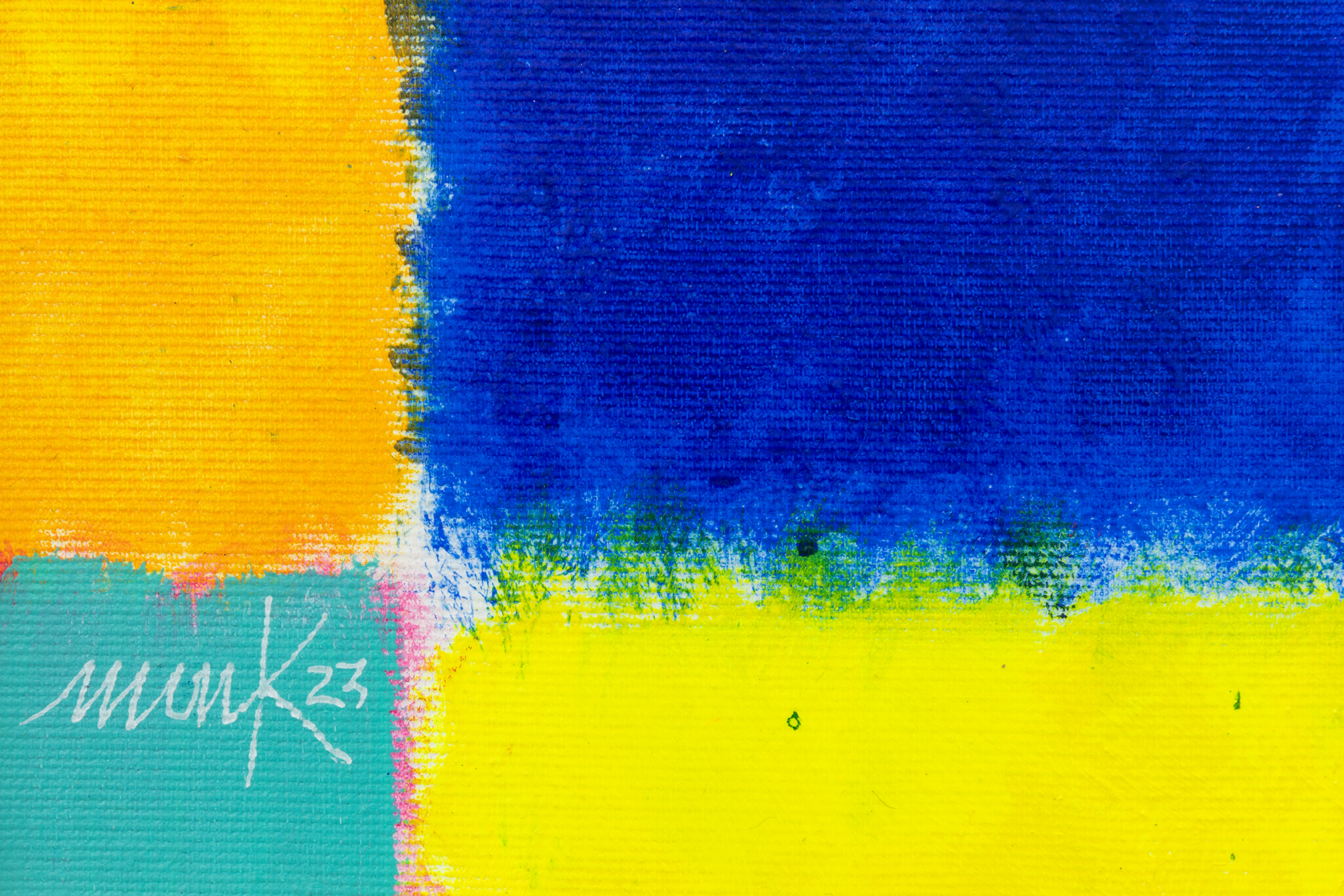
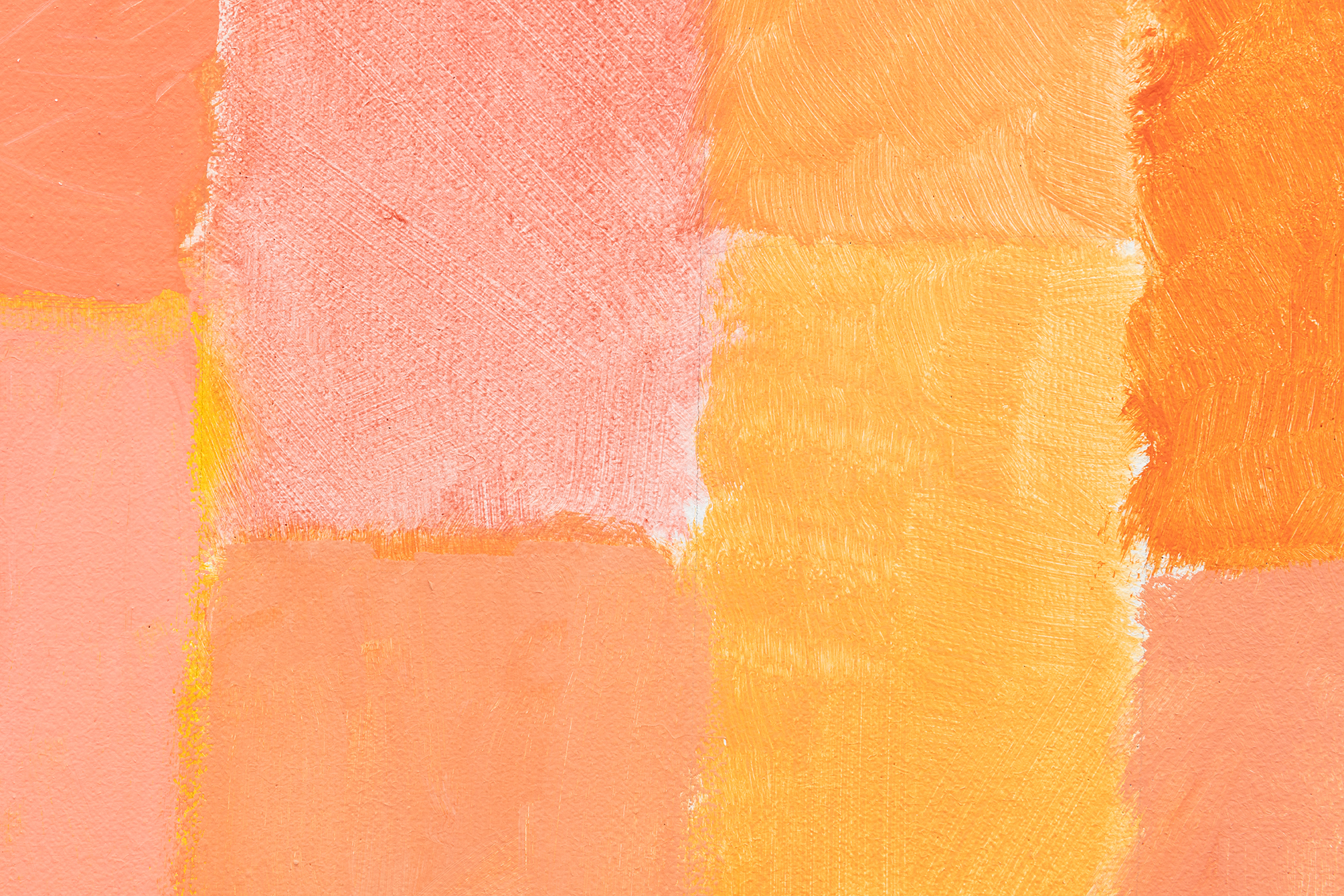
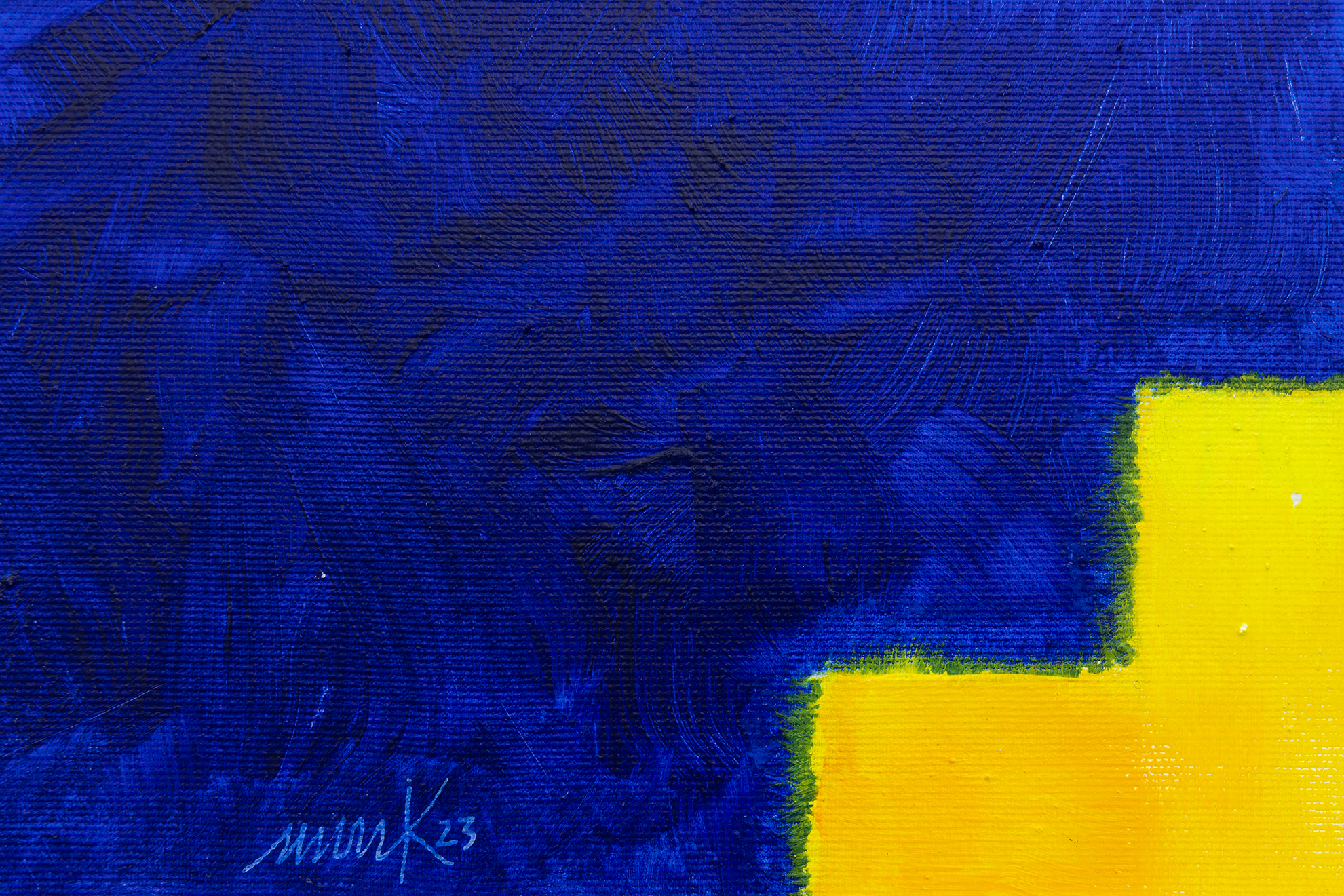
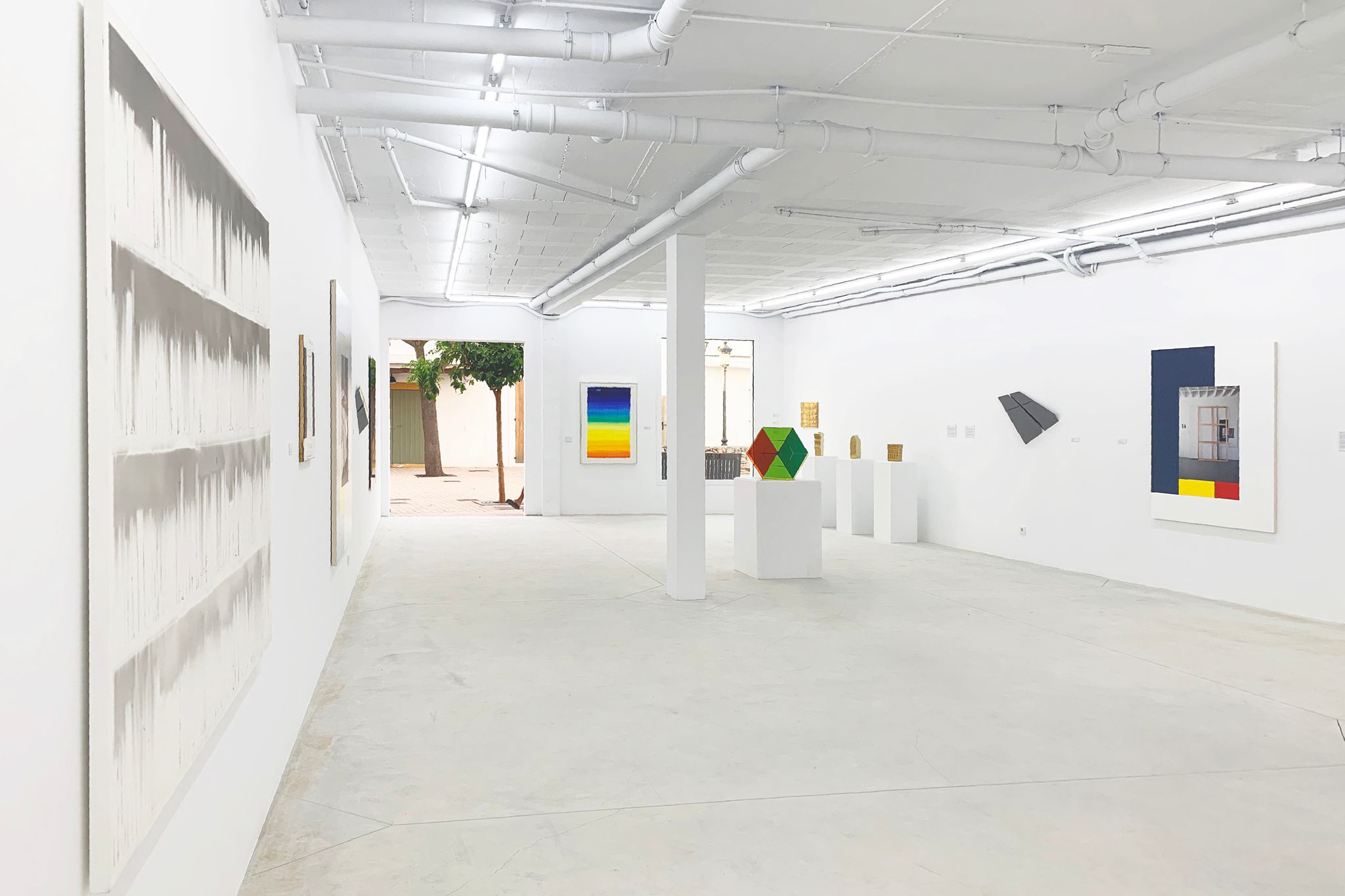
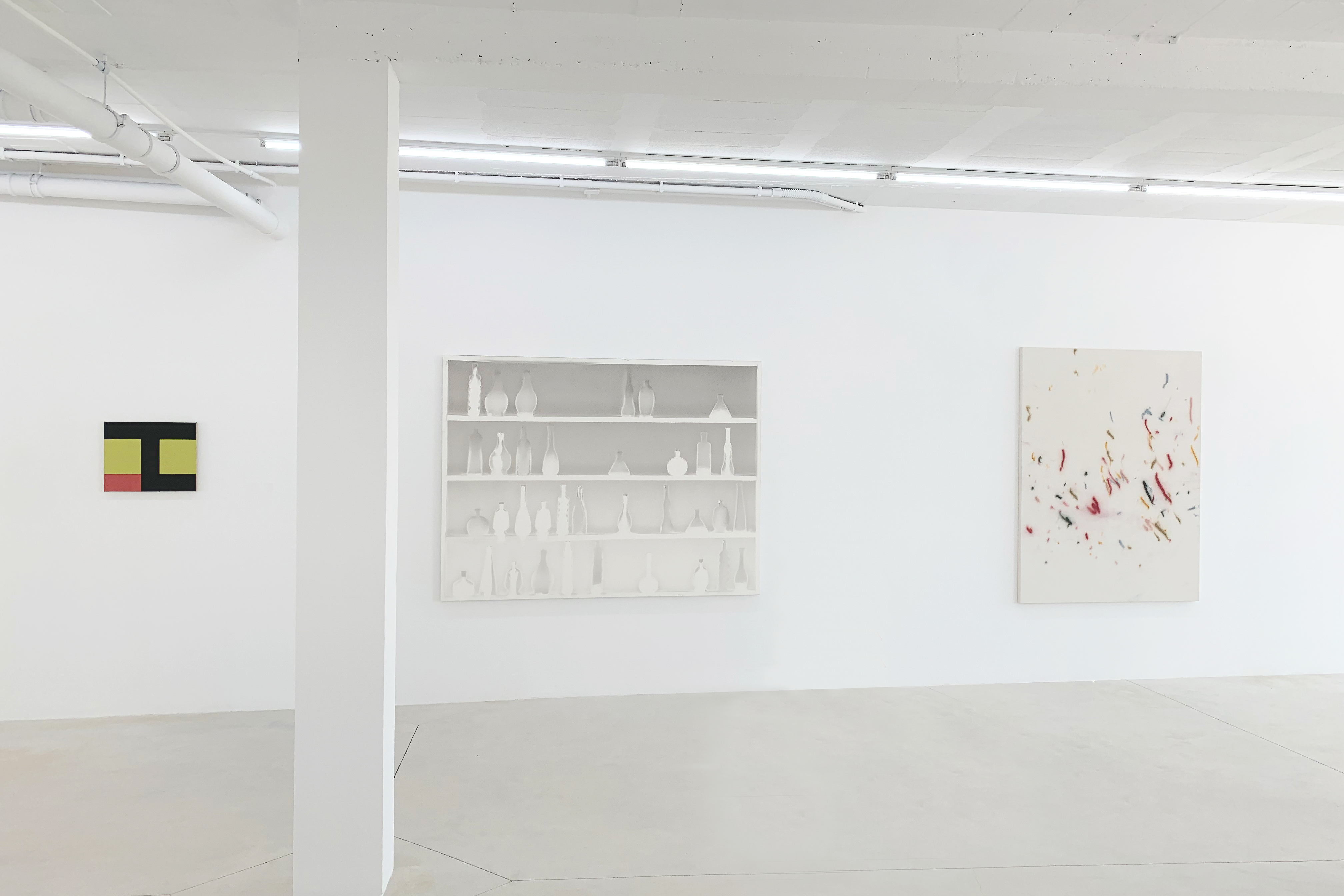
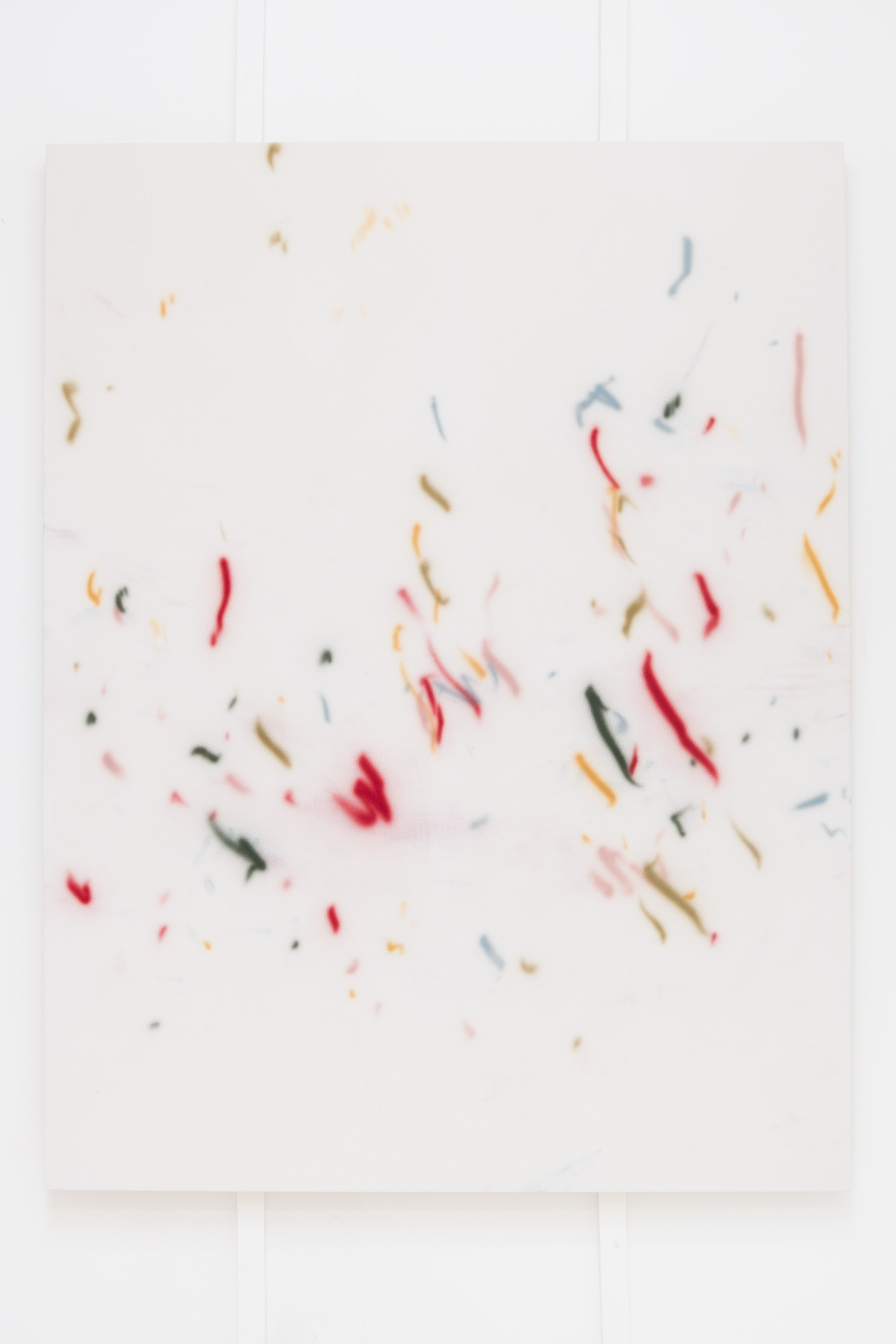
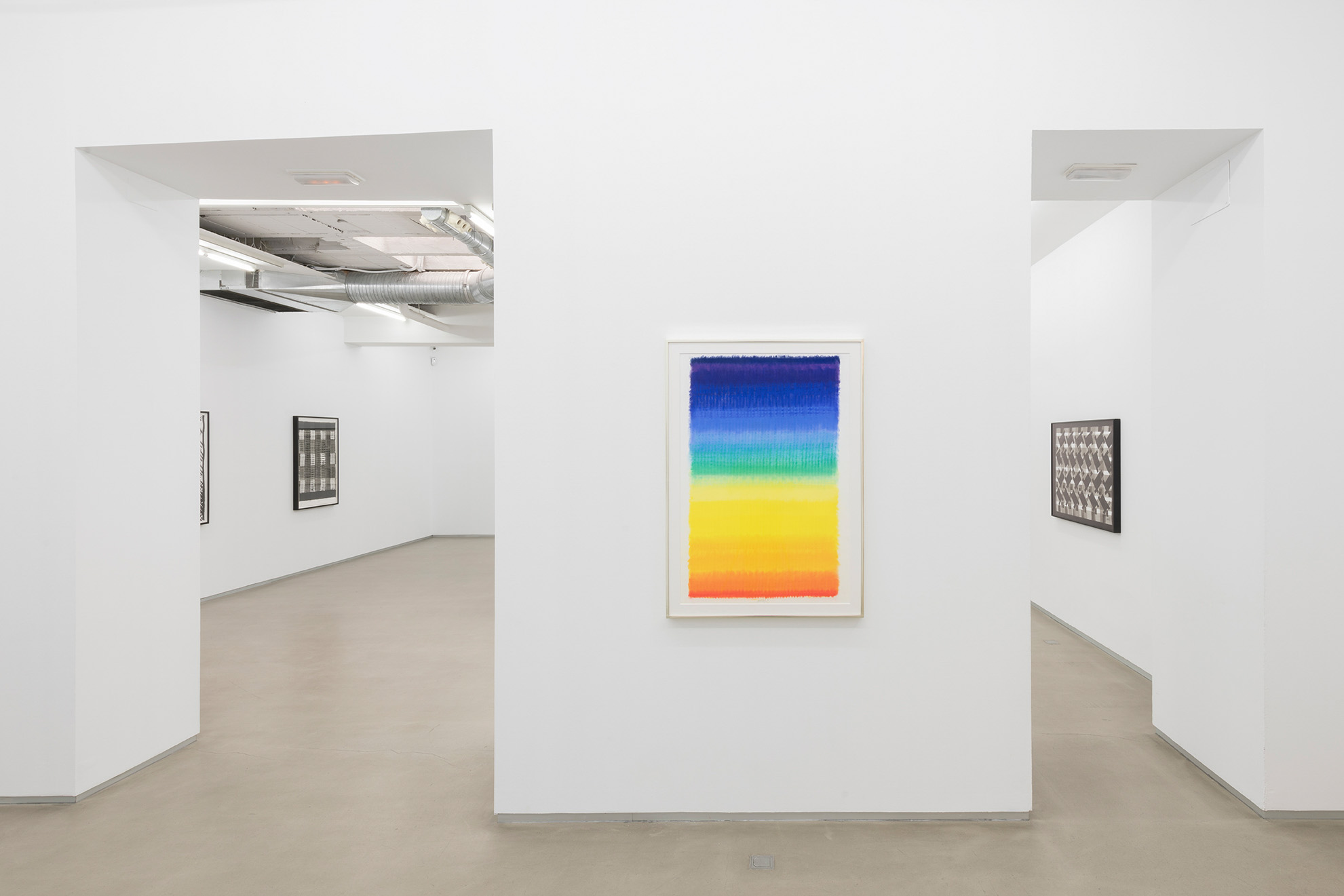
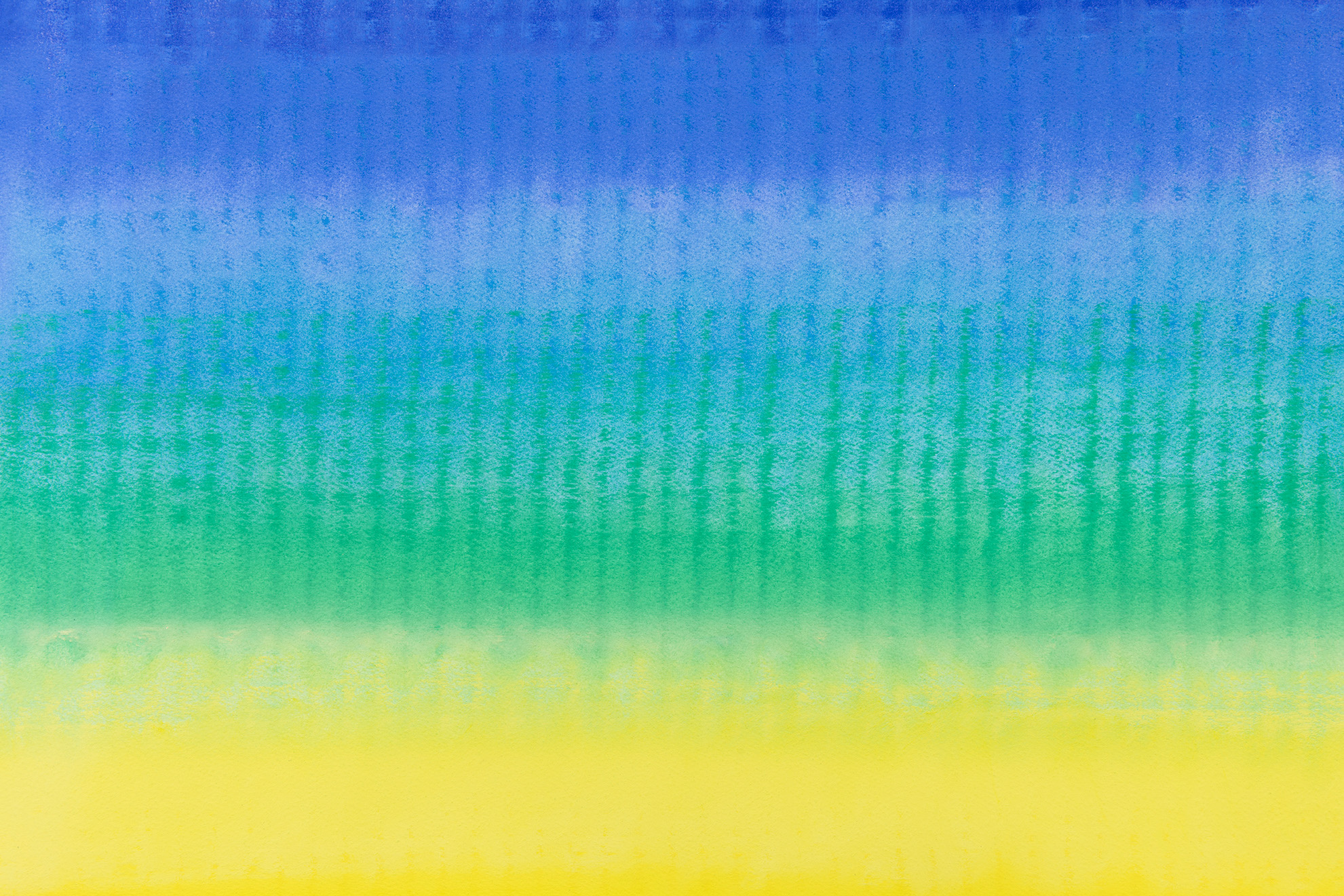
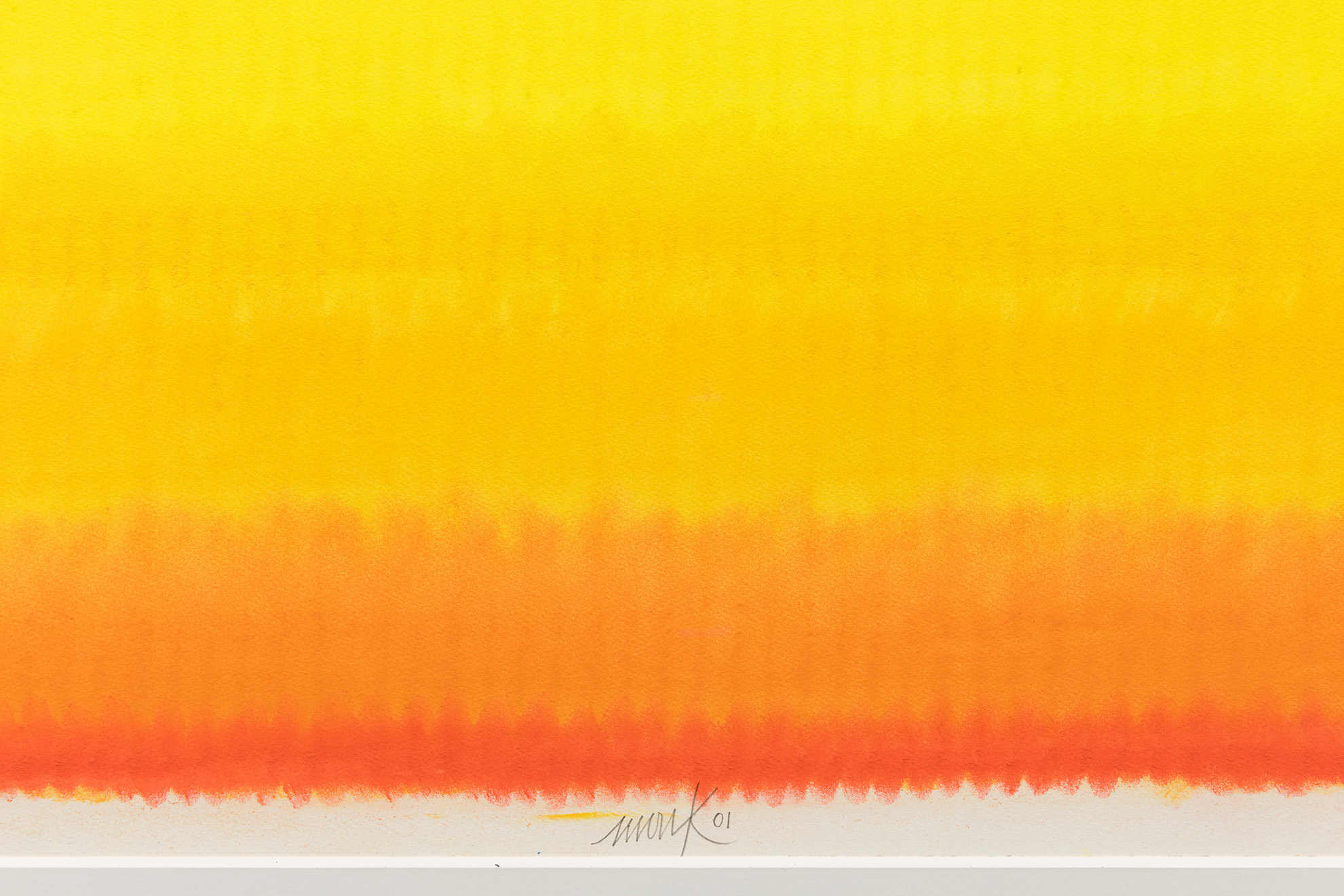
That work would not be what it means today if the artists had not started paiting with colors on canvas again in 1991. The turning point in his relationship with painting came in that year, with the series Cromatische Konstellation (Chromatic Constellation). Since then, his work as a sculptor and painter seems to have diverged into two clear, necessary, and distinct paths. In this new phase, the vibrancy of his colors continues to recall the more structuralist moment in his painting, but it is less restrained and more sensitive. The strokes in this new phase are not cold and metallic, nor are they calculated as in his previous works, but rather they present a warmth and an entity closer to the plasticity of nature. Perhaps it is no coincidence that in 1989, just two years after opening his first studio on the island of Ibiza, he began to produce this type of work, which is much more connected to the auratic and the natural.
His work has been exhibited internationally since 1959 and is part of some of the most prestigious public and private institutions and collections, including the Museum of Modern Art (MoMA) in New York, the Tate Modern in London, the Centre Pompidou in Paris, the Solomon R. Guggenheim Museum in New York, the Peggy Guggenheim Collection in Venice, the Stedelijk Museum in Amsterdam, the Berlin State Museums, the Ritter Museum in Waldenbuch, the Sakip Museum in Istanbul, the MACBA in Barcelona, the Museo Nacional Centro de Arte Reina Sofía in Madrid, the IVAM Museum in Valencia, and the Walker Art Center in Minneapolis.